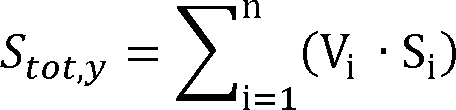
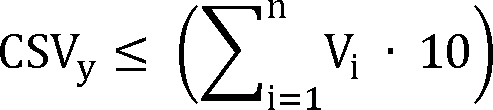
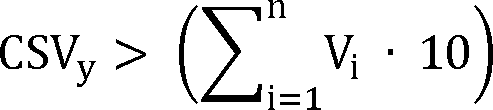
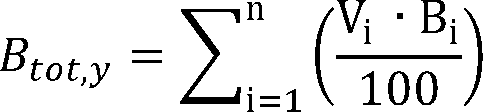
This action proposes to update the Environmental Protection Agency's (EPA) existing gasoline, diesel, and other fuels programs to improve overall compliance assurance and mainta...
This action proposes to update the Environmental Protection Agency's (EPA) existing gasoline, diesel, and other fuels programs to improve overall compliance assurance and maintain environmental performance, while reducing compliance costs for industry and EPA. EPA is proposing to streamline its existing fuel quality regulations by removing expired provisions, eliminating redundant compliance provisions (
e.g.,
duplicative registration requirements that are required by every EPA fuels program), removing unnecessary and out-of-date requirements, and replacing them with a single set of provisions and definitions that will apply across all gasoline, diesel, and other fuels programs that EPA currently regulates. This action does not propose to change the stringency of the existing fuel quality standards.
DATES:
Comments.
Comments must be received on or before June 29, 2020. Under the Paperwork Reduction Act (PRA), comments on the information collection provisions are best assured of consideration if the Office of Management and Budget (OMB) receives a copy of your comments on or before June 15, 2020.
Public Hearing.
EPA will announce the public hearing date and location for this proposal in a supplemental
Federal Register
document.
ADDRESSES:
Submit your comments, identified by Docket ID No. EPA-HQ-OAR-2018-0227, at
https://www.regulations.gov.
Follow the online instructions for submitting comments. Once submitted, comments cannot be edited or removed from
Regulations.gov. The EPA may publish any comment received to its public docket. Do not submit electronically any information you consider to be Confidential Business Information (CBI) or other information whose disclosure is restricted by statute. Multimedia submissions (audio, video, etc.) must be accompanied by a written comment. The written comment is considered the official comment and should include discussion of all points you wish to make. EPA will generally not consider comments or comment contents located outside of the primary submission (
i.e.,
on the web, cloud, or other file sharing system). For additional submission methods, the full EPA public comment policy, information about CBI or multimedia submissions, and general guidance on making effective comments, please visit
https://www.epa.gov/dockets/commenting-epa-dockets.
FOR FURTHER INFORMATION CONTACT:
Nick Parsons, Office of Transportation and Air Quality, Assessment and Standards Division, Environmental Protection Agency, 2000 Traverwood Drive, Ann Arbor, MI 48105; telephone number: 734-214-4479; email address:
parsons.nick@epa.gov.
Comments on this proposal should not be submitted to this email address, but rather through
https://www.regulations.gov
as discussed in the
ADDRESSES
section.
SUPPLEMENTARY INFORMATION:
Does this action apply to me?
Entities potentially affected by this proposed rule are those involved with the production, distribution, and sale of transportation fuels, including gasoline and diesel fuel. Potentially affected categories include:
Category
NAICS 1
Code
Examples of potentially affected entities
Industry
211130
Natural gas liquids extraction and fractionation.
Industry
221210
Natural gas production and distribution.
Industry
324110
Petroleum refineries (including importers).
Industry
325110
Butane and pentane manufacturers.
Industry
325193
Ethyl alcohol manufacturing.
Industry
325199
Manufacturers of gasoline additives.
Industry
424710
Petroleum bulk stations and terminals.
Industry
424720
Petroleum and petroleum products wholesalers.
Industry
447110, 447190
Fuel retailers.
Industry
454310
Other fuel dealers.
Industry
486910
Natural gas liquids pipelines, refined petroleum products pipelines.
Industry
493190
Other warehousing and storage—bulk petroleum storage.
1
North American Industry Classification System (NAICS).
This table is not intended to be exhaustive, but rather provides a guide for readers regarding entities likely to be affected by this proposed action. This table lists the types of entities that EPA is now aware could potentially be affected by this proposed action. Other types of entities not listed in the table could also be affected. To determine whether your entity would be affected by this proposed action, you should carefully examine the applicability criteria in 40 CFR part 80. If you have any questions regarding the applicability of this proposed action to a particular entity, consult the person listed in the
FOR FURTHER INFORMATION CONTACT
section.
Table of Contents
I. Executive Summary
A. Overview of Fuels Regulatory Streamlining
B. Summary of Stakeholder Involvement and Rule Development
C. Timing
D. Costs and Benefits
II. Changes to Part 80
III. Structure of Proposed Regulations and General Provisions
A. Structure of the Regulations
B. Implementation Dates
C. Prior Approvals
D. Definitions
IV. General Requirements for Regulated Parties
V. Standards
A. Gasoline Standards
B. Diesel Fuel
VI. Exemptions, Hardships, and Special Provisions
A. Exemptions
B. Exports
C. Hardships
VII. Averaging, Banking, and Trading Provisions
A. Overview
B. Compliance on Average
C. Deficit Carryforward
D. Credit Generation, Use, and Transfer
E. Invalid Credits
F. Downstream Oxygenate Accounting
( printed page 29035)
G. Downstream Oxygenate Recertification
VIII. Registration, Reporting, Product Transfer Document, and Recordkeeping Requirements
A. Overview
B. Registration
C. Reporting
D. Product Transfer Documents (PTDs)
E. Recordkeeping
F. Rounding
G. Certification and Designation of Batches
IX. Sampling, Testing, and Retention Requirements
A. Overview and Scope of Testing
B. Handling and Testing Samples
C. Measurement Procedures
X. Proposed Third-Party Survey Provisions
A. National Survey Program
B. National Sampling and Testing Oversight Program
XI. Import of Fuels, Fuel Additives, and Blendstocks
A. Importation
B. Special Provisions for Importation by Rail or Truck
C. Special Provisions for Importation by Marine Vessel
D. Gasoline and Diesel Fuel Treated as Blendstocks
XII. Compliance and Enforcement Provisions and Attest Engagements
A. Compliance and Enforcement Provisions
B. Attest Engagements
C. RVP Test Enforcement Tolerance
XIII. Other Requirements and Provisions
A. Requirements for Independent Parties
B. Labeling
C. Refueling Hardware Requirements for Dispensing Facilities and Motor Vehicles
D. Previously Certified Gasoline (PCG)
E. Transmix and Pipeline Interface Provisions
F. Gasoline Deposit Control
G. In-Line Blending
H. Confidential Business Information
XIV. Costs and Benefits
A. Overview
B. Reduced Fuel Costs to Consumers From Improved Fuel Fungibility
G. Executive Order 13175: Consultation and Coordination With Indian Tribal Governments
H. Executive Order 13045: Protection of Children From Environmental Health Risks and Safety Risks
I. Executive Order 13211: Actions Concerning Regulations That Significantly Affect Energy Supply, Distribution, or Use
J. National Technology Transfer and Advancement Act (NTTAA) and 1 CFR Part 51
K. Executive Order 12898: Federal Actions To Address Environmental Justice in Minority Populations and Low-Income Populations
XVI. Statutory Authority
I. Executive Summary
A. Overview of Fuels Regulatory Streamlining
1. Why EPA Is Taking This Action
As part of our continual effort to update our regulations to ensure that fuel quality standards established under the Clean Air Act (CAA) continue to be met in-use, while minimizing the burden associated with doing so, we are proposing to streamline and modernize our existing 40 CFR part 80 (“part 80”) fuel quality regulations by transferring them into a new proposed set of regulations in 40 CFR part 1090 (“part 1090”). In this action, we are taking a wholistic look at the existing part 80 regulations in an attempt to consolidate the many different and overlapping regulations into the proposed part 1090 regulations that will also better reflect how fuels, fuel additives, and regulated blendstocks are produced, distributed, and sold in today's marketplace.
2. What Is and Is Not Covered in This Action
This action focuses primarily on streamlining and consolidating our existing gasoline and diesel fuel programs that currently reside in part 80.[1]
To accomplish this, we are proposing to remove expired provisions and consolidate the remaining provisions from multiple fuel quality programs into a single set of requirements. This action covers almost all fuel programs and related provisions currently in part 80. These programs include, but are not limited to, the reformulated gasoline (RFG) program, the anti-dumping program, the diesel sulfur program, the gasoline benzene program, the gasoline sulfur programs, the E15 misfueling mitigation program, and the national fuel detergent program. This proposed streamlining effort aims to combine these separate, now fully-implemented programs, all of which affect the same regulated parties, into a single, national fuel quality program.
While this action proposes changes to many aspects of our fuel quality programs, there are several areas of the existing part 80 regulations that would remain unchanged. Most importantly, this action does not change the stringency of the existing fuel quality standards. We are simply proposing to streamline and consolidate the existing part 80 fuel quality programs into a single streamlined fuel quality program that would make compliance with the existing fuel quality standards under part 80 more straightforward, and as a result potentially improve fuel quality through increased compliance with our fuel quality standards. This action proposes to transfer the part 80 fuel quality standards mostly unchanged to part 1090, though in some cases we are proposing to modify the form of the standards to translate them into a format more conducive to streamlining the regulations and ensuring in-use compliance.
We recognize that while we are not proposing changes to the standards, in some cases, the proposed consolidation of certain provisions may slightly, indirectly affect in-use fuel quality. For example, proposed changes to how parties record and report test results that fall below the test method's lower limits of detection might cause parties to have to report slightly higher sulfur and benzene levels in gasoline, effectively improving in-use fuel quality by slightly decreasing the sulfur national annual average. On the other hand, the proposal to make it easier for fuel manufacturers of conventional gasoline (CG) to account for oxygenates (
e.g.,
ethanol) added downstream of the manufacturing facility, thereby allowing for a slightly lower reported level of gasoline benzene and sulfur levels, might be perceived as slightly decreasing in-use fuel quality. There are many such minor impacts of changes in part 1090 and we believe that on balance the proposed program would maintain the same overall level of fuel quality as the current part 80 standards. Throughout this preamble, we have tried to identify such cases and we discuss the cumulative costs and benefits of these changes in more detail in Section XIV.
We are also proposing some slight modifications to the Renewable Fuel Standard (RFS) program in subpart M of part 80, primarily for administrative purposes that follow from the proposed changes to our other fuel programs. These subpart M regulations are mostly unique to the RFS program, and
( printed page 29036)
therefore do not need to be consolidated with the other part 80 fuel standard regulations. One of the goals of this action is to help ensure consistency in how parties comply with our regulatory requirements and report information to EPA. Since the RFS program uses similar, if not the same, reporting systems and compliance mechanisms for parties to demonstrate compliance, we are proposing changes to help ensure that this consistency is maintained or enhanced as a result of this action. We will treat public comments received suggesting substantive changes to the RFS program as outside the scope of this rulemaking.
Finally, this action does not propose to remove any statutory requirement for fuels specified by the CAA. For example, this action does not propose to remove limits on lead levels in gasoline under CAA section 211(n), remove the requirement that all gasoline be additized with detergents under CAA section 211(l), or cetane index limits for diesel fuel under CAA section 211(g) and (i). While this action does update some of the provisions put in place to implement many provisions of the CAA, and in some cases substantially streamline the implementing regulations (
e.g.,
for the gasoline detergents program), we are not proposing to eliminate any requirement under the CAA for fuels and parties that make, distribute, and sell such fuels.
The majority of this action's proposed changes relative to part 80 focus on consolidating and streamlining compliance provisions currently in part 80, not on adding new compliance requirements for regulated parties. This action also does not propose to impose new standards on fuels. As such, this action is mostly a compilation of numerous, relatively minor proposed changes to the existing provisions under part 80. Many of these proposed changes may appear disconnected from one another, as they are addressing a specific technical area that needs consolidation, streamlining, and/or updating. Together, however, these proposed changes will lead to a more effective, efficient EPA fuels program.
3. Program Design
The new part 1090 is designed to reduce compliance burdens for both industry and EPA, potentially lower fuel costs for consumers, and maintain fuel quality. To accomplish these goals, we have identified three key elements that are included in part 1090:
A simplification of the RFG summer VOC standards.
A consolidation of the regulatory requirements across the part 80 fuel quality programs.
Improving oversight through the leveraging of third parties to ensure in-use fuel quality.
First, we are proposing to simplify the RFG standards by translating the current summer RFG VOC standard into an RVP per-gallon cap of 7.4 psi. This proposed change would allow us to remove the use of the Complex Model [2]
as a requirement to certify batches of gasoline and remove all the provisions associated with demonstrating compliance on average. This proposed change would also allow for us to minimize the restrictions on the commingling of RFG and CG, allowing for a more fungible and efficient gasoline distribution system.
The main remaining difference between RFG and CG is that in the summer, RFG's volatility is functionally controlled through a summer VOC performance standard determined with the Complex Model instead of through the RVP per-gallon maximum standards established for CG under CAA section 211(h). EPA has previously aligned the treatment RFG and CG for NOX
performance through the Tier 2 gasoline sulfur program and toxics performance through the national gasoline benzene program.[3]
This action would align treatment for RFG and CG by translating the existing RFG VOC performance standard into an RVP per-gallon cap standard, as is the case for CG in the summer. In Section V.A.2, we describe how the proposed summer RVP per-gallon cap of 7.4 psi equates to the existing RFG summer VOC standards. This change alone allows for the removal of the sampling, testing, and reporting requirements associated with several Complex Model parameters, greatly simplifying compliance with our fuel standards. With this proposed translation of the RFG summer VOC performance standards into a summer RFG RVP per-gallon maximum standard, the required controls on fuel properties for RFG would be identical to the control of fuel properties for CG, even though the standards would remain different.
Second, since the standards for volatility, benzene, and sulfur would be treated similarly between RFG and CG, this would allow for the streamlining and consolidation of the compliance and enforcement provisions of the various part 80 fuel quality programs into a single fuel quality program. This consolidation would improve consistency, remove duplication, and ultimately reduce compliance burden on regulated parties and EPA. For example, we are proposing to consolidate the various gasoline reporting requirements into a single, unified annual reporting requirement. Under part 80, we require quarterly batch reports for RFG, versus annual reports for CG. We also require separate batch reports for the gasoline benzene and gasoline sulfur programs.
Third, the proposed streamlined fuel quality program aims to improve oversight of our fuel quality programs. We hope to accomplish this by updating and improving the third-party oversight programs we already use in part 80. We are proposing to consolidate the existing three in-use survey programs into a single national in-use fuel quality survey. This proposed program would help ensure that all fuels nationwide continue to meet EPA fuel quality standards when dispensed into vehicles and engines, not just at the refinery gate. We are also proposing to replace the RFG independent lab testing requirement with a voluntary national oversight program. This proposed sampling oversight program would impose substantially lower costs across industry than the current regulations while helping to ensure the consistency of sampling and testing across industry. Finally, we are proposing to update and modernize the annual attest engagement program. These updated procedures will help ensure that the quality and consistency of reported information. Taken together, we believe these proposals will help improve oversight of our fuel quality programs.
B. Summary of Stakeholder Involvement and Rule Development
We have actively engaged stakeholders throughout the development of this action to help maximize its potential effectiveness. Due to the number of affected stakeholders, the complexity surrounding the production and distribution of fuels, and the broad scope of this action, active stakeholder involvement was necessary to help ensure that the proposed fuels regulatory streamlining program achieved its goals.
( printed page 29037)
As part of the proposal development process, we provided advance notice through four discussion drafts of the proposed regulations.[4]
In doing so, we solicited feedback from stakeholders to: (1) Help ensure that any gaps in our regulatory requirements were filled prior to proposal; and (2) identify potential issues with the streamlined regulations. We also held a three-day public workshop on a variety of topics in Chicago on May 21-23, 2018.[5]
During this workshop, EPA staff discussed a variety of issues related to the development of this action to an audience of over 120 affected stakeholders. We also reached out on at least two separate occasions to a broad spectrum of interested stakeholders, including parties that make and distribute fuels, states, environmental non-governmental organizations, and other affected stakeholders. The proposed streamlined fuel quality program in this action is intended to reflect the input of all of those who participated in these activities and events.
C. Timing
As discussed in more detail in Section III.B, we are proposing that the part 1090 regulations would mostly replace the existing part 80 regulations on January 1, 2021. We believe that having an implementation date at the beginning of a new compliance period would provide for a smooth transition to new regulatory requirements.
D. Costs and Benefits
We do not anticipate much, if any, change in air quality as a result of this action. This is largely due to the fact that we are not proposing changes to the existing fuel quality standards. As such, we do not expect that regulated parties would need to make significant changes to how fuels are made, distributed, and sold, which are the factors EPA typically considers when determining the costs associated with imposing or changing fuel quality standards.
However, we do believe that this proposal could result in savings to regulated parties and EPA by simplifying compliance with our fuel quality standards and by allowing greater flexibility in the manufacture and distribution of fuels. These savings would largely arise from the reduction of the administrative costs on regulated parties and EPA in complying with and implementing the existing fuel quality standards. We estimate the annualized total costs savings in administrative cost savings to industry to be $32.9 million per year. Other savings associated with improving the fungibility of fuel and providing greater flexibility could potentially be even more significant but are much more difficult to quantify. Section XIV of the preamble discusses in more detail the potential costs and benefits of this action.
II. Changes to Part 80
We are transferring several provisions in part 80 that are currently in effect to part 1090.[6]
These provisions are all discussed in the subsequent sections of this preamble and are now drafted in a manner that makes them easier to understand. We are also proposing to remove subparts B, D, E, F, G, H, I, J, K, L, N, and O and appendices A and B to part 80. Some of these subparts have either expired (
e.g.,
designate and track provisions for diesel fuel) or have been replaced by newer subparts (
e.g.,
subpart K (RFS1) was superseded by subpart M (RFS2), subpart H (Tier 2 Sulfur) was supplanted by subpart O (Tier 3 Sulfur), and subpart J (MSAT1) was supplanted by subpart L (MSAT2)).
We are not transferring some provisions from part 80 to part 1090. First, we are retaining the existing Renewable Fuel Standard (RFS) provisions in subpart M. We are proposing minor edits to subpart M that are intended to ensure consistency with the new language used in part 1090. These edits will not affect any of the actual requirements in subpart M, but rather will homogenize the language used across all of our fuels programs.
Second, because we are retaining the RFS program in part 80, we need to maintain certain general provisions contained in subpart A that will continue to apply to the RFS program. We are also revising several sections within subpart A to remove requirements, such as definitions that would no longer be applicable to part 80. In addition, we are reorganizing and consolidating the definitions in 40 CFR 80.2 to place them in alphabetical order, as this would make it consistent with part 1090 and much easier to find terms.
Finally, we are also retaining the Oxygenated Gasoline provisions in subpart C in part 80. This subpart contains a single section related to a requirement for labeling of oxygenated gasoline at retail pumps, as mandated by CAA section 211(m)(4). We are maintaining this requirement in part 80 because some state oxygenated fuel programs may reference the labeling requirements in part 80 and we want to minimize the amount of changes needed by states to revise regulations and update state implementation plans.
III. Structure of Proposed Regulations and General Provisions
This section describes the general structure of the proposed part 1090 regulations (
i.e.,
how we propose to structure the regulations to make them more accessible to users and readers of the regulations). This section also describes the proposed implementation dates, how we intend to deal with prior approvals made under part 80, and our proposed approach to consolidating the hundreds of definitions in the part 80 regulations. Finally, this section discusses key proposed provisions (
e.g.,
the definition of gasoline) in more detail to solicit public feedback on terms fundamental to the proposed streamlined fuel quality program.
A. Structure of the Regulations
We are proposing a structure for part 1090 that differs from the structure of our current part 80 regulations. Part 80 includes a variety of fuel quality programs that, while designed to operate together, appear as distinct programs in the regulations. Historically, we have codified new fuel quality programs by adding a new subpart at the end of part 80. This was often done because each new fuel quality program implemented new regulatory requirements that augmented the prior fuel quality programs. These new additions also helped provide interim requirements needed to implement the new program. As a result, part 80 includes numerous similar sections that either create multiple methods of complying with certain regulatory requirements (
e.g.,
submitting multiple gasoline batch reports for the RFG, antidumping, gasoline benzene, and Tier
2/3
gasoline sulfur programs) or create what might appear to be contradictions in the regulations. Rather than have subparts with all the provisions associated with a given fuel standard (
e.g.,
a subpart that contains all provisions related to gasoline benzene and a separate subpart that contains all provisions related to gasoline sulfur), part 1090 contains dedicated subparts according to the various functional elements of our fuel regulations (
e.g.,
subparts that contain all gasoline standards or contain all reporting requirements).
As proposed, subpart A contains general requirements that apply
( printed page 29038)
throughout the rest of part 1090. Subpart A includes regulatory language that generally outlines the applicability and scope of the regulation, defines key terms, and outlines when the part 1090 requirements come into effect. Subpart A also describes how requirements under part 1090 interact with other parts of the regulations that affect fuels—parts 79 and 80. Many of these sections are described elsewhere; for example, rounding of data is discussed in the reporting section (see Section VIII), and batch numbering is discussed in the designation and product transfer document section (see Section VIII).
We are also proposing to include a list of general regulatory requirements for parties in subpart B. This subpart would lay out the general regulatory requirements for regulated parties. This helps inform the regulated community of what is generally expected of them in a succinct manner and provides references to the specific requirements in the appropriate places in the regulations. While the roadmap in subpart B does not remove or modify any of the regulatory obligations required throughout the rest of part 1090, we believe it will serve as a helpful guide. During the development of this proposed rule, we received feedback from several stakeholders that such a roadmap would not only be helpful for them to follow the part 1090 regulations, but would especially help those new to the regulations more easily identify general regulatory requirements.
We are also proposing to keep the standards for different fuels in separate subparts so as to make it easier for parties to identify the specific standards that apply to fuels, regulated blendstocks, and additives. For part 1090, we have put the gasoline-related standards and the diesel-related (plus IMO marine fuel) standards in their own individual subparts. We are also leaving a subpart reserved after the gasoline and diesel standards, as we may need to use that subpart for future standards and this would enable us to not have to move subsequent subparts in a manner that would cause unnecessary confusion on the part of the regulated community.
The next block of subparts (E through P) involve the provisions and requirements that regulated parties are expected to follow to demonstrate compliance with the applicable standards. We have consolidated the specific types of compliance activities where possible. For example, we have consolidated all the registration sections of part 80 into a single registration subpart in part 1090 (subpart I). For these subparts, we have included general provisions that apply to all regulated parties, with sections devoted to specific requirements for individual groups of regulated parties (
e.g.,
gasoline refiners or oxygenate blenders).
Subpart Q includes the liability, compliance, and violation provisions that EPA enforcement staff would use to enforce the program. This subpart consolidates the similar sections from across part 80 into a single streamlined subpart.
Finally, subpart R includes the attest engagement procedures that independent auditors would need to use to conduct annual auditing of reports and records for gasoline refiners. These procedures are updated versions of the those already included in part 80.
We believe that this new structure would make the fuel quality regulations more accessible to all stakeholders, help ensure compliance by making requirements more easily identifiable by activity, and help future participants in this regulated space understand our fuel quality regulations in the future. We seek comment on this proposed structure of the regulations.
B. Implementation Dates
We are proposing that regulated parties would begin complying with most provisions of part 1090 on January 1, 2021. This proposed date would result in the first compliance reports for the 2021 compliance period being due March 31, 2022, and the first attest engagement reports for the 2021 compliance period being due June 1, 2022.
We believe that this action minimizes the need for immediate changes to how regulated parties comply with our fuel quality regulations, and therefore, this proposed implementation schedule will allow sufficient time for regulated parties to modify their current business practices whenever it makes the most business sense for the individual regulated party's situation. In general, we have tried to minimize changes to existing requirements for regulated parties so as to avoid unnecessary burden. However, to consolidate the RFG program with the other fuel quality programs and maximize fuel fungibility, some changes to the program design would result from consolidating the programs into a single national program. Where possible, we wrote the proposed requirements to allow flexibility for regulated parties to adjust as needed.
While we believe a January 1, 2021, implementation date provides regulated parties enough time to come into compliance since we are not requiring changes that would necessitate substantive investments to meet new or modified fuel quality standards, we received feedback during the rule development process that we may need to provide regulated more time to implement some of the proposed provisions. In particular, some stakeholders noted that modifying product transfer document (PTD) language and adjusting to some of the proposed changes for sampling and testing may not be possible by January 1, 2021. One potential solution is to allow more time for these specific provisions to phase in. For example, we could allow regulated parties to continue to use the part 80 PTD requirements until the beginning or end of the high ozone season (June 1 and September 15, respectively). A similar approach could be allowed for other provisions that potentially need more lead time. We seek comment specifically on what provisions may require additional lead time to implement.
C. Prior Approvals
We are proposing to allow regulated parties with existing approvals under part 80 to maintain those approvals under part 1090. For example, parties registered under part 80 would not need to reregister under part 1090. We believe that making regulated parties resubmit information already reviewed and approved by EPA would be duplicative and burdensome on both the regulated parties and EPA staff. However, this action would require that any new requests or updates to approvals currently necessary under part 80 would have to meet the new proposed regulatory requirements of part 1090.
For existing approvals under part 80, regulated parties would not need to update a previously approved submission under part 1090. For example, we have approved alternative E15 labels under part 80. Parties would not need to have these labels reapproved in order to use them under part 1090. One notable exception is for in-line blending waivers. As discussed more in Section XIII.G, we are proposing significant changes to the in-line blending waiver provisions for RFG (mostly to remove provisions related to parameters that would no longer need to be reported) and for CG, which are designed to make consistent with the proposed RFG in-line blending waiver provisions. As such, we are proposing to require resubmission of all in-line blending waiver requests to ensure that they meet the new requirements.
D. Definitions
We are proposing to streamline and update the definitions contained
( printed page 29039)
throughout part 80, as well as add and remove terms as needed to write the proposed part 1090 regulations. How we define key terms in the regulations has a significant effect on how regulated parties comply with the regulations. As our fuel quality programs have expanded in scope, definitions in part 80 have expanded as well. Additionally, as we added new subparts to the part 80 regulations for each program, we have added subpart specific definitions. We have also defined terms in the context of specific sections of the regulations. This has created situations where sometimes there are differences in definitions for the different standards, which makes it more difficult for parties to comprehend and comply with the regulations. In part 1090, we have consolidated all the applicable definitions into a single section. We have tried to avoid having a definition section in individual subparts; however, some infrequently-used terms may still be defined in the context of the regulatory text. We believe this approach would help the regulated community and the public at large to more easily comprehend the regulations.
For the most part, we are proposing to transfer the existing part 80 definitions into part 1090 with minor proposed changes to specific terms for consistency. However, in some cases, we are proposing to redefine or reclassify key terms as part of part 1090. Specifically, these areas include the defined terms for the types of regulated products (discussed in Section III.D.1) and the descriptions of regulated parties (discussed in Section III.D.2). We are also proposing revisions to the definition of “gasoline” and “diesel fuel” (discussed in Section III.D.3). While we believe these three areas of the proposed definitions warrant significant discussion, we seek comment on all of the proposed definitions.
1. Fuels, Fuel Additives, and Regulated Blendstocks
In order to improve the clarity and consistency of our regulations, we are proposing changes regarding how to classify products regulated under our fuel quality regulations. In part 80, most fuel programs were written as a separate fuel program rather than a single, consolidated fuel quality program. For example, 40 CFR part 80, subpart I, almost exclusively deals with distillate fuels and 40 CFR par 80, subpart N, deals with gasoline-ethanol blended fuels. Since part 1090 would attempt to consolidate all fuel quality programs under part 80 into a single, consolidated fuel quality program, a consistent nomenclature for regulated products is needed.
This action describes requirements for fuel quality on three categories of products: Fuels, regulated blendstocks, and fuel additives. We further classify these products into bins based on the type of vehicle or engine that the fuel is used (
i.e.,
gasoline-fueled, diesel fueled, or in a vessel subject to MARPOL Annex VI requirements (
e.g.,
vessels that must use ECA or IMO marine fuel)). For gasoline-fueled engines, we not only define the term gasoline (discussed in detail in Section III.D.2), but we also define and place requirements on specific types of gasoline based on its ethanol content (
e.g.,
E0, E10, and E15), whether the gasoline is intended for use or used as summer or winter gasoline, and in the summer, what RVP standard the fuel is subject to (
i.e.,
9.0 psi, 7.8 psi, or the proposed RFG 7.4 psi standard). For diesel-fueled engines, since the requirement to use 15 ppm diesel fuel (or ultra-low-sulfur diesel (ULSD)) is now required in almost all motor vehicle, non-road, locomotive, and marine applications (called MVNRLM diesel fuel in part 80), we are defining this fuel simply as ULSD, as it is more commonly known in the market. 500 ppm diesel fuel continues to be allowed for certain locomotive and marine applications.
Regarding regulated blendstocks, we have historically not imposed quality specifications on blendstocks, choosing instead to focus compliance requirements on finished fuels that are ultimately used in vehicles and engines. However, as the fuels marketplace has continued to evolve, this structure has become increasingly difficult to accommodate the complexity of manufacturing and distributing fuels practices today. Therefore, we are proposing alternative provisions, which are all currently permissible under part 80, for gasoline manufacturers to demonstrate compliance with our fuel quality requirements by imposing requirements on certain blendstocks that are added to previously certified gasoline (PCG) if certain conditions are met. We are referring to blendstocks for which we have proposed standards collectively as “regulated blendstocks.” For example, under both part 80 and the proposed part 1090 regulations, we allow gasoline refiners to blend butane into gasoline and to rely on test results from the producers of the butane if the butane meets more stringent sulfur and benzene per-gallon standards.[7]
These butane blenders can use these provisions in lieu of certifying the finished gasoline and having to meet sulfur and benzene annual standards as these provisions are designed to ensure that the national sulfur and benzene pool do not increase as a result of blending these feedstocks. Under part 1090, we are proposing the same flexibilities as under part 80 for gasoline manufacturers that wish to blend butane that has been certified to meet specifications (differences between parts 80 and 1090 are discussed in Section V.A.3). We believe that this will also allow more opportunities for parties to make cost-effective compliant fuels in the future.
This action also includes the current part 80 specifications for gasoline and diesel additives, mostly unchanged. Except for oxygenates in gasoline, additives are added to fuels in low amounts (less than 1.0 volume percent of the fuel total) and often serve to help improve fuel performance (
e.g.,
to control deposits on intake valves). All diesel fuel additives are subject to sulfur limitations. Under both part 80 and part 1090, gasoline additives are also subject to sulfur limitations, but the term “gasoline additives” also includes gasoline detergents and oxygenates. Also under both part 80 and part 1090, gasoline detergents and oxygenates (including denatured fuel ethanol or DFE) have specific requirements that apply in addition to the sulfur requirements that apply for all gasoline additives.
2. Fuel Manufacturers, Regulated Blendstock Producers, and Fuel Additive Manufacturers
In part 80, a refinery is defined as ” any facility, including but not limited to, a plant, tanker truck, or vessel where gasoline or diesel fuel is produced, including any facility at which blendstocks are combined to produce gasoline or diesel fuel, or at which blendstock is added to gasoline or diesel fuel,” [8]
while a refiner is “any person who owns, leases, operates, controls, or supervises a refinery.” [9]
When these terms were first defined, virtually all finished fuels were produced at a crude oil refinery. As we have permitted greater flexibility in the production of fuels through the blending of regulated blendstocks to make new fuels and the market has moved to allowing fuels to be produced downstream of crude oil
( printed page 29040)
refineries, the use of the term “refiner” to encompass all parties that make fuels has become less appropriate. Additionally, the differences in terminology between part 79 and part 80 have caused confusion among those required to or potentially required to comply with the requirements of both parts. Refiners and importers of on-highway motor vehicle gasoline and diesel fuel are fuel manufacturers under part 79 and required to register under EPA's fuel and fuel additive registration (FFARs) requirements. Under part 79, parties that make gasoline or diesel fuel through the blending of blendstocks or blending of blendstocks into PCG are also considered fuel manufacturers and must registered under part 79. Part 79 also includes importers of on-highway motor vehicle gasoline and diesel fuel as fuel manufacturers for purposes of FFARs. Part 80 generally requires that importers of gasoline and diesel fuel meet the same requirements as refiners, with some additional requirements on importers depending on the situation.
This action uses the term fuel manufacturer to describe any party that owns, leases, operates, controls, or supervises a facility where fuel is produced, imported, or recertified, whether through a refining process (
e.g.,
through the distillation of crude oil), through blending of blendstocks or blending blendstocks into a previously certified fuel to make fuel, or through the recertification of products not subject to our fuel quality standards to fuels that are subject to our fuel quality standards (
e.g.,
redesignating heating oil to ULSD). Importers of fuels would continue to be fuel manufacturers consistent with parts 79 and the CAA. We are also proposing to further distinguish between parties that refine feedstocks to make fuels (more commonly known as “crude refiners”) and blending manufacturers who make fuels through blending blendstocks together to make a fuel or into an existing fuel to make a new fuel.[10]
This action includes requirements specific to the type of fuel manufacturer, and the proposed nomenclature makes it easier for us to describe the proposed requirements for the types of fuel manufacturers and for parties to understand what requirements apply specifically to whom. However, while we are proposing to modify the terminology used in part 1090 for these parties, generally, these parties would have the same obligations and responsibilities under the regulations.
We are proposing to define producers of regulated blendstocks as regulated blendstock producers. For example, these parties would include certified butane/pentane producers and oxygenate producers (including DFE producers).
As is the case currently under parts 79 and 80, parties that only blend fuel additives into fuels are not fuel manufacturers. Any party that adds a compound (other than oxygenate or transmix) that is 1.0 percent or more of the finished fuel would be a blending manufacturer, as the compound added would be considered a blendstock and parties that add blendstocks into fuel are considered fuel manufacturers and would need to meet all the applicable regulatory requirements. Consistent with part 79, oxygenate blenders that only add oxygenates at levels permissible under the CAA section 211(f) continue to be considered additive blenders and not fuel manufacturers.
3. Definition of Gasoline
This action includes a new definition of gasoline. When we define what constitutes a fuel, this determines which fuels are subject to our fuel quality standards. The goal of our fuel quality programs is to ensure that compliant fuel is ultimately used in vehicles, engines, and equipment. To achieve this goal, we believe that the definition of gasoline needs to reflect changes in the fuels marketplace that have occurred over the last 40 years, as well as potential changes on the horizon. While petroleum refineries still have the most direct impact on gasoline fuel quality by volume, every party downstream of the refinery can affect fuel quality, and in today's marketplace many of these downstream parties are now the determinant of the quality of the fuel that actually goes into the vehicle. For example, these parties may add oxygenates (primarily ethanol) or augment the volume of gasoline through the blending of various blendstocks into PCG to produce new fuels.
To ensure that gasoline meets fuel quality standards from the petroleum refinery until it is dispensed into a gasoline-fueled vehicle or engine, in light of the changing fuels marketplace, we believe that the definition of gasoline should contain three elements. First, when a party represents a fuel as meeting our fuel quality standards, such fuel is subject to our standards regardless of whether the fuel meets the standard. Were this not the case, then anytime a fuel failed to meet our standards, we could not hold anyone accountable for failing to meet the standards. In the proposed definition of gasoline, we define gasoline as anything commonly and commercially known as gasoline. This portion of the proposed definition is consistent with the existing parts 79 and 80 definitions of gasoline.
The second element of the definition of gasoline is whether the product is made available for use or used in a gasoline-fueled vehicle or engine. Since the ultimate purpose of our fuel standards is to ensure that compliant fuel is used in vehicles and engines, if a person makes a product available for use by designating it as gasoline or placing it in the fuel distribution system, or if the product is used in a gasoline-fueled vehicle or engine, the product should be subject to EPA standards. We have used this terminology when describing other fuels under part 80, notably in definitions related to motor vehicle diesel fuel [11]
and ECA marine fuel.[12]
The third element of the definition of gasoline is the product's physical and chemical characteristics. Whether a fuel is subject to our standards cannot be solely based on whether a regulated party calls or labels a product it produces as gasoline. This would create an incentive for parties to simply label fuel intended for use as gasoline by another name to avoid having to meet our fuel standards. Therefore, when a manufacturer produces a fuel that is chemically and physically similar to gasoline, the fuel should be subject to our gasoline fuel standards. To address this element, we are proposing that gasoline is any product that meets the voluntary consensus standards body (VCSB) industry specifications for gasoline (ASTM D4814).
For the discussion drafts of the regulations,[13]
we presented definitions of gasoline that attempted to conservatively capture any product that could be used in vehicles and engines designed to operate on gasoline. We received feedback from stakeholders suggesting that this definition of gasoline was too broad, especially concerning the third element, which would have resulted in blendstocks that are never intended to be sold in their pure form as gasoline being subject to our fuel quality standards. These stakeholders argued that some higher quality blendstocks (
e.g.,
alkylates) used to make gasoline would meet the ASTM D4814 specifications for gasoline and may therefore be subject to EPA
( printed page 29041)
standards. To address this feedback, we have excluded those blendstocks of concern that are not made available as gasoline but may otherwise meet the definition of gasoline by meeting ASTM D4814 specifications. Since there is an economic incentive for parties to keep these high value blendstocks segregated from gasoline in the fuel distribution system, these products will not generally be made available for use in gasoline-fueled vehicles and engines and would not, therefore, be considered gasoline. We seek comment on this approach.
We have taken a similar approach in the part 80 definitions for diesel fuel and largely mirror the three elements proposed for the definition of gasoline in the definition of diesel fuel. We seek comment on these definitions.
IV. General Requirements for Regulated Parties
As part of the streamlined fuel quality program, we are proposing a subpart dedicated to outlining the general regulatory requirements for each regulated party (subpart B). We received feedback during the rule development process that due to the layout of the regulations in part 80, parties need to read the entire subpart to make sure they have identified all applicable regulatory requirements. The current regulations in part 80 are almost 1,000 pages long, and many regulated parties spend a substantial amount of resources to comprehend and interpret them or ask EPA staff through the help desk to identify applicable regulatory requirements.
To make the streamlined regulations more accessible, we are proposing to make subpart B a roadmap for regulated parties, directing them to those subparts that are most likely to affect them and their business. We first outline the general requirements applicable to all parties that make and distribute fuels, fuel additives, and regulated blendstocks. These requirements include keeping records and being subject to regulatory requirements under the proposed subpart if a party makes and distributes fuels, fuel additives, and regulated blendstocks.
We then describe the requirements that apply to each group of regulated parties based on their business activities. Examples of these categories are fuel manufacturers, detergent blenders, oxygenate blenders, and retailers. We believe this would help these parties more easily identify regulatory provisions that apply to their specific activities. For example, retailers are typically small businesses that have greater difficulty affording consultants to help them understand their regulatory requirements. Retailers also have a relatively small number of regulatory requirements under the part 80 and part 1090 regulations. By identifying the generally applicable requirements that apply to all retailers, these small businesses could more easily identify those regulatory requirements that apply to them, helping them to more easily comply with our fuel quality regulations.
It is important to note that parties may have more than one regulated activity, and, as is the case today, these parties would be required to satisfy all regulatory requirements for each regulated activity. Regulated parties would still need to comply with all applicable requirements contained in part 1090, regardless of whether they are identified for them in subpart B. EPA cannot predict every possible situation a party may be in within the market place now or in the future. Accordingly, regulated parties, as always, should pay careful attention to all the applicable regulatory requirements to ensure compliance.
We request comment on the proposed structure of subpart B, as well as whether the subpart would be helpful to regulated parties in general. We also request comment on how we can improve the streamlined regulations to further improve the understandability and navigation of part 1090.
V. Standards
A. Gasoline Standards
1. Overview and Streamlining of Gasoline Program
We are proposing to consolidate the various gasoline-related standards into a single subpart in part 1090 (subpart C). We are not proposing to change the lead, phosphorous, sulfur, benzene standards or the RVP gasoline standards in the summer, nor are we proposing to change the standards for oxygenates (including denatured fuel ethanol), certified ethanol denaturant, gasoline additives, and standards for certified butane and pentane. These standards are simply being moved and consolidated into subpart C. Any comments on these standards will be treated as beyond the scope of this rulemaking.
However, to streamline the gasoline program, we are proposing some changes in the form of the RFG VOC performance standards. These changes are not expected to change the stringency of the gasoline standards. We do, however, expect that these changes would greatly simplify the gasoline program, resulting in: (1) Reduced burden associated with demonstrating compliance with the gasoline standards; (2) improved fungibility of gasoline, allowing the market to operate more efficiently; and (3) reduced costs to consumers. First, we are proposing to translate the RFG standard from the demonstration of the VOC performance standard via the complex model into an equivalent maximum RVP per-gallon standard, which would allow us to greatly simplify the compliance demonstration requirements for RFG. Of all the provisions being proposed, this is the key provision enabling considerable streamlining of our existing gasoline regulations.
Second, we are also proposing to consolidate the two grades of butane and the two grades of pentane specified in part 80 for use by butane and pentane blenders into a single grade each of certified butane and certified pentane. This would greatly simplify the registration and reporting of activities related to blending certified butane and certified pentane.
Finally, we are proposing certain regulations related to summer gasoline, as well as procedures for states to relax the federal 7.8 psi RVP standard. These changes are discussed more thoroughly in the following sections.[14]
2. Reformulated Gasoline Volatility Standard
The RFG program was created by EPA in the 1990s in response to a directive from Congress in the CAA Amendments of 1990 with the express purpose of providing cleaner burning gasoline to the most polluted metropolitan areas of the country. The program was very successful in that regard. However, since that time, a series of additional fuel quality standards and other market changes have resulted in CG meeting or exceeding most of the performance requirements for RFG, with the primary difference between CG and RFG now being only the lower RVP of the RFG during the summer months. At the same time, the extensive RFG regulations remain, constraining gasoline fungibility, increasing costs, complicating compliance oversight, and limiting the sale of certain biofuel blends. Consequently, we are proposing to: (1) Replace the existing compliance mechanism used for RFG batch certification—the Complex Model—with a summer RVP maximum per-gallon standard; (2) apply that same single RVP standard to all RFG nationwide; (3) provide greater
( printed page 29042)
flexibility for blending of oxygenates (ethanol and biobutanol) and E0 in RFG areas; and (4) remove a number of other restrictions that now create a distinction without a difference between RFG and CG.
We intend these proposed changes to maintain the stringency of all standards associated with RFG while alleviating unnecessary compliance mechanisms by simplifying the recordkeeping and reporting requirements. We acknowledge that the CAA requires the existence of RFG in specified nonattainment areas [15]
and certification procedures to certify RFG as complying with the requirements.[16]
This action proposes to simplify and translate those requirements while still maintaining the same level of VOC emissions reductions as currently required. This would be accomplished by translating the current VOC emissions reductions demonstrated through the Complex Model into an RVP standard that would be used to demonstrate RFG VOC compliance in lieu of the Complex Model.[17]
CAA section 211(k)(3)(B) provides that during the high ozone season, “the aggregate emissions of ozone forming volatile organic compounds from baseline vehicles when using the reformulated gasoline shall be 15 percent below the aggregate emissions of ozone forming [VOCs] from such vehicles when using baseline gasoline.” This section also provides for increasing stringency beginning in 2000 of at least 25 percent, based on technological feasibility and costs. We are achieving that demonstration through the use of an RVP standard.
The proposed RFG summer RVP standard of 7.4 psi was specifically chosen in order to maintain the summer VOC performance required by the statute,[18]
and this RVP is currently observed in the RFG fuel pool; this approach also aligns the RFG compliance provisions with the much simpler and more easily enforced provisions currently in place for CG. In doing so, we are also acting on the Energy Policy Act of 2005 (EPAct) directive to consolidate the RFG VOC Regions into a single set of RFG standards by applying the southern RFG requirements (VOC control region 1) to all RFG areas, as discussed further in Section V.A.2.d. This consolidation of RFG VOC Regions, along with other proposed changes in this action, would provide greater fungibility in the RFG pool and eliminate antiquated restrictions in order to provide greater flexibility to fuel manufacturers and distributors, reduce cost for those parties, and reduce compliance and enforcement oversight costs.
Additional benefits from this proposed action are potentially wide reaching and could create opportunities for broader availability of fuels and reduced consumer costs. With the introduction of a summer RVP standard for RFG, in situations of fuel shortage in RFG areas, gasoline from other RFG areas or from state low-RVP fuel programs could now be moved to affected areas without recertification so long as the RFG RVP standard is observed. This increase in gasoline fungibility should serve to reduce scarcity and promote lower prices for consumers in affected areas. Additionally, the desire for ethanol-free gasoline for marine use in RFG areas has regularly been expressed by both citizens and elected officials of areas where RFG is required. Under the current RFG compliance provisions in part 80, it is difficult for distributors to provide ethanol-free gasoline to consumers in RFG areas. Under part 1090, it would be easier for distributors to provide ethanol-free gasoline to consumers in these areas.
a. Review of RFG
The definition and use of RFG is stipulated in CAA section 211(k). The RFG program was established in response to exceedances of the National Ambient Air Quality Standards (NAAQS) for ozone being experienced in many metropolitan areas across the U.S. in the late 1980s.[19]
Gasoline motor vehicle emissions were and continue to be a major contributor to the inventory of air pollutants in metropolitan areas. The RFG program is implemented through a set of gasoline standards demonstrated to reduce emissions from vehicles of that era.[20]
The demonstration of emissions reductions was predicated on changing fuel properties from a baseline fuel composition used in the baseline vehicle fleet. The 1990 statutory baseline fuel and fleet codified in the RFG regulations in part 80 are presented in Table V.A.2.a-1.
Table—V.A.2.
a
-1—Statutory Baseline Fuel Composition
Summer
Winter
RVP (psi)
8.7
11.5
Benzene (vol%)
1.53
1.64
Aromatics (vol%)
32.0
26.4
Olefins (vol%)
9.2
11.9
Sulfur (ppm)
339
338
E200 (%)
41.0
50.0
E300 (%)
83.0
83.0
Oxygen (wt%)
0.0
0.0
Summer = June 1-September 15.
The compliance of RFG in comparison to the baseline fuel was originally demonstrated by refiners using the Simple Model.[21]
An improved version of the compliance model was created and designated the Phase II Complex Model after the initial phase of the RFG program. The Complex Model has been used by refiners to certify RFG
( printed page 29043)
under the Phase II RFG program and to meet the emission reduction standards outlined in Table V.A.2.a-2.
Table V.A.2.
a
-2—Phase II Standards and Requirements for Compliance
Phase II Complex Model Averaged Standards
VOC Emission Performance Reduction (%):
Region 1 standard
≥ 29.0
Region 1 per-gallon standard
≥ 27.5
Region 2 standard
≥ 27.4
Region 2 per-gallon standard
≥ 25.9
Region 2 (Chi/Milw) standard
≥ 25.4
Region 2 (Chi/Milw) per-gallon standard
≥ 23.9
Toxic Air Pollutants Emission Performance Reduction (%)
≥ 21.5
NOX
Emission Performance Reduction (%):
Gasoline designated as VOC-controlled
≥ 6.8
Gasoline not designated as VOC-controlled
≥ 1.5
Benzene (vol%):
Standard
≤ 0.95
Per-gallon maximum
≤ 1.30
The Complex Model required refiners to sample and test RFG for 11 parameters that would then be entered into the model. Refiners could either demonstrate compliance on a per-gallon basis or on an average basis across the year. Despite the added flexibility associated with the Complex Model over the Simple Model, refiners tended to focus changes on just a few parameters. To comply with the VOC emissions performance standard, refiners primarily lowered the RVP of their RFG as was anticipated at the time of the rule. For the NOX
standard, refiners primarily lowered the sulfur content of RFG, and to comply with the toxics standard, benzene and aromatics content was reduced in their RFG. Additionally, there have been three different RFG VOC regions designated under the Phase II standards; each with slightly different required levels of VOC emissions reduction as compared to the baseline fuel. The RFG program operated under these standards and resulted in a gasoline composition that was vastly different from CG when the program was phased in from 1995 through 2000.
b. Gasoline Regulation Changes
Since 2000, however, through a series of gasoline regulations and marketplace changes, the environmental performance of CG has improved to equal that of RFG in all respects except for summer VOC emission performance (as estimated using the Complex Model).
We established the Tier 2 gasoline sulfur program to limit the average sulfur content in gasoline to 30 ppm beginning in 2004,[22]
with an 80 ppm per-gallon maximum standard (95 ppm at any location downstream of a refinery or import facility).[23]
A reduction in fuel sulfur would reduce NOX
emissions on its own accord (as expressed in the Complex Model), but fuel sulfur reduction was also paramount to protecting the exhaust aftertreatment systems necessitated by the more stringent vehicle emission standards established as part of the same Tier 2 program rulemaking. By the end of 2007, after the conclusion of all early credit, small refinery hardship extensions, and other program flexibilities, the sulfur level of all gasoline was reduced to less than 30 ppm in-use. The Tier 2 gasoline sulfur standards reduced VOC, NOX, and air toxics emissions, and brought down RFG and CG sulfur levels to a low enough level that the NOX
emission performance standard determined using the Complex Model were met and exceeded for any compliant RFG. Consequently, the NOX
emission performance standard was thereafter deemed met for both RFG and Antidumping (
i.e.,
CG) if the Tier 2 gasoline sulfur standard was met. This represented the first time that gasoline standard for CG exceeded an RFG performance standard (the NOX
performance standard in this case) on average, but it also heralded the convergence in gasoline quality between CG and RFG that would continue to occur over the next decade.
In 2007, EPA revised the original Mobile Source Air Toxics (MSAT) Rule with the MSAT2 Gasoline Benzene Program.[24]
This rulemaking established an annual average standard of 0.62 volume-percent benzene on refiners and importers of gasoline.[25]
This standard took effect starting January 1, 2011, for non-small refiners and January 1, 2015, for small refiners. The standard was fully phased-in on January 1, 2018. The result was that the air toxics performance standards for RFG were surpassed by the MSAT2 benzene standards for CG. Consequently, fuels that met MSAT2 benzene standards were deemed compliant with the air toxics emission performance standard otherwise calculated using the Complex Model. The rationale held, as with Tier 2, that any fuel meeting the new standard would meet or exceed the reductions required by the statute. The MSAT2 rulemaking also eliminated the NOX
emissions performance reduction demonstration in the Complex Model as a result of the gasoline sulfur program.[26]
The combined effect of the sulfur and benzene gasoline standards has been that the use of the Complex Model has been narrowed to only demonstrating compliance with the summer VOC emission performance standard for RFG. While all of the Complex Model fuel parameters (except benzene) play a role in determining VOC emission performance, by far the primary lever for refiners to use to comply with the VOC emission performance standard is RVP.[27]
Given that the changes to all the
( printed page 29044)
other fuel parameters are dictated by other vehicle standards and market requirements, refiners today primarily only lower RVP to the degree necessary (due to cost reasons) in order to meet the VOC emission performance standard of RFG. However, the degree to which refiners have needed to reduce the RVP of RFG to demonstrate compliance using the Complex Model has relaxed slightly over time with other changes, mandated and market, to gasoline.
In 2014, EPA finalized the Tier 3 gasoline sulfur program to further limit the average sulfur content in gasoline to 10 ppm beginning in 2017.[28]
All refineries and importers, including small refiners and small volume refineries, must comply with the 10 ppm Tier 3 sulfur standard starting January 1, 2020. The Tier 3 sulfur standard resulted in further reductions in VOC, NOX, and air toxics emissions predicted by the Complex Model.
Beginning in the early 2000s, the amount of gasoline blended with 10 percent ethanol also increased markedly as a result of MTBE bans, rising crude oil prices, tax incentives, and the Renewable Fuel Standard (RFS) mandates. The addition of ethanol reduced the aromatic, olefin, T50, and T90 levels of gasoline, which together with the oxygen content reduced the VOC, NOX, and air toxics emissions predicted by the Complex Model. Similarly, since about 2009, reduced natural gas prices brought on by the proliferation of hydraulic fracturing technology has allowed refiners to more economically back off on gasoline reforming, continuing to reduce gasoline aromatic levels and in turn reducing VOC, NOX, and air toxics emissions predicted by the Complex Model.
The progression in gasoline sulfur, benzene, and aromatic content, RVP, distillation, and other Complex Model parameters is documented in the Fuel Trends Report released by EPA in 2017.[29]
The evolution of these other Complex Model parameters over the past decade has allowed for a slight increase in RVP, as seen in Figure V.A.2.b-1.
RVP is the only one of the Complex Model parameters that affects evaporative emissions; the other fuel parameters (except benzene and including RVP) impact VOC exhaust emissions under the Complex Model. As a result, there are limits to the extent that these other fuel parameters can impact VOC emissions performance under the Complex Model and corresponding limits to the extent that RVP can be increased within the Complex Model and still result in a compliant RFG.[30]
Figure V.A.2.b-2 shows the 95th percentile of RVP levels from the batch compliance data EPA receives.
( printed page 29045)
c. Proposed RVP Standard for VOC Performance Determination
With the importance of RVP in the Complex Model for VOC emissions performance and the combination of MSAT2 and Tier
2/3
for reducing benzene and sulfur, respectively, RFG compliance is now almost completely determined by the RVP of the fuel. Consequently, an opportunity for greatly simplifying the certification process for RFG has presented itself. The 11 parameters required to certify RFG under the Complex Model could be reduced to just three (sulfur, benzene, and RVP) if a summer RVP standard were adopted along with the existing sulfur and benzene content standards.[31]
Therefore, we are proposing that any RFG batch meeting a summer RVP standard of 7.4 psi RVP would be deemed in compliance with the RFG VOC emission performance reduction standard. Along with RVP, benzene concentration for MSAT2 compliance, and sulfur content for Tier 3 compliance would also be reported to EPA. Thus, all three of the emission reduction standards for RFG would be covered by just three parameters: RVP, benzene, and sulfur. This would reduce the compliance and reporting burden for fuel manufacturers by reducing the number of parameters they need to test and report from 11 to as few as three in the summer.[32]
In Section V.A.2.e, we lay out the process and rationale for the proposed summer RVP per-gallon standard of 7.4 psi for RFG. The primary intent in proposing to translate the VOC performance standards into an RVP maximum per-gallon standard is to maintain the status quo and to ensure that the emission reduction targets for RFG would continue to be achieved. During the selection process of the proposed summer RVP standard, we operated under the statutory constraints that were, and remain, present for the formulation of the Complex Model—namely, the 1990 baselines for both fuel composition and vehicle technology. Thus, the proposed 7.4 psi RVP standard for RFG would maintain the gasoline quality and its associated emission performance as calculated consistent with the statutory requirements and the Complex Model.
Although it will no longer be required for demonstration of RFG batch compliance, the Complex Model will be retained by EPA for compliance oversite purposes in conjunction with the proposed national fuel survey program. Continued adherence to the VOC emission performance reduction standard will be monitored through samples collected from RFG areas as part of the survey. This oversite function will help ensure that the emission reductions the Complex Model was intended to certify at the refinery gate are being maintained in use.
d. Consolidation of RFG Areas
Translating the VOC emissions performance standard into a summer RVP standard would enable EPA to simplify the RFG program significantly. Additionally, the creation of a single summer RVP standard for all RFG areas would further simplify the RFG program and automatically consolidate the VOC regions as required under section 1504(c) of EPAct.[33]
Section 1504(c) directs EPA to revise the RFG regulations to consolidate the regulations for the VOC-Control Regions by eliminating the less stringent requirements.
In practice, there have been three sets of VOC emission performance standards for the VOC Regions of the RFG program: VOC-Control Regions 1 and 2, along with the adjustment to Region 2 provided for the Chicago/Milwaukee areas. To date, EPA has not taken action to consolidate the VOC regions as directed by EPAct. However, the creation of a single summer RVP standard provides both an opportunity and a mechanism by which to act on this requirement. A benefit of this consolidation would be the increased fungibility of RFG amongst historically distinct VOC-control regions.
We find that the EPAct language provides EPA with an additional source of authority to take this action to
( printed page 29046)
translate the VOC performance standard into a single RVP standard.
e. Translating the VOC Performance Standard to a Summer RVP Standard
In order to translate the VOC performance standard into an RVP cap, we utilized the Complex Model and the 1990 baseline fuels and vehicles to determine the corresponding RVP. In accordance with EPAct, the VOC-Control Region 1 emission reduction standards were used to establish the consolidated RVP standard. More specifically, the per-gallon reduction requirements for VOC-Control Region 1 from 40 CFR 80.41 were used as the basis for determining the summer RVP standard. Given that we are proposing a per-gallon standard, it was deemed the most appropriate point of reference for determining the required VOC reduction from the statute. We recognize that the current RFG summer VOC performance standards under part 80 allow for refiners and importers to meet either a per-gallon summer VOC performance standard or an annual average summer VOC performance standard. We are proposing to replace all RFG summer VOC performance standards with a maximum RVP per-gallon standard translated from the RFG Region 1 summer VOC performance per-gallon standard. Under this proposal, fuel manufacturers would no longer comply through an annual average standard and must instead demonstrate compliance on a per-gallon basis during the summer.
The intention of this proposed action is to maintain the level of stringency observed in the RFG pool while transitioning away from using the Complex Model to demonstrate compliance to instead demonstrate compliance with a summer RVP standard. To that end, the starting point for our analysis was the batch reports submitted to EPA in the course of certifying batches of RFG. Several years were evaluated, but the most recent full year of data at the time the analysis was carried out was 2018. Summary statistics, based upon volumetrically weighting the batches, for the Complex Model parameters for this data are presented in Table V.A.2.e-1.
Table V.A.2.
e
-1—Summary Statistics for 2018 RFG
Weighted
5%
Weighted
25%
Weighted
median
Weighted
75%
Weighted
95%
Volume
weighted
average
Oxygen (wt%)
3.37
3.46
3.51
3.57
3.65
3.52
Sulfur (ppm)
4
10
18
26
42
19.3
Aromatics (vol%)
6.2
12.7
16.3
20
26.6
16.3
Olefins (vol%)
1.5
5.9
10.9
14.3
17.8
10.25
Benzene (vol%)
0.19
0.38
0.5
0.67
0.93
0.53
Ethanol (vol%)
9.23
9.46
9.61
9.77
10
9.62
E200 (%)
41.7
45.7
48.5
50.7
55.4
48.4
E300 (%)
81.4
84.1
86.5
88.9
92.6
86.6
There are only eight fuel parameters reported in Table V.A.2-5 because the remaining three parameters in the Complex Model (MTBE, ETBE, and TAME) have become negligible in the past 15 years, in part due to the removal of the RFG minimum oxygenate content requirement. The reported eight fuel parameters were then used to statistically construct “percentile” fuels based on how each of the eight parameters affected VOC performance in the Complex Model. For instance, the “5th” percentile is comprised of the 5th percentile values of Ethanol, E200, and E300 along with the 95th percentile values for aromatics, olefins, sulfur, and benzene. This combination results in the strictest set of parameters for RVP control and consequently the lowest, or “5th” percentile of allowable RVP. The parameter values for the 5th, 50th, and 95th percentile [34]
RFG are reported in Table V.A.2.e-2, along with the volume-weighted average for each of the parameters for 2018 RFG.
Table V.A.2.
e
-2—Meeting the Phase II VOC Performance Standard for 2018 RFG
Fuel
Oxygen
(wt%)
Sulfur
(ppm)
Aromatics
(vol%)
Olefins
(vol%)
Benzene
(vol%)
E200
(vol%)
E300
(vol%)
5th
3.37
42
26.6
17.8
0.93
41.7
81.4
50th
3.51
18
16.3
10.9
0.5
48.5
86.5
95th
3.65
4
6.2
1.5
0.19
55.4
92.6
Average
3.51
19.3
16.3
10.3
0.53
48.4
86.6
Each of the four fuel compositions in Table V.A.2.e-2 was then exercised in the Complex Model in order to solve for the maximum allowable RVP while still meeting the VOC emissions reduction requirement. The maximum allowable RVP was calculated for both the average and per-gallon standards for VOC-Control Region 1 and are reported for each of the four compositions in Table V.A.2-7.
( printed page 29047)
Table V.A.2.
e
-3—Maximum Allowable RVP Level in the Complex Model for 2018 RFG Percentile Fuel Compositions
Percentile
Volume-weighted
average
5th
50th
95th
VOC-Control Region 1 Maximum Allowable RVP Level
Average Standards
6.7
7.14
7.24
7.12
Per-Gallon Standards
6.90
7.30
7.40
7.29
As would be expected, the volume-weighted average allowable RVP of 7.12 is nearly identical to the 7.11-7.14 range that was observed in the 2012-2017 batch report data presented in Figure V.A.2.b-1. This reflects the widespread use of the average standards by most RFG fuel manufacturers under the current program. The per-gallon standards would have theoretically allowed for a ~0.15 psi higher RVP across the average RFG fuel pool, but fuel manufacturers have predominantly used the average standards. The percentile fuel compositions demonstrate that there is the potential for approximately a half-pound variation in RVP for a compliant RFG fuel depending on the balance of the other fuel parameters. However, there are two important results from this analysis: (1) Solving for maximum allowable RVP for the volume-weighted average fuel yields a very similar RVP as observed in the batch reports (~7.1 psi); and (2) the per-gallon standards would have allowed for a pool average RVP of nearly 7.3 psi with no changes to RFG fuel composition.
Therefore, we believe that the proposed 7.4 psi RVP standard for RFG is appropriate.[35]
The proposed standard equates to a 27.5 percent reduction in VOC emissions performance as compared to baseline gasoline used in baseline vehicles (
i.e.,
1990 vehicles) using the Complex Model. We seek comment on the proposed 7.4 psi RVP standard.
f. Conventional Gasoline Batch Data Analysis
In order to translate the existing RFG VOC performance standard as an RFG summer RVP maximum per-gallon standard, it is necessary to evaluate how RVP per-gallon maximum standards are treated in practice. In order to evaluate the treatment of an RVP per-gallon maximum standard, we examined the RVP levels in relation to the 9.0 psi standard for CG in 2016.[36]
To conduct the analysis, the batch reports were submitted to thorough quality control and assurance in order to ensure that only batches adhering to the 9.0 psi standard (boutique, federal 7.8 psi, etc. were all removed) and that contained less than one percent ethanol were considered.[37]
The summary statistics for the 2016 summer CG batches are presented in Table V.A.2.f-1.
Table V.A.2.
f
-1—CG Summary Statistics From the 2016 Batch Reports
Summer CG
Percentile
RVP
Volume above
Volume below
5th
7.32
27,187,626,247
1,420,043,309
50th
8.67
12,984,692,750
15,622,976,806
95th
8.99
1,194,383,604
27,413,285,952
Mean
8.47
18,762,397,380
9,845,272,176
Standard
9.0
489,040,207
28,118,629,349
The CG batch data is represented in histogram form in Figure V.A.2.f-1. The graduations of 0.1 psi on the x-axis allow for a clearer representation of where the bulk of the fuel resides in relation to the 9.0 psi RVP standard.
( printed page 29048)
The data from the CG batch reports show that the median RVP (8.67 psi) is approximately 0.3 psi below the 9.0 psi RVP standard. As would be expected, there is variability in the fuel batches, but the mode of the data is 0.2 psi below the standard and more than 95% of the CG fuel volume is below the standard. For CG, the mode fell 0.2 psi below the standard and the median fell 0.3 psi below the standard. This information was taken along with the average RVP of 7.12 psi for 2018 RFG discussed in Section V.A.2.e to conclude that a summer RVP standard for RFG of 7.4 psi would meet the goal of preserving the current environmental performance of RFG, while imposing little to no additional industry burden based upon the batch reports for CG. We seek comment on whether there would be additional industry burden associated with the proposed 7.4 psi RVP RFG standard.
g. Additional Changes Related to RFG
We are also proposing regulations intended to allow for greater compliance flexibility and increased gasoline fungibility for the RFG program. Specifically, in Section VIII.G we are proposing to address several provisions regarding fuel certification and recertification that are now commonplace due to the gasoline quality standards implemented since the onset of the RFG program. For instance, RFG is statutorily required to be used in certain ozone nonattainment or maintenance areas in both summer and winter. The differences between RFG and CG that require the respective fuels to be segregated in the summer (
i.e.,
RFG and CG must meet different standards in the summer) are not present during the winter season, where RFG and CG must meet identical standards under part 80. However, a similar prohibition on co-mingling RFG and CG in the winter exists.
To address this situation, we are proposing to allow all winter gasoline to be used in RFG areas without recertification. Distributors of gasoline would be allowed to designate winter gasolines without recertification as RFG or CG to comport with state or pipeline specifications, which may require those distinctions. We are also proposing provisions to allow California manufacturers and distributors the flexibility to ship California gasoline and diesel fuel to the rest of the U.S. due to their state specifications meeting or exceeding EPA's standards. Lastly, new recertification standards are being proposed to facilitate end-of-season recertification, emergency fuel waivers, and allow greater downstream flexibility. These provisions are discussed in more detail in Section VIII.G. We seek comment on the proposed approach.
3. Certified Butane and Pentane
We are proposing to streamline the provisions for gasoline blending manufacturers that blend butane and pentane of certified quality (certified butane and certified pentane, respectively) into PCG.[38]
Under part 80, these flexibilities allow gasoline blending manufacturers to rely on test results by the butane or pentane producer rather than testing each batch of butane or pentane received as would otherwise be required of a gasoline blender manufacturer to demonstrate compliance with EPA standards. This approach would be maintained in part 1090.
We are proposing to combine these grades into single grades of “certified butane” and “certified pentane.” Part 80 currently has two grades of butane and pentane (commercial and noncommercial) that can be used by gasoline blender manufacturers under these provisions. During the rule development process, many stakeholders highlighted the burden of demonstrating compliance with the part 80 butane and pentane blending provisions. We believe that, coupled with other changes to the specifications for certified butane and certified pentane described in this section, there is an opportunity to consolidate the grades of butane and pentane. This would allow for a streamlining of the compliance demonstrations needed for certified butane and certified pentane blenders to produce gasoline using certified butane and certified pentane.
( printed page 29049)
The current standards in part 80 for commercial and noncommercial grades of butane and pentane contain specifications on the maximum sulfur, benzene, olefin, and aromatics content. Consistent with the proposed changes to RFG certification,[39]
we are proposing to remove the maximum olefin and aromatics standards from the specifications for certified butane and certified pentane as we are proposing to no longer require those parameters for the certification of gasoline, as discussed in Section V.A.2, and because we do not expect issues to occur with other regulated parameters. Both certified butane and pentane would be subject to a maximum 10 ppm sulfur standard and maximum 0.03 volume percent benzene standard as are the commercial and noncommercial grades of butane and pentane today. The sulfur and benzene specifications are still needed to ensure that certified butane and certified pentane blenders do not increase the amount of sulfur and benzene in the national gasoline pool.
Under part 80, commercial grade pentane is subject to both 95 volume percent pentane purity specification and a maximum 5 volume percent C6 [40]
and higher carbon number hydrocarbons specification.[41]
Non-commercial grade pentane is subject to 95 volume percent pentane purity specification but is not subject to specifications on the amount of C6 and higher carbon number hydrocarbons that may be present. We are proposing to not include a standard on C6 and higher hydrocarbon content in part 1090 for certified pentane given that compliance with the proposed 95 volume percent pentane purity specification would ensure that no more than 5 volume percent C6 and higher hydrocarbons are present.
Unlike the current standard for non-commercial grade pentane, the current standards for commercial and non-commercial grade butane do not include a specification on minimum butane purity. With the proposed removal of the maximum olefin and aromatics specifications for certified butane, it is appropriate to propose controls on the purity of certified butane that are consistent with the purity specification for certified pentane. During the rule development process, we requested input from industry on applying a 95 volume percent purity specification to certified butane similar to the proposed purity specification for certified pentane. Butane blenders stated that implementing a minimum 95 percent purity specification would cause unnecessary additional processing costs to remove pentane that is often present. They noted that the presence of pentane would not be an environmental concern because of the clean burning properties of pentane and the lower volatility of pentane compare to butane. Butane blenders suggested that implementing a minimum 92 volume percent purity specification for certified butane would accomplish our intended goal of ensuring that undesirable chemical species do not contaminate certified butane while providing the necessary flexibility. We agree that a 92 volume percent purity specification would not result in increased emissions from the use of certified butane compared to a 95 volume percent purity specification and would reduce the burden to industry; therefore, we are proposing a minimum 92 volume percent purity specification for certified butane. We request comment on whether the proposed 92 volume percent purity specification for certified butane would provide sufficient flexibility to allow for the presence of pentane in certified butane while still preserving gasoline quality or whether a more or less stringent purity specification would be appropriate.
We are also proposing to simplify the quality assurance requirements for certified butane and pentane blenders. Under part 80, butane and pentane blenders are required to conduct periodic quality assurance testing of the batches of butane or pentane they receive. For butane, the current frequency of sampling and testing for the butane received from each butane supplier must be one sample for every 500,000 gallons of butane received, or one sample every three months, whichever is more frequent. For commercial-grade pentane, the sampling and testing frequency is once for every 350,000 gallons of pentane, or one sample every three months, whichever is more frequent. Noncommercial-grade pentane is currently subject to a more frequent sampling and testing frequency of once every 250,000 gallons or one sample every three months, whichever is more frequent.
To simplify these quality assurance requirements, we are proposing to require the same sampling and testing frequency for certified butane and pentane of once every 500,000 gallons of butane or pentane received, or one sample every three months, whichever is more frequent. We believe that a more frequent sampling and testing is not needed for certified pentane versus certified butane given that they are subject to similar standards. To the extent that there may be heightened concern with the potential presence of high boiling range hydrocarbons that are typically only found in full boiling range gasoline (such as C7-C20 hydrocarbons) in certified pentane versus certified butane due to difference in manufacturing processes,[42]
we believe that such concerns are adequately mitigated by the existing registration requirements for certified pentane producers.
4. State and Local Fuel Standards
a. Overview
We are transferring and consolidating the part 80 regulations that relate to RVP, RFG, and other summer gasoline requirements to part 1090. For example, we are removing outdated provisions and making it easier to identify the RVP standard that applies in a given location. We are also proposing changes that are intended to update and simplify existing regulations and reflect our experience in implementing these provisions in partnership with states and industry. For example, we are proposing procedures for states that request a relaxation of the federal RVP limit of 7.8 psi. This is similar to the existing procedures used for RFG opt-out by states. We are not proposing any regulatory revisions for current fuel programs that apply in several states. The following sections detail the changes we are proposing.
We are also using this action to announce that an updated boutique fuel list is currently posted on our website.[43]
Section 1541(b) of EPAct requires EPA to remove any fuel from the published list if the fuel either ceases to be included in a state implementation plan (SIP) or is identical to a federal fuel.[44]
Several fuels have ceased to be included in SIPs since the boutique fuel list was originally published in 2006.[45]
The boutique fuel list on our website, however, provides up-to-date information on where such fuels are currently used.
b. Consolidating Gasoline Volatility Standards
We are transferring summer gasoline requirements related to RVP limits that
( printed page 29050)
are currently in part 80 to part 1090. Summer gasoline for use in the continental U.S. must comply with either the federal maximum RVP limit of 9.0 psi or the more stringent RVP limit of 7.8 psi, unless it is either a federal RFG covered area, is subject to California's RFG regulations, or EPA has waived preemption and approved a state request to adopt a more stringent RVP into a SIP.[46 47 48]
The proposed regulatory text would simplify and clarify regulatory text currently in 40 CFR 80.27(a) and 80.70, and would not change the current federal RFG and summer gasoline RVP requirements nationwide.
c. Reformatting the List of Areas Where Federal Low RVP Standard Applies
We are also transferring the current RVP standards in 40 CFR 80.27(a)(2), which sets out the current federal RVP limits to part 1090. Areas subject to the federal 7.8 psi RVP limit are listed in a table in 40 CFR 1090.215(a)(1), describing the geographic areas subject to the 7.8 psi RVP limit. The regulatory text specifies that any gasoline that is not subject to a lower RVP limit is subject to the federal 9.0 psi RVP limit. We are not proposing any changes or revisions to applicable RVP limits. Specifically, we are:
Removing the regulatory text in40 CFR 80.27(a)(1) because it is outdated and has not applied since 1991.
Replacing the regulatory text, table, and footnotes that are currently in40 CFR 80.27(a)(2) with a reformatted table in part 1090 that lists the areas where the federal 7.8 psi RVP limit for summer gasoline currently applies.
The table in 40 CFR 1090.215(a)(1) includes the name of the area and the county or counties in the area where the federal 7.8 psi RVP limit applies, rather than the current table in part 80 that dates back to the initial one-hour ozone standard, is overly complex and has caused confusion among states and industry. The new table would also include a description of the boundaries for areas that include partial counties where RVP standards are currently in effect. Under the current regulations in part 80, interested parties must search 40 CFR part 81 in order to identify these specific boundaries of the area where the 7.8 psi RVP limit applies. As previously noted, this action does not change any existing requirements.
d. Reformatting Federal RFG Applicability and Covered Areas
As part of transferring part 80 requirements relating to federal RFG to part 1090, we are reformatting how the information on current RFG covered areas is presented. Specifically, in 40 CFR 1090.270 we are presenting the description of RFG covered areas in a table format and grouping the covered areas by the process under which the area became a covered area. There are four ways in which an area could have become an RFG covered area:
It was included in the original RFG covered areas under CAA section 211(k)(10)(D) because its 1987-1989 ozone design value was among the nine highest design values and its 1980 population was greater than 250,000;
It was subsequently reclassified to Severe for an ozone NAAQS;
It was a classified ozone nonattainment area that opted into the RFG program; or
It was an attainment area in the ozone transport region that opted into the RFG program.
The tables in part 1090 list the areas in each of these groups. As previously explained, we are not changing the geographic applicability of federal RFG.
We are also transferring the existing regulatory processes by which an area may become a federal RFG covered area in the future, which are if: (1) An area is reclassified to Severe nonattainment for an ozone NAAQS; (2) a governor requests that a classified ozone nonattainment area become a covered area; or (3) a governor requests that an attainment area in the ozone transport region be included as a federal RFG covered area.
We are also including two California areas on the list of covered areas in part 1090 because the areas became federal RFG covered areas when they were reclassified as Severe ozone nonattainment areas.[49]
The two areas are the Sacramento Metro area and the San Joaquin Valley area.[50]
We have provided information on these RFG covered areas on our website but had not previously included them in the list of covered areas in 40 CFR 80.70. This does not impact California's regulations that require the sale of California RFG in these areas, but should California's regulations no longer apply in the future, the federal RFG regulations would still apply in keeping with the CAA.
e. Continuation of Federal RFG Requirements in Covered Areas When Revised Ozone NAAQS Are Implemented
In the Phase 2 Implementation Rule for the 1997 Ozone NAAQS, we stated that areas that became RFG covered areas pursuant to CAA section 211(k)(10)(D) would remain RFG covered areas at least until they were redesignated to attainment for the 1997 ozone NAAQS. We also stated that areas that became covered areas because they opted into RFG would remain covered areas until they opt out of RFG pursuant to our opt-out regulations. We also included regulatory text in 40 CFR 80.70(m),[51]
parts of which are now outdated and unnecessary because they were specific to the transition from the 1-hour ozone NAAQS to the 1997 ozone NAAQS and to redesignations to attainment for the 1-hour ozone NAAQS. Both the 1-hour and 1997 ozone NAAQS have been revoked.
We are maintaining and clarifying in this action our intention and existing practice with regard to applicable RFG requirements for the implementation of revised ozone NAAQS. Our intention is consistent with our past approach and fuel program implementation to date. Specifically, for purposes of implementing revised ozone NAAQS, RFG will continue to apply in all covered areas (
i.e.,
both areas that opted into RFG under CAA section 211(k)(6) and covered areas under CAA section 211(k)(10)(D)). As previously explained, this is consistent with how the federal RFG program has been implemented during the transition to the 1997, 2008, and 2015 ozone NAAQS. As also previously explained, part 1090 includes procedures for either removing a prohibition on or opting out of RFG requirements, consistent with CAA requirements; thus, states should be able
( printed page 29051)
to change their RFG programs under certain cases.
f. Clarifying When Mandatory RFG Covered Nonattainment Areas Can Be Removed From the List of Covered Areas
In the Phase 2 Implementation Rule for the 1997 Ozone NAAQS, we reserved for future consideration the continued applicability of RFG requirements in mandatory RFG covered areas pursuant to CAA section 211(k)(10)(D) (
i.e.,
they were among the areas with the nine highest 1-hour ozone design values from 1987-1989 or they have been reclassified to Severe for an ozone NAAQS) in the future.[52]
We are proposing a new provision in part 1090 that would allow mandatory RFG covered area pursuant to CAA section 211(k)(10)(D) to remove the applicability of the RFG program if certain requirements are met. Under this proposed provision, a state could request the removal of its RFG program if the RFG area was either redesignated to attainment for the most stringent ozone NAAQS in effect at the time or initially designated as attainment for the most stringent ozone NAAQS in effect. For example, the 2015 ozone NAAQS of 70 ppb is currently the most stringent ozone NAAQS. Therefore, in order for a mandatory RFG area to remove its RFG program, it would have to be either redesignated to attainment for the 2015 ozone NAAQS (if had initially been designated as attainment for that NAAQS) or be initially designated as an attainment area for the 2015 ozone NAAQS. If the area is initially designated as an attainment area for the most stringent ozone NAAQS in effect, under the proposed requirement the area would have to be redesignated to attainment for the prior ozone NAAQS before the RFG program could be removed. For example, under this proposal an area would either have been designated as an attainment area for the 2015 ozone NAAQS with an approved maintenance plan for the 2008 ozone NAAQS or be redesignated to attainment for the 2015 NAAQS to be eligible for consideration for removal of the RFG program. In either case, we are proposing to require that any request to remove the federal RFG requirements must include an approved maintenance plan that demonstrates maintenance of the ozone NAAQS throughout the period of time addressed by the maintenance plan without the emission reductions from the federal RFG program. Additionally, the proposed provision would require a state to also demonstrate that the removal of the requirement for the federal RFG program would not interfere with reasonable further progress requirements or attainment or maintenance of any other NAAQS or interfere with any other CAA requirement.[53]
We seek comment on this proposed requirement.
We are proposing to allow states with current mandatory RFG covered areas to remove those programs in the future when all ozone NAAQS are attained and maintained. Although the CAA requires RFG in certain ozone nonattainment areas, it is important that states can use limited resources for programs that are necessary for attainment, rather than require the implementation of RFG indefinitely simply because such a covered area had the highest ozone design values 30 years ago or were reclassified as Severe for a prior ozone NAAQS. This proposal is premised on our view that once a covered area attains the most stringent ozone NAAQS, states should be able to determine whether an emission reduction strategy should either continue or be removed.
We believe that a mandatory RFG covered area should have the ability to determine if it is necessary to continue as an RFG covered area once it has attained the most stringent ozone NAAQS that is in effect and can demonstrate maintenance of the ozone NAAQS without the emissions reductions attributable to RFG in the approved CAA section 175A maintenance plan for the area. Requiring that an area attain the most stringent ozone NAAQS and demonstrate maintenance of the ozone NAAQS without the emissions reductions from RFG provides adequate safeguards with respect to protecting air quality improvements and public health, while providing states with the flexibility to determine the best course for maintaining the ozone NAAQS.
This proposed provision is in addition to the current RFG opt-out procedures that apply to areas that opted-in to RFG under CAA section 211(k)(6)(A) or (B) unless an opt-in area under CAA section 211(k)(6)(A) has been reclassified as a Severe ozone nonattainment area. These procedures, which were established in 1996 and 1997, are currently in 40 CFR 80.72 and are also being transferred to part 1090.[54]
We are not changing them except for removing obsolete regulatory text and minor clarifications, such as requirements that applied for specific periods of time that are now in the past.
g. Providing Streamlined Procedures for Areas Relaxing the Federal Low RVP Standard
We are proposing to include a new streamlined process for state requests to relax the federal 7.8 psi RVP standard for gasoline sold between June 1st and September 15th of each year. This action would provide procedures similar to those that are currently used when states opt out of the RFG program.[55]
The current federal 7.8 psi RVP limit took effect in 1992 and was initially required in certain 1-hour ozone NAAQS nonattainment areas. We have also allowed for state relaxation requests and since 2014 we have approved relaxations of the federal 7.8 psi RVP standard for 12 areas in the states of Alabama, Florida, Georgia, Louisiana, North Carolina, and Tennessee.[56]
As discussed in Section V.A.4.c, we are providing a new table in part 1090 that sets out where the federal 7.8 psi RVP standards currently applies.
Under our current regulations, the process for accomplishing low RVP relaxation requires two EPA approval actions before a state's request can be effective. First, the EPA Regional Office needs to approve a state's revision to an area's SIP, such as a maintenance plan, for the relevant ozone NAAQS. After that rulemaking is completed, a second rulemaking by EPA Headquarters is necessary to remove the subject area(s) from the federal low RVP regulations in 40 CFR 80.27(a)(2).[57]
The current process of requiring both of these approval actions before a state's request is effective is cumbersome and time consuming given the number of linear steps involved. There is also an element of confusion and uncertainty to states, local businesses, industry, and the
( printed page 29052)
public concerning the effective date of an RVP relaxation.
Based on our experience since 2014, we have concluded that the current RFG opt-out regulatory procedures provide a better model for considering state requests to relax the federal 7.8 psi RVP standard. Our proposed regulations for relaxing the federal 7.8 psi RVP standard in part 1090 mirrors the current part 80 RFG opt-out procedures, and are as follows:
The Governor of the state or his/her designee would request in writing that EPA relax the federal 7.8 psi RVP standard.
The state would continue to be required to revise its approved SIP for the area (e.g.,
the ozone maintenance plan for the area) to appropriately account for the change in emissions due to the increase in the RVP limit and to address the CAA section 110(l) non-interference requirements.
The EPA Regional Office would have to approve that SIP revision and CAA section 110(l) demonstration.
Once, the Regional Office's action is complete, we would establish an effective date for the relaxation, which would be no less than 90 days after the effective date of the Regional Office's approval. We would notify the Governor in writing, typically through a letter, of the effective date and publish a notice in theFederal Register
. Gasoline meeting the 7.8 psi RVP standard would not be required to be sold after that effective date.
Subsequently, we would publish a separate final rule to remove the area from the list of areas where the 7.8 psi RVP limit continues to apply (i.e.,
from the list of areas in part 1090). We believe that notice-and-comment rulemaking would no longer be necessary for relaxation actions because it merely codifies a change that has been made through a process that is included in our regulations and would be merely administrative in nature.
Use of this proposed process would eliminate the need for EPA to complete a notice-and-comment rulemaking each time EPA acts on a request to relax a low volatility gasoline standard to remove the subject area from the list of areas subject to that standard. Under this proposed process, similar to the current RFG opt-out procedures, the effective date of the federal low RVP relaxation would be known shortly after the EPA Regional Office's rulemaking on the state's SIP revision becomes effective. We believe that using similar procedures for acting on state requests to change either federal low RVP or RFG programs would avoid unnecessary confusion and still continue to provide the same level of environmental protection. Under both the current regulations in part 80 and the proposed regulations in part 1090, the state's SIP revision must include revisions to the on-road and nonroad mobile source NOX
and VOC inventories to reflect the removal of the federal low RVP fuel. The SIP must also demonstrate that the area would continue to maintain the relevant ozone NAAQS and that the change would not negatively impact the area's compliance with other CAA requirements.[58]
Further, we would continue to act on such a SIP revision and CAA section 110(l) non-interference demonstration through notice-and-comment rulemaking. Finally, this proposed process, which streamlines the RVP relaxation program, would result in the conservation of limited government resources and bring certainty for states, the public and gasoline suppliers as to when a state's request to relax RVP would take effect.
h. Transitioning From Federal RFG or a Boutique Fuel Program to the Federal RVP Standard in Certain States
We are providing information to states that decide to either opt out of federal RFG or remove a state SIP fuel rule that regulates gasoline RVP (
i.e.,
a boutique fuel) that the state in its SIP revision (
e.g.,
maintenance plan revision) may request that EPA apply the 9.0 psi RVP standard rather than the federal 7.8 psi RVP standard.[59]
The SIP revision will have to document that increasing the summer RVP standard to 9.0 psi will not interfere with attainment or maintenance of the relevant ozone NAAQS or with requirements for reasonable further progress, attainment, or maintenance of any other NAAQS.[60]
This reflects our experience in working with states that have decided to change their fuel programs in areas where the federal 9.0 psi RVP standard could be applied.
In such cases, the ultimate goal of these states has been to allow the sale of gasoline that meets the federal 9.0 psi RVP standard. States have previously accomplished this goal by first submitting a SIP revision (
e.g.,
a maintenance plan revision) based on the application of the federal 7.8 psi standard and then later submitting a second SIP revision to initiate the process to relax the federal 7.8 psi RVP standard to 9.0 psi. We are providing this information to ensure that the relevant states are aware that they can accomplish the goal of relaxing the federal RVP standard to 9.0 psi as long as the associated SIP revision meet the CAA section 110(l) non-interference requirements for the relevant ozone NAAQS and all other pollutants. Accomplishing the goal of allowing the sale of gasoline that meets the federal 9.0 psi RVP standard with one SIP revision, EPA approval of one SIP revision, and one EPA action to update the lists areas subject to the specific gasoline standards will conserve state and federal resources.
This proposal allowing the transition to the federal RVP standard of 9.0 psi through one SIP revision continues to protect air quality and public health because the state must demonstrate through its SIP revision and CAA section 110(l) non-interference demonstration that air quality goals are met as required by the CAA when gasoline that complies with the federal RVP standard of 9.0 psi is sold in the area. In addition, EPA must then approve that SIP revision and CAA section 110(l) demonstration through notice-and-comment rulemaking. This approach also provides fuel suppliers with certainty and stability. Under part 1090, fuel suppliers in such areas would not be required to switch from supplying federal RFG or a state fuel to federal 7.8 psi RVP gasoline for a short period of time only to ultimately switch to supplying gasoline that meets the federal 9.0 psi RVP standard.
We note, however, that if such a state wants EPA to apply the federal 7.8 psi RVP limit, that state could document this intention in its SIP revision, and the associated emissions modeling should be based on application of the federal 7.8 psi RVP limit. In such a case, EPA Headquarters would also complete a rulemaking to revise the list of areas where the federal 7.8 psi RVP standard applies (
i.e.,
add such an area to the list in part 1090).
i. Announcing Updates to the Boutique Fuels List
We are also using this action to announce that an updated boutique fuel list is currently posted on our website. Section 1541(b) of EPAct required EPA, in consultation with the Department of Energy (DOE), to determine the total number of fuels approved into all SIPs
( printed page 29053)
as of September 1, 2004, under section 211(c)(4)(C), and publish a list of such fuels, including the state and Petroleum Administration for Defense District (PADD) in which they are used for public review and comment. EPA originally published the required list on 2006.[61]
Additionally, we are required to remove any fuels from the published list if the fuel either ceases to be included in a SIP or is identical to a federal fuel.[62]
Since the original list was published, a number of fuels have been removed from approved SIPs and have thus ceased to exist in SIPs.[63]
In Table V.5.h-1 we are providing an updated list of boutique fuels that includes all of the boutique fuels that are currently in approved SIPs. We also maintain a current list of boutique fuels on our State Fuels website.[64]
We will continue to update that website as changes to boutique fuels occur and periodically announce updates in the
Federal Register
for fuels that are either removed or added.
Table V.5.
h
-1—Total Number of Fuels Approved in SIPs Under CAA Section 211(c)(4)(C)
Type of fuel control
PADD
Region-state
RVP of 7.8 psi
2
5—Indiana.
3
6—Texas (May 1-October 1).*
RVP of 7.0 psi
2
7—Kansas.
2
5—Michigan.
2
7—Missouri.
3
4—Alabama.65
3
6—Texas.
Low Emission Diesel
3
6—Texas.
Cleaner Burning Gasoline (Summer)
5
9—Arizona (May 1-September 30).*
Cleaner Burning Gasoline (Non-Summer)
5
9—Arizona (October 1-April 30).
Winter Gasoline (aromatics & sulfur)
5
9—Nevada.66
* Dates refer to summer gasoline programs with different RVP control periods from the federal RVP control period, which runs from May 1st through September 15th for fuel manufacturers and June 1st through September 15th for downstream parties.
5. Substantially Similar
CAA section 211(f)(1)(B) prohibits the introduction into commerce of “any fuel or fuel additive for use by any person in motor vehicles manufactured after model year 1974 which is not substantially similar to any fuel or fuel additive utilized in the certification of any model year 1975, or subsequent model year vehicle, or engine.” While this provision has always applied to fuel and fuel additive manufacturers by virtue of it being a statutory requirement, we did not listed it in our part 80 regulations among the requirements for fuel.[67]
We are proposing to address the substantially similar requirements of the CAA in part 1090 for gasoline and gasoline fuel additives as part of our effort to consolidate fuels compliance requirements and make it easier for regulated parties to understand their obligations.[68]
We are proposing to include a requirement in the regulation that that all gasoline, BOBs, and gasoline fuel additives must be substantially similar under CAA section 211(f)(1)(B) or have a waiver under CAA section 211(f)(4). We seek comment on this approach.
EPA has issued two coexisting definitions of substantially similar for gasoline, one in 2008 [69]
and one in 2019,[70]
and several CAA section 211(f)(4) waivers. The regulations proposed today refer to the statutory provisions (CAA section 211(f)(1)(B) and (4)), and the conditions associated with CAA section 211(f)(4) waivers and the parameters associated with the 2019 definition of substantially similar.
B. Diesel Fuel
1. Overview and Streamlining of Diesel Fuel Program
Similar to our approach for the gasoline standards, we are proposing to consolidate the diesel fuel standards into a single subpart in part 1090 (subpart D). We are not proposing any changes to the sulfur or cetane/aromatics standards for diesel fuel, the sulfur standards for diesel fuel additives, or the ECA marine fuel standards. We are removing expired provisions that were needed to support the phase-in of the diesel fuel sulfur program. The phase-in period was completed in 2014; however, these now expired phase-in provisions are imbedded throughout the diesel program regulations, adding burden to regulated parties in identifying their compliance duties and confusing other stakeholders. As part of the transfer of current part 80 regulations to part 1090, we are also consolidating identical provisions for highway and other diesel fuels into a single regulatory requirement to improve clarity.
We are proposing the following revisions to existing part 80 regulations in the following sections. First, we are proposing to remove the requirement that motor vehicle diesel fuel be free of red dye because we believe this requirement no longer provides an effective means of evaluating compliance with the diesel sulfur standards. Second, we are proposing to streamline the requirements that pertain to importation of diesel fuel that does not meet EPA standards. Third, we are proposing to remove the registration requirement for ECA marine fuel distributors and associated requirements to include a registration number on PTDs. Finally, we are proposing
( printed page 29054)
streamlined means for downstream parties to redesignate heating oil, kerosene, and jet fuel as ULSD that would require specific documentation from the original fuel manufacturer.
We expect that these proposed changes, when finalized, would simplify the diesel fuel programs, resulting in reduced burden associated with demonstrating compliance with the applicable sulfur standards and maximize the fungibility of diesel fuel, allowing the market to operate more efficiently. These changes are not expected to change the stringency of the diesel fuel and IMO marine fuel standards.
2. Removing the Red Dye Requirement
Part 80 currently requires that motor vehicle diesel fuel must be free of visible evidence of dye solvent red 164 (which has a characteristic red color in diesel fuel), except for motor vehicle diesel fuel that is used in a manner that is tax exempt under section 4082 of the Internal Revenue Code.[71]
This EPA requirement is consistent with a parallel requirement in the Internal Revenue Code that is intended to support compliance with diesel fuel tax requirements. Under the Internal Revenue Code, NRLM diesel fuel, heating oil, and exempt highway diesel fuel [72]
must contain red dye before leaving a fuel distribution terminal to indicate its tax-exempt status.
When the sulfur standards for off-highway diesel fuel were less stringent than those for motor vehicle diesel fuel, the presence of red dye was a useful screening tool for EPA to identify potential noncompliance with the sulfur standards for highway diesel fuel. However, the presence of red dye has become a much less useful indicator of sulfur noncompliance as other distillate fuels have become subject to the same 15 ppm sulfur standard that applies to highway diesel fuel. With the completion of the phase-in of our diesel fuel sulfur program in 2014, all highway, nonroad, locomotive, and marine diesel fuel must meet a 15 ppm sulfur standard except for a limited volume of locomotive and marine (LM) diesel fuel produced by transmix processors, which is subject to a 500 ppm sulfur standard. The distribution of 500 ppm LM diesel fuel is subject to separate compliance provisions to ensure that is not misdirected for use in highway, nonroad, locomotive, or marine engines that require the use of 15 ppm diesel fuel (ULSD).
The other potential source of red-dyed high-sulfur diesel fuel that might inappropriately be diverted as highway diesel has been heating oil. However, the vast majority of heating is currently subject to a 15 ppm standard.[73]
Therefore, we believe that the requirement that red dye should not be present in motor vehicle diesel fuel no longer provides meaningful added assurance of compliance with highway diesel ULSD standards. Rather, the existence of this requirement complicates the process of providing alternate sources of diesel fuel when supplies of highway diesel fuel are constricted due to extreme and unusual supply circumstances. State authorities are currently required to request a waiver from EPA and the Internal Revenue Service (IRS) from the respective agency's red dye requirements to enable the use of 15 ppm NRLM diesel fuel on highway during such circumstances. Eliminating our red dye requirement would reduce state officials' waiver requests to just an IRS waiver during such events without substantially affecting the ability of EPA to enforce highway ULSD standards. Therefore, we are proposing to remove the EPA requirement that motor vehicle diesel fuel must be free from visual evidence of red dye.[74]
This proposed change would not alter the Internal Revenue Code requirement that NRLM diesel fuel, heating oil, and exempt motor vehicle diesel fuel must contain red dye before leaving a fuel distribution terminal to indicate its tax-exempt status.
3. Importation of Off Spec Diesel Fuel
We are proposing to replace the provisions for the importation of diesel fuel treated as blendstock (DTAB) [75]
with a streamlined procedure to handle imported off-spec diesel fuel. Under part 80, most of the DTAB provisions are designed to account for the DTAB in compliance calculations that have not been used since 2010. The part 80 provisions require importers to include DTAB in compliance calculations that are no longer applicable, to keep DTAB segregated from other diesel fuel, and limit the importer's ability to transfer title of DTAB. Under part 1090, importers could import diesel fuel that does not comply with EPA standards if certain provisions (which are a subset of those currently required under part 80) are met. Under the proposed provisions, the importer would be required to offload the imported diesel fuel into one or more shore tanks containing diesel, sample and test the blended fuel to confirm that it meets all applicable per-gallon standards before introduction into commerce, and keep all applicable records. We believe that this simplification provides the needed flexibility for importers while providing improved clarity.
4. Annex VI Marine Fuel Standards
In this action, we are mostly proposing to transpose without change the regulations in subpart I of part 80 for distillate diesel fuel that complies with the 0.10 percent (1,000 ppm) and 0.50 percent (5,000 ppm) sulfur standards contained in Annex VI to the International Convention for the Prevention of Pollution from Ships (MARPOL Annex VI). The U.S. ratified MARPOL Annex VI and became a Party to this Protocol on October 8, 2009. MARPOL Annex VI requires marine vessels operating globally to use fuel that meets the 0.50 percent sulfur standard starting January 1, 2020, rather than the current standard of 3.50 percent (35,000 ppm) sulfur (“global marine fuel”). The MARPOL Annex VI standard is 0.10 percent sulfur for fuel used in vessels operating in designated Emission Control Areas (ECAs).[76]
In a separate action, we modified our diesel fuel regulations in part 80 to allow fuel manufacturers and distributors to sell distillate diesel fuel meeting the 2020 global marine fuel standard instead of the ULSD or ECA marine standards.[77]
We are incorporating those provisions into part 1090 with minor changes to be consistent with the proposed part 1090 structure.
Regarding ECA marine fuel, we are including the provisions from part 80 in part 1090 without change save one major exception. Under part 80, distributors of ECA marine fuel from the refiner to the point of transfer to a vessel are currently required to register with EPA and must include this registration number on PTDs.[78]
Distributors of other
( printed page 29055)
distillate and residual fuels had similar “designate and track” requirements during the phase-in of the ULSD standards for highway and nonroad diesel fuel to allow the temporary use of limited volumes of 500 ppm highway and nonroad diesel fuel under the program's small refiner and credit provisions.[79]
The majority of these requirements gradually expired with the phase-out of the ULSD program's small refiner and credit provisions that ended in 2014, which allowed the production of limited volumes of 500 ppm highway diesel fuel. Beginning in 2014, the only fuel distributors that must register with EPA are those that handle ECA marine fuel and 500 ppm LM diesel fuel produced by transmix processors.[80]
We believe that the benefit associated with having ECA marine fuel distributors register with EPA may not outweigh the burdens associated with this requirement. Like distributors of other regulated fuels, distributors of ECA marine fuel would be required to identify themselves on the PTD. This information could be used by EPA to help determine what parties in the ECA marine fuel distribution chain may be responsible for fuel represented as ECA marine fuel in the distribution system that does not meet the requisite fuel quality standards. While having a registration number on the ECA marine fuel PTD facilitates this process, we do not believe that it is necessary. Therefore, we are proposing to remove the requirement that distributors of ECA marine fuel must register with EPA and include this registration number on ECA marine fuel PTDs. We believe that this would meaningfully reduce the burden to fuel distributors and would avoid potential delays in the transportation of ECA marine fuel due to potential distributors not being registered with EPA, while not diminishing the air quality benefits of the ECA marine fuel program. Any person who produces diesel fuel, including ECA marine fuel, by mixing blendstocks is a blender manufacturer and must continue to register and comply with all applicable requirements; this is consistent with the current regulatory under part 80 and would be unchanged in part 1090. We request comment on the benefits and costs of the current registration requirement for ECA marine fuel distributors.
5. Heating Oil, Kerosene, and Jet Fuel
Under part 80, we first established the diesel sulfur program that required only on-highway or motor vehicle diesel to meet the 15 ppm sulfur standard. We designed most of the provisions related to designating, segregating, and labeling distillate fuels to avoid the contamination of ULSD with higher sulfur distillate fuels, which at the time were non-road diesel, heating oil, kerosene, and jet fuel. Now a federal 15 ppm standard applies for motor vehicle, non-road, locomotive, and marine diesel fuel, and, as discussed in Section V.B.2, a state or local 15 ppm sulfur standard applies to most of the heating oil used in the U.S. The provisions designed to avoid contamination of ULSD with higher sulfur distillate fuels now exist where there is no difference between most distillate fuels; however, the provisions have remained in place despite this change in the distillate fuel market. These obsolete provisions contribute to inefficiency in the distribution system leading to higher costs, and barriers to the free movement of fuel during times of unforeseen supply disruptions (
e.g.,
refinery fires, hurricanes, etc.). Therefore, we are proposing to allow heating oil, kerosene, and jet fuel certified to ULSD standards to be redesignated downstream as ULSD for use in motor vehicles and NRLM engines without recertification by the downstream party if certain conditions are met.
Under these proposed provisions, downstream parties could rely upon documentation from pipelines or fuel manufacturers that the heating oil, kerosene, or jet fuel was certified to meet the 15 ppm ULSD sulfur standard and cetane/aromatics specifications to fungibly transport, store, and dispense all 15 ppm sulfur distillate fuels downstream. We are also proposing provisions in part 1090 that would also allow ULSD to be used as heating oil, kerosene, jet fuel, or ECA marine fuel without recertification as long as records are kept demonstrating that the ULSD had been redesignated. We believe that these provisions would maximize the fungibility of distillate fuels, resulting in substantially reduced distributional costs and greater efficiency in the fuels market.
During the rule development process, several stakeholders asked that we address issues regarding accounting for distillate fuels under the RFS program. We believe that this is outside the scope of this action. We recognize that this proposal could impact RFS compliance and have finalized provisions to help clarify how obligated parties (
i.e.,
refiners and importers of gasoline and diesel fuel) account for distillate fuels under the RFS program in a separate action.[81]
We believe these proposed changes could help increase the efficiency with which distillate fuels are distributed, resulting in significant cost savings to stakeholders and consumers. We seek comment on whether this is the case and on how to quantify the associated cost savings.
VI. Exemptions, Hardships, and Special Provisions
A. Exemptions
We are also transferring provisions that exempt fuels from applicable standards that are currently contained in part 80 to part 1090. We are proposing minor revisions for purposes of modernizing these exemptions as well as removing obsolete exemption provisions, and any exemptions that were granted under part 80 will remain in effect with their original conditions as applicable under part 1090. As a result, instead of being scattered through various subparts as is the current practice in part 80, these provisions would be consolidated into a single subpart in part 1090 (subpart G) for all exemptions. This includes those exemptions that require a petition such as the hardship exemption and those that do not such as the for export exemption. This structure is designed to increase their accessibility and usability. Consistent with current provisions, exempted fuels, fuel additives, and regulated blendstocks do not need to comply with the standards of part 1090, but remain subject to other requirements (
e.g.,
registration, reporting, and recordkeeping) that are now also proposed to be moved to part 1090.
We are not proposing any revisions to exemptions nor the related requirements that apply to fuels used for national security and military purposes, temporary research and development (R&D), racing, and aviation. Similarly, we are not proposing to change the exemption that applies to fuel in Guam, American Samoa, and the Commonwealth of the Northern Mariana Islands. Summer gasoline in Alaska, Hawaii, Puerto Rico, and the U.S. Virgin Islands would also continue to be exempt from the federal volatility regulations.
We are, however, proposing minor revisions to these exemptions for consistency and as a result of consolidating the various part 80
( printed page 29056)
exemptions. We are proposing that exemptions granted under part 80 would remain in effect under part 1090, and as previously explained removing exemption provisions that are no longer active.
We are proposing some changes to modernize the exemption provisions. First, we are proposing to include language that would impose conditions on parties operating under a research and development (“R&D”) test program to prevent the inadvertent use of test fuels exempted under a temporary R&D exemption by participants not included in the test program. Recently, we have received requests for R&D exemptions that focus on the effects of a certain fuel's use in more real world operation conditions (as opposed to a contained laboratory type situation). This often requires the test fuel be made available in a way that could result in vehicles or engines not included as part of the R&D program inappropriately using the test fuel. We believe it is appropriate for applicants requesting such an R&D exemption to take reasonable precautions to prevent consumers not participating in the test program from fueling with the test fuel. We are requesting comment on procedures that could be applied to fuels being tested under an R&D exemption when the test includes consumer participation that could result in the aforementioned misfueling.
Second, we are proposing to allow certain exemptions for fuel additives and regulated blendstocks. Under part 80, it was unclear whether some exemptions applied to fuel additives and regulated blendstocks under certain programs, such as the gasoline sulfur program. Under 1090, fuel additives and regulated blendstocks would now be exempt from applicable requirements if certain conditions are met. For example, the military use exemption would now explicitly exempt fuels, fuel additives and regulated blendstocks used in either military vehicles or in support of military operations.
Third, we are proposing that parties that transport and store exempt aviation and racing fuel take reasonable precautions to avoid the contamination of exempt fuels when using the same tanker trucks and tanks to transport and store exempt and non-exempt fuels. Aviation and racing gasoline can often contain lead additives that can harm emission controls on vehicles and engines designed to operate on unleaded gasoline. For example, when a tanker truck carrying exempt racing gasoline is later used to transport non-exempt gasoline, residual exempt racing gasoline could remain in the tanker truck and contaminate the non-exempt gasoline. We believe it is prudent for parties to follow established voluntary consensus-based standards for the cleaning out of tanker trucks. As such, part 1090 lists two such examples for cleaning tanker trucks to avoid contamination.[82]
We seek comment on this proposed requirement and whether there are other voluntary consensus-based standards we should reference.
California gasoline and diesel fuel are currently exempt from the part 80 standards in separate provisions under the various subparts. We are consolidating these existing exemptions for California fuels into a single comprehensive section. This reorganization eliminates the redundancy that resulted as new programs were implemented with California exemptions and old programs sunset but remained in the regulations with their original California fuels exemption. Additionally, housing all the provisions for the California fuels exemption in one section facilitates compliance with its requirements, as regulated parties need not scour part 1090 for hidden exemption provisions. We are also proposing provisions that clarify how California gasoline and diesel fuels may be used in states other than California in the consolidated California exemption section that explains the provisions. Under the current part 80 regulations, fuel manufacturers that make California gasoline and California diesel fuel must recertify those fuels in order to sell them outside the state of California. We are retaining this recertification requirement in part 1090. Fuel manufacturers of California gasoline may recertify their fuels under the applicable standards of this part in order to sell such gasoline outside California. When manufacturers of California gasoline recertify their gasoline, they may participate in the Federal Averaging, Banking, and Trading (“ABT”) programs for gasoline sulfur and benzene. In addition to maintaining the option of recertifying, we are proposing to allow California gasoline manufacturers or distributors of California gasoline to simply redesignate the fuel as CG or RFG, so long as the California gasoline meets all the requirements for California reformulated gasoline under Title 13 of the California Code of Regulations and the manufacturer or distributor meets applicable designation and recordkeeping requirements.[83]
Under this proposal, parties that redesignate California gasoline for use outside of California would not be permitted to generate sulfur or benzene credits from the redesignated fuel. Similarly, California diesel fuel used outside of California would be deemed in compliance with the standards of this part if it meets all the requirements Title 13 of the California Code of Regulations and the manufacturer or distributor meets applicable designation and recordkeeping requirements.[84]
B. Exports
We are transferring the current part 80 exemption from applicable standards for fuels, fuel additives, and regulated blendstocks that are designated for export to part 1090. Additionally, we are transferring requirements for designation, product transfer documents, and gasoline segregation for fuels designated for export that currently apply under part 80 to part 1090. Diesel fuels not designated for export could be exported without restriction as long as those fuels meet the applicable fuel quality standards. However, the fuel remains subject to the provisions of this part while in the U.S. For example, fuel designated as ULSD must meet the applicable sulfur standards even if it will later be exported. Such diesel fuel that meets ULSD standards would not need to be segregated and may be redesignated for export by a distributor. On the other hand, diesel fuel that does not meet the ULSD standards would need to be designated for export and segregated from the point of production until the diesel fuel was exported, as currently required under part 80. We are also not proposing to require segregation of fuel additives and regulated blendstocks designated for export. However, some regulated parties have suggested applying the segregation requirement to those products, and we are seeking comment on whether to impose such a requirement as well as the impacts of imposing such a requirement.
Under part 80, gasoline manufacturers are required to segregate gasoline designated for export. In this action, we are not proposing to change this
( printed page 29057)
segregation requirement for gasoline exports. The only modification from part 80 is that these provisions, instead of being included in each gasoline program subpart, will be consolidated into a single subpart for exports under part 1090.
C. Hardships
Under part 80, various subparts include separate provisions for receiving an exemption from that subpart's fuel quality standards due to unforeseeable hardship. We are proposing to consolidate these exemptions into one general hardship provision for unforeseeable circumstances (
e.g.,
a natural disaster or refinery fire) that a refinery cannot avoid with prudent planning (excluding financial and supply chain hardship). The proposed reorganization is intended to make the hardship provision easier to find and does not change either the opportunity for a hardship or the regulated party's burden to demonstrate that its circumstances satisfy the requirements for applicable hardship exemptions. This change would not affect the RFS program, however, given that we are retaining the program in part 80. Accordingly, any exemptions available under that program would similarly remain unaffected.
VII. Averaging, Banking, and Trading Provisions
A. Overview
We are transferring the part 80 averaging, banking, and trading (ABT) provisions for compliance with the sulfur and benzene average standards for gasoline to part 1090.[85]
We are proposing modifications that will facilitate consolidation of these various ABT regulatory provisions in part 80 into a single set of ABT provisions in part 1090. We are not transferring part 80 regulations that established separate ABT provisions for small refiners and small volume refineries given that they expired at the end of 2019. We have used ABT provisions to as a means to both meet our environmental objectives and provide regulated parties with the ability to comply with our fuel standards in the most efficient and lowest cost manner. This section also includes changes to how gasoline manufacturers could account for oxygenate added to gasoline downstream of fuel manufacturing facilities in compliance calculations. This section further describes a new proposed mechanism that would allow downstream parties that recertify batches of gasoline to use different types and amounts of oxygenate downstream of a manufacturing facility.
B. Compliance on Average
We are proposing some minor changes to the format of the average compliance calculations to align the sulfur and benzene compliance calculations more closely to accommodate consolidating annual compliance reporting into a single reporting format. Under part 80, compliance with the benzene and sulfur average standards is demonstrated in separate forms and use a slightly different nomenclature. The proposed changes to the compliance calculations would not affect how gasoline manufacturers currently comply with the average standards or their stringency; however, the proposed equations appear slightly different compared to the similar equations in part 80. We are also proposing to add deficits incurred on an annual basis due to the recertification of BOBs downstream to use different types and amounts of oxygenates. This proposed change is discussed in detail in section VII.G.
As previously noted, all part 80 regulations that had separate ABT provisions for small refiners and small volume refineries have expired or will by the time this proposed rule is implemented. The last such provisions are those related to the Tier 3 gasoline sulfur program, which will expire on December 31, 2019, resulting in small refiners and small volume refineries being required to be in compliance with the same part 80 fuel quality standards as other refiners. Since the proposed streamlined fuel quality regulations would take effect January 1, 2021, part 1090 does not include separate ABT provisions for small refiners and small volume refineries. If in the future we propose new fuel standards, we would likely consider flexibilities for small refiners and small volume refineries as part of that future action.
C. Deficit Carryforward
Under the Tier 3 sulfur and MSAT2 gasoline programs, we allow gasoline manufacturers to carryforward deficits, whereby an individual fuel manufacturing facility that does not meet either the sulfur or benzene standard in each compliance period may carry a credit deficit forward into the next compliance period. Under this deficit carryforward allowance, the manufacturer for the facility must make up the credit deficit and come into compliance with the applicable standard(s) in the next compliance period. We are proposing to consolidate the deficit carryforward provisions and we have proposed language that differs from the part 80 deficit carryforward provisions because the proposed language accommodates the consolidation of the gasoline sulfur and benzene deficit carryforward provisions into a single carryforward provision.
D. Credit Generation, Use, and Transfer
We are also transferring the part 80 credit generation, use, and transfer provisions for gasoline manufacturers to part 1090. We are proposing minor changes to the language largely to ensure consistency between the sulfur and benzene credit trading programs.
We are not proposing any changes to the lifespan of generated credits (
i.e.,
credits generated under part 1090 would have the same lifespan as afforded them under part 80). Additionally, credits generated under part 80 would still be usable to comply with average standards under part 1090. To facilitate the use of part 80 credits under part 1090, we are including language to make it clear that credits generated under part 80 would still be valid for compliance under part 1090 for the specified life of the credits under part 80. For example, for credits generated for the 2020 compliance period, gasoline manufacturers could use those credits through the 2025 compliance period.
E. Invalid Credits
We are transferring the part 80 provisions for treatment of invalid credits to part 1090 without any modifications. Since the establishment of the sulfur and benzene ABT programs, we migrated tracking of credit transactions into EMTS. During the rule development process, we received feedback from stakeholders suggesting that the process for remediating invalid credits was onerous due to the administrative process associated with modifying credits in EMTS. Stakeholders also suggested that we rearrange the compliance deadlines to have annual compliance reports due after annual audits have occurred. Some stakeholders suggested that since the annual audit process identifies several issues after annual compliance reports have been submitted (
i.e.,
after credits have been traded and retired for compliance), this switch would then allow for fewer resubmissions of reports and fewer remedial actions for invalid credits. Responsible parties would not need to amend reports since they would have been able to correct the original compliance reports based on an audit. We are not proposing to change the compliance deadlines. We believe
( printed page 29058)
changing the compliance deadlines would disrupt a relatively well functioning compliance program and we believe other actions proposed as part of the streamlined fuel quality regulations would reduce the frequency of resubmissions and remedial actions. For example, we believe by allowing less precision in the rounding of gallons, responsible parties would have fewer remedial actions if audits identify that a party was off by a single gallon on their annual reports. We also believe that by streamlining the regulatory and reporting requirements, compliance demonstrations would be less prone to the types of errors that often require resubmissions. We also note that companies always have the option of performing their own audits internally. However, we seek comment on whether we should rearrange the compliance deadlines as a means to reduce resubmissions and remedial actions.
F. Downstream Oxygenate Accounting
We are proposing a single method for gasoline manufacturers to account for oxygenate added downstream of a fuel manufacturing facility. Oxygenate accounting provides the flexibility for fuel manufacturers to ensure that average standards are met. Under part 80, we have provided several mechanisms, depending on the gasoline program, for refiners and importers to account for oxygenate added downstream. Under the current part 80 RFG provisions for oxygenate blending and accounting, refiners and importers create a hand blend and test the hand blend for reported parameters and include these values in their compliance calculations to demonstrate compliance with sulfur and benzene average standards and the RFG performance standards. The refiner or importer then specifies the type(s) and amount(s) of oxygenates on PTDs to be added by the oxygenate blender, who must then follow the blending instructions by the refiner or importer. Further, refiners and importers must contract with an independent surveyor to verify that an oxygenate is added downstream at levels reported to EPA in batch reports.
Due to the fungible nature of most CG and CBOB, it is difficult for many CG/CBOB refiners or importers to account for oxygenate that is added downstream. Under part 80, CG/CBOB refiners and importers can only account for oxygenate if the refiner or importer can establish that the oxygenate was in fact added to the CG or CBOB. The CG/CBOB refiner or importer can establish that the oxygenate was blended by either: (1) Blending the oxygenate themselves; or (2) having a contract with an oxygenate blender specifying procedures the oxygenate blender will follow to add the amount of oxygenate claimed by the CG/CBOB refiner or importer and the refiner or importer has an oversight program to ensure that the oxygenate blending takes place. Under Tier 3, CG/CBOB refiners and importers may assume 10 percent ethanol containing 5 ppm sulfur in compliance calculations to account for oxygenate added downstream. Further, part 80 does not contain any allowance provisions to assume dilution of benzene from oxygenate added downstream. Based on information gleaned during the rule development process, it appears the average sulfur levels for DFE are lower (2-3 ppm) than the assumed value of 5 ppm allowed under Tier 3. This regulatory disparate treatment of CG/CBOB compared to RFG/RBOB has created a scenario where it is more difficult for CG/CBOB refiners and importers to account for the benefits of the addition of downstream oxygenates.
In part 1090, we are proposing to require gasoline manufacturers to use “hand blends” when accounting for oxygenate added downstream. We are also proposing to require that oxygenate blenders follow instructions for the type(s) and amount(s) of oxygenated from the BOB manufacturer. The proposed requirements for gasoline manufacturers and oxygenate blenders largely mirror the requirements for oxygenate blending and accounting found in the RFG program.
The main differences between the proposed hand blend approach and the current RFG program is that the accompanying in-use survey would be national in scope (instead of just a survey of RFG areas), and the BOB manufacturer would need to participate in the proposed national sampling oversight program. The accompanying in-use survey requirements are discussed in more detail in Section X. Additionally, since we are broadening the scope of the oxygenate accounting process from RBOB to all BOB, we are also proposing that gasoline manufacturers prepare samples using the hand blend procedures in ASTM D7717 and that commercially available oxygenate (
e.g.,
denatured fuel ethanol) be used to make hand blends. The oxygenate used should reflect the anticipated sulfur and benzene levels of the oxygenate that will ultimately be blended with the BOB. All other proposed requirements would be the same as currently specified for the RFG program.
During the rule development process, we received feedback from some stakeholders requesting that we allow multiple different options for gasoline manufacturers to account for oxygenate added downstream. These stakeholders argued that the use of assumptions in compliance calculations, as currently allowed under Tier 3 for sulfur, could be easier for some manufacturers to adopt. As discussed earlier, we currently allow for many different methods for accounting for oxygenate added downstream. While this has allowed some gasoline manufacturers (primarily manufacturers of RFG) to benefit from this ability, it has practically precluded other gasoline manufacturers (primarily manufacturers of CG) from enjoying the same flexibility, creating an unlevel playing field. We believe that providing a single method of accounting for oxygenate added downstream ensures a level playing field for all gasoline manufacturers and allows us to better assure that appropriate levels of oxygenate are accounted for through in-use verification in the downstream survey. Additionally, setting assumptions for manufacturers to use in compliance calculations would require information on what those assumptions should be for all regulated parameters (
i.e.,
benzene, sulfur, and RVP). The validity of such assumptions could change over time as new oxygenates or, in the case of DFE, new sources of denaturant are established over time. Changing such assumptions would require EPA to amend its regulations, potentially resulting in an inadvertent change in in-use fuel quality. On the other hand, by utilizing the proposed hand blend approach, we would allow gasoline manufacturers to adjust hand blends to adapt to market changes almost immediately (
e.g.,
if there was an increased demand for E0 or E15). This would ensure that what is reported is ultimately reflective of what is happening in the market, thereby maintaining the stringency of the fuel quality standards over time. However, we seek comment on allowing parties to use assumptions and if so, appropriate assumed values for oxygenates added downstream. In particular, we seek specific data supporting the use of assumed values.
Also, during the rule development process, some stakeholders highlighted that allowing CG manufacturers that are not currently accounting for oxygenate added downstream may result in a change in in-use fuel quality. These stakeholders pointed out that if CG manufacturers are not currently taking advantage of oxygenate accounting due to the difficultly of ensuring that
( printed page 29059)
oxygenate is added downstream, these manufacturers would be slightly over-complying with the required sulfur and benzene average standards. We expect any such effects to be minimal, and we discuss these potential effects in more detail in Section XIV.[86]
G. Downstream Oxygenate Recertification
Under the part 80 RFG program, oxygenate blenders must add the type(s) and amount(s) of oxygenate(s) to RBOB as specified by refiners under 40 CFR 80.69. Refiners must specify blending instructions for all RBOB, most of which is to be made into E10. An oxygenate blender that recertifies a batch of RBOB under part 80 is a gasoline refiner and must comply with all the applicable requirements for a gasoline refiner. These requirements include registration under part 79 as a fuel manufacturer, registering under part 80 as a refiner, complying with sulfur and benzene average standards, and batch sampling and testing. As a result of these requirements and the relatively low volume of E0 needed, oxygenate blenders do not typically opt to assume the role of a gasoline refiner, reducing the availability of E0 in RFG areas. Similarly, the RFG regulations under part 80 practically preclude the use of isobutanol in RBOBs since the regulations require that oxygenate blenders add the type and amount of oxygenate specified by the RFG refiner or importer (which is predominately E10). Under part 80, parties may recertify the batch of RFG; however, the high cost associated with recertifying batches of RBOB downstream essentially precludes oxygenate blenders from blending isobutanol in RFG areas since the batch sizes are relatively small (typically the volume of a single tanker truck).
These restrictions, currently limited to RFG areas, could be compounded by the proposed downstream oxygenate provisions discussed in Section VII.F. Consequently, we are proposing a provision in part 1090 that would allow parties downstream of gasoline manufacturing facilities to more easily recertify BOBs for different types and amounts of oxygenates. Specifically, we are proposing a downstream certification mechanism to allow for oxygenate blenders to recertify batches of BOB for different types and amounts of oxygenates as the market demands to make sure that consumers can still have E0, E15, or isobutanol-blended gasoline available as needed. In other words, under part 1090, oxygenate blenders must follow the blending instructions on PTDs by gasoline manufacturers unless they recertify the batch for a different type and/or amount of oxygenate.
We are proposing to require that parties that wish to recertify BOBs must determine the number of sulfur and benzene credits lost by any lack of downstream oxygenate dilution in cases where the party added less oxygenate than was specified by the gasoline manufacturer. For example, if a party takes a premium BOB intended for blending with ethanol at 10 volume percent and wishes to use it as E0 for recreational vehicles, this party would need to make up for the lost dilution of the sulfur and benzene in the national fuel pool. We have included additional compliance calculations that such parties would need to use to determine the number of sulfur and benzene credits needed. In this calculation, we are proposing default assumed values for the amount of sulfur and benzene from the BOB. We are proposing default values of 11 ppm sulfur and 0.68 volume percent benzene. These proposed values are reflective of the national sulfur and benzene average values adjusted for the absence of denatured fuel ethanol added at 10 volume percent ethanol.[87]
The goal of these proposed values is to avoid requiring additional sampling and testing from the recertifying party. We believe that due to the small batch volume for recertified product, typically the size of a tanker truck, the amount of credits needed for any given batch of recertified gasoline would be low and small changes from actual benzene and sulfur content would be in the noise of the proposed compliance calculation and washed out in the marketplace. However, we seek comment on whether different default values would be appropriate.
In cases where a party adds the same volume of oxygenate or more, these credit makeup regulations would not apply, as more than enough sulfur and benzene dilution would have occurred. For example, adding 15 volume percent ethanol into a BOB intended for the addition of 10 volume percent ethanol or adding 12 volume percent isobutanol to a batch of BOB intended for the addition of 10 volume percent ethanol. All other applicable requirements under the CAA and parts 79, 80 and 1090 would apply to the recertified fuel. For example, the recertified gasoline would need to meet RVP requirements in the summer, meet per-gallon sulfur requirements, and be substantially similar under CAA section 211(f). Part 80 currently does not allow oxygenate blenders to generate credits in cases where additional oxygenate is added to RBOB or CBOB and part 1090 would not change this. The challenges associated with implementing and enforcing such a credit provision with so many entities on such small volumes has historically created considerable difficulties, and there does not appear to be any compelling reason here to change from the current regulations.
In order to ensure that parties that recertify BOBs downstream adhere to the proposed provisions for downstream oxygenate recertification, we are proposing that these parties would need to register with EPA, transact any needed sulfur and benzene credits, submit annual compliance reports, and keep records documenting the blending activities and reports submitted to EPA. In lieu of requiring the burden of sampling and testing each batch, we are also proposing that these parties simply undergo an annual attest engagement audit and submit an attest report similar to the report required for gasoline manufacturers. The proposed requirements would only apply to parties that incur a deficit by recertifying BOBs with less oxygenate than specified on the PTD. If a party is already registered with EPA and complies with sulfur and benzene averaging requirements, the party would include the total number of credits needed as a result of downstream oxygenate recertification in their annual compliance calculations as a deficit.
During the rule development process, we solicited feedback on whether parties that recertify BOBs downstream should undergo an annual audit to help ensure that the party complied with the proposed requirements correctly. We received feedback from stakeholders stating that while many of the parties that would elect to use this flexibility are already registered with EPA under part 80, these parties often do not have an annual attest engagement as they do not manufacture gasoline. Therefore, these stakeholders argued that having an attest engagement, which costs tens of thousands of dollars per year, for a small volume of fuel (one tanker truck of approximately 8,000 gallons) is unreasonably burdensome and would significantly increase the costs of recertified fuels. We agree with this feedback; however, we believe that parties that recertify a significant
( printed page 29060)
amount of gasoline for different types and amounts of oxygenates should undergo an annual audit as these parties could have a greater effect on the larger sulfur and benzene pools. Therefore, we are proposing that parties that recertify less than 200,000 total gallons of gasoline for different types and amounts of oxygenate during a compliance period would be exempt from the annual attest audit and report.[88]
We believe this proposed flexibility would allow small blenders to avoid a substantial amount of compliance costs associated with recertification of batches of gasoline for different types and amounts of oxygenates while ensuring integrity in the sulfur and benzene credit markets. We seek comment on whether this allowance is appropriate.
Also, during the rule development process we received feedback asking for alternatives to the proposed downstream oxygenate recertification approach. Stakeholders suggested potentially developing a factor that would go into a gasoline manufacturer's compliance calculations that estimated the nationwide level of oxygenate blended into gasoline. While we believe this measure could effectively capture the amount of oxygenate added downstream, it creates level-playing field concerns by effectively increasing the standard for gasoline manufacturers that certify 100 percent of their batches with oxygenates and decreasing the standards for parties that certify less than 100 percent. Additionally, we believe that setting the factor creates challenges. For example, if we set a level consistent with today's oxygenate blending levels and the market changes the amount of oxygenate added to the fuel pool in the future, we would have to undertake a future rulemaking to accommodate the new amount of oxygenate blended into gasoline. If we put in place an administrative process to adjust the factor on a periodic basis (
e.g.,
annually), we believe it would be challenging to continually monitor and track the appropriate number without imposing significant additional reporting and tracking burdens on the part of industry. Failure to provide a new reporting and tracking mechanism would result in delays in establishing the factor on a periodic basis providing uncertainty for gasoline manufacturers in determining sulfur and benzene average standards. We believe the proposed approach provides the desired marketplace flexibility, puts in place appropriate and manageable measures to ensure environmental performance, and allows for flexibility both now and into the future without the need for additional regulatory action. However, we seek comment on other approaches to allow parties to recertify batches of BOB for different types and amounts of oxygenates downstream.
Finally, during the rule development process, we received feedback asking for an allowance to carry forward a deficit related to downstream oxygenate recertification. Stakeholders suggested that it would take time for the sulfur and benzene credit markets and regulated parties to adjust to this proposed flexibility. They suggested that allowing a limited time deficit carry-forward would allow for this proposed flexibility to be implemented more smoothly. We believe that the amount of credits needed to satisfy deficits incurred related to downstream oxygenate recertification is relatively small and that allowing parties to carry-forward deficits related to this proposed provision would result in some parties failing to satisfy those deficits. Therefore, we are not proposing to allow deficit carry-forwards for deficits created by downstream oxygenate recertification. However, we seek comment on whether providing such a deficit carry-forward is needed to help implement the proposed downstream oxygenate recertification provisions. Comments on this subject should include a reasonable period of time for consideration.
VIII. Registration, Reporting, Product Transfer Document, and Recordkeeping Requirements
A. Overview
We are mostly transferring the existing part 80 registration, reporting, PTD, and recordkeeping provisions that are distributed among various subparts in part 80 to part 1090. We also intend to reconcile, simplify, and logically organize those provisions. The resulting registration, reporting, product transfer document (PTD), and recordkeeping requirements proposed for part 1090 are like those already in place under part 80. Where possible we have sought to reduce the impacts upon regulated parties and reduce the burden associated with maintaining and submitting information. In certain cases, we have proposed regulations to simplify or better align reporting requirements with current industry practice, which is particularly true of the batch reporting requirements described in greater detail below.
Information submitted under part 1090 may be claimed as confidential business information (CBI) by the submitter, including certain information submitted via registration and reporting systems. EPA will protect such information from public release in accordance with the provisions of 40 CFR part 2 and in a manner consistent with EPA rules and guidelines related to CBI. Our public release of EPA enforcement-related determinations and EPA actions, together with basic information regarding the party or parties involved and the parameter(s) or credits affected, does not involve the release of information that is entitled to treatment as CBI. Such information may include the company name and company identification number, the facility name and facility identification number, the total quantity of fuel and parameter, and the time period when the violation occurred. Enforcement-related determinations and actions within the scope of this release of information include notices of violation, administrative complaints, civil complaints, criminal information, and criminal indictments. Although we are not proposing a comprehensive CBI determination at this time, we may undertake that activity in a future rulemaking.
B. Registration
1. Purpose of Registration
Registration is necessary to: (1) Identify which parties engage in regulated activities under our regulations; (2) allow regulated parties access to systems to submit information required under our fuel quality regulations; and (3) provide regulated parties with company and compliance-level identification numbers for producing PTDs and other records. This action would make modest changes to the existing registration system including modernizing certain terminology and making updates that make registration easier to understand and implement.
2. Who Must Register
The proposed registration requirements are designed to update terminology to better reflect current roles and activities in the fuel production and distribution system. We are proposing registration requirements for certain third parties, such as independent auditors. These are explained in greater detail below. The following parties would have to register
( printed page 29061)
with EPA prior to engaging in any activity under part 1090:
Gasoline manufacturers
Diesel fuel and ECA marine manufacturers
Oxygenate blenders
Oxygenate producers
Certified butane blenders
Certified pentane producers
Certified pentane blenders
Transmix processors
Certified ethanol denaturant producers
Distributors, carriers and resellers who are part of a 500 ppm LM diesel chain and who are part of a compliance plan proposed under40 CFR 1090.515(c)
Independent surveyors
Auditors
Third parties who require access to EPA's registration and reporting systems, including those who submit reports on behalf of any party regulated under part 1090
Nearly all parties who would be subject to registration under part 1090 are already registered under part 80. We are not requiring parties who are already registered under part 80 to go through the effort to re-register their company or their facilities under part 1090. We are proposing to include specific provisions in part 1090 that would ensure such parties do not need to re-register. For example, although we do not currently register parties under part 80 as “gasoline manufacturers,” parties who are currently registered as “refiners” would be understood to fall under this new term and would not have to re-register. We do not believe that this action will result in a significant number of new registrants, and existing registrants would only need to make the type of routine registration updates they already are required to make (
e.g.,
to add or delete activities they engage in or to change an address).
We are also proposing to remove an existing registration requirement under part 80. Although independent laboratories are required to register under part 80, we are proposing to remove this registration requirement and are not transferring this requirement from part 80 to part 1090. As a result, independent laboratories would no longer be required to register unless they submit information directly on behalf of another party, such as a gasoline manufacturer. In such cases, they would need to update their registration to reflect that they are submitting reports on behalf of a regulated party and would have to associate with the company or companies for which they will submit reports. Association is a step within the existing registration system and is designed to ensure that the company for which the reports are submitted by the “agent” agrees to that arrangement. Association is designed to be a simple step that would still prevent an unauthorized party from submitting reports on another's behalf without their consent or knowledge.[89]
We are also proposing new registration requirements for independent surveyors and independent auditors under part 1090. These parties are not subject to registration requirements under part 80 but either submit survey plans and periodic reports to EPA under various provisions or perform attest engagements for regulated parties under part 80. We thus believe that requiring them to register would allow them to submit reports directly to EPA and thereby further streamline the process of getting the information to EPA.
Independent surveyors perform the compliance surveys and the proposed voluntary sampling oversight program (discussed in more detail in Section X). At present, there is only one known independent surveyor, performing four types of surveys under part 80. As previously noted, independent surveyors already submit survey reports to EPA, in a variety of ways. As discussed in Section VIII.C.8, we are proposing to have them register so that they may submit reports via EPA's reporting systems. Although this would create a small, new class of registrants (currently only one new submitter), we believe the burden of registering is outweighed by the simplicity and reliability of having surveyors utilizing the electronic reporting system to submit their information. This proposed change would allow us to more quickly publicly post in-use survey results.
As also previously noted, independent auditors already perform attest engagements on behalf of parties who are required to demonstrate compliance via reporting. Under part 80, the regulated party (
e.g.,
a gasoline manufacturer) is required to hire an auditor to perform the attest engagement, and the auditor gives the attest engagement to the party who then must submit it to EPA. In order to streamline the reporting process, we are proposing to require auditors to submit the attest engagement directly to EPA in a manner that ensures that the party for whom it was prepared is aware of the submission to EPA. To implement this change, auditors would register and associate with the party to submit reports directly to EPA. Association will ensure that the regulated party knows and agrees that the auditor is submitting their report.
3. What Is Included in Registration
Similar to existing provisions in part 80, registration under part 1090 would entail submitting general information about the company and its compliance-level activities (
e.g.,
facilities), including the address, activities engaged in, name of a responsible corporate officer (RCO), contact information, and location of records. Parties who submit reports to EPA must complete the steps required to set up an account with EPA's Central Data Exchange (CDX) and/or with OTAQ Registration (OTAQReg). Most regulated parties affected by this action have already registered and have already set up the necessary accounts.
4. Deadlines for Registration
We are proposing that registration must occur prior to a party engaging in any activity that requires registration, but we are not specifying a firm deadline for registration as we have in the past. Under part 80, new registrants had to register 60 days prior to engaging in activity. This timeframe remains a useful guideline, however, as we must be allowed an appropriate amount of time to process and activate registration-related requests. We are retaining the requirements from part 80 that updates to existing registration must occur within 30 days of the event requiring the change. We do not expect many new registrants and existing registrants would continue to be registered under part 1090. However, we do anticipate registering up to 100 attest auditors, one surveyor, and 50 third parties. We have docketed a detailed ICR supporting statement that describes the recordkeeping and reporting (including registration) burden in terms of number of parties, hours, and dollars.
Company and compliance-level (
e.g.,
facility) identification numbers already in use will remain valid under part 1090.
5. Proposed Approach to Changes in Ownership
In part 1090 we have sought to address some on-going issues and concerns regarding registration updates. For example, we have received feedback over the years from registrants that changes in ownership should be addressed more clearly in the registration section. Consequently, we
( printed page 29062)
are proposing provisions to clarify how a company may initiate a change in ownership for registration purposes. The proposed provisions on updating registrations for ownership change largely codify existing guidance provided to companies under part 80.
Proposed provisions in part 1090 clarify that companies would have to notify EPA of a change in ownership and, in cases requiring registration of a new company, complete registration prior to engaging in any activity requiring registration under part 1090. In the case of a change in ownership requiring an update to an existing registration, the company would need to complete the registration update within 30 days of the change. For any party that is a fuel or fuel additive manufacturer, the new owner would need to be in full compliance with any applicable part 79 registration requirements. Since part 1090 registration is needed in order to report and engage in credit transactions and comply with the fuel quality regulations, parties have great incentive to submit ownership change information to EPA as soon as it is available. We have received feedback from stakeholders who have told us that having a requirement that they submit ownership change information by a specific, advance deadline (
e.g.,
60 days before the change in ownership occurs) is not workable due to how ownership changes are effectuated in the business world. Although we are not proposing a specific, advance deadline, we note that it typically takes some time for EPA to process a new registration and urge companies to attempt to submit materials as soon as possible and to consider that 60 days prior is a good guideline. Based on our experience with ownership changes under part 80, companies want EPA to activate registration changes for ownership changes in a timely manner to ensure that registrations are up-to-date and that the company can engage in credit generation, trading, and use as soon as practical. Often, these companies request a specific date for the ownership change to be reflected with respect to their registration. Because many ownership changes in the fuel quality programs are quite complicated and involve many facilities, in order for EPA to reasonably act on this type of registration update, we need adequate time to process registration changes.
We believe common ownership changes may include: Companies and/or facilities that are bought in their entirety by another party; companies and/or facilities whose majority owner changes; or a merger resulting in creation of a new company and/or facility. We are not proposing a specific list of documentation that parties may have to submit to support a change in ownership affecting their registration. What documentation, if any, is needed is highly situational. However, we do have experience with typical documentation submitted by parties that may be appropriate, and that may include: sale documentation or contract (portions may be claimed as CBI and redacted); Articles of Incorporation, Certificate of Incorporation, or Corporate Charter issued by a state; and/or other legal documents showing ownership (
e.g.,
deeds). Parties anticipating the need to update registration due to a change in ownership should contact EPA as soon as possible in order to discuss their unique situation.
6. Proposed Approach to Cancellation of Registration
We are proposing provisions regarding voluntary and involuntary cancellation of registration. Similar provisions exist for the RFS program in 40 CFR part 80, subpart M, and we believe they work well for both compliance and compliance assistance purposes; therefore, we are proposing to adopt them for part 1090.
Voluntary cancellation would be initiated by the registered party (
e.g.,
if the party's business changes and it no longer engages in an activity that requires registration).
Involuntary cancellation would be initiated by EPA, typically in cases where the party has failed to submit required reports or attest engagements, or for a prolonged period of inactivity. Specifically, involuntary cancellation may occur where:
The party has not accessed its account or engaged in any registration or reporting activity within 24 months.
The party has failed to comply with any registration requirements, such as updating needed information.
The party has failed to submit any required notification or report within 30 days of the required submission date.
The attest engagement has not been received within 30 days of the required submission date.
The party fails to pay a penalty or to perform any requirements under the terms of a court order, administrative order, consent decree, or administrative settlement between the party and EPA.
The party submits false or incomplete information.
The party denies EPA access or prevents EPA from completing authorized activities under sections 114 or 208 of the CAA despite presenting a warrant or court order. This includes a failure to provide reasonable assistance.
The party fails to keep or provide the records required by part 1090.
The party otherwise circumvents the intent of the CAA or part 1090.
We would provide notification of our intention to cancel the party's registration and the registrant would have an opportunity to address any deficiencies identified in the notice (
e.g.,
to submit required reports) or to explain why no deficiency exists. If we do not receive missing reports within 14 days of notification, then the registration may be canceled without further notice. We believe it is important to have a procedure to keep registrations up-to-date and to ensure that parties perform activities required to maintain active registration.
We are proposing that in instances of willfulness or those in which public health, interest, or safety requires otherwise, EPA may deactivate the registration of the party without any notice to the party. In such cases, we will provide written notification to the RCO identifying the reason(s) EPA deactivated the registration of the party. We expect such situations to be extreme and rare and intend to follow the notice and response provisions described above in nearly all cases.
C. Reporting
1. Purpose of Reporting
We require reports from regulated parties for the following reasons: (1) To monitor compliance with standards necessary to protect human health and the environment; (2) to allow regulated parties to comply with average standards via the use of credits and credit trading systems; (3) to have accurate information to inform EPA decisions; and (4) to promote public transparency. Regulated parties submit various reports to EPA under both parts 79 and 80. Part 1090 updates and, in many cases simplifies, what must already be reported to EPA under part 80. As described further in this section, we are proposing to reduce the number of parameters to be tested and reported and, in some cases, to reduce the required frequency of reporting.
2. Who Must Report
The following parties would have to report under part 1090:
Gasoline manufacturers
Diesel manufacturers and ECA marine manufacturers
Transmix Processors
Oxygenate producers
Certified butane blenders
Certified pentane producers
( printed page 29063)
Certified pentane blenders
Independent surveyors
Auditors
As discussed earlier in this section, certain parties are required to register to receive company and compliance-level identification numbers for use on PTDs and for recordkeeping, although they would not have reporting requirements under part 1090. For example, parties involved in the manufacture and distribution of 500 ppm LM diesel fuel would register and receive company and compliance-level identification numbers to use on PTDs and records but would not submit reports under this part 1090.
3. What Is New With This Proposal
We are proposing to eliminate reporting of the following gasoline parameters that are currently collected under part 80 and no longer necessary under part 1090 to certify batches and demonstrate compliance with the RFG standards (discussed in more detail in Section V.A.2):
Aromatics and the associated test method
Olefins and the associated test method
Methanol and the associated test method
MTBE and the associated test method
Ethanol and the associated test method
ETBE and the associated test method
TAME and the associated test method
T-Butanol and the associated test method
T50 and the associated test method
T90 and the associated test method
E200 and the associated test method
E300 and the associated test method
Toxics
VOCs
Exhaust Toxics Emission
Other identifying information (i.e.,
Batch Grade, lab waiver, Independent lab analysis requirement)
We are proposing to retain only four main parameters for gasoline reporting: Sulfur, benzene, RVP, and oxygenate type/content.[90]
We believe the parameters we are proposing to eliminate from reporting, although once useful, are no longer needed in reports, as discussed in Section V.A.2. Removing these parameters would reduce compliance costs related to reporting, sampling, and testing, without sacrificing our goal of protecting human health and the environment. We are also proposing to simplify the annual, batch, and credit transactions reporting, which result in many fewer forms and data elements for respondents.
There are currently numerous reporting forms in use under part 80; we seek to simplify and reduce the number of forms under part 1090. Proposed reporting formats are available in the docket for this action and have also been included in the information collection request (ICR) described in Section XV.C.
4. Proposed Reporting Requirements for Gasoline Manufacturers
As previously discussed, we are transferring the current part 80 requirements for annual, batch, and credit transaction reporting for gasoline manufacturers to part 1090. We are proposing to: (1) Reduce the number of parameters and test methods to be reported under part 1090 as compared to part 80; and (2) simplify the method of reporting. The proposed reporting requirements for these parties includes the following:
Annual compliance demonstration for sulfur, to include information about the total volume of gasoline produced or imported, the compliance sulfur value, summary information about sulfur credits owned, generated, retired, etc., and information about credit deficits. This information is like the information already required and submitted under part 80.
Annual compliance demonstration for benzene, to include information about the total volume of gasoline produced or imported, the compliance benzene value, summary information benzene credits owned, generated, retired, etc., and information about credit deficits. This information is like the information already required and submitted under part 80.
Batch reporting, including information about individual batches of gasoline, to include information about the date of production or import, the volume, the designation of the gasoline or BOB, the tested sulfur and benzene content of the batch, and the tested RVP for summer gasoline or BOB. The proposed regulations address reporting for a variety of gasoline products and reporting scenarios and explains reporting for specific scenarios, such as the reporting for blendstocks added by gasoline manufacturers to PCG by either the compliance by addition or compliance by subtraction method and reporting for blending of certified butane or pentane. We have prepared a technical memorandum and a detailed color-coded batch reporting summary table reflecting the information to be submitted for a variety of products. This information is available in the docket for this action and has been provided as an addendum to the ICR described in Section XV.C.
Credit transaction reporting, including information about the generation, purchase, sale, retirement, etc. of sulfur and benzene credits. This information is like the information already required and submitted under part 80.
Attest engagements. Under part 1090, there is a change to the method of submission of annual attest engagements. As discussed above, we are proposing to add independent auditors to the list of parties that can submit attest engagements, provided that they first register with EPA and are associated with a company. To ensure the party for whom the attest engagement is prepared is aware, we are proposing that the independent auditor and the company for whom they are preparing the report must associate within the registration system. The existing attest engagement requirements are sprinkled around part 80; this action would condense the existing requirements into a single subpart (subpart R). We are also proposing to align the submission of the attest engagements for the RFS program so that they would be submitted directly by the independent auditor and to include association, as well. We are aware that some regulated parties have expressed concern that they would not know if their attest engagement has been submitted by the auditor and would not be afforded time to review and respond to the auditor's findings. To address this concern, we are requesting comment from regulated parties on what information and required steps are needed prior to submission by the attest auditor. The attest engagement submission would require a description of the findings and the steps the regulated party will take to address remedial actions, but does not necessarily require the remedial action steps to all occur before submission. Attest engagements are discussed in detail in Section XII.B.
( printed page 29064)
5. Proposed Reporting Requirements for Gasoline Manufacturers That Recertify BOB for Different Type(s) and Amount(s) of Oxygenate
In order to implement the proposed optional provisions discussed in Section VII.G with respect to treatment of BOBs, we are proposing reporting requirements for gasoline manufacturers that recertify BOB for different types and amounts of oxygenate. When a person recertifies a BOB with less oxygenate than specified by the fuel manufacturer, they would be required to submit information about recertification activity on a batch level report and include any deficits incurred in their annual sulfur and benzene compliance report.[91]
Credit transactions associated with re-certification of the BOB would also be reported. Similar to what is currently allowed under part 80 for certified butane and pentane blending, we are proposing to allow parties that recertify BOBs to include all volumes and deficits in a single reported batch of up to 30 days. This will help minimize the potential reporting burden associated with this requirement.
6. Proposed Reporting for Oxygenate Producers and Importers
We are proposing that oxygenate producers and importers must continue under part 1090 to submit batch reports providing information about the oxygenate they produce or import as already required under part 80. Reporting for oxygenate producers would be on a compliance-level (
e.g.,
facility) basis. The information to be submitted includes information about the oxygenate produced or imported, including the sulfur content of the batch and the test method used. For denatured ethanol, the report would specify whether the denaturant is certified ethanol denaturant or non-certified. The information contained in these reports does not differ from current part 80 reporting requirements, but the proposed regulation is designed to standardize the type and format of the information submitted.
7. Proposed Reporting for Certified Pentane Producers and Importers
We are proposing that certified pentane producers and importers submit batch reports that provide information about the certified pentane produced or imported, including the pentane, sulfur, and benzene content of each batch and the test methods used. The information contained in these reports does not differ from current part 80 reporting requirements, but the proposed regulation is designed to standardize the type and format of the information submitted.
8. Proposed Reporting by Diesel Manufacturers
We are proposing limited batch reporting for manufacturers of diesel fuel. Specifically, we are proposing that manufacturers of diesel fuel (excluding 500 LM from transmix) that test any batch found to exceed the applicable 15 ppm sulfur standard would report information about that batch. Batches that do not exceed the applicable 15 ppm sulfur standard would not be reported to EPA. The specific information proposed to be reported includes the company and facility identifier, the batch identifier, and the tested sulfur content in ppm, and test method used. Since diesel manufacturers are required to test their product for sulfur content and must retain information related to sampling and test results already, we believe the burden of reporting a relatively small number of batches found to exceed the applicable 15 ppm is small. We acknowledge that diesel sulfur batch reporting under 40 CFR part 80, subpart I, generally ended on September 1, 2014; however, the requirement to test and retain records related to sulfur content continues. We are proposing limited batch reporting because we believe it will assist us in our compliance oversight efforts and in ensuring that the human health and environmental benefits of the program are realized.
We also collect some information about diesel sulfur via the annual fuel manufacturer reports, required under part 79. The existing reports are limited in their contemporary value for several reasons. First, they require only information about highway diesel fuel and do not include NRLM diesel fuel. Second, they require information on a manufacturer level, rather than on a facility/refinery level and, therefore, are of limited use for compliance purposes. Third, the high/low/average sulfur values are collected as a volume percentage rather than in ppm, a throwback to the 1970s when diesel sulfur levels were not regulated and sulfur content was much higher. Our purpose in collecting this information at that time was to understand, on a high level, the general characteristics of fuel that may affect human health and the environment and to determine whether future regulation might be needed. The part 79 reports have historically collected the information to the extent known by the manufacturer. Although manufacturers of diesel fuel have been submitting the information, it is submitted in an inconsistent format. For example, we typically receive values expressed in ppm already, as the use of volume percent is no longer the preferred method.
We are proposing to transition diesel sulfur reporting from part 79 and move it entirely into part 1090 reporting forms. This transition includes reporting total volume and max/average sulfur results (using ppm as the unit of measure) by company ID and five-digit reporting ID (
i.e.,
facility ID).
9. Reports by Independent Surveyors
As previously discussed, we are proposing to remove the requirement for registration and submission of reports by independent laboratories and also proposing a requirement for registration and reporting by independent surveyors. The proposed registration requirement for independent surveyors are discussed in greater detail in Section X.A.2.d. For reporting purposes, an independent surveyor must submit plans, notifications, and quarterly survey reports to EPA electronically. The quarterly reports include information about retail outlets visited by the independent surveyor and the characteristics of the fuels samples and tested (
e.g.,
oxygenate type and amount, sulfur content, benzene content, etc.). Independent surveyors would also have an annual reporting requirement that addresses summary statistics and describes compliance rates and non-compliance issues. For the proposed national survey program, this type of information is already collected as part of the part 80 survey programs. Information collected under the proposed national sampling oversight program is like information already collected under the RFG independent laboratory testing program under part 80.
10. Deadlines for Reporting
We are proposing that the annual reports by independent surveyors must be submitted by March 31. We are retaining the existing deadlines for reports under part 80 for reports submitted under part 1090. Specifically:
Annual compliance reports for sulfur and benzene would continue to be submitted by March 31 for the preceding compliance period (e.g.,
reports covering the calendar year 2021 must be submitted to EPA by March 31, 2022).
( printed page 29065)
Batch reports would be submitted by March 31 for the preceding compliance period. This was previously the fourth quarter batch reporting due date. We are proposing to reduce the frequency of batch reporting that currently applies under part 80, going from quarterly to annually.
Attest engagements would continue to be submitted by the independent auditor by June 1 for the preceding compliance period.
Reports by independent surveyors would continue to be submitted quarterly on June 1 (covering January 1-March 31), September 1 (covering April 1-June 30), December 1 (covering July 1-September 30), and March 31 (covering October 1-December 31). Annual reports by independent surveyors must be submitted by March 31.
11. Proposed Reporting Forms
Proposed reporting formats are discussed in more detail in the technical memorandum covering batch reporting, available in the docket for this action, and in the ICR. The ICR includes actual proposed reporting instructions. Interested parties are urged to review these materials and provide feedback.
The information collected in the proposed reports should be familiar to existing registered and reporting parties. We have designed part 1090 and the proposed reports to address areas where reporting requirements were previously unclear or cumbersome and to reduce the existing reporting burden.
D. Product Transfer Documents (PTDs)
The general purpose and requirements for PTDs do not differ from the existing requirements in part 80. PTDs are documents generated in the normal course of business that provided a clear description of the product being transferred. Under part 1090, PTDs would still be required each time a person transfers title or custody to a product regulated under part 1090. The typical format of PTDs is not changed by this action—basic information including identification of the transferor/transferee, location of the transfer, volume and type of product, etc. remain familiar. As with existing part 80, commonly understood codes may be used by “upstream parties” and where a transfer is made to those other than truck carriers, retailers, or wholesale purchaser-consumers (WPCs). Transfers to truck carriers, retailers, or WPCs would require the specified, printed statement and product information rather than a code. As with existing part 80, PTDs would have to be kept by each transferor and transferee.
Part 1090 mostly consolidates the various PTD language requirements throughout part 80 into a single, consistent section to help bring uniformity to the PTD language across fuels, fuel additives, and regulated parties. This action would remove PTD language that is no longer needed and provide standard, updated language to address a variety of common products and situations. We are, however, proposing some minor modifications from the existing part 80 requirements.
We are proposing language to identify fuel covered by all known, specific exemptions (
e.g.,
R&D exemption, racing fuel exemption, etc.) in a more consistent manner. Part 80 only requires that exempt fuels be identified on PTDs as exempt and is inconsistent with its language requirements across the various part 80 fuel quality programs. We intend to make our PTD requirements more consistent so we are proposing a more prescriptive format for exempt fuels.
Under some programs in part 80, we have allowed parties to petition for alternative PTD language for some PTD requirements, but not for other PTD requirements. During the rule development process, several stakeholders highlighted that instances exist where our PTD requirements may conflict with other federal, state, or local PTD or identification requirements. In such cases, fuels, fuel additives, or regulated blendstocks could be identified with contradictory language that makes it difficult for parties in the fuel distribution system to comply with all applicable federal, state, and local requirements. To address these potential issues, we are also proposing to allow parties to seek approval for alternative PTD language for all proposed PTD language requirements. Based on experience implementing part 80, we do not anticipate that many parties will request alternative PTD language.
E. Recordkeeping
We are maintaining the record retention requirements in part 80. All parties that keep records under part 80 would continue to keep the same or similar records under part 1090. Records that must be maintained are those already familiar to regulated parties, including: Information that supports the registration and reports submitted to EPA, information related to waivers (such as R&D programs), copies of PTDs, sampling and test results and related laboratory documents, information about credit transactions for sulfur and benzene, and information related to compliance calculations. We anticipate that the number of records retained will decrease under part 1090, in large part because the number of sampled, tested, and reported parameters for gasoline and certain regulated blendstocks would decrease.
F. Rounding
The standards and compliance requirements under part 1090 require extensive use of numbers to quantify fuel parameters and fuel volumes, along with numerous occasions to calculate new quantities to properly document compliance. A rigorous compliance demonstration depends on properly managing precision and significant figures in recorded values and calculations. Part 80 addresses rounding and precision by simply instructing regulated parties to round test results to the nearest unit of significant digits specified in the applicable fuel standard as described in ASTM E29. We are proposing a much broader and consistent approach in part 1090. We codified a standard approach to rounding in 40 CFR 1065.20 that is consistent with ASTM E29. We are proposing to apply this rounding protocol to all recorded values under part 1090.
The action includes additional specifications for calculating and recording numerical values. First, we are proposing to specify that rounding intermediate values in a calculation is not appropriate. This principle is intended to preserve the accuracy and precision until the calculations reach a final result, at which point the final result can be rounded to the appropriate number of decimal places or significant figures. We recognize that intermediate values must sometimes be transcribed (such as from an analyzer to a spreadsheet), which cannot be done with infinite precision. We are therefore proposing that intermediate values should be recorded and used with full precision, except that rounding is permissible if the value retains at least six significant digits. This is not a proposal to require six significant digits for all recorded values. Rather, if an intermediate quantity with more than six significant digits needs to be transcribed, parties may use the specified rounding protocol to eliminate the additional digits. Also note that we generally allow for using measurement devices that incorporate proper internal rounding protocols to report test results.
Second, multiplying a value by a percentage must keep the precision of the original value. This is equivalent to considering the specified percentage to be infinitely precise. For example, calculating 1 percent or 1.0 percent of 1,234 would result in a value of 12.34.
( printed page 29066)
This is relevant for calculating an averaging standard for benzene. Fuel volume is multiplied by exactly 0.62 percent, rather than using a value of 0.624 (which rounds down to 0.62) before multiplying by fuel volume.
G. Certification and Designation of Batches
The certification and designation of batches of fuels, fuel additives, and regulated blendstocks are crucial elements to ensuring that fuels, fuel additives, and regulated blendstocks meet our fuel quality standards and aid in the distribution of such products. Certification is the process where a manufacturer or producer demonstrates that their product meets EPA's standards. Designation is the identification of a batch (typically on PTDs) as meeting specific requirements for a category of fuel (
e.g.,
summer RFG), fuel additive (
e.g.,
diesel fuel additives), or regulated blendstocks (
e.g.,
certified butane or certified pentane). Parties throughout the fuel distribution system rely on designations to appropriately transport, store, dispense, and sell fuels. Part 80 generally has provisions for certification and designation of products separately for each program. Part 1090 consolidates these various certification and designation procedures into a single set of provisions.
Regarding certification, most of the certification procedures for fuels, fuel additives, and regulated blendstocks for part 80 are outlined in guidance. We are proposing in part 1090 to incorporate such guidance into the regulations and establishes a clear process to certify batches. The proposed regulations include the following four steps:
Registration prior to the production of fuel, fuel additive, or regulated blendstock (if required).
Sampling and testing the fuel, fuel additive, or regulated blendstock to demonstrate that the product meets applicable quality standards.
Assignment of a batch identification number (if required).
Designation of the batch as appropriate.
We believe these four steps are consistent with how parties currently certify products under part 80. These requirements satisfy CAA section 211(k)(4) describing certification procedures for RFG.
Regarding designation, for gasoline and gasoline-related additives and regulated blendstocks, we are proposing to substantially modify the designation requirements for these products. Most of these proposed changes reflect the removal of the Complex Model for use in the certification of batches of RFG and the harmonization of the RFG and CG programs. Many of the prior designations to segregate RFG and CG are no longer necessary, so we are proposing to remove those designations. Additionally, we are proposing more flexible redesignation provisions for distributors of gasoline. These proposed provisions largely reflect the proposed streamlining of the RFG program and the more fungible nature that would result.
Distributors of gasoline would be allowed to redesignate winter RFG/RBOB to winter CG/CBOB (and vice versa) and summer gasoline from a more stringent RVP standard to a less stringent RVP standard without recertification (
e.g.,
from summer RFG meeting the 7.4 psi RVP standard to 9.0 psi RVP summer CG). Any person that mixes summer gasoline with summer or winter gasoline that has a different RVP designation must either designate the resulting mixture as meeting the least stringent RVP designation of any batch in the blend or determine the RVP of the mixture and designate the new batch accurately to reflect the RVP of the gasoline as described under this section. When transitioning from winter to summer gasoline, parties are not required to test the RVP but must exercise good engineering judgement to assure that the gasoline meets the applicable RVP standard.
We are also making it clear that parties can redesignate California gasoline that meets CARB standards without recertification, as explained in more detail in Section VI.A. We believe these flexibilities will help maximize the fungibility of gasoline.
For diesel fuel, diesel additives, and diesel regulated blendstocks, we are largely proposing to maintain the part 80 designation requirements. We are, however, proposing two notable changes. First, we are proposing a more flexible designation scheme for distillate fuels certified to meet ULSD standards. The intent of the proposed regulations is to ensure that fuels that meet the ULSD standards could be designated as necessary to be used as home heating oil, motor vehicle, nonroad, locomotive, or marine diesel fuel (defined as MVNLRM diesel fuel in part 80), or IMO marine fuel. This change would allow parties to make sure that fuels are designated appropriately throughout the distribution system.[92]
Second, similarly to gasoline, we are proposing to allow parties to redesignate California diesel fuel that meets the ULSD standards without recertification. We believe the proposed designation changes for diesel fuel would help maximize the fungibility of distillate fuels that meet the ULSD standards.
We seek comment on the proposed certification and designation provisions.
IX. Sampling, Testing, and Retention Requirements
Our fuel quality programs consists of performance standards and compliance provisions that require measurement of various fuel parameters. These measurements in turn rely on specified procedures contained in part 80. We are transferring these same test procedures from part 80 into part 1090. We are also reorganizing the testing provisions in part 1090 and proposing several clarifications to reflect current best practices. We are further consolidating test procedures for gasoline and diesel fuel in some cases. This section highlights the proposed changes relative to what currently applies under part 80.[93]
A. Overview and Scope of Testing
Part 80 requires gasoline manufacturers to measure 11 complex model parameters. This action would significantly reduce the number of parameters that gasoline manufacturers must measure for determining compliance with the fuel standards. Part 1090 would require fuel manufacturers to measure the sulfur and benzene content of every batch of gasoline and to measure the RVP of every batch of summer gasoline. Fuel manufacturers will also be required to sample and test for oxygenates in specific situations when EPA believes it could be difficult for the fuel manufacturer to assure compliance with oxygenate standards without sampling and testing the gasoline. For gasoline produced at a blending manufacturing facility or a transmix processing facility, we are retaining the part 80 requirement to test gasoline for distillation parameters. The distillation testing provides a distillation curve that shows how much of the gasoline has flashed off as the temperature of the sample is increased. This curve can provide some confirmation that the blended product has a distillation profile that is generally
( printed page 29067)
consistent with gasoline meeting the substantially similar requirements of the CAA. The results of the distillation testing would not be required to be reported, but instead would be retained at the facility to provide additional data that can be reviewed in the event of complaints about potential compliance or performance issues. We understand that distillation parameters are effectively a condition of merchantability of gasoline in the U.S., so such testing is already being performed by fuel manufacturers.
Part 80 requires RFG refiners to obtain test results for all parameters required to determine compliance. Part 80 also requires CG refiners to measure sulfur content in gasoline and diesel fuel prior to introduction into commerce. Requiring measurement before shipping from the refinery provides assurance of compliance prior to the fuel being mixed and commingled in the fungible distribution system and potentially even consumed. Unlike many regulatory situations where it is possible to go back after the fact and correct the noncompliance, this is difficult if not impossible in most situations for fuel once it has left the fuel manufacturing facility. Consistent with part 80, we are proposing to require all gasoline manufacturers to obtain test results for sulfur and RVP (during the summer months) before shipping gasoline from the fuel manufacturing facility. Part 80 requires RFG refiners to obtain test results for benzene before shipping gasoline, but does not require CG refiners to obtain these results before shipping from the refinery. We are not proposing to require gasoline manufacturers to test for benzene before shipping gasoline from the fuel manufacturing facility, but we are seeking comment on whether this would be appropriate. Some fuel manufacturers have suggested that being able to test after shipping product from the fuel manufacturing facility would make the testing substantially less burdensome. Taking time to perform testing and verify results can cause delays in managing the flow of producing and shipping product. We are not revising fuel requirements that impose the obligation to test fuels before shipping from the fuel manufacturing facility. With the simplified test requirements of the streamlined program, we believe there is no justification to avoid the compliance-assurance advantage of individual batch measurements whenever that is possible. However, we seek comment on this and what provisions could be put in place in its absence to provide assurance that the fuel met the standards in the absence of testing. For example, we could require fuel manufacturers to keep records documenting their engineering assessment that supports a conclusion that the fuel meets applicable standards despite the absence of test results. Such an assessment would need to account for varying refinery processes, maintenance or other system changes, personnel changes, source and quality of any blending components, and any other relevant variables.
We are maintaining exceptions to testing under current waivers that do not require measurement of fuel properties prior to shipment. Currently 40 CFR 80.65, 80.581, and 80.1630 describe separate programs for in-line blending configurations to qualify for a waiver from the test-before-ship requirements as part of an approved process with annual quality audits. We are transferring these existing provisions that allow for the in-line blending waiver only for shipment configurations because they do not allow for conventional batch testing. For example, sending finished fuel directly into a pipeline or a marine vessel generally does not allow for conventional batch measurement, so we expect refiners to continue to rely on the in-line blending waiver for these shipping arrangements. Refiners are similarly prevented from timely batch measurements if they create fuel batches that are greater than they can contain in a single storage tank. We are therefore transferring these existing part 80 waiver provisions for in-line blending also to operations that involve these over-sized batches to part 1090. The transferred provisions, when effective, would mean that the restricted application of the in-line blending waiver does not prevent refiners from using automated in-line sampling procedures as described in ASTM D4177 for measuring fuel parameters for a given batch.
B. Handling and Testing Samples
1. Collecting and Preparing Samples for Testing
Accurate test results are dependent on the sample being representative of the fuel batch. We are transferring the sampling procedures and demonstrating homogeneity of fuel samples that are currently specified in 40 CFR 80.8. This provision generally specifies procedures for manual sampling as described in ASTM D4057 or automated in-line sampling as described in ASTM D4177. The additional procedures for sampling related to gasoline RVP as described in ASTM D5842 are also being transferred to part 1090.
Some of the current regulations in part 80 related to sample collection, however, do not adequately address sampling procedures because they do not provide the necessary specifications for testing. We have addressed some of those omissions through guidance documents published over the years.[94]
We are also proposing to add numerous minor clarifications and adjustments to the regulatory text to reflect current best sampling practices.
2. Sample Preparation for BOB Testing
Section VII describes the proposed new approach for oxygenate accounting for gasoline that would allow parties that either produce or import BOB and instruct downstream blenders to add oxygenates to meet sampling requirements by blending oxygenates into a BOB sample to represent the final blended fuel—a “hand blend.” [95]
This would involve preparing each fuel sample by adding oxygenates to the BOB sample in a way that corresponds to instructions to downstream blenders for the sampled batch of fuel.
Preparing the hand blend sample involves decisions about which samples to use for blending. For example, three tested BOB samples may be available to prepare the hand blend. Also, a single hand blend might represent different types and amounts of oxygenate, as reflected in the blending instructions for downstream parties. We are proposing to address these examples of discretion in the specified procedures by requiring that the hand blend represent a worst-case test condition. In the case of sulfur measurements from multiple samples to represent a batch of BOB, this requires further testing with the sample that has the highest sulfur measurement.
Winter gasoline would need to be blended with the lowest specified percentage of any oxygenate type given in the instructions for downstream blending. For example, if blending instructions specify an 8 percent isobutanol blend in addition to E10 and E15, the hand blend would need to be an 8 percent isobutanol blend. This reflects the fact that dilution is the primary effect of blending on fuel parameters other than RVP. A different
( printed page 29068)
approach is necessary to properly select the type and amount of oxygenate for hand blending in summer gasoline. Under this proposal, summer gasoline would need to be blended with the lowest specified percentage of ethanol given in the instructions for downstream blending (
i.e.,
blend for E10 if the instructions identify E10 and E15 for downstream blending, even if the blending instructions include an option to blend with a lower percentage of a different oxygenate).
3. Sample Retention
Part 80 currently describes sample-retention requirements in multiple provisions. Stakeholders have pointed out that there is ambiguity about whether the regulation requires sample retention for 30 or 90 days. We are proposing to require all fuel manufacturers to keep fuel samples used to demonstrate compliance with all applicable standards for 30 days, except for blending manufacturers.
A longer retention time applies for blending manufacturers since these manufacturers typically have less control over the quality of the blendstocks they use to produce gasoline, which can cause decreased fuel quality without robust controls. Crude refineries typically distribute fuels through a distribution network with multiple levels of control to ensure fuel quality (
e.g.,
through pipelines that have strict product specifications prior to injection) while blending manufacturers can make fuels on a more ad hoc basis (
e.g.,
in a tanker truck). We therefore believe it is appropriate to require a longer retention period to help trace potential issues with fuel quality. We are proposing a minimum retention period of 120 days for fuel samples that blending manufacturers use for testing to demonstrate compliance with gasoline or diesel fuel standards.
For testing BOB and hand blended samples of oxygenated gasoline as described in Section IX.C, the sample-retention requirements apply for both the BOB sample and the hand-blended sample used to demonstrate compliance. Gasoline manufacturers producing BOB have expressed a concern that space limitations would make it difficult to store both the BOB sample and the hand-blended sample used to demonstrate compliance. We are therefore proposing that gasoline manufacturers do not need to keep each hand-blended sample; they would instead need to keep a DFE sample to allow them to create new hand-blended samples corresponding to each BOB sample. With this approach, a single DFE sample might be available for blending with multiple BOB samples.
C. Measurement Procedures
Demonstrating compliance with fuel quality standards requires a wide range of measurement procedures. Our fuel quality regulations rely heavily on standardized test methods published by voluntary consensus standards bodies such as ASTM International. As described below, the proposed regulations in part 1090 reference certain measurement procedures, in most cases with provisions allowing for using alternative procedures, including updated versions of referenced procedures in some instances.
1. Procedures for Gasoline Surveys
Testing for gasoline surveys is intended to provide a consistent indication of in-use fuel parameters over time. Testing will generally be performed by a selected set of test labs to represent the range of fuels in distribution over time.
We are proposing to require that survey measurements rely on the referee procedures identified under PBMS, where applicable. The following procedures apply for additional parameters:
ASTM D5769 for aromatic content
ASTM D6550 for olefin content
ASTM D86 for T50 and T90 distillation points
We request comment on the specified procedures for measuring the various fuel parameters for surveys.
2. Procedures To Determine Cetane Index for Diesel Fuel
Part 80 and the Clean Air Act establishes a cetane index standard at or above 40 for diesel fuel used with motor vehicles and nonroad equipment. (See 40 CFR 80.520(a)(2)). Part 80 also references ASTM D976 as the procedure for determining cetane index in diesel fuel. During the development of this action, industry stakeholders advocated for ASTM D4737 as a more robust method that relies on additional fuel parameters for calculating cetane index. In response to stakeholder request, we are proposing that either of the referenced ASTM procedures are acceptable for determining cetane index.
Both of the referenced ASTM procedures are valid for the full range of distillate fuels qualifying as diesel fuel. However, these procedures rely on fuel characteristics for distillate fuel and they are therefore not appropriate for biodiesel. The chemical make-up of pure biodiesel causes it to inherently have higher cetane values and no aromatic content. With no suitable measurement procedure for cetane index in biodiesel, and no concern that biodiesel will fail to meet the cetane index standard or have greater than 35 percent aromatics, we are proposing to exempt biodiesel from testing to verify compliance with the cetane index or aromatic content requirement for diesel fuel.
Additionally, EPA is aware of industry efforts aimed at developing new test methods for determining cetane index and similar parameters related to cetane number. We request comment on incorporating new measurement procedures into part 1090 as an alternative means of demonstrating compliance with the cetane index standard. In particular, we request comment on quantitative correlations between the new procedures with the existing procedures used to determine cetane index. Where appropriate, these comments should address whether such quantitative correlations depend on fuel formulations of properties that may be more or less prevalent than in the past.
3. Performance-Based Measurement System
EPA adopted the Performance-Based Measurement System (PBMS) that establishes objective criteria for qualifying laboratories and measurement procedures (see §§ 80.46 and 80.47). Our fuel quality regulations specify referee test methods for several fuel parameters and define precision and accuracy criteria so laboratories can demonstrate that they qualify their equipment for using the referee procedure, or for using alternative procedures. Precision and accuracy criteria apply for initial qualification, and for ongoing quality checks.
Part 80 includes a specified date for laboratories to omit initial qualification testing if they have been using the specified referee procedure for a given parameter. We are proposing to broaden this approach in part 1090 by allowing laboratories to omit initial qualification testing if they are using the specified referee test procedure. This approach treats all laboratories the same. Since the ongoing quality checks apply for laboratories using these procedures, the laboratories will still be demonstrating that they are properly performing these measurement procedures.
a. Scope
We have received questions on the applicability of PBMS requirements beyond the predominant scenario of testing fuel at a refinery. The PBMS provisions for measuring specified fuel parameters apply to all parties and at all
( printed page 29069)
points in the fuel distribution system. PBMS provisions also apply for batch testing for compliance, and for quality audits such as what is required for in-line blending waivers, for test waivers for truck and rail imports, and for blending certified butane and pentane into PCG. Any other approach would be inconsistent with PBMS and would create an unlevel playing field for different market participants.
b. Referee Procedures
We are transferring the same referee procedures for part 1090 that currently apply under part 80, subject to the following proposed exceptions and clarifications.
First, we are proposing to change the designated referee procedure for measuring benzene in gasoline from ASTM D3606 to ASTM D5769. We believe ASTM D5769 is as a superior procedure because measurements involve little or no interference from ethanol blended into gasoline. In contrast, ASTM D3606 has interference effects from ethanol that require careful work to adjust for that interference. Since ASTM D3606 is the referee procedure for measuring benzene in gasoline under part 80, we are proposing to waive requirements to initially qualify testing with ASTM D3606 as an alternative procedure. We believe the ongoing PBMS quality demonstrations are sufficient to demonstrate proper precision and accuracy using ASTM D3606.
Second, we are proposing to remove measurement of aromatic content in diesel fuel from the PBMS protocol. We are not proposing to require aromatic testing for every batch of diesel fuel. As a result, we believe the PBMS protocols for referee procedures, qualifying alternative procedures, and ongoing quality testing are no longer appropriate. We are instead proposing to simply specify that ASTM D1319 and ASTM D5186 are acceptable procedures for measuring aromatic content in diesel fuel and allowing for alternative procedures that correlate with either of these specified procedures.
Part 80 specifies ASTM D6667 as the referee procedure for measuring sulfur in butane. We are proposing to specify the same referee procedure (and precision and accuracy criteria) for measuring sulfur in pentane.
We have also received questions on the applicability of PBMS to oxygenates used in gasoline. We have always intended for the PBMS requirements to apply for testing oxygenates in the same way that test requirements apply for testing gasoline. Accordingly, we are clarifying in part 1090 that oxygenates, including denatured fuel ethanol, are subject to PBMS requirements for all testing under part 1090 in the same way that these requirements apply for testing gasoline. This includes the protocol for qualifying alternative test procedures and the requirements for ongoing quality testing.
c. Updated Versions of Referenced Procedures
Part 80 currently references specific published versions of the various test procedures for measuring fuel parameters. These specific references do not automatically change with periodic updates to those procedures from the publishing organization, which makes it difficult for us to keep the regulations current as the industry continues to improve measurement procedures. To maintain the integrity of the PBMS protocol while allowing for the regulations to remain current with evolving industry practices, we are proposing that laboratories may use updated versions of referee procedures or qualified alternative procedures without our prior approval, as long as the updated version has published repeatability and/or reproducibility that is the same as or better than the version referenced in part 1090.
A similar approach applies for using an updated method of a referee procedure to qualify alternative procedures. Laboratories wanting to do this must first get our approval. We would expect to approve such requests based on a demonstration that the repeatability and reproducibility are the same as or better than the referenced procedure, but we are proposing to establish EPA's approval role to the extent the updated version of the referee procedure is used to qualify new alternative procedures. This interaction will also help us identify instances where we should consider updating the regulation to rely on the latest available procedures.
d. Criteria and Methods for Qualifying Procedures
The precision and accuracy criteria from part 80 are migrating to part 1090 with two exceptions. First, we are proposing to specify precision and accuracy criteria based on the most recently published repeatability values from ASTM D2622 for measuring sulfur in 500 ppm LM diesel fuel and ECA marine fuel. Second, we are proposing to specify precision and accuracy criteria for gasoline benzene based on the most recently published reproducibility values from ASTM D5769 instead of ASTM D3606. The published reproducibility for ASTM D5769 is slightly higher than for ASTM D3606, which means that it allows for a slightly more accommodating approach for qualifying alternative procedures.
We are proposing to transfer part 80 requirements for calculating precision and accuracy criteria for diesel sulfur based on calculated values for sulfur concentrations at fixed values to represent compliance at the standard. This would allow for a fixed criterion for testing all fuel samples. Selecting a test fuel with very low sulfur would not be meaningful, since it is not reasonable to compare such small quantities of measured sulfur to precision and accuracy criteria that are keyed to the standard. As a result, we are simply transferring the same specified minimum sulfur values for measuring sulfur in all the different types of diesel fuel. This becomes problematic for measuring sulfur in neat biodiesel, since it has inherently low sulfur concentrations. We would expect testing to qualify methods or to perform ongoing quality checks with neat biodiesel to include doping the fuel with enough diesel fuel to meet the minimum sulfur specification.
We are proposing to specify that precision and accuracy criteria for all fuel parameters other than sulfur are to be determined based on the actual value of the tested fuel. For example, for precision testing to qualify an alternative method, this would be based on an average value from the 20 tests (or more) used to evaluate precision.
We are also proposing that the between-methods-repeatability, Rxy, for qualifying alternative procedures for method-defined parameters using non-VCSB methods must be at or below 75 percent of the reproducibility of the designated referee procedure. This is an increase from the 70 percent value specified in 40 CFR 80.47. The increase in the specified value for the Rxy
criterion is based on the observation that it may be mathematically impossible to achieve a 30 percent improvement over the repeatability of the designated referee procedure. We are not aware of anyone seeking to use a non-VCSB method for fuel-defined procedures, but we want to continue to allow this to be a viable option. We request comment on the appropriateness of the proposed value of 75 percent for the Rxy
criterion.
e. Ongoing Testing for Statistical Quality Control
We are further transferring the statistical quality control procedures established under 40 CFR 80.47 to part 1090. However, by rewriting these
( printed page 29070)
procedures in their own section, the proposed provisions may clarify some points that were previously subject to differing interpretations. We request comment on the proposed rewrite of the statistical quality control procedures.
X. Proposed Third-Party Survey Provisions
Third-party verification plays an important role in overseeing compliance with our fuel quality programs under the existing part 80. One key element to our existing third-party oversight regime are in-use retail level surveys. An advantage of retail survey programs is that they target fuel quality at the point the fuel is dispensed from a retail outlet. Under part 80, we have four in-use survey programs that primarily focus on RFG and RFG areas, ethanol content, E15 labeling, and ULSD sulfur levels, which are tracked nationally. For the most part, however, we have little or no other retail level information under part 80 for CG, which constitutes about 70 percent of the national gasoline fuel pool. We are proposing a national survey program in part 1090 that would consolidate the four programs into a single national survey in-use retail program, thereby reducing costs, while at the same time expanding the benefits of the survey program nationwide. When finalized, the part 1090 survey would build upon the existing in-use survey provisions, leveraging independent third-parties to a greater extent to ensure that compliant fuels are used in vehicles and engines in exchange for allowing fuel manufacturers greater flexibility to account for oxygenates added downstream in their annual compliance demonstrations,[96]
and reducing the number of fuel parameters that fuel manufacturers need to be test and report.
Part 1090 includes two survey programs: a national survey program of retail outlets that offer gasoline and diesel to ensure that in-use standards are met, and a voluntary national sampling and testing oversight program that is intended to help ensure that gasoline manufacturers collect samples for testing in a consistent manner for purposes of compliance with applicable standards and thus, maintain the integrity of our fuel quality program. This section discusses both proposed programs in detail.
A. National Survey Program
As previously explained, we are proposing provisions for a nationwide survey of in-use gasoline and diesel fuel that is intended to ensure that gasoline and diesel fuel meet our applicable fuel quality standards when dispensed into gasoline- and diesel-fueled engines. We have used survey programs to great effect under the existing part 80 regulations. Table X.A-1 outlines the four survey programs currently in part 80 and describes the geographic scope, parties that participate in the survey program, and the estimated sample size.
Table X.A-1—Existing Survey Programs in Part 80
Program
Regulation citation
Geographic scope
Who participates
Minimum
sample
RFG Survey
§ 80.68
RFG Areas
RFG Refiners
4,500
RFG Ethanol Survey
§ 80.69(a)(11)
RFG Areas
RFG Refiners
4,500
ULSD Survey
§ 80.613(e)
Nationwide, on-highway diesel stations
Anyone
1,800
E15 Survey
§ 80.1502
Nationwide gasoline stations
E15 fuel and fuel additive manufacturers
7,500
1. Background
We have historically used survey programs to provide flexibilities in fuel quality programs that we administer, which allows regulated parties to more efficiently meet our fuel quality standards. For example, we provided RFG refiners with the option of complying with RFG requirements on an average basis by demonstrating that RFG meets the applicable in-use oxygen content and NOX, toxics, and summertime VOC performance at retail stations. By being able to rely on an in-use survey at the retail level to verify overall compliance, the regulations thus allow RFG refiners considerable flexibility in their day-to-day operations to produce fuel at the lowest cost. The norm for over 20 years has thus been that RFG refiners and importers produce a sub-octane, oxygenate-free RBOB that is distributed throughout the distribution system to which ethanol is added at downstream terminals. The retail survey then allows for verification that the RFG standards are met in-use. Since most RFG areas are supplied by multiple refiners, we allowed RFG refiners and importers to consolidate resources to establish a survey to demonstrate that RFG standards were met for RFG areas on average.
Additionally, in order to discourage misfueling of vehicles and engines, we have historically imposed pump labeling requirements at the retail level. In order to provide oversight of the thousands of retail stations, we also currently have provisions for a retail outlet survey to ensure that fuel dispensers are labeled appropriately (
e.g.,
E15 programs). A statistically representative sample of retail outlet fuel dispensers gathered through a survey helps inform responsible parties and EPA whether labeling requirements are being met without having to impose direct costs on the retail outlet to demonstrate compliance.
The focus of much of our current compliance oversight has been on parties that manufacture fuels at crude refineries with provisions that then attempt to ensure that the fuel quality as measured at the crude refinery is maintained all the way to retail. What happens at the crude refinery has historically been and continues to be the greatest factor as to whether a fuel is ultimately compliant. However, as the transportation fuel market has continued to evolve and parties at all locations downstream of refineries (
e.g.,
pipeline, terminal, retail) are now increasingly engaged in the process of producing the finished fuel (
i.e.,
adding ethanol or gasoline blendstocks into PCG, or adding biodiesel into diesel fuel), it has likewise become more important to not only receive information from the manufacturers of gasoline and diesel fuel at the start of the process, but also from the end of the process—at retail level—to ensure fuel quality standards are met. In the past this was mostly necessary just for RFG to ensure that the oxygenate was in fact
( printed page 29071)
added to the refinery-certified RBOB downstream and the RFG standards were met. However, now that essentially all gasoline has ethanol added downstream to a refinery-produced and/or certified CBOB and many downstream parties are taking actions that can impact fuel quality, all in-use gasoline could benefit from a retail survey. Without it we would not propose the changes discussed in Section VII.F to allow refiners and importers to account for the downstream addition of ethanol in their compliance calculations. Consequently, we are proposing to extend the retail survey that has been applicable for over 20 years in RFG areas nationwide to all gasoline. The proposed national in-use gasoline survey would provide EPA with the data necessary to ensure that in-use gasoline is in fact blended with ethanol as claimed by the gasoline manufacturer, meets our gasoline standards, and continues to meet RFG and anti-dumping statutory requirements. An in-use survey would also enable EPA to provide compliance flexibility to CG refiners and importers similar to RFG refiners and importers.
There are no associated overall increased costs or compliance burden for the proposed expansion of the scope of the survey to all CG. As discussed in Section V.A.2.c, we are proposing a substantial reduction in sampling and testing requirements on gasoline refiners and importers at the refinery/import facility by removing the requirement for the certification of gasoline using the Complex Model. In its place, we are proposing requirements for refiners and importers to test for just sulfur, benzene, RVP in the summer, and oxygenates.
2. Proposed National Survey Program
a. Consolidation and Scope
We are proposing to consolidate the existing four in-use survey programs outlined in Table X.A-1 into a single national survey program. We believe the expanded scope of gasoline samples tested nationwide would help us ensure fuel quality oversight and compliance with our applicable fuel quality standards. This would also allow for providing compliance flexibility for CG refiners and importers to account for oxygenate (as discussed in Section VII.F). As previously explained, the ULSD and E15 survey programs are national surveys of retail stations but only test for sulfur in diesel fuel and ethanol content and RVP in the summer. On the other hand, the RFG survey and RFG ethanol survey are limited to RFG areas but test for the full suite of Complex Model fuel parameters. We believe there is technical support for allowing a survey program to collect a sample that satisfies multiple survey requirements (
i.e.,
as long as retail stations are identified using sound selection procedures, there is no reason an independent surveyor could not obtain both a gasoline and a diesel fuel sample to satisfy all applicable survey program requirements).
The main benefit to stakeholders of consolidation of the current four survey programs into a single program is a substantial reduction in sample size. Currently, the four survey programs require industry participants to contract for over 18,000 fuel samples collected nationwide (see Table X.A-1 above). As further discussed in Section X.A.2.c, we are proposing that the required sample size of our fuels survey programs could be reduced to less than 7,000 retail outlets sampled through consolidation. Since the largest expense in retail surveying is the costs to collect and ship a sample from a retail station, reducing the sample size from more than 18,000 to less than 7,000 would substantially decrease the costs of the program.
The main benefit to EPA is the expanded scope of testing for regulated fuel parameters to all fuel nationwide. Under the existing program, the RFG survey programs test approximately 30 percent of the national gasoline pool for the entire set of Complex Model fuel parameters, while in the nationwide E15 survey, only ethanol content year-round and RVP for E15 samples in the summer are tested.
In addition to consolidating the four survey programs into a single, nationwide program, we are proposing that all gasoline samples would be tested for sulfur, benzene, RVP (in the summer), and oxygenates. A statistically determined subset of the national gasoline sample would be tested for the rest of the Complex Model fuel parameters to allow us to verify that gasoline continues to meet CAA section 211(k) requirements. The survey would continue to ensure E15 pump labeling compliance at retail stations. For diesel, the survey would still test diesel samples for sulfur. We seek comment on the proposed consolidation of the four part 80 survey programs and the proposed expanded scope of the national survey program.
b. Survey Participation
We are not proposing any revisions to the existing survey for fuel and fuel additive manufacturers that make E15 or ethanol for use in making E15, which is the only one of the current surveys that is mandatory. Other gasoline manufacturers would need to participate in the national survey program if they wanted to account for oxygenate added downstream. Under part 80, the RFG regulations impose a similar survey requirement on RFG refiners and importers that account for oxygenate in compliance calculations (see 40 CFR 80.69) and since we are proposing to allow this flexibility for manufacturers of CG, we are proposing to impose a similar survey requirement. We believe that monitoring in-use sulfur, benzene, and oxygenate content is necessary to allow this flexibility for all gasoline manufacturers because without in-use verification from a national survey, there would be no oversight on whether gasoline manufacturers claimed credit for oxygenate that was ultimately not blended.
Under part 1090, parties that participate in the survey would have an affirmative defense for downstream violations of our applicable fuel quality standards. Under part 80, we have provided an affirmative defense for upstream parties that participate in survey programs to ensure downstream compliance for the ULSD survey. We are extending this affirmative defense for any party that participates in the national survey program to help establish a defense against downstream diesel sulfur, gasoline sulfur, gasoline RVP, and E15 misfueling violations in part 1090. We believe that parties that are part of the ULSD distribution system that participate in the part 80 ULSD survey program would continue to participate in the national survey program as well as other parties in the gasoline distribution system that wish to use the survey to help establish affirmative defenses against downstream violations.
Under the E15 partial waivers and E15 substantially similar determination, fuel and fuel additive manufacturers that make E15 or ethanol for use in making E15 must participate in a compliance survey that ensures that E15 pump dispensers are labeled appropriately.[97]
The E15 partial waiver conditions provide fuel and fuel additive manufacturers two options to satisfy the compliance survey condition: (1) A geographically-focused survey; or (2) a national survey. Under part 1090, we are proposing that participation in the national survey program would satisfy the national survey option for purposes of compliance with the E15 waiver conditions. The E15 waiver conditions would allow E15 fuel and
( printed page 29072)
fuel additive manufacturers to continue using a geographically-focused option instead if they so desired, and part 1090 includes provisions to facilitate such a program. However, we expect that fuel and fuel additive manufacturers would elect to participate in the national survey program due to significant amount of cost savings associated with participating in it.
c. Sample Sizes
We are proposing that the national survey program collect, at a minimum, gasoline samples from 5,000 gasoline retail outlets and 2,000 diesel retail outlets. Since most retail outlets offer both gasoline and diesel fuel, we believe that the total number of retail outlets sampled would be closer to 5,000 retail outlets rather than 7,000 outlets. This proposed total would be substantially lower than the current regulatory program, which requires sampling for approximately 17,000 retail outlets. We selected the number of retail outlets for gasoline and diesel based on the recent sample size determinations of the existing part 80 survey programs and we are proposing the same sample size determination methodology that is used for the existing part 80 survey programs. This results in approximately 5,000 retail outlets since the existing survey program for E15 misfueling mitigation is national in scope. Since we are consolidating the four existing programs into a national program, the statistical rigor of the sample selection methodology is unchanged and would result in the same sample size. What is different for this proposed program compared to the E15 survey program is the types of fuel samples the independent surveyor would collect at retail outlets and parameters that are tested for those fuel samples once collected (discussed more in Section X.A.2.d).
For the subset of gasoline samples that would continue to be tested for the full suite of Complex Model fuel parameters, we are proposing that the sample size would be determined using a standard calculation to estimate national fuel parameters. We expect that around 1,200 gasoline samples would be analyzed for the full suite of Complex Model fuel parameters using this methodology. We seek comment on the proposed sample size and sample size determination methodology.
d. Requirements for Independent Surveyors
We are retaining and transferring certain existing requirements for independent surveyors in part 80 to part 1090. These include the requirement that an independent surveyor would need to conduct the national survey program and meet similar independence requirements from parties that hire the surveyor to conduct the program. The independent surveyor would not be allowed to have financial interest in companies that hire the independent surveyor to conduct a survey, nor would companies be allowed to have an interest in the independent surveyor's organization. Like the part 80 survey programs, the surveyor would need to submit an annual plan for surveys conducted under part 1090. The plan would identify how the independent surveyor intends to meet the proposed regulatory requirements and would be subject to EPA approval prior to conducting the survey. Additionally, the independent surveyor would need to submit annually to EPA proof that the national survey program has been fully funded for the next compliance period by December 15.
As part of our effort to modernize the fuel quality programs, we are proposing to require that independent surveyors register with EPA and submit periodic reports electronically to EPA, which is not currently required under the part 80 survey programs. This would help EPA more quickly provide information collected as part of the national survey program and promote greater transparency in the fuel quality program. The proposed independent surveyor reporting requirements are similar to those currently specified in part 80, and the independent surveyor would need to keep records in a similar manner. We seek comment on the requirements outlined for independent surveyors conducting the national survey program under part 1090.
B. National Sampling and Testing Oversight Program
The RFG regulations in part 80 currently require that each refiner have an independent laboratory sample and test batches of RFG unless the RFG refiner has an in-line blending waiver. Refiners have the choice of having an independent lab sample and test 100 percent of their batches or 10 percent of their batches randomly selected. We also require that every 33rd batch of RFG collected by an independent lab be sent to EPA for analysis.[98]
As part of consolidating the compliance provisions across the various gasoline and diesel fuel to create a single fuel quality program, we considered how best to ensure proper EPA oversight of the sampling and testing for fuels compliance.
During the rule development process, we received feedback that due to guidance set forth by EPA in the past on how to select the 10 percent of batches,[99]
refiners needed to arrange for an independent laboratory to sample 100 percent of RFG batches made by a refinery and select the 10 percent random sample from among all those RFG batch samples. Since arranging to have an independent laboratory collect a sample is the most expensive part of the process, parties that provided feedback to us argued that this requirement is unnecessarily burdensome.
At the same time, we are proposing to no longer require the use of the Complex Model and remove various restrictions on the production and use of RFG. These proposed actions would diminish the need for the independent lab testing requirement as currently outlined in the part 80 RFG regulations. However, we believe that continuing to ensure that appropriate sampling and testing is conducted for fuels compliance demonstration is an important element of any streamlined fuel quality program.
Consequently, in lieu of the existing RFG requirements, we are proposing provisions for a voluntary national sampling oversight program designed to ensure that samples are collected in a consistent manner by gasoline manufacturers. The purpose of this proposed program is to help ensure that fuel manufacturers are sampling and testing in a manner consistent with required procedures, as discussed in more detail in Section IX.
As part of the proposed voluntary national sampling oversight program, we are also proposing to require that the independent surveyor review appropriate PBMS qualification and statistical quality control (SQC) data for the samples collected and tested as part of the proposed sampling oversight program. We believe that this would help ensure that labs that test gasoline for compliance under our fuel quality programs are complying with EPA quality control provisions for labs.
During the rule development process, we discussed whether a review of all PBMS qualification and SQC data as part of the annual attest audit would be appropriate.[100]
In response, stakeholders suggested that auditors, many of whom lack the technical
( printed page 29073)
expertise to review lab quality control data, would be unable to perform such auditing functions for each lab on an annual basis, especially before the June 1 annual deadline to complete the attest audit process. These stakeholders suggested that in many cases there would be too much SQC data across an entire compliance period for auditors to reasonably review. Due to the expertise needed to review lab PBMS and SQC information and the amount of information needed to review, we believe a limited review by the independent survey as part of the proposed voluntary national sampling oversight program is appropriate. Independent surveyors must demonstrate technical competency to EPA as part of the annual plan approval process and should be familiar with EPA quality control procedures. Additionally, we are proposing a basic record review requirement as part of the attest engagement process, discussed in more detail in Section XII.B. Combined, we believe these two proposed requirements would help ensure that labs are meeting EPA's PBMS and SQC requirements.
During the rule development process, we also received feedback arguing that a voluntary national sampling oversight program would not be necessary due to SQC measures imposed on labs that test fuel samples in the Tier 3 gasoline sulfur rule. We disagree with the view that Tier 3 SQC provisions serve the same function as the national sampling oversight program. The SQC provisions place certain control measures on the actual testing by the labs of gasoline and diesel fuel samples to help ensure valid measurements. However, the SQC provisions do not address whether the sample was collected appropriately. Inappropriate sampling can affect the validity of test results regardless of whether the SQC provisions show the lab is testing appropriately. Additionally, EPA enforcement personnel have identified several issues with sampling during past audits of fuel testing laboratories that we believe can be reduced by a national sampling oversight program.
Like the national survey program described in Section X.A, we believe there is an opportunity to reduce the overall cost of sampling oversight while expanding the scope from just RFG to all gasoline nationwide. Taken together, we are proposing to require an estimated 300-400 samples would be collected as part of this proposed national sampling oversight program annually. This compares to the several thousand samples currently collected from RFG refiners each year. These samples would be spread across all gasoline manufacturers instead of just RFG refiners. We believe this is a substantial reduction in associated burden with independent sampling while still providing the necessary oversight.
We are proposing to require gasoline manufacturers that elect to account for oxygenate added downstream to participate in the proposed national sampling oversight program. We believe this requirement would help ensure that fuel manufacturers are sampling, testing, and reporting results of gasoline that is representative of gasoline (
i.e.,
BOB) leaving the refinery gate. We are also proposing to exempt refineries that have in-line blending waivers from the national sampling oversight program since these refineries already have an annual audit requirement by an independent auditor.
Gasoline manufacturers that participate in the program would need to arrange for a sample to be overseen by an independent surveyor for each season (winter and summer). This would mean that, as long as a gasoline manufacturer has product available for testing, the gasoline manufacturer would have at least two samples collected per year. We are also proposing that an additional number of random samples be collected to ensure an effective deterrent against complacency for parties that have samples collected early in a season. For example, if we only required sampling once per season and a gasoline manufacturer had a winter sample surveyed in January of a compliance period, that gasoline manufacturer would not be surveyed in the winter for the rest of the compliance period. Additional random sampling would help ensure that gasoline manufacturers are following appropriate sampling and testing procedures year-round, even if sampled early in the season.
During the rule development process, we received feedback stating that having an independent surveyor collect a sample without advanced notice would pose a safety hazard and encounter logistical challenges that would inhibit the independent surveyor's ability to collect a sample. For example, refineries and import facilities would often not have product available for sampling, which would create an issue for an independent surveyor showing up at random to collect at a refinery. We believe that an independent surveyor should provide the minimal amount of advanced notice as practical to ensure that product is available for sampling and that the independent surveyor could observe whether samples are collected in accordance with specified sampling procedures. We also believe that since each gasoline manufacturing facility is different, the independent surveyor would need to tailor the advanced notification procedures for each facility. Specifying a procedure for every gasoline manufacturing facility would not be practical given the breadth of specific situations, so we are proposing that the independent surveyor would need to address advanced notification in its annual plan. We seek comment on ways to minimize advanced notification for the national sampling oversight program.
We also received feedback from stakeholders that suggested that replacing the RFG independent laboratory testing program with the proposed voluntary national sampling oversight program would allow for parties to more easily arrange for favorable test results that demonstrated a fuel met EPA fuel quality standards. These stakeholders suggested that having a requirement that RFG refiners specify a registered independent laboratory for testing would make it more difficult for RFG refiners to arrange for multiple laboratories to test separate samples from a single batch in search of a favorable test result. These stakeholders suggested that EPA propose to expand the RFG independent laboratory requirement to include CG refiners in addition to RFG refiners under part 1090. They suggested that we require that all third-party laboratories register and that gasoline refiners be limited to using a specified, registered third-party laboratory. While we believe that such a proposal would greatly increase the burden associated with third-party laboratory testing, which would largely fall on smaller gasoline refiners as they typically do not have their own testing laboratories, we do believe it could be useful to limit the multiple testing of a single batch by multiple laboratories to help ensure a level playing and better ensure fuel quality. Therefore, we seek comment on whether we should require that all third-party laboratories register and that refiners be limited to using a specified, registered third-party laboratory.
Historically, EPA's National Vehicle and Fuel Emissions Laboratory (NVFEL) has played a role in the development and quality control of analytical test methods used to determine compliance with our fuel quality standards. Under part 80, as part of the RFG program, NVFEL receives several hundred oversight samples from RFG refiners and independent laboratories. NVFEL analyzes these samples and compares the results to results from RFG refiners
( printed page 29074)
and independent labs.[101]
Under part 1090, we would no longer collect these oversight samples from RFG refiners and independent labs. However, as part of the national sampling oversight program, we are proposing that the independent surveyor would send a random selection of samples collected as part of the proposed oversight program to NVFEL for comparison to the results obtained from the independent surveyor and fuel manufacturer's lab. This would allow our lab to continue to serve as a reference installation and maintain our oversight of the national sampling oversight program.
Like the proposed national survey program, we are proposing that an independent surveyor would conduct the national sampling oversight program. We envision that these parties would function similar to the way that independent surveyors operate under the existing part 80 program. Therefore, we are proposing a similar independence and plan approval process as those used for independent surveyors under part 80 and the proposed national survey program. The only difference would be a change in the reported elements as samples are collected from gasoline manufacturing facilities instead of retail stations. We seek comment on whether the approach outlined for independent surveyors is appropriate for the national sampling oversight program.
We seek comment on all aspects regarding the proposed national sampling oversight program.
XI. Import of Fuels, Fuel Additives, and Blendstocks
We are transferring most of the current provisions in part 80 that address the importation and exportation of fuels, fuel additives, and blendstocks to part 1090 (subpart P). As described in this section, importers would continue to be subject to the same requirements as refiners, while exporters would continue to be subject to certain fuel designation and recordkeeping provisions. Overall, we are proposing few changes to how imported and exported fuel products are treated relative to the current provisions of part 80, although we are proposing to significantly change the regulatory text. Many of the proposed provisions are merely codification of existing implementation policies summarized in a 2003 question and answer (Q&A) document (“2003 Q&A”).[102]
A. Importation
With few exceptions, we are proposing requirements for importers that largely mirror what we currently require under part 80. However, we are proposing some updates to provisions for imports. First, under part 1090, importers that import fuel at multiple import facilities within a single PADD would need to aggregate the facilities for purposes of complying with the benzene maximum average standard. For compliance with other average standards, importers would continue to comply at the company level. Batches of imported fuel that are subject to certification requirements must be certified separately for U.S. Customs Service purposes at each U.S. port of entry.[103]
Second, under part 80, we currently have guidance that allows gasoline classified as “American Goods Returned” to the United States by the U.S. Customs Service to not count as imported gasoline.[104]
We are proposing language consistent with that guidance in part 1090, provided all the following conditions are met:
The gasoline was produced at a fuel manufacturing facility located within the U.S. and has not been mixed with gasoline produced at a fuel manufacturing facility located outside the U.S.
The gasoline must be included in compliance calculations by the producing manufacturer.
All the gasoline that was exported must ultimately be classified as American Goods Returned to the United States and none may be used in a foreign country.
No gasoline classified as American Goods Returned to the United States may be combined with any gasoline produced at a foreign refinery prior to being imported into the U.S.
We are not making any significant changes to the definition of an importer, which we define as “a person who imports gasoline, gasoline blendstocks or components, or diesel fuel from a foreign country into the United States (including the Commonwealth of Puerto Rico, the Virgin Islands, Guam, American Samoa, and the Northern Mariana Islands).” The importer under part 1090 would generally be the importer of record under the Bureau of Customs and Border Protection regulations. This would typically be the entity that owns the fuel, fuel additive, or regulated blendstock when the import vessel arrives at the U.S. port of entry, or the entity that owns the fuel, fuel additive, or regulated blendstock after it has been discharged by the import vessel into a shore tank. We seek comment on these proposed updates to the import provisions under part 1090, and whether we should make changes to the definition of an importer.
B. Special Provisions for Importation by Rail or Truck
We are proposing reduced compliance options for meeting testing requirements when importing fuels by either rail or truck. These provisions would allow importers to meet the sampling and testing requirements based on test results from the supplier instead of testing each batch after the fuel was imported under certain conditions.
First, the importer would need to get documentation of test results from the supplier for each batch of fuel. Testing for a given batch would need to occur after the most recent delivery into the supplier's storage tank and before transferring product to the railcar or truck.
Second, the importer would need to conduct testing to verify test results from each supplier, by collecting samples either once every 30 days or every 50 rail or truckloads from a given supplier, whichever is most frequent. The proposed provisions would treat importation of gasoline and diesel fuel separately but apply to rail and truckloads together if the importer imported product from a given supplier by rail and truck.
C. Special Provisions for Importation by Marine Vessel
We are proposing provisions that specifically address importation of fuels by marine vessels. These provisions are generally the same as those addressed in the 2003 Q&A. Under part 1090, separate certification would be required at each import facility, unless the fuel is transported by the same vessel making multiple stops but does not pick up additional fuel. Consistent with the current part 80 requirements, we are proposing not to allow importers who import by marine vessels to rely on testing from a foreign source.
( printed page 29075)
Additionally, testing may not be based on samples collected after the fuel is off-loaded, unless certain conditions are met that are designed to make sure the imported gasoline meets all per-gallon standards and that compliance reports accurately reflect the sulfur and benzene content of the imported fuel.
Under these proposed provisions, when finalized, different ship compartments would be considered different batches of fuel. However, we are proposing the following exceptions. First, importers would be allowed to treat the fuel in different compartments of a ship as a single batch if they demonstrate that the fuel is homogeneous across the compartments as proposed for all composite samples. As is the case under part 80, importers would need to demonstrate that results for homogeneity testing fell within the specified repeatability range for the test method used(s) used to determine homogeneity. Under the updated homogeneity testing procedures in part 1090, this would result in a decrease in the amount of analytical testing needed to establish homogeneity for combining marine vessel compartments compared to part 80. This decrease in testing is mostly a result of part 80 requiring that importers establish homogeneity for all Complex Model parameters, which could be as many as 11 fuel parameters. Under part 1090, importers would only need to establish homogeneity for two fuel parameters. This change would result in a substantial decrease in testing burden.
Second, we would also accept the analysis of samples collected from different ship compartments that are combined into a single volume-weighted composite sample if the compartments are off-loaded into a single shore tank, or each individual vessel compartment is shown, through sampling and testing, to meet all applicable standards.
D. Gasoline and Diesel Fuel Treated as Blendstocks
We are largely transferring current provisions for Gasoline treated as Blendstocks (GTAB) in part 80 to part 1090. We are also proposing to substantially reduce the number of parameters that are tested and reported to EPA. Our primary concern with GTAB has been to ensure that off-spec gasoline imported into the U.S. are properly blended to produce gasoline that meets applicable fuel quality standards. When initially established under the RFG and Anti-dumping programs, the GTAB provisions focused on the entire set of parameters needed to run the Complex Model. Since compliance with our fuel quality standards is based on sampling and testing the finished fuel and part 1090 would no longer require certification of batches of gasoline using the Complex Model, we believe that the testing and reporting of fuel parameters for GTAB is no longer necessary. However, volumes for batches of GTAB would continue to need to be reported. Other proposed provisions related to GTAB are consistent with current part 80 requirements and published guidance.
We are also proposing to replace the existing part 80 requirements for diesel treated as blendstock (DTAB) with a simplified procedure. Under part 80, most of the DTAB provisions are designed to account for the DTAB in compliance calculations that have not been used since 2010. The part 80 provisions require importers to include DTAB in compliance calculations that are no longer applicable, to keep DTAB segregated from other diesel fuel, and limit the importer's ability to transfer title of DTAB. Under part 1090, importers would be able to import diesel fuel that does not meet applicable EPA standards if the importer offloads the imported diesel fuel into one or more shore tanks containing diesel and then samples and tests the blended fuel to confirm that it meets all applicable per-gallon standards before introduction into commerce. We believe this process greatly simplifies the certification process for DTAB and seek comment on this approach.
XII. Compliance and Enforcement Provisions and Attest Engagements
A. Compliance and Enforcement Provisions
We are also transferring compliance and enforcement provisions, such as liability, penalty, and prohibited acts and affirmative defense provisions that are currently in part 80 to part 1090. We are however, revising existing regulatory text by providing them in an easier to understand format.[105]
We are proposing regulatory text that consolidates and eliminates multiple prohibited acts statements in part 80 and replacing them with a simple statement that “[a]ny person who violates any requirement in this part is liable for the violation.” We solicit comment as to whether this proposed statement will address the universe of regulatory provisions in part 1090.
We are also seeking comment on the appropriate default value that would be applicable to sampling and testing requirements violations for fuel content standards. The existing requirements for regulated parties to accurately sample and test fuels are one of the lynchpins of our fuel quality regulations. If regulated parties fail to properly sample and test fuel, it makes is difficult for EPA and the public to know if the fuel meets the applicable standards. Unlike in the case of our vehicle and engine regulations where the vehicles and engines still exist and can be tested by EPA to verify compliance, in the case of fuel, it is typically commingled with other fuel in the distribution system immediately upon production, and quickly consumed. The existing part 80 regulations provide that if a refiner or importer fails to comply with the gasoline sampling and testing requirements, the gasoline will be deemed to have a sulfur content of 970 ppm, a benzene content of 5 volume percent, and a summer RVP of 11 psi, unless the respective party or EPA demonstrates by reasonably specific showings, by direct or circumstantial evidence, different properties for the gasoline giving rise to the violations.[106]
This creates an additional incentive for refiners and importers to properly sample and test gasoline and ensures that that they will not benefit by underreporting the sulfur, benzene, and/or RVP of gasoline that is not properly sampled or tested. However, during the rule development process, several stakeholders requested that we reconsider the default values that EPA uses for enforcement when a regulated party lacks a valid test result for a regulated fuel parameter.
We are not proposing any revisions to the default values currently found in part 80. We recognize, however, that the gasoline pool today has substantially lower levels of sulfur and benzene than at the time the default values were promulgated. For this reason, we seek comment on whether to establish lower default values for these parameters, and what an appropriate default value should be. We are also proposing default values for regulated parameters for fuels, fuel additives, and regulated blendstocks where we do not have existing default values in part 80 for parties that fail to meet the applicable sampling and testing requirements. Table XII.A-1 lists the proposed default values.
( printed page 29076)
Table XII.A-1—Proposed Default Values for Fuel, Fuel Additive, and Regulated Blendstock Parameters
Product
Sulfur value
(ppm)
Benzene value
(volume percent)
RVP value
(psi)
Gasoline
970
5
11
PCG (by subtraction)
0
0
n/a
Diesel Fuel
1,000
n/a
n/a
ECA Marine Fuel
5,000
n/a
n/a
Fuel Additives
970
n/a
n/a
Regulated Blendstocks
970
5
n/a
In general, for fuel additives and regulated blendstocks, we are proposing default values consistent with the existing values for gasoline, as we believe these products have similar potential for high sulfur levels that would be found in the production of gasoline. During the rule development process, some stakeholders pointed out the use of default values by blender manufacturers who use PCG by subtraction could result in the inappropriate generation of sulfur and benzene credits. Since the main purpose of these default values is to provide incentives for parties to obtain valid test results, our proposal to assume zero sulfur and benzene content from the PCG in a PCG by subtraction scenario would attribute all sulfur and benzene to the added blendstock and provide incentives for a blending manufacturer to appropriately sample and test the PCG.
For diesel fuel, we are proposing a default 1,000 ppm sulfur value, as this level of sulfur content is consistent with the distillate ECA marine fuel specification. For ECA marine fuel, we are proposing a default 5,000 ppm sulfur value, as this level of sulfur content is consistent with global marine fuel standards to meet the 2020 MARPOL Annex VI marine fuel sulfur specification. For both diesel fuel and ECA marine fuel, we expect that the next higher sulfur standard provides a logical default value and would provide incentives for diesel fuel and ECA marine fuel manufacturers to obtain valid test results.
We seek comment on the newly proposed default values. When providing comments related to the proposed default values, commenters should provide a thorough rationale (including relevant data and information) for suggested default values to help EPA consider alternative default values.
We are not proposing any other significant revisions to current compliance and enforcement provisions that are in part 80. As earlier explained, we are merely consolidating and simplifying these provisions in part 1090. We will treat comments on any other compliance and enforcement provisions beyond those discussed in this section as outside of the scope of this action.
B. Attest Engagements
Part 80 includes a requirement for gasoline refiners and importers to engage auditors to review information reported to EPA. These annual attest engagements allow EPA to more effectively ensure compliance with regulatory requirements.
We are transferring existing attest requirements in part 80 to a single subpart in part 1090 (subpart R). We are removing obsolete material, updating the language for improved clarity, and making some minor adjustments and clarifications to improve the quality and consistency of reported information.
For instance, we are proposing to add a requirement for auditors to review the refiner's or importer's calculations showing that they comply with the sulfur and benzene average standards. We note that the EPA's Office of Inspector General made certain findings regarding compliance with these standards and recommendation as part of their review of the auditing requirements under part 80.[107]
One recommendation was to modify the attest engagement regulations to require that attest auditors verify compliance calculations for gasoline manufacturers to help ensure that the average benzene standard was met. We believe the proposed attest engagement provisions are consistent with this recommendation and would provide better oversight of the gasoline sulfur and benzene average standards.
We are also proposing to codify the existing attest requirements spelled out in the RFG Q&A document.[108]
We are proposing these requirements for both CG and RFG. The most significant proposal would be the requirement for auditors to review PBMS qualification and SQC records related to the sampling and testing requirements for gasoline on an annual basis. We are proposing to require a relatively straight-forward review by auditors of whether labs used to test gasoline for compliance have records demonstrating that methods have been qualified under the PBMS qualification requirements and that the lab is maintaining SQC records. It is worth noting that we are not proposing to require auditors to interpret this information as auditors may lack the appropriate technical expertise to interpret lab data for conformance with PBMS and SQC requirements. Instead, as discussed in Section X.B, we are proposing that the independent surveyor review this type of information under the voluntary sampling oversight program. We do not believe that this simple review will greatly increase the burden associated with the annual attest audits. We believe this lab record review would help ensure that labs used for testing fuels for compliance are doing so in a manner consistent with EPA's quality control requirements helping to ensure a level playing field and program integrity. We seek comment on this proposed lab record review requirement and other aspects of the streamlined attest engagement requirements. We are also seeking as to whether there are other requirements that would be implemented for purposes of providing adequate annual attest audits.
C. RVP Test Enforcement Tolerance
Currently, the agency recognizes and allows a 0.3 psi downstream enforcement test tolerance over applicable RVP standards for RVP test results.[109]
This test tolerance was based on RVP testing variability and the reproducibility of the test methods. Under this approach, we rely on test
( printed page 29077)
results from locations downstream of refineries or import facilities to bring enforcement actions against downstream parties only if the downstream test results are more than 0.3 psi than the applicable standard. Although any sample that is over the standard is a violation, we generally do not bring enforcement actions against a downstream party if the sample it collects is over the standard but within the 0.3 psi enforcement test tolerance, as long as there is no reason to believe that the downstream party caused the gasoline to exceed the standard. Gasoline manufacturers may not use the tolerance to effectively raise the applicable standard. If the refiner's or importer's test results show the gasoline exceeds the RVP standard, then the gasoline is in violation regardless of whether or not the RVP test result is within the tolerance.
At this time, we intend to continue this same RVP enforcement test tolerance policy to enforce the gasoline volatility standards in part 1090. Under part 1090, the 0.3-psi RVP tolerance would apply to both summer CG and summer RFG. However, as before, we may change this enforcement policy at any time, including adopting new tolerances as data on test methods are developed, as technology changes, or as further information becomes available concerning the precision of RVP test methods.
XIII. Other Requirements and Provisions
A. Requirements for Independent Parties
We are proposing requirements for third parties performing actions authorized under part 1090 regarding their independence from the regulated parties who engage them and their technical qualifications. These proposed requirements would be consistent with part 80 independence and technical competency requirements for independent third-parties. We believe the proposed requirements would preserve and strengthen the integrity of our independent third-party verification programs.
We have always had concerns about the potential for conflicts of interest between the independent third-parties that monitor compliance on behalf of EPA and the regulated entities who engage them and are proposing the same independence requirements for third-parties as currently used in part 80. In addition, since proposing the original independence requirements for third-parties under the RFG and Anti-dumping programs in the 1990s, we have seen that third-parties often employ contractors or subcontractors to fulfill third-party oversight requirements. These contractors or subcontractors should also be free from conflicts of interest from regulated parties for whom services are performed. Therefore, we are proposing to clarify that independence requirements apply not only for the third parties and their employees, but also for any contractors and subcontractors.
Similar to part 80 provisions, we are proposing to impose restrictions on both employment history and financial interest. We are proposing that independent third parties would be required to ensure that their employees, contractors, and subcontractors had not worked for the regulated party that hired that third party for any amount of time over the previous three years. While the financial independence requirements imposed on the independent third party's employees, who are directly involved in overseeing the regulated parties, prohibiting them from owning or otherwise having any financial interest in that regulated party are generally not changing, we are proposing to apply these existing independence requirements at the contactor and subcontractor levels. There would also be a limitation imposed on the independent third party's firm or organization as to the proportion of revenue it can generate from any single regulated party. We believe this furthers our goal of independent third-party oversight and increases the trustworthiness of the program's results. We seek comment on these independence requirements and their impacts on the independent third parties, as well as the anticipated effectiveness of these provisions to increase reliability in our third-party oversight program.
Part 1090 also proposed to include requirements on the technical qualifications of the independent third parties. We have employed similar requirements under part 80 and have used these requirements in other cases where technical competency is important to conduct regulated activities for a regulated party; however, we do not currently require this demonstration for in-use surveys.[110]
These provisions will ensure that program oversight is being conducted by parties with the requisite technical capabilities. We are proposing to require that the independent surveyors, which are regulated further under subpart N, employ personnel with expertise in the areas of petroleum marketing, sampling and testing fuels at retail stations, and survey design. Technical competency requirements for attest engagement auditors and independent laboratories that qualify alternative test procedures under PBMS would be unchanged in part 1090.
We request comment on these technical and experience requirements and their impacts on the third party oversight program.
B. Labeling
Part 1090 includes provisions that apply specifically to retailers and WPCs, consolidating the various provisions formerly scattered throughout part 80 (including the whole set of fuel pump labeling requirements) into one subpart (subpart O) with only minor changes (including removing several obsolete provisions from part 80). We are further proposing to streamline the description of the E15 label by replacing descriptive paragraphs with a graphic example of the E15 pump label. We believe these changes would make the regulations easier to identify and follow for retailers and WPCs.
We are proposing minor modifications to the existing label language. For heating oil, we are proposing to remove the label language identifying that heating oil contains greater than 500 ppm sulfur.[111]
Most heating oil sold today meets state 15 ppm sulfur standards, and we believe that it is misleading and inappropriate to require that heating oil dispensers label their product as having greater than 500 ppm sulfur. To minimize burden on retailers, we are proposing that retailers could use existing labels to satisfy the part 1090 labeling requirements and that retailers would need to affix a heating oil label compliant with the part 1090 label requirements when the existing part 80 label needs replacement.
During the rule development process, we received feedback from stakeholders suggesting that the ECA marine fuel labels were no longer necessary due to the way that ECA marine fuel is sold and dispensed for use in Category 3 marine vessels. Another option would be to limit labeling to situations where ECA marine fuel is co-dispensed with other fuels since the purpose of the ECA marine fuel label is to help avoid the misfueling of diesel engines that require the use of ULSD with ECA marine fuel. This would only be an issue where such diesel engines could reasonably be misfueled (
i.e.,
in situations where both ECA marine fuel or ULSD are co-
( printed page 29078)
dispensed). While we are proposing to maintain the ECA marine fuel labels currently required under part 80, we seek comment on whether maintaining these labels is necessary or whether we could limit the use of the label to only situations where ECA marine fuel is co-dispensed with other fuels.
We also seek comment on the structure of proposed fuel pump labeling regulations, and on the various modifications to label content described in this section.
C. Refueling Hardware Requirements for Dispensing Facilities and Motor Vehicles
As described in the preceding section, part 1090 includes a subpart devoted to requirements for retailers and WPCs. This subpart also describes requirements related to refueling hardware.
The proposed nozzle requirements for refueling motor vehicles are aligned with the requirements adopted under part 80. There is one noteworthy adjustment. We are proposing to identify nozzle specifications only in millimeters. The parallel metric and English units in part 80 are nearly identical, but this nevertheless creates two separate sets of requirements, which is contrary to the objective of standardizing hardware. The specifications in part 80 also include a level of precision that is greater than is needed to properly identify a standard configuration. The single set of specifications, including rounding, is consistent with the specifications in part 80, so the updated nozzle specifications should not cause any existing hardware to be noncompliant, and any existing blueprints for producing nozzles would not need to be modified.
Similar nozzle requirements apply for dispensing gasoline into marine vessels. We are similarly proposing a singular set of nozzle-geometry specifications in millimeters in a way that is aligned with the specifications as originally adopted. We are also proposing to finish the allowed phase-in of these nozzle-geometry specifications. As originally adopted, the nozzle requirements applied as of January 1, 2009, to new installations and to new nozzles used to repair or replace damaged dispensing equipment. Based on industry feedback, the market has now transitioned, so there is no need for our regulations to continue to allow non-standard nozzles. If there are any remaining nozzles for marine refueling that do not meet specifications, we are proposing to require that they be replaced with a nozzle that meets the standardized configuration. The requirement would apply January 1, 2021, when part 1090 becomes effective. We request comment on the timing of this proposed requirement, and on the extent of modification that is required for all installations to meet the nozzle-geometry requirements.
Part 80 additionally specifies a standardized geometry for filler necks in light-duty and heavy-duty motor vehicles to correspond with the nozzle geometry specifications. We are proposing to move these vehicle-based requirements to 40 CFR parts 86 and 1037, which describe standards and other requirements for light-duty and heavy-duty motor vehicles.
D. Previously Certified Gasoline (PCG)
We are proposing to largely maintain the existing part 80 provisions for how blending manufacturers may make new batches of gasoline from PCG and blendstocks.[112]
In the Tier 3 rule, we finalized changes to improve the consistency of the PCG provisions across part 80; [113]
however, we maintained separate PCG provisions for each part 80 gasoline program. In part 1090 we are proposing to consolidate these provisions into a single set of PCG provision. The proposed PCG provisions maintain both options used in part 80: (1) PCG by subtraction and (2) PCG by addition.[114]
Other proposed changes are minor and designed to improve clarity and consistency of the PCG provisions in part 1090. Other provisions related to blending certified butane or certified pentane are discussed in Section V.A.3. We seek comment on the proposed consolidation of the PCG provisions.
E. Transmix and Pipeline Interface Provisions
In part 1090 we are consolidating and simplifying the flexibilities provided to fuel manufacturers that use transmix to produce gasoline and diesel fuel. We are also proposing changes to align the requirements applicable to these parties to the requirements applicable to fuel manufactures under part 1090.[115]
Some of the part 80 regulations characterize the requirements for transmix processors and transmix blenders as alternative compliance mechanisms. For instance, the gasoline sulfur regulations state that ”[t]ransmix processors and transmix blenders may comply with the following sampling and testing requirements and standards instead of the sampling and testing requirements and standards otherwise applicable to a refiner under this subpart O.” [116]
The part 1090 regulations set forth specific requirements for transmix processors and transmix blenders because we believe that virtually all transmix processors and blenders are using the alternative approaches set forth in part 80, and because we believe that it would be overly complex for transmix processors and blenders to comply with the requirements that apply to other fuel manufacturers. We seek comment on whether transmix processors and blenders should have the option to comply with the requirements that apply to other fuel manufacturers. Any comment on this issue should provide specific recommendations regarding how to structure the program to assure compliance with all per-gallon standards, accurately account for the sulfur and benzene content of the fuel, and avoid double counting. These proposed changes to the transmix rules are discussed in the following sections.
1. Clarifying and Consolidating the Definitions of Transmix and Pipeline Interface
Part 80 currently provides flexibilities for transmix due to the unique way in which transmix is reprocessed into useable products and the need to expeditiously clear transmix volumes from the fuel distribution system to keep product flowing to markets. Transmix has traditionally been processed at small facilities that cannot support the installation of fuel desulfurization equipment. For example, pipelines are permitted to blend limited volumes of transmix into fuels subject to EPA standards provided that such blending does not impact compliance with the standards. Part 80 also provides that 500 ppm diesel fuel from transmix processors can be sold for use in older locomotive and marine
( printed page 29079)
engines that do not require the use of 15 ppm diesel fuel. Other diesel fuel producers are required to meet 15 ppm sulfur standard for all LM diesel fuel they produce. Transmix processors that produce 500 ppm LM diesel fuel are required to submit a compliance plan that demonstrates that the 500 ppm LM diesel fuel will not be used in engines that require the use of 15 ppm diesel fuel.
Products are commonly shipped by pipeline adjacent to each without any physical barrier between the products. Pipeline interface is defined as the volume of petroleum product generated in a pipeline between two adjacent volumes of non-identical petroleum product that consists of a mixture of the two adjacent products.[117]
The pipeline interface “cut” refers to the point between the two adjacent pipeline batches where physical separations are reintroduced at the end of shipment by pipeline. Depending on the quality requirements of the adjacent products, pipeline interface can often be cut in one or both of the adjacent products. When one of the adjacent products has unique quality specifications, it is sometime necessary to cut all of the interface into the product with the less stringent specifications. In situations where the pipeline interface cannot meet the specifications for either of the adjacent batches, it is called transmix and must be segregated for further processing before being sold as a fuel. This is typically the case when batches of gasoline and diesel fuel must be shipped by pipeline adjacent to one another.
Provisions related to the treatment of transmix are currently located in various sections in part 80.[118]
To improve clarity, we are consolidating most of the special provisions related to the treatment of transmix into a single subpart in part 1090 (subpart F). We are also incorporating the definitions of transmix and pipeline interface into the definitions section of part 1090. These definitions are currently imbedded in part 80 in a regulatory section that pertains to the treatment of interface and transmix.[119]
2. Blending Transmix Into Previously Certified Gasoline
In part 1090 we are proposing a minor change to the requirements that apply to parties that blend transmix into PCG.[120]
When the quality assurance program required of a transmix blender indicates that the gasoline does not comply with EPA standards, blenders that use a computer controlled in-line blending system are temporarily required under part 80 to conduct more frequent sampling and testing. We are proposing that no more than one sample per day may be used to demonstrate compliance with this increased testing requirement. We believe that this is consistent with common industry practice to spread out the required samples at the proposed one per day frequency, so adoption of this proposed change would not result in an increased burden to industry. The existing part 80 regulations would allow unscrupulous parties to circumvent the intended purpose of the regulations by pulling all of the required samples at one time. This proposed change in part 1090 would ensure that the required increase in sampling and testing frequency fulfills the intended purpose of verifying that the issue that caused the violation has been resolved.
3. Gasoline Produced From Transmix Gasoline Product
Transmix gasoline product (TGP) is the distillation fraction produced by a transmix processor that is in the gasoline boiling range. Parties that produce gasoline from TGP are currently provided with streamlined provisions in part 80 to demonstrate compliance with the requirements that apply to fuel manufacturers. These current provisions are complicated by the additional fuel parameter specifications for RFG beyond those for CG. The proposed elimination of these additional requirements for RFG (discussed in Section V.A.2.c) makes these complications unnecessary since the only difference between RFG and CG would be the applicable volatility standard. Therefore, in the streamlined provisions in part 1090 we are proposing to eliminate the current differences for producing RFG versus CG from TGP and replace it with provisions consistent with the proposed streamlined provisions for gasoline.[121]
Under the proposed approach, the only difference between the streamlined provisions producing RFG versus CG from TGP would pertain to the volatility standard that would apply. Under this approach, parties that use these streamlined provisions would exclude the volume of TGP and PCG used to produce gasoline from their annual compliance calculations to demonstrate compliance with the sulfur and benzene average standards under all circumstances. Parties that use only TGP or TGP and PCG to produce gasoline would be deemed in compliance with the sulfur and benzene average standards, provided they are in compliance with the proposed streamlined provisions. Parties that made gasoline with TGP and other blendstocks would use PCG procedures to account for the sulfur and benzene levels of the added blendstocks for demonstrating compliance with annual average sulfur and benzene standards. In all cases, as is the case today under part 80, parties that make gasoline using TGP would need to meet per-gallon sulfur and RVP (in the summer) standards for the resultant gasoline and make sure that the gasoline they produce meets the substantially similar requirements of the CAA.
To provide additional flexibility, we are proposing that parties who use these streamlined provisions and could demonstrate that the feedstocks they use to produce gasoline contain no oxygenate would not be required to test the gasoline they produce for oxygenate content.
4. 500 ppm LM Diesel Fuel Produced From Transmix
To improve clarity and remove restrictions that are not cost effective, we are proposing minor modifications to the regulatory provisions that allow transmix processors to produce 500 ppm LM diesel fuel for use in locomotive and marine engines that do not require the use of ULSD.
The current regulations in part 80 require facilities that handle 500 ppm LM diesel fuel to segregate it from fuel having other designations (
e.g.,
ULSD) all the way from the producer through to the ultimate consumer.[122]
Locomotive refueling facilities stated that the supply of 500 ppm LM diesel fuel is sometimes not consistent enough to ensure an adequate supply in their 500 ppm LM storage tanks that are dedicated to supplying 500 ppm LM diesel fuel. To facilitate the efficient refueling of their locomotives that may use 500 ppm LM diesel fuel, they requested that EPA allow ULSD to be introduced to their 500 ppm LM storage tanks provided that the resultant mixture of 500 ppm LM and ULSD is treated as 500 ppm LM. We agreed that
( printed page 29080)
providing this flexibility would be consistent with the intent of the 500 ppm LM diesel fuel segregation requirements under part 80 to ensure that the 500 ppm LM diesel fuel is not inappropriately swelled by the introduction of greater than15 ppm diesel fuel that was not produced from transmix. Accordingly, we issued guidance [123]
to retail and WPCs of 500 ppm diesel fuel that ULSD may be introduced to their 500 ppm LM storage tanks provided that resultant mixture of 500 ppm LM diesel fuel and ULSD is treated as 500 ppm LM diesel fuel. We are proposing to codify this guidance in part 1090. There is thus no impact of this regulatory change, but it will improve the clarity and understanding of our regulations.
Part 80 currently requires that the volume of 500 ppm LM diesel fuel may increase by no more than 2 volume percent while in the custody of any party in the distribution system. We are proposing to remove this requirement because we believe that the other existing safeguards are sufficient to prevent an inappropriate increase in the volume of 500 ppm LM diesel fuel during distribution due to the introduction of other high sulfur distillate streams. For example, pipeline operators may only ship 500 ppm LM diesel fuel by pipeline if the fuel does not come into physical contact in the pipeline with batches of other distillate fuel that have a sulfur content greater than 15 ppm. Other parties in the distribution system are required to segregate 500 ppm LM diesel fuel from other fuels except for the allowance discussed above to introduce ULSD into retail and WPC storage tanks. All parties in the distribution system must maintain records to demonstrate that an increase in 500 ppm LM diesel fuel while in their custody was due to normal interface cutting practices, thermal expansion, and/or the addition of ULSD to retail or WPC storage tanks.
Stakeholders have also requested that regulatory language be added to clarify that ULSD may be used as a blendstock with transmix distillate product (TDP) to produce 500 ppm LM diesel fuel. They also requested that we clarify that 500 ppm LM diesel fuel may be redesignated as IMO marine fuel, heating, oil, or blendstock. We are proposing that these practices are acceptable under part 1090. We are proposing that parties that redesignate 500 ppm LM diesel fuel as IMO marine fuel would be required to maintain records from the producer of the 500 ppm LM diesel fuel (
i.e.,
PTDs accompanying the fuel) to demonstrate compliance with the 500 ppm maximum sulfur standard.
5. Streamlining the Requirements for Pipeline Interface That Is not Transmix
The current requirements for RFG include specifications for additional fuel quality parameters beyond those required for CG. These additional requirements for RFG necessitated unique requirements related to the treatment of the interface between RFG and CG. For example, part 80 currently requires that interface containing RFG and CG must be designated as CG.[124]
The proposed changes to RFG discussed in Section V.A.2 would eliminate concerns over maintaining average RFG emission performance and limit the fuel property distinction between CG and RFG to just RVP and then only during the summer months. Therefore, we are proposing to similarly streamline the provisions regarding interface cuts between RFG and CG. We are proposing that pipeline operators may cut pipeline interface from batches of RFG and CG that are shipped adjacent to each other by pipeline into either or both these gasoline batches, with fewer limitations. During the winter months there would be no restrictions remaining. Only during the summer season are we proposing that pipeline operators could not cut pipeline interface from two batches of gasoline subject to different RVP standards that are shipped adjacent to each other by pipeline into the gasoline batch that is subject to the more stringent RVP standard. For example, pipeline operators could not cut pipeline interface from a batch of RFG shipped adjacent to a batch of CG into the batch of RFG. We believe these reduced restrictions would allow greater flexibility and efficiency in the distribution of gasoline.
F. Gasoline Deposit Control
1. Overview
Section 211(l) of the CAA requires EPA to establish specifications for additives to prevent the accumulation of deposits in engines and fuel supply systems and that all gasoline contain such additives. In response to this requirement, EPA's gasoline deposit control (“detergent”) program was finalized in July 1996 and became effective in July 1997.[125]
The detergent program requires that all gasoline, including the gasoline blend component of E85, contain a detergent that satisfies EPA deposit control requirements before being distributed from a petroleum terminal. Terminal operators are required to prepare and keep volumetric accounting reconciliation (VAR) records to demonstrate that a sufficient volume of detergent was added to the gasoline they distribute for each accounting period.[126]
Based on a review of emissions test data on circa 1990 vehicles and information on the levels of detergent use absent a federal detergency requirement, we estimated that the detergent program would result in roughly a 1 percent reduction in hydrocarbon and carbon monoxide emissions, a 2 percent reduction in NOX
emissions, and a 0.06 percent improvement in fuel economy on average from the gasoline vehicle fleet at the time.[127]
Given the considerable changes to vehicle technology and to gasoline composition since 1990 that may affect both deposit formation and its impact on emissions, and given the lack of emissions test data on the effects of deposits on emissions from modern vehicles, we are unable to quantify the emissions benefits of different levels of deposit control stringency under the detergent program today. During the rule development process, some stakeholders stated that the existing federal detergents program could affect gasoline direct injection engines in a different manner than circa 1990 vehicles. We have also been informed that there may be situations where the presence of a detergent may not provide any benefit and may actually exacerbate deposit formation. Given the paucity of data on the current effects of the detergent program in the modern vehicle fleet, we seek comment on information on the effects of the federal detergent program on controlling deposits in modern vehicles and the impact on vehicle emission performance.
At the same time, there is considerable cost and effort associated with continuing to implement the detergent program. Consequently, we are proposing to streamline the program to the extent possible to minimize its cost. Specifically, we are proposing to: (1) Eliminate the redundant requirement that a detergent that is demonstrated to control intake valve deposits also be
( printed page 29081)
tested to demonstrate the ability to control fuel injector deposits; (2) ease the adoption of updated deposit control test procedures when they become available; (3) simplify the process for registration and certification of detergents and the demonstration of compliance by detergent blenders; (4) remove expired and unused provisions; and (5) remove the requirement that the gasoline portion of E85 must contain a certified detergent. The following sections detail the changes we are proposing.
CAA section 211(l) includes a requirement that gasoline must “contain additives to prevent the accumulation of deposits in engines or fuel supply systems.” Our regulations maintain this requirement, but we are proposing to modify or eliminate certain testing requirements and simplify the registration and certification process and compliance demonstrations. CAA section 211(l) also requires that EPA promulgate regulations with specifications for detergents. While this action modifies those specifications, it maintains the requirement that gasoline contain detergents and maintains specifications for detergents, updating them to accommodate new circumstances discussed in this section. These proposed changes to the detergent program continue to be compliant with CAA section 211(l).
2. Eliminating the Port Fuel Injector Deposit Control Testing Requirement
We are proposing to eliminate the requirement that detergents be tested to demonstrate the ability to control port fuel injector deposits. This would substantially decrease the burden of introducing new detergents while maintaining the benefits of the detergent program.
We currently require separate tests to demonstrate the ability of a detergent to control port fuel injector deposits and intake valve deposits. Input from stakeholders during the rule development process supports the conclusion that detergents that are capable of controlling intake valve deposits are inherently capable of controlling port fuel injector deposits.[128]
This conclusion is also supported by the elimination of a port fuel injector testing requirement in the industry-based Top Tier detergency program. The Top Tier program was established by industry based on the premise that a superior level of deposit control was needed for today's vehicles than that provided by EPA requirements. Further support is evidenced by the lack of industry activity to have a separate test for port fuel injector deposits. The port fuel injector deposit control test required by EPA is based on the ASTM D5598 fuel injector deposit control test procedure that uses a 1985-1987 Chrysler 2.2L vehicle.[129]
The fuel injector technology used in these antiquated test vehicles is no longer representative of technology used in the current vehicle fleet. Current industry efforts are focused on developing an updated intake valve deposit (IVD) control test procedure and the evaluation of deposit control in gasoline direct injection engines that represent an increasing share of the new vehicle fleet.
3. Amending the Intake Valve Deposit Control Test Procedures
Like the port fuel injector test procedure, the intake valve test procedure in our regulations is likewise antiquated and of questionable relevance to the in-use fleet today. New detergents are currently tested using the EPA ASTM D5500 BMW-based deposit control test procedure (“EPA ASTM D5500 procedure”) procedure, which uses a 1985 BMW 318i vehicle. This vehicle was accepted as representative of technology in the vehicle fleet when the detergent program was finalized in 1996. However, this 34-year-old vehicle is no longer representative of the technology used in modern vehicles.[130]
It is also increasingly difficult for emissions laboratories to perform the EPA ASTM D5500 procedure due to the deterioration of the aged test vehicles and the lack of replacement parts. Consequently, CRC is currently developing an updated deposit control test procedure.[131]
In addition, the test fuel specified by EPA for use in the ASTM D5500 procedure is no longer representative of current gasoline. The composition of the requisite test fuel is specified to assure a 65th percentile concentration of gasoline parameters that affect deposit formation based on 1990 gasoline survey data.[132]
The composition of gasoline in the U.S. has changed significantly since 1990 due to EPA fuel quality requirements and changes in refinery operations due to the widespread use of E10. These changes to gasoline composition have resulted in current in-use gasoline having a different deposit-forming tendency compared to the 1990 gasoline on which the test fuel specifications are based. The Tier 2 gasoline sulfur program, finalized in 2000, reduced the sulfur content of gasoline by up to 90 percent.[133]
The Tier 3 gasoline sulfur program, finalized in 2014, required a further reduction in gasoline sulfur levels to a 10 ppm average from a 30 ppm average under the Tier 2 program.[134]
Parties that formulate detergent test fuels stated that the more stringent gasoline sulfur requirements were making it impossible to make the sufficiently stringent test fuels using only normal refinery blendstocks or finished gasoline. As a result, we issued guidance that a sulfur doping compound could be used to meet the minimum test fuel sulfur specification for test purposes, even though such fuels no longer exist in-use.[135]
Consequently, we no longer have confidence that the current EPA ASTM D5500 procedure can be used to assess deposits in today's vehicle fleet and therefore that the detergent additives tested using it provide any of the real world emission benefits quantified in 1996 when the detergent regulations were finalized. As a result, we are proposing to streamline our intake valve deposit control requirements. Specifically, we are proposing that new detergent deposit control testing would be conducted using California's deposit control program or the Top Tier program.[136]
Data from California's program is currently accepted to satisfy EPA requirements only for gasoline that meets California's gasoline program.[137]
As discussed in Section XIII.F.4, we are proposing to expand the applicability of detergents in EPA's gasoline detergent program based on the ability of
( printed page 29082)
California's program to satisfy EPA requirements for all gasoline. Data used to comply with the Top Tier program is currently accepted for EPA detergent certification in lieu of data using the EPA ASTM D5500 procedure. Data used to satisfy the requirements of the Top Tier program would continue to be accepted to satisfy EPA deposit control requirements.[138]
However, the data from the EPA ASTM D5500 procedure would no longer be accepted for new detergents. Existing detergent certifications based on the EPA ASTM D5500 procedure would continue to remain valid indefinitely. As discussed in Section XIII.F.5, stakeholders could petition EPA to adopt updated deposit control test procedures for new detergents.[139]
We seek comment on this proposal or whether we should continue to accept data from the EPA ASTM D5500 procedure for new detergents.[140]
Eliminating the separate EPA ASTM D5500 procedure for new detergent deposit control testing combined with the proposed expanded applicability of California-based detergent certifications, would substantially streamline the detergent program. Additive manufacturers would no longer need to be concerned with the difficulties associated with performing a separate EPA ASTM D5500 procedure.
We acknowledge that similar concerns exist regarding the representativeness of the California detergent program's ASTM D5500 procedure (“California ASTM D5500 procedure”). However, we are proposing to continue to accept valid detergent certification under California's program as demonstration of compliance with our requirements because we believe that the more stringent intake valve standard and more representative test fuel specifications for the California ASTM D5500 procedure sufficiently mitigates concerns about the representativeness of the test vehicle.
We also acknowledge that even the Top Tier test procedures are not new. The ASTM D6201 procedure adopted by the Top Tier program in 2004 and it is accepted that the technology in the 25-year-old engine used in the ASTM D6201 procedure is also no longer representative of the majority of the vehicle population.[141]
Hence, the updated deposit control test procedure currently under development by CRC would also likely replace to the ASTM D6201 procedure. Some industry representatives stated that the fading relevance of the ASTM D6201 procedure suggests that EPA should defer taking action on retiring the ASTM D5500 procedure until an updated procedure is developed that would replace both the ASTM D6201 and D5500 procedures. Although, we agree that it is appropriate to consider retiring the ASTM D6201 procedure as soon as a replacement procedure is available, we believe that heightened issues regarding the ASTM D5500 procedure no longer allow EPA to rely on it. Issues regarding the continued viability of the ASTM D5500 procedure are more pronounced than those of the ASTM D6201 procedure both because the technology used in the ASTM D5500 procedure is 9 years older and because it requires vehicle mileage accumulation on a test rack whereas the ASTM D6201 procedure is an engine dynamometer laboratory procedure. A number of parts necessary to maintain the vehicle used in the ASTM D5500 procedure are no longer available, forcing the use of substitute parts.[142]
The approximately 100-hour ASTM D6201 procedure conducted under controlled laboratory conditions is inherently less variable than the nearly month-long ASTM D5500 road-based procedure, thereby providing improved confidence in the repeatability of the results. Therefore, we believe that it is appropriate to continue to accept data from the ASTM D6201 procedure in the interim while a replacement test is under development, while also disallowing new detergent deposit control testing using the EPA ASTM D5500 procedure.
During the rule development process, some stakeholders stated that disallowing new detergent deposit control testing using the EPA ASTM D5500 procedure in favor of the Top Tier ASTM D6201 procedure or the California ASTM D5500 procedure would represent an increase in stringency in the detergent program that must be supported by an analysis of costs versus benefits. These parties stated that the concentration of detergent required to satisfy the requirements of the California ASTM D5500 procedure and Top Tier ASTM D6201 procedure is somewhat higher and significantly higher, respectively, than required under the EPA ASTM D5500 procedure.[143]
We acknowledge that Top Tier, and perhaps the California procedure, could result in higher detergent treat rates. However, we are not proposing to eliminate the use of additives based on the EPA ASTM D5500 procedure. Additive packages can continue to be used at their existing treat rates indefinitely. It is only the use of new additives that would potentially be impacted, and for which we receive only several applications a year. Even then, as discussed in Section XIII.F.5, we are proposing an administrative process whereby industry could petition EPA to adopt updated deposit control test procedures when they become available, provided that such procedures are as least as protective as the currently accepted procedures. This demonstration could be made compared to any of the currently accepted procedures, including the EPA ASTM D5500 procedure.
Furthermore, we have no data to evaluate that there are any emissions benefits for the current vehicle fleet resulting from satisfying any of the current deposit control test procedures discussed in this section. The more modern nature of the California ASTM D5500 procedure and the Top Tier ASTM D6201 procedure should provide greater confidence that compliance with these procedures is providing an emissions benefit, whereas we lack confidence that compliance with the EPA ASTM D5500 procedure is providing any meaningful emissions benefit.
4. Expanding the Applicability of Detergent Certifications Based on Compliance With the California Deposit Control Regulations
Under the current regulations, a detergent certification based on compliance with the California's deposit control regulations may be used to demonstrate compliance with EPA's deposit control requirements only for gasoline that meets the California's compositional requirements and where the detergent is added in a terminal located in the California. This limitation was based on concerns that detergents certified using test fuels representative of California gasoline might not be capable of controlling deposits in
( printed page 29083)
gasoline that does not meet California requirements. When our detergent program was finalized in 1996, the composition of gasoline that complies with California standards differed substantially from gasoline that met our requirements.[144]
Through subsequent rulemakings, expansion of E10 nationwide, and other market changes, the composition of gasoline made for use outside of California is much closer to that required by California. Therefore, we believe that detergents certified under California's requirements should be capable of controlling deposits in gasoline that meets EPA's standards. Further support for this assessment is that California requires that a detergent limit the accumulation of intake valve deposits to less than 50 mg per valve whereas our program allows the accumulation of up to 100 mg per valve using the ASTM D5500 procedure. Consequently, we are proposing that a detergent certified under California's program could be used to meet our deposit control requirements in all gasoline.
5. Easing the Adoption of Future Updates to Deposit Control Test Procedures
We are co-proposing two approaches regarding the process of updating deposit control test procedures for the future and how regulated parties would reference the specifications for these procedures. The primary approach would be through an administrative process, and the alternative approach would be through a traditional rulemaking process. Under the primary approach, deposit control test procedures accepted by EPA would be specified in a publicly available document that could be updated as EPA accepts new procedures. The use of this streamlined process would greatly facilitate keeping the requirements consistent with current industry practice. For example, the current need for a notice-and-comment rulemaking to amend test procedures specified in the CFR has caused the detergent program to lag far behind in reflecting current industry practice regarding the test fuels used for the ASTM D6201 procedure. Such noncontroversial changes could be made much more been readily through a streamlined process.
Under this approach, stakeholders could petition EPA to adopt changes to the deposit control test procedures previously accepted by EPA (
e.g.,
when an update to an existing test procedure is incorporated into an existing test method). We would then conduct outreach with stakeholders to assess whether there is sufficiently broad support for the proposed change. If we determine that this is the case and the suggested change met applicable requirements, we would publish on our web page and by direct communications with stakeholders that we have accepted the change. We would periodically update the detergent regulations in the CFR to reflect accepted alternatives.
Under the alternative approach, a notice-and-comment rulemaking would always be required to make changes to the deposit control test procedures and the detergent regulations in the CFR would need to be amended before such changes could take effect. Based on historical experience, this process would make it more difficult to remain current with the changing vehicle and fuel marketplace.
6. Removing Expired and Unused Provisions
The detergent program in part 80 includes provisions to allow a detergent to be certified for use in different gasoline pools using test fuels that have specifications representative of the deposit-forming characteristics of these discrete pools. Under the “national-generic” certification option, a detergent can be certified for use in all gasoline containing any approved oxygenate. Other options allow a detergent to be certified for use only within one of the five Petroleum Administration for Defense Districts (PADDs), in regular or premium gasoline, in oxygenated or nonoxygenated gasoline, in gasoline containing a specific oxygenate other than ethanol, or in a segregated gasoline pool defined by the certification applicant. California has separate detergency requirements for gasoline sold in California. We accept detergent certifications under the California program in lieu of meeting our requirements. All applications for detergent certification to date other than those based on the California program have been under the national-generic option.
We are proposing to remove expired and unused provisions in the detergent program to make the detergent regulations more accessible and understandable and eliminate the ongoing costs of maintaining these provisions. Despite the lack of utility of these provisions, there is a cost to both EPA and industry of maintaining an understanding of them as well as the cost of continuing to print them in the CFR. We are proposing to remove regulatory provisions associated with the interim detergent program that were superseded by the detergent program in 1996.[145]
We are also proposing to remove the unused options to certify a detergent for a discrete gasoline pool under the PADD-specific, regular versus premium grade, non-oxygenated gasoline, oxygenate-specific, and fuel-specific certification options.[146]
We believe that it is reasonable to conclude that these options do not provide a meaningful flexibility to industry given that they have remained unused since the detergent program's inception in 1996. Under part 1090, the detergent program would allow all detergents to be used in all gasoline containing any approved oxygenate, as is the case today under the national-generic detergent certification option. Detergent certifications under California's program would also remain valid.[147]
7. Streamlining the Detergent Registration Process
Detergent manufacturers are currently required under part 80 to submit detergent certification test data and detergent composition information for evaluation and approval by EPA prior to the detergent being used to comply with our deposit control requirements. To speed up the introduction of new detergents and to reduce the burden of detergent certification, we are proposing that detergent manufacturers could begin marketing a detergent once the manufacturer is satisfied that they have met EPA testing requirements without the need for a prior submission of the data to EPA and approval by EPA. Under this approach, detergent manufacturers would be required to submit data that demonstrates compliance with the deposit control testing requirements upon request by EPA.
Composition information is required for all additives that are registered for use in gasoline under our Fuel and Fuel Additive Program in part 79. We are proposing that the additional composition information that is required for detergents to be evaluated for deposit control efficacy under part 80, including the lowest additive concentration (LAC) established by detergent deposit control testing, would be required to be submitted as part of a detergent's part 79 additive registration rather than requiring a separate submission under part 80. Combining all the detergent composition information that must be submitted to EPA under part 79 would reduce the
( printed page 29084)
burden of a separate submission under part 80.
8. Simplifying the Detergent Volumetric Accounting Reconciliation Requirements
Detergent blenders must maintain periodic VAR records to demonstrate that they added a volume of detergent to the gasoline they distribute at least as great as the LAC associated with the certification for the detergent that is used. The current VAR provisions require that detergent blenders compile a separate record for each monthly VAR period in a standard format. Detergent blenders stated that the necessary VAR records are kept in electronic form as standard business practice, but that compiling such information into a standard format as required by EPA for each VAR period represents a significant burden. To reduce the burden, they requested that EPA be more flexible regarding the format of these records. We agree that the goals of the VAR program can be achieved while providing the requested flexibility. Removing the requirement that a VAR report be prepared for each accounting period would also eliminate the burden on industry of requesting and on EPA of issuing a waiver from this requirement during emergency situations to ensure the availability of gasoline. Therefore, we are proposing to require that detergent blenders keep the necessary records to demonstrate compliance with detergent LAC requirements for each blending facility in whatever form that is their common practice. The same one calendar month or lesser accounting period would still apply.
9. Removing the Requirement That the Gasoline Portion of E85 Contain Detergent
The current deposit control regulations require that the gasoline portion of E85 must contain a detergent additive at a concentration at least as great as that used during detergent certification testing (referred to as the lowest additive concentration or LAC).[148]
The addition of ethanol to gasoline, with detergent at the LAC, to produce E85 results in a detergent concentration that is lower than the LAC due to the increased dilution from the additional ethanol. We proposed to remove this requirement in the 2016 Renewables Enhancement and Growth Support (REGS) rule.[149]
In the REGS rule, we noted that we are not aware of data on the deposit control needs of flex-fuel vehicles (FFVs) that operate on E85. We also related input from stakeholders that as additive concentration diminishes due to dilution with ethanol in making E85, there is a point where the presence of a detergent ceases to be beneficial and can contribute to deposit formation. We also noted that certain detergents are not completely soluble in high ethanol content blends. Comments on the REGS rule were supportive of removing the requirement that the gasoline portion of E85 contain detergents. During the rule development process for this action, stakeholders indicated that they were also supportive of this change. Therefore, we are proposing to remove the current requirement that the gasoline portion of E85 contain detergents.
This action is allowable under the CAA as CAA section 211(l) only refers to deposit control additives for gasoline. E85 is not gasoline because only fuels composed of at least 50 volume percent clear gasoline are included in the gasoline family under part 79 and E85 contains at least 51 volume percent ethanol.[150]
G. In-Line Blending
We are proposing to continue to allow the use of EPA-approved in-line blending waivers. These in-line blending waiver provisions allow refiners to use a procedure to certify batches using in-line blending equipment instead of the more typical batch certification procedures. Under part 80, we have two different sets of requirements for in-line blending for RFG and CG. However, we are proposing to consolidate these two sets of requirements into a single set of requirements for in-line blending in part 1090. For RFG refiners, the in-line blending requirements would remain largely unchanged except that RFG refiners' in-line blending waivers would not have to cover parameters we are proposing to no longer require for the certification of batches of gasoline (discussed in more detail in Section V.A.2). RFG refiners would still need to arrange for an annual audit to ensure that the terms of the in-line blending waiver are being implemented appropriately. For CG refiners, we are proposing to allow in-line blending waivers to cover all regulated gasoline parameters instead of just sulfur. CG refiners would also have to undergo the same annual audit procedure for RFG refiners that currently exists under part 80. We believe that the flexibility to cover additional parameters for CG refiners through the in-line blending waiver would far exceed any costs associated with the additional audit.
Due to the substantial proposed changes in part 1090 to the existing requirements for in-line blending waivers, we are proposing to require that all refiners with an existing in-line blending waiver would need to resubmit their in-line blending waiver requests. We believe this is necessary to ensure that in-line blending waivers appropriately cover the proposed changes to the in-line blending requirements. Due to the time it would take for refiners to prepare new submissions and for us to review and approve those submissions, we are proposing to allow refiners to operate under their existing part 80 in-line blending waiver until January 1, 2022, a full year after we are proposing to implement most other proposed part 1090 provisions. We believe this would provide an adequate amount of time for refiners to submit and receive new in-line blending waivers. We seek comment on whether we should require resubmissions and whether we are providing an adequate amount of time for refiners to do so.
H. Confidential Business Information
We are proposing regulations that would streamline our processing of claims that requests for exemptions or flexibilities should be withheld from public disclosure under Exemption 4 of the Freedom of Information Act (FOIA), 5 U.S.C. 552(b)(4), as CBI. If finalized, the rules would identify certain types of information collected by EPA under part 1090 that EPA will consider as not entitled to confidential treatment pursuant to Exemption 4 of the FOIA and which EPA will release without further notice.
Exemption 4 of the FOIA exempts from disclosure “trade secrets and commercial or financial information obtained from a person [that is] privileged or confidential.” [151]
In order for information to meet the requirements of Exemption 4, EPA must find that the information is either: (1) A trade secret, or (2) commercial or financial information that is: (a) Obtained from a person, and (b) privileged or confidential. Information meeting these criteria is commonly referred to as CBI.[152]
In June 2019, the U.S. Supreme Court issued its decision in
Food Marketing
( printed page 29085)
Institute
v.
Argus Leader Media,
139 S. Ct. 2356, 2366 (2019) (
Argus Leader).
Argus Leader
addressed the meaning of “confidential” within the context of FOIA Exemption 4. The Court held that “[a]t least where commercial or financial information is both customarily and actually treated as private by its owner and provided to the government under an assurance of privacy, the information is `confidential' within the meaning of Exemption 4.” [153]
The Court identified two conditions “that might be required for information communicated to another to be considered confidential.” [154]
Under the first condition, “information communicated to another remains confidential whenever it is customarily kept private, or at least closely held, by the person imparting it.” (internal citations omitted). The second condition provides that “information might be considered confidential only if the party receiving it provides some assurance that it will remain secret.” (internal citations omitted). The Court found the first condition necessary for information to be considered confidential within the meaning of Exemption 4, but did not address whether the second condition must also be met.
Following issuance of the Court's opinion, the U.S. Department of Justice (DOJ) issued guidance concerning the confidentiality prong of Exemption 4, articulating “the newly defined contours of Exemption 4” post-
Argus Leader
.[155]
Where the government provides an express or implied indication to the submitter prior to or at the time the information is submitted to the government that the government would publicly disclose the information, then the submitter cannot reasonably expect confidentiality of the information upon submission, and the information is not entitled to confidential treatment under Exemption 4.[156]
Here, EPA is providing an express indication that we may release certain basic information incorporated into EPA actions on petitions and submissions, as well as information contained in submissions to EPA under part 1090 without further notice, and that such information will not be entitled to confidential treatment under Exemption 4 of the FOIA. In particular, this decision applies to requests under the following processes: Testing and R&D exemptions under 40 CFR 1090.610, hardship exemptions under 40 CFR 1090.635, alternative quality assurance programs under 40 CFR 1090.505, alternative PTD language under 40 CFR 1090.1175, in-line blending waivers under 40 CFR 1090.1315, alternative measurement procedures under 40 CFR 1090.1365, survey plans under 40 CFR 1090.1400, and alternative labels under 40 CFR 1090.1500. Accordingly, such information may be released without further notice to the submitter and without following EPA's procedures set forth in 40 CFR part 2, subpart B. Thus, to expedite processing of information requests and increase transparency related to EPA determinations, we are proposing to clarify in the regulations that a clearly delineated set of basic information related to our decisions on exemptions, waivers, and alternative procedures under part 1090 will not be treated as confidential.
In this action, we are, by rulemaking, providing potential submitters notice of our intent to release particular information related to future submissions. We are proposing that upon receipt of submissions, we may release the following information: Submitter's name; the name and location of the facility for which relief is requested, if applicable; the general nature of the request; and the relevant time period for the request, if applicable. Additionally, once we have adjudicated submissions, we may release the following additional information: The extent to which EPA either granted or denied the request, and any relevant conditions. For information submitted under part 1090 claimed as confidential that is outside the categories described above, and not specified in the proposed regulations at 40 CFR 1090.15(b) or (c), EPA will evaluate such confidentiality claims in accordance with our regulations at 40 CFR part 2, subpart B.
We find that it is appropriate to release the information described above in the interest of transparency and to provide the public with information about entities seeking exemptions or requests for alternative compliance procedures under part 1090. This approach will also provide certainty to submitters regarding the release of information under part 1090. With this advance notice, each potential submitter will have the discretion to decide whether to make such a request with the understanding that EPA may release certain information about the request without further notice.
XIV. Costs and Benefits
A. Overview
In general, we expect that this action would reduce the cost of fuel distribution by improving fuel fungibility, reduce the costs for regulated parties to comply with our fuel quality regulations, and reduce the costs for EPA to implement those regulations. We do not expect a measurable effect on regulated emissions or air quality as this rule is not proposing to change the stringency of our fuel quality standards. This section lays out the general areas of potential cost savings for producing fuels that would result if the proposing streamlining rule was finalized. We outline in more detail these areas for savings in a technical memo to the docket.[157]
We specifically solicit comment on quantifying cost savings associated with increased fungibility of fuels, as well as the tables provided and assumptions invoked in the technical memo.
B. Reduced Fuel Costs to Consumers From Improved Fuel Fungibility
A number of the provisions being proposed in part 1090 are expected to improve fuel fungibility. This would result in decreased costs associated with the distribution and sale of such fuels. Some examples of ways that this could result in potential cost savings is from the decreased need for separate tanks at terminals, the shipment of larger batches of fuels through pipelines with less interface downgrade, and fewer constraints on distribution and use of certain fuels in various markets (
e.g.,
winter RFG in CG areas). While we believe that these types of savings could be significant, especially when applied to the national gasoline and diesel fuel pools, these types of costs savings are difficult to quantify. We reached out to stakeholders to attempt to quantify potential costs savings and did not receive any information that would help us determine cost savings from increased fuel fungibility. Therefore, we seek comment on potential cost savings as from increased fuel fungibility directly for the proposed fuels regulatory streamlining provisions.
( printed page 29086)
C. Costs and Benefits for Regulated Parties
We anticipate that the proposed streamlined fuels provisions would significantly reduce the administrative burden for regulated parties to comply with our fuel quality standards. The opportunities to reduce such administrative burden have been discussed throughout this proposal. Some examples of areas where savings could result are the decrease in the number of fuel parameters needed to be tested to certify gasoline (discussed in Section V.A.2), the reduction in the number and frequency of reports submitted to EPA to demonstrate compliance with our gasoline requirements (discussed in Section VIII.C), and cost savings associated with consolidating the current four in-use survey programs into a single, national in-use survey program.
In general, estimates in administrative burden reduction are captured in the supporting statement for the proposed information collection request (ICR) required under the Paperwork Reduction Act (PRA) and discussed in more detail in Section XV.C.[158]
As part of this action, we are proposing to replace the multiple existing ICRs for part 80 into a single ICR for all fuel programs that would now be included in part 1090. As part of that process, we are comparing the administrative burden from the existing ICRs to the estimated administrative burden in the proposed ICR. This results in a change of about $4.6 million less per year. Furthermore, we discuss additional areas of potential administrative savings for industry that may not be captured in ICRs in a technical memorandum.[159]
We estimate that there are potential savings of about $28.3 million per year. Including the $4.6 million cost reductions estimated under the ICR, the total estimated savings in administrative costs to industry is $32.9 million per year. Table XIV.C-1 outlines the categories identified for savings, which are described in detail in a memorandum to the docket.[160]
Table XIV.C-1—Estimated Annual Cost Savings by Savings Category
1
Savings category
Savings
(in millions)
Eliminate Olefin, Aromatics and Distillation Testing
$5.4
Fewer Batch Reports
4.5
Less Retail Sampling
1.5
Eliminate Oxygenate Testing
2.5
Independent Labs
0.6
Oversight Testing
0.2
Barge Distribution Savings
13.8
Information Collection Request
4.6
Total Savings
32.9
1
Cost savings in 2019 dollars.
In addition, there are other potential savings for all stakeholders that are more difficult to quantify. For example, an expected consequence of making the regulations clearer and less complex would be less time and effort for staff to understand our regulations and fewer inquiries to EPA or to hired consultants to untangle regulatory ambiguity.
Aspects of this action that are expected to increase costs are expected to be small and offset by a large margin by savings in provisions they replace. Since we are not proposing changes to the stringency of our standards, we do not expect fuel manufacturers to have to alter their production processes in order to comply with the proposed streamlined regulations. In prior fuels rulemakings, retooling petroleum refiners often serve as the most significant costs associated with changes in fuel standards. Similarly, other parties in the fuel distribution system should not be expected to have to make any costly adjustments to how they produce, distribute, and sell fuels, fuel additives, and regulated blendstocks. We do expect there may be some one-time costs associated with updating recordkeeping and reporting requirements associated with the proposed requirements. For example, parties would most likely need to change PTDs to reflect the proposed streamlined language. These costs are expected to be small and are reflected in the ICR supporting statement.[161]
Overall, we expect the savings from increased fungibility of fuels, the decrease in administrative costs, and other indirect cost savings resulting from the proposal to far exceed any one-time administrative costs needed to begin compliance with the proposed streamlined fuel quality regulations. These cost savings would be expected to be passed along to consumers in the form of lower fuel prices, given the highly competitive fuel marketplace. We discuss many of these areas, including a much more detailed analysis of the cost savings, in a technical memorandum [162]
and the ICR supporting statement.[163]
We also estimated the total new present value cost savings if the total savings are carried out over 30 years at a 3 percent and 7 percent discounted rate, which are presented in Table XIV.C-2.[164]
Table XIV.C-2—Estimated Net Present Value Cost Savings
1
Three percent
discount rate
(in millions)
Seven percent
discount rate
(in millions)
$560
$380
1
Cost savings in 2019 dollars.
We seek comment on the potential costs and benefits that would result from this action and whether there are other costs and benefits that we should consider.
D. Environmental Impacts
Since we are not proposing to make changes to the stringency of the existing fuel quality standards, we do not expect any measurable impact on regulated emissions or air quality. However, as discussed in more detail throughout the preamble, there are certain areas of this action where changes to compliance requirements could be viewed as marginally affecting in-use fuel quality. These marginal changes could then have a ripple effect on regulated emissions. In general, such changes would be very small, typically well below the levels that we have historically attempted to quantify in rulemakings where we establish fuel standards. Given the relative size of such changes, it would be difficult if not impossible to make an estimate with any level of confidence on the air quality effects that would result from this action. Despite this limitation, we have attempted to at least identify potential areas that could have an effect on in-use fuel quality.
First, we have heard concerns that the proposed RFG RVP maximum per-gallon of 7.4 psi, which is higher than the estimated RFG average RVP of 7.1-7.2 psi. might be perceived as a decrease
( printed page 29087)
in in-use fuel quality. Section V discusses why we believe that based on historical information, the fuel system builds in compliance margins to assure that per-gallon RVP standards are met and result in RVP averages that are between 0.2-0.3 psi lower than the maximum per-gallon standard. We have also maintained limitations on the addition of certified butane and pentane to summer RFG to help ensure that an average RVP of 7.1-7.2 psi is realized in-use for summer RFG. Furthermore, by consolidating the three RFG VOC performance standards to the most stringent standard, there may be a slight reduction in the RVP of RFG supplied to areas with the less stringent VOC performance standards.
Second, we heard that by allowing manufacturers of CG to account for oxygenate added downstream, any current unintentional overcompliance with the gasoline average benzene and sulfur standards would be lost, resulting in a slight increase in the benzene and sulfur contents of the fuel pool. While this could result in a slight increase in the amount of benzene and sulfur in the national fuel pool,[165]
we believe there are some other elements that could offset or eclipse these potential increases, making any real world quantification difficult. One is the downstream BOB recertification procedures that would require downstream parties that recertify BOBs for less oxygenate to make up for the unrealized dilution of sulfur and benzene through retiring credits (
e.g.,
if a party recertifies an E10 BOB as an E0 gasoline). This would pull sulfur and benzene out of the gasoline fuel pool and help offset some of the reduction in overcompliance. Additionally, we are not allowing the generation of credits from the over blending of oxygenates into BOB (
e.g.,
if a party recertifies an E10 BOB as E15). This would further dilute the amount of sulfur and benzene in the gasoline pool and help offset any perceived reduction in overcompliance.
During the rule development process, we also heard from stakeholders concerns that reducing the parameters needed to certify gasoline would make it easier for parties to blend dirtier gasoline and not comply with our fuel quality requirements. Other stakeholders suggested that the reduced reporting requirements would make it more difficult for EPA to oversee compliance with the fuel requirements. We believe the improved oversight, especially by third-party surveys, would address these concerns and, contrary to the concerns expressed, may improve the quality of fuel sold at retail. While fuel manufacturers would still be required to certify fuels for conformance with EPA fuel quality standards, the issue is that fuels are now blended with oxygenates, additives, and blendstocks at various points along the distribution chain before the fuels are used in vehicles and engines. Under the existing regulations, EPA monitors the quality of gasoline primarily at the refinery gate, not downstream at retail. The proposed national in-use survey program is designed to ensure that fuels continue to meet our standards when they are dispensed from retail stations and would help provide valuable information for EPA to oversee the fuel quality programs. In addition, the proposed voluntary national oversight program would ensure that manufacturers are sampling and testing in a manner consistent with our regulations to help ensure that parties are not biasing test results to make dirtier fuels. We also believe that by proposing to simplify and modernize our reporting requirements, we will be better able to oversee the fuel quality program as information is more readily available.
Taken together, we believe the proposed streamlining of the fuel quality programs would on balance ensure greater compliance with our regulatory requirements by making the requirements more intuitive to the regulated community to comply with. We also believe the increased oversight mechanisms proposed would allow us to better oversee compliance with the current fuel standards and take appropriate action when issues are identified. The net result of this could be a slight improvement in fuel quality across the national fuel pool; however, such an effect is difficult to quantify.
This action is a significant regulatory action that was submitted to the Office of Management and Budget (OMB) for review. Any changes made in response to OMB recommendations have been documented in the docket. EPA prepared an economic analysis of the potential costs and benefits associated with this action. This analysis, “Economic Analysis: Fuels Regulatory Streamlining Proposed Rule,” is available in the docket.
This action is expected to be an Executive Order 13771 deregulatory action. Details on the estimated cost savings of this proposed rule can be found in our analysis of the potential costs and benefits associated with this action in Section XIV.
C. Paperwork Reduction Act (PRA)
The information collection activities in this proposed rule have been submitted for approval to the Office of Management and Budget (OMB) under the PRA. The Information Collection Request (ICR) document that EPA prepared has been assigned OMB ICR number 2060-NEW; EPA ICR number 2607.01. You can find a copy of the ICR in the docket for this rule, and it is briefly summarized here.
The information collection activities under this proposed rule are similar to those under existing 40 CFR part 80 and include familiar requirements for respondents to register, report, sample, and test gasoline for four parameters (
i.e.,
sulfur, benzene, seasonal RVP and oxygenate/oxygen content in the cases of gasoline and sulfur in the case of diesel), keep records in the normal course of business (
e.g.,
PTDs and test results, as applicable), participate in surveys, conduct attest engagements, and apply pump labels. Many parties are already registered under part 80 and would not have to re-register under the proposed approach. The exact information collection requirements proposed are tied to the party's control over the quality and type of fuel—for example, a refiner of gasoline has great control over the quality and type of fuel and has proposed registration, reporting, sampling, testing, recordkeeping, survey, and attest engagement responsibilities; a party who owns a retail station has only limited, proposed information collection requirements involving the retention of customary business records (
e.g.,
PTDs) and affixing labels to certain pumps from which fuel is dispensed. The proposed information collection for part 1090 would not result in duplication of requirements under existing part 80, as this proposed regulation would replace nearly all non-RFS provisions under the existing part.
Respondents/affected entities:
The respondents to this information collection are parties involved in the
( printed page 29088)
manufacture, blending, distribution, sale, or dispensing of regulated fuels and fuel blendstocks. These include refiners, importers, blenders, terminals and pipelines, truck facilities, fuel retailers, and wholesale purchaser-consumers.
Respondent's obligation to respond:
Mandatory, under proposed 40 CFR part 1090.
Estimated number of respondents:
182,269.
Frequency of response:
Annual and occasionally.
Total estimated burden:
522,368 hours (per year). Burden is defined at 5 CFR 1320.3(b).
Total estimated cost:
$ 56,744,171 (per year) including, $5,744,016 annualized capital or operation and maintenance costs.
An agency may not conduct or sponsor, and a person is not required to respond to, a collection of information unless it displays a currently valid OMB control number. The OMB control numbers for EPA's regulations in 40 CFR are listed in 40 CFR part 9.
Submit your comments on EPA's need for this information, the accuracy of the provided burden estimates and any suggested methods for minimizing respondent burden to EPA using the docket identified at the beginning of this rule. You may also send your ICR-related comments to OMB's Office of Information and Regulatory Affairs. These comments and recommendations for the proposed information collection should be sent within 30 days of publication of this notice to
www.reginfo.gov/public/do/PRAMain.
Find this particular information collection by selecting “Currently under 30-day Review—Open for Public Comments” or by using the search function. EPA will respond to any ICR-related comments in the final rule.
D. Regulatory Flexibility Act (RFA)
I certify that this action will not have a significant economic impact on a substantial number of small entities under the RFA. In making this determination, the impact of concern is any significant adverse economic impact on small entities. An agency may certify that a rule will not have a significant economic impact on a substantial number of small entities if the rule relieves regulatory burden, has no net burden, or otherwise has a positive economic effect on the small entities subject to the rule. This action proposes to consolidate EPA's existing fuel quality regulations into the new 40 CFR part 1090, and the proposed requirements on small entities are largely the same as those already included in the existing 40 CFR part 80 fuel quality regulations. While this action makes relatively minor corrections and modifications to those regulations, we do not anticipate that there will be any significant cost increases associated with these proposed changes—to the contrary, we anticipate cost decreases. We have therefore concluded that this action will have no net regulatory burden for all directly regulated small entities.
E. Unfunded Mandates Reform Act (UMRA)
This action does not contain an unfunded mandate of $100 million or more as described in UMRA, 2 U.S.C. 1531-1538, and does not significantly or uniquely affect small governments. This action imposes no enforceable duty on any state, local or tribal governments. Requirements for the private sector do not exceed $100 million in any one year.
This action does not have federalism implications. It will not have substantial direct effects on the states, on the relationship between the national government and the states, or on the distribution of power and responsibilities among the various levels of government. However, to the extent that states have adopted fuel regulations based on EPA's regulatory provisions that we are proposing to change, states may need to make corresponding changes to their regulations to maintain their effectiveness.
Although Executive Order 13132 does not apply to this proposed rule, EPA did consult with representatives of various State and local governments in developing this rule. EPA has also consulted with representatives from the National Association of Clean Air Agencies (NACAA, representing state and local air pollution officials), Association of Air Pollution Control Agencies (AAPCA, representing state and local air pollution officials), and Northeast States for Coordinated Air Use Management (NESCAUM, the Clean Air Association of the Northeast States). In the spirit of Executive Order 13132, and consistent with EPA policy to promote communications between EPA and state and local governments, EPA specifically solicits comment on this proposed action from state and local officials.
G. Executive Order 13175: Consultation and Coordination With Indian Tribal Governments
This action does not have tribal implications as specified in Executive Order 13175. This proposed rule will be implemented at the Federal level and potentially affects transportation fuel refiners, blenders, marketers, distributors, importers, exporters, and renewable fuel producers and importers. Tribal governments would be affected only to the extent they produce, purchase, and use regulated fuels. Thus, Executive Order 13175 does not apply to this action.
H. Executive Order 13045: Protection of Children From Environmental Health Risks and Safety Risks
EPA interprets Executive Order 13045 as applying only to those regulatory actions that concern environmental health or safety risks that EPA has reason to believe may disproportionately affect children, per the definition of “covered regulatory action” in section 2-202 of the Executive Order. This action is not subject to Executive Order 13045 because it does not concern an environmental health risk or safety risk.
I. Executive Order 13211: Actions Concerning Regulations That Significantly Affect Energy Supply, Distribution, or Use
This action is not a “significant energy action” because it is not likely to have a significant adverse effect on the supply, distribution, or use of energy. This action proposes to consolidate EPA's existing fuel quality regulations into a new part, consistent with the CAA and authorities provided therein. There are no additional costs for sources in the energy supply, distribution, or use sectors. The proposed action would only be anticipated to improve fuel fungibility and therefore enhance fuel supply and distribution but in ways that are not readily quantifiable.
J. National Technology Transfer and Advancement Act (NTTAA) and 1 CFR Part 51
This proposed action involves technical standards. We are proposing to update a number of regulations that already contain voluntary consensus standards (VCS), practices, and specifications to more recent versions of these standards. In accordance with the requirements of 1 CFR 51.5, we are proposing to incorporate by reference the use of test methods and standards from American Institute of Certified Public Accountants, American Society for Testing and Materials International
( printed page 29089)
(ASTM International), National Institute of Standards and Technology (NIST), and The Institute of Internal Auditors. A detailed discussion of these test methods and standards can be found in Sections III.D.3, VII.F, VIII.F, IX, and XIII.F. The standards and test methods may be obtained through the American Institute of Certified Public Accountants website (
www.aicpa.org) or by calling (888) 777-7077, ASTM International website (
www.astm.org) or by calling ASTM at (610) 832-9585, the National Institute of Standards and Technology website (
www.nist.gov) or by calling NIST at (301) 975-6478, and The Institute of Internal Auditors website (
www.theiia.org) or by calling (407) 937-1111.
This rulemaking involves environmental monitoring or measurement. Consistent with EPA's Performance Based Measurement System (PBMS), for those fuel parameters that fall under PBMS, such as sulfur, benzene, Reid Vapor Pressure, and oxygenate content, we are proposing not to require the use of specific, prescribed analytic methods. Rather, we are proposing to allow the use of any method that meets the prescribed performance criteria. The PBMS approach is intended to be more flexible and cost-effective for the regulated community; it is also intended to encourage innovation in analytical technology and improved data quality. We are not precluding the use of any method, whether or not it constitutes a voluntary consensus standard, so long as it meets the performance criteria specified. We are also proposing the use of specific standard practices or test methods for situations when PBMS would not be applicable, such as gasoline detergency certification test methods or references to gasoline specification ASTM D4814 or ethanol specification ASTM D4806.
ASTM International routinely updates many of its reference documents. If ASTM International publishes an updated version of any of reference documents included in this proposal, we will consider referencing that updated version in the final rule.
Table XV.J-1—Proposed Standards and Test Methods To Be Incorporated by Reference
Organization and standard or test method
Description
The Institute of Internal Auditors—International Standards for the Professional Practice of Internal Auditing (Standards), Revised October 2016
Document describes standard practices for internal auditors to perform auditing services.
American Institute of Certified Public Accountants—Statements on Standards for Attestation Engagements (SSAE) No. 18, Attestation Standards: Clarification and Recodification, Revised April 2016
Document describes standard practices for external auditors to perform attestation engagements using agreed-upon procedures.
American Institute of Certified Public Accountants—AICPA Code of Professional Conduct, September 1, 2018
Document describes principles to establish a code of professional conduct for external auditors.
American Institute of Certified Public Accountants—Statements on Quality Control Standards, July 1, 2019
Document describes an external auditor's CPA firm's responsibilities for its system of quality control for its accounting and auditing practices.
NIST Handbook 158, 2016 Edition, Field Sampling Procedures for Fuel and Motor Oil Quality Testing—A Handbook for Use by Fuel and Oil Quality Regulatory Officials, April 2016
Document describes procedures for drawing fuel samples from blender pumps and other in-field installations for testing to measure fuel parameters.
ASTM D86-19, Standard Test Method for Distillation of Petroleum Products and Liquid Fuels at Atmospheric Pressure, approved December 1, 2019
Test method describes how to perform distillation measurements for gasoline and other petroleum products.
ASTM D287-12b (Reapproved 2019), Standard Test Method for API Gravity of Crude Petroleum and Petroleum Products (Hydrometer Method), approved December 1, 2019
Test method describes how to measure the density of fuels and other petroleum products, expressed in terms of API gravity.
ASTM D975-19c, Standard Specification for Diesel Fuel, approved December 15, 2019
Specification describes the characteristic values for several parameters to be considered suitable as diesel fuel.
ASTM D976-06 (Reapproved 2016), Standard Test Method for Calculated Cetane Index of Distillate Fuels, approved April 1, 2016
Test method describes how to calculate cetane index for a sample of diesel fuel and other distillate fuels.
ASTM D1298-12b (Reapproved 2017), Standard Test Method for Density, Relative Density, or API Gravity of Crude Petroleum and Liquid Petroleum Products by Hydrometer Method, approved July 15, 2017
Test method describes how to measure the density of fuels and other petroleum products, which can be expressed in terms of API gravity.
ASTM D1319-19, Standard Test Method for Hydrocarbon Types in Liquid Petroleum Products by Fluorescent Indicator Adsorption, approved August 1, 2019
Test method describes how to measure the aromatic content and other hydrocarbon types in diesel fuel and other petroleum products.
ASTM D2163-14 (Reapproved 2019), Standard Test Method for Determination of Hydrocarbons in Liquefied Petroleum (LP) Gases and Propane/Propene Mixtures by Gas Chromatography, approved May 1, 2019
Test method describes how to determine the content of various types of hydrocarbons in light-end petroleum products, which is used for determining the purity of butane and propane.
ASTM D2622-16, Standard Test Method for Sulfur in Petroleum Products by Wavelength Dispersive X-ray Fluorescence Spectrometry, approved January 1, 2016
Test method describes how to measure the sulfur content in gasoline, diesel fuel, and other petroleum products.
ASTM D3120-08 (Reapproved 2019), Standard Test Method for Trace Quantities of Sulfur in Light Liquid Petroleum Hydrocarbons by Oxidative Microcoulometry, approved May 1, 2019
Test method describes how to measure the sulfur content in diesel fuel and other petroleum products.
ASTM D3231-18, Standard Test Method for Phosphorus in Gasoline, approved April 1, 2018
Test method describes how to measure the phosphorus content of gasoline.
ASTM D3237-17, Standard Test Method for Lead in Gasoline by Atomic Absorption Spectroscopy, approved June 1, 2017
Test method describes how to measure the lead content of gasoline.
ASTM D3606-17, Standard Test Method for Determination of Benzene and Toluene in Spark Ignition Fuels by Gas Chromatography, approved December 1, 2017
Test method describes how to measure the benzene content of gasoline and similar fuels.
ASTM D4052-18a, Standard Test Method for Density, Relative Density, and API Gravity of Liquids by Digital Density Meter, approved December 15, 2018
Test method describes how to measure the density of fuel samples, which can be expressed in terms of API gravity.
( printed page 29090)
ASTM D4057-19, Standard Practice for Manual Sampling of Petroleum and Petroleum Products, approved July 1, 2019
Document establishes proper procedures for drawing samples of fuel and other petroleum products from storage tanks and other containers using manual procedures.
ASTM D4177-16e1 Standard Practice for Automatic Sampling of Petroleum and Petroleum Products, approved October 1, 2016
Document establishes proper procedures for using automated procedures to draw fuel samples for testing.
ASTM D4737-10 (Reapproved 2016), Standard Test Method for Calculated Cetane Index by Four Variable Equation, approved July 1, 2016
Test method describes how to calculate cetane index for a sample of diesel fuel and other distillate fuels.
ASTM D4806-19a, Standard Specification for Denatured Fuel Ethanol for Blending with Gasolines for Use as Automotive Spark-Ignition Engine Fuel, approved September 15, 2019
Specification describes the characteristic values for several parameters to be considered suitable as denatured fuel ethanol for blending with gasoline.
ASTM D4814-20, Standard Specification for Automotive Spark-Ignition Engine Fuel, approved February 1, 2020
Specification describes the characteristic values for several parameters to be considered suitable as gasoline.
ASTM D5134-13 (Reapproved 2017), Standard Test Method for Detailed Analysis of Petroleum Naphthas through n-Nonane by Capillary Gas Chromatography, approved October 1, 2017
Test method describes how to measure benzene in butane, pentane, and other light-end petroleum compounds.
ASTM D5186-19, Standard Test Method for Determination of the Aromatic Content and Polynuclear Aromatic Content of Diesel Fuels By Supercritical Fluid Chromatography, approved June 1, 2019
Test method describes how to determine the aromatic content in diesel fuel.
ASTM D5191-19, Standard Test Method for Vapor Pressure of Petroleum Products (Mini Method), approved January 1, 2019
Test method describes how to determine the vapor pressure of gasoline and other petroleum products.
ASTM D5453-19a, Standard Test Method for Determination of Total Sulfur in Light Hydrocarbons, Spark Ignition Engine Fuel, Diesel Engine Fuel, and Engine Oil by Ultraviolet Fluorescence, approved July 1, 2019
Test method describes how to measure the sulfur content of neat ethanol and other petroleum products.
ASTM D5500-19 Standard Test Method for Vehicle Evaluation of Unleaded Automotive Spark-Ignition Engine Fuel for Intake Deposit Formation, approved November 1, 2019
Test method describes a vehicle test procedure to evaluate intake valve deposit formation of gasoline.
ASTM D5599-18, Standard Test Method for Determination of Oxygenates in Gasoline by Gas Chromatography and Oxygen Selective Flame Ionization Detection, approved June 1, 2018
Test method describes how to measure the oxygenate content of gasoline.
ASTM D5769-15, Standard Test Method for Determination of Benzene, Toluene, and Total Aromatics in Finished Gasolines by Gas Chromatography/Mass Spectrometry, approved December 1, 2015
Test method describes how to determine the benzene content and other types of hydrocarbons in gasoline.
ASTM D5842-19, Standard Practice for Sampling and Handling of Fuels for Volatility Measurement, approved November 1, 2019
Document establishes proper procedures for drawing samples of gasoline and other fuels from storage tanks and other containers using manual procedures to prepare samples for measuring vapor pressure.
ASTM D5854-19a, Standard Practice for Mixing and Handling of Liquid Samples of Petroleum and Petroleum Products, approved May 1, 2019
Document establishes proper procedures for handling, mixing, and conditioning procedures to prepare representative composite samples.
ASTM D6201-19a, Standard Test Method for Dynamometer Evaluation of Unleaded Spark-Ignition Engine Fuel for Intake Valve Deposit Formation, approved December 1, 2019
Test method describes an engine test procedure to evaluate intake valve deposit formation of gasoline.
ASTM D6259-15 (Reapproved 2019), Standard Practice for Determination of a Pooled Limit of Quantitation for a Test Method, approved May 1, 2019
Document establishes procedures to determine how to evaluate parameter measurements at very low levels, including a laboratory limit of quantitation that applies for a given facility.
ASTM D6299-19, Standard Practice for Applying Statistical Quality Assurance and Control Charting Techniques to Evaluate Analytical Measurement System Performance, approved November 1, 2019
Document establishes procedures to evaluate measurement system performance relative to statistical criteria for ensuring reliable measurements.
ASTM D6550-15, Standard Test Method for Determination of Olefin Content of Gasolines by Supercritical-Fluid Chromatography, approved December 1, 2015
Test method describes how to determine the olefin content of gasoline.
ASTM D6667-14 (Reapproved 2019), Standard Test Method for Determination of Total Volatile Sulfur in Gaseous Hydrocarbons and Liquefied Petroleum Gases by Ultraviolet Fluorescence, approved May 1, 2019
Test method describes how to determine the sulfur content of butane, liquefied petroleum gases, and other gaseous hydrocarbons.
ASTM D6708-19a, Standard Practice for Statistical Assessment and Improvement of Expected Agreement Between Two Test Methods that Purport to Measure the Same Property of a Material, approved November 1, 2019
Document establishes statistical criteria to evaluate whether an alternative test method provides results that are consistent with a reference procedure.
ASTM D6792-17, Standard Practice for Quality Management Systems in Petroleum Products, Liquid Fuels, and Lubricants Testing Laboratories, approved May 1, 2017
Document establishes principles for ensuring quality for laboratories involved in parameter measurements for fuels and other petroleum products.
ASTM D7039-15a, Standard Test Method for Sulfur in Gasoline, Diesel Fuel, Jet Fuel, Kerosine, Biodiesel, Biodiesel Blends, and Gasoline-Ethanol Blends by Monochromatic Wavelength Dispersive X-ray Fluorescence Spectrometry, approved July 1, 2015
Test method describes how to measure sulfur in gasoline and other petroleum products.
ASTM D7717-11 (Reapproved 2017), Standard Practice for Preparing Volumetric Blends of Denatured Fuel Ethanol and Gasoline Blendstocks for Laboratory Analysis, approved May 1, 2017
Document establishes procedures for blending denatured fuel ethanol with gasoline to prepare a sample for testing.
( printed page 29091)
K. Executive Order 12898: Federal Actions To Address Environmental Justice in Minority Populations and Low-Income Populations
EPA believes that this action does not have disproportionately high and adverse human health or environmental effects on minority populations, low income populations, and/or indigenous peoples, as specified in Executive Order 12898 (59 FR 7629, February 16, 1994). This proposed rule does not affect the level of protection provided to human health or the environment by applicable air quality standards. This action does not relax the control measures on sources regulated by EPA's fuel quality regulations and therefore will not cause emissions increases from these sources.
XVI. Statutory Authority
Statutory authority for this action comes from sections 202, 203-209, 211, 213, 216, and 301 of the Clean Air Act, 42 U.S.C. 7414, 7521, 7522-7525, 7541, 7542, 7543, 7545, 7547, 7550, and 7601. Additional support for the procedural and compliance related aspects of this proposed rule comes from sections 114, 208, and 301(a) of the Clean Air Act, 42 U.S.C. 7414, 7521, 7542, and 7601(a).
(a) * * * (1) For each calendar year (January 1 through December 31) commencing after the date prescribed for any fuel in subpart D of this part, fuel manufacturers must submit to the Administrator a report for each registered fuel showing the range of concentration of each additive reported under § 79.11(a) and the volume of such fuel produced in the year. Reports must be submitted by March 31 for the preceding year, or part thereof, on forms supplied by the Administrator. If the date prescribed for a particular additive in subpart D of this part, or the later registration of an additive is between October 1 and December 31, no report will be required for the period to the end of that year.
Information and assurances to be provided by the additive manufacturer.
* * * * *
(f) Assurances that any change in information submitted pursuant to:
(1) Paragraphs (a), (b), (c), (d), and (j) of this section will be provided to the Administrator in writing within 30 days of such change; and
(2) Paragraph (e) of this section as provided in § 79.5(b).
(g)(1) Assurances that the additive manufacturer will not represent, directly or indirectly, in any notice, circular, letter, or other written communication or any written, oral, or pictorial notice or other announcement in any publication or by radio or television, that registration of the additive constitutes endorsement, certification, or approval by any agency of the United States, except as specified in paragraph (g)(2) of this section.
(2) In the case of an additive that has its purpose-in-use identified as a deposit control additive for use in gasoline pursuant to the requirements of paragraph (d) of this section, the additive manufacturer may publicly represent that the additive meets the EPA's gasoline deposit control requirements, provided that the additive manufacturer is in compliance with the requirements of 40 CFR 1090.240.
* * * * *
(j) If the purpose-in-use of the additive identified pursuant to the requirements of paragraph (d) of this section is a deposit control additive for use in gasoline, the manufacturer must submit the following in addition to the other information specified in this section:
(1) The lowest additive concentration (LAC) that is compliant with the gasoline deposit control requirements of 40 CFR 1090.240.
(2) The deposit control test method in 40 CFR 1090.1395 that the additive is compliant with.
(3) A complete listing of the additive's components and the weight or volume percent (as applicable) of each component.
(i) When possible, standard chemical nomenclature must be used or the chemical structure of the component must be given. Polymeric components may be reported as the product of other chemical reactants, provided that the supporting data specified in paragraph (j)(3) of this section is also reported.
(ii) Each detergent-active component of the package must be classified into one of the following designations:
(A) Polyalkyl amine.
(B) Polyether amine.
(C) Polyalkylsuccinimide.
(D) Polyalkylaminophenol.
(E) Detergent-active petroleum-based carrier oil.
(F) Detergent-active synthetic carrier oil.
(G) Other detergent-active component (identify category, if feasible).
(iii)
Composition variability.
(A) The composition of a detergent additive reported in a single additive registration (and the detergent additive product sold under a single additive registration) may not include the following:
(
1) Detergent-active components that differ in identity from those contained in the detergent additive package at the time of deposit control testing.
( printed page 29092)
(
2) A range of concentrations for any detergent-active component such that, if the component were present in the detergent additive package at the lower bound of the reported range, the deposit control effectiveness of the additive package would be reduced as compared with the level of effectiveness demonstrated pursuant to the requirements of 40 CFR 1090.240. Subject to the foregoing constraint, a gasoline detergent additive sold under a particular additive registration may contain a higher concentration of the detergent-active component(s) than the concentration(s) of such component(s) reported in the registration for the additive.
(B) The identity or concentration of non-detergent-active components of the detergent additive package may vary under a single registration provided that such variability does not reduce the deposit control effectiveness of the additive package as compared with the level of effectiveness demonstrated pursuant to the requirements of 40 CFR 1090.240.
(C) Unless the additive manufacturer provides EPA with data to substantiate that a carrier oil does not act to enhance the detergent additive's ability to control deposits, any carrier oil contained in the detergent additive, whether petroleum-based or synthetic, must be treated as a detergent-active component in accordance with the requirements in paragraph (j)(3)(ii) of this section.
(D) Except as provided in paragraph (j)(3)(iii)(E) of this section, detergent additive packages that do not satisfy the requirements in paragraphs (j)(3)(iii)(A) through (C) must be separately registered. EPA may disqualify an additive for use in satisfying the requirements of this subpart if EPA determines that the variability included within a given detergent additive registration may reduce the deposit control effectiveness of the detergent package such that it may invalidate the lowest additive concentration reported in accordance with the requirements of paragraph (j)(1) of this section and 40 CFR 1090.240.
(E) A change in minimum concentration requirements resulting from a modification of detergent additive composition does not require a new detergent additive registration or a change in existing registration if the modification is affected by a detergent blender pursuant to the requirements of 40 CFR 1090.1240.
(4) For detergent-active polymers and detergent-active carrier oils that are reported as the product of other chemical reactants:
(i) Identification of the reactant materials and the manufacturer's acceptance criteria for determining that these materials are suitable for use in synthesizing detergent components. The manufacturer must maintain documentation, and submit it to EPA upon request, demonstrating that the acceptance criteria reported to EPA are the same criteria which the manufacturer specifies to the suppliers of the reactant materials.
(ii) A Gel Permeation Chromatograph (GPC), providing the molecular weight distribution of the polymer or detergent-active carrier oil components and the concentration of each chromatographic peak representing more than one percent of the total mass. For these results to be acceptable, the GPC test procedure must include equipment calibration with a polystyrene standard or other readily attainable and generally accepted calibration standard. The identity of the calibration standard must be provided, together with the GPC characterization of the standard.
(5) For non-detergent-active carrier oils, the following parameters:
(i) T10, T50, and T90 distillation points, and end boiling point, measured according to applicable test procedures cited in 40 CFR 1090.1350.
(ii) API gravity and viscosity.
(iii) Concentration of oxygen, sulfur, and nitrogen, if greater than or equal to 0.5 percent (by weight) of the carrier oil.
(6) Description of an FTIR-based method appropriate for identifying the detergent additive package and its detergent-active components (polymers, carrier oils, and others) both qualitatively and quantitatively, together with the actual infrared spectra of the detergent additive package and each detergent-active component obtained by this test method. The FTIR infrared spectra submitted in connection with the registration of a detergent additive package must reflect the results of a test conducted on a sample of the additive containing the detergent-active component(s) at a concentration no lower than the concentration(s) (or the lower bound of a range of concentration) reported in the registration pursuant to paragraph (j)(1) of this section.
(7) Specific physical parameters must be identified which the manufacturer considers adequate and appropriate, in combination with other information in this section, for identifying the detergent additive package and monitoring its production quality control.
(i) Such parameters must include (but need not be limited to) viscosity, density, and basic nitrogen content, unless the additive manufacturer specifically requests, and EPA approves, the substitution of other parameter(s) which the manufacturer considers to be more appropriate for a particular additive package. The request must be made in writing and must include an explanation of how the requested physical parameter(s) are helpful as indicator(s) of detergent production quality control. EPA will respond to such requests in writing; the additional parameters are not approved until the manufacturer receives EPA's written approval.
(ii) The manufacturer must identify a standardized measurement method, consistent with the chemical and physical nature of the detergent product, which will be used to measure each parameter. The documented ASTM repeatability for the method must also be cited. The manufacturer's target value for each parameter in the additive, and the expected range of production values for each parameter, must be specified.
(iii) The expected range of variability must differ from the target value by an amount no greater than five times the standard repeatability of the test procedure, or by no more than 10 percent of the target value, whichever is less. However, in the case of nitrogen analysis or other procedures for measuring concentrations of specific chemical compounds or elements, when the target value is less than 10 parts per million, a range of variability up to 50 percent of the target value will be considered acceptable.
(iv) If a manufacturer wishes to rely on measurement methods or production variability ranges which do not conform to the above limitations, then the manufacturer must receive prior written approval from EPA. A request for such allowance must be made in writing. It must fully justify the adequacy of the test procedure, explain why a broader range of variability is required, and provide evidence that the production detergent will perform adequately throughout the requested range of variability pursuant to the requirements of 40 CFR 1090.1395.
(a) Registration may be terminated by the Administrator if the additive manufacturer requests such termination in writing.
(b) Registration for an additive for an additive that has its purpose-in-use identified as a deposit control additive for use in gasoline pursuant to the requirements of § 79.21(d) may be
( printed page 29093)
terminated by the Administrator if the EPA determines that the detergent additive is not compliant with the gasoline deposit control requirements of 40 CFR 1090.240.
Subpart C—Additive Registration Procedures
5. Amend § 79.32 by revising paragraph (c) to read as follows:
(a) This part prescribes regulations for the renewable fuel program under the Clean Air Act section 211(o) (42 U.S.C. 7545(o)).
(b) This part also prescribes regulations for the labeling of fuel dispensing systems for oxygenated gasoline at retail under the Clean Air Act section 211(m)(4) (42 U.S.C. 7545(m)(4)).
(c) Nothing in this part is intended to preempt the ability of state or local governments to control or prohibit any fuel or fuel additive for use in motor vehicles and motor vehicle engines which is not explicitly regulated by this part.
Definitions apply in this part as described in this section.
Administrator
means the Administrator of the Environmental Protection Agency.
Carrier
means any distributor who transports or stores or causes the transportation or storage of gasoline or diesel fuel without taking title to or otherwise having any ownership of the gasoline or diesel fuel, and without altering either the quality or quantity of the gasoline or diesel fuel.
Category 3 marine vessels,
for the purposes of this part 80, are vessels that are propelled by engines meeting the definition of “Category 3” in 40 CFR 1042.901.
CBOB
means gasoline blendstock that could become conventional gasoline solely upon the addition of oxygenate.
Control area
means a geographic area in which only oxygenated gasoline under the oxygenated gasoline program may be sold or dispensed, with boundaries determined by Clean Air Act section 211(m).
Control period
means the period during which oxygenated gasoline must be sold or dispensed in any control area, pursuant to Clean Air Act section 211(m)(2).
Conventional gasoline or CG
means any gasoline that has been certified under § 1090.1100(b) and is not RFG.
Diesel fuel
means any fuel sold in any State or Territory of the United States and suitable for use in diesel engines, and that is one of the following:
(1) A distillate fuel commonly or commercially known or sold as No. 1 diesel fuel or No. 2 diesel fuel;
(2) A non-distillate fuel other than residual fuel with comparable physical and chemical properties (
e.g.,
biodiesel fuel); or
(3) A mixture of fuels meeting the criteria of paragraphs (1) and (2) of this definition.
Distillate fuel
means diesel fuel and other petroleum fuels that can be used in engines that are designed for diesel fuel. For example, jet fuel, heating oil, kerosene, No. 4 fuel, DMX, DMA, DMB, and DMC are distillate fuels; and natural gas, LPG, gasoline, and residual fuel are not distillate fuels. Blends containing residual fuel may be distillate fuels.
Distributor
means any person who transports or stores or causes the transportation or storage of gasoline or diesel fuel at any point between any gasoline or diesel fuel refinery or importer's facility and any retail outlet or wholesale purchaser-consumer's facility.
ECA marine fuel
is diesel, distillate, or residual fuel that meets the criteria of paragraph (1) of this definition, but not the criteria of paragraph (2) of this definition.
(1) All diesel, distillate, or residual fuel used, intended for use, or made available for use in Category 3 marine vessels while the vessels are operating within an Emission Control Area (ECA), or an ECA associated area, is ECA marine fuel, unless it meets the criteria of paragraph (ttt)(2) of this section.
(2) ECA marine fuel does not include any of the following fuel:
(i) Fuel used by exempted or excluded vessels (such as exempted steamships), or fuel used by vessels allowed by the U.S. government pursuant to MARPOL Annex VI Regulation 3 or Regulation 4 to exceed the fuel sulfur limits while operating in an ECA or an ECA associated area (see 33 U.S.C. 1903).
(ii) Fuel that conforms fully to the requirements of this part for MVNRLM diesel fuel (including being designated as MVNRLM).
(iii) Fuel used, or made available for use, in any diesel engines not installed on a Category 3 marine vessel.
Gasoline
means any fuel sold in any State [1]
for use in motor vehicles and motor vehicle engines, and commonly or commercially known or sold as gasoline.
Gasoline blendstock or component
means any liquid compound that is blended with other liquid compounds to produce gasoline.
Gasoline blendstock for oxygenate blending
or
BOB
has the meaning given in 40 CFR 1090.80.
Gasoline treated as blendstock
or
GTAB
means imported gasoline that is excluded from an import facility's compliance calculations, but is treated as blendstock in a related refinery that includes the GTAB in its refinery compliance calculations.
Heating oil
means any No. 1, No. 2, or non-petroleum diesel blend that is sold for use in furnaces, boilers, and similar applications and which is commonly or commercially known or sold as heating oil, fuel oil, and similar trade names, and that is not jet fuel, kerosene, or MVNRLM diesel fuel.
Importer
means a person who imports gasoline, gasoline blendstocks or components, or diesel fuel from a foreign country into the United States (including the Commonwealth of Puerto Rico, the Virgin Islands, Guam, American Samoa, and the Northern Mariana Islands).
Jet fuel
means any distillate fuel used, intended for use, or made available for use in aircraft.
Kerosene
means any No. 1 distillate fuel commonly or commercially sold as kerosene.
Liquefied petroleum gas
or
LPG
means a liquid hydrocarbon fuel that is stored under pressure and is composed primarily of species that are gases at atmospheric conditions (temperature = 25 °C and pressure = 1 atm), excluding natural gas.
( printed page 29094)
Locomotive engine
means an engine used in a locomotive as defined under 40 CFR 92.2.
MVNRLM diesel fuel
means any diesel fuel or other distillate fuel that is used, intended for use, or made available for use in motor vehicles or motor vehicle engines, or as a fuel in any nonroad diesel engines, including locomotive and marine diesel engines, except the following: Distillate fuel with a T90 at or above 700 °F that is used only in Category 2 and 3 marine engines is not MVNRLM diesel fuel, and ECA marine fuel is not MVNRLM diesel fuel (note that fuel that conforms to the requirements of MVNRLM diesel fuel is excluded from the definition of “ECA marine fuel” in this section without regard to its actual use). Use the distillation test method specified in 40 CFR 1065.1010 to determine the T90 of the fuel.
(1) Any diesel fuel that is sold for use in stationary engines that are required to meet the requirements of 40 CFR 1090.300, when such provisions are applicable to nonroad engines, is considered MVNRLM diesel fuel.
(2) [Reserved]
Natural gas
means a fuel whose primary constituent is methane.
Non-petroleum diesel
means a diesel fuel that contains at least 80 percent mono-alkyl esters of long chain fatty acids derived from vegetable oils or animal fats.
Nonroad diesel engine
means an engine that is designed to operate with diesel fuel that meets the definition of nonroad engine in 40 CFR 1068.30, including locomotive and marine diesel engines.
Oxygenate
means any substance which, when added to gasoline, increases the oxygen content of that gasoline. Lawful use of any of the substances or any combination of these substances requires that they be “substantially similar” under section 211(f)(1) of the Clean Air Act, or be permitted under a waiver granted by the Administrator under the authority of section 211(f)(4) of the Clean Air Act.
Oxygenated gasoline
means gasoline which contains a measurable amount of oxygenate.
Refiner
means any person who owns, leases, operates, controls, or supervises a refinery.
Refinery
means any facility, including but not limited to, a plant, tanker truck, or vessel where gasoline or diesel fuel is produced, including any facility at which blendstocks are combined to produce gasoline or diesel fuel, or at which blendstock is added to gasoline or diesel fuel.
Reformulated gasoline or RFG
means any gasoline whose formulation has been certified under § 1090.1100(b), and which meets each of the standards and requirements prescribed under § 1090.245.
Reformulated gasoline blendstock for oxygenate blending, or RBOB
means a petroleum product that, when blended with a specified type and percentage of oxygenate, meets the definition of reformulated gasoline, and to which the specified type and percentage of oxygenate is added other than by the refiner or importer of the RBOB at the refinery or import facility where the RBOB is produced or imported.
Residual fuel
means a petroleum fuel that can only be used in diesel engines if it is preheated before injection. For example, No. 5 fuels, No. 6 fuels, and RM grade marine fuels are residual fuels. Note: Residual fuels do not necessarily require heating for storage or pumping.
Retail outlet
means any establishment at which gasoline, diesel fuel, natural gas or liquefied petroleum gas is sold or offered for sale for use in motor vehicles or nonroad engines, including locomotive or marine engines.
Retailer
means any person who owns, leases, operates, controls, or supervises a retail outlet.
Wholesale purchaser-consumer
means any person that is an ultimate consumer of gasoline, diesel fuel, natural gas, or liquefied petroleum gas and which purchases or obtains gasoline, diesel fuel, natural gas or liquefied petroleum gas from a supplier for use in motor vehicles or nonroad engines, including locomotive or marine engines and, in the case of gasoline, diesel fuel, or liquefied petroleum gas, receives delivery of that product into a storage tank of at least 550-gallon capacity substantially under the control of that person.
(2) Emission Control Area (ECA) marine fuel, pursuant to § 80.2 and 40 CFR 1090.80 (whether burned in ocean waters, Great Lakes, or other internal waters); and
* * * * *
Heating oil
* * *
(1) A fuel meeting the definition of heating oil set forth in § 80.2; or
* * * * *
Renewable gasoline
means renewable fuel made from renewable biomass that is composed of only hydrocarbons and which meets the definition of gasoline in § 80.2.
Renewable gasoline blendstock
means a blendstock made from renewable biomass that is composed of only hydrocarbons and which meets the definition of gasoline blendstock in § 80.2.
* * * * *
14. Amend § 80.1407 by revising paragraph (f)(7) to read as follows:
How are the Renewable Volume Obligations calculated?
* * * * *
(f) * * *
(7) Transmix gasoline product (as defined in 40 CFR 1090.80) and transmix distillate product (as defined in 40 CFR 1090.80) produced by a transmix processor, and transmix blended into gasoline or diesel fuel by a transmix blender under 40 CFR 1090.505.
* * * * *
15. Amend § 80.1416 by revising paragraph (b)(1)(i) to read as follows:
Requirements for separating RINs from volumes of renewable fuel.
* * * * *
(b) * * *
(9) Except as provided in paragraphs (b)(2) through (b)(5) and (b)(8) of this section, parties whose non-export renewable volume obligations are solely related to either the importation of products listed in § 80.1407(c) or § 80.1407(e) or to the addition of blendstocks into a volume of finished gasoline, finished diesel fuel, or BOB, can only separate RINs from volumes of renewable fuel if the number of gallon-RINs separated in a calendar year is less than or equal to a limit set as follows:
What are the registration requirements under the RFS program?
(a) * * * Any obligated party described in § 80.1406, and any exporter of renewable fuel described in § 80.1430, must provide EPA with the information specified for registration under 40 CFR 1090.805, if such information has not already been provided under the provisions of this part. * * *
(b) * * * Any RIN-generating foreign or domestic producer of renewable fuel, any foreign renewable fuel producer that sells renewable fuel for RIN generation by a United States importer, or any foreign ethanol producer that produces ethanol used in renewable fuel for which RINs are generated by a United States importer, must provide EPA the information specified under 40 CFR 1090.805 if such information has not already been provided under the provisions of this part, and must receive EPA-issued company and facility identification numbers prior to the generation of any RINs for their fuel or for fuel made with their ethanol. * * *
* * * * *
(c) * * * Importers of renewable fuel must provide EPA the information specified under 40 CFR 1090.805, if such information has not already been provided under the provisions of this part and must receive an EPA-issued company identification number prior to generating or owning RINs. * * *
(d) * * *
(3) * * *
(iii) * * * The representative sample must be selected in accordance with the sample size guidelines set forth at 40 CFR 1090.1805.
(e) Any party who owns RINs, intends to own RINs, or intends to allow another party to separate RINs as per § 80.1440, but who is not covered by paragraph (a), (b), or (c) of this section, must provide EPA the information specified under 40 CFR 1090.805, if such information has not already been provided under the provisions of this part and must receive an EPA-issued company identification number prior to owning any RINs. * * *
* * * * *
(g) * * *
(1) The information specified under 40 CFR 1090.805, if such information has not already been provided under the provisions of this part.
* * * * *
21. Amend § 80.1454 by revising paragraph (h)(2)(i) to read as follows:
What are the attest engagement requirements under the RFS program?
The requirements regarding annual attest engagements in 40 CFR 1090.1800 also apply to any attest engagement procedures required under this subpart M. * * *
(a) * * *
(1) * * *
(iii) For obligated parties, compare the volumes of products listed in § 80.1407(c) and (e) reported to EPA in the report required under § 80.1451(a)(1) with the volumes, excluding any renewable fuel volumes, contained in the inventory reconciliation analysis under 40 CFR 1090.1810(b) and the volume of non-renewable diesel produced or imported. * * *
(iv) * * *
(D) Select sample batches in accordance with the guidelines in 40 CFR 1090.1805 from each separate category of renewable fuel exported and identified in § 80.1451(a); obtain invoices, bills of lading and other documentation for the representative samples; state whether any of these documents refer to the exported fuel as advanced biofuel or cellulosic biofuel; and report as a finding whether or not the exporter calculated an advanced biofuel or cellulosic biofuel RVO for these fuels pursuant to § 80.1430(b)(1) or § 80.1430(b)(3).
* * * * *
(2) * * *
(i) Obtain and read copies of a representative sample, selected in accordance with the guidelines in 40 CFR 1090.1805, of each RIN transaction type (RINs purchased, RINs sold, RINs retired, RINs separated, RINs reinstated) included in the RIN transaction reports required under § 80.1451(a)(2) for the compliance year.
* * * * *
(b) * * *
(1) * * *
(iv) Obtain product transfer documents for a representative sample, selected in accordance with the guidelines in 40 CFR 1090.1805, of renewable fuel batches produced or imported during the year being reviewed; verify that the product transfer documents contain the applicable information required under § 80.1453; verify the accuracy of the information contained in the product transfer documents; report as a finding any product transfer document that does not contain the applicable information required under § 80.1453.
(v)(A) Obtain documentation, as required under § 80.1451(b), (d), and (e) associated with feedstock purchases for a representative sample, selected in
( printed page 29096)
accordance with the guidelines in 40 CFR 1090.1805, of renewable fuel batches produced or imported during the year being reviewed.
* * * * *
(2) * * *
(i) Obtain and read copies of a representative sample, selected in accordance with the guidelines in 40 CFR 1090.1805, of each transaction type (RINs purchased, RINs sold, RINs retired, RINs separated, RINs reinstated) included in the RIN transaction reports required under § 80.1451(b)(2) for the compliance year.
* * * * *
(c) * * *
(1) * * *
(i) Obtain and read copies of a representative sample, selected in accordance with the guidelines in 40 CFR 1090.1805, of each RIN transaction type (RINs purchased, RINs sold, RINs retired, RINs separated, RINs reinstated) included in the RIN transaction reports required under § 80.1451(c)(1) for the compliance year.
What are the additional requirements under this subpart for RIN-generating foreign producers and importers of renewable fuels for which RINs have been generated by the foreign producer?
* * * * *
(d) * * *
(3) * * *
(ii) Be independent under the criteria specified in 40 CFR 1090.55; and
* * * * *
(m) * * *
(3) Select a sample from the list of vessels identified in paragraph (m)(2) of this section used to transport RFS-FRRF, in accordance with the guidelines in 40 CFR 1090.1805, and for each vessel selected perform all the following:
* * * * *
(4) Select a sample from the list of vessels identified in paragraph (m)(2) of this section used to transport RFS-FRRF, in accordance with the guidelines in 40 CFR 1090.1805, and for each vessel selected perform the following:
* * * * *
(5) * * * Select a sample from this listing in accordance with the guidelines in 40 CFR 1090.1805, and obtain a commercial document of general circulation that lists vessel arrivals and departures, and that includes the port and date of departure and the ports and dates where the renewable fuel was offloaded for the selected vessels. * * *
(6) * * *
(ii) Be licensed as a Certified Public Accountant in the United States and a citizen of the United States, or be approved in advance by EPA based on a demonstration of ability to perform the procedures required in 40 CFR 1090.1800, § 80.1464, and this paragraph (m); and
(iii) Sign a commitment that contains the provisions specified in paragraph (f) of this section with regard to activities and documents relevant to compliance with the requirements of 40 CFR 1090.1800, § 80.1464, and this paragraph (m).
* * * * *
25. Amend § 80.1467 by revising paragraphs (h)(2) and (3) to read as follows:
What are the additional requirements under this subpart for a foreign RIN owner?
* * * * *
(h) * * *
(2) The attest auditor must be licensed as a Certified Public Accountant in the United States and a citizen of the United States, or be approved in advance by EPA based on a demonstration of ability to perform the procedures required in 40 CFR 1090.1800 and § 80.1464.
(3) The attest auditor must sign a commitment that contains the provisions specified in paragraph (c) of this section with regard to activities and documents relevant to compliance with the requirements of 40 CFR 1090.1800 and § 80.1464.
* * * * *
26. Amend § 80.1469 by revising paragraph (c)(5) to read as follows:
(5)
Representative sampling.
Independent third-party auditors may use a representative sample of batches of renewable fuel in accordance with the procedures described in 40 CFR 1090.1805 for all components of this paragraph (c) except for paragraphs (c)(1)(ii), (c)(1)(iii), (c)(2)(ii), (c)(3)(vi), (c)(4)(ii), and (c)(4)(iii) of this section.
* * * * *
PART 86—CONTROL OF EMISSIONS FROM NEW AND IN-USE HIGHWAY VEHICLES AND ENGINES
27. The authority citation for part 86 continues to read as follows:
(j) Gasoline-fueled vehicles must have a refueling inlet that allows insertion of the refueling nozzle specified in 40 CFR 1090.1550(a), and does not allow insertion of a nozzle with an outside diameter at or above 24 mm.
PART 1037—CONTROL OF EMISSIONS FROM NEW HEAVY-DUTY MOTOR VEHICLES
29. The authority citation for part 1037 continues to read as follows:
(c) Gasoline-fueled vehicles must have a refueling inlet that allows insertion of the refueling nozzle specified in 40 CFR 1090.1550(a), and does not allow insertion of a nozzle with an outside diameter at or above 24 mm.
* * * * *
31. Add part 1090 to read as follows:
PART 1090—REGULATION OF FUELS, FUEL ADDITIVES, AND REGULATED BLENDSTOCKS
(a) This part specifies fuel quality standards for gasoline and diesel fuel in the United States. Additional requirements apply for fuel used in certain marine applications, as specified in paragraph (b) of this section.
(1) The regulations include standards for fuel parameters that directly or indirectly affect vehicle, engine, and equipment emissions, air quality, and public health. The regulations also include standards and requirements for fuel additives and regulated blendstocks that are components of the fuels regulated under this part.
(2) This part also specifies requirements for any person that engages in activities associated with the production, distribution, storage, and sale of fuels, fuel additives, and regulated blendstocks, such as collecting and testing samples for regulated parameters, reporting information to EPA to demonstrate compliance with fuel quality requirements, and performing other compliance measures to implement the standards. Parties that produce and distribute other related products, such as heating oil, may need to meet certain reporting, recordkeeping, labeling, or other requirements of this part.
(b)(1) The International Convention for the Prevention of Pollution from Ships, 1973 as modified by the Protocol of 1978 Annex VI (“MARPOL Annex VI”) is an international treaty that sets maximum fuel sulfur levels for fuel used in vessels, including separate standards for vessels navigating in a designated Emission Control Area (ECA). These standards and related requirements are specified in 40 CFR part 1043. This part also sets corresponding sulfur standards that apply to any person who produces or handles ECA marine fuel.
(2) This part also includes requirements for parties involved in the production and distribution of IMO marine fuel, such as collecting and testing samples of fuels for regulated parameters, reporting information to EPA to demonstrate compliance with fuel quality requirements, and performing other compliance measures to implement the standards.
(c) The requirements for the registration of fuel and fuel additives under 42 U.S.C. 7545(a), (b), and (e) are specified in 40 CFR part 79. Parties that must meet the requirements of this part may also need to comply with the requirements for the registration of fuel and fuel additives under 40 CFR part 79.
(d) The requirements for the Renewable Fuel Standard (RFS) are specified in 40 CFR part 80, subpart M. Parties that must meet the requirements of this part may also need to comply with the requirements for the RFS program under 40 CFR part 80, subpart M.
(e) Nothing in this part is intended to preempt the ability of state or local governments to control or prohibit any fuel or fuel additive for use in motor vehicles and motor vehicle engines that is not explicitly regulated by this part.
(a) The provisions of this part apply beginning January 1, 2021, unless otherwise specified.
(b) The following provisions of 40 CFR part 80 are applicable after December 31, 2020:
(1) Positive gasoline sulfur and benzene credit balances and deficits from the 2020 compliance period carry forward for demonstrating compliance with requirements of this part. Any restrictions that apply to credits and deficits under 40 CFR part 80, such as a maximum credit life of 5 years, continue to apply under this part.
(2) Unless otherwise specified (
e.g.,
in-line blending waivers as specified in § 1090.1315(b)), any approval granted under 40 CFR part 80 continues to be in effect under this part. For example, if EPA approved the use of alternate labeling under 40 CFR part 80, that approval continues to be valid under this part, subject to any conditions specified for the approval.
(3) Unless otherwise specified, regulated parties must use the provisions of 40 CFR part 80 in 2021 to demonstrate compliance with regulatory requirements for the 2020 calendar year. This applies to calculating credits for the 2020 compliance period, and to any sampling, testing, reporting, and auditing related to fuels, fuel additives, and regulated blendstocks produced or imported in 2020.
(4) Any testing to establish the precision and accuracy of alternative test procedures under 40 CFR part 80 continues to be valid under this part.
(5) Requirements to keep records and retain fuel samples related to actions taken before January 1, 2021, continue to be in effect, as specified in 40 CFR part 80.
Parties must submit all reports, registrations, and documents for
( printed page 29099)
approval required under this part electronically to EPA using forms and procedures specified by EPA via the following website:
https://www.epa.gov/fuels-registration-reporting-and-compliance-help.
(a) Except as specified in paragraphs (b) and (c) of this section, any information submitted under this part claimed as confidential remains subject to evaluation by EPA under 40 CFR part 2, subpart B.
(b) The following information contained in submissions under this part that have been accepted by EPA for evaluation is not entitled to confidential treatment under 40 CFR part 2, subpart B or 5 U.S.C. 552(b)(4):
(1) Submitter's name.
(2) The name and location of the facility for which relief is requested, if applicable.
(3) The general nature of the request.
(4) The relevant time period for the request, if applicable.
(c) The following information incorporated into EPA determinations on submissions under this section is not entitled to confidential treatment under 40 CFR part 2, subpart B or 5 U.S.C. 552(b)(4):
(1) Submitter's name.
(2) The name and location of the facility for which relief was requested, if applicable.
(3) The general nature of the request.
(4) The relevant time period for the request, if applicable.
(5) The extent to which EPA either granted or denied the request and any relevant conditions.
(d) EPA may disclose the information specified in paragraphs (b) and (c) of this section on its website, or otherwise make it available to interested parties, without additional notice, notwithstanding any claims that the information is entitled to confidential treatment under 40 CFR part 2, subpart B and 5 U.S.C. 552(b)(4).
(a) EPA may approve any submission required or allowed under this part if the request for approval satisfies all specified requirements.
(b) EPA will deny any request for approval if the submission is incomplete, contains inaccurate or misleading information, or does not meet all specified requirements.
(c) EPA may revoke any prior approval under this part for cause. For cause includes, but is not limited to, any of the following:
(1) The approval has proved inadequate in practice.
(2) The party fails to notify EPA if information that the approval was based on substantively changed after the approval was granted.
(d) EPA may also revoke and void any approval under this part effective from the approval date for cause. Cause for voiding an approval includes, but is not limited to, any of the following:
(1) The approval was not fully or diligently implemented
(2) The approval was based on false, misleading, or inaccurate information
(3) Failure of a party to fulfill or cause to be fulfilled any term or condition of an approval under this part.
(e) Any person that has an approval revoked or voided under this part is liable for any resulting violation of the requirements of this part.
(a) Complying with this part requires rounding final values, such as sulfur test results and volume of gasoline. Do not round intermediate values to transfer data unless the rounded number has at least 6 significant digits.
(b) Unless otherwise specified, round values to the number of significant digits necessary to match the number of decimal places of the applicable standard or specification. Perform all rounding as specified in 40 CFR 1065.20(e)(1) through (6). This convention is consistent with ASTM E29 and NIST SP 811.
(c) When calculating a specified percentage of a given value, the specified percentage is understood to have infinite precision. For example, if an allowable limit is specified as a fuel volume representing 1 percent of total volume produced, calculate the allowable volume by multiplying total volume by exactly 0.01.
(d) Measurement devices that incorporate internal rounding may be used, consistent with the following provisions:
(1) Devices may use any rounding convention if they report 6 or more significant digits.
(2) Devices that report fewer than 6 significant digits may be used, consistent with the accuracy and repeatability specifications of the procedures specified in subpart M of this part.
(e) Use one of the following rounding conventions for all batch volumes in a given compliance period, and for all reporting under this part:
(1) Identify batch volume in gallons to the nearest whole gallon.
(2)(i) Round batch volumes between 1,000 and 10,000 gallons to the nearest 10 gallons.
(ii) Round batch volumes above 10,000 gallons to the nearest 100 gallons.
This section specifies how third parties demonstrate their independence from the regulated party that hires them and their technical ability to perform the specified services.
(a)
Independence.
The independent third party, their contractors, subcontractors, and their organizations must be independent of the regulated party. All the criteria listed in paragraphs (a)(1) and (2) of this section must be met by every individual involved in the specified activities in this part that the independent third party is hired to perform for a regulated party, except as specified in paragraph (a)(3) of this section.
(1)
Employment criteria.
No person employed by an independent third party, including contractor and subcontractor personnel, who is involved in a specified activity performed by the independent third party under the provisions of this part, may be employed, currently or previously, by the regulated party for any duration within the 3 years preceding the date when the regulated party hired the independent third party to provide services under this part.
(2)
Financial criteria.
(i) The third-party's personnel, the third-party's organization, or any organization or individual that may be contracted or subcontracted by the third party must meet all the following requirements:
(A) Have received no more than one-quarter of their revenue from the regulated party during the year prior to the date of hire of the third party by the regulated party for any purpose.
(B) Have no interest in the regulated party's business. Income received from the third party to perform specified activities under this part is excepted.
(C) Not receive compensation for any specified activity in this part that is dependent on the outcome of the specified activity.
(ii) The regulated party must be free from any interest in the third-party's business.
(3)
Exceptions.
Auditors that meet the requirements in § 1090.1800(b)(1)(i) do not have to satisfy the employment and financial criteria in paragraphs (a)(1) and (2) of this section to be considered independent.
(b)
Technical ability.
The third party must meet all the following requirements in order to demonstrate their technical capability to perform specified activities under this part:
( printed page 29100)
(1) Independent surveyors that conduct surveys under subpart N of this part must have personnel familiar with petroleum marketing, the sampling and testing of gasoline and diesel at retail stations, and the designing of surveys to estimate compliance rates or fuel parameters nationwide. Independent surveyors must demonstrate this technical ability in survey plans submitted under subpart N of this part.
(2) Laboratories attempting to qualify alternative procedures must contract with an independent third party to verify the accuracy and precision of measured values as specified in § 1090.1365. Such independent third parties must demonstrate work experience and a good working knowledge of the voluntary consensus standards specified in §§ 1090.1365 and 1090.1370, with training and expertise corresponding to a bachelor's degree in chemical engineering, or combined bachelor's degrees in chemistry and statistics.
(3) Auditors auditing in-line blending operations must demonstrate work experience and a good working knowledge of the voluntary consensus standards specified in §§ 1090.1365 and 1090.1370.
(c)
Suspension and disbarment.
Any person suspended or disbarred under 40 CFR part 32 or 48 CFR part 9, subpart 9.4, is not qualified to perform review functions under this part.
500 ppm LM diesel fuel
means diesel fuel subject to the alternative sulfur standards in § 1090.320 for diesel fuel produced by transmix processors that may only be used in locomotive and marine engines that do not require the use of ULSD under 40 CFR parts 1033 and 1042, respectively.
Additization
means the addition of detergent to gasoline to create detergent-additized gasoline.
Aggregated import facility
means all import facilities within a PADD owned or operated by an importer and treated as a single fuel manufacturing facility to comply with the maximum benzene average standards under § 1090.210(b).
Anhydrous ethanol
means ethanol that contains no more than 1.0 volume percent water.
Auditor
means any person that conducts audits under subpart R of this part.
Automated detergent blending facility
means any facility (including, but not limited to, a truck or individual storage tank) at which detergents are blended with gasoline by means of an injector system calibrated to automatically deliver a specified amount of detergent.
Average standard
means a fuel standard applicable over a compliance period.
Batch
means a quantity of fuel, fuel additive, or regulated blendstock that has a homogeneous set of properties.
Biodiesel
means a diesel fuel that contains at least 80 percent mono-alkyl esters made from nonpetroleum feedstocks.
Blender pump
means any fuel dispenser where PCG is blended with a fuel that contains ethanol (including DFE) to produce gasoline that has an ethanol content greater than that of the PCG. Blender pumps are fuel blending facilities if PCG is blended with a fuel that contains anything other than PCG and DFE.
Blending manufacturer
means any person who owns, leases, operates, controls, or supervises a fuel blending facility in the United States.
Blendstock
means any liquid compound or mixture of compounds (not including fuel or fuel additive) that is used or intended for use as a component of a fuel.
Business day
means Monday through Friday, except the legal public holidays specified in 5 U.S.C. 6103 or any other day declared to be a holiday by federal statute or executive order.
Butane
means an organic compound with the formula C4
H10.
Butane blending facility
means a fuel manufacturing facility where butane is blended into PCG.
California diesel
means diesel fuel designated by a diesel fuel manufacturer as for use in California.
California gasoline
means gasoline designated by a gasoline manufacturer as for use in California.
Carrier
means any distributor who transports or stores or causes the transportation or storage of fuel, fuel additive, or regulated blendstock without taking title to or otherwise having any ownership of the fuel, fuel additive, or regulated blendstock, and without altering either the quality or quantity of the fuel, fuel additive, or regulated blendstock.
Category 1 (C1) marine vessel
means a vessel that is propelled by an engine(s) meeting the definition of “Category 1” in 40 CFR part 1042.901.
Category 2 (C2) marine vessel
means a vessel that is propelled by an engine(s) meeting the definition of “Category 2” in 40 CFR part 1042.901.
Category 3 (C3) marine vessel
means a vessel that is propelled by an engine(s) meeting the definition of “Category 3” in 40 CFR part 1042.901.
CBOB
means conventional gasoline for which a gasoline manufacturer has accounted for the effects of oxygenate blending that occurs downstream of the fuel manufacturing facility.
Certified butane
means butane that is certified to meet the requirements in § 1090.220.
Certified butane blender
means a blending manufacturer that produces gasoline by blending certified butane into PCG, and that uses the provisions of § 1090.1320 to meet the applicable sampling and testing requirements.
Certified butane producer
means a regulated blendstock producer that certifies butane as meeting the requirements in § 1090.220.
Certified ethanol denaturant
means ethanol denaturant that is certified to meet the requirements in § 1090.235.
Certified ethanol denaturant producer
means any person that certifies ethanol denaturant as meeting the requirements in § 1090.235.
Certified pentane
means pentane that is certified to meet the requirements in § 1090.225.
Certified pentane blender
means a blending manufacturer that produces gasoline by blending certified pentane into PCG, and that uses the provisions of § 1090.1320 to meet the applicable sampling and testing requirements.
Certified pentane producer
means a regulated blendstock producer that certifies pentane as meeting the requirements in § 1090.225.
Compliance period
means the calendar year (January 1 through December 31).
Conventional gasoline
or
CG
means gasoline that is not certified to meet the requirements for RFG in § 1090.245.
Days
means calendar days, including weekends and holidays.
Denatured fuel ethanol
or
DFE
means anhydrous ethanol that contains a denaturant to make it unfit for human consumption, as required and defined in 27 CFR parts 19 through 21, and that is produced or imported for blending into gasoline.
Detergent
means any chemical compound or combination of chemical compounds that is added to gasoline to control deposit formation and meets the requirements in § 1090.240. Detergent may be part of a detergent additive package.
Detergent additive package
means an additive package containing detergent and may also contain carrier oils and non-detergent-active components such as corrosion inhibitors, antioxidants, metal deactivators, and handling solvents.
Detergent blender
means any person who owns, leases, operates, controls, or supervises the blending operation of a detergent blending facility, or imports detergent-additized gasoline.
( printed page 29101)
Detergent blending facility
means any facility (including, but not limited to, a truck or individual storage tank) at which detergent is blended with gasoline.
Detergent manufacturer
means any person who owns, leases, operates, controls, or supervises a facility that produces detergent. Detergent manufacturers are fuel additive manufacturers.
Detergent-additized gasoline
or
detergent gasoline
means any gasoline that contains a detergent.
Diesel fuel
means any of the following:
(1) Any fuel commonly or commercially known as diesel fuel.
(2) Any fuel (including NP diesel fuel) that is intended or used to power a vehicle or engine that is designed to operate using diesel fuel, except for residual or gaseous fuel.
(3) Any fuel that conforms to the specifications of ASTM D975 (incorporated by reference in § 1090.95) and is made available for use in a vehicle or engine designed to operate using diesel fuel.
Diesel fuel manufacturer
means a fuel manufacturer who owns, leases, operates, controls, or supervises a fuel manufacturing facility where diesel fuel is produced.
Distillate fuel
means diesel fuel and other petroleum fuels with a T90 temperature below 700 °F that can be used in vehicles or engines that are designed to operate using diesel fuel. For example, diesel fuel, jet fuel, heating oil, No. 1 fuel (kerosene), No. 4 fuel, DMX, DMA, DMB, and DMC are distillate fuels. These specific fuel grades are identified in ASTM D975 and ISO 8217. Natural gas, LPG, and gasoline are not distillate fuels.
Distributor
means any person who transports, stores, or causes the transportation or storage of fuel, fuel additive, or regulated blendstock at any point between any fuel manufacturing facility, fuel additive manufacturing facility, or regulated blendstock production facility and any retail outlet or WPC facility.
Downstream location
means any point in the fuel distribution system other than a fuel manufacturing facility through which the fuel passes after it leaves the gate of the fuel manufacturing facility at which it was certified (
e.g.,
fuel at facilities of distributors, pipelines, terminals, carriers, retailers, kerosene blenders, and WPCs).
E0
means a gasoline that contains no ethanol. This is also known as neat gasoline.
E10
means gasoline that contains at least 9 and no more than 10 volume percent ethanol.
E15
means gasoline that contains more than 10 and no more than 15 volume percent ethanol.
E85
means a fuel that contains more than 50 volume percent but no more than 83 volume percent ethanol and is used, intended for use, or made available for use in flex-fuel vehicles or flex-fuel engines.
E200
means the distillation fraction of a fuel at 200 degrees Fahrenheit expressed as a volume percentage.
E300
means the distillation fraction of a fuel at 300 degrees Fahrenheit expressed as a volume percentage.
ECA marine fuel
means diesel, distillate, or residual fuel used, intended for use, or made available for use in C3 marine vessels while the vessels are operating within an Emission Control Area (ECA), or an ECA associated area.
Ethanol
means an alcohol of the chemical formula C2
H5
OH.
Ethanol denaturant
means PCG, gasoline regulated blendstocks, or natural gasoline liquids that are added to anhydrous ethanol to make the ethanol unfit for human consumption as required and defined in 27 CFR parts 19 through 21.
Facility
means any place, or series of places, where any fuel, fuel additive, or regulated blendstock is produced, imported, blended, transported, distributed, stored, or sold.
Flex-fuel engine
has the same meaning as
flexible-fuel engine
in 40 CFR 1054.801.
Flex-fuel vehicle
has the same meaning as
flexible-fuel vehicle
in 40 CFR 86.1803-01.
Fuel
means only the fuels regulated under this part, including gasoline, diesel fuel, and IMO marine fuel.
Fuel additive
means a substance that is designated for registration under 40 CFR part 79 and is added to fuel such that it amounts to less than 1.0 volume percent of the resultant mixture, or is an oxygenate added up to a level consistent with levels that are “substantially similar” under 42 U.S.C. 7545(f)(1) or as permitted under a waiver granted under 42 U.S.C. 7545(f)(4).
Fuel additive blender
means any person who blends fuel additive into fuel in the United States, or any person who owns, leases, operates, controls, or supervises such an operation in the United States.
Fuel additive manufacturer
means any person who owns, leases, operates, controls, or supervises a facility where fuel additives are produced or imported into the United States.
Fuel blending facility
means any facility, other than a refinery or transmix processing facility, where fuel is produced by combining blendstocks or by combining blendstocks with fuel. Types of blending facilities include, but are not limited to, terminals, storage tanks, plants, tanker trucks, retail outlets, and marine vessels.
Fuel dispenser
means any apparatus used to dispense fuel into motor vehicles, nonroad vehicles, engines, equipment, or portable fuel containers (as defined in 40 CFR 59.680).
Fuel manufacturer
means any person who owns, leases, operates, controls, or supervises a fuel manufacturing facility. Fuel manufacturers include refiners, importers, blending manufacturers, and transmix processors.
Fuel manufacturing facility
means any facility where fuels are produced, imported, or recertified. Fuel manufacturing facilities include refineries, fuel blending facilities, transmix processing facilities, import facilities, and any facility where fuel is recertified.
Fuel manufacturing facility gate
means the point where the fuel leaves the fuel manufacturing facility at which it was produced or imported by the fuel manufacturer.
Gasoline
means any of the following:
(1) Any fuel commonly or commercially known as gasoline, including BOB.
(2) Any fuel intended or used to power a vehicle or engine designed to operate on gasoline, except for gaseous fuel.
(3) Any fuel that conforms to the specifications of ASTM D4814 (incorporated by reference in § 1090.95) and is made available for use in a vehicle or engine designed to operate on gasoline.
Gasoline before oxygenate blending
or
BOB
means gasoline designated for downstream oxygenate blending before being dispensed into a vehicle or engine's fuel tank, unless recertified as specified in § 1090.740. BOB is subject to all requirements and standards that apply to gasoline, unless subject to a specific alternative standard or requirement under this part.
Gasoline manufacturer
means a fuel manufacturer who owns, leases, operates, controls, or supervises a fuel manufacturing facility where gasoline is produced. Any person recertifying a BOB under § 1090.740 is considered to be a gasoline manufacturer.
Gasoline treated as blendstock
or
GTAB
means imported gasoline that is excluded from the importer's compliance calculations but is treated as blendstock in a related fuel
( printed page 29102)
manufacturing facility that includes the GTAB in a gasoline manufacturer's compliance calculations for the facility under § 1090.1615.
Global marine fuel
means diesel fuel, distillate fuel, or residual fuel used, intended for use, or made available for use in steamships or Category 3 marine vessels while the vessels are operating in international waters or in any waters outside the boundaries of an ECA. Global marine fuel is subject to the provisions of MARPOL Annex VI.
Heating oil
means a combustible product that is used, intended for use, or made available for use in furnaces, boilers, or similar applications. Kerosene and jet fuel are not heating oil.
IMO marine fuel
means fuel that is ECA marine fuel or global marine fuel.
Importer
means any person who imports fuel, fuel additive, or regulated blendstock into the United States.
Import facility
means any facility where an importer imports fuel, fuel additive, or regulated blendstock.
Independent surveyor
means any person who meets the independence requirements in § 1090.55 and conducts a survey under subpart N of this part.
Intake valve deposits
or
IVD
means the deposits formed on the intake valve(s) of a gasoline-fueled engine during operation.
Jet fuel
means any distillate fuel used, intended for use, or made available for use in aircraft.
Kerosene
means any No.1 distillate fuel that is used, intended for use, or made available for use as kerosene.
Liquefied petroleum gas
or
LPG
means a liquid hydrocarbon fuel that is stored under pressure and is composed primarily of compounds that are gases at atmospheric conditions (temperature = 25 °C and pressure = 1 atm), excluding natural gas.
Locomotive engine
means an engine used in a locomotive as defined in 40 CFR 92.2.
Methanol
means any fuel sold for use in motor vehicles and engines and commonly known or commercially sold as methanol or MXX, where XX represents the percent methanol (CH3
OH) by volume.
Natural gas
means a fuel that is primarily composed of methane.
Natural gas liquids
or
NGLs
means the hydrocarbons (primarily propane, butane, pentane, hexane, and heptane) that are separated from the gaseous state of natural gas in the form of liquids at a facility, such as a natural gas production facility, gas processing plant, natural gas pipeline, refinery, or similar facility.
Non-automated detergent blending facility
means any facility (including a truck or individual storage tank) at which detergent additive is blended using a hand blending technique or any other non-automated method.
Nonpetroleum (NP) diesel fuel
means renewable diesel fuel or biodiesel. NP diesel fuel also includes other biomass-based diesel as specified under 40 CFR part 80, subpart M.
Oxygenate
means a liquid compound that consists of one or more oxygenated compounds. Examples include DFE and isobutanol.
Oxygenate blender
means any person who adds oxygenate to gasoline in the United States, or any person who owns, leases, operates, controls, or supervises such an operation in the United States.
Oxygenate blending facility
means any facility (including but not limited to a truck) at which oxygenate is added to gasoline (including BOB), and at which the quality or quantity of gasoline is not altered in any other manner except for the addition of deposit control additives.
Oxygenate import facility
means any facility where oxygenate, including DFE, is imported into the United States.
Oxygenate producer
means any person who produces or imports oxygenate for gasoline in the United States, or any person who owns, leases, operates, controls, or supervises an oxygenate production or import facility in the United States.
Oxygenate production facility
means any facility where oxygenate is produced, including DFE.
Oxygenated compound
means an oxygen-containing, ashless organic compound, such as an alcohol or ether, which may be used as a fuel or fuel additive.
PADD
means Petroleum Administration for Defense District. These districts are the same as the PADDs used by other federal agencies, except for the addition of PADDs VI and VII. The individual PADDs are identified by region, state, and territory as follows:
PADD
Regional description
State or territory
I
East Coast
Connecticut, Delaware, District of Columbia, Florida, Georgia, Maine, Maryland, Massachusetts, New Hampshire, New Jersey, New York, North Carolina, Pennsylvania, Rhode Island, South Carolina, Vermont, Virginia, West Virginia.
Pentane
means an organic compound with the formula C5
H12.
Pentane blending facility
means a fuel manufacturing facility where pentane is blended into PCG.
Per-gallon standard
means the maximum or minimum value for any parameter that applies to every volume unit of a specified fuel, fuel additive, or regulated blendstock.
Pipeline interface
means the mixture between different fuels and products that abut each other during shipment by the refined petroleum products pipeline system.
Pipeline operator
means any person who owns, leases, operates, controls, or supervises a pipeline that transports fuel, fuel additive, or regulated blendstock in the United States.
Previously certified gasoline
or
PCG
means CG, RFG, or BOB that has been certified as a batch by a gasoline manufacturer.
Product transfer documents
or
PTDs
mean documents that reflect the transfer of title or physical custody of fuel, fuel additive, or regulated blendstock (
e.g.,
invoices, receipts, bills of lading, manifests, pipeline tickets) between a transferor and a transferee.
RBOB
means reformulated gasoline for which a gasoline manufacturer has accounted for the effects of oxygenate blending that occurs downstream of the fuel manufacturing facility.
Refiner
means any person who owns, leases, operates, controls, or supervises a refinery in the United States.
( printed page 29103)
Refinery
means a facility where fuels are produced from feedstocks, including crude oil or renewable feedstocks, through physical or chemical processing equipment.
Reformulated gasoline
or
RFG
means gasoline that is certified under § 1090.1100(b) to meet the requirements in § 1090.245.
Regulated blendstock
means certified butane, certified pentane, TGP, TDP, and GTAB.
Regulated blendstock producer
means any person who owns, leases, operates, controls, or supervises a facility where regulated blendstocks are produced or imported.
Renewable diesel fuel
means diesel fuel that is made from renewable (nonpetroleum) feedstocks and is not a mono-alkyl ester.
Reseller
means any person who purchases fuel identified by the corporate, trade, or brand name of a fuel manufacturer from such manufacturer or a distributor and resells or transfers it to retailers or WPCs, and whose assets or facilities are not substantially owned, leased, or controlled by such manufacturer.
Residual fuel
means a petroleum fuel with a T90 temperature at or above 700 °F that can only be used in diesel engines if it is heated before injection. For example, No. 5 fuels and No. 6 fuels are residual fuels. Note that residual fuels might not need heating for storage or pumping. Residual fuel grades are specified in ASTM D396 and ISO 8217.
Responsible Corporate Officer
or
RCO
means a person who is authorized by the regulated party to make representations on behalf of or obligate the company as ultimately responsible for any activity regulated under this part (
e.g.,
refining, importing, blending). An example is an officer of a corporation under the laws of incorporation of the state in which the company is incorporated. Examples of positions in non-corporate business structures that qualify are owner, chief executive officer, president, or operations manager.
Retail outlet
means any establishment at which gasoline, diesel fuel, methanol, natural gas, E85, or LPG is sold or offered for sale for use in motor vehicles, nonroad engines, nonroad vehicles, or nonroad equipment, including locomotive or marine engines.
Retailer
means any person who owns, leases, operates, controls, or supervises a retail outlet.
RFG covered area
means the geographic areas specified in § 1090.270 in which only RFG may be sold or dispensed to ultimate consumers.
RFG opt-in area
means an area that becomes a covered area under 42 U.S.C. 7545(k)(6) as listed in § 1090.270.
Round (rounded, rounding)
has the meaning given in § 1090.50.
Sampling strata
means the three types of areas sampled during a survey, which include the following:
(1) Densely populated areas.
(2) Transportation corridors.
(3) Rural areas.
State Implementation Plan
or
SIP
means a plan approved or promulgated under 42 U.S.C. 7410 or 7502.
Summer gasoline
means gasoline that is subject to the RVP standards in § 1090.215.
Summer season
or
high ozone season
means the period from June 1 through September 15 for retailers and WPCs, and May 1 through September 15 for all other persons, or an RVP control period specified in a SIP, whichever is longer.
Tank truck
means a truck used for transporting fuel, fuel additive, or regulated blendstock.
Transmix
means any of the following mixtures of fuels, which no longer meet the specifications for a fuel that can be used or sold as a fuel without further processing:
(1) Pipeline interface that is not cut into the adjacent products.
(2) Mixtures produced by unintentionally combining gasoline and distillate fuels.
(3) Mixtures produced from normal business operations at terminals or pipelines, such as gasoline or distillate fuel drained from a tank or drained from piping or hoses used to transfer gasoline or distillate fuel to tanks or trucks, or gasoline or distillate fuel discharged from a safety relief valve that are segregated for further processing.
Transmix blender
means any person who owns, leases, operates, controls, or supervises a transmix blending facility.
Transmix blending facility
means any facility that produces gasoline by blending transmix into PCG.
Transmix distillate product
or
TDP
means the diesel fuel blendstock that is produced when transmix is separated into blendstocks at a transmix processing facility.
Transmix gasoline product
or
TGP
means the gasoline blendstock that is produced when transmix is separated into blendstocks at a transmix processing facility.
Transmix processing facility
means any facility that produces TGP or TDP from transmix by distillation or other refining processes, but does not produce gasoline or diesel fuel by processing crude oil or other products.
Transmix processor
means any person who owns, leases, operates, controls, or supervises a transmix processing facility. Transmix processors are fuel manufacturers.
Ultra low-sulfur diesel
or
ULSD
means diesel fuel that is certified to meet the requirements in § 1090.305.
United States
means the 50 states, the District of Columbia, the Commonwealth of Puerto Rico, the Commonwealth of the Northern Mariana Islands, Guam, American Samoa, and the U.S. Virgin Islands.
Volume Additive Reconciliation (VAR) Period
means for automated detergent blending facilities a time period lasting no more than 31 days or until an adjustment to a detergent concentration rate that increases the initial rate by more than 10 percent, whichever occurs first. The concentration setting for a detergent injector may be adjusted by more than 10 percent above the initial rate without terminating the VAR Period, provided the purpose of the change is to correct a batch misadditization prior to the transfer of the batch to another party, or to correct an equipment malfunction and the concentration is immediately returned to no more than 10 percent above the initial rate of concentration after the correction. For non-automated detergent blending facilities, the VAR Period constitutes the blending of one batch of gasoline.
Wholesale purchaser-consumer
or
WPC
means any person that is an ultimate consumer of fuels and who purchases or obtains fuels for use in motor vehicles, nonroad vehicles, nonroad engines, or nonroad equipment, including locomotive or marine engines, and, in the case of liquid fuels, receives delivery of that product into a storage tank of at least 550-gallon capacity substantially under the control of that person.
Winter gasoline
means gasoline that is not subject to the RVP standards in § 1090.215.
Winter season
means any time outside of the summer season or high ozone season.
This section explains how certain phrases and terms are used in this part, especially those used to clarify and explain regulatory provisions. They do not, however, constitute specific regulatory requirements and as such do not impose any compliance obligation on regulated persons.
(a)
Types of provisions.
The term “provision” includes all aspects of the regulations in this part. As described in this section, regulatory provisions include standards, requirements, and prohibitions, along with a variety of
( printed page 29104)
other types of provisions. In certain cases, these terms apply to some but not all the provisions of a part or section. For example, recordkeeping requirements apply to jet fuel even though it is not subject to standards under this part.
(1) A standard is a limit on the formulation, components, or characteristics of any fuel, fuel additive, or regulated blendstock, established by regulation under this part. Compliance with or conformance to a standard is a specific type of requirement, and in some cases a standard may be discussed as a requirement. Thus, a statement about the requirements of a part or section also applies with respect to the standards in the part or section. Examples of standards include the sulfur per-gallon standards for gasoline and diesel fuel.
(2) While requirements state what someone must do, prohibitions state what someone may not do. Prohibitions are often referred to as prohibited acts. Failing to meet any requirement that applies to a person under this part is a prohibited act.
(3) The regulations in this part include provisions that are not standards, requirements, or prohibitions, such as definitions.
(b) A fuel is considered “subject to” a specific provision if that provision applies, even if it falls within an exemption authorized under a different part of this regulation. For example, gasoline is subject to the provisions of this part even if it is exempted from the standards under subpart G of this part.
(c)
Singular and plural.
Unless stated otherwise or unless it is clear from the regulatory context, provisions written in singular form include the plural form and provisions written in plural form include the singular form.
(d)
Inclusive lists.
Lists in the regulations in this part prefaced by “including” or “this includes” are not exhaustive. The terms “including” and “this includes” should be read to mean “including but not limited to” and “this includes but is not limited to.”
(e)
Notes.
Statements that begin with “Note:” or “Note that” are intended to clarify specific regulatory provisions stated elsewhere in the regulations in this part. By themselves, such statements are not intended to specify regulatory requirements.
(f)
Examples.
Examples provided in the regulations in this part are typically introduced by either “for example” or “such as.” Specific examples given in the regulations do not necessarily represent the most common examples. The regulations may specify examples conditionally (that is, specifying that they are applicable only if certain criteria or conditions are met). Lists of examples cannot be presumed to be exhaustive lists.
(a) Certain material is incorporated by reference into this part with the approval of the Director of the Federal Register under 5 U.S.C. 552(a) and 1 CFR part 51. All approved material is available for inspection at U.S. EPA, Air and Radiation Docket and Information Center, WJC West Building, Room 3334, 1301 Constitution Ave. NW, Washington, DC 20460, (202) 566-1742, and is available from the sources listed in this section. It is also available for inspection at the National Archives and Records Administration (NARA). For information on the availability of this material at NARA, email
fedreg.legal@nara.gov,
or go to
www.archives.gov/federal-register/cfr/ibr-locations.html.
(b) American Institute of Certified Public Accountants, 220 Leigh Farm Rd., Durham, NC 27707-8110, or
www.aicpa.org,
or (888) 777-7077.
(1) Statements on Standards for Attestation Engagements (SSAE) No. 18, Attestation Standards: Clarification and Recodification, Revised April 2016; IBR approved for § 1090.1800(b).
(2) AICPA Code of Professional Conduct, September 1, 2018; IBR approved for § 1090.1800(b).
(3) Statements on Quality Control Standards, July 1, 2019; IBR approved for § 1090.1800(b).
(c) ASTM International, 100 Barr Harbor Dr., P.O. Box C700, West Conshohocken, PA 19428-2959, (877) 909-2786, or
www.astm.org.
(1) ASTM D86-19, Standard Test Method for Distillation of Petroleum Products and Liquid Fuels at Atmospheric Pressure, approved December 1, 2019 (“ASTM D86”); IBR approved for § 1090.1350(b).
(2) ASTM D287-12b (Reapproved 2019), Standard Test Method for API Gravity of Crude Petroleum and Petroleum Products (Hydrometer Method), approved December 1, 2019 (“ASTM D287”); IBR approved for § 1090.1337(c).
(3) ASTM D975-19c, Standard Specification for Diesel Fuel, approved December 15, 2019 (“ASTM D975”); IBR approved for § 1090.80.
(4) ASTM D976-06 (Reapproved 2016), Standard Test Method for Calculated Cetane Index of Distillate Fuels, approved April 1, 2016 (“ASTM D976”); IBR approved for § 1090.1350(b).
(5) ASTM D1298-12b (Reapproved 2017), Standard Test Method for Density, Relative Density, or API Gravity of Crude Petroleum and Liquid Petroleum Products by Hydrometer Method, approved July 15, 2017 (“ASTM D1298”); IBR approved for § 1090.1337(c).
(6) ASTM D1319-19, Standard Test Method for Hydrocarbon Types in Liquid Petroleum Products by Fluorescent Indicator Adsorption, approved August 1, 2019 (“ASTM D1319”); IBR approved for § 1090.1350(b).
(7) ASTM D2163-14 (Reapproved 2019), Standard Test Method for Determination of Hydrocarbons in Liquefied Petroleum (LP) Gases and Propane/Propene Mixtures by Gas Chromatography, approved May 1, 2019 (“ASTM D2163”); IBR approved for § 1090.1350(b).
(8) ASTM D2622-16, Standard Test Method for Sulfur in Petroleum Products by Wavelength Dispersive X-ray Fluorescence Spectrometry, approved January 1, 2016 (“ASTM D2622”); IBR approved for §§ 1090.1350(b), 1090.1360(d), 1090.1365(b), and 1090.1375(c).
(9) ASTM D3120-08 (Reapproved 2019), Standard Test Method for Trace Quantities of Sulfur in Light Liquid Petroleum Hydrocarbons by Oxidative Microcoulometry, approved May 1, 2019 (“ASTM D3120”); IBR approved for § 1090.1365(b).
(10) ASTM D3231-18, Standard Test Method for Phosphorus in Gasoline, approved April 1, 2018 (“ASTM D3231”); IBR approved for § 1090.1350(b).
(11) ASTM D3237-17, Standard Test Method for Lead in Gasoline by Atomic Absorption Spectroscopy, approved June 1, 2017 (“ASTM D3237”); IBR approved for § 1090.1350(b).
(12) ASTM D3606-17, Standard Test Method for Determination of Benzene and Toluene in Spark Ignition Fuels by Gas Chromatography, approved December 1, 2017 (“ASTM D3606”); IBR approved for § 1090.1360(c).
(13) ASTM D4052-18a, Standard Test Method for Density, Relative Density, and API Gravity of Liquids by Digital Density Meter, approved December 15, 2018 (“ASTM D4052”); IBR approved for § 1090.1337(c).
(14) ASTM D4057-19, Standard Practice for Manual Sampling of Petroleum and Petroleum Products, approved July 1, 2019 (“ASTM D4057”); IBR approved for §§ 1090.1335(b) and 1090.1605(b).
(15) ASTM D4177-16e1, Standard Practice for Automatic Sampling of Petroleum and Petroleum Products, approved October 1, 2016 (“ASTM D4177”); IBR approved for §§ 1090.1315(b) and 1090.1335(c).
(16) ASTM D4737-10 (Reapproved 2016), Standard Test Method for Calculated Cetane Index by Four Variable Equation, approved July 1, 2016 (“ASTM D4737”); IBR approved for § 1090.1350(b).
(17) ASTM D4806-19a, Standard Specification for Denatured Fuel Ethanol for Blending with Gasolines for Use as Automotive Spark-Ignition Engine Fuel, approved September 15, 2019 (“ASTM D4806”); IBR approved for § 1090.1395(a).
(18) ASTM D4814-20, Standard Specification for Automotive Spark-Ignition Engine Fuel, approved February 1, 2020 (“ASTM D4814”); IBR approved for §§ 1090.80 and 1090.1395(a).
(19) ASTM D5134-13 (Reapproved 2017), Standard Test Method for Detailed Analysis of Petroleum Naphthas through n-Nonane by Capillary Gas Chromatography, approved October 1, 2017 (“ASTM D5134”); IBR approved for § 1090.1350(b).
(20) ASTM D5186-19, Standard Test Method for Determination of the Aromatic Content and Polynuclear Aromatic Content of Diesel Fuels By Supercritical Fluid Chromatography, approved June 1, 2019 (“ASTM D5186”); IBR approved for § 1090.1350(b).
(21) ASTM D5191-19, Standard Test Method for Vapor Pressure of Petroleum Products (Mini Method), approved January 1, 2019 (“ASTM D5191”); IBR approved for §§ 1090.1360(d) and 1090.1365(b).
(22) ASTM D5453-19a, Standard Test Method for Determination of Total Sulfur in Light Hydrocarbons, Spark Ignition Engine Fuel, Diesel Engine Fuel, and Engine Oil by Ultraviolet Fluorescence, approved July 1, 2019 (“ASTM D5453”); IBR approved for § 1090.1350(b).
(23) ASTM D5500-19, Standard Test Method for Vehicle Evaluation of Unleaded Automotive Spark-Ignition Engine Fuel for Intake Deposit Formation, approved November 1, 2019 (“ASTM D5500”); IBR approved for § 1090.1395(c).
(24) ASTM D5599-18, Standard Test Method for Determination of Oxygenates in Gasoline by Gas Chromatography and Oxygen Selective Flame Ionization Detection, approved June 1, 2018 (“ASTM D5599”); IBR approved for §§ 1090.1360(d) and 1090.1365(b).
(25) ASTM D5769-15, Standard Test Method for Determination of Benzene, Toluene, and Total Aromatics in Finished Gasolines by Gas Chromatography/Mass Spectrometry, approved December 1, 2015 (“ASTM D5769”); IBR approved for §§ 1090.1350(b), 1090.1360(d), and 1090.1365(b).
( printed page 29106)
(26) ASTM D5842-19, Standard Practice for Sampling and Handling of Fuels for Volatility Measurement, approved November 1, 2019 (“ASTM D5842”); IBR approved for § 1090.1335(d).
(27) ASTM D5854-19a, Standard Practice for Mixing and Handling of Liquid Samples of Petroleum and Petroleum Products, approved May 1, 2019 (“ASTM D5854”); IBR approved for § 1090.1315(b).
(28) ASTM D6201-19a, Standard Test Method for Dynamometer Evaluation of Unleaded Spark-Ignition Engine Fuel for Intake Valve Deposit Formation, approved December 1, 2019 (“ASTM D6201”); IBR approved for § 1090.1395(a).
(29) ASTM D6259-15 (Reapproved 2019), Standard Practice for Determination of a Pooled Limit of Quantitation for a Test Method, approved May 1, 2019 (“ASTM D6259”); IBR approved for § 1090.1355(b).
(30) ASTM D6299-19, Standard Practice for Applying Statistical Quality Assurance and Control Charting Techniques to Evaluate Analytical Measurement System Performance, approved November 1, 2019 (“ASTM D6299”); IBR approved for §§ 1090.1370(c), 1090.1375(a), (b), and (c), and 1090.1440(c).
(31) ASTM D6550-15, Standard Test Method for Determination of Olefin Content of Gasolines by Supercritical-Fluid Chromatography, approved December 1, 2015 (“ASTM D6550”); IBR approved for § 1090.1350(b).
(32) ASTM D6667-14 (Reapproved 2019), Standard Test Method for Determination of Total Volatile Sulfur in Gaseous Hydrocarbons and Liquefied Petroleum Gases by Ultraviolet Fluorescence, approved May 1, 2019 (“ASTM D6667”); IBR approved for §§ 1090.1350(b), 1090.1360(d), 1090.1365(b), and 1090.1375(c).
(33) ASTM D6708-19a, Standard Practice for Statistical Assessment and Improvement of Expected Agreement Between Two Test Methods that Purport to Measure the Same Property of a Material, approved November 1, 2019 (“ASTM D6708”); IBR approved for §§ 1090.1360(c), 1090.1365(d) and (f), and 1090.1375(c).
(34) ASTM D6792-17, Standard Practice for Quality Management Systems in Petroleum Products, Liquid Fuels, and Lubricants Testing Laboratories, approved May 1, 2017 (“ASTM D6792”); IBR approved for §§ 1090.1375(b) and 1090.1440(c).
(35) ASTM D7039-15a, Standard Test Method for Sulfur in Gasoline, Diesel Fuel, Jet Fuel, Kerosine, Biodiesel, Biodiesel Blends, and Gasoline-Ethanol Blends by Monochromatic Wavelength Dispersive X-ray Fluorescence Spectrometry, approved July 1, 2015 (“ASTM D7039”); IBR approved for § 1090.1365(b).
(36) ASTM D7717-11 (Reapproved 2017), Standard Practice for Preparing Volumetric Blends of Denatured Fuel Ethanol and Gasoline Blendstocks for Laboratory Analysis, approved May 1, 2017 (“ASTM D7717”); IBR approved for § 1090.1340(b).
(d) The Institute of Internal Auditors, 1035 Greenwood Blvd., Suite 401, Lake Mary, FL 32746, or
www.theiia.org
or (407) 937-1111.
(1) International Standards for the Professional Practice of Internal Auditing (Standards), Revised October 2016; IBR approved for § 1090.1800(b).
(2) [Reserved]
(e) National Institute of Standards and Technology, 100 Bureau Dr., Stop 1070, Gaithersburg, MD 20899-1070, (301) 975-6478, or
www.nist.gov.
(1) NIST Handbook 158, 2016 Edition, Field Sampling Procedures for Fuel and Motor Oil Quality Testing—A Handbook for Use by Fuel and Oil Quality Regulatory Officials, April 2016; IBR approved for § 1090.1410(a).
(2) [Reserved]
Subpart B—General Requirements and Provisions for Regulated Parties
This subpart provides an overview of the general requirements and other provisions applicable to any regulated party under this part. A person who meets the definition of more than one type of regulated party must comply with the requirements applicable to each of those types of regulated parties. For example, a fuel manufacturer who also transports fuel must meet the requirements applicable to fuel manufacturers and distributors. Regulated parties are required to comply with all applicable requirements of this part, regardless of whether they are identified in this subpart. Any person that produces, sells, transfers, supplies, dispenses, or distributes fuel, fuel additive, or regulated blendstock must comply with all applicable requirements.
(a)
Recordkeeping.
Any party that engages in activities that are regulated under this part must comply with recordkeeping requirements under subpart L of this part.
(b)
Compliance and enforcement.
Any party that engages in activities that are regulated under this part is subject to compliance and enforcement provisions under subpart Q of this part.
(c)
Hardships and exemptions.
Some regulated parties under this part may be eligible, or eligible to petition, for a hardship or exemption under subpart G of this part.
(d) In addition to the requirements in paragraphs (a) through (c) of this section and § 1090.105 that apply to importers based on the fuel, fuel additive, or regulated blendstock being imported, importers must also comply with subpart P of this part.
This section provides an overview of general requirements applicable to fuel manufacturers. Gasoline manufacturers must comply with the requirements of paragraph (a) of this section and diesel fuel and ECA marine fuel manufacturers must comply with the requirements of paragraph (b) of this section.
(a)
Gasoline manufacturers.
Except as specified otherwise in this subpart, all gasoline manufacturers must comply with the following requirements:
(1)
Producing and certifying compliant gasoline.
Gasoline manufacturers must produce (or import) and certify gasoline under subpart K of this part as meeting the standards of subpart C of this part and must comply with the ABT requirements in subpart H of this part.
(2)
Registration.
Gasoline manufacturers must register with EPA under subpart I of this part.
(3)
PTDs.
On each occasion when a gasoline manufacturer transfers custody of or title to any gasoline, the transferor must provide to the transferee PTDs under subpart K of this part.
(4)
Designation.
Gasoline manufacturers must designate the gasoline they produce under subpart K of this part.
(5)
Reporting.
Gasoline manufacturers must submit reports to EPA under subpart J of this part.
(6)
Sampling, testing, and sample retention.
Gasoline manufacturers must conduct sampling, testing, and sample retention in accordance with subpart M of this part.
(7)
Surveys.
Gasoline manufacturers may participate in applicable fuel surveys under subpart N of this part.
(8)
Annual attest engagement.
Gasoline manufacturers must submit annual attest engagement reports to EPA under subpart R of this part.
(b)
Diesel fuel and ECA marine fuel manufacturers.
Diesel fuel and ECA marine fuel manufacturers must comply with the following requirements, as applicable:
(1)
Producing and certifying compliant diesel fuel and ECA marine fuel.
Diesel fuel and ECA marine fuel
( printed page 29107)
manufacturers must produce (or import) and certify diesel fuel and ECA marine fuel under subpart K of this part as meeting the requirements of subpart D of this part.
(2)
Registration.
Diesel fuel and ECA marine fuel manufacturers must register with EPA under subpart I of this part.
(3)
Reporting.
Diesel fuel manufacturers must submit reports to EPA under subpart J of this part.
(4)
PTDs.
On each occasion when a diesel fuel or ECA marine fuel manufacturer transfers custody or title to any diesel fuel or ECA marine fuel, the transferor must provide to the transferee PTDs under subpart K of this part.
(5)
Sampling, testing, and retention requirements.
Diesel fuel and ECA marine fuel manufacturers must conduct sampling, testing, and sample retention in accordance with subpart M of this part.
(6)
Surveys.
Diesel fuel manufacturers may participate in applicable fuel surveys under subpart N of this part.
(7)
Manufacturers of distillate global marine fuel.
Manufacturers of distillate global marine fuel do not need to comply with the requirements of paragraphs (b)(1) through (5) of this section if they produce global marine fuel that is exempt from the standards in subpart D of this part, as specified in § 1090.650.
Detergent blenders must comply with the requirements of this section.
(a)
Gasoline standards.
Detergent blenders must comply with the applicable requirements of subpart C of this part.
(b)
PTDs.
On each occasion when a detergent blender transfers custody of or title to any fuel, fuel additive, or regulated blendstock, the transferor must provide to the transferee PTDs under subpart K of this part.
(c)
Recordkeeping.
Detergent blenders must demonstrate compliance with the requirements of § 1090.240(a) as specified in § 1090.1240.
(d)
Equipment calibration.
Detergent blenders at automated detergent blending facilities must calibrate their detergent blending equipment in accordance with subpart M of this part.
Oxygenate blenders must comply with the requirements of this section.
(a)
Gasoline standards.
Oxygenate blenders must comply with the applicable requirements of subpart C of this part.
(b)
Registration.
Oxygenate blenders must register with EPA under subpart I of this part.
(c)
PTDs.
On each occasion when an oxygenate blender transfers custody or title to any fuel, fuel additive, or regulated blendstock, the transferor must provide to the transferee PTDs under subpart K of this part.
(d)
Oxygenate blending requirements.
Oxygenate blenders must follow blending instructions as specified for gasoline manufacturers in § 1090.710 unless the oxygenate blender recertifies BOBs under § 1090.740.
This section provides an overview of general requirements applicable to oxygenate producers (
e.g.,
DFE and isobutanol producers). DFE producers must comply with all requirements for oxygenate producers in paragraph (a) of this section and all additional requirements specified in paragraph (b) of this section.
(a)
Oxygenate producers.
Oxygenate producers must comply with the following requirements:
(1)
Gasoline standards.
Oxygenate producers must comply with the applicable requirements of subpart C of this part and certify batches of oxygenate under subpart K of this part.
(2)
Registration.
Oxygenate producers must register with EPA under subpart I of this part.
(3)
Reporting.
Oxygenate producers must submit reports to EPA under subpart J of this part.
(4)
PTDs.
On each occasion when an oxygenate producer transfers custody or title to any fuel, fuel additive, or regulated blendstock, the transferor must provide to the transferee PTDs under subpart K of this part.
(5)
Designation.
Oxygenate producers must designate the oxygenate they produce under subpart K of this part.
(6)
Sampling, testing, and retention requirements.
Oxygenate producers must conduct sampling, testing, and sample retention in accordance with subpart M of this part.
(b)
DFE producers.
In addition to the requirements specified in paragraph (a) of this section, DFE producers must meet all the following requirements:
(1) Use denaturant that complies with the requirements specified in §§ 1090.230(b) and 1090.235.
(2) Participate in a survey program conducted by an independent surveyor under subpart N of this part if the DFE producer produces DFE made available for use in the production of E15.
Certified butane producers must comply with the requirements of this section.
(a)
Gasoline standards.
Certified butane producers must comply with the applicable requirements of subpart C of this part and certify batches of certified butane under subpart K of this part.
(b)
PTDs.
On each occasion when a certified butane producer transfers custody of or title to any certified butane, the transferor must provide to the transferee PTDs under subpart K of this part.
(c)
Designation.
Certified butane producers must designate the certified butane they produce under subpart K of this part.
(d)
Sampling, testing, and retention requirements.
Certified butane producers must conduct sampling, testing, and sample retention in accordance with subpart M of this part.
Certified butane blenders that blend certified butane into PCG are gasoline manufacturers that may comply with the requirements of this section in lieu of the requirements in § 1090.105.
(a)
Gasoline standards.
Certified butane blenders must comply with the applicable requirements of subpart C of this part.
(b)
Registration.
Certified butane blenders must register with EPA under subpart I of this part.
(c)
Reporting.
Certified butane blenders must submit reports to EPA under subpart J of this part.
(d)
Sampling, testing, and retention requirements.
Certified butane blenders must conduct sampling, testing, and sample retention in accordance with subpart M of this part.
(e)
PTDs.
When certified butane is blended with PCG, PTDs that accompany the gasoline blended with certified butane must comply with subpart K of this part.
(f)
Survey.
Certified butane blenders may participate in the applicable fuel surveys of subpart N of this part.
(g)
Annual attest engagement.
Certified butane blenders must submit annual attest engagement reports to EPA under subpart R of this part.
Certified pentane producers must comply with the requirements of this section.
(a)
Gasoline standards.
Certified pentane producers must comply with the applicable requirements of subpart C of this part and certify batches of certified pentane under subpart K of this part.
(b)
Registration.
Certified pentane producers must register with EPA under subpart I of this part.
(c)
Reporting.
Certified pentane producers must submit reports to EPA under subpart J of this part.
( printed page 29108)
(d)
PTDs.
On each occasion when a certified pentane producer transfers custody of or title to any certified pentane, the transferor must provide to the transferee PTDs under subpart K of this part.
(e)
Designation.
Certified pentane producers must designate the certified pentane they produce under subpart K of this part.
(f)
Sampling, testing, and retention requirements.
Certified pentane producers and importers must conduct sampling, testing, and sample retention in accordance with subpart M of this part.
Certified pentane blenders that blend certified pentane into PCG are gasoline manufacturers that may comply with the requirements of this section in lieu of the requirements in § 1090.105.
(a)
Gasoline standards.
Certified pentane blenders must comply with the applicable requirements of subpart C of this part.
(b)
Registration.
Certified pentane blenders must register with EPA under subpart I of this part.
(c)
Reporting.
Certified pentane blenders must submit reports to EPA under subpart J of this part.
(d)
Sampling, testing, and retention requirements.
Certified pentane blenders must conduct sampling, testing, and sample retention in accordance with subpart M of this part.
(e)
PTDs.
When certified pentane is blended with PCG, PTDs that accompany the gasoline blended with pentane must comply with subpart K of this part.
(f)
Survey.
Certified pentane blenders may participate in the applicable fuel surveys of subpart N of this part.
(g)
Annual attest engagement.
Certified pentane blenders must submit annual attest engagement reports to EPA under subpart R of this part.
Transmix processors must comply with the requirements of this section.
(a)
Transmix requirements.
Transmix processors must comply with the transmix requirements of subpart F of this part and certify batches of fuel under subpart K of this part.
(b)
Registration.
Transmix processors must register with EPA under subpart I of this part.
(c)
PTDs.
On each occasion when a transmix processor produces a batch of fuel or transfers custody of or title to any fuel, fuel additive, or regulated blendstock, the transferor must provide to the transferee PTDs under subpart K of this part.
(d)
Designation.
Transmix processors must designate the batches of fuel they produce under subpart K of this part.
(e)
Sampling, testing, and retention requirements.
Transmix processors must conduct sampling, testing, and sample retention in accordance with subparts F and M of this part.
(f)
Reporting.
Transmix processors must submit reports to EPA under subpart J of this part.
Transmix blenders must comply with the requirements of this section.
(a)
Transmix requirements.
Transmix blenders must comply with the transmix requirements of subpart F of this part and certify batches of fuel under subpart K of this part.
(b)
PTDs.
On each occasion when a transmix blender produces a batch of fuel or transfers custody or title to any fuel, fuel additive, or regulated blendstock, the transferor must provide to the transferee PTDs under subpart K of this part.
(c)
Designation.
Transmix blenders must designate the batches of fuel they produce under subpart K of this part.
(d)
Sampling, testing, and retention requirements.
Transmix blenders must conduct sampling, testing, and sample retention in accordance with subparts F and M of this part.
This section provides an overview of general requirements applicable to fuel additive manufacturers. Gasoline additive manufacturers must comply with the requirements of paragraph (a) of this section, diesel fuel additive manufacturers must comply with the requirements of paragraph (b) of this section, and certified ethanol denaturant producers must comply with the requirements of paragraph (c) of this section.
(a)
Gasoline additive manufacturers.
Gasoline additive manufacturers that produce additives with a maximum allowed concentration of less than 1.0 volume percent must meet the following requirements:
(1)
Gasoline standards.
Gasoline additive manufacturers must produce gasoline additives that comply with subpart C of this part and certify gasoline additives under subpart K of this part.
(2)
PTDs.
On each occasion when a gasoline additive manufacturer transfers custody of or title to any gasoline additive, the transferor must provide to the transferee PTDs under subpart K of this part.
(3)
Gasoline detergent manufacturers.
Gasoline detergent manufacturers must comply with the following requirements:
(i)
Part 79 registration and LAC determination.
Gasoline detergent manufacturers must register gasoline detergent(s) under 40 CFR 79.21 at a concentration that is greater than or equal to the LAC reported by the gasoline detergent manufacturer under 40 CFR 79.21(j). Note that EPA provides a list on EPA's website of detergents that have been certified by the gasoline detergent manufacturer as meeting the deposit control requirement (Search for “List of Certified Detergent Additives”).
(ii)
Gasoline standards.
Report the LAC determined under § 1090.240(b) and provide specific composition information as part of the gasoline detergent manufacturer's registration of the detergent under 40 CFR 79.21(j).
(iii)
PTDs.
On each occasion when a gasoline detergent manufacturer transfers custody of or title to any gasoline detergent, the transferor must provide to the transferee PTDs under subpart K of this part.
(iv)
Sampling, testing, and retention requirements.
Gasoline detergent manufacturers that register detergents must conduct sampling, testing, and sample retention in accordance with subpart M of this part.
(b)
Diesel fuel additive manufacturers.
Diesel fuel additive manufacturers that produce additives with a maximum allowed concentration of less than 1.0 volume percent must meet the following requirements:
(1)
Diesel fuel standards.
Diesel fuel additive manufacturers must produce diesel fuel additives that comply with subpart D of this part and certify batches of diesel fuel additive under subpart K of this part.
(2)
PTDs.
On each occasion when a diesel fuel additive manufacturer transfers custody of or title to any diesel additive, the transferor must provide to the transferee PTDs under subpart K of this part.
(c)
Certified ethanol denaturant producers and importers.
Certified ethanol denaturant producers must meet the following requirements:
(1)
Certification of certified ethanol denaturant.
Certified ethanol denaturant producers and importers must certify that certified ethanol denaturant meets the requirements in § 1090.235.
(2)
Registration.
Certified ethanol denaturant producers and importers must register with EPA under subpart I of this part.
(3)
PTDs.
On each occasion when a certified ethanol denaturant producer transfers custody or title to any fuel, fuel additive, or regulated blendstock, the
( printed page 29109)
transferor must provide to the transferee PTDs under subpart K of this part.
Distributors, carriers, and resellers must comply with the requirements of this section.
(a)
Gasoline and diesel standards.
Distributors, carriers, and resellers must comply with the applicable requirements of subparts C and D of this part.
(b)
Registration.
Distributors and carriers must register with EPA under subpart I of this part if they are part of the 500 ppm LM diesel fuel distribution chain under a compliance plan submitted under § 1090.520(g).
(c)
PTDs.
Distributors, carriers, and resellers may have specific PTD requirements under subpart K of this part. For example, a distributor that adds diluent to a gasoline detergent may have to modify the PTD for the gasoline detergent to specify a new minimum concentration that complies with the deposit control requirements in § 1090.240.
Retailers and WPCs must comply with the requirements of this section.
(a)
Gasoline and diesel standards.
Retailers and WPCs must comply with the applicable requirements of subparts C and D of this part.
(b)
Labeling.
Retailers and WPCs that dispense fuels requiring a label under this part must display fuel labels under subpart O of this part.
(c)
Blender Pumps.
Retailers and WPCs that produce gasoline (
e.g.,
E15) through a blender pump with PCG and E85 that contains anything other than PCG and DFE must comply with the applicable requirements in § 1090.105.
Independent surveyors that conduct fuel surveys must comply with the requirements of this section.
(a)
Survey provisions.
Independent surveyors must conduct fuel surveys under subpart N of this part.
(b)
Registration.
Independent surveyors must register with EPA under subpart I of this part.
(c)
Sampling, testing, and retention requirements.
Independent surveyors must conduct sampling, testing, and sample retention in accordance with subpart M of this part.
(d)
Reporting.
Independent surveyors must submit reports to EPA under subpart J of this part.
(e)
Independence requirements.
In order to perform a survey program under subpart N of this part, independent surveyors must meet the independence requirements in § 1090.55.
Auditors that conduct audits for responsible parties under this part must comply with the requirements of this section.
(a)
Registration.
Auditors must register with EPA under subpart I of this part.
(b)
Reporting.
Auditors must submit reports to EPA under subpart J of this part.
(c)
Attest engagement.
Auditors must conduct audits under subpart R of this part.
(d)
Independence requirements.
In order to perform an annual attest engagement under subpart R of this part, auditors must meet the independence requirements in § 1090.55 unless they are a certified internal auditor under § 1090.1800(b)(1)(i).
(a) Except as specified in subpart G of this part, gasoline, gasoline additives, and gasoline regulated blendstocks are subject to the standards in this subpart.
(b) Except for the sulfur average standard in § 1090.205(a) and the benzene average standards in § 1090.210(a) and (b), the standards in this part apply to gasoline, gasoline additives, and gasoline regulated blendstocks on a per-gallon basis. Gasoline manufacturers and gasoline additive manufacturers (
e.g.,
oxygenate producers and certified ethanol denaturant producers), and gasoline regulated blendstock producers (
e.g.,
certified butane producers and certified pentane producers) must demonstrate compliance with the per-gallon standards in this subpart by measuring fuel parameters in accordance with subpart M of this part.
(c) The sulfur average standard in § 1090.205(a) and the benzene average standards in § 1090.210(a) and (b) apply to all gasoline produced or imported by a fuel manufacturer during a compliance period, except for truck and rail importers using the provisions of §§ 1090.205(d) and 1090.210(c), certified butane blenders, certified pentane blenders, and transmix blenders. Fuel manufacturers must demonstrate compliance with average standards by measuring fuel parameters in accordance with subpart M of this part and by determining compliance under subpart H of this part.
(d) No person may produce, import, sell, offer for sale, distribute, offer to distribute, supply, offer for supply, dispense, store, transport, or introduce into commerce any gasoline, gasoline additive, or gasoline regulated blendstock that does not comply with any per-gallon standard set forth in this subpart.
(e) No person may sell, offer for sale, supply, offer for supply, dispense, transport, or introduce into commerce for use as fuel in any motor vehicle (as defined in Section 216(2) of the Clean Air Act, 42 U.S.C. 7550(2)) any gasoline that is produced with the use of additives containing lead, that contains more than 0.05 gram of lead per gallon, or that contains more than 0.005 grams of phosphorous per gallon.
Except as specified in subpart G of this part, all gasoline is subject to the following sulfur standards:
(a)
Sulfur average standard.
Gasoline manufacturers must meet a sulfur average standard of 10.00 ppm for each compliance period.
(b)
Fuel manufacturing facility gate sulfur per-gallon standard.
Gasoline at any fuel manufacturing facility gate is subject to a maximum sulfur per-gallon standard of 80 ppm. Fuel manufacturers may not account for the downstream addition of oxygenates in determining compliance with this standard.
(c)
Downstream location sulfur per-gallon standard.
Gasoline at any downstream location is subject to a maximum sulfur per-gallon standard of 95 ppm.
(d)
Sulfur standard for importers that import gasoline by rail or truck.
Importers that import gasoline by rail or truck under § 1090.1610 must comply with a maximum sulfur per-gallon standard of 10 ppm instead of the standards in paragraphs (a) through (c) of this section.
Except as specified in subpart G of this part, all gasoline is subject to the following benzene standards:
( printed page 29110)
(a)
Benzene average standard.
Gasoline manufacturers must meet a benzene average standard of 0.62 volume percent for each compliance period.
(b)
Maximum benzene average standard.
Gasoline manufacturers must meet a maximum benzene average standard of 1.30 volume percent without the use of credits for each compliance period.
(c)
Benzene standard for importers that import gasoline by rail or truck.
Importers that import gasoline by rail or truck under § 1090.1610 must comply with a 0.62 volume percent benzene per-gallon standard instead of the standards in paragraphs (a) and (b) of this section.
Except as specified in subpart G of this part and paragraph (c) of this section, all gasoline designated as summer gasoline or located at any location in the United States during the summer season is subject to a maximum RVP per-gallon standard in this section.
(a)
Federal 9.0 psi maximum RVP per-gallon standard.
Gasoline designated as summer gasoline or located at any location in the United States during the summer season must meet a maximum RVP per-gallon standard of 9.0 psi unless the gasoline is subject to one of the following lower maximum RVP per-gallon standards:
(1)
Federal 7.8 maximum RVP per-gallon standard.
Gasoline designated as 7.8 psi summer gasoline, or located in the following areas during the summer season, must meet a maximum RVP per-gallon standard of 7.8 psi:
Clackamas (only the Air Quality Maintenance Area), Multnomah (only the Air Quality Maintenance Area), Washington (only the Air Quality Maintenance Area).
Salem
Oregon
Marion (only the Salem Area Transportation Study), Polk (only the Salem Area Transportation Study).
Beaumont-Port Arthur
Texas
Hardin, Jefferson, Orange.
Salt Lake City
Utah
Davis, Salt Lake.
1
That portion of Larimer County, CO that lies south of a line described as follows: Beginning at a point on Larimer County's eastern boundary and Weld County's western boundary intersected by 40 degrees, 42 minutes, and 47.1 seconds north latitude, proceed west to a point defined by the intersection of 40 degrees, 42 minutes, 47.1 seconds north latitude and 105 degrees, 29 minutes, and 40.0 seconds west longitude, thence proceed south on 105 degrees, 29 minutes, 40.0 seconds west longitude to the intersection with 40 degrees, 33 minutes and 17.4 seconds north latitude, thence proceed west on 40 degrees, 33 minutes, 17.4 seconds north latitude until this line intersects Larimer County's western boundary and Grand County's eastern boundary. (Includes part of Rocky Mtn. Nat. Park).
2
That portion of Weld County, CO that lies south of a line described as follows: Beginning at a point on Weld County's eastern boundary and Logan County's western boundary intersected by 40 degrees, 42 minutes, 47.1 seconds north latitude, proceed west on 40 degrees, 42 minutes, 47.1 seconds north latitude until this line intersects Weld County's western boundary and Larimer County's eastern boundary.
(2)
RFG maximum RVP per-gallon standard.
Gasoline designated as Summer RFG or located in RFG covered areas specified in § 1090.270 during the summer season must meet a maximum RVP per-gallon standard of 7.4 psi.
(3)
California gasoline.
Gasoline designated as California gasoline or used in areas subject to the California reformulated gasoline regulations must comply with those regulations under Title 13, California Code of Regulations, sections 2250-2273.5.
(4)
SIP-controlled gasoline.
Gasoline designated as SIP-controlled gasoline or used in areas subject to a SIP-approved state fuel rule that requires an RVP of less than 9.0 psi must meet the requirements of the federally approved SIP.
(b)
Ethanol 1.0 psi waiver.
(1) Except as specified in paragraph (b)(3) of this section, any gasoline subject to a federal 9.0 psi or 7.8 psi maximum RVP per-gallon standard in paragraph (a) of this section that meets the requirements of paragraph (b)(2) of this section is not in violation of this section if its RVP does not exceed the applicable standard by more than 1.0 psi.
(2) To qualify for the special regulatory treatment specified in paragraph (b)(1) of this section, gasoline must meet the applicable RVP per-gallon standard in this section prior to the addition of ethanol and must contain ethanol at a concentration of at least 9 volume percent and no more than 15 volume percent.
(3) RFG and gasoline subject to a state RVP requirement that does not allow for the ethanol 1.0 psi waiver does not qualify for the special regulatory treatment specified in paragraph (b)(1) of this section.
(c)
Exceptions.
The RVP per-gallon standard in paragraph (a) of this section for the area in which the gasoline is located does not apply to that gasoline if a person can demonstrate one of the following:
(1) The gasoline is designated as winter gasoline and was not sold, offered for sale, supplied, offered for supply, dispensed, or introduced into commerce for use during the summer season and was not delivered to any retail station or wholesale purchaser consumer during the summer season.
(2) The gasoline is designated as summer gasoline for use in an area other than the area in which it is located and was not sold, offered for sale, supplied, offered for supply, dispensed, or introduced into commerce in the area in which the gasoline is located. In this case, the standard that applies to the gasoline is the standard applicable to the area for which the gasoline is designated.
Butane designated as certified butane under § 1090.1100(e) for use under the butane blending provisions of § 1090.1320(c) must meet the following per-gallon standards:
(a)
Butane content.
Minimum 92 volume percent.
(b)
Benzene content.
Maximum 0.03 volume percent.
(c)
Sulfur content.
Maximum 10 ppm.
(d)
Chemical composition.
Be composed solely of carbon, hydrogen, oxygen, nitrogen, and sulfur.
Pentane designated as certified pentane under § 1090.1100(f) for use under the pentane blending provisions
( printed page 29111)
of § 1090.1320(c) must meet the following per-gallon standards:
(a)
Pentane content.
Minimum 95 volume percent.
(b)
Benzene content.
Maximum 0.03 volume percent.
(c)
Sulfur content.
Maximum 10 ppm.
(d)
Chemical composition.
Be composed solely of carbon, hydrogen, oxygen, nitrogen, and sulfur.
(a) All oxygenates designated for blending with gasoline or blended with gasoline must meet the following per-gallon standards:
(1)
Sulfur content.
Maximum 10 ppm.
(2)
Chemical composition.
Be composed solely of carbon, hydrogen, oxygen, nitrogen, and sulfur.
(b) DFE designated for blending into gasoline or blended with gasoline must meet the following additional requirements:
(1)
Denaturant type.
Only PCG, gasoline blendstocks, NGLs, or certified ethanol denaturant that meets the requirements in § 1090.235 may be used as denaturants.
(2)
Denaturant concentration.
The concentration of all denaturants used in DFE must not exceed 3.0 volume percent.
(a)
Standard for all ethanol denaturant.
All ethanol denaturant, certified or uncertified, used to produce DFE must be composed solely of carbon, hydrogen, nitrogen, oxygen, and sulfur.
(b)
Standards for certified ethanol denaturant.
Certified ethanol denaturant must meet the following requirements:
(1)
Sulfur per-gallon standard.
The sulfur content must not be greater than 330 ppm. If the certified ethanol denaturant producer represents a batch of denaturant as having a maximum sulfur content less than or equal to 330 ppm on the PTD (for example, less than or equal to 120 ppm), then the actual sulfur content must be less than or equal to the stated value.
(2)
Denaturant type.
Only PCG, gasoline blendstocks, or NGLs may be used to produce certified ethanol denaturant.
(a) Except as specified in subpart G of this part, all gasoline that is sold, offered for sale, dispensed, supplied, offered for supply, or transported to the ultimate consumer for use in motor vehicles or in any off-road engines, or that is transported to a gasoline retailer or WPC must be treated with a detergent meeting the requirements of paragraph (b) of this section at a rate at least as high as the detergent's LAC over VAR period.
(b) The LAC of the detergent must be determined by the gasoline detergent manufacturer using one of the following methods:
(1) The detergent must comply with one of the deposit control testing methods specified in § 1090.1395.
(2) The detergent must have been certified prior to January 1, 2021, under the intake valve deposit control requirements of 40 CFR 80.165(b) for any of the detergent certification options under 40 CFR 80.163. Di-tertiary butyl disulfide may have been used to meet the test fuel specifications under 40 CFR 80.164 associated with the intake valve deposit control requirements of 40 CFR 80.165(b). Parties compliant with this paragraph are exempted from the port fuel injector deposit control requirements of 40 CFR 80.165(a).
(3) Gasoline detergent manufacturers must produce detergents consistent with their detergent certifications for detergents certified prior to January 1, 2021, and with the specific composition information submitted as part of the registration of detergents under 40 CFR 79.21(j) thereafter.
The standards in this section apply to gasoline that is designated as RFG or RBOB or that is used in the RFG covered areas listed in § 1090.270. Gasoline that meets the requirements of this section is deemed to be in compliance with the requirements of 42 U.S.C. 7545(k).
(a)
Sulfur standards.
RFG or RBOB must comply with the sulfur average standard in § 1090.205(a). RFG and RBOB must comply with sulfur per-gallon standards in § 1090.205(b) and (c).
(b)
Benzene standards.
RFG or RBOB must comply with the benzene standards in § 1090.210.
(c)
RVP standard.
Summer RFG or Summer RBOB must comply with the RFG RVP standard in § 1090.215(a)(2).
(d)
Heavy metals standard.
RFG or RBOB must not contain any heavy metals, including, but not limited to, lead or manganese. EPA may waive this prohibition for a heavy metal (other than lead) if EPA determines that addition of the heavy metal to the gasoline will not increase, on an aggregate mass or cancer-risk basis, toxic air pollutant emissions from motor vehicles.
(e)
Certified butane and certified pentane blending limitation.
Certified butane and certified pentane may not be blended with Summer RFG or Summer RBOB under § 1090.1320.
(a) Any gasoline additive that is added to, intended for adding to, used in, or offered for use in gasoline at any downstream location must meet all the following requirements:
(1)
Registration.
The gasoline additive must be registered by a gasoline additive manufacturer under 40 CFR part 79.
(2)
Sulfur content.
The gasoline additive must contribute less than or equal to 3 ppm on a per-gallon basis to the sulfur content of gasoline when used at the maximum recommended concentration.
(3)
Treatment rate.
Except for oxygenates, the gasoline additive(s) must be used at a maximum treatment rate less than or equal to a combined total of 1.0 volume percent.
(b) Any fuel additive blender who is not otherwise subject to any other requirement in this part and only blends a gasoline additive that meets the requirements of paragraph (a) of this section into gasoline is not subject to any requirement in this part solely due to this gasoline additive blending, except the downstream gasoline sulfur per-gallon standard in § 1090.205(c), if all the following conditions are met:
(1) The fuel additive blender blends the gasoline additive into gasoline at a concentration less than or equal to 1.0 volume percent.
(2) The fuel additive blender does not add any other blendstock or fuel additive into the gasoline except for oxygenates meeting the requirements in § 1090.230.
(c) Any person who blends any fuel additive that does not meet the requirements of paragraphs (a) and (b) of this section is a gasoline manufacturer and must comply with all requirements applicable to gasoline manufacturer in this part.
(d) Any gasoline additive intended for use or used to comply with the gasoline deposit control requirement in § 1090.240(a) must have been certified by the gasoline detergent manufacturer under § 1090.240(b).
(a) Gasoline and gasoline additives (including oxygenates) are subject to the substantially similar requirement in 42 U.S.C. 7545(f) unless waived under 42 U.S.C. 7545(f)(4).
(b) No fuel or fuel additive manufacturer may introduce into
( printed page 29112)
commerce gasoline or gasoline additives (including oxygenates) that violate any conditions set forth in a waiver under 42 U.S.C. 7545(f)(4).
(c) No fuel or fuel additive manufacturers may introduce into commerce gasoline or gasoline additives (including oxygenates) that violate any parameters articulated in the definition of “substantially similar.”
(a) No person may sell, introduce, cause or permit the sale or introduction of gasoline containing greater than 10 volume percent ethanol (
i.e.,
greater than E10) into any model year 2000 or older light-duty gasoline motor vehicle, any heavy-duty gasoline motor vehicle or engine, any highway or off-highway motorcycle, or any gasoline-powered nonroad engines, vehicles, or equipment.
(b) Paragraph (a) of this section does not prohibit a person from producing, selling, introducing, or causing or allowing the sale or introduction of gasoline containing greater than 10 volume percent ethanol into any flex-fuel vehicle or flex-fuel engine.
Los Angeles, Orange, Ventura, San Bernardino,1
Riverside 2
San Diego County
California
San Diego
Greater Connecticut
Connecticut
Hartford, Middlesex, New Haven, New London, Tolland, Windham, Fairfield (only the City of Shelton), Litchfield (all except the towns of Bridgewater and New Milford)
New York-Northern New Jersey-Long Island-Connecticut
Connecticut
Fairfield (all except the City of Shelton), Litchfield (only the towns of Bridgewater and New Milford)
1
That portion of San Bernardino County, CA that lies south of latitude 35 degrees, 10 minutes north and west of longitude 115 degrees, 45 minutes west.
2
That portion of Riverside County, CA that lies to the west of a line described as follows: Beginning at the northeast corner of Section 4, Township 2 South, Range 5 East, a point on the boundary line common to Riverside and San Bernardino Counties; then southerly along section lines to the centerline of the Colorado River Aqueduct; then southeasterly along the centerline of said Colorado River Aqueduct to the southerly line of Section 36, Township 3 South, Range 7 East; then easterly along the township line to the northeast corner of Section 6, Township 4 South, Range 9 East; then southerly along the easterly line of Section 6 to the southeast corner thereof; then easterly along section lines to the northeast corner of Section 10, Township 4 South, Range 9 East; then southerly along section lines to the southeast corner of Section 15, Township 4 South, Range 9 East; then easterly along the section lines to the northeast corner of Section 21, Township 4 South, Range 10 East; then southerly along the easterly line of Section 21 to the southeast corner thereof; then easterly along the northerly line of Section 27 to the northeast corner thereof; then southerly along section lines to the southeast corner of Section 34, Township 4 South, Range 10 East; then easterly along the township line to the northeast corner of Section 2, Township 5 South, Range 10 East; then southerly along the easterly line of Section 2, to the southeast corner thereof; then easterly along the northerly line of Section 12 to the northeast corner thereof; then southerly along the range line to the southwest corner of Section 18, Township 5 South, Range 11 East; then easterly along section lines to the northeast corner of Section 24, Township 5 South, Range 11 East; and then southerly along the range line to the southeast corner of Section 36, Township 8 South, Range 11 East, a point on the boundary line common to Riverside and San Diego Counties.
(b) RFG covered areas based on being reclassified as Severe ozone nonattainment areas under 42 U.S.C. 7511(b):
Table 2 to Paragraph (
b
)
Area designation
State or district
Counties
Independent cities
Washington, DC-Maryland-Virginia
District of Columbia
Washington
Maryland
Calvert, Charles, Frederick, Montgomery, Prince George's
( printed page 29113)
Virginia
Arlington, Fairfax, Loudoun, Prince William, Stafford
Sacramento, Yolo, El Dorado (except Lake Tahoe and its drainage area), Placer,1
Solano,2
Sutter 3
San Joaquin Valley
California
Fresno, Kings, Madera, Merced, San Joaquin, Stanislaus, Tulare, Kern 4
1
All portions of Placer County except that portion of the County within the drainage area naturally tributary to Lake Tahoe including said Lake, plus that area in the vicinity of the head of the Truckee River described as follows: commencing at the point common to the aforementioned drainage area crestline and the line common to Townships 15 North and 16 North, Mount Diablo Base and Meridian (M.D.B.&M.), and following that line in a westerly direction to the northwest corner of Section 3, Township 15 North, Range 16 East, M.D.B.&M., thence south along the west line of Sections 3 and 10, Township 15 North, Range 16 East, M.D.B.&M., to the intersection with the said drainage area crestline, thence following the said drainage area boundary in a southeasterly, then northeasterly direction to and along the Lake Tahoe Dam, thence following the said drainage area crestline in a northeasterly, then northwesterly direction to the point of beginning.
2
That portion of Solano County that lies north and east of a line described as follows: beginning at the intersection of the westerly boundary of Solano County and the
1/4
section line running east and west through the center of Section 34; T. 6 N., R. 2 W., M.D.B.&M.; thence east along said
1/4
section line to the east boundary of Section 36, T. 6 N., R. 2 W.; thence south
1/2
mile and east 2.0 miles, more or less, along the west and south boundary of Los Putos Rancho to the northwest corner of Section 4, T. 5 N., R. 1 W.; thence east along a line common to T. 5 N. and T. 6 N. to the northeast corner of Section 3, T. 5 N., R. 1 E.; thence south along section lines to the southeast corner of Section 10, T. 3 N., R. 1 E.; thence east along section lines to the south
1/4
corner of Section 8, T. 3 N., R. 2 E.; thence east to the boundary between Solano and Sacramento Counties.
3
That portion of Sutter County south of a line connecting the northern border of Yolo Co. to the SW tip of Yuba Co. and continuing along the southern Yuba Co. border to Placer Co.
4
Boundary between the Kern County and San Joaquin Valley air districts that generally follows the ridge line of the Sierra Nevada and Tehachapi Mountain Ranges. That portion of Kern County that lies west and north of a line described as follows: beginning at the Kern-Los Angeles County boundary and running north and east along the northwest boundary of the Rancho La Liebre Land Grant to the point of intersection with the range line common to Range 16 West and Range 17 West, San Bernardino Base and Meridian; north along the range line to the point of intersection with the Rancho El Tejon Land Grant boundary; then southeast, northeast, and northwest along the boundary of the Rancho El Tejon Grant to the northwest corner of Section 3, Township 11 North, Range 17 West; then west 1.2 miles; then north to the Rancho El Tejon Land Grant boundary; then northwest along the Rancho El Tejon line to the southeast corner of Section 34, Township 32 South, Range 30 East, Mount Diablo Base and Meridian; then north to the northwest corner of Section 35, Township 31 South, Range 30 East; then northeast along the boundary of the Rancho El Tejon Land Grant to the southwest corner of Section 18, Township 31 South, Range 31 East; then east to the southeast corner of Section 13, Township 31 South, Range 31 East; then north along the range line common to Range 31 East and Range 32 East, Mount Diablo Base and Meridian, to the northwest corner of Section 6, Township 29 South, Range 32 East; then east to the southwest corner of Section 31, Township 28 South, Range 32 East; then north along the range line common to Range 31 East and Range 32 East to the northwest corner of Section 6, Township 28 South, Range 32 East; then west to the southeast corner of Section 36, Township 27 South, Range 31 East; then north along the range line common to Range 31 East and Range 32 East to the Kern-Tulare County boundary.
(c) RFG covered areas based on being classified ozone nonattainment areas at the time that the state requested to opt into RFG under 42 U.S.C. 7545(k)(6)(A)(i):
Essex (the portion of Whiteface Mountain above 4,500 feet in elevation)
Statewide
Rhode Island
All
Dallas-Fort Worth
Texas
Collin, Dallas, Denton, Tarrant
Norfolk-Virginia Beach, Newport News (Hampton Roads)
Virginia
James City, York
Chesapeake, Hampton, Newport News, Norfolk, Poquoson, Portsmouth, Suffolk, Virginia Beach, Williamsburg.
( printed page 29114)
Richmond
Virginia
Charles City, Chesterfield, Hanover, Henrico
Colonial Heights, Hopewell, Richmond.
1
In Bullitt County, KY, beginning at the intersection of Ky 1020 and the Jefferson-Bullitt County Line proceeding to the east along the county line to the intersection of county road 567 and the Jefferson-Bullitt County Line; proceeding south on county road 567 to the junction with Ky 1116 (also known as Zoneton Road); proceeding to the south on KY 1116 to the junction with Hebron Lane; proceeding to the south on Hebron Lane to Cedar Creek; proceeding south on Cedar Creek to the confluence of Floyds Fork turning southeast along a creek that meets Ky 44 at Stallings Cemetery; proceeding west along Ky 44 to the eastern most point in the Shepherdsville city limits; proceeding south along the Shepherdsville city limits to the Salt River and west to a point across the river from Mooney Lane; proceeding south along Mooney Lane to the junction of Ky 480; proceeding west on Ky 480 to the junction with Ky 2237; proceeding south on Ky 2237 to the junction with Ky 61 and proceeding north on Ky 61 to the junction with Ky 1494; proceeding south on Ky 1494 to the junction with the perimeter of the Fort Knox Military Reservation; proceeding north along the military reservation perimeter to Castleman Branch Road; proceeding north on Castleman Branch Road to Ky 44; proceeding a very short distance west on Ky 44 to a junction with Ky 1020 and proceeding north on Ky 1020 to the beginning.
2
In Oldham County, KY, beginning at the intersection of the Oldham-Jefferson County Line with the southbound lane of Interstate 71; proceeding to the northeast along the southbound lane of Interstate 71 to the intersection of Ky 329 and the southbound lane of Interstate 71; proceeding to the northwest on Ky 329 to the intersection of Zaring Road on Ky 329; proceeding to the east-northeast on Zaring Road to the junction of Cedar Point Road and Zaring Road; proceeding to the north-northeast on Cedar Point Road to the junction of Ky 393 and Cedar Point Road; proceeding to the south-southeast on Ky 393 to the junction of county road 746 (the road on the north side of Reformatory Lake and the Reformatory); proceeding to the east-northeast on county road 746 to the junction with Dawkins Lane (also known as Saddlers Mill Road) and county road 746; Proceeding to follow an electric power line east-northeast across from the junction of county road 746 and Dawkins Lane to the east-northeast across Ky 53 on to the La Grange Water Filtration Plant; proceeding on to the east-southeast along the power line then south across Fort Pickens Road to a power substation on Ky 146; proceeding along the power line south across Ky 146 and the Seaboard System Railroad track to adjoin the incorporated city limits of La Grange; then proceeding east then south along the La Grange city limits to a point abutting the north side of Ky 712; proceeding east-southeast on Ky 712 to the junction of Massie School Road and Ky 712; proceeding to the south-southwest and then north-northwest on Massie School Road to the junction of Ky 53 and Massie School Road; proceeding on Ky 53 to the north-northwest to the junction of Moody Lane and Ky 53; proceeding on Moody Lane to the south-southwest until meeting the city limits of La Grange; then briefly proceeding north following the La Grange city limits to the intersection of the northbound lane of Interstate 71 and the La Grange city limits; proceeding southwest on the northbound lane of Interstate 71 until intersecting with the North Fork of Currys Fork; proceeding south-southwest beyond the confluence of Currys Fork to the south-southwest beyond the confluence of Floyds Fork continuing on to the Oldham-Jefferson County Line and proceeding northwest along the Oldham-Jefferson County Line to the beginning.
Changes to RFG covered areas and procedures for opting out of RFG.
(a)
New RFG covered areas.
(1) Effective 1 year after an area has been reclassified as a Severe ozone nonattainment area under 42 U.S.C. 7511(b), such Severe area becomes a covered area under the RFG program as required by 42 U.S.C. 7545(k)(10)(D). The geographic extent of each such covered area must be the nonattainment area boundaries as specified in 40 CFR part 81, subpart C, for the ozone NAAQS that was the subject of the reclassification.
(2) Any classified ozone nonattainment area identified in 40 CFR part 81, subpart C, as Marginal, Moderate, Serious, or Severe may be included as a covered area upon the request of the governor of the state in which the area is located. EPA must:
(i) Publish the governor's request in the
Federal Register
upon receipt.
(ii) Establish an effective date that is not later than 1 year after the request is received unless EPA determines that there is insufficient capacity to supply RFG as governed by 42 U.S.C. 7545(k)(6)(A)(ii).
(3) Any ozone attainment area in the ozone transport region established by 42 U.S.C. 7511c(a) may be included as a covered area upon petition by the governor of the state in which the area is located as governed by 42 U.S.C. 7545(k)(6)(B)(i). EPA must:
(i) Publish the governor's request in the
Federal Register
as soon as practicable after it is received.
(ii) Establish an effective date that is not later than 180 days after the request is received unless EPA determines that there is insufficient capacity to supply RFG as governed by 42 U.S.C. 7545(k)(6)(B)(iii).
(b)
Opting out of RFG.
Any area that opted into RFG under 42 U.S.C. 7545(k)(6)(A) or (B) and has not subsequently been reclassified as a Severe ozone nonattainment area may opt out of RFG using the opt-out procedure in paragraph (d) of this section.
(c)
Eligibility for opting out of RFG.
The governor of the state in which any covered area under 42 U.S.C. 7545(k)(10)(D) is located may request that EPA remove the prohibition specified in 42 U.S.C. 7545(k)(5) in such area by following the opt-out procedure specified in paragraph (d) of this section upon one of the following:
(1) Redesignation to attainment for such area for the most stringent ozone NAAQS in effect at the time of redesignation.
(2) Designation as an attainment area for the most stringent ozone NAAQS in effect at the time of the designation. The area must also be redesignated to attainment for the prior ozone NAAQS.
(d)
Procedure for opting out of RFG.
EPA may approve a request from a state asking for removal of any RFG opt-in area, or portion of an RFG opt-in area, from inclusion as a covered area listed in § 1090.270(c) and (d), if it meets the requirements of paragraph (d)(1) of this section. If EPA approves such a request, an effective date will be set as specified
( printed page 29115)
in paragraph (d)(2) of this section. EPA will notify the state in writing of EPA's action on the request and the effective date of the removal when the request is approved.
(1) An opt-out request must be signed by the governor of a state, or their authorized representative, and must include all the following:
(i) A geographic description of each RFG opt-in area, or portion of each RFG opt-in area, which is covered by the request.
(ii) A description of all ways in which emissions reductions from RFG are relied upon in any approved SIP or any submitted SIP that has not yet been approved by EPA.
(iii) For any RFG opt-in areas covered by the request where emissions reductions from RFG are relied upon as specified in paragraph (d)(1)(ii) of this section, the request must include all the following information:
(A) Identify whether the state is withdrawing any submitted SIP that has not yet been approved.
(B)(
1) Identify whether the state intends to submit a SIP revision to any approved SIP or any submitted SIP that has not yet been approved, which relies on emissions reductions from RFG, and describe any control measures that the state plans to submit to EPA for approval to replace the emissions reductions from RFG.
(
2) A description of the state's plans and schedule for adopting and submitting any revision to any approved SIP or any submitted SIP that has not yet been approved.
(C) If the state is not withdrawing any submitted SIP that has not yet been approved and does not intend to submit a revision to any approved SIP or any submitted SIP that has not yet been approved, describe why no revision is necessary.
(iv) The governor of a state, or their authorized representative, must submit additional information upon request by EPA.
(2)(i) Except as specified in paragraph (d)(2)(ii) of this section, EPA will set an effective date of the RFG opt-out as requested by the governor, but no less than 90 days from EPA's written notification to the state approving the RFG opt-out request.
(ii) Where emissions reductions from RFG are included in an approved SIP or any submitted SIP that has not yet been approved, other than as a contingency measure consisting of a future opt-in to RFG, EPA will set an effective date of the RFG opt-out as requested by the governor, but no less than 90 days from the effective date of EPA approval of the SIP revision that removes the emissions reductions from RFG, and, if necessary, provides emissions reductions to make up for those from RFG opt-out.
(iii) Notwithstanding the provisions of paragraphs (d)(2)(i) and (ii) of this section, for an area in the ozone transport region that opted into RFG under 42 U.S.C. 7545(k)(6)(B), EPA will not set the effective date for removal of the area earlier than 4 years after the commencement date of opt-in.
(4) EPA will publish a notice in the
Federal Register
announcing the approval of any RFG opt-out request and its effective date.
(5) Upon the effective date for the removal of any RFG opt-in area or portion of an RFG opt-in area included in an approved request, such geographic area will no longer be considered an RFG covered area.
(e)
Revising list of RFG covered areas.
EPA will periodically publish a final rule revising the list of RFG covered areas in § 1090.270.
Procedures for relaxing the federal 7.8 psi RVP standard.
(a) EPA may approve a request from a state asking for relaxation of the federal 7.8 psi gasoline standard for any area, or portion of an area, required to use such gasoline, if it meets the requirements of paragraph (b) of this section. If EPA approves such a request, an effective date will be set as specified in paragraph (c) of this section. EPA will notify the state in writing of EPA's action on the request and the effective date of the relaxation when the request is approved.
(b) The request must be signed by the governor of the state, or their authorized representative, and must include all the following:
(1) A geographic description of each federal 7.8 psi gasoline area, or portion of such area, which is covered by the request.
(2) A description of all ways in which emissions reduction from the federal 7.8 psi gasoline are relied upon in any approved SIP or in any submitted SIP that has not yet been approved by EPA.
(3) For any federal 7.8 psi gasoline area covered by the request where emissions reductions from the federal 7.8 psi gasoline are relied upon as specified in paragraph (b)(2) of this section, the request must include the following information:
(i) Identify whether the state is withdrawing any submitted SIP that has not yet been approved.
(ii)(A) Identify whether the state intends to submit a SIP revision to any approved SIP or any submitted SIP that has not yet been approved, which relies on emissions reductions from federal 7.8 psi gasoline, and describe any control measures that the state plans to submit to EPA for approval to replace the emissions reductions from federal 7.8 psi gasoline.
(B) A description of the state's plans and schedule for adopting and submitting any revision to any approved SIP or any submitted SIP that has not yet been approved.
(iii) If the state is not withdrawing any submitted SIP that has not yet been approved and does not intend to submit a revision to any approved SIP or any submitted SIP that has not yet been approved, describe why no revision is necessary.
(4) The governor of a state, or their authorized representative, must submit additional information upon request by EPA.
(c)(1) Except as specified in paragraph (c)(2) of this section, EPA will set an effective date of the relaxation of the federal 7.8 psi gasoline standard as requested by the governor, but no less than 90 days from EPA's written notification to the state approving the relaxation request.
(2) Where emissions reductions from the federal 7.8 psi gasoline are included in an approved SIP or any submitted SIP that has not yet been approved, EPA will set an effective date of the relaxation of the federal 7.8 psi gasoline standard as requested by the governor, but no less than 90 days from the effective date of EPA approval of the SIP revision that removes the emissions reductions from the federal 7.8 psi gasoline, and, if necessary, provides emissions reductions to make up for those from the federal 7.8 psi gasoline relaxation.
(d) EPA will publish a notice in the
Federal Register
announcing the approval of any federal 7.8 psi gasoline relaxation request and its effective date.
(e) Upon the effective date for the relaxation of the federal 7.8 psi gasoline standard in a subject area or portion of a subject area included in an approved request, such geographic area will no longer be considered a federal 7.8 psi gasoline area.
(f) EPA will periodically publish a final rule revising the list of areas subject to the federal 7.8 psi gasoline standard in § 1090.215(a)(1).
Subpart D—Diesel Fuel and ECA Marine Fuel Standards
(a) Diesel fuel is subject to the ULSD standards in § 1090.305, except as follows:
(1) Alternative sulfur standards apply for 500 ppm LM diesel fuel and ECA
( printed page 29116)
marine fuel as specified in §§ 1090.320 and 1090.325, respectively.
(2) Exemption provisions apply as specified in subpart G of this part.
(b) Diesel fuel additives must meet the requirements in § 1090.310.
(c) Diesel fuel manufacturers and diesel fuel additive manufacturers must demonstrate compliance with the standards in this subpart by measuring fuel parameters in accordance with subpart M of this part.
(d) All the standards in this part apply to diesel fuel and diesel fuel additives on a per-gallon basis.
(e)(1) No person may produce, import, sell, offer for sale, distribute, offer to distribute, supply, offer for supply, dispense, store, transport, or introduce into commerce any diesel fuel, ECA marine fuel, or diesel fuel additive that exceeds any standard set forth in this subpart.
(2) Notwithstanding paragraph (e)(1) of this section, importers may import diesel fuel that does not comply with the standards set forth in this subpart if all the following conditions are met:
(i) The importer offloads the imported diesel fuel into one or more tanks that are physically located at the same import facility at which the imported diesel fuel first arrives in the United States or at a facility to which the imported diesel fuel is directly transported from the import facility at which the imported diesel fuel first arrived in the United States.
(ii) The importer uses the imported diesel fuel to produce one or more new batches of diesel fuel.
(iii) The importer certifies the new batch of diesel fuel under § 1090.1100(c) and demonstrates that it complies with the standards in this subpart by measuring fuel parameters in accordance with subpart M of this part before title or custody to any new batch of diesel fuel is transferred.
(f) No person may introduce used motor oil, or used motor oil blended with diesel fuel, into the fuel system of model year 2007 or later diesel motor vehicles or engines or model year 2011 or later nonroad diesel vehicles or engines (not including locomotive or marine diesel engines).
This section specifies how the ULSD sulfur standard applies to additives blended into diesel fuel that is subject to the standards in § 1090.305.
(a) Except as specified in paragraph (b) and (c) of this section, diesel fuel additives must have a sulfur concentration less than or equal to 15 ppm on a per-gallon basis.
(b) Diesel fuel additives do not have to comply with paragraph (a) of this section if all the following conditions are met:
(1) The additive is added to or used in diesel fuel in a quantity less than 1.0 volume percent of the resultant additive/diesel fuel mixture.
(2) The PTD complies with the requirements in § 1090.1170(b).
(3) The additive is not commercially available as a retail product for ultimate consumers.
(c) The provisions of this section do not apply to additives used with 500 ppm LM diesel fuel or ECA marine fuel.
Heating oil, kerosene, and jet fuel may not be sold for use in motor vehicles or non-road equipment and are not subject to the ULSD standards in § 1090.305 unless also designated as ULSD under § 1090.1115(a).
(a)
Overview.
Transmix processors and pipeline operators that produce and distribute 500 ppm LM diesel fuel under § 1090.520 for use only in the eligible locomotives and marine engines must meet the per-gallon standards of this section.
(b)
Sulfur standard.
Maximum sulfur content of 500 ppm.
(c)
Cetane index or aromatic content.
The standard for cetane index or aromatic content in § 1090.305(c) applies to 500 ppm LM diesel fuel.
(a)
Overview.
Expect as specified in paragraph (c) of this section, ECA marine fuel must meet the per-gallon standards and provisions of this section.
(b)
Standards.
ECA marine fuel is subject to the following per-gallon standards.
(1)
Sulfur per-gallon standard.
Maximum sulfur content of 1,000 ppm.
(2) [Reserved]
(c)
Exceptions.
The standards in paragraph (b) of this section do not apply to the following:
(1) Residual fuel made available for use in a steamship or C3 marine vessel if the U.S. government allows the vessel to be exempt or excluded from MARPOL Annex VI fuel standards. Diesel fuel and other distillate fuel used in diesel engines operated on such vessels is subject to the standards in this section instead of the standards in § 1090.305 or § 1090.320.
(2) Distillate global marine fuel that is exempt under § 1090.650.
Subpart E—Reserved
Subpart F—Transmix and Pipeline Interface Provisions
(a) This subpart contains provisions for transmix blenders, transmix processors, and distributors that produce and distribute the specified fuels from transmix.
(b) Any person other than a transmix blender that uses the provisions of this subpart must be registered with EPA under subpart I of this part.
Gasoline produced from blending transmix into PCG.
(a) Except as specified in paragraph (f) of this section, transmix blenders who blend transmix into PCG under § 1090.150 must comply with the requirements of this section.
(b)(1) The resultant transmix-blended gasoline must not exceed a distillation end-point of 437 degrees Fahrenheit.
(2) The resultant transmix-blended gasoline must meet the downstream sulfur per-gallon standard in § 1090.205(c) and the applicable RVP standard in § 1090.215.
(3) The transmix blender must comply with the recordkeeping requirements in § 1090.1255.
(4) The transmix blender must maintain and follow a written quality assurance program designed to assure that the type and amount of transmix blended into PCG will not cause violations of the applicable fuel quality standards.
(c) Except as specified in paragraph (d) of this section, as a part of the quality assurance program, transmix blenders must collect samples of gasoline after blending transmix and test the samples to ensure the end-point temperature of the final transmix-blended gasoline does not exceed 437 degrees Fahrenheit, using one of the following sampling methods:
(1) For transmix that is blended in a tank (including a tank on a barge), collect a representative sample of the final transmix-blended gasoline following each occasion transmix is blended.
(2) For transmix that is blended by a computer controlled in-line blending
( printed page 29117)
system, the transmix blender must collect composite samples of the final transmix-blended gasoline at least twice each calendar month during which transmix is blended. In-line samples may be collected to comply with the requirements of this paragraph if the applicable requirements in paragraph (d)(2) of this section are met.
(d) Any transmix blender may petition EPA for approval of a quality assurance program that does not include the minimum sampling and testing requirements in paragraph (c) of this section. To seek approval for such an alternative quality assurance program, the transmix blender must submit a petition to EPA that includes all the following:
(1) A detailed description of the quality assurance procedures to be carried out at each location where transmix is blended into PCG, including a description of how the transmix blender proposes to determine the ratio of transmix that can be blended with PCG without violating any of the applicable standards in this part, and a description of how the transmix blender proposes to determine that the gasoline produced by the transmix blending operation meets the applicable standards.
(2) If the transmix is blended by a computer controlled in-line blending system, the transmix blender must also include the information required for refiners related to the approval by EPA of the use of an in-line blending system under § 1090.1315.
(3) A letter signed by the RCO or their delegate stating that the information contained in the submission is true to the best of their belief must accompany the petition.
(4) Transmix blenders that petition EPA to use an alternative quality assurance program must comply with any request by EPA for additional information or any other requirements that EPA includes as part of EPA's evaluation of the petition. However, the transmix blender may withdraw their petition or approved use of an alternative quality assurance program at any time, upon notice to EPA.
(5) EPA reserves the right to modify the requirements of an approved alternative quality assurance program, in whole or in part, at any time, or withdraw approval of such an alternative quality assurance program if EPA determines that the transmix blender's operation does not effectively or adequately control, monitor, or document the end-point temperature of the gasoline produced, or if EPA determines that any other circumstance exists that merits modification of the requirements of an approved alternative quality assurance program.
(e) In the event that the test results for any sample collected under a quality assurance program indicate that the gasoline does not comply with any of the applicable standards in this part, the transmix blender must do all the following:
(1) Immediately take steps to stop the sale of the gasoline that was sampled.
(2) Take reasonable steps to determine the cause of the noncompliance and prevent future instances of noncompliance.
(3) Notify EPA of the noncompliance.
(4) If the transmix was blended by a computer controlled in-line blending system, increase the rate of sampling and testing to a minimum frequency of once per week and a maximum frequency of once per day and continue the increased frequency of sampling and testing until the results of 10 consecutive samples and tests indicate that the gasoline complies with applicable standards, at which time the sampling and testing may be conducted at the original frequency.
(f) Small volumes of fuel that are captured in pipeline sumps or trapped in pipeline pumps or valve manifolds and that are injected back into batches of gasoline or diesel fuel are exempt from the transmix blending requirements in this section.
(a)
General provisions.
(1) Transmix processors who produce gasoline from TGP under § 1090.145 must meet the requirements of this section.
(2) Transmix processors may not use any feedstock other than transmix to produce TGP or TDP.
(3) Transmix processors may produce gasoline using only TGP, a combination of TGP and PCG, a combination of TGP and blendstock(s), or a combination TGP, PCG, and blendstock(s) under the provisions of this section.
(b)
Demonstration of compliance with sulfur per-gallon standard.
Transmix processors must demonstrate that each batch of gasoline they produce meets one of the following sulfur standards, as applicable, by measuring the sulfur content of each batch of gasoline in accordance with subpart M of this part:
(1) Each batch of gasoline produced solely from TGP or a combination of TGP and PCG must comply with the downstream sulfur per-gallon standard in § 1090.205(c).
(2) Each batch of gasoline produced from a combination of TGP and any blendstock must comply with the fuel manufacturing facility gate sulfur per-gallon standard in § 1090.205(b).
(c)
Demonstration of compliance with sulfur and benzene average standards.
(1) Transmix processors must exclude TGP and PCG used to produce gasoline under the provisions of this section and PCG blended with TGP from their compliance calculations to demonstrate compliance with the sulfur and benzene average standards in §§ 1090.205(a) and 1090.210, respectively. Transmix processors that produce gasoline from only TGP or TGP and PCG are deemed to be in compliance with the sulfur and benzene average standards in §§ 1090.205(a) and 1090.210, respectively.
(2) Transmix processors must include any blendstocks other than TGP and exclude any TGP and PCG used to produce gasoline under the provisions of this section in calculations to demonstrate compliance with the sulfur and benzene average standards in §§ 1090.205(a) and 1090.210, respectively.
(3) Transmix processors must comply with the provisions in § 1090.1325 for gasoline produced by adding blendstock to TGP.
(d)
Demonstration of compliance with RVP standard.
Transmix processors must demonstrate that each batch of gasoline they produce meets the applicable RVP standard in § 1090.215 by measuring the RVP of each batch in accordance with subpart M of this part.
(e)
Distillation point determination.
Transmix processors must determine the following distillation parameters for each batch of gasoline they produce in accordance with subpart M of this part:
Except as specified in § 1090.520, transmix processors must demonstrate that each batch of diesel fuel produced from TDP meets the ULSD standards in § 1090.305 by measuring the sulfur content of each batch of diesel fuel in accordance with subpart M of this part.
(a)
Overview.
Transmix processors who produce 500 ppm LM diesel fuel from TDP must comply with the requirements of this section and the standards for 500 ppm LM diesel fuel specified in § 1090.320.
(b)
Blending component limitation.
Transmix processors may only use the following components to produce 500 ppm LM diesel fuel:
(1) TDP.
( printed page 29118)
(2) ULSD.
(3) Diesel fuel additives that comply with the requirements in § 1090.310.
(c)
Volume requirements.
Parties that handle 500 ppm LM diesel fuel must calculate the volume of 500 ppm LM diesel fuel received versus the volume delivered and used on a compliance period basis. An increase in the volume of 500 ppm LM diesel fuel delivered compared to the volume received must be due solely to one or more of the following:
(1) Normal pipeline interface cutting practices under paragraph (e)(1) of this section.
(2) Thermal expansion due to a temperature difference between the times when the volume of 500 ppm LM diesel fuel received and the volume of 500 ppm LM diesel fuel delivered were measured.
(3) The addition of ULSD to a retail outlet or WPC 500 ppm LM diesel fuel storage tank under paragraph (e)(2) of this section.
(d)
Use restrictions.
500 ppm LM diesel fuel may only be used in locomotive and marine engines that are not required to use ULSD under 40 CFR 1033.815 and 40 CFR 1042.660, respectively. No person may use 500 ppm LM diesel fuel in locomotive or marine engines that are required to use ULSD, in any nonroad vehicle or engine, or in any motor vehicle engine.
(e)
Segregation requirement.
Transmix processors and distributors must segregate 500 ppm LM diesel fuel from other fuels except as follows:
(1) Pipeline operators may ship 500 ppm LM diesel fuel by pipeline provided that the 500 ppm LM diesel fuel does not come into physical contact in the pipeline with distillate fuels that have a sulfur content greater than 15 ppm. If 500 ppm LM diesel fuel is shipped by pipeline adjacent to ULSD, the pipeline operator must cut ULSD into the 500 ppm LM diesel fuel.
(2) WPCs and retailers of 500 ppm LM diesel fuel may introduce ULSD into a storage tank that contains 500 ppm LM diesel fuel, provided that the other requirements of this section are satisfied. The resulting mixture must be designated as 500 ppm LM diesel fuel.
(f)
Party limit.
No more than 4 separate parties may handle the 500 ppm LM diesel fuel between the producer and the ultimate consumer.
(g)
Compliance plan.
For each facility, a transmix processor that produces 500 ppm LM diesel fuel must obtain approval from EPA for a compliance plan at least 60 days prior to producing 500 ppm LM diesel fuel. The compliance plan must detail how the transmix processor intends to meet all the following requirements:
(1) Demonstrate how the 500 ppm LM diesel fuel will be segregated by the producer through to the ultimate consumer from fuel having other designations under paragraph (e) of this section.
(2) Demonstrate that the end users of 500 ppm LM diesel fuel will also have access to ULSD for use in those engines that require ULSD.
(3) Identify the parties that handle the 500 ppm LM diesel fuel through to the ultimate consumer.
(4) Identify all ultimate consumers that are supplied with the 500 ppm LM diesel fuel.
(5) Demonstrate how misfueling of 500 ppm LM diesel fuel into vehicles, engines, or equipment that require the use of ULSD will be prevented.
Handling practices for pipeline interface that is not transmix.
(a) Subject to the limitations in paragraph (b) of this section, pipeline operators may cut pipeline interface from two batches of gasoline subject to EPA standards that are shipped adjacent to each other by pipeline into either or both these batches of gasoline provided that this action does not cause or contribute to a violation of the standards in this part.
(b) During the summer season, pipeline operators may not cut pipeline interface from two batches of gasoline subject to different RVP standards that are shipped adjacent to each other by pipeline into the gasoline batch that is subject to the more stringent RVP standard. For example, during the summer season, pipeline operators may not cut pipeline interface from a batch of RFG shipped adjacent to a batch of conventional gasoline into the batch of RFG.
(c) 500 ppm LM diesel fuel may be shipped via pipeline as specified in § 1090.520(e)(1).
Subpart G—Exemptions, Hardships, and Special Provisions
(a) Gasoline, diesel fuel, or IMO marine fuel that is exempt under this section is exempt from all other provisions of this part, unless otherwise stated.
(b) Fuel not meeting all the requirements and conditions specified in this subpart for an exemption is subject to all applicable standards and requirements of this part.
(a) Fuel, fuel additive, and regulated blendstock that is produced, imported, sold, offered for sale, supplied, offered for supply, stored, dispensed, or transported for use in the following tactical military vehicles, engines, or equipment, including locomotive and marine engines, are exempt from the standards specified in this part:
(1) Tactical military vehicles, engines, or equipment, including locomotive and marine engines, that have an EPA national security exemption from the motor vehicle emission standards under 40 CFR parts 85 or 86, or from the nonroad engine emission standards under 40 CFR parts 89, 92, 94, 1042, or 1068.
(2) Tactical military vehicles, engines, or equipment, including locomotive and marine engines, that are not subject to a national security exemption from vehicle or engine emissions standards specified in paragraph (a)(1) of this section but, for national security purposes (
e.g.,
for purposes of readiness, including training, for deployment overseas), need to be fueled on the same fuel as the vehicles, engines, or equipment that EPA has granted such a national security exemption.
(b) The exempt fuel must meet all the following requirements:
(1) It must be accompanied by PTDs meeting the requirements of subpart K of this part.
(2) It must be segregated from non-exempt fuel at all points in the distribution system.
(3) It must be dispensed from a fuel pump stand, fueling truck, or tank that is labeled with the appropriate designation of the fuel.
(4) It may not be used in any vehicles, engines, or equipment, including locomotive and marine engines, other than those specified in paragraph (a) of this section.
Temporary research, development, and testing exemptions.
(a)
Requests for an exemption.
(1) Any person may receive an exemption from the provisions of this part for fuel used for research, development, or testing (“R&D”) purposes by submitting the information specified in paragraph (c) of this section as specified in § 1090.10.
(2) Any person that is performing emissions certification testing for a motor vehicle or motor vehicle engine under 42 U.S.C. 7525 or nonroad engine or nonroad vehicle under 42 U.S.C. 7546 is exempt from the provisions of this part for the fuel they are using for emissions certification testing if they
( printed page 29119)
have an exemption under 40 CFR parts 85 and 86 to perform such testing.
(b)
Criteria for an R&D exemption.
For an R&D exemption to be granted, the person requesting an exemption must meet all the following conditions:
(1) Demonstrate a purpose that constitutes an appropriate basis for exemption.
(2) Demonstrate that an exemption is necessary.
(3) Design an R&D program that is reasonable in scope.
(4) Have a degree of control consistent with the purpose of the program and EPA's monitoring requirements.
(c)
Information required to be submitted.
To aid in demonstrating each of the elements in paragraph (b) of this section, the person requesting an exemption must include, at a minimum, all the following information:
(1) A concise statement of the purpose of the program demonstrating that the program has an appropriate R&D purpose.
(2) An explanation of why the stated purpose of the program is unable to be achieved in a practicable manner without meeting the requirements of this part.
(3) A demonstration of the reasonableness of the scope of the program, including all the following:
(i) An estimate of the program's duration in time (including beginning and ending dates).
(ii) An estimate of the maximum number of vehicles, engines, and equipment involved in the program, and the number of miles and engine hours that will be accumulated on each.
(iii) The manner in which the information on vehicles, engines, or equipment used in the program will be recorded and made available to EPA upon request.
(iv) The quantity of the fuel that does not comply with the requirements of this part, as applicable.
(v) The specific applicable standard(s) of this part that would apply to the fuel expected to be used in the program.
(4) With regard to control, a demonstration that the program affords EPA a monitoring capability, including all the following:
(i) A description of the technical and operational aspects of the program.
(ii) The site(s) of the program (including facility name, street address, city, county, state, and ZIP code).
(iii) The manner in which information on vehicles, engines, and equipment used in the program will be recorded and made available to EPA upon request.
(iv) The manner in which information on the fuel used in the program (including quantity, fuel properties, name, address, telephone number, and contact person of the supplier, and the date received from the supplier) will be recorded and made available to EPA upon request.
(v) The manner in which the party will ensure that the fuel will be segregated from fuel meeting the requirements of subparts C and D of this part, as applicable, and how fuel pumps will be labeled to ensure proper use of the fuel.
(vi) The name, business address, telephone number, and title of the person(s) in the organization requesting an exemption from whom further information on the application may be obtained.
(vii) The name, business address, telephone number, and title of the person(s) in the organization requesting an exemption who is responsible for recording and making available the information specified in this paragraph, and the location where such information will be maintained.
(viii) Any other information requested by EPA to determine whether the test program satisfies the criteria of paragraph (b) of this section.
(d)
Additional requirements.
(1) The PTDs associated with fuel must comply with subpart K of this part.
(2) The fuel must be designated by the fuel manufacturer or supplier, as applicable, as exempt fuel.
(3) The fuel must be kept segregated from non-exempt fuel at all points in the distribution system.
(4) The fuel must not be sold, distributed, offered for sale or distribution, dispensed, supplied, offered for supply, transported to or from, or stored by a fuel retail outlet, or by a WPC facility, unless the WPC facility is associated with the R&D program that uses the fuel.
(5) At the completion of the program, any emission control systems or elements of design that are damaged or rendered inoperative must be replaced on vehicles remaining in service, or the responsible person will be liable for a violation of 42 U.S.C. 7522(a)(3) unless sufficient evidence is supplied that the emission controls or elements of design were not damaged.
(e)
Approval of exemption.
EPA may grant an R&D exemption upon a demonstration that the requirements of this section have been met. The R&D exemption may include such terms and conditions as EPA determines necessary to monitor the exemption and to carry out the purposes of this part, including restoration of emission control systems.
(1) The volume of fuel subject to the approval must not exceed the estimated amount in paragraph (c)(3)(iv) of this section, unless EPA grants a greater amount.
(2) Any exemption granted under this section will expire at the completion of the test program or 1 year from the date of approval, whichever occurs first, and may only be extended upon re-application consistent will all requirements of this section.
(3) In granting an exemption, EPA may include terms and conditions, including replacement of emission control devices or elements of design, which EPA determines are necessary for monitoring the exemption and for assuring that the purposes of this part are met.
(4) If any information required by paragraph (c) of this section changes after approval of the exemption, the responsible person must notify EPA in writing immediately. Failure to do so may result in disapproval of the exemption or may make it void
ab initio
and may make the party liable for a violation of this part.
(f)
Notification of completion.
Any person with an approved exemption under this section must notify EPA in writing within 30 days after completion of the R&D program.
(a) Fuel, fuel additive, and regulated blendstock that is used in aircraft, or racing vehicles or racing boats in sanctioned racing events, is exempt from the standards in subparts C and D of this part if all the requirements of this section are met.
(b) The fuel, fuel additive, or regulated blendstock is identified on PTDs and any fuel dispenser from which such fuel, fuel additive, or regulated blendstock is dispensed, as restricted for use either in aircraft, or in racing motor vehicles or racing boats that are used only in sanctioned racing events.
(c) The fuel, fuel additive, or regulated blendstock is completely segregated from all other non-exempt fuel, fuel additive, or regulated blendstock throughout production, distribution, and sale to the ultimate consumer.
(d) The fuel, fuel additive, or regulated blendstock is not made available for use as gasoline or diesel fuel subject to the standards in subparts C and D of this part, as applicable, or dispensed for use in motor vehicles or nonroad engines, vehicles, or equipment, including locomotive and marine engines, except for those used only in sanctioned racing events.
( printed page 29120)
(e) Any party that transports fuel exempt under this section must take reasonable precautions to avoid the contamination of nonexempt fuel. For example, parties should prepare tanker trucks under API recommended practice 1595 or the Energy Institute & Joint Inspection Group standard 1530 to avoid contamination of nonexempt fuel when the same tanker truck is used to transport exempt and nonexempt fuels.
Exemptions for Guam, American Samoa, and the Commonwealth of the Northern Mariana Islands.
Fuel that is produced, imported, sold, offered for sale, supplied, offered for supply, stored, dispensed, or transported for use in the territories of Guam, American Samoa, or the Commonwealth of the Northern Mariana Islands, is exempt from the standards in subparts C and D of this part if all the following requirements are met:
(a) The fuel is designated by the fuel manufacturer as gasoline, diesel fuel, or IMO marine fuel for use only in Guam, American Samoa, or the Commonwealth of the Northern Mariana Islands.
(b) The fuel is used only in Guam, American Samoa, or the Commonwealth of the Northern Mariana Islands.
(c) The fuel is accompanied by PTDs meeting the requirements of subpart K of this part.
(d) The fuel is completely segregated from non-exempt gasoline, diesel fuel, and IMO marine fuel at all points throughout production, distribution, and sale to the ultimate consumer from the point the fuel is designated as exempt fuel for use only in Guam, American Samoa, or the Commonwealth of the Northern Mariana Islands, while the exempt fuel is in the United States (including an ECA or an ECA associated area under 40 CFR 1043.20) but outside these territories.
Exemptions for California gasoline and diesel fuel.
(a)
California gasoline and diesel fuel exemption.
California gasoline or diesel fuel that complies with all the requirements of this section is exempt from all other provisions of this part.
(b)
California gasoline and diesel fuel requirements.
(1) Each batch of California gasoline or diesel fuel must be designated as such by its fuel manufacturer.
(2) Designated California gasoline or diesel fuel must be kept segregated from fuel that is not California gasoline or diesel fuel at all points in the distribution system.
(3) Designated California gasoline or diesel fuel must ultimately be used only in the state of California.
(4) Transferors and transferees of California gasoline or diesel fuel produced outside the state of California must meet the PTD requirements of subpart K of this part.
(5) Each transferor and transferee of California gasoline or diesel fuel produced outside the state of California must maintain copies of the PTDs as specified in subpart L of this part.
(6) California gasoline or diesel fuel may not be used in any part of the United States outside of the state of California unless the manufacturer or distributor recertifies or redesignates the batch of California gasoline or diesel fuel as specified in paragraph (d) or (e) of this section.
(c)
Use of California test methods and offsite sampling procedures.
For any gasoline or diesel fuel that is not California gasoline or diesel fuel and that is either produced at a facility located in the state of California or is imported from outside the United States into the state of California, the manufacturer may do any of the following:
(1) Use the sampling and testing methods approved in Title 13 of the California Code of Regulations instead of the sampling and testing methods required by subpart M of this part.
(2) Determine the sulfur content, benzene content, and RVP (during the summer) of gasoline at offsite tankage (which would otherwise be prohibited under § 1090.1615(c)) if the following requirements are met:
(i) The samples are properly collected under the terms of a current and valid protocol agreement between the manufacturer and the California Air Resources Board with regard to sampling at the offsite tankage and consistent with the requirements specified in Title 13, California Code of Regulations, section 2250
et seq.
(May 1, 2003).
(ii) The manufacturer provides a copy of the protocol agreement to EPA upon request.
(d)
California gasoline used outside of California.
California gasoline may either be recertified as gasoline under this part or may be used in any part of the United States outside of the state of California if the fuel designated as California gasoline meets all applicable requirements for California reformulated gasoline under Title 13 of the California Code of Regulations and the manufacturer or distributor of such fuel does all the following:
(1) The manufacturer or distributor properly redesignates the fuel under § 1090.1110(b)(2)(v).
(2) The manufacturer or distributor generates PTDs under subpart K of this part.
(3) The manufacturer or distributor keeps records under subpart L of this part.
(4) The manufacturer or distributor does not include the California gasoline in their average standard compliance calculations.
(e)
California diesel used outside California.
California diesel fuel may be used in any part of the United States outside of the state of California and is deemed to meet the standards in subpart D of this part without recertification if the fuel designated as California diesel fuel meets all applicable requirements for diesel fuel under Title 13 of the California Code of Regulations and the manufacturer or distributor of such fuel does all the following:
(1) The manufacturer or distributor properly redesignates the fuel under § 1090.1115(b)(3)(iii).
(2) The manufacturer or distributor generates PTDs under subpart K of this part.
(3) The manufacturer or distributor keeps records under subpart L of this part.
Exemptions for Alaska, Hawaii, Puerto Rico, and the U.S. Virgin Islands summer gasoline.
Summer gasoline that is produced, imported, sold, offered for sale, supplied, offered for supply, stored, dispensed, or transported for use in the Alaska, Hawaii, Puerto Rico, or the U.S. Virgin Islands, is exempt from the RVP standards in § 1090.215 if all the following requirements are met:
(a) The summer gasoline is designated by the fuel manufacturer as summer gasoline for use only in Alaska, Hawaii, Puerto Rico, or the U.S. Virgin Islands.
(b) The summer gasoline is used only in Alaska, Hawaii, Puerto Rico, or the U.S. Virgin Islands.
(c) The summer gasoline is accompanied by PTDs meeting the requirements of subpart K of this part.
(d) The summer gasoline is completely segregated from non-exempt gasoline at all points throughout production, distribution, and sale to the ultimate consumer from the point the summer gasoline is designated as exempt fuel for use only in Alaska, Hawaii, Puerto Rico, or the U.S. Virgin Islands, while the exempt summer gasoline is in the United States but outside these states or territories.
(a) In appropriate extreme, unusual, and unforeseen circumstances (
e.g.,
( printed page 29121)
circumstances like a natural disaster or refinery fire; not financial or supplier difficulties) that are clearly outside the control of the refiner and that could not have been avoided by the exercise of prudence, diligence, and due care, EPA may permit a refiner, for a brief period, to distribute fuel that is exempt from the standards in subparts C and D of this part if all the following requirements are met:
(1) It is in the public interest to do so (
e.g.,
distribution of the nonconforming fuel will not damage vehicles or engines and is necessary to meet projected shortfalls that are unable to otherwise be compensated for).
(2) The refiner exercised prudent planning and was not able to avoid the violation and has taken all reasonable steps to minimize the extent of the nonconformity.
(3) The refiner can show how the requirements for making compliant fuel, and/or purchasing credits to partially or completely offset the nonconformity, will be expeditiously achieved.
(4) The refiner agrees to make up any air quality detriment associated with the nonconforming fuel, where practicable.
(5) The refiner pays to the U.S. Treasury an amount equal to the economic benefit of the nonconformity minus the amount expended under paragraph (a)(4) of this section, in making up the air quality detriment.
(b) Hardship applications under this section must be submitted to EPA as specified in § 1090.10 and must contain a letter signed by the RCO, or their delegate, stating that the information contained in the application is true to the best of their knowledge.
Exemptions from the gasoline deposit control requirements.
(a) Gasoline that is used to produce E85 is exempt from the gasoline deposit control requirements in § 1090.240.
(b) Any person that uses the exemption in paragraph (a) of this section must keep records to demonstrate that such exempt gasoline was used to produce E85 and was not distributed from a terminal for use as gasoline.
Exemption for exports of fuels, fuel additives, and regulated blendstocks.
Fuel, fuel additive, and regulated blendstock that is exported for sale outside of the United States is exempt from the standards in subparts C and D of this part if all the following requirements are met:
(a) The fuel manufacturer, fuel additive manufacturer, or regulated blendstock producer designated the fuel, fuel additive, or regulated blendstock for export as specified in § 1090.1650(a).
(b) The fuel, fuel additive, or regulated blendstock designated for export is accompanied by PTDs meeting the requirements of subpart K of this part.
(c) The fuel, fuel additive, or regulated blendstock is ultimately exported from the United States.
(d) The fuel, fuel additive, or regulated blendstock must be completely segregated from non-exempt fuels, fuel additives, and regulated blendstocks at all points throughout the production and distribution system, from the point the fuel, fuel additive, or regulated blendstock is produced or imported to the point where the fuel, fuel additive, or regulated blendstock is ultimately exported from the United States.
(e) Any fuel dispensed from a retail outlet within the geographic boundaries of the United States is not exempt under this section.
(a) The standards of subpart D of this part do not apply to distillate global marine fuel that is produced, imported, sold, offered for sale, supplied, offered for supply, stored, dispensed, or transported for use in steamships or Category 3 marine vessels when operating outside of ECA boundaries.
(b) The exempt fuel must meet all the following:
(1) It must not exceed 0.50 weight percent sulfur (5,000 ppm).
(2) It must be accompanied by PTDs as specified in § 1090.1165.
(3) It must be designated as specified in § 1090.1115.
(4) It must be segregated from non-exempt fuel at all points in the distribution system.
(5) It must not be used in vehicles, engines, or equipment other than those referred to in paragraph (a) of this section.
(c)(1) Fuel not meeting the requirements specified in paragraph (b) of this section is subject to the standards, requirements, and prohibitions that apply for ULSD under this part.
(2) Any person who produces, imports, sells, offers for sale, supplies, offers for supply, stores, dispenses, or transports distillate global marine fuel without meeting the applicable recordkeeping requirements in subpart L of this part may not claim the fuel is exempt from the standards, requirements, and prohibitions that apply for ULSD under this part.
Subpart H—Averaging, Banking, and Trading Provisions
(a)
Compliance with the sulfur average standard.
For each of their facilities, gasoline manufacturers must demonstrate compliance with the sulfur average standard in § 1090.205(a) by using the equations in paragraphs (a)(1) and (2) of this section.
(1)
Compliance sulfur value calculation.
(i) The compliance sulfur value is determined as follows:
CSVy
=
Stot,y
+ DS,(y−1)
+ DS_Oxy_Total
− CS
Where:
CSVy
= Compliance sulfur value for compliance period y, in ppm-gallons.
Stot,y
= The total amount of sulfur produced in compliance period y, per paragraph (a)(1)(ii) of this section, in ppm-gallons.
Ds,(y-1)
= Sulfur deficit from the previous compliance period, per § 1090.715(a)(1), in ppm-gallons.
DS_Oxy_Total
= The total sulfur deficit from BOB recertification, per § 1090.740(b)(3), in ppm-gallons.
CS
= Sulfur credits used by the gasoline manufacturer, per § 1090.720, in ppm-gallons.
(ii) The total amount of sulfur produced is determined as follows:
Where:
Vi
= The volume of gasoline produced or imported in batch i, in gallons.
Si
= The sulfur content of batch i, in ppm.
n = The number of batches of gasoline produced or imported during the compliance period.
i = Individual batch of gasoline produced or imported during the compliance period.
If the calculation of Stot,y
results in a negative number, replace it with zero.
(2)
Sulfur compliance calculation.
(i) Compliance with the sulfur average standard in § 1090.205(a) is achieved if the following equation is true:
(ii) Compliance with the sulfur average standard in § 1090.205(a) is not achieved if a deficit is incurred two or more consecutive years. A gasoline manufacturer incurs a deficit under § 1090.715 if the following equation is true:
(b)
Compliance with the benzene average standards.
For each of their facilities, gasoline manufacturers must
( printed page 29122)
demonstrate compliance with the benzene average standard in § 1090.210(a) by using the equations in paragraphs (b)(1) and (2) of this section and with the maximum benzene average standard in § 1090.210(b) by using the equations in paragraphs (b)(3) and (4) of this section.
(1)
Compliance benzene value calculation.
(i) The compliance benzene value is determined as follows:
Where:
CBVy
= Compliance benzene value for year y, in benzene gallons.
Btot,y
= The total amount of benzene produced in compliance period y, per paragraph (b)(1)(ii) of this section, in benzene gallons.
DBz,(y-1)
= Benzene deficit from the previous compliance period, per § 1090.715(a)(2), in benzene gallons.
DBz_Oxy_Total
= Benzene deficit from BOB recertification, per § 1090.740(b)(4), in benzene gallons.
CBz
= Benzene credits used by the gasoline manufacturer, per § 1090.720, in benzene gallons.
(ii) The total amount of benzene produced is determined as follows:
Vi
= The volume of gasoline produced or imported in batch i, in gallons.
Bi
= The benzene content of batch i, in volume percent.
m = The number of batches of BOB gasoline recertified during the compliance period.
n = The number of batches of gasoline produced or imported during the compliance period.
i = Individual batch of gasoline produced or imported during the compliance period.
If the calculation of Btot,y
results in a negative number, replace it with zero.
(2)
Benzene average compliance calculation.
(i) Compliance with the benzene average standard in § 1090.210(a) is achieved if the following equation is true:
(ii) Compliance with the benzene average standard in § 1090.210(a) is not achieved if a deficit is incurred two or more consecutive years. A gasoline manufacturer incurs a deficit under § 1090.715 if the following equation is true:
(3)
Average benzene concentration calculation.
The average benzene concentration is determined as follows:
Where:
Ba,y
= Average benzene concentration for compliance period y, in volume percent benzene.
(4)
Maximum benzene average compliance calculation.
Compliance with the maximum benzene average standard in § 1090.210(b) is achieved for calendar year y if the following equation is true:
Ba,y
≤ 1.30 vol%
(5) The average benzene concentration calculated in paragraph (b)(3) of this section must be rounded and reported to two decimal places in accordance with § 1090.50.
(c)
Accounting for oxygenate added at a downstream location.
A gasoline manufacturer that complies with the requirements in § 1090.710 may include the volume of oxygenate added at a downstream location and the effects of such blending on sulfur and benzene content in compliance calculations under this subpart.
(d)
Inclusions.
Gasoline manufacturers must include the following products that they produced or imported during the compliance period in their compliance calculations:
(1) CG.
(2) RFG.
(3) BOB.
(4) Added gasoline volume resulting from the production of gasoline from PCG as follows:
(i) For PCG by subtraction as specified in § 1090.1320(a)(1), include the PCG batch as a batch with a negative volume and positive sulfur and benzene content and include the new batch of gasoline as a batch with a positive volume and positive sulfur and benzene content in compliance calculations under this section. Any negative compliance sulfur or benzene value must be reported as zero and not as a negative result.
(ii) For PCG by addition as specified in § 1090.1320(a)(2), include only the blendstock added to make the new batch of gasoline as a batch with a positive volume and positive sulfur and benzene content of in compliance calculations under this section. Do not include any test results or volumes for the PCG or new batch of gasoline in these calculations.
(5) Inclusion of a particular batch of gasoline for compliance calculations for a compliance period is based on the date the batch is produced, not shipped. For example, a batch produced on December 30, 2021, but shipped on January 2, 2022, would be included in the compliance calculations for the 2021 compliance period. However, the volume included in the 2021 compliance period for that batch would be the entire batch volume, even though the shipment of all or some of the batch did not occur until 2022.
(e)
Exclusions.
Gasoline manufacturers must exclude the following products from their compliance calculations:
(1) Gasoline that was not produced by the gasoline manufacturer.
(2) Regulated blendstock, unless the regulated blendstock is added to PCG or TGP under § 1090.1320 or § 1090.1325, respectively.
(3) PCG, except as specified in paragraph (d)(4)(i) of this section.
(4) Certified butane and certified pentane blended under § 1090.1320.
(5) TGP.
(6) Gasoline exempted under subpart G of this part from the average standards of subpart C of this part (
e.g.,
California gasoline, racing fuel, etc.).
(a) Except as specified in paragraph (b) of this section, gasoline manufacturers must comply with average standards at the individual facility level.
(b) Gasoline importers must comply with average standards at the company level, except that they must aggregate all import facilities within a PADD as a single facility to comply with the maximum benzene average standard in § 1090.210(b) as specified in § 1090.1600(b).
The requirements of this section apply to BOB for which a gasoline manufacturer is accounting for the effects of the oxygenate blending that occurs downstream of the fuel manufacturing facility in the gasoline manufacturer's average standard compliance calculations of this subpart. This section includes requirements on distributors to ensure that oxygenate is
( printed page 29123)
added in accordance with the blending instructions specified by the gasoline manufacturer in order to ensure fuel quality standards are met.
(a)
Provisions for gasoline manufacturers.
In order to account for the effects of oxygenate blending downstream, a gasoline manufacturer must meet all the following requirements:
(1) Produce or import BOB such that the gasoline continues to meet the applicable gasoline standards in subpart C of this part after the addition of the specified type and amount of oxygenate.
(2) Conduct tests on each batch of BOB produced or imported that represents the gasoline after each specified type and amount of oxygenate is added to the batch of BOB by creating a hand blend in accordance with § 1090.1340 and determining the properties of the hand blend using the methods specified in subpart M of this part. When creating the hand blend, gasoline manufacturers must not add any more oxygenate to the BOB than the amount of oxygenate specified on the PTD for the BOB under paragraph (a)(5) of this section.
(3) Participate in the national sampling oversight program specified in § 1090.1440 or have an approved in-line blending waiver under § 1090.1315.
(4) Transfer ownership of the BOB only to an oxygenate blender that is registered with EPA under subpart I of this part or to an intermediate owner with the restriction that it only be transferred to a registered oxygenate blender.
(5) Specify each oxygenate type and amount (or range of amounts) that the gasoline manufacturer certified for compliance of the hand blend on the PTD for the BOB, as specified in § 1090.1160(b)(1).
(6) Participate in the national fuels survey program under subpart N of this part.
(b)
Requirements for oxygenate blenders.
Oxygenate blenders must add oxygenate of each type and amount (or within the range of amounts) as specified on the PTD for all BOB received, except as specified in paragraph (c)(2) of this section.
(c)
Limitations.
(1) Only the gasoline manufacturer that first certifies the BOB may account for the downstream addition of oxygenate under this section. On any occasion where any person downstream of the fuel manufacturing facility gate of the gasoline manufacturer that produced or imported gasoline or BOB adds oxygenate to such product, the person may not include the volume and sulfur and benzene content of the oxygenate in any compliance calculations for demonstrating compliance with the average standards specified in subpart C of this part or for credit generation under this subpart. All applicable per-gallon standards specified in subpart C of this part continue to apply.
(2) A person downstream of the fuel manufacturing facility gate may redesignate BOB for use as gasoline without the addition of the specified type and amount of oxygenate if the provisions of § 1090.740 are met. Parties that redesignate BOB for use as gasoline without the addition of the specified type and amount of oxygenate are gasoline manufacturers and must meet all applicable requirements for gasoline manufacturers specified in this part.
(a) A gasoline manufacturer incurs a compliance deficit if they exceed the average standard specified in subpart C of this part for a given compliance period. The deficit incurred must be determined as specified in paragraph (a)(1) of this section for sulfur and paragraph (b)(2) of this section for benzene.
(1) The sulfur deficit incurred is determined as follows:
Where:
DS,y
= Sulfur deficit incurred for compliance period y, in ppm-gallons.
CSVy
= Compliance sulfur value for compliance period y, per § 1090.700(a)(1), in ppm-gallons.
Vi
= The volume of gasoline produced or imported in batch i, in gallons.
n = The number of batches of gasoline produced or imported during the compliance period.
i = Individual batch of gasoline produced or imported during the compliance period.
(2) The benzene deficit incurred is determined as follows:
Where:
DBz,y
= Benzene deficit incurred for compliance period y, in benzene gallons.
CBVy
= Compliance benzene value for compliance period y, per § 1090.700(b)(1), in ppm-gallons.
Vi
= The volume of gasoline produced or imported in batch i, in gallons.
n = The number of batches of gasoline produced or imported during the compliance period.
i = Individual batch of gasoline produced or imported during the compliance period.
(b) Gasoline manufacturers must use all sulfur or benzene credits previously generated or obtained at any of their facilities to achieve compliance with an average standard specified in subpart C of this part before carrying forward a sulfur or benzene deficit at any of their facilities.
(c) Gasoline manufacturers that incur a deficit under this section must satisfy that deficit during the next compliance period regardless of whether the gasoline manufacturer produces gasoline during next compliance period.
(a)
General credit use provisions.
Only gasoline manufacturers may generate, use, transfer, or own credits generated under this subpart, as specified in § 1090.725(a)(1). Credits may be used by a gasoline manufacturer to comply with the average standards specified in subpart C of this part. Gasoline manufacturers may also bank credits for future use, transfer credits to another facility within a company (
i.e.,
intracompany trading), or transfer credits to another gasoline manufacturer, if all applicable requirements of this subpart are met.
(b)
Credit life.
Credits are valid for use for 5 years after the compliance period for which they are generated.
(c)
Limitations on credit use.
(1) Credits that have expired may not be used for demonstrating compliance with the average standards specified in subpart C of this part or be used to replace invalid credits under § 1090.735.
(2) A gasoline manufacturer possessing credits must use all credits prior to falling into compliance deficit under § 1090.715.
(3) Credits may not be used to meet per-gallon standards.
(4) Credits may not be used to meet the maximum benzene average standard in § 1090.210(b).
(d)
Credit use limitation.
Credits may only be used if the gasoline manufacturer owns them at the time of use.
( printed page 29124)
(e)
Credit reporting.
Gasoline manufacturers that generate, transact, or use credits under this subpart must report to EPA as specified in § 1090.905 using forms and procedures specified by EPA.
(f)
Part 80 credit use.
Valid credits generated under 40 CFR 80.1615 and 80.1290 may be used by gasoline manufacturers to comply with the average standards in subpart C of this part, subject to the provisions of this subpart.
(a)
Parties that may generate credits.
(1) Only gasoline manufacturers may generate credits for use towards an average standard specified in subpart C of this part. No person other than a gasoline manufacturer may generate credits.
(2) No credits may be generated for gasoline produced by the following activities: Transmix processing, transmix blending, oxygenate blending, certified butane blending, certified pentane blending, or importation of gasoline by rail and truck using the alternative sampling and testing requirements in § 1090.1610.
(3) No sulfur credits may be generated at a facility if that facility used sulfur credits in that same compliance period.
(4) No benzene credits may be generated at a facility if that facility used benzene credits in that same compliance period.
(b)
Credit year.
Credits generated under this section must be identified by the compliance period of generation. For example, credits generated on gasoline produced in 2021 must be identified as 2021 credits.
(c)
Sulfur credit generation.
(1) The number of sulfur credits generated is determined as follows:
Where:
CS,y
= Sulfur credits generated for compliance period y, in ppm-gallons.
Vi
= The volume of gasoline produced or imported in batch i, in gallons.
n = The number of batches of gasoline produced or imported during the compliance period.
i = Individual batch of gasoline produced or imported during the compliance period.
CSVy
= Compliance sulfur value for compliance period y, per § 1090.700(a)(1), in ppm-gallons.
(2) The value of CS,y
must be positive to generate credits.
(3) Sulfur credits calculated under paragraph (c)(1) of this section must be expressed to the nearest ppm-gallon. Fractional values must be rounded in accordance with § 1090.50.
(d)
Benzene credit generation.
(1) The number of benzene credits generated is determined as follows:
Where:
CBz,y
= Benzene credits generated for compliance period y, in benzene gallons.
Vi
= The volume of gasoline produced or imported in batch i, in gallons.
n = The number of batches of gasoline produced or imported during the compliance period.
i = Individual batch of gasoline produced or imported during the compliance period.
CBVy
= Compliance benzene value for compliance period y, per § 1090.700(b)(1), in benzene gallons.
(2) The value of CBz,y
must be positive to generate credits.
(3) Benzene credits calculated under paragraph (d)(1) of this section must be expressed to the nearest benzene gallon. Fractional values must be rounded in accordance with § 1090.50.
(e)
Credit generation limitation.
Gasoline manufacturers may only generate credits after they have finished producing or importing gasoline for the compliance period.
(f)
Credit reporting.
Gasoline manufacturers that generate credits under this section must report to EPA all information regarding the generation transaction as specified in § 1090.905 using forms and procedures specified by EPA.
Gasoline manufacturers may only obtain credits from another gasoline manufacturer to meet an average standard specified in subpart C of this part if all applicable requirements of this section are met.
(a) The credits are generated as specified in § 1090.725 and reported as specified in § 1090.905.
(b) The credits are used for compliance with the limitations regarding the appropriate periods for credit use in § 1090.720.
(c) Any credit transfer must take place no later than the compliance deadline specified in § 1090.900(d) following the compliance period when the credits are obtained.
(d) The credit has not been transferred between EPA registered companies more than twice. The first transfer by the gasoline manufacturer that generated the credit (“transferor”) may only be made to a gasoline manufacturer that intends to use the credit (“transferee”). If the transferee is unable to use the credit, it may make the second, and final, transfer only to a gasoline manufacturer that intends to use the credit. Intracompany credit transfers are unlimited.
(e) The transferor must apply any credits necessary to meet the transferor's applicable average standard before transferring credits to any other gasoline manufacturer.
(f) No person may transfer credits if the transfer would cause them to incur a deficit.
(g) Unless the transferor and transferee are the same party (
i.e.,
intracompany transfers), the transferor must supply to the transferee records as specified in § 1090.1210(g) indicating the years the credits were generated, the identity of the gasoline manufacturer that generated the credits, and the identity of the transferring party.
(h) The transferor and the transferee report to EPA all information regarding the transaction as specified in § 1090.905 using forms and procedures specified by EPA.
For credits that have been calculated or generated improperly, or are otherwise determined to be invalid, all the following provisions apply:
(a) Invalid credits may not be used to achieve compliance with an average standard, regardless of the good faith belief that the credits were validly generated.
(b) Any validly generated credits existing in the transferring gasoline manufacturer's credit balance after correcting the credit balance, and after the transferor applies credits as needed to meet the average standard at the end of the compliance period, must first be applied to correct the invalid transfers before the transferring gasoline manufacturer trades or banks the credits.
(c) The gasoline manufacturer that used the credits, and any transferor of the credits, must adjust their credit
( printed page 29125)
records, reports, and average standard compliance calculations as necessary to reflect the use of valid credits only. Updates to any reports must be done in accordance with subpart J of this part using forms and procedures specified by EPA.
(a)(1) Gasoline manufacturers may recertify a BOB that another gasoline manufacturer has specified blending instructions for oxygenate(s) under § 1090.710(a)(5) for a different type or amount of oxygenate (including gasoline recertification to contain no oxygenate) if the recertifying gasoline manufacturer meets all the requirements of this section.
(2) Gasoline manufacturers must comply with applicable requirements of this part and incur deficits to be included in the compliance calculations in § 1090.700.
(3) Unless otherwise required under this part, gasoline manufacturers that recertify 200,000 or less gallons of BOB under this section do not need to arrange for an auditor to conduct audits under subpart R of this part.
(b) Gasoline manufacturers that recertify a BOB under this section must calculate sulfur and benzene deficits for each batch and the total deficits for sulfur and benzene as follows:
(1)
Sulfur deficits from downstream BOB recertification.
Calculate the sulfur deficit from BOB recertification for each individual batch of BOB recertified as follows:
Where:
DS_Oxy_Batch
= Sulfur deficit resulting from recertifying the batch of BOB, in ppm-gallons.
VBase
= The volume of BOB in the batch being recertified, in gallons.
PTDOxy
= The volume fraction of oxygenate that would have been added to the BOB as specified on PTDs.
(2)
Total sulfur deficit from downstream BOB recertification.
Calculate the total sulfur deficit from downstream BOB recertification as follows:
Where:
DS_Oxy_Total,y
= The total sulfur deficit from downstream BOB recertification for compliance period y, in ppm-gallons.
DS_Oxy_Batch_i
= The sulfur deficit for batch i of recertified BOB, per paragraph (b)(1) of this section, in ppm-gallons.
n = The number of batches of BOB recertified during compliance period y.
i = Individual batch of BOB recertified during compliance period y.
(3)
Benzene deficits from downstream BOB recertification.
Calculate the benzene deficit from BOB recertification for each individual batch of BOB recertified as follows:
Where:
DBz_Oxy_Batch
= Benzene deficit resulting from recertifying the batch of BOB, in benzene gallons.
VBase
= The volume of BOB in the batch being recertified, in gallons.
PTDOxy
= The volume fraction of oxygenate that would have been added to the BOB as specified on PTDs.
(4)
Total benzene deficit from downstream BOB recertification.
Calculate the total benzene deficit from downstream BOB recertification as follows:
Where:
DBz_Oxy_Total,y
= The total benzene deficit from downstream BOB recertification for compliance period y, in benzene gallons.
DBz_Oxy_Batch_i
= The benzene deficit for batch i of recertified BOB, per paragraph (b)(3) of this section, in benzene gallons.
n = The number of batches of BOB recertified during compliance period y.
i = Individual batch of BOB recertified during compliance period y.
(5)
Deficit rounding.
The deficits calculated in paragraphs (b)(1) through (4) of this section must be rounded and reported to the nearest sulfur ppm-gallon or benzene gallon in accordance with § 1090.50, as applicable.
(c) Gasoline manufacturers do not incur a deficit, nor may they generate credits, for negative values from the equations in paragraph (b) of this section.
(d) Deficits incurred under this section must be fulfilled in the compliance period in which they occur and may not be carried forward under § 1090.715.
(a) Gasoline manufacturers must calculate and report annual average sulfur and benzene levels for each of their facilities as described in this section. The values calculated and reported under this section are not used
( printed page 29126)
to demonstrate compliance with average standards under this part.
(b) Gasoline manufacturers must calculate and report the unadjusted average sulfur level as follows:
Where:
Sa,y
= The facility unadjusted average sulfur level for compliance period y, in ppm. Report Sa,y
to two decimal places.
Vi
= The volume of gasoline produced or imported in batch i, in gallons.
Si
= The sulfur content of batch i, in ppm.
n = The number of batches of gasoline produced or imported during the compliance period.
i = Individual batch of gasoline produced or imported during the compliance period.
(c) Gasoline manufacturers must calculate and report the net average sulfur level as follows:
Where:
SNET,y
= The facility net average sulfur level for compliance period y, in ppm. Report SNET,y
to two decimal places.
CSVy
= The compliance sulfur value for compliance period y, per § 1090.700(a)(1).
(d) Gasoline manufacturers must calculate and report the net average benzene level as follows:
Where:
BNET,y
= The facility net average benzene level for compliance period y, in volume percent benzene. Report BNET,y
to two decimal places.
CBVy
= The compliance benzene value for compliance period y, per § 1090.700(b)(1).
(a)
Who must register.
The following parties must register with EPA prior to engaging in any activity under this part:
(1) Fuel manufacturers, including:
(i) Gasoline manufacturers.
(ii) Diesel fuel manufacturers.
(iii) ECA marine fuel manufacturers.
(iv) Certified butane blenders.
(v) Certified pentane blenders.
(vi) Transmix processors.
(2) Oxygenate blenders.
(3) Oxygenate producers, including DFE producers.
(4) Certified pentane producers.
(5) Certified ethanol denaturant producers.
(6) Distributors, carriers, and pipeline operators who are part of the 500 ppm LM fuel distribution chain under a compliance plan submitted under § 1090.520(g).
(7) Independent surveyors.
(8) Auditors.
(9) Third parties that submit reports on behalf of any regulated party under this part. Such parties must register and associate their registration with the regulated party for whom they are reporting.
(b)
Dates for registration.
The deadlines for registration are as follows:
(1)
New registrants.
Except as specified in paragraph (b)(2) of this section, parties not currently registered with EPA must register with EPA no later than 60 days in advance of the first date that such person engages in any activity under this part requiring registration under paragraph (a) of this section.
(2)
Existing registrants.
Parties that are already registered with EPA under 40 CFR part 80 as of January 1, 2021, are deemed to be registered for purposes of this part, except that such parties are responsible for reviewing and updating their registration information consistent with the requirements of this part, as specified in paragraph (c) of this section.
(c)
Updates to registration.
A registered party must submit updated registration information to EPA within 30 days of any occasion when the registration information previously supplied becomes incomplete or inaccurate.
(d)
Forms and procedures for registration.
All registrants must use forms and procedures specified by EPA.
(e)
Company and facility identification.
EPA will provide registrants with company and facility identifiers to be used for recordkeeping and reporting under this part.
(f)
English language.
Registration information submitted to EPA must be in English.
(a)
General information required for all registrants.
The following general information must be submitted to EPA by all entities required to register:
(1)
Company information.
For the company of the party, all the following information:
(i) The company name.
(ii) Company address, which must be the physical address of the business (
i.e.,
not a post office box).
(iii) Mailing address, if different from company address.
(iv) Name, title, telephone number, and email address of an RCO. The RCO may delegate responsibility to a person who is familiar with the requirements of this part and who is no lower in the organization than a fuel manufacturing facility manager, or equivalent.
(2)
Facility information.
For each separate facility, all the following information:
(i) The facility name.
(ii) The physical location of the facility.
(iii) A contact name and telephone number for the facility.
(iv) The type of facility.
(3)
Location of records.
For each separate facility, or for each importer's operations in a single PADD, all the following information:
(i) Whether records are kept on-site or off-site of the facility, or for importers, the registered address.
(ii) If records are kept off-site, the primary off-site storage name, physical location, contact name, and telephone number.
(4)
Activities.
A description of the activities that are engaged in by the company and its facilities (
e.g.,
refining, importing, etc.).
(b)
Additional information required for certified pentane producers.
In addition to the information in paragraph (a) of this section, certified pentane producers must also submit the following information:
(1) A description of the production facility that demonstrates that the facility is capable of producing certified pentane that is compliant with the requirements of this part without significant modifications to the existing facility.
(2) A description of how the certified pentane will be shipped from the production facility to the certified pentane blender(s) and the associated quality assurance practices that demonstrate that contamination during distribution can be adequately controlled so as not to cause the certified pentane to be in violation of the standards in this part.
Voluntary cancellation of company or facility registration.
(a)
Criteria for voluntary cancellation.
A party may request cancellation of the registration of the company or any of its facilities at any time. Such request must use forms and procedures specified by EPA.
(b)
Effect of voluntary cancellation.
A party whose registration is canceled:
(1) Will still be liable for violation of any requirements under this part.
(2) Will not be listed on any public list of actively registered companies that is maintained by EPA.
(3) Will not have access to any of the electronic reporting systems associated with this part.
( printed page 29127)
(4) Will still be required to meet any applicable requirements under this part (
e.g.,
the recordkeeping provisions under subpart L of this part).
(c)
Re-registration.
If a party whose registration has been voluntarily cancelled wants to re-register, they must do all the following:
(1) Notify EPA of their intent to re-register.
(2) Provide any required information and correct any identified deficiencies.
(3) Refrain from initiating a new registration unless directed to do so by EPA.
Deactivation (involuntary cancellation) of registration.
(a)
Criteria for deactivation.
EPA may deactivate the registration of any party required to register under this part, using the process specified in paragraph (b) of this section, if any of the following criteria are met:
(1) The party has not accessed their account or engaged in any registration or reporting activity within the most recent 24 months.
(2) The party has failed to comply with the registration requirements of this subpart.
(3) The party has failed to submit any required notification or report within 30 days of the required submission date.
(4) Any required attest engagement has not been received within 30 days of the required submission date.
(5) The party fails to pay a penalty or to perform any requirement under the terms of a court order, administrative order, consent decree, or administrative settlement between the party and EPA.
(6) The party submits false or incomplete information.
(7) The party denies EPA access or prevents EPA from completing authorized activities under section 114 or 208 of the Clean Air Act despite presenting a warrant or court order. This includes a failure to provide reasonable assistance.
(8) The party fails to keep or provide the records required by subpart L of this part.
(9) The party otherwise circumvents the intent of the Clean Air Act or of this part.
(b)
Process for deactivation.
Except as specified in paragraph (c) of this section, EPA will use the following process whenever it decides to deactivate the registration of a party:
(1) EPA will provide written notification to the RCO identifying the reasons or deficiencies for which EPA intends to deactivate the party's registration. The party will have 30 calendar days from the date of the notification to correct the deficiencies identified or explain why there is no need for corrective action.
(2) If the basis for EPA's notice of intent to deactivate registration is the absence of activity under paragraph (a)(1) of this section, a stated intent to engage in activity will be sufficient to avoid deactivation of registration.
(3) If the party does not correct identified deficiencies under paragraphs (a)(2) through (9) of this section, EPA may deactivate the party's registration without further notice to the party.
(c)
Immediate deactivation.
In instances in which public health, public interest, or safety requires otherwise, EPA may deactivate the registration of the party without any notice to the party. EPA will provide written notification to the RCO identifying the reasons EPA deactivated the registration of the party.
(d)
Effect of deactivation.
A party whose registration is deactivated:
(1) Will still be liable for violation of any requirement under this part.
(2) Will not be listed on any public list of actively registered companies that is maintained by EPA.
(3) Will not have access to any of the electronic reporting systems associated with this part.
(4) Will still be required to meet any applicable requirements under this part (
e.g.,
the recordkeeping provisions under subpart L of this part).
(e)
Re-registration.
If a party whose registration has been deactivated wishes to re-register, they must do all the following:
(1) Notify EPA of their intent to re-register.
(2) Provide any required information and correct any identified deficiencies.
(3) Refrain from initiating a new registration unless directed to do so by EPA.
(4) Remedy the circumstances that caused the party to be deactivated in the first place.
(a) When a company or any of its facilities will change ownership, the company must notify EPA within 30 days after the date of sale or change in ownership.
(b) The notification required under paragraph (a) of this section must include all the following:
(1) The effective date of the transfer of ownership of the facility and a summary of any changes to the registration information for the affected companies and facilities.
(2) Documents that demonstrate the sale or change in ownership of the facility.
(3) A letter, signed by an RCO from the company that currently owns or will own the company or facility and, if possible, an RCO from the company that previously registered the company or facility that details the effective date of the transfer of ownership of the company or facility and summarizes any changes to the registration information.
(4) Any additional information requested by EPA to complete the change in registration.
(a)
Forms and procedures for reporting.
(1) All reporting, including all transacting of credits under this part, must be submitted electronically using forms and procedures specified by EPA.
(2) Values must be reported in the units (
e.g.,
gallons, ppm, etc.) and to the number of decimal places specified in this part or in reporting formats and procedures, whichever is more precise.
(b)
English language.
All reports submitted under this subpart must be submitted in English.
(c)
Rounding.
All values measured, calculated, or reported under this subpart must be rounded in accordance with § 1090.50.
(d)
Report submission.
All annual reports required under this subpart, except attest engagement reports, must be submitted by March 31 for the preceding compliance period (
e.g.,
reports covering the calendar year 2021 must be submitted to EPA by no later than March 31, 2022). Attest engagement reports must be submitted by June 1 for the preceding compliance period (
e.g.,
attest engagement reports covering calendar year 2021 must be submitted to EPA by no later than June 1, 2022). Independent survey quarterly reports must be submitted by the deadlines in Table 1 to § 1090.925(a).
Annual, batch, and credit transaction reporting for gasoline manufacturers.
(a)
Annual compliance demonstration for sulfur.
Gasoline manufacturers, for each of their facilities, must submit a report for each compliance period that includes all the following information:
(1)
Company-level reporting.
For the company, as applicable:
(i) The EPA-issued company and facility identifiers.
(ii) Provide information for sulfur credits, and separately by compliance period of creation, as follows:
( printed page 29128)
(A) The number of sulfur credits owned at the beginning of the compliance period.
(B) The number of sulfur credits that expired at the end of the compliance period.
(C) The number of sulfur credits that will be carried over into the next compliance period.
(D) Any other information as EPA may require.
(2)
Facility-level reporting.
For each refinery or importer, as applicable:
(i) The EPA-issued company and facility identifiers.
(ii) The compliance sulfur value, per § 1090.700(a)(1), in ppm-gallons.
(iii) The total volume of gasoline produced or imported, in gallons.
(iv) Provide information for sulfur credits, and separately by compliance period of creation, as follows:
(A) The number of sulfur credits generated during the compliance period.
(B) The number of sulfur credits retired during the compliance period.
(C) The sulfur credit deficit that was carried over from the previous compliance period.
(D) The sulfur credit deficit that will be carried over into the next compliance period.
(E) The total sulfur deficit from downstream BOB recertification, per § 1090.740(b)(2).
(v) The unadjusted average sulfur concentration, per § 1090.745(b), in ppm.
(vi) The net average sulfur level, per § 1090.745(c), in ppm.
(vii) Any other information as EPA may require.
(b)
Annual compliance demonstration for benzene.
Gasoline manufacturers, for each of their facilities, must submit a report for each compliance period that includes all the following information:
(1)
Company-level reporting.
For the company, as applicable:
(i) The EPA-issued company and facility identifiers and compliance level.
(ii) Provide information for benzene credits, and separately by compliance period of creation, as follows:
(A) The number of benzene credits owned at the beginning of the compliance period.
(B) The number of benzene credits that expired at the end of the compliance period.
(C) The number of benzene credits that will be carried over into the next compliance period.
(D) Any other information as EPA may require.
(2)
Facility-level reporting.
For each refinery or importer, as applicable:
(i) The EPA-issued company and facility identifiers.
(ii) The compliance benzene value, per § 1090.700(b)(1), in benzene gallons.
(iii) The total volume of gasoline produced or imported, in gallons.
(iv) The average benzene concentration, per § 1090.700(b)(3), in percent volume.
(v) The net average benzene level, per § 1090.745(d), in percent volume.
(vi) Provide information for benzene credits, and separately by compliance period of creation, as follows:
(A) The number of benzene credits generated during the compliance period.
(B) The number of benzene credits retired during the compliance period.
(C) The benzene credit deficit that was carried over from the previous compliance period
(D) The benzene credit deficit that will be carried over into the next compliance period.
(E) The total benzene deficit from downstream BOB recertification, per § 1090.740(b)(4).
(vii) Any other information as EPA may require.
(c)
Batch reporting.
Gasoline manufacturers, for each of their facilities, must report the following information on a per-batch basis for gasoline and gasoline regulated blendstocks:
(1) For gasoline, and BOB for which the fuel manufacturer does not include the addition of downstream oxygenate in their compliance calculations as specified in § 1090.710:
(i) The EPA-issued company and facility identifiers.
(ii) The batch number.
(iii) The date the batch was produced or imported.
(iv) The batch volume, in gallons.
(v) The designation of the gasoline or BOB as RFG, CG, RBOB, or CBOB.
(vi) The tested sulfur content of the batch, in ppm, and the test method used to measure the sulfur content.
(vii) The tested benzene content of the batch, as a volume percentage, and the test method used to measure the benzene content. Gasoline produced by a transmix processor using only TGP or both TGP and PCG under § 1090.510 is exempt from this requirement under § 1090.1325. Transmix processors that use this exemption must report whether the batch was produced using TGP or both TGP and PCG.
(viii) For all batches of summer gasoline or BOB:
(A) The applicable RVP standard, as specified in § 1090.215.
(B) The tested RVP of the batch, in psi, and the test method used to measure the RVP.
(ix) If the gasoline contains oxygenate, the type and tested content of each oxygenate, as a volume percentage, and the test method used to measure the content of each oxygenate.
(2) For BOB in which the oxygenate to be blended with the BOB is reported by, and included in, the compliance calculations of the gasoline manufacturer that produced the BOB:
(i) The EPA-issued company and facility identifiers.
(ii) The batch identification.
(iii) The date the batch of BOB was produced or imported.
(iv) The batch volume, in gallons. This volume is the sum of the produced or imported BOB volume plus the anticipated volume from the addition of oxygenate downstream that the gasoline manufacturer specified to be blended with the BOB.
(v) The designation of the BOB (CBOB or RBOB) used to prepare the hand blend of BOB and oxygenate under § 1090.1340.
(vi) The tested sulfur content for both the BOB and the hand blend of BOB and oxygenate prepared under § 1090.1340, and the test method used to measure the sulfur content.
(vii) The tested benzene content for the hand blend of BOB and oxygenate prepared under § 1090.1340, and the test method used to measure the benzene content.
(viii) For all batches of summer BOB:
(A) The applicable RVP standard, as specified in § 1090.215, for the neat CBOB, or hand blend of RBOB and oxygenate prepared under § 1090.1340.
(B) The tested RVP for the neat CBOB or hand blend of RBOB and oxygenate prepared under § 1090.1340, in psi, and the test method used to measure the RVP.
(ix) The type and content of each oxygenate, as a volume percentage, in the hand blend of BOB and oxygenate prepared under § 1090.1340, and, if measured, the test method used for each oxygenate.
(3) For blendstock added to PCG by gasoline manufacturers complying by subtraction under § 1090.1320(a)(1):
(i) For the PCG prior to the addition of blendstock:
(A) The EPA-issued company and facility identifiers for the facility at which the PCG is blended to produce a new batch.
(B) The batch number assigned by the facility at which the PCG is blended to produce a new batch.
(C) The date the batch was received or, for PCG that was not received from another company, the date the PCG was designated to be used to produce a new batch of gasoline.
(D) The batch volume, including the volume of any oxygenate that would
( printed page 29129)
have been added to the PCG, as a negative number in gallons.
(E) The designation of the PCG.
(F) The tested sulfur content of the batch, in ppm, and the test method used to measure the sulfur content.
(G) The tested benzene content of the batch, as a volume percentage, and the test method used to measure the benzene content.
(H) For all batches of summer gasoline or BOB:
(
1) The applicable RVP standard, as specified in § 1090.215.
(
2) The tested RVP of the batch, in psi, and the test method used to measure the RVP.
(I) If the PCG contains oxygenate, the type and tested content of each oxygenate, as a volume percentage, and the test method used to measure the content of each oxygenate.
(J) Identification of the batch as PCG.
(ii) For the batch of gasoline or BOB produced using PCG and blendstock:
(A) For batches of finished gasoline or neat BOB, all the information specified in paragraph (c)(1) of this section.
(B) For batches of BOB in which the oxygenate to be blended with the BOB is included in the gasoline manufacturer's compliance calculations, all the information specified in paragraph (c)(2) of this section.
(4) For blendstock added by gasoline manufacturers to PCG and complying by addition per § 1090.1320(a)(2) (
i.e.,
treat the blendstock as a separate batch):
(i) For the blendstock, the sulfur content, benzene content, and each oxygenate type and content of the batch, and for summer gasoline, the RVP of the batch.
(ii) For batches produced by adding blendstock to PCG, the sulfur content of the batch, and for summer gasoline, the RVP of the batch.
(5) For certified butane blended by certified butane blenders and certified pentane blended by certified pentane blenders:
(i) For the certified butane or certified pentane batch:
(A) The batch number.
(B) The date the batch was received by the blender.
(C) The batch volume, in gallons.
(D) The designation of the batch (certified butane or certified pentane).
(E) The volume percentage of butane in butane batches, or pentane in pentane batches, provided by the butane or pentane supplier.
(F) The sulfur content of the batch, in ppm, provided by the butane or pentane supplier.
(G) The benzene content of the batch, in volume percent, provided by the butane or pentane supplier.
(H) The RVP of the batch, in psi, provided by the butane or pentane supplier for butane or pentane blended into PCG from May 1 through September 15.
(ii) For the batch of blended product (
i.e.,
PCG plus butane or PCG plus pentane):
(A) The batch number.
(B) The date the batch was produced.
(C) The batch volume, in gallons.
(D) The designation of the blended product.
(E) The tested RVP of the batch, in psi, and the test method used to measure the RVP.
(6) For manufacturers of TGP and any blendstocks added to TGP:
(i) For the TGP, the sulfur content of the batch, and for summer gasoline, the RVP of the batch.
(ii) For blendstocks added to TGP, where the TGP is treated like PCG, one of the following:
(A) The information specified in paragraph (c)(3) of this section.
(B) The information specified in paragraph (c)(4) of this section.
(7) For GTAB:
(i) The EPA-issued company and facility identifiers.
(ii) The batch number.
(iii) The date the batch was imported.
(iv) The batch volume, in gallons.
(v) The designation of the product as GTAB.
(8) Any other information as EPA may require.
(d)
Credit transactions.
Any party that is required to demonstrate annual compliance under paragraph (a) or (b) of this section must submit information related to individual transactions involving sulfur and benzene credits, including all the following:
(1) The generation, purchase, sale, or retirement of such credits.
(2) If any credits were obtained from or transferred to other fuel manufacturers, and for each other party, their name and EPA-issued company identifier, the number of credits obtained from or transferred to the other party, and the year the credits were generated.
Reporting for gasoline manufacturers that recertify BOB to gasoline.
Any person that recertifies BOB under § 1090.740 must report the information of this section, as applicable.
(a)
Batch reporting.
(1) Any person that recertifies a BOB under § 1090.740 with less oxygenate than specified by the fuel manufacturer of the BOB must report the following for each batch:
(i) The EPA-issued company and facility identifiers for the recertifying gasoline manufacturer.
(ii) The batch number assigned by the recertifying gasoline manufacturer.
(iii) The date the batch was recertified.
(iv) The batch volume, as a negative number in gallons. The volume is the amount of oxygenate that the recertifying gasoline manufacturer did not blend with the BOB.
(v) The designation of the batch.
(vi) A sulfur content of 11 ppm.
(vii) A benzene content of 0.068 volume percent.
(viii) The type and content of each oxygenate, as a volume percentage.
(ix) The sulfur deficit for the batch calculated under § 1090.740(b)(1).
(x) The benzene deficit for the batch calculated under § 1090.740(b)(3).
(2) Any person that recertifies a BOB under § 1090.740 with more oxygenate than specified by the fuel manufacturer of the BOB does not need to report the batch.
(b)
Annual sulfur and benzene compliance reporting.
Any person that recertifies a BOB under § 1090.740 must include any deficits incurred from recertification in reports under § 1090.905(a) and (b).
(c)
Credit transactions.
Any person that recertifies a BOB under § 1090.740 must report any credit transactions under § 1090.905(d).
Batch reporting for oxygenate producers and importers.
Any oxygenate producer, for each of their production facilities, and any importer for the oxygenate they import, must submit a report for each compliance period that includes all the following information:
(a) The EPA-issued company and facility identifiers.
(b) The total volume of oxygenate produced or imported.
(c) For each batch of oxygenate produced or imported during the compliance period, all the following:
(1) The batch number.
(2) The date the batch was produced or imported.
(3) One of the following product types:
(i) Denatured ethanol using certified ethanol denaturant complying with § 1090.235(b).
(ii) Denatured ethanol from non-certified ethanol denaturant.
(iii) A specified oxygenate other than ethanol (
e.g.,
isobutanol).
(4) The volume of the batch, in gallons.
(5) The tested sulfur content of the batch, in ppm, and the test method used to measure the sulfur content.
( printed page 29130)
Any producer of certified pentane for use by certified pentane blenders must submit a report for each facility at which certified pentane was produced or imported that contains all the following information:
(a) The EPA-issued company and facility identifiers.
(b) For each batch of certified pentane produced or imported during the compliance period, all the following:
(1) The batch number.
(2) The date the batch was produced or imported.
(3) The batch volume, in gallons.
(4) The tested pentane content of the batch, as a volume percentage, and the test method used to measure the pentane content.
(5) The tested sulfur content of the batch, in ppm, and the test method used to measure the sulfur content.
(6) The tested benzene of the batch, as a volume percentage, and the test method used to measure the benzene content.
(7) The tested RVP of the batch, in psi, and the test method used to measure the RVP.
(a)
General procedures.
(1) Independent surveyors must electronically submit any plans, notifications, or reports required under this subpart using forms and procedures specified by EPA.
(2) For each report required under this section, the independent surveyor must affirm that the survey was conducted in accordance with an EPA-approved survey plan and that the survey results are accurate.
(3) The independent surveyor must include EPA-issued company identifiers on each report required under this section.
(4) Independent surveyors must submit quarterly reports required under paragraph (b) of this section by the following deadlines:
Table 1 to § 1090.925(
a
)—Quarterly Reporting Deadlines
Calendar quarter
Time period covered
Quarterly report deadline
Quarter 1
January1-March 31
June 1.
Quarter 2
April 1-June 30
September 1.
Quarter 3
July 1-September 30
December 1.
Quarter 4
October 1-December 31
March 31.
(b)
Quarterly reporting.
Independent surveyors must submit the following information quarterly, as applicable:
(1) For each retail outlet or gasoline manufacturing facility sampled by the independent surveyor:
(i) The identification information for the retail outlet or gasoline manufacturing facility, as assigned by the surveyor in a consistent manner and as described in the survey plan.
(ii) The displayed fuel manufacturer brand name at the retail outlet, if any.
(iii) The physical location (
i.e.,
address) of the retail outlet or gasoline manufacturing facility.
(2) For each gasoline sample collected by the independent surveyor:
(i) A description of the labeling of the fuel dispenser(s) (
e.g.,
“E0”, “E10”, “E15”, etc.) from which the independent surveyor collected the sample.
(ii) The date and time the independent surveyor collected the sample.
(iii) The test results for the sample, and the test methods used, as determined by the independent surveyor, including the following parameters:
(A) The oxygen content, in weight percent.
(B) The type and amount of each oxygenate, by weight and volume percent.
(C) The sulfur content, in ppm.
(D) The benzene content, in volume percent.
(E) The specific gravity.
(F) The RVP in psi, if tested.
(G) The aromatic content in volume percent, if tested.
(H) The olefin content in volume percent, if tested.
(I) The distillation parameters (
i.e.,
E200, E300, T50, T90), if tested.
(3) For each diesel sample collected at a retail outlet by the independent surveyor:
(i) A description of the labeling of the fuel dispenser(s) (
e.g.,
“ULSD”) from which the independent surveyor collected the sample.
(ii) The date and time the independent surveyor collected the sample.
(iii) The tested sulfur content of the sample, and the test method used, as determined by the independent surveyor, in ppm.
(4) Any other information as EPA may require.
(c)
Annual reporting.
Independent surveyors must submit the following information annually by March 31.
(1) An identification of the parties that participated in the survey during the compliance period.
(2) An identification of each geographic area included in a survey.
(3) Summary statistics for each identified geographic area, including the following:
(i) The number of samples collected and tested.
(ii) The mean, median, and range expressed in appropriate units for each measured gasoline and diesel parameter.
(iii) The standard deviation for each measured gasoline and diesel parameter.
(iv) The estimated compliance rate for each measured gasoline and diesel parameter subject to a per-gallon standard in subpart C or D of this part.
(a) Attest engagement reports required under subpart R of this part must be submitted by independent auditors who are registered with EPA and associated with a company, or companies, via registration under subpart I of this part. Each attest engagement must clearly identify the company and compliance level (
e.g.,
facility), time period, and scope covered by the report. Attest engagement reports covered by this section include those required under this part, and under 40 CFR part 80, subpart M, beginning with the report due June 1, 2022.
(b) An attest engagement report must be submitted to EPA covering each compliance period by June 1 of the following calendar year. The auditor must make the attest engagement
( printed page 29131)
available to the company for which it was performed.
(c) The attest engagement must comply with subpart R of this part and the attest engagement report must clearly identify the methodologies followed and any findings, exceptions, etc.
(d) A single attest engagement submission by the auditor may include procedures performed under this part and under 40 CFR part 80, subpart M. If a single submission method is used, the auditor must clearly and separately describe the procedures and findings for each program.
(e) If the attest engagement reveals discrepancies or instances of noncompliance requiring corrective action, then the RCO must submit a statement acknowledging them and stating that they are undertaking corrective action.
(a)
General provisions.
(1) Fuel manufacturers, fuel additive manufacturers, and regulated blendstock producers must certify batches of fuels, fuel additives, and regulated blendstocks as specified in this section.
(2) Fuel manufacturers, fuel additive manufacturers, and regulated blendstock producers do not need to certify fuel, fuel additive, or regulated blendstock that is exempt under subpart G of this part.
(3) For purposes of this part, the volume of a batch is the sum of all shipments or transfers of fuel, fuel additive, or regulated blendstock out of the tank or vessel in which the fuel, fuel additive, or regulated blendstock was certified. If a volume of fuel, fuel additive, or regulated blendstock is placed in a tank, certified (if not previously certified), and is not changed in some way, it is considered to be the same batch even if several shipments or transfers are made out of that tank.
(4) For fuel produced at a facility that has an in-line blending waiver under § 1090.1315, the volume of the batch is the volume of product that is homogeneous under the requirements of § 1090.1337 and is produced during a period not to exceed 3 days.
(5) No person may introduce into commerce gasoline, diesel fuel, or ECA marine fuel that is not certified under this section.
(b)
Gasoline.
(1) Gasoline manufacturers must certify gasoline as specified in paragraph (b)(2) of this section prior to introducing the fuel into commerce.
(2) To certify batches of gasoline, gasoline manufacturers must do all the following:
(i) Register with EPA as a refiner, blending manufacturer, importer, transmix processor, certified butane blender, or certified pentane blender under subpart I of this part, as applicable, prior to producing gasoline.
(ii) Ensure that each batch of gasoline meets the applicable requirements of subpart C of this part using the applicable procedures specified in subpart M of this part. Transmix processors and transmix blenders must also meet all applicable requirements in subpart F of this part to ensure that each batch of gasoline meets the applicable requirements in subpart C of this part.
(iii) Assign batch numbers as specified in § 1090.1120.
(iv) Designate batches of gasoline as specified in § 1090.1110.
(3) PCG may be mixed with other PCG without re-certification if the resulting mixture complies with the applicable standards in subpart C of this part and is designated appropriately under § 1090.1110. Resulting mixtures of PCG are not new batches and should not be assigned new batch numbers.
(4) Any person that mixes summer gasoline with summer or winter gasoline that has a different designation must do one of the following:
(i) Designate the resulting mixture as meeting the least stringent RVP designation of any batch that is mixed. For example, a distributor who mixes Summer RFG with 7.8 psi Summer CG must designate the mixture as 7.8 psi Summer CG.
(ii) Determine the RVP of the mixture using the procedures specified in subpart M of this part and designate the new batch under § 1090.1110 to reflect the RVP of the resulting mixture.
(5) Any person that mixes summer gasoline with winter gasoline to transition any storage tank from winter to summer gasoline is exempt from the requirement in paragraph (b)(4)(ii) of this section but must ensure that the gasoline meets the applicable RVP standard in § 1090.215.
(c)
Diesel fuel and ECA marine fuel.
(1) Diesel fuel and ECA marine fuel manufacturers must certify diesel fuel as specified in paragraph (c)(2) of this section prior to introducing the fuel into commerce.
(2) To certify batches of diesel fuel and ECA marine fuel, diesel fuel and ECA marine fuel manufacturers must do all the following:
(i) Register with EPA as a refiner, blending manufacturer, importer, or transmix processor under subpart I of this part, as applicable, prior to producing diesel fuel or ECA marine fuel.
(ii) Ensure that each batch of diesel fuel or ECA marine fuel meets the applicable requirements of subpart D of this part using the applicable procedures specified in subpart M of this part. Transmix processors must also meet all applicable requirements specified in subpart F of this part to ensure that each batch of diesel fuel or ECA marine fuel meets the applicable requirements in subpart D of this part.
(iii) Assign batch numbers as specified in § 1090.1120.
(iv) Designate batches of diesel fuel as specified in § 1090.1115.
(d)
Oxygenates.
(1) Oxygenate producers must certify oxygenates intended to be blended into gasoline as specified in paragraph (d)(2) of this section.
(2) To certify batches of oxygenates, oxygenate producers and importers must do all the following:
(i) Register with EPA as an oxygenate producer under subpart I of this part prior to producing or importing oxygenate intended for blending into gasoline.
(ii) Ensure that each batch of oxygenate meets the requirements in § 1090.230 by using the applicable procedures specified in subpart M of this part.
( printed page 29132)
(iii) Assign batch numbers as specified in § 1090.1120.
(iv) Designate batches of oxygenate as intended for blending with gasoline as specified in § 1090.1110(c).
(e)
Certified butane.
(1) Certified butane producers must certify butane intended to be blended by a blending manufacturer under § 1090.1320 as specified in paragraph (e)(2) of this section.
(2) To certify batches of certified butane, certified butane producers must do all the following:
(i) Ensure that each batch of certified butane meets the requirements in § 1090.220 by using the applicable procedures specified in subpart M of this part.
(A) Testing must occur after the most recent delivery into the certified butane producer's storage tank, and prior to transferring the certified butane batch for delivery.
(B) The certified butane producer must provide documentation of the test results for each batch of certified butane to the certified butane blender.
(ii) Designate batches of certified butane as intended for blending with gasoline as specified in § 1090.1110(d).
(f)
Certified pentane.
(1) Certified pentane producers must certify pentane intended to be blended by a blending manufacturer under § 1090.1320 as specified in paragraph (f)(2) of this section.
(2) To certify batches of certified pentane, certified pentane producers must do all the following:
(i) Register with EPA as a certified pentane producer under subpart I of this part prior to producing certified pentane.
(ii) Ensure that each batch of certified pentane meets the requirements in § 1090.225 by using the applicable procedures specified in subpart M of this part.
(A) Testing must occur after the most recent delivery into the certified pentane producer's storage tank, before transferring the certified pentane batch for delivery.
(B) The certified pentane producer must provide documentation of the test results for each batch of certified pentane to the certified pentane blender.
(iii) Assign batch numbers as specified in § 1090.1120.
(iv) Designate batches of certified pentane as intended for blending with gasoline as specified in § 1090.1110(d).
(g)
Certified ethanol denaturant.
(1) Certified ethanol denaturant producers must certify certified ethanol denaturant intended to be used to make DFE that meets the requirements in § 1090.235 as specified in paragraph (g)(2) of this section.
(2) To certify batches of certified ethanol denaturant, certified ethanol denaturant producers must do all the following:
(i) Register with EPA as a certified ethanol denaturant producer under subpart I of this part prior to producing certified ethanol denaturant.
(ii) Ensure that each batch of certified ethanol denaturant meets the requirements in § 1090.235 by using the applicable procedures specified in subpart M of this part.
(iii) Assign batch numbers as specified in § 1090.1120.
(iv) Designate batches of certified ethanol denaturant as intended for blending with gasoline as specified in § 1090.1110(e).
Designation of batches of fuels, fuel additives, and regulated blendstocks.
(a) Fuel manufacturers, fuel additive manufacturers, and regulated blendstock producers must designate batches of fuel, fuel additive, and regulated blendstock as specified in this subpart.
(b) Fuel manufacturers, fuel additive manufacturers, and regulated blendstock producers must include designations on PTDs as specified in this subpart and must make the designation prior to the batch leaving the facility where it was produced.
(c) By designating a batch of fuel, fuel additive, or regulated blendstock under this subpart, the designating party is acknowledging that the batch is subject to all applicable standards under this part.
(d) A person must comply with all provisions of this part even if they fail to designate or improperly designate a batch of fuel, fuel additive, or regulated blendstock.
(e) No person may use the designation provisions of this subpart to circumvent any standard or requirement in this part.
(a)
Designation requirements for gasoline manufacturers.
Gasoline manufacturers must accurately and clearly designate each batch of gasoline as follows:
(1) Gasoline manufacturers must designate each batch of gasoline as one of the following fuel types:
(i) Winter RFG or RBOB.
(ii) Summer RFG or RBOB.
(iii) Winter CG or CBOB.
(iv) Summer CG or CBOB.
(v) Exempt gasoline under subpart G of this part (including additional identifying information).
(vi) California gasoline.
(2) Gasoline manufacturers must further designate gasoline designated as Summer CG or Summer CBOB as follows:
(i) 7.8 psi Summer CG or CBOB.
(ii) 9.0 psi Summer CG or CBOB.
(iii) SIP-controlled Summer CG or CBOB.
(3) CBOB and RBOB manufacturers must further designate the CBOB or RBOB with the type(s) and amount(s) of oxygenate specified to be blended with the CBOB or RBOB as specified in § 1090.710.
(b)
Designation requirements for gasoline distributors.
Gasoline distributors must accurately and clearly designate each batch or portion of a batch of gasoline for which they transfer custody to another facility as follows:
(1) Distributors must accurately and clearly classify each batch or portion of each batch of gasoline as specified by the gasoline manufacturer in paragraph (a) of this section.
(2) Distributors may redesignate batches or portions of batches of gasoline for which they transfer custody to another facility without recertifying the batch or portion of the batch as follows:
(i) Winter RFG or RBOB may be redesignated as Winter CG or CBOB.
(ii) Winter CG or CBOB may be redesignated as Winter RFG or RBOB.
(iii) Summer RFG or RBOB and Summer CG or CBOB may be redesignated to a less stringent RVP designation. For example, a distributor could redesignate without recertification a portion of a batch of Summer RFG to 7.8 psi Summer CG or 9.0 psi Summer CG.
(iv) Summer RFG or RBOB and Summer CG or CBOB may be redesignated as Winter RFG or RBOB or Winter CG or CBOB.
(v)(A) California gasoline may be redesignated as RFG or CG, with appropriate season designation and RVP designation under paragraph (a) of this section, if the requirements specified in § 1090.625(d) are met.
(B) California gasoline that is not redesignated under paragraph (b)(2)(v)(A) of this section may instead be recertified as gasoline under § 1090.1100(b).
(vi) CG and RFG may not be redesignated as BOB.
(3) Distributors that redesignate batches or portions of gasoline under paragraph (b)(2) of this section must accurately and clearly designate the batch or portion of the batch of gasoline as specified in paragraph (a) of this section.
(c)
Designation requirements for oxygenate producers.
Oxygenate
( printed page 29133)
producers must accurately and clearly designate each batch of oxygenate intended for blending with gasoline as one of the following oxygenate types:
(1) DFE.
(2) The name of the specific oxygenate (
e.g.,
iso-butanol).
(d)
Designation requirements for certified butane and certified pentane.
Certified butane and certified pentane producers must accurately and clearly designate each batch of certified butane and certified pentane as one of the following types:
(1) Certified butane.
(2) Certified pentane.
(e)
Designation requirements for certified ethanol denaturant.
Certified ethanol denaturant producers must accurately and clearly designate batches of certified ethanol denaturant as “certified ethanol denaturant”.
Designation requirements for diesel and distillate fuels.
(a)
Designation requirements for diesel and distillate fuel manufacturers.
(1) Except as specified in paragraphs (a)(3) and (4) of this section, diesel and distillate fuel manufacturers must accurately and clearly designate each batch of diesel or distillate fuel as at least one of the following fuel types:
(i) ULSD. Diesel fuel manufacturers may also designate the fuel as 15 ppm MVNRLM.
(ii) LM 500 diesel fuel.
(iii) Heating oil.
(iv) Jet fuel.
(v) Kerosene.
(vi) ECA marine fuel.
(vii) Distillate global marine fuel.
(viii) Exempt diesel or distillate fuel under subpart G of this part (including additional identifying information).
(2) Only fuel manufacturers that comply with the requirements in § 1090.520 may designate fuel as LM 500 diesel fuel.
(3) Any batch of diesel or distillate fuel that is certified and designated as ULSD may also be designated as heating oil, kerosene, or jet fuel if it is also suitable for use as heating oil, kerosene, or jet fuel.
(4) Any batch of diesel or distillate fuel that is certified and designated as ULSD may also be designated as ECA marine fuel or distillate global marine fuel if the applicable requirements in § 1090.325 are met.
(b)
Designation requirements for distributors of diesel and distillate fuels.
Distributors of diesel and distillate fuels must accurately and clearly designate each batch of diesel or distillate fuel for which they transfer custody as follows:
(1) Distributors must accurately and clearly designate such diesel or distillate fuel by sulfur content while it is in their custody (
e.g.,
as 15 ppm or 500 ppm).
(2) Distributors must accurately and clearly designate such diesel or distillate fuel as specified by the diesel or distillate fuel manufacturer under paragraph (a) of this section.
(3) Distributors may redesignate batches or portions of batches of diesel or distillate fuel for which they transfer custody to another facility without recertifying the batch or portion of the batch as follows:
(i) ULSD that is also suitable for use as kerosene or jet fuel (commonly referred to as dual use kerosene) may be designated as ULSD, kerosene, or jet fuel (as applicable).
(ii) ULSD may be redesignated as LM 500 diesel fuel, heating oil, jet fuel, kerosene, ECA marine fuel, or distillate global marine fuel without recertification if all applicable requirements under this part are met for the new fuel designation.
(iii) California diesel may be redesignated as ULSD if the requirements specified in § 1090.625(e) are met.
(iv) Heating oil, kerosene, or jet fuel may be redesignated as ULSD if the requirements specified in § 1090.315 are met.
(v) 500 ppm LM diesel fuel may be redesignated as ECA marine fuel, distillate global marine fuel, heating oil, or blendstock. Any person that redesignates 500 ppm LM diesel fuel to ECA marine fuel or distillate global marine fuel must maintain records from the producer of the 500 ppm LM diesel fuel (
i.e.,
PTDs accompanying the fuel under § 1090.1165) to demonstrate compliance with the 500 ppm sulfur standard in § 1090.320(b).
(c) No person may designate distillate fuel with a sulfur content greater than the sulfur standard in § 1090.305(b) as ULSD.
(a) Fuel manufacturers, fuel additive manufacturers, and regulated blendstock producers must assign a number (the “batch number”) to each batch of gasoline, diesel fuel, oxygenate, certified pentane, or certified ethanol denaturant either produced or imported. The batch number must, if available, consist of the EPA-assigned company registration number of the party that either produced or imported the fuel, fuel additive, or regulated blendstock, the EPA-assigned facility registration number where the fuel, fuel additive, or regulated blendstock was produced or imported, the last two digits of the year that the batch was either produced or imported, and a unique number for the batch, beginning with the number one (1) for the first batch produced or imported each calendar year and each subsequent batch during the calendar year being assigned the next sequential number (
e.g.,
4321-54321-20-000001, 4321-54321-20-000002, etc.). EPA assigns company and facility registration numbers as specified in subpart I of this part.
(b) Certified butane or certified pentane blended with PCG during a period of up to one month may be included in a single batch for purposes of reporting to EPA. However, certified butane and certified pentane must be reported as separate batches.
(c) Gasoline manufacturers that recertify BOBs under § 1090.740 may include up to a single month's volume as a single batch for purposes of reporting to EPA.
(a)
General.
(1) On each occasion when any person transfers custody or title to any product covered under this part other than when fuel is sold or dispensed for use in motor vehicles at a retail outlet or WPC facility, the transferor must provide to the transferee PTDs that include all the following information:
(i) The name and address of the transferor.
(ii) The name and address of the transferee.
(iii) The volume of the product being transferred, in gallons.
(iv) The location of the product at the time of the transfer.
(v) The date of the transfer.
(2) The specific designations required for gasoline-related products specified in § 1090.1110 or distillate-related products specified in § 1090.1115.
(b)
Use of codes.
Except for transfers to truck carriers, retailers, or WPCs, product codes may be used to convey the information required under this subpart, if such codes are clearly understood by each transferee.
(a) In addition to the information required under § 1090.1150, on each occasion when any person transfers custody or title to any exempted fuel under subpart G of this part, the transferor must provide to the transferee PTDs that include the following statements, as applicable:
(1)
National security exemption language.
For fuels with a national security exemption specified in § 1090.605: “This fuel is for use in
( printed page 29134)
vehicles, engines, or equipment under an EPA-approved national security exemption only.”
(2)
R&D exemption language.
For fuels used for an R&D purpose specified in § 1090.610: “For use in research, development, and test programs only.”
(3)
Racing fuel language.
For fuels used for racing purposes specified in § 1090.615: “This fuel is for racing purposes only.”
(4)
Aviation fuel language.
For fuels used in aircraft specified in § 1090.615: “This fuel is for aviation use only.”
(5)
Territory fuel exemption language.
For fuels for use in American Samoa, Guam, or the Commonwealth of the Northern Mariana Islands specified in § 1090.620: “This fuel is for use only in Guam, American Samoa, or the Northern Mariana Islands.”
(6)
California gasoline language.
For California gasoline specified in § 1090.625: “California gasoline”.
(7)
California diesel language.
For California diesel specified in § 1090.625: “California diesel”.
(8)
Alaska, Hawaii, Puerto Rico, and U.S. Virgin Islands summer gasoline language.
For summer gasoline for use in Alaska, Hawaii, Puerto Rico, or the U.S. Virgin Islands specified in § 1090.630: “This summer gasoline is for use only in Alaska, Hawaii, Puerto Rico, or the U.S. Virgin Islands.”
(9)
Exported fuel language.
For exported fuels specified in § 1090.645: “This fuel is for export from the United States only.”
(b) In statements required by paragraph (a) of this section, where “fuel” is designated in a statement, the specific fuel type (for example, “diesel fuel” or “gasoline”) may be used in place of the word “fuel”.
Gasoline, gasoline additive, and gasoline regulated blendstock PTD provisions.
(a)
General requirements.
For each occasion that any person transfers custody of any gasoline, gasoline additive, or gasoline regulated blendstock, the transferor must provide the transferee PTDs that include the following information:
(1) All applicable information required under § 1090.1150 and this section.
(2) An accurate and clear statement of the applicable designation of the gasoline, gasoline additive, or gasoline regulated blendstock under § 1090.1110.
(b)
BOB language requirements.
For batches of BOB, in addition to the information required under paragraph (a) of this section, the following information must be included on the PTD:
(1)
Oxygenate type(s) and amount(s).
Statements specifying each oxygenate type and amount (or range of amounts) that the fuel manufacturer certified a hand blend under § 1090.710 for the BOB.
(2)
Summer BOB language requirements.
Except as specified in paragraph (b)(2)(iv) of this section, for batches of summer BOB, identification of the product with one of the following statements indicating the applicable RVP standard in § 1090.215.
(i) “9.0 psi CBOB. This product does not meet the requirements for summer reformulated gasoline.”
(ii) “7.8 psi CBOB. This product does not meet the requirements for summer reformulated gasoline.”
(iii) “RBOB. This product meets the requirements for summer reformulated or conventional gasoline.”
(iv) For BOBs designed to produce a finished gasoline that must meet an RVP per-gallon standard required by any SIP approved or promulgated under 42 U.S.C. § 7410 or § 7502, additional or substitute language to satisfy the state program may be used as necessary but must include at a minimum the applicable RVP standard established under the SIP.
(c)
RFG and CG requirements.
For batches of RFG and CG, in addition to the information required under paragraph (a) of this section, the following information must be included on the PTD:
(1)
Summer gasoline language requirements.
(i) Except as specified in paragraph (c)(1)(ii) of this section, for summer gasoline, identification of the product with one of the following statements indicating the applicable RVP standard:
(A) For gasoline that meets the 9.0 psi RVP standard in § 1090.215(a): “9.0 psi Gasoline.”
(B) For gasoline that meets the 7.8 psi RVP standard in § 1090.215(a)(1): “7.8 psi Gasoline.”
(C) For gasoline that meets the RFG 7.4 psi RVP standard in § 1090.215(a)(2): “Reformulated Gasoline.”
(ii) For finished gasoline that meets an RVP per-gallon standard required by any SIP approved or promulgated under 42 U.S.C. § 7410 or 7502, additional or substitute language to satisfy the state program may be used as necessary.
(2)
Ethanol content language requirements.
(i) For gasoline-ethanol blends, one of the following statements that accurately describes the gasoline:
(A) For gasoline containing no ethanol (“E0”), the following statement: “E0: Contains no ethanol.”
(B) For finished gasoline containing less than 9 volume percent ethanol, the following statement: “EX—Contains up to X% ethanol.” The term X refers to the maximum volume percent ethanol present in the gasoline-ethanol blend.
(C) For E10, the following statement: “E10: Contains between 9 and 10 vol % ethanol.”
(D) For E15, the following statement: “E15: Contains up to 15 vol % ethanol.”
(E) For gasoline-ethanol blends containing more than 15 volume percent ethanol, the following statement: “EXX: Contains up to XX vol % ethanol.” The term XX refers to the maximum volume percent ethanol present in the gasoline-ethanol blend.
(ii) No person may designate a fuel as E10 if the fuel is produced by blending ethanol and gasoline in a manner designed to contain less than 9.0 or more than 10.0 volume percent ethanol.
(iii) No person may designate a fuel as E15 if the fuel is produced by blending ethanol and gasoline in a manner designed to contain less than 10.0 or more than 15.0 volume percent ethanol.
(d)
Oxygenate language requirements.
In addition to any other PTD requirements of this subpart, on each occasion when any person transfers custody or title to any oxygenate upstream of any oxygenate blending facility, the transferor must provide to the transferee PTDs that include the following information, as applicable:
(1) For DFE: “Denatured fuel ethanol, maximum 10 ppm sulfur.”
(2) For other oxygenates, the name of the specific oxygenate must be identified on the PTD, followed by “maximum 10 ppm sulfur.” For example, for isobutanol, the following statement on the PTD would be required, “Isobutanol, maximum 10 ppm sulfur.”
(e)
Gasoline detergent language requirements.
In addition to any other PTD requirements of this subpart, on each occasion when any person transfers custody or title to any gasoline detergent, the transferor must provide to the transferee PTDs that include the following information:
(1) The identity of the product being transferred as detergent, detergent-additized gasoline, or non-additized detergent gasoline.
(2) The name of the registered detergent must be used to identify the detergent additive package on its PTD and the LAC on the PTD must be consistent with the requirements in § 1090.240.
(f)
Gasoline additives language requirements.
In addition to any other PTD requirements of this subpart, on each occasion when any person transfers custody or title to any gasoline additive that meets the requirements of
( printed page 29135)
§ 1090.255(a), the transferor must provide to the transferee PTDs that include all the following information:
(1) The maximum allowed treatment rate of the additive so that the additive will contribute no more than 3 ppm sulfur to the finished gasoline.
(2) [Reserved].
(g)
Certified ethanol denaturant language requirements.
In addition to any other PTD requirements of this subpart, on each occasion when any person transfers custody or title to any certified ethanol denaturant that meets the requirements of § 1090.235(b), the transferor must provide to the transferee PTDs that include all the following information:
(1) The following statement: “Certified Ethanol Denaturant suitable for use in the manufacture of denatured fuel ethanol meeting EPA standards.”
(2) The PTD must state that the sulfur content is 330 ppm or less. If the certified ethanol denaturant manufacturer represents a batch of denaturant as having a maximum sulfur content lower than 330 ppm, the PTD must instead state that lower sulfur maximum (
e.g.,
has a sulfur content of 120 ppm or less).
(h)
Butane and pentane language requirements.
(1) In addition to any other PTD requirements of this subpart, on each occasion when any person transfers custody or title to any certified butane or certified pentane, the transferor must provide to the transferee PTDs that include the following information:
(i) The certified butane or certified pentane producer company name and facility registration number issued by EPA.
(ii) One of the following statements, as applicable:
(A) “Certified pentane for use by certified pentane blenders”.
(B) “Certified butane for use by certified butane blenders”.
(2) PTDs that are compliant with the requirements of paragraph (h)(1) of this section must be transferred from each party transferring certified butane or certified pentane for use by certified butane or certified pentane blenders to each party that receives the certified butane or certified pentane through to the certified butane or certified pentane blender, respectively.
PTD requirements for distillate and residual fuels.
(a)
General requirements.
For each occasion that any person transfers custody of any distillate or residual fuel, the transferor must provide the transferee PTDs that include the following information:
(1) The sulfur per-gallon standard that the transferor represents the fuel to meet under subpart D of this part (
e.g.,
15 ppm sulfur for ULSD or 1,000 ppm sulfur for ECA marine fuel).
(2) An accurate and clear statement of the applicable designation(s) of the fuel under § 1090.1115 (
e.g.,
“ULSD”, “500 ppm LM diesel fuel”, or “ECA marine fuel”).
(3) If the fuel does not meet the ULSD sulfur standard in § 1090.305(b), the following statement: “Not for use in highway vehicles or engines or nonroad, locomotive, or marine engines.”
(b)
500 ppm LM diesel fuel language requirements.
For batches of 500 ppm LM diesel fuel, in addition to the information required under paragraph (a) of this section, the following information must be included on the PTD:
(1) The following statement: “500 ppm sulfur (maximum) LM diesel fuel. For use only in accordance with a compliance plan under 40 CFR 1090.520(g). Not for use in highway vehicles or other nonroad vehicles and engines.”
(2) [Reserved]
(c)
ECA marine fuel language requirements.
For batches of ECA marine fuel, in addition to the information required under paragraph (a) of this section, the following information must be included on the PTD:
(1) The following statement: “1,000 ppm sulfur (maximum) ECA marine fuel. For use in Category 3 marine vessels only. Not for use in Category 1 or Category 2 marine vessels.”
(2) Parties may replace the required statement in paragraph (c)(1) of this section with the following statement for qualifying vessels under 40 CFR part 1043: “High sulfur fuel. For use only in ships as allowed by MARPOL Annex VI, Regulation 3 or Regulation 4.”
(3) Under 40 CFR 1043.80, fuel suppliers (
i.e.,
ECA marine fuel distributors, retailers, and WPCs) must provide bunker delivery notes to vessel operators in addition to any applicable PTD requirements under this subpart.
(d)
Distillate global marine fuel language requirements.
For batches of distillate global marine fuel, in addition to the information required under paragraph (a) of this section, the following information must be included on the PTD:
(1) The following statement: “For use only in steamships or Category 3 marine vessels outside of an Emission Control Area (ECA), consistent with MARPOL Annex VI.”
In addition to any other PTD requirements in this subpart, on each occasion that any person transfers custody or title to a diesel fuel additive that is subject to the provisions of § 1090.310 to a party in the additive distribution system or in the diesel fuel distribution system for use downstream of the diesel fuel manufacturing facility, the transferor must provide to the transferee PTDs that include the following information:
(a) For diesel fuel additives that comply with the sulfur standard in § 1090.310(a), include the following statement: “The sulfur content of this diesel fuel additive does not exceed 15 ppm.”
(b) For diesel fuel additives that meet the requirements of § 1090.310(b), the transferor must provide to the transferee documents that identify the additive as such, and do all the following:
(1) Indicate the high sulfur potential of the diesel fuel additive by including the following statement: “This diesel fuel additive may exceed the federal 15 ppm sulfur standard. Improper use of this additive may result in non-compliant diesel fuel.”
(2) If the diesel fuel additive package contains a static dissipater additive or red dye having a sulfur content greater than 15 ppm, one of the following statements must be included that accurately describes the contents of the additive package:
(i) “This diesel fuel additive contains a static dissipater additive having a sulfur content greater than 15 ppm.”
(ii) “This diesel fuel additive contains red dye having a sulfur content greater than 15 ppm.”
(iii) “This diesel fuel additive contains a static dissipater additive and red dye having a sulfur content greater than 15 ppm.”
(3) Include the following information:
(i) The diesel fuel additive package's maximum sulfur concentration.
(ii) The maximum recommended concentration for use of the diesel fuel additive package in diesel fuel, in volume percent.
(iii) The contribution to the sulfur level of the fuel (in ppm) that would result if the diesel fuel additive package is used at the maximum recommended concentration.
(c) For diesel fuel additives that are sold in containers for use by the ultimate consumer of diesel fuel, each transferor must display on the additive container, in a legible and conspicuous manner, one of the following statements, as applicable:
( printed page 29136)
(1) For diesel fuel additives that comply with the sulfur standard in § 1090.310(a), “This diesel fuel additive complies with the federal low sulfur content requirements for use in diesel motor vehicles and nonroad engines.”
(2) For diesel fuel additives that do not comply with the sulfur standard in § 1090.310(a), the following statement: “This diesel fuel additive does not comply with federal ultra-low sulfur content requirements.”
(a) Alternative PTD language to the language specified in this subpart may be used if approved by EPA in advance. Such language must contain all the applicable informational elements specified in this subpart.
(b) Requests for alternative PTD language must be submitted as specified in § 1090.10.
(a)
Length of time records must be kept.
Records required by this part must be kept for 5 years from the date they were created, except that records relating to credit transfers must be kept by the transferor for 5 years from the date the credits were transferred and must be kept by the transferee for 5 years from the date the credits were transferred, used, or terminated, whichever is later.
(b)
Make records available to EPA.
On request by EPA, the records specified in this part must be provided to EPA. For records that are electronically generated or maintained, the equipment and software necessary to read the records must be made available, or upon approval by EPA, electronic records must be converted to paper documents that must be provided to EPA.
Recordkeeping requirements for all regulated parties.
(a)
Overview.
Any party subject to the requirements and provisions of this part must keep records containing the information specified in this section.
(b)
Records related to PTDs.
Any party that transfers title or custody of any fuel, fuel additive, or regulated blendstock must maintain the PTDs for which the party is the transferor or transferee.
(c)
Records related to sampling and testing.
Any party required to perform any sampling and testing on any fuel, fuel additive, or regulated blendstock must keep records of the following:
(1) The location, date, time, and storage tank or truck, rail car, or vessel identification for each sample collected.
(2) The identification of the person(s) who collected the sample and the person(s) who performed the testing.
(3) The results of all tests as originally printed by the testing apparatus, or where no printed result is produced, the results as originally recorded by the person or apparatus that performed the test. Where more than one test is performed, keep all the results.
(4) The methodology used to test any parameter under this part.
(5) Records related to performance-based measurement and statistical quality control under §§ 1090.1360 through 1090.1375.
(6) Records related to gasoline deposit control testing under § 1090.1395.
(7) The actions taken to stop the sale of any fuel, fuel additive, or regulated blendstock found not to be in compliance with applicable standards under this part, and the actions taken to identify the cause of any noncompliance and prevent future instances of noncompliance.
(d)
Records related to registration.
For parties required to register under subpart I of this part, the party must maintain records supporting the information required to complete and maintain the registration for the party's company and each registered facility. The party must also maintain copies of any confirmation received from the submission of such registration information to EPA.
(e)
Records related to reporting.
For parties required to submit reports under subpart J of this part, the party must maintain copies of all reports submitted to EPA. The party must also maintain copies of any confirmation received from the submission of such reports to EPA.
(f)
Records related to exemptions.
Anyone that produces or distributes exempt fuel, fuel additive, or regulated blendstock under subpart G of this part must keep the following records:
(1) Designation of the fuel, fuel additive, or regulated blendstock under subparts G and K of this part.
(2) Copies of PTDs generated or accompanying the exempted fuel, fuel additive, or regulated blendstock.
(3) Records demonstrating that the exempt fuel, fuel additive, or regulated blendstock was actually used in accordance with the requirements of the applicable exemption(s) under subpart G of this part.
Recordkeeping requirements for gasoline manufacturers.
(a)
Overview.
In addition to the requirements in § 1090.1205, gasoline manufacturers must keep records for each of their facilities that include the information in this section.
(b)
Batch records.
For each batch of gasoline, gasoline manufacturers must keep records of the following information:
(1) The results of tests, including any calculations necessary to transcribe or correlate test results into reported values under subpart J of this part, performed to determine gasoline properties and characteristics as specified in subpart M of this part.
(2) The batch volume.
(3) The batch number.
(4) The date the batch was produced or imported.
(5) The designation of the batch under § 1090.1110.
(6) The PTDs for any gasoline produced or imported.
(7) The PTDs for any gasoline received.
(c)
Downstream oxygenate accounting records.
For BOB certified for including in downstream oxygenate accounting under § 1090.710, gasoline manufacturers must keep records of the following information:
(1) The test results for hand blends prepared under § 1090.1340.
(2) Records that demonstrate that the gasoline manufacturer participates in the national fuels survey program under subpart N of this part.
(3) Records that demonstrate that the gasoline manufacturer participates in the national sampling oversight program under § 1090.1440.
(4) Compliance calculations specified in § 1090.700 based on an assumed addition of oxygenate.
(d)
Records for PCG.
For new batches of gasoline produced by adding blendstock to PCG, gasoline manufacturers must keep records of the following information:
(1) Records that reflect the storage and movement of the PCG and blendstock within the fuel manufacturing facility to the point such PCG is used to produce gasoline or BOB.
(2) For new batches of gasoline produced by adding blendstock to PCG under § 1090.1320(a)(1), keep records of the following additional information:
(i) The results of tests to determine the sulfur content, benzene content, RVP in the summer, and oxygenate(s) content for the PCG and volume of the PCG when received at the fuel manufacturing facility.
(ii) Records demonstrating which batches of PCG were used in each new batch of gasoline.
(iii) Records demonstrating which, if any, blendstocks were used in each new batch of gasoline.
( printed page 29137)
(iv) Records of the test results for sulfur content, benzene content, RVP in the summer, oxygenate(s) content, and distillation parameters for each new batch of gasoline.
(3) For new batches of gasoline produced by adding blendstock to PCG under § 1090.1320(a)(2), keep records of the following additional information:
(i) Records of the test results for sulfur content, benzene content, RVP in the summer, and oxygenate(s) content of each blendstock used to produce the new batch of gasoline.
(ii) Records of the test results for sulfur content and RVP in the summer of each new batch of gasoline.
(iii) Records demonstrating which, if any, blendstocks were used in each new batch of gasoline.
(e)
Records for certified butane and certified pentane blenders.
For certified butane or certified pentane blended into gasoline or BOB under § 1090.1320, certified butane and certified pentane blenders must keep records of the following information:
(1) The volume of certified butane or certified pentane added.
(2) The volume of gasoline prior to and after the certified butane or certified pentane blending.
(3) The purity and properties of the certified butane or certified pentane specified in § 1090.220 or § 1090.225, respectively.
(f)
Records for the importation of gasoline treated as blendstock.
For any imported GTAB, importers must keep records of documents that reflect the storage and physical movement of the GTAB from the point of importation to the point of blending to produce gasoline.
(g)
Records related to ABT.
Gasoline manufacturers must keep records of the following information related to their ABT activities under subpart H of this part, as applicable:
(1) Compliance sulfur values and compliance benzene values under § 1090.700, and the calculations used to determine those values.
(2) The number of valid credits in possession of the gasoline manufacturer at the beginning of each compliance period, separately by facility and compliance period of generation.
(3) The number of credits generated by the gasoline manufacturer under § 1090.725, separately by facility and compliance period of generation.
(4) If any credits were obtained from or transferred to other parties, all the following for each other party:
(i) The party's name.
(ii) The party's EPA company and facility registration numbers.
(iii) The number of credits obtained from or transferred to the party.
(5) The number of credits that expired at the end of each compliance period, separately by facility and compliance period of generation.
(6) The number of credits that will be carried over into the next compliance period, separately by facility and compliance period of generation.
(7) The number of credits used, separately by facility and compliance period of generation.
(8) Contracts or other commercial documents that establish each transfer of credits from the transferor to the transferee.
(9) Documentation that supports the number of credits transferred between facilities within the same company (
i.e.,
intracompany transfers).
Recordkeeping requirements for diesel fuel and ECA marine fuel manufacturers.
(a)
Overview.
In addition to the requirements in § 1090.1205, diesel fuel and ECA marine fuel manufacturers must keep records for each of their facilities that include the information in this section.
(b)
Batch records.
For each batch of ULSD, 500 ppm LM diesel fuel, or ECA marine fuel, diesel fuel and ECA marine fuel manufacturers must keep records of the following information:
(1) The batch volume.
(2) The batch number.
(3) The date the batch was produced or imported.
(4) The designation of the batch under § 1090.1115.
(5) All documents and information created or used for the purpose of batch designation under § 1090.1115, including PTDs for the batch.
(c)
Distillate global marine fuel.
For each batch of distillate global marine fuel, distillate global marine fuel manufacturers must keep records of the following information:
(1) The designation of the batch as distillate global marine fuel.
Recordkeeping requirements for oxygenate blenders.
(a) In addition to the requirements in § 1090.1205, oxygenate blenders that blend oxygenate into gasoline must keep records that include the information in this section.
(b) For each occasion that an oxygenate blender blends oxygenate into gasoline, oxygenate blenders must keep records of the following information:
(1) The date, time, location, and identification of the blending tank or truck in which the blending occurred.
(2) The volume and oxygenate requirement of the gasoline to which oxygenate was added.
(3) The volume, type, and purity of the oxygenate that was added, and documents that show the supplier(s) of the oxygenate used.
Recordkeeping requirements for gasoline additives.
(a)
Gasoline additive producers and importers.
In addition to the requirements in § 1090.1205, gasoline additive manufacturers must keep records of the following information for each batch of additive produced or imported:
(1) The batch volume.
(2) The date the batch was produced or imported.
(3) The PTD for the batch.
(4) The maximum recommended treatment rate.
(5) The gasoline additive manufacturer's control practices that demonstrate that the additive will contribute no more than 3 ppm on a per-gallon basis to the sulfur content of gasoline when used at the maximum recommended treatment rate.
(b)
Records that parties that take custody of gasoline additives in the gasoline additive distribution system must keep.
Except for gasoline additives packaged for addition to gasoline in the vehicle fuel tank, all parties that take custody of gasoline additives for bulk addition to gasoline—from the producer through to the party that adds the additive to gasoline—must keep records of the following information:
(1) The PTD for each batch of gasoline additive.
(2) The treatment rate at which the additive was added to gasoline, as applicable.
(3) The volume of gasoline that was treated with the additive, as applicable. A new record must be initiated in cases where a new batch of additive is mixed into a storage tank from which the additive is drawn to be injected into gasoline.
Recordkeeping requirements for oxygenate producers.
(a)
Oxygenate producers.
In addition to the requirements in § 1090.1205, oxygenate producers must keep records of the following information for each batch of oxygenate:
(1) The batch volume.
(2) The batch number.
(3) The date the batch was produced or imported.
(4) The PTD for the batch.
(5) The sulfur content of the batch.
(6) The sampling and testing records specified in § 1090.1205(c), if the sulfur
( printed page 29138)
content of the batch was determined by analytical testing.
(b)
DFE producers.
In addition to the requirements in paragraph (a) of this section, DFE producers must keep records of the following information for each batch of DFE if the sulfur content of the batch was determined under § 1090.1330:
(1) The name and title of the person who calculated the sulfur content of the batch.
(2) The date the calculation was performed.
(3) The calculated sulfur content.
(4) The sulfur content of the neat (un-denatured) ethanol.
(5) The date each batch of neat ethanol was produced.
(6) The neat ethanol batch number.
(7) The neat ethanol batch volume.
(8) As applicable, the neat ethanol production quality control records, or the test results on the neat ethanol, including all the following:
(i) The location, date, time, and storage tank or truck identification for each sample collected.
(ii) The name and title of the person who collected the sample and the person who performed the test.
(iii) The results of the test as originally printed by the testing apparatus, or where no printed result is produced, the results as originally recorded by the person who performed the test.
(iv) Any record that contains a test result for the sample that is not identical to the result recorded in paragraph (b)(8)(iii) of this section.
(v) The test methodology used.
(9) The sulfur content of each batch of denaturant used, and the volume percent at which the denaturant was added to neat (un-denatured) ethanol to produce DFE.
(10) The PTD for each batch of denaturant used.
(c)
Records that parties that take custody of oxygenate in the oxygenate distribution system must keep.
All parties that take custody of oxygenate—from the oxygenate producer through to the oxygenate blender—must keep records of the PTD for each batch of oxygenate.
Recordkeeping requirements for ethanol denaturant.
(a)
Certified ethanol denaturant producers.
In addition to the requirements in § 1090.1205, certified ethanol denaturant producers must keep records of the following information for each batch of certified ethanol denaturant:
(1) The batch volume.
(2) The batch number.
(3) The date the batch was produced or imported.
(4) The PTD for the batch.
(5) The sulfur content of the batch.
(b)
Parties that take custody of ethanol denaturants.
All parties that take custody of denaturant designated as suitable for use in the production of DFE under § 1090.230(b) must keep records of the following information:
(1) The PTD for each batch of denaturant.
(2) The volume percent at which the denaturant was added to ethanol, as applicable.
Recordkeeping requirements for gasoline detergent blenders.
(a)
Overview.
In addition to the requirements in § 1090.1205, gasoline detergent blenders must keep records that include the information in this section.
(b)
Gasoline detergent blenders.
Gasoline detergent blenders must keep records of the following information:
(1) The PTD for each detergent used.
(2) For automated detergent blending facilities, keep records of the following information:
(i) The dates of the VAR Period.
(ii) The total volume of detergent blended into gasoline, as determined using one of the following methods, as applicable:
(A) For facilities that use in-line meters to measure the amount of detergent blended, the total volume of detergent measured, together with supporting data that includes one of the following:
(
1) The beginning and ending meter readings for each meter being measured.
(
2) Other comparable metered measurements.
(B) For facilities that use a gauge to measure the inventory of the detergent storage tank, the total volume of detergent must be calculated as follows:
VD
= DIi
−DIf
+ DIa
−DIw
Where:
VD
= Volume of detergent.
DIi
= Initial detergent inventory of the tank.
DIf
= Final detergent inventory of the tank.
DIa
= Sum of any additions to detergent inventory.
DIw
= Sum of any withdrawals from detergent inventory for purposes other than the additization of gasoline.
(C) The value of each variable in the equation in paragraph (b)(2)(ii)(B) of this section must be separately recorded. Recorded volumes of detergent must be expressed to the nearest gallon (or smaller units), except that detergent volumes of five gallons or less must be expressed to the nearest tenth of a gallon (or smaller units). However, if the blender's equipment is unable to accurately measure to the nearest tenth of a gallon, then such volumes must be rounded downward to the next lower gallon.
(iii) The total volume of gasoline to which detergent has been added, together with supporting data that includes one of the following:
(A) The beginning and ending meter measurements for each meter being measured.
(B) The metered batch volume measurements for each meter being measured.
(C) Other comparable metered measurements.
(iv) The actual detergent concentration, calculated as the total volume of the detergent added (as determined under paragraph (b)(2)(ii) of this section) divided by the total volume of gasoline (as determined under paragraph (b)(2)(iii) of this section). The concentration must be calculated and recorded to four digits and rounded as specified in § 1090.50.
(v) The initial detergent concentration rate, together with the date and description of each adjustment to any initially set concentration.
(vi) If the detergent injector is set below the applicable LAC, or adjusted by more than 10 percent above the concentration initially set in the VAR Period, documentation establishing that the purpose of the change is to correct a batch misadditization prior to the end of the VAR Period and prior to the transfer of the batch to another party or to correct an equipment malfunction and the date and adjustments of the correction.
(vii) Documentation reflecting the performance and results of the calibration of detergent equipment under § 1090.1390.
(3) For non-automated detergent blending facilities, keep records of the following information:
(i) The date of additization.
(ii) The volume of added detergent.
(iii) The volume of gasoline to which the detergent was added.
(iv) The actual detergent concentration, calculated as the volume of added detergent (as determined under paragraph (b)(3)(ii) of this section) divided by the volume of gasoline (as determined under paragraph (b)(3)(iii) of this section). The concentration must be calculated and recorded to four digits and rounded as specified in § 1090.50.
Recordkeeping requirements for independent surveyors.
(a) In addition to the requirements in § 1090.1205, independent surveyors must keep records that include the information in this section.
( printed page 29139)
(b) Independent surveyors must keep records of the following information, as applicable:
(1) Records related to the national fuels survey program under § 1090.1405.
(2) Records related to a geographically-focused E15 survey program under § 1090.1420(b).
(3) Records related to the national sampling oversight program under § 1090.1440.
Recordkeeping requirements for transmix processors, transmix blenders, transmix distributors, and pipeline operators.
(a) In addition to the requirements in § 1090.1205, transmix processors, transmix blenders, transmix distributors, and pipeline operators must keep records that include the information in this section.
(b) Transmix processors and transmix distributors must keep records that reflect the results of any sampling and testing required under subpart F or M of this part.
(c) Pipeline operators must keep records that demonstrate compliance with the interface handling practices in § 1090.525.
(d) Transmix processors must keep records showing the volumes of TGP recovered from transmix and the type and amount of any blendstock or PCG added to make gasoline from TGP under § 1090.510.
(e) Transmix blenders must keep records showing compliance with the quality assurance program and/or sampling and testing requirements in § 1090.505, and for each batch of gasoline with which transmix is blended, the volume of the batch, and the volume of transmix blended into the batch.
(f) Manufacturers and distributors of 500 ppm LM diesel fuel using transmix must keep records of the following information, as applicable:
(1) Copies of the compliance plan required under § 1090.520(g).
(2) Documents demonstrating how the party complies with each applicable element of the compliance plan under § 1090.520(g).
(3) Documents and copies of calculations used to determine compliance with the 500 ppm LM diesel fuel volume requirements under § 1090.520(c).
(4) Documents or information that demonstrates that the 500 ppm LM diesel fuel was only used in locomotive and marine engines that are not required to use ULSD under 40 CFR 1033.815 and 40 CFR 1042.660, respectively.
(1) Sections 1090.1310 through 1090.1330 specify the scope of required testing, including special provisions that apply in several unique circumstances.
(2) Sections 1090.1335 through 1090.1345 specify handling procedures for collecting and retaining samples. Sections 1090.1350 through 1090.1375 specify the procedures for measuring the specified parameters. These procedures apply to anyone who performs testing under this subpart.
(3) Section 1090.1390 specifies the requirements for calibrating automated detergent blending equipment.
(4) Section 1090.1395 specifies the procedures for testing related to gasoline deposit control test procedure.
(b) If you need to meet requirements for a quality assurance program at some minimum frequency, your first batch of product triggers the testing requirement. The specified frequency serves as a deadline for performing the required testing, and as a starting point for the next testing period. The following examples illustrate the requirements for testing based on sampling the more frequent of every 90 days or 500,000 gallons of certified butane you received from a supplier:
(1) If your testing period starts on March 1 and you use less than 500,000 gallons of butane from March 1 through May 29 (90 days), you must perform testing under a quality assurance program sometime between March 1 and May 29. Your next test period starts with the use of butane on May 30 and again ends after 90 days or after you use 500,000 gallons of butane, whichever occurs first.
(2) If your testing period starts on March 1 and you use 500,000 gallons of butane for the testing period on April 29 (60 days), you must perform testing under a quality assurance program sometime between March 1 and April 29. Your next testing period starts with the use of butane on April 30 and again ends after 90 days or after you use 500,000 gallons of butane, whichever occurs first.
(c) Anyone performing tests on behalf of a manufacturer to demonstrate compliance with standards or other requirements under this part must meet the requirements of this subpart in the same way that the manufacturer needs to meet requirements for its own testing.
(d) Anyone performing tests under this subpart must apply good laboratory practices for all sampling, measurement, and calculations related to testing required under this part. This requires performing these procedures in a way that is consistent with generally accepted scientific and engineering principles and properly accounting for all available relevant information.
(e) Subpart P of this part has provisions related to importation, including provisions that describe how to meet the sampling and testing requirements of this subpart.
(f) The following general provisions apply:
(1) A crosscheck program is an arrangement for laboratories to perform measurements from test samples prepared from a single homogeneous fuel batch to establish an accepted reference value for evaluating precision and accuracy. This subpart relies on inter-laboratory crosscheck programs sponsored by ASTM International or another voluntary consensus standards body, or on crosscheck programs conducted separately by one or more companies.
(2) A voluntary consensus standards body (VCSB) is an organization that follows consistent protocols to adopt standards reflecting a wide range of input from interested parties. ASTM International and the International Organization for Standardization are examples of VCSB organizations.
(a) Perform testing as needed to submit the reports specified in subpart J of this part. This section specifies additional test requirements.
(b) Fuel manufacturers must perform the following measurements before the fuel, fuel additive, or regulated blendstock from a given batch leaves the fuel manufacturing facility, except as specified in § 1090.1315:
( printed page 29140)
(1)
Diesel fuel.
Perform testing for each batch of ULSD, 500 ppm LM diesel fuel, and ECA marine fuel to demonstrate compliance with sulfur standards.
(2)
Gasoline.
Perform testing for each batch of gasoline to demonstrate compliance with sulfur and benzene standards and perform testing for each batch of summer gasoline to demonstrate compliance with RVP standards.
(c) The following testing provisions apply for gasoline and gasoline regulated blendstock:
(1) Gasoline manufacturers producing BOB must prepare a hand blend as specified in § 1090.1340 and perform the following measurements:
(i) For Summer CG, measure RVP in the BOB.
(ii) For Summer RFG, measure RVP in the hand blend.
(iii) Measure the sulfur content of both the BOB and the hand blend.
(iv) Measure the benzene content of the hand blend.
(2) Oxygenate producers must measure the sulfur content of each batch of oxygenate, except that DFE producers may meet the alternative requirements in § 1090.1330.
(3) Ethanol denaturant producers that certify denaturant under § 1090.1330 must measure the sulfur content of each batch of denaturant.
(4) Certified butane and certified pentane producers must perform sampling and testing to demonstrate compliance with purity specifications and sulfur and benzene standards as specified in § 1090.1320.
(5) Transmix processors producing gasoline from TGP must test each batch of gasoline for parameters required to demonstrate compliance with § 1090.510 as specified in § 1090.1325.
(d) Blending manufacturers producing gasoline by adding blendstock to PCG must comply with § 1090.1320.
(e) For gasoline produced at a fuel blending facility or a transmix processing facility, gasoline manufacturers must measure such gasoline for oxygenate and for distillation parameters (
i.e.,
T10, T50, T90, final boiling point, and percent residue) in addition to other measurements to demonstrate compliance with applicable standards.
Fuel manufacturers using in-line blending equipment may qualify for a waiver from the requirement in § 1090.1310(b) to test every batch of fuel before the fuel leaves the fuel manufacturing facility as follows:
(a) The waiver in this section applies if you use or intend to use in-line blending equipment to supply fuel directly into a pipeline, marine vessel, or other type of distribution that does not involve collecting fuel in a tank or other type of storage for creating a batch of fuel. It also applies for fuel manufacturers that produce batches of fuel that are too large to contain in available storage tanks.
(b) Waivers granted under 40 CFR part 80 are no longer valid. Any party who received an in-line blending waiver granted under 40 CFR part 80 may continue to operate under the waiver until January 1, 2022. To obtain a waiver under this part, submit a request signed by the RCO to EPA with the following information:
(1) Describe the location of your in-line blending operation, how long it has been in operation, and how much of each type and grade of fuel you have blended over the preceding 3 years (or since starting the in-line blending operation if that is less than 3 years). Describe the physical layout of the blending operation and how you move the blended fuel into distribution. Also describe how your automated system monitors and controls blending proportions and the properties of the blended fuel. For new installations, describe these as a planned operation with projected volumes by type and grade.
(2) Describe how you collect and test composite fuel samples in a way that is equivalent to measuring the fuel properties of a batch of blended fuel as specified in this subpart. Your procedures need to conform to the sampling specifications in ASTM D4177 and the composite calculations in ASTM D5854 (both incorporated by reference in § 1090.95).
(3) Describe any expectation or plan for you or another party to perform additional downstream testing for the same fuel parameters.
(4) Describe your quality assurance procedures. Describe any experiences from the previous 3 years where these quality assurance procedures led you to make corrections to your in-line blending operation.
(5) Describe any times from the previous 3 years that you modified fuel after it came out of your blending operation. Describe how you modified the fuel and why that was necessary.
(6) Describe how you will meet the auditing requirements of paragraph (c) of this section.
(c) You must arrange for an audit of your blending operation each calendar year that reviews procedures and documents to determine whether measured and calculated values properly represent the aggregate fuel properties for the blended fuel.
(d) You must update your in-line blending waiver request 60 days prior to making any material change to your in-line blending process.
(e) If EPA approves your request for a waiver under this section, you may need to update your procedures for more effective control and documentation of measured fuel parameters based on audit results, development of improved practices, or other information.
The requirements of this section apply for refiners and blending manufacturers that add blendstock to PCG to produce a new batch of gasoline. Paragraph (c) of this section specifies an alternative approach for certified butane and certified pentane blenders. Section 1090.1325 describes additional provisions that apply to transmix processors.
(a) Sample and test using one of the following methods to exclude PCG from the compliance demonstration for sulfur and benzene:
(1)
Compliance by subtraction.
(i) Sample and test the sulfur and benzene content of each batch of PCG before blending blendstocks to produce a new batch of gasoline.
(ii) Determine the volume of PCG that was blended with blendstock to produce a new batch of gasoline. Report the PCG as a negative batch as specified in § 1090.905(c)(3)(i).
(iii) After adding blendstock to PCG, sample and test the sulfur and benzene content of the new batch of gasoline.
(iv) Determine the volume of the new batch of gasoline. Report the new batch of gasoline as a positive batch as specified in § 1090.905(c)(3)(ii).
(v) Include the PCG batch and the new batch of gasoline in compliance calculations as specified in § 1090.700(d)(4)(i).
(vi) The sample retention requirements in § 1090.1345 apply for both the new batch of gasoline and the associated PCG.
(2)
Compliance by addition.
(i) Sample and test the sulfur and benzene content of each batch of blendstock used to produce a new batch of gasoline from PCG.
(ii) Determine the volume of each batch of blendstock used to produce the new batch of gasoline.
(iii) Report each batch of blendstock as specified in § 1090.905(c)(4).
(iv) Include each batch of blendstock in compliance calculations as specified in § 1090.700(d)(4)(ii).
( printed page 29141)
(v) The sample retention requirements in § 1090.1345 apply for the new batch of gasoline and for each blendstock.
(b) Regardless of the approach used under paragraph (a) of this section, fuel manufacturers must determine the volume of each blended batch of gasoline, and perform the following measurements for each blended batch of gasoline using the procedures specified in § 1090.1350:
(1) Measure the sulfur content, benzene content, oxygenate content, and for summer gasoline, RVP.
(2) Determine the following distillation parameters: T10, T50, T90, final boiling point, and distillation residue.
(c) Certified butane or certified pentane blenders that blend certified butane or certified pentane into PCG to make a new batch of gasoline may comply with the following requirements instead of the requirements of paragraphs (a) and (b) of this section:
(1) For summer gasoline, measure RVP of the blended fuel. The fuel manufacturer may rely on sulfur and benzene test results from the certified butane or certified pentane producer. Note that § 1090.245(e) disallows adding certified butane and certified pentane to RFG.
(2) Before blending the certified butane or certified pentane with PCG, obtain a copy of the producer's test results indicating that the certified butane or certified pentane meets the standards in § 1090.220 or § 1090.225, respectively.
(3) The certified pentane blender must enter into a contract with the certified pentane producer to verify that the certified pentane producer has an adequate quality assurance program to ensure that the certified pentane received will not be contaminated in transit.
(4) The certified butane or certified pentane blender must conduct a quality assurance program to demonstrate that the certified butane or certified pentane meets the standards specified in § 1090.220 or § 1090.225, respectively. The quality assurance program must be based on sampling the more frequent of every 90 days or 500,000 gallons of certified butane or certified pentane received from each producer. The certified butane or certified pentane blender may rely on a third party to perform the testing.
The following provisions apply to transmix processors producing gasoline by adding blendstock to TGP:
(a) Perform testing for each batch of summer gasoline to demonstrate compliance with the applicable RVP standard in § 1090.215.
(b) Measure the distillation endpoint for gasoline produced from TGP as specified in § 1090.1350.
(c) Determine the volume, sulfur content, and benzene content of each blendstock batch used to produce gasoline for reporting and compliance calculations by following the sampling and testing requirements in § 1090.1320 and treating the TGP used to produce the gasoline as PCG.
(d) Sample and test the gasoline made from TGP and blendstock to demonstrate compliance with the sulfur per-gallon standard in § 1090.205(b) and the applicable RVP standard in § 1090.215.
(e) Transmix processors producing gasoline by only adding TGP to PCG do not have to measure the benzene content of the finished gasoline. Such transmix processors also do not have to measure the oxygenate content of the finished gasoline if the records for each blendstock show no oxygenate content.
Instead of measuring every batch, DFE producers and importers may calculate the sulfur content of a batch of DFE as follows:
(a) Determine the sulfur content of ethanol before adding denaturant by measuring it as specified in § 1090.1310 or by estimating it based on your production quality control procedures.
(b) Use the ppm sulfur content of certified ethanol denaturant specified on the PTD for the batch. If the sulfur content is specified as a range, use the maximum specified value.
(c) Calculate the weighted sulfur content of the DFE using the values determined under paragraphs (a) and (b) of this section.
(a)
General provisions.
Use good laboratory practice to collect samples to represent the batch you are testing. For example, take steps to ensure that a batch is always well mixed before sampling. Also, always take steps to prevent sample contamination, such as completely flushing sampling taps and piping and pre-rinsing sample containers with the product being sampled. Follow the procedures in paragraph (b) of this section for manual sampling. Follow the procedures paragraph (c) of this section for automatic sampling. Additional requirements for measuring RVP are specified in paragraph (d) of this section.
(b)
Manual sampling.
Perform manual sampling using one of the methods specified in ASTM D4057 (incorporated by reference in § 1090.95) as follows:
(1) Use tap sampling or spot sampling to collect upper, middle, and lower samples. Adjust spot sampling for partially filled tanks as shown in Table 1 or Table 5 of ASTM D4057 as applicable. For tap sampling, collect samples that most closely match the recommendations in Table 5 of ASTM D4057. If you test more than one sample for a given fuel parameter, calculate the arithmetic average of the test results to represent the batch and use the average result for determining compliance with the standards under this part. Each measured sample must meet all applicable per-gallon standards. If you test only one sample for a given parameter, you must use that test result to represent the batch. You may not use the results from a composite sample to determine compliance with the standards under this part.
(2) Collect a “running” or “all-levels” sample from the top of the tank. Drawing a sample from a standpipe is acceptable only if it is slotted or perforated to ensure that the drawn sample properly represents the whole batch of fuel.
(3) If the procedures in paragraphs (b)(1) and (2) of this section are impractical for a given storage configuration, you may use alternative sampling procedures as specified in ASTM D4057. This applies primarily for sampling with trucks, railcars, retail stations, and other downstream locations.
(4) Test results with manual sampling are valid only after you demonstrate homogeneity as specified in § 1090.1337, except that the homogeneity testing requirement does not apply in the following cases:
(i) There is only a single sample using the procedures specified in paragraph (b)(1) of this section.
(ii) Upright cylindrical tanks that have a liquid depth (from the tank outlet) less than 10 feet.
(iii) You draw spot or tap samples as specified in paragraph (b)(1) of this section and test each sample for every parameter subject to a testing requirement and use the worst-case test result for each parameter for purposes of reporting, meeting per-gallon and average standards, and all other aspects of compliance.
(iv) Sampling at a downstream location where it is not possible to collect separate samples and you take
( printed page 29142)
steps to ensure that the batch is well mixed.
(c)
Automatic sampling.
Perform automatic sampling as specified in ASTM D4177 (incorporated by reference in § 1090.95). Configure the system to ensure a well-mixed stream at the sampling point. The default sampling frequency should follow the recommended approach of at least 9,604 samples to represent a batch. EPA may approve a less frequent sampling strategy under § 1090.1315(b)(2) if it is appropriate for a given facility or for a small-volume batch. Take steps to align the start and end of sampling with the start and end of creating the batch.
(d)
Sampling provisions related to measuring RVP of summer gasoline.
The following additional provisions apply for preparing samples to measure RVP of summer gasoline:
(1) Meet the additional specifications for manual and automatic sampling in ASTM D5842 (incorporated by reference in § 1090.95).
(2) If you measure RVP for multiple test samples to demonstrate compliance, do not calculate an average result. Rather, each tested sample must meet the applicable RVP standard.
(3) If you measure other fuel parameters for a given sample in addition to RVP testing, always measure RVP first.
(a) Use the procedures in this section as specified in § 1090.1335 to determine whether a batch is homogeneous and suitable for parameter measurements under this subpart. If the batch is not homogeneous, increase mixing or take other appropriate steps and repeat the procedure.
(b) Draw a sample representing different levels of stored fuel, fuel additive, or regulated blendstock in the tank as specified in § 1090.1335(b)(1).
(c) For testing to meet the gasoline standards in subpart C of this part, demonstrate homogeneity using two of the procedures specified in paragraph (c)(1) through (4) of this section. For summer gasoline, the homogeneity demonstration must include RVP measurements.
(1) Measure API gravity from each sample using ASTM D287, ASTM D1298, or ASTM D4052 (incorporated by reference in § 1090.95).
(2) Measure the sulfur content of each sample as specified in this subpart.
(3) Measure the benzene content of each sample as specified in this subpart.
(4) Measure the RVP of each sample as specified in this subpart.
(d) For testing to meet the diesel fuel standards in subpart D of this part, demonstrate homogeneity using one of the procedures specified in paragraph (c)(1) or (2) of this section.
(e) Consider the batch to be homogeneous for a given parameter if the measured values for all tested samples vary by less than the published repeatability of the test method. If repeatability is a function of measured values, calculate repeatability using the average value of the measured parameter representing all tested samples. Calculate using all meaningful significant figures as specified for the test method, even if § 1090.1350(c) describes a different precision. For cases that do not require a homogeneity demonstration under § 1090.1335(b)(4), the lack of homogeneity demonstration does not prevent a quantity of fuel, fuel additive, or regulated blendstock from being considered a batch for demonstrating compliance with the requirements of this part.
(a) If you produce or import BOB and instruct downstream blenders to add oxygenate, you must meet the sampling requirements of this subpart by blending oxygenate into a BOB sample to represent the final blended fuel. To do this, prepare each fuel sample by adding oxygenate to the BOB sample in a way that corresponds to your instructions to downstream blenders for the sampled batch of fuel. Prepare a hand blend representing a worst case for oxygenate as follows:
(1) Take steps to avoid introducing high or low bias in sulfur content when selecting from available samples to create the hand blend. For example, if there are three samples with discrete sulfur measurements, select the sample with the mid-range sulfur content. In other cases, randomly select the sample.
(2) If your instructions allow for downstream blenders to add more than one type or concentration of oxygenate, prepare a hand blend for summer gasoline intended for blending with ethanol using the lowest specified ethanol blend. For summer gasoline intended for blending only with oxygenate other than ethanol, and for all winter gasoline, blend at the lowest specified oxygenate concentration, regardless of the type of oxygenate. For example, if you give instructions for a given batch of BOB to perform downstream blending to make E10, E15, and an 8 percent blend with butanol, prepare a hand blend for testing winter gasoline with 8 percent butanol, and prepare an E10 hand blend for testing summer gasoline.
(b) Blend the fuel using the procedures specified in ASTM D7717 (incorporated by reference in § 1090.95). The blended fuel must have an amount of oxygenate that does not exceed the oxygenate concentration specified on the PTD for the BOB under § 1090.1160(b)(1).
(c) If you produce or import BOB and you blend in oxygenate before selling or transporting the fuel, you must instead draw samples from your blended fuel.
(a) Fuel manufacturers, regulated blendstock producers, and independent surveyors must retain samples of fuel and oxygenate tested under this subpart as follows:
(1) If you test gasoline, diesel fuel, or oxygenate to measure any parameter as required under this subpart, you must keep a representative fuel sample for at least 30 days after testing is complete, except that a longer sample retention of 120 days applies for blending manufacturers that produce gasoline.
(2) The nominal volume of retained samples must be at least 330 ml. If you have only a single sample for testing, keep that sample after testing is complete. If you collect multiple samples from a single batch or you create a hand blend, select a representative sample as follows:
(i) If you test a hand blend under § 1090.1340, keep a sample of the BOB.
(ii) For summer gasoline, keep an untested (or less tested) sample that is most like the tested sample, as applicable. In all other cases, keep the tested (or most tested) sample.
(b) Oxygenate producers and importers must keep oxygenate samples as follows:
(1) Keep a representative sample of any tested oxygenate. Also keep a representative sample of DFE if you used the provisions of § 1090.1330 to calculate its sulfur content. The nominal volume of retained samples must be at least 330 ml.
(2) Keep all the samples you collect over the previous 21 days. If you have fewer than 20 samples from the previous 21 days, continue keeping the most recent 20 samples collected up to a maximum of 90 days for any given sample.
(c) Keep records of all calculations, test results, and test methods for the batch associated with each stored sample.
(d) If EPA requests a test sample, you must follow EPA's instructions and send it to EPA by a courier service (or equivalent). The instructions will describe where and when to send the sample. For each test sample, you must
( printed page 29143)
identify the test results and test methods used.
(e) You are responsible for meeting the requirements of this section even if a third party performs testing and stores the fuel samples for you.
Fuel manufacturers meet the requirements of this subpart based on laboratory measurements of the specified fuel parameters. Test procedures for these measurements apply as follows:
(a) Except as specified in paragraph (b) of this section, the Performance-based Measurement System specified in §§ 1090.1360 through 1090.1375 applies for all testing specified in this subpart for the following fuels and fuel parameters:
(1) Sulfur content of diesel fuel.
(2) Sulfur content of ECA marine fuel.
(3) RVP, sulfur content, benzene content, and oxygenate content of gasoline. The procedures for measuring sulfur in gasoline in this subpart also apply for testing sulfur in certified ethanol denaturant; however, demonstrating compliance for alternative procedures in § 1090.1365 and statistical quality control in § 1090.1375 do not apply for sulfur concentration above 80 ppm.
(4) Sulfur content of butane.
(b) Specific test procedures apply for measuring other fuel parameters, as follows:
(1) Determine the cetane index of diesel fuel as specified in ASTM D976 or ASTM D4737 (incorporated by reference in § 1090.95). There is no cetane-related test requirement for biodiesel.
(2) Measure aromatic content of diesel fuel as specified in ASTM D1319 or ASTM D5186 (incorporated by reference in § 1090.95). You may use an alternative procedure if you correlate your test results with ASTM D1319 or ASTM D5186.
(3) Measure the purity of butane and pentane as specified in ASTM D2163 (incorporated by reference in § 1090.95).
(4) Measure the benzene content of butane and pentane as specified in ASTM D5134 (incorporated by reference in § 1090.95).
(5) Measure the sulfur content of pentane as specified in ASTM D6667 (incorporated by reference in § 1090.95).
(6) Measure distillation parameters of gasoline as specified in ASTM D86 (incorporated by reference in § 1090.95). You may use an alternative procedure if you correlate your test results with ASTM D86.
(7) Measure the sulfur content of neat ethanol as specified in ASTM D5453 (incorporated by reference in § 1090.95). You may use an alternative procedure if you correlate your test results with ASTM D5453.
(8) Measure the phosphorus content of gasoline as specified in ASTM D3231 (incorporated by reference in § 1090.95).
(9) Measure the lead content of gasoline as specified in ASTM D3237 (incorporated by reference in § 1090.95).
(10) Measure the sulfur content of gasoline additives and diesel fuel additives as specified in ASTM D2622 (incorporated by reference in § 1090.95).
(11) Use referee procedures specified in § 1090.1360(d) and the following additional methods to measure gasoline fuel parameters to meet the survey requirements of subpart N of this part:
Table 1 to Paragraph (
b
)(11)
Fuel parameter
Units
Test method 1
Distillation (T50 and T90)
°C
ASTM D86.
Aromatic content
volume percent
ASTM D5769.
Olefin content
volume percent
ASTM D6550.
1
ASTM specifications are incorporated by reference in § 1090.95.
(12) Updated versions of the test procedures specified in this section are acceptable as alternative procedures if both repeatability and reproducibility are at least as precise as the values specified in the earlier version.
(c) Record measured values with the following precision, with rounding in accordance with § 1090.50:
(1) Record sulfur content to the nearest whole ppm.
(2) Record benzene to the nearest 0.01 volume percent.
(3) Record RVP to the nearest 0.01 psi.
(4) Record oxygenate content to the nearest 0.01 mass percent for each calibrated oxygenate.
(5) Record diesel aromatic content to the nearest 0.1 volume percent, or record cetane index to the nearest whole number.
(6) Record gasoline aromatic and olefin content to the nearest 0.1 volume percent.
(7) Record distillation parameters to the nearest whole degree.
(d) For any measurement or calculation that depends on the volume of the test sample, correct the volume of the sample to a reference temperature of 15.5 °C (288.65 K). Use a correction equation that is appropriate for each tested compound. This applies for all fuels, blendstocks, and additives, except butane.
Adjust measured values for special circumstances as follows:
(a) Adjust measured values for total vapor pressure as follows:
RVP (psi) = 0.956 • Ptotal
− 0.347
Where:
Ptotal
= Measured total vapor pressure, in psi.
(b) For measuring the sulfur and benzene content of gasoline, adjust a given test result upward in certain circumstances, as follows:
(1) If your measurement method involves a published procedure with a Pooled Limit of Quantitation (PLOQ), treat the PLOQ as your final result if your measured result is below the PLOQ.
(2) If your measurement method involves a published procedure with a limited scope but no PLOQ, treat the lower bound of the scope as your final result if your measured result is less than that value.
(3) If you establish a Laboratory Limit of Quantitation (LLOQ) below the lower bound of the scope of the procedure as specified in ASTM D6259 (incorporated by reference in § 1090.95), treat the LLOQ as your final result if your measured result is less than the LLOQ. Note that this option is meaningful only if the LLOQ is less than a published PLOQ, or if there is no published PLOQ.
(c) For measuring the benzene content of butane and pentane, report a zero value if the test result is at or below the PLOQ or Limit of Detection (LOD) that applies for the test method.
(d) If measured content of any oxygenate compound is less than 0.1 percent by mass, record the result as “None detected.”
(a) The Performance-based Measurement System (PBMS) is an approach that allows for laboratory testing with any procedure that meets specified performance criteria. This subpart specifies the performance criteria for measuring certain fuel parameters to demonstrate compliance with the standards and other specifications of this part. These provisions do not apply to process stream analyzers used with in-line blending.
(b) Different requirements apply for absolute fuel parameters and method-defined fuel parameters.
(1) Absolute fuel parameters are those for which it is possible to evaluate measurement accuracy by comparing measured values of a test sample to a reference sample with a known value for the measured parameter. The following are absolute fuel parameters:
(i) Sulfur. This applies for measuring sulfur in any fuel, fuel additive, or regulated blendstock.
(ii) [Reserved]
(2) Method-defined fuel parameters are all those that are not absolute fuel parameters. Additional test provisions apply for method-defined fuel parameters under this section because there is no reference sample for evaluating measurement accuracy.
(c) The performance criteria of this section apply as follows:
(1) Section 1090.1365 specifies the initial qualifying criteria for all measurement procedures. You may use an alternative procedure only if testing shows that you meet the initial qualifying criteria
(2) Section 1090.1375 specifies ongoing quality testing requirements that apply for laboratories that use either referee procedures or alternative procedures.
(3) Streamlined requirements for alternative procedures apply for procedures adopted by a voluntary consensus standards body (VCSB). Compliance testing with non-VCSB procedures requires advance approval by EPA. Procedures are considered non-VCSB testing as follows:
(i) Procedures developed by individual companies or other parties are considered non-VCSB procedures.
(ii) Draft procedures under development by a VCSB organization are considered non-VCSB procedures until they are approved for publication.
(iii) A published procedure is considered non-VCSB for testing with fuel parameters that fall outside the range of values covered in the research report of the ASTM D6708 (incorporated by reference in § 1090.95) assessment comparing candidate alternative procedures to the referee procedure specified in paragraph (d) of this section.
(4) You may qualify updated versions of the referee procedures as alternative procedures under § 1090.1365. You may ask EPA for approval to use an updated version of the referee procedure for qualifying other alternative procedures if the updated referee procedure has the same or better accuracy and precision compared to the version specified in § 1090.95. If the updated procedure has worse accuracy and precision compared to the earlier version, you must complete the required testing specified in § 1090.1365 using the older, referenced version of the referee procedure.
(5) Any laboratory may use the specified referee procedure without qualification testing. To use alternative procedures at a given facility, you must perform the specified testing to demonstrate compliance with precision and accuracy requirements, with the following exceptions:
(i) Testing you performed to qualify alternative procedures under 40 CFR part 80 continues to be valid for making the demonstrations required in this part.
(ii) Qualification testing is not required for laboratories that measure the benzene content of gasoline using Procedure B of ASTM D3606 (incorporated by reference in § 1090.95). However, qualification testing may be necessary for updated versions of this procedure as specified in § 1090.1365(a)(2).
(d) Referee procedures are presumed to meet the initial qualifying criteria in this section. You may use alternative procedures if you qualify them using the referee procedures as a benchmark as specified in § 1090.1365. The following are the referee procedures:
Qualifying criteria for alternative measurement procedures.
This section specifies how to qualify alternative procedures for measuring absolute and method-defined fuel parameters under the Performance-based Analytical Test Method specified in § 1090.1360.
(a) The following general provisions apply for qualifying alternative procedures:
(1) Alternative procedures must have appropriate precision to allow for reporting to the number of decimal places specified in § 1090.1350(c).
(2) Testing to qualify an alternative procedure applies for the specified version of the procedure you use for making the necessary measurements. Once an alternative procedure for a method-defined fuel parameter is qualified for your laboratory, updated versions of that same procedure are qualified without further testing, as long as the procedure's specified reproducibility is the same as or better than the values specified in the earlier version. For absolute fuel parameters, updated versions are qualified without testing if both repeatability and reproducibility are the same as or better than the values specified in the earlier version.
(3) Except as specified in paragraph (d) of this section, testing to demonstrate compliance with the precision and accuracy specifications in this section apply only for the test facility where the testing occurred.
(4) If a procedure for measuring benzene or sulfur in gasoline has no specified PLOQ and no specified scope with a lower bound, you must establish a LLOQ for your facility.
( printed page 29145)
(5) Testing for method-defined fuel parameters must take place at a reference installation as specified in § 1090.1370.
(b) All alternative procedures must meet precision criteria based on a calculated maximum allowable standard deviation for a given fuel parameter as specified in this paragraph. The precision criteria apply for measuring the parameters and fuels specified in paragraph (b)(3) of this section. Take the following steps to qualify the measurement procedure for measuring a given fuel parameter:
(1) The fuel must meet the parameter specifications in Table 1 to paragraph (b)(3) of this section. This may require that you modify the fuel you typically produce to be within the specified range. Absent a specification (maximum or minimum), select a fuel representing values that are typical for your testing. Store and mix the fuel to maintain a homogenous mixture throughout the measurement period to ensure that each fuel sample drawn from the batch has the same properties.
(2) Measure the fuel parameter from a homogeneous fuel batch at least 20 times. Record each result in sequence. Do not omit any valid results unless you use good engineering judgment to determine that the omission is necessary and you document those results and the reason for excluding them. Perform this analysis over a 20-day period. You may make up to 4 separate measurements in a 24-hour period, as long as the interval between measurements is at least 4 hours. Do not measure RVP more than once from a single sample.
(3) Calculate the maximum allowable standard deviation as follows:
Where:
σmax
= Maximum allowable standard deviation.
x1, x2, and x3
have the values from the following table:
Table 1 to Paragraph (
b
)(3)—Precision Criteria for Qualifying Alternative Procedures
Fuel, fuel additive, or regulated blendstock
Fuel
parameter
Range
x
1
x2
= Repeatability (r) or reproducibility (R) 1
x
3
Fixed
values of σ
max
Source 2
ULSD
Sulfur
5 ppm minimum
1.5
r=1.33
2.77
0.72
ASTM D3120-08 (2019).
500 ppm LM diesel fuel
Sulfur
350 ppm minimum
1.5
r=21.3
2.77
11.5
ASTM D2622-16.
ECA marine fuel
Sulfur
700 ppm minimum
1.5
37.1
2.77
20.1
ASTM D2622-16.
Butane
Sulfur
1.5
r = 0.1152·
x
2.77
ASTM D6667-14 (2019).
Gasoline
Sulfur
1.5
r = 0.4998·
x0.54
2.77
ASTM D7039-15a.
Gasoline
oxygenate
0.3
R = 0.13·
x0.83
1
ASTM D5599-18.
Gasoline
RVP 3
0.3
R=0.40
1
0.12
ASTM D5191-19.
Gasoline
Benzene
0.15
R=0.221·
x0.67
1
ASTM D5769-15.
1
Calculate repeatability and reproducibility using the average value determined from testing. Use units as specified in § 1090.1350(c).
2
ASTM publications are incorporated by reference in § 1090.95. Note that the listed procedure may be different than the referee procedure identified in § 1090.1360(d), or it may be an older version of the referee procedure.
3
Use only 1-liter containers for testing to qualify alternative methods.
(c) Alternative VCSB procedures for measuring absolute fuel parameters (sulfur) must meet accuracy criteria based on the following measurement procedure:
(1) Obtain gravimetric sulfur standards to serve as representative reference samples. The samples must have known sulfur content within the ranges specified in paragraph (c)(3) of this section. The known sulfur content is the accepted reference value (ARV) for the fuel sample.
(2) Measure the sulfur content of the fuel sample at your laboratory at least 10 times, without interruption. Use good laboratory practice to compensate for any known chemical interferences; however, you must apply that same compensation for all tests to measure the sulfur content of a test fuel. Calculate the arithmetic average of all the measured values, including any compensation.
(3) The measurement procedure meets the accuracy requirement as follows:
(i) Demonstrate accuracy for measuring sulfur in gasoline, gasoline regulated blendstock, and gasoline additive using test fuels to represent sulfur values from 1 to 10 ppm, 11 to 20 ppm, and 21 to 95 ppm. You may omit any of these ranges if you do not perform testing with fuel in that range. Calculate the maximum allowable difference between the average measured value and ARV for each applicable range as follows:
Δmax
= 0.75· σmax
Where:
Δmax
= Maximum allowable difference.
σmax
= the maximum allowable standard deviation from paragraph (b)(3) of this section using the sulfur content represented by ARV.
(ii) Demonstrate accuracy for measuring sulfur in diesel fuel using test fuels meeting the specifications in Table 2 to this section. For testing diesel-related blendstocks and additives, use representative test samples meeting the appropriate sulfur specification. Table 2 to paragraph (c)(3)(ii) of this section also identifies the maximum allowable difference between average measured values and ARV corresponding to ARV at the upper end of the specified ranges. These values are based on calculations with the equation in paragraph (c)(3)(i) of this section, with parameter values set to be equal to the standard.
Table 2 to Paragraph (
c
)(3)(
ii
)—Accuracy Criteria for Qualifying Alternative Procedures with Diesel Fuel and Diesel-Related Blendstocks and Additives
Fuel
Sulfur content (ppm)
Illustrated maximum allowable differences
ULSD
10-20
0.54
500 ppm LM diesel fuel
450-500
8.65
ECA marine fuel
900-1,000
15.1
( printed page 29146)
(d) Alternative VCSB procedures for measuring method-defined fuel parameters must meet accuracy criteria as follows:
(1) You may use the alternative procedure only if you follow all the statistical protocols and meet all the criteria specified in Section 6 of ASTM D6708 (incorporated by reference in § 1090.95) when comparing your measurements using the alternative procedure to measurements at a reference installation using the appropriate referee test method identified in § 1090.1360(d).
(2) For qualifying alternative procedures, determine whether the alternative procedure needs a correlation equation to correct bias relative to the reference test method. Create such a correlation equation as specified in Section 7 of ASTM D6708. For all testing, apply the correlation equation to adjust measured values to be statistically consistent to measuring with the reference test method.
(3) If an alternative VCSB procedure states that the procedure has a successful assessment relative to the referee procedures in this section under ASTM D6708, that finding applies for all test facilities using that procedure.
(e) Alternative non-VCSB procedures for measuring absolute fuel parameters (sulfur) must meet accuracy criteria as follows:
(1) Demonstrate whether the procedure meets statistical criteria and whether it needs a correlation equation as specified in paragraphs (d)(1) and (2) of this section. Apply the correlation equation for all testing with the alternative procedure.
(2) Demonstrate at your laboratory that the alternative procedure meets the accuracy criteria specified in paragraph (c) of this section.
(3) Send EPA a written request to use the alternative procedure. In your request, fully describe the procedure to show how it functions for achieving accurate measurements and include detailed information related to your assessment under paragraph (d)(1) and (2) of this section.
(f) Alternative non-VCSB procedures for measuring method-defined fuel parameters must meet accuracy and precision criteria as follows:
(1) Demonstrate whether the procedure meets statistical criteria and whether it needs a correlation equation as specified in paragraphs (d)(1) and (2) of this section. Apply the correlation equation for all testing with the alternative procedure.
(2) Test with a range of fuels that are typical of those you will analyze at your laboratory. Use either consensus-named fuels or locally-named reference materials. Consensus-named fuels are homogeneous fuel quantities sent around to different laboratories for analysis, which results in a “consensus name” representing the average value of the parameter for all participating laboratories. Locally named reference materials are fuel samples analyzed using the reference test method, either at your laboratory or at a reference installation, to establish an estimated value for the fuel parameter; locally named reference materials usually come from the fuel you produce.
(3) You may qualify your procedure as meeting the variability requirements of paragraph (f)(1) of this section only for a narrower, defined range of fuels. If this is the case, identify the appropriate range of fuels in your request for approval and describe how you will screen fuel samples accordingly.
(4) Qualify the precision of the alternative procedure by comparing results to testing with the referee procedure based on “between methods reproducibility,” Rxy, as specified in ASTM D6708. The Rxy must be at or below 75 percent of the reproducibility of the referee procedure from § 1090.1360(d).
(5) Perform testing at your laboratory as specified in paragraph (b) of this section to establish the repeatability of the alternative procedure. The repeatability must be as good as or better than that specified in paragraph (b)(3) of this section.
(6) Fully describe the procedure to show how it functions for achieving accurate measurements. Describe the technology, test instruments, and testing method so a competent person lacking experience with the procedure and test instruments would be able to replicate the results.
(7) Engage a third-party auditor to review and verify your information as follows:
(i) The auditor must qualify as an independent third party and meet the specifications for technical ability as specified in § 1090.55.
(ii) The auditor must send you a report describing their inspection of your facilities and their review of the information supporting your request to use the alternative procedure. The report must describe how the auditor performed the review, identify any errors or discrepancies, and state whether the information supports a conclusion that the alternative procedure should be approved.
(iii) The auditor must keep records related to the review for at least 5 years after sending you the report and provide those records to EPA upon request.
(8) Send EPA a written request to use the alternative procedure. Include the specified information and any additional information EPA needs to evaluate your request.
(g) Keep fuel samples from any qualification testing under this section for at least 180 days after you have taken all steps to qualify an alternative procedure under this section. This applies for testing at your laboratory and at any reference installation you use for demonstrating the accuracy of an alternative procedure.
(a) A reference installation refers to a test facility that uses the referee test method specified in § 1090.1360(d) to evaluate the accuracy of alternative procedures for method-defined parameters, by comparing measured values to companion tests using one of the referee procedures in § 1090.1360(d). This evaluation may result in an equation to correlate results between the two procedures. Once a facility qualifies as a reference installation, that qualification is valid for five years from the qualifying date, consistent with good laboratory practices.
(b) Qualify a reference installation for VCSB procedures by participating in an interlaboratory crosscheck program with at least 16 separate measurements that are not identified as outliers. This presumes that the results for the candidate reference installation are not outliers.
(c) Qualify a reference installation for non-VCSB procedures based on the following measurement protocol:
(1) Use the precision testing procedure specified in § 1090.1365(b) to show that your standard deviation for tests using the reference test method is at or below 0.3 times the reproducibility for a given fuel parameter.
(2) You must correlate your test results for a given fuel parameter against the accepted reference values from a monthly crosscheck program based on Section 6.2.2.1 and Note 7 of ASTM D6299 (incorporated by reference in § 1090.95) as follows:
(i) If there are multiple fuels available from the crosscheck program, select the fuel that has the closest value to the standard. If there is no standard for a given fuel parameter, select the fuel with values for the fuel parameter that best represent typical values for fuels you test.
(ii) Measure the fuel parameter for the crosscheck fuel at your facility using the appropriate referee procedure. Calculate
( printed page 29147)
a mean value that includes all your repeat measurements.
(iii) Determine the mean value from the crosscheck program and calculate the difference between this value and the mean value from your testing. Express this difference as a certain number of standard deviations relative to the data set from the crosscheck program.
(iv) The calculated monthly difference between the mean values from § 1090.1365(c)(3)(ii) for 5 consecutive months must fall within the central 50 percent of the distribution of data at least 3 times. The central 50 percent of the distribution corresponds to 0.68 standard deviations.
(v) Calculate the mean value of the differences from § 1090.1365(c)(3)(ii) for all 5 months. This mean value must fall within the central 50 percent of the distribution of data from the crosscheck program. For example, if the difference was 0.5 standard deviations for two months, 0.6 for one month, and 0.7 for two months, the mean value of the difference is 0.6 standards deviations, and the reference installation meets the requirements of this paragraph.
(3) You must demonstrate that the reference installation is in statistical quality control for at least 5 months with the designated procedure as specified in ASTM D6299 (incorporated by reference in § 1090.95). If at any point the reference installation is not in statistical quality control, you must make any necessary changes and restart testing toward meeting the requirement to achieve statistical quality control for at least 5 months, except as follows:
(i) Do not consider measurements you perform as part of regular maintenance or recalibration for evaluating statistical quality control.
(ii) If you find that the reference installation is not in statistical quality control during an initial 5-month period and you are able to identify the problem and make the necessary changes to again achieve statistical quality control before the end of the 5-month demonstration period, you may consider the reference installation as meeting the requirement to be in statistical quality control for at least 5 months.
This section specifies ongoing quality testing requirements as part of the Performance-based Measurement System specified in § 1090.1360.
(a)
General provisions.
You must perform testing to show that your test facility meets specified precision and accuracy criteria as follows:
(1) The testing requirement applies for the referee procedures in § 1090.1360(d) and for alternate procedures that are qualified or approved under § 1090.1365. The testing requirements apply separately for each test instrument at each test facility.
(2) If you fail to conduct specified testing, your test facility is not qualified for measuring fuel parameters to demonstrate compliance with the standards and other specifications of this part until you perform this testing. Similarly, if your test facility fails to meet the specified criteria, it is not qualified for measuring fuel parameters to demonstrate compliance with the standards and other specifications of this part until you make the necessary changes to your test facility and perform testing to show that the test facility again meets the specified criteria.
(3) If you perform major maintenance such as overhauling an instrument, confirm that the instrument still meets precision and accuracy criteria before you start testing again based on the procedures specified in ASTM D6299 (incorporated by reference in § 1090.95).
(4) Keep records to document your testing under this section for 5 years.
(b)
Precision demonstration.
Show that you meet precision criteria as follows:
(1) Meeting the precision criteria of this paragraph (b) qualifies your test facility for performing up to 20 production tests or 7 days, whichever is less.
(2) Perform precision testing using the control-chart procedures in ASTM D6299. If you opt to use the Q-procedure, validate the first run on the new QC batch by either an overlap in-control result of the old batch, or by a single execution of an accompanying standard reference material. The new QC material result would be considered validated if the single result of the standard reference material is within the established site precision (R') of the ARV of the standard reference material, as determined by ASTM D6792 (incorporated by reference in § 1090.95).
(3) Use I charts and MR charts as specified in ASTM D6299 to show that the long-term standard deviation for the test facility meets the precision criteria specified in § 1090.1365(b).
(c)
Accuracy demonstration.
For absolute fuel parameters (VCSB and non-VCSB) and for method-defined fuel parameters using non-VCSB methods, you must show that you meet accuracy criteria as specified in this paragraph. For method-defined VCSB procedures, you may meet accuracy requirements as specified in this paragraph or by comparing your results to the accepted reference value in an inter-laboratory crosscheck program sponsored by ASTM International or another VCSB at least 3 times per year.
(1) Meeting the accuracy criteria of this paragraph (c) qualifies your test facility for 130 days.
(2) Except as specified in paragraph (c)(3) of this section, test every instrument using a check standard meeting the specifications of ASTM D6299. Select a fuel sample with an ARV that is at or slightly below the standard that applies. If there are both average and batch standards, use the average standard. If there is no standard, select a fuel sample representing fuel that is typical for your testing.
(3) The following provisions apply for method-defined non-VCSB alternative procedures with high sensitivity to sample-specific bias:
(i) Procedures have high sensitivity if the closeness sum of squares (CSS) statistic exceeds the 95th percentile value, as specified in ASTM D6708 (incorporated by reference in § 1090.95).
(ii) Create a check standard from production fuel representing the fuel you will routinely analyze. Determine the ARV of your check standard using the protocol in ASTM D6299 at a reference installation as specified in § 1090.1370.
(iii) You must send EPA a fuel sample from every twentieth batch of gasoline or diesel fuel and identify the procedures and corresponding test results from your testing. EPA may return one of your samples to you for further testing; if this occurs, you must repeat your measurement and report your results within 180 days of receiving the fuel sample.
(4) You meet accuracy requirements under this section if the difference between your measured value for the check standard and the ARV is less than the value from the following equation:
Where:
Δmax
= Maximum allowable difference.
R = Reproducibility of the referee procedure identified in § 1090.1360(d), as noted in Table 1 to paragraph (b)(3) of § 1090.1365 or in the following table:
1
ASTM specifications are incorporated by reference in § 1090.95.
2
Calculate reproducibility using the average value determined from testing. Use units as specified in § 1090.1350(c).
L = the total number of test results used to determine the ARV of a consensus-named fuel. For testing locally named fuels for which no consensus-based ARV applies, use L = ∞.
Requirement for Automated Detergent Blending Equipment Calibration.
(a) Automated detergent blending facilities must calibrate their automated detergent blending equipment once in each calendar half-year, with the acceptable calibrations being no less than 120 days apart.
(b) Equipment recalibration is also required each time the detergent package is changed, unless written documentation indicates that the new detergent package has the same viscosity as the previous detergent package. Calibrating after changing the detergent package may be used to satisfy the semiannual recalibration requirement in paragraph (a) of this section, provided that the calibrations occur in the appropriate calendar half-year and are no less than 120 days apart.
Gasoline detergent manufacturers must perform testing as specified in paragraph (a), (b), or (c) of this section to establish the lowest additive concentration (LAC) for the detergent.
(a)
Top Tier-Based Test Method.
Use the procedures specified in ASTM D6201 (incorporated by reference in § 1090.95), as follows:
(1) Use a base fuel that conforms to the specifications for gasoline-alcohol blends in ASTM D4814 (incorporated by reference in § 1090.95). Blendstocks used to formulate the test fuel must be derived from conversion units downstream of distillation, with all processes representing normal fuel manufacturing facility operations. Blendstocks may not come from chemical grade streams. Butane and pentane may be added to adjust vapor pressure. The base fuel should include any nondetergent additives typical of commercially available fuel if they may positively or negatively affect deposit formation. In addition, the base fuel must have the following properties:
(i) 8.0-10.0 Volume percent DFE that meets the requirements in § 1090.230 and conforms to the specifications of ASTM D4806 (incorporated by reference in § 1090.95).
(ii) At least 8.0 volume percent olefins.
(iii) At least 15 volume percent aromatics.
(iv) No more than 80 ppm sulfur.
(v) T90 distillation temperature at or above 143 °C.
(vi) No detergent-active substance. A base fuel with typical nondetergent additives, such as antioxidants, corrosion inhibitors, and metal deactivators, may be used.
(2) Perform the 100-hour test for intake valve deposits with the base fuel to demonstrate that the intake valves accumulate at least 500 mg on average. If the test engine fails to accumulate enough deposits, make any necessary adjustments and repeat the test. This demonstration is valid for any further detergent testing with the same base fuel.
(3) Repeat the test on the same engine with a specific concentration of detergent added to the base fuel. If the test results in less than 50 mg average per intake valve, the tested detergent concentration is the LAC for the detergent.
(b)
CARB-Based Test Method.
Use the procedures specified by CARB in Title 13, California Code of Regulations, section 2257.
(1) A detergent tested under this option or certified under 40 CFR 80.163(d) prior to January 21, 2021, may be used at the LAC specified for use in the state of California in any gasoline in the United States.
(2) The gasoline detergent manufacturer must cease selling a detergent immediately upon being notified by CARB that the CARB certification for this detergent has been invalidated and must notify EPA under 40 CFR 79.21.
(c)
Alternative test methods.
(1) An EPA-approved alternative test method may be used if the alternative test method can be correlated to any one of the following methods.
(i) The Top Tier-Based Test Method specified in paragraph (a) of this section.
(ii) The CARB-Based Test Method in paragraph (b) of this section.
(iii) The retired EPA BMW Test Method as follows:
(A) Prepare the test fuel with the following specification:
(
1) Sulfur—minimum 340 ppm.
(
2) T-90—minimum 339 degrees Fahrenheit.
(
3) Olefins—minimum 11.4 volume percent.
(
4) Aromatics—minimum 31.1 volume percent.
(
5) Ethanol—minimum 10 volume percent.
(
6) Sulfur, T-90, olefins, and aromatics specifications must be met prior to the addition of ethanol.
(
7) Di-tert-butyl disulfide may be added to the test fuel to help meet the sulfur specification.
(B) Using the test fuel meeting the requirements of paragraphs (c)(1)(iii)(A) of this section, test the test fuel with and without detergent in accordance with ASTM D5500 (incorporated by reference in § 1090.95) and under the following conditions:
(
1) The unadditized fuel's test results must meet or exceed 290 mg per valve on average.
(
2) The required test fuel, including detergent additives, must produce the accumulation of less than 100 mg of intake valve deposits on average.
(
3) The duration of the demonstration tests under ASTM D5500 may be less than the specified 10,000 miles, provided the results satisfy the standards of this paragraph.
(C) If the demonstration test results do not meet the criteria in paragraph (c)(1)(iii)(B) of this section, then the formulated fuel may not be used for detergent deposit control testing.
(2) Alternative test methods for detergent additives must be correlated to one of the methods specified in paragraph (c)(1) of this section in the submission.
(3) Information describing the alternative test method and analysis demonstrating correlation must be submitted for EPA approval as specified in § 1090.10.
(a) Gasoline manufacturers that elect to account for the addition of oxygenate added downstream under § 1090.710 must participate in the national fuel survey program specified in this subpart.
(b) Parties required to participate in an E15 survey under § 1090.1420(a) must participate in the national fuels survey specified in this subpart or a survey approved by EPA under § 1090.1420(b) or (c).
(c) Other parties may elect to participate in the national fuel survey program for purposes of establishing an affirmative defense against violations of requirements and provisions under this part as specified in § 1090.1720.
The national fuels survey program must meet all the following requirements:
(a) The survey program must be planned and conducted by an independent surveyor that meets the independence requirements in § 1090.55 and the requirements specified in § 1090.1410.
(b) The survey program must be conducted at a representative sample of gasoline and diesel retail outlets in the United States as specified in § 1090.1415.
The independent surveyor conducting the national fuels survey program must meet all the following requirements:
(a) Submit a proposed survey program plan under § 1090.1415 to EPA for approval for each calendar year.
(b)(1) Obtain samples representative of the gasoline and diesel fuel (including diesel fuel made available at retail to nonroad vehicles, engines, and equipment) offered for sale separately from all gasoline and diesel retail outlets in accordance with the survey program plan approved by EPA, or immediately notify EPA of any refusal of a retailer to allow samples to be taken.
(2) Obtain the number of samples representative of the number of gasoline retail outlets offering E15.
(3) Collect samples of gasoline produced at blender pump using “method 1” specified in NIST Handbook 158 (incorporated by reference, see § 1090.95). All other samples of gasoline and diesel fuel must be collected using the methods specified in subpart M of this part.
(4) Samples must be shipped via ground service to an EPA-approved laboratory within 2 business days of being collected.
(c) Test, or arrange to be tested, the collected samples, as follows:
(1) Gasoline samples must be analyzed for oxygenate content, sulfur content, and benzene content. Gasoline samples collected from June 1 through September 15 must also be analyzed for RVP.
(2) A subset of gasoline samples, as determined by § 1090.1415(e)(3), must also be analyzed for aromatics content, olefins content, and distillation parameters (
i.e.,
T50 and T90).
(3) Diesel samples must be analyzed for sulfur content.
(4) All samples must be tested by an EPA-approved laboratory using the test methods specified in subpart M of this part.
(5) All testing must be completed by the EPA-approved laboratory within 10 business days after receipt of the sample.
(d) Verify E15 labeling requirements at gasoline retail outlets that offer E15 for sale.
(e) Using procedures specified in an EPA-approved plan under § 1090.1415, notify EPA, the retailer, and the branded fuel manufacturer (if applicable) within 24 hours after the EPA-approved laboratory has completed analysis when any of the following occur:
(1) A test result for a gasoline sample yields a sulfur content result that exceeds the sulfur standard in § 1090.205(c).
(2) A test result for a gasoline sample yields an RVP result that exceeds the applicable RVP standard in § 1090.215.
(3) A test result for a diesel sample yields a sulfur content result that exceeds the sulfur standard in § 1090.305(b).
(4) A test result for a gasoline sample identified as “E15” yields an ethanol content result that exceeds 15 volume percent.
(5) A test result for a gasoline sample not identified as “E15” yields an ethanol content of more than 10 volume percent ethanol.
(f) Provide to EPA quarterly and annual summary reports that include the information specified in § 1090.925.
(g) Keep records related to the national fuels survey program as specified in § 1090.1245(b)(1).
(h) Submit contracts to EPA as specified in § 1090.1430.
(i) Permit any representative of EPA to monitor at any time the conducting of the survey, including sample collection, transportation, storage, and analysis.
The national fuels survey program plan must include all the following:
(a)
Number of surveys.
The survey program plan must include 4 surveys each calendar year that occur during the following time periods:
(1) One survey during the period of January 1 through March 31.
(2) One survey during the period of April 1 through June 30.
(3) One survey during the period of July 1 through September 30.
(4) One survey during the period of October 1 through December 31.
(b)
Sampling areas.
The survey program plan must include sampling in all sampling strata during each survey. These sampling strata must be further divided into discrete sampling areas or clusters. Each survey must include sampling in at least 40 sampling areas in each stratum that are randomly selected.
(c)
No advance notice of surveys.
The survey program plan must include procedures to keep the identification of the sampling areas that are included in the plan confidential from any participating party prior to the beginning of a survey in an area. However, this information must not be kept confidential from EPA.
(d)
Gasoline and diesel retail outlet selection.
(1) Gasoline and diesel retail outlets to be sampled in a sampling area must be selected from among all gasoline retail outlets in the United States that sell gasoline with the probability of selection proportionate to the volume of gasoline sold at the retail outlet. The sample of retail outlets must also include gasoline retail outlets with different brand names as well as those gasoline retail outlets that are unbranded.
(2) For any gasoline or diesel retail outlet from which a sample of gasoline or diesel was collected during a survey was reported to EPA under § 1090.1410(e), that gasoline or diesel retail outlet must be included in the subsequent survey.
(3) At least one sample of a product dispensed as E15 must be collected at each gasoline retail outlet when E15 is present, and separate samples must be taken that represent the gasoline contained in each storage tank at the gasoline retail outlet unless collection of separate samples is not practicable.
(4) At least one sample of a product dispensed as diesel fuel must be collected at each diesel fuel retail outlet when diesel fuel is present. Samples of diesel fuel may be collected at retail outlets that sell gasoline.
( printed page 29150)
(e)
Number of samples.
(1) The number of retail outlets to be sampled must be independently calculated for the total number of gasoline retail outlets and the total number of diesel fuel retail outlets. The same retail outlet may represent both a gasoline retail outlet and a diesel fuel retail outlet for purposes of determining the number of samples.
(2) The minimum number of samples to be included in the survey plan for each calendar year is calculated as follows:
Where:
n = Minimum number of samples in a year-long survey series. However, n must be greater than or equal to 2,000 for the number of diesel samples or 5,000 for the number of gasoline samples.
Zα
= Upper percentile point from the normal distribution to achieve a one-tailed 95% confidence level (5% α-level). For purposes of this survey program, Zα
equals 1.645.
Zβ
= Upper percentile point to achieve 95% power. For purposes of this survey program, Zβ
equals 1.645.
ϕ1
= The maximum proportion of non-compliant outlets for a region to be deemed compliant. This parameter needs to be 5% or greater (
i.e.,
5% or more of the outlets, within a stratum such that the region is considered non-compliant).
ϕ0
= The underlying proportion of non-compliant outlets in a sample. For the first survey plan, ϕ0
will be 2.3%. For subsequent survey plans, ϕ0
will be the average of the proportion of outlets found to be non-compliant over the previous 4 surveys.
Fa
= Adjustment factor for the number of extra samples required to compensate for samples that could not be included in the survey (
e.g.,
due to technical or logistical considerations), based on the number of additional samples required during the previous 4 surveys. Fa
must be greater than or equal to 1.1.
Fb
= Adjustment factor for the number of samples required to resample each retail outlet with test results reported to EPA under § 1090.1410(e), based on the rate of resampling required during the previous 4 surveys. Fb
must be greater than or equal to 1.1.
Sun
= Number of surveys per year. For purposes of this survey program, Sun
equals 4.
Stn
= Number of sampling strata. For purposes of this survey program, Stn
equals 3.
(3) The number of gasoline samples that also need to be tested for aromatics, olefins, and distillation parameters under § 1090.1410(c)(2) must be calculated using the methodology specified in paragraph (e)(2) of this section without the Fa, Fb, and Sun
parameters.
(4) The number of samples determined under paragraphs (e)(2) and (3) of this section must be distributed approximately equally among the 4 surveys conducted during the calendar year.
(f)
Laboratory designation.
Any laboratory that the independent surveyor intends to use to test samples collected as part of the national fuels survey program must be approved annually as part of the national fuels survey program plan approval process in § 1090.1425. In the survey program plan submitted to EPA, the independent surveyor must include the following information regarding any laboratory they intend to use to test samples:
(1) The name of the laboratory.
(2) The address of the laboratory.
(3) The test methods for each fuel parameter measured at the laboratory.
(4) Reports demonstrating the laboratory's performance in a laboratory cross-check program for the most recent 12 months prior to submission of the plan.
(g)
Submission.
Plans submitted under this section must be approved annually under § 1090.1425.
Additional requirements for E15 misfueling mitigation surveying.
(a)
E15 misfueling mitigation survey requirement.
(1) Any gasoline manufacturer, oxygenate blender, or oxygenate producer that produces, introduces into commerce, sells, or offers for sale E15, gasoline, BOB, DFE, or gasoline-ethanol blended fuel that is intended for use in or as E15 must comply with either survey program Option 1 (as specified in paragraph (b) of this section) or Option 2 (as specified in paragraph (c) of this section).
(2) For oxygenate producers that produce or import DFE, the DFE is deemed as intended for use in E15 unless an oxygenate producer demonstrates that it was not intended for such use. Oxygenate producers may demonstrate, at a minimum, that DFE is not intended for use in E15 by including language on PTDs stating that the DFE is not intended for use in E15, entering into contracts with oxygenate blenders to limit the use of their DFE to gasoline-ethanol blended fuels of no more than 10 volume percent, and limiting the concentration of their DFE to no more than 10 volume percent in their fuel additive registration under 40 CFR part 79.
(b)
Survey Option 1.
To comply with the E15 misfueling mitigation survey requirement specified in paragraph (a) of this section, the gasoline manufacturer, oxygenate blender, or oxygenate producer must properly conduct a survey program in accordance with a survey program plan that has been approved by EPA in all areas that may be reasonably expected to be supplied with their gasoline, BOB, DFE, or gasoline-ethanol blended fuel. Such approval must be based on a survey program plan meeting all the following requirements:
(1) The survey program must consist of at least quarterly surveys that occur during the following time periods in every year during which the gasoline manufacturer, oxygenate blender, or oxygenate producer introduces E15 into commerce:
(i) One survey during the period of January 1 through March 31.
(ii) One survey during the period of April 1 through June 30.
(iii) One survey during the period of July 1 through September 30.
(iv) One survey during the period of October 1 through December 31.
(2) The survey program plan must meet all the requirements of this subpart, except for §§ 1090.1400, 1090.1405(b), 1090.1410(c)(2) and (3), and 1090.1415(b), (d)(1), (2), and (4), and (e). In lieu of meeting these exempted sections, the survey program plan must specify the sampling strata, clusters, and area(s) to be surveyed, and the number of samples to be included in the survey.
(c)
Survey Option 2.
To comply with the E15 misfueling mitigation survey requirement specified in paragraph (a) of this section, the gasoline manufacturer, oxygenate blender, or oxygenate producer must participate in the survey program specified in § 1090.1405.
(a) A program plan that complies with the requirements in § 1090.1415 or § 1090.1440 must be submitted to EPA no later than October 15 of the year preceding the calendar year in which the program will be conducted.
(b) The program plan must be signed by an RCO of the independent surveyor conducting the program.
(c) The program plan must be submitted as specified in § 1090.10.
(d) EPA will send a letter to the party submitting the program plan that indicates whether EPA approves or disapproves the plan.
(a) No later than December 15 of the year preceding the year in which the survey will be conducted, the contract with the independent surveyor must be in effect, and the amount of compensation necessary to carry out the entire survey plan must either be paid to the independent surveyor or placed into an escrow account with instructions to the escrow agent to remit the compensation to the independent surveyor during the course of the survey plan.
(b) No later than December 31 of the year preceding the year in which the survey will be conducted, EPA must receive a copy of the contract with the independent surveyor and proof that the compensation necessary to carry out the survey plan has either been paid to the independent surveyor or placed into an escrow account. If placed into an escrow account, a copy of the escrow agreement must be sent to EPA.
(a)
National sampling oversight program participation.
(1) Except for gasoline manufacturers that have an approved in-line blending waiver under § 1090.1315, any gasoline manufacturer that elects to account for the addition of oxygenate added downstream under § 1090.710 must participate in the national sampling oversight program in this section.
(2) Other gasoline manufacturers may elect to participate in the national sampling oversight program for purposes of establishing an affirmative defense to a violation under § 1090.1720.
(3) Gasoline manufacturers that elect to participate in the national sampling oversight program must test, or arrange to be tested, samples collected from their gasoline manufacturing facilities as specified in paragraph (c)(2) of this section and report results to the independent surveyor within 10 business days of the date the sample was collected.
(b)
National sampling oversight program requirements.
The national oversight sampling program must meet all the following requirements:
(1) The national oversight sampling program must be planned and conducted by an independent surveyor that meets the independence requirements in § 1090.55 and the requirements of paragraph (c) of this section.
(2) The national sampling oversight program must be conducted at each gasoline manufacturing facility from all participating gasoline manufacturers.
(c)
Independent surveyor requirements.
The independent surveyor conducting the national sampling oversight program must meet all the following requirements:
(1) Submit a proposed national sampling oversight program plan that meets the requirements of paragraph (d) of this section to EPA for approval each calendar year.
(2)(i) Obtain at least one sample representing summer gasoline and one sample representing winter gasoline for each participating gasoline manufacturing facility.
(ii) Observe the gasoline manufacturer collect at least one sample representing summer gasoline and one sample representing winter gasoline for each participating gasoline manufacturing facility. The independent surveyor must also obtain a portion of the sample collected by the gasoline manufacturer and ship the sample as specified in paragraph (c)(2)(v) of this section. The observed sample does not need to represent a batch of certified gasoline (
i.e.,
the independent surveyor may observe the collection of a simulated sample if the gasoline manufacturer does not have a batch of certified gasoline available).
(iii) The independent surveyor must immediately notify EPA of any refusal of a gasoline manufacturer to allow samples to be taken. Gasoline manufacturers that refuse to allow the independent surveyor to take portions of collected samples are no longer considered by EPA to participate in the national sampling oversight program and may not account for the addition of oxygenate added downstream under § 1090.710.
(iv) Samples must be retained by the independent surveyor as specified in § 1090.1345(a).
(v) Samples collected must be shipped via ground service within 2 business days from when the samples are collected to an EPA-approved laboratory as established in an approved plan under this section. A random subset of collected samples must also be shipped to the EPA National Vehicle and Fuel Emissions Laboratory as established in an approved plan under this section.
(3) Test, or arrange to be tested, samples collected under paragraph (c)(2) of this section as follows:
(i) Winter gasoline samples must be analyzed for oxygenate content, sulfur content, benzene content, distillation parameters, aromatics, and olefins.
(ii) Summer gasoline samples must be analyzed for oxygenate content, sulfur content, benzene content, distillation parameters, aromatics, olefins, and RVP.
(iii) All samples must be tested by an EPA-approved laboratory using test methods specified in subpart M of this part.
(iv) All analyses must be completed by the EPA-approved laboratory within 10 business days after receipt of the sample.
(v) Gasoline manufacturers must analyze gasoline samples for sulfur and benzene content, and for summer gasoline, RVP.
(4) Using procedures specified in the EPA-approved plan under this section, notify EPA and the gasoline manufacturer within 24 hours after the EPA-approved laboratory has completed analysis when any of the following occur:
(i) A test result for a gasoline sample yields a sulfur content result that exceeds the sulfur standard in § 1090.205(b).
(ii) A test result for a gasoline sample yields an RVP result that exceeds the applicable RVP standard in § 1090.215.
(5) Make the test results available to EPA and the gasoline manufacturer for all analyses specified in paragraph (c)(3) of this section within 5 business days of completion of the analysis.
(6) Compare test results of all samples collected under paragraph (c)(2) of this section and all test results obtained from the gasoline manufacturer from the same samples as specified in paragraph (a)(3) of this section and inform EPA and the gasoline manufacturer if the test result for any parameter tested under paragraph (c)(3) of this section is greater than the reproducibility of the applicable method specified in subpart M of this part.
(7) Provide to EPA quarterly and annual summary reports that include the information specified in subpart J of this part.
(8) Keep records related to the national sampling oversight program as specified in § 1090.1245(b)(3).
( printed page 29152)
(9) Submit contracts to EPA as specified in § 1090.1430.
(10) Review the test performance index and precision ratio for each method and instrument the laboratory used to test the gasoline samples collected under this section as follows:
(i) For each test method and instrument, the surveyor must obtain the relevant records from the gasoline manufacturer to determine the site precision, either from an inter-laboratory crosscheck program or from ASTM D6299 (incorporated by reference in § 1090.95).
(ii) Using relevant information obtained from the gasoline manufacturers, the surveyor must determine the appropriate Test Performance Index (TPI) and Precision Ration (PR) from ASTM D6792 Table 2 Guidelines for Action Based on TPI (incorporated by reference in § 1090.95).
(iii) Report as part of the quarterly and annual reporting requirements in § 1090.925 the determined site precision under paragraph (c)(10)(i) of this section and the test performance index under paragraph (c)(10)(ii) of this section.
(iv) Gasoline manufacturers must supply copies of the necessary information to the independent surveyor to review the TPI and PR for each method and instrument used to test the gasoline samples collected under this section.
(11) Permit any representative of EPA to monitor at any time the conducting of the national sampling oversight program, including sample collection, transportation, storage, and analysis.
(d)
National sampling oversight program plan requirements.
The national sampling oversight program plan specified in paragraph (c)(1) of this section must include, at a minimum, all the following:
(1)
Advance notice of sampling.
The program plan must include procedures on how to keep the identification of the gasoline manufacturing facilities included in the program plan confidential with minimal advanced notification from any participating gasoline manufacturer prior to collecting a sample. However, this information must not be kept confidential from EPA.
(2)
Gasoline manufacturing facility selection.
(i) Each participating gasoline manufacturing facility must be sampled at least once during the summer season and once during the winter season. The plan must demonstrate how these facilities will be randomly selected within the summer and winter seasons.
(ii) In addition to the summer and winter sample collected at each participating gasoline manufacturing facility, additional oversight samples are required under paragraph (d)(3)(ii) of this section. The independent surveyor must identify how these samples will be randomly distributed among participating gasoline manufacturing facilities.
(3)
Number of samples.
(i) The number of gasoline manufacturing facilities to be sampled must be calculated for the total number of samples to be collected for the next calendar year as part of the program plan.
(ii) The minimum number of samples to be included in the program plan for each calendar year is calculated as follows:
n = R * Fa
* Fb
* Sun
Where:
n = Minimum number of samples in a year.
R = The number of participating gasoline manufacturing facilities.
Fa
= Adjustment factor for the number of extra samples required to compensate for samples that could not be included in the national sampling oversight program (
e.g.,
due to technical or logistical considerations), based on the number of additional samples required during the previous 2 calendar years. Fa
must be greater than or equal to 1.1.
Fb
= Adjustment factor for the number of samples required to ensure oversight. For purposes of this program, Fb
equals 1.25.
Sun
= Number of samples required per participating facility per year. For purposes of this program, Sun
equals 2.
(4)
Laboratory designation.
Any laboratory that the independent surveyor intends to use to test samples collected as part of the national sampling oversight program specified in this subpart must be approved annually as part of the sampling oversight program plan approval process in § 1090.1425. The independent surveyor must include the following information regarding any laboratory it intends to use to test samples:
(i) The name of the laboratory.
(ii) The address of the laboratory.
(iii) The test methods for each fuel parameter measured at the laboratory.
(iv) Reports demonstrating the laboratory's performance in a laboratory cross-check program for the most recent 12 months prior to submission of the plan.
(5)
Sampling procedure.
The plan must include a detailed description of the sampling procedures used to collect samples at participating gasoline manufacturing facilities.
(6)
Notification of test results.
The plan must include a description of how the independent surveyor will notify EPA and gasoline manufacturers of test results under paragraph (c)(4) of this section.
(7)
Submission.
Plans submitted under this section must be approved annually under § 1090.1425.
Subpart O—Retailer and Wholesale Purchaser-Consumer Provisions
(a) Retailers and WPCs must meet the labeling requirements in §§ 1090.1510 and 1090.1515, as applicable, and the refueling hardware requirements in §§ 1090.1550 through 1090.1565, as applicable.
(b) An alternative label design to those specified in this subpart may be used if the design is approved by EPA prior to use and meets all the following requirements:
(1) The alternative label must be similar in substance and appearance to the EPA-required label.
(2) The alternative label must contain the same informational elements.
(3) The alternative label must be submitted as specified in § 1090.10.
Any retailer or WPC dispensing E15 must apply a label to the fuel dispenser as follows:
(a) Position the label to clearly identify which control the consumer will use to select E15. If the dispenser is set up to dispense E15 without the consumer taking action to select the fuel, position the label on a vertical surface in a prominent place, approximately at eye level.
(b) Figure 1 of this section shows the required content and formatting. Use black letters on an orange background for the lower portion and the diagonal “Attention” field and use orange letters on a black background for the rest of the upper portion. Font size is shown in Figure 1. Set vertical position and line spacing as appropriate for each field. Dimensions are nominal values.
Any retailer or WPC dispensing heating oil, 500 ppm LM diesel fuel, or ECA marine fuel must apply labels to fuel dispensers as follows:
(a) Labels must be in a prominent location where the consumer will select or dispense either the corresponding fuel or heating oil. The label content must be in block letters of no less than 24-point bold type, printed in a color contrasting with the background.
(b) Labels must include the following statements, or equivalent alternative statements approved by EPA:
(1) For dispensing heating oil along with any kind of diesel fuel for any kind of engine, vehicle, or equipment, apply the following label:
HEATING OIL
WARNING
Federal law prohibits use in highway vehicles or engines, or in nonroad, locomotive, or marine diesel engines.
Its use may damage these diesel engines.
(2) For dispensing 500 ppm LM diesel fuel, apply the following label:
LOCOMOTIVE AND MARINE DIESEL FUEL (500 ppm Sulfur Maximum)
WARNING
Federal law prohibits use in nonroad engines or in highway vehicles or engines.
(3) For dispensing ECA marine fuel, apply the following label:
ECA MARINE FUEL (1,000 ppm Sulfur Maximum).
For use in Category 3 (C3) marine vessels only.
WARNING
Federal law prohibits use in any engine that is not installed in a C3 marine vessel; use of fuel oil with a sulfur content greater than 1,000 ppm in an ECA is prohibited except as allowed by 40 CFR part 1043.
Note:
If a pump dispensing 500 ppm LM diesel fuel is labeled with the “LOW SULFUR LOCOMOTIVE AND MARINE DIESEL FUEL (500 ppm Sulfur Maximum)” label, the retailer or WPC does not need to replace this label.
Requirements for gasoline dispensing nozzles used with motor vehicles.
(a) The following refueling hardware specifications apply for any nozzle installation used for dispensing gasoline into motor vehicles:
(1) The outside diameter of the terminal end must not be greater than 21.3 mm.
(2) The terminal end must have a straight section of at least 63 mm.
(3) The retaining spring must terminate at least 76 mm from the terminal end.
(b) For nozzles that dispense gasoline into motor vehicles, the dispensing flow rate may not exceed a maximum value of 10 gallons per minute. The flow rate may be controlled through any means in the pump/dispenser system, as long as it does not exceed the specified maximum value. Any dispensing pump dedicated to heavy-duty vehicles or airplanes is exempt from this flow-rate requirement. Dispensing pumps primarily used with marine vessels must instead meet the requirements in § 1090.1555.
Requirements for gasoline dispensing nozzles used primarily with marine vessels.
The refueling hardware specifications of this section apply for any nozzle installation used primarily for dispensing gasoline into marine vessels. Note that nozzles meeting these specifications also meet the specifications of § 1090.1550(a).
(a) The outside diameter of the terminal end must have a diameter of 20.93 ± 00.43 mm.
(b) The spout must include an aspirator hole for automatic shutoff positioned with a center that is 17.0 ± 01.3 mm from the terminal end of the spout.
(c) The terminal end must have a straight section of at least 63.4 mm with no holes or grooves other than the aspirator hole.
( printed page 29154)
(d) The retaining spring (if applicable) must terminate at least 76 mm from the terminal end.
(a) Except for pumps dedicated to heavy-duty vehicles, any pump installation used for dispensing natural gas into motor vehicles must have a nozzle and hose configuration that vents no more than 1.2 grams of natural gas during a complete refueling event for a vehicle meeting the requirements of 40 CFR 86.1813-17(f)(1).
(b) Determine the vented volume using calculations based on the geometric shape of the nozzle and hose.
Requirements related to dispensing liquefied petroleum gas.
(a) Except for pumps dedicated to heavy-duty vehicles, any pump installation used for dispensing liquefied petroleum gas into motor vehicles must have a nozzle that has no greater than 2.0 cm3
dead space from which liquefied petroleum gas will be released when the nozzle disconnects from the vehicle.
(b) Determine the volume of the nozzle cavity using calculations based on the geometric shape of the nozzle, with an assumed flat surface where the nozzle face seals against the vehicle.
(a) This subpart contains provisions that apply to any person who imports fuel, fuel additive, or regulated blendstock.
(b) Importers that import fuel at multiple import facilities must comply with the gasoline average standards as specified in § 1090.705(b) unless the importer elects to comply with the alternative per-gallon standards for rail and truck imports specified in §§ 1090.205(d) and 1090.210(c).
(c) Importers must separately comply with any applicable certification or other requirements for U.S. Customs.
(d) Alternative testing requirements for importers that import gasoline or diesel fuel by rail or truck are specified in § 1090.1610.
Importers that import fuel, fuel additive, or regulated blendstock using a marine vessel must comply with the requirements of this section.
(a) Importers must certify each fuel, fuel additive, or regulated blendstock imported at each port, even if it is transported by the same vessel making multiple stops.
(b)(1) Except as specified in paragraph (d) of this section, importers must certify each fuel, fuel additive, or regulated blendstock while it is onboard the vessel used to transport it to the United States, and certification sampling must be performed after the vessel's arrival at the port where the fuel, fuel additive, or regulated blendstock will be offloaded.
(2) Importers must sample each compartment of the vessel and treat each compartment as a separate batch unless the importer collects and combines samples from separate compartments into a single, volume-weight composite sample using ASTM D4057 (incorporated by reference in § 1090.95) and demonstrates that the fuel, fuel additive, or regulated blendstock is homogeneous across the compartments under § 1090.1337.
(3) Importers must ensure that all applicable per-gallon standards are met before offloading the fuel, fuel additive, or regulated blendstock.
(4) Importers must not rely on testing conducted by a foreign supplier.
(c) Once the fuel, fuel additive, or regulated blendstock on a vessel has been certified under paragraph (b) of this section, it may be transferred to shore tanks using smaller vessels or barges (lightered) as a certified fuel, fuel additive, or regulated blendstock. These lightering transfers may be to terminals located in any harbor and are not restricted to terminals located in the harbor where the vessel is anchored. For example, certified gasoline could be transferred from an import vessel anchored in New York harbor to a lightering vessel and transported to Albany, New York or Providence, Rhode Island without separately certifying the gasoline upon arrival in Albany or Providence. In this lightering scenario, transfers of certified gasoline to a lightering vessel must be accompanied by PTDs that meet the PTD requirements of subpart K of this part.
(d) As an alternative to paragraphs (b) and (c) of this section, importers may offload fuel, fuel additive, or regulated blendstock into shore tanks containing the same fuel, fuel additive, or regulated blendstock if the importer meets the following requirements:
(1) For gasoline, importers must offload gasoline into one or more empty shore tanks or tanks containing PCG that the importer owns.
(i) If importers offload gasoline into one or more empty shore tanks, they must sample and test the sulfur and benzene content, and for summer gasoline, RVP, of each shore tank into which the gasoline was offloaded.
(ii) If importers offload gasoline into one or more shore tanks containing PCG, they must sample the PCG already in the shore tank prior to offloading gasoline from the marine vessel, test the sulfur and benzene content, and report this PCG as a batch with a negative volume. After offloading the gasoline into the shore tanks, the importer must sample and test the sulfur and benzene content, and RVP for summer gasoline, of each shore tank into which the gasoline was offloaded and report the volume and sulfur and benzene content as a positive batch.
(2) For all other fuel, fuel additive, or regulated blendstock, importers must sample and test the fuel, fuel additive, or regulated blendstock in each shore tank into which it was offloaded. Importers must ensure that all applicable per-gallon standards are met before the fuel, fuel additive, or regulated blendstock is shipped from the shore tank.
Importers that import fuel, fuel additive, or regulated blendstock by rail or truck may meet the sampling and testing requirements of subpart M of this part based on test results from the supplier if they meet all the following requirements:
(a) The importer must get documentation of test results from the supplier for each batch of fuel, fuel additive, or regulated blendstock in accordance with the following requirements:
(1) The testing must include measurements for all the fuel parameters specified in § 1090.1310 using the measurement procedures specified in § 1090.1350.
(2) Testing for a given batch must occur after the most recent delivery into the supplier's storage tank and before transferring the fuel, fuel additive, or regulated blendstock to the railcar or truck.
(b) The importer must conduct testing to verify test results from each supplier as follows:
(1) Collect a sample at least once every 30 days or every 50 rail or truckloads from a given supplier, whichever is more frequent. Test such samples as specified in paragraphs (a)(1) and (2) of this section.
(2) Treat importation of each fuel, fuel additive, or regulated blendstock separately, but treat railcars and truckloads together if the fuel, fuel additive, or regulated blendstock is imported from a given supplier by rail and truck.
( printed page 29155)
(c) If the importer fails to meet the requirements of paragraphs (a) and (b) of this section, they must perform testing as specified in § 1090.1310 until EPA determines that the importer has adequately addressed the cause of the failure.
(a) Importers may exclude GTAB from their compliance calculations if they meet all the following requirements:
(1) The importer reports such GTAB to EPA under § 1090.905(c)(7).
(2) Such GTAB is treated as blendstock at a related gasoline manufacturing facility that produces gasoline using the GTAB.
(3) The related gasoline manufacturing facility must report the gasoline produced using such GTAB and must include the gasoline produced using such GTAB in their compliance calculations.
(b) After importation, the title of the GTAB may not be transferred to another party until the GTAB has been blended to produce gasoline and all applicable standards and requirements have been met for the gasoline produced.
(c) The facility at which the GTAB is used to produce gasoline must be physically located at either the same terminal at which the GTAB first arrives in the United States, the import facility, or at a facility to which the GTAB is directly transported from the import facility.
(d)(1) The importer must treat the GTAB as if were imported gasoline and complete all requirements for gasoline manufacturers under § 1090.105(a) (except for the sampling, testing, and sample retention requirements in § 1090.105(a)(5)) for the GTAB at the time it is imported.
(2) Any GTAB that ultimately is not used to produce gasoline (
e.g.,
a tank bottom of GTAB) must be treated as newly imported gasoline and must meet all applicable requirements for imported gasoline.
Except as specified in this section and in subpart G of this part, gasoline and diesel fuel produced, imported, distributed, or offered for sale in the United States is subject to the standards and requirements of this part.
(a) Fuels designated for export by a fuel manufacturer are not subject to the standards in this part, provided they are ultimately exported to a foreign country. However, such fuels must be designated at the fuel manufacturing facility and must be accompanied by PTDs stating that the fuel is for “export only” under subpart K of this part. Fuel manufacturers must keep records to demonstrate that the fuel was exported. Fuel designated for export must be segregated from all fuel intended for use in the United States.
(b) Fuel not designated for export may be exported without restriction. However, the fuel remains subject to the provisions of this part while in the United States. For example, fuel designated as ULSD must meet the applicable sulfur standards under this part even if it will later be exported.
(c) Fuel that has been classified as American Goods Returned to the U.S. by the U.S. Customs Service is not considered to be imported for purposes of this part, provided all the following requirements are met:
(1) Such fuel was produced at a fuel manufacturing facility located within the United States and has not been mixed with fuel produced at a fuel manufacturing facility located outside the United States.
(2) Such fuel must be included in compliance calculations by the producing fuel manufacturer.
(3) All the fuel that was exported must ultimately be classified as American Goods Returned to the U.S. and none may be used in a foreign country.
(4) No fuel classified as American Goods Returned to the U.S. may be combined with any fuel produced at a foreign fuel manufacturing facility prior to importation into the United States.
(a)(1) EPA may use results from any testing required by this part to determine whether a given fuel, fuel additive, or regulated blendstock meets any applicable standard. However, EPA may also use any other evidence or information to make this determination if the evidence or information supports the conclusion that the fuel, fuel additive, or regulated blendstock would fail to meet one or more of the parameter specifications in this part if the appropriate sampling and testing methodology had been correctly performed. Examples of other relevant information include business records, commercial documents, and measurements with alternative procedures.
(2) Testing to determine noncompliance with this part may occur at any location and be performed by any party.
(b) Determinations of compliance with the requirements of this part other than the fuel, fuel additive, or regulated blendstock standards, and determinations of liability for any violation of this part, may be based on information from any source or location. Such information may include, but is not limited to, business records and commercial documents.
(a) Any person liable for a violation under this part is subject to civil penalties as specified in 42 U.S.C. 7524 and 7545 for every day of such violation and the amount of economic benefit or savings resulting from each violation.
(b)(1) Any person liable for the violation of an average standard under this part is subject to a separate day of violation for each and every day in the compliance period.
(2) Any person liable under this part for a failure to fulfill any requirement for credit generation, transfer, use, banking, or deficit correction is subject to a separate day of violation for each and every day in the compliance period in which invalid credits are generated or used.
(c)(1) Any person liable under this part for a violation of a per-gallon standard, or of causing another party to violate a per-gallon standard, is subject to a separate day of violation for each and every day the non-complying fuel, fuel additive, or regulated blendstock remains any place in the distribution system.
(2) For the purposes of paragraph (c)(1) of this section, the length of time the fuel, fuel additive, or regulated blendstock that violates a per-gallon standard remained in the distribution system is deemed to be 25 days, unless a person subject to liability or EPA demonstrates by reasonably specific showings, by direct or circumstantial evidence, that the non-complying fuel, fuel additive, or regulated blendstock remained in the distribution system for fewer than or more than 25 days.
(d) Any person liable for failure to meet, or causing a failure to meet, any other provision of this part is liable for a separate day of violation for each and every day such provision remains unfulfilled.
( printed page 29156)
(e) For any person that fails to meet separate parameter requirements of this part, these count as separate violations.
(f) Violation of any misfueling prohibition under this part counts as a separate violation for each and every day the noncompliant fuel, fuel additive, or regulated blendstock remains in any engine, vehicle, or equipment.
(g) The presumed values of fuel parameters in paragraphs (g)(1) through (6) of this section apply for cases in which any person fails to perform required testing and must be reported, unless EPA, in its sole discretion, approves a different value in writing. EPA may consider any relevant information to determine whether a different value is appropriate.
(1) For gasoline: 970 ppm sulfur, 5 volume percent benzene, and 11 psi RVP.
(2) For diesel fuel: 1,000 ppm sulfur.
(3) For ECA marine fuel: 5,000 ppm sulfur.
(4) For the PCG portion for PCG by subtraction under § 1090.1320(a)(1): 0 ppm sulfur and 0 volume percent benzene.
(5) For fuel additives: 970 ppm sulfur.
(6) For regulated blendstocks: 970 ppm sulfur and 5 volume percent benzene.
(a) Any person who violates any requirement in this part is liable for the violation.
(b) Any person who causes someone to commit a prohibited act under this subpart is liable for violating that prohibition.
(c) Any parent corporation is liable for any violation committed by any of its wholly-owned subsidiaries.
(d) Each partner to a joint venture, or each owner of a facility owned by two or more owners, is jointly and severally liable for any violation of this subpart that occurs at the joint venture facility or facility owned by the joint owners, or is committed by the joint venture operation or any of the joint owners of the facility.
(e)(1) Any person that produced, imported, sold, offered for sale, dispensed, supplied, offered for supply, stored, transported, caused the transportation or storage of, or introduced into commerce fuel, fuel additive, or regulated blendstock that is in the storage tank containing fuel, fuel additive, or regulated blendstock that is found to be in violation of a per-gallon standard is liable for the violation.
(2) In order for a carrier to be liable under paragraph (e)(1) of this section, EPA must demonstrate by reasonably specific showing, by direct or circumstantial evidence, that the carrier caused the violation.
(f) If a fuel manufacturer's corporate, trade, or brand name is displayed at a facility where a violation occurs, the fuel manufacturer is liable for the violation. This also applies where the displayed corporate, trade, or brand name is from the fuel manufacturer's marketing subsidiary.
Affirmative defense provisions related to noncompliant fuel, fuel additive, or regulated blendstock.
(a) Any person liable for a violation under § 1090.1715(e) or (f) will not be deemed in violation if the person demonstrates all the following:
(1) The violation was not caused by the person or the person's employee or agent.
(2) In cases where PTD requirements of this part apply, the PTDs account for the fuel, fuel additive, or regulated blendstock found to be in violation and indicate that the violating fuel, fuel additive, or regulated blendstock was in compliance with the applicable requirements while in that person's control.
(3) The person conducted a quality assurance program, as specified in paragraph (d) of this section.
(i) A carrier may rely on the quality assurance program carried out by another party, including the party that owns the fuel in question, provided that the quality assurance program is carried out properly.
(ii) Retailers and WPCs are not required to conduct sampling and testing of fuel as part of their quality assurance program.
(b) For a violation found at a facility operating under the corporate, trade, or brand name of a fuel manufacturer, or a fuel manufacturer's marketing subsidiary, the fuel manufacturer must show, in addition to the defense elements required under paragraph (a) of this section, that the violation was caused by one of the following:
(1) An act in violation of law (other than the Clean Air Act or this part), or an act of sabotage or vandalism.
(2) The action of any retailer, distributor, reseller, oxygenate blender, carrier, retailer, or WPC in violation of a contractual agreement between the branded fuel manufacturer and the person designed to prevent such action, and despite periodic sampling and testing by the branded fuel manufacturer to ensure compliance with such contractual obligation.
(3) The action of any carrier or other distributor not subject to a contract with the fuel manufacturer, but engaged for transportation of fuel, fuel additive, or regulated blendstock despite specifications or inspections of procedures and equipment that are reasonably calculated to prevent such action.
(c) For any person to show under paragraph (a) of this section that a violation was not caused by that person, or to show under paragraph (b) of this section that a violation was caused by any of the specified actions, the person must demonstrate by reasonably specific showings, through direct or circumstantial evidence, that the violation was caused or must have been caused by another person and that the person asserting the defense did not contribute to that other person's causation.
(d) To demonstrate an acceptable quality assurance program under paragraph (a)(3) of this section, a person must present evidence of all the following:
(1)(i) A periodic sampling and testing program adequately designed to ensure the fuel, fuel additive, or regulated blendstock the person sold, dispensed, supplied, stored, or transported meets the applicable per-gallon standard. A person may meet this requirement by participating in a survey program under subpart N of this part that was in effect at the time of the violation.
(ii) In addition to the requirements in paragraph (d)(1)(i) of this section, gasoline manufacturers must also participate in the national sampling oversight program specified in § 1090.1440 at the time of the violation.
(2) On each occasion when a fuel, fuel additive, or regulated blendstock is found to be in noncompliance with the applicable per-gallon standard, the person does all the following:
(i) Immediately ceases selling, offering for sale, dispensing, supplying, offering for supply, storing, or transporting the non-complying fuel, fuel additive, or regulated blendstock.
(ii) Promptly remedies the violation and the factors that caused the violation (
e.g.,
by removing the non-complying fuel, fuel additive, or regulated blendstock from the distribution system until the applicable standard is achieved and taking steps to prevent future violations of a similar nature from occurring).
(3) For any carrier that transports a fuel, fuel additive, or regulated blendstock in a tank truck, the quality assurance program required under paragraph (d)(1) of this section does not need to include periodic sampling and testing of gasoline in the tank truck. In lieu of such tank truck sampling and testing, the carrier must demonstrate
( printed page 29157)
evidence of an oversight program for monitoring compliance with the requirements of this part relating to the transport or storage of fuel, fuel additive, or regulated blendstock by tank truck, such as appropriate guidance to drivers regarding compliance with the applicable per-gallon standards and PTD requirements, and the periodic review of records received in the ordinary course of business concerning gasoline quality and delivery.
(e) In addition to the defenses provided in paragraphs (a) through (d) of this section, in any case in which an ethanol blender, distributor, reseller, carrier, retailer, or WPC would be in violation under § 1090.1715 as a result of gasoline that contains between 9 and 15 percent ethanol (by volume) but exceeds the applicable standard by more than 1.0 psi, the ethanol blender, distributor, reseller, carrier, retailer or wholesale purchaser-consumer will not be deemed in violation if such person can demonstrate, by showing receipt of a certification from the facility from which the gasoline was received or other evidence acceptable to EPA, all the following:
(1) The gasoline portion of the blend complies with the applicable RVP standard in § 1090.215.
(2) The ethanol portion of the blend does not exceed 15 percent (by volume).
(3) No additional alcohol or other additive has been added to increase the RVP of the ethanol portion of the blend.
(4) In the case of a violation alleged against an ethanol blender, distributor, reseller, or carrier, if the demonstration required by paragraphs (e)(1) through (3) of this section is made by a certification, it must be supported by evidence that the criteria in paragraphs (e)(1) through (3) of this section have been met, such as an oversight program conducted by or on behalf of the ethanol blender, distributor, reseller, or carrier alleged to be in violation, which includes periodic sampling and testing of the gasoline or monitoring the volatility and ethanol content of the gasoline. Such certification will be deemed sufficient evidence of compliance provided it is not contradicted by specific evidence, such as testing results, and provided that the party has no other reasonable basis to believe that the facts stated in the certification are inaccurate. In the case of a violation alleged against a retail outlet or WPC facility, such certification will be deemed an adequate defense for the retailer or WPC, provided that the retailer or WPC is able to show certificates for all the gasoline contained in the storage tank found in violation, and, provided that the retailer or WPC has no reasonable basis to believe that the facts stated in the certifications are inaccurate.
(a) The following parties must arrange for attestation engagement using agreed-upon procedures as specified in this subpart:
(1) Gasoline manufacturers that produce or import gasoline subject to the requirements of subpart C of this part.
(2) Gasoline manufacturers that perform testing as specified in subpart M of this part, and gasoline manufacturers that rely on testing from independent laboratories.
(b) Auditors performing attestation engagements must meet the following requirements:
(1) Auditors must meet one of the following professional qualifications:
(i) The auditor may be an internal auditor that is employed by the fuel manufacturer and certified by the Institute of Internal Auditors. Internal auditors must perform the attestation engagement in accordance with the
International Standards for the Professional Practice of Internal Auditing (Standards)
(incorporated by reference in § 1090.95).
(ii) The auditor may be a certified public accountant, or firm of such accountants, that is independent of the gasoline manufacturer. Such auditors must comply with the AICPA Code of Professional Conduct, including its independence requirements, the AICPA Statements on Quality Control Standards (both incorporated by reference in § 1090.95), and applicable rules of state boards of public accountancy. Such auditors must also perform the attestation engagement in accordance with the AICPA
Statements on Standards for Attestation Engagements (SSAE) No. 18, Attestation Standards: Clarification and Recodification,
especially as noted in sections AT-C 105, 215, and 315 (incorporated by reference in § 1090.95).
(2) The auditor must meet the independence requirements in § 1090.55.
(3) The auditor must be registered with EPA under subpart I of this part.
(4) Any auditor suspended or debarred under 2 CFR part 1532 or 48 CFR part 9, subpart 9.4, is not qualified to perform attestation engagements under this subpart.
(c) Auditors must perform attestation engagements separately for each gasoline manufacturing facility for which the gasoline manufacturer submitted reports to EPA under subpart J of this part for the compliance period.
(d) The following provisions apply to each attestation engagement performed under this subpart:
(1) The auditor must prepare a report identifying the applicable procedures specified in this subpart along with the auditor's corresponding findings for each procedure. The auditor must submit the report electronically to EPA by June 1 of the year following the compliance period.
(2) The auditor must identify any instances where compared values do not agree or where specified values do not meet applicable requirements under this part.
(3) Laboratory analysis refers to the original test result for each analysis of a product's properties. The following provisions apply in special cases:
(i) For laboratories using test methods that must be correlated to the standard test method, the laboratory analysis must include the correlation factors along with the corresponding test results.
(ii) For gasoline manufacturers that rely on third-party laboratories for all testing, the laboratory analysis consists of the results provided by the third-party laboratory.
(a) If the specified procedures require evaluation of a representative sample from the overall population for a given data set, determine the number of results for evaluation using one of the following methods:
(1) Determine sample size using the following table:
Table 1 to Paragraph (
a
)(1)
Population
Sample size
1-25
The smaller of the population or 19.
26-40
20.
41-65
25.
66 or more
29.
(2) Determine sample size corresponding to a confidence level of 95 percent, an expected error rate of 0 percent, and a maximum tolerable error rate of 10 percent, using conventional statistical principles and methods.
(3) Determine sample size using an alternate method that is equivalent to or better than the methods specified in paragraphs (a)(1) and (2) of this section with respect to strength of inference and freedom from bias. Auditors that determine a sample size using an alternate method must describe and justify the alternate method in the attestation report.
(b) Select specific data points for evaluation over the course of the
( printed page 29158)
compliance period in a way that leads to a simple random sample that properly represents the overall population for the data set.
The procedures specified in this section apply to refiners, blending manufacturers, and transmix processers that produce gasoline.
(a)
Registration and EPA reports.
Auditors must review registration and EPA reports as follows:
(1) Obtain copies of the gasoline manufacturer's registration information submitted under subpart I of this part and all reports (except batch reports) submitted to EPA under subpart J of this part.
(2) For each gasoline manufacturing facility, confirm that the facility's registration is accurate based on the activities reported during the compliance period, including that the registration for the facility and any related updates were completed prior to conducting regulated activities at the facility, reporting any discrepancies.
(3) Confirm that the gasoline manufacturer submitted all the reports required under subpart J of this part for activities they performed during the compliance period, reporting any exceptions.
(4) Obtain a written statement from the gasoline manufacturer's RCO that the submitted reports are complete and accurate.
(5) Report in the attestation report the name of any commercial computer program used to track the data required under this part, if any.
(b)
Inventory reconciliation analysis.
Auditors must perform an inventory reconciliation analysis as follows:
(1) Obtain an inventory reconciliation analysis from the gasoline manufacturer for each product type produced at each facility (
e.g.,
RFG, CG, RBOB, CBOB), including the inventory at the beginning and end of the compliance period, receipts, production, shipments, transfers, and gain/loss.
(2) Foot and cross-foot the volumes.
(3) Compare the beginning and ending inventory to the manufacturer's inventory records for each product type, reporting any variances.
(4) Report in the attestation report the volume totals for each product type on the basis of which gasoline batches are reported.
(c)
Listing of tenders.
Auditors must review a listing of tenders as follows:
(1) Obtain detailed listings of gasoline tenders from the gasoline manufacturer, by product type.
(2) Foot the listings of gasoline tenders.
(3) Compare the total volume from the gasoline tenders to the total volume shipped in the inventory reconciliation analysis for each product type, reporting any variances.
(d)
Listing of batches.
Auditors must review listings of batches as follows:
(1) Obtain the batch reports submitted under subpart J of this part.
(2) Foot the batch volumes by product type.
(3) Compare the total volume from the batch reports to the total production or shipment volume from the inventory reconciliation analysis specified in paragraph (b)(4) of this section for each product type, reporting any variances.
(4) Report as a finding in the attestation report any gasoline batch with reported values that do not meet a per-gallon standard in subpart C of this part.
(e)
Test methods.
Auditors must follow the procedures specified in § 1090.1845 to determine whether the gasoline manufacturer complies with the applicable quality control requirements specified in § 1090.1375.
(f)
Review of BOB tenders.
Auditors must review a detailed listing of BOB tenders as follows:
(1) Select a representative sample of PTDs from the listing of BOB tenders.
(2) For each sample, obtain the associated PTDs.
(3) Using a unique identifier, confirm that the correct PTDs are obtained for the samples and compare the volume on the listing of each selected BOB tender to the associated PTD, reporting any exceptions.
(4) Confirm that the PTD associated with each selected BOB tender contains all the applicable language requirements under subpart K of this part, reporting any exceptions.
(g)
Detailed testing of BOB batches.
Auditors must review a detailed listing of BOB batches as follows:
(1) Select a representative sample from the BOB batch reports submitted to EPA under subpart J of this part and obtain the volume documentation and laboratory analysis for each sample.
(2) Compare the reported volume for each selected sample to the volume documentation, reporting any exceptions.
(3) Compare the reported properties for each selected sample BOB batch to the laboratory analysis, reporting any exceptions.
(4) Compare the reported test methods used for each selected BOB batch to the laboratory analysis, reporting any exceptions.
(5) Determine each oxygenate type and amount that is required for blending with the BOB.
(6) Confirm that each oxygenate type and amount included in the BOB hand blend agrees within an acceptable range to each selected BOB batch, reporting any exceptions.
(7) Confirm that the manufacturer participates in the national fuels survey program under subpart N of this part, if applicable.
(8) For blending manufacturers, confirm that the laboratory analysis includes test results for oxygenate and distillation parameters (
i.e.,
T10, T50, T90, final boiling point, and percent residue).
(h)
Detailed testing of finished gasoline tenders.
Auditors must review a detailed listing of finished gasoline tenders as follows:
(1) Select a representative sample from the listing of finished gasoline tenders and obtain the associated PTD for each selected tender.
(2) Using a unique identifier, confirm that the correct PTDs are obtained for the samples and compare the volume on the listing for each finished gasoline tender to the associated PTD.
(3) Confirm that the PTD associated with each selected finished gasoline tender contains all the applicable language requirements under subpart K of this part, reporting any exceptions.
(4) Report as a finding in the attestation report any tenders where the PTD did not contain all applicable PTD language requirements under subpart K of this part, reporting any exceptions.
(i)
Detailed testing of finished gasoline batches.
Auditors must review a detailed listing of finished gasoline batches as follows:
(1) Select a representative sample of finished gasoline batches from the batch reports submitted to EPA under subpart J of this part and obtain the volume documentation and laboratory analysis for each selected finished gasoline batch.
(2) Compare the reported volume for each selected finished gasoline batch to the volume documentation, reporting any exceptions.
(3) Compare the reported properties for each selected finished gasoline batch to the laboratory analysis, reporting any exceptions.
(4) Compare the reported test methods used for each selected finished gasoline batch to the laboratory analysis, reporting any exceptions.
(5) For blending manufacturers, confirm that the laboratory analysis includes test results for oxygenate and distillation parameters (
i.e.,
T10, T50, T90, final boiling point, and percent residue).
The procedures of this section apply to gasoline manufacturers that import gasoline:
(a)
Registration and EPA reports.
Auditors must review registration and EPA reports for gasoline importers as specified in § 1090.1810(a).
(b)
Listing of imports.
Auditors must review a listing of imports as follows:
(1) Obtain detailed listings of gasoline imports from the importer, by product type.
(2) Foot the listings of gasoline imports from the importer.
(3) Obtain listings of gasoline imports directly from the third-party customs broker, by product type.
(4) Foot the listings of gasoline imports from the third-party customs broker.
(5) Compare the total volume from the importer's listings of gasoline imports to the listings from the third-party customs broker for each product type, reporting any variances.
(6) Report in the attestation report the total imported volume for each product type.
(c)
Listing of batches.
Auditors must review listings of batches as follows:
(1) Obtain the batch reports submitted under subpart J of this part.
(2) Foot the batch volumes by product type.
(3) Compare the total volume from the batch reports to the total volume per the listings of gasoline imports from the importer specified in paragraph (b)(1) of this section for each product type, reporting any variances.
(4) Report as a finding in the attestation report any gasoline batches with parameter results that do not meet the per-gallon standards in subpart C of this part.
(d)
Test methods.
Auditors must follow the procedures specified in § 1090.1845 to determine whether the importer complies with the quality control requirements specified in § 1090.1375 for gasoline, gasoline additives, and gasoline regulated blendstocks.
(e)
Detailed testing of BOB imports.
Auditors must review a detailed listing of BOB imports as follows:
(1) Select a representative sample from the listing of BOB imports from the importer and obtain the associated U.S. Customs Entry Summary and PTD for each selected BOB import.
(2) Using a unique identifier, confirm that the correct U.S. Customs Entry Summaries are obtained for the samples and compare the location that each selected BOB import arrived in the United States and volume on the listing of BOB imports from the importer to the U.S. Customs Entry Summary, reporting any exceptions.
(3) Using a unique identifier, confirm that the correct PTDs are obtained for the samples. Confirm that the PTD contains all the applicable language requirements under subpart K of this part, reporting any exceptions.
(f)
Detailed testing of BOB batches.
Auditors must review a detailed listing of BOB batches as follows:
(1) Select a representative sample of BOB batches from the batch reports submitted under subpart J of this part and obtain the volume inspection report and laboratory analysis for each selected BOB batch.
(2) Compare the reported volume for each selected BOB batch to the volume inspection report, reporting any exceptions.
(3) Compare the reported properties for each selected BOB batch to the laboratory analysis, reporting any exceptions.
(4) Compare the reported test methods used for each selected BOB batch to the laboratory analysis, reporting any exceptions.
(5) Determine each oxygenate type and amount that is required for blending with each selected BOB batch.
(6) Confirm that each oxygenate type and amount included in the BOB hand blend agrees within an acceptable range to each selected BOB batch, reporting any exceptions.
(7) Confirm that the importer participates in the national fuels survey program under subpart N of this part, if applicable.
(g)
Detailed testing of finished gasoline imports.
Auditors must review a detailed listing of finished gasoline imports as follows:
(1) Select a representative sample from the listing of finished gasoline imports from the importer and obtain the associated U.S. Customs Entry Summary and PTD for each selected finished gasoline import.
(2) Using a unique identifier, confirm that the correct U.S. Customs Entry Summaries are obtained for the samples and compare the location that each selected finished gasoline import arrived in the United States and volume on the listing of finished gasoline imports from the importer to the U.S. Customs Entry Summary, reporting any exceptions.
(3) Using a unique identifier, confirm that the correct PTDs are obtained for the samples. Confirm that the PTD contain all the applicable language requirements under subpart K of this part, reporting any exceptions.
(h)
Detailed testing of finished gasoline batches.
Auditors must review a detailed listing of finished gasoline batches as follows:
(1) Select a representative sample of finished gasoline batches from the batch reports submitted under subpart J of this part and obtain the volume inspection report and laboratory analysis for each selected finished gasoline batch.
(2) Compare the reported volume for each selected finished gasoline batch to the volume inspection report, reporting any exceptions.
(3) Compare the reported properties for each selected finished gasoline batch to the laboratory analysis, reporting any exceptions.
(4) Compare the reported test methods used for each selected finished gasoline batch to the laboratory analysis, reporting any exceptions.
(i)
Additional procedures for certain gasoline imported by rail or truck.
Auditors must perform the following additional procedures for importers that import gasoline into the United States by rail or truck under § 1090.1610:
(1) Select a representative sample from the listing of batches obtained under paragraph (c) of this section and perform the following for each selected batch:
(i) Identify the point of sampling and testing associated with each selected batch in the tank activity records from the supplier.
(ii) Confirm that the sampling and testing occurred after the most recent delivery into the supplier's storage tank and before transferring product to the railcar or truck.
(2)(i) Obtain a detailed listing of the importer's quality assurance program sampling and testing results.
(ii) Determine whether the frequency of the sampling and testing meets the requirements in § 1090.1610(b).
(iii) Select a representative sample from the importer's sampling and testing records under the quality assurance program and perform the following for each selected batch:
(A) Obtain the corresponding laboratory analysis.
(B) Determine whether the importer analyzed the test sample, and whether they performed the analysis using the methods specified in subpart M of this part.
(C) Review the terminal test results corresponding to the time of collecting the quality assurance test samples. Compare the terminal test results with the test results from the quality assurance program, noting any parameters with differences that are greater than the reproducibility of the
( printed page 29160)
applicable method specified in subpart M of this part.
Additional procedures for gasoline treated as blendstock.
In addition to any applicable procedures required under §§ 1090.1810 and 1090.1815, auditors must perform the procedures in this section for gasoline manufacturers that import GTAB under § 1090.1615.
(a)
Listing of GTAB imports.
Auditors must review a listing of GTAB imports as follows:
(1) Obtain a detailed listing of GTAB imports from the GTAB importer.
(2) Foot the listing of GTAB imports from the GTAB importer.
(3) Obtain a listing of GTAB imports directly from the third-party customs broker.
(4) Foot the listing of GTAB imports from the third-party customs broker, reporting any variances.
(5) Compare the total volume from the GTAB importer's listing of GTAB imports to the listing from the third-party customs broker.
(6) Report in the attestation report the total imported volume of GTAB and the corresponding facilities at which the GTAB was blended.
(b)
Listing of GTAB batches.
Auditors must review a listing of GTAB batches as follows:
(1) Obtain the GTAB batch reports submitted under subpart J of this part.
(2) Foot the batch volumes.
(3) Compare the total volume from the GTAB batch reports to the total volume from the importer's listing of GTAB imports in paragraph (a)(1) of this section, reporting any variances.
(c)
Detailed testing of GTAB imports.
Auditors must review a detailed listing of GTAB imports as follows:
(1) Select a representative sample from the listing of GTAB imports obtained in paragraph (a)(1) of this section.
(2) For each selected GTAB batch, obtain the U.S. Customs Entry Summaries.
(3) Using a unique identifier, confirm that the correct U.S. Customs Entry Summaries are obtained for the samples. Compare the volumes and locations that each selected GTAB batch arrived in the United States to the U.S. Customs Entry Summary, reporting any exceptions.
(d)
Detailed testing of GTAB batches.
Auditors must review a detailed listing of GTAB batches as follows:
(1) Select a representative sample from the batch reports obtained under paragraph (b)(1) of this section.
(2) For each selected GTAB batch sample, obtain the volume inspection report.
(3) Compare the reported volume for each selected GTAB batch to the volume inspection report, reporting any exceptions.
(4) Compare the reported properties for the selected GTAB batches to the laboratory analysis, reporting any exceptions.
(5) Compare the reported test methods used for the selected GTAB batches to the laboratory analysis, reporting any exceptions.
(e)
GTAB tracing.
Auditors must trace and review the movement of GTAB from importation to use to produce gasoline as follows:
(1) Compare the volume total on each GTAB batch report obtained under paragraph (b)(1) of this section to the GTAB volume total in the gasoline manufacturer's inventory reconciliation analysis under § 1090.1810(b).
(2) For each selected GTAB batch under paragraph (d)(1) of this section:
(i) Obtain tank activity records that describe the movement of the selected GTAB batch from importation to use to produce gasoline.
(ii) Identify each selected GTAB batch in the tank activity records and trace each selected GTAB batch to subsequent reported batches of BOB or finished gasoline.
(iii) Agree the location of the facility where gasoline was produced from each selected GTAB batch to the location that the GTAB batch arrived in the United States, or to the facility directly receiving the GTAB batch from the import facility.
(iv) Determine the status of the tank(s) before receiving each selected GTAB batch (
e.g.,
empty tank, tank containing blendstock, tank containing GTAB, tank containing PCG).
(v) If the tank(s) contained PCG before receiving the selected GTAB batch, take the following additional steps:
(A) Obtain and review a copy of the documented tank mixing procedures.
(B) Determine the volume and properties of the tank bottom that was PCG before adding GTAB.
(C) Confirm that the gasoline manufacturer determined the volume and properties of the BOB or finished gasoline produced using GTAB by excluding the volume and properties of any PCG, and that the gasoline manufacturer separately reported the PCG volume and properties under subpart J of this part, reporting any discrepancies.
Additional procedures for PCG used to produce gasoline.
In addition to any applicable procedures required under § 1090.1810, auditors must perform the procedures in this section for gasoline manufacturers that produce gasoline from PCG under § 1090.1320.
(a)
Listing of PCG batches.
Auditors must review a listing of PCG batches as follows:
(1) Obtain the PCG batch reports submitted under subpart J of this part.
(2) Foot the batch volumes.
(3) Compare the volume total for each PCG batch report to the receipt volume total in the inventory reconciliation analysis specified in § 1090.1810(b), reporting any variances.
(b)
Detailed testing of PCG batches.
Auditors must review a detailed listing of PCG batches as follows:
(1) Select a representative sample from the PCG batch reports obtained under paragraph (a) of this section.
(2) Obtain the volume documentation, laboratory analysis, associated PTDs, and tank activity records for each selected PCG batch.
(3) Identify each selected PCG batch in the tank activity records and trace each selected PCG batch to subsequent reported batches of BOB or finished gasoline, reporting any exceptions.
(4) Report as a finding in the attestation report any instances where the reported PCG batch volume was adjusted from the original receipt volume, such as for exported PCG.
(5) Compare the volume for each selected PCG batch to the volume documentation, reporting any exceptions.
(6) Compare the product type and grade for each selected PCG batch to the associated PTDs, reporting any exceptions.
(7) Compare the reported properties for each selected PCG batch to the laboratory analysis, reporting any exceptions.
(8) Compare the reported test methods used for each selected PCG batch to the laboratory analysis, reporting any exceptions.
Alternative procedures for certified butane blenders.
Auditors must use the procedures of this section instead of or in addition to the procedures in § 1090.1810 for certified butane blenders that blend certified butane into PCG under the provisions of § 1090.1320.
(a)
Registration and EPA reports.
Auditors must review registration and EPA reports as follows:
(1) Obtain copies of the certified butane blender's registration information submitted under subpart I of this part and all reports submitted under subpart J of this part, including the batch reports for the butane received and blended.
( printed page 29161)
(2) For each certified butane blending facility, confirm that the facility's registration is accurate based on activities reported during the compliance period, including that the registration for the facility and any related updates were completed prior to conducting regulated activities at the facility, reporting any discrepancies.
(3) Confirm that the certified butane blender submitted the reports required under subpart J of this part for activities they performed during the compliance period, reporting any exceptions.
(4) Obtain a written statement from the certified butane blender's RCO that the submitted reports are complete and accurate.
(5) Report in the attestation report the name of any commercial computer program used to track the data required under this part, if any.
(b)
Inventory reconciliation analysis.
Auditors must complete an inventory reconciliation analysis review as follows:
(1) Obtain an inventory reconciliation analysis from the certified butane blender for each blending facility related to all certified butane movements, including the inventory at the beginning and end of the compliance period, receipts, blending/production volumes, shipments, transfers, and gain/loss.
(2) Foot and cross-foot the volumes.
(3) Compare the beginning and ending inventory to the certified butane blender's inventory records, reporting any variances.
(4) Compare the total volume of certified butane received from the batch reports obtained under paragraph (a) of this section to the inventory reconciliation analysis, reporting any variances.
(5) Compare the total volume of certified butane blended from the batch reports to the inventory reconciliation analysis, reporting any variances.
(6) Report in the attestation report the total volume of certified butane received and blended.
(c)
Listing of certified butane receipts.
Auditors must review a listing of certified butane receipts as follows:
(1) Obtain a detailed listing of all certified butane batches received at the blending facility from the certified butane blender.
(2) Foot the listing of certified butane batches received.
(3) Compare the total volume from batch reports for certified butane received at the butane blending facility to the certified butane blender's listing of certified butane batches received, reporting any variances.
(d)
Detailed testing of certified butane batches.
Auditors must review a detailed listing of certified butane batches as follows:
(1) Select a representative sample from the certified butane batch reports submitted under subpart J of this part.
(2) Obtain the volume documentation and laboratory analysis for each selected certified butane batch.
(3) Compare the reported volume for each selected certified butane batch to the volume documentation, reporting any exceptions.
(4) Compare the reported properties for each selected certified butane batch to the laboratory analysis, reporting any exceptions.
(5) Compare the reported test methods used for each selected certified butane batch to the laboratory analysis, reporting any exceptions.
(6) Confirm that the butane meets the standards for certified butane under subpart C of this part, reporting any exceptions.
(e)
Quality control review.
Auditors must obtain the certified butane blender's sampling and testing results for certified butane received and determine if the frequency of the sampling and testing meets the requirements in § 1090.1320(c)(4), reporting any discrepancies.
Alternative procedures for certified pentane blenders.
(a) Auditors must use the procedures of this section instead of or in addition to the procedures in §§ 1090.1810 and 1090.1815, as applicable, for certified pentane blenders that blend certified pentane into PCG under the provisions of § 1090.1320.
(b) Auditors must apply the procedures in § 1090.1830 by substituting “pentane” for “butane” in all cases.
Additional procedures related to compliance with gasoline average standards.
Auditors must perform the procedures of this section for gasoline manufacturers that comply with the standards in subpart C of this part using the procedures specified in subpart H of this part.
(a)
Annual compliance demonstration review.
Auditors must review annual compliance demonstrations as follows:
(1) Obtain the annual compliance reports for sulfur and benzene and associated batch reports submitted under subpart J of this part.
(2)(i) For gasoline refiners and blending manufacturers, compare the gasoline production volume from the annual compliance report to the inventory reconciliation analysis under § 1090.1810(b), reporting any variances.
(ii) For gasoline importers, compare the gasoline import volume from the annual compliance report to the corresponding volume from the listing of imports under § 1090.1815(b), reporting any variances.
(3) For each facility, recalculate the following and report in the attestation report the recalculated values:
(i) Compliance sulfur value, per § 1090.700(a)(1), and compliance benzene value, per § 1090.700(b)(1).
(ii) Average benzene concentration, per § 1090.700(b)(3).
(iii) Number of credits generated during the compliance period, or number of banked or traded credits needed to meet standards for the compliance period.
(iv) Number of credits from the preceding compliance period that are expired or otherwise no longer available for the compliance period being reviewed.
(4) Compare the recalculated values in paragraph (a)(3) of this section to the reported values in the annual compliance reports, reporting any exceptions.
(5) Report in the attestation report whether the gasoline manufacturer had a deficit for both the compliance period being reviewed and the preceding compliance period.
(b)
Credit transaction review.
Auditors must review credit transactions as follows:
(1) Obtain the gasoline manufacturer's credit transaction reports submitted under subpart J of this part and contracts or other information that documents all credit transfers. Also obtain records that support intracompany transfers.
(2) For each reported transaction, compare the supporting documentation with the credit transaction reports for the following elements, reporting any exceptions:
(i) Compliance period of creation.
(ii) Credit type (
i.e.,
sulfur or benzene) and number of times traded.
(iii) Quantity.
(iv) The name of the other company participating in the credit transfer.
(v) Transaction type.
(c)
Facility-level credit reconciliation.
Auditors must perform a facility-level credit reconciliation separately for each gasoline manufacturing facility as follows:
(1) Obtain the credits remaining or the credit deficit from the previous compliance period from the gasoline manufacturer's credit transaction information for the previous compliance period.
( printed page 29162)
(2) Compute and report as a finding the net credits remaining at the end of the compliance period.
(3) Compare the ending balance of credits or credit deficit recalculated in paragraph (c)(2) of this section to the corresponding value from the annual compliance report, reporting any variances.
(4) For importers, the procedures of this paragraph (c) apply at the company level.
(d)
Company-level credit reconciliation.
Auditors must perform a company-level credit reconciliation as follows:
(1) Obtain a credit reconciliation listing company-wide credits aggregated by facility for the compliance period.
(2) Foot and cross-foot the credit quantities.
(3) Compare and report the beginning balance of credits, the ending balance of credits, the associated credit activity at the company level in accordance with the credit reconciliation listing, and the corresponding credit balances and activity submitted under subpart J of this part.
(e)
Procedures for gasoline manufacturers that recertify BOB.
Auditors must perform the following procedures for any gasoline manufacturer that recertifies a BOB under § 1090.740 and incurs a deficit:
(1) Auditors must perform the procedures specified in § 1090.1810(a) to review registration and EPA reports.
(2) Obtain the batch reports for recertified BOB submitted under subpart J of this part.
(3) Select a representative sample of recertified BOB batches from the batch reports.
(4) For each sample, obtain supporting documentation.
(5) Confirm the accuracy of the information reported, reporting any exceptions.
(6) Recalculate the deficits in accordance with the provisions of § 1090.740, reporting any discrepancies.
(7) Confirm that the deficits are included in the annual compliance demonstration calculations, reporting any exceptions.
Procedures related to meeting performance-based measurement and statistical quality control for test methods.
(a)
General provisions.
(1) Auditors must conduct the procedures specified in this section for gasoline manufacturers.
(2) Auditors performing the procedures specified in this section must meet the laboratory experience requirements specified in § 1090.55(b)(2).
(3) In cases where the auditor needs to involve an external specialist, all the requirements of § 1090.55 apply to the external specialist. The auditor is responsible for overseeing the work of the specialist, consistent with applicable professional standards specified in § 1090.1800.
(4) In the case of quality control testing at a third-party laboratory, the auditor may perform a single attestation engagement on the third-party laboratory for multiple gasoline manufacturers if the auditor directly reviewed the information from the third-party laboratory.
(b)
Non-referee method review.
For each test method used to measure a parameter for gasoline as specified in a report submitted under subpart J of this part that is not one of the referee methods listed in § 1090.1360(d), the auditor must:
(1) Obtain supporting documentation showing that the laboratory has qualified the test method by meeting the precision and accuracy criteria specified under § 1090.1365.
(2) Report in the attestation report a list of the alternative methods used.
(3) Report as a finding in the attestation report any of these test methods that have not been qualified by the facility.
(4) If an auditor has previously reviewed supporting documentation under this paragraph for an alternative method at the facility, the auditor does not have to review the supporting document again.
(c)
Reference installation review.
For each reference installation used by the gasoline manufacturer during the compliance period, the auditor must review the following:
(1) Obtain supporting documentation demonstrating that the reference installation followed the qualification procedures specified in § 1090.1370(c)(1) and (2) and the quality control procedures specified in § 1090.1370(c)(3).
(2) Report as a finding in the attestation report any of the qualification procedures that were not completed by the facility.
(d)
Instrument control review.
For each test instrument used to test gasoline parameters for batches selected as part of a representative sample under § 1090.1810, the auditor must review whether test instruments were in control as follows:
(1) Obtain statistical quality assurance data and control charts demonstrating ongoing quality testing to meet the accuracy and precision requirements specified in § 1090.1375.
(2) Report as a finding in the attestation report any instruments for which the facility failed to perform statistical qualtiy assurance monitoring under § 1090.1375.
(3) Report as a finding in the attestation report the instrument list obtained under paragraph (b)(1) of this section and the compliance period when the instrument control review was completed.
In addition to any other procedure required under this subpart, auditors must perform the procedures specified in this section for gasoline refiners that rely on an in-line blending waiver under § 1090.1315.
(a) Obtain a copy of the refiner's in-line blending waiver submission and EPA's approval letter.
(b) Confirm that the refiner uses the in-line blending waiver only for qualified operations as specified in § 1090.1315(a).
(c) Confirm that the sampling procedures and composite calculations conform to specifications as specified in § 1090.1315(b)(2).
(d) Review the refiner's procedure for defining a batch for compliance purposes. Review available test data demonstrating that the test results from in-line blending correctly characterize the fuel parameters for the designated batch.
(e) Confirm that the refiner corrected their operations because of previous audits, if applicable.
(f) Confirm that the equipment and procedures are not materially changed from the refiner's in-line blending waiver. Report in the attestation report whether the refiner has failed to update their in-line blending waiver based on a material change in equipment or procedure.
(g) Report in the attestation report whether the refiner has complied with all provisions related to their in-line blending waiver.
Footnotes
1.
Under the current regulations, EPA's fuels regulations are in 40 CFR parts 79 and 80. Part 79 contains provisions related to the registration of fuel and fuel additives under CAA sections 211(a), (b), (e), and (f), while Part 80 contains provisions for fuel quality (
e.g.,
fuel controls and prohibitions established under CAA section 211(c) and the RFG program requirements promulgated under CAA section 211(k)) and the RFS program. This action is limited to the provisions related to EPA's fuel quality standards in part 80, as the registration requirements in part 79 and the RFS program in part 80 are significantly different in scope and would involve different considerations to update those regulatory requirements.
6.
Note that if we update these provisions in part 80 as part of a separate EPA action after this proposal, we plan to incorporate those updated provisions to part 1090 in the final rule.
7.
Under part 80, for summer CG, a butane blender must test the finished gasoline (
i.e.,
the resultant fuel from the combined PCG and added butane) for the RVP; for RFG, butane blenders cannot blend butane into summer RFG. This provision is not changing in part 1090.
17.
Currently, refiners use the Complex Model to demonstrate compliance with the RFG provisions. We are proposing that refiners instead could demonstrate compliance by testing the RVP of the fuel, along with benzene and sulfur as currently required.
18.
The VOC performance standard specifies that reductions are as compared to baseline vehicles using baseline gasoline. CAA section 211(k)(10) defines “baseline vehicles” as representative of 1990 vehicles and “baseline gasoline” as those with parameters specified in Table V.A.2.a-1. Our proposed translation of the VOC performance standard uses the statutorily specified points of comparison (
i.e.,
1990 vehicle technology using baseline gasoline as specified in the CAA).
27.
The VOC performance standard is made up of two components: Non-exhaust and exhaust VOCs. Under the Complex Model, 100 percent of the non-exhaust VOCs are calculated using RVP, which also plays a significant role in determining exhaust VOC reductions under the Complex Model. In both non-exhaust and exhaust VOCs, the Complex Model
estimates an increase in performance of the fuel on 1990 vehicle technology relative to the 1990 baseline gasoline specifications.
30.
In the RFG final rule, we found that a fuel with an RVP of 7.2 would meet the Region 1 VOC performance standards. See 59 FR 7716, 7721 (February 16, 1994).
31.
As discussed in Section IX, manufacturers that certify batches of oxygenated gasoline would need to test for oxygenates, while manufacturers of BOBs would need to follow hand blending procedures for batch certification.
33.
EPA “shall . . . revise the [RFG] regulations . . . to consolidate the regulations applicable to VOC-Control Regions 1 and 2 . . . by eliminating the less stringent requirements applicable to gasoline designated for VOC-Control Region 2 and instead applying the more stringent requirements applicable to gasoline designated for VOC-Control Region 1.” See Energy Policy Act of 2005, Public Law 109-58, 119 Stat. 1079. See also USEPA Office of Transportation and Air Quality. Assessing the Effect of Five Gasoline Properties on Exhaust Emissions from Light-Duty Vehicles Certified to Tier 2 Standards: Analysis of Data from EPAct Phase 3 (EPAct/V2/E-89): Final Report. EPA-420-R-13-002. Assessment and Standards Division, Ann Arbor, MI. April 2013.
35.
The data used for this analysis was based on the most current information available to EPA at the time (
i.e.,
the 2018 gasoline batch information). Should new information become available, we intend to perform the same analysis using the updated information, which may result in a small change in the standard.
36.
2016 was the most recent year for which clean, batch report data was available at the time of analysis. We intend to update this analysis with the most recent data available for the final rule.
37.
The presence of ethanol can result in an increase in the RVP of the gasoline-ethanol blended fuel. The purpose of this analysis is to evaluate how refiners make fuels relative to the 9.0 psi RVP maximum per-gallon standard without the addition of ethanol.
42.
Pentane that is produced from NGLs historically has been the bottom distillation cut from the NGL fractionation process, and hence contains all heavier hydrocarbons as well as pentane. Since butane is more volatile than pentane, butane produced by distillation from NGLs is unlikely to contain heavy hydrocarbons that may be a concern with respect to increased emissions.
46.
Some states where the federal low RVP standard is required have chosen instead to apply federal RFG or another state fuel regulation that limits RVP to less than 7.8 psi. Such a practice is consistent with the CAA. If a state with such an area decided to remove its fuel program, the state should work closely with EPA to ensure that the state's SIP demonstration also supports removal of multiple fuel programs, if desired. See Section V.A.4.g for more information.
47.
California has set requirements for gasoline sold throughout the entire state, and these requirements include limits on the gasoline RVP. See Title 13, sections 2250-2273.5 of the California Code of Regulations. These standards apply in lieu of federal RVP standards.
48.
In the absence of California's RFG regulation, either federal RVP standards or federal RFG would apply in California. Some areas would be federal RFG covered areas because either they were among the original nine RFG covered areas or they were reclassified to Severe nonattainment for an ozone NAAQS. See CAA section 211(k)(10)(D).
50.
The Sacramento Metro area was reclassified as a severe ozone nonattainment area on June 1, 1995 and became a federal RFG covered area on June 1, 1996. See 60 FR 20237 (April 25, 1995). The San Joaquin Valley area was reclassified as a severe ozone nonattainment area on December 10, 2001 and became a federal RFG covered area on December 10, 2002. See 66 FR 56476 (November 8, 2001).
55.
The current RFG opt-out procedures apply to areas that opted into RFG under CAA section 211(k)(6)(A) or (B) unless an area that opted in under CAA section 211(k)(6)(A) has been reclassified as Severe. These procedures are currently in 40 CFR 80.72 and were established in 1996 and 1997. See 61 FR 35673 (July 8, 1996) and 62 FR 54552 (October 20, 1997). We are not changing these RFG opt-out procedures except for removing obsolete regulatory text and minor clarifications.
57.
In some circumstances, a revision to an approved maintenance plan has not been necessary because the subject area was beyond the period of time covered by any approved ozone maintenance plan under either CAA section 110(a) or 175A. For an example, refer to the RVP relaxation for several parishes in Louisiana (82 FR 60886, December 26, 2017).
59.
In rulemakings on June 11, 1990 (55 FR 23658) and December 12, 1991 (56 FR 64704), EPA promulgated regulations that established a gasoline RVP standard of 7.8 psi from June 1st to September 15th in nonattainment areas for the 1-hour ozone NAAQS in the following states: Alabama; Arizona; Arkansas; California; Colorado; Florida; Georgia; Kansas; Louisiana; Maryland; Mississippi; Missouri; Nevada; New Mexico; North Carolina; Oklahoma; Oregon; South Carolina; Tennessee; Texas; Utah and Virginia; and the District of Columbia. The federal 9.0 psi RVP standard applies in the remaining states in the continental U.S.
63.
Since December 2006, the following fuels have been removed from approved SIPs: Pennsylvania—7.8 psi RVP; Maine—7.8 psi RVP; Illinois—7.2 psi RVP; and Georgia—7.0 psi RVP with sulfur provisions.
65.
EPA has approved Alabama's request to move its SIP approved 7.0 psi RVP program to the contingency measure portion of the SIP for the Birmingham area. Because the fuel rule was retained as a contingency measure it remains on the boutique fuel list (see 77 FR 23619, April 20, 2012).
66.
Nevada's winter gasoline (aromatics and sulfur) fuel rule was retained as a contingency measure and therefore remains on the boutique fuel list (see 75 FR 59090, September 27, 2010).
67.
The fuel and fuel additive registration requirements do, however, require that manufacturers of fuels and fuel additives demonstrate that fuels and fuel additives are either substantially similar under CAA section 211(f)(1) or have a waiver under CAA section 211(f)(4). See 40 CFR 79.11(i) and 79.21(h).
73.
The vast majority of heating oil is used in the Northeast where states require that heating oil meet a 15 ppm sulfur standard. See “Guidance, Exemptions And Enforcement Discretion For New England's ULSHO Transition,” New England Fuel Institute (NEFI), available at
https://nefi.com/regulatory-compliance/new-englands-ulsho-transition.
76.
Designated Emission Control Areas for the U.S. include the North American ECA and the U.S. Caribbean Sea ECA. More specific descriptions may be found in EPA fact sheets: “Designation of North American Emission Control Area to Reduce Emissions from Ships,” EPA-420-F-10-015, March 2010; and “Designation of Emission Control Area to Reduce Emissions from Ships in the U.S. Caribbean,” EPA-420-F-11-024, July 2011.
83.
The explanation for the analysis we performed to determine the equivalency of the California fuel standards can be found in the technical memorandum, “The California Fuel Equivalency Memorandum,” available in the docket for this action.
84.
The California reformulated gasoline and diesel fuel standards are at least as stringent as the standards under this part, therefore, these fuels should be allowed to be used throughout the country. Cal. Code Regs. tit. 13, §§ 2281-2282 (2019).
86.
We discuss these effects in more detail in the technical memorandum, “Estimated Effects of Proposed Downstream Oxygenate Accounting Provisions,” available in the docket for this action.
88.
We estimated this value based on the 1st percentile of credit transaction sizes for benzene credits in 2018. Our analysis for calculating the 200,000 gallon number is included in the technical memorandum, “Estimated Effects of Proposed Downstream Oxygenate Accounting Provisions,” available in the docket for this action.
89.
During the rule development process, we received feedback suggesting that we should maintain the registration requirement and the itinerant RFG independent laboratory testing program; this issue is discussed in more detail in Section X.B.
90.
For batches that are certified using the hand blend approach (discussed in more detail in Section VII.F), oxygenates typically would not be tested; however, gasoline manufacturers would report the type and amount of each oxygenate blended to make the hand blend. Manufacturers that certify batches of gasoline using a different approach would still need to test and report oxygenate content unless they know that the gasoline contains no oxygenate (
i.e.,
the gasoline is E0). Furthermore, in all cases, we would only require that gasoline manufacturers report the oxygenates added or tested for instead of reporting information for all potential oxygenates. We believe this would greatly simplify oxygenate reporting requirements compared to part 80.
91.
Parties that add more of the same type of oxygenate would not be expected to submit reports for those volumes. For example, under part 1090, if a party only blended 15 volume percent ethanol into a BOB that was specified for blending up to 10 volume percent ethanol, the blender would not submit reports.
92.
This action does not address how these fuels are accounted for inclusion in obligated parties' RVO calculations under the RFS program. We recently finalized changes to part 80 to account for the redesignation of distillate fuels meeting the ULSD standards (see 85 FR 7054-7057, February 6, 2020).
93.
The updated procedures are described in greater detail in the technical memorandum, “Technical Issues Related to Streamlining Measurement Procedures for 40 CFR part 1090,” available in the docket for this action.
94.
See “Consolidated List of Reformulated Gasoline and Anti-Dumping Questions and Answers: July 1, 1994 through November 10, 1997,” EPA-420-R-03-009, July 2003.
95.
The regulations at 40 CFR 80.69 and 80.101 practically limits this practice to RBOB. As discussed in Section VII, we are proposing to make it more practical for all fuel manufacturers of BOB to account for the addition of oxygenate added downstream. Part 80 does not currently specify preparation procedures for hand blends.
98.
See “Consolidated List of Reformulated Gasoline and Anti-Dumping Questions and Answers: July 1, 1994 through November 10, 1997,” EPA-420-R-03-009, July 2003.
101.
See “Consolidated List of Reformulated Gasoline and Anti-Dumping Questions and Answers: July 1, 1994 through November 10, 1997,” EPA-420-R-03-009, July 2003.
102.
See Section IX.C, “Consolidated List of Reformulated Gasoline and Anti-Dumping Questions and Answers: July 1, 1994 through November 10, 1997,” EPA-420-R-03-009, July 2003.
104.
See “Consolidated List of Reformulated Gasoline and Anti-Dumping Questions and Answers: July 1, 1994 through November 10, 1997,” EPA-420-R-03-009, July 2003.
105.
See 40 CFR 80.5 (penalties for fuels violations); 80.23 (liability for lead violations); 80.28 (liability for volatility violations); 80.30 (liability for diesel violations); 80.79 (liability for violation of RFG prohibited acts); 80.80 (penalties for RFG/CG violations); 80.610-615 (violation provisions for diesel sulfur program); 80.1504-80.1508 (violation provisions for gasoline ethanol blends); and 80.1660-80.1666 (violation provisions liability for Tier III gasoline sulfur program).
107.
See “Improved Data and EPA Oversight Are Needed to Assure Compliance With the Standards for Benzene Content in Gasoline,” Report No. 17-P-0249, June 2017.
108.
See “Consolidated List of Reformulated Gasoline and Anti-Dumping Questions and Answers: July 1, 1994 through November 10, 1997,” EPA-420-R-03-009, July 2003.
109.
See 55 FR 23695 (June 11, 1990), 59 FR 7764 (February 16, 1994), and “Consolidated List of Reformulated Gasoline and Anti-Dumping Questions and Answers: July 1, 1994 through November 10, 1997,” EPA-420-R-03-009, July 2003.
112.
The purpose of allowing parties to make new batches using PCG is to allow flexibility for parties to make new fuels to accommodate the market demands while ensuring that the fuel quality standards are met. The provisions are designed to ensure that gasoline per-gallon standards are met in the new batch and that the blending manufacturer does not increase the average sulfur and benzene levels in the national gasoline pool.
114.
In PCG by subtraction, a blending manufacturer determines the regulated fuel parameters of the PCG and the new batch to quantify the sulfur and benzene levels of added blendstocks for making the new fuel. In PCG by addition, a blending manufacturer directly measures the parameters of added blendstocks to quantify the sulfur and benzene levels. In both cases, the new fuel has to meet per-gallon specifications for gasoline and blending manufacturers would need to sample and test for sulfur year-round and for RVP in the summer.
115.
Refiners that produce gasoline and diesel fuel by processing crude oil may not use the alternative provisions and are subject to all requirements that apply to a fuel manufacturer.
120.
Industry minimum flash point specifications in ASTM D975 prevent the blending of transmix into diesel fuel. Hence, there is not a need for regulatory provisions regarding blending transmix into previously certified diesel fuel.
127.
Regulatory Impact Analysis and Regulatory Flexibility Analysis for the Detergent Certification Program, June 1996. Regulatory Impact Analysis and Regulatory Flexibility Analysis for the Interim Detergent Registration Program and Expected Detergent Certification Program, August 1995.
128.
Coordinating Research Council (CRC) Annual Report, September 2018. The CRC Gasoline Engine Deposit Task Group, CRC Project No. CM-136, consists of members of the auto, oil, and additive industries. The objectives of this group include developing test procedures to evaluate fuel and fuel additive contributions to intake valve deposits, and injector deposits in port fuel injection and direct injection engines.
129.
The detergent program requires demonstration of no more than 5 percent flow restriction on any one port fuel injector when tested in accordance with ASTM D5598-94.
132.
65th percentile concentrations are specified for sulfur, aromatics, T90 distillation, and olefins. Under the national generic detergent certification option, 10 volume percent ethanol must be blended into a base fuel meeting 65th percentile concentrations for sulfur, aromatics, T90 distillation, and olefins.
138.
We are also proposing to update the detergent deposit control testing provisions that are based on the Top Tier program to reflect current Top Tier test fuel composition specifications.
139.
The proposed procedures to adopt potential changes to detergent deposit control test procedures as they arise in the future are discussed in Section XIII.F.5. See Section XIII.F.4 regarding the geographic applicability of California detergent certifications.
142.
Parts availability is also beginning to be problematic for the engine used in the ASTM D6201 procedure, although difficulties in maintaining the vehicle used in the ASTM D5500 procedure are much more pronounced.
143.
The California ASTM D5500 procedure differs from the EPA procedure in that it has a more stringent IVD standard (50 versus 100 mg of IVD per valve), while requiring a test fuel that has less deposit forming severity than the test fuel required under the EPA procedure.
164.
These results are discussed in more detail in the technical memorandum, “Economic Analysis: Fuels Regulatory Streamlining Proposed Rule,” available in the docket for this action.
1.
State
means a State, the District of Columbia, the Commonwealth of Puerto Rico, the Virgin Islands, Guam, American Samoa and the Commonwealth of the Northern Mariana Islands.