Notice of Determinations and Request for Comments Concerning Actions in Section 301 Investigations of Acts, Policies, and Practices of Various Economies Related to the Failure To Impose and Effectively Enforce a Prohibition on the Importation of Goods Produced With Forced Labor
On March 12, 2026, the United States Trade Representative (Trade Representative) initiated 60 investigations related to the failure of various economies to impose and effectivel...
Office of the United States Trade Representative (USTR).
ACTION:
Notice of determinations, request for comments, and notice of public hearings.
SUMMARY:
On March 12, 2026, the United States Trade Representative (Trade Representative) initiated 60 investigations related to the failure of various economies to impose and effectively enforce a prohibition on the importation of goods produced with forced labor. The Trade Representative has determined that 54 of the investigated economies have failed to impose and effectively enforce a forced labor import prohibition. The Trade Representative has determined that six of the investigated economies have failed to effectively enforce a forced labor import prohibition. The Trade Representative has determined that the failure of each of the investigated economies to impose and effectively enforce a force labor import prohibition is unreasonable and burdens or restricts U.S. commerce. As a result of the findings in each investigation, the Trade Representative proposes that appropriate action includes additional duties on all products of the investigated economies, except as provided in Annex A to this Notice. For economies that impose a forced labor import prohibition; have taken on commitments related to forced labor import prohibitions through an Agreement on Reciprocal Trade; or have imposed a partial regime with the effect of preventing the importation of certain forced labor goods, the Trade Representative proposes 10% as the rate of additional duties. For all other economies, the Trade Representative proposes 12.5% as the rate of additional duties. The Trade Representative also proposes a textile mechanism that would allow for a certain volume of apparel and textile imports from certain economies to enter the United States at a reduced Section 301 tariff rate. USTR seeks public comments on the proposed actions in the investigations and will hold public hearings in connection with the proposals.
DATES:
June 22, 2026:
To be assured of consideration, submit requests to appear at the hearings, along with a summary of the testimony, by this date.
July 6, 2026:
Submit written comments by this date.
July 7, 2026:
The Section 301 Committee will convene public hearings in the main hearing room of the U.S. International Trade Commission, 500 E Street SW, Washington, DC 20436, beginning at 10:00 a.m., and continuing, as appropriate.
Five days after the last day of the public hearings:
Submit post-hearing rebuttal comments.
ADDRESSES:
Submit documents in response to this Notice, including written comments, rebuttal comments, and requests to appear through USTR's electronic portal:
comments.ustr.gov/s/.
The docket number for written comments and rebuttal comments is USTR-2026-0265. The docket number for requests to appear is USTR-2026-0266.
FOR FURTHER INFORMATION CONTACT:
For procedural questions concerning comments, contact the USTR Section 301 support line at (202) 395-5725. Direct all other questions regarding this notice to Megan Grimball, Chair of the Section 301 Committee, at (202) 395-5725.
SUPPLEMENTARY INFORMATION:
I. Proceedings in the Investigations
On March 12, 2026, the Trade Representative initiated 60 investigations related to the failure of various economies to impose and effectively enforce a prohibition on the importation of goods produced wholly or in part with forced labor (forced labor import prohibition), pursuant to section 302(b)(1) of the Trade Act of 1974, as amended (Trade Act) (19 U.S.C. 2412(b)(1)).
See91 FR 12884 (March 17, 2026). The notice of initiation solicited written comments on,
inter alia:
whether any economy subject to these investigations maintains or is in the process of establishing a forced labor import prohibition, and whether any such import prohibition is being effectively enforced; the extent to which the failure of any economy to establish and effectively enforce a forced labor import prohibition is unreasonable, discriminates against U.S. goods, or constitutes a persistent pattern of conduct that permits any form of forced or compulsory labor; the extent to which the failure of any economy to establish and effectively enforce a
( printed page 34273)
forced labor import prohibition has negatively affected U.S. commerce, such as through lost U.S. exports or economic output, lower prices for U.S. goods, or lower wages for U.S. workers; and what action, if any, should be taken to address these issues.
Interested persons filed over 450 written comments in response to the notice, including post-hearing rebuttal comments. In addition, USTR and the Section 301 Committee convened public hearings from April 28-29, 2026, during which nearly 60 witnesses provided testimony and responded to questions. The public submissions are available at:
comments.ustr.gov/s/
at docket numbers USTR-2026-0133 and USTR-2026-0134. Transcripts of the hearings are available on USTR's website.
On March 12, 2026, the date the investigations were initiated, the Trade Representative requested consultations with the governments of each of the economies subject to investigation, pursuant to Section 303(a) of the Trade Act (19 U.S.C. 2413(a)). USTR held consultations with the following economies:
1. Angola
2. Argentina
3. Australia
4. The Bahamas
5. Brazil
6. Cambodia
7. Canada
8. Chile
9. Costa Rica
10. Dominican Republic
11. Ecuador
12. Egypt
13. El Salvador
14. European Union
15. Guatemala
16. Honduras
17. India
18. Indonesia
19. Israel
20. Japan
21. Jordan
22. Kazakhstan
23. Kuwait
24. Malaysia
25. Mexico
26. Morocco
27. New Zealand
28. Norway
29. Oman
30. Pakistan
31. Peru
32. The Philippines
33. Qatar
34. Saudi Arabia
35. Singapore
36. South Africa
37. South Korea
38. Switzerland
39. Taiwan
40. Thailand
41. Trinidad and Tobago
42. Türkiye
43. United Arab Emirates
44. United Kingdom
45. Uruguay
46. Vietnam
The governments of the remaining economies did not accept the Trade Representative's request for consultations or were otherwise unable to participate.
Based on information obtained during the investigations, including the confidential government-to-government consultations, the public comments, testimony obtained at the public hearings, the confidential advice of the appropriate advisory committees, and the Section 301 Committee, USTR prepared a comprehensive report,
Acts, Policies, and Practices of Various Economies Related to the Failure to Impose and Effectively Enforce a Prohibition on the Importation of Goods Produced with Forced Labor
(the “Report”), regarding the acts, policies, and practices of each economy under investigation. For each investigation, the Report supports determinations that the acts, policies, and practices of each investigated economy related to the failure to impose and effectively enforce a forced labor import prohibition are unreasonable and burden or restrict U.S. commerce, and are thus actionable under Section 301 of the Trade Act. The Report is incorporated by reference into this Notice, and is available on USTR's website.
II. The Acts, Policies, and Practices of the Investigated Economies Related to the Failure To Impose and Effectively Enforce a Forced Labor Import Prohibition
Forced labor may be understood as work or service exacted from a person under the menace of any penalty for its nonperformance and for which the worker does not offer himself voluntarily. There is universal international consensus that forced labor is a practice that should not be tolerated. Numerous international instruments, such as the
United Nations Universal Declaration of Human Rights
(1948); the
International Labour Organization (ILO) Abolition of Forced Labour Convention,
1957 (No. 105); the
International Covenant on Civil and Political Rights
(1976); and the
ILO Declaration on Fundamental Principles and Rights at Work and its Follow-up
(1998), as amended in 2022, contain provisions seeking to eliminate forced labor. Despite this clear and longstanding consensus, the use of forced labor across the world continues to persist and has even increased in recent years.
The United States has long recognized that eliminating forced labor is a moral and economic imperative and that trade is a critical means to assist in that goal. For nearly 100 years, the United States has prohibited the importation of goods produced with forced labor under Section 307 of the Tariff Act of 1930 (19 U.S.C. 1307). Commitments to prohibit forced labor imports in the United States—Mexico—Canada Agreement, as well as in recently signed Agreements on Reciprocal Trade, reflect the increasing awareness of this issue and recognition that the adverse effects of trade in forced labor goods must be addressed.
The existence of forced labor imports in markets across the globe has nurtured an economic system that permits the use of forced labor or forced labor inputs, penalizing firms and economies that do not. By prohibiting forced labor domestically and effectively enforcing its forced labor import prohibition, the United States aims to ensure that neither domestically produced products nor imports can gain a competitive advantage in the U.S. market through the use of forced labor. This helps ensure that competition in the U.S. market is based on legitimate factors, such as quality and innovation, rather than an artificial cost advantage from the illicit use of forced labor.
Economies that fail to impose and effectively enforce a forced labor import prohibition fail to ensure that market competition in their jurisdiction occurs on a level basis with respect to labor costs. While the vast majority of economies prohibit forced labor domestically, such measures, if effectively enforced, only discipline domestic producers. However, as demonstrated in the Report, these measures fail to discipline the influx of imported forced labor goods or to prevent domestic producers from using forced labor inputs.
III. Determinations on Acts, Policies, and Practices Under Investigation
Based on the information obtained during the investigations, as reflected in the Report, and considering the advice of the appropriate advisory committees and Section 301 Committee, the Trade Representative has made the following determinations under sections 301(b) and 304(a) of the Trade Act (19 U.S.C. 2411(b) and 2414(a)): the acts, policies, and practices of each of the 60 economies covered in the investigations are unreasonable and burden or restrict U.S. commerce, and thus are actionable under section 301(b) of the Trade Act.
( printed page 34274)
In particular, the Trade Representative has determined:
The following 54 economies have failed to impose and effectively enforce a prohibition on the importation of goods produced with forced labor: Algeria; Angola; Argentina; Australia; the Bahamas; Bahrain; Bangladesh; Brazil; Cambodia; Chile; China, People's Republic of; Colombia; Costa Rica; Dominican Republic; Egypt; El Salvador; Guatemala; Guyana; Honduras; Hong Kong, China; India; Iraq; Israel; Japan; Jordan; Kazakhstan; Kuwait; Libya; Malaysia; Morocco; New Zealand; Nicaragua; Nigeria; Norway; Oman; Peru; the Philippines; Qatar; Russia; Saudi Arabia; Singapore; South Africa; South Korea; Sri Lanka; Switzerland; Taiwan; Thailand; Trinidad and Tobago; Türkiye; United Arab Emirates; United Kingdom; Uruguay; Venezuela; and Vietnam.
The following six economies have failed to effectively enforce a prohibition on the importation of goods produced with forced labor: Canada; Ecuador; the European Union; Indonesia; Mexico; and Pakistan.
Therefore, all of the investigated economies have failed both to impose a forced labor import prohibition and to effectively enforce such a prohibition.
The failure of each of the investigated economies to impose and effectively enforce a forced labor import prohibition is unreasonable because it: (1) undermines the universal aim of eliminating forced labor; (2) permits firms that avail themselves of forced labor to produce goods at lower cost and thereby distort market conditions for firms that do not use forced labor; (3) undermines the profitability of firms that do not use forced labor; and (4) contributes to the circumvention of existing forced labor import prohibitions.
The failure of each of the above-listed economies to impose and effectively enforce a forced labor import prohibition burdens or restricts U.S. commerce by subjecting U.S. producers to unfair competition from forced labor goods both in export markets and the U.S. market, and by displacing foreign goods produced without forced labor or forced labor inputs into the United States and other markets.
IV. Proposed Actions To Be Taken in the Investigations
Section 301(b) of the Trade Act provides that upon determining that the acts, policies, and practices under investigation are actionable and that action is appropriate, the Trade Representative shall take all appropriate and feasible action authorized under section 301(c), subject to the specific direction, if any, of the President regarding such action, and all other appropriate and feasible action within the power of the President, that the President may direct the Trade Representative to take under section 301(b), to obtain the elimination of that act, policy, or practice.
Section 301(c) of the Trade Act authorizes the Trade Representative to take certain actions for purposes of carrying out the provisions of Section 301(b). Among others, Section 301(c)(1)(B) authorizes the Trade Representative to “impose duties or other import restrictions” on the goods of the foreign country subject to the investigation.
Pursuant to Sections 301(b) and (c), the Trade Representative proposes to determine that action is appropriate and that appropriate action to obtain the elimination of the acts, policies, and practices would include the imposition of
ad valorem
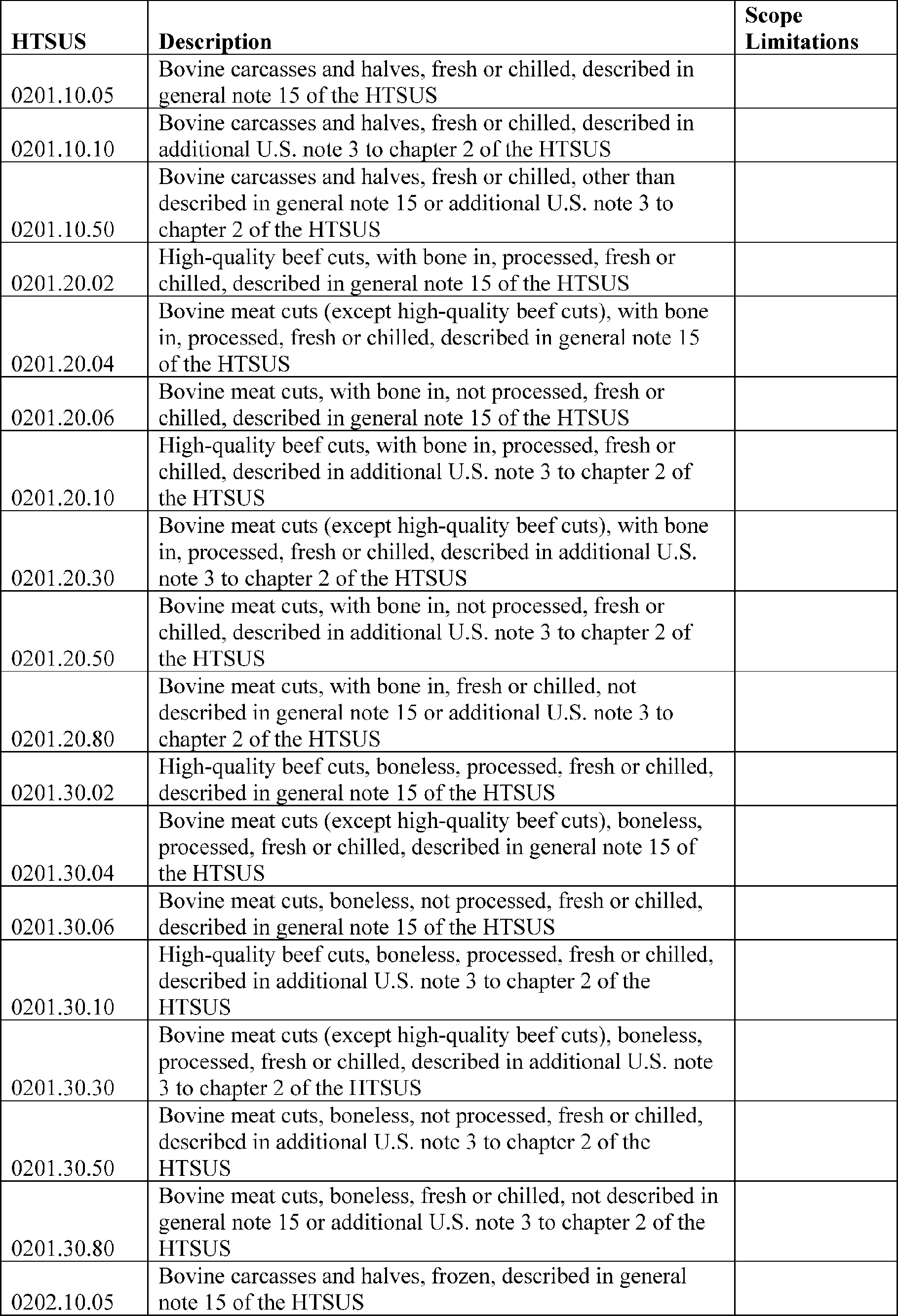
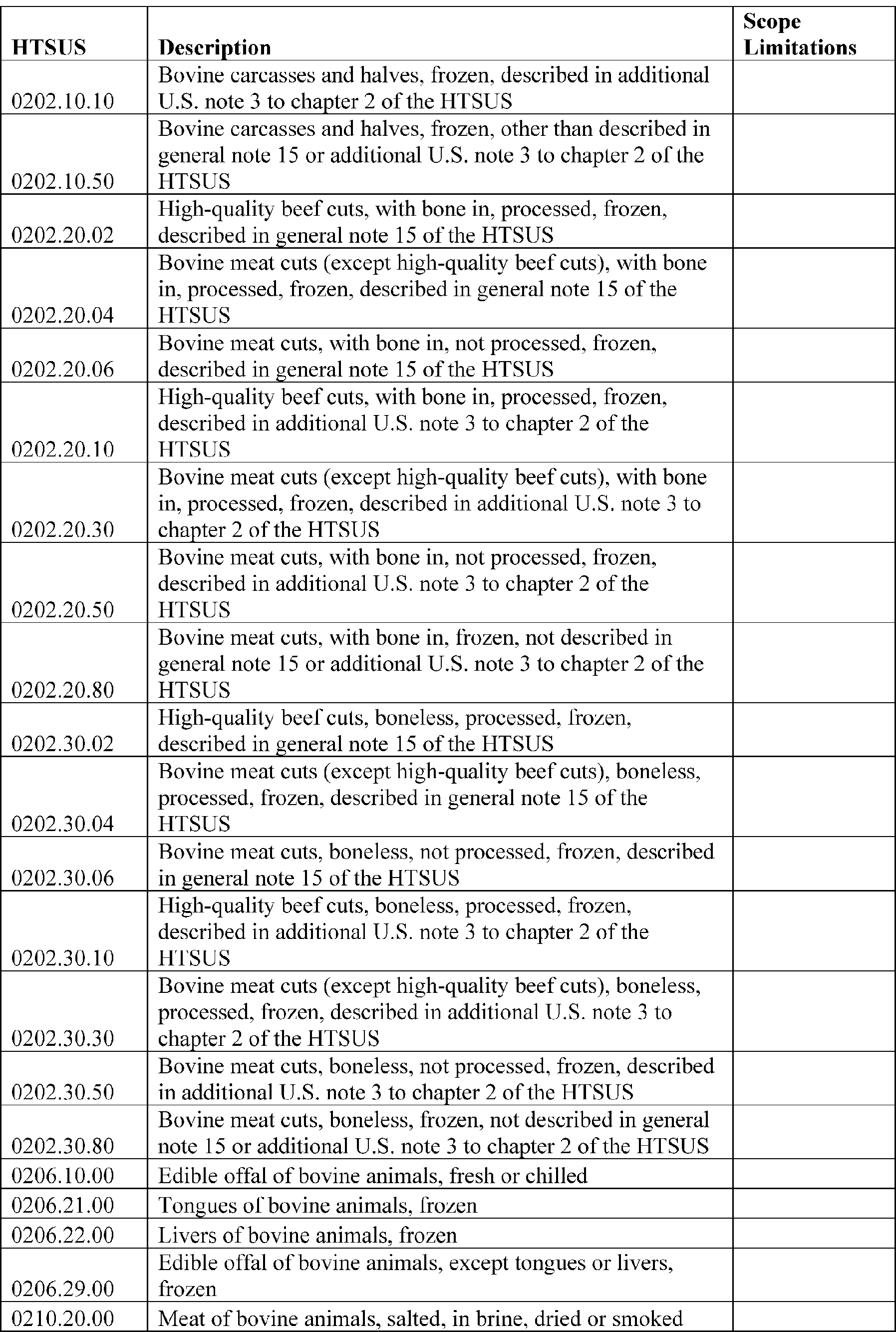
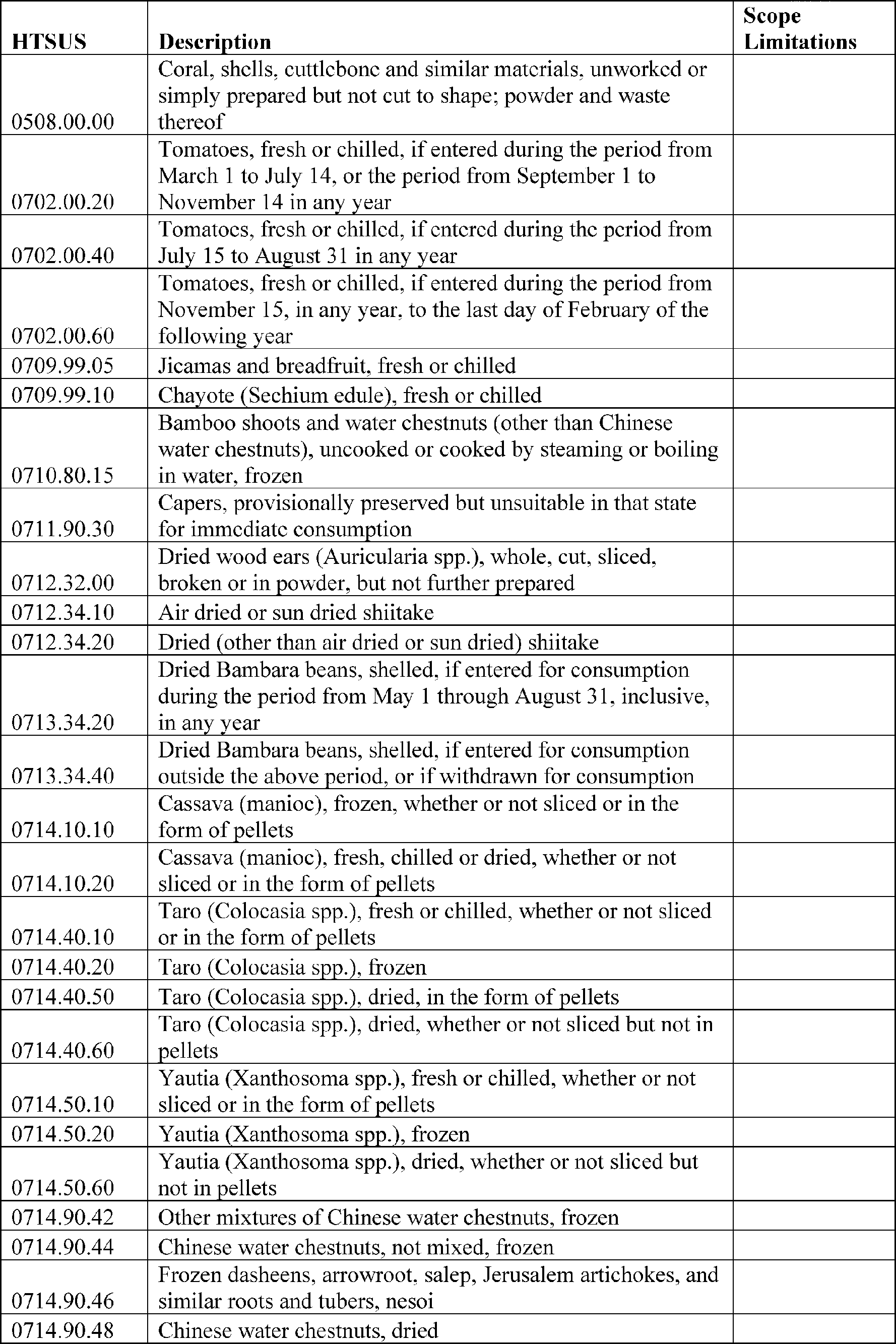
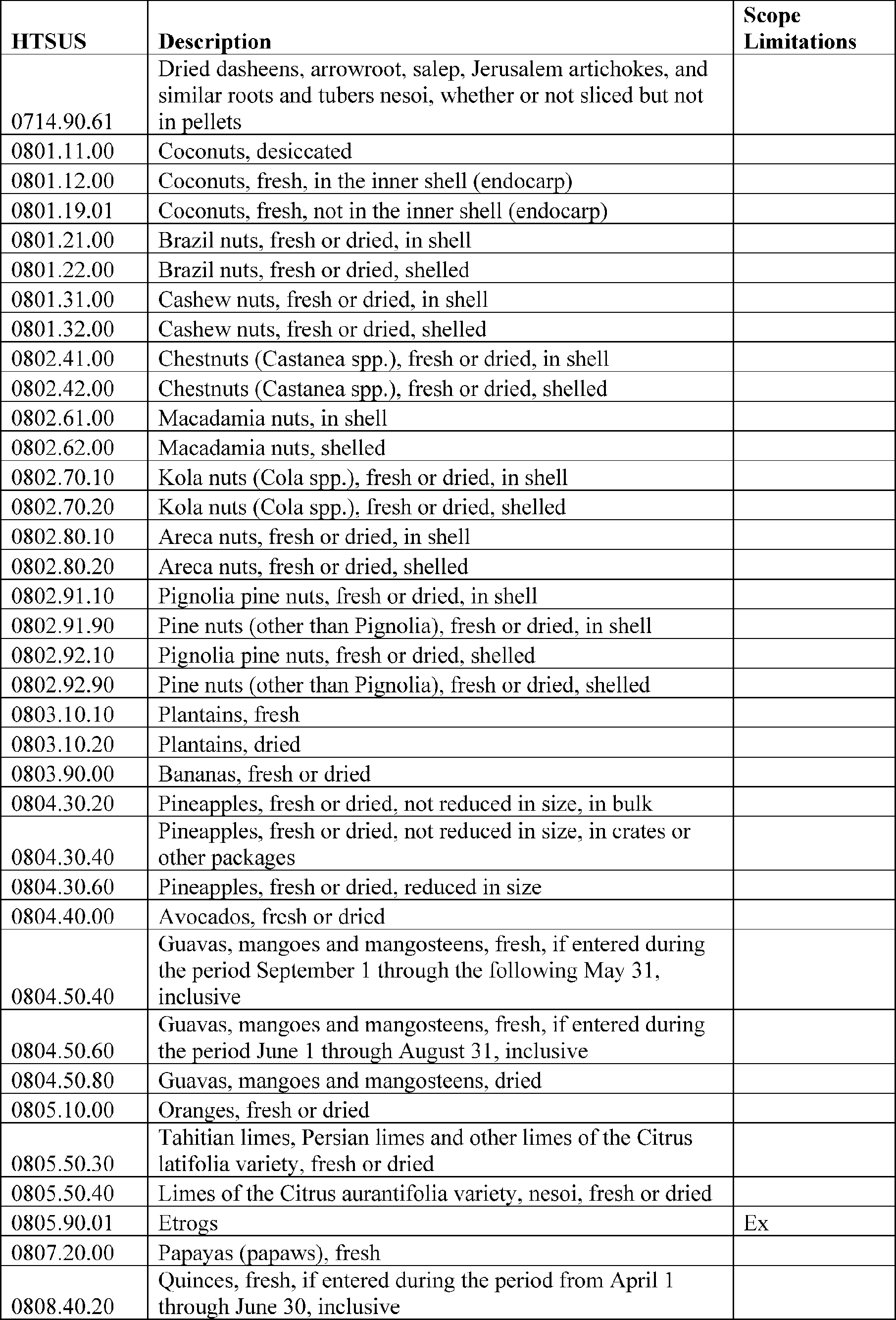
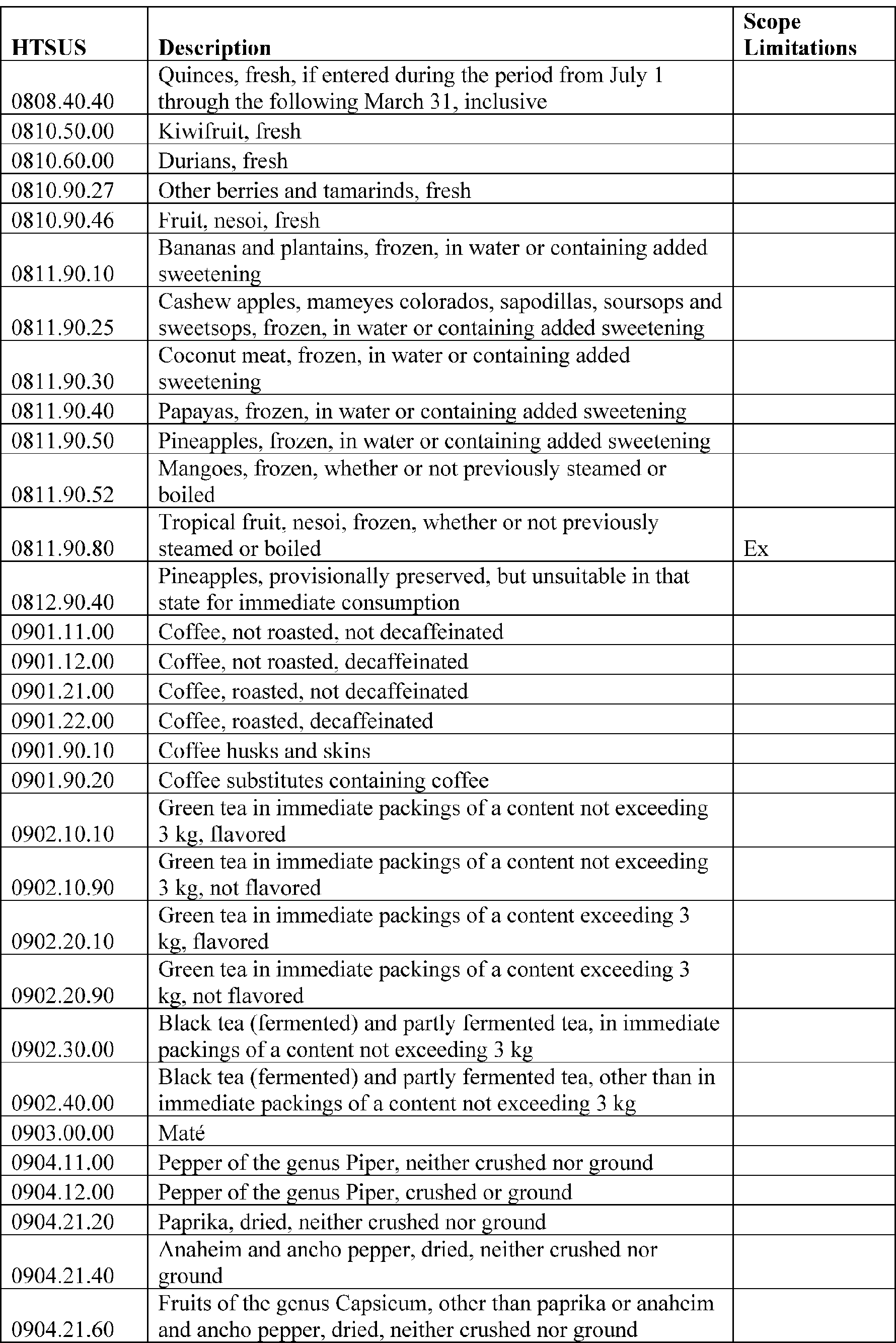
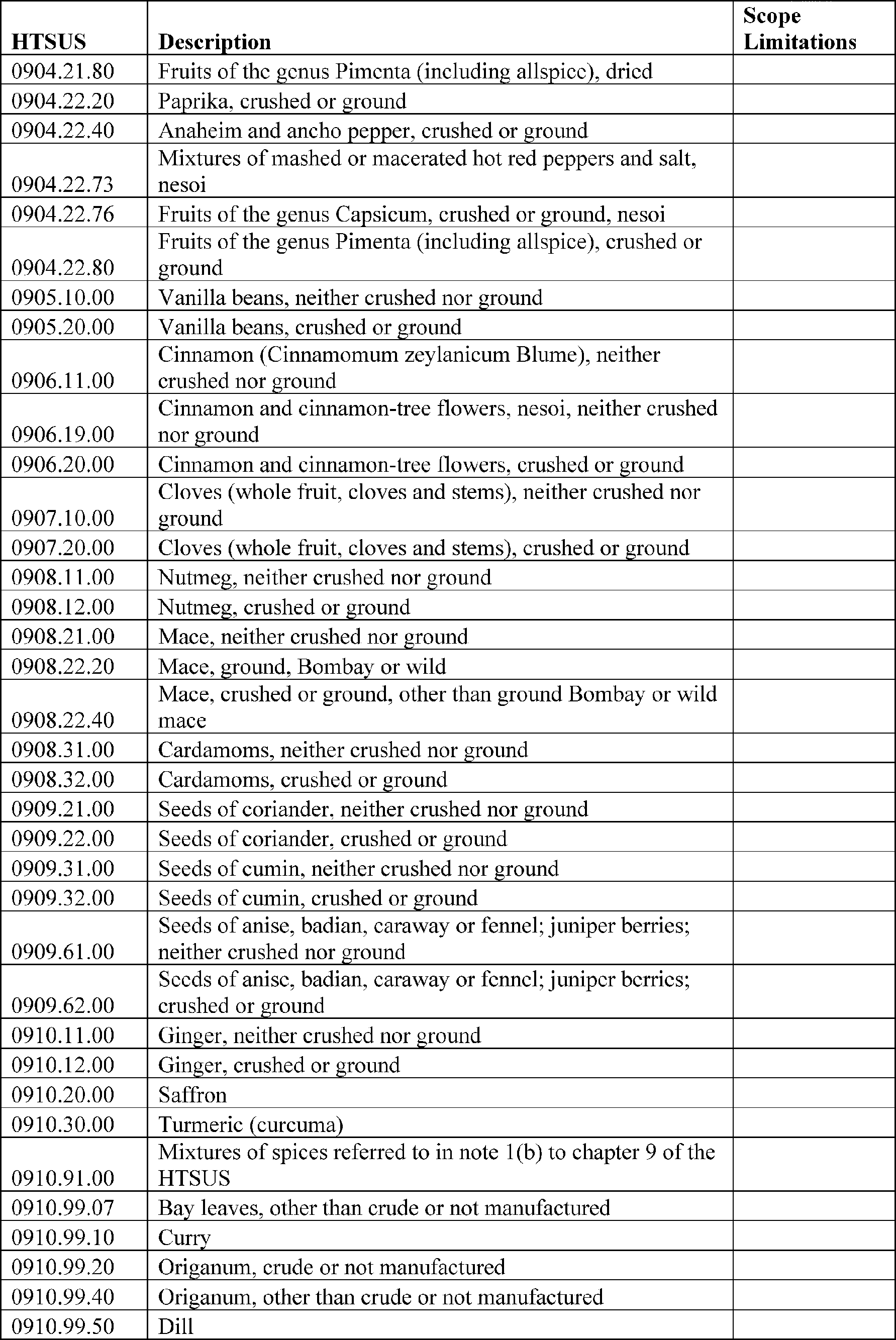
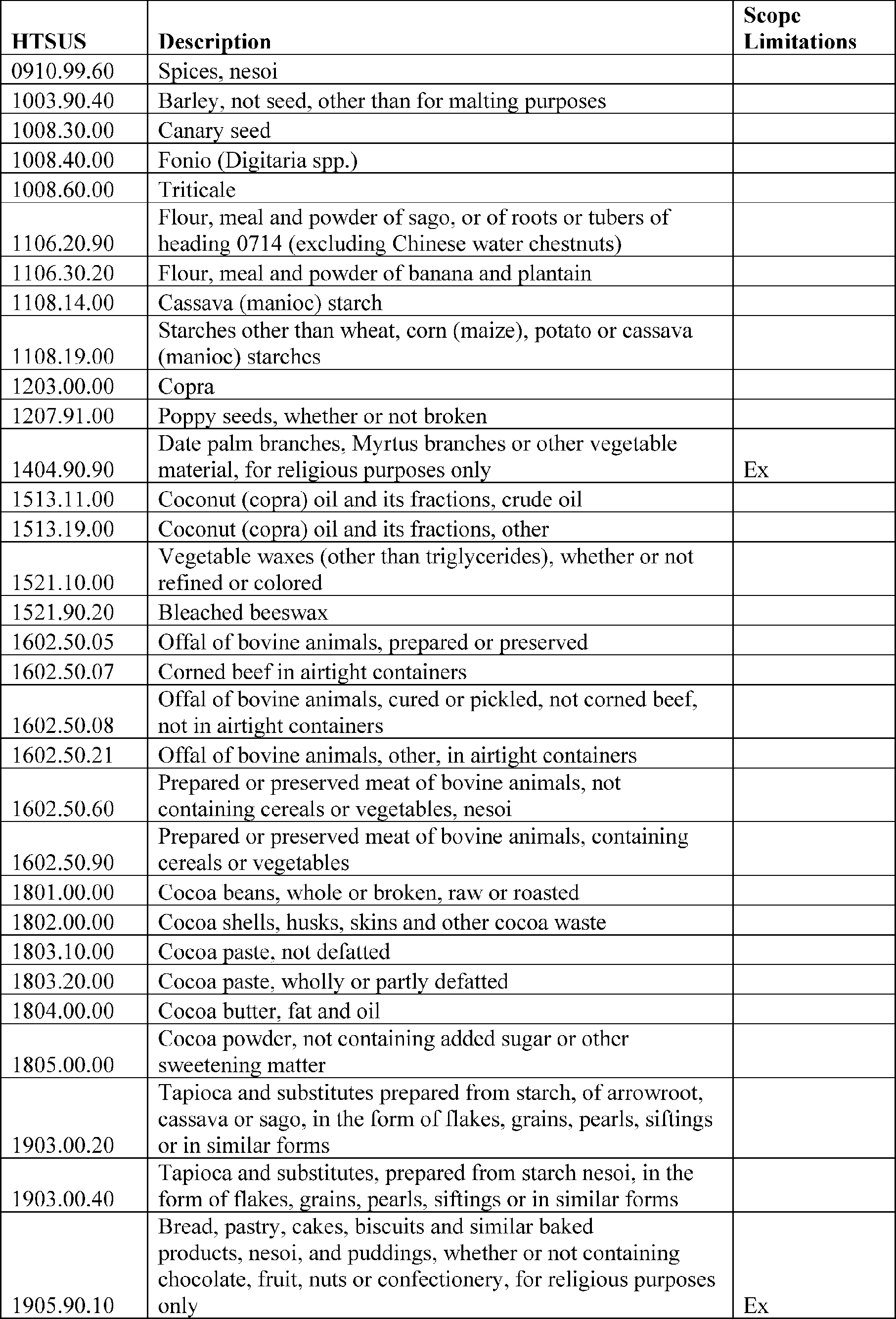
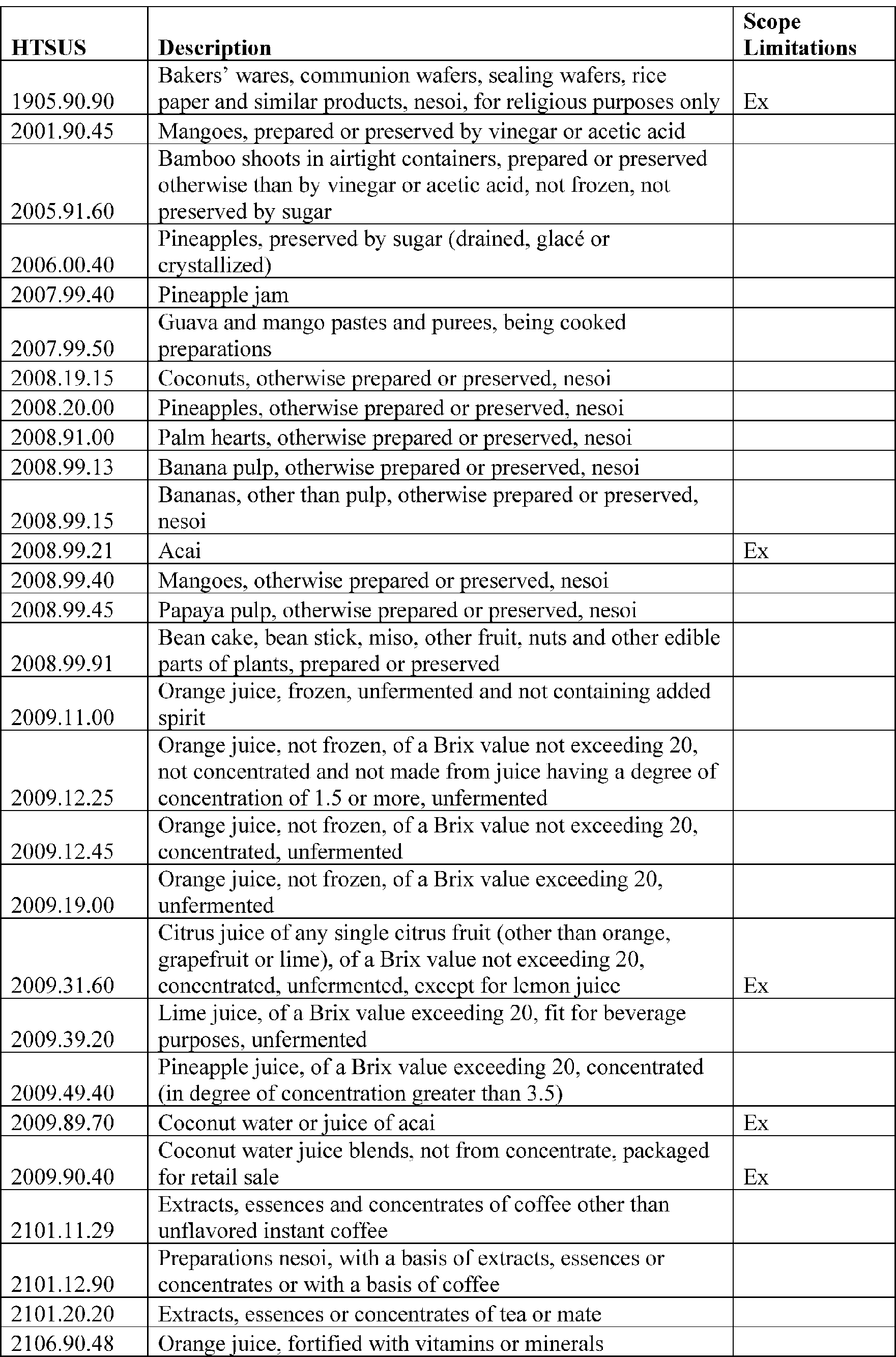
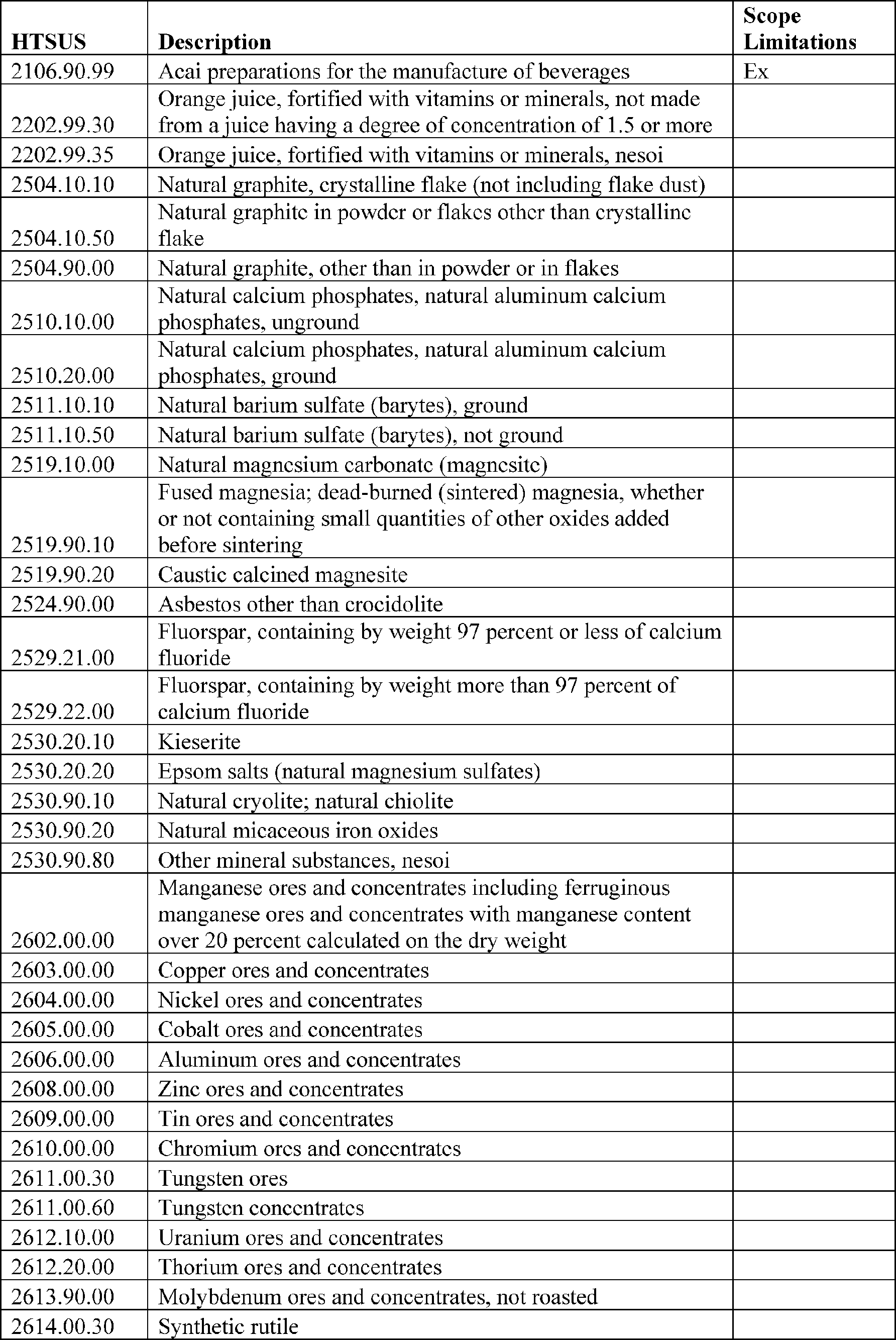
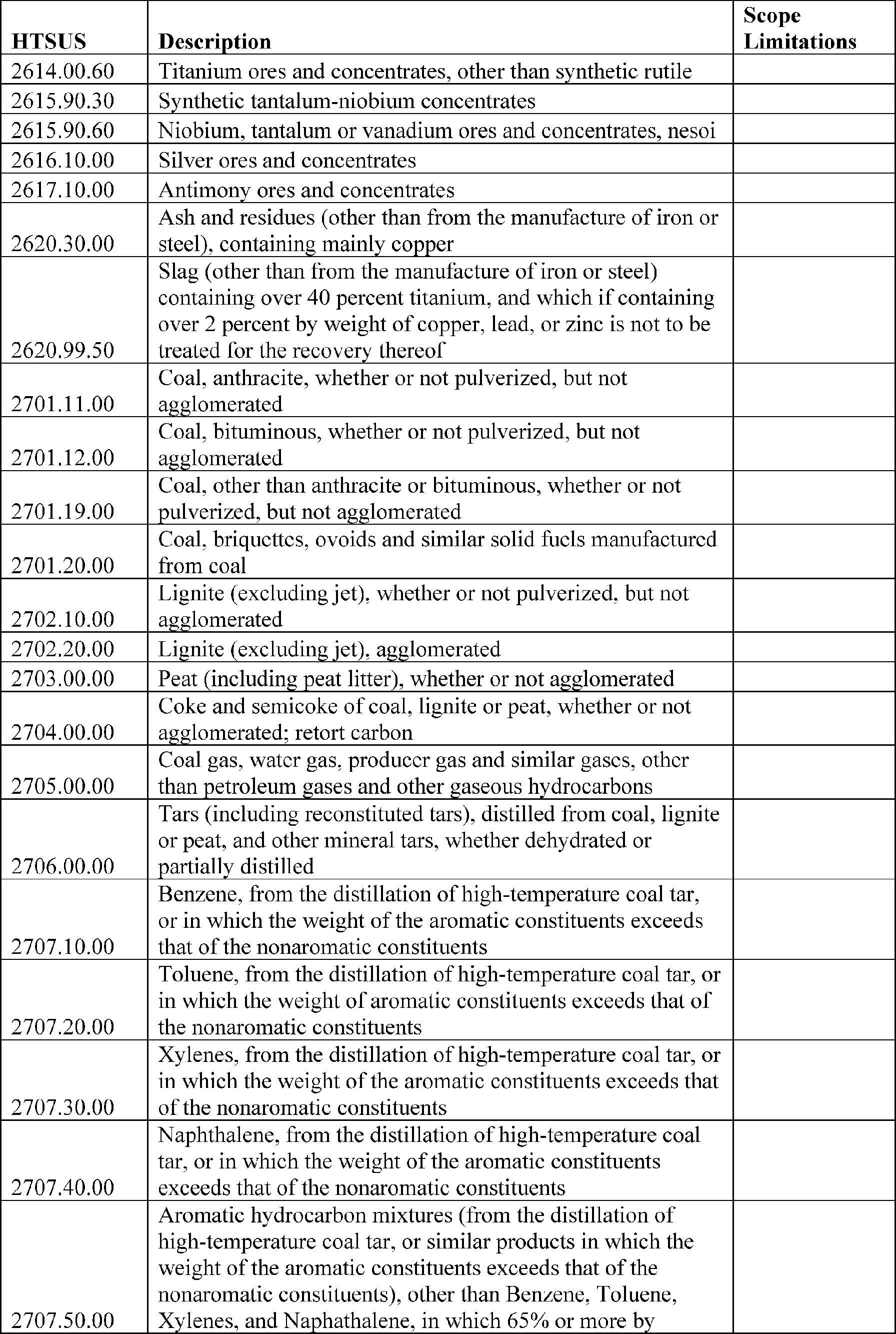
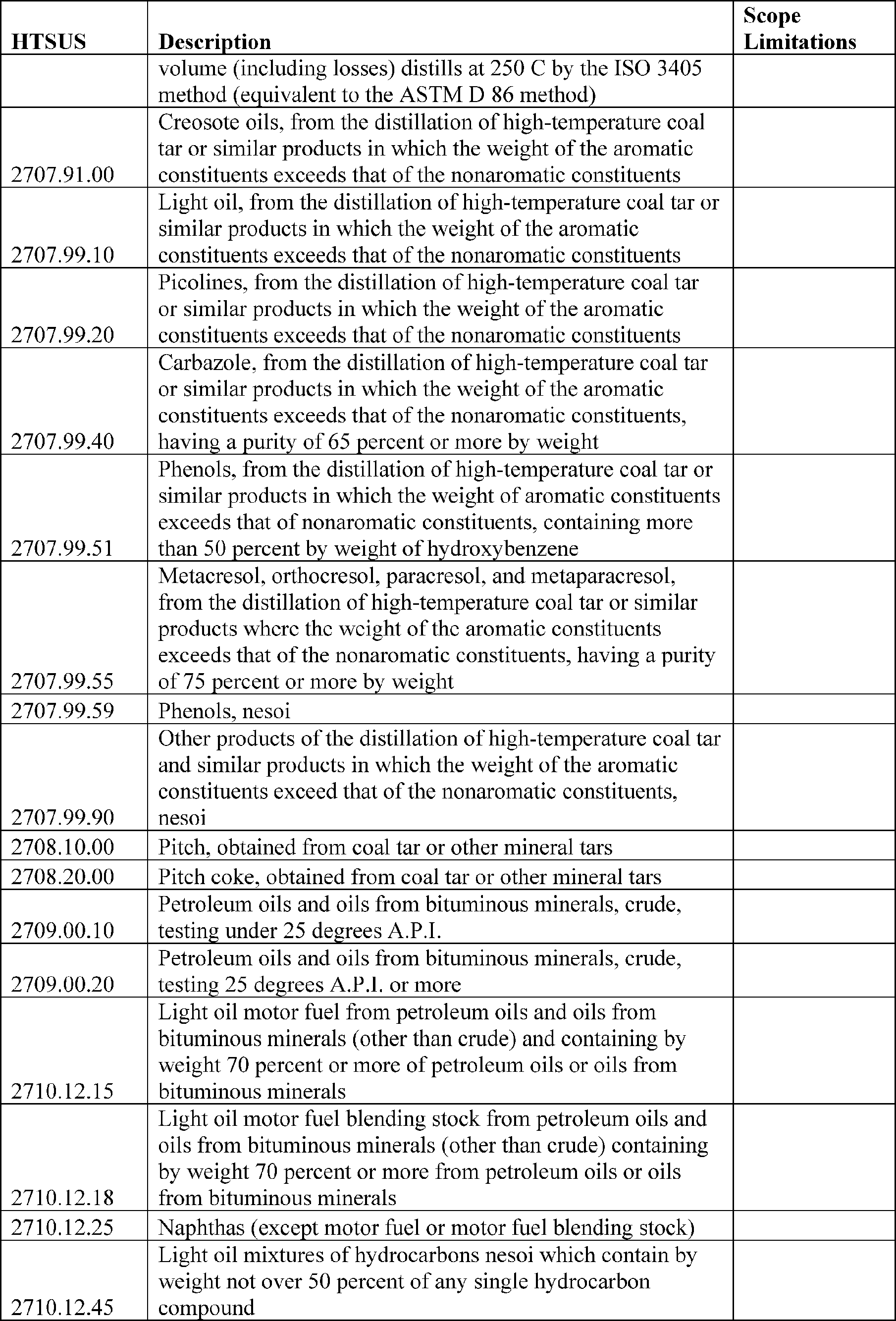
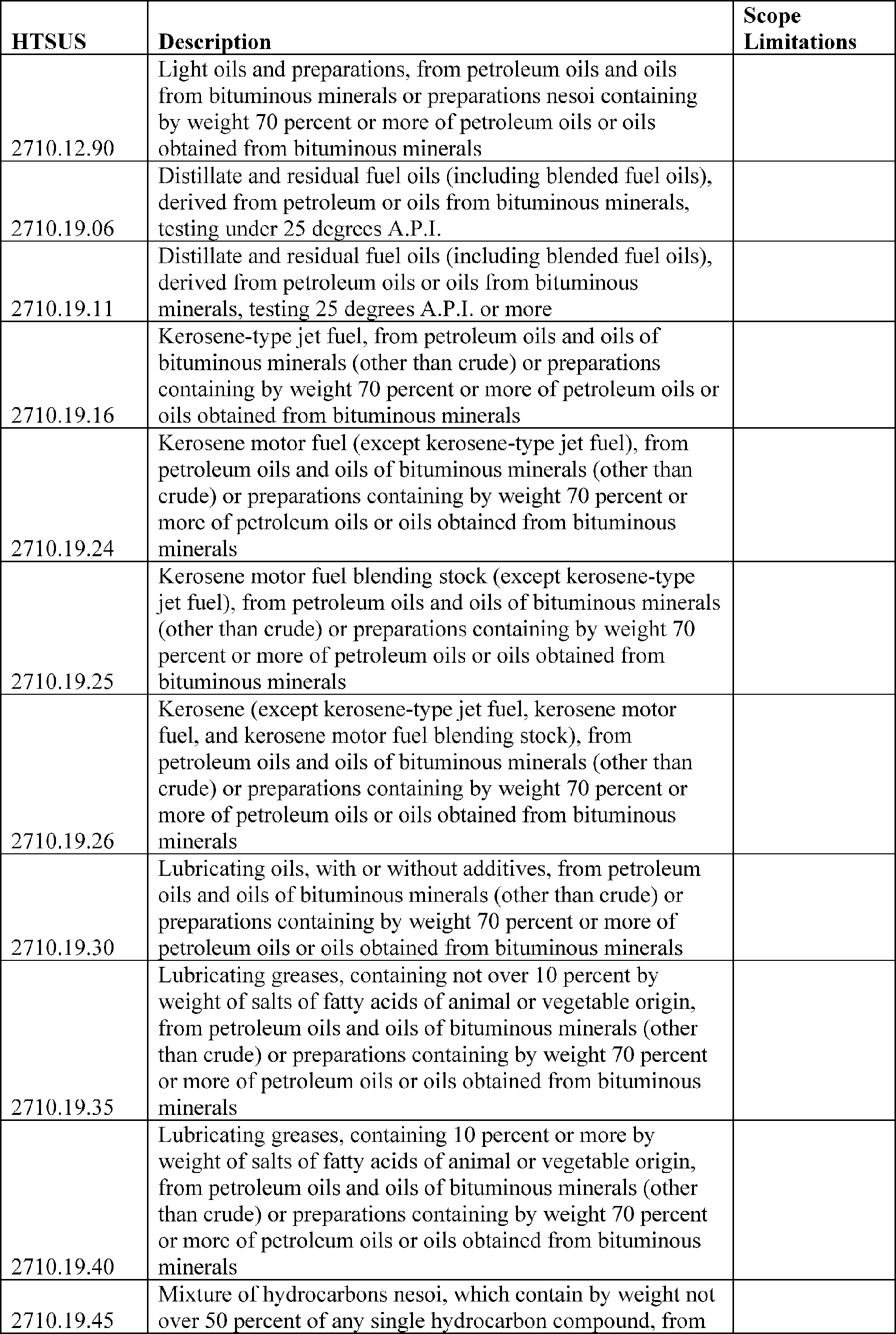
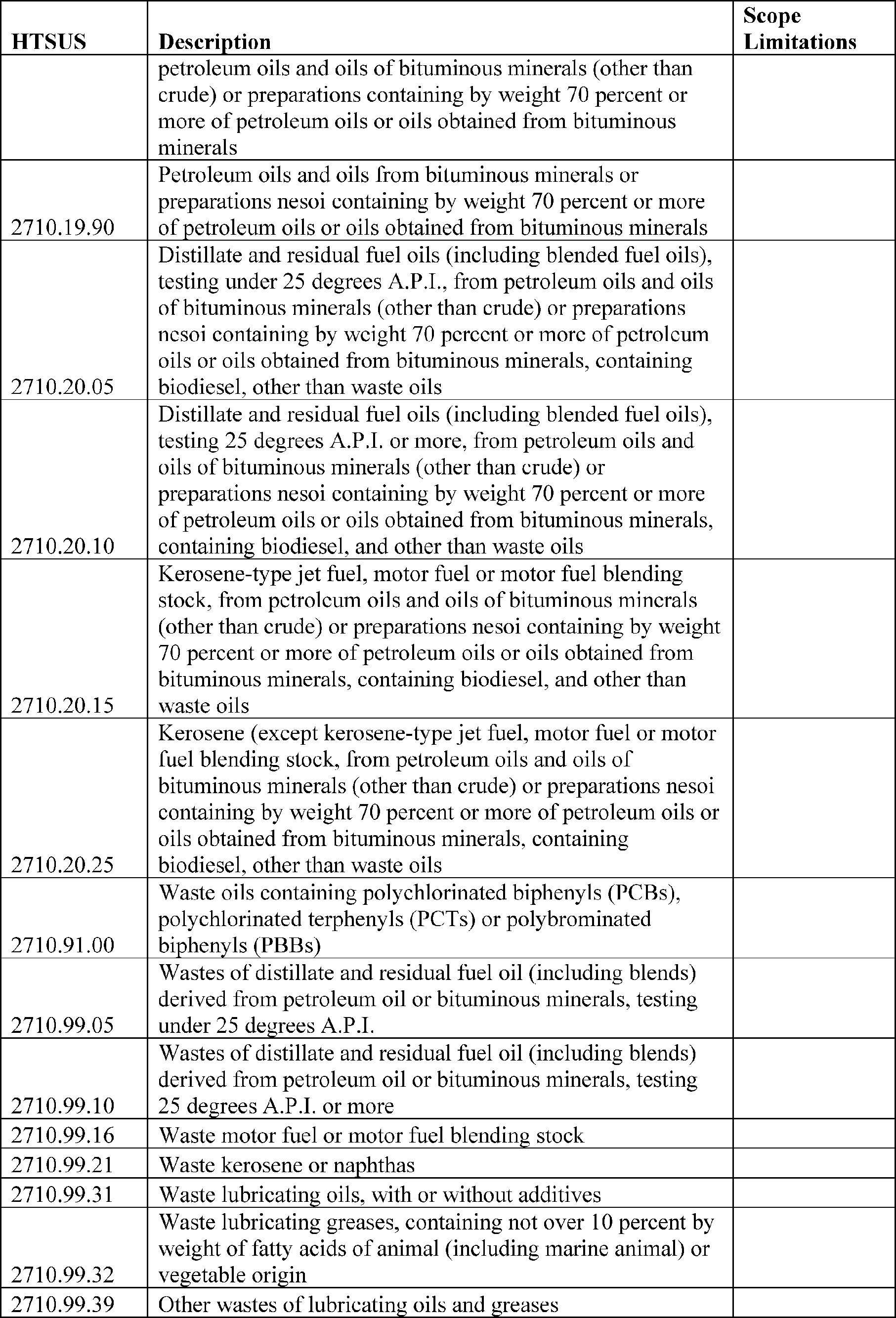
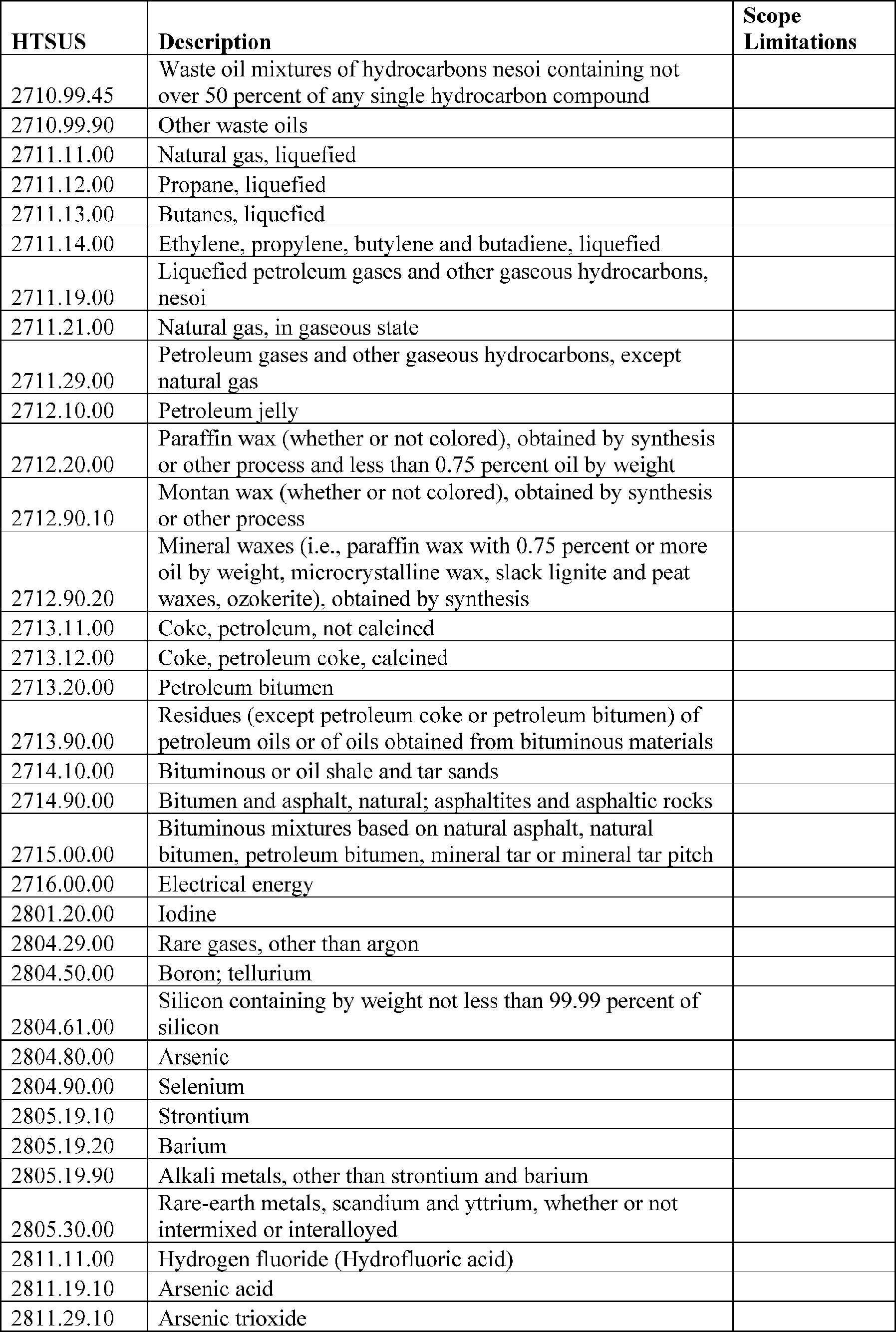
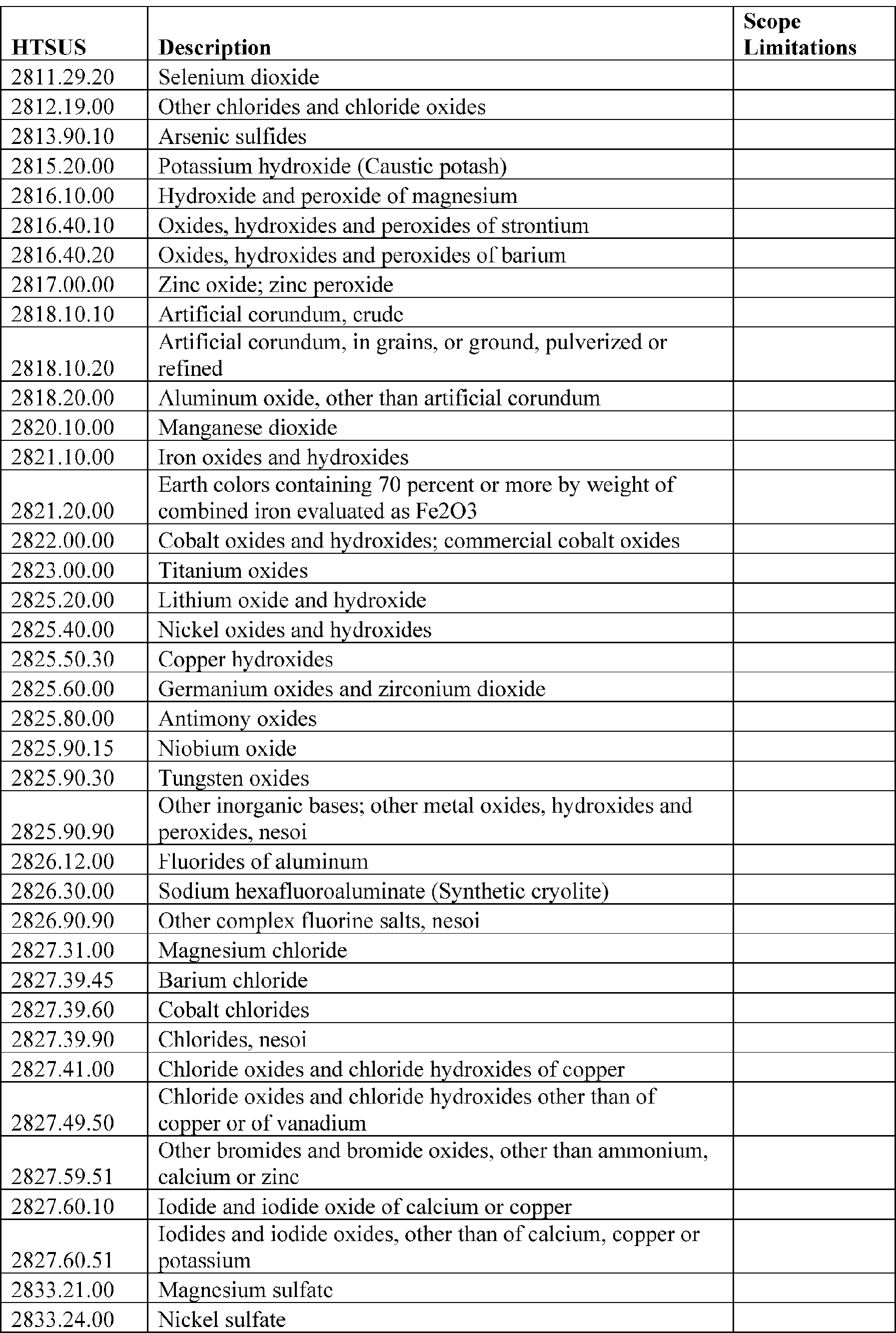
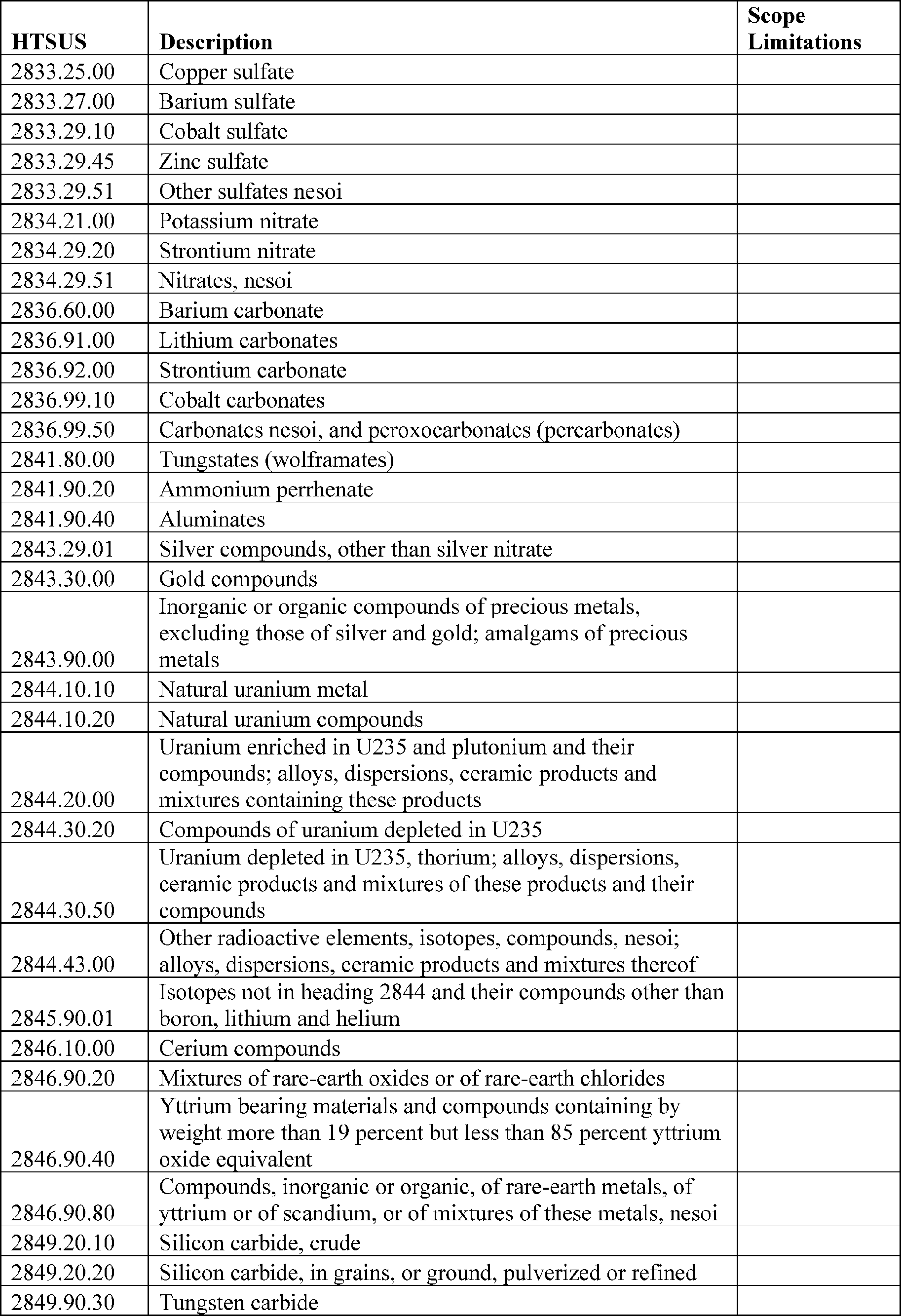
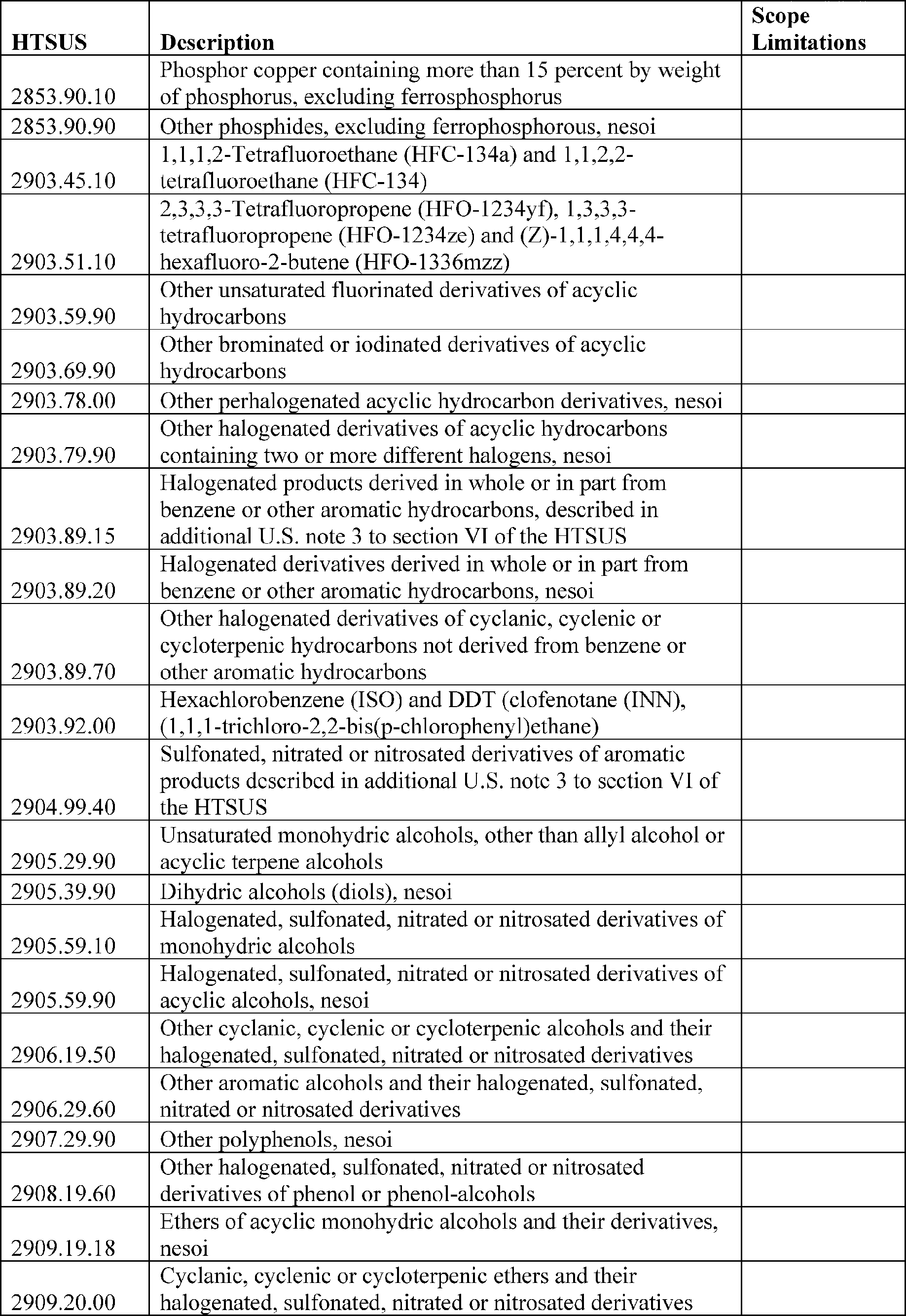
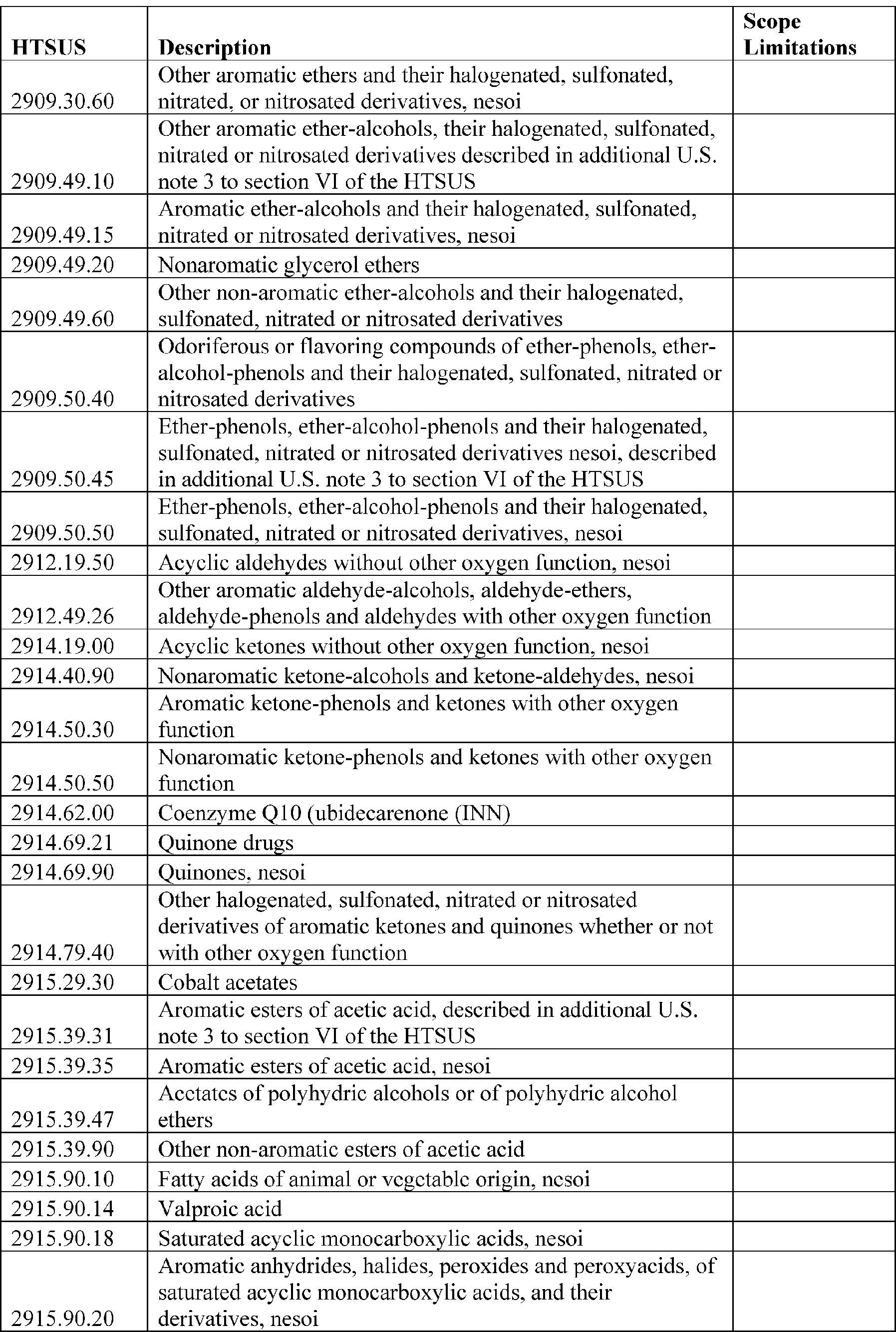
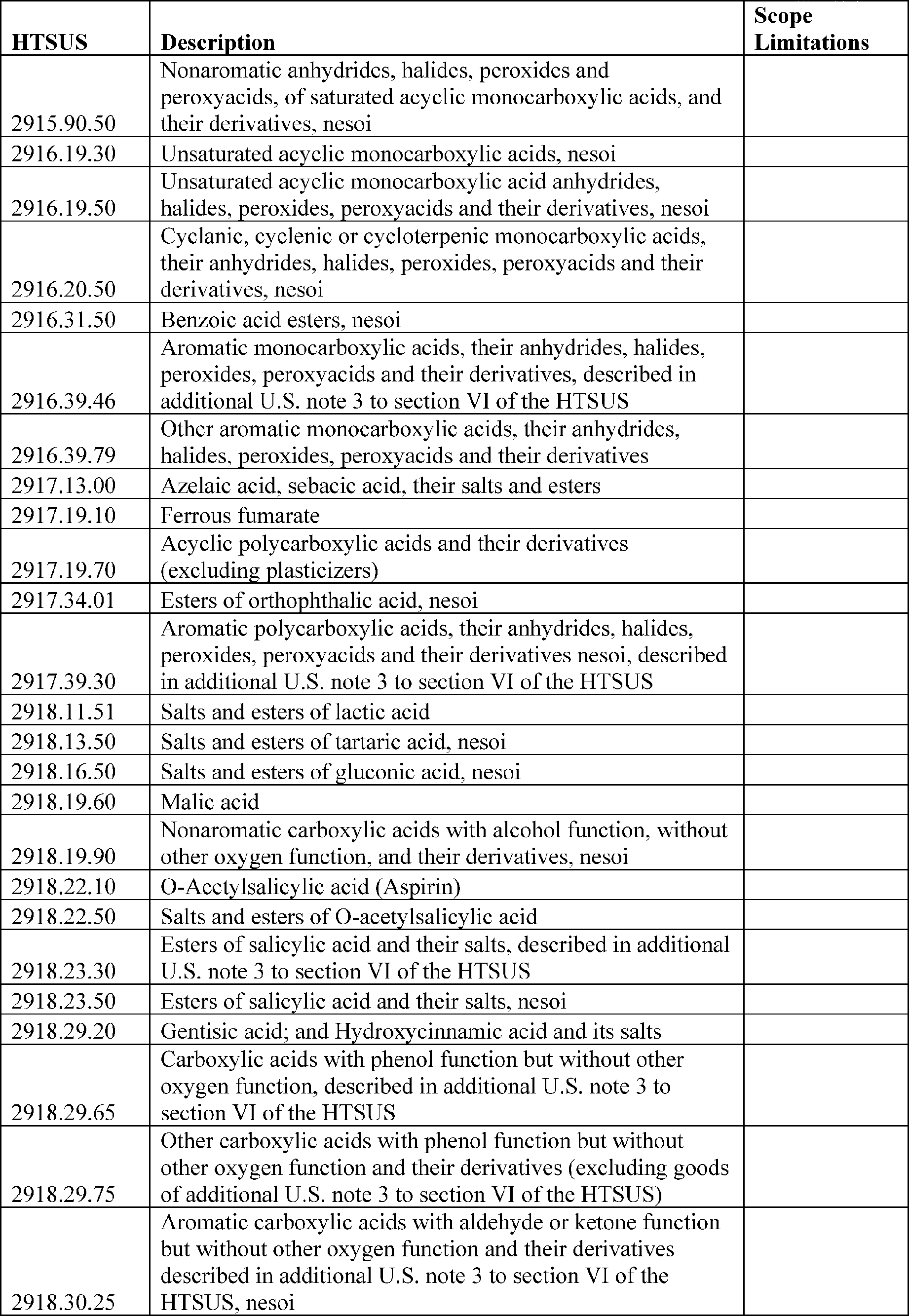
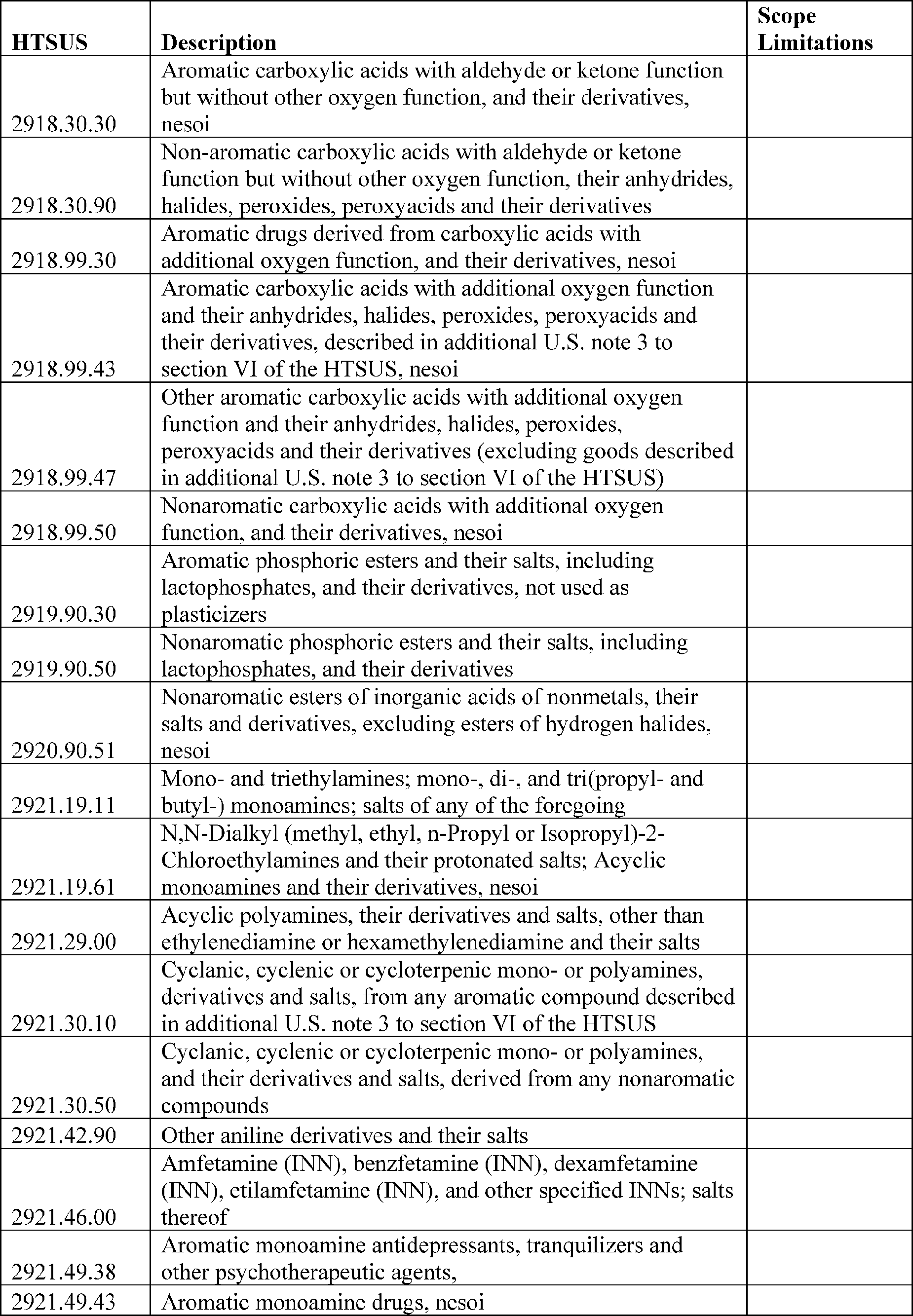
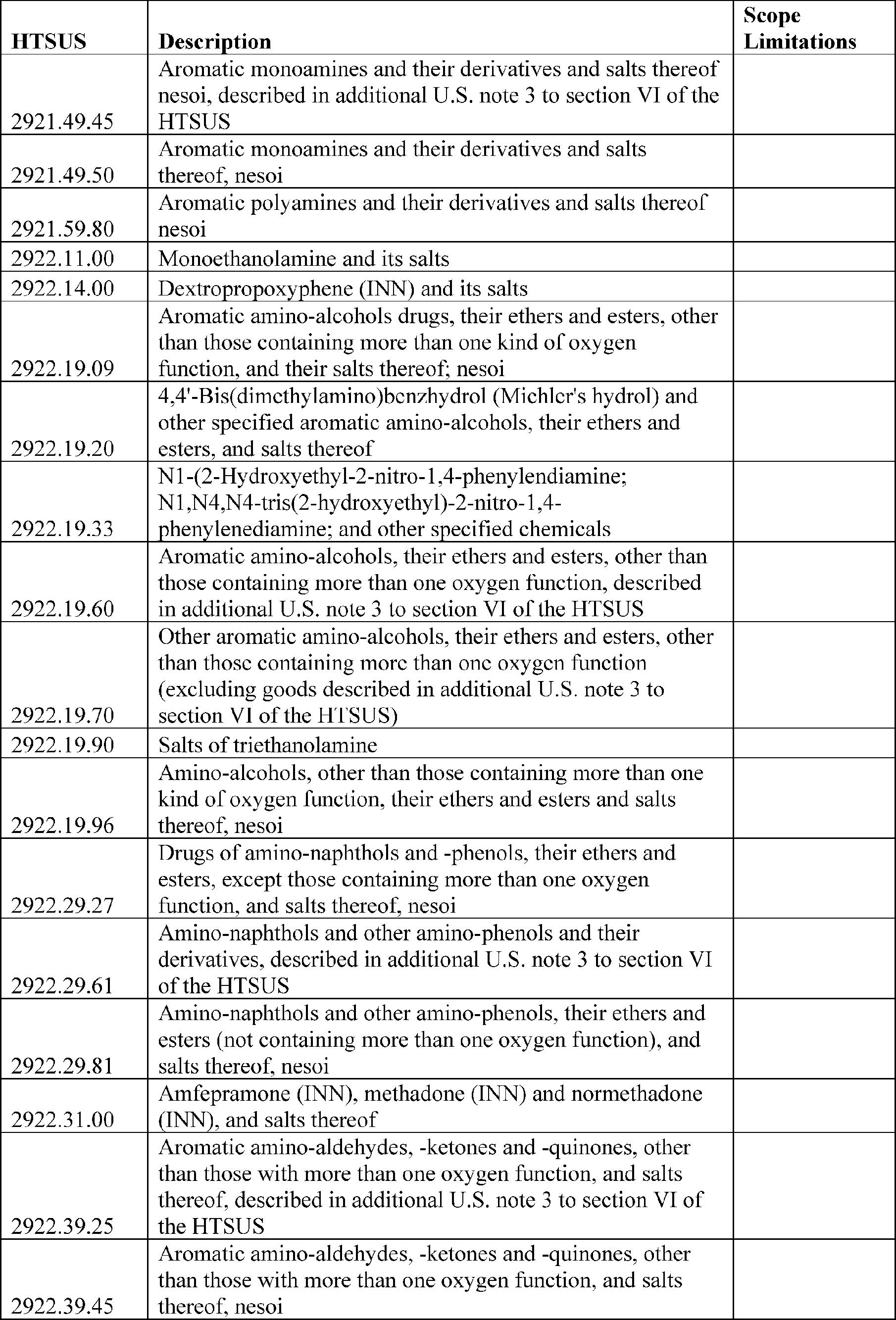
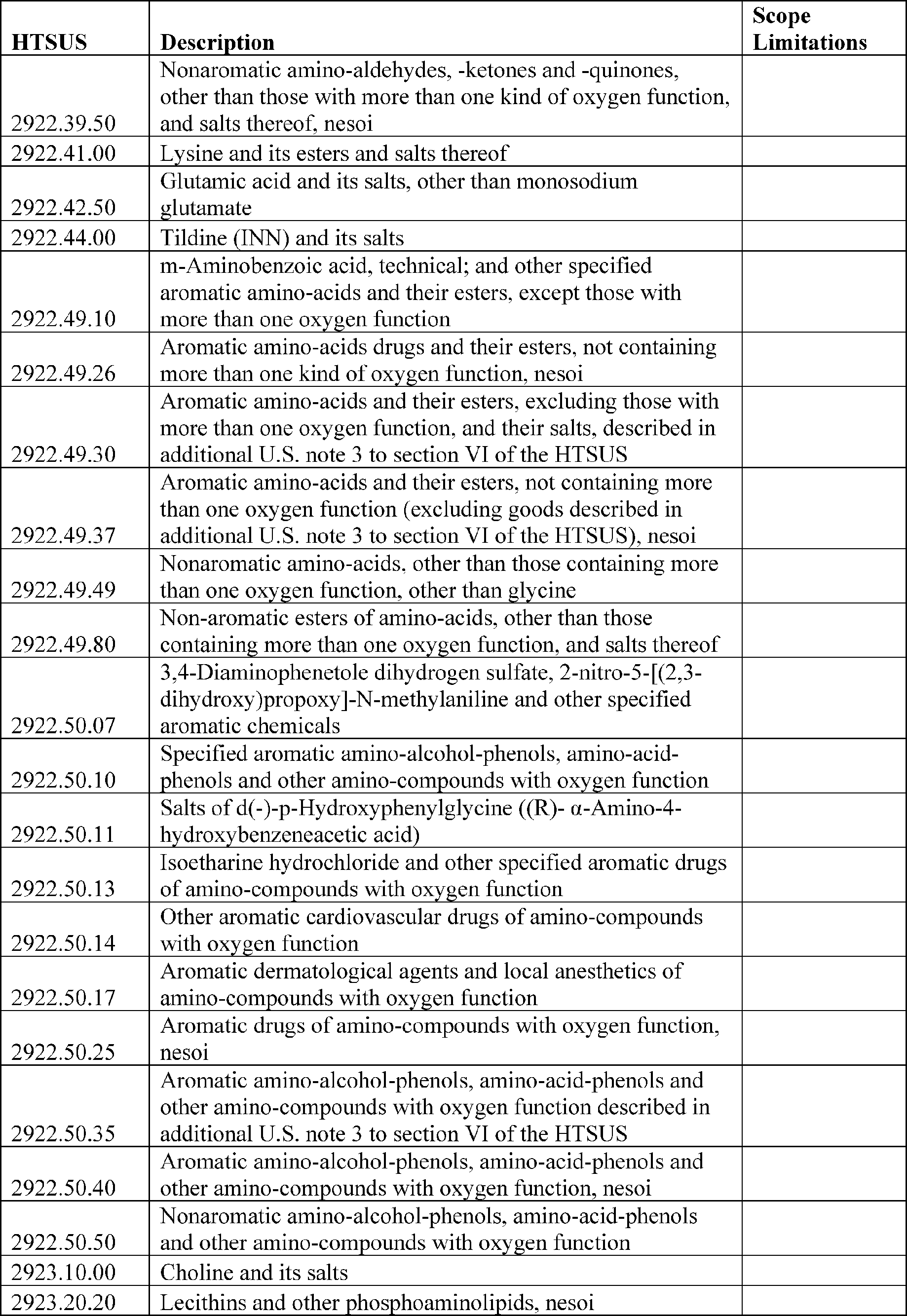
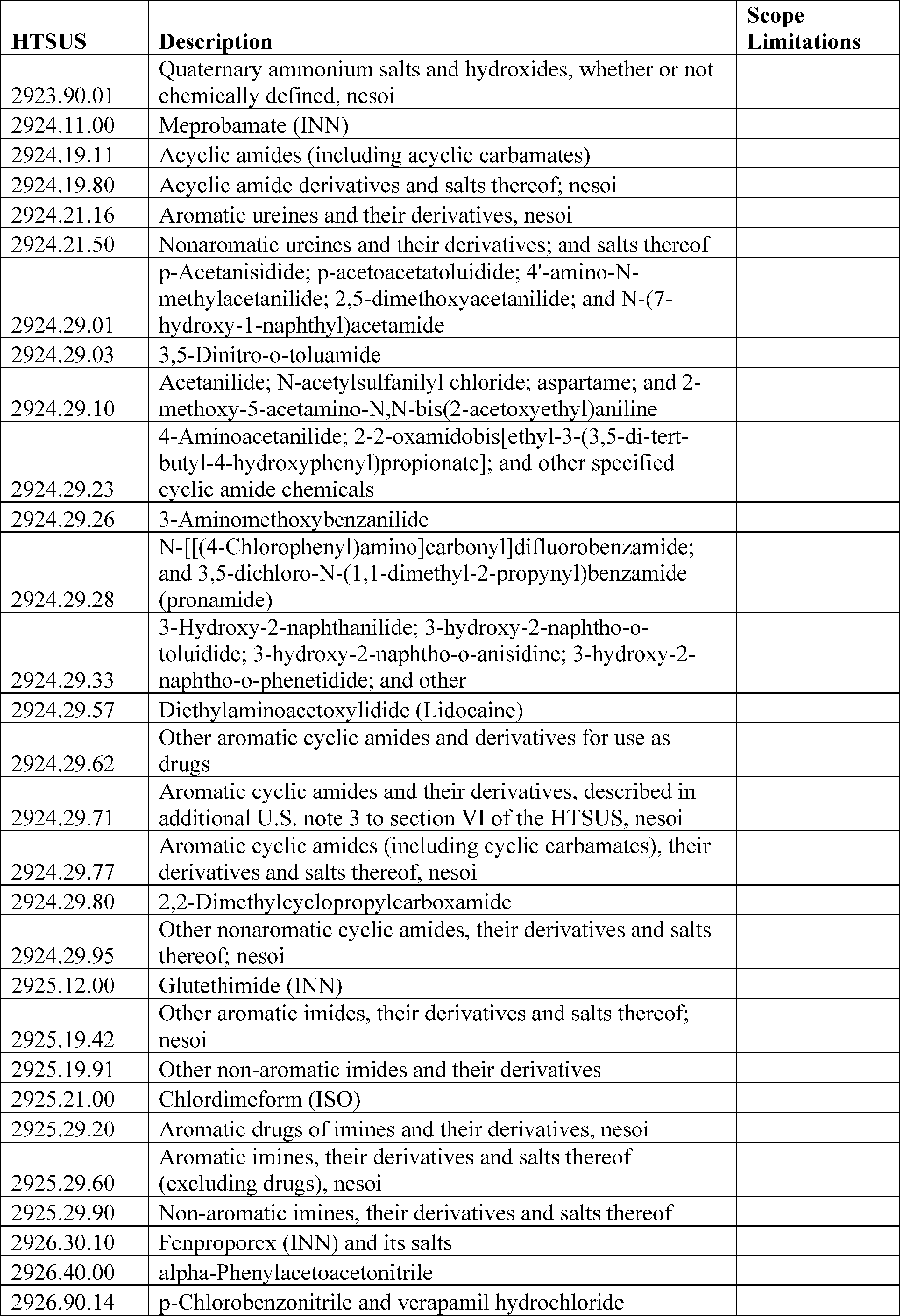
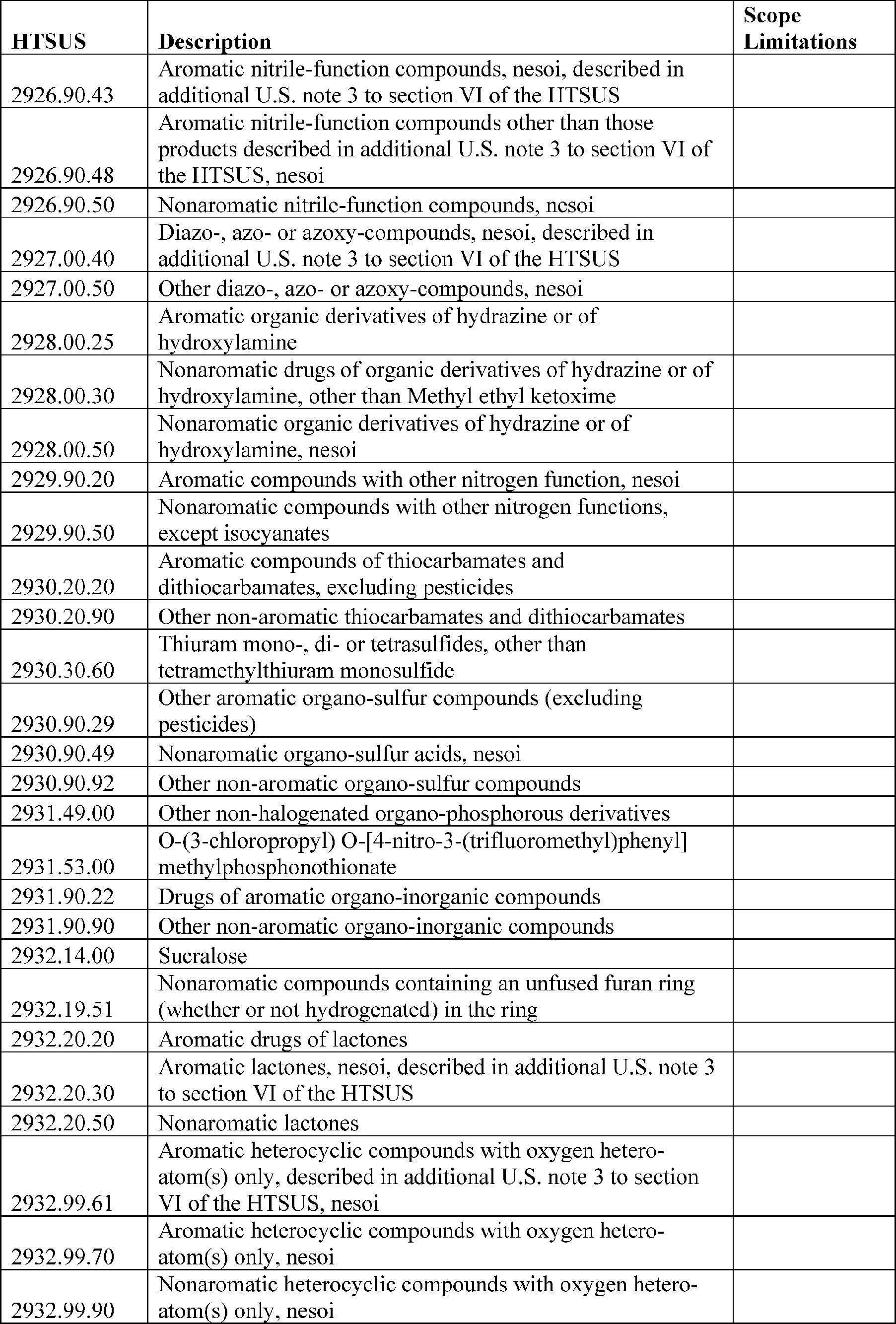
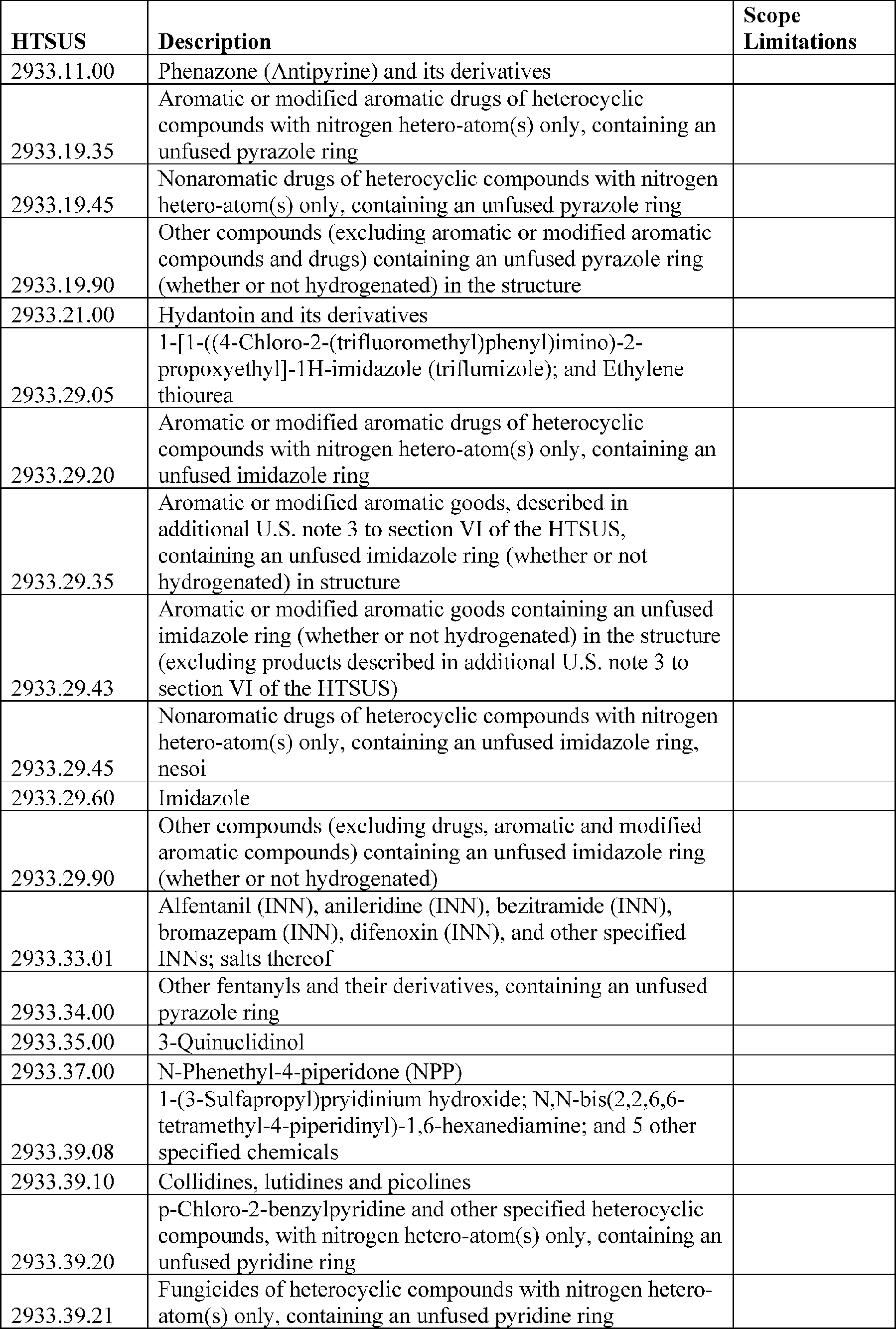
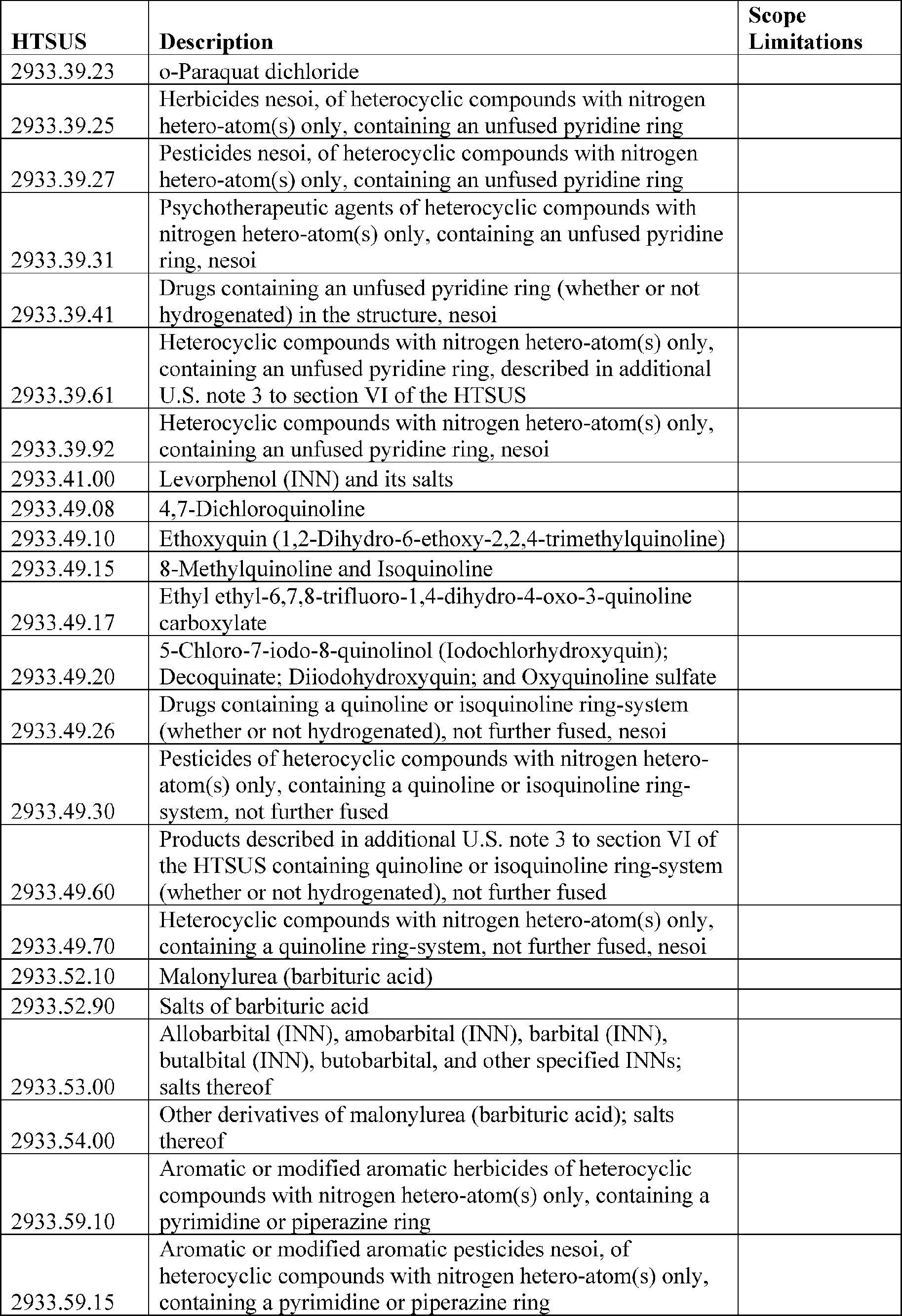
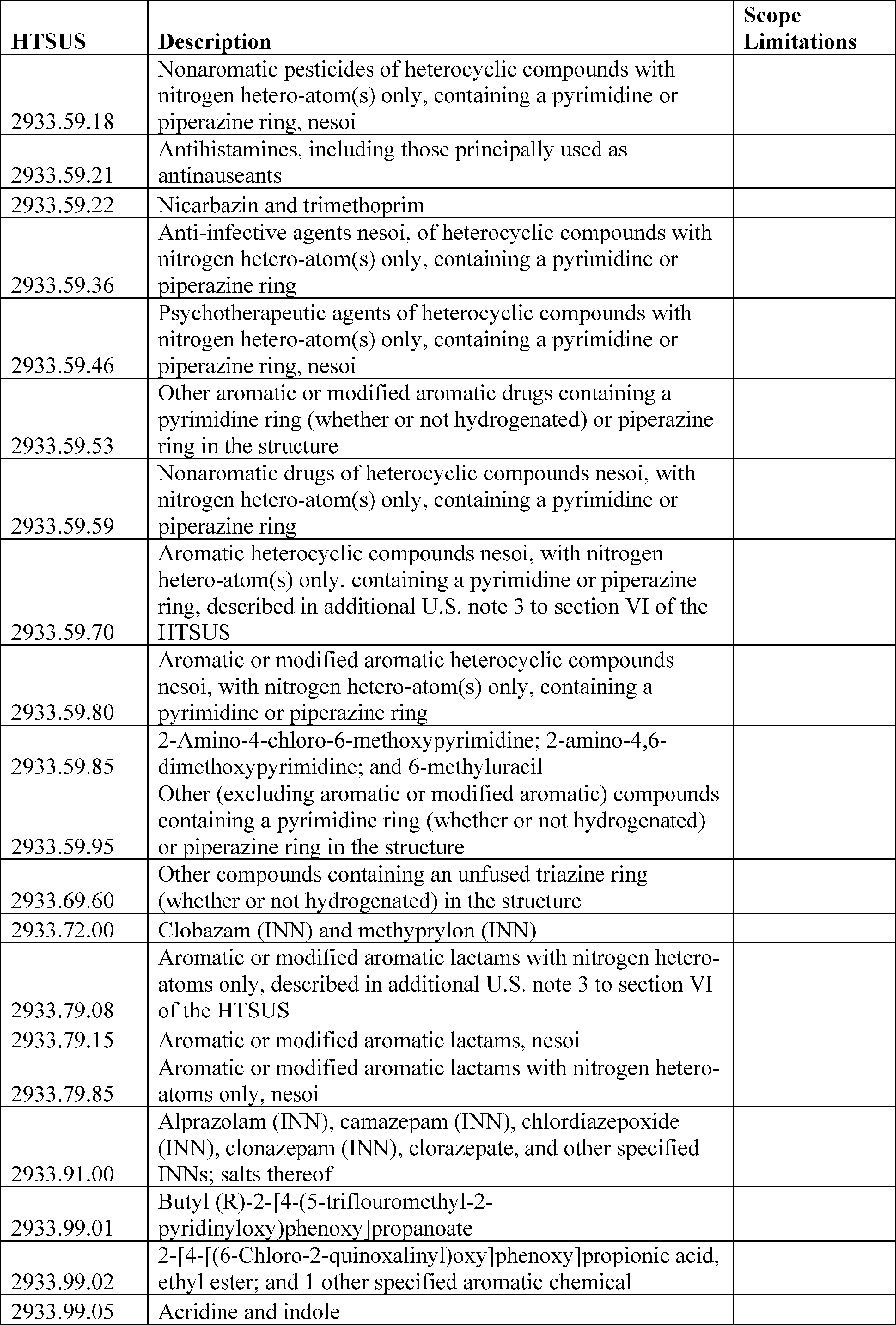
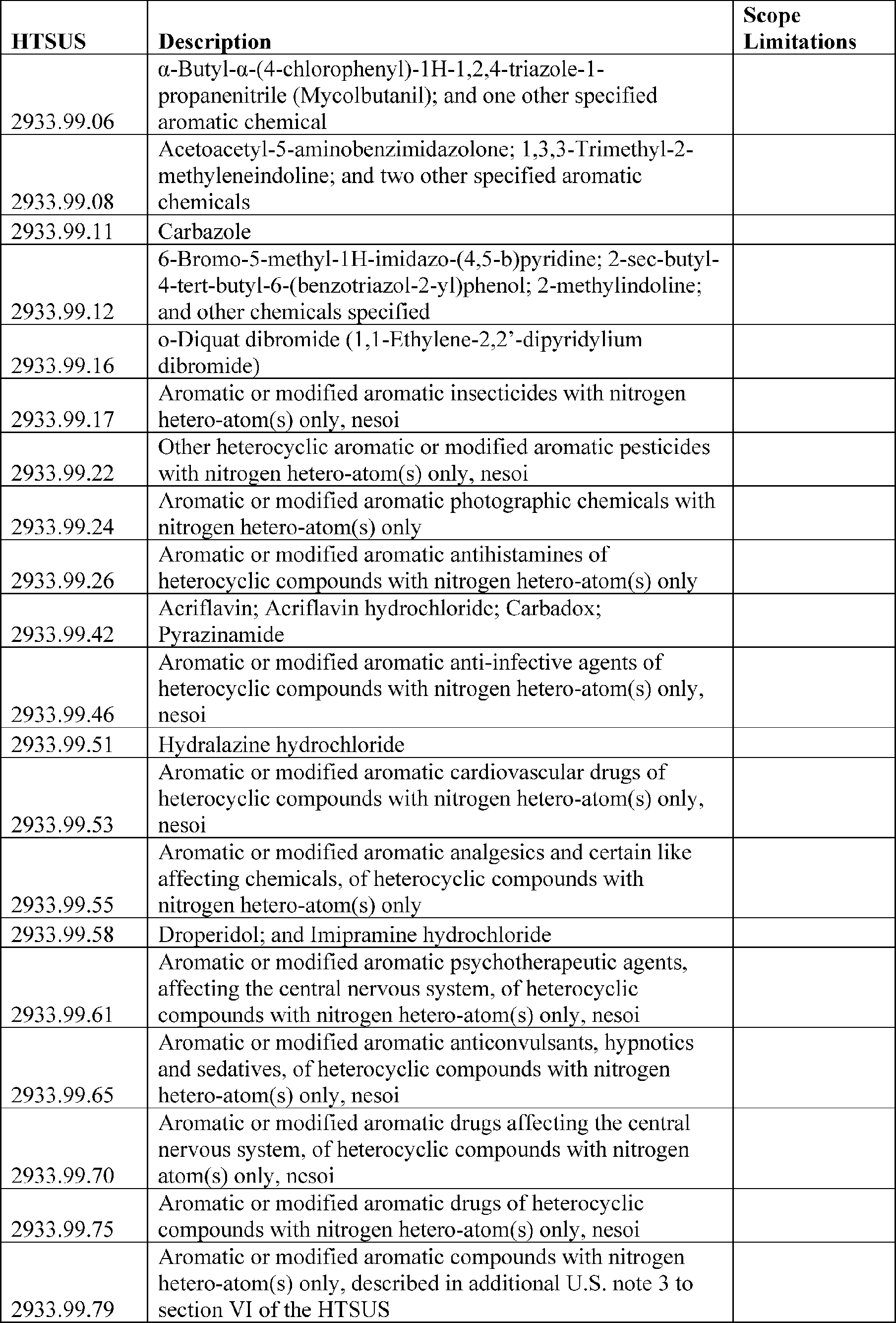
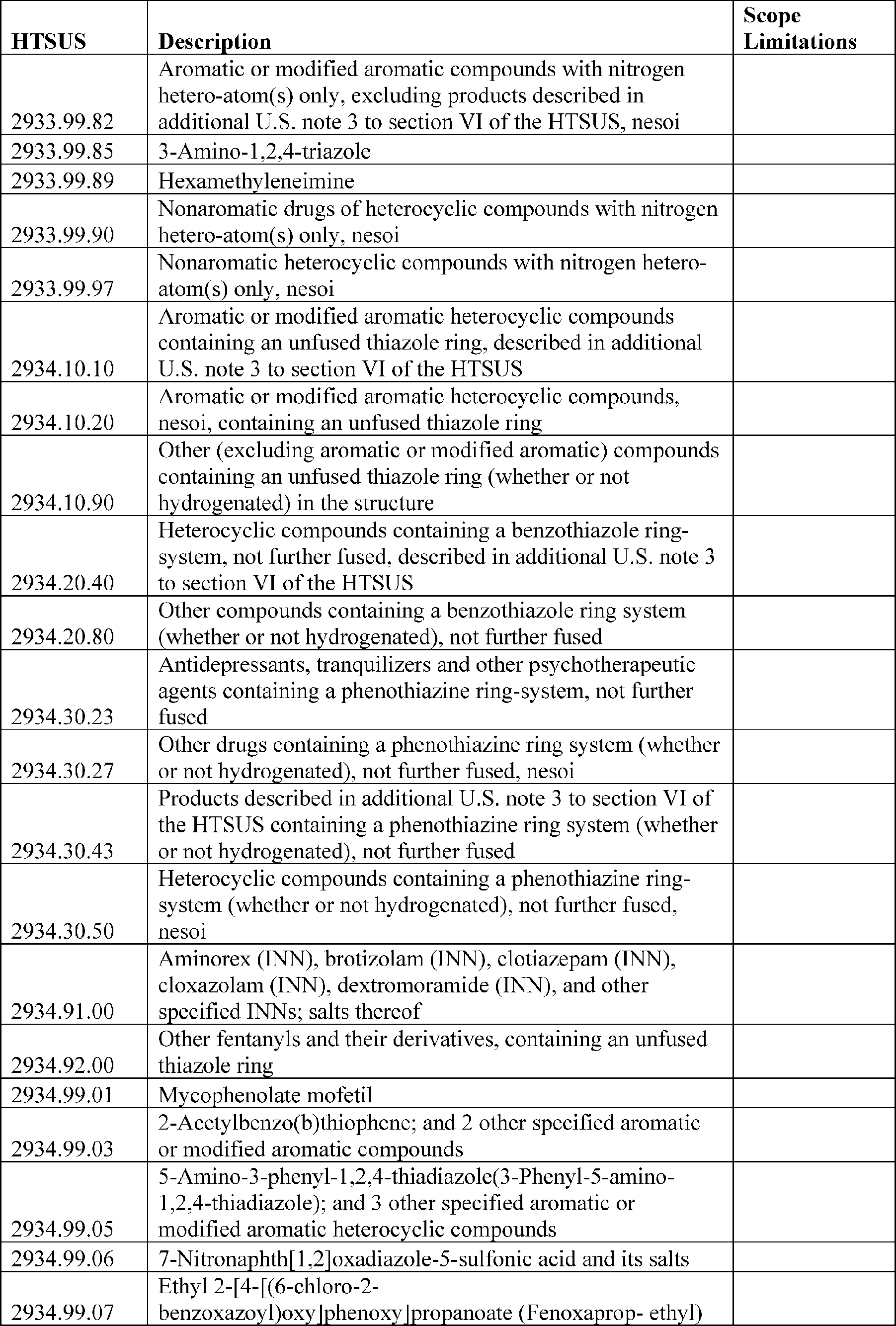
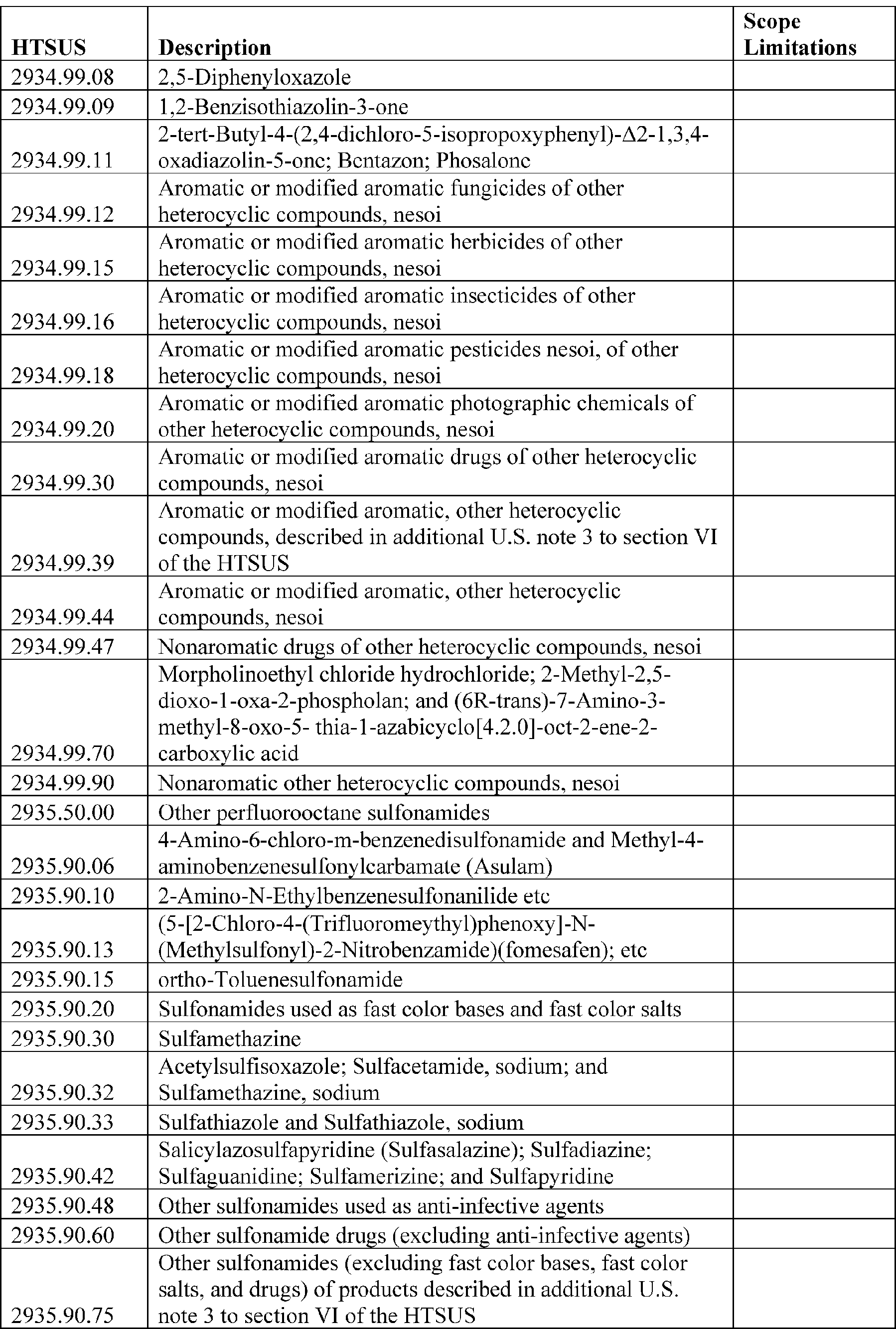
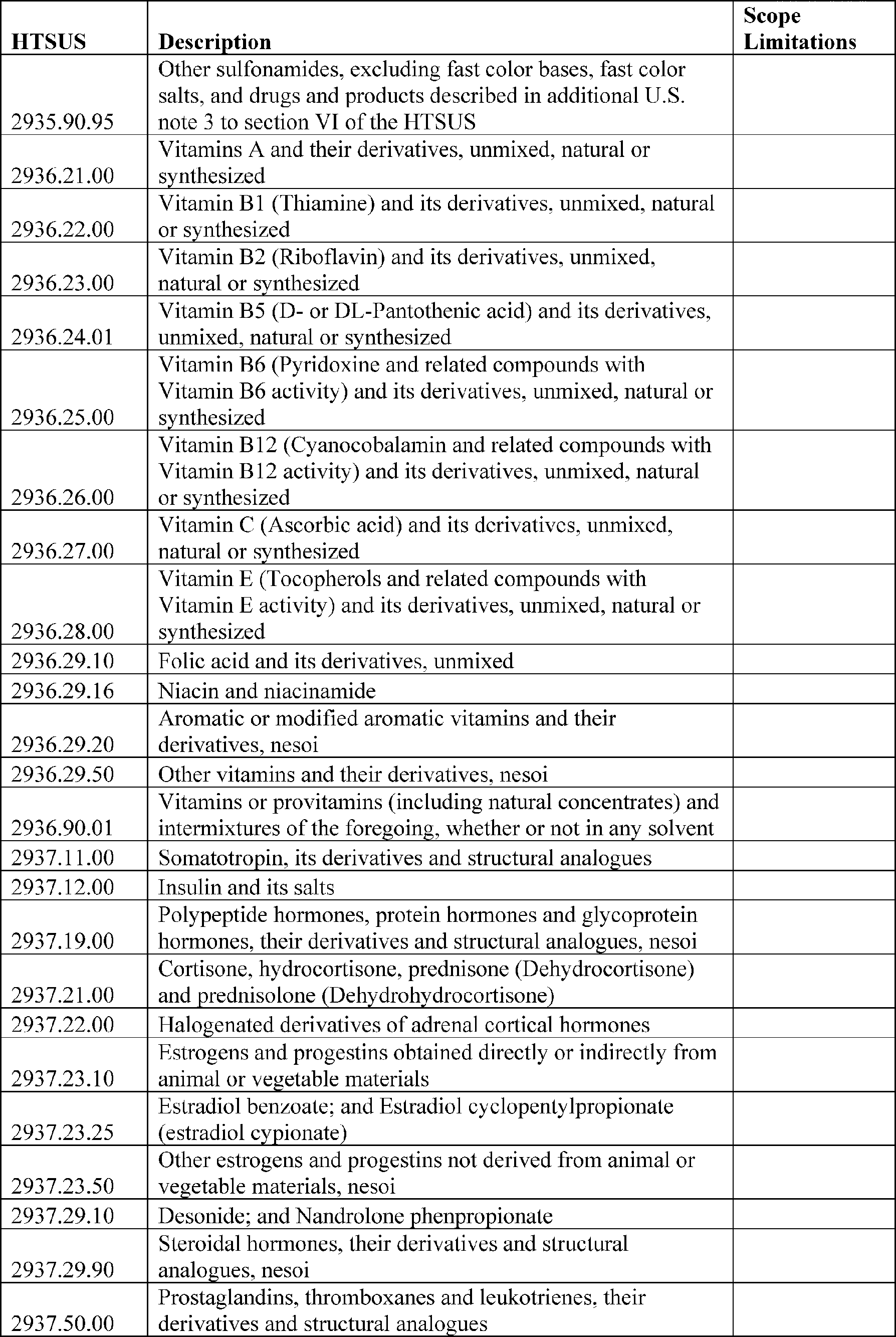
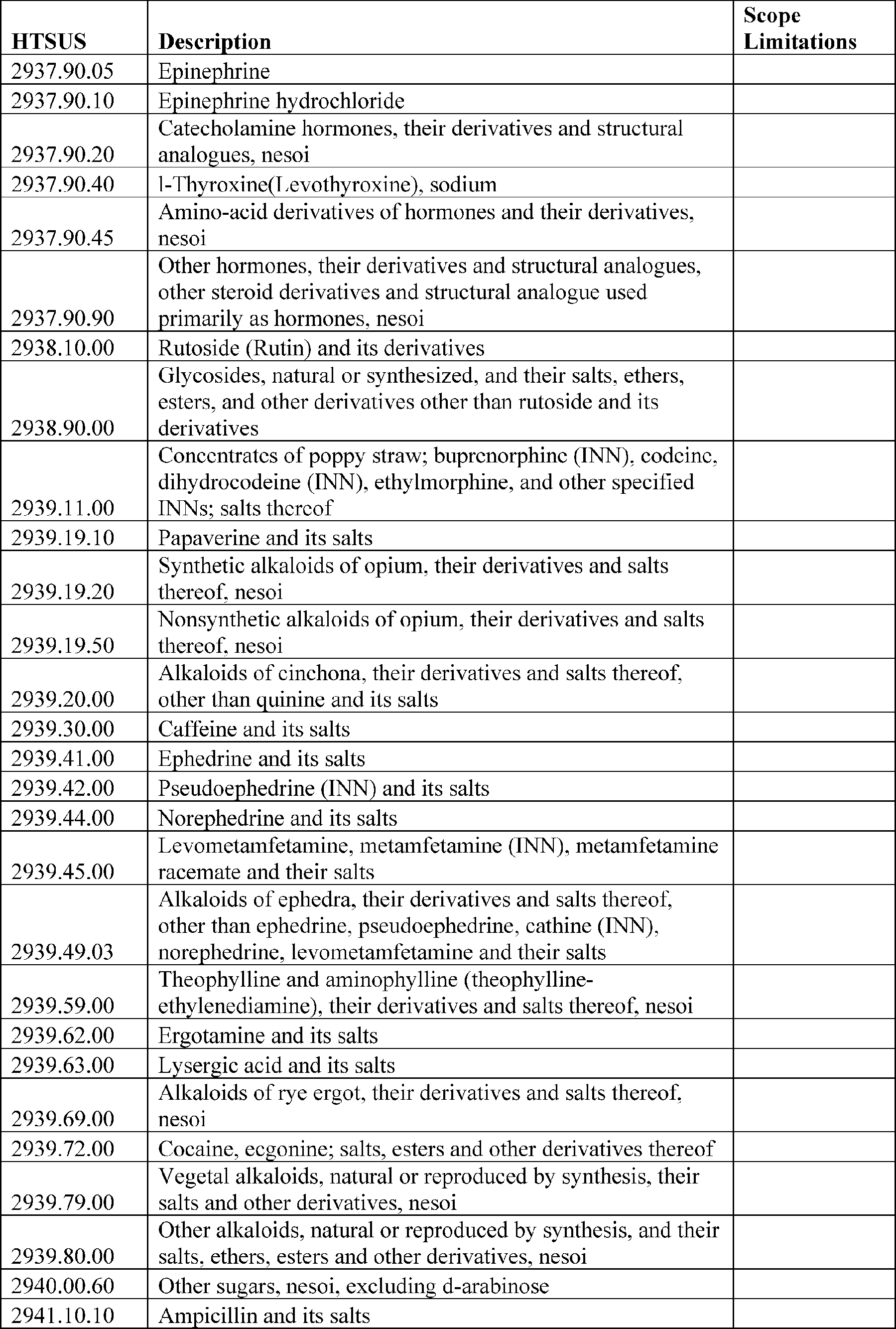
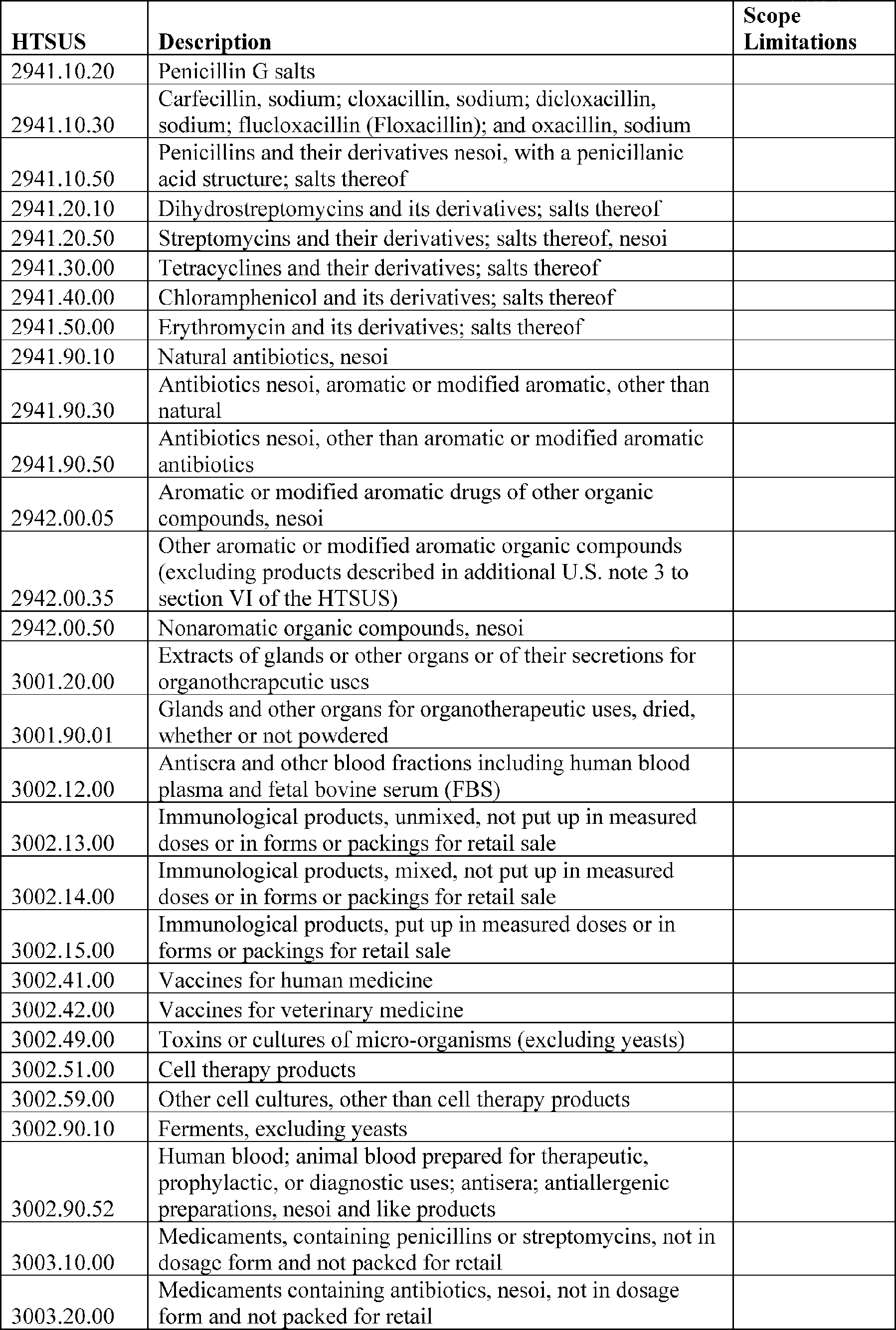
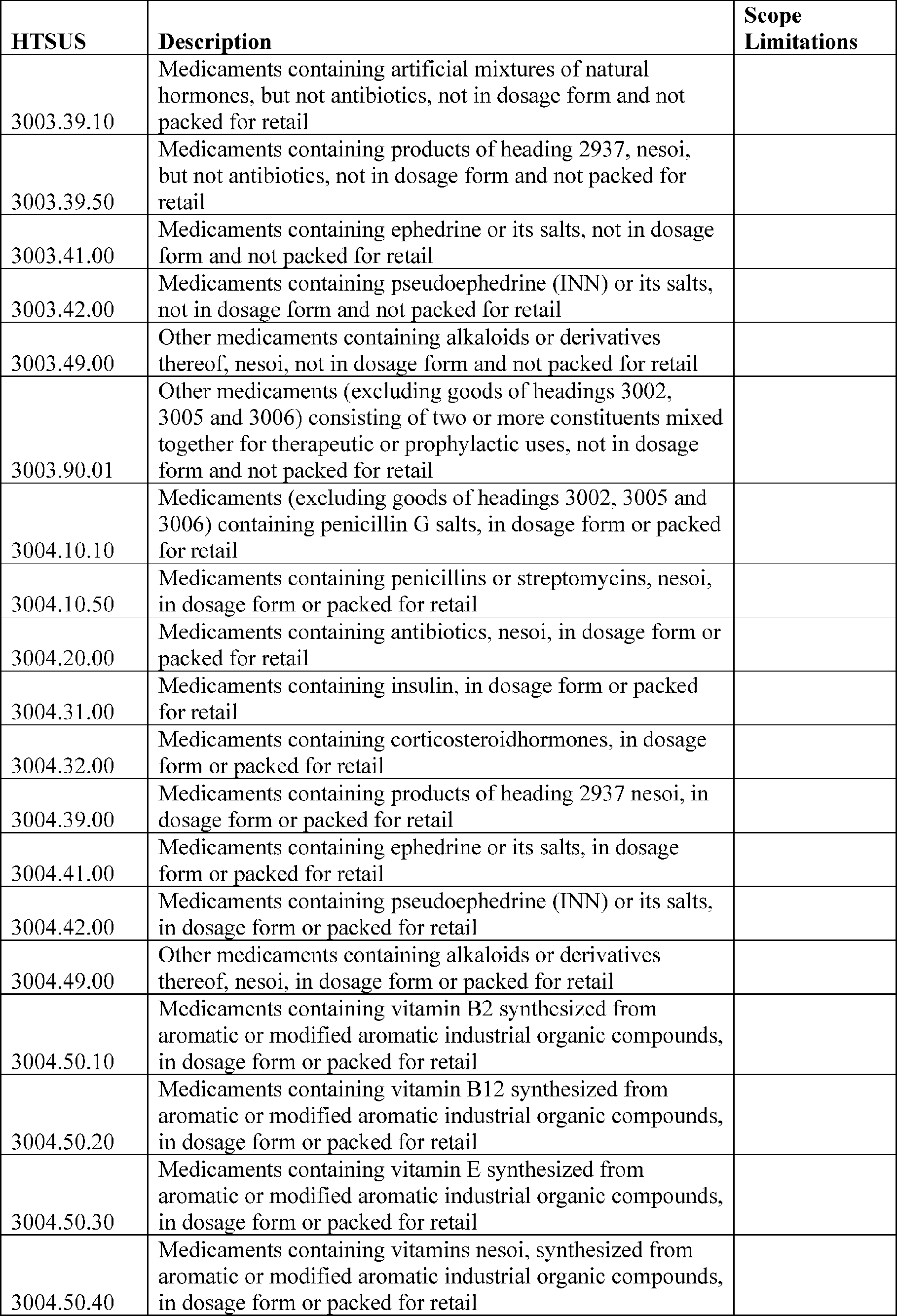
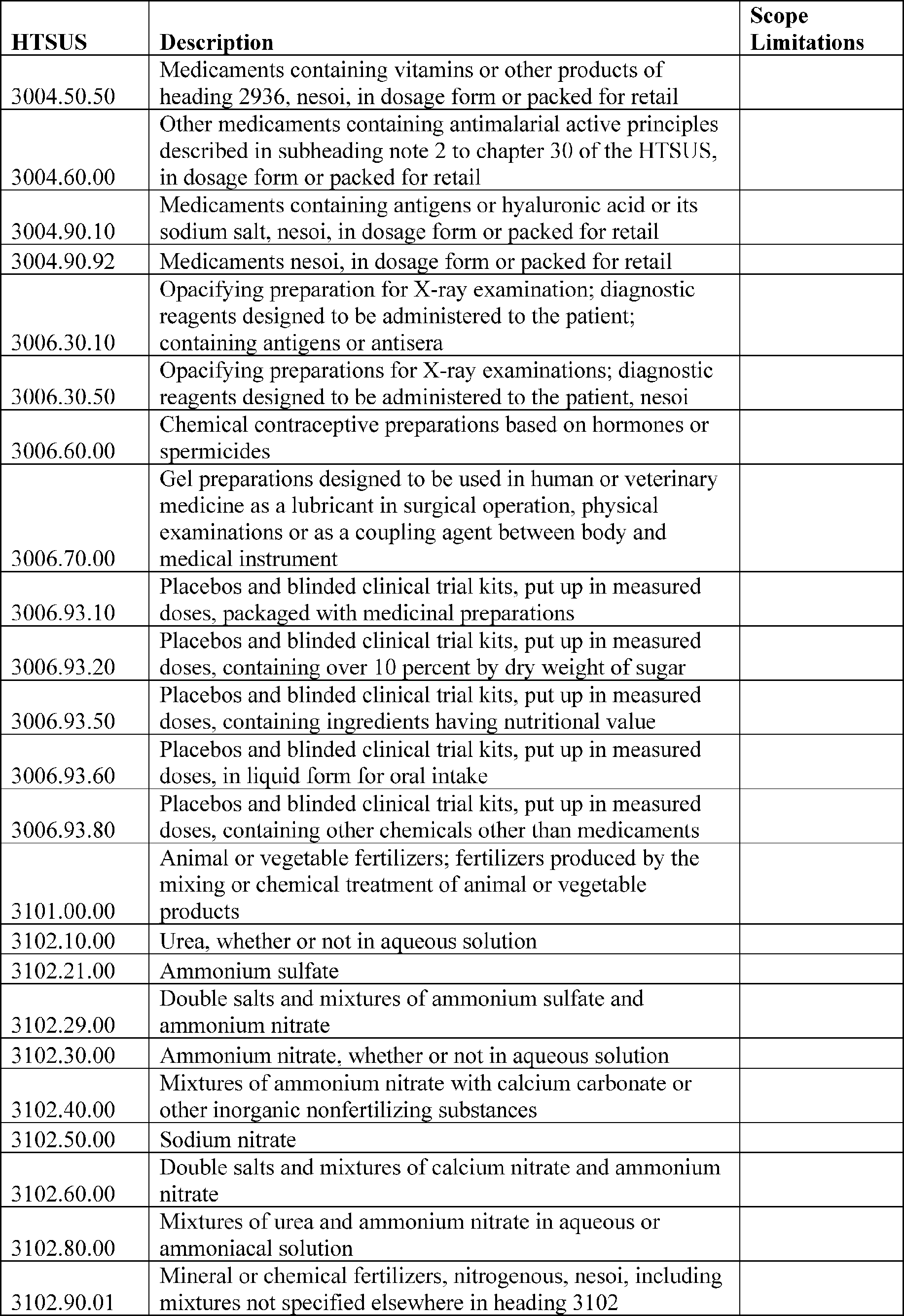
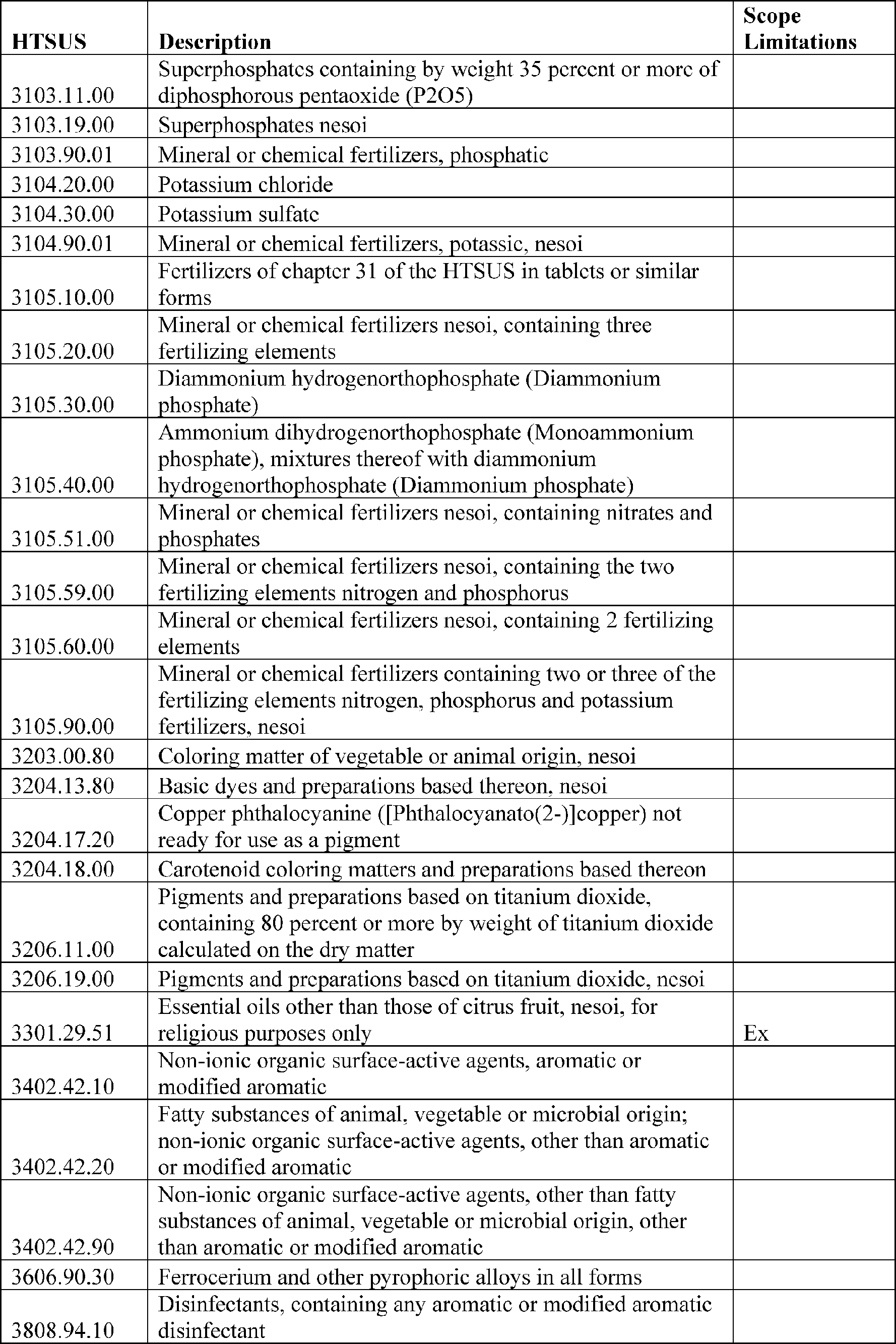
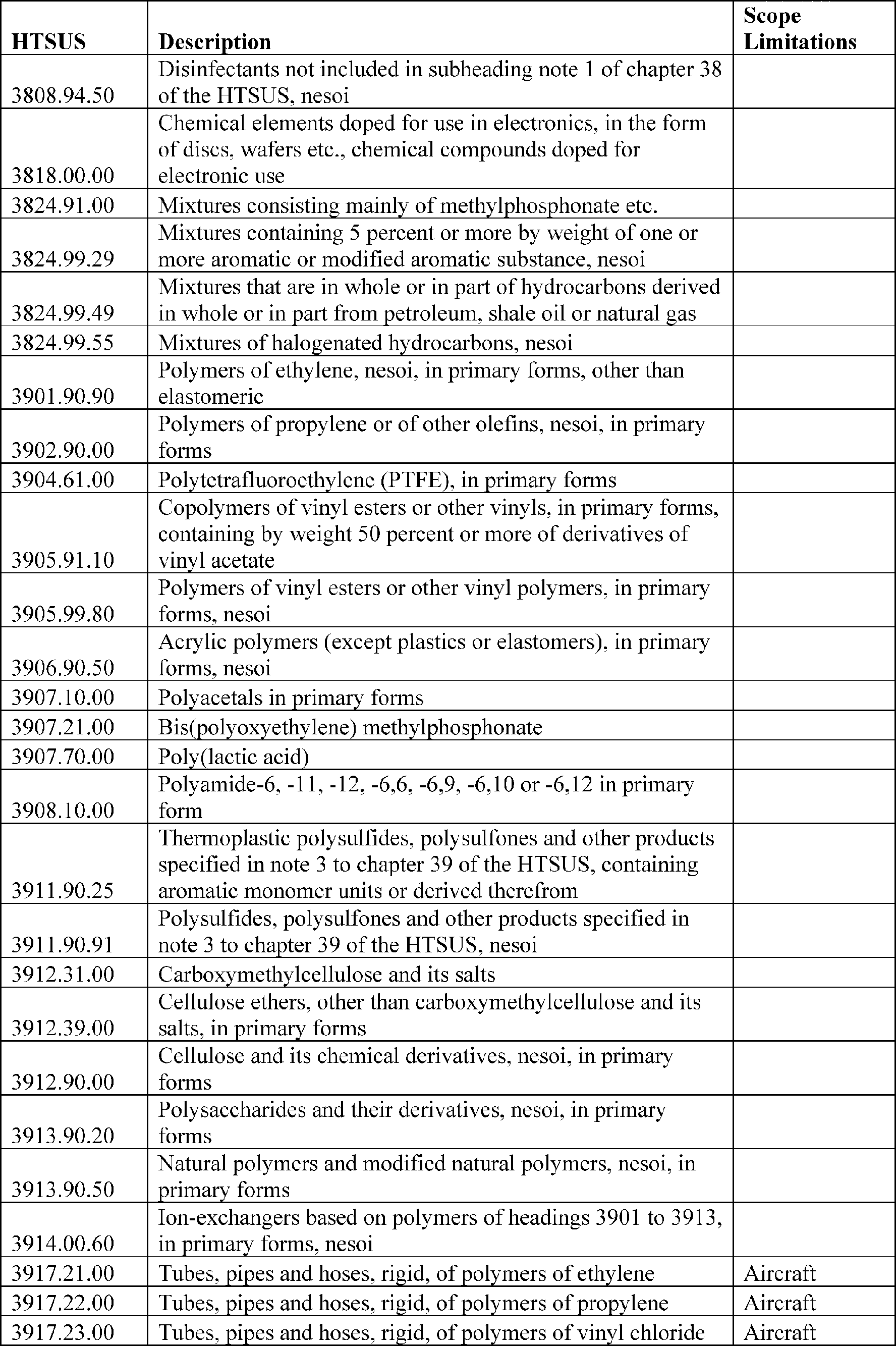
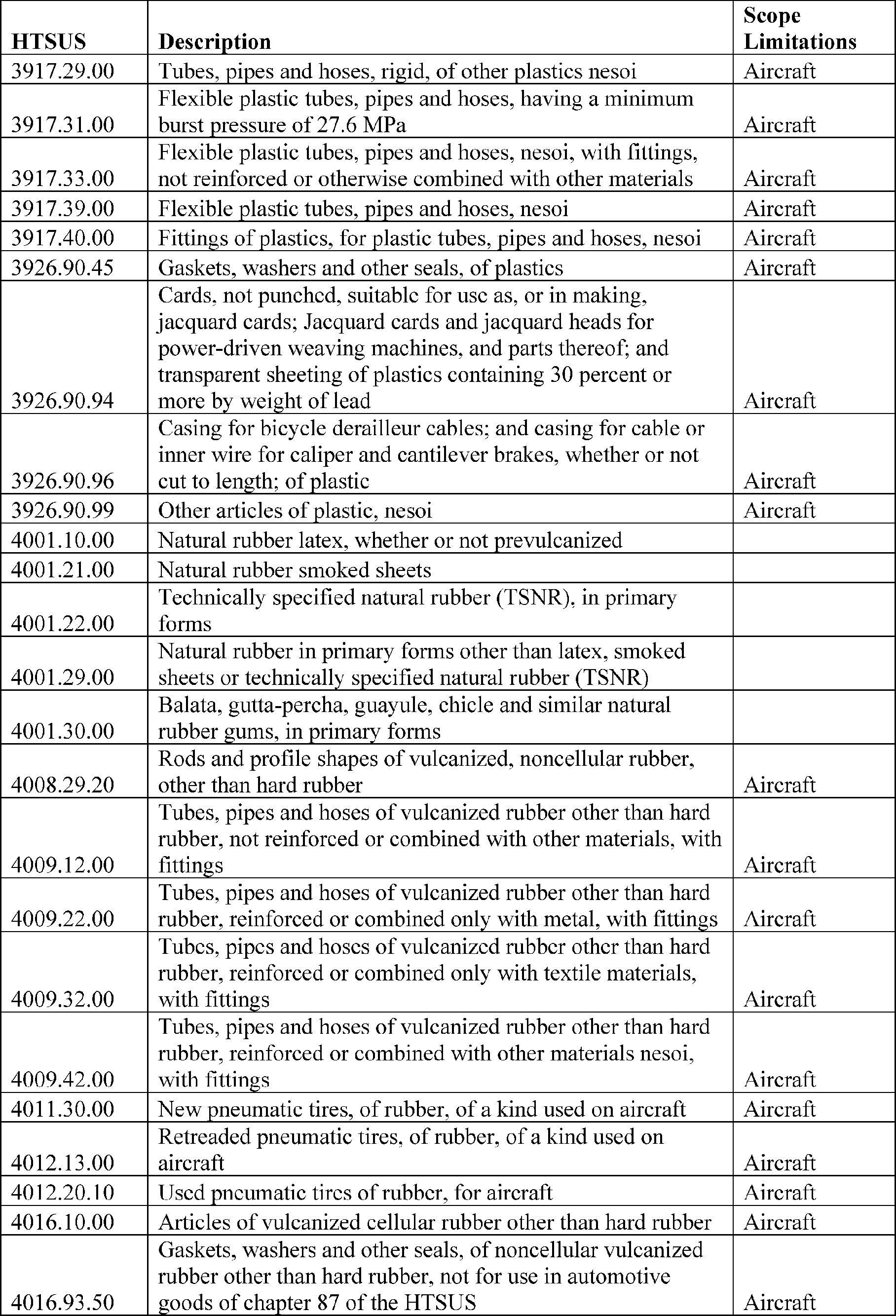
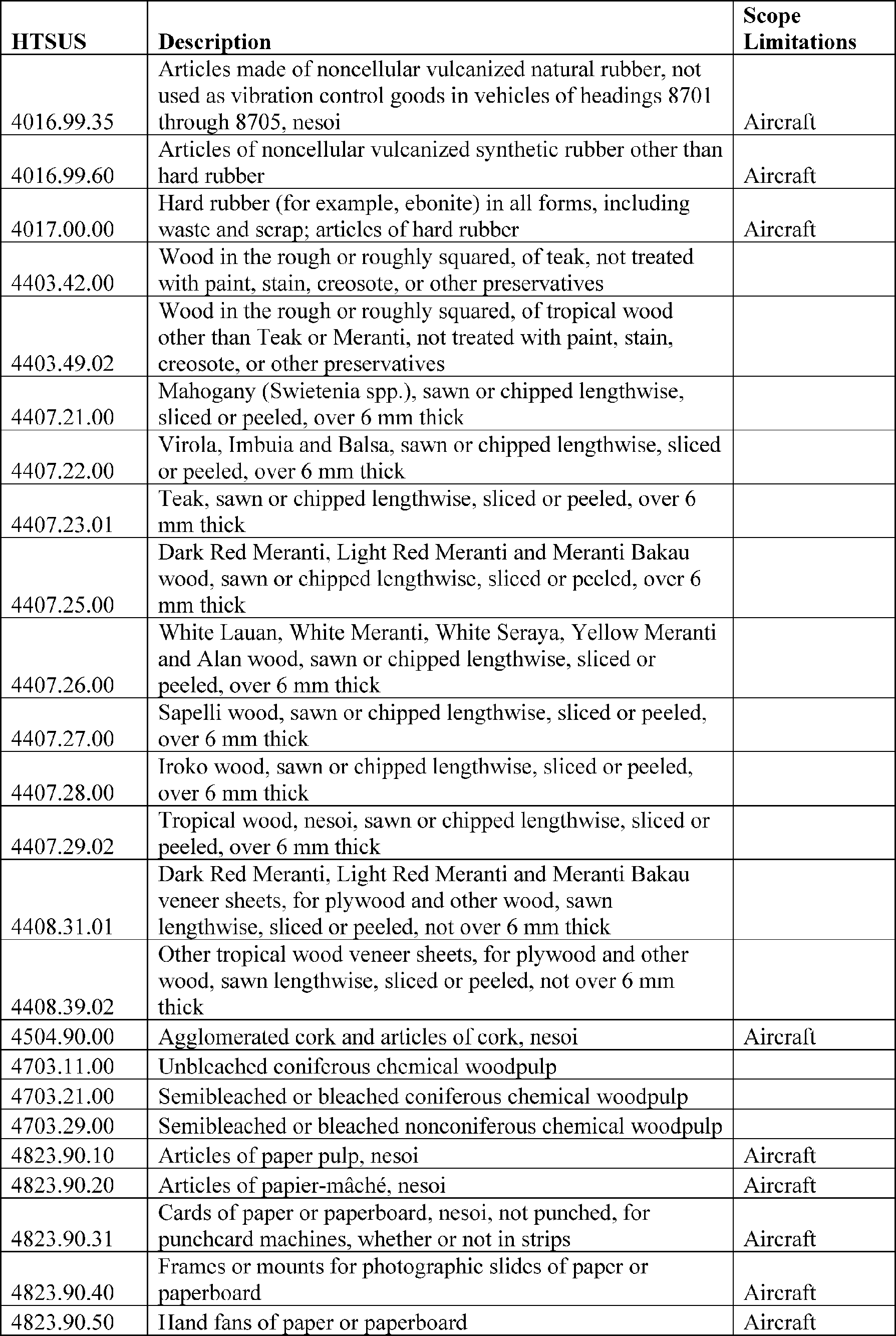
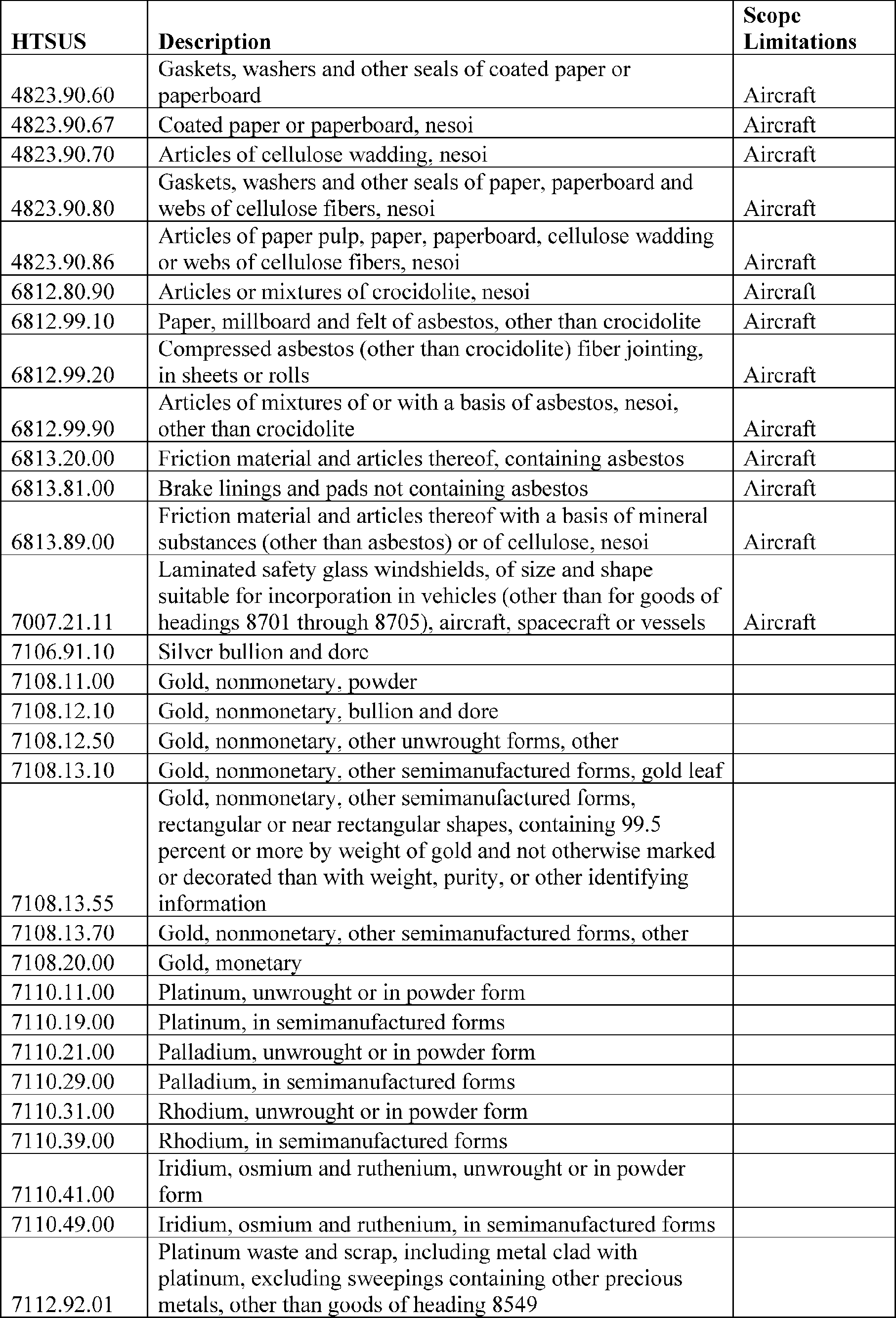
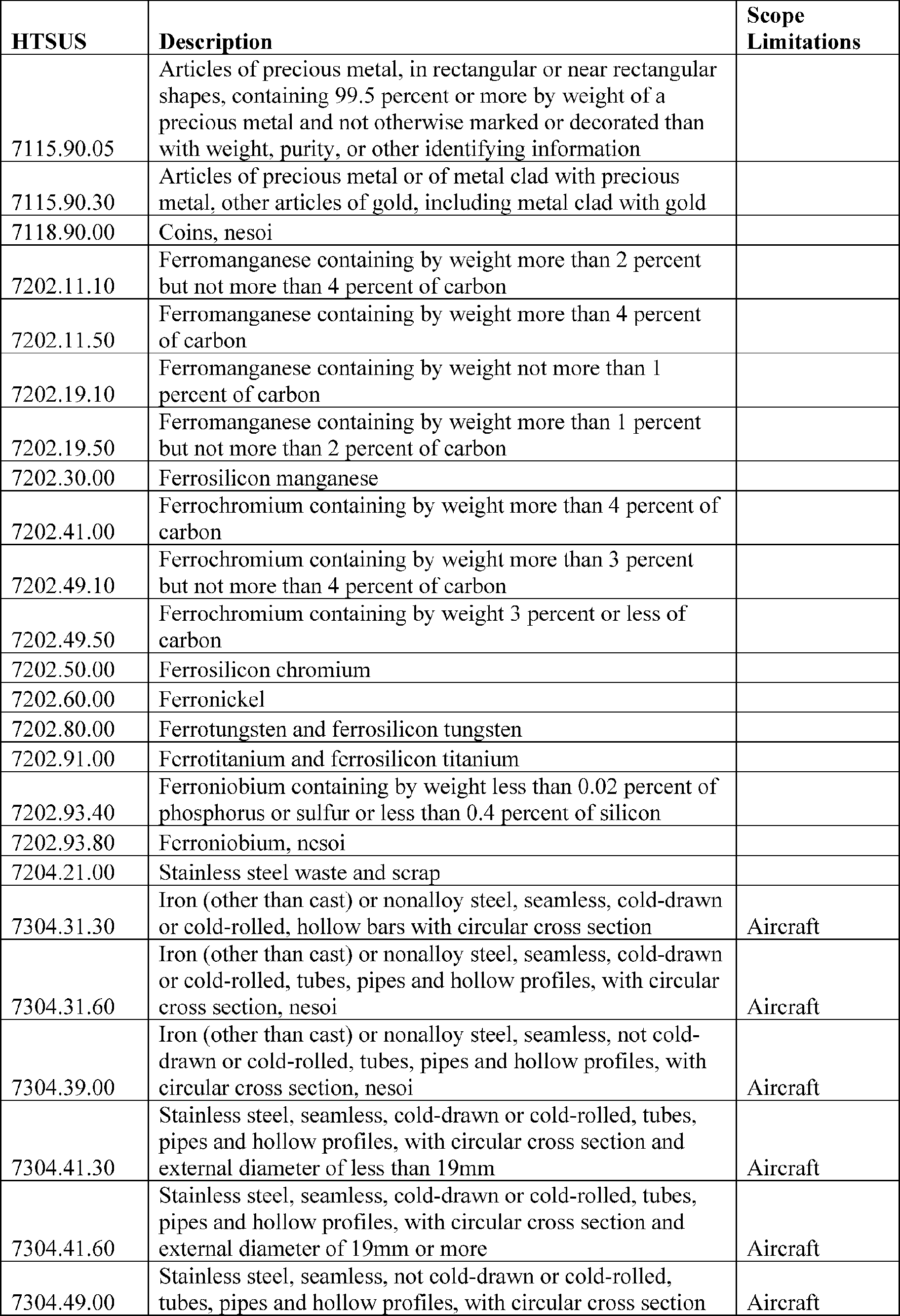
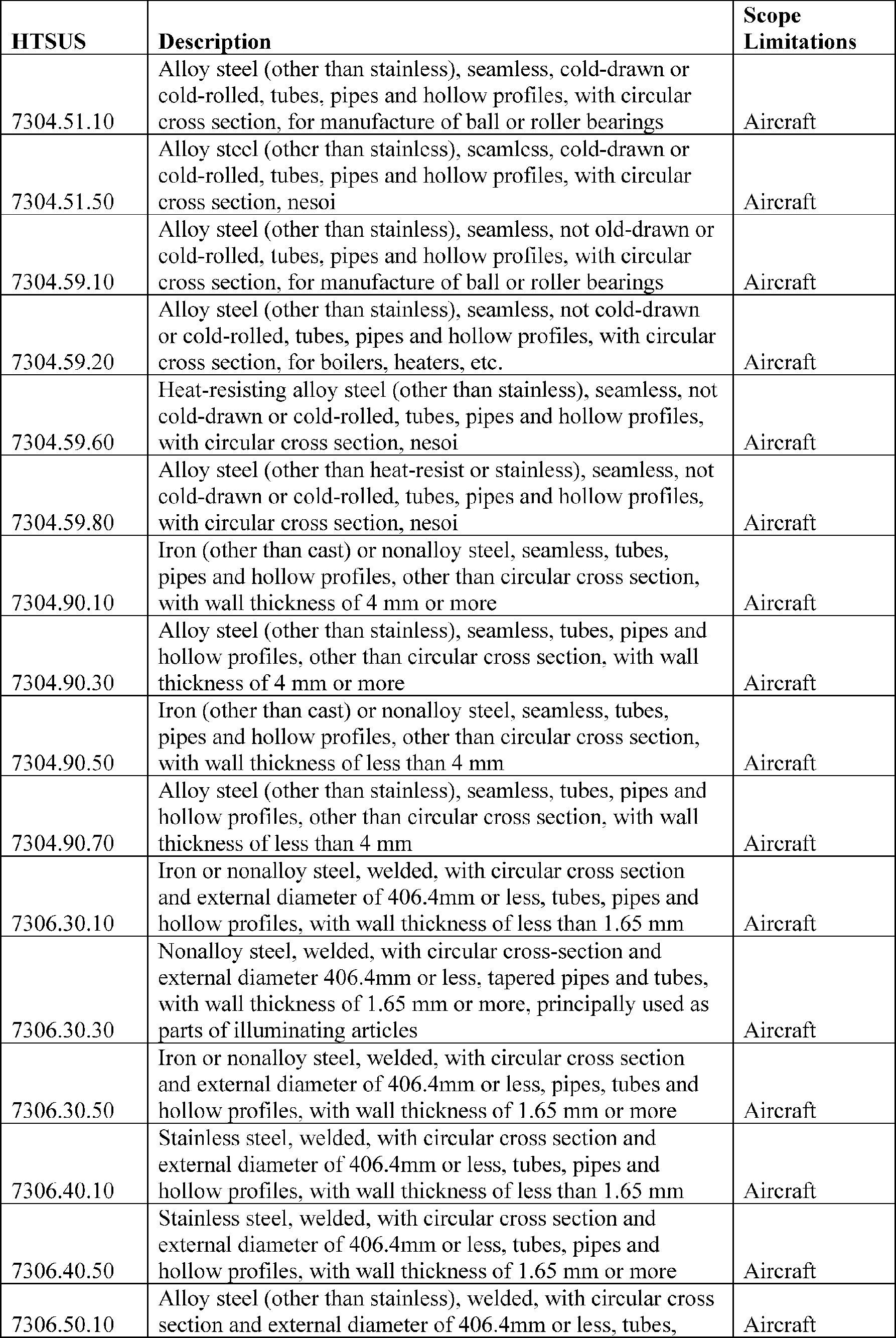
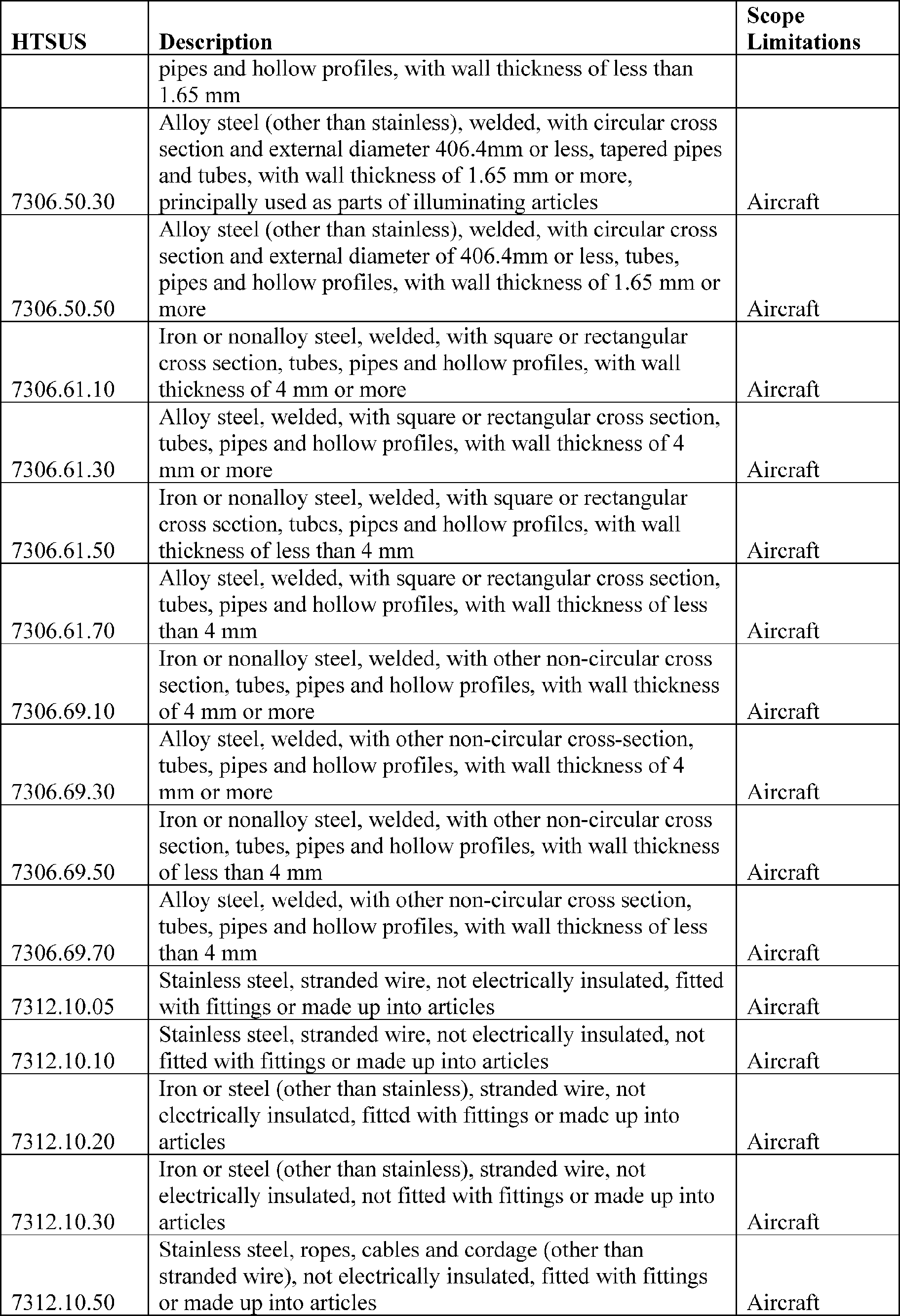
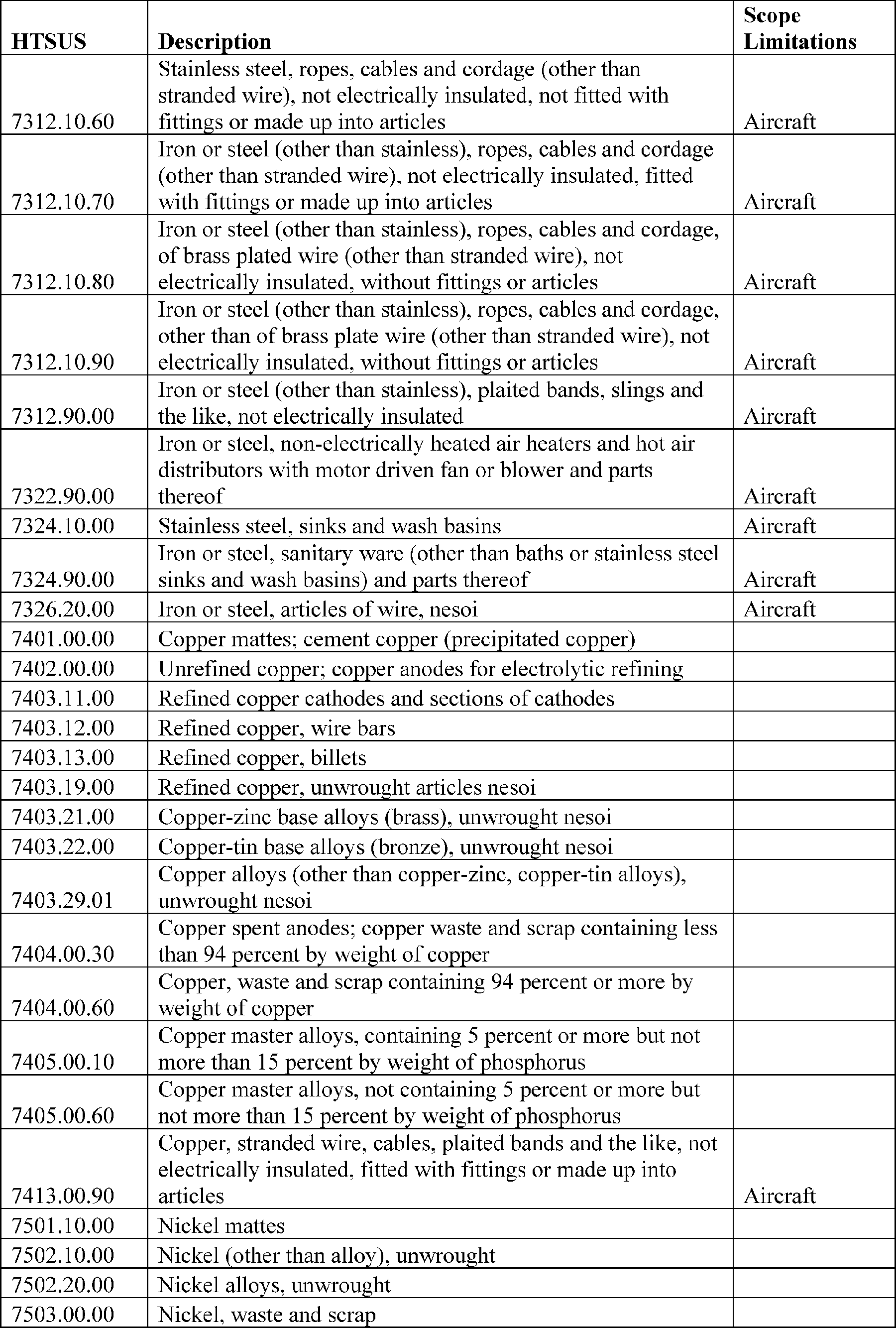
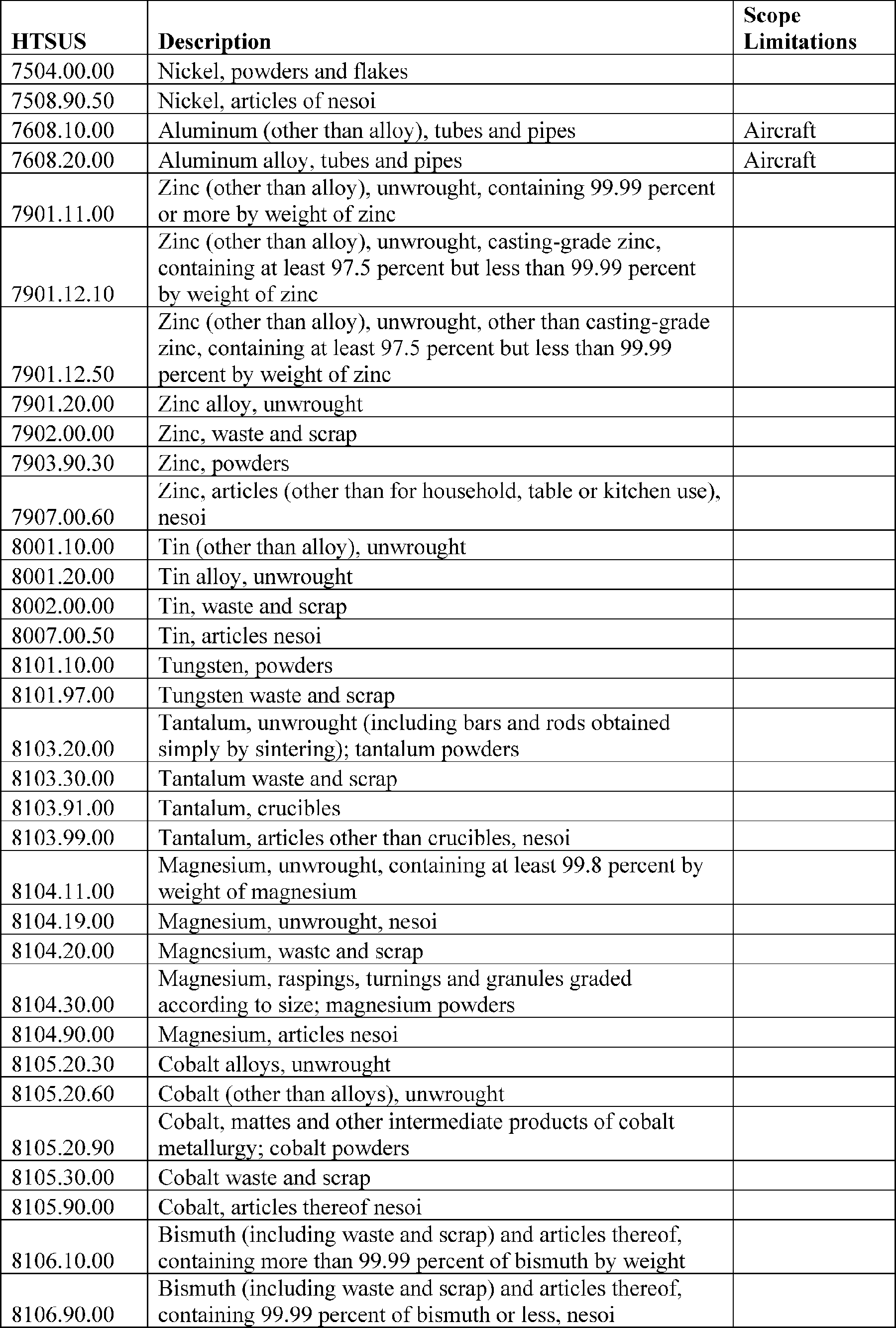
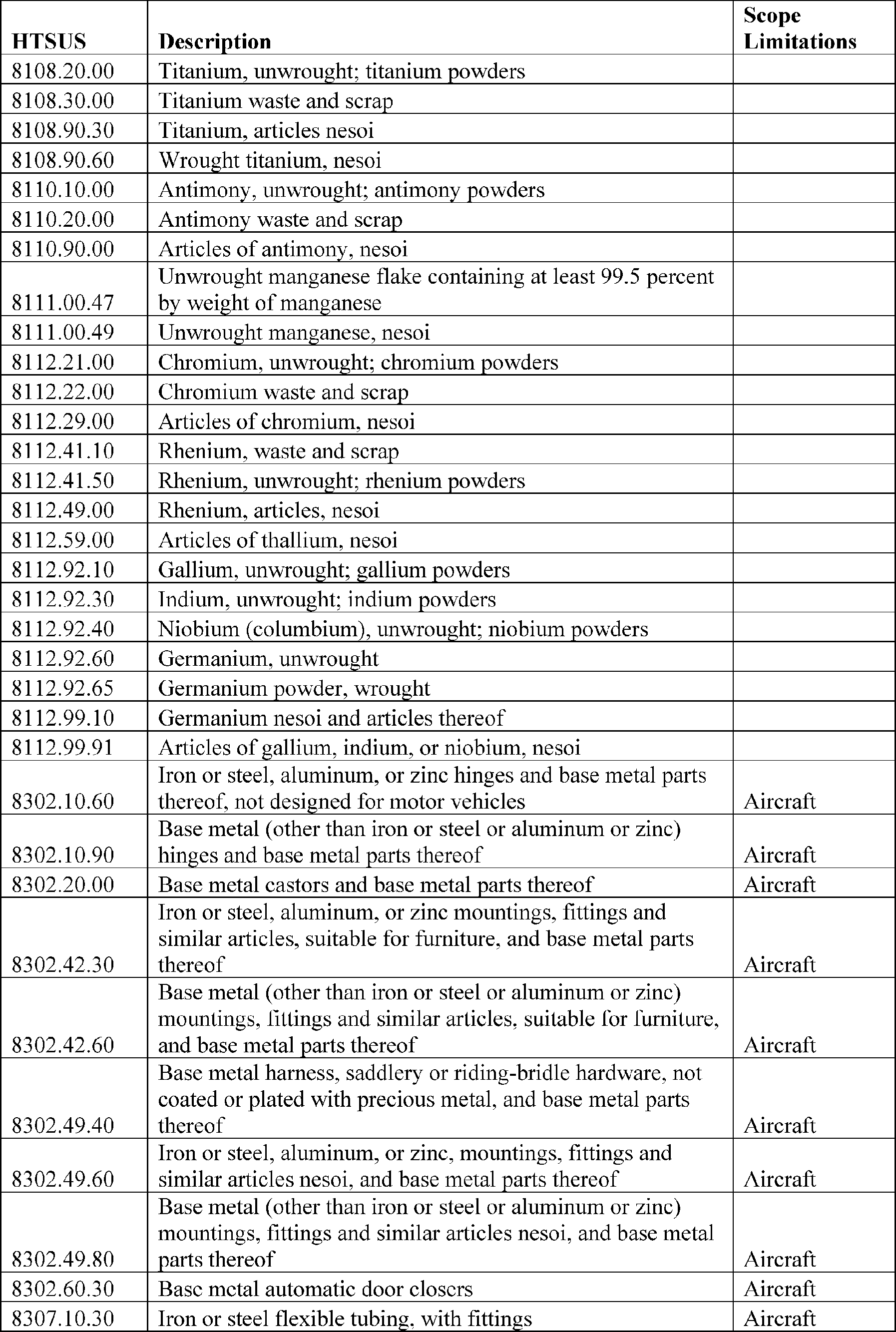
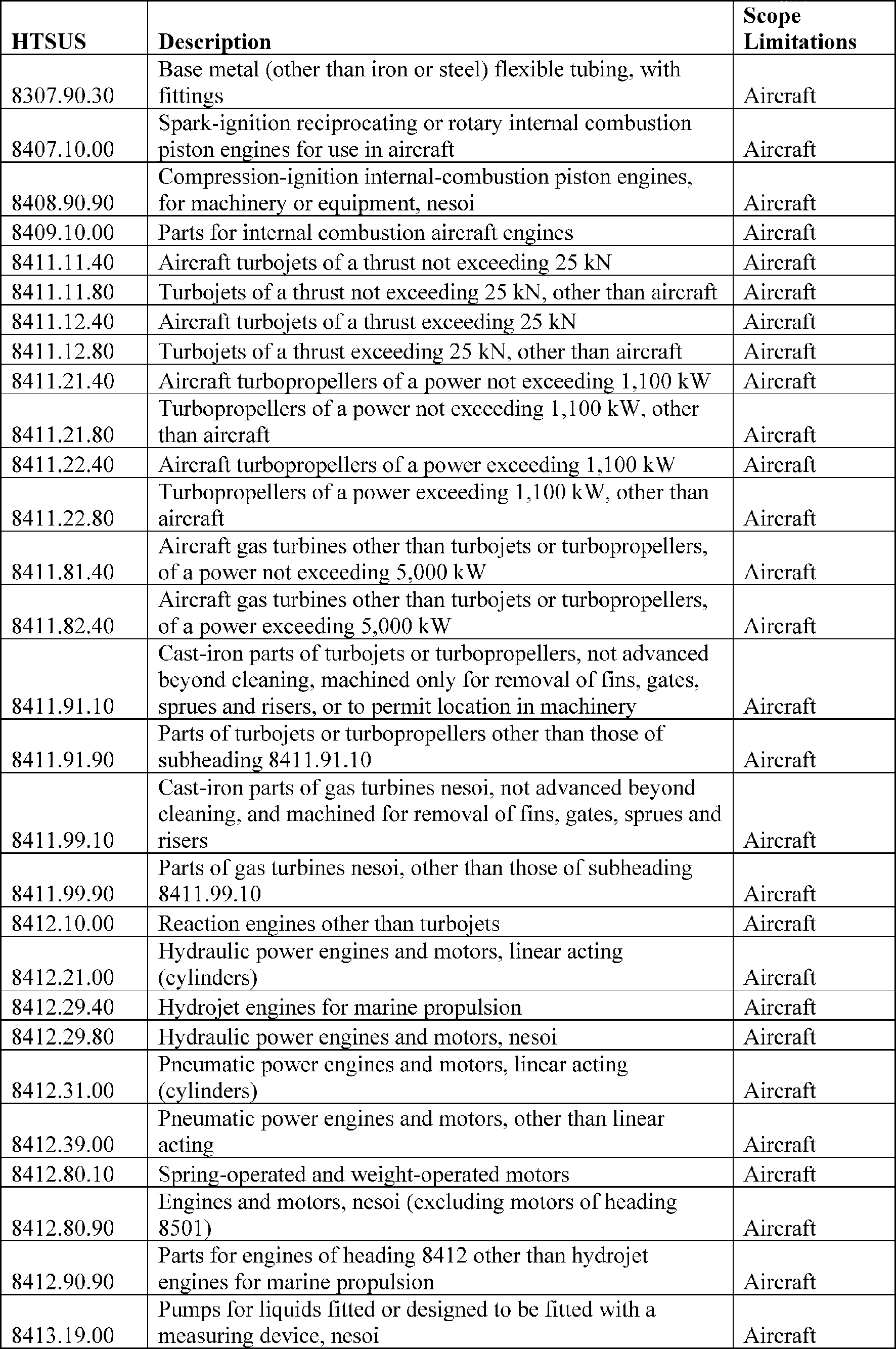
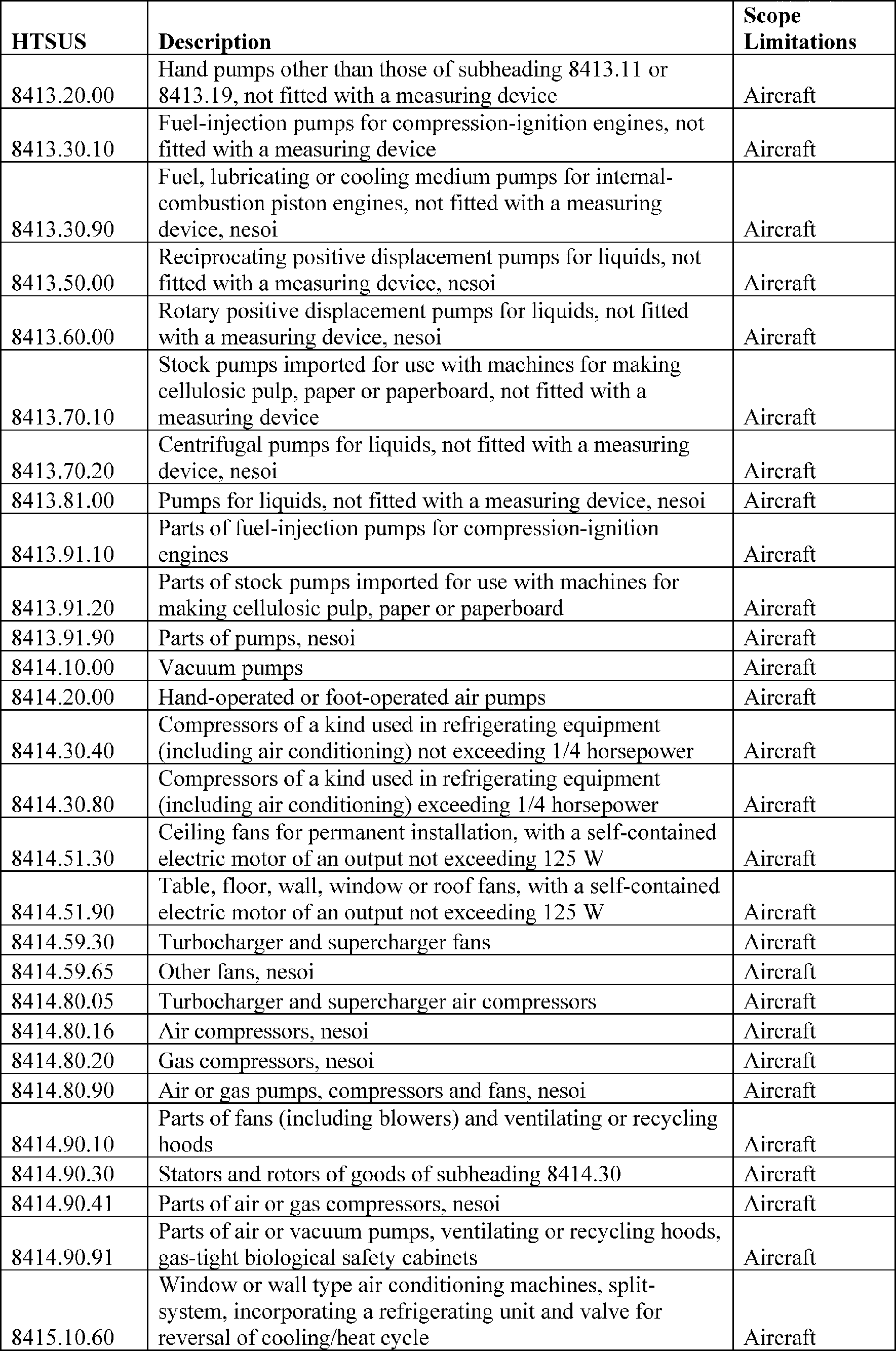
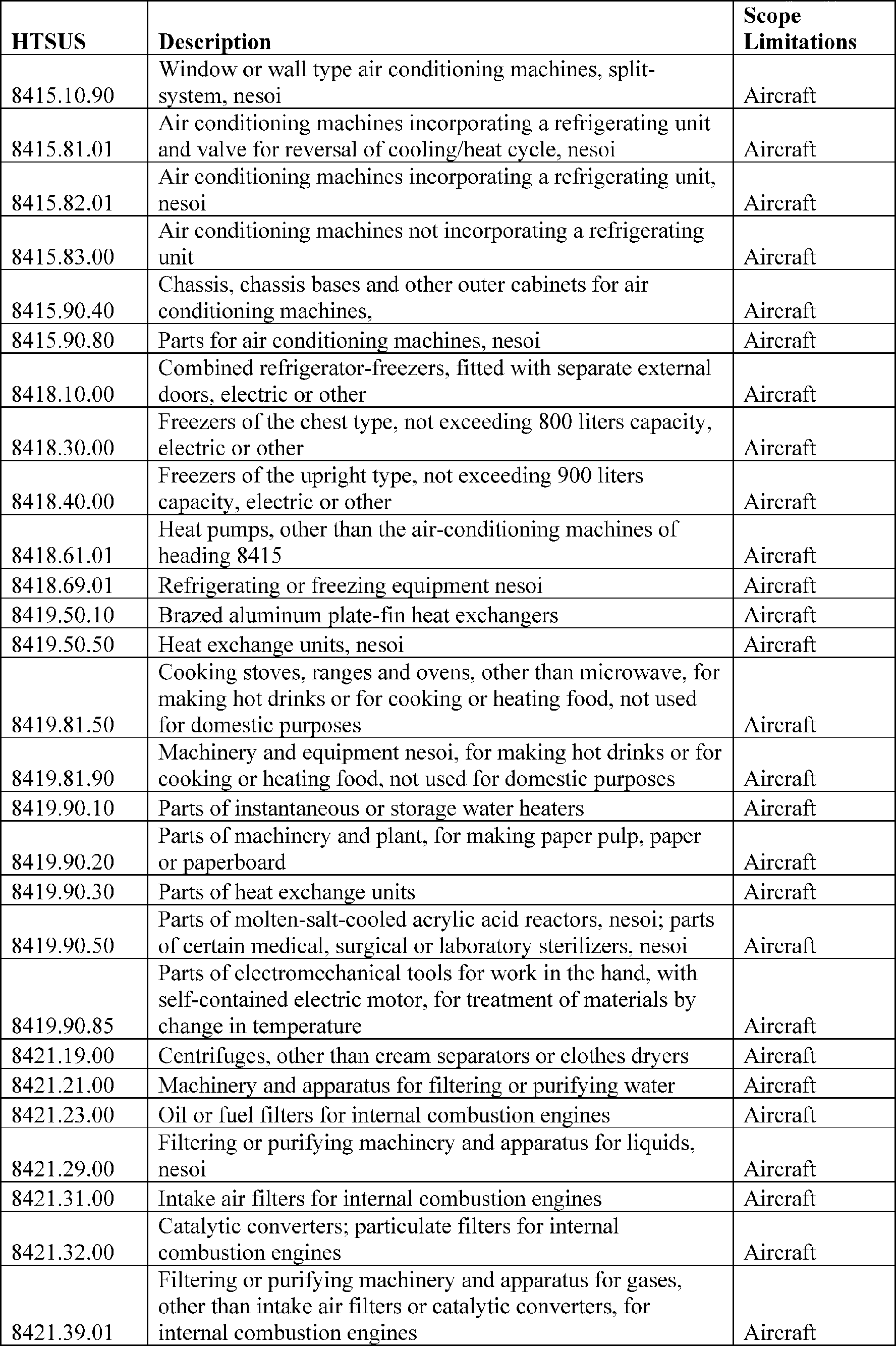
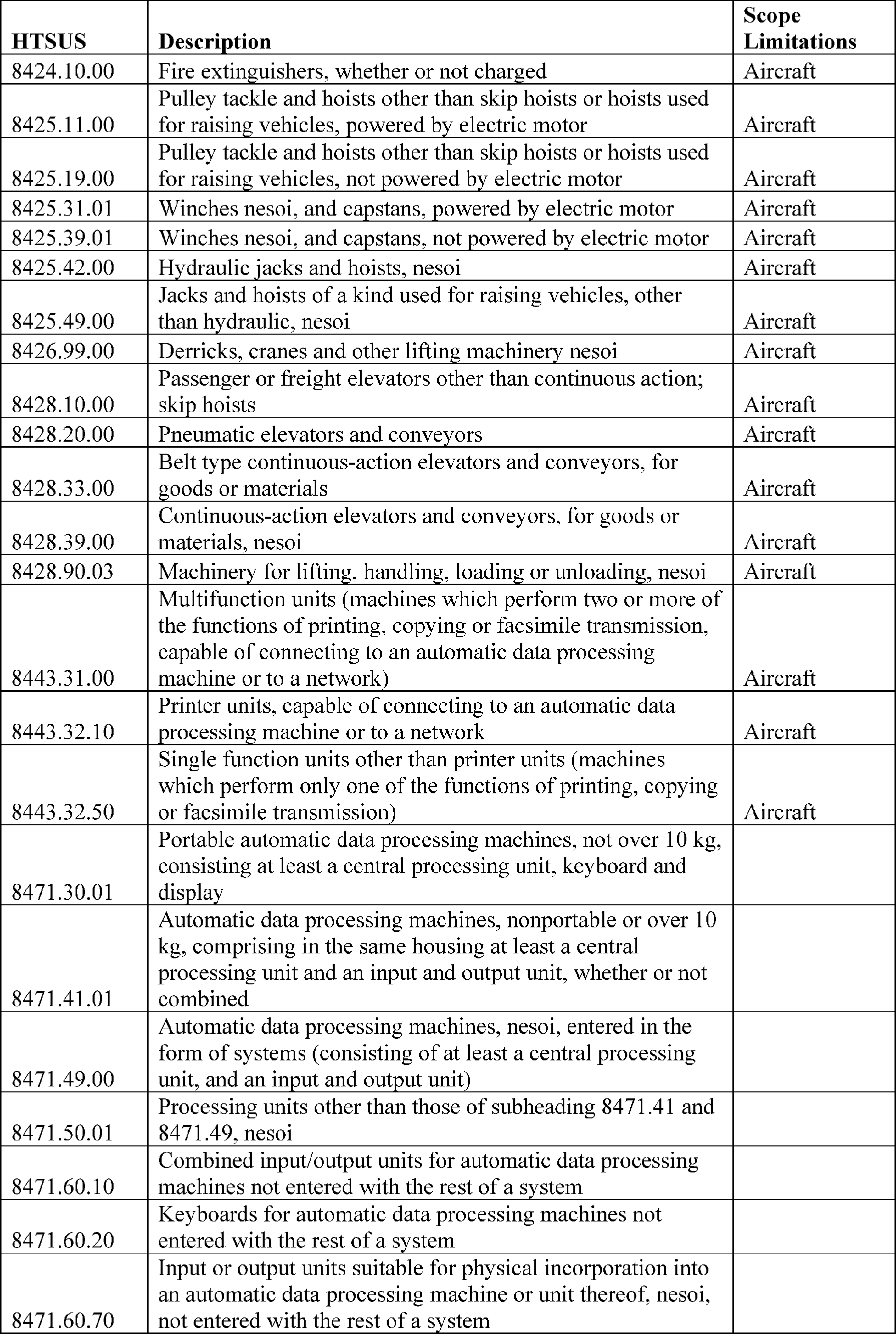
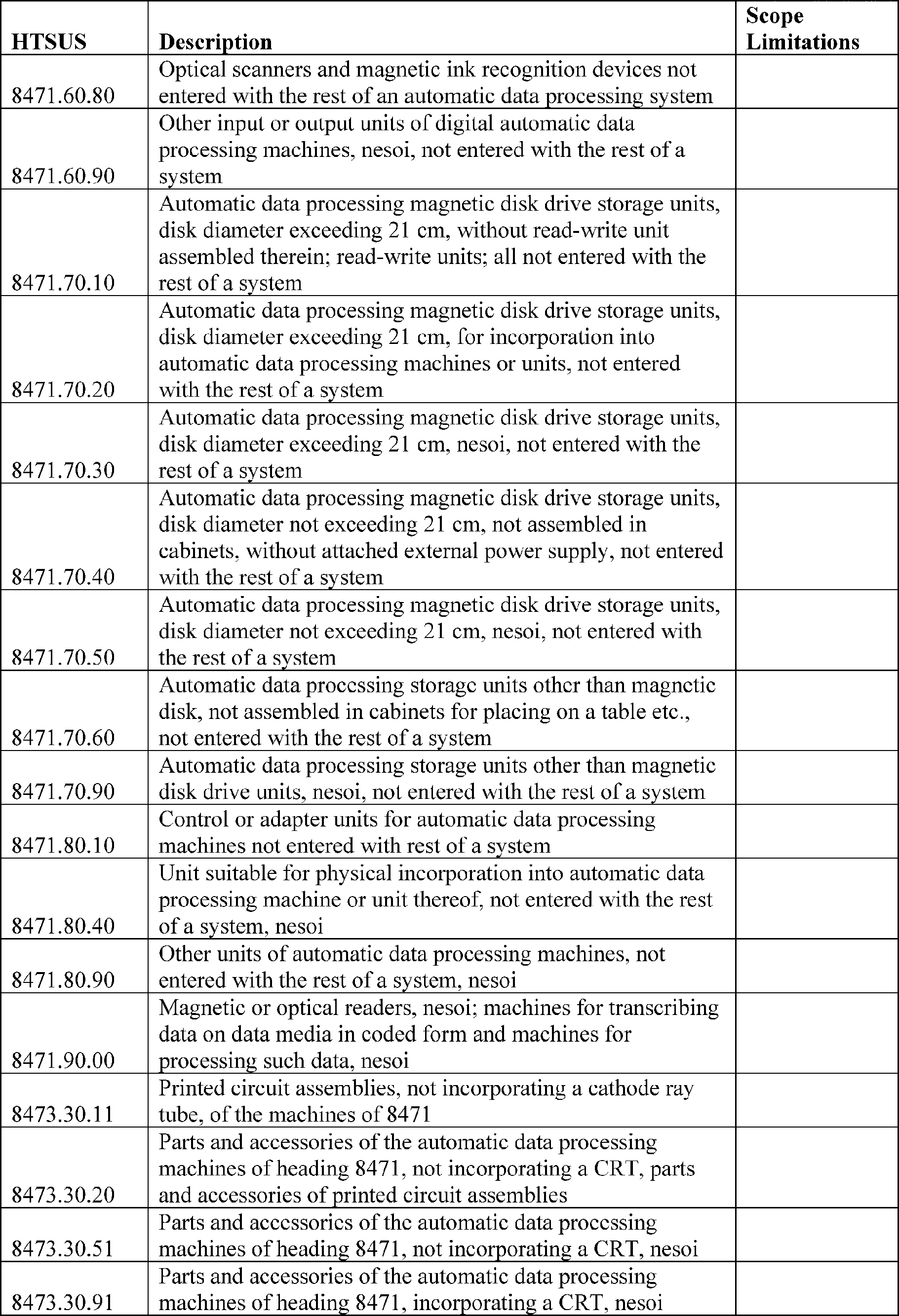
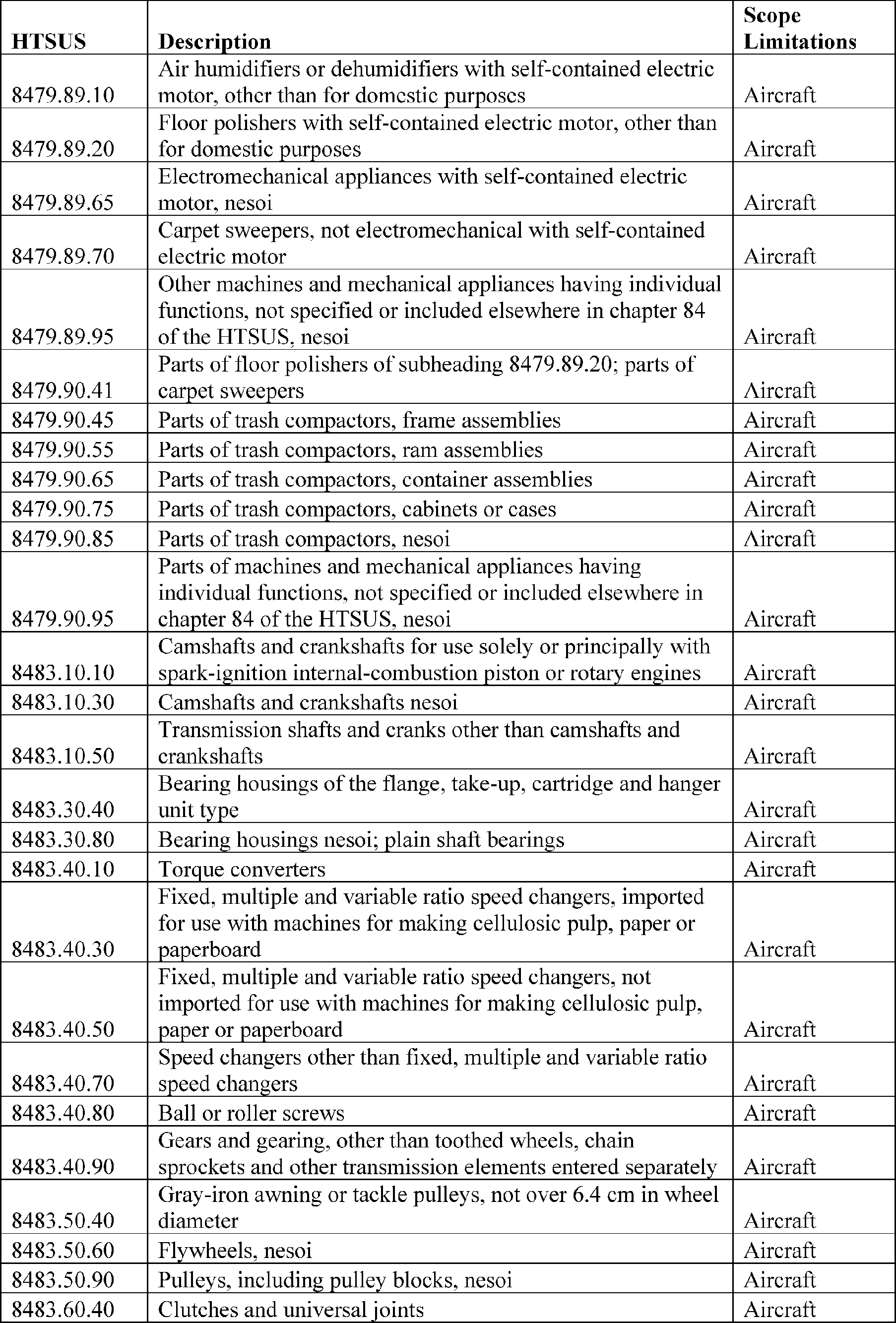
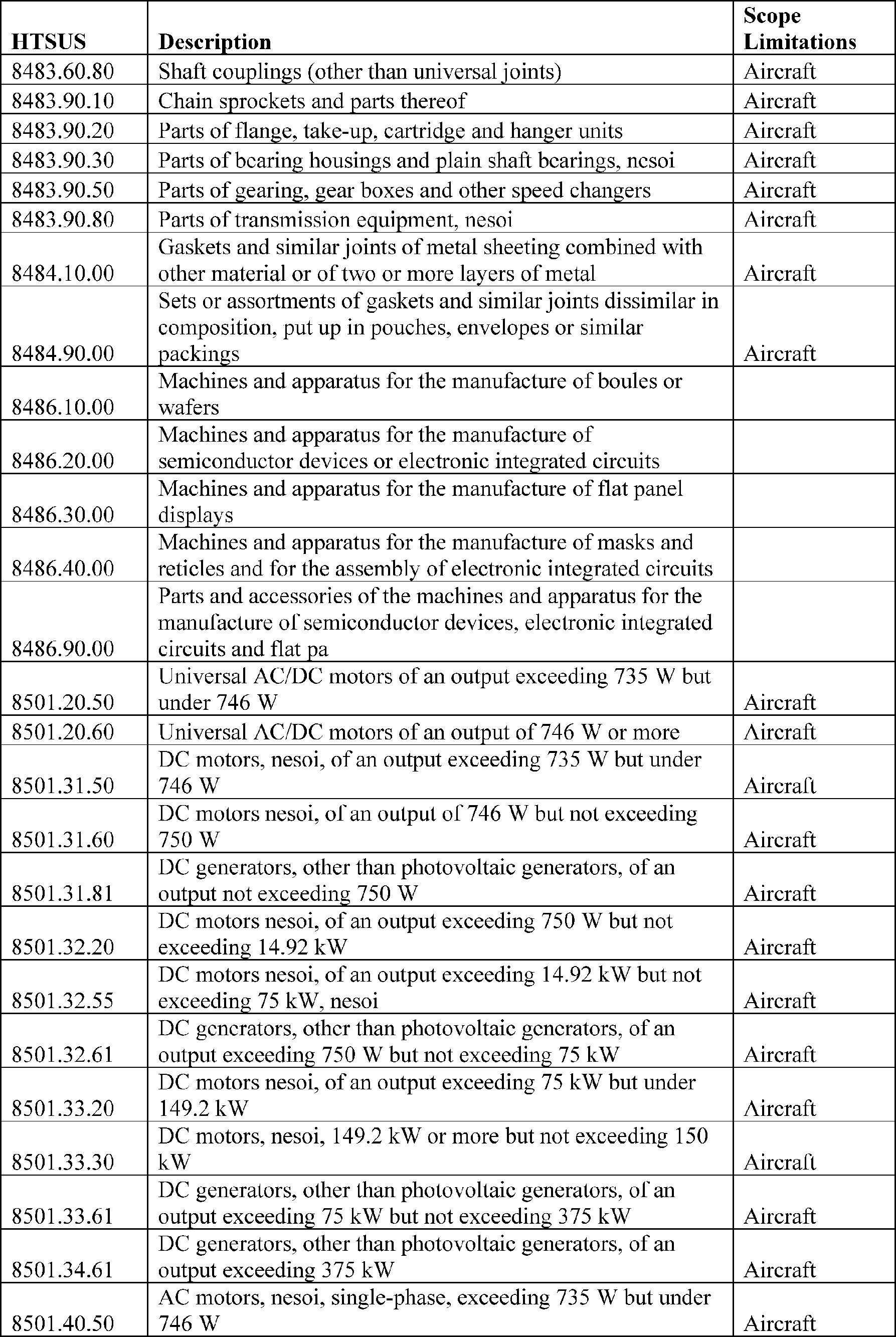
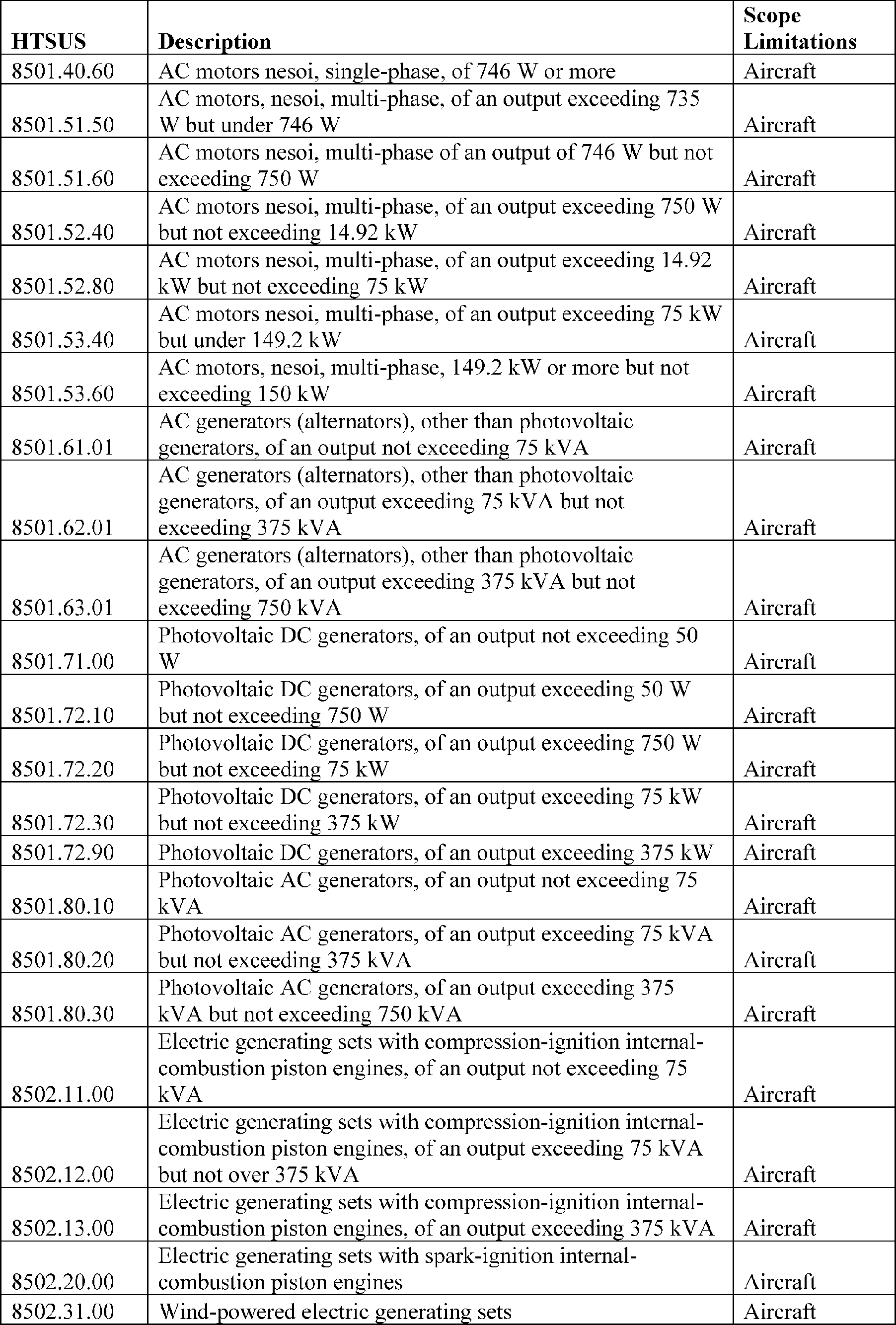
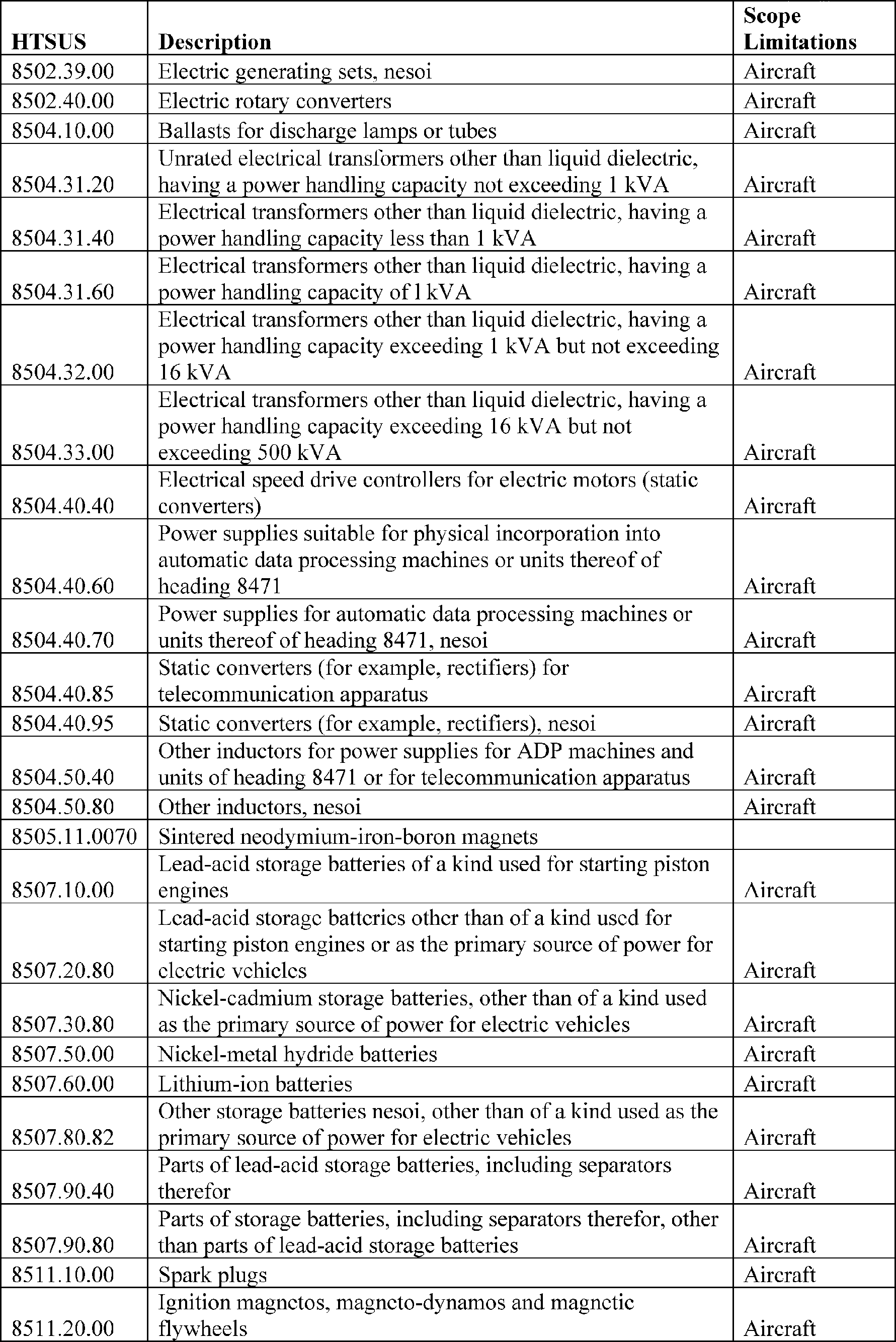
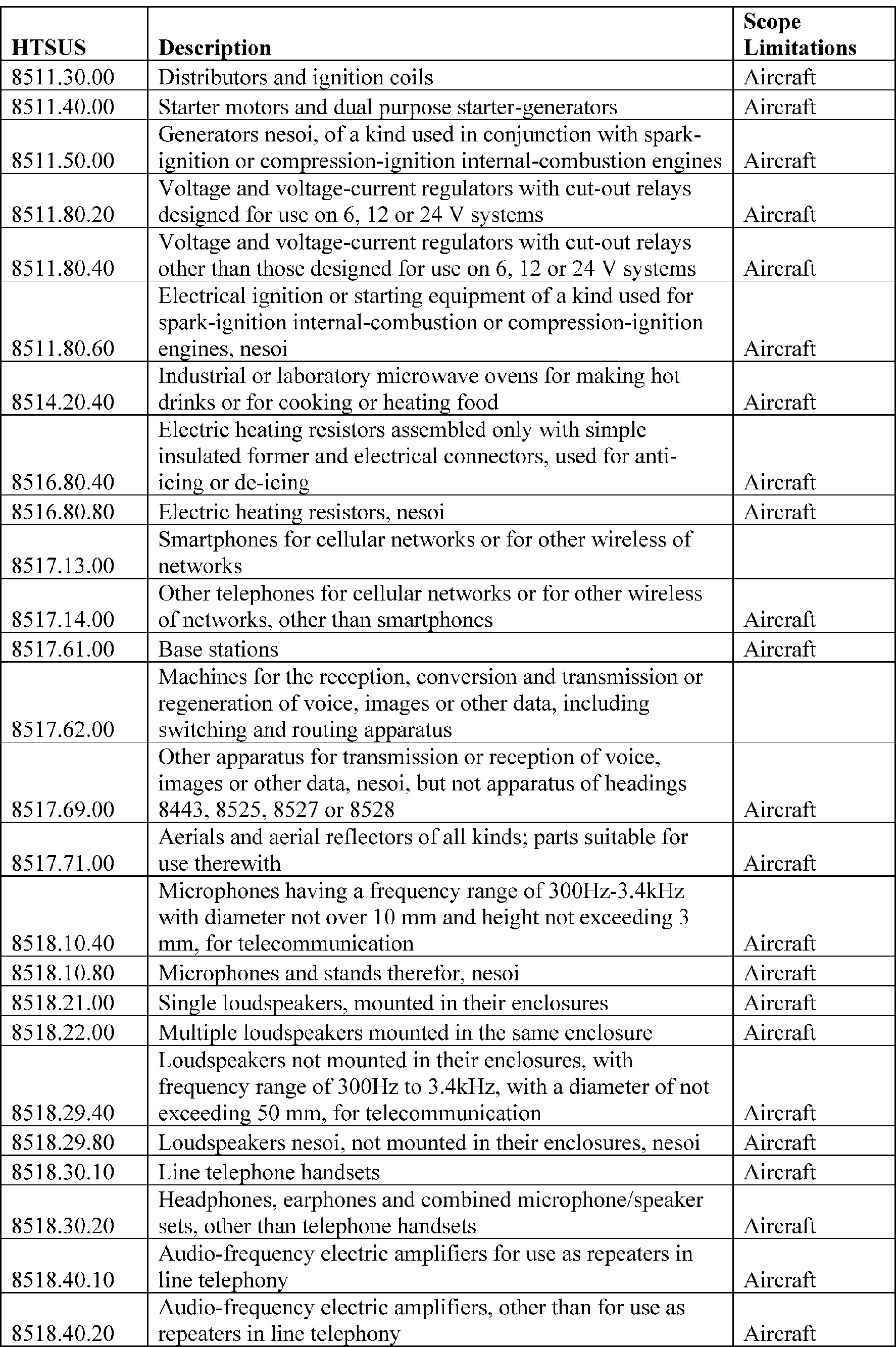
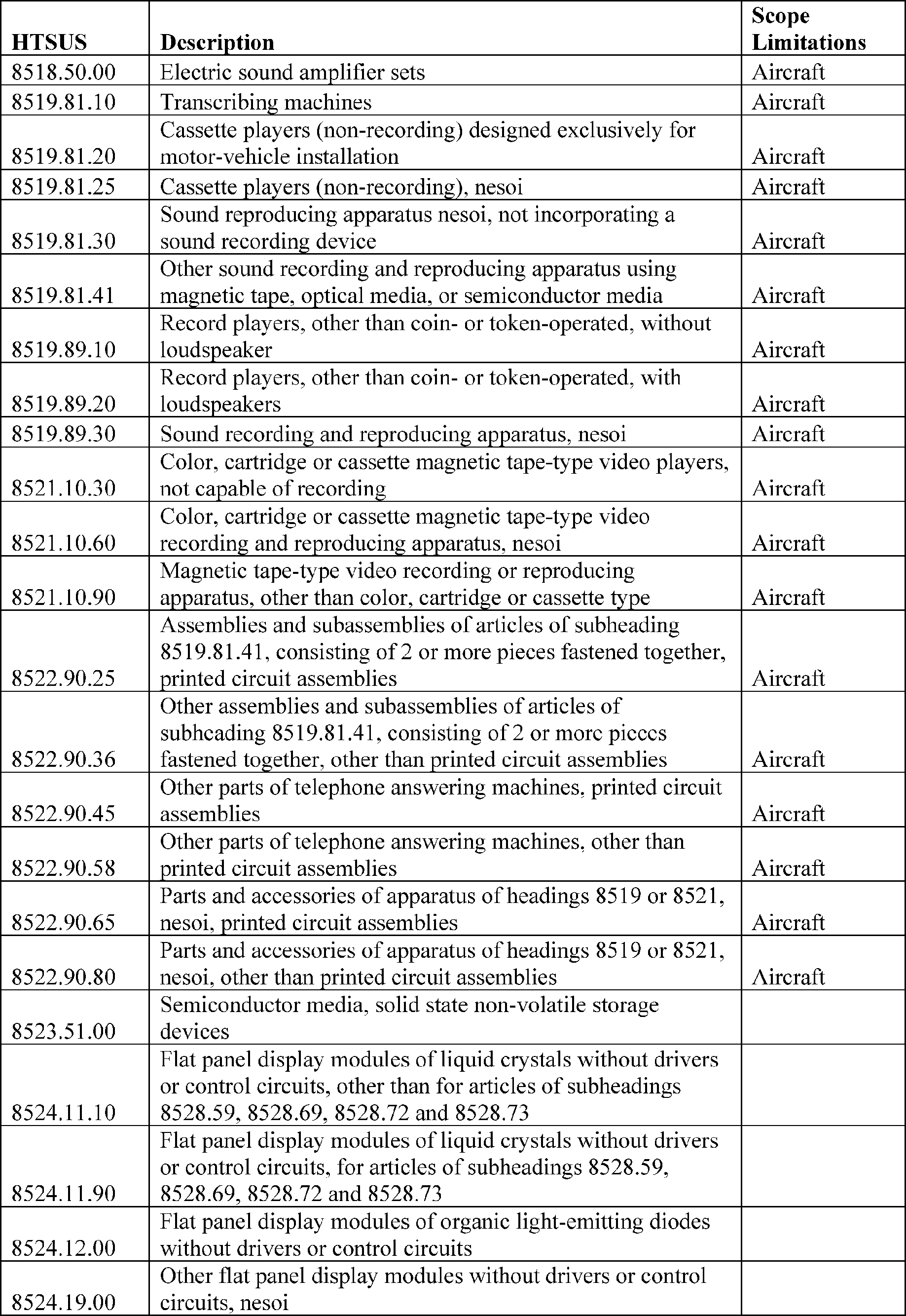
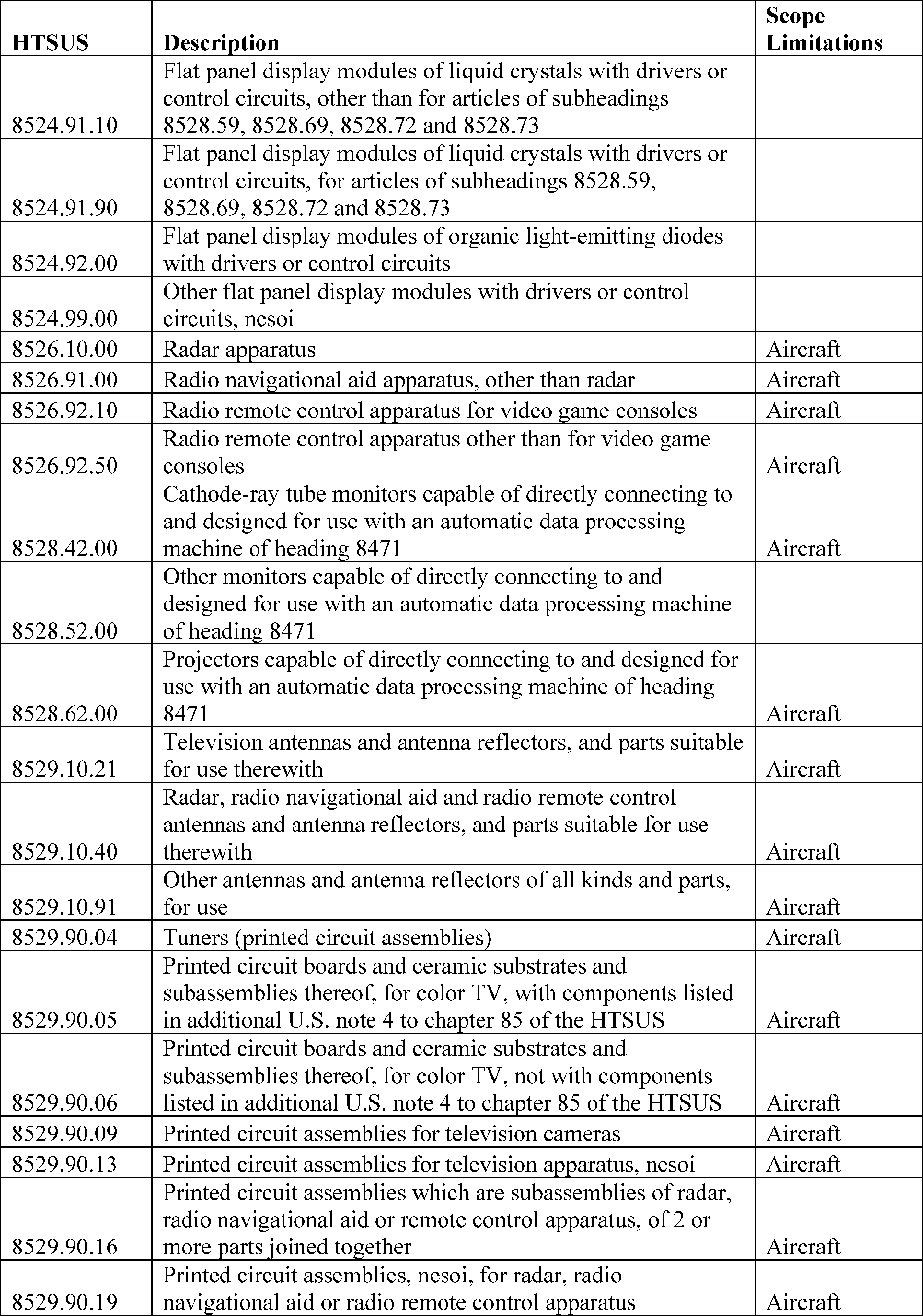
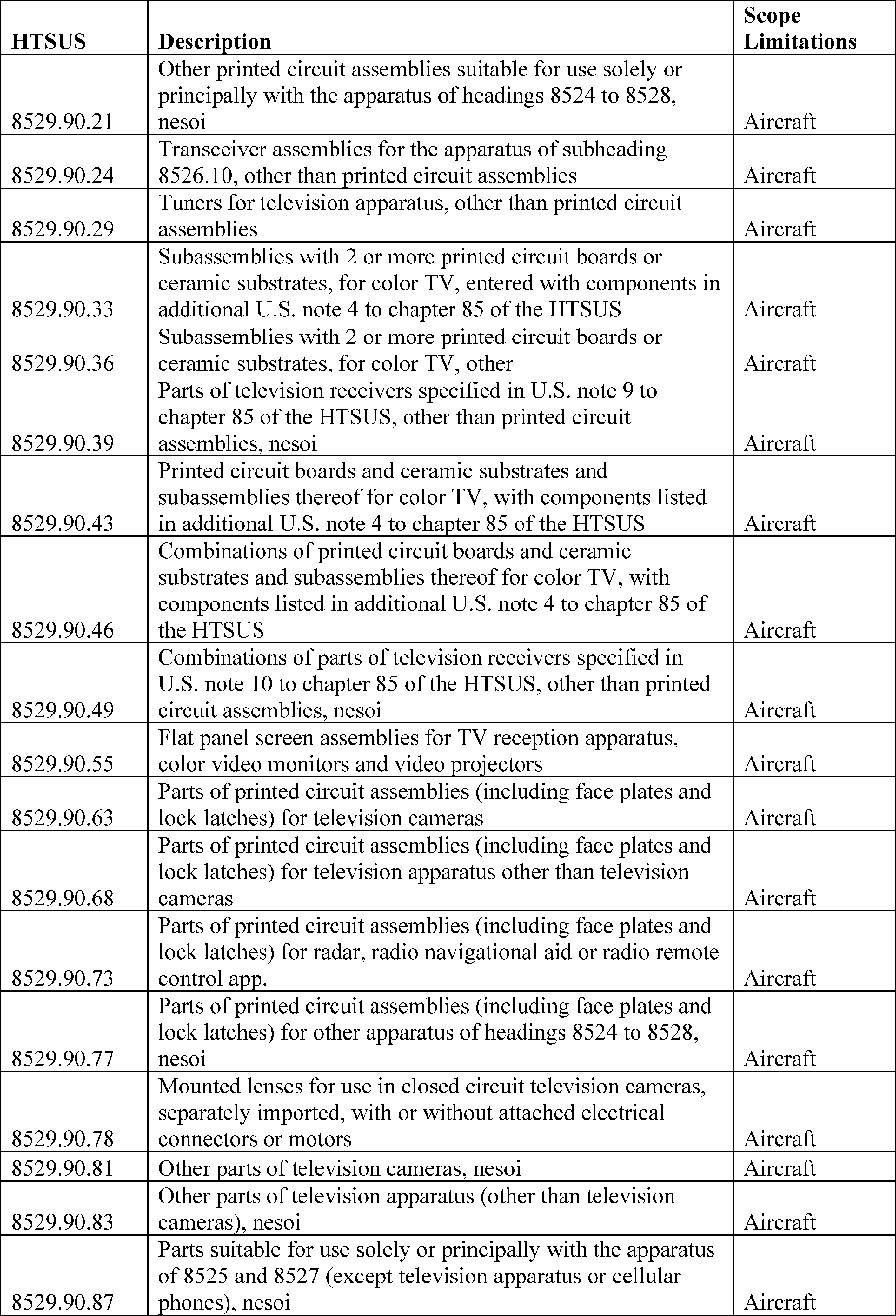
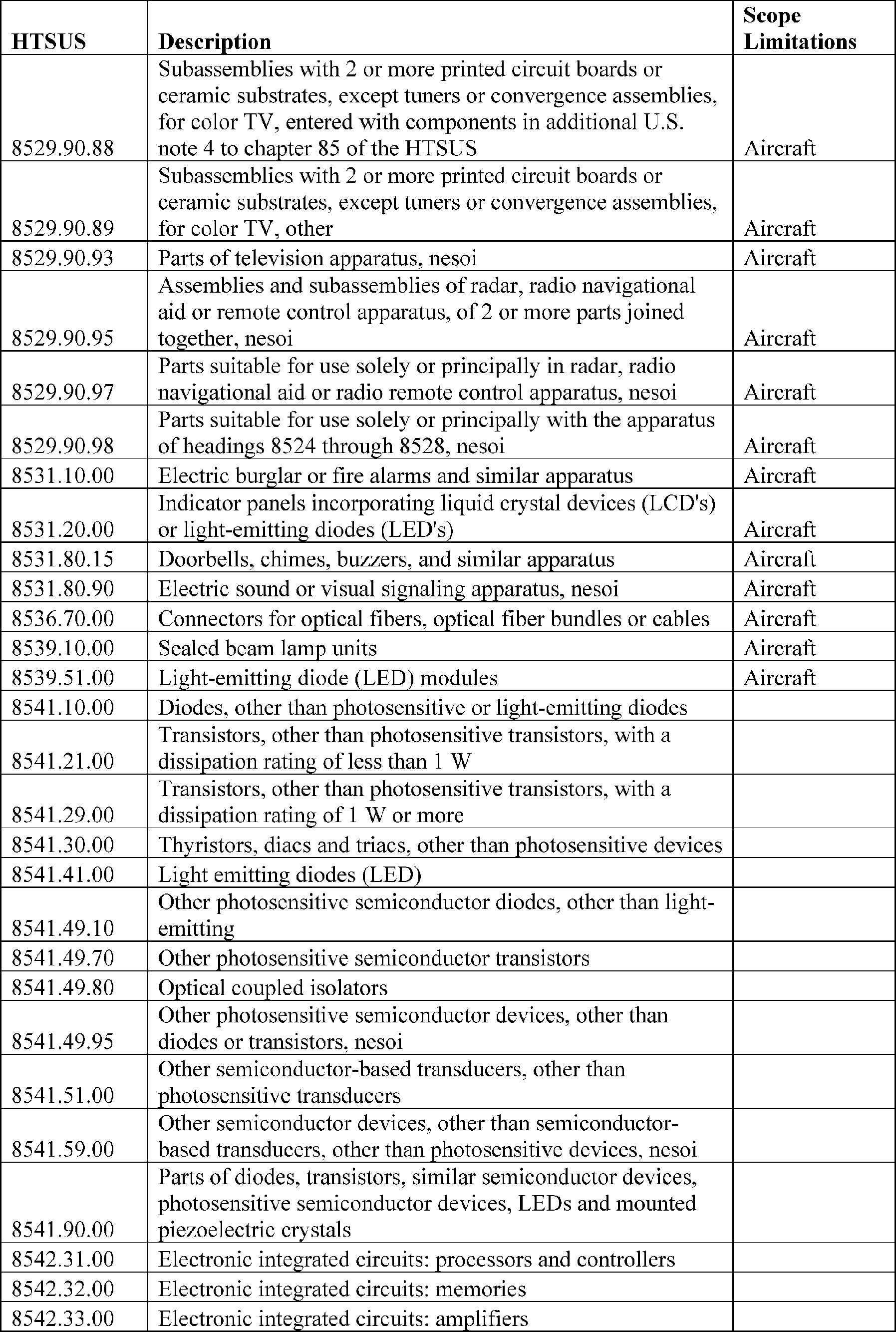
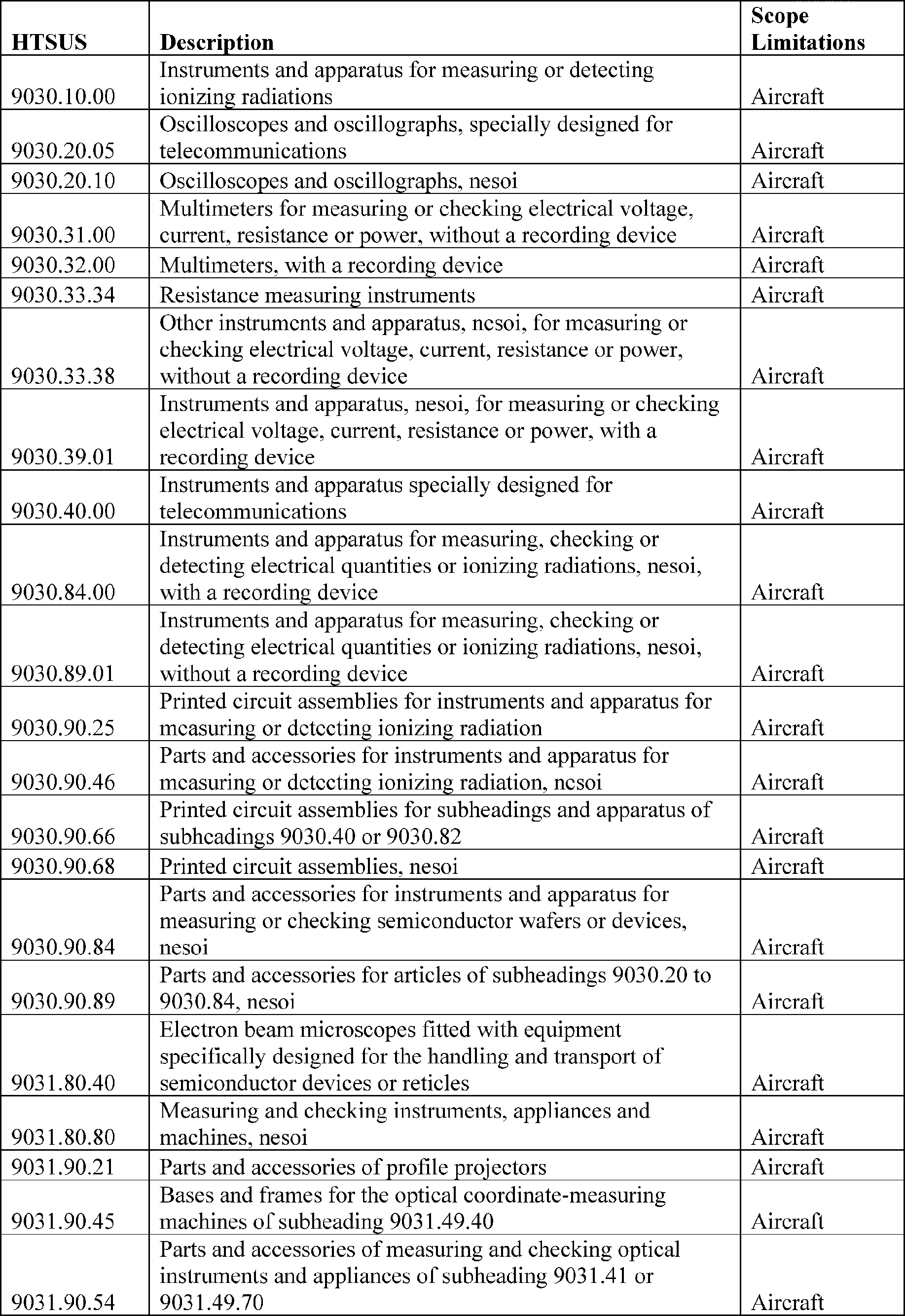
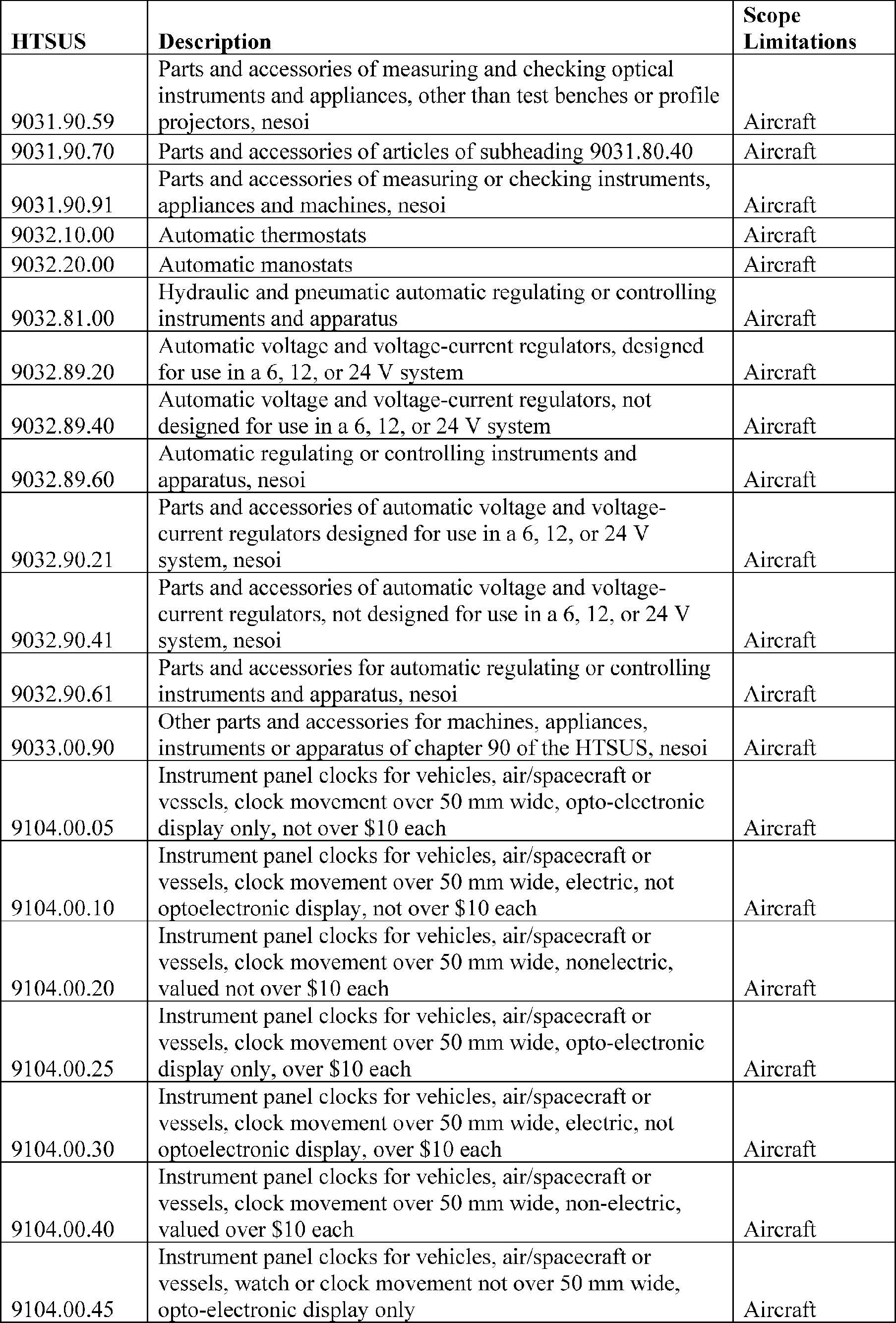
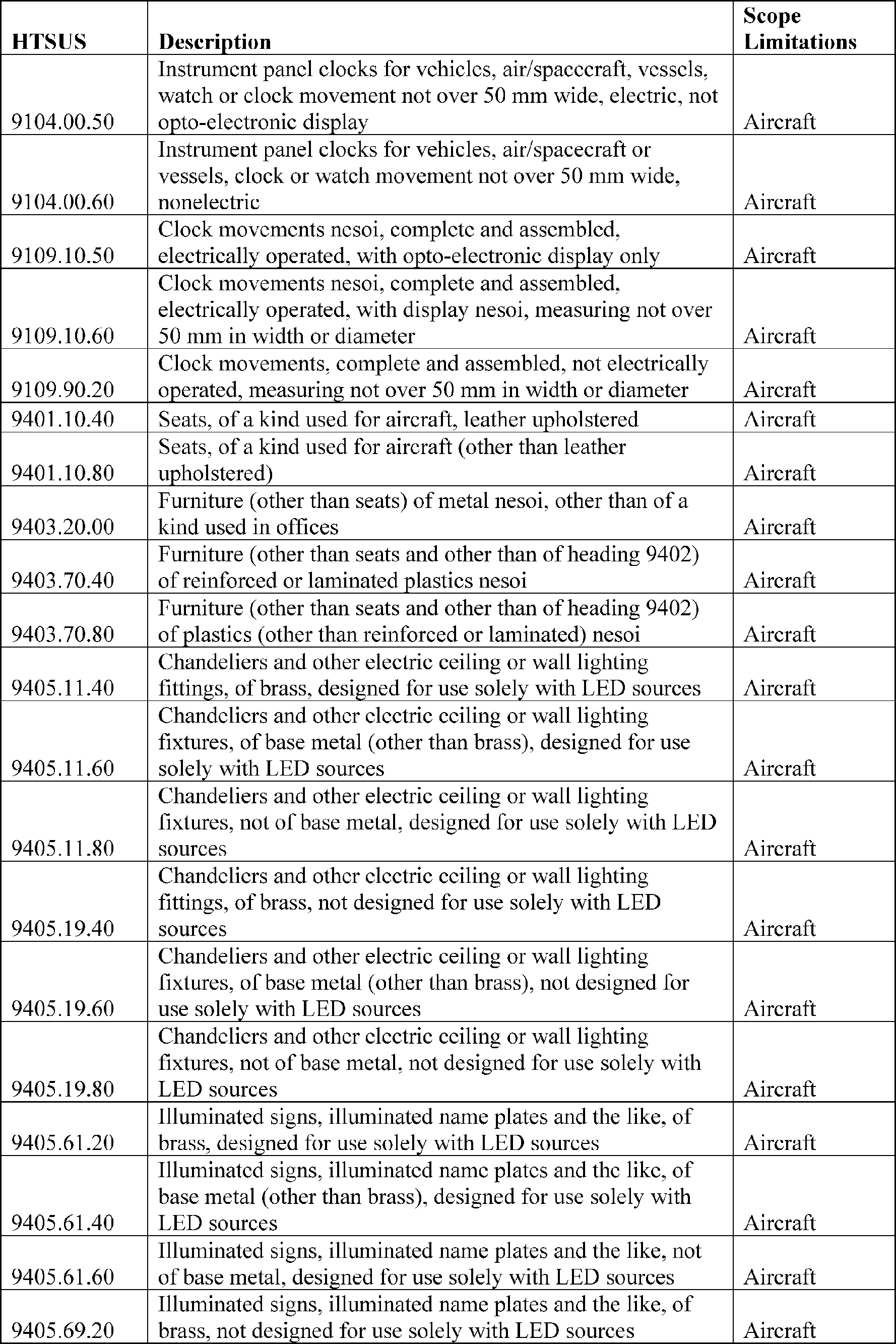
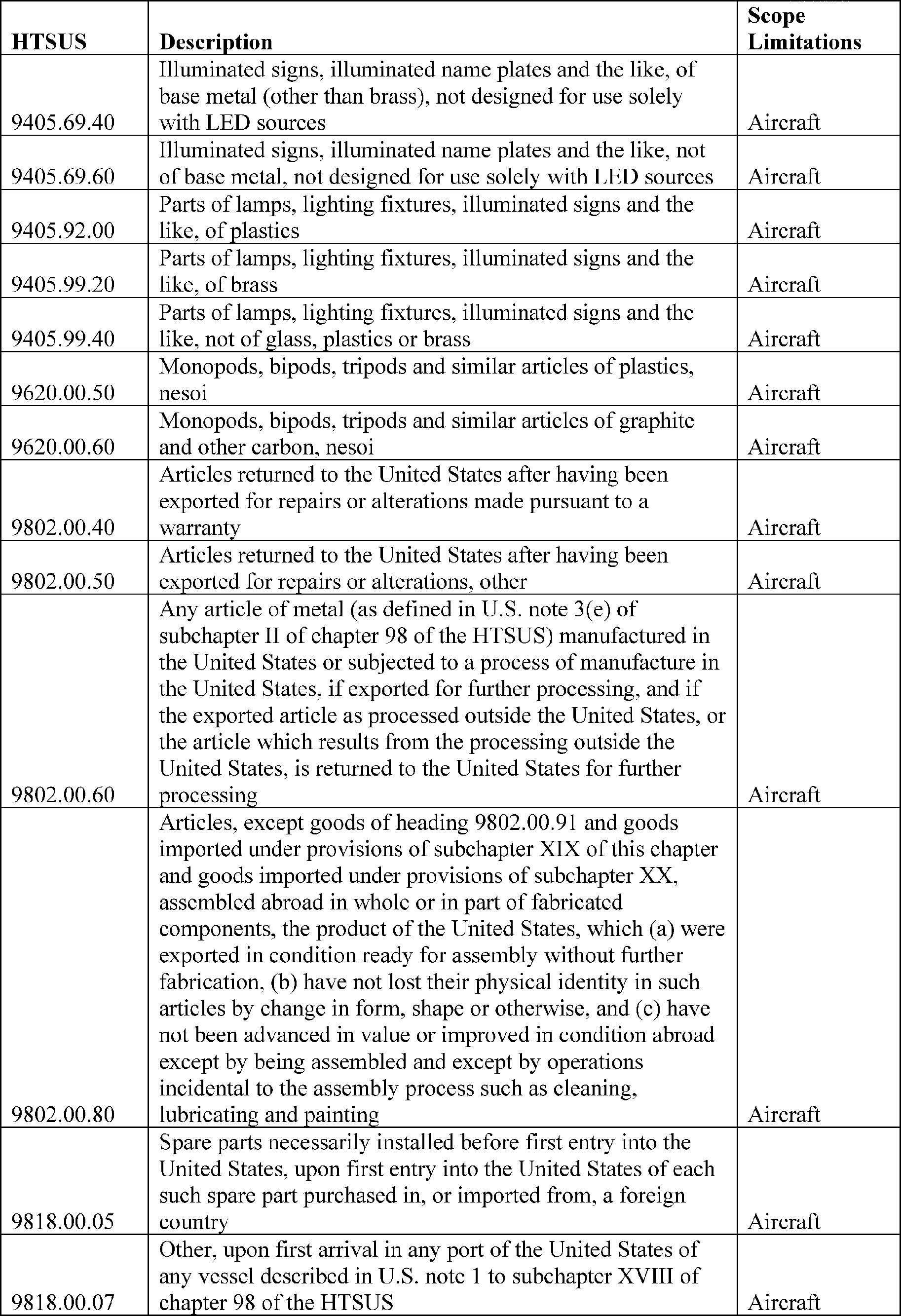
duties on all products of the 60 economies subject to investigations, except as provided in Annex A to this Notice. The proposed exemptions in Annex A include all articles and parts currently subject to section 232 tariffs and raw materials that if subject to the proposed additional tariffs could lead to the unavailability of domestic supply. Annex A also includes products that could cause economy-wide disruptions if subject to the proposed additional tariffs and certain products that cannot be grown or produced in sufficient quantities in the United States or obtained from other sources. The proposed exemptions include informational materials (
e.g.,
books), donations, and accompanied baggage. Finally, the proposed exemptions include articles for which additional tariffs may not contribute substantially to the elimination of the investigated acts, policies, and practices described above.
For economies that impose a forced labor import prohibition—Canada, Ecuador, the European Union, Indonesia, Mexico, and Pakistan; for economies that have undertaken commitments in their respective Agreements on Reciprocal Trade regarding forced labor import prohibitions—Argentina, Bangladesh, Cambodia, Ecuador, El Salvador, Guatemala, Indonesia, Malaysia, and Taiwan; and economies that have imposed a partial regime with the effect of preventing the importation of certain forced labor goods—the United Kingdom; the Trade Representative proposes additional duties of 10% for products of these economies. For all other economies that have failed to impose and effectively enforce a forced labor import prohibition, the Trade Representative proposes 12.5% as the rate of additional duties.
The Trade Representative also proposes a textile mechanism that would allow for a certain volume of apparel and textile imports to enter the United States at a reduced Section 301 tariff rate. Under such a textile mechanism, the volume of reduced-duty imports from certain trading partners would be equivalent to the quantity of exports of textiles (
e.g.,
U.S. produced man-made and cotton fiber textile inputs) from the United States to that trading partner. A certain volume of apparel and textile imports would also be allowed to enter the United States at the reduced Section 301 rate based on the volume of U.S. cotton and cotton products a trading partner imports from the United States during a certain period of time.
V. Response to Significant Comments
USTR responds below to significant issues raised in the public comments and hearings in response to the March 17, 2026,
Federal Register
notice.
Response to Significant Comments Raising Legal Arguments Regarding Findings of “Unreasonableness”
Multiple comments raised threshold arguments that the Trade Representative should not find that the failure of an economy to impose and effectively enforce a prohibition on the importation of goods produced with forced labor is unreasonable where: (1) an economy has domestic laws prohibiting forced labor; (2) where no international standards exists which provide an affirmative obligation on economies to impose a forced labor import prohibition; or (3) where an economy has otherwise made commitments to the United States with respect to imposing and/or enforcing a forced labor import prohibition. This section takes each of these arguments in turn.
With respect to the first argument, and as explained in the Report and above, solely prohibiting forced labor domestically is unreasonable because it fails to discipline the influx of forced labor goods or to prevent domestic producers from using forced labor inputs. Thus, while an economy may have taken steps to ensure that the condition of forced labor is extinguished within its borders, the economy nevertheless permits market conditions where imported forced labor goods have a competitive advantage over U.S. goods imported into their economy.
In response to the second argument, USTR notes the Section 301 statute,
( printed page 34275)
which governs these investigations, does not require the existence of international standards discipling specific conduct as a prerequisite to a finding of an unreasonable act, policy, or practice under Section 301(b) of the Trade Act. As explained in the Report, the definition of unreasonable acts, policies, and practices in Section 301(d) contemplates circumstances where, as here, acts, policies, and practices of a foreign country may not be inconsistent with or violate the international legal rights of the United States, but are nevertheless unfair. Thus, the statutory structure of Section 301 contemplates that the Trade Representative may find unreasonable conduct on the part of a trading partner even in the absence of international standards or obligations.
Third, some comments argued that where an economy has made commitments to the United States regarding forced labor import prohibitions, including through an Agreement on Reciprocal Trade, the Trade Representative is without basis to find that same economy's failure to impose and effectively enforce a forced labor import prohibition is unreasonable. USTR applauds Argentina, Bangladesh, Cambodia, Ecuador, El Salvador, Guatemala, Indonesia, Malaysia, and Taiwan, which have undertaken commitments regarding a forced labor import prohibition. However, commitments to take action in the future is distinct from forbidding legally the importation of forced labor goods, and effectively enforcing such prohibition. Until such time as the commitment is implemented, U.S. products will continue to compete against forced labor products that have a competitive advantage in global markets which, among other reasons explained in the Report, is unreasonable.
The Trade Representative fully expects economies that have undertaken commitments related to prohibiting the importation of forced labor goods to abide by those commitments. Accordingly, the Trade Representative proposes that the additional duty rate to be applied in the investigations take into account whether an economy has undertaken such commitments.
Response to Significant Comments Regarding Actions To Be Taken in the Investigations
A number of comments responded on potential responsive action by the Trade Representative. These comments recommended that the Trade Representative engage in multilateral negotiations, including at the ILO, to encourage economies to impose a forced labor import prohibition rather than take “punitive measures,” and to provide capacity building and technical assistance, especially to developing economies, to encourage effective enforcement of such a prohibition.
The Trade Representative proposes that taking an action is appropriate, and that action includes the imposition of additional duties on products of the investigated economies, in order to obtain the elimination of the investigated acts, policies, or practices. However, the Trade Representative will continue to consider these comments in conjunction with any action that might be taken with respect to the investigations.
VI. Request for Public Comments
In accordance with section 304(b) of the Trade Act (19 U.S.C. 2414(b)), USTR invites comments from interested persons with respect to the proposed actions to be taken in the investigations. To be assured of consideration, you must submit written comments on the proposed actions by July 6, 2026, in accordance with the instructions in section VIII below.
With respect to the proposed action, USTR invites comments regarding:
The specific products to be subject to increased duties, including whether products should be retained or removed from the scope of the action, or whether products currently listed in Annex A should be added to the scope of the action;
Whether products listed in Annex A are appropriately excluded;
The level of the increase, if any, in the rate of duty;
Whether different tariff rates should be applied to an economy where the economy has made a commitment to the United States to impose and enforce a forced labor import prohibition; has imposed a forced labor import prohibition; or has imposed a partial regime with the effect of preventing the importation of certain forced labor goods.
Features of a textile mechanism, including the U.S. and foreign products to be covered, the relative market opportunities for each side, and the tariff rate (if any) to be applied to products subject to that mechanism, as well as whether a similar mechanism should apply to any other product or sector.
In considering whether certain articles should be subject to additional duties under Section 301, USTR will consider the needs of the U.S. economy. In commenting on the inclusion or removal of particular tariff subheadings subject to the proposed action, USTR requests that comments address specifically whether the products under the tariff subheading are necessary raw materials that if subject to the proposed additional tariffs could lead to the unavailability of domestic supply; whether additional tariffs would cause serious dislocations in the supply of the products and could cause economy-wide disruptions, or other similar factors; and whether imposing additional tariffs on products under the tariff subheading would be practicable or effective in obtaining the elimination of the investigated acts, policies, and practices.
Additional instructions on how to submit written comments are provided in section VIII below.
VII. Hearing Participation
The Section 301 Committee will convene public hearings beginning on July 7, 2026, in the main hearing room of the U.S. International Trade Commission, 500 E Street SW, Washington, DC 20436, beginning at 10:00 a.m. The hearings may continue, as appropriate. To testify at the hearings, you must submit a request to appear using the electronic portal at
comments.ustr.gov/s/,
following the instructions in Part VIII below.
Requests to appear must include a summary of testimony, and may be accompanied by a pre-hearing submission. USTR will announce details of the hearing at a later time. All submissions must be in English. To be assured of consideration, USTR must receive your request to appear and summary of the testimony by June 22, 2026.
VIII. Procedures for Written Comments
You must submit requests to appear at the hearings or written comments using the appropriate docket on the portal at
comments.ustr.gov/s/.
All submissions must be in English.
Interested persons wishing to provide testimony at the hearings must submit a notification of intent and summary of testimony using the docket entitled “Request to Appear at the Hearing on Proposed Action in the Section 301 Investigations of Acts, Policies, and Practices of Various Economies Related to the Failure to Impose and Effectively Enforce a Prohibition on the Importation of Goods Produced with Forced Labor,” docket number USTR-2026-0266.
To submit written comments, including rebuttal comments, use the docket on the portal entitled “Request for Comments Concerning Proposed Action in Section 301 Investigations of Various Economies Related to the Failure to Impose and Effectively
( printed page 34276)
Enforce a Prohibition on the Importation of Goods Produced with Forced Labor Rights”, docket number USTR-2026-0265.
You do not need to establish an account to submit comments. The first screen of each docket allows you to enter identification and contact information. Third party organizations such as law firms, trade associations, or customs brokers, should identify the full legal name of the organization they represent, and identify the primary point of contact for the submission. Information fields are optional; however, your comment or request may not be considered if insufficient information is provided.
Fields with a gray Business Confidential Information (BCI) notation are for BCI information which will not be made publicly available. Fields with a green (Public) notation will be viewable by the public.
After entering the identification and contact information, you can complete the remainder of the comment, or any portion of it by clicking “Next.” You may upload documents at the end of the form and indicate whether USTR should treat the documents as business confidential or public information.
Any page containing BCI must be clearly marked `BUSINESS CONFIDENTIAL' on the top of that page and the submission should clearly indicate, via brackets, highlighting, or other means, the specific information that is BCI. If you request business confidential treatment, you must certify in writing that disclosure of the information would endanger trade secrets or profitability, and that the information would not customarily be released to the public.
Parties uploading attachments containing BCI also must submit a public version of their comments. If these procedures are not sufficient to protect BCI or otherwise protect business interests, please contact the USTR Section 301 support line at (202) 395-5725 to discuss whether alternative arrangements are possible.
USTR will post attachments uploaded to the docket for public inspection, except for properly designated BCI. You can view submissions on USTR's electronic portal at
comments.ustr.gov/s/.
Jennifer Thornton,
General Counsel, Office of the United States Trade Representative.
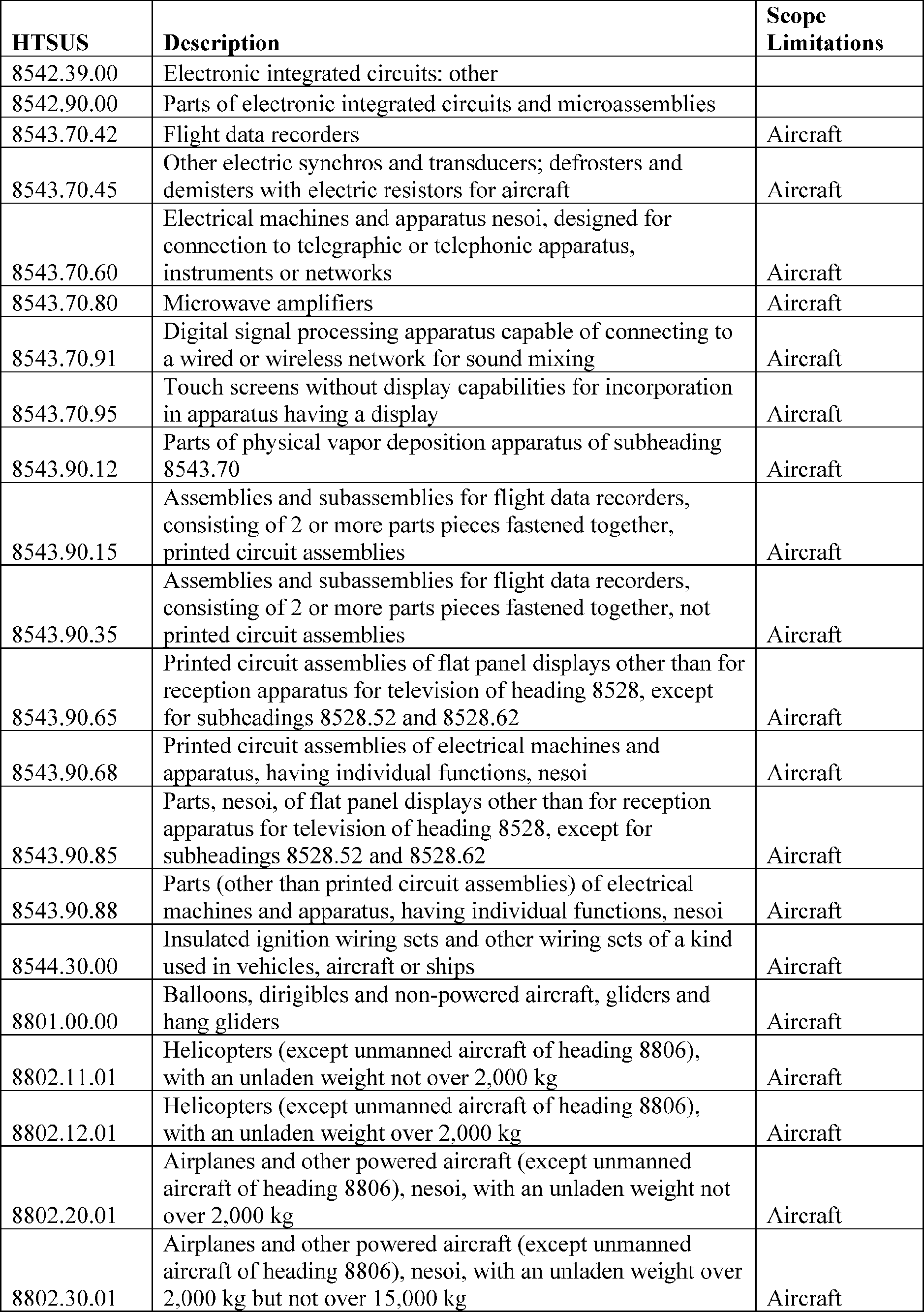
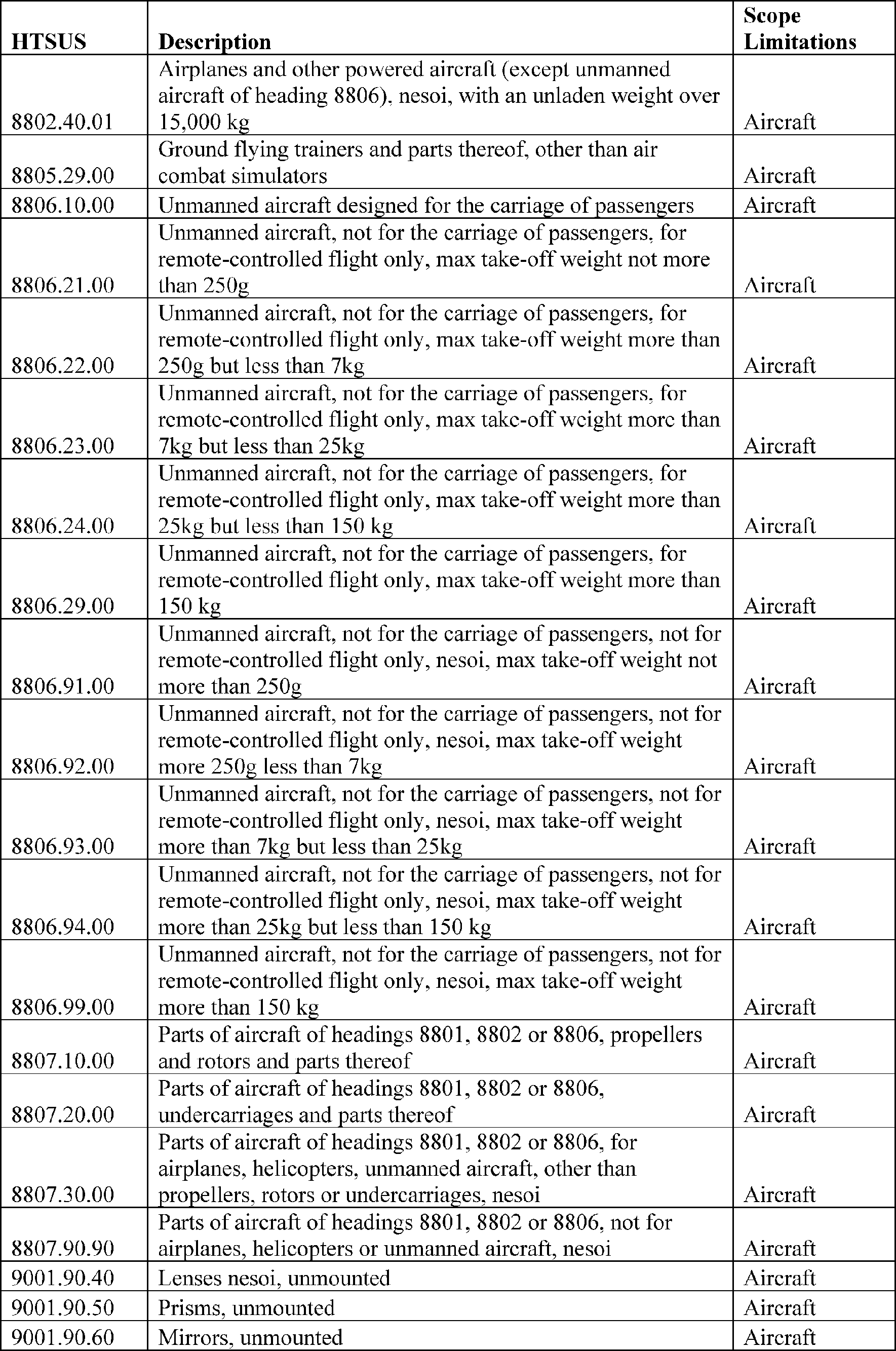
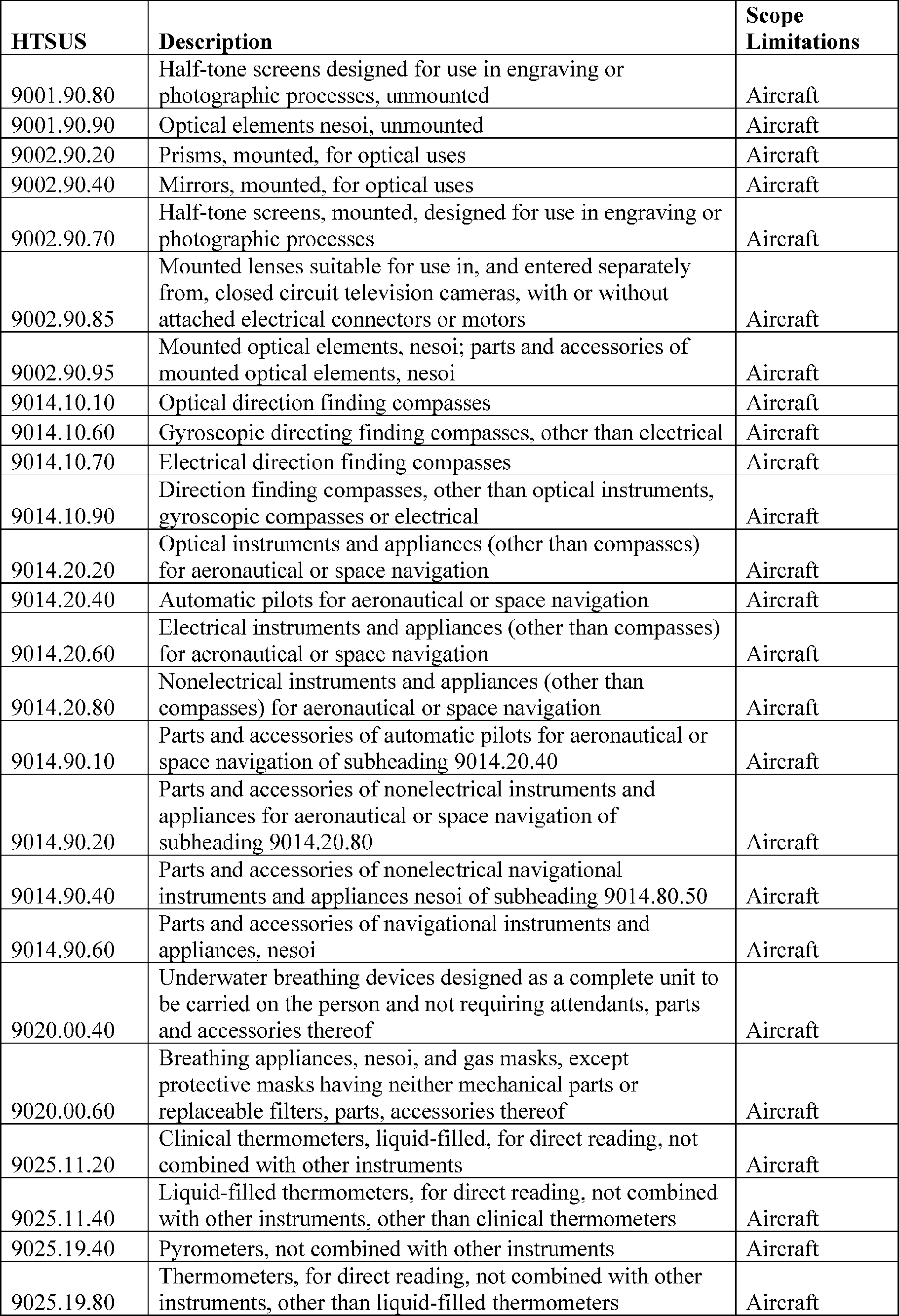
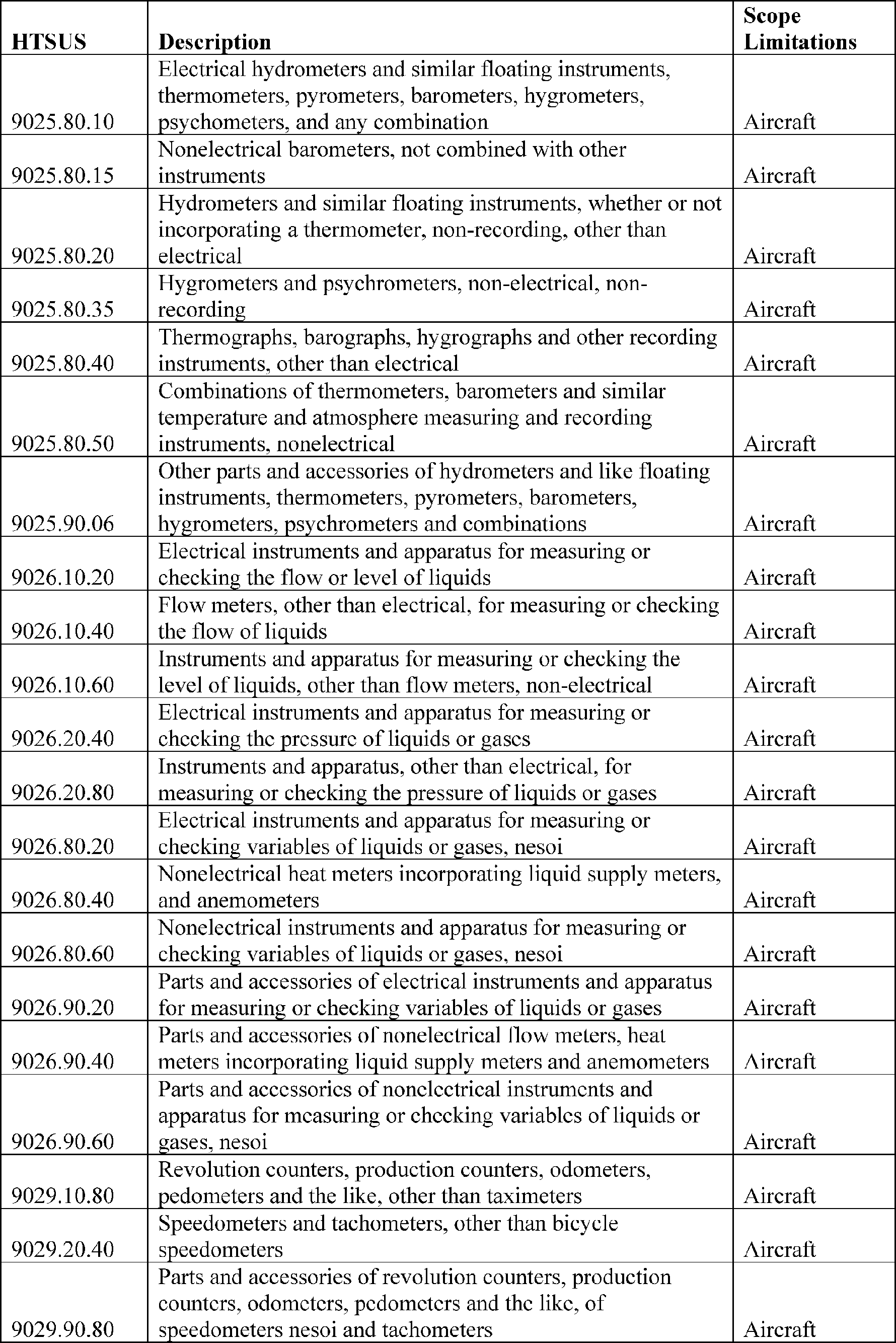
Annex A
Note:
All products that are properly classified in the provisions of the Harmonized Tariff Schedule of the United States (HTSUS) that are listed in this Annex are not covered by the proposed action. The product descriptions that are contained in this Annex are provided for informational purposes only, and are not intended to delimit in any way the scope of the action. Only items that are properly classified in the listed provisions of the HTSUS are excluded from the action. Any questions regarding the scope of particular HTSUS provisions should be referred to U.S. Customs and Border Protection. In the product descriptions, the abbreviation “nesoi” means “not elsewhere specified or included”.
Notes on certain HTSUS provisions for which only a portion of the provision is covered in this Annex, as provided in the “Scope Limitations” column:
A subheading marked with “Ex” is defined and limited by the product description.
A subheading marked with “Aircraft” includes only articles of civil aircraft (all aircraft other than military aircraft); their engines, parts, and components; their other parts, components, and subassemblies; and ground flight simulators and their parts and components, that otherwise meet the criteria of general note 6 of the HTSUS, regardless of whether a product is entered under a provision for which the rate of duty “Free (C)” appears in the “Special” sub-column.
In addition to the products listed in this Annex, the proposed action does not cover informational materials, donations, accompanied baggage; all articles and parts of articles that are subject to section 232 tariffs; USMCA-compliant goods of Canada or Mexico; and textiles and apparel articles that enter duty-free as a good of Costa Rica, the Dominican Republic, El Salvador, Guatemala, Honduras, or Nicaragua under CAFTA-DR.
Use this for formal legal and research references to the published document.
91 FR 34272
Web Citation
Suggested Web Citation
Use this when citing the archival web version of the document.
“Notice of Determinations and Request for Comments Concerning Actions in Section 301 Investigations of Acts, Policies, and Practices of Various Economies Related to the Failure To Impose and Effectively Enforce a Prohibition on the Importation of Goods Produced With Forced Labor,” thefederalregister.org (June 5, 2026), https://thefederalregister.org/documents/2026-11296/notice-of-determinations-and-request-for-comments-concerning-actions-in-section-301-investigations-of-acts-policies-and-.
 comments.ustr.gov/s/
 19 U.S.C. 2412(b)(1)