Electronic Delivery of Information Under the Federal Securities Laws
The Securities and Exchange Commission (the "SEC" or the "Commission") is proposing Regulation E-Delivery. The proposed rule sets forth conditions for covered entities to delive...
The Securities and Exchange Commission (the “SEC” or the “Commission”) is proposing Regulation E-Delivery. The proposed rule sets forth conditions for covered entities to deliver covered information to covered recipients electronically without first obtaining their affirmative consent. The proposed rule further establishes conditions under which the Commission would consider delivery requirements under the Federal securities laws to be satisfied by electronic delivery. The Commission also is proposing to rescind the rule providing alternative means for registered investment companies to satisfy shareholder report transmission requirements, and to amend rules addressing the dissemination of proxy materials and tender offer materials.
DATES:
This proposal was published in the
Federal Register
on July 21, 2026. Comments should be received on or before September 21, 2026.
ADDRESSES:
Comments may be submitted by any of the following methods:
Send an email torule-comments@sec.gov. Please include File Number S7-2026-25 in the subject line;
Paper Comments
Send paper comments to Vanessa A. Countryman, Secretary, Securities and Exchange Commission, 100 F Street NE, Washington, DC 20549-1090.
All submissions should refer to File Number S7-2026-25. This file number should be included on the subject line if email is used. To help the Commission process and review your comments more efficiently, please use only one method. The Commission will post all comments on the Commission's website (
www.sec.gov/rules-regulations/public-comments/s7-2026-25). Do not include personally identifiable information in submissions; you should submit only information that you wish to make available publicly. We may redact in part or withhold entirely from publication submitted material that is obscene or subject to copyright protection. Studies, memoranda, or other substantive items may be added by the Commission or staff to the comment file during this rulemaking. A notification of the inclusion in the comment file of any such materials will be made available on the Commission's website. To ensure direct electronic receipt of such notifications, sign up through the “Stay Connected” option at
www.sec.gov
to receive notifications by email.
Andrew Deglin, Pamela Ellis, and Sam Thomas, Senior Counsels; Ted Uliassi, Branch Chief; Amanda Hollander Wagner, Senior Special Counsel; Brian McLaughlin Johnson and Robert Holowka, Assistant Directors, Rulemaking Office, Division of Investment Management, (202) 551-6792 or (202) 551-6787; Laura McKenzie, Special Counsel, or Christina Chalk, Associate Chief, in the Office of Mergers and Acquisitions, (202) 551-3440; Kasey Levit, Special Counsel, or Heather Maples, Senior Special Counsel, in the Office of Chief Counsel, (202) 551-3500, Division of Corporation Finance; Emily Hellman and Leah Levi, Special Counsels; Meredith MacVicar, Senior Special Counsel; Kelly Shoop, Branch Chief; Lourdes Gonzalez, Assistant Chief Counsel, Office of Chief Counsel, Division of Trading and Markets, (202) 551-5550; Kevin Schopp, Senior Special Counsel, Office of Clearance and Settlement, Division of Trading and Markets, (202) 551-5550, Securities and Exchange Commission, 100 F Street NE, Washington, DC, 20549.
SUPPLEMENTARY INFORMATION:
The Commission is proposing to amend or add the following rules and forms:
A. Current Commission Approach Regarding the Use of Electronic Media
B. Information About E-Delivery Preferences
C. Other Developments Informing the Commission's Approach to Delivering Information
D. Overview of Proposed New E-Delivery Framework
II. Discussion
A. Considerations and Goals Informing Proposed E-Delivery Approach
B. E-Delivery Methods and Requirements
1. General Use and Scope of Proposed Rule
2. Disclosure of E-Delivery
3. Delivery of Statement of Availability of Covered Information to an Electronic Address
4. Direct Delivery of Covered Information that Does Not Include Personal Financial Information to an Electronic Address
5. Delivery of Covered Information that Includes PFI
6. Timing, Form, and Manner of E-Delivery
7. Obligation of Covered Entities to Provide Paper Copies of Covered Information and Permit Opting Out of E-Delivery
8. Updates to Electronic Address and Choice of Type of Electronic Address
9. Identifying and Remediating E-Delivery Failures
C. Requirements for website Availability of Covered Information
D. Special Provision for Covered Recipients Receiving Paper: Required Notices and Transition Process for Default Electronic Delivery
1. Scope of Application and Transition Process for Default E-Delivery
2. Required Notices During the Transition Process
E. E-SIGN Act
F. Amendments to Current Commission Rules to Facilitate Proposed E-Delivery Approach
1. Rescission of Rule Addressing internet Availability of Fund Shareholder Reports
2. Amendments to Requirements for the Dissemination of Proxy Materials and Tender Offer Materials
G. Existing Commission Guidance
H. Compliance Period
III. Economic Analysis
A. Introduction
B. Baseline and Affected Parties
1. Guidance and Existing Regulations Governing Use of Electronic Media
2. Affected Parties
3. External Studies
C. Benefits and Costs
1. Benefits
2. Costs
3. Monetized Benefits and Costs
D. Effects on Efficiency, Competition and Capital Formation
E. Reasonable Alternatives
1. Charging for Paper Delivery
2. Additional Paper Notices Following Transition to Default E-Delivery
3. Access Equals Delivery Approach to E-Delivery
4. Alternative Notice and Access Approach To E-Delivery (Permitting Paper Notice)
5. Alternatives to Proposed Definition of PFI and Requirements Regarding E-Delivery of Covered Information Containing PFI
6. Alternatives to Proposed Transition Process
7. Alternatives for Smaller Covered Entities
F. Request for Comment
IV. Paperwork Reduction Act Analysis
A. Reg E-Delivery: Disclosure of Electronic Delivery
B. Reg E-Delivery: E-Delivery Methods
C. Reg E-Delivery: Delivery of Covered Information in Paper on Request
D. Reg E-Delivery: Identifying and Remediating E-Delivery Failures
E. Reg E-Delivery: Requirements for website Availability of Covered Information
F. Reg E-Delivery: Initial and Follow-Up Notices
G. Reg E-Delivery: Aggregate Paperwork Reduction Act Burden
H. Rule 30e-3
I. Regulations 14A and 14C and Rule 14d-5
J. Request for Comment
V. Initial Regulatory Flexibility Analysis
A. Reasons for and Objectives of the Proposed Actions
B. Legal Basis
C. Small Entities Subject to the Proposed Rule
D. Projected Reporting, Recordkeeping, and Other Compliance Requirements
E. Duplicative, Overlapping, or Conflicting Federal Rules
F. Significant Alternatives
G. General Request for Comment
VI. Congressional Review Act
VII. Other Matters
Statutory Authority
I. Introduction and Background
The Commission is proposing Regulation E-Delivery (“Reg E-Delivery” or the “proposed rule”). If it is adopted, issuers and market intermediaries, among others, that comply with the conditions of Reg E-Delivery would be assured that they have satisfied, through the use of electronic delivery (“e-delivery”), applicable requirements to deliver required disclosures, reports, and other regulatory materials under the Federal securities laws.[1]
Reg E-Delivery would not require obtaining affirmative consent from investors and others before using e-delivery. Currently, many required regulatory disclosures and reports under the Federal securities laws typically are delivered in paper, unless the person with a right to receive these disclosures and reports affirmatively elects otherwise. If adopted as proposed, Reg E-Delivery generally would supersede the Commission's current approach in its E-Delivery Guidance, which is based largely on an “opt-in” approach to e-delivery.[2]
The Commission has long appreciated that using electronic media to deliver regulatory information may enhance a recipient's ability to access, research, and analyze this information as well as provide issuers, market intermediaries, and others with a rapid, cost-efficient, widespread, and secure delivery method.[3]
Our proposal draws on the Commission's experience of more than 30 years with the use of electronic media to provide investors and others with information. Our proposal also reflects the significant advances in electronic communication technologies and the increased adoption of those technologies, particularly following the COVID-19 pandemic, that have occurred since the Commission's initial publication of guidance on the use of electronic media to deliver required regulatory documents and reports.[4]
These advances and adoptions include, among others, the breadth of means through which individuals can now access data, such as through smartphones and tablets; and the growth of cloud storage of data (in turn increasing the data that is available online). More recently, particularly in the financial industry, these advances and potential technological breakthroughs also include, among others, the use of artificial intelligence (“AI”); the use of blockchain technology
( printed page 45886)
in connection with securities offerings and the transfer of shares; and the issuance, custody and trading of assets that are issued or transferred using distributed ledger technology.
In light of these developments, diverse financial industry stakeholders have suggested through multiple channels, including in response to Commission rulemakings, that the Commission consider updating the current e-delivery framework.[5]
After considering their suggestions, which we discuss in more detail below, we are proposing a new rule that reflects the preferences of many individuals and other recipients of information. Proposed Reg E-Delivery would set forth conditions for delivering information electronically without first obtaining recipients' affirmative consent, while providing the ability to “opt out” of e-delivery and promptly receive regulatory disclosures and reports in paper, free of charge.
Proposed Reg E-Delivery also would establish conditions under which the Commission would consider delivery requirements under the Federal securities laws to have been satisfied by e-delivery. These conditions reflect our understanding of common e-delivery practices, while providing flexibility to accommodate others that may arise. They are also designed to help ensure that materials are delivered in a user-friendly format while also protecting personal financial information.[6]
The proposed conditions furthermore are designed to provide relevant and consistent information about the process to opt out of e-delivery, receive paper copies of covered information upon request, and update one's electronic address (all free of charge). This would help ensure that investors and other recipients receive information in their preferred format, particularly in view of the default e-delivery approach under the proposed rule. We recognize that these conditions may differ from how some firms currently deliver materials electronically, the terms of which are often set forth in account agreements or otherwise by contract.[7]
To the extent those firms wish to rely on Reg E-Delivery to deliver information using e-delivery, they will need to alter certain of their e-delivery practices to align with the conditions imposed by Reg E-Delivery.
The Commission also is proposing to rescind rule 30e-3 under the Investment Company Act of 1940 (the “Investment Company Act”) and to amend certain rules in Regulations 14A and 14C and rule 14d-5 under the Securities Exchange Act of 1934 (the “Exchange Act”) to facilitate, and promote consistency with, the proposed new e-delivery framework.
The proposal is expected to provide cost savings to issuers, market intermediaries, and ultimately investors and others who receive regulatory information, by permitting those who elect to rely on Reg E-Delivery to provide required regulatory disclosures and reports by e-delivery as the default delivery option. We anticipate that this aspect of the proposal could be more cost-effective and efficient than providing paper delivery to those who do not otherwise express a preference for paper delivery. The proposal also is designed to encourage the benefits that increased e-delivery would bring to recipients of regulatory information, for example through increased accessibility, security, and the opportunity for a more engaging experience with disclosure.
A. Current Commission Approach Regarding the Use of Electronic Media
Recognizing that the Federal securities laws generally do not prescribe the particular medium (
i.e.,
in paper format) by which regulatory disclosures and reports are to be delivered, the Commission historically has addressed the use of e-delivery through interpretative guidance.[8]
Through the Commission's E-Delivery Guidance, the Commission discussed the three factors—notice, access, and evidence of delivery—that issuers and certain market intermediaries using e-delivery should consider as they assess their compliance with the delivery requirements under the Federal securities laws.[9]
Notice:
This factor reflects the extent to which an electronic communication provides timely and adequate notice that information is available electronically.
Access:
This factor reflects the principle that the recipient of regulatory information should be able to access information electronically in a format that is comparable to what would have been provided in paper format, and the means to access that information should not be so burdensome that the intended recipient cannot effectively access it.
Evidence of delivery:
This factor reflects the principle that the issuer or market intermediary should have reason to believe that delivery of information electronically has resulted or would result in satisfaction of the delivery requirements under the Federal securities laws.
In each E-Delivery Guidance release, the Commission provided a non-exclusive and non-exhaustive series of examples to illustrate how these concepts apply to specific facts and circumstances. These examples were designed in part to apply the notice, access, and evidence of delivery framework to different types of communications and methods of e-delivery, and in the context of different relationships between the individual receiving the communication and the issuer or market intermediary sending the communication. In each release, the Commission also expressed its views on the use of informed consent as a way to satisfy the “evidence of delivery” factor, including when procedures incorporating informed consent would be necessary to satisfy evidence of delivery, and what actions an issuer or intermediary would need to take to obtain informed consent.[10]
Because of the guidance regarding informed consent, issuers and market intermediaries generally deliver regulatory documents and reports in paper format unless the recipient consents or “opts in” to e-delivery.
In the E-Delivery Guidance, the Commission stated that an issuer or market intermediary that structures its delivery in accordance with the principles and examples set forth in those releases could be assured that it was satisfying its delivery obligations under the Federal securities laws. Nevertheless, the Commission recognized that an issuer or market intermediary could develop a method of e-delivery that differs from the principles and examples that also could
( printed page 45887)
satisfy delivery obligations under the Federal securities laws.[11]
Since the publication of the E-Delivery Guidance, the Commission has continued to explore how e-delivery could be used by issuers and market intermediaries to improve their ability to communicate with investors and others, as well as how electronic media could be used to enhance required disclosure.[12]
Over the past twenty-plus years, the Commission also has addressed disclosure approaches involving electronic media in discrete contexts involving standardized documents—including the development of concise, layered disclosure and overlays to that disclosure, such as calculators, hover-over or pop-up information, and interactive features to customize disclosure—without changing the general framework discussed in the E-Delivery Guidance.[13]
The adoption of these disclosure approaches reflected the Commission's acknowledgement of the potential benefits of using electronic media to deliver regulatory information, as well as interest in harnessing the power of technological advances to provide better access to information.[14]
Further, in releases recognizing that many Americans have demonstrated a growing preference for consuming information through electronic media as the use of the internet has grown, the Commission has sought information about the use of the internet to communicate and find information about fund investments.[15]
In addition, cognizant of the experiences of investors, issuers, intermediaries, and other entities during the COVID-19 pandemic that illustrated some disadvantages and risks of reliance on delivery of regulatory disclosure documents and reports solely in paper, the Commission and its staff provided temporary emergency relief to market participants from various requirements under the Federal securities laws, including paper delivery requirements.[16]
We understand that disclosure approaches involving e-delivery have provided cost savings to issuers, market intermediaries, and ultimately to investors and other recipients of regulatory information.[17]
Meanwhile, the Commission, as well as the current Chairman of the Commission, have signaled their interest in initiatives that would foster and harness the benefits of electronic media, and other innovative new technologies for investors.[18]
B. Information About E-Delivery Preferences
Our understanding about preferences for electronic media is informed by many sources, including studies and data about Americans' access to and use of the internet and recently-conducted investor testing surveys, as well as past disclosure reform initiatives. Since the decades-old E-Delivery Guidance releases were published, there have
( printed page 45888)
been significant advances in electronic communications technologies as well as in the way Americans use those technologies. For example, access to the internet in the United States (“U.S.”) has expanded to the point where the Federal Communications Commission now reports that nearly all areas of the U.S., whether rural or urban, have access to advanced telecommunications capability through high-speed broadband or satellite services.[19]
Consistent with their nearly universal access to advanced telecommunications capability, Americans' use of the internet has evolved over time. For example, based on surveys on this topic conducted on behalf of the Pew Research Center (“2025 Pew Survey”), a not-for-profit research organization, the percentage of U.S. adults who use the internet has almost doubled from approximately 50% in 2000 to approximately 96% in 2025.[20]
Moreover, 16% of U.S. adults responding to the 2025 Pew Survey reported that they are “smartphone-only” internet users, meaning they own a smartphone, but do not subscribe to a home broadband service.[21]
Use of the internet has grown to the point to where, in response to an Internal Revenue Service (“IRS”) paperless processing initiative, over 90% of all individual tax returns for fiscal year 2024 were filed electronically.[22]
In addition, available evidence suggests that investors and other recipients of regulatory information not only increasingly expect, but also prefer, that regulatory documents and reports under the Federal securities laws be delivered electronically.[23]
In mid-2025, staff in the Office of Investor Research (“OIR”) within the Commission's Office of the Investor Advocate engaged in investor testing to explore investor preferences for e-delivery of financial disclosures.[24]
In analyzing the data from a nationally representative survey panel, OIR found that the vast majority of U.S investors (nearly 80%) prefer some form of e-delivery for financial disclosure documents that do not include personal information, and also that a majority (approximately 63%) prefers some form of e-delivery even for documents that do include personal information.
Other nationwide investor surveys have reported similar investor preferences for e-delivery of investor communications.[25]
For example, several recent nationwide financial industry surveys of investors, including one conducted on behalf of the Investment Company Institute (“ICI”), an asset management industry trade group, reported that e-delivery has become so pervasive that over 80% of the U.S. individuals surveyed, including older individuals, would be comfortable with e-delivery as the default delivery method for investor communications, as long as paper delivery still could be requested.[26]
In addition, the ICI Survey reported that (1) 82% of U.S. individuals surveyed recalled receiving communications about financial documents electronically (30% of those respondents recalled receiving both electronic and paper communications about financial documents) and (2) 79% of fund investors who reported that they only received paper copies of financial documents also supported e-delivery as a default delivery method.[27]
Further, the ICI Survey sought to better understand
( printed page 45889)
why some investors are receiving paper documents. The survey found that nearly one-third of fund investors receiving some of their financial communications as paper documents wanted e-delivery and had signed up for e-delivery but still received paper documents, and that 6% of fund investors receiving some of their financial communications as paper documents currently received those documents in paper because they thought that signing up for e-delivery would take too much time.[28]
The ICI Survey suggested that an e-delivery default could overcome such frictions.[29]
Consistent with these findings, another recent nationwide financial industry survey of investors conducted on behalf of Broadridge Financial Solutions, Inc. (“Broadridge”), a financial technology company, found that prospective new investors not only would prefer e-delivery as the default method of communication but also trust email over physical mail by over a three to one factor (57% to 18%).[30]
That survey also found that deliveries by email and “push notifications from firms' apps” currently comprise 71% of all account statement deliveries, 83% of all trade confirmation deliveries, and 58% of the tax forms sent to U.S. investors surveyed, and that most investors surveyed, including investors age 55 and older, use a laptop or desktop to access their accounts while over 60% use a mobile device.[31]
Other nationwide surveys conducted several years ago found similar results. For example, a 2022 nationwide survey conducted on behalf of the Securities Industry and Financial Markets Association (“SIFMA”), a securities industry trade group, found that 81% of the individual investors surveyed reported that they would prefer that at least one type of investment communication be sent via e-delivery.[32]
In addition, two linked nationwide surveys conducted in 2021 on behalf of the FINRA Investor Education Foundation found, in part, that investors surveyed prefer email (39%) over paper (32%) for receiving disclosures.[33]
Other developments in the asset management industry similarly reflect increasing use of electronic communications among investors. We have observed growth in social sentiment investing tools offered by financial services firms that seek to aggregate or analyze social media data from various sources such as X and Facebook.[34]
Examples of social sentiment investing tools include direct trading from social media websites or mobile applications, social networking platforms, social media data analysis, and crowdsourced research and analysis that investors may use to inform their investment decisions.[35]
We believe that the increased use of these tools suggests investor comfort with electronic communications. We also have observed growth in financial intermediary models, such as robo-advisers, and growth in the ability to execute security trades through mobile applications.[36]
We understand that these financial intermediary models and tools use electronic communications and delivery as their primary mode of communication with investors.
C. Other Developments Informing the Commission's Approach to Delivering Information
In addition to evidence about preferences regarding the e-delivery of required regulatory disclosures and reports, our proposal is informed by various financial industry stakeholders and other developments regarding e-delivery. Given the evolving preferences and trends regarding the use of electronic media, diverse financial industry stakeholders have advocated through multiple forums, including Commission advisory committees, Commission rulemakings, and letters to the Commission's Chairman, for the modernization of the Commission's e-delivery framework.
The Commission has advisory committees to provide diverse perspectives and recommendations on a variety of regulatory priorities and initiatives. One of these advisory committees, the Asset Management Advisory Committee (“AMAC,” currently inactive), was composed of a group of outside experts on asset management, including individuals representing the views of retail and institutional investors, small and large funds, intermediaries, and other market participants. In 2020, AMAC recommended that the Commission permit firms to use an investor's “digital address,” such as an email address or smartphone telephone number, as the primary address when delivering regulatory documents, in light of the operational challenges that arose at the onset of the COVID-19 pandemic. The AMAC recommendation observed that the expanding use of digital tools to
( printed page 45890)
communicate with investors was essential for financial services operations during the pandemic.[37]
Other Commission advisory committees put forth similar recommendations over the past decade.[38]
Outside of the Commission's advisory committees, financial industry stakeholders have advocated in Commission rulemakings for the modernization of the Commission's E-Delivery Guidance.[39]
For example, in a recent disclosure-related rulemaking, commenters urged that the Commission reevaluate its e-delivery approach to modernize its E-Delivery Guidance.[40]
One such commenter suggested that, in its experience, the requirement to affirmatively opt-in to receive documents by e-delivery creates an element of inertia.[41]
Another commenter suggested that the Commission reevaluate the delivery of fund regulatory documents through a separate rulemaking.[42]
In addition, another commenter, while agreeing that the time was right for the Commission to reconsider its approach to disclosure in a digital age, also suggested that e-delivery be part of a broader disclosure modernization project driven by investor preferences and an analysis of what works to improve investor engagement with disclosure.[43]
Financial industry stakeholders also have advocated directly with the Commission's current Chairman for modernization of the Commission's E-Delivery Guidance. These stakeholders have suggested that the modernization of the Commission's e-delivery framework should be a priority, particularly because of the benefits that a more modern e-delivery framework could bestow upon investors.[44]
While observing the nearly universal use and availability of the internet, financial industry stakeholders have suggested that the benefits of e-delivery also include a faster and more secure shareholder experience; more dynamic communications, including the use of pop-up messages from firms' mobile phone applications; opportunities for layered disclosure; enhanced abilities to access, read, and search material; ease of storage and retrieval; enhanced investor protection security protocols; and cost savings that would accrue to investors. These financial industry stakeholders have urged the Commission to adopt a rule to make e-delivery the default delivery method for regulatory disclosures and reports while preserving an option to opt out of e-delivery.[45]
Certain other U.S. regulators whose authority involves consumer financial services have transitioned to a framework that no longer looks to paper as a default delivery method. For example, in 2020, the Department of Labor adopted and implemented rules that create a safe harbor for employee benefit plan administrators to use electronic media as the default to furnish documents and information to participants and beneficiaries of ERISA plans, subject to certain conditions.[46]
In addition, other self-regulatory organizations whose authority involves consumer financial services are exploring and/or transitioning to a framework that no longer looks to paper as a default delivery method.[47]
D. Overview of Proposed New E-Delivery Framework
Reg E-Delivery, if adopted, would be the Commission's primary rule addressing e-delivery, and would generally supersede the Commission's current guidance-based e-delivery
( printed page 45891)
framework. If adopted, issuers and market intermediaries, among others, that comply with the conditions of Reg E-Delivery would be assured that they have satisfied, through the use of e-delivery, applicable requirements to deliver regulatory disclosures and reports under the Federal securities laws. As described below, Reg E-Delivery would permit the use of default e-delivery (that is, using e-delivery as the default delivery method, with the ability to opt out of default e-delivery, and also to receive paper copies of covered information on request). In addition, regardless of whether an entity chooses to use default e-delivery, Reg E-Delivery would establish conditions under which the Commission would consider delivery requirements under the Federal securities laws to have been satisfied by e-delivery.
The proposal includes the following principal elements:
Scope of proposed rule:
Reg E-Delivery would address e-delivery of “covered information” by “covered entities” to “covered recipients.” [48]
Covered information, in general, would be defined as any information required to be delivered to a covered recipient under the Federal securities laws.[49]
Covered entities would include any person that has an obligation to deliver covered information to a covered recipient under the Federal securities laws. Covered recipients would include any current or prospective customer, client, investor, security holder, counterparty, or similar recipient of information.
E-delivery permitted to be the default delivery method for covered information:
Reg E-Delivery would permit (but not require) covered entities to use e-delivery as the default method of delivery for covered information, subject to certain conditions.
General e-delivery requirements:
Regardless of whether a covered entity chooses to default covered recipients to e-delivery, or continues to require covered recipients to affirmatively consent to e-delivery, a covered entity would be able to rely on the proposed rule to satisfy its delivery obligation for covered information electronically where: (1) the covered recipient has provided an electronic address; (2) the covered entity has provided a prominent disclosure to the covered recipient that it will send covered information to the electronic address provided; and (3) the covered recipient has not opted out of e-delivery. Reg E-Delivery also would include general requirements for the method, timing, and ability to opt out of e-delivery, as well as requirements for websites on which covered information is available. These would include:
Permissible methods of e-delivery:
Under proposed Reg E-Delivery, a covered entity would be able to use two methods of e-delivery, depending on the type of information being provided: direct delivery and a statement of availability. The permissible delivery method would depend on whether the covered information includes personal financial information (“PFI”), which the proposal would define—similar to the 1996 Guidance—as information specific to a covered recipient's personal financial matters. For covered information that does not include PFI, a covered entity could electronically deliver covered information directly to a covered recipient's electronic address (
e.g.,
attached to or included in the body of an email). For covered information that includes PFI, a covered entity would not be permitted to deliver this information directly to an electronic address, but instead would be required to deliver a statement of availability to the covered recipient's electronic address (
e.g.,
an email with a link to the website address where the covered recipient can access the transmitted information). The statement of availability would be required to include, among other items, a website address that would require the use of a process reasonably designed to safeguard the PFI, and that would lead the covered recipient directly to the covered information immediately after the covered recipient completes such process. A covered entity also would be permitted to use this e-delivery method for covered information that does not include PFI.
Statement regarding the process to receive paper, opt out of e-delivery, and update electronic address:
Regardless of the e-delivery method, the delivery of covered information would need to include a prominent statement explaining the process to: (1) obtain a paper version of covered information, upon request, as well as the covered entity's obligation to provide a paper copy of covered information in paper format free of charge; (2) opt out of e-delivery at any time and receive delivery in paper format with respect to all or a subset of covered information, free of charge, following an opt-out election; and (3) update one's electronic address, free of charge. This statement also would, at a minimum, direct a covered recipient to a website through which one can make these requests and updates.
Timing requirements for e-delivery:
Regardless of the e-delivery method used—statement of availability or direct delivery of covered information—the covered entity must deliver the covered information no later than the date by which the covered information is required to be delivered under the Federal securities laws.
Requirements for website availability of required disclosures and reports:
If a covered entity uses the statement of availability method for e-delivery, Reg E-Delivery would require that the covered entity ensure there is a website (which could include another internet or electronic-based information repository, such as a mobile application) where a covered recipient would be able to access the covered information. Proposed Reg E-Delivery includes minimum requirements for: (1) the length of time the covered information must be made available on the website; and (2) the format for presenting covered information on the website. A covered recipient only would be able to access covered information that includes PFI on the website through the use of a process reasonably designed to safeguard the covered information.
Identifying and mitigating failed e-delivery:
Covered entities would be required to adopt and implement written policies and procedures reasonably designed to identify and remediate failed e-delivery (which, as discussed below, would include detecting an invalid or inoperable electronic address via bounce-backs or other means). If any failed e-delivery is identified, the covered entity must promptly take reasonable remediation steps, including obtaining a new electronic address or delivering the covered information in paper format until the covered recipient provides a new electronic address.
Required notices and transition process for default e-delivery for covered recipients currently receiving information in paper format.
Reg E-Delivery would include a special provision for covered recipients who, at the time of the rule's effectiveness, are currently receiving any covered information in paper format, where the covered entity wishes to transition such
( printed page 45892)
covered recipients to default e-delivery under the rule. Under this provision, a covered entity that wishes to transition current covered recipients receiving paper to default e-delivery would generally be required to provide a covered recipient currently receiving any covered information in paper format (and for whom the covered entity has an electronic address) with a paper initial notice at least 180 days before the transition to default e-delivery, and a paper follow-up notice 30 days before the transition. The notices would alert the covered recipient about the upcoming transition to e-delivery, specify the electronic address where covered information would be provided, and include a prominent statement describing the ability to: opt out of e-delivery and receive paper copies at any time, free of charge; the ability to update or confirm one's electronic address; and the process by which a covered recipient could opt out of e-delivery and/or update or confirm one's electronic address. This transition requirement would not apply to: (1) covered recipients who already receive e-delivery for all covered information; or (2) covered entities that do not wish to transition their e-delivery processes to default e-delivery for existing covered recipients.
Application of the E-SIGN Act:
To the extent that any covered information delivered under proposed Reg E-Delivery otherwise would have been subject to the consumer consent requirements of the Electronic Signatures in Global and National Commerce Act, Public Law 106-229 (114 Stat. 464) (2000) (the “E-SIGN Act”), we are proposing that such covered information would be exempt from these requirements.[50]
Amendments to current Commission rules to facilitate proposed Reg E-Delivery:
To facilitate the proposed e-delivery rule and to take a modernized approach to the use of electronic media in Commission rules and forms, we are proposing amendments to current Commission rules to, among other things, rescind rule 30e-3 under the Investment Company Act and amend certain rules in Regulations 14A and 14C and rule 14d-5 under the Exchange Act.[51]
Current e-delivery guidance:
If the proposed rule is adopted, it would be the Commission's primary rule addressing e-delivery, providing conditions whereby a covered entity would be deemed to have satisfied applicable delivery requirements under the Federal securities laws using e-delivery (with limited exception). As described in more detail below, much of the 1995 Guidance and 1996 Guidance provides a framework for analyzing whether an electronic communication is delivered or transmitted for purposes of the Federal securities laws that is different in some respects from the framework in proposed Reg E-Delivery. Therefore, if adopted, Reg E-Delivery would supersede the 1995 Guidance and 1996 Guidance in their entirety, with certain principles from these releases reaffirmed in any release adopting Reg E-Delivery.[52]
We anticipate that we would retain the majority of the 2000 Guidance, and only certain sections and examples would be superseded by Reg E-Delivery.
II. Discussion
A. Considerations and Goals Informing Proposed E-Delivery Approach
The proposed new e-delivery approach is designed to address the concern that issuers, market intermediaries and ultimately, investors and other recipients of information required under the Federal securities laws may be bearing unnecessary costs and expenses associated with a default delivery method that no longer reflects the preference of most covered recipients.[53]
Over the past decades, our E-Delivery Guidance has provided a useful lens through which to evaluate whether the Federal securities laws' delivery obligations have been satisfied. We continue to believe, as stated in the E-Delivery Guidance, that the use of electronic media should be at least an equal alternative to the use of paper-based media, and accordingly, issuer or third-party information that can be delivered in paper under the Federal securities laws may be delivered in electronic form.[54]
Nevertheless, some aspects of the E-Delivery Guidance have not kept pace with the evolution in technology and the ways that investors and other recipients of covered information have come to use technology in the decades since the Commission published the E-Delivery Guidance.[55]
Requiring recipients to receive regulatory disclosures and reports in paper format unless they opt in to e-delivery is outdated in today's world where it is common to communicate electronically, and investor testing and other evidence have shown that many investors currently receive, and prefer to receive, at least some regulatory disclosures and reports electronically. Paper, printing, and mailing costs associated with the delivery of regulatory disclosures and reports can be significant, and those costs routinely exceed the costs of e-delivery.[56]
While we continue to believe that preferences for delivery in paper format should be honored, we also believe it is difficult to justify the costs and expenses associated with paper delivery as a required default delivery method when an investor or other recipient of covered information who has an electronic address does not affirmatively express a preference for delivery in paper format.
In addition, the current e-delivery framework, by generally defaulting covered recipients to receive delivery in paper format if no delivery preference is affirmatively expressed or otherwise agreed to, may be unduly restricting the use and therefore the overall benefits that e-delivery could provide to disclosure. Covered entities may have less of an incentive to develop tools that use electronic media to foster more engaging covered information.[57]
E-delivery offers the opportunity to provide recipients of covered information with a potentially more personalized, interactive, and efficient experience with disclosure than
( printed page 45893)
delivering paper. For example, a delivery method other than static paper permits the inclusion of overlays in regulatory disclosure and reports, such as calculators, hover-overs, or pop-up information, which have the potential to enhance engagement. In addition, e-delivered documents are better suited than paper documents for AI tools that could help covered recipients digest and analyze disclosures. E-delivery also has accessibility and retention benefits, in that it allows for, among other things, font size adjustment and other accessibility tools such as translation tools, the use of search tools, and the ability to retain disclosure in convenient electronic formats. Further, e-delivered documents can be more rapidly delivered than paper documents delivered through U.S. mail, which can be a particular benefit for investors and others in non-U.S. locations who may not be able to receive documents in a timely fashion or without significant expense incurred by the sender.[58]
We believe, however, that our e-delivery approach should appropriately account for those individuals and other recipients of information who currently receive all or some required regulatory disclosures and reports in paper format—both by notifying them meaningfully of any upcoming transition to default e-delivery and by honoring the preferences of those covered recipients who prefer paper to express this preference and continue receiving paper promptly at no cost. We recognize that there are a variety of reasons why individuals and other recipients of information required under the Federal securities laws may prefer delivery in a paper format. Some may prefer to view certain information in paper (for example, some covered recipients may prefer the ease with which paper documents can be shared with accounting or tax service providers), while electing to have other documents delivered electronically. Further, some may prefer the physical reminder and convenience that paper delivery may bring, and some may have limited or no access to a printer. Our proposal would require covered entities to provide meaningful notifications if they decide to transition current covered recipients who receive required regulatory disclosures and reports in paper format to e-delivery, to provide similar disclosures to new covered recipients prior to using e-delivery, and would permit all covered recipients to opt out from e-delivery at any time.[59]
We also recognize that e-delivery may present certain risks. Among those risks are risks associated with missed or misdirected e-delivery of PFI, in particular; privacy and cybersecurity risks associated with delivering PFI by e-delivery; and website communication system outages.[60]
Our proposal, as discussed in more detail below, contains safeguards that are designed to address these risks.[61]
In addition, we recognize that there is a risk that covered recipients may not read and/or respond to the covered information.[62]
Although there may be numerous reasons why a covered recipient may not read and/or be responsive to covered information delivered electronically (including delivery into a spam or similar folder), one reason may be the volume of electronically delivered covered information. Elements of our proposal may help to ameliorate these risks. By delivering covered information electronically, the covered entity would have the opportunity to make the covered information more engaging through the use of various online tools, such as calculators or hover-overs, as well as through the flexibility of formats that could be used for information delivered electronically. In turn, the more engaging disclosure delivered by e-delivery may improve the potential that the covered information would be read.
It is important for a covered recipient to be able to access the covered information, especially time-sensitive covered information, in an efficient manner. Therefore, our proposal includes certain elements that are designed to reduce barriers to a covered recipient accessing covered information electronically.[63]
The proposed conditions in Reg E-Delivery, which we designed to help ensure that materials are delivered in a user-friendly format and provide relevant and consistent information about investors' ability to express delivery preferences (free of charge), reflect our understanding of common e-delivery practices but may differ from how some covered entities currently deliver information electronically under the E-Delivery Guidance. We address the anticipated benefits of these proposed conditions, as well as their costs, in more detail below.
Alternatives Considered
Under the proposed e-delivery approach, allowable e-delivery methods would include either: (1) delivery of a statement of availability of covered information to an electronic address, or (2) direct delivery of covered information that does not include PFI to an electronic address.
As an alternative to the proposed approach, we considered proposing an “access equals delivery” model or a modified version of that model for e-delivery. Under an access equals delivery approach, an issuer or intermediary would post some or all of its regulatory disclosures and reports online, rather than delivering them directly (or a notice of availability directly) to investors and other recipients of information required under the Federal securities laws by electronic means or in paper format. For example, an alternative could include an access equals delivery approach for all covered
( printed page 45894)
information that does not include PFI and for routine updates, and delivery of a statement of availability for covered information that includes PFI or that includes material changes. A covered recipient would be informed at the time of purchase (or at the start of a client/customer relationship) that covered information would be made available electronically online. This approach would require covered recipients to access a website to “pull” covered information for their investments, and would place the burden on covered recipients to seek out information without providing them any contemporaneous notification that updated disclosures are electronically available.
An access equals delivery approach is appropriate in certain contexts.[64]
However, in circumstances where the Federal securities laws currently require direct delivery of disclosure, we continue to believe, as reflected in the proposed requirements of Reg E-Delivery, that a contemporaneous notification that disclosures are electronically available is necessary. Furthermore, while we appreciate that many investors and other covered recipients increasingly prefer electronic communications over paper mailings, we have no reason to believe that most covered recipients would prefer an approach where they would not receive contemporaneous notification that covered information is available online.
In addition, we considered the appropriateness of a “notice and access” approach whereby covered recipients could receive a paper notice, such as a postcard, that information is available online. Under this approach, a covered entity would be permitted to provide a paper notice to covered recipients who have not provided an electronic address, which would include a legend as well as other information designed to alert the recipient about the type and importance of the information that is available and the website address where the information could be found. There is a limited Commission rule that currently permits this approach for certain registrants for certain communications.[65]
However, the approach in that rule was designed for investors who did not elect to receive disclosures through e-delivery.[66]
We anticipate that most covered recipients who provide an electronic address would be transitioned to e-delivery under the proposed rule if adopted (unless they opt out), and a covered recipient who has declined to provide an electronic address may be more likely to prefer to receive covered information in paper format. Moreover, as described below, we have concerns that such an approach would entail barriers to accessing covered information.[67]
We also considered whether to include as part of this proposal additional measures intended to update the Commission's disclosure regime more broadly to enhance disclosure quality, including engagement with and understanding of disclosure. In recent rulemakings, the Commission has adopted approaches designed to encourage investor engagement and understanding of disclosure.[68]
We determined, however, that such an undertaking, while important, would merit separate consideration, particularly in light of the scope of parties and information that this proposal covers.
We request general comment on the proposed e-delivery approach (with more specific questions in the sections below about particular aspects of this approach and particular provisions of proposed Reg E-Delivery):
1. Are there risks presented by paper delivery, other than the risks identified above, that would be ameliorated by a default e-delivery system? Conversely, are there risks presented by electronic delivery that would be aggravated by a default e-delivery system?
2. What are the risks, costs, and benefits for covered recipients associated with the current standards for e-delivery? Has the balance between these costs, risks, and benefits changed with advances in technology? If so, what protections should be available to covered recipients who do not want to receive electronic communications?
3. Is our proposed general approach to e-delivery appropriate? Should we instead have proposed another approach to e-delivery, and why would that approach be preferable? If another approach would be preferable, would commenters recommend this approach universally for all covered information and for all covered entities, or only for certain categories of covered information or covered entities, and, if so, for which categories?
4. More specifically, some financial industry stakeholders have suggested that the Commission permit an access equals delivery approach for institutional investors.[69]
Those stakeholders have stated that institutional investors may have hundreds of accounts, and as a result, may receive multiple duplicative communications. Would an access equals delivery approach be appropriate for certain categories of covered recipients, such as institutional investors, but not for other covered recipients? If the proposed rule were to include different requirements based on the type of covered recipient, what should those requirements be and why? Further, if a different approach is recommended for institutional investors, how should institutional investors be defined and why? Should institutional investors be defined consistent with Financial Industry Regulatory Authority, Inc. (“FINRA”) rules, which define an institutional account as an account of entities such as a bank, registered investment company, or investment adviser registered with the Commission or with a state securities commission, or some other standard? [70]
5. Further, some financial industry stakeholders have suggested that the Commission adopt an access equals delivery approach based on the type of covered information as opposed to (or in addition to) the type of covered recipient.[71]
For example, should there be an access equals delivery approach for certain regulatory documents, such as fund prospectuses and shareholder reports, but not for other documents, such as documents that contain PFI? If so, what regulatory documents should be included in an access equals delivery approach? Would such an approach be
( printed page 45895)
preferable to an access equals delivery approach based on the covered recipient?
6. Would a “notice and access” approach, as described above, be preferable to the approach in proposed Reg E-Delivery, particularly for those covered recipients who have not provided an electronic address? Why or why not?
7. Many of the policy choices in the proposal are framed in terms of our understanding of investor preferences, and shifting the burdens associated with the default method of delivering covered information based on shifts in these preferences over time. How, if at all, should our consideration of a shift in the default delivery method address other primary factors, such as information comprehension or retention when covered information is received in paper versus electronically, and should we consider factors such as the device to which the covered information is delivered?
8. Are there special considerations that the Commission should address related to electronically delivering regulatory materials associated with assets that are issued or transferred using distributed ledger technology, and if so, what are these? [72]
To what extent could blockchain and similar technologies be used to deliver the covered information to covered recipients?
9. Are there particular international access considerations regarding e-delivery that our proposal should address, and would the proposed e-delivery rule enhance access of covered information for investors and others in non-U.S. locations? Are there concerns that our proposal would raise for non-U.S. resident covered recipients?
10. Should Reg E-Delivery also allow for any electronic delivery method agreed to between a covered entity and a covered recipient? See, for example, the scenarios discussed in Request for Comment #81 in section II.B.7 below.
11. Our proposed e-delivery rule is designed not only to provide covered recipients with covered information in the format that they prefer, efficiently and cost-effectively, but also to improve engagement with disclosures for covered recipients who currently receive covered information in paper format. Are there other aspects of the Commission's disclosure requirements that should be considered that would improve engagement with regulatory disclosures?
12. Greater use of electronic media to deliver covered information could have benefits that include the enhanced ability for covered entities to provide AI tools to help covered recipients access, understand, and use covered information. We request general information and feedback about the use of AI tools to inform our understanding of what opportunities and challenges could be associated with the use of these tools to enhance covered entities' disclosure, covered recipients' ability to access and use this disclosure, and related policy considerations.
B. E-Delivery Methods and Requirements
1. General Use and Scope of Proposed Rule
Proposed Reg E-Delivery sets forth the conditions and circumstances under which covered entities would be permitted to use e-delivery to deliver covered information to covered recipients without first obtaining their affirmative consent. In addition, Reg E-Delivery would establish conditions under which the Commission would consider delivery requirements under the Federal securities laws to have been satisfied through e-delivery.[73]
Reg E-Delivery, however, would permit covered entities to choose when and whether to use electronic delivery to meet their delivery obligations. For example, a covered entity could choose to limit its use of e-delivery under Reg E-Delivery to certain covered information, such as covered information that does not contain PFI, and to certain covered recipients, such as to institutional investors.
Further, the delivery methods that we are proposing under Reg E-Delivery would not be the exclusive delivery methods that a covered entity could use to deliver covered information electronically to a covered recipient, unless a rule or statute provides otherwise.[74]
If a covered entity develops a method of e-delivery that differs from those contemplated in Reg E-Delivery but provides assurance comparable to paper delivery that the required information will be delivered, that method could be used to satisfy the covered entity's delivery or transmission requirements under the Federal securities laws.[75]
The use of Reg E-Delivery, however, would provide assurances that, if a covered entity satisfies its conditions when using e-delivery, the covered entity will have satisfied applicable requirements to deliver covered information under the Federal securities laws.
Proposed Reg E-Delivery includes two operative provisions. The first, section 303.102, includes the electronic delivery methods and requirements that a covered entity must satisfy for a covered entity to use e-delivery to deliver covered information under the rule. The second, section 303.104, is a transition rule that would address the delivery of covered information to covered recipients who are receiving any covered information in paper format at the time of the effective date of Reg E-Delivery. This section provides additional conditions that must be satisfied before a covered entity would be permitted to transition those covered recipients from default paper delivery to default e-delivery, recognizing that these covered recipients—unlike covered recipients who begin receiving information by e-delivery after any adoption of Reg E-Delivery—would be experiencing a change in the way they receive covered information. We discuss section 303.102 in section II.B of the release below, and we discuss section 303.104 in section II.D.
Definition of “Electronic Delivery” and “Electronic Address”
The proposed rule would define “electronic delivery” to mean the delivery of covered information to a
( printed page 45896)
covered recipient's electronic address.[76]
The requirements for e-delivery under the proposal would entail delivery to an electronic address that a covered recipient provides (or, for example in the case of electronic addresses that are mobile applications, accepts to use) to receive covered information. Under the proposal, an electronic address would mean an identifier used to communicate with a covered recipient electronically, including: an email address; a mobile phone number; or any other means of electronic communication capable of receiving electronic delivery pursuant to an electronic delivery method that the rule sets forth and alerting a covered recipient that covered information is available.[77]
Other means of communication could mean, for example, a social media or electronic messaging platform username or other identifier, as well as an inbox available in a covered entity's web portal, as long as each of these is capable of receiving and alerting the covered recipient about the delivery of covered information.[78]
Our proposed definition of the term “electronic address” is designed to be technologically neutral to encompass current and future forms of electronic communications that meet the rule's requirements. For example, such forms of electronic communication could include blockchain messaging to the extent that it otherwise meets the requirements of the proposed definition and can satisfy the other requirements of the proposed rule.
The proposed definition of “electronic address” would require that the means of electronic communication used alert the covered recipient each time that covered information is available. Such an alert could be, for example, an email, a text, a notification from an electronic application, or some other form of notification that the covered information has been delivered. This proposed requirement would help ensure that covered recipients are aware that covered information is available for them to review. The proposed requirement also recognizes that some covered information may be time sensitive and/or important to a covered recipient in making an upcoming investment-related decision or taking other action.[79]
For example, if an investor must promptly report any inaccuracies or discrepancies regarding a trade confirmation, being alerted that a trade confirmation is available electronically would help facilitate the completion of this time-sensitive task.[80]
If a covered entity does not have an electronic address for a covered recipient (either provided by or accepted for use by the covered recipient), the covered entity would not be able to rely on the proposed rule to deliver covered information electronically to that recipient.[81]
Therefore, the proposed rule does not, for example, include as a method of e-delivery an approach where, for a covered recipient who has not provided an electronic address, the covered entity could send a paper postcard with instructions about how to access information electronically (such as by including a QR code or a URL where information is available online).[82]
A covered recipient who has declined even to provide an electronic address may be relatively more likely to prefer to receive covered information in paper format and may be less likely to act on a postcard or other paper delivery informing the covered recipient that covered information is available online. Further, where an individual is relatively less technologically savvy, even if such person is generally comfortable using electronic media to access information, there could be barriers to accessing this information. These barriers could occur, for example, because the individual may encounter obstacles in using a QR code or URL that is included in a paper notice, or because the individual misplaces the paper notice before accessing the information electronically.
Definition of “Covered Entity”
The e-delivery framework under proposed Reg E-Delivery would be available to any person required to deliver covered information to a covered recipient, defined collectively in the proposed rule as “covered entities.” [83]
The proposed definition of a “covered entity” therefore would include persons registered with the Commission under the Exchange Act, the Investment Advisers Act of 1940 (the “Advisers Act”), and the Investment Company Act, as well as persons with a class of securities registered under the Exchange Act, persons conducting securities offerings registered or exempt from the registration requirements under the Securities Act of 1933 (the “Securities Act”), persons subject to the requirements of the Trust Indenture Act of 1939 (the “Trust Indenture Act”) and other persons required by the Federal securities laws to deliver covered information to covered recipients. It also includes third parties that are required to deliver covered information to covered recipients, including, for example, bidders for third-party tender offers and dissidents in contested proxy solicitations.[84]
Examples of “covered entities” under Reg E-Delivery, which we anticipate would be the primary entities who would rely on the proposed rule, would include:
An issuer that is conducting a registered securities offering under the Securities Act or other parties with delivery obligations in connection with a registered securities offering;
An issuer that is conducting a securities offering exempt from the registration requirements under the Securities Act;
An issuer that has a class of securities registered under section 12 of the Exchange Act or that is required to file reports under section 15(d) of the Exchange Act;
An obligor or trustee under an indenture subject to the qualification requirements of the Trust Indenture Act;
An investment company that is registered under the Investment Company Act, including an insurance company separate account that is a management investment company offering a variable annuity or variable life insurance contract;
A business development company (as defined in section 2(a)(48) of the Investment Company Act);
( printed page 45897)
A registered index-linked annuity or registered market value adjustment annuity contract that offers securities under the Securities Act;
A broker or dealer that is registered under the Exchange Act;
A municipal securities dealer that is registered under the Exchange Act;
A government securities broker or government securities dealer that is registered under the Exchange Act; [85]
A security-based swap dealer, a major security-based swap participant, a security-based swap execution facility, and a security-based swap data repository that is registered under the Exchange Act;
A funding portal that is registered under rule 400 of Regulation Crowdfunding and pursuant to section 4A(a)(1) of the Securities Act;
An investment adviser that is registered with the Commission under the Advisers Act;
A transfer agent that is registered with the Commission under the Exchange Act or another appropriate regulatory agency as defined in section 3(a)(34)(B) of the Exchange Act; and
Any person, including any third party, required to deliver covered information to a covered recipient pursuant to Regulation 14A, Regulation 14C, Regulation 14D, Regulation 14E, rule 13e-3 or rule 13e-4 of the Exchange Act.
The proposed definition of “covered entity” is designed to help ensure that all persons that are required to deliver covered information under the Federal securities laws have available to them the same e-delivery framework under the proposed rule. However, persons that have delivery obligations to covered recipients pursuant only to the rules of self-regulatory organizations as defined in section 3(a)(26) of the Exchange Act (“SROs”)—such as municipal advisors registered with the Commission—are not included within the scope of Reg E-Delivery, because these delivery obligations are imposed solely by SRO rules.[86]
The proposed definition of a covered entity is designed to remain evergreen by allowing for any future persons that may be required to deliver covered information. Additionally, the proposed scope of covered entities that would be permitted to rely on the proposed rule builds on the scope of persons covered by the current E-Delivery Guidance.[87]
The proposed definition of “covered entity” would include an obligor or trustee that is required to deliver covered information to a covered recipient under the Trust Indenture Act. The Trust Indenture Act regulates debt offerings, including transactions that are registered under the Securities Act and certain transactions that are exempt from Securities Act registration. Accordingly, including the Trust Indenture Act within the scope of Reg E-Delivery would help to provide a consistent e-delivery framework for Federal securities laws that frequently operate together.
Unlike most delivery requirements under the Federal securities laws, the Trust Indenture Act requires certain information to be provided to indenture security holders “by mail.” [88]
In addition, the Commission's E-Delivery Guidance releases did not address delivery obligations under the Trust Indenture Act. As a result, there is no existing guidance available to indenture obligors or trustees that would provide assurance that they may satisfy delivery requirements under the Trust Indenture Act using e-delivery. Nonetheless, since the Commission's publication of the E-Delivery Guidance, staff has received few, if any, inquiries regarding the availability of e-delivery for delivery obligations under the Trust Indenture Act and has limited visibility into current delivery practices relating to these obligations. Accordingly, we solicit comment below on whether delivery obligations arising under the Trust Indenture Act should be included within the scope of Reg E-Delivery.
Definition of “Covered Information”
The proposed rule would use the defined term “covered information” to denote the information that is eligible to be delivered using e-delivery.[89]
“Covered information” would be defined to mean any information required to be delivered to a covered recipient under the Securities Act, the Exchange Act, the Trust Indenture Act, the Investment Company Act, the Advisers Act, or any other of the Federal securities laws, but excludes information required to be delivered under 17 CFR part 227 (Regulation Crowdfunding), 17 CFR 240.15c2-11, or 17 CFR 240.15Fi-2 (Acknowledgment and verification of security-based swap transactions (“trade acknowledgment rule”)).[90]
The terms “deliver” or “delivery” would be defined broadly to encompass any term used to describe the delivery of information under the Federal securities laws. Specifically, the term “deliver” or “delivery” would be defined to mean, as applicable, deliver, furnish, transmit, send, give, mail, provide, forward, make available, or disseminate information, as described under the Federal securities laws.[91]
Covered information therefore would include, for example: (for investment companies) fund prospectuses, fund annual and semi-annual shareholder reports, notices under Investment Company Act rule 19a-1, proxy statements and information statements; [92]
(for issuers, other soliciting persons, and/or certain third parties) issuer prospectuses, issuer annual reports to security holders, proxy statements and information statements, tender offer statements and solicitation/recommendation statements, and offering circulars; [93]
(for
( printed page 45898)
obligors and indenture trustees) bondholders' lists and reports to security holders; [94]
(for broker-dealers) trade confirmations, disclosures pursuant to Form CRS, and Reg S-AM disclosures; [95]
and (for investment advisers) Form ADV Part 2 Brochures, marketing and testimonial disclosures, agency cross transaction disclosures, and custody rule account statement notices.[96]
This list is non-exhaustive; the proposed definition of “covered information” includes disclosures not listed here but that may be required under, for example, Regulation Best Interest,[97]
as well as disclosures that would be required of covered entities in the future under applicable laws and regulations. Covered information, however, would not include information that is required to be filed with the Commission or otherwise made available generally to the public but not delivered to particular recipients.[98]
Consistent with the approach taken with the current E-Delivery Guidance, covered information would also not include disclosures made pursuant to any applicable state laws or SRO rules, including FINRA and the Municipal Securities Rulemaking Board (“MSRB”).[99]
Reg E-Delivery is designed to provide a framework for using e-delivery to satisfy all delivery requirements under the Federal securities laws, except to the extent Federal securities laws otherwise already explicitly permit or require e-delivery. Therefore, defining “covered information” broadly in terms of obligations under the Federal securities laws is designed to create a more consistent approach for all covered entities and help to clarify that this e-delivery framework will be available for new disclosure requirements in the future.
As stated above, “covered information” excludes information required to be delivered under Regulation Crowdfunding, rule 15c2-11, and the trade acknowledgment rule for security-based swap transactions.[100]
Each of these rules, adopted by the Commission well after the E-Delivery Guidance was issued, reflects a policy choice to require or permit an e-delivery framework tailored to these specific situations. First, with respect to Regulation Crowdfunding, the Commission determined not to require issuers to provide physical copies of information to investors, because of the unique, online-only nature of crowdfunding platforms and the fact that issuers may not have email addresses for investors.[101]
The Commission stated that “Congress contemplated that crowdfunding would, by its very nature, occur over the internet or other similar electronic media that is accessible to the public.” [102]
Second, the disclosures pursuant to Rule 15c2-11(b)(5)(ii), amendments to which were adopted by the Commission in 2020, require broker-dealers to make available to certain investors, upon request, specified information that is already publicly available, and permits—but does not require—the broker-dealer to provide that information electronically.[103]
In adopting this amendment, the Commission intended to “alleviate the concern that issuer information may be difficult for investors to locate on their own” and was designed to “make such information easier to find while providing a cost-effective means for broker-dealers to distribute” such information.[104]
Finally, with respect to the trade acknowledgment rule, the Commission imposed an electronic delivery requirement to promote the objectives of Exchange Act section 15F(i)(1) for timely and accurate confirmation and documentation of security-based swaps.[105]
In adopting the electronic delivery requirement, the Commission took into account its understanding that electronic delivery was the norm for security-based swap transactions, and timely delivery was particularly important to “reduce operational risk by decreasing the amount of time within which a counterparty may recognize and work to resolve any potential discrepancies in the trade documentation.” [106]
The Commission believes that the costs that would be imposed by changing these rules would far outweigh any perceived increased investor protection benefits, particularly in light of the fact that we are not aware of any issues in the implementation of the e-delivery framework in those rules that would merit reconsideration of the approach to e-delivery set forth therein.
Definition of “Covered Recipient”
The proposed rule would use the defined term “covered recipient” to mean any current or prospective customer, client, investor, security holder (including an indenture security holder), counterparty, or similar recipient to whom a covered entity is required to deliver covered information.[107]
This term is designed to include those persons to whom covered entities have delivery obligations under the Federal securities laws and rules. As there already are regulatory requirements for registered entities that provide for delivery of appropriate information to government entities, the proposed definition of “covered recipient” does not include the Commission, another Federal or state regulator, or SRO.[108]
( printed page 45899)
The “similar recipient of information” language in the proposed definition of “covered recipient” is designed to include any legal representative of a covered recipient or any other person whom the covered recipient has designated to receive covered information on the recipient's behalf. Covered recipients may in certain circumstances need to designate other persons or entities to receive covered information in addition to or instead of the covered recipient. This may be the case, for example, for financial professionals assisting investors, family members monitoring the finances of elderly relatives or legal representatives of a covered recipient (
e.g.,
trustees who represent the assets of a natural person, executors, conservators, and persons holding a power of attorney for the covered recipient). The “similar recipient of information” also would include any person who is no longer a current customer (or similar) but to whom a covered entity is required to deliver certain covered information based on a prior obligation to deliver information. For example, covered entities may be required to send notifications regarding the unauthorized access or use of a former customer's information under Regulation S-P.[109]
We request comment on the general use and scope of proposed Reg E-Delivery:
13. Is the proposed definition of “electronic delivery” appropriate? The proposed definition of the term “deliver” or “delivery” is designed to encompass all terms under the Federal securities laws that refer to delivery. Are there other terms that should be included? Would an alternative approach to the definition of “deliver” or “delivery” be preferred? Should the proposed rule instead incorporate a broader definition, such as including a provision like “an electronic method reasonably designed to ensure receipt of such regulatory document by the investor,” similar to what is included in currently unenacted Congressional legislation? [110]
14. Is the proposed definition of “electronic address” appropriate? The proposed rule would permit a covered entity to deliver covered information to a covered recipient's electronic address that is capable of receiving covered information and alerting the covered recipient that covered information is available. Are these conditions appropriate, and would these conditions be able to be satisfied for all types of electronic addresses that covered entities and covered recipients may wish to use (for instance, web-based portals and mobile applications)? Would it be readily understood that these could be included in the definition as “any other means of electronic communication capable of receiving electronic delivery pursuant to an electronic delivery method as set forth in section 303.102(c) and alerting a covered recipient that covered information is available”? Would the “capable of . . . alerting” condition raise questions in the context of mobile applications to the extent that a mobile application can be “offloaded” (generally meaning core installation files are removed but certain user-specific information, such as log-in information, is saved), and the mobile application no longer provides “push” notifications that information is available? Similarly, would this condition raise questions in the context of mobile applications to the extent that app notifications can be limited or disabled by the user? Are there other conditions regarding an electronic address that the proposed rule should impose? Are there additional forms of electronic addresses that we should include as examples of an electronic address in the rule's definition?
15. We designed our proposed definitions of “electronic address” and “electronic delivery” to be technologically neutral. As such, our proposed definitions of “electronic address” and “electronic delivery” would include the use of blockchain or similar technology to deliver covered information, to the extent blockchain messaging otherwise meets the requirements of the proposed definitions and can satisfy the other requirements of the proposed rule. Do the proposed definitions of “electronic address” and “electronic delivery” achieve the goal of being technologically neutral, and are these definitions appropriately evergreen to account for future technological advancements?
16. Are there broader concerns associated with the use of particular types of electronic addresses for e-delivery, such as concerns regarding the sufficiency or reliability of notice provided to covered recipients? If so, please describe the nature of these concerns, including any specific address types (
e.g.,
email, mobile phone number, web portal, or app-based notifications) that may present challenges in ensuring timely and effective notice. Are there additional safeguards or requirements the Commission should consider to address these concerns?
17. The Commission acknowledges that there is a risk that covered information could be delivered to a spam or similar folder associated with an electronic address or that the covered information could be mistaken for a phishing attempt. Are there guardrails that the Commission should impose on covered entities to address the risk of misdirected or mistaken e-delivery?
18. In addition, the Commission acknowledges that there is risk, as there is with paper delivery, that the covered information may not be opened. This could occur for multiple reasons, including because the covered recipient may have a paper delivery preference, but did not express that delivery preference, or because of the volume of electronic communications that the covered recipient receives. Even though there are no required regulatory guardrails to address this risk in the context of paper delivery, are there any requirements we should include in Reg E-Delivery? For example, would requiring read receipts on emails help address these concerns in the context of e-delivery, and if so, why? Relatedly, could these concerns be addressed by tools, such as AI tools, that could alert the covered recipient that there is covered information available to review?
19. When a covered recipient provides an electronic address, the covered recipient may expect to view covered information through that address or through the website of the covered entity. For example, a covered recipient may provide an electronic address that is an email, but the covered entity may require the covered recipient to download a mobile application or log into a website portal to view the covered information, such as covered information that contains PFI. Should Reg E-Delivery include limits on the use of an electronic address such as a mobile application or a website portal to view covered information if the steps to access the covered information are overly burdensome (and if so, how should this be defined)? [111]
20. Rather than requiring a covered entity to have an electronic address for a covered recipient, as proposed, we considered proposing an approach whereby, if a covered entity does not have a covered recipient's electronic address, the covered entity could instead send a paper notification alerting such covered recipient that covered information is available online.
( printed page 45900)
Do commenters agree with our rationale, discussed above, for not proposing this approach? Is it appropriate that, as proposed, we require that a covered entity deliver covered information to a covered recipient's electronic address for a covered entity to rely on Reg E-Delivery to deliver covered information electronically to the covered recipient? Would the use of a paper notification alerting the covered recipient that covered information is available be a viable alternative to requiring that the covered entity have an electronic address for the covered recipient? If so, should this alternative be limited to publicly available covered information (
e.g.,
prospectuses, investment adviser brochures, Regulation Best Interest disclosures, Form CRS) or to covered information not containing PFI? Should such an approach be prohibited where the covered information is time-sensitive and requires the covered recipient to act within a set time frame? How would commenters respond to the Commission's concerns about recipients encountering barriers to accessing information electronically, as described above?
21. To what extent do covered entities anticipate relying on proposed Reg E-Delivery if adopted? Are some categories of covered entities more likely to rely on it than others? And are there certain types of covered information currently delivered in paper that would be particularly more likely to be delivered electronically under proposed Reg E-Delivery? If so, which?
22. Should the definition of “covered entity” include an obligor or trustee under an indenture subject to the qualification requirements of the Trust Indenture Act? If not, why? Are there any entities with delivery obligations under the Trust Indenture Act that should be excluded from the definition of “covered entity”? Are there are any specific delivery obligations or types of information required to be provided pursuant to the Trust Indenture Act that should be excluded from the definition of “covered information”? If so, why? How do obligors and trustees currently deliver information required to be provided pursuant to the Trust Indenture Act? How do they provide such information “by mail”? Would it be more efficient for obligors and trustees to deliver such information electronically, or are the current method(s) of delivery sufficient? If available, please provide data to support your views on any of the foregoing.
23. Should government securities brokers or dealers registered with the Commission under Section 15C of the Exchange Act be excluded from the definition of “covered entity”?
24. Are there entities that have delivery obligations under the Federal securities laws (other than those expressly excluded from the proposed rule) that the proposed definition of “covered entity” would not capture? If so, what are they and should they be eligible to use the Reg E-Delivery framework?
25. Should the definition of “covered information” include information delivered pursuant to SRO delivery requirements, including, at a minimum, information that requires delivery to consumers in writing and that may need an exemption from the E--SIGN Act to allow for default e-delivery?
26. Is the proposed definition of “covered information” appropriate? If not, why? What would be an appropriate definition of “covered information”? Is there another term that would be more appropriate to use to designate information that is eligible to be delivered using e-delivery under the proposed rule than “covered information”? Should the Commission define specific types of information that would be “covered information” under Reg E-Delivery? Are there any types of information that should be excluded from the definition of “covered information” under Reg E-Delivery? Under the proposal, “covered information” only captures information “required to be delivered,” and therefore disclosures that are provided in connection with covered entities' anti-fraud or fiduciary obligations are not included as “covered information,” because specific disclosures are not required to be delivered in connection with anti-fraud or fiduciary obligations. Should these disclosures, however, be included in the definition of “covered information”?
27. Are there types of information included in the proposed definition of “covered information” that could be problematic or even unsuitable for e-delivery generally, or unsuitable for e-delivery under the proposed framework? If so, what are they and why would they be problematic or unsuitable? Are the proposed exclusions from “covered information” (
i.e.,
information required under Regulation Crowdfunding, the trade acknowledgement rule, and rule 15c2-11) appropriate? Should the Commission revise those separate rules accordingly so that delivery of the information pursuant to each of those rules would be covered under Reg E-Delivery?
28. Instead of, or in addition to, the principles-based definition of covered information, should we provide in the rule a non-exhaustive list of the disclosures for which covered entities may rely on Reg E-Delivery? Are there certain covered entities for which greater specificity of what constitutes covered information would be helpful? What are those entities and why would additional specificity be helpful or needed?
29. Would the proposed definition of “covered information” risk disruption to any types of offerings where offering participants may currently satisfy delivery obligations (including those imposed as a condition to reliance on any Commission rule or safe harbor from registration) using e-delivery? For example, the Commission has little visibility into how issuers and others comply with delivery conditions of the Regulation S and rule 144A safe harbors. To the extent offering participants in these markets currently rely on e-delivery, would including these delivery conditions within the scope of the proposed rule potentially disrupt those markets or create unnecessary burdens? What would be the nature, extent, costs and benefits of any such disruptions or burdens?
30. Is the proposed definition of “covered recipient” appropriate? Why or why not? The term “similar recipient to whom a covered entity is required to deliver covered information” is designed to include, for example, any person who is no longer a current customer (or similar) but to whom a covered entity is required to deliver certain covered information based on a prior obligation to deliver information, such as under Regulation S-P. Should the definition instead more specifically address persons with whom a covered entity formerly had a customer, client, or similar relationship?
31. Should legal representatives of covered recipients or others whom the covered recipient has designated to receive covered information be specifically included in the definition of “covered recipient”? Please explain.
32. Are there any other types of relationships or groups of individuals that should be included in the proposed definition of “covered recipient”? If so, why? Are any of the types of persons included in the proposed definition of “covered recipient” not appropriate? If so, why?
2. Disclosure of E-Delivery
Under the proposed rule, a covered entity may deliver covered information to a covered recipient who has not opted out of e-delivery by delivering that information to an electronic address that a covered recipient provided (or
( printed page 45901)
accepted to use) to receive covered information if the covered entity satisfies certain requirements.[112]
The covered entity generally must provide certain disclosures to such covered recipients before using e-delivery.[113]
To rely on proposed Reg E-Delivery, a covered entity that intends to e-deliver covered information by default would need to provide a clear and conspicuous disclosure to the covered recipient that describes the types of covered information that will be delivered electronically to the electronic address the covered recipient provides (or accepts to use) to receive covered information, unless the covered recipient opts out of e-delivery.[114]
If applicable, this disclosure must state whether a covered recipient's request for paper or to opt out of e-delivery could result in restrictions on or termination of the covered recipient's relationship with the covered entity. Alternatively, for a covered entity that intends only to use e-delivery where a covered recipient affirmatively elects to receive covered information electronically,[115]
the required disclosure would need to state that the covered recipient may opt to have covered information delivered electronically to the electronic address the covered recipient provides or accepts to use to receive covered information.[116]
For new covered recipients, covered entities, whether they are pursuing default e-delivery or an opt-in approach, could incorporate these required disclosures into their onboarding or account opening processes.
The proposed disclosure requirement is designed to help ensure that covered recipients who provide an electronic address to receive covered information are aware of how the covered entity intends to use the electronic address in communicating with the covered recipient and to inform the covered recipient of the specific items of covered information that will be electronically delivered using the covered recipient's electronic address. For the covered recipients of covered entities that do not intend to pursue the default e-delivery model under Reg E-Delivery, the disclosure would inform such covered recipients that they need to affirmatively elect to receive covered information electronically if that is their preference.[117]
Under the proposed rule, covered information may be delivered to an electronic address that a covered recipient provides to receive covered information, such as an email address or mobile phone number that the covered recipient provides to the covered entity, or to an electronic address that the covered recipient “accepts to use” to receive covered information, such as an inbox in a mobile application or in a covered entity's web portal that a covered recipient agrees to use. For example, a covered recipient that provides an email address to a covered entity in the process of onboarding with that entity would be assumed to be comfortable with receiving communications from the covered entity about a variety of matters and thus would be deemed to have “provided” that email address “to receive covered information” within the meaning of the proposed rule. Similarly, when a covered recipient, for example, uses a mobile application or an online account to access covered information, a covered recipient has “accepted to use” that mobile application or online account as an electronic address to receive covered information under the proposal by taking steps that indicate a willingness to receive covered information at that electronic address.[118]
However, a covered recipient has not provided or accepted to use an electronic address to receive covered information if the covered recipient provided the address only for a purpose other than to receive covered information, for example, in a request for technical support. It also would not be appropriate for a covered entity to use an electronic address that a covered recipient has provided solely in circumstances that indicate that the recipient may not wish to receive covered information electronically (such as requesting paper copies of proxy materials in the context of rule 14a-16 under the Exchange Act). In addition to the other content the previous paragraph describes, the disclosure also must describe the methods of electronic delivery that may be used (
i.e.,
a statement of availability or direct delivery of covered information, as described in more detail below).[119]
A covered entity would not be required to provide the disclosure of e-delivery to a covered recipient who received e-delivery of all covered information by or on behalf of the covered entity as of the effective date of the rule, because those covered recipients already are receiving regulatory communications at the electronic address they have provided.[120]
Similarly, a covered entity would not be required to provide this disclosure to a covered recipient who received an initial notice, as described below, because such a recipient would be subject to a special provision that requires covered entities to provide separate specific disclosures to them about the upcoming transition to default e-delivery.[121]
We request comment on the proposed requirement to provide disclosure of e-delivery:
33. Is the requirement that covered entities provide a clear and conspicuous disclosure before using e-delivery to deliver covered information to a covered
( printed page 45902)
recipient necessary? Why or why not? Do commenters agree that this disclosure would help ensure that covered recipients who provide an electronic address are aware of how the covered entity intends to use the electronic address in communicating with the covered recipient?
34. Is allowing covered entities to e-deliver covered information to an electronic address that the covered recipient provides (or accepts to use) to receive covered information appropriate? Why or why not? Is there another way we could specify the type of electronic address that can be used for electronic delivery to address the goal that covered entities would not use electronic addresses that covered recipients would not expect to be used for such a purpose?
35. Should Reg E-Delivery, as proposed, require that the electronic address to which a covered entity may e-deliver covered information be one that the covered recipient “provides” or “accepts to use” to receive covered information? Would it be difficult for a covered entity to determine whether a covered recipient has provided or accepted to use an electronic address to receive covered information, particularly when the electronic address is an online account or mobile app that a covered recipient may use for multiple purposes aside from viewing covered information, such as placing orders or monitoring investment values? How would covered entities implement this requirement?
36. Are there circumstances under which Reg E-Delivery should permit a covered entity to use an electronic address for a covered recipient that the covered entity receives from an affiliate or from a third party, rather than directly from the covered recipient? If so, what are those circumstances and how would permitting such use be consistent with the goal of ensuring that covered recipients who provide an electronic address are aware of how the electronic address will be used and what types of covered information will be electronically delivered to that electronic address? For example, are there circumstances under which an underwriter of a securities offering should be permitted to use an electronic address provided to the issuer in the offering, or vice versa? Or, if a covered recipient is onboarded though one covered entity but will receive products or services from another, affiliated covered entity that is part of the same enterprise, should the latter covered entity be permitted to use the electronic address that the covered recipient provided to the former covered entity? Or if a covered recipient is onboarded through one covered entity that contracts with another, unaffiliated covered entity to provide services for the covered recipient (
e.g.,
an introducing broker-dealer contracting with a clearing broker-dealer, or a separately managed account program sponsor contracting with an investment adviser managing accounts in the program), should the latter covered entity be permitted to use the electronic address that the covered recipient provided to the former covered entity?
37. Should the requirement to disclose e-delivery, as proposed, exclude covered recipients who received e-delivery of all covered information as of the effective date of Reg E-Delivery, as well as covered recipients who received an initial notice under Reg E-Delivery as described below in section II.D? Why or why not?
38. Should covered entities be required to describe the methods through which covered information may be delivered in the disclosure of e-delivery, as proposed, or would an alternative approach be more appropriate? [122]
For example, should covered entities be required to specify how each individual item of covered information will be delivered? If so, would this have the effect of “locking in” covered entities to a particular e-delivery method or preventing them from changing to the other method (if permissible under the proposed rule)? [123]
If the disclosure of e-delivery requires the delivery method for each item of covered information to be specified, should covered entities be required to notify covered recipients before changing the method? If so, how? Or should the disclosure of e-delivery itself indicate the specified method is subject to change?
39. We understand that covered entities generally maintain records of covered recipients' consent to receive covered information via e-delivery both to operationalize and implement e-delivery to these recipients and to document compliance with delivery requirements under the Federal securities laws, the entity's policies and procedures, and any applicable recordkeeping requirements under the Federal securities laws.[124]
We anticipate that similar practices would continue following any adoption of proposed Reg E-Delivery and are therefore not proposing an express recordkeeping provision regarding the disclosure of e-delivery. Should we instead include a direct, dedicated recordkeeping provision in Reg E-Delivery that would require covered entities to maintain records regarding the provision of the disclosure of e-delivery? Or should such a provision be included in the books and records rules of the respective categories of covered entities (as applicable)?
3. Delivery of Statement of Availability of Covered Information to an Electronic Address
Under the proposed rule, a covered entity could choose to deliver covered information by delivering a statement of availability of covered information to a covered recipient's electronic address, which would alert the covered recipient that the covered information is available at a website address that the statement of availability provides. The proposed rule would require this method for covered information that includes PFI, as described in more detail below, and would permit this method for all other covered information.[125]
The statement of availability of covered information would be subject to certain timing, format, content, and manner of delivery requirements, as described below.[126]
We understand that many covered entities already employ comparable methods to alert covered recipients of the online availability of investor materials, statements, account changes, or payments.[127]
First, the statement of availability would be required to include a prominent statement identifying the covered entity and the type of covered information that is available.
[128]
( printed page 45903)
Identifying the covered information being delivered via the statement of availability and the covered entity delivering the information would help ensure that covered recipients understand the information available to them. Second, the statement of availability must include a brief description of the covered information that, as applicable, identifies whether the covered information may require action by the covered recipient within a fixed time frame to exercise certain rights, and whether the covered information is delivered by a person delivering on behalf of the covered entity.[129]
Brief descriptions of the covered information would inform covered recipients of the information available and could increase the likelihood that they click through and review the information.[130]
For some types of covered information, it would be appropriate for the brief description to simply explain the content of the covered information in a few words (
e.g.,
that a trade confirmation provides information about recent securities transactions in the customer's account). In other cases, it would be appropriate for the brief description to include additional detail, for instance to clarify for the covered recipient the time frame within which an action must be taken or the party sending the covered information to the covered recipient (
e.g.,
situations where the covered recipient receives competing statements from the issuer and a third party, such as third-party tender offers and contested proxy solicitations). We would encourage covered entities to design their statements of availability so as to increase their salience, user-friendliness, and enhance covered recipients' understanding of the required regulatory disclosures delivered.[131]
Third, the statement of availability would be required to include a link to the website address where the covered information is available.[132]
The rule would define “website” as “an internet website or other internet- or electronic-based location where information is stored or presented, such as a mobile application, to which a covered recipient has been provided reasonable access.” [133]
The purpose of this definition is to capture the standard websites and mobile applications that covered entities use today to provide information to covered recipients while remaining flexible enough to evolve with e-delivery practices and other technological advances that may impact those practices.[134]
Other internet or electronic-based locations where information is stored or presented could include, for example, smartphone apps or other mobile platforms. The “reasonable access” requirement of the definition is meant to ensure that such electronic locations are easily accessible to covered recipients and do not involve overly burdensome restrictions on access including fee requirements or the collection of nonessential information (for instance, related to marketing) or otherwise that may inhibit expedient navigation to covered information.[135]
The website address in the statement of availability would need to meet the proposed rule's requirements for website availability of covered information.[136]
As described in more detail below, these website availability requirements are designed to help ensure that covered information is available for an appropriate time period and presented in a convenient format for covered recipients to review and retain.[137]
The statement of availability would also have to state that covered information made available on a website may be superseded by subsequent versions of the covered information.[138]
This is intended to put covered recipients on notice that covered information will not be available indefinitely and therefore that they may need to download or print such documents should they need them for their personal records.[139]
With respect to covered information that does not include PFI, the website address would need to lead directly to the covered information that is described in the statement of availability.[140]
In many circumstances, these disclosures may already be posted on the covered entity's public-facing website pursuant to applicable Commission rules or otherwise and the statement of availability could link directly to the specific covered information it delivers. Investors and other covered recipients are more likely to review information that they can access directly. They are less likely to review information if they must click through multiple pages to access it or if they are directed to a landing page where they have to sort through a large number of documents that are not the subject of the statement of availability received by the covered recipient (
e.g.,
a landing page with covered information for funds not held by the covered recipient).[141]
This proposed requirement is consistent with other Commission disclosure requirements that rely on hyperlinks.[142]
( printed page 45904)
Finally, the statement of availability would also be required to include a prominent statement describing the following topics:
The covered entity's obligation to provide a paper copy of the covered information free of charge, upon request;
The ability to opt out of e-delivery at any time and receive all or a subset of covered information provided after the opt-out in paper format, free of charge;
The ability to update one's electronic address free of charge (including, if applicable, an explanation of how to change the type of electronic address that will be used for delivery, such as email or mobile phone number); and
The process for a covered recipient to request paper copies, opt out of e-delivery, and update one's electronic address, which at a minimum must direct a covered recipient to a website through which one can make these requests and updates. If applicable, a covered entity must disclose whether a covered recipient's request for paper or to opt out of e-delivery could result in restrictions on or termination of the covered recipient's relationship with the covered entity.[143]
As discussed in more detail in sections II.B.7 and II.B.8 below, covered entities would be obligated, under the proposed rule, to provide paper copies of covered information on request and to permit covered recipients to opt out of e-delivery going forward and to update their electronic addresses, all free of charge. The proposed rule requires covered entities to describe these obligations of covered entities and the process for a covered recipient to make these requests in statements of availability to help ensure that covered recipients are aware of these options and are able to easily act upon them if they choose to do so. We understand that there are certain firms with e-delivery business models that currently reserve the right, when a person establishes a customer or client relationship with such firm or otherwise through contract, to restrict or close the account of a person who requests paper.[144]
In such circumstances, under the proposed rule, if the covered entity could restrict or terminate a customer account or relationship after a covered recipient requested paper or opted out of e-delivery, it must describe this approach in response to the rule's requirement to explain the process for requesting paper and opting out of e-delivery and disclose any relevant restrictions associated with a covered recipient's request for paper or to opt out of e-delivery. This requirement is designed to inform covered recipients of the potential consequences that may result from requesting a paper copy of covered information or opting out of e-delivery under these circumstances.
We request comment on the proposed requirements associated with the proposed statement of availability of covered information as a method of e-delivery under the rule:
40. Is it appropriate that the proposed rule permits delivery of a statement of availability of covered information to a covered recipient's electronic address as an e-delivery method? Are there other methods of e-delivery we should consider?
41. Do covered recipients have certain preferences in how statements of availability are presented? Would covered recipients favor a statement of availability as opposed to direct delivery of information in certain circumstances over others?
42. Are the proposed content requirements for a statement of availability reasonable? Should we require, as proposed, the prominent statement alerting the covered recipient that covered information is available and identifying the covered information and the covered entity?
43. The proposed content requirements for statements of availability do not address the content requirements of covered information, and do not change the requirements for covered information under the provisions of the Federal securities laws. In addition to the proposed requirements of Reg E-Delivery, should we include a requirement reflecting the principle that covered information delivered through e-delivery must present information in substantially the same order as would otherwise be required when the same covered information is delivered in paper format? [145]
Would this unduly constrain the format or effectiveness of electronically delivered covered information or curtail covered entities' ability to develop a more personalized, interactive, and efficient experience with regulatory disclosure through e-delivery?
44. Should the brief description of the covered information provided by the covered entity be optional instead of mandatory as proposed? Do the proposed mandatory brief descriptions have the potential to be overly burdensome or unnecessary? If they were optional, for which types of covered information do commenters expect covered entities to provide a brief description on an optional basis, and what content would they include in the brief description? We are aware that certain email functionality exists that provides “previews” of documents to give covered recipients a portion of the information in the document being made available and the ability to click into the document on the covered entity's website. How would such functionality interact with the statement of availability and direct delivery requirements outlined in the proposed rule?
45. Should covered recipients be required to indicate how long each item of covered information would be available on the website in the statement of availability rather than only being required to state that covered information made available on a website may be superseded by subsequent versions of the covered information, as proposed?
46. Is the proposed definition of “website” as an internet website or other internet or electronic-based location where information is stored or presented, such as a mobile application, to which a covered recipient has been provided reasonable access, appropriate? Would this definition remain evergreen as technologies develop? Would another term be more descriptive and broadly encompassing of the range of potentially applicable technologies that could serve to make covered information available?
47. Is the proposed requirement that the website address included in the statement of availability lead the covered recipient directly to the covered information appropriate? Are there instances in which a small number of “clicks” to navigate to the covered information would not be burdensome or confusing for covered recipients?
48. Should we require the inclusion of the website address where the covered information is available as proposed, or should we provide flexibility on this requirement? Are there potential cybersecurity or fraud concerns with providing links to websites where covered recipients provide passwords or other similar credentials to access covered information?
( printed page 45905)
49. Is covered information provided electronically pursuant to the current E-Delivery Guidance generally available on websites? Is the covered information made available through the use of a password or other credentials? When is information available on a secure website that requires a password or other credentials versus on the public-facing portion of a website? To facilitate easy access to covered information that does not contain PFI, should we expressly prohibit log-ins or similar processes that precede a covered recipient's access to covered information that is delivered through a statement of availability, or is requiring the website address where the covered information is available that is included in the statement of availability to lead the covered recipient “directly” to the covered information, as proposed, sufficient? Would such an express prohibition interfere with covered entities' ability to provide links to online account inboxes or similar personalized portals in statements of availability?
50. Should we include the reasonable access provision in the website definition? Should we define “reasonable access” in the proposed rule? If so, how should we define it? Should “reasonable access” mean that a covered recipient can access an internet website or other internet or electronic-based location without undue burden or complexity, fees or charges, or surveys or other unnecessary prerequisites? In addition to requiring the payment of additional fees, the submission of additional customer or investor information, or an excessive number of “clicks” to access covered information, are there any other practices that would prevent reasonable access? As an alternative to the proposal, should the rule explicitly permit covered entities to require covered recipients to download mobile applications or another similar means of facilitating access to view covered information, or should the rule prohibit this practice as an unreasonable limitation?
51. Should we require, as proposed, that statements of availability include a prominent statement describing the covered entity's obligation to provide a paper copy of covered information upon request, the covered recipient's ability to opt out of e-delivery and update the covered recipient's electronic address, and the processes for covered recipients to make these choices? Do commenters have different suggestions for the content of the prominent statement in statements of availability? In addition, should we require, as proposed, that statements of availability, if applicable, must disclose whether a covered recipient's request for paper or to opt out of e-delivery could result in restrictions on or termination of the covered recipient's relationship with the covered entity? Should we also, as proposed, require a similar disclosure to be included in the disclosure of e-delivery and the initial transition notice? [146]
52. We are not proposing an express recordkeeping provision in proposed Reg E-Delivery relating to the statement of availability. Should we instead include a direct, dedicated recordkeeping provision in Reg E-Delivery that would require covered entities to maintain a record of the statement of availability? Or should such a provision be included in the books and records rules of the respective categories of covered entities (as applicable)?
4. Direct Delivery of Covered Information That Does Not Include Personal Financial Information to an Electronic Address
The proposed rule also provides an option for covered entities to deliver covered information directly to an electronic address.[147]
Under this approach, the covered entity must include all of the covered information being delivered either in the body of the communication or as an attachment. This method would not be permitted for covered information that includes PFI, but would be permitted for all other covered information, based on the assumption that some documents are not suitable for direct delivery. This would provide covered entities flexibility in how they communicate with covered recipients and reflect that covered recipients may have different preferences about how they receive and access covered information delivered electronically. There also may be circumstances where direct delivery of covered information may facilitate ease of access to covered information, increasing the likelihood that a covered recipient would review the disclosure by minimizing the clicks necessary to access the covered information.
A message directly delivering covered information would include substantially the same information that we propose to require for statements of availability regarding the nature of the information being delivered and the covered entity's obligation to provide paper copies upon request or permit covered recipients to update their electronic address.[148]
These disclosures would be equally relevant to covered recipients regardless of whether they receive information directly or via a statement of availability, and are designed to provide covered recipients with prominent disclosures about covered entities' obligations and processes associated with providing covered information in the format covered recipients prefer.[149]
In addition, the proposed rule would require direct delivery to include all of the covered information being delivered either in the body of the communication or as an attachment [150]
(in either case presented in a widely available format that is convenient for reading in electronic format, being printed on paper, and permanently retaining in an electronic format).[151]
These requirements are designed to help ensure that a covered recipient receives complete covered information through direct delivery and is able to easily
( printed page 45906)
review and preserve that covered information.
We request comment on the proposed requirements for the direct delivery of covered information to an electronic address:
53. Should we allow for the direct delivery of covered information to electronic addresses?
54. Would covered recipients prefer the direct delivery of covered information when possible as opposed to a statement of availability format? Should we require the direct delivery of information for certain types of covered information or in certain circumstances?
55. Are there unique cybersecurity or fraud risks associated with the direct delivery of covered information, as opposed to other types of information that covered entities deliver to investors, customers, clients, or other recipients?
56. Are there any difficulties in providing direct disclosure to a covered recipient's electronic address? For example, are there problems delivering large file sizes, formatting documents, or operational difficulties in providing information directly for any particular categories of covered information? If so, for which categories, and should we modify the proposed rule as a result, or are these factors that covered entities should consider in determining how and whether to deliver covered information directly?
57. Should we be less prescriptive with regard to any of the proposed requirements for direct delivery to facilitate evolving technology or types of disclosure? For example, would the proposed requirement that covered information be presented in a widely available format that is convenient for reading in electronic format, being printed on paper, and permanently retaining in an electronic format, limit the ability to include electronic tools or overlays in electronically presented covered information? Are there any particular requirements in the proposed rule we should remove or modify so as to make the rule more evergreen over time or to enable covered recipients to develop more interactive or engaging user experiences with electronically delivered covered information?
58. Should we provide additional detail regarding what would constitute delivering information in a widely available format that is convenient for reading in electronic format? For example, should we specify whether this requires optimization for mobile devices? Do covered entities currently e-deliver covered information in a format that optimizes for or permits reading on mobile devices?
5. Delivery of Covered Information That Includes PFI
The proposed rule defines PFI and includes conditions for the e-delivery and website availability [152]
of covered information containing PFI that are designed to provide enhanced protections for this sensitive information. We are proposing to define PFI as information specific to a covered recipient's personal financial matters, such as an account number or details regarding a specific securities transaction.[153]
The examples in the proposed definition are non-exclusive. The proposed definition is consistent with the definition of PFI used in the 1996 Guidance, where the Commission recognized the “need to maintain the confidentiality and security” of PFI.[154]
The Commission recognizes the need to protect the confidentiality and security of this information has only grown as the use of technology has become more pervasive and threats have increased.[155]
The proposed rule would not permit the e-delivery of covered information containing PFI through the direct delivery method described above.[156]
In 1996, the Commission stated that information specific to personal financial matters required intermediaries to take reasonable precautions to ensure the integrity, confidentiality, and security of that information. As discussed in the 1996 Guidance, PFI can be found in a variety of materials. For example, the information reported to customers in trade confirmations under Exchange Act rule 10b-10 relates to specific securities transactions and includes the identity and number of shares bought or sold and the net dollar price for the shares. Under Exchange Act rule 10b-16, a broker-dealer that imposes finance charges on a customer's account during a quarterly period must deliver a quarterly statement disclosing, among other things, the account's beginning and closing balances as well as debits and credits entered during the period. Similarly, under Advisers Act rule 206(3)-2, investment advisers engaging in agency cross transactions involving clients are required to send the clients disclosure about those transactions. Additionally, under Exchange Act rule 17a-3(a)(17), a broker-dealer must furnish each customer within 30 days of opening an account and thereafter at intervals no greater than 36 months, a copy of the account record, which may include PFI.
We recognize that certain covered information, such as trade confirmations, can be consequential because of their importance in identifying potential discrepancies or fraud. For example, confirmations of transactions that brokers-dealers send to their customers pursuant to Exchange Act rule 10b-10 may contain information requiring prompt action by the recipient (such as an apparent error or an indication of possible fraudulent activity) and are commonly retained by customers as personal financial records, including for tax purposes. Moreover, if an unauthorized person accesses this PFI, it puts a covered recipient at risk of substantial harm. For instance, someone may use the information to improperly access the covered recipient's financial accounts. For these reasons, it is appropriate to require covered entities to take reasonable precautions to ensure the integrity, confidentiality, and security of PFI in covered information delivered to covered recipients electronically.
Many covered entities already have obligations to protect the security of such information. For example, under Regulation S-P, broker-dealers, investment companies, registered investment advisers, and transfer agents are required to develop, implement and maintain written policies and procedures that address administrative, technical, and physical safeguards for the protection of customer information.[157]
These policies and procedures must include an incident response program that is reasonably designed to detect, respond to, and recover from unauthorized access to or use of customer information, including
( printed page 45907)
customer notification procedures.[158]
Under Regulation S-P, the response program must include procedures for the covered institution to notify each affected individual whose sensitive customer information was, or is reasonably likely to have been, used without authorization, unless the covered institution determines, after a reasonable investigation of the facts and circumstances of the incident of unauthorized access to or use of sensitive customer information, that the sensitive customer information [159]
has not been, and is not reasonably likely to be used in a manner that would result in substantial harm or inconvenience. Covered institutions that hold transactional accounts for consumers may also be subject to Regulation S-ID.[160]
Such entities must develop and implement a written identity theft program that includes policies and procedures to identify relevant types of identity theft red flags, detect the occurrence of those red flags, and respond appropriately to the detected red flags. Other statutes and regulations beyond the Federal securities laws may also require similar protections of PFI.[161]
Many covered entities have already chosen to use an approach akin to the proposal's statement of availability, instead of direct delivery, to address confidentiality and security concerns that arise in connection with the e-delivery of covered information containing PFI or other non-public information. Covered entities commonly will deliver an electronic notification informing a recipient that information is available, while providing access to the document via a link to a secure website such as an online portal.[162]
The website offers enhanced security measures, including encryption and multi-factor authentication.[163]
Additionally, covered entities may utilize back-end surveillance protocols designed to detect suspicious online activity patterns.[164]
This method of delivery provides greater security than if the information were delivered directly to a covered recipient's email account, which may not implement the same degree of security precautions. Generally, we are concerned that direct delivery would not sufficiently ensure the integrity, confidentiality, and security of covered information containing PFI.[165]
Accordingly, the proposed rule would require covered entities to deliver covered information containing PFI solely via a statement of availability and would require that such information be protected by a process reasonably designed to safeguard the PFI.[166]
As noted above, the Commission understands that many covered entities already e-deliver documents containing PFI via a statement of availability or secure means, and do not directly deliver those documents to a covered recipient's email address.[167]
This requirement is designed to reduce the likelihood that non-authorized persons can access the covered recipient's PFI and to help ensure that the PFI is protected in a secure environment provided by the covered entity or its service providers so that the PFI is reasonably safe from potential inadvertent disclosure or misuse.[168]
A process reasonably designed to safeguard PFI could include the use of passwords (currently the most common means of securing sensitive information), but also could include other processes reasonably designed to safeguard information.[169]
Such processes could include, for example and where appropriate, two-factor authentication, biometrics, cryptography or other technologies that have not yet been developed. These other processes may provide enhanced security, be easier for covered recipients to use, or provide other benefits over the use of passwords.
In addition, the proposed rule would require that the website address included in the statement of availability lead directly to the covered information immediately after the covered recipient completes the process reasonably designed to safeguard the PFI.[170]
This requirement is designed to facilitate easy access to the covered information after the completion of the safeguarding process and maximize the likelihood that covered recipients review the covered information.
We request comment on the proposed requirements associated with the delivery of covered information that includes PFI:
59. Does the rule, as proposed, contain sufficient protections for e-delivery of covered information containing PFI? If not, what additional requirements should the Commission impose? Are there other methods of securely delivering covered information containing PFI, aside from those we have proposed, that we should specify?
60. Does the rule, as proposed, contain unnecessary restrictions on the e-delivery of covered information containing PFI? If so, should we instead permit more flexible or principles-based alternatives? Do existing laws or regulations (
e.g.,
Regulation S-P) already provide sufficient protections for the e-delivery of covered information containing PFI?
61. What safeguards do covered entities now use to protect e-delivery of covered information containing PFI? Is
( printed page 45908)
the proposed rule largely consistent with current industry practices? If not, how is it different? How are covered entities currently delivering this information electronically? How do the proposed requirements regarding the delivery of covered information containing PFI compare to privacy laws or other regulations regarding the delivery of materials containing personal information that may be applicable in non-U.S. jurisdictions where covered entities operate or have covered recipients? How do covered entities currently handle delivering materials containing personal information across multiple jurisdictions with potentially different regimes, and how would the proposed requirements interact with them?
62. Should we prohibit the direct delivery of covered information containing PFI to a covered recipient's electronic addresses, as proposed? Are there circumstances where prohibiting the delivery of covered information containing PFI to a covered recipient's electronic address creates problems for the necessary communication of information to covered recipients (for example, situations where a covered recipient asks for their trade confirmations to be sent directly to their email)? Are there current practices whereby covered information containing PFI can potentially be directly delivered in a secure manner, or are such practices reasonably anticipated, such that we should provide exceptions for the direct delivery of covered information containing PFI to electronic addresses? [171]
If so, what should be the parameters for such an exception? What would the costs of the proposal be for covered entities that currently deliver PFI in a secure manner and their recipients?
63. Instead of providing the option of direct delivery, should the rule require covered entities to deliver a statement of availability of covered information for all covered information under the rule, and not just covered information including PFI? What would be the costs and benefits of such a requirement? To what extent would restrictions such as requiring user ID and password affect the speed with which recipients access such information and the likelihood they would access it at all?
64. Does the proposed definition of the term “personal financial information” appropriately capture the type of information that should be subject to heightened protections? If not, how should the definition be changed? Are there other terms, such as “sensitive customer information” as used in Regulation S-P,[172]
that would be more appropriate here because they capture additional pieces of information that are included in existing covered information delivery requirements and should be subject to heightened protections beyond those already provided by existing privacy law? Are there other terms that would capture less information, to the extent commenters believe this would be appropriate? If so, what are they and why would those terms be more appropriate?
65. Should we require covered information that contains PFI to be accessed only through the use of a process reasonably designed to safeguard the covered information, as proposed? Are there other conditions that we should require for accessing covered information that contains PFI? If so, what are they?
66. Is the language we use to describe a secure log-in method as a “process reasonably designed to safeguard the personal financial information” reasonably clear? Will such language remain evergreen as secure electronic systems that safeguard PFI evolve with technology over time?
6. Timing, Form, and Manner of E-Delivery
The proposed rule provides that the e-delivery (whether statement of availability or the direct delivery of covered information) must be delivered [173]
no later than the date by which the covered information is required to be delivered under the Federal securities laws.[174]
This provision is designed to ensure that covered entities provide covered information within the same time frame as they would provide paper documents. This proposed requirement also is consistent with the Commission's E-Delivery Guidance stating that documents delivered using e-delivery should be prepared, updated, and delivered consistent with the provisions of the Federal securities laws in the same manner as paper documents.[175]
Moreover, requiring e-delivery of covered information no later than specified in the Federal securities laws would help ensure that covered recipients can take appropriate actions in response to the receipt of covered information, including actions that require a prompt response or a decision by the covered recipient within a certain time frame. For example, for covered information containing PFI, untimely delivery could cause a covered recipient to fail to identify problematic or fraudulent activity in their account as promptly as would be desirable.
The proposed rule states that a statement of availability may provide that multiple items of covered information are available for review in a single statement, and similarly, a direct delivery may include multiple items of covered information.[176]
This provision provides flexibility to covered entities to place more than one item of covered information in a single delivery if, for example, it reduces the logistical and operational burdens of e-delivery. It also recognizes that delivering items of covered information that relate to the same investment or relationship together can improve the covered recipient's ability to contextualize and understand the covered information, as well as the fact that delivering certain items of covered information together (where not prohibited under the Federal securities laws) is currently a common business practice and, in some cases, a practical necessity to comply with the requirements of the Federal securities laws.[177]
Under the proposed rule, a covered entity delivering multiple pieces of covered information may also choose to combine the two methods of delivery in a single delivery, for example, by sending a statement of availability for one piece of covered information to the covered recipient's electronic address and attaching another related piece of covered information as a direct delivery, provided that all of the requirements of the proposed rule are
( printed page 45909)
met for each piece of covered information.
In addition, the proposed rule provides that a statement of availability or direct delivery of covered information must be delivered separately from communications that are not covered information, except as otherwise provided under the Federal securities laws. Additionally, the statement of availability or direct delivery would need to contain only the content required by the proposed rule, except that it also may include any content expressly required under the Federal securities laws, and pictures, logos, or similar design or text elements that are not misleading and do not make the covered information unclear. This would allow a covered entity to include, for example, contact information for questions about the covered information or technical support for the covered recipient's account, as such information would not make the covered information unclear.
These requirements for form and manner of e-delivery are designed to help ensure that the e-delivery is not lost or buried in other communications or marketing materials so that covered recipients are more likely to see the e-delivery and review the covered information. Specifically, the separate delivery requirement is meant to ensure that other documents do not obscure the regulatorily required covered information. For example, certain marketing materials that are not regulatory disclosures required under the Federal securities laws, or other mail from affiliates of the covered entity, should not obscure the covered information that is required to be delivered. The proposed requirements would also help ensure that the e-delivery contains only the content required by the rule with no superfluous information, clearly describes the available information, outlines the process to review the items in the case of statements of availability, and (as described in more detail below) discusses how to change delivery preferences.
We request comment on the proposed timing, form, and manner of delivery requirements:
67. Should we include the timing of electronic delivery requirements in the proposed rule? Or, is this provision duplicative of existing timing requirements imposed by the Federal securities laws?
68. Should we require that covered information be delivered electronically no later than the date by which the covered information is required to be delivered under the Federal securities laws, as proposed?
69. Are there any delivery requirements under the Federal securities laws that raise unique timing requirements that this provision would affect? If so, what are they and how should we modify the timing requirements in these cases?
70. Should we change the timing of when a statement of availability must be delivered or direct delivery made to a covered recipient's electronic address and, if so, how? Explain how such changes would enhance the likelihood that the covered recipient would pay attention to the disclosure or disclosures or otherwise would improve the disclosure experience.
71. Should the proposed rule generally require the statement of availability or the direct delivery of covered information to be delivered separately from other communications that are not covered information, as proposed? Would this increase the likelihood that covered information is noticed and reviewed? Are there circumstances where they should be permitted to be included with other types of communications? Or, would the separate delivery requirement result in an excessive number of electronic deliveries that could deter recipients from noticing and reviewing covered information? Should the statements of availability and direct deliveries, as proposed, only contain the content required under the rule with exceptions for including any content expressly required under the Federal securities laws, and pictures, logos, or similar design or text elements that are not misleading and do not make the covered information unclear? Is this formulation sufficiently principles-based to ensure that the disclosures are prominent and clear while providing covered entities appropriate flexibility in the design of their electronic deliveries? Should we provide covered entities greater flexibility in the information they include?
72. Should we require separate communications for each item of covered information or allow statements of availability and direct deliveries to include multiple items of covered information, as proposed?
73. Should we adopt any other form and manner requirements for e-delivery? For example, should we specifically incorporate plain English concepts? Should we adopt any particular font, headings, white space, or formatting requirements to make disclosures easier to read? Should the Commission consider factors other than design, delivery, and content?
7. Obligation of Covered Entities To Provide Paper Copies of Covered Information and Permit Opting Out of E-Delivery
The proposed rule provides that a covered entity must send, free of charge, one paper format copy of any of the covered information that the covered entity has delivered through e-delivery to a covered recipient during the period the covered entity is required to retain the covered information under the Federal securities laws (or during the preceding two years if there is no such requirement), to any such covered recipient requesting such a copy. The covered entity must send the copy of the covered information by U.S. first class mail or another reasonably prompt means within three business days after receiving a request, unless otherwise specified in the Federal securities laws.[178]
The delivery of paper versions of covered information upon request would facilitate ease of access to and review of covered information by covered recipients through their preferred method. Requiring covered entities to send a paper copy of covered information electronically delivered during the applicable record retention period would provide a reasonable amount of time for covered recipients to request current and historical covered information in paper format.[179]
In addition, limiting the obligation to provide copies in paper format to the time period covered entities are already required to maintain the item of covered information as a record would help ensure that covered entities are able to accommodate requests for paper copies and help control the operational and logistical costs imposed on covered entities to do so. If there is no applicable record retention requirement under the Federal securities laws,[180]
the proposed
( printed page 45910)
rule provides that a covered entity must send, upon request, one paper copy of any item of covered information delivered through e-delivery to a covered recipient in the two years preceding the date of the covered recipient's request. This provision imposes a requirement on covered entities as to how long they must provide free copies in paper format to covered recipients in the absence of a specific record retention requirement for the requested item of covered information. The proposed two-year retention period would align with the two-year period referenced in the E-Delivery Guidance,[181]
and provides a reasonable period of time for covered recipients to request a paper copy of covered information given that this covered information was previously delivered electronically.
The requirement to send a copy of covered information by U.S. first class mail or another reasonably prompt means within three business days of receiving the request (unless a shorter or longer period is specified in the Federal securities laws) is designed to ensure that covered recipients promptly receive their covered information in their preferred format but also balances the fact that printing and mailing paper documents are operational processes that may take time to complete.[182]
The “unless otherwise specified in the Federal securities laws” exception acknowledges that in some cases the Federal securities laws provide different time frames or processes for responding to covered recipient requests for covered information and is designed to avoid disrupting these existing requirements and practices.[183]
This proposed provision also is intended to prevent fees from discouraging covered recipients if they wish to review a paper copy of covered information that has been provided and, if delivered via a statement of availability, may no longer be available on the covered entity's website.
The proposed rule also requires a covered entity to permit a covered recipient to opt out of e-delivery at any time and receive delivery only in paper format, free of charge, with respect to any or all covered information after opting out and requires that the covered entity promptly comply with such an election.[184]
This proposed provision is designed to allow covered recipients to opt out easily from any or all forms of e-delivery should they wish to do so—without a charge or fee impeding this choice—and have the covered entity implement that change in a reasonable period of time after the opt-out request so that covered recipients receive the information in their preferred format. The requirement for free paper delivery of covered information is appropriate in light of the proposed rule's opt-out framework for e-delivery, whereby covered recipients could be defaulted into e-delivery unless they elect otherwise, to help ensure that covered recipients who prefer or require paper delivery of covered information are not deterred from electing paper delivery by the imposition of a fee.[185]
The requirement to promptly comply with a covered recipient's opt-out election is designed to ensure that covered entities do not take a protracted period to respond to opt-out requests so that covered recipients receive covered information in their preferred format in a timely manner while also avoiding the imposition of a prescriptive time period that might not be feasible for covered entities in all cases. As a practical matter, the proposed requirements for a covered entity to permit a covered recipient to opt out of e-delivery, and for a covered entity to comply with covered recipients' elections, would entail relevant operations and compliance systems, as well as related recordkeeping associated with covered recipients' elections.[186]
The proposed requirements would allow covered recipients to choose which types of covered information are provided in paper format or electronically on a document-by-document basis.[187]
It is our understanding that covered recipients may prefer to receive certain categories of covered information in paper format and only have other types of information available to them electronically.[188]
We understand that many covered entities currently maintain the operational flexibility to meet covered recipients' preferences to receive certain covered information electronically while delivering other covered information in paper format. However, we understand that tracking covered recipients' preferences to receive some items of covered information in paper format and others electronically, and delivering covered information accordingly, might be costly for some covered entities, particularly smaller covered entities, or those who
( printed page 45911)
do not use certain customer or investor management vendors or software.
Accordingly, we solicit comment below on whether covered entities should be allowed to offer e-delivery on an all-or-nothing or a document-by-document basis. The proposed requirement that a covered entity permit a covered recipient to opt to receive paper delivery free of charge would mean that the covered entity could not directly or indirectly impose a charge on a covered recipient who opts to receive paper delivery, such as by imposing a separate charge for paper delivery or imposing a charge that is waived only for covered recipients who receive disclosures electronically.
We understand that some firms, by account agreement or otherwise by contract, may limit or restrict a covered recipient's ability to revoke consent to e-delivery, receive paper delivery, or charge a fee for paper delivery. If those firms intend to rely on Reg E-Delivery for assurance that their delivery requirements are satisfied by using e-delivery, and currently do not provide paper versions of covered information to covered recipients, they may need to alter certain of their current delivery practices to align with Reg E-Delivery's requirement to permit a covered recipient to opt out of e-delivery at any time and receive delivery only in paper format, free of charge.[189]
We understand that certain firms reserve the right to restrict or close the account of a person who requests paper. These firms would be required to disclose whether a covered recipient's request for paper or to opt out of e-delivery could result in restrictions on or termination of the covered recipient's relationship with the covered entity, as discussed above.[190]
If a covered recipient were to request paper copies of covered information that had previously been delivered electronically, the covered entity would be required to provide these copies, and then could exercise, as permissible by law, any disclosed right to restrict or terminate the covered recipient's relationship if the covered recipient requests paper. Similarly, if a covered recipient were to request to opt out of e-delivery, the covered entity could exercise, as permissible by law, any disclosed right to restrict or terminate the covered recipient's relationship. While this covered entity must comply with all requirements of Reg E-Delivery so long as a person is a covered recipient, Reg E-Delivery does not affect a covered entity's disclosed right to restrict or terminate a relationship.
We request comment on the proposed requirements for covered entities to provide paper copies of covered information on request and to permit covered recipients to opt out of e-delivery:
74. Generally, should the Commission require covered entities to provide paper delivery of covered information? If so, should paper delivery be required to be provided at no cost to the covered recipient, as proposed? Should we instead allow covered entities to charge for providing covered information in paper format? If covered entities could charge covered recipients for paper delivery, would this act as a significant impediment to covered recipients' receiving covered information in their preferred format? To what extent do covered entities currently charge for the delivery of covered information? If covered entities charge for paper delivery, how is it done in practice and what are the typical charges? If the Commission permitted covered entities to charge for providing paper documents, should Reg E-Delivery incorporate limitations to address what a reasonable fee would be (
e.g.,
no more than the paper, printing, and postage cost of providing the materials, or no fees that materially exceed underlying costs of delivery)?
75. Is it appropriate that the proposed rule requires covered entities to allow covered recipients to receive certain covered information in paper on a document-by-document basis, or would an alternative, where covered entities would offer only all-or-nothing paper delivery for those who elect paper be preferable? If so, why? Should there be an alternative that combines these approaches in some way, and if so, how? For example, instead of providing document-by-document optionality should the rule require covered entities to give covered recipients a choice between, at a minimum, receiving personalized disclosures, like account statements or tax documents that include PFI one way (
e.g.,
paper), and more generalized disclosures like prospectuses another way (
e.g.,
electronically)? Do covered recipients already enrolled in e-delivery programs utilize document-by-document requests for paper? Are there operational difficulties associated with partial opt-outs from e-delivery that we should consider if covered recipients only want certain document types in paper format? Should we permit all-or-nothing global opt-outs from e-delivery for certain types of covered entities or smaller entities?
76. We understand that multiple clicks or perceived friction may lead to covered recipients abandoning attempts to follow through in selecting their actual delivery preferences. Accordingly, should we require that covered entities must provide a direct link, or similar, for covered recipients to opt out of e-delivery?
77. Should we require covered entities to provide paper copies of covered information previously delivered electronically upon a covered recipient's request, as proposed? What are the operational burdens and costs involved in responding to individual requests for covered information? How would covered entities evidence that they have complied with this proposed rule if a customer orally requests to receive covered information through paper delivery? We understand that covered entities generally maintain records regarding covered recipients' electronic or paper delivery elections and requests for paper copies, both to operationalize and implement delivery through the method requested by the recipient and to document compliance with delivery requirements under the Federal securities laws, the entity's policies and procedures, and any applicable recordkeeping requirements under the Federal securities laws.[191]
We anticipate that similar practices would continue following any adoption of proposed Reg E-Delivery. Should we include a direct, dedicated recordkeeping provision in proposed Reg E-Delivery that would require covered entities to maintain records regarding requests for paper copies and elections to opt out of e-delivery for any or all covered information? Or should such a provision be included in the books and records rules of the respective categories of covered entities (as applicable)?
78. Should the proposed rule obligate covered entities to send a free copy of covered information delivered electronically in paper format during the period the covered entity is required to retain the covered information under the Federal securities laws, or during the preceding two years if there is no such requirement, as proposed? Does aligning this provision with existing recordkeeping retention requirements strike the appropriate balance between providing a reasonable period of time to accommodate covered recipient requests for covered information in paper format and avoiding the imposition of undue
( printed page 45912)
burdens on covered entities? If there is no specific record retention period under the Federal securities laws, should the rule require covered entities to send free paper copies of covered information that has been delivered through e-delivery during the preceding two years? Is the proposed two-year time period appropriate, or should it be more or less? Should the rule use a time period based on the amount of time a record must be kept in a “easily accessible place” [192]
(or similar requirements) under existing recordkeeping rules? Should we instead provide a single, fixed time period for a copy of all covered information to be delivered in paper format upon request? If so, how long should this fixed period be? Should we provide one period during which a covered entity would be required to provide a paper copy of covered information and another, shorter period during which the covered entity would be required to provide a copy
free of charge
? Why or why not?
79. Would the proposed requirement to deliver requested information within three business days provide a reasonable period for covered entities to provide paper copies of covered information to covered recipients upon request? While other Commission rules require certain information that is available electronically to be sent within three business days of a request for a paper copy, is the context different in the case of requests for paper copies of previously delivered covered information under Reg E-Delivery, such that a longer time period might be appropriate? For example, is a longer period warranted since such requests can relate to a variety of different types of covered information dating back several years, including the covered recipient's personal or account information as opposed to generic disclosures about assets or investments held by the covered recipient? [193]
Would covered entities be able to send paper copies within three business days in light of the request intake, record retrieval, printing, and mailing processes that would be involved? Does three business days provide sufficient time given that some circumstances (
e.g.,
weather events or natural disasters that cause office closures, or circumstances where a covered recipient requests a relatively large volume of covered information) might delay a covered entity's ability to respond? If we were to provide a longer time period to respond to requests for paper copies, what time period would be appropriate? Five business days? One week? Or, would a principles-based time period, such as “promptly,” appropriately provide flexibility, given potential delays in a covered entity's ability to respond to requests for covered information and that some types of covered information may not require immediate action by the covered recipient? As another alternative, should we provide a different time frame for certain types of covered entities, such as small entities, to respond to requests for paper copies of covered information?
80. If a covered recipient opts out of electronic delivery for any or all covered information, the rule requires that a covered entity must “promptly” comply with the covered recipient's opt-out election. Instead of “promptly,” should we impose a requirement that a covered recipient must comply with the election within a specific time frame? If so, how long should that time frame be? Three business days after receiving the covered recipient's request? Five business days? One week? Two weeks?
81. Should we exclude any types of covered entities from the requirements to permit covered recipients to opt out of e-delivery, and to deliver paper copies of covered information, free of charge upon request? We understand that there are certain firms that would be covered entities under the proposed rule that currently reserve the right to charge a reasonable fee, restrict the account, or close the account of covered recipients who request paper. To what extent do covered entities currently restrict, by account agreement or otherwise, a covered recipient's ability to revoke consent to e-delivery or otherwise restrict paper delivery of covered information? How should Reg E- Delivery apply to such covered entities? Should such covered entities be excluded from any of the requirements of the proposed rule, such as the requirements to deliver paper copies of covered information to covered recipients upon request, to allow covered recipients to opt out of e-delivery, or to include statements regarding obtaining paper copies or opting out of e-delivery in statements of availability or direct deliveries of covered information? Would specific disclosure of such practices by covered entities at account opening or otherwise be sufficient to protect covered recipients and ensure that they receive covered information? Would excluding these covered entities from these requirements be appropriate because covered recipients engaging the services of such covered entities reasonably would expect to receive covered information electronically?
82. Should we exclude any types of covered information from the requirement to deliver paper copies of covered information, free of charge upon request? For example, should covered entities be permitted to charge for the paper format delivery of covered information that does not contain PFI?
83. Should covered entities be permitted to charge covered recipients who request paper copies of previously e-delivered covered information, but not covered recipients who opt out of e-delivery going forward?
84. Should there be a limit on the number of free paper copies that a covered recipient receives, and if so, under what circumstances? Is there the potential for covered recipients to abuse their ability to request free paper copies or scenarios where such requests are particularly burdensome or costly for covered entities? Should Reg E-Delivery permit any other limits on the ability of covered recipients to request paper or opt out of e-delivery, such as limiting paper requests or the ability to opt out of e-delivery to certain types of covered information or restricting the ability to opt out to a certain point in time rather than permitting opt outs at any time?
8. Updates to Electronic Address and Choice of Type of Electronic Address
Under the proposed rule covered entities providing e-delivery must permit a covered recipient, free of charge, to update their electronic address upon request.[194]
If the covered entity offers a choice as to the type of electronic address to be used for e-delivery (for example, email or mobile phone number), the covered entity must also permit the covered recipient to select a preference free of charge.[195]
This provision is necessary to ensure that covered recipients are able to update and change their preferred electronic address if the need arises so that they may continue to receive covered information. It also would allow—in circumstances where the covered entity offers e-delivery using multiple types of electronic addresses—for covered recipients to choose the best means of delivery for them at any given time. For example, covered recipients
( printed page 45913)
could change their delivery preference from email to text message, if the covered entity offers e-delivery using both of these types of electronic address. Additionally, this provision would allow covered recipients to elect to use new forms of electronic communications not necessarily available when they selected their initial means of delivery. The proposed rule would require covered entities to permit covered recipients to update or change their electronic addresses at any time, free of charge, so that they are not deterred from making these choices and receiving covered information at their preferred electronic address, by fees or other charges.
We request comment on the proposed requirements regarding updating and choosing the type of electronic address for e-delivery:
85. Should covered entities be required to permit covered recipients to update or change their electronic address for e-delivery, as proposed? Should updating electronic addresses be free of charge, as proposed? Are fees charged for changing electronic addresses currently?
86. Do covered entities offer delivery to multiple electronic address types or are there certain types of electronic addresses (for example email, text, or mobile applications) that are primarily used? Should the rule require covered entities to deliver to multiple electronic address types?
9. Identifying and Remediating E-Delivery Failures
Under the proposed rule, covered entities would be required to adopt and implement written policies and procedures reasonably designed to identify and remediate failed e-delivery.[196]
If a covered entity identifies an e-delivery failure it would be required promptly to take reasonable remediation steps, including obtaining a new electronic address or delivering the covered information in paper format until the covered recipient provides a new electronic address.[197]
This provision is designed to ensure that covered entities actually deliver the required covered information and that covered entities have a program to identify circumstances where covered recipients are not receiving required covered information and take appropriate steps to remediate the issue. For example, if a covered entity identifies an individual e-delivery failure, such as an automated response that the covered recipient's electronic address is invalid received in connection with the delivery of an item of covered information (a “bounce-back”), the covered entity's delivery obligation with respect to that covered information would not be met and the covered entity would need to take further steps to deliver it. Rather than immediately transitioning the covered recipient to paper delivery on a global basis, however, the covered entity could send the covered information in paper while attempting to re-establish a valid or functional electronic address for future deliveries. On the other hand, persistent e-delivery failures would need to be addressed by reverting the covered recipient globally to paper delivery unless the covered recipient can provide an alternative electronic address. Extended delays in resolving these issues and finding valid or functional electronic addresses do not exempt covered entities from their obligations under Federal securities laws to deliver covered information.
It is our understanding that many covered entities currently maintain operations and systems capable of detecting invalid or inoperable email addresses via bounce-backs or other means. Some covered entities are able to halt e-delivery to such addresses and send paper notifications of failed delivery or switch to physical mailings of covered information.[198]
Additionally, some covered entities' current compliance programs generally require remediation efforts in their policies and procedures.[199]
Depending on the covered entities' business models, technologies, and communication types involved, covered entities may have significant visibility into whether certain electronic addresses are valid, whether recipients have clicked on certain links, or whether or when recipients have accessed the covered entity's electronic platform.[200]
As communications technology continues to evolve, covered entities will likely have even more visibility into whether and when there are delivery failures or covered recipients are engaging with their communications. Though such capabilities may exist now or in the future, the proposed remediation provisions are not intended to require covered entities to monitor account engagement, clickthrough rates, whether a message was opened, or reviewed; instead, the proposed requirements aim to address whether there was an actual failure to deliver. It is our understanding that the proposed rule's principles-based remediation provisions in the case of failed e-deliveries or bounce-backs are generally consistent with existing industry practices and would continue to help ensure that covered recipients receive the covered information to which they are entitled.
We request comment on the proposed requirements for identifying and remediating failed e-delivery:
87. Should we require that the covered entities adopt and implement written policies and procedures that are reasonably designed to identify and remediate e-delivery failures, as proposed? What types of policies and procedures currently exist under the various regulatory regimes for the respective types of covered entities contemplated by the proposed rule? Do covered entities generally recognize the concept of e-delivery failures and have the ability reasonably to determine whether or not a failure to deliver to a covered recipient has occurred? What systems are involved in identifying and mitigating e-delivery failures, and what are the costs associated with such efforts?
88. Should the rule, as proposed, require the covered entity to promptly take “reasonable remediation steps” to obtain a new electronic address or deliver a paper version of covered information when it identifies an e-delivery failure? What steps do covered entities take to obtain a new electronic address for covered recipients currently? What do covered entities view as a reasonable period of time to attempt to obtain a new electronic address before reverting to paper delivery? If a covered entity identifies a
( printed page 45914)
failed e-delivery to an electronic address and its reasonable steps to obtain a new electronic address fail, should the covered recipient be deemed to have opted out of e-delivery?
89. Delivery failures may be used as evidence to consider an account abandoned for state escheatment purposes. State escheatment laws typically require financial services firms to identify abandoned property and attempt to notify the owner that the property is at risk of transfer to the state. How does this proposed rule intersect with covered entities' current obligations under state escheatment laws? What practices do covered entities use today to comply with such requirements? Can these existing practices be leveraged to facilitate e-delivery of covered information and/or identify and remediate e-delivery failures? Would the proposed rule's requirement for covered entities to adopt and implement written policies and procedures reasonably designed to identify and remediate failed electronic delivery, any other of the proposed requirements, or the use of e-delivery under Reg E-Delivery reduce the frequency of accounts being deemed to be abandoned under state escheatment laws? Should the Commission consider any requirements related to electronic contact or otherwise to help covered entities evidence that covered persons' accounts are not abandoned property?
90. In addition to or as an alternative to the proposed requirements for identifying and remediating e-delivery failures, should covered entities be required to verify that covered information was successfully transmitted to a valid or current electronic address (and, in the case of covered information delivered through a statement of availability, that covered information is available on the website that the covered entity provided) in the required time period? Do covered entities already confirm the validity of electronic addresses by sending activation links or other similar means during onboarding processes or otherwise?
91. As an alternative, should we require covered entities to include a notice of the failed e-delivery to the covered recipient in paper format as part of the mitigation process?
C. Requirements for Website Availability of Covered Information
As discussed in section II.B.3, one of the ways in which covered entities would be permitted to electronically deliver covered information to covered recipients under proposed Reg E-Delivery would be to deliver a statement that covered information is available on a website. We are proposing certain requirements for the website where covered information is made available, relating to: (1) timing; (2) availability period; (3) format and retainability; (4) accessing covered information that contains PFI; and (5) continuous availability and periods of temporary unavailability.[201]
The proposed rule also specifies that the website may not be the address of any Commission electronic filing system.
We are proposing to require the covered information to be available on the applicable website no later than the date by which the covered information must be delivered under the Federal securities laws or rules, and no later than the date by which the statement of availability of covered information is delivered.[202]
E-delivery does not change or negate the fundamental obligations under the law to deliver required information. Therefore, availability on a website after the required date of delivery or the date of delivery of the statement of availability would not satisfy a covered entity's delivery obligations.[203]
Similarly, we are proposing to require that the covered information must remain available for covered recipients to access on the website for a certain period of time, so that covered recipients have time both to review the information on the website and to download it or otherwise save it for their future use if desired. For covered information that already has a website availability period provided for under the Federal securities laws, the availability period would be provided by those time periods.[204]
If no website availability period is provided in law or regulation, we are proposing to require that covered information that contains PFI would need to be available on the website for at least three years after posting, and covered information that does not include PFI would need to be available for at least one year. Where a website availability period for a specific type of information is provided by existing laws, the particular uses and needs for that information have been considered and that period specified under existing laws (whether it is longer, shorter or different from the proposed period under Reg E-Delivery) would be more appropriate. For example, a fund annual report must be available 60 days after the end of the fiscal half-year or fiscal year of the company until 60 days after the end of the next fiscal half-year or fiscal year of the company to match the schedules for the distribution of the shareholder reports.[205]
Similarly, the time period for proxy materials to remain online under Exchange Act rule 14a-16 is tied to the timing of the related meeting of security holders, which is tailored for the informational purposes of these materials.[206]
We are proposing three years as an appropriate online availability period for covered information that contains PFI. This information often relates to an individual's specific financial records. The three-year availability period is designed to balance the potential need for covered recipients to access this information from recent years (it would cover, for example, routine tax filings and most standard IRS audits) with the costs of maintaining this information online for longer time periods. For covered information that does not contain PFI, we are proposing one year as an appropriate default availability period, as such general disclosure does not contain the personalized data that individuals may require for an extended period of time for their financial records and accounting.
We are also proposing to require that covered information be presented in a format that is convenient for both reading online and printing on paper.[207]
Persons accessing the covered information would need to be able to retain the covered information permanently, free of charge, in an electronic format that meets these requirements. As information posted to a website would not be required to be available indefinitely, covered recipients should have the ability to
( printed page 45915)
retain this information permanently for their records if they choose. Information posted to a website that is not capable of being printed on paper in an easily readable format or otherwise savable could be difficult or impossible to retain. The Commission has imposed similar format and retainability requirements in other rules where website posting is required in connection with satisfying delivery obligations.[208]
These requirements are designed to be technology-neutral.
As discussed above, where covered information that includes PFI appears on a website, the proposed rule would require that such information be delivered only through statement of availability, and be accessible only through the use of a process reasonably designed to safeguard the covered information.[209]
This proposed requirement would reflect that covered information that contains PFI may contain highly sensitive information that could result in fraud, identify theft or other malfeasance if posted to a publicly available website (that is, a website that could be accessed other than through the use of a process reasonably designed to safeguard the covered information).[210]
In circumstances where a covered entity's website and covered information become temporarily unavailable, we are proposing two additional protections. First, the covered entity must adopt and implement written policies and procedures reasonably designed to ensure that the covered information is made available and remains available in the manner required by the rule.[211]
These could include, for example, the covered entity (or a service provider) monitoring the website where covered information is available to ensure that it becomes aware of any temporary unavailability in a timely manner. Second, once such an unavailability occurs, the covered entity would be required to take prompt action to ensure that the covered information becomes available in the manner required by Reg E-Delivery as soon as practicable following the earlier of the time at which the covered entity knows or reasonably should have known that the covered information is temporarily unavailable.[212]
The Commission has previously included similar provisions for temporary noncompliance with online availability obligations in conjunction with other rules.[213]
We are proposing to provide that the website address relied upon for compliance with Reg E-Delivery may not be the address of a Commission electronic filing system.[214]
This proposed approach is consistent with certain other Commission rules addressing the online availability of information.[215]
A primary example of a Commission electronic filing system is the Commission's Electronic Data Gathering, Analysis, and Retrieval System (“EDGAR”), which is used by registrants and other entities to submit many filings that are subject to review by staff.[216]
Disclosure through posting on a website other than a Commission electronic filing system allows for the overlay of interactive graphics or other tools that covered entities may choose to use to assist covered recipients in viewing and understanding the information presented in various disclosures.[217]
We request comment on the following:
92. Are the proposed requirements for website availability of covered information appropriate?
93. Should the required availability period for covered information containing PFI be different than for covered information not containing PFI? Is one year an appropriate availability period for covered information that does not contain PFI? Is three years an appropriate availability period for covered information that contains PFI? Should the availability period be longer or shorter? Should the availability period for covered information that contains PFI match a specific period during which covered information may be needed, such as time frames for IRS audits? Would an availability period of 1, 2, 4, or 5 years be more appropriate than 3 years? If so, why? Is it appropriate to require availability of covered information for a period consistent with applicable website availability periods under the Federal securities laws, or the proposed periods of one or three years if no such website availability periods apply? Are there circumstances where covered information should be available on a website after the customer relationship (or similar relationship) with the covered entity has ended? If so, describe the circumstances where this would be appropriate and how long such an availability period should last.
94. For covered information on a website that is required to be available for a certain period of time, should we require any specific disclosure on the website regarding how long the covered information will be available there and when it may disappear or be superseded?
95. Should we be less prescriptive with regard to any of the formatting, readability, printability, and retainability requirements for covered information posted to a website? If so, why? Would any of these proposed requirements limit the ability of a covered entity to use electronic tools or overlays when providing electronically presented information to provide better quality disclosure, or otherwise impede disclosure innovation? Are there additional requirements or greater specificity that would be beneficial to include in the proposed rule's requirements for website availability?
96. Do the proposed formatting, readability, printability, and retainability requirements sufficiently address challenges covered recipients may encounter using different devices to review material (
e.g.,
reading disclosures on smartphones)?
97. Should we, as proposed, impose restrictions on covered entities' use of a safeguarding process such as a password or biometrics to access a website that contains covered information that does
not
contain PFI? Could this create barriers to the ability of covered recipients to view covered information that is legally required to be delivered to them? Are there certain circumstances in which passwords or similar processes should be allowed to access covered information that does not contain PFI? If so, what are they?
( printed page 45916)
98. Is it appropriate to allow covered entities to be considered to have met the proposed website availability requirements during periods of temporary unavailability of a website, as proposed? Should we be more specific regarding how long a period of time for which the site may be unavailable or the events that may lead to such unavailability? Should we specify what written policies and procedures a covered entity must adopt and implement that are reasonably designed to ensure the covered information is made and remains available? Should we require written policies and procedures requiring monitoring for website unavailability or other website issues? If so, what should those policies and procedures contain? Is it appropriate to require a covered entity to take “prompt action” during a period of temporary unavailability? Should we instead require the covered entity to take action within a specific period of time? If so, how much time? Would 24 hours, 48 hours, 72 hours, 1 week, or some other period of time be appropriate? Should we be more specific regarding how a covered entity can reasonably know that the covered information is temporarily unavailable? If so, how?
99. Do commenters agree that the website for accessing covered information under Reg E-Delivery should not be permitted to be a Commission electronic filing system? Are there certain Commission electronic filings systems that should be permitted to be used for accessing covered information? Alternatively, should covered entities be allowed to use covered information posted to the Commission's filing system to satisfy their obligations to deliver any covered information, or certain types of covered information? If so, which types of covered information and why?
100. Are there any additional requirements for website availability of covered information that we should adopt? For example, with respect to covered information that does not include PFI, would covered recipients value a requirement that covered information must be maintained on a website that does not employ tracking technologies such as cookies to access such website, and if so why?
101. Well-designed websites or internet-connected apps may benefit covered recipients by effectively communicating covered information, including by adopting features not possible with paper, such as interactive videos, calculators, and layered design. What common features have covered entities adopted in their websites or apps that are effective in communicating covered information to covered recipients and attracting covered recipients to engage in activity with their accounts online? What are the benefits and drawbacks of these features? Should any such features be required beyond this rulemaking? Would such features be consistent with the proposed requirement to provide covered information in paper on demand?
D. Special Provision for Covered Recipients Receiving Paper: Required Notices and Transition Process for Default Electronic Delivery
1. Scope of Application and Transition Process for Default E-Delivery
The transition requirements of the proposed rule apply to a covered entity's e-delivery to covered recipients receiving paper, that is, covered recipients who, as of the effective date of Reg E-Delivery, receive any covered information in paper from or on behalf of the entity, and for whom such covered entity has an electronic address.[218]
Section 303.104 of proposed Reg E-Delivery provides covered entities with an opportunity to transition this specific group of covered recipients to default e-delivery through the provision of certain paper notices (described below) to these recipients. Covered entities would not be permitted to use the transition process under this provision to impose default e-delivery on covered recipients who elect to continue to receive delivery of covered information in paper after the effective date of Reg E-Delivery. Therefore, once a covered entity has used this transition process with respect to covered recipients receiving paper, it cannot again use the transition process with respect to those covered recipients who elect to receive paper in response to the notices they received during the process.
As discussed above, this approach would allow covered entities to use e-delivery to deliver covered information to covered recipients receiving paper without first obtaining their affirmative consent, but also would honor the preferences of recipients who favor paper delivery.[219]
For covered recipients that become entitled to covered information after the effective date of the rule (
e.g.,
new investors in a registered investment company or new clients of an investment adviser), a covered entity relying on Reg E-Delivery to e-deliver covered information to such recipients would be subject to the general requirements of the proposed rule (
i.e.,
in proposed Reg E-Delivery § 303.102-103),[220]
but would not be subject to the transition provisions (in proposed Reg E-Delivery § 303.104) and so would not need to send the initial and follow-up notices to such recipients. After covered recipients receiving paper are shifted to e-delivery pursuant to the transition provisions, a covered entity would generally be required to e-deliver covered information to such recipients pursuant to the other provisions of Reg E-Delivery (
i.e.,
in proposed Reg E-Delivery § 303.102-103),[221]
but would not be required to provide the disclosure of e-delivery (in proposed Reg E-Delivery § 303.102(b)).[222]
This disclosure would be unnecessary for covered recipients who were provided with the paper notices during the transition process because they serve largely the same function as the disclosure of e-delivery by notifying covered recipients that covered information will be delivered electronically.
The proposed rule applies the transition process's notice requirements only to covered recipients receiving paper because providing notice to those that already receive e-delivery during the transition process would be unnecessary, as those covered recipients have already expressed a preference for e-delivery and would not be experiencing a change in delivery method of covered information.[223]
This would make the transition notices potentially duplicative of past efforts and confusing for covered recipients already receiving e-delivery. Similarly, recipients for whom covered entities have delivery obligations that commence after the effective date would not be experiencing a change in how they receive covered information from the covered entity. Accordingly, covered
( printed page 45917)
entities would provide these covered recipients with a disclosure of e-delivery at the initiation of their relationship with the covered entity and would not be required to send transition notices to such covered recipients.[224]
Additional information related to e-delivery under the proposed rule for these covered recipients—like covered recipients' ability to request paper delivery free of charge under the proposal—would be provided to them in connection with the delivery of covered information under the proposed rule as discussed above.
Covered recipients receiving paper for whom the covered entity has an electronic address, however, could begin receiving information electronically under the proposed rule—under the time frame that the proposed rule provides—unless they elect to continue to receive covered information in paper. The notice requirements are designed to alert such covered recipients receiving paper to the upcoming change in delivery method and provide them an opportunity to elect to continue to receive paper delivery or to update an electronic address they have on file with the covered entity.[225]
Limiting the scope of the transition requirements to covered recipients receiving paper for whom the covered entity has an electronic address, as opposed to requiring covered entities to send a transition notice to all covered recipients, reflects a balance between the costs of sending these notices with the benefits of putting covered recipients who will be experiencing a change in delivery methods on notice of that upcoming change. Providing paper notices to covered recipients who already receive e-delivery would be a significant burden and expense with limited if any benefit, given that those recipients have already made the choice to receive regulatory documents by e-delivery and would not be affected by the implementation of default e-delivery.[226]
This proposed approach allows firms to continue to provide covered information electronically to those who have already opted in to e-delivery, which both reduces costs and respects the choices that the covered recipients made prior to the proposed rule's effective date. Similarly, a requirement to send notices to covered recipients for whom the covered entity does not have an electronic address could be confusing to these covered recipients, as they would not be experiencing a transition to e-delivery if they have not provided an electronic address.[227]
The proposed transition process would include certain timing requirements. The proposed rule provides that a covered entity may use e-delivery as the default delivery method for any covered recipients receiving paper beginning 180 days after the covered entity provides a prescribed initial notice to the covered recipient receiving paper (which we describe in more detail below), if the covered recipient receiving paper does not opt out of e-delivery after receiving such notice. Some covered recipients receive e-delivery of only a subset of covered information. If a covered entity intends to default the covered recipient into e-delivery for the remainder of the covered information it provides, it must comply with the transition period's requirements with respect to that remainder. The proposed 180-day period is designed to provide sufficient time for covered recipients receiving paper to receive and respond to notices of upcoming default e-delivery and opt out, either in whole or in part.[228]
In addition, the proposed rule allows covered entities to decide when to provide the initial notice and, if they choose, to take more than 180 days to begin e-delivery of covered information to covered recipients receiving paper.[229]
This flexibility is designed to help covered entities manage the transition to default e-delivery, providing them with time to operationalize any necessary changes to their processes and systems.
We request comment on the proposed requirement for a transition process and its scope and timing requirements:
102. Should certain types of covered recipients, covered entities, or covered information not be subject to the transition process and its notice provisions? For example, should the proposed rule exclude from the group of covered recipients who could be transitioned to e-delivery under the rule individuals over a certain age, either as of a certain date or at the time the covered entity starts the transition process? [230]
103. Should the transition process only apply to covered recipients receiving paper, as proposed, which is limited under the proposed definition to covered recipients for whom the covered entity has an electronic address? Should we also require that covered entities must have an electronic address “provided by” the covered recipient in order to be able to use the transition process with respect to that covered recipient, or would it be unnecessarily burdensome for covered entities to establish that a covered recipient has provided an electronic address in the case of covered recipients receiving paper (as they are defined in the proposed rule) as opposed to other covered recipients? Should the paper notices be sent to all covered recipients regardless of whether they currently receive paper or e-delivery?
104. As proposed, the transition process (including the initial paper notice regarding the upcoming change to default e-delivery) would be limited to covered recipients who receive any information in paper format as of the effective date of Reg E-Delivery and
( printed page 45918)
cannot be applied to covered recipients who request paper delivery after the effective date. Do commenters agree with this approach? Without this requirement, would there be a risk that covered entities could use the transition process with respect to covered recipients who elect to receive paper delivery, including by sending another initial notice to covered recipients who already received one and opted out of e-delivery? Is there another way to tailor the transition process to the appropriate group of covered recipients and prohibit the repeat provision of the initial notice to a covered recipient (aside from limiting the transition process to covered recipients receiving paper as of the effective date, as proposed)?
105. As discussed below, the initial notice as proposed would require covered entities to include the electronic address that would be used to deliver covered information to the covered recipient receiving paper, which, by definition, means that the covered entity has an electronic address for such covered recipient. Instead of the proposed approach, should we require that the initial notice also be provided to covered recipients currently receiving paper for whom the covered entity does not have an electronic address and include an explanation that the covered recipient will not be transitioned to e-delivery and will continue to receive covered information in paper free of charge unless the covered recipient provides their electronic address? Would this alternative enable covered entities to transition more covered recipients into e-delivery, or would this alternative be unnecessary as is this an exercise that covered entities could undertake on their own initiative should they wish to obtain the electronic addresses necessary to transition such covered recipients to e-delivery?
106. Should a covered entity have to comply with the timing and notice requirements of the proposed transition provision for covered recipients who receive some, but not all, documents electronically? For example, if covered recipients receive some documents electronically, should they still have the benefit of the full transition process and notices if they are already familiar with the covered entity's e-delivery processes?
107. Should covered recipients who have already affirmatively elected to receive paper versions of covered information as of the effective date receive the initial notice (as proposed, this group of covered recipients would be included in the definition of “covered recipients receiving paper”)? Is it appropriate to require notices of the upcoming change to e-delivery to such covered recipients given that they have already expressed a choice to receive paper? Could doing so cause confusion? For covered recipients that have provided electronic addresses and have already elected prior to the effective date of Reg E-Delivery to receive certain documents in paper on a document-by-document basis, does receiving a transition notice to transition all of their covered information to electronic delivery raise any particular issues, or is it sufficient that this notice would describe each type of covered information that would be transitioned to e-delivery and provide an opportunity to select paper delivery for any or all of this covered information? [231]
Are covered entities able to identify and distinguish those covered recipients receiving paper based on an affirmative choice, such as withdrawing their previous consent to e-delivery, from those receiving paper by default? Would doing so be burdensome?
108. Instead of the proposed approach, should all covered recipients (even those who have already opted in to e-delivery under the E-Delivery Guidance) receive notices? More specifically, should any notices be required to be sent to those covered recipients that have already affirmatively elected to receive e-delivery as of the effective date? If so, should those recipients receive their notices electronically, or should all notices under this approach be in paper format? Would delivering notices to covered recipients that had opted in to e-delivery prior to the effective date of the proposed rule potentially create confusion given they have already made a choice?
109. Is it appropriate, as proposed, to provide a transition process that gives covered entities flexibility to choose when they provide the initial notice for default to e-delivery and begin the 180-day notice process?
110. Is 180 days, as proposed, an appropriate amount of time for the transition process? Should we instead require a longer or shorter period? Should the transition process be 90 days, for example, or a year?
111. Should the proposed rule incorporate any special considerations for security-based swap dealers, major security-based swap data participants, and security-based swap data repositories that currently rely on standardized disclosures used by the majority of market participants?
2. Required Notices During the Transition Process
The transition process would require covered entities to provide two separate notices in paper to covered recipients receiving paper, namely the initial notice and a follow-up notice. First, the proposed rule would require covered entities to provide a clear and conspicuous initial notice in paper format meeting certain content requirements to each covered recipient receiving paper.[232]
Covered entities would be required to provide the initial notice in paper format to the covered recipient's last known physical address of record, as this method corresponds to how covered recipients receiving paper receive covered information and would help ensure that these recipients receive notice of the upcoming transition to default e-delivery. The initial notice requirement is designed to provide a clear and conspicuous announcement of the transition to e-delivery as a default and the covered entity's approach to the transition so that covered recipients can make informed decisions regarding their preferred delivery method for covered information.
The proposed rule would impose certain content requirements so that the notices cover key information regarding the transition to e-delivery under the proposed rule.[233]
The initial notice would include a prominent statement that alerts the covered recipient receiving paper about the upcoming transition to e-delivery of covered information.[234]
Such a prominent statement would need to clearly stand out within the notice (
e.g.,
by use of bold font, size, formatting, etc.). The purpose of this proposed requirement is to help ensure that covered recipients receiving paper recognize the importance of the transition and to encourage them to read further to understand the transition to e-delivery in greater detail. This prominent statement would also be required to include a brief description of each type of covered information that the covered entity would deliver electronically.
[235]
( printed page 45919)
The brief description would also identify which covered information may require action by the covered recipient within a fixed time frame to exercise certain rights, and which covered information may be delivered by someone other than the covered entity providing the notice or a person delivering on behalf of the covered entity.[236]
For example, these would include proxy statements or tender offer statements giving shareholders a limited time period to vote their shares at a shareholder meeting or tender their shares into an offer, respectively. These also would include proxy statements delivered by dissidents in contested director elections and tender offer statements delivered by third-party bidders. As another example, this would also include trade confirmations, as broker-dealers often require as a term of their customer account agreements that investors review and promptly report any discrepancies. The information required in the brief description would help covered recipients make an informed decision about how they wish to receive required information under the Federal securities laws, including whether to request paper delivery for some or all of the covered information that otherwise would be delivered electronically under the proposed rule. If applicable, the prominent statement would also need to include a statement disclosing whether a covered recipient's request for paper or to opt out of e-delivery could result in restrictions on or termination of the covered recipient's relationship with the covered entity.[237]
This requirement is designed to inform covered recipients about any potential consequences that may result from requesting a paper copy or opting out of e-delivery under these circumstances.
The initial notice would be required to provide a description of the methods of e-delivery that may be used (
e.g.,
an email providing a link to the covered information that is being delivered), but would not require covered entities to specify how each individual item of covered information will be delivered.[238]
Describing the proposed rule's two methods of delivery would inform covered recipients of how covered information will generally be delivered following the transition to e-delivery and where covered recipients can access that covered information. This information would also allow covered recipients to make a choice regarding whether e-delivery or opting-out to paper delivery under such circumstances would best fit their needs. Moreover, this approach would allow covered entities to proceed with the transition process notices without the burden of having to identify the delivery method for each item of covered information in advance and would provide flexibility for covered entities to change delivery methods to the extent permitted by the proposed rule.[239]
The initial notice would also be required to include the electronic address that the covered entity would use to deliver covered information electronically to the covered recipient.[240]
The proposed requirement to personalize the notices to identify the electronic address the covered entity would use is designed to help ensure that covered recipients are on notice of where the covered information would be provided electronically if they do not opt out of e-delivery.[241]
This would allow covered recipients to review the electronic address on file with the covered entity and potentially amend it if it is wrong or outdated. If the covered recipient has never provided an electronic address and receives covered information in paper format, the covered entity would not include the covered recipient in the transition or send an initial notice.[242]
We anticipate that for some long-dated accounts—for example, those established prior to the widespread use of electronic addresses—an electronic address may never have been collected or provided. These covered recipients would be outside of the scope of the transition—as under the rule they could not receive e-delivery if an electronic address is not available—and would continue to receive covered information in paper free of charge.[243]
The proposed notice would also be required to include the date when the default to e-delivery would begin, which must be no earlier than 180 days after the date of the provision of the initial notice (unless, as discussed below, the covered recipient updates or confirms an electronic address after receiving the initial notice).[244]
This notice would give covered recipients a sense of the transition's timing and allow them to take the necessary steps to prepare. In addition, requiring a minimum of 180 days, but permitting covered entities to take additional time before the transition to e-delivery, would provide flexibility to covered entities to manage the transition and implement any necessary changes within time frames that meet their business needs.
The proposed notice would also be required to include a prominent statement describing the ability of the covered recipient to opt out of e-delivery at any time and receive all or a subset of covered information in paper format, free of charge, following an opt-out election.[245]
As discussed above, the proposed rule is designed to honor covered recipient preferences for paper delivery, and requiring the notice to include information about how to opt out of e-delivery would facilitate this goal.[246]
Moreover, the requirement to permit opting out of e-delivery for a subset of covered information would allow covered recipients to select which
( printed page 45920)
types of information they would receive in paper format.[247]
For example, customers of a broker-dealer may wish to receive trade confirmations in paper to keep in their physical records while receiving lengthier issuer prospectuses electronically.
The required prominent statement would also have to describe the ability of covered recipients to update or confirm an electronic address free of charge including, if applicable, an explanation of how to change the type of electronic address that will be used for delivery, such as email or mobile phone number.[248]
Requiring the notice to include a description of the process for a covered recipient to update or confirm their electronic address would help ensure that the covered entity has a current electronic address on file for the covered recipient. In addition, a covered entity may choose to deliver covered information through several different types of electronic addresses (
e.g.,
email, mobile application, etc.) and if it does so, we propose that covered entities must describe the ability to select or change the type of electronic media through which to receive e-delivery. Providing a process for covered recipients to change the type of electronic address that will be used for delivery would enhance their ability to receive and digest covered information in their preferred manner.
The prominent statement would also describe the process for a covered recipient to opt out of e-delivery and/or update or confirm the covered recipient's electronic address, which at a minimum must include a toll-free telephone number and a website provided by the covered entity.[249]
This description is necessary so covered recipients can understand the process for initiating these choices and can easily implement their preferences using the covered entities' systems. Furthermore, requiring the covered entity to provide a toll-free number and a website would help ensure that covered recipients are able to easily contact the covered entity to make these choices. It is also our understanding that most covered entities and their service providers already provide toll-free numbers and websites for various investor, customer, and client inquiries.[250]
The prominent statement would also have to state whether the covered entity intends to begin e-delivery of covered information earlier than 180 days after the date of the provision of the initial notice if the covered recipient updates or confirms an electronic address following the delivery of initial notice.[251]
This would facilitate the proposed approach, described in more detail below, of permitting a covered entity to begin using e-delivery for any covered recipient receiving paper who updates or confirms an electronic address at any time after receiving the initial notice.[252]
Requiring covered entities to state whether they intend to promptly begin using e-delivery under these circumstances would also help covered recipients understand the implications of updating or confirming their electronic address on the timing of the transition to receiving covered information electronically.
Lastly, the proposed rule requires that the initial notice be provided separately from other types of communications and contain only the information required by the rule, except that it also may include pictures, logos, or similar design elements so long as they are not misleading and do not make the notice unclear.[253]
This separate delivery requirement is designed to help avoid the risk of the notice being overlooked and increase the likelihood that covered recipients see and review the notice. Additionally, the proposed requirement would help ensure that the initial notice includes clear and essential information related to e-delivery that is not obscured by other content.
After the covered entity provides the initial notice, the proposed rule would require the covered entity to provide a clear and conspicuous follow-up notice in paper format to each covered recipient receiving paper, at their last known physical address of record.[254]
The follow-up notice must be provided 30 days prior to the date for transitioning to default e-delivery identified in the initial notice and would need to comply with the content and other requirements of the initial notice. The proposed requirement for a second, follow-up notice is designed to increase the likelihood that covered recipients receiving paper would see and review the notice and (if they wish) make an election to opt out of e-delivery or update their current electronic address. A second notice would also remind covered recipients of the upcoming changes if they forgot or failed to make an election after the initial notice. The required timing of 30 days prior to the date the covered entity transitions to default e-delivery would provide covered recipients with enough time to opt out of e-delivery if they choose and would also limit how soon after the initial notice the follow up notice could be sent to help ensure that the follow up notice functions as a separate reminder to covered recipients regarding the upcoming transition to default e-delivery. Similar to the initial notice, the follow-up notice would need to be “clear and conspicuous” and generally include all content that is required in the initial notice to help ensure covered recipients receive the same important information and explanation of their delivery options in a manner that would assist them in navigating the upcoming transition to e-delivery so their preferences are met.
The proposed rule would not require the covered entity to provide a follow-up notice if a covered recipient receiving paper updates or confirms an electronic address in response to receiving the initial notice, and the covered recipient has not opted out of e-delivery.[255]
A covered entity may begin using e-delivery for such covered recipients receiving paper at any time after the covered recipient updates or confirms an electronic address in response to the initial or follow-up notice. Covered recipients receiving paper who have updated or confirmed an electronic address after receiving one of these notices have indicated that they are ready to receive covered information electronically at the electronic address they have updated or confirmed without the need for an additional notice or for additional time to prepare for the transition. For these reasons, it is not necessary to require covered entities to send a follow-up notice since the covered recipient has already indicated that she is on notice of the transition to e-delivery and has not opted out. Furthermore, this exception would avoid any added costs and operational burdens associated with the follow-up notice for covered recipients who have demonstrated their willingness to receive information electronically.
Similarly, the proposed rule would provide that a covered entity need not provide the follow-up notice if a covered recipient, at any time after receiving the initial notice, opts out of electronic delivery and elects to receive
( printed page 45921)
all or a subset of covered information in paper format.[256]
Covered recipients who opt out of e-delivery after receiving the initial notice have indicated their preference for paper format and therefore do not require the follow-up notice. It would be misleading to send these covered recipients the follow-up notice for an upcoming transition to electronic delivery that they will not be experiencing.
We request comment on the proposed requirements for the initial and follow-up notices of the default to e-delivery:
112. In lieu of the proposed initial and follow-up notices, should we take a different approach to informing covered recipients of a default to e-delivery? Should we require additional notices or remove any of the proposed notices? Should covered recipients receiving paper receive only one paper notice before a covered entity can default the covered recipient into e-delivery, rather than the initial notice and follow-up notice, as proposed? Should we adjust the timing of the notices? Should we limit how soon the follow-up notice could be provided after the initial notice by requiring the follow-up notice to be provided 30 days prior to the date the covered entity transitions to default e-delivery, as proposed? Do commenters have other suggestions on when the follow-up notice should be required to be provided (for example, 60 days prior to the date the covered recipient transitions to default e-delivery or some other number of days)?
113. In addition to the proposed initial and follow-up notices, should covered recipients receiving paper be provided with one paper notice at any time after they are defaulted into e-delivery (
e.g.,
180 days afterwards, one year afterwards, or in each of the two years afterwards) reminding them of the ability to opt out and receive covered information in paper format, and to update their contact information? Would the additional costs of issuing a subsequent notice be warranted if it serves to inform covered recipients of the transition, especially those who may have missed the initial and follow-up notices and are unaware that they were defaulted to electronic delivery?
114. Does the rule, as proposed, provide covered entities with enough flexibility to determine, based on their own circumstances, how to notify covered recipients receiving paper of the upcoming change to the delivery method? If not, what else might be necessary?
115. Should we prescribe specific language to be included in the prominent statements that are required in the notices? For example, should we provide a template notice with prescribed headings concerning the transition to e-delivery, the option to opt out of e-delivery and receive paper versions of covered information, and the process for updating an electronic address? Should we not prescribe language and make the notice's content requirements more principles-based? Should we require the proposed brief statement to identify the electronic address of the covered recipient that the covered entity has on file (if available) that it intends to use to satisfy its delivery obligations to the covered recipient? Would it be operationally difficult or burdensome to personalize the notices in this manner? Are there potential privacy or cybersecurity concerns in providing personal electronic addresses in mailings? If so, should we require that the electronic address be partially anonymized (
e.g., Jo*******oE@xyz.com) to address these concerns? Should we instead only require the statement to specify the electronic method for delivering to the covered recipient, such as the email address on file, a mobile phone number on file or an inbox available in a covered entity's website?
116. Should the notices contain any additional required contents, and if so, what should that content be?
117. Should the notices require covered entities to state the e-delivery methods that may be used, as proposed, or would an alternative approach be more appropriate? [257]
For example, should covered entities be required to specify how each individual item of covered information will be delivered in all or any of the notices? If so, would this have the effect of “locking in” covered entities to a particular e-delivery method or preventing them from changing to the other method (if permissible under the rule)? If all or any of the notices require the delivery method for each item of covered information to be specified, should covered entities be required to notify covered recipients before changing the method? If so, how? Or should the notice itself indicate the specified method is subject to change?
118. Are covered entities able to operationalize a means of updating or confirming a covered recipient's electronic address in the paper notice (for example, through a QR code, website, mobile application, mail, or toll-free telephone number)?
119. Should we require the separate delivery of the initial notice from other types of covered recipient communications, as proposed?
120. Should the transition process include, as proposed, an exception from the follow-up notice, if a covered recipient receiving paper updates or confirms an electronic address in response to receiving the initial notice? Similarly, if a covered recipient opts out of e-delivery at any time after receiving the initial notice, should the rule, as proposed, state that a covered entity is not required to provide the follow-up notice? Alternatively, should we prohibit providing additional notices once a covered recipient opts out of e-delivery? Is there potential for harm or abuse of the transition provisions if covered entities send follow-up notices to covered recipients who have already opted out of e-delivery?
121. We are not proposing an express recordkeeping provision in proposed Reg E-Delivery relating to the provision of the initial and follow-up notices. Should we instead include a direct, dedicated recordkeeping provision in proposed Reg E-Delivery that would require covered entities to maintain records regarding these notices? [258]
Or should such a provision be included in the books and records rules of the respective categories of covered entities (as applicable)?
E. E-SIGN Act
For the reasons discussed below, to the extent that any covered information delivered under proposed Reg E-Delivery otherwise is subject to the consumer consent requirements of the E-SIGN Act, we are proposing an exemption from these consent requirements.[259]
Section 101(c) of the E-SIGN Act sets forth special provisions that apply when a statute, regulation, or other rule of law requires that information relating to a transaction be provided or made available to a consumer in writing. Specifically, section 101(c) of the E-SIGN Act provides that such written information may be provided to a consumer electronically as long as the consumer has affirmatively consented to e-delivery and addresses how a consumer may consent to receiving such
( printed page 45922)
information electronically.[260]
We understand that covered entities have interpreted section 101(c) of the E-SIGN Act as requiring that a covered entity seek to obtain or confirm the covered recipient's affirmative consent to e-delivery via email or other electronic means and that the covered recipient respond in kind.[261]
While most information defined as “covered information” for purposes of proposed Reg E-Delivery is not required to be delivered “in writing,” some is. For example, prospectuses as defined in section 2(a)(10) of the Securities Act,[262]
confirmations of transactions under Exchange Act rule 10b-10, certain notifications under Regulation S-P, certain distribution notices under section 19(a) of the Investment Company Act, and certain information under Schedule 14C are all required or defined to be “in writing,” such that the affirmative consent requirement in section 101(c) of the E-SIGN Act could apply to the extent such information is provided to consumers.[263]
Under section 104(d)(1) of the E-SIGN Act, a Federal regulatory agency may exempt, without condition, a specified category or type of record from the consumer consent requirements in section 101(c) if the exemption is necessary to eliminate a substantial burden on electronic commerce and will not increase the material risk of harm to consumers. Pursuant to the authority in section 104(d)(1) of the E-SIGN Act, the Commission is proposing to exempt covered information from the consent requirements of the E-SIGN Act, to the extent such requirements otherwise would apply to the delivery of covered information under Reg E-Delivery (because the covered information is required or defined to be “in writing,” as described above), in order to eliminate a substantial burden on electronic commerce.[264]
Specifically, we understand that the consent requirements of E-SIGN may significantly burden covered recipients' ability to receive covered information in the format that meets their preference, for instance because they may believe they have signed up for e-delivery when they have actually not done so (where a multi-step consent process has not been met).[265]
Additionally, these requirements may burden covered entities and covered recipients that prefer to provide affirmative consent in a manner different from that specified in the E-SIGN Act, including telephonic or other oral consent, consent on paper, or consent by other electronic means. As described in detail in the sections above, the provisions of Reg E-Delivery collectively would eliminate this burden by permitting covered recipients to receive covered information in the format that meets their preference and in a manner more consistent with existing business relationships and practices.
Furthermore, the proposal would not increase the material risk of harm to consumers. As described above, we understand that most covered recipients prefer receiving covered information electronically, reflecting the evolution in technology and the ways that investors and other recipients of covered information have come to use technology in the decades since the Commission published the E-Delivery Guidance Releases (and since the enactment of E-SIGN in 2000).[266]
Reg E-Delivery as proposed includes safeguards to help ensure that the preferences of covered recipients who prefer to continue receiving covered information in paper format are honored, and that the process for expressing these preferences is transparent and not overly burdensome.[267]
The transition process for covered recipients currently receiving paper would address these goals, as well as the conditions under which the Commission would consider delivery requirements under the Federal securities laws to have been satisfied by electronic delivery (including, among others, the requirements for disclosure of e-delivery, the content of e-delivery, the provision of paper upon request, and the requirements for website availability, all discussed above).
We request comment on the Commission's determination to propose a regulatory exemption from the consent requirements of the E-SIGN Act:
122. Is the proposed regulatory exemption appropriate? Do commenters agree that Reg E-Delivery as proposed is necessary to eliminate a substantial burden on electronic commerce and would not increase the material risk of harm to consumers? Are there any respects in which covered entities would prefer to use other affirmative consent processes in connection with any covered information that should be included in the proposed exemption (including telephonic or other oral consent, or consent on paper)?
123. In addition to the statutory and regulatory provisions described above that may involve a requirement for covered entities to deliver information to consumers in writing, are there any other such requirements under the Federal securities laws that the Commission should specifically include in any adoption of the proposed exemption?
( printed page 45923)
F. Amendments to Current Commission Rules To Facilitate Proposed E-Delivery Approach
1. Rescission of Rule Addressing Internet Availability of Fund Shareholder Reports
We are proposing to rescind rule 30e-3. Subject to certain conditions, rule 30e-3 under the Investment Company Act generally permits investment companies to satisfy shareholder report delivery requirements by making those reports available online and then providing a notice of that availability through a paper notice, such as a postcard, rather than directly mailing the report (or emailing an electronic version of the report or a link to the report) to shareholders.[268]
In 2022, the Commission amended the scope of rule 30e-3 to exclude investment companies registered under Form N-1A. Rule 30e-3 therefore currently only applies to shareholder reports delivered by registered closed-end funds and insurance company separate accounts that are management investment companies offering variable annuity and variable life insurance contracts.
Rule 30e-3 was designed as a rule for investors who receive disclosure through paper delivery as opposed to e-delivery. By contrast, under the proposed rule, covered entities could use e-delivery to deliver covered information to covered recipients who have provided an electronic address—only those covered recipients who either have declined to provide an electronic address, affirmatively opted out of e-delivery, or who have never responded to a covered entity's request to provide an electronic address would continue to receive paper. To the extent that investors who currently receive shareholder reports today under rule 30e-3 have provided an electronic address, funds relying on Reg E-Delivery would be permitted to transition these investors to e-delivery unless they affirmatively opt out.[269]
Rule 30e-3 would no longer be necessary if the Commission adopts Reg E-Delivery. Rule 30e-3 already has a limited scope, in that it applies only to delivery obligations of registered closed-end funds and certain insurance company separate accounts, and even as to those entities applies only to their obligations to deliver shareholder reports. The rule's scope practically would be further limited by Reg E-Delivery because, if that rule is adopted, we anticipate that covered entities eligible to use rule 30e-3 would instead rely on Reg E-Delivery where a covered recipient has provided an electronic address. Further, as discussed above, under Reg E-Delivery, e-delivery would not include the use of a paper postcard with a URL (or QR code or other pathway) that would require a covered recipient to take an extra step to access covered information electronically.[270]
We request comment on the proposed recission of rule 30e-3:
124. Do commenters agree with the proposal to rescind rule 30e-3? Do commenters agree that rule 30e-3 would no longer be necessary if the Commission were to adopt Reg E-Delivery because of the current limited scope of rule 30e-3, and because covered entities eligible to use rule 30e-3 would be more likely to instead rely on Reg E-Delivery where a covered recipient has provided an electronic address? Why or why not?
125. Are there any difficulties that funds that currently rely on rule 30e-3 (which includes certain funds registered on Forms N-2 and N-3) would encounter with the proposed recission of rule 30e-3? What are those difficulties, and is the one-year transition period that the Commission is proposing for the new e-delivery framework, discussed below in section II.I, sufficient to help mitigate those difficulties? Would smaller funds require a longer compliance period to help mitigate those difficulties?
2. Amendments to Requirements for the Dissemination of Proxy Materials and Tender Offer Materials
(a) Background
Providing issuers and other soliciting persons with the flexibility to furnish proxy materials to shareholders in an effective and cost-efficient manner by taking advantage of technological developments in electronic communications and the growth of the internet has been the focus of Commission guidance [271]
and numerous rules.[272]
Recognizing the expanded use of the internet to disseminate information in a reliable and cost-effective way and the difficulties faced by issuers in relying on affirmative consent to electronic delivery of proxy materials, in January 2007, the Commission adopted a “notice and access” model permitting issuers and other soliciting persons to satisfy their obligations to deliver proxy materials by posting their proxy materials on a website and providing shareholders with a notice informing them that the materials are available at a specific website address and explaining how to access those materials.[273]
To provide shareholders with the ability to choose whether to access proxy materials by paper, email, or the internet, the Commission subsequently adopted amendments to the proxy rules in July 2007 requiring issuers and other soliciting persons to post their proxy materials on a website, regardless of whether the soliciting person elects to furnish its proxy materials to shareholders by delivering only a notice of the internet availability of the proxy materials (referred to as the notice-only delivery option) or by delivering a full set of the proxy materials (referred to as the full set delivery option).[274]
The notice and access model for furnishing proxy materials to shareholders, together with the universal requirement for internet availability of proxy materials, was intended by the Commission to provide a lower cost alternative for furnishing proxy materials to shareholders, improve the efficiency of the proxy process, and facilitate shareholder communication by allowing shareholders to choose how to access proxy materials.[275]
As discussed above, under the current proxy rules, an issuer or other soliciting person can satisfy its obligation to
( printed page 45924)
furnish proxy materials to shareholders by posting its proxy materials on a website and sending a notice of internet availability of proxy materials (the “notice of internet availability”) or providing a full set of proxy materials (the “full set”) to record holders.[276]
A soliciting person does not have to choose one option or the other as the exclusive means for providing proxy materials to shareholders. Rather, a soliciting person may use the notice-only delivery option to provide proxy materials to some shareholders and the full set delivery option to provide proxy materials to other shareholders.[277]
If the issuer has obtained affirmative consent to electronic delivery of proxy materials from a record holder, the issuer generally would deliver the notice of internet availability or the full set to the record holder electronically. As a practical matter, other soliciting persons cannot rely on affirmative consents to electronic delivery that the issuer has obtained from shareholders to deliver the notice or full set to record holders electronically.[278]
However, if the issuer elects to send the soliciting person's proxy materials, the issuer may share the benefit of any affirmative consent to electronic delivery of proxy materials that it has obtained from shareholders by delivering the soliciting person's proxy materials electronically to consenting shareholders. The current proxy rules permit issuers and other soliciting persons to “household” the notice of internet availability or full set, as applicable, by sending a single copy of the notice of internet availability or a single copy of the full set to more than one record holder at a shared address if the conditions for householding are satisfied.[279]
The issuer or other soliciting person must provide a paper or email copy of the proxy materials at no charge to record holders requesting such copy.[280]
Brokers, banks, and similar intermediaries generally furnish proxy materials to beneficial owners on behalf of issuers and other soliciting persons.[281]
The Shareholder Communications Rules impose obligations on issuers, other soliciting persons, and intermediaries to ensure that beneficial owners receive proxy materials and are given the opportunity to participate in the shareholder voting process.[282]
Generally, these rules require issuers and other soliciting persons to send their proxy materials to intermediaries for forwarding to the beneficial owners. Within five business days of receiving proxy materials from the issuer or other soliciting person, the intermediary must forward the materials to beneficial owners.[283]
Intermediaries forward the proxy materials, other than the proxy card, to beneficial owners along with a request for voting instructions that is similar to the proxy card.[284]
An intermediary may satisfy its obligation to forward proxy materials to beneficial owners by sending a notice of internet availability only if the issuer or other soliciting person requests it to do so and, in such cases, the intermediary must do so.[285]
The intermediary may choose whether to direct beneficial owners to the issuer's or other soliciting person's website or to its own website to access the proxy materials.[286]
If the intermediary has obtained affirmative consent to electronic delivery of proxy materials from a beneficial owner, the intermediary generally would deliver the full set of proxy materials to the beneficial owner electronically. Intermediaries are permitted, but not required, to “household” the notice of internet availability or full set, as applicable, by sending a single copy of the notice of internet availability or a single copy of the full set to more than one beneficial owner at a shared address if the conditions for householding are satisfied by the intermediary.[287]
The intermediary is required to provide a requesting beneficial owner with a copy of the proxy materials, at no charge to the beneficial owner.[288]
If a beneficial owner requests a copy of the proxy materials from the intermediary, the intermediary must in turn request such a copy from the issuer or other soliciting person within three business days after receiving the request from the beneficial owner and must forward the materials to the beneficial owner within three business days after receiving the copy from the issuer or other soliciting person.[289]
( printed page 45925)
(b) Proposed Amendments to Exchange Act Regulations 14A and 14C
During the Commission's nearly two decades of experience with the notice and access model for delivering proxy materials,[290]
there have been significant advances in electronic communication technologies and individuals' use of those technologies. In light of proposed Reg E-Delivery,[291]
we are proposing to further update the delivery framework for proxy materials consistent with Reg E-Delivery to facilitate e-delivery, improve engagement with proxy materials, accommodate evolving delivery preferences of shareholders, and provide cost savings to issuers, intermediaries, and ultimately to shareholders by making e-delivery of proxy materials more efficient.[292]
If adopted, covered entities that comply with the conditions of Reg E-Delivery would be assured that they have satisfied, through the use of e-delivery, applicable requirements to deliver covered information under the Federal securities laws. Reg E-Delivery would also permit the use of e-delivery as the default method of delivery, subject to certain conditions.[293]
Regulations 14A and 14C prescribe specific methods for issuers and other soliciting persons to furnish proxy materials and information statements to shareholders. Therefore, when electing to deliver these materials to shareholders electronically, issuers, other soliciting persons, and intermediaries cannot exclusively rely on Reg E-Delivery to satisfy their delivery obligations. Instead, they must look to Regulations 14A and 14C, as applicable, for the requirements they must comply with when delivering proxy materials and information statements, whether electronically or in paper format. To facilitate e-delivery of proxy materials and information statements, we are proposing to expressly incorporate the requirements associated with the permitted e-delivery methods and the requirements for website availability of information under Reg E-Delivery into the delivery framework for proxy materials. As proposed, issuers, other soliciting persons, and intermediaries would not be required to implement a default e-delivery system or use e-delivery to satisfy their obligations to deliver proxy materials under Regulation 14A or information statements under Regulation 14C. However, if an issuer, other soliciting person, or intermediary elects to use e-delivery to furnish proxy materials, the amendments we are proposing to Regulations 14A and 14C would require the issuer, other soliciting person, or intermediary to comply with the requirements associated with the permitted e-delivery methods and the requirements for website availability of information under Reg E-Delivery, in addition to the requirements in proposed amended Regulations 14A and 14C. We believe that expressly incorporating these requirements into the delivery framework for proxy materials would facilitate e-delivery, while preserving important features of the current requirements under Regulations 14A and 14C for shareholders,[294]
and would promote consistent shareholder experiences through the uniform application of e-delivery requirements across all information required to be delivered under the Federal securities laws (with limited exception).[295]
Specifically, we are proposing amendments to the following rules:
Rules 14a-1 and 14c-1 to include the definition of “address,” as proposed to be amended, to apply it more broadly in Regulations 14A and 14C;
Rule 14a-3 to: (1) remove the provision related to the business combination exclusion in rule 14a-16; (2) revise certain other provisions to align with the requirements under Reg E-Delivery and the requirements in proposed amended rule 14a-16; (3) remove the definition of “address,” which we are proposing to include, as revised, in rules 14a-1 and 14c-1 instead; (4) clarify that certain references to “address” refer to a “mailing address” and not an electronic address; and (5) add a provision to clarify that when householding a statement of availability of proxy materials, the registrant must include for each shareholder at the shared address any control/identification numbers that the shareholder needs to access its form of proxy and instructions on how to access the form of proxy;
Rule 14a-7 to: (1) clarify that the obligation to mail the requesting security holder's soliciting material to security holders is not limited to mailing a paper copy of such material; (2) revise certain other provisions to align with the requirements under Reg E-Delivery and the requirements in proposed amended rule 14a-16; (3) remove the requirement to provide names of shareholders who have made a permanent election to receive paper copies of proxy materials because we are proposing to remove this election from current rule 14a-16; (4) clarify that a security holder list must include all addresses; (5) clarify that providing a security holder list is not an option if the issuer cannot provide all of the security holder list information; and (6) remove the note providing that reasonably prompt methods of distribution may be used instead of mailing, which we believe would be unnecessary if proposed amendments to rule 14a-7 are adopted as proposed;
Rule 14a-13 to: (1) update the means of conducting a broker search and requesting a list of non-objecting beneficial owners to remove reliance on first class mail; and (2) clarify that a list of non-objecting (or consenting) beneficial owners must include all addresses;
Rule 14a-16 to expressly incorporate the permitted e-delivery methods, the requirements associated with those e-delivery methods, and the requirements for website availability of information under Reg E-Delivery into the delivery framework for proxy materials;
Rule 14a-101 to: (1) revise Items 5 and 22 to clarify that certain references to “address” refer to a “mailing address” and not an electronic address; (2) revise Item 23 to align with the e-delivery methods under Reg E-Delivery and proposed amended rule 14a-16; and (3) add a requirement in Item 1 to disclose the website address where the proxy materials are available in the proxy statement itself;
Rules 14b-1 and 14b-2 to: (1) revise certain provisions to align with the requirements of Reg E-Delivery and the requirements in proposed amended rule 14a-16; (2) clarify that a list of non-objecting (or consenting) beneficial owners must include all addresses; (3) revise the deadline for intermediaries to send a statement of availability of proxy materials to beneficial owners; (4) include a note providing that intermediaries would be deemed to have met the requirements for website availability of information under Reg E-Delivery if they do not establish a separate website for beneficial owners to access the proxy materials; and (5) remove the record keeping and copy delivery requirements associated with the current permanent election for paper copies, which we are proposing to remove from rule 14a-16 as unnecessary
( printed page 45926)
if proposed Reg E-Delivery and amendments to rule 14a-16 are adopted as proposed;
Rules 14c-2, 14c-3, 14c-7 and 14c-101 to reflect the statement of availability method of e-delivery under Reg E-Delivery and proposed amended rule 14a-16;
Certain rules under Regulations 14A and 14C to remove or revise provisions that we believe are outdated or would be unnecessary if Reg E-Delivery is adopted; and
Certain rules under Regulations 14A and 14C to make changes that conform to the other amendments we are proposing to Regulations 14A and 14C.
We request comment on the approach we are proposing:
126. Should we amend current rule 14a-16 to expressly incorporate the permitted e-delivery methods, requirements associated with those e-delivery methods, and requirements for website availability of information under proposed Reg E-Delivery into the delivery framework for proxy materials, as proposed? Why or why not?
127. Is there an alternative approach that would promote consistent shareholder experiences across all information required to be delivered under the Federal securities laws? Is promoting a consistent shareholder experience an appropriate objective as we consider ways to facilitate electronic delivery of proxy materials? If not, what should be the primary objectives?
(c) Proposed Amendments to Exchange Act Rule 14a-16
We are proposing to amend rule 14a-16 to expressly incorporate the permitted e-delivery methods, the requirements associated with those e-delivery methods, and the requirements for website availability of information under Reg E-Delivery into the delivery framework for proxy materials.[296]
The proposed amendments also would streamline rule 14a-16 to revise or remove requirements that are outdated or would be unnecessary under the proposed Reg E-Delivery framework.
As described above, rule 14a-16 currently requires an issuer or other soliciting person to satisfy its obligation to furnish proxy materials to shareholders by posting its proxy materials on a website and sending a notice of internet availability or a full set of proxy materials to record holders. Currently, whether the soliciting person delivers a notice of internet availability or a full set electronically generally depends on whether the soliciting person has obtained affirmative consent to electronic delivery of proxy materials from the record holder. We are proposing to amend rule 14a-16 to establish that the e-delivery methods of Reg E-Delivery would constitute the only permissible methods of delivering proxy materials electronically and to require soliciting persons to comply with the applicable requirements of Reg E-Delivery, in addition to the applicable requirements in proposed amended rule 14a-16, when delivering proxy materials electronically.[297]
Delivering a full set of proxy materials in paper would be the only alternative to e-delivery under proposed amended rule 14a-16.[298]
That is, we are proposing to amend current rule 14a-16 to remove an alternative that is presently available—the option to send a notice of internet availability in paper. Currently, the notice of internet availability is delivered only to shareholders who have not consented to receive proxy materials through electronic means, unless the issuer elects to deliver a full set of proxy materials in paper format. Since the Commission adopted the notice and access model, which implemented the notice-only delivery option as an alternative to the full set delivery option, the number of shareholders who receive physical mailings of proxy materials has decreased significantly.[299]
Further, we anticipate that additional shareholders would be transitioned to e-delivery under proposed Reg E-Delivery, if adopted as proposed, and that shareholders who have not consented to e-delivery of proxy materials and have declined to provide an electronic address under Reg E-Delivery may be more likely to continue to prefer receiving a full set of proxy materials in paper, rather than a notice of internet availability in paper. Therefore, the notice of internet availability as an alternative to e-delivery would not be necessary if the Commission adopts Reg E-Delivery and, if retained, could cause shareholder confusion.
We are proposing corresponding amendments to rule 14a-16 to remove the current deadline for delivery of a notice of internet availability. The deadline imposed by current rule 14a-16 was intended to provide shareholders with sufficient time to receive the notice of internet availability, access the proxy materials at the website address specified in the notice, and request and receive a paper copy of the proxy materials before the shareholder meeting.[300]
With the proposed removal of the notice of internet availability as an alternative method to furnish proxy materials to shareholders, the related deadline for sending the notice would no longer be necessary. Because shareholders would be able to access proxy materials more efficiently with direct e-delivery or e-delivery of a statement of availability of proxy materials, a similar deadline is unnecessary for e-delivery of proxy materials under proposed amended rule 14a-16. If Reg E-Delivery is adopted as proposed, regardless of the e-delivery method used, proxy materials would be required to be delivered no later than the date on which proxy materials are required to be delivered under the Federal securities laws.[301]
The Federal securities laws generally do not impose a deadline for mailing proxy materials for a routine annual meeting of shareholders. Similarly, proposed amended rule 14a-16 would not impose a deadline for mailing proxy materials in paper format, which is the same approach taken under current rule 14a-16. Accordingly, if Reg E-Delivery is adopted as proposed, the deadline for delivering proxy materials for a routine annual meeting, whether delivered electronically or in paper, would
( printed page 45927)
generally be established by applicable state law.[302]
If Reg E-Delivery is adopted, the e-delivery of a statement of availability of proxy materials under proposed amended rule 14a-16 would serve a similar function that the delivery of a notice of internet availability serves today under current rule 14a-16.[303]
Although we are proposing to remove the notice of internet availability, which is typically delivered in paper format, we would retain, as revised for consistency with Reg E-Delivery, certain requirements associated with the notice that should apply equally to a statement of availability of proxy materials delivered electronically. For example, we are proposing to retain the requirement in current rule 14a-16 that a soliciting person provide a record holder or respondent bank with all the information required to be included in the notice of internet availability in sufficient time for the record holder or respondent bank to prepare and deliver the notice by the deadline, as amended to incorporate the content requirements and deadline for a statement of availability under sections 303.102(c)(1) and (d) of Reg E-Delivery.[304]
Because sections 303.102(c)(2) and (d) of Reg E-Delivery would similarly prescribe certain content requirements and a deadline for direct e-delivery, we are proposing to amend rule 14a-16 to add a parallel requirement for direct e-delivery of proxy materials.[305]
We are proposing a number of conforming changes throughout Regulations 14A and 14C to reflect the permissible e-delivery methods under Reg E-Delivery being incorporated into rule 14a-16 and the removal of the notice of internet availability alternative from rule 14a-16.[306]
The requirement that a soliciting person make its proxy materials available on a website, regardless of the method of delivery used, would be retained in proposed amended rule 14a-16.[307]
We are proposing to amend rule 14a-16 to require that the proxy materials be made available on a website meeting the requirements in Reg E-Delivery no later than the date on which the proxy statement or annual report, as applicable, is sent to shareholders and, if applicable, no later than the date on which the statement of availability is delivered to shareholders.[308]
We are proposing to retain the current requirement that proxy materials remain available on the website through the shareholder meeting and the prohibition on the Commission's electronic filing system being the website used for this purpose.[309]
Similarly, we are proposing to retain the current requirement that additional soliciting materials be made available on the website no later than the day such materials are first sent to shareholders or made public and remain on the website through conclusion of the shareholder meeting.[310]
We are proposing to remove from current rule 14a-16 the presentation and formatting requirements for proxy materials made available on a website because the same requirements are included in the website requirements in Reg E-Delivery, which would be incorporated into rule 14a-16.[311]
Under current rule 14a-16, soliciting persons may not use the notice and access model to furnish proxy materials related to a business combination transaction, which means soliciting persons must use the full set delivery option for these transactions.[312]
This exclusion was included in rule 14a-16 when initially adopted due to the Commission's desire to gain more experience with the notice and access model and the considerable length and complexity of typical proxy statements for business combination transactions.[313]
After nearly two decades of experience with the notice and access model and given the significant advances in electronic communication technologies and individuals' use of those technologies during this time, we propose to amend rule 14a-16 to permit soliciting persons to choose between delivering a full set in paper or using permissible e-delivery methods under Reg E-Delivery, which allow notice and access (in the form of a statement of availability), in connection with business combination transactions.
Current rule 14a-16 sets forth content, delivery, and filing requirements for the notice of internet availability.[314]
Because, as proposed, Reg E-Delivery would include content requirements for the statement of availability, which would be incorporated into proposed amended rule 14a-16, we propose to amend rule 14a-16 to remove duplicative content requirements. Specifically, we are proposing to remove the following content requirements from the statement of availability of proxy materials because the same or substantially similar requirements would be included in Reg E-Delivery:
Website address where the proxy materials are available; [315]
Instructions for requesting a paper or email copy of the proxy materials at no charge; [316]
List of materials being made available at the specified website; [317]
Website and email address where shareholders can request a copy of the current proxy materials; [318]
and
Requirements relating to pictures, logos, or similar design elements.[319]
Similarly, we are proposing to amend rule 14a-16 to remove the following
( printed page 45928)
requirements, which are duplicative of substantially similar requirements in Reg E-Delivery that would be incorporated into proposed amended rule 14a-16:
Requirement that the proxy materials made available on the website be in a format convenient for both reading online and printing on paper; [320]
Soliciting person's obligation to provide copies of the proxy materials for one year after the conclusion of the meeting; [321]
and
Obligation of soliciting persons other than registrants to provide copies of their proxy materials only to those shareholders they solicit.[322]
We are also proposing to remove certain content and other requirements that were helpful at the time rule 14a-16 was initially adopted due to the novelty of the notice and access model for delivering proxy materials but we believe are no longer necessary after nearly 20 years of experience with the notice and access model and increased use of electronic communications technology to access proxy materials. Specifically, we are proposing to remove the:
Requirement to indicate that the notice of internet availability is not a form for voting and presents only an overview of the more complete proxy materials and encourage shareholders to access and review the proxy materials before voting; [323]
Requirement to indicate in the notice of internet availability that a paper or email copy of the proxy materials will not be provided except upon request; [324]
Requirement to identify each matter to be acted on and state the soliciting person's recommendations in the notice of internet availability; [325]
Requirement to include information in the notice of internet availability on how to obtain directions to attend the meeting and vote in person; [326]
Provisions permitting certain materials, such as a pre-addressed, postage-paid reply card and an explanation of the reasons for the use of the notice and access model, to accompany a notice of internet availability; [327]
and
Requirement that plain English principles be used in the organization, language, and design of the notice of internet availability; [328]
In addition, we are proposing to remove requirements that are primarily relevant where notices of internet availability are delivered in paper format. We believe these requirements would no longer be necessary if the amendments to rule 14a-16 are adopted as proposed, because these amendments would remove the option to send a notice of internet availability in paper format, and if Reg E-Delivery is adopted as proposed, because Reg E-Delivery would allow shareholders to make a permanent election to receive proxy materials in paper format by opting out of e-delivery.[329]
Specifically, we are proposing to remove the:
Requirement to include a toll-free telephone number where shareholders can request a copy of the current proxy materials; [330]
Requirement to provide electronic copies of proxy materials to requesting record holders; [331]
Requirement to include in the notice of internet availability instructions for a shareholder to make a permanent election to receive paper or email copies of the proxy materials [332]
and the associated recordkeeping requirement; [333]
Requirement that the form of proxy is accompanied or preceded by a copy, via the same medium, of the proxy statement and any annual report to security holders; [334]
Requirement for the notice of internet availability of a soliciting person other than the registrant to indicate that there may be additional agenda items of which the soliciting person is not aware and whether execution of the soliciting person's form of proxy will invalidate a prior vote on matters not presented on the soliciting person's form of proxy; [335]
and
Provisions regarding the delivery of a full set of proxy materials as it relates to the notice of internet availability,[336]
including (i) the requirement to incorporate in the proxy statement all the information required to appear in a notice of internet availability if a notice is not delivered separately, and (ii) a provision regarding instructions required in a notice of internet availability but not required to be included in a proxy statement if a full set of proxy materials is delivered.
Proposed amended rule 14a-16 would retain certain content and other requirements that are specific to proxy materials and not otherwise required under Reg E-Delivery. If Reg E-Delivery is adopted as proposed, a statement of availability of proxy materials would include the information required by section 303.102(c)(1) of Reg E-Delivery and the following information:
A prominent legend that states “Important Notice Regarding the Availability of Proxy Materials for the Shareholder Meeting To Be Held [insert meeting date, time, and location]” [337]
;
Any control/identification numbers [338]
that the shareholder needs to access its form of proxy and instructions on how to access the form of proxy; [339]
and
The date by which a shareholder should make a request to obtain a paper copy of the proxy materials to facilitate
( printed page 45929)
timely delivery before the shareholder meeting.[340]
The statement of availability of proxy materials would still be required to be delivered separately from other communications, except that, as is the case under current rule 14a-16, it may be combined with, or accompanied by, a permitted state law shareholders' meeting notice,[341]
and in the case of a registered investment company, it may accompany a prospectus, summary prospectus, or report to shareholders.[342]
While we are proposing to retain this requirement, we are not proposing to retain the exception allowing a notice of internet availability to be accompanied by a form of proxy if at least 10 calendar days have passed since the date the notice of internet availability was first sent to shareholders.[343]
We believe this exception would be unnecessary since a statement of availability of proxy materials would only be delivered electronically and would provide direct access to the proxy statement and form of proxy via a direct link to a website that includes the proxy materials. We are also proposing to retain the requirement that a notice of internet availability be filed with the Commission no later than the date it is first sent to shareholders, as amended to apply to statements of availability instead of notices of internet availability.[344]
Issuers would still be required to provide shareholders with a means to execute a proxy as of the time a statement of availability is first sent to shareholders.[345]
Additionally, issuers would still be able to send a form of proxy only if accompanied or preceded by the proxy statement.[346]
Proposed amended rule 14a-16 would also retain the current guidelines as to privacy of persons accessing a website used to post proxy materials [347]
and the use of electronic addresses of shareholders provided for the purpose of requesting copies of proxy materials,[348]
as amended to include electronic addresses of shareholders provided for the purpose of opting out of e-delivery under Reg E-Delivery.[349]
We request comment on the proposed amendments to rule 14a-16:
128. Current rule 14a-16(a)(1) provides a 40-calendar-day deadline for issuers to provide a notice of internet availability, which is typically delivered in paper format. If Reg E-Delivery and the amendments to rule 14a-16 are adopted as proposed, a statement of availability of proxy materials would be required to be delivered no later than the date by which the proxy materials are required to be delivered under the Federal securities laws.[350]
Should we instead retain the 40-calendar-day deadline for the statement of availability of proxy materials, which would be required to be delivered electronically? Should we adopt a different deadline? For example, should we amend rule 14a-16 to implement a principles-based deadline that requires the statement of availability to be sent to shareholders by a date that would provide shareholders with a meaningful opportunity to request and obtain paper copies of the proxy materials before the shareholder meeting? Should we adopt a deadline that is a specific number of days less than 40 (
e.g.,
5 or 10 calendar days prior to the date by which the proxy materials are required to be delivered under the Federal securities laws)? Why or why not? Are there certain state laws that we should consider in developing a deadline for the statement of availability to be sent to the shareholders?
129. Should the Reg E-Delivery deadline for delivering covered information (
i.e.,
no later than the date on which the covered information is required to be delivered under the Federal securities laws) apply to proxy materials, as proposed? If not, why not?
130. Are there timing requirements for proxy materials that this provision would affect? If so, how should we modify the timing requirements in these cases?
131. Certain kinds of covered information, such as proxy statements, request that shareholders act within a certain time frame to exercise their rights. Are the provisions of proposed rule 14a-16(c)(1)(i) and sections 303.102(c)(1)(i) and (ii) and 303.102(c)(2) of Reg E-Delivery adequate to alert shareholders to these deadlines to take action? [351]
Why or why not? Would a different method of distinguishing such time-sensitive covered information be preferred? Alternatively, is the prominent legend required by proposed rule 14a-16(c)(1)(i) no longer necessary given the disclosure required by sections 303.102(c)(1)(i) and (ii) and 303.102(c)(2) of Reg E-Delivery such that we should remove the legend requirement from proposed rule 14a-16?
132. While we believe easy accessibility of electronically delivered proxy materials warrants paring down requirements from the notice of internet availability for the content that must be included in the statement of availability of proxy materials, does the statement of availability as proposed provide adequate information? Should any of the requirements we propose to remove be retained? Should we retain the requirement to include a toll-free telephone number and email address where shareholders can request a copy of the proxy materials, or is a website sufficient for this purpose given that, unlike notices of internet availability, statements of availability would only be delivered electronically with shareholders accessing the statement of availability (and potentially the proxy materials) electronically before determining to request a copy? Should the statement be required to refer shareholders to the proxy statement for more information on meeting details and agenda items? Would the proxy statement being one click away sufficiently serve the same purpose that rule 14a-16(d)(6) currently does to identify each matter intended to be acted on and the soliciting person's
( printed page 45930)
recommendations? Would other content requirements for the statement of availability of proxy materials be appropriate?
133. Is the requirement in section 303.102(f)(1) of Reg E-Delivery to provide, upon request, paper copies of materials delivered electronically in the two years preceding the date of the shareholder's request substantially more burdensome than the requirement under current rule 14a-16(j)(3) to provide copies of proxy materials for one year following conclusion of the relevant meeting or corporate action?
134. As proposed, rule 14a-16 would require any electronic delivery of proxy materials to comply with Reg E-Delivery and its requirements. Is there currently any beneficial flexibility that would be lost by not having any method of electronic delivery other than under Reg E-Delivery? If yes, should proposed rule 14a-16 be modified to allow for such flexibility? What are the modifications that should be included to retain any existing flexibility?
135. Are there any difficulties that issuers would encounter with the proposed amendments to rule 14a-16? What are those difficulties and is the two-year transition period that the Commission is proposing for the new e-delivery framework and proposed amendments to rule 14a-16, discussed below in section II.H., sufficient to help mitigate those difficulties? Would smaller issuers require a longer compliance period to help mitigate those difficulties?
(d) Proposed Amendments to Shareholder Communications Rules (Exchange Act Rules 14a-13, 14b-1, 14b-2, and 14c-7)
Many shareholders hold their shares indirectly through a broker, bank, or similar intermediary. Because these “beneficial owners” do not hold their shares directly, their names and addresses do not appear on issuers' stock registers and the issuers must deliver proxy materials to the intermediaries, who are obligated to forward the materials to beneficial owners. The Shareholder Communications Rules [352]
set forth the obligations of issuers and intermediaries to ensure proper and timely delivery of proxy materials to beneficial owners to facilitate beneficial owners' participation in the voting process. The amendments we are proposing to rule 14a-16 necessitate corresponding amendments to the Shareholder Communications Rules to: (1) align with the proposed Reg E-Delivery framework; (2) reflect our proposed amendments to rule 14a-16; and (3) update the rules to reflect modern practices and technological advancements, similar to the amendments we are proposing to rule 14a-16. Specifically, we propose to amend the Shareholder Communications Rules to:
Revise the intermediary's obligation to forward proxy materials to its customers who are beneficial owners of the issuer's securities to specify that such materials may be delivered: (1) by direct e-delivery, provided that the applicable requirements of Reg E-Delivery are satisfied; or (2) in paper format.[353]
As a result of the revision discussed immediately above, amend the broker's or dealer's obligation to forward proxy materials to its customers who are beneficial owners of the issuer's securities [354]
to replicate the requirement under the current rules for the broker's or dealer's notice of internet availability [355]
that the broker's or dealer's request for voting instructions sent with the proxy statement include a brief description, if applicable, of the rules that permit the broker or dealer to vote the securities if the beneficial owner does not return his or her voting instructions.[356]
Revise certain references to “addresses” to refer to “all addresses” to clarify that a list of non-objecting (or consenting) beneficial owners must include all addresses, which would include both mailing and electronic addresses, if available; [357]
Remove the 40-calendar day deadline for delivering a notice of internet availability, which we propose to remove from rule 14a-16, as discussed above, and impose a different deadline for an intermediary's delivery of a statement of availability of proxy materials, which must be sent to beneficial owners no later than five business days after receiving the information required to be included in the statement from a soliciting person or such later date specified by the soliciting person; [358]
Add a note to clarify that when an intermediary does not establish its own website to host proxy materials [359]
and instead refers beneficial owners to the issuer or other soliciting person's website for access to the proxy materials, the website availability requirements of section 303.103 of Reg E-Delivery will be deemed to be met as they relate to the intermediary's obligations under that provision; [360]
Remove requirements that are relevant only to notices of internet availability delivered in paper format; [361]
Remove the record keeping and copy delivery requirements associated with the current permanent election for paper or email copies, which we are proposing to remove from rule 14a-16 as unnecessary if proposed Reg E-Delivery and amendments to rule 14a-16 are adopted as proposed; [362]
Revise the content requirements for an intermediary's statement of availability of proxy materials to incorporate the content requirements of section 303.102(c)(1) of Reg E-Delivery and add the requirement to include the website address where beneficial owners are able to access the intermediary's request for voting instructions; [363]
Revise references to “Notice of internet Availability of Proxy Materials” throughout to refer to “statement of availability of proxy materials,” where appropriate, to reflect the statement of availability method of e-delivery under Reg E-Delivery and proposed amended rule 14a-16; and
To reflect the increased use of electronic communications as opposed to first class mail, particularly between issuers and intermediaries, update requirements to respond or inquire by “first class mail or other equally prompt means” to require only that such responses or inquiries be made promptly.[364]
( printed page 45931)
We request comment on the proposed amendments to rules 14a-13, 14b-1, 14b-2 and 14c-7:
136. Should issuers be required to indicate to record holders the date by which proxy materials or statements of availability of proxy materials should be sent to beneficial owners as part of the broker search inquiry pursuant to rules 14a-13(a)(1)(ii) and 14c-7(a)(1)(ii)?
137. Brokers, dealers, and banks currently must forward proxy materials to beneficial owners within five business days of receiving the proxy materials from the issuer or other soliciting person.[365]
We believe technological advancements have led to more efficient coordination among soliciting persons and intermediaries since this deadline was adopted. Is a five-business day period currently needed? Why or why not? Should we shorten this deadline to three business days to facilitate more timely delivery of proxy materials? If not, what is the appropriate amount of time for forwarding proxy materials after receipt of those materials? Considering there could be “piggybacking” of intermediaries (
e.g.,
the beneficial owner holds shares through a bank that in turn holds those shares through another bank or broker), what is the appropriate amount of time to ensure timely delivery of proxy materials to the ultimate beneficial owner where there are multiple levels of intermediaries?
138. Brokers, dealers, and banks are currently required to transmit a compiled list of non-objecting beneficial owners within five business days after such list is compiled.[366]
Is a five-business day period needed currently? Why or why not? Should we shorten this deadline to three business days to facilitate more timely communication with these beneficial owners? If not, what should the deadline be?
139. Currently, an intermediary must compile a list of non-objecting beneficial owners as of a date that is no earlier than five business days after the issuer's request is received by the intermediary.[367]
Is five business days needed to compile this list currently? Should this required lead time be shortened to three business days to facilitate more timely communication with these beneficial owners? Why or why not?
140. Currently, banks must execute and return an omnibus proxy to the issuer and furnish corresponding notice to respondent banks within five business days after the record date.[368]
Should this deadline be shortened to three business days to facilitate more timely proxy processing? Why or why not? If not, what is the appropriate deadline?
141. Should the deadline for an intermediary to prepare and send a statement of availability be no later than five business days after receiving the information required to be included in the statement from a soliciting person or such later date specified by the soliciting person, as proposed? [369]
Why or why not? If not, what deadline would be appropriate?
142. Brokers, dealers, and banks are currently required to request a copy of proxy materials from a soliciting person within three business days after receiving such request from a beneficial owner, and to forward the copy to the requesting beneficial owner within three business days after receipt of the copy from the soliciting person.[370]
Should we shorten the period of time intermediaries have to request and forward proxy materials to two business days to facilitate more timely receipt of copies by beneficial owners? Why or why not? If not, what deadline would be appropriate?
143. Do the provisions of current rule 14b-2 reflect current bank procedures for proxy processing? Would any other changes be helpful to better align the rule requirements with current bank proxy processing procedures or to facilitate electronic delivery?
144. Current rule 17a-3(a)(9) generally requires broker-dealers to create and keep current records of the beneficial owners of each cash, margin, and security-based swap account they hold, and whether such beneficial holders object to the disclosure to issuers of their identity, address and securities positions. Broker-dealers use lists compiled pursuant to current rule 17a-3(a)(9) in complying with their obligations to provide beneficial ownership information and to facilitate dissemination of proxy and other materials under rule 14b-1(b). Should we amend current rule 17a-3 or another Commission rule to facilitate electronic delivery by issuers and other soliciting persons to non-objecting beneficial owners? If so, how?
(e) Proposed Amendments to Exchange Act Rule 14a-7
Soliciting persons other than the issuer rely on the issuer to furnish proxy materials to the issuer's record holders. Rule 14a-7 sets forth the obligation of issuers either to provide a shareholder list to a requesting shareholder or to send the shareholder's proxy materials on the shareholder's behalf. While note 1 to current rule 14a-7 permits the use of “reasonably prompt methods of distribution” other than mailing,[371]
we are proposing to amend rule 14a-7 to change references to “mail” to “send” to clarify that both electronic and paper delivery are acceptable under the rule. The changes we are proposing to rules 14a-1, 14a-3, and 14c-1 would incorporate the definition of “electronic address” under Reg E-Delivery into the definition of “address” in current rule 14a-3 and relocate this amended definition to proposed rules 14a-1 and 14c-1 so that term would apply more broadly to Regulations 14A and 14C.[372]
We are also proposing to amend certain references to “address” in current rule 14a-7 to refer to “all addresses” to clarify that a shareholder list must include all addresses.[373]
As a result, a shareholder list provided under proposed amended rule 14a-7 would include both mailing and electronic addresses of the record holders, if available, and the issuer would include both addresses in a shareholder list delivered to a requesting shareholder. The issuer would be required to identify security holders who receive proxy materials in paper or have requested paper copies of the proxy materials for the upcoming meeting, thereby identifying for a requesting shareholder the preferred method of distribution of the proxy materials for those shareholders.[374]
Current rule 14a-7(c) restricts the use of shareholder list information for any purpose other than to solicit a shareholder for the upcoming meeting or action by consent and provides safeguards on the use of any electronic address provided as part of a shareholder list.[375]
We believe these provisions provide adequate protection against the use of electronic addresses by third parties for purposes other than delivery of proxy materials. However, where an issuer cannot provide all of
( printed page 45932)
the information required to be included in a shareholder list, such as electronic addresses, proposed amended rule 14a-7 would clarify that the issuer must then distribute the requesting shareholder's proxy materials.[376]
For example, if the representations made by an issuer when it obtains an electronic address or affirmative consent to electronic delivery from a shareholder prevent it from sharing that electronic address with third parties, the issuer would be obligated to deliver the proxy materials on behalf of the third party.
We are proposing to amend current rule 14a-7 to remove the requirement to provide the names of shareholders who have made a permanent election to receive paper copies of proxy materials because we are proposing to remove this election from rule 14a-16 as unnecessary if proposed Reg E-Delivery and amendments to rule 14a-16 are adopted as proposed.[377]
In addition, we are proposing to revise certain other requirements in current rule 14a-7(a)(2)(i) to align with the requirements under Reg E-Delivery and the requirements in proposed amended rule 14a-16.[378]
We request comment on the following:
145. Does providing electronic addresses to third-party soliciting persons present additional privacy and other concerns not present with mailing addresses?
146. Should issuers always be required to electronically deliver proxy materials on behalf of third parties, rather than doing so at the issuer's election?
147. Is there a concern that if proxy materials are delivered electronically by soliciting persons other than the issuer, shareholders may not receive or access those materials due to technical issues or cybersecurity concerns?
148. Current rule 14a-7(a)(1) provides that an issuer must notify a requesting shareholder within five business days following its receipt of a request whether it intends to mail such shareholder's soliciting materials or provide such shareholder with a shareholder list that would allow the requesting shareholder to mail its soliciting materials to the issuer's shareholders. Should we shorten this deadline from five business days to three business days to facilitate more timely dissemination of the requesting shareholder's proxy materials? Why or why not?
149. Currently, issuers must respond within five business days to a shareholder's request for a list of the names, addresses and security positions of the record holders.[379]
If Reg E-Delivery is adopted, should we increase the amount of time registrants have to respond to a request by a shareholder, because issuers must comply with the additional step of providing both mailing and electronic addresses, if available,? Or should we decrease this time period, given advances in technology and proxy processes?
(f) Proposed Amendments to Implement Conforming Changes (Exchange Act Rules 14a-1, 14a-3, 14a-101, 14c-1, 14c-2, 14c-3, 14c-4, and 14c-101)
The amendments we are proposing to incorporate the requirements associated with permitted e-delivery methods and the requirements for website availability of information under Reg E-Delivery into the delivery framework for proxy materials would necessitate conforming changes to certain other rules in Regulations 14A and 14C. To that end, we are proposing to:
Move “address,” as a defined term, from current rule 14a-3(e)(1)(iv) to proposed amended rules 14a-1 and 14c-1 so that term would apply more broadly to Regulations 14A and 14C; [380]
Due to the broader application of “address,” which is currently defined to include electronic mail addresses [381]
and would be defined to include electronic addresses, as that term is defined in Reg E-Delivery,[382]
revise certain other rules in Regulations 14A and 14C to clarify the “address” referred to in those rules is a “mailing” address; [383]
Revise “mailing address” to be “address” in certain rules to permit the issuer to include an electronic address (in lieu of or in addition to a mailing address) to receive a shareholder's request for separate proxy materials where proxy materials are subject to householding and being delivered to a shared address; [384]
Add defined terms to rule 14a-1 to expressly incorporate certain Reg E-Delivery requirements into proposed rules 14a-16, 14b-1, and 14b-2; [385]
Revise the references to “Notice of internet Availability of Proxy Materials” throughout to refer to “statement of availability of proxy materials,” where appropriate, to reflect the statement of availability method of e-delivery under Reg E-Delivery and proposed amended rule 14a-16; [386]
Remove provisions in current rule 14a-3(a)(3) related to the business combination exclusion in current rule 14a-16(m), which we are proposing to remove because such exclusion is no longer warranted in light of experience with the notice and access delivery model and increased use of electronic communication technologies; [387]
Replace the legibility requirement for proxy statements, annual reports, and information statements delivered through an electronic medium in the
( printed page 45933)
current rules [388]
with the e-delivery format requirements in Reg E-Delivery to make format requirements for electronically delivered documents more consistent; [389]
Add requirements with respect to the delivery of proxy materials in the householding provisions in proposed amended rule 14a-3(e)(1) to account for e-delivery of a statement of availability, including the requirement that any control/identification number needed to access the form of proxy be included for each shareholder at the shared address to which the statement of availability of proxy materials is householded; [390]
Revise the exception from delivery obligations under current rule 14a-3(e)(2) to apply only to paper delivery to a physical mailing address as the exception would appear inapplicable to electronic delivery; [391]
Move the current requirement [392]
to include a unit number for multi-unit buildings to the note to proposed amended rule 14a-3(e)(1)(ii)(B)(4) so the requirement remains in rule 14a-3(e)(1) after “address” becomes a defined term in proposed amended 14a-1; and
Add an item to rule 14a-101 requiring disclosure of the website address where proxy materials are available.[393]
We request comment on the proposed amendments to implement conforming changes to rules 14a-1, 14a-3, 14a-101, 14c-1, 14c-2, 14c-3, 14c-4, and 14c-101:
150. The definition of “address” in current rule 14a-3(e)(iv), which we are proposing to move to rules 14a-1 and 14c-1, includes “facsimile telephone number.” Should this reference to fax numbers be retained or is this technology outdated such that it is no longer helpful to include it as a specific example?
151. Current rule 14a-3(a)(3)(ii) provides for circumstances where state law would prevent a proxy statement from being furnished in accordance with rule 14a-16. Because we are unaware of circumstances in which state law would prevent a proxy statement from being furnished in accordance with proposed amended rule 14a-16, we are proposing to delete this provision. Are there circumstances where state law would prevent a proxy statement from being furnished in accordance with proposed amended rule 14a-16 such that we should retain this provision? If so, please detail those circumstances.
152. Current rule 14a-3(e)(2) provides an exception to an issuer's requirement to deliver proxy materials if certain deliveries to a shareholder's address have been returned as undeliverable. We are proposing to amend this provision to limit the exception to deliveries to a shareholder's mailing address. Should this exception also apply to deliveries to a shareholder's electronic address? Alternatively, should this exception be eliminated entirely?
153. Current rule 14a-3(e) allows the practice of “householding,” whereby a soliciting person can send one copy of proxy materials to multiple shareholders that share an address. Is it beneficial to continue allowing householding for electronic mail addresses as the current rules appear to contemplate? Do circumstances exist where householding for shared email or other electronic addresses occurs? Is allowing householding for electronic addresses impractical or harmful such that householding should be allowed for only physical mailing addresses?
154. Should references to “a format readily communicated to investors” be changed in all rules under the Securities Act and the Exchange Act [394]
to conform with the “widely available format that is convenient for reading in electronic format, being printed on paper, and permanently retaining in an electronic format” standard used in Reg E-Delivery and our proposed changes to Regulations 14A and 14C?
(g) Proposed Amendments to Exchange Act Rule 14d-5
Current tender offer rules provide some flexibility in the manner in which tender offer materials are disseminated for both issuer and third-party tender offers.[395]
While these rules expressly provide that bidders may use reasonably prompt methods of distribution other than mailing, we are proposing amendments to rule 14d-5 to clarify that electronic delivery of tender offer materials is an acceptable method of dissemination and to further facilitate electronic delivery of tender offer materials.[396]
Specifically, we are proposing to amend:
Certain language throughout rule 14d-5 to clarify that the permitted means for disseminating tender offer materials are not limited to mailing or other types of delivery in paper format, by substituting more general terms when describing the means of dissemination; [397]
Certain provisions in rule 14d-5 to clarify the requirements that are only applicable for the mailing of tender offer materials in paper format; [398]
and
The note to rule 14d-5 to confirm that electronic delivery in accordance with section 303.102 of Reg E-Delivery is a reasonably prompt method of dissemination that may be used instead of mailing.[399]
As discussed above, tender offer materials of third-party bidders can be delivered electronically to the same extent as an issuer's tender offer materials. Existing tender offer rules require an issuer to facilitate the dissemination of a third-party bidder's tender offer materials because the issuer has access to contact information for its shareholders not available to third parties.[400]
This system will continue if Reg E-Delivery is adopted as proposed, but with some proposed changes specifically to facilitate electronic delivery. To that end, we are proposing to revise certain references to “addresses” in current rule 14d-5 to refer to “all addresses” [401]
and add a
( printed page 45934)
note to current rule 14d-5(c) to provide that for purposes of paragraph (c), the term “address” means any mailing address or electronic address. As a result, any stockholder list or security position listing that an issuer provides to a third-party bidder under rule 14d-5(c) must include all addresses, which would include both mailing and electronic addresses, if available.[402]
Where the issuer cannot provide all of the requisite stockholder list information, the proposed note to current rule 14d-5(c) would require issuers to distribute the third-party bidder's tender offer materials instead of providing the stockholder list.[403]
We request comment on the following matters:
155. Are the proposed rule changes appropriate to address any changes to the methods of disseminating tender offer materials if Reg E-Delivery is adopted as proposed?
156. Are these rule changes needed? Are there additional changes that are necessary or appropriate to facilitate the electronic delivery of tender offer materials?
157. Current rule 14d-4(a)(2) [404]
permits the dissemination of cash tender offers by publication of a summary advertisement in a newspaper or newspapers, where the bidder furnishes the tender offer materials in a reasonably prompt manner to any security holder who requests them.[405]
Given changes in the way security holders access news and other information and that these summary advertisements are not always accessible online (including in a newspaper's digital version), should we amend current rule 14d-4(a)(2) to expand or modify the manner in which tender offer materials may be disseminated pursuant to rule 14d-4(a)(2)? For example, would permitting dissemination by means of a widely-distributed press release instead of a summary advertisement (in addition to furnishing the tender offer materials promptly upon request) be necessary or appropriate to facilitate electronic delivery of tender offer materials?
(h) Electronic Delivery of Covered Information by Third-Party Covered Entities
As discussed above, the proposed definition of a “covered entity” would include third parties that are required to deliver covered information to covered recipients who are not their own shareholders, such as bidders in third-party tender offers and dissidents in contested proxy solicitations.[406]
Third-party covered entities' obligation to deliver covered information to covered recipients generally arises in connection with a specific one-time transaction involving the issuer (
e.g.,
a tender offer or contested election of directors).[407]
As a result, we do not expect that third-party covered entities would seek to implement default electronic delivery systems for the delivery of covered information relating to such transactions.[408]
Following adoption of Reg E-Delivery and proposed amended Regulations 14A and 14C and rule 14d-5, we expect these third parties would be able to deliver covered information electronically to the same extent the issuer itself could do so in connection with a transaction. That is, if a covered recipient has provided the issuer with affirmative consent to electronic delivery or the covered recipient has been defaulted into e-delivery by the issuer in accordance with Reg E-Delivery, the third party would be able to deliver (or have the issuer deliver on its behalf) its covered information to the covered recipient electronically, unless the covered recipient has opted to receive paper for the type of covered information that the third-party covered entity is required to deliver.[409]
The existing proxy and tender offer rules facilitate third parties' ability to use electronic delivery to the same extent the issuer itself is able do so by requiring coordination between issuers and third parties for the delivery of tender offer or proxy materials to the issuers' shareholders.[410]
As a general matter, issuers that are the subject of third-party tender offers or proxy solicitations can elect whether to send the third party's tender offer or proxy materials to their shareholders or provide the third party with a shareholder list that allows the third party to send its materials to the issuer's shareholders.[411]
If the issuer sends its own materials to a shareholder by electronic delivery because the shareholder has provided the issuer with affirmative consent or the shareholder has been defaulted into e-delivery by the issuer in accordance with Reg E-Delivery, we would expect the issuer to send the third party's materials to the shareholder electronically.
If the issuer elects to provide the third party with its shareholder list so that the third party can deliver its materials itself, the shareholder list must include, among other things, the names and addresses of the record holders and beneficial owners in the issuer's possession.[412]
As discussed above,[413]
we are proposing to incorporate the definition of “electronic address” under Reg E-Delivery into the definition of “address” in current rule 14a-3 and relocate this amended definition to proposed rule 14a-1 so that term would apply more broadly to Regulation 14A. As a result, a shareholder list provided under proposed amended rule 14a-7 would include electronic addresses of the record holders, if available. If the issuer cannot or will not provide electronic addresses on the shareholders list due to, for example, the terms of any agreement between the issuer and shareholder regarding electronic delivery or shareholder privacy concerns, we would expect the issuer to send the third party's materials to its shareholders. As discussed above,[414]
we are proposing to add a clarifying note to current rule 14a-7(b)(2) and current rule 14d-5(c) to confirm that the issuer cannot elect to provide the third party with a shareholder list if the issuer cannot or will not provide all the information required to be included on the shareholder list.[415]
We request comment on the electronic delivery of covered information by third-party covered entities:
158. When the issuer delivers proxy or tender offer materials on behalf of third parties in accordance with current
( printed page 45935)
rule 14a-7(a)(2)(i) [416]
or current rule 14d-5(b),[417]
respectively, the existing proxy and tender offer rules do not expressly require issuers to use electronic delivery to the same extent the issuer itself is able to when delivering its own materials. Are third parties currently able to electronically deliver proxy and tender offer materials to shareholders to the same extent the issuer itself can? Why or why not? Should we amend our rules to expressly require issuers delivering proxy or tender offer materials on behalf of third parties to use electronic delivery to the same extent the issuer itself is able to when delivering its own materials? Why or why not?
159. Are there meaningful concerns about shareholders' willingness to receive or access electronically delivered covered information from third parties versus from issuers? For example, if shareholders received covered information from third parties, would they hesitate to access such information due to security or other concerns?
160. Are additional rule changes necessary to accommodate or facilitate electronic delivery of covered information by third parties? For example, should we amend the proxy and tender offer rules to eliminate the ability of issuers to elect to provide a shareholder list to third parties and to specifically require issuers to disseminate third parties' materials on behalf of third parties?
161. Do the proposed disclosure requirements in Reg E-Delivery [418]
sufficiently alert shareholders about the possibility of receiving covered information, such as proxy and tender offer materials, electronically from third parties? If not, would additional disclosure or other requirements be helpful?
162. Do the proposed disclosure requirements in Reg E-Delivery [419]
sufficiently alert shareholders when covered information is being delivered by (or on behalf of) a third party? If not, would additional disclosure or other requirements be helpful?
163. Where an issuer delivers covered information through electronic means other than an email or text message, such as a web portal or mobile application, do our proposed rules adequately permit a third party to electronically deliver its covered information in the same manner?
164. For going private transactions that are not subject to either the proxy or tender offer rules, would affiliates be able to access required contact information for electronic delivery under current rules,[420]
by virtue of their affiliation with the issuer? Or are additional rule amendments needed to facilitate the exchange of that information?
(i) Supplementing Electronic Delivery of Proxy Materials or Tender Offer Materials With Delivery in Paper Format
When delivering proxy materials or tender offer materials currently, we would expect issuers and third parties to generally use the form of delivery preferred by the shareholders to the extent shareholders have indicated a preference. For example, if the issuer has obtained affirmative consent to electronic delivery of proxy materials or tender offer materials from a record holder, we would expect the issuer to generally deliver the proxy materials or tender offer materials to the record holder electronically. We recognize there are circumstances, however, where an issuer or third party may prefer to deliver such materials in paper format even if the shareholders have indicated a preference to receive or access such materials electronically. For example, where an issuer or third party is soliciting or seeking a response from shareholders within a specific time frame, such as soliciting proxy authority from shareholders to vote their shares at an upcoming shareholder meeting or asking shareholders to tender their shares during an offer period, the issuer or third party may determine that delivering the proxy materials or tender offer materials in paper format would better serve this purpose. While the proposed rules are designed to allow shareholders to receive proxy materials and tender offer materials in the format they prefer, nothing in the proposed rules would prevent an issuer or third party from supplementing the electronic delivery of proxy materials or tender offer materials with delivery of those materials in paper format.
We request comment on the ability of soliciting persons to also deliver proxy materials and tender offer materials in paper format following electronic delivery of such materials in accordance with proposed Reg E-Delivery and proposed amendments to Regulations 14A and 14C and rule 14d-5:
165. Based on staff conversations with proxy service providers, we understand that notice and access is generally not used by soliciting persons in proxy contests because of lower response rates and expect that soliciting persons may wish to maintain the option to not use e-delivery in these and other circumstances. Should a soliciting person be able to deliver proxy materials in paper format, as described in the release, to shareholders who have consented to e-delivery or are defaulted into e-delivery under Reg E-Delivery? If so, under what circumstances? Should we impose additional requirements or restrictions for soliciting persons that elect to also deliver proxy materials in paper format following e-delivery of the proxy materials in accordance with Reg E-Delivery and proposed amended rule 14a-16? Should soliciting persons be able to deliver proxy materials in paper format without regard to a shareholder's prior consent to e-delivery or a shareholder having been defaulted into e-delivery under Reg E-Delivery?
G. Existing Commission Guidance
We anticipate that Reg E-Delivery, if adopted, would supersede the 1995 Guidance and 1996 Guidance in their entirety, with certain principles from these releases reaffirmed in any release adopting Reg E-Delivery. We anticipate that we would retain the majority of the 2000 Guidance, and only certain sections and examples would be superseded by Reg E-Delivery. We describe in more detail and request comment below.
Much of the 1995 Guidance and 1996 Guidance provides a framework for analyzing whether an electronic communication is delivered or transmitted for purposes of the Federal securities laws that is different in some respects from the framework in proposed Reg E-Delivery. The 1995 Guidance and 1996 Guidance are generally based on a three-part analysis—of whether the e-delivery satisfies requirements for notice, access, and evidence to show delivery. For instance, these releases identify the following examples of procedures evidencing satisfaction of the delivery requirements, among others: (1) obtaining informed consent from an investor to receive information through electronic media; and (2) obtaining evidence that an investor actually received information through electronic
( printed page 45936)
media. The 2000 Guidance similarly includes some discussion and examples that involve applications of the concepts of notice, access, and evidence to show delivery.
Reg E-Delivery embodies similar general principles of notification and disclosure, but subject to more specific requirements. The main difference is the proposed move from the interpretive framework for evidence to show delivery, to a rules-based framework providing for a default e-delivery approach. Specifically, Reg E-Delivery sets forth conditions for covered entities to deliver covered information to covered recipients electronically without first obtaining covered recipients' affirmative consent.[421]
Reg E-Delivery further establishes specific conditions under which the Commission would consider delivery requirements under the Federal securities laws to have been satisfied by electronic delivery. These conditions reflect our understanding of common e-delivery practices. They also are designed to assist covered recipients in accessing covered information in the format that they prefer, impose specific limits on access to PFI, and provide relevant information about their option to opt out of e-delivery, receive paper copies of covered information upon request, and update one's electronic address (all free of charge), particularly in view of the default e-delivery approach that would be permitted under the proposed rule.[422]
Therefore, the discussion and examples in the E-Delivery Guidance that are based on a framework of notice, access, and evidence to show delivery (including the principle that informed consent may provide evidence of delivery) reflect an approach to e-delivery that is distinct in various specific respects from the approach in Reg E-Delivery. The majority of the discussion in the 1995 Guidance and 1996 Guidance involves applications of these concepts.[423]
We therefore anticipate that Reg E-Delivery, if adopted, would supersede these releases in their entirety, with certain principles from these releases reaffirmed in any release adopting Reg E-Delivery as discussed below.[424]
The 2000 Guidance is not as heavily focused on these concepts. Therefore, we anticipate that we would retain the majority of the 2000 Guidance (and only certain sections and examples would be superseded by Reg E-Delivery).[425]
Any retained 2000 Guidance would need to be read and interpreted alongside any later modifying rules or guidance.
In addition, we are concerned that certain principles in the E-Delivery Guidance, as discussed in this paragraph, may not result in actual or meaningful delivery of covered information. We have these concerns about consent-based approaches such as those discussed in Examples 42, 43, 45, or 46 in the 1995 Guidance.[426]
These examples rely on approaches where an individual gives consent to be informed via a paper-based notice that updated versions of prospectuses or other information are available online. Where an individual has not provided an electronic address, delivery of paper mail that includes a URL, QR code, or that otherwise informs the individual that information is available online may not result in actual or meaningful delivery of covered information.[427]
Moreover, Example 46 discusses the provision of a notice of availability of a semi-annual fund shareholder report significantly before the report is made available online (
e.g.,
a fiscal quarter before the information is made available). A notice that is provided multiple months before information is made available online may not result in actual or meaningful delivery of covered information, because a recipient could have misplaced the notice or forgotten about the notice prior to the time the information is made available online.[428]
For these reasons, none of the approaches discussed in Examples 42, 43, 45, or 46 in the 1995 Guidance would provide assurance comparable to paper delivery that the required information will be delivered in a way that is meaningful to the recipient's ability to access the information online.
We anticipate that, if Reg E-Delivery were adopted, certain principles in the 1995 Guidance and 1996 Guidance that are not based on a framework of the concepts of notice, access, and evidence to show delivery would continue to remain relevant and would be reaffirmed. This would likely include the following principles:
(1)
Investors who must receive notice of an update to a preliminary prospectus that is posted online:
If a company places a preliminary prospectus on a website and then materially amends the registration statement (also updating the preliminary prospectus on the website) and determines that recirculation of the updated prospectus is required prior to effectiveness, the company must send notice of the update only to those investors who are expected to purchase securities in the offering (or take other measures to deliver the information to those investors). (Reaffirmation of the principles in 1995 Guidance, Example 9)
(2) “
Envelope theory” of covered information provided through electronic media:
Where different pieces of
( printed page 45937)
covered information are delivered together electronically (
e.g.,
both are included as attachments to the same email and neither is comparatively more burdensome to access), they should be considered delivered together as if they were in the same paper envelope. An example includes an email with a fund's final prospectus and supplemental sales literature included as separate pdf attachments: the fund may send supplemental sales literature in this fashion.[429]
Similarly, where one electronically provided document includes a hyperlink to another electronic document, the hyperlinked document is generally considered delivered together with the first document as if they were in the same paper envelope. An example is a company's sales literature delivered through e-delivery that includes a hyperlink to the website address where the company's final prospectus is available online.
Moreover, documents in close proximity on a website are generally considered delivered together as if they were in the same paper envelope. An example is a company that places its final prospectus and supplemental sales literature on its website. Both the sales literature and the prospectus are clearly identified and can be accessed on the same screen. In this example, the prospectus would accompany the sales literature. However, in order for a prospectus to be considered delivered along with the sales literature, the prospectus cannot be significantly more burdensome to access (
e.g.,
no additional software is necessary to read the prospectus, although the documents may be in different formats).
(Reaffirmation of the principles in 1995 Guidance, Examples 14, 15, 34, 35, 38, 39, 40; 1996 Guidance, Example 4.
See also
2000 Guidance, Section II.A.4 (“Clarification of the `Envelope Theory' ”))
(3)
Evidence of accessing covered information online:
Where a company has evidence that an individual has accessed covered information online (
e.g.,
through downloading, or by entering user credentials), delivery requirements for that covered information are satisfied. (Reaffirmation of the principles in 1995 Guidance, Examples 36, 48 and 49 (extending principles focused on prospectus delivery to the delivery of any covered information))
(4)
Implications of delivering a Statement of Additional Information (“SAI”) in paper, where prospectus is delivered via e-delivery:
Where a fund places its prospectus on a website and does not also include the SAI on the website (but instead provides a paper copy of the SAI free of charge to any person who requests it), paper delivery of the SAI does not prevent a fund from satisfying its prospectus delivery requirements electronically.[430]
(Reaffirmation of the principles in 1995 Guidance, Example 52)
(5)
Differences in format and content between paper and electronic versions of a prospectus:
Where an electronic version of a fund prospectus has the same text as the paper version, but the text appears in a different format (
e.g.,
certain text is included as a block in the margin of a page of the paper version, but that formatting is modified in the electronic version to enhance online readability), the fund need not make a separate filing under Securities Act rule 497 with respect to the electronic version. The mere difference in format without any difference in text would not qualify the electronic version as a different “form of prospectus” for which filing is required. This principle extends to differences in different electronic versions of a prospectus (
e.g.,
a mobile-optimized prospectus versus a prospectus that one reads on a personal computer). However, where content differs between the paper and electronic version, both versions should be filed with the Commission as part of the company's registration statement, or separately pursuant to rule 497. (Reaffirmation of the principles in 1996 Guidance, Example 6 (extended also to discuss differences in different electronic versions of a prospectus), Example 7)
(6)
Communications from Broker-Dealers' Customers and Investment Advisers' Clients—
In addition to requirements to deliver information, the Exchange Act and the Advisers Act provide for broker-dealers and investment advisers to “receive” or “obtain” responses from their customers or clients. For example, Exchange Act rules 8c-1 and 15c2-1 require, under certain circumstances, broker-dealers to obtain a customer's written consent in order to hypothecate securities. Similarly, under the Advisers Act, certain provisions call for clients to consent to a transaction or acknowledge receipt of certain disclosures.[431]
The Commission generally views an electronic communication from a customer to a broker-dealer or from a client to an investment adviser as satisfying the requirements for such written consent or acknowledgement. (Reaffirmation of the principles in 1996 Guidance, Section II.C, regarding communications from customers and clients)
There are certain aspects of the 1995 Guidance that we would not reaffirm, if Reg E-Delivery were adopted, because they have been rendered moot or unnecessary by subsequent Commission rules.[432]
These include:
(1)
Filing additional materials included as part of prospectus using electronic media:
Example 13 in the 1995 Guidance provides that, when a company delivers a prospectus through electronic media and additional materials are included in the delivery as part of the prospectus (
e.g.,
a movie illustrating the company's operations), the company would need to file these materials with the Commission as an appendix to the prospectus just as it would have to supplementally provide these materials to the Commission in sales material. This example is now addressed in rule 304(a) of Regulation S-T, and therefore need not additionally be reaffirmed in this release.[433]
(2)
Preliminary prospectus online linking to a research report.
Example 16 in the 1995 Guidance provides that, where a company places a preliminary prospectus online and provides direct access via hyperlink to a broker's research report on the company, the direct and quick access to the research report would be similar to the company
( printed page 45938)
including the paper version of the research report in the same envelope that it is using to mail the paper version of the preliminary prospectus to potential investors. This example is now outdated in light of the Commission's Securities Offering Reform amendments adopted in 2005 (specifically, amendments to rules 137, 138, and 139 under the Securities Act, expanding the circumstances in which offering participants and persons who are not offering participants will have safe harbor exemptions for dissemination of research reports during a registered offering).[434]
Therefore, this example need not additionally be reaffirmed in this release.
(3)
Offering materials online in the context of Regulation D offerings:
Example 20 in the 1995 Guidance provides that, where a company is selling its common stock in a private placement pursuant to Securities Act rule 506 of Regulation D, and the company places its offering materials on its website, the placing of the offering materials online would not be consistent with the prohibition against general solicitation or advertising in rule 502(c) of Regulation D.[435]
It is unnecessary to reaffirm topics addressing the extent to which the use of internet websites entails general solicitation, as this has been addressed in numerous Commission releases following the publication of the 1995 Guidance.[436]
(4)
Timing for maintaining fund prospectuses and annual and semi-annual reports online:
Example 50 in the 1995 Guidance addresses these timing points, which are now addressed by the principles in proposed Reg E-Delivery, rules 498 and 498A under the Securities Act, and rule 30e-1 under the Investment Company Act.
(5)
Hyperlinks and sequencing requirements in a Form N-1A prospectus:
Example 51 in the 1995 Guidance discusses these requirements, where a prospectus is transmitted electronically. These requirements are now addressed in Form N-1A and rule 498 under the Securities Act.
We request comment on the following:
166. If Reg E-Delivery were adopted, is it appropriate that the rule would supersede the 1995 Guidance and 1996 Guidance in their entirety, with certain principles from these releases reaffirmed in any release adopting Reg E-Delivery? Would this be appropriate in light of the fact that much of the 1995 Guidance and 1996 Guidance are based on a framework of notice, access, and evidence to show delivery, and therefore reflect an approach to e-delivery that is distinct from the approach in proposed Reg E-Delivery? Alternatively, should the Commission adopt only the provisions of proposed Reg E-Delivery that provide a framework and requirements for an opt-out default, not the general provisions relating to disclosure, electronic delivery methods, or website availability, and retain the general interpretive framework of the E-Delivery Guidance as it applies to the use of affirmative consent or other evidence of delivery?
167. If Reg E-Delivery were adopted, should we generally reaffirm the 2000 Guidance, except for those sections and examples of the 2000 Guidance that involve applications of the concepts of notice, access, and evidence to show delivery? Are there any additional sections that should be retained? For example, would it be helpful to retain section II.A.2 (“Global Consent”), given that covered entities could continue seeking affirmative consent from covered recipients even though they would not be required to do so under the proposed rule? Or would it be helpful to reaffirm the 2000 Guidance in its entirety? Alternatively, should Reg E-Delivery, if adopted, supersede the 2000 Guidance in its entirety, with only certain principles reaffirmed in any release adopting Reg E-Delivery?
168. Do commenters agree that the consent-based approaches discussed in Examples 42, 43, 45, or 46 in the 1995 Guidance may not result in actual or meaningful delivery of covered information? Why or why not? Do commenters agree that a notice that is provided multiple months before information is made available online would not result in actual or meaningful delivery of covered information?
169. Are there any other aspects of the 1995, 1996, or 2000 Guidance that describe e-delivery practices that may not result in actual or meaningful delivery of covered information?
170. If Reg E-Delivery were adopted, should the Commission retain the E-Delivery Guidance releases in their entirety, and permit covered entities to choose whether to comply with Reg E-Delivery or alternatively to reference the earlier E-Delivery Guidance releases when effecting e-delivery to covered recipients? Would such an approach enhance choice or would it be confusing for covered entities and/or covered recipients? Would this be helpful to preserve flexibility for covered entities that develop a method of e-delivery that differs from Reg E-Delivery but results in the required information being delivered?
171. If Reg E-Delivery were adopted, should we reaffirm certain principles from the 1995 Guidance and 1996 Guidance that do not involve applications of the concepts of notice, access, and evidence to show delivery? Would this reaffirmation assist practitioners and others who otherwise could be confused about what aspects of the 1995 Guidance and 1996 Guidance continue to apply? Would this reaffirmation be helpful in updating outdated technological concepts in the 1995 Guidance and 1996 Guidance? Alternatively or additionally, should we reaffirm any principles from the E-Delivery Guidance that
do
involve applications of the concepts of notice, access, and evidence to show delivery? If so, what principles and why? For example, to the extent that covered entities anticipate continuing to obtain affirmative consent to use e-delivery, would restating any of these principles be helpful? Should any of the principles from the E-Delivery Guidance be incorporated in Reg E-Delivery? For example, should Reg E-Delivery address any of the principles in the above discussion of the “envelope theory” of covered information provided through electronic media, for instance to address the delivery of a fund's prospectus along with supplemental sales literature?
172. Do commenters agree with the inclusion and framing of the E-Delivery Guidance principles we would anticipate retaining, as discussed above? Should any of the included principles not be retained? Are there any additional principles from the 1995 Guidance and 1996 Guidance that should be retained?
H. Compliance Period
As discussed above, we anticipate that if Reg E-Delivery were adopted, it would generally supersede the existing
( printed page 45939)
E-Delivery Guidance.[437]
Specifically, we anticipate that Reg E-Delivery would supersede the 1995 Guidance and 1996 Guidance in their entirety, with certain principles from these releases reaffirmed in any release adopting Reg E-Delivery.[438]
We anticipate that we would retain the majority of the 2000 Guidance (and only certain sections and examples would be superseded by Reg E-Delivery). We anticipate providing a two-year interim period running from the rule's effective date (which we propose to be 60 days after publication of any final rule in the
Federal Register
) before rescinding the 1995 Guidance and 1996 Guidance (with certain principles reaffirmed in any release adopting Reg E-Delivery).[439]
Following this, covered entities that wish to be assured that they have satisfied applicable requirements to deliver covered information under the Federal securities laws through the use of e-delivery would have to comply with the requirements of Reg E-Delivery.
The two-year interim period would be designed to keep this guidance in place while covered entities are reviewing their practices for compliance with Reg E-Delivery, as well as while covered recipients receiving paper are (as applicable) being moved to default e-delivery, as discussed above in section II.D. The two-year interim period would provide covered entities that are transitioning covered recipients receiving paper to default e-delivery with flexibility regarding when to provide the required initial notice. Also, this period would permit covered entities, if they choose, to take more than 180 days to begin e-delivery of covered information to covered recipients receiving paper (the transition time that the proposed rule specifies following the initial notice), before the rescission of the 1995 Guidance and 1996 Guidance would be effective. In addition, the two-year interim period would give covered entities time to adjust their current e-delivery practices, for example, to develop the required e-delivery disclosures, conform their e-delivery statements of availability (or direct delivery of covered information) to reflect the content that Reg E-Delivery would require, and to ensure that they are prepared to comply with Reg E-Delivery's other requirements. A two-year interim period would provide time for covered entities to review their processes and systems in light of the requirements of Reg E-Delivery and make any necessary updates.
We considered a tiered compliance period, with a longer compliance period for small entities. While reliance on Reg E-Delivery is voluntary, we anticipate that covered entities that choose to rely on the rule would review their current e-delivery processes for consistency with the rule's requirements and update those processes as appropriate. Therefore, small entities may benefit from additional time to review and update processes. While covered entities would have some flexibility on when to start relying on proposed Reg E-Delivery, they effectively would be constrained by the period that the E-Delivery Guidance is in place to the extent that they want to use an approach that either the E-Delivery Guidance or Reg E-Delivery provides. Because it would be confusing to rescind the E-Delivery Guidance with respect to certain covered entities but not others, a tiered compliance period for small covered entities would not be workable in the context of proposed Reg E-Delivery. Taking all of this into account, we are proposing a relatively long compliance period (two years) for all covered entities, not just small covered entities.
After the publication of Reg E-Delivery as it may be finalized, but before the effective date of any E-Delivery Guidance rescission, a covered entity could rely either on the E-Delivery Guidance or on Reg E-Delivery when using e-delivery to satisfy delivery requirements under the Federal securities laws. To promote regulatory consistency, however, any covered entity that would elect to rely on Reg E-Delivery during this period would only be able to rely on Reg E-Delivery and the principles of the E-Delivery Guidance that the Commission would reaffirm, as discussed above. A covered entity would not, for example, be able to transition covered recipients receiving paper to default e-delivery under Reg E-Delivery without complying with the other requirements of Reg E-Delivery that are not covered under the E-Delivery Guidance (such as the content requirements for statements of availability, the provision of paper copies of covered information at no charge upon request, etc.).
Further, a covered entity that received affirmative consent under the E-Delivery Guidance to deliver all covered information by or on behalf of the covered entity electronically to the covered recipient as of the effective date of Reg E-Delivery, if adopted, would not be required to provide disclosure to that covered recipient about the e-delivery of covered information.[440]
That covered recipient already is receiving regulatory communications at the electronic address provided. Nevertheless, that covered entity would be required to comply with all other provisions of Reg E-Delivery to be assured of the delivery safe harbor that the rule would provide.[441]
In addition, a covered recipient who provided affirmative consent under the E-Delivery Guidance may revoke that affirmative consent on or after the effective date of Reg E-Delivery. In that case, the covered recipient would opt out of e-delivery using the processes that the covered entity describes under the requirements in proposed Reg E-Delivery and would be treated like other covered recipients who request paper delivery under Reg E-Delivery.[442]
Similarly, we anticipate that following a two-year interim period running from the rule's effective date, covered entities with delivery obligations under Regulations 14A, 14C, and 14D would have to comply with the applicable requirements of the proposed amended rules in Regulations 14A and 14C and proposed amended rule 14d-5, including the provisions of Reg E-Delivery that are incorporated into such amended rules. The two-year interim period would allow covered entities to review their practices for compliance with these proposed amended rules and give covered entities time to adjust their current e-delivery practices for proxy materials to, for example, to develop the required e-delivery disclosures, conform their e-delivery statements of availability of proxy materials (or direct delivery of proxy materials) to reflect the content that the proposed amended rules would require, and to ensure that they are prepared to comply with other requirements in the proposed amended rules. A two-year interim period would provide time for covered entities to review their processes and systems in light of the requirements in the proposed amended rules in Regulations 14A and 14C and proposed amended rule 14d-5 (including the requirements of Reg E-Delivery incorporated into such rules) and make any necessary updates.
( printed page 45940)
In addition, after the publication of Reg E-Delivery and the proposed amended rules in Regulations 14A and 14C as they may be finalized, but before the effective date of any E-Delivery Guidance rescission, when using e-delivery to satisfy delivery requirements under Regulations 14A and 14C, a covered entity could rely either on the current rules in Regulations 14A and 14C and the E-Delivery Guidance or on the proposed amended rules in Regulations 14A and 14C (including the requirements of Reg E-Delivery incorporated into such rules) and the principles of the E-Delivery Guidance that the Commission would reaffirm.
We request comment on the proposed interim period:
173. Would a two-year interim period provide covered entities that seek to rely on Reg E-Delivery sufficient time to come into compliance with Reg E-Delivery? Should the interim period be shorter or longer? Would a one-year or sixteen-month interim period be beneficial and feasible? Does the E-Delivery Guidance need to remain in place while covered entities are transitioning to Reg E-Delivery? Please explain.
174. Would a two-year interim period be sufficient to provide covered entities with delivery obligations under Regulations 14A, 14C, and 14D time to come into compliance with the proposed amended rules in Regulations 14A and 14C and proposed amended rule 14d-5 (including the requirements of Reg E-Delivery incorporated into such rules)? Should the interim period for compliance with these rules be shorter or longer? Please explain. Should the interim period for compliance with the proposed amended rules in Regulations 14A and 14C instead be tied to the timing of shareholder meetings such that compliance is required for any shareholder meeting held after a specific date (
e.g.,
for any shareholder meeting held after July 31, 2028)?
175. Rather than the two-year proposed compliance period, should we adopt tiered compliance periods for small and large covered entities? For example, should we provide two years for small covered entities to continue relying on the E-Delivery Guidance, before the effective date of its rescission, with some shorter period for large covered entities?
176. Should Reg E-Delivery explicitly address any scenarios related to the transition from reliance on the E-Delivery Guidance to reliance on Reg E-Delivery? For example, should Reg E-Delivery address scenarios where covered entities have obtained a covered recipient's affirmative consent to e-delivery obtained in reliance on the E-Delivery Guidance Releases? Should Reg E-Delivery explicitly address what the Commission expects if that affirmative consent is revoked by a covered recipient after Reg E-Delivery's effective date?
III. Economic Analysis
A. Introduction
Paper, printing, and mailing costs associated with the delivery of regulatory disclosures and reports can be significant, and those costs routinely exceed the costs of e-delivery.[443]
Further, since the E-Delivery Guidance releases were published, access to and usage of electronic communications technologies have expanded significantly.[444]
Proposed Reg E-Delivery, if adopted, would be the Commission's primary rule addressing e-delivery. Under proposed Reg E-Delivery, a covered entity would, at its option, be able to use e-delivery as the default delivery method to satisfy its requirements under the Federal securities laws to deliver or transmit covered information to covered recipients. The use of e-delivery under the proposed rule, regardless of whether a covered entity chooses to use electronic or paper delivery as the default delivery method, would be subject to certain conditions on the method, timing, and ability to change delivery methods, as well as requirements for websites on which covered information is available.[445]
Covered entities that comply with the conditions of Reg E-Delivery would be assured that they have satisfied, through the use of e-delivery, applicable requirements to deliver covered information under the Federal securities laws. Also, covered recipients that affirmatively express a preference for delivery in paper format would receive it free of charge.
The proposal, if adopted, would generally supersede the current guidance-based e-delivery framework, which effectively defaults investors and other recipients of covered information to deliveries in paper format if no delivery preference is affirmatively expressed. Reg E-Delivery would reduce barriers to the use of e-delivery by replacing the current framework that is based largely on an opt-out e-delivery approach.[446]
The proposed conditions for e-delivery under the proposed rule, which generally reflect our understanding of current common e-delivery practices, are designed to help ensure that information delivered electronically is delivered in a user-friendly format while also protecting PFI and providing a mechanism for covered recipients to change delivery methods.
The Commission also addresses the application of the E-SIGN Act with respect to proposed Reg E-Delivery. To the extent that any covered information delivered under proposed Reg E-Delivery would have been subject to the consumer consent requirements of the E-SIGN Act, such covered information would be exempt from these requirements.[447]
We are mindful of the costs imposed by, and the benefits obtained from, our rules. Section 2(b) of the Securities Act, section 3(f) of the Exchange Act, section 2(c) of the Investment Company Act and section 202(c) of the Advisers Act state that when the Commission is engaging in rulemaking under such titles and is required to consider or determine whether the action is necessary or appropriate in (or, with respect to the Investment Company Act, consistent with) the public interest, the Commission shall consider whether the action will promote efficiency, competition, and capital formation, in addition to the protection of investors. Further, section 23(a)(2) of the Exchange Act requires the Commission to consider, among other matters, the impact such rules will have on competition and states that the Commission shall not adopt any rule that will impose a burden on competition not necessary or appropriate in furtherance of the purposes of the Exchange Act. The following analysis considers, in detail, the potential economic effects that may result from the proposed rule, including the benefits and costs to investors and other market participants as well as the broader implications of the proposed rule for efficiency, competition, and capital formation.
Where possible, we have attempted to quantify the benefits, costs, and effects on efficiency, competition, and capital formation expected to result from the proposed rule. We are providing both a qualitative assessment and quantified estimates of the potential economic
( printed page 45941)
effects of the proposed rule (and related proposed amendments) where feasible. As explained in more detail below, because we do not have, and in certain cases do not believe we can reasonably obtain, reliable quantitative evidence to use as a basis for our analysis, we are unable to quantify certain economic effects.
B. Baseline and Affected Parties
The baseline against which the benefits, costs, and the impact on efficiency, competition, and capital formation of the proposed rule and the proposed amendments to existing Commission rules to facilitate the proposed e-delivery framework are measured consists of the current state of the securities markets and the current regulatory framework with respect to e-delivery of covered information.[448]
1. Guidance and Existing Regulations Governing Use of Electronic Media
The Federal securities laws generally do not prescribe paper as the sole means of delivery of regulatory documents; however, required regulatory disclosures and reports have generally been delivered in paper unless the person with the right to receive these disclosures and reports has elected otherwise.[449]
The Commission has expressed interpretive views on the use of e-delivery in the E-Delivery Guidance [450]
and, over time, many investors have increasingly expressed a preference for e-delivery of financial and other regulatory disclosures.
The E-Delivery Guidance is largely based on an “opt in” approach to e-delivery and provides an interpretive framework for issuers and certain other market intermediaries to rely on to transmit disclosure materials and other required information electronically in lieu of paper. In the E-Delivery Guidance, the Commission discussed three main elements to consider in satisfying delivery requirements electronically—notice, access and evidence of delivery—and much of the E-Delivery Guidance includes discussions and examples of how these elements may be satisfied.[451]
For instance, the 1995 Guidance and 1996 Guidance provide a framework for analyzing whether an electronic communication has been delivered or transmitted under the Federal securities laws and provide a non-exhaustive and non-exclusive list of examples of procedures that would satisfy the delivery requirements, including, for example: (1) obtaining informed consent from an investor to receive information through electronic media; and (2) obtaining evidence that an investor actually received information through electronic media.[452]
The 2000 Guidance similarly includes some discussion and examples that involve applications of the concepts of notice, access, and evidence to show delivery, including through obtaining informed consent from the investor.[453]
Issuers and other market intermediaries acting consistently with the E-Delivery Guidance typically obtain an investor's informed consent to e-delivery to satisfy the “evidence of delivery” condition.[454]
E-delivery practices under the E-Delivery Guidance vary. In terms of the format of e-delivery, we understand that it is common for investors and other recipients of information who have elected to receive e-delivery typically to receive an email or other electronic notice that contains a link to where the materials are available online or an email that includes the materials as attachments, similar to the notice of availability approach and direct delivery approaches discussed in sections II.B.3 and II.B.4 above. The E-Delivery Guidance includes no generally-applicable requirements for content, format, or manner of delivery.[455]
The timing of e-delivery generally occurs within the same time frame as investors and other recipients of covered information would receive paper documents.[456]
While the E-Delivery Guidance does not include specific requirements for PFI, it does state that information specific to personal financial matters requires intermediaries to take reasonable precautions to ensure the integrity, confidentiality, and security of that information.[457]
The E-Delivery Guidance addresses the right to revoke consent of e-delivery and receive paper, and to request paper copies of electronically delivered information.[458]
While we understand that many covered entities provide free paper copies of electronically delivered covered information, the E-Delivery Guidance does not directly address the provision of free paper copies, in the context of investors and others who affirmatively elect e-delivery (although it does discuss charges associated with electronic delivery, and the provision of free paper, in certain specific contexts).[459]
Because the E-Delivery
( printed page 45942)
Guidance is based largely on an informed consent model of e-delivery, it also does not address other aspects of proposed Reg E-Delivery that are designed to provide protections to covered recipients in light of the proposal to permit a default e-delivery method, such as the ability to update one's electronic address (and choice of type of electronic address) for free,[460]
and the proposed disclosure and notice requirements associated with the use of e-delivery.[461]
There are no specific requirements in the E-Delivery Guidance for policies and procedures reasonably designed to identify and remediate e-delivery failures.[462]
There are also no specific requirements in the E-Delivery Guidance for policies and procedures designed to ensure website availability of required information, or specific requirements for presentation of covered information on a website.[463]
However, the E-Delivery Guidance states that an electronic medium would not provide an adequate means for the delivery of required disclosure, and thus not serve the statutory purposes, if the medium does not permit effective communication to investors or is practically unavailable.[464]
Similarly, the E-Delivery Guidance states that issuers and other entities providing e-delivery should have reason to believe that the electronic means they select will result in the satisfaction of the delivery requirements, and should consider the need to establish procedures to ensure that these delivery obligations are met.[465]
Therefore, we anticipate that covered entities using e-delivery under the E-Delivery Guidance have generally developed processes to identify e-delivery failures and website availability failures. Our understanding is that covered entities' practices with respect to website presentation of covered information are varied.[466]
Since the publication of the E-Delivery Guidance, electronic communications methods have evolved with advances in technology and the increased population of investors and others electing to receive financial documents and other regulatory materials electronically.[467]
The regulatory framework has also evolved and, since the publication of the E-Delivery Guidance, the Commission and other U.S. regulators [468]
have increasingly taken action to broaden both the scope of permissible electronic communications and to transition out of a regulatory framework in which paper is considered the default delivery method.
Over the past decades, the Commission has adopted rules that entail disclosure approaches involving electronic media. Among other rules, as described in more detail in section I.A and section II.F, these included a string of amendments to the proxy rules under the Exchange Act, beginning in 2007 with the E-Proxy Adopting Release [469]
and the Shareholder Choice Regarding Proxy Materials Adopting Release [470]
and continuing in 2010 with the Amendments to Rules Requiring internet Availability of Proxy Materials Adopting Release.[471]
In each case, an issuer or other soliciting person can satisfy its obligation to furnish proxy materials under the current proxy rules to shareholders by posting its proxy materials on a website and sending the notice of internet availability or providing a full set of proxy materials to record holders.[472]
In addition, under the current proxy rules, issuers are required to make copies of the proxy materials available to shareholders on request, at no charge to the shareholders.[473]
Commission rules that involve the use of electronic media to deliver regulatory information also include rule 30e-3 under the Investment Company Act, which the Commission adopted in 2018.[474]
This rule provides certain registered investment companies with an optional method to satisfy their obligations to transmit shareholder reports by making such reports and other materials accessible online, free of charge, at a website address specified in a notice to shareholders.[475]
Investment companies that choose to rely on the rule are required to make their shareholder reports available online and to provide shareholders with paper notices of the website availability of the shareholder reports. The rule was designed to accommodate the preferences of all investors regarding the means of communications—whether they wished to receive reports in paper or electronically, or simply to be notified that the reports are available online.[476]
In 2022, the Commission adopted rules to narrow the scope of rule 30e-3 such that open-end funds could no longer rely on the rule to satisfy their shareholder report transmission obligations.[477]
Under this narrower scope, only filers of Form N-2 (registered closed-end management companies and business development companies) and Form N-3 (managed
( printed page 45943)
insurance company separate accounts) that have shareholder report transmission obligations under Investment Company Act rule 30e-1 may choose to rely on rule 30e-3.
2. Affected Parties
The proposed rule would affect the delivery by covered entities of covered information to covered recipients. Below we present baseline statistics on the covered entities, which would include any person required to deliver covered information to a covered recipient under the Federal securities laws—including registered investment advisers, regulated investment companies, registered broker-dealers, transfer agents, corporate issuers, indenture trustees and obligors with delivery obligations under the Trust Indenture Act, third parties that are required to deliver covered information to covered recipients who are not their own shareholders,[478]
municipal securities dealers, security-based swap dealers (“SBSDs”) and major security-based swap participants (“MSBSPs”), security-based swap data repositories (“SBSDRs”), security-based swap execution facilities (“SBSEFs”),[479]
and funding portals. For each covered entity, we also provide available baseline statistics on covered recipients that may receive covered information from the entity under the proposed rule.
(a) Registered Investment Advisers
Registered investment advisers provide a variety of services to their clients, including financial planning advice, portfolio management, and pension consulting.[480]
These advisers are required to deliver information to their clients pursuant to Federal securities laws that would be covered by the proposed rule. This information primarily includes firm brochures and brochure supplements,[481]
client relationship summaries,[482]
privacy notices,[483]
data breach notices,[484]
and quarterly statements.[485]
As of December 31, 2025, there were 16,442 investment advisers registered with the Commission with a total of more than 65 million clients and $177 trillion in assets under management.[486]
( printed page 45944)
Figure 1 shows the cumulative distribution of the number of clients (all types) across investment advisers registered with the Commission as of December 31, 2025. The distribution is right-skewed, with a small number of advisers serving large numbers of clients: 16 advisers reported more than one million clients, while approximately 94% of advisers reported fewer than 2,000 clients. The median adviser reported 98 clients.[487]
For comparison, the figure includes a log-normal reference curve, which illustrates how the observed distribution departs from a symmetric benchmark.
(b) Regulated Investment Companies
The regulated investment companies that would be permitted to rely on the proposed rule would include registered open-end and closed-end funds, business development companies (“BDCs”), and unit investment trusts (“UITs”). The primary covered information that regulated investment companies are required to deliver to shareholders pursuant to the Federal securities laws includes: prospectuses/summary prospectuses, shareholder reports, proxy voting materials, and privacy notices. As of December 31, 2025,[488]
there were 14,296 regulated investment companies, including 12,710 open-end management investment companies,[489]
707 closed-end management investment companies,[490]
693 UITs,[491]
15 insurance company separate accounts that are management investment companies offering variable annuities or variable life insurance contracts,492
and 171 BDCs.493
We do not have direct access to data on the number of fund shareholders that would be covered by the proposed rule. One industry study, however, estimates that funds delivered covered information to 544.3 million accounts through 272.2 million physical mailings in 2025.494
According to a service provider, funds in that year provided 290 million deliveries of fund reports and annual prospectuses and, as a percentage of all positions held, 15% of fund reports and 7% of prospectuses were sent by physical mail. Regarding the extent to which funds use an intermediary to deliver information, one industry study estimates that between 67% and 85% of fund mailings of proxy voting materials, shareholder reports and prospectuses are intermediated.495
Another industry report estimates that, in 2025, 73% of mutual fund-owning households held mutual funds through employer-sponsored retirement plans and 72% owned mutual funds outside such plans, which purchased funds through both investment professionals and the direct market channel.496
The same report estimates that in 2025, almost half (49%) of households owning mutual funds held funds purchased through an investment professional, and 27% owned funds purchased through the direct market channel.497
As of December 31, 2025, approximately 75 million households received covered information from regulated investment companies.498
(c) Registered Broker-Dealers
Brokers,[499]
as well as dealers [500]
would be permitted to rely on the proposed rule.[501]
In the market for broker-dealer services, a relatively small set of large- and medium-sized broker-dealers accounts for a significant share of total assets while smaller broker-dealers compete in niche or regional segments of the market.[502]
The primary information that broker-dealers are required to deliver under the Federal securities laws includes: disclosures pursuant to Regulation Best Interest,[503]
Form CRS,[504]
quarterly free credit balance notices,[505]
disclosure of credit terms of margin loans as required under the Exchange Act,[506]
initial and annual privacy notices as required pursuant to Regulation S-P,[507]
and trade confirmations as required under the Exchange Act for each transaction effected for or with a customer.[508]
Industry-wide, broker-dealers generate approximately 40.6 billion written trade confirmations per year in the aggregate.[509]
We do not have direct access to the aggregate volume of the other deliveries, which broker-dealers maintain as records.
In addition, we understand that investors frequently are not direct shareholders of record, but instead hold their securities in “street name” through accounts with their broker-dealer.[510]
In the case of broker-dealers, SRO rules provide that broker-dealer member firms are required to distribute certain disclosure documents, such as annual reports and interim reports, to customers for which they hold securities in street name, so long as the broker-dealer is assured that its reasonable expenses incurred in doing so will be reimbursed.[511]
Based on an analysis of Schedule I to the FOCUS reports and Form BD filings, there were 3,262 registered broker-dealers during the fourth quarter of 2025.[512]
Of these, 274 were dually registered as investment advisers.[513]
There were approximately 308 million customer accounts reported by those broker-dealers that hold customer cash and securities (“carrying broker-dealers”).[514]
(d) Transfer Agents
Transfer agents may be registered with the Commission under the Exchange Act, or another appropriate
( printed page 45945)
regulatory agency as defined in section 3(a)(34)(B) of the Exchange Act.[515]
Transfer agents maintain records of security ownership on behalf of issuers, process changes of ownership, and communicate information from issuers to securityholders. Transfer agents also act as paying agents, by accepting payments from issuers of securities and distributing the payments to the holders of those securities.
Transfer agents are covered entities under the proposed rule and could rely on the proposed rule in delivering covered information to covered recipients. Specifically, transfer agents have obligations under the Federal securities laws to:
Deliver information in response to inquiries and requests; [516]
Notify guarantors and presentors of rejections of requests for transfer due to inadequate signature guarantees; [517]
Send notifications to security holders that do not negotiate checks within certain time periods of the checks being sent; [518]
and
Send data breach notifications to affected customers pursuant to Regulation S-P [519]
and Regulation S-AM.[520]
As of December 31, 2025, there were 269 transfer agents registered with the Commission, with an additional 55 registered with another appropriate regulatory agency as defined in section 3(a)(34)(B) of the Exchange Act.[521]
(e) Corporate Issuers and Transaction Participants
Corporate issuers with a class of securities registered under the Exchange Act or that are required to file reports under section 15(d) of the Exchange Act, obligors or trustees with delivery obligations under the Trust Indenture Act, and entities conducting securities offerings that are registered or exempt from the registration requirements under the Securities Act would be covered entities under proposed Reg E-Delivery.[522]
These covered entities would be able to rely on the proposed rule to e-deliver covered information that would primarily include: issuer prospectuses, issuer offering circulars, tender offer statements and solicitation/recommendation statements.[523]
In the case of proxy statements, information statements, and issuer annual reports to security holders, which are also covered information, covered entities would be required to comply with the applicable requirements of proposed Reg E-Delivery, in addition to the applicable requirements in proposed amended rule 14a-16, when delivering this covered information electronically. Under proposed Reg E-Delivery, covered entities would also include third parties that are required, pursuant to Regulations 14A, 14C, and 14D, to deliver covered information to covered recipients. Such third parties would include bidders in third-party tender offers and dissidents in contested proxy solicitations that are required to deliver covered information to the issuer's security holders.
In 2025, approximately 3,900 issuers were conducting a registered securities offering under the Securities Act,[524]
and approximately 1,500 issuers were conducting a securities offering exempt from the registration requirements under the Securities Act.[525]
During the same year, 7,579 issuers had a class of securities registered under section 12 of the Exchange Act [526]
or were required to file reports under section 15(d) of the Exchange Act. There were approximately 700 obligors or trustees under an indenture subject to the qualification requirements of the Trust Indenture Act,[527]
approximately 50 bidders in third-party tender offers,[528]
30 dissidents (or dissident groups) in contested proxy solicitations,[529]
and 50 filing persons on Schedule 13E-3.[530]
There were 9,654 issuers and transaction participants in total.[531]
As of December 31, 2025, approximately 28 million households owned stocks directly.[532]
(f) Other Covered Entities
As of December 31, 2025, there were 16 municipal securities dealers registered with the Commission on Form MSD. These municipal securities dealers are banks, or separately identifiable departments or divisions of banks with customer delivery obligations. The primary covered information that municipal securities dealers registered with the Commission on Form MSD are required to deliver to covered recipients includes preliminary and final official statements (upon the request of potential customers),[533]
and, under certain circumstances, the written disclosure of any control relationship with an issuer and of any participation or financial interest in a distribution.[534]
As of December 31, 2025, there were 54 SBSDs conditionally registered with the Commission.[535]
To date, no applications for registration as an
( printed page 45946)
MSBSP have been filed with the Commission.[536]
There were three SBSDRs registered with the Commission as of December 31, 2025.[537]
There were eight SBSEFs registered with the Commission as of March 24, 2026.[538]
All SBS Entities are covered entities under proposed Reg E-Delivery and would be permitted to rely on the proposed rule to satisfy their respective delivery obligations for covered information. The primary covered information that SBS Entities are required to deliver pursuant to the Federal securities laws is counterparty disclosures.[539]
Funding portals are registered with the Commission and are members of FINRA.[540]
As of April 9, 2026, there were 75 registered funding portals that were members of FINRA (excluding funding portals that had withdrawn their registration and FINRA membership).[541]
The primary covered information that funding portals are required to deliver pursuant to the Federal securities laws includes: initial and annual privacy notices, opt-out notices and data breach notifications to affected customers pursuant to Regulation S-P [542]
and Regulation S-AM [543]
and disclosures required pursuant to Regulation S-ID.[544]
These registered funding portals are covered entities under proposed Reg E-Delivery and would be permitted to rely on the proposed rule to satisfy their customer delivery obligations for covered information.[545]
3. External Studies
(a) Investor Experience With the Opt-In Requirement
Some studies have produced findings that are consistent with the view that the current opt-in requirement for e-delivery has limited the ability of covered entities to provide e-delivery of covered information to investors. For example, one study reports findings from a survey of 1,300 individual investors (fielded May 16-19, 2022; investors had at least $5,000 in relevant accounts) in which 42% of surveyed investors agreed with “I still receive financial statements through the mail, but I would prefer to receive them all electronically.” [546]
Another study reports that, among fund investors who receive some regulatory disclosures in paper, 6% say that signing up for e-delivery “takes too much time.” [547]
Even investors who decide to opt out of paper delivery (
i.e.,
who choose e-delivery) may face obstacles to receiving e-delivery. According to one survey, 27% of respondents who do not currently receive e-delivery said “I have signed up for e-delivery but still receive paper documents.” [548]
According to another survey, among fund investors who receive some regulatory disclosures in paper, 32% say they “signed up for e-delivery but still receive paper documents.” [549]
This pattern could reflect difficulties in processing or responding to investor requests on the part of senders. Alternatively, it could reflect investor confusion about whether a request was successfully completed—for instance, whether a sign-up process required a confirmation step that some investors did not take. Under either interpretation, the frictions facing investors would extend beyond the time and attention burden of deciding to opt out and into the mechanics of the opt-out process.
In another study, investors were asked through an online survey whether they prefer paper, E-Delivery, or have no preference, and whether they receive paper or E-Delivery currently.[550]
Table 1 presents some of the reported findings. As shown, between 58% and 78% of investors
prefer
to receive E-Delivery depending upon the type of document. The evidence also shows that, depending on the document, between 58% and 83% of surveyed investors said they received E-Delivery (email or app push notifications), and between 17% and 42% said they received paper delivery. The percentage of respondents who said they received paper exceeded the percentage who expressed a preference for paper for all types of documents. Regarding E-Delivery, the reports of receipt and preference were more closely aligned; this finding is consistent with the fact that to get email delivery these participants had to affirmatively request it.
Table 1—Survey Evidence: Alignment Between Form and Preference of Delivery
[E-Delivery vs. Paper Mail] a
Account
statements
(%)
Tax forms
(%)
Shareholder reports/
proxy
materials
(%)
Summary
prospectus for
mutual funds
(%)
Trade
confirmations
(%)
Participants currently receiving/preferring email or app “push” notification (E-Delivery)
Currently receive email or app “push” notification
71
58
69
72
83
Prefer to receive email or app “push” notification
70
58
69
70
78
Difference
1
0
0
2
5
( printed page 45947)
Participants currently receiving/preferring paper delivery (postal mail)
Currently receive postal mail
29
42
31
28
17
Prefer to receive postal mail
25
38
23
22
15
Difference
4
4
8
6
2
Participant expressed no preference for a delivery method
6
4
7
8
7
a
Source:
See
Broadridge Survey,
supra
footnote 30 at Figure 1. (“Question: Considering the delivery methods of communication from your primary brokerage/investment firm, please tell us: A. How do you receive each of the following communications? B. How do you prefer to receive each of these communications?”) The percentages that “currently receive or prefer to receive email or an app “push” notification” in the Table are the sum of the percentages from Figure 1 that (a) currently receive or prefer to receive email and (b) currently receive or prefer to receive an app “push” notification.
Another study asked adults with employer-sponsored retirement plans whether they would prefer to receive statements in one of three formats: (1) electronic only, (2) mail only, or (3) a combination of electronic statements supplemented with paper statements at least once per year.[551]
In this study, 42% preferred electronic only, 20% mail only, and 37% preferred a combination of electronic and mail delivery.
(b) Access to Internet and E-Delivery
Finally, some recent surveys present findings of large changes in internet access, use, and preferences in recent years.[552]
One recent survey reported that 96% of adults said they used the internet regularly in 2025, compared to just 52% who said they used the internet regularly in 2000.[553]
As population-wide internet usage has increased, the gap in usage between different age groups has also narrowed. According to the same survey, 90% of adults in the 65+ age group used the internet in 2025, up from 14% in 2000. Almost all adults in the other surveyed age groups (18-29, 30-49, and 50-64) used the internet in 2025.[554]
( printed page 45948)
(c) Volume of Paper Delivered
We do not have direct access to data on the total number of deliveries of covered information that occur by paper mail currently. We also do not have access to data on the total number of covered recipients who currently receive E-Delivery. Some industry studies and reports on deliveries of certain covered information by certain covered entities, however, provide evidence on the current annual volume of paper mailings for such covered information, which could, after adoption of the proposed rule, begin to be delivered in electronic form. Specifically, one study presents evidence regarding the potential cost savings from funds and broker-dealers defaulting to E-Delivery for certain covered information, which it analyzes partially based on a survey of the frequency of paper mailings per account for those types of covered information.[555]
Table 2 details the findings of the study regarding disclosures by funds, and disclosures relating to transactions in fund shares, that would be covered information under the proposed rule, either through delivery obligations of the fund (proxy voting materials, shareholder reports, prospectuses and summary prospectuses) or of the broker-dealer (trade confirmations).[556]
Table 2—Estimates of the Numbers of Physical Documents Funds and Broker-Dealers Send by Mail Annually
[Covered information with available data] a
Document type
Number of
accounts
(millions)
Accounts w/electronic
delivery
(%)
Frequency
Number of mailings
(millions)
Delivered by Funds
Proxy voting materials
544.3
88
0.5
32.7
Shareholder reports
544.3
82
2
196
Prospectuses/Summary prospectuses
544.3
92
1
43.5
Sub-total estimated number of physical mailings per year
272
Delivered by Broker-Dealers
Trade confirmations
307.9
83
2
104.7
Estimated number of physical mailings per year
377
aSee
ICI Letter,
supra
footnote 17, at app. B, tbl1 (providing estimates of the numbers of mailings annually of documents eligible for default E-Delivery to fund shareholders).
( printed page 45949)
C. Benefits and Costs
Covered entities that comply with the conditions of Reg E-Delivery would generally be permitted (but not required) to use E-Delivery as the default delivery method to deliver covered information to covered recipients.[557]
Covered entities that choose to rely on Reg E-Delivery for E-Delivery of covered information, would be assured that they have satisfied, through the use of E-Delivery, their applicable requirements to deliver covered information under the Federal securities laws.[558]
Additionally, Reg E-Delivery would permit (but not require) covered entities to use E-Delivery as the default method of delivery for covered information, subject to certain conditions. Covered entities that would choose to pursue the default E-D model under Reg E-Delivery would be permitted to e-deliver covered information without first obtaining recipients' affirmative consent to pursue the default. We estimate that the vast majority of covered entities that deliver covered information electronically would thus choose to comply with the conditions of Reg E-Delivery to satisfy their delivery requirements under the Federal securities laws.[559]
The choice to rely on proposed Reg E-Delivery to e-deliver covered information would not affect the content of information that covered recipients receive, although covered recipients may benefit in some ways from enhanced abilities to access, read, and search material in electronic formats.
Covered entities that choose to rely on proposed Reg E-Delivery would be required to meet the requirements of the proposed rule concerning the methods for e-delivery described in section II.B, the requirements for website availability that are described in section II.C, and, to the extent they choose to use E-Delivery as their default delivery method, notification regarding the upcoming change in the default form of delivery during the transition process for covered recipients who are currently receiving paper described in section II.D.
The proposed rule would supersede practices under the baseline that covered entities and covered recipients currently follow under the E-Delivery Guidance, rule 30e-3, rule 14a-16, and the E-SIGN Act. If adopted, Reg E-Delivery would supersede the parts of the E-Delivery Guidance that provide a somewhat different framework for analyzing whether delivery has been satisfied—specifically, the provisions of the E-Delivery Guidance that are based on more general applications of the concept of notice and access, and a different approach to evidence of delivery, as discussed in section II.G. The Commission is also proposing to rescind rule 30e-3 and to amend rules relating to the dissemination of proxy materials and tender offer materials to facilitate the proposed new E-Delivery framework, as discussed in section II.F. Finally, the Commission is proposing that certain categories of covered information delivered under proposed Reg E-Delivery would be exempt from the consumer consent requirements of the E-SIGN Act as discussed in section II.E above, and therefore the practices under proposed Reg E-Delivery would effectively replace these consumer consent requirements. The Commission is proposing a two-year transition period from the time of the publication of the rule in the
Federal Register
until the rule's compliance date.
1. Benefits
(a) Benefits to Covered Entities
The benefits to covered entities that choose to implement default e-delivery in reliance on the proposed rule would take the form of cost savings. These covered entities would no longer incur paper, printing, and postage costs to deliver covered information to covered recipients, unless a covered recipient expressly affirms a preference for paper delivery.[560]
Evidence in the academic literature supports the view that moving from an opt-in regime to an opt-out regime, with e-delivery as the new default, would increase the share of deliveries made electronically.[561]
The magnitude of the cost savings for a covered entity would depend on multiple factors, including the number of covered recipients currently receiving paper delivery, the number of covered recipients that have or have not provided electronic addresses, the number of covered recipients that would expressly affirm a preference for paper delivery under the proposed rule, and the frequency of delivery of the covered information.
In quantifying the magnitude of these cost savings, we assume that 95% of covered entities for which we provide such estimates would rely on the proposed rule to default to an e-delivery model of delivery and that 95% of current recipients of paper mailings from those covered entities would transition to e-delivery (
i.e.,
not opt out). These two assumptions imply that current paper deliveries would be reduced by a factor of 0.9025 [562]
(“cost reduction factor”) for those entities as a result of the proposal. In addition, for types of covered entities for which we do not have direct estimates for the number of paper mailings of covered information under the baseline, we make the assumption that 15% of covered information is currently sent in
( printed page 45950)
paper.[563]
Using these assumptions, we estimate that reliance on the proposed rule to use default e-delivery would yield annual savings in the cost of paper, printing and postage from substitution of e-delivery for paper delivery of approximately $35.2 million by registered investment advisers,[564]
$196.5 million by regulated investment companies,[565]
$103.0 million by broker-dealers,[566]
and $127.9 million from corporate issuers (e-delivery of corporate proxy materials).[567]
These estimates yield total aggregate cost savings from the proposed rule of about $462.6 million annually.[568]
(b) Benefits to Covered Recipients
i. Default E-Delivery
Table 3 illustrates scenarios under which covered recipients would be affected under the proposed rule.
Table 3—Delivery Scenarios for Covered Recipients, With and Without the Proposed Rule
Current delivery scenario(under the baseline)
Delivery scenario under proposed Reg E-Delivery
Covered entitychooses not to change default delivery to e-delivery under Reg E-Delivery and covered recipient does not amend preference
Covered entitychooses to change default delivery to e-delivery under Reg E-Delivery, and, in turn, covered recipient expresses preference for paper
Covered entitychooses to change default delivery to e-delivery under Reg E-Delivery, and, in turn, covered recipient does not express preference for paper
Covered recipient has expressed a preference for e-delivery under E-Delivery Guidance and thus receives e-delivery
Covered recipient continues to receive e-delivery
Covered recipient's delivery is changed from e-delivery to paper format
Covered recipient continues to receive e-delivery.
Covered recipient has not expressed a preference for e-delivery under E-Delivery Guidance and thus receives paper
Covered recipient continues to receive delivery in paper format
Covered recipient continues to receive delivery in paper format
Covered recipient's delivery is changed from paper format to e-delivery.
The benefits to covered recipients of covered entities that use Reg E-Delivery to implement default e-delivery would include: (1) benefits from the elimination of the burden of having to communicate a preference for e-delivery for those covered recipients that do not have a preference for paper; and (2) benefits that electronic documents can provide or support, such as benefits enabled through search functions and summary tools (
e.g.,
AI tools), to facilitate the enhanced review of the covered information by covered recipients. In addition, to the extent that covered entities that choose to implement default e-delivery pass through their cost savings from printing, mailing and postage to their covered recipients, then these covered recipients would also experience benefits in the form of reduced costs arising from their relationship with covered entities under the proposed rule.
Reduced burden for some covered recipients.
The proposed rule would eliminate the requirement for covered recipients that have provided an electronic address to the covered entity to communicate their preferences for e-delivery in order to receive e-delivery. Covered recipients who prefer e-delivery and would, under the baseline, incur costs of their time and attention to communicate their preference would benefit from the elimination of these costs.[569]
For others who prefer e-delivery but would not have requested it under the baseline, the benefits would also include delivery of covered information in their preferred form (e-delivery) rather than the paper delivery that they would have received otherwise. The magnitude of these benefits would vary according to the strength of the covered recipient's preference for electronic relative to paper delivery.[570]
( printed page 45951)
Enhanced review of covered information.
The proposed rule may benefit some covered recipients by enabling covered entities to provide them with a potentially more personalized, interactive, and efficient experience with disclosure than delivery in a paper format. For example, a delivery method other than static paper permits the inclusion of overlays in regulatory disclosure and reports, such as calculators, hover-overs, or pop-up information, which have the potential to enhance engagement. In addition, e-delivered documents are better suited for AI tools that could help covered recipients digest and analyze disclosures. E-delivery also has accessibility and retention benefits, in that it allows for, among other things, font size adjustment and other accessibility tools such as translation tools, the use of search tools, and the ability to retain disclosure in convenient electronic formats.
ii. Conditions of Reg E-Delivery
Disclosure of E-Delivery and Special Provisions for Covered Recipients Receiving Paper.
Before relying on the proposed rule to e-deliver covered information to covered recipients who become entitled to receive covered information after the effective date of the rule (
e.g.,
new investors in a registered investment company or new clients of an investment adviser), or who receive any covered information in paper as of the effective date of Reg E-Delivery, a covered entity must provide certain disclosures to such covered recipients.[571]
For covered recipients that become entitled to receive covered information after the effective date of the rule, a covered entity relying on Reg E-Delivery to e-deliver covered information to such recipients would have to provide certain disclosures under Reg E-Delivery section 303.102(b).[572]
Specifically, a covered entity that intends to e-deliver covered information by default would need to provide a clear and conspicuous disclosure to the covered recipient that describes the types of covered information that will be delivered electronically to the electronic address the covered recipient provides (or accepts to use) to receive covered information, unless the covered recipient opts out of e-delivery. Alternatively, for a covered entity that intends only to use e-delivery where a covered recipient affirmatively elects to receive covered information electronically, the required disclosure would need to state that the covered recipient may opt to have covered information delivered electronically to the electronic address the covered recipient provides or accepts to use to receive covered information.
The proposed disclosure requirements in Reg E-Delivery section 303.102(b) would benefit covered recipients of covered entities that would use Reg E-Deliver to implement default e-delivery by helping ensure that covered recipients who provide an electronic address to receive covered information are aware of how the covered entity intends to use the electronic address in communicating with the covered recipient and to inform the covered recipient of the specific items of covered information that will be electronically delivered using the covered recipient's electronic address. For covered entities that do not intend to pursue the default e-delivery model under Reg E-Delivery, the disclosure would inform such covered recipients that they need to affirmatively elect to receive covered information electronically if that is their preference.[573]
Reg E-Delivery would include a special provision for covered recipients who, as of the effective date of Reg E-Delivery, are receiving any covered information in paper format, where the covered entity wishes to transition such covered recipients to default e-delivery under the rule.[574]
Under this provision, a covered entity that wishes to transition covered recipients receiving paper to default e-delivery would generally be required to provide those covered recipients currently receiving any covered information in paper format (and for whom the covered entity has an electronic address) with a paper initial notice at least 180 days before the transition to default e-delivery, and a paper follow-up notice 30 days before the transition.[575]
The proposed notice requirements in Reg E-Delivery section 303.104 would benefit covered recipients currently receiving paper by alerting them to the upcoming change in delivery method and providing them an opportunity to elect to continue to receive paper delivery if that is their preference or to update an electronic address they have on file with the covered entity. The proposed 180-day period would benefit covered recipients by providing sufficient time for covered recipients receiving paper to receive and respond to notices of upcoming default e-delivery and opt out, either in whole or in part. The proposed requirement for a second, follow-up notice would benefit investors by increasing the likelihood that covered recipients receiving paper would see and review the notice and (if they wish) make an election to opt out of e-delivery or update their current electronic address.[576]
E-Delivery Methods and Requirements.
Covered entities that choose to rely on proposed Reg E-Delivery to e-deliver any covered information to covered recipients would be required to meet the requirements of the proposed rule concerning the methods for e-delivery described in section II.B.
Under the proposed rule, a covered entity could choose to deliver covered information either directly to an electronic address or by providing a statement of availability.[577]
Under the baseline, covered entities already commonly follow a similar approach, and will typically send an email or other electronic notice that contains a link to where the materials are available online or an email that includes the materials as attachments to covered recipients. Providing covered entities with a choice between both electronic delivery methods would therefore continue to allow covered entities to tailor the choice of delivery method to the type of covered information and the covered recipient's preferences. If information is delivered directly, the direct delivery would be subject to certain content requirements, and the covered entity must include all of the covered information being delivered either in the body of the communication or as an attachment. These requirements would benefit any covered recipients of covered entities that currently do not follow similar practices by helping ensure that a covered recipient receives complete covered information through direct delivery and is able to easily review and preserve that covered information.[578]
If covered information is delivered through a statement of availability, the statement similarly would be subject to certain content requirements. These requirements
( printed page 45952)
would benefit any covered recipients of covered entities that currently do not follow similar practices by helping ensure that covered recipients understand the process by which the covered information will be made available to them and by increasing the likelihood that covered recipients click through and review the covered information.[579]
The proposed rule also requires that a statement of availability or direct delivery must include a prominent statement describing the covered entity's obligation to provide a paper copy of covered information upon request and the covered recipient's ability to opt out of electronic delivery and update its electronic address. This proposed disclosure requirement would also benefit covered recipients by helping to ensure that covered entities provide disclosure that makes covered recipients aware of these delivery options and to permit them to more easily act upon them if they choose to do so.[580]
In addition, the proposed rule would subject both directly delivered information as well as delivery effectuated through a statement of availability to conditions on the timing, format, and manner of e-delivery. While the E-Delivery Guidance includes no generally applicable requirements for content, format, or manner of delivery, the timing of e-delivery generally already occurs within the same time frame as required under proposed Reg E-Delivery. Therefore, while the proposed rule would not affect the timing of e-delivery of covered information, the proposed rule would benefit covered recipients by helping ensure that the e-delivery is not lost or buried in other communications or marketing materials so that covered recipients are more likely to see the e-delivery and review the covered information.[581]
The proposed rule would also include conditions for the e-delivery and website availability of covered information containing PFI that are designed to provide enhanced protections for this sensitive information. Among other requirements, the proposed rule would not permit the e-delivery of covered information containing PFI through direct delivery (it could only be delivered through the statement of availability method of e-delivery) and would require that such information be protected by a process reasonably designed to safeguard the PFI. While the E-Delivery Guidance does not include the specific requirements for PFI that are included in proposed Reg E-Delivery, it does state that information specific to personal financial matters requires intermediaries to take reasonable precautions to ensure the integrity, confidentiality, and security of that information.[582]
To the extent that any covered entities currently follow practices that are less protective of covered information containing PFI than those they would implement when relying on Reg E-Delivery, these conditions would benefit their investors by helping reduce the risk of unauthorized accesses to PFI and any associated risk of substantial financial harm to the covered recipient.[583]
In addition, the proposed rule would require that the website address included in the statement of availability lead directly to the covered information immediately after the covered recipient completes the process reasonably designed to safeguard the PFI. To the extent that covered entities currently do not provide similarly seamless access to covered information containing PFI after informing a covered recipient of the availability of the information, this requirement would benefit investors by allowing for easy access to the covered information after the completion of the safeguarding process.[584]
The proposed rule provides that a covered entity must send, free of charge, one paper format copy of any of the covered information that the covered entity has delivered through e-delivery to a covered recipient during the period the covered entity is required to retain the covered information under the Federal securities laws (or during the preceding two years if there is no such requirement), to any such covered recipient requesting such a copy. As discussed above, the E-Delivery Guidance does not directly require the provision of free paper copies, in the context of investors and others who affirmatively elect e-delivery.[585]
While we understand that many covered entities provide free paper copies of electronically delivered covered information, we also understand that there are certain firms that currently reserve the right, when a person establishes a customer or client relationship with such firm or otherwise through contract, to charge a fee for paper deliveries.[586]
Any covered recipients that currently incur a fee for paper delivery and who would affirmatively request to receive paper delivery under the proposed rule would benefit by receiving paper format delivery free of charge.
Under the proposed rule, covered entities providing e-delivery must permit a covered recipient, free of charge, to update their electronic address upon request. In addition, if the covered entity offers a choice as to the type of electronic address to be used for e-delivery (for example, email or mobile phone number), the covered entity must also permit the covered recipient to select a preference free of charge.[587]
These provisions would benefit investors by ensuring that covered recipients are able to receive electronic delivery to the electronic address of their preference and, where the covered entity supports multiple types of electronic addresses, to select the covered recipient's preferred means of delivery.
Finally, the proposed rule would require covered entities to adopt and implement written policies and procedures reasonably designed to identify and remediate failed e-delivery. If a covered entity identifies an e-delivery failure, it would be required promptly to take reasonable remediation steps, including obtaining a new electronic address or delivering the covered information in paper format until the covered recipient provides a new electronic address. We anticipate that firms using e-delivery under the E-Delivery Guidance generally already are following processes to identify and remediate e-delivery failures, even though the E-Delivery Guidance does not specifically require the adoption of policies and procedures addressing failed e-delivery.[588]
To the extent that some covered entities would be more effective at identifying or remediating failed e-delivery when relying on proposed Reg E-Delivery (because the proposed rule includes the requirement to adopt policies and procedures addressing these topics), their covered recipients would benefit by more reliably receiving the covered information and, in the case of delivery failures, benefit in that these failures are remediated effectively.
Website Availability Requirements.
Covered entities that choose to rely on
( printed page 45953)
proposed Reg E-Delivery and deliver covered information through a statement of availability, rather than direct delivery, would be required to maintain a website that meets certain requirements relating to: (1) timing; (2) availability period; (3) format and retainability; and (4) continuous availability and periods of temporary unavailability. The covered entity also would be required to adopt and implement written policies and procedures reasonably designed to ensure that the covered information is made available and remains available in the manner required by the proposed rule.
Regarding the availability of covered information, we anticipate that firms using e-delivery under the E-Delivery Guidance have generally already developed processes to identify website availability failures.[589]
The proposed requirements for Reg E-Delivery therefore are likely to be generally consistent with existing practices of most covered entities. For covered entities where this may not be the case, these requirements would benefit covered recipients of such covered entities by helping ensure that they can access the covered information in a timely manner and that they have both the time to review the information on the website and the ability to retain the covered information permanently for their records if they choose. The requirements would further benefit covered recipients by ensuring that the covered information would be available in a format that is convenient for both reading online and printing on paper, thus facilitating review of that covered information in both formats. Finally, in circumstances where a covered entity's website and covered information become temporarily unavailable, the proposed rule would benefit covered recipients by requiring protections to help ensure continuous access to the covered information.[590]
2. Costs
(a) Compliance Costs
Covered entities that would rely on the proposed rule would incur compliance costs associated with satisfying the conditions of the proposed new framework, including: the costs of any legal, management, administrative, IT personnel, compliance consultants, and other personnel and external resources; the costs of preparing revisions to relevant written compliance or supervisory policies and procedures; and, to the extent that covered information containing PFI is not currently e-delivered in conformity with the requirements of the proposed rule, the costs of changing how such covered information is delivered going forward, even for covered recipients already receiving e-delivery.[591]
These compliance costs would differ depending on the extent to which related compliance processes already align with the requirements of proposed Reg E-Delivery, or where they do not align, the ease with which they can be adapted to comply. For purposes of estimating compliance costs, we assume that all covered entities that would rely on proposed Reg E-Delivery would also transition recipients to default e-delivery.
Disclosure of E-Delivery.
Before relying on the proposed rule to transition covered recipients to default e-delivery, a covered entity must provide a clear and conspicuous disclosure to the covered recipient that describes the covered information that will be delivered electronically to the electronic address that the covered recipient provides (or accepts to use) to receive the covered information, unless the covered recipient opts out of e-delivery. The disclosure also must describe the methods of e-delivery that may be used under the proposed rule. The covered entity need not provide this disclosure to covered recipients who receive an initial notice, or who receive e-delivery of all covered information by or on behalf of the covered entity as of the effective date of the proposed rule.[592]
We estimate that, in the aggregate, covered entities that rely on the proposed rule would incur one-time initial costs of approximately $33 million to prepare the disclosure of e-delivery and recurring annual compliance costs estimated at $11 million (as of the first year).[593]
In addition, covered entities may incur costs associated with delivering this disclosure. We anticipate that virtually all entities would provide this disclosure electronically when first establishing a relationship with a new covered recipient, as the disclosure would not be required to be delivered in paper form. We anticipate that the incremental costs of incorporating these disclosures into existing account-opening or similar workflows would be minimal.
Methods of E-Delivery.
Proposed Reg E-Delivery would permit a covered entity to use two methods of e-delivery, depending on the type of information being provided: statement of availability, and direct delivery of covered information to an electronic address.[594]
The proposed rule includes content requirements for both the statement of availability and the direct delivery of covered information.[595]
The permissible delivery method would depend on whether the covered information includes PFI. For covered information that does not include PFI, a covered entity would be permitted to e-deliver covered information directly to a covered recipient's electronic address. For covered information that includes PFI, a covered entity would not be permitted to deliver this information directly to an electronic address but instead would be required to deliver a statement of availability to the covered recipient's electronic address.[596]
The covered entity would deliver the statement of availability or the direct delivery of covered information to the covered recipient no later than the date by which the covered information is required to be delivered under the Federal securities laws.[597]
We estimate that, in the aggregate, covered entities would incur one-time initial costs of approximately $199 million associated with preparing a template statement of availability and/or a template for the direct delivery of covered information, meeting the requirements of Reg E-Delivery, and recurring annual costs of approximately $66 million for confirming, from a compliance perspective, that the initially-prepared templates continue to meet the requirements of Reg E-Delivery.[598]
This estimate reflects the average cost of compliance across covered entities; these costs would be lower for covered entities delivering proxy statements, information statements, or annual reports to security holders under Regulations 14A and 14C by means of a statement of availability because the content required in a statement of availability is similar to the
( printed page 45954)
content required in a notice of internet availability under current rule 14a-16.
Obligation of Covered Entities To Provide Paper Copies of Covered Information and Permit Opting Out of E-Delivery.
Covered entities that choose to rely on the proposed rule would be required to provide paper delivery at no extra charge to any covered recipient who requests paper delivery.[599]
We estimate that, in the aggregate, covered entities would incur one-time initial costs of approximately $33 million,[600]
and recurring annual costs of $32 million per year, which includes the paper and mailing costs related to the free delivery of documents upon request.[601]
This estimate reflects the average cost of compliance across covered entities; these costs would be lower for covered entities delivering proxy statements, information statements, or annual reports to security holders under Regulations 14A and 14C because those entities must provide paper copies for free under current rule 14a-16.
Identifying and Remediating E-Delivery Failures.
Covered entities that choose to rely on the proposed rule would be required to adopt and implement written policies and procedures reasonably designed to identify and remediate failed electronic delivery.[602]
These policies and procedures would be designed so that, if any failed electronic delivery is identified, the covered entity would under the conditions of the proposed rule promptly take reasonable remediation steps, including obtaining a new electronic address or delivering the covered information in paper format until the covered recipient provides a new electronic address. We estimate that, in aggregate, covered entities would incur one-time initial costs of $66 million and recurring annual costs of $22 million to adopt and implement written policies and procedures reasonably designed to identify and remediate failed electronic delivery.[603]
Website Availability of Covered Information.
Proposed Reg E-Delivery would require covered entities that rely on the proposed rule and deliver covered information through a statement of availability, rather than direct delivery, to maintain a website that meets certain requirements.[604]
The covered entity also would be required to adopt and implement written policies and procedures reasonably designed to ensure that the covered information is made available and remains available in the manner required by the proposed rule.[605]
We estimate that, in aggregate, covered entities would incur one-time initial costs of $114 million and recurring annual costs of $51 million to comply with the website availability requirements of the proposed rule.[606]
This is based on the estimate that 42,000 covered entities would choose to rely on the rule and that all would incur the cost of complying with these website requirements. However, Reg E-Delivery does not require the use of a website if a covered entity uses the direct delivery approach for covered information, so some covered entities would not incur website-related costs.[607]
In addition, based on our understanding of current e-delivery practices,[608]
we anticipate that covered entities that currently make covered information available on their website would typically already have websites in place that substantially meet the proposed requirements. Accordingly, to the extent that covered entities already have such websites in place or do not rely on a website to deliver covered information, their incremental compliance costs associated with this requirement would be lower.[609]
Initial and Follow-up Notices.[610]
Proposed Reg E-Delivery would require the covered entities that choose to rely on the proposed rule to transition covered recipients to default E-delivery to prepare and send out notices to covered recipients currently receiving paper as part of the process of transition to E-delivery. During the transition process, the covered entity would be required to deliver an initial notice to covered recipients receiving paper for whom the covered entity has an electronic address, and could be obligated to send a follow-up notice to any covered recipient that does not update or confirm an electronic address at any time after receiving the initial notice.[611]
Both such notices would be delivered in paper.
We anticipate that virtually all covered entities that choose to rely on the proposed rule would also choose to transition covered recipients to default e-delivery to take advantage of the associated savings in paper and mailing costs. These covered entities would incur costs of preparing and reviewing the notices that they are required to send to covered recipients who have not expressed a preference for electronic delivery. As the two different notices require nearly identical information and would vary little, we anticipate that covered entities would prepare them simultaneously. We estimate that, in the aggregate, covered entities would incur initial one-time costs of approximately $66 million for preparing and reviewing these notices.[612]
These covered entities would also incur costs of paper, printing, and postage to deliver the notices to covered recipients, with aggregate costs estimated at $217 million in the first year after the proposed rule goes into effect.[613]
These estimates are based on the assumption that covered entities would send the same number of notices for each of the initial and follow-up notices. If a covered entity chooses not to send the follow-up notice to a covered recipient who updates or confirms an electronic address after receiving the initial notice, the cost would be lower.
Systems.
Meeting the requirements of the proposed rule would entail establishing relevant operations and compliance systems. These systems would need to be designed to permit covered recipients to opt out of E-delivery, to implement and track covered recipients' delivery preferences, and to detect invalid or inoperable electronic addresses.
It is our understanding that many covered entities already maintain operations and systems that can be
( printed page 45955)
easily adopted to comply with the requirements of the proposed rule.[614]
The incremental costs of compliance related to systems may thus be quite limited for covered entities relying on Reg E-Delivery. In addition, for any covered entity that does not already have such systems in place, compliance costs may be mitigated if the entity relies, or is able to rely, on a third party or intermediary for system services, thereby gaining access to economies of scale and scope. We do not have access to data on whether the requirements of the proposed rule regarding methods ofe-delivery and system requirements would require covered entities to make substantial changes to their existing systems or to what extent any such burden may vary across covered entities according to whether they already have such systems in place, and therefore we do not quantify these costs.
Rule 30e-3.
Covered entities that currently rely on rule 30e-3 would have to make further updates to their systems and procedures to reflect that the shareholder report transmission approach under rule 30e-3 is no longer permitted. However, we do not anticipate that the costs of transitioning to Reg E-Delivery for covered entities that currently rely on rule 30e-3 would be significantly different than the costs for entities that do not rely on rule 30e-3 under the baseline. Specifically, we believe that the costs associated with rescinding current operating procedures related to the implementation of rule 30e-3 would be minimal, and that the costs of developing new policies and systems to rely on Reg E-Delivery would not be greater than for other entities relying on Reg E-Delivery. In addition, some funds that rely on rule 30e-3 may already post certain fund materials on websites that are maintained by the fund, a broker-dealer firm, or a third-party service provider of the fund or intermediary, which would mitigate the incremental compliance costs for these funds associated with the website requirements of Reg E-Delivery.[615]
However, some funds that currently rely on rule 30e-3 may not have electronic addresses for all investors. To the extent this is the case, those funds would not be able to rely on Reg E-Delivery and instead would have to deliver shareholder reports in paper or obtain these customers' electronic addresses. We do not have data on the extent to which funds currently rely on rule 30e-3, or the extent to which those funds have electronic addresses for their customers. We are therefore unable to quantify the aggregate costs associated with this effect.
E-SIGN Act.
Covered entities that choose to rely on proposed Reg E-Delivery would need to make further updates to their systems and policies and procedures to e-deliver any covered information that would otherwise be subject to the consumer consent requirements of the E-SIGN Act, in order to remove the implementation of those requirements (from which we are proposing an exemption). We believe that the costs to covered entities to update current systems and operating procedures to remove the implementation of the E-SIGN Act's consumer consent requirements would be minimal, and that the costs of developing new policies and systems to rely on Reg E-Delivery for delivering covered information subject to the consumer consent requirements of the E-SIGN Act would not be greater than for other covered entities relying on Reg E-Delivery.
(b) Fees and Costs To Deliver Covered Documents Electronically
Covered entities may face costs of usinge-delivery as a substitute for paper mail delivery in reliance on the proposed rule. The cost of usinge-delivery could include the cost of paying a third party for the service of reliably forwarding covered information to covered recipients. The third party may require an initial and/or recurring payment as compensation for its setup or fixed cost of providing this service. The third party also could charge the covered entity on a per-unit (per e-delivery ) basis to cover its costs.
The form and magnitude of a covered entity's payment to a third party for increased use ofe-delivery under the proposed rule may depend on whether the third party has sole access to the recipient's contact information (and the covered entity does not have such access), as occurs when a shareholder owns shares in a company through an intermediated account and thus in “street name,” through a nominee, such as a broker-dealer or bank. The costs ofe-delivery would in that instance include costs of compensating the nominee for the service of reliably forwarding the covered information to the covered recipient.
The fees that some covered entities pay broker-dealers to forward covered information to intermediated account-holders are the subject of SRO rules, which set forth maximum rates for compensating broker-dealers for their expenses incurred in forwarding, on behalf of issuers including funds, materials to customers that hold securities in street name.[616]
There is a maximum “preference management fee” set forth in the SRO rate schedule that applies with respect to each account for which the nominee has eliminated the need to send materials in paper format.[617]
It varies with the type of covered information. The preference management fee for e-delivery of a set of corporate proxy materials is $0.32,[618]
or approximately 4.1% of a recent industry estimate of the cost of paper, printing and postage for delivery of corporate proxy materials.[619]
The preference management fee is $0.10 for e-delivery of fund shareholder reports, prospectuses and summary prospectuses and $0.16 for e-delivery of fund proxy voting materials,[620]
or 13.5% and 6.8%, respectively, of the estimated costs of paper, printing and postage for delivery of those materials from a recent industry study.[621]
The
( printed page 45956)
study also provided estimates of the preference management fees that funds would pay under SRO rules for the service of forwarding covered information in electronic form that is currently sent by paper mail to their covered recipients. In the aggregate, the study estimated that funds would be required to pay an additional $11-$25 million annually in incremental preference management fees, if they were to transition all of their paper-mail deliveries to e-delivery.[622]
The preference management fees set forth in the SRO rate schedule could apply to the use of e-delivery by corporations and investment companies, to the extent they must rely on nominees to forward materials in electronic form on their behalf. To estimate the cost of the preference management fee payments by corporations from increased use of e-delivery instead of paper mail under the proposed rule, we obtained proprietary data from a service provider on the estimated total cost to corporations of using paper mail to deliver proxy materials. We analyzed the data using the assumptions that 90.25% of mail deliveries of corporate proxy materials would default to e-delivery under the proposed rule [623]
and that corporations would pay the preference management fee from the SRO rate schedule of $0.32 for e-delivery of proxy voting materials. Based on this analysis, we estimate that the cost of the preference management fee to corporations relying on the proposed rule to deliver proxy voting materials to covered recipients would be $7 million per year.
To estimate the cost of the preference management fee payments by investment companies from the increased use of e-delivery instead of paper mail under the proposed rule, we obtained data from an industry survey on the preference management fees that investment companies pay currently, by type of covered information, the number of mailings of covered information that occur in paper form currently, and the percentage of those mailings that are to intermediated accounts. We analyzed the data using the assumption that 90.25% of mail deliveries by investment companies would default to e-delivery under the proposed rule and that investment companies would pay the preference management fees from the SRO rate schedule of $0.10 for e-delivery of fund shareholder reports, prospectuses, and summary prospectuses and $0.16 for e-delivery of fund proxy voting materials. Based on this analysis, we estimate that the cost of the preference management fee to investment companies relying on the proposed rule to delivery fund proxy voting materials, shareholder reports, and prospectuses, including summary prospectuses, to covered recipients would be $20 million per year.[624]
We thus estimate that the combined cost of the preference management fee to corporations and investment companies would be $27 million per year.[625]
In cases where the covered entity does not rely on a third party to forward covered information to covered recipients, the covered entity may incur costs of e-delivery in the form of costs of maintaining internal technological systems that are sufficient to comply with the requirements of the proposed rule relating to the reliability of e-delivery. However, as most such entities that would increase their reliance on electronic delivery under the proposed rule are likely to already have such systems in place to effectuate existing electronic deliveries, we anticipate that for those entities, any marginal cost of making additional electronic deliveries would not be significant.
(c) Costs to Covered Recipients
Some costs of the proposed Reg E-Delivery would be borne by covered recipients who prefer paper delivery. First, under the proposed rule, a covered recipient may choose to request paper delivery from a covered entity that chooses to rely on the proposed rule. The covered recipients could incur costs (
e.g.,
time commitment) in making the request for paper delivery.[626]
Second, a covered recipient who prefers paper may nevertheless choose not to request paper. In that instance, the mismatch between the actual and preferred form of delivery would be a cost of the proposed rule. This mismatch could impede the review and usefulness of covered information for some of these covered recipients.[627]
To the extent that covered recipients regard the ability to print the covered information as a substitute for receiving paper delivery, they would weigh the cost of printing the information against the cost of communicating their preferences or adjusting to e-delivery.
The magnitude of these costs to covered recipients would vary across recipients depending on the strength of their preferences for paper relative to e-delivery and on how easily they are able to communicate their preferences under the proposed rule. For example, recipients who are indifferent between paper and e-delivery need not incur any such costs. Conversely, recipients that have provided the covered entity with an electronic address but prefer paper delivery and face greater burdens (
e.g.,
time constraints, other frictions) in communicating this preference could incur more significant costs from the change in the delivery default.[628]
These recipients would have to (1) incur the burden of requesting paper from covered entities that rely on the proposed rule, (2) experience the inconvenience or disutility of receiving e-delivery when they prefer paper or (3) incur the cost of printing the electronically delivered documents themselves.
The costs from the proposed rule on covered recipients who prefer paper delivery and would receive default e-delivery would be mitigated to some extent by the provisions of the proposed rule that are designed to permit and ensure easy communication of preferences. For example, every time covered information is delivered via e-delivery under the proposed rule, the e-delivery includes information about how to request paper, so these instructions would be frequently communicated to covered recipients.[629]
There may also be costs to covered recipients receiving e-delivery of
( printed page 45957)
covered documents. E-delivery may present certain risks to covered recipients, including privacy and cybersecurity risks associated with delivering PFI by e-delivery; and website communication system outages.[630]
Any such costs would be mitigated by the safeguards that are designed to address these risks.[631]
In addition, it may be more costly for some covered recipients to access covered information that contains PFI to the extent complying with the requirements of proposed Reg E-Delivery make it more difficult for the covered recipient to receive and make use of the covered information. For example, some covered recipients who do not currently access information containing PFI by going into the covered entity's website would be required to do so and enter their user ID and password (or other process reasonably designed to safeguard the PFI) under the proposed rule, and this could be a cost of the rule for those covered recipients.
For some recipients who benefit from storing physical copies of documents, the migration from paper to electronic delivery as a result of the proposed rule could introduce costs arising from the extra steps (
e.g.,
downloading and printing) that the recipient would need to take to retrieve and retain the document and associated disincentive that this may create to retain the document.
Finally, as with cost savings, to the extent that covered entities pass through their compliance cost and other costs to deliver covered documents (including fees) to their covered recipients, then these covered recipients would also experience increased costs arising from their relationship with covered entities under the proposed rule.
3. Monetized Benefits and Costs
In this section, we present estimates of aggregate monetized benefits and costs. These totals include only benefits and costs that are monetized in the economic analysis and thus do not encompass all of the proposed rule's benefits and costs. For example, we were not able to quantify the burden in time and attention for certain covered recipients who prefer to receive paper to opt out of default e-delivery.[632]
(a) Initial and Annual Aggregate Monetized Benefits and Costs
We estimate that the proposed rule would yield aggregate annual cost savings (
i.e.,
benefits) for covered entities of approximately $463 million annually.[633]
This figure is based on a set of assumptions, including that 95% of covered entities would choose to rely on the proposed rule and that 95% of current recipients of paper mailings from those covered entities would transition to e-delivery.[634]
In section III.C.2.a, we provided estimates of annual aggregate compliance costs to covered entities that we estimate would choose to rely on proposed Reg E-Delivery across certain provisions of the proposed rule. In section III.C.2.b, we provide estimates of annual aggregate preference management fees. As shown in Table 4, we estimate initial one-time costs to covered entities of $511 million, and annual costs of $426 million in the first year and $209 million in the second year onward.
Table 4—Aggregate Monetized Cost Estimates By Source
[Millions of $]
Source of cost
Initial costs
Annual costs
Year 1
Year 2
onward
Disclosure of E-Delivery (for new covered recipients)
33
11
11
E-Delivery Methods
199
66
66
Delivery in Paper on Request
33
32
32
Identifying and Remediating E-Delivery Failures
66
22
22
Website Availability
114
51
51
Initial and Follow-up Notices (for covered recipients currently receiving paper as of Reg E-Delivery effective date)
66
217
0
Preference Management Fees
0
27
27
Total
511
426
209
a
This table provides a summary of the costs associated with each of the compliance conditions (sources of compliance cost) discussed in section III.C.2.a. The cost of compliance with the “Notices” requirement is zero in years 2 and onward because notices would be sent out only in year 1.
We summarize our estimates of aggregate monetized benefits and costs in Table 5.[635]
Table 5—Aggregate Monetized Benefits and Costs Estimates
[Millions of $]
Aggregated monetized effects
Initial
effects
Year 1
Year 2
onward
Benefits
0
463
463
Costs
511
426
209
( printed page 45958)
(b) Present Values and Annualized Values of Aggregate Monetized Benefits and Costs
Consistent with the requirements of Executive Order 12866, the Commission reports estimated total monetized benefits and costs for all affected entities in two additional ways specified in OMB Circular A-4.[636]
These two presentations address the fact that the benefits and costs of the proposed rule accrue at different points in time, and that benefits and costs realized sooner are generally more valuable than those realized later.[637]
We report (1) the present values of expected benefits and costs that are monetized in our economic analysis, aggregated across all affected entities over a 10-year time horizon starting in 2026, and (2) the annualized values over the same time horizon, derived from the present values. This time horizon represents the period over which the principal benefits and costs that are monetized in the Economic Analysis are expected to accrue.[638]
The present values and annualized values account for the timing of benefits and costs through discounting, which is a procedure that accounts for the time value of money.[639]
Throughout this Economic Analysis, we have provided estimates of the benefits and costs of the proposed rule on an annual basis. The monetized benefits are the cost savings from the proposed rule that were presented in section III.C.1.a. The monetized costs are the compliance costs and fee costs from the proposed rule that were presented in sections III.C.2.a and III.C.2.b, respectively.
Table 6 provides the present discounted values of these monetized annual benefits and costs. The analysis uses annual real discount rates of three percent and seven percent over a 10-year time horizon, starting in 2026. We estimate that the present value of total monetized benefits is about $4,008 million using a three percent discount rate and about $3,364 million using a seven percent discount rate. We estimate that the present value of total monetized costs is about $2,534 million using a three percent discount rate and about $2,239 million using a seven percent discount rate.
Table 6—Present Value of Monetized Benefits and Costs Over 10 Years From 2026 to 2035
[Millions of 2026 dollars] a
Estimated effects b
3% real
discount rate
7% real
discount rate
Benefits
$4,008
$3,364
Costs
2,534
2,239
a
This Table includes only benefits and costs that are monetized. As discussed in this economic analysis, there are other benefits and costs that we are not able to monetize.
b
For each discount rate, the present value calculations are based on these assumptions: (i) all one-time monetized costs are incurred immediately and not discounted; (ii) all recurring annual monetized benefits and costs begin to accrue in the first year in which affected entities rely on the proposed rule; (iii) recurring monetized benefits and costs occur in a steady stream. We use a mid-year discount rate.
Table 7 reports annualized aggregate monetized benefits and costs using real discount rates of 3 percent and 7 percent over a 10-year horizon.[640]
The lump sum present values of aggregate monetized benefits and costs reported in Table 6 are converted in Table 7 into a constant stream of annualized benefits and costs over a 10-year time horizon, starting in 2026.[641]
Annualized benefits and costs may differ from the sum of recurring monetized annual benefits and costs discussed earlier in this Economic Analysis because they incorporate the timing of benefits and costs through discounting, and combine one-time and recurring benefits and costs.[642]
We estimate that annualized total monetized benefits are about $463 million per year using a three percent discount rate and about $463 million per year using a seven percent discount rate. We estimate that annualized total monetized costs are about $293 million per year using a three percent discount rate and about $308 million per year using a seven percent discount rate.
( printed page 45959)
Table 7—Annualized Monetized Benefits and Costs Over 10 Years from 2026 to 2035
[Millions of 2026 dollars] a
Estimated effects b
3% real
discount rate
7% real
discount rate
Benefits
$463
$463
Cost
293
308
a
This Table includes only benefits and costs that are monetized. As discussed in this economic analysis, there are other benefits and costs that we are not able to monetize.
b
For each discount rate, the annualized values are calculated by dividing the corresponding present values in Table 6 by the sum of discount factors over the time horizon. The discount factor in year t of the time horizon is equal to 1/(1 + discount rate)(t-0.5)
.
D. Effects on Efficiency, Competition and Capital Formation
The proposed rule is expected to lower the costs to covered entities of delivering covered information to covered recipients. Lower delivery costs would reduce the resources that covered entities devote to certain compliance activities and allow those resources to be reallocated toward alternative productive uses (such as the provision of investment advice for an adviser), thereby enhancing the efficiency of capital allocation and potentially lowering barriers to entry.[643]
Conversely, the costs of complying with the provisions of proposed Reg E-Delivery would reduce these effects.
[644]
To the extent that any net cost savings would be proportionally larger for larger covered entities compared to smaller covered entities, this could create a competitive advantage for larger covered entities.[645]
To the extent that some covered entities pass through the associated cost savings to covered recipients, covered recipients would also benefit, such as through lower fees. Where covered recipients are investors, a reduction in their costs of investing could help promote capital formation and competition among certain covered entities for that capital.
The proposed rule is expected to increase the number of covered recipients receiving electronic delivery of covered information. Some of those recipients could benefit from an enhanced review of that information,[646]
which can improve their ability to incorporate such information in their valuation of asset prices and to make informed decisions about whether to buy or sell securities or how to allocate investments in funds. This could add to the efficiency gains of the proposed rule.
Conversely, the proposed rule would impose costs on covered recipients who prefer paper delivery, as they would have to either allocate their time and attention to request paper delivery or experience disutility from being migrated to e-delivery, which may include the out-of-pocket cost of printing e-delivery documents in paper form. To the extent that some of those covered recipients may nevertheless choose not to request paper, the mismatch between the actual and preferred form of delivery could impede the review and usefulness of covered information for some of these covered recipients, reducing the efficiency of informed capital allocation.[647]
Also, by increasing the number of covered recipients that get e-delivery of covered information, the proposed rule would increase the number of covered recipients that can be exposed to certain risks associated with e-delivery, such as privacy and cybersecurity risks associated with delivering PFI by e-delivery and website communication system outages.[648]
These effects could offset some of the efficiency gains of the proposed rule.
E. Reasonable Alternatives
1. Charging for Paper Delivery
The proposed rule would require covered entities to permit covered recipients to opt out of e-delivery on a document-by-document basis, free of charge. The proposed rule also would require covered entities to provide a paper copy of any covered information, free of charge upon request, for as long as the covered entity is required to retain the covered information under the Federal securities laws. We considered permitting covered entities that choose to rely on the proposed rule to charge for paper delivery at their discretion. In that instance, we could require covered entities to disclose their policy on providing paper free of charge (or as applicable, their policy for charging for opting out of e-delivery or for requests for paper copies) in the notices that they send to covered recipients of their intent to rely on the proposed rule. We also considered whether information about the cost of providing paper delivery to the recipient should be included in the notice and, if so, what other information should be disclosed about a covered entity's policies on providing paper free of charge and whether or how this should be disclosed.
The effect of charging for paper delivery under Reg E-Delivery would be to provide a disincentive for recipients to opt out of e-delivery or to request paper copies of covered information, and which would likely reduce the occurrence of paper deliveries under the proposed rule. This would increase the savings in printing and mailing costs from the proposed rule and could potentially increase the number of
( printed page 45960)
covered entities that choose to rely on the proposed rule. The proposed requirements to permit opting out of e-delivery for free, and to permit covered recipients to request paper copies of covered information for free, are however designed to assist covered recipients in accessing covered information in the format they prefer, particularly in view of the default e-delivery approach that would be permitted under the proposed rule.
We also considered requiring the provision of free copies only for a limited time period; allowing more time or a more flexible standard for covered entities to respond to requests for paper copies; and permitting covered recipients to opt out only on a “global” basis, where they would receive all covered information from that covered entity in paper. We considered providing for delivery of free copies for a limited time period with exceptions that are tailored to the potential value of the paper delivery to the recipient, such as according to the type of covered information. The benefit of these alternatives would be to tailor the requirement for provision of paper on request free of charge more narrowly to the type of covered information and the circumstances of the covered entity and covered recipient, and to reduce the incentives to request paper for those recipients for whom e-delivery is a good (and less costly) substitute. The cost of these alternatives would be the potential loss of access to covered information for some recipients compared to the proposed rule and additional compliance costs associated with the need to tailor compliance and administrative systems to support this more granular approach. The proposed rule would apply the requirements to provide paper at no charge on request equally across all covered entities. We believe that the proposed rule strikes the appropriate balance by ensuring that all covered recipients can access covered information in their preferred format, while maintaining administrative simplicity and supporting investor protection. This approach avoids the risk that fees or restrictive policies could deter recipients from obtaining important information, and it provides a clear, uniform standard that is easier for both covered entities and recipients to understand and implement.
2. Additional Paper Notices Following Transition to Default E-Delivery
To help ensure that covered recipients are aware of the transition to default e-delivery and their ability to receive documents in paper, the transition provision of the proposed rule would require covered entities to provide those covered recipients currently receiving any covered information in paper format (and for whom the covered entity has an electronic address) with a paper initial notice at least 180 days before the transition to default e-delivery, and a paper follow-up notice 30 days before the transition.[649]
As an alternative, we considered also requiring entities to mail additional paper notices to covered recipients who have not opted out of default e-delivery after the transition to default e-delivery. Specifically, we considered requiring covered entities to send follow-up notices, either after one year or annually, after the covered entity begins delivering covered information electronically to each covered recipient. Receiving a one-time or annual reminder in paper form after the transition to e-delivery may be more salient to these recipients than the initial and follow-up notices they would receive through e-delivery under the proposal. However, this alternative would result in an increase in costs, as covered entities would be required to print and mail additional notices, potentially every year in perpetuity, rather than just before the transition to e-delivery.
For these reasons, the Commission believes the proposed rule, which requires only an initial and follow-up notice before the transition to e-delivery, more appropriately balances the need to inform covered recipients of their rights with the need to avoid imposing unnecessary and potentially recurring costs on covered entities. This approach ensures that recipients are adequately notified of their ability to opt out of e-delivery before the transition, while maintaining administrative efficiency and cost-effectiveness.
3. Access Equals Delivery Approach to E-Delivery
As a further alternative to the proposed framework, the Commission considered an “access equals delivery” model of e-delivery. Under such a model, a covered entity would post covered information online, rather than delivering it directly (or a notice of availability directly) to investors and other recipients of information required under the Federal securities laws by electronic means or in paper format. In this approach, the covered entity would not notify covered recipients of the availability of the covered information. This would depart from the proposed approach of requiring that the covered entity deliver the covered information (or a notice of availability of covered information) directly to the covered recipient, either by electronic means (e-delivery) or in paper format (mail). Under the alternative access-equals-delivery approach, covered recipients could access a website and “pull” the covered information for their use and review. We also considered a variation of this approach that would permit differences in the notice requirements across different types of covered recipients. For example, we could restrict the use of access equals delivery under the proposal to the delivery of covered information to covered recipients who are institutional investors and clients of the covered entity, as opposed to retail.
One benefit of this alternative is that it would confer greater savings from the elimination of costs of printing and mailing (either the covered information, or notices of availability that covered information is available online) than under the proposed rule. These cost savings could be significant for covered entities, as they would no longer need to send physical documents or notices. The alternative would, however, impose additional costs and risks on covered recipients by requiring them to seek out information without any accompanying notice that information is available online. Because recipients may not know when new information is posted, they may not be aware of significant developments, miss time-sensitive disclosures, or be unable to make optimal investment decisions. This lack of notification could be particularly problematic for retail investors, who may not have the resources or habits to regularly check for updates. Restricting the use of access equals delivery to institutional recipients could lessen this cost relative to a broader approach, as institutional investors may have more robust systems for monitoring disclosures. However, the benefits of this alternative—primarily cost savings for covered entities—would not be conferred on all recipients and would come at the expense of eliminating the benefits of the proposed rule's requirements to provide notices that are designed to alert recipients to the availability and location of covered information. These notices are designed to help recipients make informed decisions based on the documents that covered entities are required to send under the securities laws. Accordingly, the new framework that we are proposing does not follow an access equals delivery approach.
( printed page 45961)
4. Alternative Notice and Access Approach to E-Delivery (Permitting Paper Notice)
As an additional alternative, the Commission considered a notice and access approach under which covered recipients would receive a paper notice, such as a postcard, that the covered information is available online. This notice would go out to all recipients, whether or not they provide an electronic address. The covered entity would provide a paper notice that includes a legend as well as other information designed to alert the recipient about the type and importance of the information that is available and the website address where the information could be found. There is a limited Commission rule that currently permits this approach for certain registrants for certain communications.[650]
However, the approach in this rule was designed for investors who did not elect to receive disclosures through e-delivery.[651]
The Commission preliminarily believes that most covered recipients who provide an electronic address would be transitioned to e-delivery under the proposed rule if adopted, and a covered recipient who has declined to provide an electronic address may be more likely to prefer to receive covered information in paper format. Thus, the Commission preliminarily believes that the alternative approach may impose a greater cost on covered recipients who prefer paper delivery than under the proposed rule, while being less effective in eliminating the costs of printing and mailing documents in paper form. In addition, this approach would impose costs on recipients by requiring them to take additional steps to access covered information. The lack of a direct electronic link or notification would make it less convenient for recipients to access the information and could make it more difficult for them to act on the covered information in a timely manner.[652]
This could make it more difficult for some covered recipients to act upon important updates or to make informed decisions based on the covered information.
5. Alternatives to Proposed Definition of PFI and Requirements Regarding E-Delivery of Covered Information Containing PFI
The proposed rule defines PFI as information specific to a covered recipient's personal financial matters, such as an account number or details regarding a specific securities transaction, and requires covered information containing PFI to be delivered through the statement of availability method with a password or other reasonably designed process. We considered alternative approaches to providing enhanced protection of sensitive information under the new e-delivery framework. We considered, for example, using a broader definition than PFI, such as “personally identifiable information” or permitting covered information containing PFI to be delivered through direct delivery under certain conditions. We understand that a small minority of entities may currently use a direct secure delivery approach, which may involve secure email or encrypted attachments, and that permitting direct secure delivery as an alternative could impose lower costs on those entities compared to the proposed requirement to use the statement of availability method.
We also considered a more principles-based approach, such as requiring covered entities to implement reasonable safeguards for sensitive information without specifying the delivery method or the exact definition of PFI. Under this alternative, covered entities would have flexibility to determine the appropriate level of protection based on the nature of the information and the risks involved, rather than following prescriptive requirements.
These alternatives would be less restrictive and provide covered entities with more flexibility in the transmission of sensitive information, including as technology and cyber threats may evolve. We understand, however, that the proposed approach closely aligns with industry practices that have become commonplace and have evolved to reflect industry experience with threats and the protection of integrity, confidentiality, and security associated with the delivery of private information over electronic media. The proposed approach would thus impose limited costs as it would require little or no departure from current standard practices for most covered entities and would provide protections for covered recipients consistent with those provided by current industry best practices.[653]
6. Alternatives to Proposed Transition Process
The proposed rule requires notices to be sent to covered recipients receiving paper for whom the covered entity has an electronic address and who would therefore be subject to a change from paper to default e-delivery. The two notices would be mailed over a period of about 180 days to only the covered recipients who receive paper and for whom the covered entity has an electronic address. We considered an alternative requiring the covered entity to send the notice to all covered recipients for whom the entity has electronic addresses, even for those who have previously consented to e-delivery. This approach would provide notices of the transition to a greater number of covered recipients. Some of the covered recipients who had previously consented to e-delivery may become aware of their ability to revert their consent and opt out of e-delivery. The result could be a better alignment between the form of delivery and preferences for those covered recipients. The alternative approach would, however, be more costly in terms of the time and attention of the covered recipients who receive the notices and the cost of paper, printing, and postage that is paid by the covered entity. Accordingly, we are proposing that notices only be sent to those covered recipients receiving paper for whom the covered entity has an electronic address.[654]
7. Alternatives for Smaller Covered Entities
The proposed rule would apply to all covered entities, regardless of their size. As an alternative, we considered providing smaller entities with greater flexibility in meeting the requirements of the proposed rule than larger entities. For example, we considered providing additional time for smaller entities to provide paper copies of covered information to covered recipients upon request. This could reduce the cost of compliance for smaller entities that do not have dedicated staff to time their workflow in a way that lowers the cost of relying on the proposed rule. However, this could be a source of inconvenience to some recipients who expect to receive their documents in a shorter time frame and in particular for covered recipients who have received
( printed page 45962)
paper copies of covered information from other covered entities within three business days of their request. In addition, we considered providing for smaller entities to provide only all-or-nothing paper delivery to those who elect paper (as opposed to permitting covered recipients to pick and choose what covered information they would receive electronically). This could benefit covered recipients who prefer paper delivery but would not otherwise request to receive covered information in paper form versus electronically under proposed Reg E-Delivery due to costs of their time and attention and other frictions. This would reduce some of the systems costs for smaller entities, recognizing that systems for tracking and fulfilling the bespoke paper preferences of covered recipients could be costly. Without such a system, however, more covered recipients may require paper delivery for all documents (rather than receiving e-delivery for some information and paper for other information, for example), which could lead to a higher volume and thus cost of paper delivery. In addition, this approach would not confer the benefit of a standardized framework for e-delivery that the proposed rule would provide.
F. Request for Comment
We seek comment on the economic analysis, including whether the analysis has: (1) identified all benefits and costs, including all effects on efficiency, competition, and capital formation; (2) given due consideration to each benefit and cost, including each effect on efficiency, competition, and capital formation; and (3) identified and considered reasonable alternatives to the proposed rule. We request and encourage any interested person to submit comments regarding the proposed rules, our analysis of the potential effects of the proposed rules, and other matters that may have an effect on the proposed rule. We request that commenters identify sources of data and information as well as provide data (with documentation) and information to assist us in analyzing the economic consequences of the proposed rules and proposed amendments. If available, we request that commenters provide examples to illustrate answers. We also are interested in comments on the qualitative benefits and costs we have identified and any benefits and costs we may have overlooked. In addition to our general request for comments on the economic analysis associated with the proposed rules and proposed amendments, we request specific comments on the following aspects of the proposal:
177. How might changes in the cost of transmitting covered information affect the quantity, quality, or timing of transmissions?
178. Does the Commission's economic analysis accurately describe the current frequency of paper delivery? Under what circumstances is paper delivery most frequently used now? If available, please provide information on the type of information and number of documents being delivered under each method.
179. If Reg E-Delivery is adopted, which types of covered information would covered recipients be most likely to begin receiving electronically compared to the current baseline? Would the benefits of Reg E-Delivery be enhanced with respect to any particular type of covered information or covered entity? If available, please provide estimates of the anticipated cost savings likely to result for each such type of covered information.
180. What specific changes in practice, spending, and staffing might result if Reg E-Delivery is adopted? Would those changes be more significant for some covered entities than others?
181. Recipients of covered information who prefer e-delivery would benefit from the proposed rule, particularly from savings in the time and attention currently required to obtain their covered information from covered recipients in their preferred format, to the extent the covered entity implements default e-delivery. In addition to the evidence that we have provided, what is the evidence of benefits to recipients from the proposed rule? To what extent would those benefits include potential savings to recipients who prefer e-delivery from the proposed rule? What other benefits would accrue to recipients from the proposed rule?
182. Recipients of covered information who prefer paper would experience costs from a default to e-delivery in terms of the burden on their time and attention to obtain their preferred form of delivery. How else would the proposed rule affect covered recipients who prefer paper delivery?
183. According to an industry study, recipients of regulatory documents report that they sometimes request, but do not receive, e-delivery.[655]
Please provide an explanation for this reported finding. Please also provide evidence on the extent to which covered entities have in the past not provided e-delivery when it is requested. Conversely, to what extent, if any, have covered entities provided e-delivery to recipients who did not request it or who preferred paper)?
184. Under what conditions do covered entities currently provide paper delivery at no charge on request? Under what conditions do covered entities currently charge, directly or indirectly, for paper delivery?
185. How would the requirement for entities relying on the proposed rule to provide paper at no charge on request affect the extent to which covered entities choose to rely on the proposed rule? How would it affect the cost or cost savings from the proposed rule, including whether and how cost savings are passed along to covered recipients and other parties? How would this requirement affect the experiences of covered recipients in reviewing the covered information?
186. Economies of scale and scope can limit the incremental cost of compliance for covered entities and other affected parties. To what extent would the presence or absence of scale economies in the supply of services to parties affected by the proposed rule influence the cost of compliance with the proposed rule?
187. Could the reduction in the total number of paper documents sent result in an increase in the price or fee that covered entities pay for paper delivery?
188. Could an increase in the total number of electronic transmissions of covered information cause an increase in the price or fee that covered entities pay for electronic delivery. If so, please explain how.
189. The proposed rule would facilitate a reduction in costs of paper, printing, and postage that are associated with the delivery of covered information by paper mail. To what extent, and under what conditions, would these cost savings accrue entirely to the covered entity and to what extent, and under what conditions, would they be passed on to the covered recipients or other parties? Please explain with attention to the mechanism through which a covered entity may fully retain, or pass along, the savings and how the result may vary with type of covered entity, covered information, covered recipient or other factors.
190. The cost of providing paper delivery will vary across covered entities according to the type of covered information, and on the extent to which they rely on intermediaries to transmit covered information and on what choices covered entities and potentially intermediaries make about,
e.g.,
the
( printed page 45963)
kind of mail used, as industry studies have shown. To what extent would variation in the kind of mail used across covered entities, or the choices they make in this regard, affect the benefit or cost of the proposed rule? Please provide estimates of the differences in the benefits or costs of the proposed rule in relation to the differences in choice of mail, by type of covered information and covered recipient, if available, along with details on how the estimates are derived.
191. What costs would covered entities incur in transitioning from reliance on the E-Delivery Guidance to reliance on Reg E-Delivery in addition to those costs that are quantified and discussed in the economic analysis?
192. What costs would covered entities incur as a result of the transition from reliance on rule 30e-3 to reliance on Reg E-Delivery? Please provide details and examples, with attention to how or whether these costs would vary with the scale of operations of the affected entity or the scale of operations of any provider of services to the affected entity. Provide quantitative estimates, if available.
193. What costs would covered entities incur in transition from reliance on rule 14a-16 to reliance on revised rule 14a-16 and Reg E-Delivery for the delivery of covered information? Please provide details and examples, with attention to how or whether these costs would vary with the scale of operations of the affected entity and its service providers. Provide quantitative estimates, if available.
194. The proposed rule requires the delivery of information in paper form, free of charge, on request by covered entities after the transition to e-delivery. Under what conditions would entities likely receive requests for paper delivery from covered recipients whose deliveries were previously defaulted to e-delivery? What are the likely costs of this requirement to covered entities and recipients? Please explain and provide quantitative information, if available, to support your explanation. Please also explain, and present evidence regarding the implications of this requirement for cost of relying on the proposed rule and the choice of a covered entity to rely on the rule.
195. It is our understanding that most covered entities and their service providers already provide toll-free numbers and websites for various investor, customer, client or other covered recipient inquiries and that, based on this, the cost to most entities of maintaining the websites and systems (for such inquiries) that are required by Reg E-Delivery would be small. Is our understanding correct? Under what circumstances and to what extent would covered entities not already have such systems in place? Under what, if any, conditions would a covered entity face significant costs of the web systems requirements of the proposed rule relative to current practice?
196. The proposed rescission of rule 30e-3 would cause covered entities to incur a one-time cost of updating their systems and procedures to conform to the requirements of the new e-delivery framework. This cost may vary across covered entities based on factors that include whether they rely on a service provider or intermediary for the maintenance of those systems and procedures. We are requesting comment on the cost to entities that rely on rule 30e-3 of transitioning to the proposed new framework for E-Delivery, including the magnitude of the cost, and whether and how covered entities may rely on service providers or intermediaries to mitigate this cost.
197. The proposed rule limits the scope for a covered entity to default a covered recipient into paper delivery, such as through restriction on the electronic addresses to which a covered entity may e-deliver covered information. These restrictions and other conditions of the proposed rule are designed to prevent the e-delivery of covered information to recipients who lack internet access or lack the digital literacy that is necessary to avoid being made worse off by a transition from paper to e-delivery. Are there any scenarios under which these restrictions and conditions do not sufficiently protect against e-delivery to recipients who would be worse off from receiving covered information by e-delivery? For each such scenario, what would be the effect on the covered recipient and what, if any, changes to the proposed rule would mitigate that effect. Please consider in your answer whether or how the ability of the covered entity to choose whether to rely on the rule (and thus, whether to provide e-delivery) could serve to mitigate the potential harm.
198. For some types of covered information, is it possible that lowering the incremental cost of delivering the covered information (for entities relying on the rule) could create an incentive for the covered entity (or, in the case of proxy materials, a third party) to increase the number or frequency of deliveries or to change the delivery timing beyond what is required under applicable law? We request comment on whether (and under what conditions) the proposed rule would affect the timing or frequency of deliveries of covered information to covered recipients. Please provide specific examples regarding the type of covered information and the conditions under which a change could occur.
199. What, if any, effect on the physical storage of documents and the costs of storage would arise from the change from paper to e-delivery under the proposed rule? Would the total cost decline? Would the form of storage change?
200. We understand that covered entities generally have chosen an approach to transmitting information containing PFI that does not involve direct delivery. Covered entities commonly will deliver an electronic notification informing a recipient that a disclosure is available, while providing access to the document via a link to a secure website such as an online portal. We request comment on the degree to which there are any exceptions to this practice, such as by using a direct secure delivery method. What would be the effect of requiring any entities that currently do not sent a statement of availability to comply with the provisions of the proposed rule relating to PFI.
201. We have provided estimated savings in the cost of paper, printing and postage from reliance on the proposed rule based on assumptions about the percent of deliveries that currently occur in paper and that 90.25 percent of those paper deliveries would default to e-delivery under the proposed rule. What alternative assumptions should we consider as a basis for estimating the savings in paper, printing and postage from the proposed rule? Does your answer vary according to the type of covered entity or covered information for which the estimate is being generated?
IV. Paperwork Reduction Act Analysis
New proposed rule Reg E-Delivery contains “collection of information” requirements within the meaning of the Paperwork Reduction Act of 1995 (the “PRA”).[656]
The Commission is submitting these collections of information to the Office of Management and Budget (“OMB”) for review in accordance with 44 U.S.C. 3507(d) and 5 CFR 1320.11. The new collections of information relate to (1) proposed section 303.102(b) of Reg E-Delivery regarding disclosure of e-delivery, (2) proposed section 303.102(c) of Reg E-Delivery regarding e-delivery methods, (3) proposed section 303.102(f) of Reg E-Delivery regarding the obligation of covered
( printed page 45964)
entities to provide free paper copies of covered information and to permit covered recipients to opt out of e-delivery; (4) proposed section 303.103 of Reg E-Delivery regarding requirements for website availability of covered information; and (5) proposed section 303.104 of Reg E-Delivery regarding notices of the default to e-delivery. The Commission is also providing analysis regarding information collections associated with the proposed rescission of rule 30e-3, and amendments to Regulations 14A and 14C regarding the dissemination of proxy materials and information statements to shareholders. An agency may not conduct or sponsor, and a person is not required to respond to, a collection of information unless it displays a currently valid OMB Control Number.
We discuss below the collection of information burdens associated with the proposed rule. These PRA burden estimates are not the only economic effects of the proposed rulemaking. Section III above discusses the economic effects of the proposed rulemaking comprehensively. The discussion in Section III incorporates an estimate of the proposed rulemaking's aggregated monetized benefits and costs, including the estimate that the proposed rule would yield aggregate annual cost savings for covered entities of approximately $463 million annually.
The PRA burden estimates discussed below do not include the time and cost burdens associated with underlying statutory and regulatory requirements to deliver covered information. These are accounted for as appropriate in the existing collections of information associated with the respective regulatory requirements addressing this covered information. If Reg E-Delivery is adopted, the Commission will make any needed adjustments to the burden estimates for existing collections of information associated with Commission rules regarding the delivery of covered information (specifically, cost burdens associated with print and mail) in connection with its submission of these collections of information to OMB for extension or renewal. As discussed in the economic analysis, we anticipate the overall result would be to reduce burdens on covered entities. The anticipated burden reduction may be dispersed across the existing collections of information, however, and the burden reduction associated with any given OMB control number may vary depending on the assumptions reflected in the prior supporting statements for each collection. We invite public comment on possible burden adjustments resulting from this rule (for example the possible changes in printing and mailing costs or the possible changes in time devoted to paper and digital communication) and note that the OMB extension and renewal processes will also provide an opportunity for public comment when the existing collections are adjusted.
A. Reg E-Delivery: Disclosure of Electronic Delivery
Proposed section 303.102(b) of Reg E-Delivery, if adopted, would require a covered entity, before using electronic delivery to deliver covered information to a covered recipient, to provide certain disclosures to that covered recipient, as described in section II.B.2 above. A covered entity would not have to provide this disclosure if the covered recipient received an initial notice under the requirements to transition to default e-delivery, as described in section II.D above, or who received e-delivery of all covered information by or on behalf of the covered entity as of the effective date of Reg E-Delivery.
The table below summarizes our PRA initial and ongoing annual burden estimates associated with the proposed requirements regarding disclosure of e-delivery under section 303.102(b). As of December 31, 2025, we estimate that there were 44,134 covered entities that could choose to rely on Reg E-Delivery.[657]
We estimate that 95% of these covered entities would actually rely on Reg E-Delivery to use electronic delivery, meaning that approximately 42,000 covered entities would be required to prepare and deliver the required disclosure.[658]
Table 8—Reg E-Delivery § 303.102(
b
) PRA Estimates
Internal initial hour burdens
Internal annual burden 1
Wage rate 2
Internal annual time costs
PROPOSED ESTIMATES FOR REG E-DELIVERY § 303.102(b)
Internal preparation of required disclosure
1.5
1 hour 3
4
$528
$528.
Number of responses 5
× 42,000 responses
× 42,000 responses.
Total annual burden for § 102(b))
42,000 hours
$22,000,000.6
Notes:
1
Includes ongoing annual burden hours, plus initial burden estimates annualized over a 3-year period.
( printed page 45965)
2
To calculate the occupational hourly rates used in this release, the Commission uses occupational mean hourly wage data from the Occupational Employment and Wage Statistics (OEWS) program of the Bureau of Labor Statistics (BLS) for “Securities, Commodity Contracts, and Other Financial Investments and Related Activities” (NAICS 523)+.
See Occupational Employment and Wage Statistics,
U.S. BUREAU OF LABOR STATISTICS,
www.bls.gov/oes/;
see also Standard Occupational Classification,
U.S. BUREAU OF LABOR STATISTICS,
www.bls.gov/soc/
(describing occupational classification system used by BLS); EXEC. OFF. OF THE PRESIDENT, OFF. OF MGMT. & BUDGET, NORTH AMERICAN INDUSTRY CLASSIFICATION SYSTEM (2022),
available atwww.census.gov/naics/reference_files_tools/2022_NAICS_Manual.pdf
(describing the industry classification system used by BLS and other agencies). The mean hourly wage for each occupation is adjusted for changes in the seasonally adjusted employment cost index for private wages and salaries between the data reference period and when the data are released by BLS.
See Employment Cost Index,
U.S. BUREAU OF LABOR STATISTICS,
www.bls.gov/eci/. The adjusted mean hourly wage is then multiplied by a factor that accounts for nonwage costs borne by employers, such as bonuses, benefits, and overhead. This factor is calculated as an average over the 10 most recently available years of data of the ratio of the Bureau of Economic Analysis's annual gross output data for NAICS 523 to total annual wages across all occupations for NAICS 523 in the OEWS data.
See Gross Output by Industry,
U.S. BUREAU OF ECONOMIC ANALYSIS,
www.bea.gov/data/industries/gross-output-by-industry;
Occupational Employment and Wage Statistics,
U.S. BUREAU OF LABOR STATISTICS,
www.bls.gov/oes/. The final product is the occupational hourly rate.
See generally
UPDATED METHODOLOGY FOR CALCULATING OCCUPATIONAL HOURLY RATES (Dec. 19, 2025),
available atwww.sec.gov/files/method-occupational-hourly-rates.pdf.
3
This estimate assumes that, after the initial 1.5 hours that a covered entity would spend on the disclosure of electronic delivery, which we annualize over a 3-year period, the covered entity would incur 0.5 burden hours annually associated with ongoing compliance with this requirement. The estimate of 1 hour is based on the following calculation: (1.5 initial hour burden/3) = .5 hour + 0.5 ongoing annual burden. This estimate includes the preparation of the notice, as well as any related recordkeeping.
4
$528 reflects a $527.50 blended wage rate, based on current estimates for an attorney ($774) and paralegal ($281). We round this to $528.
5
This estimate assumes that, because each covered entity prepares general or template disclosure that would be provided to covered recipients, there is 1 response per covered entity (therefore, number of responses = number of covered entities relying on Reg E-Delivery).
6
$528 × 42,000 = $22,176,000. The PRA internal annual time cost estimates in this release are rounded to the nearest million.
B. Reg E-Delivery: E-Delivery Methods
Proposed section 303.102(c) of Reg E-Delivery, if adopted, would permit a covered entity to use two methods of e-delivery, depending on the type of information being provided: statement of availability, and direct delivery of covered information to an electronic address, as described in sections II.B.3 and II.B.4 above. The permissible delivery method would depend on whether the covered information includes PFI. For covered information that does not include PFI, a covered entity would be permitted to electronically deliver covered information directly to a covered recipient's electronic address. For covered information that includes PFI, a covered entity would not be permitted to deliver this information directly to an electronic address, but instead would be required to deliver a statement of availability to the covered recipient's electronic address. The proposed rule includes content requirements for both the statement of availability and the direct delivery of covered information.
The table below summarizes our PRA initial and ongoing annual burden estimates associated with the statement of availability requirements, as well as the requirements associated with directly delivering covered information to an electronic address, as described in Reg E-Delivery section 303.102(c). As discussed above, we estimate that approximately 42,000 covered entities would rely on Reg E-Delivery.[659]
Table 9—Reg E-Delivery § 303.102(
c
) PRA Estimates
Internal initial hour burdens
Internal annual burden 1
Wage rate 2
Internal annual time costs
PROPOSED ESTIMATES FOR REG E-DELIVERY § 303.102(c)
Preparation of statements of availability of covered information to an electronic address and/or direct delivery of covered information
9
6 hours 3
×
4
$528
$3,168.
Number of responses 5
× 42,000 responses
× 42,000 responses.
Total annual burden for § 303.102(c)
252,000 hours
$133,000,000.6
Notes:
1
Includes ongoing annual burden hours, plus initial burden estimates annualized over a 3-year period.
2See supra
footnote 2 to Table 8 (discussing calculation of the occupational hourly rates used in this release).
3
This estimate assumes that, after the initial 9 hours that a covered entity would spend on developing a template statement of availability and/or a template for the direct delivery of covered information, which we annualize over a 3-year period, the covered entity would incur 3 burden hours annually associated with ongoing compliance with this requirement. The estimate of 6 hours is based on the following calculation: (9 initial hour burden/3) = 3 hours + 3 hours ongoing annual burden.
4
$528 reflects a $527.50 blended wage rate, based on current estimates for an attorney ($774) and paralegal ($281). We round this to $528.
5
This estimate assumes that, because each covered entity prepares general or template statement of availability or direct delivery mailing that would be provided to covered recipients, there is 1 response per covered entity (therefore, number of responses = number of covered entities relying on Reg E-Delivery).
6
$3,168 × 42,000 = $133,056,000. The PRA internal annual time cost estimates in this release are rounded to the nearest million.
C. Reg E-Delivery: Delivery of Covered Information in Paper on Request
Section 102(f) of Reg E-Delivery would obligate the covered entity to provide one paper copy of covered information, free of charge upon request. We describe this requirement in more detail in section II.B.7 above. The burdens associated with this collection of information would involve the burdens associated with responses to these requests, including print and mail costs associated with providing paper copies of covered information.
While Reg E-Delivery permits covered recipients to opt out of e-delivery generally (to receive paper versions of all or a subset of covered information
( printed page 45966)
following the request), the burdens estimated below do not include the print and mail costs associated with opting out of e-delivery generally. These would be burdens associated with the underlying statutory and regulatory requirements to deliver covered information, and these are accounted for as appropriate in existing collections of information associated with the respective other regulatory requirements addressing this covered information. The burdens associated with ad hoc paper copy requests, however, are a burden associated with Reg E-Delivery because these would be additive to the costs of providing covered information as addressed in existing collections of information associated with the regulatory requirements for this covered information.
The table below summarizes our PRA initial and ongoing annual burden estimates associated with the requirements in Reg E-Delivery § 303.102(f). As discussed above, we estimate that approximately 42,000 covered entities would rely on Reg E-Delivery.[660]
Table 10—Reg E-Delivery § 303.102(
f
) PRA Estimates
Internal initial hour burdens
Internal annual
burden 1
Wage rate 2
Internal annual time costs
Annual external cost burden
PROPOSED ESTIMATES FOR REG E-DELIVERY § 303.102(f)
Delivery of covered information in paper on request
1.5
1 hour 3
×
4
$528
$528
$500.5
Number of responses
× 42,000 responses
× 42,000 responses
× 42,000 responses.
Total annual burden for § 303.102(f)
42,000 hours
6
$22,000,000
$21,000,000.
Notes:
1
Includes ongoing annual burden hours, plus initial burden estimates annualized over a 3-year period.
2See supra
footnote 2 to Table 8 (discussing calculation of the occupational hourly rates used in this release).
3
This estimate assumes that, after the initial 1.5 hours that a covered entity would spend on processes associated with providing paper copies of covered information, and processing e-delivery opt-out requests, which we annualize over a 3-year period, the covered entity would incur 0.5 burden hours annually associated with ongoing compliance with this requirement. The estimate of 1 hour is based on the following calculation: (1.5 initial hour burden/3) = 0.5 hours + 0.5 hours ongoing annual burden.
4
$528 reflects a $527.50 blended wage rate, based on current estimates for an attorney ($774) and paralegal ($281). We round this to $528.
5
Because we do not have specific data regarding the cost of printing and mailing the materials that must be provided on request, or the number of requests for printed materials that covered entities would receive annually, for purposes of our analysis we estimate $500 per year for each covered entity to collectively print and mail such materials upon request.
See
similar estimates in Tailored Shareholder Reports Adopting Release,
supra
footnote 13, at section V.B (Table 8).
6
$528 × 42,000 = $22,176,000. The PRA internal annual time cost estimates in this release are rounded to the nearest million.
D. Reg E-Delivery: Identifying and Remediating E-Delivery Failures
Section 102(h) of Reg E-Delivery would require that covered entities adopt and implement written policies and procedures reasonably designed to identify and remediate e-delivery failures, as described in greater detail in section II.B.9, above.
The table below summarizes our PRA initial and ongoing annual burden estimates associated with the adoption and implementation of the written policies and procedures requirements in Reg E-Delivery § 303.102(h). As discussed above, we estimate that approximately 42,000 covered entities would rely on Reg E-Delivery.[661]
Table 11—Reg E-Delivery § 303.102(
h
) PRA Estimates
Internal initial
hour burdens
Internal annual
burden 1
Wage rate 2
Internal annual time costs
PROPOSED ESTIMATES FOR REG E-DELIVERY § 303.102(h)
Adoption and Implementation of Written Policies and Procedures
3
2 hours 3
×
4
$528
$1,056.
Number of responses
× 42,000 responses
× 42,000 responses.
Total annual burden for § 303.102(h)
84,000 hours
$44,000,000.5
Notes:
1
Includes ongoing annual burden hours, plus initial burden estimates annualized over a 3-year period.
2See supra
footnote 2 to Table 8 (discussing calculation of the occupational hourly rates used in this release).
3
This estimate assumes that, after the initial 3 hours that a covered entity would spend on the adoption and implementation of written policies and procedures, which we annualize over a 3-year period, the covered entity would incur 1 burden hour annually associated with ongoing compliance. The estimate of 2 hours is based on the following calculation: (3 initial hour burden/3) = 1 hour + 1 hour ongoing annual burden.
4
$528 reflects a $527.50 blended wage rate, based on current estimates for an attorney ($774) and paralegal ($281). We round this to $528.
5
$1,056 × 42,000 = $44,352,000. The PRA internal annual time cost estimates in this release are rounded to the nearest million.
( printed page 45967)
E. Reg E-Delivery: Requirements for website Availability of Covered Information
If a covered entity uses the statement of availability method for e-delivery, the covered information must be posted to a website (which is not the Commission's electronic filing system), meeting certain requirements as described in section II.C above. This would include minimum requirements for: (1) the length of time the covered information must be made available on the website; and (2) the format for presenting covered information on the website. In circumstances where a covered entity's website and covered information become temporarily unavailable, Reg E-Delivery section 303.103 would provide that the website availability requirements would be deemed to be met as long as two conditions are met: (1) the covered entity adopts and implements written policies and procedures reasonably designed to ensure that the covered information is made available and remains available in the manner required by the rule; and (2) the covered entity, once such an unavailability occurs, takes prompt action to ensure that the covered information becomes available in the manner required by Reg E-Delivery as soon as practicable following the earlier of the time at which the covered entity knows or reasonably should have known that the covered information is temporarily unavailable.
The table below summarizes our PRA initial and ongoing annual burden estimates associated with the website availability requirements in Reg E-Delivery § 303.103. As discussed above, we estimate that approximately 42,000 covered entities would rely on Reg E-Delivery.[662]
Table 12—Reg E-Delivery § 303.103 PRA Estimates
Internal initial hour burdens
Internal annual burden 1
Wage rate 2
Internal annual time costs
PROPOSED ESTIMATES FOR REG E-DELIVERY § 303.103
Website availability requirements for covered information 3
4.5
2.5 hours 4
×
5
$605
$1,512.5.
Number of responses 5
× 42,000 responses
× 42,000 responses.
Total annual burden for § 303.103
105,000 hours
$64,000,000.6
Notes:
1
Includes ongoing annual burden hours, plus initial burden estimates annualized over a 3-year period.
2 See supra
footnote 2 to Table 8 (discussing calculation of the occupational hourly rates used in this release).
3
The estimate for website posting of covered information includes burdens related to the development of a posting protocol for the website, the timing and availability requirements regarding the covered information posted on the website, the format and retainability requirements of the covered information posted on the website, and the development of monitoring of safeguards to protect PFI. This estimate also includes estimates for the adoption and implementation of written policies and procedures reasonably designed to ensure that the covered information is made available and remains available in the manner required by the rule, and the quarterly maintenance of the website.
4
This estimate assumes that, after the initial 4.5 hours that a covered entity would spend on compliance burdens relating to the website availability requirements, which we annualize over a 3-year period, the covered entity would incur 2 burden hours annually associated with ongoing compliance. The estimate of 2.5 hours is based on the following calculation: (4.5 initial hour burden/3) = 1.5 hours + 1 hour ongoing annual burden.
5
$605 reflects a blended wage rate, based on current estimates for an attorney ($774) and a computer programmer ($436).
6
$1,512.50 × 42,000 = $63,525,000. The PRA internal annual time cost estimates in this release are rounded to the nearest million.
F. Reg E-Delivery: Initial and Follow-Up Notices
New proposed section 303.104 of Reg E-Delivery would require covered entities to provide certain notices to covered recipients regarding an upcoming transition to default e-delivery as described in greater detail in section II.D above. Under the proposed rule, covered entities would be required to deliver initial notices to covered recipients receiving paper and could be obligated to send a follow-up notice to any covered recipient that does not provide or confirm an electronic address at any time after receiving the initial notice. The collection of information is necessary to alert covered recipients receiving paper of the upcoming change in delivery method and provide them with an opportunity to elect to continue to receive paper delivery if that is their preference or to update an electronic address they have on file with the covered entity.
Internal Hours Burden
( printed page 45968)
The respondents to this information collection would be the covered entities required to deliver notices of the transition to e-delivery, including registered investment companies, investment advisers, broker-dealers, transfer agents, funding portals, and corporate issuers. We estimate that approximately 42,000 covered entities would rely on Reg E-Delivery and would be required to send notices to covered recipients regarding an upcoming transition to default e-delivery.[663]
The two different notices require nearly identical information and would vary little, so we anticipate that covered entities would prepare them simultaneously. With respect to these covered entities, we estimate compliance with the notice requirements of Reg E-Delivery would require an average of 3 hours per covered entity in the first year.[664]
We do not anticipate that there would be burdens related to the notices after the first year. We estimate that the covered entity would prepare the notices internally and that this would be carried out by an attorney and paralegal at an average of $528.[665]
Accordingly, amortizing burdens over three years, we estimate that the notice requirement would impose an average total internal annual hour burden of 42,000 hours on applicable covered entities.[666]
Accounting for such amortization, we estimate the total cost of the internal annual burden hours to be $22,000,000.[667]
External Burden
In addition, we estimate that covered entities would incur external costs if they rely on Reg E-Delivery and are required to provide notice of the transition to default e-delivery.[668]
We estimate that in the first year, each covered entity would incur printing and mailing costs related to the transition notices. These costs account for the preparation and transmission of the two separate notices. We estimate that covered entities would send approximately the same number of notices for each of the initial and follow-up notices.[669]
We estimate that 95% of covered entities would rely on Reg E-Delivery and would transition covered recipients receiving paper to e-delivery [670]
and that covered entities would need to send paper notices to 30% of their respective covered recipients because we estimate that percentage of covered recipients receives at least some (if not necessarily all) covered information in paper.[671]
Based on this formulation, we estimate that 135,660,000 covered recipients [672]
would receive transition notices.[673]
We estimate printing costs for the notices to be approximately $0.57 and mailing cost to be approximately $0.23.[674]
We estimate that the annual printing and mailing costs for the transition notices would be approximately $217,000,000 in the first year and $0 in subsequent years.[675]
Amortized over three years, we estimate annual external burden costs of approximately $72,000,000.[676]
Table 13—Reg E-Delivery § 303.104 PRA Estimates
Internal initial hour burdens
Internal annual burden 1
Wage rate
Internal annual time costs
PROPOSED ESTIMATES FOR REG E-DELIVERY § 303.104
Internal preparation of notices
3
1 hour 3
$528 2
$528.
Number of responses 4
× 42,000 responses
× 42,000 responses.
Total initial internal burden
42,000 hours
Total initial internal burden hours
$22,000,000.5
Notes:
1
Includes initial burden estimates annualized over a 3-year period. After the initial dissemination of the transition notices we do not anticipate additional costs related to the notices.
( printed page 45969)
2.
$528 reflects a $527.50 blended wage rate, based on current estimates for an attorney ($774) and paralegal ($281). We round this to $528.
3
This estimate assumes that, after the initial 3 hours that a covered entity would spend on compliance burdens relating to developing the notices, there would be no further ongoing compliance cost related to developing the notices. The amortized annual estimate of 1 hour is based on the following calculation: (3 initial hour burden/3 years) = 1 hour.
4
This estimate assumes that, because each covered entity prepares general or template disclosure that would be provided to covered recipients, there is 1 response per covered entity (therefore, number of responses = number of covered entities relying on Reg E-Delivery).
5
$528 × 42,000 = $22,176,000. The PRA internal annual time cost estimates in this release are rounded to the nearest million.
Table 14—Reg E-Delivery § 303.104 External Printing and Mailing Estimates
Covered
recipient
accounts
Cost per notice
Number of notices
Initial external
burden costs
External annual
burden cost
PROPOSED ESTIMATES FOR REG E-DELIVERY § 303.104
External printing and mailing costs
135,660,000 1
×
2
$0.80
× 2
3
$217,000,000
4
72,000,000
Total annual burden for § 104
$72,000,000
Notes:
1
This estimate is based on the following calculations: (476 million total number of covered recipients) × 0.95 (percentage of covered entities utilizing transition) × 0.30 (percentage of covered recipients receiving paper) = 135,660,000 total number of covered recipients who would receive transition notice mailings.
2See
ICI Survey (outlining printing and mailing costs in Table 2). We estimate that the notice's mailing and print costs would be similar to that of fund shareholder reports in length and operational burden ($0.57 for mailing costs and $0.23 for print cost, respectively).
3See supra
footnote 661.
3
Includes initial printing and mailing burden estimates of the notices annualized over a 3-year period. After the initial dissemination of the transition notices, we do not anticipate additional costs related to the notices.
4
We estimate that, in the first year, each covered entity would incur printing and mailing costs related to the transition notices, and would incur no print and mail costs in subsequent years. The external annual burden cost estimate of $72,000,000 is based on the following calculation: ($217,000,000 initial external printing and mailing costs/3) = $72,333,333 rounded to the nearest million, $72,000,000.
G. Reg E-Delivery: Aggregate Paperwork Reduction Act Burden
We estimate that the aggregate burden to comply with Reg E-Delivery would be: 567,000 annual internal hour burden, $307,000,000 annual internal cost burden, and $93,000,000 annual external cost burden:
Reg E-Delivery information collection
Annual
internal
hour burden
(hours)
Annual internal cost burden
Annual
external cost burden
Disclosure of Electronic Delivery (Reg E-Delivery § 303.102(b))
42,000
$22,000,000
N/A
E-Delivery Methods (Reg E-Delivery § 303.102(c))
252,000
133,000,000
N/A
Delivery of Covered Information in Paper on Request (Reg E-Delivery § 303.102(f))
42,000
22,000,000
21,000,000
Adoption and Implementation of Written Policies and Procedures Regarding E-Delivery Failures (Reg E-Delivery § 303.102(h))
84,000
44,000,000
N/A
Requirements for Website Availability of Covered Information (Reg E-Delivery § 303.103)
105,000
64,000,000
N/A
Initial and Follow-Up Notices (Reg E-Delivery § 303.104)
42,000
22,000,000
72,000,000
Total Burden
567,000
307,000,000
93,000,000
H. Rule 30e-3
In our most recent PRA submission for rule 30e-3 under the Investment Company Act, we estimated for this rule a total hour burden of 1,406 hours and a total annual external cost burden of $5,129,088.[677]
Because we are proposing to rescind rule 30e-3, those PRA burdens would be reduced to zero.
I. Regulations 14A and 14C and Rule 14d-5
As we discuss in greater detail above,[678]
Regulations 14A and 14C prescribe specific requirements for issuers and other soliciting persons to furnish proxy materials and information statements to shareholders.[679]
Under the current proxy rules, an issuer or other soliciting person may furnish proxy materials to shareholders by delivering a notice of internet availability or a full set of proxy materials.[680]
Moreover, if the issuer or other soliciting person has obtained affirmative consent to electronic delivery of proxy materials from a record holder, the issuer or other soliciting person could deliver the notice of internet availability or the full set to the record holder electronically. We are proposing to expressly incorporate the requirements associated with the permitted e-delivery methods and the requirements for website availability of information under Reg E-Delivery into the delivery framework for proxy materials and information statements while preserving certain requirements unique to proxy statements and information statements required to be delivered under Regulations 14A and 14C.[681]
We are also proposing amendments that would streamline the existing proxy rules by revising or removing requirements that are outdated or would be unnecessary if Reg E-Delivery is adopted.[682]
One result of these amendments would be that if an issuer, other soliciting person, or intermediary were to use e-delivery to furnish proxy materials or an information statement, the issuer, other soliciting person, or intermediary would
( printed page 45970)
be required to comply with the requirements associated with the permitted e-delivery methods (
i.e.,
a statement of availability of proxy materials or direct delivery of proxy materials) and website availability of information under Reg E-Delivery, in addition to the requirements in proposed amended Regulations 14A and 14C. Another result of these amendments would be that if an issuer or other soliciting person were to use the notice and access model to furnish a proxy statement or an information statement, the notice would not be permitted to be sent in paper form. Instead, an issuer or other soliciting person would be required to send such notice (
i.e.,
a statement of availability of proxy materials) electronically.
We recognize that, because the proposed amendments to Regulations 14A [683]
and 14C [684]
could change the way in which the notice would be required to be provided for certain shareholders (
i.e.,
electronically rather than in paper form), the proposed amendments could reduce some of the paperwork burdens associated with Regulations 14A and 14C.[685]
We also note, however, that the proposed amendments would not eliminate any information collection requirements under Regulation 14A or 14C or significantly alter the substance of the notice that an issuer or other soliciting person would be required to provide to shareholders under those regulations. Because we cannot estimate with precision the potential reduction in burden associated with the proposed amendments, and in order to err on the side of potentially overstating burdens rather than understating burdens, we do not estimate any reduction in the paperwork burdens associated with Regulations 14A and 14C. Additionally, many of the content requirements for the direct delivery of covered information apply to the statement of availability under Reg E-Delivery. While the content required in the statement of availability under Reg E-Delivery (which is incorporated into proposed amended rule 14a-16) [686]
is similar to the content required in the notice of internet availability under current rule 14a-16,[687]
there are no corresponding content requirements in current rule 14a-16 for the direct e-delivery of proxy materials. However, we expect the content required in a direct e-delivery of proxy materials to be similar to the content included in a direct e-delivery of proxy materials in the absence of such requirements, with a modest increase in content. As a result, we do not believe that these requirements will increase the annual burden associated with collections of information under Regulations 14A and 14C, nor do we believe there will be any change in the information collection for Regulation 14D as a result of the changes to rule 14d-5.
J. Request for Comment
We request comment on whether these estimates are reasonable. Pursuant to 44 U.S.C. 3506(c)(2)(B), the Commission solicits comments in order to: (1) evaluate whether the proposed collection of information is necessary for the proper performance of the functions of the Commission, including whether the information will have practical utility; (2) evaluate the accuracy of the Commission's estimate of the burden of the proposed collection of information, including the validity of the methodology and assumptions used; (3) determine whether there are ways to enhance the quality, utility, and clarity of the information to be collected; and (4) determine whether there are ways to minimize the burden of the collection of information on those who are to respond, including through the use of appropriate automated, electronic, mechanical, or other technological collection techniques or other forms of information technology. Persons wishing to submit comments on the collection of information requirements of the proposed amendments should direct them to the OMB Desk Officer for the Securities and Exchange Commission,
MBX.OMB.OIRA.SEC_desk_officer@omb.eop.gov, and should send a copy to Vanessa A. Countryman, Secretary, Securities and Exchange Commission, using any of the methods in the
ADDRESSES
section, with reference to File No. S7-2026-25. OMB is required to make a decision concerning the collections of information between 30 and 60 days after publication of this release; therefore a comment to OMB is best assured of having its full effect if OMB receives it within 30 days after publication of this release. Requests for materials submitted to OMB by the Commission with regard to these collections of information should be in writing, refer to File No. S7-2026-25, and be submitted to the Securities and Exchange Commission, Office of FOIA Services, 100 F Street NE, Washington, DC 20549-2736.
V. Initial Regulatory Flexibility Analysis
The Regulatory Flexibility Act (“RFA”) requires an agency, when issuing a rulemaking proposal, to prepare and make available for public comment an Initial Regulatory Flexibility Analysis (“IRFA”) that describes the impact of the proposed rule on small entities, unless the Commission certifies that the rule, if adopted, would not have a significant economic impact on a substantial number of small entities.[688]
This IRFA has been prepared in accordance with the RFA. It relates to the proposed new Reg E-Delivery.
A. Reasons for and Objectives of the Proposed Actions
Proposed Reg E-Delivery would permit the use of default e-delivery (that is, using e-delivery as the default delivery method, with the ability to opt out of default e-delivery, and also to receive paper copies of covered information on request). In addition, regardless of whether an entity chooses to use default e-delivery, Reg E-Delivery would establish conditions under which the Commission would consider delivery requirements under the Federal securities laws to have been satisfied by e-delivery. These are designed to help ensure that investors and other recipients receive information in their preferred format, particularly in view of the default e-delivery approach that would be permitted under the proposed rule. The proposal also is designed to encourage the benefits that increased e-delivery would bring to recipients of regulatory information, for example through increased accessibility, security, and the opportunity for a more engaging experience with disclosure. To facilitate the proposed e-delivery rule and to take a modernized approach to the use of electronic media in Commission rules and forms, we are also proposing to rescind and make amendments to current Commission rules.[689]
B. Legal Basis
The Commission is proposing the rules contained in this document under the authority set forth in the Securities Act, particularly, sections 3(b), 4(a)(2), 4A, 7, 10, 19, 27A, and 28 thereof [15 U.S.C. 77aet seq.]; the Trust Indenture Act, particularly sections 304, 305, 314, and 319 thereof [15 U.S.C. 77ddd-eee, 77nnn, 77sss]; the Exchange Act,
( printed page 45971)
particularly, sections 3D, 13, 14, 15, 15F, 17A, 23 and 35A thereof [15 U.S.C. 78aet seq.]; the Investment Company Act, particularly, sections 6, 8, 19, 20, 24, 30, and 38 thereof [15 U.S.C. 80aet seq.]; the Advisers Act, particularly, sections 203(c)(1), 204, 206A, and 211(a) [15 U.S.C. 80b-3(c)(1), 80B-, and 80b-11(a)]; and the E-SIGN Act, particularly section 104(d)(1) [15 U.S.C. 7001et seq.].
C. Small Entities Subject to the Proposed Rule
Proposed Reg E-Delivery would be available to any entity required to deliver covered information to a covered recipient, including entities that are considered to be a small business or small organization (collectively, “small entity”) for purposes of the RFA.[690]
For purposes of the RFA, under the Exchange Act a broker, dealer, or funding portal is a small entity if it: (1) had total capital of less than $500,000 on the date in its prior fiscal year as of which its audited financial statements were prepared or, if not required to file audited financial statements, on the last business day of its prior fiscal year; and (2) is not affiliated with any person that is not a small entity.[691]
Under the Investment Company Act, an investment company is a small entity if, together with other investment companies in the same group of related investment companies, it has net assets of $50 million or less as of the end of its most recent fiscal year.[692]
Under the Advisers Act, a small entity is an investment adviser that: (1) manages less than $25 million in assets; (2) has total assets of less than $5 million on the last day of its most recent fiscal year; and (3) does not control, is not controlled by, and is not under common control with another investment adviser that manages $25 million or more in assets, or any person that has had total assets of $5 million or more on the last day of the most recent fiscal year.[693]
For purposes of the RFA, under our rules under the Securities Act and the Exchange Act, an issuer of securities or a person, other than an investment company, is a “small business” or “small organization” it if had total assets on the last day of its most recent fiscal year of $5 million or less and that is engaged or proposing to engage in small business financing.[694]
Based on Commission filings, we estimate that approximately 630 broker-dealers,[695]
73 funding portals,[696]
129 transfer agents,[697]
67 investment companies,[698]
466 registered investment advisers,[699]
and 707 issuers [700]
may be considered small entities.
D. Projected Reporting, Recordkeeping, and Other Compliance Requirements
The proposed rule would create, amend, or eliminate current reporting, recordkeeping, or other compliance requirements for small entities.
Reg E-Delivery is designed to be a regulatory safe harbor to permit the use of e-delivery as the default method of delivery, subject to appropriate conditions.[701]
As described above, proposed Reg E-Delivery also would establish conditions under which the Commission would consider delivery requirements under the Federal securities laws to have been satisfied by e-delivery. In addition to Reg E-Delivery, we are also proposing to rescind and make amendments to current Commission rules to facilitate the proposed e-delivery rule and to take a modernized approach to the use of electronic media in Commission rules and forms.[702]
Covered entities would not be required to deliver covered information under the proposed rule, insofar as they would not be required to use e-delivery to deliver covered information. Additionally, as discussed above, the Commission recognizes that while Reg E-Delivery would be the only regulatory safe harbor whereby a covered entity would be deemed to have satisfied applicable delivery requirements under the Federal securities laws using e-delivery (with limited exception), a covered entity could develop a method of e-delivery that differs from Reg E-Delivery but results in the required information being delivered in a manner that satisfies applicable delivery requirements under the Federal securities laws. Further, Reg E-Delivery provides a framework under which many covered entities are able to deliver covered information using a variety of methods that are appropriate to their resources and business model. In some important respects related to investor protection, such as transition notices and protection of PFI, there are specific requirements to which covered entities must adhere if they rely on Reg E-Delivery. For those covered entities that would choose to deliver covered information using e-delivery subject to the requirements of proposed Reg E-Delivery, there may be some aspects of these requirements that would present particular challenges to covered entities that are small entities.
For example, proposed Reg E-Delivery would provide requirements for website availability of covered information, but some small entities do not currently have a website. As discussed above, covered entities would be able to deliver covered information using one of several permissible methods under the proposed rule, including direct delivery of covered information that does not include PFI, which would not require the use of a website. The use of a website for e-delivery is therefore optional for covered entities delivering covered information that does not include PFI, and these provisions of the rule would only apply to covered entities that choose to e-deliver covered information under the proposed rule as part of their business model.
Proposed Reg E-Delivery would require PFI to only be accessible through a specified process reasonably designed to safeguard the covered information. Some small entities may not have user portals protected by a password (or other process reasonably designed to safeguard the PFI) or systems to automatically filter PFI, and therefore may incur greater expenses in securing such information. Nevertheless, we expect most, if not all, small entities to already have some
( printed page 45972)
processes in place for handling various types of personal information. The Commission has provided provisions in the 1996 Guidance for PFI, and protecting sensitive personal information is already covered by various duties covered entities have and the Commission rules regarding protection of such information by most covered entities regardless of size.[703]
Proposed Reg E-Delivery would require covered entities to provide paper copies of covered information free of charge on request in certain circumstances. Some small entities may not have agreements in place to deliver paper copies on demand and would incur greater expense per delivery than larger firms with established processes to meet these requirements. We are requesting comment on providing additional time for small entities to provide paper copies.
Proposed Reg E-Delivery would require mailing of notices to covered recipients during the transition process for default e-delivery. Some small entities may not have systems in place for mass mailing to covered recipients that are required for those notices. Such services are available in the market for small entities to purchase. We acknowledge that small entities may pay a higher rate for this service than large clients, but notifying covered recipients of this change and appraising them of their ability to opt out of e-delivery is critical to protecting covered recipients during this transition.
Reg E-Delivery would require covered entities to allow covered recipients to receive certain documents in paper on a document-by-document basis. Providing different means of delivery for different documents may be particularly challenging for small entities. We are requesting comment on allowing small entities to offer only all-or-nothing paper delivery for those who elect paper.
E. Duplicative, Overlapping, or Conflicting Federal Rules
Reg E-Delivery, if adopted, would be the only regulatory safe harbor for e-delivery by covered entities under the Federal securities laws, so it is not duplicative of other rules or regulations. There are other data privacy rules (including Regulation S-P) that may overlap with the PFI provisions in some ways, but these generally do not create significant additional burden since information needs to only be protected once, even if this is required by different rules. Similarly, there are other Commission rules on web posting of information.[704]
Additionally, some Commission registrants that also serve retirement plans may be subject to Department of Labor delivery rules and regulations governing ERISA disclosures.[705]
While some aspects of these disclosure requirements may overlap with the proposed disclosure requirements of covered entities, they do not impose duplicative burdens because to the extent the same disclosure is required by multiple rules or regulations, a covered entity's obligations are generally satisfied once disclosure is made once.
F. Significant Alternatives
The RFA directs the Commission to consider significant alternatives that would accomplish our stated objectives, while minimizing any significant economic impact on small entities. The Commission considered several alternatives for small entities in relation to our proposed amendments such as establishing different time frames to provide paper copies of documents or permitting small entities to provide only for all-or-nothing paper delivery for those who elect paper (as opposed to permitting covered recipients to pick and choose what covered information they would receive electronically) to account for resources available to small entities. We understand that current e-delivery practices under the E-Delivery Guidance do not significantly vary among small entities versus larger entities. The Commission believes that establishing different e-delivery requirements for small entities would not be consistent with the Commission's goal of industry oversight and investor protection.
G. General Request for Comment
The Commission requests comments regarding this IRFA. We request comments on the number of small entities that may be affected by our proposed rules and guidelines, and whether the proposed rules and guidelines would have any effects not considered in this analysis. We request that commenters describe the nature of any effects on small entities subject to the rules, and provide empirical data to support the nature and extent of such effects. We also request comment on the proposed compliance burdens and the effect these burdens would have on smaller entities.
VI. Congressional Review Act
For purposes of Subtitle E of the Small Business Regulatory Enforcement Fairness Act of 1996 (also known as the Congressional Review Act),[706]
the Commission must seek OMB's determination whether a final regulation constitutes a “major” rule. Under the Act, a rule is considered “major” where, if adopted, it results in or is likely to result in:
An annual effect on the economy of $100 million or more;
A major increase in costs or prices for consumers or individual industries; or
Significant adverse effects on competition, investment, or innovation.[707]
To help inform OMB's determination whether any final rule that results from the proposal would be a “major rule,” we solicit comment and data on:
The potential effect on the U.S. economy on an annual basis;
Any potential increase in costs or prices for consumers or individual industries; and
Any potential effect on competition, investment, or innovation.
Commenters are requested to provide empirical data and other factual support, to the extent possible, to inform this decision regarding whether the final rule following this proposal is likely to be a “major rule” for the purposes of the Congressional Review Act. Based on current information available to SEC, we believe this rule, if finalized as proposed, is likely to be a “major rule.”
VII. Other Matters
This action is an economically significant regulatory action under section 3(f)(1) of Executive Order 12866 and has been reviewed by the Office of Management and Budget. This action, if finalized as proposed, is expected to be an Executive Order 14192 deregulatory action.
Statutory Authority
The Commission is proposing the rules contained in this document under the authority set forth in the Securities Act, particularly, sections 3(b), 4(a)(2), 4A, 7, 10, 19, 27A, and 28 thereof [15 U.S.C. 77aet seq.]; the Trust Indenture Act, particularly sections 304, 305, 314, and 319 thereof [15 U.S.C. 77ddd-eee, 77nnn, 77sss]; the Exchange Act, particularly, sections 3D, 13, 14, 15, 15F, 17A, 23, and 35A thereof [15 U.S.C. 78aet seq.]; the Investment Company Act, particularly, sections 6, 8, 19, 20,
( printed page 45973)
24, 30, and 38 thereof [15 U.S.C. 80aet seq.]; the Advisers Act, particularly, sections 203(c)(1), 204, 206A, and 211(a) [15 U.S.C. 80b-3(c)(1), 80b-4, and 80b-11(a)]; and the E-SIGN Act, particularly section 104(d)(1) [15 U.S.C. 7001et seq.].
Unless the context otherwise requires, all terms used in this regulation have the same meanings as in the Act or elsewhere in the general rules and regulations thereunder. In addition, the following definitions apply unless the context otherwise requires:
Address.
The term “address” means a mailing address, which would include a street address, a post office box number, or other similar destination to which paper documents are delivered, a facsimile telephone number, or an electronic address, as defined in § 303.101 of Regulation E-Delivery (§§ 303.100 through 104).
Associate.
The term “associate,” used to indicate a relationship with any person, means:
(1) Any corporation or organization (other than the registrant or a majority owned subsidiary of the registrant) of which such person is an officer or partner or is, directly or indirectly, the beneficial owner of 10 percent or more of any class of equity securities;
(2) Any trust or other estate in which such person has a substantial beneficial interest or as to which such person serves as trustee or in a similar fiduciary capacity; and
(3) Any relative or spouse of such person, or any relative of such spouse, who has the same home as such person or who is a director or officer of the registrant or any of its parents or subsidiaries.
Direct electronic delivery.
The term “direct electronic delivery” means direct electronic delivery in accordance with § 303.102(c)(2) of Regulation E-Delivery.
Electronic delivery requirements.
The term “electronic delivery requirements” means the requirements in § 303.102 of Regulation E-Delivery.
Employee benefit plan.
For purposes of §§ 240.14a-13, 240.14b-1, and 240.14b-2, the term “employee benefit plan” means any purchase, savings, option, bonus, appreciation, profit sharing, thrift, incentive, pension, or similar plan primarily for employees, directors, trustees, or officers.
Entity that exercises fiduciary powers.
The term “entity that exercises fiduciary powers” means any entity that holds securities in nominee name or otherwise on behalf of a beneficial owner but does not include a clearing agency registered pursuant to section 17A of the Act or a broker or a dealer.
Exempt employee benefit plan securities.
For purposes of §§ 240.14a-13, 240.14b-1, and 240.14b-2, the term “exempt employee benefit plan securities” means:
(1) Securities of the registrant held by an employee benefit plan, as defined in this section, where such plan is established by the registrant; or
(2) If notice regarding the current solicitation has been given pursuant to § 240.14a-13(a)(1)(ii)(C) or if notice regarding the current request for a list of names, addresses, and securities positions of beneficial owners has been given pursuant to § 240.14a-13(b)(3), securities of the registrant held by an employee benefit plan, as defined in this section, where such plan is established by an affiliate of the registrant.
Last fiscal year.
The term “last fiscal year” of the registrant means the last fiscal year of the registrant ending prior to the date of the meeting for which proxies are to be solicited or if the solicitation involves written authorizations or consents in lieu of a meeting, the earliest date they may be used to effect corporate action.
Opt out of electronic delivery.
The term “opt out of electronic delivery” refers to opting out of electronic delivery pursuant to § 303.102(f)(2) of Regulation E-Delivery.
Proxy.
The term “proxy” includes every proxy, consent, or authorization within the meaning of section 14(a) of the Act. The consent or authorization may take the form of failure to object or to dissent.
Proxy statement.
The term “proxy statement” means the statement required by § 240.14a-3(a) whether or not contained in a single document.
Record date.
The term “record date” means the date as of which the record holders of securities entitled to vote at a meeting or by written consent or authorization shall be determined.
Record holder.
For purposes of §§ 240.14a-13, 240.14a-16, 240.14b-1, and 240.14b-2, the term “record holder” means any broker, dealer, voting trustee, bank, association, or other entity that exercises fiduciary powers which holds securities of record in nominee name or otherwise or as a participant in a clearing agency registered pursuant to section 17A of the Act.
Registrant.
The term “registrant” means the issuer of the securities in respect of which proxies are to be solicited.
Respondent bank.
For purposes of §§ 240.14a-13, 240.14a-16, 240.14b-1, and 240.14b-2, the term “respondent bank” means any bank, association, or other entity that exercises fiduciary powers which holds securities on behalf of beneficial owners and deposits such
( printed page 45974)
securities for safekeeping with another bank, association, or other entity that exercises fiduciary powers.
Solicitation.
(1) The terms “solicit” and “solicitation” include:
(i) Any request for a proxy whether or not accompanied by or included in a form of proxy:
(ii) Any request to execute or not to execute, or to revoke, a proxy; or
(iii) The furnishing of a form of proxy or other communication to security holders under circumstances reasonably calculated to result in the procurement, withholding, or revocation of a proxy, including:
(A) Any proxy voting advice that makes a recommendation to a security holder as to its vote, consent, or authorization on a specific matter for which security holder approval is solicited, and that is furnished by a person that markets its expertise as a provider of such proxy voting advice, separately from other forms of investment advice, and sells such proxy voting advice for a fee.
(B) [Reserved]
(2) The terms do not apply, however, to:
(i) The furnishing of a form of proxy to a security holder upon the unsolicited request of such security holder;
(ii) The performance by the registrant of acts required by § 240.14a-7;
(iii) The performance by any person of ministerial acts on behalf of a person soliciting a proxy;
(iv) A communication by a security holder who does not otherwise engage in a proxy solicitation (other than a solicitation exempt under § 240.14a-2) stating how the security holder intends to vote and the reasons therefor, provided that the communication:
(A) Is made by means of speeches in public forums, press releases, published or broadcast opinions, statements, or advertisements appearing in a broadcast media, or newspaper, magazine, or other bona fide publication disseminated on a regular basis,
(B) Is directed to persons to whom the security holder owes a fiduciary duty in connection with the voting of securities of a registrant held by the security holder, or
(C) Is made in response to unsolicited requests for additional information with respect to a prior communication by the security holder made pursuant to this paragraph (l)(2)(iv); or
(v) The furnishing of any proxy voting advice by a person who furnishes such advice only in response to an unprompted request.
Statement of availability.
The term “statement of availability” means a statement of availability delivered in accordance with § 303.102(c)(1) of Regulation E-Delivery.
website availability requirements.
The term “website availability requirements” means the requirements in § 303.103 of Regulation E-Delivery.
3. Amend § 240.14a-2 by revising paragraph (b)(9) to read as follows:
Solicitations to which § 240.14a-3 to § 240.14a-15 apply.
* * * * *
(b) * * *
(9) Paragraphs (b)(1) and (b)(3) of this section shall not be available to a person furnishing proxy voting advice covered by § 240.14a-1 (“proxy voting advice business”) unless the proxy voting advice business includes in its proxy voting advice or in an electronic medium used to deliver the proxy voting advice prominent disclosure of:
(i) Any information regarding an interest, transaction, or relationship of the proxy voting advice business (or its affiliates) that is material to assessing the objectivity of the proxy voting advice in light of the circumstances of the particular interest, transaction, or relationship; and
(ii) Any policies and procedures used to identify, as well as the steps taken to address, any such material conflicts of interest arising from such interest, transaction, or relationship.
4. Amend § 240.14a-3 by:
a. Revising paragraph (a) to remove paragraph (a)(3) and add “or” between paragraphs (a)(1) and (a)(2);
(a) No solicitation subject to this regulation shall be made unless each person solicited is concurrently furnished or has previously been furnished with:
(1) A publicly-filed preliminary or definitive proxy statement, in the form and manner described in § 240.14a-16, containing the information specified in Schedule 14A (§ 240.14a-101); or
(2) A preliminary or definitive written proxy statement included in a registration statement filed under the Securities Act of 1933 on Form S-4 or F-4 (§ 239.25 or § 239.34 of this chapter) or Form N-14 (§ 239.23 of this chapter) and containing the information specified in such Form.
(b) * * *
(2) * * *
(ii) Where the annual report to security holders is delivered through an electronic medium, issuers may satisfy legibility requirements applicable to printed documents, such as type size and font, by presenting all required information in a widely available format that is convenient for reading in electronic format, being printed on paper, and permanently retaining in an electronic format.
* * * * *
(e)
(1)
(i) A registrant will be considered to have delivered an annual report to security holders, proxy statement, or statement of availability of proxy materials, as described in § 240.14a-16, to all security holders of record who share an address if:
(A) The registrant delivers one annual report to security holders, proxy statement, or statement of availability of proxy materials, as applicable, to the shared address;
(B) The registrant addresses the annual report to security holders, proxy statement, or statement of availability of proxy materials, as applicable, to the security holders as a group (for example, “ABC Fund [or Corporation] Security Holders,” “Jane Doe and Household,” “The Smith Family”), to each of the security holders individually (for example, “John Doe and Richard Jones”), or to the security holders in a form to which each of the security holders has consented in writing;
Note to paragraph (e)(1)(i)(B): Unless the registrant addresses the annual report to security holders, proxy statement, or statement of availability of proxy materials to the security holders as a group or to each of the security holders individually, it must obtain, from each security holder to be included in the household group, a separate affirmative written consent to the specific form of address the registrant will use.
(C) The security holders consent, in accordance with paragraph (e)(1)(ii) of this section, to delivery of one annual report to security holders or proxy statement, as applicable;
(D) With respect to delivery of the proxy statement, the registrant delivers, together with or subsequent to delivery of the proxy statement, a separate proxy card for each security holder at the shared address;
(E) With respect to delivery of the statement of availability of proxy materials, the registrant includes for each security holder at the shared address any control/identification numbers that the security holder needs to access its form of proxy and instructions on how to access the form of proxy; and
( printed page 45975)
(F) The registrant includes an undertaking in the proxy statement to deliver promptly upon written or oral request a separate copy of the annual report to security holders, proxy statement, or statement of availability of proxy materials, as applicable, to a security holder at a shared address to which a single copy of the document was delivered.
(ii)
Consent
—
(A)
Affirmative written consent.
Each security holder must affirmatively consent, in writing, to delivery of one annual report to security holders or proxy statement, as applicable. A security holder's affirmative written consent will be considered valid only if the security holder has been informed of:
(
1) The duration of the consent;
(
2) The specific types of documents to which the consent will apply;
(
3) The procedures the security holder must follow to revoke consent; and
(
4) The registrant's obligation to begin sending individual copies to a security holder within thirty days after the security holder revokes consent.
(B)
Implied consent.
The registrant need not obtain affirmative written consent from a security holder for purposes of paragraph (e)(1)(ii)(A) of this section if all of the following conditions are met:
(
1) The security holder has the same last name as the other security holders at the shared mailing address or the registrant reasonably believes that the security holders are members of the same family;
(
2) The registrant has sent the security holder a notice at least 60 days before the registrant begins to rely on this section concerning delivery of annual reports to security holders, proxy statements, or statements of availability of proxy materials to that security holder. The notice must:
(
i) Be a separate written document;
(
ii) State that only one annual report to security holders, proxy statement, or statement of availability of proxy materials, as applicable, will be delivered to the shared mailing address unless the registrant receives contrary instructions;
(
iii) Include a toll-free telephone number, or be accompanied by a reply form that is pre-addressed with postage provided, that the security holder can use to notify the registrant that the security holder wishes to receive a separate annual report to security holders, proxy statement, or statement of availability of proxy materials;
(
iv) State the duration of the consent;
(
v) Explain how a security holder can revoke consent;
(
vi) State that the registrant will begin sending individual copies to a security holder within thirty days after the security holder revokes consent; and
(
vii) Contain the following prominent statement, or similar clear and understandable statement, in bold-face type: “Important Notice Regarding Delivery of Security Holder Documents.” This statement also must appear on the envelope in which the notice is delivered. Alternatively, if the notice is delivered separately from other communications to security holders, this statement may appear either on the notice or on the envelope in which the notice is delivered.
Note to paragraph (e)(1)(ii)(B)(
2): The notice should be written in plain English. See § 230.421(d)(2) of this chapter for a discussion of plain English principles.
(
3) The registrant has not received the reply form or other notification indicating that the security holder wishes to continue to receive an individual copy of the annual report to security holders, proxy statement, or statement of availability of proxy materials, as applicable, within 60 days after the registrant sent the notice required by paragraph (e)(1)(ii)(B)(
2) of this section; and
(
4) The registrant delivers the document to a post office box or residential street address.
Note to paragraph (e)(1)(ii)(B)(
4): The registrant can assume that a street address is residential unless the registrant has information that indicates the street address is a business. If the registrant has reason to believe that the address is a street address of a multi-unit building, the address must include the unit number.
(iii)
Revocation of consent.
If a security holder, orally or in writing, revokes consent to delivery of one annual report to security holders, proxy statement, or statement of availability of proxy materials to a shared address, the registrant must begin sending individual copies to that security holder within 30 days after the registrant receives revocation of the security holder's consent.
Note to paragraph (e)(1): A person other than the registrant making a proxy solicitation may deliver a single proxy statement to security holders of record or beneficial owners who have separate accounts and share an address if: (a) the registrant or intermediary has followed the procedures in this section; and (b) the registrant or intermediary makes available the shared address information to the person in accordance with § 240.14a-7(a)(2)(i) and (ii).
(2) Notwithstanding paragraphs (a) and (b) of this section, unless state law requires otherwise, a registrant is not required to send an annual report to security holders or proxy statement to a security holder if:
(i) An annual report to security holders and a proxy statement for two consecutive annual meetings; or
(ii) All, and at least two, payments (if sent by first class mail) of dividends or interest on securities, or dividend reinvestment confirmations, during a twelve month period, have been mailed to such security holder's mailing address and have been returned as undeliverable. If any such security holder delivers or causes to be delivered to the registrant written notice setting forth his then current mailing address for security holder communications purposes, the registrant's obligation to deliver an annual report to security holders or a proxy statement under this section is reinstated.
* * * * *
5. Amend § 240.14a-5 by revising paragraph (d)(2) to read as follows:
(2) Where a proxy statement is delivered through an electronic medium, issuers may satisfy legibility requirements applicable to printed documents, such as type size and font, by presenting all required information in a widely available format that is convenient for reading in electronic format, being printed on paper, and permanently retaining in an electronic format.
* * * * *
6. Amend § 240.14a-7 by:
a. Revising paragraph (a);
b. Revising paragraph (b)(2);
c. Adding a note to paragraph (b)(2);
d. Removing Note 1 to § 240.14a-7; and
e. Redesignating Note 2 to § 240.14a-7.
The revisions, addition, and redesignation read as follows:
Obligations of registrants to provide a list of, or send soliciting material to, security holders.
(a) If the registrant has made or intends to make a proxy solicitation in connection with a security holder meeting or action by consent or authorization, upon the written request by any record or beneficial holder of securities of the class entitled to vote at the meeting or to execute a consent or authorization to provide a list of security holders or to send the
( printed page 45976)
requesting security holder's materials, regardless of whether the request references this section, the registrant shall:
(1) Deliver to the requesting security holder within five business days after receipt of the request:
(i) Notification as to whether the registrant has elected to send the security holder's soliciting materials or provide a security holder list if the election under paragraph (b) of this section is to be made by the registrant;
(ii) A statement of the approximate number of record holders and beneficial holders, separated by type of holder and class, owning securities in the same class or classes as holders which have been or are to be solicited on management's behalf, or any more limited group of such holders designated by the security holder if available or retrievable under the registrant's or its transfer agent's security holder data systems; and
(iii) The estimated cost of sending a proxy statement, form of proxy, or other communication to such holders, including to the extent known or reasonably available, the estimated costs of any bank, broker, and similar person through whom the registrant has solicited or intends to solicit beneficial owners in connection with the security holder meeting or action;
(2) Perform the acts set forth in either paragraphs (a)(2)(i) or (a)(2)(ii) of this section, at the registrant's or requesting security holder's option, as specified in paragraph (b) of this section:
(i) Send copies of any proxy statement, form of proxy, or other soliciting material, including a statement of availability of proxy materials (as described in § 240.14a-16), furnished by the security holder to the record holders, including banks, brokers, and similar entities, designated by the security holder. A sufficient number of copies must be sent to the banks, brokers, and similar entities for distribution to all beneficial owners designated by the security holder. The security holder may designate only record holders and/or beneficial owners who would not receive the proxy materials in paper format or have not requested paper copies of the proxy statement. If the registrant has received affirmative written or implied consent to deliver a single proxy statement to security holders at a shared address in accordance with the procedures in § 240.14a-3(e)(1), a single copy of the proxy statement or statement of availability of proxy materials furnished by the security holder shall be sent to that address. The registrant shall send the security holder material with reasonable promptness after tender of the material to be sent, envelopes or other containers therefore, postage or payment for postage and other reasonable expenses of effecting such distribution. The registrant shall not be responsible for the content of the material; or
(ii) Deliver the following information to the requesting security holder within five business days of receipt of the request:
(A) A reasonably current list of the names, all addresses, and security positions of the record holders, including banks, brokers, and similar entities holding securities in the same class or classes as holders which have been or are to be solicited on management's behalf, or any more limited group of such holders designated by the security holder if available or retrievable under the registrant's or its transfer agent's security holder data systems;
(B) The most recent list of names, all addresses, and security positions of beneficial owners as specified in § 240.14a-13(b), in the possession, or which subsequently comes into the possession, of the registrant;
(C) The names of security holders at a shared address that have consented to delivery of a single copy of proxy materials to a shared address, if the registrant has received written or implied consent in accordance with § 240.14a-3(e)(1); and
(D) The names of security holders who, as of the date that the registrant receives the request, receive the proxy materials in paper format or have requested paper copies of the proxy materials for the meeting to which the solicitation relates.
(iii) All security holder list information shall be in the form requested by the security holder to the extent that such form is available to the registrant without undue burden or expense. The registrant shall furnish the security holder with updated record holder information on a daily basis or, if not available on a daily basis, at the shortest reasonable intervals; provided, however, the registrant need not provide beneficial or record holder information more current than the record date for the meeting or action.
(b) * * *
(2) With respect to all other requests pursuant to this section, the registrant shall have the option to either send the security holder's material or furnish the security holder list as set forth in this section.
Note to paragraph (b)(2): If the registrant cannot provide all of the security holder list information specified in paragraph (a)(2)(ii) of this section, the registrant must send the security holder's material to record holders in accordance with paragraph (a)(2)(i) of this section.
* * * * *
(e) The security holder shall reimburse the reasonable expenses incurred by the registrant in performing the acts requested pursuant to paragraph (a) of this section.
Note to § 240.14a-7: When providing the information required by § 240.14a-7(a)(1)(ii), if the registrant has received affirmative written or implied consent to delivery of a single copy of proxy materials to a shared address in accordance with § 240.14a-3(e)(1), it shall exclude from the number of record holders those to whom it does not have to deliver a separate proxy statement.
7. Amend § 240.14a-13 by revising paragraphs (a)(1), (b), (b)(1), and (b)(3) to read as follows:
Obligation of registrants in communicating with beneficial owners.
(a) * * *
(1) Promptly:
* * * * *
(b) Any registrant requesting pursuant to § 240.14b-1(b)(3) or § 240.14b-2(b)(4)(ii) and (iii) a list of names, all addresses, and securities positions of beneficial owners of its securities who either have consented or have not objected to disclosure of such information shall:
(1) Promptly inquire of each record holder and each respondent bank identified to the registrant pursuant to § 240.14b-2(b)(4)(i) whether such record holder or respondent bank holds the registrant's securities on behalf of any respondent banks and, if so, the name and address of each such respondent bank;
(2) * * *
(3) Make such request to the following persons that hold the registrant's securities on behalf of beneficial owners: all brokers, dealers, banks, associations, and other entities that exercise fiduciary powers;
Provided however,
such request shall not cover beneficial owners of “exempt employee benefit plan securities,” as that term is defined in § 240.14a-1; and, at the option of the registrant, such request may give notice of any employee benefit plan established by an affiliate of the registrant that holds securities of the registrant that the registrant elects to treat as exempt employee benefit plan securities;
* * * * *
8. Amend § 240.14a-16 by revising it to read as follows:
Delivery and website availability of proxy materials.
(a)
Delivery Methods.
(1) A registrant must use the following delivery methods when furnishing to a security holder a proxy statement pursuant to § 240.14a-3(a), or an annual report to security holders pursuant to § 240.14a-3(b):
(i)
Statement of availability.
Delivery to the security holder of a statement of availability, provided that the applicable electronic delivery requirements and the website availability requirements are satisfied;
(ii)
Direct electronic delivery.
Direct electronic delivery to the security holder, provided that the applicable electronic delivery requirements, the website availability requirements, and the requirement of paragraph (c)(1)(iii) of this section (date for paper copy request) are satisfied; or
(iii)
Paper format.
Delivery to the security holder in paper format.
(2) A registrant must satisfy all applicable requirements of this section when using any of the delivery methods listed in paragraph (a) of this section.
(b)
Website Availability of Proxy Materials.
(1) The proxy statement or annual report required to be furnished to security holders in accordance with this section must:
(i) Be available on a website (which may not be the address of any Commission electronic filing system) that meets the website availability requirements no later than the date on which the proxy statement or annual report, as applicable, is sent to security holders and, if applicable, no later than the date on which the statement of availability is delivered to security holders; and
(ii) Remain available on the website at least through the conclusion of the meeting of security holders.
(2) All additional soliciting materials sent to security holders or made public after the proxy statement has been sent must:
(i) Be available on the website described in paragraph (b)(1)(i) of this section no later than the date on which such materials are first sent to security holders or made public; and
(ii) Remain available on the website at least through the conclusion of the meeting of security holders.
(c)
Statement of Availability of Proxy Materials.
A registrant must comply with the following requirements when furnishing its proxy statement or annual report to security holders through the delivery of a statement of availability pursuant to paragraph (a)(1)(i) of this section.
(1) The statement of availability of proxy materials must include:
(i) A prominent legend that states “Important Notice Regarding the Availability of Proxy Materials for the Shareholder Meeting To Be Held [insert meeting date, time, and location]”;
(ii) Any control/identification numbers that the security holder needs to access its form of proxy and instructions on how to access the form of proxy;
(iii) The date by which a security holder should make a request to obtain a paper copy of the proxy materials to facilitate timely delivery before the shareholder meeting; and
(iv) The information required by § 303.102(c)(1) of Regulation E-Delivery (§§ 303.100 through 104).
(2) If the registrant or soliciting person is conducting a consent solicitation rather than a proxy solicitation or furnishing an information statement pursuant to § 240.14c-2, the statement of availability must be revised accordingly, including disclosure of the earliest date on which a corporate action may be taken if such action is to be taken pursuant to written consent.
(3) A statement of availability of proxy materials must be delivered separately from other communications, except:
(i) It may be combined with, or accompanied by, a notice of security holder meeting required under State law, unless prohibited by State law; and
(ii) In the case of an investment company registered under the Investment Company Act of 1940, the statement of availability of proxy materials may accompany the company's prospectus, a summary prospectus that satisfies the requirements of § 230.498(b) or § 230.498A(b) or (c) of this chapter, or a report that is required to be transmitted to stockholders by section 30(e) of the Investment Company Act (15 U.S.C. 80a-29(e)) and its implementing regulations (
e.g.,
§§ 270.30e-1 and 270.30e-2 of this chapter).
(4) A form of the statement of availability of proxy materials must be filed with the Commission pursuant to § 240.14a-6(b) no later than the date that the statement of availability is first sent to security holders.
(d)
Form of Proxy.
The registrant must provide security holders with a means to execute a proxy as of the time a statement of availability, if any, is first sent to security holders.
(e)
Obligation to Provide Information and Copies to Record Holders and Respondent Banks.
(1) If the registrant furnishes its proxy statement, information statement, or annual report to security holders through either delivery of a statement of availability pursuant to paragraph (a)(1)(i) of this section or direct electronic delivery pursuant to paragraph (a)(1)(ii) of this section, it must provide the record holder or respondent bank with all information required for the statement of availability or direct electronic delivery, as applicable, in sufficient time for the record holder or respondent bank to prepare and deliver such materials to beneficial owners in accordance with the electronic delivery requirements.
(2) If the registrant furnishes its proxy statement, information statement, or annual report to security holders through either delivery of a statement of availability pursuant to paragraph (a)(1)(i) of this section or direct electronic delivery pursuant to paragraph (a)(1)(ii) of this section, the registrant must send the requested paper copies of such documents by U.S. first class mail or through other reasonably prompt means to any requesting record holder or respondent bank within three business days after receiving the request and at no cost to the record holder or respondent bank.
(f)
Soliciting Person Other than Registrant.
A soliciting person other than the registrant must furnish a proxy statement pursuant to § 240.14a-3(a) to a security holder in accordance with this section and must comply with the requirements imposed on registrants by this section.
(g)
Security Holder Information.
(1) A registrant or its agent shall maintain the website where the proxy materials are made available in accordance with paragraph (c) of this section in a manner that does not infringe on the anonymity of a person accessing such website.
(2) The registrant and its agents shall not use any electronic address obtained from a security holder solely to request a copy of proxy materials, pursuant to paragraph (e) of this section, or opt out of electronic delivery for any purpose other than to send a copy of those materials to that security holder. The registrant shall not disclose such information to any person other than an employee or agent to the extent necessary to send a copy of the proxy materials pursuant to paragraph (e) of this section or to implement the opt out of electronic delivery.
9. Amend § 240.14a-101 by:
a. Revising the header and checkboxes section at the beginning of this section;
b. Adding paragraph (d) of Item 1;
( printed page 45978)
c. Revising paragraphs (b)(1)(i), (b)(1)(ii), and (b)(1)(ix) of Item 5;
d. Revising paragraphs (a)(3)(i), (b)(1), and (c) through (c)(4) of Item 22; and
Schedule 14A. Information required in proxy statement.
Schedule 14A Information
Proxy Statement Pursuant to Section 14(a) of the Securities Exchange Act of 1934
(Amendment No.)
Filed by the Registrant [ ]
Filed by a party other than the Registrant [ ]
Check the appropriate box:
[ ] Preliminary Proxy Statement
[ ] Confidential, for Use of the Commission Only (as permitted by Rule 14a-6(e)(2))
[ ] Definitive Proxy Statement
[ ] Definitive Additional Materials
[ ] Soliciting Material under § 240.14a-12
(Name of Registrant as Specified in Its Charter)
(Name of Person(s) Filing Proxy Statement, if other than the Registrant)
Payment of Filing Fee (Check all boxes that apply):
[ ] No fee required
[ ] Fee paid previously with preliminary materials
[ ] Fee computed on table in exhibit required by Item 25(c) per Exchange Act Rules 14a-6(i)(1) and 0-11
* * * * *
Item 1. Date, time and place information.
* * * * *
(d) State the website address where the proxy materials are available.
* * * * *
Item 5. Interest of certain Persons in Matters To Be Acted Upon
* * * * *
(b) * * *
(1) * * *
(i) Name and business mailing address of the participant.
(ii) The participant's present principal occupation or employment and the name, principal business, and mailing address of any corporation or other organization in which such employment is carried on.
(iii) * * *
(iv) * * *
(v) * * *
(vi) * * *
(vii) * * *
(viii) * * *
(ix) State the amount of securities of the registrant owned beneficially, directly or indirectly, by each of the participant's associates and the name and mailing address of each such associate.
* * * * *
Item 22. Information required in investment company proxy statement.
(a) * * *
(3)
General disclosure.
Furnish the following information in the proxy statement of a Fund or Funds:
(i) State the name and mailing address of the Fund's investment adviser, principal underwriter, and Administrator.
* * * * *
(b) * * *
(1) Provide the information required by the following table for each director, nominee for election as director, Officer of the Fund, person chosen to become an Officer of the Fund, and, if the Fund has an advisory board, member of the board. Explain in a footnote to the table any family relationship between the persons listed.
(1)
(2)
(3)
(4)
(5)
(6)
Name, Mailing Address, and Age
Position(s) Held with Fund
Term of Office and Length of Time Served
Principal Occupation(s) During Past 5 Years
Number of Portfolios in Fund Complex Overseen by Director or Nominee for Director
Other Directorships Held by Director or Nominee for Director.
Instructions to paragraph (b)(1).
1. For purposes of this paragraph, the term “family relationship” means any relationship by blood, marriage, or adoption, not more remote than first cousin.
2. No nominee or person chosen to become a director or Officer who has not consented to act as such may be named in response to this Item. In this regard, see Rule 14a-4(d) under the Exchange Act (§ 240.14a-4(d)).
3. If fewer nominees are named than the number fixed by or pursuant to the governing instruments, state the reasons for this procedure and that the proxies cannot be voted for a greater number of persons than the number of nominees named.
4. For each director or nominee for election as director who is or would be an “interested person” of the Fund within the meaning of section 2(a)(19) of the Investment Company Act of 1940 (15 U.S.C. 80a-2(a)(19)), describe, in a footnote or otherwise, the relationship, events, or transactions by reason of which the director or nominee is or would be an interested person.
5. State the principal business of any company listed under column (4) unless the principal business is implicit in its name.
6. Include in column (5) the total number of separate portfolios that a nominee for election as director would oversee if he were elected.
7. Indicate in column (6) directorships not included in column (5) that are held by a director or nominee for election as director in any company with a class of securities registered pursuant to section 12 of the Exchange Act (15 U.S.C. 78l), or subject to the requirements of section 15(d) of the Exchange Act (15 U.S.C. 78o(d)), or any company registered as an investment company under the Investment Company Act of 1940, (15 U.S.C. 80a), as amended, and name the companies in which the directorships are held. Where the other directorships include directorships overseeing two or more portfolios in the same Fund Complex, identify the Fund Complex and provide the number of portfolios overseen as a director in the Fund Complex rather than listing each portfolio separately.
* * * * *
(c)
Approval of investment advisory contract.
If action is to be taken with respect to an investment advisory contract, include the following information in the proxy statement.
Instruction.
Furnish information with respect to a prospective investment adviser to the extent applicable (including the name and mailing address of the prospective investment adviser).
(1) * * *
(2) State the name, mailing address, and principal occupation of the principal executive officer and each director or general partner of the investment adviser.
Instruction.
If the investment adviser is a partnership with more than ten general partners, name:
(i) * * *
(ii) * * *
( printed page 45979)
(3) State the names and mailing addresses of all Parents of the investment adviser and show the basis of control of the investment adviser and each Parent by its immediate Parent.
Instructions.
1. If any person named is a corporation, include the percentage of its voting securities owned by its immediate Parent.
2. If any person named is a partnership, name the general partners having the three largest partnership interests (computed by whatever method is appropriate in the particular case).
(4) If the investment adviser is a corporation and if, to the knowledge of the persons making the solicitation or the persons on whose behalf the solicitation is made, any person not named in answer to paragraph (c)(3) of this Item 22 owns, of record or beneficially, ten percent or more of the outstanding voting securities of the investment adviser, indicate that fact and state the name and mailing address of each such person.
* * * * *
Item 23. Delivery of documents to security holders sharing an address.
If one annual report to security holders, proxy statement, or statement of availability of proxy materials is being delivered to two or more security holders who share an address in accordance with § 240.14a-3(e)(1), furnish the following information:
(a) State that only one annual report to security holders, proxy statement, or statement of availability of proxy materials, as applicable, is being delivered to multiple security holders sharing an address unless the registrant has received contrary instructions from one or more of the security holders;
(b) Undertake to deliver promptly upon written or oral request a separate copy of the annual report to security holders, proxy statement, or statement of availability of proxy materials, as applicable, to a security holder at a shared address to which a single copy of the documents was delivered and provide instructions as to how a security holder can notify the registrant that the security holder wishes to receive a separate copy of an annual report to security holders, proxy statement, or statement of availability of proxy materials, as applicable;
(c) Provide the phone number and address to which a security holder can direct a notification to the registrant that the security holder wishes to receive a separate annual report to security holders, proxy statement, or statement of availability of proxy materials, as applicable, in the future; and
(d) Provide instructions how security holders sharing an address can request delivery of a single copy of annual reports to security holders, proxy statements, or statements of availability of proxy materials if they are receiving multiple copies of annual reports to security holders, proxy statements, or statements of availability of proxy materials.
* * * * *
10. Amend § 240.14b-1 by revising it to read as follows:
Obligation of registered brokers and dealers in connection with the prompt forwarding of certain communications to beneficial owners.
(a)
Definitions.
Unless the context otherwise requires, all terms used in this section shall have the same meanings as in the Act and, with respect to proxy soliciting material, as in § 240.14a-1 thereunder and, with respect to information statements, as in § 240.14c-1 thereunder. In addition, as used in this section, the term “registrant” means:
(1) The issuer of a class of securities registered pursuant to section 12 of the Act; or
(2) An investment company registered under the Investment Company Act of 1940.
(b)
Dissemination and beneficial owner information requirements.
A broker or dealer registered under section 15 of the Act shall comply with the following requirements for disseminating certain communications to beneficial owners and providing beneficial owner information to registrants.
(1) The broker or dealer shall respond promptly to the registrant no later than seven business days after the date it receives an inquiry made in accordance with § 240.14a-13(a) or § 240.14c-7(a) by indicating, by means of a search card or otherwise:
(i) The approximate number of customers of the broker or dealer who are beneficial owners of the registrant's securities that are held of record by the broker, dealer, or its nominee;
(ii) The number of customers of the broker or dealer who are beneficial owners of the registrant's securities who have objected to disclosure of their names, addresses, and securities positions if the registrant has indicated, pursuant to § 240.14a-13(a)(1)(ii)(A) or § 240.14c-7(a)(1)(ii)(A), that it will distribute the annual report to security holders to beneficial owners of its securities whose names, addresses, and securities positions are disclosed pursuant to paragraph (b)(3) of this section; and
(iii) The identity of the designated agent of the broker or dealer, if any, acting on its behalf in fulfilling its obligations under paragraph (b)(3) of this section;
Provided, however,
that if the broker or dealer has informed the registrant that a designated office(s) or department(s) is to receive such inquiries, receipt for purposes of paragraph (b)(1) of this section shall mean receipt by such designated office(s) or department(s).
(2) Following receipt of the proxy, other proxy soliciting material, information statement, and/or annual report to security holders from the registrant or other soliciting person, the broker or dealer shall:
(i) forward such materials to its customers who are beneficial owners of the registrant's securities no later than five business days after receipt of the proxy material, information statement, or annual report to security holders:
(A) by direct electronic delivery to the beneficial owners, provided that the applicable electronic delivery requirements and the website availability requirements are satisfied; or
(B) in paper format; and
(ii) include in the broker's or dealer's request for voting instructions to be sent with the proxy statement and annual report, a brief description, if applicable, of the rules that permit the broker or dealer to vote the securities if the beneficial owner does not return his or her voting instructions.
Note to paragraph (b)(2): At the request of a registrant, or on its own initiative so long as the registrant does not object, a broker or dealer may, but is not required to, deliver one annual report to security holders, proxy statement, information statement, or statement of availability of proxy materials to more than one beneficial owner sharing an address if the requirements set forth in § 240.14a-3(e)(1) (with respect to annual reports to security holders, proxy statements, and statements of availability of proxy materials) and § 240.14c-3(c) (with respect to annual reports to security holders, information statements, and statements of availability of proxy materials) applicable to registrants, with the exception of § 240.14a-3(e)(1)(i)(F), are satisfied instead by the broker or dealer.
(3) The broker or dealer shall, through its agent or directly:
(i) Provide the registrant, upon the registrant's request, with the names, all addresses, and securities positions, compiled as of a date specified in the registrant's request which is no earlier than five business days after the date the
( printed page 45980)
registrant's request is received, of its customers who are beneficial owners of the registrant's securities and who have not objected to disclosure of such information;
Provided, however,
that if the broker or dealer has informed the registrant that a designated office(s) or department(s) is to receive such requests, receipt shall mean receipt by such designated office(s) or department(s); and
(ii) Transmit the data specified in paragraph (b)(3)(i) of this section to the registrant no later than five business days after the record date or other date specified by the registrant.
Note 1: Where a broker or dealer employs a designated agent to act on its behalf in performing the obligations imposed on the broker or dealer by paragraph (b)(3) of this section, the five business day time period for determining the date as of which the beneficial owner information is to be compiled is calculated from the date the designated agent receives the registrant's request. In complying with the registrant's request for beneficial owner information under paragraph (b)(3) of this section, a broker or dealer need only supply the registrant with the names, addresses, and securities positions of non-objecting beneficial owners.
Note 2: If a broker or dealer receives a registrant's request less than five business days before the requested compilation date, it must provide a list compiled as of a date that is no more than five business days after receipt and transmit the list within five business days after the compilation date.
(c)
Exceptions to dissemination and beneficial owner information requirements.
A broker or dealer registered under section 15 of the Act shall be subject to the following with respect to its dissemination and beneficial owner information requirements.
(1) With regard to beneficial owners of exempt employee benefit plan securities, the broker or dealer shall:
(i) Not include information in its response pursuant to paragraph (b)(1) of this section or forward proxies (or in lieu thereof requests for voting instructions), proxy soliciting material, information statements, or annual reports to security holders pursuant to paragraph (b)(2) of this section to such beneficial owners; and
(ii) Not include in its response, pursuant to paragraph (b)(3) of this section, data concerning such beneficial owners.
(2) A broker or dealer need not satisfy:
(i) Its obligations under paragraphs (b)(2), (b)(3), and (d) of this section if the registrant or other soliciting person, as applicable, does not provide assurance of reimbursement of the broker's or dealer's reasonable expenses, both direct and indirect, incurred in connection with performing the obligations imposed by paragraphs (b)(2), (b)(3), and (d) of this section; or
(ii) Its obligation under paragraph (b)(2) of this section to forward annual reports to security holders to non-objecting beneficial owners identified by the broker or dealer, through its agent or directly, pursuant to paragraph (b)(3) of this section if the registrant notifies the broker or dealer pursuant to § 240.14a-13(c) or § 240.14c-7(c) that the registrant will send the annual report to security holders to such non-objecting beneficial owners identified by the broker or dealer and delivered in a list to the registrant pursuant to paragraph (b)(3) of this section.
(3) In its response pursuant to paragraph (b)(1) of this section, a broker or dealer shall not include information about annual reports to security holders, proxy statements, or information statements that will not be delivered to security holders sharing an address because of the broker or dealer's reliance on the procedures referred to in the Note to paragraph (b)(2) of this section.
(d) Following receipt from the soliciting person of all of the information listed in § 240.14a-16(c), the broker or dealer shall:
(1) Prepare and send a statement of availability of proxy materials, provided that the applicable electronic delivery requirements and the website availability requirements are satisfied, and containing the information required in paragraph (e) of this section to beneficial owners no later than five business days after the date it receives such information from the soliciting person or such later date specified by the soliciting person; and
(2) Establish a website at which beneficial owners are able to access the broker or dealer's request for voting instructions and, at the broker or dealer's option, establish a website at which beneficial owners are able to access the proxy statement and other soliciting materials, provided that such websites are maintained in a manner consistent with paragraph (b) of § 240.14a-16; and
Note to paragraphs (d)(1) and (d)(2):
If the broker or dealer will not establish a separate website where beneficial owners are able to access the proxy statement and other soliciting materials and the statement of availability of proxy materials refers to the website address provided by the registrant where beneficial owners are able to access the proxy statement and other soliciting materials, the website availability requirements will be deemed to be met as they relate to the broker or dealer's obligations under that provision.
(3) Upon receipt of a request for a copy of the materials from a beneficial owner:
(i) Request a copy of the soliciting materials from the registrant or other soliciting person, in the form requested by the beneficial owner, within three business days after receiving the beneficial owner's request;
(ii) Forward a copy of the soliciting materials to the beneficial owner, in the form requested by the beneficial owner, within three business days after receiving the materials from the registrant or other soliciting person; and
(e)
Content of Statement of Availability of Proxy Materials.
The broker's or dealer's statement of availability of proxy materials shall:
(1) Include all information, as it relates to beneficial owners, required by § 240.14a-16(c);
(2) Include a brief description, if applicable, of the rules that permit the broker or dealer to vote the securities if the beneficial owner does not return his or her voting instructions;
(3) Include the website address established pursuant to paragraph (d)(2) of this section where beneficial owners are able to access the broker's or dealer's request for voting instructions; and
(4) Otherwise be prepared and sent in a manner consistent with paragraphs (c)(1), (c)(2), and (c)(3) of § 240.14a-16.
11. Amend § 240.14b-2 by revising it to read as follows:
Obligation of banks, associations and other entities that exercise fiduciary powers in connection with the prompt forwarding of certain communications to beneficial owners.
(a)
Definitions.
Unless the context otherwise requires, all terms used in this section shall have the same meanings as in the Act and, with respect to proxy soliciting material, as in § 240.14a-1 thereunder and, with respect to information statements, as in § 240.14c-1 thereunder. In addition, as used in this section, the following terms shall apply:
(1) The term
bank
means a bank, association, or other entity that exercises fiduciary powers.
(2) The term
beneficial owner
includes any person who has or shares, pursuant to an instrument, agreement, or otherwise, the power to vote, or to direct the voting of a security.
Note 1:
If more than one person shares voting power, the provisions of the
( printed page 45981)
instrument creating that voting power shall govern with respect to whether consent to disclosure of beneficial owner information has been given.
Note 2:
If more than one person shares voting power or if the instrument creating that voting power provides that such power shall be exercised by different persons depending on the nature of the corporate action involved, all persons entitled to exercise such power shall be deemed beneficial owners;
Provided, however,
that only one such beneficial owner need be designated among the beneficial owners to receive proxies or requests for voting instructions, other proxy soliciting material, information statements, and/or annual reports to security holders, if the person so designated assumes the obligation to disseminate, in a timely manner, such materials to the other beneficial owners.
(3) The term
registrant
means:
(i) The issuer of a class of securities registered pursuant to section 12 of the Act; or
(ii) An investment company registered under the Investment Company Act of 1940.
(b)
Dissemination and beneficial owner information requirements.
A bank shall comply with the following requirements for disseminating certain communications to beneficial owners and providing beneficial owner information to registrants.
(1) The bank shall:
(i) Respond promptly to the registrant, no later than one business day after the date it receives an inquiry made in accordance with § 240.14a-13(a) or § 240.14c-7(a) by indicating the name and address of each of its respondent banks that holds the registrant's securities on behalf of beneficial owners, if any; and
(ii) Respond promptly to the registrant no later than seven business days after the date it receives an inquiry made in accordance with § 240.14a-13(a) or § 240.14c-7(a) by indicating, by means of a search card or otherwise:
(A) The approximate number of customers of the bank who are beneficial owners of the registrant's securities that are held of record by the bank or its nominee;
(B) If the registrant has indicated, pursuant to § 240.14a-13(a)(1)(ii)(A) or § 240.14c-7(a)(1)(ii)(A), that it will distribute the annual report to security holders to beneficial owners of its securities whose names, addresses, and securities positions are disclosed pursuant to paragraphs (b)(4)(ii) and (iii) of this section:
(
1) With respect to customer accounts opened on or before December 28, 1986, the number of beneficial owners of the registrant's securities who have affirmatively consented to disclosure of their names, addresses, and securities positions; and
(
2) With respect to customer accounts opened after December 28, 1986, the number of beneficial owners of the registrant's securities who have not objected to disclosure of their names, addresses, and securities positions; and
(C) The identity of its designated agent, if any, acting on its behalf in fulfilling its obligations under paragraphs (b)(4)(ii) and (iii) of this section;
Provided, however,
that, if the bank or respondent bank has informed the registrant that a designated office(s) or department(s) is to receive such inquiries, receipt for purposes of paragraphs (b)(1)(i) and (ii) of this section shall mean receipt by such designated office(s) or department(s).
(2) Where proxies are solicited, the bank shall, within five business days after the record date:
(i) Execute an omnibus proxy, including a power of substitution, in favor of its respondent banks and forward such proxy to the registrant; and
(ii) Furnish a notice to each respondent bank in whose favor an omnibus proxy has been executed that it has executed such a proxy, including a power of substitution, in its favor pursuant to paragraph (b)(2)(i) of this section.
(3) Following receipt of the proxy, other proxy soliciting material, information statement, and/or annual report to security holders from the registrant or other soliciting person, the bank shall:
(i) forward such materials to each beneficial owner on whose behalf it holds securities, no later than five business days after the date it receives such material:
(A) by direct electronic delivery to the beneficial owners, provided that the applicable electronic delivery requirements and the website availability requirements are satisfied; or
(B) in paper format; and
(ii) where a proxy is solicited, forward, with the other proxy soliciting material and/or the annual report to security holders, either:
(A) A properly executed proxy:
(
1) Indicating the number of securities held for such beneficial owner;
(
2) Bearing the beneficial owner's account number or other form of identification, together with instructions as to the procedures to vote the securities;
(
3) Briefly stating which other proxies, if any, are required to permit securities to be voted under the terms of the instrument creating that voting power or applicable state law; and
(
4) If the proxy is in paper format, being accompanied by an envelope addressed to the registrant or its agent, if not provided by the registrant; or
(B) A request for voting instructions (for which registrant's form of proxy may be used and which shall be voted by the record holder bank or respondent bank in accordance with the instructions received), and if the voting instructions are in paper format, an envelope addressed to the record holder bank or respondent bank.
Note to paragraph (b)(3):
At the request of a registrant, or on its own initiative so long as the registrant does not object, a bank may, but is not required to, deliver one annual report to security holders, proxy statement, information statement, or statement of availability of proxy materials to more than one beneficial owner sharing an address if the requirements set forth in § 240.14a-3(e)(1) (with respect to annual reports to security holders, proxy statements, and statements of availability of proxy materials) and § 240.14c-3(c) (with respect to annual reports to security holders, information statements, and statements of availability of proxy materials) applicable to registrants, with the exception of § 240.14a-3(e)(1)(i)(F), are satisfied instead by the bank.
(4) The bank shall:
(i) Respond promptly to the registrant no later than one business day after the date it receives an inquiry made in accordance with § 240.14a-13(b)(1) or § 240.14c-7(b)(1) by indicating the name and address of each of its respondent banks that holds the registrant's securities on behalf of beneficial owners, if any;
(ii) Through its agent or directly, provide the registrant, upon the registrant's request, and within the time specified in paragraph (b)(4)(iii) of this section, with the names, all addresses, and securities position, compiled as of a date specified in the registrant's request which is no earlier than five business days after the date the registrant's request is received, of:
(A) With respect to customer accounts opened on or before December 28, 1986, beneficial owners of the registrant's securities on whose behalf it holds securities who have consented affirmatively to disclosure of such information, subject to paragraph (b)(5) of this section; and
(B) With respect to customer accounts opened after December 28, 1986,
( printed page 45982)
beneficial owners of the registrant's securities on whose behalf it holds securities who have not objected to disclosure of such information;
Provided, however,
that if the record holder bank or respondent bank has informed the registrant that a designated office(s) or department(s) is to receive such requests, receipt for purposes of paragraphs (b)(4)(i) and (ii) of this section shall mean receipt by such designated office(s) or department(s); and
(iii) Through its agent or directly, transmit the data specified in paragraph (b)(4)(ii) of this section to the registrant no later than five business days after the date specified by the registrant.
Note 1:
Where a record holder bank or respondent bank employs a designated agent to act on its behalf in performing the obligations imposed on it by paragraphs (b)(4)(ii) and (iii) of this section, the five business day time period for determining the date as of which the beneficial owner information is to be compiled is calculated from the date the designated agent receives the registrant's request. In complying with the registrant's request for beneficial owner information under paragraphs (b)(4)(ii) and (iii) of this section, a record holder bank or respondent bank need only supply the registrant with the names, addresses, and securities positions of affirmatively consenting and non-objecting beneficial owners.
Note 2:
If a record holder bank or respondent bank receives a registrant's request less than five business days before the requested compilation date, it must provide a list compiled as of a date that is no more than five business days after receipt and transmit the list within five business days after the compilation date.
(5) For customer accounts opened on or before December 28, 1986, unless the bank has made a good faith effort to obtain affirmative consent to disclosure of beneficial owner information pursuant to paragraph (b)(4)(ii) of this section, the bank shall provide such information as to beneficial owners who do not object to disclosure of such information. A good faith effort to obtain affirmative consent to disclosure of beneficial owner information shall include, but shall not be limited to, making an inquiry:
(i) Phrased in neutral language, explaining the purpose of the disclosure and the limitations on the registrant's use thereof;
(ii) Either in at least one mailing separate from other account mailings or in repeated mailings; and
(iii) In a mailing that includes a return card, postage paid enclosure.
(c)
Exceptions to dissemination and beneficial owner information requirements.
The bank shall be subject to the following with respect to its dissemination and beneficial owner information requirements.
(1) With regard to beneficial owners of exempt employee benefit plan securities, the bank shall not:
(i) Include information in its response pursuant to paragraph (b)(1) of this section; or forward proxies (or in lieu thereof requests for voting instructions), proxy soliciting material, information statements, or annual reports to security holders pursuant to paragraph (b)(3) of this section to such beneficial owners; or
(ii) Include in its response pursuant to paragraphs (b)(4) and (b)(5) of this section data concerning such beneficial owners.
(2) The bank need not satisfy:
(i) Its obligations under paragraphs (b)(2), (b)(3), (b)(4), and (d) of this section if the registrant or other soliciting person, as applicable, does not provide assurance of reimbursement of its reasonable expenses, both direct and indirect, incurred in connection with performing the obligations imposed by paragraphs (b)(2), (b)(3), (b)(4), and (d) of this section; or
(ii) Its obligation under paragraph (b)(3) of this section to forward annual reports to security holders to consenting and non-objecting beneficial owners identified pursuant to paragraphs (b)(4)(ii) and (iii) of this section if the registrant notifies the record holder bank or respondent bank, pursuant to § 240.14a-13(c) or § 240.14c-7(c), that the registrant will send the annual report to security holders to beneficial owners whose names, addresses, and securities positions are disclosed pursuant to paragraphs (b)(4)(ii) and (iii) of this section.
(3) For the purposes of determining the fees which may be charged to registrants pursuant to § 240.14a-13(b)(5), § 240.14c-7(a)(5), and paragraph (c)(2) of this section for performing obligations under paragraphs (b)(2), (b)(3), and (b)(4) of this section, an amount no greater than that permitted to be charged by brokers or dealers for reimbursement of their reasonable expenses, both direct and indirect, incurred in connection with performing the obligations imposed by paragraphs (b)(2) and (b)(3) of § 240.14b-1, shall be deemed to be reasonable.
(4) In its response pursuant to paragraph (b)(1)(ii)(A) of this section, a bank shall not include information about annual reports to security holders, proxy statements, or information statements that will not be delivered to security holders sharing an address because of the bank's reliance on the procedures referred to in the Note to paragraph (b)(3) of this section.
(d) Following receipt from the soliciting person of all of the information listed in § 240.14a-16(c), the bank shall:
(1) Prepare and send a statement of availability of proxy materials, provided that the applicable electronic delivery requirements and the website availability requirements are satisfied, and containing the information required in paragraph (e) of this section to beneficial owners no later than five business days after the date it receives such information from the soliciting person or such later date specified by the soliciting person; and
(2) Establish a website at which beneficial owners are able to access the bank's request for voting instructions and, at the bank's option, establish a website at which beneficial owners are able to access the proxy statement and other soliciting materials, provided that such websites are maintained in a manner consistent with paragraph (b) of § 240.14a-16; and
Note to paragraphs (d)(1) and (d)(2):
If the bank will not establish a separate website where beneficial owners are able to access the proxy statement and other soliciting materials and the statement of availability of proxy materials refers to the website address provided by the registrant where beneficial owners are able to access the proxy statement and other soliciting materials, the website availability requirements will be deemed to be met as they relate to the bank's obligations under that provision.
(3) Upon receipt of a request for a copy of the materials from a beneficial owner:
(i) Request a copy of the soliciting materials from the registrant or other soliciting person, in the form requested by the beneficial owner, within three business days after receiving the beneficial owner's request;
(ii) Forward a copy of the soliciting materials to the beneficial owner, in the form requested by the beneficial owner, within three business days after receiving the materials from the registrant or other soliciting person; and
(e)
Content of Statement of Availability of Proxy Materials.
The bank's statement of availability of proxy materials shall:
(1) Include all information, as it relates to beneficial owners, required by § 240.14a-16(c);
(2) Include the website address established pursuant to paragraph (d)(2)
( printed page 45983)
of this section where beneficial owners are able to access the bank's request for voting instructions; and
(3) Otherwise be prepared and sent in a manner consistent with paragraphs (c)(1), (c)(2), and (c)(3) of § 240.14a-16.
12. Amend § 240.14c-1 by revising it to read as follows:
Unless the context otherwise requires, all terms used in this regulation have the same meanings as in the Act or elsewhere in the general rules and regulations thereunder. In addition, the following definitions apply unless the context otherwise requires:
Address.
The term “address” means a mailing address, which would include a street address, a post office box number, or other similar destination to which paper documents are delivered, a facsimile telephone number, or an electronic address, as defined in § 303.101 of Regulation E-Delivery (§§ 303.100 through 104).
Associate.
The term “associate,” used to indicate a relationship with any person, means:
(1) Any corporation or organization (other than the registrant or a majority owned subsidiary of the registrant) of which such person is an officer or partner or is, directly or indirectly, the beneficial owner of 10 percent or more of any class of equity securities;
(2) Any trust or other estate in which such person has a substantial beneficial interest or as to which such person serves as trustee or in a similar fiduciary capacity; and
(3) Any relative or spouse of such person, or any relative of such spouse, who has the same home as such person or who is a director or officer of the registrant or any of its parents or subsidiaries.
Employee benefit plan.
For purposes of § 240.14c-7, the term “employee benefit plan” means any purchase, savings, option, bonus, appreciation, profit sharing, thrift, incentive, pension, or similar plan primarily for employees, directors, trustees, or officers.
Entity that exercises fiduciary powers.
The term “entity that exercises fiduciary powers” means any entity that holds securities in nominee name or otherwise on behalf of a beneficial owner but does not include a clearing agency registered pursuant to section 17A of the Act, or a broker or a dealer.
Exempt employee benefit plan securities.
For purposes of § 240.14c-7, the term “exempt employee benefit plan securities” means:
(1) Securities of the registrant held by an employee benefit plan, as defined in this section, where such plan is established by the registrant; or
(2) If notice regarding the current distribution of information statements has been given pursuant to § 240.14c-7(a)(1)(ii)(C) or if notice regarding the current request for a list of names, addresses, and securities positions of beneficial owners has been given pursuant to § 240.14c-7(b)(3), securities of the registrant held by an employee benefit plan, as defined in this section, where such plan is established by an affiliate of the registrant.
Information statement.
The term “information statement” means the statement required by § 240.14c-2, whether or not contained in a single document.
Last fiscal year.
The term “last fiscal year” of the registrant means the last fiscal year of the registrant ending prior to the date of the meeting with respect to which an information statement is required to be distributed, or if the information statement involves consents or authorizations in lieu of a meeting, the earliest date on which they may be used to effect corporate action.
Proxy.
The term “proxy” includes every proxy, consent, or authorization within the meaning of section 14(a) of the Act. The consent or authorization may take the form of failure to object or to dissent.
Record date.
The term “record date” means the date as of which the record holders of securities entitled to vote at a meeting or by written consent or authorization shall be determined.
Record holder.
For purposes of § 240.14c-7, the term “record holder” means any broker, dealer, voting trustee, bank, association, or other entity that exercises fiduciary powers which holds securities of record in nominee name or otherwise or as a participant in a clearing agency registered pursuant to section 17A of the Act.
Registrant.
The term “registrant” means:
(1) The issuer of a class of securities registered pursuant to section 12 of the Act; or
(2) An investment company registered under the Investment Company Act of 1940 that has made a public offering of its securities.
Respondent bank.
For purposes of § 240.14c-7, the term “respondent bank” means any bank, association, or other entity that exercises fiduciary powers which holds securities on behalf of beneficial owners and deposits such securities for safekeeping with another bank, association, or other entity that exercises fiduciary powers.
13. Amend § 240.14c-2 by revising paragraph (d) to read as follows:
(d) A registrant shall transmit an information statement to security holders pursuant to paragraph (a) of this section by satisfying the requirements set forth in § 240.14a-16; provided, however, that the registrant shall revise the information required in the statement of availability of proxy materials, if any, including changing the title of that statement, to reflect the fact that the registrant is not soliciting proxies for the meeting.
* * * * *
14. Amend § 240.14c-3 by revising paragraph (c) to read as follows:
(c) A registrant will be considered to have delivered a statement of availability of proxy materials, annual report to security holders or information statement to security holders of record who share an address if the requirements set forth in § 240.14a-3(e)(1) are satisfied with respect to the statement of availability of proxy materials, annual report to security holders, or information statement, as applicable.
* * * * *
15. Amend § 240.14c-4 by revising paragraph (d) to read as follows:
Presentation of information in information statement.
* * * * *
(d) Where an information statement is delivered through an electronic medium, issuers may satisfy legibility requirements applicable to printed documents, such as type size and font, by presenting all required information in a widely available format that is convenient for reading in electronic format, being printed on paper, and permanently retaining in an electronic format.
16. Amend § 240.14c-7 by revising paragraphs (a)(1), (a)(5), (b)(1), (b)(2), and (b)(3) and Note 1 to paragraph (a) to read as follows:
Providing copies of material for certain beneficial owners.
(a) * * *
(1) Promptly:
* * * * *
(5) Upon the request of any record holder or respondent bank that is supplied with statements of availability of proxy materials, information statements and/or annual reports to security holders pursuant to paragraph (a)(3) of this section, pay its reasonable
( printed page 45984)
expenses for completing the sending of such material to beneficial owners.
Note 1:
If the registrant's list of security holders indicates that some of its securities are registered in the name of a clearing agency registered pursuant to section 17A of the Act (
e.g.,
“Cede & Co.,” nominee for the Depository Trust Company), the registrant shall make appropriate inquiry of the clearing agency and thereafter of the participants in such clearing agency who may hold on behalf of a beneficial owner or respondent bank, and shall comply with the above paragraph with respect to any such participant (
see
§ 240.14c-1).
* * * * *
(b) * * *
(1) Promptly inquire of each record holder and each respondent bank identified to the registrant pursuant to § 240.14b-2(e)(1) whether such record holder or respondent bank holds the registrant's securities on behalf of any respondent banks and, if so, the name and address of each such respondent bank;
(2) Request such list be compiled as of a date no earlier than five business days after the date the registrant's request is received by the record holder or respondent bank;
Provided, however,
that if the record holder or respondent bank has informed the registrant that a designated office(s) or department(s) is to receive such requests, the request shall be made to such designated office(s) or department(s);
(3) Make such request to the following persons that hold the registrant's securities on behalf of beneficial owners: all brokers, dealers, banks, associations, and other entities that exercise fiduciary powers;
Provided, however,
such request shall not cover beneficial owners of “exempt employee benefit plan securities,” as that term is defined in § 240.14a-1; and, at the option of the registrant, such request may give notice of any employee benefit plan established by an affiliate of the registrant that holds securities of the registrant that the registrant elects to treat as exempt employee benefit plan securities;
* * * * *
17. Amend § 240.14c-101 by revising Item 5 to read as follows:
Schedule 14C. Information required in information statement.
* * * * *
Item 5. Delivery of documents to security holders sharing an address.
If one annual report to security holders, information statement, or statement of availability of proxy materials is being delivered to two or more security holders who share an address, furnish the following information in accordance with § 240.14a-3(e)(1):
(a) State that only one annual report to security holders, information statement, or statement of availability of proxy materials, as applicable, is being delivered to multiple security holders sharing an address unless the registrant has received contrary instructions from one or more of the security holders;
(b) Undertake to deliver promptly upon written or oral request a separate copy of the annual report to security holders, information statement, or statement of availability of proxy materials, as applicable, to a security holder at a shared address to which a single copy of the documents was delivered and provide instructions as to how a security holder can notify the registrant that the security holder wishes to receive a separate copy of an annual report to security holders, information statement, or statement of availability of proxy materials, as applicable;
(c) Provide the phone number and address to which a security holder can direct a notification to the registrant that the security holder wishes to receive a separate annual report to security holders, information statement, or statement of availability of proxy materials, as applicable, in the future; and
(d) Provide instructions how security holders sharing an address can request delivery of a single copy of annual reports to security holders, information statements, or statements of availability of proxy materials if they are receiving multiple copies of annual reports to security holders, information statements, or statements of availability of proxy materials.
* * * * *
18. Amend § 240.14d-5 by:
a. Revising paragraphs (a)(4)(ii), (b), (c), (f)(3)(iii), (f)(4)(v), (g)(1), (g)(2), and Note to § 240.14d-5; and
Dissemination of certain tender offers by the use of stockholder lists and security position listings.
(a) * * *
(4) * * *
(ii) if the subject company elects to comply with paragraph (b) of this section, appropriate information concerning the location for delivery of the bidder's tender offer materials, the approximate number of security holders that will receive the tender offer materials in paper format, and the approximate direct costs incidental to the dissemination to security holders of the bidder's tender offer materials computed in accordance with paragraph (g)(2) of this section.
(b)
Dissemination of tender offer materials by the subject company.
A subject company which elects pursuant to paragraph (a)(3) of this section to comply with the provisions of this paragraph shall perform the acts prescribed by the following paragraphs.
(1) The subject company shall promptly contact each participant named on the most recent security position listing of any clearing agency within the access of the subject company and make inquiry of each such participant as to the approximate number of beneficial owners of the subject company securities being sought in the tender offer held by each such participant.
(2) No later than the third business day after delivery of the bidder's tender offer materials pursuant to paragraph (g)(1) of this section, the subject company shall begin to send or cause to be sent (and if sent by mail, by means of first class mail) a copy of the bidder's tender offer materials to each person whose name appears as a record holder of the class of securities for which the offer is made on the most recent stockholder list referred to in paragraph (a)(2) of this section. The subject company shall use its best efforts to send in a timely manner but in no event shall the dissemination of the bidder's tender offer materials be completed in a substantially greater period of time than the subject company would complete the dissemination to security holders of its own materials relating to the tender offer.
(3) No later than the third business day after the delivery of the bidder's tender offer materials pursuant to paragraph (g)(1) of this section, the subject company shall begin to transmit or cause to be transmitted a sufficient number of sets of the bidder's tender offer materials to the participants named on the security position listings described in paragraph (b)(1) of this section. The subject company shall use its best efforts to complete the transmittal in a timely manner but in no event shall such transmittal be completed in a substantially greater period of time than the subject company would complete a transmittal to such participants pursuant to security position listings of clearing agencies of its own material relating to the tender offer.
(4) The subject company shall promptly give oral notification to the bidder, which notification shall be confirmed in writing, of the commencement of the dissemination
( printed page 45985)
pursuant to paragraph (b)(2) of this section and of the transmittal pursuant to paragraph (b)(3) of this section.
(5) During the tender offer and any extension thereof the subject company shall use reasonable efforts to update the stockholder list and shall send or cause to be sent promptly following each update a copy of the bidder's tender offer materials (to the extent sufficient sets of such materials have been furnished by the bidder) to each person who has become a record holder since the later of
(i) the date of preparation of the most recent stockholder list referred to in paragraph (a)(2) of this section or
(ii) the last preceding update.
(6) If the bidder has elected pursuant to paragraph (f)(1) of this section to require the subject company to disseminate amendments disclosing material changes to the tender offer materials pursuant to this section, the subject company, promptly following delivery of each such amendment, shall send or cause to be sent a copy of each such amendment to each record holder whose name appears on the shareholder list described in paragraphs (a)(2) and (b)(5) of this section and shall transmit or cause to be transmitted sufficient copies of such amendment to each participant named on security position listings who received sets of the bidder's tender offer materials pursuant to paragraph (b)(3) of this section.
(7) The subject company shall not include any communication other than the bidder's tender offer materials or amendments thereto in the envelopes or other containers furnished by the bidder for tender offer materials that are mailed.
(8) Promptly following the termination of the tender offer, the subject company shall reimburse the bidder the excess, if any, of the amounts advanced pursuant to paragraph (f)(3)(iii) over the direct costs incidental to compliance by the subject company and its agents in performing the acts required by this section computed in accordance with paragraph (g)(2) of this section.
(c)
Delivery of stockholder lists and security position listings.
A subject company which elects pursuant to paragraph (a)(3) of this section to comply with the provisions of this paragraph shall perform the acts prescribed by the following paragraphs.
(1) No later than the third business day after the date of the bidder's request, the subject company must furnish to the bidder at the subject company's principal executive office a copy of the names and all addresses of the record holders on the most recent stockholder list referred to in paragraph (a)(2) of this section; the names and all addresses of participants identified on the most recent security position listing of any clearing agency that is within the access of the subject company; and the most recent list of names, all addresses, and security positions of beneficial owners as specified in § 240.14a-13(b), in the possession of the subject company, or that subsequently comes into its possession. All security holder list information must be in the format requested by the bidder to the extent the format is available to the subject company without undue burden or expense.
(2) If the bidder has elected pursuant to paragraph (f)(1) of this section to require the subject company to disseminate amendments disclosing material changes to the tender offer materials, the subject company shall update the stockholder list by furnishing the bidder with the name and all addresses of each record holder named on the stockholder list, and not previously furnished to the bidder, promptly after such information becomes available to the subject company during the tender offer and any extensions thereof.
Note to paragraph (c): For purposes of this paragraph (c), the term “address” means any mailing address, which would include a street address, a post office box, or other similar destination to which paper documents are delivered, facsimile telephone number, or electronic address, as defined in § 303.101 of Regulation E-Delivery (§§ 303.100 through 104). If the subject company cannot provide all of the stockholder list information specified in paragraph (c)(1) of this section, the subject company must send the bidder's tender offer materials in accordance with paragraph (b) of this section.
* * * * *
(f) * * *
(3) * * *
(iii) The bidder shall advance to the subject company an amount equal to the approximate cost of disseminating the bidder's tender offer materials to security holders computed in accordance with paragraph (g)(2) of this section;
* * * * *
(4) * * *
(v) The bidder shall mail by means of first class mail or otherwise furnish with reasonable promptness, at its own expense, a copy of its tender offer materials to each person whose identity appears on the stockholder list as furnished and updated by the subject company pursuant to paragraphs (c)(1) and (2) of this section;
* * * * *
(g)
Delivery of materials, computation of direct costs.
(1) Whenever the bidder is required to deliver tender offer materials or amendments to tender offer materials, the bidder shall deliver to the subject company at the location specified by the subject company in its notice given pursuant to paragraph (a)(4) of this section a number of sets of the materials or of the amendment, as the case may be, at least equal to the approximate number of security holders receiving the tender offer materials by mail, as specified by the subject company in such notice, together with appropriate envelopes or other containers therefor:
Provided, however,
that such delivery shall be deemed not to have been made unless the bidder has complied with paragraph (f)(3)(iii) of this section at the time the materials or amendments, as the case may be, are delivered.
(2) If applicable, the approximate direct cost of mailing the bidder's tender offer materials shall be computed by adding (i) the direct cost incidental to the mailing of the subject company's last annual report to shareholders (excluding employee time), less the costs of preparation and printing of the report, and postage, plus (ii) the amount of first class postage required to mail the bidder's tender offer materials. The approximate direct costs incidental to the mailing of the amendments to the bidder's tender offer materials shall be computed by adding (iii) the estimated direct costs of preparing mailing labels, of updating shareholder lists, and of third party handling charges plus (iv) the amount of first class postage required to mail the bidder's amendment. Direct costs incidental to the mailing of the bidder's tender offer materials and amendments thereto when finally computed may include all reasonable charges paid by the subject company to third parties for supplies or services, including costs attendant to preparing shareholder lists, mailing labels, handling the bidder's materials, contacting participants named on security position listings and for postage, but shall exclude indirect costs, such as employee time which is devoted to either contesting or supporting the tender offer on behalf of the subject company. The final billing for direct costs shall be accompanied by an appropriate accounting in reasonable detail.
Note to § 240.14d-5:
Reasonably prompt methods of distribution to security holders, including electronic
( printed page 45986)
delivery in accordance with § 303.102 of Regulation E-Delivery, may be used instead of mailing. If alternative methods are chosen, the approximate direct costs of distribution shall be computed by adding the estimated direct costs of preparing the document for distribution through the chosen medium (including updating of shareholder lists) plus the estimated reasonable cost of distribution through that medium. Direct costs incidental to the distribution of tender offer materials and amendments thereto may include all reasonable charges paid by the subject company to third parties for supplies or services, including costs attendant to preparing shareholder lists, handling the bidder's materials, and contacting participants named on security position listings, but shall not include indirect costs, such as employee time which is devoted to either contesting or supporting the tender offer on behalf of the subject company.
19. Amend § 240.17a-3 by revising paragraph (a)(9)(ii) to read as follows:
Records to be made by certain exchange members, brokers and dealers.
* * * * *
(a) * * *
(9) * * *
(ii) Except with respect to “exempt employee benefit plan securities,” as that term is defined in § 240.14a-1, but only to the extent such securities are held by employee benefit plans established by the issuer of the securities, whether or not the beneficial owner of securities registered in the name of such members, brokers or dealers, or a registered clearing agency or its nominee objects to disclosure of his or her identity, address, and securities positions to issuers;
* * * * *
PART 270—GENERAL RULES AND REGULATIONS, INVESTMENT COMPANY ACT OF 1940
20. The authority citation for part 270 continues to read in part as follows:
Authority: 15 U.S.C. 80a-1et seq.,
80a-34(d), 80a-37, 80a-39, and Pub. L. 111-203, sec. 939A, 124 Stat. 1376 (2010), unless otherwise noted.
* * * * *
21. Remove § 270.30e-3.
22. Add part 303 to read as follows:
PART 303—REGULATION E-DELIVERY: DELIVERING COVERED INFORMATION THROUGH ELECTRONIC DELIVERY
Notwithstanding 15 U.S.C. 7001(c), a covered entity may rely on Regulation E-Delivery to use electronic delivery to deliver covered information to covered recipients, provided that the requirements in §§ 303.102 through104 are satisfied, as applicable.
As used in § 303.100 through § 303.104, unless the context requires otherwise:
Commission
means the Securities and Exchange Commission.
Covered entity
means any person required to deliver covered information to a covered recipient.
Covered information
means any information required to be delivered to a covered recipient under the Securities Act of 1933, the Securities Exchange Act of 1934, the Trust Indenture Act of 1939, the Investment Company Act of 1940, the Investment Advisers Act of 1940, or any other of the Federal securities laws, except information required to be delivered under 17 CFR part 227 (Regulation Crowdfunding), 17 CFR 240.15c2-11, or 17 CFR 240.15Fi-2.
Covered recipient
means any current or prospective customer, client, investor, security holder, counterparty, or similar recipient to whom a covered entity is required to deliver covered information.
Covered recipient receiving paper
means a covered recipient who, as of the effective date of Regulation E-Delivery, receives any covered information in paper format from or on behalf of a covered entity, and for whom such covered entity has an electronic address.
Deliver
(or as relevant,
delivery) means, as applicable, to deliver, furnish, transmit, send, give, mail, provide, forward, make available, or disseminate information, as described in the Federal securities laws.
Electronic address
means an identifier used to communicate with a covered recipient electronically, including: an email address; a mobile phone number; or any other means of electronic communication capable of receiving electronic delivery pursuant to an electronic delivery method as set forth in § 303.102(c) and alerting a covered recipient that covered information is available.
Electronic delivery
means delivery of covered information to a covered recipient's electronic address.
Personal financial information
means information specific to a covered recipient's personal financial matters, such as an account number or details regarding a specific securities transaction.
Website
means an internet website or other internet- or electronic-based location where information is stored or presented, such as a mobile application, to which a covered recipient has been provided reasonable access.
Use of Electronic Delivery; Electronic Delivery Methods and Requirements.
(a)
Use of electronic delivery.
A covered entity may deliver covered information to a covered recipient who has not opted out of electronic delivery under paragraph (f)(2) of this section by delivering that information to an electronic address that the covered recipient provides (or accepts to use) to receive covered information, and satisfying the requirements in paragraphs (b) through (h) of this section.
(b)
Disclosure of electronic delivery.
(1) Before relying on this section to deliver covered information to a covered recipient electronically, a covered entity must provide a clear and conspicuous disclosure to the covered recipient that:
(i) Describes the types of covered information that will be delivered electronically to the electronic address the covered recipient provides (or accepts to use) to receive covered information, unless the covered recipient opts out of electronic delivery, and, if applicable, discloses whether a covered recipient's request for paper or to opt out of e-delivery could result in restrictions on or termination of the covered recipient's relationship with the covered entity; or
(ii) States that the covered recipient may opt to have covered information delivered electronically to the electronic address the covered recipient provides (or accepts to use) to receive covered information.
(2) This disclosure also must describe the methods of electronic delivery that may be used pursuant to § 303.102(c).
(3) A covered entity is not required to provide this disclosure to a covered recipient who received an initial notice, as described in § 303.104(c), or who received electronic delivery of all
( printed page 45987)
covered information by or on behalf of the covered entity as of the effective date of Regulation E-Delivery.
(c)
Electronic delivery methods.
A covered entity must use the electronic delivery methods set forth in paragraphs (c)(1) or (c)(2), as applicable.
(1)
Delivery of statement of availability of covered information to an electronic address.
A covered entity must deliver covered information that includes personal financial information, and may deliver all other covered information, through delivery of a statement of availability of covered information as set forth in this paragraph (c)(1). A statement of availability must include the following content.
(i) A prominent statement alerting the covered recipient that covered information is available, which identifies the covered information and the covered entity.
(ii) A brief description of the covered information (that, as applicable, identifies whether the covered information may require action by the covered recipient within a fixed time frame to exercise certain rights, and whether the covered information is delivered by a person delivering on behalf of the covered entity).
(iii) A website address where the covered information is available, that:
(A) With respect to covered information that does not include personal financial information, leads the covered recipient directly to the covered information that is described in the statement of availability;
(B) With respect to covered information that includes personal financial information, requires the use of a process reasonably designed to safeguard the personal financial information, and leads the covered recipient directly to the covered information immediately after the covered recipient completes such process; and
(C) Meets the requirements in § 303.103.
(iv) A statement that covered information made available on a website may be superseded by subsequent versions of the covered information.
(v) A prominent statement describing:
(A) The covered entity's obligation to provide a paper copy of covered information free of charge, upon request;
(B) The ability to opt out of electronic delivery at any time and receive all or a subset of covered information in paper format, free of charge, following an opt-out election;
(C) The ability to update one's electronic address free of charge (including, if applicable, an explanation of how to change the type of electronic address that will be used for delivery, such as email or mobile phone number); and
(D) The process for a covered recipient to request paper copies, opt out of e-delivery, and update one's electronic address, which at a minimum must direct a covered recipient to a website through which one can make these requests and updates. If applicable, a covered entity must disclose whether a covered recipient's request for paper or to opt out of e-delivery could result in restrictions on or termination of the covered recipient's relationship with the covered entity.
(2)
Direct delivery of covered information that does not include personal financial information to an electronic address.
A covered entity may deliver covered information that does not include personal financial information directly to a covered recipient's electronic address. The direct delivery of the covered information must include the information described in paragraphs (c)(1)(i), (c)(1)(ii), and (c)(1)(v) of this section (with the same prominence requirements as described in these paragraphs), as well as all of the covered information being delivered either in the body of the communication or as an attachment (in either case presented in a widely available format that is convenient for reading in electronic format, being printed on paper, and permanently retaining in an electronic format).
(d)
Timing of electronic delivery.
The statement of availability as described in paragraph (c)(1) or the direct delivery of covered information as described in paragraph (c)(2) must be delivered no later than the date by which the covered information is required to be delivered under the Federal securities laws.
(e)
Other requirements for form and manner of electronic delivery.
A statement of availability as described in paragraph (c)(1) may provide that multiple items of covered information are available for review, and multiple items of covered information may be included in a direct delivery of covered information as described in paragraph (c)(2). In addition, a statement of availability or direct delivery of covered information must be delivered separately from communications that are not covered information, except as otherwise provided under the Federal securities laws. The statement of availability or direct delivery must contain only the content required in paragraph (c)(1) and (c)(2), as applicable, except that it also may include any content expressly required under the Federal securities laws, and pictures, logos, or similar design or text elements that are not misleading and do not make the covered information unclear.
(f)
Obligation of covered entity to provide paper copies of covered information on request and to permit covered recipients to opt out of electronic delivery.
(1)
Paper copies of covered information.
The covered entity must send, free of charge, one paper copy of any of the covered information that the covered entity has delivered through electronic delivery to a covered recipient during the period the covered entity is required to retain the covered information under the Federal securities laws, or in the two years preceding the date of the covered recipient's request if there is no such requirement, to any such covered recipient requesting such a copy. Unless otherwise specified in the Federal securities laws, the covered entity must send the paper copy of covered information by U.S. first class mail or another reasonably prompt means within three business days after receiving the covered recipient's request.
(2)
Opting out of electronic delivery for any or all covered information.
A covered entity must permit a covered recipient to opt out of electronic delivery at any time and receive delivery only in paper format, free of charge, with respect to any or all covered information after opting out. The covered entity must promptly comply with a covered recipient's opt-out election.
(g)
Updates to electronic address and choice of type of electronic address used for electronic delivery.
A covered entity must permit a covered recipient, free of charge, to update the covered recipient's electronic address upon request, including as applicable updating the covered recipient's choice as to the type of electronic address to be used for electronic delivery (for example, email, mobile phone number).
(h)
Identifying and remediating electronic delivery failures.
The covered entity must adopt and implement written policies and procedures reasonably designed to identify and remediate failed electronic delivery. If any failed electronic delivery is identified, the covered entity must promptly take reasonable remediation steps, including obtaining a new electronic address or delivering the covered information in paper format until the covered recipient provides a new electronic address.
Requirements for website Availability of Covered Information.
When a covered entity uses the electronic delivery method in § 303.102(c)(1) (delivery of statement of availability of covered information to an electronic address), the covered information must be posted to a website, which may not be the address of any Commission electronic filing system, meeting the following requirements.
(a)
Timing.
The covered information must be available on the website no later than the date by which the covered information must be delivered under the Federal securities laws, and no later than the date by which the statement of availability of covered information is delivered.
(b)
Availability period.
The covered information must remain available on the website for at least three years for covered information that includes personal financial information or at least one year for covered information that does not include personal financial information, unless a different website availability period is provided for the covered information under the Federal securities laws.
(c)
Format and retainability.
The covered information must be presented on the website in a format, or formats, that are convenient for both reading online and printing on paper; persons accessing the covered information must be able to retain the covered information permanently, free of charge, in an electronic format that meets these requirements.
(d)
Accessing covered information that contains personal financial information.
Covered information that contains personal financial information must be accessible on the website only through the use of a process reasonably designed to safeguard the covered information.
(e)
Continuous availability and periods of temporary unavailability.
The requirements set forth in paragraphs (a) through (d) of this section will be deemed to be met notwithstanding the fact that the website and covered information become temporarily unavailable, provided that:
(1)
Policies and Procedures.
The covered entity adopts and implements written policies and procedures reasonably designed to ensure that the covered information is made available and remains available in the manner required by this section; and
(2)
Prompt action.
The covered entity takes prompt action to ensure that the covered information becomes available in the manner required by this section as soon as practicable following the earlier of the time at which the covered entity knows or reasonably should have known that the covered information is temporarily unavailable.
Transition Process for Covered Recipients Receiving Paper.
(a)
Scope.
This section provides requirements regarding a covered entity's transition to default electronic delivery for covered recipients receiving paper.
(b)
Transition timing.
Except as otherwise provided in paragraph (e) of this section, a covered entity may use electronic delivery as the default delivery method for any covered recipient receiving paper beginning 180 days following the date of the provision of the initial notice described in paragraph (c) of this section, if the covered entity provides a follow-up notice as required by paragraph (d) of this section and the covered recipient receiving paper has not opted out of electronic delivery.
(c)
Initial notice.
A covered entity must provide a clear and conspicuous initial notice in paper format to each covered recipient receiving paper at the covered recipient's last known physical address of record.
(1)
Required content.
The initial notice must include the following.
(i) A prominent statement that alerts the covered recipient about the upcoming transition to electronic delivery of covered information, which must include:
(A) A brief description of each type of covered information that will be delivered using electronic delivery (identifying which covered information may require action by the covered recipient within a fixed time frame to exercise certain rights, and which covered information may be delivered by someone other than the covered entity providing the notice or a person delivering on behalf of the covered entity), and, if applicable, discloses whether a covered recipient's request for paper or to opt out of e-delivery could result in restrictions on or termination of the covered recipient's relationship with the covered entity; and
(B) A description of the methods of electronic delivery that may be used pursuant to § 303.102(c).
(ii) The electronic address that will be used to deliver covered information to the covered recipient.
(iii) The date when the default to electronic delivery will begin, which must be no earlier than 180 days after the date of the provision of the initial notice.
(iv) A prominent statement describing:
(A) The ability to opt out of electronic delivery at any time and receive all or a subset of covered information in paper format, free of charge, following an opt-out election;
(B) The ability to update or confirm one's electronic address free of charge (including, if applicable, an explanation of how to change the type of electronic address that will be used for delivery, such as email or mobile phone number);
(C) The process for a covered recipient to opt out of e-delivery and/or update or confirm one's electronic address, which at a minimum must include a toll-free telephone number and a website provided by the covered entity; and
(D) Whether the covered entity intends to begin using electronic delivery to deliver covered information earlier than 180 days after the date of the provision of the initial notice if the covered recipient updates or confirms an electronic address following delivery of the initial notice.
(2)
Separate provision of initial notice; permitted content.
The initial notice must be provided separately from other communications and may contain only the information required by paragraph (c)(1) of this section, except that it also may include pictures, logos, or similar design elements that are not misleading and do not make the notice unclear.
(d)
Follow-up notice.
A covered entity must provide a clear and conspicuous follow-up notice in paper format to each covered recipient receiving paper at the covered recipient's last known physical address of record. The date of the provision of the follow-up notice must be 30 days prior to the date identified in paragraph (b) of this section. The follow-up notice must comply with the content and other requirements described in paragraph (c).
(e)
Effect of Provision or Confirmation of Electronic Address.
A covered entity may begin using electronic delivery pursuant to § 303.102 at any time for any covered recipient receiving paper who updates or confirms an electronic address in response to receiving the initial notice or follow-up notice described in paragraphs (c) and (d) of this section, and who has not opted out of electronic delivery. If a covered recipient receiving paper updates or confirms an electronic address at any time after receiving the initial notice described in paragraph (c) of this section, a covered entity is not required to provide the follow-up notice described in paragraph (d) of this section.
(f)
Effect of Opting Out of Electronic Delivery.
If a covered recipient, at any
( printed page 45989)
time after receiving the initial notice described in paragraph (c) of this section, opts out of electronic delivery and elects to receive all or a subset of covered information in paper format, as described in paragraph (c)(1)(i)(A), a covered entity is not required to provide the follow-up notice described in paragraph (d) of this section.
By the Commission.
Dated: July 16, 2026.
Vanessa A. Countryman,
Secretary.
Footnotes
1.
Reg E-Delivery, if it is adopted, would be codified at 17 CFR 303.100-104. This release generally uses the term “e-delivery” unless the context would more appropriately require “electronic delivery” (in particular, referencing specific provisions of proposed Reg E-Delivery that use the term “electronic delivery”). Reg E-Delivery would address only the procedural aspects under the Federal securities laws of electronic delivery, and, except as provided in the proposed rule, would not otherwise affect the rights and responsibilities of any party under the Federal securities laws.
See
1995 Guidance,
infra
footnote 3, at text accompanying n.11.
2.
If adopted as proposed, Reg E-Delivery would supersede the 1995 Guidance and 1996 Guidance in their entirety, with certain principles from these releases reaffirmed in any release adopting Reg E-Delivery. We anticipate that we would retain the majority of the 2000 Guidance, and only certain sections and examples would be superseded by Reg E-Delivery.
See infra
footnote 3 and section II.G.
3.
See, e.g.,
Use of Electronic Media for Delivery Purposes, Investment Company Act Release No. 21399 (Oct. 6, 1995) [60 FR 53458 (Oct. 13, 1995)] (“1995 Guidance”) (stating that the Commission believes that the use of electronic media should be at least an equal alternative to the use of paper-based media, and accordingly, issuer or third-party information that can be delivered in paper under the Federal securities laws may be delivered in electronic format); Use of Electronic Media by Broker-Dealers, Transfer Agents, and Investment Advisers for Delivery of Information, Investment Company Act Release No. 21945 (May 9, 1996) [61 FR 24644 (May 15, 1996)] (“1996 Guidance”); Use of Electronic Media, Investment Company Act Release No. 24426 (Apr. 28, 2000) [65 FR 25843 (May 4, 2000)] (“2000 Guidance”) (1995 Guidance, 1996 Guidance, and 2000 Guidance, collectively “E-Delivery Guidance”);
see also infra
section I.B.
6.
See infra
section I.B. We understand, for example, that some current e-delivery methods may require the recipient to use multiple “clicks” to access information online, which may make it challenging for that recipient to access information easily. We also understand that investors and others may have concerns about the security of regulatory disclosures and reports that contain personal financial information being delivered using e-delivery.
See infra
sections II.B.3 and II.B.5.
8.
See
1995 Guidance,
supra
footnote 3, at section I (explaining that “[t]he federal securities statutes do not prescribe the medium to be used for providing information by or on behalf of issuers, or by or on behalf of third parties with respect to issuers”); 1996 Guidance,
supra
footnote 3, at section II (providing guidance intended for broker-dealers, transfer agents, and investment advisers in using electronic media to satisfy delivery requirements under the Federal securities laws).
10.
Informed consent generally requires that the investor agrees, given notice and access, to accept delivery of a regulatory disclosure or report electronically, instead of by paper.
See, e.g.,
1995 Guidance,
supra
footnote 3, at n.29 and accompanying text; 2000 Guidance,
supra
footnote 3, at section II.A.1 (providing guidance regarding informed consent obtained telephonically).
12.
Meanwhile, staff has observed that, in the decades following the publication of the E-Delivery Guidance, a number of examples in the guidance have become technologically outdated.
See, e.g.,
1995 Guidance,
supra
footnote 3, at Example 4 (discussing, in part, consent to delivery using a floppy disk).
13.
See, e.g.,
Securities Offering Reform, Securities Act Release No. 8591 (July 19, 2005) [70 FR 44721 (Aug. 3, 2005)] (in part, adopting an “access equals delivery” model for the delivery of final prospectuses, subject to certain conditions) (“Securities Offering Reform Adopting Release”); internet Availability of Proxy Materials, Securities Exchange Act Release No. 55146 (Jan. 22, 2007) [72 FR 4148 (Jan. 29, 2007)] (“E-Proxy Adopting Release”); Enhanced Disclosure and New Prospectus Delivery Option for Registered Open-End Management Investment Companies, Investment Company Act Release No. 28584 (Jan. 13, 2009) [74 FR 4545 (Jan. 26, 2009)] (“2009 Summary Prospectus Adopting Release”); Updated Disclosure Requirements and Summary Prospectus for Variable Annuity and Variable Life Insurance Contracts, Investment Company Act Release No. 33814 (Mar. 11, 2020) [85 FR 29614 (May 18, 2020)] (“VASP Adopting Release”); Tailored Shareholder Reports for Mutual Funds and Exchange-Traded Funds; Fee Information in Investment Company Advertisements, Investment Company Act Release No. 34731 (Oct. 26, 2022) [87 FR 72758 (Nov. 25, 2022)] (“Tailored Shareholder Reports Adopting Release”) at section II (discussing, in part, how funds have incentives to present more interactive, dynamic disclosure on their websites and that funds are encouraged to use online tools such as expense calculators to enhance an investor's understanding of material in annual reports); Regulation S-P: Privacy of Consumer Financial Information and Safeguarding Personal Information, Securities Exchange Act Release No. 100155 (May 16, 2024) [89 FR 47688 (June 3, 2024)] (“Regulation S-P Adopting Release”) at n.200 (addressing circumstances under which certain required notices under Regulation S-P may be provided electronically).
15.
See, e.g.,
Request for Comment on Fund Retail Investor Experience and Disclosure, Investment Company Act Release No. 33113 (June 5, 2018) [83 FR 26891 (June 11, 2018)].
16.
See, e.g.,
Letter from Fidelity Investments, The Charles Schwab Corporation, and BlackRock, Inc. to SEC Chairman Jay Clayton (Sept. 8, 2020) (“the work of print vendors and suppliers relied upon by the financial services industry has been hindered by the pandemic crisis and related Federal, State and local orders and ordinances”),
available at www.fidelity.com/bin-public/060_www_fidelity_com/documents/about-fidelity/digital-delivery-letter.pdf; Order Under Section 36 of the Securities Exchange Act of 1934 Modifying Exemptions from the Reporting and Proxy Delivery Requirements for Public Companies, Securities Exchange Act Release No. 88465 (Mar. 25, 2020) (among other relief, suspending the requirement to furnish proxy statements, annual reports, and other soliciting materials, as applicable, through the U.S. mail, subject to certain conditions); Order under Section 6(c) and Section 38(a) of the Investment Company Act of 1940 Granting Exemptions from Specified Provisions of the Investment Company Act and Certain Rules Thereunder; Commission Statement Regarding Prospectus Delivery, Investment Company Act Release No. 33824 (Mar. 25, 2020) (in part, temporarily exempting registered management investment companies from the requirement to transmit annual and semi-annual reports to investors); Staff Guidance for Conducting Shareholder Meetings in Light of COVID-19 Concerns (last updated Apr. 7, 2020),
available at www.sec.gov/ocr/staff-guidance-conducting-annual-meetings-light-covid-19-concerns
(in part, permitting issuers to furnish proxy materials through the “notice-only” e-delivery option, without meeting all aspects of the notice and timing requirements of rule 14a-16, because of delays in printing and mailing of the full set of their materials due to the impact of COVID-19); Staff Statement Regarding Temporary International Mail Service Suspensions to Certain Jurisdictions Related to the COVID-19 Pandemic (June 24, 2020),
available at www.sec.gov/tm/temporary-international-mail-service-suspension. By contrast, the Commission is not aware of similar delivery challenges with regulatory documents and reports that were electronically delivered during that period.
17.
See, e.g.,
Letter from Broadridge Financial Solutions, Inc. to FINRA (July 14, 2025) (“Broadridge Letter”)
available at www.finra.org/sites/default/files/NoticeComment/Broadridge%20Comment%20Letter%20to%20FINRA%20-%2007-14-2025.pdf
(stating, for example, that broker-dealers save an average of $0.75 on paper and postage when a typical account statement is e-delivered instead of mailed and that equity operating companies save several dollars on each proxy statement that is e-delivered instead of mailed); Letters from Investment Company Institute to Chairman Paul S. Atkins (Nov. 18, 2025 and Apr. 11, 2025),
available at www.ici.org/system/files/2025-11/25-cl-edelivery-framework-recommendations.pdf
and
www.ici.org/system/files/2025-04/25-cl-chair-atkins-investor-priorities.pdf
(“Nov. 2025 ICI Letter” and “Apr. 2025 ICI Letter,” respectively, and collectively, “ICI Letters”) (suggesting, in part, that default e-delivery would save funds and their shareholders annual savings of between $589 million to $797 million and projected cumulative savings of $3 billion to $4 billion over five years, and stating that funds are operationally ready to implement e-delivery as a default delivery method).
18.
See, e.g.,
SEC Chair Atkins on Protecting Investors, Promoting Markets, Powering Growth—A Conversation at SIFMA's 2025 Annual Meeting (Nov. 5, 2025) (discussing the SEC's agenda and priorities, including e-delivery),
available at www.sifma.org/news/blog/sec-chair-atkins-on-protecting-investors-promoting-markets-powering-growth; Chairman Paul Atkins,
American Leadership in the Digital Finance Revolution,
Securities and Exchange Commission (July 31, 2025)
available at www.sec.gov/newsroom/speeches-statements/atkins-digital-finance-revolution-073125
(discussing the launch of Project Crypto); Commissioner Hester Peirce, Misery Loves [Investment] Company: Remarks at the 2026 Investment Company Institute Investment Management Conference (Mar. 24, 2026),
available at www.sec.gov/newsroom/speeches-statements/peirce-remarks-investment-company-institute-032426
(“We should consider a proposal either to make electronic delivery the default or even to allow firms to offer disclosure in whatever form they prefer”);
see also
Tailored Shareholder Reports Adopting Release,
supra
footnote 13 (acknowledging the concerns raised by commenters about the method of delivery of fund regulatory materials and stating, in part, that “reconsidering the Commission's e-delivery regime for fund materials, however, merits further consideration”).
19.
See
Federal Communications Commission,
Fourteenth Broadband Deployment Report
(Jan. 13, 2021), p. 19 and Appendix H,
available atdocs.fcc.gov/public/attachments/FCC-21-18A1.pdf
(“Broadband Deployment Report”). The term “advanced telecommunications capability” is defined, without regard to any transmission media or technology, as high-speed, switched, broadband telecommunications capability that enables users to originate and receive high-quality voice, data, graphics, and video telecommunications using any technology. 47 U.S.C. 1302(d)(1);
see also
Broadband Deployment Report at n.5.
23.
See
FINRA Investor Education Foundation, Investors in the United States—A Report of the National Financial Capability Study (4th Ed. Dec. 2025)
available atwww.finrafoundation.org/sites/finrafoundation/files/2025-11/NFCS_Investor_Survey_Report_White_Paper.pdf
(“FINRA Foundation National Financial Capability Study”) (based on two linked surveys conducted in 2024 that included a state-by state online survey of 25,539 U.S. adults across all 50 states and Washington, DC and an investor online survey of 2,861 U.S. adults who have investments outside of retirement account, reporting, in part, that email continues to be most popular method for receiving disclosures (39%) followed by paper delivery (32%); Most Investors Want Electronic, Not Paper, Delivery of Investor Documents (Summer 2022), FSG Global YouGov survey commissioned by SIFMA (survey of 1300 individual investors conducted nationwide between May 16-19, 2022 where the investors surveyed held at least $5,000 across retirement accounts, college-savings investments, stocks, bonds, mutual funds, or a brokerage account, excluding property and cryptocurrency investments)
available atwww.sifma.org/wp-content/uploads/2022/07/SIFMA-Survey-Results-for-SEC-July-2022.pdf
(“SIFMA Survey”) (finding, in part, that 81% of investors surveyed would prefer at least one type of investor communication be sent via e-delivery rather than physical mail, and that the majority of investors surveyed (79%) have already opted in to receive investor communications electronically, either through email, a financial institution's website, or a mobile application).
24.
See
Exploring Investor Preferences for Electronic Delivery of Financial Disclosures, U.S. Securities and Exchange Commission Office of the Investor Advocate (May 2026),
available atwww.sec.gov/files/exploring-investor-preferences-electronic-delivery-financial-disclosures.pdf. That statement and any other staff statements referenced in this release are not a rule, regulation, guidance, or statement of the Commission, and the Commission has neither approved nor disapproved their content. Staff statements have no legal force or effect: they do not alter or amend applicable law, and they create no new or additional obligations for any person. The OIR investor testing included a survey of 5,497 participants. The questions about the e-delivery of investment related disclosures were shown only to investors, leaving a total of 4,295 respondents. In response to the Commission's 2020 proposal on tailored shareholder reports (Tailored Shareholder Reports, Treatment of Annual Prospectus Updates for Existing Investors, and Risk Disclosure for Mutual Funds and Exchange-Traded Funds; Fee Information in Investment Company Advertisements, Investment Company Act Release No. 33963 (Aug. 5, 2020) [85 FR 70716 (Nov. 5, 2020)] (“Tailored Shareholder Reports Proposing Release”), comment file
available atwww.sec.gov/comments/s7-09-20/s70920.htm), the Consumer Federation of America submitted a letter stating that as the Commission implements policy changes to promote e-delivery, the Commission should continue to engage in testing to determine whether it achieves the goal of promoting better investor engagement.
See
Letter of Consumer Federation of America (Dec. 15, 2020) (“CFA 2020 Letter”).
25.
See
Holden, Schrass, Seligman, and Bogdan,
Americans' Views on E-Delivery of Financial Documents
(2025) Washington, DC: Investment Company Institute
available atwww.ici.org/system/files/2025-09/25-ici-paper-edelivery.pdf
(survey designed by ICI staff and administered by NORC at the University of Chicago using the AmeriSpeak® probability-based panel in July 2025 of 1,132 U.S. individuals, including 400 mutual fund or ETF investors) (“ICI Survey”); SIFMA Survey,
supra
footnote 23 (also finding that comfort with e-delivery as the default was high regardless of age, education level, income level, and the amount of assets held).
26.
See
ICI Survey,
supra
footnote 25 (finding that 84% of all respondents and 88% of fund investors, including 87% of fund investors age 65 and older, agreed with the statement “As long as people can still request paper at no cost, it's a good idea to make e-delivery the default”); FINRA Foundation National Financial Capability Study,
supra
footnote 23 (finding, in part, that most popular method for receiving disclosures is by email (39%)); SIFMA Survey,
supra
footnote 23 (finding 85% of U.S. investors surveyed would be comfortable with e-delivery as the default for investor communications).
28.
See id.
(based on responses to the following question “[w]hy do you currently receive some of your financial communications as paper documents?”);
see supra
footnote 25 (discussing the challenges in obtaining email addresses from investors);
see infra
footnote 41 (discussing surveys submitted by commenters suggesting why investors are not receiving regulatory documents and reports by e-delivery).
29.
See
ICI Survey,
supra
footnote 25 (suggesting that an e-delivery default would benefit nearly four-in-ten fund investors currently receiving at least some paper documents).
30.
See
Survey of Investor Delivery Preferences for Required Regulatory Communications (July 2025), Forrester Research survey commissioned by Broadridge (survey conducted in November-December 2024 of over 5,000 individuals, consisting of 4,506 who are U.S. investors with brokerage, investment, or non-workplace retirement accounts and 501 individuals who do not currently have an account but plan to open one within 6-12 months) (“Broadridge Survey”) submitted as part of Broadridge Letter,
supra
footnote 17 (finding, in part, that 76% of prospective new investors would prefer e-delivery of account statements as the default method of communication; 65% of prospective new investors would prefer e-delivery of tax documents and other mandatory disclosures as the default method of communication).
33.
See
FINRA Foundation National Financial Capability Study,
supra
footnote 23;
see also,
AARP Retirement Account Statements: Paper or Electronic (May 2022)
available atwww.aarp.org/content/dam/aarp/research/surveys_statistics/econ/2022/retirement-accounts-statements-survey-report.doi.10.26419-2Fres.00529.001.pdf
(“2022 AARP Study”) (finding, in part, that 42% of adults would prefer to receive electronic statements only from employer-sponsored retirement plans; that 37% of adults would prefer to receive electronic statements and mailed statements at least once a year from employer-sponsored retirement plans; 20% of adults would prefer to receive only paper statements from employer-sponsored retirement plans; and that among adults receiving paper from their retirement accounts, only three in ten actively chose this option while 58% just accepted the default setting regarding paper statements). The study was based on 1,228 adults age 25 or older who currently had money in an employer-sponsored plan or who work/worked for an employer that offers a traditional pension and expect to receive pension income. The adults were interviewed by phone or online from February 8-27, 2022.
36.
It has been estimated that the robo-advisory services market size (in revenues) was $14.29 billion in 2025, and that the robo-advisory services market is expected to reach $54.73 billion by 2030.
See Robo-advisory Services Market Size, Competitive Landscape 2030, available atmordorintelligence.com/industry-reports/robo-advisory-services-market;
see also
FINRA Foundation National Financial Capability Study,
supra
footnote 23 (reporting, in part, that online trading through a website is the most commonly cited method (62%) followed by a mobile application (46%) that survey respondents reported using to execute trades). Further, the number of internet advisers has grown from 57 in 2010 to 222 in 2024.
See
Investment Adviser Statistics, Form ADV data for the reporting period ending December 2024, U.S. Securities and Exchange Commission, Division of Investment Management, Analytics Office, Table 1.1,
available at
im-investment-adviser-statistics-20250430.pdf.
38.
See, e.g.,
Investor Advisory Committee, Recommendation of the Investor Advisory Committee Regarding Promotion of Electronic Delivery and Development of a Summary Disclosure Document for Delivery of Investment Company Shareholder Reports (Dec. 7, 2017),
available atwww.sec.gov/spotlight/investor-advisory-committee-2012/recommendation-promotion-of-electronic-delivery-and-development.pdf
(recommending that the Commission continue to explore methods to encourage a transition to e-delivery that respect investor preferences and that increase, rather than reduce, the likelihood that investors will see and read important disclosure documents).
40.
See, e.g.,
certain comments submitted in response to the Tailored Shareholder Reports Proposing Release,
available atwww.sec.gov/comments/s7-09-20/s70920.htm: Letter of Investment Company Institute (Dec. 21, 2020) (“ICI 2020 Comment Letter”) (in part, expressing disappointment that the Commission did not propose to modernize the 25-year old guidance that governs e-delivery); Letter of Dechert LLP (Jan. 4, 2021) (“Dechert 2021 Comment Letter”) (suggesting that the Commission make e-delivery of fund documents to shareholders a default, with the option to opt in to paper, as desired); and Letter of Federated Hermes (Jan. 4, 2021) (“Federated Hermes 2021 Comment Letter”).
41.
See
certain comments submitted in response to the Tailored Shareholder Reports Proposing Release,
supra
footnote 24: Letter of T. Rowe Price (Jan. 5, 2021) (reporting that when investors were asked why they do not receive financial communications electronically, 11% reported that signing up for e-delivery is too time consuming and 27% reported that they had signed up for e-delivery but still receive paper copies);
see also
SIFMA survey,
supra
footnote 23;
see also
Letter from the Committee of Annuity Insurers (Feb. 14, 2019) (suggesting that the low election of e-delivery of variable contract statutory prospectuses and underlying funds is reflective of the outdated and cumbersome electronic enrollment process) submitted in response to Updated Disclosure Requirements and Summary Prospectus for Variable Annuity and Variable Life Insurance Contracts, Investment Company Act Release No. 33286 (Oct. 30, 2018) [83 FR 61730 (Nov. 30, 2018] (“VASP Proposal”).
42.
See, e.g.,
certain comments submitted in response to the Tailored Shareholder Reports Proposing Release,
supra
footnote 24: Federated Hermes 2021 Comment Letter (stating that the mutual fund industry should adapt to the preferences of modern shareholders who rely on electronic communication methods for many aspects of their daily lives); Dechert 2021 Comment Letter; and ICI 2020 Comment Letter.
43.
See
CFA 2020 Letter;
see also
Comment Letter of Federated Hermes on S7-2026-01 (Mar. 12, 2026) (“Federated Hermes 2026 Comment Letter”) (expressing support for making electronic delivery the default method for investor communications across the financial services industry).
46.
See
Department of Labor, Default Electronic Disclosure by Employee Pension Benefit Plans Under ERISA, 85 FR 31884 (May 27, 2020) (“Default E-Delivery DOL Adopting Release”). SECURE Act 2.0 amended ERISA section 105(a)(2) [Employee Retirement Income Security Act of 1974, 29 U.S.C. 1001et seq.] to add a new requirement “Provision of Paper Statements.” For plan years beginning after December 31, 2025, it requires at least one pension benefit statement furnished for a calendar year for an individual account plan, and at least one pension benefit date furnished every three years for a defined benefit plan unless the plan issues the statement in compliance with Department of Labor's 2002 e-delivery safe harbor or the plan permits participants or beneficiaries to request e-delivery of pension benefit statements.
See
SECURE 2.0 Act of 2022, Division T of the Consolidated Appropriations Act, 2023, Public Law 117-328, 136 Stat. 4459 (2022). In addition, the Commission is aware of certain bipartisan congressional support for permitting default e-delivery of the Commission's required regulatory disclosures and reports.
See, e.g.,
Incentivizing New Adventures and Economic Strength Through Capital Formation Act of 2025 (“INVEST Act of 2025”), H.R. 3383, 119th Congress, 1st Sess. (2025) at § 205. This bill has not been enacted.
47.
See
FINRA Regulatory Notice 25-07 (Apr. 14, 2025); MSRB Notice 2024-15 (Dec. 11, 2024);
see also
MSRB Rule G-32 (permitting dealers selling municipal debt securities in a primary offering to rely on the MSRB's EMMA website as an alternative to physical delivery of official statements).
49.
As used in this context, the term “require” means required to: comply with or rely on a regulation; or, satisfy a condition for reliance on a regulatory safe harbor or a regulatory exception. For the avoidance of doubt, Reg E-Delivery would not affect the ability of a covered entity to rely on regulatory provisions that permit compliance with document delivery conditions through the inclusion in an electronic communication of an active hyperlink to the document required to be delivered.
See, e.g.,
Securities Act rule 134(f) and Note 1 to Securities Act rule 433(b)(2)(i).
53.
Multiple surveys, including one conducted by Commission staff, have suggested that investors prefer e-delivery of at least some regulatory documents. The results of those surveys are discussed above.
See supra
section I.B;
see also
ICI 2020 Comment Letter,
supra
footnote 40 (suggesting that the e-delivery of disclosure documents will better satisfy investor preferences and reduce costs to fund shareholders). Certain commenters to Commission rulemaking proposals, however, have suggested otherwise.
See
CFA 2020 Letter,
supra
footnote 24.
55.
See
Prepared Remarks Before SEC Speaks, Paul S. Atkins, Chairman (Mar. 19, 2026),
available atwww.sec.gov/newsroom/speeches-statements/atkins-remarks-sec-speaks-031926-prepared-remarks-sec-speaks
(discussing, as “an example of the gulf between regulation and reality,” that “our rules still default to paper delivery for shareholder communications,” and stating that “[i]n an age of algorithmic trading and artificial intelligence, I believe that requirement ought to be a relic, not a standard”).
56.
For example, Broadridge has stated that based on its processing of positions/accounts held in street name in the 2025 proxy season (Jan.-June 2025), the actual postage alone was $3.05 for a full set of proxy materials. This excludes the costs of printing that can vary. Broadridge estimates that digital proxy communications, which accounted for 90% of all positions processed by Broadridge in the 2025 proxy season, resulted in approximately $5 billion in savings in comparison to the use of full packages for all proxy communications in the first six months of 2025.
See
Broadridge Letter,
supra
footnote 17.
See also infra
section III.
57.
See
1995 Guidance,
supra
footnote 3 (“The Commission believes that, given the numerous benefits of electronic distribution of information and the fact that in many respects it may be more useful to investors than paper, its use should not be disfavored.”).
58.
Moreover, we understand that the U.S. Postal Service may temporarily suspend international mail acceptance for certain destinations due to inadequate transportation options or service disruptions within the country.
See, e.g.,
U.S. Postal Service, Service Alerts: International Service Disruptions (last updated Jan. 30, 2026),
about.usps.com/newsroom/service-alerts/international/.
60.
We recognize that financial industry stakeholders may utilize a combination of security messages, back-end surveillance reports, and multifactor authentication that are designed to detect and combat security risks.
See
Nov. 2025 ICI Letter,
supra
footnote 17. Further, we recognize that electronic media may have limitations that make them less effective at communicating information than paper and that electronic delivery and paper delivery are not fully interchangeable. For example, there can be some burdens on users associated with accessing materials online, including having to use a password to access various platforms or being required to have internet availability to access these materials, which may create disincentives and/or barriers to these materials. Also, for some, digesting complex material may be more challenging on, for example, a smartphone or computer screen than using a paper document. We also recognize that paper delivery also presents certain risks.
See supra
footnote 16 and accompanying text.
62.
See, e.g.,
SIFMA, SIFMA Asset Management Group, Financial Services Institute, Investment Adviser Association, E-Delivery: Modernizing the Regulatory Communications Framework to Meet Investor Needs for the 21st Century (Sept. 2020),
available at higherlogicdownload.s3.amazonaws.com/INVESTMENTADVISER/aa03843e-7981-46b2-aa49-c572f2ddb7e8/UploadedImages/publications/Electronic-Delivery-with-SIFMA-9-15-2020.pdf
(recognizing that there has been a correlation between the use of the internet access approach for the delivery of proxy materials permitted by rule 14a-16 and reduced investor voting rates, but suggesting that an improved investor experience, particularly with the flexibility afforded by electronic formats—such as online access, email or a firm's mobile application—would result in greater and more meaningful investor participation).
63.
See infra
sections II.B.3, II.B.4, and II.C.;
see
proposed Reg E-Delivery §§ 303.102(c)(1) and 303.102(c)(2) (proposed e-delivery methods which, in part, require a website address for covered information that does not include PFI that leads the covered recipient directly to the covered information). Our proposal, however, would require a process reasonably designed to safeguard covered information that includes PFI delivered electronically (for example, use of passwords) which could present some barriers to viewing information that are absent with paper delivery.
See
proposed Reg E-Delivery § 303.102(c)(1)(iii)(B).
64.
See, e.g.,
rule 172 under the Securities Act, which allows issuers, brokers, and dealers to satisfy some final prospectus delivery obligations if a final prospectus is or will be on file with the Commission within the time required by the rules and other conditions are satisfied (rule 172 does not apply to offerings by registered open-end investment companies). 17 CFR 230.172;
see also
Examples 14 and 15, 1995 Guidance,
supra
footnote 3 (discussing how the requirement that supplemental sales literature be preceded or accompanied by a prospectus could be met by having the final prospectus appear in close proximity on a website or through a hyperlink to the supplemental sales literature); Securities Offering Reform Adopting Release,
supra
footnote 13.
65.
See 17 CFR 270.30e-3 (“rule 30e-3”); s
ee infra
section II.F.1 (discussing how rule 30e-3 applies only to delivery obligations of registered closed-end funds and certain insurance company separate accounts, and even as to those entities applies only to their obligations to deliver shareholder reports);
see also17 CFR 240.14a-16.
70.
See, e.g.,
FINRA Rule 4512(c);
see also, e.g.,
Markets in Financial Instruments Directive Annex II Part I of Directive 2014/65/EU (MiFID II),
available ateur-lex.europa.eu/legal-content/EN/ALL/?uri=CELEX:32014L0065#anx_II
(defining “professional client,” another possible definition to leverage for purposes the request for comment discusses).
72.
In section II.B.1 below, we ask questions about whether the proposed definitions of “electronic address” and “electronic delivery” appropriately account for the delivery of covered information using blockchain or other similar technologies.
73.
The ultimate responsibility for satisfying applicable delivery requirements under the Federal securities laws would remain with the covered entity to which the law assigns the responsibility to deliver covered information. Further, covered entities are reminded that the substantive requirements and liability provisions of the Federal securities laws apply equally to electronic and paper-based media.
See
1995 Guidance,
supra
footnote 3, at n.11; 1996 Guidance,
supra
footnote 3, at n.4. The proposed conditions are designed to reflect the principles that an electronic medium would not provide an adequate means for the delivery of required disclosure if the medium does not permit effective communication to investors or is practically unavailable, and that the use of a particular medium should not be so burdensome that intended recipients cannot effectively access the information provided.
See
1995 Guidance,
supra
footnote 3, at n.24 and accompanying text.
75.
The Commission included similar “assurance comparable to paper delivery” language in discussing the role of the E-Delivery Guidance relative to a determination that delivery or transmission requirements are satisfied.
See
1995 Guidance,
supra
footnote 3, at section II.B (stating that the factors discussed in the guidance are not the only factors relevant to determining whether the legal requirements pertaining to delivery or transmission of documents have been satisfied, and that if an issuer or third party develops a method of electronic delivery that differs from those discussed in the guidance, but provides assurance comparable to paper delivery that the required information will be delivered, that method may satisfy delivery or transmission obligations).
78.
See infra
section II.B.8 for a discussion about the choice of e-delivery method when the issuer or market intermediary has multiple electronic addresses for the covered recipient.
79.
See also infra
section II.B.3 for discussion about the proposed requirement that the statement of availability identify whether the covered information may require action by the covered recipient within a fixed time frame to exercise certain rights.
81.
To default a covered recipient currently receiving paper into e-delivery under the proposed transition process, a covered entity must have an electronic address for the covered recipient.
See infra
section II.D.1;
see also
proposed Reg E-Delivery § 303.101 (definition of “covered recipient receiving paper”). Similarly, outside of the transition process, a covered entity may deliver covered information to a covered recipient who has not opted out of e-delivery by delivering that information to an electronic address that a covered recipient provided (or accepts to use) to receive covered information if the covered entity satisfies certain requirements.
See
proposed Reg E-Delivery § 303.102(a).
84.
The proposed rule only includes third parties expressly required to deliver covered information to covered recipients under the Federal securities law. If a covered entity chooses to use an agent or other third party to deliver information on its behalf, the covered entity that is responsible for delivering the information under the Federal securities laws would ultimately be responsible for compliance with Reg E-Delivery.
85.
Government securities brokers or dealers must comply with rules adopted by the U.S. Department of the Treasury under Title I of the Government Securities Act (“GSA”).
See 17 CFR 400.1(b). In 1997, Treasury issued a letter stating its view that government securities brokers or dealers registered under Section 15C of the Exchange Act (“15C firms”) may use electronic delivery for confirmations pursuant to applicable Treasury rules provided they adhere to the guidelines established in the Commission's 1995 Guidance and 1996 Guidance.
See
letter dated October 27, 1997 from Treasury to Michael A. Macchiaroli, Division of Market Regulation, Securities and Exchange Commission,
available at www.treasurydirect.gov/laws-and-regulations/gsa/regulatory-cites/cite-10-27-1997-2/. This proposal does not address any obligations of government securities brokers or dealers pursuant to rules promulgated by Treasury under the GSA.
86.
Under section 19 of the Exchange Act, the Commission may approve an SRO's proposed rule change only if it finds that the proposed rule change is consistent with the requirements of the Exchange Act, including the public interest and the protection of investors.
87.
See supra
footnote 3. The scope of entities that would be permitted to rely on the proposed rule is also consistent with the scope of covered entities in the e-delivery bills currently being considered by Congress.
See supra
footnote 46;
see also infra
section II.G.
90.
Id.
Covered entities may at times choose to voluntarily deliver additional information electronically to covered recipients or their designees beyond that which is legally required under the Federal securities laws. For such non-required information, it would not be necessary to conform the e-delivery of such information to the standards of proposed Reg E-Delivery, although we anticipate that covered entities may wish to adopt these e-delivery standards for consistency with how covered information is delivered.
98.
For example, covered information would not include disclosures required to be made public under Regulation FD either through filing or furnishing a Form 8-K or by disseminating the information through another method, or combination of methods, of disclosure that is reasonably designed to provide broad, non-exclusionary distribution of the information to the public. Similarly, covered information would not include a code of ethics posted to an issuer's website in order to satisfy Item 406(c) of Regulation S-K or Form ADV Part 1 filed by an investment adviser on the Investment Adviser Registration Depository (IARD).
99.
See
1995 Guidance,
supra
footnote 3, at n.11. Other broker-dealer disclosures may be governed by SRO rules. For example, Reg E-Delivery may apply indirectly to the extent an SRO rule provides that members may deliver information electronically so long as it is compliant with Commission E-Delivery Guidance.
See, e.g.,
FINRA Rule 2231.03 (governing the delivery of customer account statements). In addition, certain delivery requirements relevant to securities accounts would not be covered as they are governed by other agencies' rules (
e.g.,
IRS rules for Form 1099s).
107.
Proposed Reg E-Delivery § 303.101. As discussed below, Reg E-Delivery as proposed includes requirements for covered recipients who, as of the rule's effective date, are currently receiving any covered information in paper, where the covered entity wishes to transition to using e-delivery as the default method of delivery.
See infra
section II.D.
111.
We discuss a related point below relating to “reasonable access” to covered information available on a website.
See infra
footnote 135 and accompanying text.
113.
See
proposed Reg E-Delivery § 303.102(b);
see also infra
section II.D (describing a special provision requiring certain notices to be provided to covered recipients receiving any covered information in paper form as of the effective date of Reg E-Delivery).
114.
See
proposed Reg E-Delivery § 303.102(b)(1)(i);
see also infra
section II.B.3 (discussing the rule's applicability in circumstances where a covered recipient's request for paper or to opt out of e-delivery could result in potential restrictions on or termination of the covered recipient's relationship with the covered entity).
115.
Reg E-Delivery would not preclude a covered entity from continuing to obtain affirmative consent from covered recipients, instead of using e-delivery as the default method of delivery, if the covered entity prefers this approach.
See
proposed Reg E-Delivery § 303.102(b)(1)(ii). Section II.H
infra
addresses scenarios relating to the transition from the E-Delivery Guidance to Reg E-Delivery, including for covered entities that have obtained affirmative consent to e-delivery from certain covered recipients in the past in reliance on past guidance and may wish to continue obtaining affirmative consent going forward. Such affirmative consent could be obtained, for example, by electronic means, and also could be obtained telephonically as long as a record of that consent (containing as much detail as any written or electronic consent including whether the consent obtained is global and what electronic media will be used) is retained. As discussed below in section II.E, we are proposing in Reg E-Delivery an exemption from the consumer consent requirements of the E-SIGN Act (which includes the means by which such consent must be provided under the E-SIGN Act).
117.
As discussed below, we are proposing that covered information delivered under proposed Reg E-Delivery would be exempt from the consumer consent requirements of the E-SIGN Act (to the extent it otherwise would have been subject to such requirements), including the related consumer disclosure requirements.
See infra
section II.E.
118.
By contrast, a covered entity may receive an electronic address for a covered recipient from an affiliated entity or from a third party. In such a case, receipt by the covered entity of the covered recipient's electronic address from a person other than a covered recipient generally would not meet the requirement that the electronic address be provided by a covered recipient to receive covered information, and the proposed rule would not permit this covered entity to commence e-delivery to this covered recipient by providing a disclosure of e-delivery to this electronic address.
But see infra
requests for comment in this section II.B.2 (requesting comment on whether covered entities should be permitted to use an electronic address provided by affiliates or other third parties under some circumstances).
124.
See
1995 Guidance,
supra
footnote 3, at n.22 (“Issuers and other persons required to satisfy delivery requirements should consider establishing record-keeping or other procedures to evidence satisfaction of applicable requirements through electronic means. Presumably, such procedures would be analogous to comparable procedures followed when a paper document is delivered.”).
126.
The proposed content requirements for statements of availability do not address the content requirements of the covered information that is delivered via a statement of availability. Electronically delivered documents must be prepared, updated, and delivered consistent with the provisions of the Federal securities laws in the same manner as paper documents.
127.
See
ICI Survey,
supra
footnote 25, at 6 and 15 (stating that asset managers often deliver a notice or electronic communication to investors, alerting them to the availability of materials such as annual reports or prospectuses on the fund's website);
see also
SIFMA Letter,
supra
footnote 44 (stating that firms already use mobile phone applications, text, and email alerts to provide important notifications to customers).
129.
See
proposed Reg E-Delivery § 303.102(c)(1)(ii). For example, shareholders voting by proxy must do so by the deadline specified in proxy materials, and shareholders tendering shares into an offer must do so by the deadline specified in tender offer materials.
130.
See
Form CRS Relationship Summary; Amendments to Form ADV, Investment Advisers Act Release No. 5247 (June 5, 2019) [84 FR 33492 at 33507 and 33527-28] (July 12, 2019)] (“CRS Release”) (discussing the use of text features to make information more engaging, accessible, and effective while providing hyperlinks or other means to facilitate access to additional information);
see also
Form CRS, pp. 3-5 (describing the use of references and hyperlinks or other means of facilitating access to additional information); Broadridge Letter,
supra
footnote 17 (stating that in Broadridge's operational data on e-delivery open- and click-through rates show that descriptive and engaging user-friendly notifications increased engagement).
131.
See
Broadridge Letter,
supra
footnote 17 (stating that Broadridge's operational data on e-delivery open and click-through rates show that for 17.9 million statements e-delivered in March 2025, click-through rates were four times greater (at 17%) for email deliveries that provided direct notification each time a new disclosure document was available, along with user-friendly summary information, than for e-deliveries of the plain vanilla variety (at 4%)).
134.
We note that the CRS Release discussed the use of evergreen concepts to expand the types of technology referenced in the instructions to keep them relevant as new technologies continue to be developed.
See supra
footnote 125, at 84 FR 33507.
135.
Processes reasonably designed to safeguard covered information (
e.g.,
passwords, multifactor authentication) would not be considered as negating the provision of reasonable access. However, as an example, predicating account access on the completion of surveys to collect nonessential data, such as data on covered recipient preferences that the covered entity would use to market additional products or services to the covered recipient, would negate the provision of reasonable access. A covered entity would not be deemed to have provided a covered recipient with reasonable access to a mobile application merely by making the application generally available to download.
139.
See infra
section II.C (discussing requirements for availability period of covered information to remain on the website address that the statement of availability includes).
140.
See
proposed Reg E-Delivery § 303.102(c)(1)(iii)(A);
see also infra
section II.B.5 (discussing the delivery of covered information that includes PFI). While covered information that does not contain PFI would not require the use of a process reasonably designed to safeguard PFI, it could be accessible within a personalized electronic portal (such as a covered recipient's online account or app).
141.
For example, Broadridge notes that it can take one step or upward of a dozen steps to review disclosures on an application creating significant “friction” and “fall-off” rates that impair effective disclosure. Broadridge Letter,
supra
footnote 17.
142.
See
CRS Release,
supra
footnote 125;
see also
Form CRS pp. 4-5;
see also
Tailored Shareholder Reports Adopting Release,
supra
footnote 13, at text accompanying nn.441-443 (describing requirements for the website address where required information is available, appearing on the cover page of a fund shareholder report, which
website must permit an investor to navigate to required documents with a single click or tap).
144.
See
requests for comment in
infra
section II.B.7;
see also
1995 Guidance,
supra
footnote 3, at text accompanying n.16 (stating that the Commission recognized that various offerings might now be made exclusively through electronic means).
148.
In addition, direct deliveries of covered information would be subject to the same prominence requirements as described in proposed Reg E-Delivery § 303.102(c)(1).
See
proposed Reg E-Delivery § 303.102(c)(2). We discuss the application of the proposed rule to covered entities that reserve the right, when a person establishes a customer or client relationship with such firm or otherwise through contract, to restrict or close the account of a person who requests paper at
supra
footnote 144 and accompanying text.
149.
Proposed Reg E-Delivery § 303.102(c)(2) states that “the direct delivery of the covered information must include the information described in paragraphs (c)(1)(i), (c)(1)(ii), and (c)(1)(v) [pertaining to the statement of availability].”
150.
Covered recipients would be permitted to include some of the information in the body of the communication and some as an attachment to the same communication as long as all of the covered information is included in the delivery.
151.
Id.
Additionally, we note that other Commission rules include similar “convenient for reading and printing” requirements regarding the electronic presentation of covered information.
See, e.g.,17 CFR 230.498 Summary Prospectuses for open-end management investment companies (stating that materials must be on the website in a format, or formats, that are convenient for both reading online and printing on paper), 17 CFR 240.14a-16 internet availability of proxy materials (stating that the materials “must be presented on the website in a format, or formats, convenient for both reading online and printing on paper”), 17 CFR 270.30e-3 (stating that the materials “must be presented on the website in a format, or formats, that are convenient for both reading online and printing on paper”), and Form CRS Release
supra
footnote 130 at text accompanying nn.144-168 (stating that firms may use various tools to facilitate access to electronic media). The proposed “convenient for reading . . . being printed . . . and permanently retaining” requirements in Reg E-Delivery also reflect the principle that there should be an opportunity to retain a permanent record of information delivered electronically.
See
1995 Guidance,
supra
footnote 3, at text following n.22; 1996 Guidance,
supra
footnote 3, at n.22;
see also
proposed Reg E-Delivery § 303.103(c) and
infra
section II.C.
153.
Proposed Reg E-Delivery § 303.101. PFI would include information related to non-natural persons, such as the account numbers or details regarding specific securities transactions of an institution or business entity.
155.
Internet crime has increased as the use of the internet has risen.
See
Federal Bureau of Investigation, 2024 internet Crime Report (Apr. 23, 2025) at 3,
available atwww.ic3.gov/AnnualReport/Reports/2024_IC3Report.pdf
(stating that during its infancy 25 years ago, the FBI Crime Complaint Center received roughly 2,000 complaints every month, whereas, over the past five years the Center has averaged 2,000 complaints a day). For instance, in 2024, individuals reported 64,882 complaints regarding Personal Data Breach and 21,403 complaints regarding Identity Theft to internet Crime Complaint Center, a significant increase over the FBI's reported 2019 statistic.
See id.
at 9;
see also
Federal Bureau of Investigation, 2019 internet Crime Report (Feb. 11, 2020) at 15,
available atwww.ic3.gov/AnnualReport/Reports/2019_ic3Report.pdf;
see also
2025 FINRA Annual Regulatory Oversight Report (Jan. 2025) at 3,
available atwww.finra.org/sites/default/files/2025-01/2025-annual-regulatory-oversight-report.pdf
(“describing increasing cybersecurity and cyber-enabled fraud risks”).
158.
See
Regulation S-P Adopting Release,
supra
footnote 13. Large entities were required to comply with amended Regulation S-P by December 3, 2025, and smaller entities are required to comply by June 3, 2026. All 50 states and the District of Columbia impose some form of data breach notification requirement under state law.
See id.
159.
See 17 CFR 248.30(d)(9). Sensitive customer information is defined as any component of customer information alone or in conjunction with any other information, the compromise of which could create a reasonably likely risk of substantial harm or inconvenience to an individual identified with the information.
160.
Regulation S-ID applies to “financial institutions” or “creditors” that offer or maintain “covered accounts.” Entities that are likely to qualify as financial institutions or creditors and maintain covered accounts include most registered brokers, dealers, funding portals, investment companies, and some registered investment advisers.
See 17 CFR 248.201;
see also
Identity Theft Red Flag Rules, Investment Advisers Act Release No. 3582 (Apr. 10, 2013) [78 FR 23637 (Apr. 19, 2013)];
see also17 CFR 227.403(b).
162.
See
ICI Survey,
supra
footnote 25, at n.13 (“For investor-specific forms that contain non-public information, the notice informs investors their statement or tax form is available. Investors are then free to log into their account, using pre-existing authentication credentials (often multi-factor), to retrieve their personalized content.”);
see also
Nov. 2025 ICI Letter,
supra
footnote 17, at 6 and 13. This commonly appears in guidance to customers regarding e-delivery.
See e.g.,
LPL Financial at
www.lpl.com/investors/lpl-account-view/going-paperless.html
(“While email is used to notify you when you have new documents available, any documents that contain sensitive personal or financial information must be protected by a secure login process.”), J.P. Morgan at
am.jpmorgan.com/us/en/asset-management/adv/shareholder-account-access/edelivery/edelivery-faqs/
(“No personal information regarding your account will be sent via email. Instead you will be emailed a notification that new regulatory materials are available and the email will include a link to the document that you are required to receive.”), and Fidelity Investments at
digital.fidelityinvestments.com/edelivery
(“Fidelity will send you an email notification as soon as your documents are available for viewing online. The email includes a convenient direct link to the documents area within NetBenefits.com. To protect your security, log in is required.”).
163.
See
SIFMA Letter,
supra
footnote 44, at 8-9;
see also
CCMR Letter,
supra
footnote 44, at 4-5; Nov. 2025 ICI Letter,
supra
footnote 17, at 6; ICI Survey,
supra
footnote 25, at 6.
165.
But see infra
requests for comment in this section II.B.5 (asking whether direct delivery of covered information containing PFI should be permitted in some circumstances).
171.
For example, we understand that some covered entities may be able to directly deliver materials with embedded multifactor authentication. ICI Survey,
supra
footnote 25, at 6.
173.
See
proposed Reg E-Delivery § 303.101 (defining “deliver” or “delivery” to mean, as applicable, to deliver, furnish, transmit, send, give, mail, provide, forward, make available, or disseminate information, as described in the Federal securities laws).
174.
See
proposed Reg E-Delivery § 303.102(d). We recognize that there may be circumstances where there are e-delivery failures including bounce-backs.
See
discussion at
infra
section II.B.9 regarding identifying and mitigating e-delivery failures.
175.
See
1995 Guidance,
supra
footnote 3. The 1995 Guidance also provides that the Federal securities laws do not preclude the delivery of a document through different media.
177.
For example, a covered recipient may purchase shares of an investment company through a broker-dealer. In such circumstances, the proposed rule would permit the broker-dealer to send a statement of availability of a trade confirmation and a statutory prospectus together.
See also
section 5(b)(2) of the Securities Act (making it unlawful to deliver a security for the purpose of sale or for delivery after sale unless the security is accompanied or preceded by a prospectus).
178.
See
proposed Reg E-Delivery § 303.102(f)(1);
see also infra
text accompanying footnote 195 (discussing that the proposed requirements for a covered entity to comply with covered recipients' elections to receive paper, as a practical matter, would entail relevant operations and compliance systems, as well as related recordkeeping).
179.
For example, Exchange Act rule 17a-4 requires broker-dealers to retain certain records for six years; rule 31a-2 under the Investment Company Act requires funds to maintain records for a period of not less than six years; and rule 204-2 under the Advisers Act requires advisers to maintain records for a period of not less than five years. Covered entities may, as permitted by these or similar recordkeeping rules, maintain these records electronically and print them to facilitate requests for paper documents.
180.
For example, there is no record retention requirement for proxy statements or annual reports required to be furnished to security holders under Regulation 14A. Proxy statements and annual
reports are, however, filed and submitted, respectively, on EDGAR.
181.
See
1996 Guidance,
supra
footnote 3, at n.17 (“the Commission believes it is reasonable to expect that broker-dealers would provide customers with information in paper form upon request for a period of two years”).
182.
We note that in some circumstances the Commission has required information to be sent in three business days.
See 17 CFR 230.498(f) (stating that “the Fund (or a financial intermediary through which shares of the Fund may be purchased or sold) must send, at no cost to the requestor and by U.S. first class mail or other reasonably prompt means, a paper copy of the Fund's Statutory Prospectus, Statement of Additional Information, and most recent annual and semi-annual reports to shareholders to any person requesting such a copy within three business days after receiving a request for a paper copy”);
see also17 CFR 270.30e-3(e) (stating “[a] paper copy of any of the materials specified in paragraph (b)(1) of this section must be transmitted to any person requesting such a copy, at no cost to the requestor and by U.S. first class mail or other reasonably prompt means, within three business days after a request for a paper copy is received”); 17 CFR 270.30e-1(b)(3) (requiring the delivery upon request of paper copies of disclosures required by Items 7 through 11 of Form N-CSR, which open-end funds must make available online, within three business days).
183.
For example, beneficial owners of shares of a corporate issuer are entitled to receive paper copies of proxy materials upon request, but the time periods specified in the rules governing the time a broker has to request a copy from the issuer after receiving the beneficial owner's request (
i.e.,
three business days), the time the issuer then has to send a paper copy to the broker after receiving the broker's request (
i.e.,
three business days), and the time the broker then has to send the paper copy to the beneficial owner after receiving the proxy materials from the issuer (
i.e.,
three business days) allow for up to a total of nine business days for delivery of a paper copy to a beneficial owner following the beneficial owner's request to the broker.
See 17 CFR 240.14a-16(j)(1) (requiring issuers or other soliciting persons to send a paper copy of proxy materials to any record holder requesting such a copy within three business days after receiving such request); 17 CFR 240.14b-1(d)(4)(i) (requiring a broker or dealer to request a copy of proxy materials from the issuer or other soliciting person within three business days after receiving a request for a copy from a beneficial owner); 17 CFR 240.14b-1(d)(4)(ii) (requiring a broker or dealer to forward a copy of proxy materials to a beneficial owner within three business days after receiving the materials from the issuer or other soliciting person).
185.
Because Reg E-Delivery differs in approach from the E-SIGN Act in that it would permit use of e-delivery by covered entities without first obtaining affirmative consent from covered recipients, proposed Reg E-Delivery would include different requirements from the consumer disclosure requirements associated with the E-SIGN Act, including those that address the possibility of fees being charged for paper.
186.
See supra
footnotes 124, 178;
see also infra
footnote 195. As relevant, such systems also would entail relevant supervision to prevent violations.
See, e.g.,
1996 Guidance,
supra
footnote 3 (stating that, regardless of whether information is delivered in paper or electronic form, broker-dealers and investment advisers must reasonably supervise firm personnel with a view to preventing violations, and therefore should consider the need for systems and procedures to deter or detect misconduct by firm personnel in connection with the delivery of information, whether by electronic or paper means).
187.
See
proposed Reg E-Delivery § 303.102(f)(2) (requiring a covered entity to permit a covered recipient to opt out of electronic delivery for “any or all” covered information).
188.
For example, the ICI report on Americans' Views on E-Delivery of Financial Documents indicates that more shareholders prefer to receive fund shareholder reports (20%) versus fund prospectus (17%) and trade confirmations (17%) in paper. Nov. 2025 ICI Letter,
supra
footnote 17.
189.
Above we discuss the application of the disclosure requirements in proposed Reg E-Delivery in the context of firms' pre-existing contracts that may permit firms to restrict or close accounts that request paper copies or opt out of e-delivery.
See supra
footnote 144 and accompanying text.
195.
Id.
The proposed requirements that obligate covered entities to permit covered recipients to update and choose the type of electronic address (like the proposed requirements for a covered entity to comply with covered recipients' elections to receive paper) would, as a practical matter, entail a need for relevant operations and compliance systems, as well as related recordkeeping.
198.
See
SIFMA Letter,
supra
footnote 44 (stating firms typically have a process to monitor and remediate e-delivery failures, including email bounce-backs, such as to notify a customer by postal delivery of an e-delivery failure and to switch a customer to postal delivery after successive e-delivery failures).
199.
For example, investment advisers and investment companies are required to adopt policies and procedures reasonably designed to prevent violations of the Advisers Act and the rules thereunder for advisers and the Federal securities laws for investment companies.
See
Advisers Act rule 206(4)-7 (17 CFR 275.206(4)-7) and Investment Company Act rule 38a-1 (17 CFR 270.38a-1). Failure to deliver covered information could result in a violation of such laws and rules. We also note in the paper mailing context that Exchange Act rule 17Ad-17 requires that when mail is returned as undeliverable, transfer agents must use “reasonable care” to find the account holder's correct address. State escheatment laws may also require some covered entities to monitor accounts for inactivity.
200.
We understand that some entities or their service providers systematically collect points of contact and account activity.
See, e.g.,
Nov. 2025 ICI Letter,
supra
footnote 17 (stating funds have mechanisms built into their websites or online investor accounts to periodically prompt shareholders to confirm or update their contact information and/or to provide back-up contact information).
203.
See 17 CFR 230.498A(h)(1) and 17 CFR 230.498(e)(1) ([prospectus] must be accessible on the website “on or before the time that the [prospectus] is sent or given”).
207.
Proposed Reg E-Delivery § 303.103(c);
see also supra
footnote 151 (addressing the “convenient for reading and printing” requirements in other Commission rules for information available on a website); E-Proxy Adopting Release,
supra
footnote 13, at text accompanying n.82 (“require[s] the electronically posted proxy materials to be presented on the internet website in a format, or formats, convenient for both printing and viewing online”); VASP Adopting Release,
supra
footnote 13, at text accompanying n.460. In addition to complying with the proposed presentation and format requirements under Reg E-Delivery if adopted, covered entities are required to comply with all applicable accessibility-related requirements under the Americans with Disabilities Act or otherwise.
See, e.g.,
Americans with Disabilities Act of 1990, Public Law 101-336, 104 Stat. 328 (1990).
208.
See, e.g.,17 CFR 230.498(e)(2)(i) and 17 CFR 230.498A(h)(2)(i) (requiring that information on the internet be presented in a format that is human-readable and capable of being printed on paper in human-readable format for open-end management investment companies and separate accounts offering annuity and life insurance contracts); 17 CFR 240.14a-16(c) (requiring materials to be presented in a format convenient for both reading online and printing in paper when delivering proxy materials electronically).
213.
See, e.g.,17 CFR 270.30e-1(b)(2)(vi); 17 CFR 270.30e-3(b)(5); 17 CFR 230.498(e)(4); 17 CFR 230.498A(h)(4);
see also
VASP Adopting Release,
supra
footnote 13, at section II.A.5.f; 2009 Summary Prospectus Adopting Release,
supra
footnote 13, at section III.B.3.e; Tailored Shareholder Reports Adopting Release,
supra
footnote 13, at text accompanying n.449; Optional internet Availability of Investment Company Shareholder Reports, Investment Company Act Release No. 33115 (June 22, 2018) [83 FR 29158] (“Rule 30e-3 Adopting Release”) at text accompanying nn.113-135.
218.
See
proposed Reg E-Delivery § 303.104(a). “Covered recipient receiving paper” includes a covered recipient receiving some or all covered information in paper format as of the effective date of Reg E-Delivery whether by default (as a result of not opting in to e-delivery pursuant to the E-Delivery Guidance) or preference (such as selecting paper delivery in the onboarding process or withdrawing a prior consent to e-delivery) and for whom such covered entity has an electronic address.
223.
We recognize, however, that a covered recipient that currently receives electronic delivery of covered information containing PFI from a covered entity that does not deliver such covered information in a manner that conforms with the requirements of the proposed rule would experience a change in e-delivery method.
See
proposed Reg E-Delivery § 303.102(c) and
supra
section II.B.5.
225.
See supra
section II.A (discussing the importance of notice in a transition period). Industry participants support a transition period that includes notices of the switch to e-delivery.
See
SIFMA Letter,
supra
footnote 44 (stating that after a transition period that includes notice to customers about the switch from postal to e-delivery, firms should be permitted to designate e-delivery as the default method of delivery for required customer communications, and to deliver customer communications electronically to an e-delivery address that the firm has on file for the customer) and Nov. 2025 ICI Letter,
supra
footnote 17 (recommending a mandatory transition period of no more than one year to notify investors who currently receive paper delivery of the change to e-delivery).
226.
For example, the ICI notes that 84% of fund investors receive at least some of their financial documents electronically. Nov. 2025 ICI Letter,
supra
footnote 17. A 2022 survey commissioned by SIFMA found that 79% of broker-dealer customers have already opted to receive customer communications electronically through email, a financial institution's website, or a mobile application. SIFMA, Most Investors Want Electronic, Not Paper, Delivery of Investor Documents (Summer 2022),
available atwww.sifma.org/wp-content/uploads/2022/07/SIFMA-Survey-Results-for-SEC-July-2022.pdf.
227.
Reg E-Delivery would not prevent a covered entity from contacting a covered recipient and requesting that covered recipient's electronic address to receive covered information. If, through this outreach, the covered entity obtains an electronic address for a covered recipient that receives any covered information in paper format as of the effective date of Reg E-Delivery, the covered entity could rely on Reg E-Delivery to deliver all covered information to this covered recipient electronically after providing the disclosure of e-delivery required by proposed Reg E-Delivery § 303.102(b).
See also infra
footnote 440.
228.
Industry participants similarly have suggested a six to twelve month transition period.
See
SIFMA Letter,
supra
footnote 44. Though it relates to Form 144 filings with the Commission, six months has been considered a reasonable period to transition from paper to electronic formats in another context.
See
Updating EDGAR Filing Requirements and Form 144 Filings, Securities Act Release No. 11070 (June 2, 2022) [87 FR 35393 (June 10, 2022)].
229.
We would interpret the “provision” of the notice, and the beginning of the 180-day period under the proposed rule, to be the day the covered entity mailed the notices.
230.
See
Federated Hermes 2026 Comment Letter,
supra
footnote 43 (suggesting that “[c]oncerns about the impact of e-delivery on senior citizens could potentially be addressed by “grandfathering” investors over the age of seventy-five without an affirmative opt out.”).
235.
See
proposed Reg E-Delivery § 303.104(c)(1)(i)(A). For covered recipients receiving paper that receive some covered information in paper and some electronically, the covered entity would need only to list the covered information that the covered recipient is currently receiving in paper that would be shifted to e-delivery and not a full enumeration of all covered information (including covered information that the recipient is currently receiving electronically).
237.
See supra
section II.B.3 (discussing the rule's applicability in circumstances where a covered recipient's request for paper or to opt out of e-delivery could result in potential restrictions on or termination of the covered recipient's relationship with the covered entity).
239.
See
proposed Reg E-Delivery § 303.102(c)(1) (requiring that covered information including PFI be delivered through delivery of a statement of availability and that the website where the covered information is available must require the use of a process reasonably designed to safeguard the PFI).
241.
Electronic addresses available to receive covered information and the preferences of covered recipients can vary. We understand that common types of electronic addresses include email addresses, phone numbers, online accounts, web-based portals, mobile applications, or other means developed to deliver communications electronically.
See
SIFMA Letter,
supra
footnote 44. The Department of Labor also required plan administrators to identify the specific electronic address that will be used for e-delivery.
See
Default E-Delivery DOL Adopting Release,
supra
footnote 46, at 31901 (stating that “the additional burden, if any, of including this personalized information will be more than offset by the benefit to both the plan administrator and covered individuals of stating, up front, the electronic address that will be used”).
242.
See supra
footnote 218 (the proposed definition of “covered recipient receiving paper” (who are the covered recipients included in the scope of proposed Reg E-Delivery § 303.104) specifies that the covered entity has such covered recipient's electronic address).
243.
For example, there are circumstances where certain securities or products were sold prior to the widespread adoption of email. Such circumstances would typically involve paper applications where only physical addresses and telephone numbers were collected. Covered entities that service “set it and forget it” products or assets purchased decades ago by covered recipients are more likely to have covered recipients that have not provided an electronic address.
244.
See
proposed Reg E-Delivery § 303.104(c)(1)(iii);
see also infra
footnote 255 and accompanying and following text. The transition period would begin on the date the initial notice is provided pursuant to proposed Reg E-Delivery § 303.104(b).
See supra
footnote 229.
246.
See supra
footnote 144 and accompanying and following text for discussion of circumstances, under the proposed rule, where the covered entity could potentially restrict or terminate a customer account or relationship after a covered recipient requested paper or opted out of e-delivery.
250.
See
SIFMA Letter,
supra
footnote 44. We anticipate in many circumstances that the toll-free number could be an existing number that the covered entity already provides to covered recipients for customer service or similar inquiries.
259.
See
proposed Reg E-Delivery § 303.100 (providing that, notwithstanding 15 U.S.C. 7001(c), a covered entity may rely on Regulation E-Delivery to use electronic delivery to deliver covered information to covered recipients, provided that the requirements in §§ 303.102-104 are satisfied, as applicable).
260.
Section 106(1) of the E-SIGN Act defines “consumer” as “an individual who obtains, through a transaction, products or services which are primarily for personal, family, or household purposes, and also means the legal representative of such an individual.”
261.
See, e.g.,
SIFMA Letter,
supra
footnote 44, at n.17 (“Applying E-Sign's requirements results in a cumbersome, multiple-step process for collecting consents, and, in the experience of financial services firms, many customers become confused, believing that they have already signed up for electronic delivery. Not infrequently, customers overlook or ignore the confirming email from the firm or call their representatives to clear up their confusion. In a 2022 survey commissioned by SIFMA, over a quarter of customers surveyed who do not receive electronic delivery currently say they have signed up but still receive paper documents.”).
262.
Section 2(a)(10) of the Securities Act defines the term “prospectus” to include certain communications that are “written or by radio or television.”
See 15 U.S.C. 77b(a)(10) (defining the term “prospectus,” in relevant part, to mean “any prospectus, notice, circular, advertisement, letter, or communication, written or by radio or television, which offers any security for sale or confirms the sale of any security”).
264.
Provisions of proposed Reg E-Delivery that could be viewed as involving consumer consent (although they do not require information relating to a transaction be provided or made available to a consumer in writing) include proposed Reg E-Delivery § 303.102(b), § 303.102(f), § 303.102(g), § 303.104(c)(1)(iv), § 303.104(d), and § 303.104(e).
271.
See, e.g.,
1995 Guidance,
supra
footnote 3 (describing and providing examples of appropriate electronic delivery practices for, among other information, proxy solicitation materials); 1996 Guidance,
supra
footnote 3 (providing an example of electronic delivery of proxy materials and processing of voting instructions); 2000 Guidance,
supra
footnote 3 (providing an example of appropriate electronic delivery of proxy solicitation materials).
272.
See, e.g.,
E-Proxy Adopting Release,
supra
footnote 13 (establishing an optional notice and access delivery method); Shareholder Choice Regarding Proxy Materials, Release No. 34-56135 (July 26, 2007) [72 FR 42222 (Aug. 1, 2007)] (the “Shareholder Choice Adopting Release”) (requiring that proxy materials be posted online and shareholders be notified of the electronic availability of such materials); Internet Availability of Proxy Materials; Regulation of Takeovers and Security Holder Communications; Cross-Border Tender and Exchange Offers, Business Combinations and Rights Offerings; Certain Other Related Rule Corrections, Release No. 34-55146A (Mar. 17, 2008) [73 FR 17810 (Apr. 1, 2008)] (the “Technical Amendments Release”) (revising the rule text to explicitly exclude all business combination transactions from the notice and access method); and Amendments to Rules Requiring Internet Availability of Proxy Materials, Release No. 33-9108 (Feb. 22, 2010) [75 FR 9074 (Feb. 26, 2010)] (the “Amendments Adopting Release”) (allowing additional flexibility in the formatting and language to be used in the notice of internet availability).
276.
See 17 CFR 240.14a-3(a); 17 CFR 240.14a-16 (“rule 14a-16”). The notice-only delivery option may not be used by an issuer or other soliciting person in connection with a proxy solicitation related to a business combination transaction.
See 17 CFR 240.14a-16(m). For purposes of this section only, the term “proxy materials” includes: (1) with respect to issuers, proxy statements on Schedule 14A, proxy cards, information statements on Schedule 14C, annual reports to security holders required by Exchange Act rules 14a-3 and 14c-3; or (2) with respect to other soliciting persons, proxy statements on Schedule 14A and proxy cards. Because the focus of this section is information that is required to be delivered to shareholders under the proxy rules, the term “proxy materials” does not include soliciting material required to be filed under Exchange Act rule 14a-12 or additional soliciting material required to be filed under Exchange Act rule 14a-6(b). For the avoidance of doubt, a full set of proxy materials for a soliciting person other than the issuer would include a proxy statement on Schedule 14A and proxy card.
278.
See 17 CFR 240.14a-7 (“rule 14a-7”). Rule 14a-7 sets forth the obligation of issuers either to provide a shareholder list including names, addresses, and securities positions of its record holders to a requesting shareholder or to send the shareholder's proxy materials on the shareholder's behalf, except when the issuer is soliciting proxies in connection with a going-private transaction or a roll-up transaction. If the issuer is concerned about sharing the shareholder list information with the requesting shareholder, the issuer may choose to send the shareholder's proxy materials on the shareholder's behalf.
281.
The discussion in this section of “beneficial owners” refers to beneficial owners whose names and addresses do not appear directly in issuers' stock registers because they hold their securities through a broker, bank, trustee, or similar intermediary.
282.
17 CFR 240.14a-13, 17 CFR 240.14b-1, 17 CFR 240.14b-2, and 17 CFR 240.14c-7 are referred to collectively as the “Shareholder Communications Rules.” For additional discussion of the Shareholder Communications Rules, see E-Proxy Adopting Release,
supra
footnote 13.
283.
See 17 CFR 240.14b-1(b)(2); 17 CFR 240.14b-2(b)(3). This requirement does not apply where the issuer has notified the intermediary pursuant to rule 14a-13(c) or rule 14c-7(c) that the issuer will send the annual report to security holders to non-objecting beneficial owners.
See 17 CFR 240.14b-1(c)(2)(ii); 17 CFR 240.14b-2(c)(2)(ii). “Non-objecting beneficial owners” are beneficial owners who do not object to having their names and addresses provided to issuers, at their request.
284.
A bank may include an executed proxy in lieu of a request for voting instructions when forwarding proxy materials to beneficial owners.
See 17 CFR 240.14b-2(b)(3).
285.
See 17 CFR 240.14b-1(d)(1); 17 CFR 240.14b-2(d)(1). The intermediary must prepare its own notice of internet availability and deliver it to beneficial owners after receiving the information required to be included in such notice from the issuer or other soliciting person and tailoring it for beneficial owners. 17 CFR 240.14b-1(e); 17 CFR 14b-2(e).
288.
See 17 CFR 240.14a-16(d)(4) (requiring the notice of internet availability of proxy materials to provide instructions for a security holder to request a paper or e-email copy of the proxy materials,
at no charge) (emphasis added); 17 CFR 240.14b-1(e)(1) (requiring the broker or dealer's notice of internet availability to include all information, as it relates to beneficial owners, required in a registrant's notice of internet availability under 17 CFR 240.14a-16(d), provided that the broker or dealer provides its own, or its agent's, toll-free telephone number, email address, and a website to service requests for copies from beneficial owners); 17 CFR 240.14b-1(d)(4)(i) through (ii); 17 CFR 240.14b-2(e)(1) (requiring the bank's notice of internet availability to include all information, as it relates to beneficial owners, required in a registrant's notice of internet availability under 17 CFR 240.14a-16(d), provided that the bank provides its own, or its agent's, toll-free telephone number, email address, and website to service requests for copies from beneficial owners); 17 CFR 240.14b-2(d)(4)(i) through (ii).
294.
For example, the procedural and timing requirements for coordinating with intermediaries to deliver proxy materials to shareholders and additional content and timing requirements to facilitate proxy voting.
295.
Information required to be delivered under Regulation Crowdfunding, rule 15c2-11, and the trade acknowledgement rule for security-based swap transactions is excluded from the definition of “covered information.”
See supra
section II.B.1
296.
These Reg E-Delivery requirements would be expressly incorporated into proposed rule 14a-16, as well as proposed rules 14b-1 and 14b-2, through new defined terms that we propose to include in rule 14a-1, including “direct electronic delivery,” “electronic delivery requirements,” “statement of availability,” and “website availability requirements.”
297.
See
proposed rule 14a-16(a)(1)(i) and (ii) (providing that a registrant must use the following delivery methods when furnishing proxy materials to a security holder: a statement of availability, provided that the applicable requirements of Reg E-Delivery are satisfied; direct e-delivery, provided that the applicable requirements of Reg E-Delivery are satisfied; or paper format); proposed rule 14a-16(f) (imposing the same requirements on soliciting persons other than the registrant).
299.
Based on aggregated data provided by a proxy services provider for processing of positions held beneficially in “street name,” we understand that approximately 10% of deliveries of proxy materials by issuers for uncontested meetings in calendar year 2025 were physical mailings (2% full set by mail and 8% notice by mail), which represents a significant decrease from the 2008 proxy season (following the Commission's adoption of the notice and access model for proxy materials), during which 46% of deliveries of proxy materials were physical mailings.
300.
E-Proxy Adopting Release,
supra
footnote 13 (adopting a 40-day deadline for sending the notice of internet availability to shareholders in advance of the shareholder meeting date “to provide shareholders with sufficient time to receive the Notice, request copies of the materials, if desired, and review the proxy materials prior to executing a proxy”).
301.
See
proposed Reg E-Delivery § 303.102(d); proposed rule 14a-16(a)(1)(i) through (ii) (requiring compliance with “electronic delivery requirements,” which are defined in proposed rule 14a-1 as the requirements in § 303.102 of Reg E-Delivery, for e-delivery of a statement of availability of proxy materials and direct e-delivery of proxy materials).
302.
State corporate law in the issuer's jurisdiction of organization and the issuer's governing documents generally establish the time period during which a notice of an annual or special shareholders' meeting must be provided to shareholders. Because the state law notice is typically included as part of the proxy statement, the minimum time period established under state law and the issuer's governing documents would operate as a deadline for mailing the proxy statement. In practice, most issuers distribute proxy materials far in advance of the minimum time period established under state law.
303.
While current rule 14a-16 would allow for electronic delivery of a notice of internet availability, assuming the shareholder consented to receive proxy materials electronically, we understand this approach is not common for practical reasons.
308.
See
proposed rule 14a-16(b)(1)(i) (requiring compliance with “website availability requirements,” which are defined in proposed rule 14a-1 as the requirements of § 303.103 of Reg E-Delivery).
311.
See
proposed Reg E-Delivery § 303.103(c), which is incorporated into proposed rule 14a-16(b)(1)(i) as “website availability requirements,” as defined in proposed rule 14a-1.
316.
See 17 CFR 240.14a-16(d)(4); proposed Reg E-Delivery § 303.102(c)(1)(v)(A) and (D). Although, as proposed, section 303.102(c)(1)(v)(D) of Reg E-Delivery would not require instructions on how to request an email copy of proxy materials delivered electronically. We believe that such a requirement would be unnecessary given that the statement of availability would include a direct link to the proxy materials in a format that is capable of being retained permanently.
318.
See 17 CFR 240.14a-16(d)(8) (requirement to include in the notice of internet availability a toll-free telephone number, an email address, and an internet website where the shareholder can request a copy of the proxy statement for the particular meeting); proposed Reg E-Delivery §§ 303.102(f) (requirement to provide, upon request, paper copies of materials delivered electronically); 303.102(c)(1)(v)(D) (requirement to include in a statement of availability a description of the process to request paper copies that provides, at a minimum, a website through which the right to obtain a paper copy can be exercised).
321.
See 17 CFR 240.14a-16(j)(3); proposed Reg E-Delivery § 303.102(f)(1) (in the context of proxy materials, would require a soliciting person to send, free of charge, one paper copy of the proxy materials delivered electronically to a shareholder in the two years preceding the date of the shareholder's request to any such shareholder requesting such a copy).
322.
See 17 CFR 240.14a-16(l); proposed Reg E-Delivery § 303.102(f)(1) (in the context of proxy materials, would require a soliciting person to deliver paper copies only to shareholders to whom the soliciting person has delivered proxy materials electronically).
329.
See
proposed Reg E-Delivery § 303.102(f) (requirement that covered recipients be able to request paper copies of the covered information or opt out of electronic delivery effectively provides the ability to make a permanent election to receive paper copies and may be exercised pursuant to information required to be included in a statement of availability under section 102(c)(1)(v) of Reg E-Delivery and in direct delivery under section 102(c)(2) of Reg E-Delivery).
330.
See 17 CFR 240.14a-16(d)(8) (requiring in the notice of internet availability a toll-free telephone number, an email address, and an internet website where the shareholder can request a copy of the proxy statement for the particular meeting). Section 303.102(c)(1)(v)(D) of Reg E-Delivery, which would be incorporated into proposed amended rule 14a-16, would require a statement of availability to include a description of the process to request paper copies that provides, at a minimum, a website through which the right to obtain a paper copy can be exercised.
334.
See 17 CFR 240.14a-16(h)(2). 17 CFR 240.14a-4(f) imposes a substantially similar requirement such that an issuer (or other soliciting person) cannot deliver a form of proxy unless the security holder concurrently receives, or has previously received, a definitive proxy statement that has been filed with the Commission.
337.
See
proposed rule 14a-16(c)(1)(i) (retaining requirement in 17 CFR 240.14a-16(d)(1), without specifying that such legend must be in bold-face type, supplemented with “date, time, and location of the meeting” required by 17 CFR 240.14a-16(d)(5)).
338.
We note that we do not view a control number for executing a proxy or similar information necessary for executing a proxy or accessing proxy materials as personal financial information and inclusion thereof should not limit a covered entity's choice to use direct electronic delivery pursuant to section 102(c)(2) of Reg E-Delivery.
340.
See
proposed rule 14a-16(c)(1)(iii) (retaining part of the requirement in 17 CFR 240.14a-16(d)(4)). This information would also be required in the direct e-delivery of proxy materials under proposed rule 14a-16(a)(1)(ii).
346.
See 17 CFR 240.14a-16(h)(2); 17 CFR 240.14a-4(f). While we are not proposing to retain the requirement in 17 CFR 240.14a-16(h)(2) in proposed amended rule 14a-16, 17 CFR 240.14a-4(f) imposes a substantially similar requirement such that an issuer (or other soliciting person) cannot deliver a form of proxy unless the security holder concurrently receives, or has previously received, a definitive proxy statement that has been filed with the Commission.
349.
See
proposed rule 14a-16(g)(2). The term “opt out of electronic delivery” used in proposed rule 14a-16(g)(2) would be defined in Rule 14a-1, as proposed to be amended, by referring to section 303.102(f)(2) of Reg E-Delivery.
351.
See
proposed rule 14a-16(c)(1)(i) (requiring the statement of availability of proxy materials to include a prominent legend that states “Important Notice Regarding the Availability of Proxy Materials for the Shareholder Meeting To Be Held [insert meeting date, time, and location]”); proposed Reg E-Delivery §§ 303.102(c)(1)(i) (which would require in a statement of availability of proxy materials a prominent statement alerting the shareholder that the proxy materials are available) and 303.102(c)(1)(ii) (which would require in a statement of availability of proxy materials a brief description of the proxy materials that indicates the proxy materials may require action by the shareholder receiving the proxy materials within a fixed time frame to exercise certain rights); proposed Reg E-Delivery § 303.102(c)(2) (requiring the same description as section 303.102(c)(1)(i) and (ii) in direct electronic deliveries of proxy materials).
358.
See
proposed rules 14b-1(d)(1) and 14b-2(d)(1). This five-business day period mirrors the time period that intermediaries have for many of their obligations under rules 14b-1 and 14b-2, including to forward proxy materials to beneficial owners after receipt from the soliciting person.
See supra
footnote 283 and accompanying text.
359.
See 17 CFR 240.14b-1(d)(2) (providing that a broker or dealer may opt to establish a website at which beneficial owners are able to access the proxy materials); 17 CFR 240.14b-2(d)(2) (providing that a bank may opt to establish a website at which beneficial owners are able to access the proxy materials).
371.
See 17 CFR 240.14a-7 (Note 1). Because this note will no longer be necessary if the amendments to rule 14a-7 are adopted as proposed, we are proposing to delete it and add the provisions in Note 2 to rule 14a-7 to a single note to that rule.
378.
See
proposed rule 14a-7(a)(2)(i). For example, the requirement to deliver multiple copies of the notice of internet availability in a single envelope to a shared address if the requesting shareholder furnishes multiple copies for that address would be removed as it is relevant only for paper notices of internet availability, which we propose to eliminate.
380.
To comply with the
Federal Register Document Drafting Handbook,
we would also revise proposed amended rules 14a-1 and 14c-1 to remove the numbering from the definitions in those rules.
See
National Archives and Records Administration, Office of the Federal Register,
Federal Register Document Drafting Handbook,
Chapter 8-15 (Oct. 1998 Revision) (“In sections or paragraphs containing only definitions, we recommend that you do not use paragraph designations if you list the terms in alphabetical order.”). We are also proposing to make conforming changes to certain rules that reference definition numbering, which we are proposing to eliminate.
See, e.g.,17 CFR 240.14a-2(b)(9); 17 CFR 240.14a-13(b)(3); 17 CFR 240.14c-7(a) (Note 1); 17 CFR 240.14c-7(b)(3); 17 CFR 240.17a-3(a)(9)(ii). Moreover, we are proposing some non-substantial technical changes to certain other rules.
See, e.g.,
paragraph (2) in the definition of “Associate” in 17 CFR 240.14c-1; 17 CFR 240.14c-7(b)(2); 17 CFR 240.14d-5(g)(1). Additionally, we recognize that the current text of 17 CFR 240.14a-1(
l) provides that the terms “solicit” and “solicitation” include certain “proxy voting advice that makes a recommendation to a security holder as to its vote, consent, or authorization on a specific matter for which security holder approval is solicited.” 17 CFR 240.14a-1(
l)(1)(iii)(A). The Commission adopted that rule text, as well as additional rule text in 17 CFR 240.14a-1(
l)(2)(v) and 17 CFR 240.14a-2(b)(9), in 2020.
See Exemptions From the Proxy Rules for Proxy Voting Advice,
Release No. 34-89372 (July 22, 2020) [85 FR 55082 (Sept. 3, 2020)] (“2020 Proxy Voting Advice Release”). On July 1, 2025, the United States Court of Appeals for the District of Columbia affirmed the United States District Court for the District of Columbia's vacatur of the definitional amendment codified at 17 CFR 240.14a-1(l)(1)(iii)(A).
See Institutional S'holder Servs., Inc.
v.
SEC,
142 F.4th 757, 768 (D.C. Cir. 2025). That vacatur had the legal effect of reverting 17 CFR 240.14a-1(
l) to the form of the rule that existed prior to Nov. 2, 2020, when the current form of the rule became effective.
See
2020 Proxy Voting Advice Release. We will address the impact of the Court's vacatur in a subsequent release.
383.
See
proposed rule 14a-3(e)(1)(ii)(B)(
1) and (2)(ii); proposed rule 14a-3(e)(2)(ii); proposed rule 14a-101, Item 5(b)(1)(i) and (ii) and (ix) and Item 22(a)(3)(i), (b)(Table), (c)(Instruction), (c)(2), (c)(3), and (c)(4).
389.
See
proposed Reg E-Delivery § 303.102(c)(2) (providing that direct e-delivery of covered information must be presented in a “widely available format that is convenient for reading in electronic format, being printed on paper, and permanently retaining in an electronic format”); proposed rules 14a-3(b)(2)(ii), 14a-5(d)(2), and 14c-4(d). We are similarly proposing this conforming change to current rule 14a-5.
See
proposed rule 14a-5(d)(2).
393.
See
proposed rule 14a-101 (Item 1(d)). The disclosure required by Item 1(d) of Schedule 14A will be required in Schedule 14C pursuant to Item 1 of Schedule 14C, which states that a Schedule 14C must include the information called for by all of the items of Schedule 14A, with limited exceptions, to the extent each item would be applicable to any matter to be acted upon at a shareholder meeting if proxies were to be solicited in connection with the meeting.
396.
We have not proposed changes to the corresponding rule applicable to issuer tender offers (17 CFR 240.13e-4(e)), because we believe the language of that rule is broad enough to encompass electronic delivery of tender offer materials. In addition, we believe that a bidder who is also the issuer has access to stockholder lists and other information about its shareholders to facilitate electronic delivery without additional rule changes.
400.
See 17 CFR.14d-5 (requiring the issuer to coordinate dissemination of tender offer materials by providing a stockholder list with contact information for record holders, or by disseminating such materials on behalf of the third-party bidder).
402.
See
proposed note to rule 14d-5(c) (providing that the term “address” as used in rule 14d-5(c) means any mailing address, which would include a street address, a post office box, or other similar destination to which paper documents are delivered, facsimile telephone number, or electronic address, as defined in § 303.101 of Reg E-Delivery).
403.
See
proposed note to rule 14d-5(c) (providing that if the subject company cannot provide all of the stockholder list information specified in paragraph (c)(1), the subject company shall send the bidder's tender offer materials in accordance with paragraph (b)). We are proposing a substantially similar provision for proxy materials.
See
proposed note to paragraph (b)(2) of rule 14a-7.
405.
Current rule 14d-4(d) specifies the types of newspaper or newspapers that may be used in order to adequately disseminate the summary advertisement, as required by rule 14d-4(a)(2).
See 17 CFR 240.14d-4(d).
408.
The discussion in this section relates to third-party covered entities delivering covered information to covered recipients on their own behalf and not intermediaries delivering the third party's covered information to covered recipients that are the intermediary's customers.
418.
See
proposed Reg E-Delivery § 303.104(c)(1)(i)(A) (requiring in the initial transition notice a brief description of each type of covered information that will be delivered electronically which must identify which covered information may be delivered by someone other than the covered entity providing the transition notice).
419.
See
proposed Reg E-Delivery § 303.102(c)(1)(i) (requiring in a statement of availability a prominent statement identifying the covered entity, which would be the third-party covered entity in the circumstances discussed in this section); proposed § 102(c)(2) (requiring the same for direct delivery of covered information).
421.
Section II.H
infra
addresses scenarios relating to the transition from the E-Delivery Guidance to Reg E-Delivery, making clear that to the extent covered entities have obtained affirmative consent to e-delivery from certain covered recipients in the past in reliance on past guidance, these covered entities may continue e-delivery under Reg E-Delivery for these covered recipients, and no particular transition process is necessary. (Covered entities that elect to rely on Reg E-Delivery and that already have obtained affirmative consent would, nevertheless, be subject to the provisions of Reg E-Delivery addressing general disclosure, delivery methods, right to free paper copies, and website availability). Section II.I also discusses the hypothetical scenario of covered recipients who have provided affirmative consent in the past and then revoke affirmative consent following the adoption of Reg E-Delivery.
See also supra
sections II.A and II.B.2, discussing scenarios under which covered entities may choose to continue obtaining consent to e-delivery under Reg E-Delivery from new covered recipients in the future.
423.
This includes the following sections and examples of the 1995 Guidance: Section II.B; section II.C; Examples 1, 2, 3, 4, 5, 6, 7, 8, 10, 11, 12, 23, 24, 25, 26, 28, 29, 31, 32, 33, 37, 42, 43, 45, 46, and 47 in section II.D. This also includes the following sections and examples of the 1996 Guidance: section II.A.1; section II.A.2; section II.A.3; section II.B.2; Examples 1, 2, 3, and 5 in section IV.
424.
To the extent a covered entity chooses to obtain consent from covered recipients to use e-delivery under Reg E-Delivery, this would be addressed in the required disclosure requirement under the rule described above in section II.B.2, which addresses an opt-in approach.
425.
Specifically, Reg E-Delivery would supersede the following sections and examples of the 2000 Guidance: section II.A.1 (“Electronic Delivery—Telephonic Consent”); section II.A.2 (“Electronic Delivery—Global Consent”); section II.A.3 (“Electronic Delivery—Use of Portable Document Format”); certain examples in section II.E (“Examples”)—Examples 1, 2, 3, 4, and 5; and section II.D. Section II.D in the 2000 Guidance is framed as a request for comment, and some concepts in section II.D are inconsistent with the proposed Reg E-Delivery approach. This section is also unnecessary to retain because of these inconsistencies with proposed Reg E-Delivery, and because the period for seeking public input has passed. However, this release requests comment on certain of the topics addressed in section II.D (
e.g.,
section II.D.1 (“Access Equals Delivery,”
see supra
section II.A) and section II.D.4 (“Electronic-Only Offerings,”
see supra
section II.B.7, particularly, requests for comment on firms with an all-electronic business model)).
428.
The proposed timing approach provided in Reg E-Delivery, whereby the e-delivery must be delivered no later than the date by which covered information is required to be delivered under the Federal securities laws (and must either be a direct delivery of covered information, or a statement of availability that includes a website address where covered information is available), does not entail these same concerns because e-delivery would not occur in advance of when covered information is actually available.
See supra
section II.B.6.
429.
See
rule 160 under the Securities Act. Rule 160 exempts from the consumer consent requirements of the E-SIGN Act prospectuses of registered investment companies that are used for the sole purpose of permitting supplemental sales literature to be provided to prospective investors. In adopting this rule, the Commission stated that, consistent with the E-Delivery Guidance, the rule permits a registered investment company to provide its prospectus and supplemental sales literature on its website or by other electronic means without first obtaining investor consent to the electronic format of the prospectus.
See
Exemption From section 101(c)(1) of the Electronic Signatures in Global and National Commerce Act for Registered Investment Companies, Securities Act Release No. 7877 (July 27, 2000) [65 FR 47281 (Aug. 2, 2000)].
432.
Similarly, if Reg E-Delivery were adopted, the Commission anticipates that it would not reaffirm certain aspects of the 1995 Guidance or the 1996 Guidance that seem to be truisms. This includes the following examples in the 1995 Guidance: Examples 17, 18, 19, 21, 22, 27, 41, and 44 in section II.D. This also includes the discussion of the permissibility of using various electronic media to disseminate advertisements for an investment adviser's services or other information that is not subject to a delivery requirement, in the second paragraph of section II.D of the 1996 Guidance.
433.
See
rule 304(a) of Regulation S-T (providing that if a filer includes graphic, image, audio or video material in a document delivered to investors and others that is not reproduced in an electronic filing, the electronically filed version of that document must include a fair and accurate narrative description, tabular representation or transcript of the omitted material).
435.
Subsequent to the 1995 Guidance, Regulation D was amended to permit general solicitation in connection with offerings conducted under Rule 506(c).
See
Eliminating the Prohibition Against General Solicitation and General Advertising in Rule 506 and Rule 144A Offerings, Securities Act Release No. 9415 (July 10, 2013) [78 FR 44771 (July 24, 2013)]. Accordingly, this example remains applicable only for offerings conducted under Rule 506(b) of Regulation D.
436.
See, e.g.,
Facilitating Capital Formation and Expanding Investment Opportunities by Improving Access to Capital in Private Markets, Securities Act Release No. 10884 (Nov. 2, 2020) [86 FR 3496 (Jan. 14, 2021)] (“The Commission has stated that other uses of publicly available media, such as unrestricted websites, also constitute general solicitation and general advertising.”); Concept Release on Harmonization of Securities Offering Exemptions, Securities Act Release No. 10649 (June 18, 2019) [84 FR 30460 (June 26, 2019)];
see also
2000 Guidance,
supra
footnote 3, at section II.C.2 (“Online Private Offerings under Regulation D”).
439.
We anticipate rescinding these releases on the date that the Commission would adopt Reg E-Delivery, with the rescission effective two years following Reg E-Delivery's effective date.
440.
See
proposed Reg E-Delivery § 303.102(b);
see supra
section II.B.2. Covered entities that obtain a covered recipient's affirmative consent to e-delivery after the effective date of Reg E-Delivery would, however, have to provide the disclosure of E-Delivery required under § 303.102(b)(ii) before relying on Reg E-Delivery to use e-delivery to deliver covered information to that covered recipient.
See also supra
footnote 224.
446.
See supra
section II.A at text before and accompanying footnote 57;
see also
section II.F for a more detailed discussion of the proposal to rescind rule 30e-3, section II.G for a discussion of the anticipated superseding of much of the E-Delivery Guidance by Reg E-Delivery (if adopted), and section I.B for a discussion of survey data on investor preferences.
448.
See, e.g., Nasdaq Stock Mkt. LLC
v.
SEC,
34 F.4th 1105, 1111-14 (D.C. Cir. 2022). This approach also follows SEC staff guidance on economic analysis for rulemaking.
See
SEC Staff, Current Guidance on Economic Analysis in SEC Rulemakings (Mar. 16, 2012),
available at www.sec.gov/divisions/riskfin/rsfi_guidance_econ_analy_secrulemaking.pdf
(“The economic consequences of proposed rules (potential costs and benefits including effects on efficiency, competition, and capital formation) should be measured against a baseline, which is the best assessment of how the world would look in the absence of the proposed action.”);
see also id.
at 7 (“The baseline includes both the economic attributes of the relevant market and the existing regulatory structure. . .”).
449.
See supra
footnote 8 and accompanying text;
see also
requests for comment
supra
section II.B.7 (it is our understanding that there may be certain firms that currently reserve the right, when a person establishes a customer or client relationship with such firm or otherwise through contract, to restrict or close the account of a person who requests paper).
452.
See
1995 Guidance and 1996 Guidance
supra
footnote 3;
see also supra
section II.G. In addition to the examples discussed above, the E-Delivery Guidance also includes the following as examples of procedures evidencing satisfaction of the delivery requirements: (1) disseminating information through certain facsimile methods; (2) an investor's accessing a document with hyperlinking to a required document and (3) using forms or other material available only by accessing the information.
455.
See contra supra
sections II.B.3, II.B.4, and II.B.6 (discussing content, format, and manner of delivery requirements under proposed Reg E-Delivery).
But see
1995 Guidance,
supra
footnote 3, at text following n.22 (stating that, as is the case with paper delivery, there should be an opportunity to retain a permanent record of the electronically delivered information); 1995 Guidance at text accompanying n.14 (paper-based requirements relating to font size, bold-face type, red ink, graphics, and mailing may be modified as appropriate for documents delivered in electronic format).
456.
See
1995 Guidance,
supra
footnote 3, at text accompanying n.11 (stating that the release addresses only the procedural aspects under the Federal securities laws of electronic delivery, and does not affect the rights and responsibilities of any party under the Federal securities laws);
see also id.
at text accompanying n.26 (stating that if disclosure is made available by posting it on the internet, making it available through online services, or making it available by similar means, the document should be accessible for as long as the delivery requirement applies);
see also supra
section II.B.6.
458.
See
1995 Guidance,
supra
footnote 3, at text accompanying n.27 (stating the Commission believes that, as a matter of policy, where a person has a right to receive a document under the Federal securities laws and chooses to receive it electronically, that person should be provided with a paper version of the document if any consent to receive documents electronically were revoked or the person specifically requests a paper copy (regardless of whether any previously provided consent was revoked)).
459.
See, e.g.,
1996 Guidance,
supra
footnote 3, at n.23 and accompanying text (in discussing the provision of consent to e-delivery, stating that the broker-dealer, transfer agent, or investment adviser should inform the customer that there may be potential costs associated with electronic delivery, such as on-line charges), and at n.57 (discussing charges associated with obtaining paper versions of investment adviser written disclosure statements, or
“brochures,” under Advisers Act rule 204-3);
see also
2000 Guidance,
supra
footnote 3, at Example 5 (discussing the provision of free PDF viewing software and the use of a toll-free telephone number to request paper copies);
see also
Brown & Wood, SEC Staff No-Action Letter (Feb. 17, 1995) (providing a staff no-action position regarding conditions in order for a prospectus to be considered delivered electronically, including delivery of a paper copy upon request without charge);
see also supra
section II.B.7. The E-Delivery Guidance also discusses procedures that would likely be viewed as “unduly burdensome” in the context of determining whether intended recipients can effectively access the information provided.
See
1995 Guidance at text accompanying n.24. Certain rules under the Federal securities laws specifically provide for the delivery of free paper copies (
see, e.g.,
rule 14a-16 under the Exchange Act; rule 30e-1 under the Investment Company Act).
But see
section 101(c) of the E-SIGN (addressing the possibility of fees being charged for paper).
463.
See supra
section II.C. The presentation of covered information on a website is generally addressed through the discussion in the E-Delivery Guidance about the use of electronic media that are so burdensome that intended recipients cannot effectively access the information provided.
See, e.g.,
1995 Guidance,
supra
footnote 3, at n.24 and accompanying text.
464.
See
1995 Guidance,
supra
footnote 3, at text accompanying n.20;
see also id.
at text accompanying nn.21-22 (stating that the Commission would view information distributed through electronic means as satisfying the delivery or transmission requirements of the Federal securities laws if such distribution results in the delivery to the intended recipients of substantially equivalent information as these recipients would have had if the information were delivered to them in paper form).
467.
See supra
footnote 25 and accompanying text;
see also supra
section I.B for a more detailed discussion regarding advancements in telecommunications capability and changes in e-delivery preference.
468.
See supra
footnote 46 and accompanying text (discussing that some SROs have also taken steps to permit disclosure through electronic media and shift from a framework that looks to paper as a default delivery method).
474.
See
Rule 30e-3 Adopting Release,
supra
footnote 213. In addition, Securities Act rule 172 provides an “access equals delivery” model for final prospectus delivery obligations for certain offerings. Under this rule, subject to certain exclusions and conditions, final prospectus delivery obligations under section 5(b)(2) of the Securities Act are deemed satisfied through the filing of the final prospectus with the Commission.
See
Securities Offering Reform Adopting Release,
supra
footnote 13;
see also supra
section II.F.1 for a more detailed discussion of rule 30e-3.
486.
Form ADV data for the reporting period ending December 2025 with filings received through March 31, 2026. The number of clients is based on Item 5.D(a-n) and Item 5.F(2)(c).
488.
The number of registered investment companies (excluding BDCs) was based on Form N-CEN data for the reporting period ending December 2025 with filings received through March 31, 2026.
491.
The number of UITs includes Form N-4, N-6, N-8B-2, and S-6 filers.
492.
Form N-3 filers.
493.
The number of BDCs was based on Form 10-K filings and related amendments in calendar year 2025.
494.
See
Nov. 2025 ICI Letter,
supra
footnote 17, at Appendix B, computed as sum of the entries in Table 1 except account statements, tax documents, and trade confirmations.
495.
See
ICI survey,
supra
footnote 25, at Appendix B.
498.
56% of 134.8 million households (in 2025) = 75 million households owning funds.
See id.
at 79. The source for the total number of households is the U.S. Census Bureau via FRED®,
available at fred.stlouisfed.org/series/TTLHH.
501.
This would include government securities brokers and government securities dealers registered with the Commission under the Exchange Act. As noted above, this proposal does not address any obligations of 15C firms pursuant to rules promulgated by Treasury under the GSA.
See supra
footnote 85. There are currently no 15C firms, but they would be included as covered entities if any 15C firms are registered in the future.
509.
This estimate is the average of the total values reported on items 8107, 8108, and 8109 over the last three years (2023-2025) based on Schedule I on FOCUS filings.
510.
See, e.g.,
Tailored Shareholder Reports Adopting Release,
supra
footnote 13, at n.603 (citing the Rule 30e-3 Adopting Release,
supra
footnote 213).
513.
The number of broker-dealers dually registered as investment advisers was estimated based on FOCUS filings for broker-dealers during the fourth quarter of 2025 and Form ADV filings for investment advisers for the reporting period ending December 2025 with filings received through March 31, 2026.
523.
Information required under Regulation Crowdfunding is excluded from the definition of “covered information” under this proposal because offerings under Regulation Crowdfunding must be conducted exclusively through an online platform operated by a registered intermediary, a broker-dealer or funding portal and are already subject to specific e-delivery requirements.
See supra
section II.B.1.
524.
This estimate is based on unique filers of 424B prospectuses in 2025 that also previously filed one or more of the following corporate issuer registration statements in the three preceding years: Forms S-1, S-3, S-3ASR, S-4, S-11, SF-1, SF-3, F-1, F-3, F-3ASR, F-4, F-6, F-7, F-8, and F-10; and unique filers that did not file 424B prospectuses but filed one or more Forms S-8 or S-20 in 2025.
525.
This estimate is based on unique filers of Regulation D and Regulation A filings in 2025, according to staff analysis of EDGAR filings on Form 1-A (excluding post-qualification amendments) and on Form D (including Form D amendments). The filers of Regulation D are included only to the extent that a filer sells to non-accredited investors.
527.
This estimate is based on unique filers of 424B prospectuses specifically related to debt offerings during 2025 that also previously filed one or more of the following corporate issuer registration statements in the three preceding years: Forms S-1, S-3, S-3ASR, S-4, S-11, SF-1, SF-3, F-1, F-3, F-3ASR, F-4, F-6, F-7, F-8, and F-10; and unique indenture trustees identified in those same 424B prospectuses.
528.
This estimate is based on unique filers of Schedule TO-T in 2025. The Schedule TO-T filing appears twice in EDGAR for each tender offer: once for the bidder (also referred to as offeror) and once for the issuer. To avoid double counting, we excluded issuers and only counted bidders.
529.
This estimate is based on unique filers of DEFC14As in 2025. Both issuers and dissidents (there could be more than one dissident) can file their own DEFC14As resulting in two or more DEFC14A filings for the same shareholder vote. We only counted the unique dissidents in DEFC14A filings.
531.
This estimate is based on unique entities among all issuers, obligors or trustees, bidders in third-party tender offers, dissidents (or dissident groups) in contested proxy solicitations, and filing persons on Schedule 13E-3.
532.
21% of 134.8 million households (in 2025) = 28 million households owning stocks directly. The percentage of households owning stocks directly was estimated using the 2022 Survey of Consumer Finances (SCF) data,
available atwww.federalreserve.gov/econres/scfindex.htm. The source of the total number of households is U.S. Census Bureau via FRED®,
available atfred.stlouisfed.org/series/TTLHH. This estimate only includes household investors and does not include institutional investors.
534.
17 CFR 15c1-5; 17 CFR 15c1-6. Municipal securities dealers also have delivery obligations under SRO rules, which are outside the scope of this rulemaking.
537.
The three SBSDRs that are currently registered with the Commission are: ICE Trade Vault, LLC, DTCC Data Repository (U.S.), LLC, and KOR Reporting, Inc.
547.
See
Nov. 2025 ICI Letter,
supra
footnote 17, at Figure 9 (“6 percent of fund investors indicate that signing up for e-delivery took too much time, which suggest that they want e-delivery but did not have time to sign up for it”).
556.
The study does not consider all types of covered information under the proposed rule and considers some documents that are not covered information under the proposed rule. The study presents findings on account statements, for example, which are not covered information under the proposed rule.
557.
While compliance with the requirements of proposed Reg E-Delivery would be optional for most covered entities that choose to rely on Reg E-Delivery to e-deliver covered information, if an issuer, other soliciting person, or intermediary elects to use E-Delivery to furnish a proxy statement, information statement, or annual report to security holders, the amendments we are proposing to Regulations 14A and 14C would require the issuer, other soliciting person, or intermediary to comply with the requirements associated with the permitted E-Delivery methods and the requirements for website availability of information under Reg E-Delivery, in addition to the requirements in proposed amended Regulations 14A and 14C. For purposes of the discussion in section III, when describing the requirements of proposed Reg E-Delivery as “optional,” we are not referring to issuers, other soliciting persons, or intermediaries that are required to furnish a proxy statement, information statement, or annual report to security holders under Regulations 14A or 14C.
See supra
section II.F.2.
558.
Reg E-Delivery would not preclude a covered entity from continuing to obtain affirmative consent from covered recipients, instead of using e-delivery as the default method of delivery, if the covered entity prefers this approach.
See supra
footnote 115.
560.
We anticipate that any covered entities that maintain a default paper delivery approach would choose to rely on the proposed rule for e-deliveries to covered recipients that have affirmatively chosen to receive covered documents electronically. We expect most such covered entities currently follow the E-Delivery Guidance. To the extent those covered entities would rely on proposed Reg E-Delivery, they may benefit from increased legal certainty (and associated reduction in legal costs) resulting from the assurance that they have satisfied, through the use of e-delivery, applicable requirements to deliver required disclosures, reports, and other regulatory materials under the Federal securities laws. But they would not experience the benefits from the savings in printing and mailing costs from defaulting to e-delivery, as discussed in this section.
561.
While we are not aware of academic studies analyzing paper versus electronic delivery of covered information, academic evidence that defaults materially affect real-world choices across domains is summarized in Jon M. Jachimowicz et al.,
When and Why Defaults Influence Decisions: A Meta-Analysis of Default Effects,
3 Behav. Pub. Pol'y 159 (2019) (reporting substantially higher uptake under opt-out defaults than opt-in defaults). Classic field evidence includes Brigitte C. Madrian & Dennis F. Shea,
The Power of Suggestion: Inertia in 401(k) Participation and Savings Behavior,
Q.J.E. (2001) (showing large participation changes under automatic enrollment/defaults) and Richard H. Thaler and Shlomo Bernatzi,
Save More TomorrowTMUsing Behavioral Economics to Increase Employee Saving,
Journal of Political Economy
112(1):S164-S187 (2004) (showing higher rates of enrollment in employee savings plans when enrollment is automatic compared to when enrollment requires an employee to complete a form).
562.
0.9025 = 0.95 × 0.95. To the extent that current paper deliveries would be reduced by more than 90.25 percent, cost savings would be larger; to the extent that paper deliveries would be reduced by less than this percentage, cost savings would be lower.
563.
As indicated in Table 1 and 2, the percentage of covered recipients who currently receive e-delivery varies across covered entities and by document type. For the purpose of estimating cost savings, we make the assumption, based on this evidence, that 15% of deliveries currently occur by paper mail.
564.
For adviser deliveries of covered information, we estimate $35.1975 million savings (=65 million × 0.15 × 5 × $0.80 × 0.9025), based on staff estimates including the number of adviser clients currently (65 million,
see supra
section III.B.2.a, the percentage sent by paper mail currently (0.15), the number of deliveries per client (5), and the cost reduction factor (0.9025).
565.
For fund deliveries of covered information, we estimate: $196.528 million savings (=272.2 million × $0.80 × 0.9025), based on the number of mailings (272.2 million, see
supra
footnote 494) the cost reduction factor (0.9025), and an estimate of $0.80 for the per unit cost of printing and mailing (
see
Nov. 2025 ICI Letter,
supra
footnote 15, at app. B, tbl2. We use the sum of the printing ($0.57) and mailing ($0.23) unit cost provided for shareholder reports ($0.80 = $0.57 + $0.23), which is greater than that for prospectuses/summary prospectuses and less than that for trade confirmations or mailing of fund-related proxy voting information.) We exclude from these estimates the preference management fee that we discuss in
infra
section III.C.2.b and that would reduce the net cost savings for some covered entities.
566.
For broker-dealer deliveries of covered information, we estimate $102.957 million savings (=142.6 million × 0.9025 × $0.80), based on the above estimate of trade confirmation mailings (142.6 million;
see
section III.B.2.c, the cost reduction factor (0.9025) and a $0.80 per-unit cost of paper printing and mailing described above (
see id.).
567.
For deliveries of corporate proxy materials, we estimate $127.9 million in the cost of paper, printing, and postage (before netting out the preference management fee). This estimate is based on proprietary industry data as well as the cost reduction factor (0.9025).
568.
We estimate savings of $462.6 million annually ($35.2 million + $196.5 million + $103.0 million + $127.9 million) in the cost of paper, printing, and postage from reliance on the proposed rule.
569.
Some academic studies show that consumers adopt the default choice even when they would prefer opting out, because opting out requires time, attention, and (often) information acquisition, and many recipients do not choose to incur those costs;
see, e.g.,
Oren Bar-Gill & Omri Ben-Shahar,
Optimal Defaults in Consumer Markets,
45 J. Legal Stud. S137 (2016) (modeling default design when recipients may be imperfectly informed and must incur information/attention costs to decide whether to opt out). Evidence that defaults materially affect real-world choices across domains is summarized in Jon M. Jachimowicz et al.,
When and Why Defaults Influence Decisions: A Meta-Analysis of Default Effects,
3 Behav. Pub. Pol'y 159 (2019) (reporting substantially higher uptake under opt out defaults than opt in defaults). Classic field evidence includes Brigitte C. Madrian & Dennis F. Shea,
The Power of Suggestion: Inertia in 401(k) Participation and Savings Behavior,
Q.J.E. (2001) (showing large participation changes under automatic enrollment/defaults). Experimental evidence linking defaults to attention/decision time includes Andrew Caplin & Daniel J. Martin,
Defaults and Attention: The Drop Out Effect
(NBER Working Paper No. 17988, 2012).
570.
The ease with which an individual covered recipient communicates her preferred choice as an alternative to the default depends on the magnitude of opt-out frictions (including cognitive and informational costs) that are required for individuals to recognize the choice, become informed, and depart from the default, as discussed in section III.B.3.
575.
The notices would alert the covered recipient about the upcoming transition to e-delivery, specify the electronic address where covered information would be provided, and include a prominent statement describing the ability to: opt out of e-delivery and receive paper copies at any time, free of charge; the ability to update or confirm one's electronic address; and the process by which a covered recipient could opt out of e-delivery and/or update or confirm one's electronic address.
582.
While PFI generally is delivered through a statement of availability method, we understand that some entities may directly deliver materials with embedded multifactor authentication.
See
ICI Survey,
supra
footnotes 25, 171.
593.
See infra
section IV.A (initial costs of $33,232,500 = 1.5 hrs. x $527.5/hr. x 42,000 covered entities; annual recurring costs of $11,077,500 = 0.5 hrs. x $527.5/hr. x 42,000 covered entities). These disclosures would have to be prepared for new covered recipients that establish relationships with the covered entity going forward, and the estimates then assume that, on an ongoing basis, covered entities would confirm from a compliance perspective that the initially prepared disclosure continues to meet the requirements of Reg E-Delivery.
607.
For example, covered information by investment companies and corporate issuers would not include PFI, and thus those covered entities could choose to rely on the direct delivery approach for all covered documents.
608.
See supra
footnote 457 and accompanying text. In addition, covered entities delivering proxy statements, information statements, or annual reports to security holders under Regulations 14A and 14C must post those materials on a website under current rule 14a-16, regardless of whether a statement of availability (or notice of internet availability under current rule 14a-16) is used.
609.
See supra
section II.B.5. (Many covered entities have already chosen to use an approach akin to the proposal's statement of availability E-delivery method, instead of direct delivery, to address confidentiality and security concerns that arise in connection with the e-delivery of covered information containing PFI or other non-public information.)
613.
See infra
section IV.F (“We estimate that the annual printing and mailing costs for the transition notices would be approximately $217,000,000 in the first year and $0 in subsequent years”).
616.
See
NYSE Rule 451 and FINRA Rule 2251. There are maximum rates in these rules that apply to any method of distribution, including paper and electronic delivery.
617.
Id.
Nominees, or the service provider to which they may outsource the distribution service, typically charge the maximum allowable rates under the SRO rate schedule.
See
Securities Exchange Act Release No. 90303, SR-NYSE-2020-96 (Nov. 13, 2020).
618.
NYSE Rule 451.90(4)(a) provides for a “Preference Management Fee” of “32 cents” “[f]or each set of proxy materials described in Section 1(b).” NYSE Rule 451.90(1(b) provides a definition of “set of proxy materials” (“proxy statement form of proxy and annual report when processed as a unit”).
See
Securities Exchange Act Release No. 90303, SR-NYSE-20202-96, at 31 (Nov. 13, 2020).
619.
The estimate of 4.1% (= $0.32/$7.87) is obtained by dividing the preference management fee ($0.32) by an industry estimate of the cost of mailing the full-set paper proxy package ($7.87), which is the sum of the $4.82 for printing and $3.05 for postage (
See
Broadridge Proxy Season Key Statistics & Performance Rating, 2025, at 3,
available atwww.broadridge.com/_assets/pdf/2025proxykeystats_report.pdf).
620.
See
Nov. 2025 ICI Letter,
supra
footnote 17, app. B tbl3 (stating a preference management fee of $0.16 associated with the delivery of fund proxy voting materials);
see also
NYSE Rule 451(4)(a) (preference management fees for proxy materials if the account is a managed account) and NYSE Rule 451.90(4)(b) (setting preference management fee rates for investment company shareholder reports, prospectuses, and proxy materials distributed through broker and bank nominee accounts).
621.
The estimate of 13.5% for shareholder reports and prospectuses, including summary prospectuses, is obtained by dividing the preference management fee ($0.10) by a weighted average of the “print unit cost” and the “mail unit cost” for shareholder reports and prospectuses, as reported in the Nov. 2025 ICI Letter,
supra
footnote 17, app. B, tbl2. (0.135 = $0.10/((196 x $0.80) + (43.5 x $0.48))/(196 + 43.5)). The estimate of 6.8% for proxy voting materials is obtained by dividing the preference management fee ($0.16) for proxy voting materials by the sum of the “print unit cost” ($1.93) and the midpoint of the “mail unit cost” ($0.41) for mailing
fund proxy voting materials from
id.
(0.068 =$0.16/($1.93 + $0.41)).
624.
To obtain the estimate of $20.0 million per year, we multiply the reduction factor (0.9025) by an estimate of the number of investment company mailings of covered information annually (272.2 million) from Table 2 and estimates of the “percentage of intermediated mailings” (76%, the mid-point of the range “67% to 85%”) and the weighted average of the suppression management fee for such mailings from
id.
($0.1072 = $0.16 × 32.5) + ($0.10 × (196 + 43.5))/272.2) from
id.
($20.010 million = 0.0925 × 272.2 million × 0.76 × $0.1072).
626.
Alternatively, where a covered recipient has not provided a covered entity with an email address under the baseline, the covered recipient may simply decide to continue to not provide such an email address to that covered entity, in which instance the covered recipient will continue to receive paper delivery even when the covered entity relies on the proposed rule.
See
section II.B. There would be no additional cost for requesting paper deliver in these circumstances.
627.
For example, one working paper found evidence that switching from paper to electronic dissemination of proxy statements leads to a decrease in voter participation;
see
Rachel Geoffroy,
Electronic Proxy Statement Dissemination and Shareholder Monitoring
(Working Paper 2018),
available at ssrn.com/abstract=3264846
(examining how the means of disseminating proxy statements affects shareholder monitoring and estimating that a switch from paper to electronic dissemination reduces total voting participation by about 1% to 2%).
636.
See E.O. No. 12866 (Sept. 30, 1993), 58 FR 51735, 51741 (Oct. 4, 1993) (requiring agencies to provide an analysis of benefits, costs, and regulatory alternatives to OIRA for significant regulatory actions); OMB, Circular A-4, at 31-34, 45 (Sept. 17, 2003) (providing guidance to agencies regarding compliance with E.O. 12866);
see alsoE.O. No. 14215 (Feb. 18, 2025), 90 FR 10447, 10448 (Feb. 24, 2025) (requiring independent agencies to comply with E.O. No. 12866). In addition, E.O. 14192 requires agencies to provide their best approximation of the total costs or savings associated with each new regulation or repealed regulation consistent with the analyses required by E.O. 12866.
See E.O. No. 14192 (Jan. 31, 2025), 90 FR 9065, 9066 (Feb. 6, 2025).
638.
See id.
at 31 (stating that “[t]he ending point should be far enough in the future to encompass all the significant benefits and costs likely to result from the rule”). For the purposes of this analysis, we assume the effective date of the proposal, as well as the start year for the analysis's time horizon, is the present year.
639.
See id.
at 32 (“The Rationale for Discounting”) and 45 (“Treatment of Benefits and Costs over Time”);
see also
OIRA, Regulatory Impact Analysis: A Primer, at 11 (Aug. 15, 2011),
available at www.reginfo.gov/public/jsp/Utilities/circular-a-4_regulatory-impact-analysis-a-primer.pdf
(“To provide an accurate assessment of benefits and costs that occur at different points in time or over different time horizons, an agency should use discounting. Agencies should provide benefit and cost estimates using both 3 percent and 7 percent annual discount rates expressed as a present value as well as annualized.”); Harvey S. Rosen & Ted Gayer, Public Finance 151 (8th ed. 2008) (defining present value as “the value today of a given amount of money to be paid or received in the future”).
640.
This approach is consistent with the recommended treatment of benefits and costs over time in Circular A-4.
See id.
at 45 (“You should present annualized benefits and costs using real discount rates of 3 and 7 percent”).
641.
For each discount rate, the annualized monetized benefits (costs, respectively) in Table 7 represent the constant annual stream of benefits (costs, respectively) whose present value over the time horizon equates the corresponding present value in Table 6.
See
note a, Table 7 for additional calculation details.
643.
See, e.g.,
Craig Lewis & Joshua White,
Deregulating Innovation Capital: The Effects of the JOBS Act on Biotech Startups,
12 Rev. Corp. Fin. Stud. 240 (2023);
see also
Michael Dambra & Matthew Gustafson,
Do the Burdens to Being Public Affect the Investment and Innovation of Newly Public Firms?,
67 Mgmt. Sci. 594 (2021) (finding that the JOBS Act exemptions led to more efficient investment for newly public companies with the elimination of certain disclosure, auditing, and governance requirements for a subset of newly public firms).
See also supra
section III.C.1 (discussing the anticipated cost savings in printing, mailing and postage costs for covered entities that choose to implement default e-delivery). These cost savings could be partially offset by any fees and costs to deliver covered information electronically, as discussed in section III.C.2.b.
644.
While we anticipate that covered entities would, in aggregate, experience net cost savings as a result of relying on proposed Reg E-Delivery, some covered entities, including any covered entities that may choose not to implement default e-delivery, could experience net cost increases.
See supra
section III.C.2.a (discussing the costs of complying with the conditions of proposed Reg E-Delivery to e-deliver covered information, which costs are summarized in Table 4).
645.
To the extent smaller covered entities would rely on a third-party service provider to transition to compliance with proposed Reg E-Delivery, this could mitigate any competitive disadvantage, as it would allow such covered entities to gain access to economies of scale and scope indirectly.
See supra
section III.C.2.a (discussing the use of service providers to access economies of scale and scope in the context of establishing operations and compliance systems).
652.
If the paper notice were to include a QR code or URL, this could partially mitigate the inconvenience of not having a direct electronic link for those covered recipients that are comfortable using QR codes or transcribing URLs.
657.
Our estimates indicate that as of December 31, 2025, there were 14,296 registered investment companies (including business development companies); 16,442 registered investment advisers; 3,262 broker-dealers; 324 transfer agents; 75 funding portals; 9,654 corporate issuers excluding business development companies (
see supra
section III.B.2.e for a discussion of the calculation of this figure); 16 municipal securities dealers; 54 security-based swap dealers; 0 major security-based swap participants; 3 security-based swap data repositories; and 8 security-based swap execution facilities, for a total of 44,134 covered entities.
See supra
section III.B.2.
658.
For example, in 2018, we estimated that 90% of all funds would rely on rule 30e-3, which, subject to certain conditions, permits funds to satisfy shareholder report delivery requirements by making those reports available online.
See
Rule 30e-3 Adopting Release,
supra
footnote 213. Given the continued and historical shift to e-delivery, we estimate that the percentage of covered entities that would utilize e-delivery, and therefore rely on proposed Reg E-Delivery, has likely risen to 95%. 95% × 44,134 covered entities (
see supra
footnote 657) = 41,927 covered entities. We round this to 42,000 covered entities.
663.
See supra
footnote 657 and accompanying text (estimating 44,134 covered entities). To calculate the number of covered entities that would send transition notices, we exclude bidders in third-party tender offers and dissidents in contested proxy solicitations.
See supra
section III.B.2.e. This calculation would result in 44,082 covered entities instead of 44,134 covered entities. We assume that 95% of covered entities would utilize proposed Reg E-Delivery to transition covered recipients to default e-delivery (
see supra
footnote 658). 95% × 44,082 covered entities = 41,878 covered entities. We round this to 42,000 covered entities.
664.
We estimate that the initial and follow-up notices would collectively incur 3 hours of burden to develop in the first year of compliance with the rule and would only need to be performed once.
665.
$528 reflects a $527.50 blended wage rate, based on current estimates for an attorney ($774) and paralegal ($281).
See supra
footnote 2 to Table 8 (discussing calculation of the occupational hourly rates used in this release). We round this to $528.
666.
This estimate is based on the following calculations: 42,000 covered entities × 1 hour annualized burden = 42,000 total internal annual hour burden.
667.
This estimate is based on the following calculations: average total internal annual hour burden of 42,000 × $528 (blended rate for an attorney and paralegal, as discussed in
supra
footnote 665) = $22,176,000 total cost of the internal annual burden. The PRA internal annual time cost estimates in this release are rounded to the nearest million.
668.
We note that cost estimates may vary across covered entities based on factors that include whether they rely on a service provider or intermediary for the delivery of notices and maintenance of relevant systems and procedures.
669.
Some covered recipients would not need to receive a subsequent notice if they update or confirm an electronic address in response to the initial notice (
see supra
section II.D.2) so this likely is an overestimate.
671.
We estimate 30% of covered recipients are covered recipients receiving paper after averaging data of persons currently receiving mail provided in the Broadridge Survey presented in Table 1 “Survey Evidence: Alignment between Form and Preference of Delivery (E-Delivery vs. Paper Mail”
supra
section III.B.3. We note that the ICI Survey found that 84% of fund investors recall receiving at least some of their financial documents electronically. More specifically 51% recalled receiving all documents in paper, 33% both electronic and paper documents, and 16% receive paper only.
See
ICI Survey,
supra
footnote 25.
672.
See supra
section III.B.2 discussing our estimation of covered recipient aggregate household accounts. Our estimates indicate that as of December 31, 2025, that registered investment companies (including business development companies) had 75 million households; registered investment advisers had 65 million clients; broker-dealers had 308 million customer accounts at carrying brokers; and corporate issuers (excluding business development companies) had 28 million households for a total of 476 million covered recipients.
673.
This estimate is based on the following calculations: (476 million total number of covered recipients) × 0.95 (percentage of covered entities utilizing transition) × 0.30 (percentage of covered recipients receiving paper) = 135,660,000 total number of covered recipients who will receive transition notice mailings.
674.
See
ICI Letter
supra
footnote 17 (outlining printing and mailing costs in Table 2). We estimate that the notice's mailing and print costs would be similar to that of fund shareholder reports in length and operational burden ($0.57 for print costs and $0.23 for mailing costs, respectively).
675.
$0.80 ($0.57 + $0.23,
see supra
footnote 674) × 135,660,000 covered recipients × 2 notices in year 1 = $217,056,000. We round this to the nearest million.
690.
The Commission has a pending proposal addressing the definition under the Investment Company Act and Advisers Act of small organization and small business for purposes of the Regulatory Flexibility Act. The Commission encourages commenters to review the proposal to determine whether it might affect their comments on this IRFA.
See
Amendments to the “Small Business” and “Small Organization” Definitions for Investment Companies and Investment Advisers for Purposes of the Regulatory Flexibility Act, Investment Company Act Release No. 35864 (Jan. 7, 2026) [91 FR 1107 (Jan. 12, 2026)].
694.
17 CFR 230.157 and 17 CFR 240.0-10(a). The Commission has proposed amendments to the definitions of “small business” and “small organization” in 17 CFR 230.157 and 17 CFR 240.0-10(a).
See
Enhancement of Emerging Growth Company Accommodations and Simplification of Filer Status for Reporting Companies, Securities Act Release No. 11419 (May 19, 2026) [91 FR 30086 (May 21, 2026)]. We encourage commenters to review that proposal to determine whether it might affect their comments on this IRFA.
697.
Estimate based on the transfer agents who reported a value of fewer than 1,000 in response to questions 4(a) and 5(a) on the latest Form TA-2(/A) as of December 31, 2025.
698.
Based on Commission staff approximation that as of December 2025, approximately 27 open-end funds (including 7 exchange-traded funds), 34 closed-end funds, 1 unit investment trust and 5 business development companies are small entities.
700.
Estimate based on staff analysis of issuers that filed an annual report (
i.e.,
Form 10-K, Form 20-F, or Form 40-F), excluding BDCs and issuers of asset-backed securities, in calendar year 2025 and had total assets of $5 million or less on the last day of the fiscal year covered in that annual report.
Use this for formal legal and research references to the published document.
91 FR 45884
Web Citation
Suggested Web Citation
Use this when citing the archival web version of the document.
“Electronic Delivery of Information Under the Federal Securities Laws,” thefederalregister.org (July 21, 2026), https://thefederalregister.org/documents/2026-14679/electronic-delivery-of-information-under-the-federal-securities-laws.
 www.sec.gov/comments/s7-2026-25/electronic-delivery-information-under-federal-securities-laws
 17 CFR 303.100
 Public Law 106-229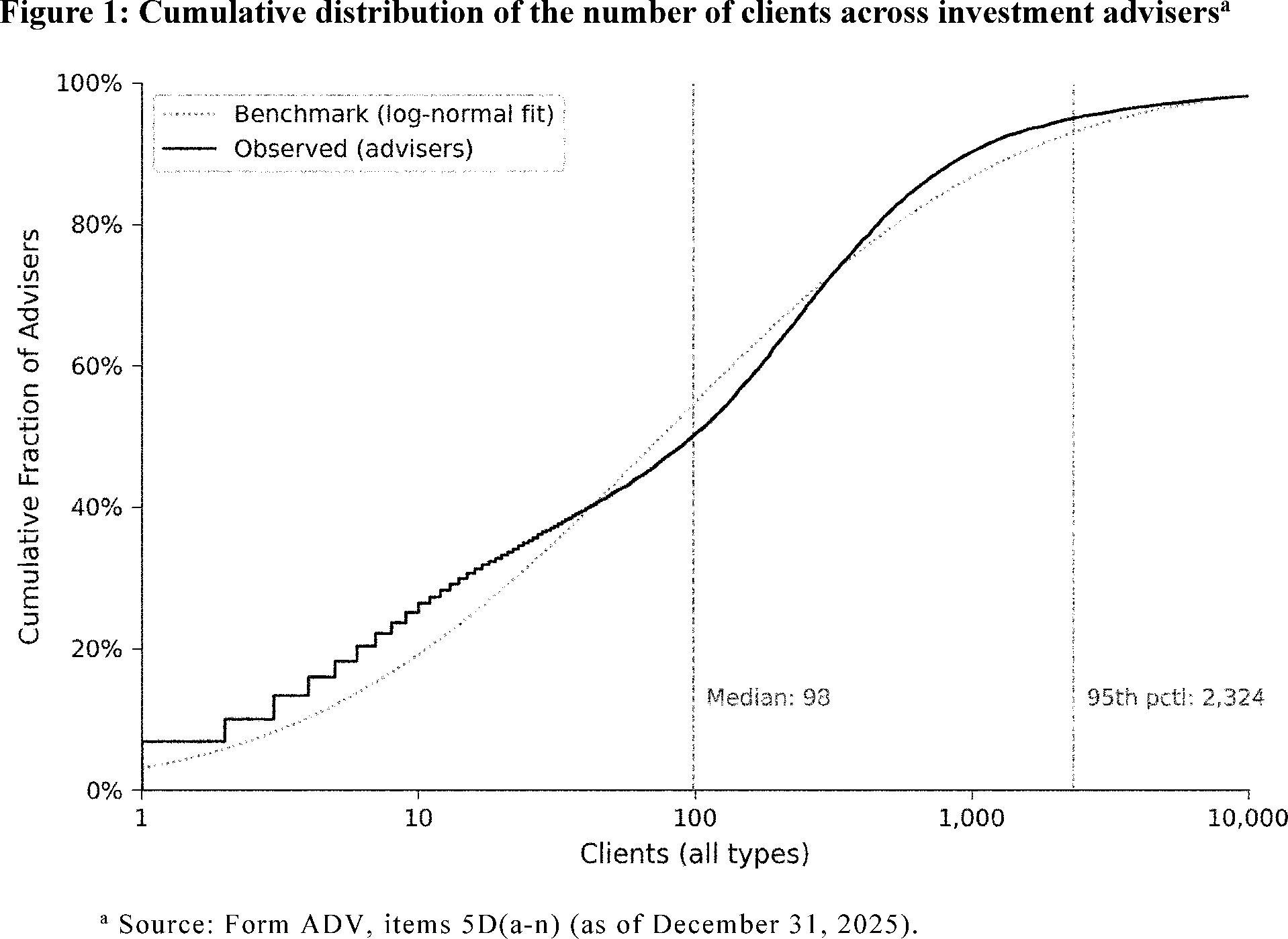
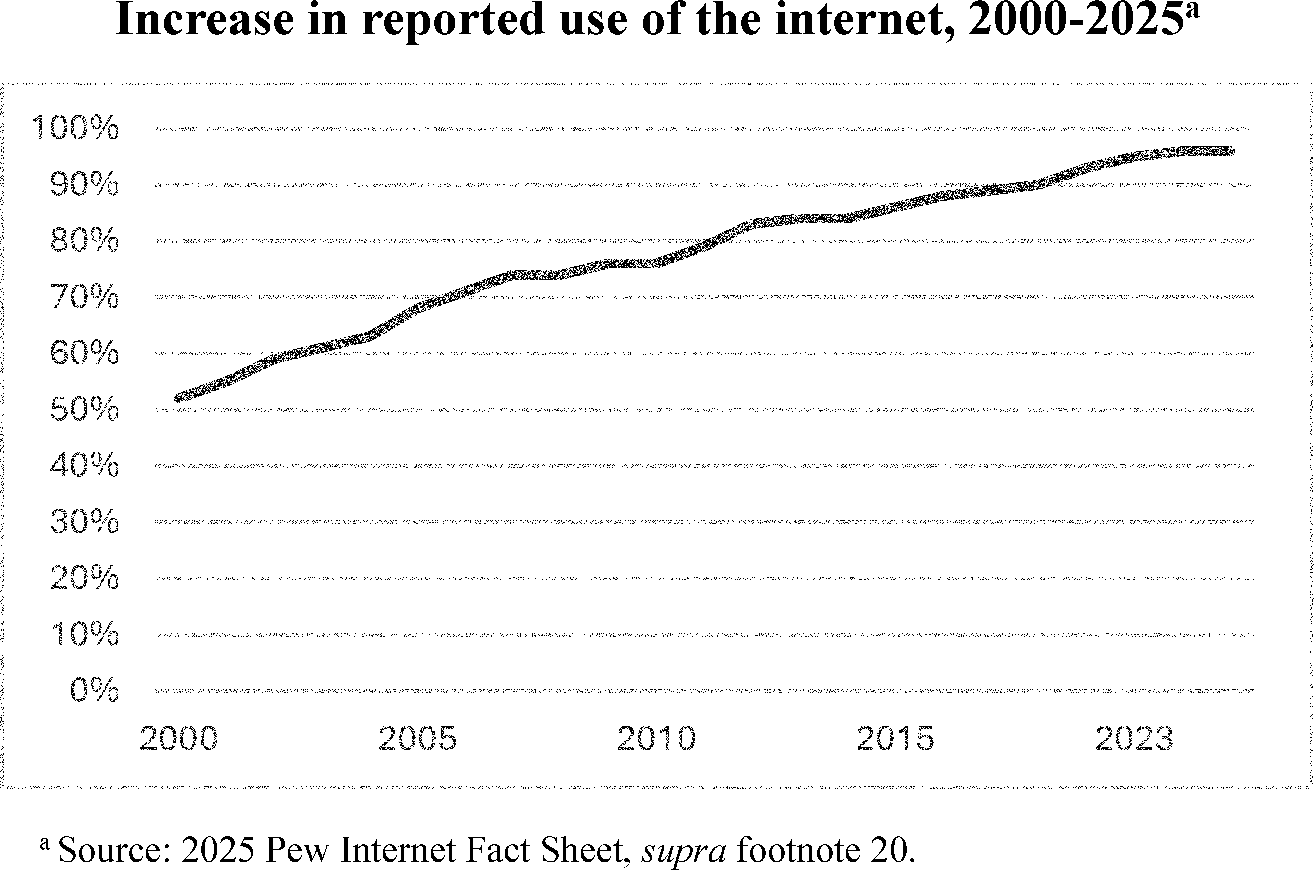
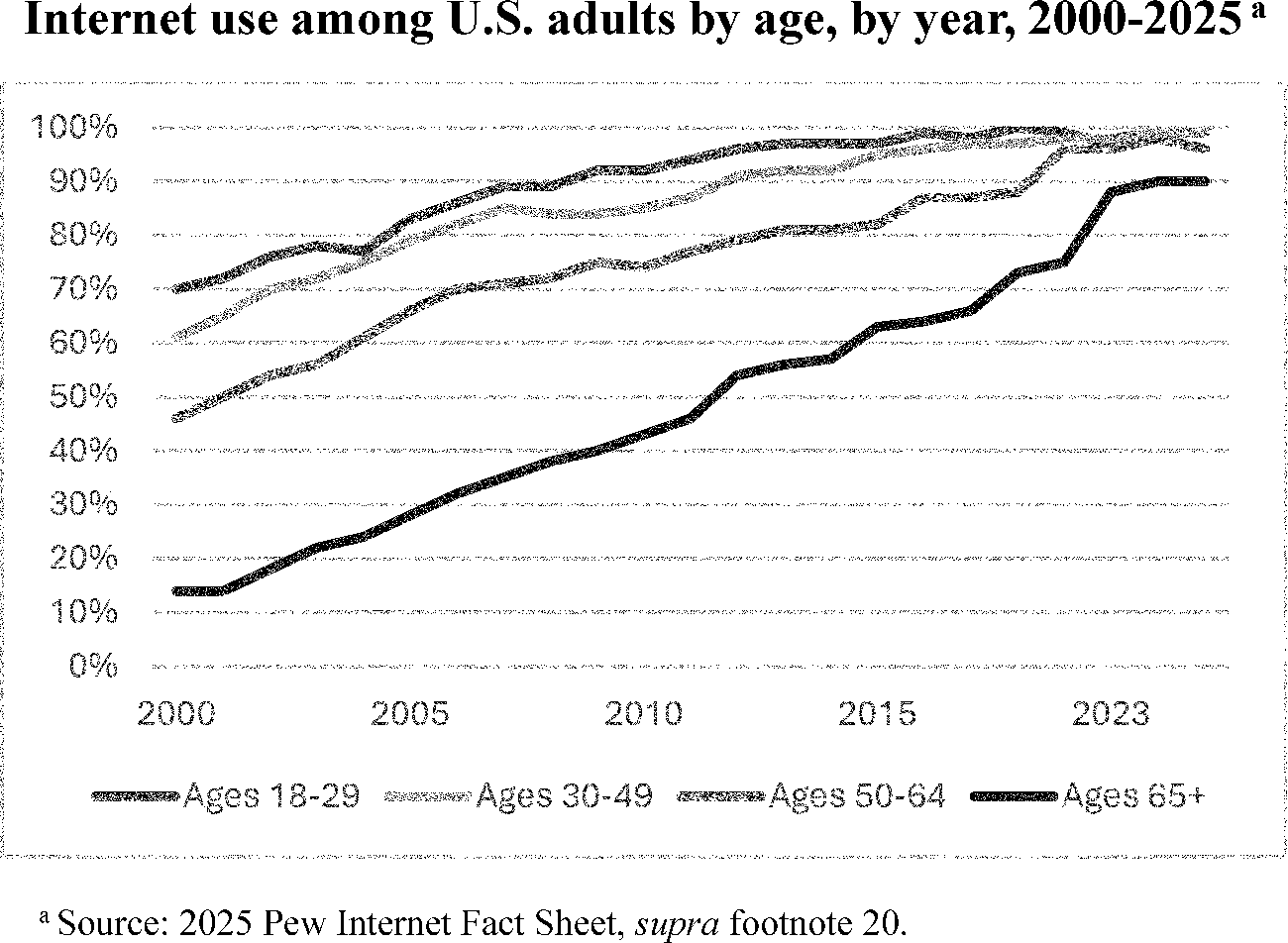
 www.bls.gov/oes/
 www.census.gov/naics/reference_files_tools/2022_NAICS_Manual.pdf
 www.bea.gov/data/industries/gross-output-by-industry
 www.fidelity.com/bin-public/060_www_fidelity_com/documents/about-fidelity/digital-delivery-letter.pdf
 www.finra.org/sites/default/files/NoticeComment/Broadridge%20Comment%20Letter%20to%20FINRA%20-%2007-14-2025.pdf
 www.ici.org/system/files/2025-11/25-cl-edelivery-framework-recommendations.pdf
 www.sifma.org/news/blog/sec-chair-atkins-on-protecting-investors-promoting-markets-powering-growth
 docs.fcc.gov/public/attachments/FCC-21-18A1.pdf
 www.pewresearch.org/internet/fact-sheet/internet-broadband/
 www.irs.gov/statistics/returns-filed-taxes-collected-and-refunds-issued
 www.taxpayeradvocate.irs.gov/notices/taxpayer-files-return-on-paper/
 www.finrafoundation.org/sites/finrafoundation/files/2025-11/NFCS_Investor_Survey_Report_White_Paper.pdf
 www.aarp.org/content/dam/aarp/research/surveys_statistics/econ/2022/retirement-accounts-statements-survey-report.doi.10.26419-2Fres.00529.001.pdf
 www.investor.gov/introduction-investing/general-resources/news-alerts/alerts-bulletins/investor-bulletins-18
 mordorintelligence.com/industry-reports/robo-advisory-services-market
 capmktsreg.org/wp-content/uploads/2025/11/CCMR-Letter-to-SEC-Re.-E-Delivery-11.14.25.pdf
 www.investmentadviser.org/resources/iaa-letter-to-sec-chairman-atkins/
 www.linkedin.com/feed/update/urn:li:activity:7468725136398012416/
 about.usps.com/newsroom/service-alerts/international/
 higherlogicdownload.s3.amazonaws.com/INVESTMENTADVISER/aa03843e-7981-46b2-aa49-c572f2ddb7e8/UploadedImages/publications/Electronic-Delivery-with-SIFMA-9-15-2020.pdf
 eur-lex.europa.eu/legal-content/EN/ALL/?uri=CELEX:32014L0065#anx_II
 www.treasurydirect.gov/laws-and-regulations/gsa/regulatory-cites/cite-10-27-1997-2/
 www.ic3.gov/AnnualReport/Reports/2024_IC3Report.pdf
 www.lpl.com/investors/lpl-account-view/going-paperless.html
 am.jpmorgan.com/us/en/asset-management/adv/shareholder-account-access/edelivery/edelivery-faqs/
 digital.fidelityinvestments.com/edelivery
 fred.stlouisfed.org/series/TTLHH
 www.federalreserve.gov/econres/scfindex.htm
 www.broadridge.com/_assets/pdf/2025proxykeystats_report.pdf
 ssrn.com/abstract=3264846
 www.reginfo.gov/public/jsp/Utilities/circular-a-4_regulatory-impact-analysis-a-primer.pdf