Takes of Marine Mammals Incidental to Specified Activities; Taking Marine Mammals Incidental to the Office of Naval Research's Arctic Research Activities in the Beaufort and Chukchi Seas (Year 9)
NMFS has received a request from the Office of Naval Research (ONR) for authorization to take marine mammals incidental to Arctic Research Activities (ARA) in the Beaufort Sea a...
National Marine Fisheries Service (NMFS), National Oceanic and Atmospheric Administration (NOAA), Commerce.
ACTION:
Notice; proposed incidental harassment authorization; request for comments on proposed authorization and possible renewal.
SUMMARY:
NMFS has received a request from the Office of Naval Research (ONR) for authorization to take marine mammals incidental to Arctic Research Activities (ARA) in the Beaufort Sea and eastern Chukchi Sea. Pursuant to the Marine Mammal Protection Act (MMPA), NMFS is requesting comments on its proposal to issue an incidental harassment authorization (IHA) to incidentally take marine mammals during the specified activity. NMFS is also requesting comments on a possible one-time, 1-year renewal that could be issued under certain circumstances and if all requirements are met, as described in Request for Public Comments at the end of this notice. NMFS will consider public comments prior to making any final decision on the issuance of the requested MMPA authorization and agency responses will be summarized in the final notice of our decision. ONR's activities are considered military readiness activities pursuant to the MMPA, as amended by the National Defense Authorization Act for Fiscal Year 2004 (2004 NDAA).
DATES:
Comments and information must be received no later than August 21, 2026.
Instructions:
NMFS is not responsible for comments sent by any other method, to any other address or individual, or received after the end of the comment period. Comments, including all attachments, must not exceed a 25-megabyte file size. All comments received are a part of the public record and will generally be posted online at
www.fisheries.noaa.gov/permit/incidental-take-authorizations-under-marine-mammal-protection-act
without change. All personal identifying information (
e.g.,
name, address) voluntarily submitted by the commenter may be publicly accessible. Do not submit confidential business information or otherwise sensitive or protected information.
FOR FURTHER INFORMATION CONTACT:
Alyssa Clevenstine, Office of Protected Resources, NMFS, (301) 427-8401.
SUPPLEMENTARY INFORMATION:
Background
The MMPA prohibits the “take” of marine mammals, with certain exceptions. Section 101(a)(5)(A) and (D) of the MMPA (16 U.S.C. 1361et seq.) directs the Secretary of Commerce (as delegated to NMFS) to allow, upon request, the incidental, but not intentional, taking of small numbers of marine mammals by U.S. citizens who engage in a specified activity (other than commercial fishing) within a specified geographical region if certain findings are made and either regulations are proposed or, if the taking is limited to harassment, a notice of a proposed IHA is provided to the public for review.
( printed page 46056)
Authorization for incidental takings shall be granted if NMFS finds that the taking will have a negligible impact on the species or stock(s) and will not have an unmitigable adverse impact on the availability of the species or stock(s) for taking for subsistence uses (where relevant). If such findings are made, NMFS must prescribe the permissible methods of taking; other “means of effecting the least practicable adverse impact” on the affected species or stocks and their habitat, paying particular attention to rookeries, mating grounds, and areas of similar significance, and on the availability of the species or stocks for taking for certain subsistence uses (referred to as “mitigation”); and requirements pertaining to the monitoring and reporting of the takings. The definitions of all applicable MMPA statutory terms used above are included in the relevant sections below (see also 16 U.S.C. 1362; 50 CFR 216.3, 216.103).
The 2004 NDAA (Pub. L. 108-136) removed the “small numbers” and “specified geographical region” limitations indicated above and amended the definition of “harassment” as applied to a “military readiness activity.” The activity for which incidental take of marine mammals is being requested qualifies as a military readiness activity.
National Environmental Policy Act
To comply with the National Environmental Policy Act of 1969 (NEPA; 42 U.S.C. 4321et seq.) and NOAA Administrative Order (NAO) 216-6A, NMFS must review our proposed action (
i.e.,
the issuance of an IHA) with respect to potential impacts on the human environment.
This action is consistent with categories of activities identified in Categorical Exclusion B4 (IHAs with no anticipated serious injury or mortality) of the Companion Manual for NAO 216-6A, which do not individually or cumulatively have the potential for significant impacts on the quality of the human environment and for which we have not identified any extraordinary circumstances that would preclude this categorical exclusion. Accordingly, NMFS has preliminarily determined that the issuance of the proposed IHA qualifies to be categorically excluded from further NEPA review.
Summary of Request
On June 4, 2026, NMFS received a request from ONR for an IHA to take marine mammals incidental to ARA in the Beaufort and Chukchi Seas. Following NMFS' review of the application, ONR submitted a revised version on June 18, 2026. The application was deemed adequate and complete on June 24, 2026. ONR's request is for take of beluga whales and ringed seals by Level B harassment only. Neither ONR nor NMFS expect serious injury or mortality to result from this activity and, therefore, an IHA is appropriate.
This proposed IHA would cover the ninth year of a larger project for which ONR obtained prior IHAs and renewal IHAs (83 FR 48799, September 27, 2018; 84 FR 50007, September 24, 2019; 85 FR 53333, August 28, 2020; 86 FR 54931, October 5, 2021; 87 FR 57458, September 20, 2022; 88 FR 65657, September 18, 2023; 89 FR 77089, September 14, 2024; 90 FR 43178, September 14, 2025). ONR has complied with all the requirements (
e.g.,
mitigation, monitoring, and reporting) of the previous IHAs, and information regarding their monitoring results may be found in the Estimated Take of Marine Mammals section.
Description of Proposed Activity
Overview
ONR proposes to conduct scientific experiments in support of ARA using active acoustic sources within the Beaufort and Chukchi Seas. Project activities involve acoustic testing and a multi-frequency navigation system concept test using left-behind active acoustic sources. The proposed experiments involve the deployment of moored, drifting, and ice-tethered active acoustic sources from the Research Vessel (R/V) Sikuliaq. Recovery of equipment may be from R/V Sikuliaq, U.S. Coast Guard Cutter (CGC) HEALY, or another vessel, and icebreaking may be required. Underwater sound from the active acoustic sources and noise from icebreaking may result in Level B harassment of marine mammals.
Dates and Duration
The proposed activity would occur from September 2026 through September 2027 and include up to two research cruises. Acoustic testing would take place during the cruises, with the first cruise beginning September 22, 2026, and a potential second cruise occurring in summer 2027, which may include up to 8 days of icebreaking activities. Acoustic sources would operate year-round and would be deployed and recovered during the research cruises.
Geographic Region
The proposed activity would occur across the U.S. Exclusive Economic Zone (EEZ) in the Beaufort and Chukchi Seas, partially in the high seas north of Alaska, the global commons, and within a part of the Canadian EEZ (for which Navy would obtain the appropriate permits) (figure 1). The proposed activity would primarily occur in the Beaufort Sea but the analysis considers the drifting of active sources on buoys into the eastern portion of the Chukchi Sea. The closest point of the Study Area to the Alaska coast is 204 kilometers (km) (110 nautical miles). The proposed Study Area is approximately 639,237 square kilometers (km2
).
( printed page 46057)
Figure 1—Arctic Research Activities Study Area and Mooring Locations
Detailed Description of the Specified Activity
ONR's ARA include multiple scientific objectives that support the Arctic and Global Prediction Program, including Arctic Mobile Observing System (AMOS). The proposed activity constitutes the development of a new system under AMOS involving very-low-, low-, and mid-frequency (VLF, LF, and MF) transmissions (35 Hertz (Hz), 900 Hz, and 10 kilohertz (kHz)) (the former not applicable to Year 9), utilizing acoustic sources and receivers to provide a means of performing under-
( printed page 46058)
ice navigation for autonomous underwater vehicles (AUVs), including gliders and unmanned undersea vehicles (UUVs). This would allow for the possibility of year-round scientific observations of Arctic environmental phenomena. As an environment particularly affected by climate change, year-round observations under a variety of ice conditions are required to study the effects of this changing environment for military readiness, as well as the implications of environmental change to humans and animals. VLF technology is an important method of observing ocean warming, and the continued development of these types of acoustic sources would allow for characterization of larger areas. The technology also has the potential to allow for development and use of navigational systems that would not be heard by some marine mammal species and, therefore, would be less impactful.
Up to six moorings (fixed acoustic navigation sources transmitting at 900 Hz) and two drifting ice gateway buoys (IGBs) would be configured with active acoustic sources and would operate for a period of 1 year. ONR does not expect to use VLF sources (35 Hz) from September 2026 through September 2027 due to hardware availability. Further, no UUV use is planned during the September 2026 cruise but it may be included in future test plans during the period of the proposed IHA; however, NMFS has considered these sources herein to account for their potential use.
The proposed activity would utilize non-impulsive acoustic sources, although not all sources will cause take of marine mammals (tables 1, 2). Marine mammal takes would arise from the operation of non-impulsive active sources. Although not currently planned, icebreaking could occur as part of this proposed activity if a research vessel needs to return to the Study Area before the end of the IHA period to ensure scientific objectives are met. Underwater sound from the active acoustic sources and noise from icebreaking may result in take by Level B harassment of marine mammals.
Below are descriptions of the platforms and equipment that would be deployed at different times during the proposed activity.
Research Vessels
The R/V Sikuliaq would perform the research cruise in September 2026 and conduct testing of acoustic sources during the cruise, as well as deploy leave behind sources to operate as a year-round navigation system observation. The vessel to be used in a potential 2027 cruise is yet to be determined but would likely be either the R/V Sikuliaq or the CGC HEALY.
The R/V Sikuliaq has a maximum speed of approximately 22.2 km per hour (km/hr) with a cruising speed of 20.4 km/hr. The R/V Sikuliaq is not an icebreaking ship but an ice strengthened ship, so it would not be icebreaking. Therefore, acoustic signatures of icebreaking for the R/V Sikuliaq are not relevant. CGC HEALY travels at a maximum speed of 31.5 km/hr with a cruising speed of 22.2 km/hr and a maximum speed of 5.6 km/hr when traveling through 1.07 m of sea ice. While no icebreaking cruise on the CGC HEALY is planned, this proposed IHA considers an icebreaking cruise in case the need arises. The R/V Sikuliaq, CGC HEALY, or any other vessel operating a research cruise associated with the proposed activity may perform the following activities during their research cruises:
Deployment of moored and/or ice-tethered active acoustic sources to transmit acoustic signals;
Deployment of AUVs;
Deployment of drifting buoys, with or without acoustic sources; or,
Recovery of equipment.
Glider Surveys
Glider surveys are proposed for the research cruise. All gliders would be recovered; some may be recovered during the cruise, but the remainder would be recovered at a later date. Long-endurance, autonomous sea gliders are intended for use in extended missions in ice-covered waters. Gliders are buoyancy-driven, equipped with satellite modems providing two-way communication, and can transit to depths of up to 1,000 m. Gliders would collect data in the area of the shallow water sources and moored sources, moving at a speed of 0.25 meters per second, approximately 23 km per day. A combination of recent advances in sea glider technology would provide full-year endurance. When operating in ice-covered waters, gliders navigate by trilateration (the process of determining location by measurement of distances, using the geometry of circles, spheres, or triangles) from moored acoustic sound sources (or dead reckoning should navigation signals be unavailable). Hibernating gliders would continue to track their position, waking to reposition should they drift too far from their target region. Gliders measure temperature, salinity, dissolved oxygen, rates of dissipation of temperature variance (and vertical turbulent diffusivity), and multi-spectral down-welling irradiance.
Moored and Drifting Acoustic Sources
During the September 2026 cruise, active acoustic sources would be lowered from the cruise vessel while stationary, deployed on AUVs, or deployed on fixed AMOS moorings for intermittent testing of the system components. The testing would take place in the vicinity of the source locations in figure 1. During this testing, 900 Hz, 10 kHz, and acoustic modems would be employed.
Up to six fixed acoustic navigation sources transmitting at 900 Hz would remain in place for 1 year. These moorings would be anchored on the seabed and held in the water column with subsurface buoys. All sources would be deployed by shipboard winches, which would lower sources and receivers in a controlled manner. Anchors would be steel “wagon wheels” typically used for this type of deployment. Two drifting IGBs would also be configured with active acoustic sources.
Table 1—Characteristics of Modeled Acoustic Sources
Platform
(total number deployed)
Acoustic source
Purpose/function
Frequency
Signal strength (dB re 1 µPa at 1 m)
Bandwidth
Pulse width/duty cycle
REMUS 600 UUV (up to 1)
WHOI Micro-modem
Acoustic communications
900-950 Hz
NTE 180 dB by system design limits
50 Hz
5 pings/hour with 30 sec pulse length.
REMUS 600 UUV (up to 1)
UUV/WHOI Micro-modem
Acoustic communications
8-14 kHz
NTE 185 dB by system design limits
5 kHz
10% average duty cycle, with 4 sec pulse length.
IGB (drifting)
(2)
WHOI Micro-modem
Acoustic communications
900-950 Hz
NTE 180 dB by system design limits
50 Hz
Transmit every 4 hours, 30 sec pulse length.
( printed page 46059)
IGB (drifting)
(2)
WHOI Micro-modem
Acoustic communications
8-14 kHz
NTE 185 dB by system design limits
5 kHz
Typically receive only; transmit is very intermittent.
Mooring (6)
WHOI Micro-modem (6)
Acoustic Navigation
900-950 Hz
NTE 180 dB by system design limits
50 Hz
Transmit every 4 hours, 30 sec pulse length.
Mooring (2) *
VLF
Acoustic Navigation
35 Hz
NTE 190 dB
6 Hz
Up to 4 times per day, 10 minutes each.
Note:
dB re 1 µPa at 1 m = decibels referenced to 1 microPascal at 1 meter; WHOI = Woods Hole Oceanographic Institution; Hz = Hertz; NTE = not to exceed; sec = second; IGB = Ice Gateway Buoy; kHz = kilohertz. REMUS use is not anticipated during the September 2026 cruise but is included in case of future use during the proposed IHA period.
* No VLF sources (35 Hz) would be used in Year 9 due to hardware availability.
De Minimis Sources
The following activities and sources are unlikely to result in take of marine mammals. These activities are described here but they are not discussed further in this notice. ONR characterizes
de minimis
sources as those with the following parameters: low source levels (SLs), narrow beams, downward directed transmission, short pulse lengths, frequencies outside known marine mammal hearing ranges, or some combination of these factors (U.S. Department of the Navy, 2013). NMFS concurs with ONR's determination that the sources they have identified here as
de minimis
are unlikely to result in take of marine mammals. The following are some of the
de minimis
sources which would be used during the proposed activity: WHOI micromodem, Acoustic Doppler Current Profilers (ADCPs), ice profilers, and additional sources below 160 dB re 1 µPa used during towing operations. ADCPs may be used on moorings. Ice-profilers measure ice properties and roughness. The ADCPs and ice-profilers would all be above 200 kHz and therefore out of marine mammal hearing ranges, with the exception of the 75 kHz ADCP which has the characteristics and
de minimis
justification listed in table 2. They may be employed on moorings or AUVs.
A WHOI micromodem will also be employed during the leave behind period. During the leave behind period, this source is used for very intermittent communication with vehicles to communicate vehicle status for safety of navigation purposes. It is treated as
de minimis
while employed in this manner (in contrast with the WHOI micromodem usage described in table 1, which covers the use of the micromodem during research cruises).
Table 2—Parameters for
De minimis
Non-Impulsive Acoustic Sources
Source name
Frequency range
(kHz)
Sound
pressure level
(dB re 1 µPa at 1 m)
Pulse length
(seconds)
Duty cycle
(Percent)
De minimis justification
ADCP
>200, 150, or 75
190
<0.001
<0.1
Very low pulse length, narrow beam, moderate source level.
Nortek Signature 500 kHz Doppler Velocity Log
500
214
<0.1
<13
Very high frequency.
CTD attached echosounder
5-20
160
0.004
2
Very low source level.
Note:
CTD = conductivity temperature depth.
Drifting Oceanographic Sensors
Observations of ocean-ice interactions require the use of sensors that are moored and embedded in the ice. Icebreaking would not be required for these observations, as deployments can be performed in areas of low ice-coverage or free-floating ice. Sensors are deployed within a few dozen meters of each other on the same ice floe. Three types of sensors would be used: (1) autonomous ocean flux buoys; (2) Integrated Autonomous Drifters; and (3) and ice-tethered profilers. The autonomous ocean flux buoys measure oceanographic properties just below the ocean-ice interface with ADCPs and temperature chains to measure temperature, salinity, and other ocean parameters the top 6 m of the water column. Integrated Autonomous Drifters have a long temperate string extending down to 200 m depth and would incorporate meteorological sensors, and a temperature spring to estimate ice thickness. The ice-tethered profilers collect information on ocean temperature, salinity, and velocity down to 250 m depth.
Up to 20 Argo-type autonomous profiling floats may be deployed in the central Beaufort Sea. Argo floats drift at 1,500 m depth and collect profiles of temperature and salinity from 2,000 m to the sea surface once every 10 days.
Moored Oceanographic Sensors
Moored sensors capture a range of ice, ocean, and atmospheric conditions on a year-round basis via sub-surface moorings anchored to the seafloor measuring velocity, temperature, and salinity in the upper 500 m of the water column. The moorings also collect high-resolution acoustic measurements of the ice using the ice profilers described in table 2. Ice velocity and surface waves would be measured by 500 kHz multibeam sonars. The moored oceanographic sensors described above use only
de minimis
sources and are therefore not anticipated to have the potential for impacts on marine mammals or their habitat.
On-Ice Measurements
On-ice measurement systems would be used to collect weather data and include an Autonomous Weather Station and an Ice Mass Balance Buoy. The Autonomous Weather Station would be deployed on a tripod with insulated foot platforms that are frozen into the ice and consist of an anemometer, humidity sensor, and pressure sensor. It also includes an altimeter that is
de minimis
due to its very-high frequency (200 kHz). The Ice
( printed page 46060)
Mass Balance Buoy is a 6 m sensor string deployed through a 5 centimeter (cm) hole drilled into ice. The string is weighted by a 1 kilogram (kg) lead weight and is supported by a tripod. The buoy contains a
de minimis
200 kHz altimeter and snow depth sensor. Autonomous Weather Stations and Ice Mass Balance Buoys would be deployed and drift with the ice, making measurements until their host ice floes melt, thus destroying the instruments (likely in summer, roughly 1 year after deployment). After the on-ice instruments are destroyed they cannot be recovered and would sink to the seafloor as their host ice floes melted.
Proposed mitigation, monitoring, and reporting measures are described in detail later in this document (see Proposed Mitigation section and Proposed Monitoring and Reporting section).
Description of Marine Mammals in the Area of Specified Activity
Sections 3 and 4 of the application summarize available information regarding status and trends, distribution and habitat preferences, and behavior and life history of the potentially affected species. NMFS fully considered all of this information, and we refer the reader to these descriptions, instead of reprinting the information. Additional information regarding population trends and threats may be found in NMFS' Stock Assessment Reports (SARs) (
www.fisheries.noaa.gov/national/marine-mammal-protection/marine-mammal-stock-assessments) and more general information about these species (
e.g.,
physical and behavioral descriptions) may be found on NMFS' website (
www.fisheries.noaa.gov/find-species).
Table 3 lists all species or stocks for which take is likely and proposed to be authorized for this activity and summarizes information related to the population or stock, including regulatory status under the MMPA and Endangered Species Act (ESA) and potential biological removal (PBR), where known. PBR is defined by the MMPA as the maximum number of animals, not including natural mortalities, that may be removed from a marine mammal stock while allowing that stock to reach or maintain its optimum sustainable population (as described in NMFS' SARs). While no serious injury or mortality is anticipated or proposed to be authorized here, PBR and annual mortality and serious injury (M/SI) from anthropogenic sources are included here as gross indicators of the status of the species or stocks and other threats.
Marine mammal abundance estimates presented in this document represent the total number of individuals that make up a given stock or the total number estimated within a particular study or survey area. NMFS' stock abundance estimates for most species represent the total estimate of individuals within the geographic area, if known, that comprises that stock. For some species, this geographic area may extend beyond U.S. waters. All managed stocks in this region are assessed in NMFS' U.S. Alaska SARs. All values presented in table 3 are the most recent available at the time of publication and are available online at:
www.fisheries.noaa.gov/national/marine-mammal-protection/marine-mammal-stock-assessments.
Table 3—Species, Stocks, and the Status of Marine Mammals 1
with Estimated Take From the Specified Activity
Common name
Scientific name
Stock
ESA/MMPA status; strategic (Y/N) 2
Stock abundance
(CV, Nmin, most recent
abundance survey) 3
2
ESA status: Endangered (E), Threatened (T)/MMPA status: Depleted (D). A dash (-) indicates that the species is not listed under the ESA or designated as depleted under the MMPA. Under the MMPA, a strategic stock is one for which the level of direct human-caused mortality exceeds PBR or which is determined to be declining and likely to be listed under the ESA within the foreseeable future. Any species or stock listed under the ESA is automatically designated under the MMPA as depleted and as a strategic stock.
4
These values, found in NMFS's SARs, represent annual levels of human-caused mortality plus serious injury from all sources combined (
e.g.,
commercial fisheries, vessel strike). Annual M/SI often cannot be determined precisely and is, in some cases, presented as a minimum value or range.
5
A reliable population estimate for the entire stock is not available. Using a sub-sample of data collected from the U.S. portion of the Bering Sea, an abundance estimate of 171,418 ringed seals has been calculated, but this estimate does not account for availability bias due to seals in the water or in the shore-fast ice zone at the time of the survey. The actual number of ringed seals in the U.S. portion of the Bering Sea is likely much higher. Using the Nmin
based upon this negatively biased population estimate, the PBR is calculated to be 4,755 seals, although this is also a negatively biased estimate.
As indicated above, both species (with three managed stocks) in table 3 temporally and spatially co-occur with the specified activity to the degree that take is likely to occur. While bowhead whales (
Balaena mysticetus), gray whales (
Eschrichtius robustus), narwhals (
Monodon monoceros), bearded seals (
Erignathus barbatus), spotted seals (
Phoca largha), and ribbon seals (
Histriophoca fasciata) have been documented in the area, the temporal and/or spatial occurrence of these species is such that take is not expected to occur, and they are not discussed further beyond the explanation provided here.
Due to the location of the Study Area (
i.e.,
northern offshore, deep water), there were no calculated exposures for the bowhead whale, gray whale, bearded seal, spotted seal, and ribbon seal from quantitative modeling of acoustic sources. Bowhead and gray whales are associated with the shallow waters of the continental shelf in the Beaufort Sea and are unlikely to be exposed to acoustic harassment from this activity (Carretta
et al.,
2024; Young
et al.,
2026). Gray whales feed primarily in the Beaufort Sea, Chukchi Sea, and Northwestern Bering Sea during the summer and fall, but migrate south to winter in Baja California lagoons (Carretta
et al.,
2024). Gray whales are primarily bottom feeders (Swartz
et al.,
2006) in water depths of less than 60 m (Pike, 1962). Therefore, on the rare occasion that a gray whale does overwinter in the Beaufort Sea (Stafford
et al.,
2007), we would expect an overwintering individual to remain in shallow water over the continental shelf where it could feed. Spotted seals tend to prefer pack ice areas with water
( printed page 46061)
depths less than 200 m during the spring and move to coastal habitats in the summer and fall, found as far north as 69-72 degrees N (Young
et al.,
2026). Although the Study Area includes some waters south of 72 degrees N, the acoustic sources with the potential to result in take of marine mammals are not found below that latitude and spotted seals are not expected to be exposed. Ribbon seals are found year-round in the Bering Sea but may seasonally range into the Chukchi Sea (Young
et al.,
2026). The proposed activity occurs primarily in the Beaufort Sea, outside of the core range of ribbon seals, thus ribbon seals are not expected to be behaviorally harassed. Narwhals are considered extralimital in the Study Area and are not expected to be encountered.
In addition, the polar bear (
Ursus maritimus) and Pacific walrus (
Odobenus rosmarus) may be found both on sea ice and/or in the water within the Beaufort Sea and Chukchi Sea; however, both species are managed by the U.S. Fish and Wildlife Service and are not considered further in this document.
Beluga Whale
Beluga whales are distributed throughout seasonally ice-covered arctic and subarctic waters of the Northern Hemisphere (Gurevich, 1980) and are closely associated with open leads and polynyas in ice-covered regions (Hazard, 1988). Belugas may be either migratory or residential (non-migratory), depending on the population. Seasonal distribution is affected by ice cover, tidal conditions, access to prey, temperature, and human interaction (Frost
et al.,
1985; Hauser
et al.,
2014). Two stocks, the Beaufort Sea and eastern Chukchi Sea stocks, have the potential to occur in the location of this proposed activity.
Migratory Biologically Important Areas (BIAs) for belugas in the eastern Chukchi and Alaskan Beaufort Sea overlap the southern and western portion of the Study Area (Clarke
et al.,
2023). A migration corridor for both stocks of beluga whale includes the eastern Chukchi Sea through the Beaufort Sea, with the Beaufort Sea stock utilizing the migratory BIA in April-May and the Eastern Chukchi Sea stock utilizing portions of the area in November. There are also feeding BIAs for both stocks throughout the Arctic region (Clarke
et al.,
2023). During the winter, they can be found foraging in offshore waters associated with pack ice. When the sea ice melts in summer, they move to warmer river estuaries and coastal areas for molting and calving (Young
et al.,
2026). Annual migrations can span over thousands of kilometers. The residential Beaufort Sea populations participate in short distance movements within their range throughout the year. Based on satellite tags (Suydam
et al.,
2001; Hauser
et al.,
2014), there is some overlap in distribution with the eastern Chukchi Sea beluga whale stock.
During the winter, eastern Chukchi Sea belugas occur in offshore waters associated with pack ice. In the spring, they migrate to warmer coastal estuaries, bays, and rivers where they may molt (Finley, 1982; Suydam, 2009), give birth to, and care for their calves (Sergeant and Brodie, 1969). Eastern Chukchi Sea belugas move into coastal areas, including Kasegaluk Lagoon (outside of the proposed project site), in late June and animals are sighted in the area until about mid-July (Frost and Lowry, 1990; Frost
et al.,
1993). Satellite tags attached to eastern Chukchi Sea belugas captured in Kasegaluk Lagoon during the summer showed these whales traveled 1,100 km north of the Alaska coastline, into the Canadian Beaufort Sea within three months (Suydam
et al.,
2001). Satellite telemetry data from 23 whales tagged during 1998-2007 suggest variation in movement patterns for different age and/or sex classes during July-September (Suydam
et al.,
2005). Adult males used deeper waters and remained there for the duration of the summer; all belugas that moved into the Arctic Ocean (north of 75 degrees N) were males, and males traveled through 90 percent pack ice cover to reach deeper waters in the Beaufort Sea and Arctic Ocean (79-80 degrees N) by late July/early August. Adult and immature female belugas remained at or near the shelf break in the south through the eastern Bering Strait into the northern Bering Sea, remaining north of Saint Lawrence Island over the winter.
Ringed Seal
Ringed seals are the most common pinniped in the Study Area and have wide distribution in seasonally and permanently ice-covered waters of the Northern Hemisphere (North Atlantic Marine Mammal Commission, 2004). Throughout their range, ringed seals have an affinity for ice-covered waters and are well adapted to occupying both shore-fast and pack ice (Kelly, 1988). Ringed seals can be found further offshore than other pinnipeds since they can maintain breathing holes in ice thickness greater than 2 m (Smith and Stirling, 1975). The breathing holes are maintained by ringed seals using their sharp teeth and claws found on their fore flippers. They remain in contact with ice most of the year and use it as a platform for molting in late spring to early summer, for pupping and nursing in late winter to early spring, and for resting at other times of the year (Young
et al.,
2026).
Ringed seals have at least two distinct types of subnivean lairs: Haulout lairs and birthing lairs (Smith and Stirling, 1975). Haul-out lairs are typically single-chambered and offer protection from predators and cold weather. Birthing lairs are larger, multi-chambered areas that are used for pupping in addition to protection from predators. Ringed seals pup on both shore-fast ice as well as stable pack ice. Lentfer (1972) found that ringed seals north of Utqiaġvik, Alaska, build their subnivean lairs on the pack ice near pressure ridges. Since subnivean lairs were found north of Utqiaġvik, Alaska, in pack ice, they are also assumed to be found within the sea ice in the proposed project site. Ringed seals excavate subnivean lairs in drifts over their breathing holes in the ice, in which they rest, give birth, and nurse their pups for 5-9 weeks during late winter and spring (Chapskii, 1940; McLaren, 1958; Smith and Stirling, 1975). Ringed seals are born beginning in March but the majority of births occur in early April. About a month after parturition, mating begins in late April and early May.
In Alaskan waters, during winter and early spring when sea ice is at its maximum extent, ringed seals are abundant in the northern Bering Sea, Norton and Kotzebue Sounds, and throughout the Chukchi and Beaufort seas (Frost, 1985; Kelly, 1988). Passive acoustic monitoring of ringed seals from a high frequency recording package deployed at a depth of 240 m in the Chukchi Sea 120 km north-northwest of Utqiaġvik, Alaska detected ringed seals in the area between mid-December and late May over the 4-year study (Jones
et al.,
2014). In addition, ringed seals have been observed near and beyond the outer boundary of the U.S. EEZ (Beland and Ireland, 2010). During the spring and early summer, ringed seals may migrate north as the ice edge recedes and spend their summers in the open water period of the northern Beaufort and Chukchi Seas (Frost, 1985). Foraging-type movements have been recorded over the continental shelf and north of the continental shelf waters (Von Duyke
et al.,
2020). During this time, sub-adult ringed seals may also occur in the Arctic Ocean Basin (Hamilton
et al.,
2015; Hamilton
et al.,
2017).
With the onset of fall freeze, ringed seal movements become increasingly
( printed page 46062)
restricted and seals will either move west and south with the advancing ice pack with many seals dispersing throughout the Chukchi and Bering Seas, or remaining in the Beaufort Sea (Crawford
et al.,
2012; Frost and Lowry, 1984; Harwood
et al.,
2012). Kelly
et al.
(2010) tracked home ranges for ringed seals in the subnivean period (using shore-fast ice); the size of the home ranges varied from less than 1 up to 279 km2
(median = 0.62 km2
for adult males, 0.65 km2
for adult females). Most (94 percent) of the home ranges were less than 3 km2
during the subnivean period (Kelly
et al.,
2010). Near large polynyas, ringed seals maintain ranges, up to 7,000 km2
during winter and 2,100 km2
during spring (Born
et al.,
2004). Some adult ringed seals return to the same small home ranges they occupied during the previous winter (Kelly
et al.,
2010). The size of winter home ranges can vary by up to a factor of 10 depending on the amount of fast ice; seal movements were more restricted during winters with extensive fast ice and were much less restricted where fast ice did not form at high levels (Harwood
et al.,
2015).
Of the five recognized subspecies of ringed seals, the Arctic ringed seal occurs in the Arctic Ocean and Bering Sea and is the only stock that occurs in U.S. waters. NMFS listed the Arctic ringed seal subspecies as threatened under the ESA on December 28, 2012 (77 FR 76706), primarily due to anticipated loss of sea ice through the end of the 21st century.
Critical Habitat
Critical habitat for the ringed seal includes marine waters within one specific area in the Bering, Chukchi, and Beaufort Seas (87 FR 19232, April 1, 2022). Essential features established by NMFS for conservation of ringed seals are (1) snow-covered sea ice habitat suitable for the formation and maintenance of subnivean birth lairs used for sheltering pups during whelping and nursing, which is defined as waters 3 m or more in depth (relative to Mean Lower Low Water (MLLW)) containing areas of seasonal land-fast (shore-fast) ice or dense, stable pack ice, that have undergone deformation and contain snowdrifts of sufficient depth to form and maintain birth lairs (typically at least 54 cm (21.3 in) deep); (2) sea ice habitat suitable as a platform for basking and molting, which is defined as areas containing sea ice of 15 percent or more concentration in waters 3 m (9.8 ft) or more in depth (relative to MLLW); and (3) primary prey resources to support Arctic ringed seals, which are defined to be small, often schooling, fishes, in particular Arctic cod (
Boreogadus saida), saffron cod (
Eleginus gracilis), and rainbow smelt (
Osmerus dentex); and small crustaceans, in particular, shrimps and amphipods.
The Study Area does not overlap with ringed seal critical habitat (87 FR 19232, April 1, 2022); however, as stated in NMFS' final rule for the Designation of Critical Habitat for the Arctic Subspecies of the Ringed Seal (87 FR 19232, April 1, 2022), the area excluded from the critical habitat contains one or more of the essential features of the Arctic ringed seal's critical habitat, therefore, even though this area is excluded from critical habitat designation, habitat with the physical and biological features essential for ringed seal conservation is still available to the species, although data are limited to inform NMFS' assessment of the relative value of this area to the conservation of the species; however, as described later and in more detail in the Potential Effects of Specified Activity on Marine Mammals and their Habitat section, we expect minimal impacts to marine mammal habitat as a result of ONR's ARA, including impacts to ringed seal sea ice habitat suitable as a platform for basking and molting and impacts on prey availability.
Marine Mammal Hearing
Hearing is the most important sensory modality for marine mammals underwater, and exposure to anthropogenic sound can have deleterious effects. To appropriately assess the potential effects of exposure to sound, it is necessary to understand the frequency ranges marine mammals are able to hear. Not all marine mammal species have equal hearing capabilities (
e.g.,
Richardson
et al.,
1995; Wartzok and Ketten, 1999; Au and Hastings, 2008). To reflect this, Southall
et al.
(2007) and Southall
et al.
(2019) recommended that marine mammals be divided into hearing groups based on directly measured (behavioral or auditory evoked potential techniques) or estimated hearing ranges (behavioral response data, anatomical modeling,
etc.). Generalized hearing ranges were chosen based on the approximately 65 dB threshold from composite audiograms, previous analyses in NMFS (2018), and/or data from Southall
et al.
(2007) and Southall
et al.
(2019). We note that the names of two hearing groups and the generalized hearing ranges of all marine mammal hearing groups have been recently updated (NMFS, 2024) as reflected below in table 4.
Very High-frequency (VHF) cetaceans (true porpoises,
Kogia,
river dolphins, Cephalorhynchid,
Lagenorhynchus cruciger
&
L. australis)
200 Hz to 165 kHz.
Phocid pinnipeds (PW) (underwater) (true seals)
40 Hz to 90 kHz.
Otariid pinnipeds (OW) (underwater) (sea lions and fur seals)
60 Hz to 68 kHz.
* Represents the generalized hearing range for the entire group as a composite (
i.e.,
all species within the group), where individual species' hearing ranges may not be as broad. Generalized hearing range chosen based on approximately 65 dB threshold from composite audiogram, previous analysis in NMFS (2018), and/or data from Southall
et al.
(2007) and Southall
et al.
(2019). Additionally, animals are able to detect very loud sounds above and below that “generalized” hearing range.
For more detail concerning these groups and associated frequency ranges, please see NMFS (2024) for a review of available information.
Potential Effects of Specified Activity on Marine Mammals and Their Habitat
This section discusses how components of the specified activity may impact marine mammals and their habitat. The Estimated Take of Marine Mammals section includes a quantitative analysis of the number of individuals that are expected to be taken by this activity. The Negligible Impact
( printed page 46063)
Analysis and Determination section considers the content of this section, the Estimated Take of Marine Mammals section, and the Proposed Mitigation section to draw conclusions regarding the likely impacts of these activities on the reproductive success or survivorship of individuals and whether those impacts are reasonably expected to, or reasonably likely to, adversely affect the species or stock through effects on annual rates of recruitment or survival.
ONR has requested authorization to take marine mammals incidental to ARA in the Study Area. ONR analyzed potential impacts to marine mammals from acoustic sources in the application. Acoustic effects on marine mammals during the proposed activities can occur from active acoustics and icebreaking. The effects of underwater noise from ONR's proposed activities have the potential to result in take by Level B harassment of beluga whales and ringed seals in the Study Area.
Potential Effects of Underwater Sound on Marine Mammals
The marine soundscape is composed of both ambient and anthropogenic sounds. Ambient sound is defined as the all-encompassing sound in a given place and is usually a composite of sound from many sources both near and far (American National Standards Institute (ANSI), 1995). The sound level of an area is defined by the total acoustical energy being generated by known and unknown sources, which may include physical (
e.g.,
waves, wind, precipitation, earthquakes, ice, atmospheric sound), biological (
e.g.,
sounds produced by marine mammals, fish, and invertebrates), and anthropogenic sound (
e.g.,
vessels, dredging, aircraft, construction).
The sum of the various natural and anthropogenic sound sources at any given location and time—which comprise “ambient” or “background” sound—depends not only on the source levels (as determined by current weather conditions and levels of biological and shipping activity) but also on the ability of sound to propagate through the environment. In turn, sound propagation is dependent on the spatially and temporally varying properties of the water column and sea floor and is frequency dependent. As a result of the dependence on a large number of varying factors, ambient sound levels can be expected to vary widely over both coarse and fine spatial and temporal scales. Sound levels at a given frequency and location can vary by 10-20 dB from day to day (Richardson
et al.,
1995). The result is that, depending on the source type and its intensity, sound from the specified activity may be a negligible addition to the local environment or could form a distinctive signal that may affect marine mammals.
Anthropogenic sounds cover a broad range of frequencies and sound levels and can have a range of highly variable impacts on marine life, from none or minor to potentially severe responses, depending on received levels, duration of exposure, behavioral context, and various other factors. The potential effects of underwater sound from active acoustic sources can possibly result in one or more of the following: temporary or permanent hearing impairment, other auditory injury, non-auditory physical or physiological effects, behavioral disturbance, stress, and masking (Richardson
et al.,
1995; Gordon
et al.,
2003; Götz
et al.,
2009; Nowacek
et al.,
2007; Southall
et al.,
2007; Southall
et al.,
2019; Erbe
et al.,
2025). The degree of effect is intrinsically related to the signal characteristics, received level, distance from the source, and duration of the sound exposure. In general, sudden, high-level sounds can cause auditory injury, as can longer exposures to lower-level sounds. Temporary or permanent loss of hearing can occur after exposure to noise and occurs almost exclusively for noise within an animal's hearing range.
Richardson
et al.
(1995) described zones of increasing intensity of effect that might be expected to occur, in relation to distance from a source and assuming that the signal is within an animal's hearing range. First is the area within which the acoustic signal would be audible (potentially perceived) to the animal, but not strong enough to elicit any overt behavioral or physiological response. The next zone corresponds with the area where the signal is audible to the animal and of sufficient intensity to elicit behavioral or physiological responsiveness. Third is a zone within which, for signals of high intensity, the received level is sufficient to potentially cause discomfort or tissue damage to auditory systems. Overlaying these zones to a certain extent is the area within which masking (
i.e.,
when a sound interferes with or masks the ability of an animal to detect a signal of interest that is above the absolute hearing threshold) may occur; the masking zone may be highly variable in size (see Masking section).
Underwater sounds fall into one of two general sound types: impulsive and non-impulsive (defined in the following paragraphs). The distinction between these two sound types is important because they have differing potential to cause physical effects, particularly with regard to hearing (
e.g.,
Ward (1997) in Southall
et al.
(2007)). Please see Southall
et al.
(2007) for an in-depth discussion of these concepts.
Impulsive sound sources (
e.g.,
explosions, gunshots, sonic booms, impact pile driving) produce signals that are brief (typically considered to be less than one second), broadband, atonal transients (ANSI, 1986; ANSI, 2005; Harris, 1998; National Institute for Occupational Safety and Health (NIOSH), 1998) and occur either as isolated events or repeated in some succession. Non-impulsive sounds can be tonal, narrowband, or broadband, brief or prolonged, and may be either continuous or non-continuous (ANSI, 1995; NIOSH, 1998). Some of these non-impulsive sounds can be transient signals of short duration but without the essential properties of pulses (
e.g.,
rapid rise time). Examples of non-impulsive sounds include those produced by vessels, aircraft, machinery operations such as drilling or dredging, vibratory pile driving, and active acoustic sources (such as those proposed for use by ONR as part of the proposed activities).
The likely or possible impacts of ONR's proposed activity on marine mammals involve both non-acoustic and acoustic stressors. Potential non-acoustic stressors could result from the physical presence of vessels, equipment, and personnel (
e.g.,
icebreaking impacts, vessel and in-water vehicle strike, and seafloor disturbance); however, any impacts to marine mammals are expected to primarily be acoustic in nature (
e.g.,
non-impulsive acoustic sources, noise from icebreaking vessel (“icebreaking noise”), and vessel noise).
Hearing Threshold Shift
NMFS defines a noise-induced threshold shift (TS) as a change, usually an increase, in the threshold of audibility at a specified frequency or portion of an individual's hearing range above a previously established reference level (NMFS, 2018; NMFS, 2024). The amount of TS is customarily expressed in dB. A TS can be permanent or temporary. As described in NMFS (2018) and NMFS (2024), there are numerous factors to consider when examining the consequence of TS, including, but not limited to, the signal temporal pattern (
e.g.,
impulsive or non-impulsive), likelihood an individual would be exposed for a long enough duration or to a high enough level to induce a TS, the magnitude of the TS, time to recovery (seconds to minutes or hours to days), the frequency range of the exposure (
i.e.,
spectral content), the hearing frequency range of the exposed
( printed page 46064)
species relative to the signal's frequency spectrum (
i.e.,
how animal uses sound within the frequency band of the signal) (
e.g.,
Kastelein
et al.,
2014), and the overlap between the animal and the source (
e.g.,
spatial, temporal, and spectral).
Auditory Injury (AUD INJ) and Permanent Threshold Shift (PTS)
NMFS defines AUD INJ as damage to the inner ear that can result in destruction of tissue, such as the loss of cochlear neuron synapses or auditory neuropathy (Finneran, 2024; Houser, 2021). AUD INJ may or may not result in PTS, which NMFS defines as a permanent, irreversible increase in the threshold of audibility at a specified frequency or portion of an individual's hearing range above a previously established reference level (NMFS, 2024). PTS does not generally affect more than a limited frequency range, and an animal that has incurred PTS has incurred some level of hearing loss at the relevant frequencies; typically, animals with PTS are not functionally deaf (Au and Hastings, 2008; Finneran, 2016). Available data from humans and other terrestrial mammals indicate that a 40-dB threshold shift approximates PTS onset (see Ahroon
et al.,
1996; Henderson
et al.,
2008; Kryter
et al.,
1966; Miller, 1974; Ward, 1960; Ward
et al.,
1958; Ward
et al.,
1959). AUD INJ criteria for marine mammals are estimates; with the exception of a single study unintentionally inducing PTS in a harbor seal (
Phoca vitulina) (Reichmuth
et al.,
2019), there are no empirical data measuring PTS in marine mammals largely due to the fact that, for various ethical reasons, experiments involving anthropogenic noise exposure at levels inducing AUD INJ are not typically pursued or authorized (NMFS, 2024).
Temporary Threshold Shift (TTS)
TTS is a temporary, reversible increase in the threshold of audibility at a specified frequency or portion of an individual's hearing range above a previously established reference level (NMFS, 2024), and is not considered an AUD INJ. Based on data from marine mammal TTS measurements (Southall
et al.,
2007; Southall
et al.,
2019), a TTS of 6 dB is considered the minimum TS clearly larger than any day-to-day or session-to-session variation in a subject's normal hearing ability (Finneran
et al.,
2000; Finneran
et al.,
2002; Schlundt
et al.,
2000). As described in Finneran (2015), marine mammal studies have shown the amount of TTS increases with cumulative sound exposure level (SEL24h) in an accelerating fashion: at low exposures with lower SEL24h,
the amount of TTS is typically small and the growth curves have shallow slopes. At exposures with higher SEL24h, the growth curves become steeper and approach linear relationships with the noise SEL.
Marine mammal hearing plays a critical role in communication with conspecifics and in interpretation of environmental cues for purposes such as predator avoidance and prey capture. Depending on the degree (elevation of threshold in dB), duration (
i.e.,
recovery time), and frequency range of TTS, and the context in which it is experienced, TTS can have effects on marine mammals ranging from discountable to serious (similar to those discussed in the Masking section). For example, a marine mammal may be able to readily compensate for a brief, relatively small amount of TTS in a non-critical frequency range that takes place during a time where ambient noise is lower and there are not as many competing sounds present. Alternatively, a larger amount and longer duration of TTS sustained during time when communication is critical for successful mother/calf interactions could have more serious impacts if it were in the same frequency band as the necessary vocalizations and of a severity that impeded communication. The fact that animals exposed to high levels of sound that would be expected to result in this physiological response would also be expected to have behavioral responses of a comparatively more severe or sustained nature is potentially more significant than the simple existence of a TTS. However, it is important to note that TTS could occur due to longer exposures to sound at lower levels so that a behavioral response may not be elicited.
Depending on the degree and frequency range, the effects of AUD INJ on an animal could also range in severity, although it is considered generally more serious than TTS because it is a permanent condition (Reichmuth
et al.,
2019). Of note, reduced hearing sensitivity as a simple function of aging has been observed in marine mammals, as well as humans and other taxa (Southall
et al.,
2007), so we can infer that strategies exist for coping with this condition to some degree, though likely not without some cost to the animal.
Many studies have examined noise-induced hearing loss in marine mammals (see Finneran (2015), Southall
et al.
(2019), and NMFS (2024) for summaries). TTS is the mildest form of hearing impairment that can occur during exposure to sound. While experiencing TTS, the hearing threshold rises, and a sound must be at a higher level in order to be heard. In terrestrial and marine mammals, TTS can last from minutes or hours to days (in cases of more severe TTS). In many cases, hearing sensitivity recovers rapidly after exposure to the sound ends. For cetaceans, published data on the onset of TTS are limited to captive bottlenose dolphin (
Tursiops truncatus), beluga whale, harbor porpoise (
Phocoena phocoena), and Yangtze finless porpoise (
Neophocoena asiaeorientalis) (Southall
et al.,
2019). For pinnipeds in water, measurements of TTS are limited to harbor seals, elephant seals (
Mirounga angustirostris), bearded seals, and California sea lions (
Zalophus californianus) (Kastak
et al.,
2007; Kastelein
et al.,
2019a; Kastelein
et al.,
2019c; Kastelein
et al.,
2021; Kastelein
et al.,
2022a; Kastelein
et al.,
2022b; Reichmuth
et al.,
2019; Sills
et al.,
2020). TTS was not observed in spotted and ringed seals exposed to single airgun impulse sounds at levels matching previous predictions of TTS onset (Reichmuth
et al.,
2016). These studies examine hearing thresholds measured in marine mammals before and after exposure to intense or long-duration sound exposures. The difference between the pre-exposure and post-exposure thresholds can be used to determine the amount of threshold shift at various post-exposure times.
The amount and onset of TTS depends on the exposure frequency. Sounds at low frequencies, well below the region of best sensitivity for a species or hearing group, are less hazardous than those at higher frequencies, near the region of best sensitivity (Finneran and Schlundt, 2013). At low frequencies, onset-TTS exposure levels are higher compared to those in the region of best sensitivity (
i.e.,
a low frequency noise would need to be louder to cause TTS onset when TTS exposure level is higher), as shown for harbor porpoises and harbor seals (Kastelein
et al.,
2019a; Kastelein
et al.,
2019b), Note that in general, harbor seals and harbor porpoises have a lower TTS onset than other measured pinniped or cetacean species (Finneran, 2015; Southall
et al.,
2019). In addition, TTS can accumulate across multiple exposures, but the resulting TTS will be less than the TTS from a single, continuous exposure with the same SEL24h
(Finneran
et al.,
2010; Kastelein
et al.,
2014; Mooney
et al.,
2009). This means that TTS predictions based on the total, cumulative SEL24h
will overestimate the amount of TTS from
( printed page 46065)
intermittent exposures, such as sonars and impulsive sources. Nachtigall
et al.
(2018) describe measurements of hearing sensitivity of multiple odontocete species (bottlenose dolphin, harbor porpoise, beluga, and false killer whale (
Pseudorca crassidens)) when a relatively loud sound was preceded by a warning sound. These captive animals were shown to reduce hearing sensitivity when warned of an impending intense sound. Based on these experimental observations of captive animals, the authors suggest that wild animals may dampen their hearing during prolonged exposures or if conditioned to anticipate intense sounds. Another study showed that echolocating animals (including odontocetes) might have anatomical specializations that might allow for conditioned hearing reduction and filtering of low-frequency ambient noise, including increased stiffness and control of middle ear structures and placement of inner ear structures (Ketten
et al.,
2021). Data available on noise-induced hearing loss for mysticetes are currently lacking. Additionally, the existing marine mammal TTS data come from a limited number of individuals within these species.
Relationships between TTS and AUD INJ thresholds have not been studied in marine mammals, and there are no PTS data for cetaceans, but such relationships are assumed to be similar to those in humans and other terrestrial mammals. AUD INJ typically occurs at exposure levels at least several decibels above that inducing mild TTS (
e.g.,
a 40-dB threshold shift approximates PTS onset (Kryter
et al.,
1966; Miller, 1974), while a 6-dB threshold shift approximates TTS onset (Southall
et al.,
2007; Southall
et al.,
2019)). Based on data from terrestrial mammals, a precautionary assumption is that the AUD INJ thresholds for impulsive sounds (such as impact pile driving) are at least 6 dB higher than the TTS threshold on a peak sound pressure level basis and AUD INJ SEL24h
thresholds are 15 to 20 dB higher than TTS SEL24h
thresholds (Southall
et al.,
2007; Southall
et al.,
2019). Given the higher level of sound or longer exposure duration necessary to cause AUD INJ as compared with TTS, it is considerably less likely that AUD INJ could occur.
Behavioral Responses
Exposure to noise also has the potential to behaviorally disturb marine mammals to a level that qualifies as harassment under the MMPA. Behavioral responses to sound are highly variable and context-specific (Nowacek
et al.,
2007; Southall
et al.,
2007; Southall
et al.,
2019). Many different variables can influence an animal's perception of and response to (nature and magnitude) an acoustic event. An animal's prior experience with a sound or sound source affects whether it is less likely (habituation, self-mitigation) or more likely (sensitization) to respond to certain sounds in the future (animals can also be innately predisposed to respond to certain sounds in certain ways) (Finneran, 2018; Finneran
et al.,
2024; Nachtigall and Supin, 2013; Nachtigall and Supin, 2014; Nachtigall and Supin, 2015; Nachtigall
et al.,
2016a; Nachtigall
et al.,
2016b; Southall
et al.,
2007; Southall
et al.,
2016). Related to the sound itself, the perceived proximity of the sound, bearing of the sound (approaching vs. retreating), the similarity of a sound to biologically relevant sounds in the animal's environment (
i.e.,
calls of predators, prey, or conspecifics), familiarity of the sound, and navigational constraints may affect the way an animal responds to the sound (DeRuiter
et al.,
2013a; Ellison
et al.,
2012; Southall
et al.,
2007; Southall
et al.,
2021; Wartzok
et al.,
2003). Individuals (of different age, gender, reproductive status,
etc.) among most populations will have variable hearing capabilities, and differing behavioral sensitivities to sounds that will be affected by prior conditioning, experience, and current activities of those individuals. Southall
et al.
(2007) and Southall
et al.
(2021) have developed and subsequently refined methods developed to categorize and assess the severity of acute behavioral responses, considering impacts to individuals that may consequently impact populations. Often, specific acoustic features of the sound and contextual variables (
i.e.,
proximity, duration, or recurrence of the sound or the current behavior that the marine mammal is engaged in or its prior experience), as well as entirely separate factors such as the physical presence of a nearby vessel, may be more relevant to the animal's response than the received level alone.
Studies by DeRuiter
et al.
(2013a) indicate that variability of responses to acoustic stimuli depends not only on the species receiving the sound and the sound source, but also on the social, behavioral, or environmental contexts of exposure. Another study by DeRuiter
et al.
(2013b) examined behavioral responses of goose-beaked whales to MF sonar and found that whales responded strongly at low received levels (89-127 dB re 1 µPa) by ceasing normal fluking and echolocation, swimming rapidly away, and extending both dive duration and subsequent non-foraging intervals when the sound source was 3.4-9.5 km away. Importantly, this study also showed that whales exposed to a similar range of received levels (78-106 dB re 1 µPa) from distant sonar exercises 118 km away did not elicit such responses, suggesting that context may moderate responses.
Ellison
et al.
(2012) outlined an approach to assessing the effects of sound on marine mammals that incorporates contextual-based factors. The authors recommend considering not just the received level of sound, but also the activity the animal is engaged in at the time the sound is received, the nature and novelty of the sound (
i.e.,
whether this is a new sound from the animal's perspective), and the distance between the sound source and the animal. They submit that this “exposure context,” as described, greatly influences the type of behavioral response exhibited by the animal. Forney
et al.
(2017) also point out that an apparent lack of response (
e.g.,
no displacement or avoidance of a sound source) may not necessarily mean there is no cost to the individual or population, as some resources or habitats may be of such high value that animals may choose to stay, even when experiencing stress or hearing loss. Forney
et al.
(2017) recommend considering both the costs of remaining in an area of noise exposure such as TTS, PTS, or masking, which could lead to an increased risk of predation or other threats or a decreased capability to forage, and the costs of displacement, including potential increased risk of vessel strike, increased risks of predation or competition for resources, or decreased habitat suitable for foraging, resting, or socializing. This sort of contextual information is challenging to predict with accuracy for ongoing activities that occur over large spatial and temporal expanses.
Friedlaender
et al.
(2016) provided the first integration of direct measures of prey distribution and density variables incorporated into across-individual analyses of behavior responses of blue whales to sonar and demonstrated a five-fold increase in the ability to quantify variability in blue whale diving behavior. These results illustrate that responses evaluated without such measurements for foraging animals may be misleading, which again illustrates the context-dependent nature of the probability of response.
Exposure of marine mammals to sound sources can result in, but is not limited to, no response or any of the
( printed page 46066)
following observable responses: increased alertness; orientation or attraction to a sound source; vocal modifications; cessation of feeding; cessation of social interaction; alteration of movement or diving behavior; habitat abandonment (temporary or permanent); and, in severe cases, panic, flight, stampede, or stranding, potentially resulting in death (Southall
et al.,
2007). A review of marine mammal responses to anthropogenic sound was first conducted by Richardson
et al.
(1995). More recent reviews (Nowacek
et al.,
2007; DeRuiter
et al.,
2013a; DeRuiter
et al.,
2013b; Ellison
et al.,
2012; Gomez
et al.,
2016) address studies conducted since 1995 and focused on observations where the received sound level of the exposed marine mammal(s) was known or could be estimated. Gomez
et al.
(2016) conducted a review of the literature considering the contextual information of exposure in addition to received level and found that higher received levels were not always associated with more severe behavioral responses and vice versa. Southall
et al.
(2016) states that results demonstrate that some individuals of different species display clear yet varied responses, some of which have negative implications, while others appear to tolerate high levels, and that responses may not be fully predictable with simple acoustic exposure metrics (
e.g.,
received sound level). Rather, the authors state that differences among species and individuals along with contextual aspects of exposure (
e.g.,
behavioral state) appear to affect response probability (Southall
et al.,
2019). The following parts provide examples of behavioral responses to stressors that provide an idea of the variability in responses that would be expected given the differential sensitivities of marine mammal species to sound and the wide range of potential acoustic sources to which a marine mammal may be exposed. Behavioral responses that could occur for a given sound exposure should be determined from the literature that is available for each species or extrapolated from closely related species when no information exists, along with contextual factors.
For non-impulsive sounds (
i.e.,
similar to the sources used during the proposed specified activity), data suggest that exposures of pinnipeds to received levels between 90 and 140 dB re 1 μPa do not elicit strong behavioral responses; no data were available for exposures at higher received levels for Southall
et al.
(2007) to include in the severity scale analysis. Reactions of harbor seals were the only available data for which the responses could be ranked on the severity scale. For reactions that were recorded, the majority (17 of 18 individuals/groups) were ranked on the severity scale as a 4 (defined as moderate change in movement, brief shift in group distribution, or moderate change in vocal behavior) or lower; the remaining response was ranked as a 6 (defined as minor or moderate avoidance of the sound source). Additional data on hooded seals (
Cystophora cristata) indicate avoidance responses to signals above 160-170 dB re 1 μPa (Kvadsheim
et al.,
2010), and data on gray seals (
Halichoerus grypus) and harbor seals indicate avoidance response at received levels of 135-144 dB re 1 μPa (Götz
et al.,
2010). In each instance where food was available, which provided the seals motivation to remain near the source, habituation to the signals occurred rapidly. In the same study, it was noted that habituation was not apparent in wild seals where no food source was available (Götz
et al.,
2010). This implies that the motivation of the animal is necessary to consider in determining the potential for a reaction. In one study that aimed to investigate the under-ice movements and sensory cues associated with under-ice navigation of ice seals, acoustic transmitters (60-69 kHz at 159 dB re 1 μPa at 1 m) were attached to ringed seals (Wartzok
et al.,
1992a; Wartzok
et al.,
1992b). An acoustic tracking system then was installed in the ice to receive the acoustic signals and provide real-time tracking of ice seal movements. Although the frequencies used in this study are at the upper limit of ringed seal hearing, the ringed seals appeared unaffected by the acoustic transmissions, as they were able to maintain normal behaviors (
e.g.,
finding breathing holes).
Responses Due to Icebreaking Noise
Ringed seals on pack ice showed various behaviors when approached by an icebreaking vessel. A majority of seals dove underwater when the ship was within 0.93 km while others remained on the ice. However, as icebreaking vessels came closer to the seals, most dove underwater. Ringed seals have also been observed foraging in the wake of an icebreaking vessel (Richardson
et al.,
1995) and may have preferentially established breathing holes in the ship tracks after the icebreaker moved through the area. Previous observations and studies using icebreaking ships provide a greater understanding in how seal behavior may be affected by a vessel transiting through the area.
Adult ringed seals spend up to 20 percent of the time in subnivean lairs during the winter season (Kelly
et al.,
2010). Ringed seal pups spend about 50 percent of their time in the lair during the nursing period (Lydersen and Hammill, 1993). During the warm season ringed seals haul out on the ice. In a study of ringed seal haul out activity by Born
et al.
(2002), ringed seals spent 25-57 percent of their time hauled out in June, which is during their molting season. Ringed seal lairs are typically used by individual seals (haulout lairs) or by a mother with a pup (birthing lairs); large lairs used by many seals for hauling out are rare (Smith and Stirling, 1975). If the non-impulsive acoustic transmissions are heard and are perceived as a threat, ringed seals within subnivean lairs could react to the sound in a similar fashion to their reaction to other threats, such as polar bears (their primary predators), although the type of sound would be novel to them. Responses of ringed seals to a variety of human-induced sounds (
e.g.,
helicopter noise, snowmobiles, dogs, people, and seismic activity) have been variable; some seals entered the water and some seals remained in the lair. However, in all instances in which observed seals departed lairs in response to noise disturbance, they subsequently reoccupied the lair (Kelly, 1988).
Ringed seal mothers have a strong bond with their pups and may physically move their pups from the birth lair to an alternate lair to avoid predation, sometimes risking their lives to defend their pups from potential predators. If a ringed seal mother perceives the proposed acoustic sources as a threat, the network of multiple birth and haulout lairs allows the mother and pup to move to a new lair (Smith and Stirling, 1975; Smith and Hammill, 1981). The acoustic sources proposed for use during this activity are not likely to impede a ringed seal from finding a breathing hole or lair, as captive seals have been found to primarily use vision to locate breathing holes and no effect to ringed seal vision would occur from the acoustic disturbance (Elsner
et al.,
1989; Wartzok
et al.,
1992). It is anticipated that a ringed seal would be able to relocate to a different breathing hole relatively easily without impacting their normal behavior patterns.
Masking
Sound can disrupt behavior through masking, or interfering with, an animal's ability to detect, recognize, interpret, or discriminate between acoustic signals of interest (
e.g.,
those used for intraspecific communication and social interactions,
( printed page 46067)
prey detection, predator avoidance, or navigation) (Branstetter and Sills, 2022; Clark
et al.,
2009; Erbe and Farmer, 2000; Erbe
et al.,
2016; Richardson
et al.,
1995; Tyack, 2000). Masking occurs when the receipt of a sound is interfered with by another coincident sound at similar frequencies and at similar or higher intensity and may occur whether the coincident sound is natural (
e.g.,
snapping shrimp, wind, waves, precipitation) or anthropogenic (
e.g.,
shipping, sonar, seismic exploration) in origin.
The ability of a noise source to mask biologically important sounds depends on the characteristics of both the noise source and the signal of interest (
e.g.,
signal-to-noise ratio, temporal variability, direction), in relation to each other and to an animal's hearing abilities (
e.g.,
sensitivity, frequency range, critical ratios, frequency discrimination, directional discrimination, age, or TTS hearing loss), and existing ambient noise and propagation conditions. Masking these acoustic signals can disturb the behavior of individual animals, groups of animals, or entire populations. Masking can lead to behavioral changes including vocal changes (
e.g.,
Lombard effect, increasing amplitude, or changing frequency), cessation of foraging, and leaving an area, to both signalers and receivers, in an attempt to compensate for noise levels (Erbe
et al.,
2016).
Most research on auditory masking is focused on energetic masking, or the ability of the receiver (
i.e.,
listener) to detect a signal in noise. However, from a fitness perspective, both signal detection and signal interpretation are necessary for success. This type of masking is called informational masking and occurs when a signal is detected by an animal but the meaning of that signal has been lost. Few data exist on informational masking in marine mammals but studies have shown that some recognition of predator cues might be missed by species that are preyed upon by killer whales if killer whale vocalizations are masked (Curé
et al.,
2015; Curé
et al.,
2016; Deecke
et al.,
2002; Isojunno
et al.,
2016; Visser
et al.,
2016). von Benda-Beckmann
et al.
(2021) modeled the effect of pulsed and continuous active sonars on sperm whale (
Physeter macrocephalus) echolocation and found that sonar sounds could reduce the ability of sperm whales to find prey under certain conditions.
Under certain circumstances, marine mammals experiencing significant masking could also be impaired from maximizing their performance fitness in survival and reproduction. Therefore, when the coincident (
i.e.,
masking) sound is human-made, it may be considered harassment when disrupting natural behavioral patterns to the point where the behavior is abandoned or significantly altered. It is important to distinguish TTS and PTS, which persist after the sound exposure, from masking, which only occurs during the sound exposure. Because masking (without resulting in TS) is not associated with abnormal physiological function, it is not considered a physiological effect, but rather a potential behavioral effect (though not necessarily one that would be associated with harassment).
The frequency range of the potentially masking sound is important in determining any potential behavioral impacts. For example, low-frequency signals may have less effect on high-frequency echolocation sounds produced by odontocetes but are more likely to affect detection of mysticete communication calls and other potentially important natural sounds such as those produced by surf and some prey species. The masking of communication signals by anthropogenic noise may be considered as a reduction in the communication space of animals (
e.g.,
Clark
et al.,
2009,; Matthews
et al.,
2016) and may result in energetic or other costs as animals change their vocalization behavior (
e.g.,
Di Iorio and Clark, 2010; Foote
et al.,
2004; Holt
et al.,
2009; Miller
et al.,
2000; Parks
et al.,
2007). Masking can be reduced in situations where the signal and noise come from different directions (Richardson
et al.,
1995), through amplitude modulation of the signal, or through other compensatory behaviors (Houser and Moore, 2014). Masking can be tested directly in captive species, but in wild populations it must be either modeled or inferred from evidence of masking compensation. There are few studies addressing real-world masking sounds likely to be experienced by marine mammals in the wild (
e.g.,
Branstetter
et al.,
2024; Branstetter and Sills, 2022, Cholewiak
et al.,
2018).
Marine mammals within or near the Study Area may be exposed to anthropogenic noise which may be a source of masking. Vocalization changes may result from a need to compete with an increase in background noise and include increasing the source level, modifying the frequency, increasing the call repetition rate of vocalizations, or ceasing to vocalize in the presence of increased noise (Hotchkin and Parks, 2013). For example, in response to loud noise, beluga whales may shift the frequency of their echolocation clicks to prevent masking by anthropogenic noise (Eickmeier and Vallarta, 2023).
Masking is more likely to occur in the presence of broadband, relatively continuous noise sources such as vibratory pile driving. Energy distribution of pile driving covers a broad frequency spectrum, and sound from pile driving would be within the audible range of pinnipeds and cetaceans present in the Study Area. While icebreaking during ONR's proposed activity may mask some acoustic signals that are relevant to the daily behavior of marine mammals, the short-term duration (up to 8 days) and limited areas affected make it very unlikely that the fitness of individual marine mammals would be impacted.
Stress Response
Physiological stress is a natural and adaptive process that helps an animal survive changing conditions. When an animal perceives a potential threat, whether or not the stimulus actually poses a threat, a stress response is triggered (Moberg, 2000; Sapolsky, 2005; Selye, 1950). Once an animal's central nervous system perceives a threat, it mounts a biological response or defense that consists of a combination of behavioral responses, autonomic nervous system responses, neuroendocrine responses, or immune responses.
The primary distinction between stress (which is adaptive and does not normally place an animal at risk) and distress is the biotic cost of the response. During a stress response, an animal uses glycogen stores that can be quickly replenished once the stress is alleviated. In such circumstances, the cost of the stress response would not pose serious fitness consequences. However, when an animal does not have sufficient energy reserves to satisfy the energetic costs of a stress response, energy resources must be diverted from other biotic functions. For example, when a stress response diverts energy away from growth in young animals, those animals may experience stunted growth. When a stress response diverts energy from a fetus, an animal's reproductive success and its fitness will suffer. In these cases, the animals will have entered a pre-pathological or pathological state which is called “distress” (Selye, 1950) or “allostatic loading” (McEwen and Wingfield, 2003). This pathological state of distress will last until the animal replenishes its energetic reserves sufficiently to restore normal function.
According to Moberg (2000), in the case of many stressors, an animal's first and sometimes most economical (in
( printed page 46068)
terms of biotic costs) response is behavioral avoidance of the potential stressor or avoidance of continued exposure to a stressor. An animal's second line of defense to stressors involves the sympathetic part of the autonomic nervous system and the classical “fight or flight” response, which includes the cardiovascular system, the gastrointestinal system, the exocrine glands, and the adrenal medulla to produce changes in heart rate, blood pressure, and gastrointestinal activity that humans commonly associate with “stress.” These responses have a relatively short duration and may or may not have significant long-term effect on an animal's welfare.
An animal's third line of defense to stressors involves its neuroendocrine systems or sympathetic nervous systems; the system that has received the most study has been the hypothalamus-pituitary-adrenal (HPA) system (also known as the HPA axis in mammals or the hypothalamus-pituitary-interrenal axis in fish and some reptiles). Unlike stress responses associated with the autonomic nervous system, virtually all neuro-endocrine functions that are affected by stress, including immune competence, reproduction, metabolism, and behavior, are regulated by pituitary hormones. Stress-induced changes in the secretion of pituitary hormones have been implicated in failed reproduction (Moberg, 1987; Rivier and Rivest, 1991), altered metabolism (Elsasser
et al.,
2000), reduced immune competence (Blecha, 2000), and behavioral disturbance (Blecha, 2000, Moberg, 1987). Increases in the circulation of glucocorticosteroids (cortisol, corticosterone, and aldosterone in marine mammals; see Romano
et al.
(2004)) have been equated with stress for many years.
Marine mammals naturally experience stressors within their environment and as part of their life histories. Changing weather and ocean conditions, exposure to disease and naturally occurring toxins, lack of prey availability, and interactions with predators all contribute to the stress a marine mammal experiences (Atkinson
et al.,
2015). Breeding cycles, periods of fasting, social interactions with members of the same species, and molting (for pinnipeds) are also stressors, although they are natural components of an animal's life history. Anthropogenic activities have the potential to provide additional stressors beyond those that occur naturally (
e.g.,
fishery interactions, pollution, tourism, ocean noise) (Fair
et al.,
2014; Meissner
et al.,
2015; Rolland
et al.,
2012).
Relationships between these physiological mechanisms, animal behavior, and the costs of stress responses are well-studied through controlled experiments for both laboratory and free-ranging animals (
e.g.,
Holberton
et al.,
1996; Hood
et al.,
1998; Jessop
et al.,
2003; Krausman
et al.,
2004; Lankford
et al.,
2005; Reneerkens
et al.,
2002; Thompson and Hamer, 2000). Relatively little information exists on the linkage between anthropogenic sound exposure and stress in marine mammals, and even less information exists on the ultimate consequences of sound-induced stress responses (either acute or chronic). The ability to make predictions from stress hormones about impacts on individuals and populations exposed to various forms of natural and anthropogenic stressors relies on understanding the linkages between changes in stress hormones and resulting physiological impacts. Currently, the sound characteristics that correlate with specific stress responses in marine mammals are poorly understood, as are the ultimate consequences of these changes. Several research efforts have improved the understanding of, and the ability to predict, how stressors ultimately affect marine mammal populations (
e.g.,
King
et al.,
2015; New
et al.,
2013; Pirotta
et al.,
2015; Pirotta
et al.,
2022). This includes determining how and to what degree various types of anthropogenic sound cause stress in marine mammals and understanding what factors may mitigate those physiological stress responses. Factors potentially affecting an animal's response to a stressor include life history, sex, age, reproductive status, overall physiological and behavioral adaptability, and whether they are naïve or experienced with the sound (
e.g.,
prior experience with a stressor may result in a reduced response due to habituation) (Finneran and Branstetter, 2013; St. Aubin and Dierauf, 2001). Because there are many unknowns regarding the occurrence of acoustically induced stress responses in marine mammals, any physiological response (
e.g.,
hearing loss or injury) or significant behavioral response is assumed to be associated with a stress response. Any animal experiencing TTS would likely also experience stress responses, however, distress is an unlikely result of the proposed activity based on observations of marine mammals during previous, similar projects in the region.
Potential Effects on Marine Mammal Habitat
ONR's proposed activities could have localized, temporary impacts on marine mammal habitat, including prey, by increasing in-water SPLs. Increased noise levels may affect acoustic habitat and adversely affect marine mammal prey within the Study Area.
Potential Effects on Prey
Marine mammal species in the Study Area feed on marine invertebrates and fish. Although most species of marine invertebrates are found within the benthic zone, they can be found in all zones (sympagic (within the sea ice), pelagic (open ocean), or benthic (bottom dwelling)) of the Beaufort Sea (Josefson
et al.,
2013). The diverse range of species include oysters, crabs, worms, ghost shrimp, snails, sponges, sea fans, isopods, and stony corals (Chess, 1997; Dugan
et al.,
2000; Proctor, 1981).
Hearing capabilities of invertebrates are largely unknown (Lovell
et al.,
2005; Popper and Schilt, 2008). Outside of studies conducted to test the sensitivity of invertebrates to vibrations, very little is known about the effects of anthropogenic underwater noise on invertebrates (Edmonds
et al.,
2016). While data are limited, research suggests that some of the major cephalopods and decapods may have limited hearing capabilities (Hanlon, 1987; Offutt, 1970) and may hear only low-frequency (less than 1 kHz) sources (Offutt, 1970), which is most likely within the frequency band of biological signals (Hill, 2009). Acoustic signals produced by crustaceans range from low frequency rumbles (20-60 Hz) to high frequency signals (20-55 kHz) (Henninger and Watson III, 2005; Patek and Caldwell, 2006; Staaterman
et al.,
2011). Aquatic invertebrates that can sense local water movements with ciliated cells include cnidarians, flatworms, segmented worms, urochordates (tunicates), mollusks, and arthropods (Budelmann, 1992a; Budelmann, 1992b; Popper
et al.,
2001). Some aquatic invertebrates have specialized organs called statocysts for determination of equilibrium and, in some cases, linear or angular acceleration. Statocysts allow an animal to sense movement and may enable some species, such as cephalopods and crustaceans, to be sensitive to water particle movements associated with sound (Goodall
et al.,
1990; Hu
et al.,
2009; Kaifu
et al.,
2008; Montgomery
et al.,
2006; Popper
et al.,
2001; Roberts and Breithaupt, 2016; Salmon, 1971). Because any acoustic sensory capabilities, if present at all, are limited
( printed page 46069)
to detecting water motion, and water particle motion near a sound source falls off rapidly with distance, aquatic invertebrates are probably limited to detecting nearby sound sources rather than sound caused by pressure waves from distant sources.
Studies of sound energy effects on invertebrates are few and identify only behavioral responses. Non-auditory injury, AUD INJ, TTS, and masking studies have not been conducted for invertebrates. Both behavioral and auditory brainstem response studies suggest that crustaceans may sense frequencies up to 3 kHz, but best sensitivity is likely below 200 Hz (Goodall
et al.,
1990; Lovell
et al.,
2005; Lovell
et al.,
2006). Most cephalopods likely sense low-frequency sound below 1 kHz, with best sensitivities at lower frequencies (Budelmann, 2010; Mooney
et al.,
2010; Offutt, 1970). A few cephalopods may sense higher frequencies up to 1,500 Hz (Hu
et al.,
2009).
Although acoustic sources used during the proposed activities may briefly impact individuals, intermittent exposures to non-impulsive acoustic sources are not expected to impact survival, growth, recruitment, or reproduction of widespread marine invertebrate populations.
The fish species located in the Study Area include those that are closely associated with the deep ocean habitat of the Beaufort Sea. Nearly 250 marine fish species have been described in the Arctic, excluding the larger parts of the sub-Arctic Bering, Barents, and Norwegian Seas (Mecklenburg
et al.,
2011). However, only about 30 are known to occur in the Arctic waters of the Beaufort Sea (Christiansen and Reist, 2013). Largely because of the difficulty of sampling in remote, ice-covered seas, many high-Arctic fish species are known only from rare or geographically patchy records (Mecklenburg
et al.,
2011). Aquatic systems of the Arctic undergo extended seasonal periods of ice cover and other harsh environmental conditions. Fish inhabiting such systems must be biologically and ecologically adapted to surviving such conditions. Important environmental factors that Arctic fish must contend with include reduced light, seasonal darkness, ice cover, low biodiversity, and low seasonal productivity.
All fish have two sensory systems to detect sound in the water: the inner ear, which functions very much like the inner ear in other vertebrates, and the lateral line, which consists of a series of receptors along the fish's body (Popper and Fay, 2010; Popper
et al.,
2014). The inner ear generally detects relatively higher-frequency sounds, while the lateral line detects water motion at low frequencies (below a few hundred Hz) (Hastings and Popper, 2005). Lateral line receptors respond to the relative motion between the body surface and surrounding water; this relative motion; however, only takes place very close to sound sources, and most fish are unable to detect this motion at more than one to two body lengths distance away (Popper
et al.,
2014). Although hearing capability data only exist for fewer than 100 of the approximately 32,000 fish species known to exist, current data suggest that most species of fish detect sounds from 50 to 1,000 Hz, with few fish hearing sounds above 4 kHz (Popper, 2008). It is believed that most fish have their best hearing sensitivity from 100 to 400 Hz (Popper, 2003). Permanent hearing loss has not been documented in fish. A study by Halvorsen
et al.
(2012) found that for temporary hearing loss or similar negative impacts to occur, the noise needed to be within the fish's individual hearing frequency range; external factors, such as developmental history of the fish or environmental factors, may result in differing impacts to sound exposure in fish of the same species. The sensory hair cells of the inner ear in fish can regenerate after they are damaged, unlike in mammals where sensory hair cells loss is permanent (Lombarte
et al.,
1993; Smith
et al.,
2006). As a consequence, any hearing loss in fish may be as temporary as the timeframe required to repair or replace the sensory cells that were damaged or destroyed (Smith
et al.,
2006), and no permanent loss of hearing in fish would result from exposure to sound.
Fish species in the Study Area are expected to hear the low-frequency sources associated with the proposed activities, but most are not expected to detect sound from the mid-frequency sounds. These effects are expected to be transient, and long-term consequences for the population are not expected. Human-generated sound could alter the behavior of a fish in a manner that would affect its way of living, such as where it tries to locate food or how well it can locate a potential mate; behavioral responses to loud noise could include a startle response, such as the fish swimming away from the source, the fish “freezing” and staying in place, or scattering (Popper, 2003). Auditory masking could also interfere with a fish's ability to hear biologically relevant sounds, inhibiting the ability to detect both predators and prey, and impacting schooling, mating, and navigating (Popper, 2003). If an individual fish encounters low-frequency acoustic transmissions and is able to perceive the transmissions, they are expected to exhibit short-term behavioral reactions, when initially exposed to acoustic transmissions, which would not significantly alter breeding, foraging, or populations. Overall effects to fish from active acoustic sources would be localized, temporary, and infrequent.
Potential Effects on Physical and Foraging Habitat
Ringed seals haul out on pack ice during the spring and summer to molt (Reeves
et al.,
2002; Born
et al.,
2002). Acoustic transmissions also would have no structural impact to subnivean lairs in the ice. Furthermore, since ice dampens acoustic transmissions (Richardson
et al.,
1995), the level of sound energy that reaches the interior of a subnivean lair would be less than that ensonifying water under surrounding ice. Some studies suggested that ringed seals might preferentially establish breathing holes in ship tracks after vessels move through the area (Alliston, 1980; Alliston, 1981). The amount of ice habitat disturbed by activities is small relative to the amount of overall habitat available and there will be no permanent or longer-term loss or modification of physical ice habitat used by ringed seals. Vessel movement would have minimal effect on physical beluga habitat as beluga habitat is solely within the water column. Furthermore, the deployed acoustic sources that would remain in use after the vessels have left the Study Area have low duty cycles and lower source levels, and any impacts to the acoustic habitat of marine mammals would be minimal. For these reasons, it is unlikely that ONR's acoustic activities in the Study Area would have any effect on marine mammal habitat.
Estimated Take of Marine Mammals
This section provides an estimate of the number of incidental takes proposed for authorization through the IHA, which will inform NMFS' consideration of the negligible impact determinations and impacts on subsistence uses.
Harassment is the only type of take expected to result from these activities. For this military readiness activity, the MMPA defines “harassment” as: (i) Any act that injures or has the significant potential to injure a marine mammal or marine mammal stock in the wild (Level A harassment); or (ii) Any act that disturbs or is likely to disturb a marine mammal or marine mammal stock in the
( printed page 46070)
wild by causing disruption of natural behavioral patterns, including, but not limited to, migration, surfacing, nursing, breeding, feeding, or sheltering, to a point where the behavioral patterns are abandoned or significantly altered (Level B harassment).
Authorized takes would be by Level B harassment only, in the form of behavioral reactions and/or TTS for individual marine mammals resulting from exposure to active acoustic sources and noise from icebreaking. Based on the nature of the activity, Level A harassment is neither anticipated nor proposed to be authorized.
As described previously, no serious injury or mortality is anticipated or proposed to be authorized for this activity. Below we describe how the proposed take numbers are estimated.
For acoustic impacts, generally speaking, we estimate take by considering: (1) acoustic criteria above which NMFS believes there is some reasonable potential for marine mammals to be behaviorally harassed or incur some degree of AUD INJ; (2) the area or volume of water that will be ensonified above these levels in a day; (3) the density or occurrence of marine mammals within these ensonified areas; and (4) the number of days of activities. We note that while these factors can contribute to a basic calculation to provide an initial prediction of potential takes, additional information that can qualitatively inform take estimates is also sometimes available (
e.g.,
previous monitoring results or average group size). Below, we describe the factors considered here in more detail and present the proposed take estimates.
Acoustic Criteria
NMFS recommends the use of acoustic criteria that identify the received level of underwater sound above which exposed marine mammals would be reasonably expected to be behaviorally harassed (equated to Level B harassment) or to incur AUD INJ of some degree (equated to Level A harassment). We note that the criteria for AUD INJ, as well as the names of two hearing groups, were updated in 2024 (NMFS, 2024) as reflected below in the Level A Harassment section.
Level B Harassment
Though significantly driven by received level, the onset of behavioral disturbance from anthropogenic noise exposure is also informed to varying degrees by other factors related to the source or exposure context (
e.g.,
frequency, predictability, duty cycle, duration of the exposure, signal-to-noise ratio, distance to the source), the environment (
e.g.,
bathymetry, other noises in the area, predators in the area), and the receiving animals (hearing, motivation, experience, demography, life stage, depth) and can be difficult to predict (
e.g.,
Southall
et al.,
2007; Southall
et al.,
2021; Ellison
et al.,
2012). Based on what the available science indicates and the practical need to use a threshold based on a metric that is both predictable and measurable for most activities, NMFS typically uses a generalized acoustic threshold based on received level to estimate the onset of behavioral harassment. NMFS generally predicts that marine mammals are likely to be behaviorally harassed in a manner considered to be Level B harassment when exposed to underwater anthropogenic noise above root-mean-square sound pressure levels (RMS SPL) of 120 dB re 1 μPa for continuous (
e.g.,
vibratory pile driving, drilling, icebreaking) and above RMS SPL 160 dB re 1 μPa for non-explosive impulsive (
e.g.,
seismic airguns) or intermittent (
e.g.,
scientific sonar) sources. Generally speaking, Level B harassment take estimates based on these behavioral harassment thresholds are expected to include any likely takes by TTS as, in most cases, the likelihood of TTS occurs at distances from the source less than those at which behavioral harassment is likely. TTS of a sufficient degree can manifest as behavioral harassment, as reduced hearing sensitivity and the potential reduced opportunities to detect important signals (conspecific communication, predators, prey) may result in changes in behavior patterns that would not otherwise occur.
In coordination with NMFS, the Navy developed behavioral criteria to support environmental analyses for the Navy's training and testing activities utilizing active tactical sonar sources. These behavioral harassment thresholds are used herein to evaluate the potential effects of the active acoustic components of the proposed activities. As with other sound sources, exposure to sonar is difficult to predict and is dependent on received level and other factors such as exposure context, the environment, and characteristics of the receiving animal.
The Navy updated its behavioral criteria for tactical sonar in 2025 (U.S. Department of the Navy, 2025) for Phase IV of its at-sea training and testing environmental compliance. However, ONR relied upon the Phase III criteria and thresholds (U.S. Department of the Navy, 2017) for the analysis of active acoustic sources in its application. (Note that it applied the 120 dB re 1 μPa threshold for icebreaking.) The Phase IV behavioral response function (BRF) analyses differ from Phase III due to the addition of new data and the separation of some species groups. Figure 10 in the Phase IV Criteria and Thresholds Technical Report (U.S. Department of the Navy, 2025) indicates the changes in BRFs from Phase III to Phase IV, and NMFS has summarized the odontocete and pinniped changes here. The Phase IV odontocete BRF is less sensitive overall due to additional behavioral response research (
e.g.,
the 50 percent point of BRF increased by 11 dB from Phase III to Phase IV). Relying upon the Phase III BRF results in a higher number of behavioral responses than relying on the Phase IV BRF for the same event, and it also suggests higher avoidance of auditory effects. The Phase IV pinniped (in-water) BRF is more sensitive due to the inclusion of additional captive pinniped data (only three behavioral studies using captive pinnipeds were available for the derivation of the BRF) (
e.g.,
the 50 percent of the BRF decreased by 10 dB from Phase III to Phase IV). Behavioral studies of captive animals can be difficult to extrapolate to wild animals due to several factors (
e.g.,
use of trained subjects). With captive studies, behavioral responses are often correlated with received level, but other factors that may also contribute to responses (
i.e.,
exposure context, the environment, and characteristics of the receiving animal) typically cannot be as well controlled or accounted for. While studies using captive animals may provide greater control over certain aspects of noise exposure scenarios and observations, Southall
et al.
(2021) derived separate behavioral severity scales to address the fundamental differences between studies involving captive versus free-ranging animals (
e.g.,
severity scale for captive marine mammals, unlike for wild marine mammals, does not account for fitness-related consequences to survival, foraging, and reproduction, since population-level effects in captive studies are less measurable and relevant). This means the Phase IV pinniped BRF likely overestimates effects compared to observed responses of wild pinnipeds to sound and anthropogenic activity. Therefore, while Phase IV BRFs are available, NMFS concurs that use of the Phase III BRFs adequately estimates the potential impacts to marine mammals from acoustic sources.
The Navy's tactical sonar BRFs are not applicable to icebreaking and, therefore, NMFS proposes to adopt ONR's approach of using the 120 dB re 1 μPa threshold to estimate take of all marine
( printed page 46071)
mammals by Level B harassment from icebreaking.
For beluga whale, the ONR's take analysis applies cutoff distances, beyond which the potential of significant behavioral responses (and therefore Level B harassment) is considered to be unlikely (table 5). These cutoff distances are consistent with the Phase III cutoffs and include different cutoff distances for fixed sources (10 km) and moving/drifting sources (20 km). Fixed sources are treated as individual sources in ONR's modeling given that the distance between them is significantly greater than the range to which environmental effects could occur, while some of the on-site drifting sources could come closer together. The Phase IV criteria estimate a 15 km cutoff for odontocetes for both fixed and moving sources. Therefore, the cutoff distance applied herein for fixed sources would result in a lower take estimate for beluga whales in comparison to application of the Phase IV cutoffs, while the cutoff distances for drifting sources would result in a higher beluga whale take estimate compared to Phase IV cutoffs. The estimated distance to the Level B harassment isopleth associated with icebreaking noise is under 5 km for beluga whales and a cutoff distance was not applied. ONR also did not apply cutoff distances to ringed seal Level B harassment estimates for any source given the methodology used to estimate take (described below), and NMFS concurs they are not warranted.
Table 5—Cutoff Distances and Acoustic Thresholds Identifying the Onset of Behavioral Disturbance, and TTS for Sources by Species
Acoustic sources
Icebreaking
Hearing group
Species
Fixed source
behavioral
threshold
cutoff
distance a
Drifting source
behavioral threshold cutoff distance a
Behavioral threshold
Range to TTS
Behavioral threshold
High-frequency cetaceans
Beluga whale
10 km
20 km
Phase III Odontocete BRF dose-response function
<15 m b
120 dB re 1 µPa.
Phocidae (in water)
Ringed seal
N/A
N/A
Phase III Pinniped BRF dose-response function
<15 m
120 dB re 1 µPa.
Note:
The threshold values provided assume the source is within the animal's best hearing sensitivity (U.S. Department of the Navy, 2017). The exact threshold varies based on the overlap of the source and the frequency weighting (see figure 6-1 in application).
a
Take is not estimated to occur beyond the relevant cutoff distance, regardless of the received level.
b
Beluga whale takes by TTS were estimated using the threshold of 178 dB SEL
24h
but the Navy has since updated the onset TTS threshold to 181 dB SEL
24h
.
Level A Harassment
NMFS' Updated Technical Guidance for Assessing the Effects of Anthropogenic Sound on Marine Mammal Hearing (Version 3.0) (2024 Updated Technical Guidance) (NMFS, 2024) identifies dual criteria to assess AUD INJ (Level A harassment) to five different underwater marine mammal groups (based on hearing sensitivity) as a result of exposure to noise from two different types of sources (impulsive or non-impulsive). ONR's proposed activity only includes the use of non-impulsive (active acoustic and icebreaking) sources.
* Dual metric criteria for impulsive sounds: Use whichever criteria results in the larger isopleth for calculating AUD INJ onset. If a non-impulsive sound has the potential of exceeding the peak sound pressure level criteria associated with impulsive sounds, the PK SPL criteria are recommended for consideration for non-impulsive sources.
Note:
Peak sound pressure level (
Lp,0-pk
) has a reference value of 1 µPa, and weighted cumulative sound exposure level (
LE,p
) has a reference value of 1 µPa2
s. In this table, criteria are abbreviated to be more reflective of International Organization for Standardization standards (International Organization for Standardization (ISO), 2017). The subscript “flat” is being included to indicate peak sound pressure are flat weighted or unweighted within the generalized hearing range of marine mammals underwater (
i.e.,
7 Hz to 165 kHz). The subscript associated with cumulative sound exposure level criteria indicates the designated marine mammal auditory weighting function (LF, HF, and VHF cetaceans, and PW and OW pinnipeds) and that the recommended accumulation period is 24 hours. The weighted cumulative sound exposure level criteria could be exceeded in a multitude of ways (
i.e.,
varying exposure levels and durations, duty cycle). When possible, it is valuable for action proponents to indicate the conditions under which these criteria will be exceeded.
To compare NMFS (2024) weighting functions and TTS/AUD INJ SEL thresholds to NMFS (2018), which were used to predict TTS and AUD INJ in previous ARA IHAs (83 FR 48799, September 27, 2018; 84 FR 50007,
( printed page 46072)
September 24, 2019; 85 FR 53333, August 28, 2020; 86 FR 54931, October 5, 2021; 87 FR 57458, September 20, 2022; 88 FR 65657, September 18, 2023; 89 FR 77089, September 20, 2024; 90 FR 43178, September 14, 2025)), both the weighting function shape and the weighted threshold values were considered; the thresholds (table 6) by themselves indicate the TTS/AUD INJ threshold at only the most susceptible frequency (based on the relevant weighting function).
The most significant differences between NMFS (2018) criteria used in this and previous ARA analyses and NMFS (2024) criteria that are applicable to beluga whales and ringed seals are: (1) for the HF group (formerly MF group in NMFS (2018)), NMFS (2024) onset TTS/AUD INJ thresholds overall are 3 dB higher compared to NMFS (2018) but the NMFS (2024) weighting function indicates increased susceptibility to noise-induced hearing loss at frequencies below approximately 10 kHz, compared to NMFS (2018) which is a result of new TTS onset data for dolphins at low frequencies (Finneran
et al.,
2023); and (2) for the PCW group, new TTS data for harbor seals (Kastelein
et al.,
2020a; Kastelein
et al.,
2020b) resulted in overall 6 dB lower TTS/AUD INJ thresholds for NMFS (2024), with the NMFS (2024) weighting function only resulting in slight changes compared to NMFS (2018).
Marine Mammal Occurrence and Take Estimation
In this section we provide information about the occurrence of marine mammals, including density or other relevant information which will inform the take calculations. We also describe how the information provided above is synthesized to produce a quantitative estimate of the take that is reasonably likely to occur and proposed for authorization.
The Navy performed a quantitative analysis to estimate the number of marine mammals likely to be exposed to underwater acoustic transmissions above the previously described threshold criteria during the proposed activity.
Beluga Whales
ONR employed a sophisticated model known as the Navy Acoustic Effects Model (NAEMO) to assess the estimated impacts of underwater sound and estimate take of beluga whales.
Inputs to the quantitative analysis included beluga whale density estimates obtained from the Kaschner
et al.
(2006) habitat suitability model and Cañadas
et al.
(2020), depth occurrence (U.S. Department of the Navy, 2017b), oceanographic and mammal hearing data, and criteria and thresholds for levels of potential effects. The quantitative analysis consists of computer modeled estimates and a post-model analysis to determine the number of potential animal exposures. The model calculates sound energy propagation from the proposed sources, the sound received by animat (virtual animal) dosimeters representing marine mammals distributed in the area around the modeled activity, and whether the sound received by animats exceeds the thresholds for effects.
The Navy developed a set of software tools and compiled data for estimating acoustic effects on marine mammals without consideration of behavioral avoidance or mitigation. These tools and data sets serve as integral components of NAEMO. In NAEMO, animats are distributed non-uniformly based on species-specific density, depth distribution, and group size information and animats record energy received at their location in the water column. A fully three-dimensional environment is used for calculating sound propagation and animat exposure in NAEMO. Site-specific bathymetry, sound speed profiles, wind speed, and bottom properties are incorporated into the propagation modeling process. NAEMO calculates the likely propagation for various levels of energy (sound or pressure) resulting from each source used during the event.
NAEMO then records the energy received by each animat within the energy footprint of the event and calculates the number of animats having received levels of energy exposures that fall within defined impact thresholds. Predicted effects on the animats within a scenario are then tallied and the highest order effect (based on severity of criteria) predicted for a given animat is assumed. Each scenario, or each 24-hour period for scenarios lasting greater than 24 hours is independent of all others, and therefore, the same individual marine mammal (as represented by an animat in the model environment) could be impacted during each independent scenario or 24-hour period. In few instances, although the activities themselves all occur within the proposed study location, sound may propagate beyond the boundary of the Study Area. Any exposures occurring outside the boundary of the Study Area are counted as if they occurred within the Study Area boundary. NAEMO provides the initial estimated impacts on marine species with a static horizontal distribution (
i.e.,
animats in the model environment do not move horizontally but do move vertically within the water column).
There are limitations to the data used in the acoustic effects model, and the results must be interpreted within this context. While the best available data and appropriate input assumptions have been used in the modeling, when there is a lack of definitive data to support an aspect of the modeling, conservative modeling assumptions have been chosen (
i.e.,
assumptions that may result in an overestimate of acoustic exposures):
Animats are modeled as facing the source and therefore always predicted to receive the maximum potential sound level at a given location (i.e.,
no porpoising or pinnipeds' heads above water);
Animats do not move horizontally (but change their position vertically within the water column), which may overestimate physiological effects such as hearing loss, especially for slow moving or stationary sound sources in the model;
Animats are stationary horizontally and therefore do not avoid the sound source, unlike in the wild where animals would most often avoid exposures at higher sound levels, especially those exposures that may result in AUD INJ (including PTS);
Multiple exposures within any 24-hour period are accumulated as one continuous exposure for the purposes of calculating potential threshold shifts, because there are not sufficient data to estimate a hearing recovery function for the time between intermittent exposures; and
Mitigation measures were not considered in the model. In reality, sound-producing activities would be reduced, stopped, or delayed if marine mammals are detected by visual monitoring.
Due to these inherent model limitations and simplifications, model-estimated results should be further analyzed, considering such factors as the range to specific effects, avoidance, and the likelihood of successfully implementing mitigation measures. This analysis uses a number of factors in addition to the acoustic model results to predict acoustic effects on marine mammals.
The beluga whale density numbers utilized for quantitative acoustic modeling are from the Navy Marine Species Density Database (U.S. Department of the Navy, 2014), as more recent densities in the Arctic are not yet available. Where available (
i.e.,
June through 15 October over the continental shelf primarily), ONR used density estimates from Duke density modeling
( printed page 46073)
based upon line-transect surveys (Cañadas
et al.,
2020). The remaining seasons and geographic area were based on the habitat-based modeling by Kaschner (2004) and Kaschner
et al.
(2006). Beluga whale density in the Study Area varies geographically and monthly, with densities during September ranging from 0.000506 to 0.5176 animals/km2
and densities during the cold season ranging from 0.002277 to 0.009109 animals/km2
. Because density estimates for beluga whales were not distinguished by stock in the Arctic (Kaschner, 2004; Kaschner
et al.,
2006), ONR utilized the density range for the month of September (the month the first research cruise is proposed to begin in Year 9) and assumed the density of each stock is the same (0.000506 to 0.5176 animals/km2
). The ranges of the Beaufort Sea stock and Eastern Chukchi Sea stock of beluga whales vary within the Study Area throughout the year (Hauser
et al.,
2014). Based upon the limited information available regarding the expected spatial distributions of each stock within the Study Area, NMFS has assumed all takes of beluga whale could occur to either stock. In addition, in NAEMO, animats do not move horizontally or react in any way to avoid sound, therefore, the current model may overestimate non-impulsive acoustic impacts.
ONR reported sightings of beluga whales during previous years of ARA, though all sightings have occurred during transit and outside of icebreaking and research activities (
i.e.,
AUV recovery and deployment, mooring recovery and deployment).
Active Acoustic Sources
The model-estimated take by Level B harassment from active acoustic sources is listed in table 8. Of note, the Phase IV BRF for the odontocete behavioral group shows that the 50 percent probability of response is at a higher received level (168 dB re 1 uPa) than in Phase III (157 dB re 1 uPa), thus, application of the Phase IV BRF would have resulted in a lower number of estimated takes by Level B harassment than what ONR modeled and NMFS is proposing to authorize.
Modeling did not predict, and ONR did not request, take by Level A harassment. While beluga whale take was modeled using NMFS (2018) and the NMFS (2024) onset TTS/AUD INJ thresholds are overall 3 dB higher with the updated weighting function indicating greater susceptivity to noise-induced hearing loss at frequencies below approximately 10 kHz, NMFS does not anticipate that application of NMFS (2024) would have resulted in take by Level A harassment either, given that the acoustic sources are continuous with a low duty cycle and relatively short ping duration (4-30 seconds). Therefore, NMFS concurs and is not proposing to authorize take of beluga whale by Level A harassment from active acoustic sources.
Icebreaking
Since ice conditions cannot be predicted more than a few weeks in advance, ONR cannot predict whether icebreaking would be needed to deploy or retrieve the sources after 1 year of transmitting. Therefore, ONR analyzed the potential for an icebreaking cruise on CGC HEALY in its application to avoid underestimating potential impacts. As the R/V Sikuliaq is not capable of icebreaking, noise created by icebreaking is only modeled for the CGC HEALY. ONR assumed icebreaking would occur for 8 days and used NAEMO modeling to estimate takes of beluga whales associated from icebreaking activities using the density range 0.000506 to 0.5176 animals/km2
.
Roth
et al.
(2013) characterized the underwater radiated noise signature for icebreaking in the central Arctic Ocean by CGC HEALY during different types of ice-cover. The radiated noise signatures were characterized for various fractions of ice cover. ONR used the 8/10 and 3/10 ice cover for modeling. Each modeled day of icebreaking consisted of 16 hours of 8/10 ice cover and 8 hours of 3/10 ice cover. The sound signature of the 5/10 icebreaking activities, which would correspond to half-power icebreaking, was not reported in Roth
et al.
(2013); therefore, ONR used the full-power signature as a proxy for the half-power signature.
Figures 5a and 5b in Roth
et al.
(2013) depict the source spectrum level versus frequency for 8/10 and 3/10 ice cover, respectively. The sound signature of each of the ice coverage levels was broken into single-octave bins (table 7). In the model, each bin was included as a separate source on the modeled vessel. When these independent sources are active concurrently, they simulate the sound signature of CGC HEALY. The modeled broadband source level summed across these bins was 196.2 dB for the 8/10 signature and 189.3 dB for the 3/10 ice signature. These modeled broadband source levels are a good approximation of the icebreaker's observed source level (provided in figure 4b of Roth
et al.
(2013)). Each frequency and source level was modeled as an independent source and applied simultaneously to all of the animats within NAEMO. Each second was summed across frequency to estimate the RMS SPL. Any animat exposed to sound levels greater than 120 dB was considered taken by Level B harassment. For AUD INJ (including PTS) and TTS determinations, sound exposure levels were summed over the duration of the test and the transit to the deep water deployment area.
Table 7—Modeled Bins for 8/10 Ice Coverage (Full Power) and 3/10 Ice Coverage (Quarter Power) Icebreaking on CGC HEALY
Frequency (Hz)
8/10
source
level
(dB)
3/10
source
level
(dB)
25
189
187
50
188
182
100
189
179
200
190
177
400
188
175
800
183
170
1,600
177
166
3,200
176
171
6,400
172
168
12,800
167
164
Table 8 shows the takes by Level B harassment that NMFS proposes to authorize for both beluga whale stocks. Take by Level A harassment from icebreaking activities is neither anticipated nor proposed for authorization for either stock. Modeling for all previous years of ARA icebreaking activities did not result in any estimated take by Level A harassment of marine mammals. Given the proposed icebreaking activities have not changed, and that icebreaking is a continuous noise source, neither ONR nor NMFS expect the icebreaking activities during Year 9 would result in Level A harassment of beluga whales, even if the Phase IV criteria had been applied. Therefore, Level A harassment is neither anticipated nor proposed for authorization.
Ringed Seals
The most recent density estimates for ringed seals are based on the habitat suitability modeling by Kaschner (2004) and Kaschner
et al.
(2006). Given the lack of recent density estimates for the Study Area to estimate impacts from active acoustic sources, ONR, and subsequently NMFS, relied, in part, upon historical sightings registered in the Ocean Biodiversity Information System Spatial Ecological Analysis of Megavertebrate Populations (OBIS-SEAMAP) database (Halpin
et al.,
2009) in the Study Area. Of these sightings, nearly all (99 percent) occurred in
( printed page 46074)
summer and fall seasons. However, it is unclear whether this is because ringed seals move out of the Study Area during the cold season, or if the lack of sightings is due to the harsh environment and ringed seal behavior being prohibitive factors for cold season surveying.
OBIS-SEAMAP reports 542 animals sighted over 150 records in the Study Area across all years and seasons. The average of 542 animals in 150 records (approximately 3.6 animals per record) aligns with survey data from previous ARA cruises that show up to three ringed seals (or small, unidentified pinnipeds assumed to be ringed seals) sighted per day in the Study Area. To account for potential unsighted animals, ONR rounded that number up to 4. Assuming that four animals would be present in the Study Area, ONR estimated a rough density using the overall Study Area size:
4 ringed seals ÷ 48,725 km2
= 0.00008209 ringed seals/km2
ONR reported sightings of ringed seals during previous years of ARA, though most sightings have occurred during transit and outside of icebreaking and research activities (
i.e.,
AUV recovery and deployment, mooring recovery and deployment). ONR reported that during all previous years of ARA, the only mitigations enacted during research activities (with active acoustic source use) that required the source to be shut down were during: (1) deployment of a REMUS UUV in Year 4; and (2) deployment of an AMOS mooring in Year 4 (both shutdowns due to presence of a seal). Other mitigations to halt activities have occurred during icebreaking and research activities in previous ARA but no shutdowns of active acoustic sources have been required outside of those in Year 4.
Active Acoustic Sources
The Level B harassment zone surrounding each moored active acoustic source would be 78.5 km2
, and the Level B harassment zone surrounding each drifting active acoustic source would be 314 km2
. The total Level B harassment zone area from acoustic sources on any given day would be 1,099 km2
. Using that area, and the density calculated above, ONR estimates the number of ringed seals that could be taken daily:
0.00008209 ringed seals/km2
× 1,099 km2
= 0.09 ringed seals/day
ONR assumed that one ringed seal would be exposed to acoustic transmissions above the threshold for Level B harassment, and that each would be exposed each day of the proposed activity (365 days total). Although there are two additional acoustic sources proposed for use during Year 9, the number of daily takes of ringed seals is still expected to be less than one (rounded up to one per day). Therefore, NMFS anticipates 365 takes by Level B harassment of ringed seal from active acoustic sources (table 8).
This take estimation method used here does not support ONR or NMFS differentiating takes by Level B harassment between direct behavioral disturbance and TTS; however, NMFS does not anticipate TTS of ringed seals from active acoustic sources. Since potentially impactful source levels from acoustic sources would not exceed 185 dB by system design limits, sound exposure levels would remain relatively low. Accounting for source level, spherical spreading, and a 30-sec pulse length (table 1), a ringed seal would need to be in very close range of a single ping of an acoustic source to risk exposure at or above the TTS threshold, an unlikely scenario given the low density of ringed seals in the Study Area. Given the exceedingly low potential for TTS, AUD INJ is not anticipated either. Therefore, ONR did not request, and NMFS is not proposing to authorize, take of ringed seal by Level A harassment from active acoustic sources.
Icebreaking
For icebreaking activities, NMFS assumes that each ringed seal in the Study Area could be taken by Level B harassment on each day of icebreaking. Therefore, NMFS is proposing to authorize 32 takes by Level B harassment (4 animals × 8 days) of ringed seal from icebreaking activities. Table 8 shows the takes by Level B harassment that NMFS proposes to authorize for ringed seal.
Take by Level A harassment from icebreaking activities is neither anticipated nor proposed for authorization. Modeling for all previous years of ARA icebreaking activities did not result in any estimated take by Level A harassment of marine mammals. Given the proposed icebreaking activities have not changed, and that icebreaking is a continuous noise source, neither ONR nor NMFS expect the icebreaking activities during Year 9 would result in Level A harassment, even if the Phase IV criteria had been applied. Therefore, Level A harassment of ringed seals from icebreaking is neither anticipated nor proposed for authorization.
Table 8—Proposed Take by Level B Harassment
Species
Stock
Active
acoustics
Icebreaking
Total
proposed
take
SAR abundance
Percentage
of
population
Beluga whale
Beaufort Sea
177
21
198
39,258
<1
Chukchi Sea
13,305
1.5
Ringed seal
Arctic
365
32
397
UNDa
(171,418)
<1
Note:
Acoustic and icebreaking exposures to beluga whales were not modeled at the stock level as the density value is not distinguished by stock in the Arctic for beluga whales (U.S. Department of the Navy, 2014). Estimated take of beluga whales due to active acoustics is 177 and 21 due to icebreaking activities, totaling 198 takes of beluga whales. The total proposed take of beluga whales was applied to each stock.
a
A reliable population estimate for the entire Arctic stock of ringed seals is not available and NMFS SAR lists it as Undetermined (UND). Using a sub-sample of data collected from the U.S. portion of the Bering Sea (Conn
et al.,
2014), an abundance estimate of 171,418 ringed seals has been calculated but this estimate does not account for availability bias due to seals in the water or in the shore-fast ice zone at the time of the survey. The actual number of ringed seals in the U.S. portion of the Bering Sea is likely much higher. Using the minimum population size (N
min
= 158,507) based upon this negatively biased population estimate, the PBR is calculated to be 4,755 seals, although this is also a negatively biased estimate.
Proposed Mitigation
In order to issue an IHA under section 101(a)(5)(D) of the MMPA, NMFS must set forth the permissible methods of taking pursuant to the activity, and other means of effecting the least practicable impact on the species or stock and its habitat, paying particular attention to rookeries, mating grounds, and areas of similar significance, and on the availability of the species or stock for taking for certain subsistence uses.
( printed page 46075)
NMFS regulations require applicants for incidental take authorizations to include information about the availability and feasibility (economic and technological) of equipment, methods, and manner of conducting the activity or other means of effecting the least practicable adverse impact upon the affected species or stocks, and their habitat (50 CFR 216.104(a)(11)). The 2004 NDAA amended the MMPA as it relates to military readiness activities and the incidental take authorization process such that “least practicable impact” shall include consideration of personnel safety, practicality of implementation, and impact on the effectiveness of the military readiness activity.
In evaluating how mitigation may or may not be appropriate to ensure the least practicable adverse impact on species or stocks and their habitat, as well as subsistence uses where applicable, NMFS considers two primary factors:
(1) The manner in which, and the degree to which, the successful implementation of the measure(s) is expected to reduce impacts to marine mammals, marine mammal species or stocks, and their habitat, as well as subsistence uses. This considers the nature of the potential adverse impact being mitigated (likelihood, scope, range). It further considers the likelihood that the measure will be effective if implemented (probability of accomplishing the mitigating result if implemented as planned), the likelihood of effective implementation (probability implemented as planned); and
(2) The practicability of the measures for applicant implementation, which may consider such things as cost, impact on operations, and, in the case of a military readiness activity, personnel safety, practicality of implementation, and impact on the effectiveness of the military readiness activity.
The mitigation requirements described in the following were proposed by ONR in its adequate and complete application or are the result of subsequent coordination between NMFS and ONR. ONR has agreed that all of the mitigation measures are practicable. NMFS has fully reviewed the specified activity and the mitigation measures to determine if the mitigation measures would result in the least practicable adverse impact on marine mammals and their habitat, as required by the MMPA, and has determined the proposed measures are appropriate. NMFS describes these below as proposed mitigation requirements, and has included them in the proposed IHA.
The following measures are proposed for this IHA:
All vessels operated by or for the Navy must have personnel assigned to stand watch at all times while underway. Watch personnel must employ visual search techniques using binoculars. While underway and while using active acoustic sources/towed in-water devices, at least one person with access to binoculars is required to be on watch at all times.
Vessel captains and vessel personnel must remain alert at all times, proceed with extreme caution, and operate at a safe speed so that the vessel can take proper and effective action to avoid vessel strike of marine mammals.
During moored and drifting acoustic source deployment and recovery, ONR must implement a mitigation zone of 55 m around the deployed source. Deployment and recovery must cease if a marine mammal is visually detected within the mitigation zone. Deployment and recovery may recommence if any one of the following conditions are met:
○ A watch stander observes the animal is observed exiting the mitigation zone;
○ A watch stander concludes that the animal has exited the mitigation zone based on its observed course, speed, and movement relative to the mitigation zone; and
○ A watch stander affirms the mitigation zone has been clear from any additional sightings for a period of 15 minutes for pinnipeds and 30 minutes for cetaceans.
Vessels must avoid approaching marine mammals head-on and must maneuver to maintain a mitigation zone of 457 m around all observed cetaceans and 183 m around all other observed marine mammals, provided it is safe to do so.
Activities must cease if a marine mammal species for which take was not authorized, or a species for which authorization was granted but the authorized number of takes have been met, is observed approaching or within the mitigation zone (table 9). Activities must not resume until the animal is confirmed to have left the area.
Vessel captains must maintain at-sea communication with subsistence hunters to avoid conflict of vessel transit with hunting activity.
Table 9—Proposed Mitigation Zones
Activity and/or effort type
Species
Mitigation
zone
(m)
Acoustic source deployment and recovery, stationary
Beluga whale
55
Acoustic source deployment and recovery, stationary
Ringed seal
55
Transit
Beluga whale
457
Transit
Ringed seal
183
NMFS conducted an independent evaluation of the proposed measures, and has preliminarily determined that the proposed mitigation measures provide the means of effecting the least practicable impact on the affected species or stocks and their habitat, paying particular attention to rookeries, mating grounds, areas of similar significance, and on the availability of such species or stock for subsistence uses.
Proposed Monitoring and Reporting
In order to issue an IHA for an activity, section 101(a)(5)(D) of the MMPA states that NMFS must set forth requirements pertaining to the monitoring and reporting of such taking. The MMPA implementing regulations at 50 CFR 216.104(a)(13) indicate that requests for authorizations must include the suggested means of accomplishing the necessary monitoring and reporting that will result in increased knowledge of the species and of the level of taking or impacts on populations of marine mammals that are expected to be present while conducting the activities. Effective reporting is critical both to compliance as well as ensuring that the most value is obtained from the required monitoring.
Monitoring and reporting requirements prescribed by NMFS should contribute to improved understanding of one or more of the following:
( printed page 46076)
Occurrence of marine mammal species or stocks in the area in which take is anticipated (e.g.,
presence, abundance, distribution, density);
Nature, scope, or context of likely marine mammal exposure to potential stressors/impacts (individual or cumulative, acute or chronic), through better understanding of: (1) action or environment (e.g.,
source characterization, propagation, ambient noise); (2) affected species (
e.g.,
life history, dive patterns); (3) co-occurrence of marine mammal species with the activity; or (4) biological or behavioral context of exposure (
e.g.,
age, calving or feeding areas);
Individual marine mammal responses (behavioral or physiological) to acoustic stressors (acute, chronic, or cumulative), other stressors, or cumulative impacts from multiple stressors;
How anticipated responses to stressors impact either: (1) long-term fitness and survival of individual marine mammals; or (2) populations, species, or stocks;
Effects on marine mammal habitat (e.g.,
marine mammal prey species, acoustic habitat, or other important physical components of marine mammal habitat); and
Mitigation and monitoring effectiveness.
The monitoring and reporting requirements described in the following were proposed by ONR in its adequate and complete application or are the result of subsequent coordination between NMFS and ONR. ONR has agreed to the requirements. NMFS describes these below as requirements and has included them in the proposed IHA.
The initial structure for the U.S. Navy's marine species monitoring efforts was developed in 2009 with the Integrated Comprehensive Monitoring Program (ICMP). The intent of the ICMP was to provide an overarching framework for coordination of the Navy's monitoring efforts during the early years of the program's establishment. A Strategic Planning Process (U.S. Department of the Navy, 2013) was subsequently developed and together with the ICMP framework serves as a planning tool to focus marine species monitoring priorities defined by ESA and MMPA requirements, and to coordinate monitoring efforts across regions based on a set of common objectives. Using an underlying conceptual framework incorporating a progression of knowledge from occurrence to exposure/response, and ultimately consequences, the Strategic Planning Process was developed as a tool to help guide the investment of resources to address top level objectives and goals of the monitoring program most efficiently. The Strategic Planning Process identifies Intermediate Scientific Objectives (see
www.navymarinespeciesmonitoring.us/about/strategic-planning-process/), which form the basis of evaluating, prioritizing, and selecting new monitoring projects or investment topics and serve as the basis for developing and executing new monitoring projects across the Navy's training and testing ranges (both Atlantic and Pacific).
A Research and Monitoring Summit was held in early 2023 to evaluate the current state of the Marine Species Monitoring Program in terms of progress, objectives, priorities, and needs, and to solicit valuable input from meeting participants including NMFS, Marine Mammal Commission, Navy, and scientific experts. The overarching goal of the summit was to facilitate updating the ICMP framework for guiding marine species research and monitoring investments, and to identify data gaps and priorities to be addressed over the next 5-10 years across a range of basic research through applied monitoring. One of the outcomes of this summit meeting is a refreshed strategic framework effectively replacing the ICMP which will provide increased coordination and synergy across the Navy's protected marine species investment programs. This will contribute to the collective goal of supporting improved assessment of effects from training and testing activities through development of first in class science and data.
Navy marine species monitoring is generally focused on Navy training and testing ranges where the majority of Navy activities occur regularly as those areas have the greatest potential for being impacted. ONR's ARA are comparatively less intensive with little human activity in the Arctic. Human presence is limited to the deployment of sources that would take place over several weeks. Additionally, due to the location and nature of the testing, vessels and personnel would not be within the Study Area for an extended period of time. As such, more extensive monitoring requirements beyond the collection of basic information during source deployment would not be feasible as it would require additional personnel and equipment in the Arctic during a period of time beyond what is planned for source deployment; however, ONR will conduct monitoring when personnel are at sea for source deployment or retrieval, as described below.
Marine mammal monitoring must be conducted in accordance with the Navy's strategic monitoring framework and the proposed IHA:
While underway, all vessels must have at least one person trained through the U.S. Navy Marine Species Awareness Training Program on watch during all activities;
Watch personnel must use standardized data collection forms, whether hard copy or electronic. Watch personnel must distinguish between sightings that occur during transit or during deployment or recovery of acoustic sources. Data must be recorded on all days of activities, even if marine mammals are not sighted;
At minimum, the following information must be recorded: vessel name; watch personnel names and affiliation; effort type (i.e.,
transit, deployment, recovery); and environmental conditions (at the beginning of watch stander shift and whenever conditions change significantly), including Beaufort Sea State (BSS) and any other relevant weather conditions, including cloud cover, fog, sun glare, and overall visibility to the horizon.
Upon visual observation of any marine mammal, the following information must be recorded: date/time of sighting; identification of animal (e.g.,
genus/species, lowest possible taxonomic level, or unidentified) and the composition of the group if there is a mix of species; location (latitude/longitude) of sighting; estimated number of animals (high/low/best); description (as many distinguishing features as possible of each individual seen, including length, shape, color, pattern, scars or markings, shape and size of dorsal fin, shape of head, and blow characteristics); detailed behavior observations (
e.g.,
number of blows/breaths, number of surfaces, breaching, spyhopping, diving, feeding, traveling; as explicit and detailed as possible; length of time observed in the mitigation zone, note any observed changes in behavior); distance from vessel to animal; direction of animal's travel relative to the vessel; platform activity at time of sighting (
i.e.,
transit, deployment, recovery); and weather conditions (
i.e.,
BSS, cloud cover).
During icebreaking, the following information must be recorded: start and end time of icebreaking; and ice cover conditions.
( printed page 46077)
During deployment and recovery of acoustic sources or UUVs, visual observation must begin 30 minutes prior to deployment or recovery and continue through 30 minutes following the source deployment or recovery.
ONR must submit its draft report(s) on all monitoring conducted under the IHA within 90 calendar days of the completion of monitoring or 60 calendar days prior to the requested issuance of any subsequent IHA for research activities at the same location, whichever comes first. A final report must be prepared and submitted within 30 calendar days following receipt of any NMFS comments on the draft report. If no comments are received from NMFS within 30 calendar days of receipt of the draft report, the report shall be considered final.
The marine mammal report, at minimum, must include: dates and times (begin and end) of all marine mammal monitoring; acoustic source use or icebreaking; watch stander location(s) during marine mammal monitoring; environmental conditions during monitoring periods (at beginning and end of watch standing shift and whenever conditions change significantly), including BSS and any other relevant weather conditions including cloud cover, fog, sun glare, and overall visibility to the horizon, and estimated observable distance; number of shutdowns during monitoring, if any; marine mammal sightings (including the marine mammal's location (latitude/longitude)); number of individuals of each species observed during source deployment, operation, and recovery; and detailed information about implementation of any mitigation (e.g.,
shutdowns, delays), a description of specific actions that ensued, and resulting changes in behavior of the animal(s), if any.
○ Upon observation of a marine mammal, the following information: name of watch stander who sighted the animal(s), the watch stander location, and activity at time of sighting; time of sighting; identification of the animal(s) (
e.g.,
genus/species, lowest possible taxonomic level, or unidentified), watch stander confidence in identification, and the composition of the group if there is a mix of species; distance and location of each observed marine mammal relative to the acoustic source or icebreaking for each sighting; estimated number of animals (min/max/best estimate); estimated number of animals by cohort (adults, juveniles, neonates, group composition,
etc.); animal's closest point of approach and estimated time spent within the harassment zone; and description of any marine mammal behavioral observations (
e.g.,
observed behaviors such as feeding or traveling), including an assessment of behavioral responses thought to have resulted from the activity (
e.g.,
no response or changes in behavioral state such as ceasing feeding, changing direction, flushing, or breaching).
ONR must submit all watch stander data electronically in a format that can be queried, such as a spreadsheet or database (i.e.,
digital images of data sheets are not sufficient).
Reporting injured or dead marine mammals:
○ In the event that personnel involved in the specified activity discover an injured or dead marine mammal, ONR must report the incident to the Office of Protected Resources (OPR), NMFS (
PR.ITP.MonitoringReports@noaa.gov
and
ITP.clevenstine@noaa.gov) and to the Alaska regional stranding network (877-925-7773) as soon as feasible. If the death or injury was clearly caused by the specified activity, ONR must immediately cease the activities until NMFS OPR is able to review the circumstances of the incident and determine what, if any, additional measures are appropriate to ensure compliance with the terms of this IHA. ONR must not resume their activities until notified by NMFS.
○ The report must include the following information: time, date, and location (latitude/longitude) of the first discovery (and updated location information if known and applicable); species identification (if known) or description of the animal(s) involved; condition of the animal(s) (including carcass condition if the animal is dead); observed behaviors of the animal(s), if alive; if available, photographs or video footage of the animal(s); and general circumstances under which the animal was discovered.
In the event of a vessel strike of a marine mammal by any vessel involved in the activities covered by the authorization, ONR shall report the incident to OPR, NMFS and to the Alaska regional stranding coordinator as soon as feasible. The report must include the following information: time, date, and location (latitude/longitude) of the incident; species identification (if known) or description of the animal(s) involved; vessel's speed during and leading up to the incident; vessel's course/heading and what operations were being conducted (if applicable); status of all sound sources in use; description of avoidance measures/requirements that were in place at the time of the strike and what additional measures were taken, if any, to avoid strike; environmental conditions (e.g.,
wind speed and direction, BSS, cloud cover, visibility) immediately preceding the strike; estimated size and length of animal that was struck; description of the behavior of the marine mammal immediately preceding and following the strike; if available, description of the presence and behavior of any other marine mammals immediately preceding the strike; estimated fate of the animal (
e.g.,
dead, injured but alive, injured and moving, blood or tissue observed in the water, status unknown, disappeared); and to the extent practicable, photographs or video footage of the animal(s).
Negligible Impact Analysis and Determination
NMFS has defined negligible impact as an impact resulting from the specified activity that cannot be reasonably expected to, and is not reasonably likely to, adversely affect the species or stock through effects on annual rates of recruitment or survival (50 CFR 216.103). A negligible impact finding is based on the lack of likely adverse effects on annual rates of recruitment or survival (
i.e.,
population-level effects). An estimate of the number of takes alone is not enough information on which to base an impact determination. In addition to considering estimates of the number of marine mammals that might be “taken” through harassment, NMFS considers other factors, such as the likely nature of any impacts or responses (
e.g.,
intensity, duration), the context of any impacts or responses (
e.g.,
critical reproductive time or location, foraging impacts affecting energetics), as well as effects on habitat, and the likely effectiveness of the mitigation. We also assess the number, intensity, and context of estimated takes by evaluating this information relative to population status. Consistent with the 1989 preamble for NMFS' implementing regulations (54 FR 40338, September 29, 1989), the impacts from other past and ongoing anthropogenic activities are incorporated into this analysis via their impacts on the baseline (
e.g.,
as reflected in the regulatory status of the species, population size and growth rate where known, ongoing sources of human-caused mortality, or ambient noise levels).
To avoid repetition, the discussion of our analysis applies to beluga whales and ringed seals, given that the anticipated effects of this activity on these species are expected to be similar. Where there are meaningful differences between species or stocks, or groups of species, in anticipated individual
( printed page 46078)
responses to activities, impact of expected take on the population due to differences in population status, or impacts on habitat, they are described independently in the analysis below.
Underwater acoustic transmissions associated with the proposed ARA, as outlined previously, have the potential to result in Level B harassment of beluga seals and ringed seals in the form of behavioral disturbances. No serious injury, mortality, or Level A harassment are anticipated to result from these described activities. Effects on individual belugas or ringed seals taken by Level B harassment could include alteration of dive behavior and/or foraging behavior, effects to breathing rates, interference with or alteration of vocalization, avoidance, and flight. More severe behavioral responses are not anticipated due to the localized, intermittent use of active acoustic sources. Exposure duration is likely to be short-term and individuals will, most likely, simply be temporarily displaced by moving away from the acoustic source. Exposures are, therefore, unlikely to result in any significant realized decrease in fitness for affected individuals or adverse impacts to stocks as a whole.
The Study Area overlaps beluga whale migratory and feeding BIAs (Clarke
et al.,
2023). Due to the small amount of overlap between the BIAs and the Study Area, as well as the low intensity and short-term duration of acoustic sources and required mitigation measures, we expect minimal impacts to migrating or feeding belugas. Shutdown zones are expected to minimize the severity of any Level B harassment. The requirements of trained dedicated watch personnel and speed restrictions will also reduce the likelihood of any vessel strikes to migrating belugas.
In all, the proposed activity is expected to have minimal adverse effects on marine mammal habitat. While the activities may cause some fish to leave the area of disturbance, temporarily impacting marine mammals' foraging opportunities, this would encompass a relatively small area of habitat leaving large areas of existing fish and marine mammal foraging habitat unaffected. As such, the impacts to marine mammal habitat are not expected to impact the health or fitness of any marine mammals.
In summary and as described above, the following factors primarily support our preliminary determination that the impacts resulting from this activity are not expected to adversely affect any of the species or stocks through effects on annual rates of recruitment or survival:
No Level A harassment, serious injury, or mortality is anticipated or authorized;
Take would be limited to Level B harassment only;
Only temporary and relatively low-level behavioral disturbances are expected to result from the proposed activities; and
Impacts to marine mammal prey or habitat will be minimal and short term.
Based on the analysis contained herein of the likely effects of the specified activity on marine mammals and their habitat, and taking into consideration the implementation of the proposed monitoring and mitigation measures, NMFS preliminarily finds that the total marine mammal take from the proposed activity will have a negligible impact on all affected marine mammal species or stocks.
Unmitigable Adverse Impact Analysis and Determination
In order to issue an IHA, NMFS must find that the specified activity will not have an “unmitigable adverse impact” on the subsistence uses of the affected marine mammal species or stocks by Alaskan Natives. NMFS has defined “unmitigable adverse impact” in 50 CFR 216.103 as an impact resulting from the specified activity: (1) That is likely to reduce the availability of the species to a level insufficient for a harvest to meet subsistence needs by: (i) Causing the marine mammals to abandon or avoid hunting areas; (ii) Directly displacing subsistence users; or (iii) Placing physical barriers between the marine mammals and the subsistence hunters; and (2) That cannot be sufficiently mitigated by other measures to increase the availability of marine mammals to allow subsistence needs to be met.
Subsistence hunting is important for many Alaska Native communities. A study of the North Slope villages of Nuiqsut, Kaktovik, and Utqiaġvik identified the primary resources used for subsistence and the locations for harvest (Stephen R. Braund & Associates, 2010), including terrestrial mammals, birds, fish, and marine mammals (bowhead whale, ringed seal, bearded seal, and walrus). Ringed seals and beluga whales are likely located within the project area during this proposed activity, yet the proposed activity would not remove individuals from the population nor behaviorally disturb them in a manner that would affect their behavior more than 100 km farther inshore where subsistence hunting occurs. The proposed sources would be placed far outside of the range for subsistence hunting. The closest active acoustic source (fixed or drifting) within the proposed project site that is likely to cause Level B harassment is approximately 204 km from land. This ensures a significant standoff distance from any subsistence hunting area. The closest distance to subsistence hunting (130 km) is well beyond the largest distance from the sound sources in use at which behavioral harassment would be expected to occur (20 km) described above. Furthermore, there is no reason to believe that any behavioral disturbance of beluga whales or ringed seals that occurs far offshore (we do not anticipate any Level A harassment) would affect their subsequent behavior in a manner that would interfere with subsistence uses should those animals later interact with hunters.
In addition, ONR has been communicating with the Native communities about the proposed activity. The ONR-sponsored chief scientist for AMOS has historically provided a briefing on ONR research for the upcoming year at the December Alaska Eskimo Whaling Commission (AEWC) meetings and is scheduled to present at the July 2026 meeting. The AEWC consists of representatives from 11 whaling villages (Wainwright, Utqiaġvik, Savoonga, Point Lay, Nuiqut, Kivalina, Kaktovik, Wales, Point Hope, Little Diomede, and Gambell). These briefings have communicated the lack of any effect on subsistence hunting due to the distance of the sources from hunting areas. ONR-supported scientists also attend Arctic Waterways Safety Committee and AEWC meetings on a regular basis to discuss past, present, and future research activities. While no take is anticipated to result during transit, points of contact for at-sea communication will also be established between vessel captains and subsistence hunters to avoid any conflict of ship transit with hunting activity.
Based on the description of the specified activity, the measures described to minimize adverse effects on the availability of marine mammals for subsistence purposes, and the proposed mitigation and monitoring measures, NMFS has preliminarily determined that there will not be an unmitigable adverse impact on subsistence uses from ONR's proposed activities.
Endangered Species Act
Section 7(a)(2) of the ESA of 1973 (16 U.S.C. 1531et seq.) requires that each Federal agency ensures that any action it authorizes, funds, or carries out is not likely to jeopardize the continued existence of any endangered or threatened species or result in the destruction or adverse modification of
( printed page 46079)
designated critical habitat. To ensure ESA compliance for the issuance of incidental take authorizations, NMFS consults internally whenever we propose to authorize take for ESA-listed species, in this case with NMFS Alaska Regional Office (AKR).
There is one marine mammal species (Arctic stock of ringed seal) with confirmed occurrence in the Study Area that is listed as threatened under the ESA. The NMFS AKR issued a Biological Opinion on September 13, 2022, under section 7 of the ESA, on the issuance of an IHA to ONR under section 101(a)(5)(D) of the MMPA by the NMFS OPR. The Biological Opinion concluded that the action is not likely to jeopardize the continued existence of Arctic ringed seals, and is not likely to destroy or adversely modify Arctic ringed seal critical habitat.
We request comment on our analyses, the proposed authorization, and any other aspect of this notice of proposed IHA for the proposed ARA. We also request comment on the potential renewal of this proposed IHA as described in the paragraph below. Please include with your comments any supporting data or literature citations to help inform decisions on the request for this IHA or a subsequent renewal IHA.
On a case-by-case basis, NMFS may issue a one-time, 1-year renewal IHA following notice to the public providing an additional 15 days for public comments when (1) up to another year of identical or nearly identical activities as described in the Description of Proposed Activity section of this notice is planned or (2) the activities as described in the Description of Proposed Activity section of this notice would not be completed by the time the IHA expires and a renewal would allow for completion of the activities beyond that described in the
Dates and Duration
section of this notice, provided all of the following conditions are met:
A request for renewal is received no later than 60 days prior to the needed renewal IHA effective date (recognizing that the renewal IHA expiration date cannot extend beyond 1 year from expiration of the initial IHA).
The request for renewal must include the following:
1. An explanation that the activities to be conducted under the requested renewal IHA are identical to the activities analyzed under the initial IHA, are a subset of the activities, or include changes so minor (
e.g.,
reduction in pile size) that the changes do not affect the previous analyses, mitigation and monitoring requirements, or take estimates (with the exception of reducing the type or amount of take).
2. A preliminary monitoring report showing the results of the required monitoring to date and an explanation showing that the monitoring results do not indicate impacts of a scale or nature not previously analyzed or authorized.
Upon review of the request for renewal, the status of the affected species or stocks, and any other pertinent information, NMFS determines that there are no more than minor changes in the activities, the mitigation and monitoring measures will remain the same and appropriate, and the findings in the initial IHA remain valid.
Dated: July 20, 2026.
Kimberly Damon-Randall,
Director, Office of Protected Resources, National Marine Fisheries Service.
Use this for formal legal and research references to the published document.
91 FR 46055
Web Citation
Suggested Web Citation
Use this when citing the archival web version of the document.
“Takes of Marine Mammals Incidental to Specified Activities; Taking Marine Mammals Incidental to the Office of Naval Research's Arctic Research Activities in the Beaufort and Chukchi Seas (Year 9),” thefederalregister.org (July 22, 2026), https://thefederalregister.org/documents/2026-14816/takes-of-marine-mammals-incidental-to-specified-activities-taking-marine-mammals-incidental-to-the-office-of-naval-resea.
 www.fisheries.noaa.gov/national/marine-mammal-protection/incidental-take-authorizations-military-readiness-activities
 16 U.S.C. 1361
 50 CFR 216.3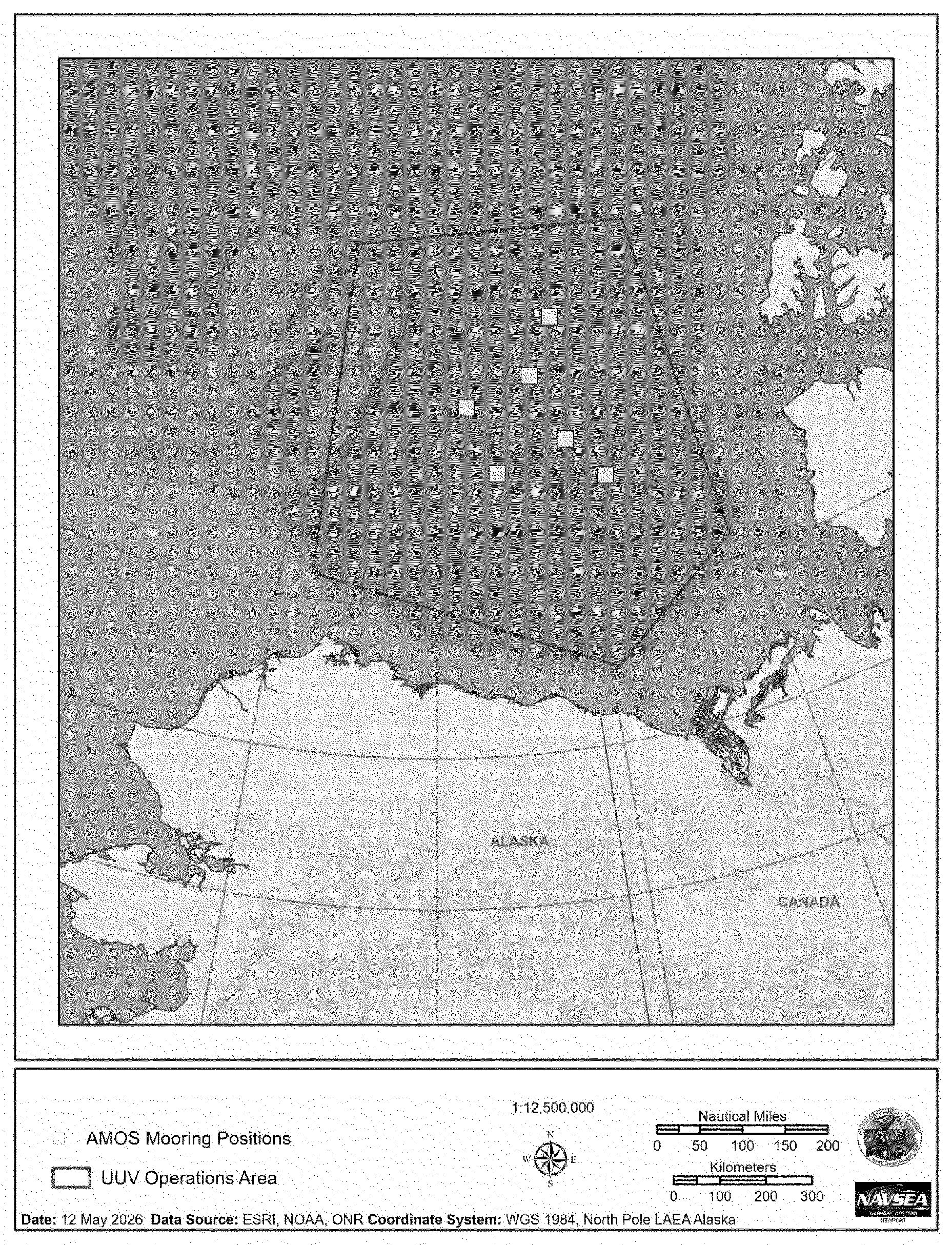
 marinemammalscience.org/science-and-publications/list-marine-mammal-species-subspecies/
 www.navymarinespeciesmonitoring.us/about/strategic-planning-process/