Endangered and Threatened Wildlife and Plants; Endangered Species Status for Key Ring-Necked Snake and Rim Rock Crowned Snake
We, the U.S. Fish and Wildlife Service (Service), determine endangered species status under the Endangered Species Act of 1973 (Act), as amended, for two Florida species, the Ke...
We, the U.S. Fish and Wildlife Service (Service), determine endangered species status under the Endangered Species Act of 1973 (Act), as amended, for two Florida species, the Key ring-necked snake (
Diadophis punctatus acricus) and the rim rock crowned snake (
Tantilla oolitica). This rule extends the protections of the Act to these species.
DATES:
This rule is effective August 20, 2026.
ADDRESSES:
This final rule is available at
www.regulations.gov.
Comments and materials we received on our October 14, 2022, proposed rule (87 FR 62614) are available for public inspection at
www.regulations.gov
at Docket No. FWS-R4-ES-2022-0022.
Availability of supporting materials:
Supporting materials we used in preparing this rule, such as the species status assessment reports, are available at
www.regulations.gov
at Docket No. FWS-R4-ES-2022-0022.
FOR FURTHER INFORMATION CONTACT:
Nikki Colangelo, Classification and Recovery Division Manager, U.S. Fish and Wildlife Service, Florida Ecological Services Field Office;
nikki_colangelo@fws.gov;
772-226-8138. Individuals in the United-States who are deaf, deafblind, hard of hearing, or have a speech disability may dial 711 (TTY, TDD, or TeleBraille) to access telecommunications relay services. Individuals outside the United States should use the relay services offered within their country to make international calls to the point-of-contact in the United States.
SUPPLEMENTARY INFORMATION:
Executive Summary
Why we need to publish a rule.
The Act (16 U.S.C. 1531et seq.) defines a “species” as including any subspecies of fish or wildlife or plants, and any distinct population segment of any species of vertebrate fish or wildlife which interbreeds when mature. Under the Act, a species warrants listing if it meets the definition of an endangered species (in danger of extinction throughout all or a significant portion of its range) or a threatened species (likely to become an endangered species within the foreseeable future throughout all or a significant portion of its range). If we determine that a species warrants listing, we must list the species promptly. We have determined that the Key ring-necked snake and the rim rock crowned snake both meet the Act's definition of an endangered species; therefore, we are listing them as such. Listing a species as an endangered or threatened species can be completed only by issuing a rule through the Administrative Procedure Act rulemaking process (5 U.S.C. 551et seq.).
What this document does.
We are listing both the Key ring-necked snake and the rim rock crowned snake as endangered species under the Act.
The basis for our action.
Under the Act, we may determine that a species is an endangered or threatened species because of any of five factors: (A) The present or threatened destruction, modification, or curtailment of its habitat or range; (B) overutilization for commercial, recreational, scientific, or educational purposes; (C) disease or predation; (D) the inadequacy of existing regulatory mechanisms; or (E) other natural or manmade factors affecting its continued existence. We have determined that the Key ring-necked snake and the rim rock crowned snake are facing threats due to development (Factor A), fire suppression (Factor A), and sea level rise and saltwater intrusion (Factor A).
List of Abbreviations and Acronyms
We use many abbreviations and acronyms in this rule. For the convenience of the reader, we define some of them here:
ac = acres
cm = centimeters
BO = Biological Opinion
DLC = Deering Estate/Ludlum Pineland Area/Chapman Field
EEL = environmentally endangered lands, as identified by the Environmentally
( printed page 45698)
Endangered Lands Program in Miami-Dade County, Florida
FEMA = Federal Emergency Management Agency
ft = feet
HCP = habitat conservation plan
ha = hectares
in = inches
km = kilometers
m = meters
mi = miles
mm = millimeters
NOAA = National Oceanic and Atmospheric Administration
RCP = representative concentration pathway
SSA = species status assessment
USGS = U.S. Geological Survey
USGCRP = U.S. Global Change Research Program
Previous Federal Actions
Please refer to our October 14, 2022, proposed rule (87 FR 62614) for a detailed description of previous Federal actions concerning the Key ring-necked snake and the rim rock crowned snake.
Peer Review
An SSA team prepared SSA reports for both the Key ring-necked snake and the rim rock crowned snake (Service 2023a, entire; Service 2023b, entire). The SSA teams were composed of Service biologists, in consultation with other species experts. The SSA reports represent a compilation of the best scientific and commercial data available concerning the status of the species, including the impacts of past, present, and future factors (both negative and beneficial) affecting the species.
In accordance with our joint policy with the National Marine Fisheries Service (NMFS) on peer review published in the
Federal Register
on July 1, 1994 (59 FR 34270), and our August 22, 2016, memorandum updating and clarifying the role of peer review of listing and recovery actions under the Act (
www.fws.gov/sites/default/files/documents/peer-review-policy-directors-memo-2016-08-22.pdf), we solicited independent scientific review of the information contained in the SSA reports. As discussed in our October 14, 2022, proposed rule (87 FR 62614 at 62616), we sent the Key ring-necked snake SSA report to five independent peer reviewers for review, including scientists with expertise in wildlife biology, herpetology, and conservation biology. We received two responses. We sent the rim rock crowned snake SSA report to five independent peer reviewers, including scientists with expertise in wildlife biology, herpetology, and conservation biology. We received three responses. The peer reviews can be found at
www.regulations.gov
at Docket No. FWS-R4-ES-2022-0022. In preparing the proposed rule, we incorporated the results of these reviews, as appropriate, into the SSA reports, which served as the foundation for the proposed rule and this final rule. A summary of the peer review comments and our responses can be found under Summary of Comments and Recommendations, below.
Summary of Changes From the Proposed Rule
Based on information provided during the October 14, 2022, proposed rule's comment period, we make the following changes to this final rule:
(1) We updated the reference for the sea level rise report cited in the proposed rule. In the proposed rule, the reference for that report was U.S. Geological Survey (USGS) 2019. Since the publication of the proposed rule, the results have been published in the journal “Conservation Science and Practice,” and we have updated the reference to now be Subedi et al. (2022). The results themselves were unchanged, so we did not revise the discussion of this information in the SSA reports and this final rule.
(2) Although updated sea level rise projections were released by NOAA (Sweet et al. 2022) subsequent to our completion of the SSA reports, we reviewed the updated projections and found that they do not alter our analyses of impacts to Key ring-necked snake and rim rock crowned snake habitat. Where appropriate, we added the Sweet et al. 2022 reference to the text of this rule.
(3) We updated information on habitat protections related to the HCP for Big Pine Key and No Name Key, which expired June 30, 2026.
(4) We made minor, nonsubstantive editorial revisions and corrections throughout this rule to ensure better consistency and to clarify information.
Beyond those changes, this final rule listing the Key ring-necked snake and rim rock crowned snake as endangered species is unchanged from what we proposed on October 14, 2022 (87 FR 62614).
Summary of Comments and Recommendations
In the proposed rule published on October 14, 2022 (87 FR 62614), we requested that all interested parties submit written comments on the proposal by December 13, 2022. We also contacted appropriate Federal and State agencies, scientific experts and organizations, and other interested parties and invited them to comment on the proposal. Newspaper notices inviting public comments for both species were published in the Key West Citizen and the Miami Herald. Due to the impact of Hurricane Ian, on November 28, 2022, we extended the public comment period to January 12, 2023, in order to allow all interested parties time to comment (see 87 FR 72958). We did not receive any requests for a public hearing. All substantive information received during the comment period has either been incorporated directly into this final determination or is addressed below.
Peer Reviewer Comments
As discussed above in Peer Review, we received comments from two peer reviewers on the draft SSA report for the Key ring-necked snake and three peer reviewers on the draft SSA report for the rim rock crowned snake. We reviewed all comments we received from the peer reviewers for substantive issues and new information regarding the contents of the SSA reports. Peer reviewer comments are addressed in the following summary. As discussed above, because we conducted these peer reviews prior to the publication of our October 14, 2022, proposed rule, we had already incorporated all applicable peer review comments into version 1.0 of both SSA reports, which serve as the foundation for the proposed rule and this final rule.
The peer reviewers generally concurred with our methods and conclusions. They provided additional information, clarifications, and suggestions to improve the final SSA reports, including on snake ecology, habitat use, and characterization of threats. No substantive changes to our analysis and conclusions within the SSA reports were deemed necessary, and peer reviewer comments are addressed in version 1.0 of the SSA reports and this final rule.
(1) Comment:
One reviewer questioned our assessment of water as essential to the rim rock crowned snake. They stated that some species in the same genus are found in deserts, and that the primary prey (centipedes, insects, and other small invertebrates) of the rim rock crowned snake is not reliant on water.
Our response:
Snakes in the genus
Tantilla
have a wide distribution, with the 76 recognized species ranging from the southern United States to northern Argentina (Powell et al. 2016, pp. 395-400). The available data on the rim rock crowned snake indicate that this species is associated with moist microhabitats and that it is vulnerable to desiccation (Powell et al. 2016, pp. 395-400). While we acknowledge that large bodies of water are not required by the species,
( printed page 45699)
we affirm that small amounts of available freshwater and warm, moist microhabitats are an appropriate individual need for the rim rock crowned snake.
(2) Comment:
One peer reviewer and one public commenter disagreed with our assessment of fire suppression as a threat to the rim rock crowned snake because some prescribed burning is occurring. The peer reviewer stated that even if we do conclude that fire suppression is a threat, we should not rank it as high risk. The public commenter highlighted recent prescribed burns in areas such as Richmond Pine Rocklands and Ned Glenn Nature Preserve, and they stated that we should reclassify those areas as moderate risk.
Our response:
In the SSA reports, we defined moderate risk as a level of fire suppression that would affect some suitable habitat and displace some individual snakes, but not at an extent to affect population resiliency. We defined high risk as a situation where a significant amount of suitable habitat would be lost due to fire suppression such that snake population resiliency would be impacted. At the time of the drafting of the SSA reports, the areas identified by the public commenter were considered highly fire suppressed. We acknowledge that conditions at some of these sites have improved in recent years due to some prescribed burning. However, despite management plans supporting prescribed fire, continuous cycles of burning can be disrupted due to urbanization or lack of available funding. We, therefore, conclude that the rank of high risk is appropriate for fire suppression in Miami-Dade County populations.
(3) Comment:
One peer reviewer, one member of a State agency, and several public commenters asked for clarification on the ranking of predation as low risk in Miami-Dade County, given previous issues with feral cats at some sites in the area. They noted potential effects of predation on the rim rock crowned snake and their eggs due to species such as red imported fire ants or feral cats. One commenter added that any effects of disease or invasive species would be very difficult to observe, due to the rarity of the species. Another urged us to carefully monitor the effects of cumulative impacts, including those associated with disease, predation, and invasive species.
Our response:
In the SSA reports for the species, we considered all threats impacting the Key ring-necked snake and the rim rock crowned snake, including disease and predation. Although we present summaries of only six threats in the October 14, 2022, proposed rule and in this final rule, we evaluated the cumulative effects of all threats, including disease and predation, and carefully considered them in the determination for each species. Although disease and predation may have low impacts on their own, combined with impacts of other threats, they could further reduce the already low numbers of Key ring-necked snakes or rim rock crowned snakes. Thus, we consider the ranking of disease and predation as low risk to be appropriate. We acknowledge that these threats could be difficult to detect, however, so we will continue to investigate the magnitude and interactions of threats and any potential identifiable impacts of disease and predation in recovery planning for the species.
We reviewed the literature, and there is no new information on predation that we did not consider in the SSA reports or the October 14, 2022, proposed rule.
Comments From Federal Agencies, States, and Tribes
We did not receive any comments from Federal agencies or from Tribal entities. We received one comment from the State of Florida, which is addressed above under
(3) Comment.
Public Comments
(4) Comment:
One commenter disagreed with our statement that we did not expect a future reduction in representation in Miami-Dade County for the rim rock crowned snake. The commenter noted that the populations in that county are under threat due to sea level rise, invasive species, and the overall rarity of the species.
Our response:
Based on our future scenarios for the rim rock crowned snake, we do expect a decrease in population resiliency in Miami-Dade County in the foreseeable future; that is, we expect that due to the impacts of fire suppression and sea level rise, rim rock crowned snake populations will be less likely to withstand stochastic events. However, we do not expect any changes in rim rock crowned snake representation; that is, we do not expect any changes in the ability of the species in that area to adapt to both near-term and long-term changes in its physical and biological environment. In the most pessimistic future scenario in Miami-Dade County, approximately 2.3 percent of pine rocklands habitat (52 ac (21 ha)) and 19 percent of rockland hammock habitat (113 ac (46 ha)) are forecasted to be impacted by sea level rise (see tables 5 and 6, below, for more details on projected future change to habitat due to sea level rise in Miami Dade County). Given that small amount of forecasted impact from sea level rise and limited information about invasive species' direct effect on the rim rock crowned snake, we do not expect a decrease in representation for the species in Miami-Dade County.
(5) Comment:
One commenter recommended that we re-evaluate the risk categories for sea level rise and saltwater intrusion in Miami-Dade County and recommended that some locations such as Arch Creek Park be scored as high risk rather than moderate risk.
Our response:
We reviewed our model estimating sea level rise and saltwater intrusion in Arch Creek Park and other coastal areas in Miami Dade County. Neither Arch Creek Park nor Barnacle Historic State Park (the areas closest to the coast in Miami-Dade County that we identify as currently occupied by the rim rock crowned snake) are projected to be inundated in any of our future scenarios. However, the risk remains moderate due to uncertainty regarding the extent that saltwater intrusion will transform habitat. Therefore, we conclude that moderate risk is appropriate for these two areas.
(6) Comment:
One commenter recommended we re-evaluate the risk category for development for all non-EEL properties in Miami-Dade County. The commenter thought all those lands should be listed as high risk of development given that they lack the protections of EEL properties. They did agree with the moderate risk of development for EEL properties, given that recreational development has occurred and that the lands are subject to secondary effects from development.
Our response:
The seven populations of rim rock crowned snake that we identified in Miami-Dade County (shown in table 4 of this rule) are located primarily on park lands, with very little private ownership. For example, Barnacle Historic State Park is owned and managed by the State of Florida. Other locations, such as the Bill Sadowski Park and the Deering Estate/Ludlum Pineland Area/Chapman Field (DLC) area, are a mix of public and private lands without EEL designations. (EEL properties are part of a taxpayer-funded program to protect environmentally endangered lands such as pine rocklands). Therefore, since only portions of the above areas are at risk of destruction due to development, we find our current ranking of these populations as having a moderate risk of the threat of development is appropriate. We define moderate risk as the level of development that would affect suitable habitat and displace some
( printed page 45700)
individual snakes, but not at an extent to affect snake populations.
I. Final Listing Determination
Background
Key Ring-Necked Snake
A thorough review of the taxonomy, life history, and ecology of the Key ring-necked snake (
Diadophis punctatus acricus) is presented in the SSA report (version 1.0; Service 2023a, pp. 2-5). The Key ring-necked snake is one of 14 distinct subspecies of ring-necked snakes in North America, all of which are subspecies of
D. punctatus.
It is one of the smallest subspecies of the Family Dipsadidae; an adult specimen will average between 6 and 10 in (15.2 and 25.4 cm). A recent review of phylogenetic data supports the current subspecies classification for the Key ring-necked snake (Hoffman 2019, entire).
This slender snake has a pale grayish-brown head; a grayish-black dorsal surface; and a yellow, orange, or bright red abdomen which fades to orange/red underneath the tail (Florida Fish and Wildlife Conservation Commission (FWC) 2013, p. 1). The pupil is round, and the juvenile color is similar to that of the adult (Ernst and Ernst 2003, p. 92; FWC 2013, p. 1). The characteristic neck ring is indistinct or virtually absent in both juveniles and adults.
Little life-history information is available on the Key ring-necked snake, especially as it relates to microhabitat, feeding, and reproduction. Life-history characteristics are thought to be similar to the southern ring-necked snake. In general, mating of ring-necked snakes can occur in the spring or fall, delayed fertilization is possible, and eggs are laid in June or early July. Females lay 1 to 10 eggs at a time each year (1 clutch per year) in covered, moist locations (Ernst and Ernst 2003, p. 95). Juveniles are thought to hatch in August and September.
Suitable habitat consists of pinelands, pine rocklands, tropical hammock, rockland hammock, limestone outcroppings, and rocky pine scrub areas (McDiarmid 1978, p. 41; Lazell 1989, p. 134; Auth and Scott 1996, p. 33; Enge et al. 2003, pp. 26-28). Most of the observations in the Florida Keys were from pine rocklands or nearby rockland hammocks. This subspecies appears to be restricted to areas near permanent freshwater that often occur as small holes in the oolitic (a sedimentary rock, usually limestone, composed of minute rounded concretions) substrate that underlies pine rocklands and rockland hammock habitat (Lazell 1989, pp. 134, 136). All
Diadophis
apparently require moist microhabitats to balance evaporative water loss from the body (Myers 1965, p. 4; Clark 1967, pp. 492-494).
Key ring-necked snakes have been documented on seven lower Florida Keys: Key West, Big Pine Key, Little Torch Key, Middle Torch Key, No Name Key, Cudjoe Key, and Stock Island (Auth and Scott 1996, p. 33; FWC 2011, p. 3; 2013, p. 1; Mays and Enge 2016, pp. 11, 13; Mays 2020, pers. comm.) (see figure 1, below). A unique characteristic of the Florida Keys is the thin (< 3.94 in (10 cm)) layer of sediment on the islands beneath which lies a bed of limestone, and below that a shallow layer of freshwater referred to as a freshwater lens (Subedi et al. 2022, p. 2-3). Because the density of freshwater is less than the underlying saltwater, it floats to the top and into the limestone rock formations where it becomes available to the island's biota. The volume of a freshwater lens fluctuates in response to rainfall, evapotranspiration, and human use (local wells).
Systematic recent surveys have not been conducted for the Key ring-necked snake across all of the Florida Keys; therefore, the true spatial distribution of populations throughout the Florida Keys is unclear and our current understanding of the subspecies' distribution is primarily based on historical records. Consequently, this subspecies may occur on Florida Keys other than those reported.
( printed page 45701)
Rim Rock Crowned Snake
A thorough review of the taxonomy, life history, and ecology of the rim rock crowned snake (
Tantilla oolitica) is presented in the SSA report (version 1.0; Service 2023b, pp. 10-20). The rim rock crowned snake is in the family Colubridae, part of the black-headed, crowned, and flat-headed snake genus
Tantilla,
with 76 currently recognized species ranging from the southern United States to northern Argentina (Powell et al. 2016, pp. 395-400). The rim rock crowned snake is most closely related to the southeastern crowned snake (
T. coronata) taxonomically, although it is located geographically closer to the Florida crowned snake (
T. relicta;
Ernst and Ernst 2003, pp. 353-355). No genetic analysis has been conducted on the rim rock crowned snake.
Rim rock crowned snakes have a black head (“cap”) that is continuous from snout to neck (“collar”), transitioning to tan or beige on its back, and a pinkish white to cream belly. There is often a pale blotch just behind the eye. Specimens from the Florida Keys may have a pale neckband that is not present in mainland specimens, separating the black cap from the black collar (Porras and Wilson 1979, pp. 218-220). Adults range from 7 to 9 in (18 to 23 cm) in length. Females reach a greater length than do males, but have shorter tails (Ernst and Ernst 2003, pp. 353-355). Hatchlings range from 3-3.5 in (7.5-9.0 cm) in length.
The reproduction, longevity, and diet of the rim rock crowned snake are unknown, but if it is similar to the closely related southeastern crowned snake, it probably matures at 2 years old and may live to be at least 5 years old in the wild (Todd et al. 2008, p. 392). There may be three eggs in a clutch, and they may be able to produce two clutches annually (Ernst and Ernst 2003, pp. 353-355). There is no information as to whether eggs or juvenile rim rock crowned snakes require different habitat than adults. Predators are likely larger snake species that inhabit the same areas. The rim rock crowned snake may also be preyed upon by the slender brown scorpion (
Centruroides gracilis), which is abundant in rockland habitat (Porras and Wilson 1979, pp. 218-220).
The rim rock crowned snake is a mostly fossorial (underground) species that inhabits shallow soil over limestone formations, and it can sometimes be found in rotten stumps and under anthropogenic surface detritus, fallen logs, and rocks (Duellman and Schwarz 1958, p. 306; Rochford et al. 2010, p. 99; Yirka et al. 2010, p. 386; FWC 2011, p. 3; Hines 2011, p. 353). These snakes are vulnerable to desiccation, so they usually occupy moist microhabitats (Powell et al. 2016, pp. 395-400). Refugia in pine rocklands and rockland hammock are provided by holes and crevices in the limestone, piles of rock rubble, pockets of organic matter accumulating in solution holes, and shallow depressions in the limestone (Enge et al. 2003, pp. 27-28). Rim rock crowned snakes likely come to the surface after rains (Porras and Wilson 1979, pp. 218-220), possibly because of flooding of their underground refugia.
The rim rock crowned snake has been historically found in the lower Florida Keys, in particular Key West and Big Pine Key; the upper Florida Keys; and the southeastern Florida peninsula within Miami-Dade County, in a variety
( printed page 45702)
of locations (see figure 2, below). Within this limited range, the rim rock crowned snake is found in pine rocklands and rockland hammock, which consist of a limestone substrate and outcroppings. Pine rocklands habitat is fire-maintained and dominated by pine trees and a diverse understory of grasses and forbs/herbs. In contrast, rockland hammock contains more hardwood shrubs and trees due to less fire influence. There are also occurrence records from human-altered habitats such as roadsides, vacant lots, and pastures with shrubby growth and slash pines (
Pinus elliottii) (Duellman and Schwarz 1958, p. 306; Hines 2011, pp. 352-356).
Because of the rim rock crowned snake's cryptic and fossorial nature, a method to formally census remaining populations throughout the species' range has not been developed. We based our understanding of the species' range on observational records and habitat suitability. Limited dispersal is thought to occur between rim rock crowned snake populations within the Florida Keys because there is no evidence that indicates they readily swim to other islands. Additionally, areas in Miami-Dade County where populations may remain are likely isolated from others due to physical barriers from a dense urban interface.
Regulatory and Analytical Framework
Regulatory Framework
Section 4 of the Act (16 U.S.C. 1533) and the implementing regulations in title 50 of the Code of Federal Regulations set forth the procedures for determining whether a species is an endangered species or a threatened species, issuing protective regulations for threatened species, and designating critical habitat for endangered and threatened species. On April 5, 2024, jointly with the National Marine Fisheries Service, the Service issued a final rule that revised the regulations in 50 CFR part 424 regarding how we add, remove, and reclassify endangered and threatened species and what criteria we apply when designating listed species' critical habitat (89 FR 24300). On the same day, the Service published a final rule revising our protections for endangered species and threatened species at 50 CFR part 17 (89 FR 23919). These final rules are now in effect and are incorporated into the current regulations. Our analysis for this final decision applied our current regulations. Given that we proposed listing these species under our prior regulations (revised in 2019), we have also undertaken an analysis of whether our decision would be different if we had continued to apply the 2019 regulations; we concluded that the decision would be the same. The analyses under both the regulations currently in effect and the 2019 regulations are available on
www.regulations.gov.
The Act defines an “endangered species” as a species that is in danger of extinction throughout all or a significant portion of its range and a “threatened species” as a species that is likely to become an endangered species within the foreseeable future throughout all or a significant portion of its range. The Act requires that we determine whether any species is an endangered species or a threatened species because of any of the following factors:
( printed page 45703)
(A) The present or threatened destruction, modification, or curtailment of its habitat or range;
(B) Overutilization for commercial, recreational, scientific, or educational purposes;
(C) Disease or predation;
(D) The inadequacy of existing regulatory mechanisms; or
(E) Other natural or manmade factors affecting its continued existence.
These factors represent broad categories of natural or human-caused actions or conditions that could have an effect on a species' continued existence. In evaluating these actions and conditions, we look for those that may have a negative effect on individuals of the species, as well as other actions or conditions that may ameliorate any negative effects or may have positive effects.
We use the term “threat” to refer in general to actions or conditions that are known to or are reasonably likely to negatively affect individuals of a species. The term “threat” includes actions or conditions that have a direct impact on individuals (direct impacts), as well as those that affect individuals through alteration of their habitat or required resources (stressors). The term “threat” may encompass—either together or separately—the source of the action or condition or the action or condition itself.
However, the mere identification of any threat(s) does not necessarily mean that the species meets the statutory definition of an endangered species or a threatened species. In determining whether a species meets either definition, we must evaluate all identified threats by considering the species' expected response and the effects of the threats—in light of those actions and conditions that will ameliorate the threats—on an individual, population, and species level. We evaluate each threat and its expected effects on the species, then analyze the cumulative effect of all of the threats on the species as a whole. We also consider the cumulative effect of the threats in light of those actions and conditions that will have positive effects on the species, such as any existing regulatory mechanisms or conservation efforts. The Secretary determines whether the species meets the definition of an endangered species or a threatened species only after conducting this cumulative analysis and describing the expected effect on the species.
The Act does not define the term “foreseeable future,” which appears in the statutory definition of threatened species. Our implementing regulations at 50 CFR 424.11(d) set forth a framework for evaluating the foreseeable future on a case-by-case basis, which is further described in the 2009 Memorandum Opinion on the foreseeable future from the Department of the Interior, Office of the Solicitor (M-37021, January 16, 2009; “M-Opinion,” available online at
www.doi.gov/sites/doi.opengov.ibmcloud.com/files/uploads/M-37021.pdf). The foreseeable future extends as far into the future as the Service can make reasonably reliable predictions about the threats to the species and the species' responses to those threats. We need not identify the foreseeable future in terms of a specific period of time. We will describe the foreseeable future on a case-by-case basis, using the best scientific and commercial data available and taking into account considerations such as the species' life-history characteristics, threat-projection timeframes, and environmental variability. In other words, the foreseeable future is the period of time over which we can make reasonably reliable predictions. “Reliable” does not mean “certain”; it means sufficient to provide a reasonable degree of confidence in the prediction, in light of the conservation purposes of the Act.
Analytical Framework
The SSA reports documents the results of our comprehensive biological review of the best scientific and commercial data available regarding the status of the two species, including an assessment of the potential threats to the species. The SSA reports do not represent our decision on whether the species should be listed as an endangered or threatened species under the Act. However, they do provide the scientific basis that informs our regulatory decisions, which involve the further application of standards within the Act and its implementing regulations and policies.
To assess the viability of the Key ring-necked snake and the rim rock crowned snake, we used the three conservation biology principles of resiliency, redundancy, and representation (Shaffer and Stein 2000, pp. 306-310). Briefly, resiliency is the ability of the species to withstand environmental and demographic stochasticity (for example, wet or dry, warm or cold years); redundancy is the ability of the species to withstand catastrophic events (for example, droughts, large pollution events); and representation is the ability of the species to adapt to both near-term and long-term changes in its physical and biological environment (for example, climate conditions, pathogens). In general, species viability will increase with increases in resiliency, redundancy, and representation (Smith et al. 2018, p. 306) Using these principles, we identified the species' ecological requirements for survival and reproduction at the individual, population, and species levels, and described the beneficial and risk factors influencing the species' viability.
The SSA process can be categorized into three sequential stages. During the first stage, we evaluated the individual species' life-history needs. The next stage involved an assessment of the historical and current condition of the species' demographics and habitat characteristics, including an explanation of how the species arrived at its current condition. The final stage of the SSA involved making predictions about the species' future condition, including responses to positive and negative environmental and anthropogenic influences. Throughout all of these stages, we used the best scientific and commercial data available to characterize viability as the ability of a species to sustain populations in the wild over time, which we then used to inform our regulatory decision.
In this discussion, we review the biological condition of the species and its resources, and the threats that influence the species' current and future condition, in order to assess the species' overall viability and the risks to that viability.
Key Ring-Necked Snake—Population and Subspecies Needs
In this discussion, we outline the resource needs of individuals and populations of the Key ring-necked snake. As part of the assessment, we first identify and describe the four most influential factors representing the individual and population needs for the subspecies: prey, refugia, water, and available suitable habitat. Due to the relative rarity of this subspecies and its
( printed page 45704)
secretive nature, many aspects of the life history of this taxon, as well as information on population status and trends, are poorly known. We rely upon ecologically and genetically similar species to draw inferences when data are lacking.
For prey, the Key ring-necked snake is assumed to be similar to other
Diadophis
species (such as the southern ring-necked snake), which prey upon small insects, snakes, lizards (anoles, geckos), slugs, amphibians (frogs, tadpoles), and earthworms (Ernst and Ernst 2003, p. 96; FWC 2013, p. 2).
Key ring-necked snakes require refugia to escape and hide from predators and to regulate body temperature. Refugia in pine rocklands and rockland hammock are likely provided by holes and crevices in the limestone, piles of rock rubble, and pockets of organic matter accumulating in solution holes and shallow depressions in the oolitic limestone (Enge et al. 2003, p. 28). Snakes are ectothermic organisms, which require an external heat source to warm their bodies in order to increase body function and productivity. Snakes can also become too hot, leading to desiccation. Therefore, a warm, moist habitat, typically subterranean or shielded from the sun, is likely a preferred refugium to escape from predators and to properly maintain homeostasis (suitable internal temperature and moisture levels).
Water is essential for Key ring-necked snake survival. This subspecies appears to be restricted to areas near permanent freshwater sources that often occur as small holes in the limestone (Lazell 1989, pp. 134, 136). The extensive network of holes, tunnels, and cavities in the limestone substrate most likely assists in creating more permanent water sources. During times of drought, these sources may become scarce and the Key ring-necked snakes may need to seek out other freshwater sources. Consequently, it is important for the Key ring-necked snake to have multiple freshwater sources in case one becomes depleted, contaminated, or unavailable. If all local water sources within a snake's home range become dry, the snake may need to expend more energy and time in search of new water sources.
The most influential need for population viability is available suitable habitat. Home range is defined as the area a snake traverses for its normal daily activities (Burt 1943, pp. 350-351; Miller 2008, p. 16). The specific acreage associated with the Key ring-necked snake's home range is unknown; however, an individual was documented traveling 154.2 ft (47 m) between coverboards (Lazell 1989, p. 134). Over 400 mark recapture measurements of ring-necked snakes in Kansas indicated a mean travel distance of 262 ft (80 m) with a maximum distance of 5,577 ft (1,700 m) (Fitch 1975, p. 25). In another study, a different ring-necked snake subspecies (
Diadophis punctatus edwardsii) in northern Michigan was documented to travel between 20 ft (6 m) and 1 mi (1,609 m) (Blanchard et al. 1979, pp. 382, 385). Thus, although ring-necked snakes generally only move within a small home range, they will occasionally disperse over longer distances through suitable habitat.
In regard to population size and distribution of the Key ring-necked snake, there may be either distinct, non-interbreeding populations at each Key, or some occasional but rare level of dispersal from rafting (oceanic dispersal whereby a species travels between islands on a mass or raft of vegetation) between Keys, providing at least a small level of connectivity between individual populations. Because the Key ring-necked snake appears to be isolated to the Florida Keys, the relatively small archipelago of islands can each support only a small number of individuals (or separate populations).
Due to the cryptic nature of the Key ring-necked snake and limited research on the subspecies, there is virtually no information concerning the population structure and demographics exhibited by this subspecies. Additionally, no information exists on the abundance (number of individuals) or growth rate of these populations. Therefore, we base our assessment of the health and resiliency of these populations on the condition of its habitat as a proxy. That said, continued occurrence of populations over time at known locations suggest some ability to withstand stochastic events on the Keys, historically.
Populations of the Key ring-necked snake are supported by the existence of suitable available habitat (pine rocklands and rockland hammock) across the subspecies' range. Therefore, a strong correlation to habitat availability and Key ring-necked snake populations can be assumed, but not at a level of certainty in which the presence of suitable pine rocklands or rockland hammock habitat can be used as a surrogate for Key ring-necked snake presence.
Passive dispersal of individual Key ring-necked snakes among the Florida Keys may be occurring on a very limited and random basis. The level to which immigration and emigration via dispersal acts as a factor towards population resiliency and prevention against extinction for this subspecies is unknown. Many of the Florida Keys have yet to be surveyed for Key ring-necked snakes, but if occupied, they could act as “stepping stones” in the random dispersal of individual snakes by way of swimming or rafting. That said, due to the limited size of the Florida Keys, the distance between the Keys, and the fact that swimming has not been documented in Key ring-necked snakes, dispersal is not likely, and, thus, it has a limited influence on population dynamics.
Because systematic recent surveys have not been conducted for the Key ring-necked snake across all of the Florida Keys, the true spatial distribution of populations throughout the Florida Keys is unclear and our current understanding of the subspecies' distribution is primarily based on historical records.
As discussed above, widely distributed populations offer better redundancy than if the populations all occur in close proximity and are vulnerable to similar threats at the same intensity or timing. Because of the Key ring-necked snake's limited geographic range, the species is exposed to threats concurrently and of similar frequency, intensity, and duration across its range. For example, the entire subspecies is vulnerable to the effects of a hurricane passing over the Florida Keys. Additionally, the extent of suitable habitat is naturally limited in the Keys. Consequently, there is little natural redundancy or “backup” for the available habitat, and natural expansion or movement of the subspecies to new areas is not probable. The minimum number of sufficiently resilient populations necessary to sustain the subspecies is unknown. Based on the presence of pine rocklands and rockland hammock habitat (total acreage 7,006 ac (2,835 ha)) in the upper Florida Keys, redundancy could be higher if discrete populations occur across the upper Florida Keys. However, the range of this subspecies appears to be restricted to the lower Florida Keys (Mays 2020, pers. comm.). Given the low likelihood of dispersal between islands, we considered islands in the lower Florida Keys (Key West, Big Pine Key, Little Torch Key, Middle Torch Key, No Name Key, Cudjoe Key, and Stock Island) as separate Key ring-necked snake populations.
As currently indicated, the Key ring-necked snake occupies a small geographic area, making it vulnerable to large-scale threats (for example, storm events/hurricanes, sea level rise) that
( printed page 45705)
affect the entire Florida Keys archipelago.
Because of the Key ring-necked snake's narrow geographic and ecological range, there is little variation in habitat types occupied. Also, the Key ring-necked snake does not occur across different ecosystems or have access to different systems in which to adapt. Therefore, the Key ring-necked snake has a narrow breadth of genetic and environmental diversity within and among populations.
Rim Rock Crowned Snake—Population and Species Needs
As part of the population needs assessment for the rim rock crowned snake, we identified and described the most influential factors (available prey, water, refugia, and suitable habitat) representing the individual and population needs for the species.
The diet of rim rock crowned snakes probably consists of centipedes, insects, and other small invertebrates, similar to the diet of other members of the genus
Tantilla.
Prey eaten by wild and captive
T. coronata
include tenebrionid beetle larvae, earthworms, snails, centipedes, spiders, cutworms, wireworms, and termites and their larvae (Ernst and Ernst 2003, pp. 353-355). We do not know what the prey-related requirements (abundance, variety, range, etc.) are to maintain viability.
Water is essential for the survival of the rim rock crowned snake. We have no specific information on the amount of water the species requires; however, similar species of
Tantilla
tend to survive in warm, moist conditions where water is intermittently available. Small amounts of water can be found in depressions and holes in the limestone substrate, which fill from rainfall or overnight dew. The extensive network of holes, tunnels, and cavities in the limestone substrate may also lead to more permanent water sources. During times of drought, these sources may become scarce, and the snake may need to seek out other freshwater sources. The rim rock crowned snake must have multiple freshwater sources in case one becomes depleted, contaminated, or unavailable. If all local water sources within a snake's home range become dry, the snake may need to expend more energy and time in search of new water sources.
Rim rock crowned snakes require refugia to escape and hide from predators and to regulate body temperature. Refugia in pine rocklands and rockland hammock are provided by holes and crevices in the limestone, piles of rock rubble, and pockets of organic matter accumulating in solution holes and shallow depressions in the limestone (Enge et al. 2003, pp. 27-28). Snakes are ectothermic organisms, which require an external heat source for homeostasis. Snakes can also become too hot, consequently leading to desiccation. Therefore, a warm, moist habitat, typically subterranean or shielded from the sun, is likely a preferred refugium to escape from predators and to properly maintain homeostasis.
We do not know how much suitable habitat and habitat connectivity is required to maintain the rim rock crowned snake's viability. An observation of a rim rock crowned snake was recorded (Hines 2011, pp. 352-356) at the Barnacle Historic State Park in Coconut Grove, Miami, Florida, a site that consists of only 6 ac (2 ha) of rockland hammock habitat. We do not know if pine rocklands or rockland hammocks are more suitable for the rim rock crowned snake, as they have been observed in both. Home range is defined as the area a snake traverses for its normal daily activities (Burt 1943, pp. 350-351; Miller 2008, p. 16). The rim rock crowned snake's home range size is unknown.
Rim rock crowned snake populations need abundant individuals within habitat patches of adequate area and quality to maintain survival and reproduction despite disturbance. Therefore, a strong correlation to habitat availability and rim rock crowned snake populations can be assumed, but not at a level of certainty in which the presence of suitable pine rocklands or rockland hammock habitat can be used as a surrogate for rim rock crowned snake presence.
Despite these uncertainties, data indicate that the limited and patchy distribution of occupied suitable habitat is negatively affecting population resiliency across the species' range. The majority of suitable rim rock crowned snake habitat in southeastern Miami-Dade County and the Florida Keys has been developed and is highly impacted by human activities. Additionally, the Florida Keys are limited naturally in their land area.
Dispersal of individual snakes among the fragmented suitable habitat in Miami-Dade County could occur, but if it does, it is expected to be on a limited and random basis. The level to which immigration and emigration via dispersal influence population resiliency and extinction risk is unknown. Aboveground dispersal may not be as effective in a highly urbanized environment. The limited size of the suitable habitat and the distance of urban barriers between them suggest that dispersal is unlikely to currently influence the population dynamics. Because the underlying rock ridge throughout Miami-Dade County is porous, there is potential for individuals to use it as a means of dispersal to avoid urban barriers. If used, it could allow more successful random dispersal of individual snakes than aboveground means. However, the extent of influence of dispersal remains largely unknown.
In the Florida Keys, passive dispersal of individual snakes among keys may be occurring on a very limited and random basis. The level to which immigration and emigration via dispersal acts as a factor towards population resiliency and prevention against extinction for this species is unknown. Many of the Florida Keys have yet to be searched, but if occupied, they could act as “stepping stones” in the random dispersal of individual snakes. However, the limited size of the Florida Keys and the distance between them means that dispersal is not likely; thus, it currently has a limited influence on population dynamics.
No recent surveys have been conducted for the rim rock crowned snake; therefore, the true spatial distribution of populations throughout Miami-Dade County and the Florida Keys is unclear, and our current understanding of the species' distribution is primarily based on historical records. Consequently, this species may very well occur in areas in Miami-Dade County or the Florida Keys other than those reported, and the importance of the other areas (other than those with identified populations) to the overall species' resiliency is unclear. To date, no genetic analysis has been conducted on the rim rock crowned snake. Consequently, it is unknown whether or not genetically discrete populations exist in the upper or lower Florida Keys or Miami-Dade County where this species has been historically reported. No information exists on the abundance or growth rate of these populations.
Having multiple populations distributed across the landscape offers better redundancy than if the populations all occur in very close proximity and are vulnerable to stressors with the same intensity or timing. For example, the entire species is vulnerable to the effects of a hurricane passing over south Florida. Limited acreage of suitable habitat remains in Miami-Dade County and the Florida Keys; consequently, there is limited opportunity for natural expansion, and movement of the species to new areas is not probable.
( printed page 45706)
Species redundancy for the rim rock crowned snake is provided by individuals being distributed across Miami-Dade County and the upper and lower Florida Keys. Despite a level of redundancy provided by the discrete populations and individuals found dispersed across Miami-Dade County and the Florida Keys, the rim rock crowned snake has limited redundancy because of its small endemic range. For some large-scale stressors (storm events and hurricanes) that affect southeastern Florida and the Florida Keys, the species is vulnerable to the timing and intensity of impacts. Overall, the rim rock crowned snake needs multiple, interconnected, healthy populations across its range.
Given the low likelihood of dispersal between islands, we considered islands in the Florida Keys as separate rim rock crowned snake populations. Specifically, populations in the upper Keys, north Key Largo, south Key Largo, Plantation Key, Upper Matecombe Key, Lower Matecombe Key, and Marathon (Grassy and Vaca Keys) are considered separate populations. In the lower Keys, Big Pine Key and Key West are considered separate populations. Similarly, due to physical barriers (roads, structures, canals, etc.), we consider the Miami-Dade County locations as distinct populations: Arch Creek Park, Barnacle Historic State Park, DLC, Ned Glenn Nature Preserve, Rockdale Pineland Preserve, and Richmond Pine Rocklands Tract (Zoo Miami).
With regard to representation, the rim rock crowned snake occurs across a narrow geographic and ecological range. Consequently, there is no variation across distance or elevation for the rim rock crowned snake as there is for other wider-ranging species. The rim rock crowned snake has not been found to occur across different ecosystems, and it is not known if it disperses farther from the limestone rock ridge in southeastern peninsular Florida.
As mentioned previously, no genetic analyses have been conducted on the rim rock crowned snake. Hence, the genetic diversity of this species is unknown, and there is little environmental diversity beyond the two habitat types where the species is found. Similarly, it is unclear if there are morphological or behavioral differences between different rim rock crowned snake populations.
Threats Discussion
Following are summary evaluations of six threats analyzed in the SSAs for both the Key ring-necked snake and the rim rock crowned snake: Development (Factor A), fire suppression (Factor A), sea level rise (Factor A), saltwater intrusion (Factor A), shifts in seasonal patterns of rainfall and temperature (Factor A), and storm events (Factor A). We also evaluate existing regulatory mechanisms (Factor D) and ongoing conservation measures.
In the SSAs, we also considered four additional threats: Overutilization due to recreational, educational, and scientific use (Factor B); disease (Factor C); predation (Factor C); and invasive species (Factor E). We concluded that, as indicated by the best available scientific and commercial information, these threats are currently having little to no impact on either the Key ring-necked snake or the rim rock crowned snake and their habitats, and thus their overall effect now and into the future is expected to be minimal. Therefore, we will not present summary analyses of those threats in this document, but we consider them in our cumulative assessment of impacts to the species. For full descriptions of all threats and how they impact the species, please see both SSA reports (Service 2023a, pp. 9-21; Service 2023b, pp. 25-40).
Key Ring-Necked Snake—Current Threats and Condition
For the Key ring-necked snake, we considered threats and population resiliency on the scale of individual islands.
Development
The Key ring-necked snake inhabits a variety of rockland habitat in Monroe County that has been and is still desirable for residential and commercial development (Service 1999, p. 3-174). Over half of the rockland habitat within the Florida Keys has been and continues to be altered, degraded, or destroyed for residential and commercial development (Hodges and Bradley 2006, pp. 8-9). Urban development and historical land use for agriculture have greatly reduced the extent of pine rocklands in the Florida Keys. Additionally, the quality of some pine rocklands has declined in the Keys because the remaining habitat patches are isolated and confined by surrounding urban development. Although individual snakes show some tolerance of habitat alteration, development and conversion of suitable snake habitat can impact all life stages of the Key ring-necked snake. In addition to direct impacts from loss of soils for nesting and movement and the loss of shelter and shade for adult snakes, ground cover and availability of invertebrate food sources can be reduced. Indirectly, connectivity is further decreased, hindering the finding of mates and the dispersal to new locations by juveniles.
Currently, total habitat area potentially available to Key ring-necked snakes in the lower Florida Keys consists of 1,899 ac (769 ha) of pine rocklands habitat and 3,806 ac (1,540 ha) of rockland hammock habitat (Subedi et al. 2022, pp. 6-7). While the hammock habitats are widespread across many islands in various sizes, pine rocklands remain on only five islands in the lower Florida Keys. One of these islands, Big Pine Key, has 1,480 ac (599 ha) (78 percent) of total pine rocklands area, while other Keys (Little Pine Key, No Name Key, Cudjoe Key, and Sugarloaf Key) contain only small areas of hardwood-invaded pine rocklands. The Florida Keys Carrying Capacity Study conducted in 2003 (Monroe County 2016, entire), concluded that development in the Florida Keys has surpassed the carrying capacity of upland habitats to maintain their ecological integrity, that any further development in the Florida Keys would exacerbate secondary and indirect impacts to remaining habitat, and that any further urbanization in areas dominated by native vegetation would exacerbate habitat loss and fragmentation.
Some habitat protections are currently in place for the Key ring-necked snake. In 2006, Monroe County implemented an HCP for Big Pine Key and No Name Key that incorporates guidelines and recommendations from the 2003 study. The primary goal of the HCP is to maintain and implement a system that directs future growth to meet goals, including to protect natural resources and to encourage a compact pattern of development. Subsequently, future development on these islands must meet the requirements of the HCP. Furthermore, to fulfill the HCP's mitigation requirement, Monroe County actively acquired parcels of high-quality habitat for listed species and managing them for conservation, including pine rocklands habitat on Big Pine Key and No Name Key. This HCP expired on June 30, 2026. In coordination with Monroe County, the Service is incorporating provisions from the HCP into an existing FEMA flood management BO. The BO will provide the same habitat protections as the HCP and the County will continue to acquire parcels of land for listed species (Service 2026, entire). Although the Key ring-necked snake was not a covered species under this HCP, we expect the habitat protections afforded by the HCP and the BO to provide the Key ring-
( printed page 45707)
necked snake some protection from development.
Suitable habitat for the Key ring-necked snake is protected within preserves such as the Florida Keys National Wildlife Refuge Complex. The complex spans two Key ring-necked snake populations on No Name Key and Big Pine Key. Overall, 4,711.36 ac (1,906.62 ha) (82.6 percent) of pine rocklands and rockland hammock habitats in the lower Keys are protected or under conservation (Florida Natural Areas Inventory (FNAI) 2019, unpaginated). The remaining suitable habitat for the Key ring-necked snake is extremely vulnerable to development. Other than these protections for suitable habitat, the existing regulatory mechanisms and conservation measures do not address the impacts of development.
The effects of development have the potential to reduce individual survival of Key ring-necked snakes and, therefore, may decrease population resiliency. Resiliency may be further reduced due to loss of connectivity between populations, both as dispersal within populations as they become fragmented and dispersal between occurrences on individual islands. Similarly, because the Key ring-necked snake is endemic to only a few lower Florida Key islands, losing even a few populations to the effects of development would result in a substantial reduction in subspecies redundancy. The Monroe County HCP may prevent further development of pine rocklands, although population resiliency would continue to decline as habitats remain degraded due to impacts associated with existing development.
Fire Suppression
In addition to historical loss of habitat via urban development and agriculture, the quality of pine rocklands has declined due to fire suppression. Further, the quality of some pine rocklands has declined in the Keys because they are isolated and confined by surrounding urban development that restricts the use of prescribed fire, which is the principal management tool. Prescribed fire must be periodically introduced to sustain the pine rocklands community structure. In the absence of fire, pine rocklands are invaded by many of the species found in hardwood hammocks, they lose their herbaceous flora, and they move along a successional trajectory toward hammock (Service 1999, pp. 3-173). These rockland hammocks are generally present where pine rocklands were not burned for a long period of time, leading to pine rocklands fragmentation. This fragmentation in turn increases the risk of invasion by exotic vegetation along the interface with disturbed or developed areas, further altering, degrading, or destroying suitable habitat for the Key ring-necked snake.
Although Key ring-necked snakes occur in areas where fire has been suppressed, pine rocklands habitat quality is reduced by lack of fire. Thus, fire suppression has the potential to reduce population resiliency through ongoing habitat degradation.
Effects of Sea Level Rise, Saltwater Intrusion, Shifts in Seasonal Patterns of Rainfall and Temperature, and Storm Events
The predominant threats currently affecting the Key ring-necked snake and its habitat are sea level rise, saltwater intrusion, shifts in seasonal patterns of rainfall and temperature, and storm events (Service 2023a, pp. 23-28). The entire Florida Keys archipelago is being affected by increases in sea level, saltwater intrusion, increases in tide and tidal flooding, and shifts in seasonal climate patterns.
Sea level rise
—The Key ring-necked snake is vulnerable to current and predicted sea level rise across its entire range because it is located only in the Florida Keys, where the effects of increasing sea levels, higher tidal surges, increased coastal and inland flooding, and saltwater intrusion are currently being experienced (Benedict et al. 2018, pp. 9, 13, 31, 7-i; Service 2019, p. 1). The Florida Keys are among the most vulnerable areas to the effects of sea level rise due to their low mean elevation of less than 4 ft (1.2 m) (Service 2019, p. 9). Consequently, the lowest parts of the Florida Keys are highly susceptible to flooding, with parts of the islands farther upland at risk of inundation and saltwater intrusion.
Global sea level has increased by 8 to 9 in (0.20 to 0.23 m) since 1880, with the rate of increase doubling over the past 20 years (Service 2017, p. 5). From 1913 to 2018, the mean high-water line on Key West rose 0.09 in (0.23 cm) per year (NOAA 2019, unpaginated; Service 2023a, figure 3). On Vaca Key, sea levels rose 0.14 in (0.36 cm) per year between 1971 (start of data collection) and 2018 (NOAA 2019, unpaginated; Service 2023a, figure 3).
Recent analysis is now indicating an accelerated rate of sea level rise for the eastern United States above that of the global rate (Park and Sweet 2015, entire; Sweet et al. 2017, pp. 39-41; Sweet et al. 2022, pp. 20-21). The accelerated sea level rise in south Florida is being attributed to shifts in the Florida Current due to added ocean mass brought on by the melting Antarctic and Greenland ice packs and thermal expansion from the warming ocean (Park and Sweet 2015, entire; Rahmstorf et al. 2015, entire; Deconto and Pollard 2016, p. 596; Sweet et al. 2017, pp. vi, 14, 15, 18; Sweet et al. 2022, pp. 22-23). For this reason, adding approximately 15 percent to global mean sea level rise projections is recommended for southeast Florida and the Florida Keys (Park and Sweet 2015, entire;). The most recent intermediate sea level scenario for the Florida Keys projects a 1.1 to 1.2 m (3.6 to 3.9 ft) increase by 2100 (Sweet et al. 2022, pp. 20-21).
The effects of sea level rise are likely to impact the Key ring-necked snake both through loss of individuals during flooding events, and alteration of suitable habitat, causing a loss in population resiliency. If flooding is severe enough, it could extirpate entire populations, leading to a substantial loss of redundancy.
Saltwater intrusion
—Higher tidal surges, coastal and inland flooding, and saltwater intrusion due to increasing sea levels are currently being experienced in the Florida Keys. In the Florida Keys, high tide flooding events primarily affect low-lying coastal areas and exposed pine rocklands and rockland hammock habitats. With worsening storms and extreme tidal events, storm surges along the Florida Keys will increase in frequency and severity over time and will impact habitats farther inland. Additionally, with continued increase in sea level rise, high tide/king tide flood frequencies are also expected to rapidly increase, with potentially severe damage to remaining rockland habitat. Pine rocklands species, particularly the dominant canopy species (slash pine), have little ability to tolerate saltwater (Subedi et al. 2022, p. 6).
Salt from ocean water deposited during these high-water events has the potential to remain in place in and under the soil for long periods of time, which negatively impacts vegetative growth. For pine rocklands and rockland hammock forests to be sustained in such an ecosystem, nutrient cycling must be extremely efficient (that is, there can be little leaching of nutrients beyond the root zone).
In other instances, the effects of more powerful storm surges, rising sea levels, and saltwater intrusion of the islands' freshwater lens have contributed to the conversion and loss of pine forest habitat in the Florida Keys to more halophilic (salt-loving) vegetation such as mangroves and buttonwood
( printed page 45708)
(Alexander 1976, pp. 219-222; Ross et al. 1994, pp. 151-154). As discussed above in Background, a unique characteristic of the Florida Keys is the existence of a freshwater lens below each island that is critically important for humans, flora, fauna, and a variety of habitats. Consequently, pine rocklands habitat has already undergone a significant reduction in the Florida Keys due to sea level rise and saltwater intrusion (Ross et al. 1994, p. 154). Currently, some of these areas are occupied by halophytic (salt-tolerant) vegetation such as mangroves and buttonwood (Alexander 1976, pp. 219-222) owing to high tide flooding as a result of rising sea level but also due to saltwater intrusion of the islands' freshwater lens. Over time, further vegetation succession will result in halophytic vegetation dominance on the remaining land and more expansive estuaries across much of the island.
Overall, saltwater intrusion from storm surge and flooding causes the loss of habitat, habitat conversion, and reduction in the capacity of freshwater storage and the freshwater resources relied upon by the Key ring-necked snake to maintain its thermoregulatory requirements. These effects will continue to result in the loss of suitable habitat, displacement landward to less suitable habitat, and the loss of individual Key ring-necked snakes.
Shifts in seasonal patterns of rainfall and temperature
—In the United States, the average temperatures have increased by 1.3 to 1.9 degrees Fahrenheit (°F) (0.77 to 1.1 degrees Celsius (°C)) since recordkeeping began in 1895 (Service 2017, p. 2). The decade from 2000 to 2009 is documented as the warmest on record (Service 2017, p. 2). Since 1991, average temperatures in south Florida have increased 1.5 °F (0.83 °C) or more (Service 2017, p. 2).
We presume that the normal range of temperatures in which activity occurs for the Key ring-necked snake is consistent with that which it has experienced in south Florida. Any continuously higher average number of hot days out of the Key ring-necked snake's optimum range or a permanent shift in average air temperature out of this range has the potential to cause physiological stress. In more extreme cases, once an ectothermic organism is exposed to a temperature outside of its activity temperature range, it is closer to reaching a critical thermal maximum/minimum, in which locomotion becomes uncoordinated and the animal loses its ability to escape conditions that will lead to its death (Zug et al. 2001, pp. 179-188). Key ring-necked snakes may become more vulnerable to situations involving critical thermal maximum when habitat loss and fragmentation limit its ability to move or find suitable microhabitats. Additionally, ambient temperature out of the optimal range will physically influence the environment of nests, which may modify incubation periods, embryo temperatures, egg survival, and hatching times. Physiological stress can also result in a variety of risks, including increased predation, reduced reproductive performance, and reduced foraging success.
Precipitation patterns are also changing. Since 1900, annual average precipitation in south Florida has increased by 5 to 10 percent (Service 2017, p. 4). Shifts in seasonal rainfall events are also currently being documented (USGCRP 2018, pp. 745-808). The south Florida dry season (November through April) has become wetter, the rainy season (May through October) has become drier, and current projections show that this trend will continue. This will likely have detrimental effects on the Key ring-necked snake's seasonal feeding, breeding, and sheltering patterns. Heavy downpours are currently increasing and have especially increased over the last 30 to 50 years. The frequency and intensity of heavy downpours in the Florida Keys have increased by 27 percent since the 1970s (Service 2017, p. 4). Increased inland flooding is predicted during heavy rain events in low-lying areas. With worsening storms, storm surges along coastlines become stronger and push farther inland. Consequently, more powerful storm surges will exacerbate the effects of the increased sea level along the Florida Keys' shorelines.
Currently, the existing regulatory mechanisms and conservation measures do not address the impacts of shifting seasonal patterns of rainfall and temperature. Although changes in seasonal weather patterns in south Florida have been documented (Service 2017, entire), direct impacts on the Key ring-necked snake's habitat have not been observed. However, with increased flooding events and sea level rise, the magnitude of this threat could increase into the future, decreasing population resiliency across the range of the subspecies.
Storm events
—There has been a substantial increase in a number of Atlantic hurricane characteristics since the early 1980s, the period during which high-quality satellite data first became available. These include measures of intensity, frequency, and duration as well as the number of strongest (Category 4 and 5) storms (Walsh et al. 2014, p. 20). Strong rainstorms, tropical storms, and hurricanes are all-natural parts of a tropical ecosystem. However, although these events are common occurrences, the vulnerability of Key ring-necked snake populations increases as the quantity and quality of their habitat is compromised. This is especially true when the frequency of storm surges increases without adequate time for habitats to recover.
Hurricane activity has been above normal since the Atlantic Multi-Decadal Oscillation (the natural variability of the sea surface temperature in the Atlantic Ocean) went into its warm phase around 1992. The incidence of tropical storms in southeast Florida (including the Keys) is above normal, and this frequency is expected to increase (Sweet et al. 2017, pp. 39-41; Sweet et al. 2022, pp. 20-21).The intensity of the storms is expected to increase by approximately 20 percent (Service 2017, p. 7), which will result in larger tidal storm surge and greater destruction than historically documented. Ecosystem resiliency is reduced when impacts by extreme events such as floods or storms occur (Service 2017, p. 7). Saltwater intrusion from storm surge and flooding results in displacement landward to less suitable habitat and the loss of individual Key ring-necked snakes. The limestone substrate, on which snakes rely for cover, prey, and nesting, will become flooded more frequently, resulting in a higher frequency and longevity of displacement and stress.
Information on how strong storms impact this subspecies is lacking. However, information does exist on the impacts to habitat from hurricanes and other strong storms that have occurred in the region, providing some insight of the potential damage and loss to the Key ring-necked snake from such storms. These events likely disturb and reduce the quantity and quality of their resources (such as food and cover) and may do so significantly depending upon the severity and proximity of the storm center. This is particularly true when storm surges bring in nutrient-rich sediment that exacerbates soil accretion, salt deposition, and vegetation loss (Dingler et al. 1995, p. 296; Jackson et al. 1995, p. 321).
Additionally, saltwater surges and short-term flooding of upland habitats from strong storms and hurricanes in the Keys have the potential to kill some Key ring-necked snakes and their prey. In 2005, Hurricane Wilma (Category 3) passed just north of the Florida Keys, causing maximum storm tides 5 to 6 ft (1.5 to 1.8 m) above mean sea level in Key West and flooding approximately
( printed page 45709)
60 percent of the city. On Boca Chica and Big Pine Keys, Hurricane Wilma caused a storm surge of 5 to 8 ft (1.5 to 2.4 m) (Kasper 2007, pp. 10-16). In 2017, the combined effect of storm surge and the tide from Hurricane Irma produced maximum inundation levels of 5 to 8 ft (1.5 to 2.4 m) above ground level for portions of the lower Florida Keys from Cudjoe Key eastward to Big Pine Key and Bahia Honda Key, near and to the east of where Irma's center made landfall as a Category 4 storm (Cangialosi et al. 2018, pp. 8-9). A storm surge of 13 ft (4 m) would completely submerge Big Pine Key (Lopez et al. 2004, p. 284).
Currently, the existing regulatory mechanisms and conservation measures do not address the impacts of storm events. The effects of storm events have the potential to reduce individual survival, which could then lead to a reduction in the snake's resiliency and redundancy. While past storms have not resulted in complete inundation of islands, an increase in the intensity and frequency of storms or a direct hit from a strong hurricane could cause significant reductions in subspecies numbers, further limiting the subspecies' population resiliency and making it even more vulnerable to all other threats.
Summary of Threats
Multiple threats are currently impacting the Key ring-necked snake and its habitat. Although individual populations are less likely to be completely lost to development, ongoing habitat degradation associated with urbanization of both pine rocklands and rockland hammock habitat and fire suppression of pine rocklands are continuing to reduce the availability of the features that individual Key ring-necked snakes need for feeding, breeding, and sheltering, thus decreasing population size and, therefore, resiliency. Because of the current barriers to dispersal from development, recolonization is unlikely after a population is isolated.
Even minor threats that impact just a few individuals in a population need to be considered for their additive effects. For example, threats like predation and invasive species may have low impacts on their own, but combined with impacts of other threats, they are further reducing already low numbers of Key ring-necked snakes. These minor threats were considered cumulatively for their effects to the Key ring-necked snake and, while they may reduce the numbers for some individual populations, were currently found not to impose negative effects at the population level.
Additionally, various threats can originate from a similar cause but produce interdependent effects on the subspecies. For example, greenhouse gas emissions increase the rate and severity of climatic changes, which act in combination as threats on the subspecies. These include sea level rise, seasonal shifts in timing and amounts of precipitation, shifts in temperature patterns, and increased storm intensities that affect the subspecies. Sea level rise reduces available habitat. Because the average high-water line is now higher than historical levels, areas not typically flooded are now flooded on a more regular basis. The rate of sea level rise in the Florida Keys—specifically at NOAA's KYWF1-8724580 Key West ocean data buoy—had been an average rate of 0.09 inch per year (2.3 mm per year) prior to the previous decade (1990s; NOAA 2016, unpaginated). In the early 2000s, sea level rise began to accelerate exponentially and was estimated at 0.3 inch per year (7.6 mm per year) in 2016 (NOAA 2016, unpaginated).
The severity of threats may also be exacerbated by the Key ring-necked snake's limited distribution and small population size. There are no records that demonstrate that the Key ring-necked snake was ever distributed beyond the lower Florida Keys. Thus, it has, and probably has always had, low natural redundancy. Currently, it is found only on seven lower Florida Key islands. Rarity is not in itself a threat; however, small population size can exacerbate the effects of ongoing threats, making the subspecies more vulnerable to extirpation. As discussed previously, the Key ring-necked snake is a narrow endemic, meaning it has naturally low redundancy to help it buffer against catastrophic events.
Currently, the existing regulatory mechanisms and conservation measures do not address the impacts of sea level rise and saltwater intrusion. As mentioned above, sea level has increased exponentially since the early 2000s (NOAA 2016, unpaginated). Therefore, the effects of saltwater intrusion have likely degraded existing habitat that supports the Key ring-necked snake, leading to reductions in the features (such as freshwater) that the subspecies needs, and thus reducing population resiliency. The effects of saltwater intrusion are primarily habitat-based, but some individual snakes could also be lost. Signs of saltwater intrusion impacts are currently documented on Big Pine Key, where pine trees have been replaced by salt-tolerant mangrove. The magnitude of this threat has the potential to greatly increase in the future with the projected severity of sea level rise.
Cumulative Effects
We note that, by using the SSA framework to guide our analysis of the scientific information documented in the SSA reports, we have analyzed the cumulative effects of identified threats and conservation actions on the species. To assess the current and future condition of the species, we evaluate the effects of all the relevant factors that may be influencing the species, including threats and conservation efforts. Because the SSA framework considers not just the presence of the factors, but to what degree they collectively influence risk to the entire species, our assessment integrates the cumulative effects of the factors and replaces a standalone cumulative-effects analysis.
Current Condition of Populations
To characterize the current status of Key ring-necked snake populations, we assigned each stressor as low, moderate, or high impacts to the subspecies based on criteria (see table 1, below); these impacts are occurring at the individual (moderate risk) and population (high risk) levels. The risk of each threat, using the risk scoring criteria in tables 1 and 2, was applied to each population and used to assess the overall population condition (see table 3, below). More specifically, point values were summed for each threat (listed in table 1, below) to determine an overall population condition score (scoring criteria listed in table 2, below) and summarized to convey the current condition of each population of the subspecies (see table 3, below). An area with a high risk of threat as described in tables 1 and 2 will result in low population condition in table 3, and a low risk of threat will result in a high population condition. Based on the cumulative risk of threats to each population, we then estimated the current condition of each population and the likelihood of persistence of each population (scoring criteria listed in table 2, below). We defined populations in the SSA report and this rule by the boundary of each island, as we lack information on possible population divisions within each island or about distribution between islands.
Overall, all populations of the Key ring-necked snake are in low condition and reduced from historical condition, with ongoing effects from habitat degradation, fire suppression, sea level rise, and saltwater intrusion. Although
( printed page 45710)
populations are currently extant on all known islands throughout the species' range, the species is only found on seven islands in a similar ecological setting. Thus, species representation and redundancy are low.
Table 1—Current Conditions Based on Risk of Threats
Threat
Low risk (1)
Moderate risk (2)
High risk (3)
Development
Development occurrence protected by land management plan
The level of development would affect suitable habitat and displace some individual snakes, but not at an extent to affect snake populations
A significant amount of suitable habitat would be lost due to development such that snake populations would be impacted.
Disease
No impacts
Some individual snakes would exhibit signs of disease, but impacts would not be widespread enough in the snake population to affect resiliency
Disease would be prevalent in populations across the range of the subspecies, decreasing population resiliency.
Fire suppression in pine rocklands
Ongoing, regular fire maintenance
The level of fire suppression would affect some suitable habitat and displace some individual snakes, but not at an extent to affect population resiliency
A significant amount of suitable habitat would be lost due to fire suppression such that snake population resiliency would be impacted.
Predation
No impacts
Some individual snakes would be predated, but impacts would not be widespread throughout snake populations
Predation would be prevalent in populations across the range of the subspecies, decreasing population resiliency.
Invasive species
No impacts
Invasive plants would not outcompete native plants to the extent that a significant amount of suitable snake habitat is altered. Nonnative fauna would outcompete some individual snakes for food, or prey on some snakes, but the effects would not be widespread in the snake population
Invasive plants would outcompete native plants, altering habitat so it is no longer suitable for the snake. Nonnative fauna may outcompete snakes for food or may prey on snakes such that populations are impacted.
Sea level rise
No impacts
Individual snakes will be affected by increasing sea levels, higher tidal surges, and increased coastal and inland flooding
The severity of increasing sea levels, higher tidal surges, and increased coastal and inland flooding would impact snake populations and possibly extirpate areas.
Saltwater intrusion
No impacts
Some individual snakes will be displaced by the frequency and severity of saltwater intrusion and its impact to suitable snake habitat
The frequency and severity of saltwater intrusion and its impact to suitable snake habitat would impact snake populations, decreasing population resiliency.
Shifts in seasonal patterns of rainfall and temperature
No impacts
Individual snakes would be affected by the frequency and intensity in these seasonal patterns changes, but not to the extent that population resiliency would be affected
The frequency and intensity in these seasonal patterns changes would impact snake populations.
Storm events
No impacts
The intensity, frequency, and duration of storm events would be at a level in which the quantity and quality of individual snake needs are compromised, and some snakes would be displaced landward to less suitable habitat
The intensity, frequency, and duration of storm events would be at a significant level such that the quantity and quality of snake resources were reduced, and snake populations would be displaced.
Table 2—Risk and Overall Population Condition Scoring Criteria for Current Condition of Populations
Overall population
condition
Risk of
threat
High (9-13 points)
1
Moderate (14-18 points)
2
Low (19-24 points)
3
Point values for each threat (see table 1, above) were summed within an analysis area to determine the overall population condition score.
Table 3—The Risk of Threats and Their Effect on the Population Condition of the Key Ring-Necked Snake
Area
Development
Fire
suppression
of pine
rocklands
Disease
Predation
Invasive
species
Sea level
rise
Saltwater
intrusion
Shifts in
seasonal
patterns of
rainfall and
temperature
Storms
Population
condition
Big Pine Key
Moderate
Moderate
Low
Low
Low
High
High
High
High
Low.
Cudjoe Key
Moderate
Moderate
Low
Low
Low
High
High
High
High
Low.
Key West
Moderate
Moderate
Low
Low
Low
High
High
High
High
Low.
Little Torch Key
Moderate
Moderate
Low
Low
Low
High
High
High
High
Low.
Middle Torch Key
Moderate
Moderate
Low
Low
Low
High
High
High
High
Low.
No Name Key
Moderate
Moderate
Low
Low
Low
High
High
High
High
Low.
Stock Island
Moderate
Moderate
Low
Low
Low
High
High
High
High
Low.
The subspecies was analyzed by island. Note that the first nine columns rank the condition of threats, while the final column ranks current population condition. Thus, multiple columns of high threat risk result in low overall population condition.
Rim Rock Crowned Snake—Current Threats and Condition
For the rim rock crowned snake, we considered threats at a larger scale in three general areas: eastern Miami-Dade County, the upper Florida Keys, and the lower Florida Keys, and on individual islands where data were available. We also considered population resiliency in isolated habitat patches in the Miami-
( printed page 45711)
Dade area and on individual islands in the Florida Keys. We considered North Key Largo and Key Largo as two separate populations due to the distances between occurrences and due to several barriers to movement.
Development
The rim rock crowned snake inhabits upland rockland habitat (pine rocklands and rockland hammock) that is also desirable for residential and commercial development (Service 1999, p. 3-174). Urban development and agriculture have greatly reduced the extent of pine rocklands and rockland hammock habitat in eastern Miami-Dade County and the Florida Keys. Additionally, the quality of some pine rocklands has declined in the Keys because the remaining habitat patches are isolated and confined by surrounding urban development. Individual rim rock crowned snakes are occasionally documented in roadsides, vacant lots, trash piles, and pastures with shrubby growth and slash pines (FWC 2011, pp. 2-3; Hines 2011, pp. 352-356), but it is unknown whether these individuals are tolerating urban conditions or have been displaced. However, development and conversion of rockland habitat can impact all life stages of the rim rock crowned snake due to direct habitat loss and mortality. In addition to direct impacts from loss of soils for nesting and movement, ground cover and availability of invertebrate food sources can be reduced. Loss of habitat reduces shelter and shade for adults and decreases connectivity, thereby hindering dispersal by juveniles and finding of mates.
Extensive land clearing for human population growth, development, and agriculture in Miami-Dade and Monroe Counties has altered, degraded, or destroyed thousands of acres of suitable habitat for rim rock crowned snakes. Throughout south Florida, development and agriculture have reduced pine rocklands habitat to approximately 3 percent of historical levels. Currently, the total habitat area available in Miami-Dade County is approximately 2,275 ac (921 ha) of pine rocklands habitat and 609 ac (247 ha) of rockland hammock habitat, not including Everglades National Park (where the rim rock crowned snake has never been found), or less than 10 percent of the historical extent of this habitat. In the lower Florida Keys, the total area of pine rocklands habitat is approximately 1,899 ac (769 ha), and the total area of rockland hammock habitat is approximately 3,806 ac (1,540 ha), or less than half of the historical extent of this habitat. While the hammock habitats are widespread across many islands in various sizes, pine rocklands remain on only five islands in the lower Florida Keys and none of the upper Florida Keys. The total area covered by rockland hammock in the upper Florida Keys is 7,006 ac (2,835 ha).
Some habitat protections are currently in place for the rim rock crowned snake. Starting in 1990, Miami-Dade County's EEL program began acquiring pine rocklands and other natural areas to preserve and protect them from development. Once acquired, the EEL program funds land management to maintain and protect the habitat. Since the program's inception, more than 1,500 ac (607 ha) of pine rocklands have become EEL preserves (Miami-Dade County 2019, unpaginated). Rim rock crowned snakes have been found at four EEL preserves.
Additionally, Monroe County implemented an HCP for Big Pine and No Name Keys starting in 2006. In 2007, a rim rock crowned snake was observed on Big Pine Key (Hines 2011, p. 353). Subsequently, development on these islands has to meet the requirements of the HCP in regard to future development. In order to fulfill the HCP's mitigation requirement, Monroe County has been actively acquiring parcels of high-quality habitat for listed species and managing them for conservation, including pine rocklands habitat on Big Pine and No Name Keys. As discussed in
Key Ring-necked Snake
—
Current Threats and Condition,
the HCP expired on June 30, 2026, but the FEMA flood management BO will continue to provide habitat protections (Service 2026, entire). Although the rim rock crowned snake was not a covered species under this HCP, we still expect the habitat protections afforded by the HCP and the BO to provide the rim rock crowned snake some protection from development.
Suitable habitat for the rim rock crowned snake is protected within Federal preserves such as Everglades National Park, Crocodile Lake National Wildlife Refuge, and the National Key Deer Refuge; however, the rim rock crowned snake has only been documented in the National Key Deer Wildlife Refuge and Crocodile Lake National Wildlife Refuge. Most of the other records are located on State, local government, or privately owned lands, which are all small fragments of suitable habitat. Extensive pine rocklands habitat is present in the Long Pine Key area of Everglades National Park. However, despite extensive survey efforts (Dalrymple et al. 1991, entire), no evidence of the rim rock crowned snake has been found in Everglades National Park.
More than 90 percent of suitable rockland habitat for rim rock crowned snakes has been lost due to human development in south Florida (including the Florida Keys), meaning some populations (and thus redundancy) have already been lost. For example, rim rock crowned snakes were previously detected at sites in Miami near intersections of SW 27th Avenue and SW 24th Street, Old Cutler Road and Red Road, and U.S. Highway 1 and SW 154th Ave. There are also numerous historical records detected at locations in the greater Miami metropolitan area (Kendall, Coral Gables, Ludlum, Homestead Air Reserve Base). However, no rim rock crowned snakes have been found at these locations since the 1980s. Furthermore, extensive urbanization surrounding these remaining habitats reduces survival, rendering the species less able to withstand environmental and demographic stochasticity and disturbances (that is, reduced resiliency). Resiliency may be further reduced due to loss of connectivity between populations. Because the rim rock crowned snake is endemic to only the southeastern part of the Florida peninsula and the Florida Keys, losing even a few populations to the effects of development would result in a substantial reduction in species redundancy. However, most of the remaining habitat patches are protected, meaning few additional populations are likely to be extirpated due to development, although habitat degradation could result in continued decreases in population resiliency as the species' needs, such as prey and cover, are lost.
Fire Suppression
As discussed above under “Development,” urban development and historical conversion to agriculture has greatly reduced the extent of pine rocklands in southeastern Florida and the Florida Keys. The quality of remaining pine rocklands has declined because those areas are isolated by surrounding urban development that restricts the use of prescribed fire, which is the principal management tool for pine rocklands. Prescribed fire must be periodically introduced to sustain the pine rocklands community structure. In the absence of fire, pine rocklands are invaded by many of the species found in hardwood hammocks. They lose their herbaceous flora and move along a successional trajectory toward hammock (Service 1999, p. 3-173). These rockland hammocks are generally present where pine rocklands were not burned for a
( printed page 45712)
long period of time, creating more pine rocklands fragmentation. This fragmentation of pine rocklands in the South Florida and the Florida Keys increases the risk of invasion by exotic vegetation along the interface with disturbed or developed areas, further altering, degrading, or destroying suitable habitat for the rim rock crowned snake.
Although rim rock crowned snakes can still persist in areas where fire has been suppressed, habitat quality is reduced by lack of fire. Thus, the effects of fire suppression in pine rocklands have the potential to reduce population resiliency through ongoing habitat degradation that impacts the rim rock crowned snake and its habitat.
Effects of Sea Level Rise, Saltwater Intrusion, Shifts in Seasonal Patterns of Rainfall and Temperature, and Storm Events
The predominant threats currently affecting the rim rock crowned snake and its habitat come from sea level rise, saltwater intrusion, shifts in seasonal patterns of rainfall and temperature, and storm events. South Florida and the Florida Keys are being affected by increases in sea level, saltwater intrusion, increases in tidal flooding, and shifts in seasonal climate patterns.
Sea level rise
—The rim rock crowned snake is vulnerable to current and predicted sea level rise and saltwater intrusion across its entire range because it is located only in south Florida. South Florida, including the Florida Keys, are among the most vulnerable areas to the effects of sea level rise due to their low mean elevation of less than 1.2 m (4 ft) (Service 2019, p. 9). Consequently, south Florida is highly susceptible to flooding, with lands farther upland at risk of inundation and saltwater intrusion. The effects of increasing sea levels, higher tidal surges, coastal and inland flooding, and saltwater intrusion are currently being experienced in south Florida and the Florida Keys (Benedict et al. 2018, pp. 9, 13, 31, 7-i; Service 2019, p. 1).
As discussed above in
Key Ring-necked Snake—Current Threats and Condition
under “Effects of Sea Level Rise, Saltwater Intrusion, Shifts in Seasonal Patterns of Rainfall and Temperature, and Storm Events,”
Sea level rise,
the Florida Keys and South Florida are experiencing higher levels of sea level rise than other parts of the globe, as well as higher tidal surges, increased coastal and inland flooding, and saltwater intrusion (Benedict et al. 2018, pp. 9, 13, 31, 7-i; Service 2019, p. 1).
Consequently, pine rockland habitat has already undergone a significant reduction in the Florida Keys due to sea level rise (Ross et al. 1994, p. 154). As mentioned previously, some of these areas are currently occupied by halophytic (salt-tolerant) vegetation such as mangroves and buttonwood (Alexander 1976, pp. 219-222) owing to high tide flooding as a result of rising sea level but also due to saltwater intrusion of the islands' freshwater lens.
The effects of sea level rise could impact the rim rock crowned snake by loss of individuals during flooding events, causing a loss in population resiliency. If flooding is severe enough, it could extirpate entire populations, particularly in the lower Florida Keys, leading to a substantial loss of redundancy of the species.
Saltwater intrusion
—Higher tidal surges, coastal and inland flooding, and saltwater intrusion due to increasing sea levels are currently being experienced in south Florida and the Florida Keys. With worsening storms and extreme tidal events, storm surges along south Florida and the Keys will increase in frequency and severity over time and will impact habitats farther inland. As discussed above in
Key Ring-necked Snake—Current Threats and Condition
under “Effects of Sea Level Rise, Saltwater Intrusion, Shifts in Seasonal Patterns of Rainfall and Temperature, and Storm Events,”
Saltwater intrusion,
this threat will result in habitat degradation and the loss of individual snakes. For the rim rock crowned snake, these effects have been primarily felt in populations in the Florida Keys, although some coastal populations in eastern Miami-Dade County may also experience some small amounts of saltwater intrusion.
Currently, the existing regulatory mechanisms and conservation measures do not address the impacts of saltwater intrusion. As mentioned above, sea level has increased exponentially since the early 2000s (NOAA 2016, unpaginated). The effects of saltwater intrusion have likely degraded existing habitat that supports the rim rock crowned snake in the Keys, leading to reductions in the habitat features (such as freshwater) that the species needs, and thus reducing population resiliency. The effects of saltwater intrusion are primarily habitat-based, but some individual snakes could also be lost as increasingly frequent flooding of underground refugia could make areas uninhabitable and displace individual snakes. Signs of saltwater intrusion impacts have been documented on Big Pine Key, where pine trees have been replaced by salt-tolerant mangrove. The magnitude of this threat has the potential to greatly increase with the projected future severity of sea level rise.
Shifts in seasonal patterns of rainfall and temperature
—Rising greenhouse gases are resulting in increasing temperatures and shifting precipitation patterns, as discussed above in
Key Ring-necked Snake—Current Threats and Condition
under “Effects of Sea Level Rise, Saltwater Intrusion, Shifts in Seasonal Patterns of Rainfall and Temperature, and Storm Events,”
Shifts in seasonal patterns of rainfall and temperature.
Like the Key ring-necked snake, the rim rock crowned snake is a fossorial ectotherm and, therefore, dependent on gaining heat from its microhabitat or by coming into contact with the undersides of warm surfaces (for example, rocks) that are exposed to direct sunlight. As with the Key ring-necked snake, increased temperatures could result in a permanent shift in average air temperature out of the rim rock crowned snake's optimal range, causing physiological stress. Physiological stress can manifest into a variety of risks including predation, reduced performance, and reduced foraging success. Altered precipitation patterns could have detrimental effects on the seasonal feeding, breeding, and sheltering patterns for the rim rock crowned snake. Increased inland flooding is predicted during heavy rain events in low-lying areas. With worsening storms, storm surges along coastlines can become stronger and push farther inland. Consequently, more powerful storm surges will exacerbate the effects of the increased sea level along south Florida and Florida Keys' shorelines and could have impacts on rockland habitat.
Currently, the existing regulatory mechanisms and conservation measures do not address the impacts of shifting seasonal patterns of rainfall and temperature. Although changes in seasonal weather patterns in south Florida have been documented (Service 2017, entire), direct impacts on the rim rock crowned snake or its habitat have not been observed. However, with increased flooding events associated with sea level rise, the magnitude of this threat could increase into the future, particularly for populations in the Florida Keys and coastal areas of Miami-Dade County, decreasing population resiliency.
Storm events
—Changing patterns in hurricane activity are having similar effects to the rim rock crowned snake as to the Key ring-necked snake, as discussed above in
Key Ring-necked Snake—Current Threats and Condition
under “Effects of Sea Level Rise,
( printed page 45713)
Saltwater Intrusion, Shifts in Seasonal Patterns of Rainfall and Temperature, and Storm Events,”
Storm events.
The health of the rim rock crowned snake becomes vulnerable when the quantity and quality of resources (for example, food, cover/substrate) are compromised. This can happen in the case of storm surges and with an increase in the number of incidences of flooding (for example, being impacted repeatedly without time to recover). Saltwater intrusion from storm surge and flooding results in displacement landward to less suitable habitat and the loss of individual rim rock crowned snakes. The limestone substrate, which rim rock crowned snakes rely on for cover, prey, and nesting, will become more frequently flooded, creating a higher frequency and longevity of displacement and stress. Storm events disturb and reduce the quantity and quality of the resources for the rim rock crowned snake.
In 1992, Hurricane Andrew (Category 5) hit southern Miami-Dade County with sustained winds in excess of 145 miles per hour (233 kilometers per hour), impacting 99 percent of pine rocklands. Within 1 year of the event, many adult trees were dead, outbreaks of
Ips
beetles (including
I. calligraphus, I. avulsus,
and
I. grandicollis) had been reported, and two species of weevil (
Hylobius pales
and
Pachylobius picivorus) had attacked juvenile trees. The outbreak has been attributed to the combination of wind damage and drought following a very dry spring, making the trees more susceptible to infestation. In a fall 1993 follow-up survey of Miami-Dade County pine rocklands, only 2 of 18 sites had living mature pines. The loss of the pines affected fire fuel loads while also making the habitat more susceptible to invasive species (Service 1999, p. 3-176), decreasing habitat suitability and negatively affecting the needs of the rim rock crowned snake.
Existing regulatory mechanisms and conservation measures do not address storm events. The effects of storm events have the potential to reduce individual survival, which could lead to a reduction in the snake's resiliency and redundancy. While past storms have not resulted in complete inundation of islands, an increase in the intensity and frequency of storms has the potential to produce complete inundation of suitable snake habitat, and therefore possible extirpation of the species.
Summary of Threats
Multiple threats are currently impacting the rim rock crowned snake at the individual and population level and affecting its habitat. The risk of each threat was based on the scoring criteria in tables 1 and 2, above, as applied to each population, and used to assess the overall population condition (see table 4, below).
Although individual populations are less likely to be lost to development, ongoing habitat degradation associated with urbanization and fire suppression in pine rocklands are continuing to reduce the availability of the features that the rim rock crowned snake needs for feeding, breeding, and sheltering, thus decreasing population resiliency. Although a severe hurricane is unlikely to flood all populations at once, if a hurricane were to eliminate a majority of rim rock crowned snake populations, it would leave the remainder of the species significantly more vulnerable to other threats. Because of the current barriers to dispersal for populations in Miami-Dade County, recolonization is unlikely after a population is extirpated. Some populations, for example on Big Pine Key, may be able to recolonize extirpated sites occurring on the same Key because there are fewer barriers to dispersal due to lower levels of urbanization.
Even minor threats that impact just a few individuals in a population need to be considered for their additive effects. For example, predation and invasive species may have low impacts on their own, but combined with impacts of other threats, they are further reducing already low numbers of rim rock crowned snakes.
Additionally, various threats can originate from a similar cause but produce a set of interdependent effects on the species. For example, greenhouse gas emissions increase the rate and severity of climactic changes, which act in combination as threats on the species. These include sea level rise, seasonal shifts in timing and amounts of precipitation, shifts in temperature patterns, and increased storm intensities that affect the species. Sea level rise further reduces available habitat. Because the average high-water line is now higher than historical levels, areas not typically flooded are now flooded on a more regular basis.
The severity of threats may also be exacerbated by the rim rock crowned snake's limited distribution and small population size. The rim rock crowned snake is not known to occur beyond the southeastern peninsula of Florida or the Florida Keys. Thus, it has, and probably has always had, low representation and redundancy. Currently, it is thought to exist in seven small and fragmented parcels in eastern Miami-Dade County, six islands in the upper Florida Keys, and two islands in the lower Florida Keys. Rarity is not in itself a threat; however, small population size can exacerbate the effects of ongoing threats, making the species more vulnerable to extinction.
Current Condition of Populations
As with the Key ring-necked snake, to characterize the current status of the rim rock crowned snake, we assigned each stressor as low, moderate, or high impacts to the subspecies (see tables 1 and 2, above). We summarize the current condition of rim rock crowned snake populations in table 4. Overall, the current condition of populations in the Miami-Dade area is moderate, and the condition of populations in the Florida Keys is low.
Given the species' limited distribution and limited ecological setting, representation is currently low. However, the species has moderate redundancy, as it has multiple populations distributed throughout the Miami-Dade area and the upper and lower Florida Keys.
Table 4—The Threat Risk and the Effect on the Current Condition of Rim Rock Crowned Snake Populations
Population
Development
Fire suppression
in pine
rocklands
Disease
Predation
Invasive species
Sea level
rise
Saltwater
intrusion
Shifts in seasonal
patterns of rainfall and
temperature
Storms
Population
condition
MIAMI-DADE COUNTY
Arch Creek
Moderate
High
Low
Low
Low
Moderate
Moderate
Moderate
Moderate
Moderate.
Barnacle Historic State Park
Moderate
High
Low
Low
Low
Moderate
Moderate
Moderate
Moderate
Moderate.
( printed page 45714)
Bill Sadowski
Moderate
High
Low
Low
Low
Moderate
Moderate
Moderate
Moderate
Moderate.
DLC
Moderate
High
Low
Low
Low
Moderate
Moderate
Moderate
Moderate
Moderate.
Ned Glenn Nature Preserve
Moderate
High
Low
Low
Low
Moderate
Moderate
Moderate
Moderate
Moderate.
Rockdale
Moderate
High
Low
Low
Low
Moderate
Moderate
Moderate
Moderate
Moderate.
Richmond Pine Rocklands
Moderate
High
Low
Low
Low
Moderate
Moderate
Moderate
Moderate
Moderate.
UPPER FLORIDA KEYS
North Key Largo
Moderate
High
Low
Low
Low
High
High
High
High
Low.
South Key Largo
Moderate
High
Low
Low
Low
High
High
High
High
Low.
Plantation Key
Moderate
High
Low
Low
Low
High
High
High
High
Low.
Upper Matecombe Key
Moderate
High
Low
Low
Low
High
High
High
High
Low.
Lower Matecombe Key
Moderate
High
Low
Low
Low
High
High
High
High
Low.
Marathon
Moderate
High
Low
Low
Low
High
High
High
High
Low.
LOWER FLORIDA KEYS
Big Pine Key
Moderate
Moderate
Low
Low
Low
High
High
High
High
Low.
Key West
Moderate
Moderate
Low
Low
Low
High
High
High
High
Low.
Note that the first nine columns rank the condition of threats, while the final column ranks population condition. Thus, multiple columns of high threat risk result in low population condition.
Future Threats and Condition
To examine the potential future condition of the Key ring-necked snake and the rim rock crowned snake, four plausible future scenarios were developed. The scenarios focused on a range of conditions and projections for land development. The range of what is likely to happen in each scenario is described based on current condition and how resiliency, representation, and redundancy would be expected to change. The levels of certainty or uncertainty are addressed in each scenario. Given that there is uncertainty as to exact future trends of many threats, these future scenarios are meant to explore the range of plausible future scenarios and examine the snakes' response across the range of these conditions.
We define viability as the ability to sustain populations over time. For this to occur, a species must have a sufficient number and distribution of healthy populations to withstand changes in its biological (predators, disease) and physical (habitat loss) environment, environmental stochasticity (flooding, storm surge), and catastrophic events (hurricanes). In considering the future scenarios for the Key ring-necked snake and the rim rock crowned snake, we analyzed expected changes in development through 2070 based on the timeframe forecast in the urban planning documents (Zwick and Carr 2006, entire), shifts in seasonal patterns of rainfall and temperature (up through 2100), and sea level rise and saltwater intrusion from 2030 to 2100. The habitat in Miami-Dade County is forecasted to continue on the same trend up to 2100 as predicted from 2040 to 2080 (Subedi et al. 2022, p. 7). That said, we focused on changes that are expected over the next 20 to 60 years (
i.e.,
by 2040 to 2080) because virtually no habitat is forecasted to be present in the lower Florida Keys by 2080. We do not have any information on future trends of other threats (disease, predation, invasive species, and collection). We chose four plausible scenarios to examine the potential impacts to Key ring-necked snake and rim rock crowned snake populations We determined the population condition (using criteria described above in table 1) given our future projections of threats.
In order to understand the impacts of sea level rise and associated impacts on the Key ring-necked snake and the rim rock crowned snake, we contracted a study with the USGS to measure the potential future impacts on pine rocklands and rockland hammock habitat in the range of the Key ring-necked snake and the rim rock crowned snake (Subedi et al. 2022, entire). The study calculated the impacts of root zone salinization, regional sea level rise, and high tide effects on suitable habitat in Miami-Dade County and the Florida Keys in 10-year intervals between 2030 and 2100. Detailed descriptions of the study and its results are available in the SSA reports for the Key ring-necked snake and the rim rock crowned snake (Service 2023a, pp. 25-27; Service 2023b, pp. 43-47).
Key Ring-Necked Snake—Future Threats and Condition
Because we determined that the current condition of the Key ring-necked snake is consistent with an endangered species throughout its range (see Determination, below), we are not presenting the results of the future scenarios in this rule. For more information on the future condition, future threats, and future scenarios for the Key ring-necked snake, please see the SSA report (Service 2023a, pp. 21-33).
Rim Rock Crowned Snake—Future Threats and Condition
Development—Future Impacts
Future development is very likely to continue across the range of the rim rock crowned snake. Suitable habitat that is projected to be lost in all of these scenarios is privately owned and not currently under conservation.
Miami-Dade and Monroe Counties are not anticipated to undergo dramatic land use changes by 2070, because most land in these counties is already allocated to development, agriculture, or conservation (Carr and Zwick 2016, pp. 20-22). Of remaining pine rocklands and rockland hammock habitat, 76 percent in eastern Miami-Dade County, 79 percent in the upper Florida Keys,
( printed page 45715)
and 83 percent in the lower Florida Keys are protected or conserved (FNAI 2019, unpaginated). However, because such limited habitat area remains, even the loss of one population (particularly in the Miami-Dade area) could have a significant effect on the species.
Of the remaining suitable habitat for rim rock crowned snake in Miami-Dade County, between 19 and 21 percent is expected to be lost to development by 2070 (Carr and Zwick 2016, pp. 20-22). Although the expected population growth in Monroe County in the Florida Keys is relatively modest, all vacant private lands not protected for conservation purposes are projected to be developed, including lands currently inaccessible for development, such as islands not attached to the Overseas Highway (U.S. Highway 1) (Zwick and Carr 2006, pp. 14-15). This development will have the potential to further reduce the amount of suitable habitat for the rim rock crowned snake.
Fire Suppression—Future Impacts
Fire suppression has had considerable negative impacts on pine rocklands communities. The condition of some extant pine rocklands has declined and become degraded because of inadequate management or because they are isolated and confined by surrounding development that restricts the use of prescribed fire, which is the primary management tool. We do not expect the amount of prescribed burning to increase in the future, so we anticipate that existing habitat will continue to decline in quality and undergo habitat conversion to hammock habitats, particularly in eastern Miami-Dade County.
Effects of Sea Level Rise, Saltwater Intrusion, Shifts in Seasonal Patterns of Rainfall and Temperature, and Storm Events—Future Impacts
In Florida, sea level is projected to rise between 1 ft (0.4 m) at the low end and up to 8.4 ft (3.2 m) at the high end by 2100 (Subedi et al. 2022, p. 4). Due to sea level rise, low-lying islands and coastal areas have increasingly become more vulnerable to high tide flooding, which is rapidly increasing in frequency, depth, and extent (Sweet et al. 2018, p. 3). In South Florida as well as the Keys, storm surge and high tide flooding events primarily affect low-lying coastal areas and exposed habitats such as pine rocklands and rockland hammocks. With continued increase in sea level rise, high tide intensities are also expected to rapidly increase, with potentially severe damage to remaining rockland habitat in the Florida Keys. Pine rocklands species, particularly the dominant canopy species (slash pine), have little ability to tolerate saltwater (Subedi et al. 2022, p. 6). As mentioned above, pine rocklands habitat has already undergone a significant reduction in the Florida Keys due to sea level rise (Ross et al. 1994, p. 154), and some of these areas affected by sea level rise in previous decades are now occupied by halophytic (salt-tolerant) vegetation such as mangroves and buttonwood (Alexander 1976, pp. 219-222). As discussed above in Background, a unique characteristic of the Florida Keys is the existence of a freshwater lens below each island that is critically important for humans, flora, fauna, and a variety of habitats.
In eastern Miami-Dade County, a shallow layer of highly permeable limestone forms the unconfined Biscayne aquifer. Because this aquifer is unconfined, the top-most layer makes up the water table and directly interacts with natural and human-made bodies of water. The Biscayne aquifer merges with the floor of Biscayne Bay and the Atlantic Ocean, making it a coastal aquifer. Being a coastal aquifer, there is a potential for contamination from lowered water tables, primarily from over-pumping due to residential and commercial use, which could allow saltwater intrusion and could be exacerbated by sea level rise.
The anticipated impacts of sea level rise and high tides for the rim rock crowned snake for our four future scenarios are shown below in tables 5 through 9. There is no table for pine rocklands habitat change in the upper Florida Keys, as there is no pine rocklands habitat there.
Table 5—Predicted Pine Rocklands Habitat Changes With an Intermediate (
I
) or Extreme (
E
) RSLR (Relative Sea Level Rise; Sweet et al. 2017, pp. vi, vii, 12, 21) and Moderate High Tide Effect (2.7 ft (0.82
m
)), in the Years 2040, 2060 and 2080, in Eastern Miami-Dade County
Future
scenario
RSLR
height
(
m
)
Year
Current pine
rocklands (
ac
) in
Miami-Dade
Area (
ac
)of pine
rocklands affected
by both RSLR
and high tide
Percent of pine
rocklands affected
by both RSLR
and high tide
1
0.31
2040
I
2,275.02
4.3
0.19
2
0.54
2060
I
13.6
0.60
3
0.83
2080
I
51.5
2.26
4
0.60
2040
E
20.3
0.89
Table 6—Predicted Rockland Hammock Habitat Changes With an Intermediate (
I
) or Extreme (
E
) RSLR (Relative Sea Level Rise; Sweet et al. 2017, pp. vi, vii, 12, 21) and Moderate High Tide Effect (2.7 ft (0.82
m
)), in the Years 2040, 2060 and 2080, in Eastern Miami-Dade County
Future
scenario
RSLR
height
(
m
)
Year
Current rockland
hammock (
ac
)
in Miami-Dade
Area (
ac
) of rockland
hammock affected by both RSLR
and high tide
Percent of rockland
hammock affected by both RSLR
and high tide
1
0.31
2040
I
609.37
58.0
9.51
2
0.54
2060
I
78.9
12.95
3
0.83
2080
I
113.4
18.61
4
0.60
2040
E
85.7
14.06
( printed page 45716)
Table 7—Predicted Rockland Hammock Habitat Changes With an Intermediate (
I
) or Extreme (
E
) RSLR (rElative Sea Level Rise; Sweet et al. 2017, pp. vi, vii, 12, 21) and Moderate High Tide Effect (2.7 ft (0.82
m
)), in the Years 2040, 2060 and 2080, in the Upper Florida Keys
Future
scenario
RSLR
height
(
m
)
Year
Current rockland
hammock (
ac
) in
upper Keys
Area (
ac
) of
rockland hammock
affected by both
RSLR and high tide
Percent of rockland
hammock affected by both
RSLR and high tide
1
0.31
2040
I
7,005.60
3,273.8
46.73
2
0.54
2060
I
3,930.8
56.11
3
0.83
2080
I
4,686.5
66.90
4
0.60
2040
E
4,097.7
58.49
Table 8—Predicted Pine Rocklands Habitat Changes With an Intermediate (
I
) or Extreme (
E
) RSLR (Relative Sea Level Rise; Sweet et al. 2017, pp. vi, vii, 12, 21) and Moderate High Tide Effect (2.7 ft (0.82
m
)), in the Years 2040, 2060 and 2080, in the Lower Florida Keys
Future
scenario
RSLR
height
(
m
)
Year
Current pine
rocklands (
ac
)
in lower Keys
Area (
ac
) of
pine rocklands
affected by both
RSLR and high tide
Percent of pine
rocklands affected by both
RSLR and high tide
1
0.31
2040
I
1,899.35
1,674.4
88.16
2
0.54
2060
I
1,834.9
96.61
3
0.83
2080
I
1,898.9
99.98
4
0.60
2040
E
1,864.9
98.19
Table 9—Predicted Rockland Hammock Habitat Changes With an Intermediate (
I
) or Extreme (
E
) RSLR (Relative Sea Level Rise; Sweet et al. 2017, pp. vi, vii, 12, 21) and Moderate High Tide Effect (2.7 ft [0.82
m
]), in the Years 2040, 2060 and 2080, in the Lower Florida Keys
Future
scenario
RSLR
height
(
m
)
Year
Current rockland
hammock (
ac
)
in lower Keys
Area (
ac
) of
rockland hammock affected
by both
RSLR and high tide
Percent of rockland
hammock affected by both
RSLR and high tide
1
0.31
2040
I
3,805.60
3,668.3
96.39
2
0.54
2060
I
3,749.5
98.53
3
0.83
2080
I
3,778.4
99.29
4
0.60
2040
E
3,758.2
98.75
Extreme weather events are another threat likely to impact pine rocklands and rockland hammock habitat. Plant species common to both habitats have little ability to tolerate salt stress due to saltwater intrusion or inundation owing to high tide events and sea level rise. Although the effects during severe storm events may be temporary, high mortality of pine rocklands and rockland hammock plant species may occur.
Annual average temperature over the contiguous United States is projected to rise. Increases of approximately 2.5 °F (1.4 °C) are projected for the period 2021 to 2050 relative to 1976 to 2005 in all RCP greenhouse gas emission scenarios, implying recent record-setting years may be common in the next few decades. Much larger increases in temperature are projected by late century (2071 to 2100): 2.8 to 7.3 °F (1.6 to 4.1 °C) in RCP4.5, and 5.8 to 11.9 °F (3.2 to 6.6 °C) in RCP8.5 (USGCRP 2018, p. 159). In addition, extreme heat events in Florida are projected to increase relative to 1986 to 2005 (Service 2017, p. 2). Due to the already released, human-induced emissions of greenhouse gases present in the environment, another 0.5 °F (0.3 °C) increase in surface air temperature would be expected, even if there was a sudden end to all human-induced greenhouse gas emissions (Carter et al. 2014, pp. 414-415). For the State of Florida, this would equate to an increase of more than 30 to 40 days of extreme heat events for Florida's coastal areas (Service 2017, p. 2). An increase in temperature causes an increase in evapotranspiration in plants, which will change vegetation growth and survival, leading to changes in plant communities. These changes in vegetation could indirectly affect rim rock crowned snakes.
Extreme rainfall events have increased in frequency and intensity in the southeastern United States, and there is high confidence they will continue to increase in the future. Both the frequency and severity of extreme precipitation events are projected to continue increasing in the Southeast region (Easterling et al. 2017, p. 223). Future projections of average precipitation are uncertain, but an increase in intense rainfall is projected. Although average summer precipitation may not change, higher temperatures will increase the rate of soil moisture loss, and, thereby, droughts will likely be more intense (USGCRP 2018, pp. 1004, 1134). Dry consecutive days are expected to increase up to 30 percent in south Florida by 2100 (Service 2017, p. 7). Extreme conditions can be detrimental for the rim rock crowned snake. Decreased water availability, exacerbated by human population growth and land-use change, will continue to increase competition for water (USGCRP 2018, p. 1112). Increasing drought intensity will likely trigger more frequent wildfire events, which may be beneficial to rim rock crowned snake by increasing habitat
( printed page 45717)
quality. Additionally, greater rainfall rates during hurricanes are expected with about a 20 percent increase near the center of storms, increasing risks of severe and damaging flooding (Service 2017, pp. 4-5). Periods of extreme drought and/or heavy rainfall can cause losses and alteration in plant and animal communities, which could affect the rim rock crowned snake directly or indirectly. For example, with an increase in flooding frequency, rim rock crowned snakes may be more frequently displaced from underground refugia, leading to higher mortality risk. Alternatively, more periods of extreme drought may reduce the abundance of prey, decreasing the ability of rim rock crowned snakes to feed. Shifts in seasonal patterns of rainfall and temperature may reduce the rim rock crowned snake's overall resiliency, especially when extreme events occur within areas of multiple populations.
Future Scenarios
In all four future scenarios, habitat supporting the rim rock crowned snake is expected to undergo significant losses due to regional sea level rise (including high tide and saltwater intrusion), particularly in the lower Florida Keys. Populations in Miami-Dade County would be the least impacted by regional sea level rise and saltwater intrusion. Under the highest climate impacts, by 2080, approximately 18.6 percent of rockland hammock habitat and only 2.3 percent of pine rocklands habitat in Miami-Dade County would be affected by regional sea level rise (see tables 5 and 6, above; see also Service 2023b, table 13). Therefore, no additional mortality in that part of the range from regional sea level rise and saltwater intrusion would be expected due to little habitat loss or alteration. However, as discussed earlier, land development pressure on remaining undeveloped lands in pine rocklands is expected to be high, as is fire suppression. Of the 2,884 ac (1,167 ha) of suitable habitat in Miami-Dade County, 76 percent is protected; however, these areas will still be affected by ongoing habitat degradation. The remaining unprotected habitat (24 percent) will likely be lost or degraded due to high development pressure, which could result in total loss, development encroachment, or fire suppression of the habitat. The result of these impacts is a decrease in resiliency for all populations of the rim rock crowned snake in Miami-Dade County under all future scenarios (see table 10, below).
Storm events and associated storm surges will be a greater source of mortality and habitat alteration throughout the Florida Keys in all future scenarios, resulting in reduced population resiliency. Projected sea level rise will increase the inland penetration and residence time of saltwater during storm surge events, and impact the freshwater lens, both of which will accelerate habitat modification and loss. Additionally, sea level rise in the Florida Keys will increase saltwater intrusion and inundation, and root zone salinity over the coming decades. This will result in the loss of habitat, changes in freshwater-dependent habitat, and loss of individual snakes. In the upper Florida Keys, approximately 46.7 to 66.9 percent of rockland hammock habitat could be lost to sea level rise between 2040 and 2080, (see table 7, above). The most severe impacts are expected in the lower Florida Keys between 2040 and 2080, with habitat losses due to relative sea level rise and high tides of approximately 88.16 and 99.98 percent of pine rocklands and rockland hammock habitats, respectively (see tables 8 and 9, above). Overall, we expect a reduction of populations in the upper Florida Keys by 2040 and probable extirpation of populations in the lower Florida Keys by 2060 (see table 10, below).
The ability of this species to adapt to changing environmental conditions is extremely limited. The rim rock crowned snake will not survive living in more saline or wet habitat, both of which will alter the vegetation community. This reduction in suitable habitat will lead to fewer populations and individuals occurring in the Keys. Therefore, a reduction in species representation in the lower and upper Florida Keys populations is expected. However, a reduction in species representation is not expected in the Miami-Dade County populations under any future scenario, despite a decline in resiliency of these populations.
Redundancy is currently low for the rim rock crowned snake, and with the continued loss or degradation of its habitat in the lower and upper Florida Keys (as outlined above), we expect loss of populations, thereby further reducing the species' ability to withstand catastrophic events such as hurricanes. Although the rim rock crowned snake populations in Miami-Dade County are projected to remain extant in all future scenarios, the loss of populations in the lower (extirpation by 2040) and upper Florida Keys leaves the rim rock crowned snake more vulnerable to extinction.
Table 10—Predicted Population Condition of the Rim Rock Crowned Snake Under Four Future Scenarios
Area
Current
2040 I
2060 I
2080 I
2040 E
Lower Florida Keys
Low
Possibly extirpated
Presumed extirpated
Presumed extirpated
Presumed extirpated.
Upper Florida Keys
Low
Low
Low
Low
Low.
Miami-Dade County
Moderate
Low
Low
Low
Low.
Determination
Section 4 of the Act (16 U.S.C. 1533) and its implementing regulations at 50 CFR part 424 set forth the procedures for determining whether a species meets the definition of an endangered species or a threatened species. The Act defines an endangered species as a species in danger of extinction throughout all or a significant portion of its range and a threatened species as a species likely to become an endangered species within the foreseeable future throughout all or a significant portion of its range. The Act requires that we determine whether a species meets the definition of endangered species or threatened species because of any of the following factors: (A) The present or threatened destruction, modification, or curtailment of its habitat or range; (B) overutilization for commercial, recreational, scientific, or educational purposes; (C) disease or predation; (D) the inadequacy of existing regulatory mechanisms; or (E) other natural or manmade factors affecting its continued existence. We consider these five factors and the species' responses to these factors when making these determinations.
For both the Key ring-necked snake and the rim rock crowned snake, we presented summary evaluations of six threats analyzed in the SSAs: Development (Factor A), fire suppression (Factor A), sea level rise (Factor A), saltwater intrusion (Factor A), shifts in seasonal patterns of rainfall
( printed page 45718)
and temperature (Factor A), and storm events (Factor A). We also evaluated existing regulatory mechanisms (Factor D) and ongoing conservation measures. In the SSAs, we also considered four additional potential threats: Overutilization due to recreational, educational, and scientific use (Factor B); disease (Factor C); predation (Factor C), and invasive species (Factor E). We concluded that, as indicated by the best available scientific and commercial information, these four potential threats are currently having little to no impact on either the Key ring-necked snake or the rim rock crowned snake and their habitats, and thus their overall effects now and into the future are expected to be minimal. However, we consider them in the determination for each species, because although these minor threats may have low impacts on their own, combined with impacts of other threats, they could further reduce the already low numbers of Key ring-necked snakes or rim rock crowned snakes.
Key Ring-Necked Snake: Status Throughout All of Its Range
The Key ring-necked snake is a narrow endemic that inhabits a limited range, with individuals recorded on seven islands. Historically, urban development and historical conversion of suitable habitat for agriculture greatly reduced the extent of suitable habitat for the Key ring-necked snake. Currently, degradation associated with urbanization and fire suppression of pine rocklands is decreasing the quality of remaining habitat, and thereby decreasing population resiliency. Only 1,899 ac (769 ha) of pine rocklands habitat and 3,806 ac (1,540 ha) of rockland hammock habitat in the lower Keys are protected or under conservation (82.6 percent of suitable habitat in total). However, the remaining parcels that are not protected are at very high risk of development. Since the Key ring-necked snake's range is so limited, any development of pine rocklands habitat would have a high level of impact on the subspecies, decreasing both population resiliency and the already limited redundancy. In addition, the pine rockland habitat that remains has declined in quality because the habitat is isolated and confined by surrounding urban development that restricts the use of prescribed fire, which is the principal management tool.
Furthermore, sea level rise, higher tidal surges, coastal and inland flooding, and saltwater intrusion are already being observed in the Florida Keys. Before the effects of inundation due to sea level rise are fully realized, vegetation succession to a halophytic-dominated habitat occurs as pine rocklands plant species, particularly the dominant canopy species (slash pine), have little ability to tolerate saltwater. Thus, saltwater intrusion has resulted in degradation and loss of suitable pine rocklands habitat and the freshwater sources on which the Key ring-necked snake relies. Currently, habitat succession due to saltwater intrusion has resulted in conversion of suitable habitat for the Key ring-necked snake from rockland or hammock habitat into habitat that is unsuitable for the species such as salt-tolerant mangroves. Sea level rise is exacerbated by effects from increased rainfall and higher than average storm surges from hurricanes and other tropical storms. Because of their low mean elevation of less than 4 ft (1.2 m), the lowest parts of the Florida Keys are highly susceptible to flooding, with parts of the islands farther upland at risk of inundation and saltwater intrusion from these storm events. For example, in 2017, Hurricane Irma caused storm surge of 1.5-2.4 m (5-8 ft) in Lower Keys, 1.2-1.8 m (4-6 ft) ft in the Upper Keys (NOAA 2017, pp. 8-9). As a result of these ongoing impacts and others identified above, the seven known populations of the Key ring-necked snake are currently in low condition, and the overall viability of the species is reduced from historical levels.
The primary threats currently facing the Key ring-necked snake are development, fire suppression, and the effects of sea level rise and saltwater intrusion. All climate-related environmental effects are interrelated, with increases in the magnitude of severe storms contributing to increased flooding events that have the potential to extirpate populations of the Key ring-necked snake. Although a severe hurricane is unlikely to affect all populations at once, if a hurricane were to extirpate most populations, it would leave the remainder of the subspecies significantly more vulnerable to other threats. In addition to effects associated with current rates of sea level rise, storms are also becoming more frequent and intense, accelerating habitat loss and modification and further reducing population resiliency.
After evaluating threats to the species and assessing the cumulative effect of the threats under the Act's section 4(a)(1) factors, we find that the Key ring-necked snake is currently experiencing significant impacts due to development, fire suppression, and the effects of sea level rise throughout its very limited range. Given that the species is experiencing the impacts from these threats currently, we find that a threatened species status throughout all of its range is not appropriate. Because the Key ring-necked snake is endemic to only the lower Florida Key islands, and all populations for the species are in low condition due to impacts of threats (such as ongoing habitat degradation, fire suppression, and impacts from saltwater intrusion), we find the species is at a high risk of extinction. Thus, after assessing the best scientific and commercial data available, we determine that the Key ring-necked snake is in danger of extinction throughout all of its range.
Key Ring-Necked Snake: Status Throughout a Significant Portion of Its Range
Under the Act and our implementing regulations, a species may warrant listing if it is in danger of extinction or likely to become so within the foreseeable future throughout all or a significant portion of its range. We have determined that the Key ring-necked snake is in danger of extinction throughout all of its range and accordingly did not undertake an analysis of any significant portions of its range. Because the Key ring-necked snake warrants listing as endangered throughout all of its range, our determination does not conflict with the decision in
Center for Biological Diversity
v.
Everson,
435 F. Supp. 3d 69 (D.D.C. 2020) (
Everson), because that decision related to significant portion of the range analyses for species that warrant listing as threatened, not endangered, throughout all of their range.
Key Ring-Necked Snake: Determination of Status
Based on the best scientific and commercial data available, we determine that the Key ring-necked snake meets the Act's definition of an endangered species. Therefore, we are listing the Key ring-necked snake as an endangered species in accordance with sections 3(6) and 4(a)(1) of the Act.
Rim Rock Crowned Snake: Status Throughout All of Its Range
The rim rock crowned snake is endemic to only the southeastern part of the Florida peninsula and the Florida Keys. Currently, the resiliency of the seven populations in the Miami-Dade area is moderate, and the resiliency of the eight populations in the Florida Keys is low. However, the rim rock crowned snake is facing a variety of threats across its range. The effects of urbanization and degradation are impacting the rim rock crowned snake across its range, but the effects are
( printed page 45719)
particularly severe in eastern Miami-Dade County. Although 76 percent of remaining suitable habitat for the rim rock crowned snake in that part of the range is protected, the habitat is spread across Miami-Dade County in small, isolated fragments. These fragments are undergoing degradation due to urbanization, and pine rocklands habitat is being further degraded due to fire suppression, which causes it to undergo transition to dense canopy that is less suitable for the rim rock crowned snake. Thus, although individual populations are currently less likely to be lost to new development, ongoing habitat degradation associated with effects of urbanization and fire suppression in pine rocklands will continue to reduce the availability of features that the rim rock crowned snake needs, thus decreasing population resiliency. Although seven populations in this part of the species' range are extant, we expect the effects of habitat degradation will increase in magnitude into the future, particularly in pine rocklands habitat where prescribed burning does not occur, further reducing resiliency.
Rangewide, the rim rock crowned snake is also facing threats due to the ongoing occurrence of more severe storms and the increased incidence and intensity of storm surge that accompanies these storms. Increased rainfall, along with the threats of sea level rise and higher than average storm surges, is already reducing the amount of available habitat due to inundation, particularly within the Florida Keys. Because of their low mean elevation of less than 4 ft (1.2 m), the lowest parts of the Florida Keys are highly susceptible to flooding, with parts of the islands farther upland at risk of inundation and saltwater intrusion from these storm events. Saltwater intrusion has resulted in degradation and loss of suitable pine rocklands and rockland hammock habitats—through vegetation shifting to halophytic species—in the Florida Keys, as well as the degradation and loss of the freshwater sources on which the rim rock crowned snake relies. All of this, in turn, negatively affects snake movement, reproduction, and food availability. Succession to more halophytic vegetation has likely altered the density and type of prey available to the rim rock crowned snake in these areas, decreasing population resiliency. In addition, the underground spaces, such as the limestone substrate that the rim rock crowned snake inhabits, are vulnerable to sea level rise, and increased frequency in flooding of underground areas increases the amount of time that species are displaced from refugia. This displacement makes them more vulnerable to predation, and combined with losses of foraging and breeding opportunities (reproduction), this further decreases population resiliency. Although a severe hurricane would be unlikely to flood all populations across the species' range at once, if a hurricane were to extirpate multiple populations, it would leave the remainder of the species significantly more vulnerable to other threats, including threats that currently only have a minor impact on the species.
Given the species' limited distribution and limited ecological setting, species representation is currently low. However, the species has moderate redundancy, as it has multiple populations distributed throughout the Miami-Dade area (seven populations in moderate condition) and the upper and lower Florida Keys (eight populations in low condition). Thus, although these threats may cause the species to become endangered within the foreseeable future, we do not find that threats at their current magnitude are reducing resiliency and redundancy such that the species is in danger of extinction now throughout all of the species' range.
In considering the foreseeable future for the rim rock crowned snake, we analyzed expected changes in development through 2070 based on the available model datasets, shifts in seasonal patterns of rainfall and temperature through 2100, and sea level rise and saltwater intrusion from 2030 to 2100. That said, we focused on changes that are expected in the next 60 years because virtually no habitat for either species is forecasted to be present in the lower Florida Keys by 2080. We determined that this timeframe represents a period of time for which we can reliably predict both the threats to the species and the species' response to those threats.
Within the foreseeable future, we anticipate that threats associated saltwater intrusion, and sea level rise, will continue to increase in magnitude and have the greatest influence on population resiliency. Tropical storms will continue to become more frequent and intense, accelerating habitat modification and reducing population resiliency. Additionally, the Florida Keys, which are already in low condition, will continue to face increased saltwater intrusion and sea level rise. Acting together, these threats will cause irreversible habitat modification and loss that will be further exacerbated by ongoing and increasing levels of inundation. Populations of the rim rock crowned snake in the lower Florida Keys may be completely lost in the next 10 to 20 years. By 2040, the upper Keys populations will experience loss of nearly half of its current habitat, and the lower Keys populations may potentially be extirpated.
In Miami-Dade County, the effects of storm events (for example, storm surges, high tide), saltwater intrusion, and sea level rise would not exert much influence on population resiliency within the foreseeable future. However, given that there is a relatively low amount of suitable habitat (2,884 ac (1,167 ha)) to begin with when compared to the Florida Keys (12,711 ac (5,144 ha)), these additional threats may exert pressure, which, in combination, could stress the resiliency of the Miami-Dade populations and further reduce species redundancy as a whole in the future. Dispersal of individual snakes to other populations is unlikely and would only occur in isolated, random circumstances.
The urban environment of metropolitan Miami presents many challenges for dispersing snakes, including roads, highways, commercial and residential development, canals, and vast storm water retention areas. Encroachment and degradation are likely to increase in magnitude within the foreseeable future for most remaining habitat, and risk of development of the 24 percent of unprotected suitable habitat in Miami-Dade County is high. As the urban interface of metropolitan Miami increases in density, the likelihood of prescribed burning decreases, which in turn decreases remaining habitat quality. If the habitat in Miami-Dade County is the only remaining habitat within the rim rock crowned snake's range due to the effects of sea level rise and saltwater intrusion discussed above in the Florida Keys, extinction may occur much more quickly due to the small amount of suitable habitat left on the mainland, which will likely degrade in quality, with populations becoming increasingly isolated from one another.
After evaluating threats to the species and assessing the cumulative effect of the threats under the Act's section 4(a)(1) factors, we find that the rim rock crowned snake is facing threats across its range due to development, habitat fragmentation, and effects associated with sea level rise and saltwater intrusion. However, the species currently maintains enough population resiliency and species redundancy that it is not in danger of extinction now throughout all of its range. Within the foreseeable future, unprotected habitat in eastern Miami-Dade County will continue to be lost due to development,
( printed page 45720)
and protected habitat will continue to undergo degradation due to edge effects and fire suppression. In the Florida Keys, up to half of the available habitat in the upper Keys and nearly all habitat in the lower Keys could be lost by 2040. Thus, after assessing the best scientific and commercial data available, we conclude that the rim rock crowned snake is not currently in danger of extinction but is likely to become in danger of extinction within the foreseeable future throughout all of its range.
Rim Rock Crowned Snake: Status Throughout a Significant Portion of Its Range
Under the Act and our implementing regulations, a species may warrant listing if it is in danger of extinction or likely to become so within the foreseeable future throughout all or a significant portion of its range. The court in
Everson
vacated the provision of the Services' Final Policy on Interpretation of the Phrase “Significant Portion of Its Range” in the Endangered Species Act's Definitions of “Endangered Species” and “Threatened Species” (Final Policy; 79 FR 37578; July 1, 2014) that provided if the Services determine that a species is threatened throughout all of its range, the Services will not analyze whether the species is endangered in a significant portion of its range.
Therefore, we proceed to evaluating whether the species is endangered in a significant portion of its range—that is, whether there is any portion of the species' range for which both (1) the portion is “significant”; and (2) the species is in danger of extinction in that portion. We can choose to address either question first. Regardless of which question we address first, if we reach a negative answer with respect to the first question that we address, we do not need to evaluate the other question for that portion of the species' range.
Following the court's holding in
Everson,
we now consider whether the species is in danger of extinction in a significant portion of its range.
For the rim rock crowned snake, we considered whether there are any portions of the species' current range that may have a different status. For many species, we can divide its range in an infinite number of ways. As described in Current Condition, for the rim rock crowned snake, we divided the range into populations, including defining individual islands in the Florida Keys as populations. Due to the difference in threats between the populations in Miami-Dade County and the Florida Keys (table 4), we divided the range into a Florida Keys portion and a Miami-Dade portion.
We then evaluated whether the rim rock crowned snake has a similar near-term risk of extinction in all areas across its range by assessing its extinction risk within each of these two areas. Our review indicated that the rim rock crowned snake's near-term extinction risk varies across its range such that its regulatory status may be different in a portion of the range; therefore, we evaluated whether it may be endangered based upon the “throughout a significant portion of its range” component. In undertaking this analysis, we reviewed the best scientific and commercial data available regarding threats to the species, its responses to those threats, and any associated conservation measures. We then assessed the cumulative effects of those threats and conservation measures under the Act's section 4(a)(1) factors.
We identified and evaluated a portion of the range where the rim rock crowned snake may be in danger of extinction that includes the eight populations in the Florida Keys.
We found that the rim rock crowned snake is not in danger of extinction in the near term in the remaining populations in Miami-Dade County; therefore, they are not included in the portion that we are evaluating for the endangered classification. First, we explain our reasoning that the rim rock crowned snake is not in danger of extinction throughout the rest of the range. Though the Miami-Dade portion of the range is currently affected by threats associated with development and fire suppression (Factor A), all population are currently in moderate condition. In addition, threats associated with the effects of high tide flooding and saltwater intrusion (Factor E) are only having a minimal effect on that portion of the range. Overall, though we expect the threats in this area to increase in the foreseeable future, this portion currently maintains population resiliency, redundancy with 15 populations, and similar representation to historical condition. Therefore, we conclude that the rim rock crowned snake is not in danger of extinction in the Miami-Dade area, but it may be in danger of extinction in the Florida Keys portion of the species' range.
For this portion of the range where the rim rock crowned snake
may
be in danger of extinction, we first addressed the rim rock crowned snake's status. In undertaking this analysis of whether the rim rock crowned snake is in danger of extinction throughout a portion of its range, we reviewed the best scientific and commercial data available regarding threats to the species, its responses to those threats, and any associated conservation measures. We then assessed the cumulative effects of those threats and conservation measures under the Act's section 4(a)(1) factors.
In the Florida Keys, all eight populations are currently in low condition. Within the Florida Keys, the effects associated sea level rise (that is, higher tidal surges, coastal and inland flooding, and saltwater intrusion) are already being observed. Before the effects of inundation due to sea level rise are fully realized, vegetation succession to a halophytic-dominated habitat occurs as pine rocklands species, particularly the dominant canopy species (slash pine), have little ability to tolerate saltwater. Thus, saltwater intrusion has resulted in degradation and loss of suitable pine rocklands habitat and the freshwater sources on which the rim rock crowned snake relies. Currently, habitat succession due to saltwater intrusion has resulted in conversion of suitable habitat for the rim rock crowned snake from rockland or hammock habitat into habitat that is unsuitable for the species, such as salt-tolerant mangroves. Succession to more halophytic vegetation has likely altered the density and type of prey available to the rim rock crowned snake in these areas, decreasing population resiliency.
Sea level rise is exacerbated by effects from increased rainfall and higher than average storm surges from hurricanes and other tropical storms. Underground spaces, such as the limestone substrate that the rim rock crowned snake inhabits, are vulnerable to sea level rise. Increased frequency in flooding of subterranean areas increases the amount of time that species are displaced from refugia, making them more vulnerable to predation and extreme temperatures. This, combined with losses of foraging and breeding opportunities, further decreases population resiliency.
As mentioned above, within the Florida Keys portion, the eight populations currently have low resiliency. Given the species' current condition within the Keys and ongoing impacts from sea level rise which are already being realized, we find that the Florida Keys portion of the rim rock crowned snake is in danger of extinction.
We then proceeded to the significance question, asking whether this portion of the range (
i.e.,
the Florida Keys portion of the rim rock crowned snake's range) is significant. The Service's most recent definition of “significant” within agency policy guidance has been invalidated by court order (see
Desert Survivors
v.
U.S. Department of the
( printed page 45721)
Interior,
321 F. Supp. 3d 1011, 1070-74 (N.D. Cal. 2018)). For the purposes of this analysis for the rim rock crowned snake, when considering whether the Florida Keys portion is significant, we considered whether the portion may (1) occur in a unique habitat or ecoregion for the species; (2) contain high quality or high value habitat relative to the remaining portions of the range, for the species' continued viability in light of the existing threats; (3) contain habitat that is essential to a specific life-history function for the species and that is not found in the other portions (for example, the principal breeding ground for the species); or (4) contain a large geographic portion of the suitable habitat relative to the remaining portions of the range for the species.
The Florida Keys portion of the range contains the largest patches of intact pine rocklands and rockland hammock habitats within the rim rock crowned snake's range. Currently, the Florida Keys accounts for roughly 82 percent (12,711 of 15,595 ac (5,144 of 6,311 ha)) of suitable pine rocklands and rockland hammock habitat and 53 percent (8 of 15) of extant populations within the range of the rim rock crowned snake. In the lower Florida Keys, the total area of pine rocklands habitat is approximately 1,899 ac (769 ha), and the total area of rockland hammock habitat is approximately 3,806 ac (1,540 ha). While the hammock habitats are widespread across many islands in various sizes, pine rocklands remain on only five islands in the lower Florida Keys and none of the upper Florida Keys. The total area covered by rockland hammock in the upper Florida Keys is 7,006 ac (2,835 ha). The Florida Keys portion constitutes a large geographic area relative to the remaining portions of the range, as this area encompasses 82 percent of the rangewide suitable habitat for the rim rock crowned snake. Therefore, having assessed the Florida Keys portion's biological significance in terms of the above habitat considerations, we find this portion is significant to the rim rock crowned snake.
Accordingly, having determined that the Florida Keys portion of the species' range (1) is significant, and (2) is currently in danger of extinction, we find the rim rock crowned snake meets the Act's definition of an endangered species because it is in danger of extinction throughout a significant portion of its range. This is consistent with the courts' holdings in
Desert Survivors
v.
Department of the Interior,
321 F. Supp. 3d 1011 (N.D. Cal. 2018),
and Center for Biological Diversity
v.
Jewell,
248 F. Supp. 3d, 946, 959 (D. Ariz. 2017).
Rim Rock Crowned Snake: Determination of Status
Based on the best scientific and commercial data available, we determine that the rim rock crowned snake meets the Act's definition of an endangered species because it is in danger of extinction throughout a significant portion of its range. Therefore, we are listing the rim rock crowned snake as an endangered species in accordance with sections 3(6) and 4(a)(1) of the Act.
Available Conservation Measures
Conservation measures provided to species listed as endangered or threatened species under the Act include recognition as a listed species, planning and implementation of recovery actions, requirements for Federal protection, and prohibitions against certain practices. Recognition through listing results in public awareness, and conservation by Federal, State, Tribal, and local agencies, foreign governments, private organizations, and individuals. The Act encourages cooperation with the States and other countries and calls for recovery actions to be carried out for listed species. The protection required by Federal agencies, including the Service, and the prohibitions against certain activities are discussed, in part, below.
The primary purpose of the Act is the conservation of endangered and threatened species and the ecosystems upon which they depend. The ultimate goal of such conservation efforts is the recovery of these listed species, so that they no longer need the protective measures of the Act. Section 4(f) of the Act calls for the Service to develop and implement recovery plans for the conservation of endangered and threatened species. Under section 4(f)(1)(B)(ii), recovery plans must, to the maximum extent practicable, include objective, measurable criteria which, when met, would result in a determination, in accordance with the provisions of section 4 of the Act, that the species be removed from the Lists of Endangered and Threatened Wildlife and Plants.
Recovery plans provide a roadmap for us and our partners on methods of enhancing conservation and minimizing threats to listed species, as well as measurable criteria against which to evaluate progress towards recovery and assess the species' likely future condition. However, they are not regulatory documents and do not substitute for the determinations and promulgation of regulations required under section 4(a)(1) of the Act. A decision to revise the status of a species, or to delist a species, is ultimately based on an analysis of the best scientific and commercial data available to determine whether a species is no longer an endangered species or a threatened species, regardless of whether that information differs from the recovery plan.
The recovery planning process begins with development of a recovery outline made available to the public soon after a final listing determination. The recovery outline guides the immediate implementation of urgent recovery actions while a recovery plan is being developed. Recovery teams (composed of species experts, Federal and State agencies, nongovernmental organizations, and stakeholders) may be established to develop and implement recovery plans. The recovery outline, draft recovery plan, final recovery plan, and any revisions will be available on our website as they are completed (
www.fws.gov/program/endangered-species) or from our Florida Ecological Services Field Office (see
FOR FURTHER INFORMATION CONTACT
).
Implementation of recovery actions generally requires the participation of a broad range of partners, including other Federal agencies, States, Tribes, nongovernmental organizations, businesses, and private landowners. Examples of recovery actions include habitat restoration (
e.g.,
restoration of native vegetation), research, captive propagation and reintroduction, and outreach and education. The recovery of many listed species cannot be accomplished solely on Federal lands because their range may occur primarily or solely on non-Federal lands. To achieve recovery of these species requires cooperative conservation efforts on private, State, and Tribal lands.
When this rule is effective (see
DATES
, above), funding for recovery actions will be available from a variety of sources, including Federal budgets, State programs, and cost-share grants for non-Federal landowners, the academic community, and nongovernmental organizations. In addition, pursuant to section 6 of the Act, the State of Florida will be eligible for Federal funds to implement management actions that promote the protection or recovery of the Key ring-necked snake and the rim rock crowned snake. Information on our grant programs that are available to aid species recovery can be found at:
www.fws.gov/service/financial-assistance.
Please let us know if you are interested in participating in recovery
( printed page 45722)
efforts for the Key ring-necked snake and the rim rock crowned snake. Additionally, we invite you to submit any new information on this species whenever it becomes available and any information you may have for recovery planning purposes (see
FOR FURTHER INFORMATION CONTACT
).
Section 7 of the Act is titled, “Interagency Cooperation,” and it mandates all Federal action agencies to use their existing authorities to further the conservation purposes of the Act and to ensure that their actions are not likely to jeopardize the continued existence of listed species or adversely modify critical habitat. Regulations implementing section 7 are codified at 50 CFR part 402.
Section 7(a)(2) states that each Federal action agency shall, in consultation with the Secretary, ensure that any action they authorize, fund, or carry out is not likely to jeopardize the continued existence of a listed species or result in the destruction or adverse modification of designated critical habitat. Each Federal agency shall review its action at the earliest possible time to determine whether it may affect listed species or critical habitat. If a determination is made that the action may affect listed species or critical habitat, formal consultation is required (50 CFR 402.14(a)), unless the Service concurs in writing that the action is not likely to adversely affect listed species or critical habitat. At the end of a formal consultation, the Service issues a biological opinion, containing its determination of whether the Federal action is likely to result in jeopardy or adverse modification.
Examples of discretionary actions that may be subject to consultation procedures under section 7 are management of Federal lands administered by the Crocodile Lake National Wildlife Refuge (for the rim rock crowned snake) and the Key Deer National Wildlife Refuge (for both species), as well as actions that require a Federal permit (such as a permit from the U.S. Army Corps of Engineers under section 404 of the Clean Water Act (33 U.S.C. 1251et seq.) or actions funded by Federal agencies such as the Federal Highway Administration, Federal Aviation Administration, or the Federal Emergency Management Agency. Federal actions not affecting listed species or critical habitat—and actions on State, Tribal, local, or private lands that are not federally funded, authorized, or carried out by a Federal agency—do not require section 7 consultation. Federal agencies should coordinate with the local Service Field Office (see
FOR FURTHER INFORMATION CONTACT
) with any specific questions on section 7 consultation and conference requirements.
The Act and its implementing regulations set forth a series of general prohibitions and exceptions that apply to endangered wildlife. The prohibitions of section 9(a)(1) of the Act, and the Service's implementing regulations codified at 50 CFR 17.21, make it illegal for any person subject to the jurisdiction of the United States to commit, to attempt to commit, to solicit another to commit, or to cause to be committed any of the following acts in regard to endangered wildlife: (1) import into, or export from, the United States; (2) take (which includes harass, harm, pursue, hunt, shoot, wound, kill, trap, capture, or collect, or to attempt to engage in any such conduct) within the United States, within the territorial sea of the United States, or on the high seas; (3) possess, sell, deliver, carry, transport, or ship, by any means whatsoever, any such wildlife that has been taken illegally; (4) deliver, receive, carry, transport, or ship in interstate or foreign commerce, by any means whatsoever and in the course of commercial activity; or (5) sell or offer for sale in interstate or foreign commerce. Certain exceptions to these prohibitions apply to employees or agents of the Service, the National Marine Fisheries Service, other Federal land management agencies, and State conservation agencies.
We may issue permits to carry out otherwise prohibited activities involving endangered wildlife under certain circumstances. Regulations governing permits for endangered wildlife are codified at 50 CFR 17.22, and general Service permitting regulations are codified at 50 CFR part 13. With regard to endangered wildlife, a permit may be issued: for scientific purposes, for enhancing the propagation or survival of the species, or for take incidental to otherwise lawful activities. The statute also contains certain exemptions from the prohibitions, which are found in sections 9 and 10 of the Act.
It is the policy of the Services, as published in the
Federal Register
on July 1, 1994 (59 FR 34272), to identify, to the extent known at the time a species is listed, specific activities that will not be considered likely to result in violation of section 9 of the Act. To the extent possible, activities that will be considered likely to result in violation will also be identified in as specific a manner as possible. The intent of this policy is to increase public awareness of the effect of a listing on proposed and ongoing activities within the range of the species.
As discussed above, certain activities that are prohibited under section 9 may be permitted under section 10 of the Act. In addition, to the extent currently known, the following activities will not be considered likely to result in violation of section 9 of the Act:
(1) Recreational use with minimal ground disturbance (for example, hiking, walking); and
(2) Herbicide and pesticide use that is carried out in accordance with any existing regulations, permit and label requirements, and best management practices.
This list is intended to be illustrative and not exhaustive; additional activities that will not be considered likely to result in violation of section 9 of the Act may be identified during coordination with the local field office, and in some instances (
e.g.,
with new information), the Service may conclude that one or more activities identified here will be considered likely to result in violation of section 9.
To the extent currently known, the following is a list of examples of activities that will be considered likely to result in violation of section 9 of the Act in addition to what is already clear from the descriptions of the prohibitions found at 50 CFR 17.21:
(1) Unauthorized handling or collecting of the species;
(2) Sale or purchase of specimens, except for properly documented antique specimens of this taxon at least 100 years old, as defined by section 10(h)(1) of the Act;
(3) Activities resulting in ground disturbance in occupied Key ring-necked snake or rim rock crowned snake habitat (for example, plowing, mowing, burning, land leveling or clearing, grading, disking, soil compaction, soil removal, dredging, excavation, deposition of dredged or fill material, erosion and deposition of sediment/soil); and
(4) Introduction of nonnative species that compete with or prey upon the Key ring-necked snake or rim rock crowned snake.
This list is intended to be illustrative and not exhaustive; additional activities that will be considered likely to result in violation of section 9 of the Act may be identified during coordination with the local field office, and in some instances (
e.g.,
with new or site-specific information), the Service may conclude that one or more activities identified here will not be considered likely to result in violation of section 9. Questions regarding whether specific activities would constitute violation of section 9 of the Act should be directed to the Florida Ecological Services Field
( printed page 45723)
Office (see
FOR FURTHER INFORMATION CONTACT
, above).
Required Determinations
Government-to-Government Relationship With Tribes
In accordance with the President's memorandum of April 29, 1994 (Government-to-Government Relations with Native American Tribal Governments; 59 FR 22951, May 4, 1994), Executive Order 13175 (Consultation and Coordination with Indian Tribal Governments), the President's memorandum of November 30, 2022 (Uniform Standards for Tribal Consultation; 87 FR 74479, December 5, 2022), and the Department of the Interior's manual at 512 DM 2, we readily acknowledge our responsibility to communicate meaningfully with federally recognized Tribes and Alaska Native Corporations on a government-to-government basis. In accordance with Secretary's Order 3206 of June 5, 1997 (American Indian Tribal Rights, Federal-Tribal Trust Responsibilities, and the Endangered Species Act), we readily acknowledge our responsibilities to work directly with Tribes in developing programs for healthy ecosystems, to acknowledge that Tribal lands are not subject to the same controls as Federal public lands, to remain sensitive to Indian culture, and to make information available to Tribes.
References Cited
A complete list of references cited in this rulemaking is available on the internet at
www.regulations.gov
and upon request from the Florida Ecological Services Field Office (see
FOR FURTHER INFORMATION CONTACT
).
PART 17—ENDANGERED AND THREATENED WILDLIFE AND PLANTS
1. The authority citation for part 17 continues to read as follows:
Authority: 16 U.S.C. 1361-1407; 1531-1544; and 4201-4245, unless otherwise noted.
2. Amend § 17.11 in paragraph (h) by adding entries to the List of Endangered and Threatened Wildlife for “Snake, Key ring-necked” and “Snake, rim rock crowned” in alphabetical order under REPTILES to read as follows:
Use this for formal legal and research references to the published document.
91 FR 45697
Web Citation
Suggested Web Citation
Use this when citing the archival web version of the document.
“Endangered and Threatened Wildlife and Plants; Endangered Species Status for Key Ring-Necked Snake and Rim Rock Crowned Snake,” thefederalregister.org (July 21, 2026), https://thefederalregister.org/documents/2026-14637/endangered-and-threatened-wildlife-and-plants-endangered-species-status-for-key-ring-necked-snake-and-rim-rock-crowned-s.
 www.regulations.gov
 16 U.S.C. 1531
 www.fws.gov/sites/default/files/documents/peer-review-policy-directors-memo-2016-08-22.pdf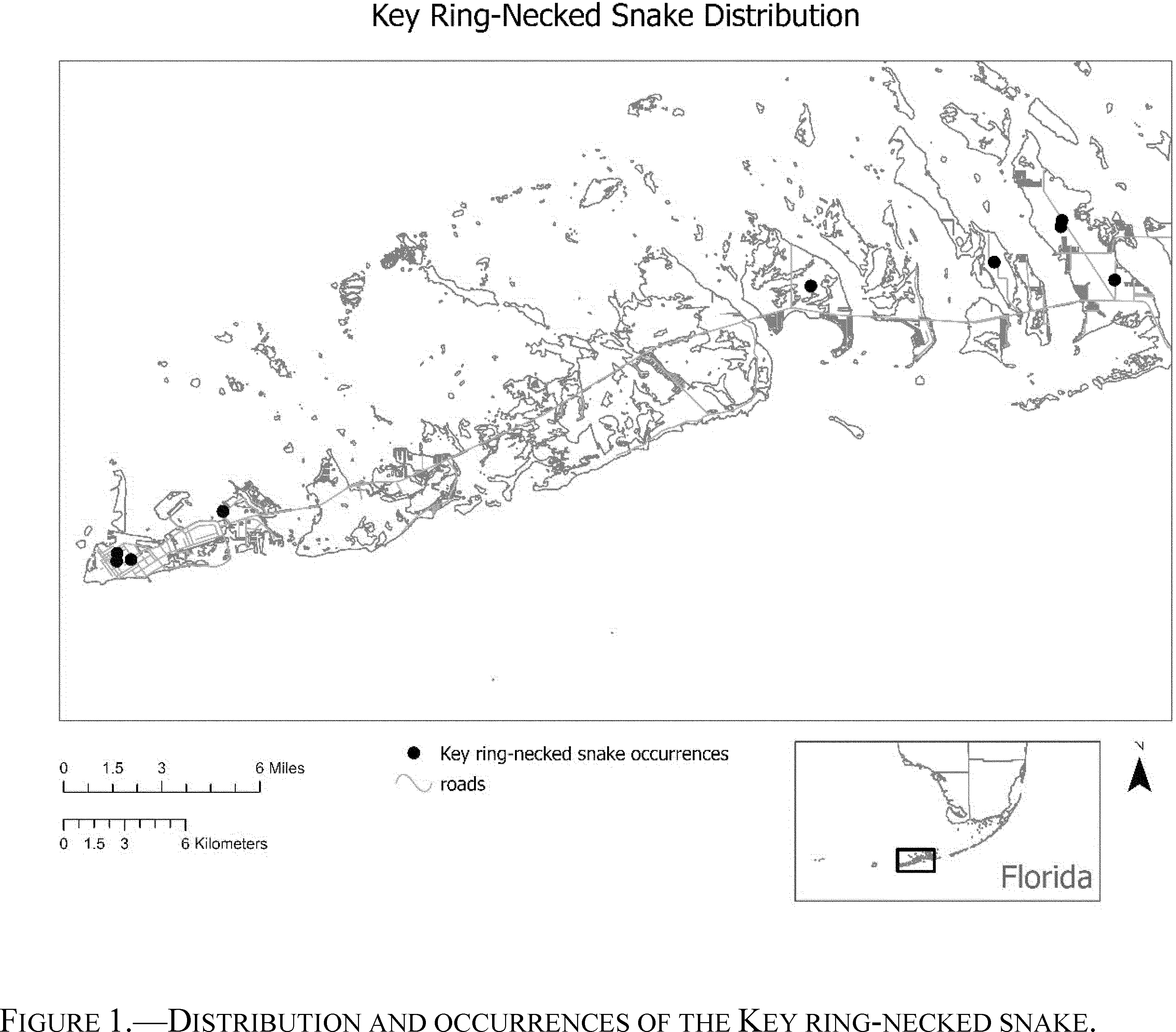
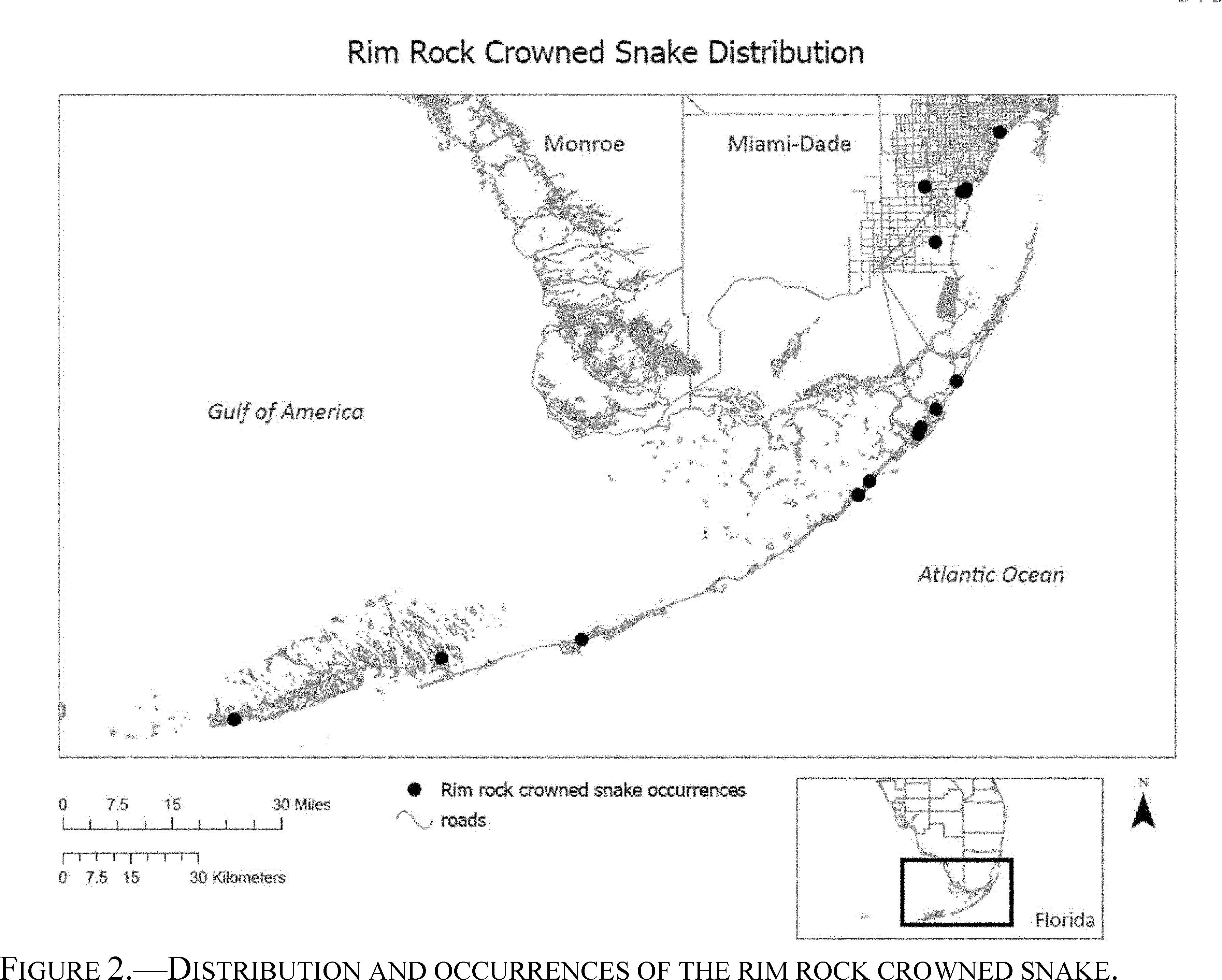
 title 50 of the Code of Federal Regulations
 www.doi.gov/sites/doi.opengov.ibmcloud.com/files/uploads/M-37021.pdf