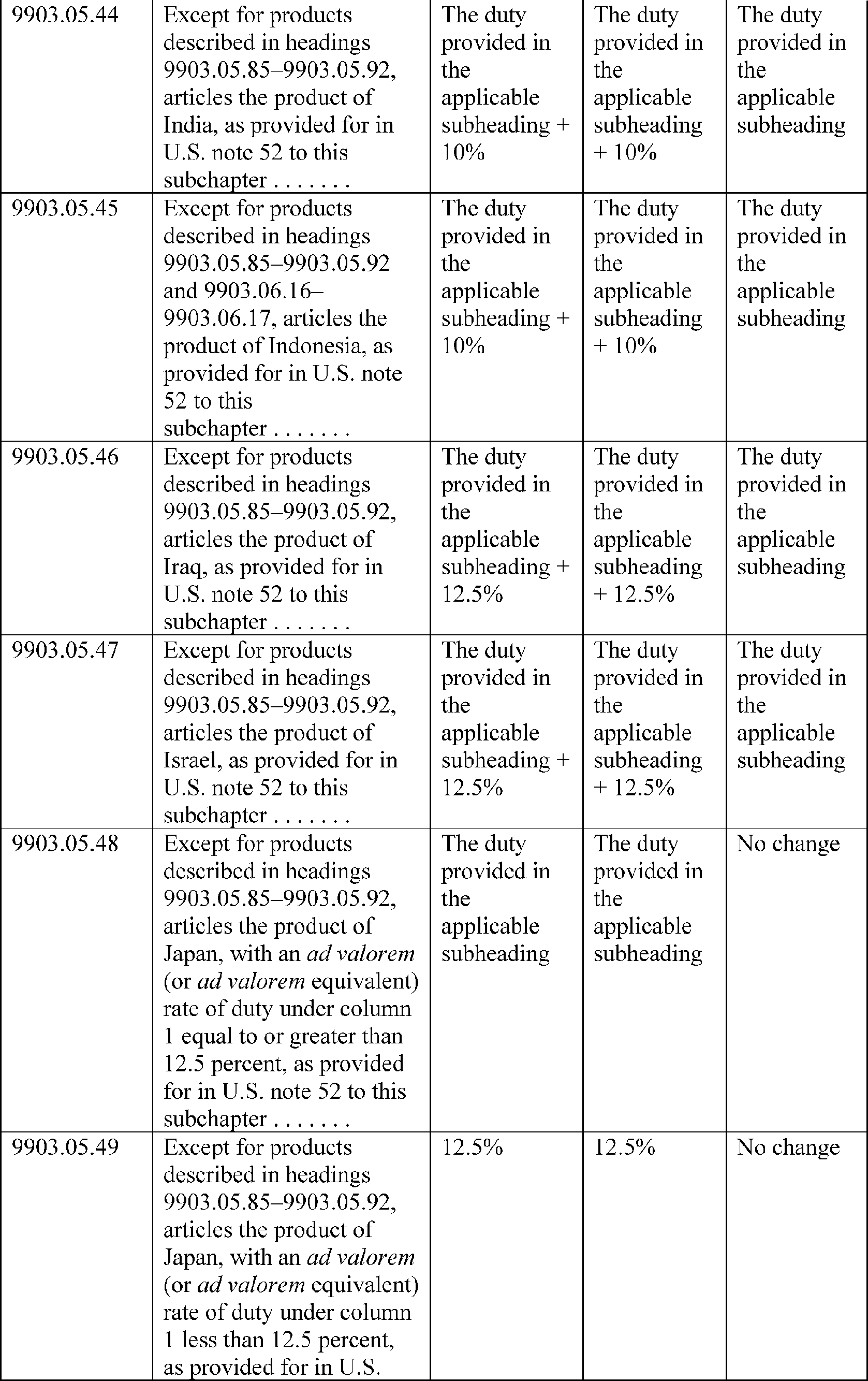
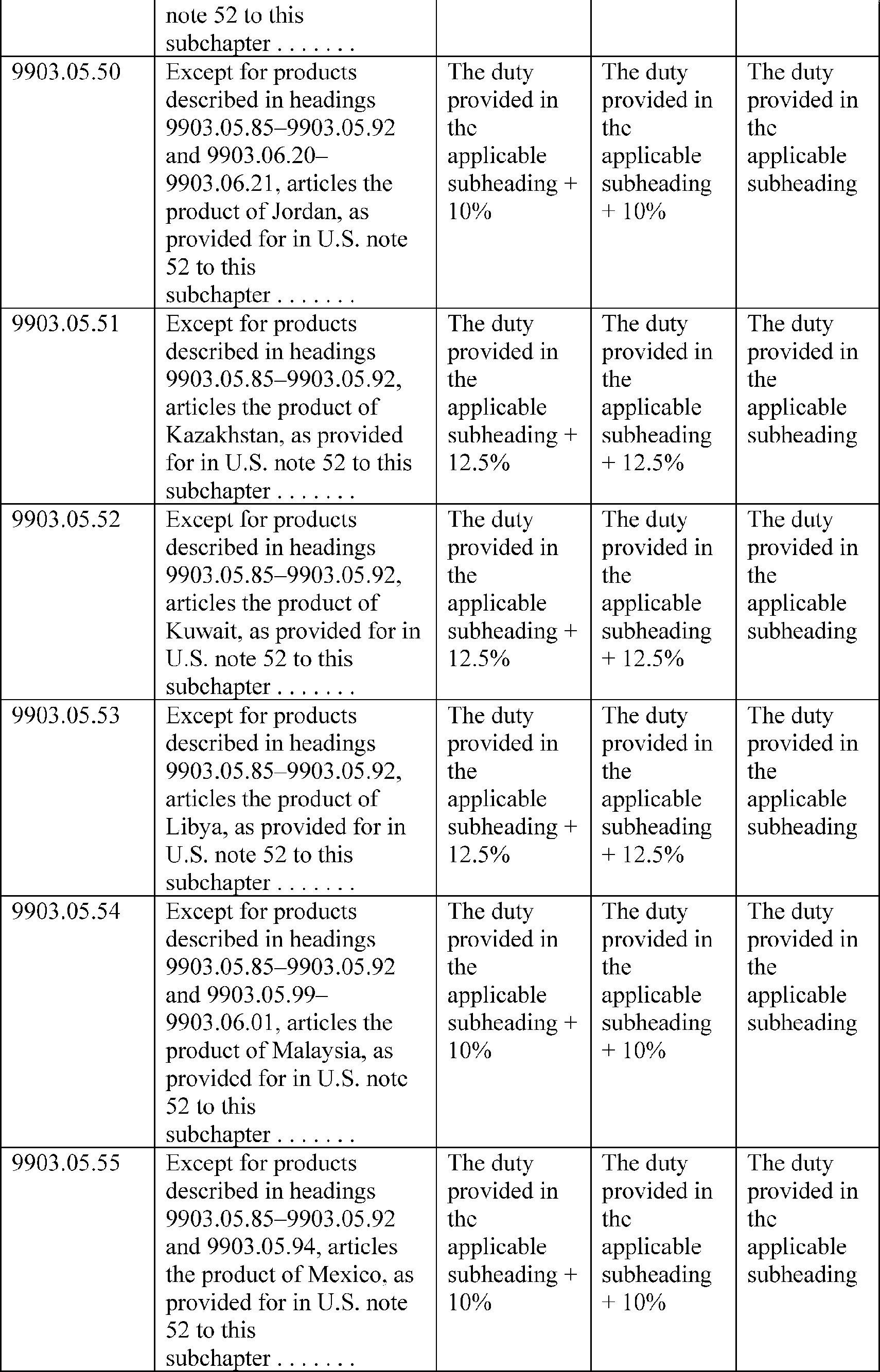
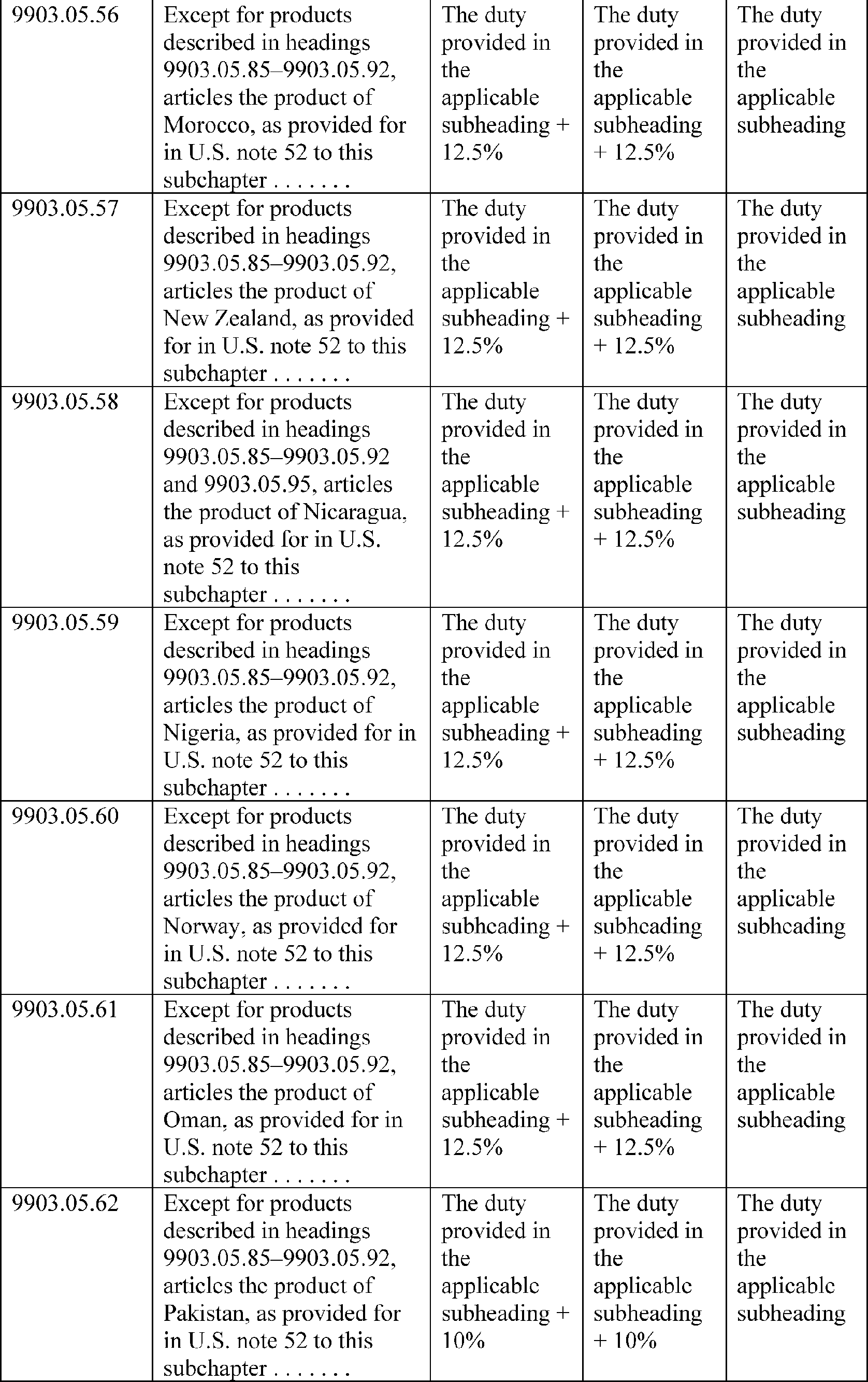
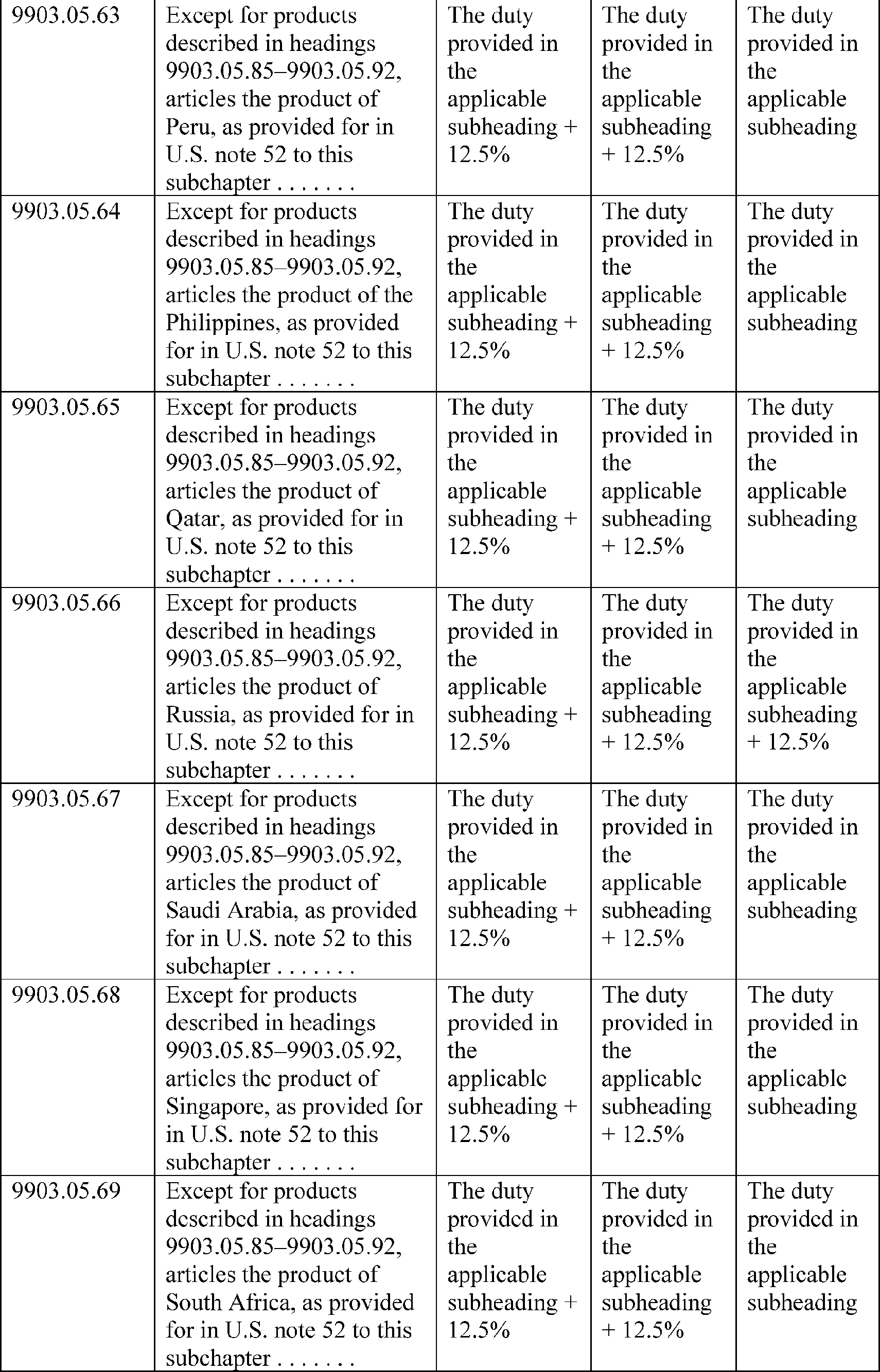
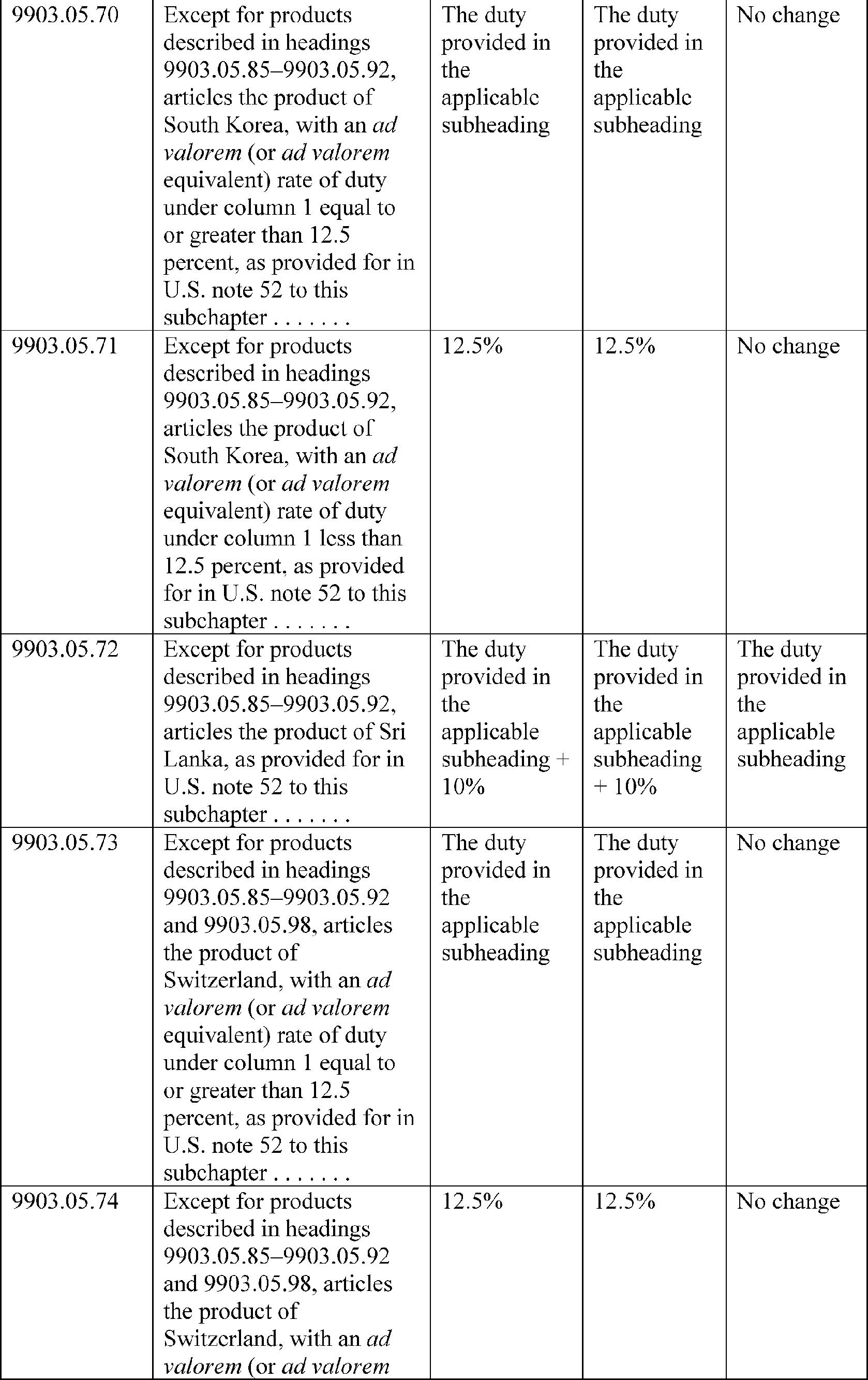
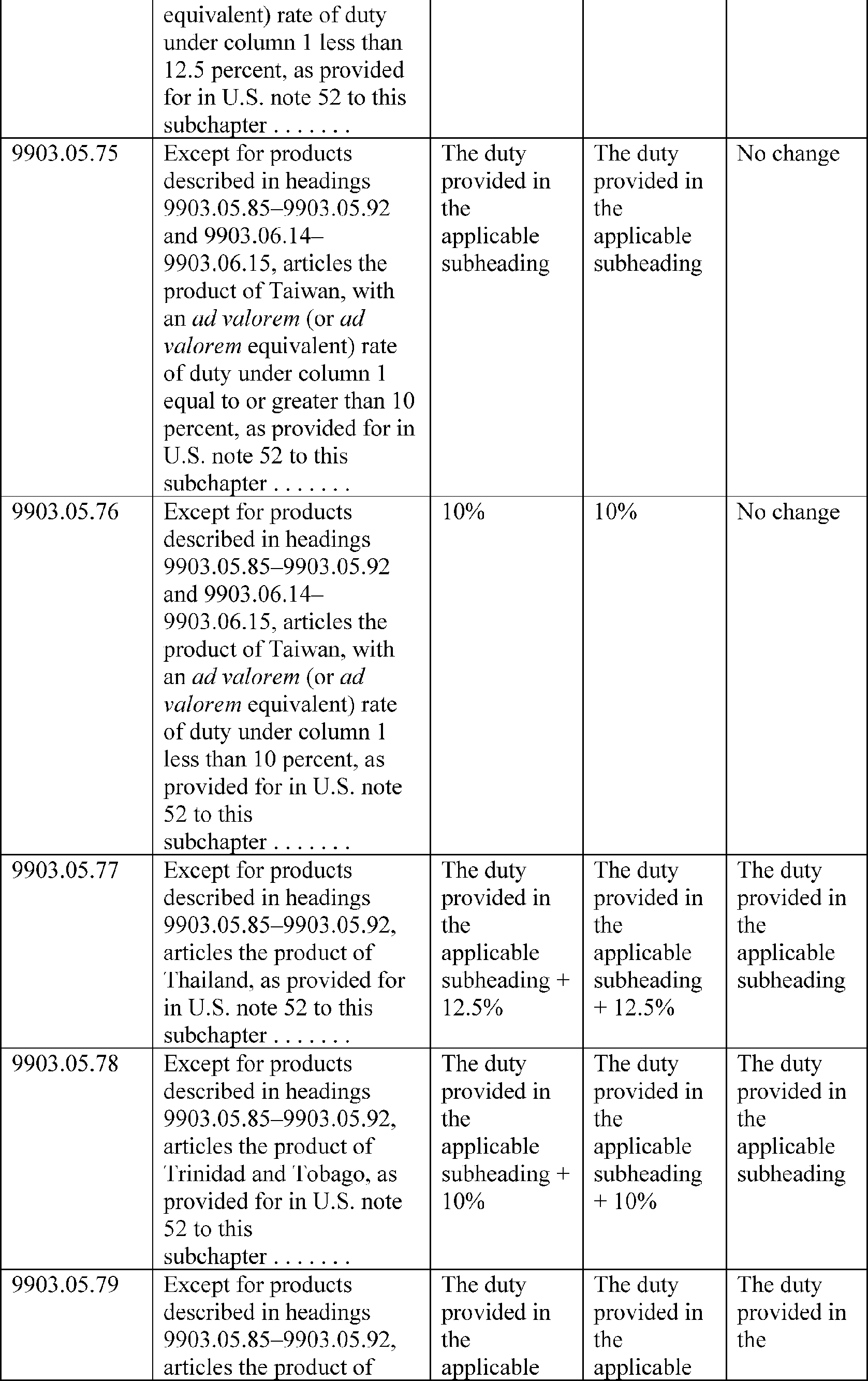
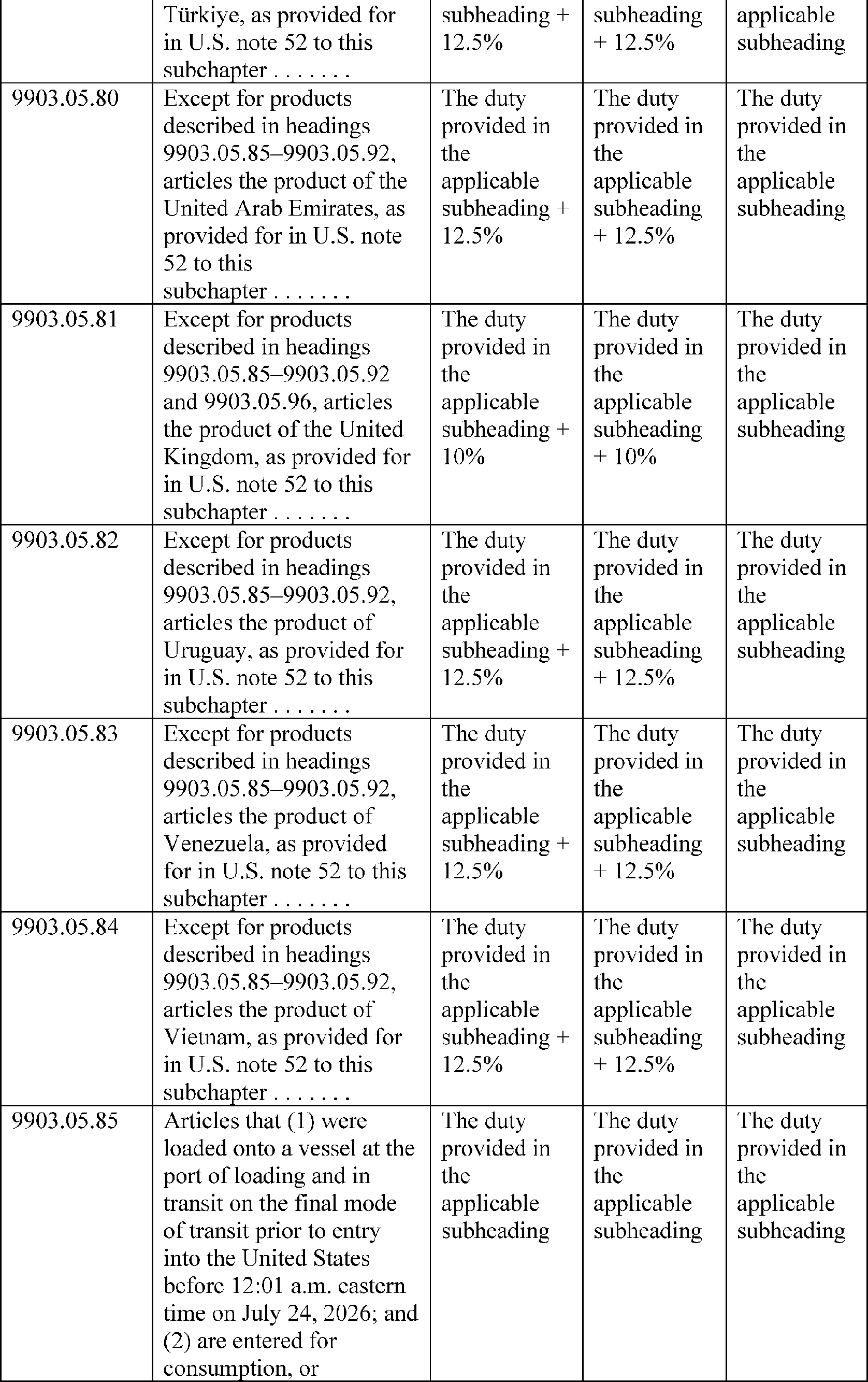
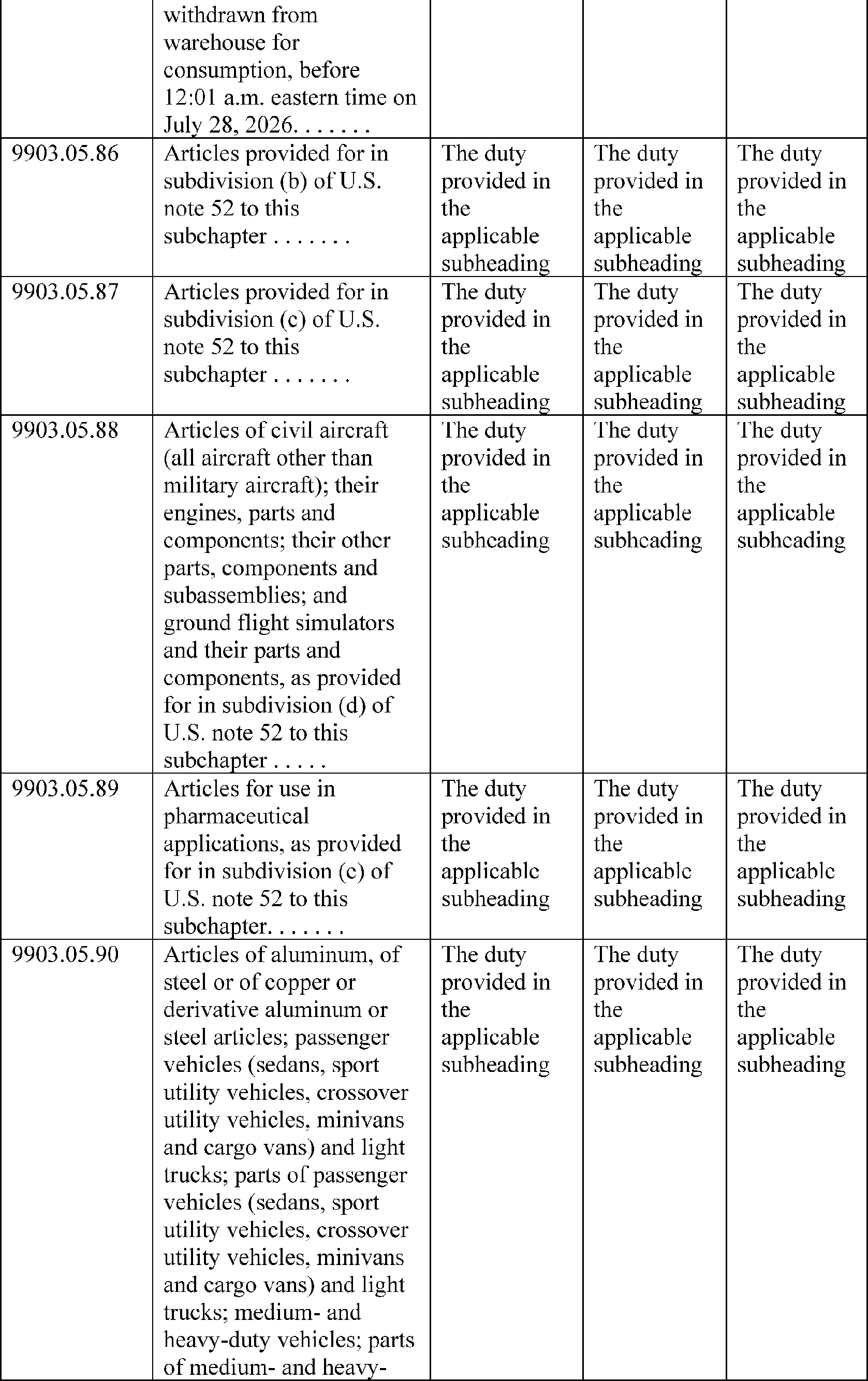
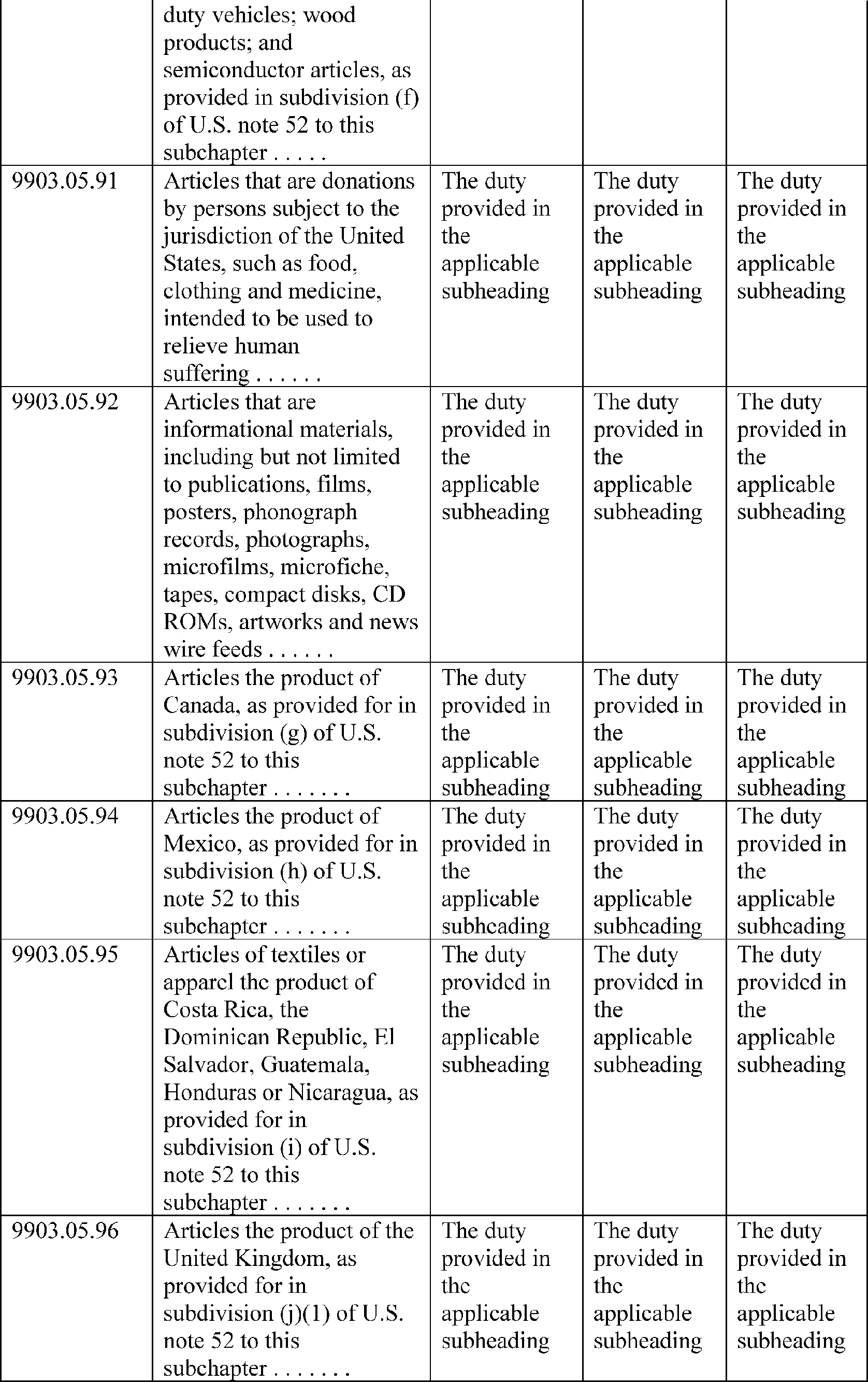
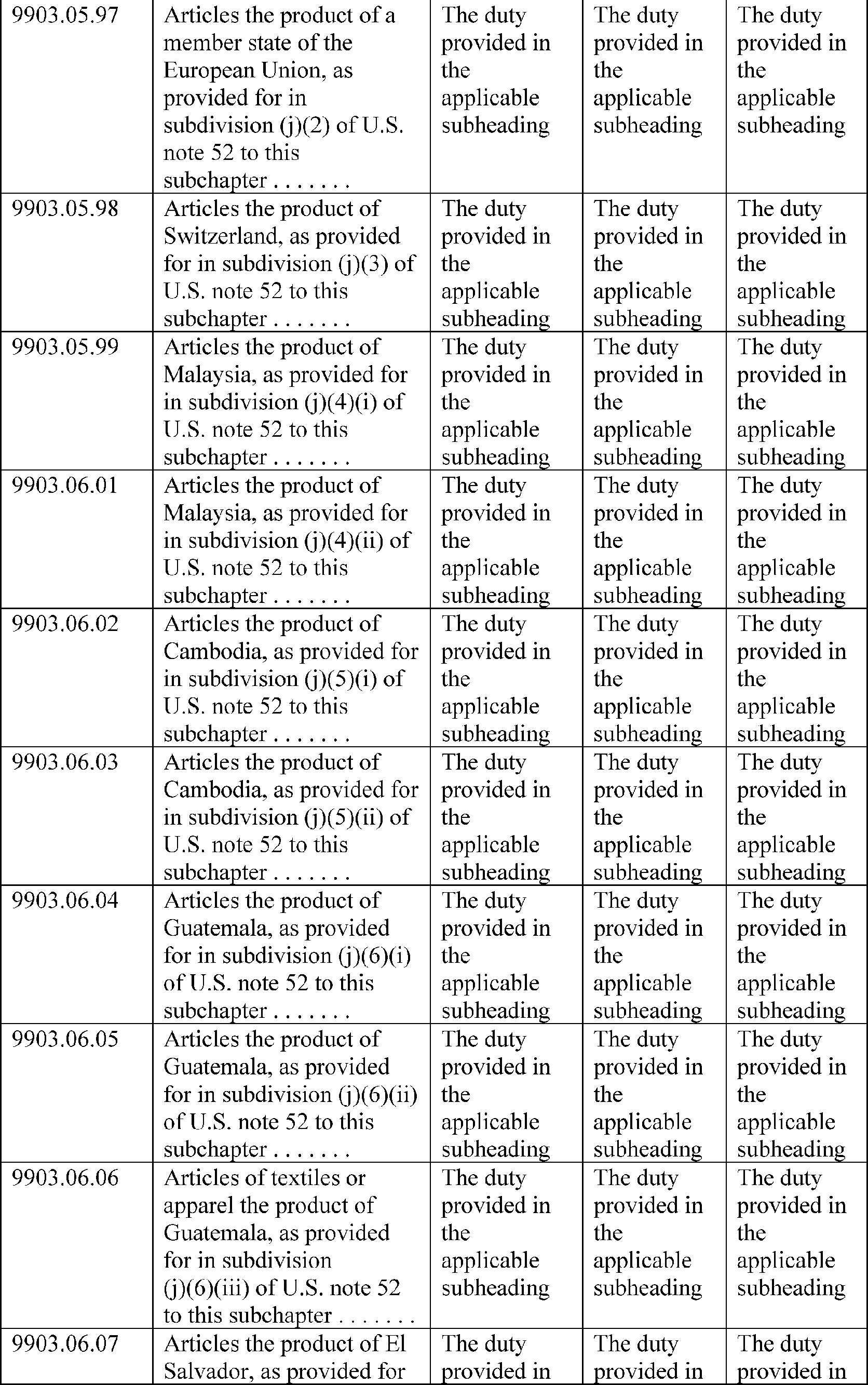
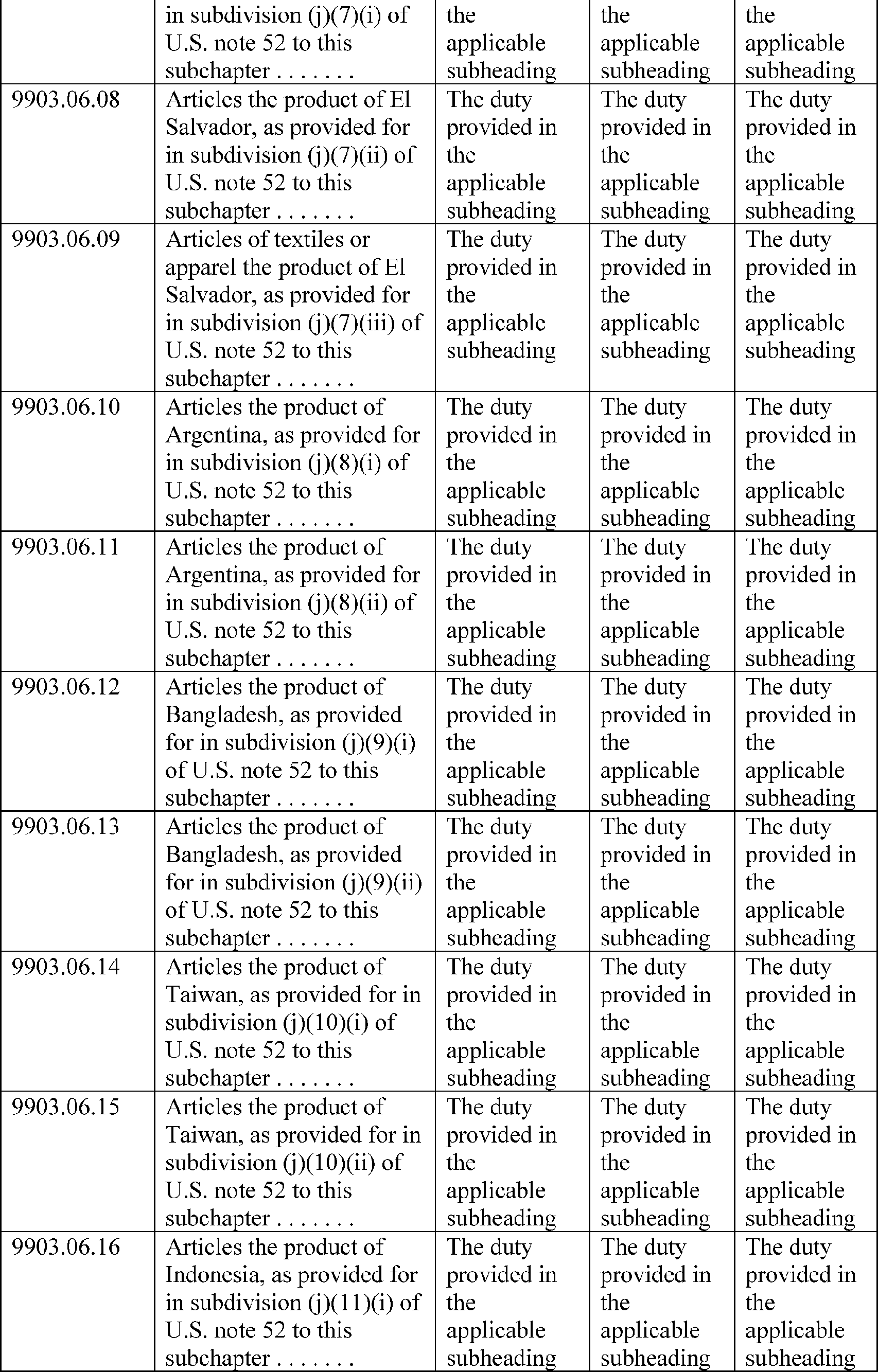
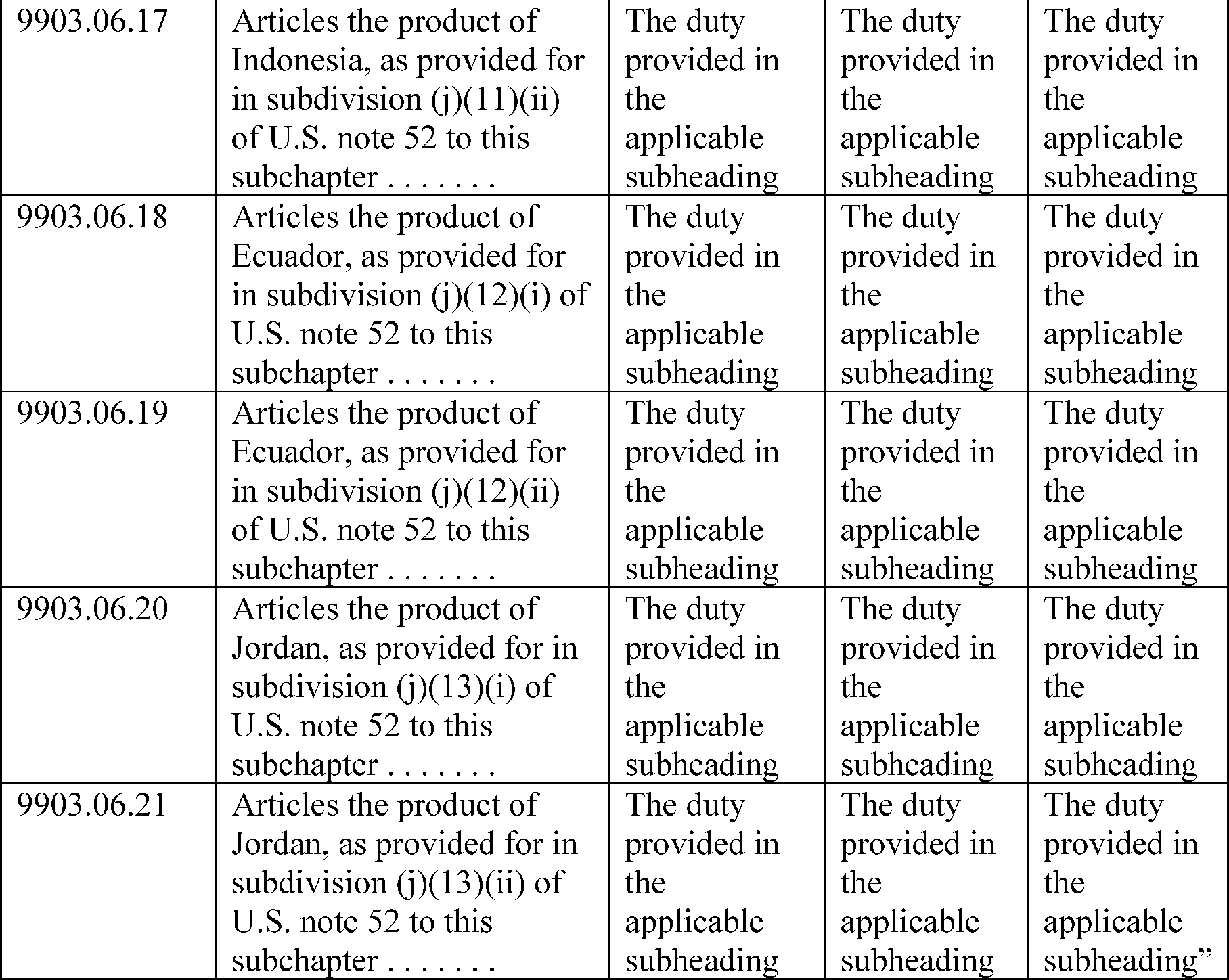
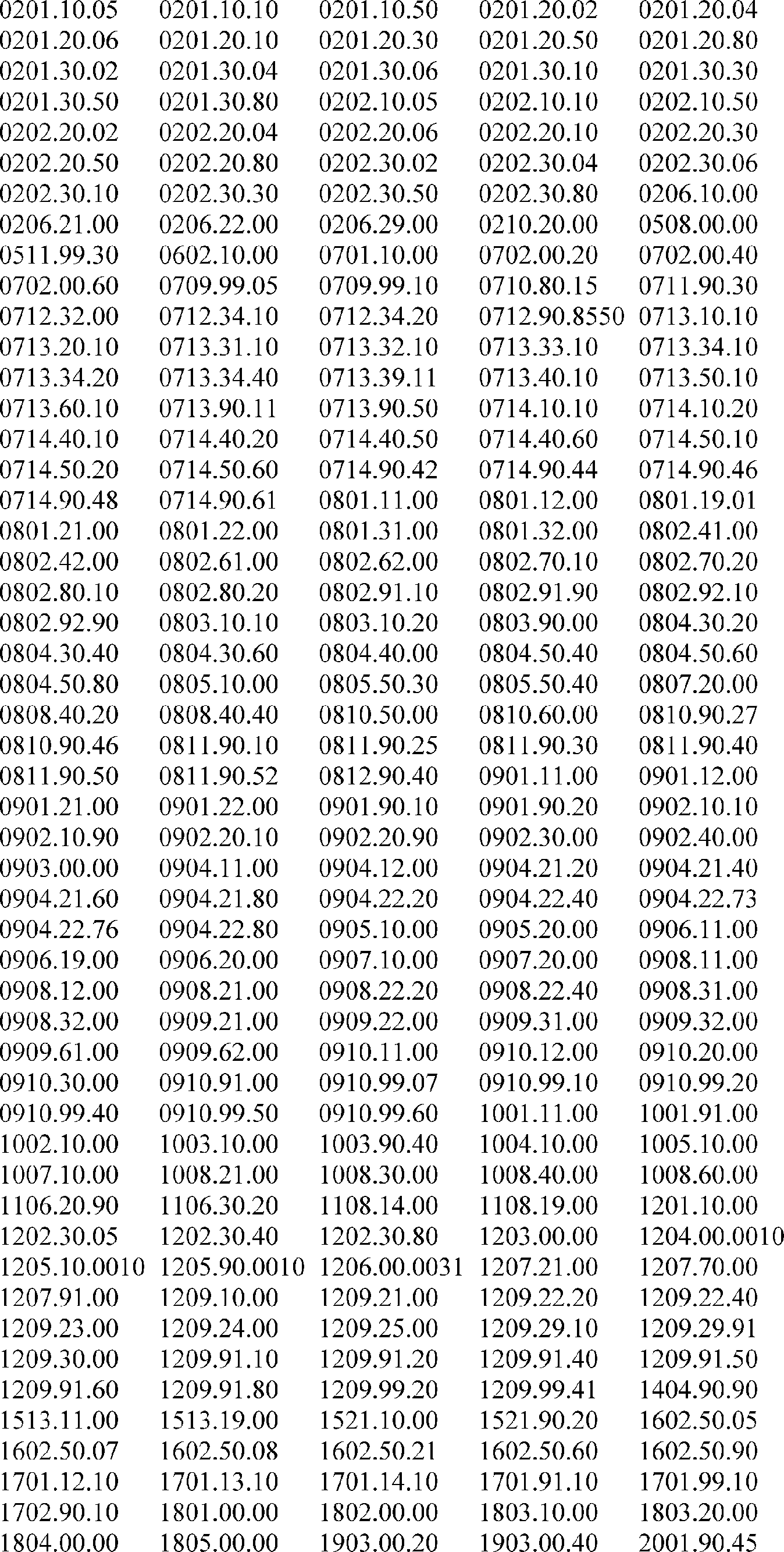
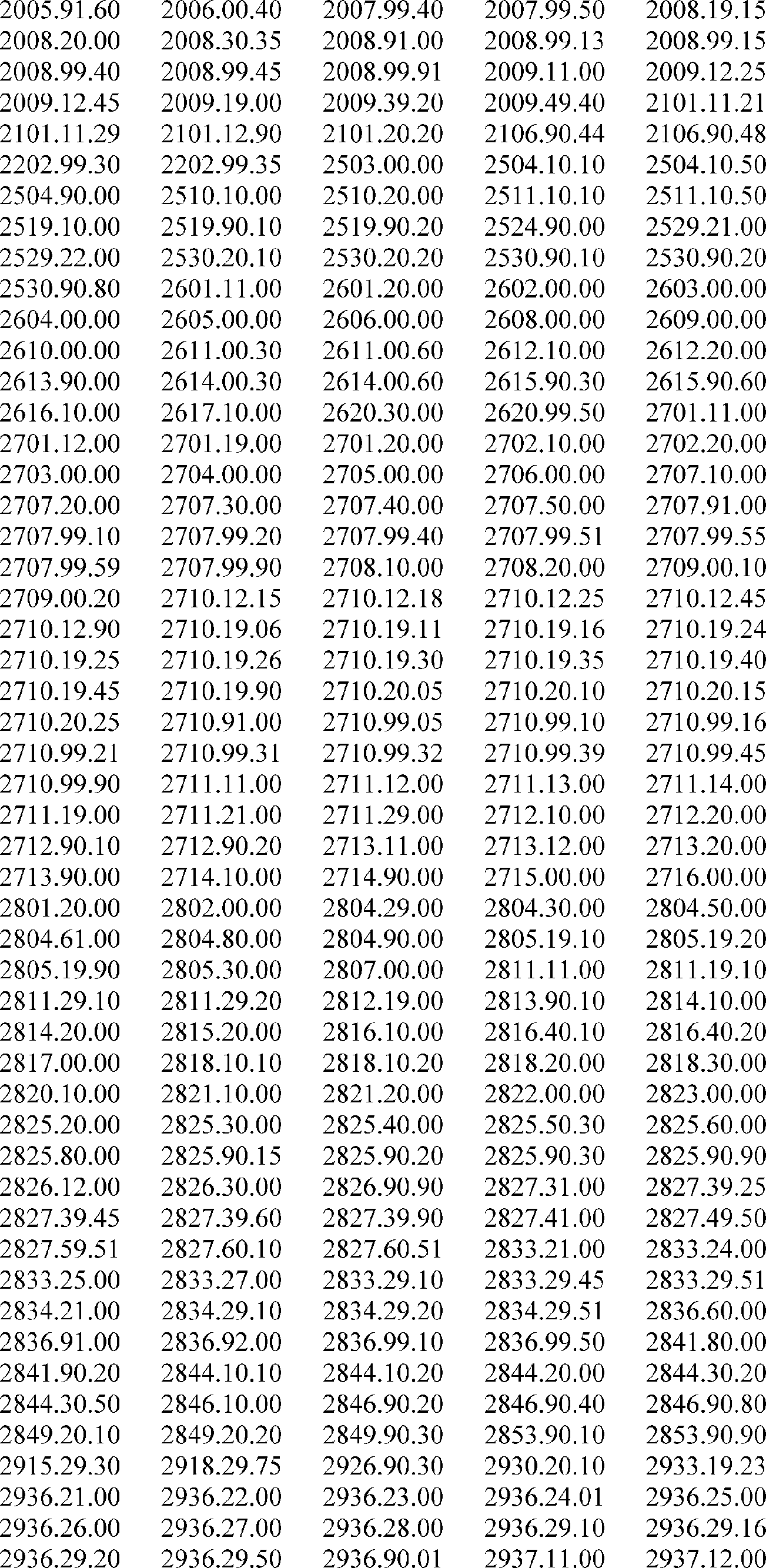
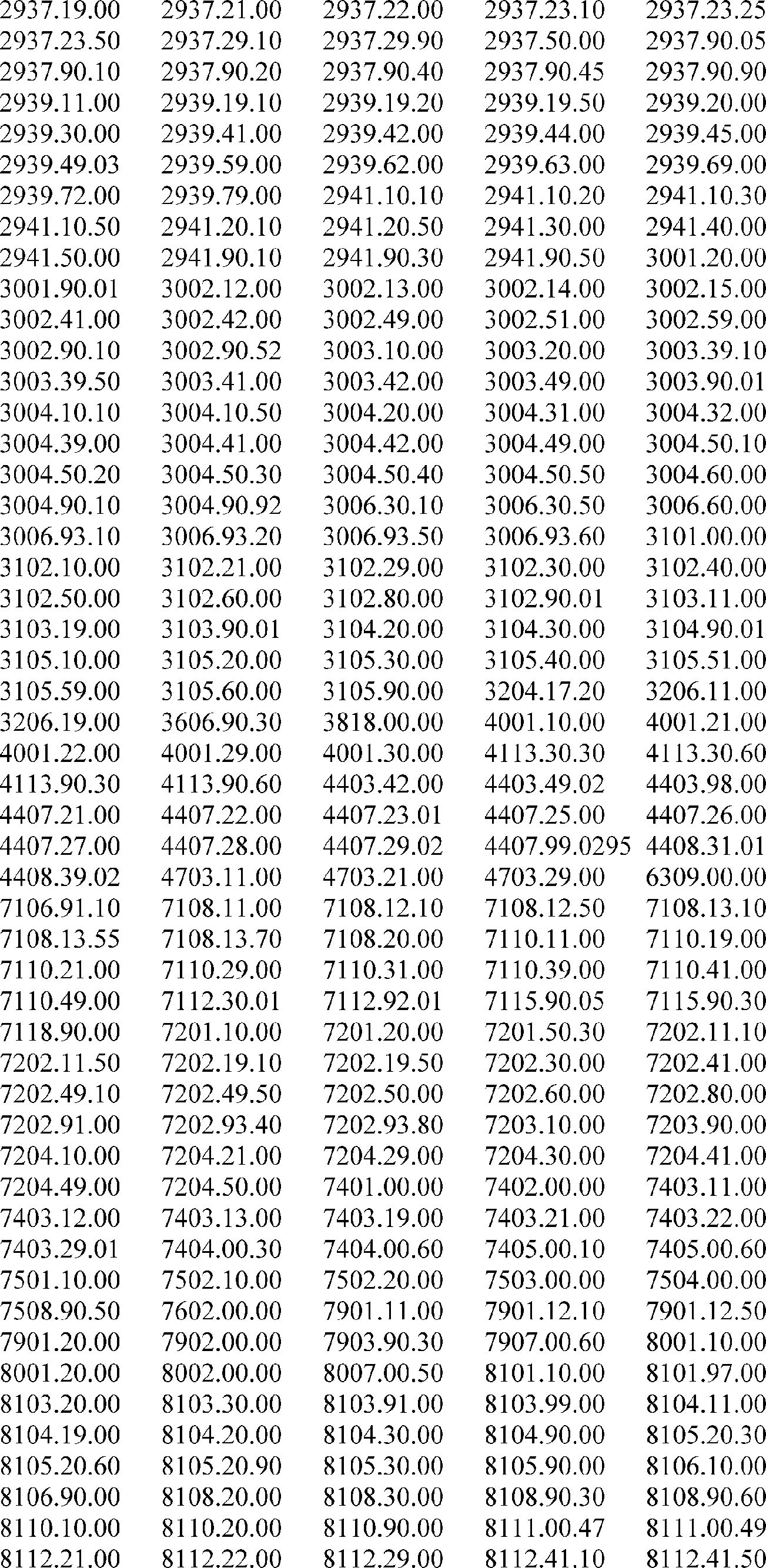
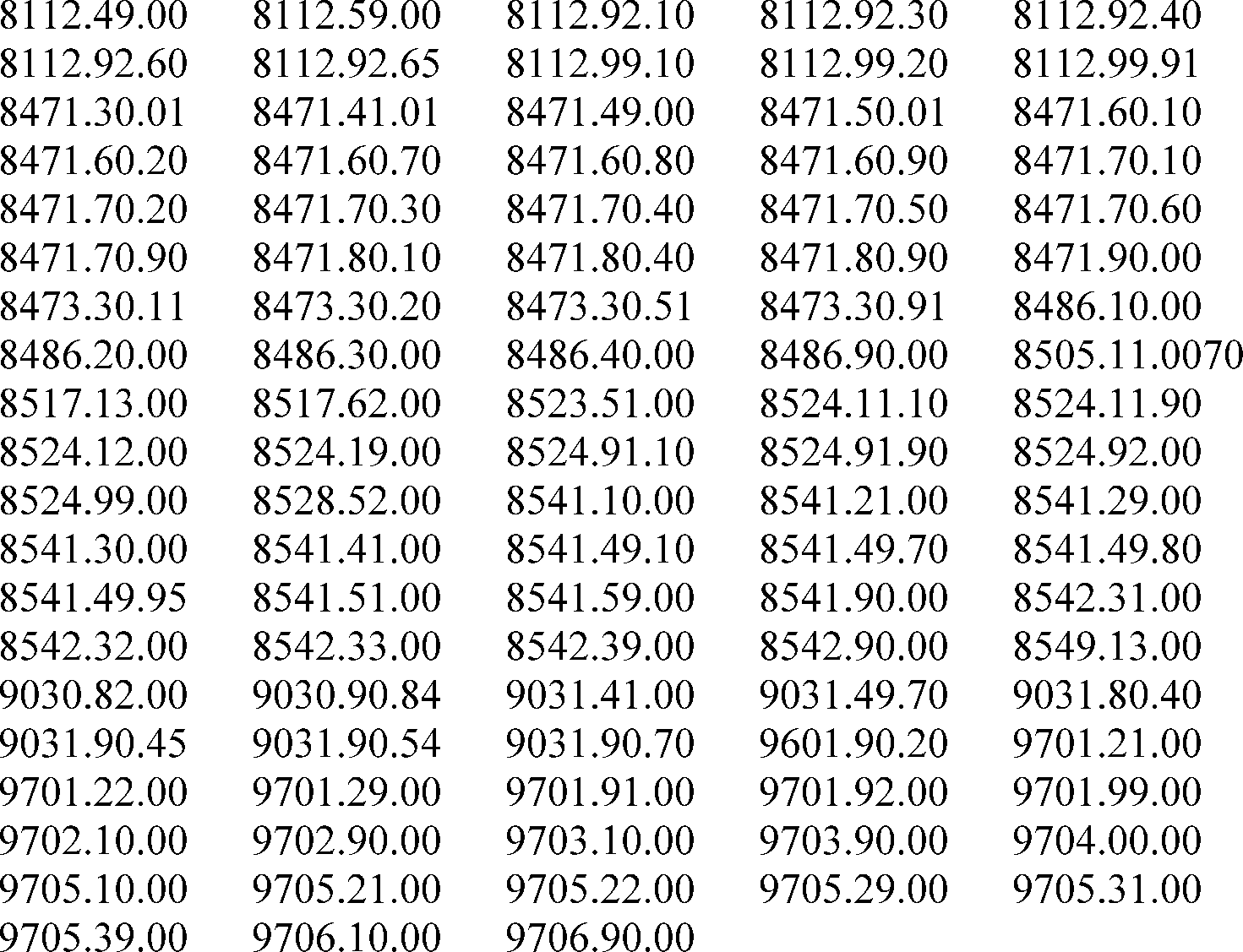
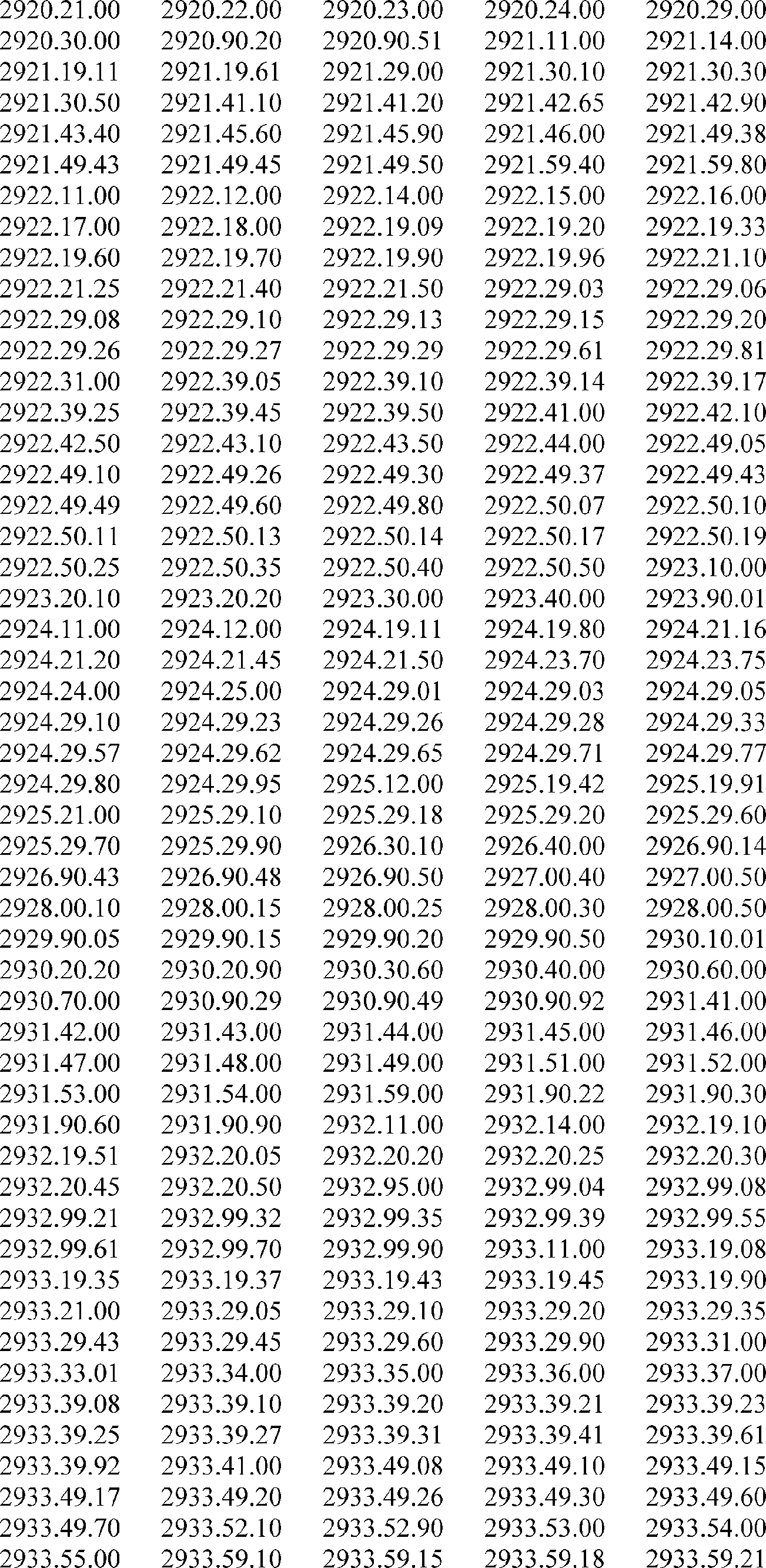
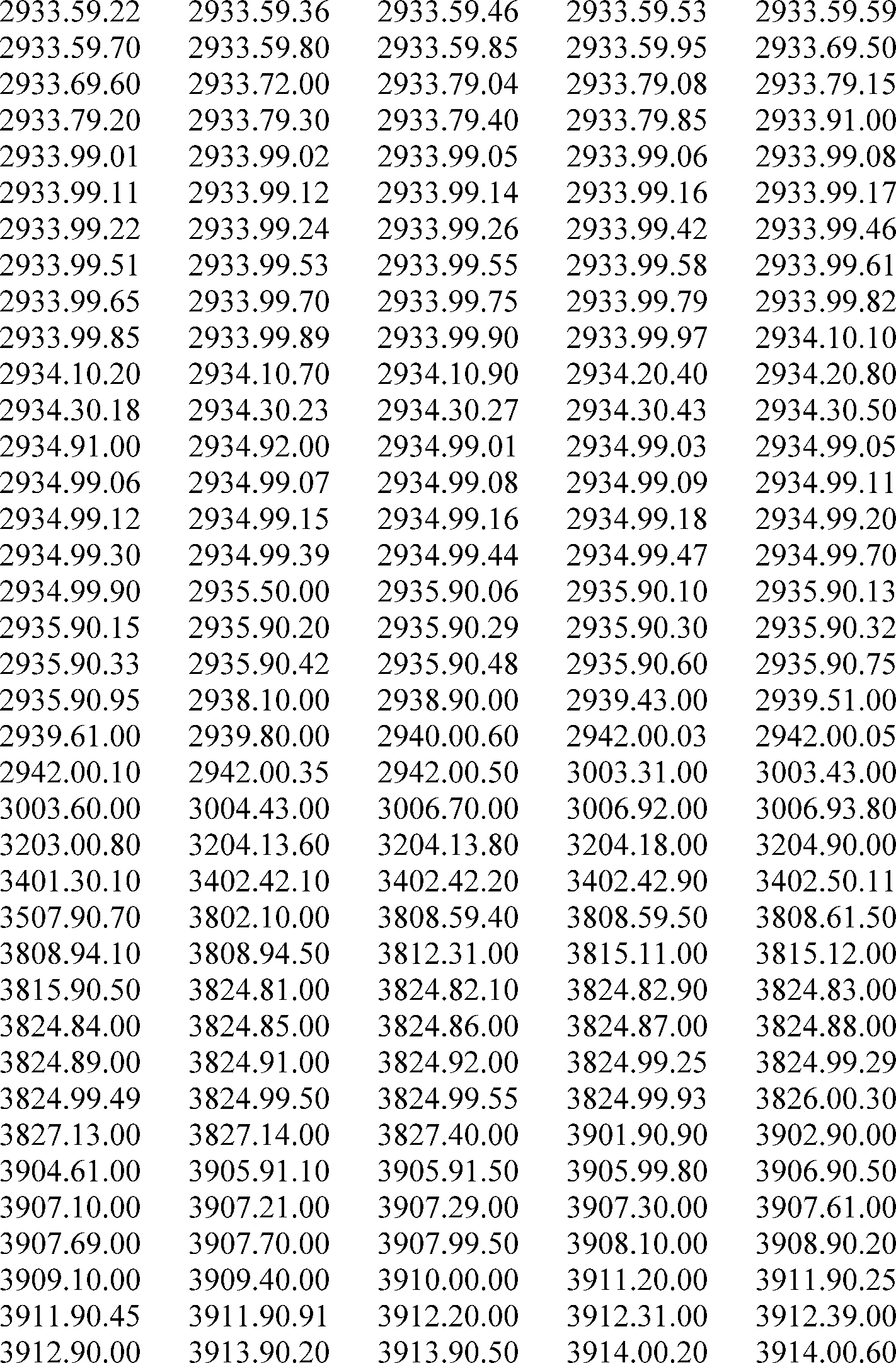
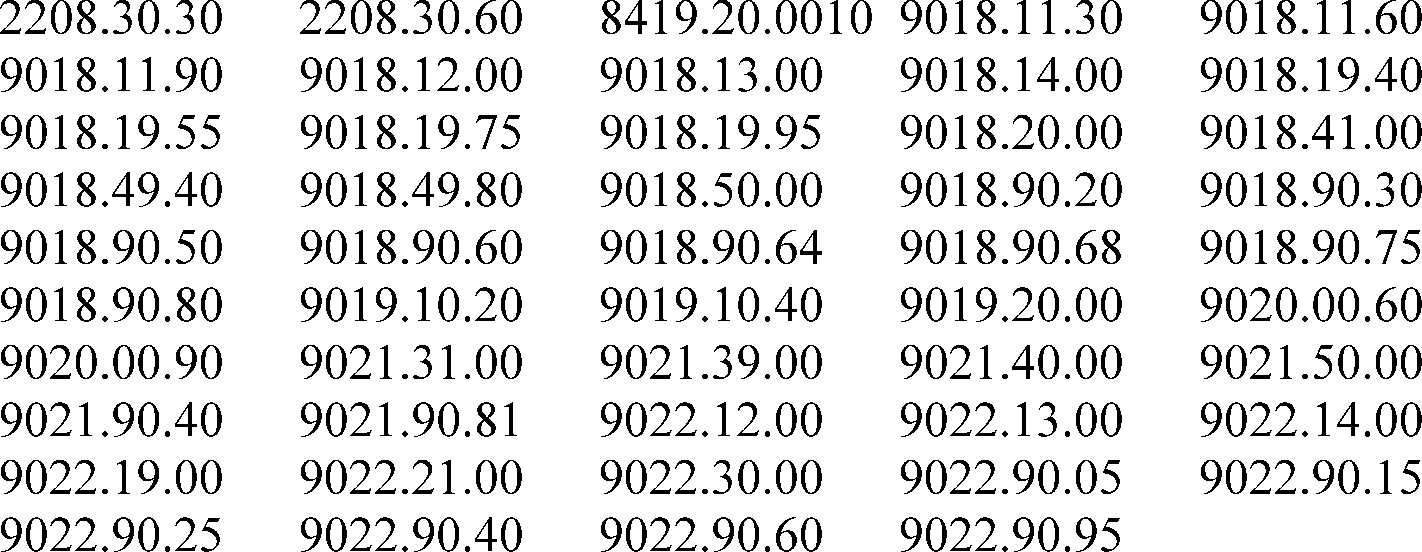
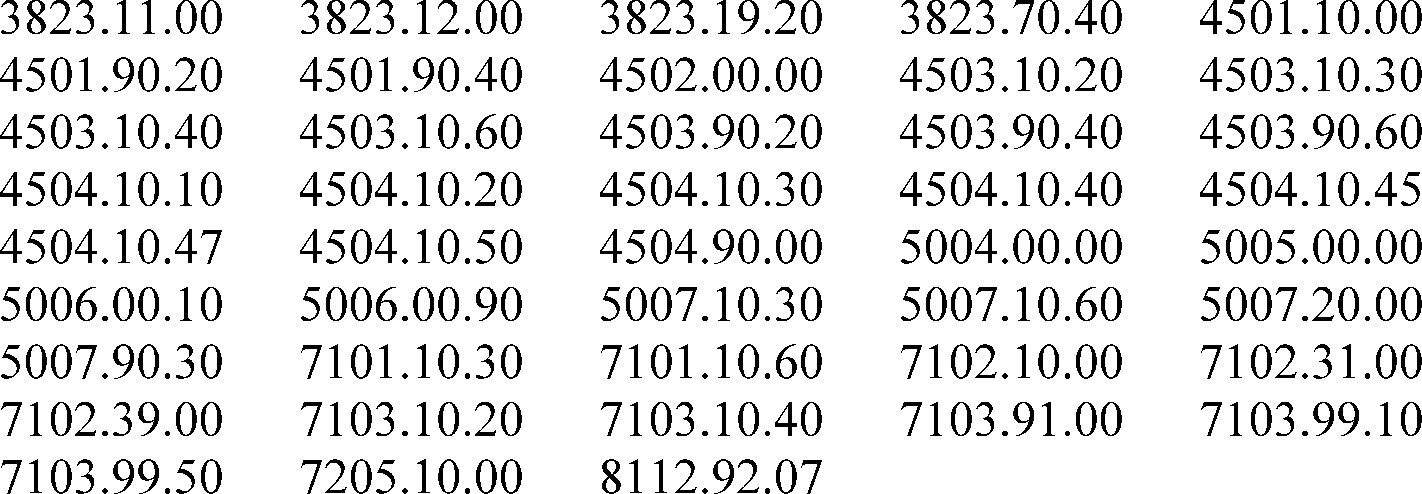
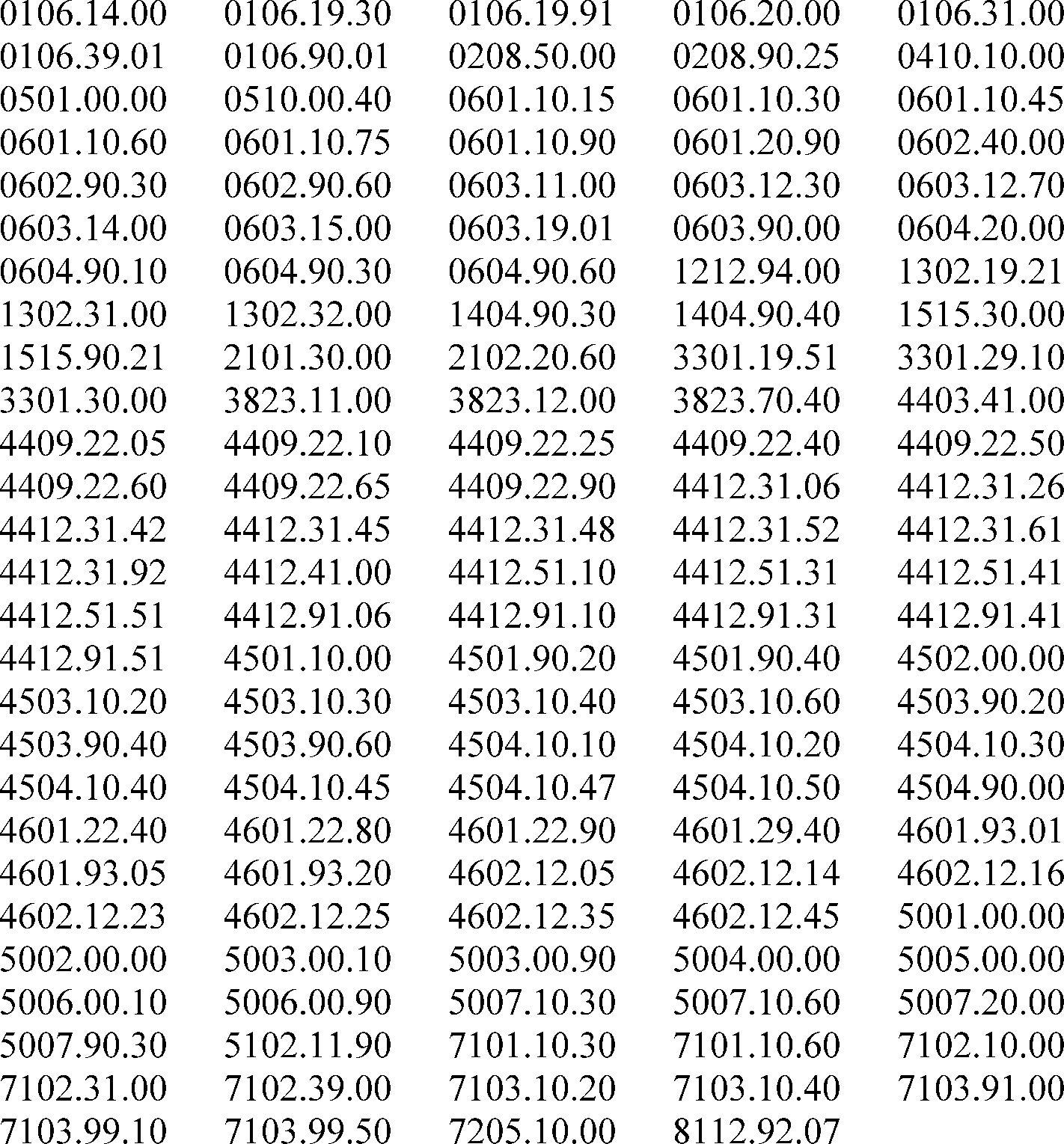
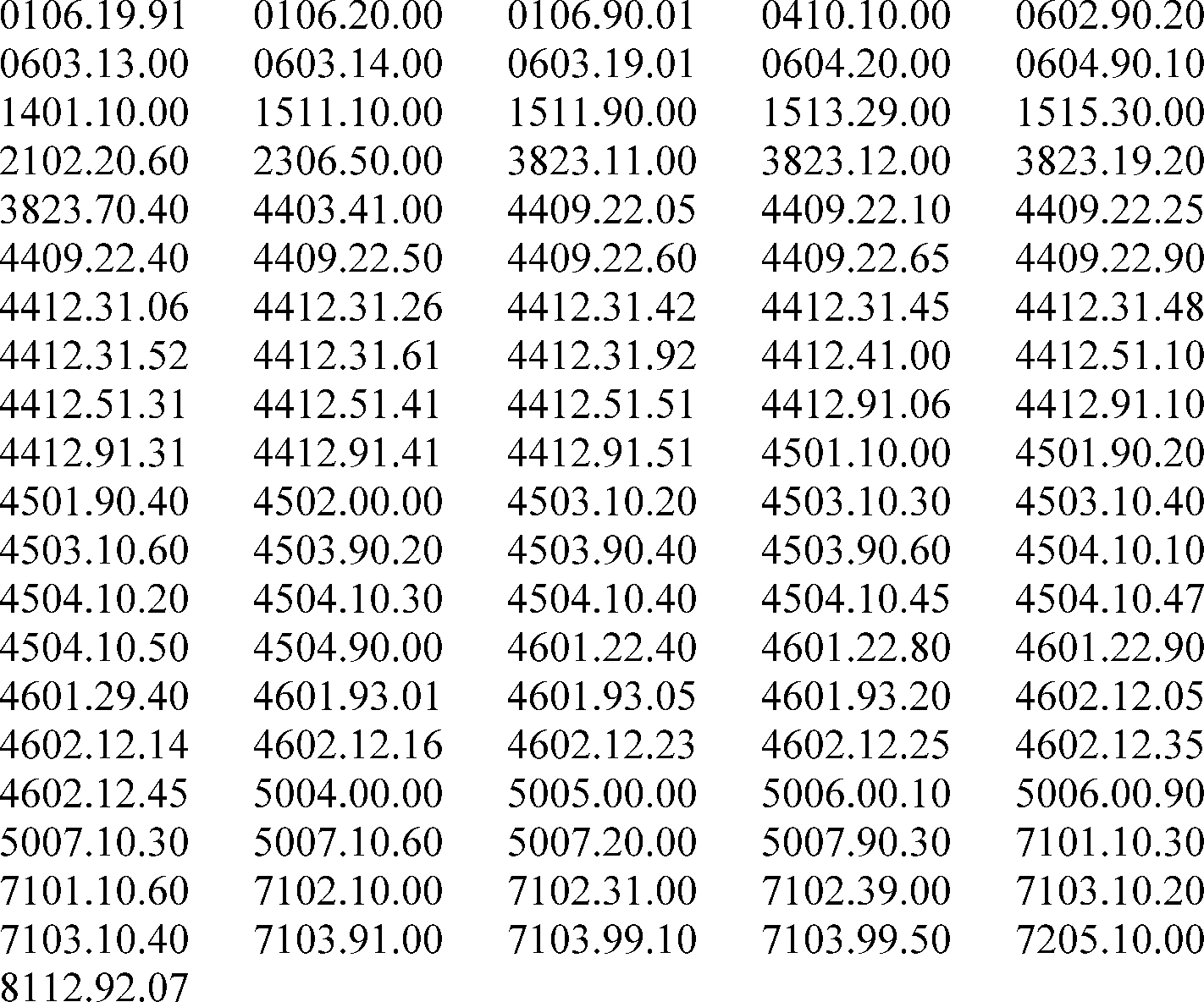
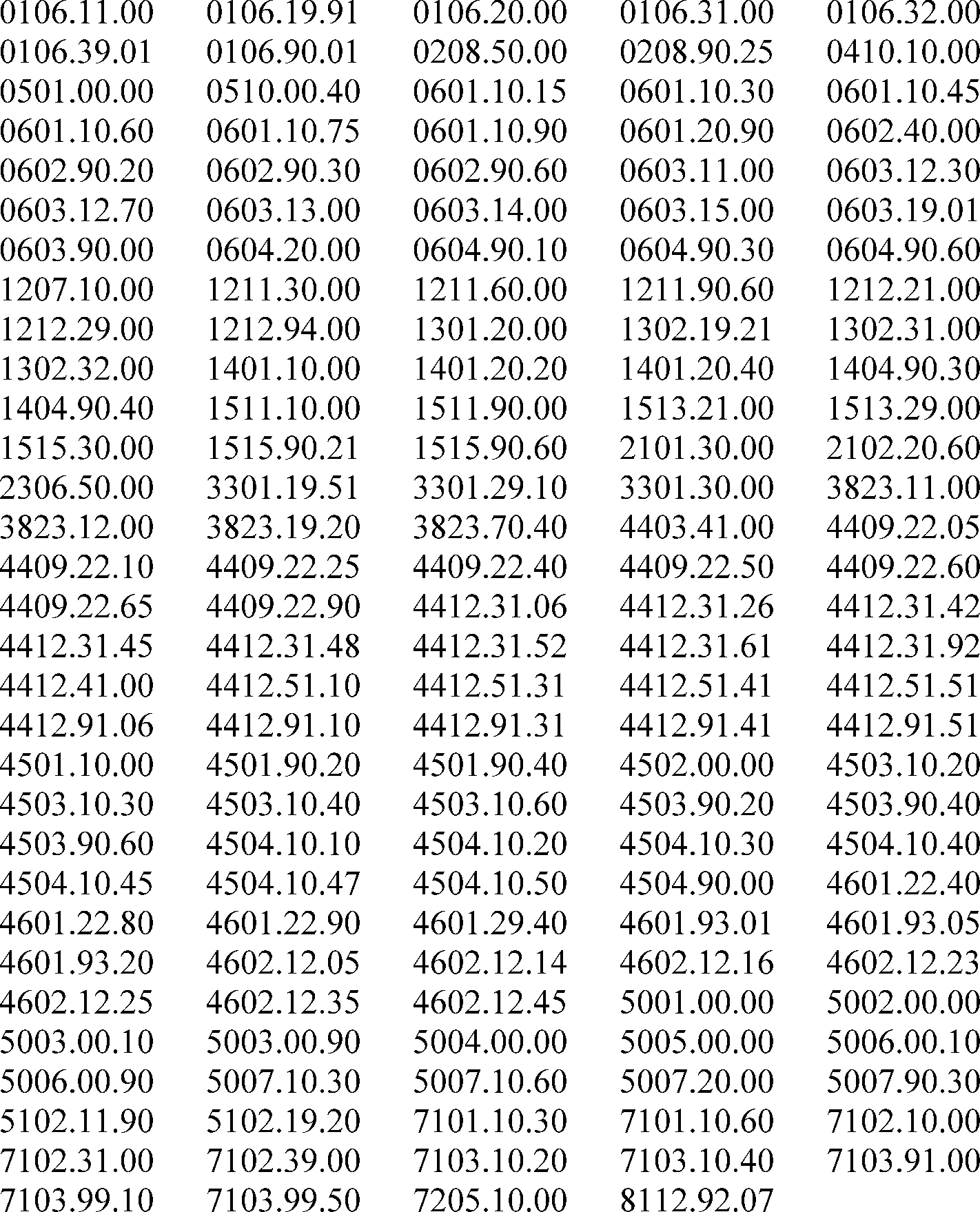
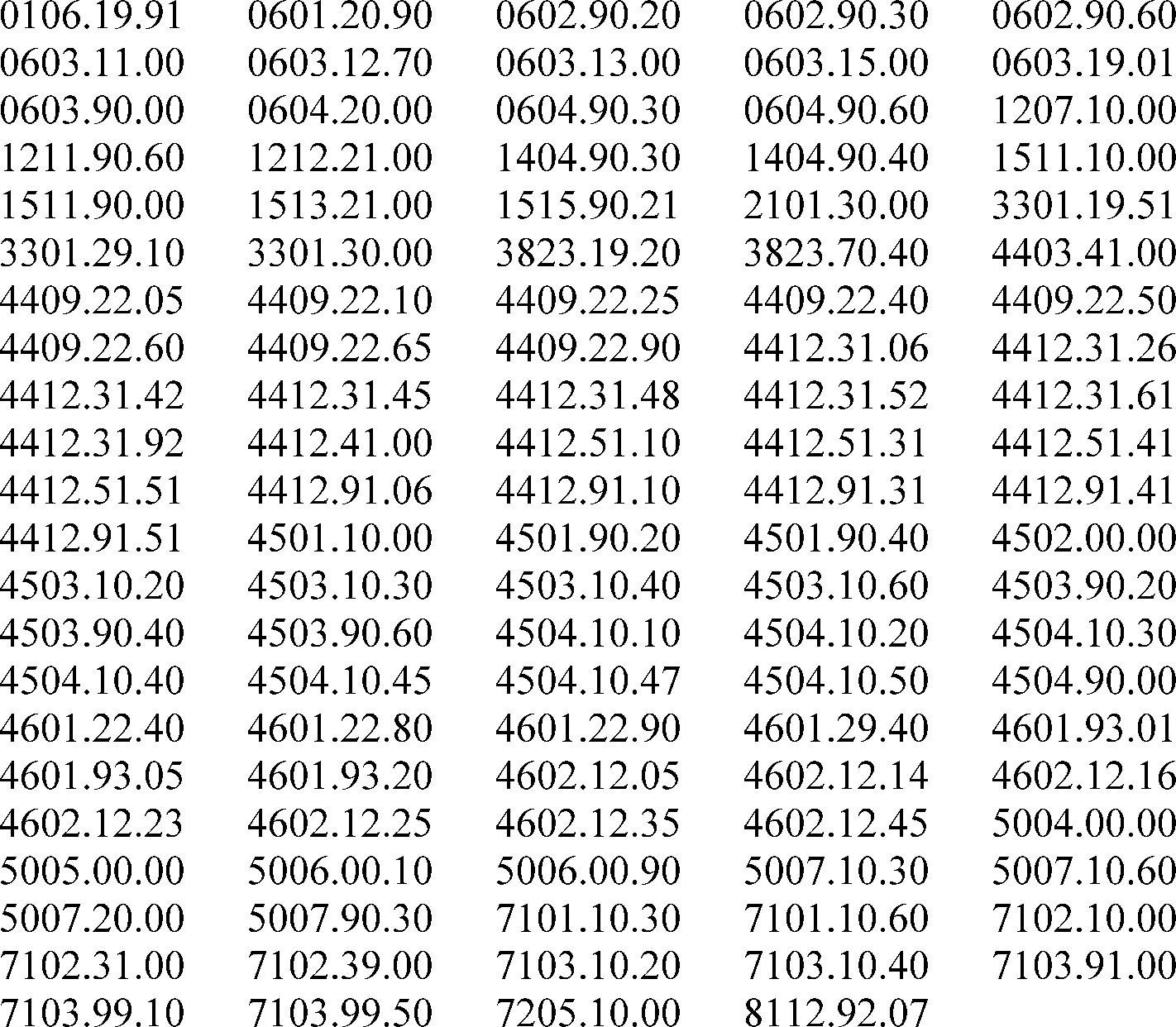
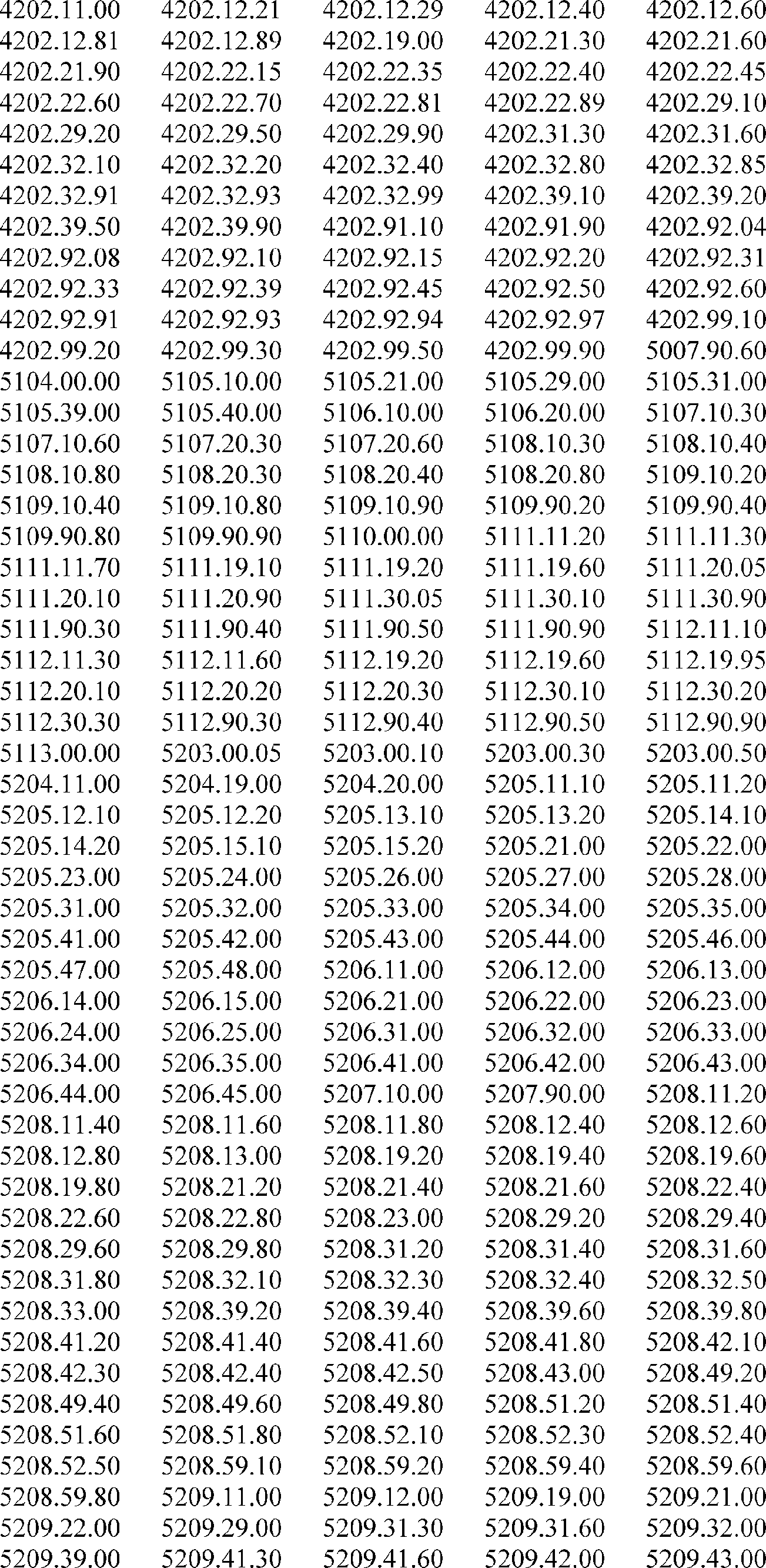
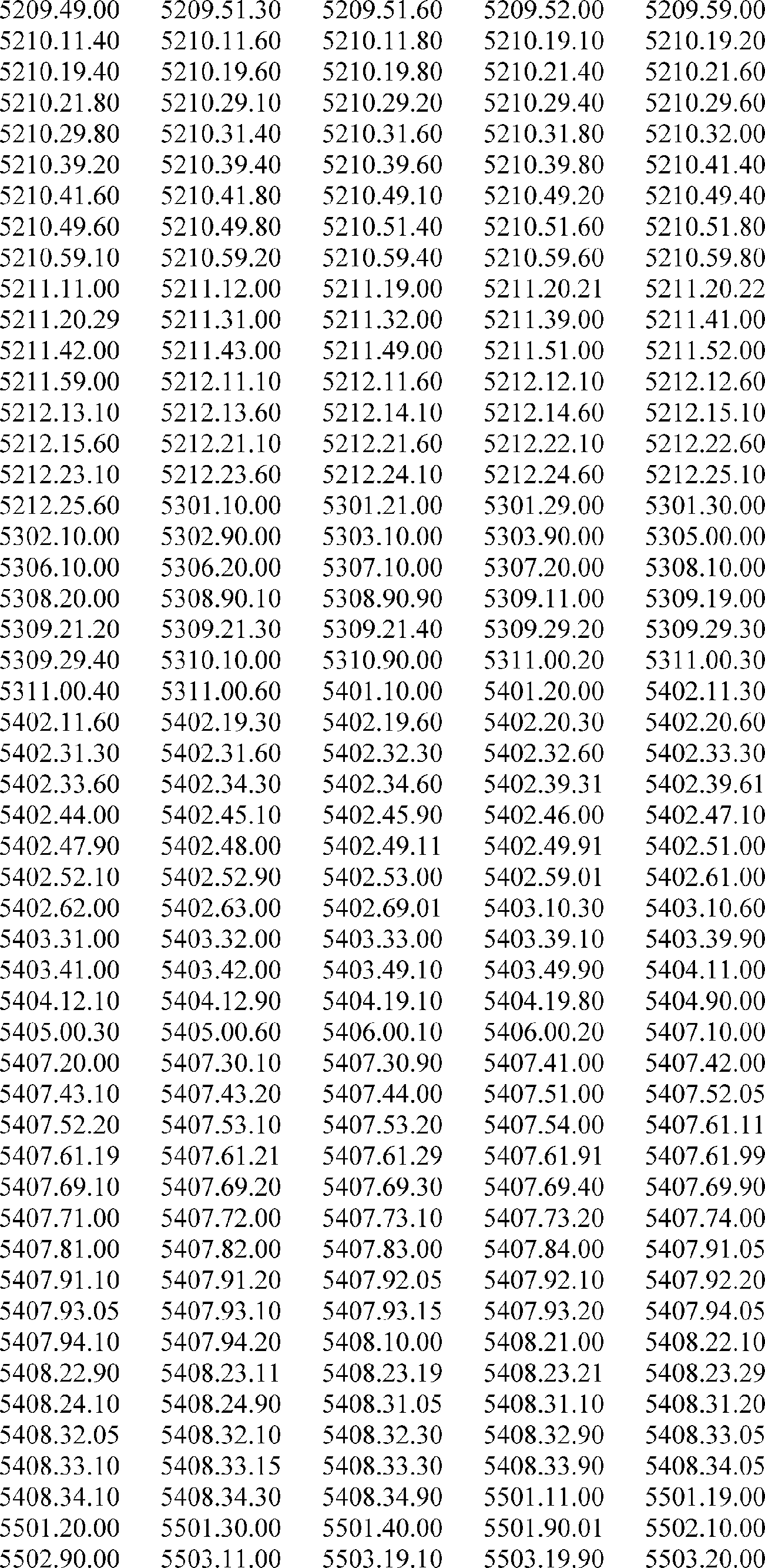
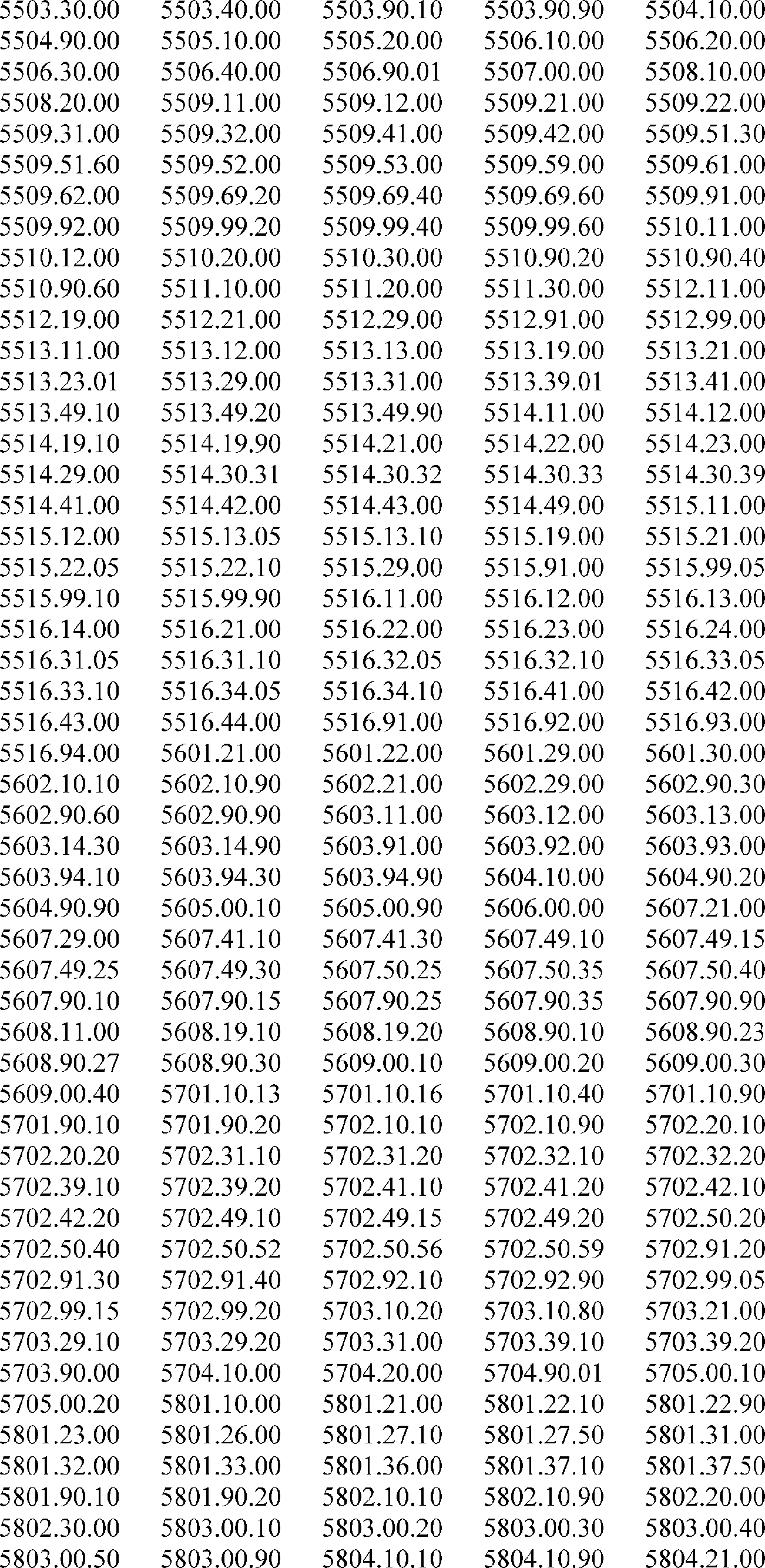
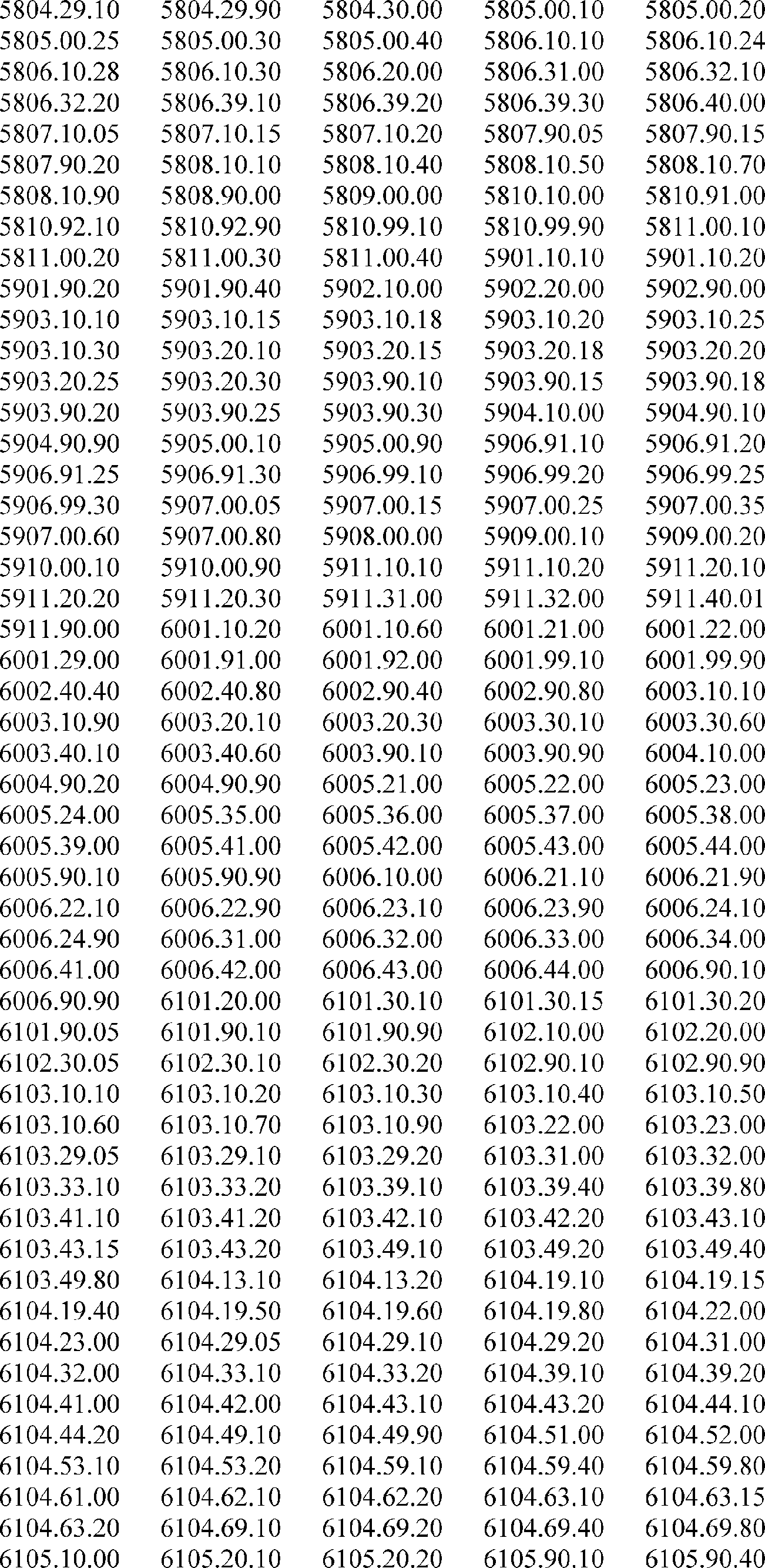
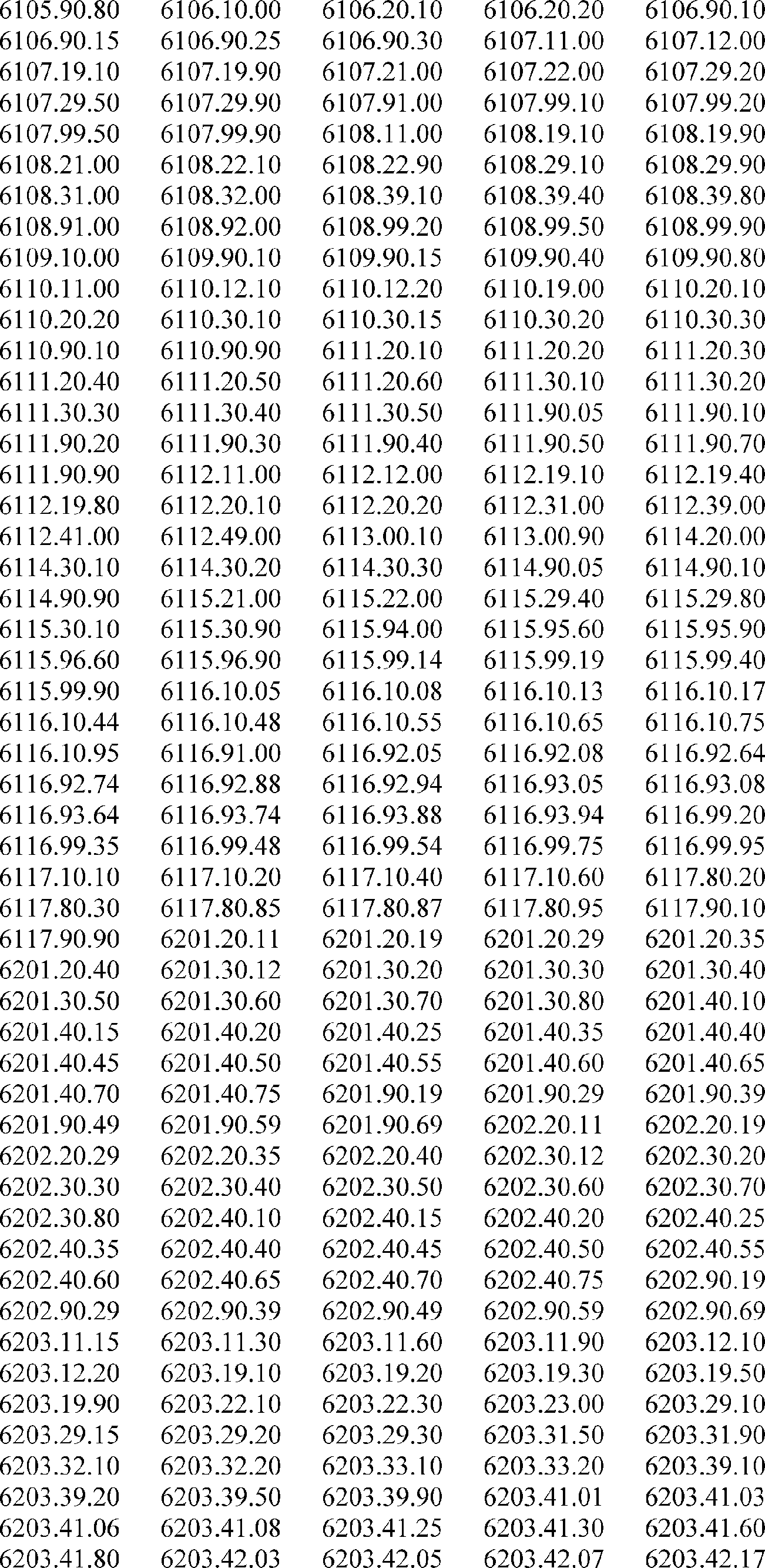
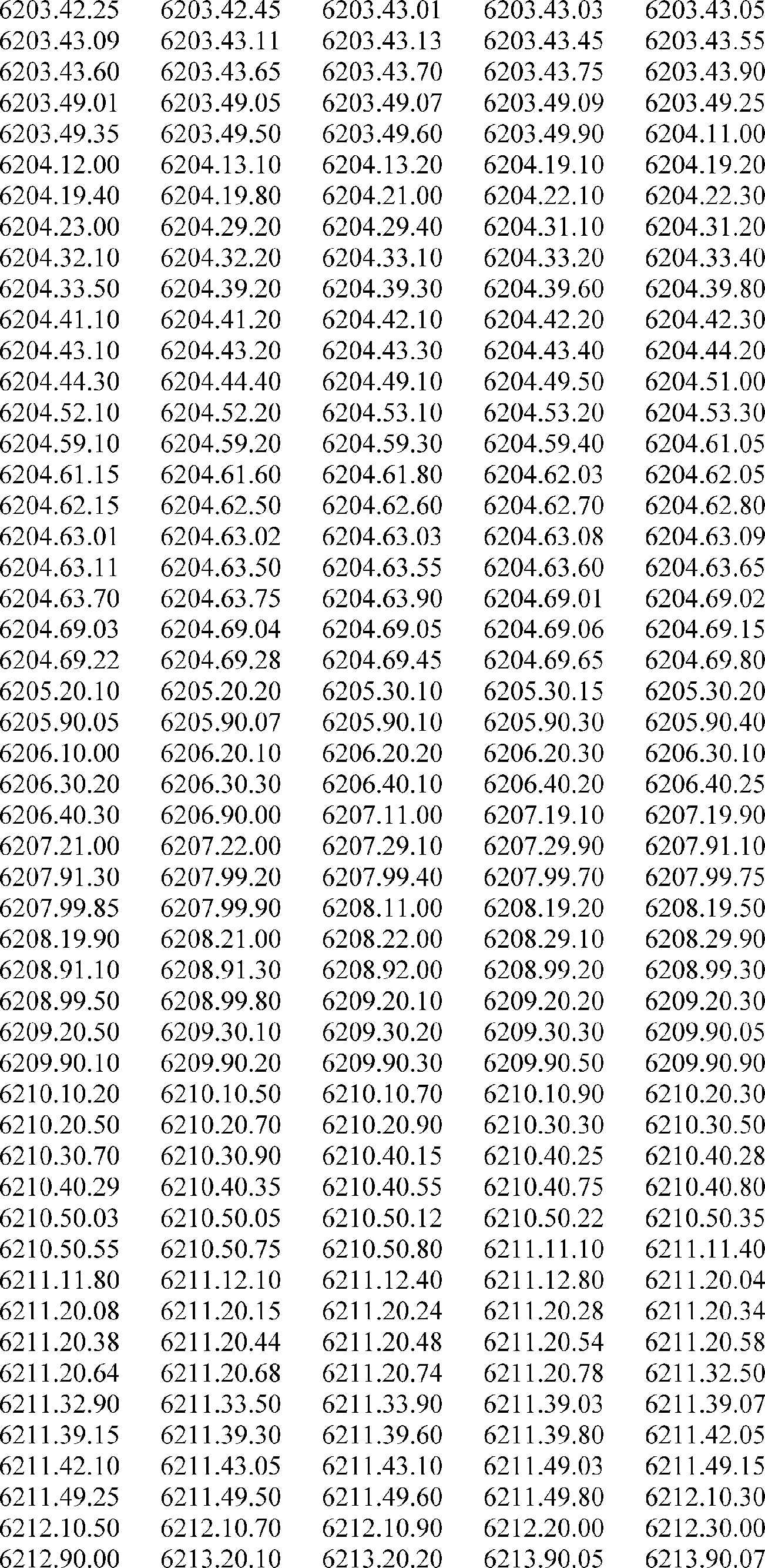
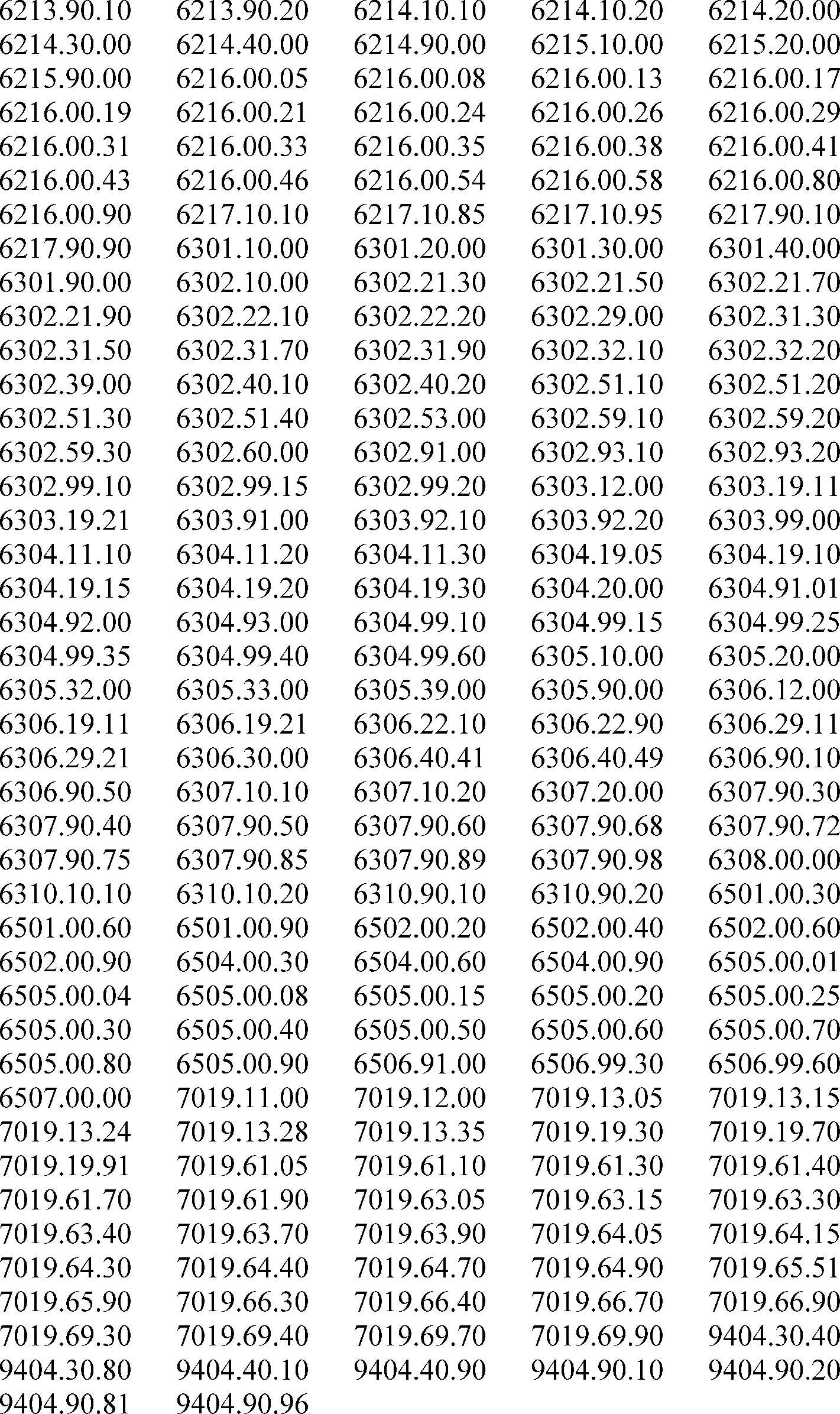
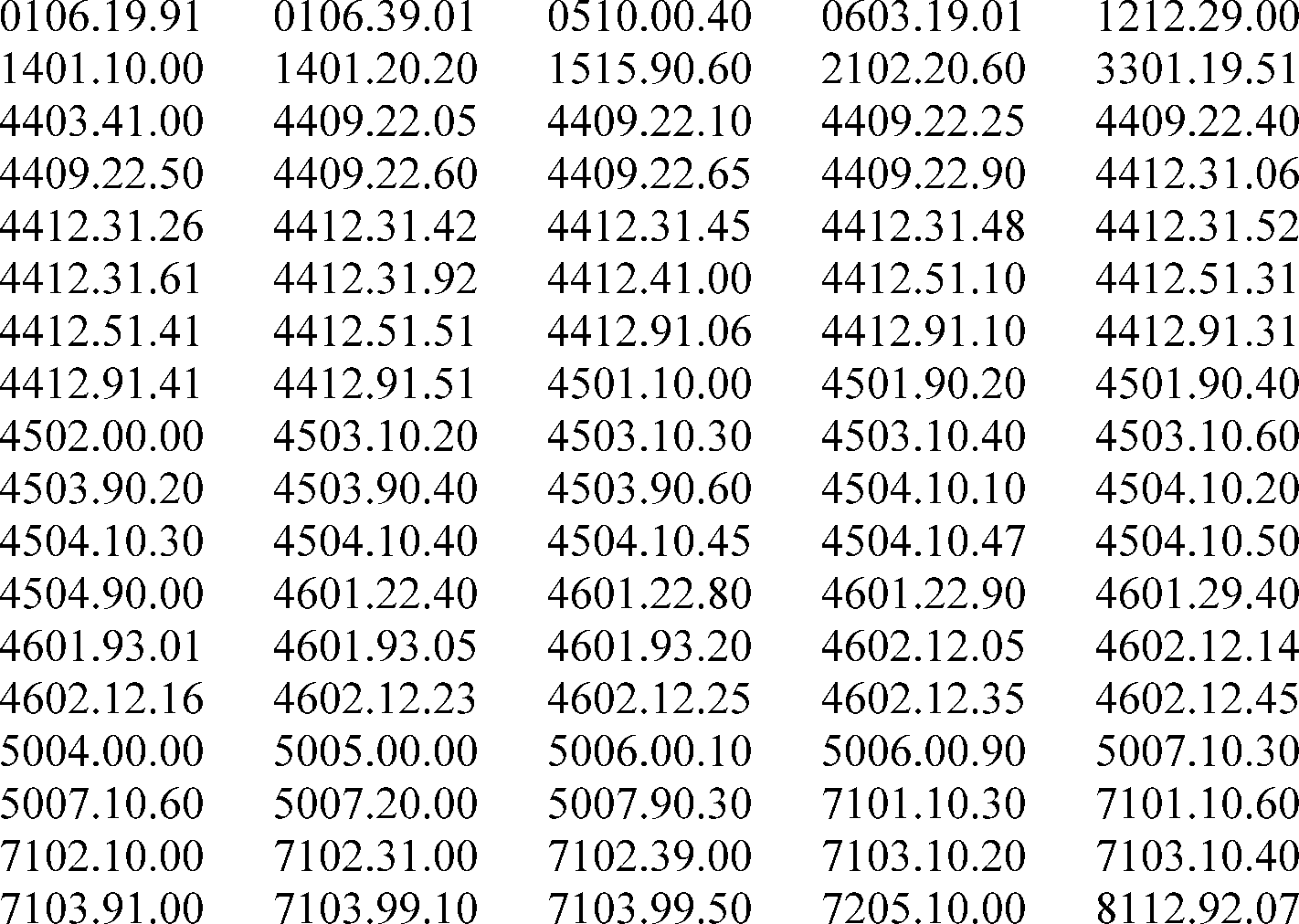
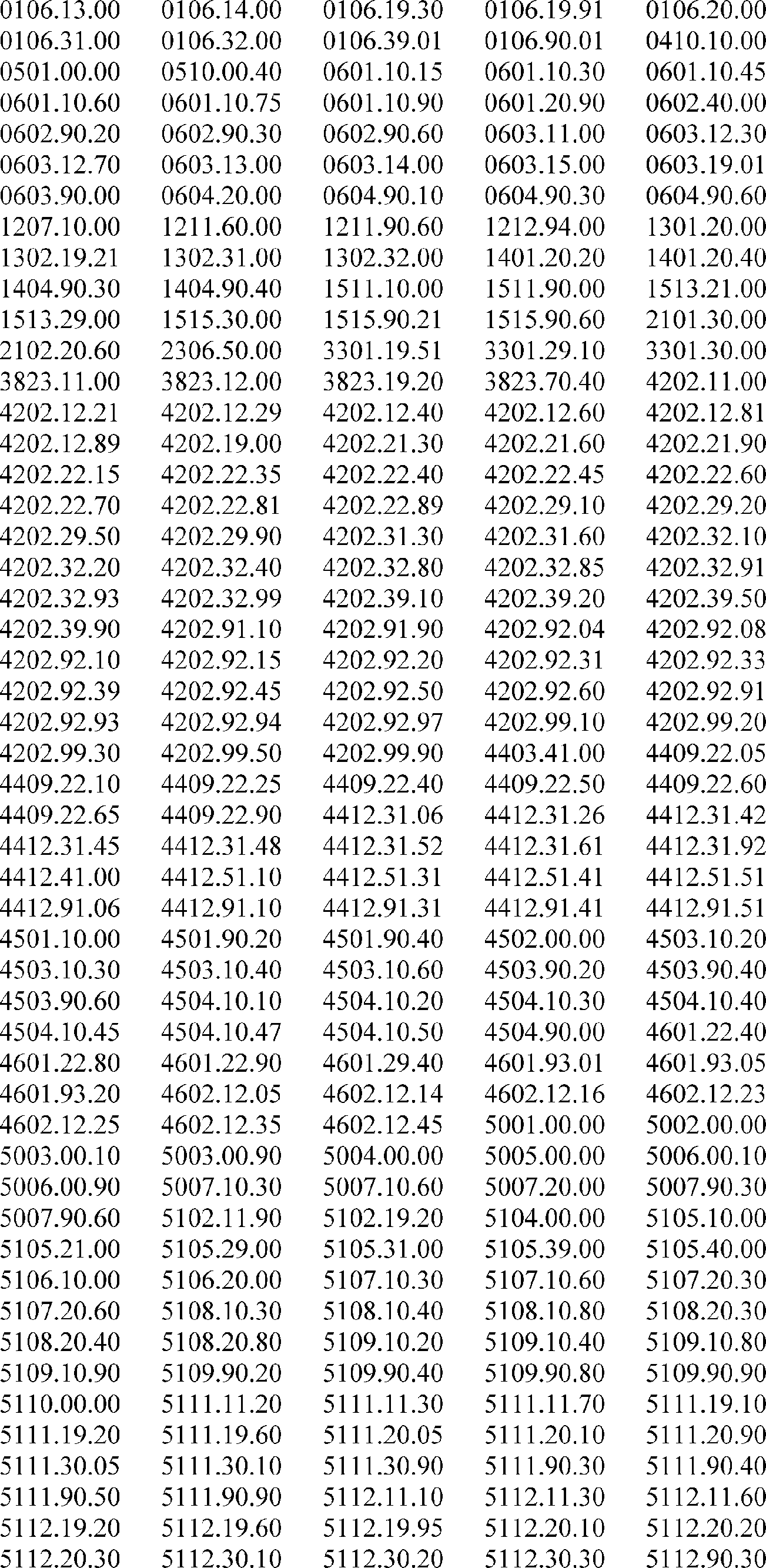
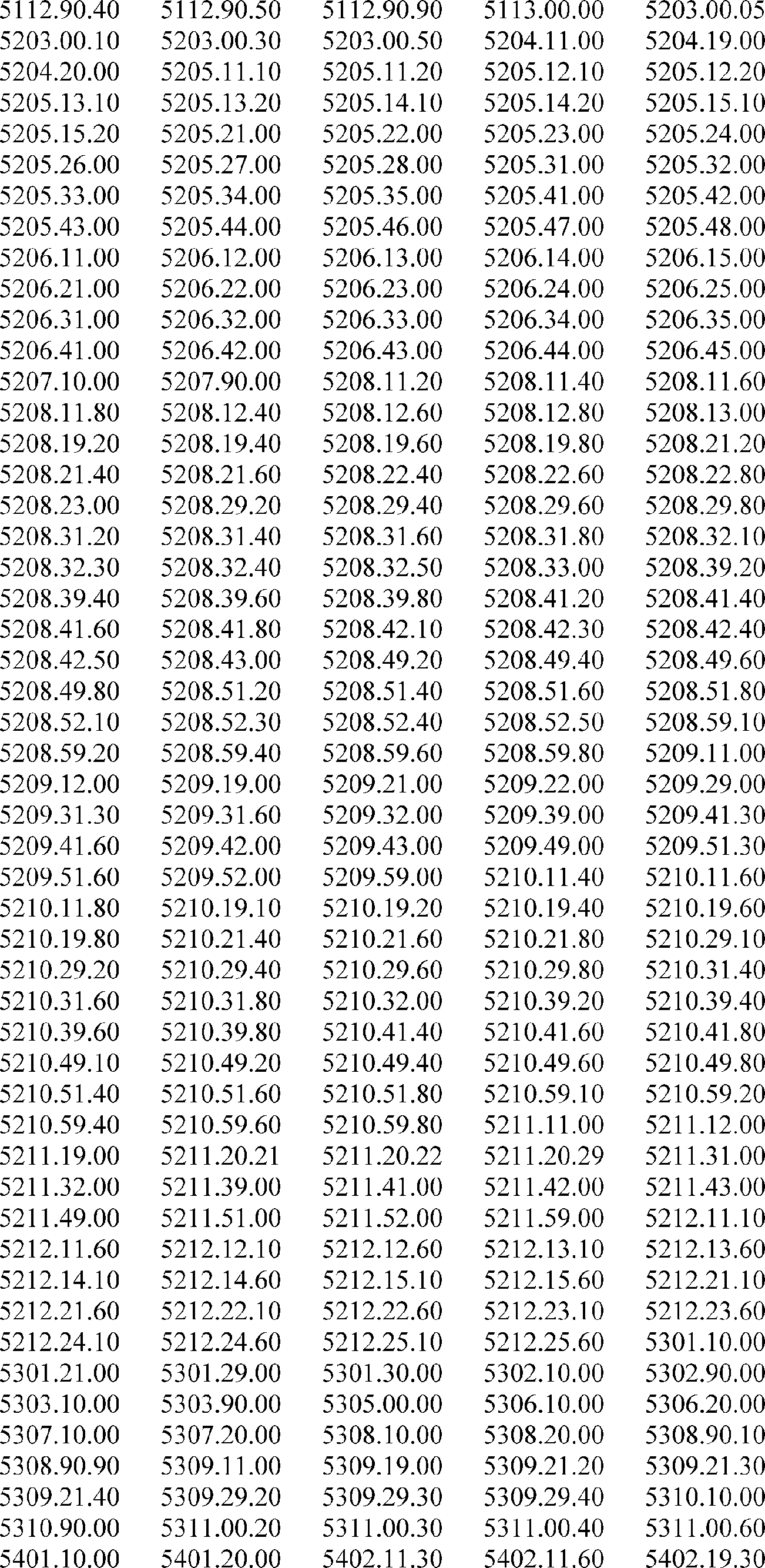
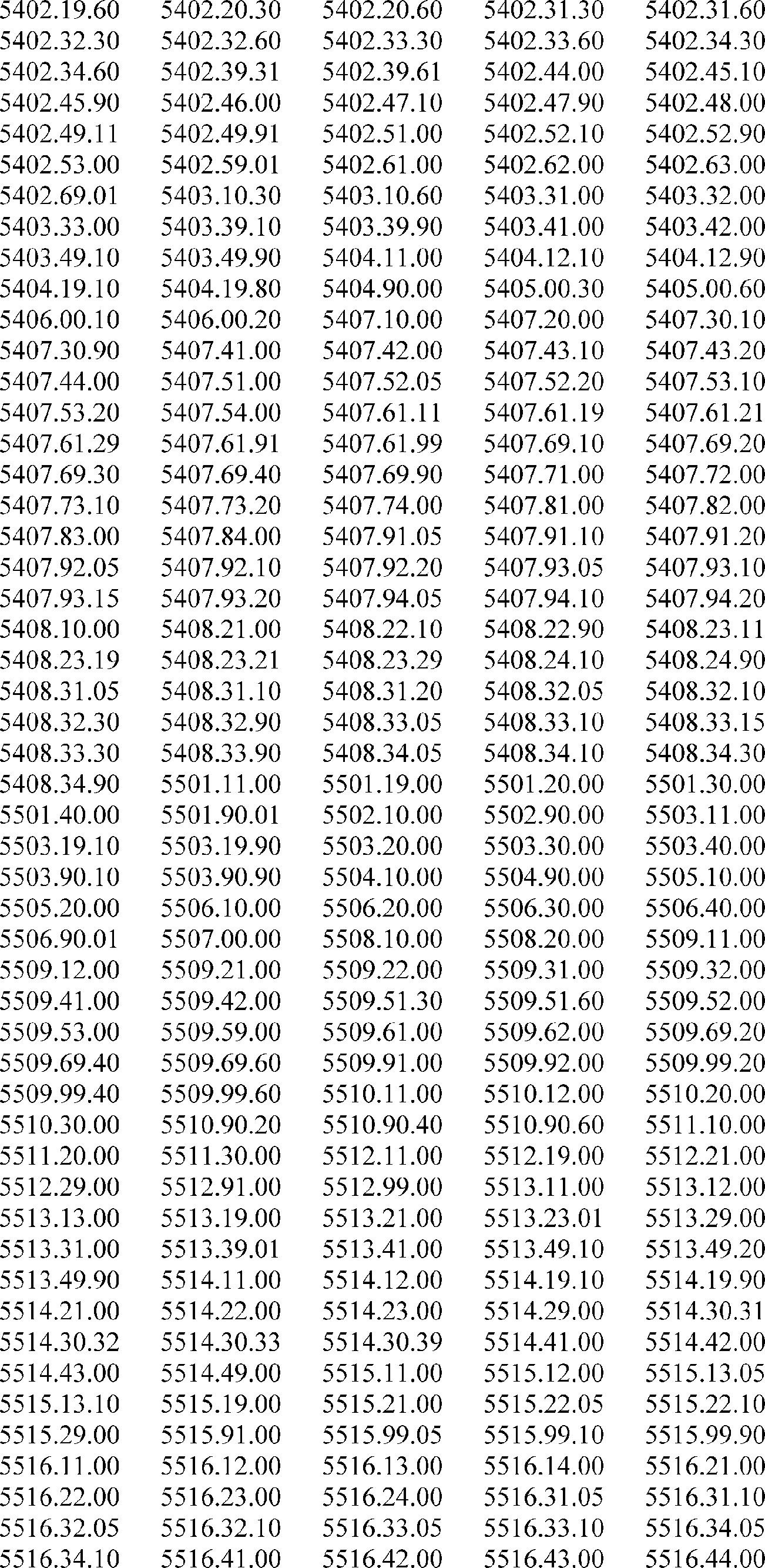
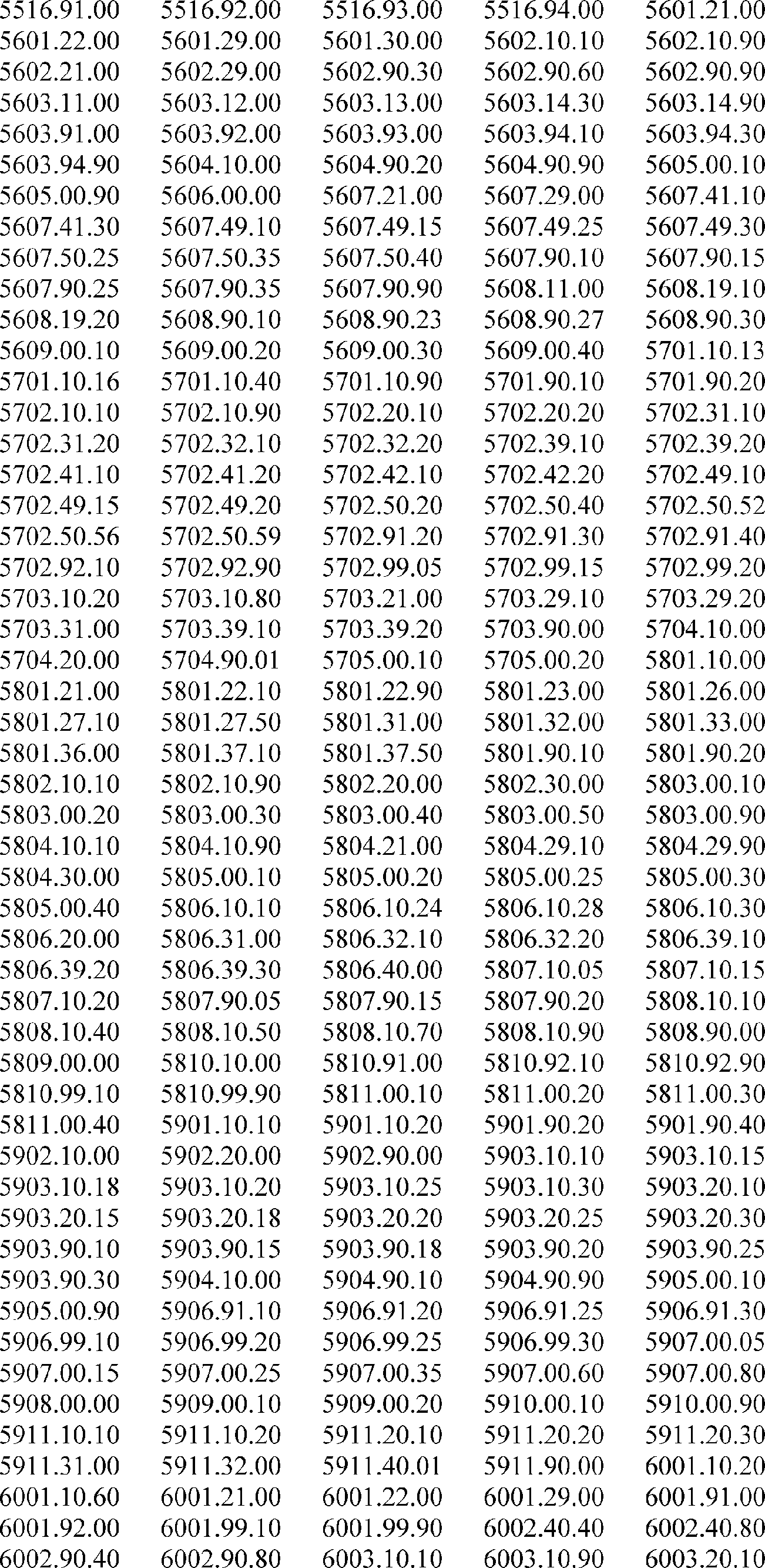
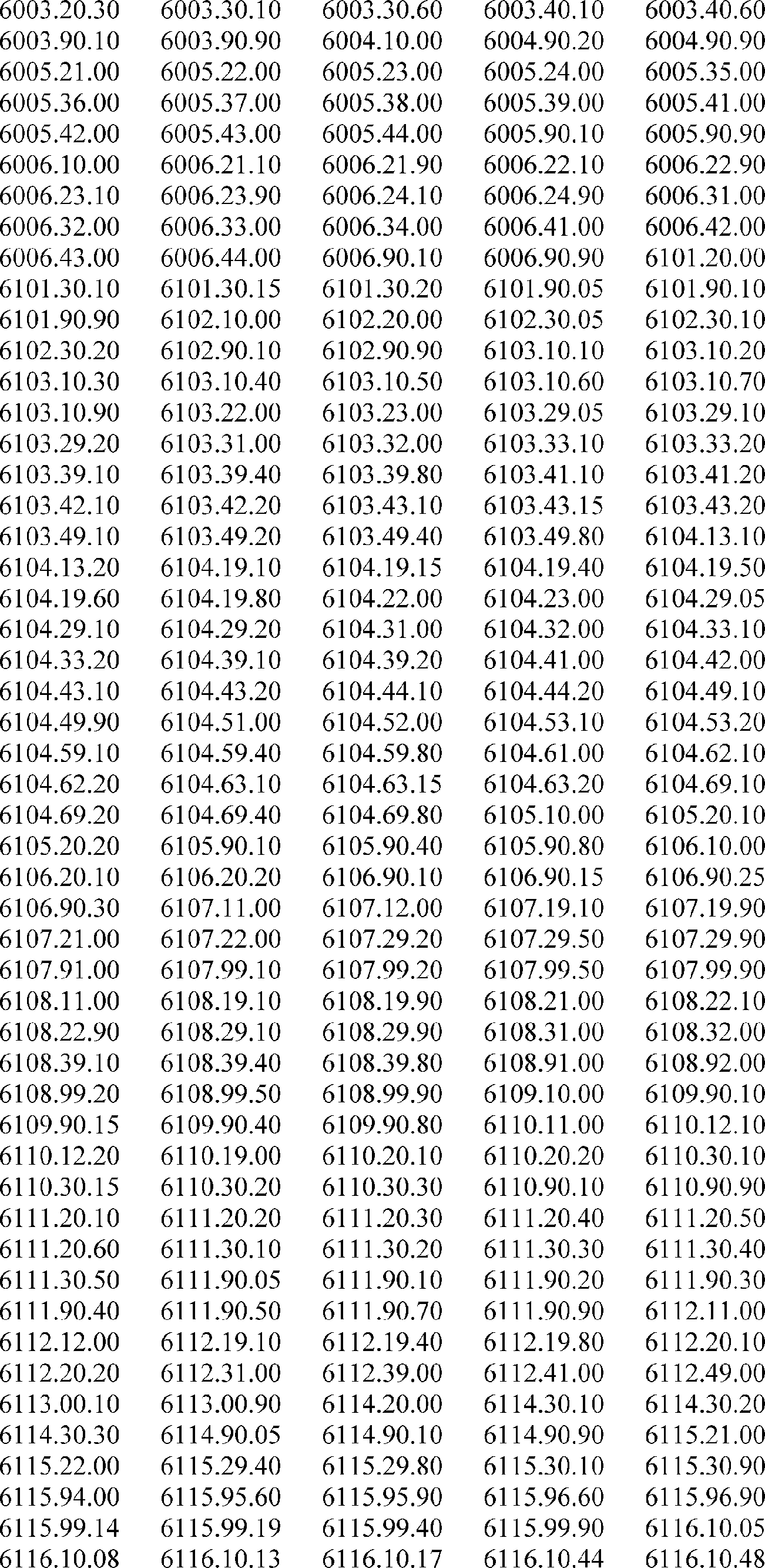
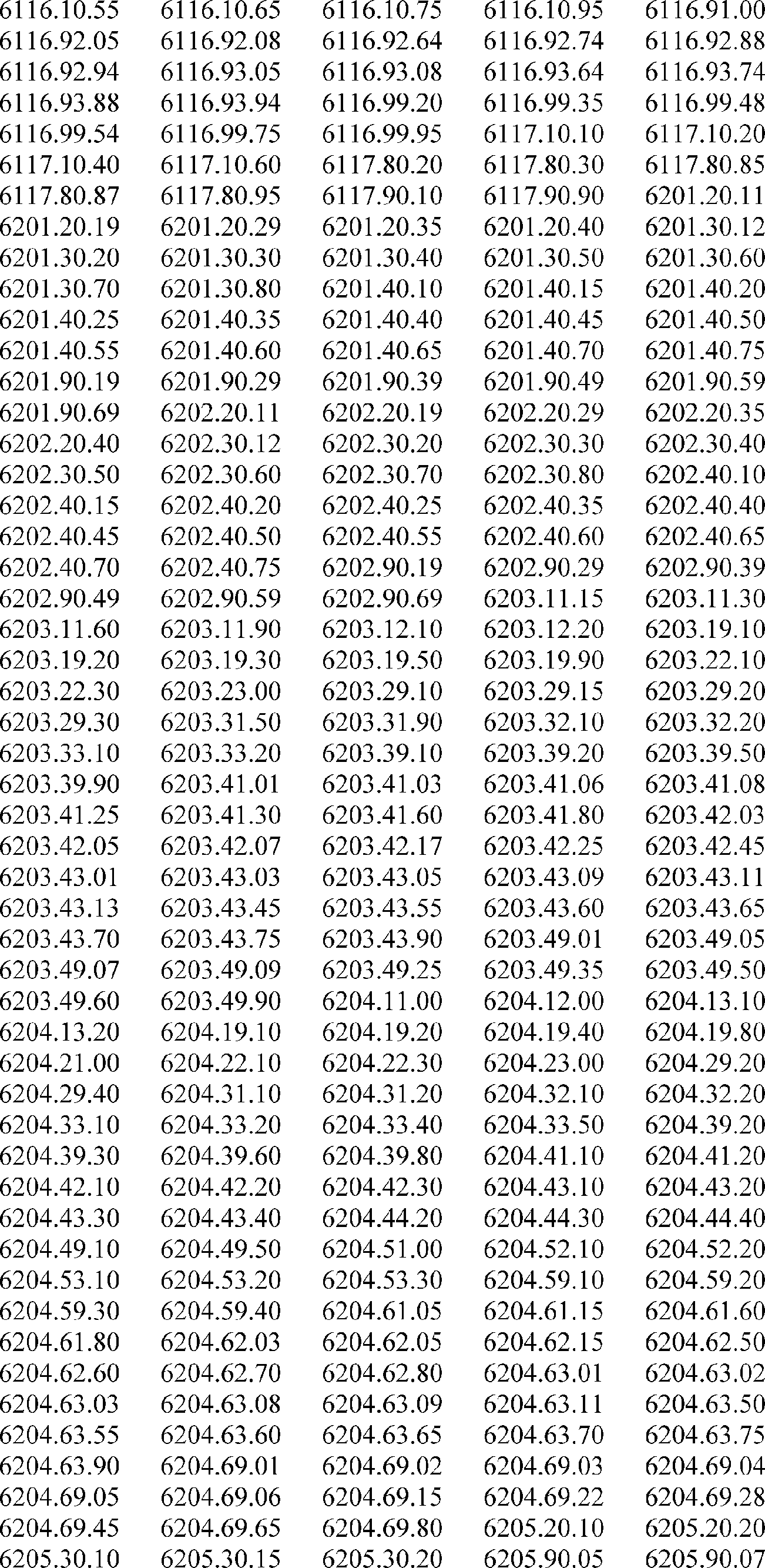
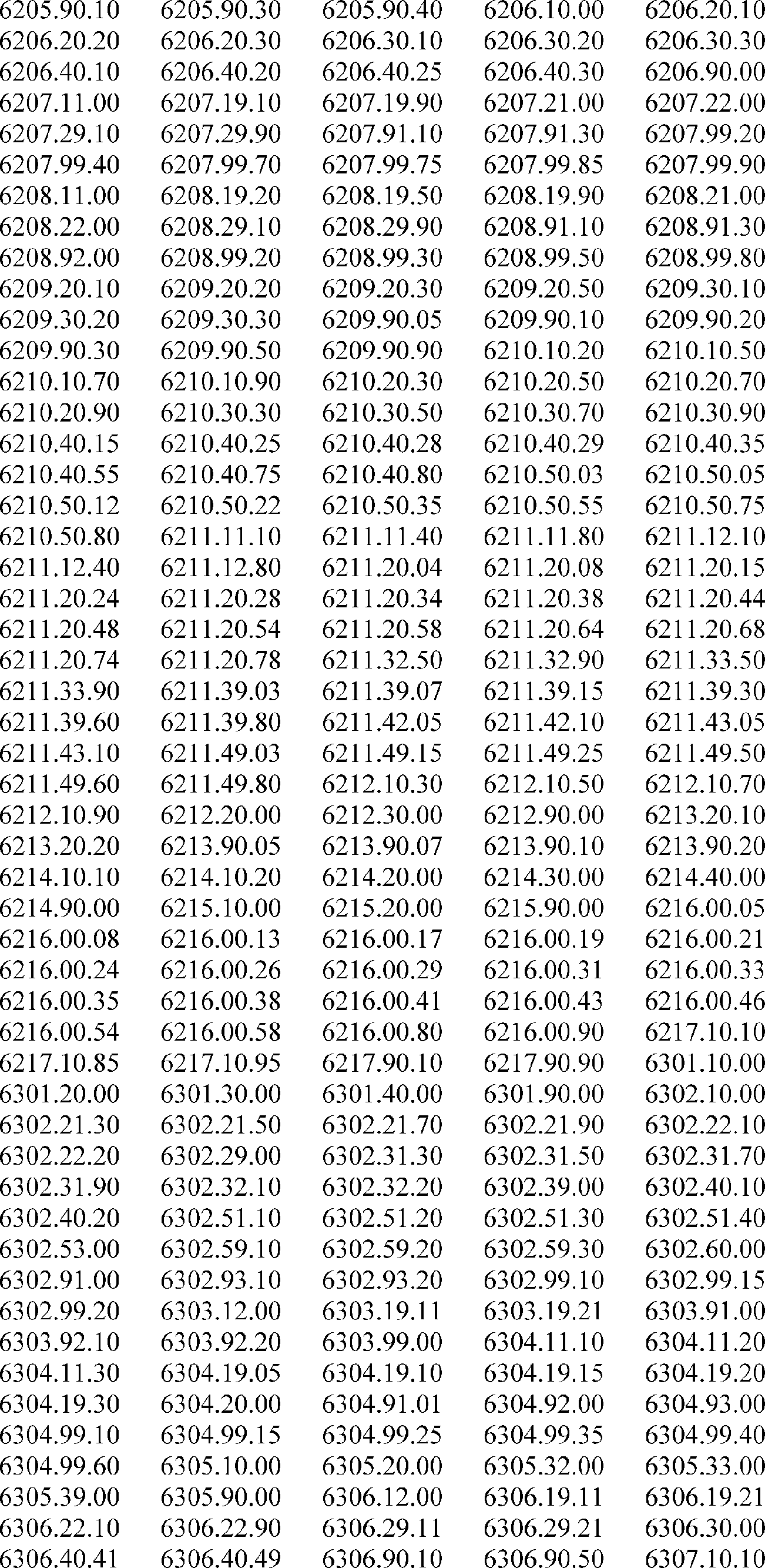
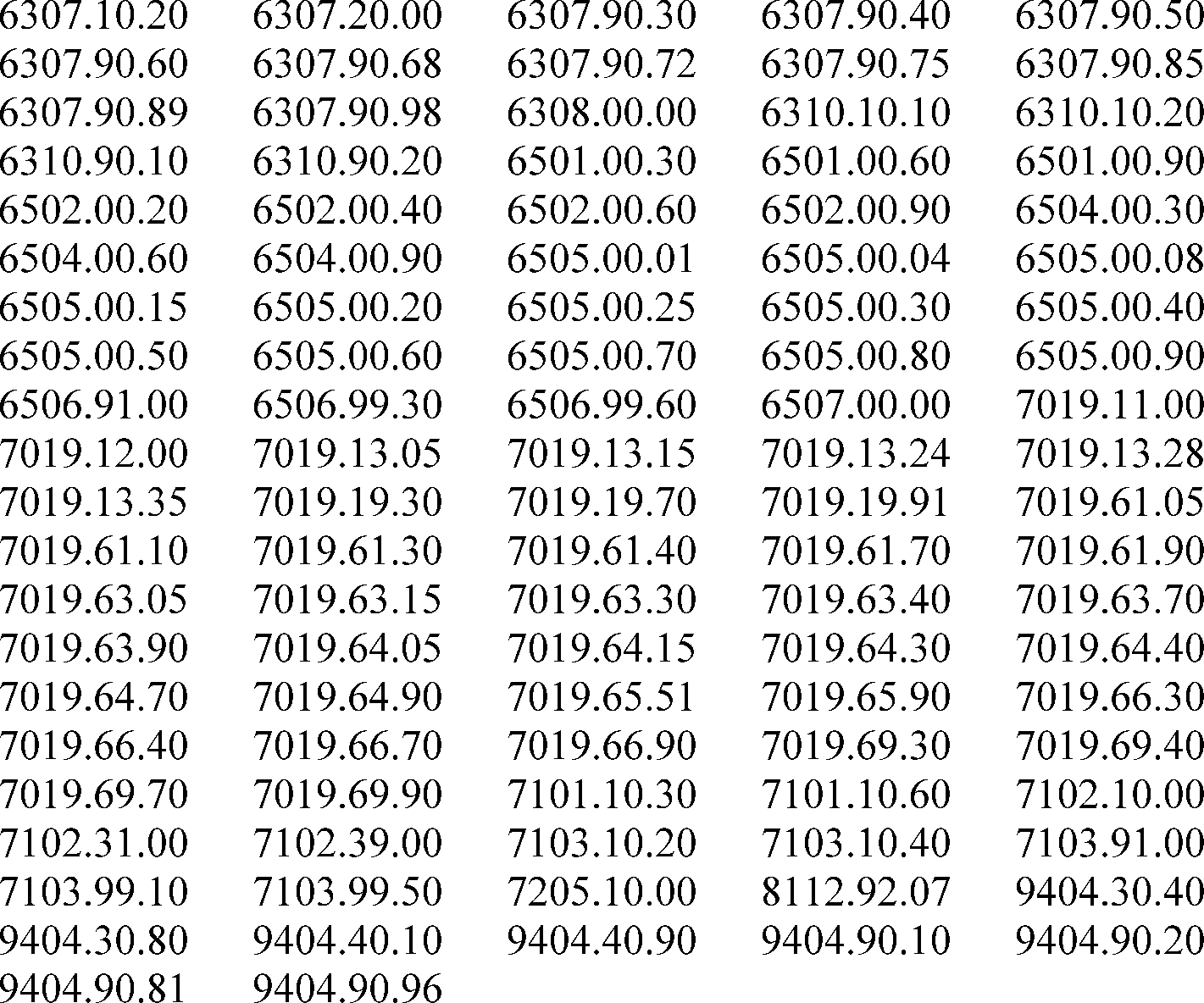
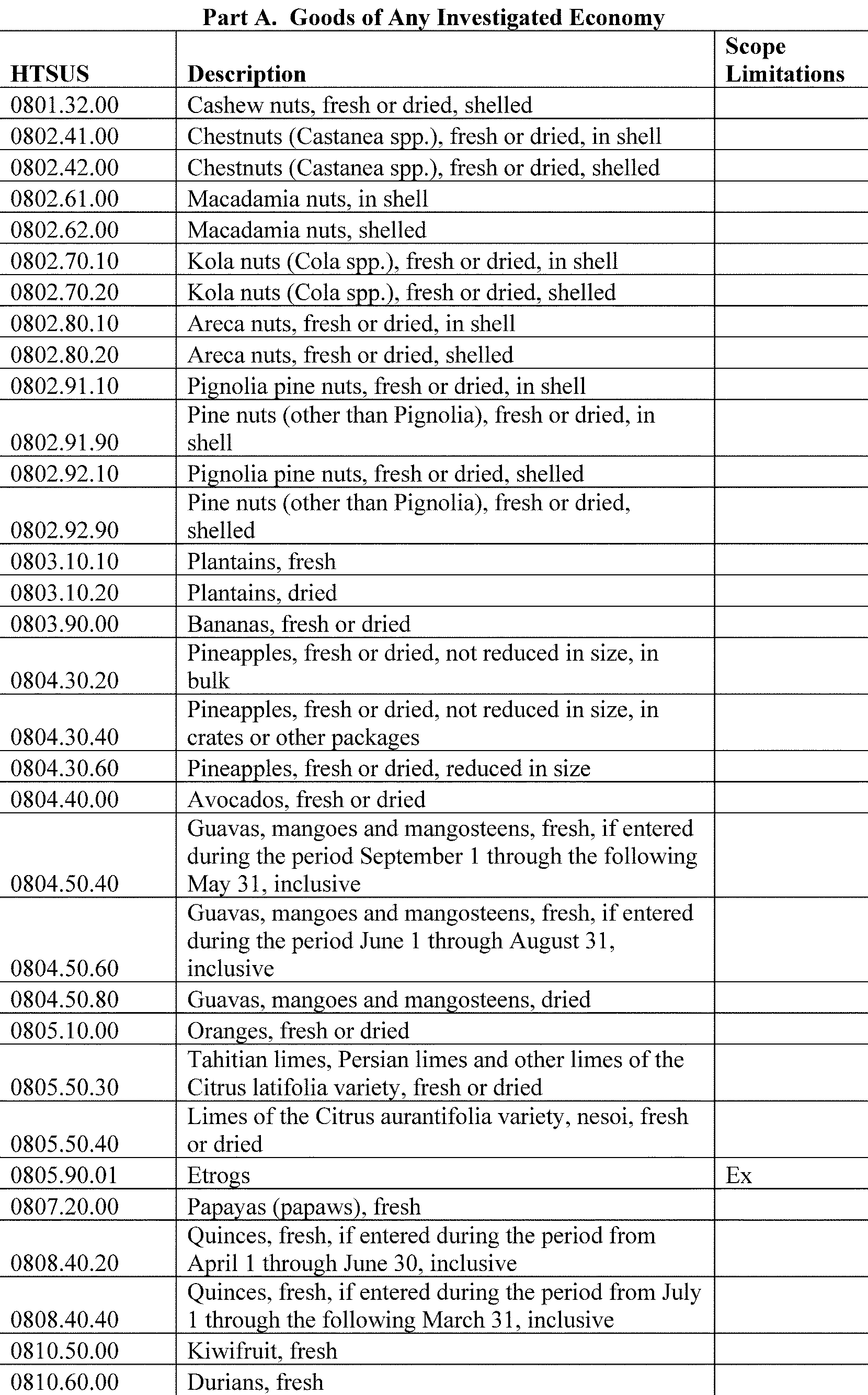
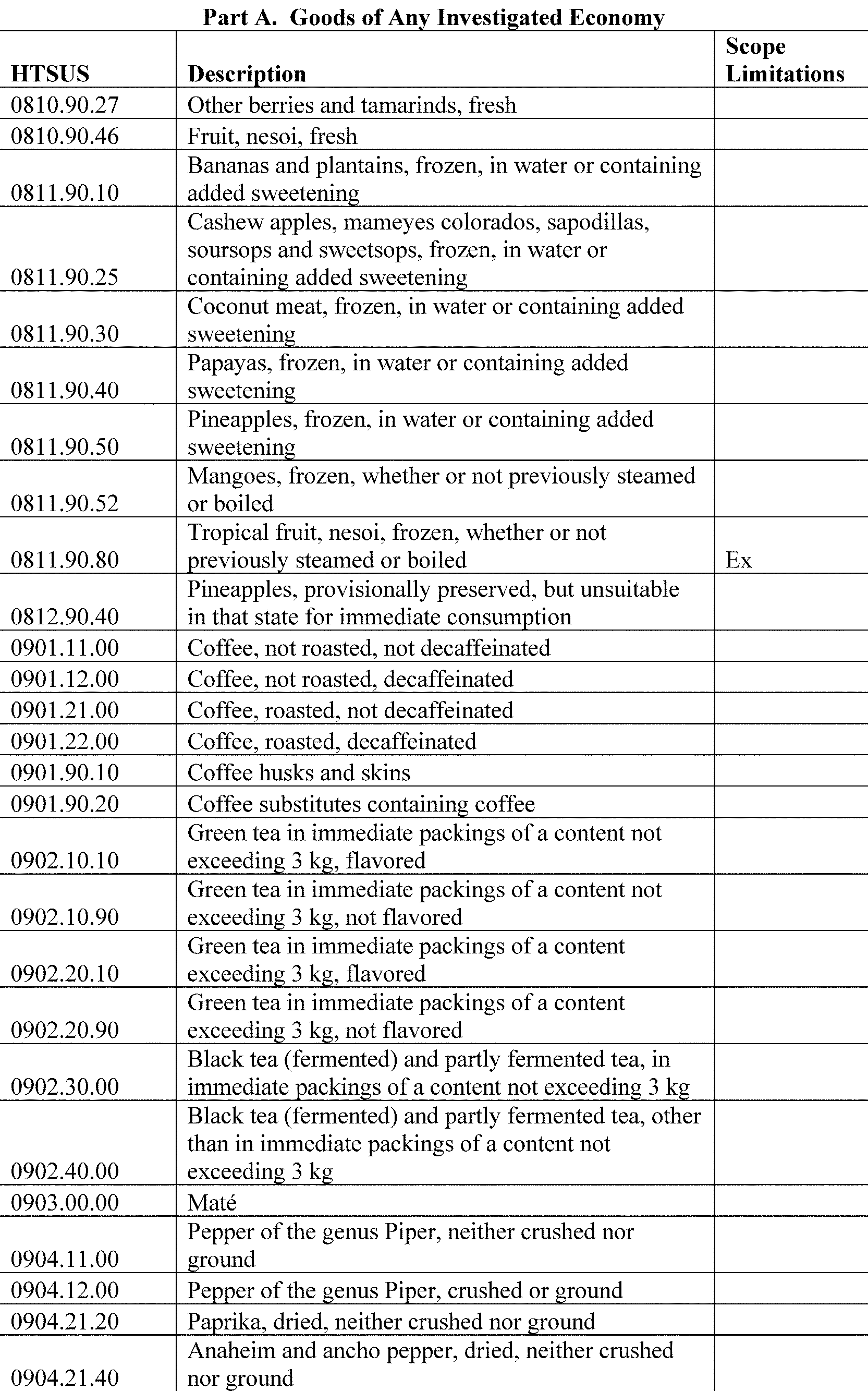
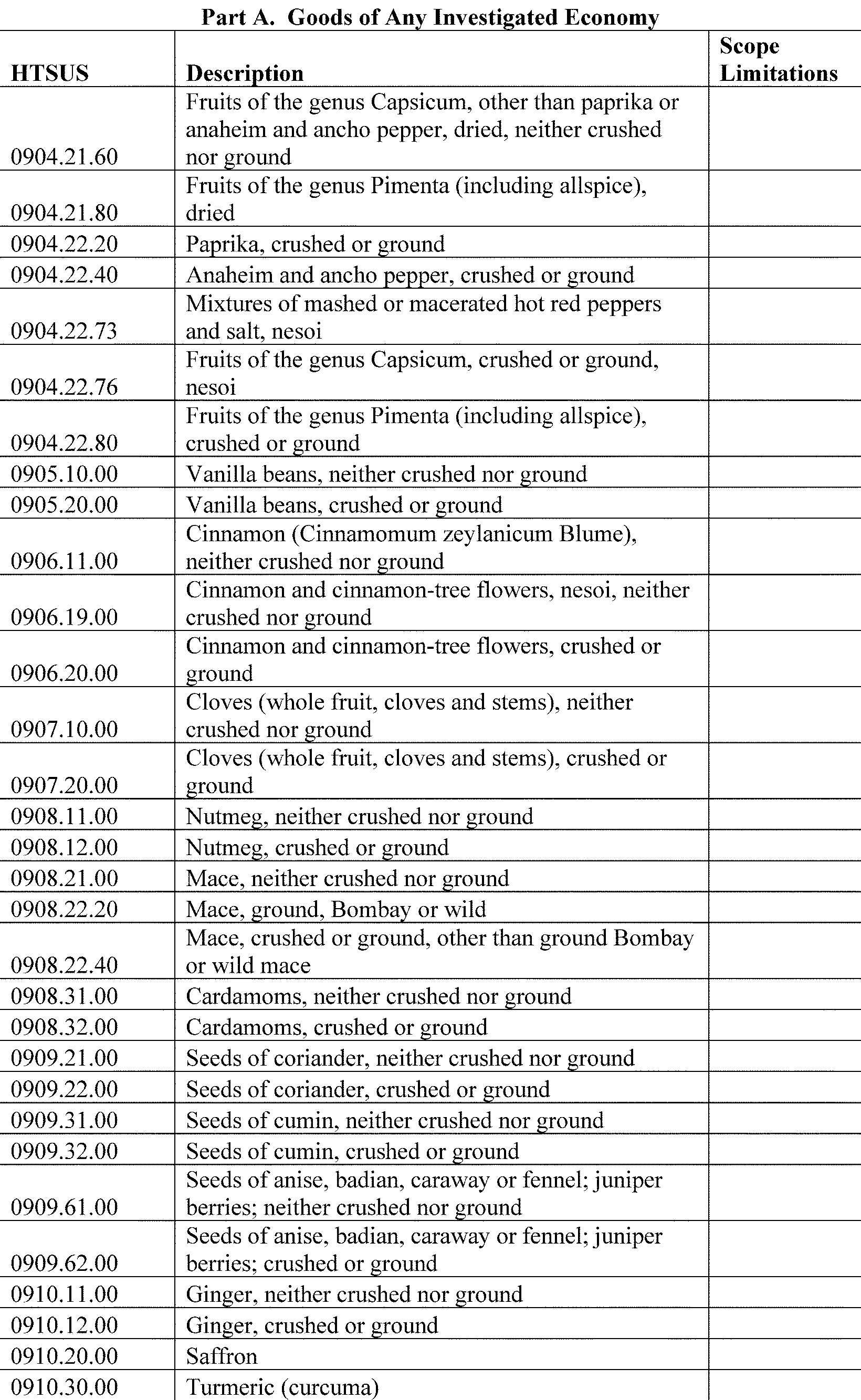
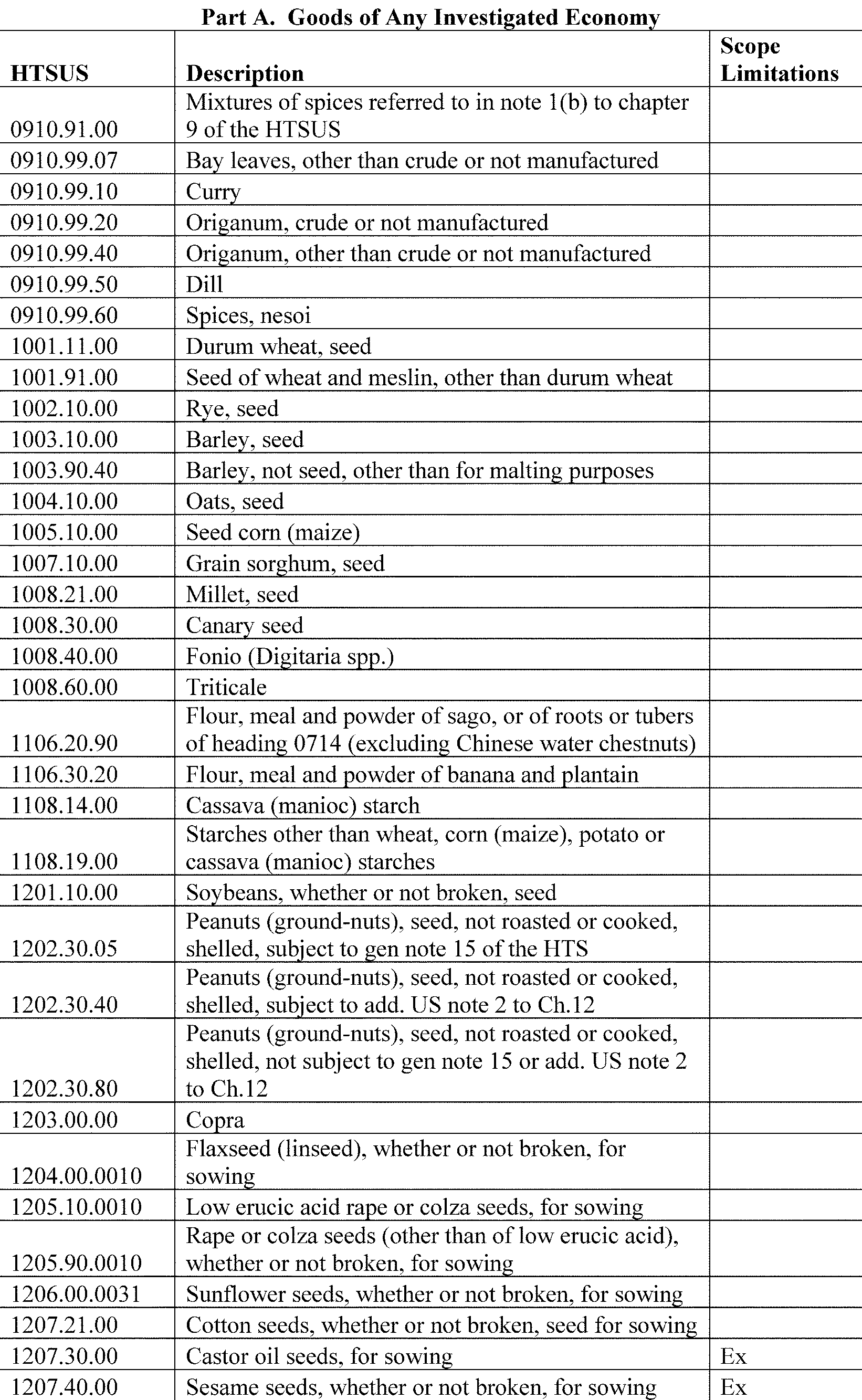
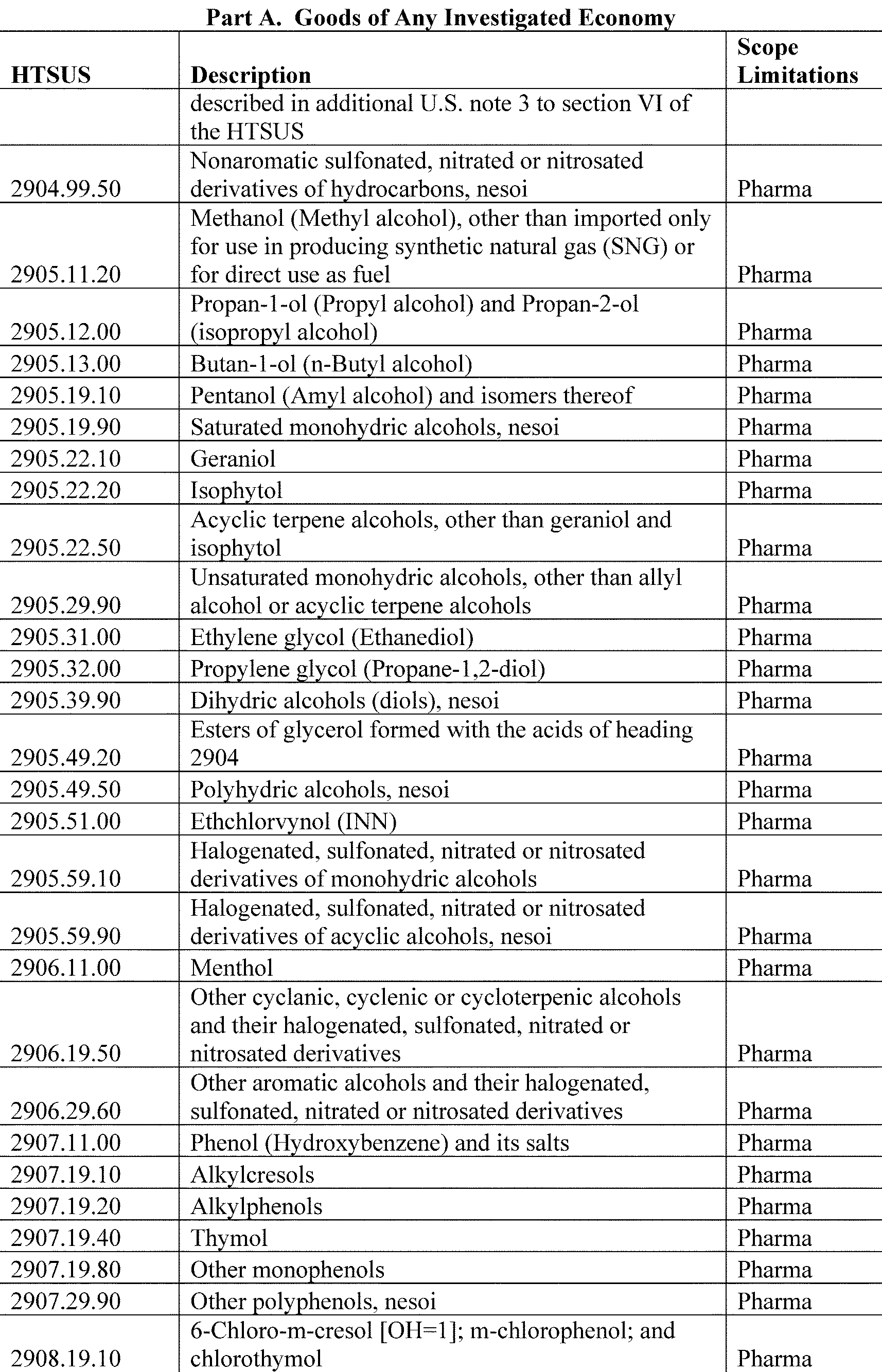
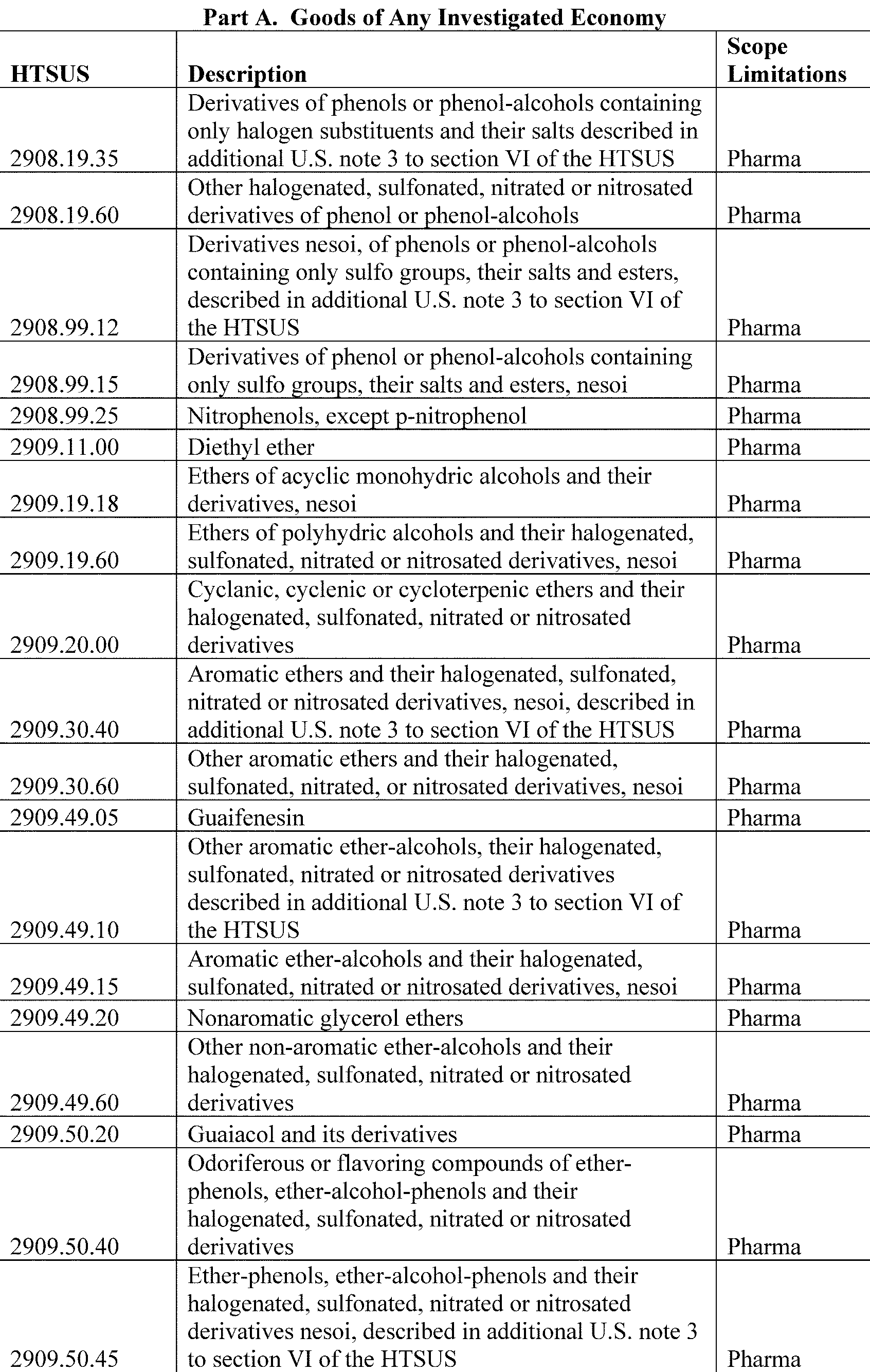
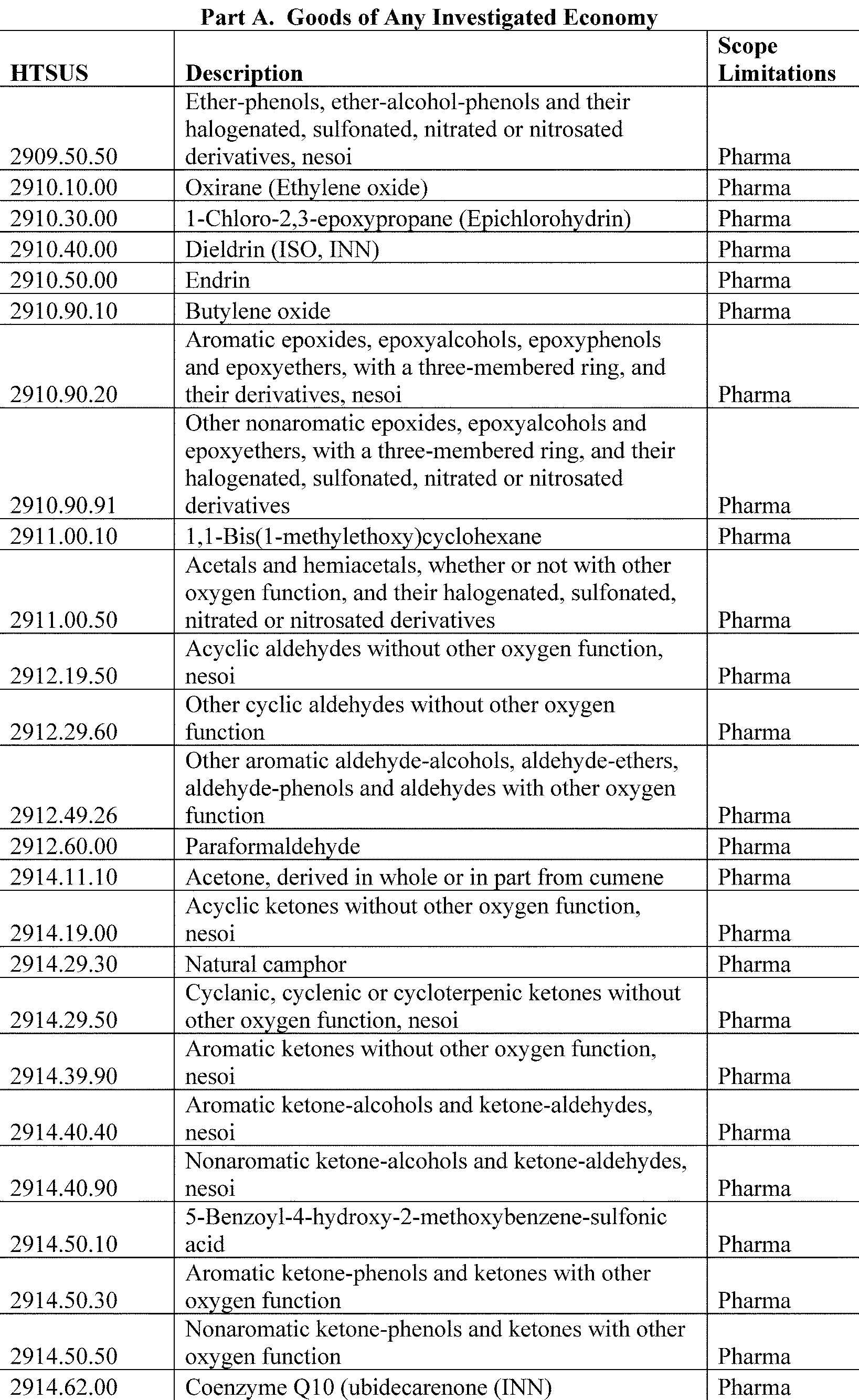
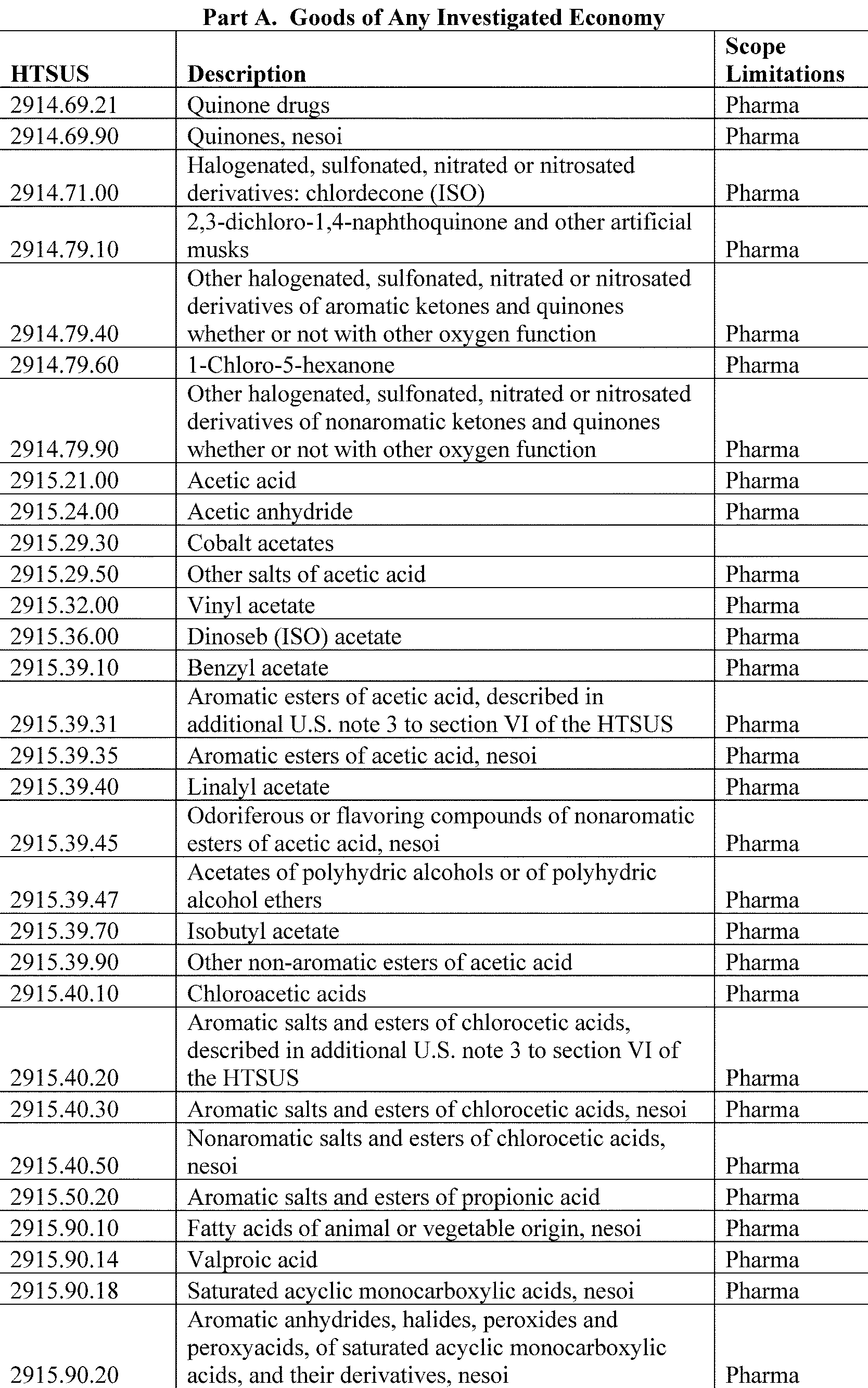
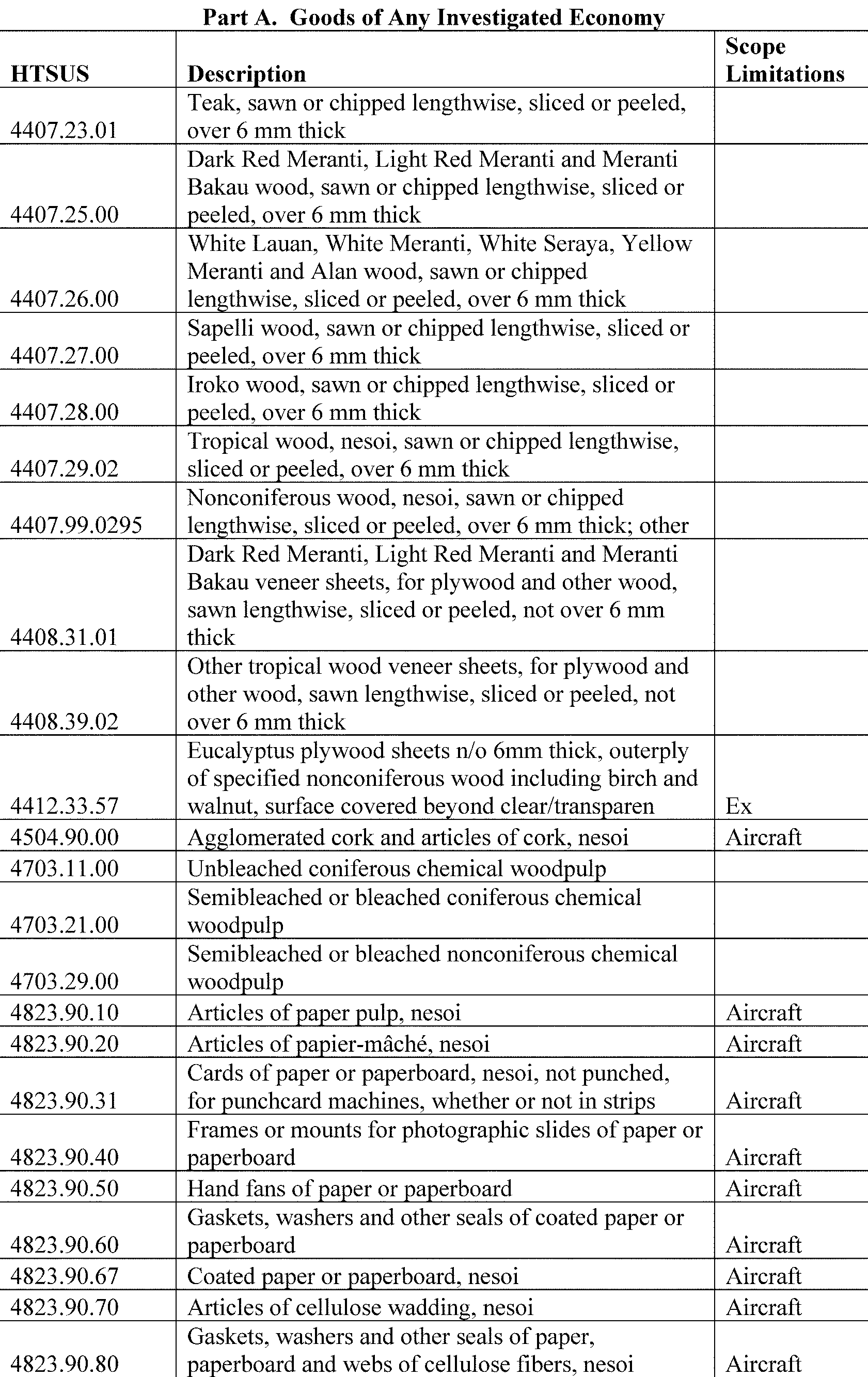
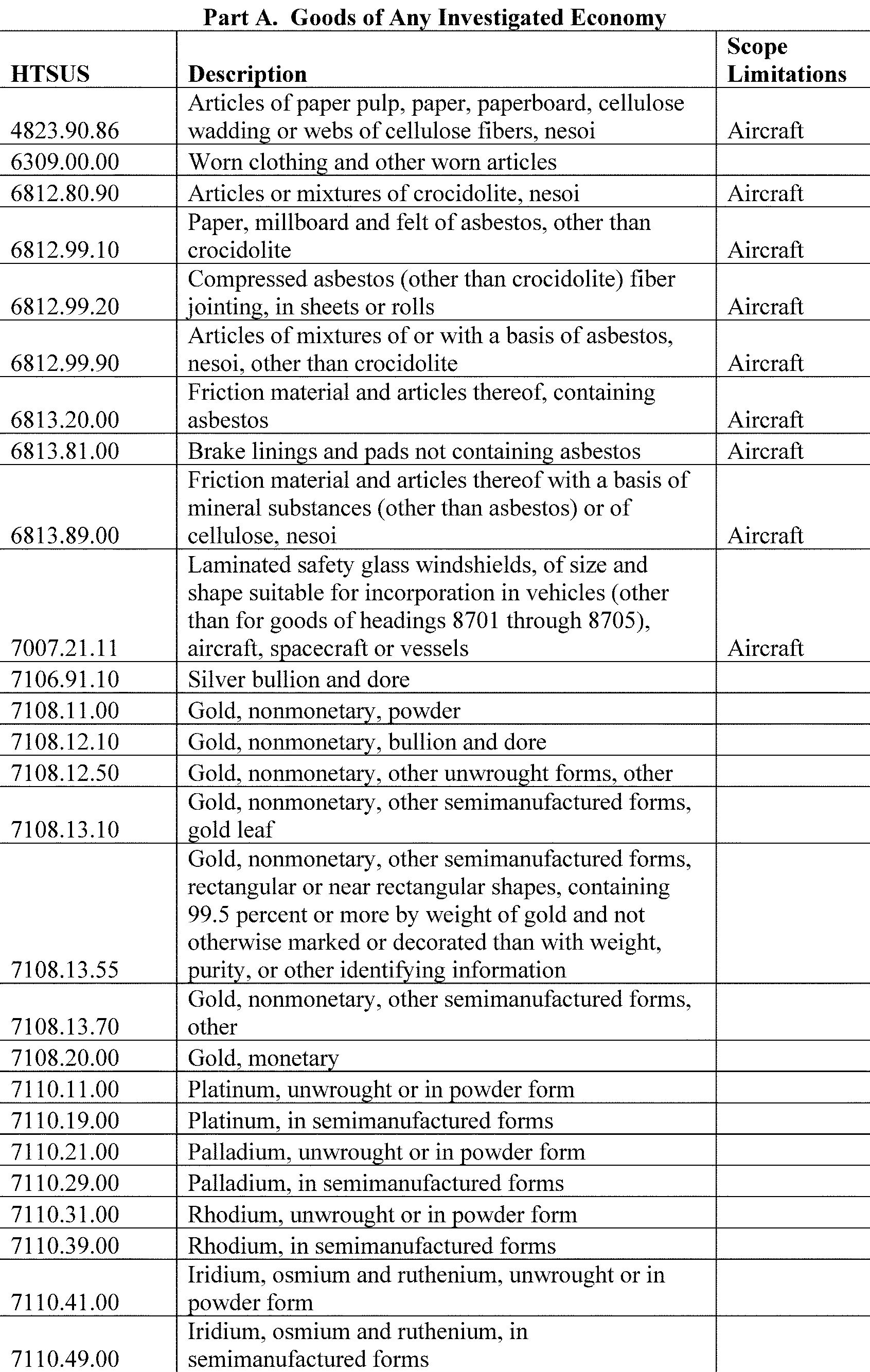
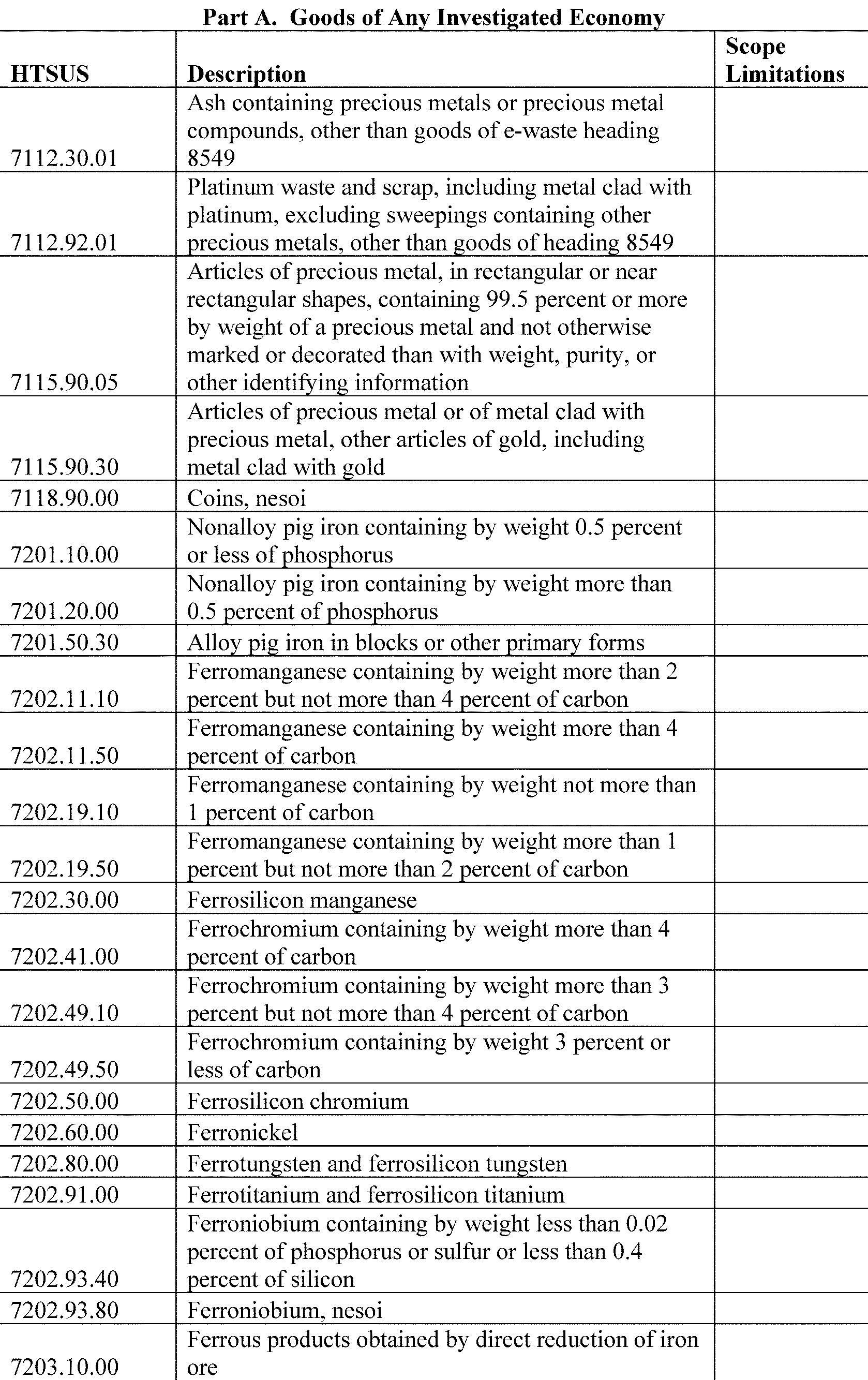
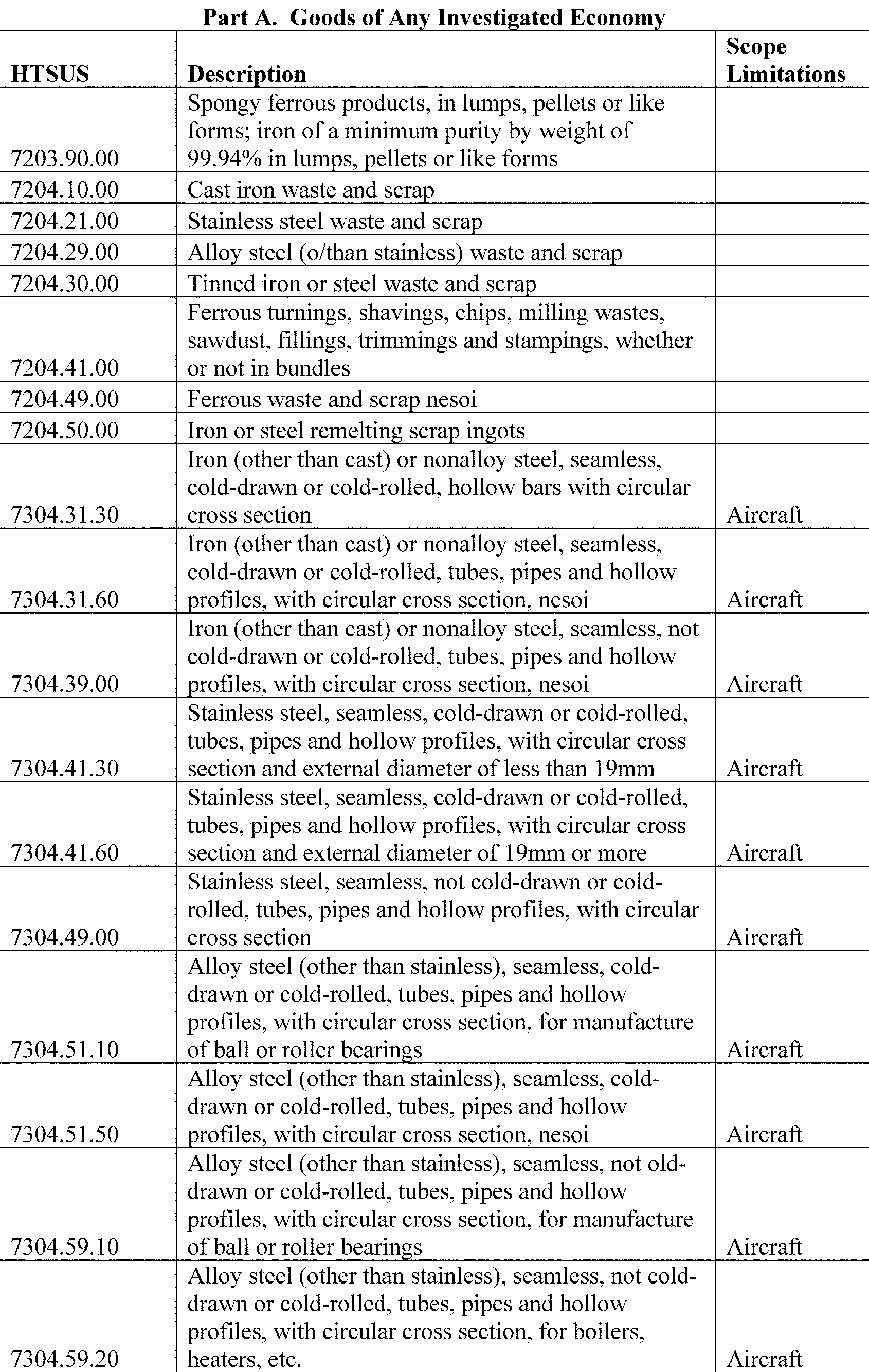
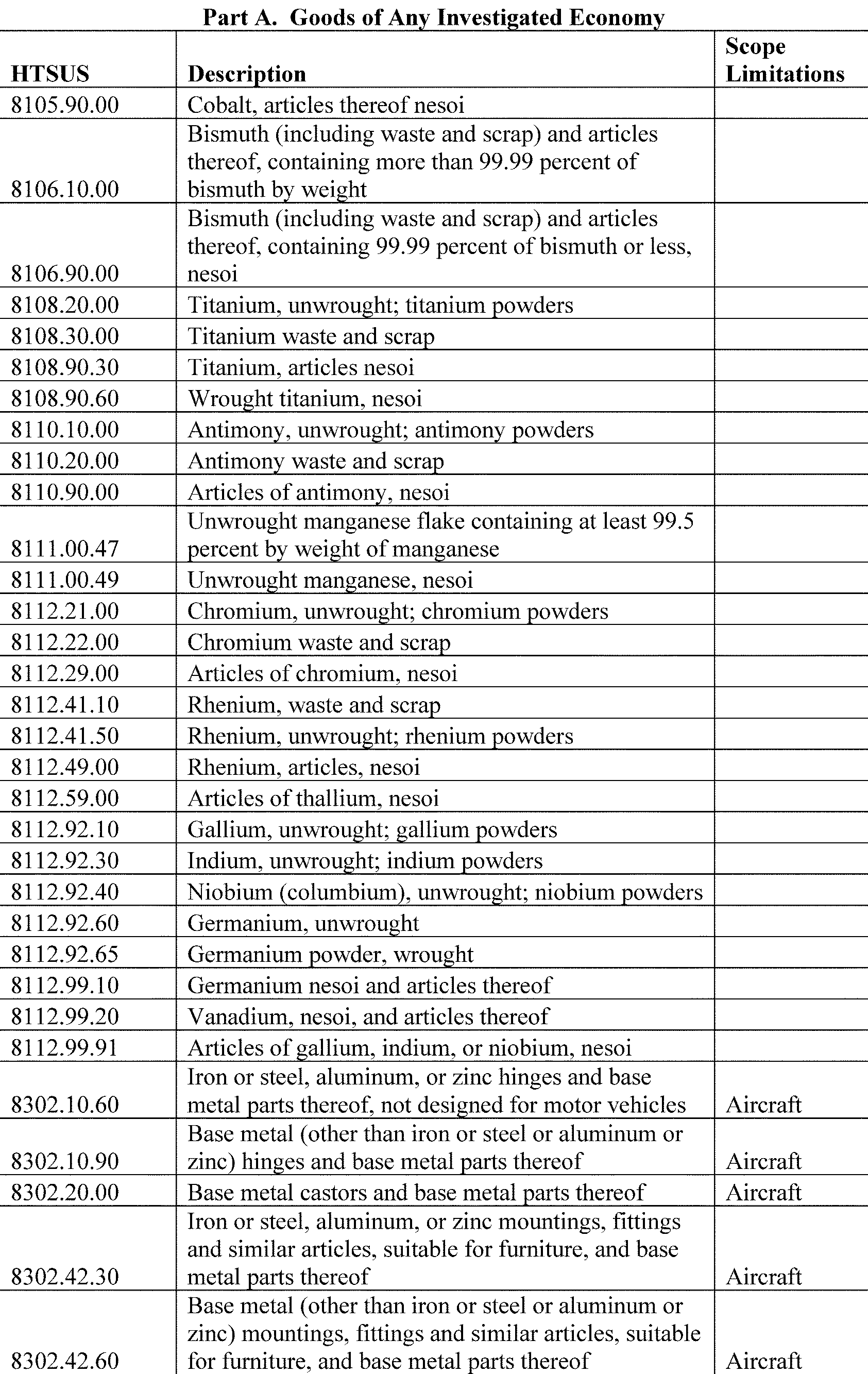
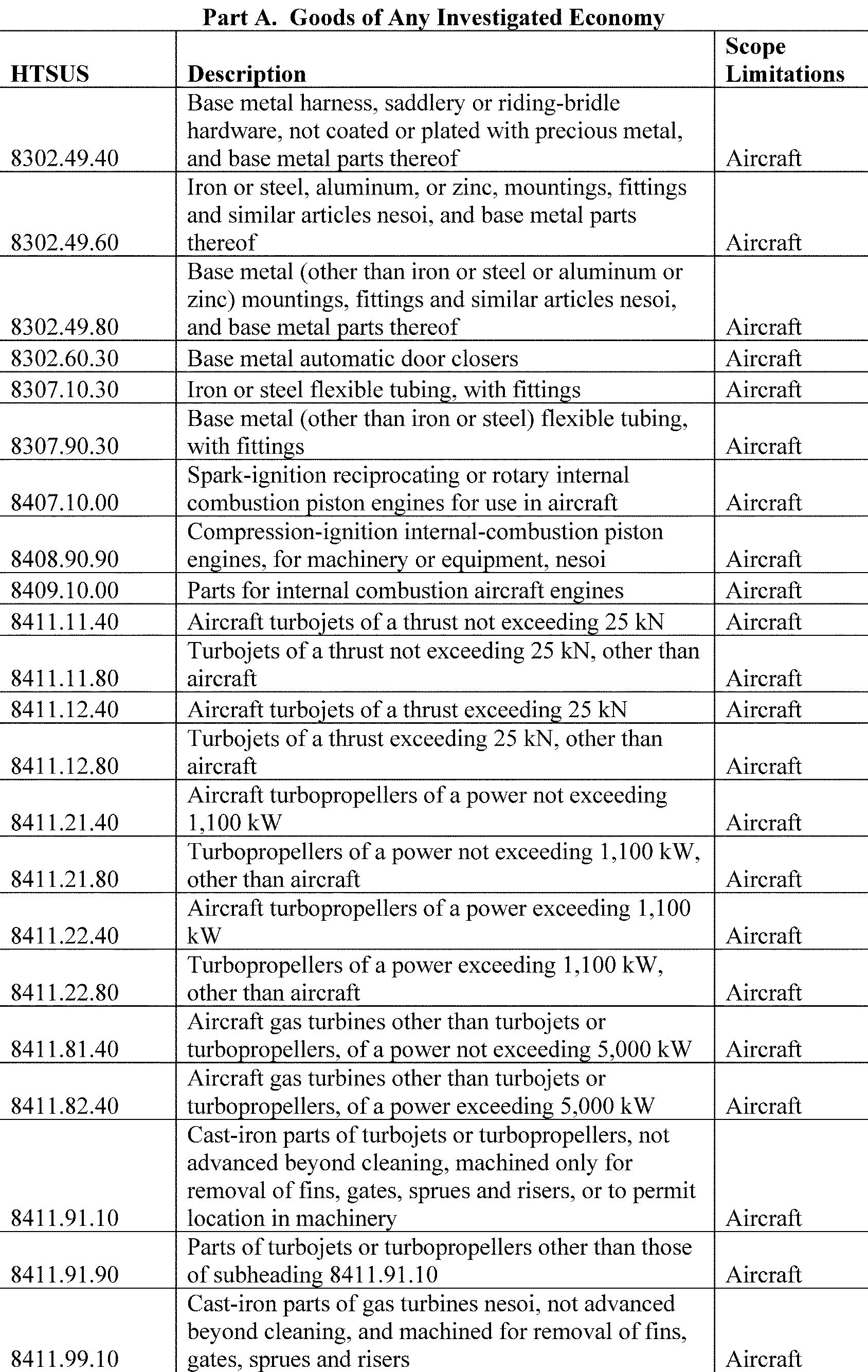
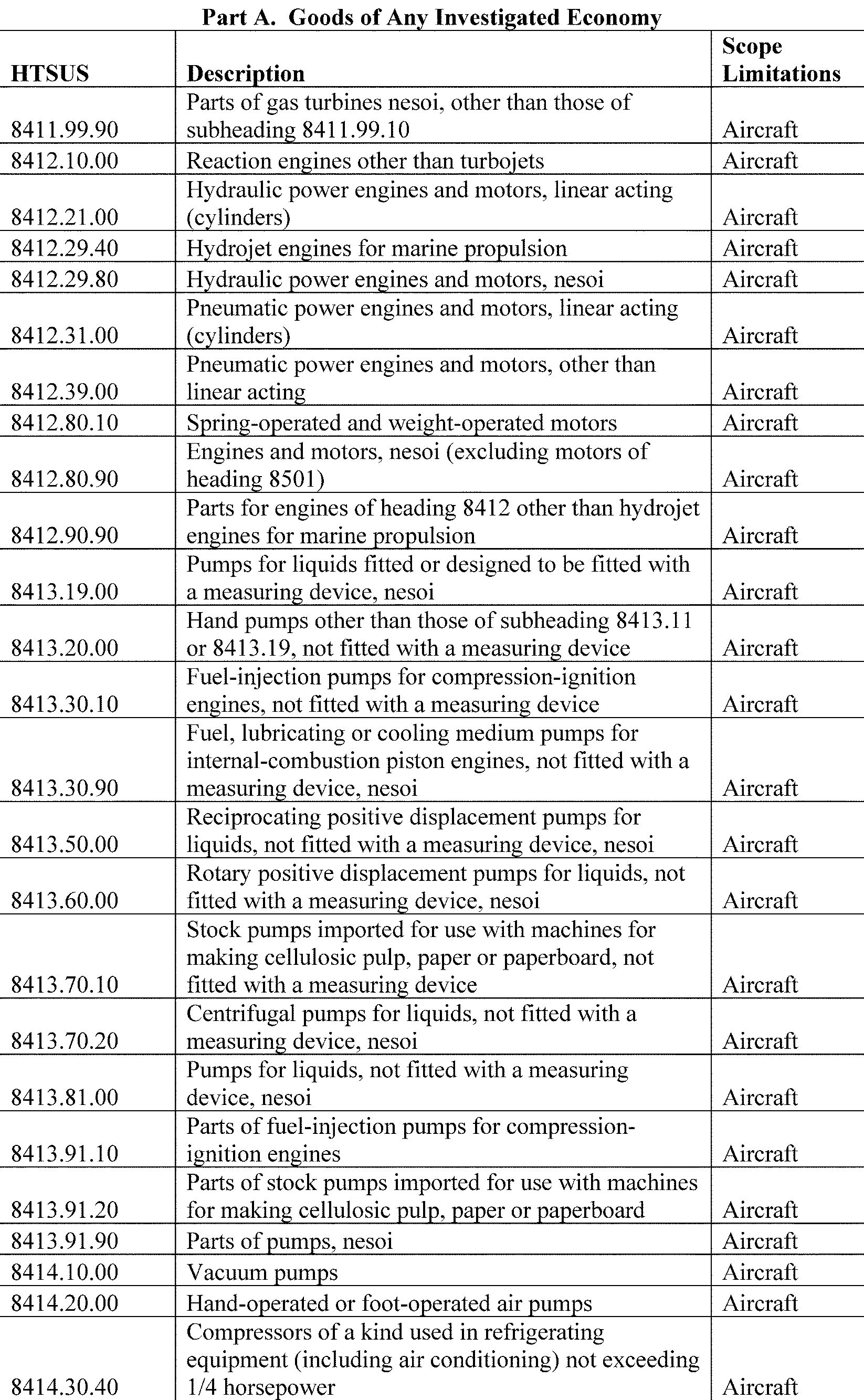
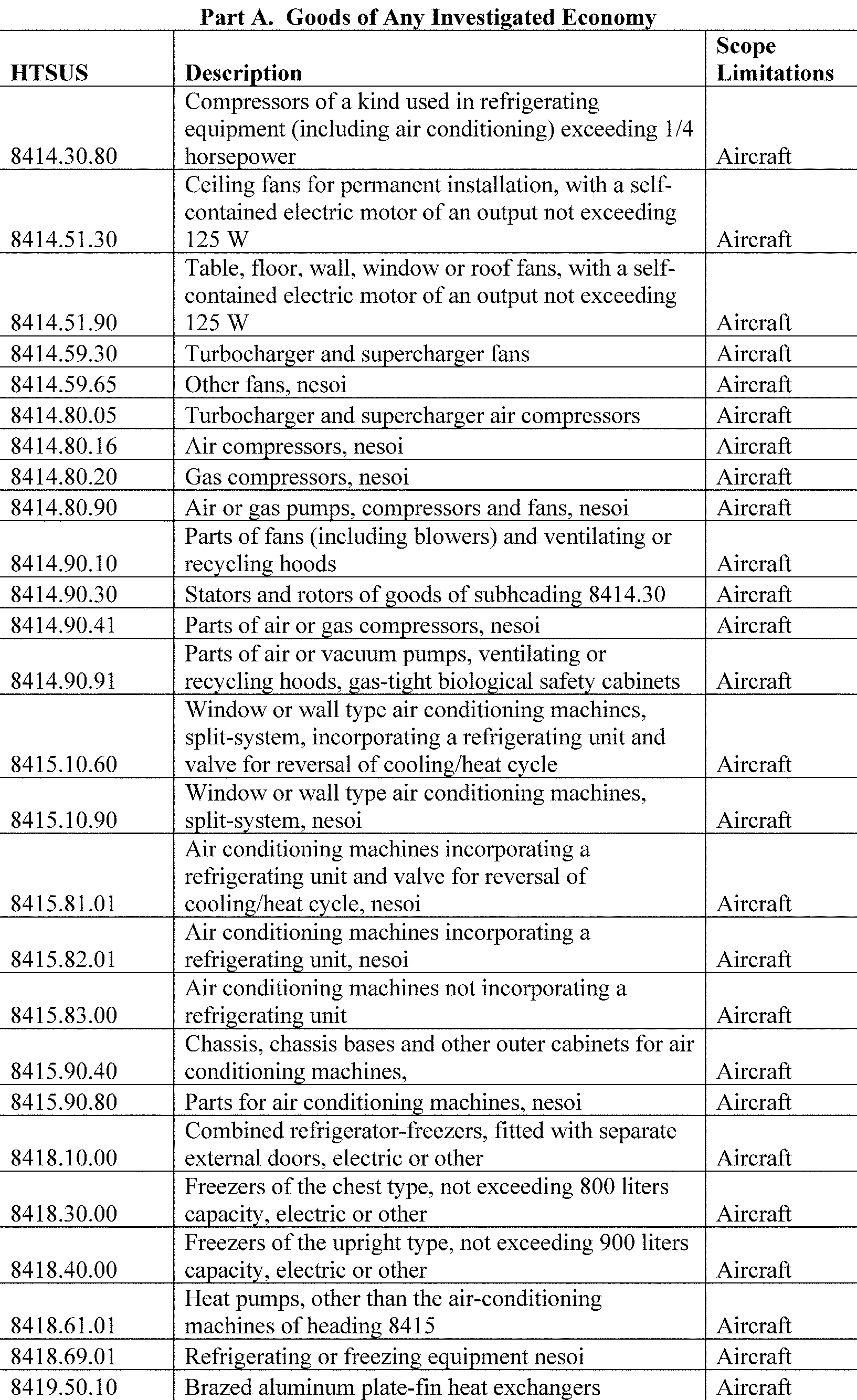
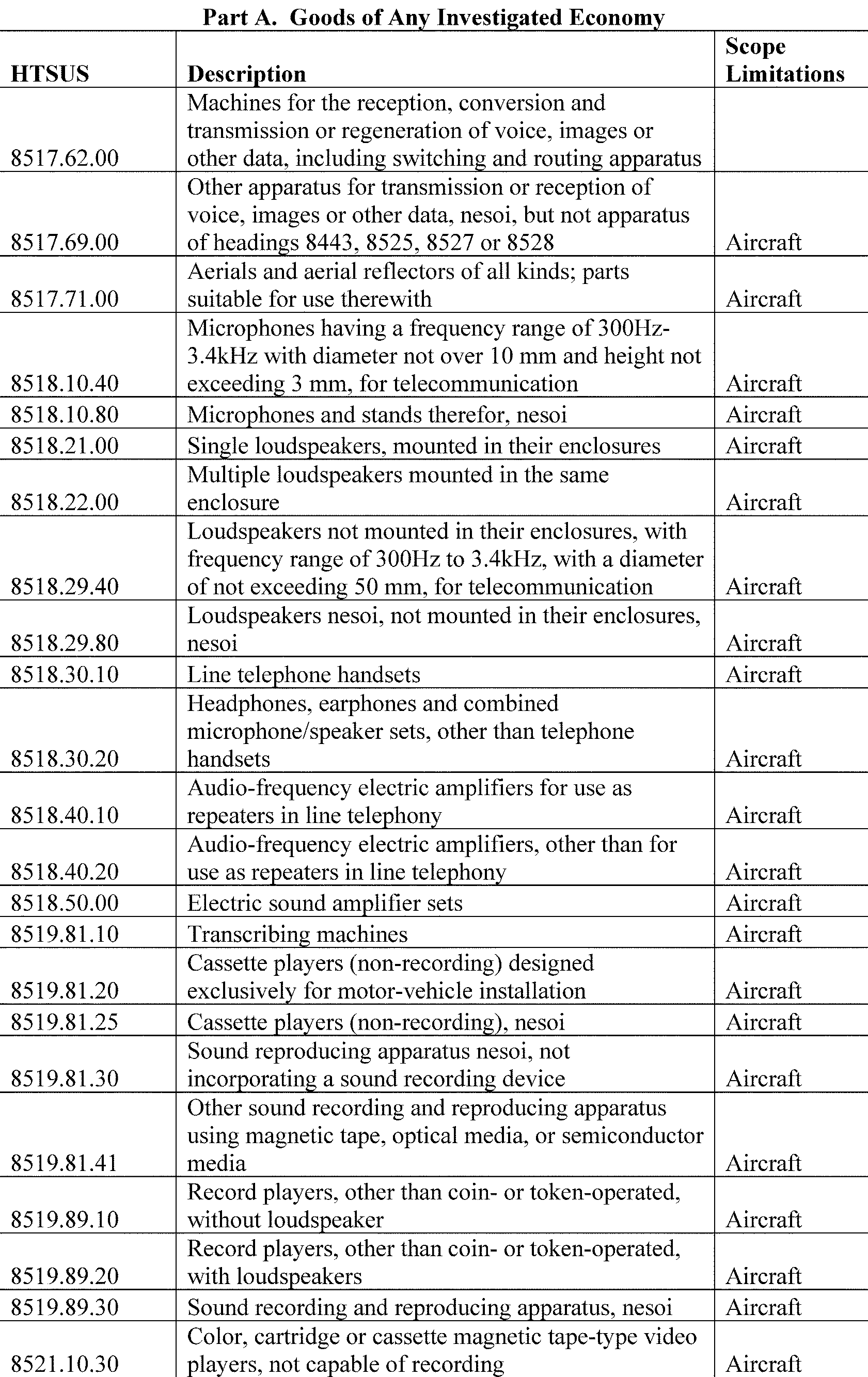
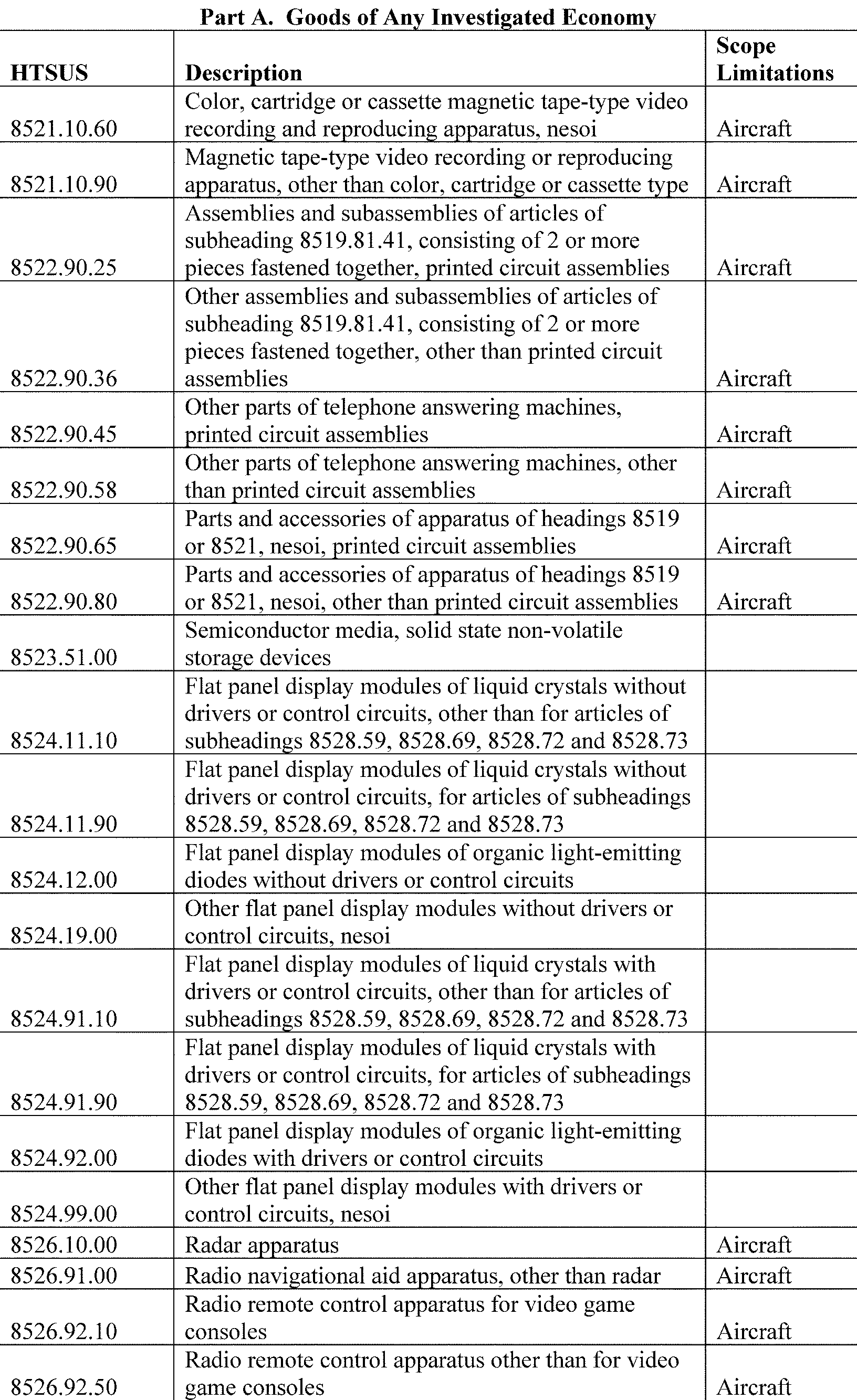
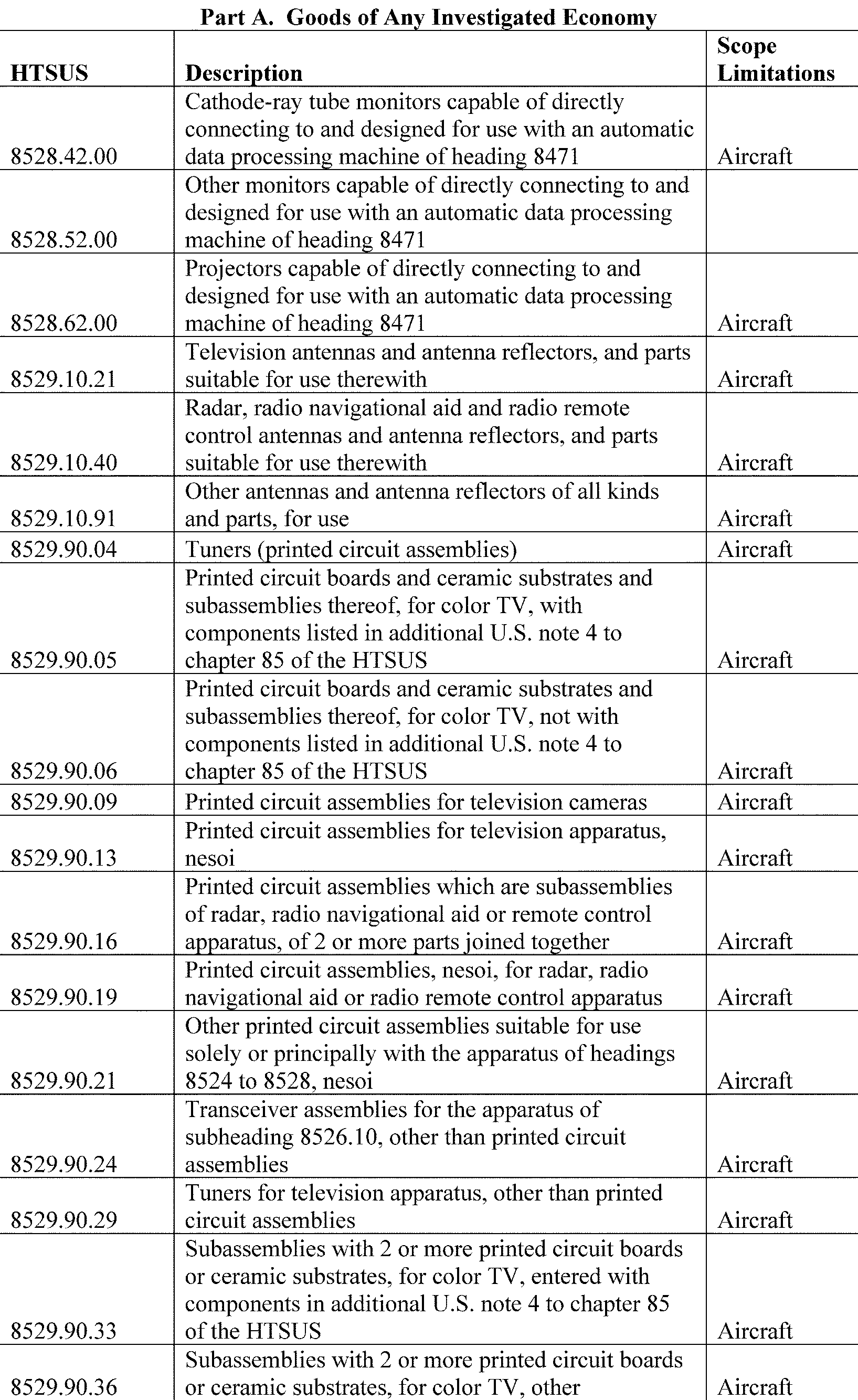
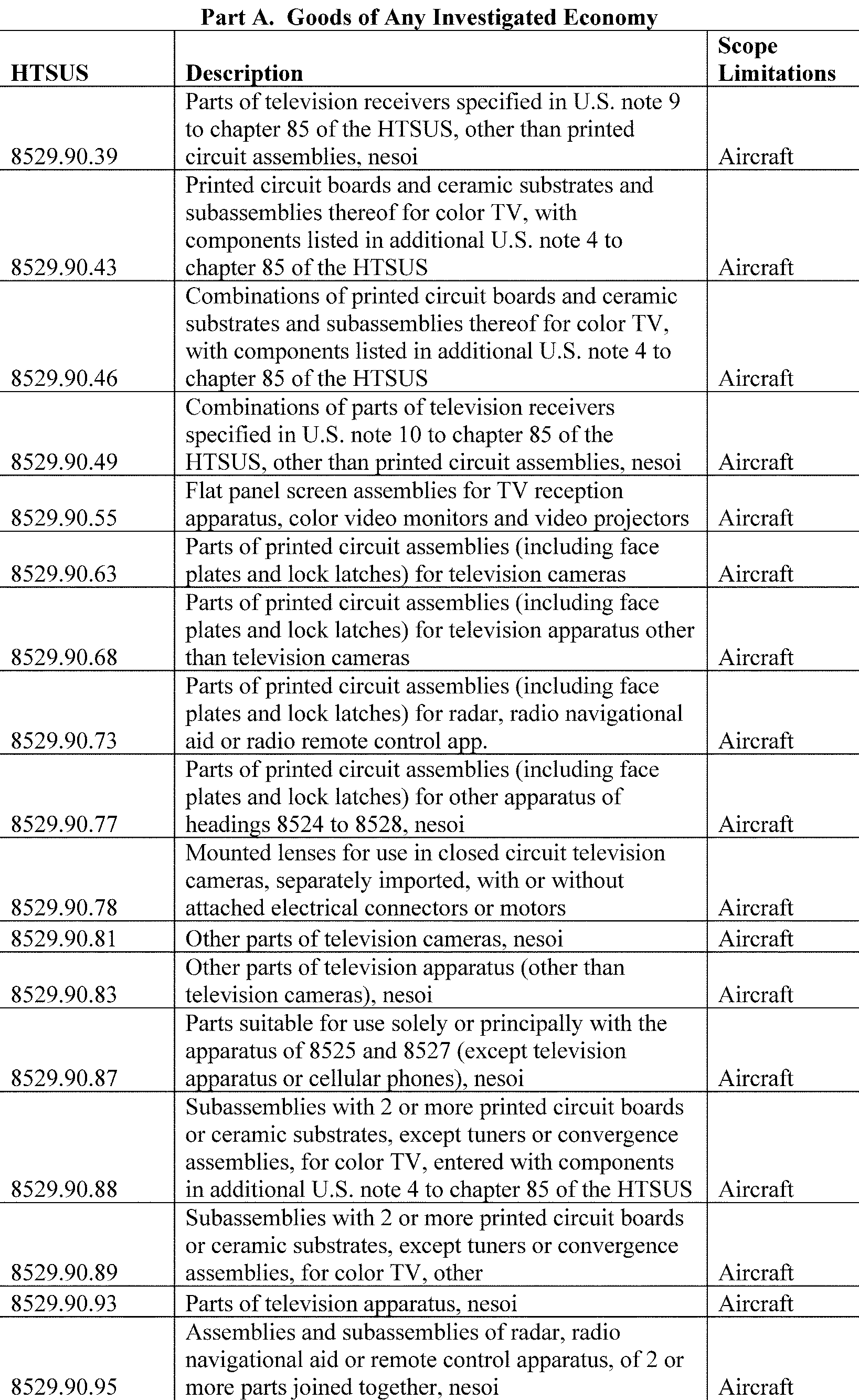
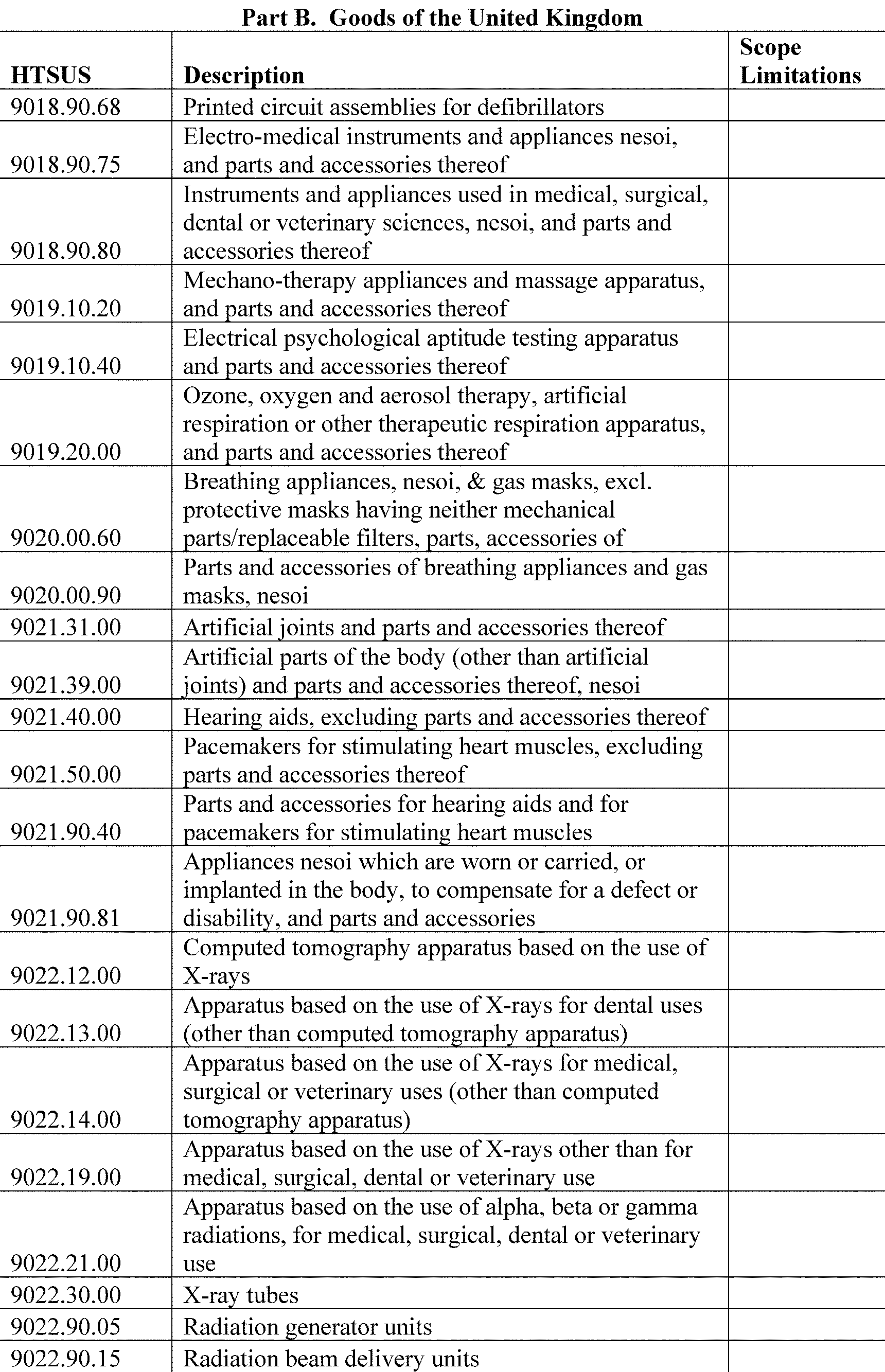
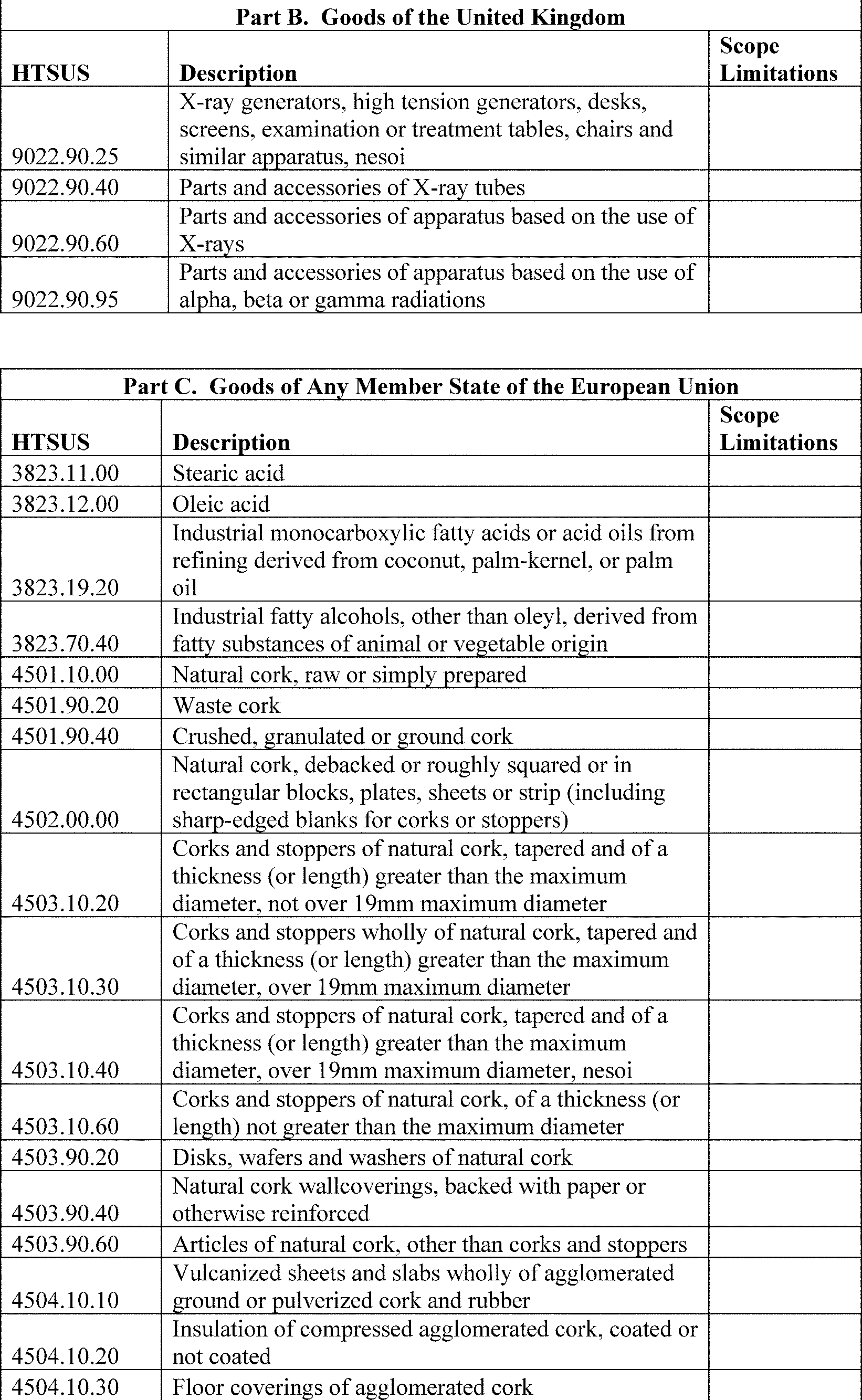
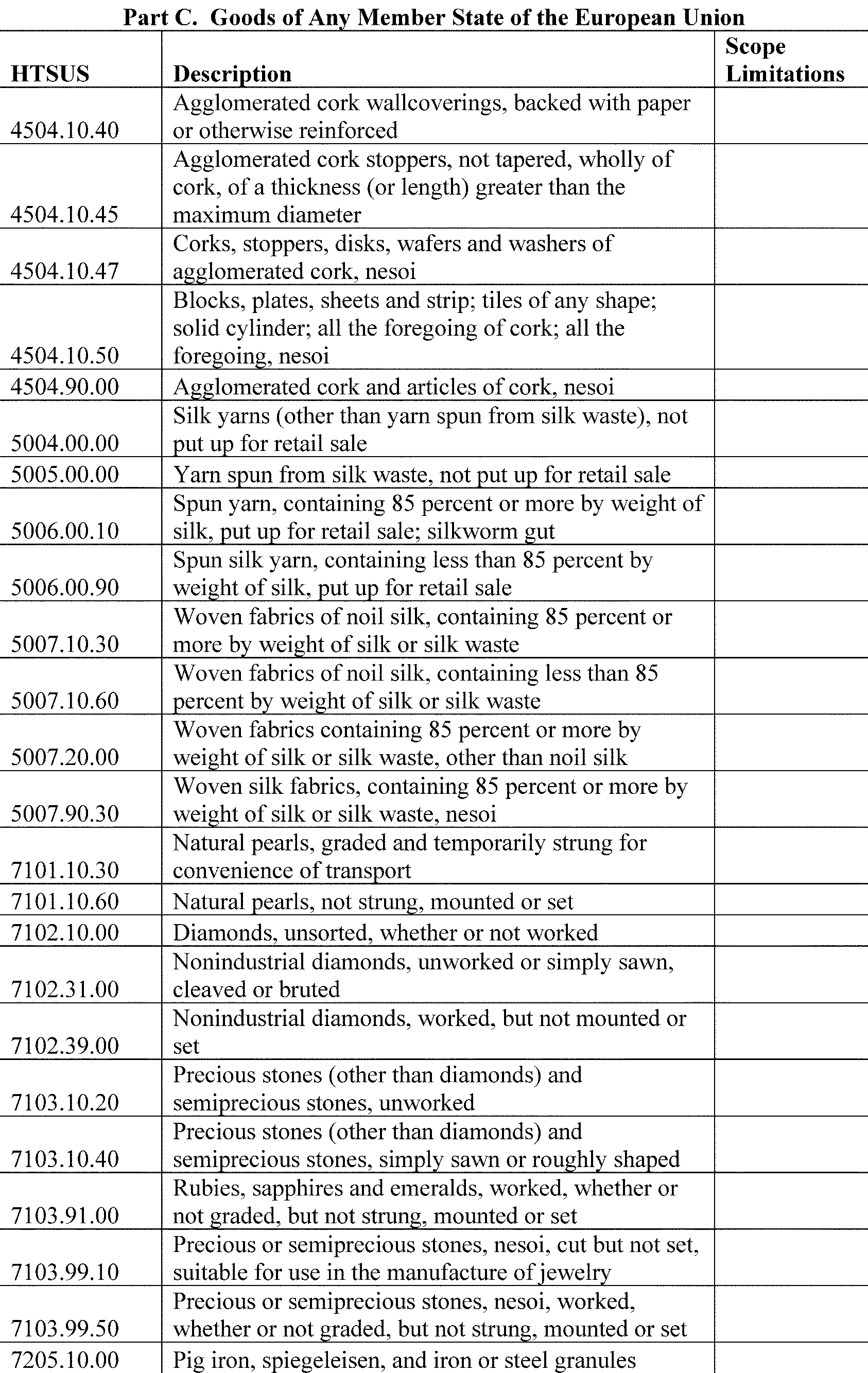
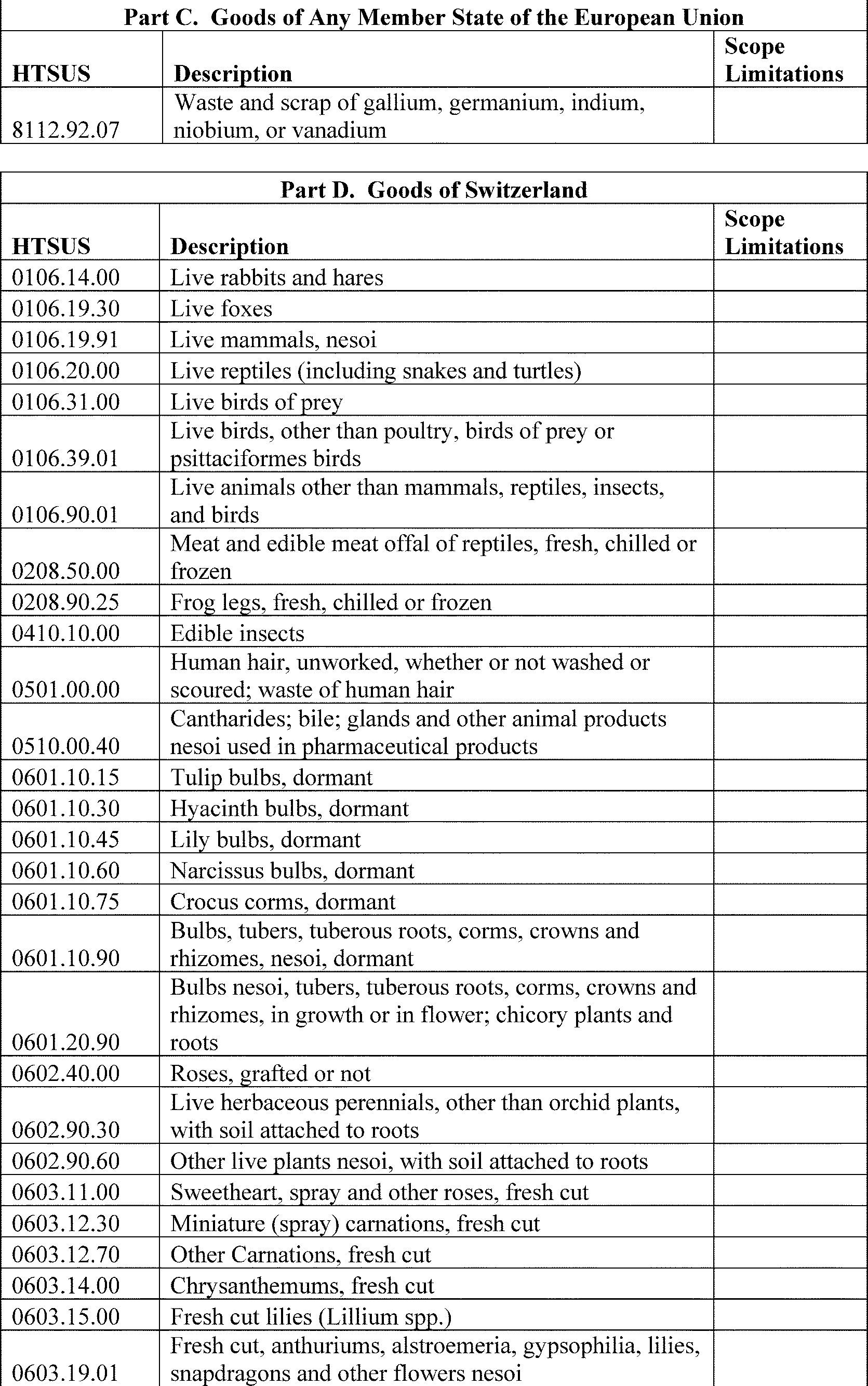
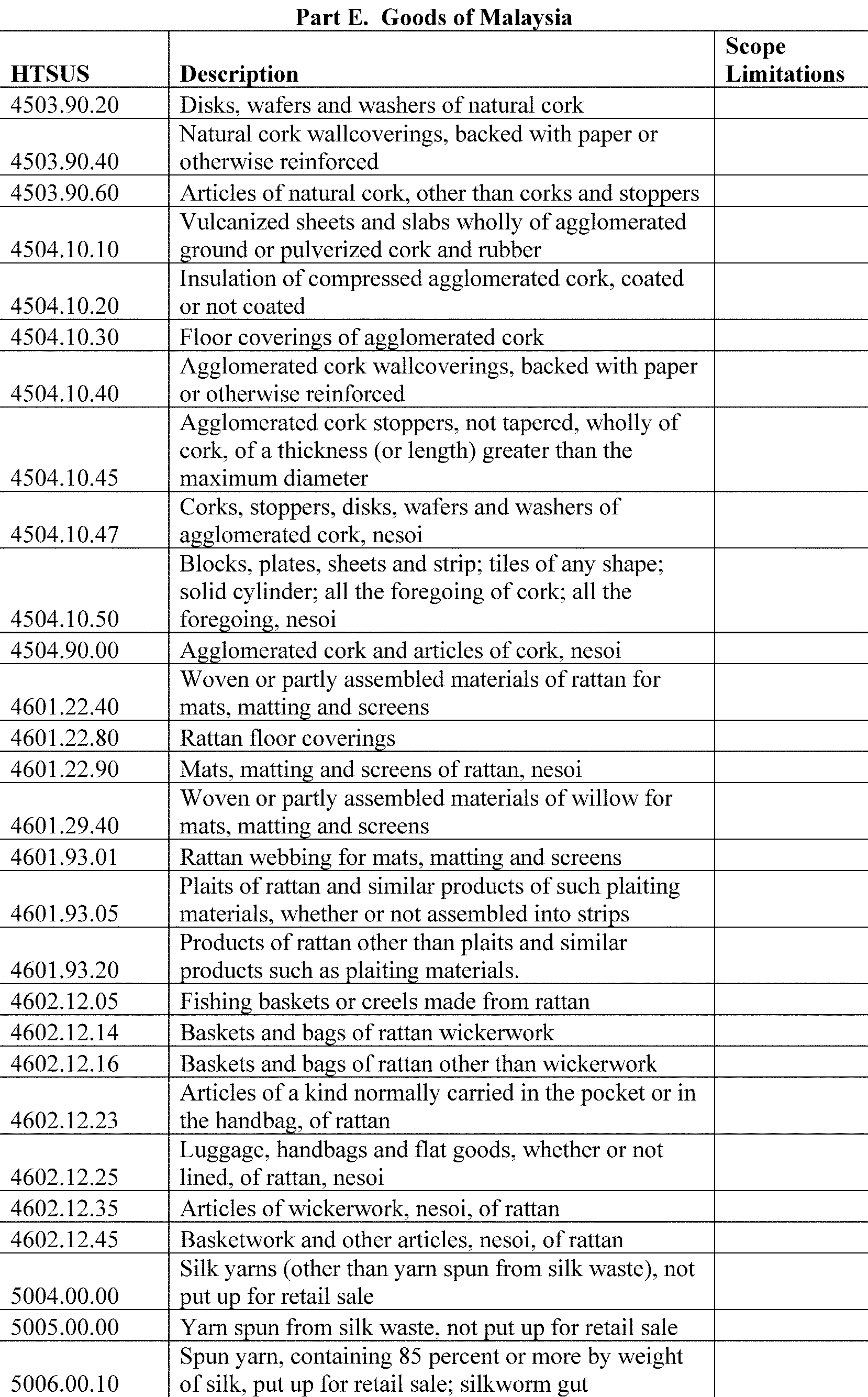
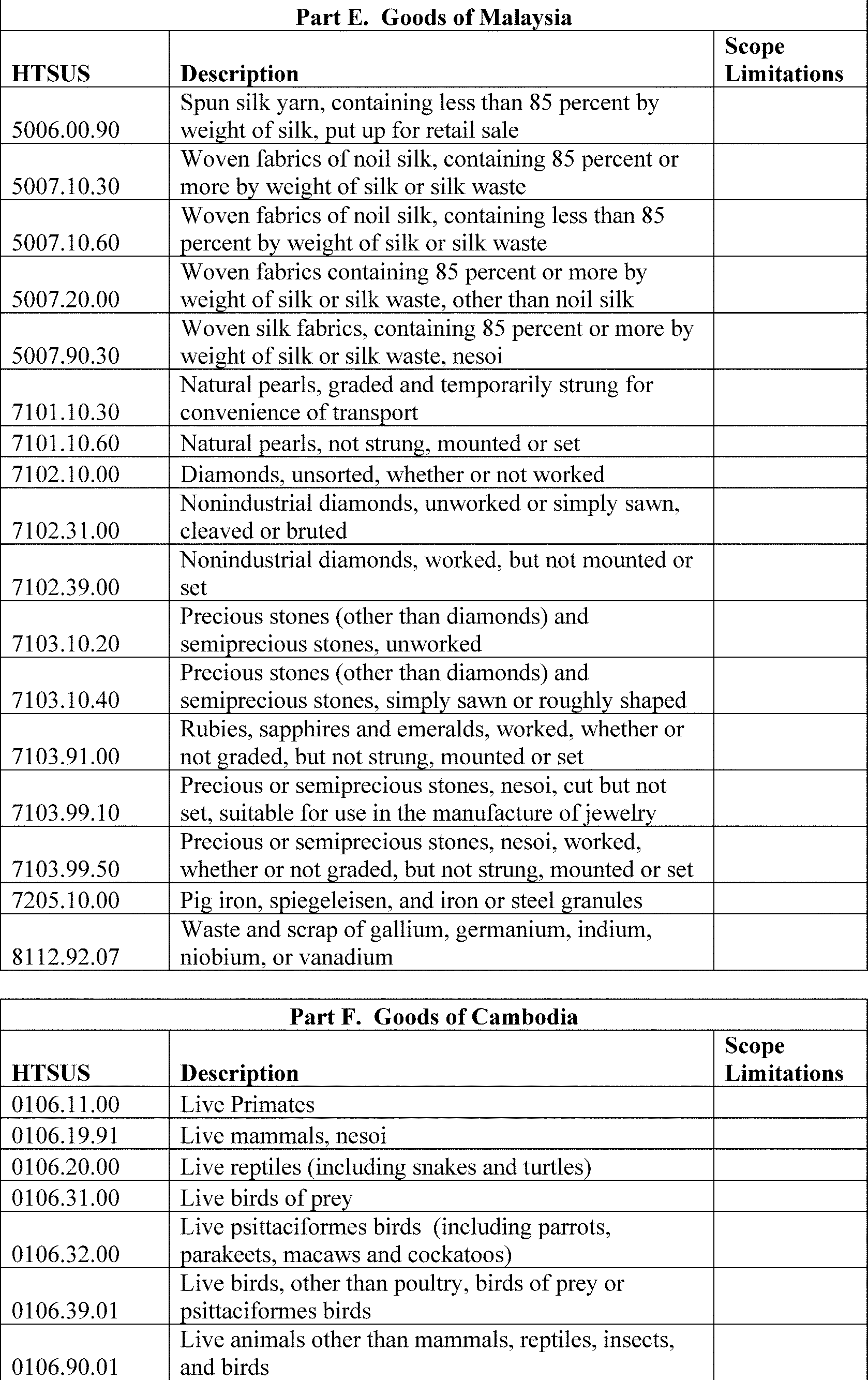
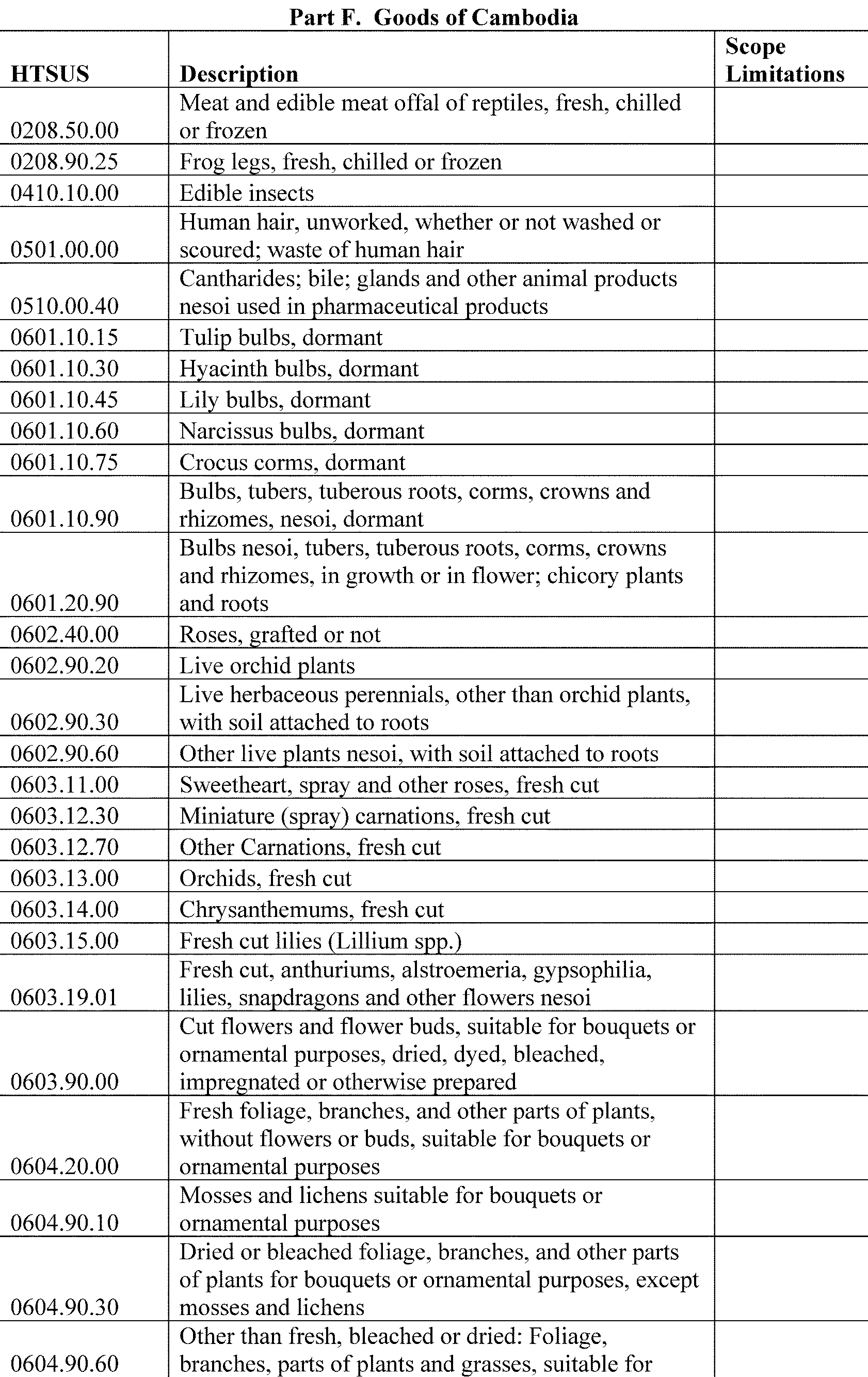
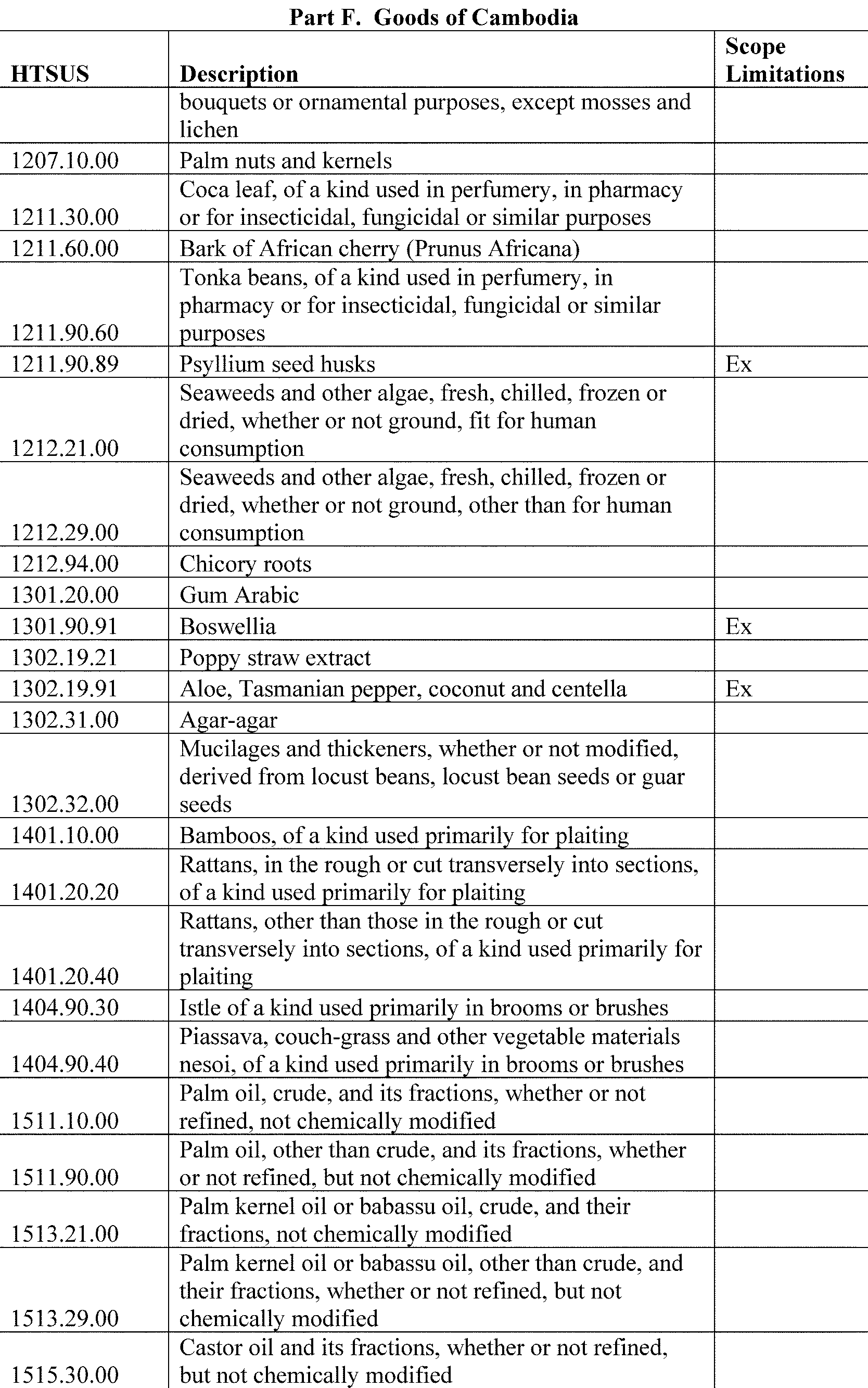
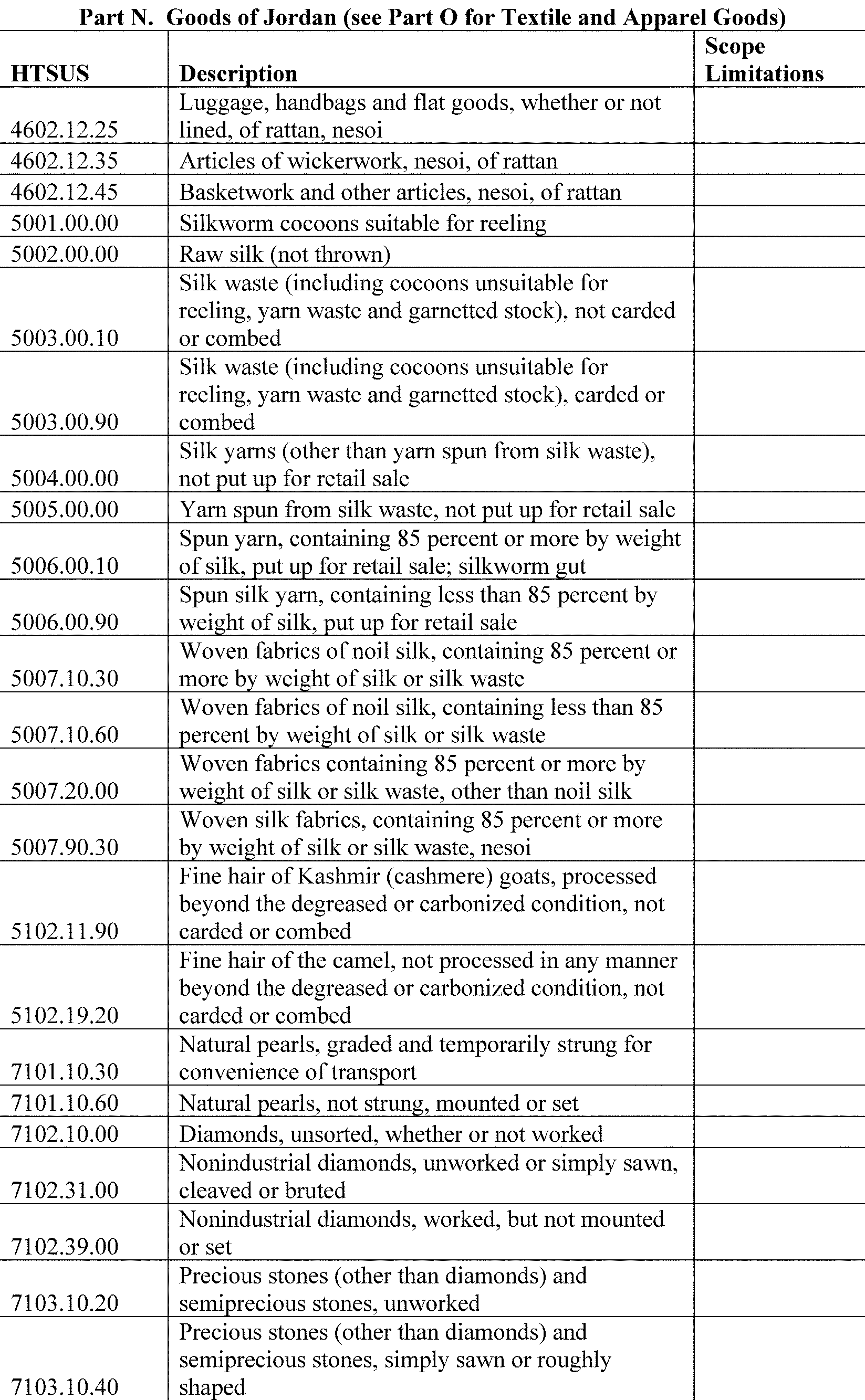
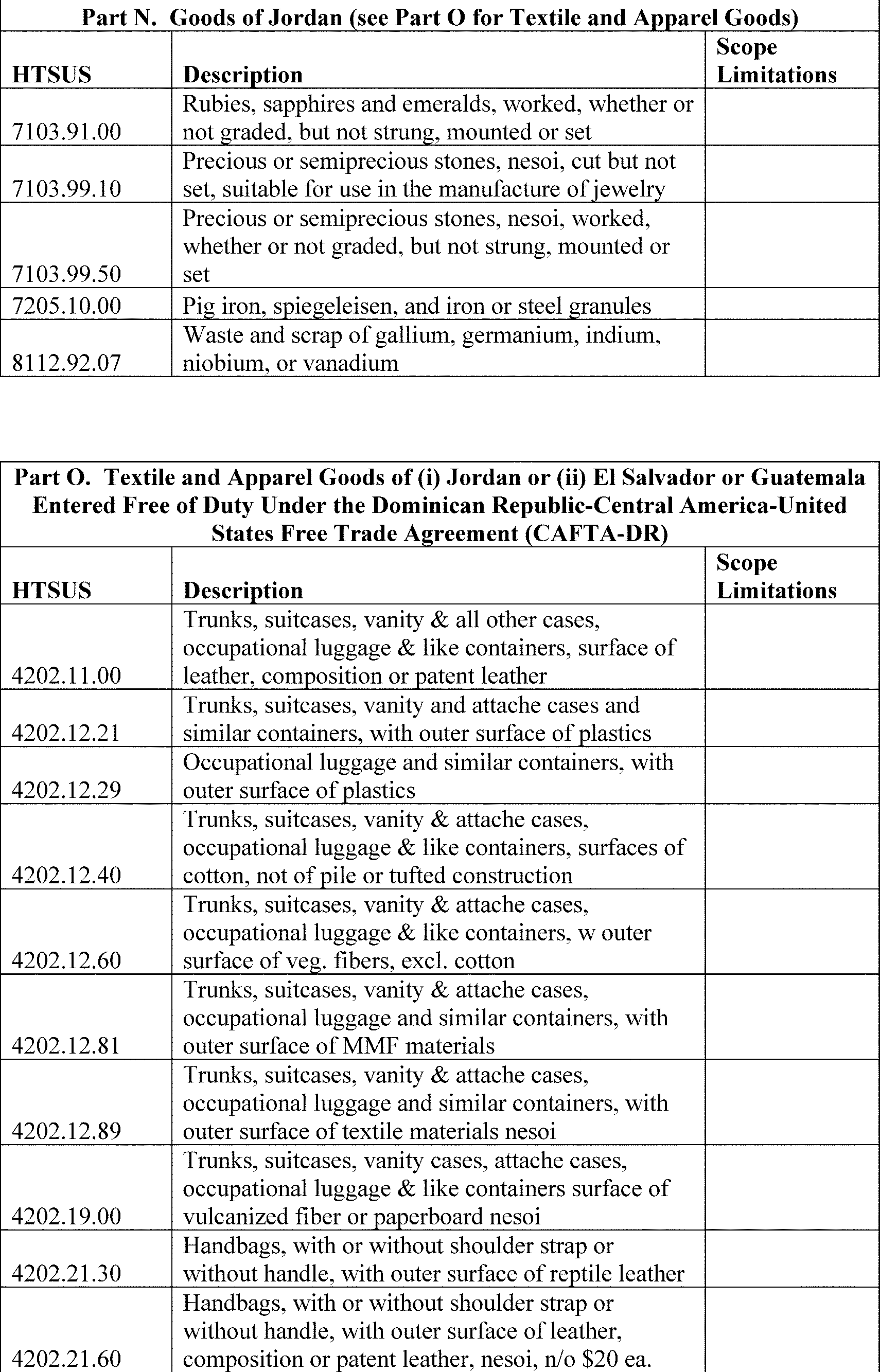
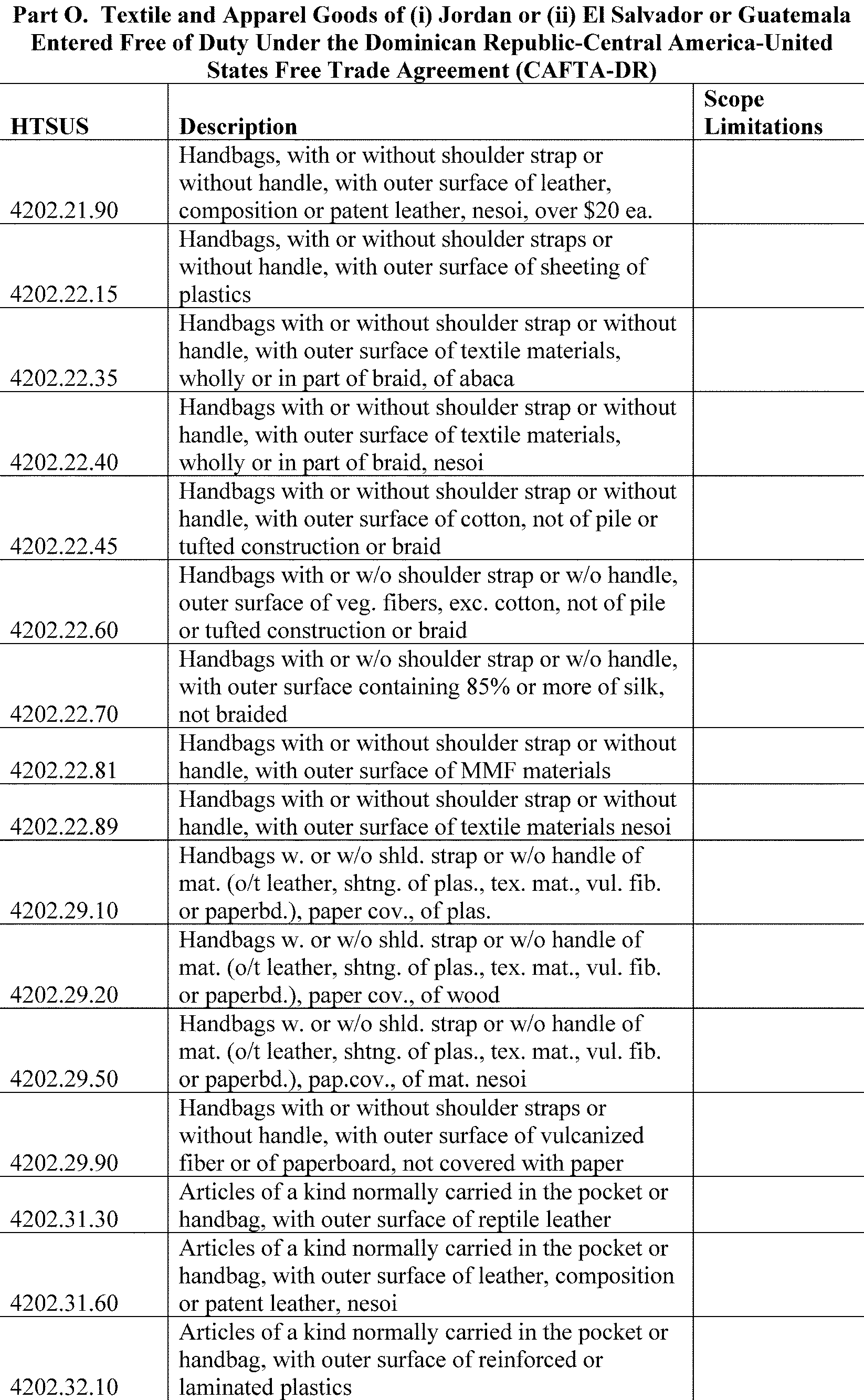
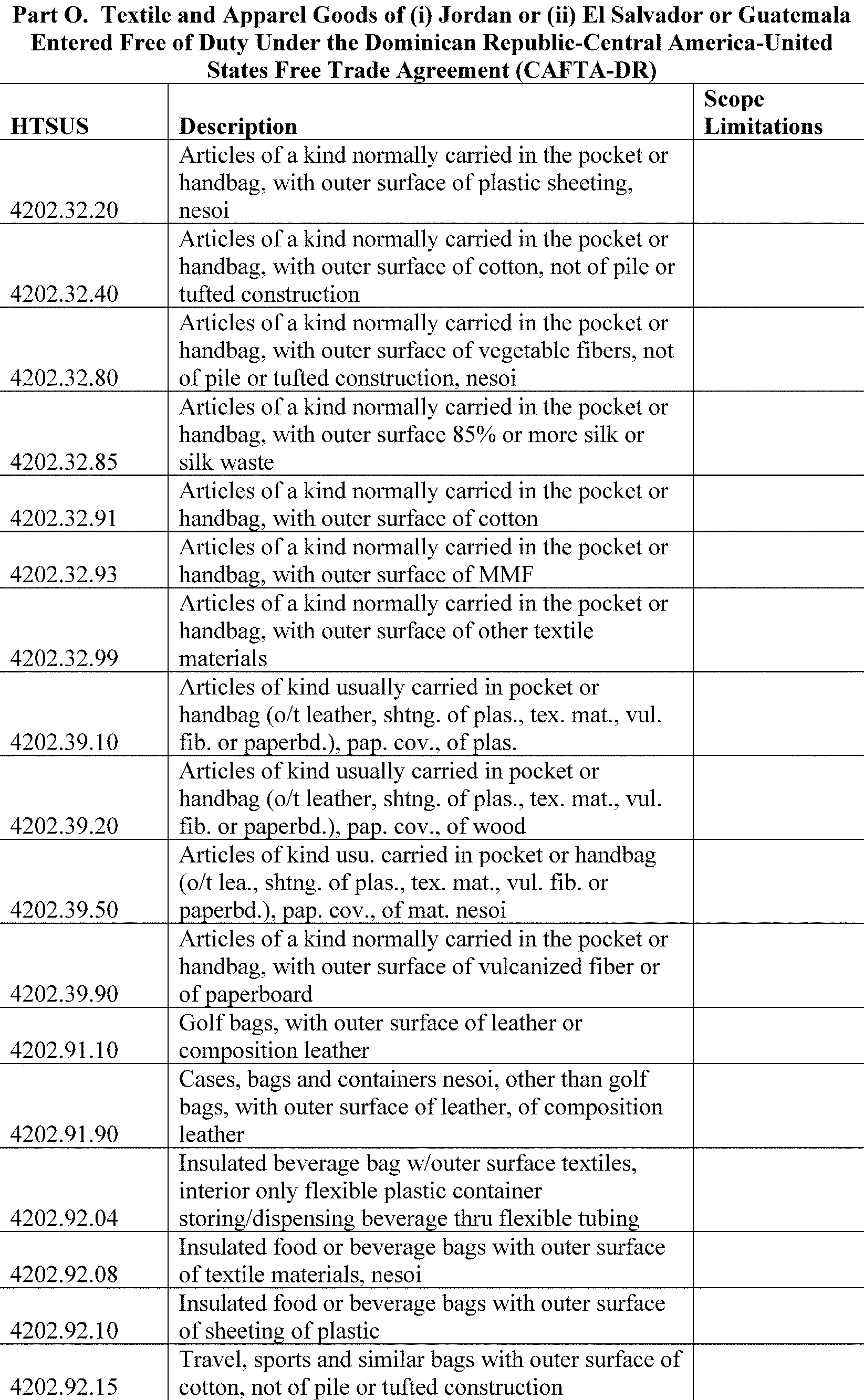
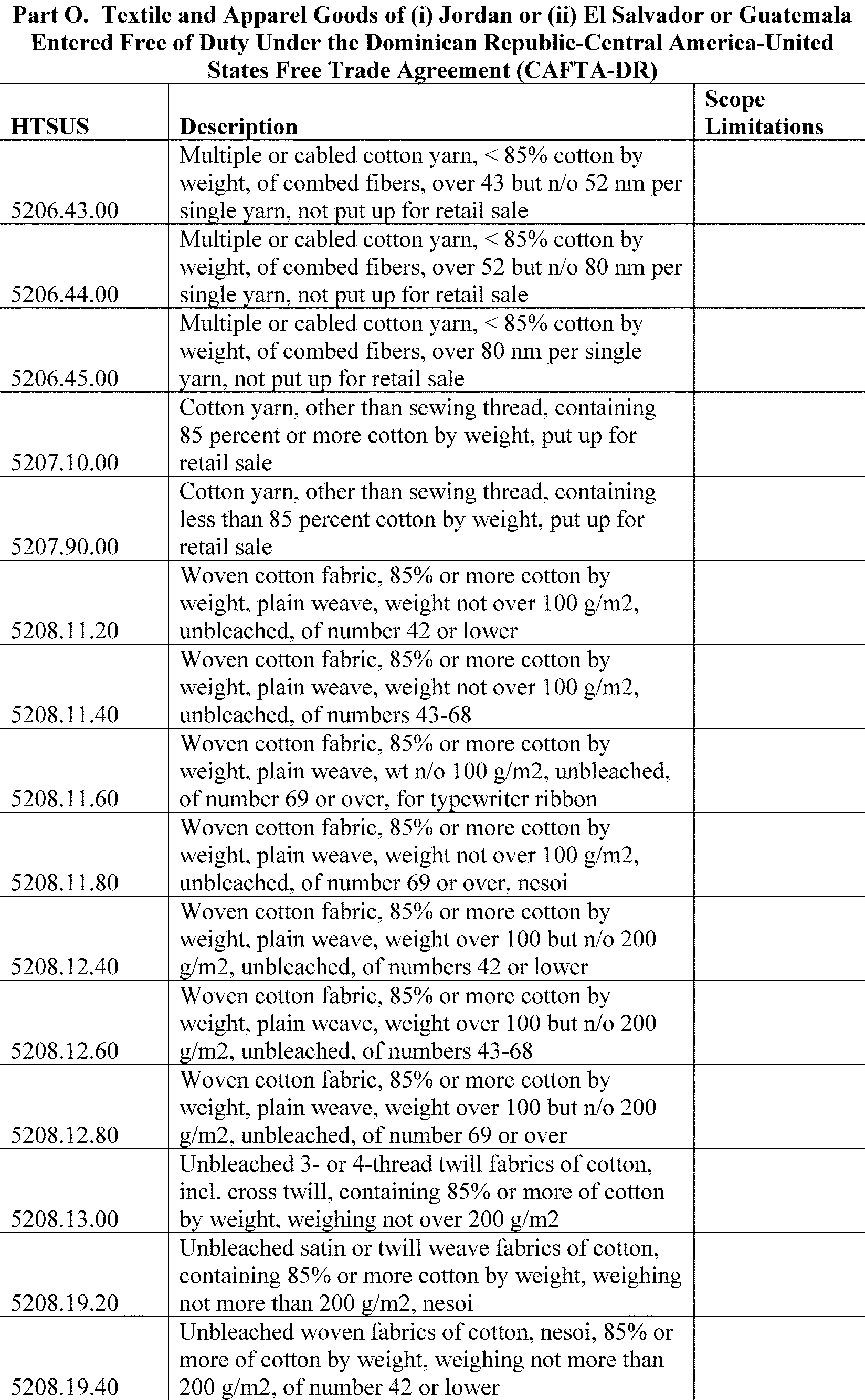
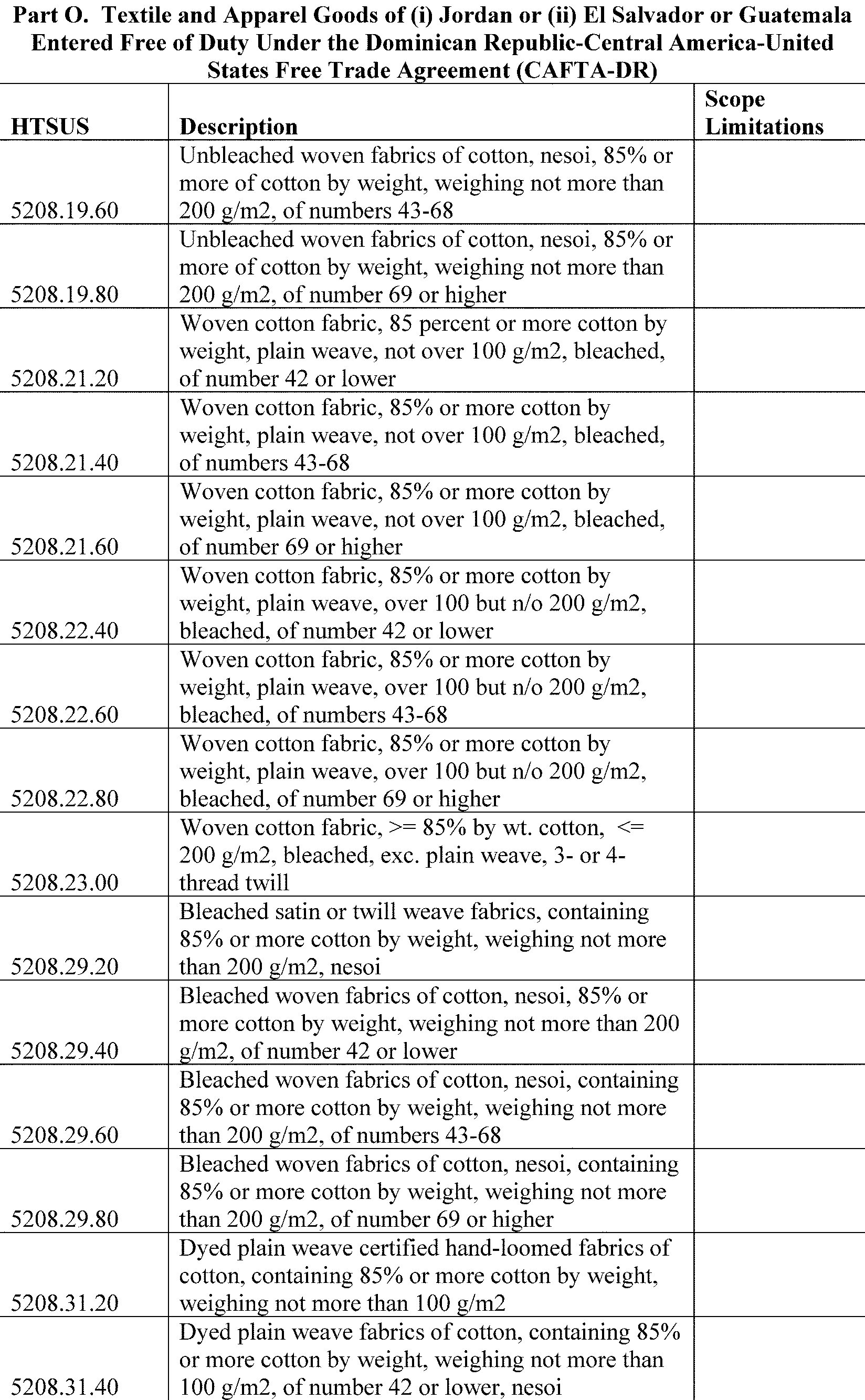
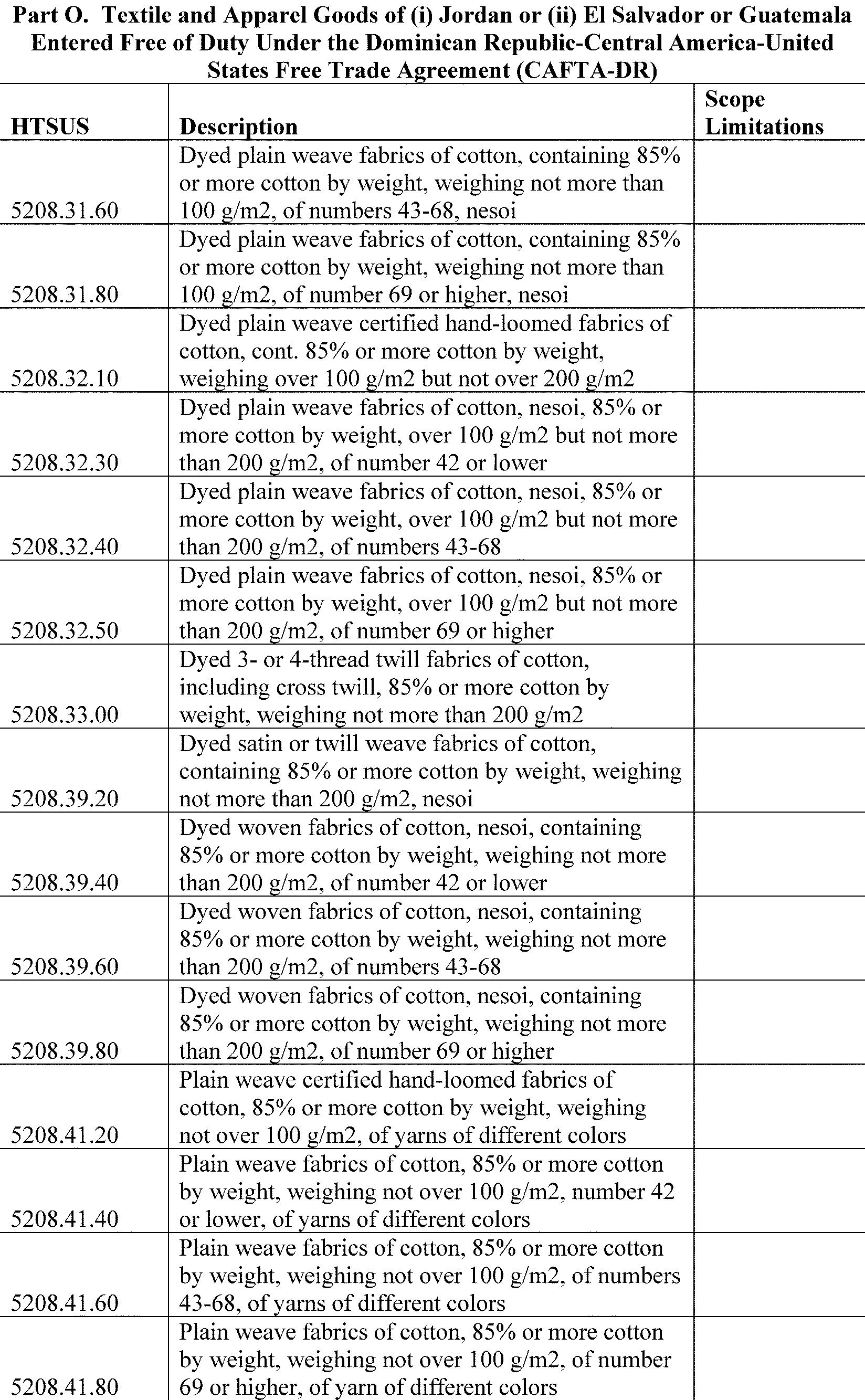
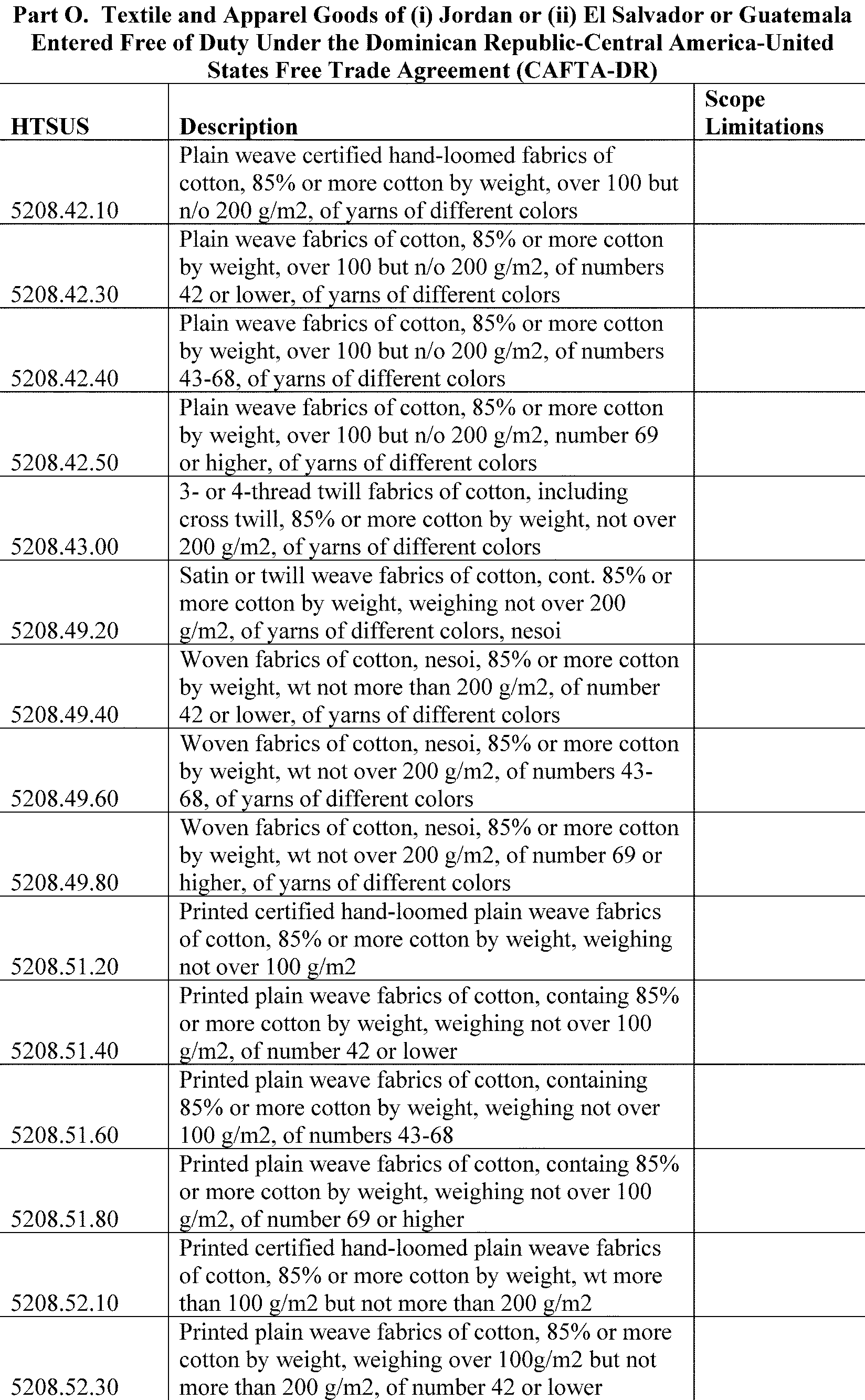
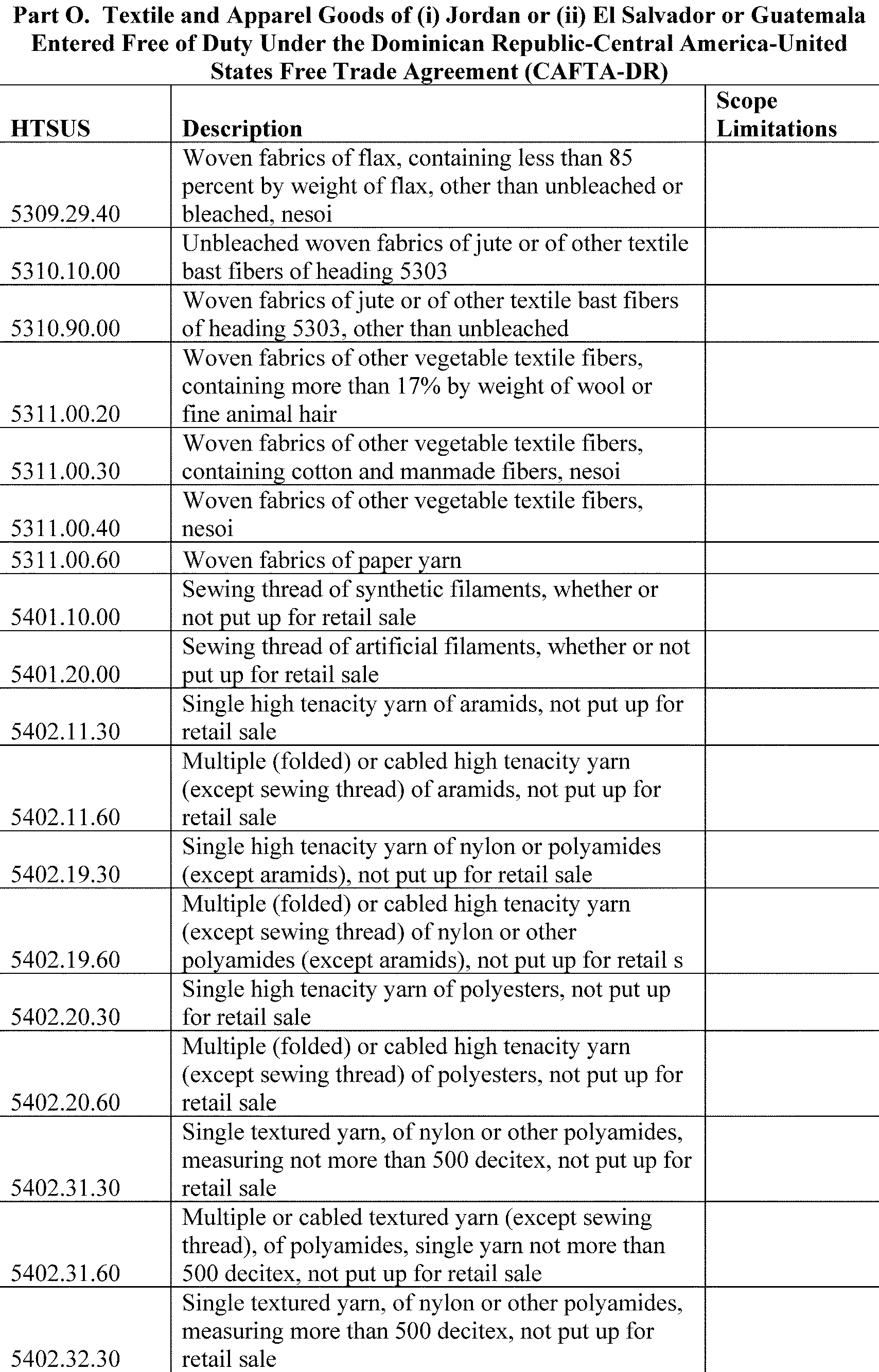
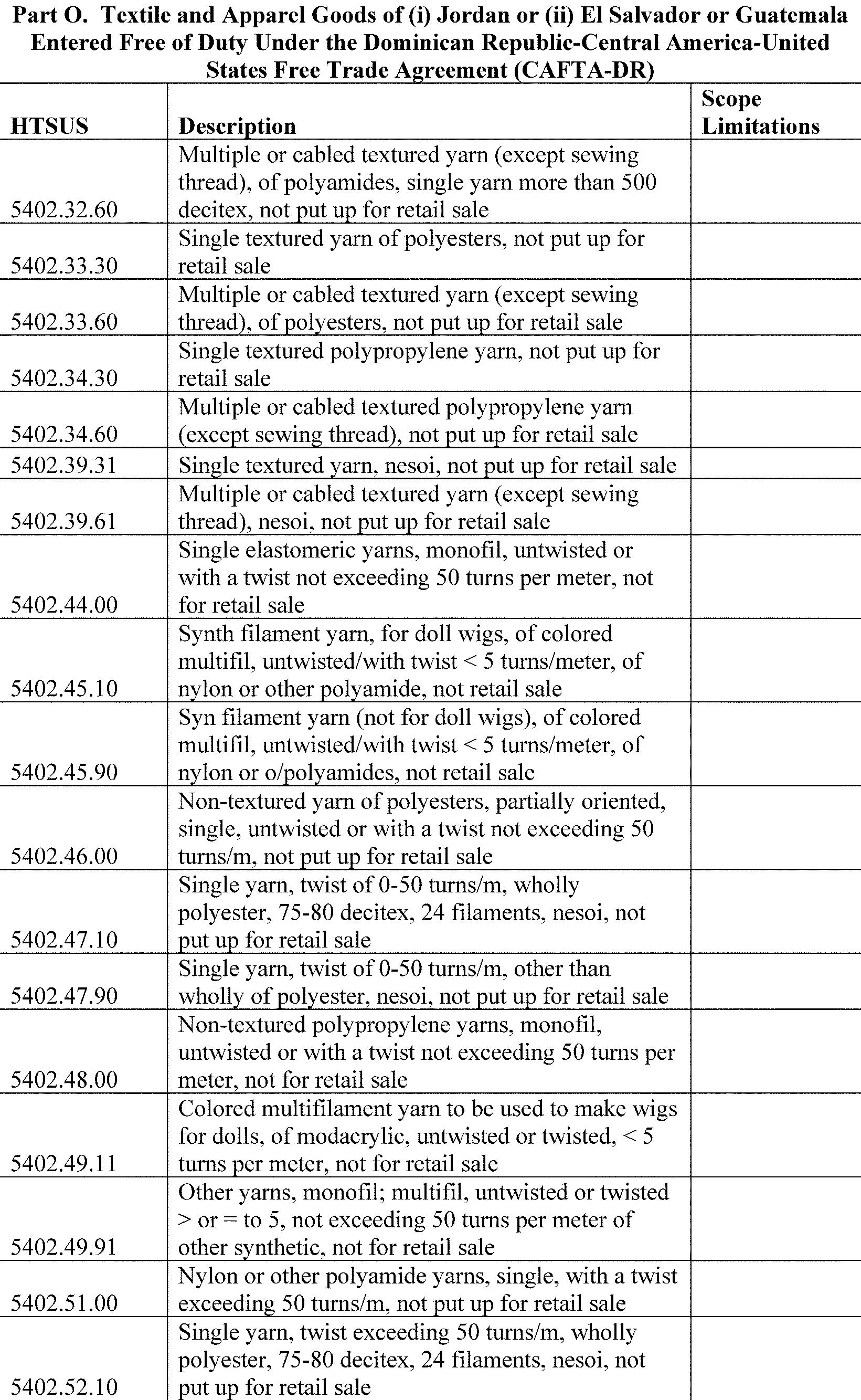
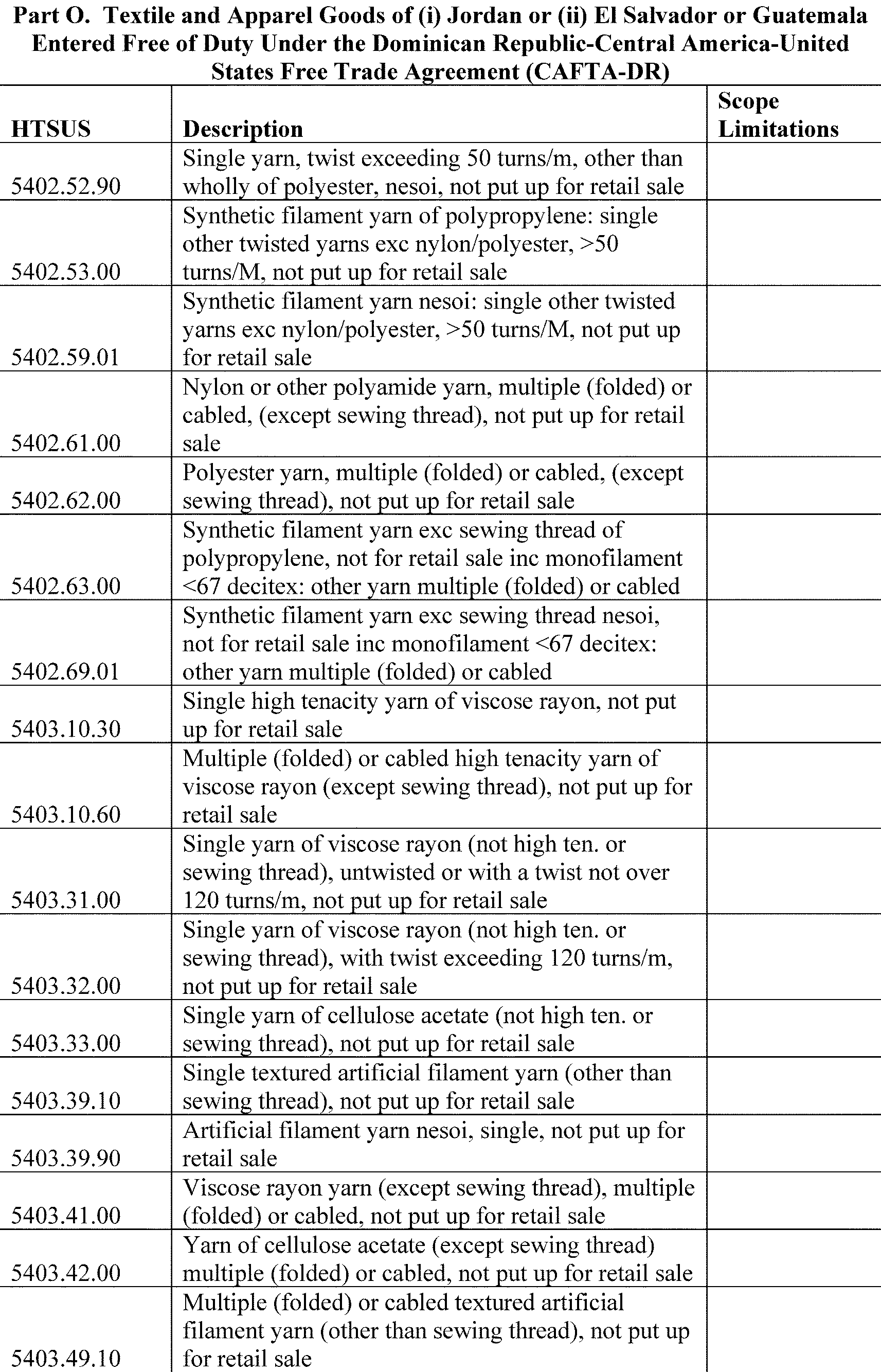
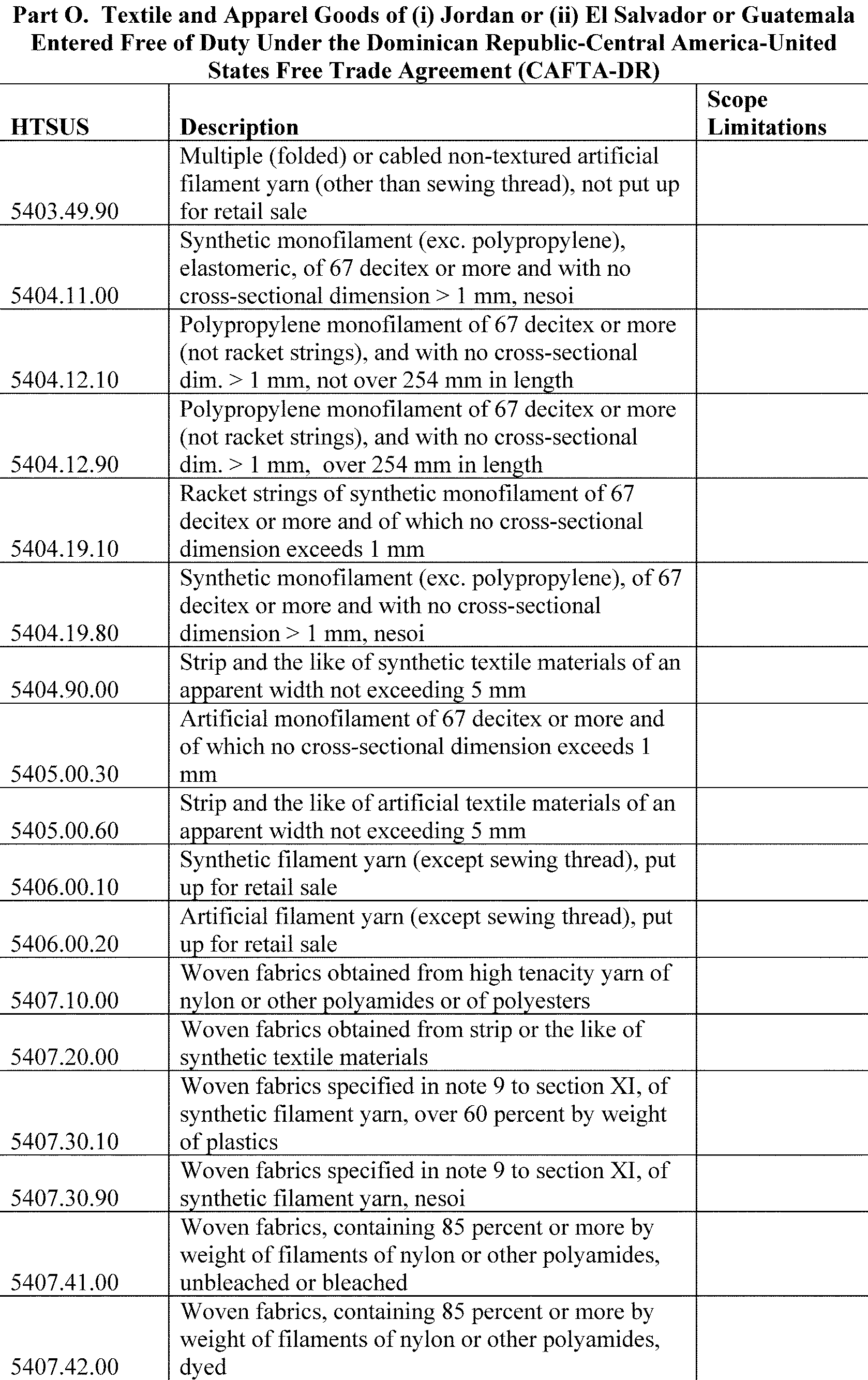
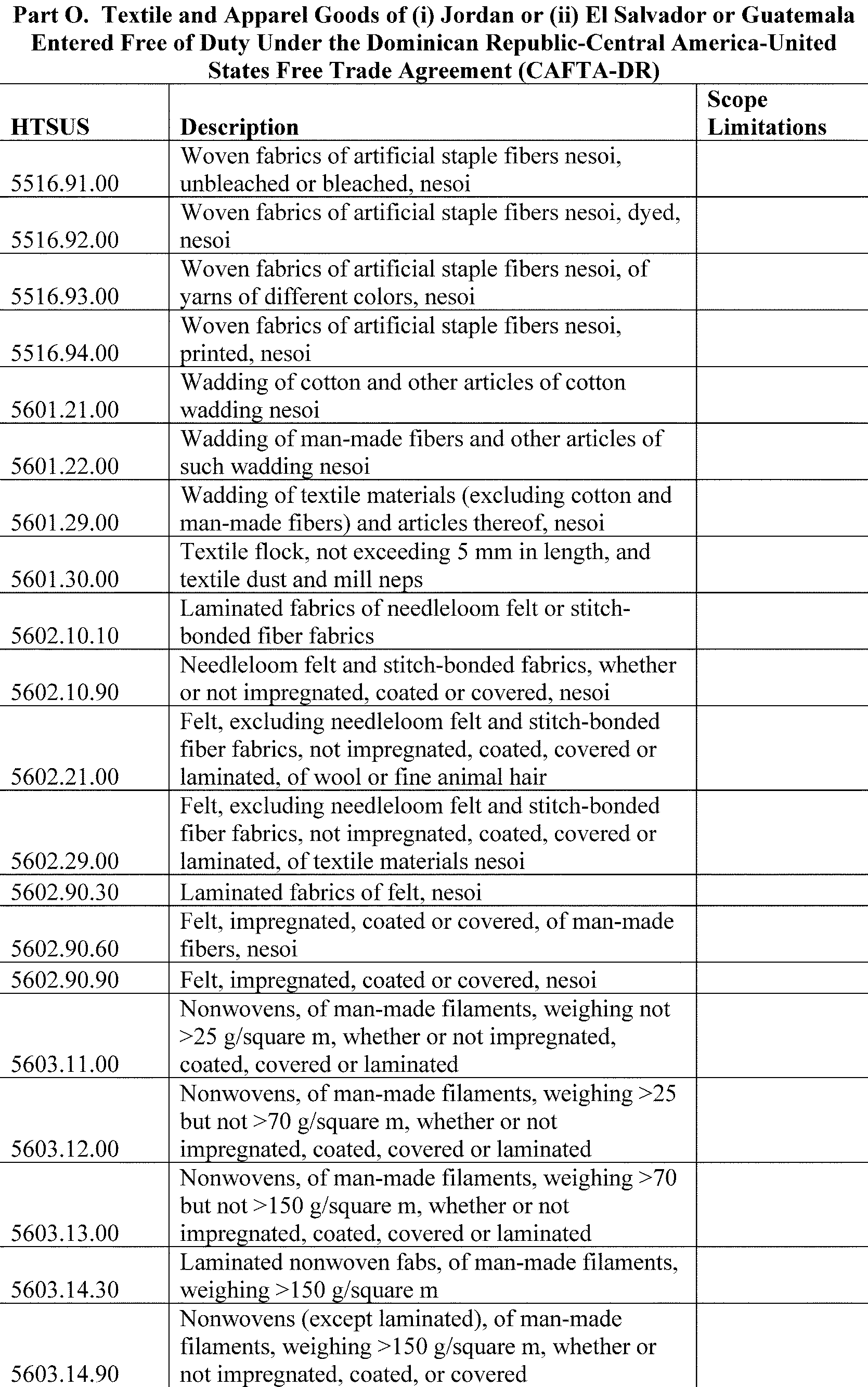
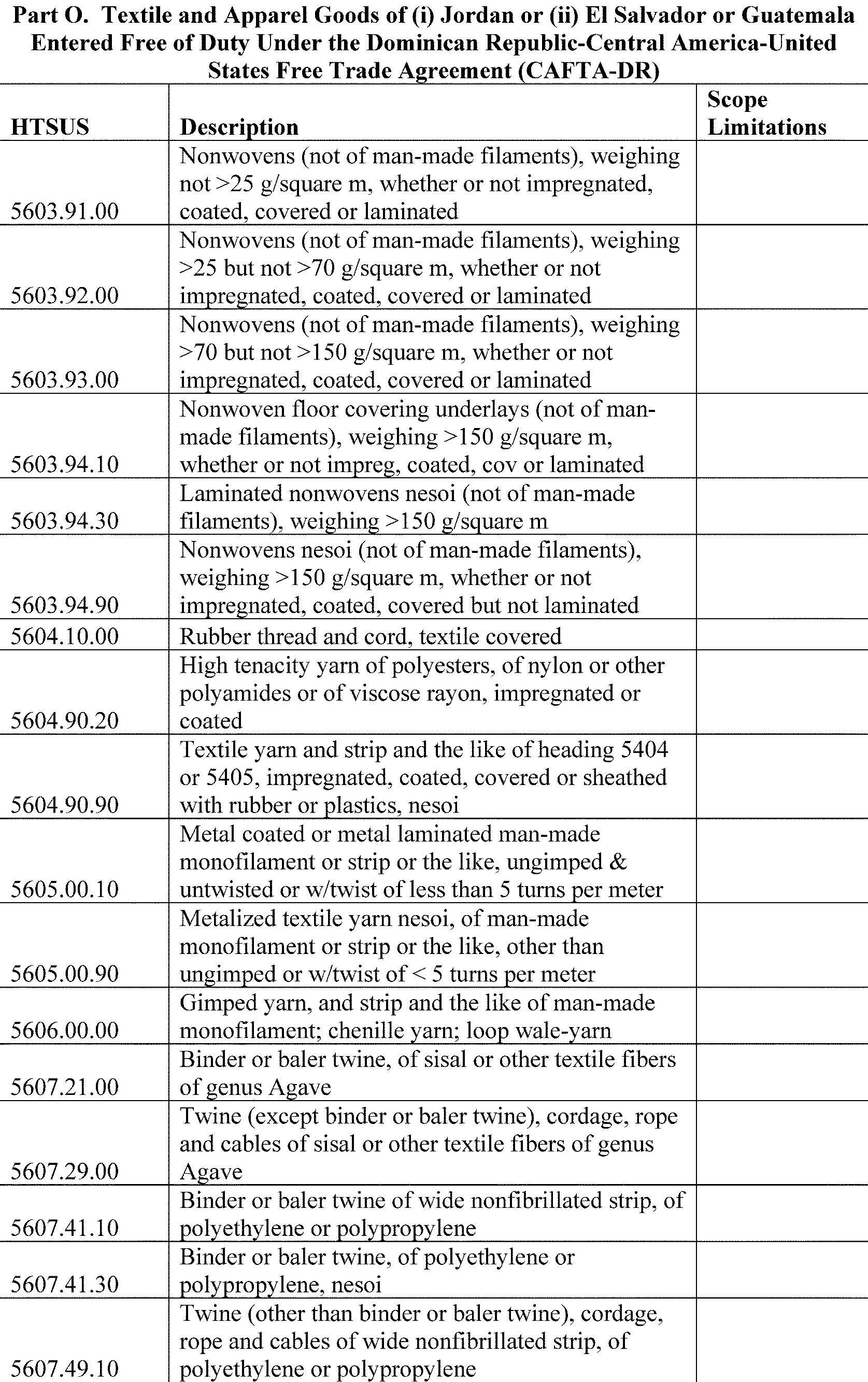
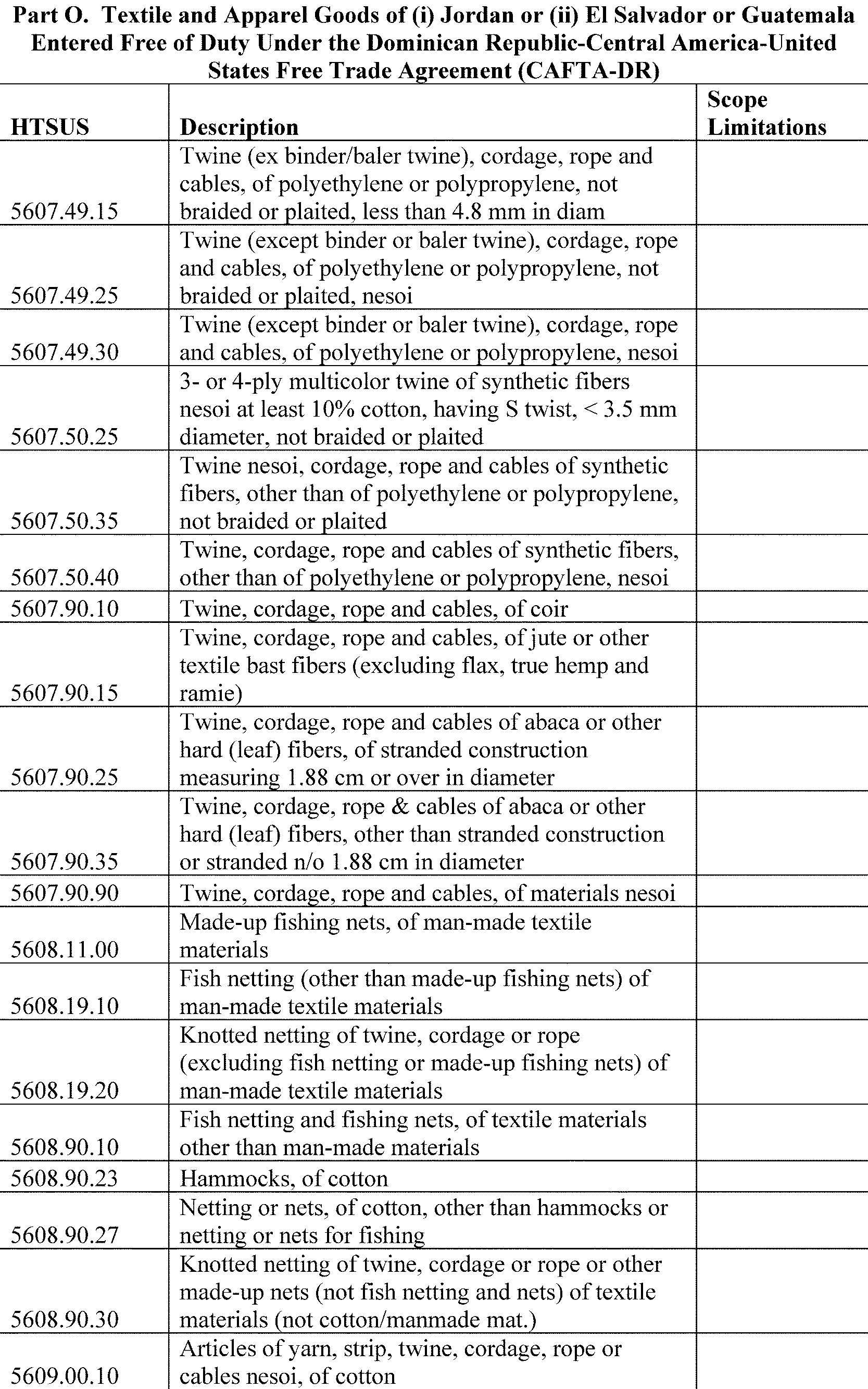
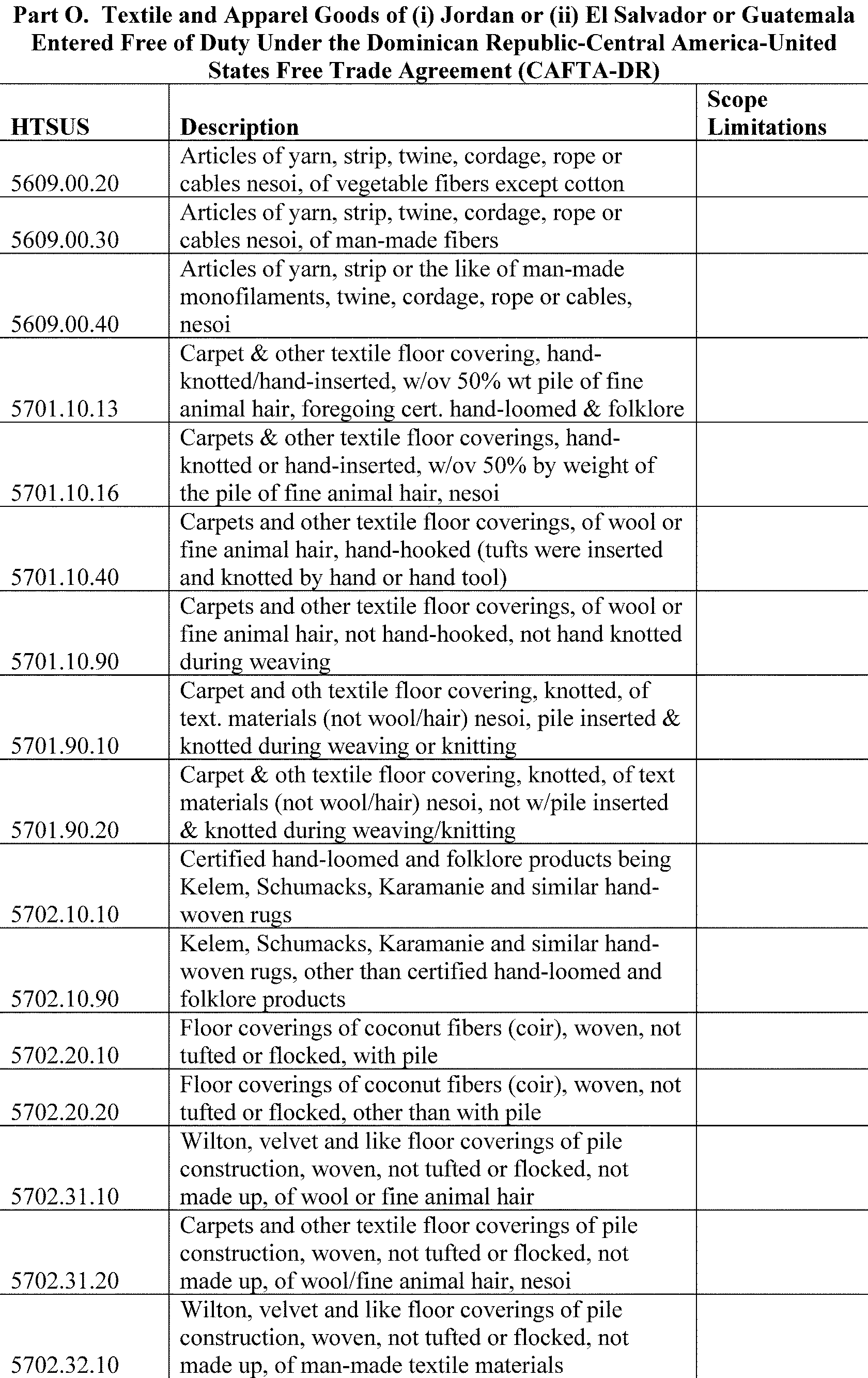
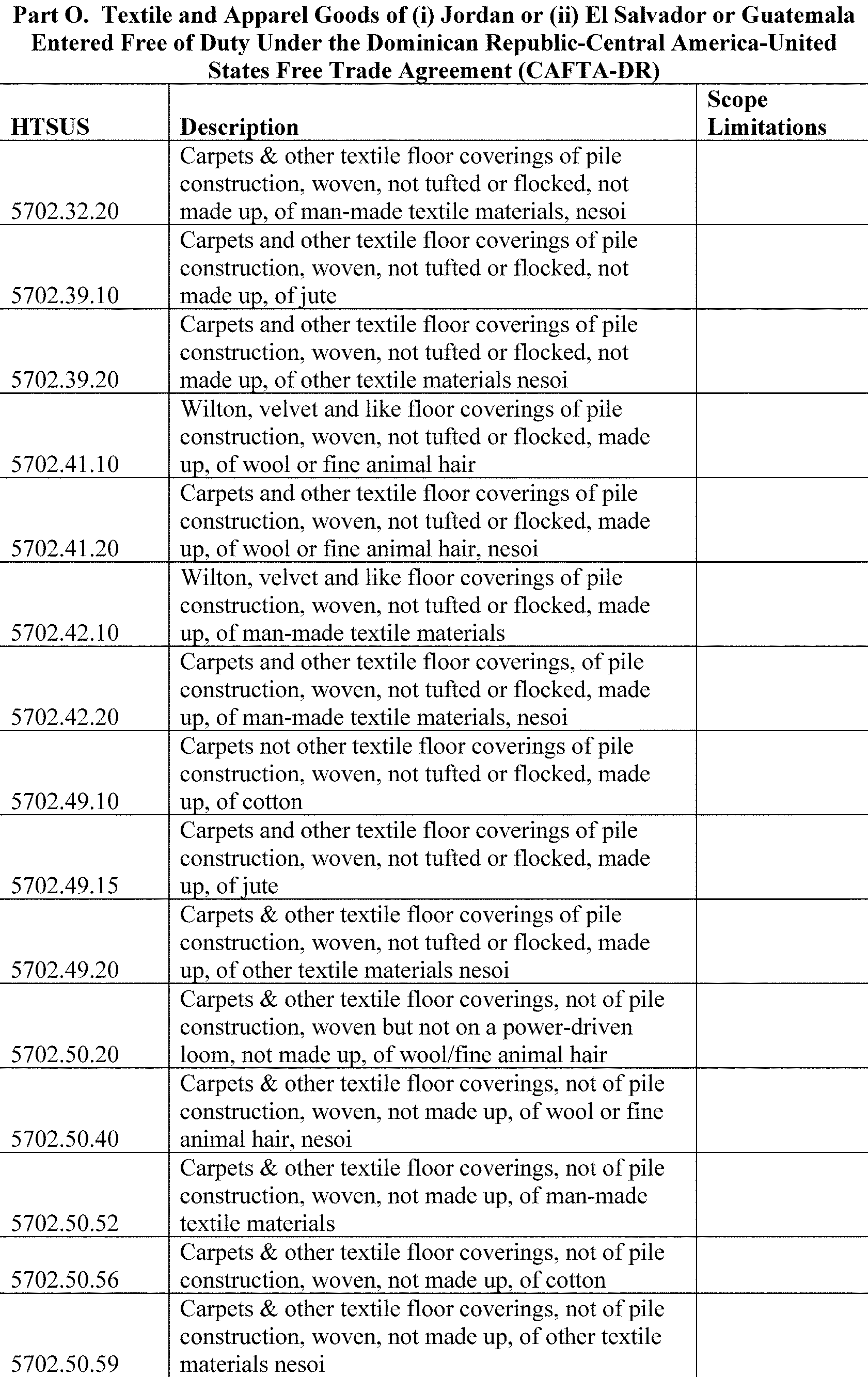
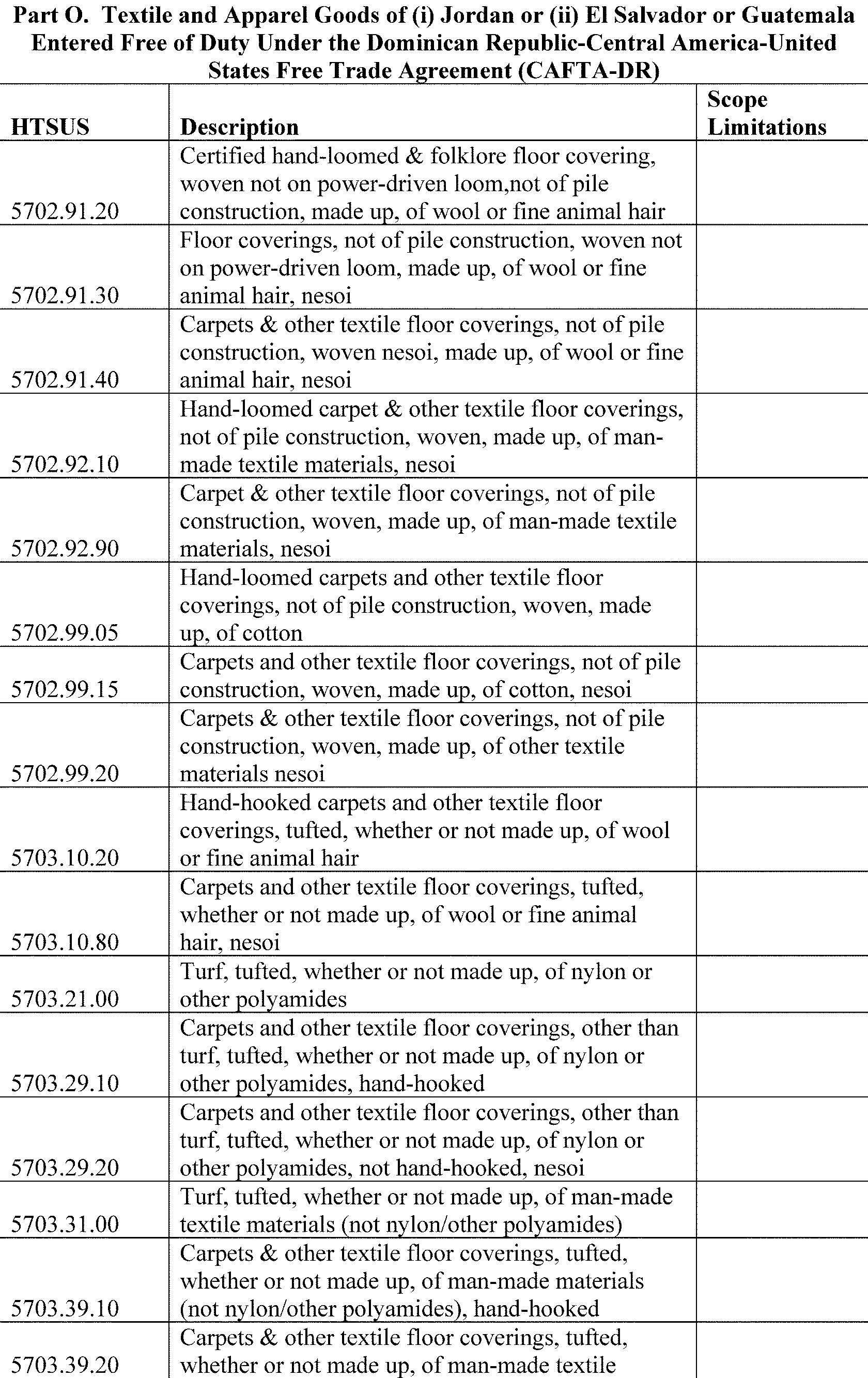
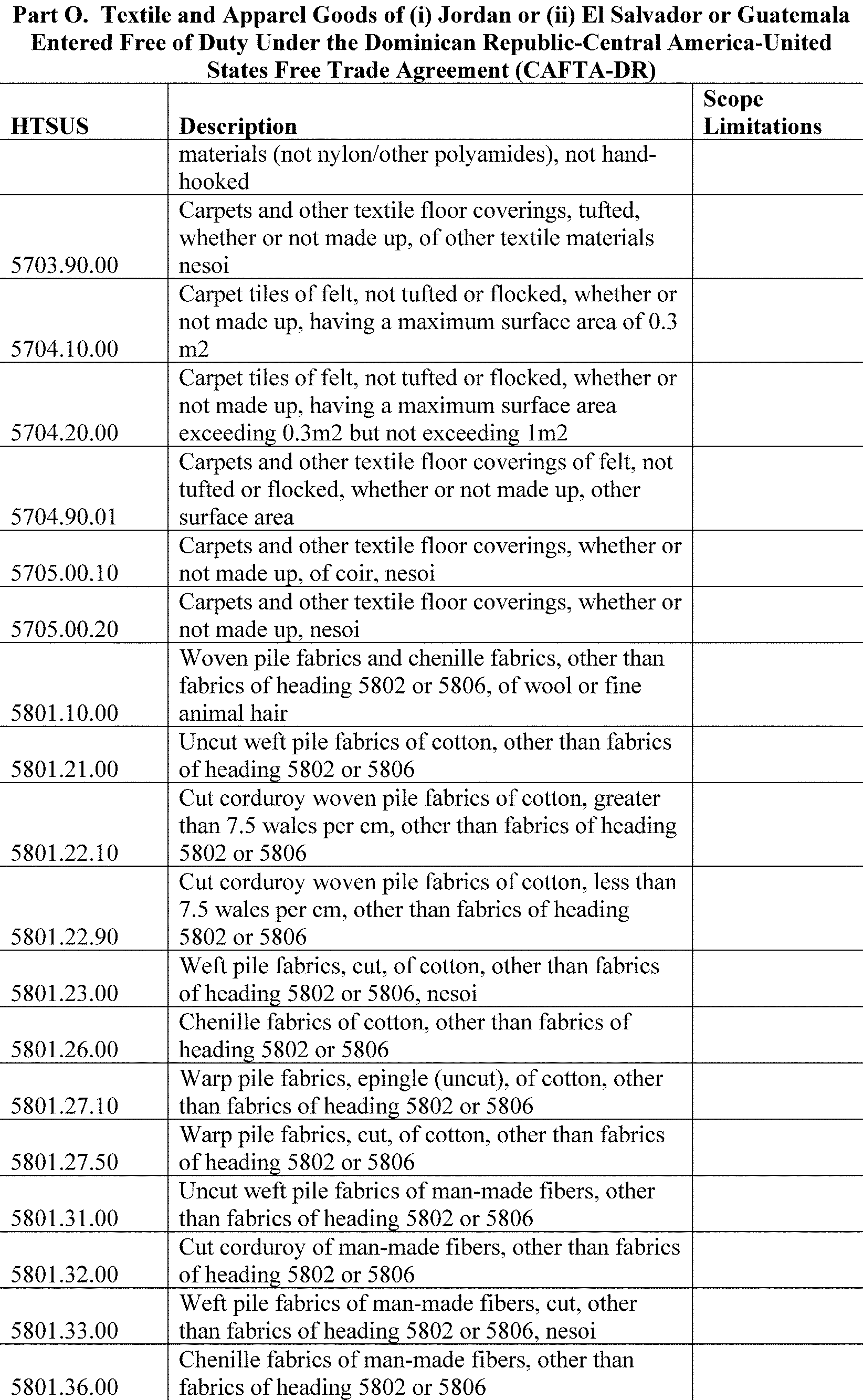
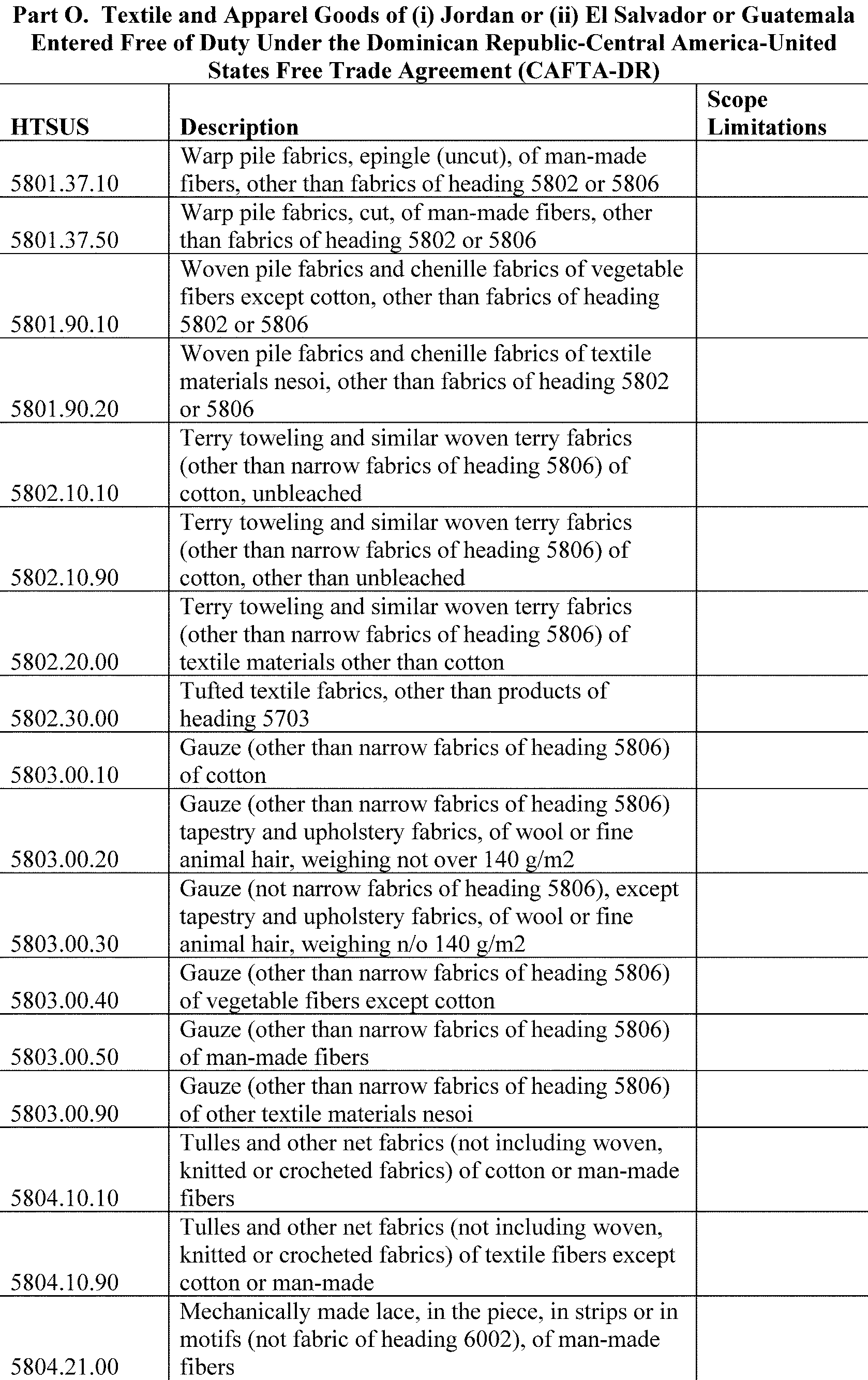
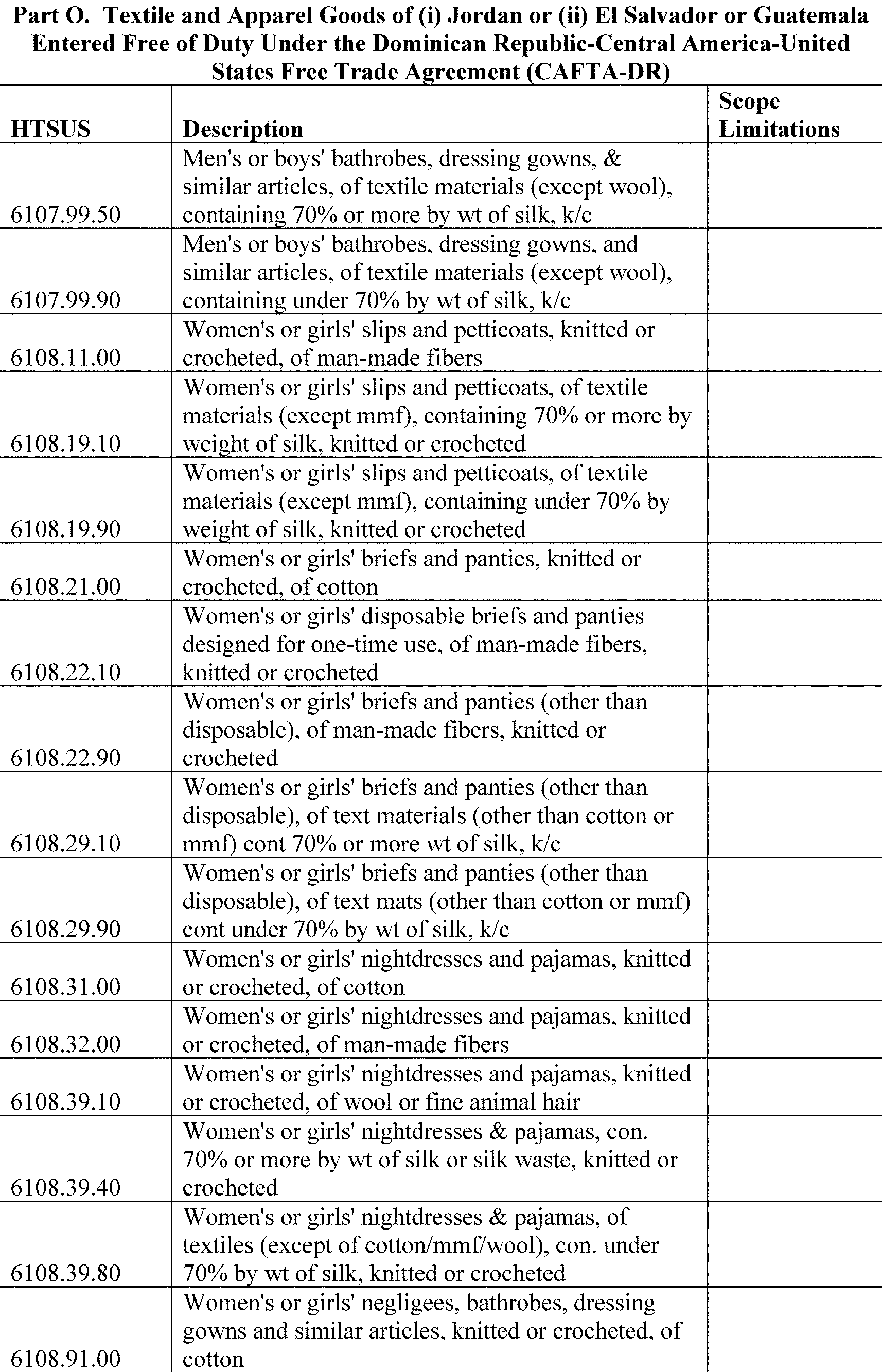
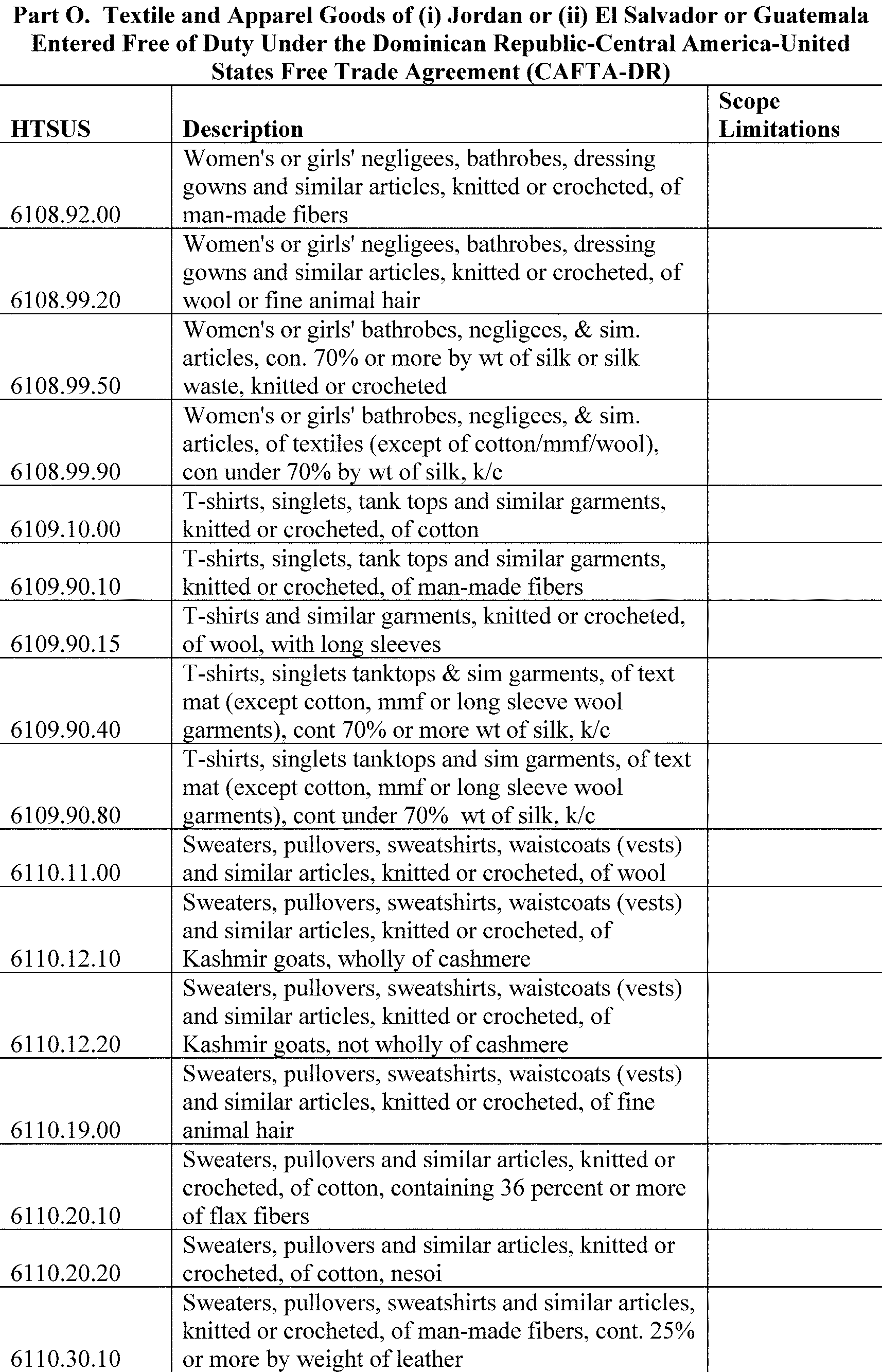
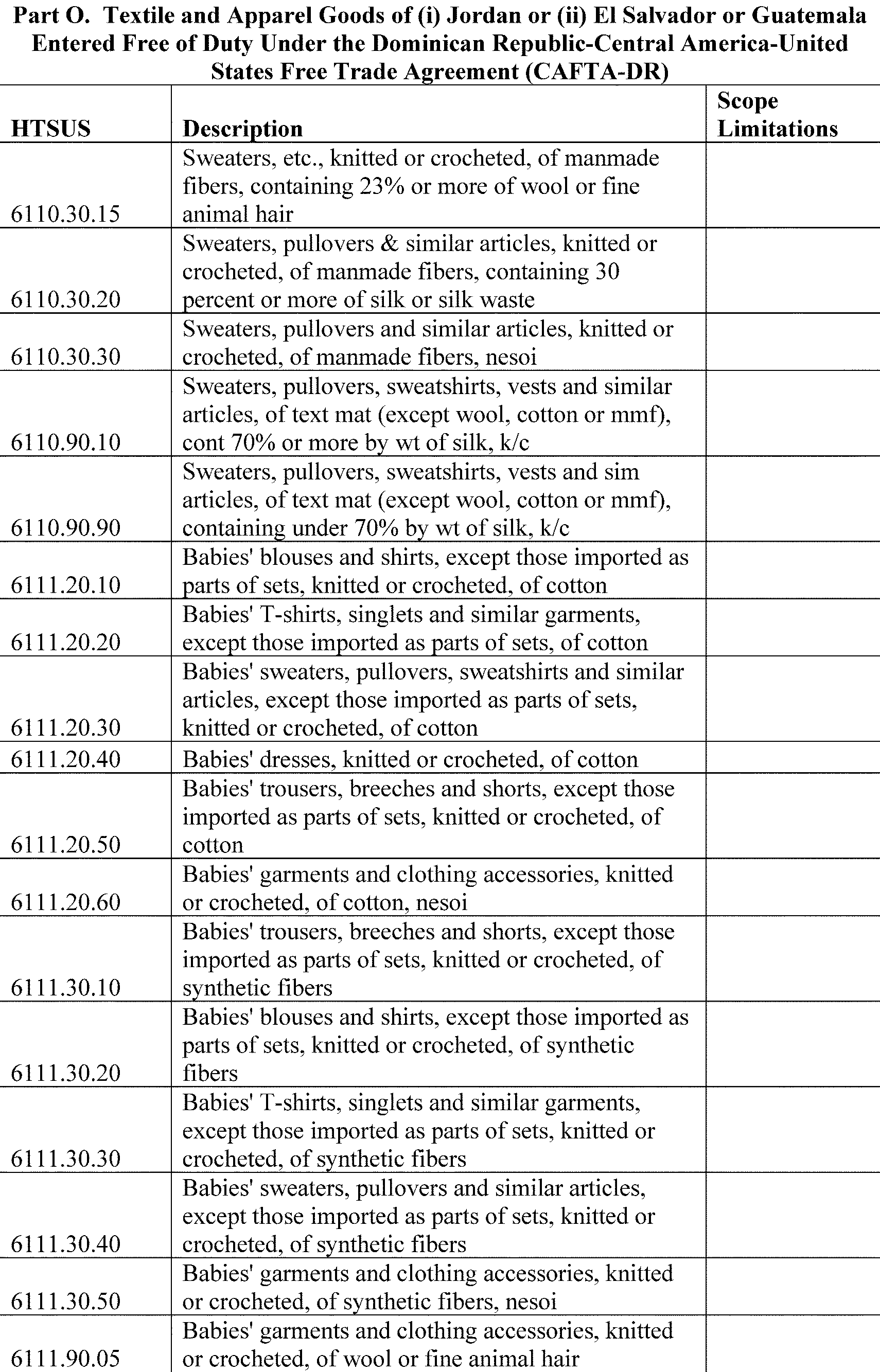
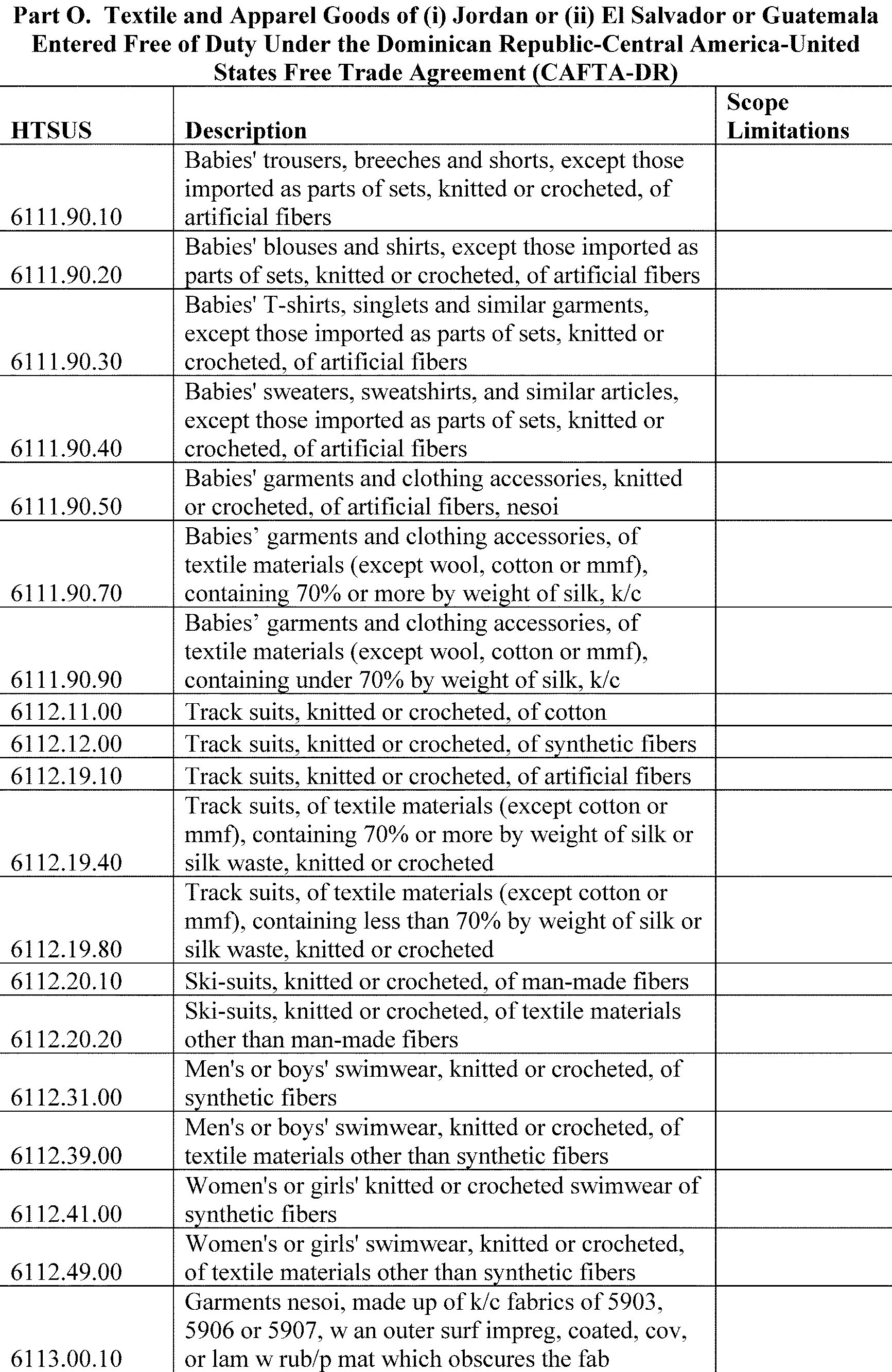
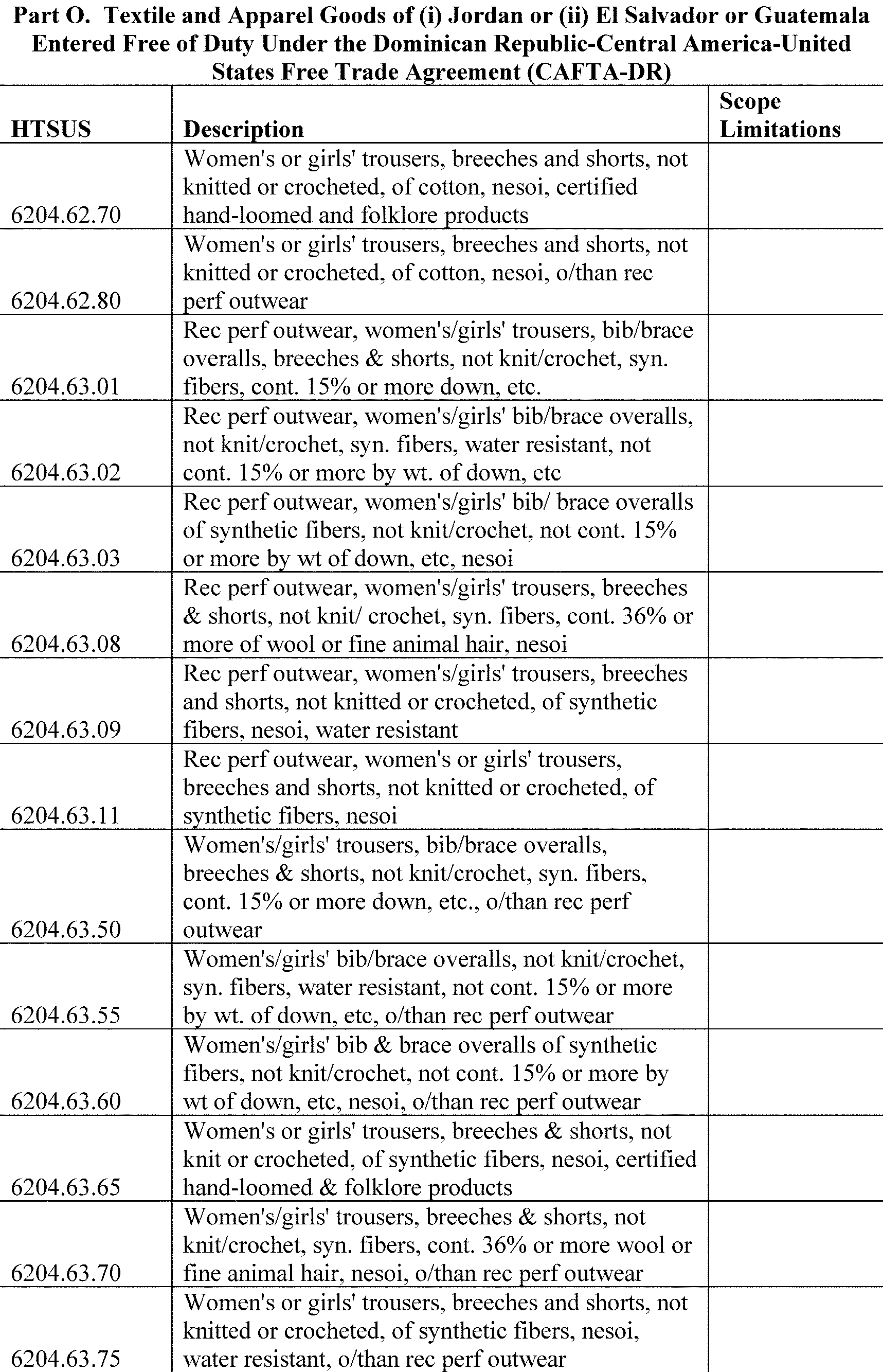
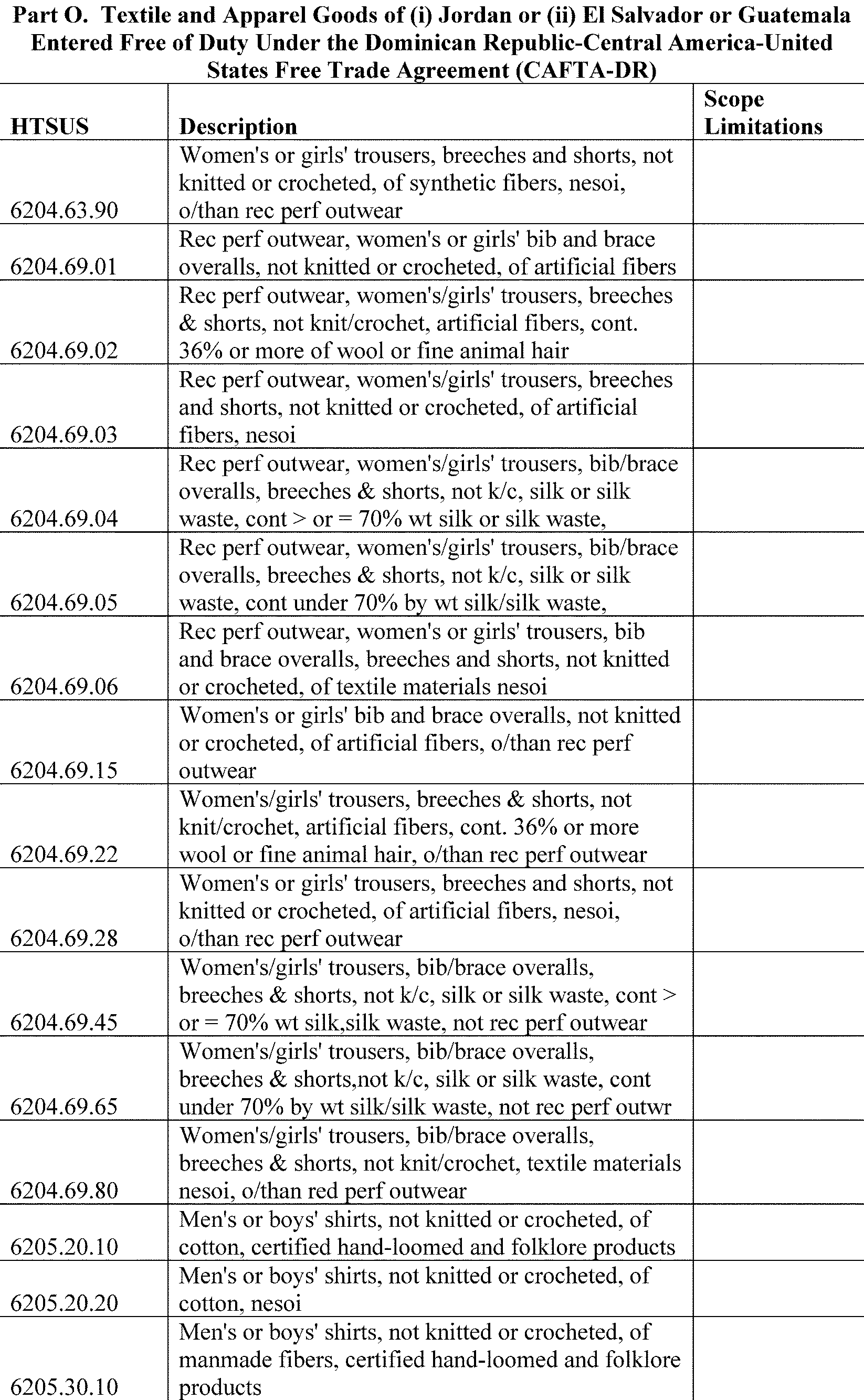
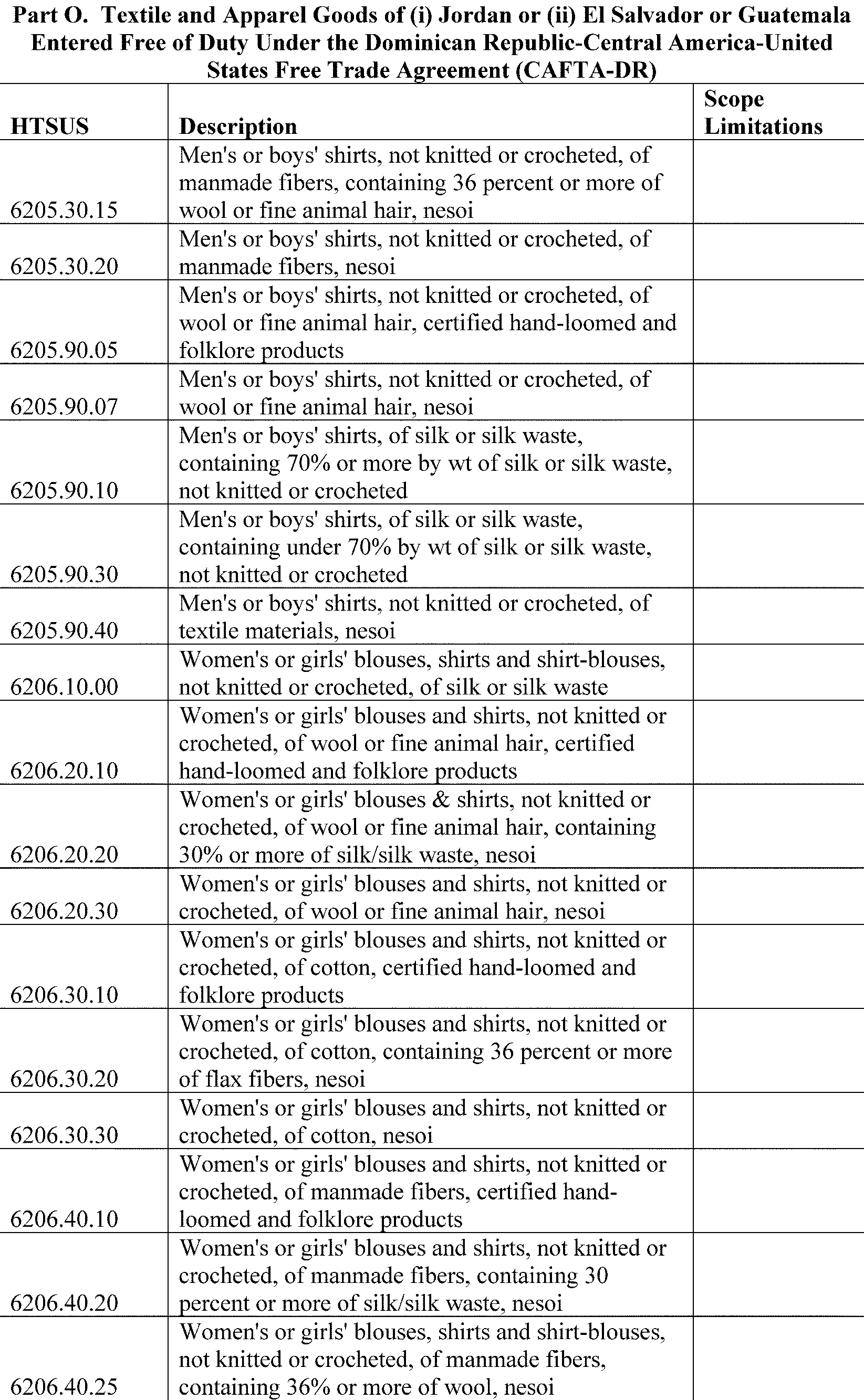
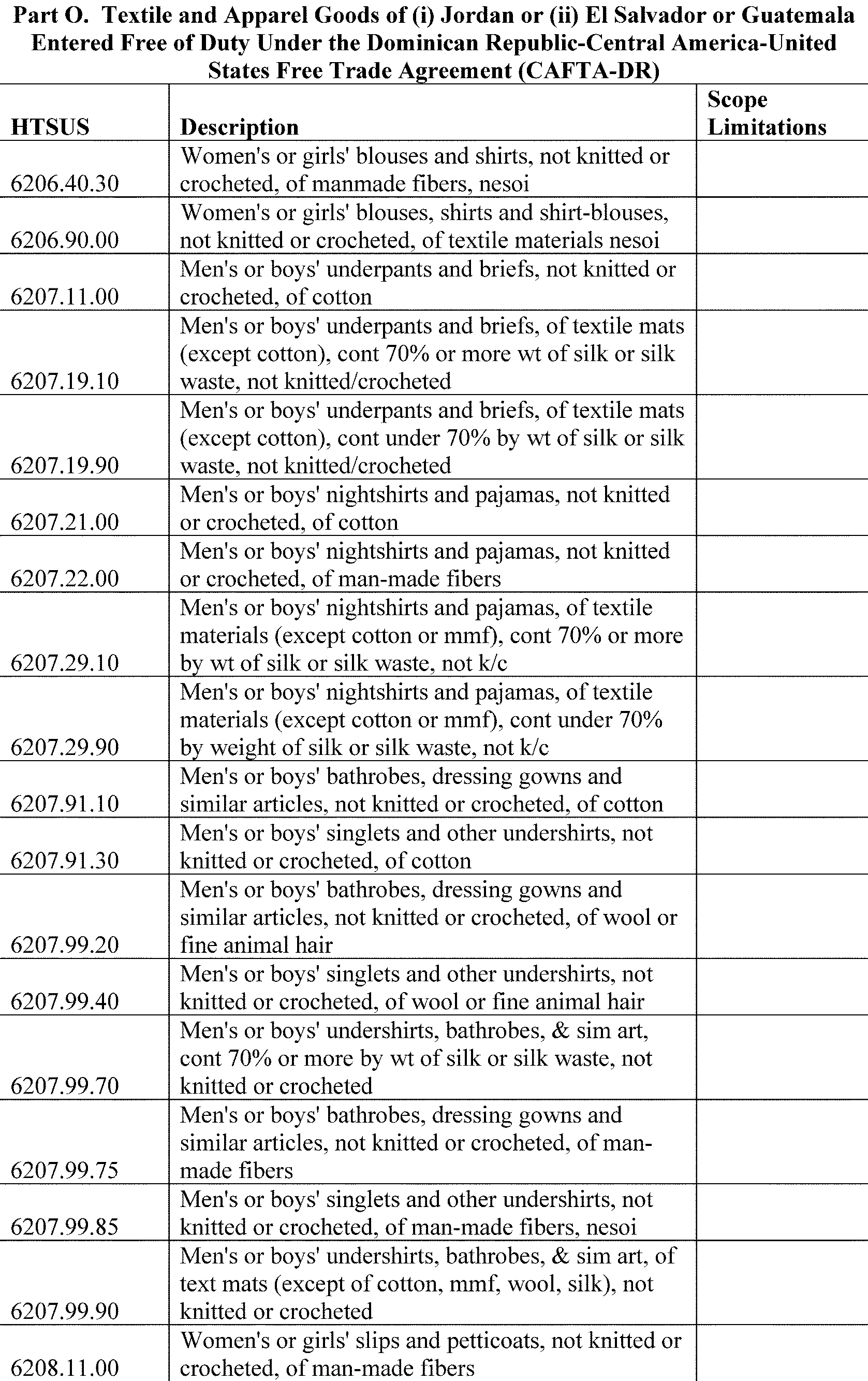
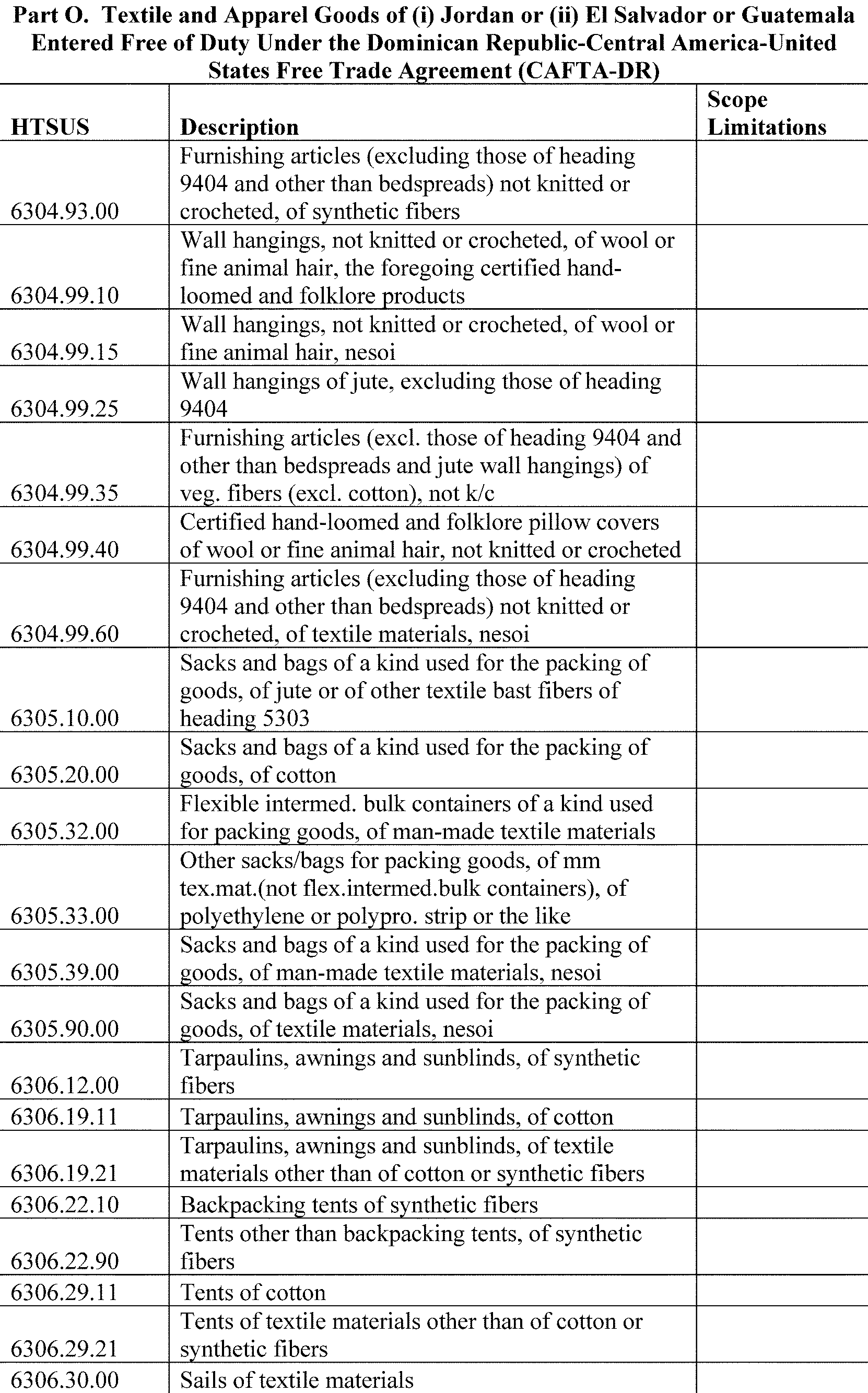
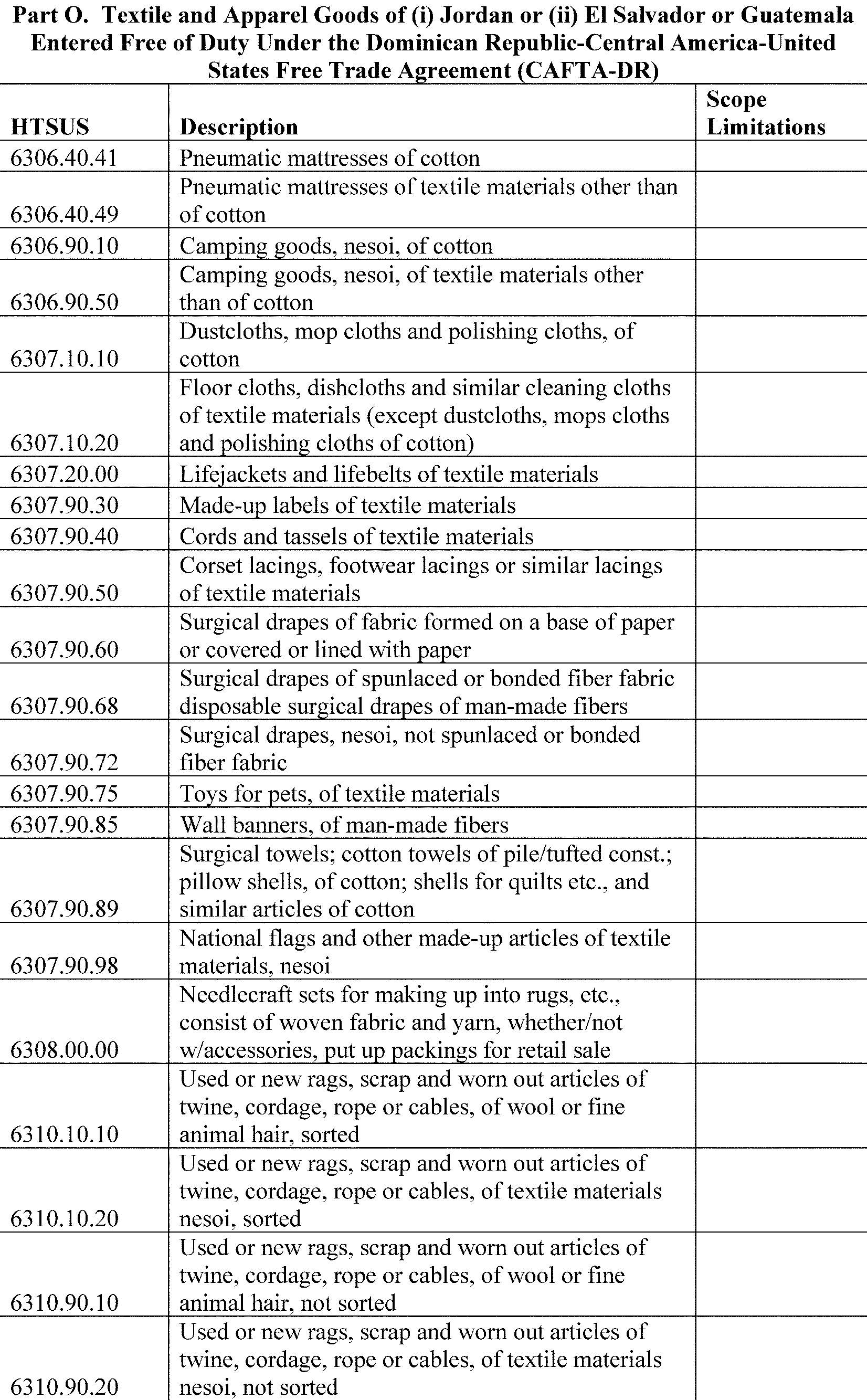
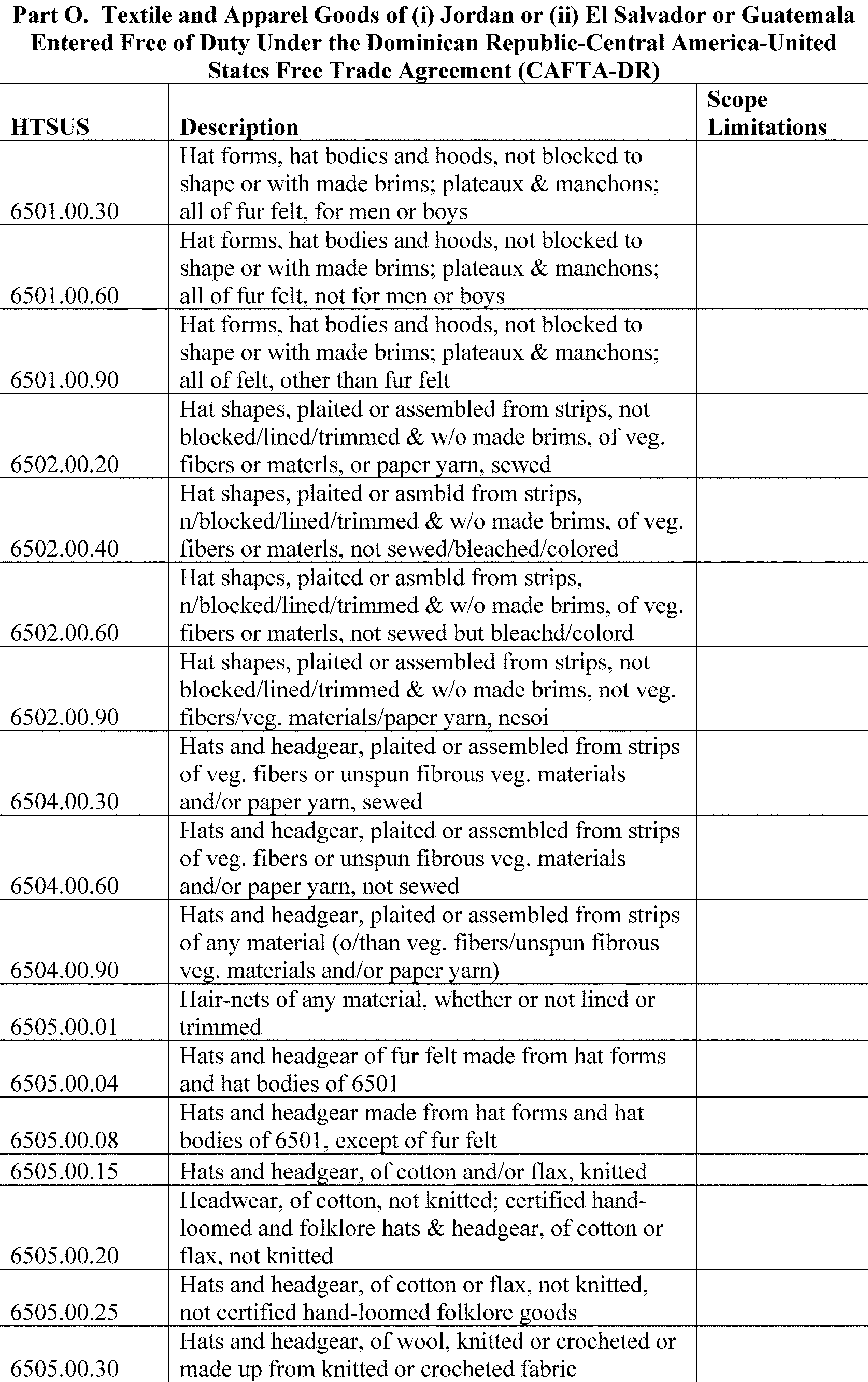
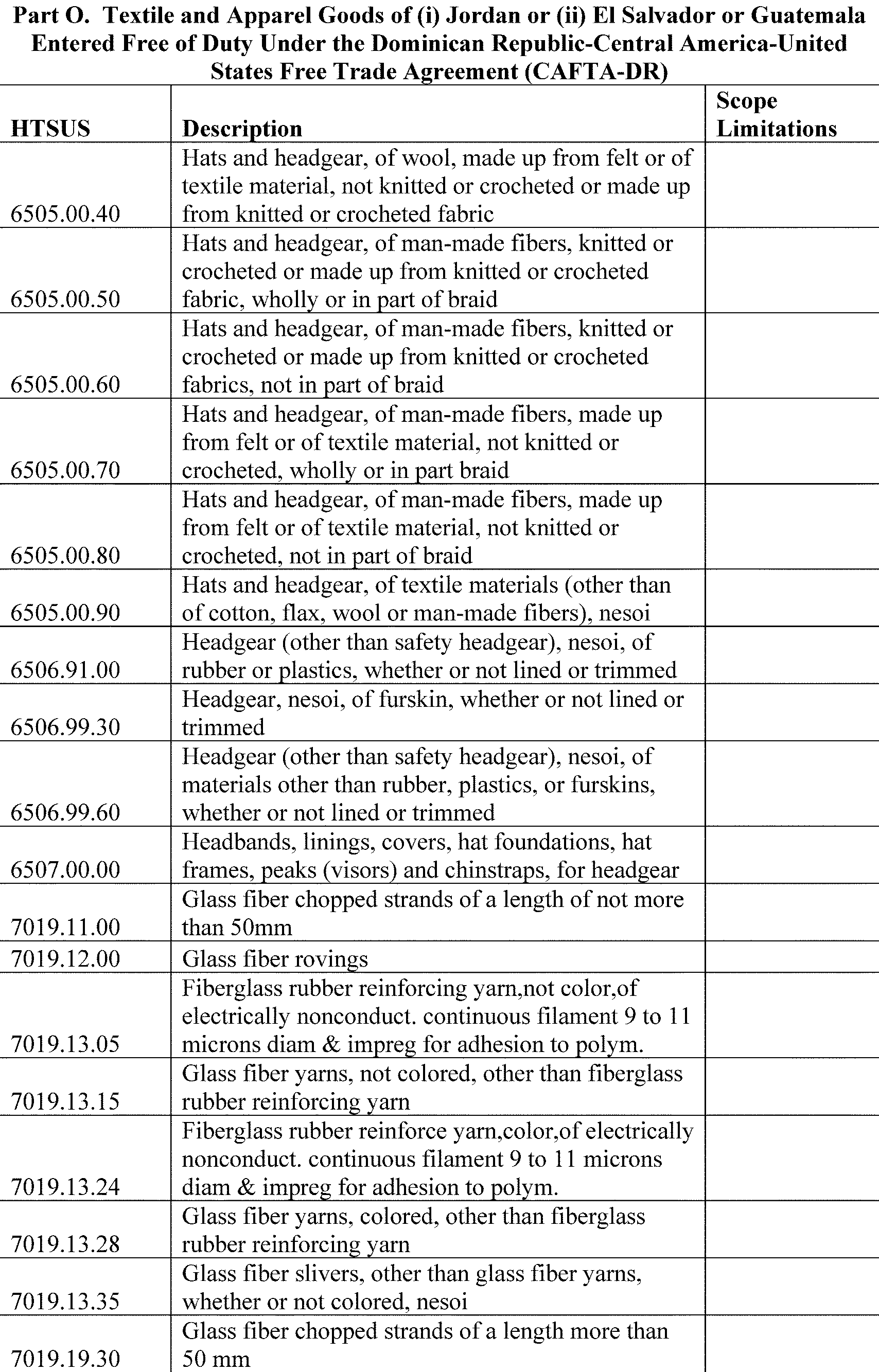
Notice of Actions in Section 301 Investigations of Acts, Policies, and Practices of Various Economies Related to the Failure of Each Economy To Impose and Effectively Enforce a Prohibition on the Importation of Goods Produced With Forced Labor
The United States Trade Representative (Trade Representative) has determined under Section 301(b) and Section 304(a) of the Trade Act of 1974, as amended (Trade Act), that in ea...
Office of the United States Trade Representative (USTR).
ACTION:
Notice of action.
SUMMARY:
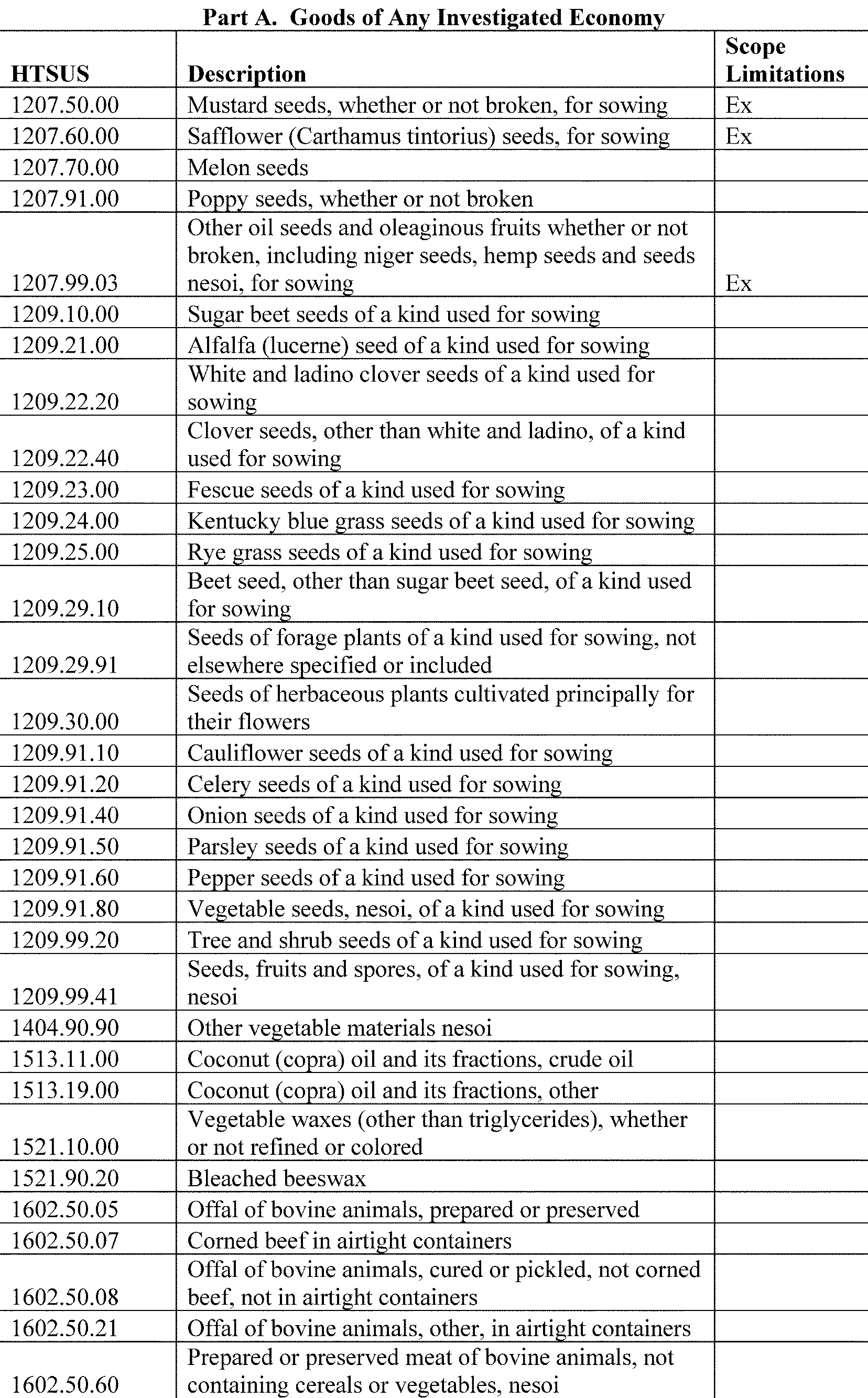
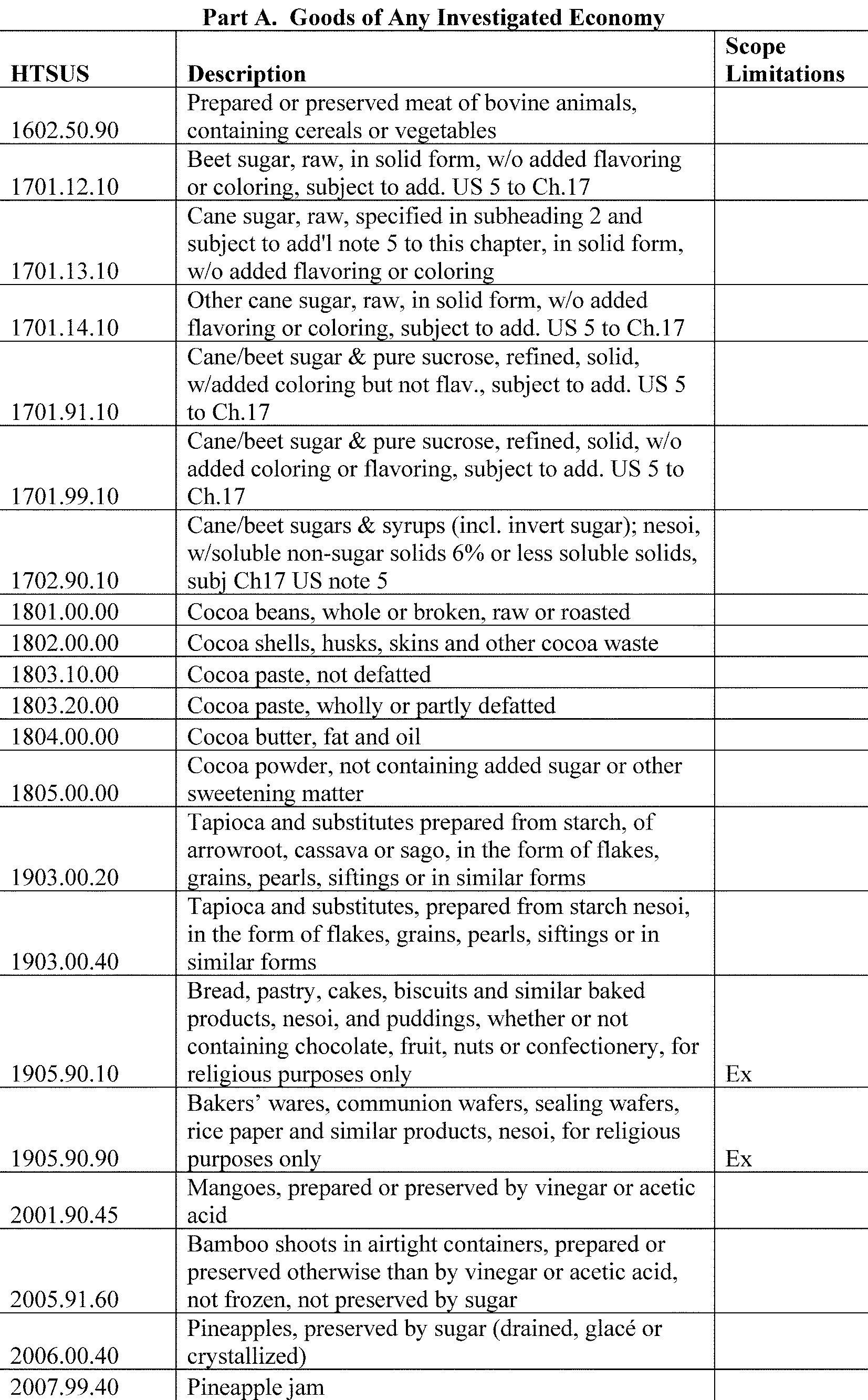
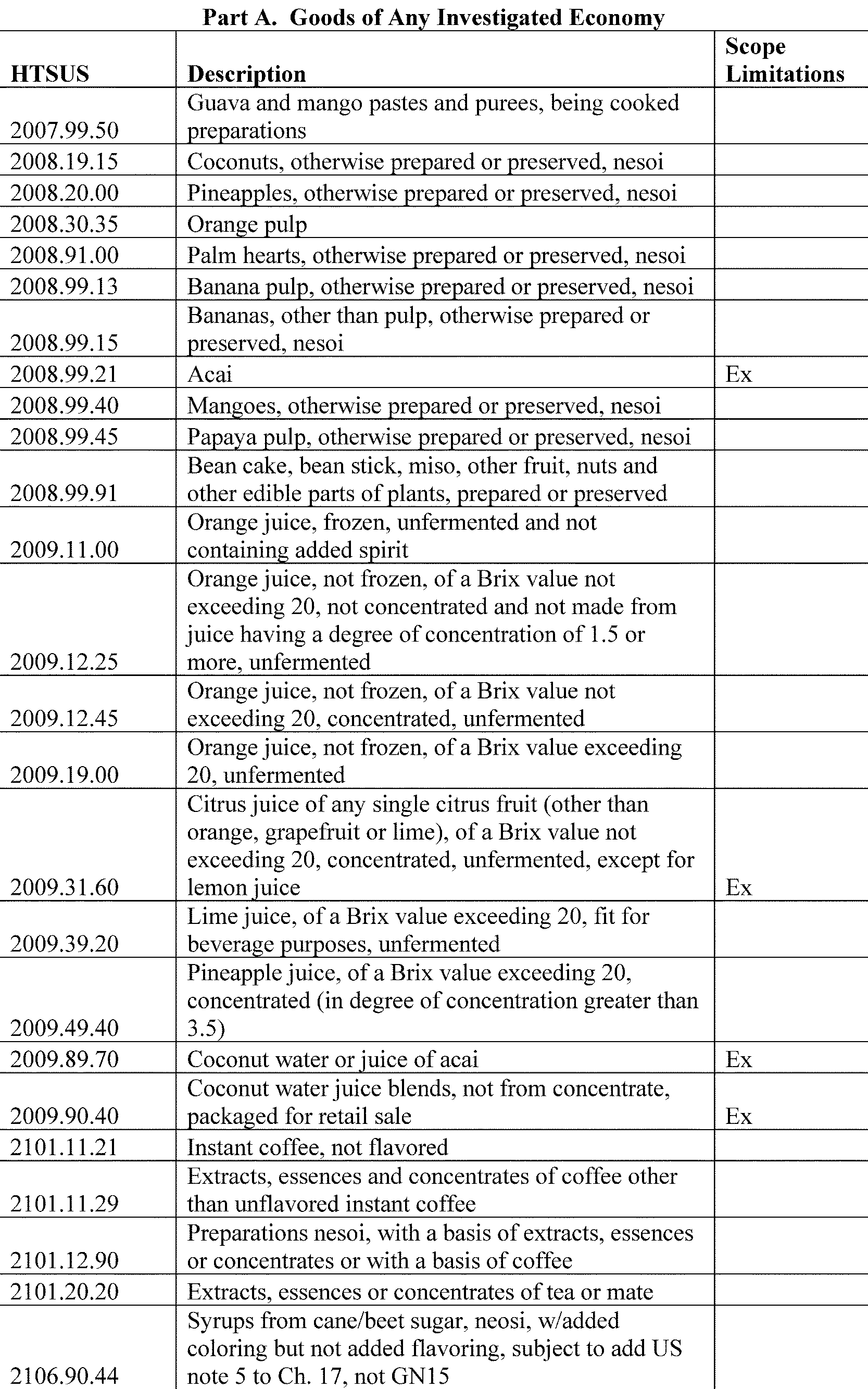
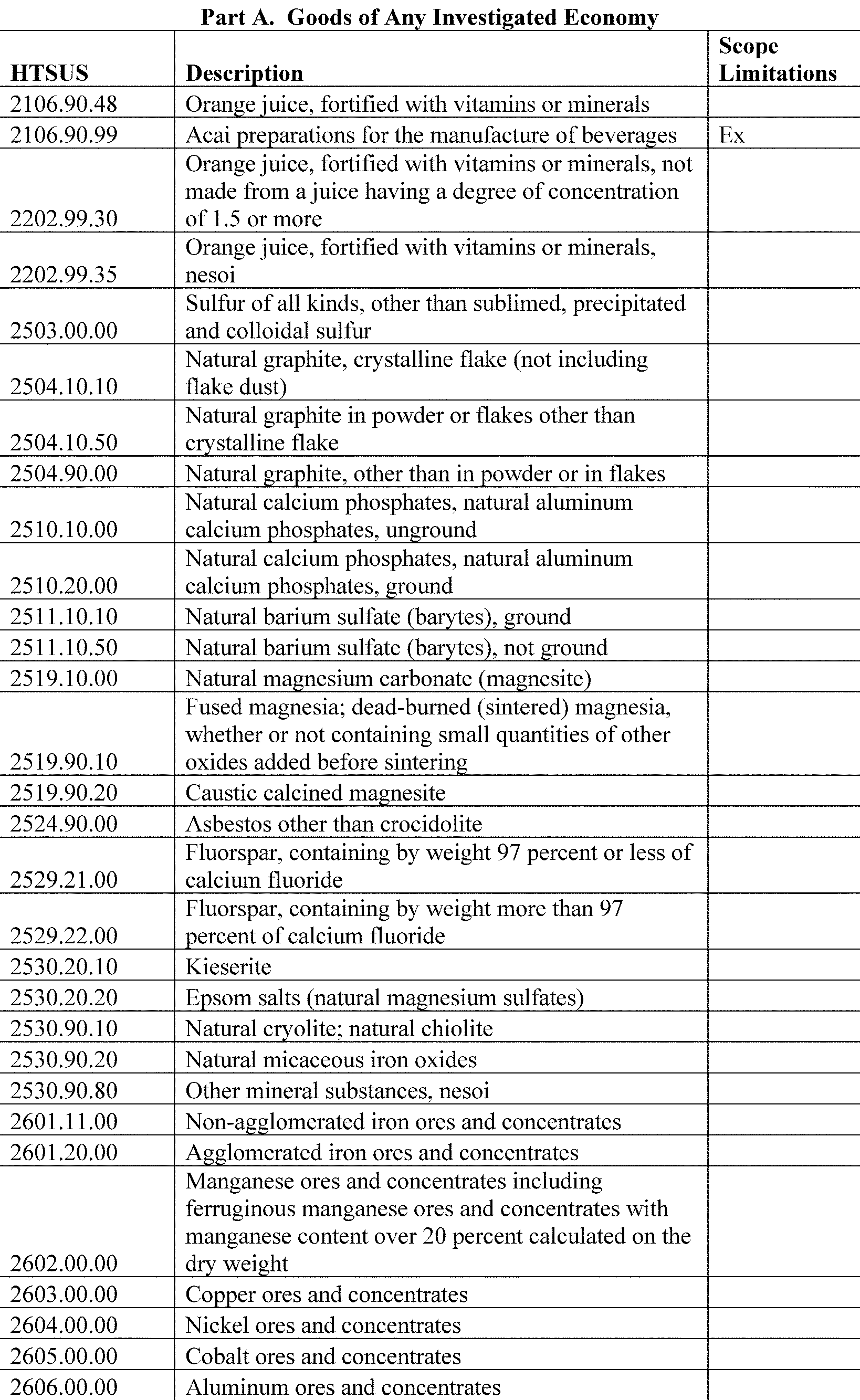
The United States Trade Representative (Trade Representative) has determined under Section 301(b) and Section 304(a) of the Trade Act of 1974, as amended (Trade Act), that in each of 60 investigations, certain of the acts, policies, and practices of the economy at issue are actionable and that action by the United States is appropriate. In accordance with the specific direction of the President, the Trade Representative is taking actions in each of these investigations by imposing tariffs on all products of the investigated economy, with certain exemptions as provided in Annexes I and II to this notice (Notice). Consistent with the specific direction of the President, for an economy that imposes a forced labor import prohibition, has committed to impose and enforce such a prohibition through an Agreement on Reciprocal Trade (ART), or has imposed a partial regime with the effect of preventing the importation of certain forced labor goods, the Trade Representative has determined 10 percent is the appropriate rate of Section 301 duties, with specific economies subject to a 10 percent rate net of a product's most-favored-nation (MFN) duty. For every other economy, and in accordance with the specific direction of the President, the Trade Representative has determined 12.5 percent is the appropriate rate of Section 301 duty, with specific economies subject to a 12.5 percent rate net of a product's MFN duty. The Trade Representative has also determined, consistent with the specific direction of the President, to establish, when feasible, tariff-rate quotas (TRQs) for Bangladesh, Cambodia, Indonesia, and Malaysia, based on each economy's importation of U.S. inputs, to encourage the importation by each of these economies of U.S. cotton and textile goods, in order to reduce reliance on inputs from other sources that are more likely to contain forced labor inputs.
DATES:
The additional rates of duty are applicable with respect to products that are entered for consumption, or withdrawn from warehouse for consumption, on or after 12:01 a.m. eastern time on July 24, 2026, except that goods loaded onto a vessel at the port of loading and in transit on the final mode of transit before 12:01 a.m. eastern time on July 24, 2026, and entered for consumption or withdrawn from warehouse for consumption before 12:01 a.m. eastern time on July 28, 2026, shall not be subject to such additional duty.
FOR FURTHER INFORMATION CONTACT:
For general questions about this Notice, contact Megan Grimball and Philip Butler, Chairs of the Section 301 Committee, at (202) 395-5725.
SUPPLEMENTARY INFORMATION:
I. Proceedings in the Investigations
On March 12, 2026, the Trade Representative initiated 60 investigations related to the failure of various economies to each impose and effectively enforce a prohibition on the importation of goods produced wholly or in part with forced labor (forced labor import prohibition), pursuant to 302(b)(1) of the Trade Act (19 U.S.C. 2412(b)(1)).
See91 FR 12884 (published March 17, 2026).
On June 2, 2026, the Trade Representative determined that, in each of the 60 investigations, certain of the acts, polices, and practices of the economy at issue are actionable under sections 301(b) and 304(a) of the Trade Act. The Trade Representative also issued a comprehensive report,
Acts, Policies, and Practices of Various Economies Related to the Failure to Impose and Effectively Enforce a Prohibition on the Importation of Goods Produced with Forced Labor
(Report). Specifically, the Trade Representative determined that:
The following 54 economies have failed to impose and effectively enforce a prohibition on the importation of goods produced with forced labor: Algeria; Angola; Argentina; Australia; the Bahamas; Bahrain; Bangladesh; Brazil; Cambodia; Chile; China, People's Republic of; Colombia; Costa Rica; Dominican Republic; Egypt; El Salvador; Guatemala; Guyana; Honduras; Hong Kong, China; India; Iraq; Israel; Japan; Jordan; Kazakhstan; Kuwait; Libya; Malaysia; Morocco; New Zealand; Nicaragua; Nigeria; Norway; Oman; Peru; the Philippines; Qatar; Russia; Saudi Arabia; Singapore; South Africa; South Korea; Sri Lanka; Switzerland; Taiwan; Thailand; Trinidad and Tobago; Türkiye; United Arab Emirates; United Kingdom; Uruguay; Venezuela; and Vietnam.
The following six economies have failed to effectively enforce a prohibition on the importation of goods produced with forced labor: Canada, Ecuador, the European Union, Indonesia, Mexico, and Pakistan.
All of the investigated economies have failed to impose a forced labor import prohibition and to effectively enforce such a prohibition (that is to say, all of the economies have failed to satisfy both factors in these investigations).
The Trade Representative proposed to determine that action is appropriate in each investigation, and that appropriate action would include tariffs on all products of an economy, with certain exemptions. The Trade Representative also proposed a textile mechanism that would allow for a certain volume of apparel and textile imports from certain economies to enter the United States at a reduced Section 301 tariff rate.
See91 FR 34272 (published June 5, 2026) (the June 5, 2026 FRN).
The June 5, 2026 FRN invited public comments on the proposed actions to be taken in each investigation. The June 5, 2026 FRN proposed applying tariffs of 10 percent for each economy that imposes a forced labor import prohibition; has taken on commitments related to forced labor import prohibitions through an ART; or has imposed a partial regime with the effect of preventing the importation of certain forced labor goods. The June 5, 2026 FRN proposed applying tariffs of 12.5 percent for every other economy. The tariff proposals in each investigation included exemptions for certain goods, including informational materials, donations, accompanied baggage, all articles and parts of articles subject to tariffs under Section 232 of the Trade Expansion Act of 1962, and certain products identified in Annex A to the June 5, 2026 FRN.
As explained in the June 5, 2026 FRN, the proposed exemptions included: (a) raw materials that, if subject to the proposed additional tariffs, could lead to the unavailability of domestic supply; (b) products that could cause economy-wide disruptions if subject to additional tariffs; (c) certain products that cannot be grown or produced in sufficient quantities in the United States or obtained from other sources; and (d) articles for which additional tariffs may not contribute substantially to the elimination of the acts, policies, and practices determined to be actionable in the investigations.
Interested persons were invited to provide comments regarding the scope
( printed page 47319)
of tariff coverage (including the proposed excluded products identified in Annex A to the June 5, 2026 FRN and the proposed textile mechanism. With respect to the tariff proposals, the June 5, 2026 FRN stated that, in considering whether certain articles should be subject to additional duties under Section 301 of the Trade Act, USTR will consider the needs of the U.S. economy. With respect to comments on the inclusion or removal of particular tariff subheadings subject to the proposed action, USTR requested that comments address specifically whether the products under the tariff subheading are necessary raw materials that if subject to the proposed tariff could lead to the unavailability of domestic supply; whether additional tariffs would cause serious dislocations in the supply of the products and could cause economy-wide disruptions, or other similar factors; and whether imposing additional tariffs on products under the tariff subheading would be practicable or effective in obtaining the elimination of the investigated acts, policies, and practices.
USTR also requested public comments regarding the proposed actions, including whether the products in Annex A to the June 5, 2026 FRN were appropriately excluded; the level of the increase, if any, in the rate of duty; whether differential tariff rates should be applied to an economy where the economy has made a commitment to the United States to impose and enforce a forced labor import prohibition, has imposed a forced labor import prohibition, or has imposed a partial regime with the effect of preventing the importation of certain forced labor goods; and features of the proposed textile mechanism, including the U.S. and foreign products to be covered, the relative market opportunities for each side, and the tariff rate (if any) to be applied to products subject to the mechanism, as well as whether a similar mechanism should apply to any other product or sector.
In response to the June 5, 2026 FRN, USTR received over 1,600 written comments. USTR and the Section 301 Committee held a three-day public hearing on July 7, 8, and 9, 2026, regarding the proposed actions. During the hearings, over 100 witnesses provided testimony and responded to questions. Witnesses included representatives of the governments of certain investigated economies, industry associations, domestic producers, and non-governmental organizations. The public submissions are available at:
comments.ustr.gov/s/
at docket numbers USTR-2026-0265 and USTR-2026-0266. Transcripts of the hearings are available on USTR's website.
Following government-to-government consultations pursuant to Section 303 of the Trade Act and the publication of proposed actions in the June 5, 2026 FRN, additional economies have imposed forced labor import prohibitions—Cambodia, Guatemala, Honduras, India, Sri Lanka, and Trinidad and Tobago; or undertaken commitments regarding forced labor import prohibitions in an ART—Jordan.
II. Determinations of Action
A. Overview of Responsive Actions in the Investigations
On June 2, 2026, the Trade Representative determined that, in each of the 60 investigations, certain acts, policies, and practices of the economy at issue are unreasonable and burden or restrict U.S. commerce, and are thus actionable under Section 301(b) of the Trade Act. Section 301(b) provides that upon determining that the acts, policies, and practices under investigation are actionable and that action is appropriate, the Trade Representative shall take all appropriate and feasible action authorized under Section 301(c), subject to the specific direction, if any, of the President regarding such action, and all other appropriate and feasible action within the power of the President that the President may direct the Trade Representative to take under Section 301(b), to obtain the elimination of that act, policy, or practice. Section 301(b) provides further that actions “within the power of the President” may include “[a]ctions . . . with respect to trade in any goods or services, or with respect to any other area of pertinent relations with the foreign country.”
Section 301(c) of the Trade Act authorizes the Trade Representative to take certain, specific actions for purposes of carrying out the provisions of Section 301(b). For example, Section 301(c)(1)(B) authorizes the Trade Representative to “impose duties or other import restrictions on the goods” of the foreign country subject to the investigation. Section 301(c)(3)(A) provides that actions that the Trade Representative is authorized to take may be taken against any goods or economic sector on a non-discriminatory basis or solely against the foreign country concerned. Section 301(c)(3)(B) empowers the Trade Representative to take actions against any goods and economic sector “without regard to whether or not such goods or economic sector were involved in the act, policy, or practice that is the subject of such action.”
USTR and the Section 301 Committee have carefully reviewed the public comments and testimony regarding the proposed actions to be taken in each investigation. The Trade Representative informed the President of his recommended responsive actions in each investigation, including, for each economy, whether to impose 10 or 12.5 percent tariffs on all products of that economy or, in the case of specific economies, 10 or 12.5 percent tariffs net of a product's MFN duty, with exemptions for certain goods. The Trade Representative also informed the President of economies that have imposed forced labor import prohibitions, or undertaken commitments regarding forced labor import prohibitions through an ART, since June 5, 2026. The Trade Representative also advised the President that, after considering significant comments and testimony on the proposed actions, certain products warranted exemption from the tariffs imposed in the investigations as they are: (a) raw materials that if subject to these tariffs could lead to the unavailability of domestic supply; (b) products that could cause economy-wide disruptions if subject to these tariffs; (c) products that cannot be grown or produced in sufficient quantities or at reasonable prices in the United States or obtained from other sources; (d) products for which these tariffs may not be effective in obtaining the elimination of the acts, policies, and practices of economies found to be actionable in the investigations; or (e) certain products of Argentina, Bangladesh, Cambodia, Ecuador, El Salvador, the European Union, Guatemala, Indonesia, Jordan, Malaysia, Switzerland, Taiwan, or the United Kingdom that would encourage these economies to fulfill commitments regarding forced labor import prohibitions or to encourage these economies to enact and effectively enforce a forced labor import prohibition.
On July 23, 2026—after considering and taking account of the information and advice provided by the Trade Representative; the information, findings, and determinations in the June 5, 2026 FRN; the need to obtain the elimination of the acts, policies, and practices of the investigated economies found to be actionable; and other pertinent information—the President issued a memorandum (Memorandum) directing that:
Section 1. Tariffs and Exemptions.
(a) Except as otherwise provided in this memorandum, the Trade Representative shall impose the following tariff rates on all goods of the economy for which an act, policy, or
( printed page 47320)
practice was found actionable under section 301:
(i) 10 percent tariff rate: The Trade Representative shall impose a tariff of 10 percent on goods of Argentina, Bangladesh, Cambodia, Canada, Ecuador, El Salvador, Guatemala, Honduras, India, Indonesia, Jordan, Malaysia, Mexico, Pakistan, Sri Lanka, the United Kingdom, and Trinidad and Tobago.
(ii) Tariff rate of 10 percent or 12.5 percent, net of MFN rate: For a product of the European Union or Taiwan, where such product's MFN tariff is less than 10 percent, the Trade Representative shall impose a section 301 tariff pursuant to these investigations so that the sum of the MFN tariff and the section 301 tariff shall be 10 percent, and where such product's MFN tariff is greater than or equal to 10 percent, the Trade Representative shall impose a section 301 tariff of zero. For a product of Japan, Korea, or Switzerland, where such product's MFN tariff is less than 12.5 percent, the Trade Representative shall impose a section 301 tariff pursuant to these investigations so that the sum of the MFN tariff and the tariff imposed pursuant to these investigations shall be 12.5 percent, and where such product's MFN tariff is greater than or equal to 12.5 percent, the Trade Representative shall impose a section 301 tariff of zero. Capping total duties in this manner is feasible, consistent with the terms of the Agreements on Reciprocal Trade or similar arrangements, and appropriate to encourage these economies to fulfill commitments regarding forced labor import prohibitions or to enact and effectively enforce such a prohibition.
(iii) 12.5 percent tariff rate: For goods of all other investigated economies, the Trade Representative shall impose a tariff rate of 12.5 percent.
(b) The Trade Representative shall exempt from the tariffs imposed as directed in subsection (a) of this section the products identified in the Annex to this memorandum for each economy for which an act, policy, or practice was found actionable under section 301, as the products identified constitute:
(i) raw materials that if subject to these tariffs could lead to the unavailability of domestic supply;
(ii) products that could cause economy-wide disruptions if subject to these tariffs;
(iii) products that cannot be grown or produced in sufficient quantities in the United States or obtained from other sources;
(iv) products for which these tariffs may not be effective in obtaining the elimination of the acts, policies, and practices of economies found to be actionable in the investigations; or
(v) certain products of Argentina, Bangladesh, Cambodia, Ecuador, El Salvador, the European Union, Guatemala, Indonesia, Jordan, Malaysia, Switzerland, Taiwan, or the United Kingdom that would encourage these economies to fulfill commitments regarding forced labor import prohibitions or to encourage these economies to enact and effectively enforce a forced labor import prohibition.
(c) After considering the relevant issues and factors and weighing the relevant considerations, including potential economic harm and efficacy of tariffs, I determine that the products identified in the Annex to this memorandum shall be exempted from the tariffs directed in subsection (a) of this section, and the Trade Representative shall direct that the Harmonized Tariff Schedule of the United States (HTSUS) be modified as provided in the Annex to this memorandum. In my judgment, the tariffs directed in subsection (a) of this section with the exemptions described in subsection (b) of this section are appropriate and feasible to obtain the elimination of the acts, policies, or practices of the economies found to be actionable under section 301.
Sec. 2. Tariff-Rate Quotas.
(a) As soon as the Trade Representative determines that it is feasible, the Trade Representative shall:
(i) establish TRQs for Bangladesh, Cambodia, Indonesia, and Malaysia, with an initial duration of 3 years, to encourage the importation by each of these economies of U.S. textile goods, in order to reduce reliance on inputs from other sources that are more likely to contain forced labor inputs; and
(ii) structure the TRQs for Bangladesh, Cambodia, Indonesia, and Malaysia to allow for a certain volume of specific textiles and apparel, based on that economy's importation of U.S. inputs, to enter the United States free of the section 301 tariffs provided for in section 1(a) of this memorandum.
(b) As soon as the Trade Representative determines that it is feasible, the Trade Representative shall:
(i) establish TRQs for Bangladesh, Cambodia, Indonesia, and Malaysia, with an initial duration of 3 years, to encourage the importation by each of these economies of U.S. cotton, in order to reduce reliance on inputs from other sources that are more likely to contain forced labor inputs; and
(ii) structure the TRQs for Bangladesh, Cambodia, Indonesia, and Malaysia to allow for a certain volume of specific textile and apparel, based on that economy's importation of U.S. cotton, to enter the United States free of the section 301 tariffs provided for in section 1(a) of this memorandum.
(c) Until the Trade Representative establishes the TRQs described in subsections (a) and (b) of this section, the Trade Representative shall impose the applicable section 301 tariffs provided for in section 1(a) of this memorandum (here, 10 percent) on imports of specific textile and apparel of Bangladesh, Cambodia, Indonesia, and Malaysia that will be covered by the TRQs for each of those economies.
(d) The Trade Representative shall modify the HTSUS as appropriate to implement the directives in this section. The Trade Representative shall publish a notice in the
Federal Register
regarding the establishment and the effective date of the TRQs directed in this section.
The Memorandum further directs that in the President's judgment, tariffs for each economy of 10 or 12.5 percent on all goods or, in the case of specific economies, 10 or 12.5 percent net of a good's MFN duty, with the exemptions described in the Memorandum, are appropriate and feasible to obtain the elimination of the acts, policies, and practices of each economy found to be actionable under Section 301. With respect to the tariff actions and exemptions, the Memorandum also states the President's determination that alternatives to the action directed by the President, such as a lower tariff rate, negotiation without the imposition of tariffs, action under other statutory authority without action under Section 301 of the Trade Act, and combinations of various approaches, would be less effective and less preferable than the action directed in the Memorandum.
Considering the public comments and testimony and the advice of the Section 301 Committee, as well as the advice of advisory committees, and pursuant to Sections 301(b) and 304(a) of the Trade Act, the Trade Representative has determined that action is appropriate in each investigation. In accordance with the specific direction of the President, and considering the public comments and testimony, the advice of the Section 301 Committee, as well as the advice of advisory committees, the Trade Representative has determined pursuant to Sections 301(b), 301(c), and 304(a) of the Trade Act that appropriate and feasible action in each investigation is the application of tariffs to all imports of the investigated economy at issue, with certain exemptions detailed in Annexes I and II to this Notice.
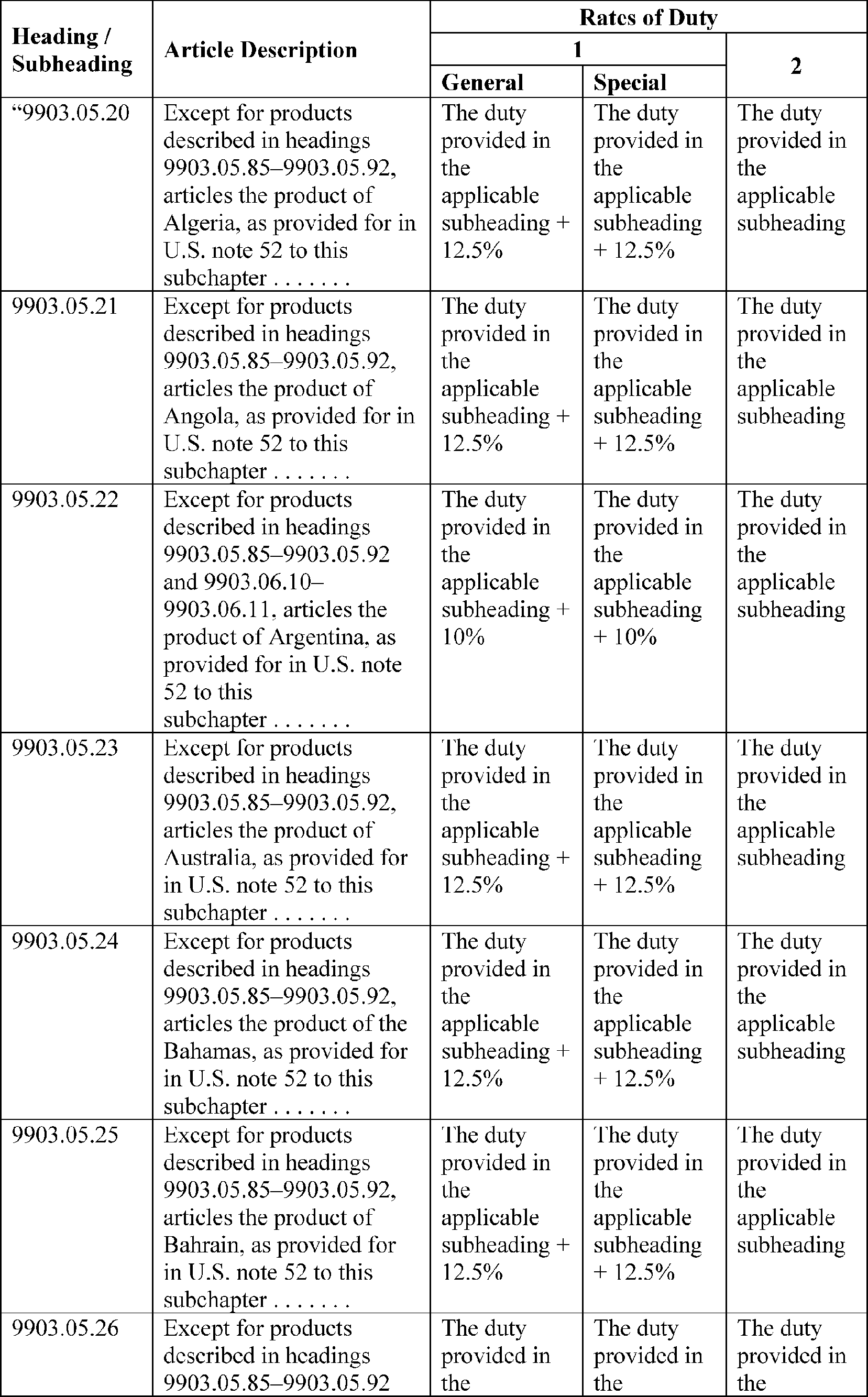
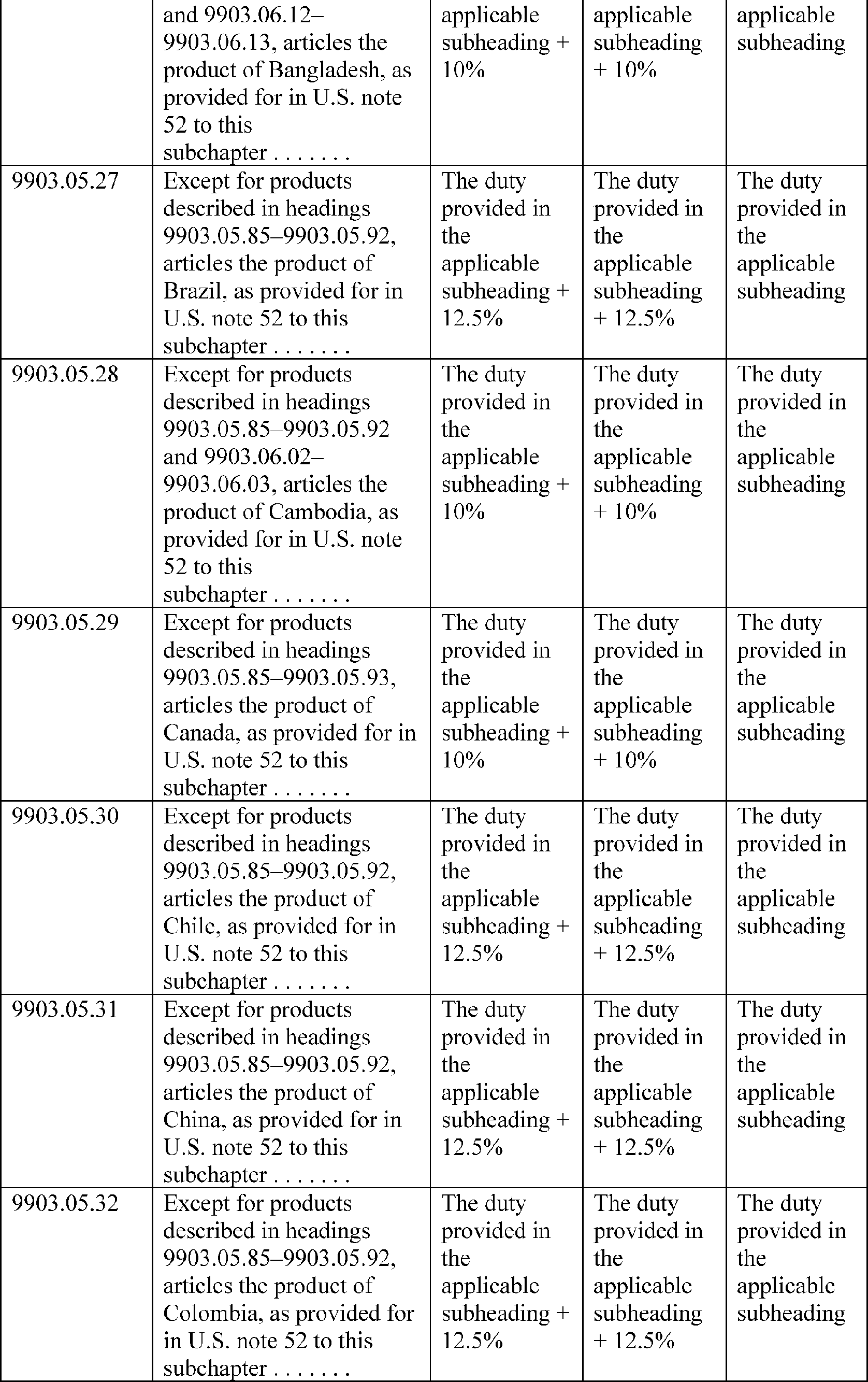
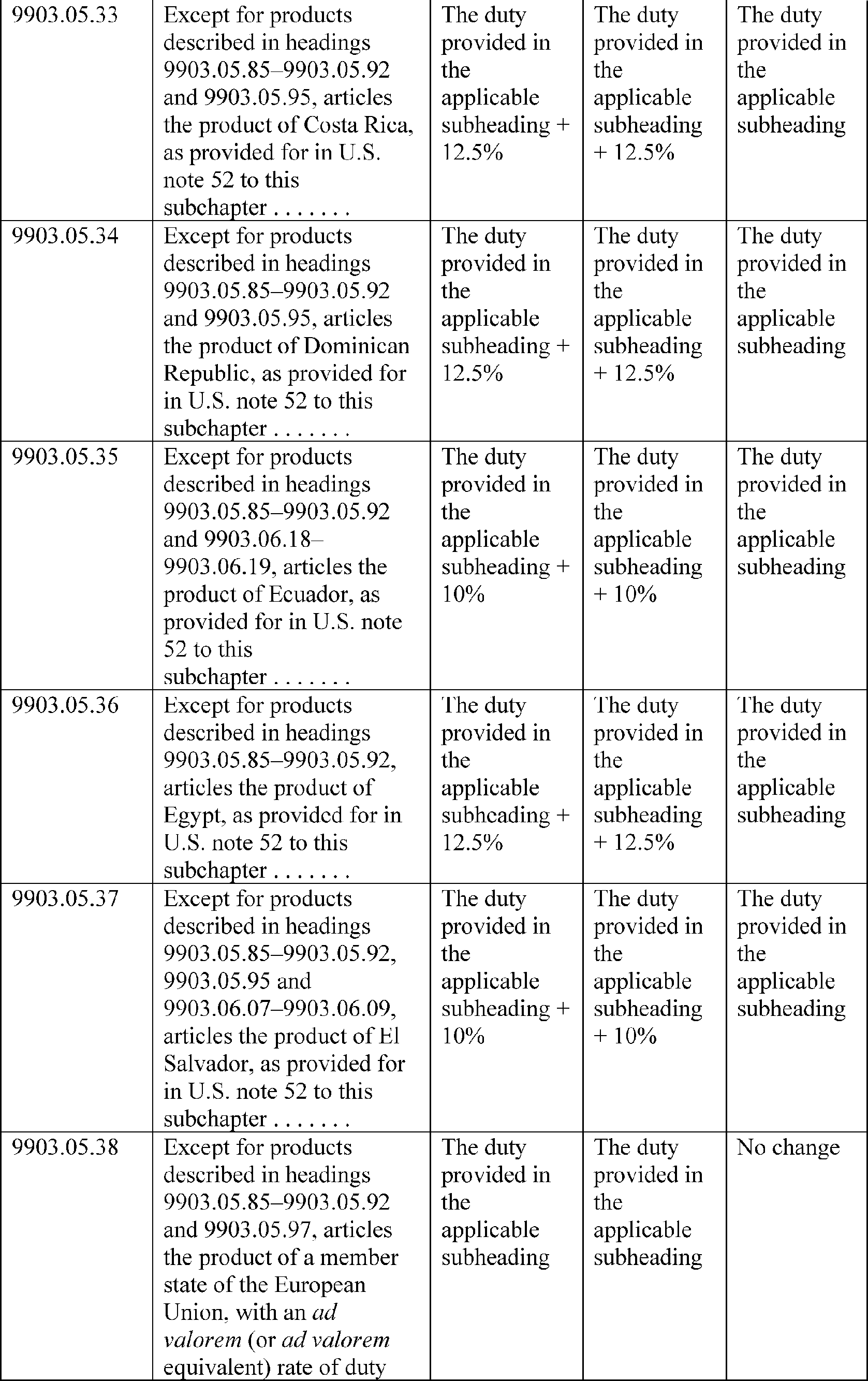
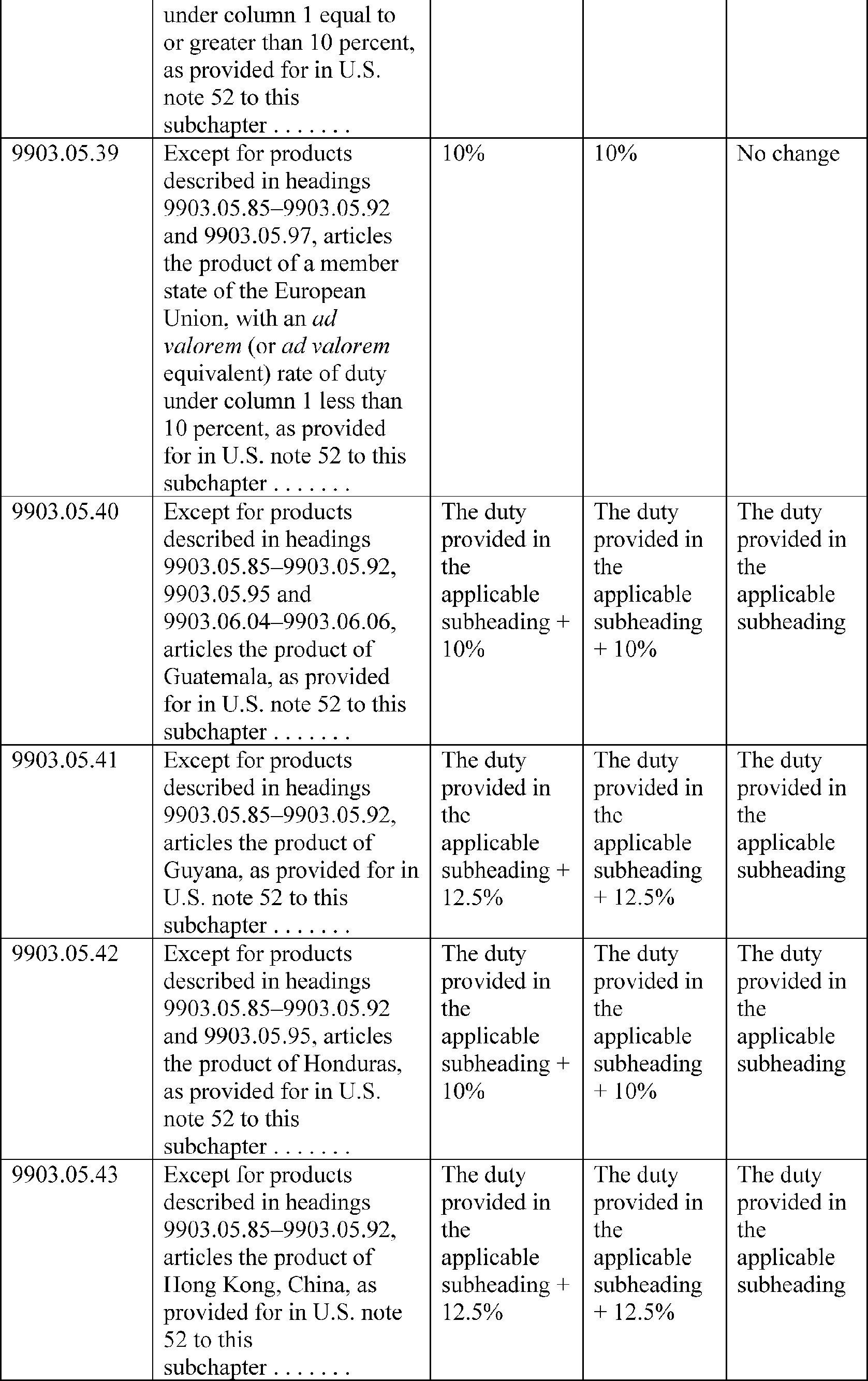
With respect to tariff rates, the Trade Representative has determined, consistent with the specific direction of the President, to impose a tariff of 10 percent on goods of Argentina, Bangladesh, Cambodia, Canada, Ecuador, El Salvador, Guatemala, Honduras, India, Indonesia, Jordan, Malaysia, Mexico, Pakistan, Sri Lanka, Trinidad and Tobago, and the United Kingdom, unless otherwise exempted from this action.
Consistent with the specific direction of the President, the Trade Representative has determined to impose a tariff rate of 10 percent or 12.5 percent, net of MFN rate, for certain investigated economies. For a product of the European Union or Taiwan that is not otherwise exempted, where such product's MFN tariff is less than 10 percent, the Trade Representative has determined to impose Section 301 tariffs pursuant to each of these investigations so that the sum of the MFN tariff and the Section 301 tariff for a product shall be 10 percent, and where such product's MFN tariff is greater than or equal to 10 percent, the Section 301 tariff shall be zero. For a product of Japan, Korea, or Switzerland that is not otherwise exempted, where such product's MFN tariff is less than 12.5 percent, the Trade
( printed page 47321)
Representative has determined to impose a Section 301 tariff pursuant to these investigations so that the sum of the MFN tariff and the tariff imposed pursuant to these investigations shall be 12.5 percent, and where such product's MFN tariff is greater than or equal to 12.5 percent, the Section 301 tariff shall be zero. The Trade Representative has determined in each of these investigations that capping total duties in this manner would be consistent with an economy's respective ART or similar arrangement and would be appropriate to encourage an economy to fulfill commitments regarding forced labor import prohibitions or to enact and effectively enforce a prohibition.
Consistent with the specific direction of the President, in the investigations of all other economies, the Trade Representative has determined to impose a tariff rate of 12.5 percent on goods of each such economy, unless otherwise exempted from this action.
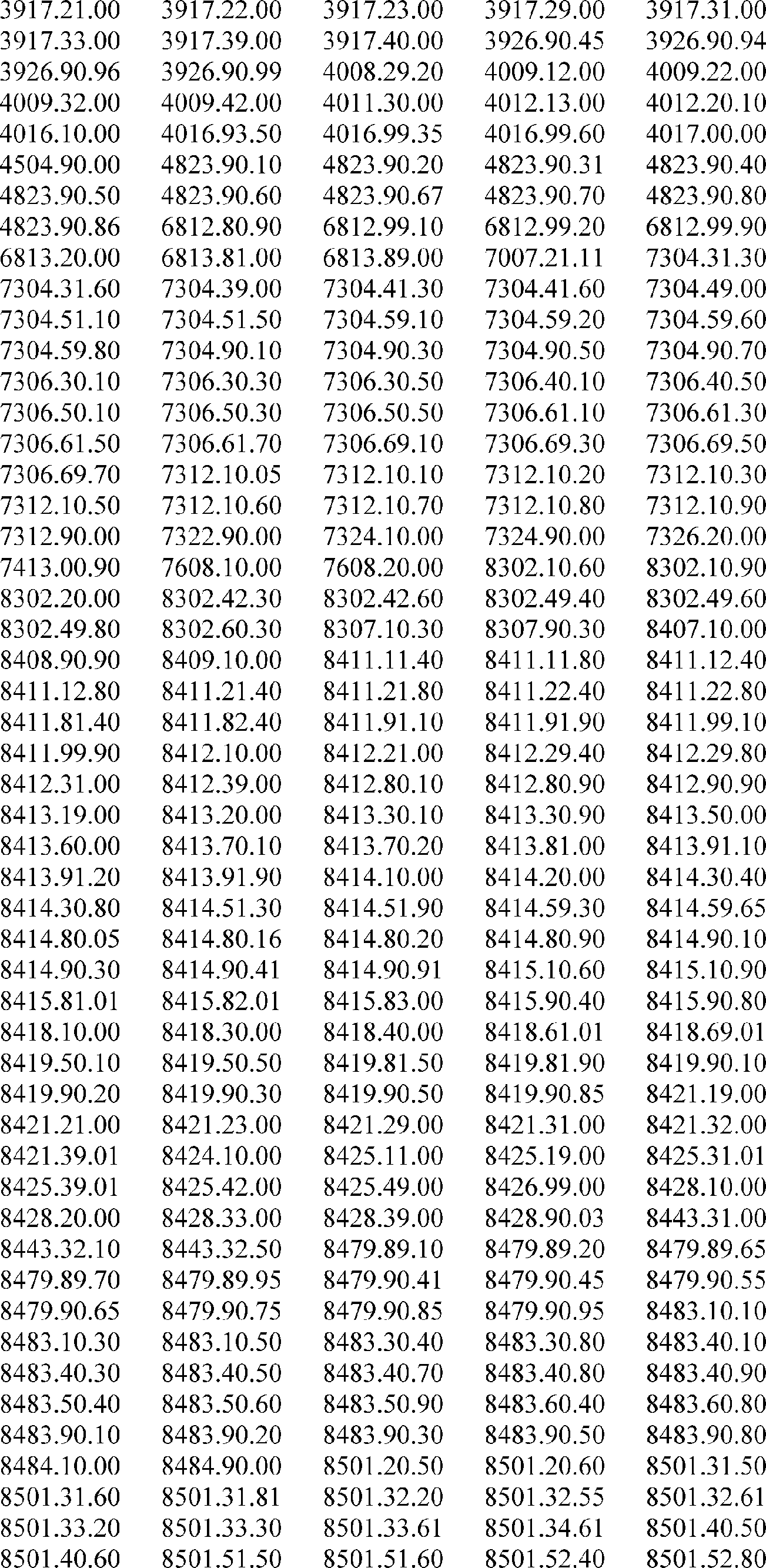
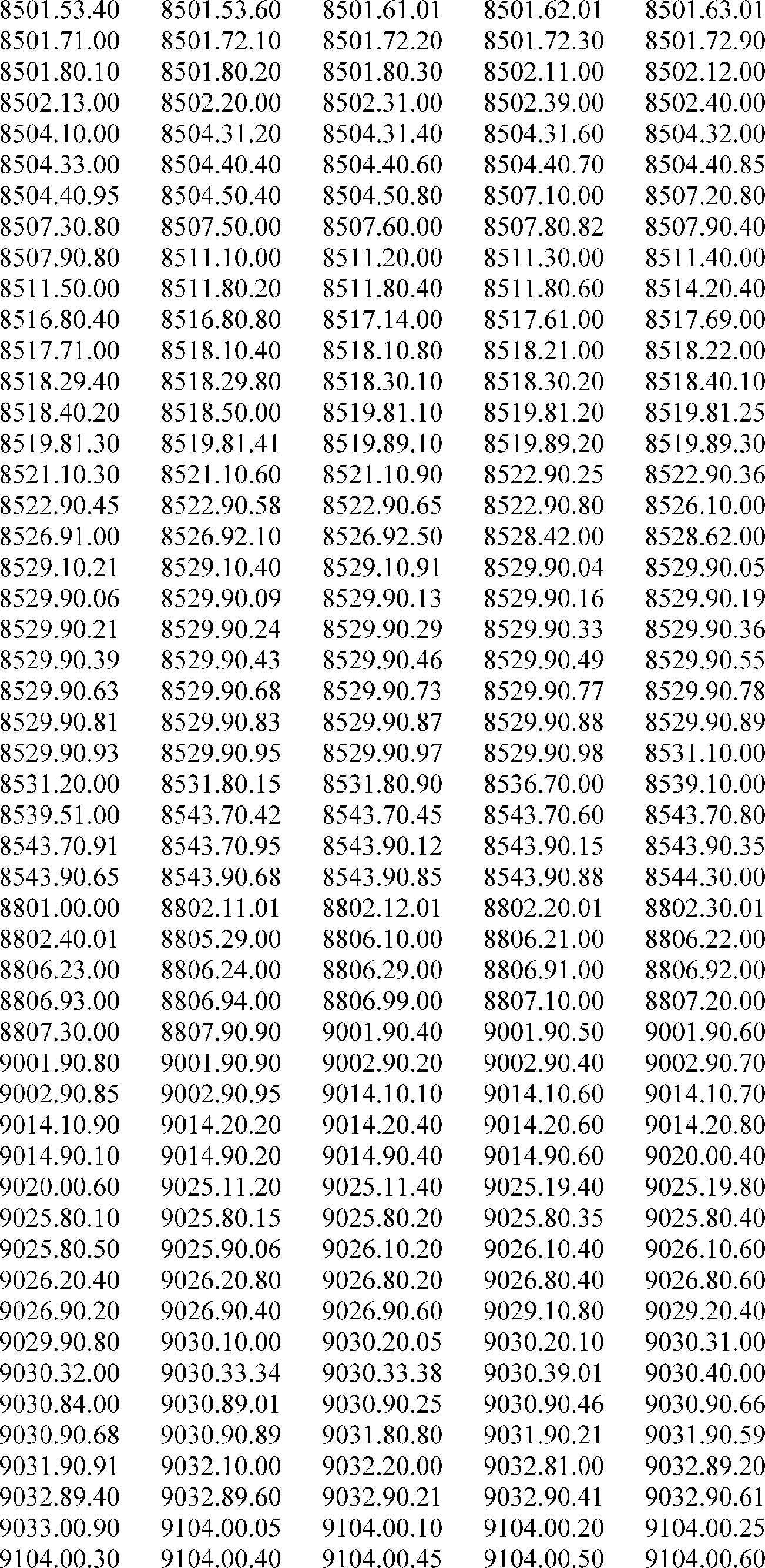
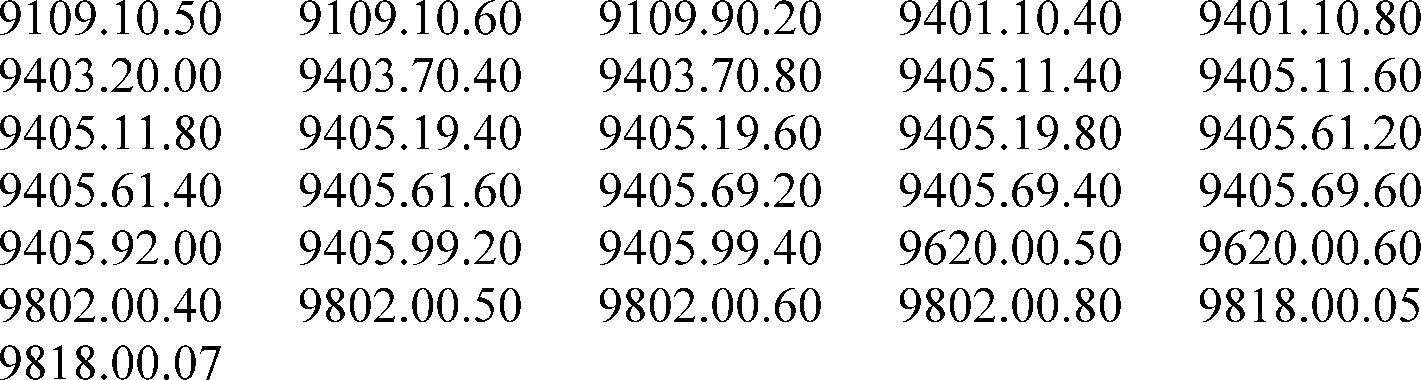
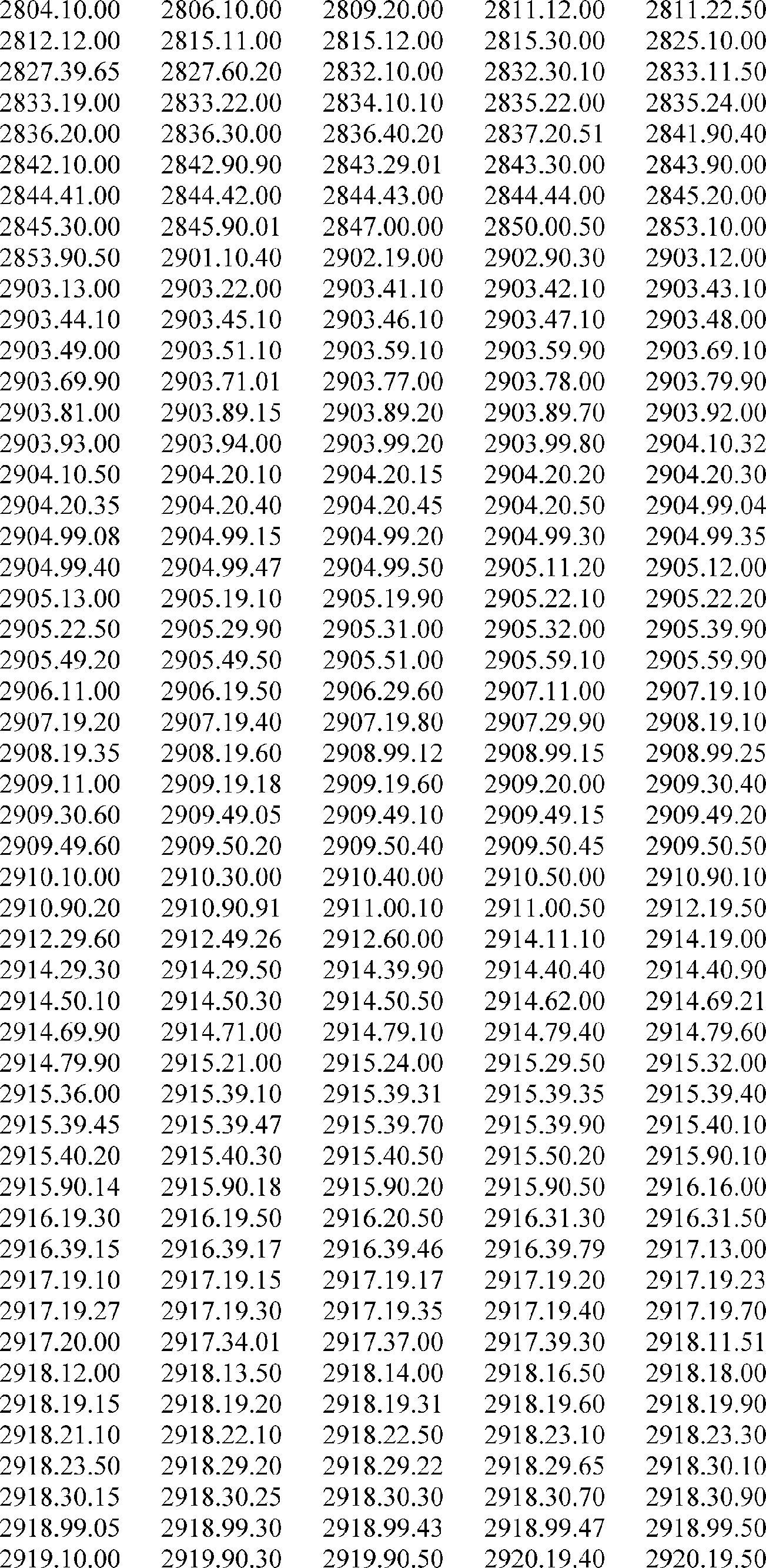
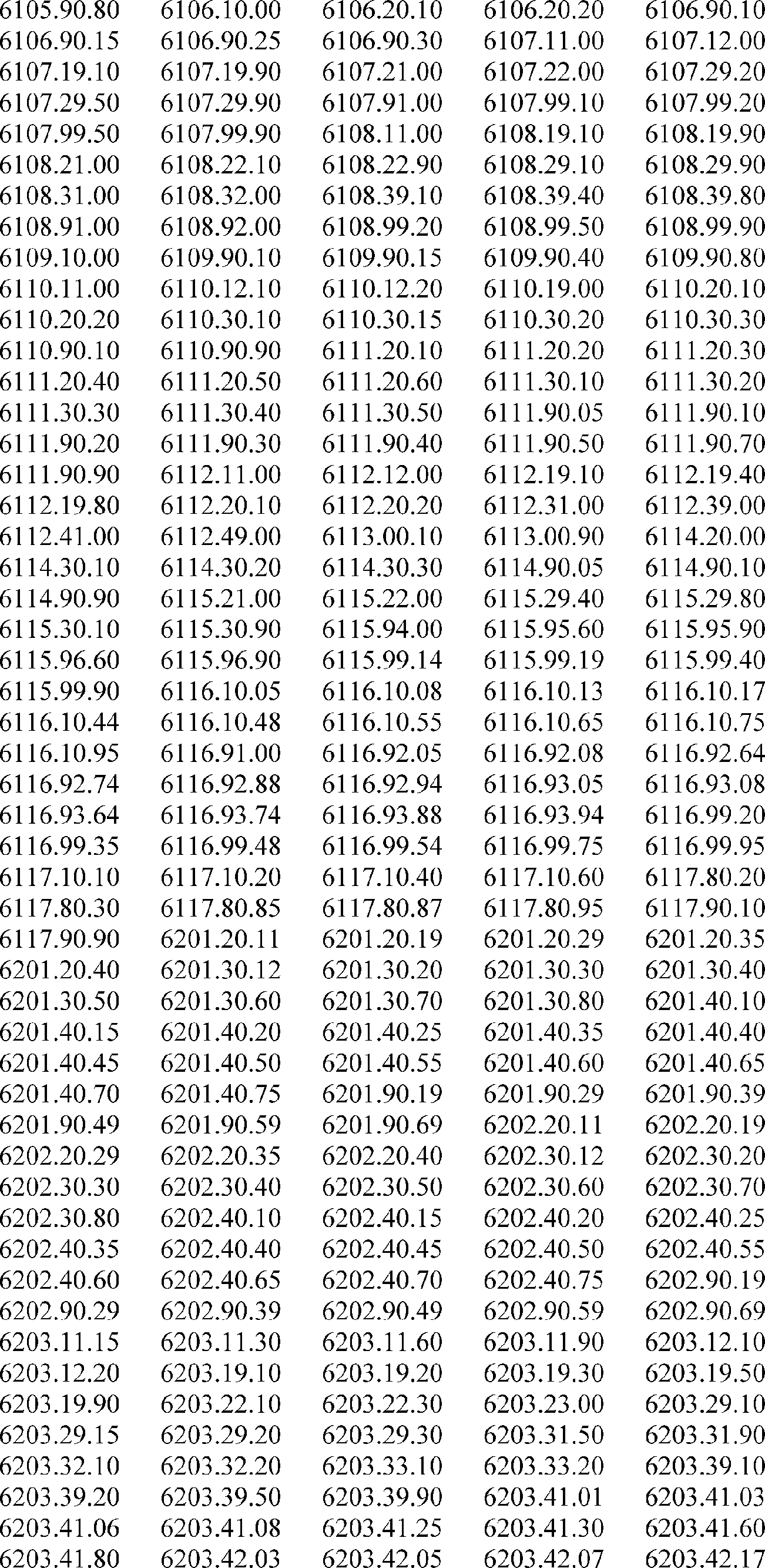
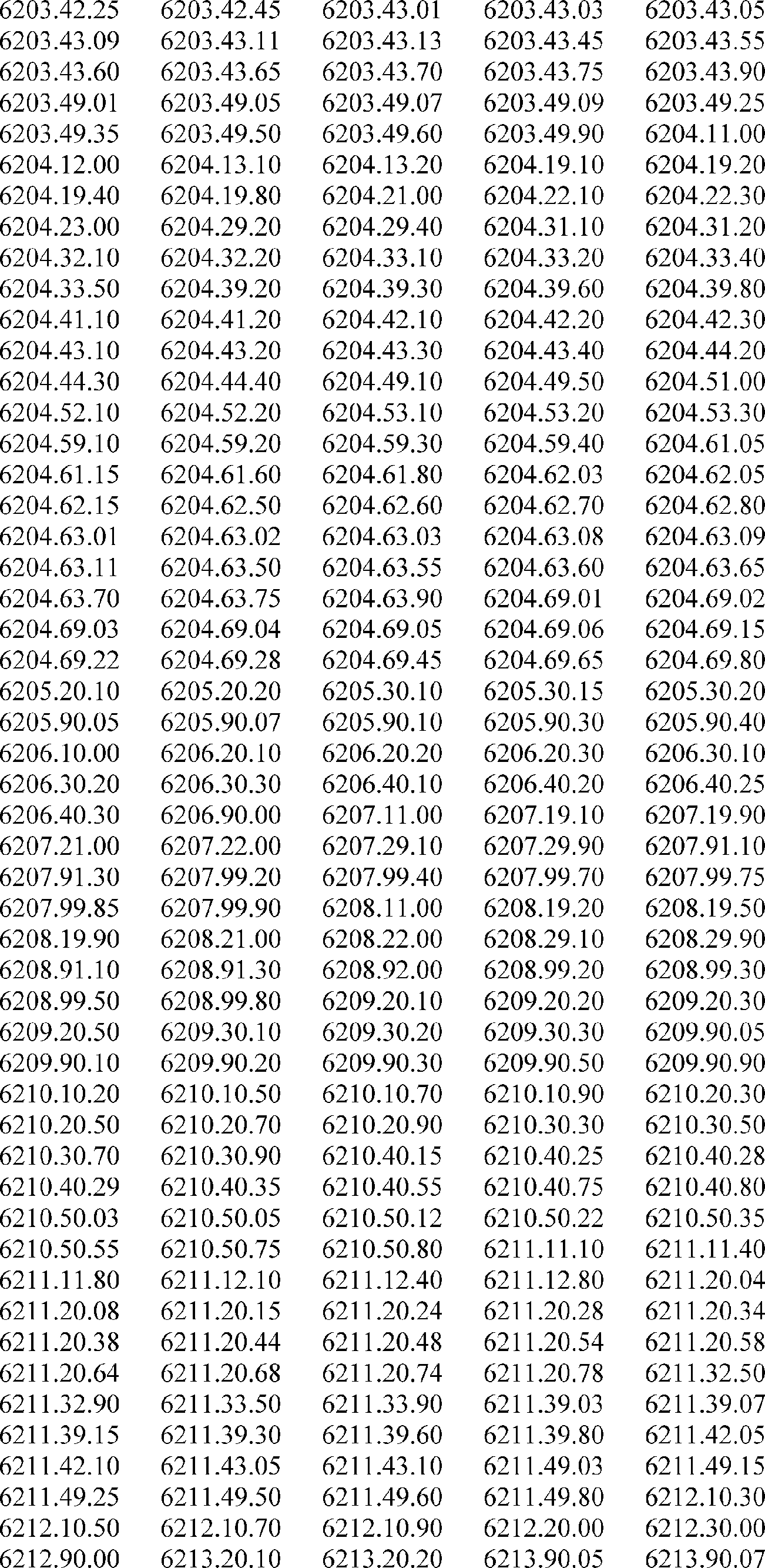
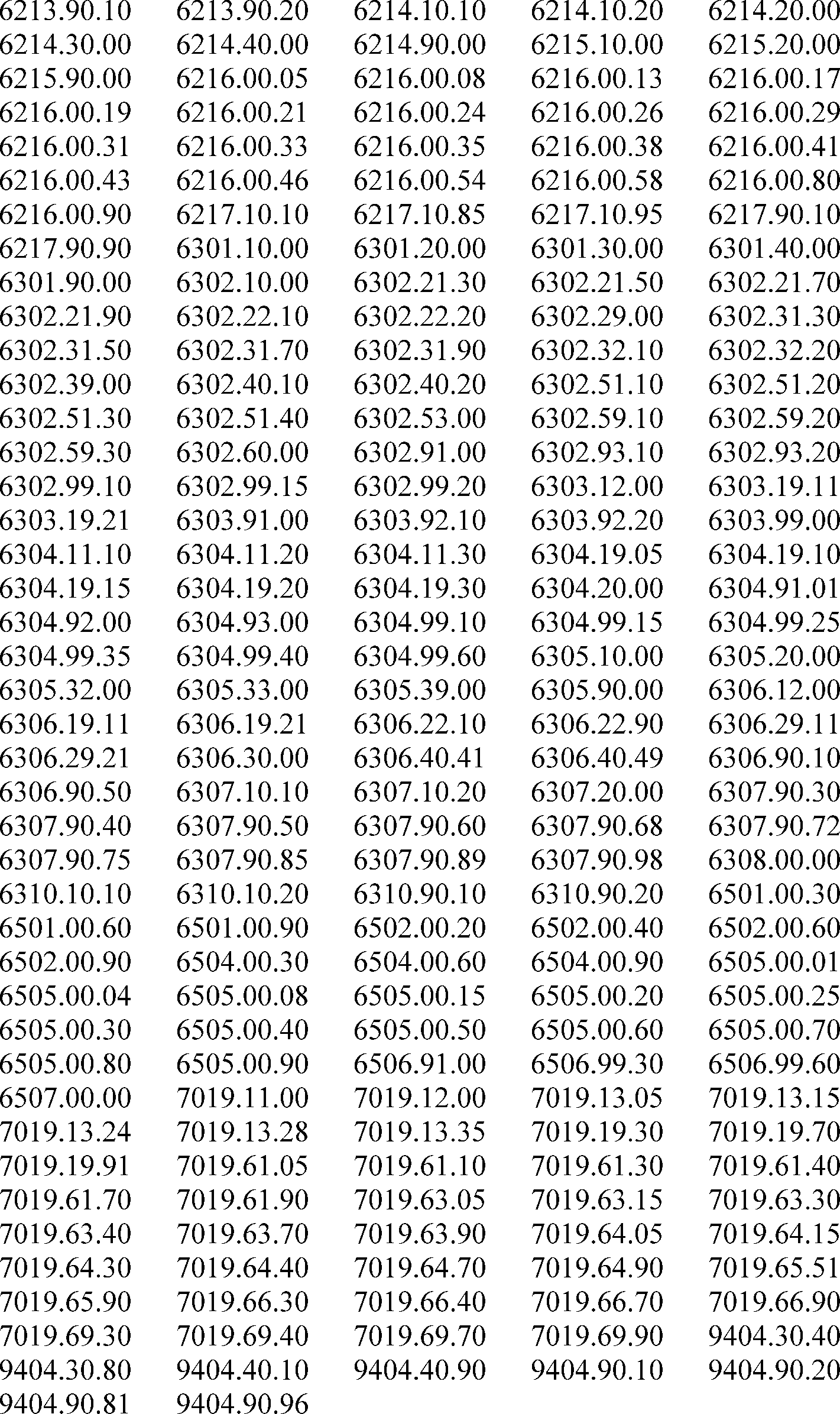
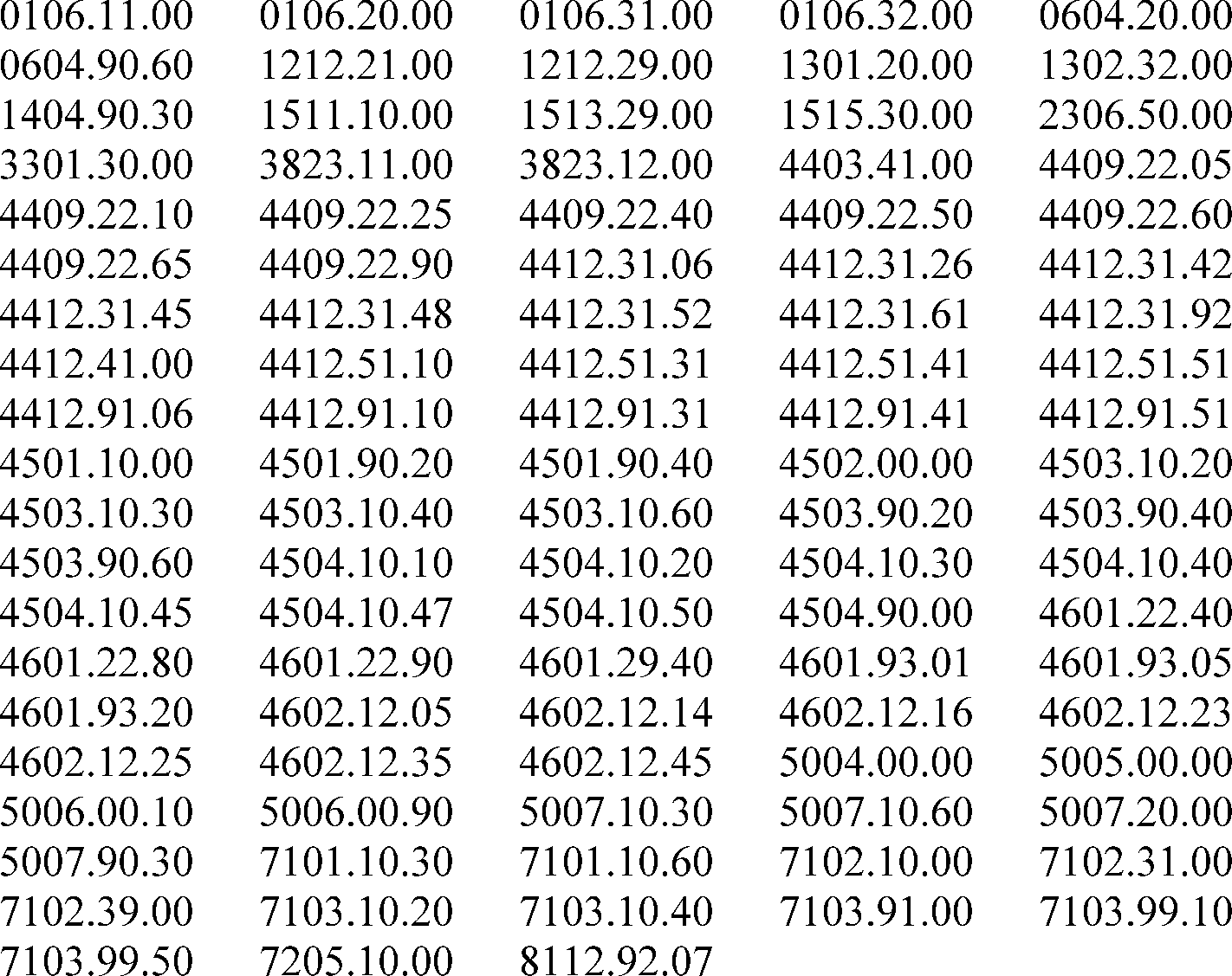
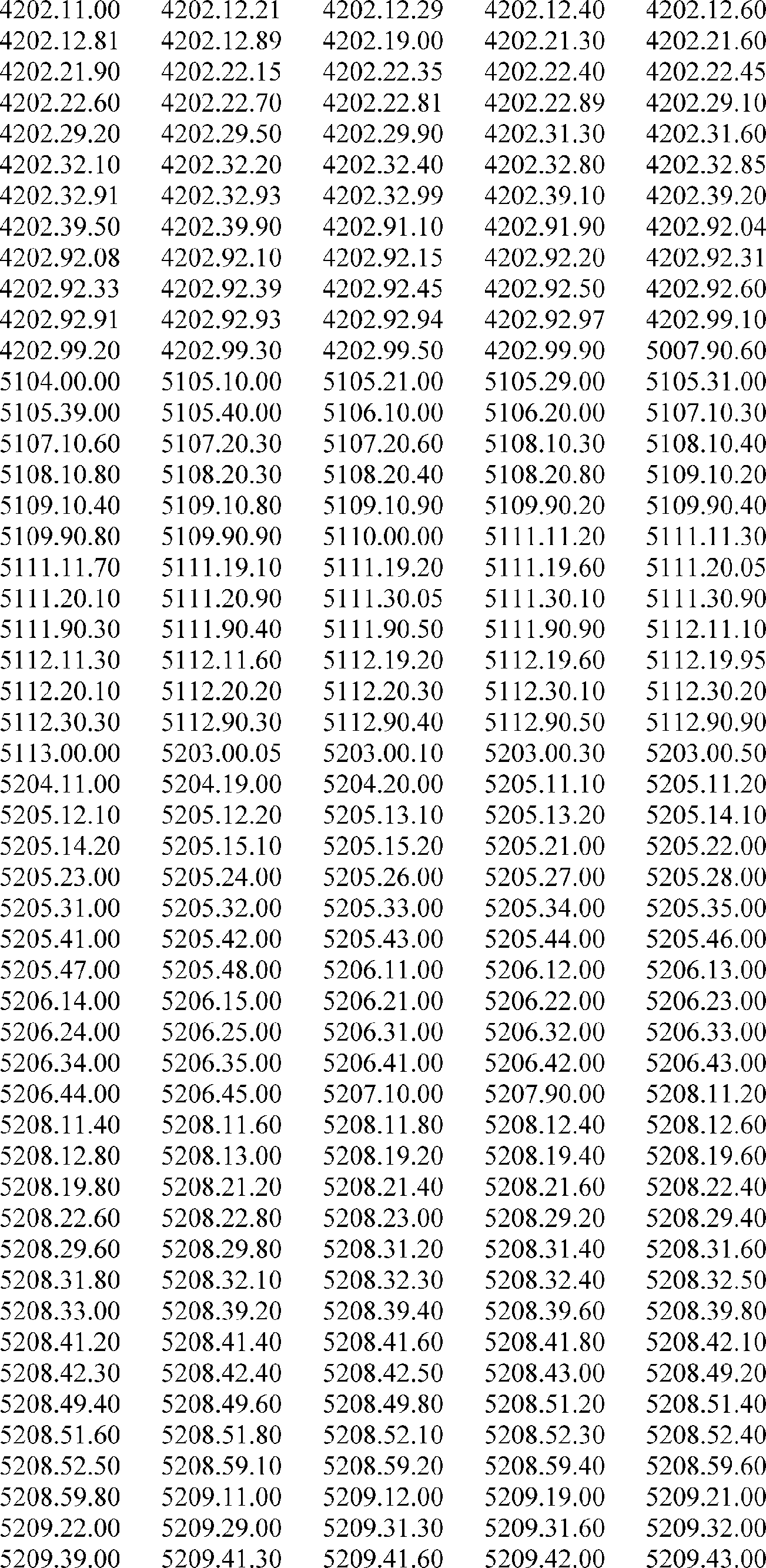
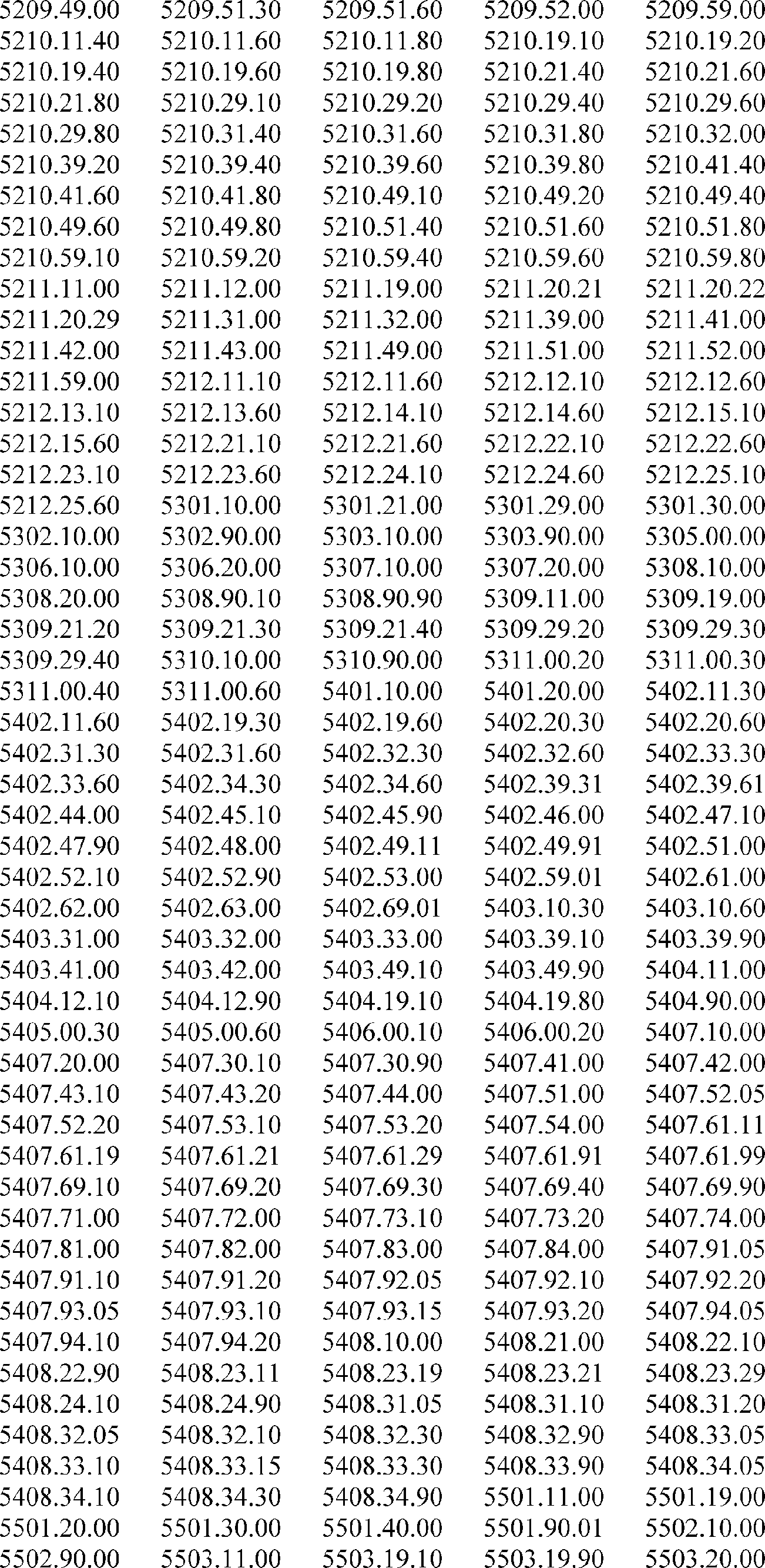
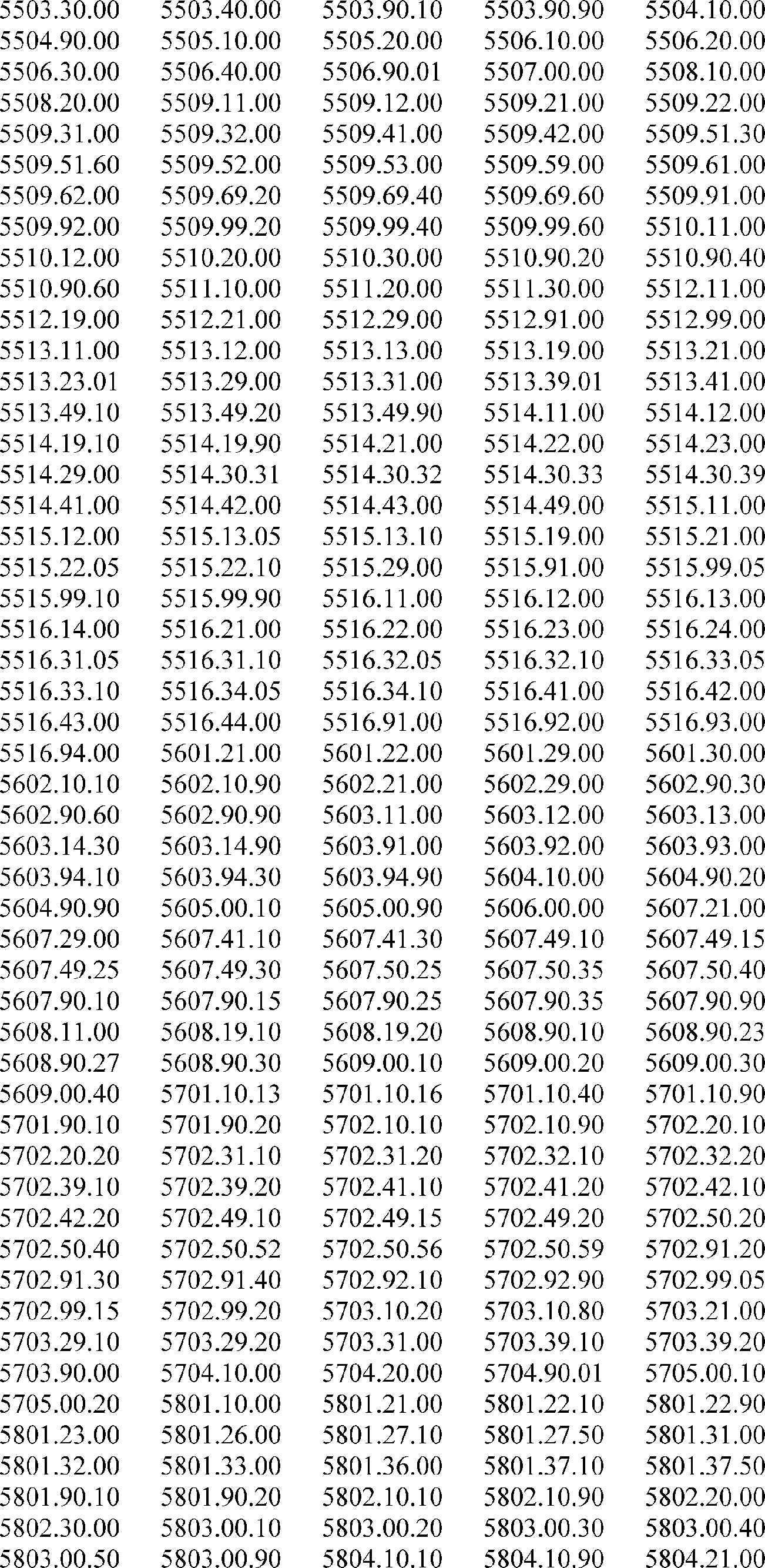
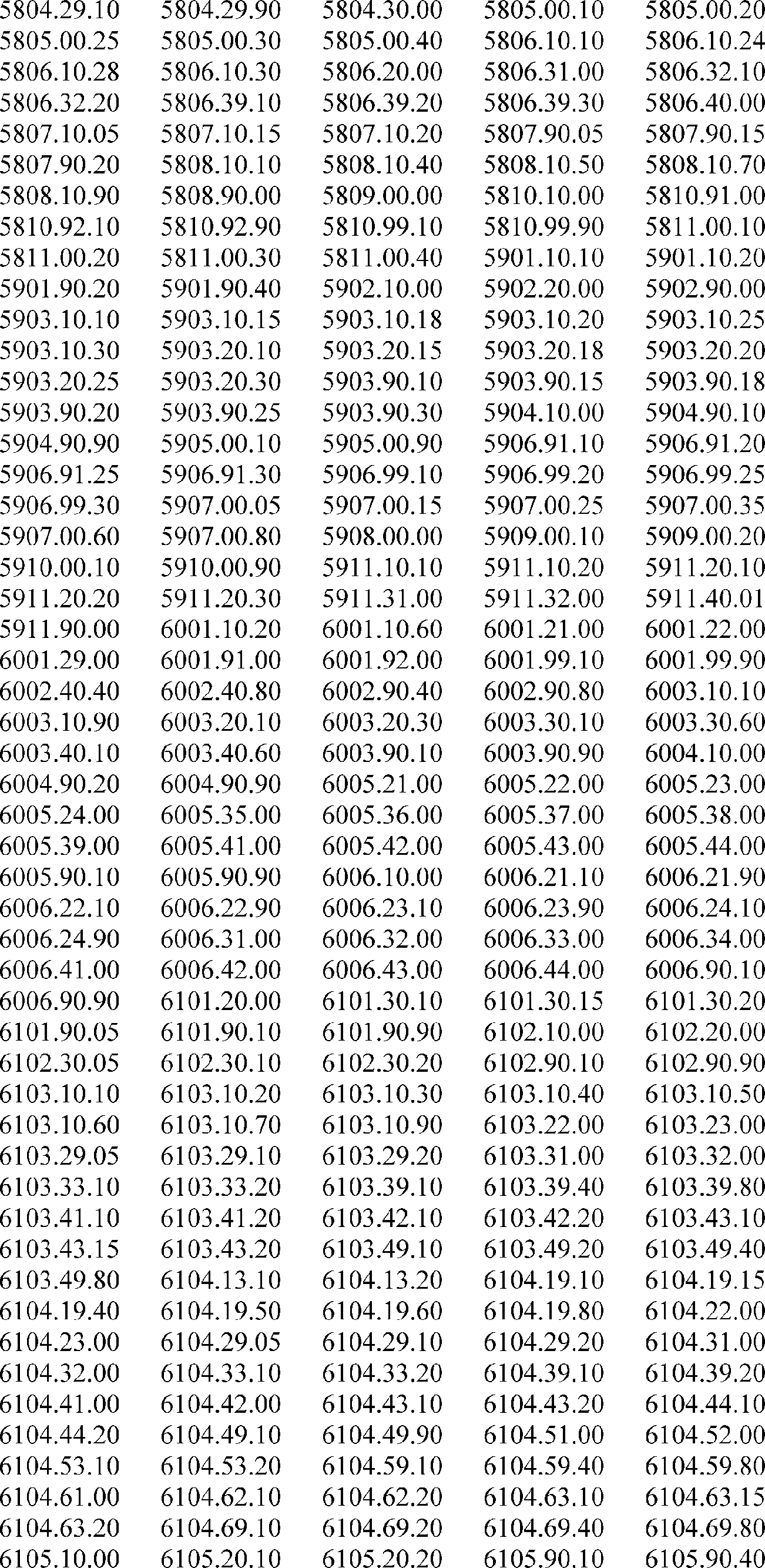
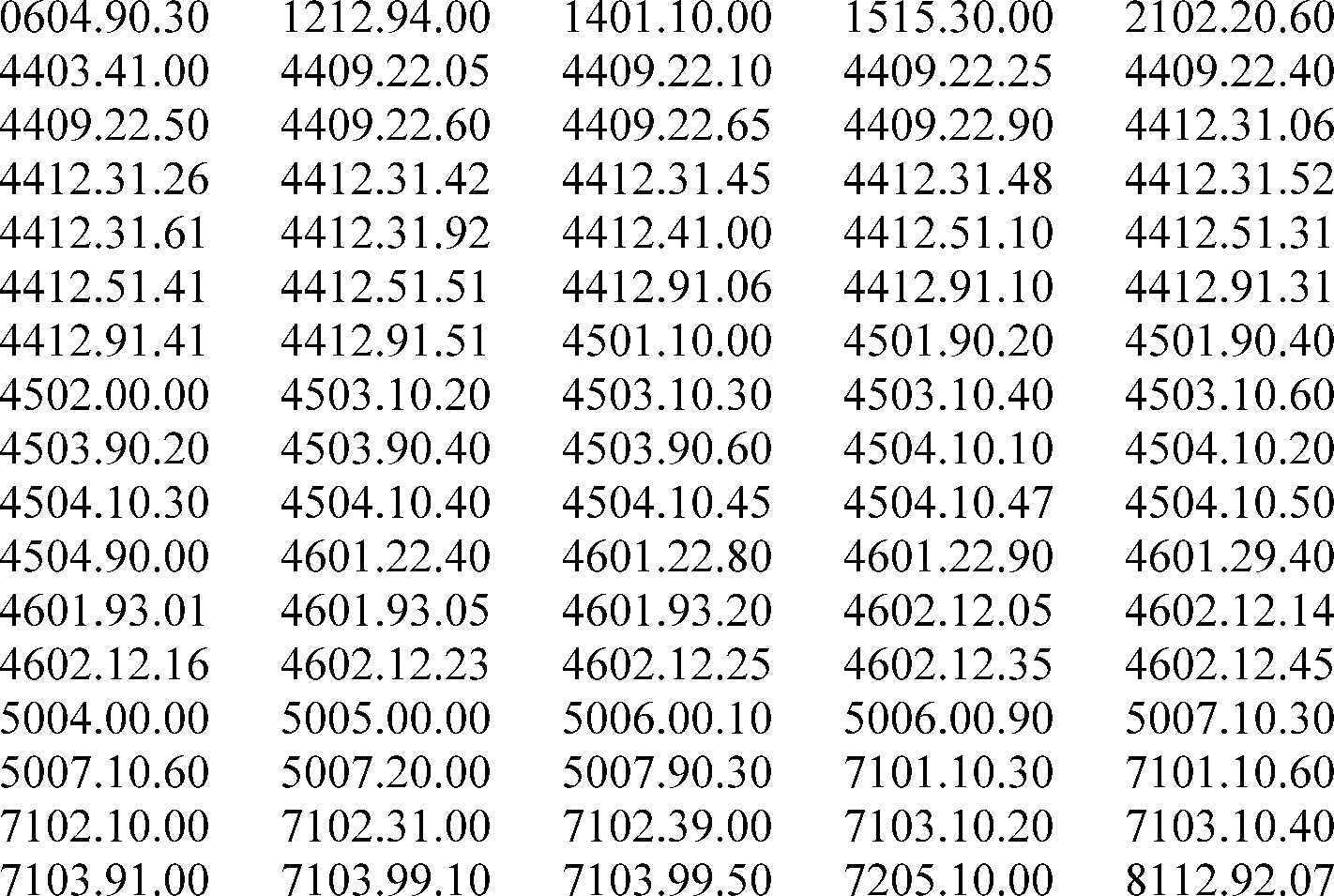
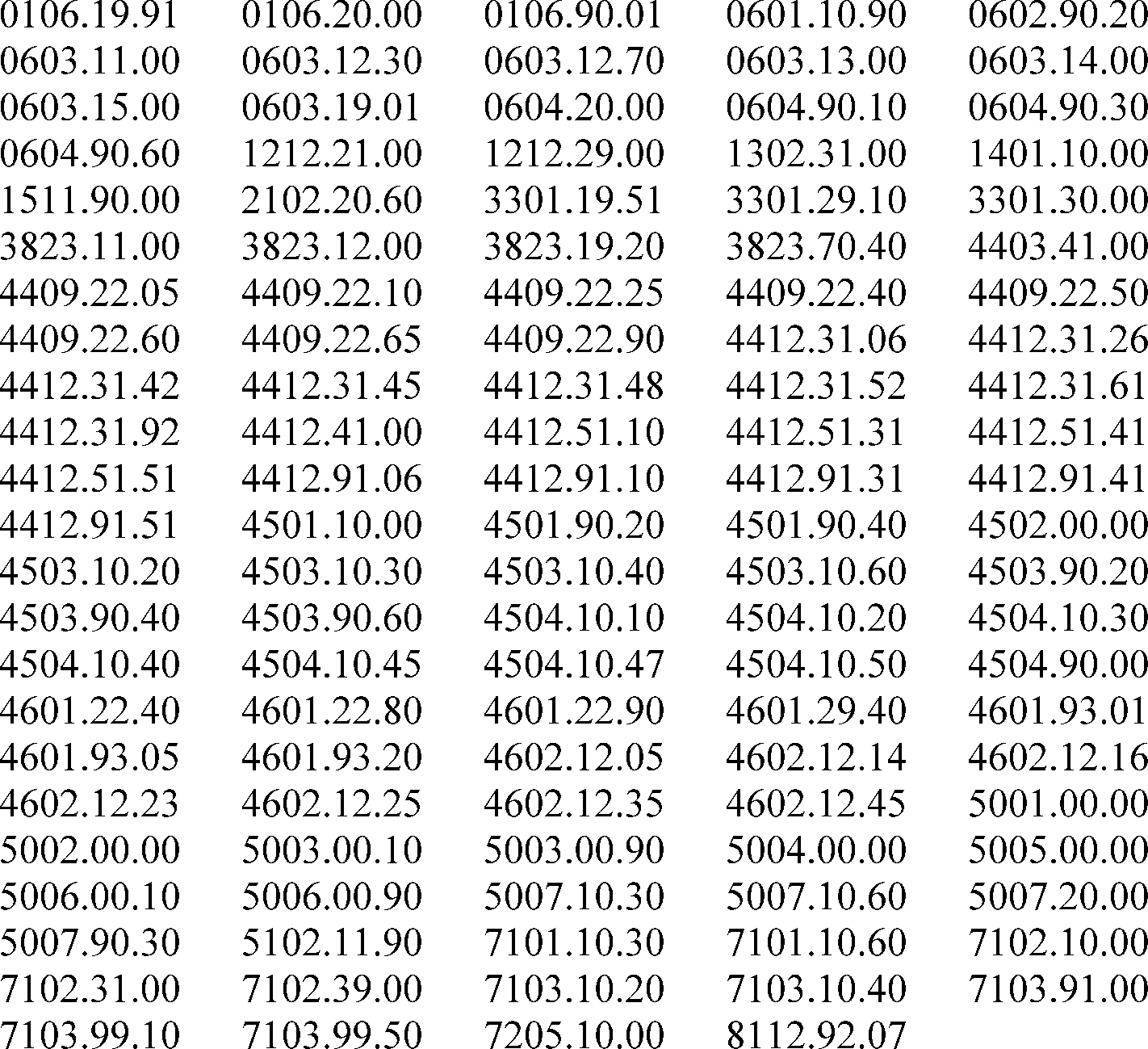
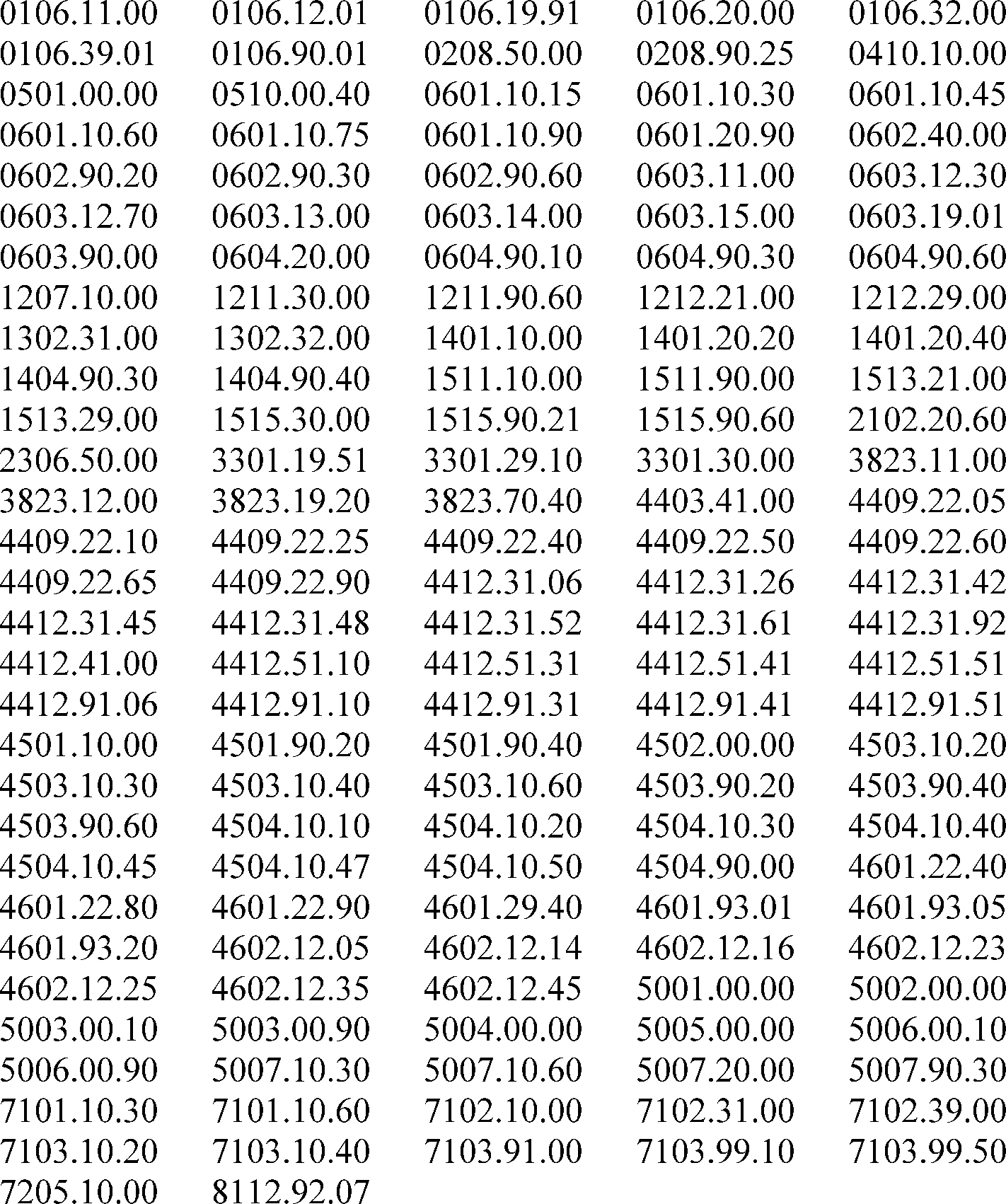
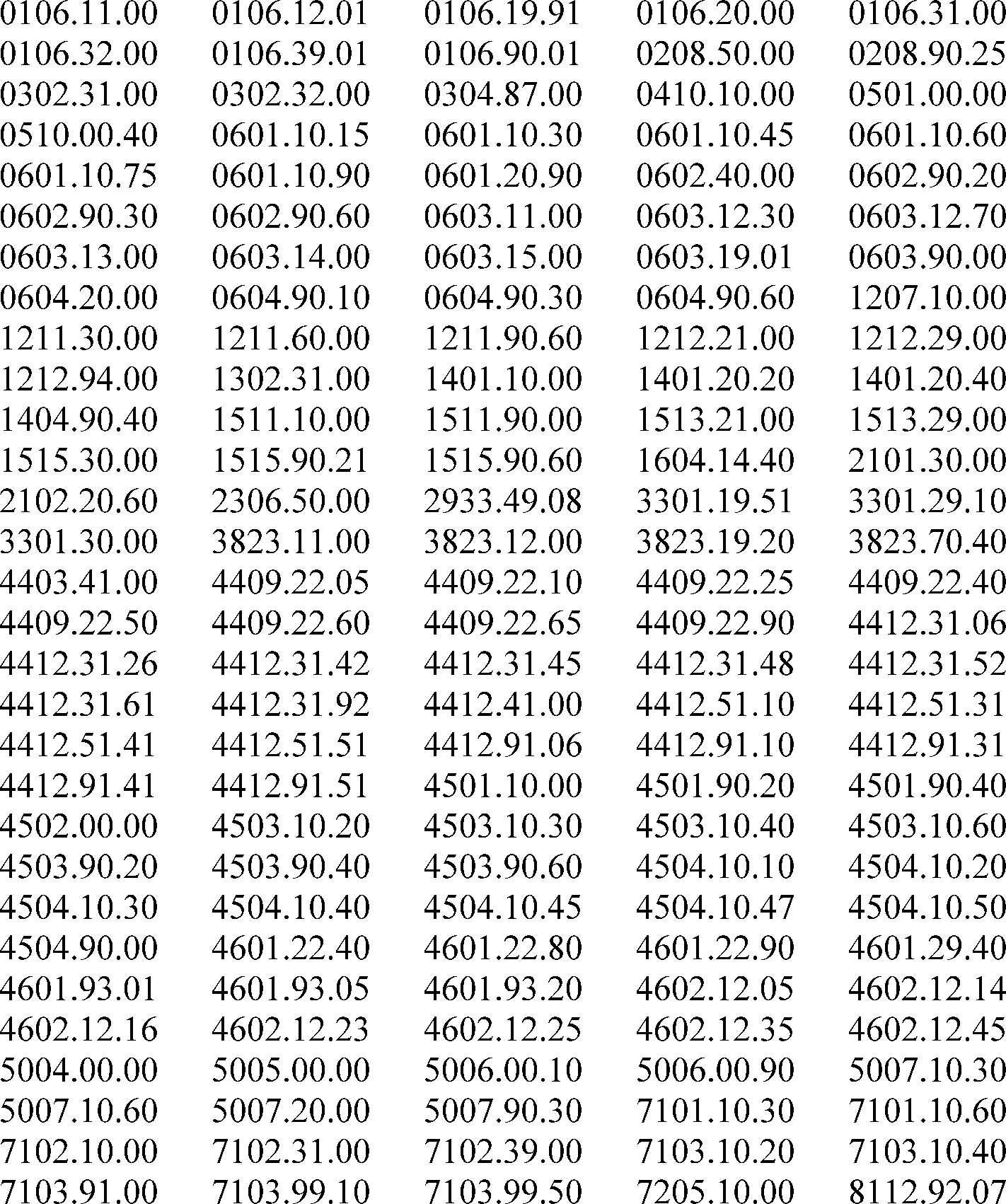
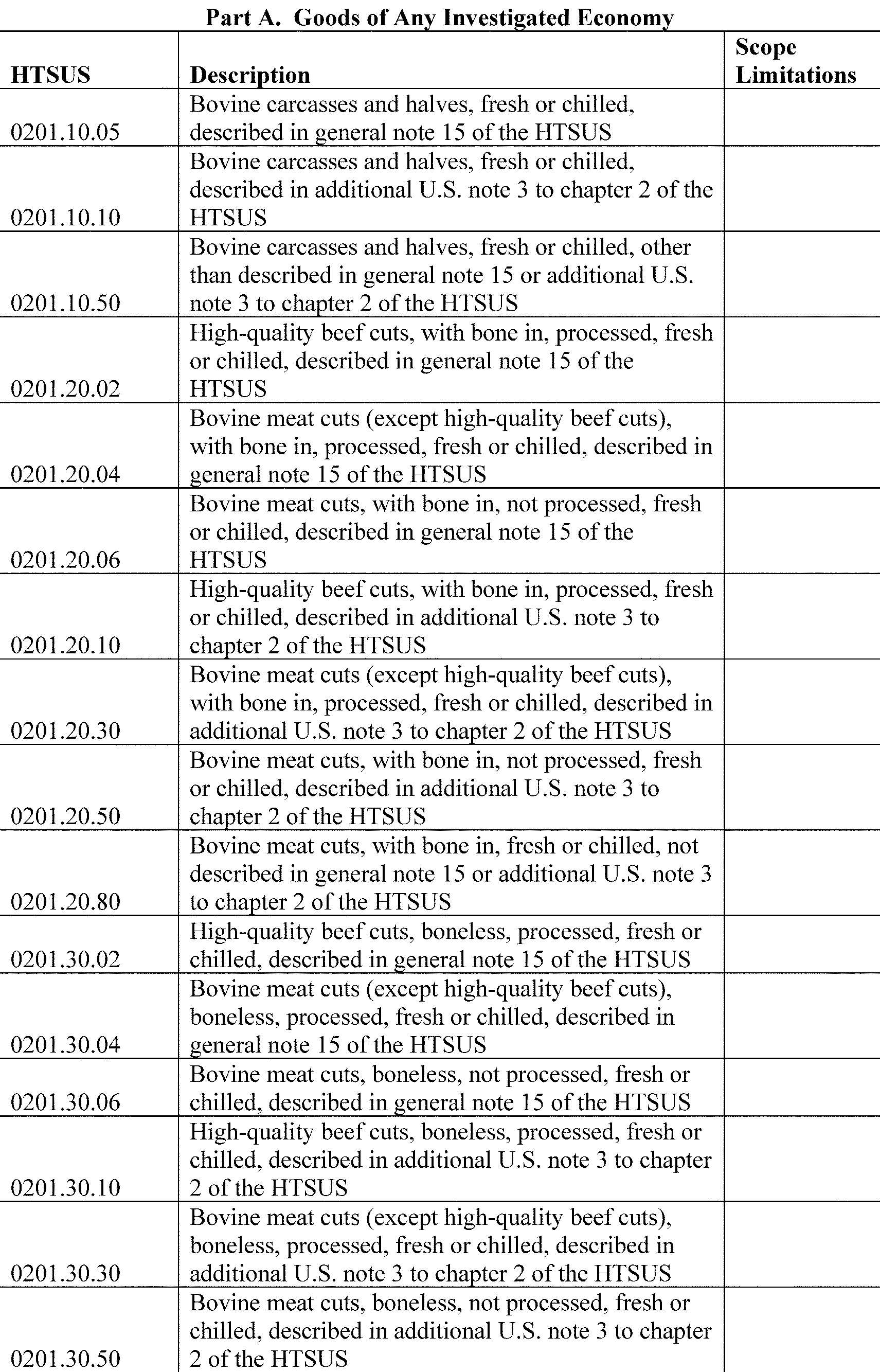
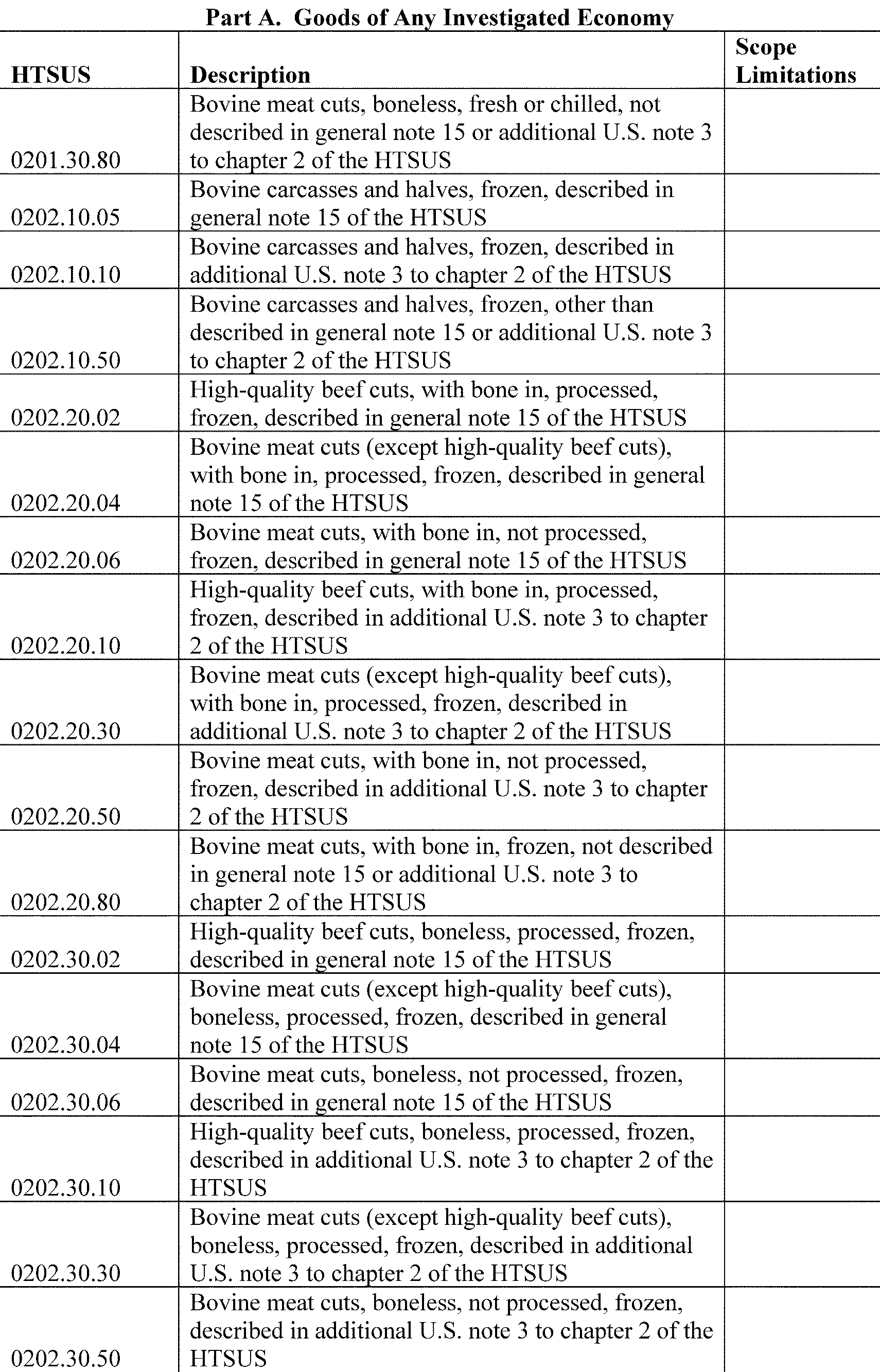
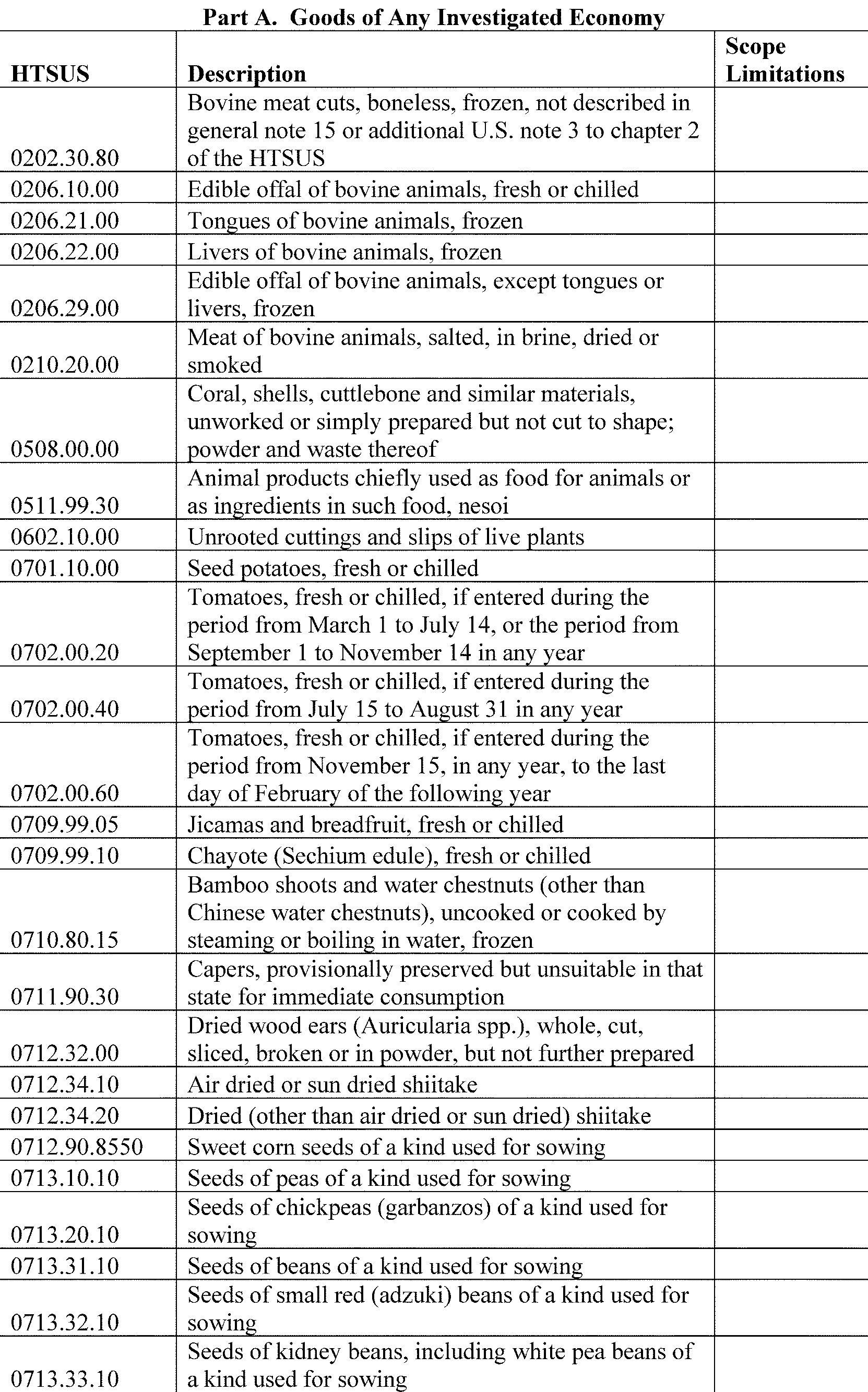
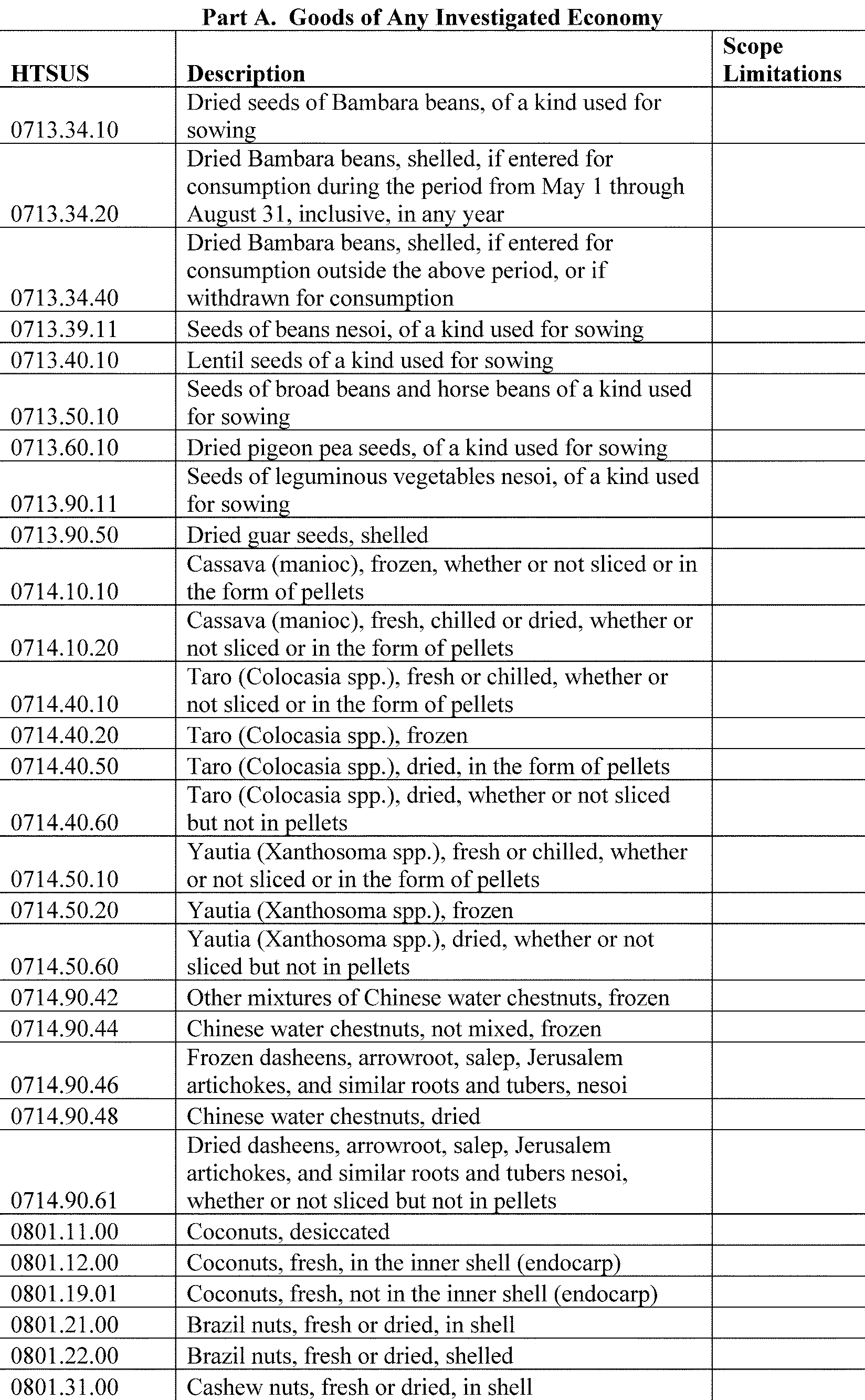
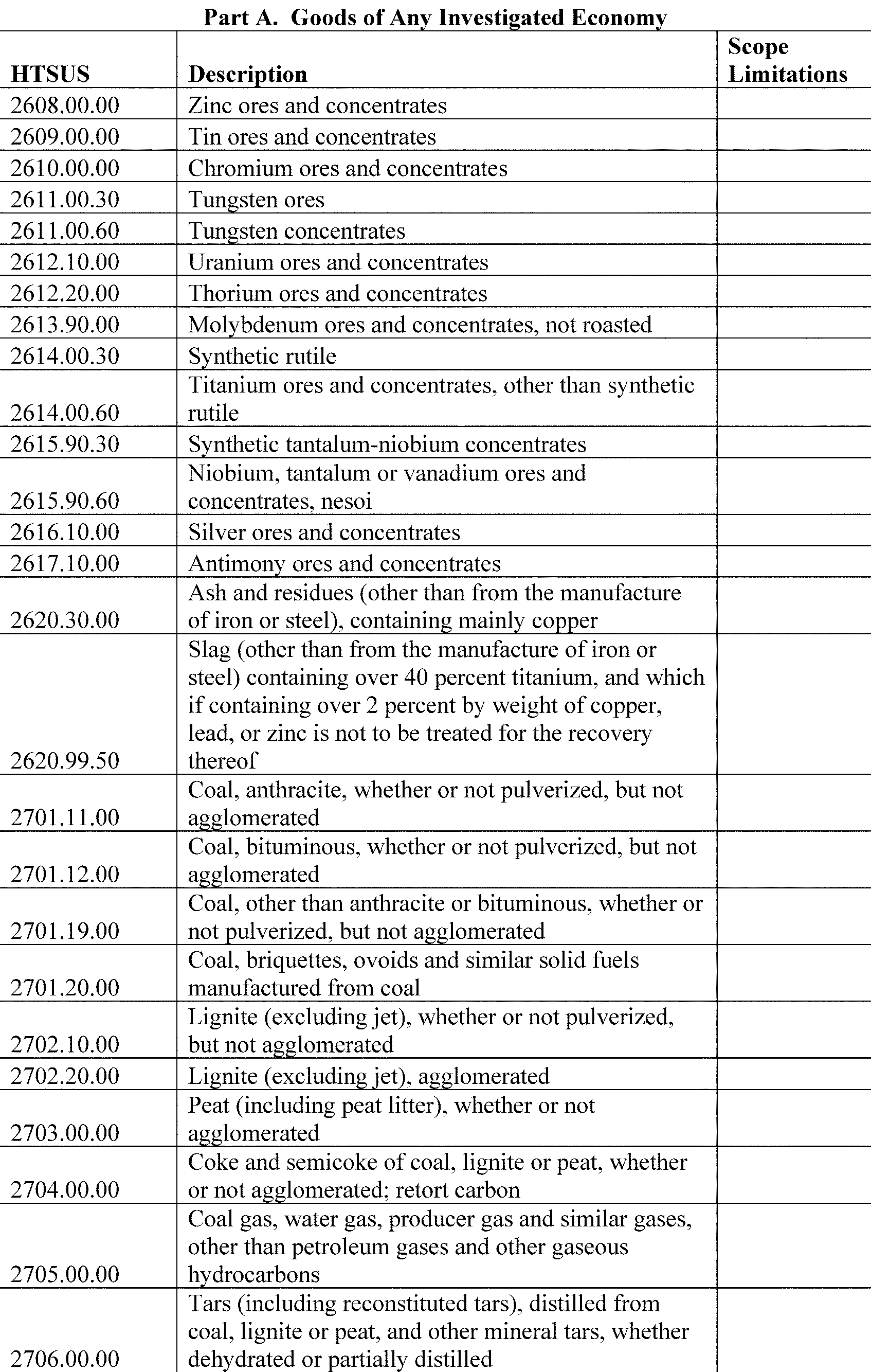
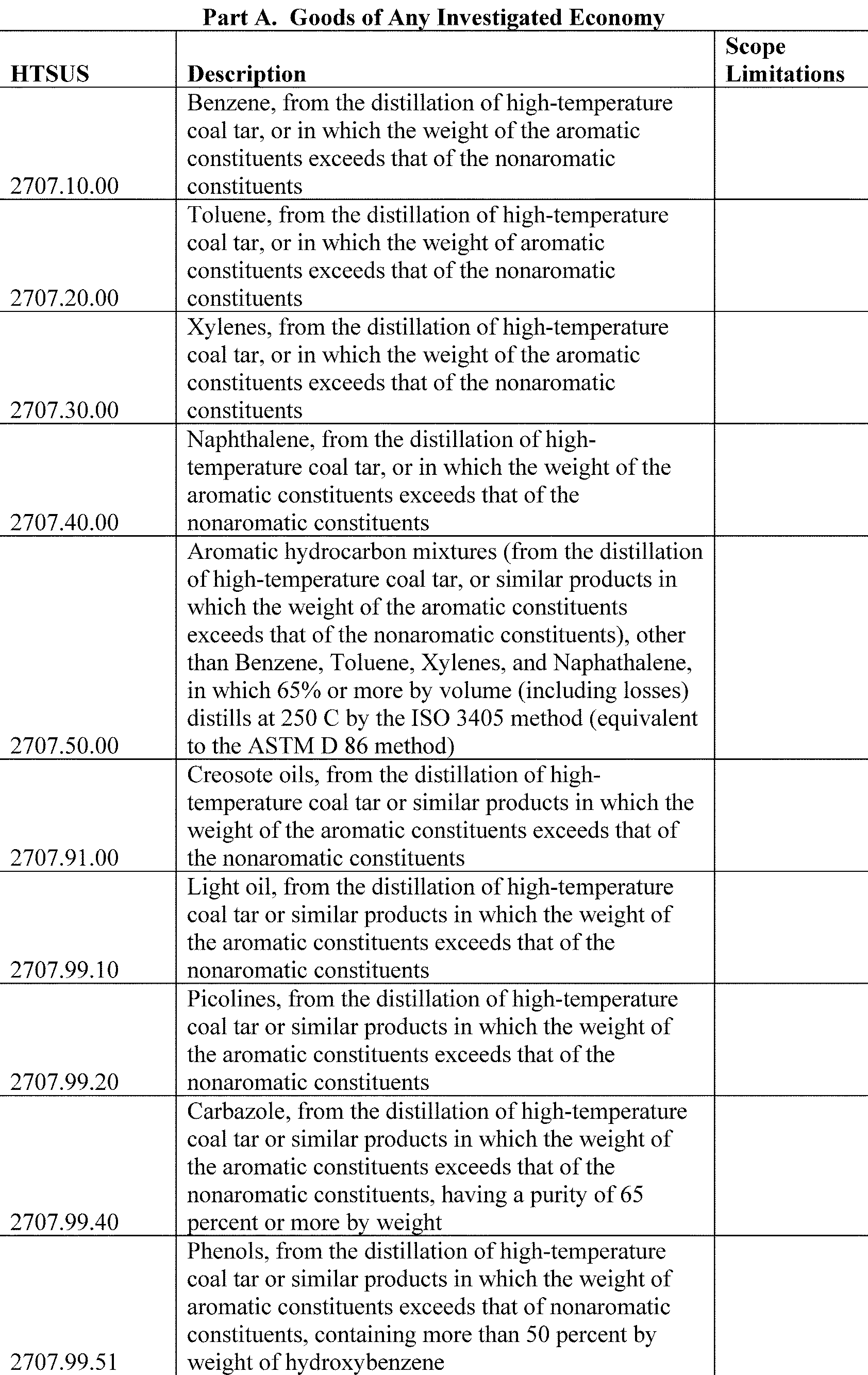
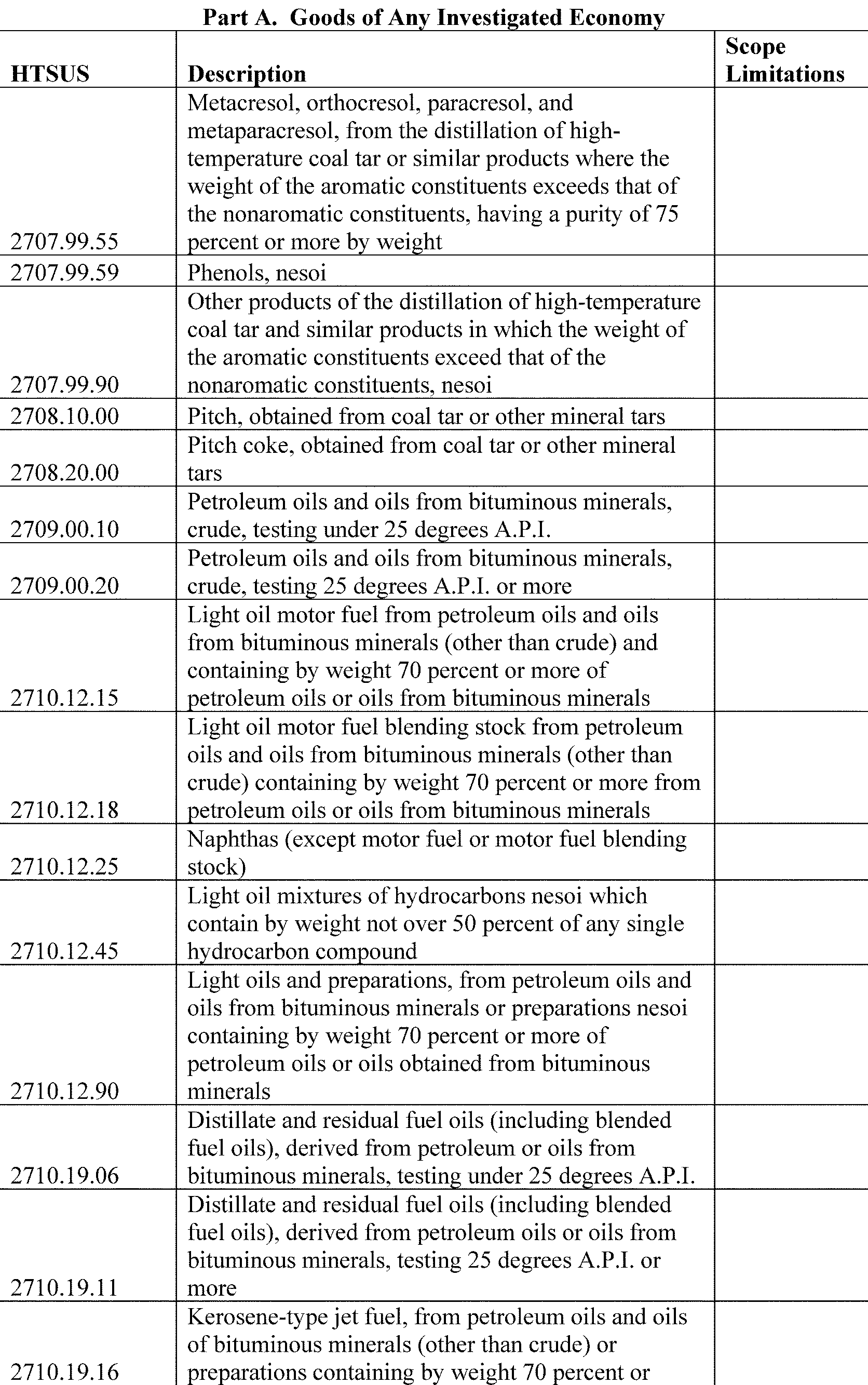
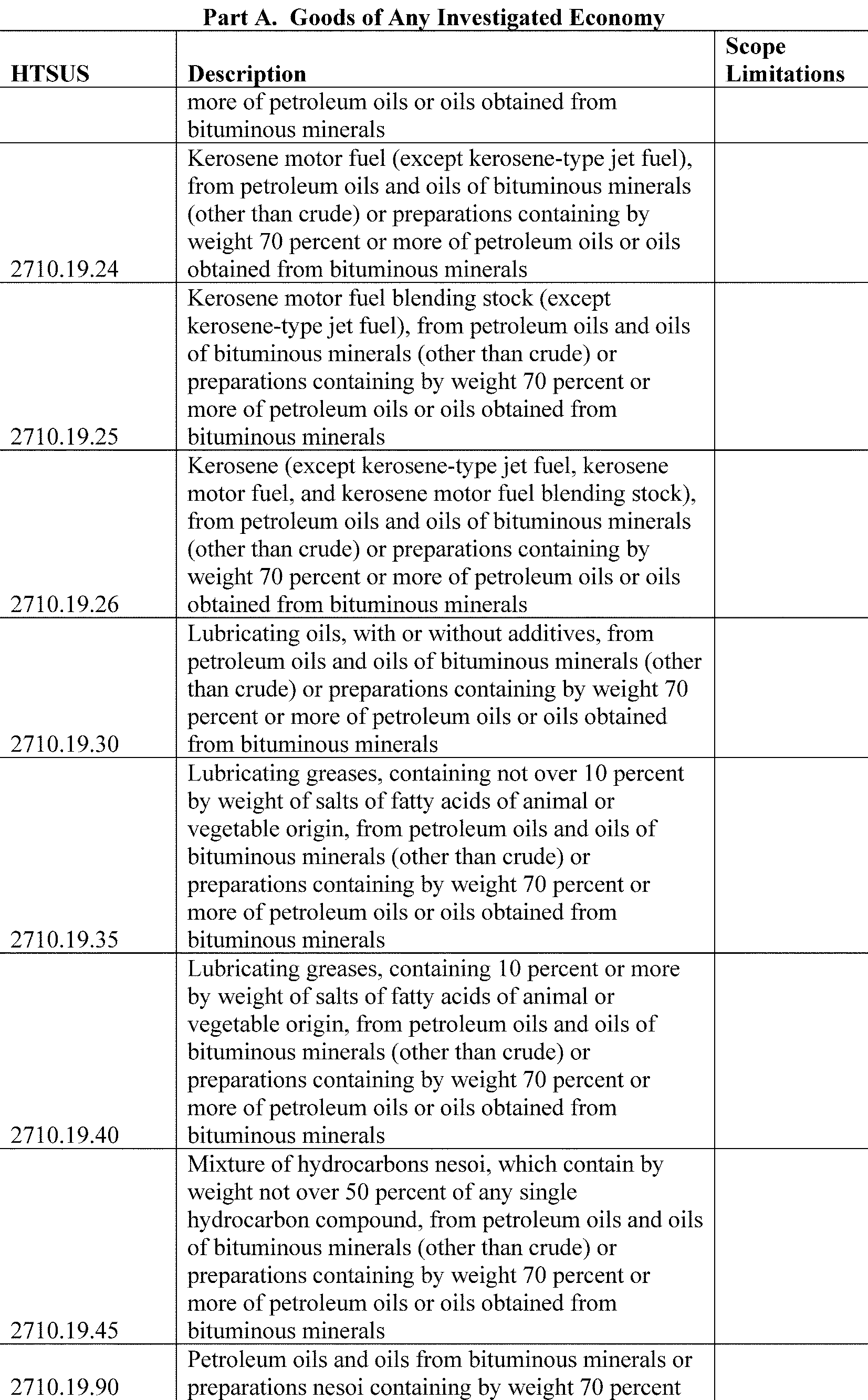
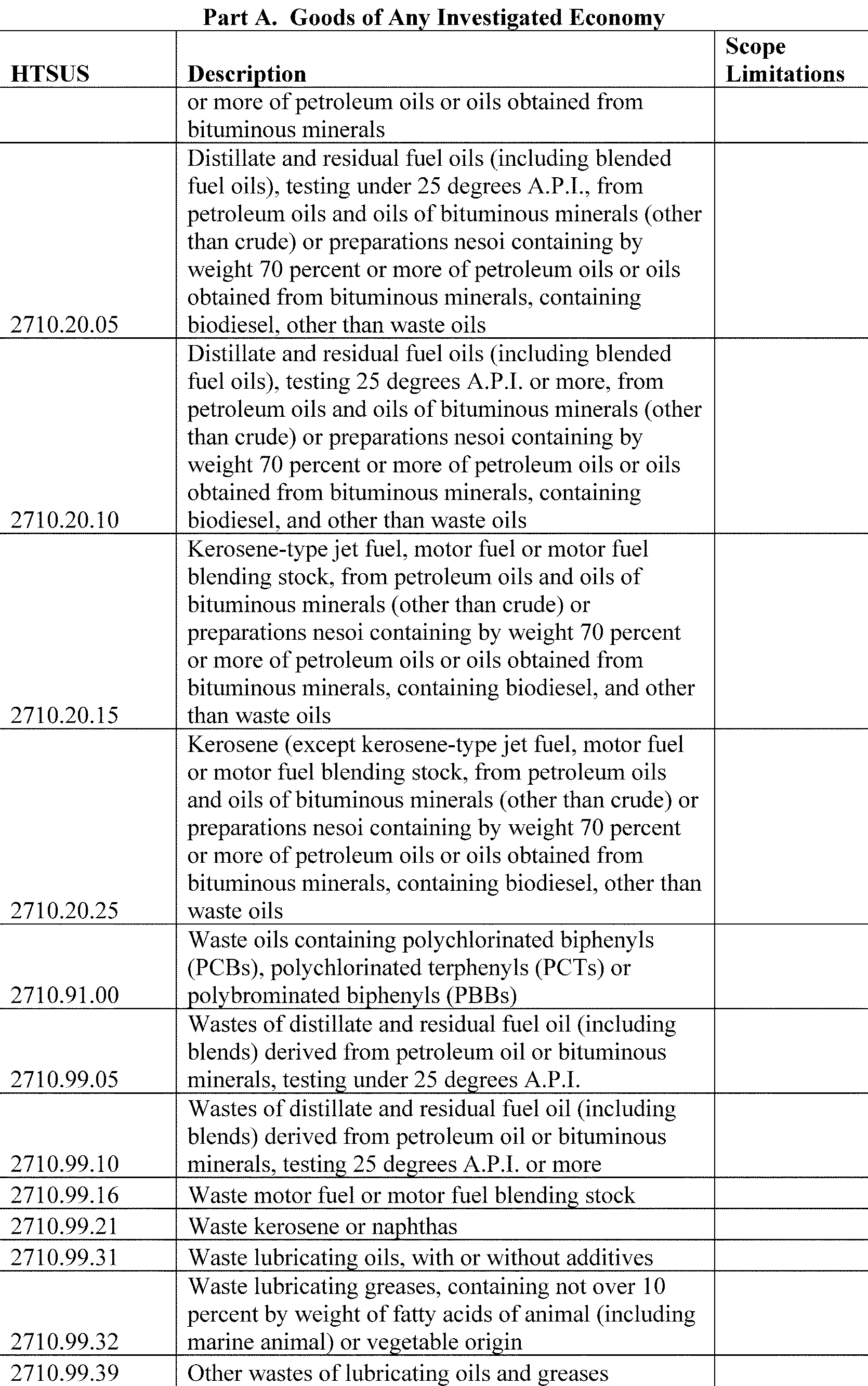
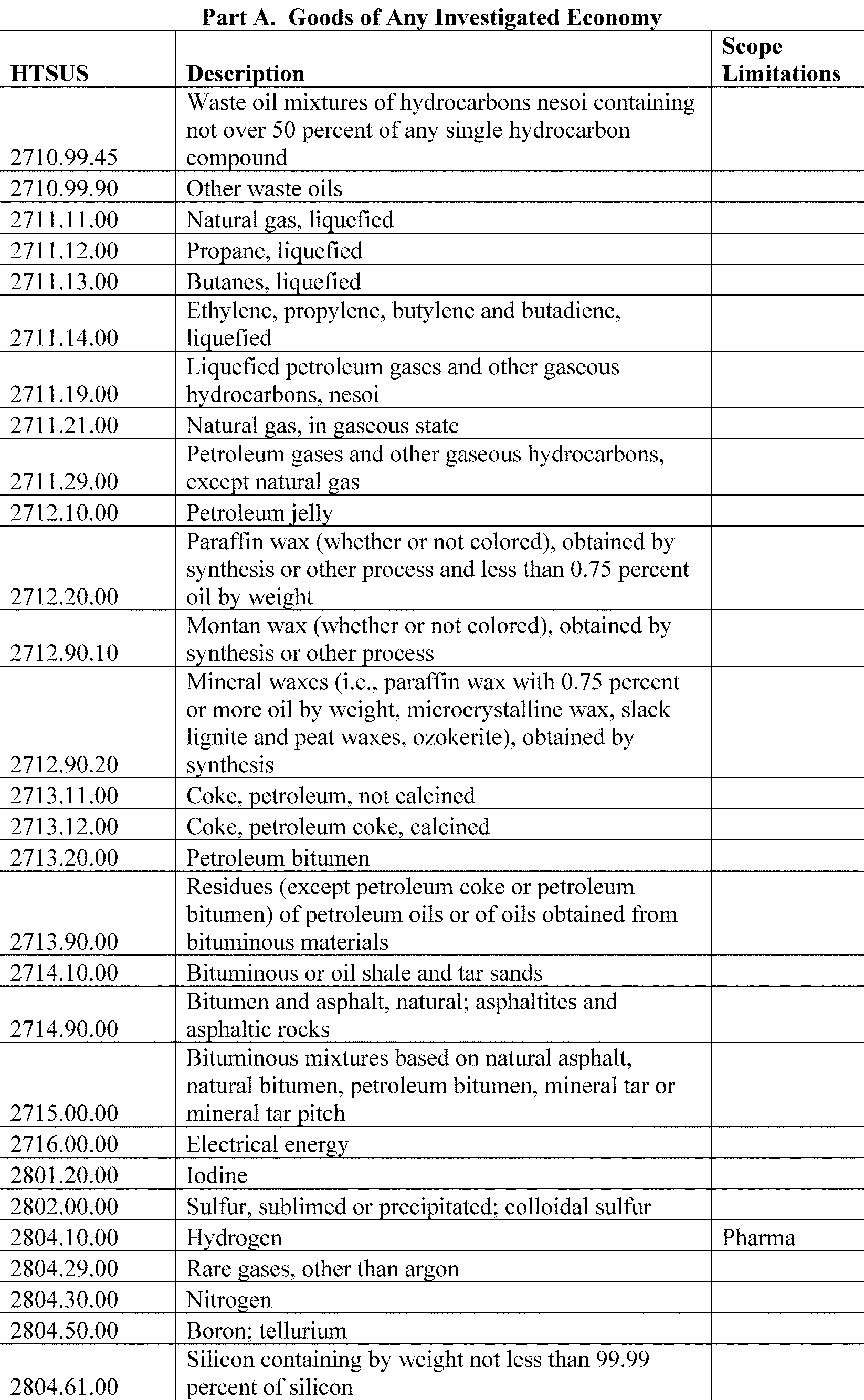
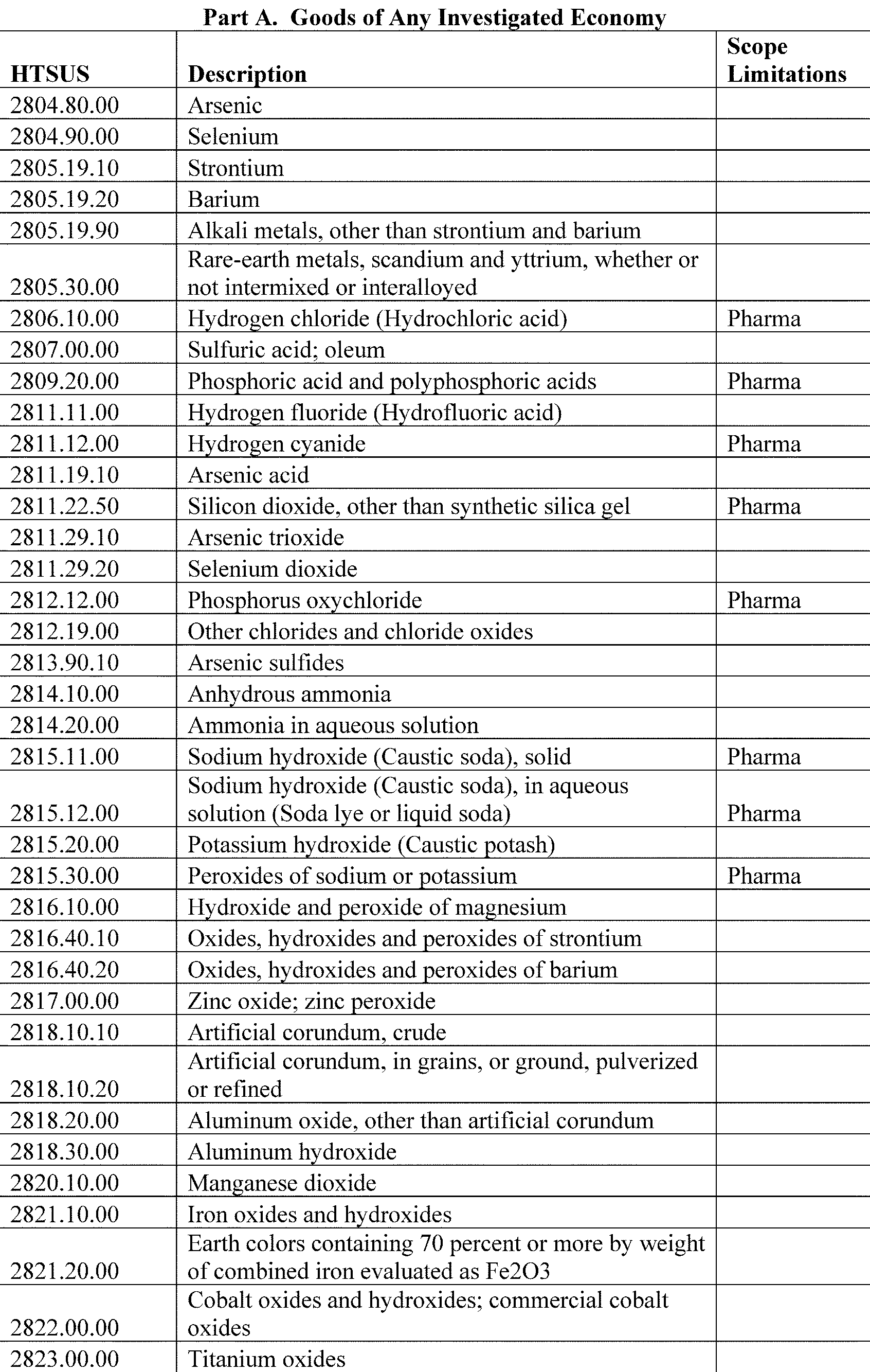
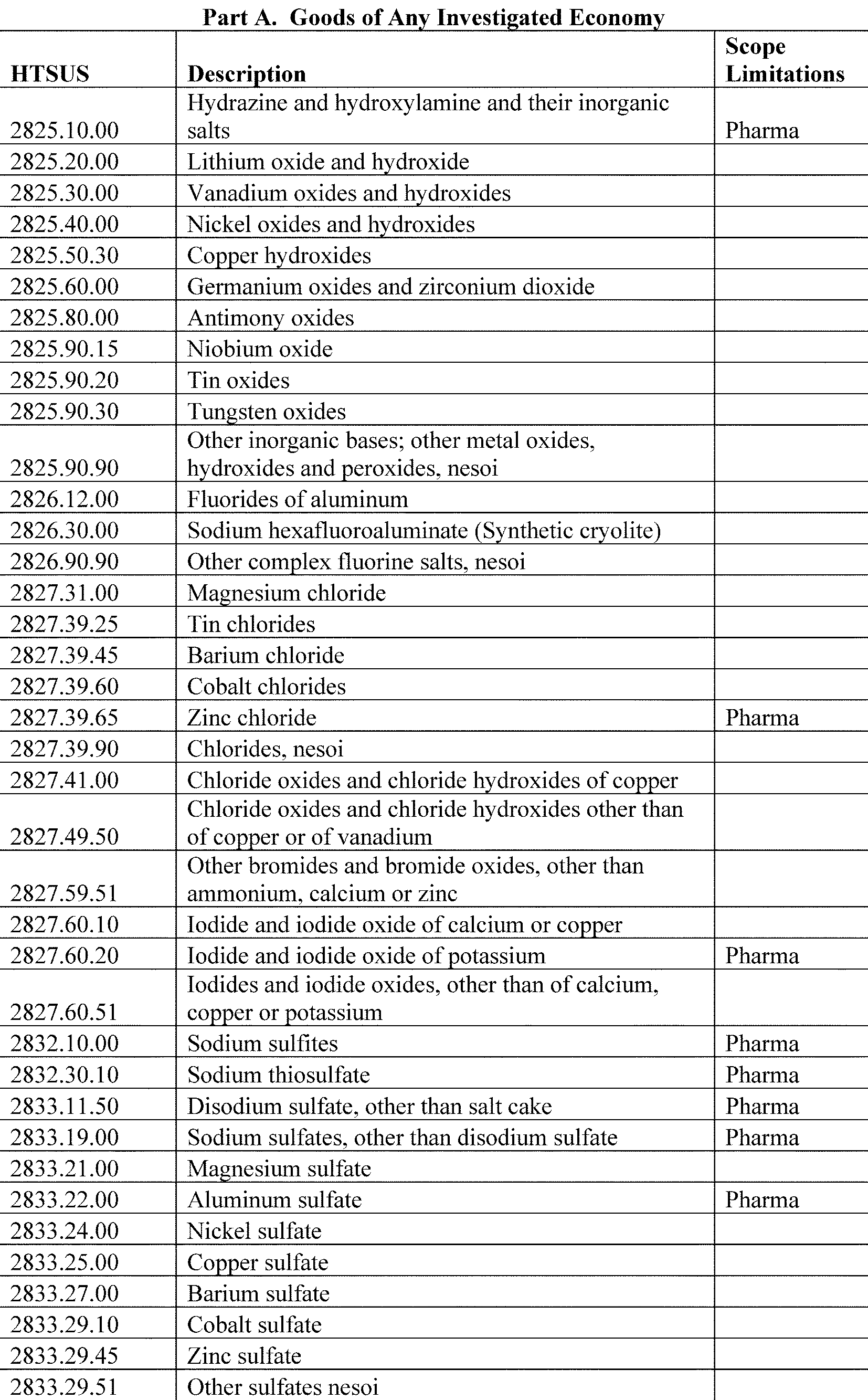
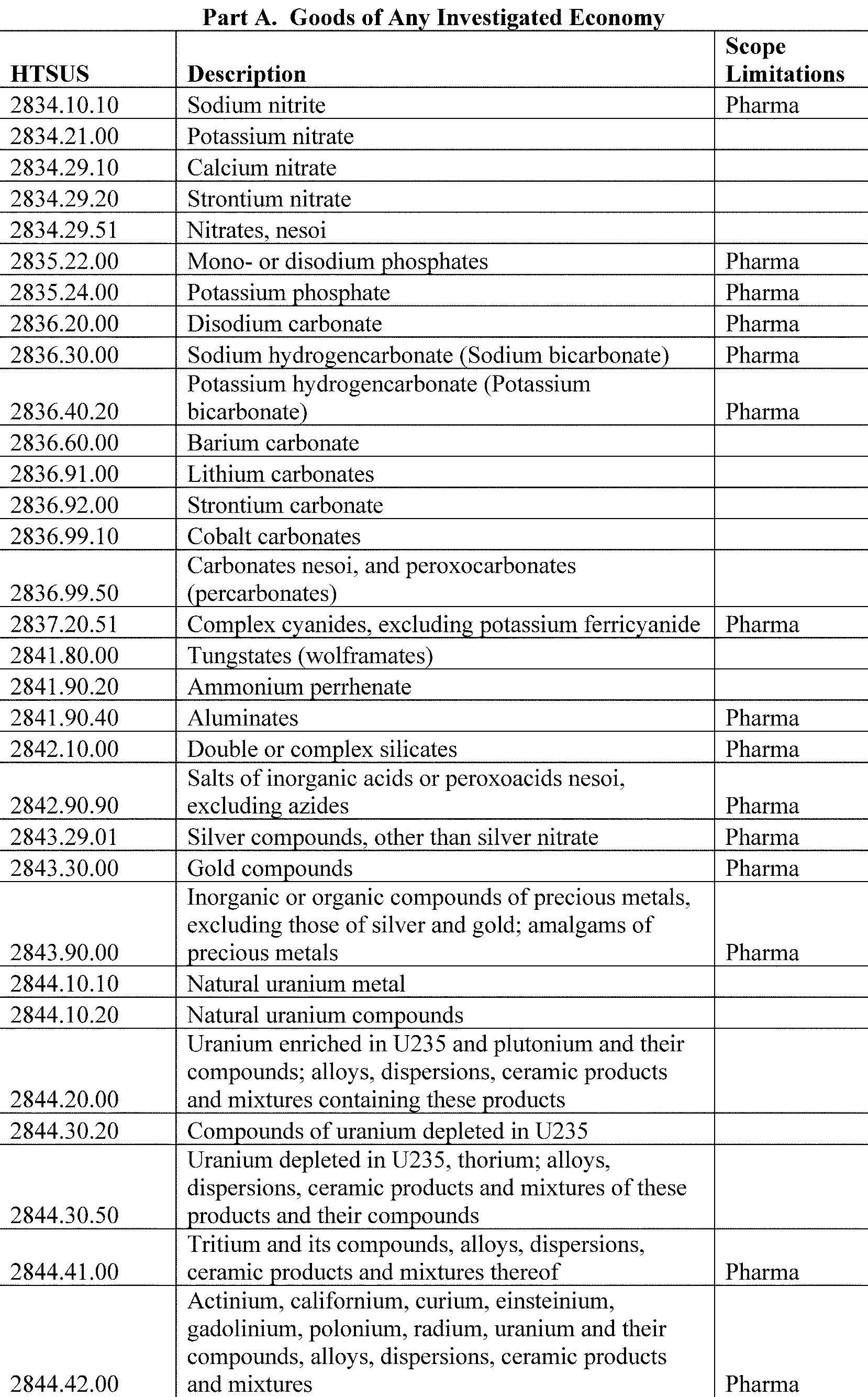
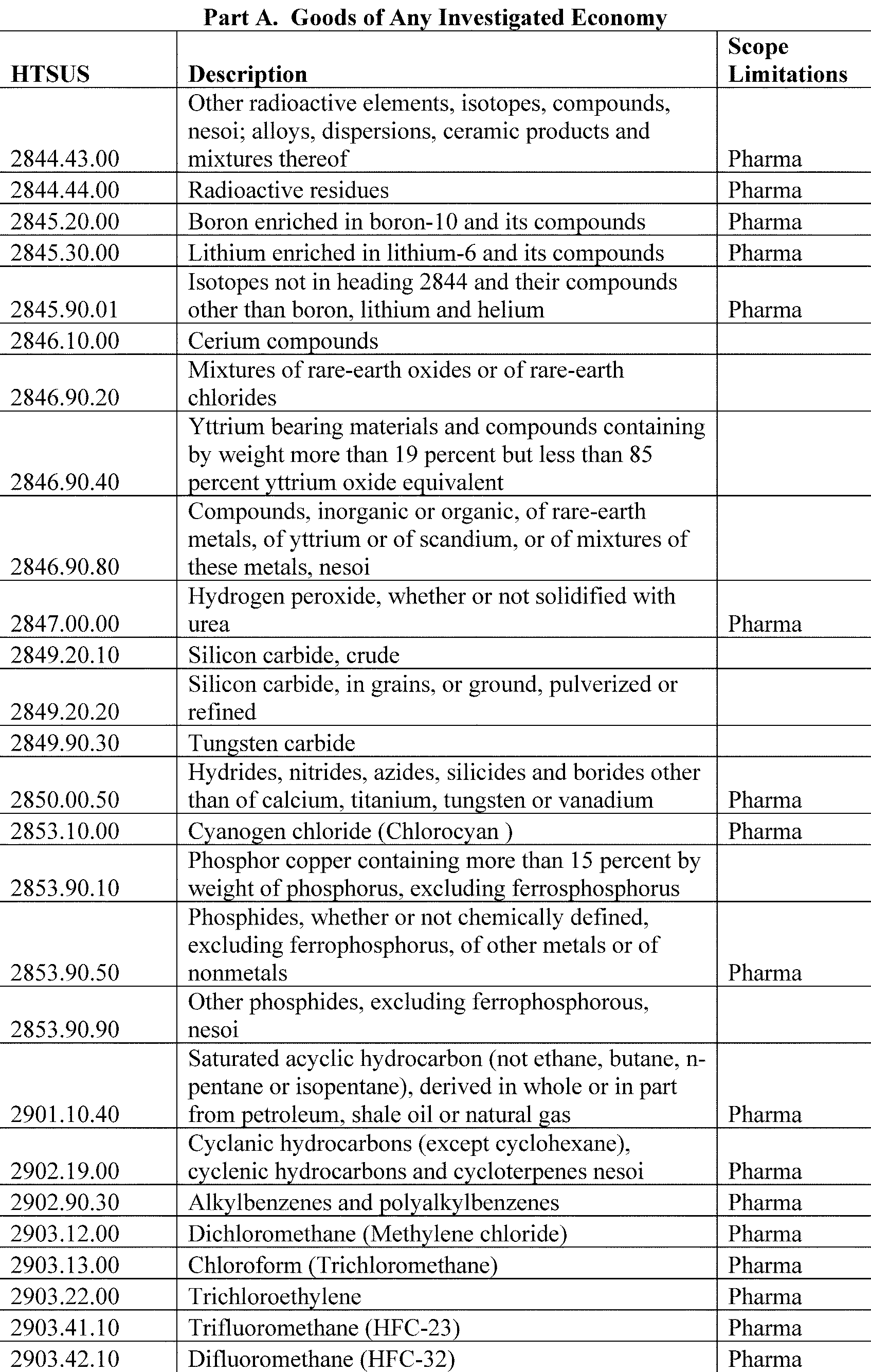
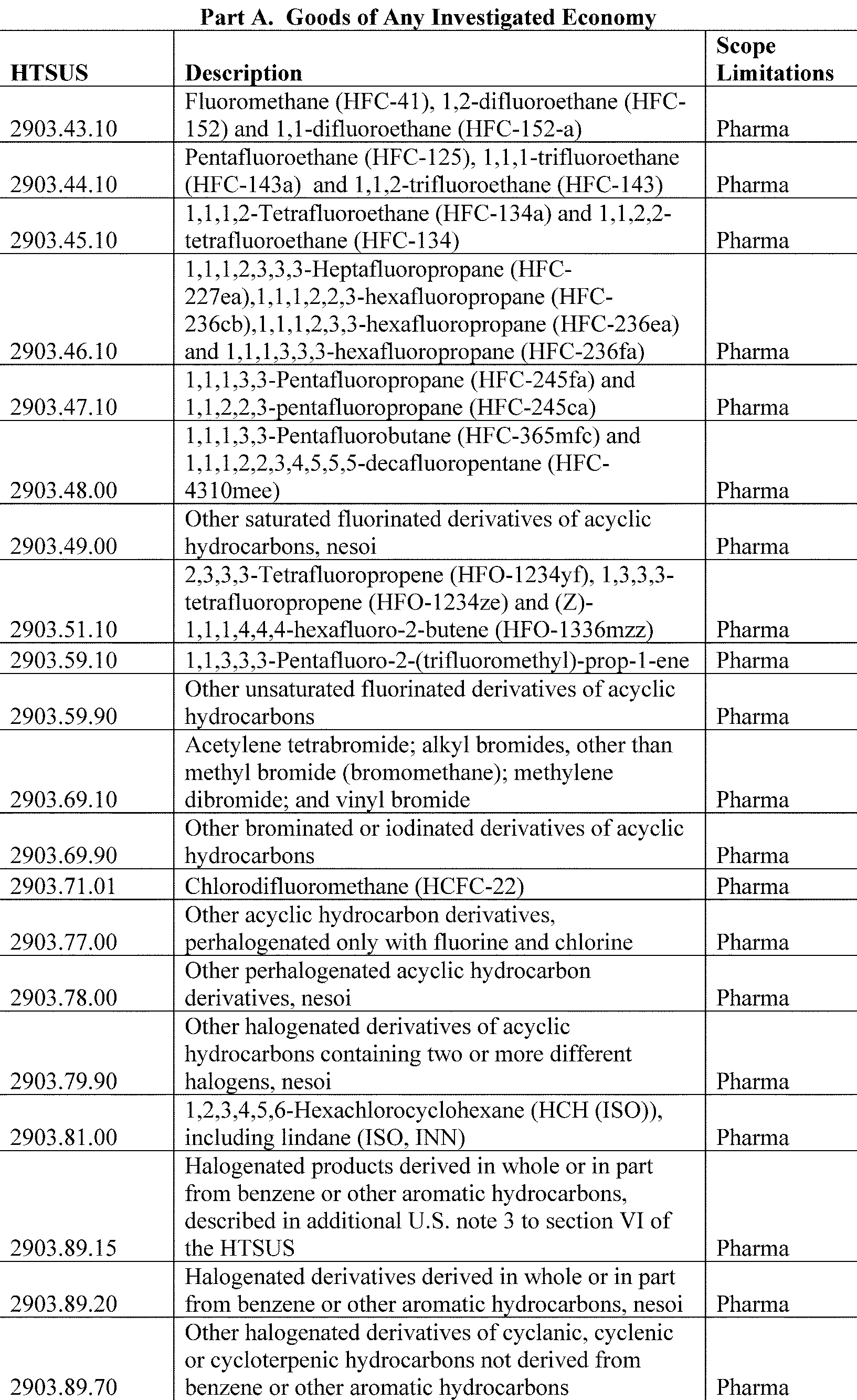
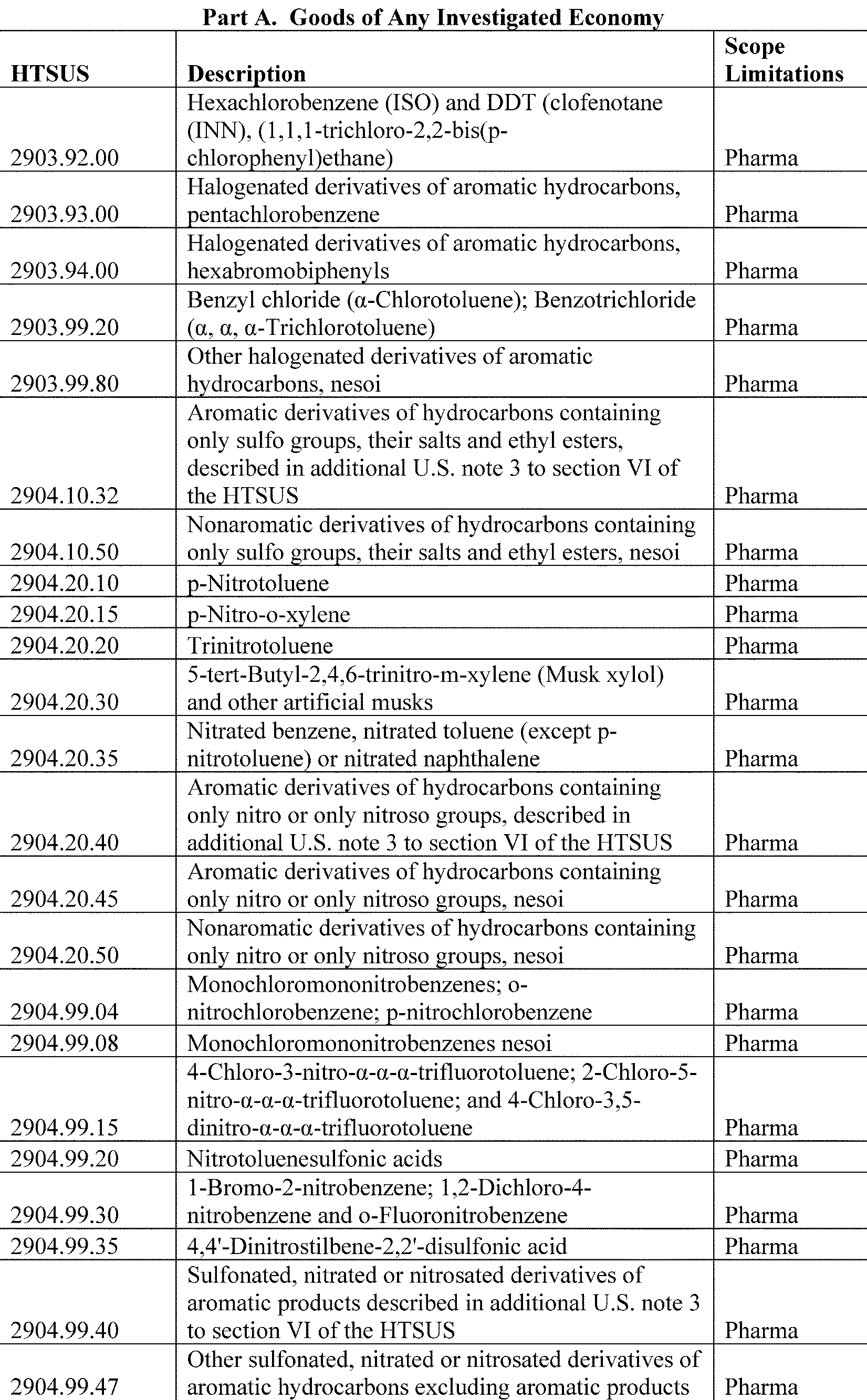
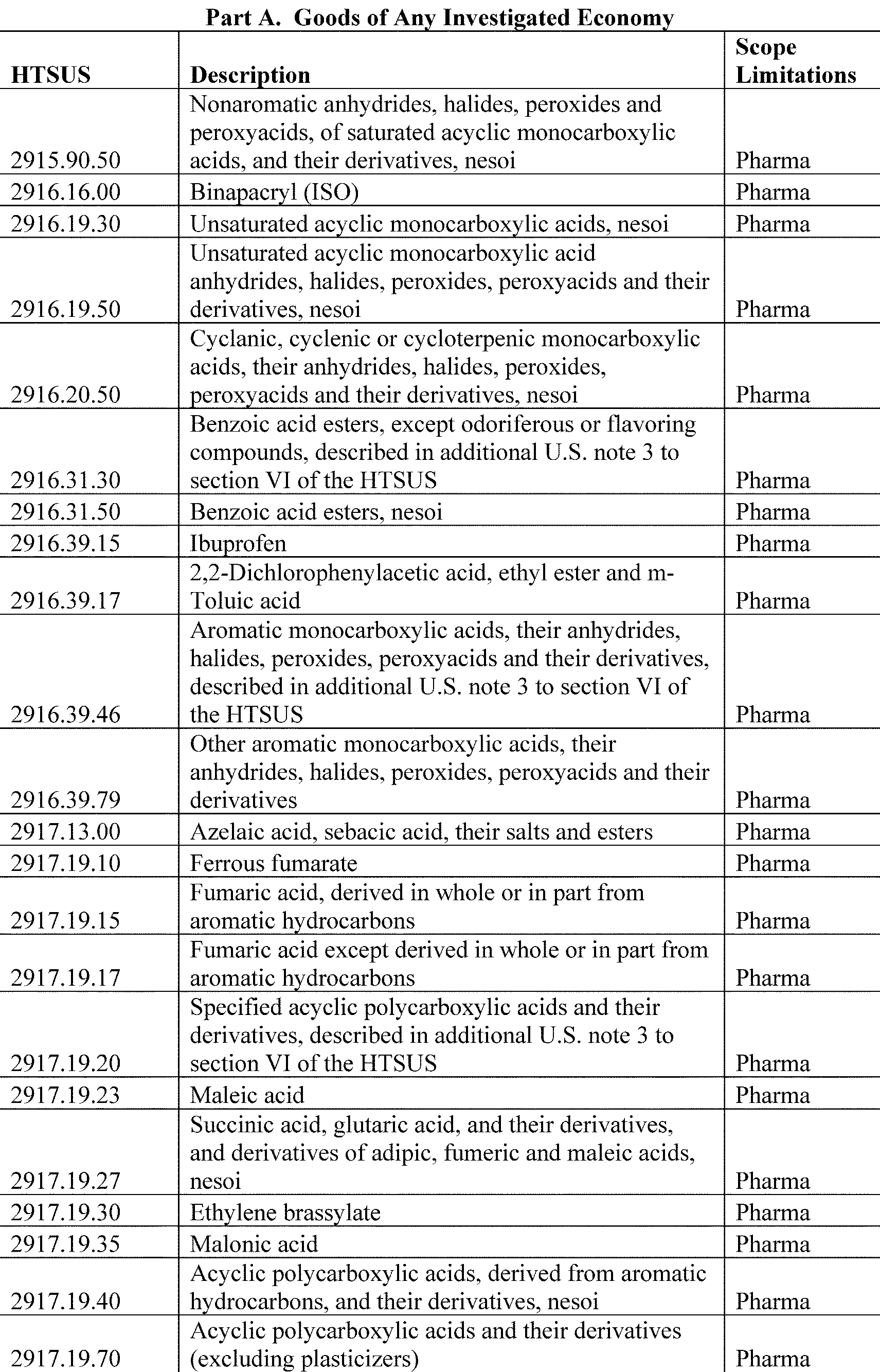
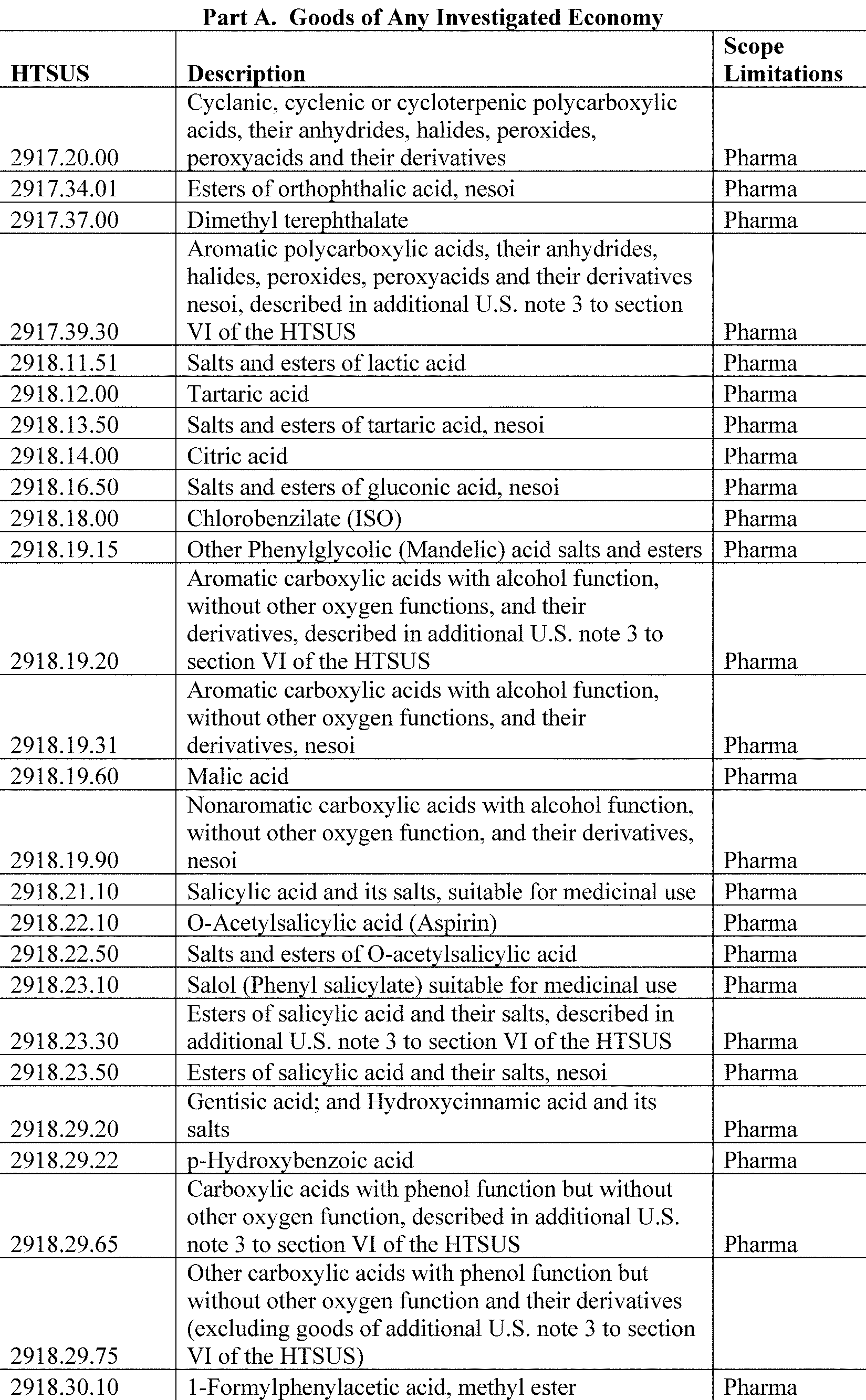
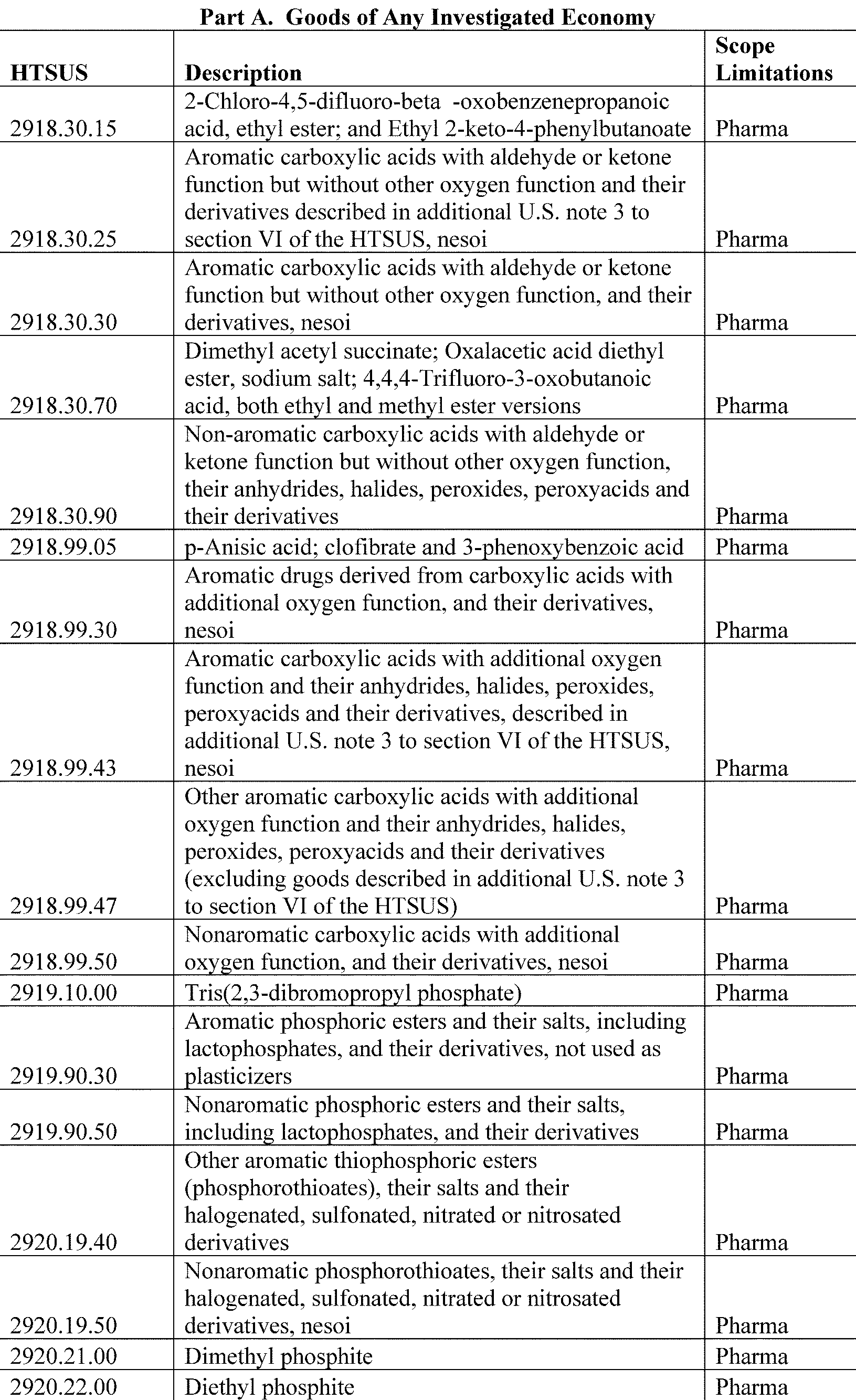
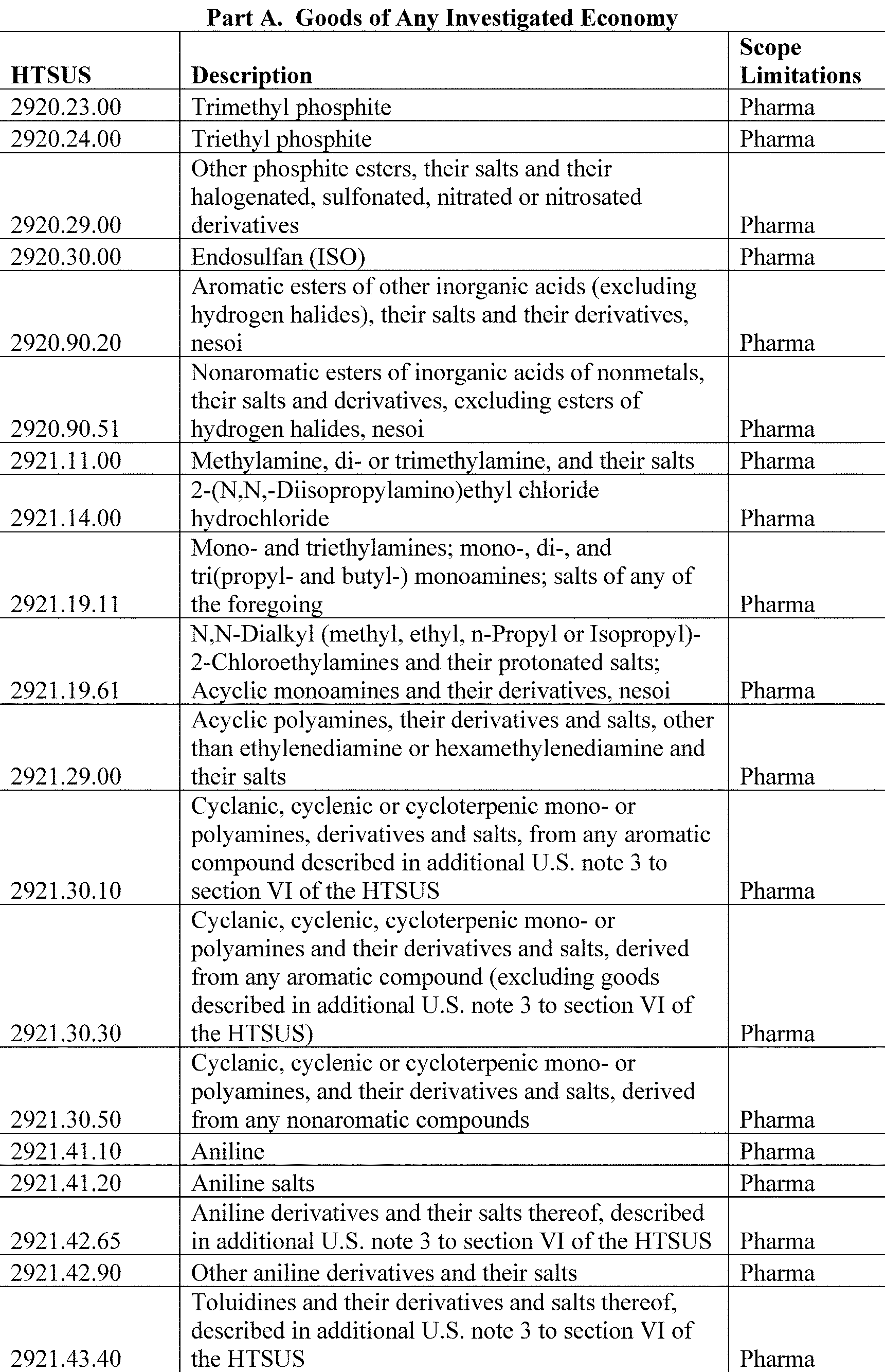
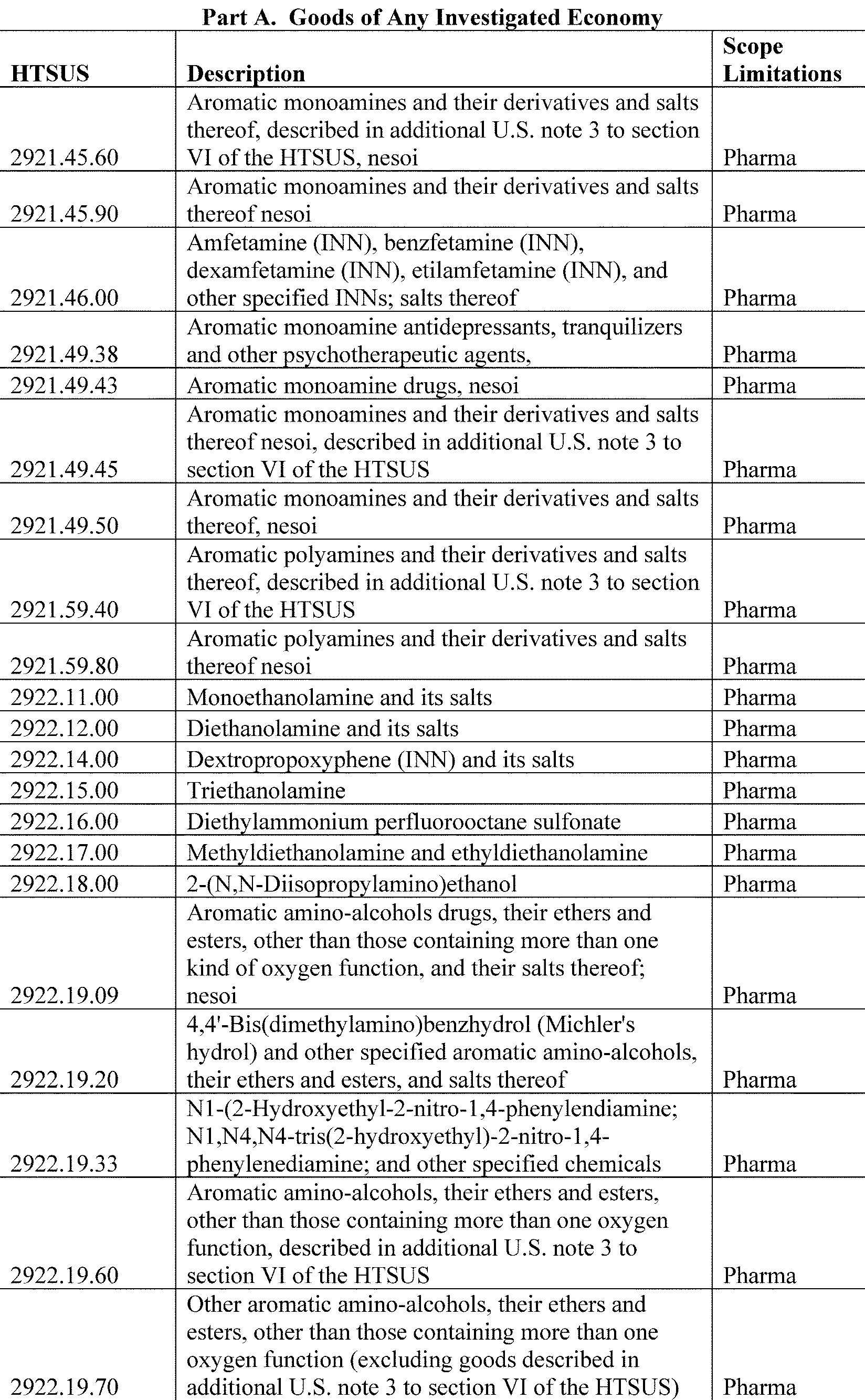
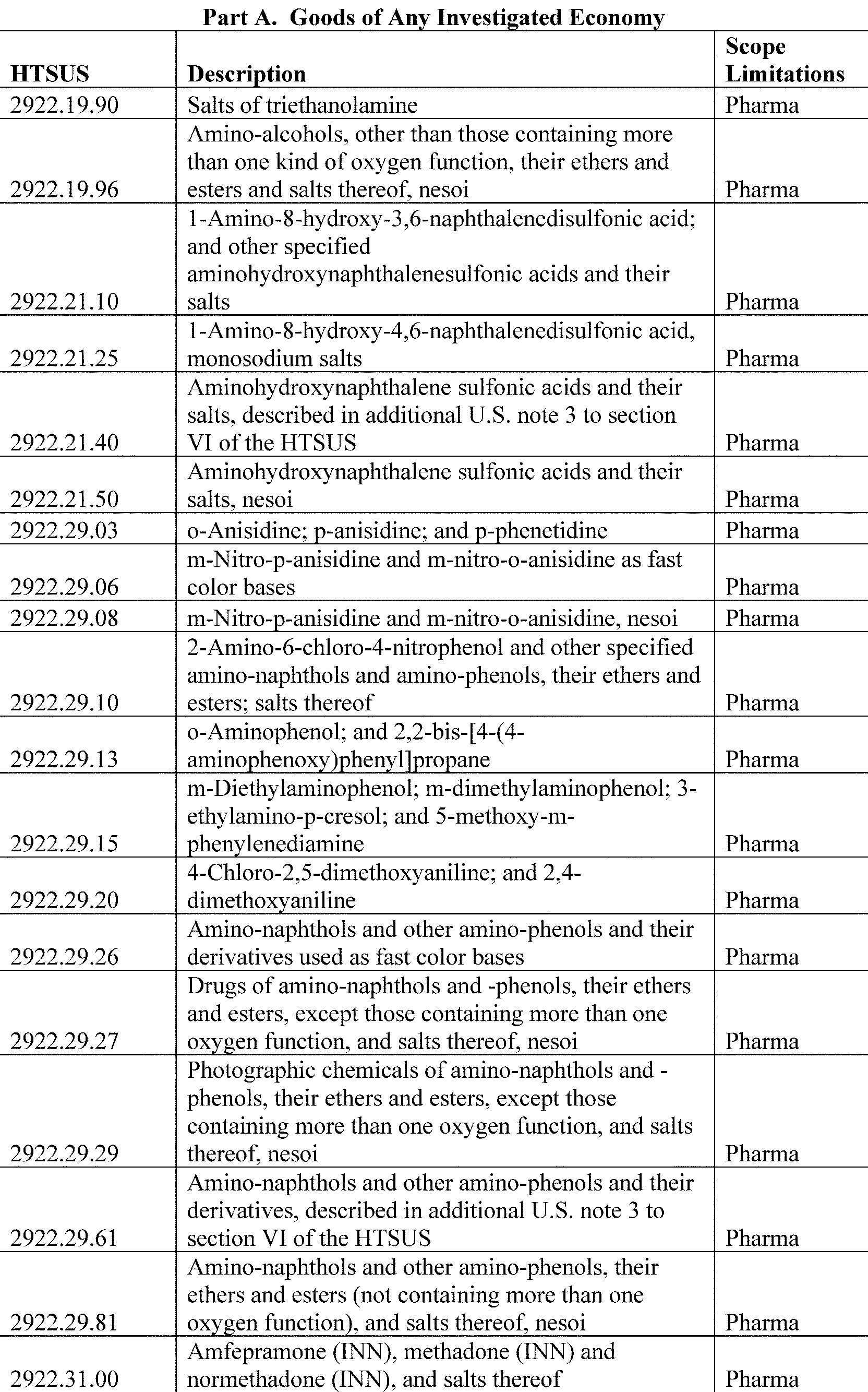
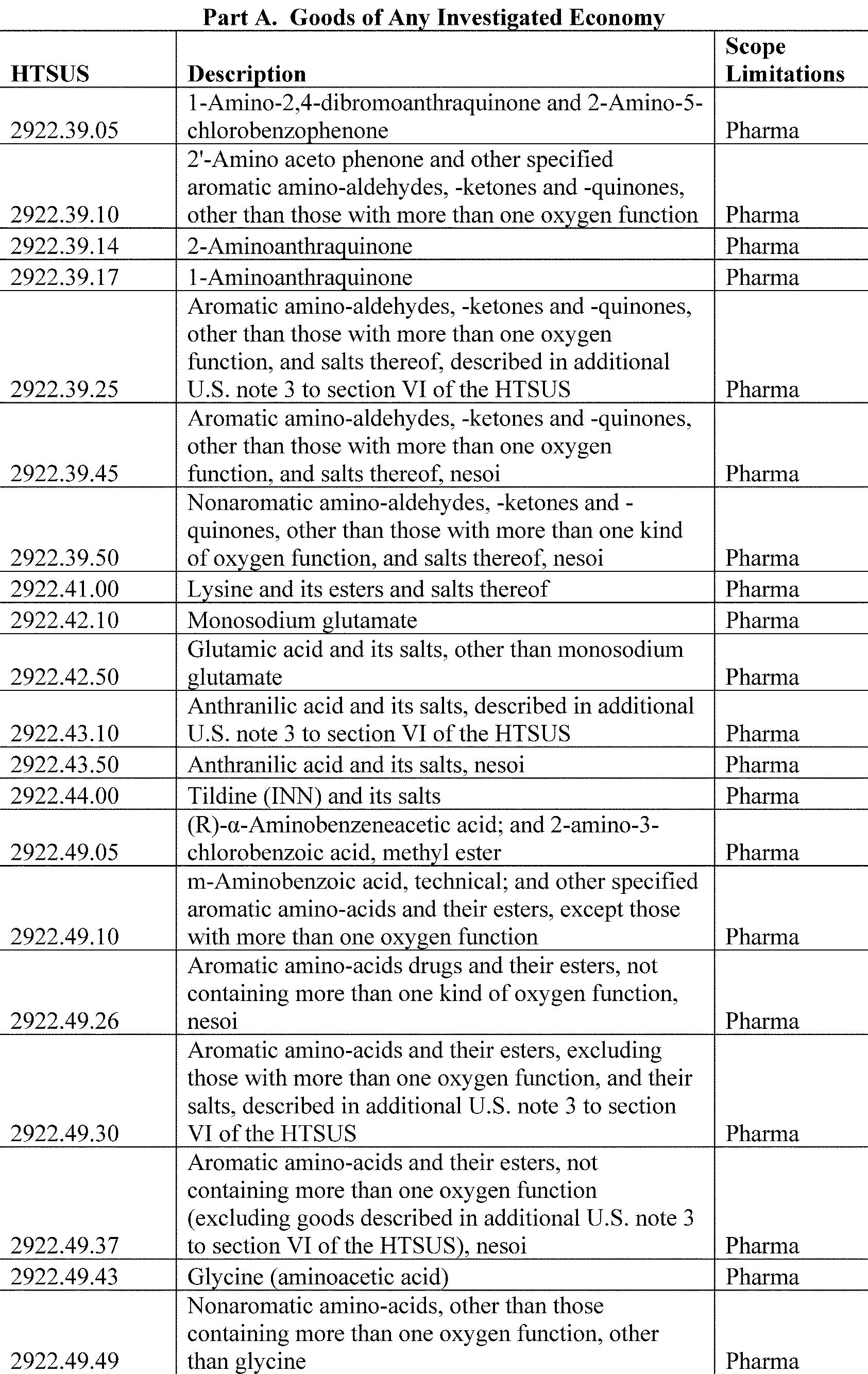
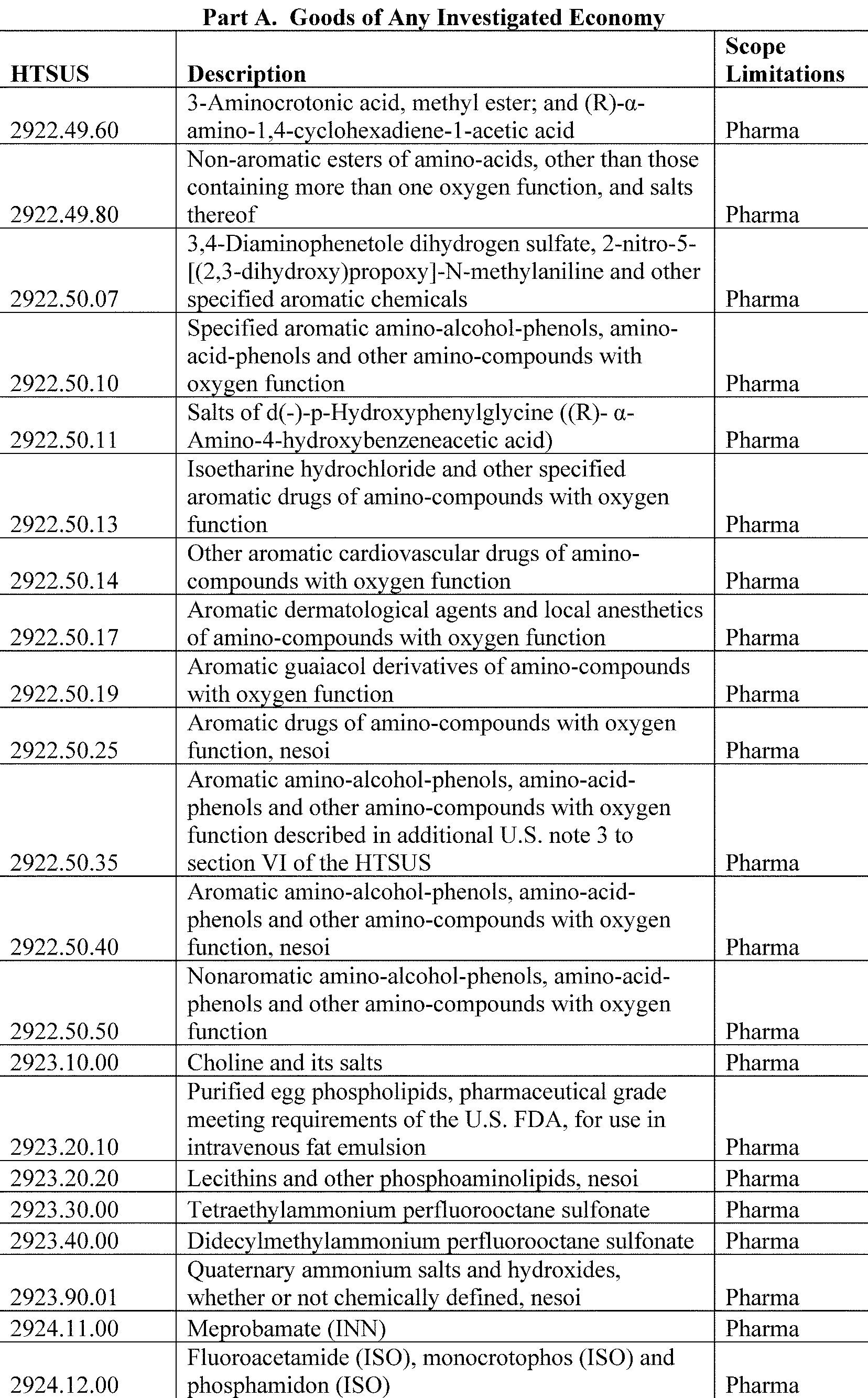
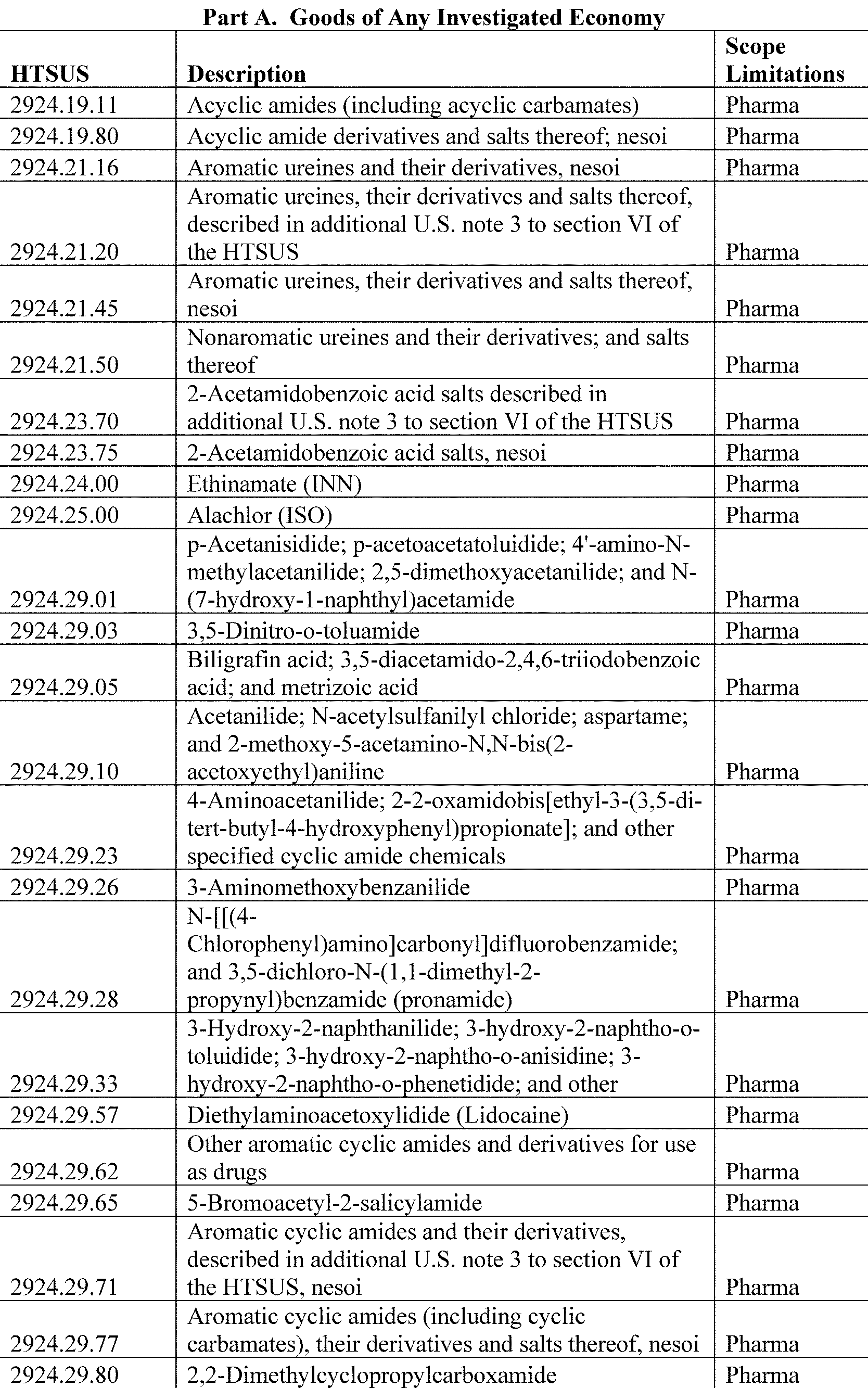
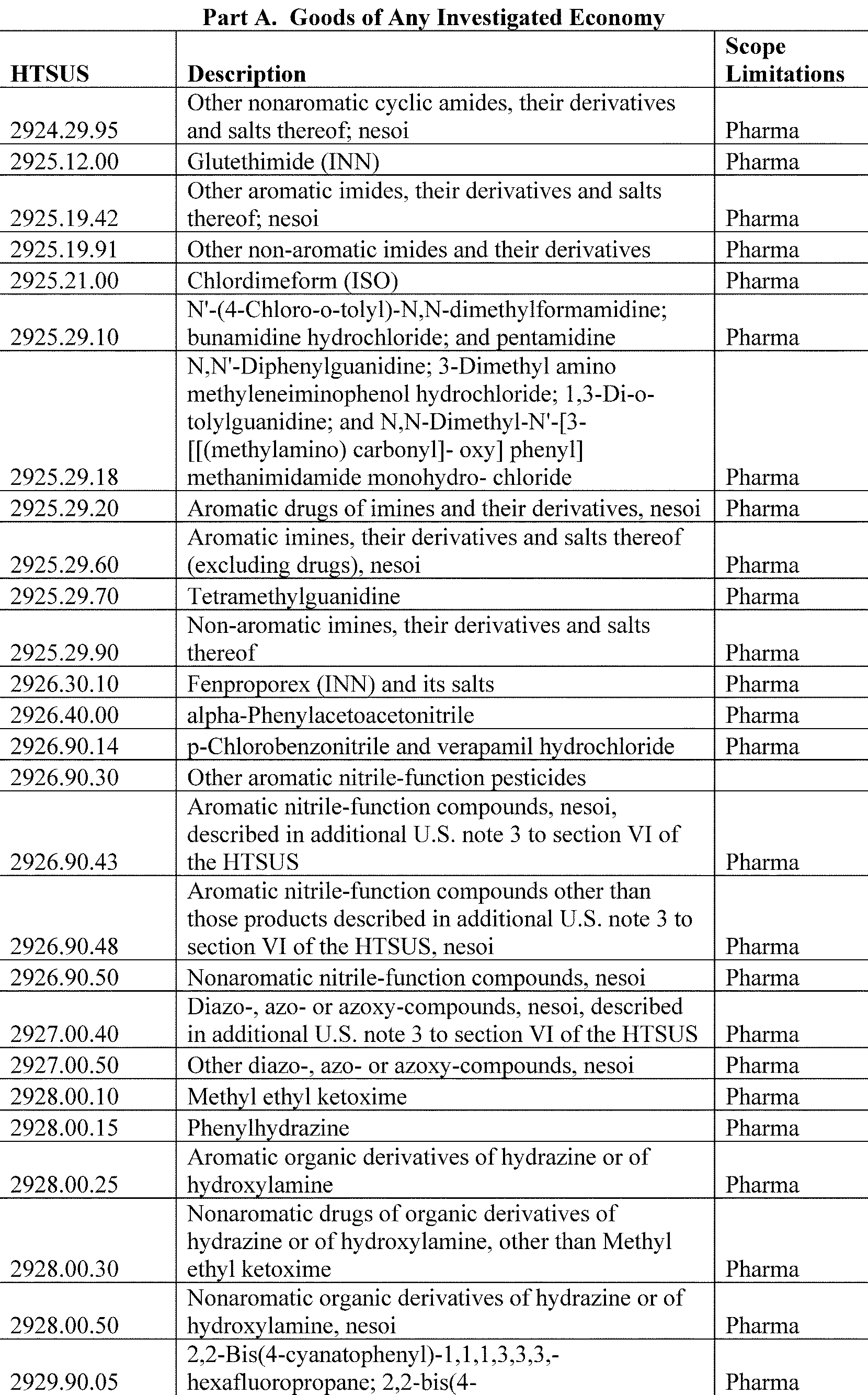
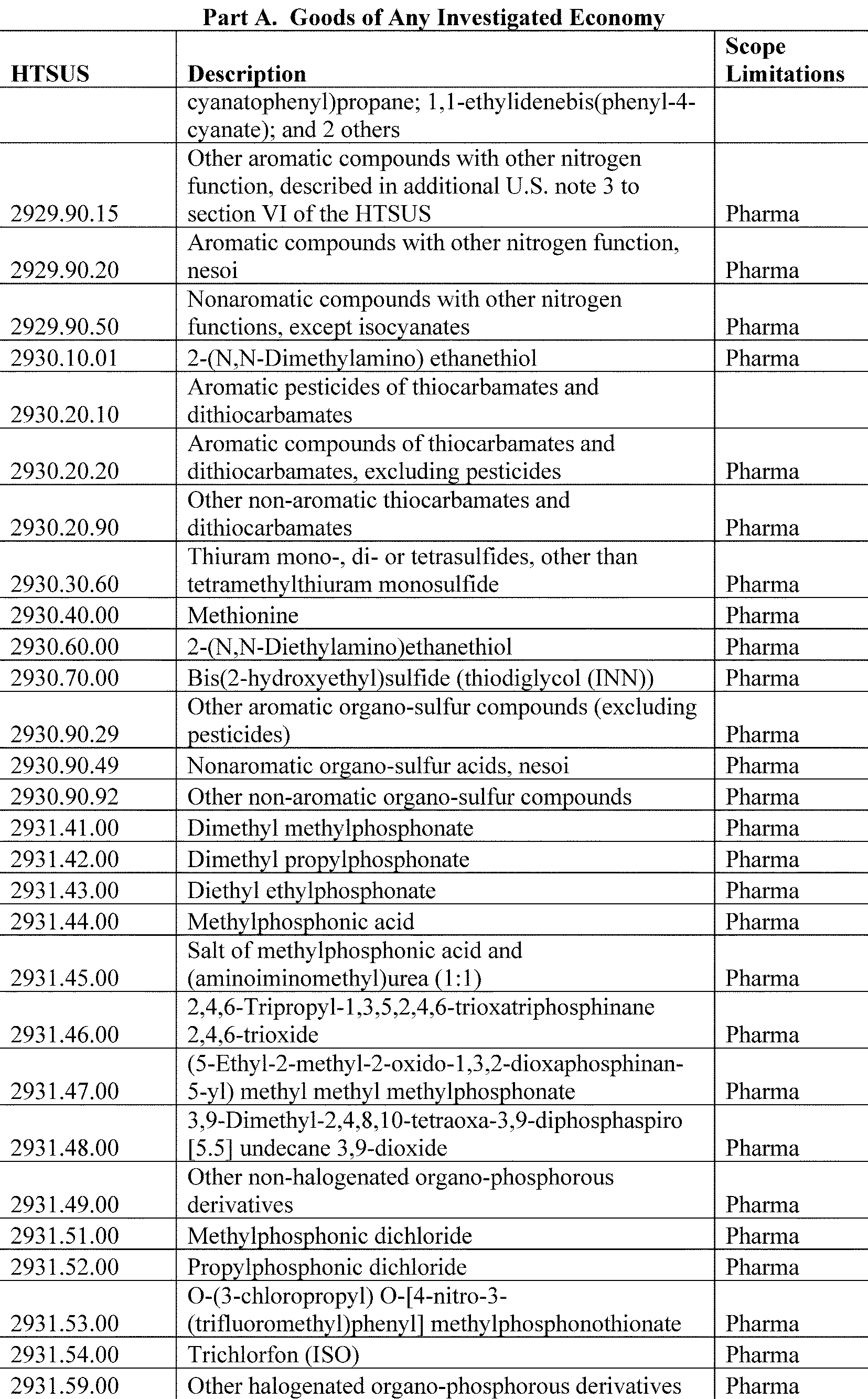
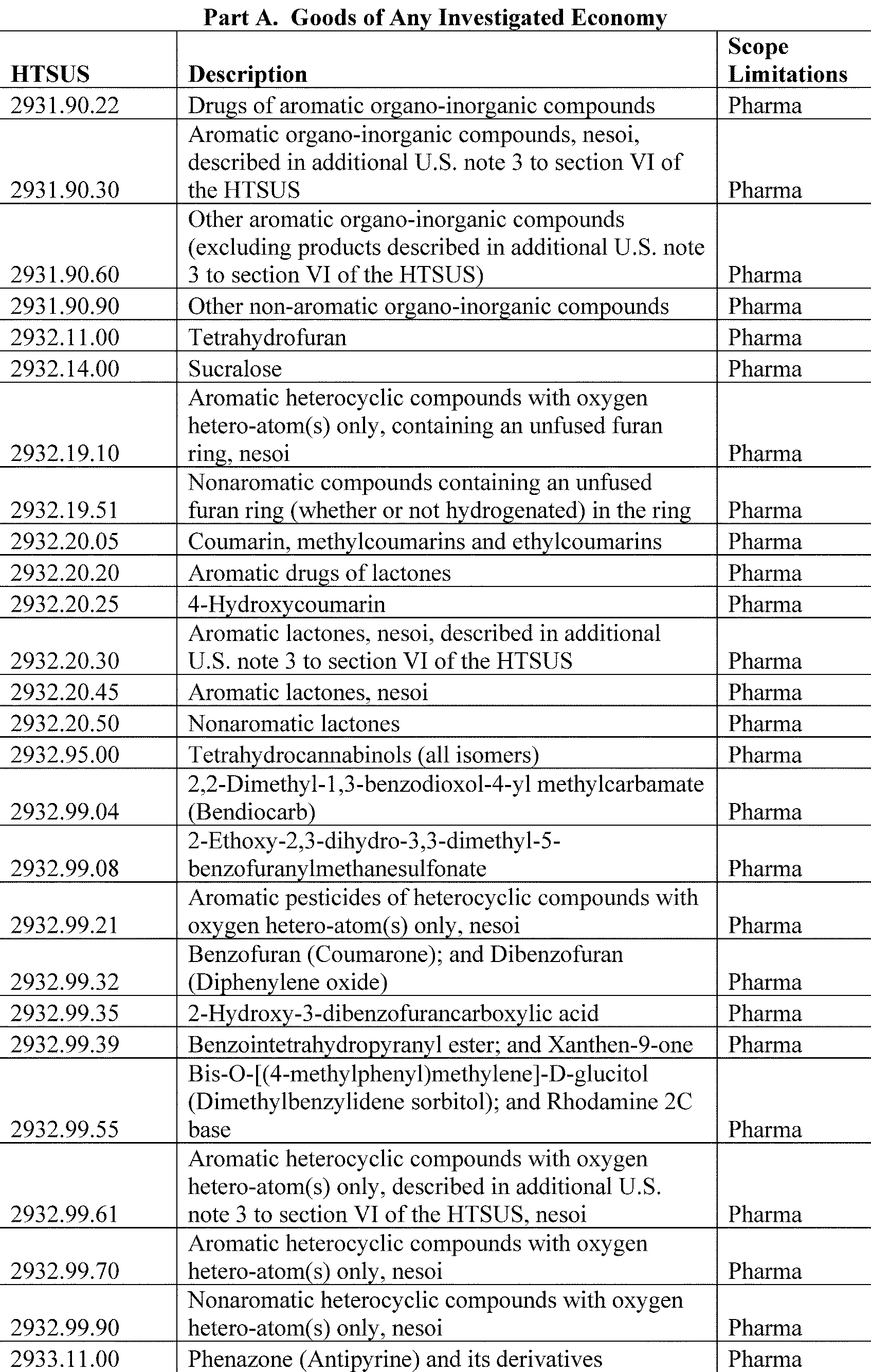
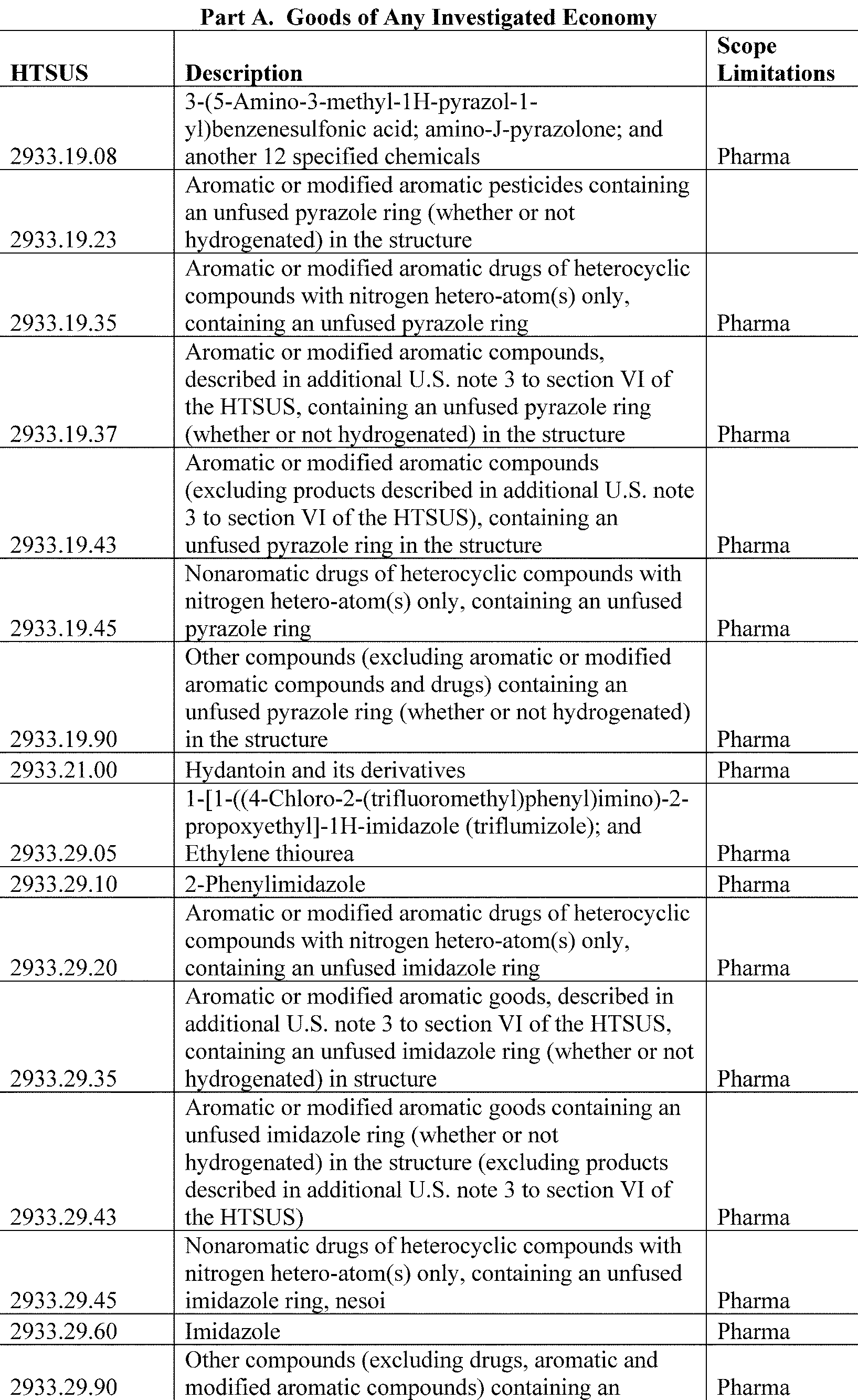
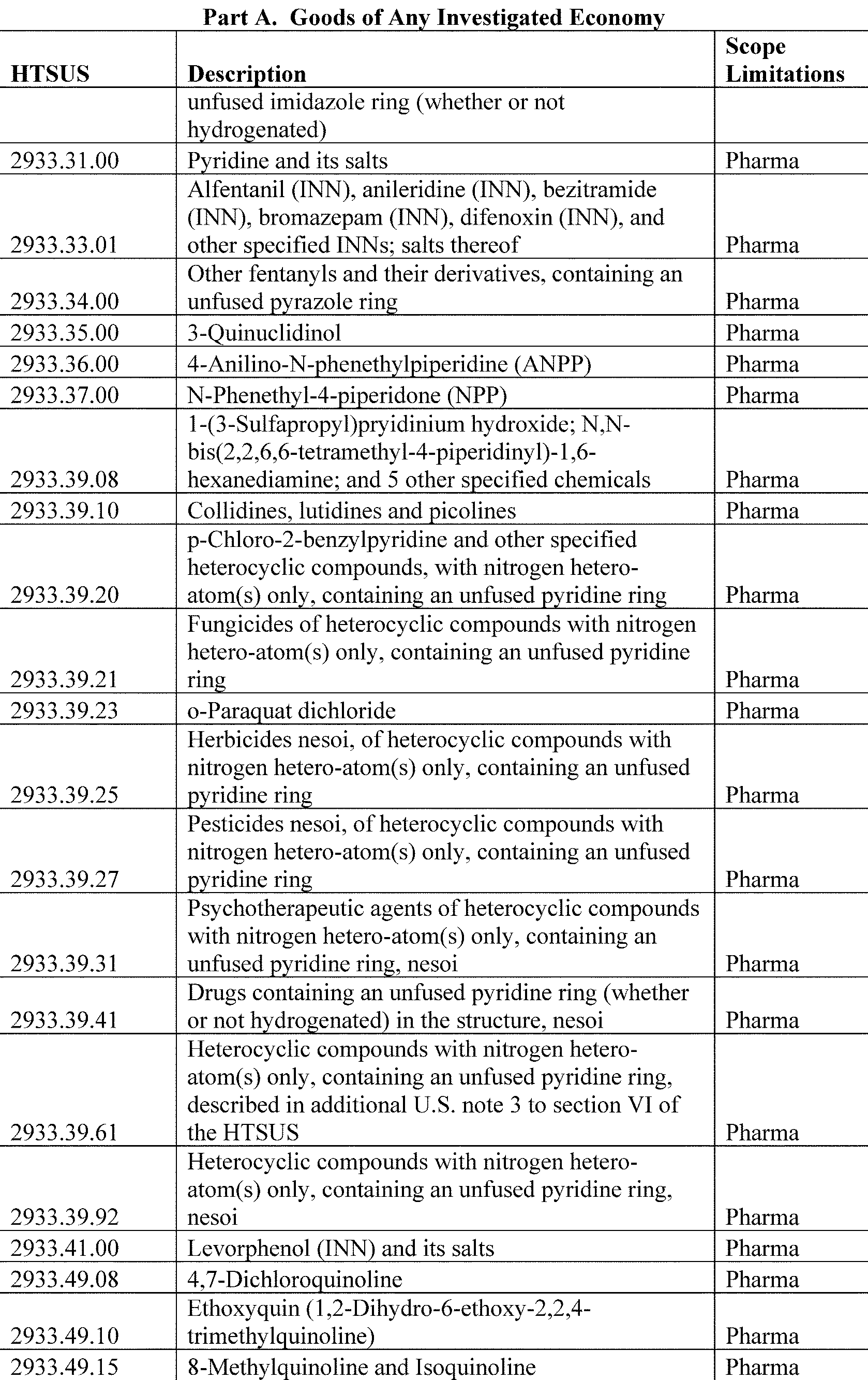
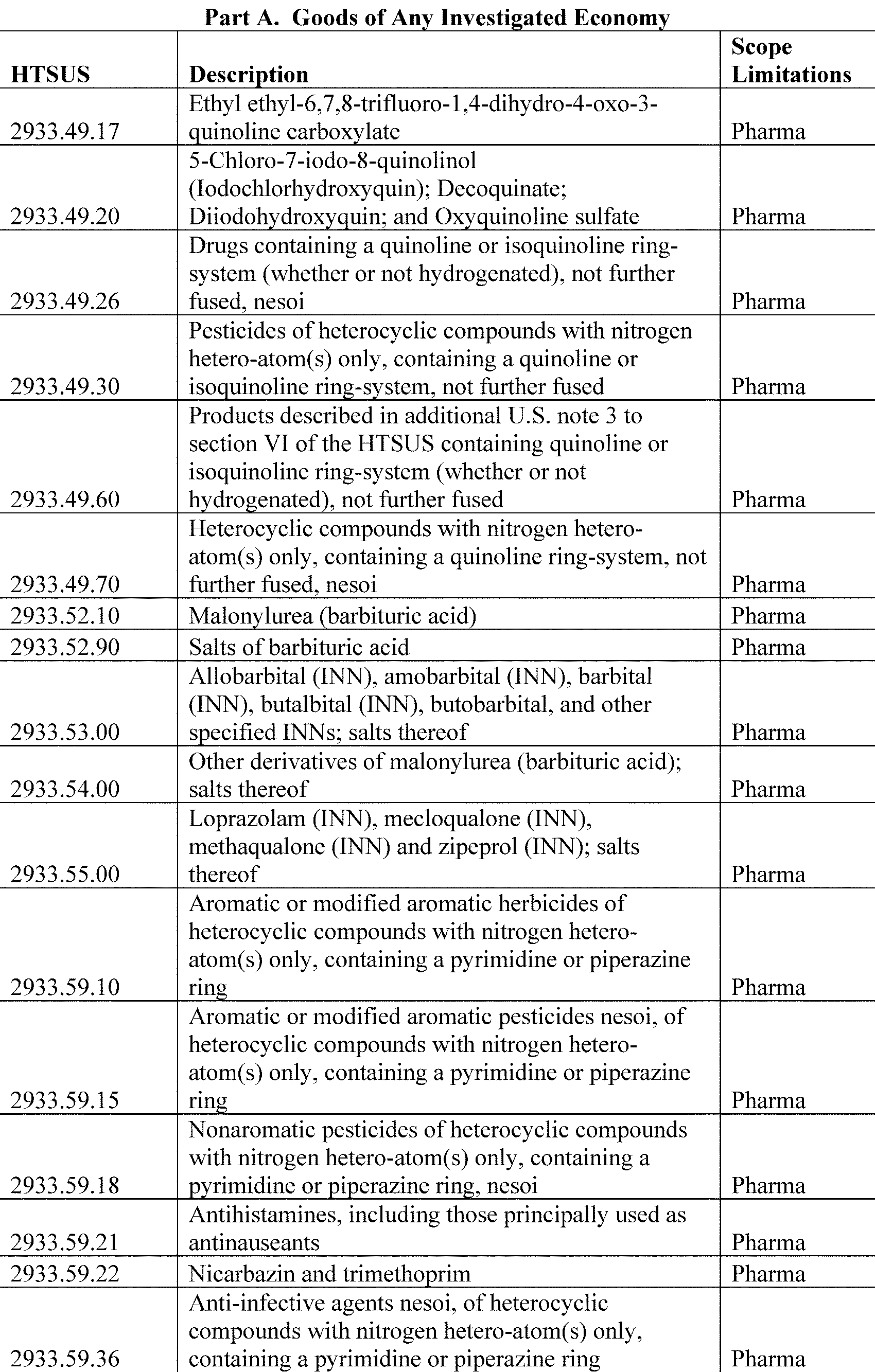
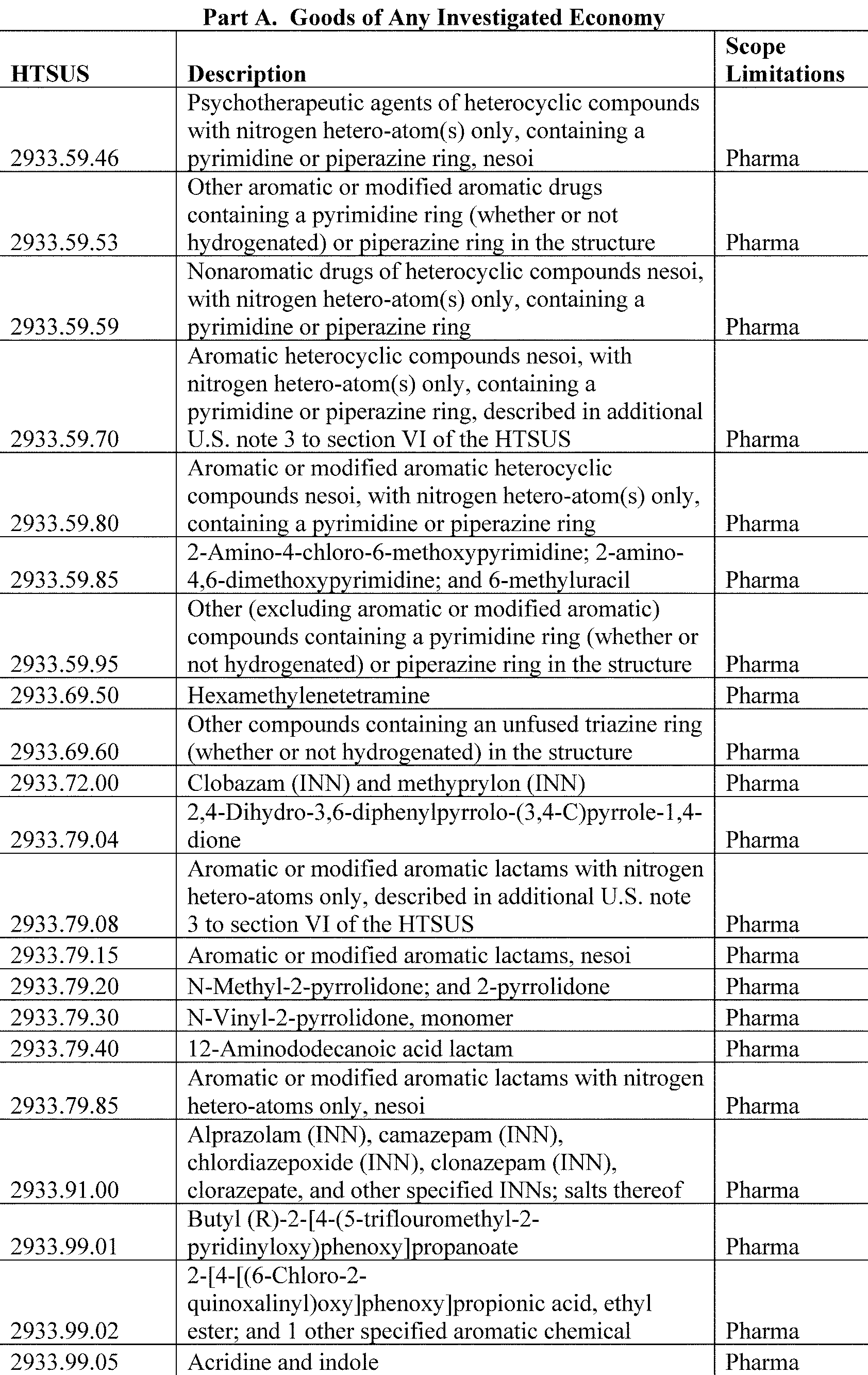
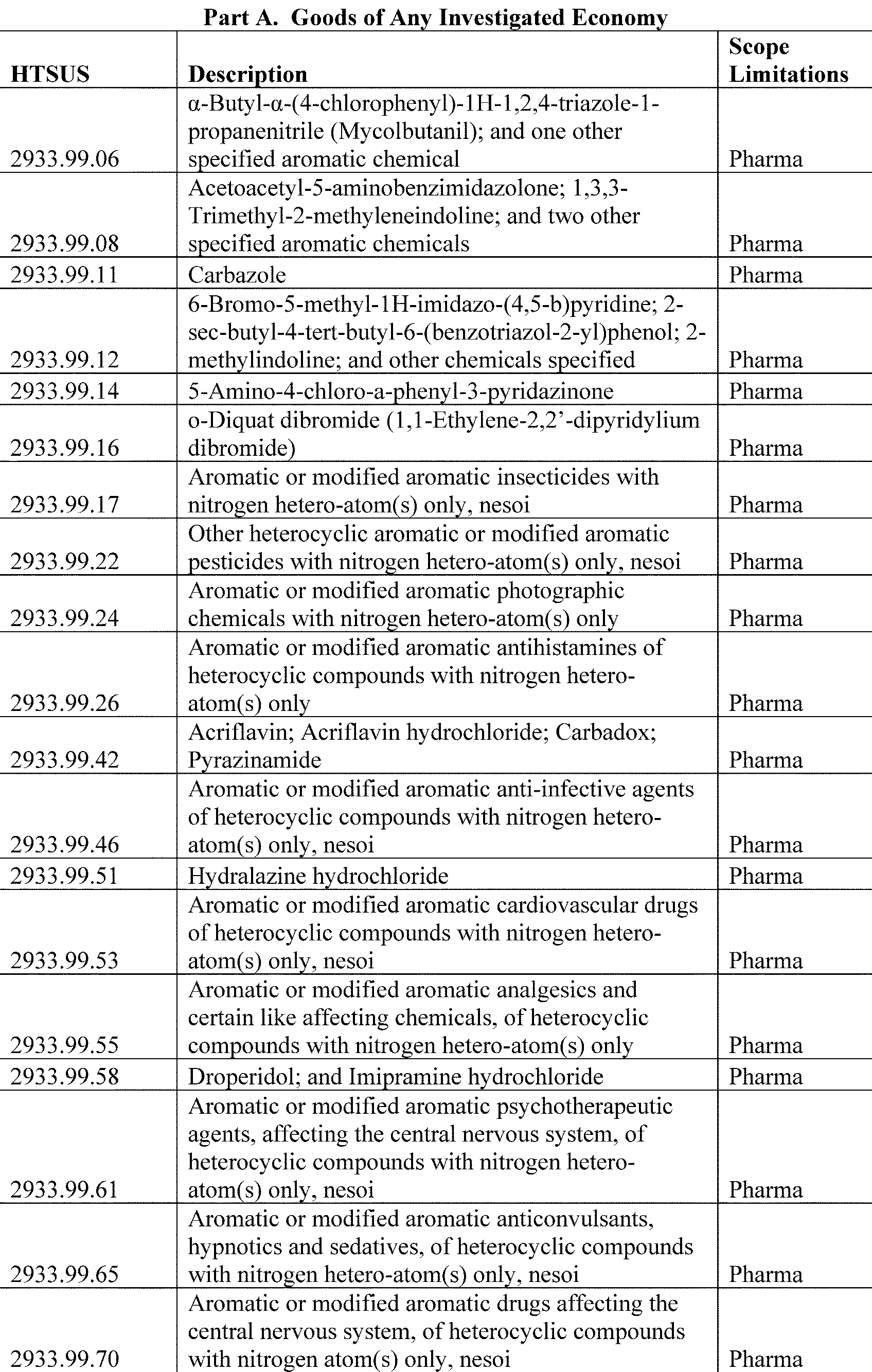
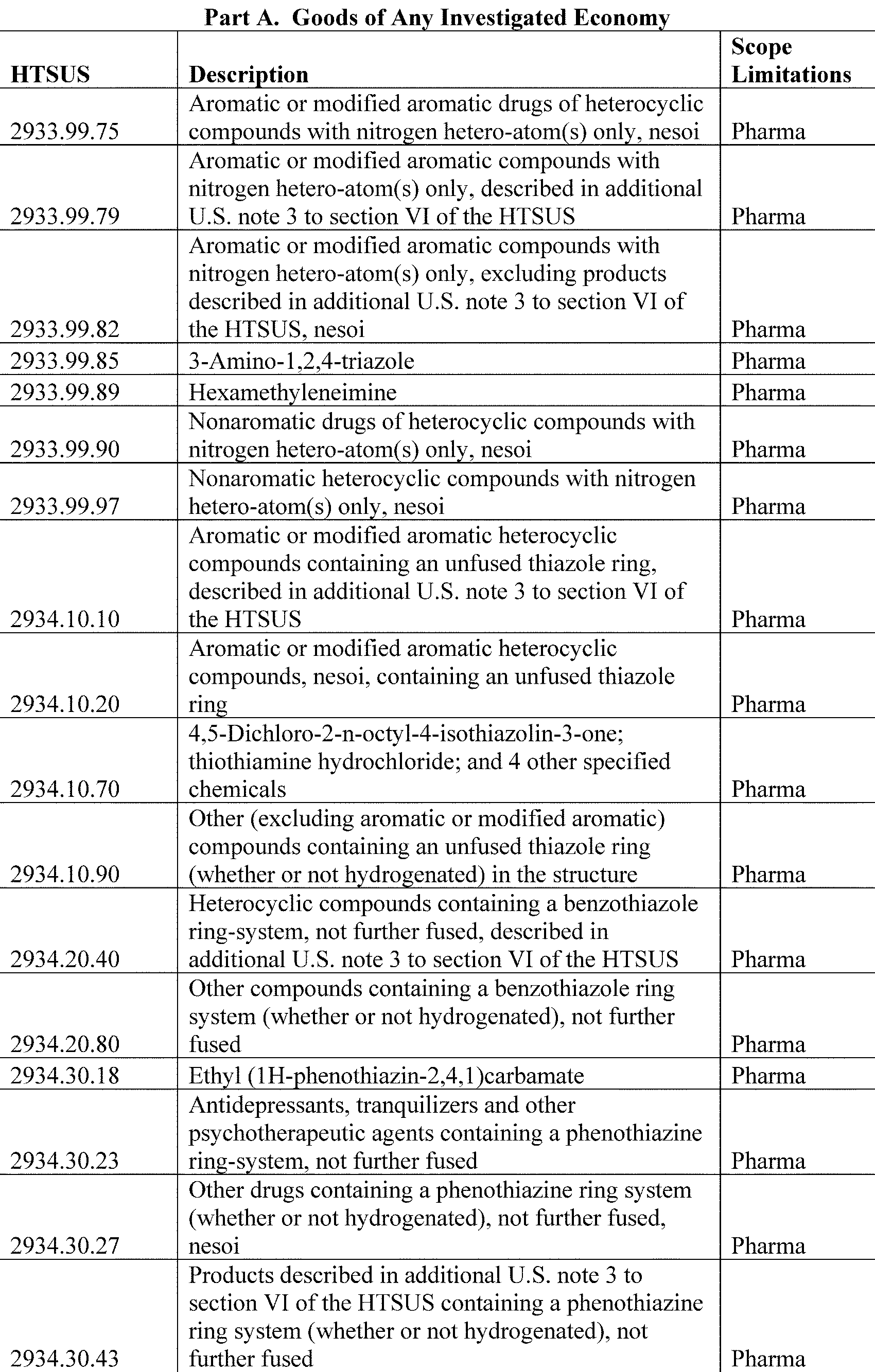
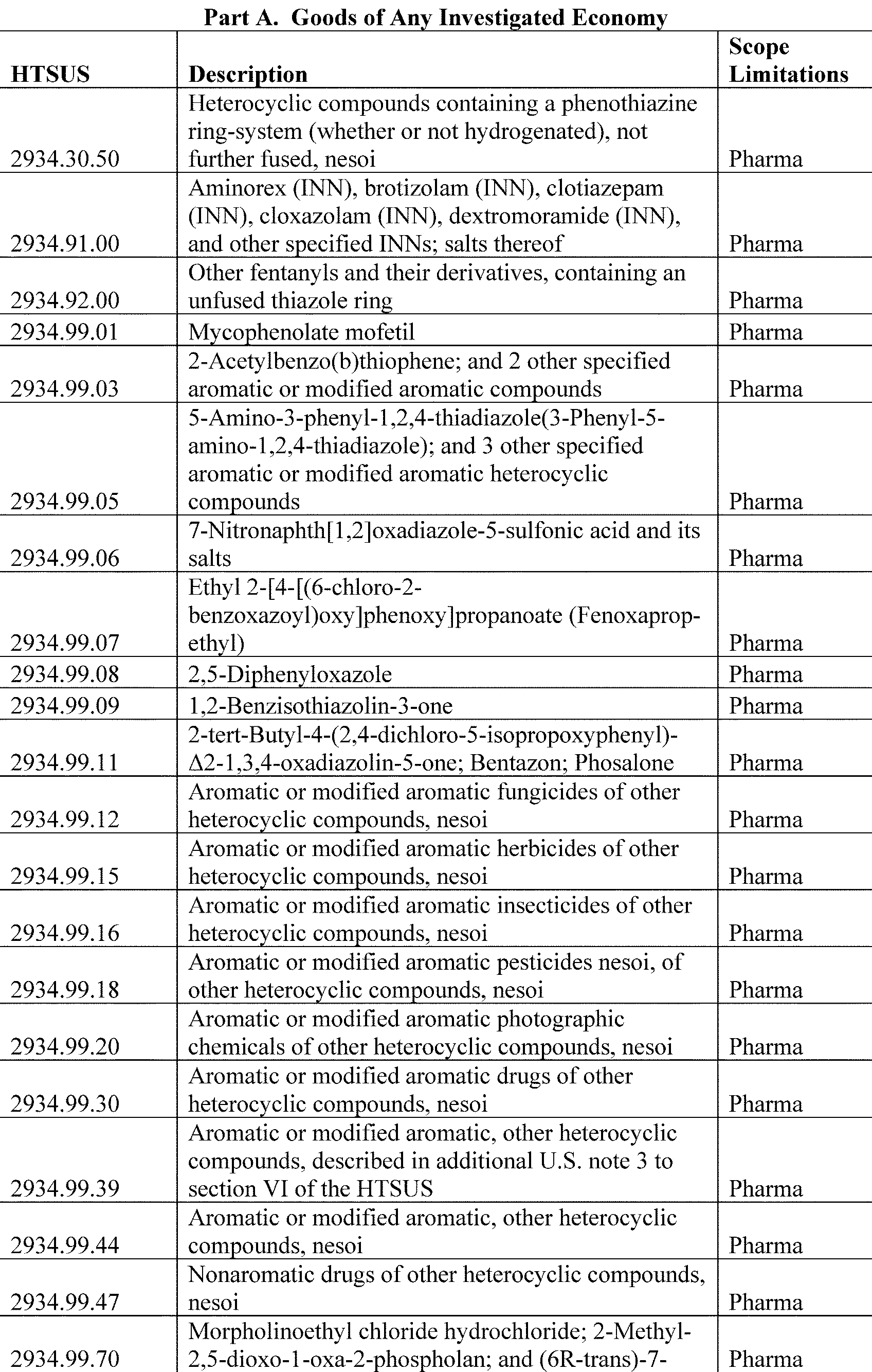
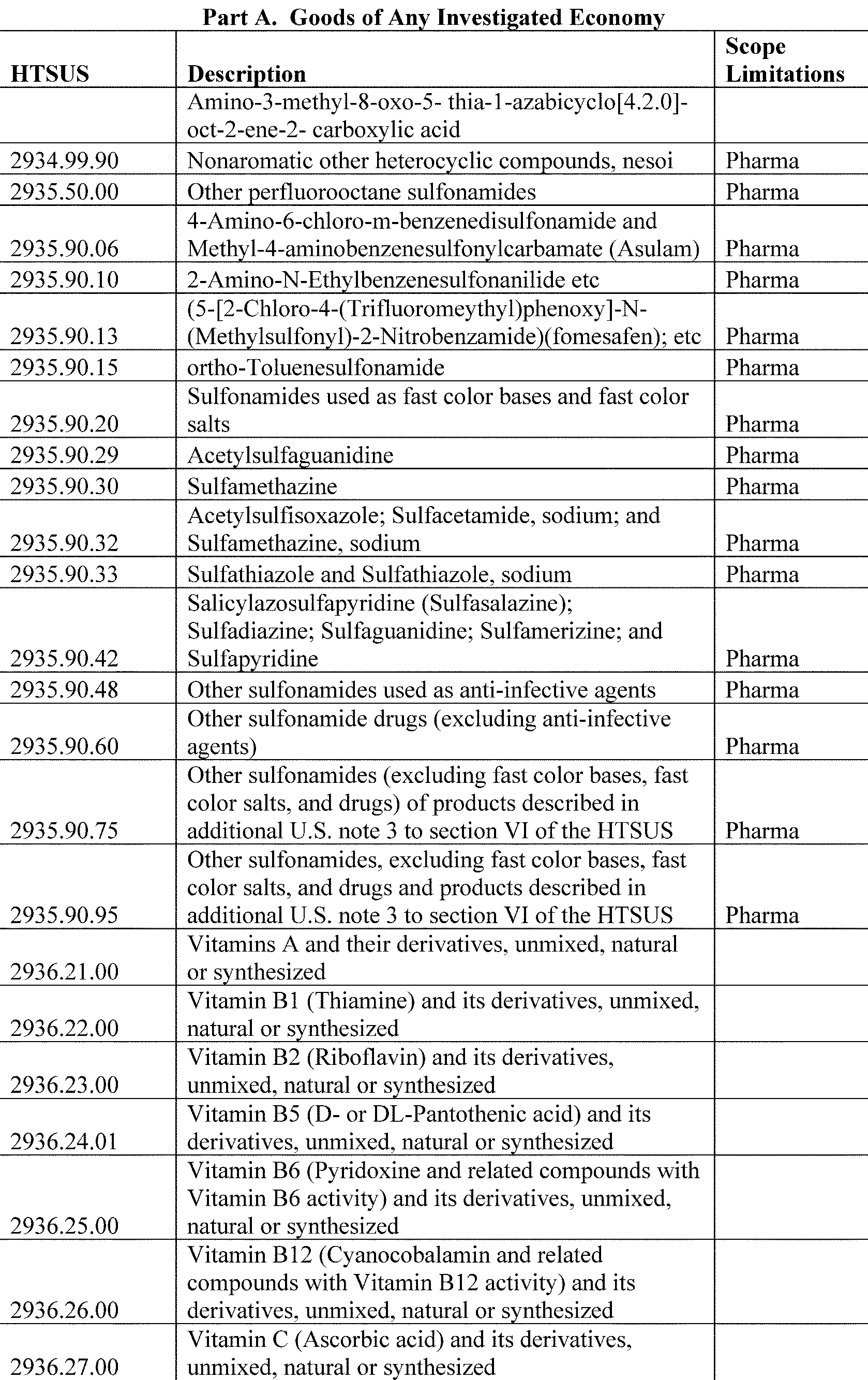
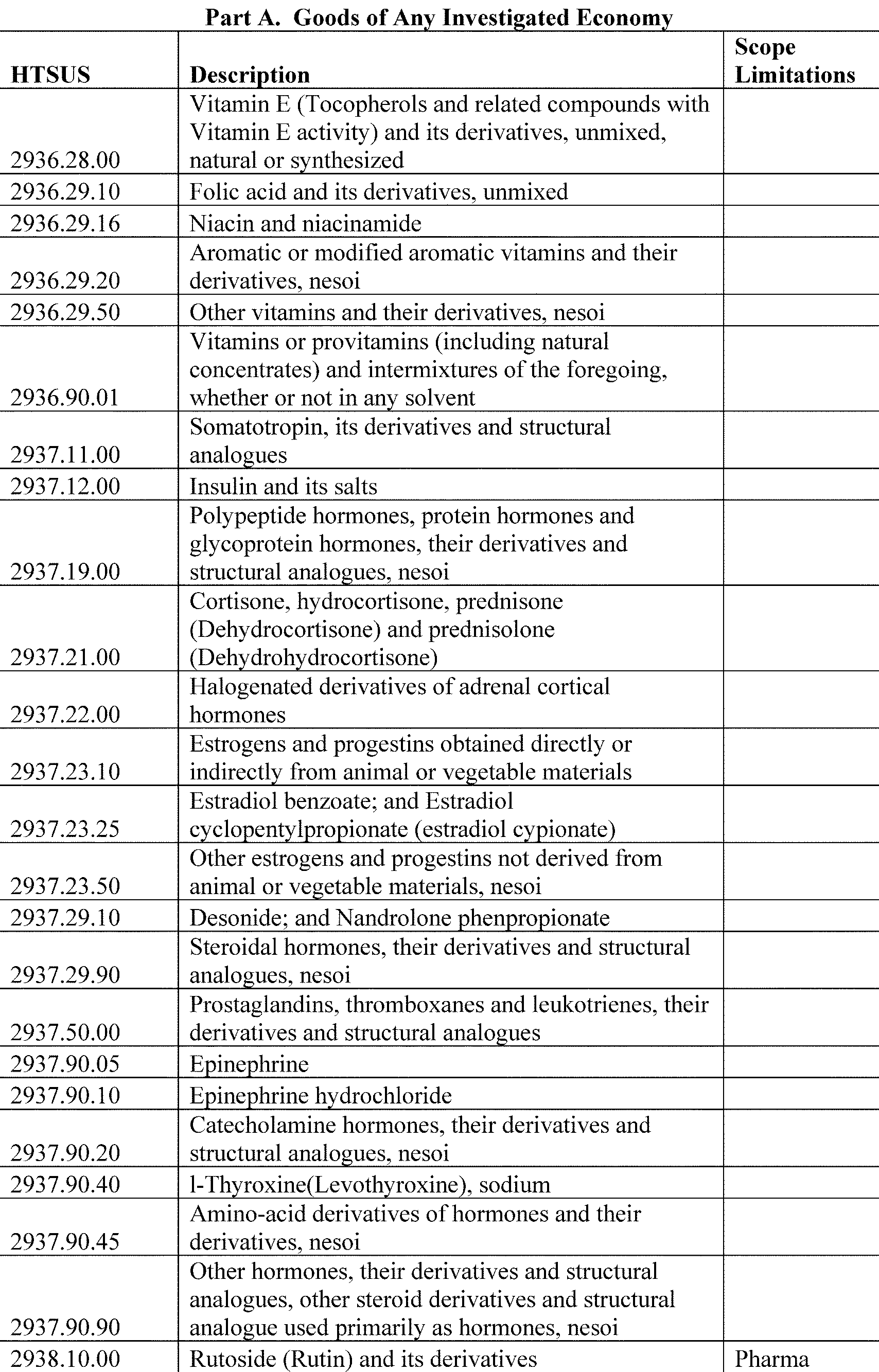
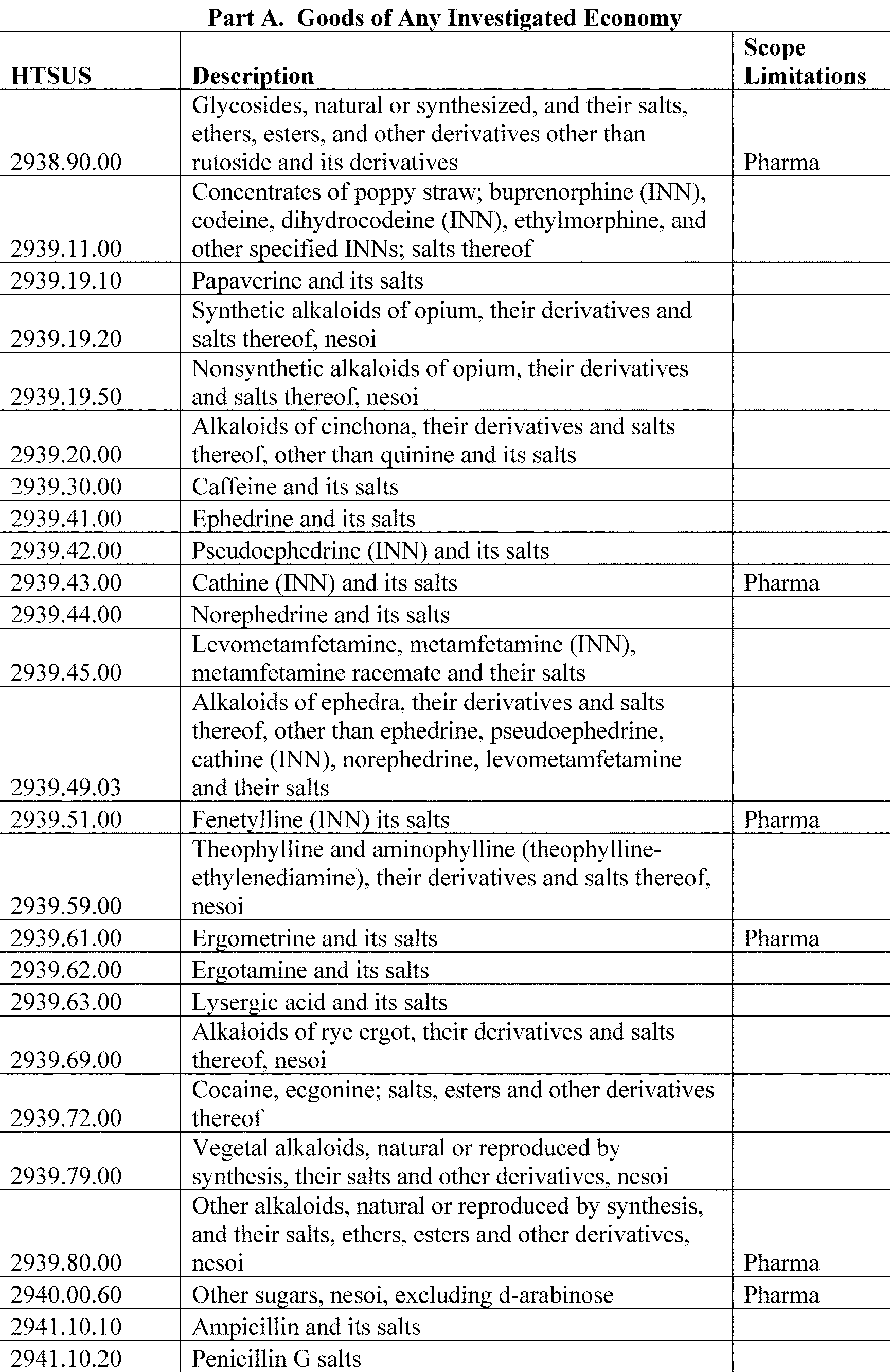
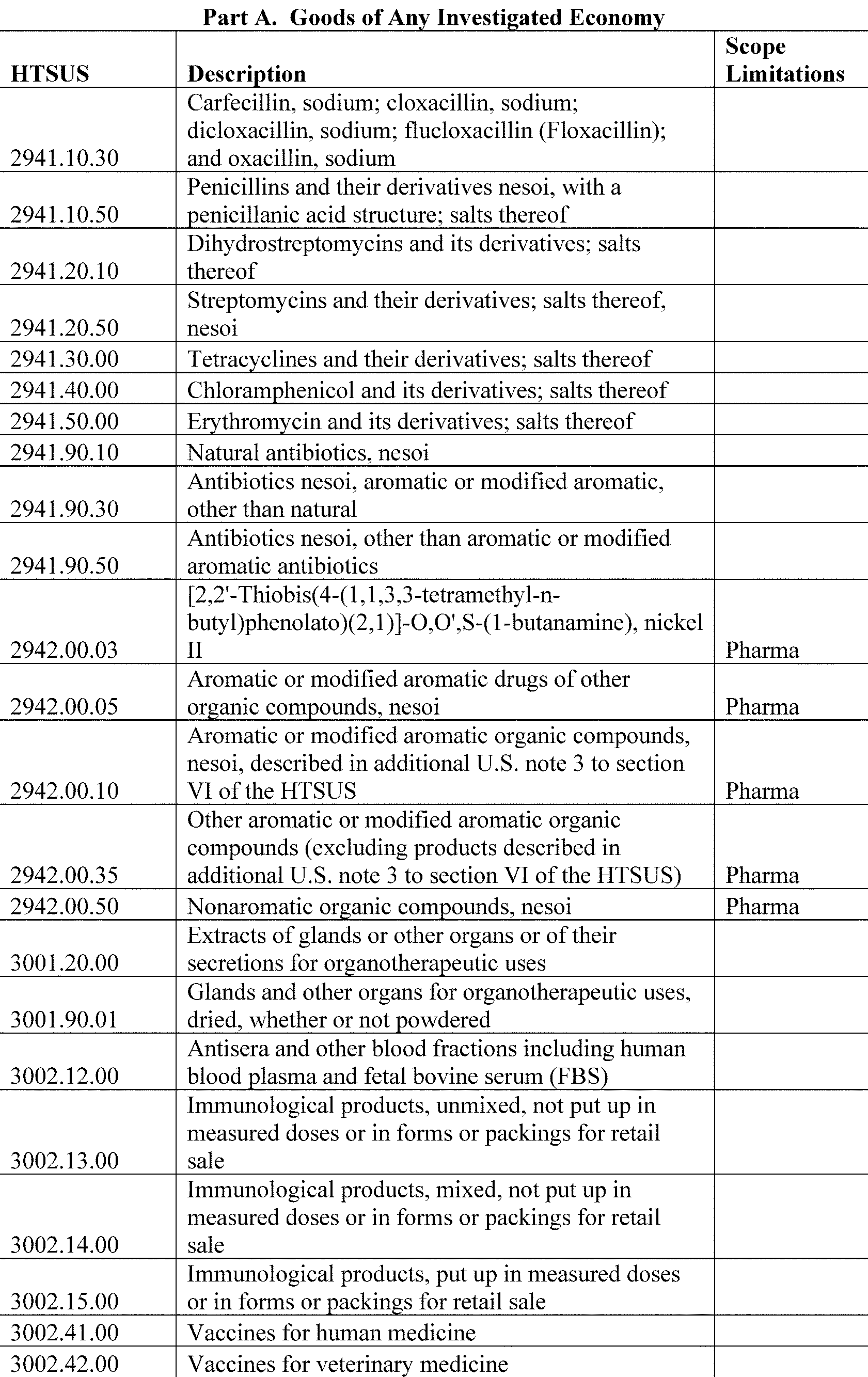
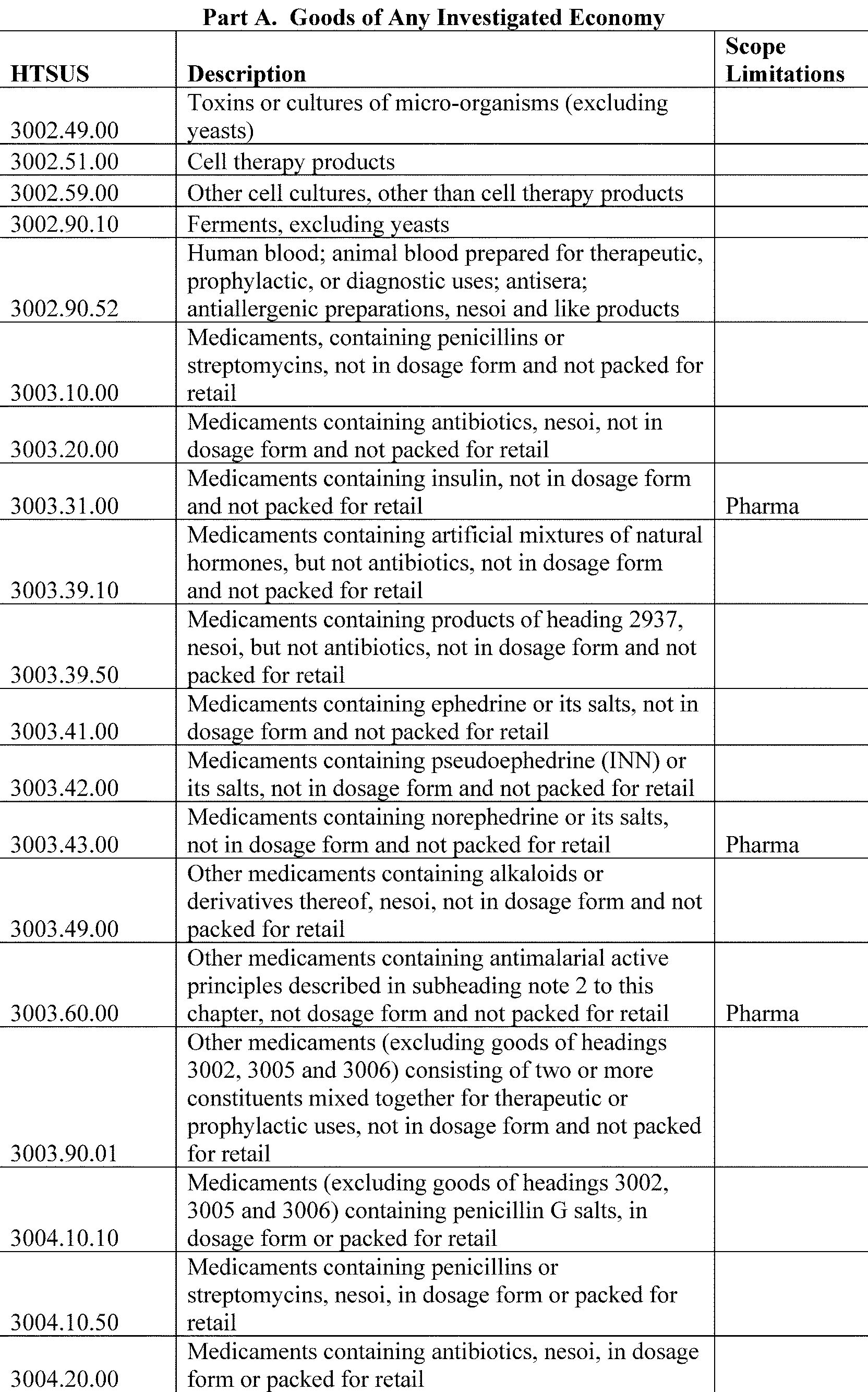
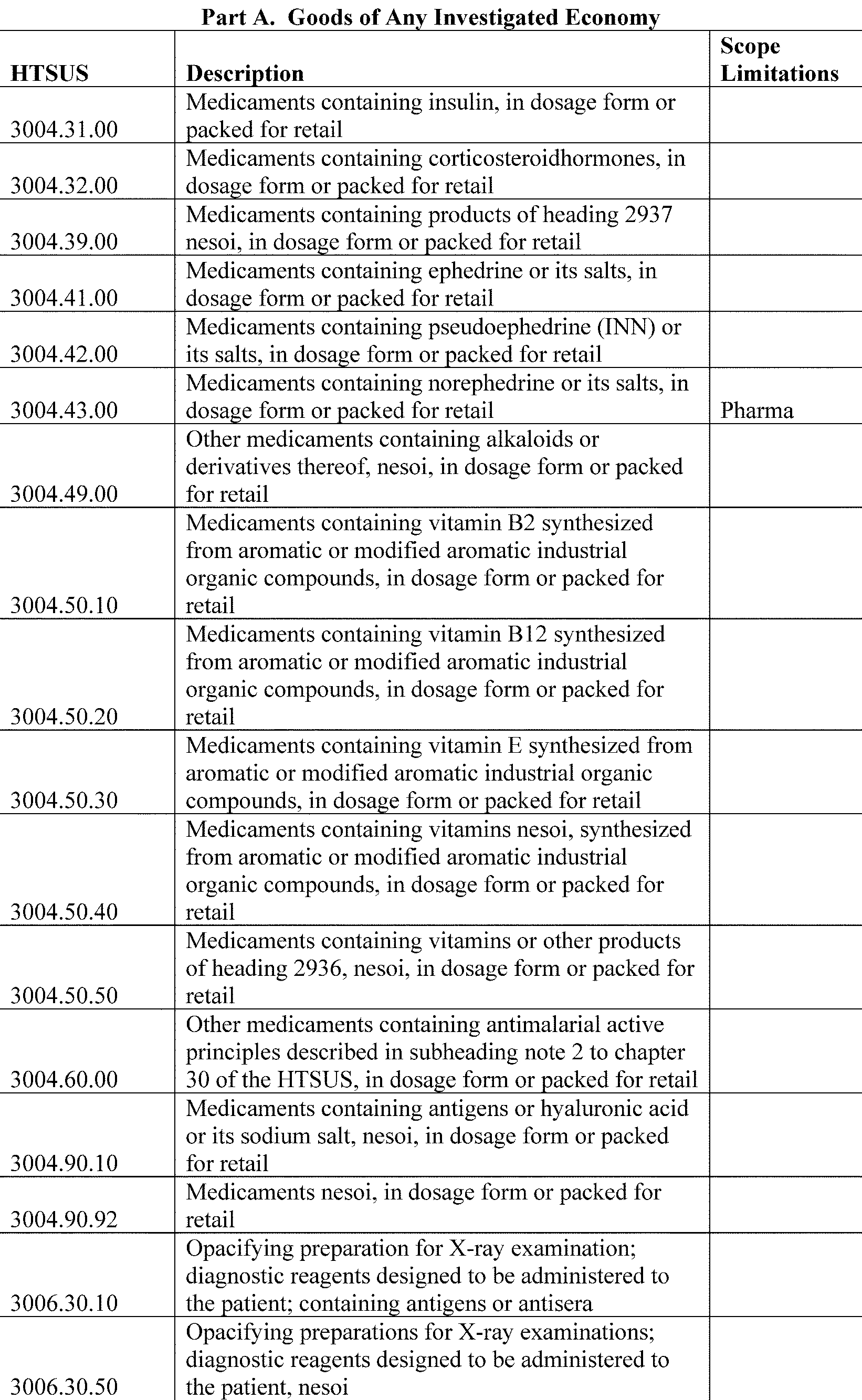
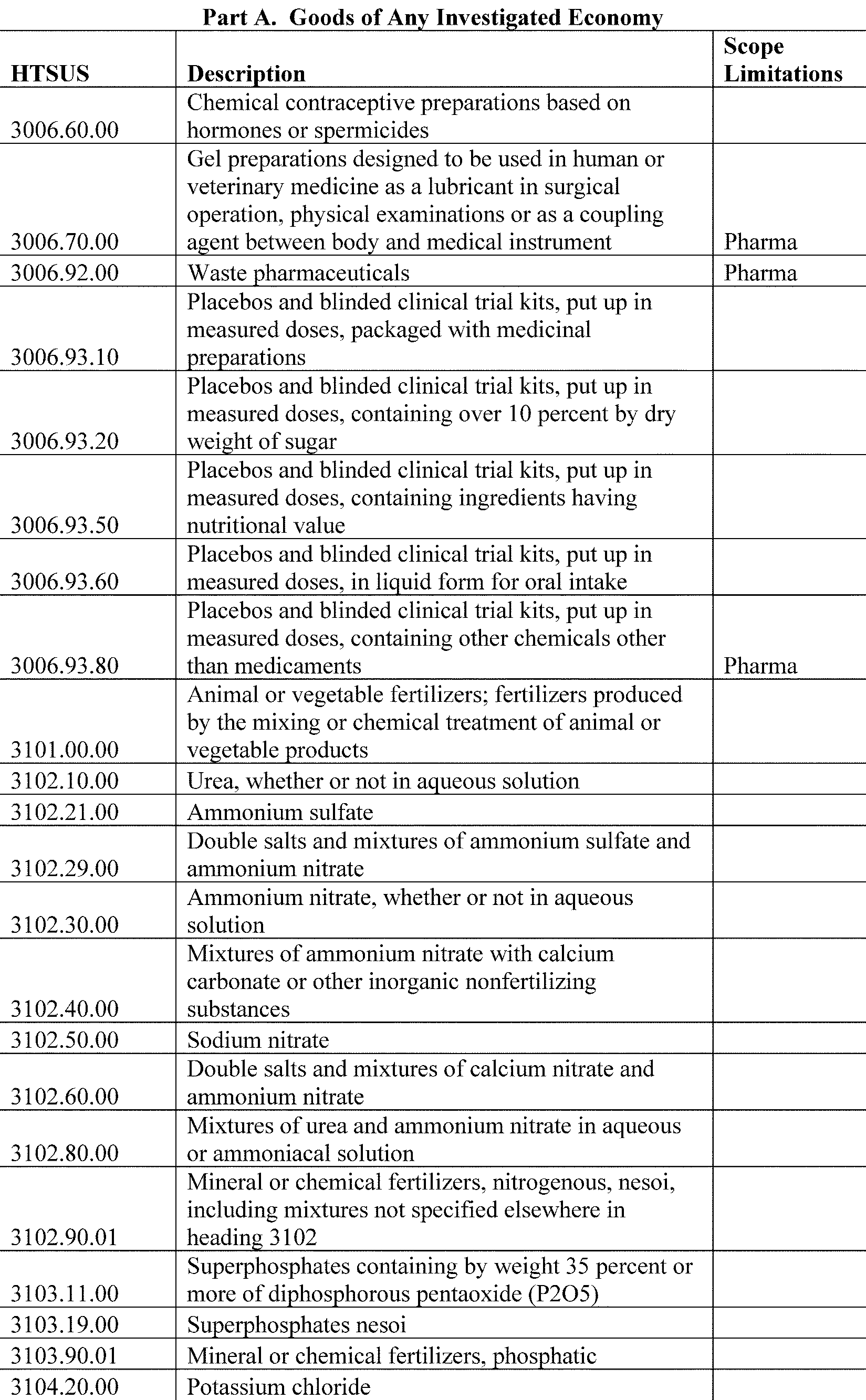
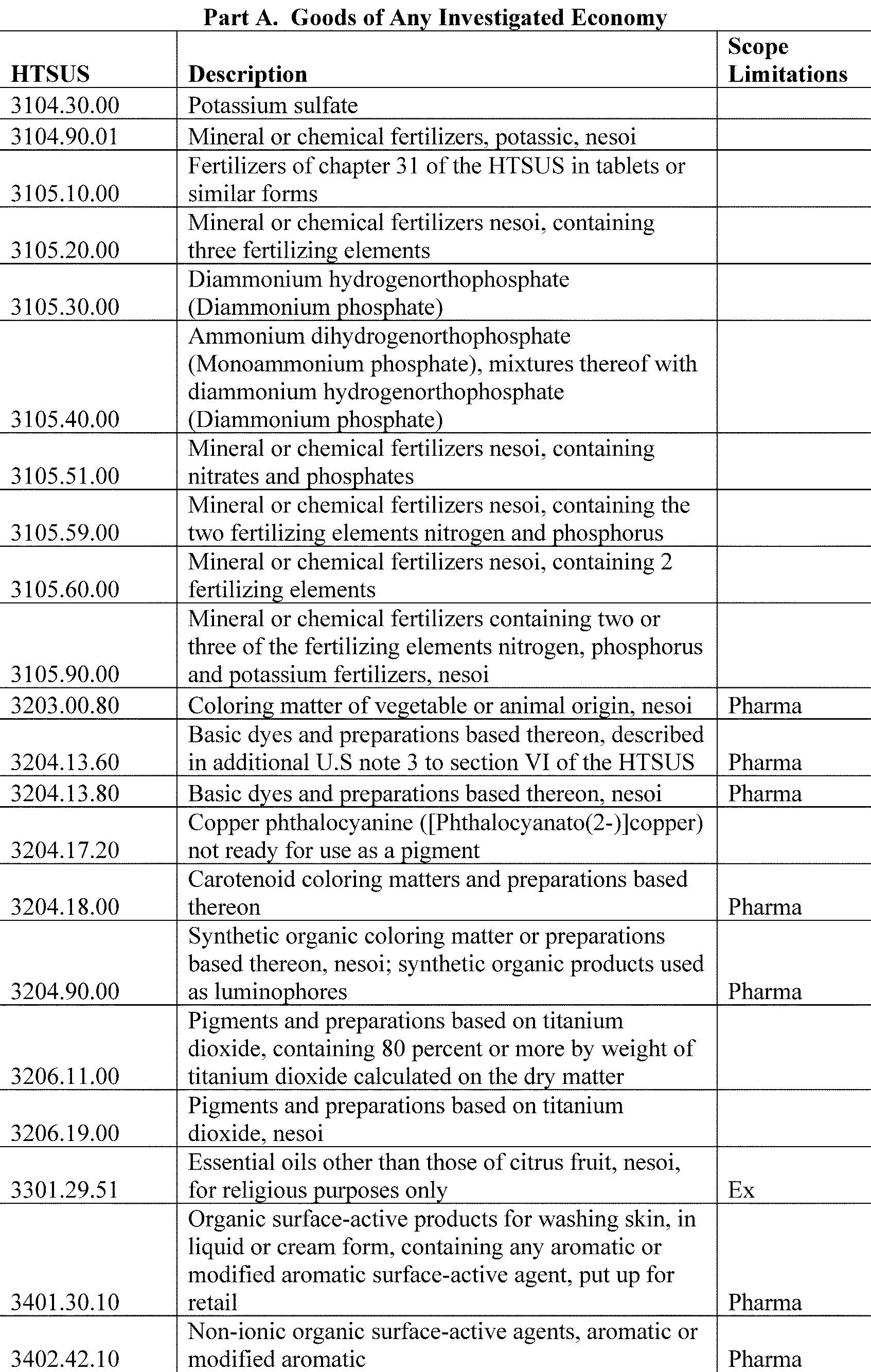
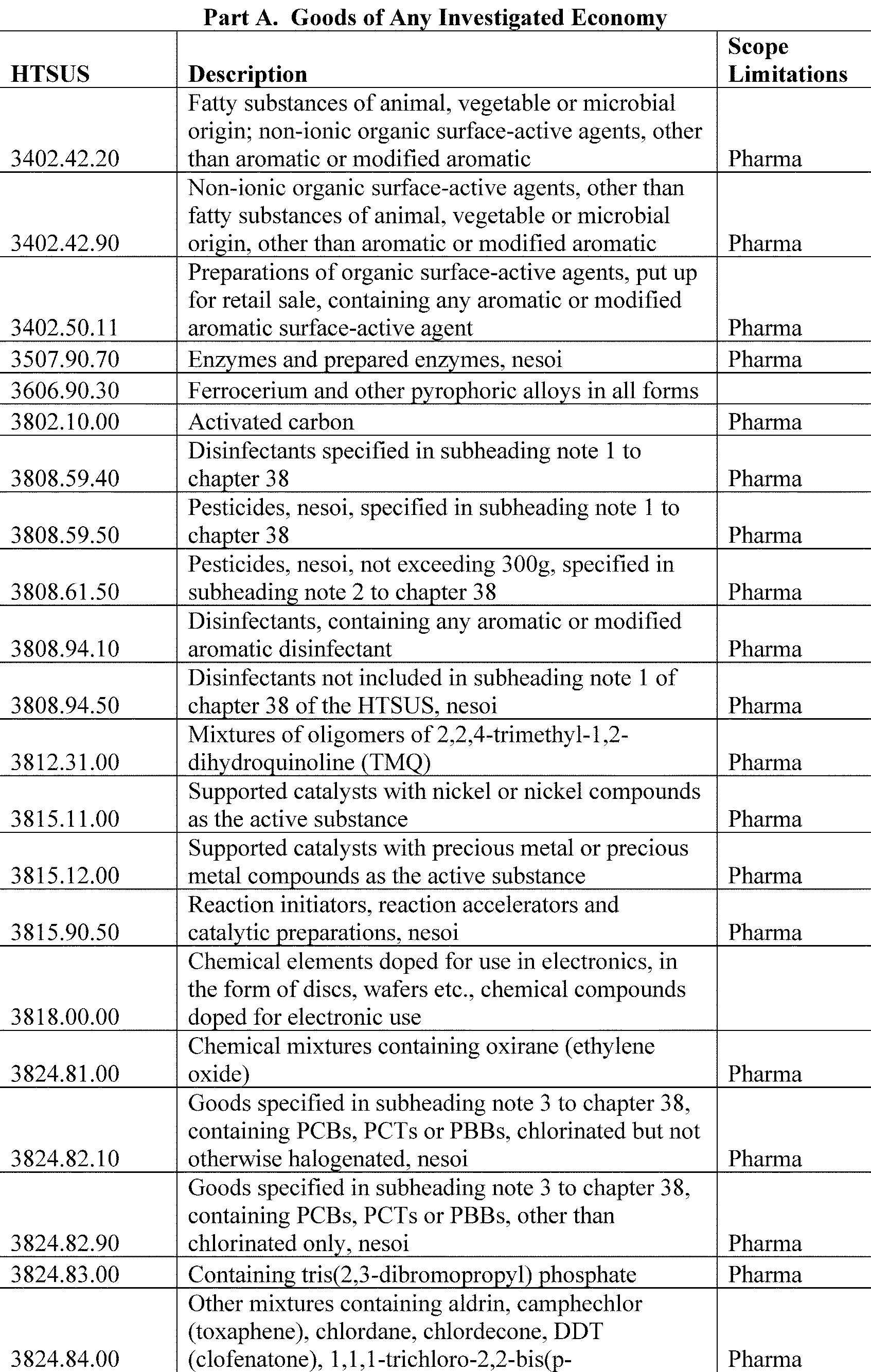
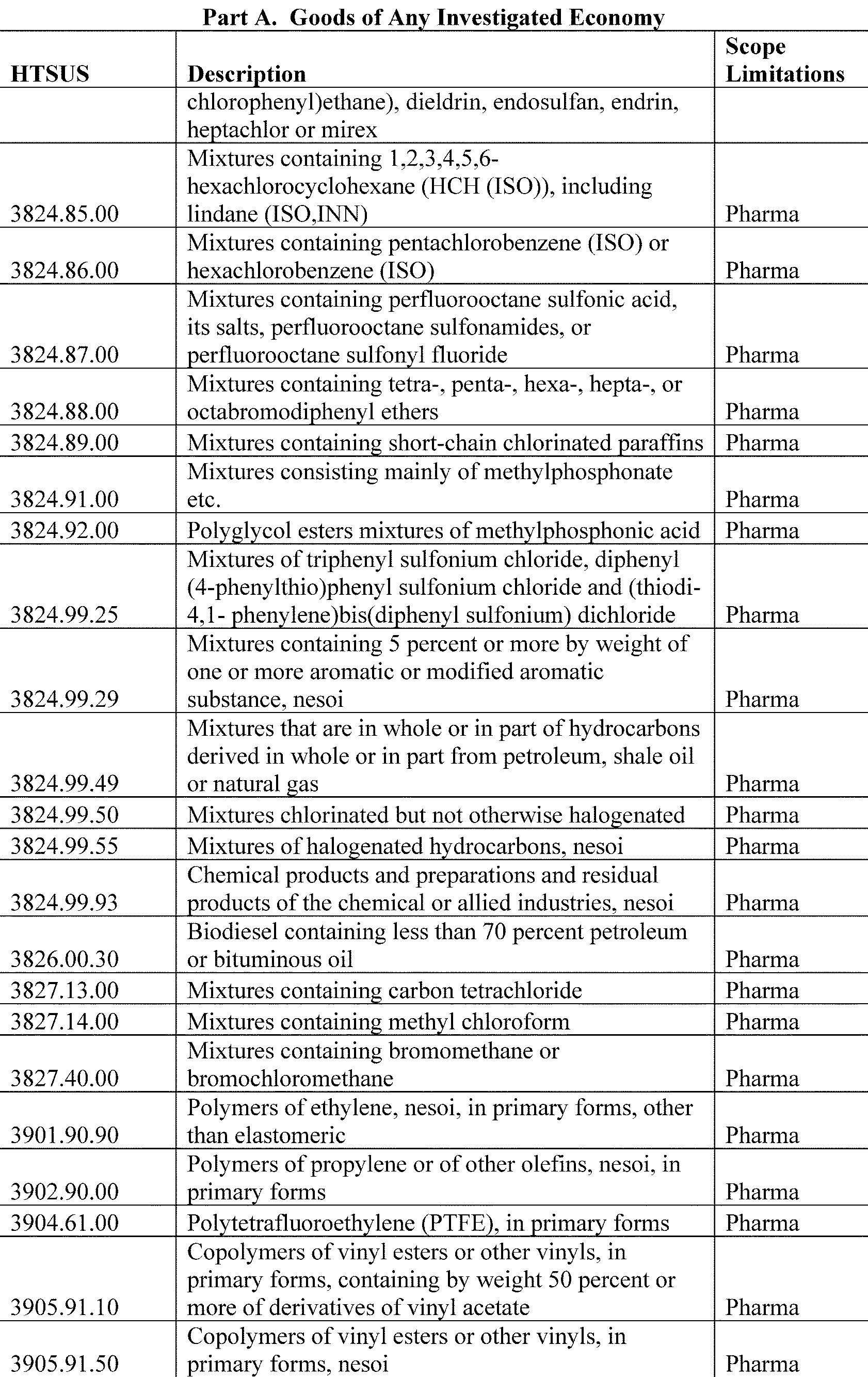
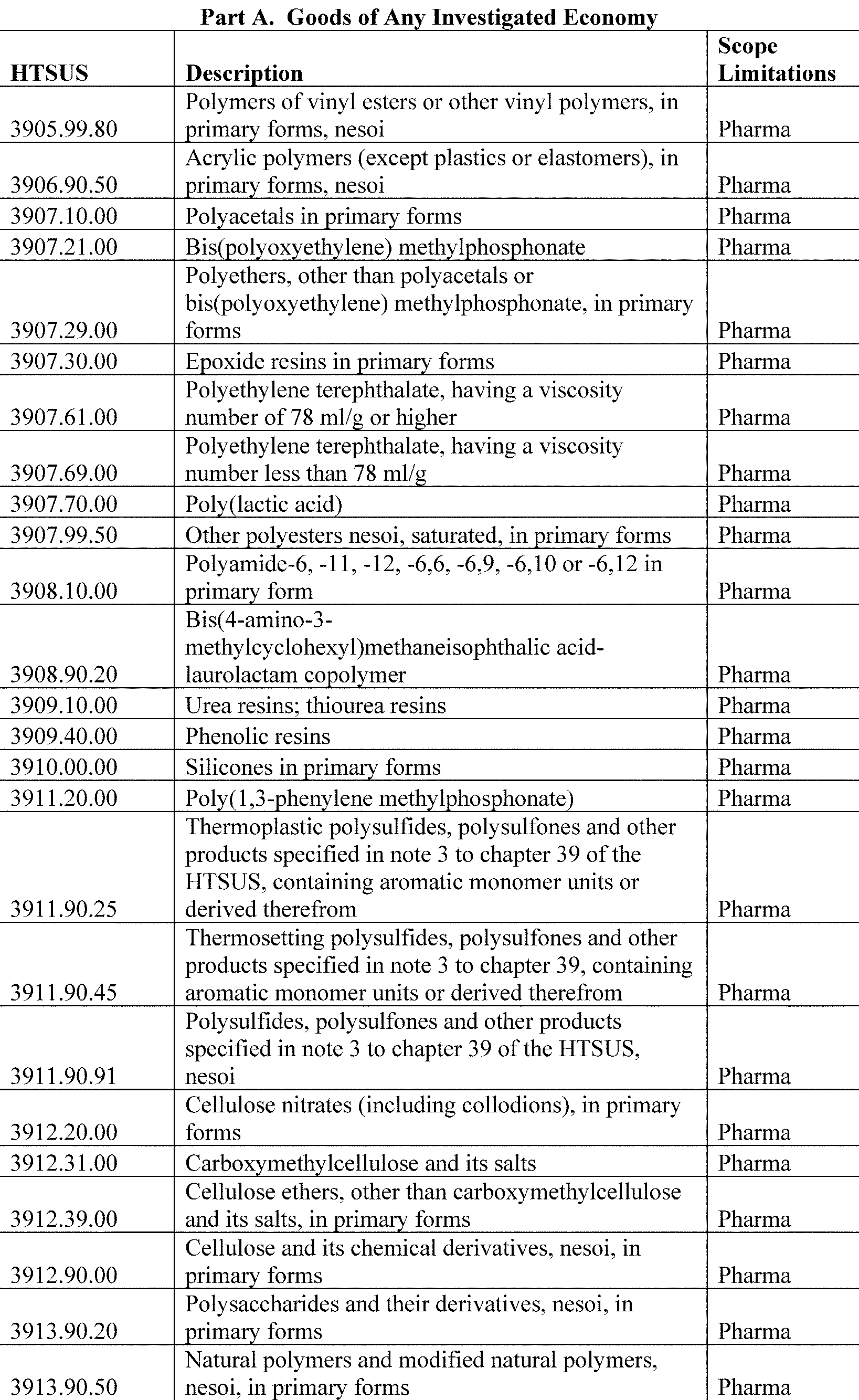
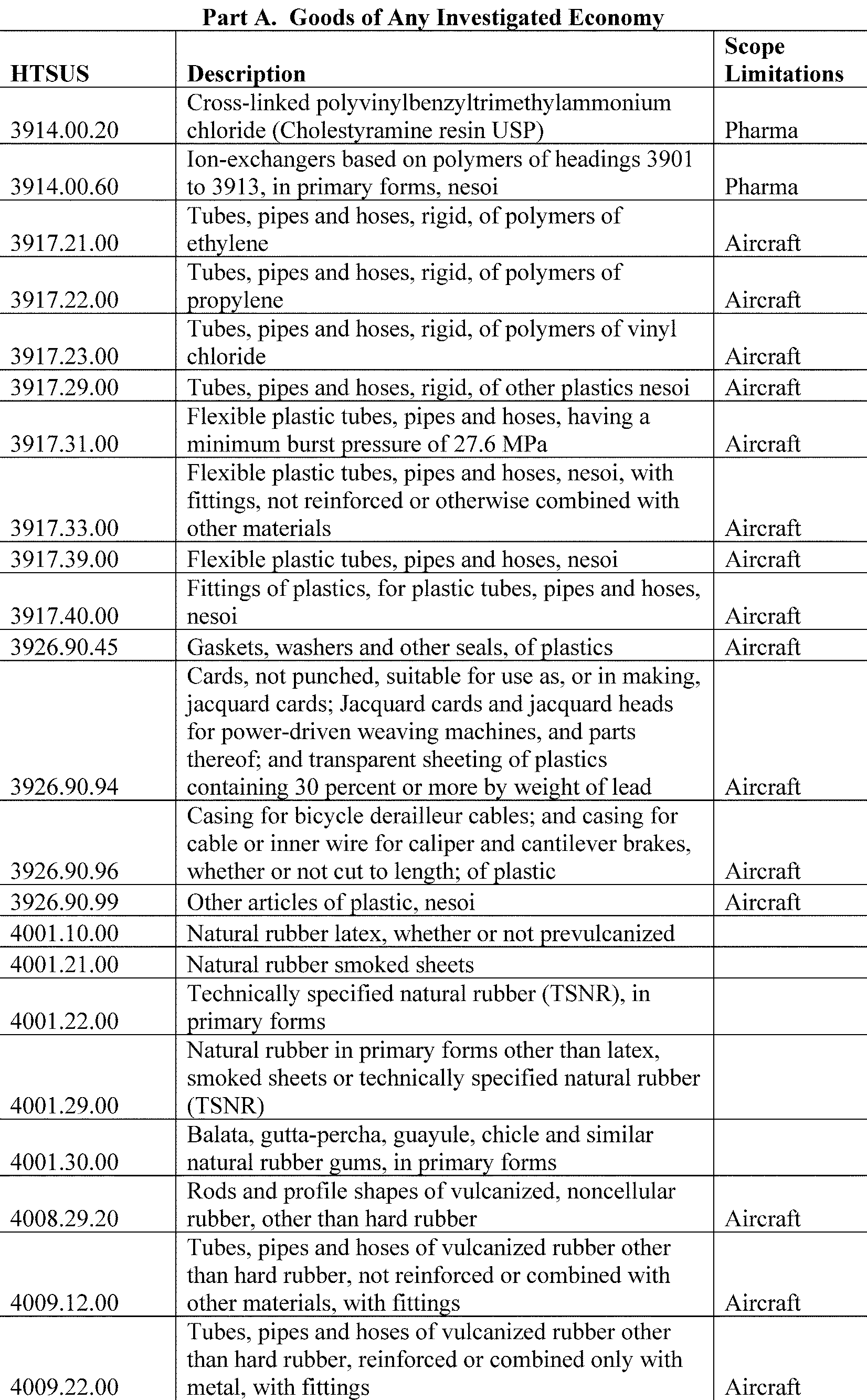
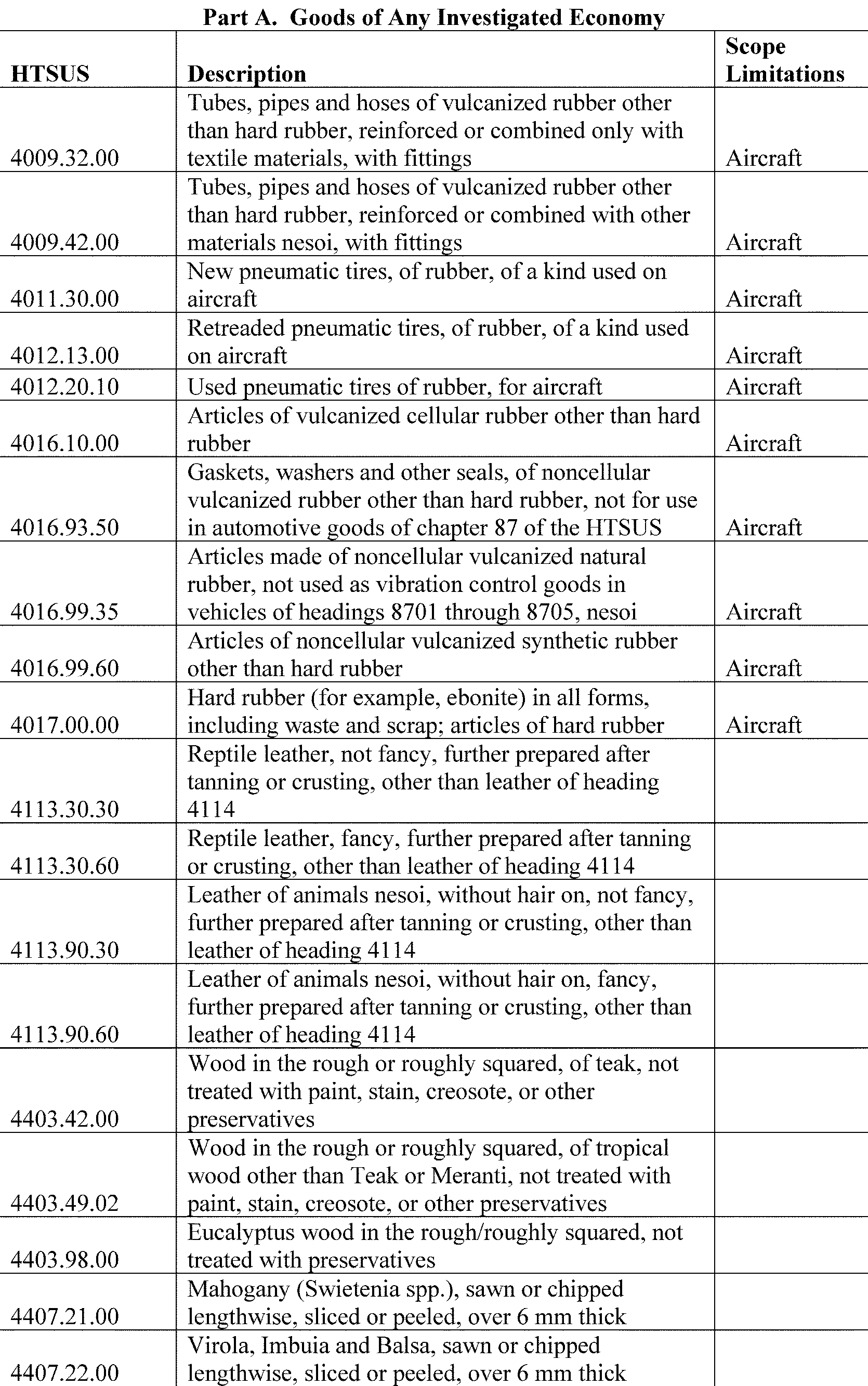
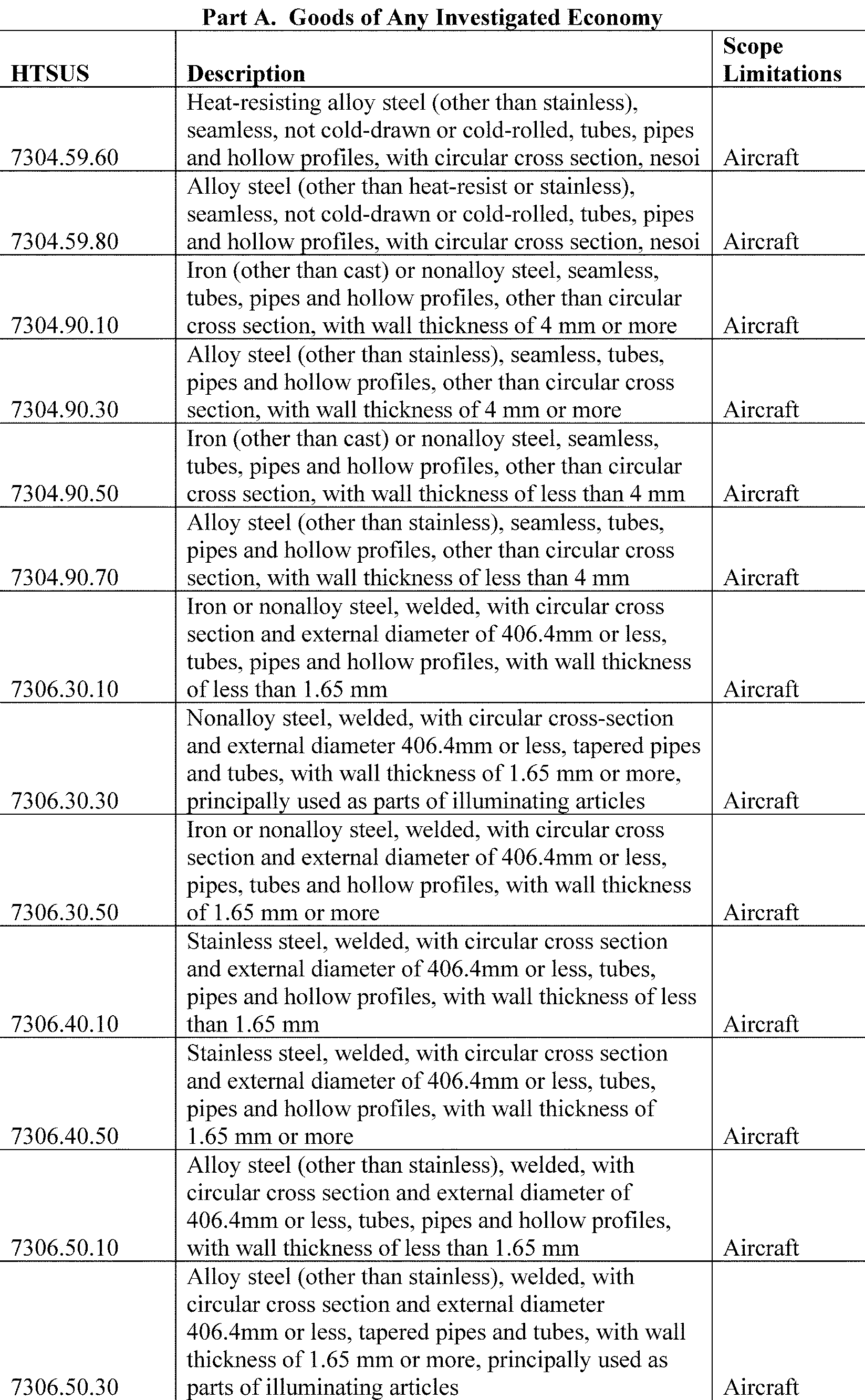
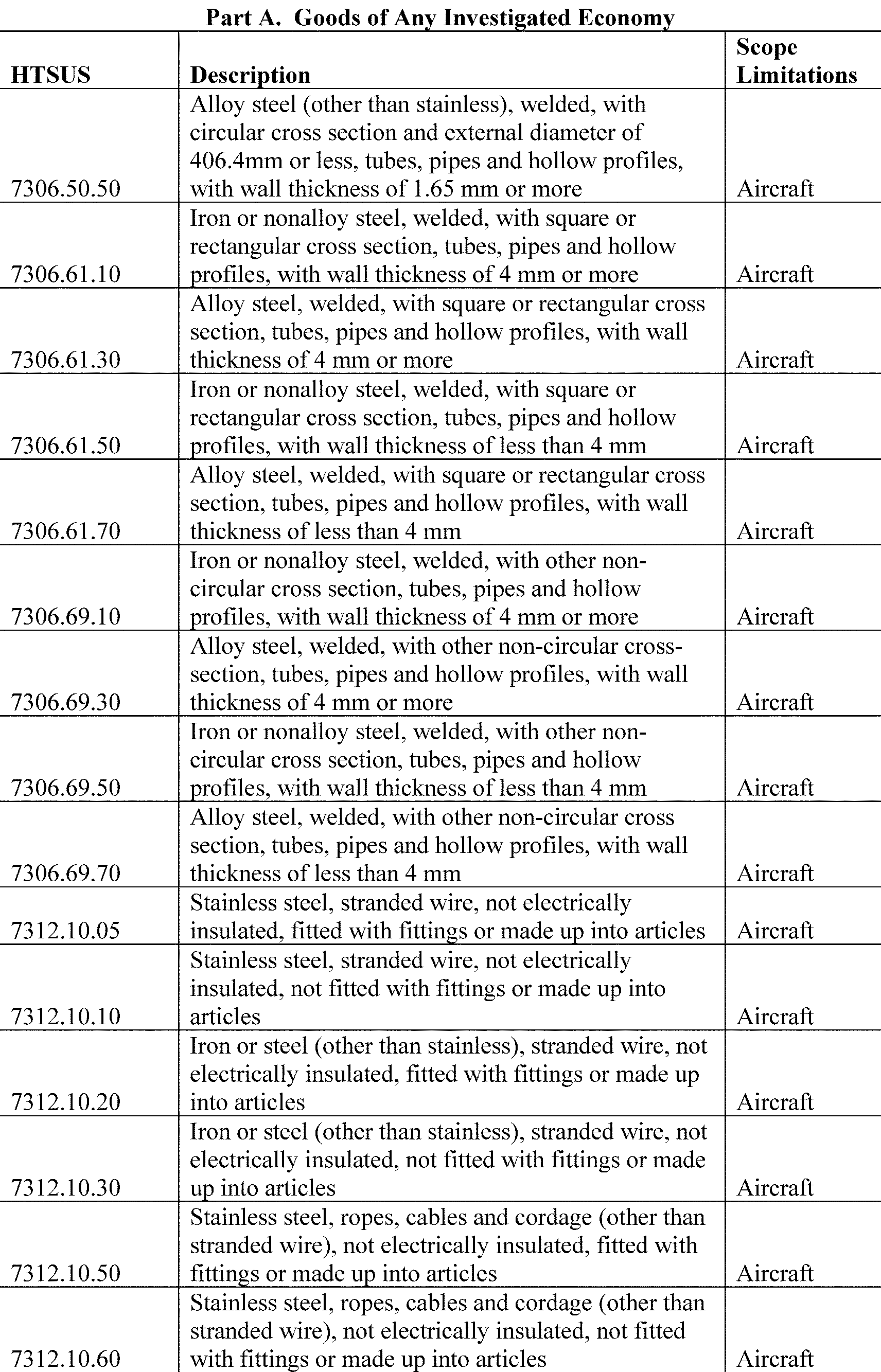
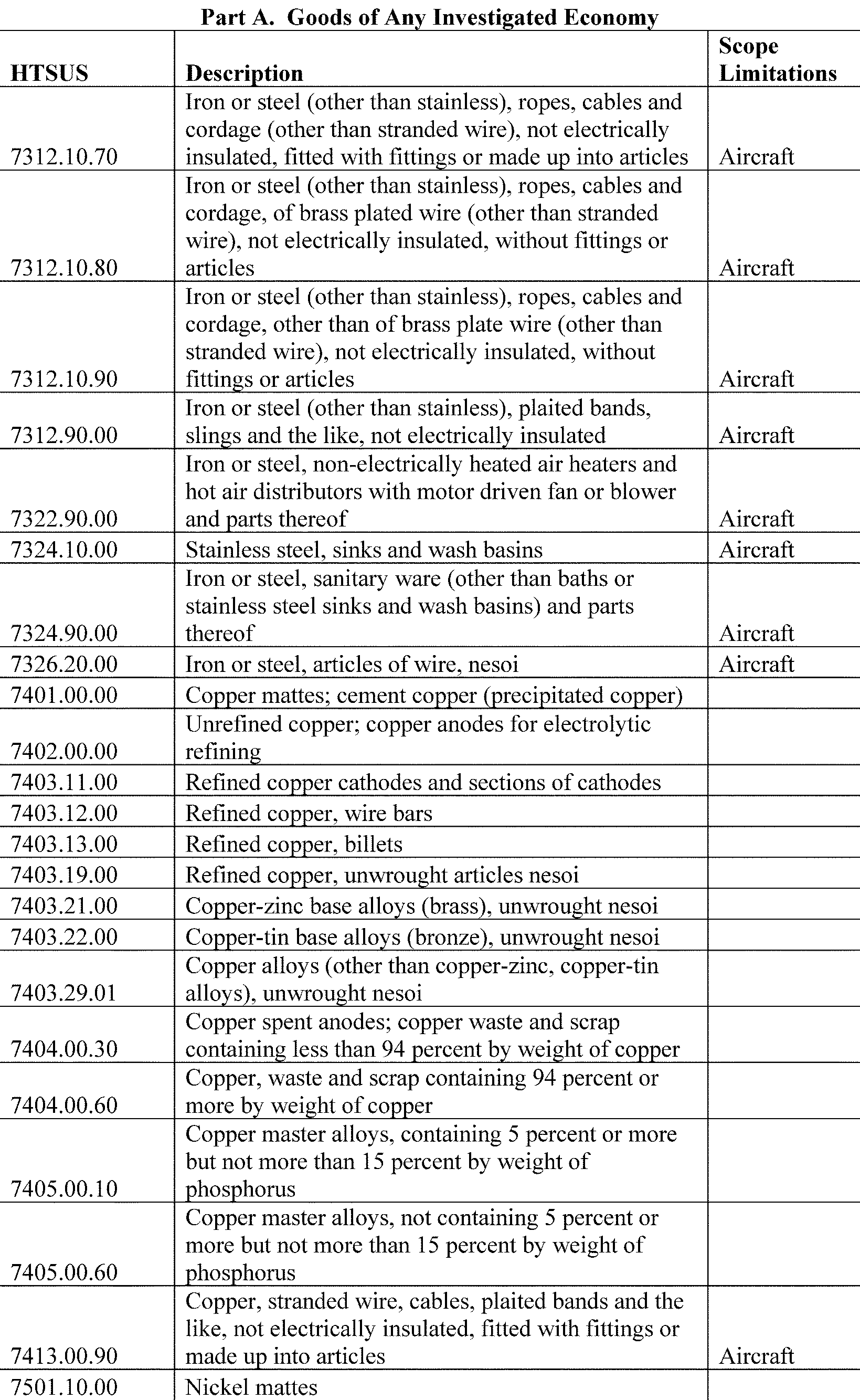
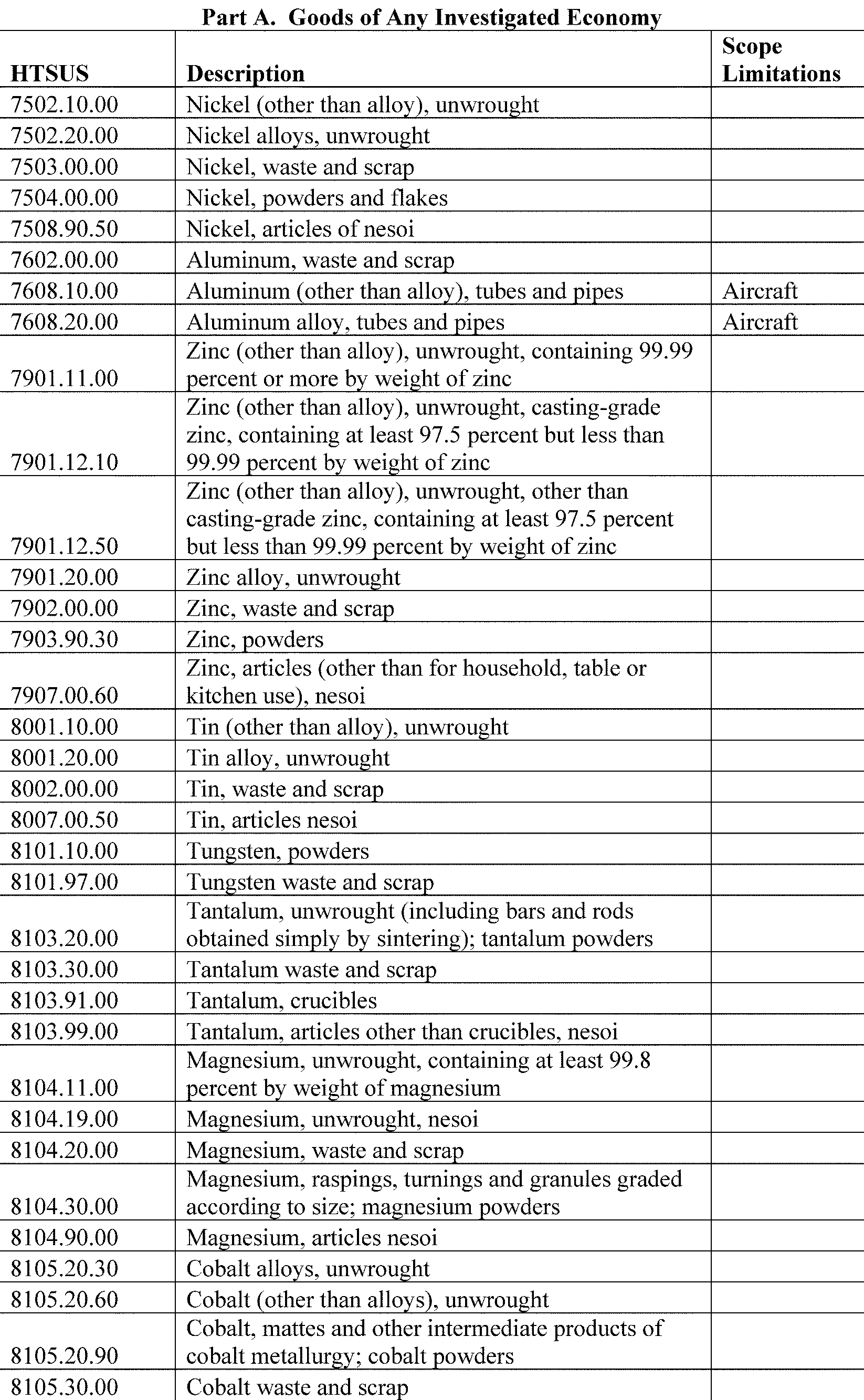
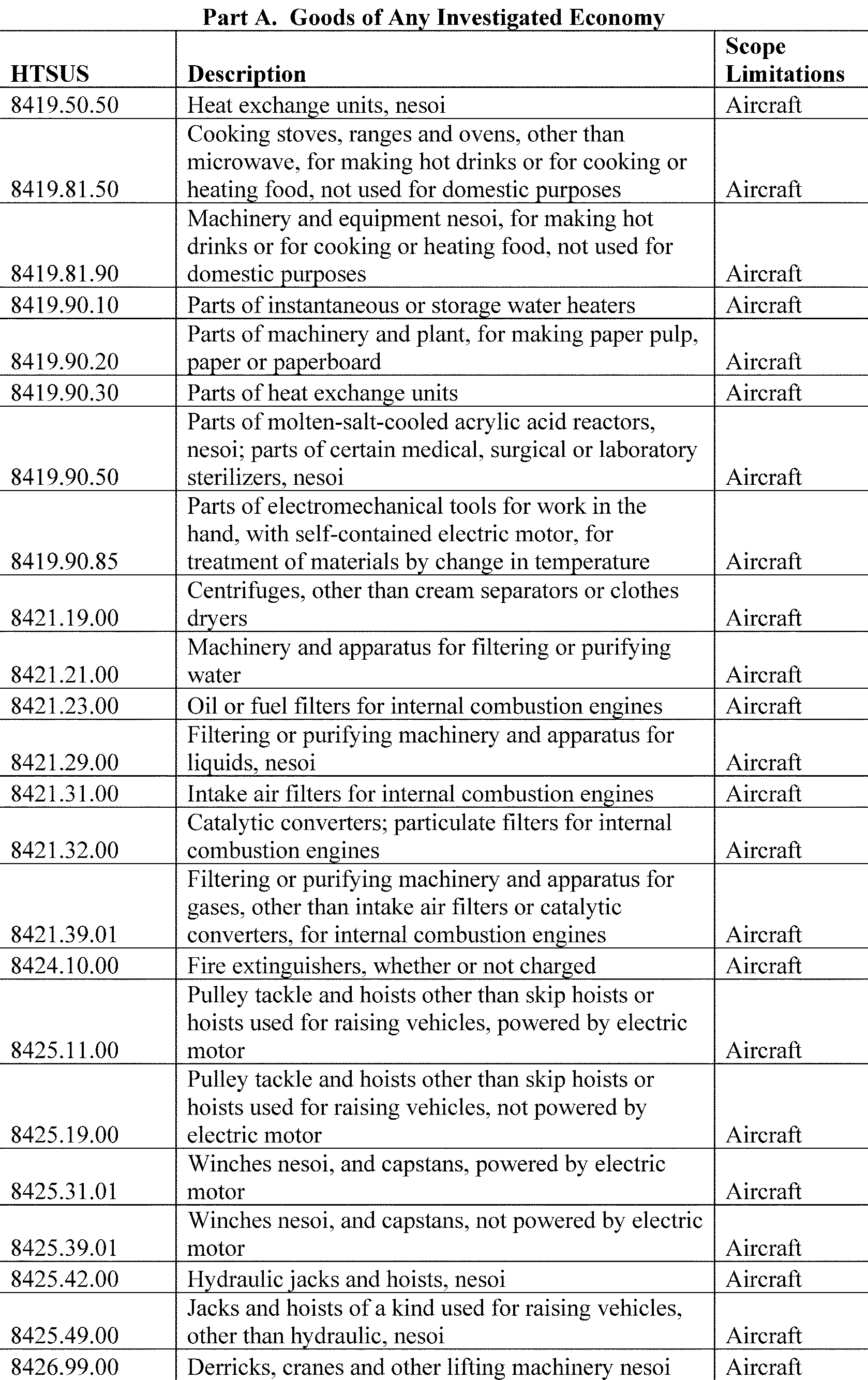
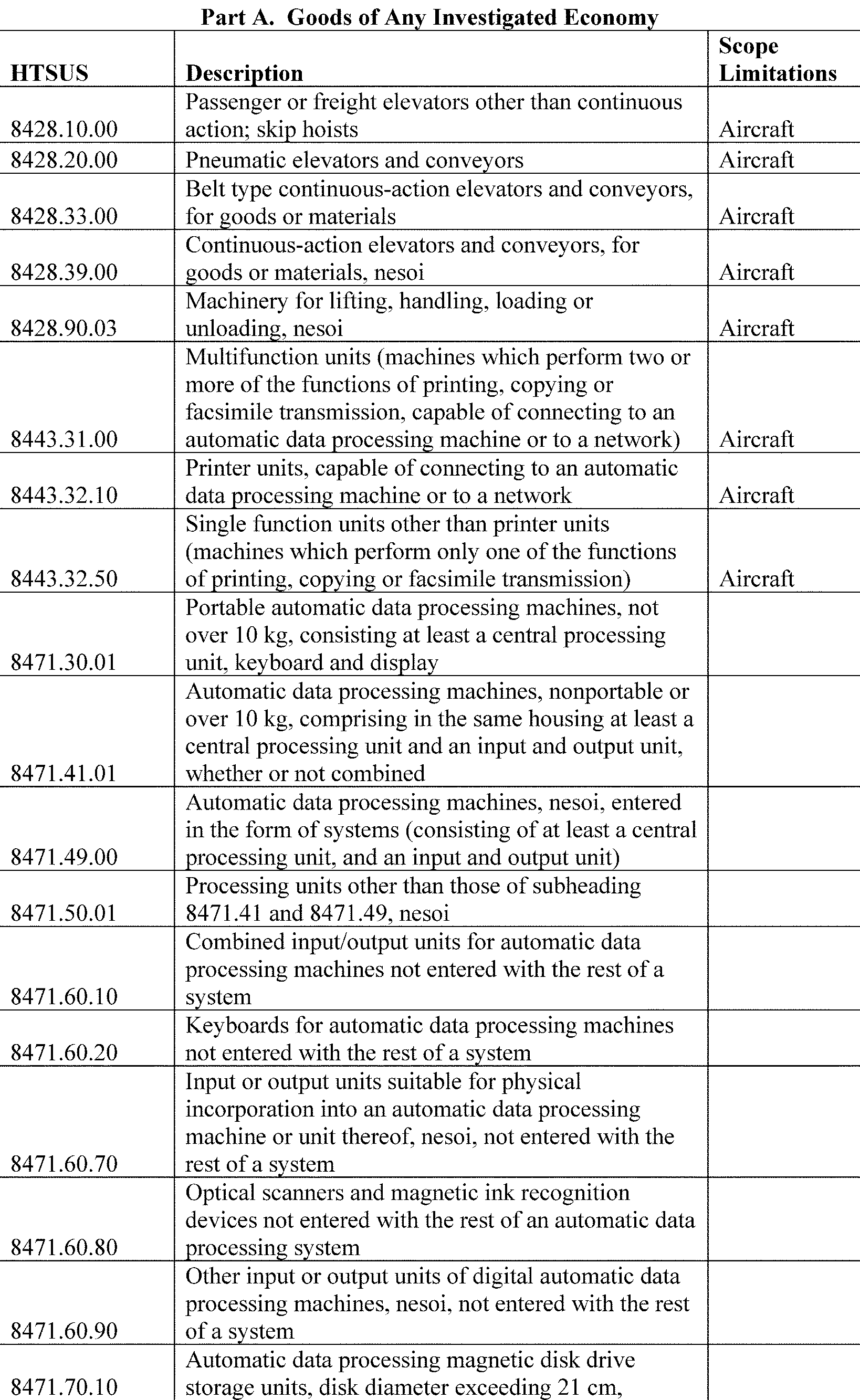
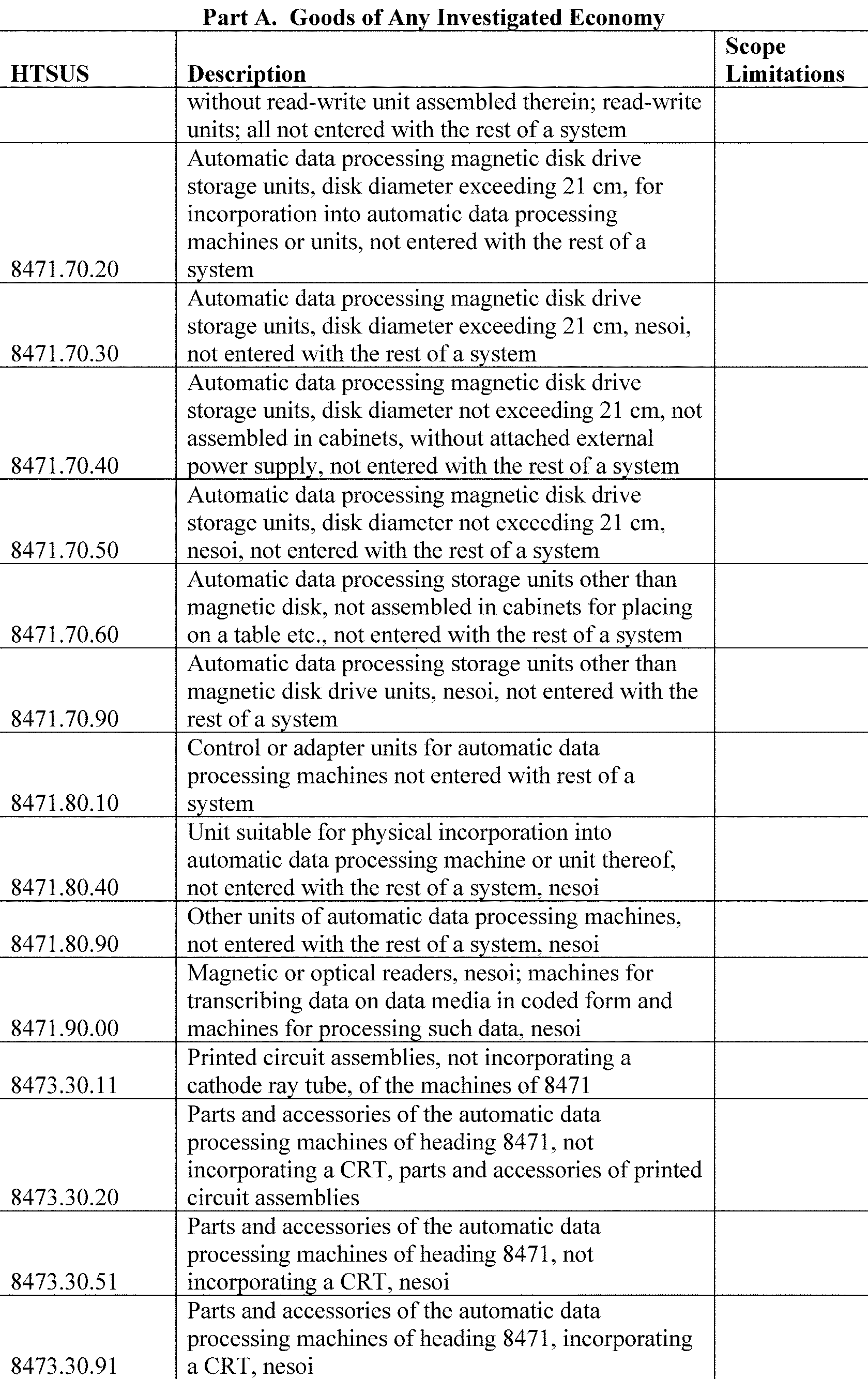
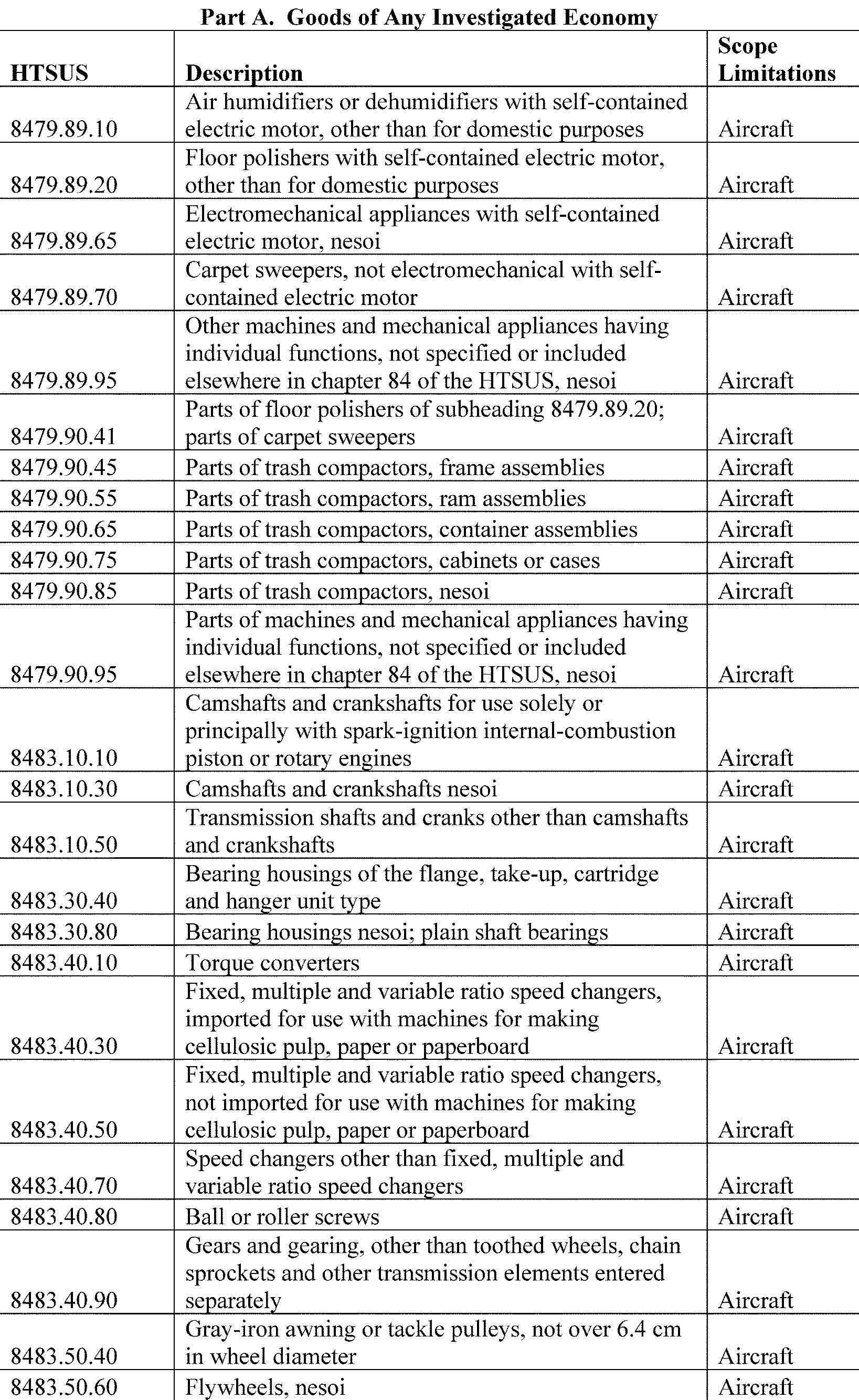
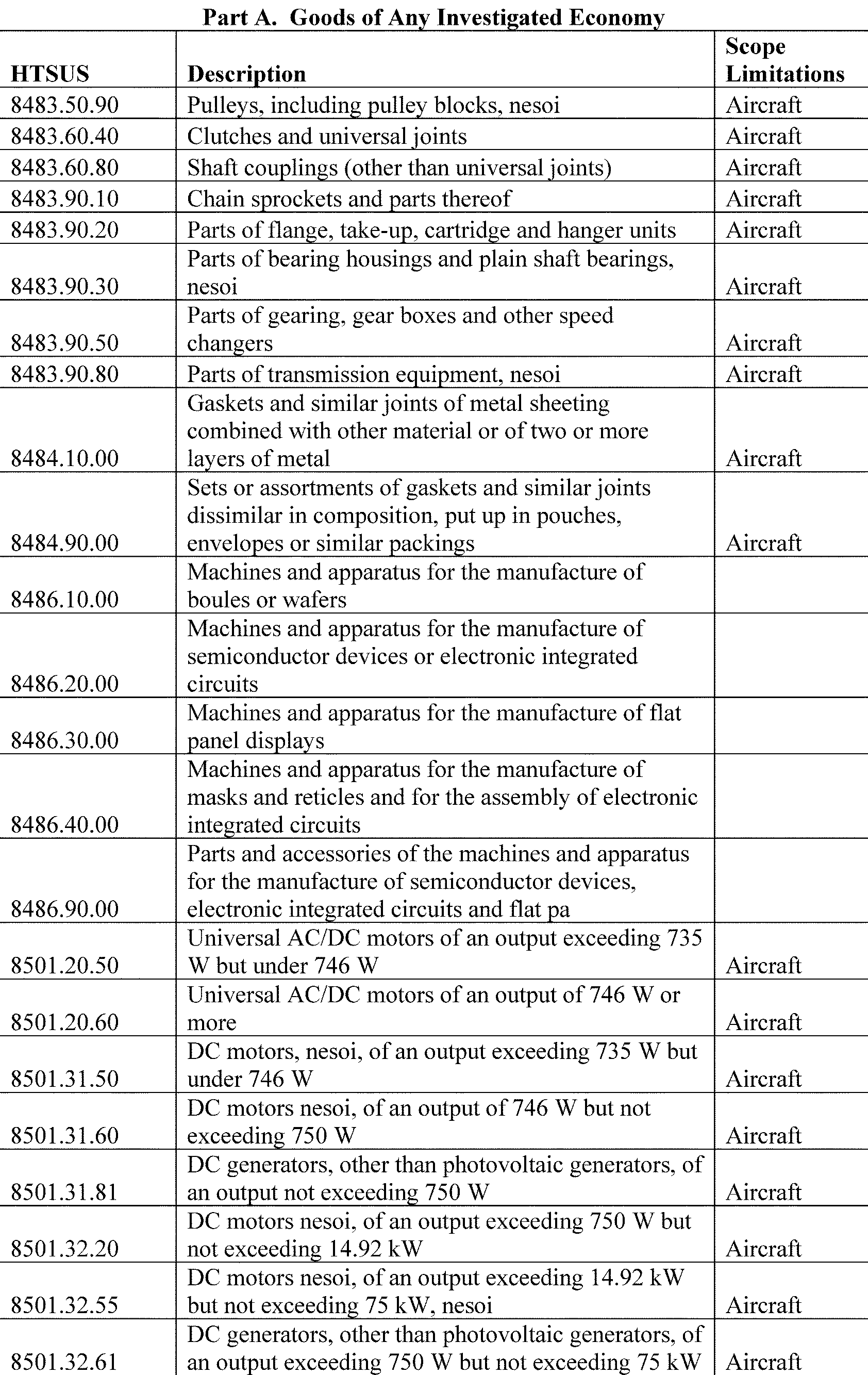
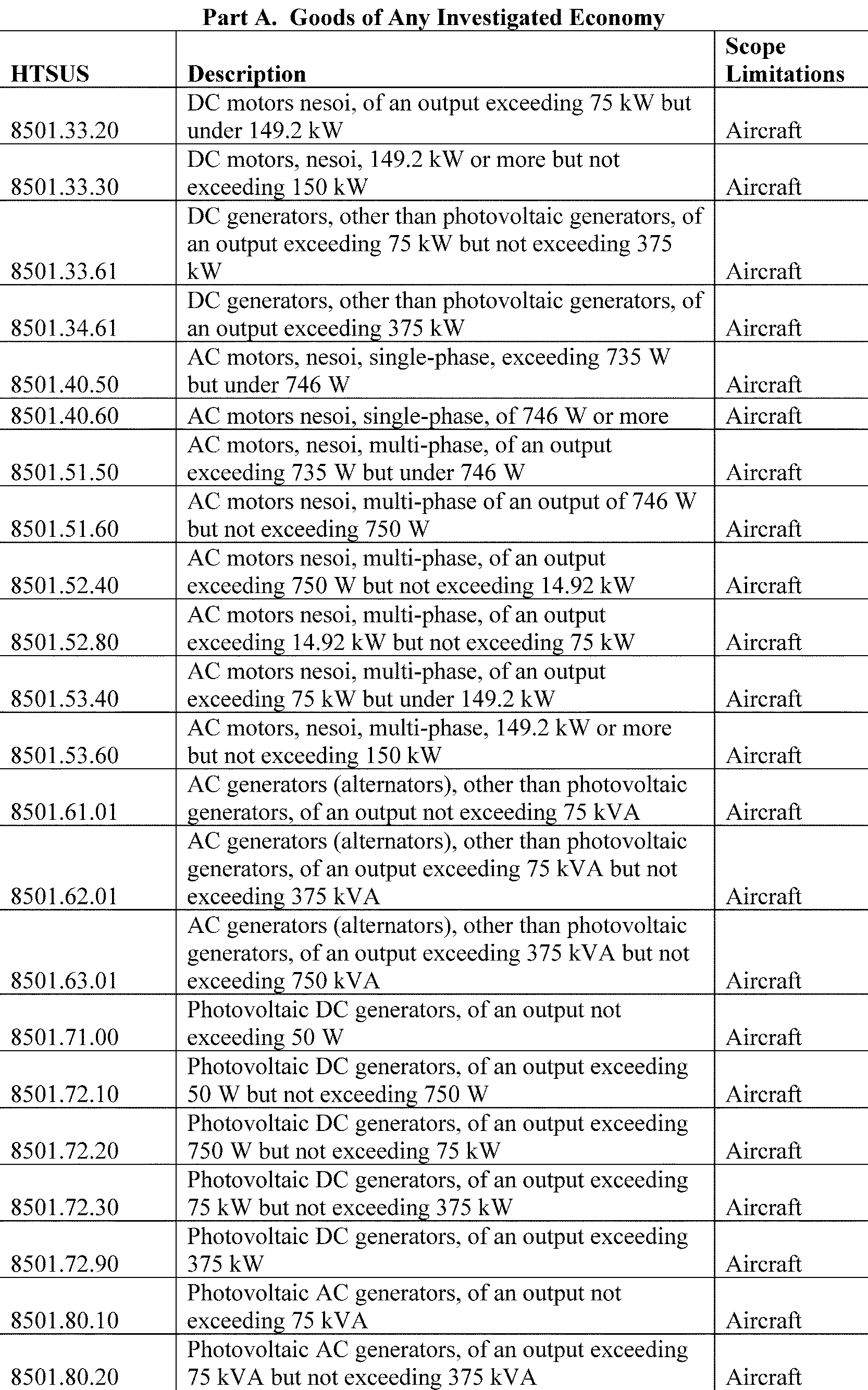
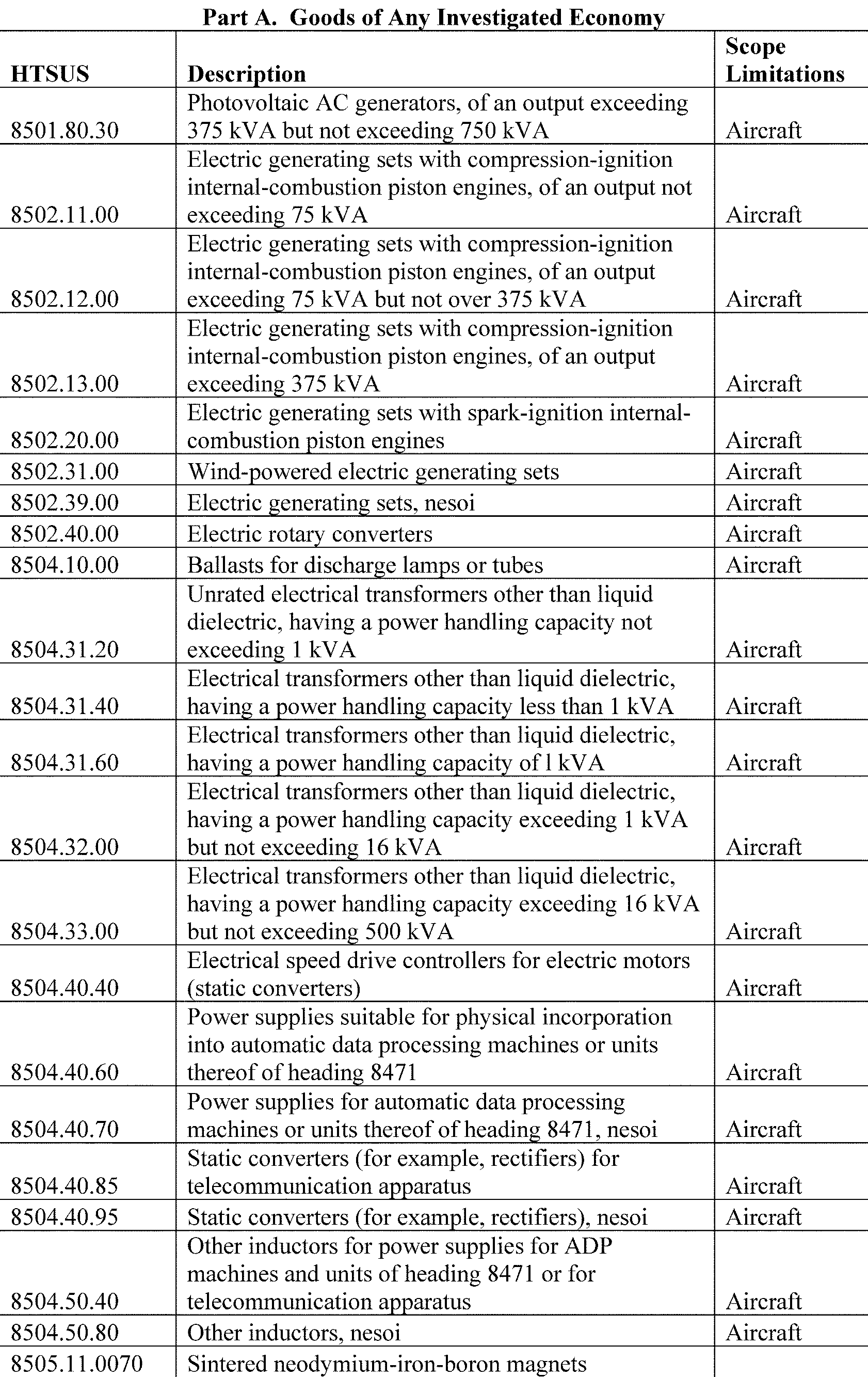
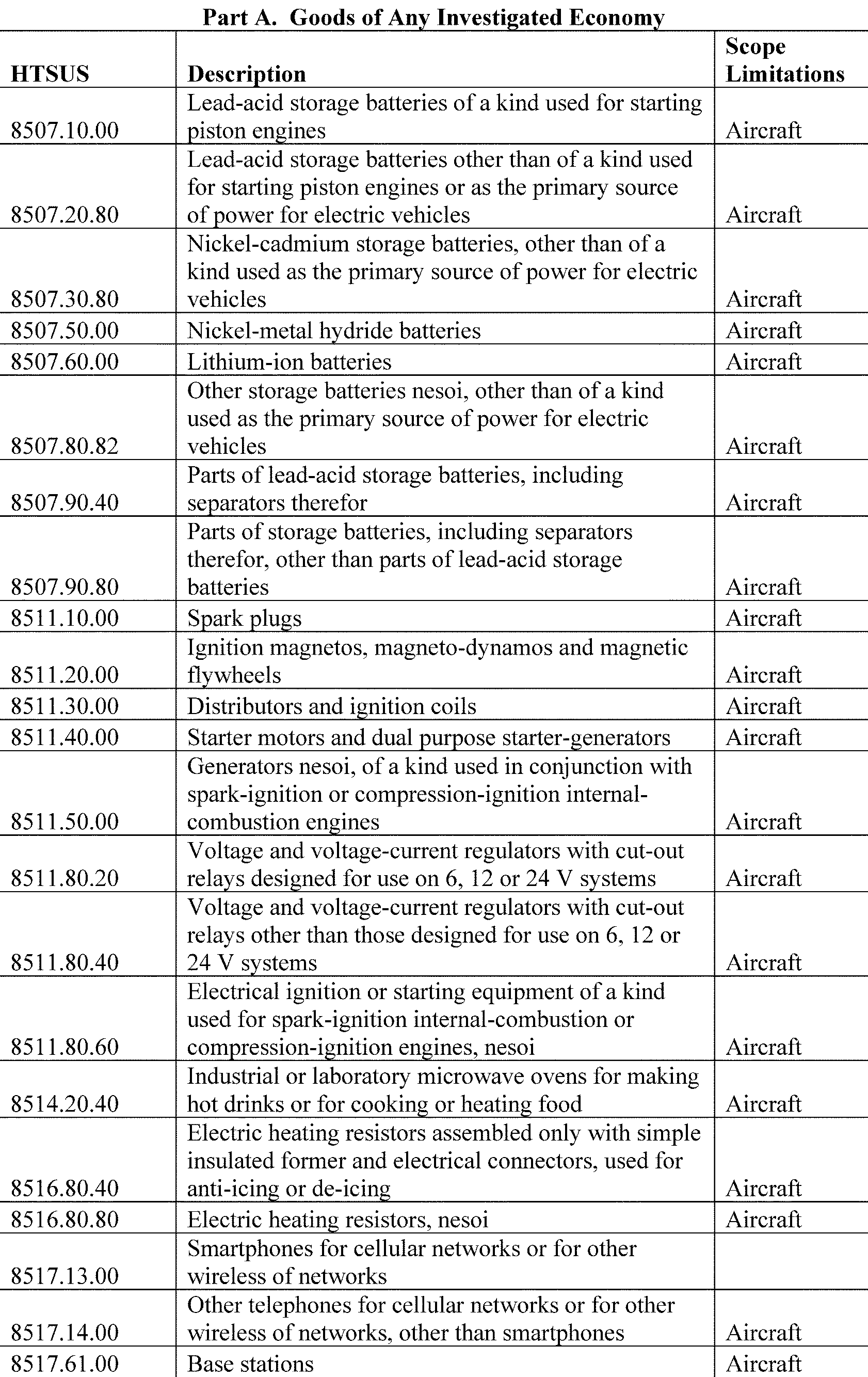
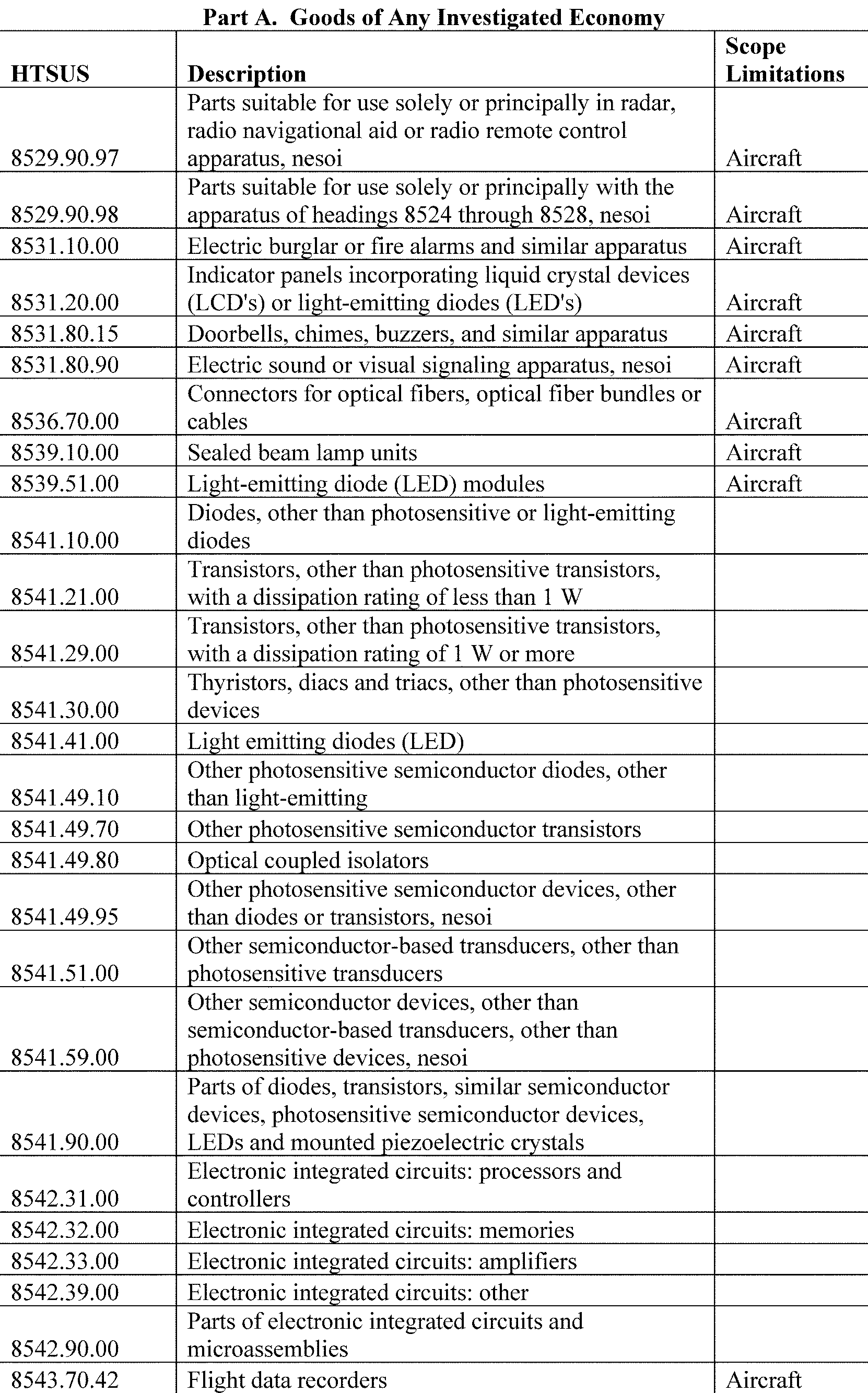
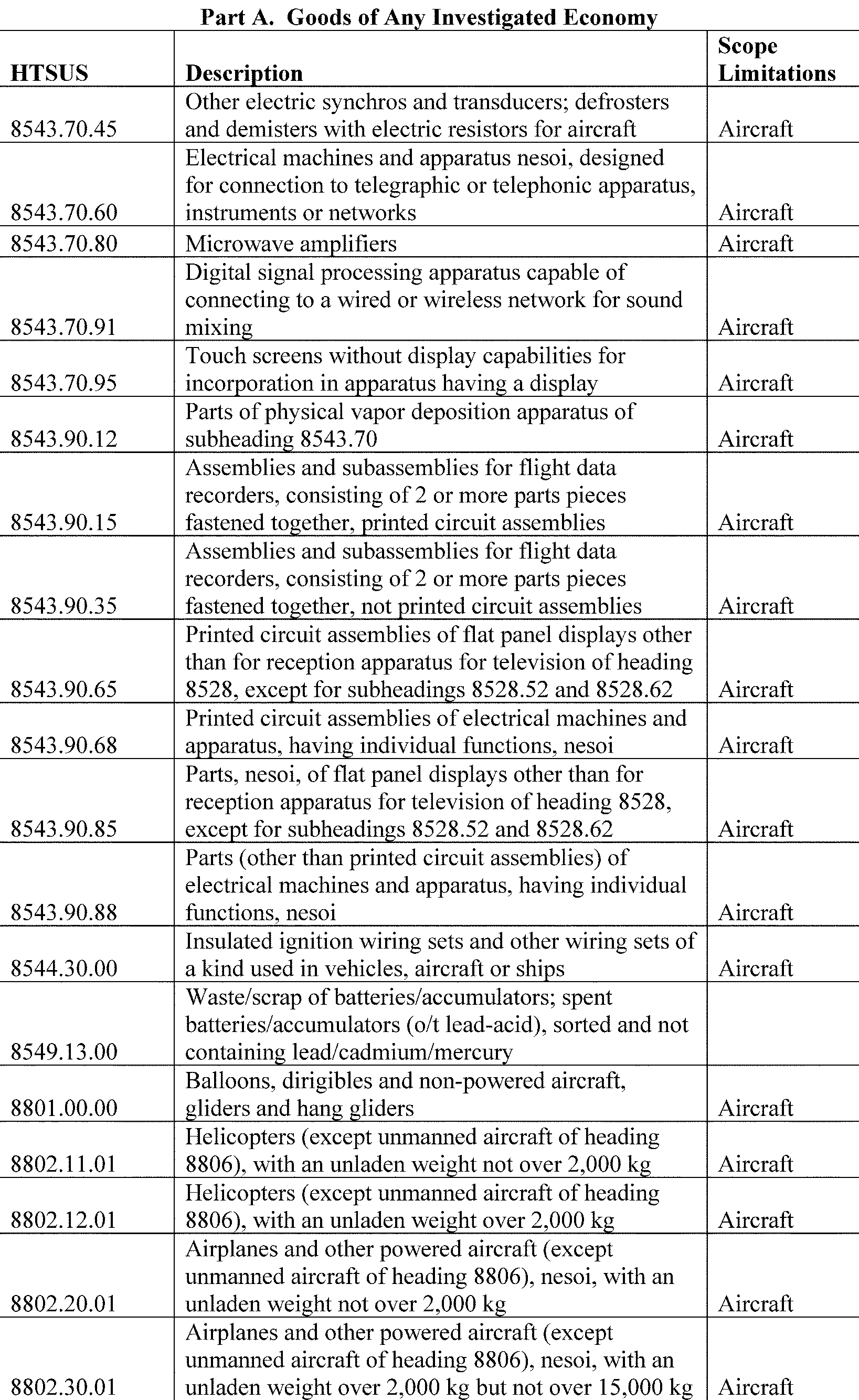
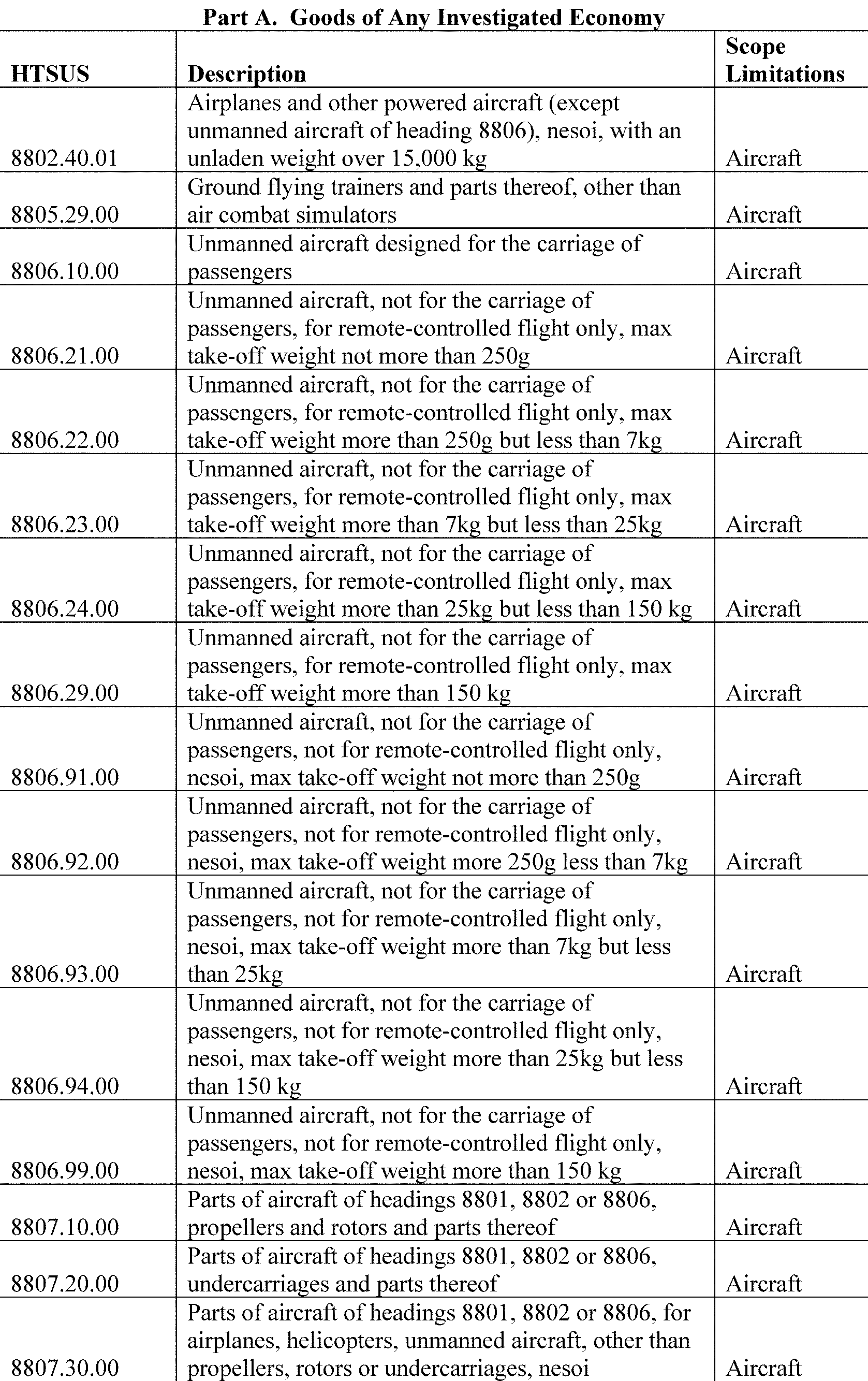
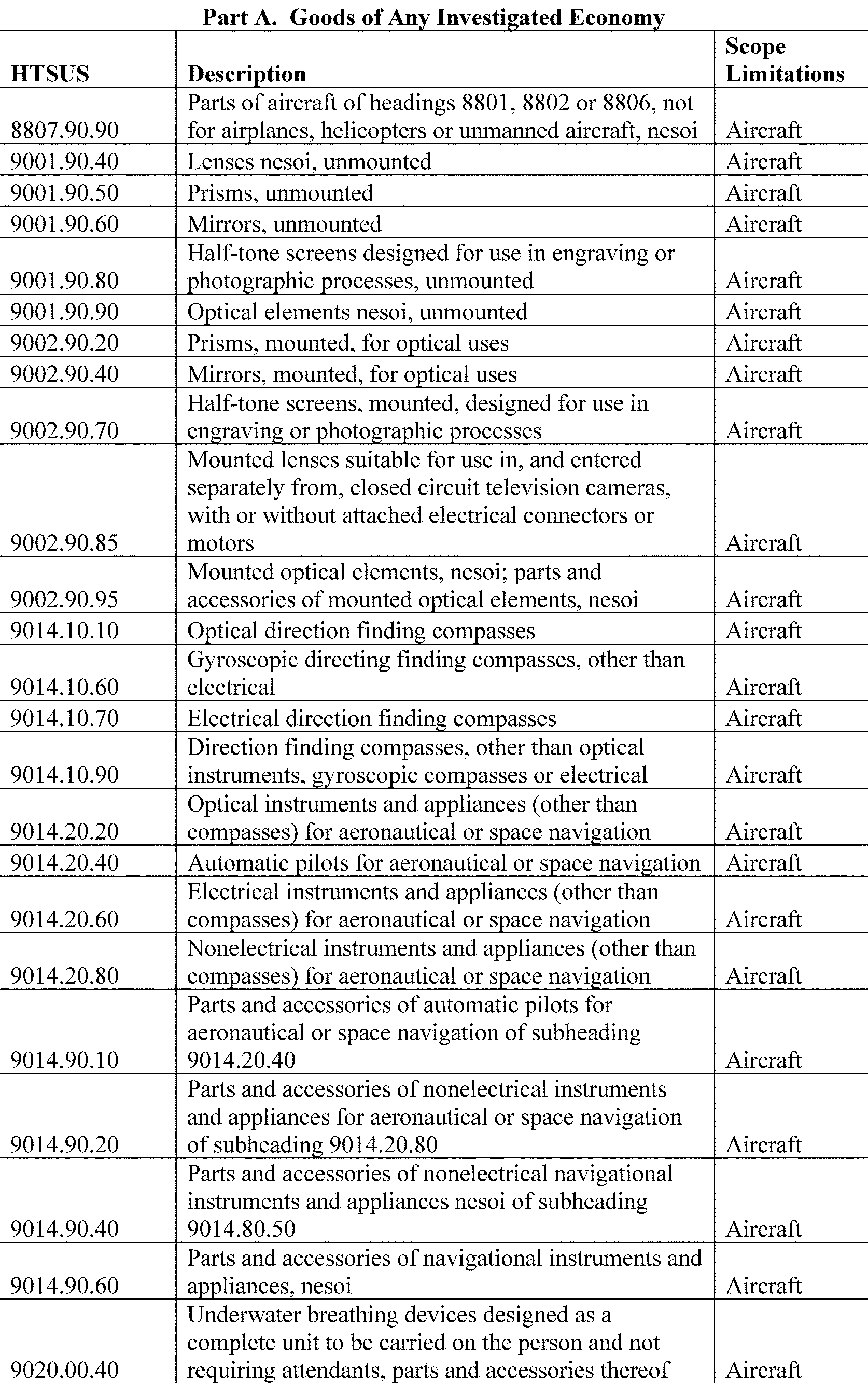
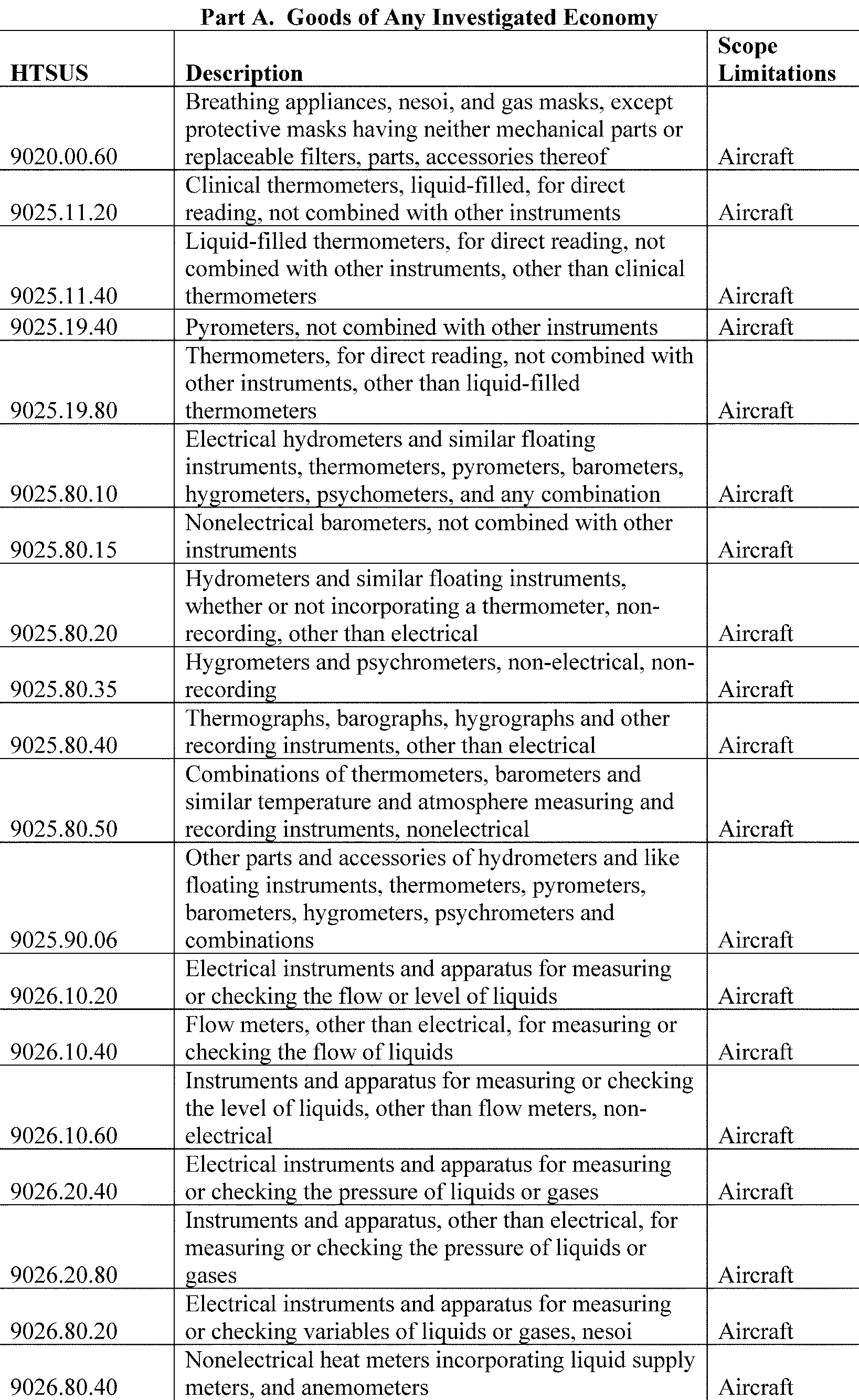
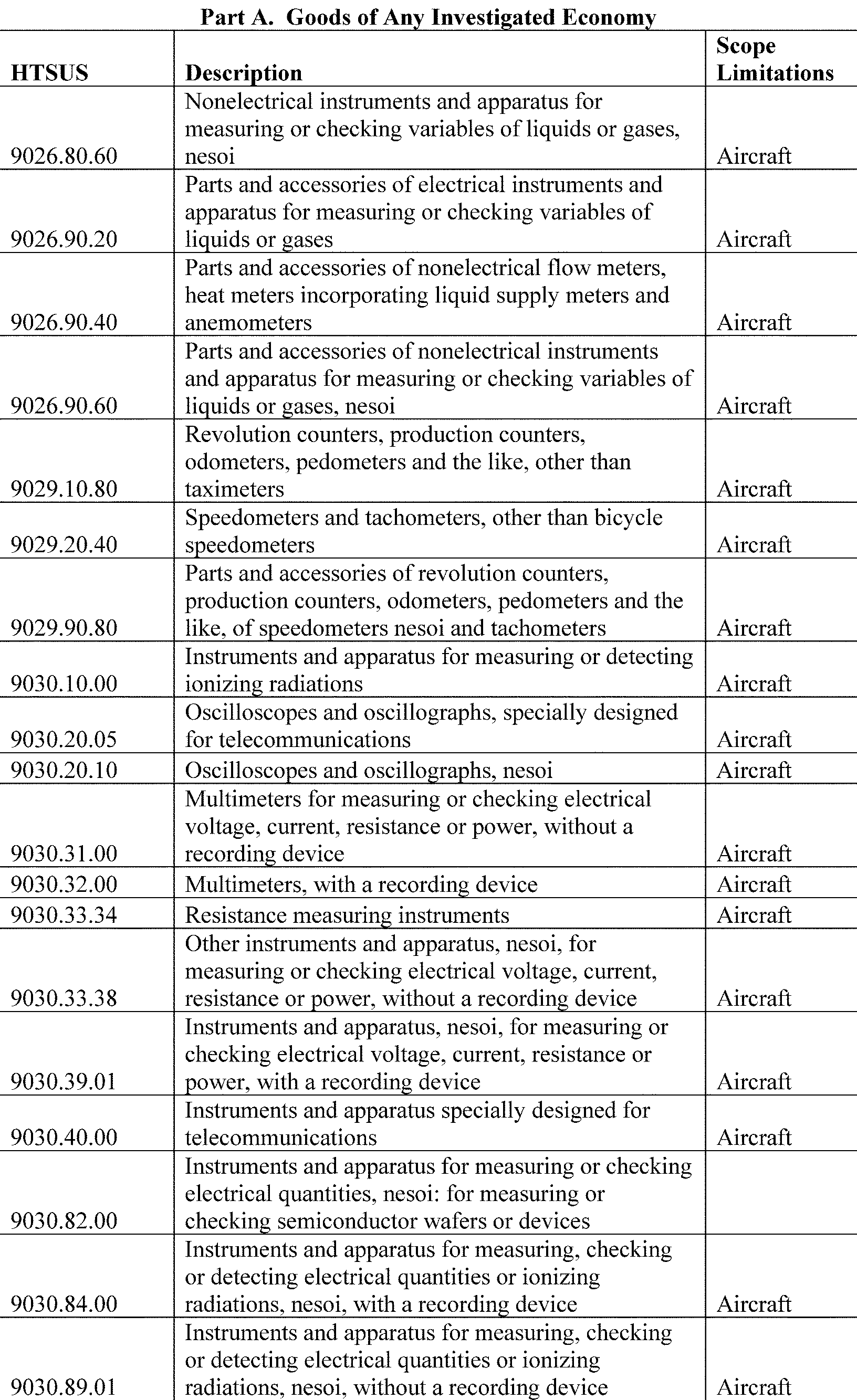
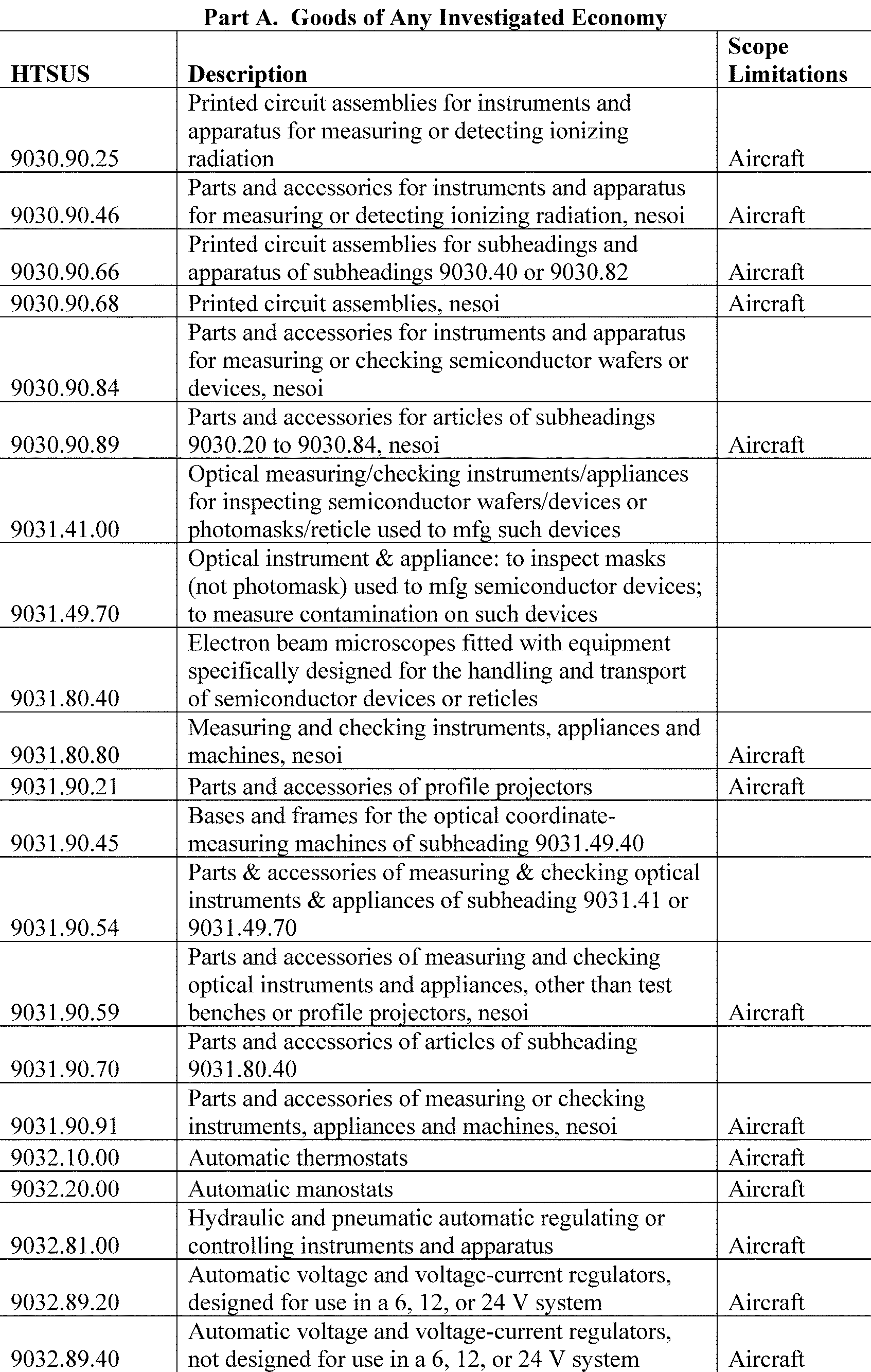
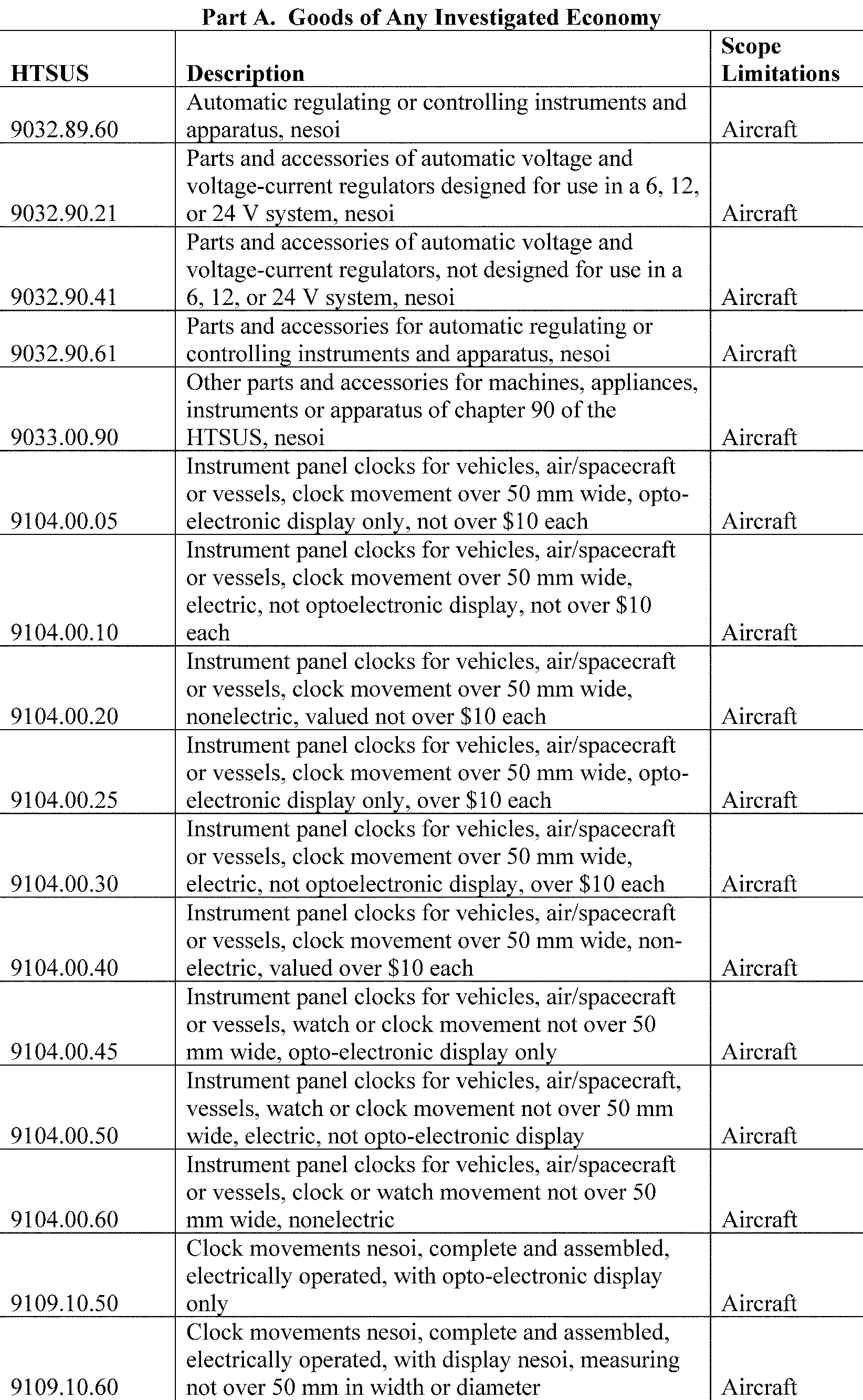
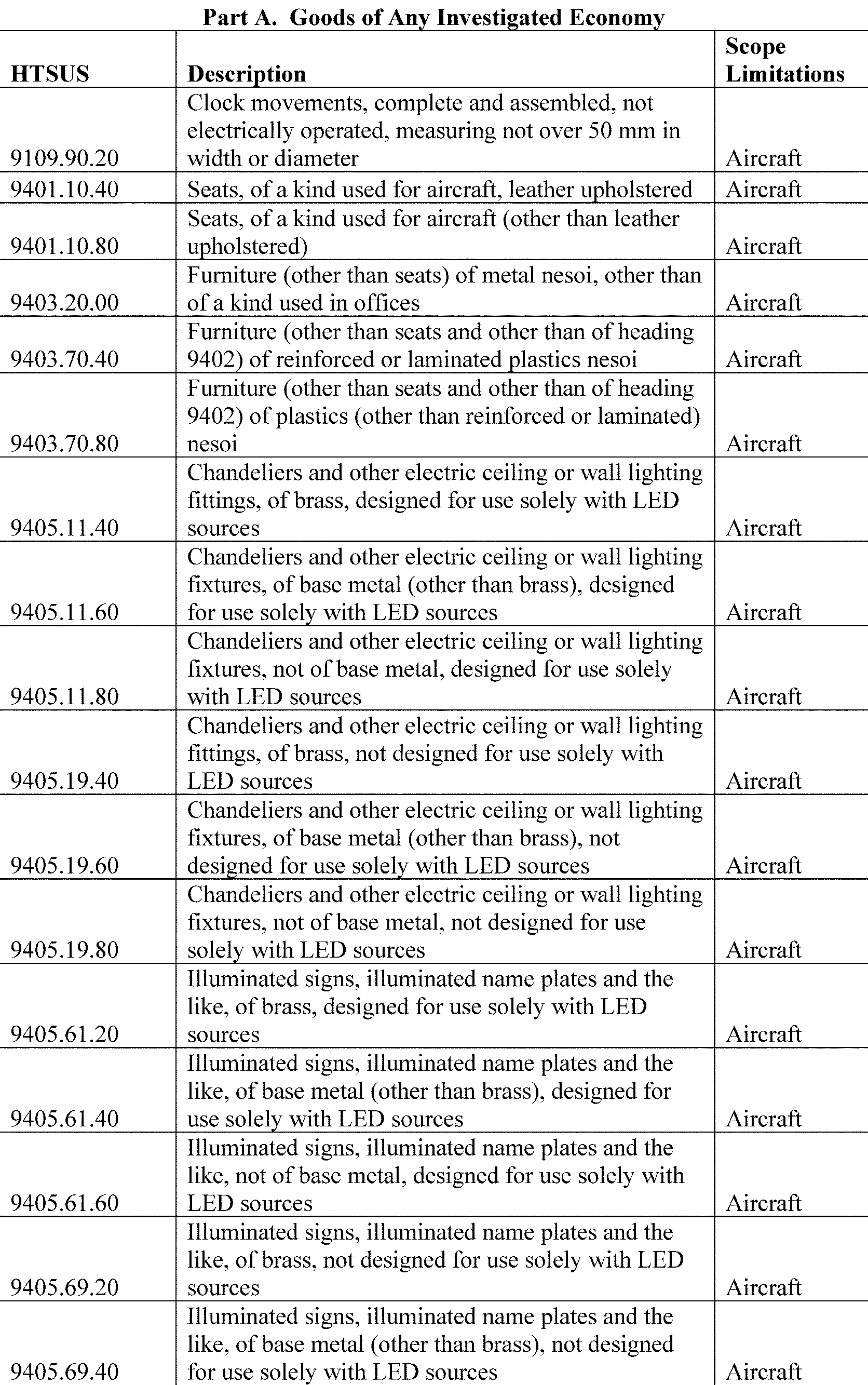
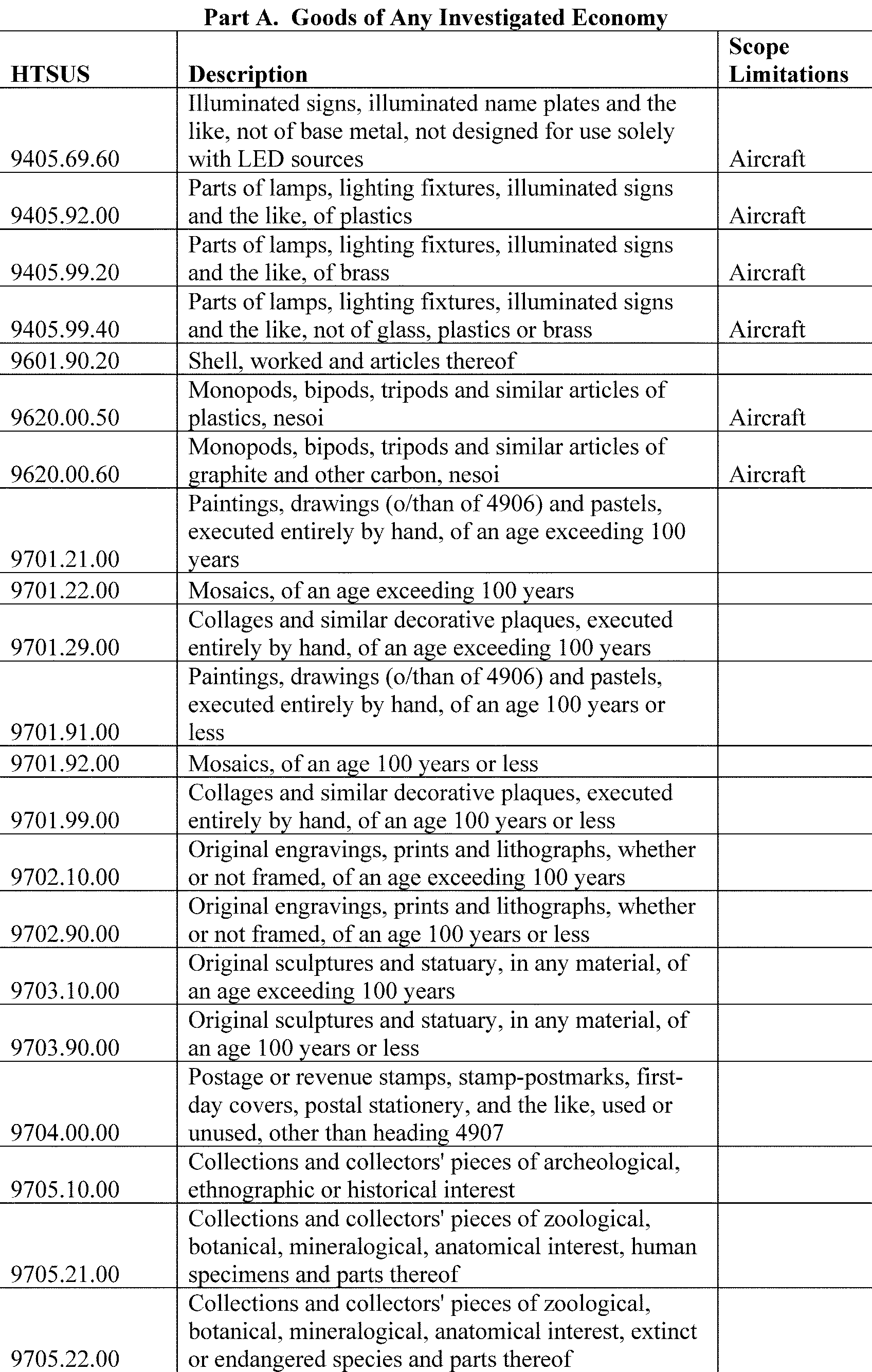
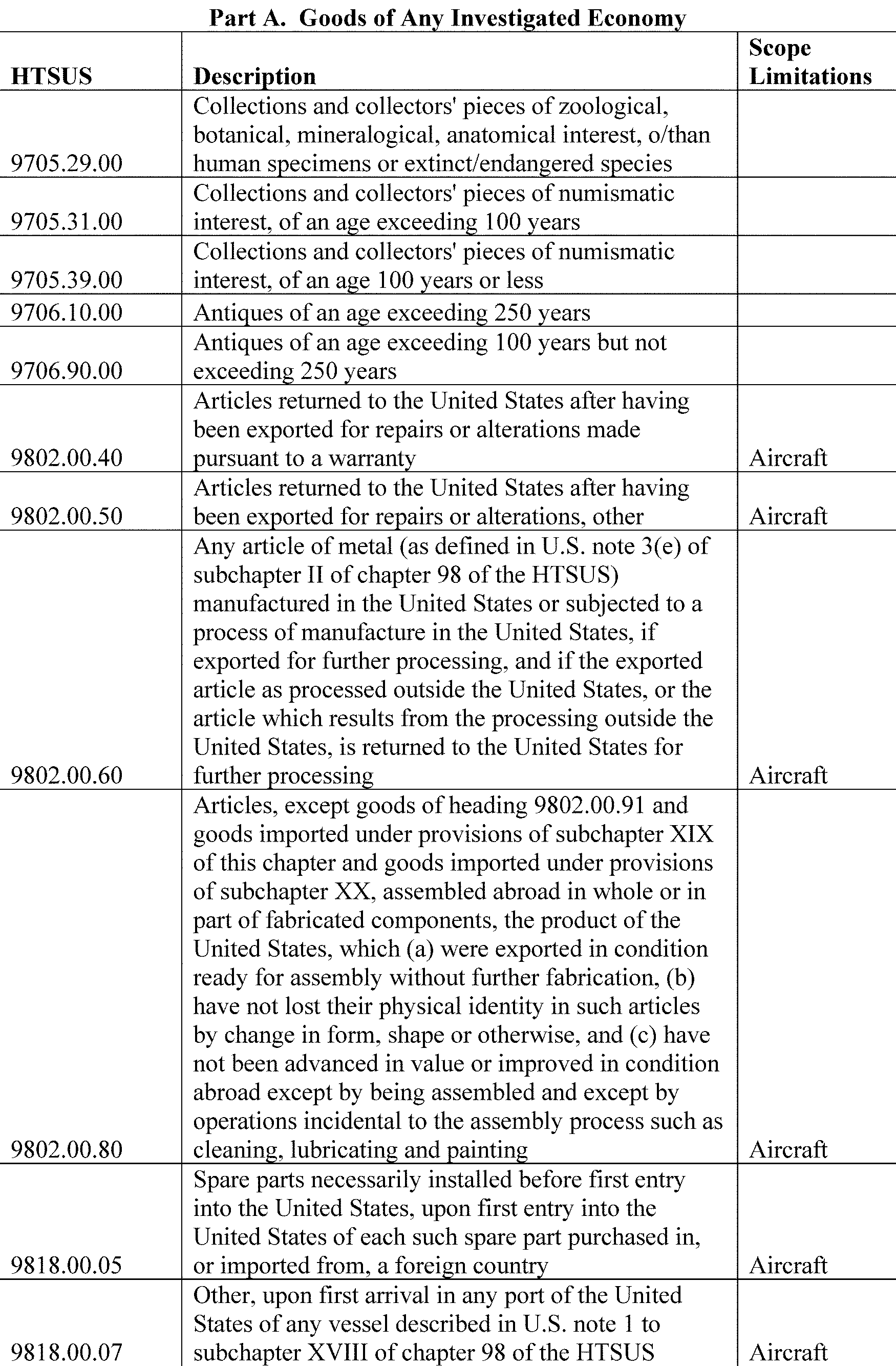
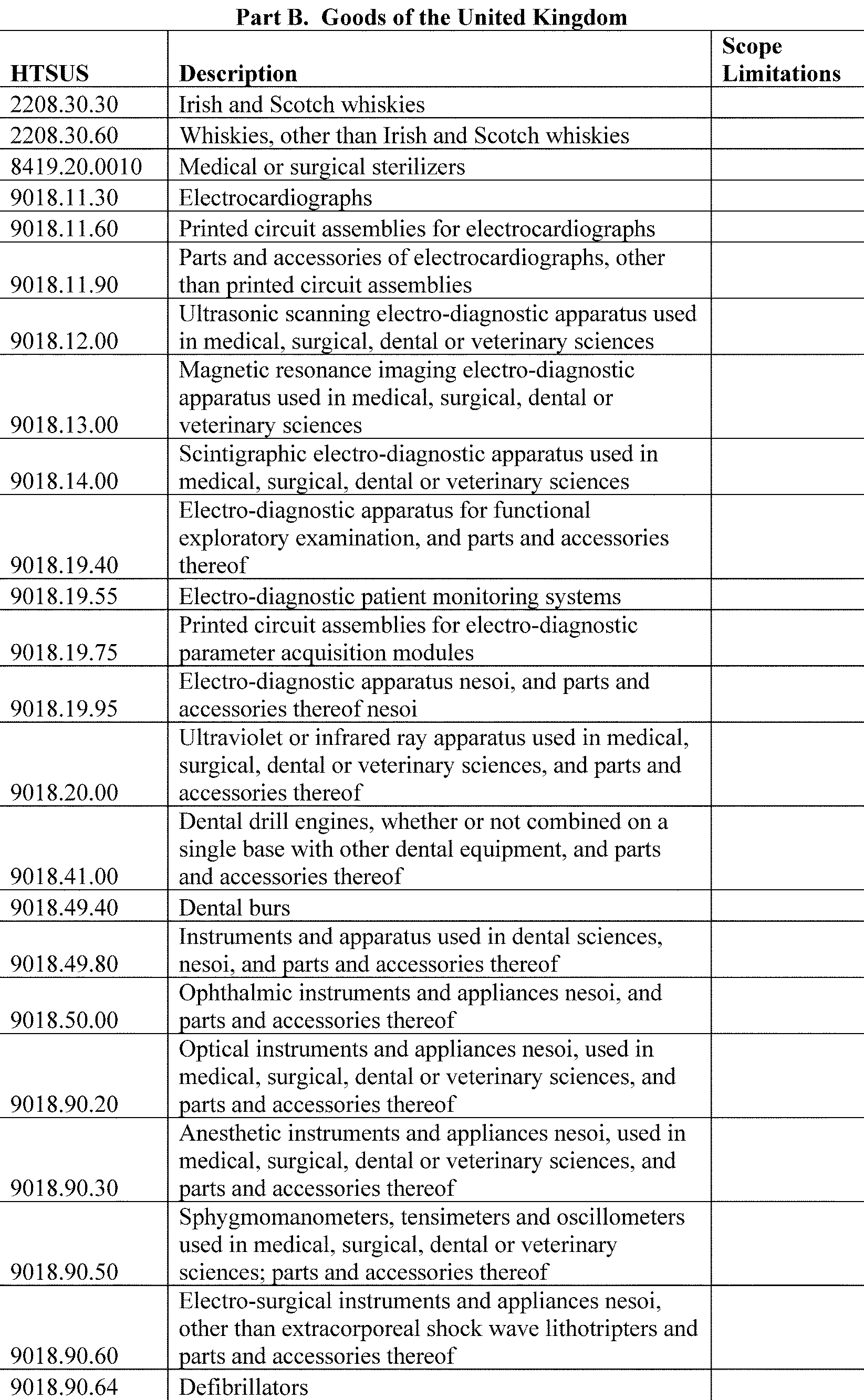
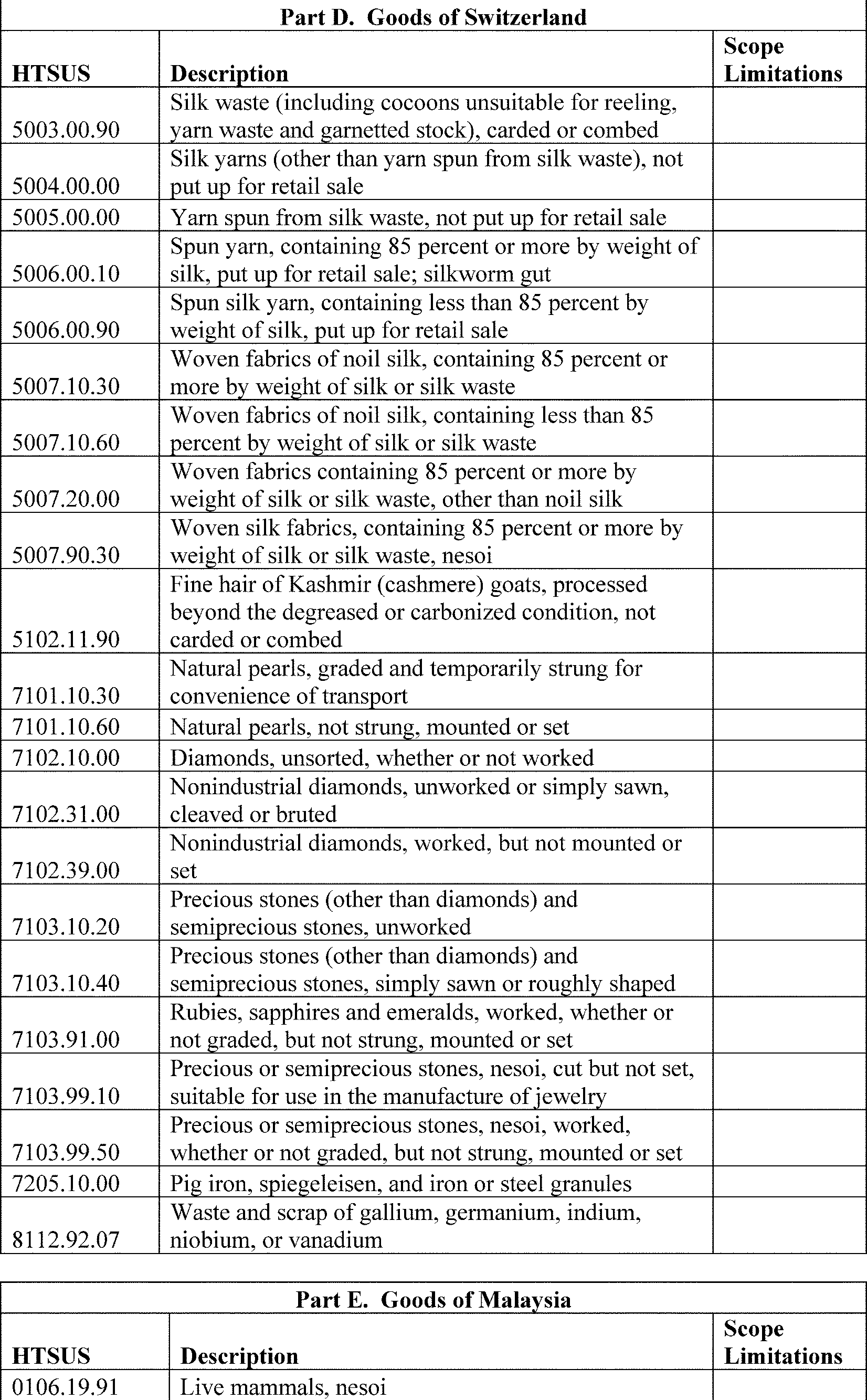
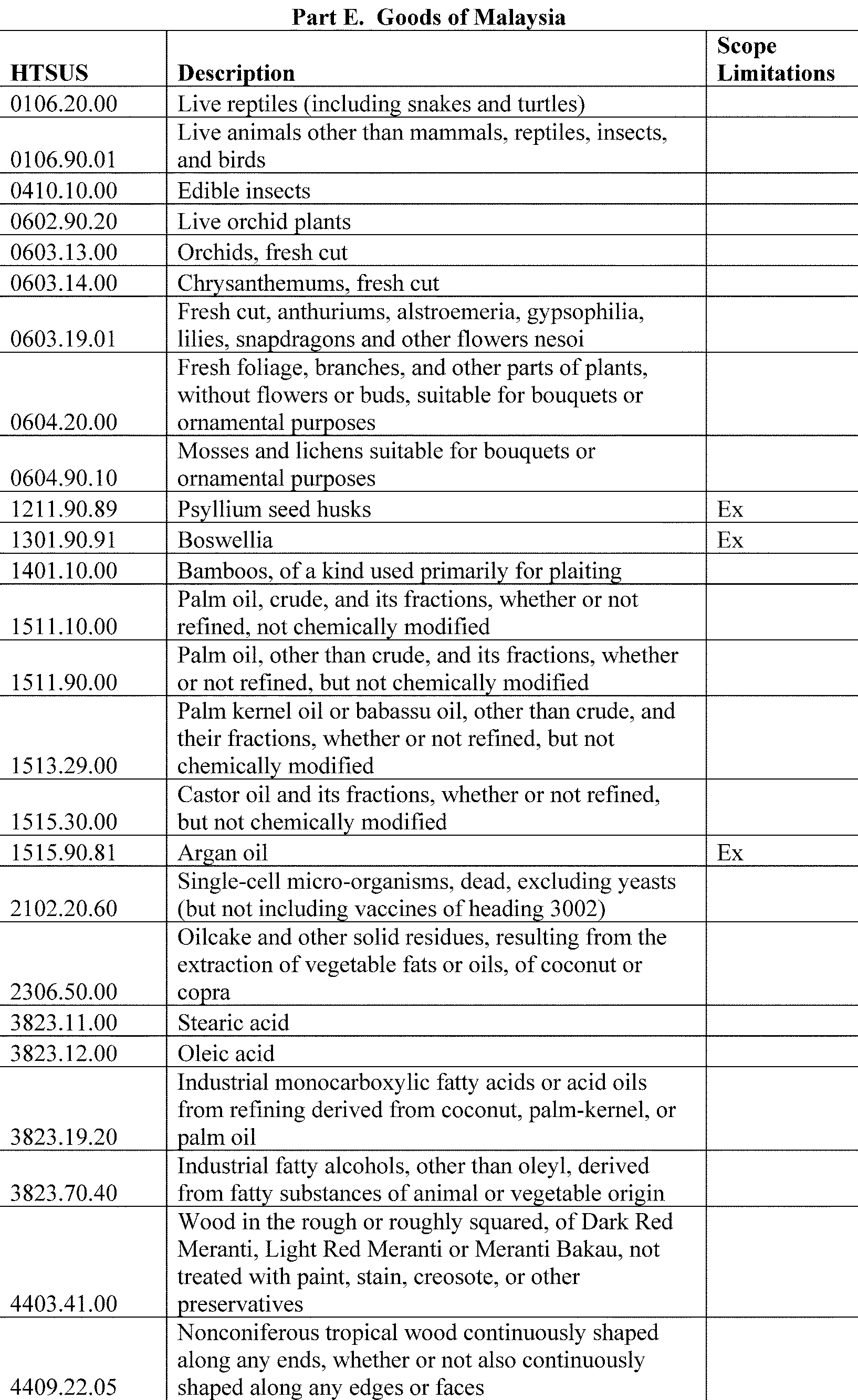
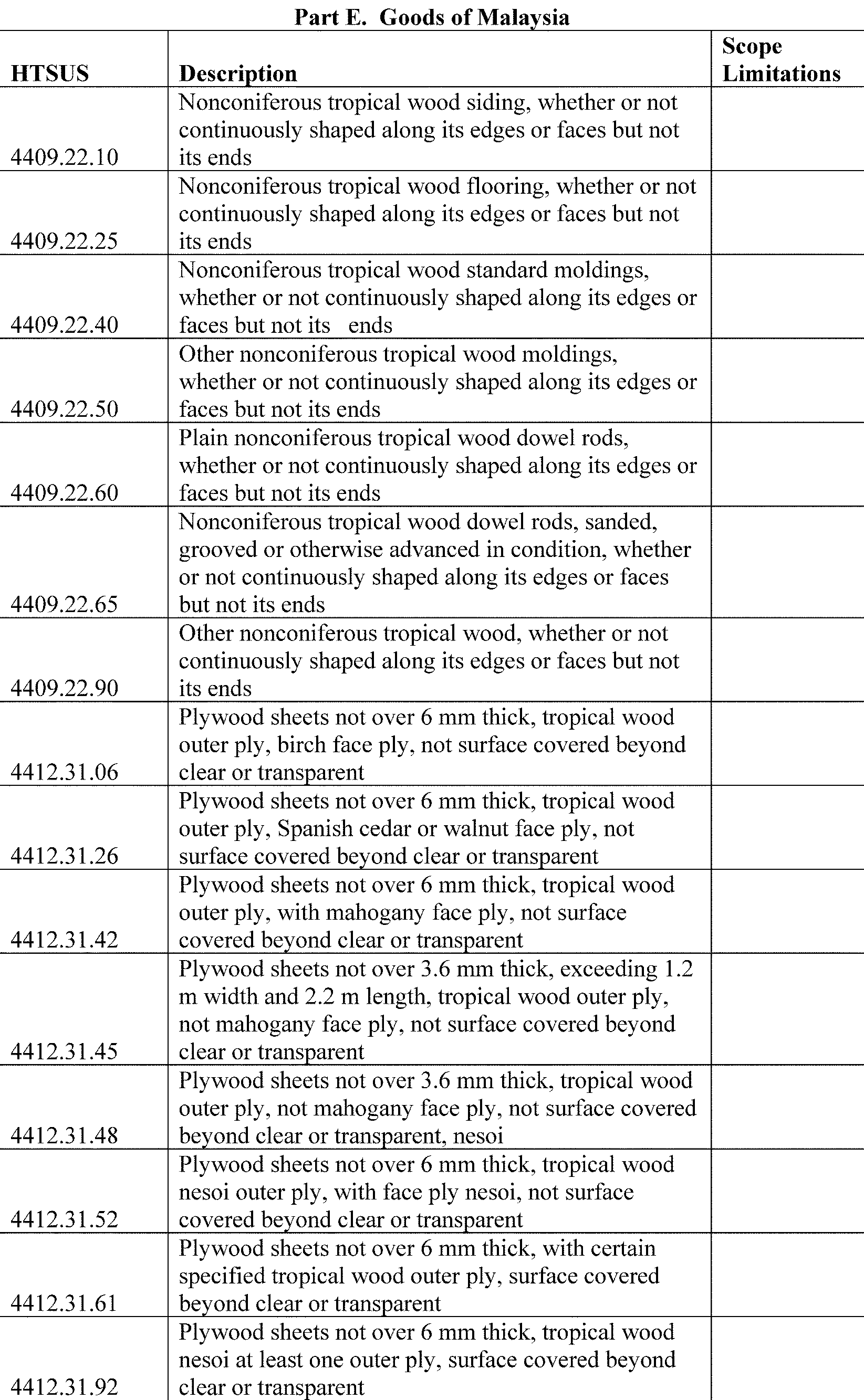
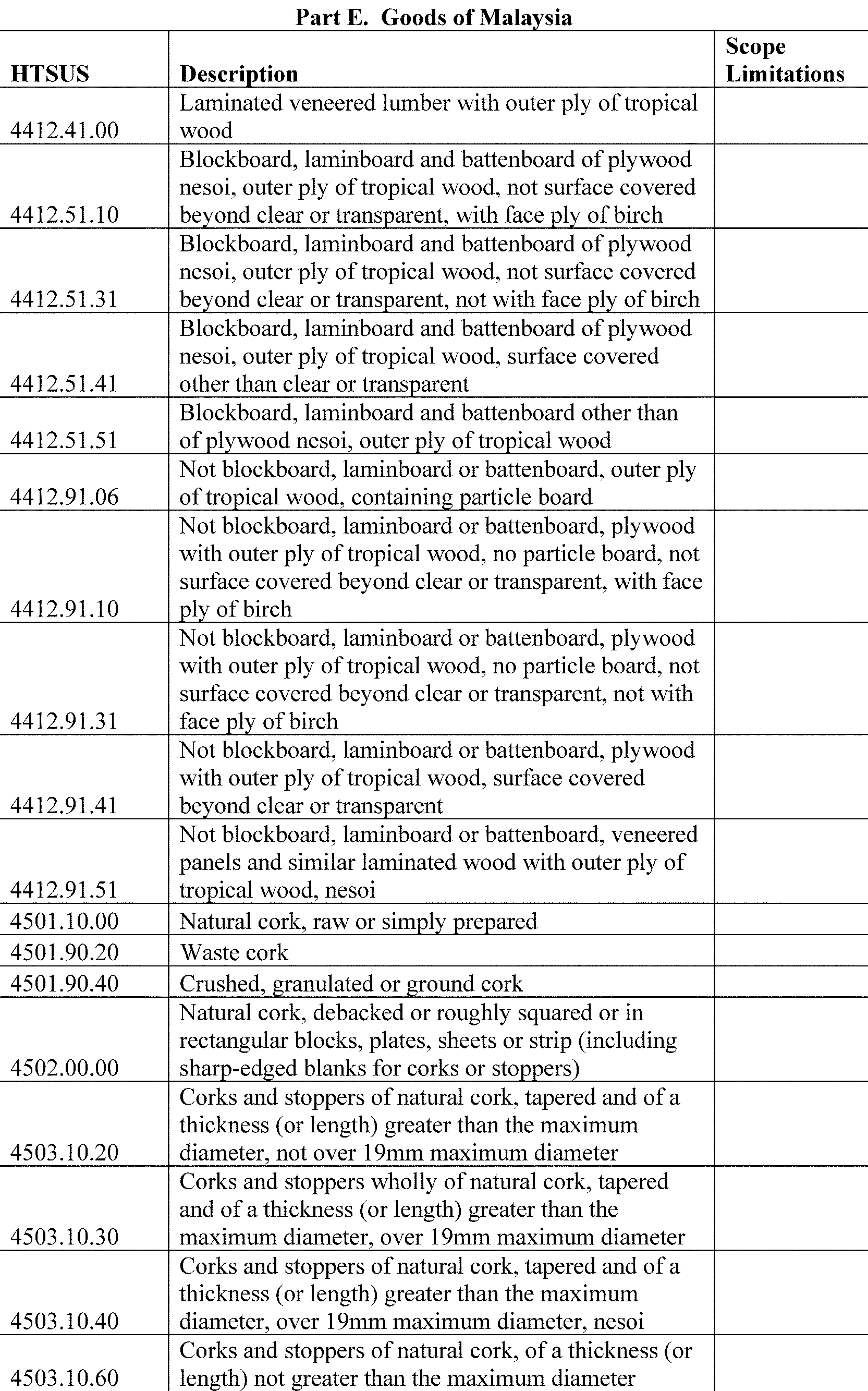
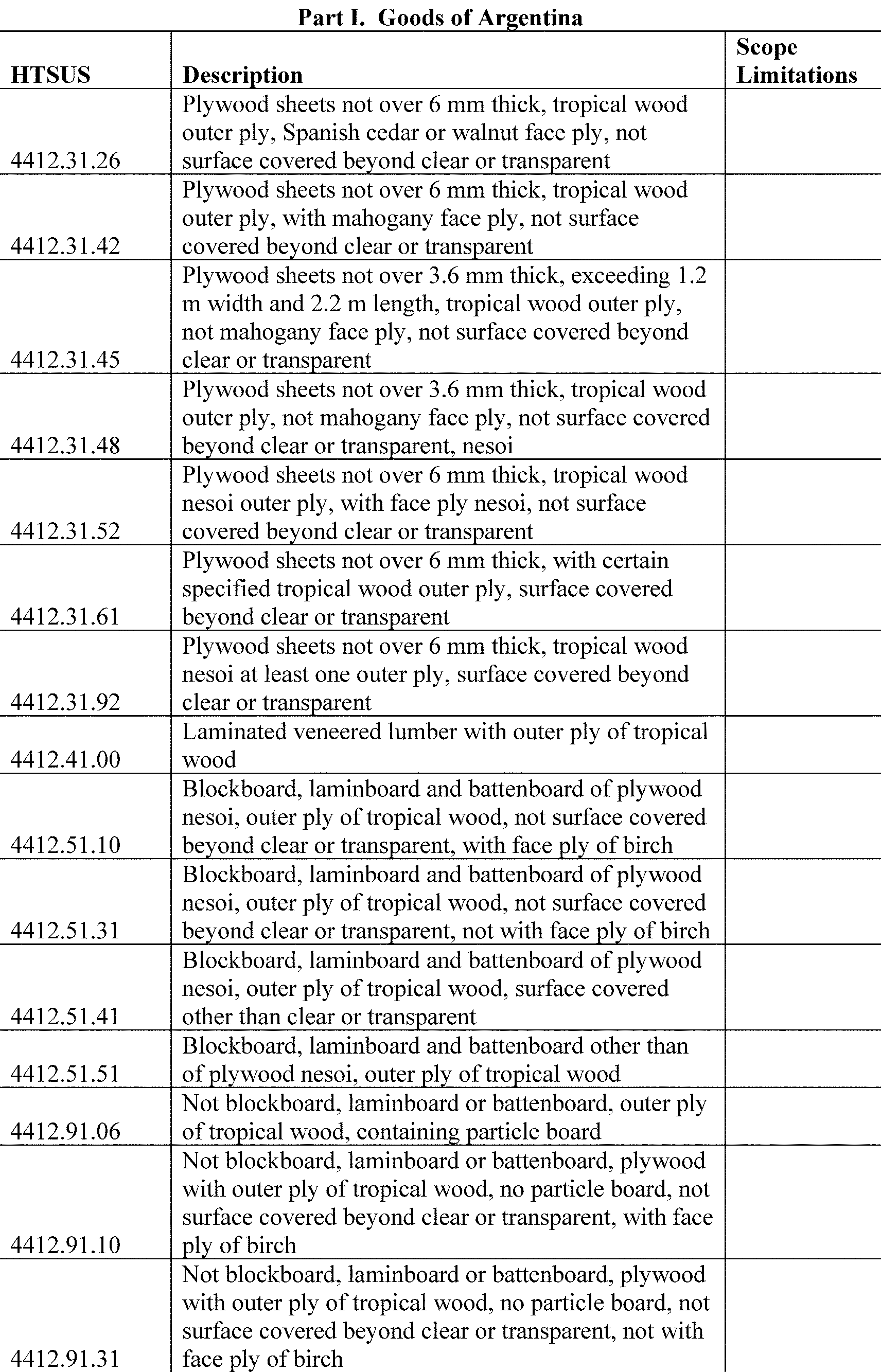
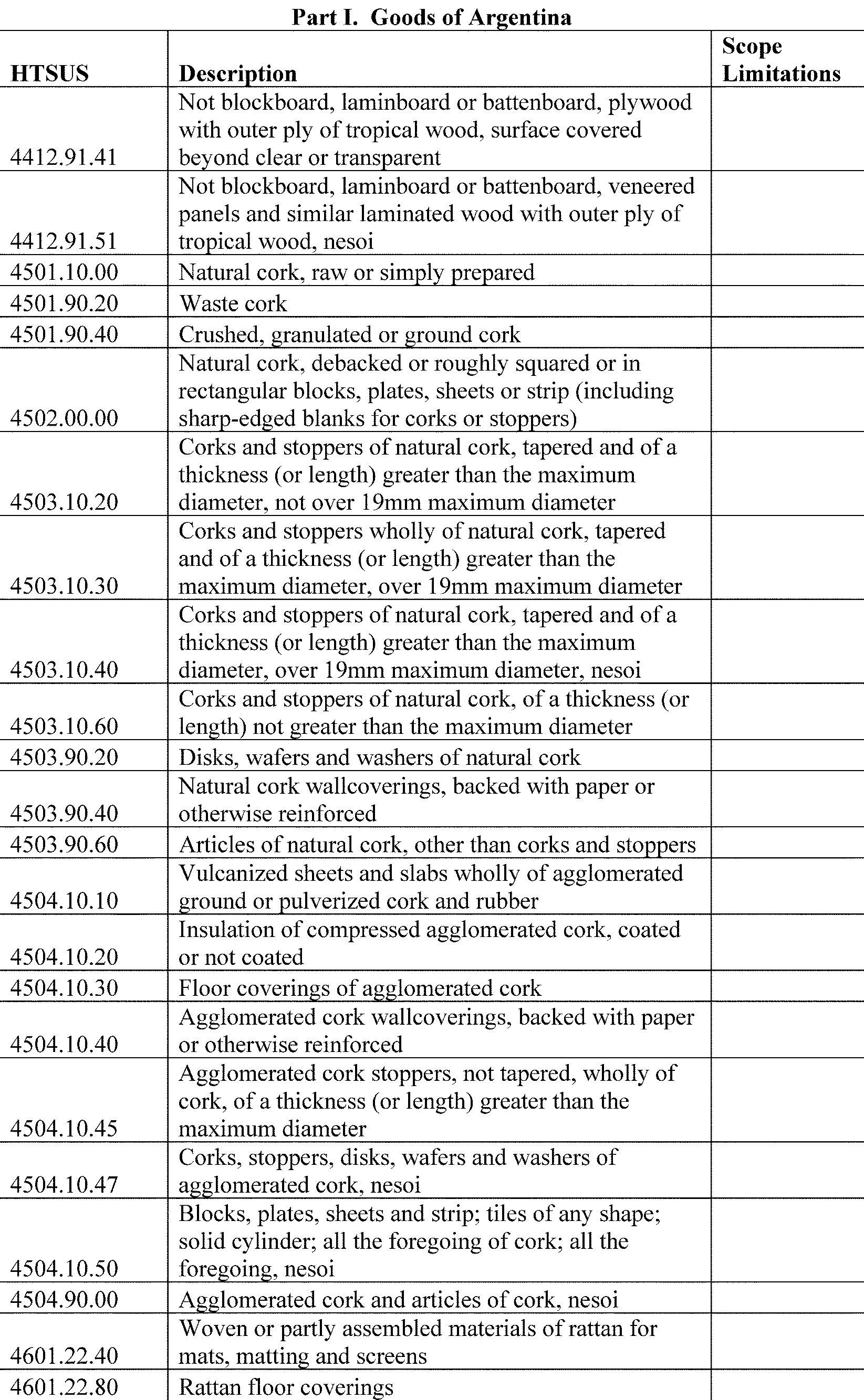
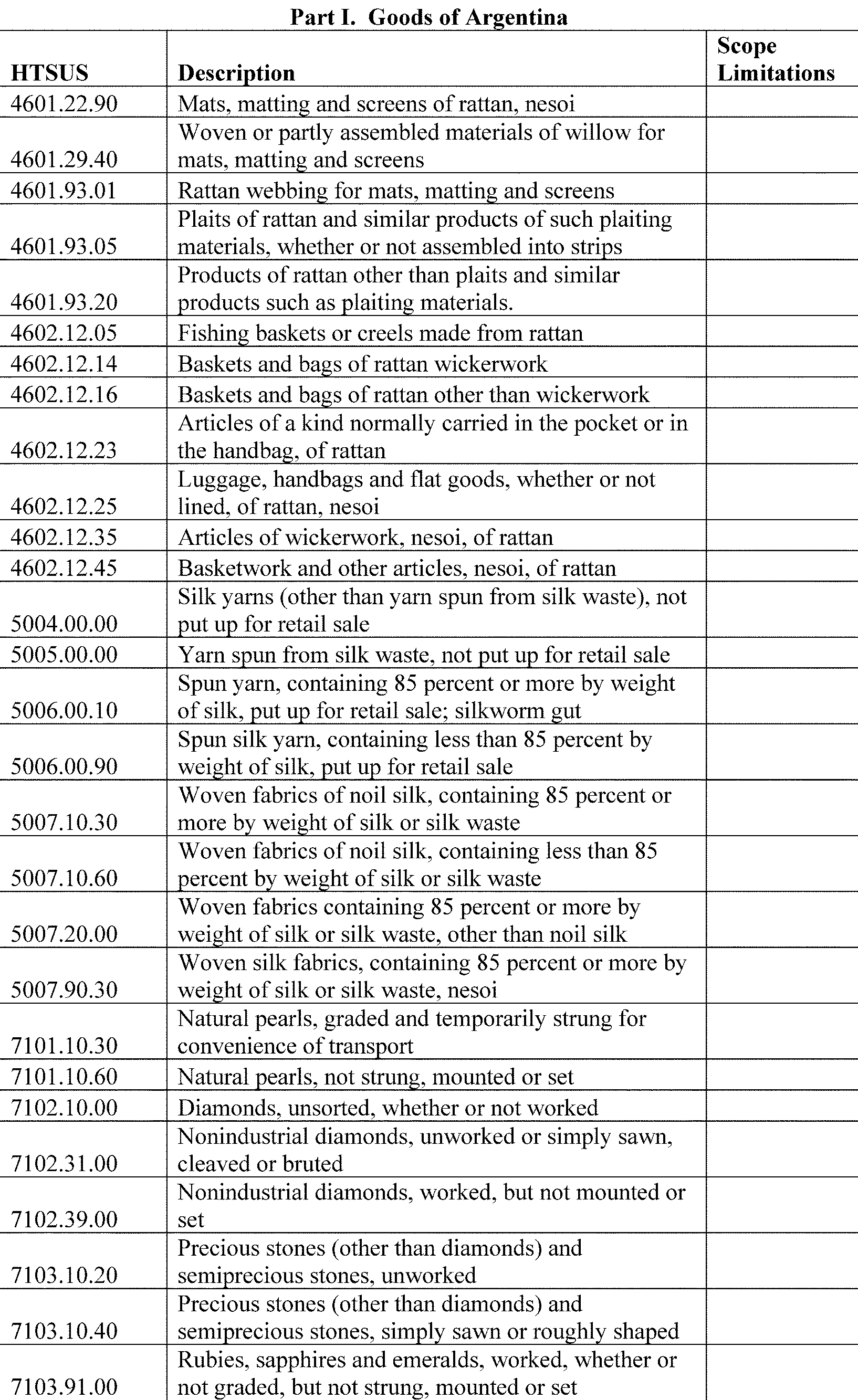
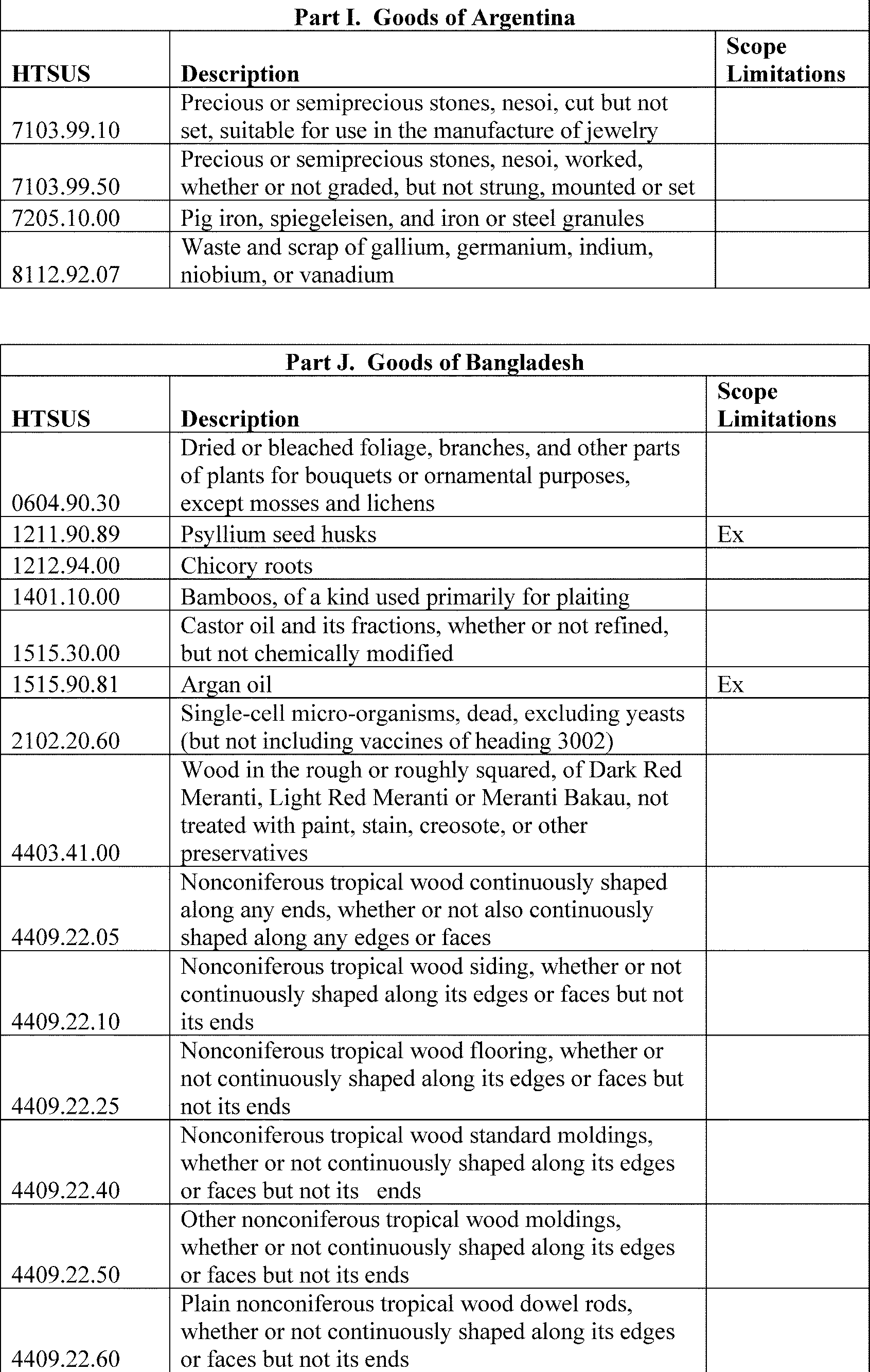
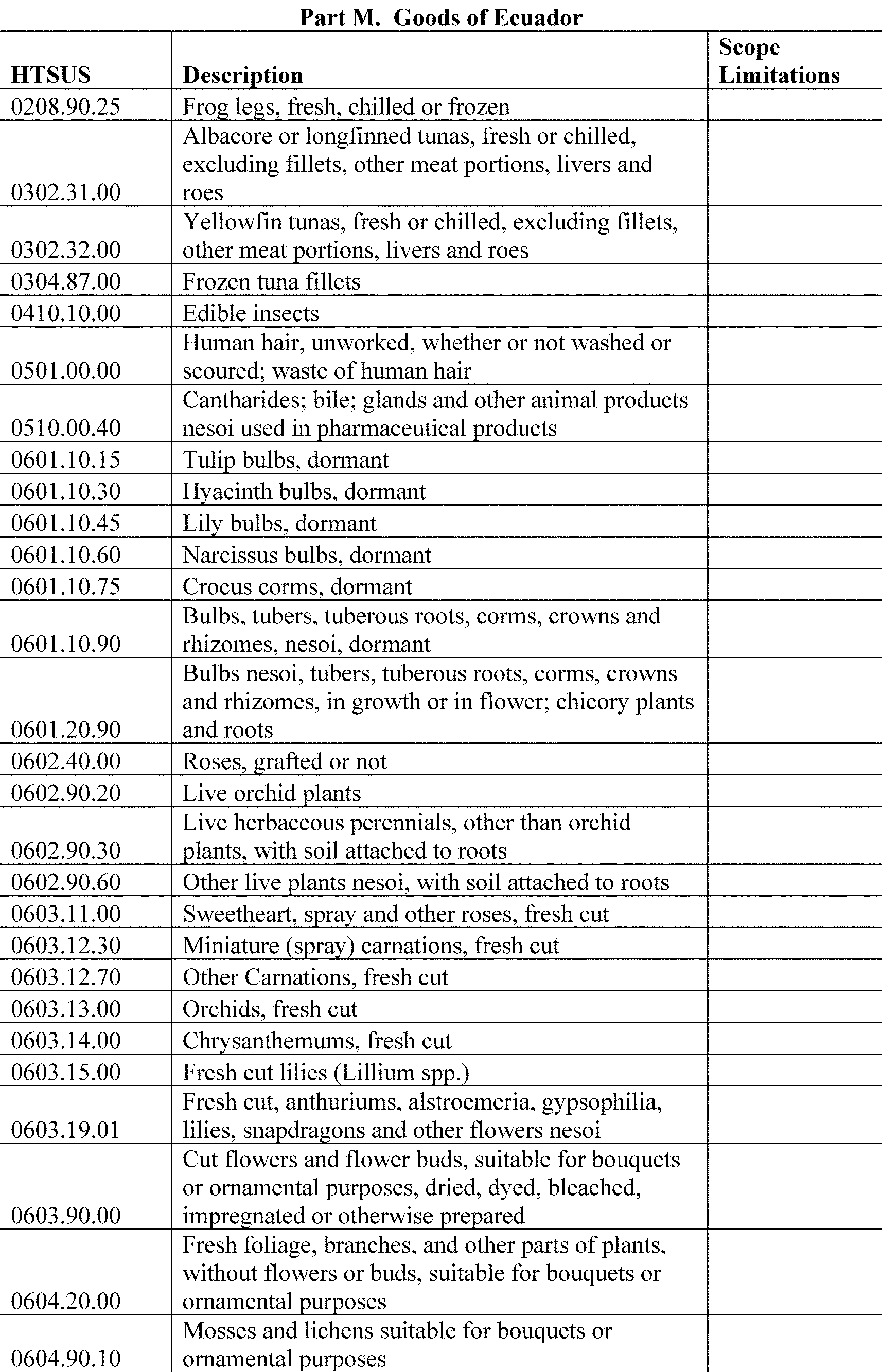
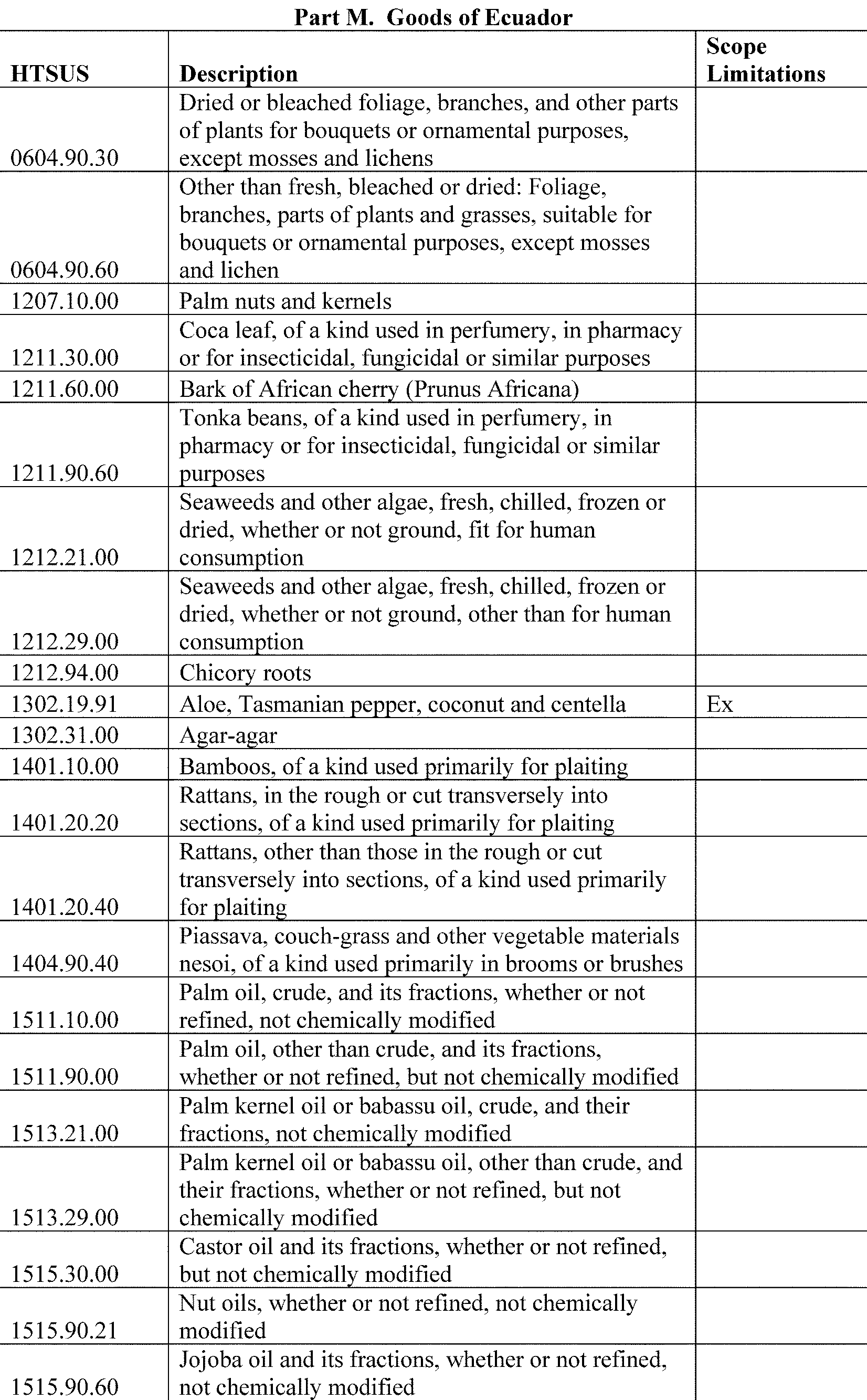
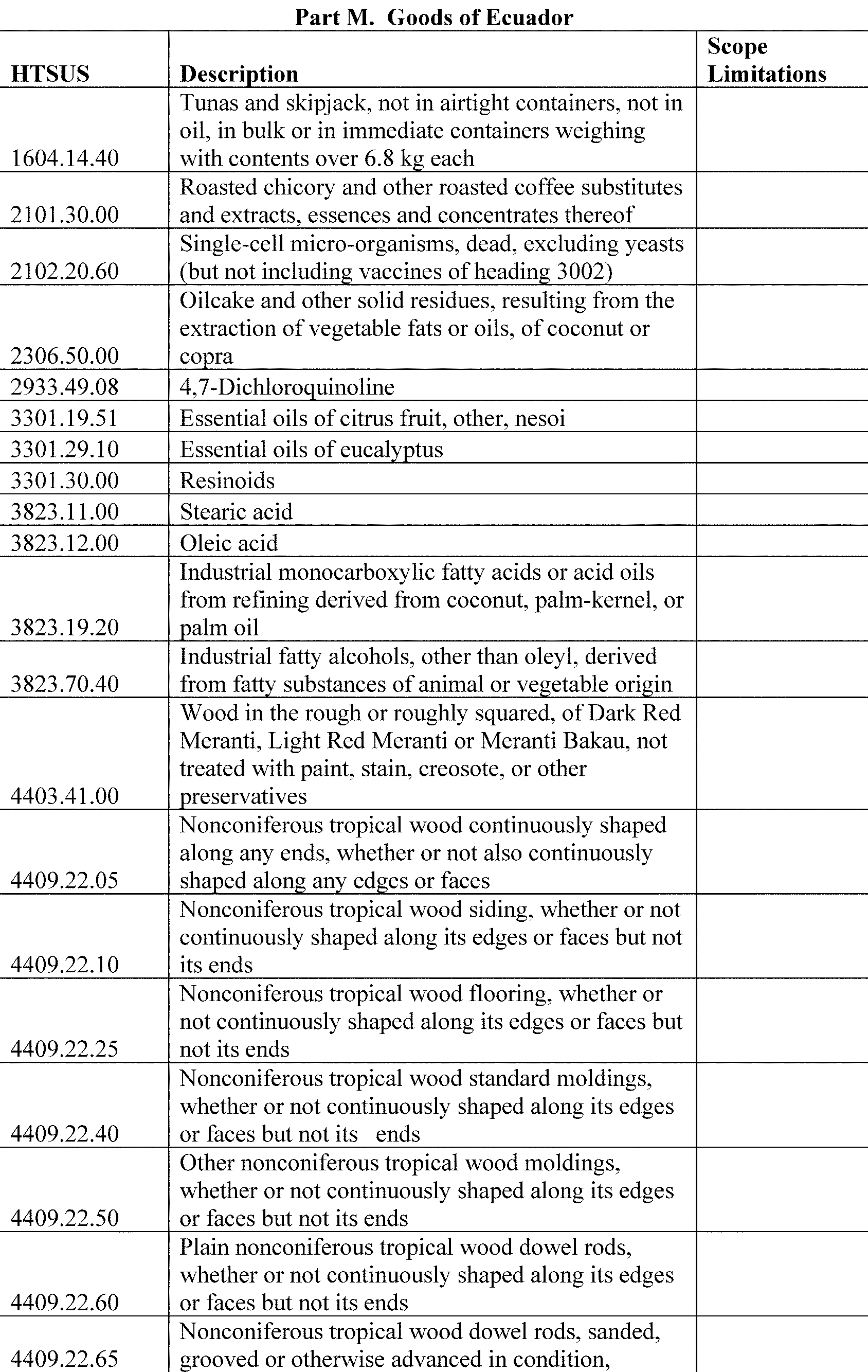
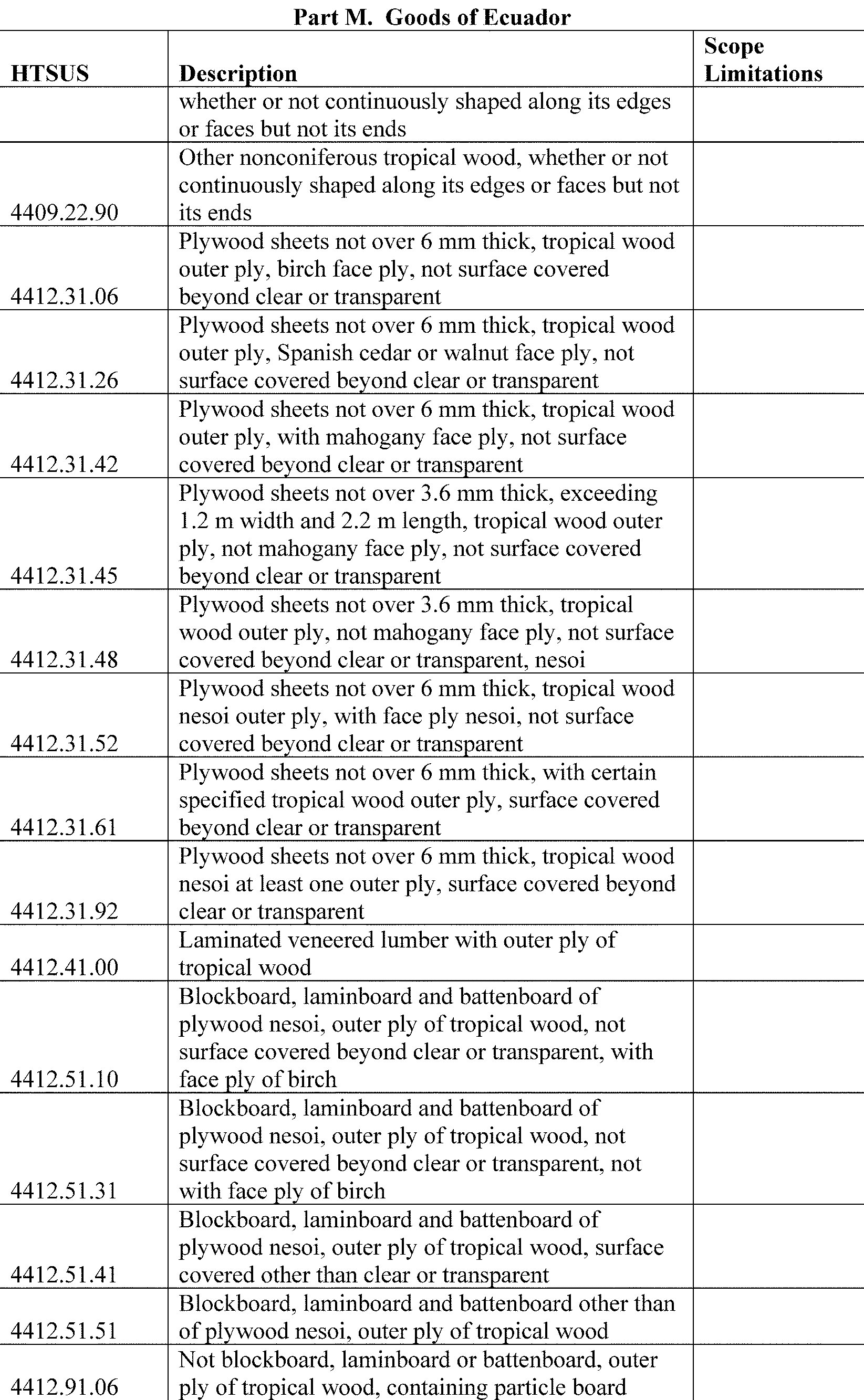
The Trade Representative has determined to exempt the products listed in Annexes I and II from the scope of actions taken in each of the investigations of the economies enumerated in those annexes. The Trade Representative has determined, in accordance with the specific direction of the President, that the product exemptions are appropriate as each of these products constitutes: (a) raw materials that if subject to these tariffs could lead to the unavailability of domestic supply; (b) products that could cause economy-wide disruptions if subject to these tariffs; (c) products that cannot be grown or produced in sufficient quantities or at reasonable prices in the United States or obtained from other sources; (d) products for which these tariffs may not be effective in obtaining the elimination of the acts, policies, and practices of economies found to be actionable in the investigations; or (e) certain products of Argentina, Bangladesh, Cambodia, Ecuador, El Salvador, the European Union, Guatemala, Indonesia, Jordan, Malaysia, Switzerland, Taiwan, or the United Kingdom that would encourage these economies to fulfill commitments regarding forced labor import prohibitions or to encourage these economies to enact and effectively enforce a forced labor import prohibition.
Any product of an economy that is subject to the additional duty imposed by action taken in the respective investigation, and that is admitted into a U.S. foreign trade zone, except any product that is eligible for admission under “domestic status” as defined in 19 CFR 146.43, only may be admitted as “privileged foreign status,” as defined in 19 CFR 146.41, effective as of the date that the additional duty is imposed.
In accordance with the specific direction of the President, and considering the public comments and testimony, the advice of the Section 301 Committee, as well as the advice of advisory committees, the Trade Representative has also determined to establish, when feasible, a textile mechanism in the form of TRQs for Bangladesh, Cambodia, Indonesia, and Malaysia, based on each economy's importation of U.S. inputs, to encourage the importation by each of these economies of U.S. cotton and textile goods, in order to reduce reliance on inputs from other sources that are more likely to contain forced labor inputs.
B. Specific Determinations of Action in Each Investigation
1. Algeria: Determination of Action in Investigation
Based on the findings in the investigation of Algeria, considering the public comments and testimony, the advice of the Section 301 Committee, as well as the advice of advisory committees, and in accordance with the specific direction of the President, the Trade Representative has determined to impose 12.5 percent tariffs on products of Algeria, except as provided in Annex I and Annex II, Part A, of this Notice. The Trade Representative has determined, in accordance with the specific direction of the President, that the tariff rate to be applied, and the scope of tariffs and exemptions are appropriate to obtain the elimination of the acts, policies, and practices determined to be actionable in the investigation.
2. Angola: Determination of Action in Investigation
Based on the findings in the investigation of Angola, considering the public comments and testimony, the advice of the Section 301 Committee, as well as the advice of advisory committees, and in accordance with the specific direction of the President, the Trade Representative has determined to impose 12.5 percent tariffs on products of Angola, except as provided in Annex I and Annex II, Part A, of this Notice. The Trade Representative has determined, in accordance with the specific direction of the President, that the tariff rate to be applied, and the scope of tariffs and exemptions are appropriate to obtain the elimination of the acts, policies, and practices determined to be actionable in the investigation.
3. Argentina: Determination of Action in Investigation
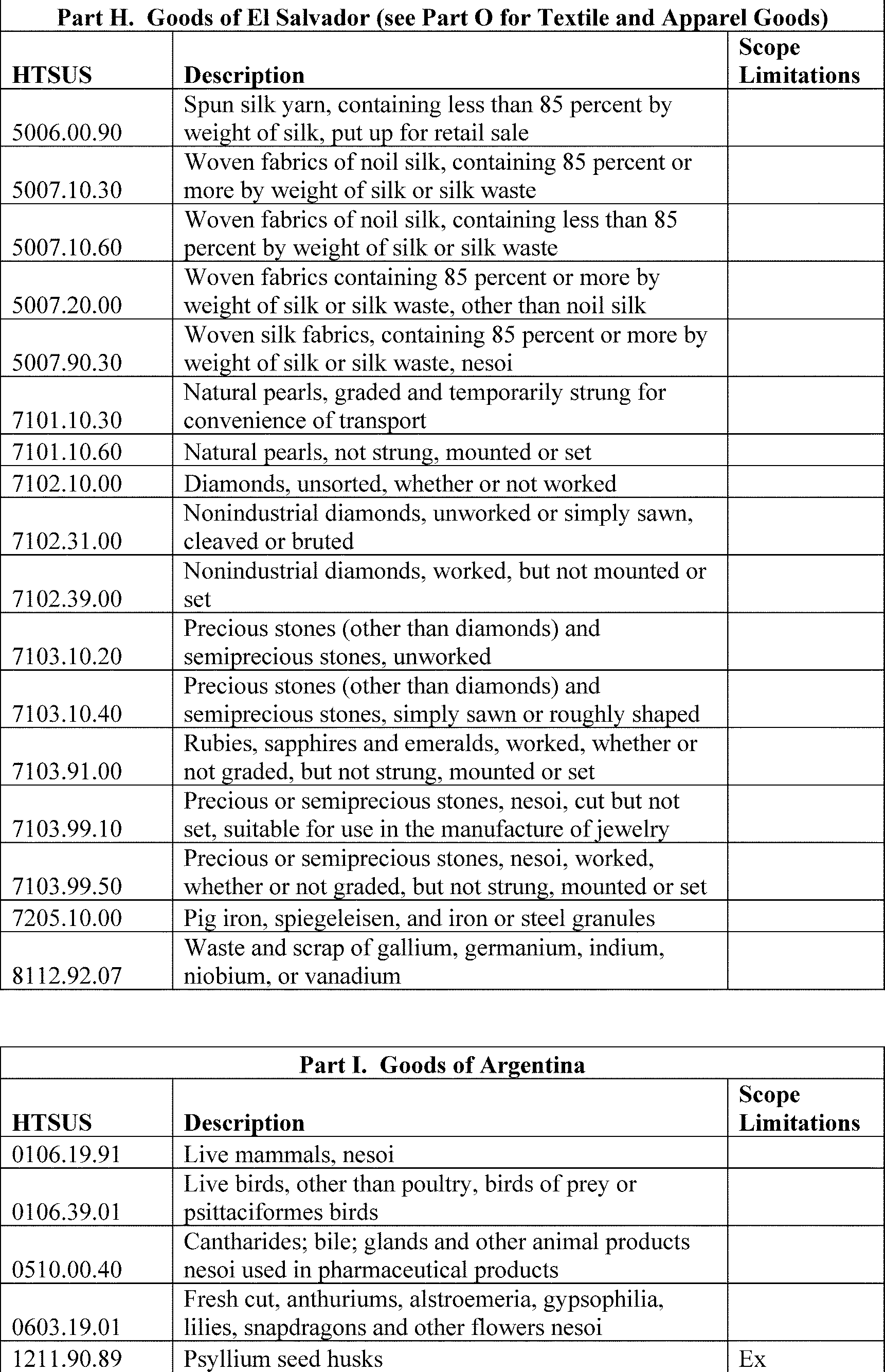
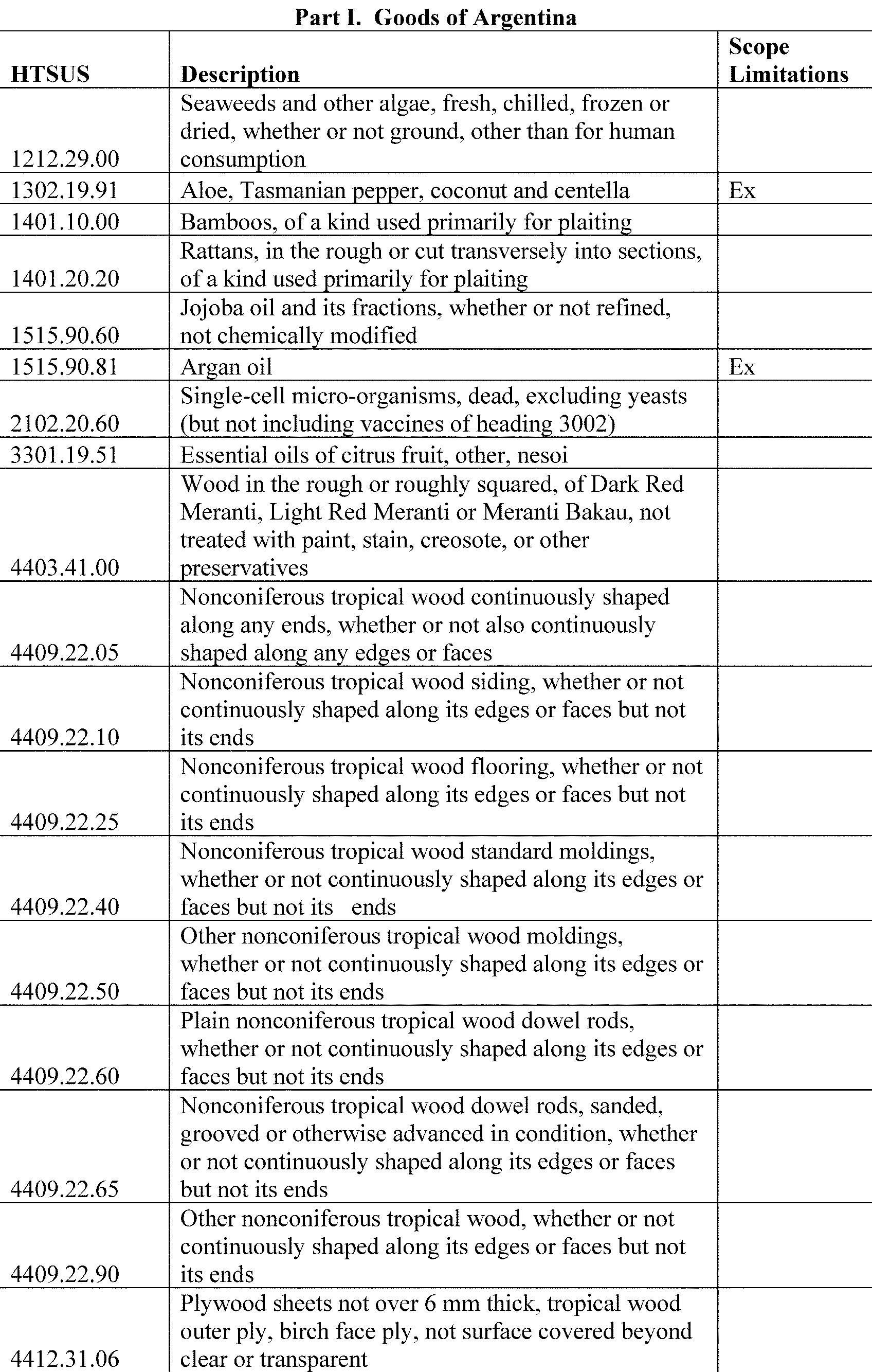
Based on the findings in the investigation of Argentina, including consideration of Argentina's commitment in its ART related to prohibiting the importation of forced labor goods, considering the public comments, testimony, the advice of the Section 301 Committee, as well as the advice of advisory committees, and in accordance with the specific direction of the President, the Trade Representative has determined to impose 10 percent tariffs on products of Argentina, except as provided in Annex I and Annex II, Parts A and I, of this Notice. The Trade Representative has determined, in accordance with the specific direction of the President, that the tariff rate to be applied, and the scope of tariffs and exemptions are appropriate to obtain the elimination of the acts, policies, and practices determined to be actionable in the investigation.
4. Australia: Determination of Action in Investigation
Based on the findings in the investigation of Australia, considering the public comments, testimony, and the advice of the Section 301 Committee, as well as the advice of advisory committees, and in accordance with the specific direction of the President, the Trade Representative has determined to impose 12.5 percent tariffs on products of Australia, except as provided in Annex I and Annex II, Part A, of this Notice. The Trade Representative has determined, in accordance with the specific direction of the President, that the tariff rate to be applied, and the scope of tariffs and exemptions are appropriate to obtain the elimination of the acts, policies, and practices determined to be actionable in the investigation.
5. The Bahamas: Determination of Action in Investigation
Based on the findings in the investigation of The Bahamas, and considering the public comments, testimony, and the advice of the Section 301 Committee, as well as the advice of advisory committees, and in accordance with the specific direction of the President, the Trade Representative has determined to impose 12.5 percent tariffs on products of The Bahamas, except as provided in Annex I and Annex II, Part A, of this Notice. The Trade Representative has determined, in accordance with the specific direction of the President, that the tariff rate to be applied, and the scope of tariffs and
( printed page 47322)
exemptions are appropriate to obtain the elimination of the acts, policies, and practices determined to be actionable in the investigation.
6. Bahrain: Determination of Action in Investigation
Based on the findings in the investigation of Bahrain, considering the public comments, testimony, and the advice of the Section 301 Committee, as well as the advice of advisory committees, and in accordance with the specific direction of the President, the Trade Representative has determined to impose 12.5 percent tariffs on products of Bahrain, except as provided in Annex I and Annex II, Part A, of this Notice. The Trade Representative has determined, in accordance with the specific direction of the President, that the tariff rate to be applied, and the scope of tariffs and exemptions are appropriate to obtain the elimination of the acts, policies, and practices determined to be actionable in the investigation.
7. Bangladesh: Determination of Action in Investigation
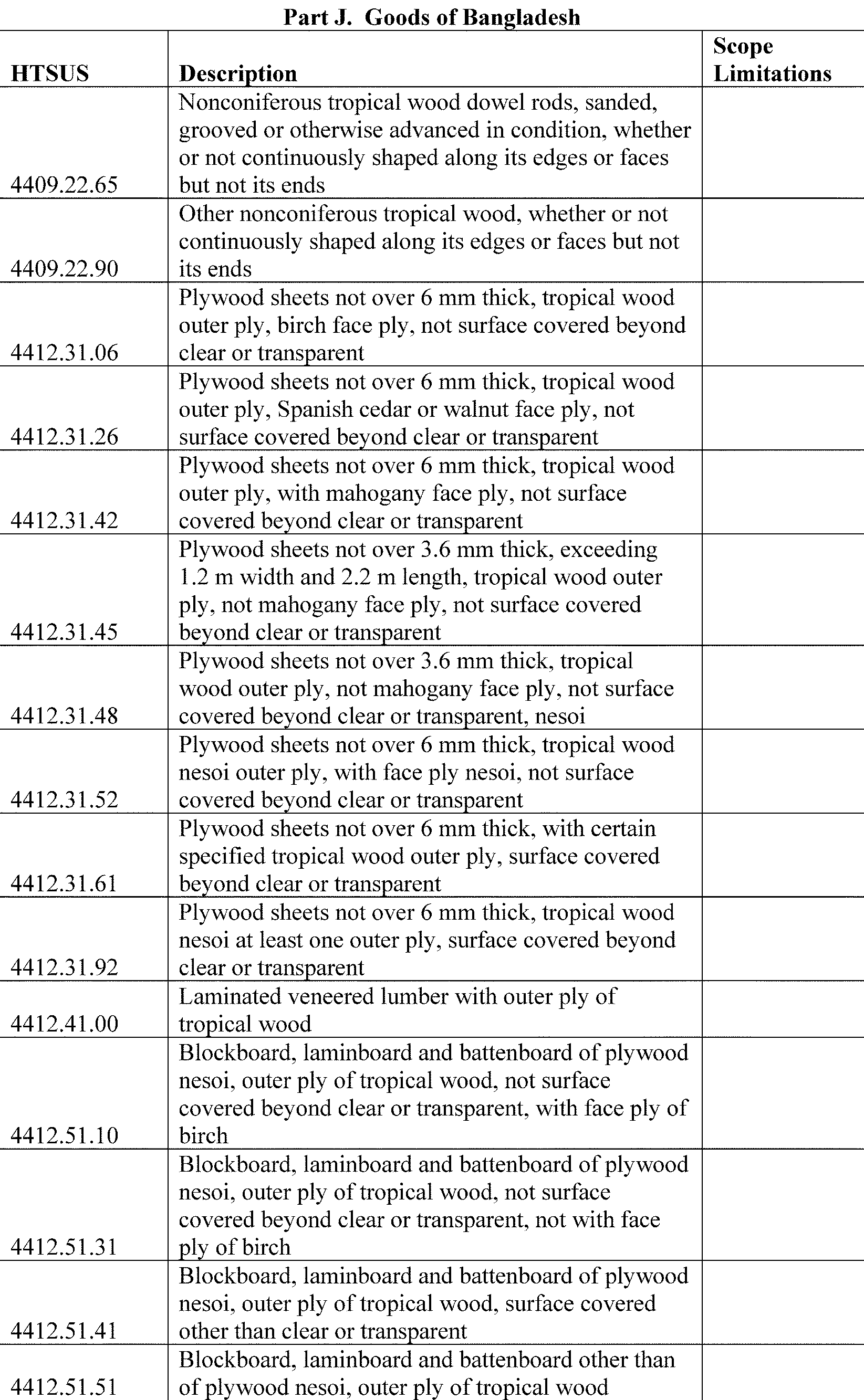
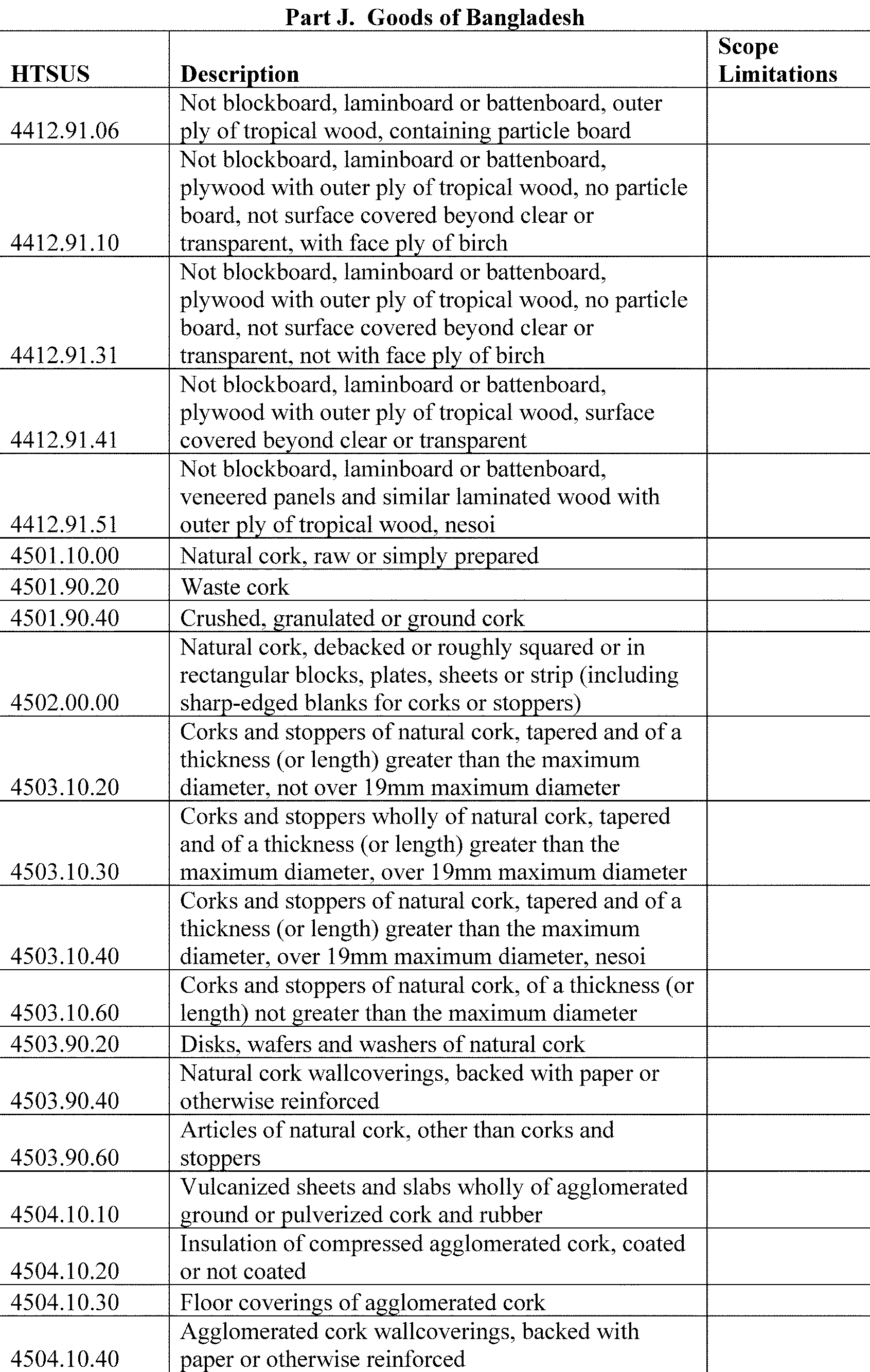
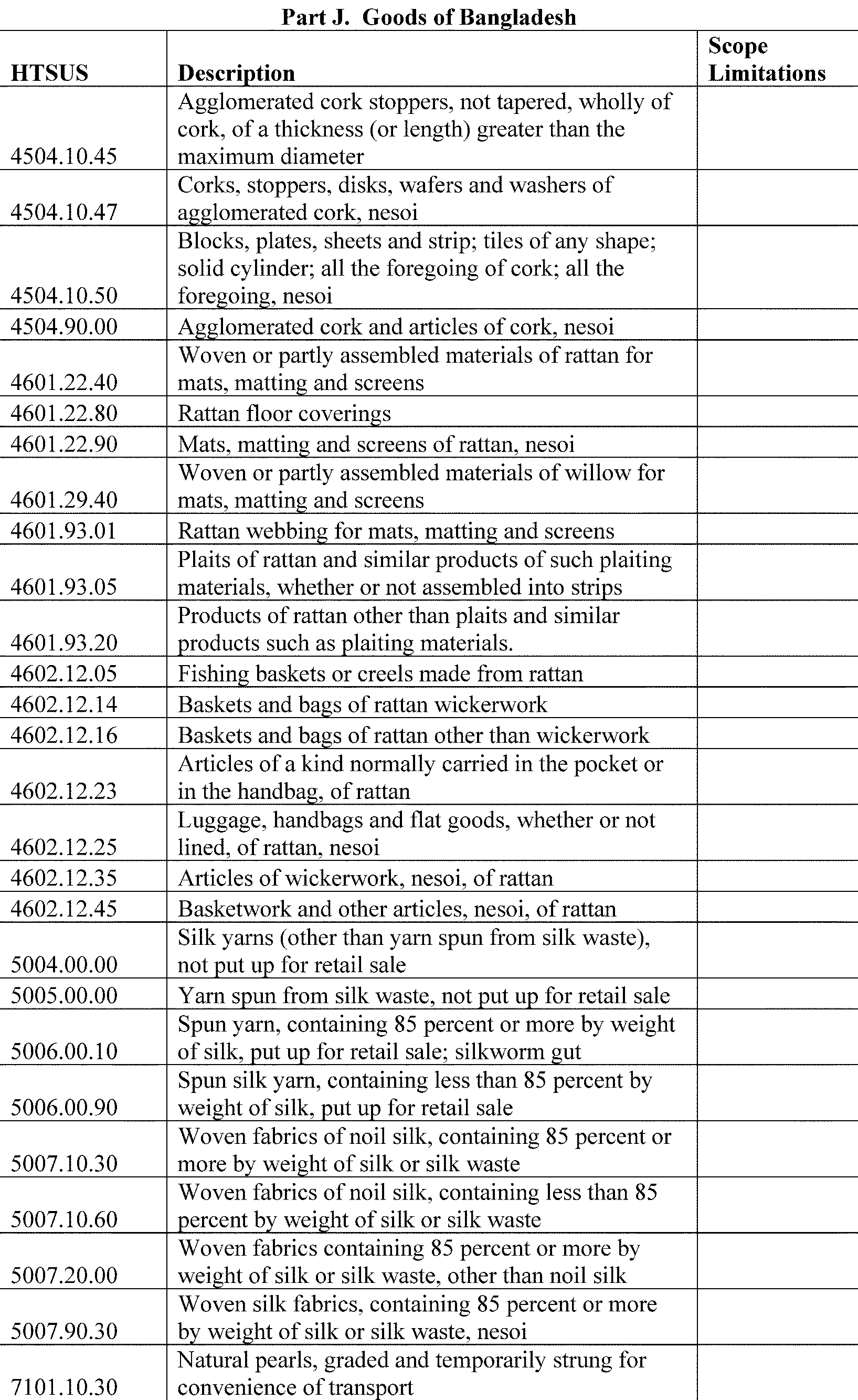
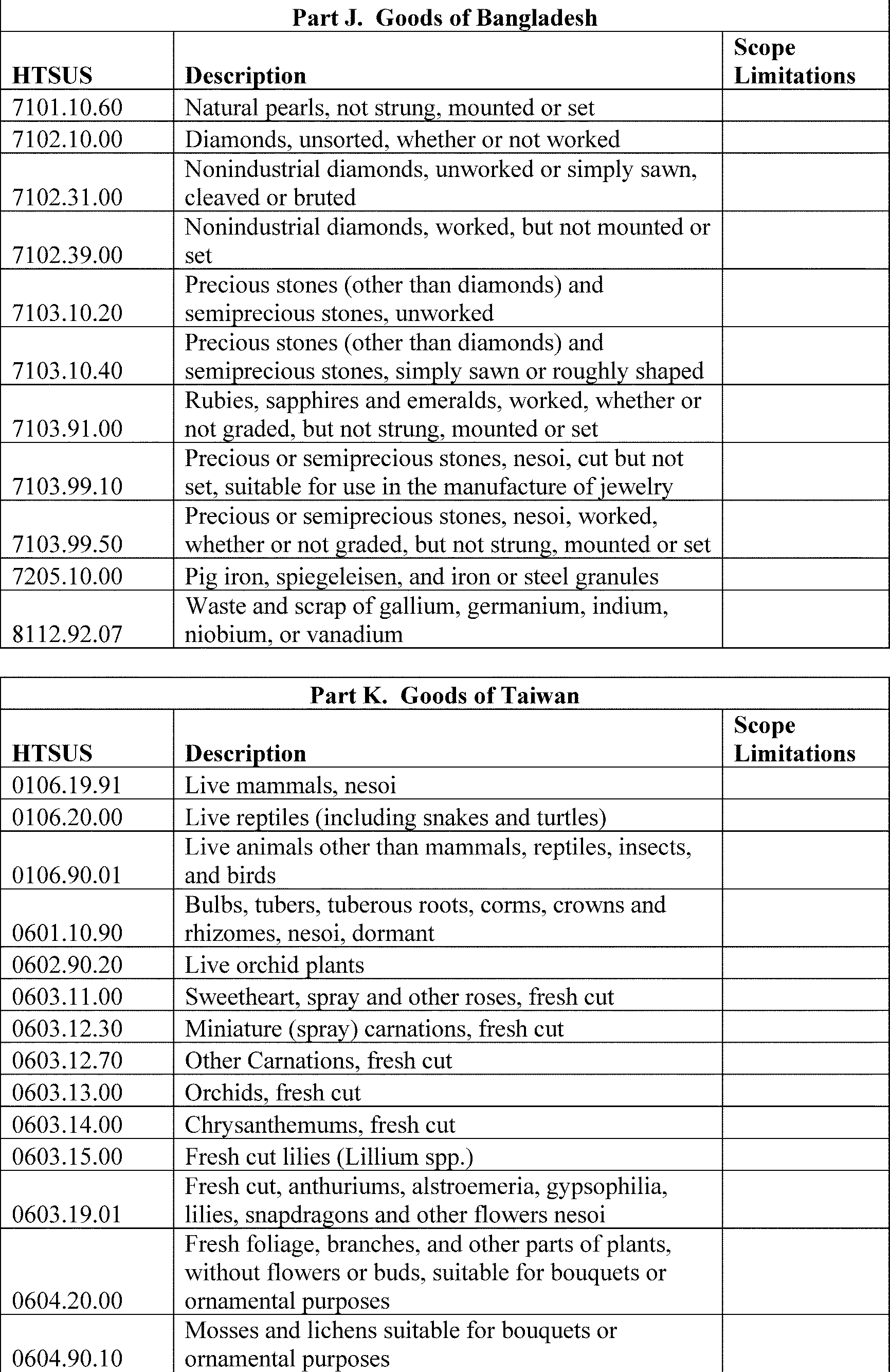
Based on the findings in the investigation of Bangladesh, including consideration of Bangladesh's obligation in its ART related to prohibiting the importation of forced labor goods, and considering the public comments and testimony, the advice of the Section 301 Committee, as well as the advice of advisory committees, and in accordance with the specific direction of the President, the Trade Representative has determined to impose 10 percent tariffs on products of Bangladesh, except as provided in Annex I and Annex II, Parts A and J, of this Notice. The Trade Representative has determined, in accordance with the specific direction of the President that the tariff rate to be applied, and the scope of tariffs and exemptions are appropriate to obtain the elimination of the acts, policies, and practices determined to be actionable in the investigation.
8. Brazil: Determination of Action in Investigation
Based on the findings in the investigation of Brazil, considering the public comments, testimony, and the advice of the Section 301 Committee, as well as the advice of advisory committees, and in accordance with the specific direction of the President, the Trade Representative has determined to impose 12.5 percent tariffs on products of Brazil, except as provided in Annex I and Annex II, Part A, of this Notice. The Trade Representative has determined, in accordance with the specific direction of the President that the tariff rate to be applied, and the scope of tariffs and exemptions are appropriate to obtain the elimination of the acts, policies, and practices determined to be actionable in the investigation.
9. Cambodia: Determination of Action in Investigation
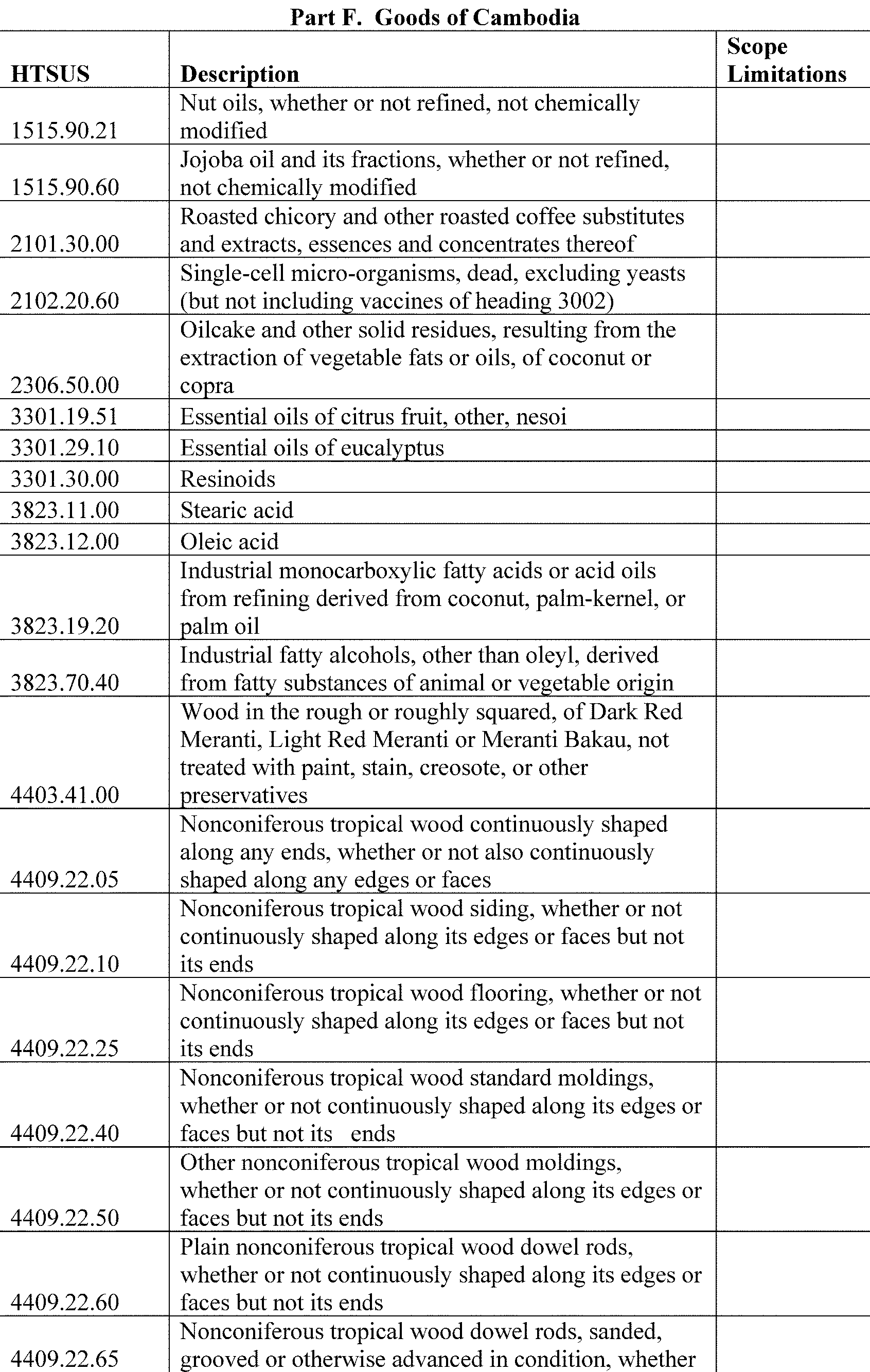
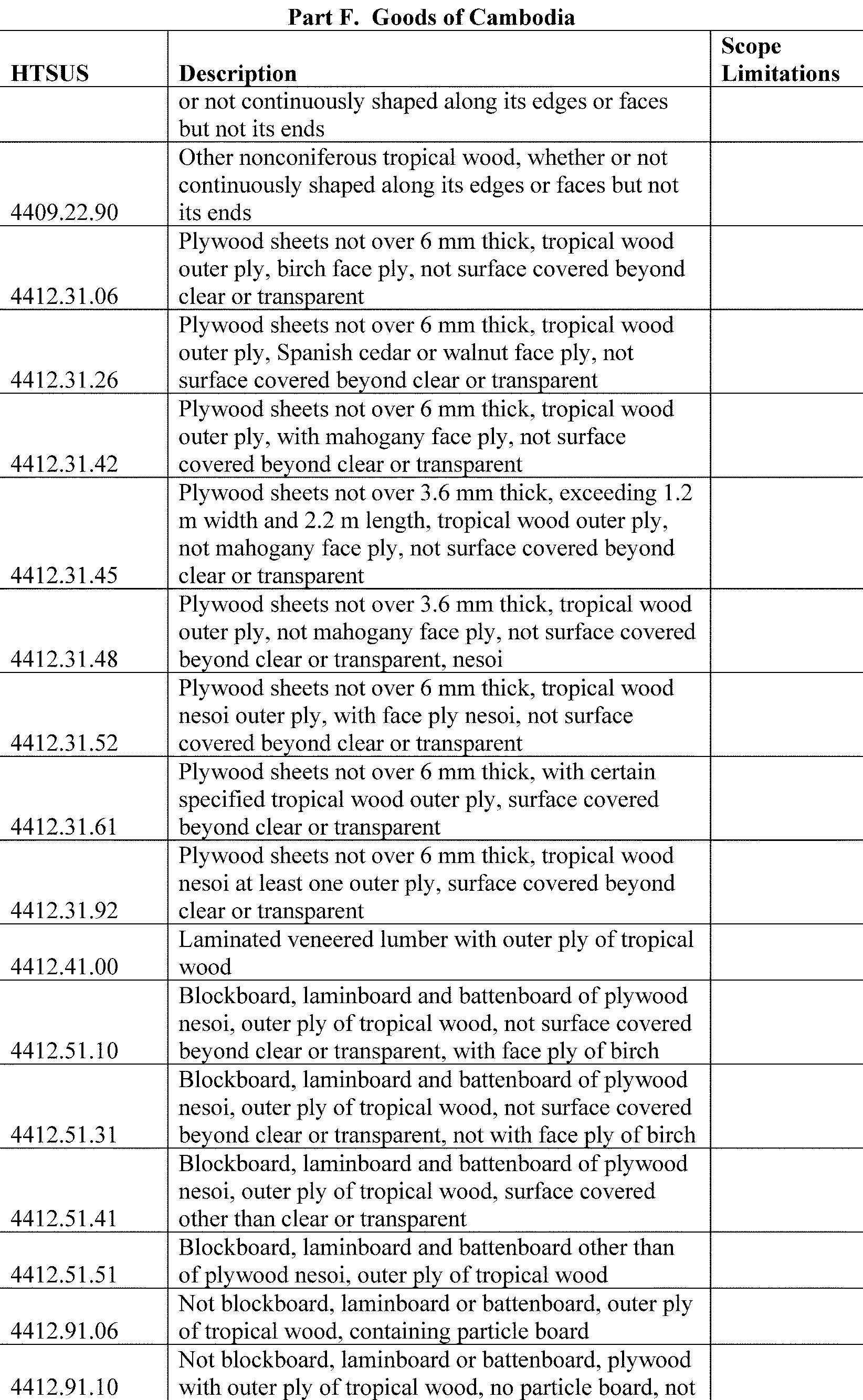
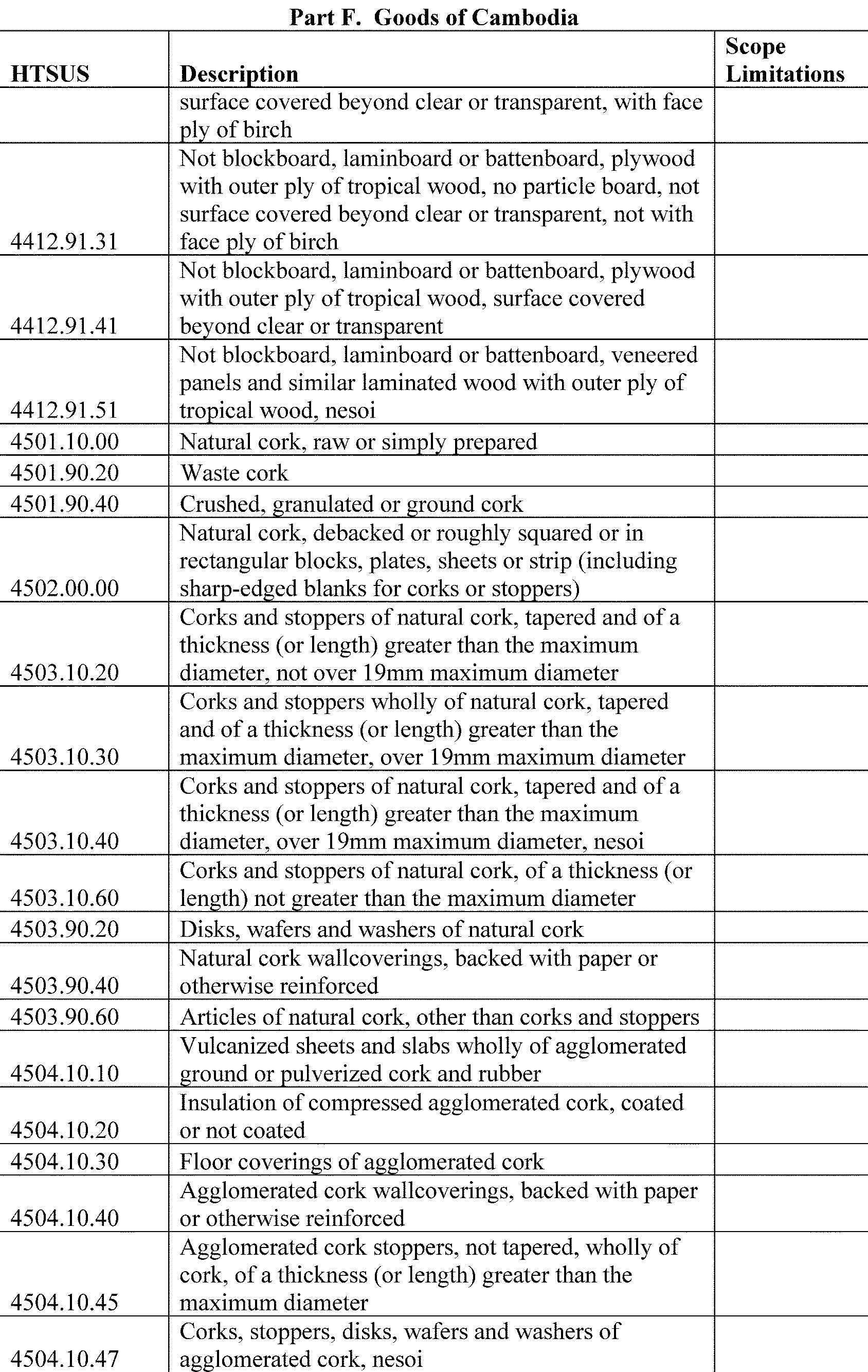
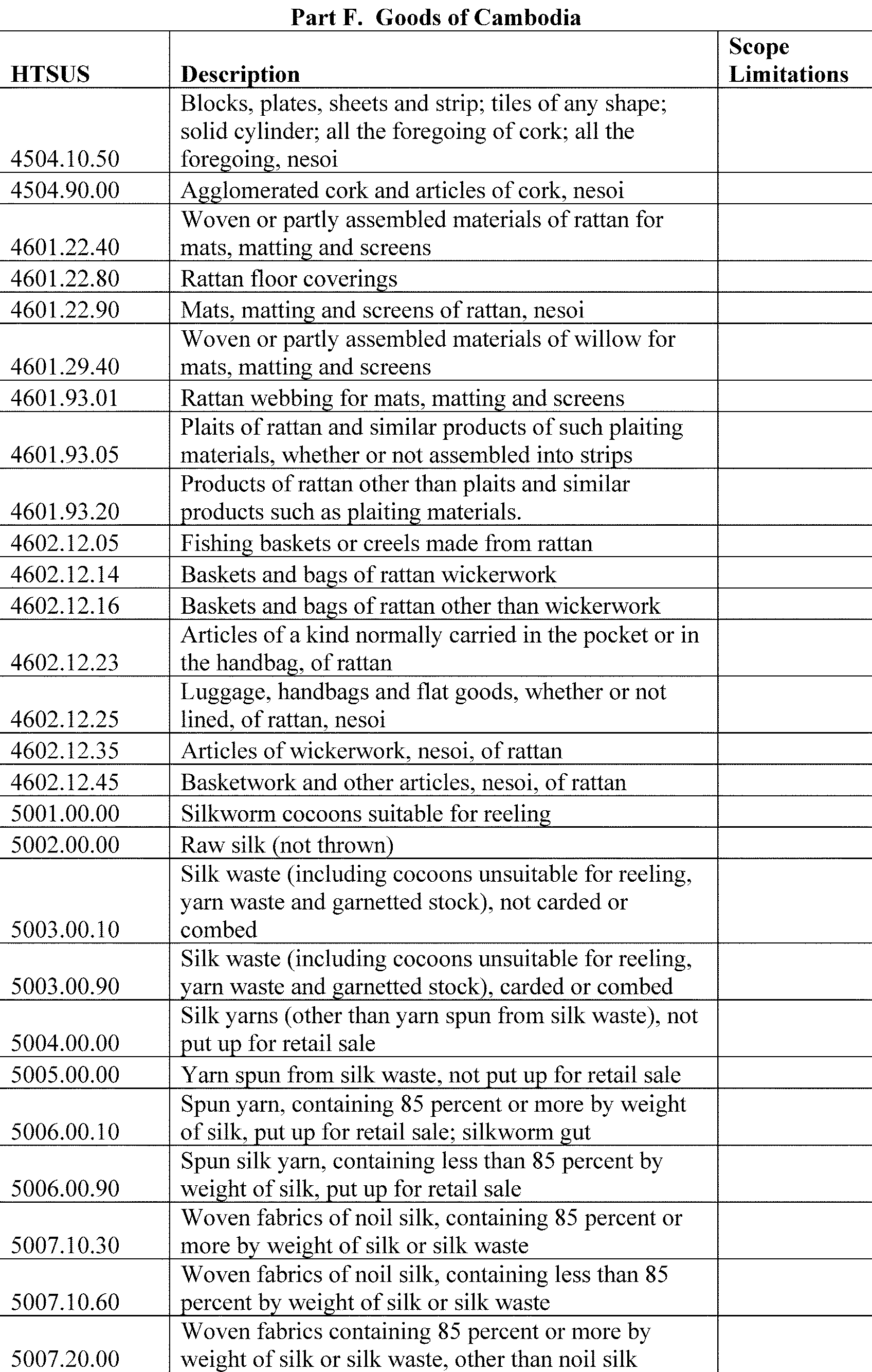
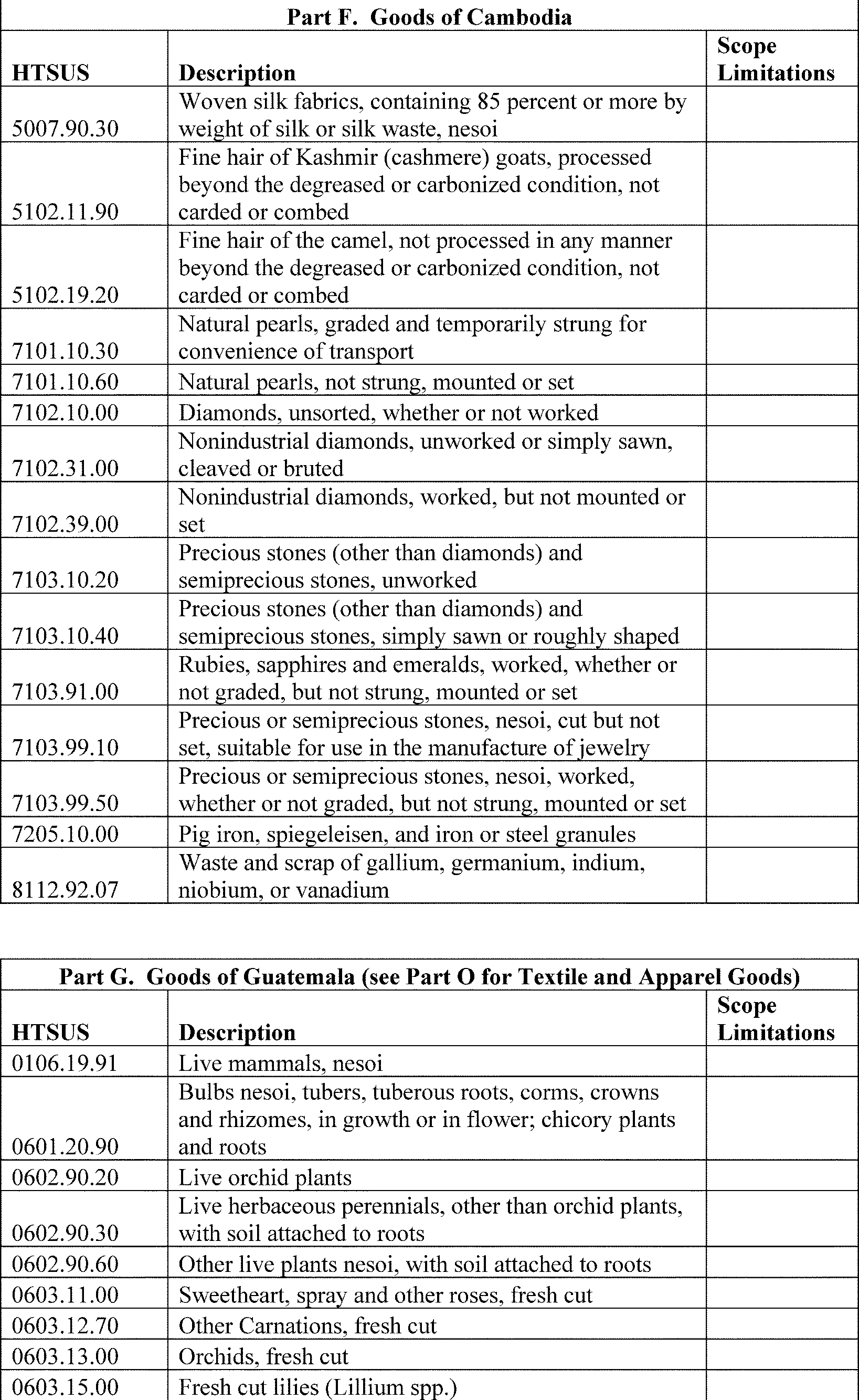
Based on the findings in the investigation of Cambodia, including consideration of Cambodia's commitment in its ART related to prohibiting the importation of forced labor goods and its adoption of a forced labor import prohibition subsequent to the publication of the June 5, 2026 FRN, and considering the public comments and testimony, the advice of the Section 301 Committee, as well as the advice of advisory committees, and in accordance with the specific direction of the President, the Trade Representative has determined to impose 10 percent tariffs on products of Cambodia, except as provided in Annex I and Annex II, Parts A and F, of this Notice. The Trade Representative has determined, in accordance with the specific direction of the President that the tariff rate to be applied, and the scope of tariffs and exemptions are appropriate to obtain the elimination of the acts, policies, and practices determined to be actionable in the investigation.
10. Canada: Determination of Action in Investigation
Based on the findings in the investigation of Canada, including that Canada has failed to effectively enforce its forced labor import prohibition, and considering the public comments and testimony, the advice of the Section 301 Committee, as well as the advice of advisory committees, and in accordance with the specific direction of the President, the Trade Representative has determined to impose 10 percent tariffs on products of Canada, except as provided in Annex I and Annex II, Part A, of this Notice. The Trade Representative has determined, in accordance with the specific direction of the President that the tariff rate to be applied, and the scope of tariffs and exemptions are appropriate to obtain the elimination of the acts, policies, and practices determined to be actionable in the investigation.
11. Chile: Determination of Action in Investigation
Based on the findings in the investigation of Chile, considering the public comments, testimony, and the advice of the Section 301 Committee, as well as the advice of advisory committees, and in accordance with the specific direction of the President, the Trade Representative has determined to impose 12.5 percent tariffs on products of Chile, except as provided in Annex I and Annex II, Part A, of this Notice. The Trade Representative has determined, in accordance with the specific direction of the President that the tariff rate to be applied, and the scope of tariffs and exemptions are appropriate to obtain the elimination of the acts, policies, and practices determined to be actionable in the investigation.
12. China, People's Republic of: Determination of Action in Investigation
Based on the findings in the investigation of China, and considering the public comments and testimony, the advice of the Section 301 Committee, as well as the advice of advisory committees, and in accordance with the specific direction of the President, the Trade Representative has determined to impose 12.5 percent tariffs on products of China, except as provided in Annex I and Annex II, Part A, of this Notice. The Trade Representative has determined, in accordance with the specific direction of the President that the tariff rate to be applied, and the scope of tariffs and exemptions are appropriate to obtain the elimination of the acts, policies, and practices determined to be actionable in the investigation.
13. Colombia: Determination of Action in Investigation
Based on the findings in the investigation of Colombia, considering the public comments, testimony, and the advice of the Section 301 Committee, as well as the advice of advisory committees, and in accordance with the specific direction of the President, the Trade Representative has determined to impose 12.5 percent tariffs on products of Colombia, except as provided in Annex I and Annex II, Part A, of this Notice. The Trade Representative has determined, in accordance with the specific direction of the President that the tariff rate to be applied, and the scope of tariffs and exemptions are appropriate to obtain the elimination of the acts, policies, and practices determined to be actionable in the investigation.
14. Costa Rica: Determination of Action in Investigation
Based on the findings in the investigation of Costa Rica, considering the public comments, testimony, and the advice of the Section 301 Committee, as well as the advice of
( printed page 47323)
advisory committees, and in accordance with the specific direction of the President, the Trade Representative has determined to impose 12.5 percent tariffs on products of Costa Rica, except as provided in Annex I and Annex II, Part A, of this Notice. The Trade Representative has determined, in accordance with the specific direction of the President that the tariff rate to be applied, and the scope of tariffs and exemptions are appropriate to obtain the elimination of the acts, policies, and practices determined to be actionable in the investigation.
15. Dominican Republic: Determination of Action in Investigation
Based on the findings in the investigation of the Dominican Republic, considering the public comments, testimony, and the advice of the Section 301 Committee, as well as the advice of advisory committees, and in accordance with the specific direction of the President, the Trade Representative has determined to impose 12.5 percent tariffs on products of the Dominican Republic, except as provided in Annex I and Annex II, Part A, of this Notice. The Trade Representative has determined, in accordance with the specific direction of the President that the tariff rate to be applied, and the scope of tariffs and exemptions are appropriate to obtain the elimination of the acts, policies, and practices determined to be actionable in the investigation.
16. Ecuador: Determination of Action in Investigation
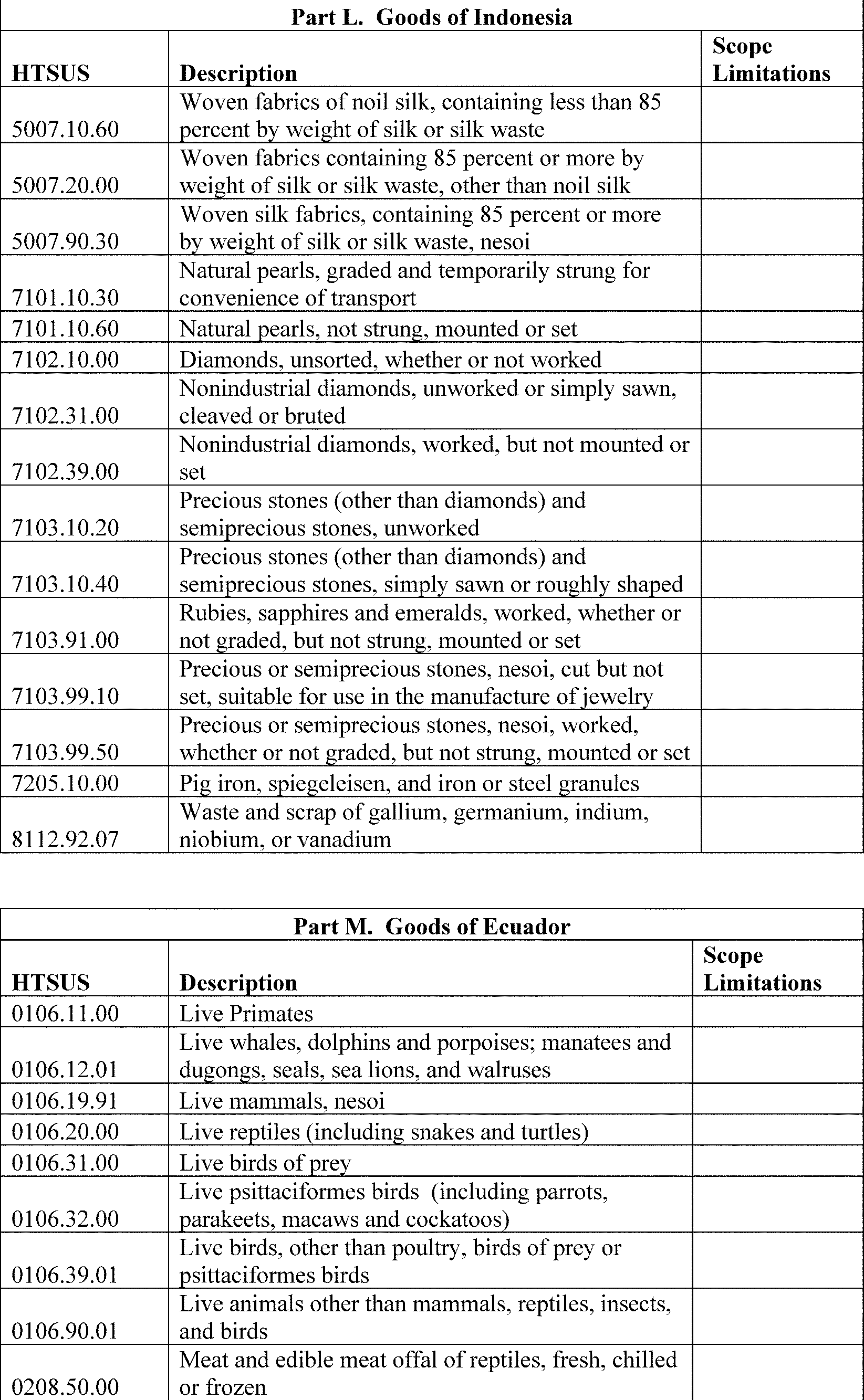
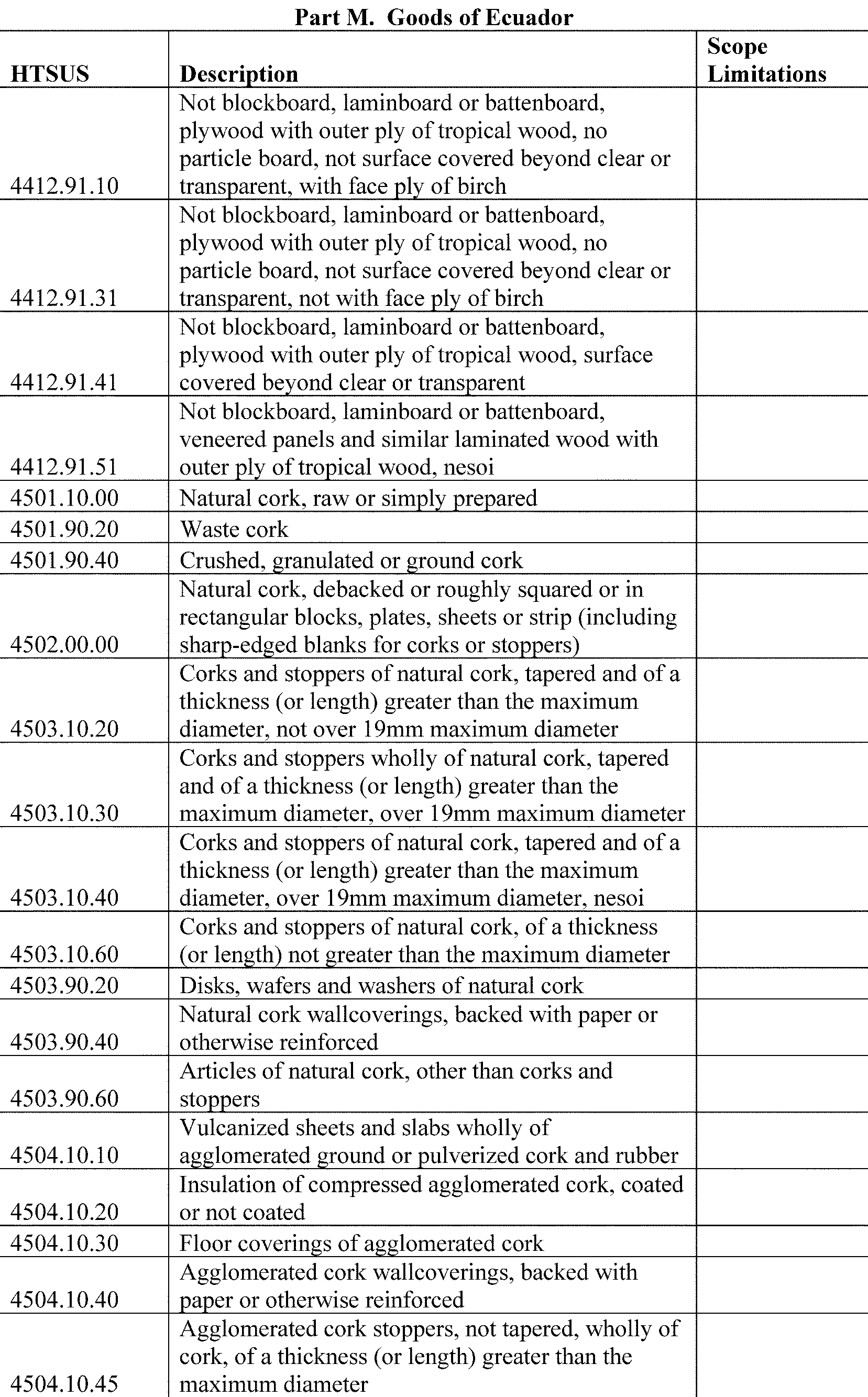
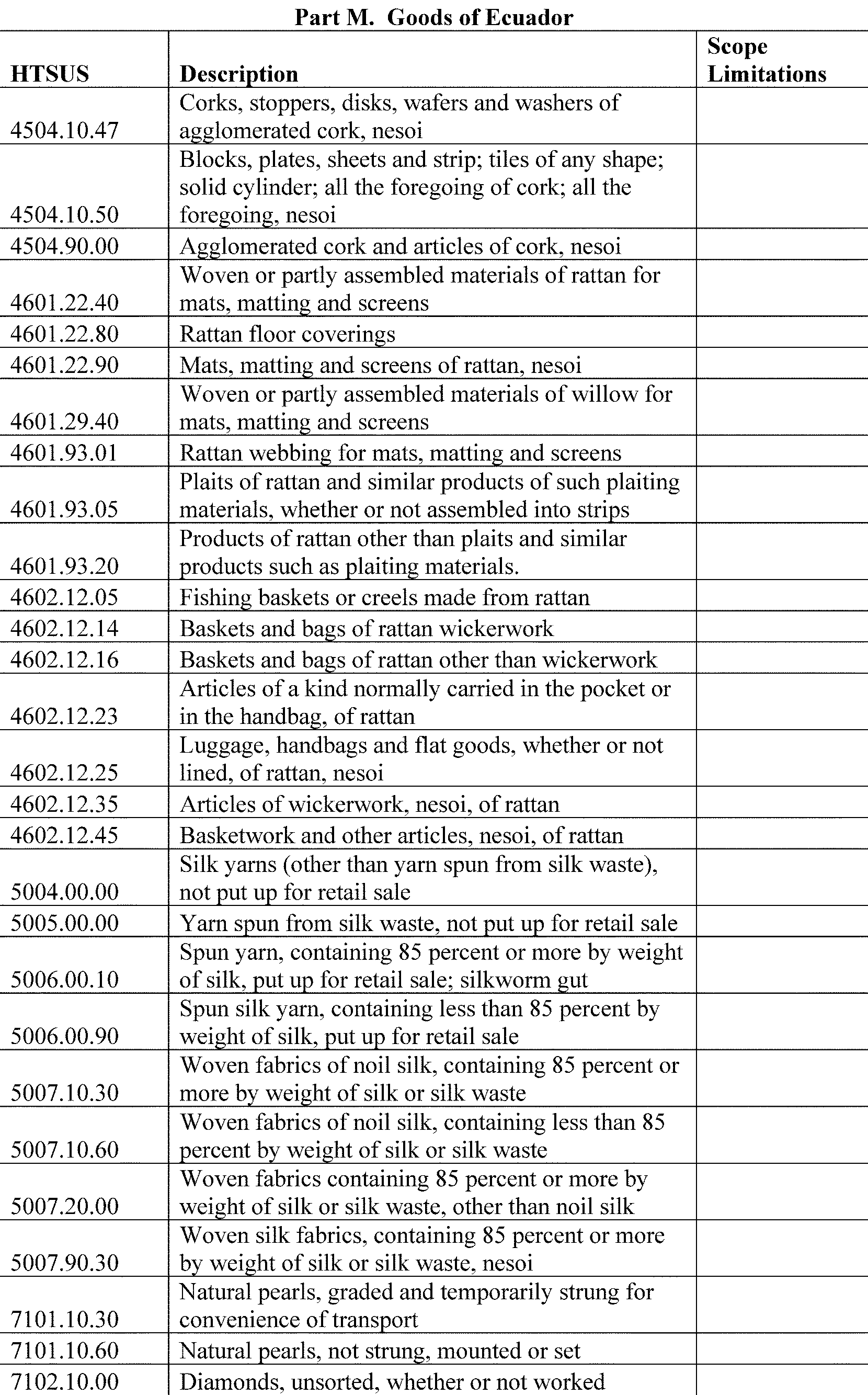
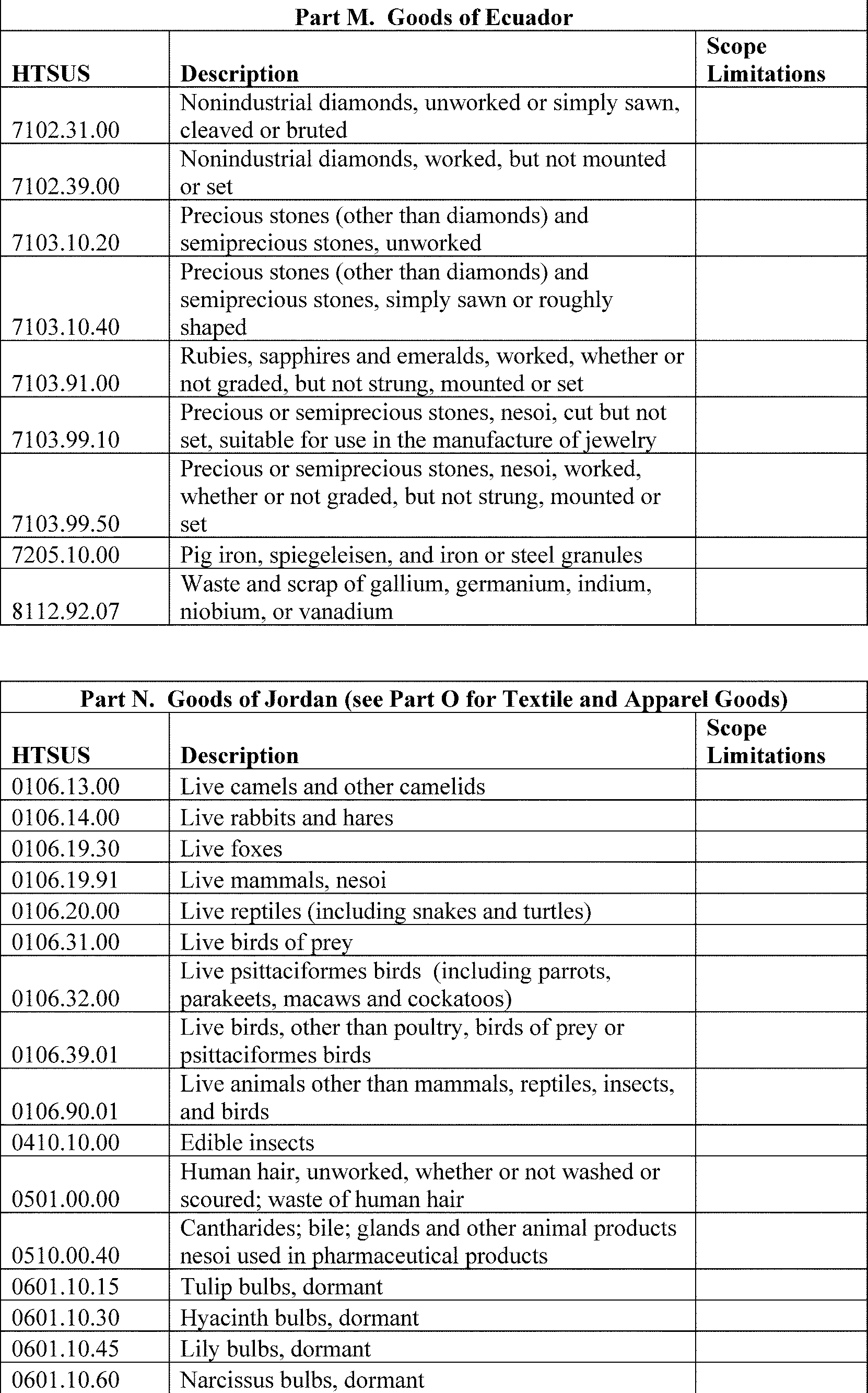
Based on the findings in the investigation of Ecuador, including consideration of Ecuador's commitment in its ART related to prohibiting the importation of forced labor goods, and considering the public comments and testimony, the advice of the Section 301 Committee, as well as the advice of advisory committees, and in accordance with the specific direction of the President, the Trade Representative has determined to impose 10 percent tariffs on products of Ecuador, except as provided in Annex I and Annex II, Parts A and M, of this Notice. The Trade Representative has determined, in accordance with the specific direction of the President that the tariff rate to be applied, and the scope of tariffs and exemptions are appropriate to obtain the elimination of the acts, policies, and practices determined to be actionable in the investigation.
17. Egypt: Determination of Action in Investigation
Based on the findings in the investigation of Egypt, considering the public comments, testimony, and the advice of the Section 301 Committee, as well as the advice of advisory committees, and in accordance with the specific direction of the President, the Trade Representative has determined to impose 12.5 percent tariffs on products of Egypt, except as provided in Annex I and Annex II, Part A, of this Notice. The Trade Representative has determined, in accordance with the specific direction of the President that the tariff rate to be applied, and the scope of tariffs and exemptions are appropriate to obtain the elimination of the acts, policies, and practices determined to be actionable in the investigation.
18. El Salvador: Determination of Action in Investigation
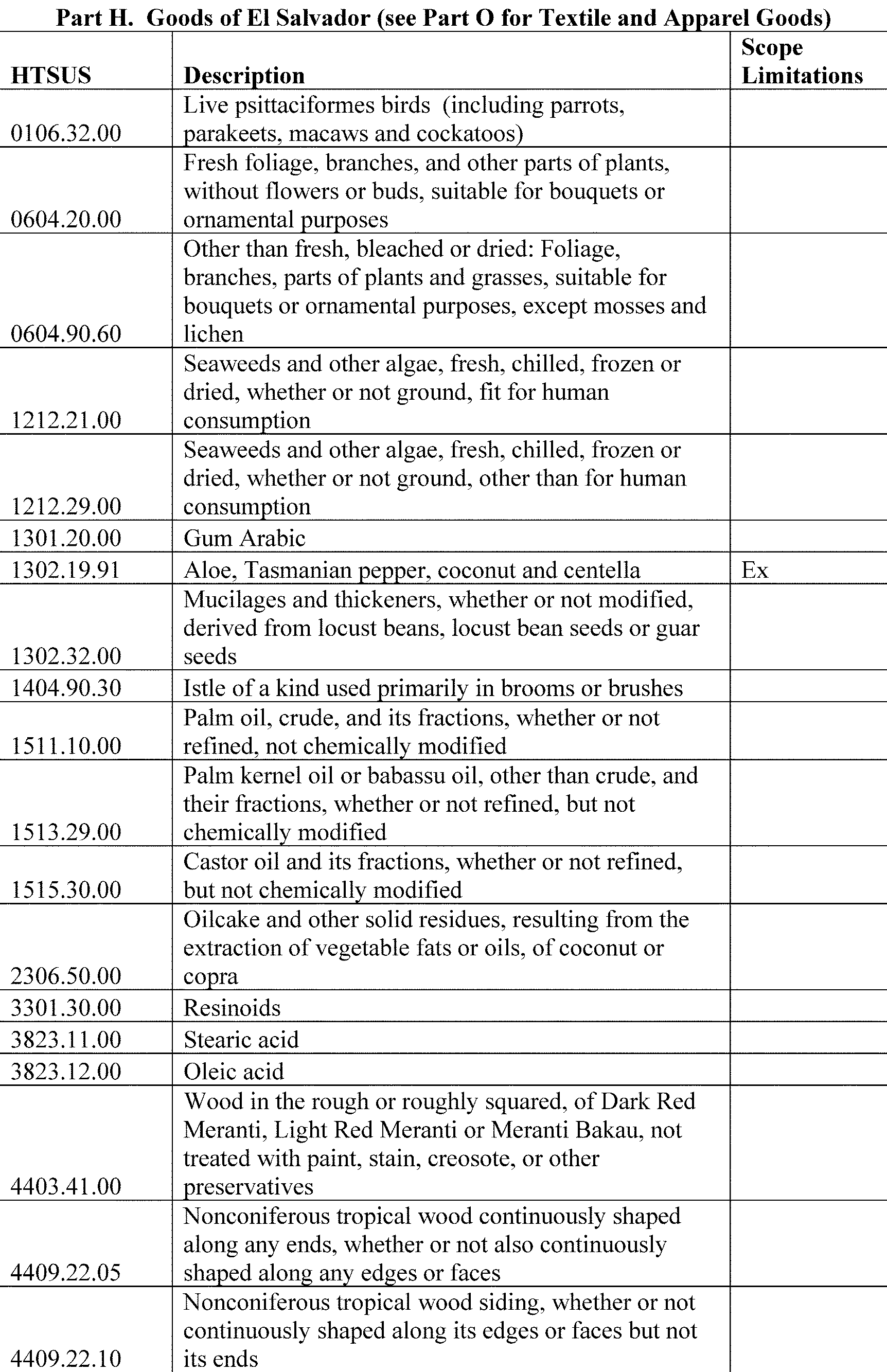
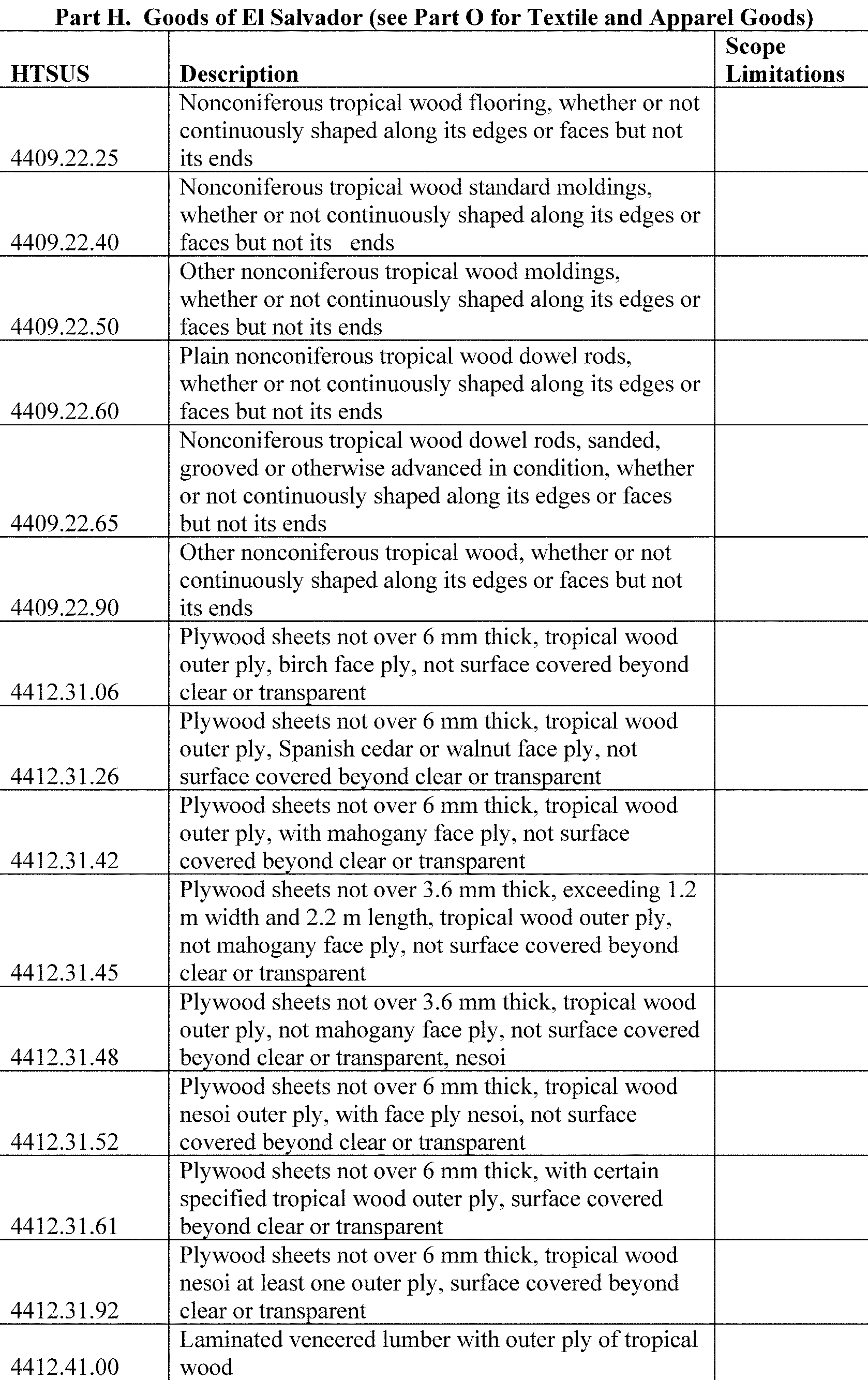
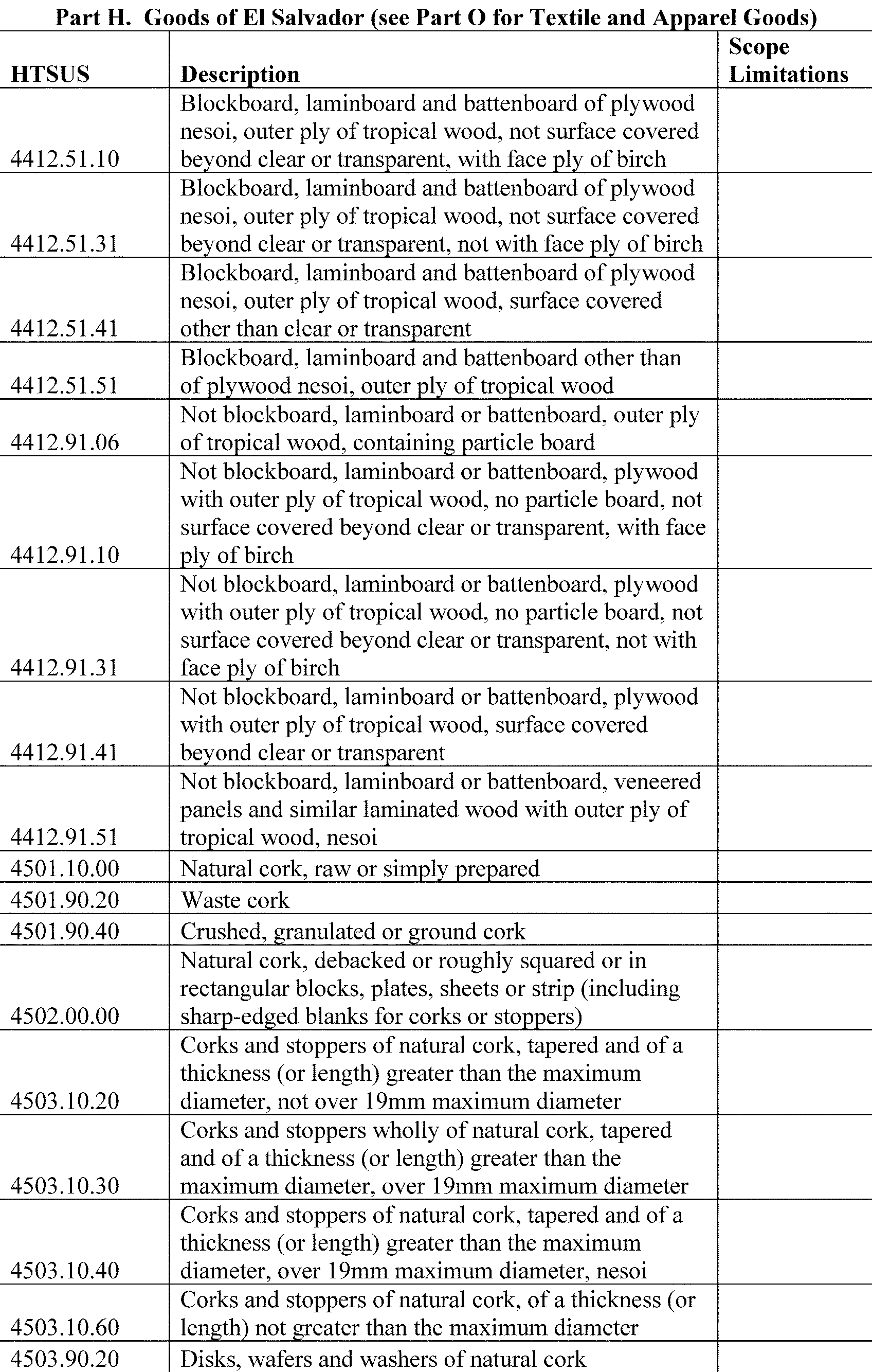
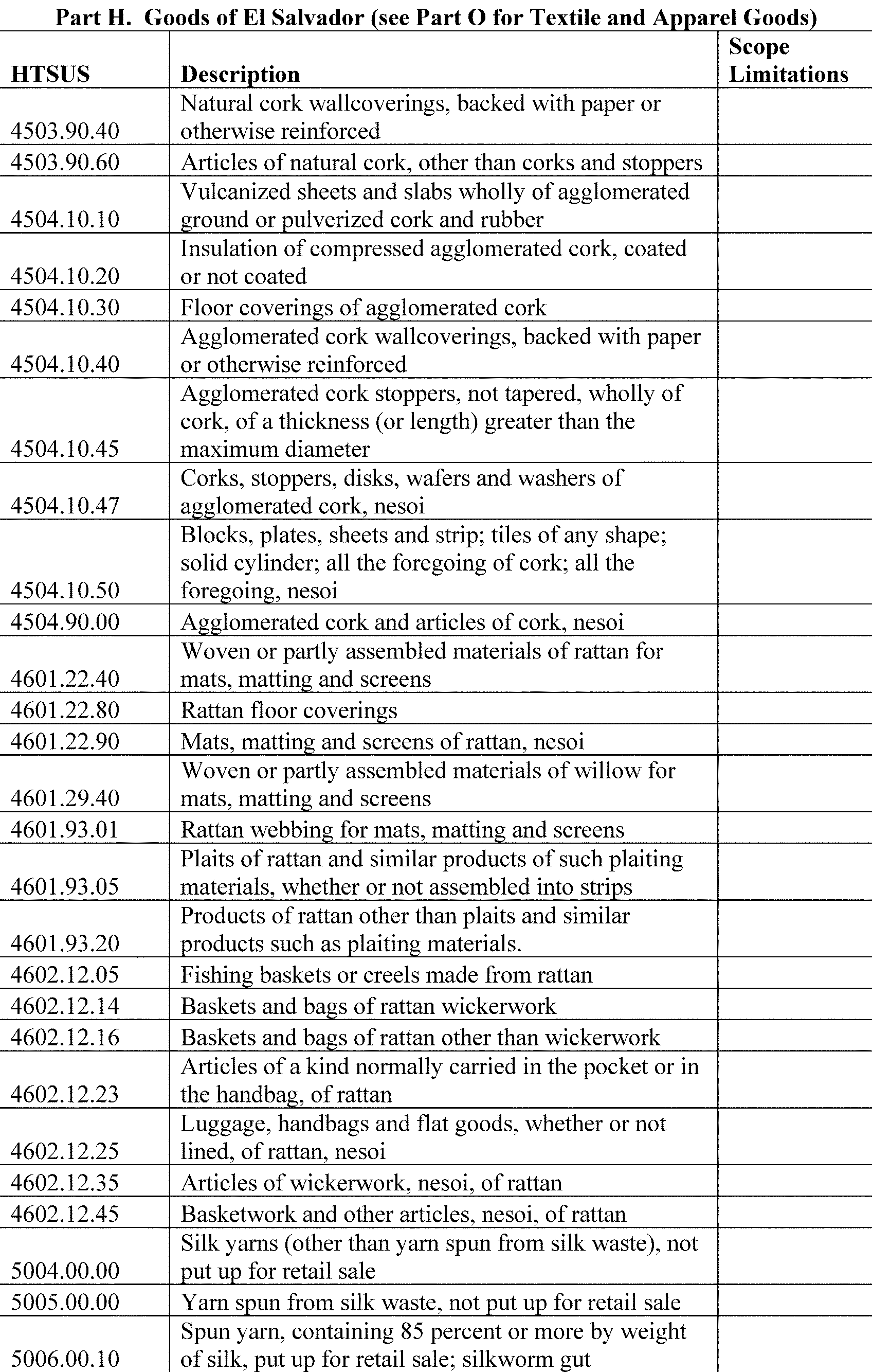
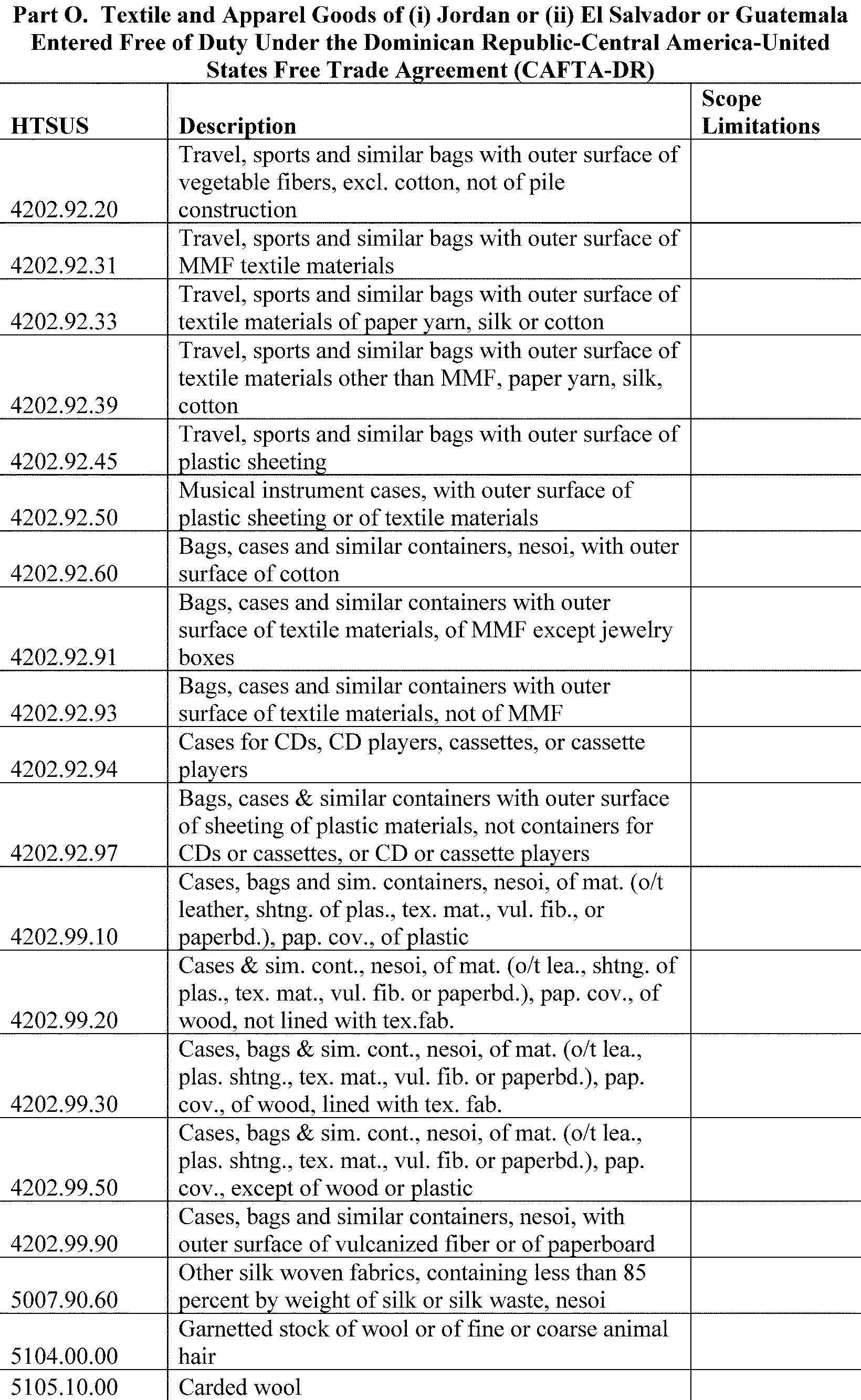
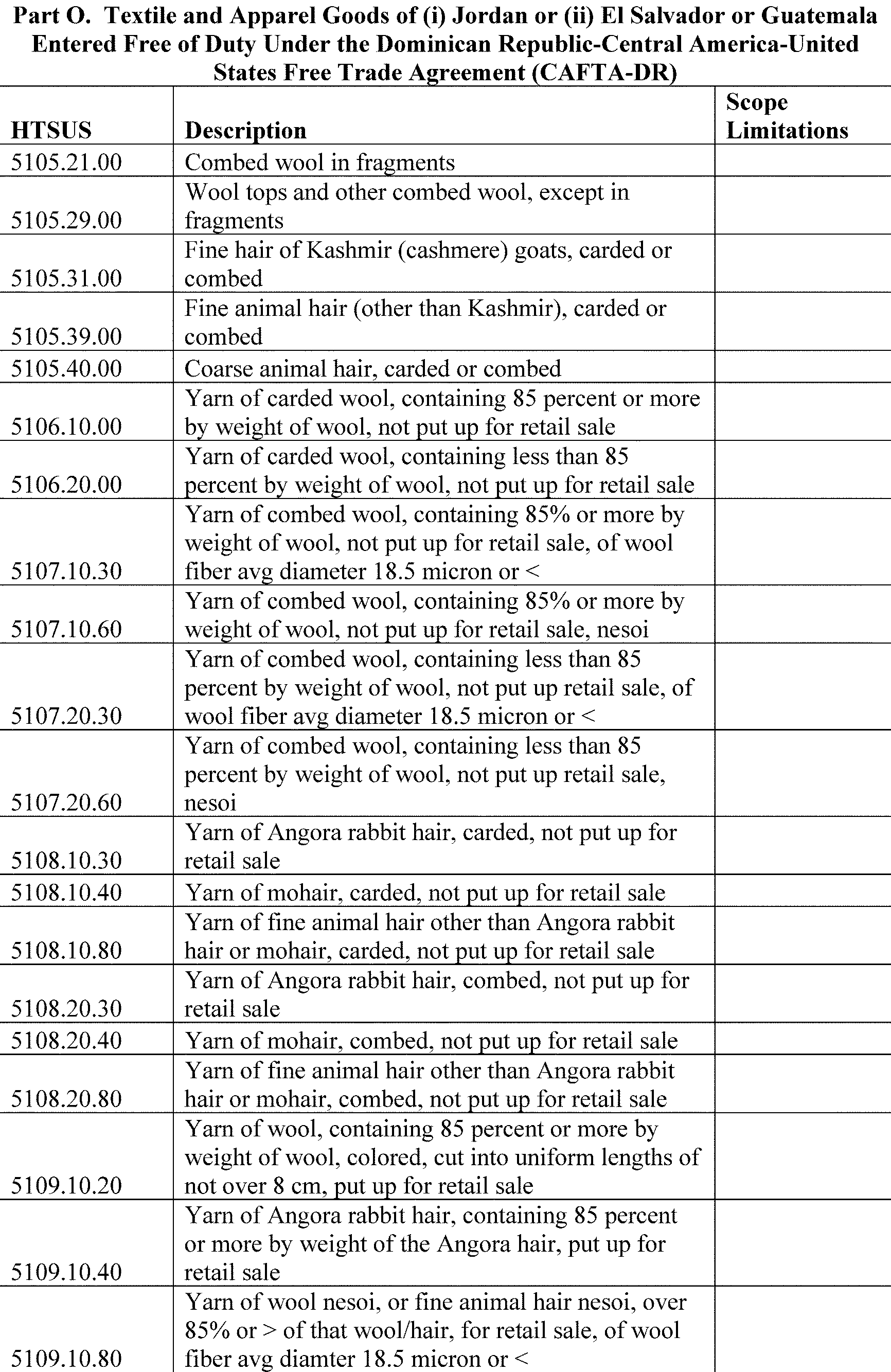
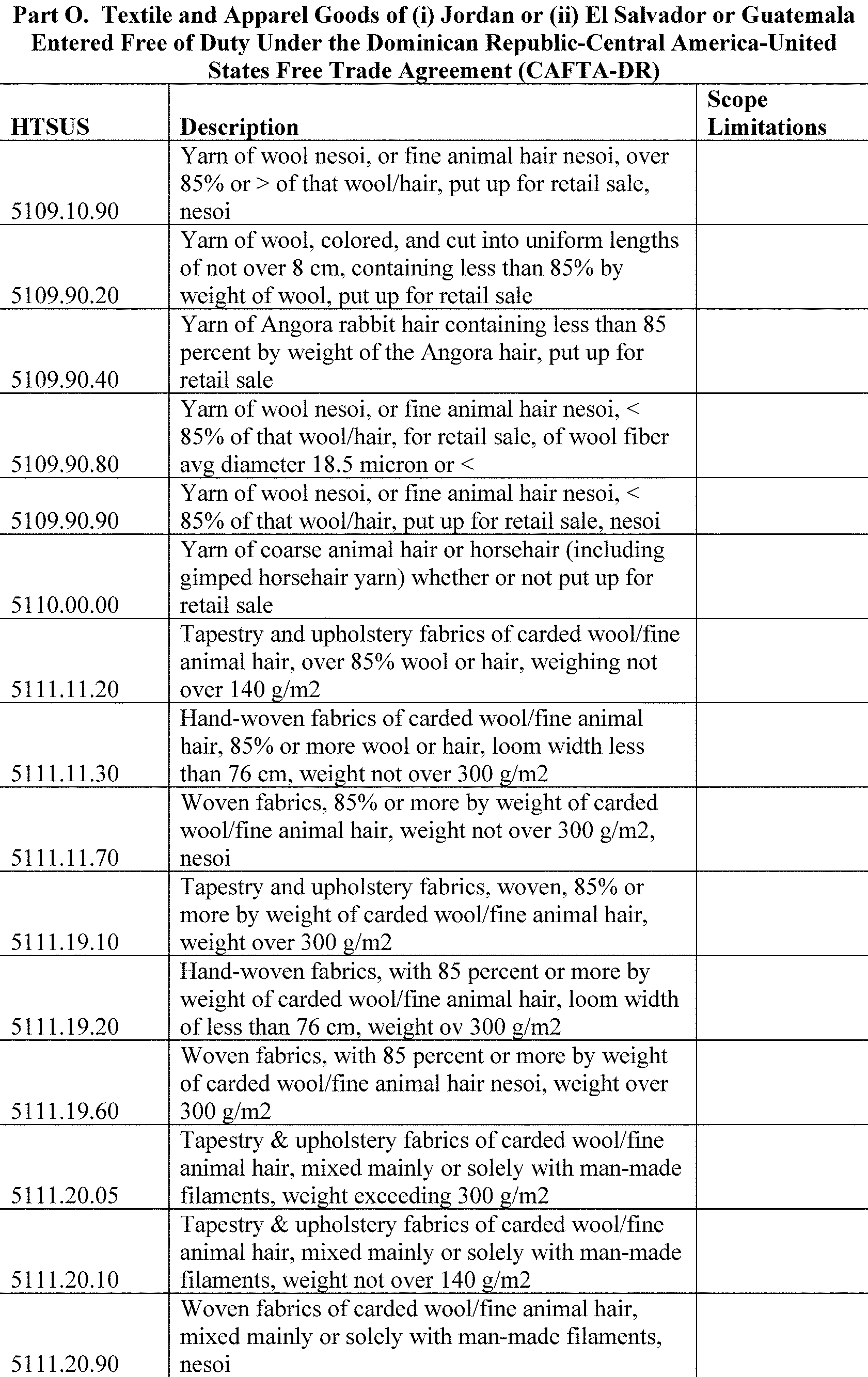
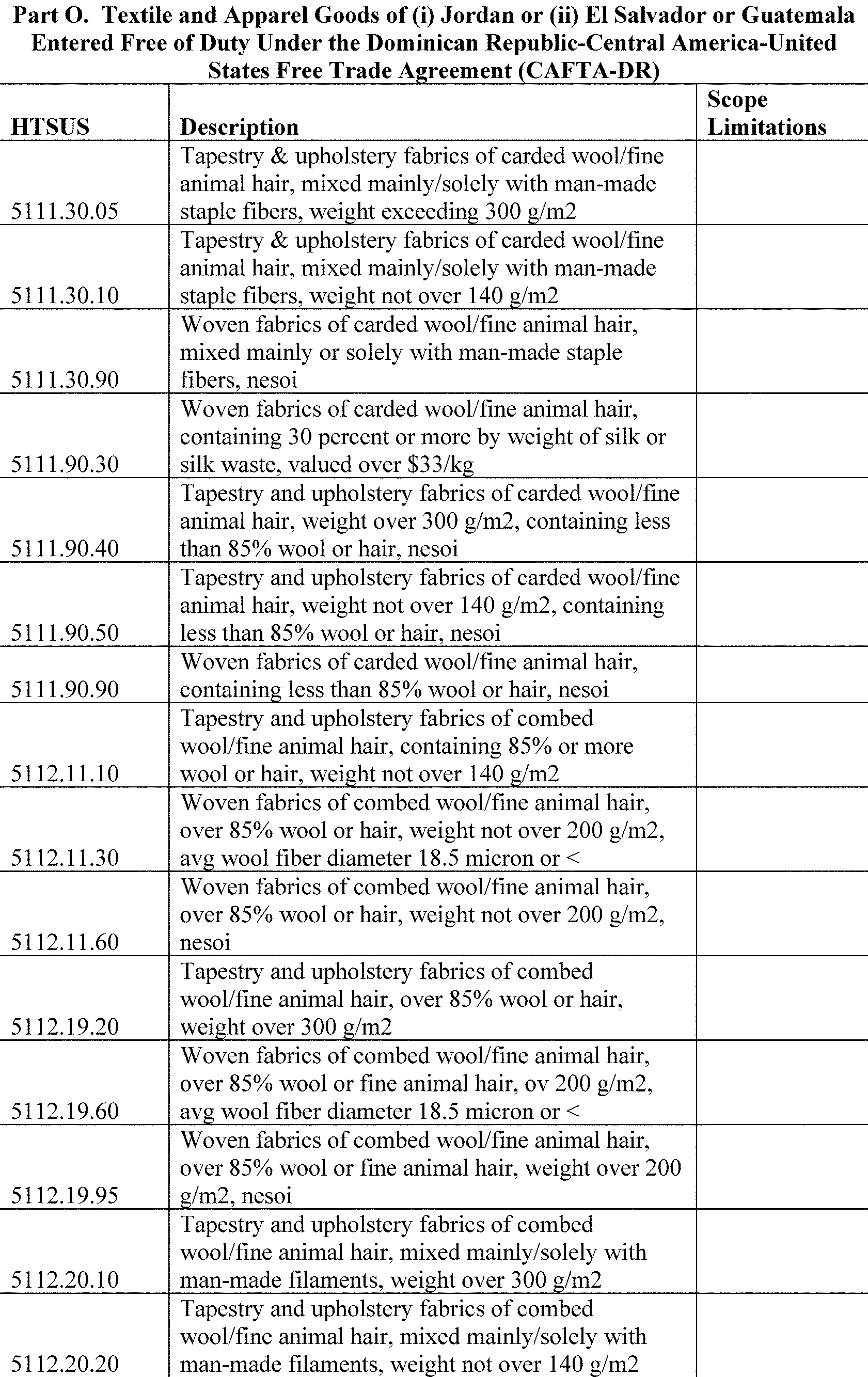
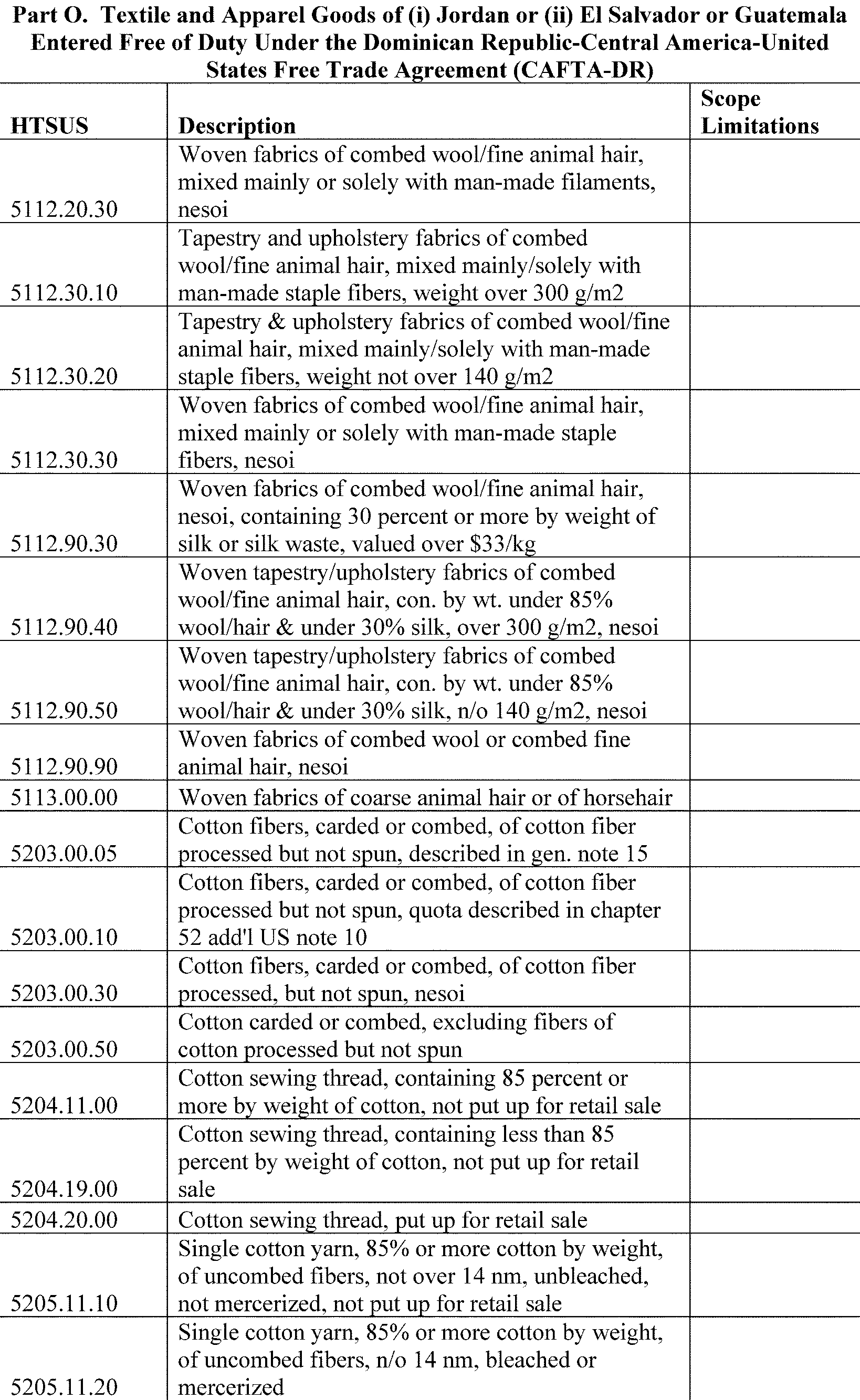
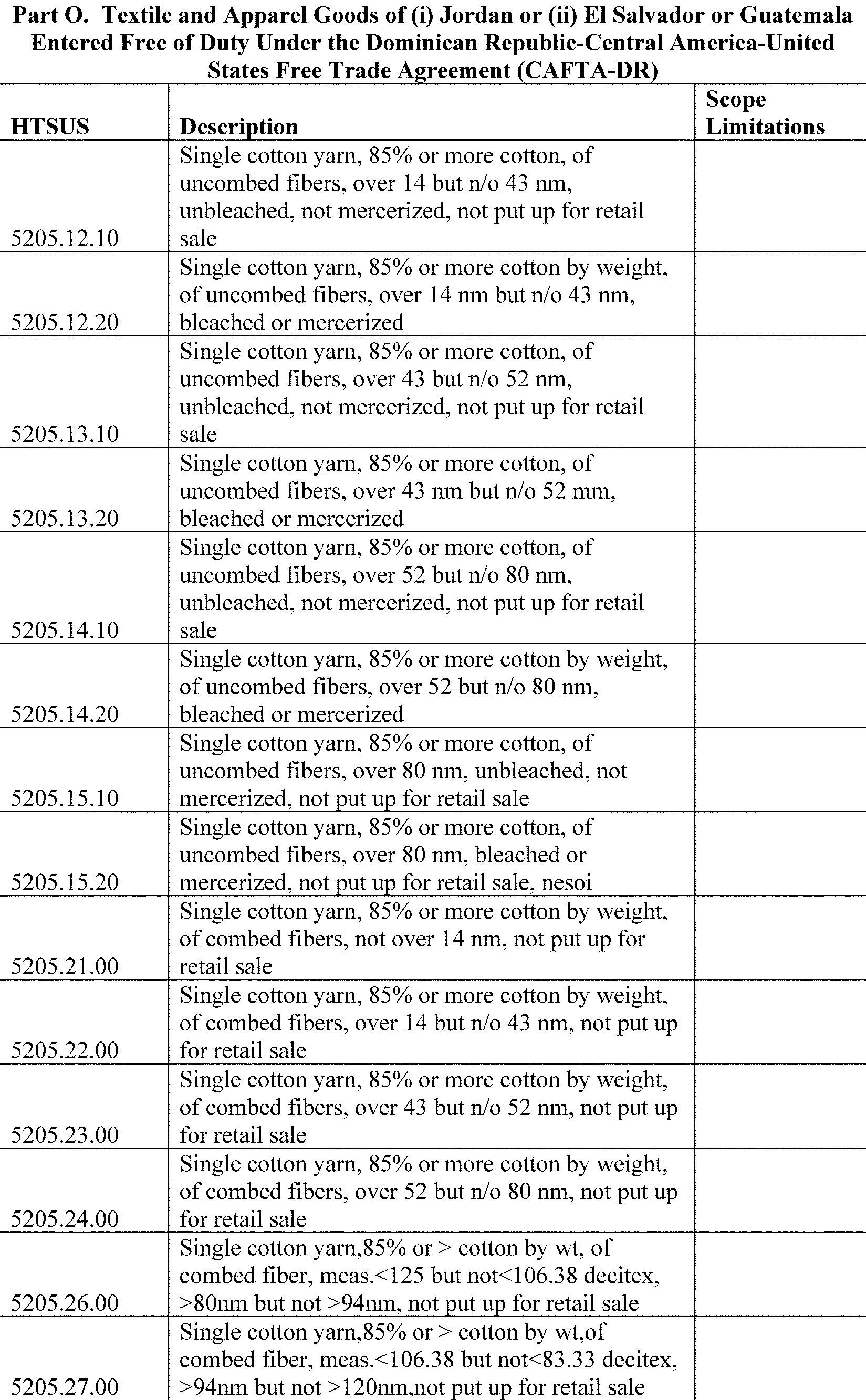
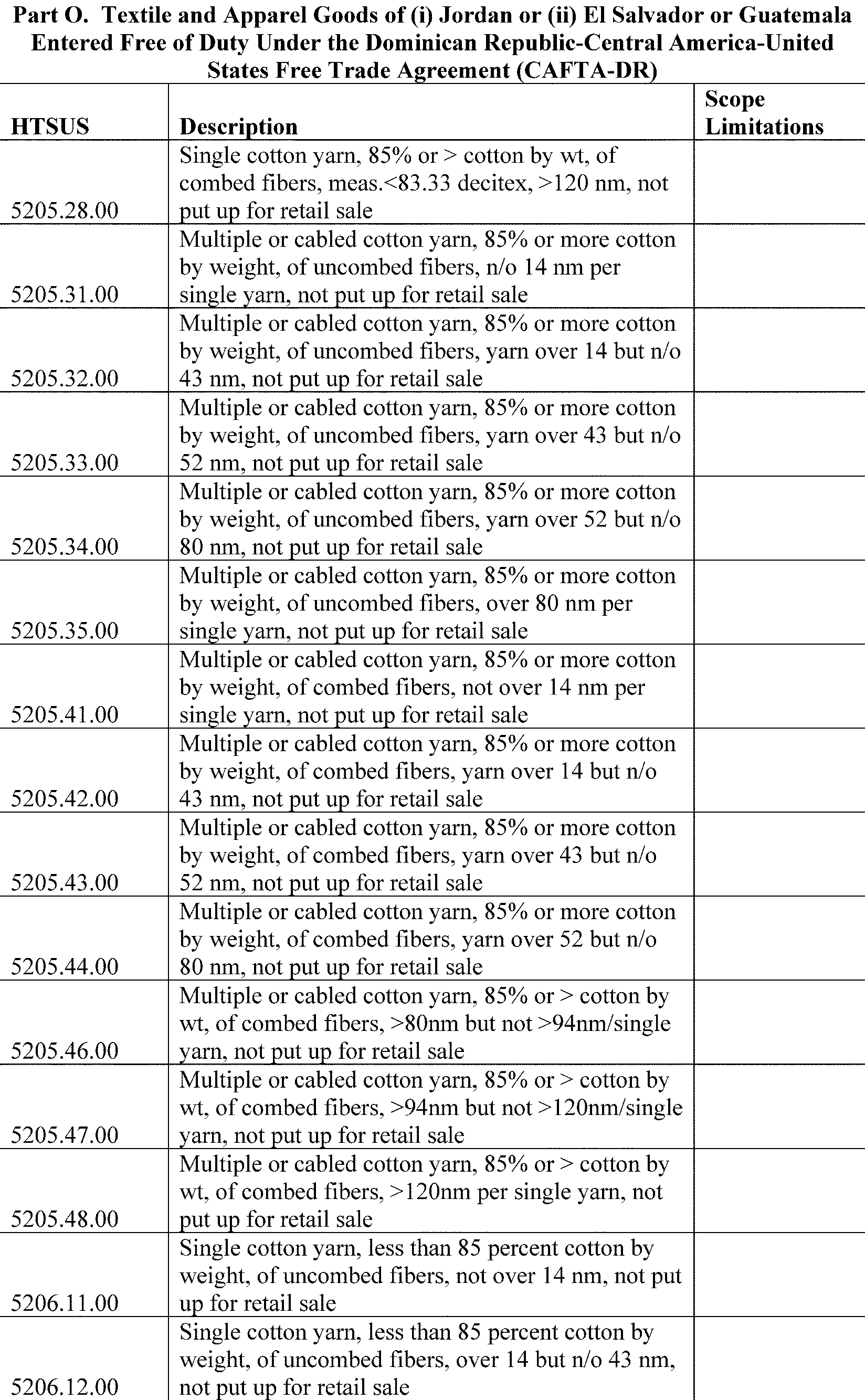
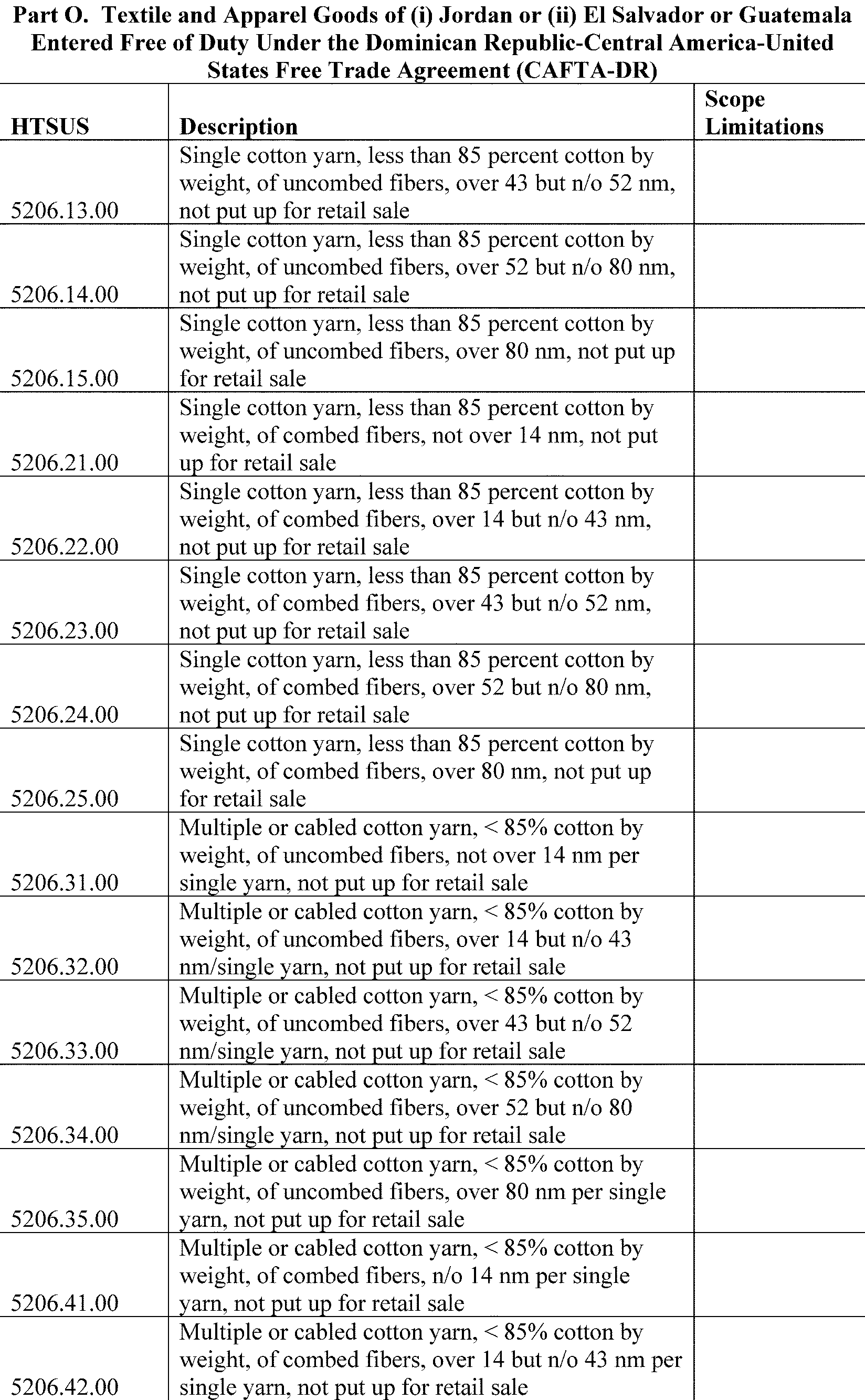
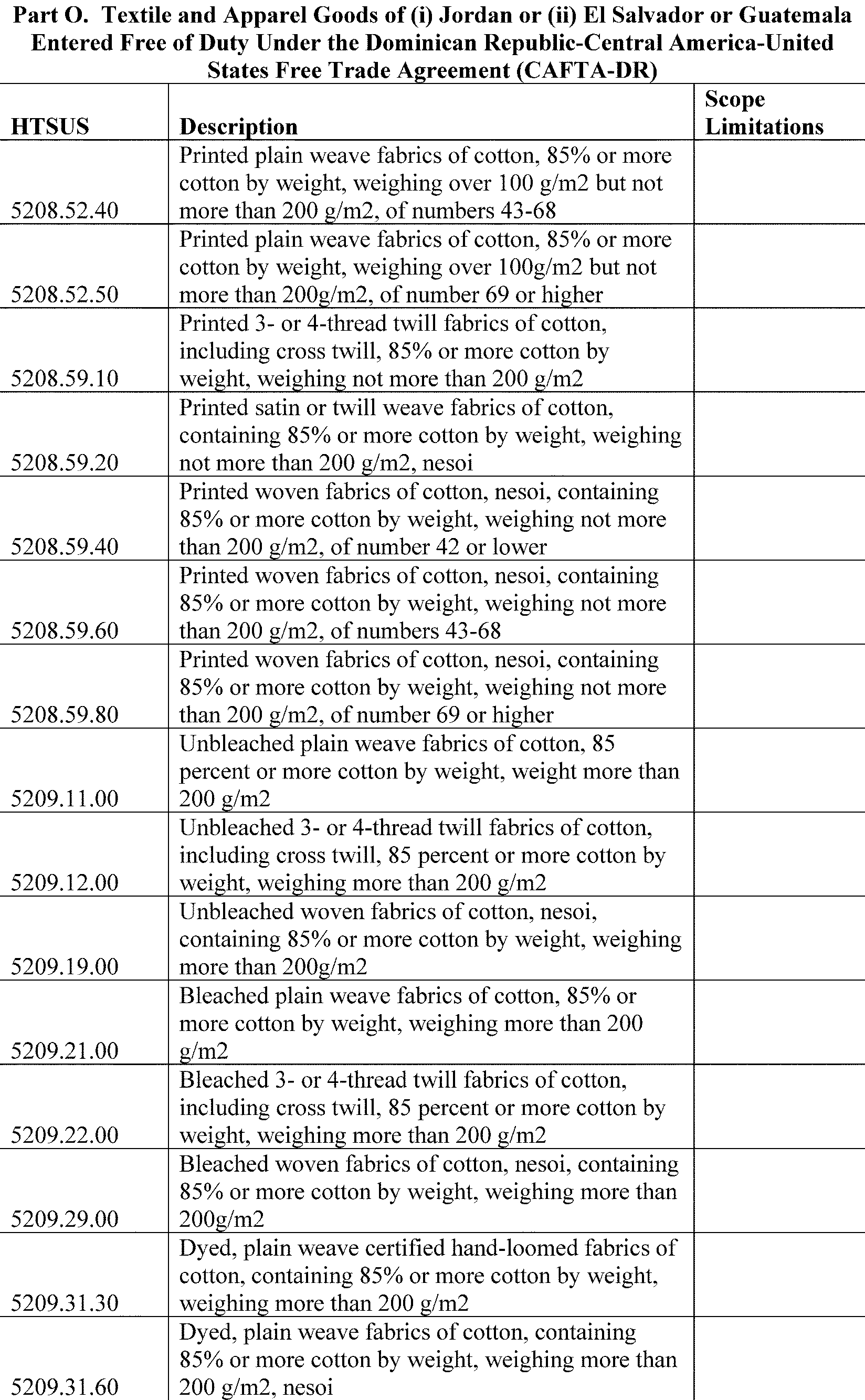
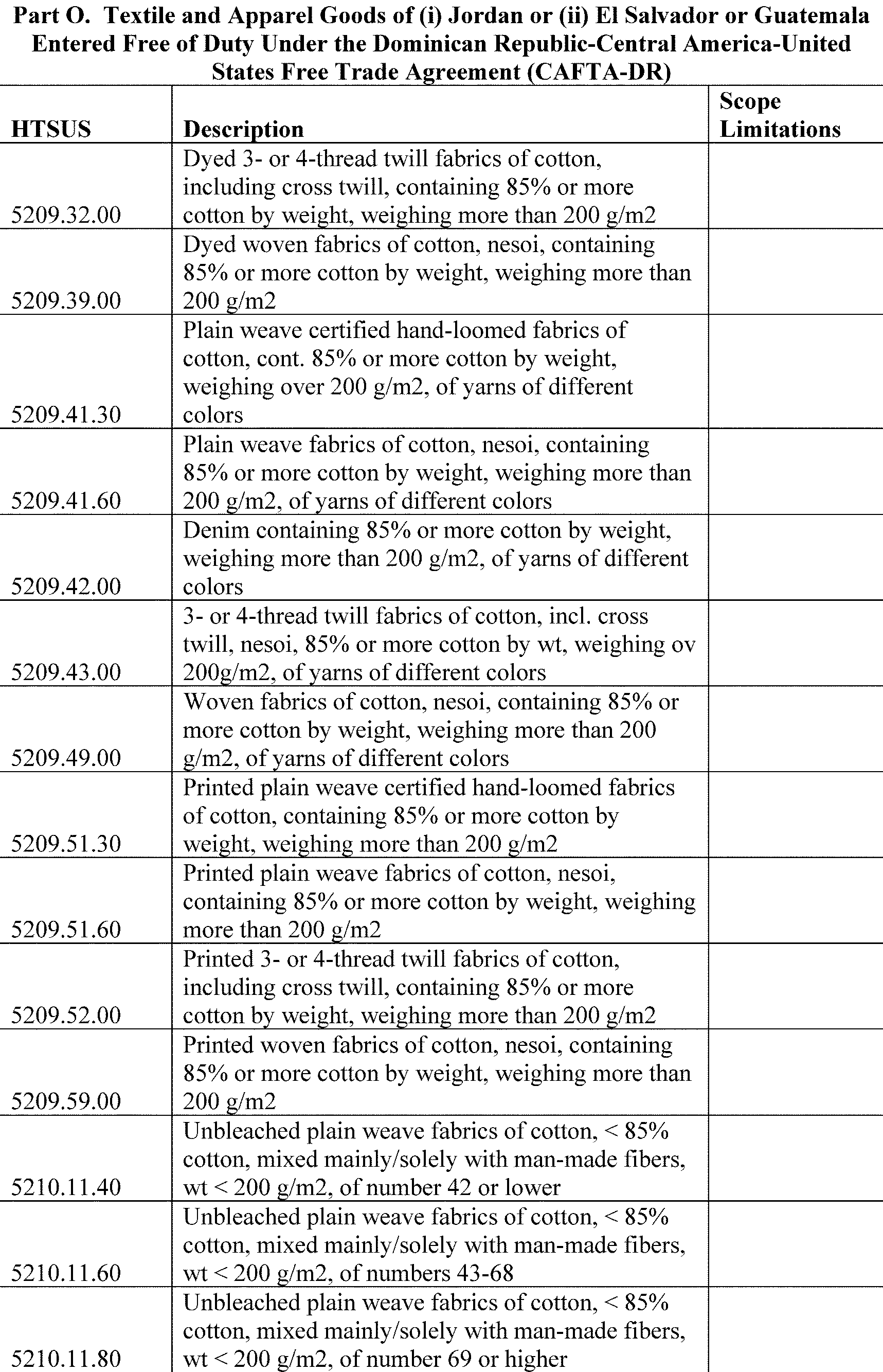
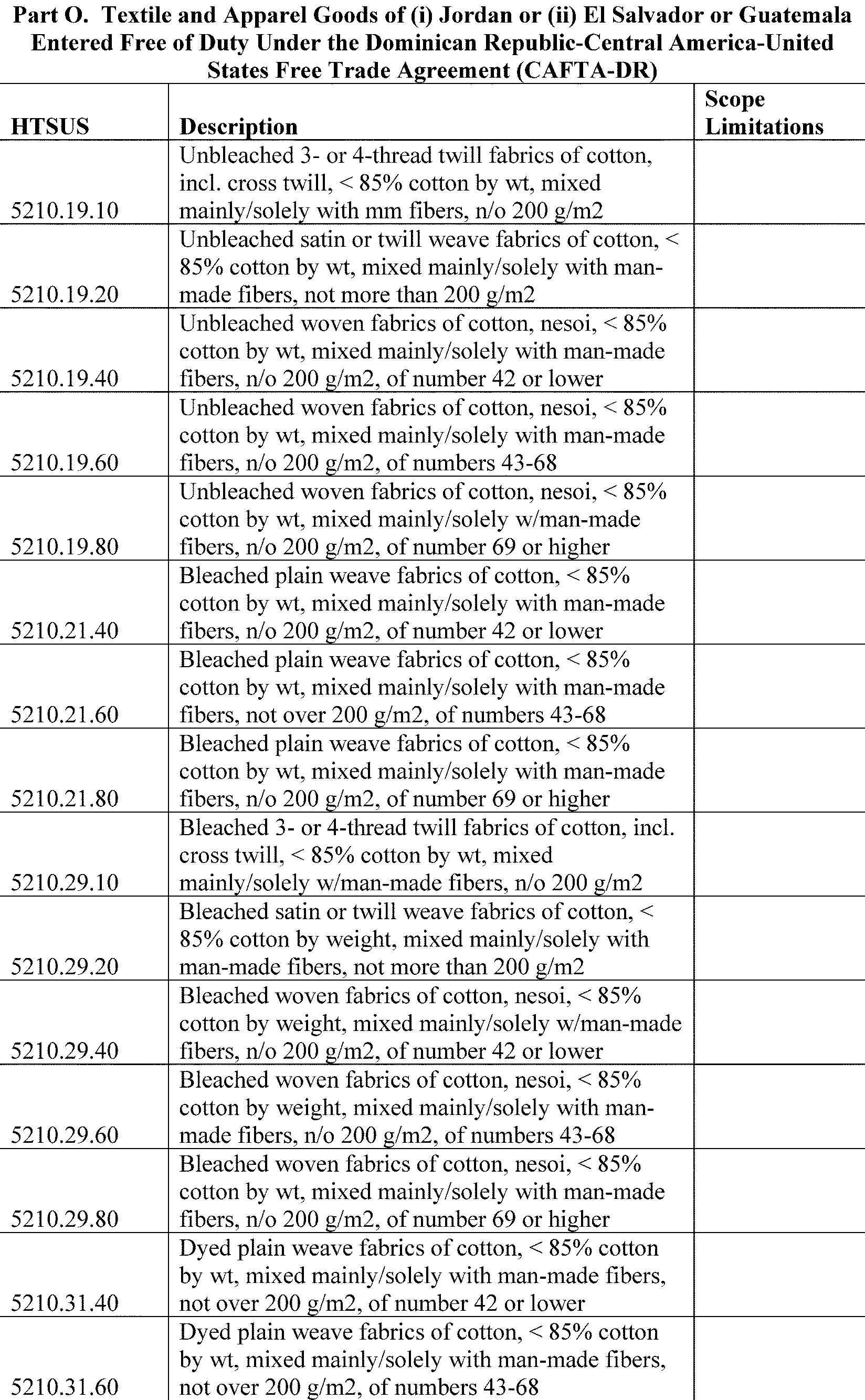
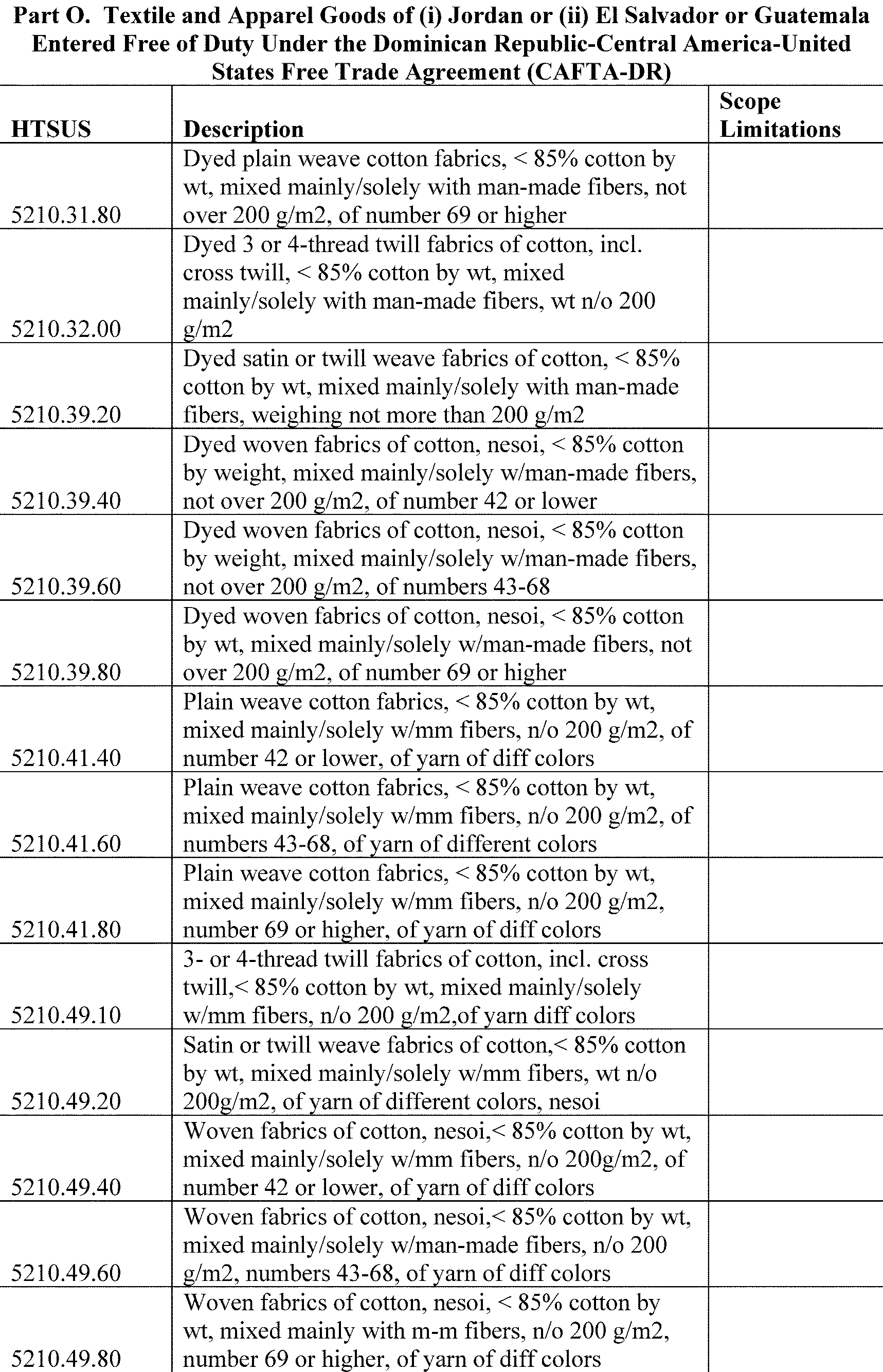
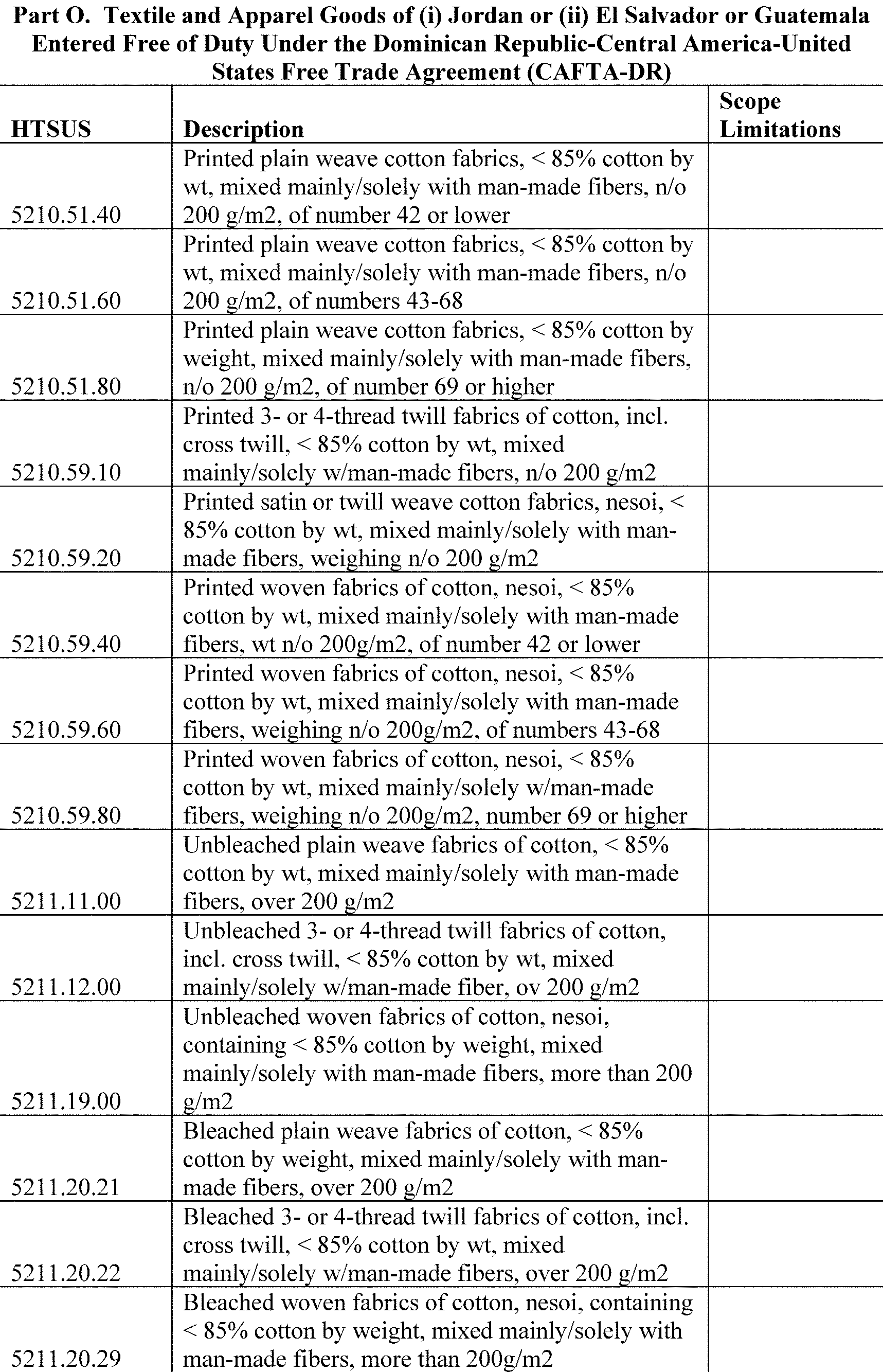
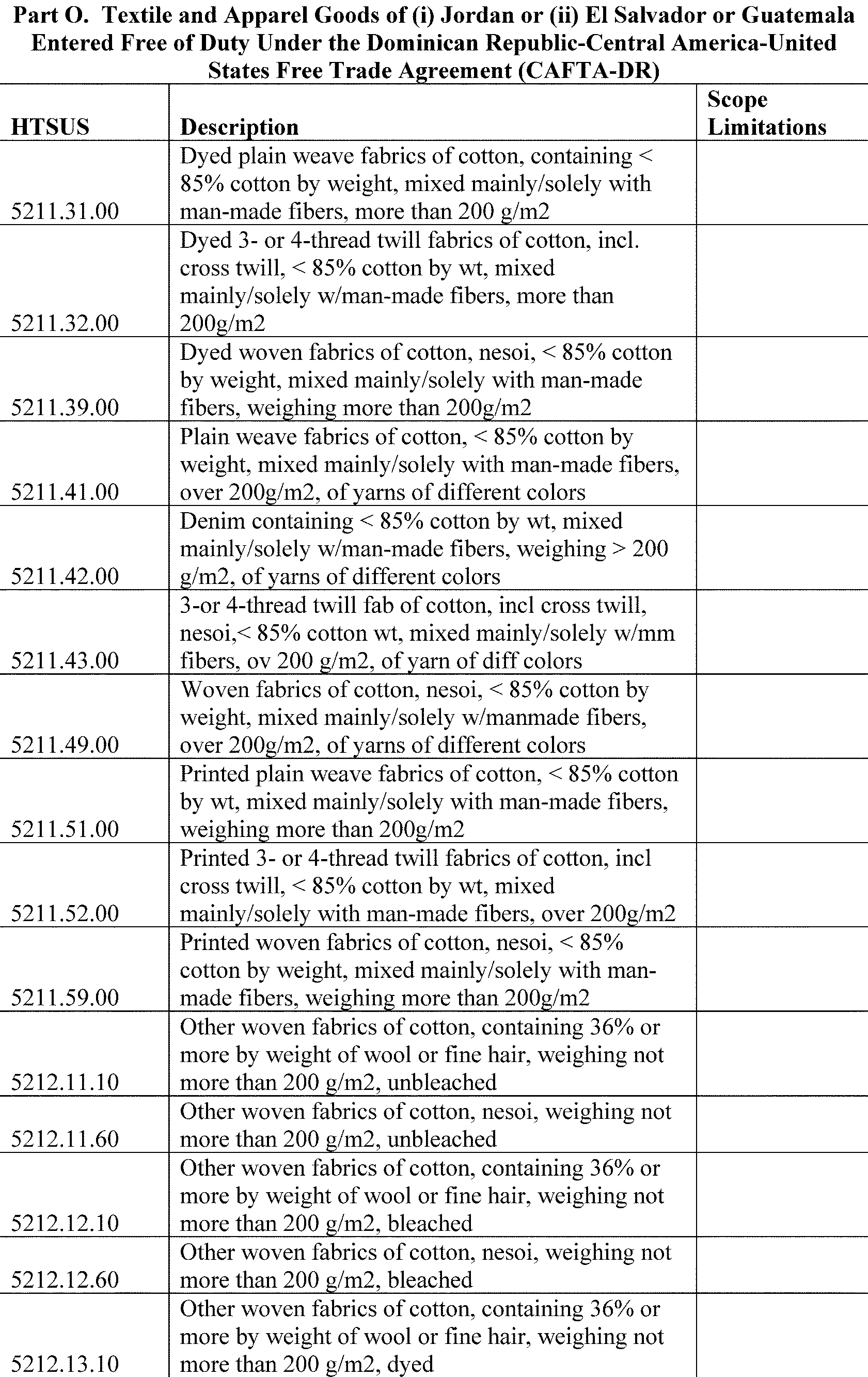
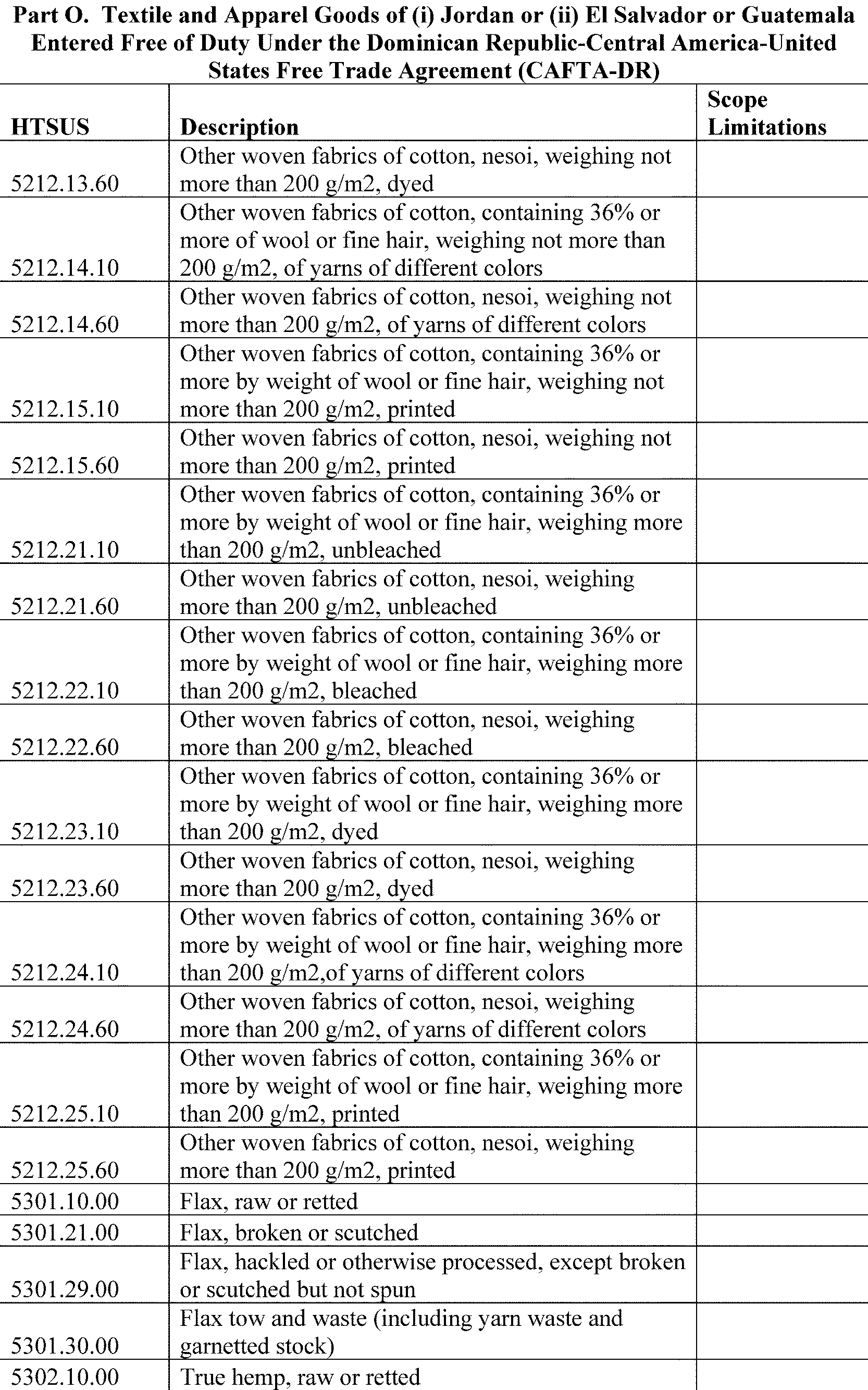
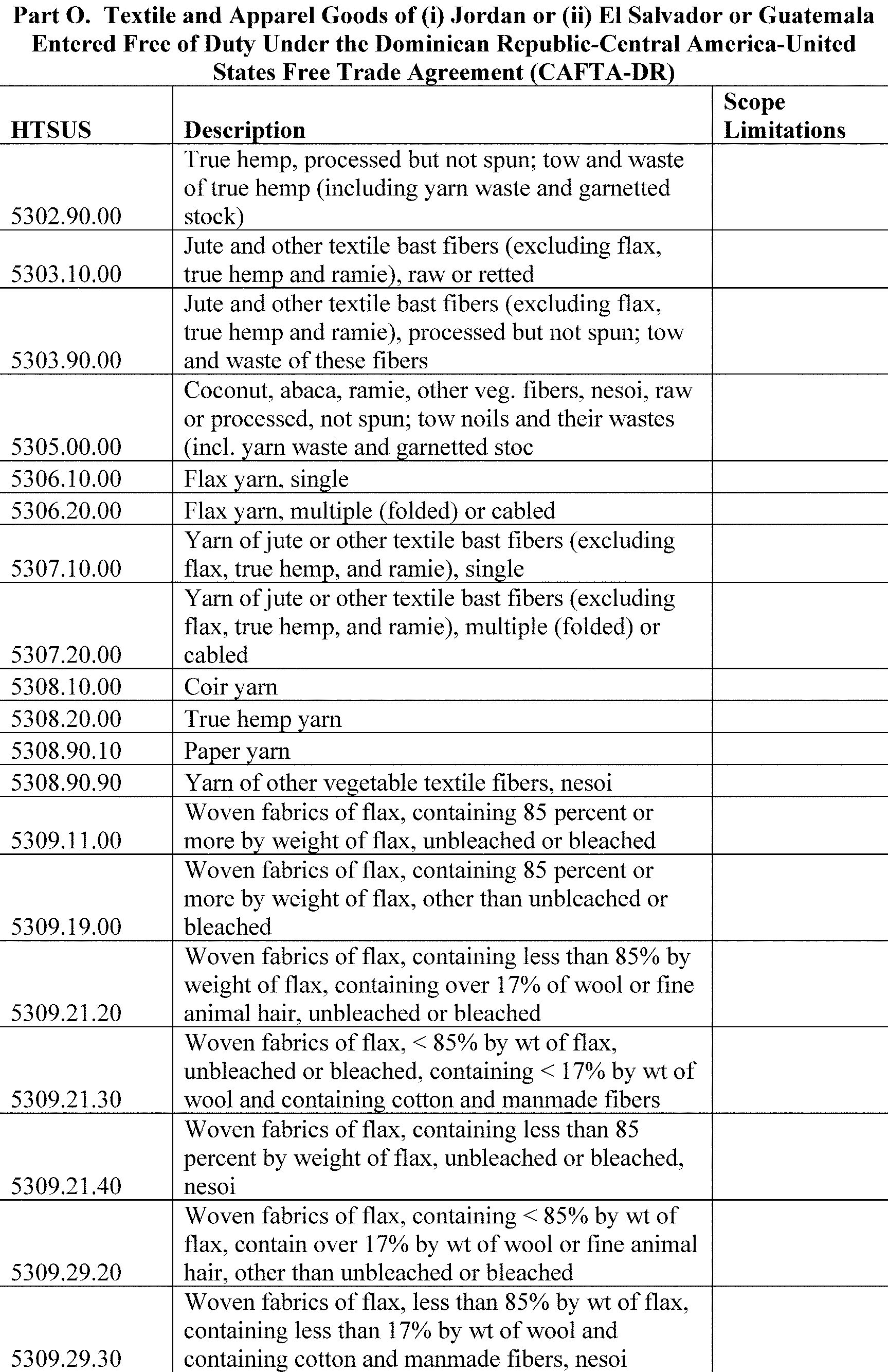
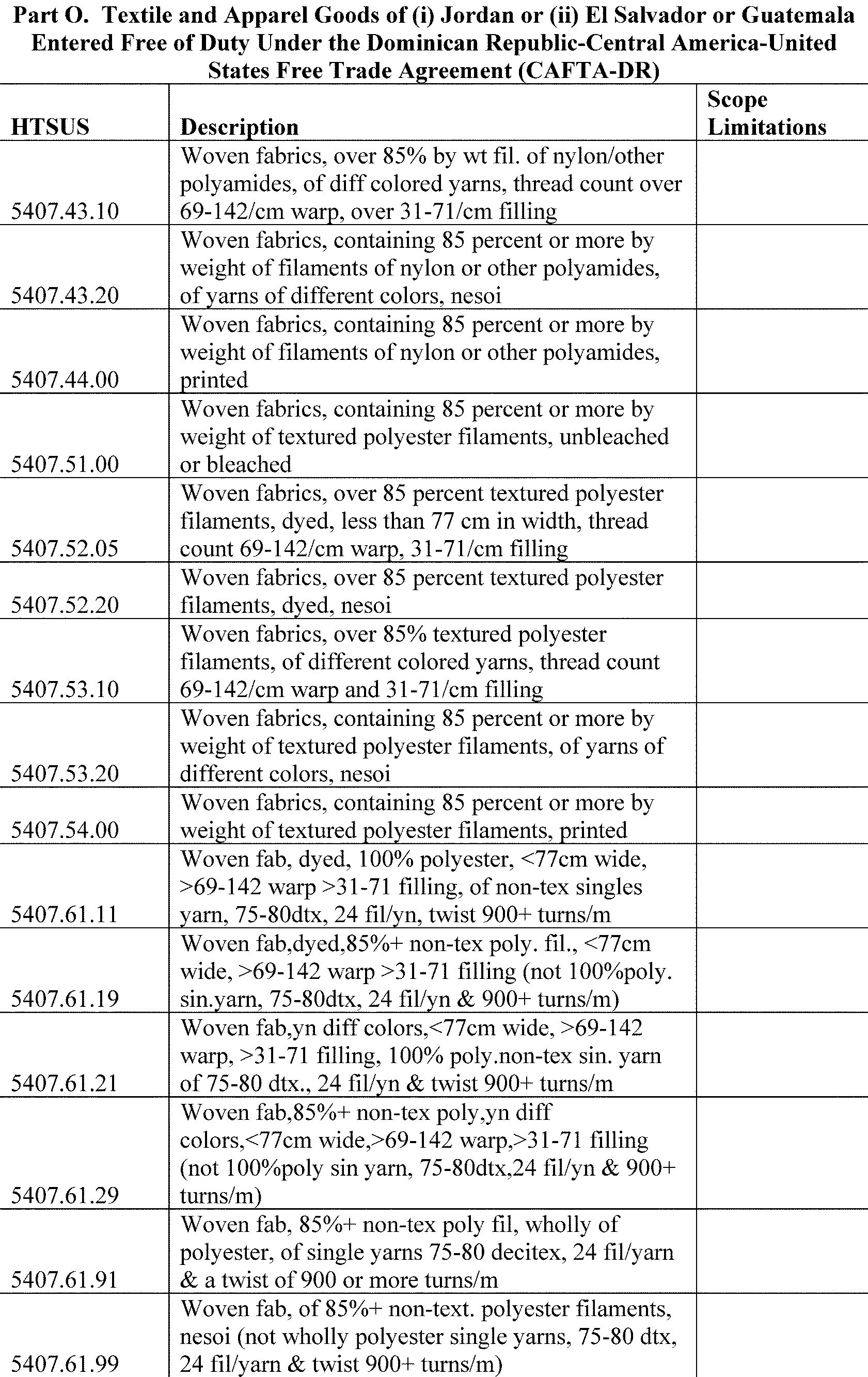
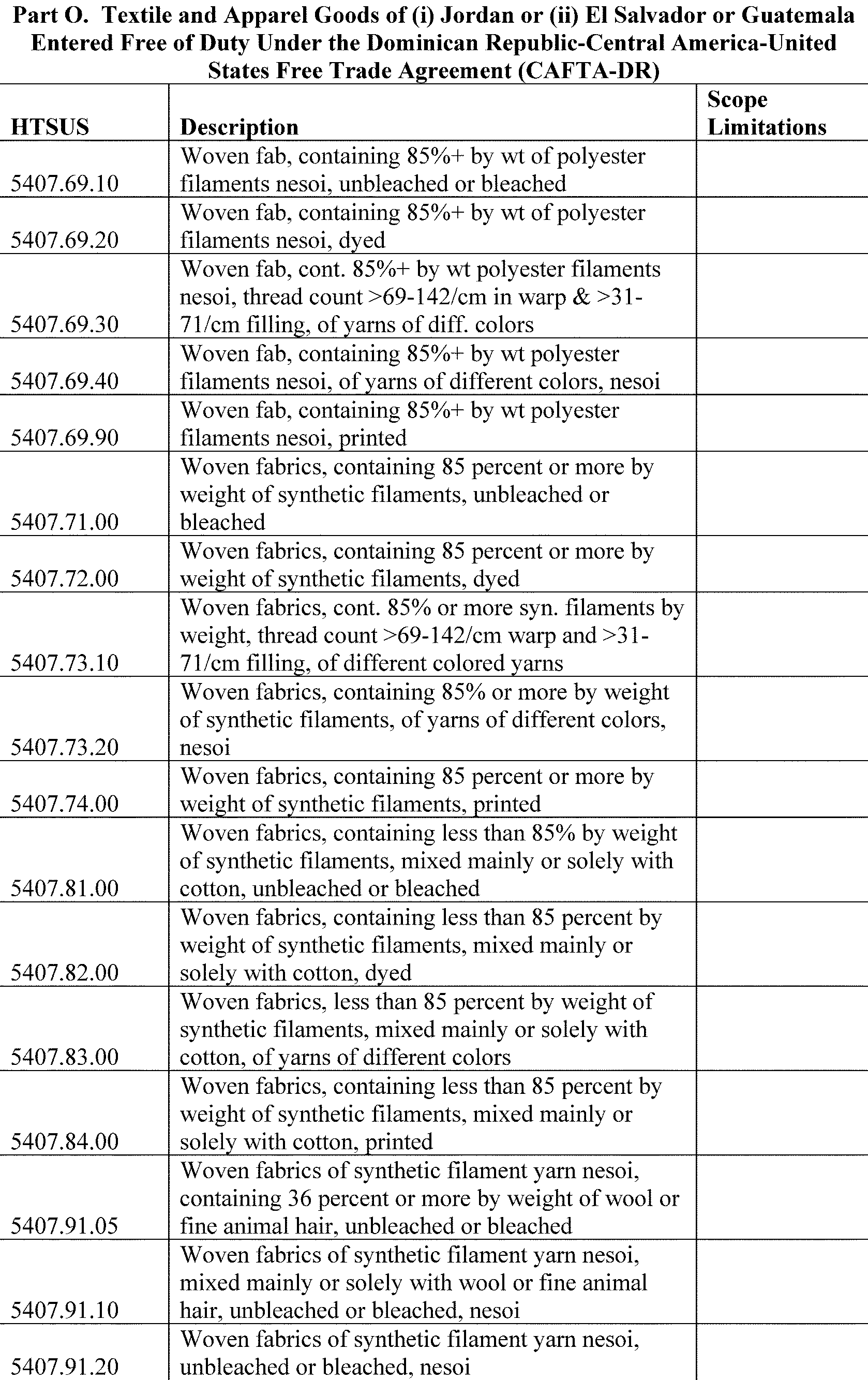
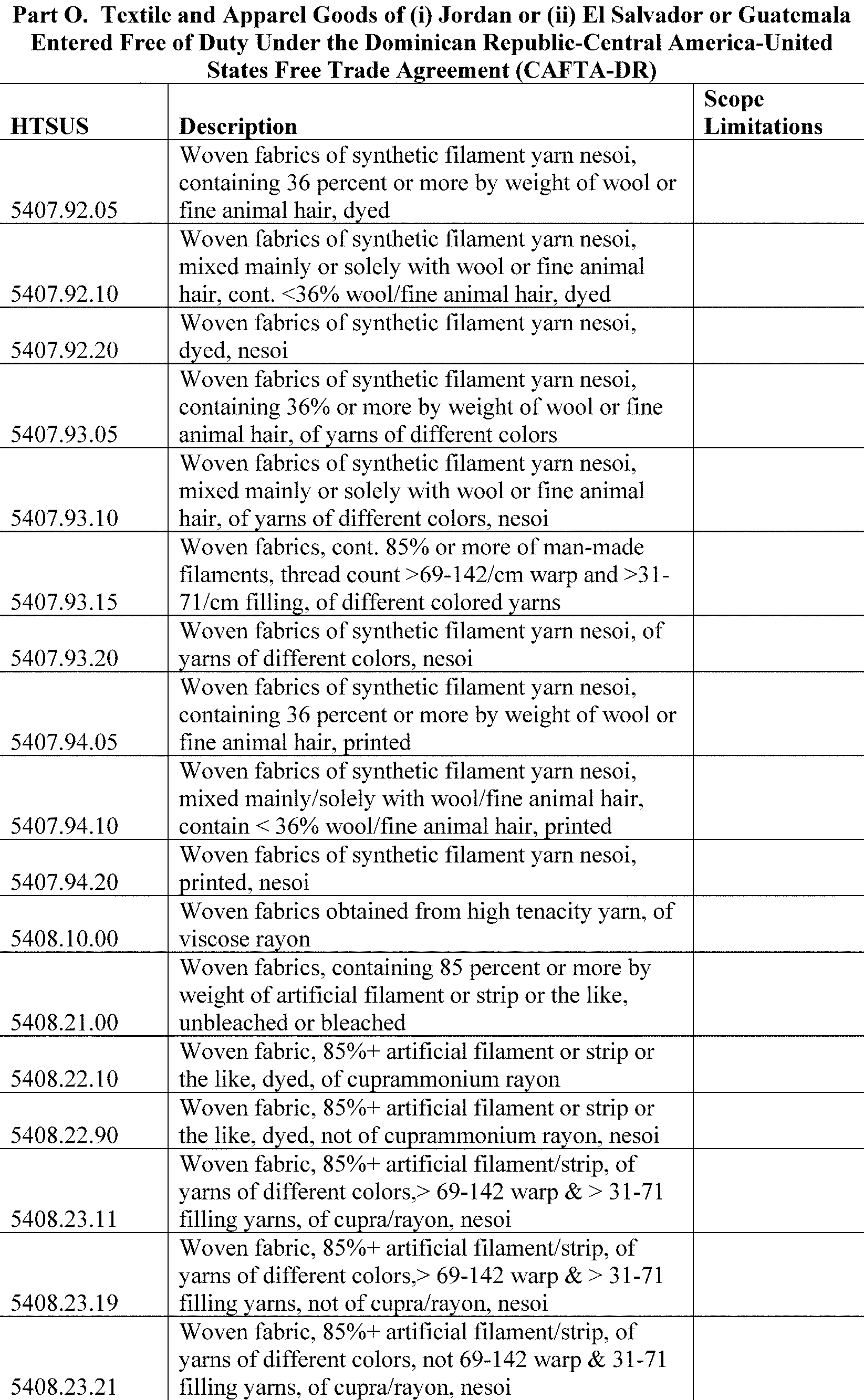
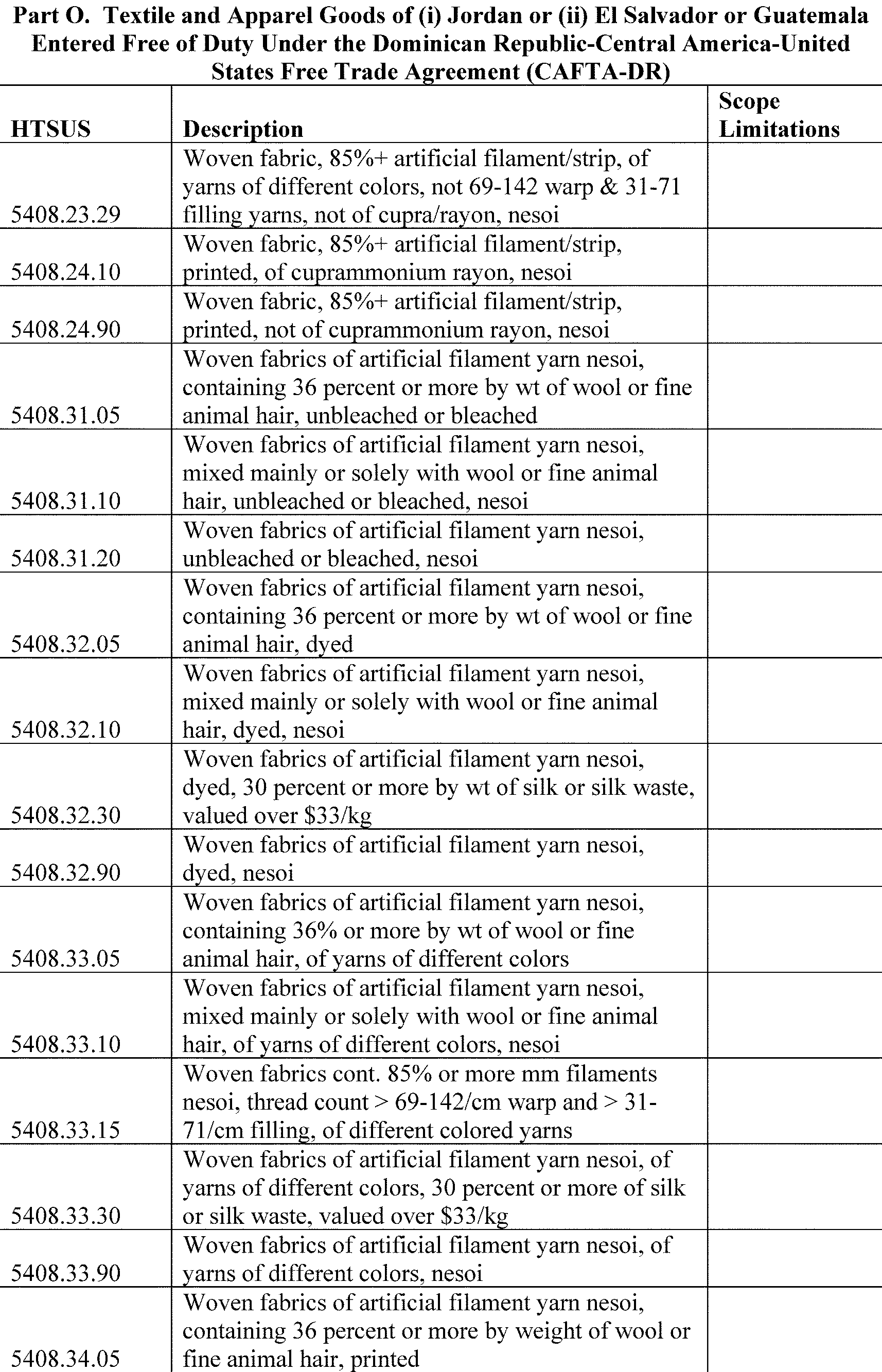
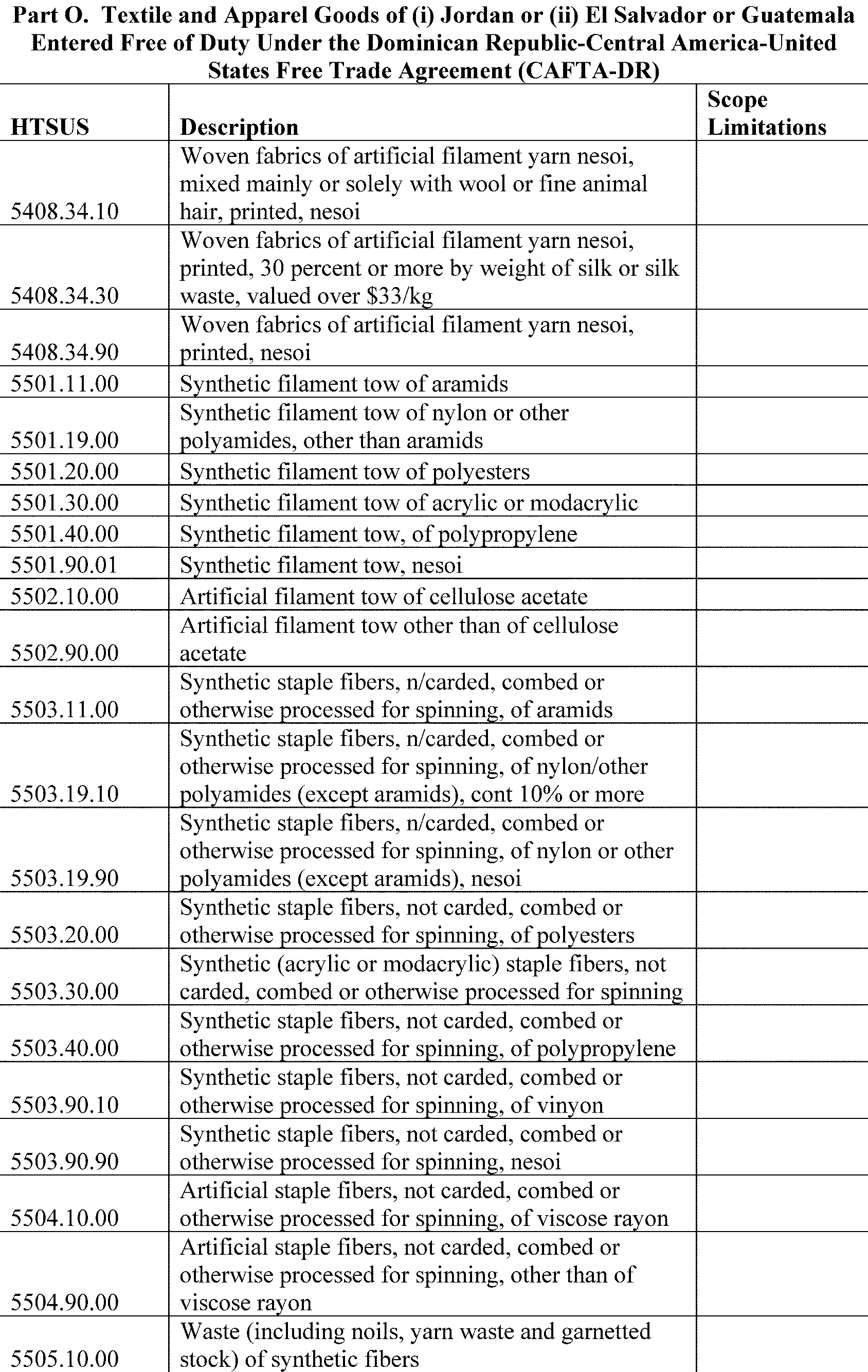
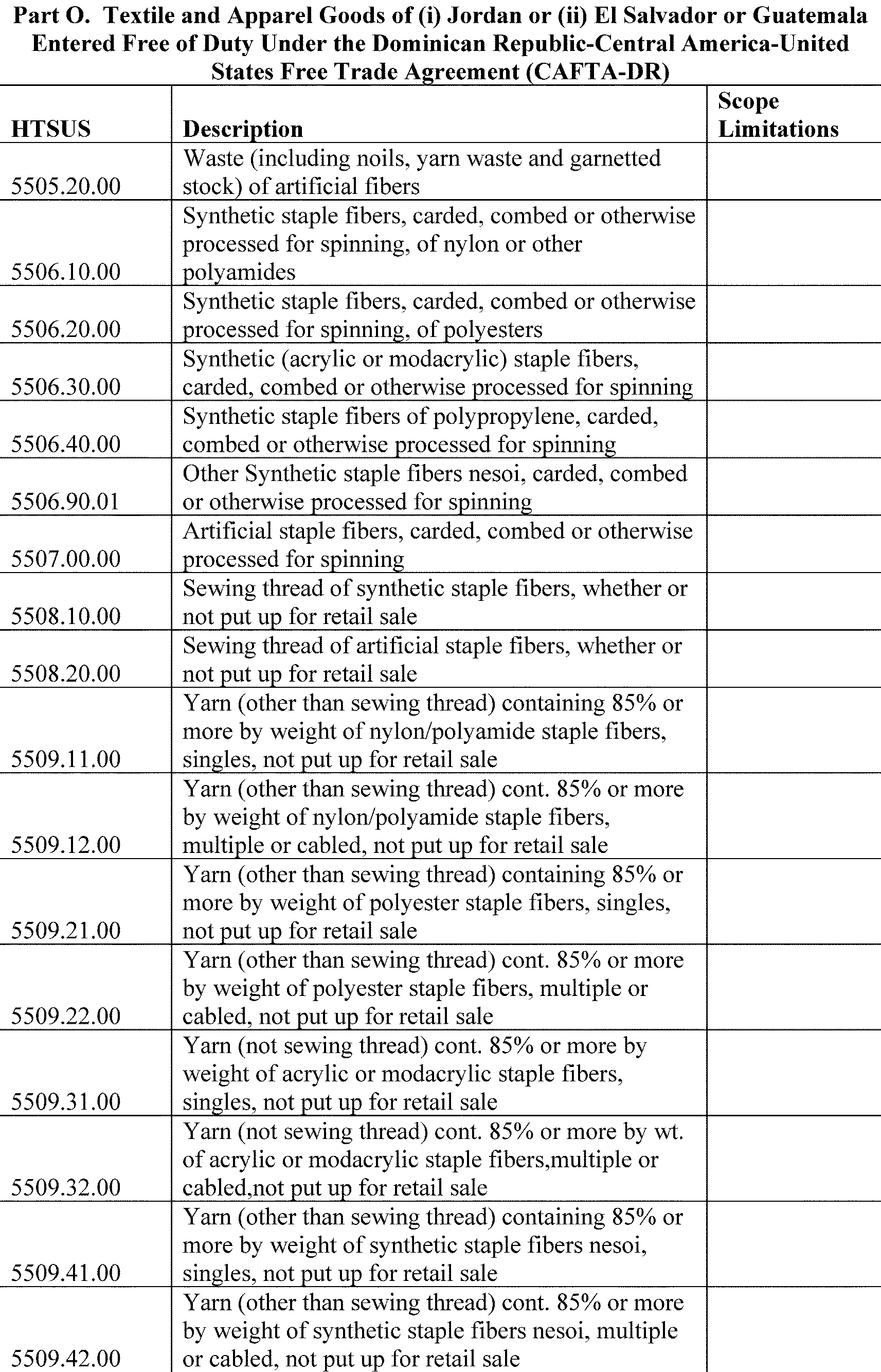
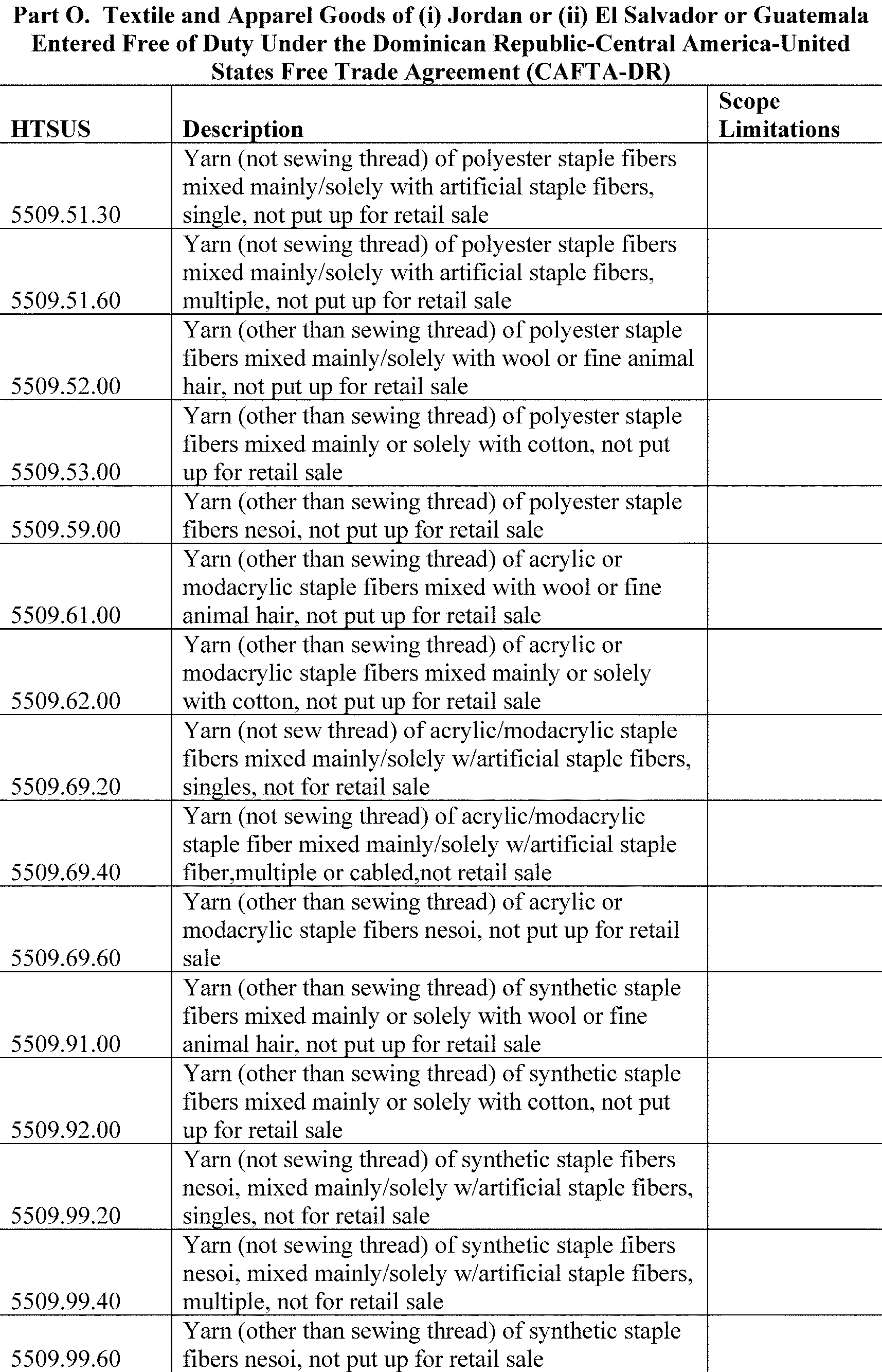
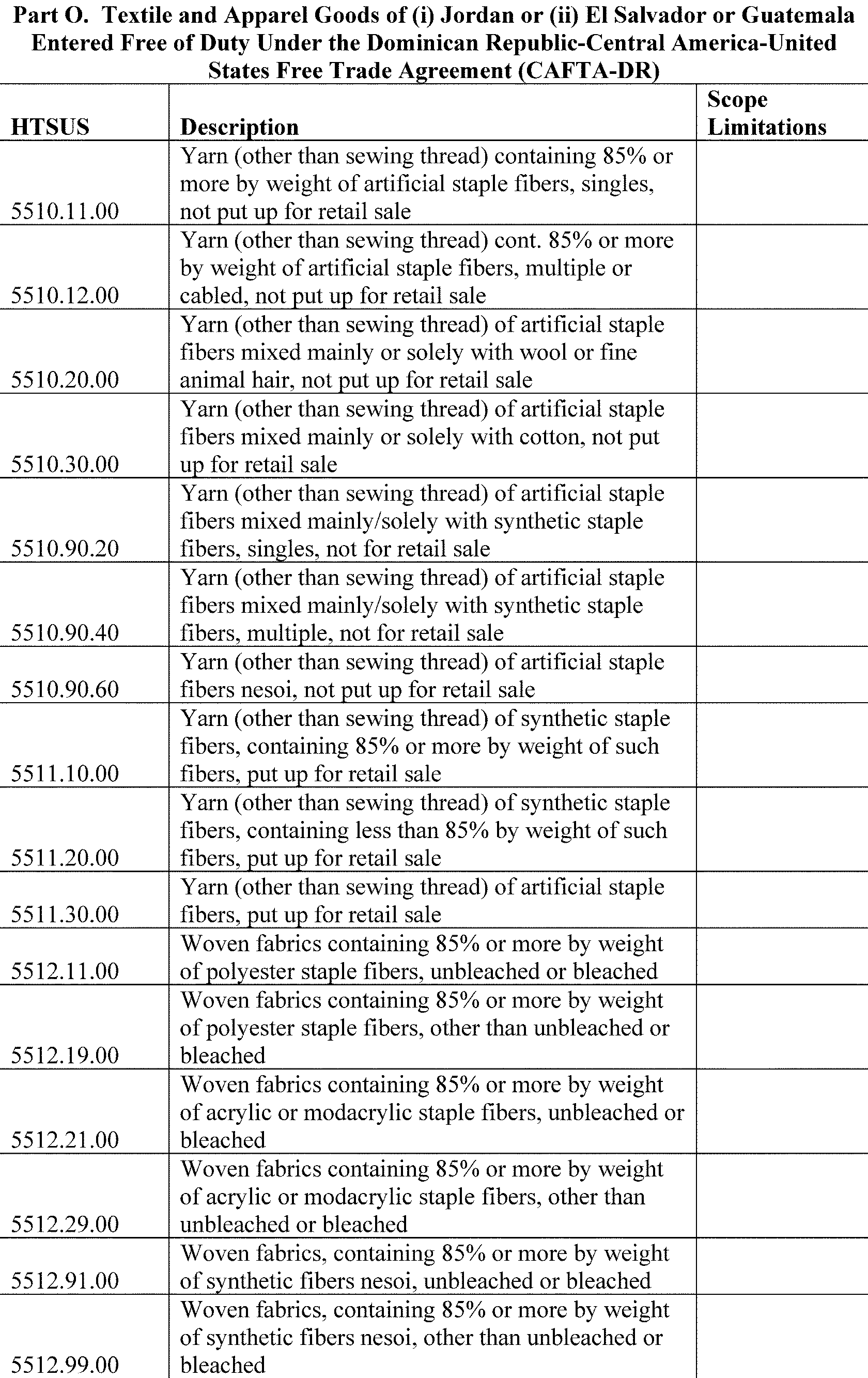
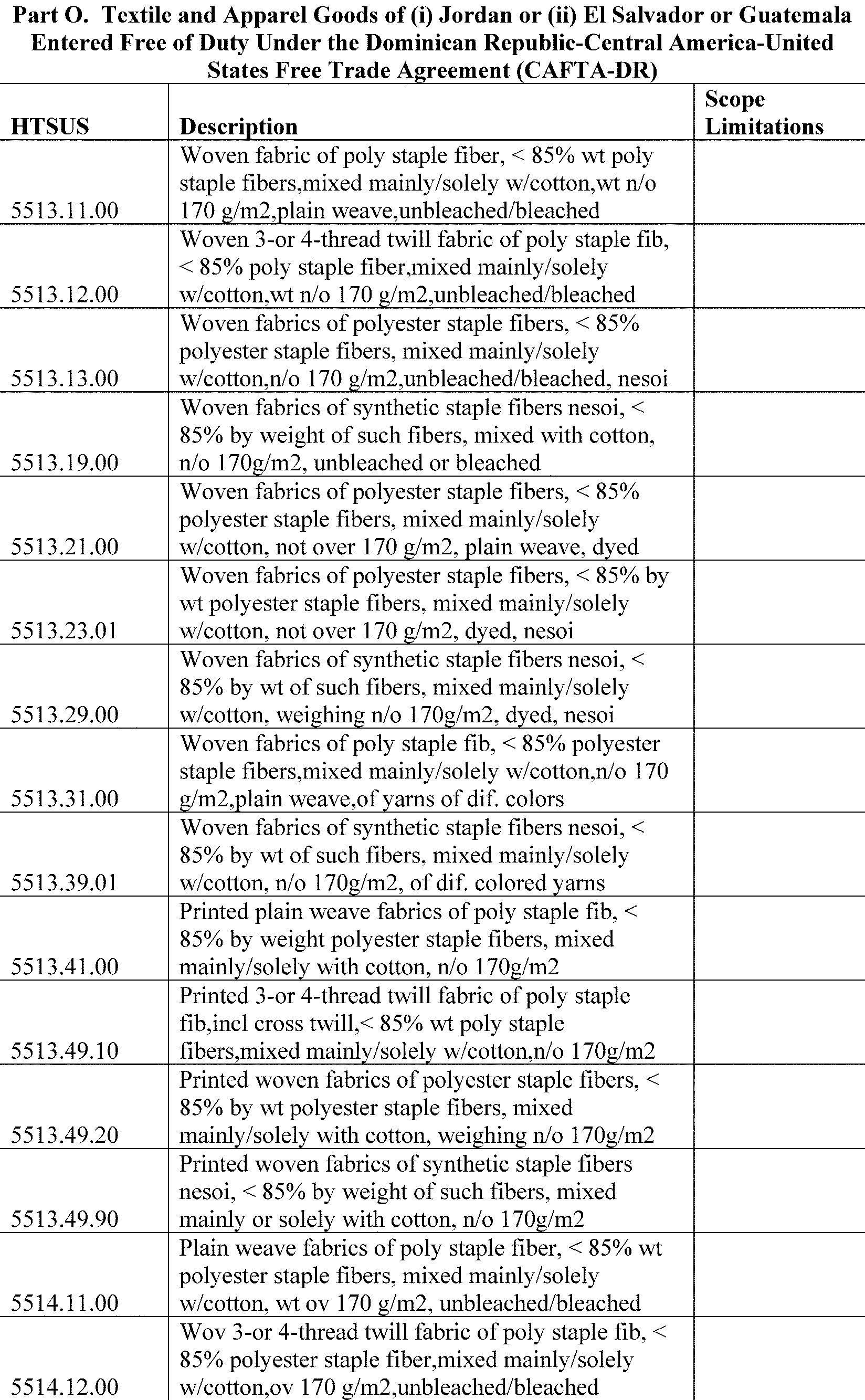
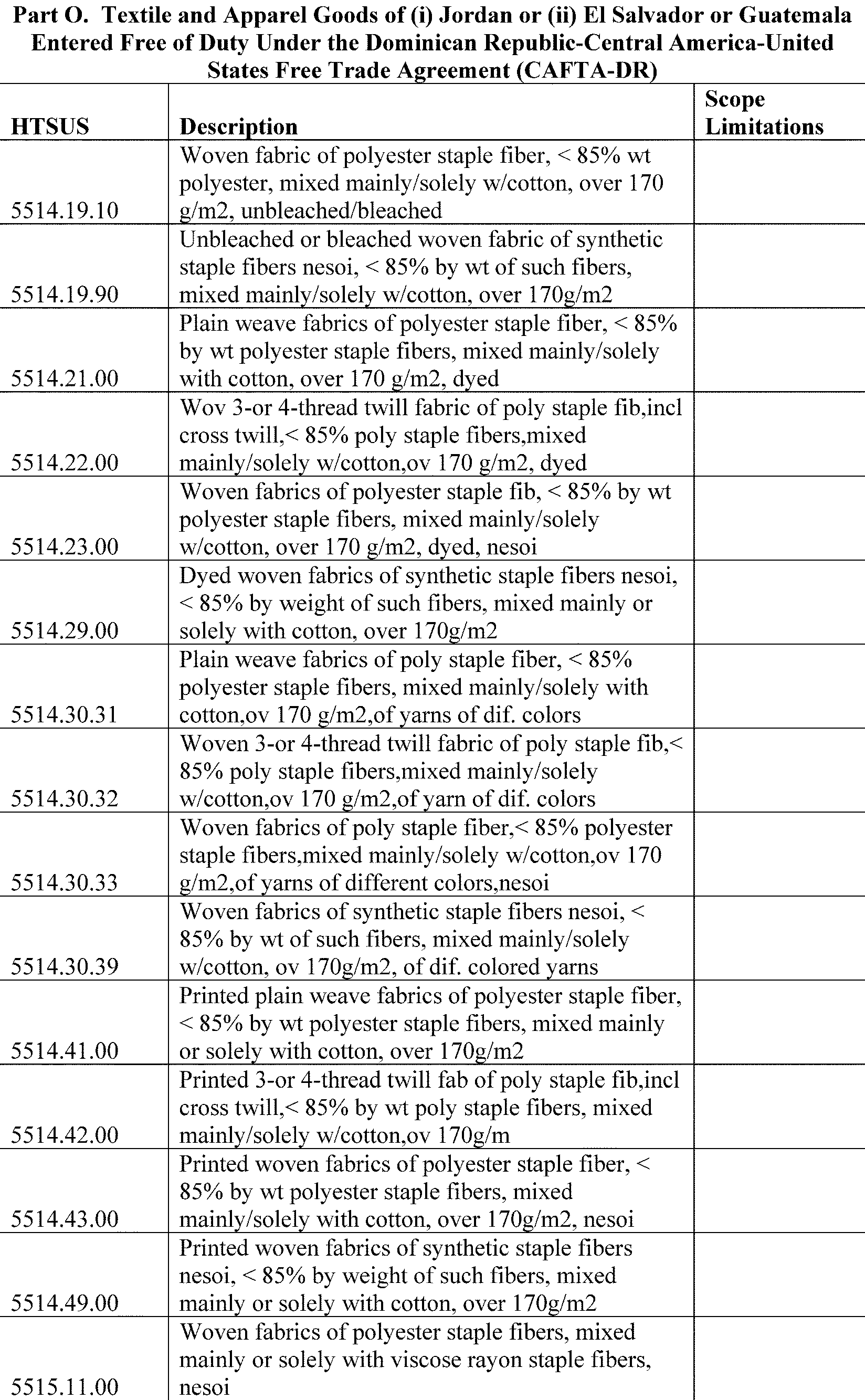
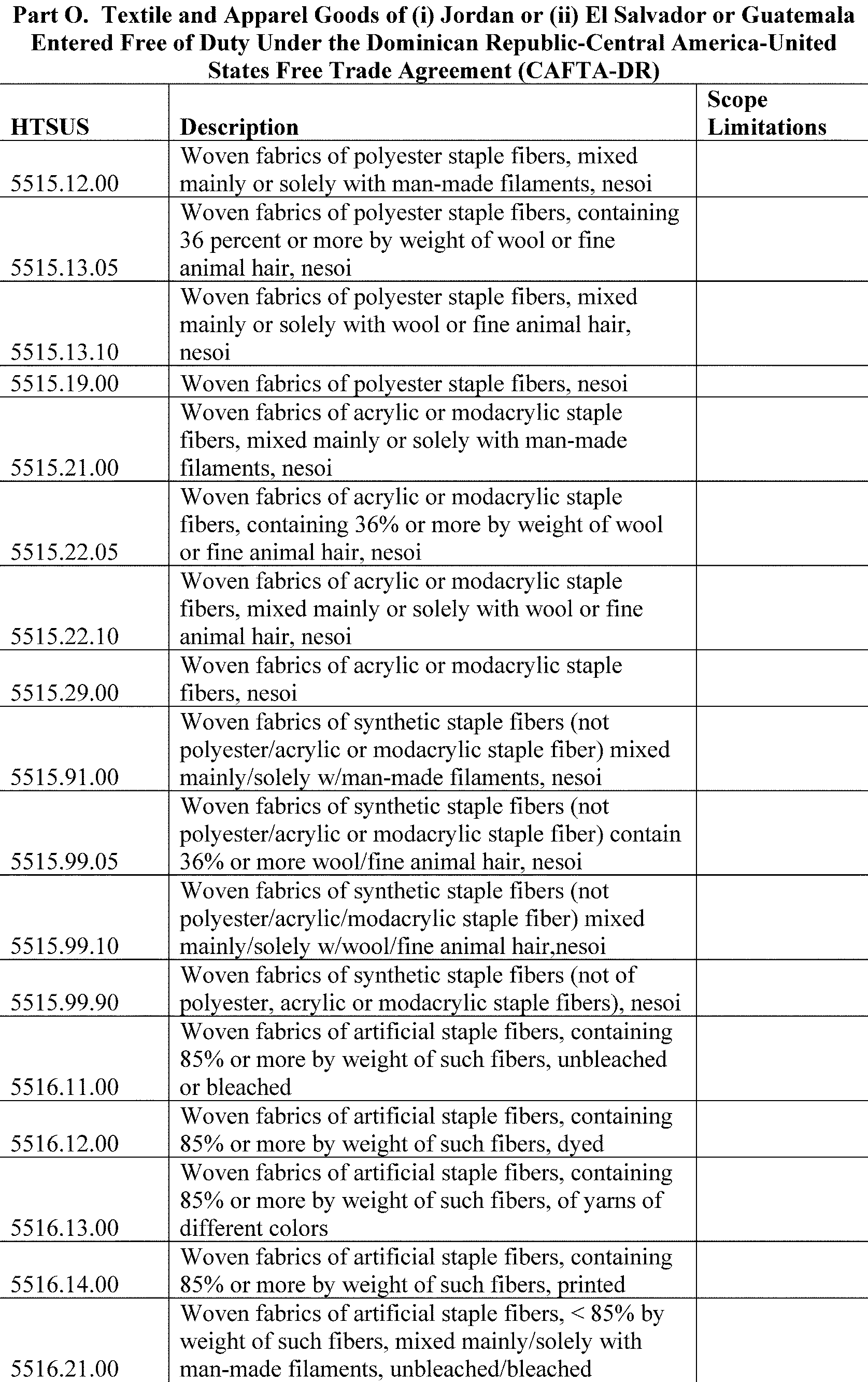
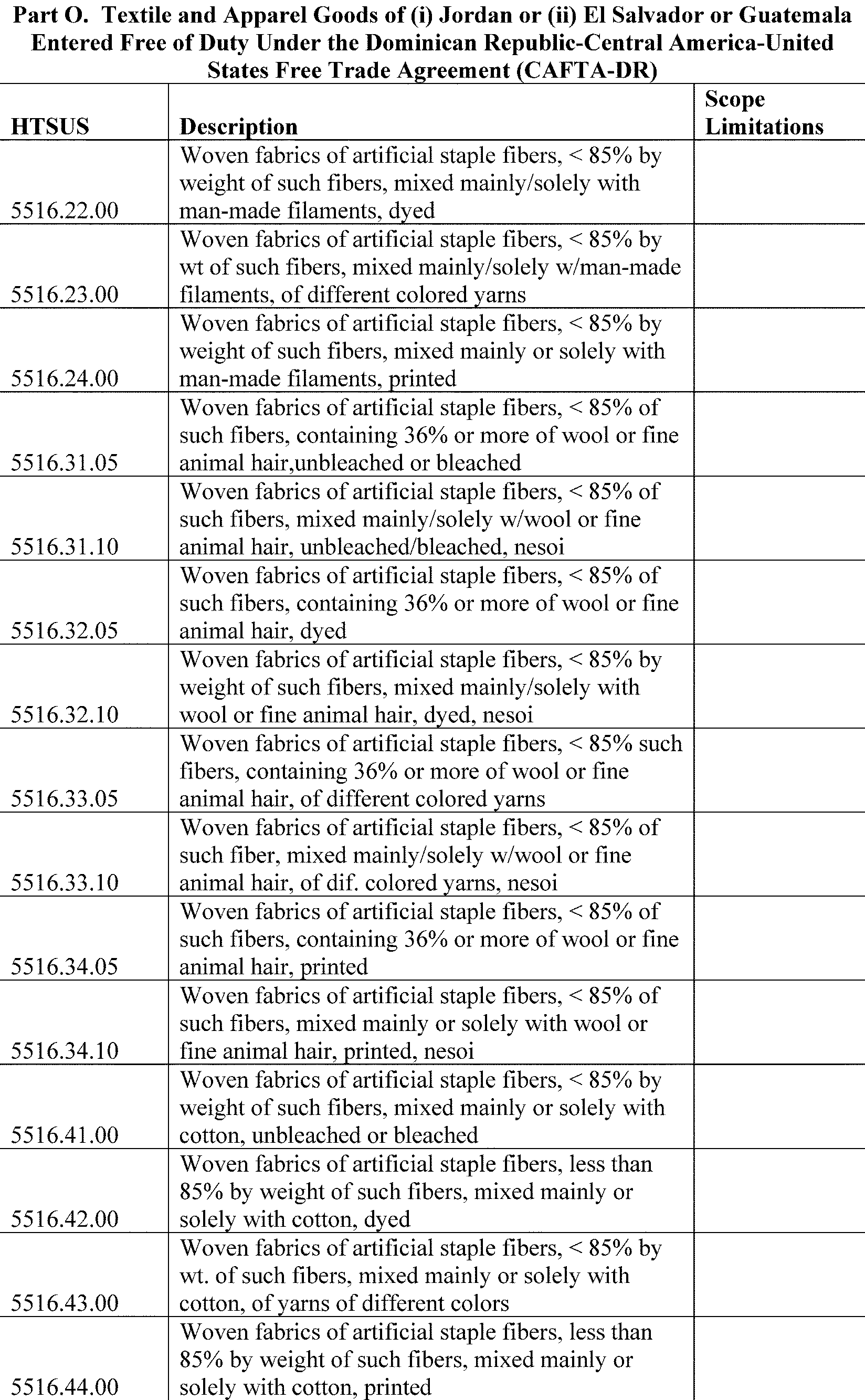
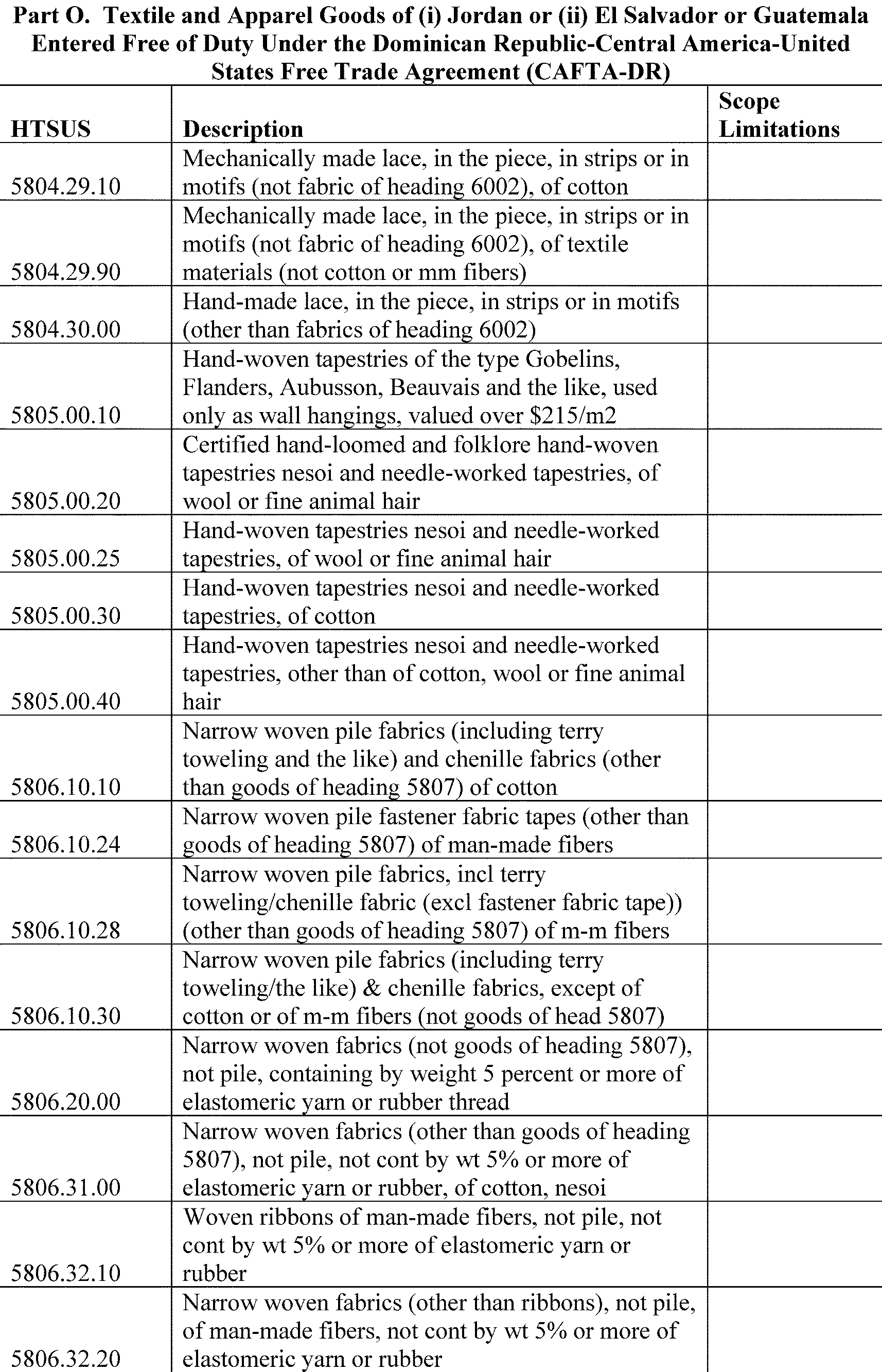
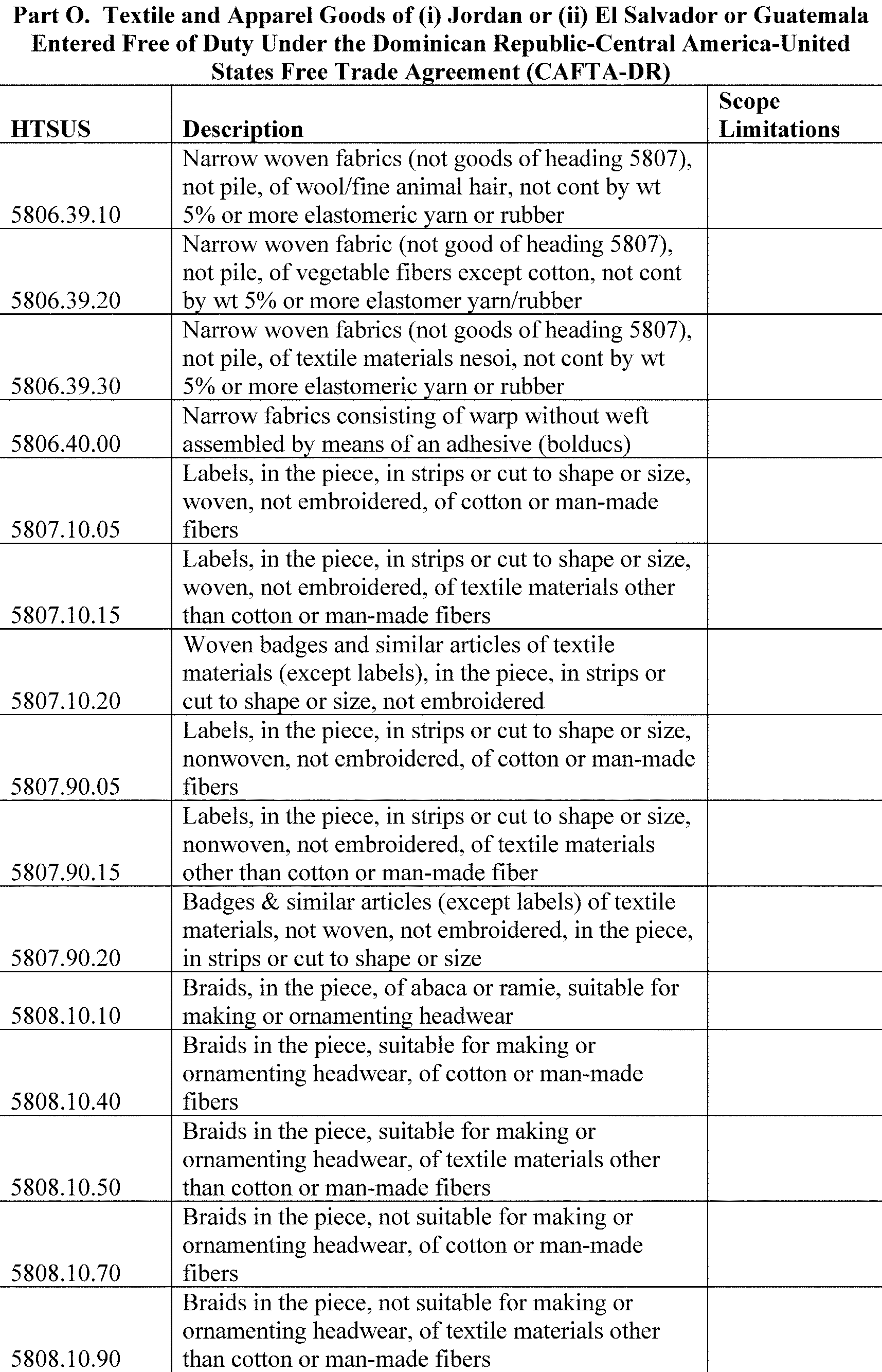
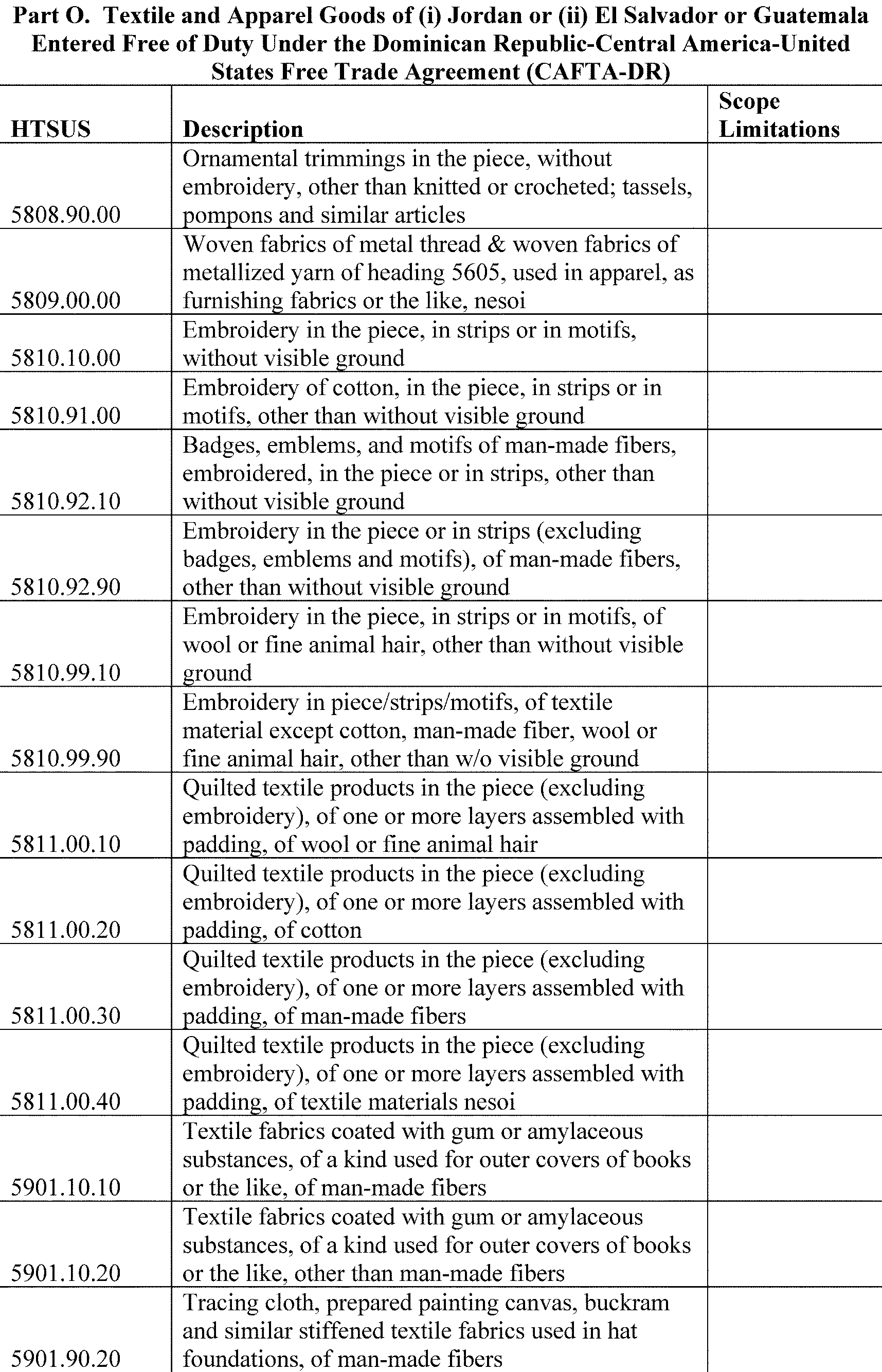
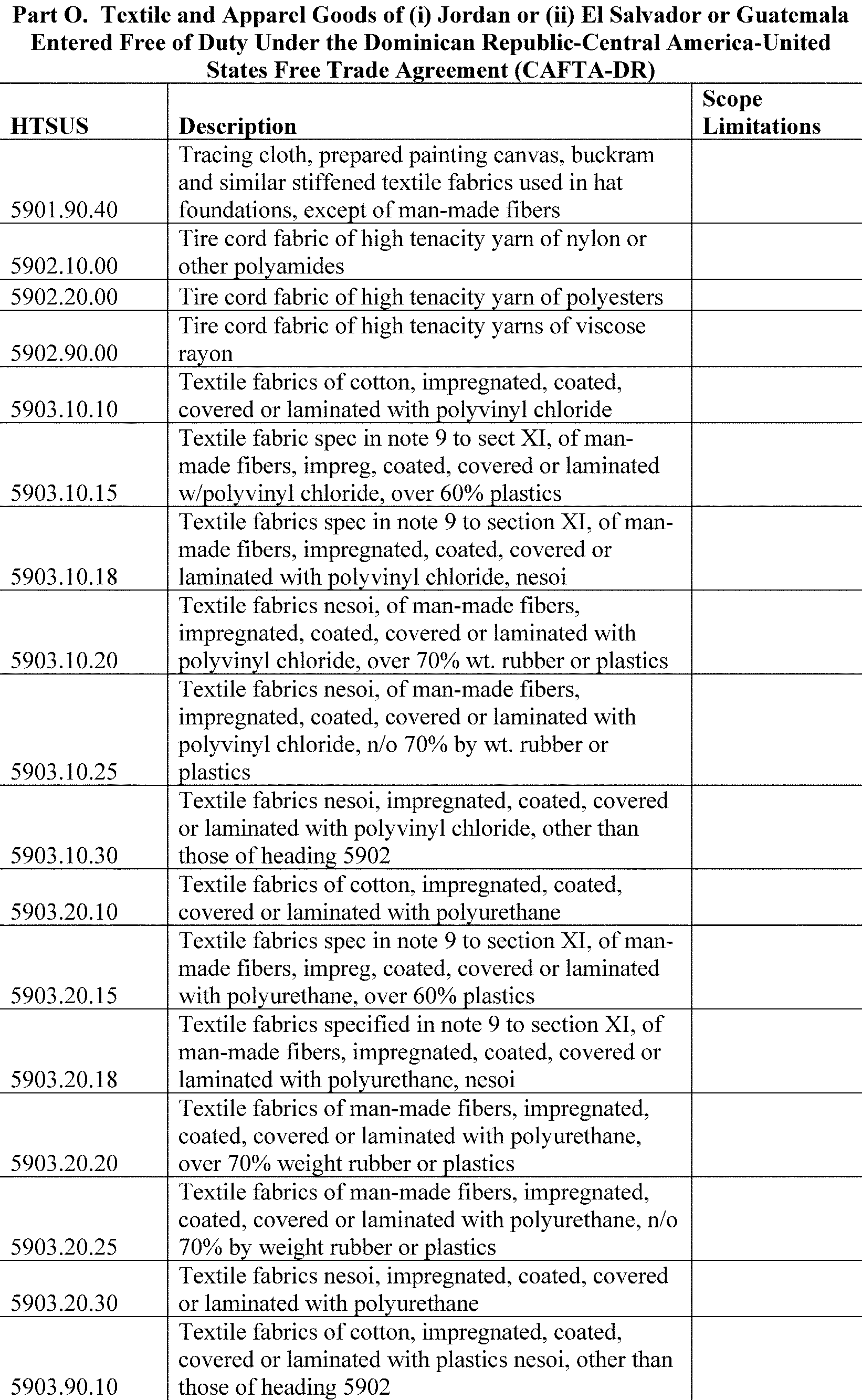
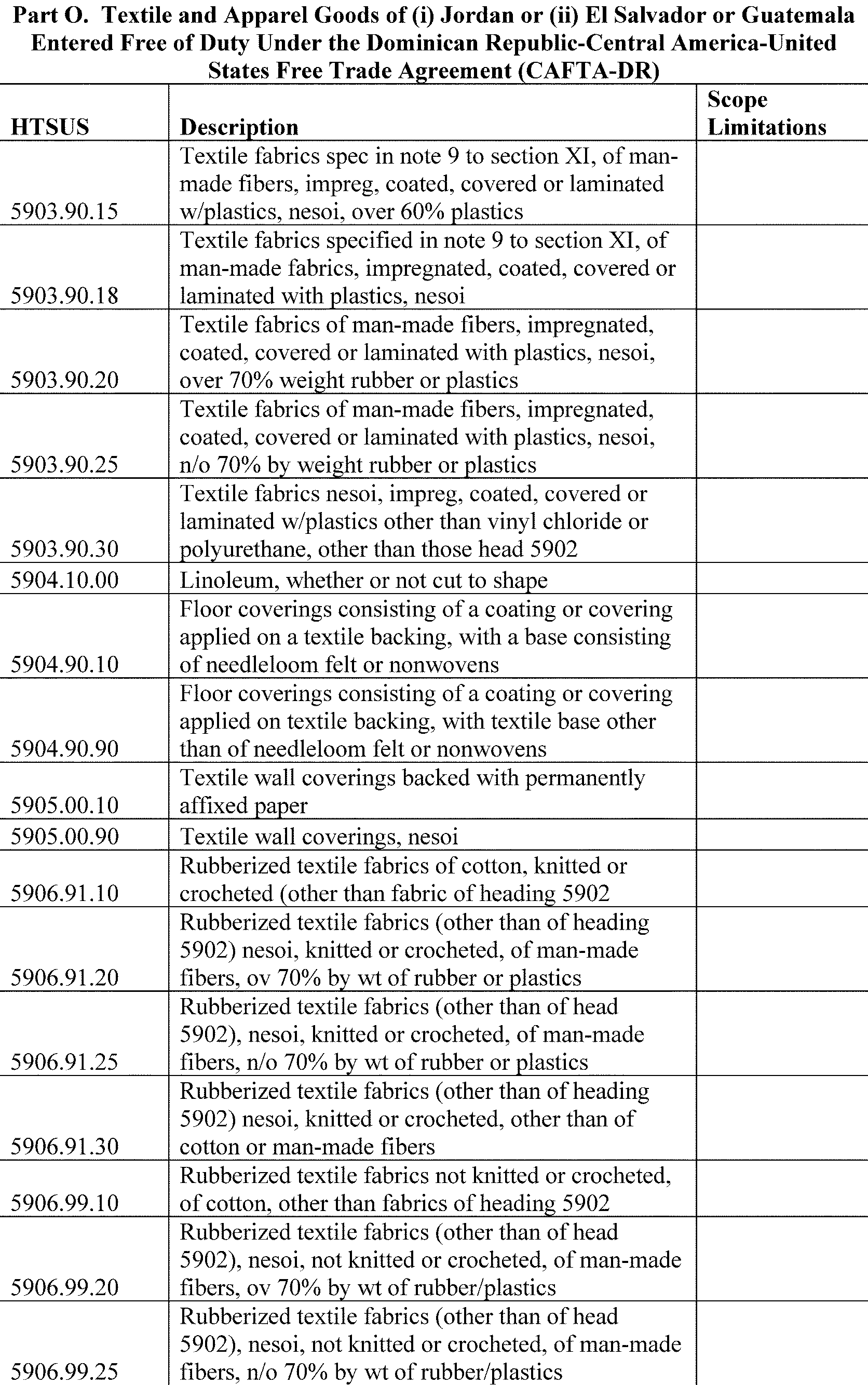
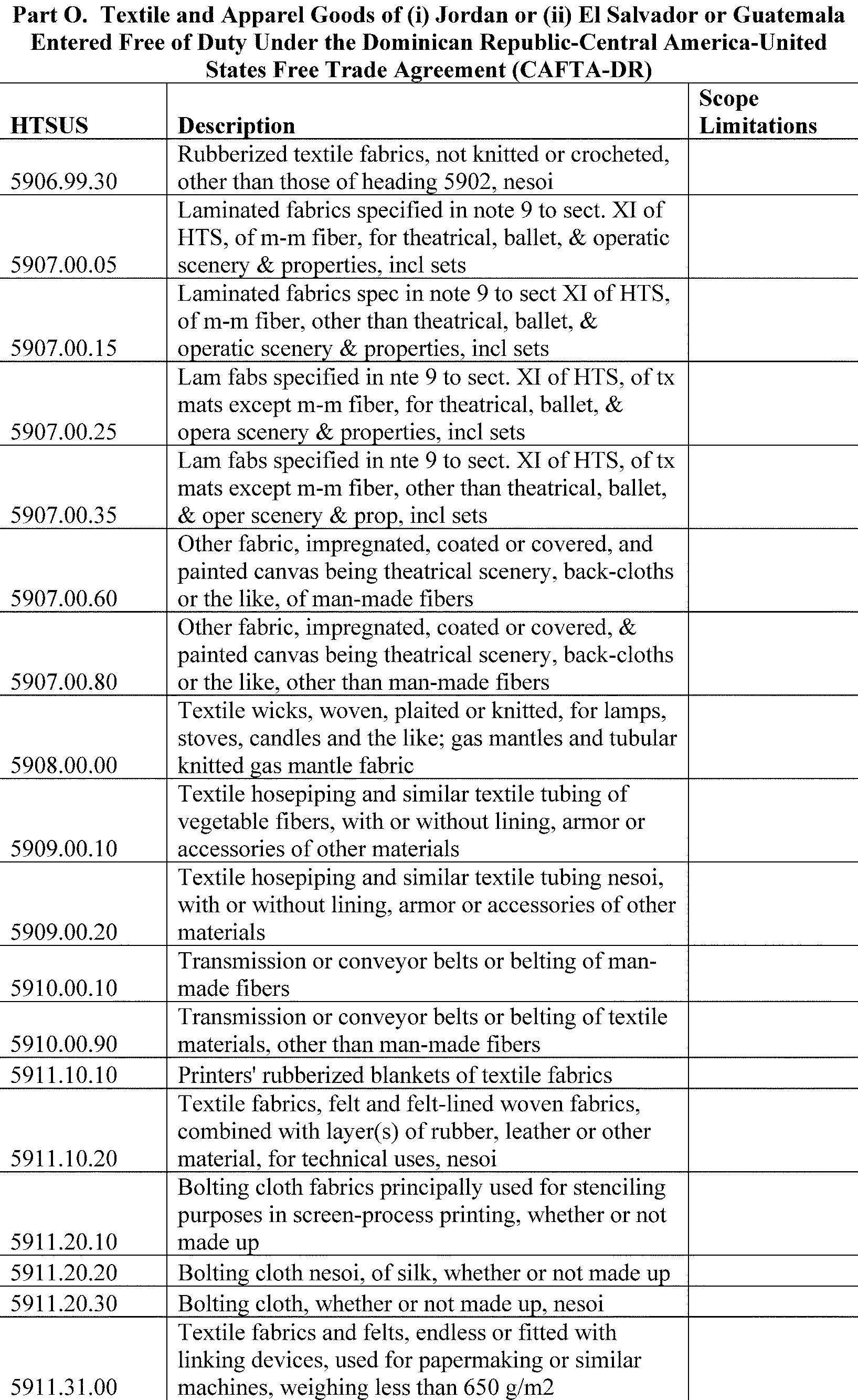
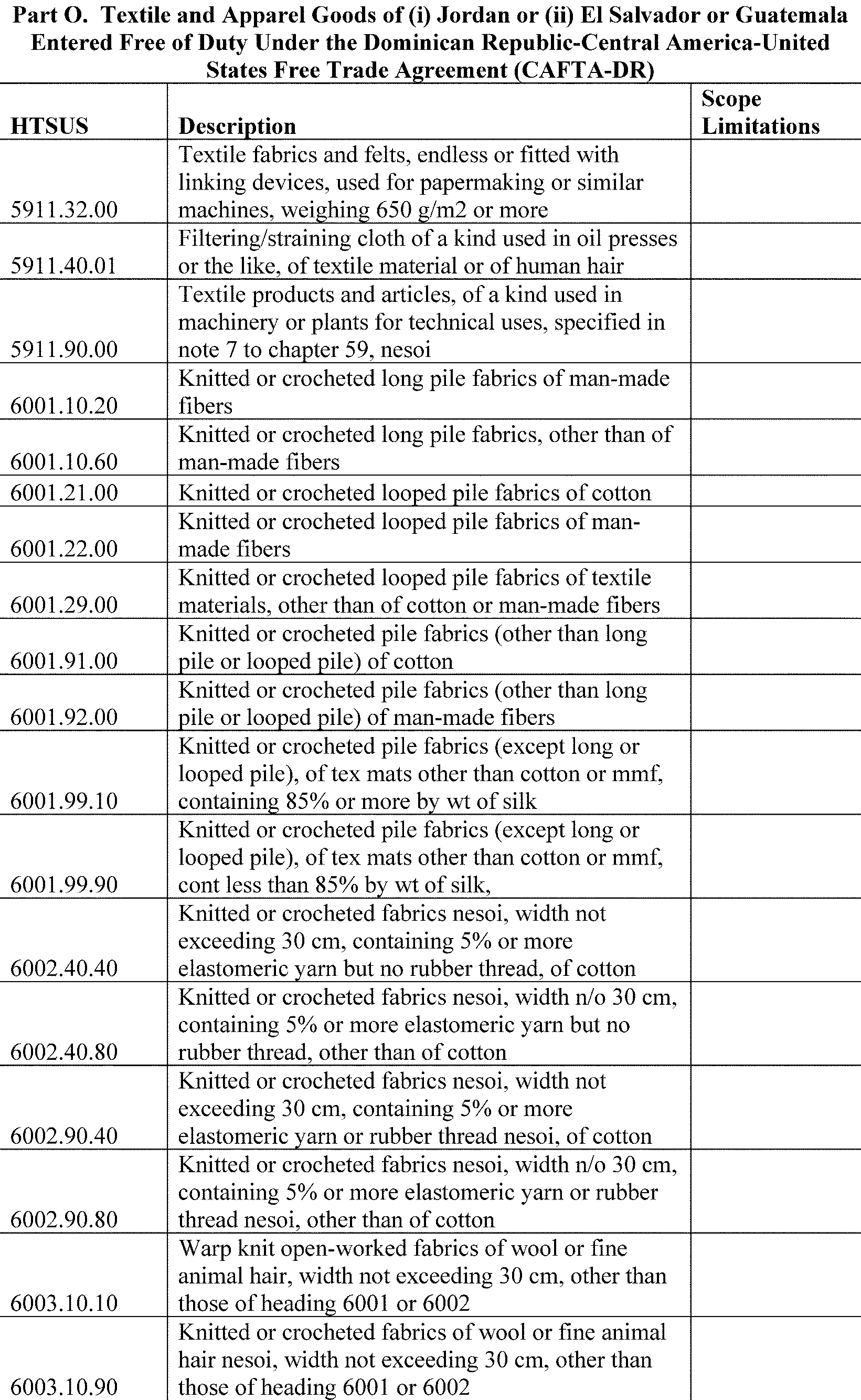
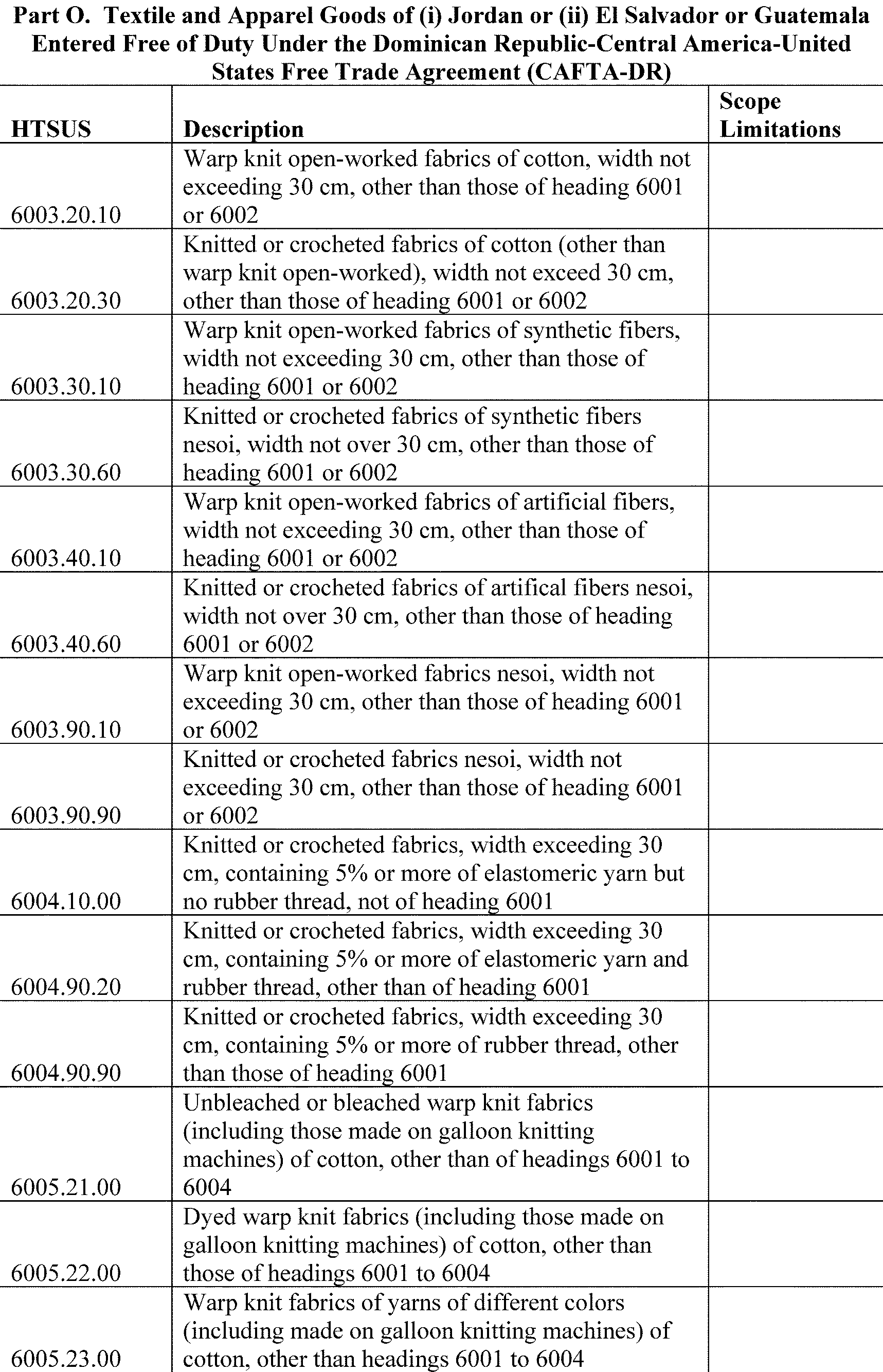
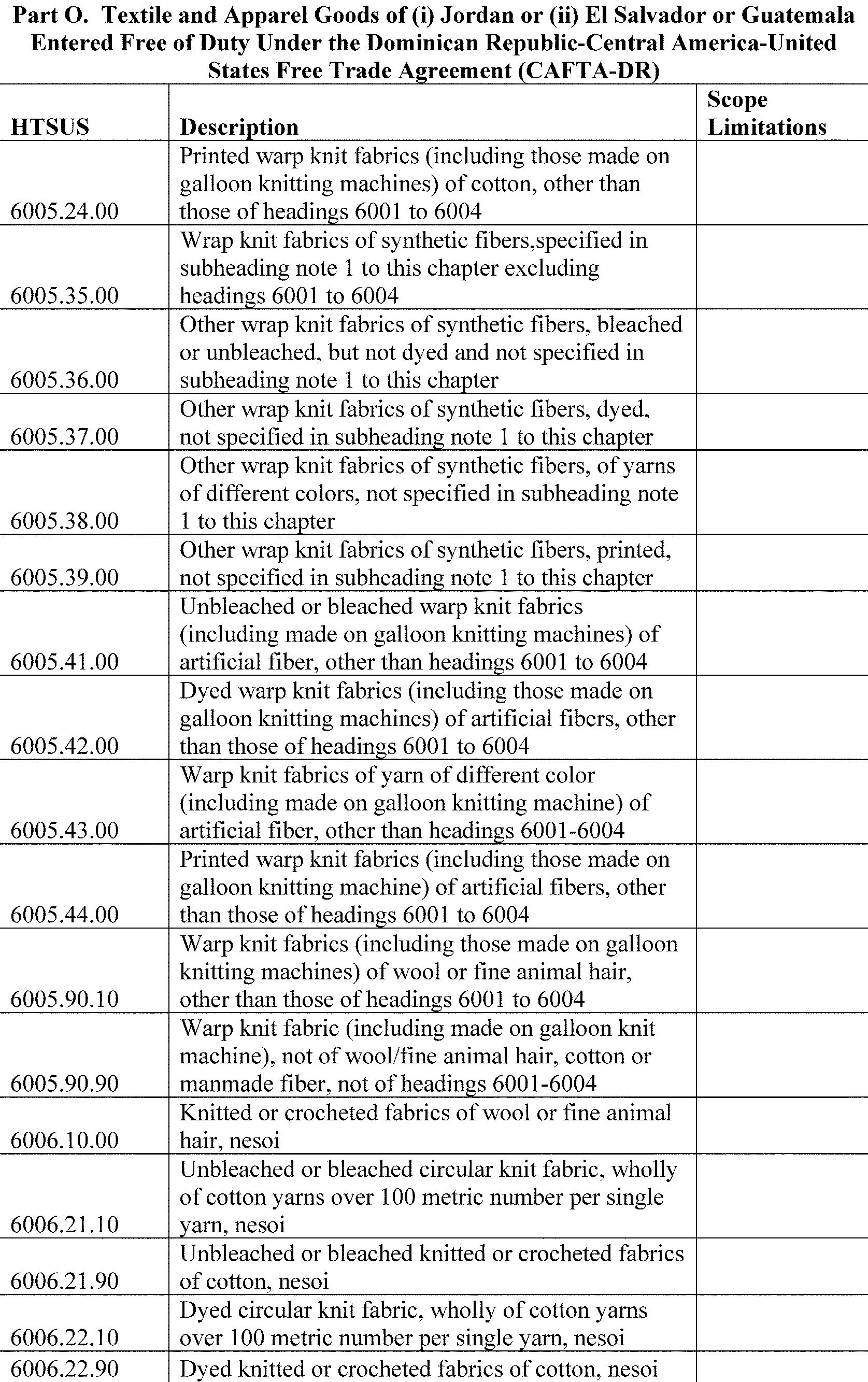
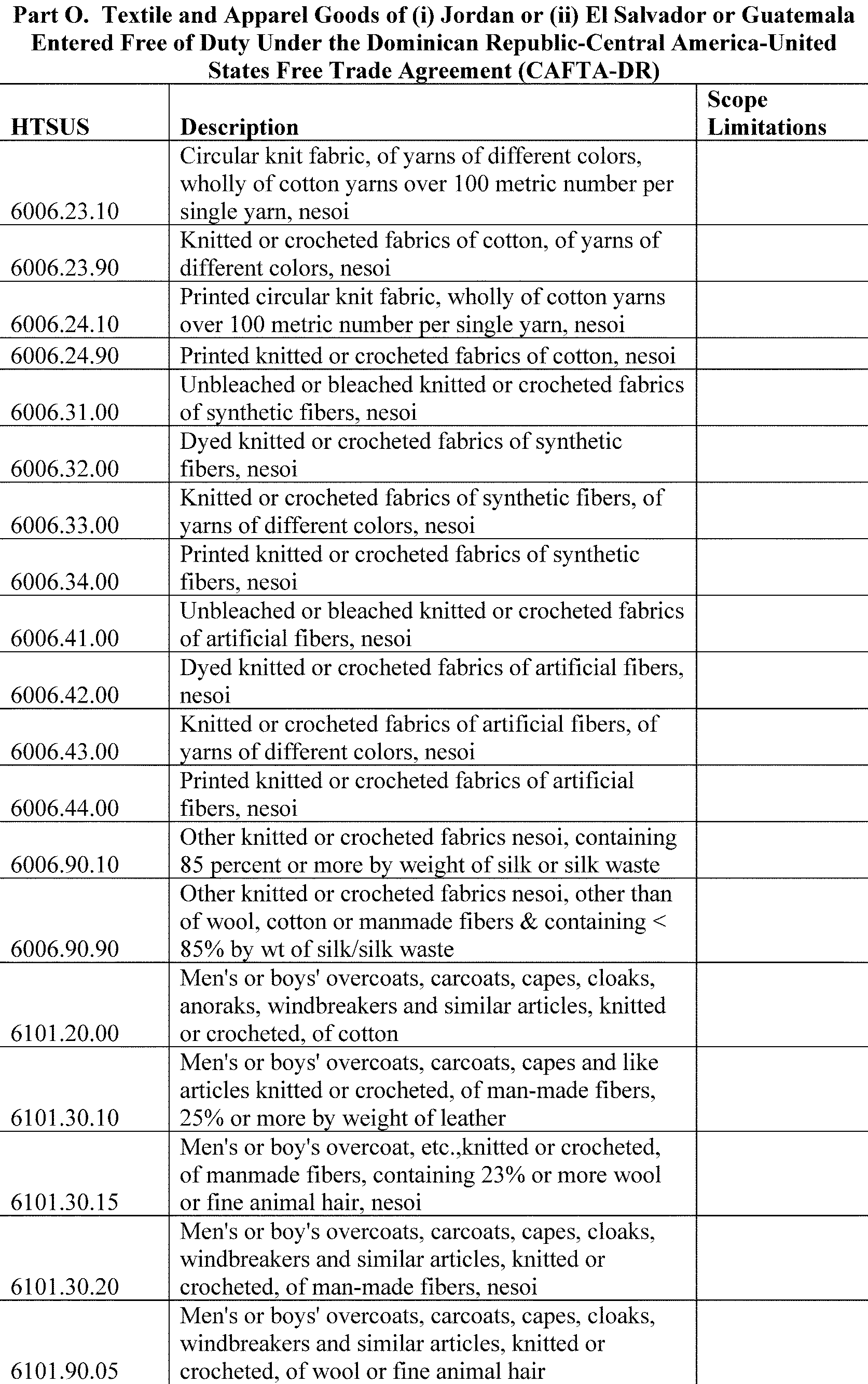
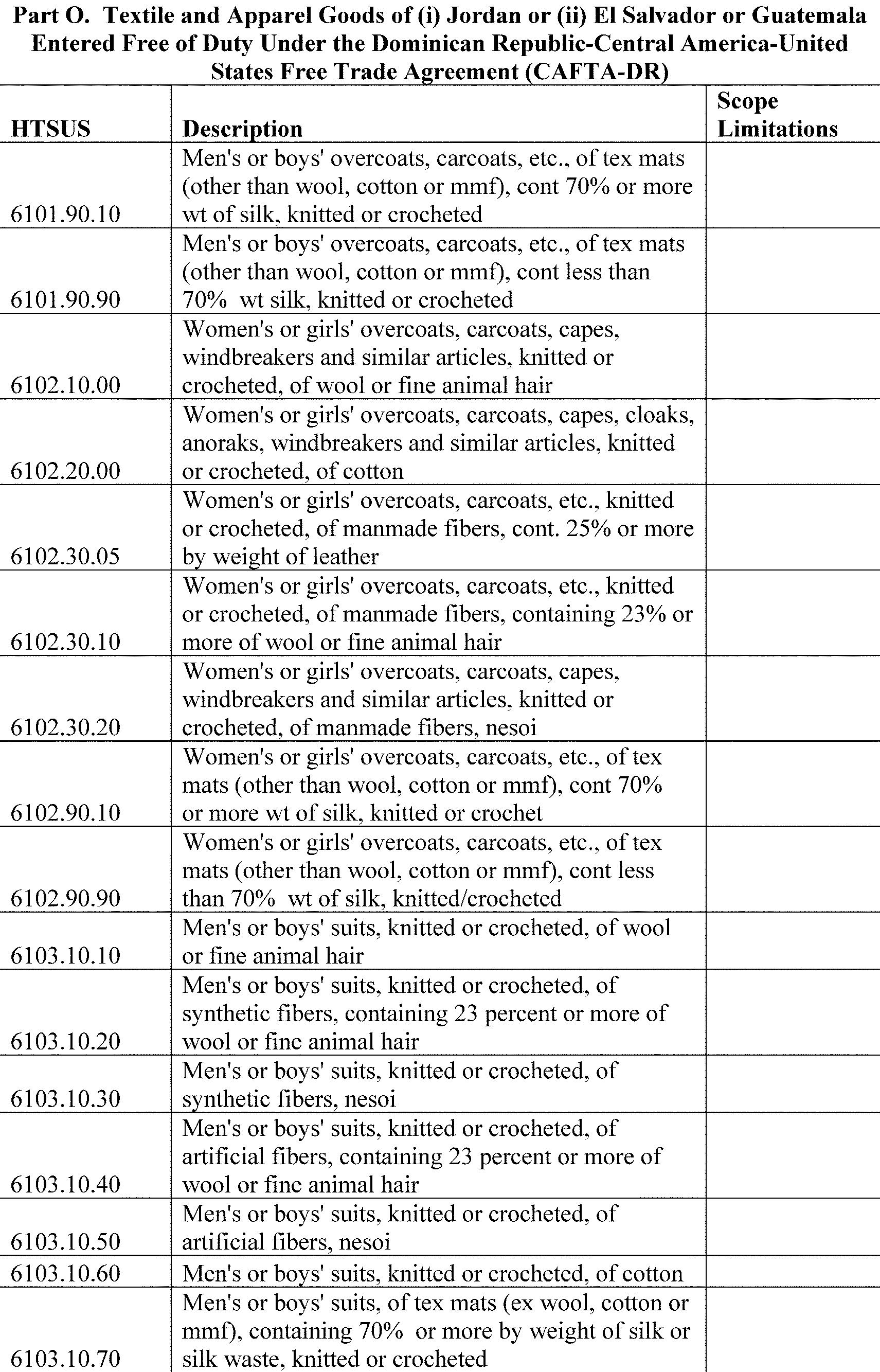
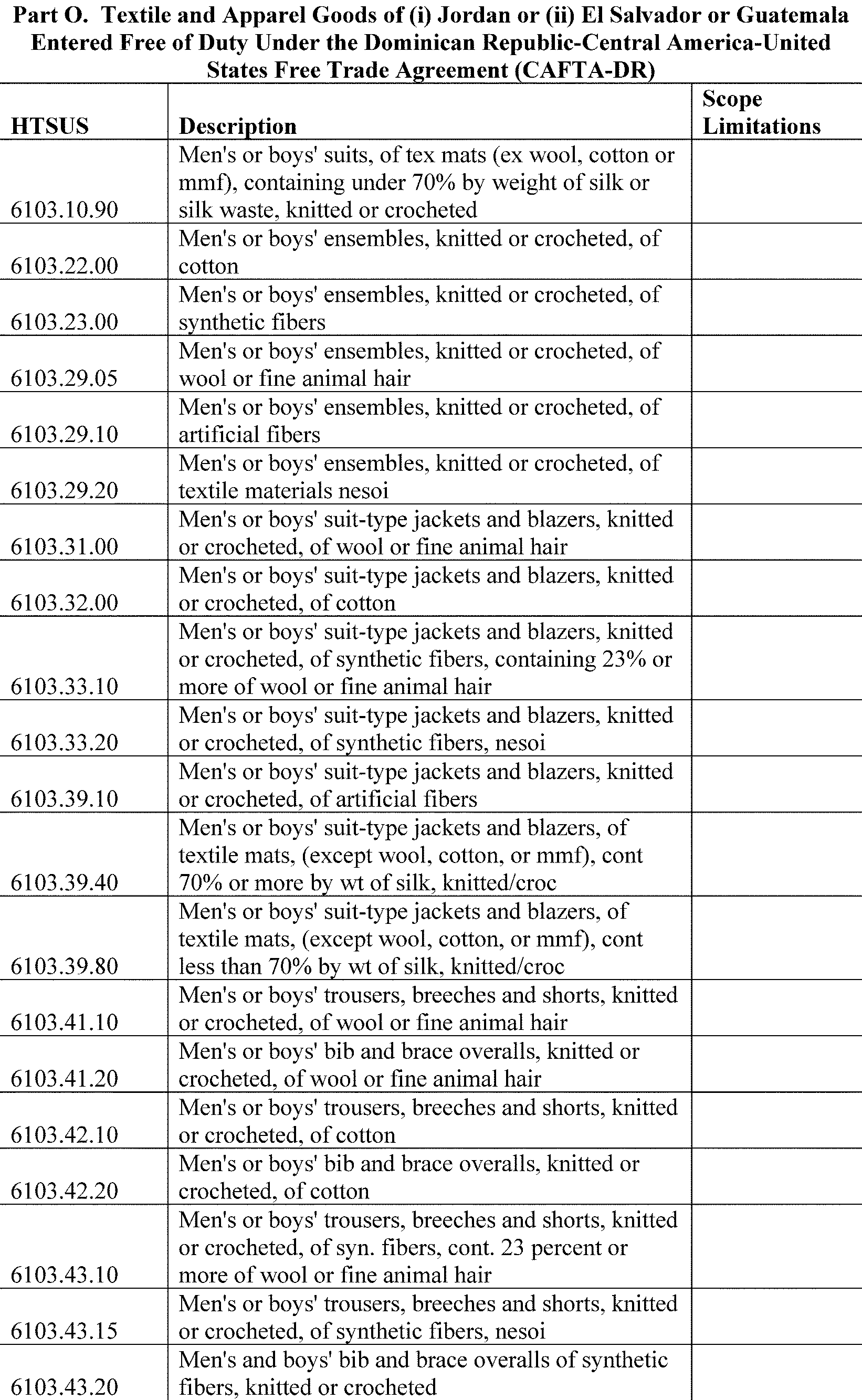
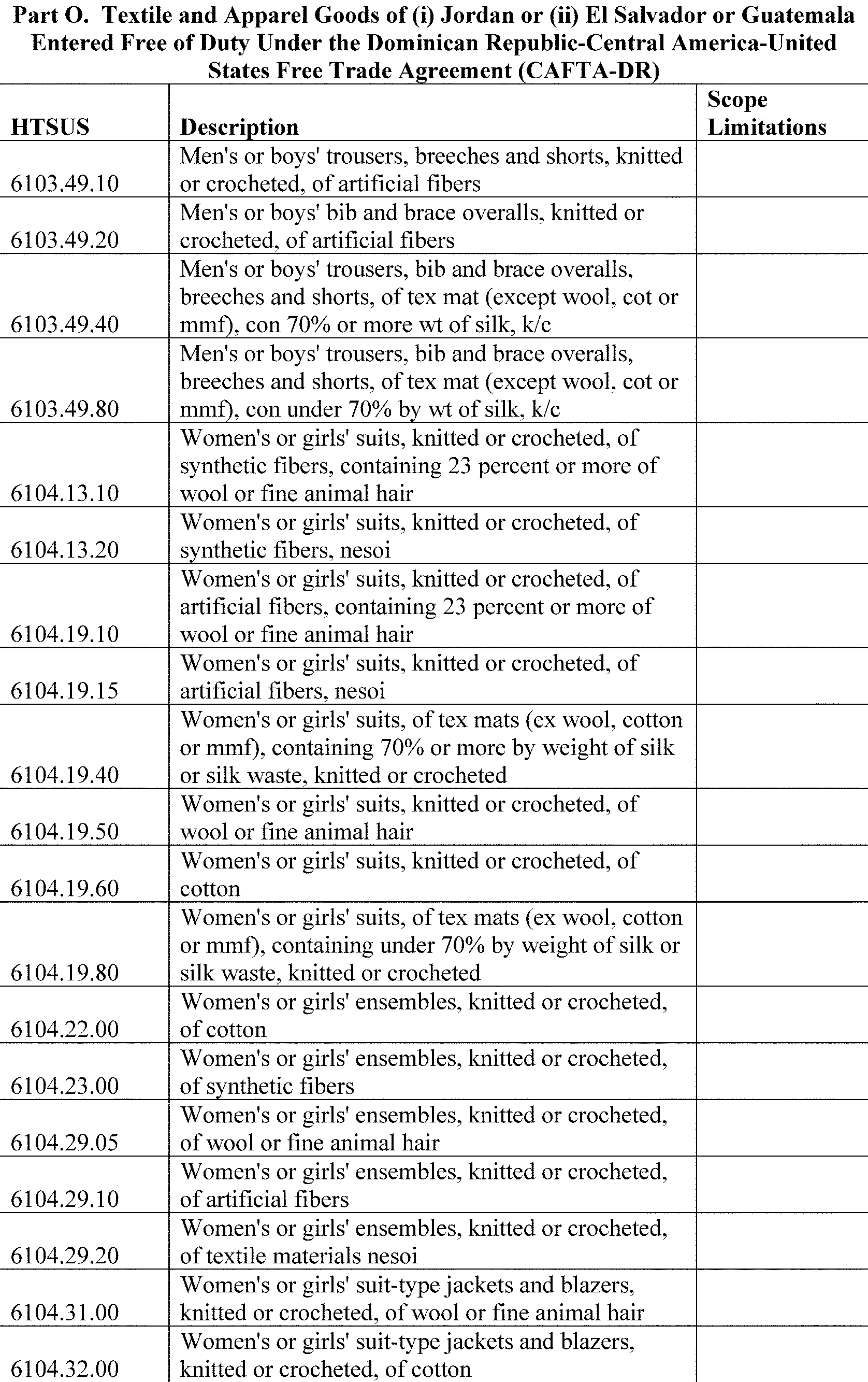
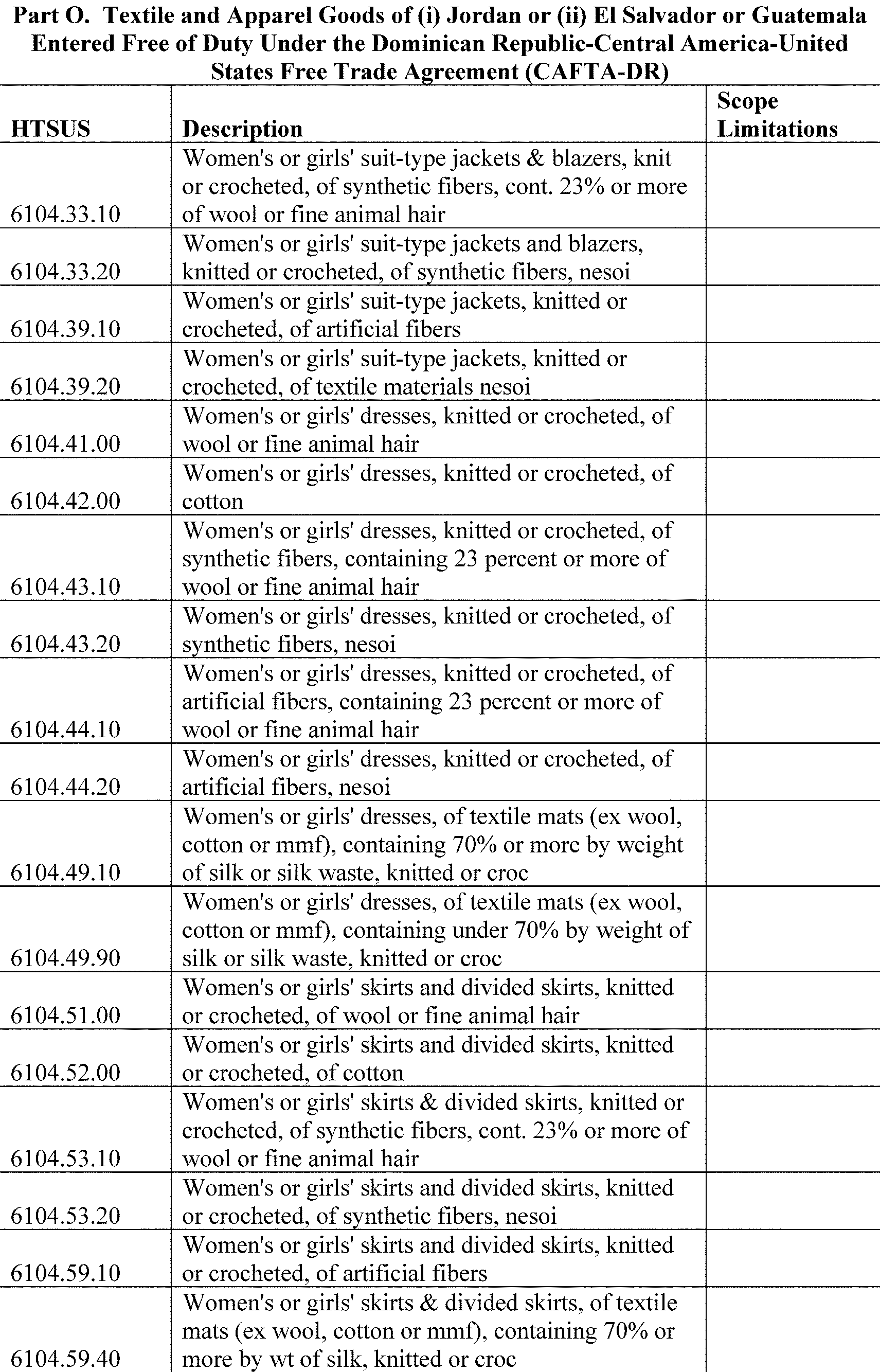
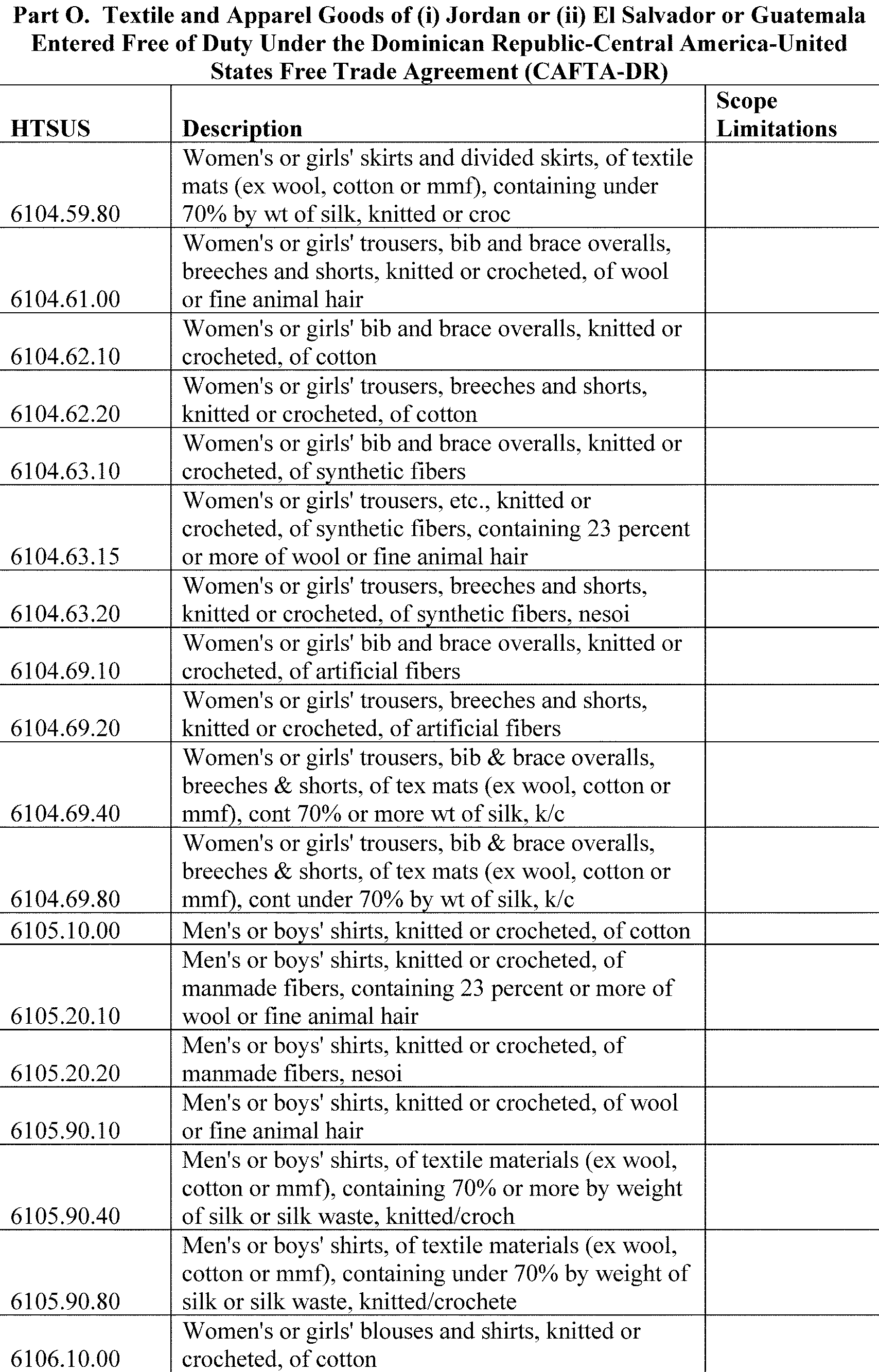
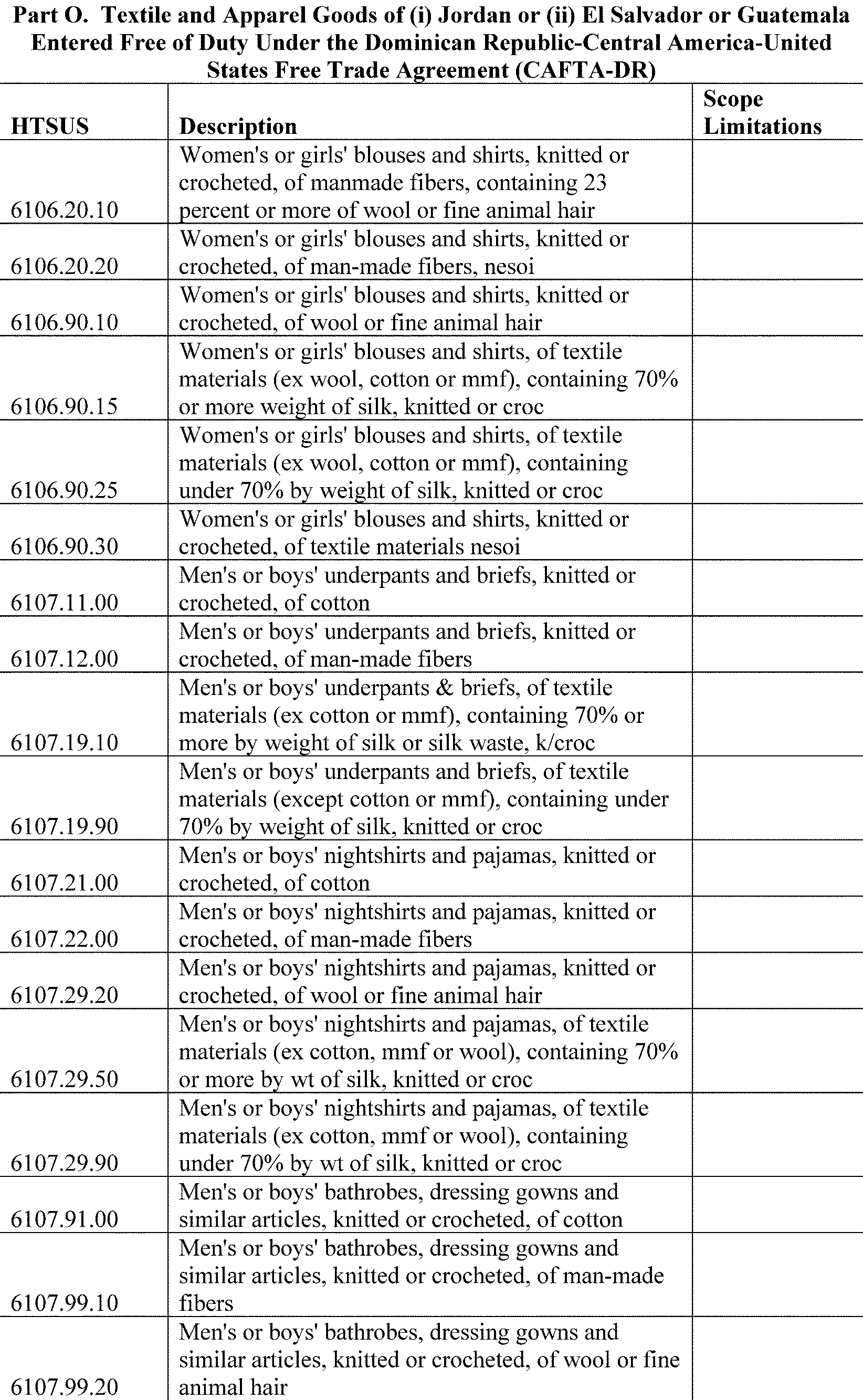
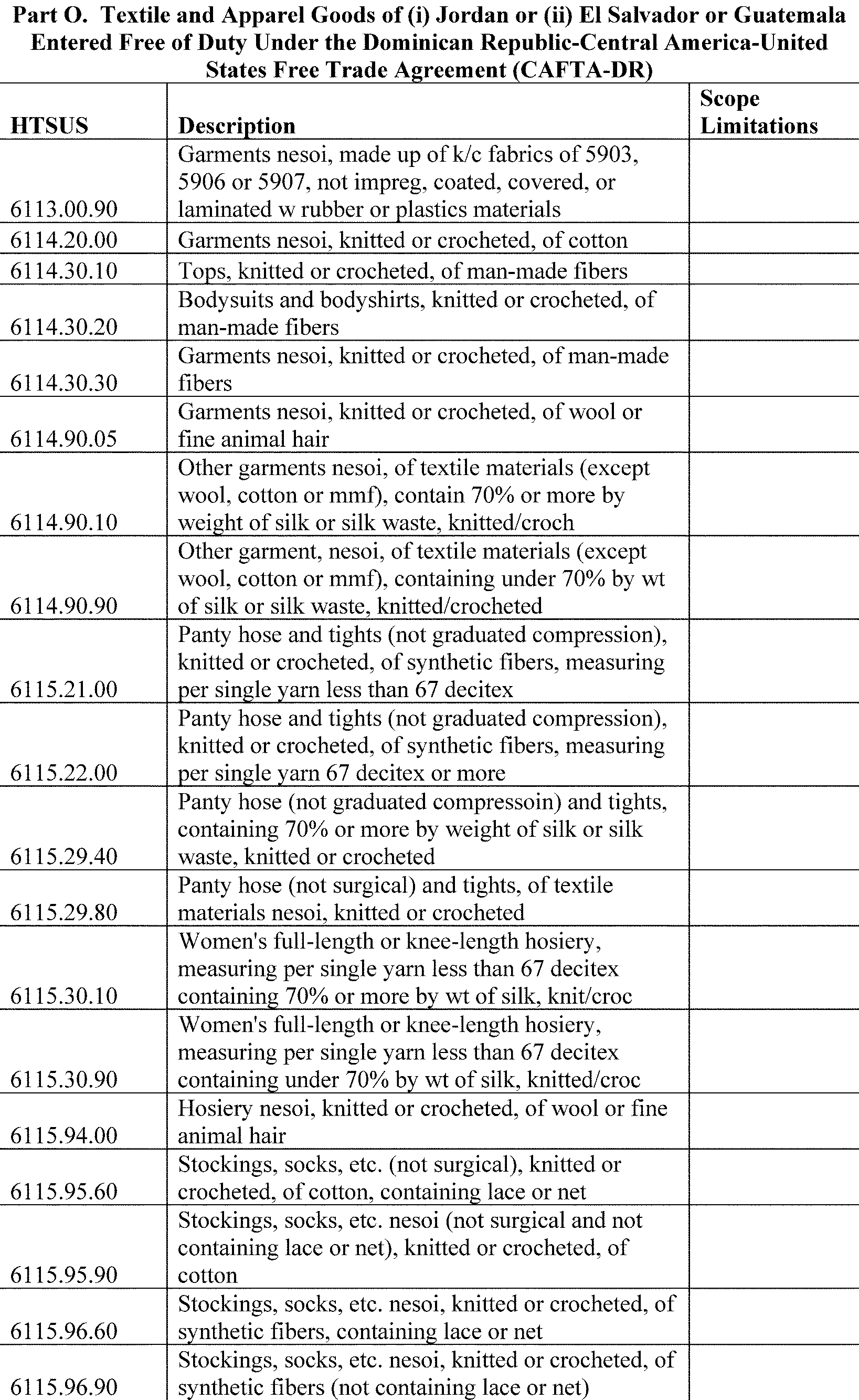
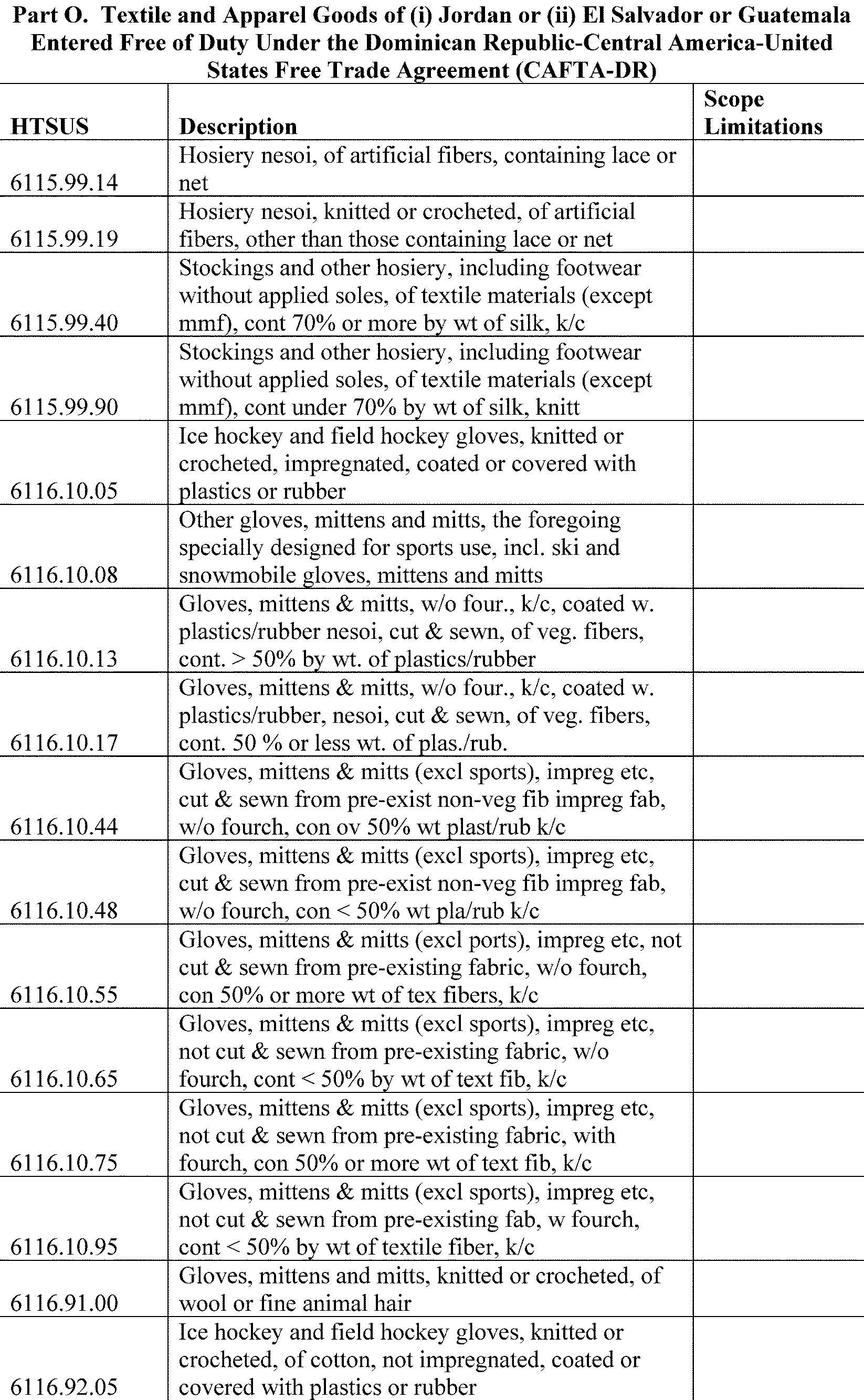
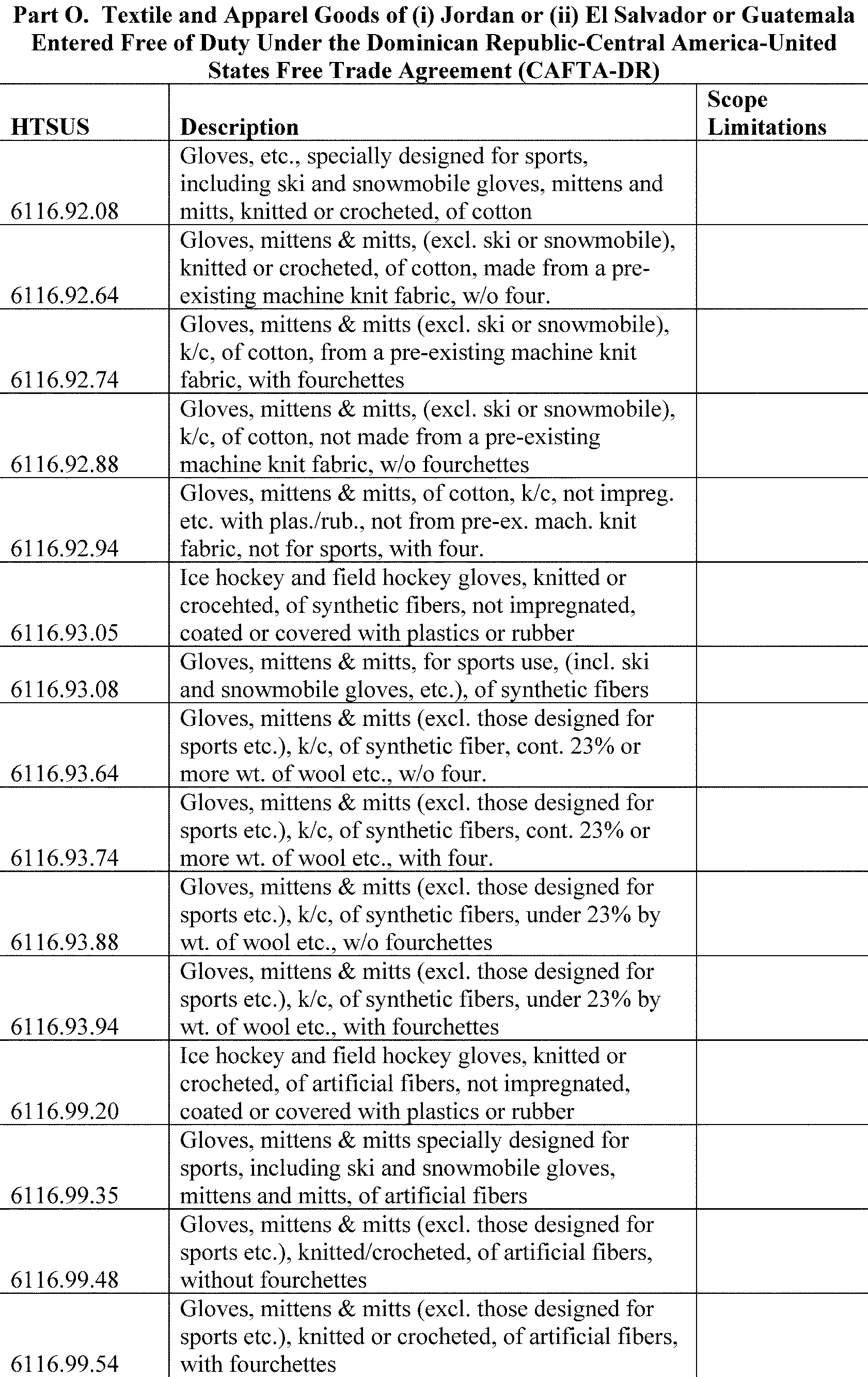
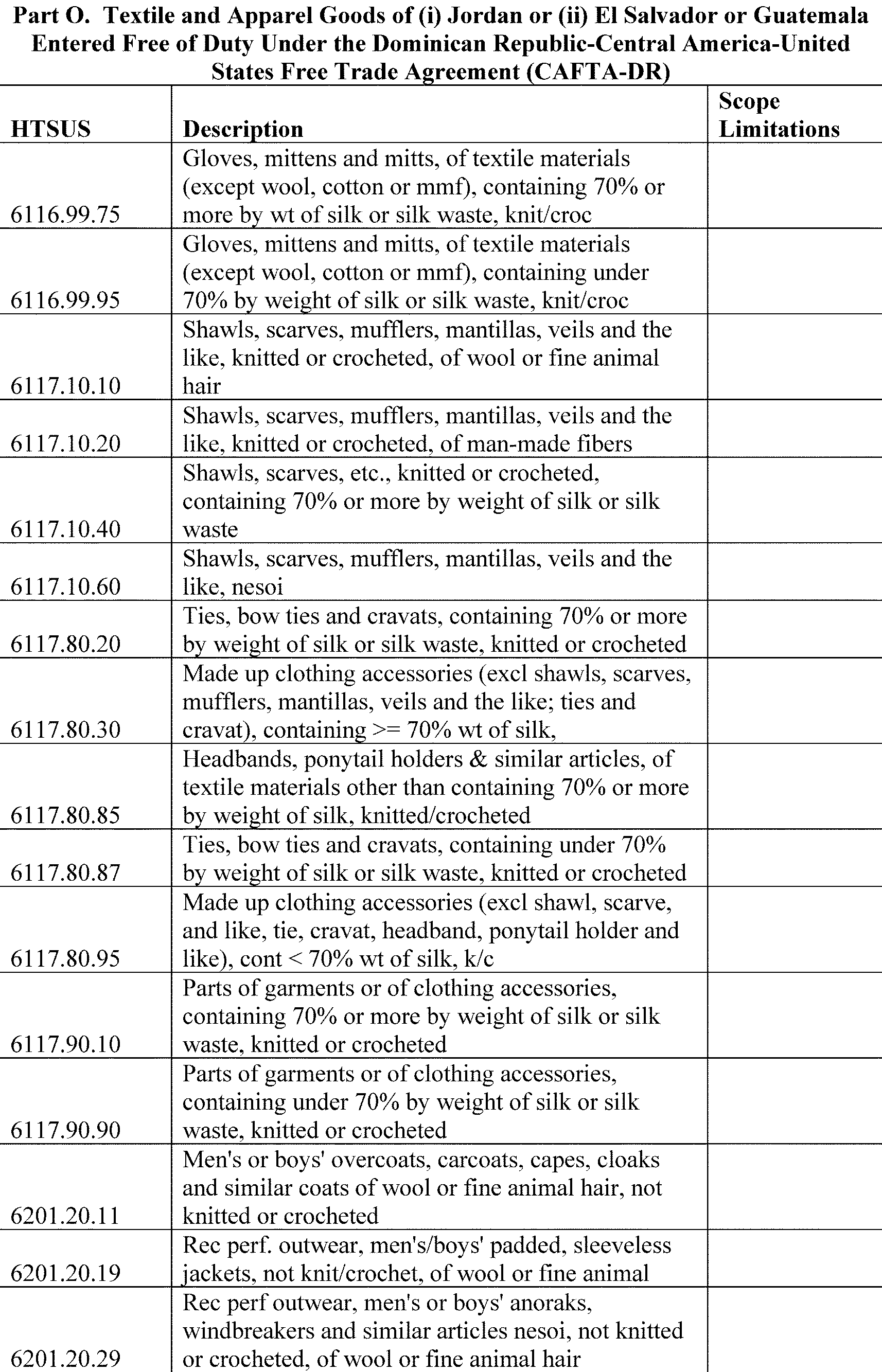
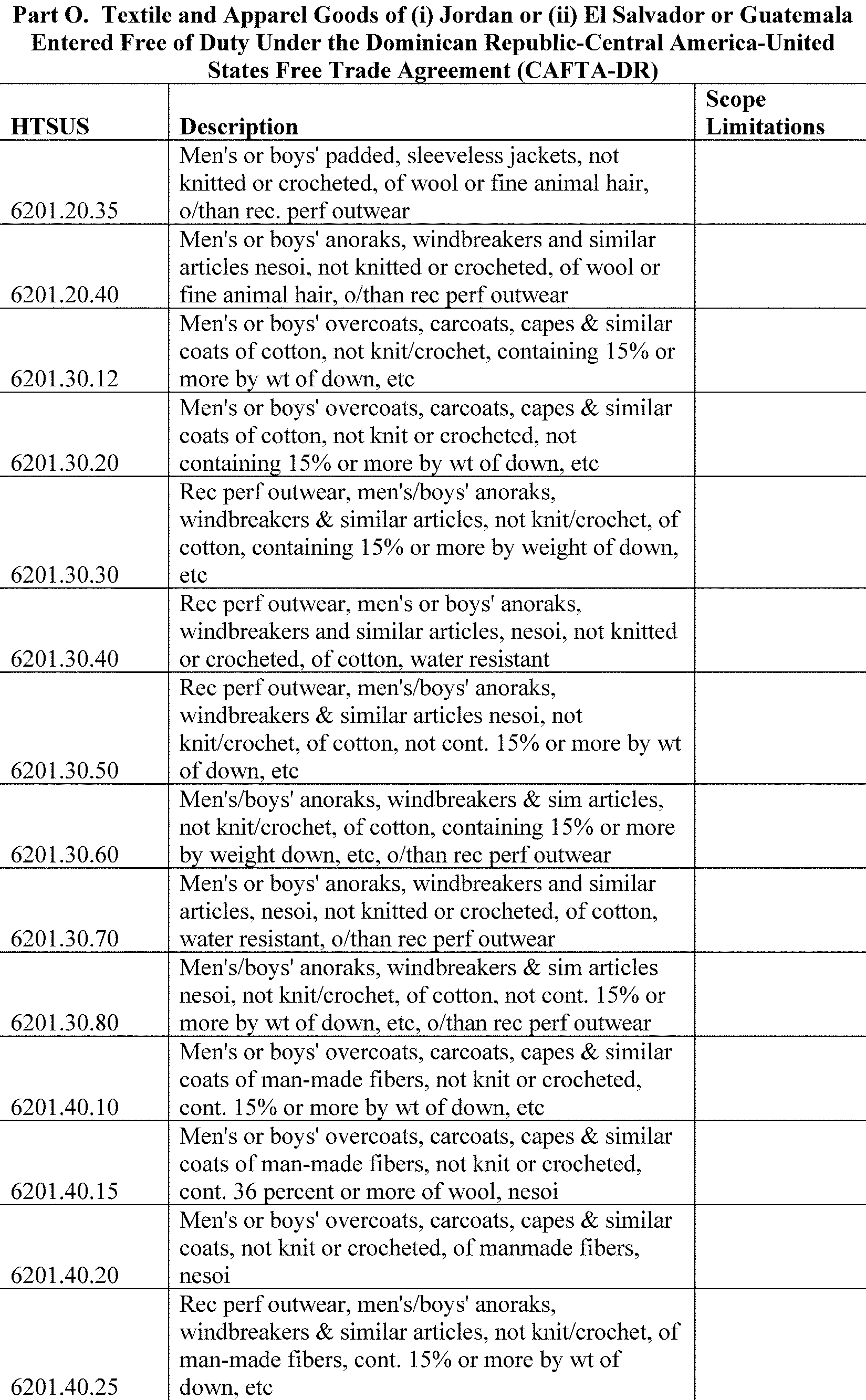
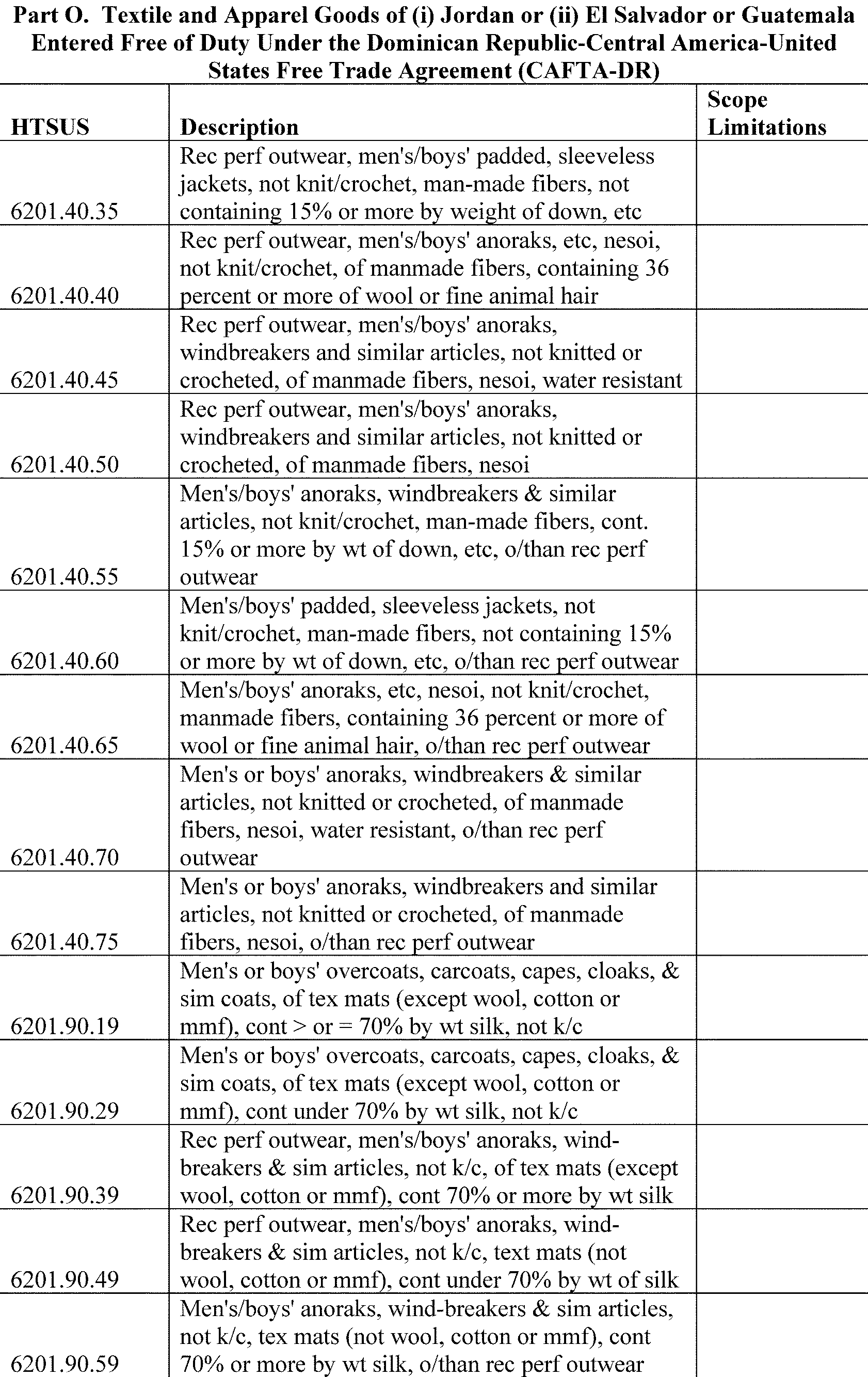
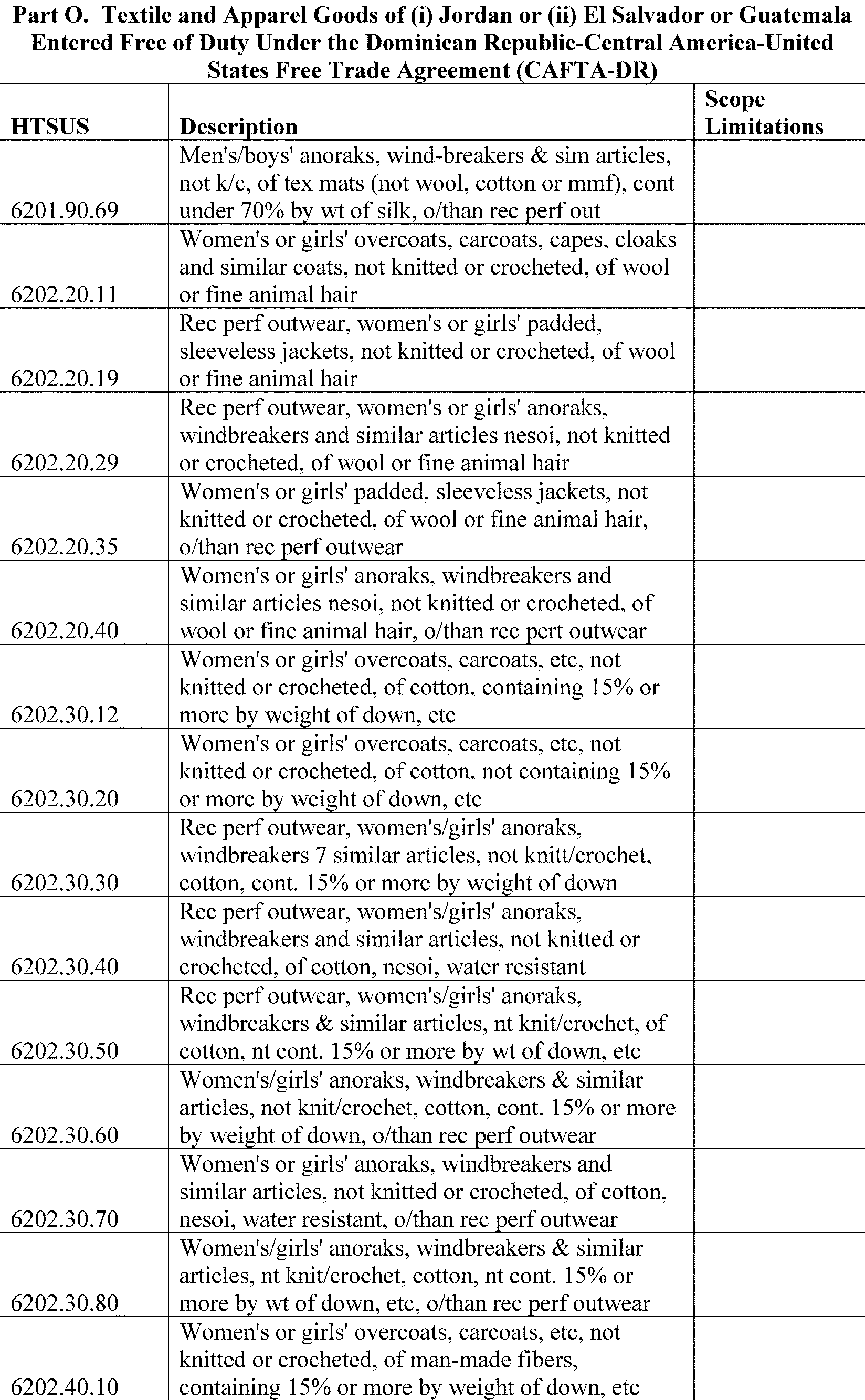
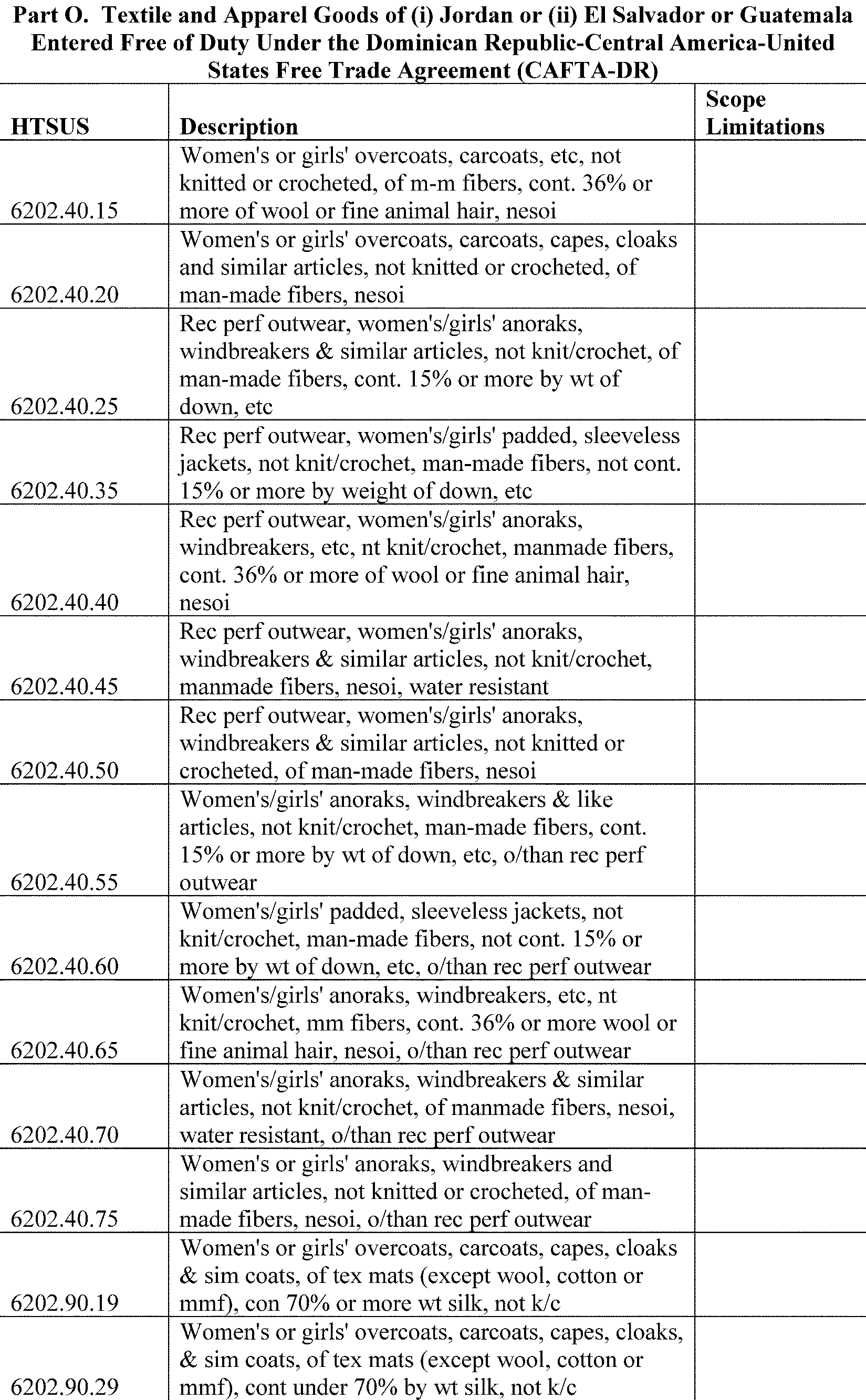
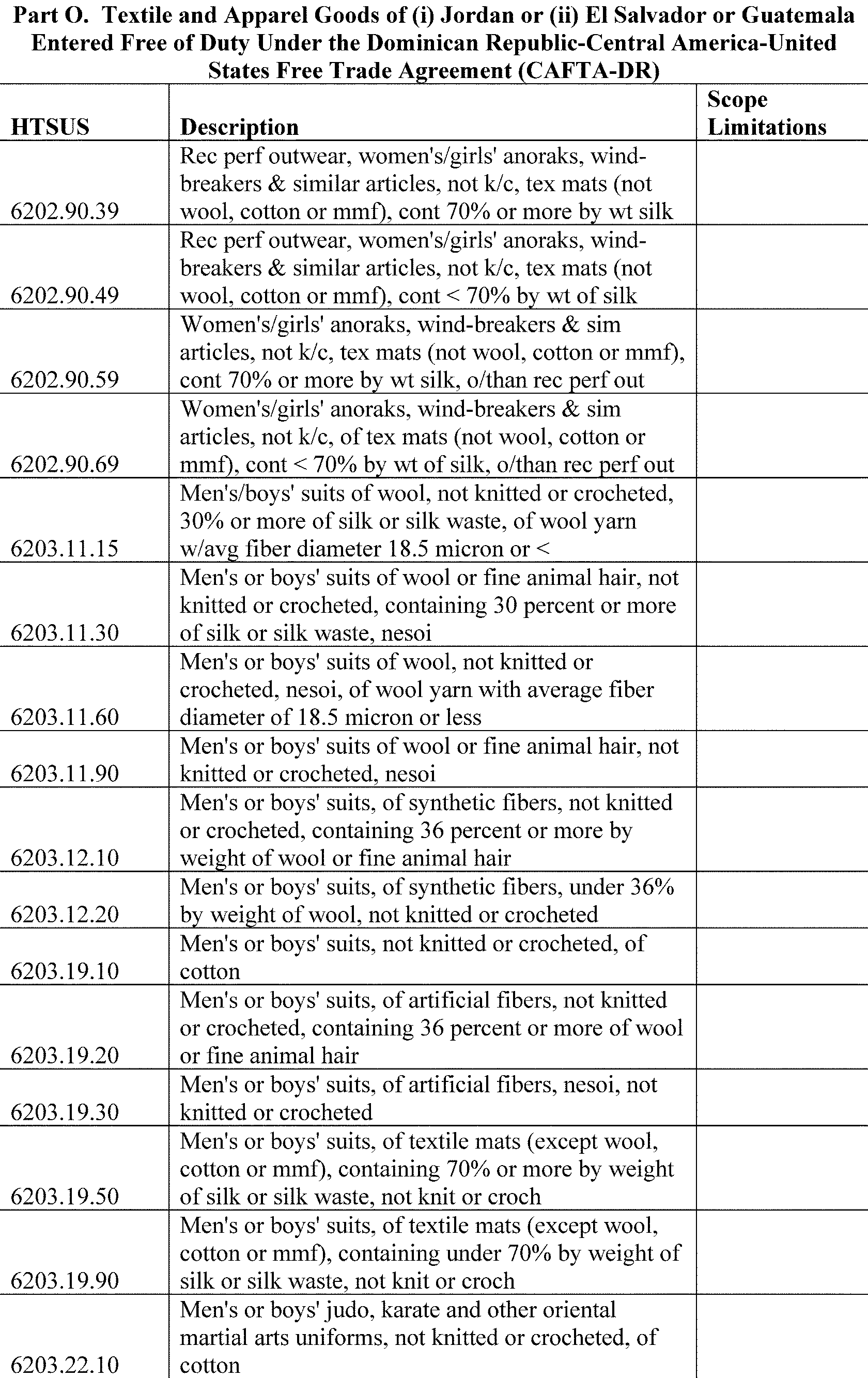
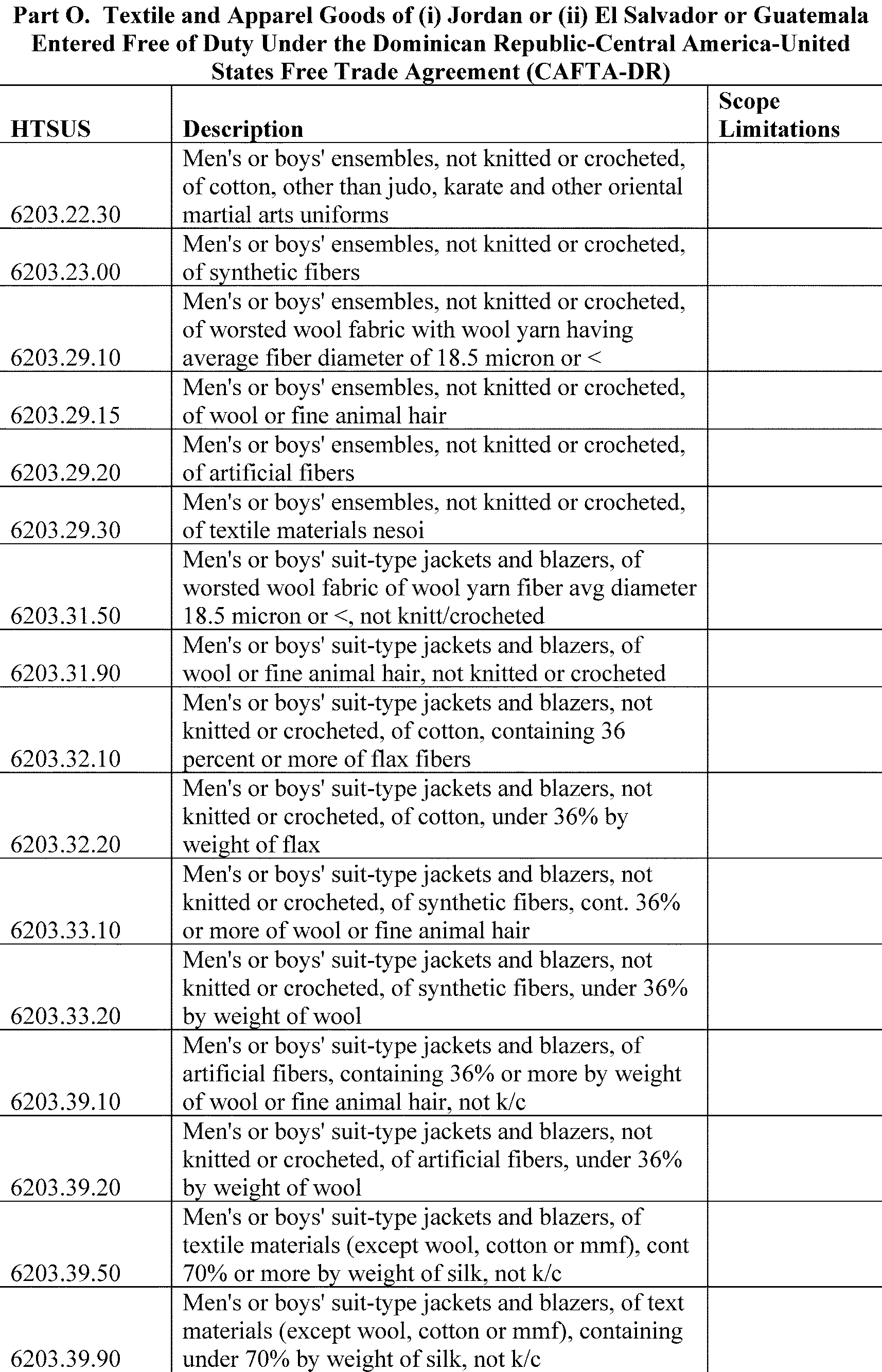
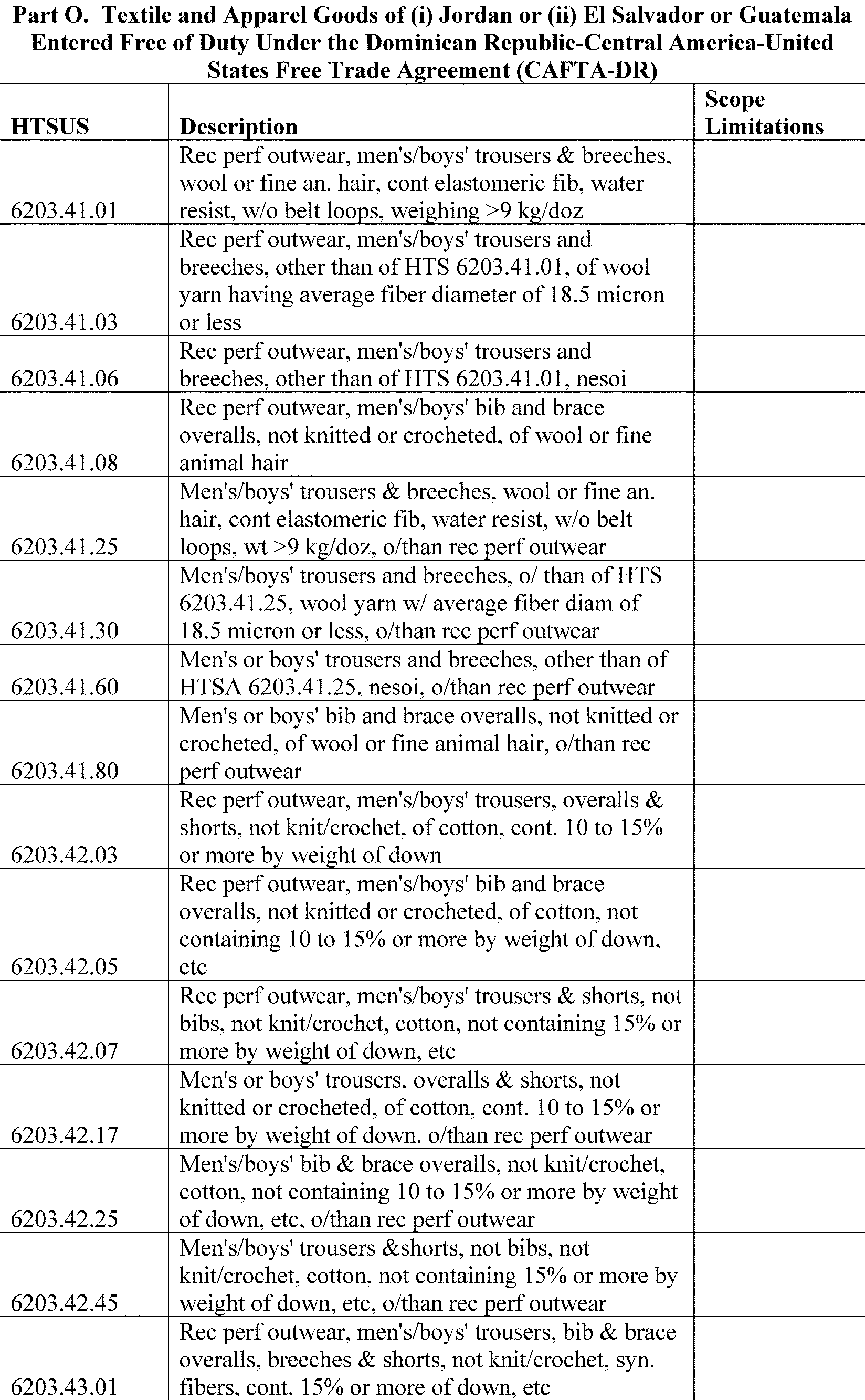
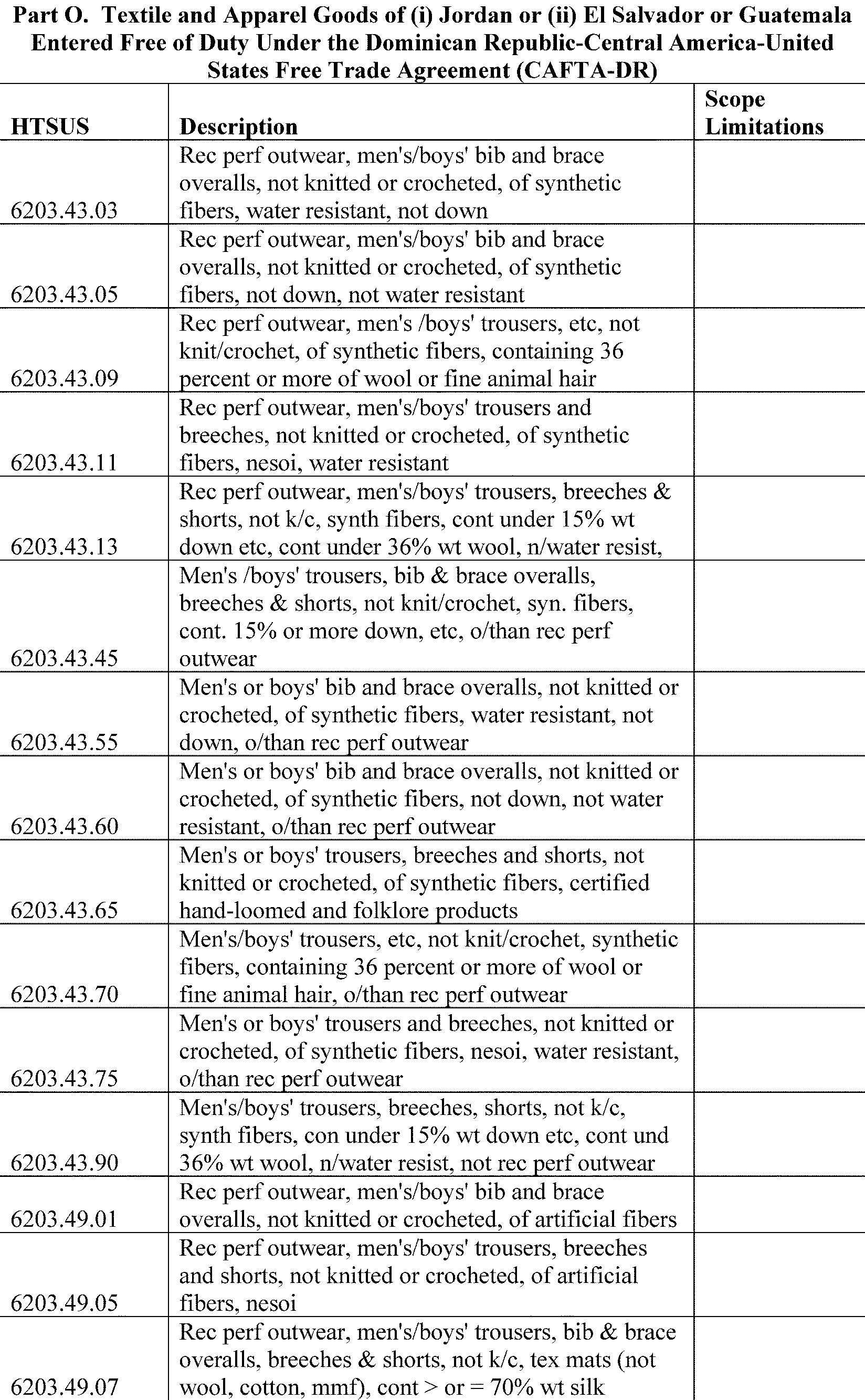
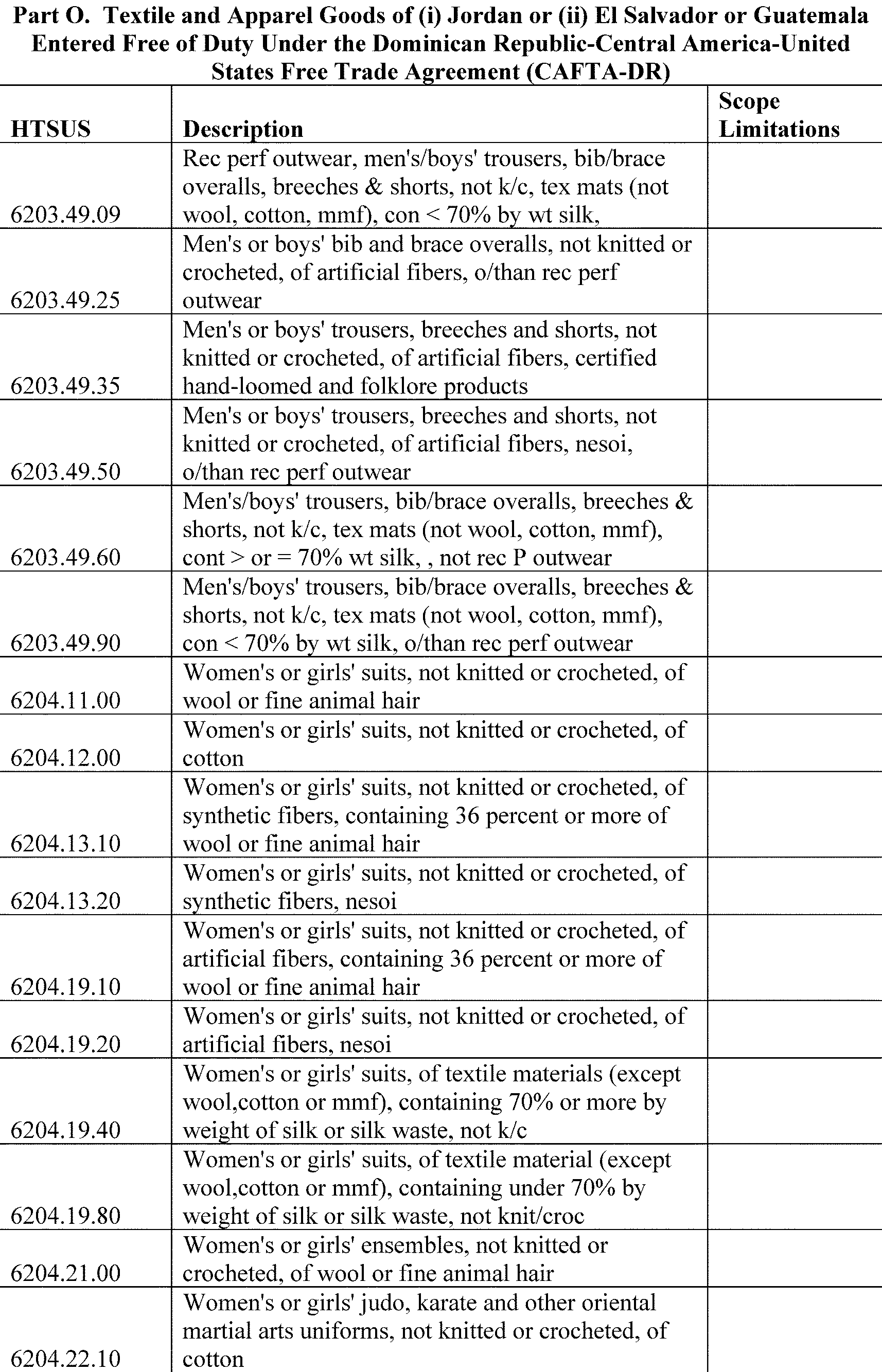
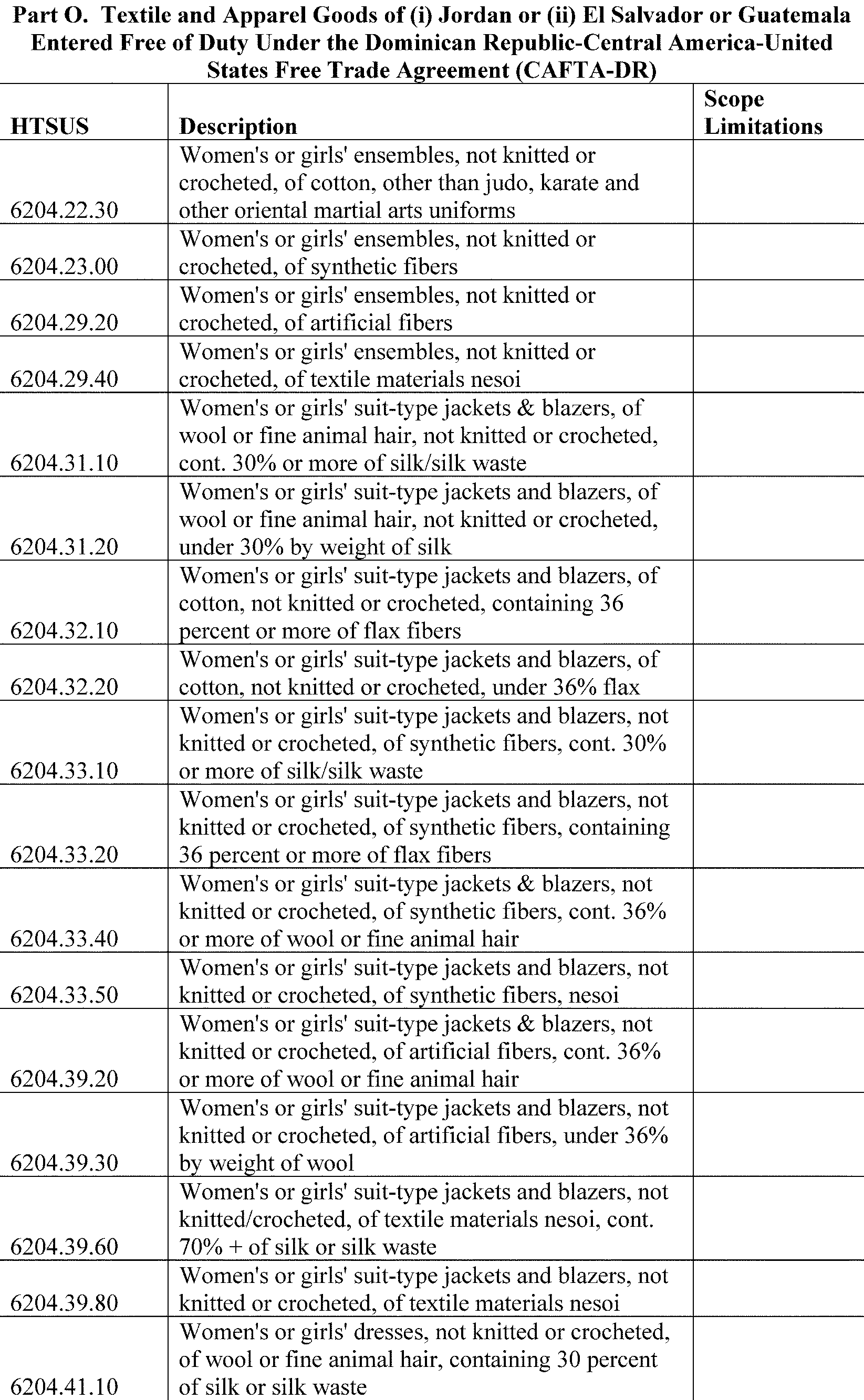
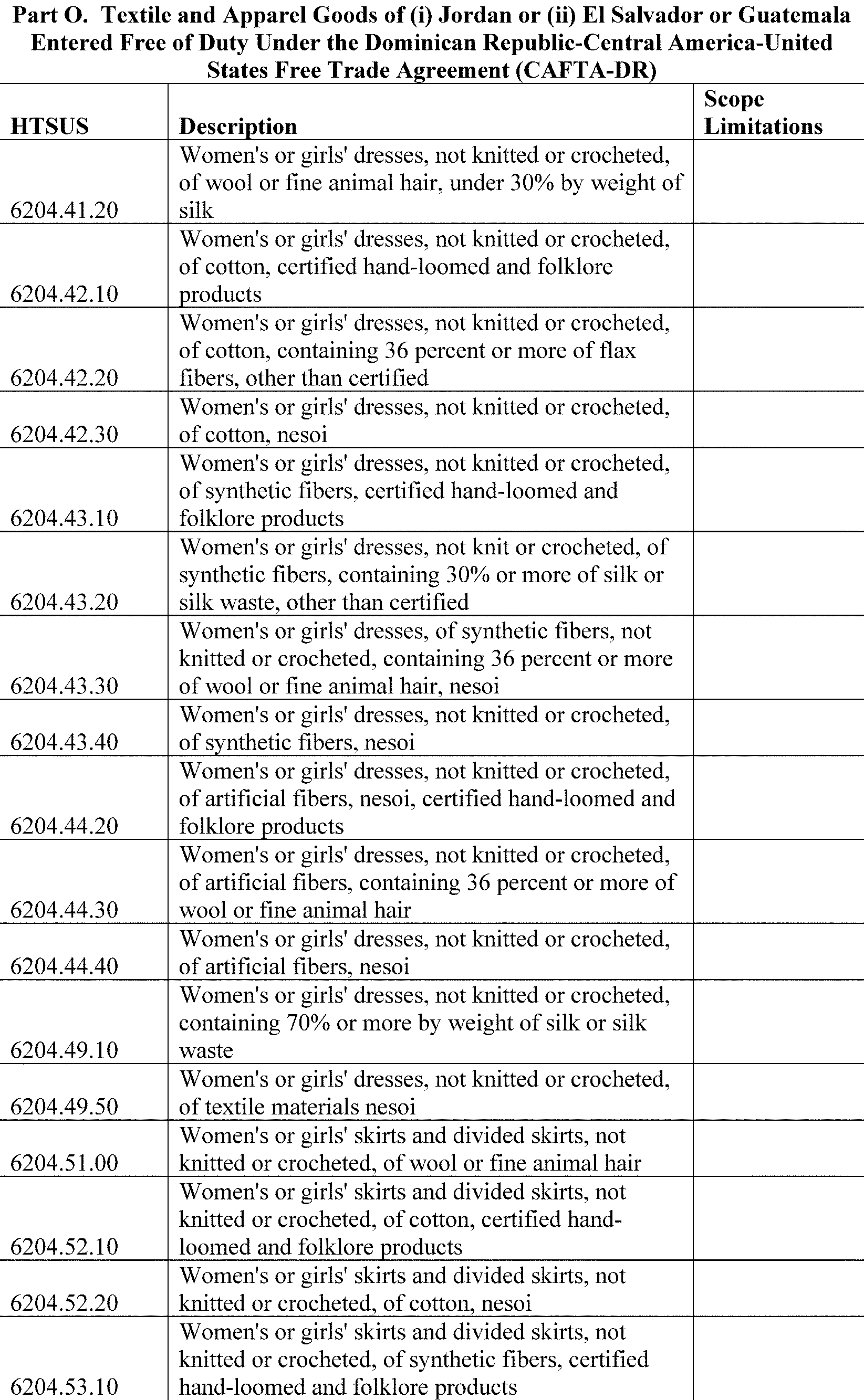
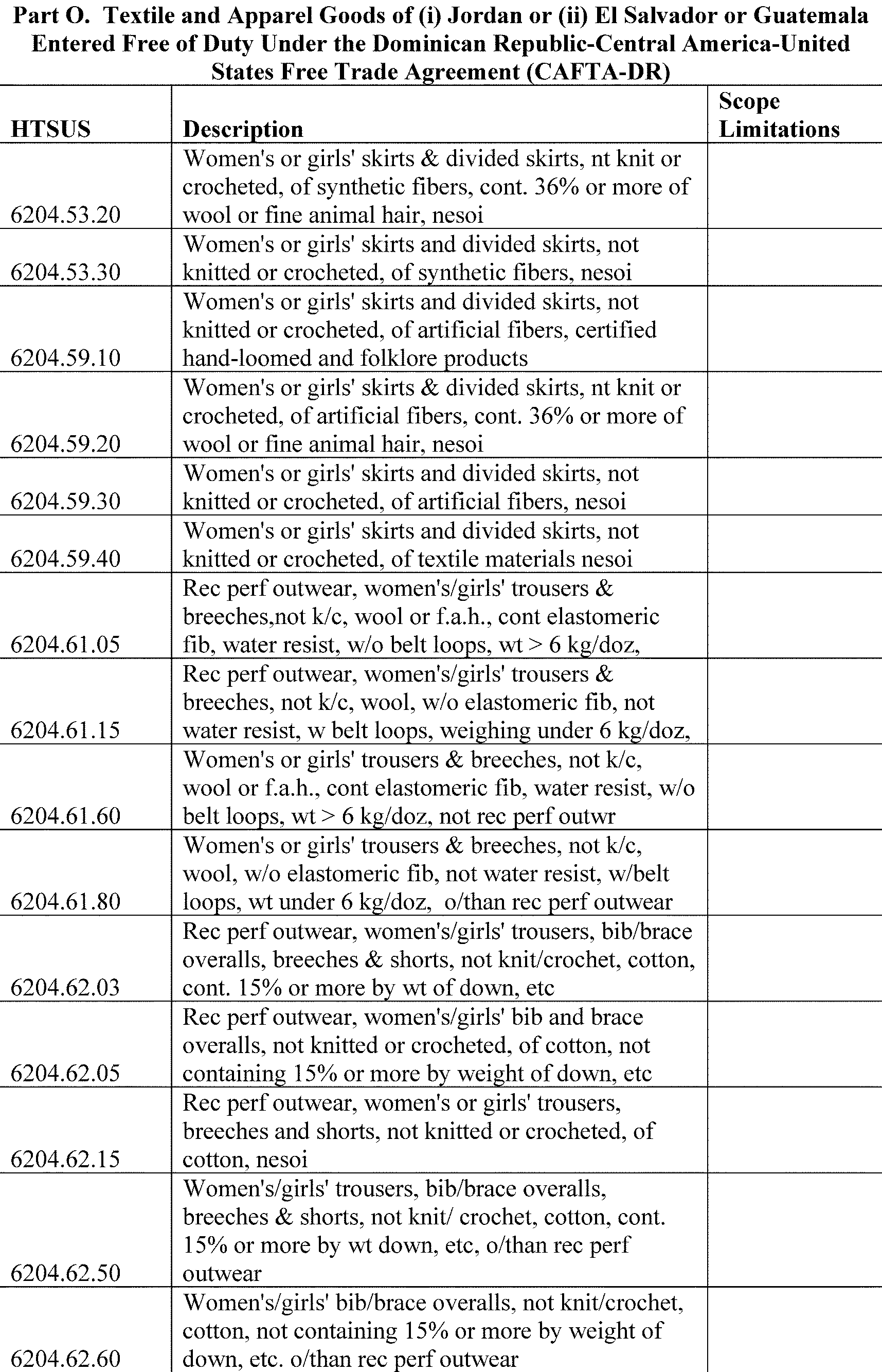
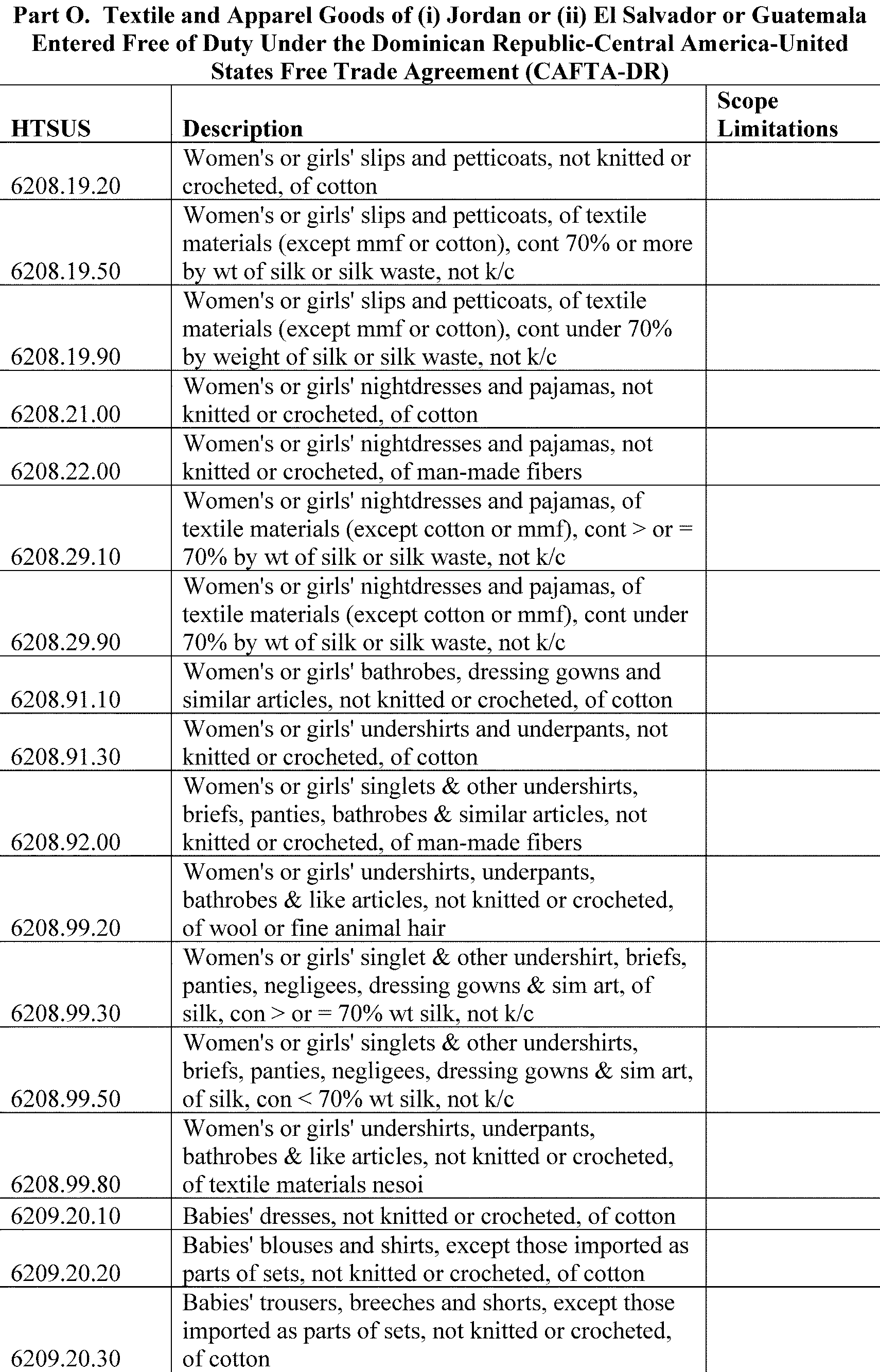
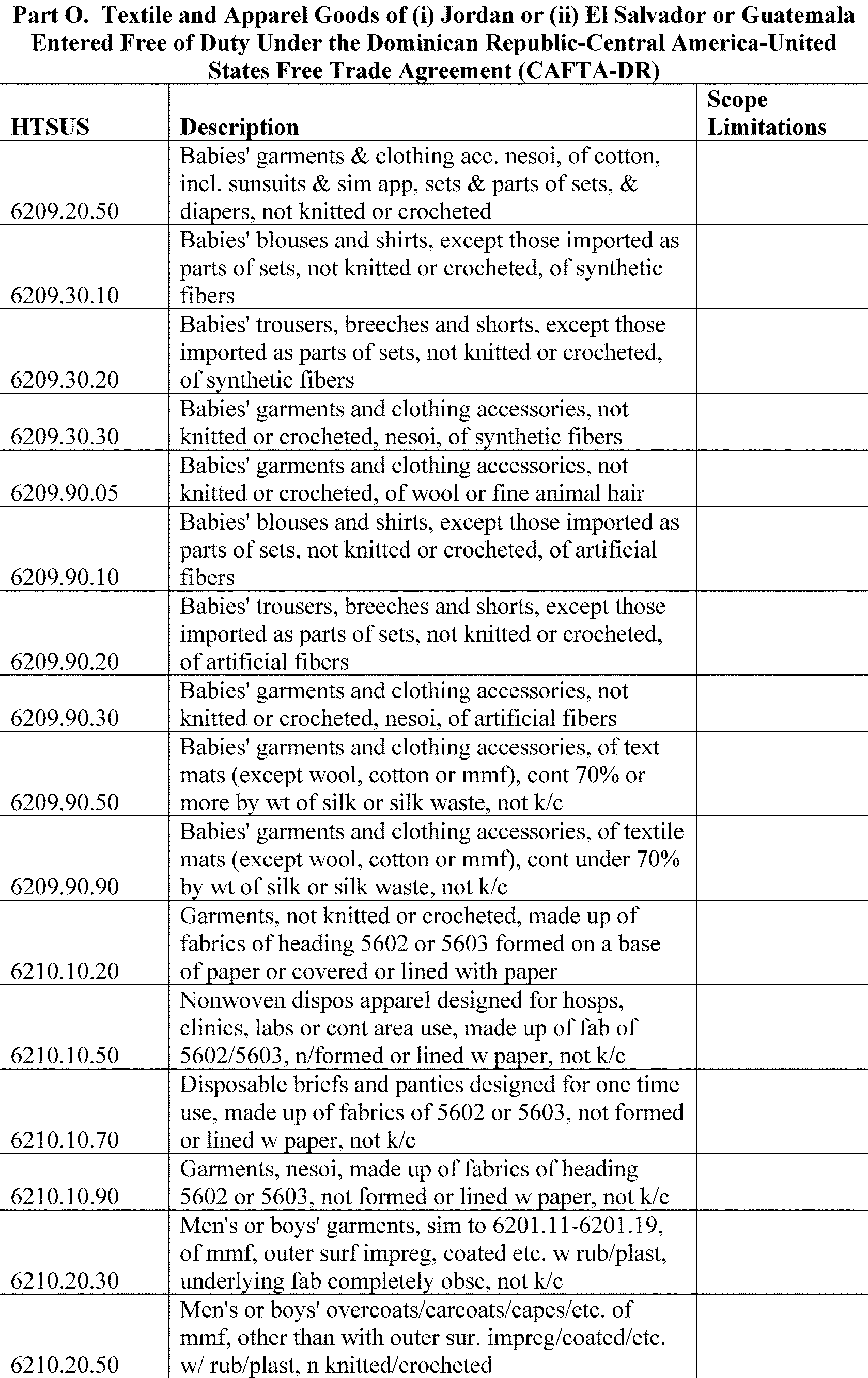
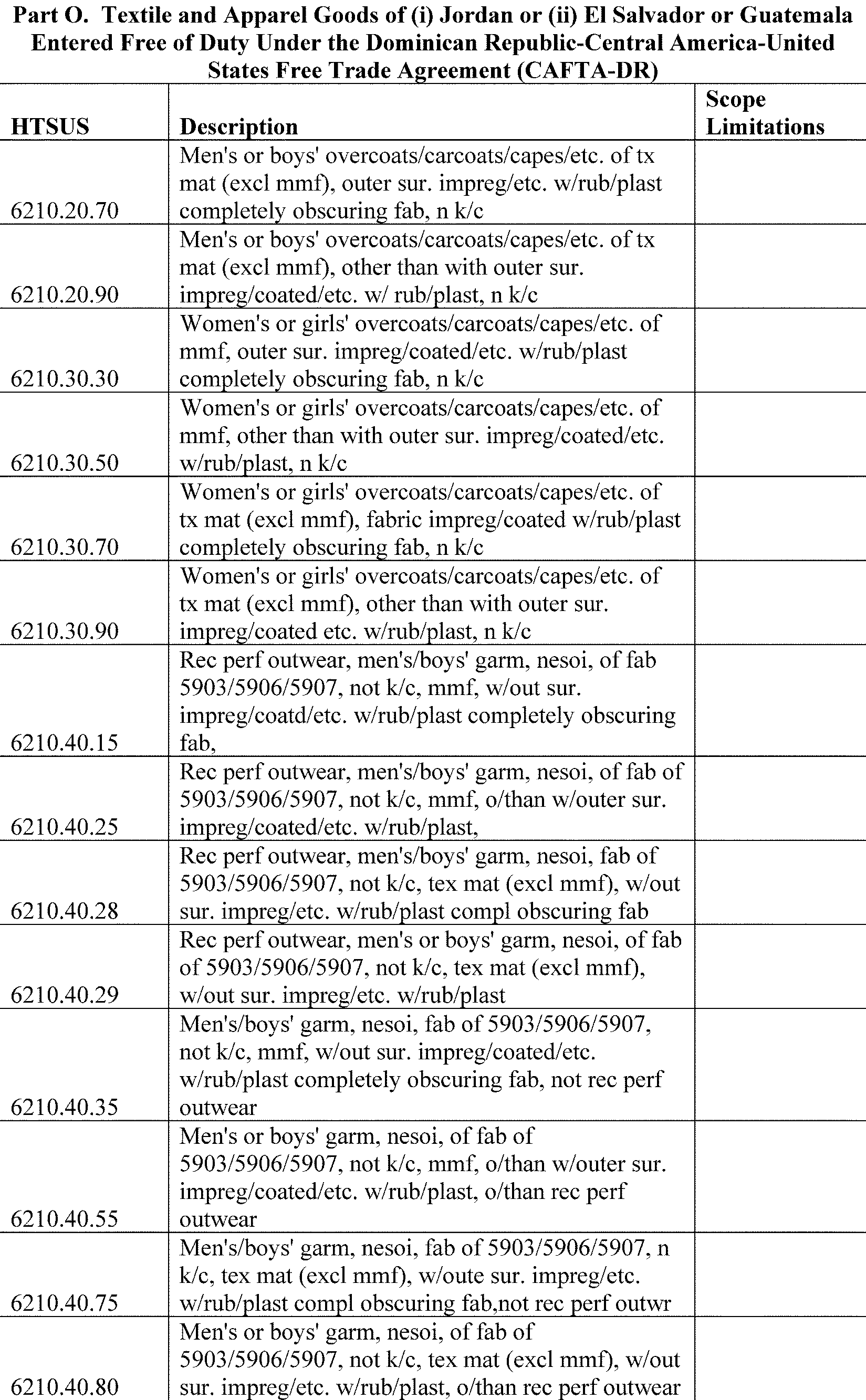
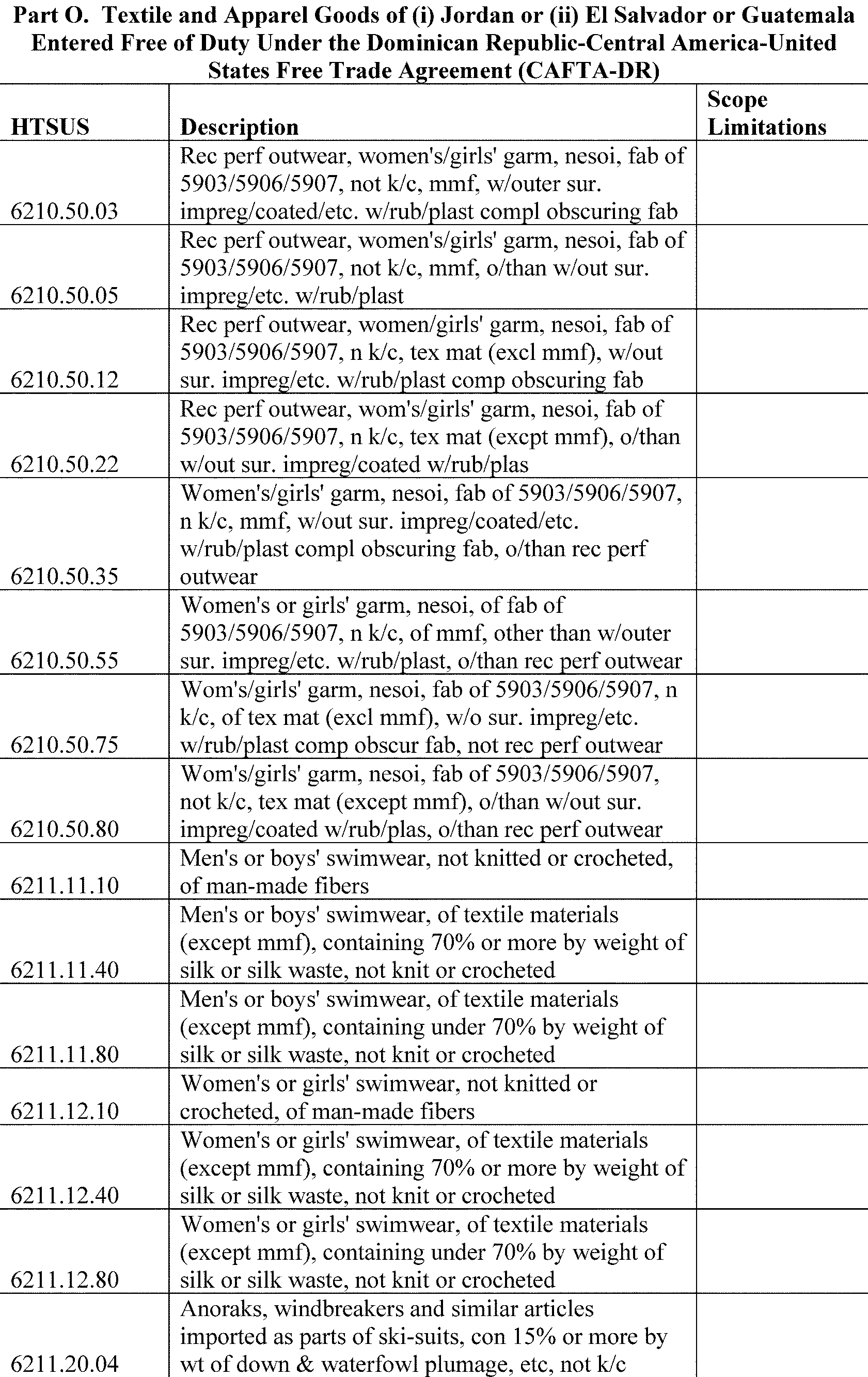
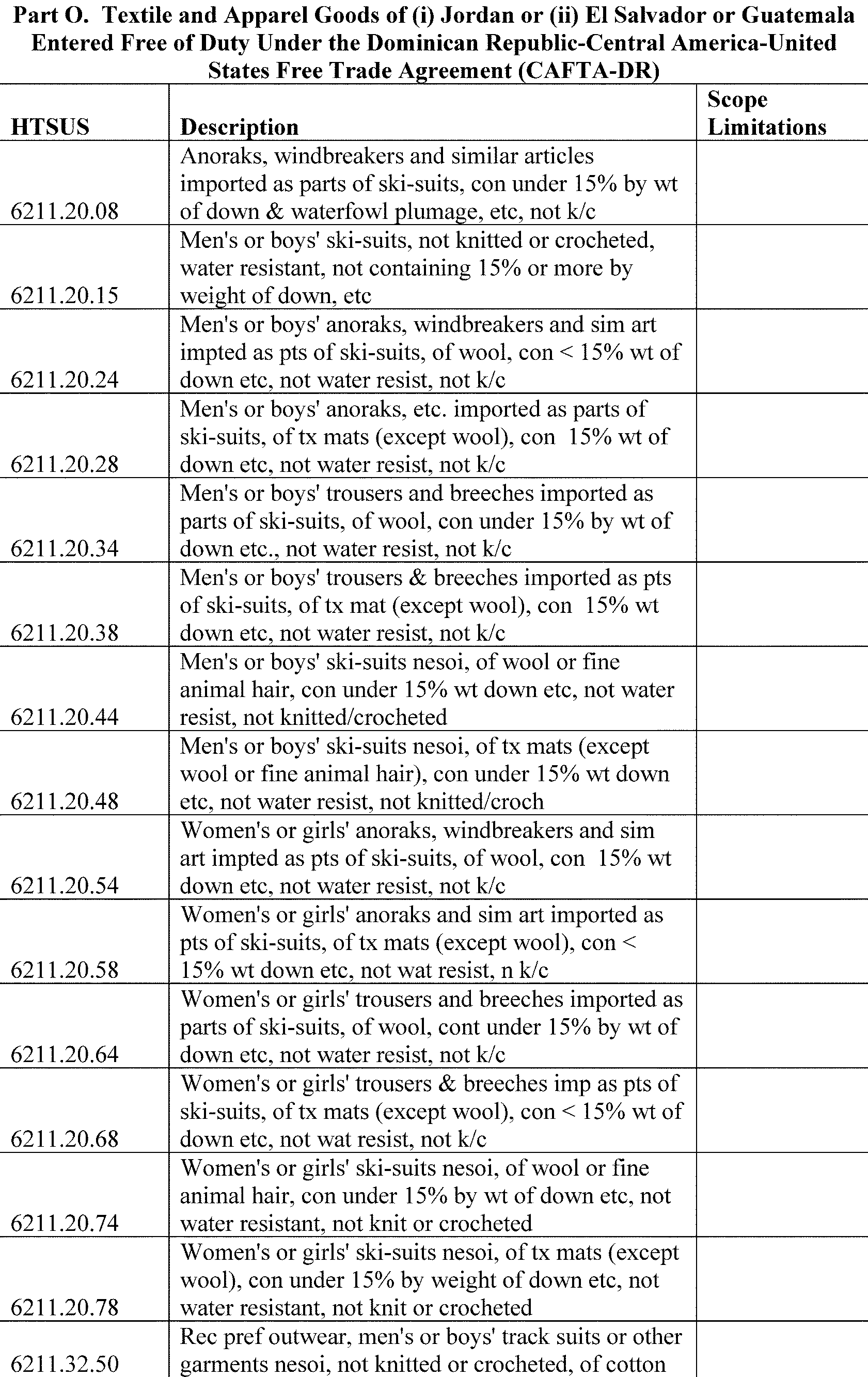
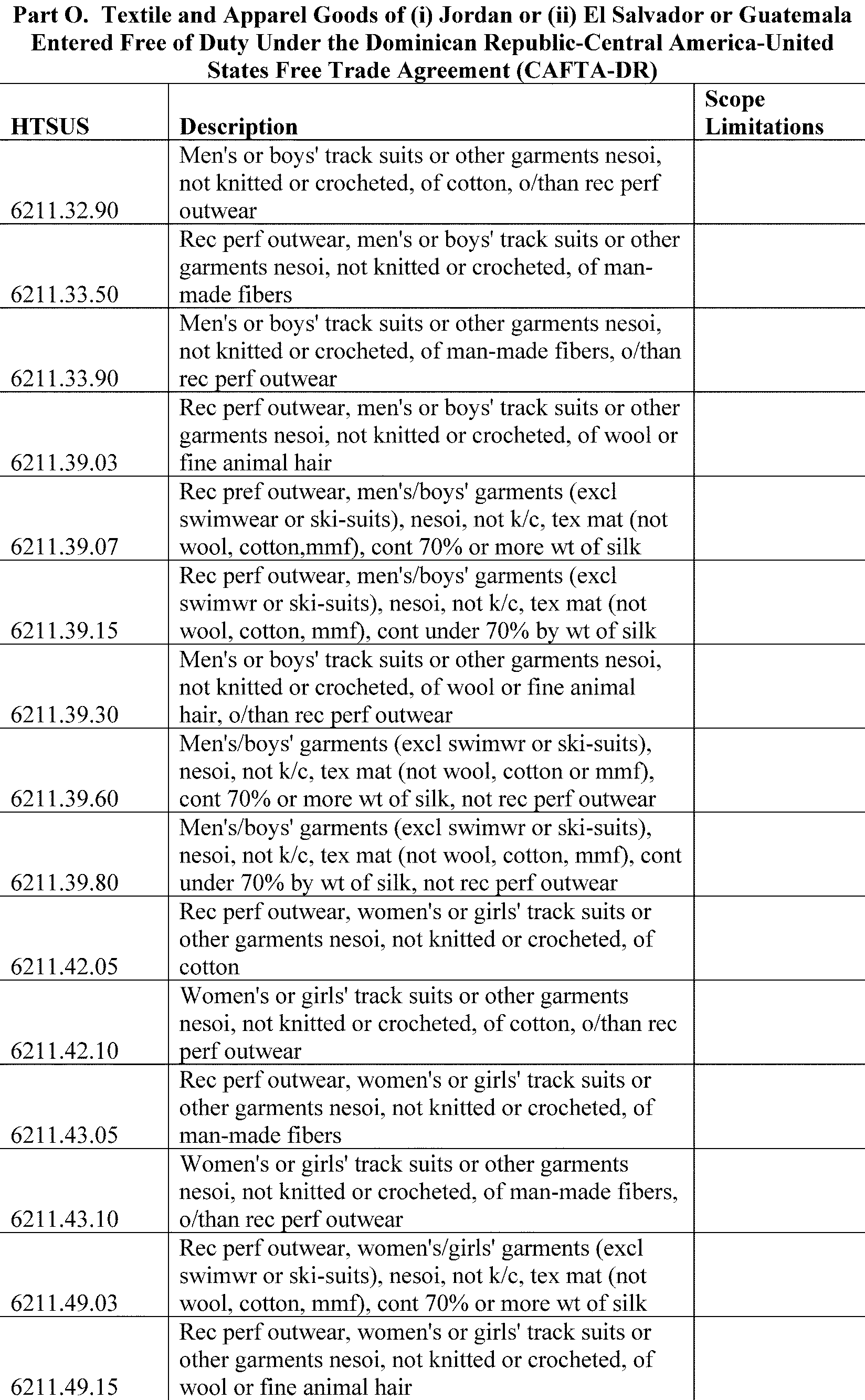
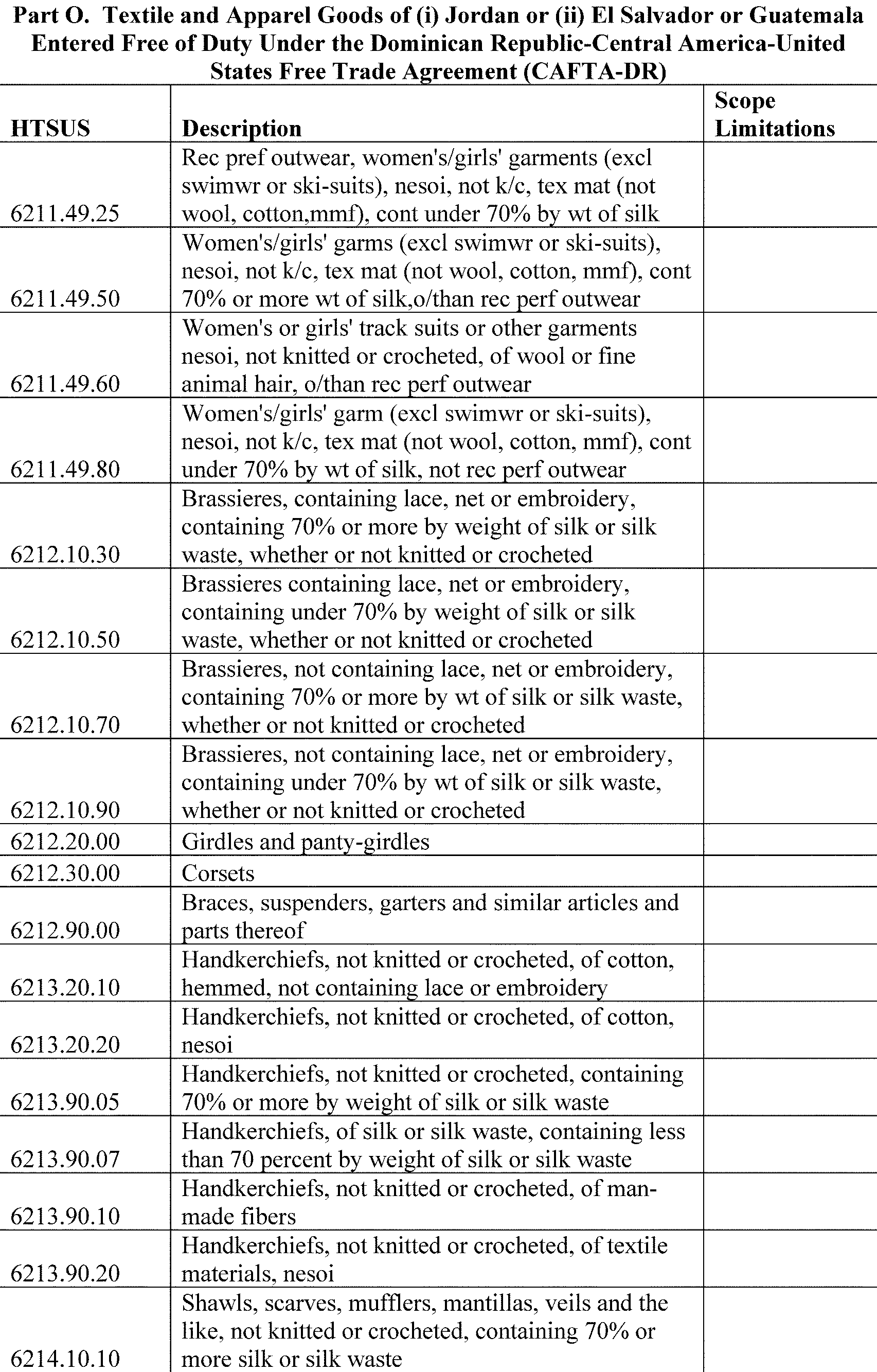
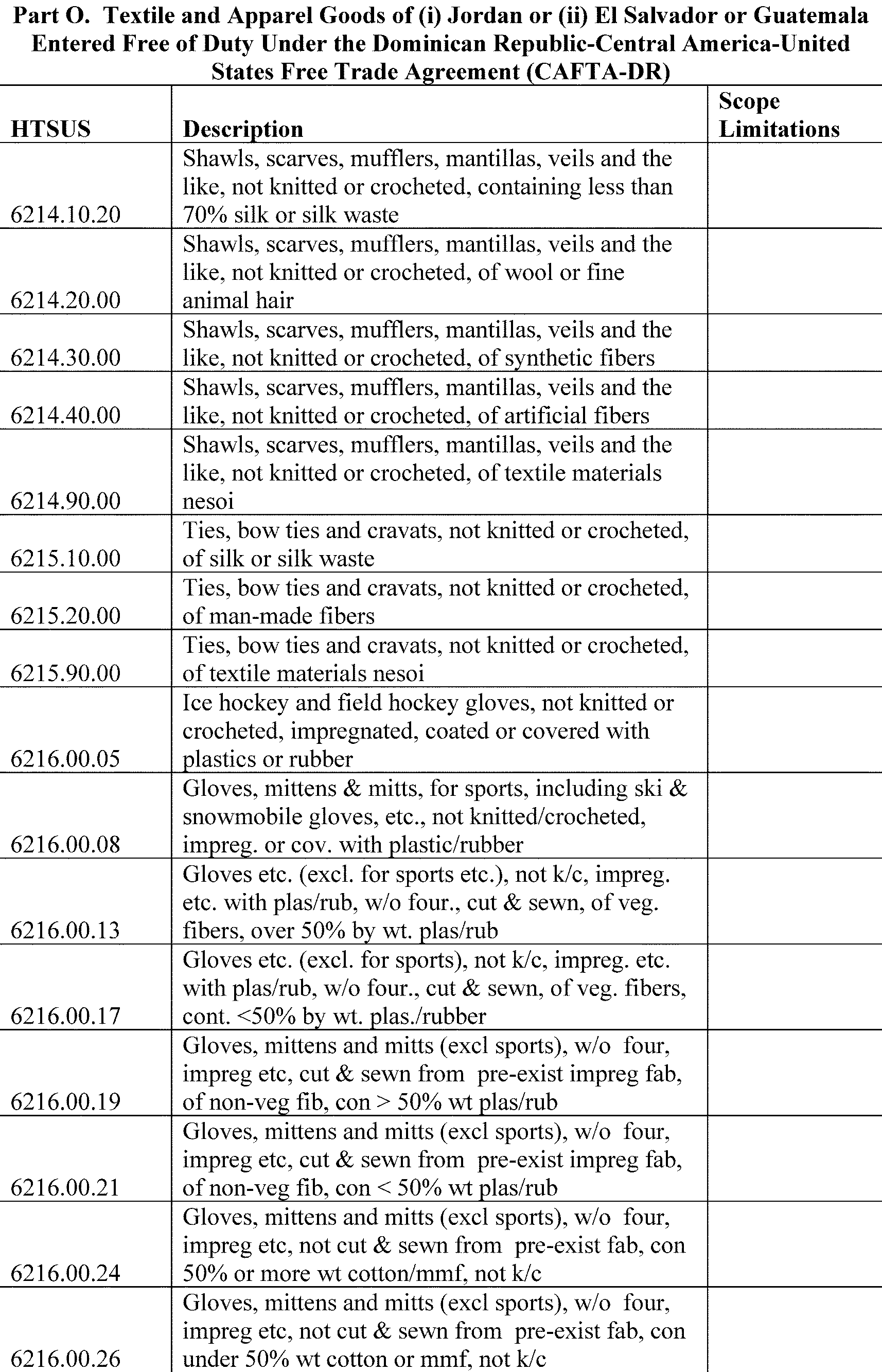
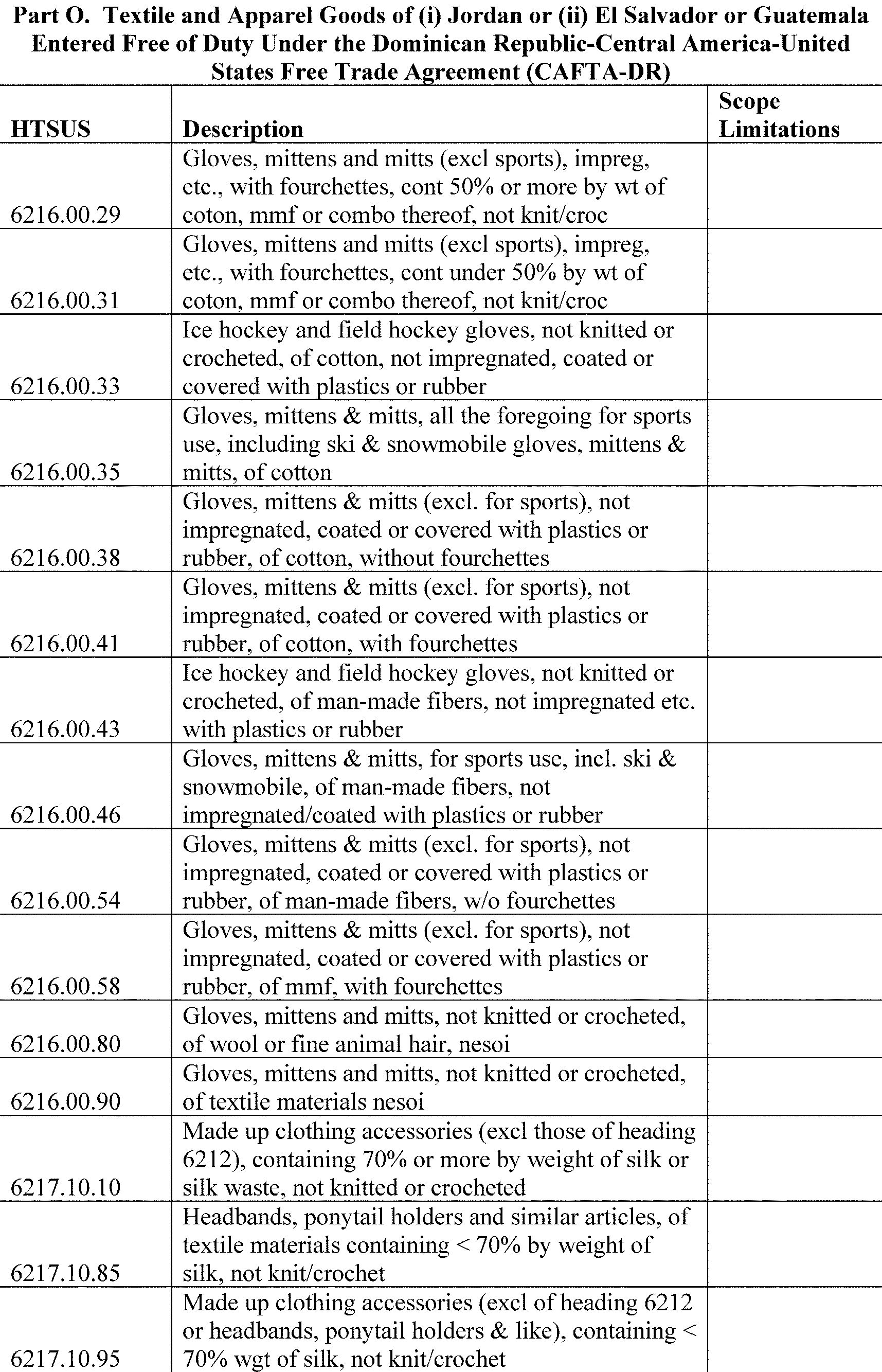
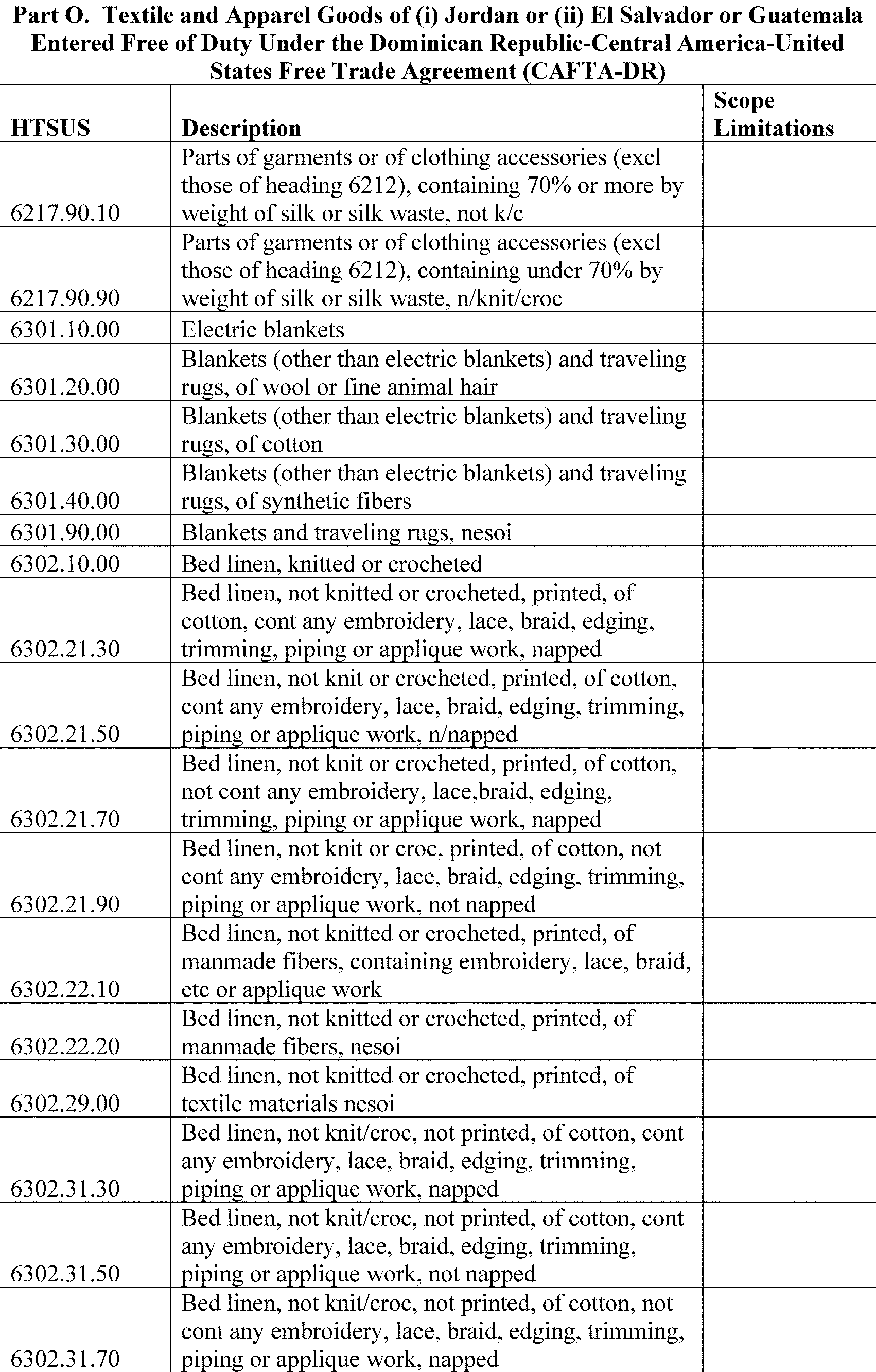
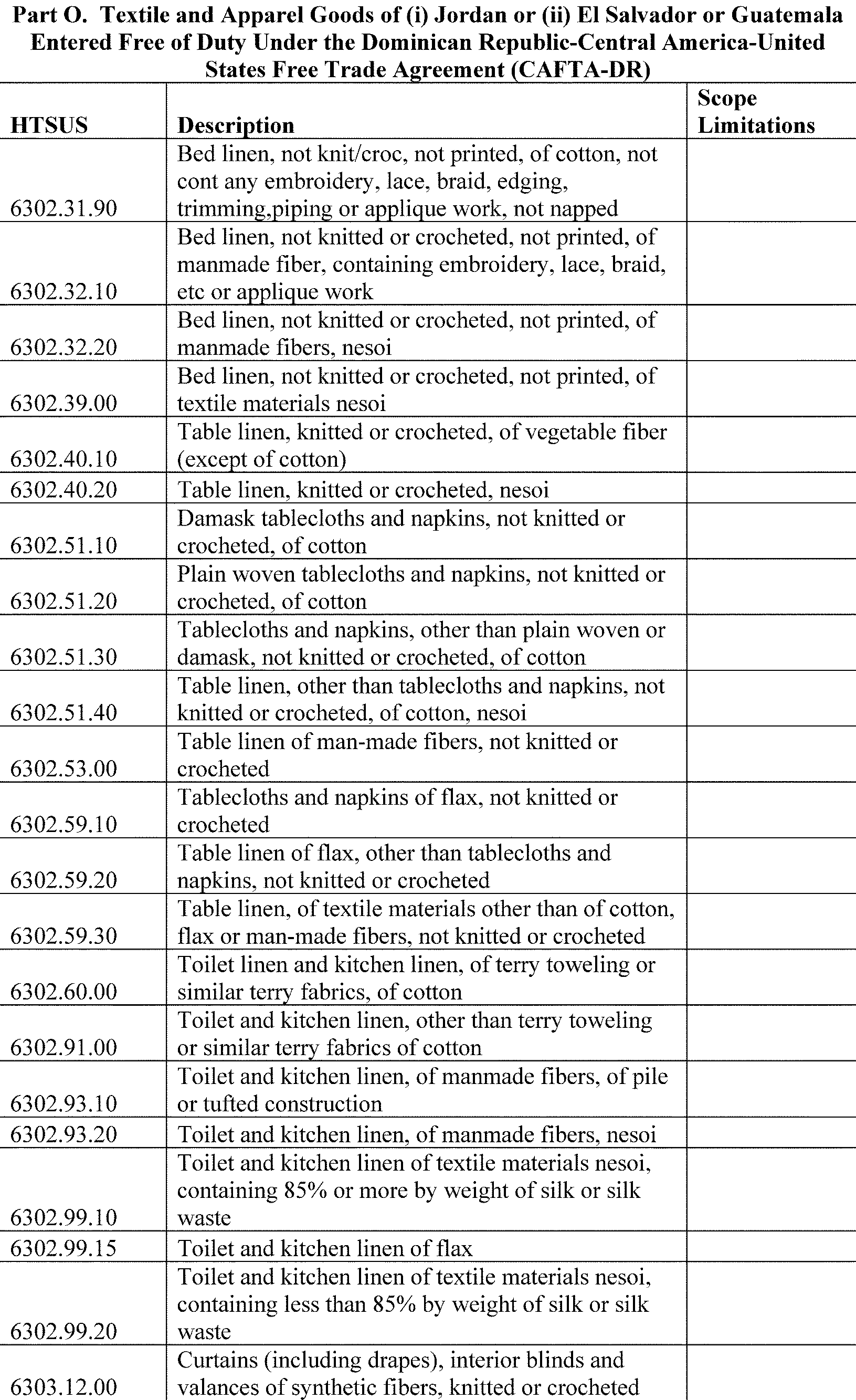
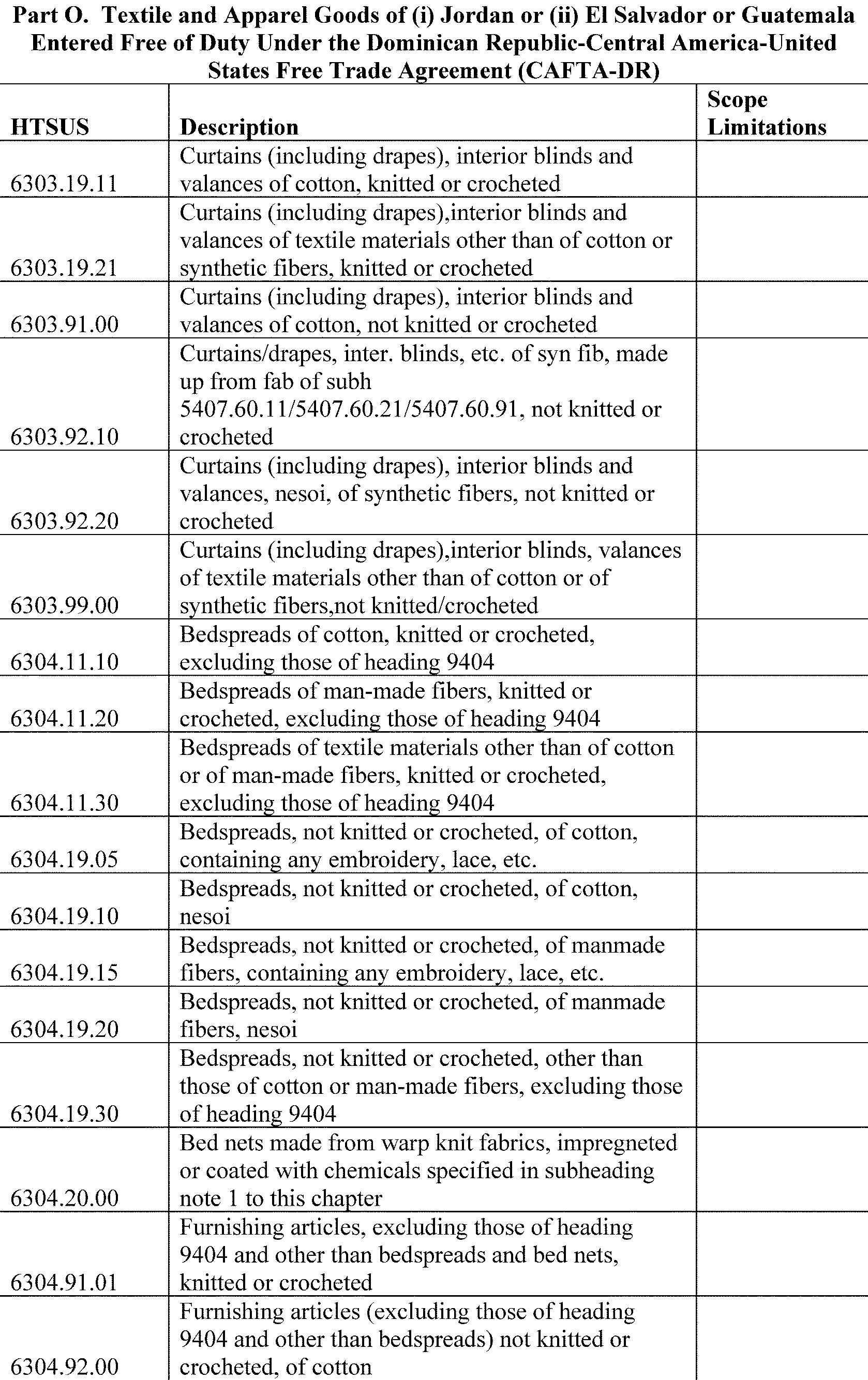
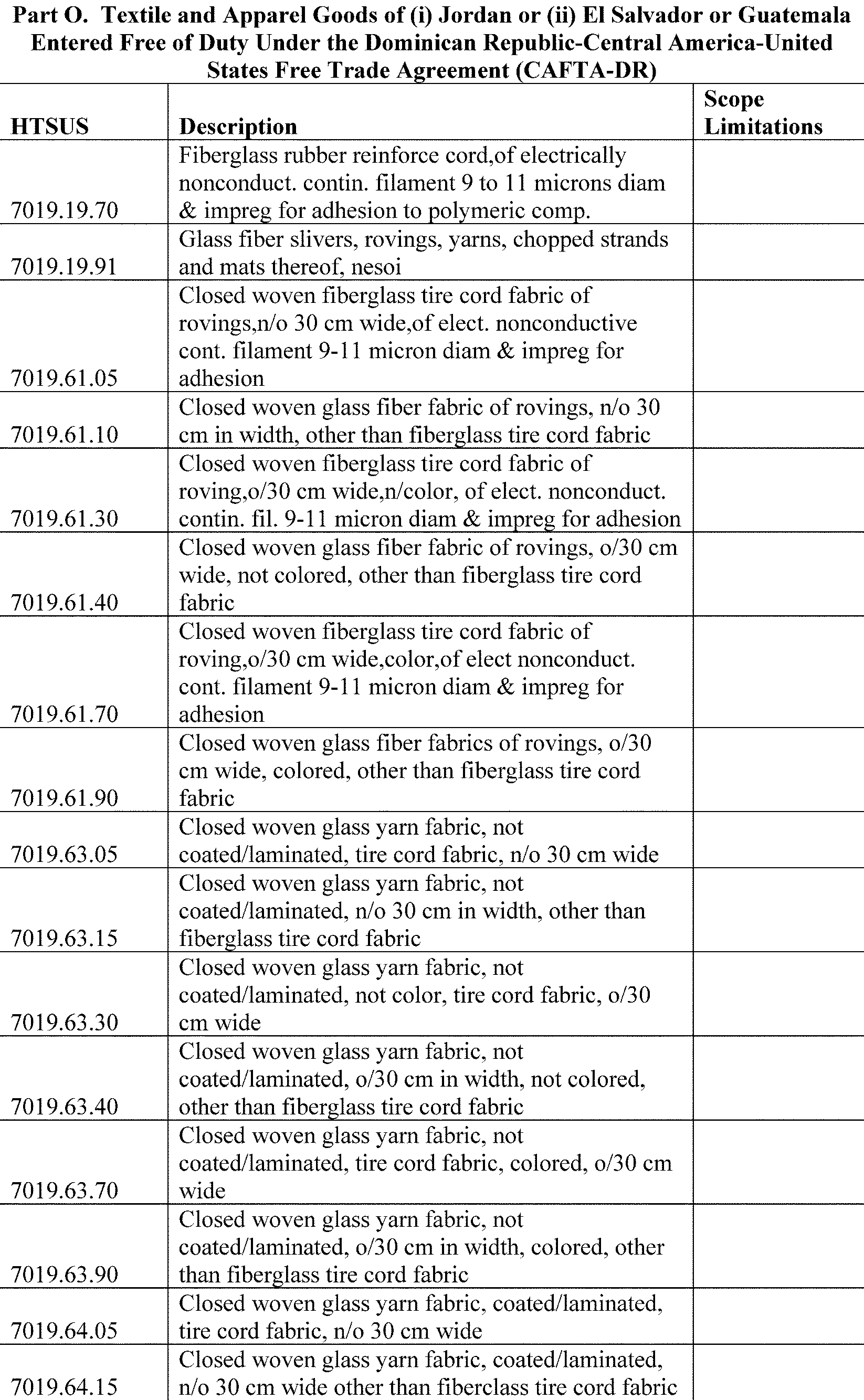
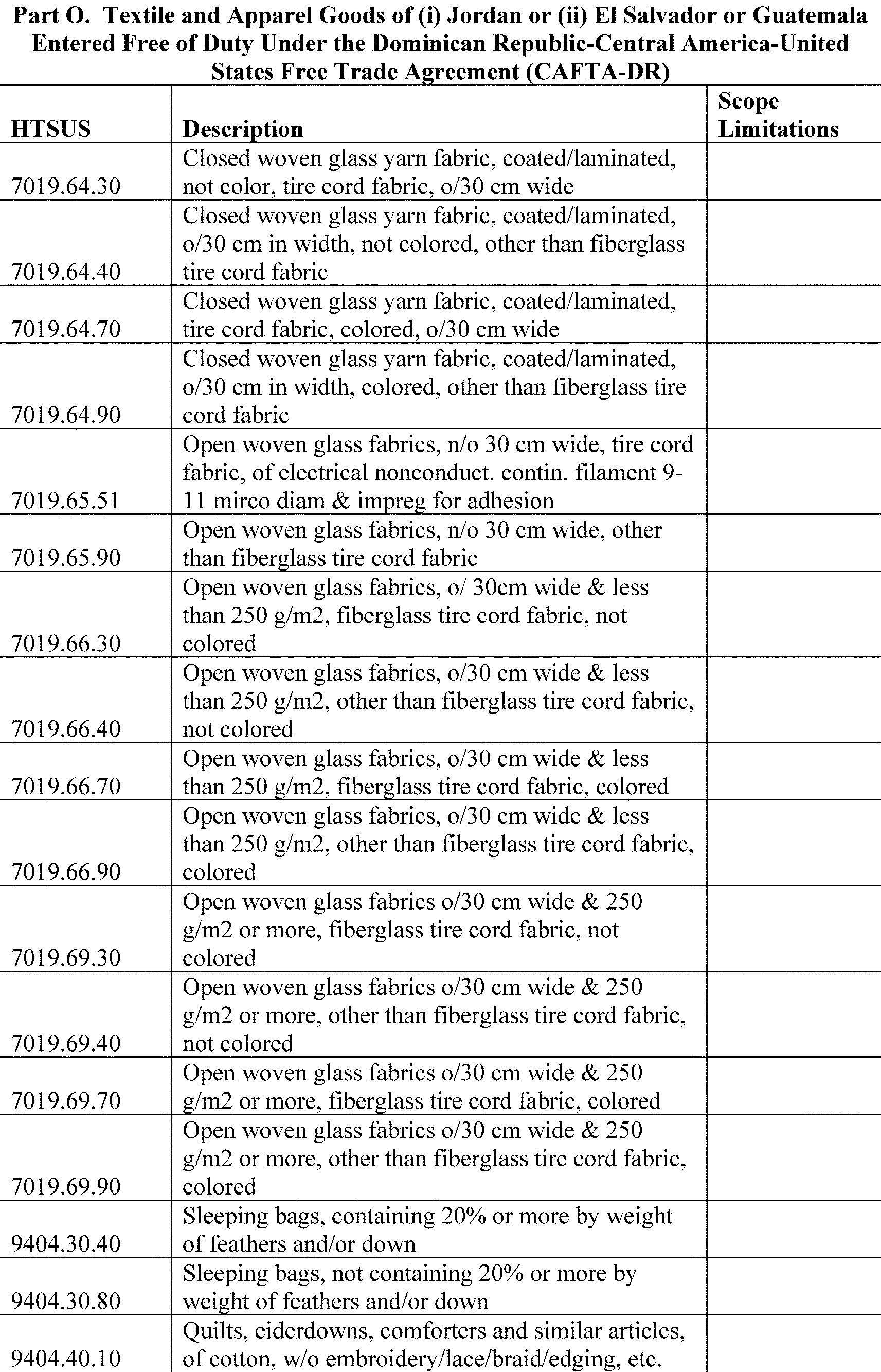
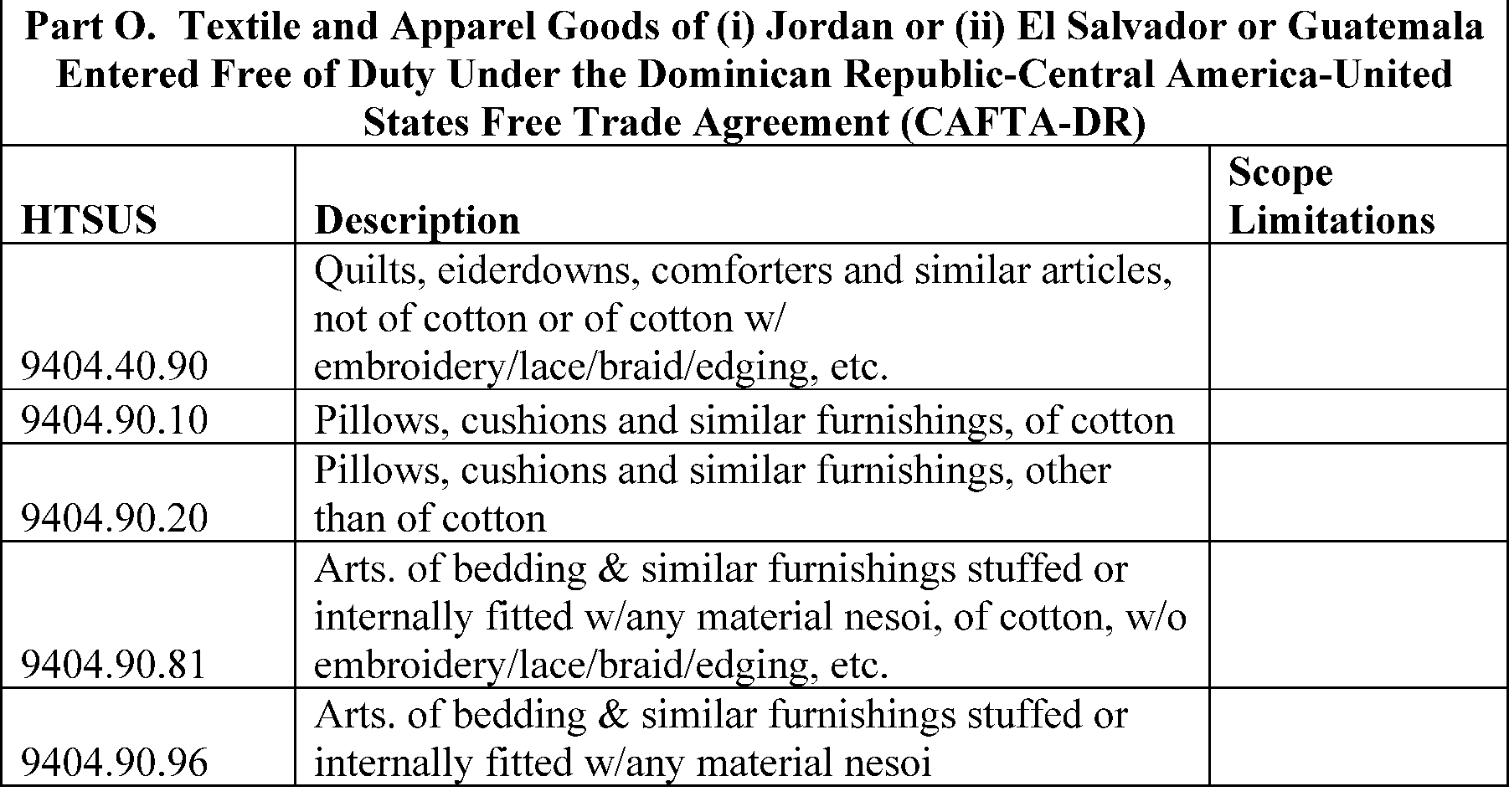
Based on the findings in the investigation of El Salvador, including consideration of El Salvador's commitment in its ART related to prohibiting the importation of forced labor goods, and considering the public comments and testimony, the advice of the Section 301 Committee, as well as the advice of advisory committees, and in accordance with the specific direction of the President, the Trade Representative has determined to impose 10 percent tariffs on products of El Salvador, except as provided in Annex I and Annex II, Parts A, H, and O, of this Notice. The Trade Representative has determined, in accordance with the specific direction of the President that the tariff rate to be applied, and the scope of tariffs and exemptions are appropriate to obtain the elimination of the acts, policies, and practices determined to be actionable in the investigation.
19. European Union: Determination of Action in Investigation
Based on the findings in the investigation of the European Union, including that it has failed to effectively enforce its forced labor import prohibition, and considering the public comments and testimony, the advice of the Section 301 Committee, as well as the advice of advisory committees, and in accordance with the specific direction of the President, the Trade Representative has determined to impose 10 percent tariffs net of MFN on products of the European Union, except as provided in Annex I and Annex II, Parts A and C, of this Notice. For greater certainty, for a product of the European Union, where such product's MFN tariff is less than 10 percent, the sum of the MFN tariff and the Section 301 tariff shall be 10 percent, and where such product's MFN tariff is greater than or equal to 10 percent, the Section 301 tariff applied shall be zero. The Trade Representative has determined, in accordance with the specific direction of the President that the tariff rate to be applied, and the scope of tariffs and exemptions are appropriate to obtain the elimination of the acts, policies, and practices determined to be actionable in the investigation.
20. Guatemala: Determination of Action in Investigation
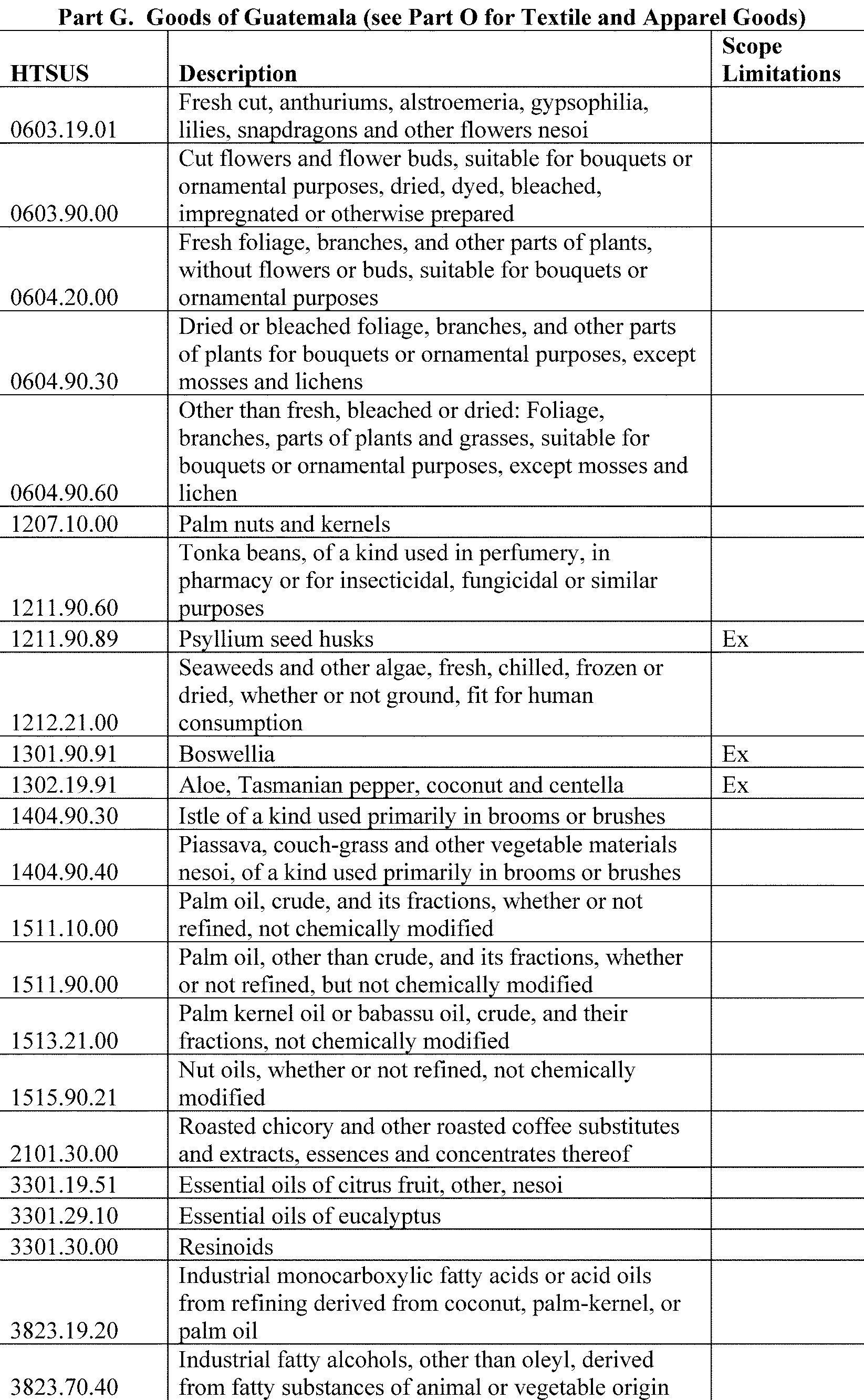
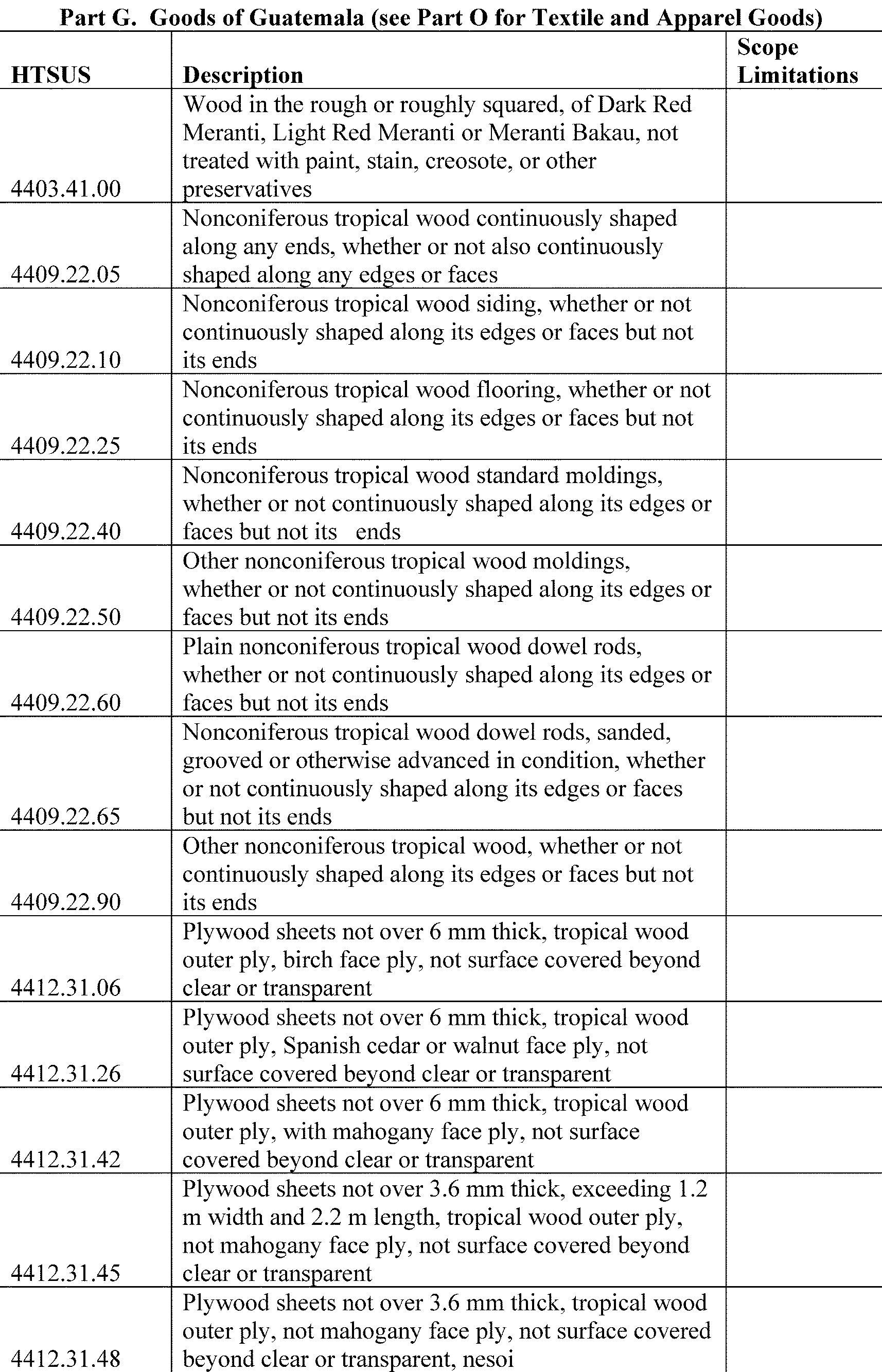
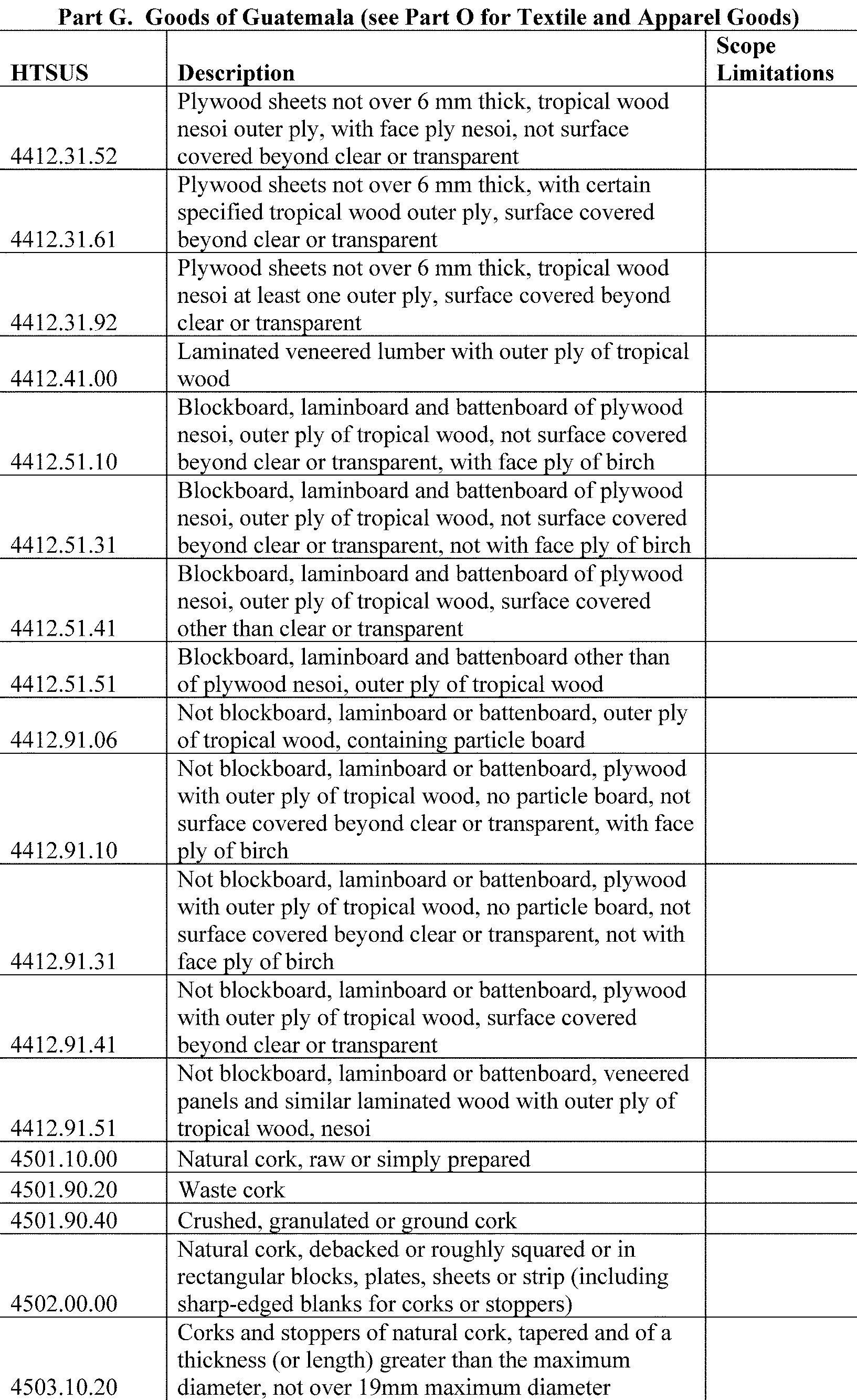
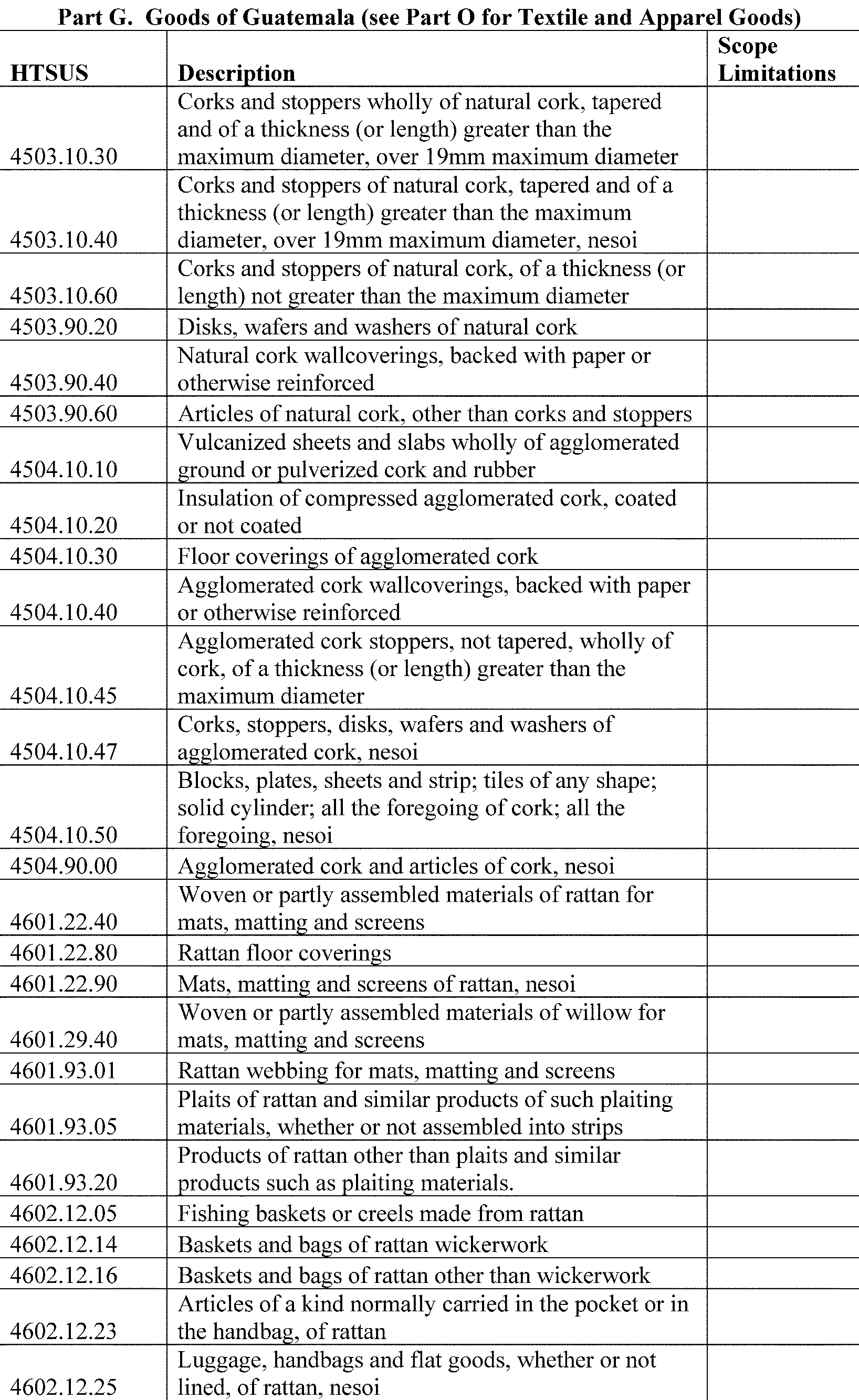
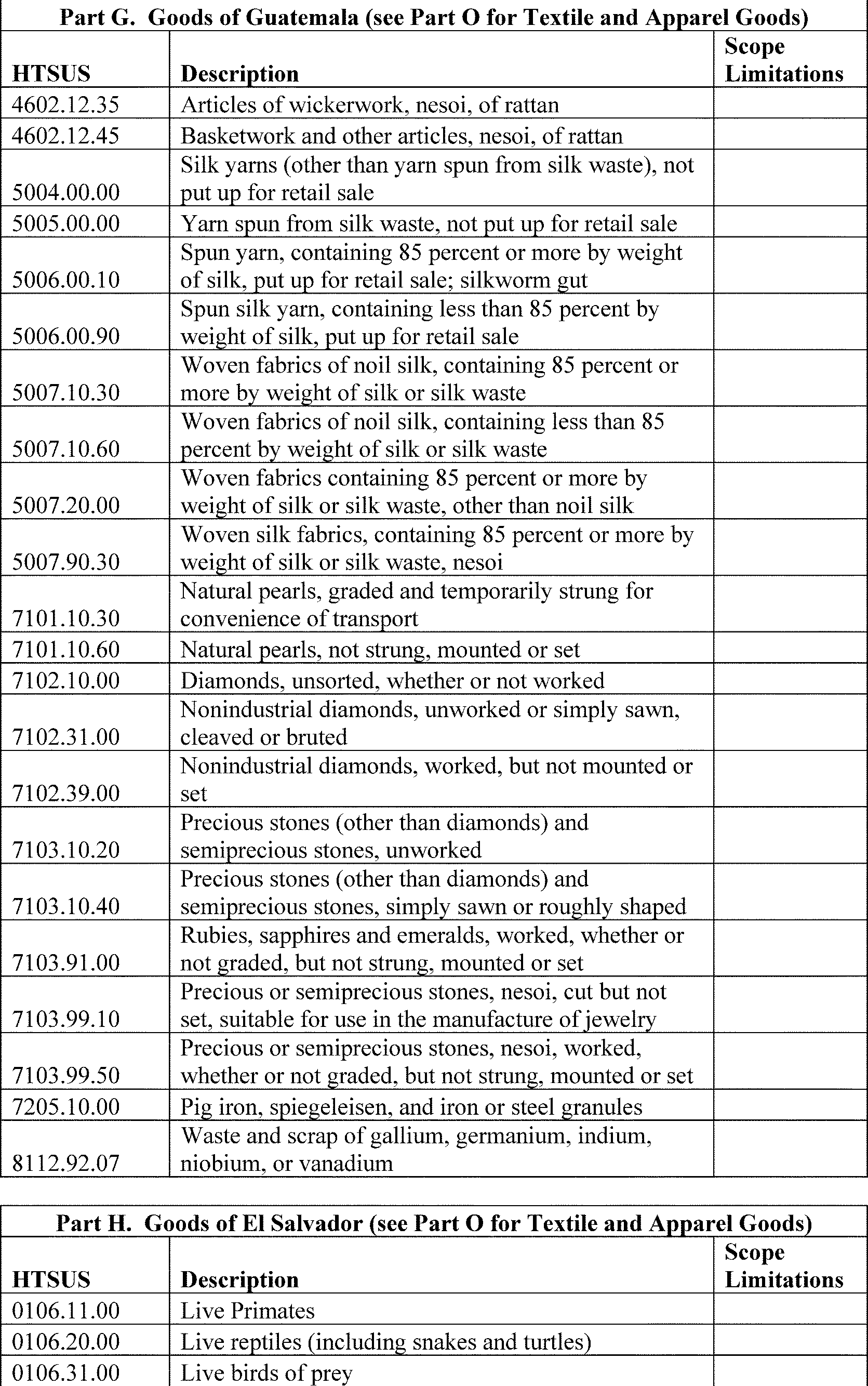
Based on the findings in the investigation of Guatemala, including consideration of Guatemala's commitment in its ART related to prohibiting the importation of forced labor goods and its adoption of a forced labor import prohibition subsequent to the publication of the June 5, 2026 FRN, and considering the public comments and testimony, the advice of the Section 301 Committee, as well as the advice of advisory committees, and in accordance with the specific direction of the President, the Trade Representative has determined to impose 10 percent tariffs on products of Guatemala, except as provided in Annex I and Annex II, Parts A, G, and O, of this Notice. The Trade Representative has determined, in accordance with the specific direction of the President that the tariff rate to be applied, and the scope of tariffs and exemptions are appropriate to obtain the elimination of the acts, policies, and practices determined to be actionable in the investigation.
21. Guyana: Determination of Action in Investigation
Based on the findings in the investigation of Guyana, considering the public comments, testimony, and the advice of the Section 301 Committee, as well as the advice of advisory committees, and in accordance with the specific direction of the President, the Trade Representative has determined to impose 12.5 percent tariffs on products of Guyana, except as provided in Annex I and Annex II, Part A, of this Notice. The Trade Representative has determined, in accordance with the specific direction of the President that the tariff rate to be applied, and the scope of tariffs and exemptions are appropriate to obtain the elimination of the acts, policies, and practices determined to be actionable in the investigation.
( printed page 47324)
22. Honduras: Determination of Action in Investigation
Based on the findings in the investigation of Honduras, including its adoption of a forced labor import prohibition subsequent to the publication of the June 5, 2026 FRN, and considering the public comments and testimony, the advice of the Section 301 Committee, as well as the advice of advisory committees, and in accordance with the specific direction of the President, the Trade Representative has determined to impose 10 percent tariffs on products of Honduras, except as provided in Annex I and Annex II, Part A, of this Notice. The Trade Representative has determined, in accordance with the specific direction of the President that the tariff rate to be applied, and the scope of tariffs and exemptions are appropriate to obtain the elimination of the acts, policies, and practices determined to be actionable in the investigation.
23. Hong Kong, China: Determination of Action in Investigation
Based on the findings in the investigation of Hong Kong, considering the public comments, testimony, and the advice of the Section 301 Committee, as well as the advice of advisory committees, and in accordance with the specific direction of the President, the Trade Representative has determined to impose 12.5 percent tariffs on products of Hong Kong, except as provided in Annex I and Annex II, Part A, of this Notice. The Trade Representative has determined, in accordance with the specific direction of the President that the tariff rate to be applied, and the scope of tariffs and exemptions are appropriate to obtain the elimination of the acts, policies, and practices determined to be actionable in the investigation.
24. India: Determination of Action in Investigation
Based on the findings in the investigation of India, including India's adoption of a forced labor import prohibition subsequent to the publication of the June 5, 2026 FRN, and considering the public comments and testimony, the advice of the Section 301 Committee, as well as the advice of advisory committees, and in accordance with the specific direction of the President, the Trade Representative has determined to impose 10 percent tariffs on products of India, except as provided in Annex I and Annex II, Part A, of this Notice. The Trade Representative has determined, in accordance with the specific direction of the President that the tariff rate to be applied, and the scope of tariffs and exemptions are appropriate to obtain the elimination of the acts, policies, and practices determined to be actionable in the investigation.
25. Indonesia: Determination of Action in Investigation
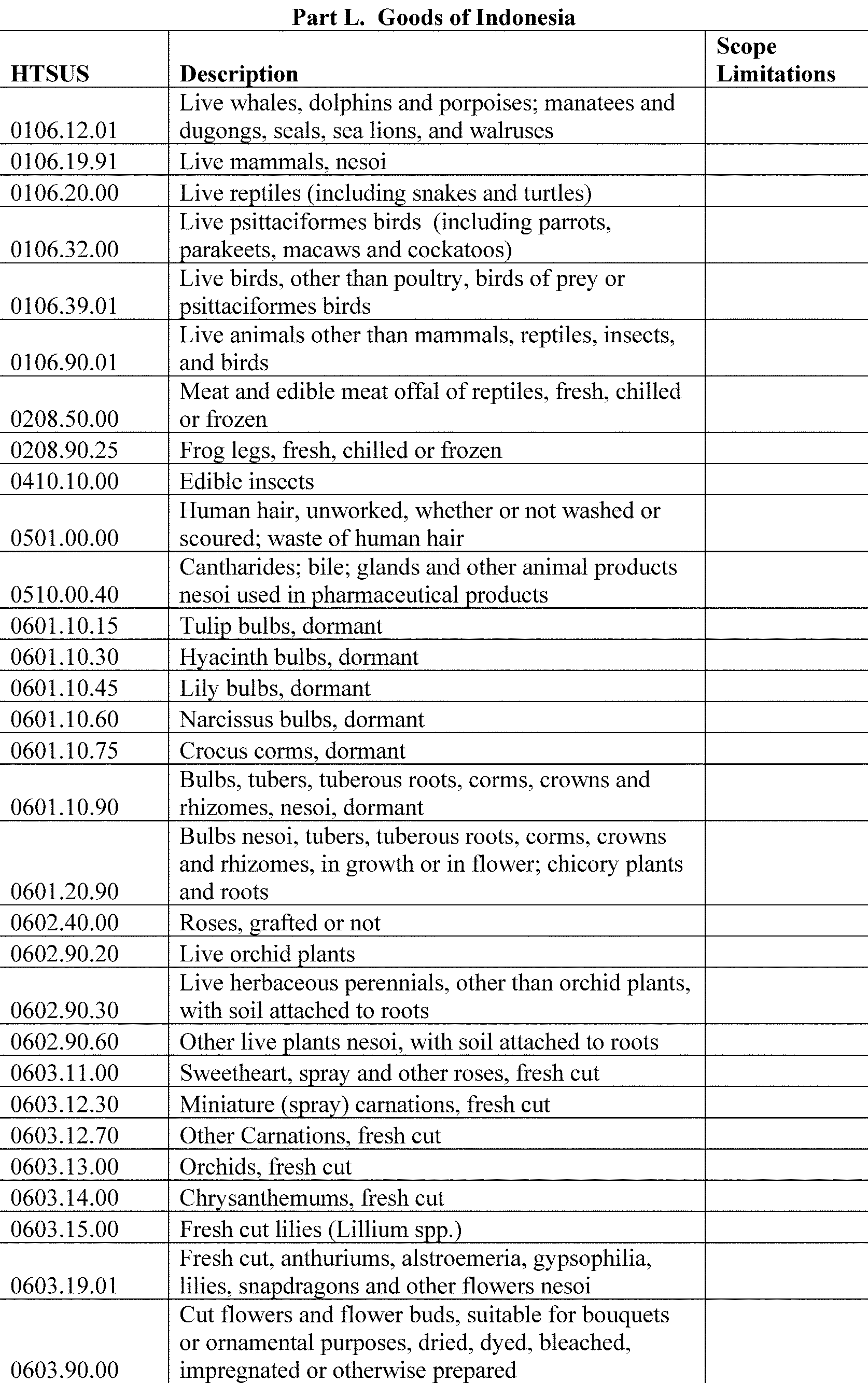
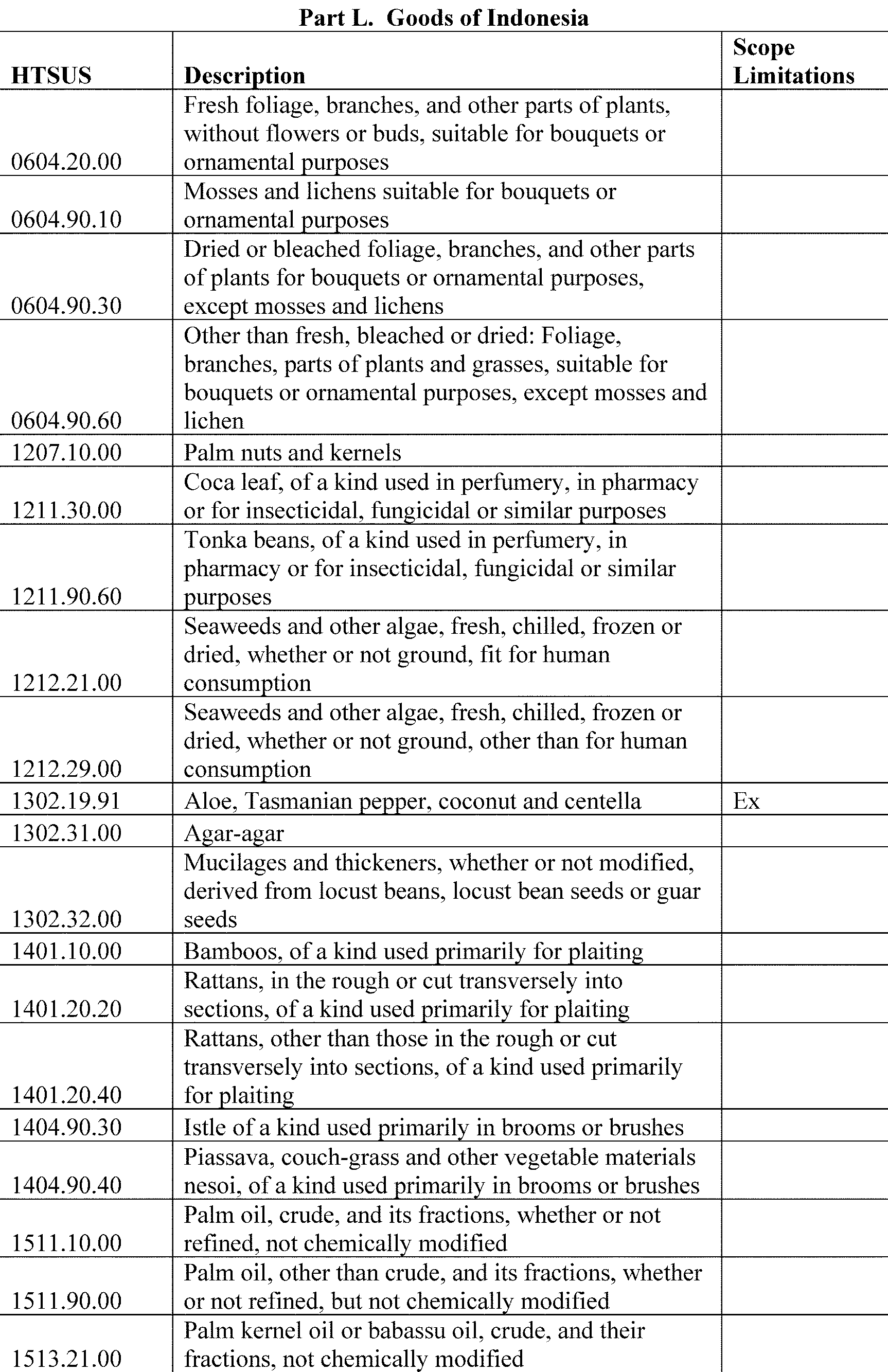
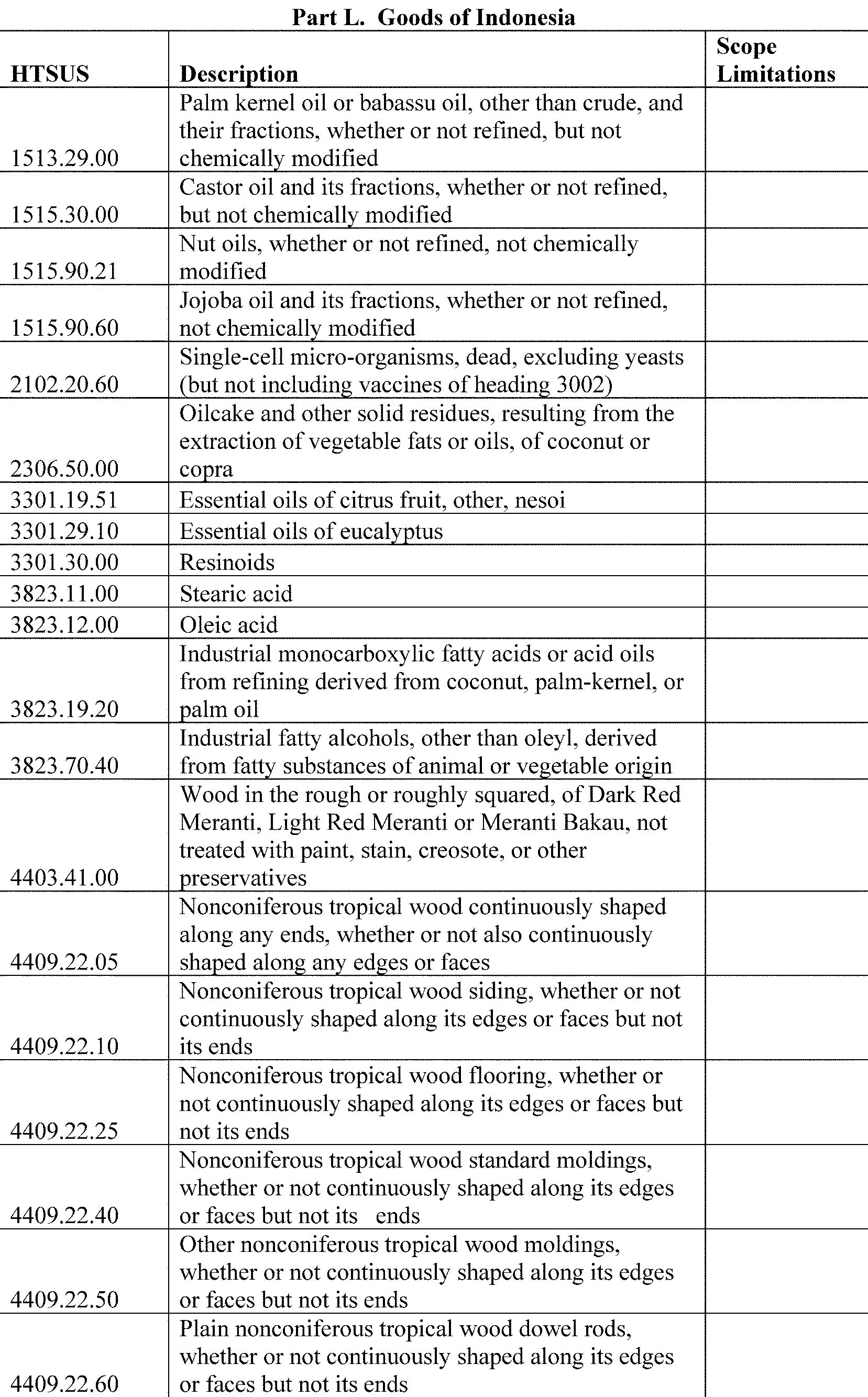
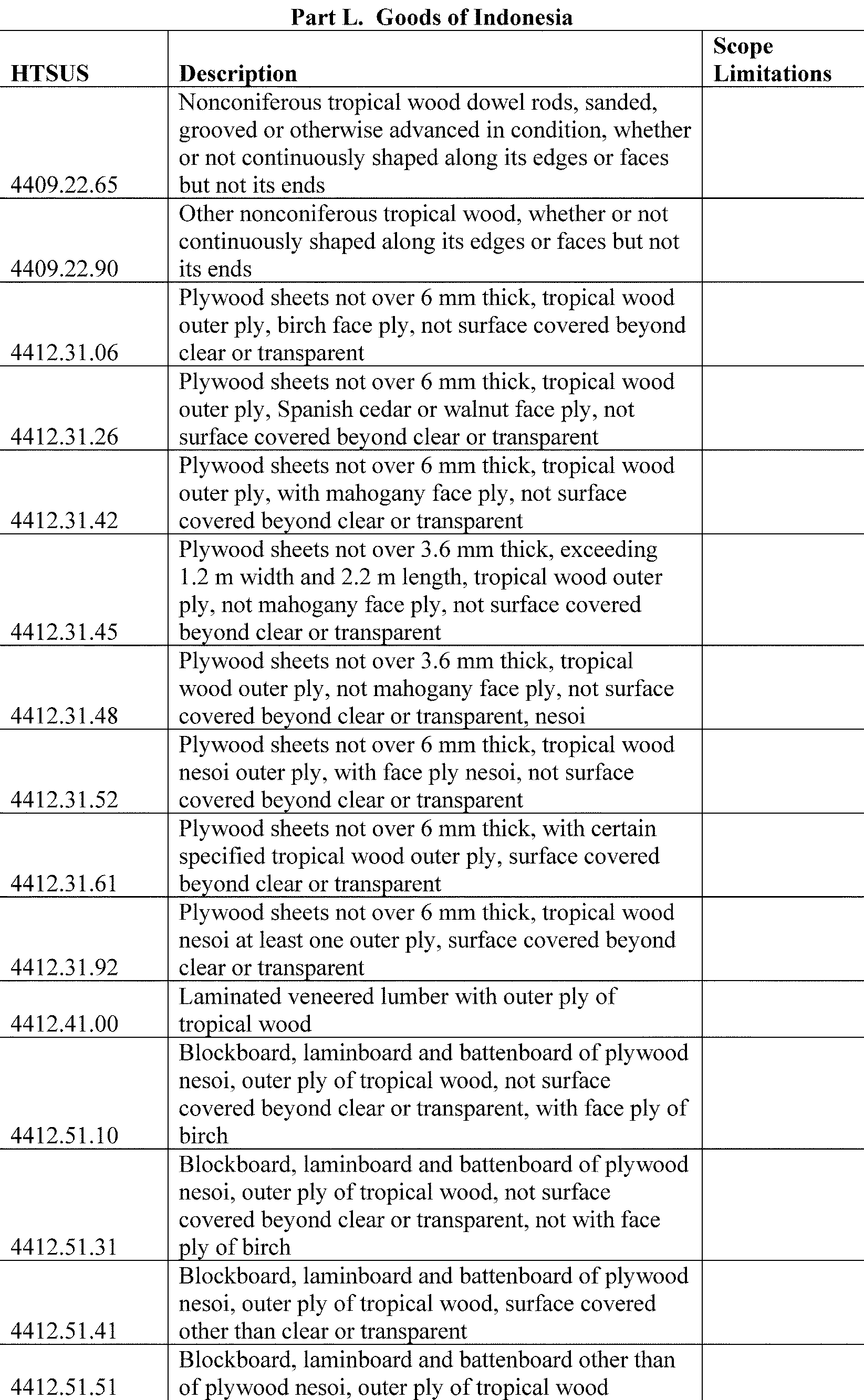
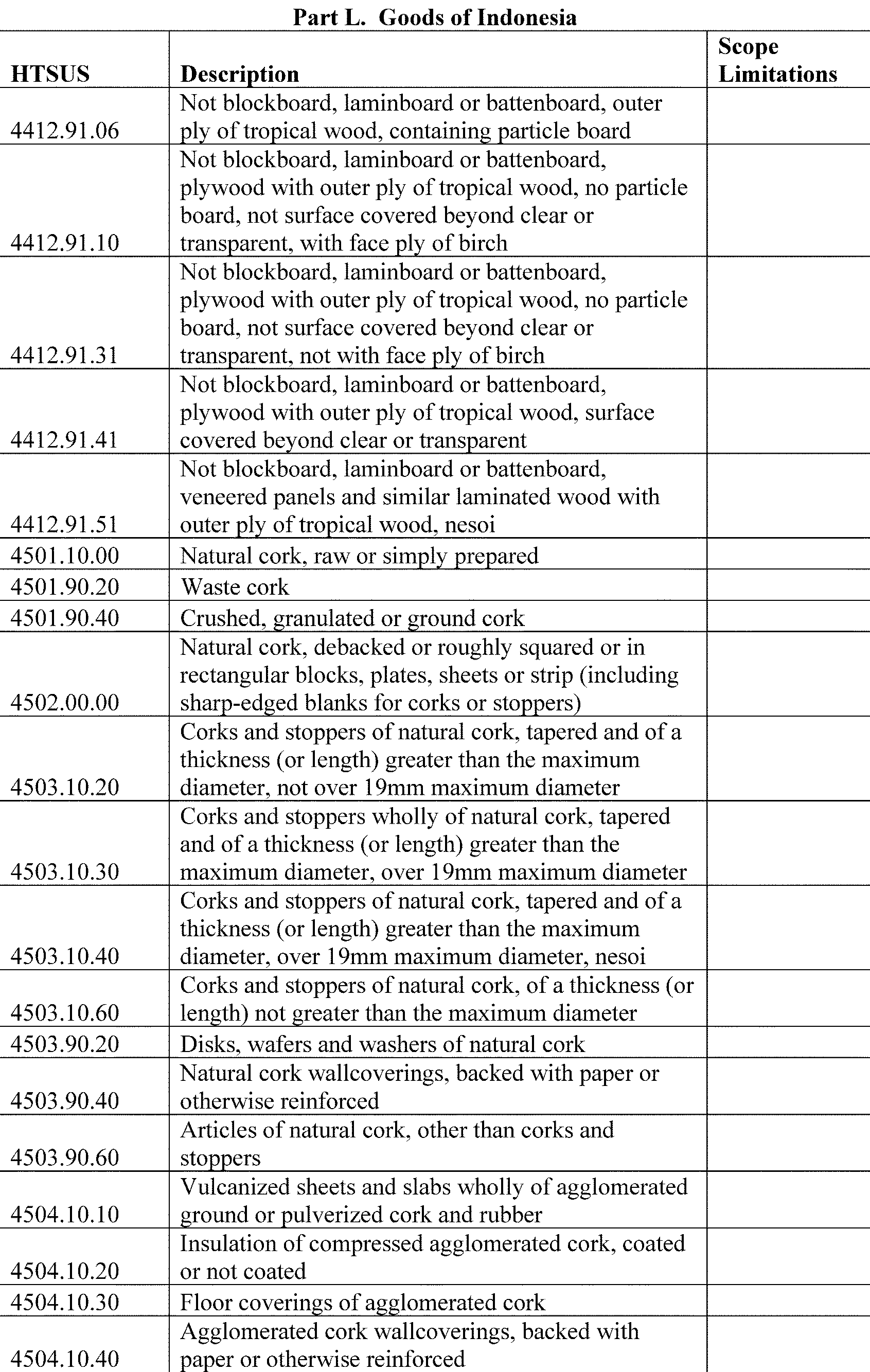
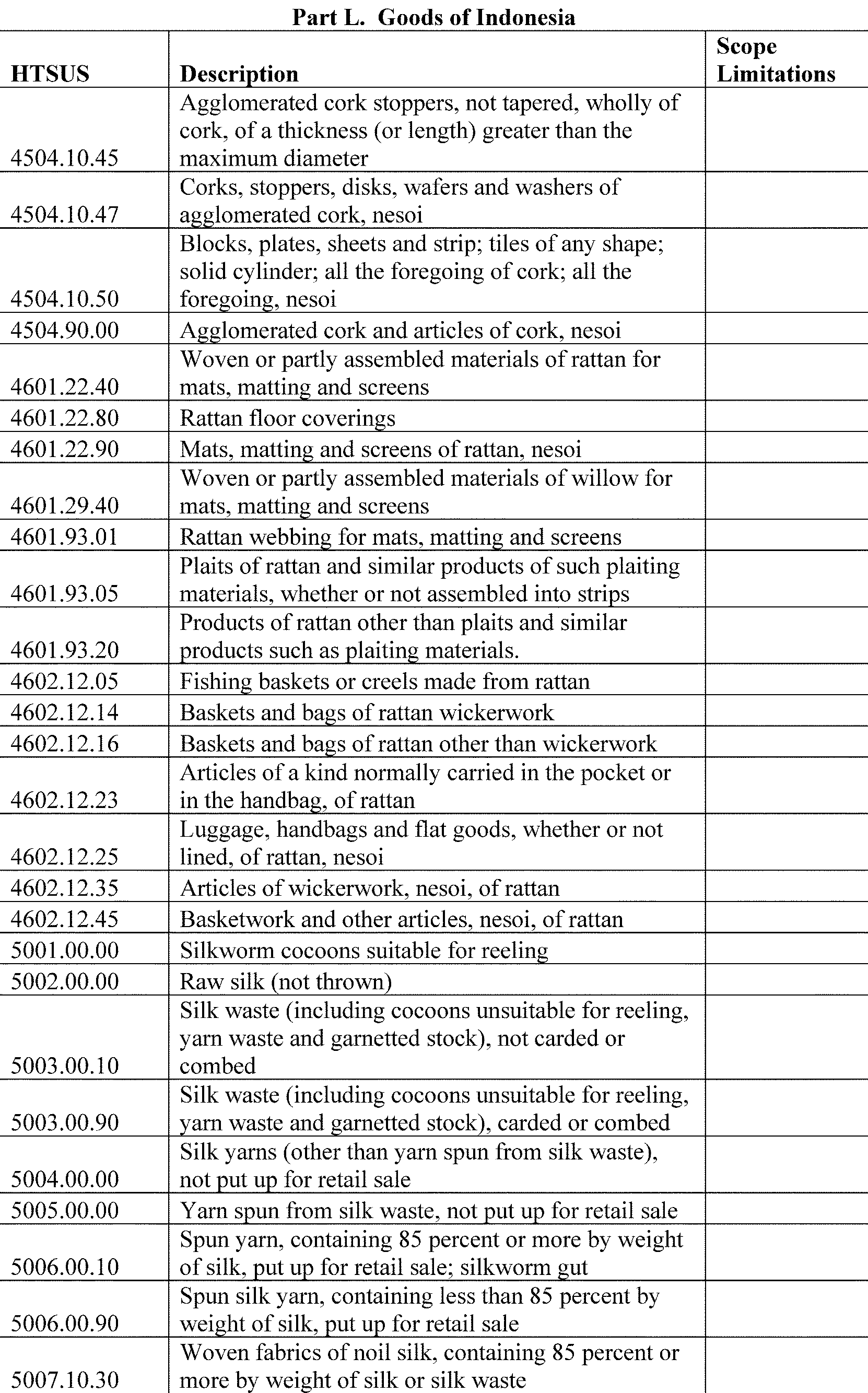
Based on the findings in the investigation of Indonesia, including consideration of Indonesia's commitment in its ART related to prohibiting the importation of forced labor goods, and considering the public comments and testimony, the advice of the Section 301 Committee, as well as the advice of advisory committees, and in accordance with the specific direction of the President, the Trade Representative has determined to impose 10 percent tariffs on products of Indonesia, except as provided in Annex I and Annex II, Parts A and L, of this Notice. The Trade Representative has determined, in accordance with the specific direction of the President that the tariff rate to be applied, and the scope of tariffs and exemptions are appropriate to obtain the elimination of the acts, policies, and practices determined to be actionable in the investigation.
26. Iraq: Determination of Action in Investigation
Based on the findings in the investigation of Iraq, considering the public comments, testimony, and the advice of the Section 301 Committee, as well as the advice of advisory committees, and in accordance with the specific direction of the President, the Trade Representative has determined to impose 12.5 percent tariffs on products of Iraq, except as provided in Annex I and Annex II, Part A, of this Notice. The Trade Representative has determined, in accordance with the specific direction of the President that the tariff rate to be applied, and the scope of tariffs and exemptions are appropriate to obtain the elimination of the acts, policies, and practices determined to be actionable in the investigation.
27. Israel: Determination of Action in Investigation
Based on the findings in the investigation of Israel, considering the public comments, testimony, and the advice of the Section 301 Committee, as well as the advice of advisory committees, and in accordance with the specific direction of the President, the Trade Representative has determined to impose 12.5 percent tariffs on products of Israel, except as provided in Annex I and Annex II, Part A, of this Notice. The Trade Representative has determined, in accordance with the specific direction of the President that the tariff rate to be applied, and the scope of tariffs and exemptions are appropriate to obtain the elimination of the acts, policies, and practices determined to be actionable in the investigation.
28. Japan: Determination of Action in Investigation
Based on the findings in the investigation of Japan, considering the public comments, testimony, and the advice of the Section 301 Committee, as well as the advice of advisory committees, and in accordance with the specific direction of the President, the Trade Representative has determined to impose 12.5 percent tariffs net of MFN on products of Japan, except as provided in Annex I and Annex II, Part A, of this Notice. For greater certainty, for a product of Japan, where such product's MFN tariff is less than 12.5 percent, the sum of the MFN tariff and the Section 301 tariff shall be 12.5 percent, and where such product's MFN tariff is greater than or equal to 12.5 percent, the Section 301 tariff applied shall be zero. The Trade Representative has determined, in accordance with the specific direction of the President that the tariff rate to be applied, and the scope of tariffs and exemptions are appropriate to obtain the elimination of the acts, policies, and practices determined to be actionable in the investigation.
29. Jordan: Determination of Action in Investigation
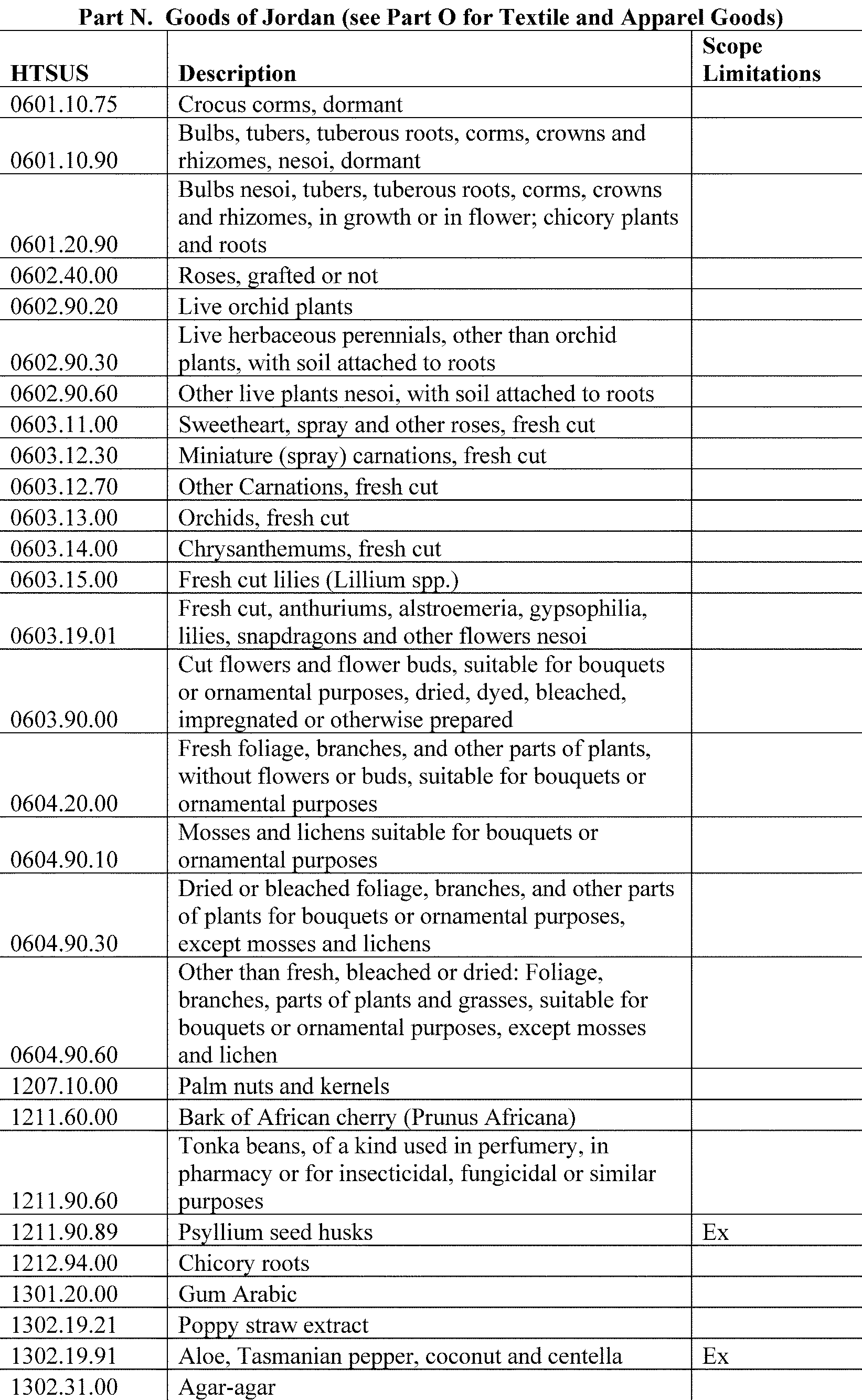
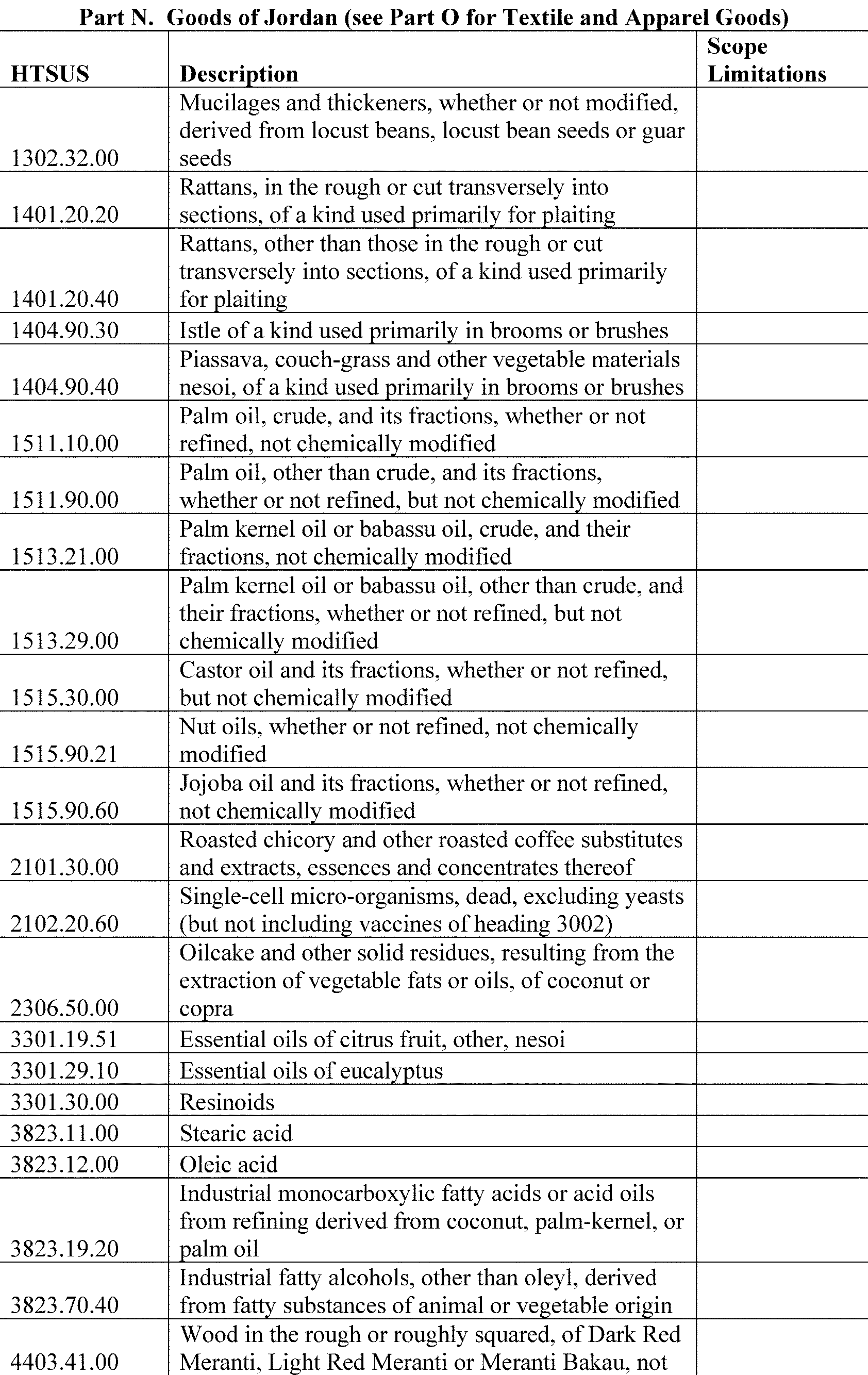
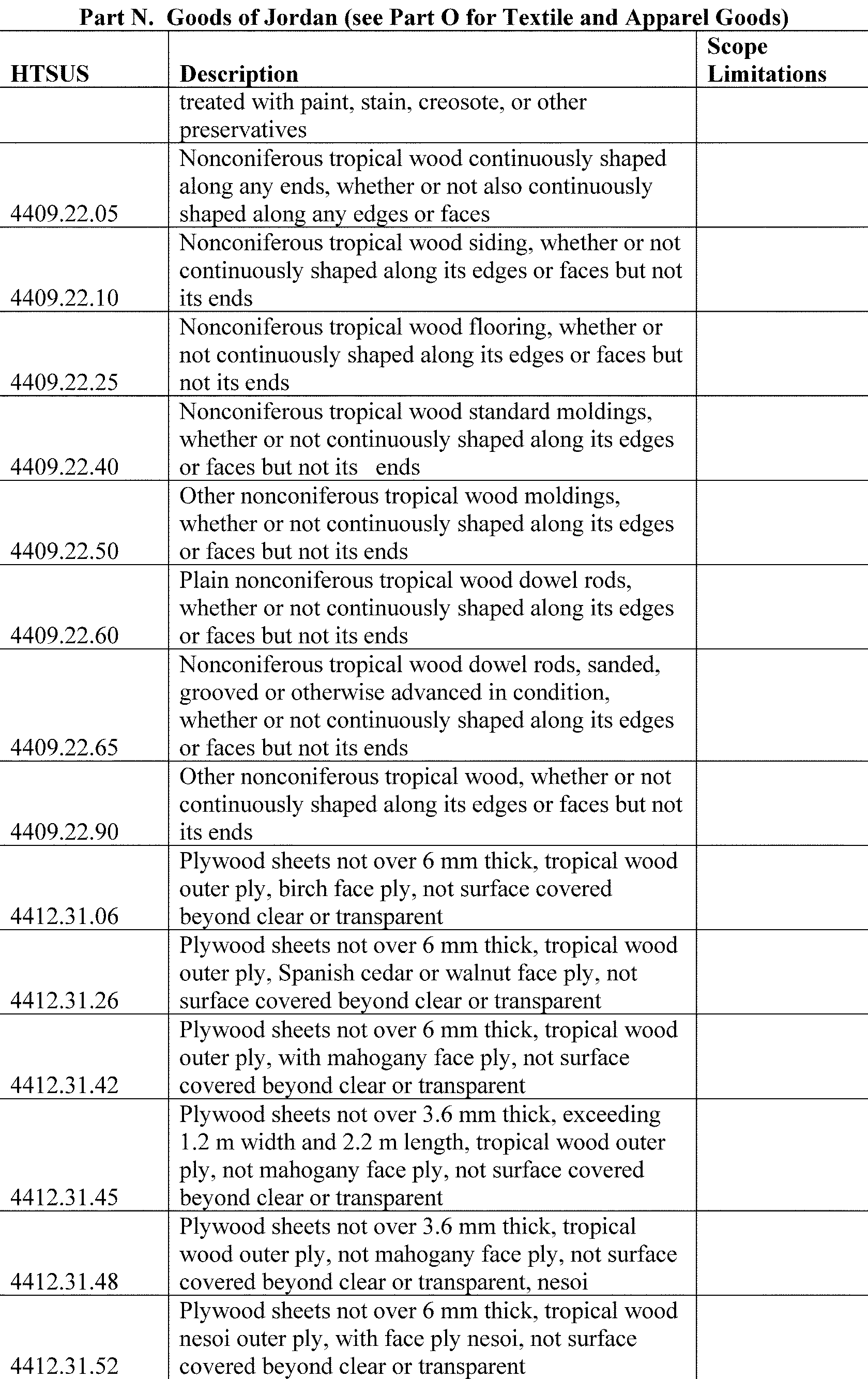
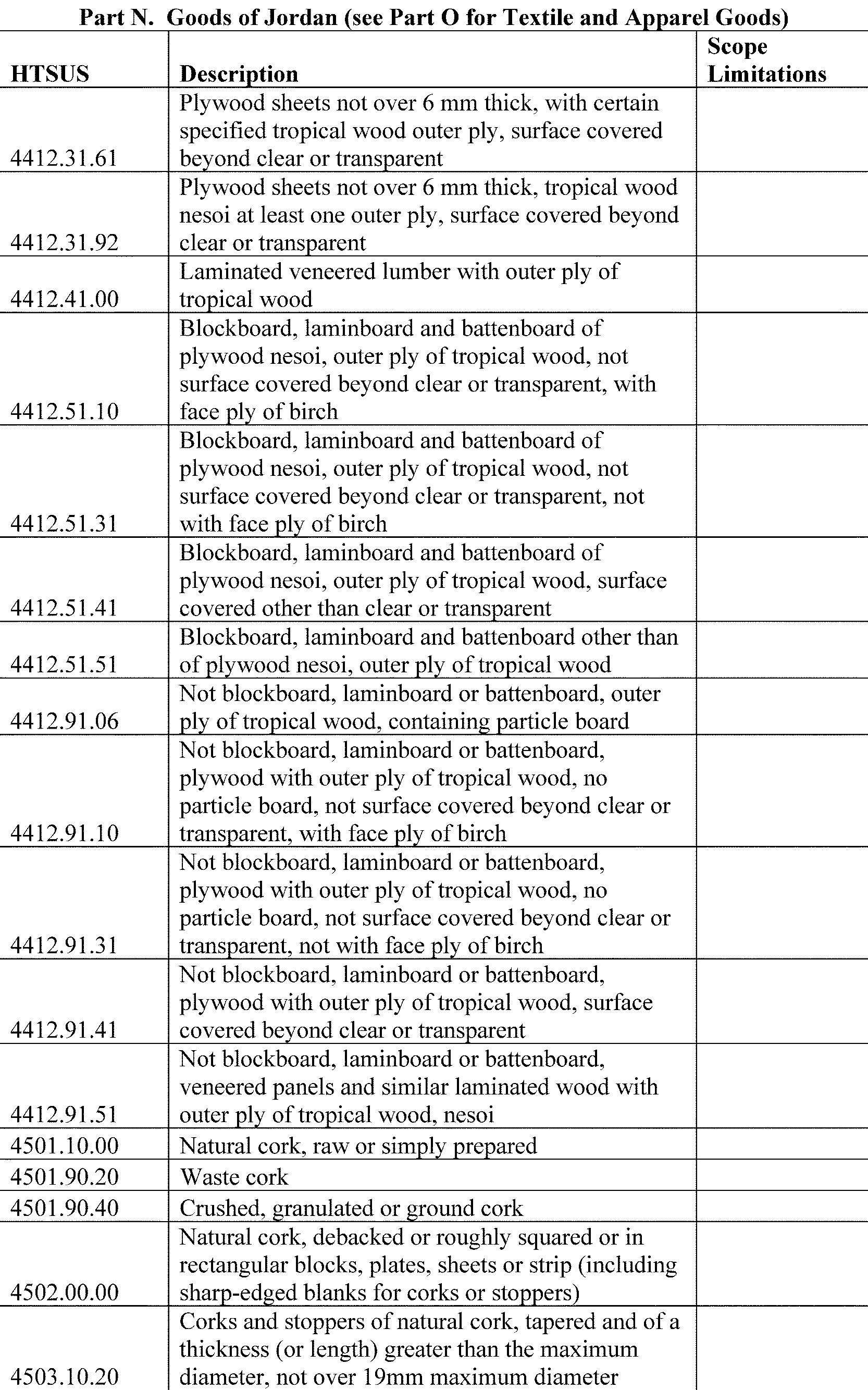
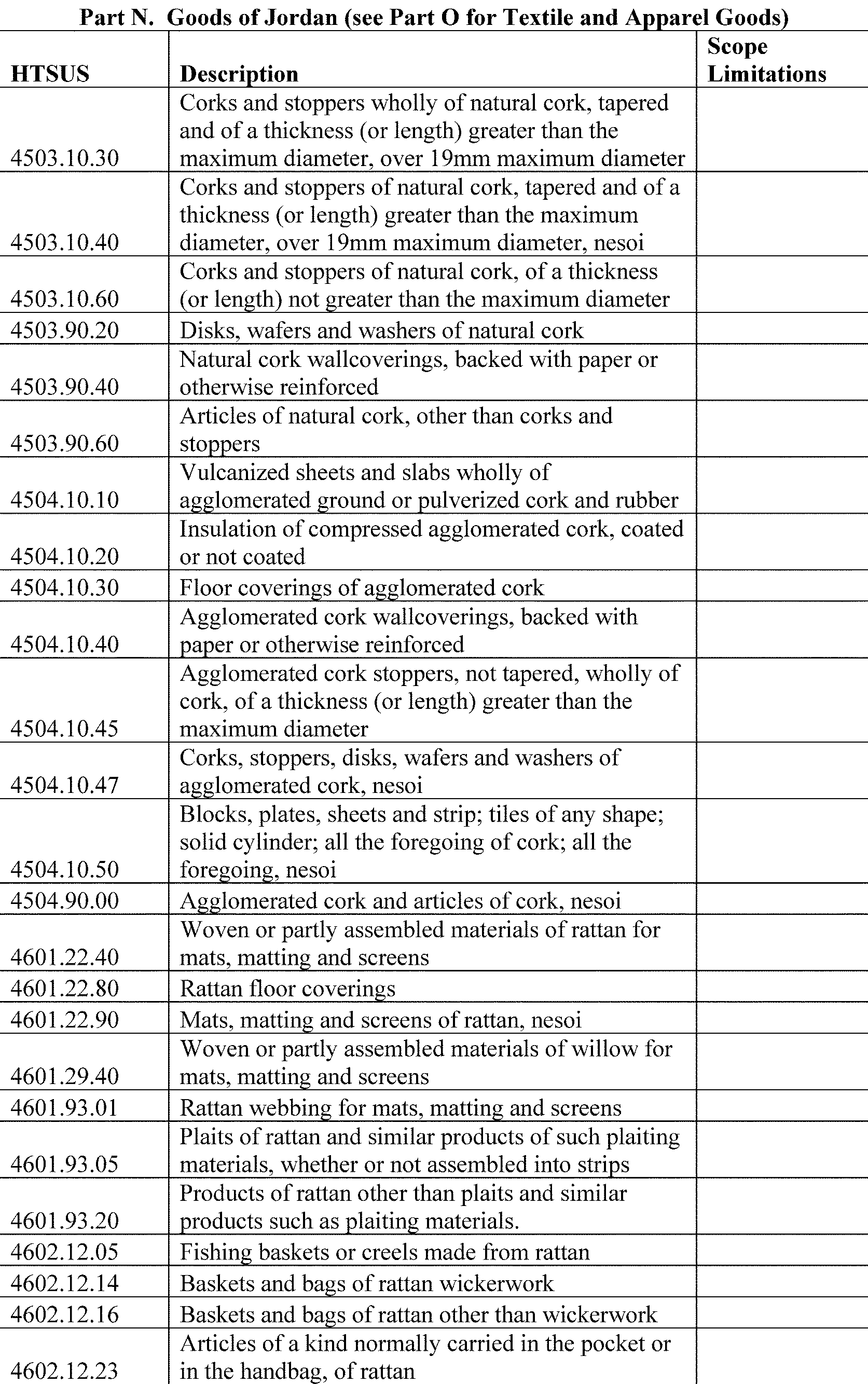
Based on the findings in the investigation of Jordan, including consideration of Jordan's commitment in its ART related to prohibiting the importation of forced labor goods, and considering the public comments and testimony, the advice of the Section 301 Committee, as well as the advice of advisory committees, and in accordance with the specific direction of the President, the Trade Representative has determined to impose 10 percent tariffs on products of Jordan, except as provided in Annex I and Annex II, Parts A, N, and O, of this Notice. The Trade Representative has determined, in accordance with the specific direction of the President that the tariff rate to be applied, and the scope of tariffs and exemptions are appropriate to obtain the elimination of the acts, policies, and practices determined to be actionable in the investigation.
( printed page 47325)
30. Kazakhstan: Determination of Action in Investigation
Based on the findings in the investigation of Kazakhstan, considering the public comments, testimony, and the advice of the Section 301 Committee, as well as the advice of advisory committees, and in accordance with the specific direction of the President, the Trade Representative has determined to impose 12.5 percent tariffs on products of Kazakhstan, except as provided in Annex I and Annex II, Part A, of this Notice. The Trade Representative has determined, in accordance with the specific direction of the President that the tariff rate to be applied, and the scope of tariffs and exemptions are appropriate to obtain the elimination of the acts, policies, and practices determined to be actionable in the investigation.
31. Kuwait: Determination of Action in Investigation
Based on the findings in the investigation of Kuwait, considering the public comments, testimony, and the advice of the Section 301 Committee, as well as the advice of advisory committees, and in accordance with the specific direction of the President, the Trade Representative has determined to impose 12.5 percent tariffs on products of Kuwait, except as provided in Annex I and Annex II, Part A, of this Notice. The Trade Representative has determined, in accordance with the specific direction of the President that the tariff rate to be applied, and the scope of tariffs and exemptions are appropriate to obtain the elimination of the acts, policies, and practices determined to be actionable in the investigation.
32. Libya: Determination of Action in Investigation
Based on the findings in the investigation of Libya, considering the public comments, testimony, and the advice of the Section 301 Committee, as well as the advice of advisory committees, and in accordance with the specific direction of the President, the Trade Representative has determined to impose 12.5 percent tariffs on products of Libya, except as provided in Annex I and Annex II, Part A, of this Notice. The Trade Representative has determined, in accordance with the specific direction of the President that the tariff rate to be applied, and the scope of tariffs and exemptions are appropriate to obtain the elimination of the acts, policies, and practices determined to be actionable in the investigation.
33. Malaysia: Determination of Action in Investigation
Based on the findings in the investigation of Malaysia, including consideration of Malaysia's obligation in its ART related to prohibiting the importation of forced labor goods, and considering the public comments and testimony, the advice of the Section 301 Committee, as well as the advice of advisory committees, and in accordance with the specific direction of the President, the Trade Representative has determined to impose 10 percent tariffs on products of Malaysia, except as provided in Annex I and Annex II, Parts A and E, of this Notice. The Trade Representative has determined, in accordance with the specific direction of the President that the tariff rate to be applied, and the scope of tariffs and exemptions are appropriate to obtain the elimination of the acts, policies, and practices determined to be actionable in the investigation.
34. Mexico: Determination of Action in Investigation
Based on the findings in the investigation of Mexico, including that Mexico has failed to effectively enforce such prohibition, and considering the public comments and testimony, the advice of the Section 301 Committee, as well as the advice of advisory committees, and in accordance with the specific direction of the President, the Trade Representative has determined to impose 10 percent tariffs on products of Mexico, except as provided in Annex I and Annex II, Part A, of this Notice. The Trade Representative has determined, in accordance with the specific direction of the President that the tariff rate to be applied, and the scope of tariffs and exemptions are appropriate to obtain the elimination of the acts, policies, and practices determined to be actionable in the investigation.
35. Morocco: Determination of Action in Investigation
Based on the findings in the investigation of Morocco, considering the public comments, testimony, and the advice of the Section 301 Committee, as well as the advice of advisory committees, and in accordance with the specific direction of the President, the Trade Representative has determined to impose 12.5 percent tariffs on products of Morocco, except as provided in Annex I and Annex II, Part A, of this Notice. The Trade Representative has determined, in accordance with the specific direction of the President that the tariff rate to be applied, and the scope of tariffs and exemptions are appropriate to obtain the elimination of the acts, policies, and practices determined to be actionable in the investigation.
36. New Zealand: Determination of Action in Investigation
Based on the findings in the investigation of New Zealand, considering the public comments, testimony, and the advice of the Section 301 Committee, as well as the advice of advisory committees, and in accordance with the specific direction of the President, the Trade Representative has determined to impose 12.5 percent tariffs on products of New Zealand, except as provided in Annex I and Annex II, Part A, of this Notice. The Trade Representative has determined, in accordance with the specific direction of the President that the tariff rate to be applied, and the scope of tariffs and exemptions are appropriate to obtain the elimination of the acts, policies, and practices determined to be actionable in the investigation.
37. Nicaragua: Determination of Action in Investigation
Based on the findings in the investigation of Nicaragua, considering the public comments, testimony, and the advice of the Section 301 Committee, as well as the advice of advisory committees, and in accordance with the specific direction of the President, the Trade Representative has determined to impose 12.5 percent tariffs on products of Nicaragua, except as provided in Annex I and Annex II, Part A, of this Notice. The Trade Representative has determined, in accordance with the specific direction of the President that the tariff rate to be applied, and the scope of tariffs and exemptions are appropriate to obtain the elimination of the acts, policies, and practices determined to be actionable in the investigation.
38. Nigeria: Determination of Action in Investigation
Based on the findings in the investigation of Nigeria, considering the public comments, testimony, and the advice of the Section 301 Committee, as well as the advice of advisory committees, and in accordance with the specific direction of the President, the Trade Representative has determined to impose 12.5 percent tariffs on products of Nigeria, except as provided in Annex I and Annex II, Part A, of this Notice. The Trade Representative has determined, in accordance with the specific direction of the President that the tariff rate to be applied, and the scope of tariffs and exemptions are
( printed page 47326)
appropriate to obtain the elimination of the acts, policies, and practices determined to be actionable in the investigation.
39. Norway: Determination of Action in Investigation
Based on the findings in the investigation of Norway, considering the public comments, testimony, and the advice of the Section 301 Committee, as well as the advice of advisory committees, and in accordance with the specific direction of the President, the Trade Representative has determined to impose 12.5 percent tariffs on products of Norway, except as provided in Annex I and Annex II, Part A, of this Notice. The Trade Representative has determined, in accordance with the specific direction of the President that the tariff rate to be applied, and the scope of tariffs and exemptions are appropriate to obtain the elimination of the acts, policies, and practices determined to be actionable in the investigation.
40. Oman: Determination of Action in Investigation
Based on the findings in the investigation of Oman, considering the public comments, testimony, and the advice of the Section 301 Committee, as well as the advice of advisory committees, and in accordance with the specific direction of the President, the Trade Representative has determined to impose 12.5 percent tariffs on products of Oman, except as provided in Annex I and Annex II, Part A, of this Notice. The Trade Representative has determined, in accordance with the specific direction of the President that the tariff rate to be applied, and the scope of tariffs and exemptions are appropriate to obtain the elimination of the acts, policies, and practices determined to be actionable in the investigation.
41. Pakistan: Determination of Action in Investigation
Based on the findings in the investigation of Pakistan, including that Pakistan has failed to effectively enforce its forced labor import prohibition, and considering the public comments and testimony, the advice of the Section 301 Committee, as well as the advice of advisory committees, and in accordance with the specific direction of the President, the Trade Representative has determined to impose 10 percent tariffs on products of Pakistan, except as provided in Annex I and Annex II, Part A, of this Notice. The Trade Representative has determined, in accordance with the specific direction of the President that the tariff rate to be applied, and the scope of tariffs and exemptions are appropriate to obtain the elimination of the acts, policies, and practices determined to be actionable in the investigation.
42. Peru: Determination of Action in Investigation
Based on the findings in the investigation of Peru, considering the public comments, testimony, and the advice of the Section 301 Committee, as well as the advice of advisory committees, and in accordance with the specific direction of the President, the Trade Representative has determined to impose 12.5 percent tariffs on products of Peru, except as provided in Annex I and Annex II, Part A, of this Notice. The Trade Representative has determined, in accordance with the specific direction of the President that the tariff rate to be applied, and the scope of tariffs and exemptions are appropriate to obtain the elimination of the acts, policies, and practices determined to be actionable in the investigation.
43. The Philippines: Determination of Action in Investigation
Based on the findings in the investigation of the Philippines, considering the public comments, testimony, and the advice of the Section 301 Committee, as well as the advice of advisory committees, and in accordance with the specific direction of the President, the Trade Representative has determined to impose 12.5 percent tariffs on products of the Philippines, except as provided in Annex I and Annex II, Part A, of this Notice. The Trade Representative has determined, in accordance with the specific direction of the President that the tariff rate to be applied, and the scope of tariffs and exemptions are appropriate to obtain the elimination of the acts, policies, and practices determined to be actionable in the investigation.
44. Qatar: Determination of Action in Investigation
Based on the findings in the investigation of Qatar, considering the public comments, testimony, and the advice of the Section 301 Committee, as well as the advice of advisory committees, and in accordance with the specific direction of the President, the Trade Representative has determined to impose 12.5 percent tariffs on products of Qatar, except as provided in Annex I and Annex II, Part A, of this Notice. The Trade Representative has determined, in accordance with the specific direction of the President that the tariff rate to be applied, and the scope of tariffs and exemptions are appropriate to obtain the elimination of the acts, policies, and practices determined to be actionable in the investigation.
45. Russia: Determination of Action in Investigation
Based on the findings in the investigation of Russia, considering the public comments, testimony, and the advice of the Section 301 Committee, as well as the advice of advisory committees, and in accordance with the specific direction of the President, the Trade Representative has determined to impose 12.5 percent tariffs on products of Russia, except as provided in Annex I and Annex II, Part A, of this Notice. The Trade Representative has determined, in accordance with the specific direction of the President that the tariff rate to be applied, and the scope of tariffs and exemptions are appropriate to obtain the elimination of the acts, policies, and practices determined to be actionable in the investigation.
46. Saudi Arabia: Determination of Action in Investigation
Based on the findings in the investigation of Saudi Arabia, considering the public comments, testimony, and the advice of the Section 301 Committee, as well as the advice of advisory committees, and in accordance with the specific direction of the President, the Trade Representative has determined to impose 12.5 percent tariffs on products of Saudi Arabia, except as provided in Annex I and Annex II, Part A, of this Notice. The Trade Representative has determined, in accordance with the specific direction of the President that the tariff rate to be applied, and the scope of tariffs and exemptions are appropriate to obtain the elimination of the acts, policies, and practices determined to be actionable in the investigation.
47. Singapore: Determination of Action in Investigation
Based on the findings in the investigation of Singapore, considering the public comments, testimony, and the advice of the Section 301 Committee, as well as the advice of advisory committees, and in accordance with the specific direction of the President, the Trade Representative has determined to impose 12.5 percent tariffs on products of Singapore, except as provided in Annex I and Annex II, Part A, of this Notice. The Trade Representative has determined, in accordance with the specific direction of the President that the tariff rate to be
( printed page 47327)
applied, and the scope of tariffs and exemptions are appropriate to obtain the elimination of the acts, policies, and practices determined to be actionable in the investigation.
48. South Africa: Determination of Action in Investigation
Based on the findings in the investigation of South Africa, considering the public comments, testimony, and the advice of the Section 301 Committee, as well as the advice of advisory committees, and in accordance with the specific direction of the President, the Trade Representative has determined to impose 12.5 percent tariffs on products of South Africa, except as provided in Annex I and Annex II, Part A, of this Notice. The Trade Representative has determined, in accordance with the specific direction of the President that the tariff rate to be applied, and the scope of tariffs and exemptions are appropriate to obtain the elimination of the acts, policies, and practices determined to be actionable in the investigation.
49. South Korea: Determination of Action in Investigation
Based on the findings in the investigation of South Korea, considering the public comments, testimony, and the advice of the Section 301 Committee, as well as the advice of advisory committees, and in accordance with the specific direction of the President, the Trade Representative has determined to impose 12.5 percent tariffs net of MFN on products of South Korea, except as provided in Annex I and Annex II, Part A, of this Notice. For greater certainty, for a product of South Korea, where such product's MFN tariff is less than 12.5 percent, the sum of the MFN tariff and the Section 301 tariff shall be 12.5 percent, and where such product's MFN tariff is greater than or equal to 12.5 percent, the Section 301 tariff applied shall be zero. The Trade Representative has determined, in accordance with the specific direction of the President that the tariff rate to be applied, and the scope of tariffs and exemptions are appropriate to obtain the elimination of the acts, policies, and practices determined to be actionable in the investigation.
50. Sri Lanka: Determination of Action in Investigation
Based on the findings in the investigation of Sri Lanka, including its adoption of a forced labor import prohibition subsequent to the publication of the June 5, 2026 FRN, and considering the public comments and testimony, the advice of the Section 301 Committee, as well as the advice of advisory committees, and in accordance with the specific direction of the President, the Trade Representative has determined to impose 10 percent tariffs on products of Sri Lanka, except as provided in Annex I and Annex II, Part A, of this Notice. The Trade Representative has determined, in accordance with the specific direction of the President that the tariff rate to be applied, and the scope of tariffs and exemptions are appropriate to obtain the elimination of the acts, policies, and practices determined to be actionable in the investigation.
51. Switzerland: Determination of Action in Investigation
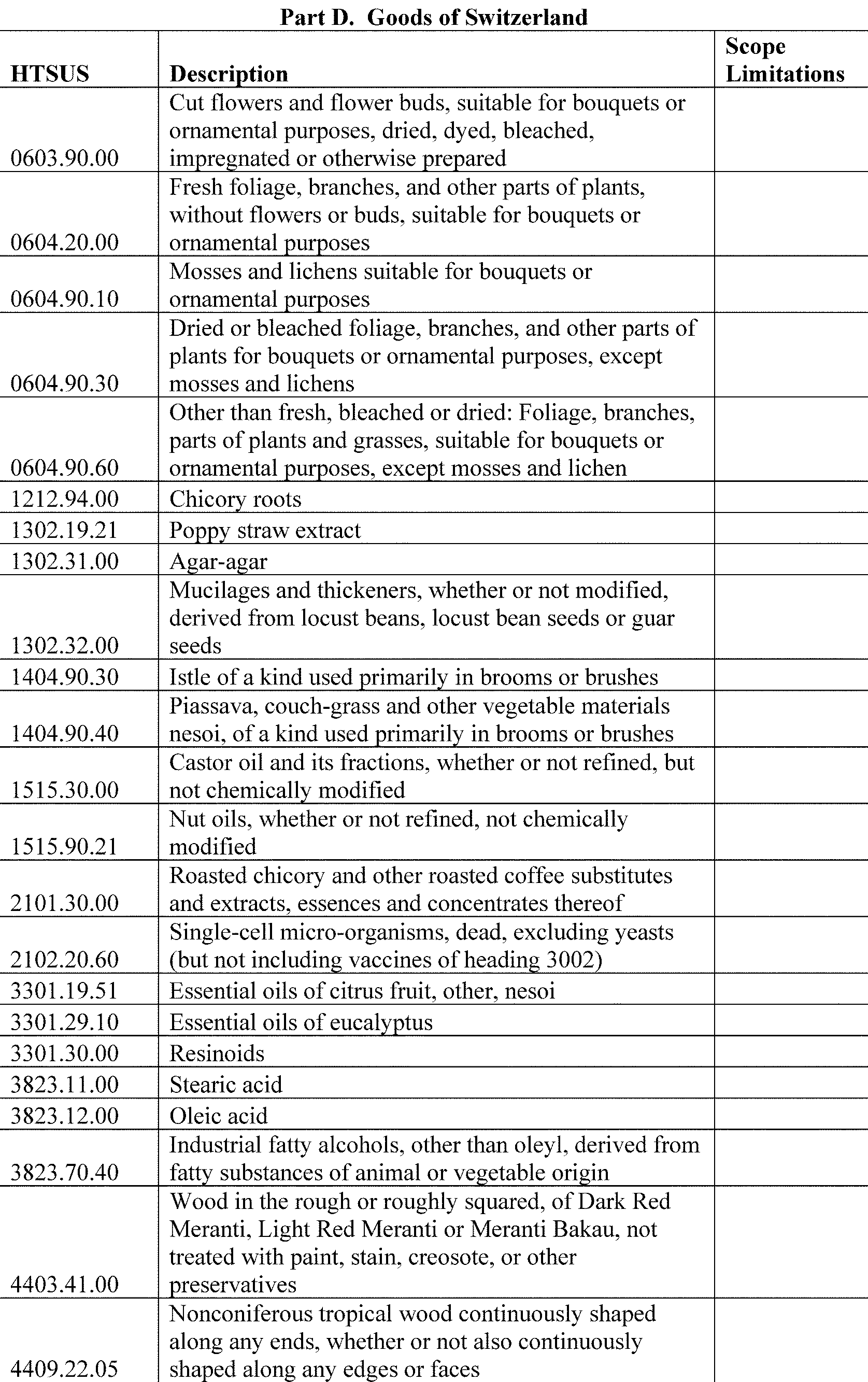
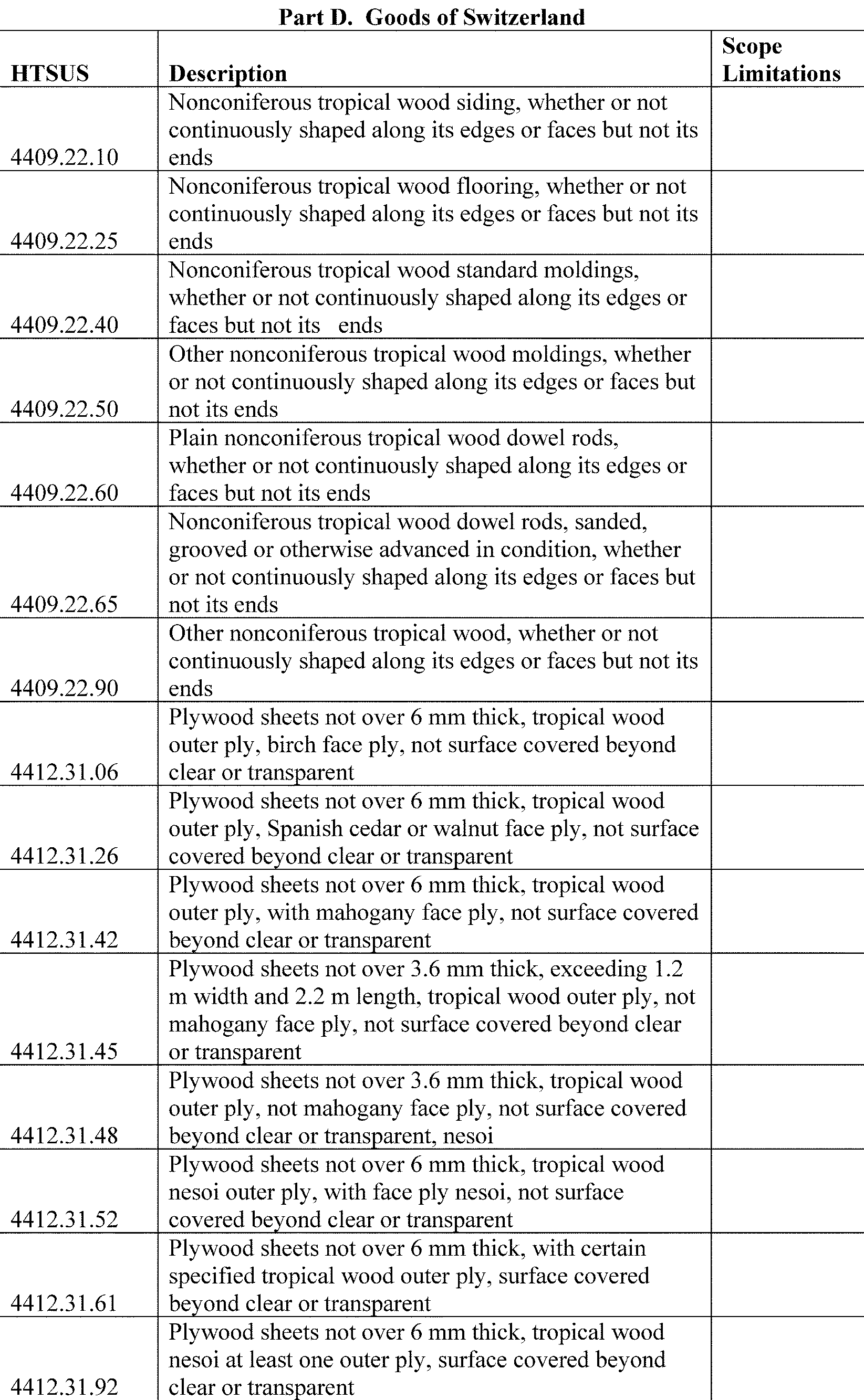
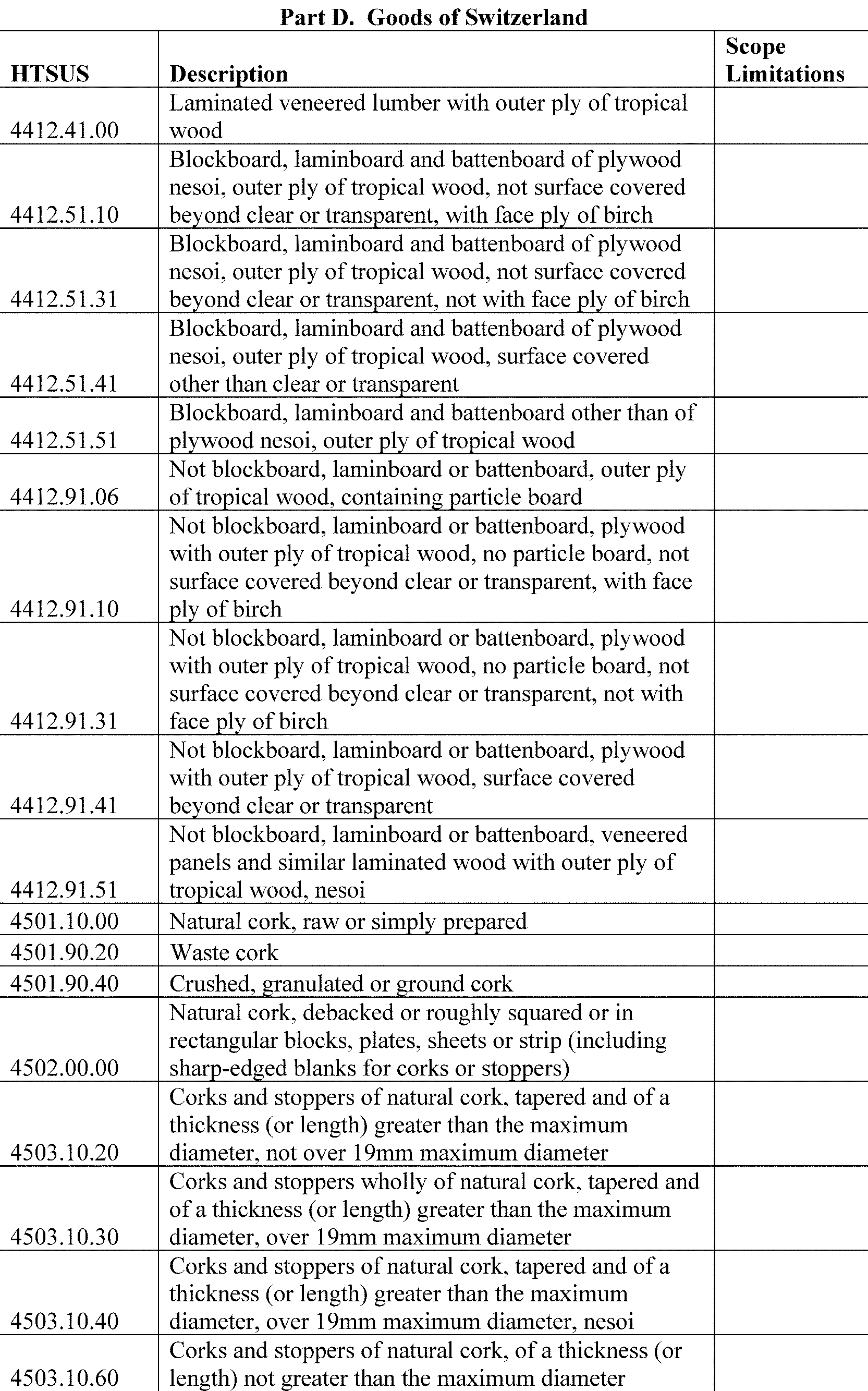
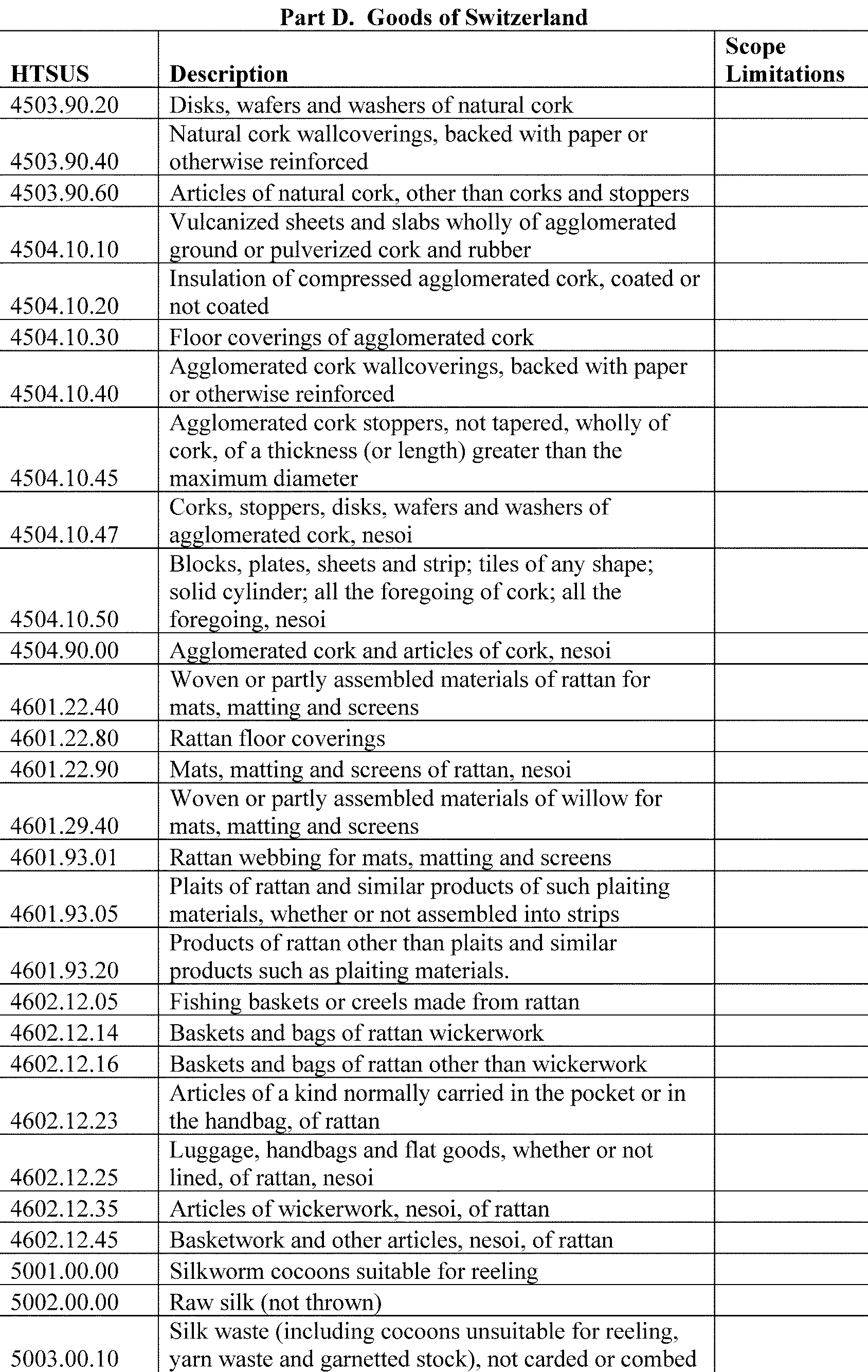
Based on the findings in the investigation of Switzerland, and considering the public comments and testimony, the advice of the Section 301 Committee, as well as the advice of advisory committees, and in accordance with the specific direction of the President, the Trade Representative has determined to impose 12.5 percent tariffs net of MFN on products of Switzerland, except as provided in Annex I and Annex II, Parts A and D, of this Notice. For greater certainty, for a product of Switzerland where such product's MFN tariff is less than 12.5 percent, the sum of the MFN tariff and the Section 301 tariff shall be 12.5 percent, and where such product's MFN tariff is greater than or equal to 12.5 percent, the Section 301 tariff applied shall be zero. The Trade Representative has determined, in accordance with the specific direction of the President that the tariff rate to be applied, and the scope of tariffs and exemptions are appropriate to obtain the elimination of the acts, policies, and practices determined to be actionable in the investigation.
52. Taiwan: Determination of Action in Investigation
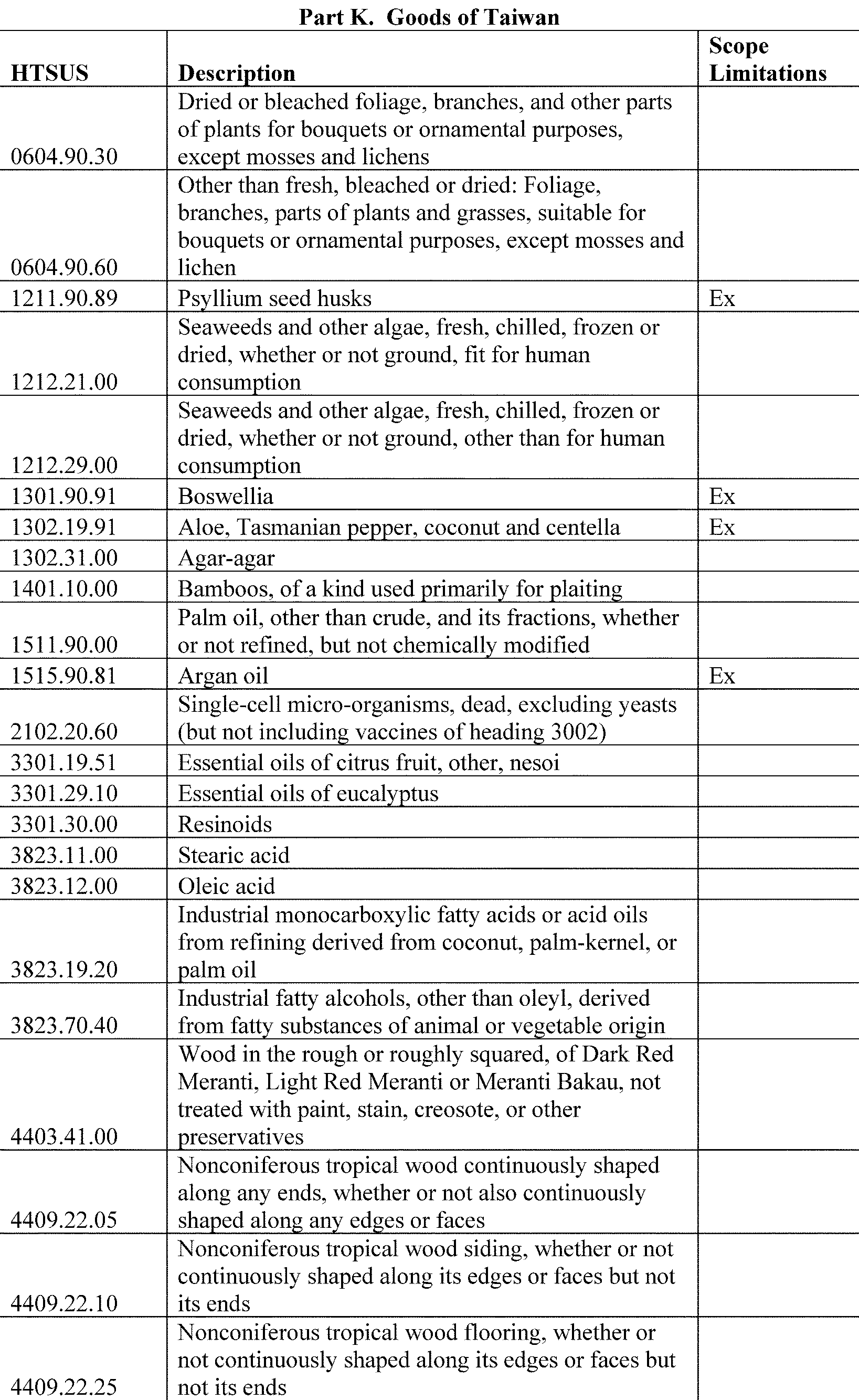
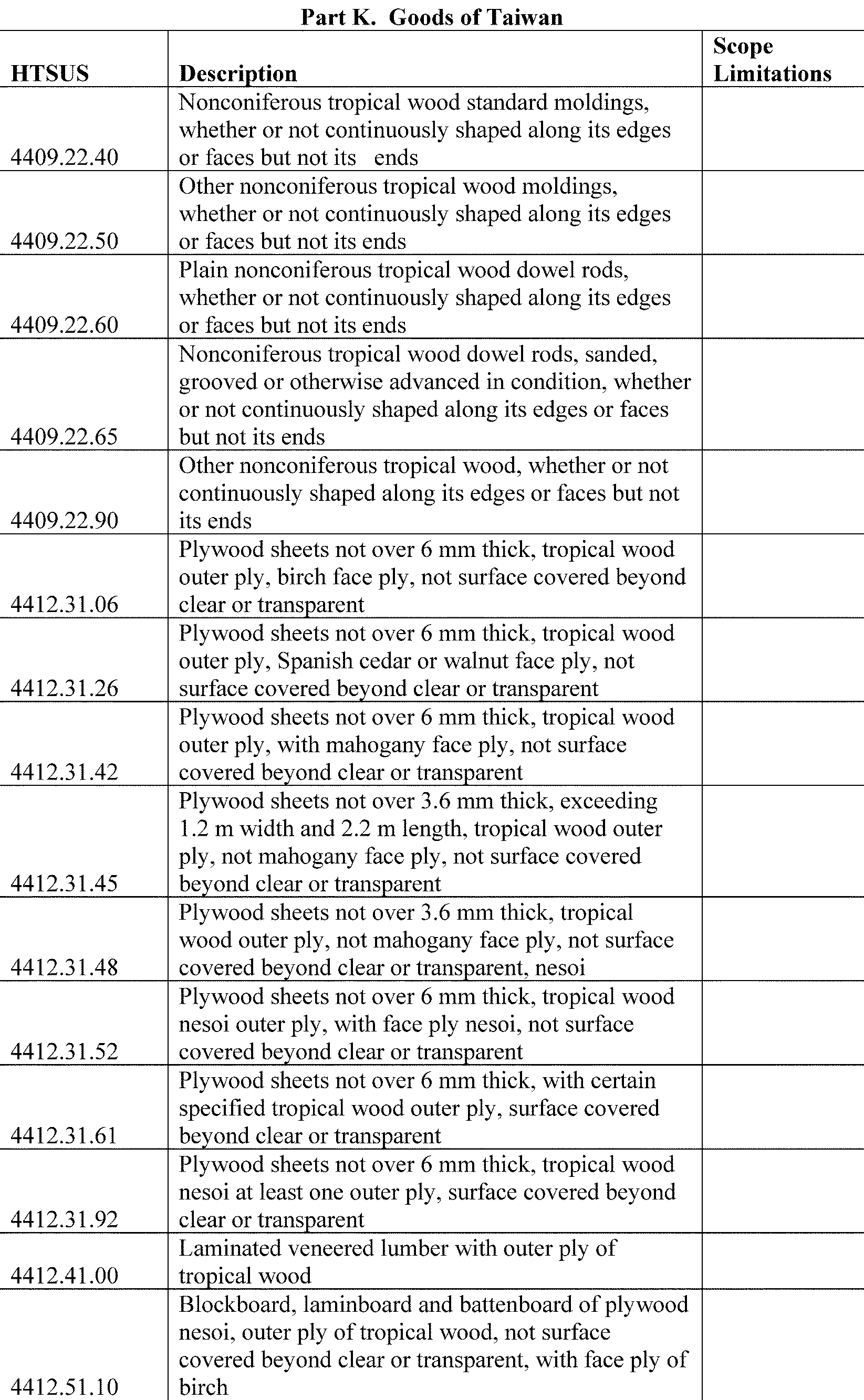
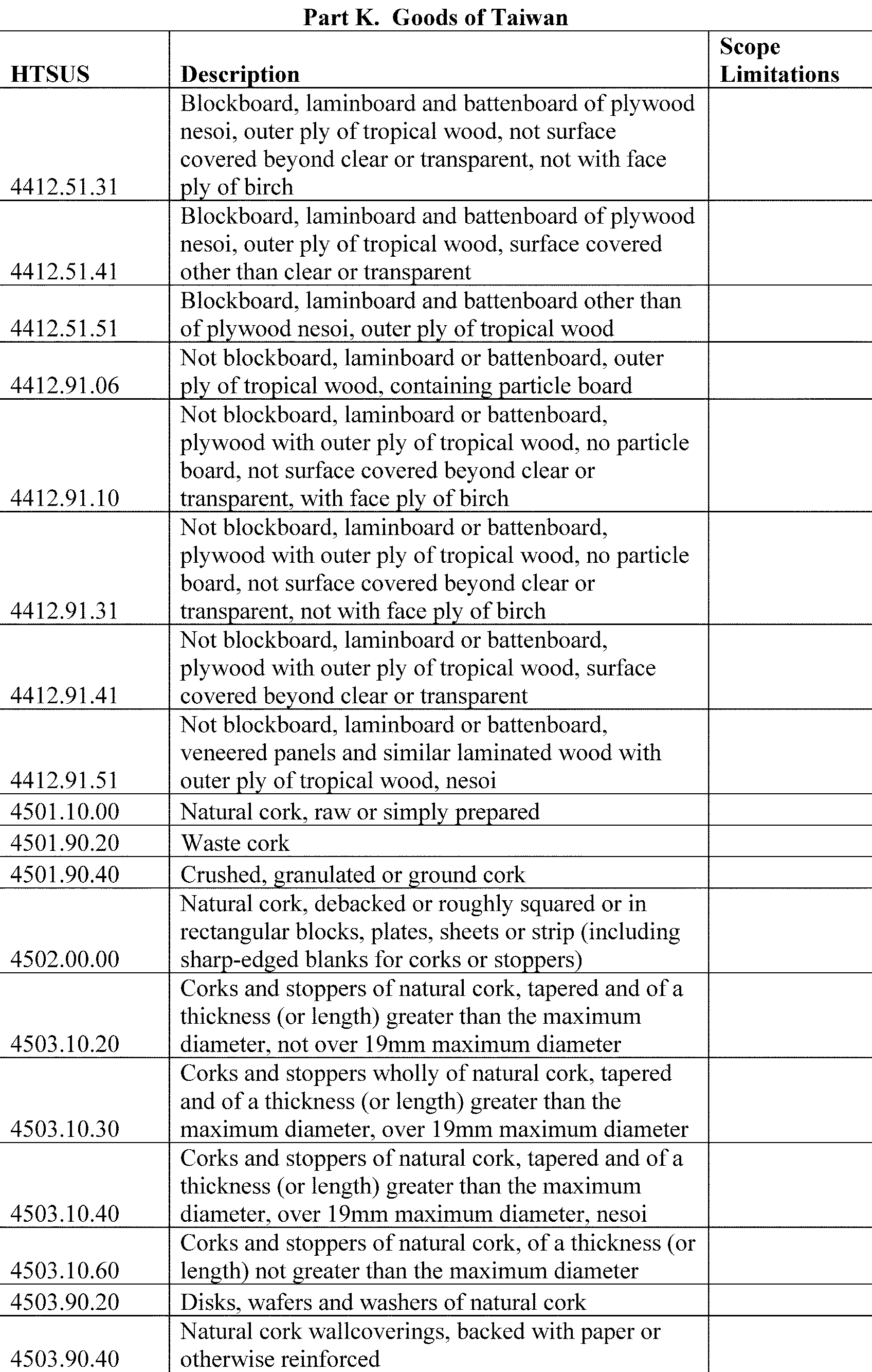
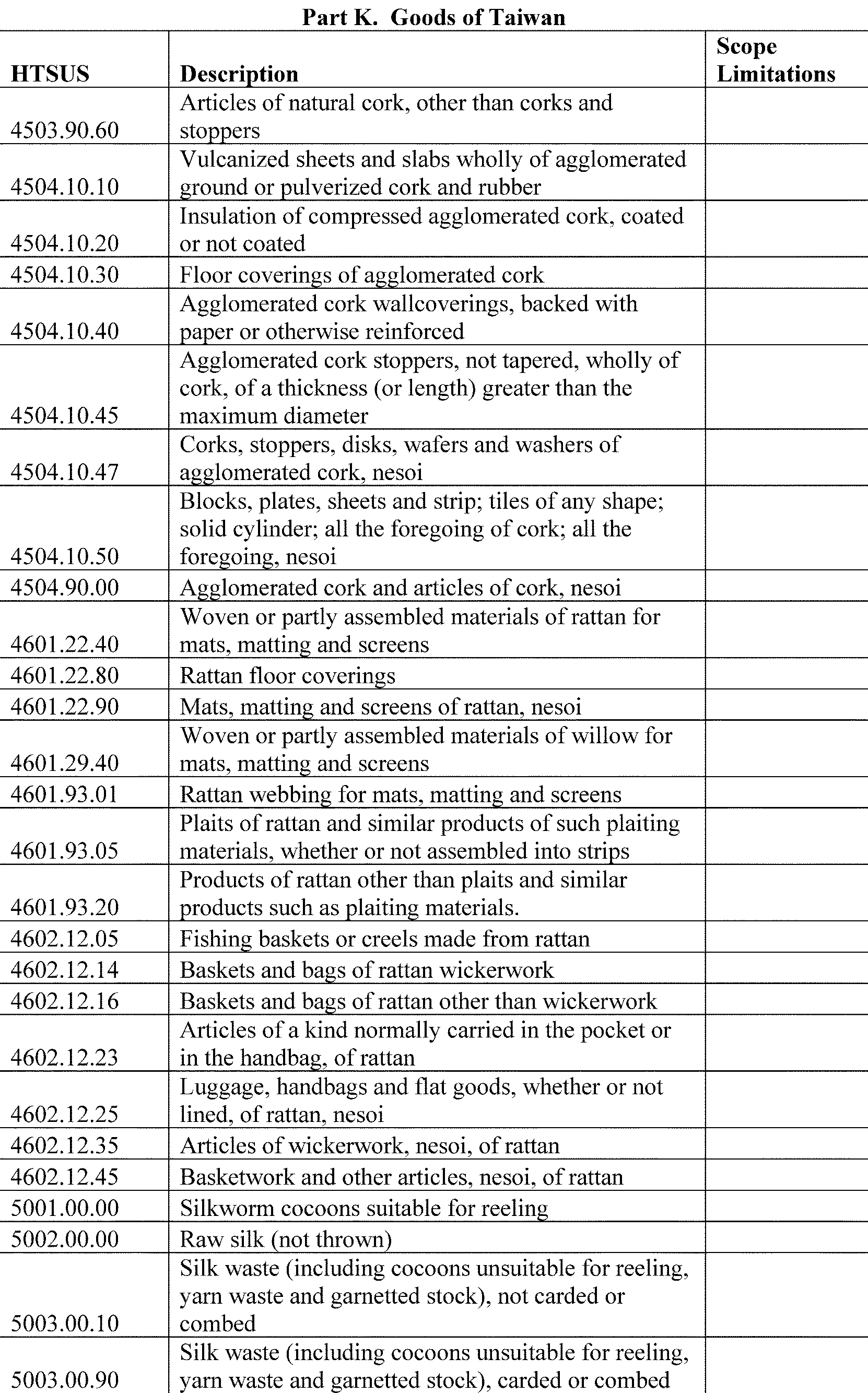
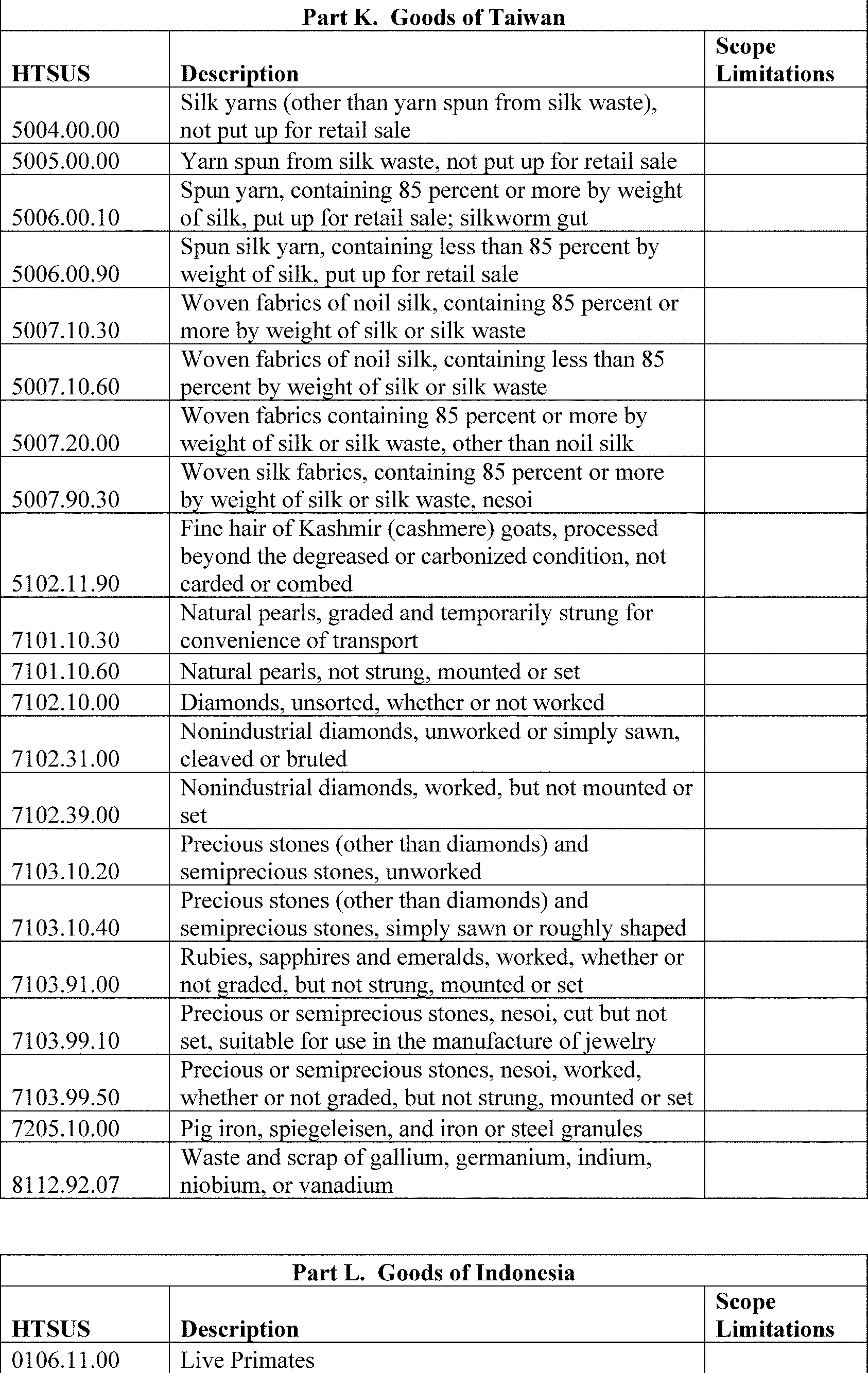
Based on the findings in the investigation of Taiwan, including consideration of Taiwan's commitment in its ART related to prohibiting the importation of forced labor goods, and considering the public comments and testimony, the advice of the Section 301 Committee, as well as the advice of advisory committees, and in accordance with the specific direction of the President, the Trade Representative has determined to impose 10 percent tariffs net of MFN on products of Taiwan, except as provided in Annex I and Annex II, Parts A and K, of this Notice. For greater certainty, for a product of the Taiwan, where such product's MFN tariff is less than 10 percent, the sum of the MFN tariff and the Section 301 tariff shall be 10 percent, and where such product's MFN tariff is greater than or equal to 10 percent, the Section 301 tariff applied shall be zero. The Trade Representative has determined, in accordance with the specific direction of the President that the tariff rate to be applied, and the scope of tariffs and exemptions are appropriate to obtain the elimination of the acts, policies, and practices determined to be actionable in the investigation.
53. Thailand: Determination of Action in Investigation
Based on the findings in the investigation of Thailand, considering the public comments, testimony, and the advice of the Section 301 Committee, as well as the advice of advisory committees, and in accordance with the specific direction of the President, the Trade Representative has determined to impose 12.5 percent tariffs on products of Thailand, except as provided in Annex I and Annex II, Part A, of this Notice. The Trade Representative has determined, in accordance with the specific direction of the President that the tariff rate to be applied, and the scope of tariffs and exemptions are appropriate to obtain the elimination of the acts, policies, and practices determined to be actionable in the investigation.
54. Trinidad and Tobago: Determination of Action in Investigation
Based on the findings in the investigation of Trinidad and Tobago, including its adoption of a forced labor import prohibition subsequent to the publication of the June 5, 2026 FRN, and considering the public comments and testimony, the advice of the Section 301 Committee, as well as the advice of advisory committees, and in accordance with the specific direction of the President, the Trade Representative has determined to impose 10 percent tariffs on products of Trinidad and Tobago, except as provided in Annex I and Annex II, Part A, of this Notice. The Trade Representative has determined, in accordance with the specific direction of the President that the tariff rate to be applied, and the scope of tariffs and exemptions are appropriate to obtain the elimination of the acts, policies, and practices determined to be actionable in the investigation.
55. Türkiye: Determination of Action in Investigation
Based on the findings in the investigation of Türkiye, considering the public comments, testimony, and the advice of the Section 301 Committee, as
( printed page 47328)
well as the advice of advisory committees, and in accordance with the specific direction of the President, the Trade Representative has determined to impose 12.5 percent tariffs on products of Türkiye, except as provided in Annex I and Annex II, Part A, of this Notice. The Trade Representative has determined, in accordance with the specific direction of the President that the tariff rate to be applied, and the scope of tariffs and exemptions are appropriate to obtain the elimination of the acts, policies, and practices determined to be actionable in the investigation.
56. United Arab Emirates: Determination of Action in Investigation
Based on the findings in the investigation of the United Arab Emirates, considering the public comments, testimony, and the advice of the Section 301 Committee, as well as the advice of advisory committees, and in accordance with the specific direction of the President, the Trade Representative has determined to impose 12.5 percent tariffs on products of the United Arab Emirates, except as provided in Annex I and Annex II, Part A, of this Notice. The Trade Representative has determined, in accordance with the specific direction of the President that the tariff rate to be applied, and the scope of tariffs and exemptions are appropriate to obtain the elimination of the acts, policies, and practices determined to be actionable in the investigation.
57. United Kingdom: Determination of Action in Investigation
Based on the findings in the investigation of the United Kingdom, including its imposition of a partial regime with the effect of prohibiting certain forced labor goods, and considering the public comments and testimony, the advice of the Section 301 Committee, as well as the advice of advisory committees, and in accordance with the specific direction of the President, the Trade Representative has determined to impose 10 percent tariffs on products of the United Kingdom, except as provided in Annex I and Annex II, Parts A and B, of this Notice. The Trade Representative has determined, in accordance with the specific direction of the President that the tariff rate to be applied, and the scope of tariffs and exemptions are appropriate to obtain the elimination of the acts, policies, and practices determined to be actionable in the investigation.
58. Uruguay: Determination of Action in Investigation
Based on the findings in the investigation of Uruguay, considering the public comments, testimony, and the advice of the Section 301 Committee, as well as the advice of advisory committees, and in accordance with the specific direction of the President, the Trade Representative has determined to impose 12.5 percent tariffs on products of Uruguay, except as provided in Annex I and Annex II, Part A, of this Notice. The Trade Representative has determined, in accordance with the specific direction of the President that the tariff rate to be applied, and the scope of tariffs and exemptions are appropriate to obtain the elimination of the acts, policies, and practices determined to be actionable in the investigation.
59. Venezuela: Determination of Action in Investigation
Based on the findings in the investigation of Venezuela, considering the public comments, testimony, and the advice of the Section 301 Committee, as well as the advice of advisory committees, and in accordance with the specific direction of the President, the Trade Representative has determined to impose 12.5 percent tariffs on products of Venezuela, except as provided in Annex I and Annex II, Part A, of this Notice. The Trade Representative has determined, in accordance with the specific direction of the President that the tariff rate to be applied, and the scope of tariffs and exemptions are appropriate to obtain the elimination of the acts, policies, and practices determined to be actionable in the investigation.
60. Vietnam: Determination of Action in Investigation
Based on the findings in the investigation of Vietnam, considering the public comments, testimony, and the advice of the Section 301 Committee, as well as the advice of advisory committees, and in accordance with the specific direction of the President, the Trade Representative has determined to impose 12.5 percent tariffs on products of Vietnam, except as provided in Annex I and Annex II, Part A, of this Notice. The Trade Representative has determined, in accordance with the specific direction of the President that the tariff rate to be applied, and the scope of tariffs and exemptions are appropriate to obtain the elimination of the acts, policies, and practices determined to be actionable in the investigation.
III. USTR Responses to Significant Comments
In response to the June 5, 2026 FRN, USTR received over 1,600 written comments and heard testimony from over 100 witnesses. USTR and the Section 301 Committee reviewed, examined, and considered each comment and the public testimony. USTR responds below to significant issues raised in the public comments and hearings in response to the June 5, 2026 FRN and further explains the Trade Representative's determinations to take appropriate and feasible action under Section 301(b) at the specific direction of the President.
See19 U.S.C. 2411(b)(2).
A. Response to Comments Regarding Prior Determinations on Actionability
Multiple comments raised arguments taking issue with some or all of the conclusions the Trade Representative reached in his actionability finding and Report in these investigations. These include arguments that the Trade Representative failed to substantiate the existence of unreasonable acts, policies, or practices in each investigation, or that the Trade Representative failed to demonstrate a burden or restriction imposed by the acts, policies, and practices of each economy. With respect to these arguments and other arguments regarding the Trade Representative's earlier findings on actionability, the Trade Representative observes that any such arguments that were appropriately raised during the actionability phase of these investigations were addressed in the June 5, 2026 FRN or the related comprehensive Report. Moreover, the Trade Representative has taken into account all available information regarding the efforts of the investigated economies to impose and effectively enforce forced labor import prohibitions since the issuance of the June 5, 2026 FRN.
B. Comments Regarding the Use of Tariffs and Tariff Rates
1. Responses to Significant Comments Regarding the Appropriateness of the Additional Tariffs To Address the Acts, Policies, and Practices Under Investigation
A number of comments argued that the additional tariffs proposed in these investigations are not appropriate to achieve the elimination of the unreasonable acts, policies, or practices of each of the investigated economies. These comments argued, among other things, that additional tariffs would be unlikely to significantly lessen the use of forced labor. Other comments argued
( printed page 47329)
that USTR should undertake diplomatic engagement or engage in technical assistance and capacity building in order to achieve the elimination of the acts, policies, or practices in these investigations.
With respect to the first argument, consistent with the specific direction of the President, the Trade Representative has determined to impose tariffs as a means to encourage the investigated economies to impose and effectively enforce a forced labor import ban. Further, USTR observes that since the initiation of the investigations and the announcement of the proposed tariff actions, various economies have imposed or are taking steps toward imposing a forced labor import prohibition. This serves to confirm that tariff action can help obtain the elimination of the investigated acts, policies, and practices. While the elimination of forced labor generally is not the aim of these Section 301 investigations, as observed in the Report, the prevalence of forced labor has increased in recent years. Existing efforts to address forced labor have proven inadequate to prevent this increase. As discussed in the Report in these investigations, it is well established that an effectively enforced forced labor import prohibition can lead to the remediation of significant instances of forced labor.
With respect to technical assistance and capacity building, we observe that such efforts on their own are unlikely to achieve the elimination of the unreasonable acts, policies, and practices. However, where an economy agrees to address the issue of forced labor imports, and seeks assistance to impose or effectively enforce such a prohibition, such activities will be more effective. As discussed above, trade-based measures, particularly tariffs, are encouraging economies to impose or take steps toward imposing a forced labor import prohibition.
While the Trade Representative has considered the arguments raised in the comments, the Trade Representative disagrees with the comments for the reasons discussed above. Furthermore, because the comments suggested alternative actions that are inconsistent with the specific direction of the President, the Trade Representative cannot accommodate them.
2. Response to Comments Regarding the Proposed Tariff Rates
USTR received several types of comments regarding the proposed rates of duty for each investigation. For example, multiple comments questioned whether a 10 or 12.5 percent duty would be significant enough to encourage economies to eliminate the investigated acts, policies, and practices. Some comments argued that the 2.5 percentage point difference between the two rates is not significant enough to encourage economies to eliminate the investigated acts, policies, or practices. Multiple comments argued for certain investigated economies to be excluded from the application of additional duties or be assigned a lower additional rate of duty, including where the economy has domestic laws prohibiting forced labor. Related to these arguments, certain other comments argued that it was not appropriate for economies that have made commitments regarding forced labor in ARTs to receive the same tariff rate as economies with a forced labor import prohibition, or economies that have taken steps towards enforcement of a forced labor import prohibition, or economies with partial regimes with the effect of preventing the importation of certain forced labor goods. USTR addresses each of these comments in turn.
With respect to the significance of the rates of duty in these investigations, including the differential of 2.5 percentage points, the Trade Representative has determined that the rate for each economy is appropriate to obtain the elimination of that economy's acts, policies, and practices at this time. The Trade Representative considers that a lower rate of duty would not be appropriate to obtain the elimination of the acts, policies, and practices, at this time. The specific action and level of duty that will obtain the elimination of an act, policy, or practice is a matter of judgment, to be exercised by the Trade Representative, subject to any specific direction of the President. Information available indicates that these tariff rates and the differential between them are significant enough to spur action by investigated economies. Since the publication of the proposed actions in these investigations, a number of economies have either imposed forced labor import prohibitions, or undertaken a commitment to impose a forced labor import prohibition as part of an ART. Other economies have informed USTR that they are in the process of developing such measures. Accordingly, the rates and the differential between them have been successful in encouraging investigated economies to take steps toward eliminating the investigated acts, policies, and practices.
With respect to excluding economies or providing a lower rate of duty based on those economies' efforts to address forced labor within their jurisdictions, such as the ratification of International Labor Organization (ILO) conventions or domestic enforcement efforts related to forced labor, doing so would not achieve the elimination of the investigated acts, policies, and practices. The Trade Representative applauds the efforts of our trading partners to eliminate forced labor within their jurisdictions; however, as discussed in our June 5, 2026 FRN and the related Report, these efforts are not pertinent to the elimination of the acts, policies, and practices that are the subject of these investigations.
With respect to excluding or providing a lower rate to economies that are in the process of developing forced labor import prohibitions, the mere development or proposal of a measure to prohibit the importation of forced labor goods, absent adoption of such measure, is insufficient to address the acts, policies, and practices that are the subject of these investigations. The development or proposal of such measures alone provides no guarantee that a forced labor import prohibition will be adopted and effectively enforced. Further, this is distinct from circumstances where an economy has taken on a concrete obligation to prohibit the importation of goods. Certain comments contend that the Trade Representative should assign different rates of duty to each of the following groups of economies: (1) those that have imposed forced labor import prohibitions; (2) those that made commitments regarding forced labor in an ART or other similar agreement; and (3) those that have imposed a partial regime with the effect of preventing the importation of certain forced labor goods. In the Trade Representative's judgment, imposing distinct tariff rates on each of these groups at this time would hinder the ability of the Trade Representative to achieve the elimination of the investigated acts, policies, and practices. The Trade Representative's determination to apply a lower rate of duty to each economy meeting these criteria acknowledges significant steps such economies are taking toward imposing and effectively enforcing forced labor import prohibitions.
Considering the public comments and the advice of the Section 301 Committee, as well as the advice of advisory committees, and consistent with the specific direction of the President, the Trade Representative has determined that it is appropriate to impose tariffs of 10 percent or 10 percent net of MFN duties, based on whether an economy has imposed a
( printed page 47330)
forced labor import prohibition, has undertaken commitments in an ART regarding forced labor import prohibition, or has imposed a partial regime with the effect of preventing the importation of certain forced labor goods, and has determined that it is appropriate to impose tariffs of 12.5 percent or 12.5 percent net of MFN duties for each other investigated economy. In the Trade Representative's judgment, imposing an economy-wide rate of zero or lower than 10 percent on economies that have entered into an ART without implementing a forced labor import prohibition, or on economies that have imposed a prohibition but do not yet effectively implement such prohibition, would be ineffective in encouraging the elimination of the acts, policies, and practices under investigation. While the Trade Representative has considered the arguments raised in the comments, the Trade Representative disagrees with the comments for the reasons discussed above. Furthermore, because the comments suggested alternative actions that are inconsistent with the specific direction of the President, the Trade Representative cannot accommodate them.
3. Response to Comments Urging Lower Tariff Rates in Investigations of Economies With Perceived Low-Risk Supply
Multiple comments suggested that the Trade Representative should impose a lower or zero tariff rate on economies with export industries that have a low-risk of forced labor in their supply chains. For example, certain commenters argued that where investigated economies export products to major U.S. retailers with their own supply chain due diligence procedures, additional tariffs on such products would be ineffective in bringing about the elimination of the investigated acts, policies, and practices. These comments misunderstand the aims of the investigations and the use of tariffs as leverage.
As demonstrated throughout the investigations, including in the Report, the investigations are broader than any particular industry or supply chain. The aim of each investigation is to encourage that economy to impose and effectively enforce a forced labor import prohibition. As already seen in certain investigations to date, tariffs have proved to be an effective point of leverage to encourage the elimination of the investigated acts, policies, and practices. Even accepting these arguments at face value, it does not follow that U.S. products do not compete in those economies against other imports manufactured with forced labor, or that other exports from those economies (
i.e.,
those not subject to supply chain due diligence procedures) are not manufactured with imported inputs made with forced labor. While the Trade Representative has considered the arguments raised in the comments, the Trade Representative disagrees with the comments for the reasons discussed above. Furthermore, because the comments suggested alternative actions that are inconsistent with the specific direction of the President, the Trade Representative cannot accommodate them.
C. Discussion of Comments on Proposed Product Exemptions
USTR received a variety of comments on the proposed exemption list, including support for the products proposed for exemption and requests to remove certain products from the proposed exemption list. Considering the public comments and the advice of the Section 301 Committee, as well as the advice of advisory committees and in accordance with the specific direction of the President, the Trade Representative has determined to exempt all of the products proposed for exemption in Annex A to the June 5, 2026 FRN, except the non-pharmaceutical applications of certain chemical products. Other than the products with non-pharmaceutical applications, as discussed below, the Trade Representative determined not to remove additional products from the exemption list. The Trade Representative determined to exempt certain additional products not included in the proposed exemptions in Annex A to June 5, 2026 FRN.
1. Support for Keeping Products on the Proposed Exemption List
USTR received a number of comments expressing support for maintaining certain proposed exemptions. Comments supported the exemption of coffee, mineral tars, certain copper products, iron oxides, coke, aluminum oxide, and coconut products. Other comments expressed support for maintaining the proposed exemptions from Section 301 tariffs for products that are subject to Section 232 tariffs. Commenters generally noted that these products are raw materials with limited-to-no availability from domestic sources or cannot be grown or produced in sufficient quantities or at reasonable prices in the United States or obtained from other sources.
Considering the public comments and the advice of the Section 301 Committee, as well as the advice of advisory committees—and in accordance with the specific direction of the President—the Trade Representative has determined not to remove products other than the non-pharmaceutical applications of certain products from the proposed exemption list, as the remaining products in the proposed exemption list constitute: (1) raw materials that if subject to the proposed additional tariffs could lead to the unavailability of domestic supply; (2) products that could cause economy-wide disruptions if subject to the proposed additional tariffs; (3) products that cannot be grown or produced in sufficient quantities or at reasonable prices in the United States or obtained from other sources; or (4) products for which tariffs may not contribute substantially to the elimination of the acts, policies, and practices found to be actionable.
2. Determination To Remove Certain Products From the Proposed Exemption List
Considering the public comments and the advice of the Section 301 Committee, as well as the advice of advisory committees—and in accordance with the specific direction of the President—the Trade Representative has determined to limit the exemption for certain chemicals and chemical products to their pharmaceutical applications. Certain comments noted the health-related applications of products proposed for exemptions and stated that certain ingredients that support U.S. manufacturing of healthcare products are not available in the United States in sufficient quantities to meet domestic demand. Some commenters also requested that these product exemptions be limited to their pharmaceutical applications due to competition with domestic production. Limiting exemptions for these proposed chemical products to their pharmaceutical applications is consistent with the proposal in the June 5, 2026 FRN because an exemption for all applications is broader than necessary to cover goods that have limited availability outside of the investigated economies.
3. Comments Requesting the Removal of Additional Products From Exemption List
Some commenters requested that USTR remove other products from the proposed exemption list or otherwise advocated for narrowly tailored exemptions. Industries or products for which commenters expressed
( printed page 47331)
opposition to proposed exemptions include beef, avocados, paprika and paprika products, lithium hexafluorophosphate, and forgings and articles containing forgings.
Commenters suggested, for example, that beef imported from certain economies is linked to certain acts, policies, and practices found actionable in these investigations, and that exempting these products would benefit foreign exporters of beef produced with forced labor at the expense of the American cattle producer. Similarly, commenters suggested that paprika and paprika derived products, lithium hexafluorophosphate, and certain chemicals used in the production of pesticides are imported from certain economies linked to certain acts, policies, and practices found actionable in these investigations.
Additionally, commenters suggested that imports of these products are available from domestic sources and are putting pressure on domestic producers. With respect to paprika and paprika derived products, commenters suggested that imports have caused market disruptions, preventing U.S. production of these products. Additionally, comments reported that imports of lithium hexafluorophosphate and certain chemicals used in the production of pesticides have inhibited U.S. production of these products. Commenters pointed to recent and anticipated expansion in U.S. production capabilities, and suggested that imposing tariffs on these products could support investment and employment in domestic production. With respect to forgings and articles containing forgings, commenters suggested that these products are readily available from domestic sources, at reasonable prices, in sufficient quantities and that subjecting imports of these products to tariffs could support investment and employment in the United States. Similarly, comments suggested that the domestic avocado industry is under significant pressure due to low-priced avocado imports and applying tariffs would benefit certain U.S. agricultural producers.
Considering the public comments and the advice of the Section 301 Committee, as well as the advice of advisory committees—and in accordance with the specific direction of the President—the Trade Representative has determined not to remove these products from the list of exempted products. There remains limited availability of these products from domestic sources, a point conceded by one commenter regarding paprika. Regarding claims that these products should be subject to the tariffs because they are related to acts, policies, and practices found actionable in these investigations, Section 301(c)(3)(B) provides that the Trade Representative is authorized to take action against any goods or economic sector “without regard to whether or not such goods or economic sector were involved in the act, policy, or practice that is the subject of such action.”
D. Determination To Exempt Additional Products
In addition to the products initially proposed for exemption in the June 5, 2026 FRN, the Trade Representative, in accordance with the specific direction of the President, has determined in each investigation to exclude an additional 471 products from tariffs imposed with respect to products of that economy. In certain investigations, the Trade Representative also has determined to apply additional exemptions for products from that specific investigated economy based on requested exemptions negotiated in the context of certain agreements and arrangements.
A number of comments expressed support for product exemptions in addition to the initial list of proposed exemptions in the June 5, 2026 FRN. Comments requested exemptions of products including certain agriculture products; metals and alloys; chemicals; semiconductor manufacturing equipment; and art, antique, and collectible products. Certain economies that have concluded ARTs or similar arrangements with the United States have also requested exemption of products negotiated as part of those agreements and arrangements.
Having considered the public comments, advice of the Section 301 Committee, as well as the advice of advisory committees, and the specific direction of the President, the Trade Representative determined to exempt the following additional products from the scope of actions: certain animal products; certain seeds; certain vegetable products; certain sugar and sugar containing products; unflavored instant coffee; certain fertilizer inputs and pesticide inputs; certain animal hides and leather; certain wood products; vanadium oxides and hydroxides; pig iron; certain ferrous inputs and waste; certain aluminum scrap waste; aluminum hydroxide; ash containing precious metals or precious metal compounds; certain battery waste and scrap; certain semiconductor manufacturing equipment; certain pharmaceuticals and pharmaceutical ingredients; worked shell; worn clothing; and certain antiques, collectibles, and art.
With respect to certain animal products used as food for animals or an input in such food, commenters noted that these products are incorporated into U.S. animal nutrition programs that support livestock, poultry, aquaculture, and pet food production. According to commenters, there is little opportunity for import substitution for these products and any tariff applied to these products would impose additional costs on U.S. consumers.
With respect to seeds of a kind used for planting, commenters noted that tariffs on seeds have resulted in increased costs for U.S. seed producers and U.S. farmers. According to comments, tariffs that impact seed movement erode the ability of U.S. seed companies to provide U.S. farmers with pure, high-quality seeds at an affordable price due to the global nature of seed production. Specifically, many U.S. seed companies have foreign operations to take advantage of environmental and production conditions, such as additional growing seasons. Commenters also noted that the increased costs associated with seed production could reduce choices in the marketplace for consumers as certain varieties of seed will no longer be viable for commercialization in the United States.
With respect to certain vegetable products, commenters noted that certain products falling under the relevant HTSUS subheading are already included in Annex A to the June 5, 2026 FRN, but that the proposed product exemptions are limited to products used for religious purposes only. According to comments, products in the relevant HTSUS subheading are essential growing-media and fiber inputs used in nursery production that have no domestic source, including coconut coir, jute burlap, and sisal twine. According to comments, the crops used to produce these products are not commercially grown in the United States given climate limitations and, therefore, there is no domestic industry capable of producing these inputs for the U.S. horticulture sector.
With respect to in-quota imports of certain sugar and sugar-containing products, commenters noted that U.S. sugar producers are more efficient than ever and domestic sugar yields have increased, yet the United States has never produced enough sugar to meet its domestic demand. To meet this demand, the United States has historically had to import significant amounts of sugar. According to comments, U.S. sugar processing
( printed page 47332)
facilities rely on certain in-quota sugar to meet U.S. demand and supply a critical input of the U.S. food supply chain.
With respect to unflavored instant coffee, commenters noted that unflavored instant coffee is not available from domestic sources in sufficient quantities for U.S. consumers and coffee companies, including value-added manufacturers. These comments also maintained that over 99 percent of instant coffee imports come from economies covered by these investigations and there are not adequate non-tariffed alternatives. Commenters also noted that U.S. coffee companies will continue to be at a disadvantage producing and innovating ready-to-drink and cold brew coffee compared to their foreign competitors if tariffs on unflavored instant coffee are imposed.
With respect to certain fertilizer inputs and pesticide inputs, commenters noted that imposing additional duties on these chemicals could cause disruptions or shortages in the domestic supply due to the limited availability of certain active ingredients outside of the investigated economies and because these products cannot be produced in the United States in sufficient quantities to meet domestic demand. Commenters also noted that the exemptions would be essential to avoid tariff inversion, causing U.S. manufacturers who produce value-added products to be disadvantaged in comparison to importers of finished agriculture chemical products.
With respect to certain animal hides and leather products, commenters noted that certain types of exotic leather—including reptile and ostrich—cannot be obtained in the United States because there is no domestic supply. According to commenters, tariffs would cause the migration of exotic leather manufacturing and American jobs to other countries, such as Mexico.
With respect to certain wood and wood products, commenters noted that certain types of wood and wood product imports—including eucalyptus and certain eucalyptus products—are not available from domestic producers in sufficient quantities to meet U.S. demand. According to commenters, these products are raw material inputs that are used to make timber and crane mats necessary in U.S. construction, powerline installation, and heavy civil infrastructure.
With respect to vanadium oxides and hydroxides, commenters noted that these products are necessary critical mineral inputs for which there is no or insufficient primary production in the United States and additional tariffs on these materials would cause serious supply dislocations for critical energy-storage infrastructure including AI data centers, electric-grid resiliency, and defense applications. According to comments, vanadium and vanadium electrolytes are necessary inputs across multiple sectors, including steel (including high-strength, low-alloy steels for construction, pipelines, and automotive applications); titanium alloys used in aerospace and defense; and critical energy-storage.
With respect to pig iron, commenters noted that, historically, more than 95 percent of domestic pig iron production has been consumed internally by U.S. integrated steel producers, meaning that iron foundries (like electric arc furnace steel producers) are reliant on imported pig iron. Commenters also noted that other third-country sources of pig iron were limited given that China consumes virtually all of the pig iron it produces, and supply from Russia and Ukraine has been affected by the Russia-Ukraine war. Commenters also stated that pig iron is an essential raw material for iron foundry operations, and that it is melted and mixed with scrap iron and other alloys to produce cast iron. The comments observed that there is no substitute for pig iron, and that additional tariffs on pig iron imports would exacerbate competition they already face from imports of downstream products.
With respect to certain ferrous products, including pellets, turnings, shavings, chips, fillings, trimmings, and stampings, commenters noted that these products are similar to other products that were proposed to be exempted from tariffs applied pursuant to this action. The comments noted that, like other products already proposed for exemption, iron and steel waste and scrap are important inputs for carbon and alloy steel production, and there is no viable domestic supply for these products.
With respect to aluminum scrap and waste, commenters noted it is key feedstock material for the U.S. aluminum industry and imposing tariffs would disrupt the supply chains, negatively impacting U.S. aluminum production and, in turn, harming downstream industries and the U.S. economy.
With respect to aluminum hydroxide, commenters noted that the sole U.S. supplier of aluminum hydroxide is unable to meet U.S. demand and that approximately 40 percent of U.S. supply is sourced from Brazil, with remaining supply supported by producers in Germany and Türkiye, among others. According to comments, aluminum hydroxide is an essential, non-substitutable raw material used in critical applications such as sanitation of drinking water, production of flame-retardant polymer materials used in defense and industrial applications, production of oil and gas, and refining of aluminum. Companies that use aluminum hydroxide in these and other applications require a stable and cost-effective supply of aluminum hydroxide.
With respect to ash containing precious metals or precious metal compounds, commenters noted that tariffs on these items would increase costs and disrupt supply chains for products needed to protect U.S. national security, U.S. critical mineral security, and medical device supply chains.
With respect to certain battery waste and scrap, commenters noted that these products, which are crucial inputs for, among other things, communications and safety technologies, are not available from U.S. manufacturers in sufficient quantities or at commercially reasonable prices. Commenters also noted additional tariffs on these products would result in significant supply chain dislocations by increasing costs, reducing sourcing flexibility, delaying production schedules, and limiting product availability.
With respect to certain semiconductor manufacturing equipment, commenters noted that these highly specialized tools are not readily substitutable, and that applying Section 301 tariffs to these products would increase investment costs for U.S. manufacturing without materially encouraging the investigated economies to eliminate the acts, policies, and practices determined to be actionable in the investigations. The comments noted that these items are like other products already proposed for exemption.
With respect to pharmaceuticals and pharmaceutical ingredients, commenters suggested that these products are ingredients that support U.S. manufacturing and cannot be obtained in the United States. Comments further observed that these products were used for health purposes similar to uses for products already proposed for exemption from tariffs.
With respect to worked shell, commenters noted that there is no U.S. source that can sufficiently meet domestic demand.
With respect to used worn clothing, and other worn articles, commenters noted that the secondhand apparel market, which is now a mainstream market, has distinct commercial characteristics in comparison to the
( printed page 47333)
broader retail apparel market, and that the used clothing market is structurally different from new, commercially manufactured clothing. Commenters also noted that additional Section 301 tariffs on used clothing would undermine the goal of eliminating the investigated acts, policies, and practices of the investigated economies; be disproportionate to the value of the goods themselves (
i.e.,
the additional tariffs would be on the resale of the good, not its production); cause serious dislocations in consumer access to affordable clothing; and pose fundamental enforcement challenges in relation to determining the country of origin.
With respect to certain goods under HTSUS Chapter 97, including, among other things, art, antiques, and collections and collectors' pieces of numismatic interest; goods of zoological, botanical, mineralogical, anatomical interest; extinct or endangered species and parts thereof; and goods of archeological, ethnographic or historical interest, commenters emphasized the unique quality, design, history, sourcing or origin, and supply chains of certain works of art and collectibles, as well as the irreplaceable nature of certain works of art and collectibles. The comments asserted that applying the additional Section 301 tariffs would not be effective in obtaining the elimination of the acts, policies, and practices of the 60 economies determined to be actionable in these investigations and would result in increased costs, administrative burdens, and disproportionate harm to museums, educational institutions, researchers, galleries, auction houses, and micro-, small- or medium-sized enterprises operating within the cultural sector.
The Trade Representative has determined to add certain animal products; certain seeds; certain vegetable products; certain sugar and sugar containing products; unflavored instant coffee; certain fertilizer inputs and pesticide inputs; certain animal hides and leather; certain wood products; vanadium oxides and hydroxides; pig iron; certain ferrous inputs and waste; certain aluminum scrap and waste; aluminum hydroxide; ash containing precious metals or precious metal compounds; certain battery waste and scrap; certain semiconductor manufacturing equipment; certain pharmaceuticals and pharmaceutical ingredients; worked shell; worn clothing; and certain antiques, collectibles, and art to the list of products exempted from these actions. These products constitute (a) raw materials that if subject to these tariffs could lead to the unavailability of domestic supply; (b) products that could cause economy-wide disruptions if subject to these tariffs; (c) products that cannot be grown or produced in sufficient quantities or at reasonable prices in the United States or obtained from other sources; or (d) articles for which these tariffs may not contribute substantially to the elimination of the acts, policies, and practices of the 60 investigated economies found to be actionable in the investigations.
The Trade Representative has also determined, consistent with the specific direction of the President, to exempt certain products of Argentina, Bangladesh, Cambodia, Ecuador, El Salvador, the European Union, Guatemala, Indonesia, Jordan, Malaysia, Switzerland, Taiwan, and the United Kingdom from the tariffs imposed on products of that economy in each respective investigation. Exempting these products would be appropriate to encourage each economy to fulfill its commitments regarding forced labor import prohibitions in its ART or, in the case of the European Union, Switzerland, and the United Kingdom, would be appropriate to encourage the economy to impose and effectively enforce a forced labor import prohibition.
E. Determination Not To Exempt Additional Products and Response to Comments
USTR received numerous comments that requested that additional products be added to the exemption list and exempted from tariffs. These comments covered products in a wide range of industries. Most comments that requested that particular products be added to the exemption list based their request on six arguments. These included: (1) requested products have limited or no availability from U.S. source; (2) additional tariffs would increase costs for producers and consumers; (3) tariffs are a competitive disadvantage for U.S. businesses; (4) products requested for exemption are unrelated to the acts, policies, and practices investigated; (5) tariffs would not shift production to the United States; and (6) the tariffs would cause economy-wide disruptions. These six arguments are discussed below, followed by a response to those arguments.
Products have limited or no availability from U.S. sources. A large number of comments requested the exemption of products due to limited or no availability from domestic sources. These products included medical devices, decorations, frozen seafood, beads, hats, refined lead, olive oil, packaging products, travel products, and sporting goods.
Several comments noted that domestic producers supplied only a small portion of U.S. demand or were unable to meet all of domestic demand. Comments also noted that their products were not available from domestic sources at reasonable prices or domestic production was not commercially viable, as no domestic producer has the production capacity, specialized equipment, technical expertise, or quality systems necessary to supply the domestic market. Due to the lack of domestic sources, some comments noted that companies would be forced to curtail their business. Additionally, some comments noted that because so many economies would be covered by the tariffs, it would not be possible to shift production to economies not subject to the tariffs and doing so would require significant time and investment.
Increased costs. Numerous comments reported that the tariffs would result in increased costs to U.S. companies and consumers. These comments came from a range of industries, including: sugar, travel bags, agricultural packaging products, food products, parts and accessories for inkjet printing, and auto parts.
Comments noted that due to limited domestic availability, costs would increase for U.S. supply chains, including for U.S. food and U.S. manufacturing. Comments noted increasing production costs would result in a reduction in U.S. investment and the funds necessary to create conditions of fair trade, including responsible labor practices. Commenters also suggested that the increased costs would impact retailers, small businesses, and consumers. A comment regarding parts and accessories for inkjet printing systems reported that the tariffs would increase operating and maintenance costs for U.S. companies, extend repair times, disrupt production, and reduce the competitiveness of U.S. manufacturers. Similarly, a comment on auto parts noted that as a result of the tariffs, U.S. distributors, repair shops, and consumers would face higher prices, reduced product availability, and diminished competitiveness in the aftermarket supply chain.
Competitive disadvantage for U.S. businesses. Comments from a variety of industries noted that tariffs put products produced in the United States at a competitive disadvantage domestically and in international markets. With respect to agricultural and horticultural
( printed page 47334)
products, for example, commenters noted that they rely upon imports to operate efficiently and remain competitive. Similarly, a comment regarding imports of goose down used in domestic production noted that tariffs on the raw materials will increase costs on domestic manufacturing, making their products less accessible to U.S. consumers. A global producer of electric bicycles that assembles bicycles in the United States using certain imported parts reported that the tariffs will make the company's U.S. subsidiary its most expensive production facility. A commenter seeking an exemption for powersports vehicles reported that it relies on certain imported inputs and that a portion of its domestic manufacturing is supported by exports. Similarly, a comment regarding loudspeakers noted that domestic producers that rely on imported components are disadvantaged when selling in international markets when those components are subject to increased tariffs.
Products unrelated to the acts, policies, and practices investigated. Many comments argued that the tariffs should be narrowly tailored to specific products linked to forced labor. These comments noted that the products for which they requested exemption from tariffs were not related to the acts, policies, and practices found actionable in these investigations. Those products include: historical coins; radiators and other parts and accessories for motor vehicles; manuka honey; artificial floral, greenery, and seasonal decorative products; various electrical and lighting products; canned olives; and purified isophthalic acid. The comments emphasized that certain imports and sectors have no connection to forced labor. For example, regarding historical coins, a comment noted that the importation of those goods has no connection to forced labor because they were typically produced by skilled laborers or long ago.
Tariffs would not shift production to the United States. Some comments, such as those related to hydraulic log splitters, women's outerwear and insulated garments, stainless steel insulated drinkware, outer shell covers for pets, cyanate ester resins, crayons, salmon, and finished bovine upholstery leather argued that tariffs should not be applied to their products, as the tariffs would not shift production to the United States. Many of these comments argued that for a variety of reasons, production in the United States is not feasible.
Tariffs would cause economy-wide disruptions. Some comments, such as those related to toys and DL-methionine, suggested that tariffs would cause economy-wide disruptions. With respect to DL-methionine, commenters noted that tariffs risk serious disruption to the U.S. economy, including U.S. poultry, dairy, beef, and swine producers that depend on imports of that essential nutrient for livestock, and that the additional tariff is likely to disrupt the feed supply chain for U.S. livestock producers.
The President has directed the Trade Representative to impose tariffs on all goods of the 60 investigated economies, with certain exemptions. Exemptions directed by the President are limited to: (1) raw materials that if subject to the proposed additional tariffs could lead to the unavailability of domestic supply; (2) products that could cause economy-wide disruptions if subject to the proposed additional tariffs; (3) products that cannot be grown or produced in sufficient quantities or at reasonable prices in the United States or obtained from other sources; (4) products for which tariffs may not contribute substantially to the elimination of the acts, policies, and practices found to be actionable; or (5) products that if exempted from these tariffs would encourage economies that have made commitments to the United States regarding forced labor import prohibitions to implement those commitments or to enact and effectively enforce a forced labor import prohibition.
Considering the public comments and the advice of the Section 301 Committee, as well as the advice of advisory committees—and in accordance with the specific direction of the President—the Trade Representative has determined that the goods above and other goods do not warrant exemption. With respect to the large number of the comments requesting exemption based on availability, most were not raw materials. Rather, most requests were for inputs or consumer goods. While some inputs and consumer goods may have limited or no availability from U.S. sources, those products should remain generally available and will not cause economy-wide disruptions if subjected to additional tariffs. Regarding tariffs resulting in increased costs, it is possible that costs will increase, but a number of factors may affect costs, and increased costs for a particular company or in a particular sector are unlikely to cause economy-wide disruptions. With respect to the argument that tariffs may result in a competitive disadvantage to certain domestic producers, a competitive disadvantage does not indicate unavailability of domestic supply or that products cannot be produced in sufficient quantities or at reasonable prices in the United States. Moreover, many inputs, including auto parts already subject to Section 232 tariffs, are exempt from additional tariffs pursuant to this action.
With respect to the comments that argued that the tariffs should be narrowly tailored to specific products linked to forced labor, imposing tariffs on imports can create greater leverage to obtain the elimination of the investigated acts, policies, and practices, and as described above, Section 301(c)(3)(B) of the Trade Act authorizes the Trade Representative to take action against any goods or economic sector of the foreign country concerned regardless of whether or not such goods or economic sector are involved in the act, policy, or practice subject to investigation. Regarding comments that argued that the tariffs would not shift production to the United States, the goal of the tariff action is not to create domestic production, but to obtain the elimination of the acts, policies, or practices found to be actionable. Finally, with respect to the comments that argued that the tariffs would cause economy-wide disruptions, the comments fail to demonstrate how tariffs on these products would cause economy-wide disruptions, particularly with maximum tariffs of 12.5 percent.
While the Trade Representative has considered the arguments raised in the comments, the Trade Representative disagrees with the comments for the reasons discussed above. Furthermore, because the comments suggested alternative actions that are inconsistent with the specific direction of the President, the Trade Representative cannot accommodate them.
F. Response to Comments Regarding the Features of a Textile Mechanism
Consistent with the specific direction of the President, the Trade Representative will establish a textile mechanism in a separate notice. As outlined in Section II.A above, the President directed the Trade Representative to, when feasible, establish TRQs for Bangladesh, Cambodia, Indonesia, and Malaysia, with an initial duration of three years, to encourage the importation of each of these economies of U.S. cotton and textile goods. The President also directed that the TRQs be structured to allow a certain volume of specific textile and apparel, based on each economy's importation of U.S. cotton and textile inputs, to enter the United States free of
( printed page 47335)
the Section 301 tariffs in these investigations. In accordance with the President's direction, the Trade Representative will publish a notice in the
Federal Register
regarding the establishment and the effective date of such TRQs. The Trade Representative continues to consider the comments regarding the features of a textile mechanism that were submitted in the response to the June 5, 2026 FRN and will establish the mechanism and provide responses to significant comments regarding the mechanism in a subsequent notice.
G. Response to Comments Suggesting Action Other Than Tariffs
Certain comments recommended the Trade Representative establish an exclusion process, or engage in a periodic review of the actions taken in these investigations. As discussed above, the President directed the imposition of tariffs in each investigation on all products of that economy, with exemptions for certain goods, finding that alternatives such as a lower tariff rate would be less effective and less preferable. Establishing an exclusion process that would result in lowering of tariffs on additional products would be inconsistent with the President's direction. Regarding the request for periodic reviews, the Section 301 statute itself provides for the modification of actions, including a provision on review of necessity, in Section 307 of the Trade Act (19 U.S.C. 2417).
IV. Severability of Tariff Actions
For convenience and concision, this Notice has set out the actions of the Trade Representative in each of the 60 investigations of the acts, policies, and practices of each investigated economy related to its failure to enact and effectively enforce a forced labor import prohibition.
The actions taken by the Trade Representative in this Notice with respect to the acts, policies, and practices of an economy in one investigation are separate from the actions taken with respect to the acts, policies, and practices of each other economy in other investigations by the Trade Representative. Each tariff action as to an economy in one investigation is separate from every other tariff action in other investigations and is for the distinct purpose of obtaining the elimination of the applicable economy's acts, policies, and practices found actionable under Section 301 in that investigation.
Each tariff action on an economy taken by the Trade Representative in this Notice in one investigation is only for the purpose of obtaining the elimination of the applicable economy's acts, policies, and practices found actionable under Section 301 in that investigation and not for any other purpose.
Each tariff action as to an economy taken by the Trade Representative in this Notice is intended to operate independently of each other, and the potential invalidity of one tariff action taken in this Notice should not affect any other tariff. The potential invalidity of one aspect of any tariff action taken in this Notice should not affect any other aspect of the tariff action.
Should a court hold that the implementation of any tariff action taken by the Trade Representative in this Notice with respect to any Section 301 investigation to be invalid, only that tariff in that investigation should be treated as invalid, and any other tariff action taken in this Notice with respect to that investigation, or any other investigation, and the remainder of the actions in this Notice should continue to apply and should not be affected. Should a court hold that any aspect of any tariff action taken by the Trade Representative in this Notice with respect to any Section 301 investigation to be invalid, only that aspect of that tariff action should be treated as invalid.
In the Trade Representative's judgment, each tariff action taken in this Notice is feasible and appropriate to obtain the elimination of the applicable economy's acts, policies, and practices the Trade Representative has found actionable under Section 301 in that investigation. If any aspect of the tariff action for an economy is held to be invalid, the remaining aspects of the tariff action and each tariff for a product of an investigated economy would remain appropriate and feasible to obtain the elimination of the applicable economy's acts, policies, or practices found actionable under Section 301 in that investigation.
This section reflects the Trade Representative's intent that each tariff action and each exemption for a product of an investigated economy as set forth in section II.B of this Notice remain operative to the maximum extent consistent with law. If any exemption to any tariff action taken in this Notice with respect to an investigation is held to be invalid in whole or in part, only that exemption or that part of the exemption should be treated as invalid, and no other exemption, part of an exemption, or application of an exemption should be treated as invalid. The applicable tariff action taken in this Notice would apply to imports of a product from the applicable economy to which the invalidated exemption or the invalidated part of the exemption applied before its invalidation.
For greater certainty, the Trade Representative has determined that every tariff action and exemption in each investigation as set forth in this Notice is lawful. This section reflects the Trade Representative's view that each tariff action taken by the Trade Representative in this Notice should remain operative to obtain the elimination of the applicable economy's acts, policies, and practices found actionable under Section 301.
The determinations in this section are consistent with the President's specific direction in the Memorandum that “[e]ach tariff action directed in this memorandum is separate from every other and imposed for the distinct purpose of obtaining the elimination of the specific economy's act, policy, or practice found actionable under section 301”; that “[e]ach tariff action directed in this memorandum, when implemented, is intended to operate independent of each other, and the potential invalidity of one tariff directed in this memorandum that is implemented should not affect any other tariff directed in this memorandum that is implemented”; that “each tariff directed in this memorandum that is implemented—with any combinations of exemptions or even without any exemptions—should remain operative to obtain the elimination of the specific economy's act, policy, or practice found actionable under section 301”; and that “[i]f any exemption to any tariff, when implemented, is held to be invalid in whole or in part, only that exemption or that part of the exemption should be treated invalid” and “[t]he applicable tariff action directed in this memorandum should apply to imports to which the invalidated exemption or the invalidated part of the exemption applied before its invalidation.” Further, this Notice, including this section, is consistent with the President's directive that “[e]ach tariff action directed in this memorandum is only for the purpose of obtaining the elimination of the specific economy's act, policy, or practice found actionable under section 301 and not for any other purpose.”
Jennifer Thornton,
General Counsel, Office of the United States Trade Representative.
Annex I
A. Effective with respect to goods entered for consumption, or withdrawn
( printed page 47336)
from warehouse for consumption, on or after 12:01 a.m. eastern time on July 24, 2026, subchapter III of chapter 99 of the Harmonized Tariff Schedule of the United States (HTSUS) is modified as follows:
1. The following new provisions are inserted in numerical sequence, with the material in each new heading inserted in the columns of the HTSUS labeled “Heading/Subheading”, “Article Description”, “Rates of Duty 1—General”, “Rates of Duty 1—Special” and “Rates of Duty 2”, respectively:
( printed page 47337)
( printed page 47338)
( printed page 47339)
( printed page 47340)
( printed page 47341)
( printed page 47342)
( printed page 47343)
( printed page 47344)
( printed page 47345)
( printed page 47346)
( printed page 47347)
( printed page 47348)
( printed page 47349)
( printed page 47350)
( printed page 47351)
( printed page 47352)
2. The following new U.S. note 52 is inserted in numerical order:
“52. (a) Except as provided in headings 9903.05.85-9903.06.21 and in subdivisions (b) through (k) of this note, and other than products for personal use included in accompanied baggage of persons arriving in the United States, headings 9903.05.20-9903.05.84 impose additional
ad valorem
rates of duty on imports of all products of the countries provided for in these headings. Notwithstanding U.S. note 1 to this subchapter, all products that are subject to the additional
ad valorem
rates of duty imposed by these headings shall also be subject to the general rates of duty imposed under subheadings in chapters 1 to 97 of the tariff schedule. Except as provided in subdivisions (b) through (k) of this note, all products that are subject to the additional
ad valorem
rates of duty imposed by headings 9903.05.20-9903.05.84 shall also be subject to any additional duty provided for in this subchapter or in subchapter IV of chapter 99. Products that are eligible for special tariff treatment under general note 3(c)(i) to the tariff schedule, or that are eligible for temporary duty exemptions or reductions under subchapter II to chapter 99, shall be subject to the additional
ad valorem
rates of duty imposed by headings 9903.05.20-9903.05.84, except as otherwise provided in this note.
The additional duties imposed by headings 9903.05.20-9903.05.84 shall not apply to goods for which entry is properly claimed under a provision of chapter 98 of the tariff schedule pursuant to applicable regulations of U.S. Customs and Border Protection (“CBP”), and whenever CBP agrees that entry under such a provision is appropriate, except for goods entered under subheadings 9802.00.40, 9802.00.50 or 9802.00.60 or heading 9802.00.80. For goods entered under subheadings 9802.00.40, 9802.00.50 and 9802.00.60, the additional duties apply to the value of repairs, alterations or processing performed, as described in the applicable subheading. For goods entered under heading 9802.00.80, the additional duties apply to the value of the article assembled abroad, less the cost or value of such products of the United States, as described.
Products that are provided for in this note shall continue to be subject to antidumping, countervailing or other duties, taxes, fees, exactions and charges.
(b) As provided in heading 9903.05.86, the duties imposed by headings 9903.05.20-9903.05.84 shall not apply to articles that are classifiable in the following provisions of the HTSUS:
( printed page 47353)
( printed page 47354)
( printed page 47355)
( printed page 47356)
(c) As provided in heading 9903.05.87, the duties imposed by headings 9903.05.20-9903.05.84 shall not apply to the following particular articles:
(1) Etrogs (classifiable in subheading 0805.90.01);
(2) Tropical fruit, nesoi, frozen, whether or not previously steamed or boiled (classifiable in subheading 0811.90.80);
(3) Castor oil seeds, for sowing (classifiable in subheading 1207.30.00);
(4) Sesame seeds, whether or not broken, for sowing (classifiable in subheading 1207.40.00);
(5) Mustard seeds, whether or not broken, for sowing (classifiable in subheading 1207.50.00);
(6) Safflower (Carthamus tintorius) seeds, for sowing (classifiable in subheading 1207.60.00);
(7) Other oil seeds and oleaginous fruits whether or not broken, including niger seeds, hemp seeds and seeds nesoi, for sowing (classifiable in subheading 1207.99.03);
(8) Bread, pastry, cakes, biscuits and similar baked products, nesoi, and puddings, whether or not containing chocolate, fruit, nuts or confectionery, for religious purposes only (classifiable in subheading 1905.90.10);
(9) Bakers' wares, communion wafers, sealing wafers, rice paper and similar products, nesoi, for religious purposes only (classifiable in subheading 1905.90.90);
(10) Acai (classifiable in subheading 2008.99.21);
(11) Citrus juice of any single citrus fruit (other than orange, grapefruit or lime), of a Brix value not exceeding 20, concentrated, unfermented, except for lemon juice (classifiable in subheading 2009.31.60);
(12) Coconut water or juice of acai (classifiable in subheading 2009.89.70);
(13) Coconut water juice blends, not from concentrate, packaged for retail sale (classifiable in subheading 2009.90.40);
(14) Acai preparations for the manufacture of beverages (classifiable in subheading 2106.90.99);
(15) Essential oils other than those of citrus fruit, nesoi, for religious purposes only (classifiable in subheading 3301.29.51); and
(16) Eucalyptus plywood sheets not exceeding 6 mm in thickness, outer ply of specified nonconiferous wood including birch or walnut, surface covered beyond clear or transparent material (classifiable in subheading 4412.33.57).
(d) As provided in heading 9903.05.88, the additional duties imposed by headings 9903.05.20-9903.05.84 shall not apply to articles that are civil aircraft (all aircraft other than military aircraft); their engines, parts and components; their other parts, components and subassemblies; and ground flight simulators and their parts and components, that otherwise meet the criteria of general note 6 of the HTSUS and are classifiable in the following provisions of the HTSUS, but regardless of whether a product is entered under a provision for which the rate of duty “Free (C)” appears in the “Special” sub-column:
( printed page 47357)
( printed page 47358)
( printed page 47359)
(e) As provided in heading 9903.05.89, the additional duties imposed by headings 9903.05.20-9903.05.84 shall not apply to articles that are for use in pharmaceutical applications and that are classifiable in the following provisions of the HTSUS, but regardless of whether a product is entered under a provision for which the rate of duty “Free (K)” appears in the “Special” sub-column:
( printed page 47360)
( printed page 47361)
( printed page 47362)
(f) As provided in heading 9903.05.90, the additional duties imposed by headings 9903.05.20-9903.05.84 shall not apply to:
(1) articles of aluminum, of steel or of copper, nor to derivative aluminum or steel articles provided for in headings 9903.82.02 and 9903.82.04-9903.82.26;
(2) passenger vehicles (sedans, sport utility vehicles, crossover utility vehicles, minivans and cargo vans) and light trucks provided for in headings 9903.94.01, 9903.94.02 (as applied to the U.S. content of passenger vehicles and light trucks described in subdivision 33(d) of this subchapter upon approval from the Secretary of Commerce), 9903.94.03, 9903.94.31, 9903.94.40, 9903.94.41, 9903.94.50, 9903.94.51, 9903.94.60 and 9903.94.61;
(3) parts of passenger vehicles (sedans, sport utility vehicles, crossover utility vehicles, minivans and cargo vans) and parts of light trucks provided for in headings 9903.94.05, 9903.94.06 (as applied to parts of passenger vehicles that are eligible for special tariff treatment under the United States-Mexico-Canada Agreement (USMCA) other than automobile knock-down kits or parts compilations), 9903.94.07, 9903.94.32, 9903.94.33, 9903.94.42, 9903.94.43, 9903.94.44, 9903.94.45, 9903.94.52, 9903.94.53, 9903.94.54, 9903.94.55, 9903.94.62, 9903.94.63, 9903.94.64, 9903.94.65, 9903.94.66, 9903.94.67, 9903.94.68 and 9903.94.69, and parts of passenger vehicles (sedans, sport utility vehicles, crossover utility vehicles, minivans and cargo vans) and parts of light trucks subject to an import adjustment offset pursuant to
( printed page 47363)
Proclamation 10925 of April 29, 2025 (90 FR 18899), as amended;
(4) wood products provided for in headings 9903.76.01, 9903.76.02, 9903.76.03, 9903.76.20, 9903.76.21, 9903.76.22, 9903.76.23 and 9903.76.24;
(5) medium- and heavy-duty vehicles, buses and other vehicles provided for in headings 9903.74.01, 9903.74.02, 9903.74.03 and 9903.74.06;
(6) medium- and heavy-duty vehicle parts provided for in headings 9903.74.08, 9903.74.09 and 9903.74.10, and parts of medium- and heavy-duty vehicles subject to an import adjustment offset pursuant to Proclamation 10984 of October 17, 2025 (90 FR 48451); and
(7) semiconductor articles provided for in heading 9903.79.01.
(g) As provided in heading 9903.05.93, the additional duties imposed by heading 9903.05.29 shall not apply to any products of Canada entered free of duty under the United States-Mexico-Canada Agreement, including any treatment set forth in subchapter XXIII of chapter 98 and subchapter XXII of chapter 99 of the HTSUS, but regardless of whether a product is entered under a provision for which the rate of duty “S or S+” appears in the “Special” sub-column.
(h) As provided in heading 9903.05.94, the additional duties imposed by heading 9903.05.55 shall not apply to any products of Mexico entered free of duty under the United States-Mexico-Canada Agreement, including any treatment set forth in subchapter XXIII of chapter 98 and subchapter XXII of chapter 99 of the HTSUS, but regardless of whether a product is entered under a provision for which the rate of duty “S or S+” appears in the “Special” sub-column.
(i) As provided in heading 9903.05.95, the additional duties imposed by headings 9903.05.33, 9903.05.34, 9903.05.37, 9903.05.40, 9903.05.42 and 9903.05.58 shall not apply to a textile or apparel good as defined in subdivision (d)(v) of general note 29 of the HTSUS which is the product of Costa Rica, the Dominican Republic, El Salvador, Guatemala, Honduras or Nicaragua, entered free of duty under the Dominican Republic-Central America-United States Free Trade Agreement, including any treatment set forth in subchapter XXII of chapter 98 of the HTSUS.
(j)
(1) As provided in heading 9903.05.96, the duty imposed by heading 9903.05.81 shall not apply to articles the product of the United Kingdom that are classifiable in the following provisions of the HTSUS:
(2) As provided in heading 9903.05.97, the duties imposed by headings 9903.05.38-9903.05.39 shall not apply to articles the product of a member state of the European Union that are classifiable in the following provisions of the HTSUS:
(3) As provided in heading 9903.05.98, the duties imposed by headings 9903.05.73-9903.05.74 shall not apply to articles the product of Switzerland that are classifiable in the following provisions of the HTSUS:
( printed page 47364)
(4) (i) As provided in heading 9903.05.99, the duty imposed by heading 9903.05.54 shall not apply to articles the product of Malaysia that are classifiable in the following provisions of the HTSUS:
( printed page 47365)
(ii) As provided in heading 9903.06.01, the duty imposed by heading 9903.05.54 shall not apply to the following particular articles the product of Malaysia:
(A) Psyllium seed husks (classifiable in subheading 1211.90.89);
(B) Boswellia (classifiable in subheading 1301.90.91); and
(C) Argan oil (classifiable in subheading 1515.90.81)
(5) (i) As provided in heading 9903.06.02, the duty imposed by heading 9903.05.28 shall not apply to articles the product of Cambodia that are classifiable in the following provisions of the HTSUS:
( printed page 47366)
(ii) As provided in heading 9903.06.03, the duty imposed by heading 9903.05.28 shall not apply to the following particular articles the product of Cambodia:
(A) Psyllium seed husks (classifiable in subheading 1211.90.89);
(B) Boswellia (classifiable in subheading 1301.90.91); and
(C) Aloe, Tasmanian pepper, coconut and centella (classifiable in subheading 1302.19.91)
(6) (i) As provided in heading 9903.06.04, the duty imposed by heading 9903.05.40 shall not apply to articles the product of Guatemala that are classifiable in the following provisions of the HTSUS:
( printed page 47367)
(ii) As provided in heading 9903.06.05, the duty imposed by heading 9903.05.40 shall not apply to the following particular articles the product of Guatemala:
(A) Psyllium seed husks (classifiable in subheading 1211.90.89);
(B) Boswellia (classifiable in subheading 1301.90.91); and
(C) Aloe, Tasmanian pepper, coconut and centella (classifiable in subheading 1302.19.91)
(iii) As provided in heading 9903.06.06, the duty imposed by heading 9903.05.40 shall not apply to articles the product of Guatemala for which entry is claimed under the Dominican Republic-Central America-United States Free Trade Agreement consistent with general note 29 of the HTSUS, and classifiable in the following provisions of the HTSUS:
( printed page 47368)
( printed page 47369)
( printed page 47370)
( printed page 47371)
( printed page 47372)
( printed page 47373)
( printed page 47374)
(7) (i) As provided in heading 9903.06.07, the duty imposed by heading 9903.05.37 shall not apply to articles the product of El Salvador that are classifiable in the following provisions of the HTSUS:
( printed page 47375)
(ii) As provided in heading 9903.06.08, the duty imposed by heading 9903.05.37 shall not apply to the following particular articles the product of El Salvador:
(A) Aloe, Tasmanian pepper, coconut and centella (classifiable in subheading 1302.19.91)
(iii) As provided in heading 9903.06.09, the duty imposed by heading 9903.05.37 shall not apply to articles the product of El Salvador for which entry is claimed under the Dominican Republic-Central America-United States Free Trade Agreement consistent with general note 29 of the HTSUS and which are classifiable in the following provisions of the HTSUS:
( printed page 47376)
( printed page 47377)
( printed page 47378)
( printed page 47379)
( printed page 47380)
( printed page 47381)
( printed page 47382)
(8) (i) As provided in heading 9903.06.10, the duty imposed by heading 9903.05.22 shall not apply to articles the product of Argentina that are classifiable in the following provisions of the HTSUS:
( printed page 47383)
(ii) As provided in heading 9903.06.11, the duty imposed by heading 9903.05.22 shall not apply to the following particular articles the product of Argentina:
(A) Psyllium seed husks (classifiable in subheading 1211.90.89);
(B) Aloe, Tasmanian pepper, coconut and centella (classifiable in subheading 1302.19.91); and
(C) Argan oil (classifiable in subheading 1515.90.81)
(9) (i) As provided in heading 9903.06.12, the duty imposed by heading 9903.05.26 shall not apply to articles the product of Bangladesh that are classifiable in the following provisions of the HTSUS:
(ii) As provided in heading 9903.06.13, the duty imposed by heading 9903.05.26 shall not apply to the following particular articles the product of Bangladesh:
(A) Psyllium seed husks (classifiable in subheading 1211.90.89); and
(B) Argan oil (classifiable in subheading 1515.90.81)
(10) (i) As provided in heading 9903.06.14, the duties imposed by headings 9903.05.75-9903.05.76 shall not apply to articles the product of Taiwan that are classifiable in the following provisions of the HTSUS:
( printed page 47384)
(ii) As provided in heading 9903.06.15, the duties imposed by headings 9903.05.75-9903.05.76 shall not apply to the following particular articles the product of Taiwan:
(A) Psyllium seed husks (classifiable in subheading 1211.90.89);
(B) Boswellia (classifiable in subheading 1301.90.91);
(C) Aloe, Tasmanian pepper, coconut and centella (classifiable in subheading 1302.19.91); and
(D) Argan oil (classifiable in subheading 1515.90.81)
(11) (i) As provided in heading 9903.06.16, the duty imposed by heading 9903.05.45 shall not apply to articles the product of Indonesia that are classifiable in the following provisions of the HTSUS:
( printed page 47385)
(ii) As provided in heading 9903.06.17, the duty imposed by heading 9903.05.45 shall not apply to the following particular articles the product of Indonesia:
(A) Aloe, Tasmanian pepper, coconut and centella (classifiable in subheading 1302.19.91)
(12) (i) As provided in heading 9903.06.18, the duty imposed by heading 9903.05.35 shall not apply to articles the product of Ecuador that are classifiable in the following provisions of the HTSUS:
( printed page 47386)
(ii) As provided in heading 9903.06.19, the duty imposed by heading 9903.05.35 shall not apply to the following particular articles the product of Ecuador:
(A) Aloe, Tasmanian pepper, coconut and centella (classifiable in subheading 1302.19.91)
(13) (i) As provided in heading 9903.06.20, the duty imposed by heading 9903.05.50 shall not apply to articles the product of Jordan that are classifiable in the following provisions of the HTSUS:
( printed page 47387)
( printed page 47388)
( printed page 47389)
( printed page 47390)
( printed page 47391)
( printed page 47392)
( printed page 47393)
( printed page 47394)
(ii) As provided in heading 9903.06.21, the duty imposed by heading 9903.05.50 shall not apply to the following particular articles the product of Jordan:
(A) Psyllium seed husks (classifiable in subheading 1211.90.89); and
(B) Aloe, Tasmanian pepper, coconut and centella (classifiable in subheading 1302.19.91).
(k) As provided in headings 9903.05.38, 9903.05.39, 9903.05.48, 9903.05.49, 9903.05.70, 9903.05.71 and 9903.05.73-9903.05.76, for any good of a member state of the European Union, Japan, South Korea, Switzerland or Taiwan subject to a specific or compound rate of duty under column 1-General, the
ad valorem
equivalent rate of duty of such good shall be determined by dividing the amount of duty payable under column 1-General by the customs value of the good. For example, if a good were subject to a specific duty of 50 cents per kilogram, and one kilogram of the good were entered with a customs value of $10, then the
ad valorem
equivalent rate of duty would be obtained by dividing 50 cents by $10, yielding 5 percent. For any good of South Korea for which a specific or compound rate of duty under column 1-Special is properly claimed, the
ad valorem
equivalent rate of duty shall be determined in the same manner.
For headings 9903.05.39 and 9903.05.76, articles for which the applicable column 1 duty rate is less than 10 percent, the sum of the column 1 duty rate and the additional
ad valorem
rate of duty is 10 percent
ad valorem.
For headings 9903.05.49, 9903.05.71 and 9903.05.74, articles for which the applicable column 1 duty rate is less than 12.5 percent, the sum of the column 1 duty rate and the additional
ad valorem
rate of duty is 12.5 percent
ad valorem.”
B. Effective with respect to goods entered for consumption, or withdrawn from warehouse for consumption, on or after 12:01 a.m. eastern time on July 31, 2026, subchapter III of chapter 99 of the HTSUS is modified as follows:
1. The article description of heading 9903.05.90 is modified by inserting “patented pharmaceutical articles;” after “wood products;”; and
2. Subdivision (f) of U.S. note 52 is modified:
a. by deleting the word “and” at the end of item (6);
b. by deleting the period at the end of item (7) and by inserting “; and” in lieu thereof; and
c. by inserting the following new item (8) in numerical order: “(8) patented pharmaceutical articles provided for in headings 9903.04.60-9903.04.66.”
Annex II
Note:
All products that are properly classified in the provisions of the Harmonized Tariff Schedule of the United States (HTSUS) that are listed in this Annex are not covered by the actions, except as provided in the “Scope Limitations” column. The product descriptions that are contained in this Annex are provided for informational purposes only, and are not intended to delimit in any way the scope of the actions. In the product descriptions, the abbreviation “nesoi” means “not elsewhere specified or included”. Any questions regarding the scope of particular HTSUS provisions should be referred to U.S. Customs and Border Protection.
Notes on certain HTSUS provisions for which only a portion of the provision is covered in this Annex, as provided in the “Scope Limitations” column:
A subheading marked with “Ex” is defined and limited by the product description.
A subheading marked with “Aircraft” includes only articles of civil aircraft (all aircraft other than military aircraft); their engines, parts, and components; their other parts, components, and subassemblies; and ground flight simulators and their parts and components, that otherwise meet the criteria of general note 6 of the HTSUS, regardless of whether a product is entered under a provision for which the rate of duty “Free (C)” appears in the “Special” sub-column.
A subheading marked with “Pharma” includes only articles that are for use in pharmaceutical applications, regardless of whether a product is entered under a provision for which the
( printed page 47395)
rate of duty “Free (K)” appears in the “Special” sub-column.
Table of Contents
Part A. Goods of Any Investigated Economy
Part B. Goods of the United Kingdom
Part C. Goods of Any Member State of the European Union
Part D. Goods of Switzerland
Part E. Goods of Malaysia
Part F. Goods of Cambodia
Part G. Goods of Guatemala (See Part O for Textile and Apparel Goods)
Part H. Goods of El Salvador (See Part O for Textile and Apparel Goods)
Part I. Goods of Argentina
Part J. Goods of Bangladesh
Part K. Goods of Taiwan
Part L. Goods of Indonesia
Part M. Goods of Ecuador
Part N. Goods of Jordan (See Part O for Textile and Apparel Goods)
Part O. Textile and Apparel Goods of (i) Jordan or (ii) El Salvador or Guatemala Entered Free of Duty Under the Dominican Republic-Central America-United States Free Trade Agreement (CAFTA-DR)
Use this for formal legal and research references to the published document.
91 FR 47318
Web Citation
Suggested Web Citation
Use this when citing the archival web version of the document.
“Notice of Actions in Section 301 Investigations of Acts, Policies, and Practices of Various Economies Related to the Failure of Each Economy To Impose and Effectively Enforce a Prohibition on the Importation of Goods Produced With Forced Labor,” thefederalregister.org (July 28, 2026), https://thefederalregister.org/documents/2026-15181/notice-of-actions-in-section-301-investigations-of-acts-policies-and-practices-of-various-economies-related-to-the-failu.
 19 U.S.C. 2412(b)(1)
 comments.ustr.gov/s/
 19 CFR 146.43