Medicaid Program; Prohibition on Federal Medicaid and Children's Health Insurance Program Funding for Sex-Rejecting Procedures Furnished to Children
This final rule requires that a State Medicaid plan must provide that the Medicaid agency will not make payment under the plan for sex-rejecting procedures for children under 18...
Centers for Medicare & Medicaid Services (CMS), Department of Health and Human Services (HHS).
ACTION:
Final rule.
SUMMARY:
This final rule requires that a State Medicaid plan must provide that the Medicaid agency will not make payment under the plan for sex-rejecting procedures for children under 18, and prohibits the use of Federal Medicaid dollars to fund sex-rejecting procedures for individuals under the age of 18. In addition, this final rule requires that a separate State Children's Health Insurance Program (CHIP) plan must provide that the CHIP agency will not make payment under the plan for sex-rejecting procedures for children under 19, and prohibits the use of Federal CHIP dollars to fund sex-rejecting procedures for individuals under the age of 19. For Medicaid and CHIP beneficiaries who are actively receiving cross-sex hormone therapy, State Medicaid and CHIP agencies may continue to claim Federal Financial Participation for those hormone therapy medications for a period of up to 6 months from the effective date of this final rule.
DATES:
These regulations are effective on October 13, 2026.
Title XIX of the Social Security Act (the Act) authorizes Federal grants to the States for Medicaid programs to provide medical assistance to persons with limited income and resources and title XXI of the Act authorizes Federal grants to States to provide child health assistance to targeted low-income children under age 19 through a separate CHIP, a Medicaid-expansion program, or a combination of the two. Separate CHIPs are programs under which a State receives Federal funding from its title XXI allotment to provide child health assistance through coverage that meets the requirements of section 2103 of the Act and 42 CFR 457.402. For the purposes of this final rule, the term CHIP is used to refer to separate CHIPs. Medicaid and CHIP programs are administered primarily by the States, subject to Federal oversight and approval. Each State establishes its own Medicaid and CHIP eligibility standards, benefits packages, and payment rates in accordance with (and subject to) Federal statutory and regulatory requirements. If States comply with requirements in the Federal Medicaid and CHIP statutes and regulations (such as reflected in the provisions of their Federally-approved State plans), the Federal Government will match their expenditures with Federal funds. Each State Medicaid program and CHIP must be described and administered in accordance with a Federally approved State plan. This comprehensive document describes the nature and scope of the States' Medicaid program and CHIP and provides assurances that they will be administered in conformity with applicable Federal requirements.
Under title XIX, the Federal Government makes matching payments to States for medical assistance expenditures according to the formula described in sections 1903 and 1905(b) of the Act. Section 1903 of the Act requires that the Secretary of Health and Human Services (the Secretary) (except as otherwise provided) pay to each State which has a plan approved under title XIX of the Act, for each quarter, an amount equal to the Federal medical assistance percentage (FMAP) of the total amount expended by the State during such quarter as medical assistance under the State plan. Section 1905(b) of the Act defines the FMAP. Under title XXI, the Federal Government makes matching payments to States for child health assistance at the enhanced FMAP established under section 2105 of the Act. For CHIP, section 2105 requires the Secretary to pay each State with an approved plan under title XXI of the Act, for each quarter, an amount equal to the enhanced FMAP of expenditures in the quarter, paid from that State's individual allotment, calculated pursuant to instructions set out at section 2104 of the Act. The enhanced FMAP, as defined at section 2105(b), for a State for a fiscal year, is equal to the FMAP (as defined in the first sentence of section 1905(b)) for the State increased by a number of percentage points equal to 30 percent of the number of percentage points by which (1) such FMAP for the State is less than (2) 100 percent; but in no case shall the enhanced FMAP for a State exceed 85 percent. These matching payments, however, are only available to the extent that a state plan for medical assistance (under Medicaid) or a CHIP meets the applicable federal requirements imposed on State plans that are set forth in section 1902 of the Act (Medicaid) and section 2102 of the Act (CHIP).
As relevant to this final rule, among the statutory requirements applicable to Medicaid State plans, section 1902(a)(19) of the Act [2]
requires that a State plan for medical assistance provide such safeguards as may be necessary to assure that care and services under the plan will be provided in a manner consistent with the best interests of the recipients. Furthermore, under section 1902(a)(30)(A) of the Act,[3]
the State plan must provide such methods and procedures relating to payment for care and services as may be necessary to assure that payments are consistent with quality of care. Among the statutory requirements for CHIP State plans, under section 2101(a) of the Act, funds are provided to States to provide health care services to uninsured, low-income children in an effective and efficient manner that is
( printed page 52407)
coordinated with other sources of health benefits coverage for children.
Section 1102 of the Act requires the Secretary to make and publish such rules and regulations, not inconsistent with the Act, as may be necessary for the efficient administration of the functions with which the Secretary is charged under the Act. For the Medicaid Program, these Secretarial functions would include oversight of Medicaid State programs for consistency with the requirements of sections 1902(a)(19) and 1902(a)(30)(A) of the Act. In CHIP, these Secretarial functions would include oversight of CHIP under section 2101(a), which calls for effective and efficient administration of CHIP and coordination with other health care programs, including Medicaid, and under section 2107(e) of the Act, carrying out the functions required by the Medicaid provisions that apply to title XXI in the same manner as they apply under title XIX.
As discussed later in this final rule, we proposed to implement sections 1902(a)(19) and 1902(a)(30)(A) of the Act by adding a new subpart N to 42 CFR part 441 to prohibit the use of Federal Medicaid dollars to fund sex-rejecting procedures, as defined in this final rule, for individuals under the age of 18. In addition, we proposed to implement section 2103 of the Act by revising subpart D of part 457 of the Act to prohibit the use of Federal CHIP dollars to fund sex-rejecting procedures, as defined in this final rule, for individuals under the age of 19. These final changes will not prevent States from providing coverage for sex-rejecting procedures with State-only funds outside of the Federally-matched Medicaid program or CHIP, nor does it prevent the use of other non-Federal funding, including private insurance.
The regulatory provisions under this rule are effective on the specified effective date and will not be implemented, made effective, or enforced in contravention of any court orders. For example, on January 28, 2025, President Trump issued Executive Order (E.O.) 14187, Protecting Children from Chemical and Surgical Mutilation. Section 5(a) of that order directs the Secretary to take all appropriate actions consistent with applicable law to end what the order refers to as the chemical and surgical mutilation of children, including regulatory and sub-regulatory actions for specific programs, including Medicaid. The Centers for Medicare & Medicaid Services (CMS) is aware that the U.S. District Court for the Western District of Washington has issued a preliminary injunction that enjoins defendant agencies from enforcing or implementing section 4 of E.O. 14187 within the plaintiff States, as well as sections 3(e) or 3(g) of E.O. 14168, Defending Women From Gender Ideology Extremism and Restoring Biological Truth to the Federal Government (E.O. 14168), to condition or withhold Federal funding based on the fact that a health care entity or health professional provides “gender-affirming care” within the plaintiff States.
Washington
v.
Trump,
768 F. Supp. 3d 1239, 1282 (W.D. Wash. 2025). In addition, the U.S. District Court for the District of Maryland has issued a preliminary injunction that enjoins the Federal defendants in that case from conditioning, withholding, or terminating Federal funding under section 3(g) of E.O. 14168 and section 4 of E.O. 14187, based on the fact that a healthcare entity or health professional provides “gender-affirming care” to a patient under the age of 19 and required that written notice of this order be given to the aforementioned groups that Defendants may not take any steps to implement, give effect to, or reinstate under a different name the directives in section 3(g) of E.O. 14168 or section 4 of E.O. 14187 that condition or withhold Federal funding based on the fact that a healthcare entity or health professional provides “gender-affirming medical care” to a patient under the age of 19.
PFLAG, Inc.
v.
Trump,
769 F. Supp. 3d 405, 455 (D. Md. 2025). We note that this final rule does not conflict with these preliminary injunctions because, among other things, it is based on independent legal authority and section 5(a) of E.O. 14187 and not the enjoined sections of the EOs.
In addition, on December 18, 2025, the Secretary issued a Declaration of the Secretary of the Department of Health and Human Services RE: Safety, Effectiveness and Professional Standards of Care for Sex-Rejecting Procedures on Children and Adolescents (Kennedy Declaration) in which the Secretary declared that “[s]ex-rejecting procedures for children and adolescents are neither safe nor effective as a treatment modality for gender dysphoria, gender incongruence, or other related disorders in [children], and therefore, fail to meet professional recognized standards of health care.” CMS is aware that the U.S. District Court for the District of Oregon determined that the Secretary lacked statutory authority to issue the Kennedy Declaration and vacated the Declaration and permanently enjoined HHS from “enforcing, implementing, giving intent to, or relying, in whole or in part, on the Kennedy Declaration or any materially similar policy which supersedes or purports to supersede the professionally recognized standards of care for gender-affirming care that exist in the Plaintiff States—against any providers in the Plaintiff States” in the case.
Oregon
v.
Kennedy,
6:25-cv-2409-MTK (D. Or.), ECF No. 94 (April 18, 2026). As discussed in our pending motion to modify the judgment in that case, id. ECF No. 96, the Kennedy Declaration's pronouncement pertained to standard-of-care exclusions under 42 U.S.C. 1320a-7(b)(6)(B) and the implementing regulations at 42 CFR 1001.2 and 1001.701. Those provisions establish an administrative framework to exclude providers from Federal health care programs for providing services that fail to meet professionally recognized standards of health care. We believe that the judgment in that case only intended to address exclusion of providers from Federal health care programs within the context of the Kennedy Declaration. This final rule is not implicated by this permanent injunction because this rule concerns Federal Medicaid and CHIP payment for certain services to avoid the possibility of children receiving irreversible or potentially irreversible procedures. This final rule does not rely on the Kennedy Declaration, in whole or part, and this final rule does not “supersede[ ] or purport[ ] to supersede the professionally recognized standards of care for [sex-rejecting procedures].” This final rule neither excludes providers from Federal health care programs, nor does it subject providers to exclusion for providing sex-rejecting procedures. As discussed in more detail below, this final rule does not prohibit providers from delivering sex-rejecting procedures nor does it require providers to communicate certain advice or information to patients.
A. The Rise of Sex-Rejecting Procedures for Treatment of Gender Dysphoria in Children
Over the past decade, increasing numbers of children and adolescents have been diagnosed with gender dysphoria. In light of this trend, in November 2025, the Office of Population Affairs (OPA) within the Department of Health and Human Services undertook a review of evidence and best practices regarding medical treatment for gender dysphoria (hereinafter “the HHS Review”). OPA advances “adolescent health and wellbeing by supporting high-quality clinical services, evidence-based and innovative programs, rigorous research and evaluation and the engagement of communities and partners to inform
( printed page 52408)
policy.” [4]
This review sought to provide the most accurate and current information available regarding the evidence base for the treatment of gender dysphoria, the state of the relevant medical field in the United States, and relevant ethical considerations.[5]
This HHS Review was intended to serve as an objective umbrella review of the current status of the literature; [6]
although similar reviews had been undertaken in other countries, HHS wanted to conduct a survey relevant within the United States, while being informed by research conducted in other countries. As discussed below, for example, the most influential international effort to date has been the United Kingdom's Cass Review—a 4-year independent evaluation of pediatric gender medicine that was published in April 2024. In many respects, the Cass Review identified many of the same issues and concerns that are highlighted in the HHS Review.
In developing this rule, we relied on the research identified in the HHS Review, the Cass Review, and multiple other research initiatives on the current state of medicine in this field. As the agency charged with administering the Medicaid and CHIP programs, which together provide comprehensive health insurance coverage to 35.5 million children in the United States, CMS has a responsibility to ensure that our State partners are complying with their obligations under the program, including sections 1902(a)(19), 1902(a)(30)(A), 2101(a) and 2102(a)(7)(A) of the Act. The HHS Review and the Cass Review, as well as other research initiatives cited in this rule, helped to inform us of the current state of medicine to assist us in developing standards for our State partners.
In the United Kingdom, the recorded prevalence of gender dysphoria/incongruence increased substantially in children and young people between 2011 and 2021, particularly in recorded females. “Levels of anxiety, depression and self-harm were high, indicating an urgent need for better prevention and treatment of mental health difficulties in these patients” with gender dysphoria.[7]
Similar research in Germany showed increasing rates in the diagnosis of gender incongruence.[8]
Additionally, research in England explained that “[r]ecent increases in incidence of gender dysphoria/incongruence have a range of potential explanations, including social factors . . .; increasing rates of emotional distress and poor mental health in this age group, particularly for females; and changes in supply and delivery of healthcare.” [9]
The number of children receiving medical interventions for gender dysphoria rose significantly following the publication of the “Dutch Protocol” in an article in the
European Journal of Endocrinology in
2006.[10]
Over the past decade, increasing numbers of children have received diagnoses of gender dysphoria and received sex-rejecting procedures as recommended by the World Professional Association for Transgender Health (WPATH) and the Endocrine Society (ES).[11 12]
The WPATH Standards of Care for the Health of Transgender and Gender Diverse People, Version 8 (SOC-8) noted that the creation of a chapter on adolescents was due in part to the “exponential growth in adolescent referral rates.” [13]
Surveys measuring “transgender” identity find prevalence of 1.2 percent among adolescents and “gender diverse” identities as high as 8.4 percent.[14]
WPATH also noted that female adolescents were seeking such procedures at twice to seven times the rate of males.[15]
Included in SOC-8 is the recommendation that care providers “undertake a comprehensive biopsychosocial assessment of adolescents” who seek medical transition [16]
and “involve relevant disciplines, including mental health and medical professionals,” as well as parents, “unless their involvement is determined to be harmful.” [17]
In recent years, “the U.S.—characterized by its decentralized and privatized healthcare system—saw the emergence of many new specialty gender clinics, along with a proliferation of independently practicing clinicians. According to a recent conservative estimate, as of March 2023 there were 271 clinics offering [pediatric medical transition] in the U.S., though 70 were inactive due to legislative restrictions.” [18]
An approach for gender dysphoria treatment, referred to in this final rule as sex-rejecting procedures,[19]
can involve the use of puberty-suppressing drugs to prevent the onset of puberty; cross-sex hormones to spur the secondary sex characteristics of the opposite sex; and surgeries including mastectomy and (in rare cases) vaginoplasty. “Over the past decade . . . [t]housands of American children and adolescents have received these interventions.” [20]
A study published in 2023 estimated that between 2016 and 2020, nearly 3,700 children between the ages of 12 and 18 diagnosed with gender dysphoria underwent surgical
( printed page 52409)
procedures, including over 3,200 children who had breast or chest surgery, and over 400 children who had genital surgery.[21]
Another analysis found that between 2017 and 2021, more than 120,000 children ages 6 to 17 were diagnosed with gender dysphoria and, of that group, more than 4,700 started taking puberty blockers and more than 14,000 started hormonal therapy.[22]
However, as discussed later in this final rule, current medical evidence does not support a favorable risk/benefit profile for the use of chemical or surgical procedures in children to treat gender dysphoria.
B. Medical Evidence Regarding Sex-Rejecting Procedures for Children
The existing guidelines to support the care of children and adolescents experiencing gender dysphoria around the world vary in their methodological rigor and quality.
As mentioned above, on May 1, 2025, the HHS released the HHS Review, which is a comprehensive review of the evidence and best practices for promoting the health of children and adolescents diagnosed with gender dysphoria.[23]
On November 19, 2025, HHS published a final version of the HHS review following conclusion of the peer review process.[24]
Specifically, the HHS Review conducted an overview of systematic reviews—also known as an “umbrella review”—to evaluate the evidence regarding the benefits and harms of hormonal and surgical interventions for children and adolescents diagnosed with gender dysphoria. Existing systematic reviews of evidence, including several that have informed health authorities in Europe, were assessed for methodological quality.
The HHS Review, informed by an evidence-based medicine approach, indicated serious concerns about outcomes associated with certain medical interventions, such as puberty blockers, cross-sex hormones, and surgeries, that attempt to transition children and adolescents away from their sex.[25]
The HHS Review includes a methodologically rigorous assessment of evidence underpinning the use of surgical or endocrine interventions, including puberty blockers and cross-sex hormones, while also drawing on international practice evaluations such as the United Kingdom's Cass Review, described in more detail below. The HHS Review documents serious concerns regarding the lack of reliable evidence of benefits, describes the plausible risks of significant harms for this model of care that have mounted in recent years, and points to psychotherapy (talk therapy) as one noninvasive alternative. The HHS Review makes clear that “[t]he evidence for benefit of pediatric medical transition is very uncertain, while the evidence for harm is less uncertain.” [26]
The HHS Review cites widely accepted principles of medical ethics to conclude that when “medical interventions pose unnecessary, disproportionate risks of harm, healthcare providers should refuse to offer them even when they are preferred, requested, or demanded by patients.” [27]
Further, the HHS Review highlights evidence pointing to significant risks associated with the use of puberty blockers, cross-sex hormones, and surgeries, including potentially irreversible harms such as infertility, and finds extremely weak evidence of benefit. Significantly, the HHS Review finds that the evidence base does not support conclusions about the effectiveness of medical and surgical interventions in improving mental health or reducing gender dysphoria symptoms, stating that “[a]nalysis of the biological plausibility of harms is necessary, and suggests that some short- and long-term harms are likely (in some cases expected) sequalae of treatment.” [28]
Likewise, the data considered in the HHS Review indicate that the risk/benefit profile of medical and surgical interventions for children and adolescents diagnosed with gender dysphoria is unfavorable. While the HHS Review itself does not make clinical, policy, or legislative recommendations, it provides critical insights that should inform policymakers as they make decisions to promote health and safety, especially for vulnerable populations such as children.
Although the HHS Review acknowledges that systematic reviews offer limited evidence regarding the harms of sex-rejecting procedures in children, it also provides plausible explanations for why evidence of harms may not have been sought, detected or reported. This may be due to several factors: the relatively recent adoption of hormonal and surgical treatment approaches, shortcomings in existing studies in consistently monitoring and reporting adverse effects, and publication bias. Even in the absence of evidence from large-scale population studies, the HHS Review noted, based on what is known about human physiology and the effects and mechanisms of the pharmacological agents used, there are known and plausible risks of significant harms from puberty blockers, cross-sex hormones, and surgeries. These include “infertility/sterility, sexual dysfunction, impaired bone density accrual, adverse cognitive impacts, cardiovascular disease and metabolic disorders, psychiatric disorders, surgical complications, and regret.” [29]
The HHS Review documents the weak evidence and growing international retreat from the use of puberty blockers, cross-sex hormones, and surgeries to treat gender dysphoria in children [30]
and the “risk of significant harms.” [31]
The HHS Review explains that “many treatments (for example, surgery, hormone therapy) can lead to relatively common and potentially serious long-term adverse effects.” [32]
We were aware that approximately 17 State Medicaid programs cover one or more forms of sex-rejecting procedures for children, citing guidelines from several major U.S. medical professional associations (American Medical Association, the American Academy of Pediatrics, and the American Psychological Association) who have issued prior statements deeming sex-rejecting procedures, which they refer to as “gender-affirming care,” safe and effective.[33 34 35 36]
We note, on the
( printed page 52410)
contrary, that in early 2026, the American Society of Plastic Surgeons (ASPS) formally updated its position [37]
to recommend against “gender-related surgeries” for children. These medical society endorsements were cited to support adoption of sex-rejecting procedures by clinicians across the U.S. The HHS Review explains why such guidelines, including SOC-8, are not trustworthy according to accepted standards for evaluating the quality of guidelines. As the HHS Review documents in detail, the creation of SOC-8 marked a “clear departure from the principles of unbiased, evidence-driven clinical guideline development.” [38]
In the context of developing its recommendations, WPATH suppressed systematic reviews of evidence, failed to manage conflicts of interest, and relied on legal and political considerations rather than clinical ones.[39]
A recent systematic review of international guideline quality concluded that “[h]ealthcare professionals should consider the lack of quality and independence of available guidance when utilizing this [WPATH and Endocrine Society international guidelines] for practice.” [40]
1. European Approaches for the Treatment of Pediatric Gender Dysphoria
The HHS Review's current findings are aligned with conclusions reached by multiple European countries. Sweden, Finland, and the United Kingdom conducted independent systematic reviews of evidence commissioned by their public health authorities. “All three concluded that the risks of medicalization [41]
may outweigh the benefits for children and adolescents with gender dysphoria at the population level, and subsequently sharply restricted access to medical gender transition interventions for minors.” [42]
These three countries now recommend exploratory psychotherapy as the first line of treatment. Sweden and Finland reserve hormonal interventions only for exceptional cases, recognizing their experimental status.[43 44 45]
In particular, the most influential effort to date has been the United Kingdom's Cass Review—a 4-year independent evaluation of pediatric gender medicine that was published in April 2024.[46]
The findings of the Cass Review led to the closure of the United Kingdom's Gender Identity Development Service (GIDS), which had been given a rating of “inadequate” by the Care Quality Commission in 2021. The Cass Review recommended a restructuring of the care delivery model—away from the centralized “gender clinic” model of care toward a more holistic framework centering on psychosocial support, to be delivered through regional hubs. The Cass Review's findings also led the United Kingdom to ban the use of puberty blockers outside of clinical trials, and to significantly restrict cross-sex hormones. In the United Kingdom, children have never received gender dysphoria-related surgery through the National Health Service (NHS). Additionally, on March 9, 2026, the NHS England proposed no longer recommending cross sex hormones to be available as a routine commissioning option through the NHS Children and Young People's Gender Service.[47]
They cited the reasons for this proposal include the “. . . limited evidence about safety, risks, benefits and outcomes.” [48]
In 2022, Sweden's National Board of Health and Welfare (NBHW) reviewed and updated its guidelines for children under the age of 18. Sweden's NBHW determined that the risks of puberty suppressing treatment with GnRH-analogues (injectable drugs that prevent the ovaries and testicles from producing sex hormones) and gender-affirming hormonal treatment likely outweigh the possible benefits.[49]
Specifically,
( printed page 52411)
Sweden's NBHW outlined that the first line of treatment should be mental health support and exploratory psychological care. Hormonal interventions can be a last resort measure for some youth. Sweden has made the decision to no longer offer sex-rejecting procedures to children outside of research settings, and restricted eligibility to the early childhood-onset of gender dysphoria.
In 2020, Finland's Council for Choices in Health Care, a monitoring agency for the country's public health services, issued guidelines that called for psychosocial support as the first line treatment, hormone therapy on a case-by-case basis after careful consideration, and no surgical treatment for children. Finland has restricted eligibility for hormone therapy to children with early childhood-onset of gender dysphoria and no mental health comorbidities.[50]
In Denmark, more than 1,300 children with gender incongruence were “referred to the national service between 2016 and 2022 with increasing referral numbers over time,” of which females constituted 70 percent.[51]
The increase in the number of referrals for these procedures and reports of regret or reversal of hormone-induced changes to the body led Denmark to take an approach that focuses on assessment and psychosocial support for children, and postpones decisions on hormone therapy, including puberty blockers and cross-sex hormones, in circumstances “when gender incongruence has been brief,” such as “when there are concerns about the stability of the experienced gender identity.” [52]
In Norway, the Norwegian Commission for the Investigation of Health Care Services (UKOM), an independent State-owned agency, made recommendations in 2023 on the treatment offered to children and young people with gender incongruence.[53]
The recommendations consisted of: defining puberty blockers and surgical treatment for children as experimental, revising national guidelines based on a systematic knowledge summary, and consideration for a national registry to improve quality and reduce variation in patient treatment. Norway's public health authority has signaled an intention to respond to UKOM's concerns by considering whether the current treatment guidelines need to be adjusted.[54]
Other countries which have restricted various approaches to treatment for children (or have contemplated restrictions) include: New Zealand,[55]
Italy,[56]
Brazil,[57]
and Australia.[58]
In sum, there has been growing international concern about the use of hormonal and surgical interventions for pediatric gender dysphoria.
2. Medical Professional Societies Supporting Sex-Rejecting Procedures
Some professional organizations [59]
(including the American Medical Association (AMA),[60]
the American Academy of Pediatrics (AAP),[61]
and the American Psychological Association [62 63]
) have issued statements supporting access to sex-rejecting procedures, including for children. The most influential sources of clinical guidance for treating pediatric gender dysphoria in the U.S. are the WPATH and the ES clinical practice guidelines and the AAP guidance document.[64]
We reviewed each of these documents and agree with the conclusions of a recent systematic review of international guideline quality by researchers at the University of York (the York appraisal) that found all three documents to be of very low quality and concluded that the recommendations they contained should not be implemented.[65]
As the HHS Review noted regarding the role of medical organizations in the treatment of pediatric gender medicine:
U.S. medical associations played a key role in creating a perception that there is professional consensus in support of pediatric medical transition [PMT]. This apparent consensus, however, is driven primarily by a small number of specialized committees, influenced by WPATH. It is not clear that the official views of these associations are shared by the wider medical community, or even by most of their members. There is evidence that some medical and mental health associations have suppressed dissent and stifled debate about this issue among their members.[66]
The ES issued clinical practice guidelines in 2017 entitled “Endocrine Treatment of Gender-Dysphoric/Gender-Incongruent Persons.” [67]
As the HHS Review noted:
In WPATH and ES guidelines, the principal goal of CSH [cross sex hormone] administration is to induce physical characteristics typical of the opposite sex. When hormone levels rise beyond the typical reference range for a person's sex, they are considered supraphysiologic. ES guidelines suggest that the sex an individual identifies as—as opposed to their biological sex—should determine the target reference range for hormonal concentrations. Critics have noted that perceived identity does not alter
( printed page 52412)
physiological processes and that such a belief can result in inappropriate and potentially dangerous hormone dosing.[68]
The HHS Review states:
The ES 2017 guideline, which used the GRADE [Grading of Recommendations Assessment, Development and Evaluation] framework, has been criticized for making strong recommendations for hormonal interventions in the setting of a weak evidence base. Notably, none of the systematic reviews that supported the ES guidelines were based on outcomes for children or adolescents. The ES recommendation to initiate puberty blockade using gonadotropin-releasing hormone agonists was derived by putting a higher value on achieving a “satisfactory physical appearance” while putting the lowest value on avoiding physical harms. The ES recommendation for the initiation of cross-sex hormones no earlier than age 16 was justified by placing a higher value on adolescent's purported ability to meaningfully consent to cross-sex hormones (CSH) and placing a lower value on avoiding harm from potentially prolonged pubertal suppression.[69]
As explained in Chapter 9 of HHS Review, the guidelines issued by WPATH “have been rated among the lowest in quality and have not been recommended for implementation by systematic reviews (SRs) of guidelines.” [70]
As the HHS Review points out: “Despite their lack of trustworthiness, for more than a decade WPATH guidelines have served as the foundation of the healthcare infrastructure for gender dysphoric (GD) youth in the United States. The WPATH Standards of Care guidelines are embedded in nearly all aspects of healthcare including clinical education, delivery of care, and reimbursement decisions by private and public insurers.” [71]
In 2022, WPATH issued the SOC-8 guidelines.[72]
These guidelines relaxed eligibility criteria for children to access sex-rejecting procedures, and ultimately recommend that adolescents wishing to undergo sex-rejecting procedures receive them. Besides the problems identified in systematic reviews of international guidelines, as the HHS Review states, “[i]n the process of developing SOC-8, WPATH suppressed systematic reviews its leaders believed would undermine its favored treatment approach. SOC-8 developers also violated conflict of interest management requirements and eliminated nearly all recommended age minimums for medical and surgical interventions in response to political pressures.” [73]
The HHS Review goes on to explain: “The recommendations are couched in cautious-sounding language, stating that GD should be `sustained over time,' particularly before administering CSH. However, no clear standard is set; the only guidance offered is the vague and clinically meaningless phrase `several years, leaving critical decisions open to broad and subjective interpretation.' ” [74]
Regarding the WPATH guidelines, the HHS review states:
On the surface, WPATH SOC-8 might appear to recommend a cautious approach toward assessment. Mental health providers are to conduct a “comprehensive biopsychosocial assessment” prior to initiating medical interventions in order “to understand the adolescent's strengths, vulnerabilities, diagnostic profile, and unique needs to individualize their care.” At the same time, however, WPATH recommends that clinicians use the International Classification of Diseases (ICD-11) diagnosis of “Gender Incongruence of Adolescence and Adulthood,” which, unlike the DSM-5 diagnosis of “Gender Dysphoria,” requires only “marked and persistent incongruence between an individual's experienced gender and the assigned sex.” Because SOC-8 defines transgender in a similar way (“people whose gender identities and/or gender expressions are not what is typically expected for the sex to which they were assigned at birth”) and provides no meaningful distinction between this meaning of transgender and gender non-conformity, SOC-8 effectively recognizes transgender identification as a medical condition justifying medical interventions.[75]
The HHS Review also states: “Although WPATH's guidelines do not necessarily discourage mental healthcare, they likewise do not require it as a precondition for PMT [pediatric medical transition]. Some guideline authors opposed even minimal requirements for mental health support, arguing that such provisions were analogous to “conversion therapy.” [76]
SOC-8's only formal recommendation is for a “comprehensive biopsychosocial assessment,” although WPATH emphasizes that its guideline is “flexible,” thereby leaving room for considerable variation in clinical practice.” [77]
While AMA and the AAP have not issued their own treatment guidelines, they support the ES and WPATH guidelines, as discussed previously in this final rule. AAP issued a policy statement in 2018 supporting the use of puberty blockers, cross-sex hormones, and surgeries for children.[78]
In support of sex-rejecting surgeries, AAP stated that while “current protocols typically reserve surgical interventions for adults, they are occasionally pursued during adolescence on a case-by-case basis, considering the necessity and benefit to the adolescent's overall health and often including multidisciplinary input from medical, mental health, and surgical providers as well as from the adolescent and family.” In 2023, the AAP reaffirmed its policy statement, but also stated that it was conducting its own review of the evidence and developing expanded guidance—which still have not been released as of July 2026.[79]
Regarding the AAP policy statement, the HHS Review states:
The AAP 2018 policy statement is not technically a CPG [clinical practice guideline] but has been widely cited in the U.S. as influential in establishing how pediatricians respond to children and adolescents with GD. Because the document offers extensive clinical recommendations regarding every step of PMT—from social transition to PBs [puberty blockers], CSH, and surgery—the York team assessed the trustworthiness of the AAP guidance using the same criteria they applied to CPGs. Using the AGREE II criteria, the AAP policy statement received the second-lowest average score among all international guidelines: 2 out of 7. As noted in Chapter 2, the AAP's policy statement's use of “gender diverse” casts a very wide net regarding which patients the organization considers eligible for medical intervention. The statement has been heavily criticized in peer-reviewed articles, which have pointed out that it is rife with referencing errors and inaccurate citations. Despite persistent advocacy among its members, who have petitioned the organization to release updated, evidence-based guidance for treating pediatric GD, the organization chose to reaffirm their policy statement in 2023.[80]
In addition to other issues, we solicited comment identifying any published peer-reviewed findings that measure the effects of restrictions similar to those in the proposed rule on insurers, providers, and patients in international settings as well as the U.S.
( printed page 52413)
In response, we received numerous comments about the conclusions reached by a study commissioned by the Utah State legislature to inform future legislative restrictions on sex-rejecting procedures for children. This study (known as the Utah Review) was conducted by the University of Utah College of Pharmacy Drug Regimen Review Center and publicly released in 2025.[81]
However, the HHS review noted a variety of issues such that the Utah study “lacks a methodologically valid evidence appraisal”.[82]
The Utah Review's review of primary studies did not properly define the research question, conduct a comprehensive literature search, or critically appraise all included studies. Most critically, it failed to perform two key aspects of a systematic review, a formal evidence synthesis and an assessment of evidence certainty, and therefore does not qualify as a systematic evidence review. It concluded, without sound methodological basis, that “the consensus of the evidence supports that the treatments are effective.” [83]
We also received several comments regarding the conclusions reached by a study published in the New England Journal of Medicine in 2023 titled “Psychosocial functioning in transgender youth after 2 years of hormones.” [84]
The HHS review found that “[t]he study's observational, uncontrolled methodology does not justify the authors' use of explicitly casual language when reporting their results (CSH [cross sex hormone therapy] `improved appearance congruence and psychosocial functioning')” [85]
and cited a lack of a parallel control group as the study's biggest limitation. The HHS review concluded that:
Although a recent systematic review was able to capture issues like study attrition in its risk of bias assessment for Chen et al., such reviews are unable to capture serious concerns that may be more related to research ethics than to methodology (for example, the altering of hypotheses between the protocol and the published article raises the possibility of “HARKing” [hypothesizing after the results are known]). Peer-reviewed critiques addressing the issues with Chen et al. were eventually published in NEJM, but not until nearly a year after the article first appeared.[86]
C. United States' State Bans of and Coverage of Sex-Rejecting Procedures
State lawmakers have adopted varying policy positions reflecting the emerging evidence regarding sex-rejecting procedures administered to youth. There are 27 States and one Territory that have enacted laws restricting sex-rejecting procedures.[87]
These include Alabama, Arkansas, Arizona, Florida, Georgia, Iowa, Idaho, Indiana, Kansas, Kentucky, Louisiana, Missouri, Mississippi, Montana, North Carolina, New Hampshire, North Dakota, Nebraska, Ohio, Oklahoma, Puerto Rico, South Carolina, South Dakota, Tennessee, Texas, Utah, West Virginia, and Wyoming. Some of these States have had ongoing litigation proceedings resulting in the State laws being partially or fully enjoined by a court.[88]
There are a mix of age ranges for these bans. Of the 27 States and one Territory with enacted laws/policies (in effect or not), 25 States prohibited some sex-rejecting procedures to young people under the age of 18, two States prohibited them for those under the age of 19, and Puerto Rico prohibited them for those under the age of 21.
Of the 27 States and one Territory with enacted laws/policies (in effect or not), 25 States and one Territory prohibited
both
the prescribing of at least one type of sex-rejecting medication
and
surgeries.[89]
No State bans only medications without also banning surgeries. However, all the States and the Territory with restrictions provide exceptions to the law/policies. The most common exceptions include procedures to treat:
A medically verifiable disorder of sexual development. This allows treatment for children who are born with medical conditions that affect their sexual development. These are rare conditions where a child's reproductive or sexual anatomy does not develop in typical ways due to genetic, hormonal, or other medical factors that can be medically verified.
Any infection, injury, disease, or disorder that has been caused or exacerbated by the performance of sex-rejecting procedures.
A physical disorder, physical injury, or physical illness that would otherwise place the child in danger of death or impairment of bodily function.
We noted that 12 States provide tapering off periods for patients who started puberty blockers or hormones before enactment of the State restriction, with some specifying specific dates (for example, in South Carolina services could not go beyond January 31, 2025) and others specifying a period of time from the time of enactment (ranging between 6 months and 1 year). Ten States have grandfather clauses primarily allowing children who were already receiving treatment to continue receiving it indefinitely. However, we noted that many of these States do not provide such exceptions or grandfather clauses for purposes of prohibitions on State funding, including for State funding under the Medicaid program and CHIP, for sex-rejecting procedures.
Conversely, 14 States and the District of Columbia have shield laws that cover some or all sex-rejecting procedures, and three States have Executive Orders (State EOs) also covering these procedures. These States are Arizona,[90]
California, Colorado, Connecticut, Delaware, Illinois, Maine, Maryland, Massachusetts, Minnesota, New Jersey, New Mexico, New York, Oregon, Rhode Island, Vermont, and Washington. Shield laws and State EOs often describe various types of sex-rejecting procedures broadly, including medications and surgeries, and include these under broader definitions of covered health care activities. These laws and State EOs generally attempt to shield providers and recipients (of all ages) against laws in other States that restrict these services. They also often shield providers from adverse action by medical malpractice insurers and licensure boards and allow for their addresses to remain confidential. One State, Maine, has a shield law specific
( printed page 52414)
to children that allows minors 16 and over to receive hormone therapy when the guardian has refused sex-rejecting procedures. Four States explicitly provide child abuse and child custody protections for parents who allowed their children to undergo sex-rejecting procedures. Four States have requirements for sex-rejecting procedures to be covered under health plans. Arizona requires coverage for State employee health plans. Illinois, Oregon, and Vermont require some level of coverage of sex-rejecting procedures by all health insurance providers. Vermont includes an exception for services that do not comply with Federal law.
Some States may experience negative financial impacts as a result of having built their Medicaid programs and CHIPs, including policies and operations, on the understanding that CMS will make Federal Medicaid and CHIP payments to States for services that this final rule will define as sex-rejecting procedures. We believe protecting children enrolled in Medicaid and CHIP from the potential harms of sex-rejecting procedures, including possible long-term and irreversible harms, outweighs the possible financial costs some States may experience if they choose to begin to pay with State funds the full cost of sex-rejecting procedures for children enrolled in Medicaid and CHIP.
Providers in these States may be concerned that this final regulation will interfere with the physician-patient relationship. This final regulation will only prohibit Federal Medicaid and CHIP payment for certain services and does not require providers to communicate certain advice or information to patients, or cease care. Federal Medicaid and CHIP payments will still be available for other treatments, such as psychotherapy, for gender dysphoria. We believe a prohibition on Federal Medicaid and CHIP payments for sex-rejecting procedures is needed to reduce the possibility of children receiving irreversible or risky pharmaceutical or surgical interventions, particularly in circumstances where the child may be of an age to not have the capacity to understand the irreversible or long-term risks of these procedures or have the capacity to continue to communicate with providers their preferences regarding treatment after treatment has already begun.
Certain medical providers may also be relying on continued Federal funding for sex-rejecting procedures. These providers may face financial harm by the loss of the revenue from the limitations on Federal payment for these procedures; however, these providers have other avenues to continue to receive compensation for providing medical interventions. Providers that continue to provide sex-rejecting procedures on children may receive payment from sources other than Medicaid or CHIP. Providers may also receive payment for these services when providing these procedures for the exempted purposes as outlined in this final rule. Lastly, providers may be paid through Medicaid and CHIP for providing other types of care for individuals diagnosed with gender dysphoria, such as psychotherapy.
We also recognize that Medicaid and CHIP beneficiaries and their families will be impacted by this final rule. Families of these beneficiaries may look to obtain other health insurance, privately pay for these services, or seek State-sponsored funding. Medicaid beneficiaries under age 18 and CHIP beneficiaries under age 19 who are unable to find alternative means to pay for these services may either have to rely on other methods of treatment such as psychotherapy or mental health counseling or elect to not receive these services because of the rule.
This final rule will help to protect these children from the risks of adverse effects of sex-rejecting procedures. CMS carefully considered the scope of its limitation on Federal Medicaid and CHIP payments and permits coverage of other procedures, such as psychotherapy, which do not carry the same concerns of pharmaceutical or surgical interventions included in the definition of sex-rejecting procedures. Moreover, CMS does not believe Federal Medicaid and CHIP payment for these sex-rejecting procedures is consistent with quality of care given the state of the research into the effectiveness of these procedures for the purposes included in our definition of this term, namely as treatments for gender dysphoria. In light of the HHS Review, CMS continues to believe State reliance on certain medical organizations and the SOC-8 to justify covering sex-rejecting procedures is misplaced.
Recently, the U.S. Supreme Court in
United States
v.
Skrmetti,
605 U.S. 495 (2025), upheld Tennessee's law restricting certain surgical and chemical interventions for children diagnosed with gender dysphoria (and similar conditions), referred to as Senate Bill 1 or “SB1” in litigation challenging that law under the Equal Protection Clause of the U.S. Constitution. SB1 prohibits a healthcare provider from performing medical procedures, including surgery, and prescribing puberty blockers, for a child for the purpose of enabling the child to identify with a purported identity inconsistent with the child's sex. At the same time, SB1 allows healthcare providers to perform medical procedures for children if the procedure is to treat a child's congenital defect, precocious puberty, disease, or physical injury. On June 18, 2025, the Court found that SB1's prohibition of certain medical procedures for children diagnosed with gender dysphoria incorporates classifications based on age and medical use—not the child's sex. Because the classifications turned on age and medical use rather than sex, the Court held that SB1 was not subject to heightened scrutiny under the Equal Protection Clause of the Fourteenth Amendment and went on to find the law satisfied rational basis review. As discussed in more detail later in this final rule, like the law at issue in
Skrmetti,
this final rule will not discriminate on the basis of sex. This rule is not based on an invidious discriminatory purpose, and it is not motivated by animus toward any group; rather, it is focused on preventing Federal payment for procedures that involve risks of significant and potentially irreversible harms, without sufficient evidence of benefit. The final rule is animated by significant child safety concerns when sex-rejecting procedures are used for certain medical uses—that is to align a child's physical appearance or body with an asserted identity that differs from the child's sex.
D. Psychotherapy as the First Line Treatment for Children Diagnosed With Gender Dysphoria
Since 2010, there has been a significant increase in mental health conditions among teens and young adults.[91]
Current research has not revealed a simple explanation for this rise in the need for youth mental health services. The etiology of gender dysphoria remains understudied.[92]
However, patients presenting to pediatric gender medicine clinics have a high rate of comorbid mental health conditions.[93]
When we issued the proposed rule, we believed interested parties supporting the use of sex-rejecting procedures to treat gender dysphoria in children would state that prohibiting Federal Medicaid and CHIP funding for sex-rejecting procedures would ultimately limit children's ability to
( printed page 52415)
access such procedures and that this could exacerbate these comorbidities and lead to adverse mental health outcomes and increase suicide risks. As noted previously, the Cass Review emphasized the lack of robust evidence regarding the effectiveness of interventions such as puberty blockers and cross-sex hormones to treat gender dysphoria and incongruence in children and adolescents.[94]
Taylor et al. recently conducted a review of 23 international, national, and regional clinical guidelines that contained recommendations about the management of children/adolescents experiencing gender dysphoria. They found that the majority of these guidelines were developed without an independent or evidence-based approach and raised questions about the credibility of available guidance.[95]
As Sweden's national health authority has recommended, “[p]sychosocial support that helps adolescents deal with natal puberty without medication needs to be the first option when choosing care measures.” [96]
While evidence on the benefits of medical and surgical interventions to improve mental health or reduce symptoms of gender dysphoria is lacking, psychotherapy has been proven to be an effective intervention for many of the neurodevelopmental disorders and mental health conditions that are highly prevalent in children and adolescents, including those frequently co-occurring in patients diagnosed with gender dysphoria.[97]
Psychotherapy and mental health counseling are non-invasive interventions that will remain available to youth under Medicaid's mandatory Early and Periodic Screening, Diagnostic and Treatment (EPSDT) provisions in section 1905(r) of the Act. EPSDT requires the provision of screening, vision, dental, and hearing services, and such other necessary health care, diagnostic services, treatment, and other measures described in section 1905(a) of the Act to correct or ameliorate defects and physical and mental illness and conditions discovered by the screening services, whether or not such services are covered under the State plan. Nevertheless, these services are subject to the overarching requirements of section 1902(a)(19) and 1902(a)(30)(A) of the Act that States ensure that these services be provided in a manner consistent with the best interests of patients and payments be consistent with quality of care. Most children enrolled in Medicaid are entitled to coverage of robust and comprehensive psychotherapy services under EPSDT. We note that, under a State's EPSDT program, States may only include tentative limits on services and must take into account the individual needs of the child. Thus, EPSDT is key to ensuring that children receive appropriate mental health screenings and treatments. Furthermore, we developed numerous resources to provide information regarding services and good practices for children and youth with mental health conditions.[98]
While EPSDT is not a required CHIP benefit for States that have separate CHIPs, many States with such programs have opted to provide EPSDT services that mirror the Medicaid standards set out at section 1905(r) of the Act to children enrolled in CHIP. In addition, section 2103(c)(7) of the Act requires States to provide mental health services in CHIP that are applied in the same manner as required under section 2726(a) of the Public Health Service Act (42 U.S.C. 300gg-26(a)) for group health plans under such section.
E. States' Duty To Ensure Medicaid and CHIP Services for Children Meet Statutory Standards
Under section 1902(a)(19) of the Act, State Medicaid agencies are required to ensure that Medicaid-covered services are provided in a manner consistent with the best interests of beneficiaries; as relevant to this final rule, children under age 18. Additionally, States are required, under section 1902(a)(30)(A) of the Act, to ensure that Medicaid payments for Medicaid covered services are consistent, in relevant part, with quality of care. Under section 2101(a) of the Act, CHIP programs are required to provide health care services to uninsured, low-income children in an effective and efficient manner that is coordinated with other sources of health benefits coverage for children, including State Medicaid programs. The research described previously in this final rule indicates that sex-rejecting procedures lack the necessary outcomes data on evidence of long-term effectiveness for State Medicaid programs and CHIPs to determine that payment for such procedures is, for Medicaid purposes, consistent with quality of care or the best interests of beneficiaries or, for CHIP purposes, consistent with the effective and efficient standard under section 2101(a) of the Act.
On April 11, 2025, we issued a letter to State Medicaid Directors to ensure Medicaid agencies were aware of growing utilization of certain interventions offered to children to treat gender dysphoria, and to remind States of their statutory responsibilities to ensure that Medicaid payments are consistent with quality of care and that covered services are provided in a manner consistent with the best interests of recipients.[99]
In the letter, we also stated that due to the underdeveloped body of evidence, the use of sex-rejecting procedures to treat gender dysphoria lacks reliable evidence of long-term benefits for children and are now known to cause long-term and irreparable harm for some children.[100]
A second letter, issued on May 28, 2025, was sent to a number of hospitals to address significant issues concerning quality standards and specific procedures affecting children diagnosed with gender dysphoria. The letter requested hospitals to provide information on their policies and procedures related to the adequacy of informed consent protocols for children diagnosed with gender dysphoria, including how children are deemed capable of making these potentially life changing decisions and when parental consent is required; changes to clinical practice guidelines and protocols that the institution plans to enact in light of the recent comprehensive review and guidance released by the Department; medical evidence and any adverse events related to these procedures, particularly children who later looked to detransition; and complete financial data for all pediatric sex-rejecting procedures performed at the institution and paid, in whole or in part, by the Federal Government.[101]
As outlined previously in this final rule, we take very seriously the absence of rigorous scientific data demonstrating the effectiveness of sex-rejecting procedures and the considerable evidence regarding the risks. Given the potential risks and lack of clear benefits
( printed page 52416)
associated with sex-rejecting procedures, we believe that covering these procedures with Federal Medicaid or CHIP funding would be, for Medicaid beneficiaries, inconsistent with their best interests and with quality of care; and, for CHIP beneficiaries, inconsistent with the provision of health care services to uninsured, low-income children in an effective and efficient manner that is coordinated with other sources of health benefits coverage.
We do note that, after careful analysis of comments received and the concerns raised regarding sex-rejecting procedures on children, we are finalizing the allowance of FFP for a limited tapering period for a discrete category of affected beneficiaries. Specifically, for current Medicaid and CHIP beneficiaries who are receiving cross-sex hormone therapy as part of sex-rejecting procedures as of the effective date of this final rule, State Medicaid and CHIP Agencies may continue to claim FFP for those cross-sex hormone therapy medications for a tapering period of up to 6 months from the effective date of this final rule. This tapering period is intended to provide beneficiaries and their treating providers a reasonable opportunity to phase off these medications in a manner that allows for clinical discretion, if desired. This has been added to regulation text.
Importantly, the 6-month tapering period is not intended to serve as a clinical guideline. Treating providers may find a shorter timeline for tapering off cross-sex hormones to be medically appropriate.
The administration of puberty blockers is not eligible for this tapering provision, because upon stopping puberty blockers, pubertal manifestations generally reappear within months.[102]
Puberty blockers have been primarily studied in children affected by precocious puberty. When these medications are discontinued, the process of puberty tends to return to its normal course within a relatively short period. Research indicates that after ceasing puberty blocker therapy, females generally resume puberty within 6 to 18 months. This timeline reflects a typical pattern observed in clinical studies, suggesting that the hormonal development and physical changes characteristic of puberty restart within this timeframe.[103]
For males, the resumption of puberty following the discontinuation of puberty blockers usually occurs within a year. This period marks the typical return to the progression of puberty consistent with clinical findings.[104]
Several important limitations apply to this tapering provision. First, it applies only to children enrolled in Medicaid or CHIP who are receiving cross-sex hormone therapy as part of sex-rejecting procedures as of the effective date of this final rule. It does not apply to children who initiate cross-sex hormone therapy after the effective date, and FFP will not be available for any new initiations of these medications for children for sex-rejecting procedures following the effective date. Second, this tapering period applies only to cross-sex hormone therapy medications; it does not extend FFP for surgical sex-rejecting procedures or puberty blocking medications. FFP for such procedures (puberty blockers and surgeries) in Medicaid and CHIP will cease as of the effective date of the final rule. We also note that Federal Medicaid and CHIP funding remains available for mental health counseling and psychotherapy for individuals with gender dysphoria, and State Medicaid and CHIP agencies are encouraged to ensure that beneficiaries transitioning from cross-sex hormone therapy have access to these services throughout and after the tapering off period.
We have considered whether a longer transition period, such as the 12 months recommended by some commenters, would be appropriate. We conclude that a 6-month period strikes the appropriate balance between providing a reasonable period for individuals to consider discontinuing cross-sex hormones and avoiding unnecessarily prolonging the availability of Federal funding for procedures that raise the child safety concerns animating this rule. This timeframe is consistent with approaches taken by several States that have enacted restrictions on sex-rejecting procedures and is sufficient to allow a beneficiary to work with their treating provider to safely taper off of cross-sex hormones. A longer period would be inconsistent with our determination, grounded in the HHS Review and the broader body of evidence discussed in this final rule, that the risk/benefit profile of sex-rejecting procedures for children does not support continued Federal funding, and would unreasonably extend the period during which Federal funds are used to support procedures that we have concluded are not in the best interests of beneficiaries and not consistent with quality of care or with the provision of health care services to uninsured, low-income children in an effective and efficient manner that is coordinated with other sources of health benefits coverage for children.
In the following section, we describe how this final rule will intersect with existing statutory and regulatory provisions.
1. Intersection With Federal Cross-Cutting Nondiscrimination Laws
This final rule is consistent with crosscutting Federal nondiscrimination laws, such as Section 1557 of the Patient Protection and Affordable Care Act (Affordable Care Act),[105]
Section 504 of the Rehabilitation Act of 1973, and the Age Discrimination Act of 1975.
Section 1557 of the Affordable Care Act prohibits discrimination on the basis of race, color, national origin, sex, age, or disability in certain health programs or activities, any part of which is receiving Federal financial assistance. A Federal court has considered whether the prohibition on sex discrimination found in section 1557 of the Affordable Care Act includes discrimination on the basis of gender identity. On October 22, 2025, in
State of Tennessee
v.
Kennedy,
807 F. Supp. 3d 613, 629-30 (S.D. Miss. 2025), the district court found that “HHS exceeded its statutory authority when (1) it interpreted Title IX, as incorporated into Section 1557, to prohibit discrimination on the basis of gender identity, and (2) when it implemented Section 1557 regulations concerning gender identity and `gender affirming care.'” Accordingly, the Court vacated the following regulations to the extent that they expand Title IX's definition of sex discrimination to include gender-identity discrimination: 42 CFR 438.3(d)(4), 438.206(c)(2), 440.262, 460.98(b)(3), and 460.112(a), and 45 CFR 92.101(a)(2)(iv), 92.206(b)(1)-(4), 92.207(b)(3) through (5), 92.8(b)(1), 92.10(a)(1)(i), and
( printed page 52417)
92.208.[106]
HHS subsequently issued a public notice that it cannot and will not investigate or enforce compliance with the vacated gender-identity provisions of section 1557.[107]
In addition, HHS has taken the position, based on the U.S. Supreme Court's holding in
Skrmetti,
that “regulating medical procedures on the basis of diagnosis does not automatically amount to discrimination on the basis of sex.” [108]
Consistent with that position, as well as the analysis previously set forth in this final rule and expounded upon below, it HHS's view is that this final rule will not discriminate on the basis of sex. As discussed above, in 2023, Tennessee enacted a State law,[109]
SB1, which, in relevant part, prohibits a healthcare provider from performing certain medical procedures, including surgery, and from prescribing puberty blockers, for a child for the purpose of enabling the child to identify with a purported identity inconsistent with the child's sex.[110]
SB1 does not prohibit healthcare providers from providing those procedures if done to treat a child's congenital defect, precocious puberty, disease, or physical injury. In
Skrmetti,
the U.S. Supreme Court analyzed SB1 under the Equal Protection Clause of the Fourteenth Amendment and held that SB1 did not turn on sex-based classifications and therefore did not warrant heightened scrutiny. In other words, the law did not discriminate on the basis of a protected class. In reaching this conclusion, the Court noted that “the law does not prohibit conduct for one sex that it permits for another.” [111]
Similarly, this final rule will apply uniformly to all children enrolled in Medicaid under age 18 and enrolled in CHIP under age 19 regardless of the child's sex. This final rule will treat all children the same and will prohibit a State Medicaid or CHIP agency from covering, as part of its Federally funded Medicaid program and CHIP, the procedures that the final rule defines as sex-rejecting procedures. At the same time, this final rule will permit State Medicaid and CHIP agencies to continue to cover procedures when the child has a medically verifiable disorder of sexual development, needs the procedure for a purpose other than attempting to align the child's physical appearance or body with an asserted identity that differs from the child's sex, or has complications, including any infection, injury, disease, or disorder that has been caused by or exacerbated by the performance of sex-rejecting procedures. In addition, the rule will continue to provide Federal matching funds for mental health treatment for gender dysphoria, and it does not prohibit States from providing coverage of sex-rejecting procedures using State-only funds.
Further, this final rule is neither arbitrary nor based on an invidious discriminatory purpose. Rather, based on the review of current research and the reasoning for similar conclusions reached and actions taken by multiple European countries discussed previously in this final rule, we continue to believe that Medicaid and CHIP payment of sex-rejecting procedures is not in the best interests of beneficiaries under section 1902(a)(19) of the Act and not consistent with quality of care under section 1902(a)(30)(A) of the Act, the effective and efficient standard under section 2101(a) of the Act, and not appropriate for inclusion in the State's assurance of quality and appropriateness of care under its plan as required under 2102(a)(7)(A) of the Act. We proposed to prohibit Federal funding for these procedures in Medicaid and CHIP. That proposal was based on careful consideration of the facts as described in detail in section I.B. of this final rule and on our determination that the risks of sex-rejecting procedures for children outweigh the benefits based on available evidence. We continue to support Medicaid and CHIP payment for services for children that research shows may be helpful for treating gender dysphoria in children that do not include the risks of harm associated with sex-rejecting procedures, including psychotherapy, for example. Further, while State laws may differ, State Medicaid agencies are not currently specifically prohibited under Federal law from covering sex-rejecting procedures for Medicaid beneficiaries who are 18 years of age and older or for CHIP beneficiaries who are 19 years of age or older, as applicable.
We note that HHS has separately proposed to amend its Section 504 regulations to clarify that gender dysphoria not resulting from physical impairments does not constitute a covered disability.[112]
Regardless of the resolution of that separate rulemaking, this Medicaid and CHIP rule does not categorically exclude care for individuals with gender dysphoria; it limits FFP for specific pharmaceutical and surgical interventions for a specific population while preserving FFP for mental health services, psychotherapy, and other care. A targeted limitation on a specific set of treatments does not constitute discrimination on the basis of disability.
Finally, this final rule is consistent with the Age Discrimination Act of 1975 and section 1557, which prohibits discrimination on the basis of age, among other bases.[113]
The Age Discrimination Act prohibits discrimination based on age in programs receiving Federal financial assistance but explicitly excepts an otherwise prohibited action if it “reasonably takes into account age as a factor necessary to the normal operation or the achievement of any statutory objective of [a] program or activity.” 42 U.S.C. 6103(b)(1)(A). Indeed, each version of HHS's regulations implementing Section 1557 (2016, 2020, and 2024 versions) acknowledge the permissibility of certain age-related
( printed page 52418)
distinctions.[114]
The age distinctions in this rule—limiting FFP for sex-rejecting procedures with respect to children under the applicable age thresholds—are necessary to achieve the statutory objective of protecting Medicaid and CHIP beneficiaries from the risks of irreversible interventions during childhood. These distinctions therefore do not violate the Age Discrimination Act or section 1557's prohibition of discrimination on the basis of age, to the extent that statute applies in this context.
2. Intersection With Laws Restricting Unreasonable Barriers to Care (Section 1554 of the Patient Protection and Affordable Care Act)
Section 1554 of the Affordable Care Act generally restricts HHS from issuing regulations that hinder access to medical care. In relevant part, section 1554 prohibits rules that create unreasonable barriers to the ability of individuals to obtain appropriate medical care, impede timely access to health care services, violate the ethical standards of health care professionals, or limit the availability of medical treatment throughout the course of a patient's care.[115]
The court in
California
v.
Azar,
950 F.3d 1067, 1094 (9th Cir. 2020) (
en banc), explained that section “1554 is meant to prevent direct government interference with health care, not to affect . . . funding decisions.” This holding affirms that the Affordable Care Act's prohibition on creating unreasonable barriers to care is best understood as restricting the Federal Government from affirmatively and unreasonably blocking access to appropriate medical services—not as requiring the Federal Government to fund every type of medical procedure.
This final rule comports with section 1554. As discussed above, the HHS Review surveyed multiple studies and sources of guidance assessing the risk profile of sex-rejecting procedures; that Review found that certain of these procedures, when performed on children, lack sufficient evidentiary support to conclude that the risks of sex-rejecting procedures for children outweigh the benefits based on available evidence. Given this evidentiary record, the final rule prohibits FFP for sex-rejecting procedures for children. However, the final rule does not place any substantive barrier on individuals' ability to access sex-rejecting procedures with non-Federal funding or on doctors' ability to carry out the same activities with non-Federal funds, if permitted by State law. Moreover, while the limited tapering provision in this rule imposes a 6-month Federal funding limit for certain eligible beneficiaries, those beneficiaries may continue to receive sex-rejecting procedures beyond 6 months with non-Federal funding. Further, this rule does not purport to regulate ethical standards that apply to health care professionals.
Section 1554 of the Affordable Care Act does not prohibit the Federal Government from withholding Federal funding for procedures for which there is insufficient evidence that the risk profile of the procedures meets the statutory requirements for payment (namely that they meet the best interests, quality of care, and effective and efficient standards in sections 1902(a)(19), 1902(a)(30)(A), and 2101(a) of the Act).
See California
v.
Azar,
950 F.3d at 1093 (rejecting section 1554 argument and holding that the Government's funding restrictions on certain activities in the Title X context did not “interfere with appropriate medical care”);
see also Fam. Plan. Ass'n of Maine
v.
U.S. Dep't of Health & Hum. Servs.,
466 F. Supp. 3d 259, 270-71 (D. Me. 2020) (
Family Planning Association) (rejecting section 1554 challenge to an HHS funding limitation, noting that this provision “does not prevent [HHS] from administering its own health services grant program”). Similar to the funding prohibitions that the courts in
California
v.
Azar
and
Family Planning Association
found were not impermissible under section 1554, this rule establishes no obstacle to the continued availability of relevant services beyond the withdrawal of Federal funding that patients remain free to replace through means other than with Federal funding and outside of the Federal Medicaid program and CHIP. Because the rule does not restrict providers' conduct or patients' ability to access care, this rule falls outside the scope of section 1554's prohibitions.
3. Intersection With Sufficiency of Amount, Duration, and Scope (§ 440.230)
This final rule will also be consistent with section 1902(a)(10)(B) and (C)(ii) of the Act and implementing regulations at 42 CFR 440.230, which provides that a Medicaid State plan must specify the amount, duration, and scope of covered services. CMS has long afforded State Medicaid agencies considerable flexibility under 42 CFR 440.230 to establish the amount, duration, and scope of covered Medicaid services under their State plans, and to develop State-specific medical necessity criteria and utilization control procedures for covered services. State-specific limits on amount, duration, and scope are frequently applied based on an assessment of a beneficiary's specific circumstances, rather than being blanket limitations. In addition to specifying the amount, duration, and scope of covered services, historically, States have determined whether, and how, to cover services and CMS has made Federal Medicaid payments to States if the services otherwise complied with Federal law and regulation. Within CHIP, under 42 CFR 457.402(x), States have the ability to pay for additional services if recognized by State law (subject to state licensing and practice supervision requirements).
However, this flexibility under 42 CFR 440.230 is not absolute.
&),Regulations at 42 CFR 440.230 require State Medicaid agencies to comply with certain guidelines when determining the amount, duration, and scope of covered services. While States may not arbitrarily deny or reduce the amount, duration, or scope of a required service, they may place limits on services based on criteria related to medical necessity, per 42 CFR 440.230(c) and (d). While medical necessity is not reviewed under a state plan amendment submission, States must detail their proposed coverage of services (such as service definitions, provider types, provider qualifications and limitations) in a State plan amendment and submit the State plan amendment to CMS for approval. We review the State plan amendment to ensure that States meet these guidelines. For example, under 42 CFR 440.230(b), State Medicaid agencies must ensure that any covered service is sufficient in amount, duration, and scope to reasonably achieve its purpose. If a state limits the amount, duration, or scope of a service without exception for medical necessity, the State must explain to us the reasoning and evidence to support the limitation prior to CMS approving the State's submission. The flexibility in CHIP under 42 CFR 457.402(x) is also not absolute. CHIP regulations at 42 CFR 457.60 also require States to submit a State plan amendment when a State is adding or deleting specific categories of benefits under the State plan.
For this final rule, we considered the risk/benefit profile of sex-rejecting procedures for the purposes included in our definition and the alternative
( printed page 52419)
treatments available, before determining that a national response prohibiting Federal Medicaid funding for sex-rejecting procedures for children under age 18 enrolled in Medicaid and under age 19 enrolled in CHIP is warranted. This prohibition applies even when a provider determines that a sex-rejecting procedure is medically necessary for treatment of gender dysphoria.
Lastly, this final rule is consistent with § 440.230(c), which prohibits State Medicaid agencies from arbitrarily denying or reducing the amount, duration, or scope of a covered service to an otherwise eligible beneficiary solely because of the diagnosis, type of illness, or condition. This final rule reflects the agency's efforts to address significant concerns about the risk/benefit profile of sex-rejecting procedures for the uses included in our definition of that term, due to the safety concerns, risks of irreversible harm, long-term health outcomes, and unestablished effectiveness associated with those uses, as explained previously. Our definition of sex-rejecting procedures will exclude from the definition certain uses of these procedures for which the risk/benefit profile creates less significant concerns. Additionally, other treatments, such as mental health treatment, will remain Federally funded for children diagnosed with gender dysphoria.
As discussed previously in this final rule, we considered the concerns of States, providers, and beneficiaries who have relied on CMS making Federal Medicaid and CHIP payment for these services. Notwithstanding the potential financial burden to States, providers, and individuals, and the psychological and physical impact on beneficiaries who wish to receive these services, a nationwide prohibition on Federal Medicaid and CHIP payments for these services for children is warranted based upon the findings of the HHS Review, which revealed a lack of evidentiary support, such that continued Federal payments for the relevant procedures would not be consistent with the statutory standards in sections 1902(a)(19), 1902(a)(30)(A), and 2101(a) of the Act. We believe that the concerns of States, providers and beneficiaries described previously in this final rule are outweighed by the potential harm of sex-rejecting procedures for children, including potential long-term harm, especially when the possible benefits of these services are unproven and the procedures are potentially irreversible. More data is needed on how the procedures that the final rule defines as sex-rejecting procedures in children under age 18 in Medicaid and under age 19 in CHIP affect the long-term health of such individuals, including any impact on fertility, and whether these procedures result in, or increase the risk of, sexual dysfunction, impaired bone density, adverse cognitive impacts and other health deviations, as mentioned previously.
4. Intersection With Early and Periodic Screening, Diagnostic and Treatment (EPSDT)
This final rule is also consistent with States' obligations under the EPSDT requirement. Under EPSDT, States must cover medically necessary services described in section 1905(a) of the Act for most Medicaid eligible children under the age of 21, even if those services are not otherwise available under the State plan. Children eligible for EPSDT generally include beneficiaries under the age of 21 enrolled: in Medicaid through a categorically needy group; in Medicaid through a medically needy group in a State that has elected to include EPSDT in the medically needy benefit package; in a Medicaid-expansion CHIP program; or in a separate CHIP program that has elected to cover EPSDT. This includes beneficiaries with an institutional level of care who are eligible for Medicaid by virtue of their enrollment in a home and community-based services (HCBS) waiver under section 1915(c) of the Act. EPSDT is not available to beneficiaries without satisfactory immigration status who are eligible only for treatment of an emergency medical condition and other groups of individuals under age 21 who are eligible only for limited services as part of their Medicaid eligibility, such as, for example, family planning services.
Under this final rule, sex-rejecting procedures for the uses included in our definition will no longer be Federally funded as Medicaid-covered services for individuals under the age of 18 or as CHIP-covered services for individuals under the age of 19, because, as determined in the HHS Review, such services lack medical necessity and may pose a risk of harm to children, including long-term irreversible harm, and may result in adverse outcomes on their health including infertility/sterility, sexual dysfunction, impaired bone density accrual, adverse cognitive impacts, cardiovascular disease and metabolic disorders, and psychiatric disorders. Notwithstanding the broad mandate of coverage under the EPSDT benefit, States still are required to ensure that any service covered under EPSDT meets medical necessity criteria.
See Garrido
v.
Dudek,
731 F.3d 1152, 1161 (11th Cir. 2013) (concluding that, even though services may be otherwise covered under the EPSDT benefit, a State Medicaid plan still has authority “to make individual medical necessity determinations, in accordance with governing law and regulations”). Under this regulation, States would be required to make medical necessity determinations in the context of the EPSDT benefit consistently with its terms. Subject to very limited exceptions, sex-rejecting procedures as defined in this regulation lack a sufficient evidentiary basis to support individualized medical necessity determinations.
In our EPSDT guidance,[116 117]
we discussed how States should approach their determination of whether a service is medically necessary. In this guidance, we emphasized that States (or their delegated entity) must take into account the particular needs of the child. We explained that States should consider the child's long-term needs, not just what is required to address the immediate situation. Accordingly, while sex-rejecting procedures have been covered by some State Medicaid programs to address gender dysphoria to alleviate its symptoms, these procedures can involve use of puberty suppressing drugs to prevent the onset of puberty and cross-sex hormones to spur the development of the secondary opposite sex characteristics. For children under 18 (or under 19 in CHIP) who have undergone the suppression of puberty, these procedures may pose a significant risk of harm, including possible long-term harm to a child's health, including the risk of infertility and bone density loss, as discussed previously.
As discussed previously in this final rule, some State Medicaid programs and CHIPs have relied upon clinical guidelines that have failed to meet the principles of unbiased, evidence-driven clinical guideline development. As a result of this reliance, State Medicaid programs and CHIPs have developed coverage criteria which may not have considered the full effects of all aspects of a child's needs (including long-term needs) as required under EPSDT and as required under other provisions governing Medicaid and CHIP,
( printed page 52420)
including sections 1902(a)(19), 1902(a)(30)(A), and 2101(a) of the Act.
F. Prohibition on Federal Funding in a Separate CHIP
Title XXI of the Act allows States to implement CHIP as a separate CHIP, a Medicaid-expansion program, or a combination of the two. Title XXI-funded Medicaid expansion programs generally follow Medicaid rules. This section relates to separate CHIPs.
States with separate CHIPs receive Federal funding from the title XXI allotment to provide child health assistance through obtaining coverage that meets the requirements of section 2103 of the Act and regulations at § 457.402. Section 2101(a) of the Act calls for the provision of CHIP in a manner that is effective and efficient and coordinated with other sources of health benefits coverage for children. Section 2110(a)(24) of the Act allows States to cover any additional services that are recognized by State law, and section 2110(a)(28) of the Act allows the coverage of additional services specified by HHS, if not otherwise excluded by the CHIP statute. Nothing in section 2103(c) of the Act prevents a State child health plan from covering benefits outside the categories of services described in section 2103(c)(1) and (2) of the Act. Nevertheless, sections 2103(c)(3), 2110(a)(24) and (a)(28) all must be read in the context of section 2102(a)(7)(A) of the Act, which requires that CHIP plans must describe the methods that it will use “to assure the quality and appropriateness of care.” CMS has concluded that it is in the best interest of beneficiaries under age 19 enrolled in CHIP to no longer permit Federal funding when utilized for purposes of sex-rejecting procedures because such services may result in adverse outcomes including infertility/sterility, sexual dysfunction, impaired bone density accrual, diverse cognitive, cardiovascular disease and metabolic disorders, and psychiatric disorders. Therefore, CMS has concluded it is most efficient and effective, and in the best interests of beneficiaries, for CHIP to align and coordinate with the Medicaid program. A State child health plan would therefore not meet the requirements of section 2102(a)(7)(A) of the Act if it provided payment for these procedures because it would not be possible for the State to assure the quality and appropriateness of care under its plan if it provided payment for these services.
Section 2103 of the Act and § 457.410 allow States to choose any of the following four types of health benefits coverage for separate CHIPs: (1) Benchmark coverage in accordance with § 457.420; (2) Benchmark-equivalent coverage in accordance with § 457.430; (3) Existing comprehensive State-based coverage in accordance with § 457.440; and (4) Secretary-approved coverage in accordance with § 457.450. Regardless of the type of health coverage selected by a State, States are required to provide all services identified at § 457.410(b) to children enrolled in CHIP. In addition to these services, States have the flexibility to cover additional services at § 457.402, which lists the services included in “child health assistance.” In addition to the specified services, § 457.402(x) permits states to select additional services and treatments that it will cover, tracking the statutory language of section 2110(a)(24) of the Act. The majority of separate CHIP States have elected Secretary-approved coverage. Under Secretary-approved coverage at § 457.450, the Secretary currently has the discretion to determine whether the coverage provided by a State is appropriate coverage for the population of targeted low-income children covered under the program. Recently, there have also been changes to allowable procedures under the benchmark coverage options for CHIP under § 457.420 as described later in this final rule.
On June 20, 2025, we issued the “Patient Protection and Affordable Care Act; Marketplace Integrity and Affordability,” final rule (90 FR 27074) (referred to hereafter as the “2025 Marketplace final rule”), which prohibits issuers of non-grandfathered individual and small group market health insurance coverage—that is, issuers of coverage subject to the essential health benefit (EHB) requirements—from providing coverage for “specified sex-trait modification procedures” as an EHB beginning with Plan Year 2026. This prohibition was proposed and finalized because section 1302(b)(2)(A) of the Affordable Care Act requires that the scope of the EHB be equal to the scope of benefits provided under a typical employer plan, and coverage of such procedures is not typically included in employer-sponsored plans.[118]
In addition, on January 31, 2025, the U.S. Office of Personnel Management issued letter 2025-01A, which prohibited coverage of certain surgeries and hormone treatments for covered individuals under age 19 in Federal Employees Health Benefits (FEHB) and Postal Service Health Benefits (PSHB) Programs. That letter was amended by letter 2015-01B, issued on August 15, 2025, which eliminated the age limit and advised that for Plan Year 2026, chemical and surgical modification of an individual's sex traits through medical interventions (to include “gender transition” services) will no longer be covered under the FEHB or PSHB Programs. Specifically, it excludes hormone treatments that pertain to chemical and surgical modification of an individual's sex traits (including as part of “gender transition” services) and clarifies that carriers should not exclude coverage for entire classes of pharmaceuticals. For example, “GnRH agonists may be prescribed during [in vitro fertilization], for reduction of endometriosis or fibroids, and for cancer treatment or prostate cancer/tumor growth prevention.” [119]
As previously noted, section 2101(a) of the Act provides funds to States to enable them to initiate and expand the provision of child health assistance to uninsured, low-income children in an effective and efficient manner that is coordinated with other sources of health benefits coverage for children. As outlined previously in this final rule, while the prohibitions on FFP are not identical, they will effectively result in prohibition of payment of sex-rejecting procedures in both the FEHB Program and as an EHB beginning with Plan Year 2026. Therefore, consistently with these programs, we proposed to add a new section § 457.476 to prohibit Federal financial participation for sex-rejecting procedures under CHIP, to align CHIP with Medicaid, the FEHB Program, and EHBs. Although title XXI of the Act does not apply EHB rules under a separate CHIP, the services which must be covered under title XXI also are EHBs. We noted that similar to Medicaid, this proposed change in CHIP will not prohibit Federal payment for procedures undertaken to treat a child with a medically verifiable disorder of sexual development; for purposes other than attempting to align a child's physical appearance or body with an
( printed page 52421)
asserted identity that differs from the child's sex; or to treat complications, including any infection, injury, disease, or disorder that has been caused by or exacerbated by the performance of sex-rejecting procedures.
We take very seriously the weak evidence base supporting the safety or effectiveness of sex-rejecting procedures in children, and the plausible evidence of the risks of harm, for the purposes included in our definition. Based on these factors, we proposed to prohibit Federal CHIP funds for sex-rejecting procedures for the purposes included in our definition. It is also important to reiterate that these regulatory changes will not prohibit the use of Federal CHIP dollars for mental health treatments for conditions such as gender dysphoria.
G. Severability
We intend that if any provision in this final rule is held to be invalid or unenforceable by its terms, or as applied to any person or circumstance, or stayed pending further agency action, it shall be severable from this final rule and not affect the remainder thereof or the application of the provision to other persons not similarly situated or to other, dissimilar circumstances. This notice proposes provisions that are meant to and would operate independently of each other, even if each serves the same general purpose or policy goal. Where a provision is necessarily dependent on another, the context generally makes that clear (such as by a cross-reference).
II. Analysis of and Responses to Public Comments
A. General Discussion
We published the proposed rule titled “Prohibition on Federal Medicaid and Children's Health Insurance Program Funding for Sex-Rejecting Procedures Furnished to Children” in the December 19, 2025,
Federal Register
(90 FR 59441). We received approximately 11,000 timely pieces of correspondence from individuals and organizations, including, but not limited to, individuals, elected officials, State government agencies, medical associations, and advocacy groups. We received supportive comments (less than 10 percent) and a substantial amount of comments in opposition (more than 90 percent) to the proposed provisions. In this section, we summarize the comments received and our responses. Comments related to the paperwork burden and the impact analyses are addressed in the “Collection of Information Requirements” and “Regulatory Impact Analysis” sections of this final rule.
We also received a number of out-of-scope comments that are not addressed in this final rule. In addition, we received some out-of-scope comments which were applicable to the proposed rule titled “Medicare and Medicaid Programs; Hospital Condition of Participation: Prohibiting Sex-Rejecting Procedures for Children” (90 FR 59463) dated December 19, 2025 (Hospital COP). Such out-of-scope comments are also not addressed in this final rule.
Finally, we note that we are finalizing the rule as proposed with two modifications. First, we are finalizing a policy allowing FFP for the provision of cross-sex hormones for a limited tapering period not to exceed 6 months from the effective date of this final rule as discussed in more detail below. Second, we are replacing references to “child” in the definition of sex-rejecting procedure with “individual”, as the definition applies regardless of age. It is the prohibition of FFP in Medicaid and CHIP that applies to populations specified elsewhere in regulation text. This is also discussed in more detail below.
Comment:
Many commenters noted the proposed rule's lack of a grandfather clause or transition period for children and adolescents currently receiving sex-rejecting procedures funded through Medicaid and CHIP. Many commenters stated that the absence of a grandfather clause or a transition or tapering period would result in abrupt termination of treatment for children and adolescents currently receiving such care, causing medical and psychological harm to these patients. These commenters believed that CMS should provide continuity of care for children and adolescents already receiving treatment through waivers or transition periods. Several commenters also believed that CMS did not adequately explain why the proposed rule did not include such a grandfather clause or transition period or address the effects on children and adolescents when such care is denied or withdrawn. In addition, several commenters stated that abrupt discontinuation of treatment would be cruel, unethical, and/or contrary to standards of care and medical science. Further, several commenters noted that some States that have passed legislation to ban or restrict sex-rejecting procedures have enacted provisions that allow waivers or tapering periods for patients already receiving treatment on the effective date of the ban or restriction, noting that even those States that chose to restrict the provision of sex-rejecting procedures to gender-dysphoric youth that identify as transgender recognized that an immediate cessation of treatment could have adverse mental and physical health impacts. A commenter stated that the agency's stated rationale for rejecting a grandfather clause—that it chose “fewer exceptions than are allowed in these States to maximize health and safety”—demonstrated inconsistency with medical evidence, and that the agency cannot claim it is maximizing patient health and safety by forcing the discontinuation of treatment that multiple major medical organizations have determined to be safe and effective. This commenter stated that the agency's conclusion was unsupported by the evidence in the record and reflected an arbitrary exercise of agency discretion. Another commenter stated that while there are no studies that directly examine the impact of sudden and forced discontinuation of treatment in gender-dysphoric youth, the existing literature on the harms of delayed and denied care suggest that the effects would be devastating and life-threatening. This commenter further stated that while a tapering off period would not eliminate all the harm the rule will inflict on low-income gender-dysphoric youth should the rule be finalized, it could mitigate such harm. A commenter that recommended a grandfather clause for patients already receiving sex-rejecting procedures specifically recommend a transition period of 12 months.
Response:
We appreciate the thoughtful comments received on this issue and have carefully considered the concerns raised. As discussed throughout the proposed rule and this final rule, we are committed to protecting the health and safety of Medicaid and CHIP beneficiaries, including ensuring that changes to payment are implemented in a manner that minimizes disruption to patient care wherever consistent with the purposes of this rule.
After careful consideration of the comments, we are finalizing a policy allowing FFP for a limited tapering period for a discrete category of affected beneficiaries. Specifically, for current Medicaid and CHIP beneficiaries who are receiving cross-sex hormone therapy as part of sex-rejecting procedures as of the effective date of this final rule, State Medicaid and CHIP Agencies may continue to claim FFP for those cross-sex hormone therapy medications for a tapering period of up to 6 months from the effective date of this final rule. This tapering period is intended to provide beneficiaries and their treating providers a reasonable opportunity to
( printed page 52422)
phase out these medications in a manner that allows for clinical discretion if desired. The 6-month tapering period is not intended to serve as a clinical guideline. Treating providers may find a shorter timeline for tapering off cross-sex hormones to be appropriate.[120]
The administration of puberty blockers is not eligible for this tapering provision, because upon stopping puberty blockers, pubertal manifestations generally reappear within months [121]
without adverse side effects.
Several important limitations apply to this tapering provision. First, it applies only to children enrolled in Medicaid and CHIP who are receiving cross-sex hormone therapy as part of sex-rejecting procedures as of the effective date of this final rule. It does not apply to children who initiate cross-sex hormone therapy after the rule's effective date, and FFP will not be available for any new initiations of these treatments for sex-rejecting procedures for children following the rule's effective date. Second, this tapering period applies only to cross-sex hormone therapy medications; it does not extend FFP for surgical sex-rejecting procedures or puberty-blocking medications. The provision of FFP for such procedures (surgeries and puberty blockers) in Medicaid and CHIP will cease as of the effective date of the final rule.
We also note that Federal Medicaid and CHIP funding remains available for mental health treatment for individuals with gender dysphoria, and State Medicaid and CHIP agencies are encouraged to ensure that beneficiaries transitioning from cross-sex hormone therapy have access to mental health services throughout and after the tapering off period.
We have considered whether a longer transition period, such as the 12 months recommended by some commenters, would be appropriate. When TRICARE excluded coverage of cross-sex hormone treatment for children under age 19, prescriptions for cross-sex hormones were permitted to facilitate reduced dosages for up to 6 to 12 weeks of tapering generally.[122]
However, we conclude that a 6-month tapering period strikes the appropriate balance. This timeframe is consistent with approaches taken by several States [123]
that have enacted restrictions on sex-rejecting procedures but provided a tapering period for individuals who were receiving sex-rejecting procedures when the restrictions took effect. Taking into account these examples from States, we find this timeframe is sufficient to allow a beneficiary to work with their treating provider to safely taper off of cross-sex hormones. A longer period would be inconsistent with our determination, grounded in the HHS Review and the broader body of evidence discussed in this final rule, that the risk/benefit profile of sex-rejecting procedures for children does not support continued Federal funding. A longer period would unreasonably extend the period during which Federal funds are used to support procedures that we have concluded are not in the best interests of beneficiaries and not consistent with quality of care or with the provision of health care services to uninsured, low-income children in an effective and efficient manner that is coordinated with other sources of health benefits coverage for children.
We do not believe that our decision not to include a broader grandfather clause for all sex-rejecting procedures constitutes an arbitrary exercise of agency discretion. The HHS Review, the international evidence, and the principles underlying sections 1902(a)(19), 1902(a)(30)(A), 2101(a) and 2102(a)(7)(A) of the Act all support CMS' determination that continued FFP for sex-rejecting procedures, even for those currently receiving them, is inconsistent with quality of care and the best interests of beneficiaries and the effective and efficient standard.
We recognize that the States that enacted legislation to ban or restrict sex-rejecting procedures have done so with different requirements. Some states provided a transition period longer than 6 months,[124]
a tapering period for both puberty blockers and cross-sex hormone therapy,[125]
or a grandfathering clause for certain sex-rejecting procedures.[126]
These State legislative choices reflect State policy prerogatives and are not binding on CMS. They further demonstrate that there are various approaches to implement a ban on sex-rejecting procedures or the funding thereof. We believe the limited cross-sex hormone therapy tapering period that we are finalizing appropriately addresses the most acute continuity-of-care concerns commenters raised, without unduly prolonging Federal funding for procedures that CMS concludes are potentially harmful.
Comment:
Several commenters recommended that CMS extend the implementation timeline for the proposed changes to allow more time for States, Medicaid agencies, CHIPs, and providers to implement the changes. These commenters stated that States, Medicaid and CHIP plans, and providers would face significant logistical challenges in implementing the proposed changes if they were to take effect immediately upon finalization of the proposed rule (or on October 1, 2026, which a few commenters believed was the intended effective date as discussed below). Given this, these commenters stated that States and Medicaid and CHIP plans required substantially more time to operationalize these changes, noting the need to draft and file State plan amendments (SPAs), revise plan contracts and benefit determinations, issue new guidance, develop new claims, billing, and other systems and procedures, educate providers and consumers, and reconcile conflicts with
( printed page 52423)
state laws or policies. A commenter also stated that providers would have to reassign their cases to mental health care providers, which the commenter claimed would create a shift in demand and resources in the gender-dysphoric youth health care system. A few commenters who requested additional time for States, Medicaid and CHIP plans, and providers to implement the proposed changes recommended specific implementation timeframes. One of these commenters requested CMS to adopt an implementation timeframe of no less than 12 months following publication of the final rule, or alternatively align implementation with the start of the first State fiscal year occurring at least 12 months after the final rule's publication. The other commenter requested that any enforcement and cessation of reimbursement should be effective no sooner than January 1, 2027 or January 1, 2028, whichever allows at least an 8-month period following finalization of the rule. Finally, a commenter stated that CMS gave no indication in the proposed rule of how much time states, patients, and entities would have after the effective date to comply with the rule. This commenter stated that, given this, medical providers and their patients would not be able to appropriately plan whether and how to safely and ethically taper treatment.
Response:
We have determined that this final rule is a major rule and thus, that the 60-day delay in the effective date required under the Congressional Review Act (5 U.S.C. 801(a)(3)) applies. Thus, consistent with the Congressional Review Act, the final rule will take effect 60 days following publication in the
Federal Register
. We believe this timeframe provides States with sufficient notice to begin implementing the required changes, including submitting SPAs, while also reflecting the urgency of the child safety concerns that underlie this rule.
We recognize that implementation will require operational steps on the part of States and managed care plans, including revisions to policy documents, provider communications, and claims processing systems. However, we do not believe the operational burden justifies a delay of the length suggested by some commenters. The administrative tasks associated with this rule, including filing a SPA reflecting the prohibition and updating policy documents, are well within the normal operational capacity of State Medicaid agencies.
Even prior to the issuance of the proposed rule, CMS issued a State Medicaid Directors letter in April of 2025 setting forth the agency's view on the intersection between payment for sex rejecting procedures and State obligations under sections 1902(a)(19) and (a)(30)(A) of the Act. A 60-day post-publication effective date, combined with the limited 6-month tapering period discussed in the response above for existing receipt of cross-sex hormone therapy, provides a reasonable runway for implementation while remaining consistent with the child safety purposes of this rule.
Comment:
A commenter stated that the comment period should be extended another 15 to 30 days because the end time of the comment period was not clear. Specifically, the commenter stated that the proposed rule, under the
DATES
section, listed the comment period as ending at 5 p.m. (with no time zone listed), while the comment period on
regulations.gov
indicated that comments were not due until 11:59 p.m. EST. The commenter stated that the comment period should be extended another 15 to 30 days to allow for submission of comments by commenters who were dissuaded from doing so due to the 5 p.m. deadline set forth in the proposed rule. One other commenter recommended CMS extend the comment period for this rule by 90 days.
Response:
We appreciate the commenter raising this concern. We have confirmed that the authoritative deadline for submission of comments was as stated in the
DATES
section of the proposed rule. Any discrepancy between the proposed rule and the
regulations.gov
display reflected a platform-level display issue and did not affect the official comment period. We are satisfied that the comment period provided the public with meaningful opportunity to comment on the proposed rule, as evidenced by the large volume and breadth of substantive comments both in support of and in opposition to the rule that we received. We do not believe an extension of the comment period is warranted or practicable at this stage of rulemaking, and we have reviewed and considered all comments received through the close of the comment period.
Comment:
A few commenters indicated they believed the final rule would be effective October 1, 2026, based on the time period used for projections in the proposed rule's Regulatory Impact Analysis (RIA). A couple of these commenters stated that the proposed rule's RIA assumed that the provisions would become effective upon finalization and that the analysis projected this to be October 1, 2026. Another commenter stated that while the costs in the RIA were projected based on an October 1, 2026 effective date, it was not clear if this was the proposed rule's intended effective date. This commenter stated that if the effective date was to be October 1, 2026, this would not provide nearly enough time for CMS to consider and address all concerns raised by commenters, given the Office of Information and Regulatory Affairs' (OIRA's) 90-day review period for “significant” rules and the required 30-day delay in effective date following publication. This commenter stated that CMS had not explained why an October 1, 2026 effective date outweighed other effective date alternatives. This commenter also stated concern that, because so many individuals and entities would be impacted by the proposed rule's changes, the assumption in the RIA that October 1, 2026 might be the effective date was impractical and unreasonable.
Response:
We appreciate commenters' attention to this issue. As discussed in the response to the previous comment, the effective date of this final rule is 60 days following publication in the
Federal Register
. The October 1, 2026 date used in the RIA was a planning assumption for purposes of projecting fiscal impacts and does not represent the legally operative effective date of the rule. We acknowledge that the proposed rule would have benefited from greater clarity on this point, and we have addressed it in this final rule. We also note that, consistent with applicable regulatory review requirements, this final rule was submitted to OIRA for review prior to publication, and the effective date reflected in this final rule accounts for the required 60-day delay in effective date required under the Congressional Review Act.
Comment:
Among those commenters who supported the proposed rule, many did so because they view sex-rejecting procedures as inherently harmful and potentially dangerous, especially for children. Many commenters stated their belief that sex-rejecting procedures mutilate a person's body and are abusive, barbaric, destructive, inhumane, or evil. Many commenters supported the proposed rule because they believed children should not be subject to interventions that permanently alter their physiology. Many commenters noted that physicians who perform sex-rejecting procedures are violating their Hippocratic Oath to “Do No Harm”, and similarly, many endorsed this regulation because they indicated that they wanted to protect children. Many commenters supported the proposed rule because they believed there is no scientific evidence demonstrating that sex-rejecting
( printed page 52424)
procedures are beneficial for patients. They cited primary studies and systematic reviews that found either no benefit or evidence of harm associated with these interventions. Moreover, many commenters noted there is a general lack of credible research on sex-rejecting procedures, particularly regarding their potential long-term adverse outcomes. Many commenters supported the rule because they believed sex-rejecting procedures routinely resulted in serious negative health consequences, including infertility, sexual and pelvic floor dysfunction, impaired bone density, cardiovascular complications, negative effects on brain health, endocrine disorders, thromboembolism, hypertension, obesity, breast cancer, baldness, and incontinence. Many commenters noted that children undergoing sex-rejecting procedures could require routine medical intervention throughout their lives. Many commenters agreed with restricting sex-rejecting procedures because they believed they will not solve underlying mental health issues, including depression, suicidal ideation, and the ability to form healthy relationships. Several commenters supported the proposed rule because they viewed gender dysphoria as a mental health issue that required counseling or other psychological treatment rather than physiological intervention. Several commenters noted that sex-rejecting procedures were undesirable in part because patients might focus on such interventions without seeking mental health treatment. A few commenters stated that Federal funding should be used to expand access to mental health services for children with gender dysphoria. A few comments cited recent guidance from American medical associations that recommended against sex-rejecting procedures. A few commenters also noted that children may later regret the decision to undergo sex-rejecting procedures and could therefore experience trauma, depression, or consider suicide. A commenter shared that their child committed suicide after undergoing sex-rejecting procedures.
Response:
CMS appreciates the comments received in support of the proposed rule, including from those who noted concern about the potential harms associated with sex-rejecting procedures for children. As detailed in Section I.B. of the preamble of this final rule, we have reviewed the current medical evidence and share these commenters' concerns about the risk/benefit profile of these procedures for children diagnosed with gender dysphoria.
The HHS Review, released in its final peer-reviewed form on November 19, 2025, found that the overall quality of evidence concerning the effects of sex-rejecting procedures on psychological outcomes, quality of life, and long-term health is very low, while identifying plausible risks of significant harms including infertility/sterility, sexual dysfunction, impaired bone density accrual, adverse cognitive impacts, cardiovascular disease and metabolic disorders, psychiatric disorders, surgical complications, and regret. These findings are consistent with the conclusions reached by multiple European countries that conducted independent systematic reviews of the evidence.
We note that the proposed rule and this final rule are not clinical practice guidelines and do not endorse or require any particular treatment modality. Mental health treatment and psychotherapy, which some commenters identified as appropriate alternatives, will continue to be Federally funded under both Medicaid (including under Medicaid's EPSDT provisions) and CHIP. We do not speculate or comment on the motivations of individual providers, and we presume that the vast majority of providers who have offered sex-rejecting procedures have done so in good faith reliance on existing clinical guidelines. These regulations are grounded in sections 1902(a)(19) and 1902(a)(30)(A) of the Act which require that Medicaid payments be consistent with quality of care and that Medicaid-covered care and services be provided in a manner consistent with the best interests of beneficiaries. They are also grounded in section 2101(a) of the Act, which calls for the provision of CHIP-covered services in a manner that is effective and efficient and coordinated with other sources of health benefits coverage for children.
Comment:
Many commenters supported the proposed rule because they believed children cannot provide informed consent for sex-rejecting procedures. Several commenters stated that children lacked the maturity to make decisions regarding sex-rejecting procedures. Several commenters noted that children cannot understand the nature of sex-rejecting procedures or the consequences of pursuing sex-rejecting procedures. Several commenters stated that since children are not old enough to vote, drive, drink, etc., they are not old enough to receive sex-rejecting procedures. Several commenters supported the proposed rule because of their beliefs that children are still developing mentally, emotionally and physically. Several commenters indicated they believed that children require heightened protections or that it is the government's responsibility to protect children. A few commenters stated they believed children are impressionable, gullible, or otherwise easily influenced or coerced. A commenter indicated that children served by Medicaid and CHIP are especially vulnerable and “the least able to” navigate discussions regarding the outcomes of sex-rejecting procedures.
Response:
We acknowledge the concerns raised by commenters regarding children's capacity to provide informed consent for sex-rejecting procedures. As discussed in the final rule's preamble, one reason we are proposing to prohibit FFP for sex-rejecting procedures for children under 18 in Medicaid (and under 19 in CHIP) is concern that children may not have the capacity to fully understand the irreversible or long-term risks of these procedures, or to continue communicating their preferences to providers once treatment has begun. We note that the final rule does not make a general finding that children are incapable of consent in all medical contexts. The rule is specifically directed at Federal funding for a category of procedures for which the current evidence does not support a favorable risk/benefit profile for the treatment of gender dysphoria in children, and for which the potential for irreversible harm is significant. The rule does not prevent States from covering these procedures with State-only funds, nor does it prevent providers from discussing all available treatment options with patients and their families.
Comment:
Several commenters offered recommendations to strengthen the rule's implementation and defensibility, including clearer definitions, uniform national standards, phased timelines, and robust enforcement mechanisms. A small number of commenters also highlighted specific protections the rule should afford to religiously affiliated healthcare providers.
Response:
We appreciate the commenters' recommendations. We have carefully considered these recommendations to strengthen the rule through definitions, uniform national standards, phased implementation, and enforcement mechanisms. However, because Medicaid and CHIP programs are administered primarily by the States and each State operates differently, we have determined that it is preferable to give States flexibility to develop these
( printed page 52425)
operational details. We encourage States to develop implementation approaches that reflect their individual program structures and populations while ensuring compliance with the prohibition on FFP for sex-rejecting procedures for children. While we are not implementing a phased-in approach, as requested in some comments, we are finalizing the provision of FFP for a limited tapering period for cross-sex hormones, as discussed in more detail above in this final rule. We note that this rule does not affect existing protections for religiously affiliated healthcare providers that exist under various authorities but note those protections fall outside the scope of this rulemaking.
Comment:
Most commenters were opposed to the proposed rule. Among the commenters who opposed the proposed rule, many did so because they believed it constituted a form of discrimination, bigotry, or prejudice. Many commenters stated they believed the proposed rule prioritized a particular political or ideological viewpoint over the welfare of Medicaid and CHIP beneficiaries. Many commenters anticipated that the rule would decrease confidence in and the reputation of both CMS and the U.S. government. Many commenters objected to the rule dedicating what they believed are outsized resources to restricting sex-rejecting procedures for a very small portion of the population, when more pressing issues exist. Many commenters suggested the proposed rule restricted funding for sex-rejecting procedures to enforce a prejudiced worldview that mischaracterized both those procedures and the people who need them. Many commenters indicated they believed that the rule embedded stigma and inequality into the regulatory framework, which could be used to justify future persecution of not only transgender-identifying individuals, but other groups of individuals. Many commenters characterized the rule's design as hostile or punitive in nature, describing it as an act of violence or erasure. Many commenters asserted concern that the rule would damage social cohesion, erode social networks, and unravel community attachments. Many commenters stated that the rule unjustly imposed distinct burdens on a population that is, or should be, explicitly protected from discrimination. Many commenters stated that the rule denied care to deserving Medicaid and CHIP beneficiaries, undermining equal access to care without sufficient justification. Many commenters predicted that the rule would entrench existing socioeconomic barriers to care rather than addressing them. Many commenters cited the proposed rule's exceptions to the prohibition on FFP for sex-rejecting procedures as evidence that the rule is unfair.
Response:
We do not agree with commenters who characterize the proposed rule as discriminatory, biased, or ideologically motivated. This rule is based on significant child safety and quality-of-care concerns, and grounded in sections 1902(a)(19) and 1902(a)(30)(A) of the Act, which require that Medicaid-covered care be provided in a manner consistent with the best interests of beneficiaries and that payments be consistent with quality of care. In addition, it is grounded in section 2101(a) of the Act which calls for the provision of CHIP in a manner that is effective and efficient and coordinated with other sources of health benefits coverage for children.
As discussed in detail in the proposed rule and this final rule, the HHS Review shows that the evidence base underlying sex-rejecting procedures for children is characterized by very low certainty of benefits and plausible risks of significant harms, some of which may be irreversible, including infertility, bone density loss, cardiovascular and metabolic disorders, and adverse cognitive impacts. The U.S. is not unique in either recognizing the unfavorable risk profile for sex-rejecting procedures to treat gender dysphoria in children or taking action to limit the use of Federal funding for such procedures. As discussed in the section above titled, “European approaches for the treatment of pediatric gender dysphoria,” other developed, western nations, including the United Kingdom, Finland, Norway, and Sweden, have concluded that the evidence supporting pediatric sex-rejecting procedures is weak and have taken action to significantly curtail or prohibit access to sex-rejecting procedures for children.
This regulation does not prohibit States from covering sex-rejecting procedures using State-only funds outside of the Federally-matched Medicaid or CHIP program, nor does it prohibit Federal funding for mental health services, including psychotherapy and counseling, for children with gender dysphoria. The rule is not directed at individuals who identify as transgender as a class, but rather at specific pharmaceutical and surgical interventions used for particular purposes where the evidence does not support a favorable risk-benefit profile for pediatric populations.
We acknowledge that commenters expressed concerns that the proposed rule could adversely affect individuals who identify as transgender and their families, contribute to stigma, or reduce access to care. We also acknowledge the deeply personal nature of these issues and are committed to ensuring that children enrolled in Medicaid and CHIP have access to comprehensive, high-quality care, including robust mental health services. However, FFP in Medicaid must be consistent with the best interests of beneficiaries and with quality of care, and for CHIP beneficiaries, it must be consistent with the provision of health care services to uninsured, low-income children in an effective and efficient manner that is coordinated with other sources of health benefits coverage. The current evidentiary record does not support the conclusion that sex-rejecting procedures for children meet these standards, as described in the literature survey set out in the HHS Review.
Comment:
Among those commenters who opposed the proposed rule, many believed that the evidence, reasoning, and conclusions drawn against sex-rejecting procedures in the proposed rule were biased, misrepresented, or otherwise lacking in rigor. Many commenters suggested that the strength of the evidence in favor of sex-rejecting procedures and associated treatment guidelines are at least as rigorous as evidence for treatments for other covered diseases, disorders, and conditions, and several commenters stated that sex-rejecting procedures are held to a high evidentiary standard that other types of care do not need to meet. A few commenters stated that randomized controlled trials for conditions such as gender dysphoria are often described as unethical because they are deceptive toward individuals who receive care—individuals who are not in the experimental group may leave the trial entirely. A commenter stated that there is positive research on the impact of psychotherapy, but it is impossible to isolate from the impact of hormonal medications that are often prescribed in tandem. The commenters suggested that many youth begin with psychotherapy as a first step, with the goal of receiving hormonal medication treatment (and removing the “goal” of hormonal medication treatment may decrease the efficacy of psychotherapy).
Response:
We do not agree with commenters who characterize the evidentiary basis for this rule as biased or misrepresented. This rule relies on a comprehensive review of available evidence, including the HHS Review, which evaluated existing systematic
( printed page 52426)
reviews using accepted methodological standards. That review found the overall quality of evidence concerning the effects of sex-rejecting procedures on psychological outcomes, quality of life, and long-term health to be very low, a finding consistent with evaluations conducted by public health authorities in the United Kingdom, Sweden, and Finland.
Some commenters submitted studies and opinions to support their position that sex-rejecting procedures are effective and appropriate for children with gender dysphoria. As noted in the proposed rule, the HHS Review found that the evidence base cited in the review does not support conclusions about the effectiveness of medical and surgical interventions in improving mental health or reducing gender dysphoria symptoms in pediatric populations, and that known and plausible risks of significant harms exist based on what is understood about human physiology and the pharmacological agents employed.
We also note that the methodological limitations commenters identify—such as the ethical challenges of conducting randomized controlled trials—are precisely among the reasons the evidence base is characterized as very low quality. Those limitations do not justify Federal funding for interventions where benefits are unproven and the potential for irreversible harm is significant. This regulation does not foreclose psychotherapy or other mental health supports, which remain covered under Medicaid's standard benefit design, EPSDT provisions and CHIP, and it does not prevent States from covering sex-rejecting procedures with State-only funds.
Comment:
Among commenters who opposed the proposed rule, many believed that the rule was inconsistent with current scientific consensus, including most recent peer-reviewed studies and current evidence about children who identify as transgender and sex-rejecting procedures. Many commenters stated that the evidence for interventions like puberty blockers, mastectomies, and other medications or procedures was sufficient for other conditions, and these treatments have been used for non-sex-rejecting procedures with success; therefore, concerns about lack of evidence for these treatments for sex-rejecting procedures was not justified. Many commenters requested that CMS conduct further research on sex-rejecting procedures, and listen to the advice of medical professionals and people who identify as transgender. Several commenters indicated that this rule would make it more difficult to conduct research on the impacts of sex-rejecting procedures in children. Many commenters suggested that the rule was not written by qualified medical professionals with an understanding of the current research and was therefore politically motivated. Many commenters believed that some bodies of research pointed to improved overall health outcomes for children who identify as transgender who are able to access sex-rejecting procedures, including reduced suicidality, improved mental health, and low rates of regret. Several commenters pointed to research showing that individuals who identify as transgender regularly experience negative health outcomes due to discrimination in the medical care system, and suggested that this rule would add to that burden. A few commenters stated that uncertainty in long-term outcome evidence for providing sex-rejecting procedures to children did not justify withholding care, with a commenter citing the risks associated with denial of care and a commenter pointing to the high rate of “off-label” medication use in pediatric specialty care. Several commenters believed that limiting care for children who identify as transgender to “gender exploratory therapy” and similar mental health-only interventions was not appropriate or effective, as these are not evidence-based methods for treating gender dysphoria. Finally, a few commenters stated that this created a dangerous precedent for ignoring scientific evidence in medical care coverage decisions.
Response:
We do not agree with commenters who stated that this rule is inconsistent with scientific consensus or established a dangerous precedent. As discussed in the proposed rule, the HHS Review, as well as systematic reviews conducted or commissioned by public health authorities in the United Kingdom, Sweden, Finland, and other countries, have each concluded that the evidence for benefits from puberty blockers, cross-sex hormones, and surgical interventions for children and adolescents with gender dysphoria is of very low quality, and that the risk of significant and potentially irreversible harms is real. These nations, acting independently of one another and of U.S. policy considerations, reached broadly consistent conclusions: that the current evidence does not support the broad use of medical and surgical interventions in pediatric populations when used as sex rejecting procedures, and that psychosocial support should be the first-line approach.
The HHS Review identifies a critical distinction between the use of sex-rejecting procedures for gender dysphoria and use of the same drugs or procedures for other medical conditions. Specifically, the review notes that puberty blockers were originally approved for the treatment of central precocious puberty—a condition characterized by the premature onset of puberty. In this context, puberty blockers are used to temporarily halt an abnormal developmental process. However, when puberty blockers are administered in the treatment of gender dysphoria, their use is considered off-label. The HHS Review emphasizes that clinical trials have not been conducted to assess the effects of using puberty blockers to stop normally timed puberty.[127]
This is a significant concern, as the risk profile for this use is unknown from its application in cases of precocious puberty. In gender dysphoria treatment, puberty blockers are employed to suppress a normal and healthy developmental process, rather than to intervene in an abnormal one. Furthermore, the HHS Review raises additional concerns regarding the typical treatment sequence in pediatric gender medicine. It notes that puberty blockers are almost always followed by the administration of cross-sex hormones. This combination has not been subjected to any FDA-regulated clinical trials for any population.
We disagree with the assertion that this rule would hinder the ability to conduct research. The rule is specifically designed to prohibit Medicaid and CHIP from funding certain procedures due to the substantial risk of harm, as previously discussed. Importantly, it does not impose regulations on medical practice, alter clinical practice guidelines, or restrict ongoing or future research endeavors. In addition, we do not agree with the claim that the rule is politically motivated. Rather, it is based on the research and findings outlined in the HHS Review.
We disagree with the assertion that this rule would contribute to discriminatory practices within the medical care system. The intent and scope of the rule are focused specifically on protecting children from the risk of potential harm associated with certain procedures. It is important to clarify that this rule applies exclusively to pediatric populations and does not affect the use of these procedures in non-pediatric groups. Furthermore, the rule does not restrict clinicians, states, or organizations from discussing,
( printed page 52427)
providing, or funding these procedures when utilizing funding sources other than Medicaid and CHIP. As such, the rule is designed to address concerns for children's safety without impeding access or discussion for other populations and funding mechanisms.
We take seriously the requirements under the Act to ensure that Medicaid and CHIP payments be consistent with quality of care and that covered services be provided in a manner consistent with the best interests of beneficiaries and meet the effective and efficient standard.
Based on the current state of the evidence, we do not believe that providing FFP for sex-rejecting procedures for children meets those standards. We continue to support Federal coverage of mental health services, including psychotherapy, which evidence supports as an effective intervention for many conditions that commonly co-occur with gender dysphoria.
Comment:
Among commenters who opposed the proposed rule, many did not support the proposed rule because they believed its approach to sex-rejecting care was inconsistent with the opinions of medical professionals, medical ethics, and guidelines of major medical and professional organizations such as the AMA and the AAP. Many commenters indicated that the WPATH Standards of Care are comprehensive and show sufficient evidence and safety recommendations, stating that they are referenced by other professional organizations and health insurance companies in deciding appropriate care. Many commenters believed that sex-rejecting procedures are medically necessary and included under the umbrella of “medical care” as treatment for conditions like gender dysphoria, which is recognized as a medical diagnosis in ICD-10 and DSM-V. Several commenters believed that this rule required that physicians ignore the treatment guidelines of their professional organizations to which they belong. Several commenters stated that relying on the opinion of a small group of experts in determining treatment guidelines is normal for the industry, and this should not be used by HHS as evidence of a lack of professional attention to developing guidelines. A few commenters suggested that HHS cited the increase in number of adolescents diagnosed with gender dysphoria without explaining how this justifies prohibiting coverage of associated treatments. These comments stated that if HHS was suggesting that children are being misdiagnosed, the proposed rule does not provide evidence to support that idea. A commenter stated that the approach proposed in this rule did not align with other countries' approaches, as it is less flexible and eliminates individual clinical decision making.
Response:
We are aware that a number of professional organizations, including the AMA, the AAP, the ES, and the WPATH, have issued statements or guidelines supporting sex-rejecting procedures for children. We have carefully considered those guidelines and the evidence underlying them.
As discussed in the proposed rule, and as documented in detail by the HHS Review, the guidelines issued by WPATH, the ES, and the AAP have been evaluated by independent researchers using accepted guideline quality assessment tools and have received very low scores for methodological rigor, transparency, conflict-of-interest management, and evidence quality. In particular, the HHS Review found that WPATH's SOC-8 suppressed systematic reviews of evidence, eliminated recommended age minimums in response to political pressures rather than clinical evidence, and relied on legal and political considerations rather than clinical ones. A recent systematic review of international guideline quality published in
Archives of Disease in Childhood[128]
similarly concluded that these guidelines should not be implemented due to their low quality and lack of independence. In addition, the American Society of Plastic Surgeons (ASPS) issued a position statement in February 2026 recommending that surgeons delay gender-related breast/chest, genital, and facial surgery until a patient is at least 19 years old. The position statement also highlights this action being taken as a result of recent publications reporting very low/low certainty of evidence regarding mental health outcomes, along with emerging concerns about potential long-term harms and the irreversible nature of surgical interventions in a developmentally vulnerable population. ASPS concludes there is insufficient evidence demonstrating a favorable risk-benefit ratio for the pathway of gender-related endocrine and surgical interventions in children and adolescents.[129]
We respect the role of professional organizations in developing clinical guidance. However, Federal Medicaid and CHIP payment decisions must be grounded in our statutory obligations and the best available evidence and must ensure that covered services are in the best interests of beneficiaries and consistent with quality of care and meet the effective and efficient standard. Because this rule reaches a different conclusion from certain professional organization guidelines or is pursuing different actions from other countries does not mean it disregards evidence; it means we have evaluated the underlying evidence independently and found it insufficient to support Federal financial participation in State expenditures for sex-rejecting procedures for children under age 18 in Medicaid and under age 19 in CHIP.
Comment:
Many commenters suggested the proposed rule overstated the prevalence, nature, and rate of regret for sex-rejecting procedures. Many commenters stated that only a small percentage of children receiving treatment for gender dysphoria engaged in any sort of chemical or surgical intervention. Many commenters suggested that surgical intervention was only used as a last resort for gender-dysphoric youth, when other means of treatment for gender dysphoria have proven ineffective and have been thoroughly exhausted. Many commenters suggested that therapy-based or non-invasive interventions, such as hormone replacement therapy, puberty blockers, psychological/counseling interventions, and social transitioning, were primarily used to treat gender dysphoria in children. Many commenters indicated that decisions to pursue sex-rejecting procedures were not made hastily. These commenters referenced rigorous evaluations with multiple steps, approvals and wait times, involving multiple specialty providers and families during the process. Many commenters stated they believed children with gender dysphoria were not being rushed into pursuing sex-rejecting procedures or coerced in any way. Many commenters pointed to research stating that rates of regret for individuals who utilize sex-rejecting procedures were less than those who undergo other types of procedures such as back or knee surgery. Many commenters stated that only a small number of individuals detransition after receiving sex-rejecting procedures.
( printed page 52428)
Response:
We appreciate commenters' observations regarding the frequency and circumstances under which sex-rejecting procedures are provided to children. The proposed rule did not characterize these procedures as universally provided in a hasty or coercive manner. Rather, the rule is grounded in the conclusion that the risk-benefit profile of these procedures for pediatric populations, whatever the clinical care processes surrounding them, does not support Federal financial participation under Medicaid and CHIP.
For regret rates, the proposed rule acknowledged that the existing literature is limited, which makes it difficult to draw reliable conclusions about long-term regret or detransition. The concern is not solely about regret, but about potentially irreversible physiological consequences, including effects on fertility, bone density, cardiovascular health, and sexual function that may not be apparent until years after treatment, and about which the current evidence base does not provide adequate assurance of safety.
We agree with commenters that mental health care, psychotherapy, and psychosocial support are critical components of care for children with gender dysphoria, and this rule does not limit Federal payment of those services.
Comment:
Many commenters opposed the proposed rule on the grounds that restricting access to sex-rejecting procedures would cause significant harm to gender-dysphoric youth. Many commenters stated that sex-rejecting procedures were lifesaving and medically necessary, and that access to these procedures was associated with improved mental health outcomes, including reductions in depression, anxiety, suicidality, and self-harm. Many commenters believed the proposed rule would increase the risk of suicide and self-harm among gender-dysphoric youth and cited evidence they believed supports the mental health benefits of these procedures. Many commenters also stated that restricting access to sex-rejecting procedures would force children to undergo unwanted and permanent physical changes, resulting in a need for more extensive and costly medical interventions later in life. More broadly, many commenters stated concern that the proposed rule would harm gender-dysphoric youth's social stability, school and employment participation, peer and family relationships, and community interaction. Many commenters believed the proposed rule would exacerbate existing health inequities and create barriers to care, and that fear of losing access to sex-rejecting procedures could deter families from seeking other Medicaid- and CHIP-covered services, including mental health care. Several commenters expressed concern that some children might seek sex-rejecting procedures through unregulated or unsafe channels if access through Medicaid and CHIP was restricted. Several commenters also stated that limiting care to psychotherapy alone would be harmful, stating that conversion therapy is a discredited practice with no therapeutic benefit.
Response:
We disagree with the points raised in these comments. This rule does not prohibit States from covering sex-rejecting procedures using State-only funds, nor does it restrict providers' clinical judgment in the practice of medicine. Based on the potential risk of harm to children, this rule requires the discontinuation of federally-funded Medicaid and CHIP payment for sex-rejecting procedures, while permitting a limited tapering period for children to safely phase off of cross-sex hormones, as we describe in more detail above. We encourage States and providers to manage any transitions in care thoughtfully and in accordance with sound clinical judgment. Sections 1902(a)(19) and 1902(a)(30)(A) of the Act require that Medicaid payments be consistent with quality of care and Medicaid-covered care and services be provided in a manner consistent with the best interests of beneficiaries. In addition, section 2101(a) of the Act calls for the provision of CHIP in a manner that is effective and efficient and coordinated with other sources of health benefits coverage for children.
Based on the current evidentiary record, we have concluded that Federal financial participation in sex-rejecting procedures for children does not meet those standards.
Additionally, we take seriously the mental and physical health challenges faced by children and adolescents with gender dysphoria, and we have carefully considered the research, clinical arguments, and personal accounts submitted by commenters describing the benefits of sex-rejecting procedures and the potential harms of a policy that may reduce access to them.
However, as discussed in the proposed rule, the HHS Review found that the overall quality of evidence regarding the effects of sex-rejecting procedures on psychological outcomes, quality of life, and long-term health in pediatric populations is very low. The studies most frequently cited in support of the mental health benefits of sex-rejecting procedures have significant methodological limitations, including the absence of control groups, short follow-up periods, high dropout rates, and publication bias. The claim that these procedures reliably reduce suicidality and improve mental health outcomes in children has not been established with reliable evidence. At the same time, known and plausible risks of significant and irreversible harm—including effects on fertility, bone density, cardiovascular health, and sexual function—are well documented. These conclusions are consistent with the findings of public health authorities in the United Kingdom, Sweden, and Finland, each of which conducted independent evidence reviews and subsequently restricted or restructured access to these procedures in pediatric populations.
For the concern that restricting sex-rejecting procedures will force children to undergo unwanted pubertal development requiring more extensive interventions in adulthood, we note that this argument rests on the premise that early medical intervention produces better long-term outcomes than watchful waiting with psychosocial support—which is precisely the evidentiary question the evidence base has not resolved. The HHS Review also documents that many children with gender dysphoria, absent medical intervention, may come to identify with their sex by adulthood.[130]
We emphasize that this rule does not restrict FFP for State expenditures on mental health care. Psychotherapy and other mental health services remain covered under Medicaid's standard benefit design, as well as the provisions of the statutory EPSDT requirements and, as evidence supports, are effective interventions for many of the conditions that commonly co-occur with gender dysphoria, including depression and anxiety. Sweden's national health authority has recommended psychosocial support as the first-line treatment for adolescents with gender dysphoria; Finland and the United Kingdom have adopted similar approaches. We disagree with the claim that providing psychotherapy to children with gender dysphoria should be characterized as conversion therapy. As the HHS Review noted, “[c]haracterizing as `conversion therapy' any approach focused on reducing a minor's distress about their body or social role is a problematic and potentially harmful rhetorical device.” [131]
Comment:
Many commenters opposed the proposed rule, stating that
( printed page 52429)
restricting funding for sex-rejecting procedures would not produce cost savings and would instead drive higher long-term public expenditures and economic harm more broadly. Many commenters indicated that restricting FFP for sex-rejecting procedures furnished to children and youth would lead to more expensive crisis-level mental health care, including crisis stabilization services, emergency department visits, psychiatric hospitalizations, and self-harm related medical care, destabilizing and straining the healthcare system as a whole. A few commenters stated their belief that delaying sex-rejecting procedures for gender-dysphoric youth would lead to higher long-term healthcare costs when they become adults because they were not able to suppress puberty and therefore may require more invasive sex-rejecting procedures later to treat their gender dysphoria. Many commenters indicated that they believed the rule would severely limit access to sex-rejecting procedures for privately insured and self-pay youth, in addition to those covered by Medicaid and CHIP, as the number of providers offering these services would decrease and private insurers may choose to follow the Federal government's example and stop covering sex-rejecting procedures. Several commenters stated the belief that the proposed rule would lead to widespread economic harm, including reduced workforce participation by untreated gender-dysphoric youth due to poor mental health, and increased medical debt in individuals who were forced to pay out of pocket for sex-rejecting procedures. Several commenters suggested the proposed rule would produce negligible fiscal benefit. Several commenters stated that while the proposed rule would not prevent States from providing payment for sex-rejecting procedures with state-only funds, they believed this option was infeasible due to a lack of State funds and other recent actions taken by the Federal government. Several commenters indicated that they believed strained budgets and recent Medicaid cuts would prevent most States from being able to fund sex-rejecting procedures without FFP. Several commenters stated they believed that implementing the proposed rule would be wasteful, especially given the relatively trivial amount of money spent funding this care for gender-dysphoric youth. A few commenters stated that even if States could produce their own funding to provide sex-rejecting procedures, this care may still be unavailable due to the proposed Hospital conditions of participation (COP) rule that would bar Medicaid and Medicare certified hospitals from providing sex-rejecting procedures, if finalized. A few commenters suggested that they believed the proposed rule, particularly in conjunction with the proposed Hospital COP rule, functioned as a de facto nationwide ban on sex-rejecting procedures, including for individuals with private insurance or the ability to pay out of pocket. A few commenters indicated that they believed the proposed rule would lead to other higher social service expenditures, as untreated youth may require other services such as housing and the Supplemental Nutrition Assistance Program (SNAP). A few commenters stated that they believed the Federal government would face many lawsuits related to the proposed rule, and that this would constitute a waste of taxpayer money.
Response:
We are not adopting this rule as a means of achieving budgetary savings. Rather, we are prioritizing child safety in this rule over the possible increases in other healthcare and social services costs. We acknowledge commenters' concerns that restricting FFP in sex-rejecting procedures may lead to increased downstream healthcare costs (and possible social services costs), including greater utilization of mental health crisis services. We have carefully considered these arguments, including statements that mental health deterioration following loss of access to sex-rejecting procedures could generate costs that exceed the projected savings from this rule.
The projected financial impact of this rule, as set forth in the RIA, estimates a reduction in total Medicaid and CHIP expenditures of approximately $235 million over 10 years. We considered commenters' assertions regarding potential increases in downstream health care costs and other costs but did not revise the RIA estimates because the comments generally did not provide data, studies, or analyses sufficient to enable CMS to quantify those impacts. We acknowledged uncertainty in projections regarding downstream costs and noted in the proposed rule that we have not estimated the full range of potential impacts on Federal expenditures related to changes in healthcare utilization. We remain committed to monitoring these effects and will consider them in any future rulemaking. Some commenters provided information regarding the overall cost of care for individuals who would have otherwise used these services, but those comments did not estimate the incremental health care costs attributable to the absence of the services affected by this rule and therefore did not demonstrate that health care costs would differ significantly (beyond the costs of these services).
Regarding concerns that this rule effectively functions as a nationwide ban when considered alongside the proposed Hospital COP rule, we emphasize that this rule does not impose a ban on pediatric sex-rejecting procedures. We also note that this final rule is separate from the proposed Hospital COP rule. This rule is grounded in legal authorities that are distinct from the authorities relied upon for the proposed Hospital COP rule, and each rule is subject to its own comment and review process. This final rule concerns only the availability of FFP under the Medicaid program and CHIP for the procedures described elsewhere in the rule. This Medicaid and CHIP rule would not prevent States from maintaining provider networks for sex-rejecting procedures funded with State-only dollars, nor would it affect coverage offered by private insurers. The concern that private insurers will follow our example is speculative.
Comment:
Many commenters suggested they believed the proposed rule would target and disproportionately harm low-income children who identify as transgender by restricting Medicaid and CHIP funding for what they believed is medically necessary, evidence-based care. Many commenters stated that the proposed rule would enhance inequity by restricting Medicaid and CHIP coverage in ways that made access to sex-rejecting procedures dependent on family income. Many commenters believed that restricting FFP for sex-rejecting procedures would create a two-tiered system in which families with financial means would continue to access these procedures privately while low-income families who rely on Medicaid and CHIP would lose access altogether. Many commenters stated that the proposed rule would undermine the foundational purpose of Medicaid and CHIP to ensure equitable access to care and violated core ethical principles of medicine and social justice. Many commenters stated that Medicaid and CHIP serve millions of children, including a disproportionate share of gender-dysphoric youth, youth who are racial or ethnic minorities, youth in foster care, disabled youth, and rural families, making the perceived harm systemic and predictable. Many commenters stated the proposed rule
( printed page 52430)
would harm vulnerable populations—many of whom already faced substantial and compounding barriers to care, including high costs, limited provider availability, long travel distances, and administrative and insurance obstacles—by creating further widespread fragmentation of or disruptions in care, treatment delays, or the perceived need to pursue unsafe alternatives. Many commenters believed the proposed rule would punish children and families for being poor or would constitute an attack on low-income families. Many commenters stated the proposed rule would force low-income families to choose between financial stability and their children's health. Several commenters suggested that denying coverage based on income would strip vulnerable children of dignity, fairness, and basic protections that they deserve.
Response:
We understand and take seriously commenters' concerns that this rule may disproportionately affect low-income families who depend on Medicaid and CHIP and who lack the financial resources to access sex-rejecting procedures outside of the Medicaid program and CHIP. We also recognize commenters' concerns that this rule may result in differences in access to sex-rejecting procedures based on financial means and may have a greater impact on certain populations served by Medicaid and CHIP, including children from low-income families and other vulnerable populations. We have carefully considered these concerns in developing this final rule.
At the same time, the Act requires that Medicaid payments be consistent with quality of care and Medicaid-covered care and services be provided in a manner consistent with the best interests of beneficiaries. In addition, CHIP payments must be consistent with the effective and efficient standard. We do not believe that FFP for interventions with an unfavorable risk-benefit profile is consistent with the best interests of low-income beneficiaries. The fact that some families may be able to access these procedures outside of Medicaid or CHIP does not alter our assessment of whether Federal funding for these procedures is appropriate. Moreover, CMS does not have regulatory authority to address this issue outside of the programs it regulates.
We note that this rule preserves Federal payment for mental health services, psychotherapy, and other forms of support that have a better risk/benefit profile for children with gender dysphoria, and that States retain the authority to cover sex-rejecting procedures with State-only funds for Medicaid and CHIP beneficiaries.
Comment:
Many commenters stated they believed the proposed rule would harm hospitals and providers. Many commenters stated the proposed rule would force providers to choose between following medical best practices and maintaining access to Federal funding. Several commenters stated that the proposed rule would introduce significant administrative burden and increase burnout and moral injury in providers, which could influence providers to move states or exit the Medicaid program. Commenters cited time spent fulfilling administrative requirements and away from patient care, fear of prosecution, and the stress of having to explain cessation of treatment to patients as factors they believed would lead to increased burnout. Commenters also believed increased administrative burden would also result in negative financial consequences for practices and clinicians. Several commenters stated that the proposed rule has already had a chilling effect, causing providers to preemptively cease providing sex-rejecting procedures even in cases where it remained legally permissible, as they feared financial repercussions. Several commenters indicated they believed this rule was a coercive funding restriction on providers. Several commenters stated that they believed the rule would be especially financially harmful to rural hospitals and clinics, as well as Federally Qualified Health Centers and other safety net providers, as these organizations already operated under financial strain and workforce shortages and they could not afford additional burden. Several commenters stated concern that the loss of Medicaid funding resulting from the proposed rule would lead to the closure of hospitals, health centers, and clinics that offered sex-rejecting procedures. A few commenters stated that the increased risk associated with practicing in fields associated with sex-rejecting procedures and decreased funding for research and education grants would lead fewer individuals to pursue training in those fields, which would drive long term workforce shortages and scarcity pricing.
Response:
We recognize that providers who currently furnish sex-rejecting procedures to children enrolled in Medicaid and CHIP may face financial impacts as a result of this rule, and we acknowledge commenters' concerns about administrative burden, provider burnout, and the risk that some providers may exit the Medicaid program.
As noted in the proposed rule, this rule would not prohibit providers who wish to continue furnishing sex-rejecting procedures from doing so. Nor would it affect providers' ability from seeking payment from sources other than federally funded Medicaid and CHIP programs, including State-only funding, private insurance, self-pay, and other arrangements. The rule also would not affect providers' ability to receive Medicaid and CHIP payment for furnishing other covered services, including mental health care, to children with gender dysphoria. We note that this regulation does not have a direct effect on funding for research or education grants.
We have estimated in the RIA that the impact of this rule on revenues across affected healthcare industry segments is less than 1 percent of total revenues, and we do not believe this threshold meets the definition of significant economic impact under the Regulatory Flexibility Act. We acknowledge that the impact on individual providers who derive a substantial portion of their practice revenue from sex-rejecting procedures may be more significant.
Comment:
Many commenters recommended that the proposed rule be withdrawn or not finalized. Several commenters indicated they opposed the proposed rule because they believed sex-rejecting procedures allowed gender-dysphoric youth to be their true selves and it would be cruel to deny them access to sex-rejecting procedures. Several commenters opposed the proposed rule because it violated their religious beliefs. Several commenters suggested that before finalizing any rule on this topic, CMS should consider alternatives such as funding more research on sex-rejecting procedures or encouraging States to fund more research on sex-rejecting procedures, working with medical professional organizations to develop evidence-based coverage guidelines that align with established clinical protocols, using existing utilization management tools to monitor sex-rejecting procedures, developing additional medical necessity exceptions for sex-rejecting procedures, holding listening sessions with families and States, or undertaking State-specific reviews of each State's state plan and payment for sex-rejecting procedures. Several commenters suggested that CMS engage with professional organizations, nurses, physicians, mental health providers and community advocates for transgender-identifying individuals to help develop regulations that supported high-quality patient-centered equitable care for all youth.
( printed page 52431)
Response:
We have carefully considered all comments submitted in response to the proposed rule, including the significant volume of comments expressing general opposition. We recognize that this is an issue about which many commenters hold deep and sincere convictions, and we appreciate the time and care that commenters invested in sharing their perspectives, personal experiences, and supporting evidence.
We now acknowledge that alternative actions could have been taken such as issuing sub-regulatory guidance in addition to the April, 2025 State Medicaid Directors letter suggesting States refrain from offering these services based on the evidence described in the HHS Review, issuing a regulation to require utilization management in advance of the provision of these services to ensure appropriate State oversight of these services, or simply allowing continued Federal matching for these services. We also recognize that other recommended actions are outside the scope of CMS regulatory authority such as the research framework offered by commenters. We concluded that a prohibition of Federal matching funds was warranted in the immediate term in light of the current evidence described in the HHS Review identifying significant risks associated with sex-rejecting procedures, including potentially irreversible harms, and the growing international retreat from the use of puberty blockers, cross-sex hormones, and surgeries to treat gender dysphoria in children.
For the reasons described throughout this preamble, we continue to believe that prohibiting FFP in sex-rejecting procedures furnished to children under Medicaid and CHIP is warranted under sections 1902(a)(19),1902(a)(30)(A), and 2101(a) of the Act. The current evidence does not establish that sex-rejecting procedures for children produce net clinical benefits that outweigh the known and plausible risks of significant and potentially irreversible harm.
We remain committed to ensuring that children with gender dysphoria have access to mental health services and psychosocial support through Medicaid and CHIP, and we remind States of the available authorities including State-only funding to ensure continuity of care for beneficiaries who are currently receiving sex-rejecting procedures. We will continue to monitor developments in the clinical evidence base and will consider whether future adjustments to this policy are warranted as that evidence evolves. Any such future adjustments will be developed through notice and comment rulemaking.
Comment:
Many commenters stated concern that CMS had not properly accounted for the nuances of puberty blocking agents and other procedures, which were often used to treat conditions other than gender dysphoria. Commenters noted that these drugs and procedures were routinely used for a myriad of medical conditions, including but not limited to: gynecomastia, early periods, hormone disorders, cancer, PCOS, acne, menopause, hypogonadism, Turner Syndrome, endometriosis, hirsutism, and erectile dysfunction. A commenter believed that CMS failed to indicate how physical interventions to treat gender dysphoria were different from other physical interventions used to treat psychological conditions, such as electroconvulsive therapy and transcranial magnetic stimulation for treatment-resistant depression and major depressive disorder. Many commenters also perceived that the proposed rule would restrict access to medically necessary care for individuals specifically experiencing precocious puberty. Several commenters noted that CMS was employing a contradictory standard when considering puberty blockers and other procedures listed in the proposed regulation as dangerous when used for gender dysphoria but permitted as commonly used treatments for other pediatric conditions, including precocious puberty. A commenter recommended that CMS clarify that such restrictions did not apply to precocious puberty, and urged CMS to add language to the definition of sex-rejecting procedures to exclude treating precocious puberty. Several commenters stated legal and logistical concerns as well. Several commenters believed that the proposed rule would negatively affect medical professionals who would be required to navigate prescribing a medication or procedure for a permissible purpose that also may be used for an impermissible purpose as declared under the proposed rule. Commenters indicated that the proposed changes would create operational difficulties, confusion, and a decrease in the availability of these medications that are used to treat various other pediatric conditions. A commenter believed the rule lacked clarity regarding which medications may be used for treatments. Another commenter suggested that the intent and diagnosis framing was rarely how Medicaid drew national coverage lines and stated that the discussed drugs remained coverable for other indications under Section 1927 of the Act, indicating a purpose-based rather than drug property-based prohibition. Another commenter expressed that the proposed § 441.800 definition of “sex-rejecting procedures” failed to make a distinction between puberty blockers and surgery.
Response:
We acknowledge commenters' concerns that the drugs and procedures that may be used as sex-rejecting procedures are also used to treat a wide range of other conditions unrelated to gender dysphoria. As discussed above, the definition of “sex-rejecting procedure” in this rule is purpose-based. A pharmaceutical or surgical intervention is a prohibited sex-rejecting procedure only when it is provided for the purpose of attempting to align a child's physical appearance or body with an asserted identity that differs from the child's sex. When provided for any other purpose, including treatment of precocious puberty, cancer, endometriosis, hypogonadism, or other medically recognized conditions, the same intervention is not a prohibited sex-rejecting procedure and remains eligible for Federal funding when otherwise covered. As discussed previously in the final rule, the HHS Review identifies a critical distinction between the use of sex-rejecting procedures for gender dysphoria and their application to other medical conditions. Specifically, the review notes that puberty blockers were originally approved for the treatment of central precocious puberty—a condition characterized by the premature onset of puberty. In this context, puberty blockers are used to temporarily halt an abnormal developmental process. However, when puberty blockers are administered in the treatment of gender dysphoria, their use is considered off-label. The HHS Review emphasizes that clinical trials have not been conducted to assess the effects of using puberty blockers to stop normally timed puberty.[132]
In gender dysphoria treatment, puberty blockers are employed to suppress a normal and healthy developmental process, rather than to intervene in an abnormal one. Furthermore, the HHS Review raises additional concerns regarding the typical treatment sequence in pediatric gender medicine. It notes that puberty blockers are almost always followed by the administration of cross-sex hormones. This combination has not been subjected to any FDA-regulated clinical trials for any population. We also confirm, consistent with the proposed rule, that treatments such as
( printed page 52432)
hormone therapy for growth hormone deficiency, gonadotropin-releasing hormone analogues for precocious puberty, and other pharmaceutical or surgical interventions provided for purposes other than sex-rejecting purposes are not affected by this prohibition.
We recognize that the same drug or procedure may serve different purposes for different patients and that the purpose-based nature of this prohibition requires careful implementation. We are committed to working with States to develop practical approaches that minimize burden on providers and patients while ensuring compliance with this rule. In response to the commenter who specified that section 1927 required coverage for drugs for which the manufacturer has paid a rebate when those drugs are used for a covered indication, we confirm that, to the extent that a drug is prescribed for a purpose other than a sex-rejecting procedure, and the manufacturer has entered into a rebate agreement under section 1927 and complies with the program's requirements, including participation in the 340B Program, the drug remains eligible for Medicaid coverage and Federal financial participation.”
Comment:
Many commenters opposed the proposed rule because they believed that it represented Federal overreach into private medical decisions that should be made by patients and their healthcare providers. These commenters suggested parents, guardians, or other family members should be included as shared decision-makers in the patient-clinician relationship. Many commenters believed that healthcare providers were uniquely qualified to determine what constituted appropriate, evidence-based medical care. Many commenters stated that by prohibiting Federal funding for care that may be medically necessary, the proposed rule would disincentivize that care and undermine providers' ability to exercise their clinical judgment and serve the best interests of their patients. Many commenters stated that decisions about sex-rejecting procedures were complex and must be assessed by medical experts on a case-by-case basis, rather than governed by a blanket rule or dictated by political ideologies. Many commenters also highlighted patients' and families' right to determine, in consultation with medical experts, which medical decisions would most improve their well-being. Many commenters believed that the proposed rule would erode foundational aspects of the patient-clinician relationship, such as trust, open communication, and shared decision-making. Many commenters stated that this rule would set a dangerous precedent for government overreach into medical decisions more broadly. A few commenters believed that by undermining the patient-clinician relationship, the proposed rule contradicted conservative values that sought to limit government interference in private decisions.
Response:
We appreciate commenters' concern for the patient-clinician relationship and agree that it is foundational to quality healthcare. We do not agree, however, that this final rule constitutes impermissible interference with the practice of medicine. As an initial matter, this rule regulates a Federal funding program, not the practice of medicine itself. The rule does not direct providers regarding what advice to give patients, what services to recommend, or how to conduct clinical assessments. The rule does not prohibit providers from counseling patients about sex-rejecting procedures, recommending them where clinically appropriate in the provider's judgment, and administering them to patients without federally matched Medicaid or CHIP payment. Nothing in this rule alters the provider's professional and ethical obligations to patients or restricts the information that may be shared in a clinical encounter.
What this rule does establish is that Federal Medicaid and CHIP dollars may not be used to fund sex-rejecting procedures for children under the applicable age thresholds. The distinction between regulating medical practice and establishing conditions for FFP is legally and practically significant. Congress has long authorized conditions on the use of Federal program dollars, including conditions that affect which specific services may be paid for, without those conditions constituting regulation of the practice of medicine. The prohibition on FFP for services provided to adult beneficiaries in institutions for mental diseases is one longstanding example.[133]
Similarly, FFP is not available for medical assistance provided to prisoners. The Hyde Amendment's [134]
restrictions on certain abortion-related reimbursements is another. The prohibition on FFP for sterilization services furnished to individuals under age 21, established at § 441.253, is an example of a regulatory action taken that prohibits Federal funding for certain services to certain individuals.
CMS has also used its authority under section 1902(a)(30)(A) of the Act to deny excessive Medicaid funding proposed in a state plan amendment. For example, the United States Court of Appeals for the Ninth Circuit upheld CMS's denial of a State Plan Amendment involving inappropriate use of intergovernmental transfers (IGTs) based on § 1902(a)(30)(A) of the Act's efficiency, economy and quality of care language.
See Alaska Dep't of Health & Soc. Servs.
v.
CMS,
424 F.3d. 931 (9th Cir. 2005) (upholding CMS disapproval of a State Plan Amendment involving an IGT that exceeded the applicable Upper Payment Limit). Additionally, states have utilized section 1902(a)(19) of the Act as a basis to deny coverage of an otherwise Medicaid-covered benefit because that denial was undertaken in the best interests of program recipients. In
Budnicki
v.
Beal,
450 F. Supp. 546 (E.D. Pa. 1978), the court considered a decision by Pennsylvania's Medicaid agency to deny coverage for orthopedic shoes. Although the court invalidated the policy based on administrative and procedural grounds, it acknowledged that Pennsylvania had the authority to undertake the coverage limitation based on evidence of overutilization. There, the court held that “any change [to a State's Medicaid program] not irrational or arbitrary and counterproductive to the medical well-being of all Medicaid recipients must be sustained . . . . [H]alting the orthopedic shoe program to conserve state [medical assistance] funds, in light of this overutilization, is a rational and reasonable approach.”
Budnicki,
450 F.Supp. at 557.
We acknowledge that some providers and patients will experience the limitation on FFP as a constraint on care they believe to be beneficial. We take those concerns seriously. However, the existence of clinical disagreement about the benefits of sex-rejecting procedures for children, which is substantial, as reflected in the actions of multiple European countries and in systematic reviews of the evidence underlying clinical practice guidelines, does not mean that CMS is obligated to fund such procedures through Federal programs. Sections 1902(a)(19) and 1902(a)(30)(A) of the Act require that Medicaid-covered services be provided in a manner consistent with the best interests of recipients and that Medicaid payments be consistent with quality of care. In addition, section 2101(a) of the Act calls for the provision of CHIP in a manner that is effective and efficient and coordinated with other sources of health
( printed page 52433)
benefits coverage for children. This results in CMS needing to make determinations regarding which interventions ensure that these standards are met based on the available evidence. We have made such a determination here, and we believe it is well supported by the current state of science.
Comment:
A few commenters stated that the proposed rule did not restrict private medical practice outside of Federal programs or regulate professional expression, but instead lawfully outlines conditions for FFP.
Response:
This final rule establishes conditions for the availability of FFP under the Medicaid and CHIP programs. It does not restrict what providers may say to patients, what clinical judgments they may exercise, or what services they may provide outside the context of Medicaid and CHIP funding. We appreciate commenters' recognition of this important distinction.
Comment:
Many commenters stated the rule violated children's right to bodily autonomy and removed individuals' ability to make decisions about their own bodies without government involvement. Several commenters stated concern that the proposed rule would deprive Americans of their freedom and violate human rights, with some stating that healthcare was a human right that should be accessible to all regardless of sexual identity. Many commenters also stated concern that the rule could establish a broad precedent for restricting other categories of healthcare from Federal funding, including for adults, or could affect access to medications used for sex-rejecting procedures that also treated other conditions. A few commenters suggested that the government's proper role should be to protect and care for children rather than restrict their access to services.
Response:
We do not agree with characterization of this rule as impermissible government overreach or as a violation of bodily autonomy or human rights. This rule, as a prohibition of FFP for sex rejecting procedures, seeks only to protect children from the risk of potential harm associated with these procedures. This action is necessary under the Federal government's responsibility for ensuring that Federal funds are used for services that are in the best interests of beneficiaries and consistent with quality of care and meet the effective and efficient standard, as reflected in the statutory framework established by Congress in sections 1902(a)(19),1902(a)(30)(A), and 2101(a) of the Act. Medicaid and CHIP are cooperative Federal-State partnerships in which Federal conditions on the use of program funds are an inherent and legally required feature, not overreach.
We also note that bodily autonomy, while morally significant and reflected in various legal protections, is outside the scope of this rulemaking. Moreover, Federal healthcare programs have always involved determinations about which services will be covered with Federal dollars—the Hyde Amendment, the prohibition on Federal funding for sterilizations furnished to individuals under age 21, and the EHB framework's exclusion of certain services all reflect this principle. The rule does not affect individuals' and families' ability to seek funding for sex-rejecting procedures through other means, including State-funded programs in States that choose to cover these services with State-only dollars, private insurance, or out-of-pocket payment. This rule restricts none of those avenues, nor does it affect providers' ability to discuss all available treatment options with patients. Critically, this rule also preserves full Federal funding for mental health services, psychotherapy, and other less risky interventions for children with gender dysphoria.
Regarding the concern that this rule sets a broad precedent for restricting Federal funding for other healthcare, we do not agree. This rule is grounded in a specific, detailed evidentiary analysis of the risk/benefit profile of sex-rejecting procedures for children—a category distinguished by weak evidence of long-term benefit, significant potential for irreversible harm, and independent conclusions reached by multiple European health authorities following their own systematic reviews. The rule also includes explicit exceptions preserving FFP for the same pharmaceutical and surgical interventions when provided for other medically indicated purposes, such as treating precocious puberty, disorders of sexual development, injuries, or infections. Future determinations about other healthcare services would necessarily require their own specific evidentiary and legal analysis.
Finally, we note that this rule reflects a specific concern for the health of the children who are the subjects of these risky interventions. Many sex-rejecting procedures are potentially irreversible or may result in consequences for fertility, sexual function, and long-term health that could persist for a lifetime. This rule reflects a determination that Federal funds should not support such potentially irreversible interventions for children given the current state of the evidence.
Comment:
Many commenters suggested the proposed rule exceeded CMS' statutory authority, with several indicating that CMS did not have authority to create nationwide restrictions on specific medical services or make service-specific coverage determinations for Medicaid and CHIP. Several commenters stated that Congressional action, rather than agency rulemaking, would be required to implement such a policy.
Response:
We do not agree with these commenters. Our statutory authority rests on several complementary provisions of the Act. Section 1902(a)(19) of the Act requires that care and services under a State Medicaid plan be provided “in a manner consistent with the best interests of the recipients.” We do not read this provision narrowly as purely procedural. When evidence indicates that a category of services poses significant risks of irreversible harm with weak evidence of benefit, it is within CMS' authority to determine that covering those services would be inconsistent with States' obligation to ensure care is provided in beneficiaries' best interests. Section 1902(a)(30)(A) of the Act requires that payment methods assure consistency with “quality of care,” a provision that cannot be met where the evidence of benefit is weak and the risk of irreversible harm is significant. Here again, as noted previously, States also have an obligation to comply with section 1902(a)(30)(A).[135]
For CHIP, section 2101(a) of the Act supports the restriction by requiring that child health assistance be provided “in an effective and efficient manner,” a standard that funding interventions with very low evidence of long-term efficacy and significant harm potential does not meet. We also note the relevance of our prior age-based restriction on FFP for sterilizations furnished to individuals under 21, which similarly established a purpose-based and age-based limitation on FFP for a specific category of services based on the protection of vulnerable individuals without a specific statutory directive to that effect. A lack of specific Congressional statutory directive does not deprive us of acting within our existing delegated authority.
( printed page 52434)
Comment:
A commenter stated that Congress proposed statutory limits on FFP in H.R.1, but these provisions were ultimately not enacted; thus, FFP continued to be available for sex-rejecting procedures.
Response:
Congressional failure to enact a proposed statutory restriction does not deprive the agency of its existing authority. Our authority here derives from sections 1902(a)(19), 1902(a)(30)(A), and section 2101(a) of the Act.
Comment:
A few commenters supported the proposed rule, stating that CMS was exercising its statutory authority appropriately to ensure responsible use of Federal healthcare dollars.
Response:
We agree with these commenters. As described in detail throughout the proposed rule, this rulemaking is based on CMS' authority under section 1902(a)(19) and 1902(a)(30)(A) of the Act for Medicaid, and section 2101(a) of the Act for CHIP, to establish conditions for the use of Federal program funds consistent with the best interests of beneficiaries and quality of care and that meet the effective and efficient standard.
Comment:
Many commenters opposed the proposed rule because they believed it violated the rights of parents and family members of gender-dysphoric children and youth to make care decisions for them. Many commenters objected to the rule because they believed only parents can know, understand, and act on the needs of their children. Many commenters did not agree with the idea that CMS or elected officials have enough familiarity with the needs of their individual children to develop regulations or pass laws on sex-rejecting procedures. Many commenters opposed the proposed rule on the basis that parents should have full agency and control over the medical/psychological care that their children access. Many commenters perceived the proposed rule as implementing inappropriate barriers to potentially necessary care for their children. A few commenters stated that the proposed rule would force parents to make financial choices that put the best interests of the child at risk. A commenter objected to the proposed rule for religious reasons and stated the rule overrode the sacred responsibility parents have to care for their children.
Response:
We recognize and respect the critical role that parents and guardians play in making healthcare decisions for their children, including children with gender dysphoria. Nothing in this rule regulates parents' legal authority to make healthcare decisions for their children nor does it restrict their ability to seek sex-rejecting procedures through means other than care that is federally matched in the Medicaid and CHIP programs.
This rule establishes conditions on the use of Federal funds, not on parental decision-making authority. Parents who wish to pursue sex-rejecting procedures for their children may do so in States that permit such care, through State-funded programs, through private insurance, or through out-of-pocket payment. The rule does not restrict parental rights; it establishes that Federal tax dollars may not be used to fund these specific interventions for children in the Medicaid and CHIP programs due to concerns over the risk/benefit profile of these procedures.
Comment:
Many commenters opposed the proposed rule on federalism grounds, stating that it represented Federal overreach into the authority of state governments to govern healthcare policy and administer Medicaid and CHIP within the cooperative federalism framework. Several commenters stated that the rule coerced and penalized participating governments by conditioning FFP in a manner that could pressure them to alter existing policies around sex-rejecting procedures, and that it conflicted with existing laws that protected sex-rejecting procedures in certain jurisdictions. A few commenters stated that the rule set a precedent for future Federal restrictions on healthcare by substituting Federal judgment for local policymaking. Several commenters also indicated that Congress had established which Medicaid services are mandatory for States to provide and which are optional, and Congress would need to establish these funding limitations for them to be appropriately authorized.
Response:
We do not agree with commenters who stated that this rule violates principles of federalism or exceeds our authority within the cooperative Federal-State structure of Medicaid and CHIP. The Medicaid and CHIP programs are cooperative Federal-State partnerships in which the Federal government provides substantial matching funds in exchange for participating governments' agreement to comply with Federal statutory and regulatory requirements. The Supreme Court has long recognized this structure and affirmed that participation in Medicaid is conditioned on compliance with Federal conditions established by Congress and the Secretary.[136]
This rule is within that established framework.
This rule does not require participating governments to prohibit sex-rejecting procedures or to adopt any particular policy regarding such procedures outside the context of the Federally funded Medicaid or CHIP programs. It does not affect the authority or ability of participating governments to regulate the practice of medicine within their borders, to establish their own coverage requirements for private insurance, and to fund sex-rejecting procedures for Medicaid and CHIP beneficiaries using non-Federal dollars outside the Federally matched programs. The rule's effect is solely to establish that Federal Medicaid or CHIP funds may not be used to pay for these procedures for children after the effective date of this regulation. The existence of a local law requiring or protecting coverage does not override a Federal condition on the use of Federal funds.
We also do not agree with commenters who state that Congress has delegated to participating State governments the exclusive authority to determine which services are covered under Medicaid and CHIP, such that CMS may not establish Federal conditions on the use of Federal funds for specific services. Congress has not established an unlimited grant of authority to cover any service with Federal matching funds. Rather, Congress established a structure in which participating governments have significant flexibility within boundaries established by Federal law—including the requirements that covered services be provided in a manner consistent with the best interests of recipients (section 1902(a)(19) of the Act) and that payments be consistent with quality of care (section 1902(a)(30)(A) of the Act), requirements that the Secretary is authorized and obligated to enforce. The Secretary's authority to approve or disapprove State Medicaid plans under section 1902(b) of the Act and to enforce noncompliance with section 1902 of the Act under section 1904 of the Act establishes a Federal oversight role that is substantive in scope and not limited to procedural or administrative functions. Specific to CHIP, section 2101(a) of the Act establishes the purposes of the program, including providing child health assistance in a manner that is effective and efficient and coordinated with other sources of health benefits coverage for children.
( printed page 52435)
Similar to Medicaid, section 2106 of the Act authorizes the Secretary to approve or disapprove CHIP plans and to enforce compliance with title XXI. Accordingly, the Secretary's oversight responsibilities under title XXI are not limited to procedural or administrative matters.
We acknowledge that this rule may create financial and operational challenges for jurisdictions that currently cover sex-rejecting procedures as part of their Federally-matched Medicaid and CHIP programs. We also acknowledge that commenters' federalism statements are based on both the Medicaid statute and on CMS' historical practice of giving participating States wide latitude to make coverage determinations and set the amount, scope, and duration limitations on coverage. However, Federal law also establishes boundaries—including under section 1902(a)(19) and (a)(30) of the Act—on States' flexibility that this rule is designed to enforce. The rule establishes a specific condition, grounded in a specific evidentiary record, that falls within the Secretary's authority under the Act. As the Supreme Court has stated, citing section 1902(a)(19) of the Act, “The [Social Security] Act gives the States substantial discretion to choose the proper mix of amount, scope, and duration limitations on coverage, as long as care and services are provided in `the best interests of the recipients.'” [137]
Specific to CHIP, as previously noted, in section 2101(a) of the Act, Congress established a structure which calls for the provision of CHIP in a manner that is effective and efficient and coordinated with other sources of health benefits coverage for children.
Comment:
A few commenters agreed the proposed rule preserved States' authority to cover sex-rejecting procedures using State-only funds. A few commenters supported the proposed rule because it balanced Federal oversight with State decision-making authority. A few commenters indicated the proposed rule was a lawful exercise of authority to restrict eligibility for Federal funds. A commenter stated the proposed rule appropriately limited Federal funding for risky and experimental sex-rejecting procedures.
Response:
We appreciate the support of these commenters and agree that this rule represents a lawful exercise of our authority to establish conditions on the use of Federal Medicaid and CHIP dollars consistent with the statutory requirements relating to the best interests of beneficiaries and quality of care, as well as to meet the effective and efficient standard. As noted throughout this preamble and in the preamble of the proposed rule, States retain authority to fund sex-rejecting procedures using State-only dollars outside the Federally matched Medicaid and CHIP programs, and this rule is designed to protect the appropriate balance between Federal oversight and State flexibility.
Comment:
Commenters raised a broad range of Constitutional objections to the proposed rule. Many commenters stated that the rule was unconstitutional on multiple grounds, including violations of the First Amendment (freedom of speech, expression, and religion), the Fifth Amendment (due process and equal protection at the Federal level), the Eighth Amendment (cruel and unusual punishment), the Tenth Amendment (scope of State powers) and the Fourteenth Amendment (equal protection and due process at the State level). Several commenters stated the rule violated the separation of powers by exercising authority over Federal spending that they believe belongs exclusively to Congress under the Spending Clause, and a few commenters contended that only Congress—not a Federal agency—may override existing legal protections. A few commenters stated concern that the proposed rule violated the Spending Clause of the Constitution, because the proposed rule surprised States with post acceptance or retroactive conditions on Medicaid funding after CMS approved their State Plan. Many commenters also stated that the rule infringed on the inalienable rights to life, liberty, and the pursuit of happiness reflected in the Declaration of Independence, and that it violated principles of privacy and bodily autonomy. Several commenters offered the general idea that the rule was unconstitutional and contrary to its founding principles.
Response:
We do not agree with commenters who state that the rule is unconstitutional, and we address each Constitutional issue in turn.
First Amendment:
This rule does not restrict what providers, patients, families, or advocates may say about sex-rejecting procedures, gender dysphoria, or any related topic. The rule does not regulate providers' speech, either in content or viewpoint, when they counsel patients, advocate for coverage, or express their professional views in any forum. It also does not apply to patients' and families' discussions of or requests for information about these procedures. The rule limits Federal funding, not expression. The First Amendment protects against government restrictions on private expression; it does not require the government to fund any particular activity.[138]
Fifth and Fourteenth Amendments:
We do not agree that this rule violates the guarantee of equal protection under the Fifth or Fourteenth Amendment. As the Supreme Court held in
United States
v.
Skrmetti,
605 U.S. 495 (2025), restrictions on sex-rejecting procedures for children based on age and medical use do not violate the Equal Protection Clause where they have a rational basis. Under the Court's reasoning, such laws do not turn on sex-based classifications because they “do not prohibit conduct for one sex that [they] permit[ ] for the other[,]” instead classifying based on age and medical use. The Court therefore applied rational basis review, and found the law satisfied that standard, noting Tennessee's finding of ongoing debate among medical experts regarding the risks and benefits associated with administering puberty blockers and hormones to treat gender dysphoria, and observing that the “ban on such treatments responds directly to that uncertainty.”
Id.
at 523. Like the law upheld in
Skrmetti,
this rule applies to all children under the applicable age thresholds regardless of sex: no child—whether male or female—may receive sex-rejecting procedures with Federal Medicaid or CHIP funding. The classification is based on the child's age and the medical purpose of the intervention, not on the child's sex. Under
Skrmetti,
the final rule does not warrant heightened scrutiny. The rule reflects the Federal government's legitimate interest in ensuring that Federal Medicaid and CHIP funds are used for services in the best interests of beneficiaries and consistent with quality of care and meet the effective and efficient standard, given the current state of evidence regarding the risk/benefit profile of sex-rejecting procedures for children, characterized by weak evidence of benefit and significant risks of irreversible harm.
We do not agree that the rule violates constitutional guarantees of due process. This rule is a legislative-type rulemaking that establishes prospective conditions for the use of Federal funds; it does not deprive individuals of a property or liberty interest in the individualized, adjudicatory sense that procedural due process protections address. We are aware of no legal authority supporting a substantive due process claim that the Constitution requires Federal programs to fund sex-rejecting procedures.
( printed page 52436)
Indeed, the
Skrmetti
decision applied to a law that explicitly prohibited health care providers from prescribing, administering or dispensing puberty suppressants or any hormones to any minor for the purpose of (1) enabling the minor to identify with, or live as, a purported identity inconsistent with the minor's biological sex, or (2) treating purported discomfort or distress from a discordance between the minor's biological sex and asserted identity, with limited exceptions, such as permitting these treatments for a congenital defect, precocious puberty, disease or physical injury. Our rule is far less restrictive, in fact, than the law upheld in
Skrmetti,
as it does not prohibit these procedures; rather, it prohibits the use of Federal Medicaid and CHIP matching funds to pay for these procedures. In this respect, the final rule is similar to the funding prohibition on abortion that the Supreme Court upheld in
Harris
v.
McRae,
448 U.S. 297 (1980). There, the Supreme Court considered whether a Federal funding prohibition on abortion—then a Constitutionally-protected right—violated either the due process or equal protection guarantees of the Fifth and Fourteenth Amendments. The Court concluded that it did not. The Court noted that “[a]lthough the liberty protected by the Due Process Clause affords protection against unwarranted government interference with freedom of choice in the context of certain personal decisions, it does not confer an entitlement to such funds as may be necessary to realize all the advantages of that freedom.” 448 U.S. at 317-18. Moreover, the funding prohibition at issue in
McRae
did not violate the equal protection guarantee. As the Court noted, the equal protection guarantee is “a right to be free from invidious discrimination in statutory classifications and other governmental activity . . . . This presumption of Constitutional validity however, disappears, if a statutory classification is predicated on criteria that are, in a constitutional sense `suspect.' ”
Id.
at 322. And, like the law at issue in
Skrmetti,
the funding limit in this rule applies based on age and medical use, not on a constitutionally suspect classification.
Eighth Amendment:
The Eighth Amendment's prohibition on cruel and unusual punishment is directed at criminal penalties and the conditions of criminal confinement; it has no application to a Federal agency's determination about the scope of coverage available under a voluntary health benefits program. The Medicaid and CHIP programs are not penal institutions, and the limitation on FFP established in this rule is a coverage condition, not a punishment.
Tenth Amendment:
The Tenth Amendment reserves to the States powers not delegated to the Federal government by the Constitution. The regulation of medical practice is among the powers traditionally reserved to States. This rule does not preempt or supersede State regulation of medical practice. It does not proscribe or otherwise limit any medical procedure; it merely limits access to Federal funds for sex-rejecting procedures for children given that available evidence indicates these procedures involve risks of significant and potentially irreversible harms without sufficient evidence of long-term benefits that offset those risks. The rule does not affect States' authority to regulate the practice of medicine within their borders, to license providers, and to set standards of care. The fact that States must comply with Federal requirements to receive Federal Medicaid and CHIP matching funds is not a Tenth Amendment violation; it is a constitutionally permissible exercise of the Federal spending power under
South Dakota
v.
Dole,
483 U.S. 203 (1987) and its progeny.
Although it is true that the Supreme Court invalidated the mandatory expansion of the Medicaid program enacted as part of the Affordable Care Act in
NFIB
v.
Sebelius,
567 U.S. 519 (2012) partially on Tenth Amendment grounds, there, the Court invalidated the expansion based on the threat of withholding FFP in its entirety for states that failed to adopt the expansion. Here, by contrast, this rule will not deny all Medicaid funding to States that continue to provide sex-rejecting procedures; it will just prohibit Federal funds for such procedures. Accordingly, this rule does not violate the Tenth Amendment.
Life, Liberty, and the Pursuit of Happiness:
We understand that commenters believe in the importance of these procedures to the wellbeing and sense of self of some youth who identify as transgender, and we take those views seriously. Indeed, promoting the safety of children, and their ability to flourish as free and happy human beings, compels us to undertake this rulemaking. To the extent these principles of the Declaration of Independence are invoked as a reflection of Constitutional values, we address the relevant due process and equal protection arguments above. To the extent they are invoked as a statement of moral values, we acknowledge that reasonable people hold deeply held views on this topic and have considered those perspectives carefully. Our determination is grounded in the current state of the evidence regarding the risk/benefit profile of sex-rejecting procedures for children.
Separation of Powers:
We do not agree that this rule violates the separation of powers. We also take note of the argument that this rule implicates the Supreme Court's “major questions” doctrine, which requires clear Congressional authorization for agency actions of vast economic and political significance. We do not believe that doctrine applies here in the manner commenters suggest. This rule addresses FFP for sex-rejecting procedures for Medicaid and CHIP beneficiaries under the age of 18 and 19, respectively—a category of spending that the HHS Review estimates involves approximately $31 million in annual expenditures, representing a very small fraction of total Medicaid and CHIP spending. This is not a case of an agency claiming broad new powers in an area where Congress has not spoken; it is an agency applying its established oversight authority to a specific category of services based on a substantive evidentiary assessment.
Spending Clause:
The Spending Clause prohibits conditions on Federal grants that States could not have anticipated when they chose to participate in the program. States have been administering their Medicaid programs and CHIP with awareness that CMS retains ongoing oversight authority under sections 1902(a)(19), 1902(a)(30)(A) for over 60 years, and 2101(a) of the Act for nearly thirty years to ensure Federal funds are spent appropriately. The application of that oversight authority to sex-rejecting procedures is a legitimate prospective condition on future Federal funding.
Comment:
A few commenters indicated they believed this rule was consistent with the directive in the President's E.O. 14187 (“Protecting Children from Chemical and Surgical Mutilation”) and 14168 (“Defending Women From Gender Ideology Extremism and Restoring Biological Truth to the Federal Government”) to protect children by taking actions to end funding for sex-rejecting procedures for children.
Response:
We agree that the rule is consistent with the directive in E.O. 14187 directing the Secretary to take all appropriate actions consistent with applicable law to end the use of Federal funding for sex-rejecting procedures for children. We emphasize, however, that
( printed page 52437)
the rule is also independently grounded in statutory authority under sections 1902(a)(19), 1902(a)(30)(A), and section 2101(a) of the Act. This statutory grounding is important because the rule is legally authorized and substantively appropriate even in the absence of the E.O.s, and it does not rely on the enjoined sections of E.O.s 14187 or 14168. We appreciate commenters' support and their recognition that this rulemaking is part of a broader effort to protect children from the risks of sex-rejecting procedures.
Comment:
A few commenters stated that the President's directives in E.O.s 14187 and 14168 to protect children by taking actions to end funding for sex-rejecting procedures for children was not sufficient justification for rulemaking. These commenters stated that the President does not have the authority to issue laws and that authority rests solely with the Congress. A commenter indicated that they believed while “Presidential orders have the force and effect of laws when issued under a statutory mandate or delegation of authority from the Congress,” the rule conflicted with the Congress' delegation of authority for the administration of the Medicaid and CHIP programs to the States.
Response:
We agree with commenters who note that an E.O. alone does not constitute a source of substantive rulemaking authority sufficient to override statutory requirements or Congressional delegation. However, this final rule is grounded in independent statutory authority under sections 1902(a)(19), 1902(a)(30)(A), and 2101(a) of the Act, as well as section 5(a) of E.O. 14187. The E.O. directed the Secretary to take appropriate actions consistent with applicable law; this rulemaking represents CMS' determination, based on those statutory authorities and the current state of the evidence, that a prohibition on FFP for sex-rejecting procedures furnished to children is legally authorized and substantively appropriate.
Comment:
Many commenters indicated that they believed the proposed rule was part of a larger campaign of animus towards individuals who identify as transgender stemming from the President's E.O.s and that those E.O.s were politically and ideologically motivated, not based on scientific evidence. Several commenters stated that the findings of the HHS Review and the proposed rule were “preordained” by the E.O.s. A few commenters stated concern about references in the proposed rule to E.O. 14187, which described sex-rejecting procedures as “chemical and surgical mutilation.”
Response:
We do not agree with commenters who characterize this rule as motivated by animus toward individuals who identify as transgender. While the commenters may disagree with the policy reflected in this rule, that policy is based on real concern about the safety of sex-rejecting procedures for children and the need to ensure that Federal funding is not used for those procedures, not on hostility to or bias against any group. This rule is grounded in a detailed evidentiary record including, but not limited to, the HHS Review, regarding the risk/benefit profile of sex-rejecting procedures for children, a record that is independent of the political process and that has been developed and relied upon by health authorities in multiple countries.
The HHS Review is an umbrella review of existing systematic reviews. Its findings—that the overall quality of evidence for the effectiveness of sex-rejecting procedures in improving psychological outcomes is very low, and that significant risks of harm including infertility, sexual dysfunction, impaired bone density, and adverse cognitive impacts are plausible—are not manufactured for political purposes. They reflect genuine and growing scientific concern about these interventions that has motivated independent action by Sweden's National Board of Health and Welfare, Finland's Council for Choices in Health Care, and the United Kingdom's National Health Service following its commissioning of the Cass Review. In addition, the ASPS issued a position statement in February 2026 recommending that surgeons delay gender-related breast/chest, genital, and facial surgery until a patient is at least 19 years old. The position statement also highlights that the action was taken as a result of recent publications reporting very low/low certainty of evidence regarding mental health outcomes, along with emerging concerns about potential long-term harms and the irreversible nature of surgical interventions in a developmentally vulnerable population. ASPS concludes there is insufficient evidence demonstrating a favorable risk-benefit ratio for the pathway of gender-related endocrine and surgical interventions in children and adolescents.[139]
We acknowledge that some commenters dispute our interpretation of this evidence and believe that the benefits of sex-rejecting procedures are well established. We have considered those views carefully. While we acknowledge scientific disagreement, our reading of the evidence should not be misinterpreted as motivated by animus toward a class of individuals. CMS determined that the risk/benefit profile of these procedures does not support Federal funding and thus undertook this rulemaking based on sections 1902(a)(19), 1902(a)(30)(A), and 2101(a) of the Act to ensure that Medicaid services are provided in a manner consistent with the best interests of beneficiaries and that Medicaid payments are consistent with quality of care, and that CHIP payments meet the effective and efficient standard.
Comment:
Several commenters indicated they believed the proposed rule attempted to circumvent or violated the injunctions in
Washington
v.
Trump,
768 F. Supp. 3d 1239 (W.D. Wash. 2025) and
PFLAG, Inc.
v.
Trump,
769 F. Supp. 3d 405 (D. Md. 2025). A few commenters stated that this rule, if finalized, would in effect be “reinstat[ing] under a different name the directives in Section 3(g) of E.O. 14168 or Section 4 of E.O. 14187,” in violation of the Court's instruction in
PFLAG, Inc.
v.
Trump.
Response:
We do not agree that the rule violates the preliminary injunctions issued in
Washington
v.
Trump
or
PFLAG, Inc.
v.
Trump.
Those preliminary injunctions enjoin defendant agencies from implementing section 4 of E.O. 14187 and sections 3(e) and 3(g) of E.O. 14168 to condition or withhold Federal funding based on the provision of gender-affirming care by healthcare entities or professionals.
This final rule is not based on section 4 of E.O. 14187 or sections 3(e) and 3(g) of E.O. 14168. It is based on section 5(a) of E.O. 14187 and independent statutory authority under sections 1902(a)(19), 1902(a)(30)(A), and 2101(a) of the Act—authority that exists independently of the enjoined sections of the E.O.s and that would support this rulemaking regardless of the E.O.s' existence. The final rule was developed through notice-and-comment rulemaking as required by the Administrative Procedure Act, provides a substantive evidentiary basis for the coverage determination, and does not purport to implement the enjoined provisions.
Comment:
A few commenters stated that the proposed rule violated the principle of separation of powers similar to the Courts' findings on E.O.s
( printed page 52438)
14187 and 14168 in
Washington
v.
Trump
and
PFLAG, Inc.
v.
Trump.
These commenters stated that only Congress has the power to spend and that “this includes the power to attach conditions on the receipt of Federal funds.” These commenters stated that Congress has not placed any conditions upon Medicaid funding that prohibits it from being used to fund sex-rejecting procedures.
Response:
We disagree that the separation-of-powers reasoning underlying the court decisions addressing E.O.s 14187 and 14168 applies to this rulemaking. The courts that enjoined enforcement of those E.O.s were addressing the propriety of conditioning or withholding Federal funding through direct executive action under the authority of those Orders—action that was taken without the procedural safeguards of notice-and-comment rulemaking and without a specific, developed statutory basis beyond the general executive power. By contrast, this rule was developed under notice-and-comment rulemaking under the Administrative Procedure Act, providing public opportunity for input and requiring CMS to consider and respond to comments. It relies on specific, well-established statutory authorities expressly imposing requirements on States and enforced by the Secretary pursuant to powers delegated by the Congress to the Secretary under the Act—sections 1902(a)(19) and 1902(a)(30)(A) of the Act for Medicaid, and for CHIP, section 2101(a) of the Act. Additionally, section 1904 of the Act permits the Secretary to withhold funds in whole or in part from States that are out of compliance with any of the requirements of section 1902 of the Act. Under this rule, we are exercising our authority under that section to enforce specific requirements of section 1902 of the Act: specifically, section 1902(a)(19) and section 1902(a)(30)(A). Moreover, the rule provides a detailed evidentiary basis for the payment determination, grounded in the findings of the HHS Review, the actions of multiple European countries, and systematic reviews of the quality of clinical practice guidelines. This is precisely the kind of substantive, evidence-based rulemaking that Congress anticipated when it delegated regulatory authority to the Secretary.
The principle that the Federal government may not condition the receipt of Federal funds on compliance with requirements that exceed Congressional authorization, which underlies the courts' analysis of the E.O.s, does not apply here because this rule operates within Congressional authorization.
Comment:
Many commenters stated concern that the proposed rule created asymmetric standards for individuals who identify as transgender versus those who do not in seeking treatment with puberty blockers and other procedures. Commenters suggested that CMS would be discriminating against transgender-identifying individuals and those with other identities by creating an exemption for identical care routinely provided to other individuals. Many commenters believed that the proposed rule would create significant health disparities that were targeted towards a specific demographic. A commenter stated concern that CMS intended to ban puberty blockers altogether. Several commenters believed that the term “gender affirming care” likewise applied when “cisgender” individuals used the same treatments for their desired physical, mental, and socioemotional goals, and provided examples of breast implants and reductions along with hormone replacement therapy. A few commenters believed that hormone treatments and other related care such as surgeries were provided at a higher rate to individuals without gender dysphoria than transgender-identifying individuals, citing recent peer-reviewed literature, and stated that the proposed rule exceptions did not align with what is happening in practice. Many commenters provided examples of care that individuals without gender dysphoria received and maintained that these cases raised the issue of equal protection. Many commenters stated that CMS was alleging that identical treatments have different risk and benefit profiles for transgender-identity individuals and individuals without gender dysphoria, but that CMS did not provide adequate evidence or context to support these claims as these treatments and procedures are considered safe and effective for individuals without gender dysphoria under the proposed rule. A few commenters questioned how the proposed rule could suggest that individuals with gender dysphoria and their parents and healthcare providers are incapable of making informed treatment decisions, while this same scrutiny was not applied to individuals without gender dysphoria and their parents and healthcare providers.
Response:
We do not agree with commenters who characterized the prohibition in this rule as creating impermissible asymmetric standards. The prohibition is defined in terms of purpose: a pharmaceutical or surgical intervention is a sex-rejecting procedure, and thus ineligible for Federal Medicaid or CHIP funding, only when it is provided for the purpose of attempting to align a child's physical appearance or body with an asserted identity that differs from the child's sex. When the same pharmaceutical or surgical intervention is provided for a different purpose—such as treating precocious puberty, a growth hormone deficiency, cancer, or another medically recognized condition—it is expressly excluded from the definition of sex-rejecting procedures and remains eligible for Federal funding when otherwise covered.
We acknowledge that the same drug or procedure may be used both for sex-rejecting purposes and for other clinical indications, and that the nature of the definition requires clinical judgment and documentation regarding the reason for which a service is being provided. This is consistent with how Medicaid already operates in many contexts, where coverage may depend on clinical indication. As addressed in earlier comments, we do not believe this creates impermissible discrimination. As the Supreme Court recognized in
United States
v.
Skrmetti,
605 U.S. 495 (2025), a law that prohibits certain medical procedures for certain medical uses, without regard to the patient's sex, does not classify based on sex and does not warrant heightened scrutiny under the Equal Protection Clause. The same reasoning applies here: this prohibition is animated by concerns about the risk-benefit profile of these interventions for their specific intended use in the pediatric population, not by animus toward any group of individuals.
Comment:
Several commenters believed that there would be significant administrative and operational challenges associated with the proposed rule. A few commenters stated that the “purposes other than aligning physical appearance” terminology was not operationally feasible for processing claims, since CMS does not provide standards for a State or payor entity to determine intent behind a provider's submission of a claim. Commenters noted that
FCC
v.
Fox Television Stations, Inc.,
567 U.S. 239 (2012) required that regulated parties know what is required of them. These commenters additionally stated that CMS has not provided clarity on how to operationalize this process and navigate expected coding disputes, which could impact care delivery. A few commenters believed there was lack of clarity in how certain services would continue to be eligible for FFP. A commenter stated that certain pharmaceuticals may be continued to be covered for permissible
( printed page 52439)
indications, leading to administrative burden that imperiled access to care given the need for states to approve claims for some treatments but not others. A commenter stated that the proposed rule did not adequately address whether certain services would be eligible for FFP, including provision of medication and treatments taken for continuity of care purposes in emergency and in-patient situations, suppression of menstruation and related conditions such as cystic acne or worsening endometriosis, and routine costs for beneficiaries participating in qualifying clinical trials of gender-affirming medical care. A commenter questioned how CMS intended for the state or payer to operationalize verification of an individual with a health condition that required such treatments as described in the proposed rule. A commenter suggested that any exceptions to States receiving FFP for the coverage of sex-rejecting procedures furnished to children be left to the States to identify so CMS did not need to monitor every exception for these procedures.
Response:
We acknowledge commenters' concerns about the administrative and operational challenges associated with implementing a purpose-based payment prohibition. We recognize that standard outpatient pharmacy claims do not currently include diagnosis codes, which may make it difficult to determine at the point of dispensing whether a covered outpatient drug is being provided for a sex-rejecting purpose or another purpose.
In general, we expect that prior authorization processes and utilization management tools will be the primary mechanisms through which States ensure that FFP is not claimed for sex-rejecting procedures. We also recognize that pharmaceuticals used for sex-rejecting purposes are approved for other indications and that, consistent with section 1927 of the Act, they must remain coverable for those other indications. Nothing in this rule requires States to exclude these drugs from their formularies entirely; rather, States must ensure that Federal funds are not used to reimburse claims for these drugs when they are provided for the purpose of attempting to align a child's physical appearance or body with an asserted identity that differs from the child's sex.
Comment:
A commenter stated that Medicaid restrictions and treatment bans, including those on sex-rejecting procedures, have been recognized to lead to irreparable harm in the form of diminished access to care, as found in
PFLAG, Inc.
v.
Trump.
The commenter also suggested that the proposed rule would exacerbate existing disparities in care for transgender-identifying individuals compared to others.
Response:
We acknowledge that the preliminary injunction in
PFLAG, Inc.
v.
Trump
found, in the specific context of that case, that restrictions on “gender-affirming care” funding caused irreparable harm to the plaintiff States and others. However, the legal and procedural context of that injunction is materially different from the context of this rulemaking. The injunction in
PFLAG, Inc.
v.
Trump
addressed the application of E.O. 14187 and E.O. 14168 provisions through direct executive action without notice-and-comment rulemaking, statutory basis development, or the procedural protections of the APA. This final rule has been developed through the full notice-and-comment process, with extensive opportunity for public input, and is grounded in a detailed statutory and evidentiary basis. The court in
PFLAG, Inc.
v.
Trump
did not purport to hold that the Secretary lacks statutory authority to establish FFP conditions on sex-rejecting procedures through notice-and-comment rulemaking.
We also note that the potential implications flowing from the limitation on FFP for sex-rejecting procedures must be weighed against the potential harms of continuing to fund interventions for which the evidence of benefit is weak and the risk of irreversible harm is significant. We have weighed the implications of limiting FFP for sex-rejecting procedures and have concluded that the protection of children from the risks of sex-rejecting procedures outweighs the potential burden to States and beneficiaries.
Comment:
Several commenters suggested that the proposed rule was supported by the Supreme Court's decision in
United States
v.
Skrmetti.
A few commenters indicated that they believed the proposed rule did not discriminate based on sex as it focused on the age of beneficiaries and medical use of sex-rejecting procedures, similar to the Court's view in
Skrmetti.
A commenter stated the Court recognized in
Skrmetti
that laws motivated by child-safety concerns did not constitute sex discrimination and therefore the proposed rule did not discriminate on the basis of sex as it was motivated by substantial child-safety concerns. A commenter, quoting Justice Thomas's concurrence in
Skrmetti,
stated that there was no medical or scientific consensus on sex-rejecting procedures as “medical and regulatory authorities are not of one mind about the risks and benefits of these treatments.”
Response:
We agree with these commenters that the Supreme Court's decision in
United States
v.
Skrmetti,
605 U.S. 495 (2025), provides support for this rule. In
Skrmetti,
the Court upheld Tennessee's law restricting certain pharmaceutical and surgical interventions for children diagnosed with gender dysphoria, concluding that such a law does not trigger heightened scrutiny under the Equal Protection Clause because it turns on the patient's age and the medical use of the intervention rather than the patient's sex. The Court observed that the law “does not prohibit conduct for one sex that it permits for the other.”
Like the law at issue in
Skrmetti,
this rule similarly turns on the age of the beneficiary and the medical purpose of the intervention, prohibiting Federal matching funds in Medicaid and CHIP for interventions provided to children under the applicable age thresholds to align physical appearance with an asserted identity that differs from the child's sex. The rule applies to both males and females equally. The legal framework under which the Court upheld Tennessee's law in
Skrmetti
applies with equal or greater force to this rulemaking, which is grounded in specific Federal statutory authorities and a detailed evidentiary record.
Comment:
Several commenters indicated they believed the proposed rule violated States' right to regulate sex-rejecting procedures as decided by the Supreme Court in
United States
v.
Skrmetti.
These commenters stated that the Court reiterated in the
Skrmetti
decision that it had given States “wide discretion to pass legislation in areas where there is medical and scientific uncertainty” [140]
, and that the proposed rule therefore violated States' rights by eliminating States' flexibility to determine what forms of sex-rejecting procedures were medically acceptable.
Response:
We do not agree with commenters who read
Skrmetti
as establishing that States have exclusive authority to regulate sex-rejecting procedures for children in a manner that precludes Federal action. The Court in
Skrmetti
affirmed the authority of States to enact restrictions on sex-rejecting procedures for children, stating that it affords States “wide discretion to pass legislation in areas where there is medical and scientific uncertainty.” [141]
This affirmation of State authority does
( printed page 52440)
not imply that the Federal government lacks the independent authority to establish conditions on the use of Federal Medicaid and CHIP funds for these procedures, especially where, as is the case with the Medicaid and CHIP programs, CMS has independent legal authority to regulate the types of care that will be funded by the Federal government in these programs. Indeed, title XIX is replete with examples where the Federal government has established conditions on the use of Federal Medicaid and CHIP funds. For example, States cannot obtain matching funds for Medicaid services provided to most beneficiaries in an institution for mental disease or provided to most inmates of a public institution. States cannot derive their share of expenditures for medical assistance from impermissible provider taxes or donations. States cannot receive matching funds for expenditures on covered outpatient drugs if the manufacturer of those drugs does not participate in the Medicaid Drug Rebate Program and comply with other requirements of section 1927 of the Act, such as participation in the 340B program. States may only claim Federal matching funds in Medicaid and CHIP for medical and child health assistance provided to certain noncitizens (other than emergency Medicaid under section 1903(v)(2) of the Act and the State option to cover pregnant women and children under section 1903(v)(4) of the Act), in addition to U.S. citizens and nationals. State Medicaid State Medicaid plans generally cannot pay providers in excess of the Medicaid upper payment limit. State Medicaid plans must have a mechanism to provide an increase in the amount of payment for services provided in hospitals that serve a disproportionate share of low-income patients. States have significant discretion in administering their programs, but that discretion operates within the framework established by Federal law. The Secretary has independent statutory authority under sections 1902(a)(19), 1902(a)(30)(A), and 2101(a) of the Act to establish conditions on Federal financial participation.
Skrmetti
addressed the constitutionality of State action; it did not address or limit the Secretary's separate authority to establish Federal funding conditions.
Comment:
Several commenters indicated that they believed the Supreme Court's decision in
United States
v.
Skrmetti
did not support the proposed rule because in that case, the Court found Tennessee's law permissible because it prohibited sex-rejecting procedures based on age and diagnosis instead of sex. These commenters stated this rule prohibited sex-rejecting procedures based on sex.
Response:
We do not agree with commenters who asserted that the rule discriminates on the basis of sex in a manner that distinguishes it from the Tennessee law that the Supreme Court upheld in
Skrmetti.
The core holding of
Skrmetti
is that the Tennessee law restricting sex-rejecting procedures for children does not classify based on sex because it applies uniformly regardless of the patient's sex and instead classifies based on age and medical use.[142]
This rule is similar to that Tennessee law in that this rule applies to all children under the applicable age thresholds, male and female alike, and the restriction is based on the child's age and the medical purpose of the intervention—attempting to align the child's physical appearance with an asserted identity that differs from the child's sex.
Comment:
Many commenters indicated that they believed the proposed rule violated nondiscrimination protections inherent to section 1557 of the Affordable Care Act. Many commenters stated the proposed rule violated section 1557 of the Affordable Care Act by discriminating against transgender-identifying individuals on the basis of sex and/or gender. Several commenters stated that they believed “on the basis of sex” includes gender identity, citing the Supreme Court's decision in
Bostock
v.
Clayton County,
590 U.S. 644 (2020). Several commenters stated because the proposed rule discriminated on the basis of sex, it was subject to heightened scrutiny, which they believed the proposed rule would fail to meet. A few commenters stated the proposed rule violated section 1557 of the Affordable Care Act by discriminating based on disability. A few commenters stated they believed the proposed rule violated the “reasonableness” standard for Federal spending conditions outlined in
South Dakota
v.
Dole
by discriminating based on gender identity. A commenter indicated they believed section 1557 of the Affordable Care Act “states that it is superseded by State laws that provide additional protection against discrimination on any covered basis.” A commenter stated section 1557 of the Affordable Care Act prohibited intentional discrimination and disparate impact and that because the proposed rule would disproportionately harm gender-dysphoric youth, it violated the prohibition on disparate impact.
Response:
We do not agree that the rule violates section 1557 of the Affordable Care Act. We address each of the principal arguments raised by commenters in turn. We do not believe that section 1557 requires Federal health programs to cover sex-rejecting procedures or prohibits Federal funding conditions limiting such coverage.
Sex discrimination under section 1557 of the Affordable Care Act:
Section 1557 of the Affordable Care Act prohibits discrimination on the basis of sex in health programs or activities receiving Federal financial assistance, incorporating the sex discrimination prohibition of Title IX. Commenters stated that this prohibition extends to discrimination on the basis of gender identity and transgender status, relying principally on the Supreme Court's decision in
Bostock
v.
Clayton County.
We disagree for several reasons.
First, the Supreme Court's analysis in
Bostock
was limited to Title VII of the Civil Rights Act of 1964 and the Court expressly declined to address whether the same reasoning would apply to other statutes, stating: “[N]one of these other [sex discrimination] laws are before us; we have not had the benefit of adversarial testing about the meaning of their terms, and we do not prejudge any such question today.” [143]
The Court in
Skrmetti
noted that
Bostock
“does not alter our analysis” in the equal protection context and that the reasoning that led the Court to uphold the Tennessee law was not affected by
Bostock.[144]
Second, the United States District Court for the Southern District of Mississippi held in
State of Tennessee
v.
Kennedy,
807 F. Supp. 3d 613 (S.D. Miss. 2025) that HHS exceeded its statutory authority when it interpreted Title IX, as incorporated into section 1557, to prohibit discrimination on the basis of “gender identity,” and when it implemented section 1557 regulations concerning “gender identity” and “gender-affirming care.” The court found that
Bostock'
s analysis of Title VII did not apply to Title IX as incorporated into the 1557 Rule and that “the refusal to provide procedures or medications for gender transition is not sex discrimination under the
Bostock
Court's reasoning[,]” and it vacated regulations in the 1557 Rule “to the extent that they expand Title IX's definition of sex discrimination to include gender-identity discrimination[.]”
Id.
at 630.
( printed page 52441)
Third, this rule does not discriminate on the basis of sex, as that term is properly understood under section 1557. As established in the
Skrmetti
equal protection analysis, a rule restricting certain types of medical treatment uniformly for all children regardless of sex classifies based on age and medical purpose. Under the same reasoning, such a rule does not discriminate based on sex. A child of either sex may not receive sex-rejecting procedures with Federal Medicaid or CHIP funding under this rule.
Discrimination on the basis of disability:
Commenters stated that gender dysphoria is a disability under the Americans with Disabilities Act and the Rehabilitation Act, and that this rule therefore discriminates on the basis of disability in violation of section 1557. We note that HHS has separately proposed to amend its Section 504 regulations to clarify that gender dysphoria not resulting from physical impairments does not constitute a covered disability.[145]
Regardless of the resolution of that separate rulemaking, this Medicaid and CHIP rule does not categorically exclude care for individuals with gender dysphoria; it limits FFP for specific pharmaceutical and surgical interventions while preserving FFP for mental health services, psychotherapy, and other care. A targeted limitation on FFP for a specific set of treatments does not constitute discrimination on the basis of disability.
Age discrimination under section 1557:
Some commenters raised age discrimination arguments under section 1557's incorporation of the Age Discrimination Act of 1975.[146]
The Age Discrimination Act prohibits discrimination based on age in programs receiving Federal financial assistance but explicitly excepts an otherwise prohibited action if it “reasonably takes into account age as a factor necessary to the normal operation or the achievement of any statutory objective of [a] program or activity.” 42 U.S.C. 6103(b)(1)(A). The age distinctions in this rule—limiting FFP for sex-rejecting procedures to children under the applicable age thresholds—are necessary to achieve the statutory objective of protecting Medicaid and CHIP beneficiaries from the risks of irreversible interventions during childhood. These distinctions are therefore permissible under the Age Discrimination Act to the extent that statute applies in this context. This is consistent with the Supreme Court's conclusion in
Skrmetti
that the Tennessee law's age- (and diagnosis-) based classifications are rationally related to, among other things, the State's legislative findings and the State's objective of protecting minors' health and welfare.[147]
Conclusion on section 1557 of the Affordable Care Act:
For the reasons stated above, we do not believe the rule violates section 1557 of the Affordable Care Act. The rule applies uniformly regardless of the patient's sex, is grounded in a determination that the risk/benefit profile of sex-rejecting procedures for children does not support Federal funding rather than in any animus toward transgender-identifying individuals, and does not eliminate care for gender dysphoria but rather channels Federal support toward less invasive and better-evidenced interventions.
Comment: Section 1554 of the Affordable Care Act:
Some commenters stated that this rule violates section 1554 of the Affordable Care Act, which prohibits the Secretary from promulgating regulations that “create any unreasonable barriers to the ability of individuals to obtain appropriate medical care” or that “impede timely access to health care services.”
Response:
We do not agree. This rule does not create unreasonable barriers to appropriate medical care. It restricts FFP for specific procedures for specific purposes; it does not prohibit providers from furnishing those procedures, and it does not prohibit States from covering them using State-only funds. Mental health services and other appropriate interventions for gender dysphoria remain fully accessible and Federally reimbursable. Additionally, section 1554 of the Affordable Care Act does not require Federal programs to fund every medical intervention an individual may seek. Such an interpretation would effectively deprive the Secretary of authority to establish any coverage conditions on Federal health programs. The barriers commenters identify flow from the limitation on Federal funding, not from any prohibition on access to care. Individuals retain the ability to seek coverage for sex-rejecting procedures outside of Medicaid and CHIP, and States retain the ability to fund such care with State-only dollars. To the extent that some individuals enrolled in Medicaid and CHIP who seek sex-rejecting procedures will no longer have those procedures covered with Federal matching funds, this reflects the application of the quality of care and best interests standards Congress established, not an arbitrary barrier to appropriate care.
Comment:
Many commenters stated that by allowing FFP for sex-rejecting procedures used to treat certain conditions, but disallowing FFP for sex-rejecting procedures used to treat gender dysphoria, CMS would be discriminating based on diagnosis, thus violating Medicaid's comparability requirement, which generally requires that services be available equally to each person in a Medicaid coverage group (such as categorically eligible individuals). A few commenters indicated that they believed multiple Federal courts have held that Medicaid's comparability requirement includes sex-rejecting procedures and that States must pay for medically necessary treatment for gender dysphoria. Several commenters stated they believed that CMS provided insufficient evidence to support the idea that different treatment based on diagnosis is justified because sex-rejecting procedures have a different risk/benefit profile when used to treat gender dysphoria.
Response:
We do not agree with commenters who state that this rule violates Medicaid's comparability requirement at section 1902(a)(10)(B) of the Act and 42 CFR 440.240, which mandates that, with certain exceptions, the Medicaid services available to any individual in the categorically needy groups and within any covered medically needy group must be equal in amount, duration, and scope for all beneficiaries within the group.
Regulations at 42 CFR 440.230(c) prohibit States from
arbitrarily
denying or reducing the amount, duration, or scope of a required service solely because of the diagnosis, type of illness, or condition. The operative word is “arbitrarily,” and the prohibition is on
arbitrary
distinctions, not on all purpose-based or evidence-based distinctions.
The restriction established by this rule is not arbitrary. We have conducted a thorough review of the available evidence—including the comprehensive HHS Review of best practices for treating pediatric gender dysphoria and independent systematic reviews commissioned by public health authorities in the United Kingdom, Sweden, and Finland—and have concluded that the risk/benefit profile of sex-rejecting procedures when used to align a child's physical appearance or body with an asserted identity that
( printed page 52442)
differs from the child's sex does not support Federal financial participation for those procedures. The very low certainty of evidence for benefit, combined with plausible and in some cases well-documented risks of significant and potentially irreversible harms, including effects on fertility, bone density, cardiovascular function, and cognitive development, provides a substantive, evidence-grounded basis for this rule.
Critically, this rule turns on the
purpose
for which a procedure is performed, not on the identity or diagnosis of the beneficiary. The same pharmaceutical agents and, where applicable, surgical interventions remain eligible for FFP when furnished for other medically accepted purposes (for example, GnRH agonists used to treat central precocious puberty, or surgical interventions addressing a medically verifiable disorder of sexual development). This purpose-based distinction is not inconsistent with the comparability requirement; we are unaware of a requirement to cover all uses of a particular drug or procedure simply because some uses of that drug or procedure are covered. In fact, the opposite is true. For example, section 1927(d)(2)(A) of the Act permits States to exclude coverage of drugs when prescribed for weight loss. Accordingly, many States do not provide coverage for GLP-1 agonists when they are prescribed for weight loss, but will permit coverage of those same drugs when prescribed for another purpose, such as hemoglobin A1C control for individuals with diabetes.
We are aware that some Federal courts have addressed categorical exclusions of gender dysphoria treatment from State Medicaid plans in the context of the comparability requirement. Those decisions addressed categorical exclusions that were not grounded in a substantive, evidence-based analysis of risk and benefit. This rule is materially different: for the Medicaid component of the rule, it rests on our exercise of authority under sections 1902(a)(19) and 1902(a)(30)(A) of the Act to ensure that FFP is limited to services that are consistent with quality of care and the best interests of Medicaid recipients, and is based on a carefully developed evidentiary record.
Comment:
Many commenters stated the proposed rule violated States' rights to determine the amount, duration and scope of Medicaid benefits or the medical necessity of Medicaid services. Several commenters indicated that they did not agree with CMS' statement in the proposed rule that CMS has the statutory authority to place restrictions on State-specific medical necessity criteria and utilization control procedures. Several commenters stated that previous court decisions have found that States cannot place categorical bans on medically necessary treatment or stressed the importance of the individualized nature of the medical necessity framework. A few commenters indicated that they believed CMS must approve State Plan Amendments (SPAs) that meet statutory requirements and that CMS cannot disapprove SPAs for covering services that States have determined are medically necessary. A commenter stated CMS “sets a floor for States, requiring them to provide services in sufficient amount, duration, and scope. It does not follow that the regulation then somehow permits [CMS] to cap the amount, duration, or scope of services that States are able to cover.” A commenter stated that a Medicaid SPA must specify the amount, duration, and scope of covered services and no provision of the Act permits CMS to refuse Federal Medicaid funds for services covered by a State's approved plan.
Response:
We do not agree with commenters who state that this rule impermissibly overrides States' authority to determine the amount, duration, and scope of Medicaid-covered services or to define medical necessity for their beneficiaries. While States do exercise substantial flexibility under the Medicaid program, including authority to determine, within Federal limits, what services are covered, at what levels, and under what medical necessity criteria, that flexibility is not unlimited and operates within the constraints of Federal statute and regulation. We have both the authority and the responsibility to ensure that FFP is conditioned on compliance with requirements under Federal law.
Section 1902(a)(19) of the Act requires that care and services be provided “in a manner consistent with . . . the best interests of the recipients.” Section 1902(a)(30)(A) of the Act requires that States' payment methods ensure that payments are “consistent with efficiency, economy, and quality of care.” These are not purely procedural requirements establishing only the manner in which States must administer their programs; they are substantive standards that govern the quality and appropriateness of the care for which Federal dollars are spent. When we determine, based on a thorough evidentiary assessment, that a specific category of services does not meet those standards for specified purposes in a specified population, we are acting within our authority in engaging in rulemaking to prohibit FFP for those services.
We also note that we review State Plan Amendments to ensure they comply with Federal requirements. That review process has always entailed our exercise of judgment regarding whether proposed State coverage approaches are consistent with Federal standards. The suggestion that we may never withhold Federal matching funds for services that a State has chosen to cover, regardless of the evidentiary record, would render meaningless our obligation to evaluate whether State Plan amendments comply with sections 1902(a)(19) and 1902(a)(30)(A) of the Act. Nothing in those provisions, or in CMS' implementing regulations, supports that reading.
We emphasize that this rule does not prevent States from covering sex-rejecting procedures for Medicaid and CHIP beneficiaries outside of the Federally matched Medicaid program and CHIP; it establishes that Federal matching funds will not be available for those procedures for the purposes described in the rule. The rule does not reach States' authority to fund these services using State-only resources, consistent with applicable State law. This approach appropriately conditions Medicaid Federal financial participation on compliance with the Federal government's implementation of the quality of care and best interests standards in section 1902(a)(19) and (a)(30)(A) of the Act.
Comment:
A commenter indicated they believe that by restricting States' ability to make decisions about the amount, duration, and scope of Medicaid-covered services by not letting States develop state-specific medical necessity and utilization control procedures, it would create confusion about the Food and Drug Administration's role in approving prescription drugs.
Response:
We appreciate the commenter's concern but do not agree that the rule would create confusion regarding the FDA's role in approving prescription drugs. There is no pharmaceutical that is solely indicated for sex-rejecting procedures; the pharmaceuticals used in these procedures are approved for other indications. Accordingly, these pharmaceuticals will continue to be coverable by Medicaid programs for those other indications in accordance with section 1927 of the Act and the Medicaid Drug Rebate Agreement framework. The FDA's role in approving drugs and the Medicaid Drug Rebate Program's operation remain unchanged by this rule. This rule will limit Federal
( printed page 52443)
financial participation for a specific
use
of certain pharmaceuticals—namely, when administered for the purpose of attempting to align a child's physical appearance or body with an asserted identity that differs from the child's sex (absent an applicable exception). States retain the ability to develop medical necessity criteria and utilization control procedures for the full range of coverable uses of these drugs under Medicaid. We believe this definition of sex-rejecting procedures is narrowly tailored in a manner that provides clarity sufficient for States to administer coverage of drugs consistently with both this rule and section 1927 of the Act.
Comment:
Many commenters indicated that they believed the proposed rule violated requirements under the Early and Periodic Screening, Diagnostic, and Treatment (EPSDT) provisions. Many commenters stated that EPSDT required states to cover medically necessary services and stated that sex-rejecting procedures were medically necessary. Many commenters stated the proposed rule violated States' rights to determine which services are medically necessary under EPSDT by implementing a categorical ban on these procedures. Many commenters indicated they believed the proposed rule conflicted with EPSDT's required individualized medical necessity framework by prohibiting coverage of sex-rejecting procedures furnished to children even when a provider deems the procedure medically necessary. Several commenters indicated they believed CMS stated in the proposed rule that sex-rejecting procedures were never medically necessary and these commenters did not agree with this statement. Several commenters suggested the authority to preempt State determinations of medical necessity under EPSDT rested solely with Congress. These commenters stated that the Congress had rarely used this authority and had never used it in the case of sex-rejecting procedures. A few commenters indicated they believed CMS did not provide adequate explanation for the reversal of longstanding EPSDT program policy initiated by the proposed rule. A few commenters suggested that if CMS believed sex-rejecting procedures were never medically necessary, CMS must provide evidence of that, and the HHS Review was insufficient to demonstrate the sex-rejecting procedures were never medically necessary. A few commenters pointed to recent Federal district court decisions, which found that excluding Medicaid coverage of sex-rejecting procedures for gender-dysphoric youth violated the EPSDT statute. A few commenters suggested the proposed rule contradicted CMS' EPSDT coverage guide dated June 2014,[148]
which instructed States to “consider all aspects of a child's needs” and prohibited States from imposing any “hard” limits or caps on care. A commenter stated they believed CMS attempted to distinguish sex-rejecting procedures from EPSDT requirements by claiming that they may not benefit the long-term needs of gender-dysphoric youth, but that CMS failed to consider or address the evidence supporting the long-term health benefits of sex-rejecting procedures for gender-dysphoric youth.
Response:
We do not agree with commenters who state that this rule violates the EPSDT requirements under sections 1905(a)(4)(B) and 1905(r) of the Act. EPSDT requires States to provide coverage for services authorized under section 1905(a) of the Act that are “necessary to correct or ameliorate defects and physical and mental illnesses and conditions” for eligible children under 21. This is a broad mandate, but it is not unlimited, and it does not compel FFP for every service that any provider deems medically necessary; States are required to make medical necessity determinations for services provided pursuant to the EPSDT benefit.
We have consistently described medical necessity in the EPSDT context as requiring consideration of the child's long-term needs, all aspects of the child's health, and the full range of interventions available, not simply deference to whatever intervention a provider may recommend in a given case. As we have stated in prior guidance, “[t]he determination of whether a service is medically necessary for an EPSDT eligible child must be made on a case-by-case basis, taking into account the child's particular needs,” [149]
including the child's long-term needs and overall health. A determination that a service lacks sufficient evidentiary support for its long-term benefit in the relevant population, or that its risks of significant and irreversible harm outweigh plausible but unestablished benefits, is a legitimate basis for concluding that the service does not meet the medically necessary standard. We acknowledge that we have not historically taken a position at the Federal level that particular services when provided to particular individuals for a particular purpose are inherently not medically necessary. We do so in this case based on the prevailing evidentiary landscape.
We have reviewed the available evidence regarding sex-rejecting procedures for children and concluded that the current evidence is uncertain on whether these procedures are effective in improving long-term mental health outcomes, reducing gender dysphoria symptoms, or producing other meaningful benefits for children with gender dysphoria. At the same time, the evidence identifies plausible and, in some cases, established risks of significant and irreversible or potentially irreversible harms. These findings, taken together, provide a substantive evidentiary basis for our conclusion that Federal financial participation for sex-rejecting procedures used for the purposes described in this rule is not consistent with quality of care or the best interests of Medicaid recipients, and therefore that these procedures do not constitute medically necessary services eligible for FFP under EPSDT.
We acknowledge the significance of the statement in this final rule that this prohibition applies even “in circumstances in which a provider may determine that a sex-rejecting procedure is medically necessary for a child diagnosed with gender dysphoria.” We stand by that statement. EPSDT's medical necessity requirement does not unconditionally defer to individual provider judgment; it reflects a standard that must be assessed against the available evidence and our responsibility to ensure quality of care and services provided in the best interest of beneficiaries. Where the evidence base for a procedure is as uncertain as it is for sex-rejecting procedures in the pediatric gender dysphoria context, we have the authority to conclude that FFP is not appropriate regardless of an individual provider's clinical recommendation.
This rule does not leave children with gender dysphoria without care for which Federal Medicaid matching funds are available. The rule does not alter the availability of Federal Medicaid funding for mental health services, including psychotherapy, which multiple international health authorities have identified as an appropriate first-line treatment for gender dysphoria in children. We note that EPSDT requires that states provide coverage for a broad
( printed page 52444)
array of mental health and behavioral health services to eligible children when medically necessary, and those obligations are unaffected by this rule.
Finally, we have previously established age-based limits on Federal financial participation for certain procedures—most notably, the prohibition on Federal financial participation for sterilizations furnished to individuals under age 21 at 42 CFR 441.253. That precedent, while grounded in a different statutory context, illustrates that our exercise of our authority to limit FFP for specific procedures in specific circumstances is not unprecedented. The present rule is similarly grounded in the statutory requirements that Medicaid payments be consistent with quality of care and Medicaid services be provided in a manner consistent with the best interests of beneficiaries.
Comment:
A commenter stated that children cannot fully appreciate the long-term consequences of decisions that will affect their fertility, sexual function, and physical integrity for the rest of their lives. This commenter believed that Federal law recognizes this vulnerability by imposing special protections for children in Medicaid and CHIP, including EPSDT.
Response:
We appreciate the comments. As noted throughout this final rule, children diagnosed with gender dysphoria may lack the capacity to fully appreciate the lifelong implications of sex-rejecting procedures, including effects on fertility, sexual function, and overall physiological development. The EPSDT framework of comprehensive screening and individualized assessment is designed to identify and address children's health needs in a manner calibrated to their specific circumstances and developmental capacities. This rule reinforces rather than undermines this framework by ensuring that Federal funding is directed toward evidence-based interventions that can be assessed against the applicable quality of care standards.
Comment:
A commenter suggested that the cross-program references to prohibition on Federal financing for sex-rejecting procedures in the Federal Employees Health Benefits (FEHB) and Essential Health Benefits (EHB) programs do not apply to Medicaid as they do not supply Medicaid-specific authority and should not be used as justification for the proposed rule.
Response:
We agree with the commenter's observation that the legal authorities governing the FEHB and EHB frameworks are separate from those governing the Medicaid program, and that this rule does not rely on those programs' frameworks as sources of statutory authority. The authority for this rule rests on sections 1902(a)(19) and 1902(a)(30)(A) of the Act for Medicaid, independently of any coverage determinations made in other Federal health programs.
Comment:
Many commenters stated that sections 1902(a)(19) and 1902(a)(30)(A) of the Act did not authorize CMS to establish categorical exclusions from FFP for specific types of care. Commenters stated that these provisions addressed only the manner in which States administer care and calculate payments—establishing procedural safeguards and payment adequacy standards rather than the substantive scope of covered services. They stated that CMS' own longstanding interpretation of these provisions has been consistent with that procedural reading, as evidenced by CMS' historical reliance on the “best interests” standard solely to establish eligibility timeframes and verification requirements, not coverage restrictions.
Commenters further stated that the Medicaid statute's structure reinforced this reading: the Congress has addressed FFP exclusions through separate, express provisions such as the Hyde Amendment's abortion restrictions. Several commenters observed that this rule's use of sections 1902(a)(19) and (a)(30)(A) to restrict FFP is unprecedented, and that the only arguably analogous prior action, the provider-preventable conditions rule, was compelled by a specific statutory mandate in section 2702 of the Affordable Care Act, not CMS' independent exercise of these general provisions.
Response:
We do not agree with commenters who state that sections 1902(a)(19) and 1902(a)(30)(A) of the Act authorize only procedural requirements and cannot support a Federal determination regarding the conditions under which FFP is available for particular services. A careful reading of those provisions demonstrates that they impose substantive standards that directly bear on the quality and appropriateness of the care for which Federal funds are spent.
Section 1902(a)(19) requires that a State plan “provide such safeguards as may be necessary to assure that eligibility for care and services under the plan will be determined, and such care and services will be provided, in a manner consistent with simplicity of administration and the best interests of the recipients.” This language can reasonably be interpreted to mean that the care and services provided be consistent with the best interests of recipients. A determination that a particular category of services is not consistent with the best interests of recipients, based on a review of the available evidence, falls squarely within the scope of what this provision authorizes us to address.
Section 1902(a)(30)(A) of the Act requires that State plans “provide such methods and procedures relating to the utilization of, and the payment for, care and services available under the plan . . . as may be necessary to . . . assure that payments are consistent with efficiency, economy, and quality of care.” Again, this language can reasonably be interpreted to impose a substantive standard—quality of care—on the services for which payments are made. Our conclusion that the uncertain evidence base and plausible evidence of potentially significant harm associated with sex-rejecting procedures for children renders those procedures inconsistent with quality of care, for the purposes described in this rule, is the kind of determination these provisions authorize.
We acknowledge that we have not previously relied on these provisions to establish a purpose-based restriction on FFP for a specific category of services in this manner. However, the absence of prior action does not limit our authority to act when both the statute provides clear authority to do so and the evidentiary record warrants it. The evolution of the evidence base regarding sex-rejecting procedures for children, including the publication of major systematic reviews and the reassessment of clinical practices by multiple European health authorities and the American Society of Plastic Surgeons (ASPS), provides ample justification for us to exercise statutory authority now, based on the new evidence. To be clear, the Department is not adopting a new universal evidentiary standard to establish a purpose-based restriction on FFP. Rather, in assuring that federal payments are consistent with federal programs, such determinations necessarily require evaluation of the evidence supporting particular treatments. Where, as here, the evidence in support of a particular treatment is insufficient or highly uncertain, Federal funding for those treatments may not be consistent with the Medicaid program's obligations to promote quality of care and the best interests of beneficiaries or with the CHIP program's obligations to provide health care services to uninsured, low-income children in an effective and efficient manner that is coordinated with other sources of health benefits coverage for children. We
( printed page 52445)
believe that evidence warrants close review particularly where interventions involve potentially irreversible effects on a vulnerable population of minors and adolescents.
Commenters stated that the absence of a Congressional restriction on FFP for sex-rejecting procedures implies we lack authority to impose one by regulation. We do not agree. Our authority here derives from sections 1902(a)(19), 1902(a)(30)(A), and 2101(a) of the Act. These provisions include substantive standards that we are authorized to implement through regulations, including through conditions on FFP.
Comment:
Commenters raised broader concerns that a broad reading of these provisions would confer essentially unbounded agency discretion to terminate coverage for politically disfavored services, that States cannot realistically absorb such a large funding shift despite CMS' idea that State-only funding remains available, and that defining an FFP exclusion by clinician intent rather than service type is an approach unsupported by the statute's text.
Response:
We do not agree. Section 1102 of the Act provides the Secretary authority to make and publish “such rules and regulations, not inconsistent with th[e] Act, as may be necessary for the efficient administration of the functions with which the Secretary is charged under th[e] Act.” Based on the potential risk of harm to children, this rule requires the discontinuation of Federal Medicaid and CHIP funding for sex-rejecting procedures. Sections 1902(a)(19) and 1902(a)(30)(A) of the Act require that Medicaid payments be consistent with quality of care and Medicaid-covered care and services be provided in a manner consistent with the best interests of beneficiaries. In addition, section 2101(a) of the Act calls for the provision of CHIP in a manner that is effective and efficient and coordinated with other sources of health benefits coverage for children.
Sections 1902(a)(19), 1902(a)(30), and 2101(a) of the Act are provisions that the Secretary is responsible for administering. CMS has been delegated the authority to ensure that Medicaid and CHIP State plans are consistent with these statutory requirements, and thus, this rule is a proper exercise of the Secretary's authority under section 1102 to carry out those functions.
Comment:
Many commenters indicated that the proposed rule did not satisfy the requirements under section 1902(a)(19) that care be provided in a manner consistent with simplicity of administration and the best interests of the recipients, or under section 1902(a)(30)(A) to provide methods to assure that payments are consistent with quality of care. These commenters suggested that banning coverage for sex-rejecting procedures was not consistent with the best interests of recipients or with ensuring quality of care, and thus violated these provisions. Several commenters specifically stated that categorically denying coverage for sex-rejecting procedures without taking into account individualized clinical assessments, treating provider input, or medical necessity did not serve the patient's best interests or assure quality of care. A few commenters that stated the proposed rule undermined “quality of care” stated that the proposed rule took an entirely one-sided approach to sex-rejecting procedures, acknowledging and overstating the potential risks without considering their benefits. A commenter stated that the relevant medical studies and clinical practice guidelines demonstrated that sex-rejecting procedures were far more likely to help rather than harm gender-dysphoric adolescents.” A few commenters stated that these services were in fact consistent with quality of care and denying care would jeopardize recipients' best interests, compromise quality of care, and place gender-dysphoric children at significant risk of harm. A commenter stated that while CMS claimed the proposed rule protected “best interests” and ensured “quality of care,” it provided no evidence that denying established care served these requirements. A commenter who stated that categorically excluding coverage for sex-rejecting procedures was inconsistent with the statutory requirements at section 1902(a)(19) believed that the proposed rule was a politically motivated agency determination that contradicts medical expertise.
A commenter stated that courts have interpreted section 1902(a)(19) as requiring HHS to ensure that States covered medically necessary care in their State Medicaid programs, and that these courts have made clear that a policy that eliminated coverage of an entire category of services was not in the best interests of beneficiaries. This commenter claimed that this provision did not permit HHS to withhold payments for sex-rejecting procedures to youth; on the contrary, the commenter stated it compelled HHS to ensure Medicaid coverage of these services when they were necessary.
A few commenters stated that the proposed rule did not meet the requirements of section 1902(a)(19) of the Act that care and services shall be provided “in a manner consistent with simplicity of administration.” The commenters stated that the limitations and exceptions set forth in the proposed rule and the different age standards for Medicaid and CHIP added significant complexity to the administration of the programs. A few commenters cited the CMS Innovation Center, Key Concepts: “Quality of Care”, stating that HHS had interpreted “quality of care” to mean, “[t]he degree to which health services for individuals and populations increase the likelihood of desired health outcomes and are consistent with current professional knowledge. High quality care means that providers follow current best medical evidence and prioritize decisions that are consistent with peoples' values, needs, and preferences for a positive patient experience.” [150]
Response:
We do not agree with commenters who contend that prohibiting FFP for sex-rejecting procedures is inconsistent with the best interests of Medicaid recipients or with quality of care as required by sections 1902(a)(19) and 1902(a)(30)(A) of the Act. Our determination reflects a thorough and careful review of the evidentiary record. The HHS Review conducted an umbrella review of systematic reviews addressing the benefits and harms of hormonal and surgical interventions for children and adolescents diagnosed with gender dysphoria and found that the overall quality of evidence concerning the effects of these interventions on psychological outcomes, quality of life, regret, and long-term health is very low. It further identified plausible risks of significant harms, including infertility, sexual dysfunction, impaired bone density, adverse cognitive impacts, cardiovascular and metabolic disorders, psychiatric disorders, and surgical complications. These findings—combined with the independent assessments of health authorities in the United Kingdom, Sweden, and Finland, each of which concluded that the risks of these interventions may outweigh the benefits for children at the population level—support our conclusion that FFP for sex-rejecting procedures used for the purposes described in this rule is not consistent with quality of care or the best interests of recipients.
We have carefully reviewed the peer-reviewed studies and clinical guidelines submitted by commenters in opposition to this rule. We acknowledge that some studies report positive mental health outcomes associated with sex-rejecting
( printed page 52446)
medical interventions. However, as the HHS Review and independent systematic reviews explain, these studies are largely characterized by methodological limitations, short follow-up periods, small sample sizes, high dropout rates, and insufficient attention to confounding factors. The clinical guidelines that rely on those studies, including those issued by WPATH, have been found by independent assessors to fall short of accepted standards for evidence-based guideline development, including for management of conflicts of interest, transparency of evidence review, and separation of advocacy from scientific assessment.[151]
The existence of clinical guidelines endorsing a practice, and of studies reporting some beneficial outcomes, does not require us to finance that practice with Federal Medicaid and CHIP funds when the overall evidence base is characterized by very low certainty and the potential for irreversible harm. Evaluating quality of care involves a substantive assessment of the evidence, and based on that assessment, we have determined that the services covered by this rule do not meet the quality of care standard for FFP.
We also note that the cited CMS Innovation Center definition of “quality of care,” “the degree to which health services for individuals and populations increase the likelihood of desired health outcomes and are consistent with current professional knowledge” is, if anything, supportive of our position. The current state of professional knowledge, as reflected in the HHS Review and in the reassessments of multiple European health authorities, does not establish that sex-rejecting procedures reliably increase the likelihood of desired health outcomes for children diagnosed with gender dysphoria.
Regarding complexity of administration, we acknowledge that purpose-based restrictions introduce operational considerations that require attention. As discussed elsewhere in this final rule, CMS has considered these implementation issues, including the administrative steps required of States and the alignment of the CHIP requirements with the Medicaid framework. We also recognize that States may need to undertake administrative actions such as updating State Plan Amendments, coordinating with managed care plans and providers, and engaging legal counsel and senior leadership during implementation.
Comment:
Many commenters believed the proposed rule infringed on States' rights to control the practice of medicine. Many commenters stated that the proposed rule violated section 1801 of the Social Security Act, which prohibits the Federal government from exercising control over the practice of medicine. Several commenters suggested that the proposed rule and the “Hospital Condition of Participation: Prohibiting Sex-Rejecting Procedures for Children” (Hospital COP) proposed rule exhibited conflicting stances on sex-rejecting procedures because in the proposed Hospital COP rule, CMS indicated it has authority to establish the condition of participation, despite 42 U.S.C. 1395's prohibition on Federal control over the practice of medicine, because sex-rejecting procedures are “not health care.” In contrast, these commenters indicated they believe this rule designates sex-rejecting procedures as health care and relies upon that designation for establishing Medicaid/CHIP restrictions on sex-rejecting procedures. Several commenters did not agree with CMS' statement in the proposed Hospital COP rule that sex-rejecting procedures were not health care, stating that this framing is circular and contrary to the positions of established medical organizations. Several commenters believed that Congress intended for the control over the practice of medicine to lie with the States and thus the proposed rule was a violation of States' rights, as CMS lacked explicit Congressional authorization or statutory authority for this rule. A few commenters stated that courts and CMS have often recognized that States have the primary authority to regulate or control the practice of medicine, pointing to a variety of legal, statutory, and regulatory precedent including
Linder
v.
United States,
268 U.S. 5, 18 (1925);
Judge Rotenberg Educational Center, Inc.
v.
U.S. Food & Drug Admin.,
3 F.4th 390, 399-400 (D.C. Cir. 2021);
in Re: Subpoena No. 25-1431-014,
2025 WL 3252648 *2-3 (E.D. Penn. 2025);
Oregon
v.
Ashcroft,
368 F.3d 1118 (9th Cir. 2004);
Gonzales
v.
Oregon,
546 U.S. 243 (2006); 90 FR at 59,447-59,448;
United States
v.
Skrmetti,
605 U.S. 495, 522-523 (2025);
New York
v.
United States,
505 U.S. 144, 162, 167 (1992); and
Nat'l Fed'n of Indep. Bus.
v.
Sebelius,
567 U.S. 519, 554 (2012). A commenter suggested that the proposed rule removed States' ability to adjust Medicaid coverage and benefits based on local population health needs and threatened the long-term stability of primary care and mental health providers, and thus they opposed CMS' infringement on the practice of medicine. A commenter indicated that the proposed rule may place Federally Qualified Health Centers and Certified Community Behavioral Health Centers in conflict with State scope of practice laws.
Response:
We do not agree with commenters who stated that this rule violates section 1801 of the Social Security Act, 42 U.S.C. 1395, by impermissibly interfering with the practice of medicine or with States' traditional authority to regulate medical practice. We address this issue and the other concerns raised by comments individually below.
Section 1801 of the Act. Section 1801 provides that nothing in title XVIII of the Act (governing Medicare) “shall be construed to authorize any Federal officer or employee to exercise any supervision or control over the practice of medicine or the manner in which medical services are provided.” This provision is part of the Medicare title of the Act and does not apply to Medicaid or CHIP. This rule is consistent with prior Medicaid rules that impose conditions on Federal Medicaid payment for services. Regardless, this rule does not direct physicians regarding what services they may recommend or provide; it does not dictate the manner in which any medical services are provided; it does not impose sanctions on providers for furnishing sex-rejecting procedures; it does not exclude providers from federal health care programs for furnishing sex-rejecting procedures; it does not alter the scope of professional practice under applicable State law; it does not govern the selection, tenure, or compensation of any officer or employee of any institution, agency, or person providing health services; and it does not control the administration or operation of any medical institution, agency, or person.
Consistency with the Hospital COP proposed rule. We acknowledge that commenters have identified potential differences between the characterization of sex-rejecting procedures in the Hospital COP proposed rule and their characterization in this rule. While the NPRM for this rule and the Hospital COP rule were released on the same date, this rule is being finalized pursuant to sections 1902(a)(19), 1902(a)(30)(A), and 2101(a) of the Act. This rule and the proposed Hospital COP rule operate independently of one another. We continue to separately review comments received on the
( printed page 52447)
Hospital COP proposed rule. This rule's validity rests independently on sections 1902(a)(19), 1902(a)(30)(A), and 2101(a) of the Act.
State's Traditional Authority to regulate medical practice. We agree with commenters that the States have traditionally used their police powers to regulate the practice of medicine. And, the Supreme Court has noted that it has traditionally “never assumed lightly that Congress has derogated State regulation” in the health care context.
N.Y. Conference of Blue Cross & Blue Shield Plans
v.
Traveler's Ins. Co.,
514 U.S. 645 (1995). But as this quotation suggests, the presumption is not absolute, especially where there is a compelling Federal interest because Federal funding is involved or where there is a clear national interest in uniformity across State lines. For example, the Medicare program pre-empts all state laws “with respect to” the Medicare Advantage and Part D programs, under sections 1856(b)(3) and 1860D-12(g) of the Act. Therefore, we do not agree that CMS is impermissibly interfering with States' traditional police powers to regulate the practice of medicine.
Comment:
Several commenters stated that neither section 1902(a)(19) nor section 1902(a)(30)(A) of the Act allowed CMS to base funding decisions on the HHS Secretary's interpretation of accepted standards of medical practice. A few commenters stated the rule was inconsistent with CMS' historical deference to States and medical providers on matters of medical necessity and appropriate clinical care under the Medicaid and CHIP programs. These commenters believed that CMS had not provided sufficient justification or evidence to override the judgment of medical providers and substitute its own clinical policy regarding the treatment of gender dysphoria. A commenter suggested that claiming this rule was necessary under sections 1902(a)(19) and 1902(a)(30)(A) of the Act was pretextual. The commenter believed that this sudden reversal in policy was based on political pressure. A commenter stated concern that CMS was substituting its judgment for the consensus of the entire American medical establishment and suggested that this contradicted the fundamental purpose of section 1902(a)(19) of the Social Security Act, which required care to be provided in ways that benefit recipients according to recognized medical standards, not according to politically motivated agency determinations that contradict medical expertise. Similarly, another commenter stated the proposed rule would transform the Federal-State partnership into a vehicle for Federally-imposed clinical judgements, overriding State determinations about State-specific standards for Medicaid and forcing States to choose between serving residents' health needs and receiving Federal Medicaid funds where the State chooses to support covering sex-rejecting procedures for its residents. A commenter stated that Congress left decisions about appropriate medical services and procedures to the States and their providers and has explicitly prohibited CMS from supplanting State authority in this area.
Response:
We do not agree with commenters who characterize this rule as an impermissible intrusion into physicians' scope of practice or into States' authority to regulate the practice of medicine. The rule does not regulate what physicians may recommend, what procedures providers may furnish on a voluntary basis, or what services States may authorize under their own authority. It establishes the conditions under which FFP is available under the Medicaid and CHIP programs. That is a distinct legal question governed by the Medicaid and CHIP statutes, not by principles of medical licensure or State regulation of clinical practice.
Comment:
A few commenters stated that the proposed rule served the best interests of Medicaid recipients consistent with section 1902(a)(19) of the Act and ensured that payment methodologies were consistent with quality of care consistent with section 1902(a)(30)(A) of the Act. These commenters noted concern that interventions that caused significant harm to children, including permanent sterility, irreversible physical changes, and lifelong medicalization, absent evidence of benefit, could not meet the best interests and quality of care standards under these statutory provisions. A few commenters also stated that where statutory quality or best interest standards were implicated, CMS had not only the authority but the obligation to act, and that in the proposed rule, CMS was acting within its delegated oversight authority to align FFP with statutory quality-of-care and best interest mandates. These commenters stated that the Medicaid program was not required to subsidize every medical procedure and, in this case, the current evidentiary landscape did not demonstrate sufficiently robust, long-term health benefits to mandate Federal payment participation for sex-rejecting procedures. In addition, a commenter noted that HHS holds broad authority under section 1902(a)(19) of the Act (and other cited statutes) to regulate Federal health programs, including payment criteria, exclusions for substandard care, and waste prevention. A commenter noted that quality of care was defined by the balance between demonstrated therapeutic benefit and foreseeable risk. This commenter further stated that where interventions carried significant and potentially permanent physiological effects, the evidentiary threshold supporting Federal funding must be correspondingly rigorous, and that the Federal government had long recognized heightened protective obligations in contexts involving children, particularly when irreversible outcomes were implicated. This commenter also suggested that the provisions of section 1902(a)(19) and (a)(30)(A) of the Act were not merely procedural; instead, they established substantive guardrails for FFP and that the Federal government retained authority to define the scope of FFP consistent with statutory directives governing quality and efficiency. This commenter noted that States retained authority to fund services using State-only dollars, preserving the federalism balance. Finally, a commenter addressed the principle of medical necessity, stating that medical necessity required more than a clinician's subjective judgment; it required a reasonable evidentiary basis that the intervention was likely to improve health outcomes and that its benefits outweighed its risks. The commenter noted that States and CMS shared a duty to ensure that Medicaid funds were not used for interventions that were experimental, unsafe, or contrary to the welfare of children and that sex-rejecting procedures for children did not meet the threshold of medical necessity and should not be subsidized with Federal dollars.
Response:
We appreciate the comments from those who recognized that this rule is consistent with sections 1902(a)(19) and 1902(a)(30)(A) of the Act. The current evidentiary record regarding sex-rejecting procedures for children—characterized by very low certainty of benefit and plausible evidence of risks of significant, potentially irreversible harms—does not support FFP for these procedures for the purposes described in this rule. Our determination to that effect is a reasoned implementation of section 1902(a)(19) and 1902(a)(30)(A) of the Act, consistent with our responsibility to ensure that States comply with those sections of the Act.
Comment:
A commenter believed that the proposals in the rule were consistent with CMS' delegated authority and
( printed page 52448)
agreed with CMS' interpretation of the authority to regulate services offered by the CHIP programs under the imperative to align with quality and patient protection obligations, particularly where pediatric populations were concerned. The commenter also highlighted that the proposed rule preserved the principles of federalism, which allowed States to fund sex-rejecting procedures using State-only funding. A commenter noted that CMS had the statutory authority to define the scope of FFP based on quality concerns, and the CHIP program existed within that authority.
Response:
We appreciate the support expressed by commenters for our exercise of delegated authority and the authority to regulate services offered by CHIP. We also appreciate their recognition that this rule preserves federalism by permitting States to fund sex-rejecting procedures using State-only resources.
Comment:
Many commenters believed that the proposed rule should not apply to “children under 19” because at age 18, a person is considered a legal adult who can make their own decisions, and thus the rule impacted adult medical care. A few commenters stated that this would create a burden for providers, who must then verify whether an 18-year-old patient is enrolled in Medicaid or CHIP benefits before deciding on treatment planning.
Response:
We acknowledge commenters' concerns about the application of the CHIP prohibition to 18-year-old enrollees, who would be legal adults under the law of most States. As explained in the proposed rule and this final rule, the age threshold of “under 19” for CHIP reflects Congress's statutory definition of “targeted low-income child” at section 2110(c)(1) of the Act, which defines that term to mean “an individual under 19 years of age.” Our use of this threshold directly tracks with Congress's statutory definition that governs CHIP eligibility and aligns the rule's scope with the program's statutory structure.
We recognize that this creates an operational distinction between 18-year-old Medicaid enrollees, for whom FFP is not prohibited under the Medicaid component of this rule, and 18-year-old CHIP enrollees, for whom the prohibition applies. This distinction reflects the different statutory definitions applicable to Medicaid and CHIP and is explained in the preamble of this rule. We also reiterate that States are not prohibited from covering sex-rejecting procedures for 18-year-old CHIP enrollees using State-only funds.
Comment:
A commenter in support of the rule thanked CMS for recognizing that the age of a “child” in CHIP includes those who are up to age 19.
Response:
We appreciate the comment recognizing that the different age thresholds applied in this rule to Medicaid and CHIP reflect deliberate choices, which are consistent with Congress's distinct statutory structures of those programs. As explained in the proposed rule, the “under 18” threshold for Medicaid corresponds to the age of majority recognized in nearly all States and Territories, while the “under 19” threshold for CHIP reflects the statutory definition of “targeted low-income child” at section 2110(c)(1) of the Act.
Comment:
Many commenters stated concern that the proposed rule was arbitrary and capricious and/or violated the Administrative Procedure Act (APA). Many commenters indicated that they believed the proposed rule ignored established medical consensus and evidence around the safety, efficacy, and benefits of sex-rejecting procedures, and thus the proposed rule was arbitrary and capricious. Many commenters suggested that CMS failed to consider the reliance interests of patients, their families, providers and State Medicaid agencies on Medicaid and CHIP coverage of sex-rejecting procedures and in doing so violated the APA. Several commenters stated that CMS exceeded its authority in promulgating the proposed rule, raising concerns under the APA. Several commenters indicated they believed CMS failed to consider reasonable alternatives to the proposed rule, thereby violating the APA. Several commenters stated that by prohibiting FFP to States for certain pharmaceutical or surgical interventions for individuals with gender dysphoria but allowing FFP for those same pharmaceutical or surgical interventions for individuals with other diagnoses or for individuals with disorders of sexual development, the proposed rule was arbitrary. A few commenters indicated that they believed by departing from the prior policy of allowing States to determine medical necessity for Federal benefits without a reasoned explanation for the change, the proposed rule was arbitrary. A few commenters indicated that they believed CMS failed to provide “fair notice” of the proposed rule. A few commenters stated the proposed rule was arbitrary and capricious because CMS failed to consider significant costs associated with the proposed rule. A commenter suggested that any rule CMS finalized on this topic must be a logical outgrowth of the proposed rule and if CMS “introduces new definitions, expands the scope of prohibited treatments, alters the scientific rationale, or changes enforcement mechanisms in ways that interested parties could not reasonably have anticipated from the proposal,” they believed additional notice and comment periods would be necessary.
Response:
We do not agree with commenters who contend that this rule is arbitrary and capricious or otherwise violates the APA. Generally, under the APA, agency action is not arbitrary and capricious if the agency has considered relevant factors, examined the relevant data, and articulated a satisfactory explanation for its action.[152]
This rule meets those standards.
Evidence base.
We conducted a thorough review of the available evidence, including the HHS Review, which conducted an umbrella review of systematic reviews assessing the benefits and harms of hormonal and surgical interventions for children and adolescents with gender dysphoria, as well as the Cass Review commissioned by the National Health Service in England, and the independent systematic reviews that informed policy changes by health authorities in Sweden and Finland. We have examined this evidence, acknowledged its limitations, and reached a reasoned conclusion that the very low certainty of benefit and plausible evidence of risks of significant, irreversible harms does not support FFP for these procedures for the purposes described in this rule. The existence of peer-reviewed studies and clinical guidelines supporting a different view does not render our determination arbitrary; it reflects a substantive difference in interpretation of a genuinely contested evidentiary record, which is the kind of judgment that lies within our expertise and discretion.
Reliance interests.
In this rule, as well as in the proposed rule, we acknowledge the interests of States, providers, and beneficiaries who have relied on FFP for sex-rejecting procedures and have carefully considered those reliance interests in this rule. The approach we are finalizing addresses these issues because we carefully considered those reliance interests but concluded they are outweighed by the potential for significant and irreversible harm to children in circumstances where the evidentiary basis for benefit is very uncertain. That is a reasoned weighing of competing considerations, not a failure to consider an important aspect of the problem. Moreover, the reliance
( printed page 52449)
interests at stake are mitigated by States' ability to continue covering these services with State-only funds, and by the prospective application of this rule following a full notice-and-comment rulemaking process. Additionally, we are finalizing the provision of FFP for a limited tapering period for a discrete category of affected beneficiaries. Specifically, for current Medicaid and CHIP beneficiaries who are receiving cross-sex hormone therapy as part of sex-rejecting procedures as of the effective date of this final rule, State Medicaid and CHIP Agencies may continue to claim FFP for those cross-sex hormone therapy medications for a tapering period of up to 6 months from the effective date of this final rule. This tapering period is intended to provide beneficiaries and their treating providers a reasonable opportunity to phase off these medications in a manner that allows for clinical discretion if desired. As noted earlier, we concluded that a 6-month period strikes the appropriate balance between providing a reasonable period for individuals to consider discontinuing cross-sex hormones and avoiding unnecessarily prolonging the availability of Federal funding for procedures that raise the child safety concerns animating this rule. The 6-month tapering period is not intended to serve as a clinical guideline. Treating providers may find a different timeline for tapering off cross-sex hormones to be appropriate.
Statutory authority.
As discussed at length elsewhere in this rule, sections 1902(a)(19), 1902(a)(30)(A), and 2101(a) of the Act authorize CMS to establish conditions on FFP. This rule is an exercise of that authority.
Alternatives.
The proposed rule identified taking no action as the primary alternative considered and provided a detailed explanation of why we determined Federal regulatory action was warranted. We also note that the rule itself represents a more carefully calibrated approach than a blanket prohibition: the pharmaceutical or surgical interventions included within the definition of sex-rejecting procedures remain Federally matched when treating an individual with a medically verifiable disorder of sexual development; for purposes other than attempting to align an individual's physical appearance or body with an asserted identity that differs from the individual's sex; or to treat complications, including any infection, injury, disease, or disorder that has been caused by or exacerbated by the performance of sex-rejecting procedure(s). This targeted, purpose-based approach represents our effort to narrow the restriction to the specific evidentiary concerns at issue while preserving FFP for other uses.
Arbitrary distinction argument.
Several commenters stated that this rule was arbitrary because it permits FFP for sex-rejecting procedures when provided for other diagnoses while prohibiting it when provided to treat gender dysphoria. We do not agree. Our conclusion that the evidence base is insufficient to support FFP for this particular use of these procedures, while remaining sufficient for other uses, reflects a substantive, evidence-grounded distinction, not an arbitrary one.
Fair notice.
The proposed rule published on December 19, 2025 set forth our legal and factual rationale in detail and provided a full public comment period. The notice and comment process satisfied the APA's procedural requirements. Commenters had a meaningful opportunity to engage with our reasoning and submit evidence and arguments, as the large volume of substantive comments received demonstrates.
Comment:
Several commenters requested that their comments, including any articles, studies, or other supporting materials and documentation provided with their comments, be considered part of the formal administrative record.
Response:
We have considered all comments received during the public comment period, including the studies, reports, clinical guidelines, and other materials submitted by commenters as attachments or referenced through hyperlinks. All comments received through the close of the comment period are part of our review in developing this final rule, and all materials submitted directly through the rulemaking docket will be maintained as part of the administrative record in accordance with applicable records management requirements.
Comment:
Many commenters believed the proposed rule violated section 1927 of the Act, which established the Medicaid Drug Rebate Program. Several commenters believed section 1927 of the Act generally required State Medicaid programs to cover all medically accepted indications of all FDA-approved outpatient drugs, with limited exceptions, and the statute did not permit CMS or States to selectively exclude some medically accepted indications of covered drugs. A few commenters stated that under section 1927(d)(2) of the Act, Congress established a very limited list of excludable indications under the Medicaid program, and drugs used to treat gender dysphoria were not a part of this list of exclusions. A few commenters expressed concern that the proposed rule, if finalized, would be operationally unworkable as it related to section 1927 of the Act because there is no claims field or modifier that can reliably encode whether a drug, device, or procedure was furnished “to align a child's appearance or body with an asserted identity,” and therefore prescriber intent cannot be captured. A commenter stated that court decisions in multiple lawsuits against States that have chosen to restrict covered outpatient drugs, like direct-acting antivirals for Hepatitis C Virus, in the Medicaid Drug Rebate Program, demonstrate that States must cover all covered outpatient drugs for medically indicated purposes.
Response:
We do not believe this rule conflicts with or violates section 1927 of the Act because the rule does not categorically exclude from Medicaid coverage any covered outpatient drug for which a manufacturer participating in the Medicaid Drug Rebate Program has paid a rebate. Rather, the rule limits FFP only for a specific use of certain otherwise covered outpatient drugs in a defined population, while States would remain required to cover those drugs for all other medically accepted indications, including uses approved by FDA or supported by applicable compendia. We believe this limitation is authorized under sections 1902(a)(19) and 1902(a)(30)(A) of the Act.
We acknowledge that this FFP restriction creates operational complexity because pharmacy claims typically do not capture the indication for which a drug is being prescribed. States will need to develop prior-authorization processes, utilization management protocols, and other administrative tools to implement this restriction in a manner consistent with both this rule and their obligations under section 1927 of the Act. However, these processes already occur in other circumstances. For example, States are permitted to exclude from coverage drugs when prescribed for weight loss under section 1927(d)(2)(A) of the Act. As noted above, however, although GLP-1 agonists are often prescribed for weight loss, they are also prescribed for other purposes, such as hemoglobin A1C control for patients with diabetes or pre-diabetes. States that have elected to not cover GLP-1 agonists for weight loss nevertheless must have processes in place to cover those same agents when prescribed to patients for A1C control. Similarly, states are permitted to exclude drugs when prescribed for sexual dysfunction under section
( printed page 52450)
1927(d)(2)(K) of the Act, but the statute there contains an exception for other purposes “for which the agents have been approved by” the FDA. There again, States must have already developed processes to assure coverage for approved uses of the drugs while denying coverage for statutorily excluded purposes. We believe that States are in a position to develop coding edits that would deny coverage for outpatient drugs when prescribed for sex-rejecting procedures subject to the payment prohibition in the same manner that they have implemented coding edits to deny coverage for outpatient drugs when prescribed for a purpose for which States may choose not to cover those drugs, such as drugs when prescribed for weight loss or sexual dysfunction.
We believe sections 1902(a)(19) and 1902(a)(30)(A) of the Act provide independent authority to limit FFP for uses of covered outpatient drugs that we determine are inconsistent with quality of care and beneficiary protection standards, notwithstanding section 1927's general drug coverage framework. In our view, section 1927 does not eliminate the agency's broader responsibility to ensure that Medicaid funds are expended in a manner consistent with quality of care and the best interests of beneficiaries, particularly where we have determined, based on a substantive evidentiary assessment, that a specific use of a drug presents significant concerns regarding safety, effectiveness, or long-term harm for a defined population.
Comment:
Several commenters believed the proposed rule violated various statutes and laws that protect individuals with disabilities or that the proposed rule discriminated against individuals with disabilities. Several commenters stated that the proposed rule violated section 504 of the Rehabilitation Act by providing unequal access to healthcare. Several commenters believed the proposed rule violated the Americans with Disabilities Act (ADA) by discriminating against individuals with disabilities in public services and accommodations, including hospitals. A commenter believed the proposed rule violated section 508 of the Rehabilitation Act, which prohibits discrimination on several bases, including disability. A commenter stated that in 2022, the Fourth Circuit ruled in
Williams
v.
Kincaid,
45 F. 4th 759 (4th Cir. 2022) that gender dysphoria could be considered a disability under the ADA. A commenter believed HHS was aware that the proposed rule violated the Rehabilitation Act as evidenced by a separate HHS Office of Civil Rights (OCR) proposed rule, which extended the statutory exclusion for “gender identity disorders not resulting from physical impairments” to include “gender dysphoria not resulting from physical impairments.” This commenter stated that the HHS OCR proposed rule was “incompatible with the purpose and historical meaning of that statute” and this Medicaid and CHIP proposed rule still violated the Rehabilitation Act because the rule failed to make adequate exceptions for gender dysphoria that does result from a physical impairment.
Response:
We do not agree with commenters who contend that this rule violates the Americans with Disabilities Act or sections 504 or 508 of the Rehabilitation Act by discriminating against individuals with gender dysphoria on the basis of disability. This rule does not deny Medicaid coverage, in general, to individuals with gender dysphoria. The rule's restriction on FFP is based on the
purpose
for which specific pharmaceutical and surgical interventions are furnished, namely, whether they are being used to align a child's physical appearance or body with an asserted identity that differs from the child's sex. The FFP restriction applies for sex-rejecting procedures; it applies equally to all children for whom these procedures would be used for that purpose, regardless of status. Children with gender dysphoria who are enrolled in Medicaid and CHIP continue to have access to the full range of Federally-reimbursable mental health services, including psychotherapy.
We do not agree with commenters who contend that this rule violates the ADA and section 504 by discriminating against individuals with gender dysphoria. We take the same position as the HHS Office for Civil Rights set out in its 2025 Section 504 proposed rule: gender dysphoria not resulting from physical impairments does not constitute a covered disability.
See
Nondiscrimination on the Basis of Disability in Programs or Activities Receiving Federal Financial Assistance, 90 FR 59478, 59480 (Dec. 19, 2025). For more background on HHS's Section 504 proposed rule and its analysis under Section 504 and the ADA, we refer commenters to that proposed rule and the separate rulemaking process. 90 FR 59478, 59480 (Dec. 19, 2025).
Regardless, this rule does not deny coverage to individuals with gender dysphoria on the basis of their diagnosis or disability status. The rule's restriction is based on the
purpose
for which specific pharmaceutical and surgical interventions are furnished, namely, whether they are being used to align a child's physical appearance or body with an asserted identity that differs from the child's sex. The restriction does not depend upon the beneficiary's diagnosis; it applies equally to all children for whom these procedures would be used for that purpose, regardless of any disability status. Children with gender dysphoria who are enrolled in Medicaid and CHIP continue to have access to the full range of Federally reimbursable mental health services, including psychotherapy.
Comment:
Several commenters commented on CMS' comparison in the proposed rule of prohibiting FFP for sex-rejecting procedures furnished to children to prohibiting FFP for permanent sterilizations furnished to individuals under age 21 (at § 441.253), indicating they found the comparison inappropriate. A few commenters stated that the prohibition on FFP for permanent sterilizations furnished to children can be traced directly back to the Congress's statutory definition of covered “family planning services”, which required informed consent for those services. Thus, the prohibition on sterilization services relied on Congressional authority that does not apply in the context of sex-rejecting procedures. A few commenters suggested that the comparison to the prohibition on sterilization services was inappropriate because they believed sex-rejecting procedures are not irreversible, unlike sterilization services. A few commenters stated that the prohibition on FFP for sex-rejecting procedures was not comparable to the prohibition on FFP for sterilization services because there was no evidence to suggest that children and youth enrolled in Medicaid and CHIP have been forced or coerced into sex-rejecting procedures, unlike children and youth previously sterilized in Federal programs. A few commenters believed the comparison did not apply because sex-rejecting procedures, unlike sterilization services, are not family planning services. A commenter stated the comparison did not apply because “there are no equally effective, alternative services available to treat adolescents with gender dysphoria.”
Response:
We acknowledge commenters' observations regarding the factual and legal distinctions between this rule and the regulations at § 441.253 restricting FFP for sterilizations furnished to individuals under age 21. Commenters are correct that the sterilization regulations were prompted by documented instances of coercion in Federal programs and were anchored in specific statutory language regarding
( printed page 52451)
family planning services, a statutory context that differs from the one applicable here.
We referenced the sterilization regulations in the proposed rule not as a direct legal predicate but as a precedent illustrating that we have previously recognized, in a different context, that age-based limits on FFP for procedures with potentially irreversible consequences are an appropriate exercise of our rulemaking authority where concerns about the capacity of the affected population to meaningfully consent to or appreciate those consequences are well-founded.
Comment:
Several commenters discussed the connection between the proposed rule and other ongoing Federal actions related to sex-rejecting procedures. Several commenters stated they believed the proposed rule, viewed alongside CMS' “Hospital Condition of Participation: Prohibiting Sex-Rejecting Procedures for Children” (Hospital COP) proposed rule, the HHS Office for Civil Rights' “Nondiscrimination on the Basis of Disability in Programs or Activities Receiving Federal Financial Assistance” (OCR) proposed rule, the Food and Drug Administration's warning letters to manufacturers and retailers for illegal marketing of breast binders to children for the purposes of treating gender dysphoria, HHS Secretary Robert F. Kennedy, Jr.'s Declaration of the Department of Health and Human Services “RE: Safety, Effectiveness, and Professional Standards of Care for Sex-Rejecting Procedures on Children and Adolescents” (the Kennedy Declaration), Department of Justice subpoenas requesting personal health information of minor patients receiving sex-rejecting procedures, and the press conference announcing the proposed rule, demonstrated a targeted campaign against gender-dysphoric youth. A few commenters suggested that CMS failed to provide sufficient explanation as to how this rule, the proposed Hospital COP rule, the OCR rule, and the Kennedy Declaration would interact.
Response:
We acknowledge that this rule is one of several recent actions addressing sex-rejecting procedures for children. Each of those actions rests on independent legal authority appropriate to the program or regulatory context it addresses. This rule is grounded in sections 1902(a)(19) and 1902(a)(30)(A) of the Act for Medicaid, and section 2101(a) of the Act for CHIP, and it is independent from other actions addressing sex-rejecting procedures for children. It does not rely on the Kennedy Declaration, the Hospital COP proposed rule, the OCR proposed rule regarding the Rehabilitation Act, or any other concurrent Federal action.
We also affirm, consistent with the statement in the proposed rule, that this rule does not rely on the enjoined provisions of EOs 14168 and 14187. We made this proposal independently of the EOs, based on the legal authorities identified above and on our substantive assessment of the evidentiary record regarding sex-rejecting procedures for children. This rule will not be implemented in contravention of any court orders. Any regulatory provisions on this issue will not become effective until the specified effective date of the final rule.
We recognize that the concurrent issuance of multiple actions related to sex-rejecting procedures for children raises legitimate questions about how those actions interact, what their cumulative effect may be for States, providers, and beneficiaries, and whether apparent tensions in the characterization of sex-rejecting procedures across different actions have been adequately addressed. We will provide clear, consistent guidance to assist States, providers, and other interested parties in understanding the scope and interaction of applicable Federal requirements.
Lastly, as we discuss in more detail in other responses to comments, we do not agree with commenters who characterize this rule as a campaign against gender-dysphoric youth. While the commenters may disagree with the policy reflected in this rule, that policy is based on real concern about the safety of sex-rejecting procedures for children and the need to protect children.
Comment:
Many commenters articulated other legal concerns regarding the proposed rule. Many commenters indicated the proposed rule violated Tribal rights/sovereignty because many Tribes acknowledged non-binary and transgender identities (often called “Two-Spirit”), with one of those commenters indicating the proposed rule violated the Snyder Act of 1921 (25 U.S.C. 13) and the permanent reauthorization of the Indian Health Care Improvement Act (enacted in 2010 as part of the Patient Protection and Affordable Care Act (Affordable Care Act) (Pub. L. 111-148)). A few commenters stated the proposed rule violated the Mental Health Parity and Addiction Equity Act by creating an imbalance in terms of the access to and recognition of care between a mental health condition [gender dysphoria] and other physical conditions, violating States' rights to define additional mental health conditions to be covered, and limiting the treatment of gender dysphoria to psychotherapy. A few commenters suggested that in the proposed rule, CMS claimed authority under section 1861(e)(9) of the Act (SSA) to establish requirements “in the interest of the health and safety of individuals” and that by prohibiting an entire category of medically recognized treatment, CMS exceeded its statutory authority. A few commenters believed the proposed rule raised privacy concerns under the Health Insurance Portability and Accountability Act of 1996 (HIPAA). A commenter believed CMS failed to outline how sensitive, patient-specific records would be used, violating the Privacy Act of 1974. A commenter stated that the proposed rule was contrary to the Medicaid Act because it would deny medically necessary care to the individuals the program was meant to support. A commenter indicated that the proposed rule failed to outline how the requirements would interact with the Emergency Medical Treatment & Labor Act. A commenter stated that the proposed rule violated the Unfunded Mandates Reform Act of 1995 by forcing providers to absorb the cost of care. A commenter indicated the proposed rule violated the Rural Development Act of 1972 by disproportionately affecting providers in rural areas. A comment stated that the proposed rule violated E.O. 13132 because CMS did not consult with State and local officials when developing the proposed rule. A commenter indicated that the proposed rule violated HHS' fiduciary duty under 42 U.S.C. 1320a-7(b)(6)(B). A commenter stated that the proposed rule violated the International Covenant on Economic, Social and Cultural Rights and Article 26 of the International Covenant on Civil and Political Rights, which protect against discrimination. A commenter indicated that the proposed rule violated the Foster Care Bill of Rights. A commenter stated that the proposed rule violated Article 3 and 39 of the International Convention on the Rights of the Child. A commenter indicated the proposed rule conflicted with previous rulemaking (86 FR 63458 and 63672) around the inpatient-only list for hospital services, which specified that there are numerous safeguards to ensure safe care without specifying that certain procedures had to be provided on an inpatient basis, which rendered the proposed rule unnecessary. A commenter stated the proposed rule introduced legal risk for safety-net providers by potentially conflicting with accreditation and quality reporting expectations. A commenter believed the proposed rule
( printed page 52452)
deprived judges of their ability to hear case-specific facts and render best interest decisions in cases about medical decision-making rights. A commenter stated that the proposed rule violated section 1102 of the Act because the Secretary's delegation to CMS was limited to regulations that are “necessary to the efficient administration of the functions with which [the Secretary] is charged” and “not inconsistent” with the Medicaid Act, and the commenter believed the proposed rule violated both principles. A commenter stated the proposed rule violated the Affordable Care Act generally. A commenter believed CMS could face prosecution under 42 U.S.C. 1983, 18 U.S.C. 241, and 18 U.S.C. 242 by finalizing the proposed rule. A commenter believed the proposed rule constituted “medical malpractice” on the part of the agency. A commenter stated they believed the proposed rule was “child abuse” and could be prosecuted as such.
Response:
We have carefully considered each of the additional legal concerns raised by commenters. We address the most significant challenges below.
Tribal rights and sovereignty.
We are committed to fulfilling our legal responsibilities to Tribal nations and to the American Indian and Alaska Native people who rely on Indian Health Service and Tribal health programs. We will engage in government-to-government consultation with Tribal nations regarding implementation of this rule, consistent with our Tribal consultation policy. We will ensure that the rule's implementation is consistent with applicable Federal Indian health law, including the Indian Health Care Improvement Act.
Mental Health Parity and Addiction Equity Act (MHPAEA).
This rule does not restrict Medicaid or CHIP coverage of mental health services for individuals with gender dysphoria. Mental health services, including psychotherapy, which multiple health authorities have identified as an appropriate first-line treatment for gender dysphoria in children, remain federally matchable under Medicaid and CHIP. The definition of sex-rejecting procedures in this rule is limited to pharmaceutical and surgical interventions provided for specific purposes; it does not encompass mental health counseling, psychotherapy, or other mental health treatment. We do not believe this rule creates any inconsistency with applicable MHPAEA requirements.
E.O. 13132 and Federalism.
We have complied with the directives in E.O. 13132 through the
Federal Register
rulemaking process, which provided notice to State and local officials and an opportunity to comment. The proposed rule acknowledged that the rule will have a substantial direct effect on States' ability to receive Federal Medicaid and CHIP funds for sex-rejecting procedures, consistent with E.O. 13132's disclosure requirements. We have considered the concerns of State officials expressed through the comment process and addressed them throughout this rule.
HIPAA, Privacy Act, and other information law concerns.
This rule does not require the collection of protected health information beyond what is already collected through the existing Medicaid and CHIP claims processes. The HIPAA Privacy Rule permits use and disclosure of protected health information by a covered entity without authorization for purposes of payment, subject to the minimum necessary standard. Implementation of the FFP prohibition established by this rule will require States to develop utilization management processes that may involve prior authorization, which inherently involves some collection of clinical information, which is permitted by HIPAA and other health care privacy statutes.
International law, and other challenges.
For arguments based on international human rights conventions and other legal frameworks not directly applicable under domestic law, we note that this rule is grounded in and consistent with applicable United States Federal law. International human rights instruments do not independently govern our regulatory authority under the Medicaid and CHIP statutes.
Other claims.
The remaining miscellaneous legal claims raised by commenters, including arguments under the Unfunded Mandates Reform Act, the Emergency Medical Treatment and Labor Act, the Foster Care Bill of Rights, and various other legal theories, do not provide a basis for withdrawing or modifying this rule. Our determination under sections 1902(a)(19), 1902(a)(30)(A), and 2101(a) of the Act is grounded in applicable law and an evidence-based assessment of the risk/benefit profile of sex-rejecting procedures for children, and it is not undermined by the additional legal arguments commenters have raised.
Comment:
A few commenters provided other legal arguments in support of the proposed rule. A commenter agreed with CMS' rationale in the proposed rule that purpose-based definitions have been used before to identify medical procedures not eligible for Federal funding, such as for sterilizations under 42 CFR 441.251. A commenter indicated that the proposed rule aligned with the principles underscoring the Hyde Amendment, which bars the use of Federal funds for most abortions. A commenter suggested there would be eventual class action lawsuits for sex-rejecting procedures. A commenter stated that the rule aligned with EOs on regulatory review and cost containment, and suggested CMS coordinate with the Office of Management and Budget (OMB) and Office of Information and Regulatory Affairs (OIRA) for confirmation. This commenter also suggested that HHS Office of Inspector General (OIG) and Government Accountability Office (GAO) review prior Medicaid and CHIP expenditures related to sex-rejecting procedures.
Response:
We appreciate the support by commenters who recognized that this rule is consistent with our statutory authority and with the principles underlying other Federal payment restrictions, including the Hyde Amendment's longstanding limitation on Federal financing of certain abortion services. We appreciate suggestions from commenters regarding coordination with OMB, OIRA, HHS OIG, and GAO regarding the implementation of this rule, and will consider those recommendations in the context of ongoing program oversight activities.
Comment:
Many commenters indicated that the HHS Review accurately assessed the current credible medical science regarding sex-rejecting procedures in children. Several commenters stated evidence for improved mental health, reduced suicidality, or durable functioning gains from puberty blockers, hormones, or surgeries in children was “very low” quality so claimed benefits were not scientifically established. Several commenters reinforced the HHS Review findings that emphasized the risk of serious and irreversible harms (for example, infertility/sterility, sexual dysfunction, bone density and cardiometabolic risks, neurodevelopmental effects, surgical complications, regret/detransition). A few commenters supported our restricting Medicaid and CHIP coverage and shifting toward noninvasive approaches like psychotherapy to treat gender dysphoria in children.
Response:
We appreciate the commenters who support the HHS Review and the proposed rule. As discussed in the proposed rule and this final rule, the HHS Review conducted an umbrella review of existing systematic reviews to evaluate the evidence regarding the benefits and
( printed page 52453)
harms of hormonal and surgical interventions for children and adolescents diagnosed with gender dysphoria. The HHS Review found that the overall quality of evidence concerning the effects of sex-rejecting procedures on psychological outcomes, quality of life, regret, or long-term health is very low. We agree with commenters that this evidentiary landscape, characterized by weak evidence of benefit and plausible risk of significant and sometimes irreversible harm, supports the basis for the prohibition on FFP for sex-rejecting procedures furnished to children. We also agree with commenters who noted that psychotherapy and other non-invasive mental health services offer a more evidence-supported first-line approach to treating gender dysphoria in children, and we emphasize that such services remain covered under Medicaid and CHIP and will not be affected by this rule.
Comment:
Many commenters challenged both the validity and the application of the HHS Review. Several stated that the HHS Review did not support a total ban, stating that it acknowledged uncertainty regarding both benefits and harms, and that the European countries it referenced have generally narrowed or centralized access within research frameworks rather than prohibited care outright. Many commenters stated that the HHS Review was politically motivated and scientifically flawed, arguing that it was written to justify a predetermined policy outcome, that its authors lacked relevant clinical expertise or held publicly anti-transgender positions, that the panel excluded experts who provided gender-affirming care, and that the review process may have violated the Federal Advisory Committee Act. Many commenters also raised objections, including that the HHS Review [153]
misapplied the Grading of Recommendations Assessment, Development, and Evaluation (GRADE) [154]
framework by conflating low-certainty evidence with proof of ineffectiveness, applied asymmetric evidentiary standards by dismissing evidence of benefit while accepting speculative evidence of harm, and did not meet accepted standards for umbrella reviews. Several commenters further stated that the HHS Review did not provide equivalent evidence that psychotherapy alone resolves gender dysphoria, and that it departed from the positions of major medical organizations.
Response:
As discussed in the proposed rule and this final review, the HHS Review conducted an umbrella review of existing systematic reviews to evaluate the evidence regarding the benefits and harms of hormonal and surgical interventions for children and adolescents diagnosed with gender dysphoria. The HHS Review found that the overall quality of evidence concerning the effects of sex-rejecting procedures on psychological outcomes, quality of life, regret, or long-term health is very low. This evidentiary landscape, characterized by weak evidence of benefit and plausible risk of significant and sometimes irreversible harm, supports the basis for the prohibition on FFP for sex-rejecting procedures furnished to children. Psychotherapy and other non-invasive mental health services offer a more evidence-supported first-line approach to treating gender dysphoria in children, and such services remain covered under Medicaid and CHIP and will not be affected by this rule.
We do not agree with commenters who state that the HHS Review does not support the prohibition finalized in this rule. We acknowledge that the HHS Review states it is not a clinical practice guideline and does not itself mandate any particular policy outcome. However, the HHS Review's findings—specifically, that the evidence base for the effectiveness of sex-rejecting procedures in improving mental health or reducing gender dysphoria symptoms is of very low certainty, while the plausible evidence for risk of significant harms is comparatively less uncertain—provide support for our independent policy determination that Federal Medicaid and CHIP funds should not be used to pay for these procedures for children. The statutory authorities cited in this rule require that Medicaid-covered services be provided in a manner consistent with the best interests of recipients and that payments be consistent with quality of care, and the provision of CHIP in a manner that is effective and efficient and coordinated with other sources of health benefits coverage for children. Given the evidence base and plausible evidence of risk of significant, irreversible harm, we have determined that these statutory obligations are not satisfied by covering sex-rejecting procedures for children with Federal funds.
We acknowledge commenters' observations that some of the European countries referenced in the proposed rule have not adopted blanket bans, but have instead narrowed access within research frameworks or restricted certain interventions. We note that the policy approaches of Sweden, Finland, and the United Kingdom—while certainly not binding on the administration of the Medicaid and CHIP programs operated by the U.S.—are nonetheless meaningfully more restrictive than prior practice in those countries and reflect independent governmental determinations, consistent with the HHS Review, that the risk-benefit profile of these interventions is unfavorable for the pediatric population at the population level. The fact that those countries have not adopted identical policies to this rule does not undermine the validity of our independent determination that Federal funds should not support these procedures for children enrolled in Medicaid and CHIP.
We do not agree with commenters who characterize the HHS Review as politically motivated or scientifically invalid. The HHS Review was published by HHS's Office of Population Affairs and underwent a formal peer review process consistent with applicable information quality guidelines, with the final version published in November 2025 following conclusion of that process. The review employed an umbrella review methodology, a widely accepted approach for synthesizing systematic reviews, and assessed the methodological quality of existing systematic reviews using established appraisal tools. We acknowledge that commenters raised concerns about the perspectives of the review's contributors and their alleged affiliations; however, the validity of a scientific review is assessed by its methodology and the quality of the evidence it synthesizes, not solely by the prior positions of its authors. We reviewed the HHS Review alongside other available evidence and, consistent with our statutory responsibilities, formed an independent policy judgment.
We also do not agree that the HHS Review is scientifically invalid on methodological grounds. We acknowledge commenters' concerns about the application of the GRADE framework and alleged asymmetric evidentiary standards. However, the HHS Review's central finding, that the evidence for benefit is of very low certainty while evidence of certain physiological harms (such as those
( printed page 52454)
related to bone density, fertility, and endocrine function) is grounded in established biological mechanisms, is a reasonable and defensible evidentiary conclusion. We acknowledge that umbrella reviews are limited by the quality of the underlying systematic reviews they synthesize, and that the HHS Review itself is transparent about these limitations. The statutory standards do not require certainty of harm; they require that covered services be consistent with the best interests of recipients and with quality of care. Given the weak and uncertain evidence base for benefit, we have determined that funding these procedures for children with Federal Medicaid and CHIP dollars does not satisfy those statutory standards at this time. Nothing in this rule prevents further research into these interventions, and we encourage the development of more robust, long-term evidence on the outcomes associated with treatment of gender dysphoria in children.
We note that concerns about the terminology used in the proposed rule, such as “sex-rejecting procedures”, are addressed separately in our later responses to comments on the definitions. We recognize that this terminology differs from the language adopted by major medical associations; however, its use reflects the purpose-based nature of the prohibition, as discussed further in the definitional responses.
Comment:
Several commenters supported the use of the Cass Review as evidence to support the proposed rule, noting that the study demonstrated that treating a mental condition like gender dysphoria with cross-sex hormones and irreversible surgery has not been shown to be safe or effective long term, and that the report provided evidence of the danger of this approach, as well as the potential of detransitioning. A few commenters stated that the Cass Review made it clear that there were no scientific bases for the claimed mental health benefits of these interventions. A few commenters believed that Medicaid and CHIP should not be spending its limited funding on procedures that have not shown to have scientific rigor nor proven effect, as demonstrated by the Cass Review. A commenter, after reading the Cass Review, believed that sex-rejecting behavior was a maladaptive coping mechanism, and another commenter supported the Cass Review and stated that sex-rejecting procedures are homophobic. A commenter believed the United Kingdom took the correct ethical step by banning puberty blockers for children.
Response:
We appreciate the commenters who state support for our reliance on the Cass Review. As discussed in the proposed rule and this final rule, the Cass Review was a four-year independent evaluation of pediatric gender medicine commissioned by the United Kingdom's National Health Service. Its findings, including the lack of robust evidence for the long-term effectiveness of puberty suppression and cross-sex hormones for gender dysphoria in children, are consistent with the conclusions of other systematic reviews cited in the rule and with the HHS Review's umbrella review. We did not rely solely on the Cass Review but considered it as one element of a broader body of international evidence that informed our determination that Federal Medicaid and CHIP funds should not be used for sex-rejecting procedures furnished to children.
Comment:
Many commenters indicated that CMS' reliance on the Cass Review was misplaced and that the Cass Review did not support the proposed rule. These commenters stated that the Cass Review did not support a total ban on funding for gender-affirming medical care for adolescent gender dysphoria, and instead supported additional research, clinical care on a case-by-case basis, and puberty blockers and hormone therapy for certain gender-dysphoric adolescents. A few commenters stated that the Cass Review made statements consistent with models of gender-affirming care described by WPATH and the Endocrine Society. A few commenters highlighted that the Cass Review cited evidence suggesting hormones are associated with improvements in depression, anxiety, and other mental health difficulties. A commenter stated that the Cass Review did not address surgical interventions and therefore could not be used to justify proposals limiting surgical interventions.
Many commenters also questioned the scientific validity of the Cass Review, stating that it was based on unsound science and misinterpreted evidence, had been heavily criticized, and did not follow established standards for evaluating evidence quality. Several commenters pointed to peer-reviewed studies from BMC Medical Research Methodology, Yale (Noone, et al.),[155]
and the New England Journal of Medicine,[156]
which alleged challenges with the Cass Review's methodology, unsubstantiated claims, and misrepresentation of data. Several commenters remarked on the backgrounds and qualifications of the Cass Review authors, asserting that the review was led by researchers with no experience working with gender dysphoric children, and that the research team included individuals they characterized as openly anti-transgender advocates. A few commenters stated the Cass Review had been criticized by major U.S. medical organizations, including the Endocrine Society, the American Academy of Pediatrics, and the American Psychological Association, as well as the World Health Organization and the WPATH. A few commenters also indicated that the Cass Review was not a peer-reviewed study and raised concerns about biased language and political motivation underlying its findings.
Response:
We do not agree with commenters who characterized the Cass Review as scientifically unsound or as not supporting the policy approach finalized in this rule. The Cass Review was commissioned by NHS England, conducted over four years by an independent team, and included a series of systematic reviews assessed using established appraisal criteria. We acknowledge that some medical organizations and researchers have criticized aspects of the Cass Review's methodology and conclusions. Scientific debate is a normal and healthy feature of evidence development, particularly in an evolving clinical field. However, the methodological criticisms cited by commenters do not invalidate the Cass Review's central findings regarding the low certainty of the evidence base for sex-rejecting procedures in the pediatric population—findings that are consistent with other independent systematic reviews cited in the proposed rule.
We also acknowledge that the Cass Review does not recommend a categorical ban on all medical interventions and continues to recognize that some individuals may ultimately benefit from transition-related care. However, the Cass Review's core findings, that the evidence base for puberty suppression and cross-sex hormone therapy is of insufficient quality to support confident clinical recommendations, and that the existing model of care had significant
( printed page 52455)
deficiencies, are fully consistent with our determination that Federal funds should not support these procedures for children. We reviewed the Cass Review as part of a broader evidentiary record and did not rely upon it as the sole or determinative basis for this rule. Our independent policy determination reflects the cumulative weight of international systematic reviews and the HHS Review, all of which identify significant uncertainties in the evidence for benefit alongside plausible risks of irreversible harm. This evidentiary foundation is sufficient to support the policy approach finalized in this rule.
We also note that surgical interventions, addressed only in passing by the Cass Review, are included in this rule's prohibition because surgical sex-rejecting procedures for children raise the same or greater concerns regarding irreversibility, lack of robust evidence, and potential for significant harm.
Comment:
Many commenters provided additional research, citations, or details on sex-rejecting procedures for CMS' consideration in support of the proposed rule. Several commenters provided research or documentation indicating that WPATH standards of care lacked reliable evidence and were influenced by advocacy. Several commenters noted research, including from countries such as Finland, Sweden, Denmark, and the United Kingdom, showing that sex-rejecting procedures were restricted after finding insufficient evidence and that the risks outweighed the benefits. Several commenters noted that few publicly available systematic reviews existed on puberty blockers, hormones, and surgeries for children, making it difficult to assess the reliability and safety of this care. A few commenters provided references to research or databases highlighting children's vulnerability to influence and the widespread use of irreversible sex-change procedures in the U.S. A commenter indicated that since the proposed rule was published in December 2025, there have been court decisions against providers of sex-rejecting procedures. This commenter also expressed a belief that the American Society of Plastic Surgeons and the American Medical Association had recently altered their position statements on sex-rejecting procedures.[157]
A commenter stated that hospitals and health systems have responded to “new evidence” on sex-rejecting procedures by choosing to suspend sex-rejecting procedures for children.
Response:
We appreciate the additional research and documentation submitted by commenters in support of the proposed rule. We have reviewed these materials, and they are consistent with and reinforce the evidentiary record discussed in the proposed rule and this final rule, including the conclusions of the HHS Review and the international systematic reviews cited therein. We are aware that some medical professional organizations have recently updated their positions on surgical interventions for gender-dysphoric youth, and we note that evolving professional consensus in this area is itself indicative of the genuine uncertainty regarding the risk-benefit profile of these procedures for children—an uncertainty that is central to our determination that Federal funds should not support them under Medicaid and CHIP.
Comment:
Many commenters shared additional resources for CMS to consider in opposition to the provisions of the proposed rule. Many commenters cited research and stated that sex-rejecting procedures were a medically necessary standard of care endorsed by major medical and professional organizations, including the American Medical Association, American Academy of Pediatrics, Endocrine Society, American Psychological Association, and the World Health Organization. Many commenters shared studies asserting that access to sex-rejecting procedures reduced depression, anxiety, self-harm, and suicide, and specifically stated that hormones and puberty blockers were safe and medically necessary rather than elective or cosmetic.
Many commenters also discussed international policies and studies referenced in the proposed rule from Australia, Brazil, Denmark, Finland, Italy, New Zealand, Norway, Sweden, and the United Kingdom, arguing that CMS misrepresented foreign developments as evidence for bans when sex-rejecting procedures remain lawful, medically indicated, and often publicly funded in those countries. Several commenters stated that the proposed rule selectively cited outlier scenarios within each country and that the policies of those countries did not align with the proposed rule. Several commenters referenced additional international policies from countries not cited in the proposed rule, stating that those countries defined sex-rejecting procedures as medically necessary, treated access as a constitutional right, and framed denials as unlawful discrimination.
Many commenters also cited the University of Utah College of Pharmacy's Drug Regimen Review Center report [158]
(“Utah Study”), commissioned by the Utah State Legislature, which reviewed several hundred studies on hormone therapy and related treatments. These commenters stated that the Utah Study found hormone therapy for gender-dysphoric youth to be safe, effective, and well supported by evidence, and that policies banning or restricting this care could not be justified on scientific grounds. A few commenters specifically stated that the Utah Study found hormone treatments to be safe for bone density, cardiovascular risk factors, metabolic changes, and cancer.
Response:
We have carefully reviewed the studies, international policy materials, and other resources submitted by commenters opposing the proposed rule. We acknowledge that a number of studies, including those cited by commenters and those reviewed in the Utah Study, report positive outcomes associated with gender-affirming care, including reductions in depression, anxiety, and suicidal ideation. We have reviewed these studies, but we note that the HHS Review and other systematic reviews have identified significant methodological limitations in the existing evidence base, including lack of control groups, short follow-up periods, small sample sizes, and high rates of study attrition, that substantially limit the conclusions that can be drawn regarding long-term effectiveness and safety. The Utah Study itself acknowledges these methodological limitations, including the absence of randomized controlled trials and the generally short duration of follow-up in available studies. The existence of studies reporting positive short-term outcomes does not establish that the overall risk-benefit profile is favorable, particularly given the potential for irreversible harms such as infertility, impaired bone density accrual, and sexual dysfunction. Our role is to make a reasonable policy determination based on the overall weight of available evidence, which, for the reasons stated in the proposed rule and this final rule, does not support Federal Medicaid and CHIP funding for sex-rejecting procedures furnished to children.
( printed page 52456)
We also do not agree with commenters who contend that we misrepresented international policy developments. As discussed in the proposed rule, Sweden, Finland, and the United Kingdom have each conducted independent systematic reviews and, based on the findings of those reviews, meaningfully restricted access to sex-rejecting procedures for children in their public health systems. We acknowledge that these countries have not adopted policies identical to this rule and that these procedures remain available in some circumstances. However, the directional shift in those countries away from broad access to puberty suppression and cross-sex hormones for children is directly relevant to our assessment of the evolving international evidence base and is appropriately cited in the proposed rule. We also acknowledge that other countries continue to provide broader access to these interventions, and we do not claim that international policy uniformly supports our approach. Rather, the international evidence is one element of a broader evidentiary record, and our determination is independently grounded in the statutory requirements of sections 1902(a)(19), 1902(a)(30)(A), and 2101(a) of the Act.
Finally, we note that this rule does not prohibit the provision of sex-rejecting procedures with State-only funds, prevent researchers from studying these interventions, or restrict providers from offering them consistent with applicable law. This rule is narrowly focused on the use of Federal Medicaid and CHIP dollars, consistent with our statutory authority.
B. Prohibition on Medicaid Payment for Sex-Rejecting Procedures (§ 441.800)
We proposed to add a new subpart N to 42 CFR part 441 to ensure care and services are provided consistent with the best interests of Medicaid recipients and ensure Medicaid payments are consistent with quality of care by prohibiting Federal Medicaid payments to States for sex-rejecting procedures provided to children under the age of 18. The basis and purpose of proposed subpart N (as described previously in this final rule) is reflected in proposed § 441.800.
Within new subpart N, we proposed at § 441.802(a) that State Medicaid plans must provide that the Medicaid agency will not make payment under the plan for sex-rejecting procedures for children under the age of 18. Per 42 CFR 430.10, the State plan is the vehicle through which States assure that their Medicaid programs will be administered in conformity with title XIX of the Act (including sections 1902(a)(19) and 1902(a)(30)(A) of the Act) and CMS' implementing regulations, and the State plan must also contain all information necessary for CMS to determine whether the plan can serve as a basis for FFP. Proposed § 441.802(a) would not preclude States from covering sex-rejecting procedures with State-only funding outside of their Federally-matched Medicaid programs. We proposed at § 441.802(b) that FFP would not be available in State expenditures for sex-rejecting procedures for children under the age of 18.
Proposed § 441.801 would define sex-rejecting procedures as any pharmaceutical or surgical intervention that attempts to align a child's physical appearance or body with an asserted identity that differs from the child's sex either by: (1) intentionally disrupting or suppressing the normal development of natural biological functions, including primary or secondary sex-based traits; or (2) intentionally altering a child's physical appearance or body, including amputating, minimizing, or destroying primary or secondary sex-based traits such as the sexual and reproductive organs. However, our definition also provided that the term sex-rejecting procedures would not include procedures undertaken: (1) to treat a child with a medically verifiable disorder of sexual development; (2) for purposes other than attempting to align a child's physical appearance or body with an asserted identity that differs from the child's sex; or (3) to treat complications, including any infection, injury, disease, or disorder that has been caused by or exacerbated by the performance of sex-rejecting procedure(s).
Given States' obligations under sections 1902(a)(19) and 1902(a)(30)(A) of the Act to assure care and services are provided consistent with the best interests of Medicaid recipients and that payments are consistent with quality of care, respectively, we believed that our proposed prohibition of FFP for sex-rejecting procedures for children under age 18 was necessary given the lack of an adequate evidence base for the effectiveness of these treatments for the purposes that would be included in our definition and the significant potential for negative and irreversible side effects.
We noted that CMS has imposed age limitations on the availability of Federal funding for certain procedures in the Medicaid program before. CMS has long prohibited, at § 441.253, Federal funding for permanent sterilizations furnished to individuals under age 21, motivated by concerns about potential coercion, informed consent, and patient regret that were based on data specifically related to permanent sterilizations (see preamble discussion at 43 FR 52146, 52151 through 52153). In this context, our concerns about the effectiveness of sex-rejecting procedures and the plausible evidence for risk of irreversible harm motivated our proposal to prohibit Federal funding for sex-rejecting procedures for children under the age of 18. Specifically, the proposed rule recognized that the more cautious approach of psychosocial support to treat individuals diagnosed with gender dysphoria prior to age 18, which is the legal age of majority in nearly all U.S. States and Territories,[159 160]
better protects children and youth from adverse effects of any such procedures.
Three states have a different, higher age of majority. Alabama and Nebraska's age of majority is 19 and Mississippi has the highest age of majority at 21.[161]
We noted that this rule would not conflict with the age of majority in Alabama, Nebraska and Mississippi because these States recognize higher ages of majority than this final rule. Under this rule, FFP for sex-rejecting procedures would be available for Medicaid coverage at age 18, which is a lower age than the age of majority in these States. Additionally, nothing in this rule preempts State authority to regulate the age of majority in their State, nor does it interfere with a State's ability to fund these services with State-only funds. The rule makes age 18 as the minimum age for Federal payment of sex-rejecting procedures under the Medicaid program, should a State include such procedures in their program.
We originally considered establishing the prohibition on Federal reimbursement of sex-rejecting procedures to individuals under age 19
( printed page 52457)
as we proposed for CHIP. However, age 19 had no specific meaning for the Medicaid program and, as stated, was a year older than the legal age of majority in nearly all U.S. States and Territories. By comparison, this is not true under CHIP, as the statutory definition of a child in CHIP under section 2110(c)(1) of the Act is an individual under 19 years of age. In addition to other issues, we solicited comment on the operational feasibility of States in implementing the under-age 18 prohibition in Medicaid and the under-age 19 prohibition in CHIP. A summary of the comments and our responses are at the end of this section.
As discussed previously, States have obligations under sections 1902(a)(19) and 1902(a)(30)(A) of the Act to ensure that Medicaid-covered care and services are provided in a manner consistent with the best interests of beneficiaries and that payments for Medicaid-covered care and services are consistent with quality of care. For the reasons discussed in the proposed rule and this final rule, CMS believes prohibiting Federal Medicaid funding for sex-rejecting procedures for children under the age of 18 is warranted to help ensure that States meet these statutory obligations.
We believe that the definition of sex-rejecting procedures provides an appropriate degree of clarity and certainty regarding which sex-rejecting procedures would and would not be subject to the prohibitions at proposed § 441.802. We believe the definition is narrowly tailored and appropriate to exclude only FFP for treatments CMS has determined to lack sufficient evidence of safety and effectiveness for their intended purposes. Examples such as procedures to treat precocious puberty, therapy subsequent to a traumatic injury, or the use of hormone replacement therapy to treat a growth hormone deficiency would not fall under the definition of sex-rejecting procedures, and Federal Medicaid payment for such procedures would therefore not be prohibited for individuals under the age of 18, when medically necessary. As the HHS Review explains, central precocious puberty and gender dysphoria are distinct clinical conditions. In addition, because the definition is narrowly tailored in this way, we believe that States will be able to administer Medicaid coverage for drugs in a manner that is consistent with both the rule and the requirements in section 1927 of the Act. Section 1927 of the Act governs the Medicaid Drug Rebate Program and payment for covered outpatient drugs (CODs), which are defined in section 1927(k)(2) of the Act. In general, if manufacturers enter into a National Drug Rebate Agreement (NDRA) as set forth in section 1927(a) of the Act, payment is available for the CODs covered under that NDRA for medically accepted indications.[162]
As defined in section 1927(k)(6) of the Act, “medically accepted indications” mean use for a COD approved under the Federal Food, Drug, and Cosmetic Act or approved for inclusion in any of the compendia described in subsection 1927(g)(1)(B)(i) of the Act. There is no pharmaceutical that is approved for these sex-rejecting procedures; the pharmaceuticals that are used for these procedures are approved for other indications. Thus, these pharmaceuticals will continue to be coverable by Medicaid programs for other indications in accordance with section 1927 of the Act to the extent that the manufacturer of these pharmaceuticals participates in the Medicaid Drug Rebate Program and complies with other requirements set forth in section 1927 of the Act, as discussed earlier in this Preamble. In addition, we note that the rule only applies to pharmaceuticals that are used in the definition of sex-rejecting procedures and would not apply to other pharmaceuticals that are prescribed to a child.
As noted previously, the definition of sex-rejecting procedures categorically excludes procedures undertaken (1) to treat a child with a medically verifiable disorder of sexual development; (2) for purposes other than attempting to align a child's physical appearance or body with an asserted identity that differs from the child's sex; or (3) to treat complications, including any infection, injury, disease, or disorder that has been caused by or exacerbated by the performance of sex-rejecting procedure(s). We reiterate that these regulatory changes do not prohibit the use of Federal Medicaid dollars for mental health treatments for conditions such as gender dysphoria.
In addition, to further explain the meaning of terms used in the sex-rejecting procedures definition, we also proposed definitions at new § 441.801 that would apply to subpart N of part 441. We define FFP for purposes of subpart N of part 441 as Federal financial participation, recognizing the longstanding term used in the Medicaid program to describe the Federal Government's matching arrangement with States and Territories. We also define “female” as a person of the sex characterized by a reproductive system with the biological function of (at maturity, absent disruption or congenital anomaly) producing eggs (ova). We define “male
”
as a person of the sex characterized by a reproductive system with the biological function of (at maturity, absent disruption or congenital anomaly) producing sperm. We define “sex” as a person's immutable biological classification as either male or female.
A landmark study of and model for anisogamy established that differences in gamete size, and the associated differences in gamete production time, lead to stable sexual dimorphism and the establishment of two sexes: ovum producers (females) and sperm producers (males).[163]
Additionally, more recent literature acknowledges differences in sex roles but maintains that such differences can still be traced to the concept of anisogamy and the resultant sexual dimorphism that remain the root cause of sex specific selection, the sex roles, and the biological determination of sex.[164]
We believe our definitions of female, male, and sex are appropriately rooted biological concepts. In addition to other issues, we solicited comments on whether these proposed definitions of “sex”, “male”, and “female” could pose challenges to States in operationalizing this proposed prohibition on Federal reimbursement of sex-rejecting procedures or other aspects of the Medicaid program or CHIP.
We received public comments on these proposals. The following is a summary of the comments we received and our responses.
Comment:
Many commenters supported the proposed rule, specifically the proposed definitions of “male,” “female,” and “sex,” because they believed that sex is innate and cannot be changed. These commenters stated that DNA is not changed by sex-rejecting procedures and that no individual can be born in the wrong body. Many commenters supported the proposed rule because of their religious beliefs that attempting to change one's sex goes against God's design. Many commenters supported the proposed rule because they believed that
( printed page 52458)
attempting to change one's sex is an unethical, scientifically incorrect, harmful, or medically unnecessary practice that should be stopped. Several commenters stated that only psychological care should be offered to children for the treatment of gender dysphoria. Several commenters indicated they believed providing sex-rejecting procedures to children and youth pathologizes normal struggles that many children have with their body image as they mature. Several commenters stated that these procedures interrupted or interfered with normal adolescent development and several commenters characterized these interventions as unnecessary because they expected gender dysphoria to resolve without the need for medical intervention.
Response:
We appreciate commenters who stated support for the proposed definitions of “sex,” “male,” and “female” set forth in the proposed regulatory text at § 441.801. As stated in the preamble of the rule, these definitions are rooted in the biological concept of anisogamy and the resulting sexual dimorphism that underlies the two sexes.
For comments noting support on religious grounds, we note that this regulation is not based on, nor does it endorse, any specific religious doctrine or belief. Rather, it is grounded in sections 1902(a)(19), 1902(a)(30)(A), 2101(a), and 2102(a)(7)(A) of the Act and in the current state of the medical evidence regarding the risk/benefit profile of sex-rejecting procedures for children. We recognize that concerns about protecting children from potentially harmful and irreversible medical interventions are shared across communities for a variety of reasons.
For comments stating that gender dysphoria should be addressed exclusively through psychological treatment, CMS notes that the regulation does not affect the continued use of Federal Medicaid and CHIP funds for mental health treatment and psychotherapy. As discussed in Section I.D. of the preamble of the rule, psychotherapy represents a noninvasive intervention that has been proven effective for many mental health conditions that frequently co-occur with gender dysphoria, and multiple countries that have independently reviewed the evidence on these procedures have similarly recommended psychosocial support as the first line of treatment. We believe that the prohibition on FFP for sex-rejecting procedures reflects our determination that Federal funds should be directed toward interventions with a more favorable and better-established evidence base.
Comment:
Commenters offered a range of views on the definitions in the proposed rule. A commenter stated support, stating that the definitions were medically and scientifically accurate. A few commenters offered suggestions, including adding a definition of meaningful informed consent and harmonizing definitions across the 42 CFR part 441 and 42 CFR part 482 rules. A few commenters did not agree with the definitions, stating that they were overly broad, unclear, difficult to operationalize, not authorized by the governing statutes, or that the language demonized gender-affirming care and those involved in providing it.
Response:
We appreciate the commenter who supported the definitions in this rule and agree that biologically grounded, clear definitions are important for the administrability of the policy finalized here. In response to the commenter who suggested that we include a definition of meaningful informed consent, we note that the rule does not alter existing State requirements for informed consent, which continue to govern the provision of medical care to children. We do not agree with commenters who stated that the definitions are overly broad, unclear, or not authorized by the governing statutes. The definitions of “sex,” “male,” and “female” are grounded in biology and are necessary to give meaning to the purpose-based definition of “sex-rejecting procedure.” [165]
This purpose-based approach is more precise and less sweeping than a categorical exclusion of specific drugs or procedures, and it reflects our careful consideration of the range of medical uses for the interventions addressed in this rule.
Comment:
Several commenters did not agree with the definitions of female and male in the proposed rule. A few commenters stated that they did not agree with both definitions because they ignored the role of gender identity in individual human experience and biology. A commenter believed the definitions of female and male were circular because each relied on the definition of sex, while the definition of sex in turn relies on the definitions of female and male. Several commenters stated that the definitions were too narrow and ideologically based.
Response:
We do not agree with commenters who stated that the proposed definitions of female and male are inadequate, circular, or scientifically inaccurate. The definitions adopted in this rule—that “female” means a person of the sex characterized by a reproductive system with the biological function of (at maturity, absent disruption or congenital anomaly) producing eggs (ova), and that “male” means a person of the sex characterized by a reproductive system with the biological function of (at maturity, absent disruption or congenital anomaly) producing sperm—are grounded in established biological science regarding sexual dimorphism and gamete production. These definitions are consistent with the definition of “sex” in this rule and with similar definitions used in other recent Federal regulatory actions.
We also acknowledge that the definitions do not incorporate concepts of gender identity. This is intentional. The definitions in this rule are intended to reflect sex, based on biology, as relevant to the purpose of the prohibition on sex-rejecting procedures, which is aligning a child's physical appearance or body with an asserted identity that differs from the child's sex.
Comment:
Many commenters stated concern that CMS' proposal did not provide adequate protections for individuals with intersex conditions. Some commenters estimated that there are approximately 6 million individuals who are intersex. Commenters stated that these conditions are complex and may involve multiple sets of gonads, not be detectable at birth, involve extra chromosomes or differences in hormone levels, and asserted that these conditions would require high-cost efforts like karyotyping to determine treatment paths to align with the proposed regulations. A commenter suggested that the “anomaly” language in each definition would not include such individuals because such conditions are a natural variation of human experience rather than an anomaly. The commenters also argued that CMS' proposed examples of conditions where a child's “reproductive or sexual anatomy does not develop in typical ways due to genetic, hormonal, or other factors that can be medically verified” excluded such individuals and did not sufficiently address how they must navigate the proposed regulations when receiving care. Several commenters stated concerns that these individuals may face care delays if their care involved interventions considered to meet the proposed definition of a “sex-
( printed page 52459)
rejecting procedure”, including testosterone or estrogen therapy. Finally, commenters argued that CMS created a double standard in allowing the continuation of medical interventions for patients with disorders of sexual development without their informed consent. Many commenters requested CMS prohibit funding for procedures conducted on children with these conditions who may receive non-consensual corrective surgeries that may negatively impact their physical, sexual, and psychosocial well-being. Commenters stated that these were non-medical interventions that could be delayed until later in life. Several commenters also highlighted public statements from professional organizations, governing bodies, government leaders, and other countries' approaches along with peer-reviewed publications that similarly concluded that non-consensual procedures on such infants should be prohibited. A commenter questioned why CMS departed in the proposed rule from the 2025 HHS report urging the protection of informed consent rights of such patients.
Response:
We appreciate commenters raising concerns about individuals with disorders of sexual development and the adequacy of protections in this rule. We acknowledge commenters' observations that the boundaries between disorders of sexual development and other conditions may not always be clear-cut and that the definition of “medically verifiable disorder of sexual development” gives discretion to the reasonable medical judgment of qualified providers to make such assessments in accordance with standard medical practice. We want to be clear that individuals with medically verifiable disorders of sexual development are excluded from the prohibition on FFP for sex-rejecting procedures. This exception is specifically intended to ensure that medical care for children with disorders of sexual development, including surgical and pharmaceutical interventions that may be appropriate for such conditions, is not disrupted by this rule. While we acknowledge that some individuals may not view themselves as having a disorder of sexual development, and may prefer the term “intersex,” we clarify here that these individuals do not fall under the FFP prohibition for sex-rejecting procedures.
We acknowledge commenters' concerns about non-consensual surgical interventions on infants and children with disorders of sexual development. Those concerns are outside the scope of this rule, which addresses Federal Medicaid and CHIP funding for a defined category of procedures. This rule neither mandates nor endorses surgical or any other interventions on individuals with disorders of sexual development.
Comment:
A few commenters provided suggested revisions to the definitions of both female and male. For female, a commenter recommended CMS finalize a definition aligned with that in the Chloe Cole Act: “Female is a person who naturally has, had, will have, or would have but for a congenital anomaly or intentional or unintentional disruption, the reproductive system that produces, transports, and utilizes the large gamete (ova) for fertilization.” For male, a commenter recommended CMS finalize a definition aligned with the Chloe Cole Act: “Male is a person who naturally has, had, will have, or would have but for a congenital anomaly or intentional or unintentional disruption, the reproductive system that produces, transports, and utilizes the small gamete (sperm) for fertilization.” Commenters for both definitions also suggested including references to XX and XY chromosomes in the respective definitions.
Response:
We appreciate commenters who offered suggested revisions to the definitions of female and male. We have considered the alternative formulations proposed, including language modeled on the Chloe Cole Act and proposals to incorporate chromosomal references. After careful consideration, we are retaining both definitions as proposed. We believe the definitions as finalized, grounded in reproductive system function and gamete production, are biologically accurate, administrable, and appropriate for the purposes of this rule. The definitions' reference to “absent disruption or congenital anomaly” provides sufficient flexibility to account for individuals whose reproductive development has not followed a typical course.
Comment:
A few commenters supported CMS' definition of sex outlined in the proposed rule. A commenter agreed that sex is unchangeable and determined by objective biology. A commenter appreciated that the definitions aligned with the Hospital COP rule. A commenter stated that clear definitions reduce public confusion between sexuality and gender identity.
Response:
We appreciate the commenters who support the definition of sex in this rule. We agree that clear and biologically grounded definitions are important for the administrability of the policy finalized in this rule and for providing clarity to States, providers, and beneficiaries.
Comment:
Many commenters did not agree with CMS' definition of sex outlined in the proposed rule. Many commenters asserted that science demonstrated that sex is not binary, sex is complicated and the proposed rule fails to account for intersex individuals. Several commenters stated that the definition of sex was discriminatory and politically and ideologically motivated. Several commenters stated that sex and gender are not the same thing, and that they do not always correlate. A commenter stated that the Federal government should not be in the business of or have the right to “reduce human beings to producers of reproductive cells.”
Response:
We do not agree with commenters who state that the definition of sex in this rule is scientifically inaccurate or fails to account for biological complexity. The definition—that “sex” means a person's immutable biological classification as either male or female—reflects the established biological understanding that sexual reproduction involves two distinct reproductive strategies associated with the production of large gametes (ova) and small gametes (sperm), giving rise to a stable sexual dimorphism. This understanding is well-established in the scientific literature, as discussed in the preamble to the rule.
In humans, it is not possible for a person to have two fully functional reproductive systems capable of producing both eggs and sperm. At the moment of fertilization, a human embryo receives a fixed set of chromosomes from the egg and sperm. That genetic blueprint contains all the information that will ultimately guide whether the unborn child develops along the male or female pathway. Human sexual development is organized in such a way that once the embryo begins differentiating along either the male or female pathway, the other pathway is actively suppressed. Once this developmental pathway is initiated, it proceeds in one direction and does not reverse.
We acknowledge that biological sex development is not always typical and that a small number of individuals have conditions affecting the development of their sexual organs. These cases do not disprove the binary nature of sex reflected in the definitions of male or female. For example, there are rare developmental conditions, sometimes grouped under disorders (or differences) of sexual development, in which tissue from both testes and ovaries is present
( printed page 52460)
(for example, ovotesticular disorders of sexual development). In such cases, small amounts of tissue from both pathways can exist in the same individual. However, only one set of reproductive structures is ever dominant and functional in producing gametes. There are no documented cases in humans of an individual with both a fully functional set of testes and a fully functional set of ovaries.
As discussed in the proposed rule and in our responses regarding the definitions of male and female, individuals with medically verifiable disorders of sexual development are expressly excluded from the prohibition on FFP for sex-rejecting procedures. The definition of sex in this rule does not eliminate or invalidate the medical recognition of such conditions; it provides a biological reference point for the purposes of the prohibition finalized in this rule.
We acknowledge that unlike sex, which has a definite and established meaning, gender identity is a distinct but internally inconsistent concept that diminishes sex as an identifiable or useful category but nevertheless maintains that it is possible for a person to be born in the wrong sexed body. The definitions in this rule address sex, as biologically understood and defined, because the prohibition on sex-rejecting procedures is defined in relation to interventions that attempt to align a child's physical appearance or body with an asserted identity that differs from the child's sex.
Comment:
A few commenters proposed alternatives to the definition of sex. A commenter recommended CMS finalize a definition of sex that aligned with that in the Chloe Cole Act. A commenter suggested including references to XX and XY chromosome to the definitions of sex.
Response:
We appreciate commenters who offered suggested revisions to the definition of sex. For the reasons discussed in our response to other comments related to the definition of sex, we are retaining the definition as proposed. We believe the finalized definition is scientifically grounded, consistent with other recent Federal regulatory definitions, and appropriate for the purposes of this rule.
Comment:
Several commenters supported the use of the proposed term “sex-rejecting procedure.” The commenters believed that this term was appropriate for distinguishing between procedures conducted to treat sexual development disorders, and those procedures performed to align an individual's body with an identity that differs from an individual's sex. A commenter suggested that 42 CFR 440.230 be amended as well to prohibit specifically defined sex-rejecting procedures, require providers to conduct time-defined evaluations and prioritize psychotherapy, define specific exceptions and restrictions, and conduct enforcement through auditing measures. The commenter suggested that parallel amendments be made to CHIP at 42 CFR 457.53, TRICARE at 32 CFR 199.4 and FEHB at 5 CFR 890.203.
Response:
We appreciate commenters who support the term “sex-rejecting procedure” and for the purpose-based approach to defining the prohibited category of interventions. We agree that a purpose-based definition, which allows payment of the same pharmaceutical or surgical interventions for other medically indicated purposes, is an appropriate approach that reflects the targeted nature of this prohibition. However, we are declining to additionally modify Medicaid or CHIP regulations and note that amendments to TRICARE or FEHB regulations are outside of our purview.
Comment:
Many commenters did not agree with the proposed rule's use of the term “sex-rejecting procedures,” stating that it was ideologically driven, scientifically imprecise, and not recognized in medical practice, peer-reviewed literature, insurance coding standards, or major medical association guidelines. Commenters stated that “gender-affirming care” was the appropriate clinical term and should be reflected in Federal regulations. Several commenters stated that the term was absent from billing codes, procedure categories, and other State and Federal statutes, and expressed concern that its ambiguity would create confusion in claims adjudication and compliance, particularly for Medicaid managed care organizations. A commenter stated that CMS used different terminology (“specified sex-trait modification procedure”) in the 2025 Marketplace Integrity and Affordability Final Rule without explaining the distinction. Another commenter indicated that the inclusion of “intentionally” in the definition imposed an unrealistic requirement for payors to determine a provider's intent at the time of treatment. A commenter requested that CMS clarify the role of diagnosis and procedure codes in implementing the rule to reduce inconsistent coverage determinations and appeals. Several commenters also raised concern that CMS' terminology departed from the HHS Review's own use of “pediatric medical transition” and overrode clinical determinations made by licensed providers and established standards of care.
Response:
We acknowledge commenters' concerns regarding the term “sex-rejecting procedures” and recognize that this term is not currently part of the standard clinical lexicon used by major medical organizations, which generally use the term “gender-affirming care.” However, we believe the term “gender-affirming care” inaccurately describes and characterizes the grave and possibly irreversible nature of these interventions, and biases treatment in favor of hormonal and surgical interventions. As the HHS Review explains, “In this context, the understandable desire to avoid exclusionary or pathologizing language—combined with beliefs firmly embedded in the field—has led to a vocabulary and a mode of communicating that is scientifically ungrounded, that presupposes answers to ethical controversies, and that is in other ways misleading.” [166]
The HHS Review continues: “`Affirming' has a positive connotation, and someone who objects to `gender-affirming surgery' sounds lacking in compassion. The euphemisms `chest surgery' and `top surgery' gloss over the relevant fact that breasts are removed.” [167]
The term used in this rule is not intended to function as a clinical descriptor; rather, it describes a defined set of pharmaceutical and surgical interventions for the specific purpose of this rule, namely, interventions that attempt to align a child's physical appearance or body with an asserted identity that differs from the child's sex and which do not fall within an exception. The definition of “sex-rejecting procedure” in this rule is purpose-based, meaning that the same pharmaceutical or surgical intervention may or may not constitute a sex-rejecting procedure depending on the purpose for which it is provided.
We acknowledge that commenters raised concerns about the operational feasibility of a purpose-based definition, including how payors would determine the purpose behind a provider's claim. We address those operational concerns in our response to comments on administrative and operational challenges above.
We also acknowledge that the term used in this rule differs from the term “specified sex-trait modification procedure” used in the 2025 Marketplace Integrity and Affordability Final Rule. The shift in terminology follows input the agency received in
( printed page 52461)
comments received for the 2025 Marketplace Integrity and Affordability Proposed rule that the term “sex-trait modification” is on its face overbroad and imprecise by lacking an explicit purpose-based element, while “sex-rejecting procedure” is a more consistent, succinct, accurate, and precise term to refer to the hormonal and surgical interventions at issue. Additionally, a recent State Department regulation used the term “sex-rejecting procedures” in prohibiting recipients of foreign assistance to provide such procedures.[168]
We do not believe the use of different terminology in different regulatory contexts creates inconsistency, as each rule operates within its own statutory framework and applies to a different set of programs and populations.
Comment:
A few commenters recommended revisions to the definition of sex-rejecting procedures. A commenter did not agree with the term “sex-rejecting procedures” and believed that “transition-related healthcare” should be used as an alternative term. A commenter indicated that “disorders of sexual development” include defined conditions, such as atypical development of sex chromosomes or genitalia or androgen insensitivity syndrome, that should receive Federal coverage for healthcare interventions addressing such conditions. The commenter indicated that covered healthcare interventions would be inclusive of reconstructive procedures aimed at restoring form and function to be consistent with an individual's genetic profile. A commenter indicated that CMS should be more definitive in the rule language that psychotherapy for gender dysphoria is not a prohibited procedure. Alternatively, another commenter requested CMS clarify that gender-affirming mental health counseling and psychotherapy are prohibited procedures. A commenter suggested revising the definition of sex-rejecting procedures to allow for coverage when a patient had a history of attempted suicide or suicidal ideation or was likely to experience such as a result of losing care.
Response:
We appreciate commenters who offered suggestions related to the definition of sex-rejecting procedures. After careful consideration, we are retaining the definition as proposed (with a change that replaces “child” with “individual” noted below). We believe the purpose-based definition provides the appropriate degree of precision while allowing payment of the same pharmaceutical or surgical interventions for other medically indicated purposes. As indicated above, procedures to treat disorders of sexual development are excluded from the prohibition on federal funding for sex-rejecting procedures.
In response to commenters who recommended that we be more explicit that psychotherapy and mental health counseling for gender dysphoria are not prohibited by this rule, we affirm that these services are not sex-rejecting procedures as defined in this rule and remain federally matchable under Medicaid and CHIP. Federally matched Medicaid and CHIP coverage for mental health services, including psychotherapy, remains available to all eligible children, including those diagnosed with gender dysphoria.
In response to commenters who suggested that the prohibition should include an exception for patients with a history of attempted suicide or suicidal ideation, we note that the prohibition on FFP for sex-rejecting procedures does not eliminate coverage of other medically necessary services, including mental health interventions, for children at risk of self-harm.
We are finalizing the definitions in Subpart N as proposed, with the exception of revising references to “child” in the definition of “sex-rejecting procedure” to “individual”. The procedures themselves are not differentiated between children and adults; however, the prohibition on FFP for these procedures applies only to individuals under the age of 18 in Medicaid and under the age of 19 in CHIP. We have also added a new § 441.802(c) to specify in regulation text the availability of FFP for cross-sex hormone therapy during a tapering period of up to 6 months from the effective date of this final rule for individuals receiving such therapy as of the effective date of the rule.
C. Prohibition on CHIP Payment for Sex-Rejecting Procedures
We proposed to revise subpart D in 42 CFR part 457 to prohibit Federal CHIP payments to States for sex-rejecting procedures provided to children. The purpose of this section was to ensure that CHIP is operated in an effective and efficient manner that is coordinated with other sources of health benefits coverage, including Medicaid, for children consistent with section 2101(a) of the Act by prohibiting Federal financial participation in payments by States for sex-rejecting procedures for a child under the age of 19. This would promote consistency between CHIP and Medicaid.
The prohibition on FFP for payments by States for sex-rejecting procedures for children applies in the same manner described in Medicaid at § 441.802 to a State administering a separate CHIP except that it applies to children under the age of 19 in accordance with the definition of a targeted low-income child at § 457.310. This prohibition would apply to CHIP regardless of the type of health benefit coverage option described at § 457.410. The definitions applied under Medicaid at § 441.801 would apply equally to a separate CHIP.
We believe that our prohibition of Federal CHIP payment for sex-rejecting procedures is necessary given the policy goal of aligning CHIP payment with Medicaid, the lack of scientific evidence regarding the effectiveness of these treatments, and the plausible risks of negative and often irreversible side effects when used for the purposes included in our definition in children.
We received public comments on these proposals. The following is a summary of the comments we received and our responses.
Comment:
Many commenters believed that the rule did not cite a relevant authority under CHIP to make Federal determinations about what kind of care may be included in CHIP programs in each State. These commenters stated that the Congress allowed standalone CHIP plans to cover any State-recognized medical services provided by licensed physicians and other professionals in accordance with State-determined standards and scopes of practice, even those not specifically enumerated in the CHIP statute. Several commenters believed that the proposed rule would compromise the intent that CHIP funds help States provide care to a select population in an “effective and efficient” manner (referring to manner of administration, initiation and expansion of coverage). They suggested that using the “effective and efficient manner” phrase to justify this rule was inconsistent with CHIP's statutory framework, as the phrase functioned as administrative directive and not a mechanism for excepting certain medical care from coverage. A commenter stated that section 2101(a) of the Act concerns the administration of the CHIP program and does not require States to align the scope of benefits provided in the various sources of health coverage for children. A commenter cited section 2103 of the Act, stating that the provision gives States flexibilities in creating a CHIP benefit plan, and does not limit States to a specific set of benefits.
Response:
We do not agree with commenters who state that we lack
( printed page 52462)
authority to prohibit FFP for sex-rejecting procedures under CHIP. While the Congress afforded States considerable flexibility in designing their CHIP benefit packages, including authority under section 2110(a)(24) of the Act to cover services recognized by State law, that flexibility has some specified restrictions. We have a responsibility to ensure that CHIP operates consistently with its statutory purpose
Section 2101(a) of the Act establishes that CHIP funds are provided to enable States “to initiate and expand the provision of child health assistance to uninsured, low-income children in an effective and efficient manner that is coordinated with other sources of health benefits coverage for children.” This provision imposes substantive requirements on how CHIP is administered, not merely procedural requirements. Our authority to oversee CHIP to ensure consistency with the “effective and efficient” standard and the coordination requirement supports the prohibition established in this rule. This authority is reinforced under regulations at § 457.50, which states that we have the ability to determine whether the plan “can be approved to serve as a basis for Federal financial participation in the State program,” and § 457.60, which specifies that a State must amend its State plan whenever necessary to reflect “changes in Federal law, regulations, policy interpretations, or court decisions that affect provisions in the approved State plan.”
With respect to the authority provided undersections 2103 and 2110(a)(24) of the Act for States to cover services recognized by State law, we acknowledge that these provisions provide States flexibility to cover and provide these services in alignment with State law, but we do not read that provision as compelling FFP for any service a State recognizes. These sections must be read in context with section 2102(a)(7)(A) of the Act, which requires that State CHIP plans describe how the plan will “assure the quality and appropriateness of care, particularly with respect to . . . well-child care.” We do not believe that it would be possible for a State to include such a description in its plan in light of our conclusion that there is insufficient evidentiary support for the medical necessity of sex-rejecting procedures. The flexibility that the State-recognized services provision provides, like other State flexibility under CHIP, is conditioned on compliance with applicable Federal standards. We have determined that FFP for sex-rejecting procedures described in this rule is not consistent with those standards, based on the current evidentiary record. States that wish to cover these services in their CHIP programs may do so using State-only funds.
III. Collection of Information Requirements
Under the Paperwork Reduction Act of 1995 (PRA), 44 U.S.C. 3501-3520, we are required to provide notice in the
Federal Register
and solicit public comment before a “collection of information” as defined under 5 CFR 1320.3(c) of the PRA's implementing regulations, requirement is submitted to the Office of Management and Budget (OMB) for review and approval. To fairly evaluate whether an information collection should be approved by OMB, 44 U.S.C. 3506(c)(2)(A) requires that we solicit comment on the following issues:
The need for the information collection and its usefulness in carrying out the proper functions of our agency.
The accuracy of our estimate of the information collection burden.
The quality, utility, and clarity of the information to be collected.
Recommendations to minimize the information collection burden on the affected public, including automated collection techniques.
Our December 19, 2025 (90 FR 59441) proposed rule (CMS-2451-P; RIN 0938-AV73) solicited public comment on each of these issues for that rule's proposed collection of information requirements. Such comments were received. A summary of the comments and our responses are set out below under each collection of information requirement section.
A. Wage Data
To derive average costs, we used data from the U.S. Bureau of Labor Statistics' May 2025 National Occupational Employment and Wage Statistics for all salary estimates (
www.bls.gov/oes/tables.htm). Table 1 presents BLS' mean hourly wage, our estimated cost of fringe benefits and other indirect costs (calculated at 100 percent of salary), and our adjusted hourly wage.
As indicated, we are adjusting our employee hourly wage estimates by a factor of 100 percent. This is necessary, both because fringe benefits and other indirect costs vary significantly from employer to employer, and because methods of estimating these costs vary widely from study to study. Nonetheless, we believe that doubling the hourly wage to estimate the total cost is a reasonably accurate estimation method.
B. Collection of Information Requirements (ICRs)
1. ICRs Regarding Definitions (§ 441.801)
The following changes will be made available for public review/comment under OMB control number 0938-1148 (CMS-10398 #97) via the standard non-rule PRA process which includes the publication of 60- and 30-day
Federal Register
notices. In the meantime, the following discussion scores the potential impact of the finalized provisions. We will revisit these preliminary estimates during the 60-/30-day PRA process and revise if needed.
We anticipate that the definitions (adding and defining “female”, “male”, “sex”, and “sex-rejecting procedure”) may result in the need for some States to amend existing policy/manual documents where those items are inconsistent with the provisions of this final rule. However, we do not anticipate that this would impact any active claims/billing forms or instructions.
( printed page 52463)
We estimate a potential of 56 Medicaid respondents and 56 CHIP respondents consisting of 50 States, the District of Colombia, American Samoa, Commonwealth of the Mariana Islands, Guam, Puerto Rico, and the US Virgin Islands. Based on research discussed in section I.1.C. (United States' State Bans of and Coverage of Sex-Rejecting Procedures) of this final rule, we further estimate that approximately 27 States and one Territory have laws enacted restricting some or all of the sex-rejecting procedures that are covered by this final rule. For these States and Territories, we do not anticipate State staff will need to conduct a review of policy documents for Medicaid or CHIP as these procedures are currently banned (or will be banned).
For the remaining 28 States and Territories, we assume that State staff will review and amend their State's Medicaid and CHIP policy documents to be compliant with the provisions of this final rule. We estimate it will take 3 hours at $89.26/hr for a Business Operations Specialist to review existing State policy documents to ensure consistency with the definitions and 1 hour at $129.74/hr for a General and Operations Manager to review and approve the necessary State policy document changes.
In aggregate we estimate a one-time State burden of 112 hours (28 States × 4 hr/response) at a cost of $11,131 [(3 hr × $89.26/hr × 28 States) + (1 hr × $129.74/hr × 28 States)]. When taking into account the Federal administrative match of 50 percent, we estimate a one-time State cost of $5,566 ($11,131 * 0.5). We assumed all services meeting the definition will no longer be covered by Medicaid nor CHIP, and thus will not be eligible for Federal matching funds.
With regard to the rule's public comments:
Comment:
Several commenters state that CMS underestimated the administrative burden associated with the rule's information collection requirements, contending that our proposed burden estimates failed to account for the full scope of work required by States and territories (including those that have already implemented bans) to review and align policy documents, update State Plan Amendments, engage external interested parties such as managed care plans, providers, and State legislatures, and obtain necessary legal and leadership review. Another commenter, by contrast, supported the rule's approach to information collection, stating that it aligns with PRA objectives and administration directives to reduce administrative burden, clarify regulatory scope, and prevent the misuse of Federal funds.
Response:
We acknowledge commenters' concerns that the burden estimates may not fully capture the scope of administrative work required of all States and territories. We recognize that States may need to engage a range of internal and external interested parties (including managed care plans, providers, and legislative staff) and that review processes may require participation from legal counsel and senior leadership beyond the roles specifically identified in our estimates. We will revisit and refine these estimates as part of the aforementioned standard PRA process. As we indicated in the proposed rule, the estimates provided are preliminary, and we are committed to revising them if/as and when needed.
We note that for States and territories that have already enacted laws restricting some or all of the procedures covered by the rule, we continue to believe that the administrative burden for those jurisdictions will be limited, as the rule largely aligns with existing State policy. However, we acknowledge that even these States may need to conduct some degree of review to confirm consistency with the Federal requirements being established here. We will take this into account in our 60- and 30-day
Federal Register
notices.
We also acknowledge and appreciate the commenter(s) who support the rule's information collection approach and its alignment with PRA objectives and administration directives to reduce administrative burden, clarify regulatory scope, and ensure the appropriate stewardship of Federal funds. We share these goals, and we believe the administrative requirements associated with this rule are proportionate to and necessary for their achievement.
2. ICRs Regarding the Prohibition on Payment for Sex-Rejecting Procedures (§ 441.802)
The following changes and associated SPA template will be made available for public review/comment under OMB control number 0938-1148 (CMS-10398 #97) via the standard non-rule PRA process which includes the publication of 60- and 30-day
Federal Register
notices. In the meantime, the following discussion scores the potential impact for preparing and submitting the SPA. We will revisit these preliminary estimates during the standard PRA process and revise if needed.
Under this rule's finalized provisions, States and Territories will be required to submit SPAs that indicate adherence to the prohibition on claiming Federal funding of sex-rejecting procedures for individuals under the age of 18 for Medicaid and for individuals under the age of 19 for CHIP. The content of the SPA will be a simple recitation of the prohibition. We intend to require all States and Territories to submit this template for approval as part of their State plan.
We estimate a potential of 56 Medicaid and CHIP respondents consisting of 50 States, the District of Colombia, American Samoa, Commonwealth of the Mariana Islands, Guam, Puerto Rico, and the US Virgin Islands. We estimate it will take 2 hours at $89.26/hr for a Business Operations Specialist to prepare an initial SPA and 1 hour at $129.74/hr for a General and Operations Manager to review and approve the SPA for submission to CMS.
In aggregate, we estimate a one-time State burden of 168 hours (56 States × 3 hr/response) at a cost of $17,263 [(2 hr × $89.26/hr × 56 States) + (1 hr × $129.74/hr × 56 States)]. When taking into account the Federal administrative match of 50 percent, we estimate a one-time State cost of $8,632 ($16,970 * 0.5). We assumed all services meeting the definition will no longer be covered by Medicaid nor CHIP, and thus not eligible for Federal matching funds.
With regard to the rule's public comments:
Comment:
Several commenters state that CMS underestimated the administrative burden associated with the rule's information collection requirements, contending that our proposed burden estimates failed to account for the full scope of work required by States and territories (including those that have already implemented bans) to review and align policy documents, update State Plan Amendments, engage external interested parties such as managed care plans, providers, and State legislatures, and obtain necessary legal and leadership review. A commenter, by contrast, supported the rule's approach to information collection, stating that it aligns with PRA objectives and administration directives to reduce administrative burden, clarify regulatory scope, and prevent the misuse of Federal funds.
Response:
We acknowledge the commenters' concerns that our burden estimates may not fully capture the scope of administrative work required of all States and territories. We recognize that States may need to engage a range of internal and external interested parties (including managed care plans, providers, and legislative staff) and that review processes may require
( printed page 52464)
participation from legal counsel and senior leadership beyond the roles specifically identified in our estimates. As indicated in our proposed rule and again in this final rule, our burden estimates are preliminary and we are committed to revisiting them in our 60- and 30-day
Federal Register
notices.
For States and territories that have already enacted laws restricting some or all of the procedures covered by this final rule, we continue to believe that the administrative burden for those jurisdictions will be limited, as they largely align with existing State policy. However, we acknowledge that even these States may need to conduct some degree of review to confirm consistency with the Federal requirements being established here. We will take this into account in our revised estimates.
We also acknowledge and appreciate the commenter(s) who support the rule's information collection approach and its alignment with PRA objectives and administration directives to reduce administrative burden, clarify regulatory scope, and ensure the appropriate stewardship of Federal funds. We share these goals, and we believe the administrative requirements associated with this rule are proportionate to and necessary for their achievement.
C. Summary of Requirements and Burden Estimates
IV. Regulatory Impact Analysis
A. Statement of Need
Throughout the U.S., thousands of children are receiving sex-rejecting procedures for the purpose of attempting to align their bodies with an asserted identity that differs from their sex. As outlined in this final rule, however, the current medical evidence does not conclusively demonstrate the effectiveness of these interventions and suggests that there are plausible health and safety risks. To help ensure that Medicaid services are provided in a manner consistent with the best interests of the recipients and that Medicaid payments are consistent with quality of care, we proposed a prohibition on State Medicaid Agencies from providing payment under the plan for sex-rejecting procedures for children under the age of 18 and proposed a prohibition on State CHIPs from providing payment under the plan for sex-rejecting procedures for children under the age of 19.
B. Overall Impact
We have examined the impacts of this final rule as required by E.O. 12866, “Regulatory Planning and Review”; E.O. 13132, “Federalism”; E.O. 13563, “Improving Regulation and Regulatory Review”; E.O. 14192, “Unleashing Prosperity Through Deregulation”; the Regulatory Flexibility Act (RFA) (Pub. L. 96-354); section 1102(b) of the Social Security Act; and section 202 of the Unfunded Mandates Reform Act of 1995 (Pub. L. 104-4).
E.O.s 12866 and 13563 direct agencies to assess all costs and benefits of available regulatory alternatives and, if regulation is necessary, to select those regulatory approaches that maximize net benefits (including potential economic, environmental, public health and safety, and other advantages; distributive impacts). Section 3(f) of E.O. 12866 defines a “significant regulatory action” as any regulatory action that is likely to result in a rule that may: (1) have an annual effect on the economy of $100 million or more or adversely affect in a material way the economy, a sector of the economy, productivity, competition, jobs, the environment, public health or safety, or State, local, or Tribal governments or communities; (2) create a serious inconsistency or otherwise interfere with an action taken or planned by another agency; (3) materially alter the budgetary impact of entitlements, grants, user fees, or loan programs or the rights and obligations of recipients thereof; or (4) raise novel legal or policy issues arising out of legal mandates, or the President's priorities.
A RIA must be prepared for a regulatory action that is significant under section 3(f)(1) of E.O. 12866. Based on our estimates, the Office of Management and Budget's (OMB) Office of Information and Regulatory Affairs (OIRA) has determined this rulemaking is significant per section 3(f). Accordingly, we have prepared a RIA that to the best of our ability presents the costs and benefits of the rulemaking.
C. Detailed Economic Analysis
1. Impacts on Federal Expenditures and Other Transfers
We estimate that this rule will reduce Federal Medicaid spending by about $175 million from fiscal year 2027 through fiscal year 2036 (in real 2027 dollars). To estimate the impact of this rule, we analyzed data from T-MSIS TAF v8.0 for 2023. We selected all claims with a gender dysphoria diagnosis and in the following claims categories: inpatient hospital with surgical procedure; outpatient hospital with surgical procedure; and professional services and prescription drugs with hormone therapy. We
( printed page 52465)
included fee-for-service and managed care encounter data. We only counted claims with one of the following ICD-10 diagnosis codes: F64.0 (transsexualism); F64.1 (gender identity disorder in adolescence or adulthood); F64.2 (gender identity disorder in childhood); F64.8 (other gender identity disorders); F64.9 (gender identity disorder, unspecified); and Z87.890 (personal history of sex reassignment).
We also analyzed this data by beneficiary age group and counted only spending for individuals ages 17 and younger. We note that the policy will not prohibit payment by a State Medicaid agency for these services for those age 18, and those individuals and costs are not included as part of the estimates. This data also includes CHIP expenditures for these services.
For 2023, we identified about $31 million in total computable (Federal and State shares) Medicaid and CHIP spending for these services and individuals. States that had not banned gender dysphoria treatments for children as of 2023 accounted for 76 percent of spending, including 92 percent of inpatient treatment with surgery and 87 percent of outpatient treatment with surgery.
Total spending on hormone therapy for children ages 6 through 17 was $23.8 million (assuming that 25 percent of spending for those ages 15 to 18 was for 18-year-olds in the data). Of that amount, we calculated that 88 percent ($21.0 million) was for GnRH analogues (or puberty blockers). The remaining spending for hormone therapy ($2.8 million) was for estrogen/anti-androgen and testosterone.
We projected this spending forward from 2023 through 2036 using projected growth in Medicaid and CHIP spending on children from the President's fiscal year 2027 Budget. We assumed all services will not eligible for Federal Medicaid or CHIP matching funds. We solicited comment on whether States that currently cover services will continue to cover these services absent FFP as described in this final rulemaking.
States that currently cover these services under Medicaid will see the largest reductions in Medicaid spending. We have updated the estimates in this rule to reflect that many States have banned these services since the beginning of 2023. As noted above, about 24 percent of spending on these services for children was in States that have implemented bans on these services. We have excluded spending in those States from these estimates, which results in lower projected savings.
We also assumed about 3 percent of spending will be delayed until individuals reach age 18, reflecting 50 percent of the surgical procedures being paid by Medicaid and CHIP in the future. Absent data or analysis on the impact of prohibitions on these procedures, we assumed some individuals will ultimately receive these services once eligible and believe 50 percent is reasonable (considering that some individuals will no longer be eligible for Medicaid in the future and some individuals may find other sources of coverage). Assuming none or all surgical procedures no longer covered by Medicaid are later performed once the beneficiaries reach age 18 would decrease or increase the estimates presented here by about 2 percent.
Table 4 shows the annual impact of the proposal on total and Federal Medicaid and CHIP spending in millions of dollars. These estimates assume the policies in the final rule will be effective as of October 6, 2026. The estimates also reflect a 6-month transition period for enrollees currently using non-GnRH hormone therapy, which was not included in the estimates in the proposed rule. Total Medicaid and CHIP spending will be reduced by $235 million over 10 years, Federal spending will be reduced by $138 million, and State spending will be reduced by $97 million (in real 2027 dollars). Actual impacts may vary from these estimates. We relied on the most recently available program data for this analysis and projections of future enrollment and spending. Actual future costs may vary if enrollment and spending are higher or lower than projected.
( printed page 52466)
We have made reasonable assumptions about how individuals may use these services in the future. A greater or lesser number of individuals may still receive coverage for these services upon reaching age 18 than we have assumed. In addition, it is possible some individuals may find alternative coverage for these services (for example, States covering services without Federal funding, or private insurance). We have also not estimated if there will be any other impacts on Federal expenditures (for example, increases in other healthcare services related to gender dysphoria). We are unable to provide quantitative estimates of these effects. To the extent that States, other healthcare programs, or other payers fund these services in the future, we would expect them to incur costs equivalent to the savings shown here, to the extent they cover these services. (For example, if half of the States were to cover these services using only State funds, those States would have costs approximately equal to about half of the spending reductions shown here.)
2. Costs
In addition, the final rule may result in several costs. States will need to update State plans or waivers to comply with the proposed changes to covered benefits. Those impacts are described in section III. of this final rule. In addition, the changes in this final rule may prevent or delay individuals from receiving these healthcare services.
3. Alternatives
As an alternative to this final rule, we considered taking no action to require that a State Medicaid or CHIP plan must provide that the Medicaid or CHIP agency will not make payment under the plan for sex-rejecting procedures for children in Medicaid under the age of 18 and children in CHIP under the age of 19 and to prohibit the use of Federal Medicaid or CHIP dollars to fund sex-rejecting procedures for these individuals. On January 28, 2025, President Trump issued E.O. 14187, Protecting Children from Chemical and Surgical Mutilation. Section 5(a) of that order directs the Secretary to take all appropriate actions consistent with applicable law to end what the order refers to as the chemical and surgical mutilation of children, including regulatory and sub-regulatory actions for specific programs, including Medicaid. In alignment with the E.O. and the evidence outlined in section I.B. of this final rule, CMS decided to pursue this policy. These final changes will not prevent States from providing coverage for sex-rejecting procedures with State-only funds outside of the Federally-matched Medicaid program or CHIP.
We acknowledge that alternative actions could have been taken such as issuing sub-regulatory guidance suggesting States refrain from offering these services based on the evidence described in the HHS Review, issuing a regulation to require utilization management in advance of the provision of these services to ensure appropriate State oversight of these services, or simply allowing continued Federal matching for these services. While these actions continue to be possible, they were not considered as alternatives as we concluded that a prohibition of Federal matching funds was warranted in the immediate term in light of the current evidence described in the HHS Review identifying significant risks associated with sex-rejecting procedures, including potentially irreversible harms, and the growing international retreat from the use of puberty blockers, cross-sex hormones, and surgeries to treat gender dysphoria in children.
D. Regulatory Flexibility Act (RFA)
The RFA requires agencies to analyze options for regulatory relief of small entities, if a rule has a significant economic impact on a substantial number of small entities. The great majority of hospitals and most other healthcare providers are small entities, either by being nonprofit organizations or by meeting the Small Business Administration (SBA) definition of a small business.[169]
Individuals and States are not included in the definition of a small entity. Overall, the regulated industry has a high number of firms considering that there are 2,573 hospitals in the United States.[170]
Because a great majority of them qualify as a small entity, we deduce by two distinct methods that both the number and proportion of small entities expected to experience significant economic impacts from the rule are limited. For this analysis, HHS uses a change in annual revenue exceeding 3 to 5 percent as its measure of a significant economic impact.
For purposes of the RFA, approximately 96 percent of the small businesses in the health care industries impacted are considered small businesses according to the Small Business Administration's size standards. According to the SBA's website at
www.sba.gov/content/small-business-size-standards,
the health care industries impacted fall in the North American Industrial Classification System (NAICS) 446110 Pharmacies and Drug Stores; 621111 Offices of Physicians (except Mental Health Specialists); 621112 Offices of Physicians, Mental Health Specialists; 621493 Freestanding Ambulatory Surgical and Emergency Centers; 621498 All Other Outpatient Care Centers; and 622110 General Medical and Surgical Hospitals. Table 5 shows the industry size standards for each of these health care industries.
( printed page 52467)
Tables 6 through 11 aid in showing the distribution of firms and revenues at their 6 digits NAICS code level. These tables aim to provide an understanding of the disproportionate impacts among firms, between small and large firms.
( printed page 52468)
( printed page 52469)
As shown in Table 12, all the industries combined, according to the 2022 Economic Census, earned approximately $2,364,153,884,000, while the small firms for all the industries combined earned approximately $325,819,624,000. Table 13 in section V.E. estimates a $31.6 million reduction in total annualized monetized transfers from the Federal Government and States to health care providers. This total estimated reduction represents less than 1 percent of the total revenues of the health care industries impacted and the total revenues of the small firms in the health care industries impacted. It also represents less than 1 percent of the total revenues of each health care industry impacted and the total revenues of the small firms in each health care industry impacted. As a result, this final rule will result in a change in revenue of less than 1 percent for the impacted health care industries.
( printed page 52470)
As its measure of significant economic impact on a substantial number of small entities, HHS uses a change in revenue of more than 3 to 5 percent. According to Table 12, we do not believe that the 3 to 5 percent threshold will be reached by the requirements in this rule for NAICS 446110 Pharmacies and Drug Stores; 622111 Offices of Physicians (except Mental Health Specialists); 621112 Offices of Physicians, Mental Health Specialists; 621493 Freestanding Ambulatory Surgical and Emergency Centers; 621498 All Other Outpatient Care Centers; or 622110 General Medical and Surgical Hospitals.
The $31.6 million in anticipated transfers from providers is not an economically significant impact compared to the revenues of the healthcare sector. It is small even compared to the revenues of a large hospital. The only way for a substantial number of providers to be significantly affected by $31.6 million in transfers would be for a substantial number of small providers to bear much of those transfers. That is not the case for the transfers imposed by this rule, which would be disproportionately borne by large academic medical centers.
In a nationally weighted analysis of hospital inpatient and hospital-owned ambulatory surgery data from 2016-2020, 88.4 percent of patients identified as undergoing sex-rejecting surgery were classified as receiving care at urban teaching hospitals.[171]
By comparison, urban teaching hospitals are less than 51 percent of the hospital industry by admissions and less than 20 percent by number.[172]
The number of hospitals that had, at the time of Executive Order 14187, been performing pediatric sex-rejecting surgeries is reported to be a few dozen. We reviewed a list of health care provider organizations that reportedly discontinued, or announced plans to phase out, pediatric sex-rejecting care services in anticipation of the final rule.[173]
With 42 organizations, the list is quite a comprehensive sample of all hospitals that had been performing the surgeries. Of the listed organizations, three-fourths were part of academic medical centers or teaching hospitals. The operating scale of the providers in the list is characteristic of some of the largest provider organizations in the industry. Their reported annual revenues average $8 billion, and 34 of them have revenues above $1 billion and have revenues above the large-hospital average shown in Table 11. Despite qualifying as small entities, their revenues are well beyond the revenue categories presented for small hospital organizations in Table 11, showing that affected providers have a large revenue profile. At least 33 of the 42 hospitals could absorb the entire $31.6 million annual transfer and still have it be below three percent of revenue, which is at the low end of the Department's threshold for economic significance. Therefore, the Secretary has certified that this final rule will not have a significant economic impact on a substantial number of small entities in these industries.
In addition, section 1102(b) of the Act requires us to prepare a RIA if a rule may have a significant impact on the operations of a substantial number of small rural hospitals. This analysis must conform to the provisions of section 603 of the RFA. For purposes of section 1102(b) of the Act, we defined a small rural hospital as a hospital that is located outside of a Metropolitan Statistical Area for Medicare payment regulations and has fewer than 100 beds. We did not prepare an analysis for section 1102(b) of the Act because we determined, and the Secretary certifies, that this final rule will not have a significant impact on the operations of a substantial number of small rural hospitals.
Section 202 of the Unfunded Mandates Reform Act of 1995 (UMRA) also requires that agencies assess
( printed page 52471)
anticipated costs and benefits before issuing any rule whose mandates require spending in any 1 year of $100 million in 1995 dollars, updated annually for inflation. In 2026, that threshold is approximately $193 million. The final rule will not mandate significant spending costs on State, local, or Tribal governments in the aggregate, or by the private sector.
E.O. 14192, entitled “Unleashing Prosperity Through Deregulation” was issued on January 31, 2025, and requires that “any new incremental costs associated with new regulations shall, to the extent permitted by law, be offset by the elimination of existing costs associated with at least 10 prior regulations.” This final rule is exempt from otherwise-applicable requirements under E.O. 14192, per footnote 1 of OMB's Accounting Methods.[174]
E.O. 13132 establishes certain requirements that an agency must meet when it issues a rule that imposes substantial direct effects on the States, on the relationship between the National Government and the States, or on the distribution of power and responsibilities among the various levels of government. This final rule will have a substantial direct effect on the ability of States to receive Federal Medicaid funds for sex-rejecting procedures furnished to children under age 18 and on the ability of States to receive Federal CHIP funds for sex-rejecting procedures furnished to children under age 19.
We received public comment on this RFA analysis. The following is a summary of the comment we received and our response.
Comment:
A commenter stated that the proposed rule's RFA analysis failed to accurately assess the rule's economic impact on small entities. The commenter asserted that CMS assumed almost all providers are small entities without analyzing which providers actually offer these procedures or whether they meet the definition of a small entity, and that this assumption spread costs across all providers and artificially deflated the estimated change in revenue, inconsistent with HHS guidance that a low average impact should not be used to disguise a significant impact on a subset. The commenter also stated that the analysis relied solely on change in revenue and, in finding the estimated $31.6 million reduction fell below the 3 to 5 percent significance threshold, failed to consider that providers offering these procedures often provide unrelated services that patients would no longer receive if the procedures were discontinued. Additionally, the commenter raised concerns that the analysis failed to account for other compliance costs identified in HHS guidance, such as training, new policies and procedures, technology, and insurance, and failed to consider the burden on small practices from sudden increases in patient demand or CMS' obligation to analyze options for regulatory relief.
Response:
In the proposed rule, we estimated the potential economic impact on small entities. After considering the public comments, we continue to conclude that the applicable significance threshold is not reached. Accordingly, the Secretary certifies that this final rule does not have a significant economic impact on a substantial number of small entities. As explained in the proposed rule, for purposes of the RFA, we estimate that the great majority of hospitals and other healthcare providers are small entities, either by being nonprofit organizations or by meeting the Small Business Administration (SBA) size standards, and we identified the specific North American Industrial Classification System (NAICS) codes for the healthcare industries impacted by this rule along with the applicable SBA size standards and the distribution of firms and revenues within each. Using an estimated reduction in total annualized monetized transfers of $31.6 million, we determined that this reduction represents less than 1 percent of total revenues for each impacted healthcare industry and for the small firms within each such industry. Because HHS uses a change in revenue of more than 3 to 5 percent as its measure of significant economic impact on a substantial number of small entities, and this threshold is not reached for any of the impacted industries, the Secretary has certified that this final rule does not have a significant economic impact on a substantial number of small entities. We note that the estimated reduction in transfers reflects our analysis of T-MSIS TAF data identifying Medicaid and CHIP spending on the procedures at issue for the affected population, and this final rule does not prohibit States from continuing to cover these procedures with State-only funds outside of the Federally-matched Medicaid program or CHIP. We also reiterate that this final rule does not prohibit providers from continuing to furnish these procedures or from receiving payment for them through other sources, nor would it prohibit Federal Medicaid or CHIP payment for other services these providers furnish, including mental health counseling and psychotherapy for gender dysphoria and procedures falling within the exceptions in the definition of sex-rejecting procedures. To the extent the commenter raises concerns regarding downstream effects on revenue from unrelated services or other compliance costs, we continue to believe that the change in revenue for the impacted healthcare industries is well below the threshold for a significant economic impact. It is unclear what is exactly meant by a “sudden increase in patient demand” or by the asserted “obligation to analyze options for regulatory relief.” We understand the commenter to be referring to the agency's certification at the proposed rule stage under § 605(b).[175]
Under HHS guidance, that certification did not require preparation of an initial regulatory flexibility analysis or an analysis of significant regulatory alternatives.[176]
In addition, we identify that urban teaching hospitals provide the majority of sex-rejecting procedures, and therefore they form the smaller subset of small entities disproportionately affected by the final rule. In other words, the final rule establishes that the economic impact is borne by urban teaching hospitals. Per the RFA analysis in the final rule, we show that there is not a significant economic impact on these firms due to their large revenues.
Table 13 shows the annualized monetized transfer values required under OMB Circular A-4. At a discount rate of 7 percent, the annualized monetized transfers are $13.6 million to the Federal government and $9.5 million to the States, reflecting a reduction in payment for these services to healthcare providers. At a discount rate of 3 percent, the annualized monetized transfers are $13.7 million to the Federal government and $9.6 million to the States.
We received public comments on this RIA. The following is a summary of the comments we received and our responses.
Comment:
Many commenters stated that the proposed rule's RIA failed to fully account for the range of costs associated with the rule, including costs to States, providers, managed care organizations, insurers, individuals, and drug manufacturers, as well as the long-term costs of individuals forgoing care or seeking procedures out of pocket. Commenters also stated that the RIA understated the potential harms of the rule, including the mental and physical health consequences for affected individuals and the professional impact on providers, while insufficiently quantifying the benefits of the procedures in question. Additionally, several commenters raised concerns about methodological flaws in the RIA, including unsupported assumptions about patient switching rates, inaccurate estimates of procedure volume, inconsistencies with the RIA of a companion rule, and a failure to account for the combined fiscal impact of both rules.
Response:
We appreciate the detailed comments received regarding the RIA and have carefully considered the concerns raised. We do not agree with the characterization that the RIA is materially deficient or methodologically unsound.
The RIA was prepared using the most recently available program data and reasonable assumptions consistent with standard Federal regulatory analysis practice. As we noted in the proposed rule, we projected spending forward from 2023 using established methodology, and we acknowledged the limitations of available data, including the absence of direct empirical studies on the effects of coverage restrictions of this type. Where data were unavailable to support precise estimates, we used reasonable assumptions and disclosed them transparently. We acknowledge that some individuals may transition to private coverage or State-only funded programs, and we noted in the RIA that we could not estimate with precision the full range of downstream effects, including potential changes in utilization of other health care services. Commenters did not provide data or studies that could be used to quantify the impacts of this rule. For commenters' concerns that the RIA failed to quantify the mental and physical health benefits of the procedures in question, we note that the scientific evidence regarding the long-term benefits of sex-rejecting procedures for children with gender dysphoria is, as discussed extensively in the proposed rule, of very low quality. The HHS Review and the systematic reviews underlying it found the evidence base to be insufficient to support conclusions about the effectiveness of these interventions in improving mental health outcomes or reducing symptoms of gender dysphoria over the long term. In the absence of reliable evidence of benefit, we cannot quantify such benefits in the RIA. We continue to believe that the prohibition on Federal financial participation for these procedures is consistent with States' statutory obligations to ensure that Medicaid- and CHIP-covered services be provided in a manner consistent with the best interests of beneficiaries and that payments be consistent with quality of care, and meet the effective and efficient standard.
We also do not agree with commenters who suggested that our cost estimates were inflated by failing to account for existing restrictions. To the contrary, as noted in the proposed rule, States that had not enacted bans on these procedures as of 2023 accounted for 76 percent of relevant Medicaid spending. Our analysis focused on the expected reduction in Federal expenditures attributable to the proposed rule and reflects the scope of coverage that would actually be affected. We issued a companion proposed rule addressing hospital conditions of participation contemporaneously with the proposed rule. The potential interactions between the two rules were acknowledged in the proposed rule, and we noted that the effects attributable to this rule may be lower in magnitude if the companion rule were to be finalized first.
We believe that the use of the diagnosis codes was correct and that the data likely does not include unrelated claims. In addition, the relatively small amount of expenditures identified in our analysis for inpatient and outpatient procedures (about $2.4 million in 2023) suggests that there are not a large number of other claims included. We have clarified the approach that we used in our analysis.
( printed page 52473)
We acknowledge that the impact analysis does not provide estimates of impacts on other programs. There are different ways that beneficiaries, providers, and States may react to this rule, including obtaining payment for these services from other programs or private payers, and States electing to pay for services without Federal contributions. We have added a description of these potential responses in the impact analysis.
Comment:
Several commenters stated that the RIA failed to meaningfully consider reasonable alternatives to the proposed rule, such as informed consent requirements, utilization controls, centers of excellence pathways, coverage with evidence development, or approaches modeled on European regulatory frameworks. Commenters also indicated that the RIA did not fulfill certain analytical requirements, including a distributional analysis under OMB Circular A-4, an intersectional health equity analysis, and a Family Policymaking Assessment, with particular concern that the rule's costs would fall disproportionately on vulnerable populations such as rural beneficiaries, individuals with disabilities, tribal communities, and foster or justice-involved youth.
Response:
We do not agree with commenters who stated that the RIA failed to meaningfully consider alternatives or to fulfill applicable analytical requirements.
For regulatory alternatives, as described in the proposed rule, we considered whether to take no action. In finalizing this rule, we concluded that permitting the use of Federal Medicaid and CHIP dollars to fund sex-rejecting procedures for children would be inconsistent with sections 1902(a)(19), 1902(a)(30)(A), and 2101(a) of the Act which require that services be provided in a manner consistent with the best interests of beneficiaries and that payments be consistent with quality of care and meet the effective and efficient standard. We acknowledge that alternative actions could have been taken such as issuing sub-regulatory guidance suggesting States refrain from offering these services based on the evidence described in the HHS Review, issuing a regulation to require utilization management in advance of the provision of these services to ensure appropriate State oversight of these services, or simply allowing continued Federal matching for these services. While these actions continue to be possible, they were not considered as alternatives as we concluded that a prohibition of Federal matching funds was warranted in the immediate term in light of the current evidence described in the HHS Review identifying significant risks associated with sex-rejecting procedures, including potentially irreversible harms, and the growing international retreat from the use of puberty blockers, cross-sex hormones, and surgeries to treat gender dysphoria in children.
Procedures that carry risks of permanent infertility, sexual dysfunction, impaired bone density, and other serious long-term effects cannot be rendered appropriate for Federal funding through administrative safeguards alone when the evidence of benefit is, as the HHS Review found, of very low quality.
For commenters' suggestions that we model our approach on certain European regulatory frameworks, we note that the international developments discussed in the proposed rule—including the systematic reviews conducted by Sweden, Finland, and the United Kingdom—actually support the conclusion that a more restrictive approach to these procedures for children is warranted. Those countries undertook rigorous independent reviews and concluded that the risks of these interventions may outweigh their benefits at the population level. While the specific policy responses in those jurisdictions vary, the underlying scientific findings are consistent with the conclusions of the HHS Review on which this rule is based.
For the analytical requirements identified by commenters, we note that we conducted the analyses required under E.O. 12866, the Regulatory Flexibility Act, section 1102(b) of the Act, and section 202 of the Unfunded Mandates Reform Act of 1995, and we certified, consistent with our findings, that the proposed rule will not have a significant economic impact on a substantial number of small entities and will not mandate significant spending costs on State, local, or Tribal governments in excess of the applicable threshold. We acknowledge commenters' concerns that the rule's costs may fall disproportionately on certain populations, including rural beneficiaries, individuals with disabilities, tribal communities, and foster or justice-involved youth. We take these concerns seriously and note that the Federal Medicaid and CHIP programs will continue to cover a broad range of services for eligible individuals in all of these populations, including mental health counseling and psychotherapy, which we believe offer meaningful and evidence-supported interventions for children diagnosed with gender dysphoria. We are committed to ensuring that these alternative services remain accessible to the children and families who rely on Medicaid and CHIP. Executive Order 14192, entitled “Unleashing Prosperity Through Deregulation” was issued on January 31, 2025, and requires that “any new incremental costs associated with new regulations shall, to the extent permitted by law, be offset by the elimination of existing costs associated with at least 10 prior regulations.” This final rule is neither a regulatory nor a deregulatory action under E.O. 14192.
Mehmet Oz, Administrator of the Centers for Medicare & Medicaid Services, approved this document on August 10, 2026.
The purpose of this subpart is to implement sections 1902(a)(19) and 1902(a)(30)(A) of the Act to protect Medicaid beneficiaries and ensure Medicaid payment is consistent with quality of care by prohibiting Federal financial participation in payments by States for sex-rejecting procedures for a child under the age of 18.
(a) As relevant to this subpart, section 1902(a)(19) of the Act requires that States ensure that care and services will be provided in a manner consistent with the best interests of the recipients.
(b) As relevant to this subpart, section 1902(a)(30)(A) of the Act requires that
( printed page 52474)
States' payment methods be consistent with quality of care.
Female
means a person of the sex characterized by a reproductive system with the biological function of (at maturity, absent disruption or congenital anomaly) producing eggs (ova).
FFP
means Federal financial participation.
Male
means a person of the sex characterized by a reproductive system with the biological function of (at maturity, absent disruption or congenital anomaly) producing sperm.
Sex
means a person's immutable biological classification as either male or female.
Sex-rejecting procedure
means, except as specified in paragraph (3) of this definition, any pharmaceutical or surgical intervention that attempts to align an individual's physical appearance or body with an asserted identity that differs from the individual's sex by either of the following:
(1) Intentionally disrupting or suppressing the normal development of natural biological functions, including primary or secondary sex-based traits; or
(2) Intentionally altering an individual's physical appearance or body, including amputating, minimizing or destroying primary or secondary sex-based traits such as the sexual and reproductive organs.
(3) For purposes of this definition, the term
sex-rejecting procedure
does not include procedures undertaken—
(i) To treat an individual with a medically verifiable disorder of sexual development; or
(ii) For purposes other than attempting to align an individual's physical appearance or body with an asserted identity that differs from the individual's sex; or
(iii) To treat complications, including any infection, injury, disease, or disorder that has been caused by or exacerbated by the performance of sex-rejecting procedure(s).
(a) Except as provided in paragraph (c) of this section, a State plan must provide that the Medicaid agency will not make payment under the plan for sex-rejecting procedures for children under the age of 18.
(b) Except as provided in paragraph (c) of this section, FFP is not available in State expenditures for sex-rejecting procedures for children under the age of 18.
(c) FFP will remain available for cross-sex hormone therapy for a tapering period of up to 6 months from October 13, 2026, for beneficiaries who were receiving such therapy as of October 13, 2026.
PART 457—ALLOTMENTS AND GRANTS TO STATES
3. The authority citation for part 457 continues to read as follows:
Limitations on coverage: Sex-rejecting procedures.
(a) The purpose of this section is to ensure that CHIP is operated in an effective and efficient manner that is coordinated with other sources of health benefits coverage, including Medicaid, for children consistent with 2101(a) of the Act by prohibiting Federal financial participation in payments by States for sex-rejecting procedures for a child under the age of 19.
(b) The prohibition on Federal financial participation for payments by States for sex-rejecting procedures for children applies in the same manner described in Medicaid at § 441.802 of this chapter to a State administering a separate CHIP except that it applies to children under the age of 19 in accordance with the definition of a targeted low-income child at § 457.310. This prohibition applies to CHIP regardless of the type of health benefit coverage option described at § 457.410. For purposes of this section, the definitions applied under Medicaid at § 441.801 of this chapter apply equally to a separate CHIP.
Robert F. Kennedy, Jr.,
Secretary, Department of Health and Human Services.
Footnotes
1.
This document contains links to non-U.S. Government websites. We are providing these links because they contain additional information relevant to the topics discussed in this document or that otherwise may be useful to the reader. We cannot attest to the accuracy of information provided on the cited third-party websites or any other linked third-party site. We are providing these links for reference only; linking to a non-U.S. Government website does not constitute an endorsement by CMS, HHS, or any of their employees of the sponsors or the information and/or any products presented on the website. Also, please be aware that the privacy protections generally provided by U.S. Government websites do not apply to third-party sites.
2.
Section 1902(a)(19) of the Act states that a State plan for medical assistance must “provide such safeguards as may be necessary to assure that eligibility for care and services under the plan will be determined, and such care and services will be provided, in a manner consistent with simplicity of administration and the best interests of the recipients.”
3.
Section 1902(a)(30)(A) of the Act states that a State plan for medical assistance must “provide such methods and procedures relating to the utilization of, and the payment for, care and services available under the plan (including but not limited to utilization review plans as provided for in section 1903(i)(4) of the Act) as may be necessary to safeguard against unnecessary utilization of such care and services and to assure that payments are consistent with efficiency, economy, and quality of care and are sufficient to enlist enough providers so that care and services are available under the plan at least to the extent that such care and services are available to the general population in the geographic area.”
4.
See United States Department of Health and Human Services, Office of Population Affairs, available at
opa.hhs.gov/about/mission
(describing OPA Mission).
6.
An “umbrella review” has been defined as a high-level research synthesis that evaluates and compiles findings from multiple sources on a shared topic. Umbrella reviews are among the highest levels of evidence currently available in medicine. See Paolo Fusar-Poli and Joaquim Radua, “Ten simple rules for conducting umbrella reviews,”
Evidence-Based Mental Health
21, no. 3 (2018): 95-100,
doi:10.1136/ebmental-2018-300014.
7.
Stuart William Jarvis et al., “Epidemiology of gender dysphoria and gender incongruence in children and young people attending primary care practices in England: retrospective cohort study,”
Archives of Disease in Childhood
110 (2025): 612,
doi:10.1136/archdischild-2024-327992.
8.
Christian J. Bachmann et al., “Gender identity disorders among young people in Germany: Prevalence and trends, 2013-2022. An analysis of nationwide routine insurance data,”
Deutsches Ärzteblatt International
121 (2024): 370-371,
doi:10.3238/arztebl.m2024.0098.
“Gender incongruence” as defined by ICD-11 is “characterized by a marked and persistent incongruence between an individual's experienced gender and the assigned sex.” See “International Classification of Diseases 11th Revision (ICD-11),” World Health Organization, accessed September 9, 2025,
icd.who.int/en/.
10.
HHS Review, 59. See Henriette A. Delemarre-van de Waal and Peggy T. Cohen-Kettenis, “Clinical management of gender identity disorder in adolescents: A protocol on psychological and pediatric endocrinology aspects,”
European Journal of Endocrinology
155, Supp 1 (2006): S131-S137,
doi.org/10.1530/eje.1.02231.
11.
E. Coleman et al., “Standards of Care for the Health of Transgender and Gender Diverse People, Version 8,”
International Journal of Transgender Health
23, Supp 1 (2022): S1-S258,
doi.org/10.1080/26895269.2022.2100644.
12.
Wylie C. Hembree et al., “Endocrine Treatment of Gender-Dysphoric/Gender-Incongruent Persons: An Endocrine Society Clinical Practice Guideline,”
The Journal of Clinical Endocrinology & Metabolism
102, no. 11 (2017): 3869-3903,
doi.org/10.1210/jc.2017-01658.
17.
Jennifer Block, “US transgender health guidelines leave age of treatment initiation open to clinical judgment,”
BMJ
378 (2022),
doi.org/10.1136/bmj.o2303.
See also E. Coleman et al., “Standards of Care,” S50, S56, S58.
18.
HHS Review, 57-58. See Luca Borah et al., “State restrictions and geographic access to gender-affirming care for transgender youth,”
JAMA
330, no. 4 (2023): 375-378,
doi:10.1001/jama.2023.11299.
19.
In this final rule, we have sought to use the term “sex-rejecting procedures” to refer to the set of procedures encompassed in the definition for that term.
21.
Jason D. Wright et al., “National Estimates of Gender-Affirming Surgery in the US,”
Jama Network Open
6, no. 8 (2023),
doi:10.1001/jamanetworkopen.2023.30348.
23.
“HHS Releases Comprehensive Review of Medical Interventions for Children and Adolescents with Gender Dysphoria,” U.S. Department of Health and Human Services, released May 1, 2025,
www.hhs.gov/press-room/gender-dysphoria-report-release.html.
33.
Stacy Weiner, “States are banning gender-affirming care for minors. What does that mean for patients and providers?,”
AAMCNews,
February 20, 2024,
www.aamc.org/news/states-are-
banning-gender-affirming-care-minors-what-does-mean-patients-and-providers.
40.
Jo Taylor et al., “Clinical guidelines for children and adolescents experiencing gender dysphoria or incongruence: a systematic review of guideline quality (part 1),”
Archives of Disease in Childhood
109, Supp. 2 (2024): s65-s72,
doi:10.1136/archdischild-2023-326499.
41.
The authors of the study did not otherwise supply a specific definition for the term “medicalization,” but it generally means “the act of considering something to be a medical problem, or representing it as a medical problem.” Cambridge Dictionary, accessed August 8, 2025,
dictionary.cambridge.org/us/dictionary/english/medicalization.
42.
HHS Review, 255. See Jonas F. Ludvigsson et al., “A systematic review of hormone treatment for children with gender dysphoria and recommendations for research,”
Acta Paediatrica
112, no. 11 (2023): 2279-2292,
doi.org/10.1111/apa.16791;
National Institute for Health and Care Excellence (NICE), “Evidence Review: Gender Affirming Hormones for Children and Adolescents with Gender Dysphoria,” (2020),
cass.independent-review.uk/wp-content/uploads/2022/09/20220726_Evidence-review_Gender-affirming-hormones_For-upload_Final.pdf;
National Institute for Health and Care Excellence (NICE), “Evidence Review: Gonadotrophin Releasing Hormone Analogues for Children and Adolescents with Gender Dysphoria,” (2020),
cass.independent-review.uk/wp-content/uploads/2022/09/20220726_Evidence-review_GnRH-analogues_For-upload_Final.pdf;
I. Pasternack et al., “Lääketieteelliset menetelmät sukupuolivariaatioihin liittyvän dysforian hoidossa: Systemaattinen katsaus [Medical approaches to treating gender dysphoria: A systematic review],”
Summary Oy
(2019); Jo Taylor et al., “Interventions to suppress puberty in adolescents experiencing gender dysphoria or incongruence: A systematic review,”
Archives of Disease in Childhood
109, Supp 2 (2024): s33-s47,
doi:10.1136/archdischild-2023-326669;
Jo Taylor et al., “Masculinising and feminising hormone interventions for adolescents experiencing gender dysphoria or incongruence: A systematic review,”
Archives of Disease in Childhood
109, Supp 2 (2024): s48-s56,
doi:10.1136/archdischild-2023-326670.
51.
Nanna Ravnborg et al., “Gender Incongruence in Danish Youth (GenDa): A Protocol for a Retrospective Cohort Study of Danish Children and Adolescents Referred to a National Gender Identity Service,”
Journal of Clinical Medicine
13 (2024),
doi.org/10.3390/jcm13226658.
67.
Wylie C. Hembree et al., “Endocrine Treatment of Gender-Dysphoric/Gender-Incongruent Persons: An Endocrine Society Clinical Practice Guideline,”
The Journal of Clinical Endocrinology & Metabolism
102, no. 11 (2017): 3869-3903,
doi.org/10.1210/jc.2017-01658.
76.
“Conversion therapy”—sometimes called “reparative therapy”—originally referred to efforts to change the sexual orientation of gay and lesbian people. See HHS Review, 261.
78.
Jason Rafferty, AAP Committee on Psychosocial Aspects of Child and Family Health, AAP Committee on Adolescence, AAP Section on Lesbian, Gay, Bisexual, and Transgender Health and Wellness, “Ensuring Comprehensive Care and Support for Transgender and Gender Diverse Children and Adolescents,”
Pediatrics
142, no. 4 (2018),
doi.org/10.1542/peds.2018-2162.
81.
University of Utah College of Pharmacy, Drug Regimen Review Center, “Gender-Affirming Medical Treatments for Pediatric Patients with Gender Dysphoria,” (August 6, 2024),
le.utah.gov/AgencyRP/reportingDetail.jsp?rid=636.
84.
Diane Chen et al., “Psychosocial Functioning in Transgender Youth after 2 Years of Hormones,”
New England Journal of Medicine
388 (2023),
www.nejm.org/doi/full/10.1056/NEJMoa2206297.
88.
On May 13, 2025, the Missoula County District Court issued an order permanently enjoining Montana's law (SB 99), which law restricted access to sex-rejecting procedures for minors.
Cross
v.
State of Montana,
No. DV-23-541 (Mont. Dist. Ct. May 13, 2025).
89.
Arizona currently does not prohibit sex-rejecting procedures using medications. Nebraska currently restricts, but does not fully ban, access to sex-rejecting procedures using medications, so it was not included in this count.
90.
Arizona banned pediatric sex-rejecting surgeries in 2022. However, in 2023 the governor issued an executive order which removes the exclusion of coverage for sex-rejecting surgery under the state's healthcare plan for state employees and prohibits investigative assistance to impose criminal or civil liability or professional sanctions on persons or entities for providing, assisting, seeking, or obtaining “gender affirming care.”
95.
Jo Taylor et al., “Clinical guidelines for children and adolescents experiencing gender dysphoria or incongruence: a systematic review of guideline quality (part 1),”
Archives of Disease in Childhood
109, Supp. 2 (2024): s65-s72,
doi:10.1136/archdischild-2023-326499.
99.
Centers for Medicare and Medicaid Services, “Puberty blockers, cross-sex hormones, and surgery related to gender dysphoria,” April 11, 2025,
www.cms.gov/files/document/letter-stm.pdf.
103.
Vickie Wu et al., “Clinical findings influencing time to menarche post gonadotropin-releasing hormone agonist therapy in central precocious puberty,”
Annals of Pediatric Endocrinology & Metabolism
26 (2021): 185-191,
doi.org/10.6065/apem.2040220.110.
104.
Marisa M. Fisher et al., “Resumption of puberty in girls and boys following removal of the histrelin implant,”
The Journal of Pediatrics
164 (2014): 912-916.e1,
doi:10.1016/j.jpeds.2013.12.009.
105.
The Patient Protection and Affordable Care Act (Pub. L. 111-148, 124 Stat. 119) was enacted on March 23, 2010. The Healthcare and Education Reconciliation Act of 2010 (Pub. L. 111-152, 124 Stat. 1049), which amended and revised several provisions of the Patient Protection and Affordable Care Act, was enacted on March 30, 2010. In this rulemaking, the two statutes are referred to collectively as the “Patient Protection and Affordable Care Act,” “Affordable Care Act,” or “ACA”.
106.
As part of a 2024 rulemaking implementing section 1557 of the Affordable Care Act, HHS amended 42 CFR 440.262, 438.3(d) and 438.206(c)(2) to specifically include discrimination based on “gender identity” as a form of “sex discrimination,” and amended 42 CFR 457.495 to cross-reference amended 440.262. The amendments to sections 438.3(d) and 438.206(c)(2) also apply to CHIP managed care through cross references in sections 457.1201(d) and 457.1230(a) that predated the section 1557 rulemaking. These amendments to the Medicaid and CHIP rules were based on sections 1902(a)(4), 1902(a)(19), and 2101(a) of the Act. See Nondiscrimination in Health Programs and Activities, 89 FR 37522 (May 6, 2024). In
Tennessee
v.
Kennedy,
807 F. Supp. 3d 613, 629-630 (S.D. Miss. 2025), the court vacated 42 CFR 440.262, 438.3(d)(4), and 438.206(c)(2) (among others) “to the extent that they expand Title IX's definition of sex discrimination to include gender identity discrimination” and granted the plaintiffs a declaratory judgment that HHS had “exceeded its statutory authority when (1) it interpreted Title IX, as incorporated into Section 1557, to prohibit discrimination on the basis of gender identity, and (2) when it implemented Section 1557 regulations concerning gender identity and `gender affirming care.' ” See also
Texas
v.
Becerra,
No. 6:24-CV-211-JDK (E.D. Tex. Aug. 30, 2024), (entering a nationwide stay of certain regulations of the final rule, including 42 CFR 440.262, 438.3(d)(4), and 438.206(c)(2)). Given
Skrmetti'
s holding, we believe that the outcome of this litigation will not affect the final rule. As a result, CMS does not further discuss 42 CFR 440.262, 438.3, and 438.206 in this final rule.
107.
Notice of Vacatur Regarding Certain Provisions of the 2024 Nondiscrimination in Health Programs and Activities Final Rule, 91 FR 32887 (June 2, 2026) (affecting 45 CFR pts 80, 84, 92, 147, 155 and 156).
108.
Brief for the United States As Amicus Curiae In Support Of Appellant/Cross-Appellee,
L.B.
v.
Premera Blue Cross,
Nos. 25-5803, 25-6143 (9th Cir., filed July 13, 2026).
115.
Section 1554(3) to (5) also prohibits rules that interfere with communication regarding a full range of treatment options between patients and providers, limit providers' ability to fully inform patients, or violate principles of informed consent. Because this Rule imposes no limits on communications between health care providers and patients, the limits in these provisions do not apply.
118.
2025 Marketplace Final Rule, 90 FR 27152 (June 25, 2025). While portions of the 2025 Marketplace Final Rule have been challenged, the prohibition on issuers of non-grandfathered individual and small group market health insurance coverage from providing coverage for “specified sex-trait modifications” as an EHB took effect beginning with Plan Year 2026.
123.
See for example, Indiana implemented a 6-month tapering provision for gender transition hormone therapy (Ind. Code § 25-1-22-13), and Oklahoma included a 6-month tapering period in their state law prohibiting gender transition procedures (63 Okla. Stat § 2607.1).
124.
See for example, Louisiana included a yearlong tapering provision if the healthcare professional, among other requirements, provided documentation in the medical record that immediately terminating the child's use of the drug or hormone would cause harm to the child (La. Rev. Stat. § 40:1098.2). Tennessee permitted a healthcare provider to continue performing or administering a healthcare procedure for up to 9 months if the performance or administration of the medical procedure began prior to the effective date of the act (Tenn. Code Ann. § 68-33-103).
125.
See for example, South Carolina authorized a health care professional, who initiated a course of treatment prior to August 1, 2024 that included puberty-blocking drug or a cross-sex hormone to a person under the age of eighteen, to institute a period (not to extend past January 31, 2025) during which the person's use of the drug or hormone was systematically reduced (S.C. Code Ann. § 44-42-320).
126.
See for example, Nebraska which stated in its state law that the prohibition on gender-altering procedures does not apply to the continuation of treatment using puberty-blocking drugs, cross-sex hormones, or both when the course of treatment began before October 1, 2023 (Neb. Rev. Stat. § 71-7304). North Carolina permits a medical professional to continue a course of treatment for a minor that includes a surgical gender transition procedure, or the administration of puberty-blocking drugs or cross-sex hormones, if, among other requirements, the course of treatment commenced prior to August 1, 2023 (N.C. Gen. Stat. § 90-21.152).
128.
Jo Taylor et al., “Clinical guidelines for children and adolescents experiencing gender dysphoria or incongruence: a systematic review of guideline quality (part 1),”
Archives of Disease in Childhood
109, Supp. 2 (2024): s65-s72,
doi:10.1136/archdischild-2023-326499.
135.
As the Massachusetts Supreme Judicial Court has noted, citing § 1902(a)(30)(A), “there is no question that [the Massachusetts Medicaid agency] has the authority to deny reimbursement for services that are `unnecessary'[.]”
Mass. Eye & Ear Infirmary
v.
Comm'r of Med. Assistance,
705 NE 2d 592 (Mass. 1999).
151.
Jo Taylor et al., “Clinical guidelines for children and adolescents experiencing gender dysphoria or incongruence: a systematic review of guideline quality (part 1),”
Archives of Disease in Childhood
109, Supp. 2 (2024): s65-s72,
doi:10.1136/archdischild-2023-326499.
154.
Ignacio Neumann et al., “Overview of the GRADE approach,” in
The GRADE Book version 1.0,
ed. I. Neumann and H. Schünemann, The GRADE Working Group, (updated September 2024),
book.gradepro.org.
155.
Chris Nooneet al., “Critically Appraising the Cass Report: Methodological Flaws and Unsupported Claims,”
BMC Medical Research Methodology
25 (2025): 128,
doi.org/10.1186/s12874-025-02581-7.
156.
Diane Chen et al., “Psychosocial Functioning in Transgender Youth after 2 Years of Hormones,”
New England Journal of Medicine
388 (2023): 3,
www.nejm.org/doi/full/10.1056/NEJMoa2206297.
157.
Subsequent to the submission of this comment the AMA issued a statement clarifying that “AMA policy on gender-affirming care is unchanged.” See “AMA Board Newsletter,” American Medical Association (March 2026),
cloud.e.ama-assn.org/newsletter.
158.
“Gender-Affirming Medical Treatments for Pediatric Patients with Gender Dysphoria,” University of Utah College of Pharmacy, Drug Regimen Review Center, August 6, 2024,
le.utah.gov/AgencyRP/reportingDetail.jsp?rid=636.
159.
CMS is aware that 3 States—Alabama, Nebraska, and Mississippi—recognize higher ages as the age of majority. See “Age of Majority by State 2025,” World Population Review, accessed August 11, 2025,
worldpopulationreview.com/state-rankings/age-of-majority-by-state.
CMS proposed to prohibit FFP in State expenditures within the Medicaid program for sex-rejecting procedures for children under the age of 18 to correspond to the legal age of majority used by the overwhelming majority of States and Territories. Because section 2110(c)(1) of the Act defines “child” for purposes of CHIP as an individual under age 19, CMS proposed to prohibit FFP in State expenditures within CHIP for sex-rejecting procedures for children under age 19.
162.
The NDRA does not have a specific OMB number, however the OMB package that contains all of the information a manufacturer has to report once entering into an NDRA is included in CMS 367a-367e.
163.
G.A. Parker et al., “The origin and evolution of gamete dimorphism and the male-female phenomenon,”
Journal of Theoretical Biology
36, no. 3 (1972): 529-553,
doi.org/10.1016/0022-5193(72)90007-0.
164.
Lukas Schärer et al., “Anisogamy, chance and the evolution of sex roles,”
Trends in Ecology & Evolution
27, no. 5 (2012): 260-264,
doi.org/10.1016/j.tree.2011.12.006.
171.
Jason D. Wright et al., “National Estimates of Gender-Affirming Surgery in the US,”
Jama Network Open
6, no. 8 (2023),
doi:10.1001/jamanetworkopen.2023.30348.
Use this for formal legal and research references to the published document.
91 FR 52406
Web Citation
Suggested Web Citation
Use this when citing the archival web version of the document.
“Medicaid Program; Prohibition on Federal Medicaid and Children's Health Insurance Program Funding for Sex-Rejecting Procedures Furnished to Children,” thefederalregister.org (August 13, 2026), https://thefederalregister.org/documents/2026-16508/medicaid-program-prohibition-on-federal-medicaid-and-children-s-health-insurance-program-funding-for-sex-rejecting-proce.
 42 CFR 457.402
 42 U.S.C. 1320a-7(b)(6)(B)
 www.bls.gov/oes/tables.htm
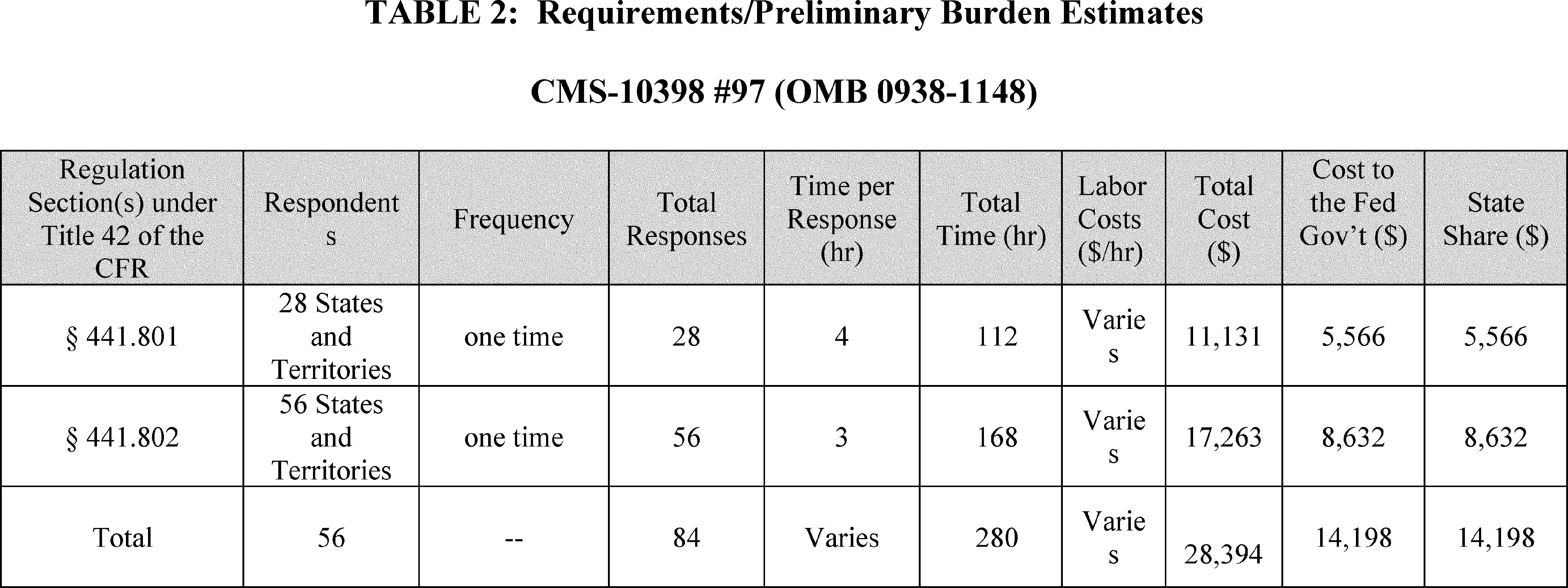
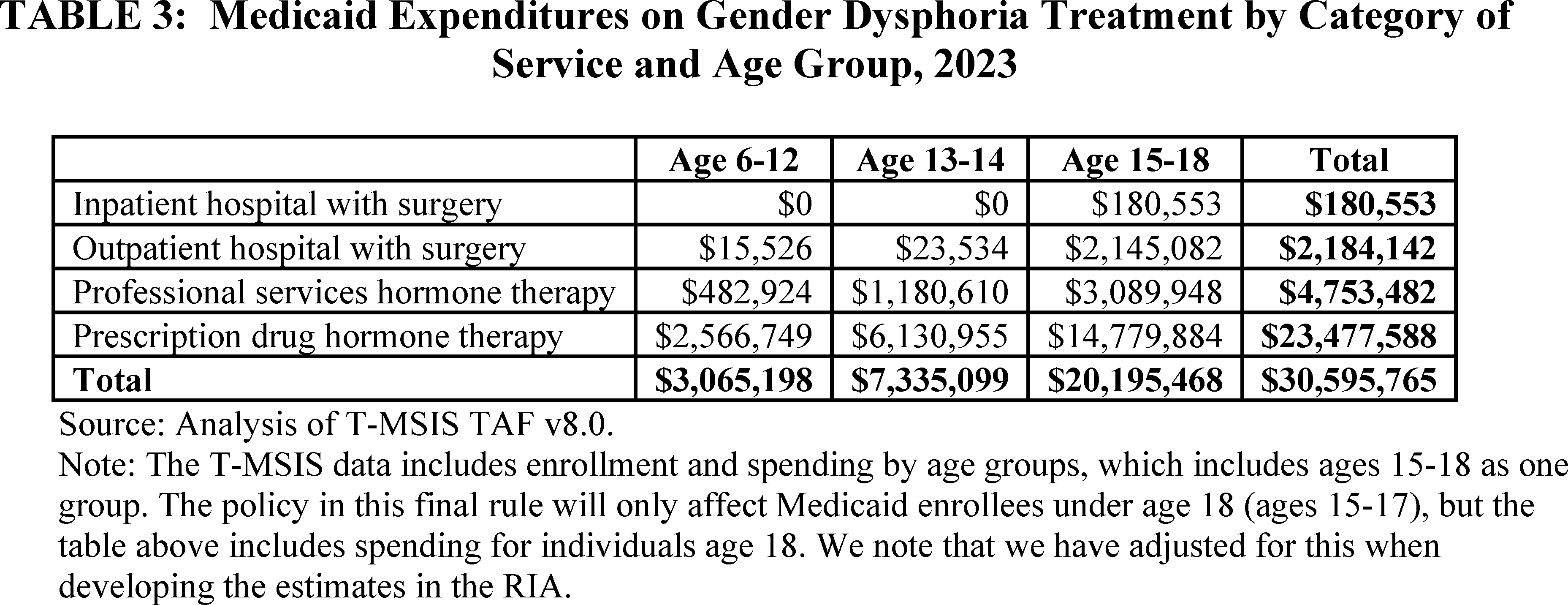
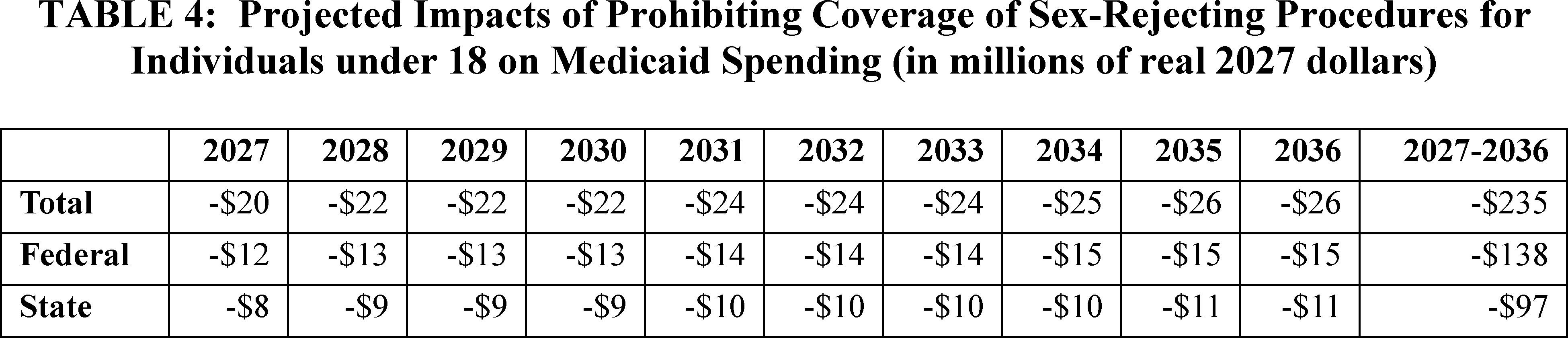
 www.sba.gov/content/small-business-size-standards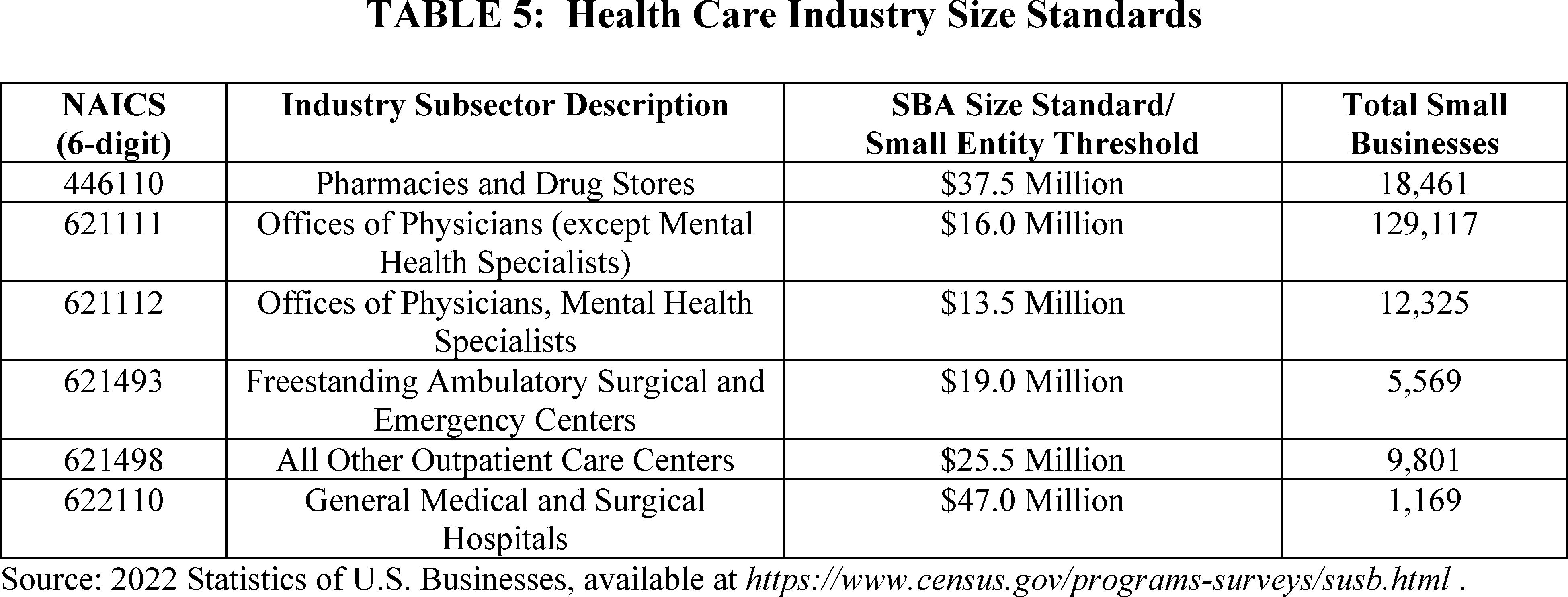
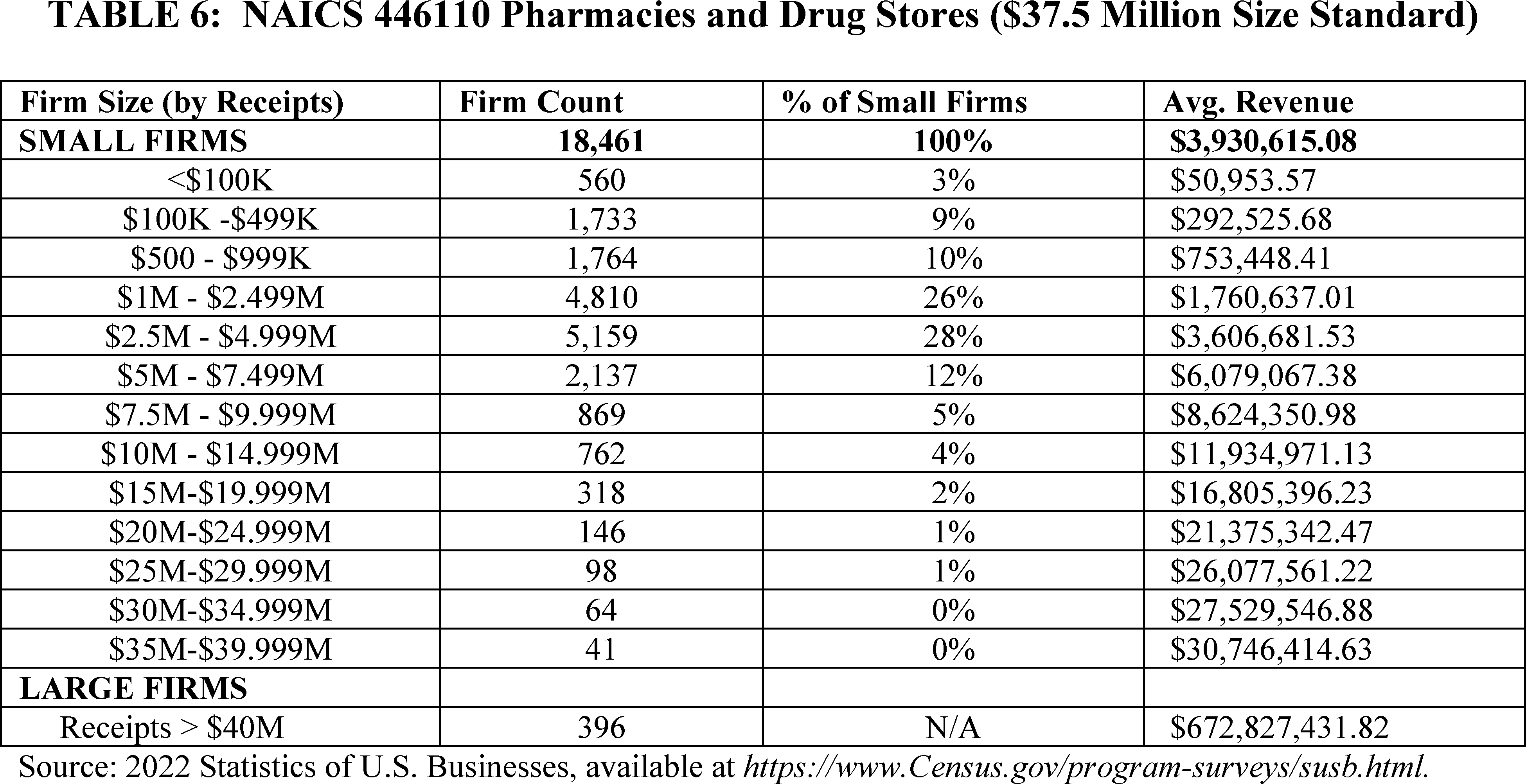
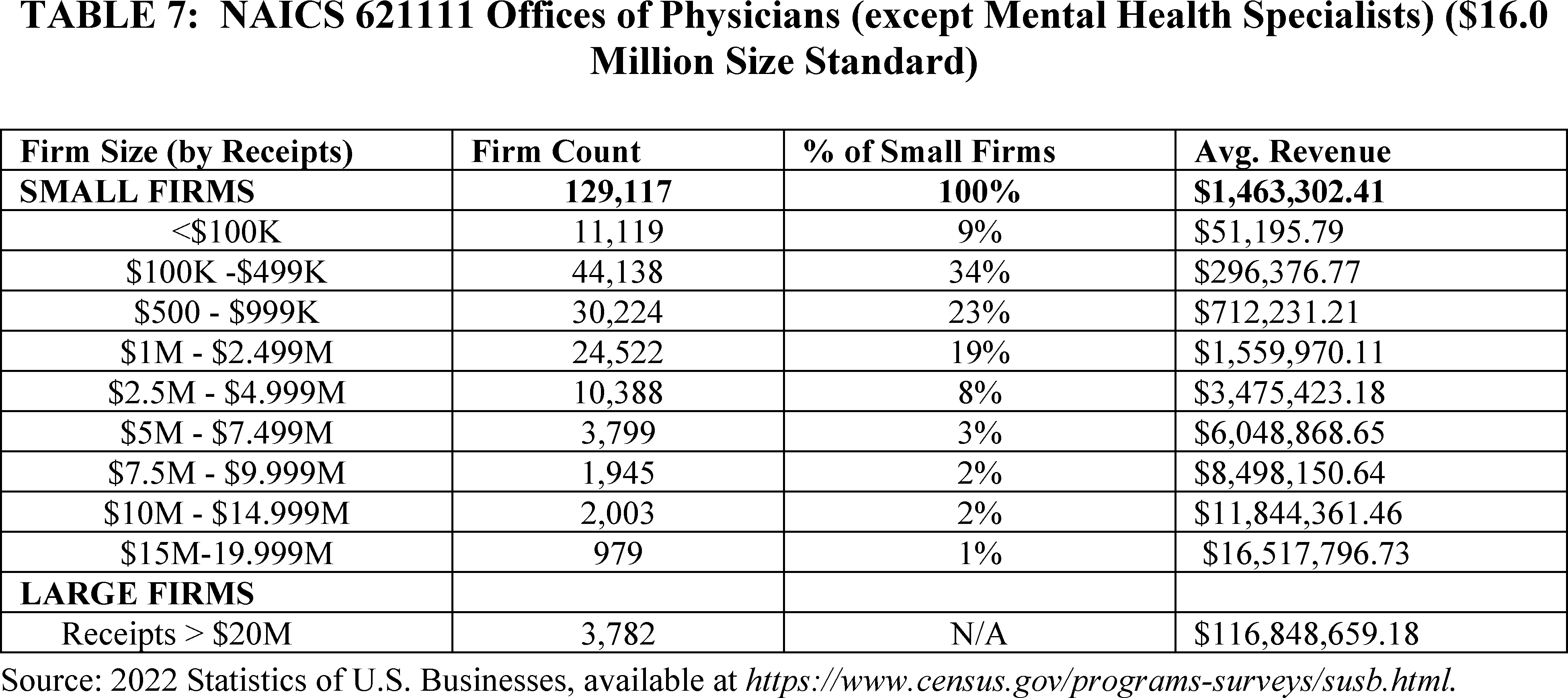
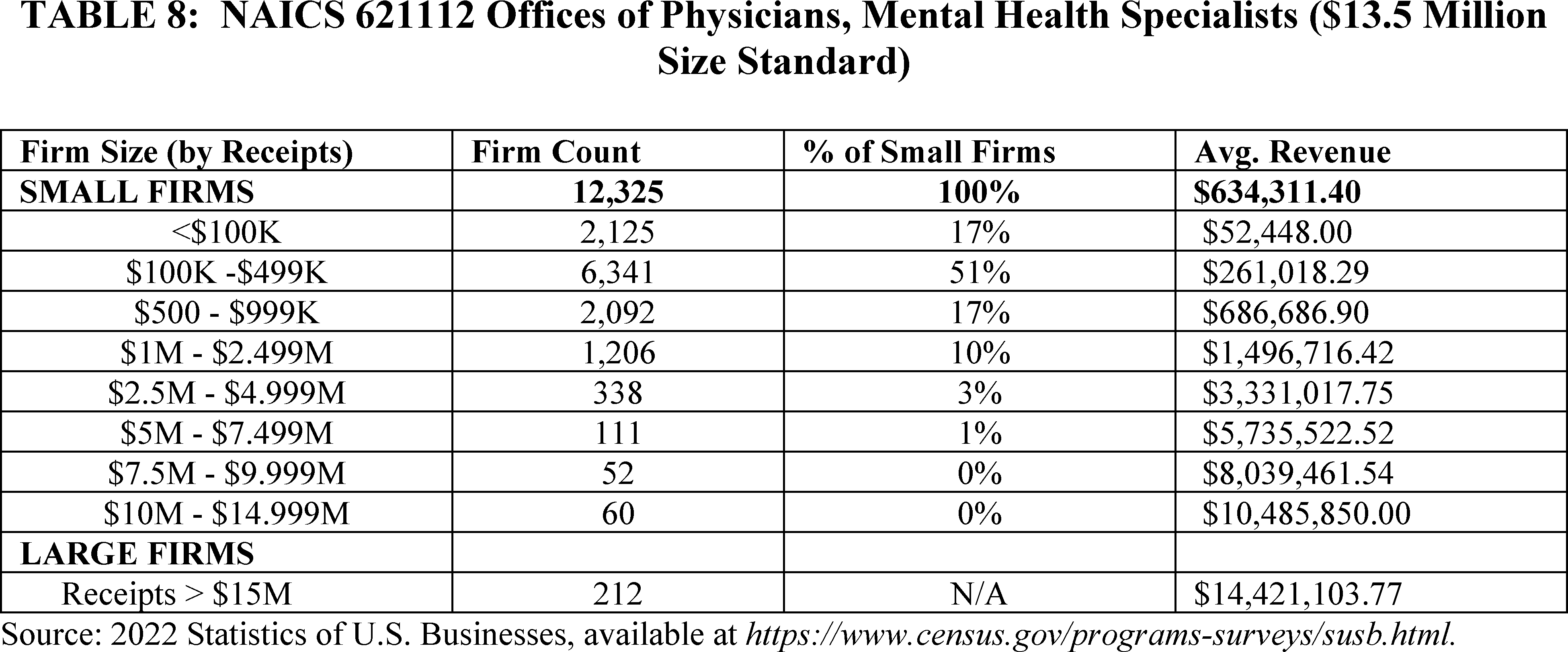
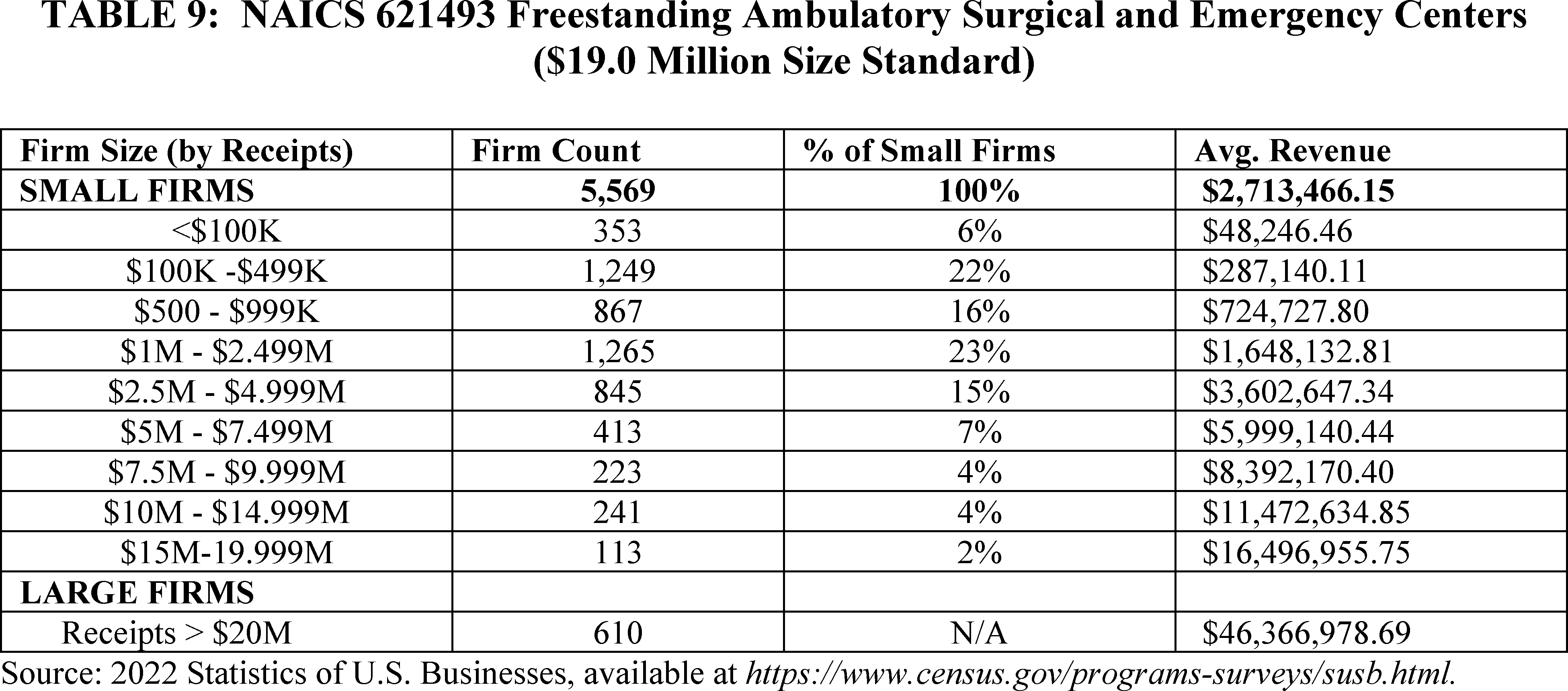
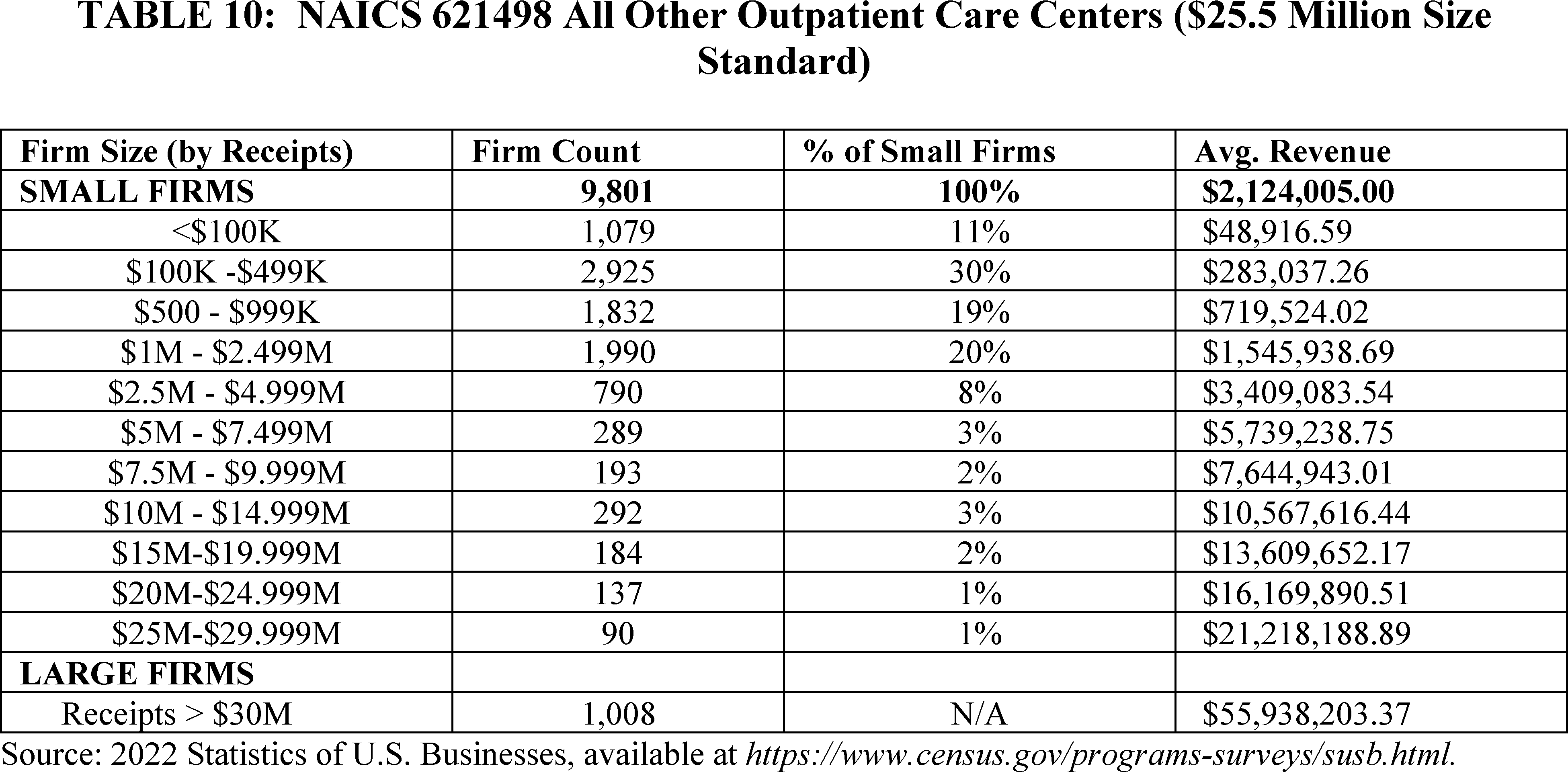
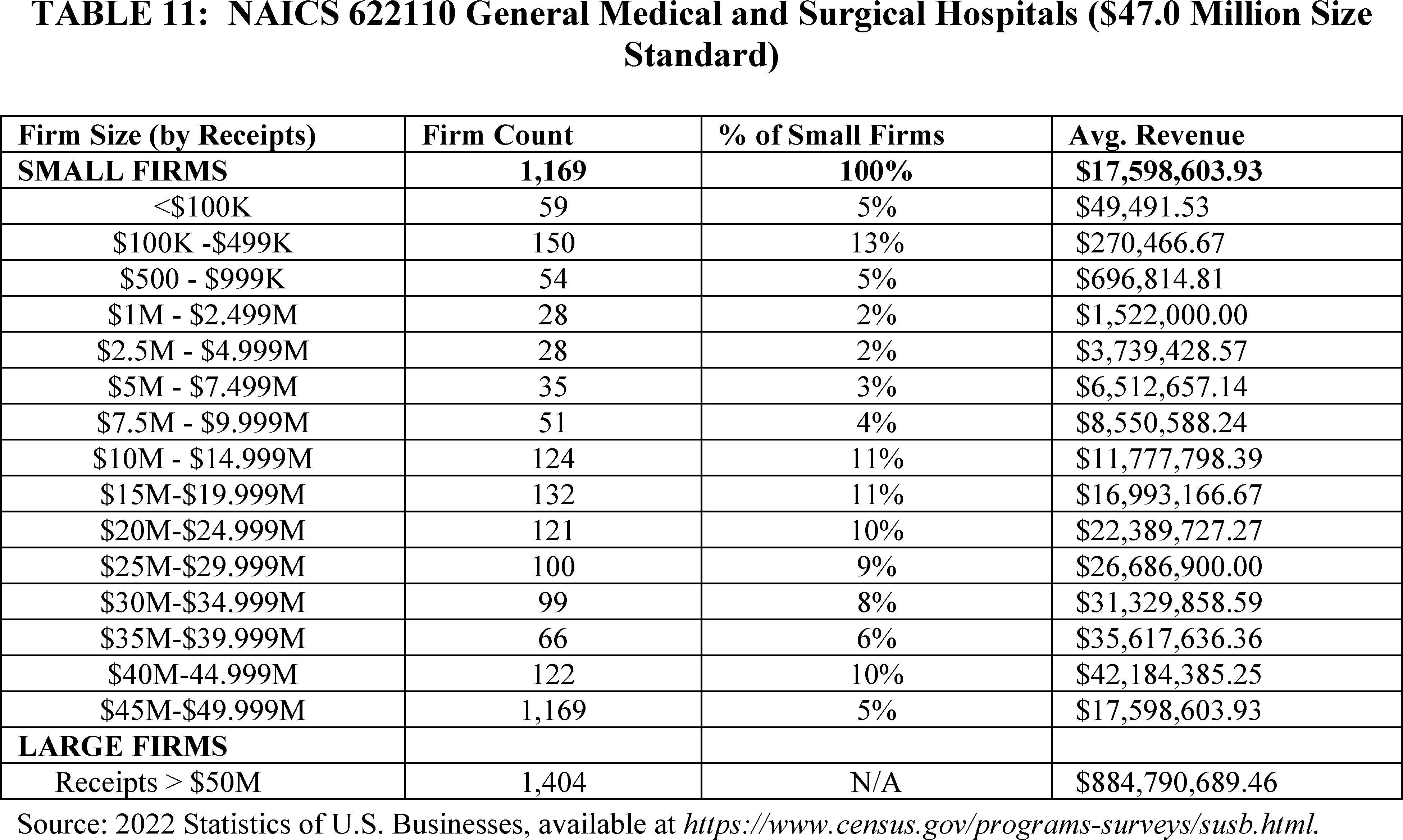
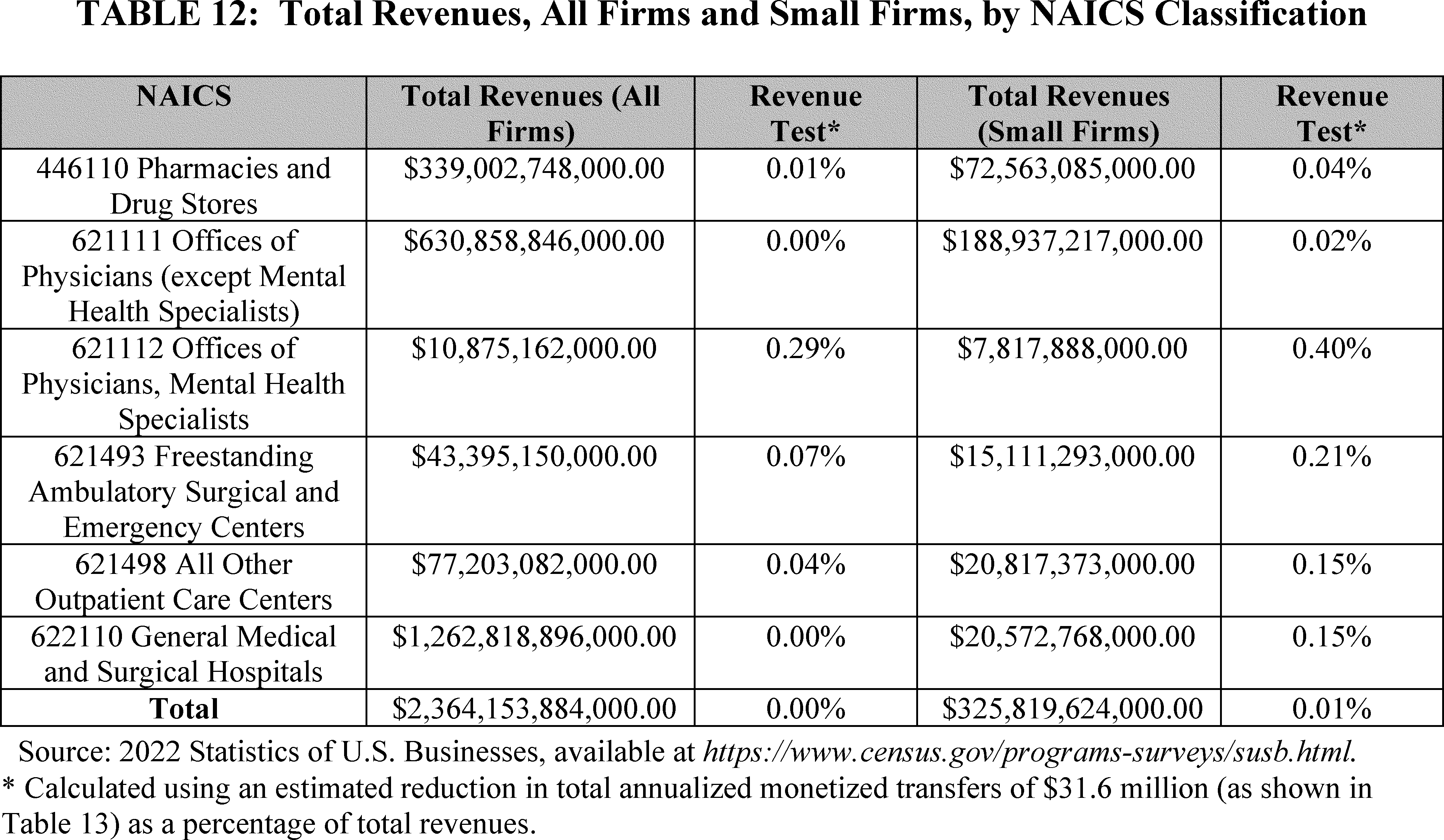
 www.whitehouse.gov/wp-content/uploads/2025/08/CircularA-4.pdf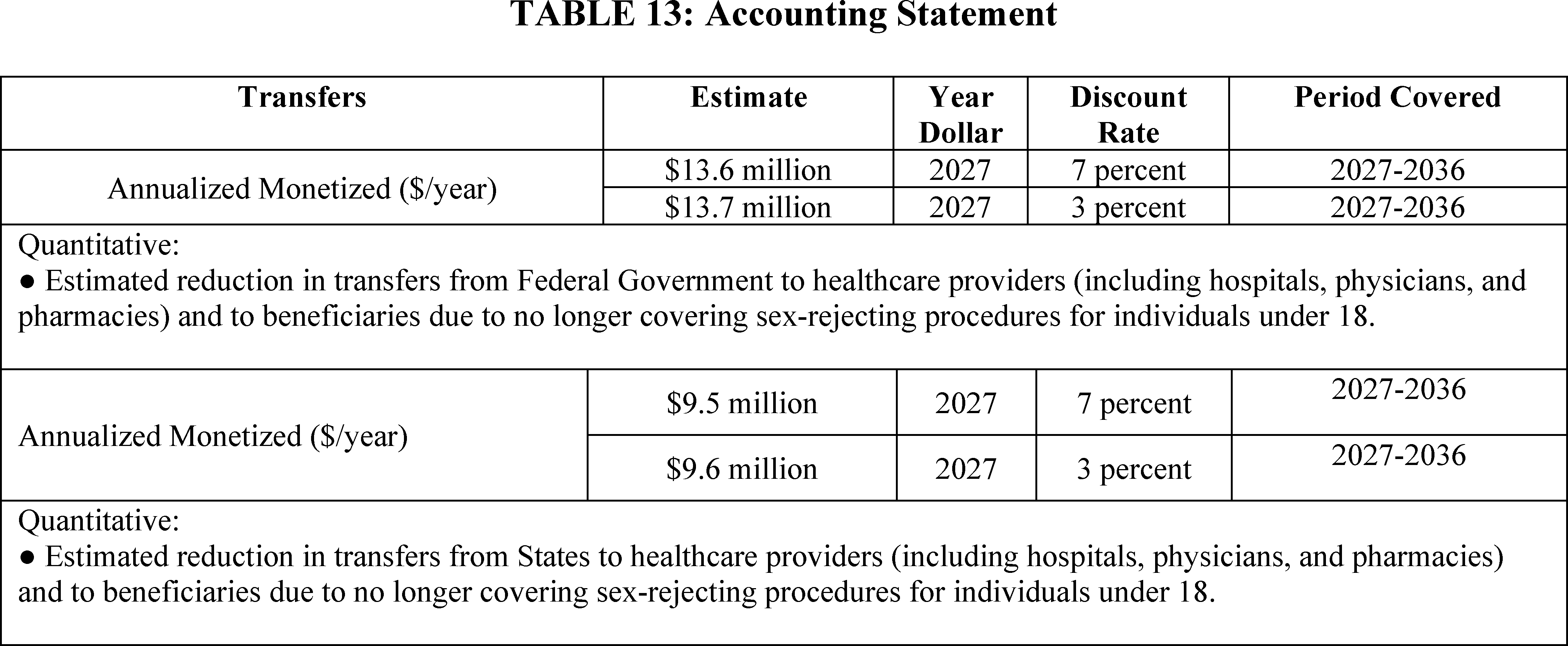
 opa.hhs.gov/about/mission
 icd.who.int/en/
 doi.org/10.1530/eje.1.02231
 www.reuters.com/investigates/special-report/usa-transyouth-data/
 www.hhs.gov/press-room/gender-dysphoria-report-release.html
 aspe.hhs.gov/topics/data/information-quality-guidelines
 www.aamc.org/news/states-are-
 www.apa.org/news/press/releases/2024/02/policy-supporting-transgender-nonbinary
 publications.aap.org/aapnews/news/19021/AAP-continues-to-support-care-of-transgender
 www.plasticsurgery.org/documents/health-policy/positions/2026-gender-surgery-children-adolescents.pdf
 dictionary.cambridge.org/us/dictionary/english/medicalization
 cass.independent-review.uk/wp-content/uploads/2022/09/20220726_Evidence-review_Gender-affirming-hormones_For-upload_Final.pdf
 www.england.nhs.uk/long-read/children-and-young-peoples-gender-services-implementing-the-cass-review-recommendations/
 www.socialstyrelsen.se/globalassets/sharepoint-dokument/artikelkatalog/kunskapsstod/2023-1-8330.pdf
 segm.org/Finland_deviates_from_WPATH_prioritizing_psychotherapy_no_surgery_for_minors
 palveluvalikoima.fi/documents/1237350/22895008/Summary_minors_en+(1).pdf/fa2054c5-8c35-8492-59d6-b3de1c00de49/Summary_minors_en+(1).pdf?t=1631773838474
 ukom.no/rapporter/pasientsikkerhet-for-barn-og-unge-med-kjonnsinkongruens/sammendrag
 www.theguardian.com/world/2025/nov/19/new-zealand-bans-new-prescriptions-of-puberty-blockers-for-young-transgender-people
 www.batimes.com.ar/news/latin-america/brazil-prohibits-hormone-therapy-for-transgender-minors.phtml
 transhealthproject.org/resources/medical-organization-statements/
 policysearch.ama-assn.org/policyfinder/detail/%22Clarification%20of%20Evidence-Based%20Gender-Affirming%20Care%22?uri=%2FAMADoc%2FHOD-185.927.xml
 le.utah.gov/AgencyRP/reportingDetail.jsp?rid=636
 www.nejm.org/doi/full/10.1056/NEJMoa2206297
 www.kff.org/other/dashboard/gender-affirming-care-policy-tracker
 www.lgbtmap.org/equality-maps/healthcare/youth_medical_care_bans
 www.medicaid.gov/medicaid/benefits/behavioral-health-services/children-and-youth
 www.cms.gov/files/document/letter-stm.pdf
 www.opm.gov/healthcare-insurance/carriers/fehb/2025/2025-1a.pdf
 tricare.triwest.com/globalassets/tricare/provider/TRICARE-West-Region-Gender-Dysphoria-PK.pdf
 manuals.health.mil/pages/DisplayManualHtmlFile/2025-08-12/AsOf/tpt5/c7s1_2.html
 book.gradepro.org
 cloud.e.ama-assn.org/newsletter
 worldpopulationreview.com/state-rankings/age-of-majority-by-state
 advocacy.sba.gov/wp-content/uploads/2025/07/Comment-Letter_Advocacy-Comments-to-HHS-Deregulatory-RFI.pdf
 www.aha.org/system/files/2018-02/info-teaching.pdf
 www.statnews.com/2026/02/05/hospitals-stop-gender-care-minors-trump-administration-pressure/
 www.reginfo.gov/public/pdf/eo14192/Accounting_Methods_under_EO_14192.pdf